




Heat Transfer is one of the highest scoring subjects in the GATE Mechanical paper, carrying a steady 8 to 10 marks almost every year. These are handwritten revision notes for the full Heat Transfer syllabus, from conduction through convection to radiation, plus heat exchangers and boiling. Each topic is paired with the formula and diagram that GATE expects you to apply.
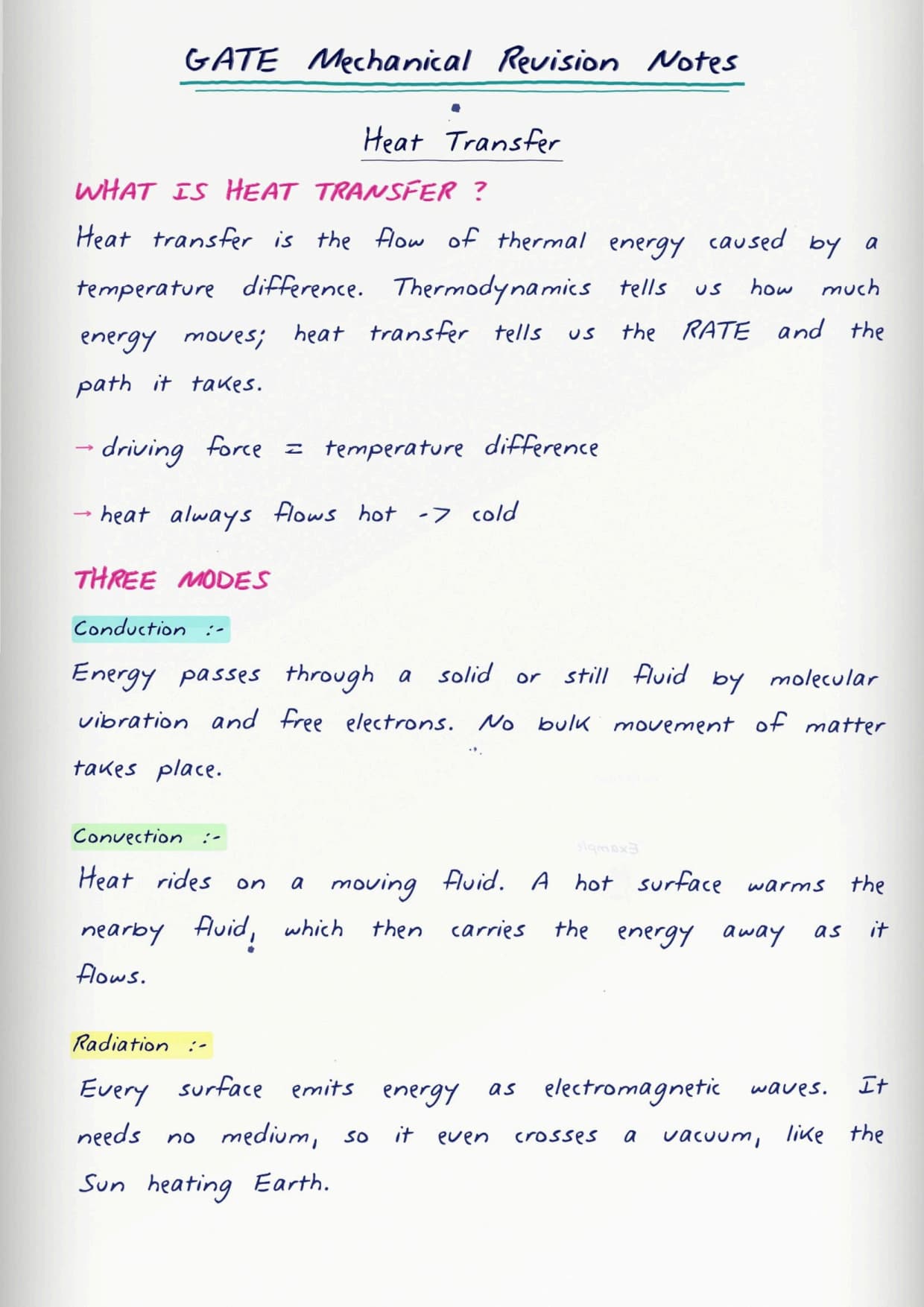
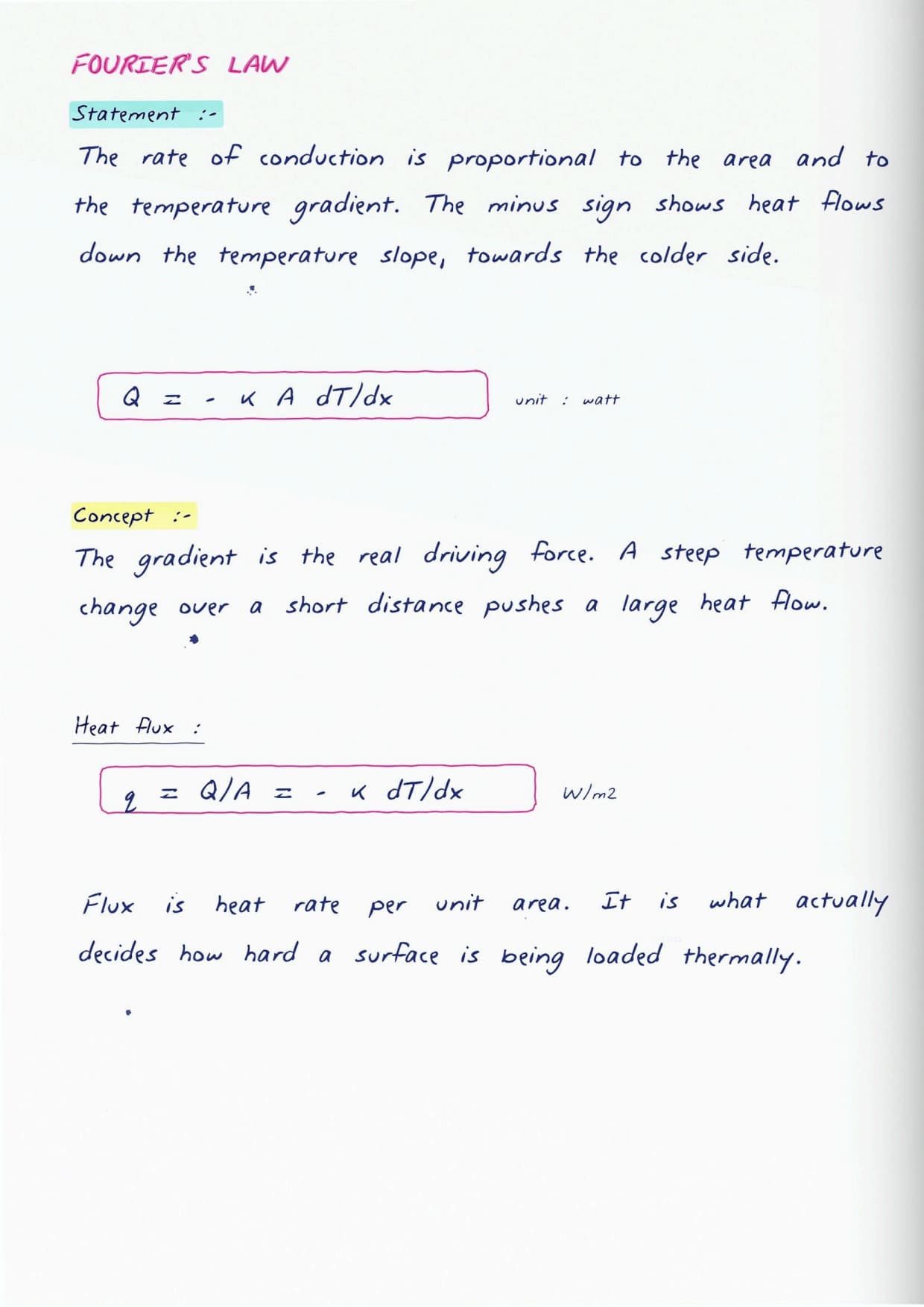
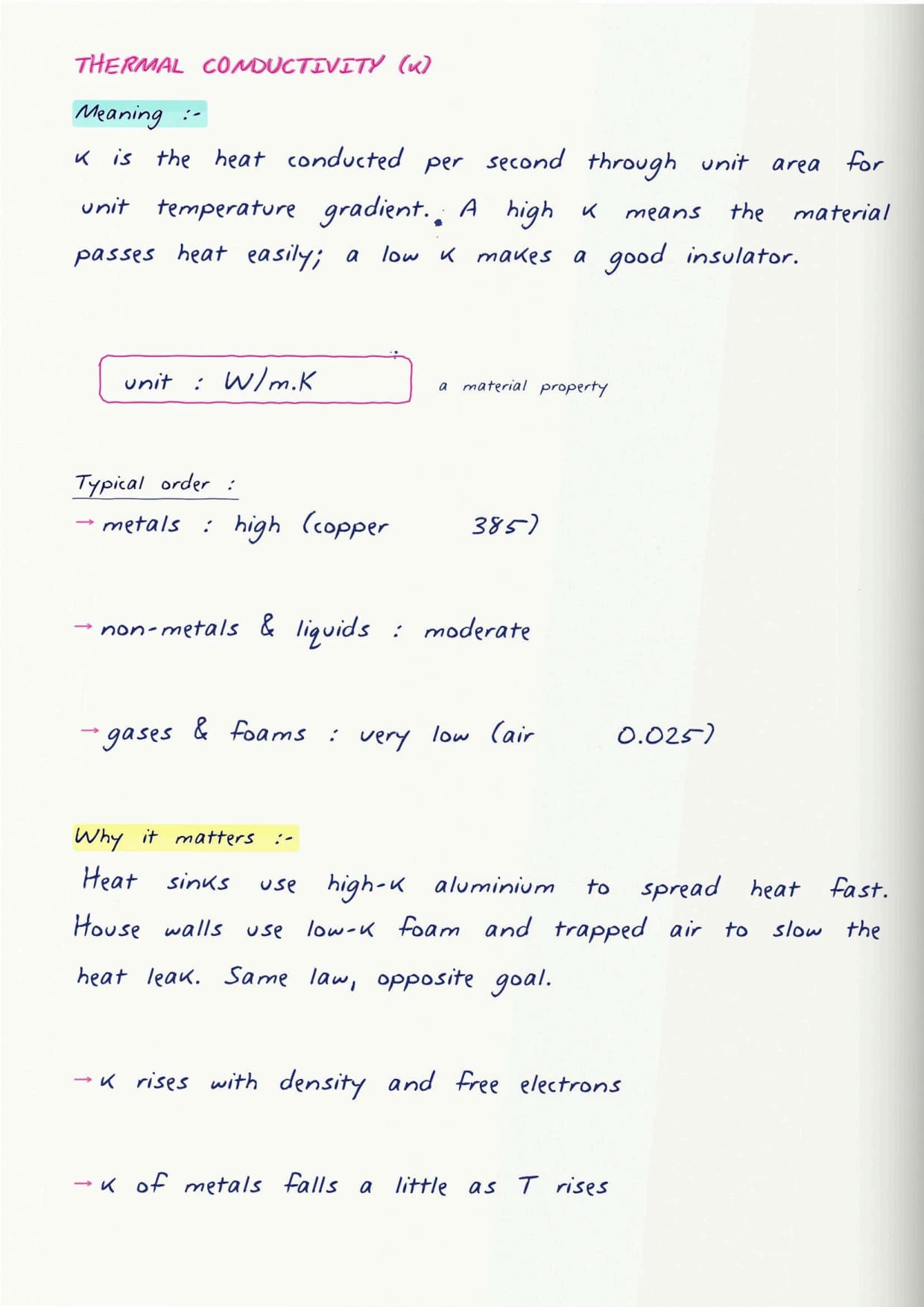
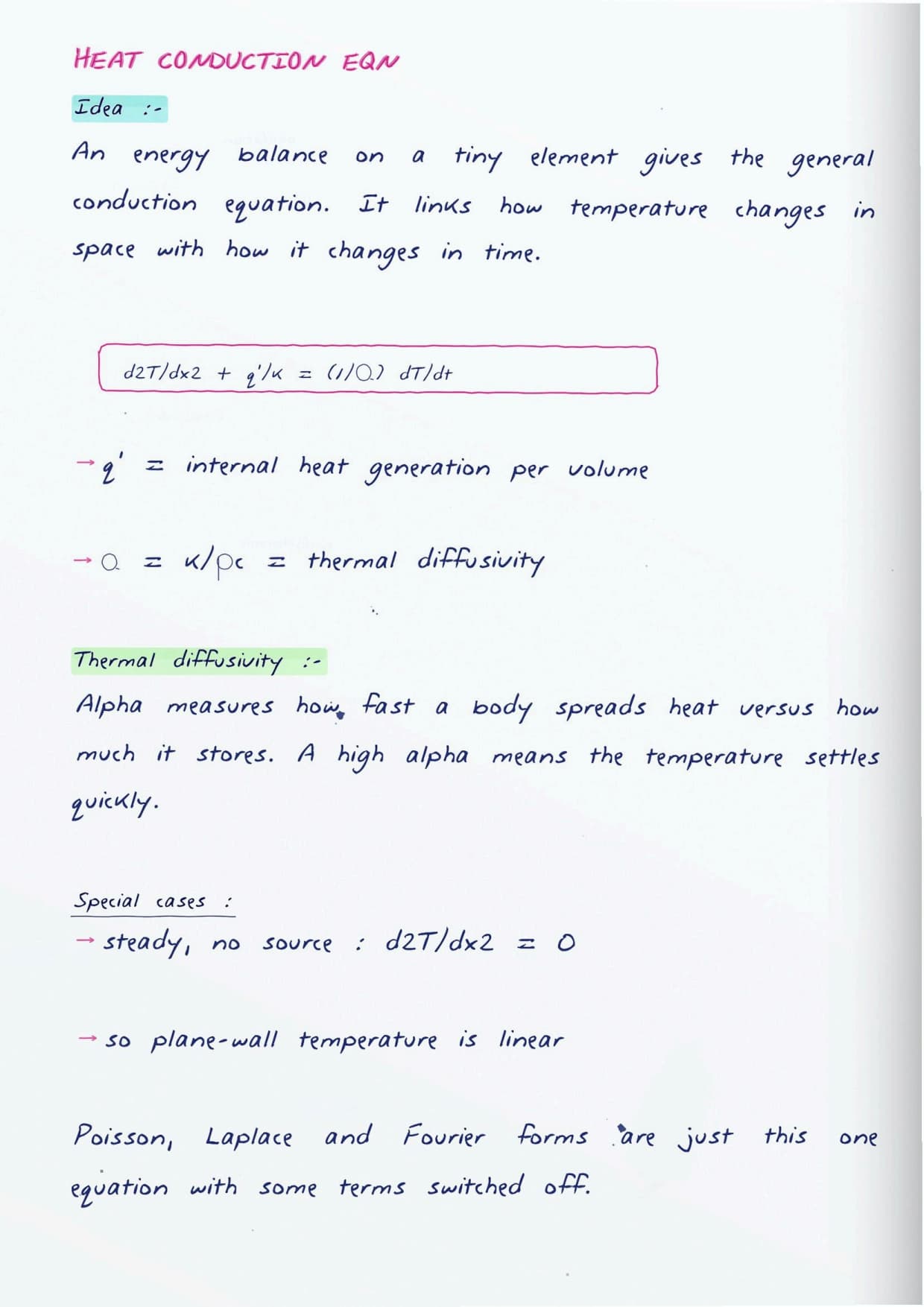
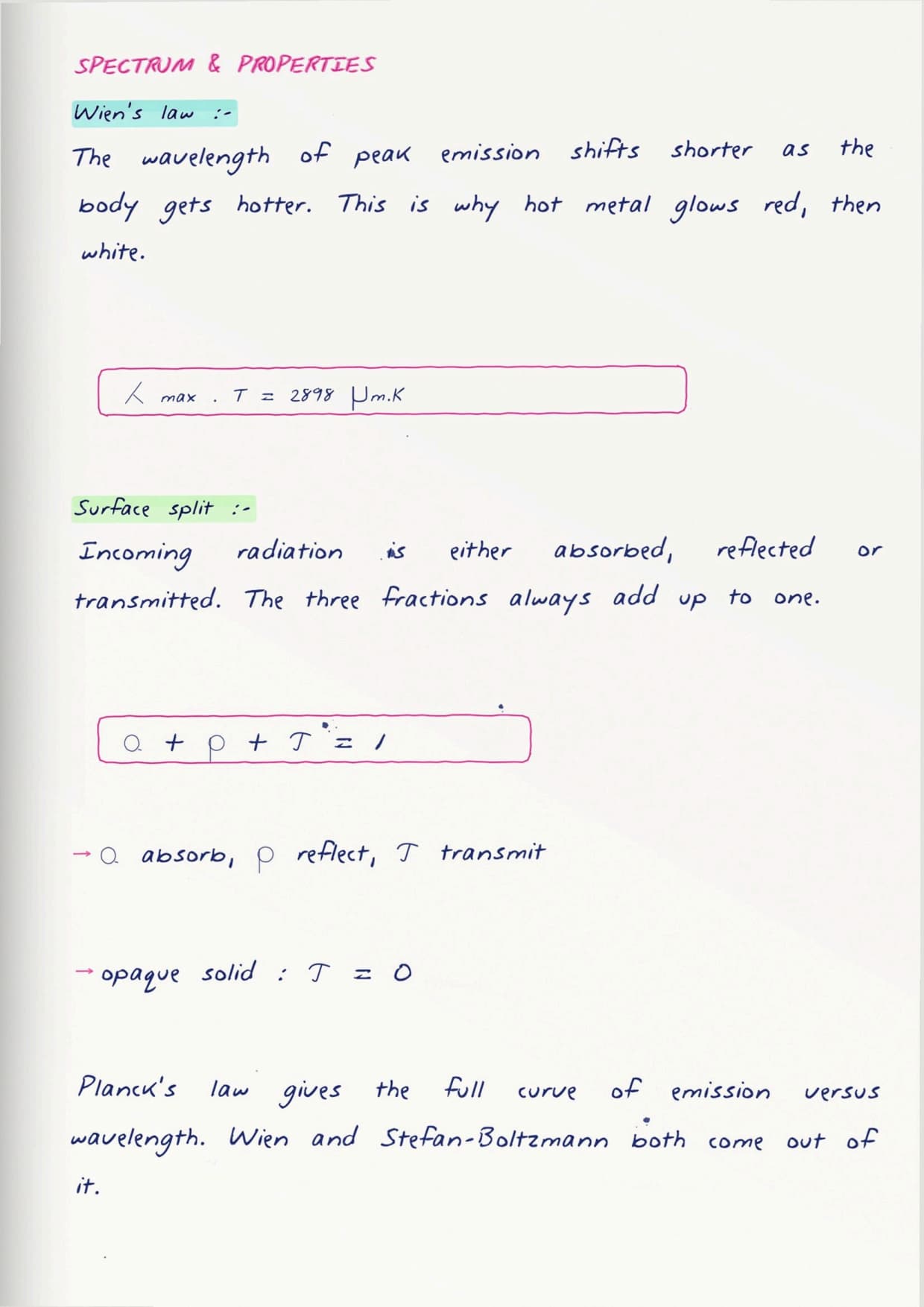
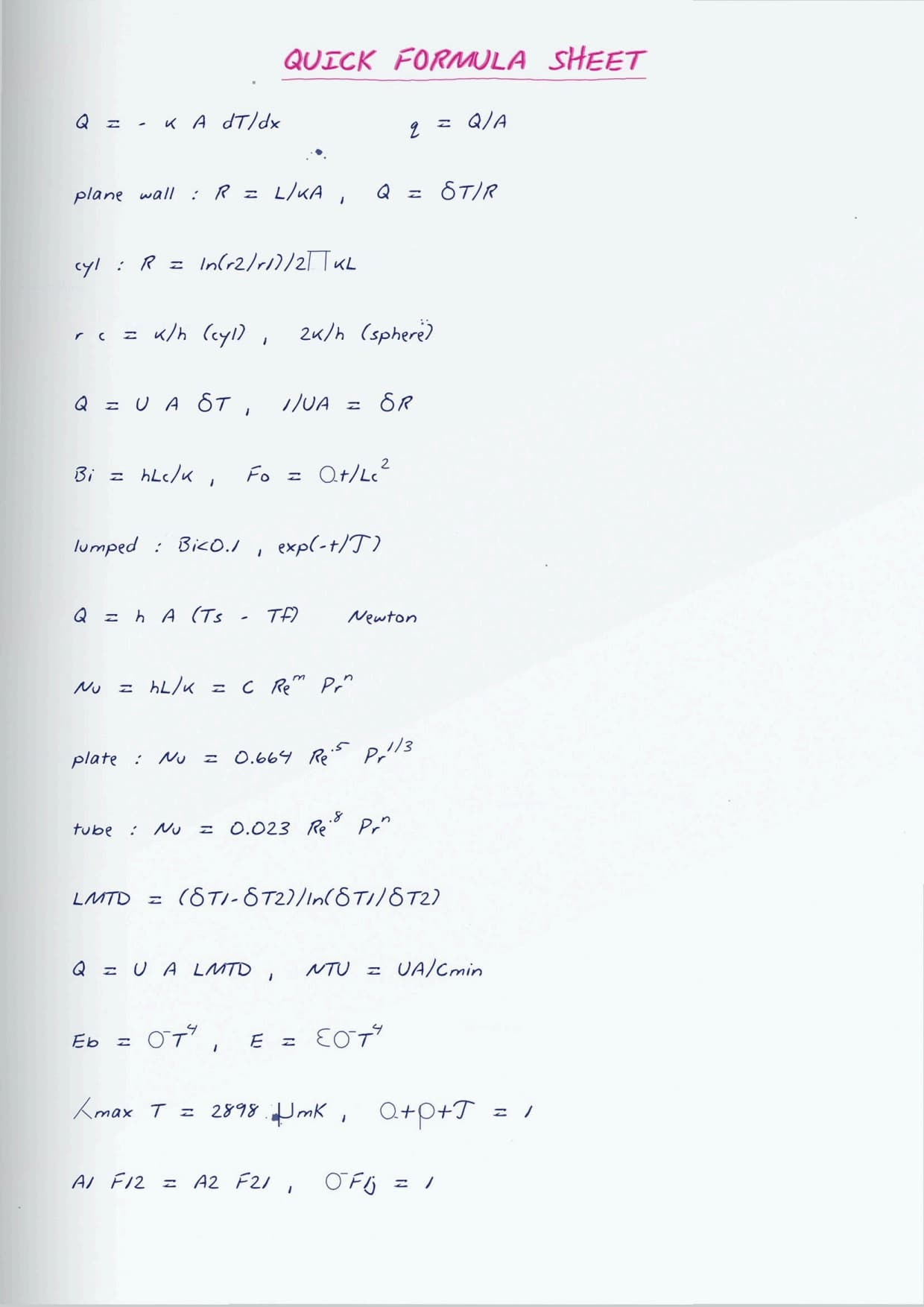
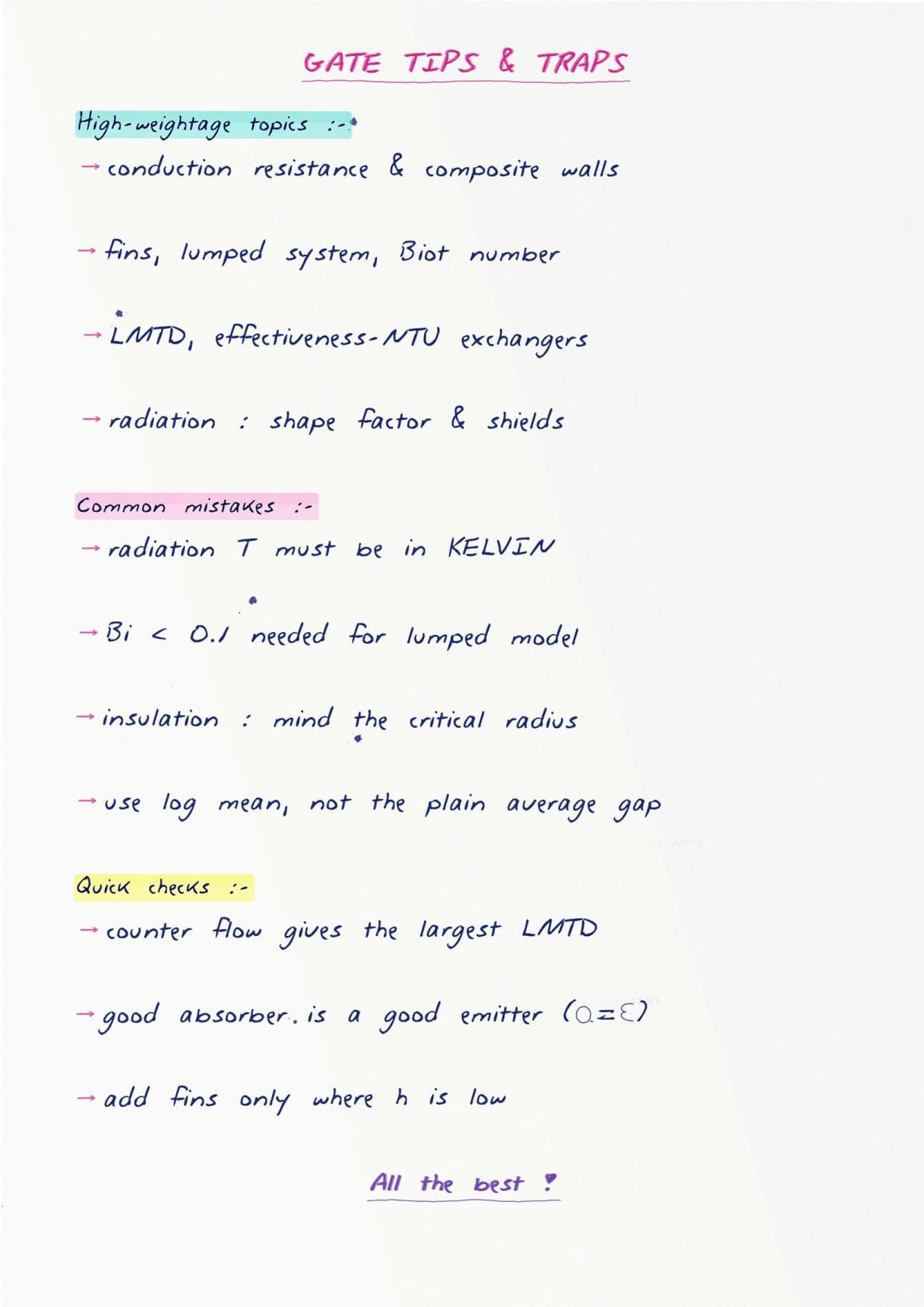
The notes follow the same order GATE tests, moving from conduction to convection and finally radiation, so each topic builds on the one before it.
- Full GATE Mechanical Heat Transfer syllabus in one PDF.
- Hand-drawn diagrams for fins, composite walls and heat exchangers.
- A quick formula sheet and a tips page for last-minute revision.
What These GATE Heat Transfer Notes Cover
These notes are meant for revision rather than first-time learning. Every topic is written in plain words and paired with its main formula, the meaning of each symbol, and a short real example so you can see where the idea applies. The standard cases come with labelled diagrams you can redraw in the exam.
- A plain-language meaning of each term.
- The main formula, with units and the meaning of each symbol.
- A real-world use for each idea, like insulation, a radiator or a CPU heat sink.
- Labelled hand-drawn diagrams for the standard cases.
GATE Heat Transfer Quick Revision
Source: GATE Wallah - ME, CE, XE, CH, PI & ES on YouTube
Topics Covered in GATE Heat Transfer
The notes follow the official GATE Mechanical Heat Transfer syllabus and give extra space to the areas that appear most often in the paper. Conduction and its resistance network, fins, and heat exchangers are covered in the depth that GATE numericals demand, and no high-weightage topic is skipped.
- Modes of heat transfer and how they differ.
- Conduction and Fourier's law, with thermal conductivity.
- General heat conduction equation in the three coordinate systems.
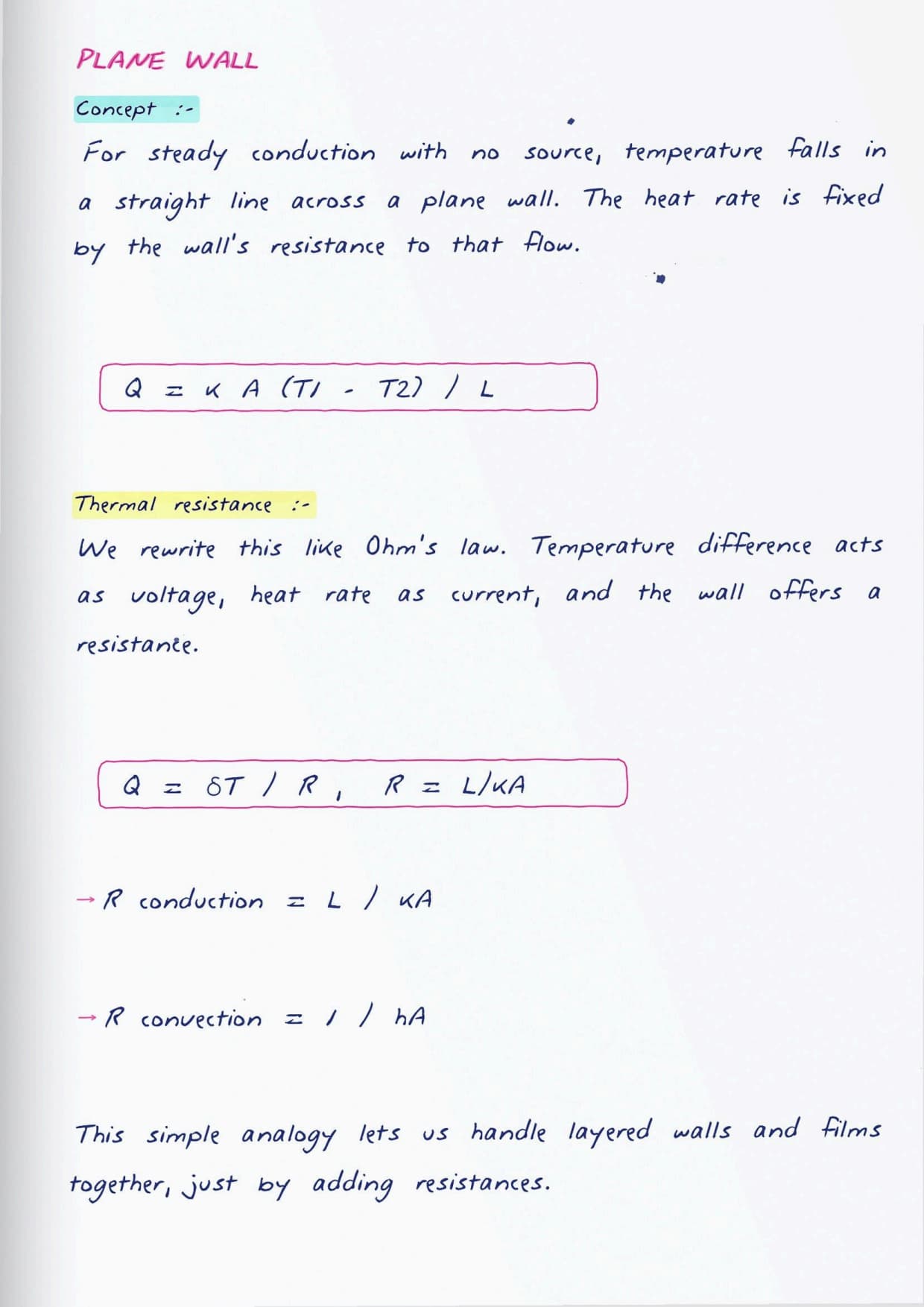
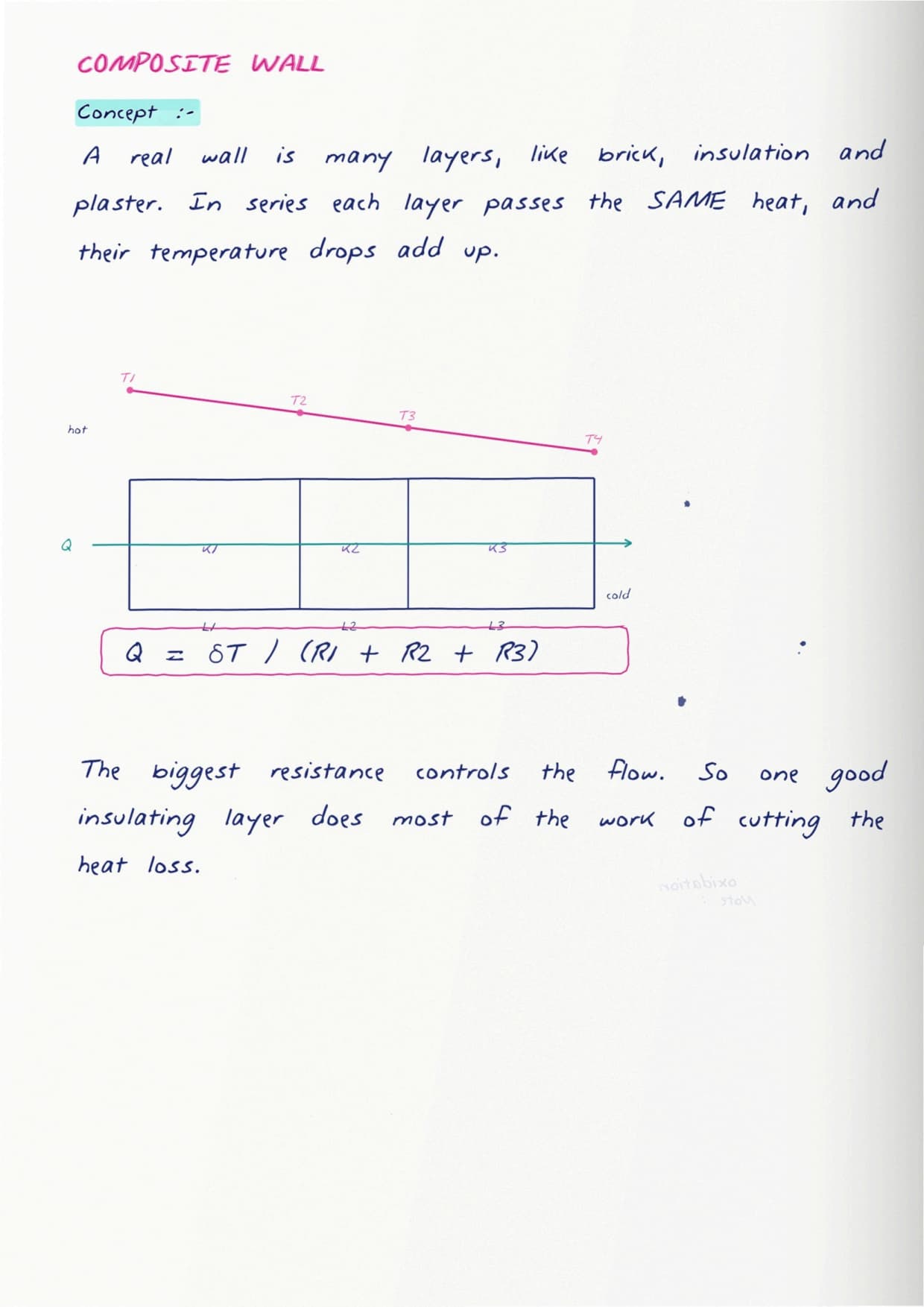
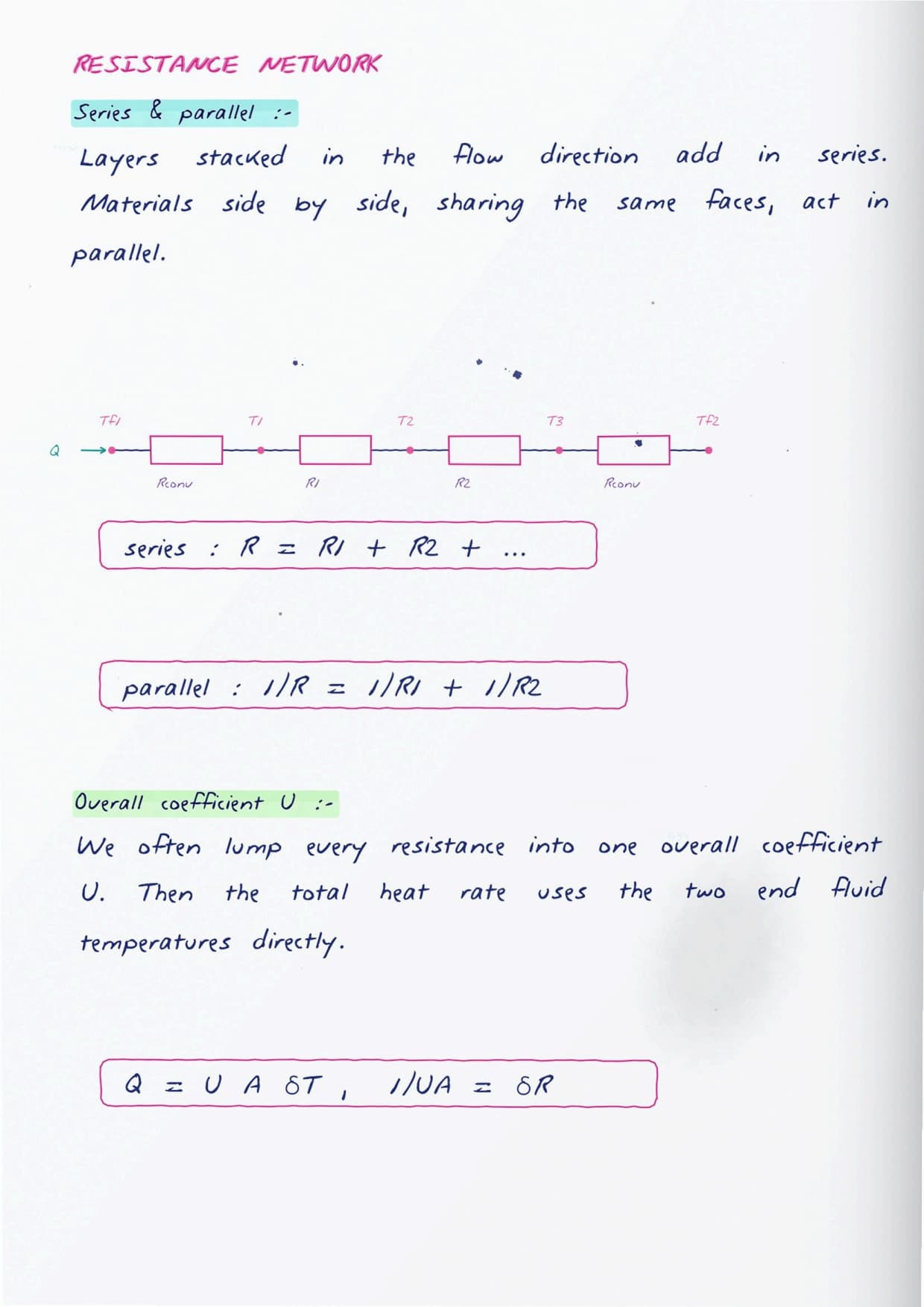
- Plane walls, composite walls and the thermal resistance network.
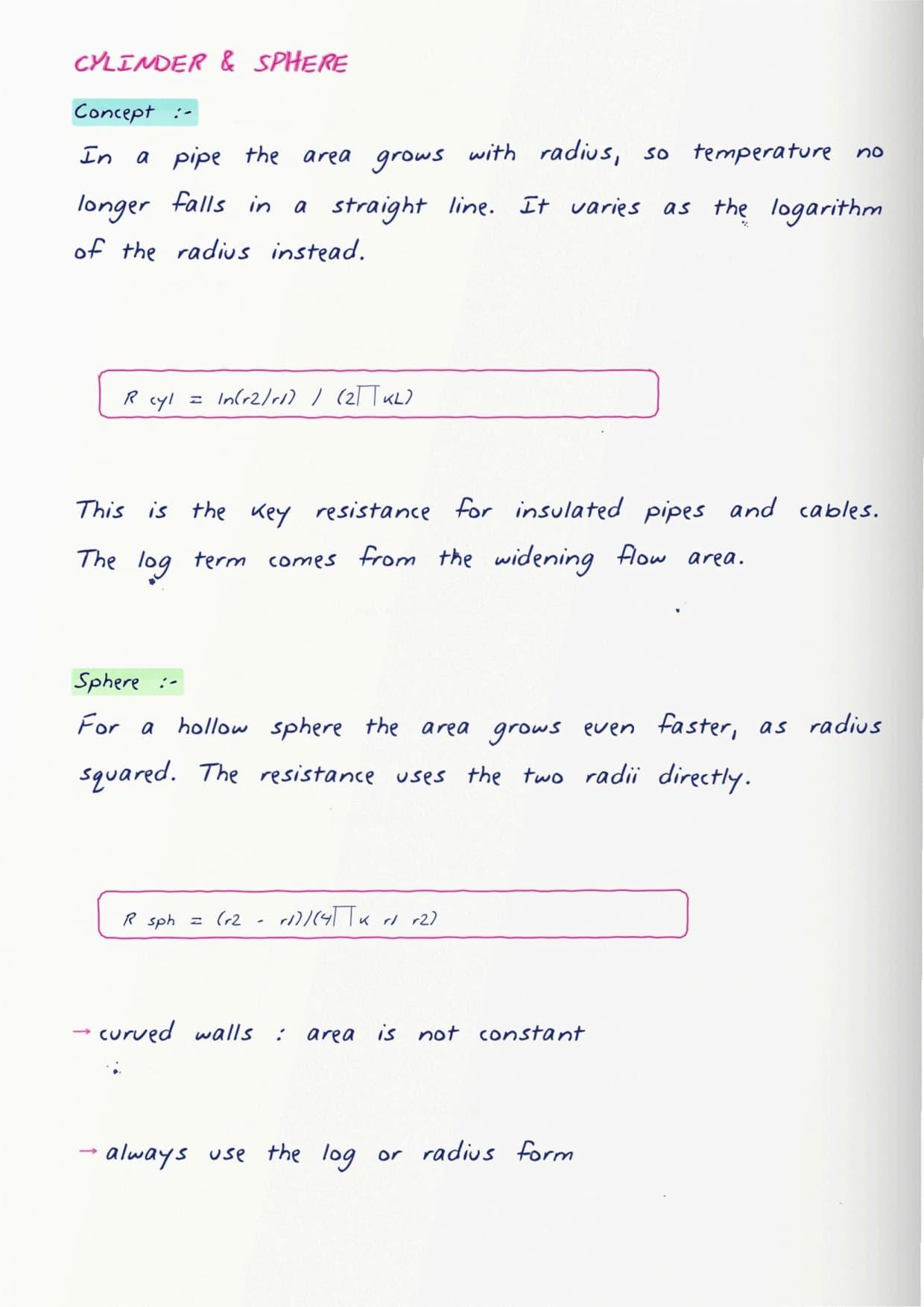
- Radial conduction through cylinders and spheres.
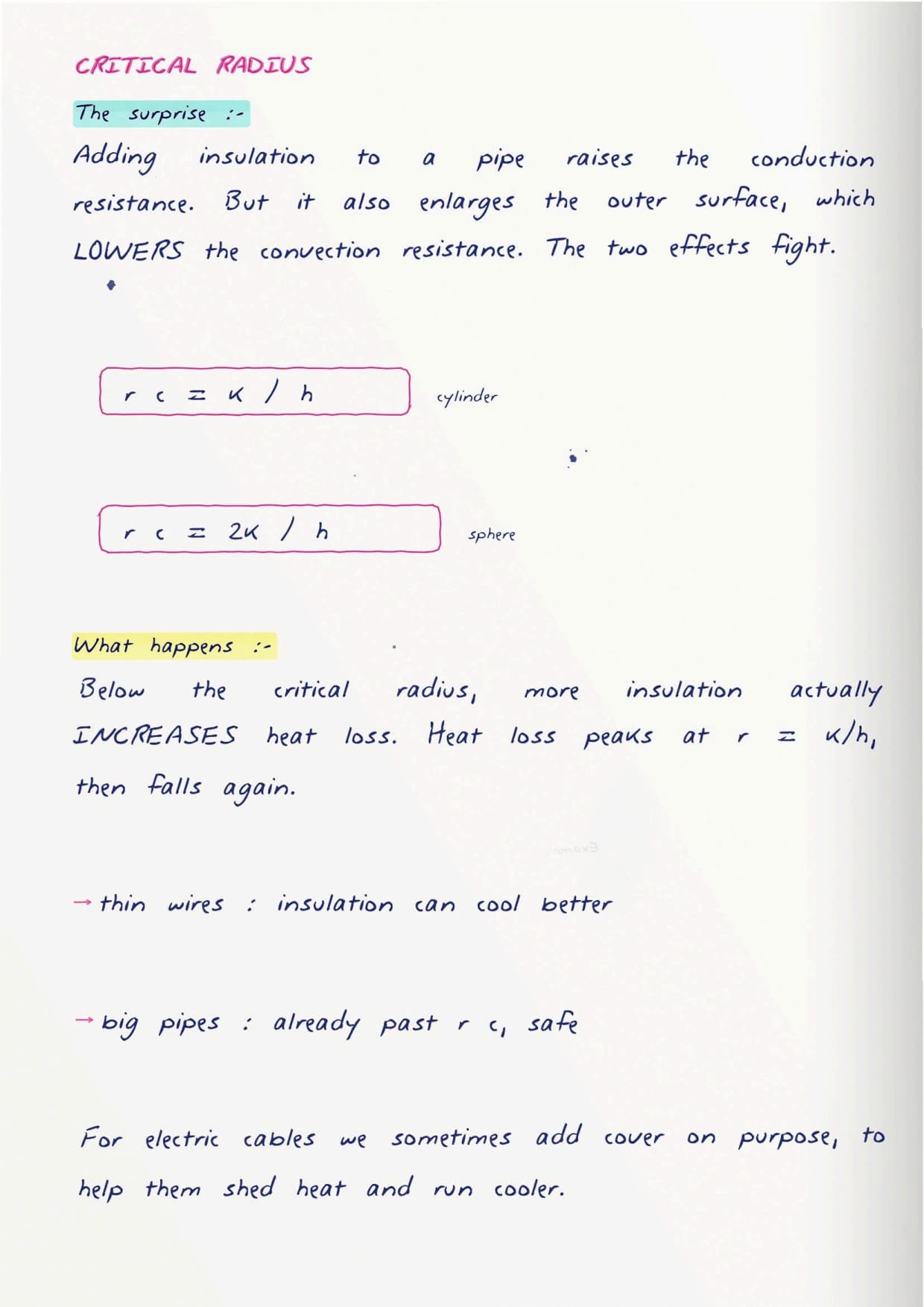
- Critical radius of insulation and when insulation adds heat loss.
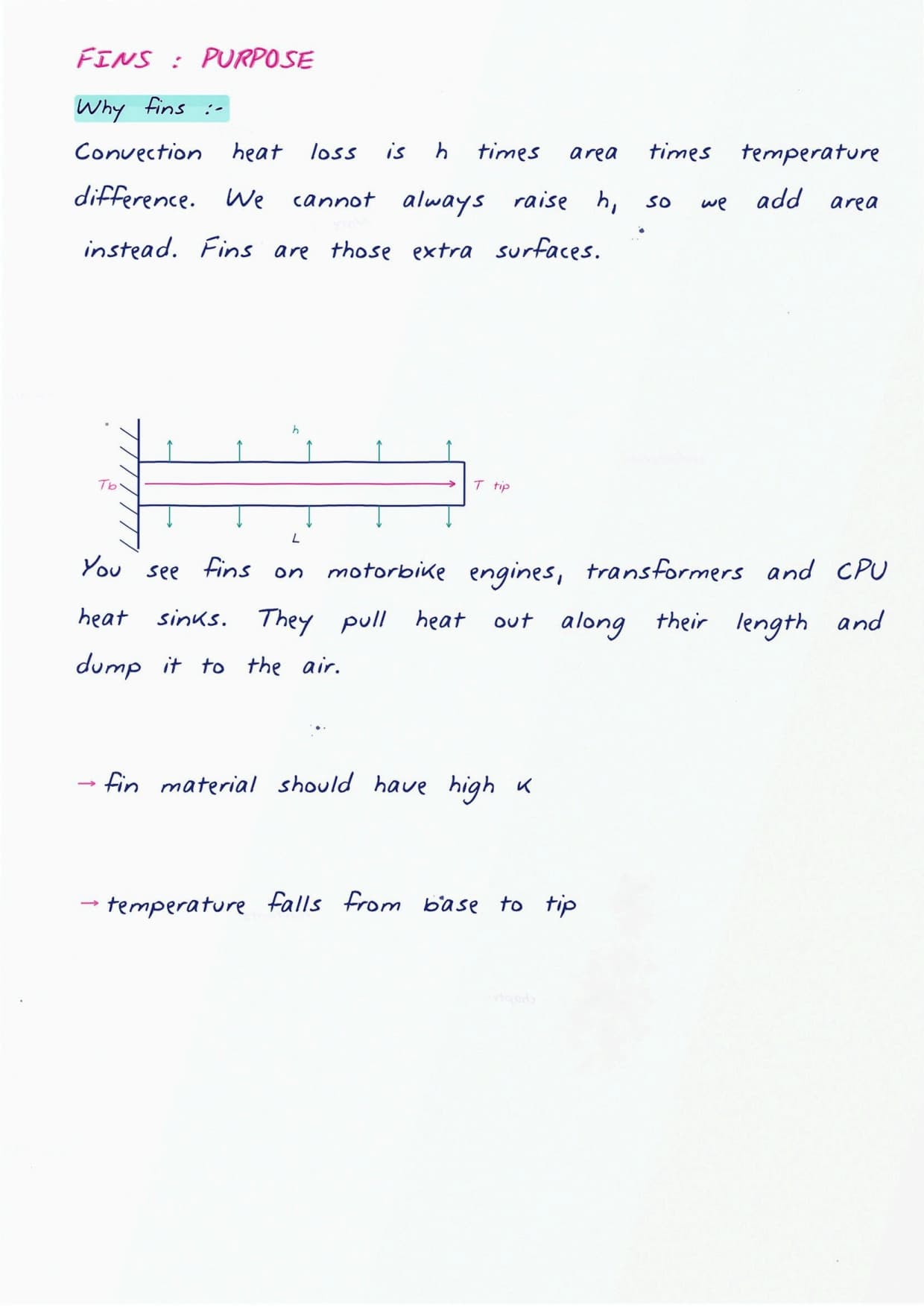
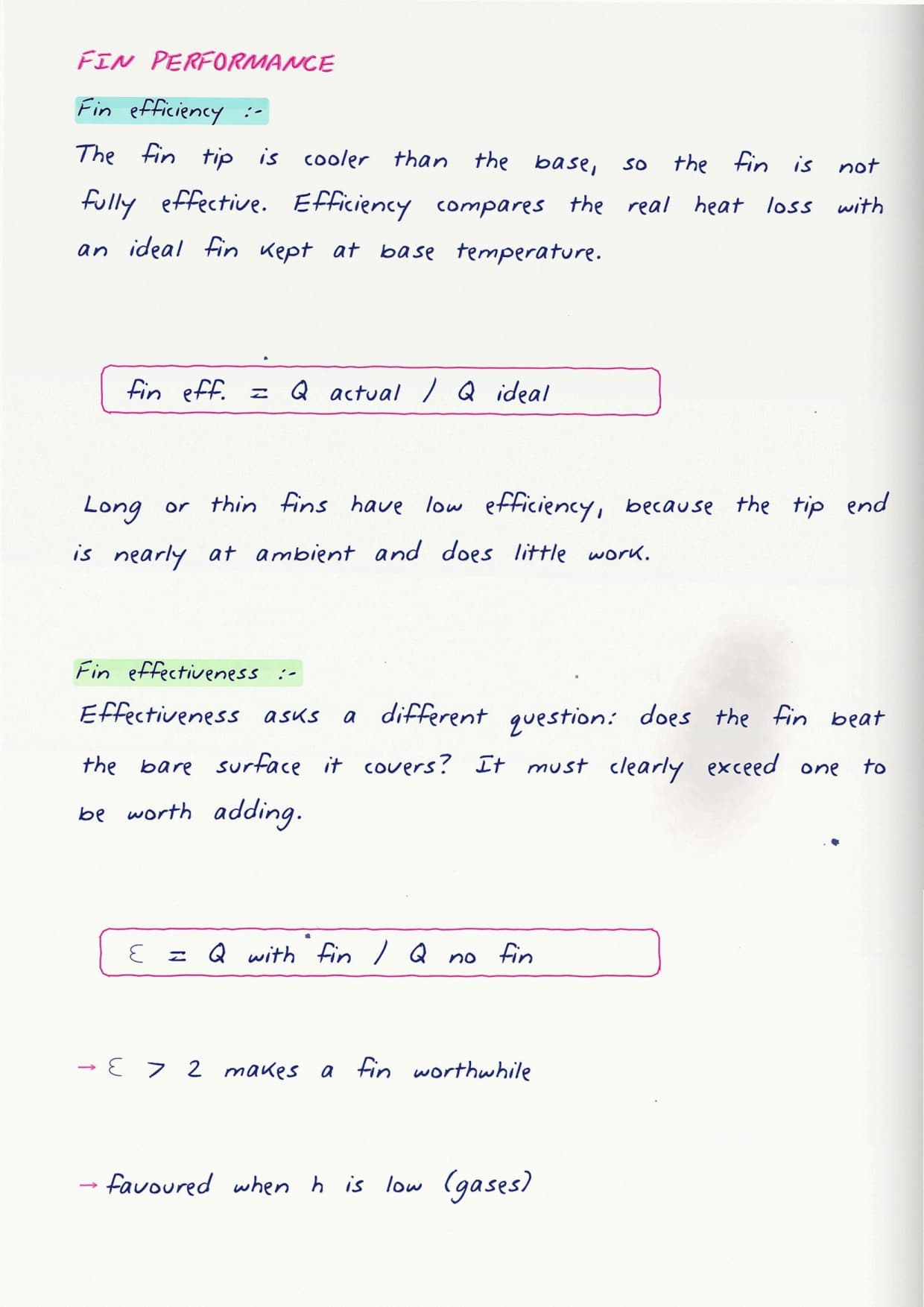
- Heat generation and extended surfaces (fins), with fin efficiency.
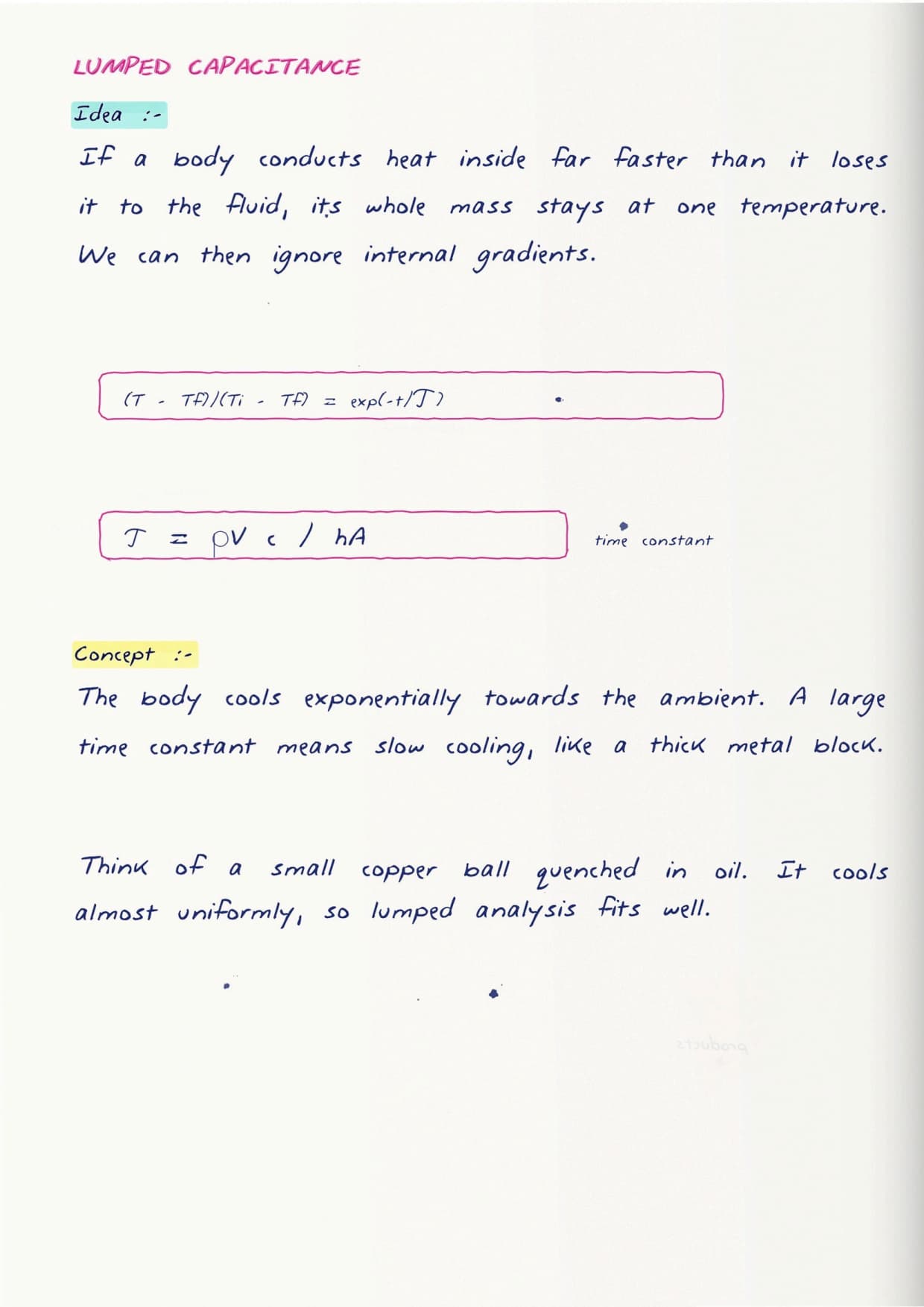
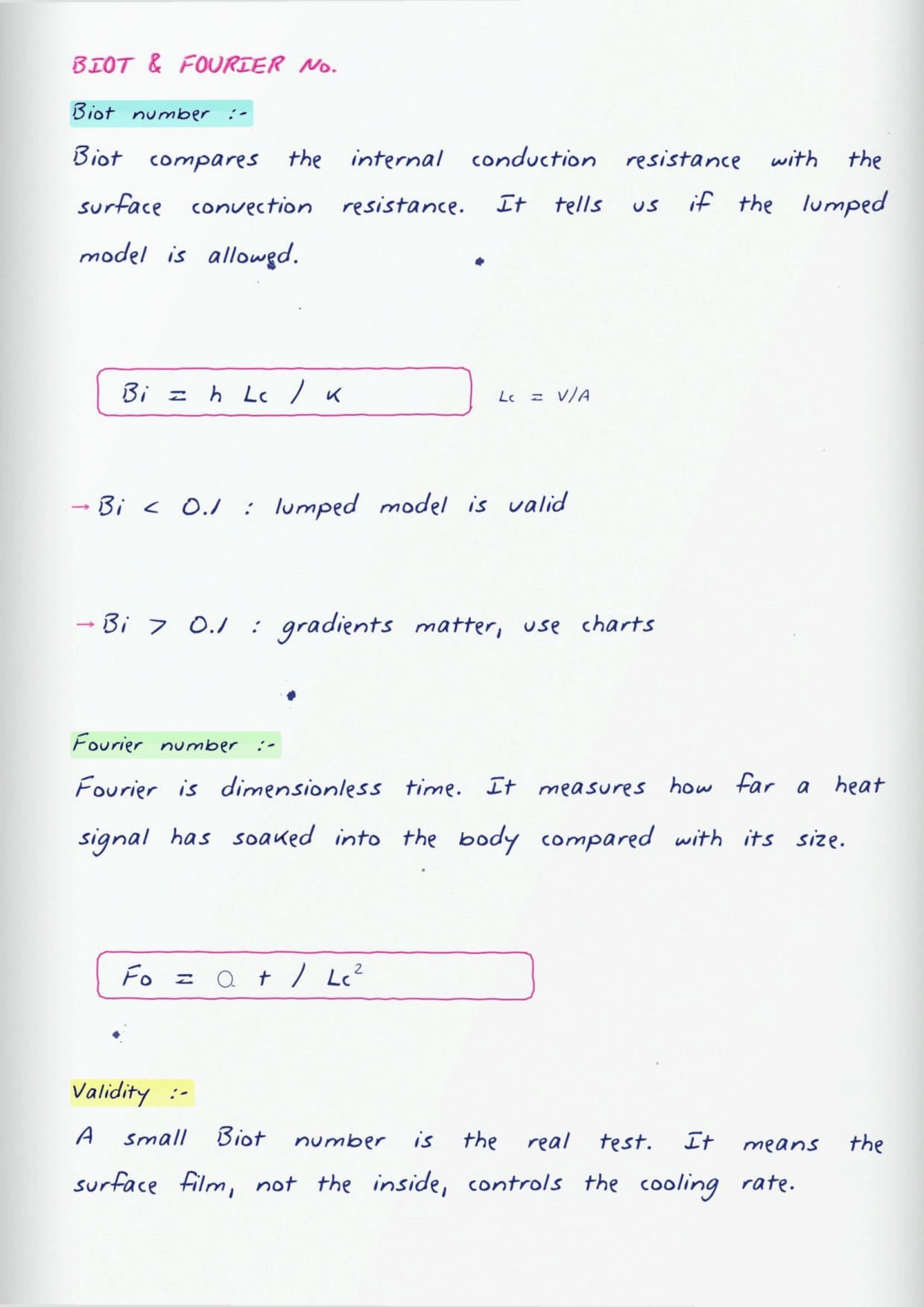
- Unsteady conduction, lumped capacitance, Biot and Fourier numbers.
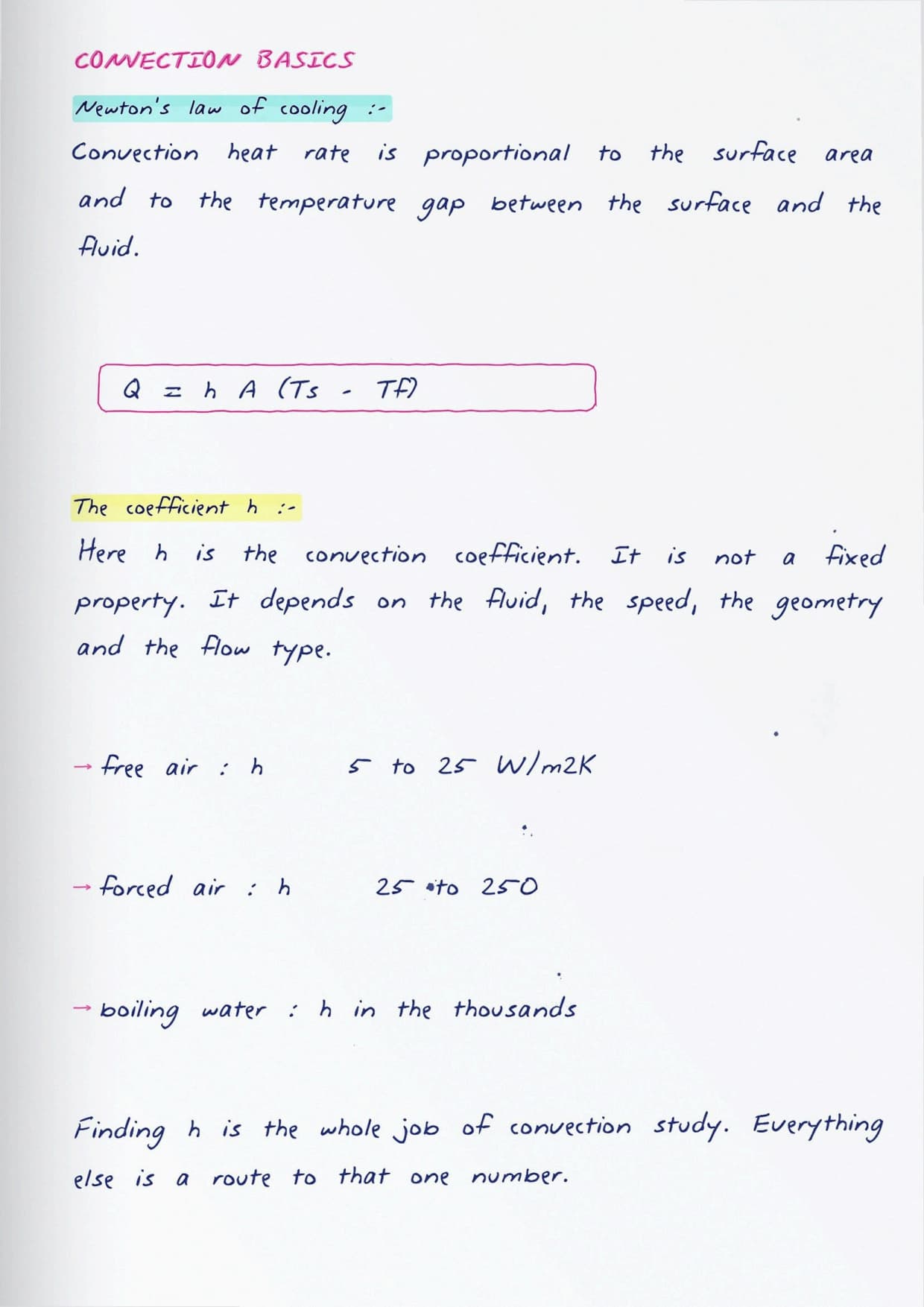
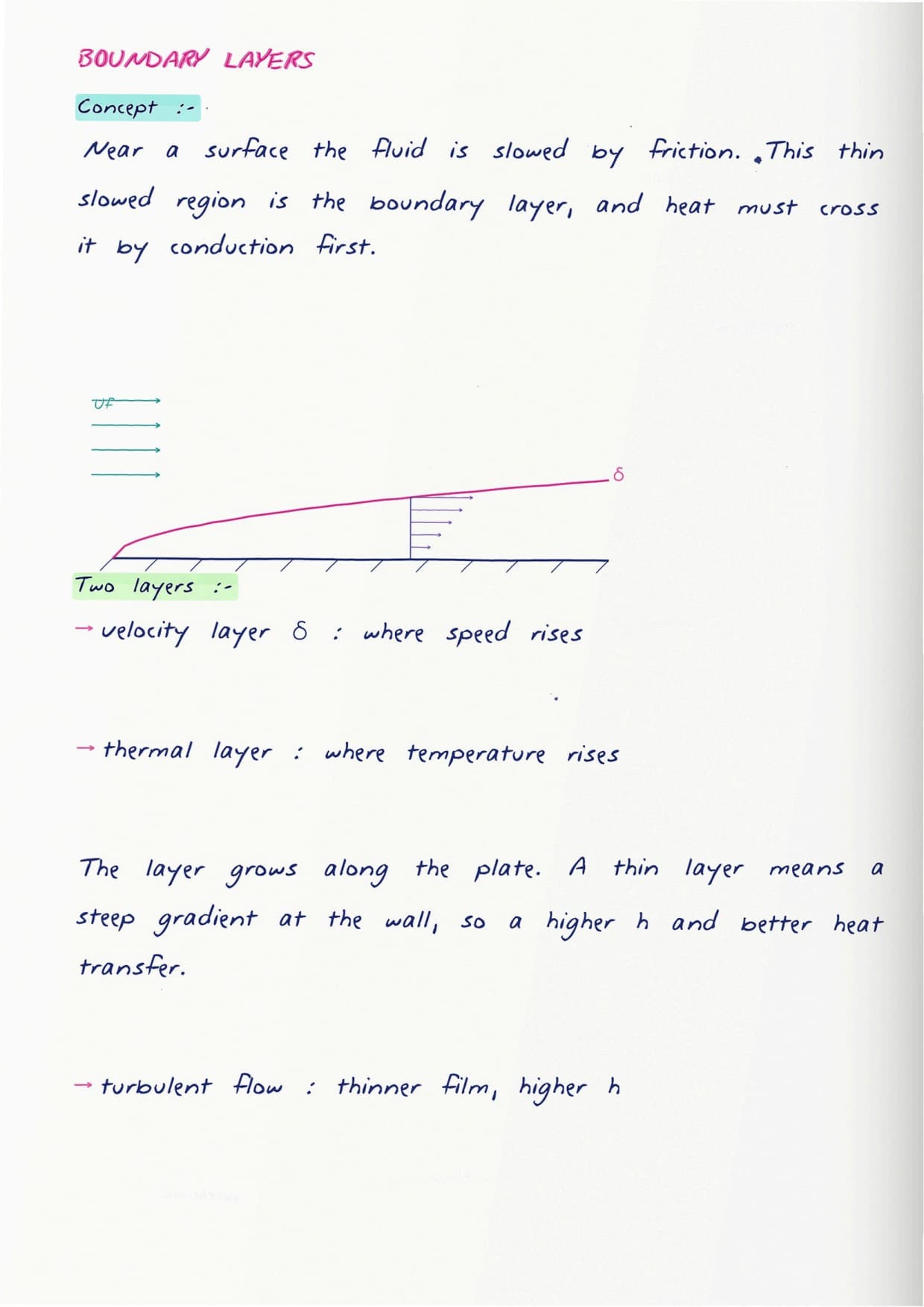
- Convection, thermal boundary layer and Newton's law of cooling.
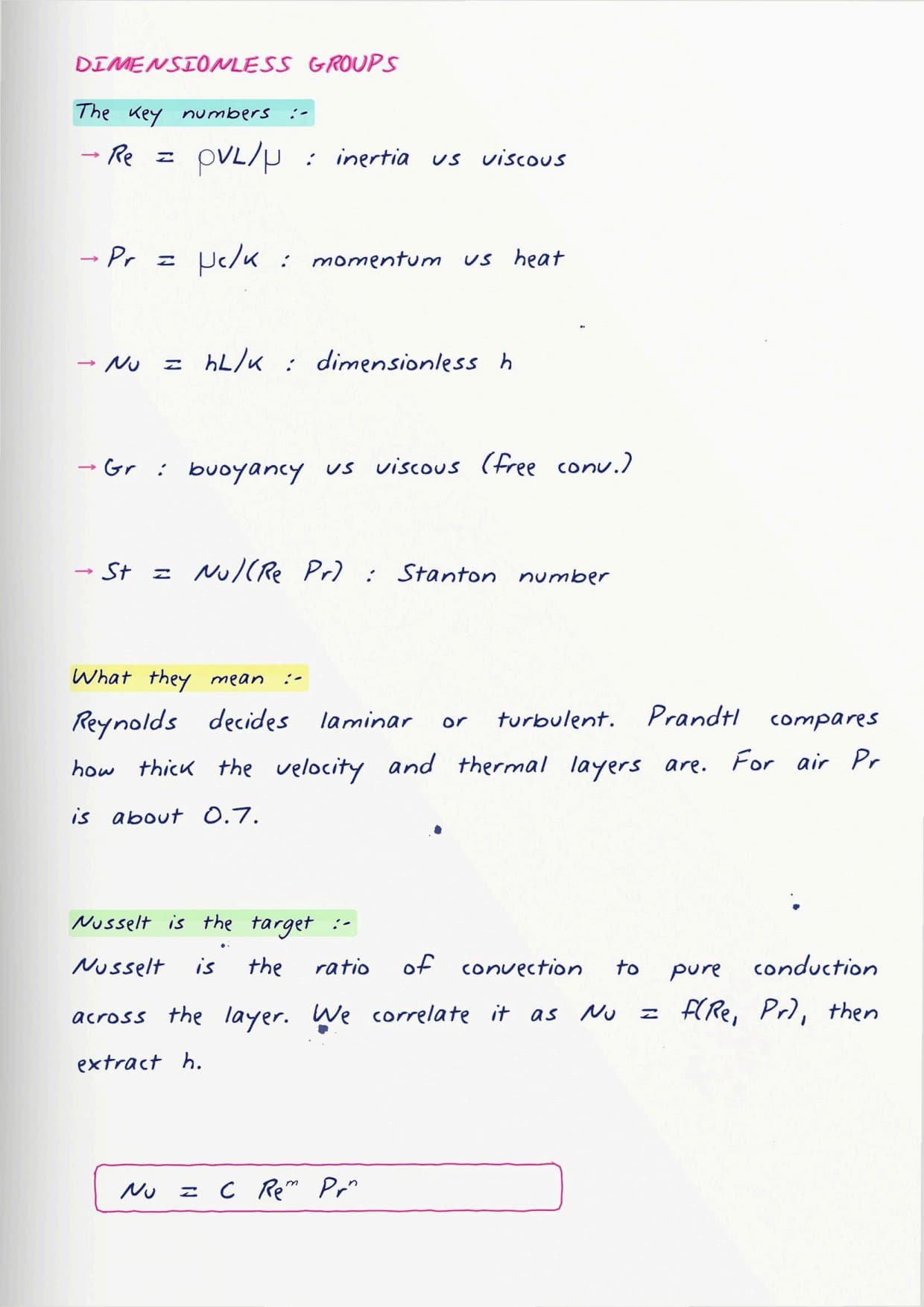
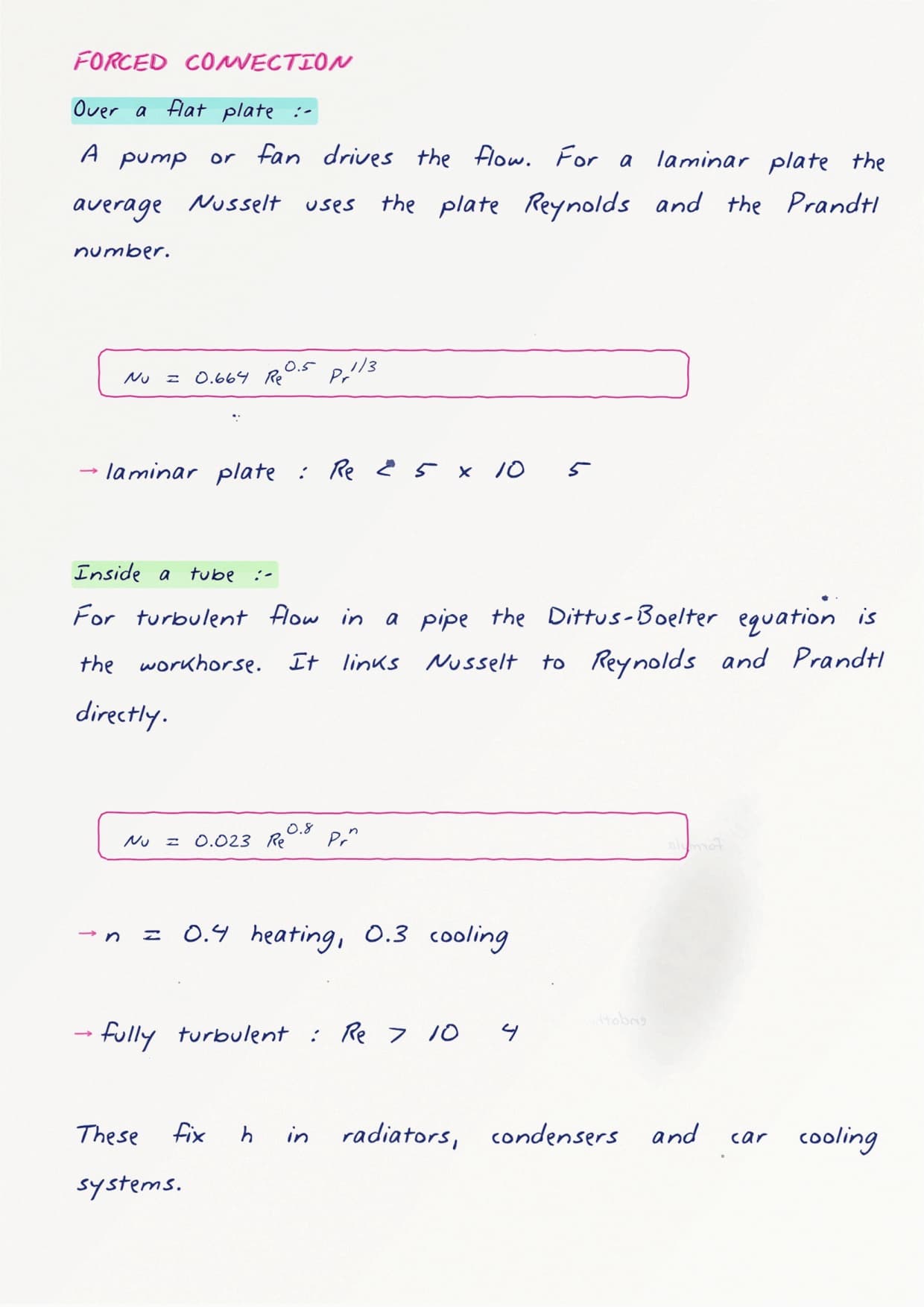
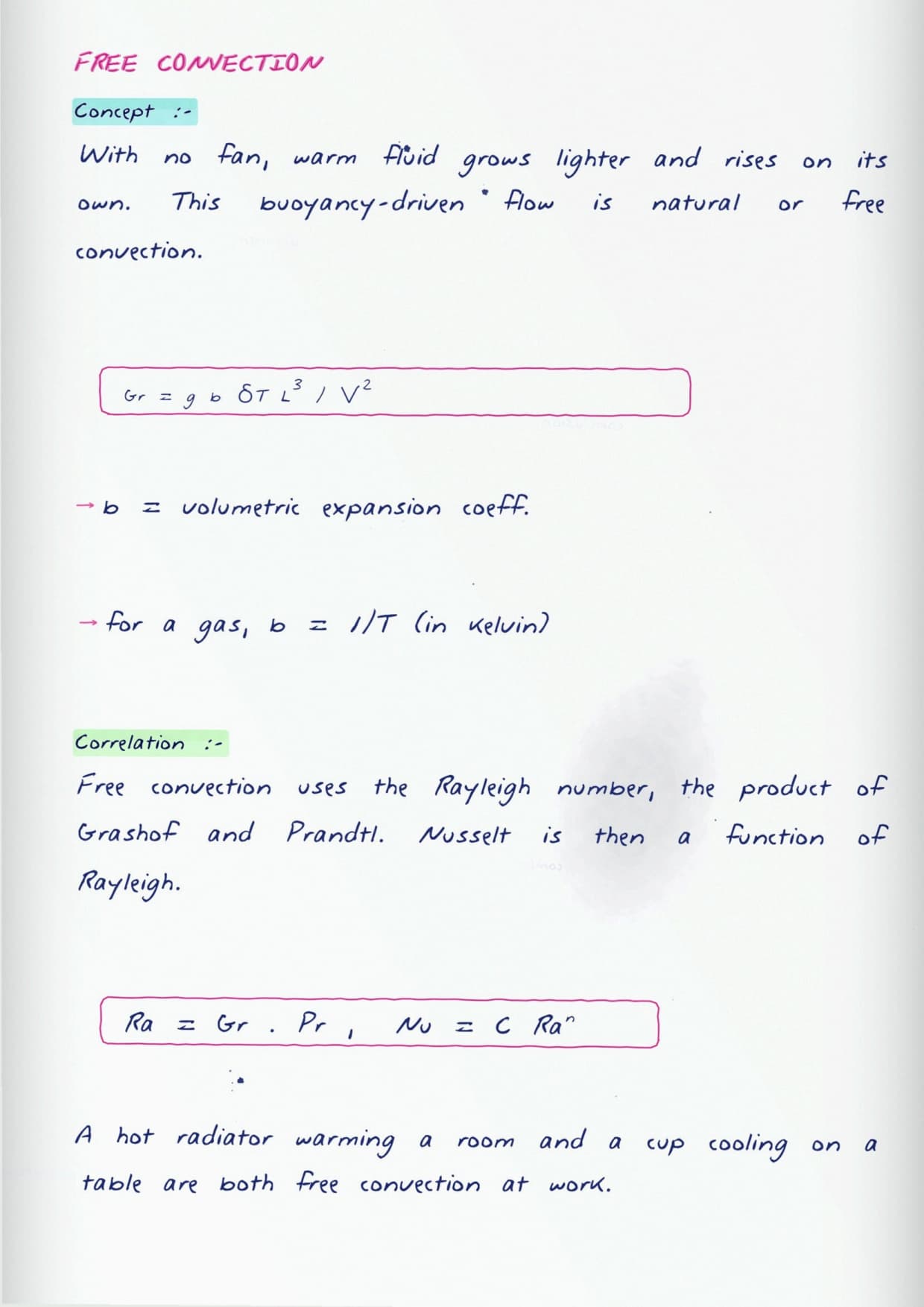
- Dimensionless numbers: Reynolds, Prandtl, Nusselt, Grashof and Stanton.
- Forced and free convection correlations.
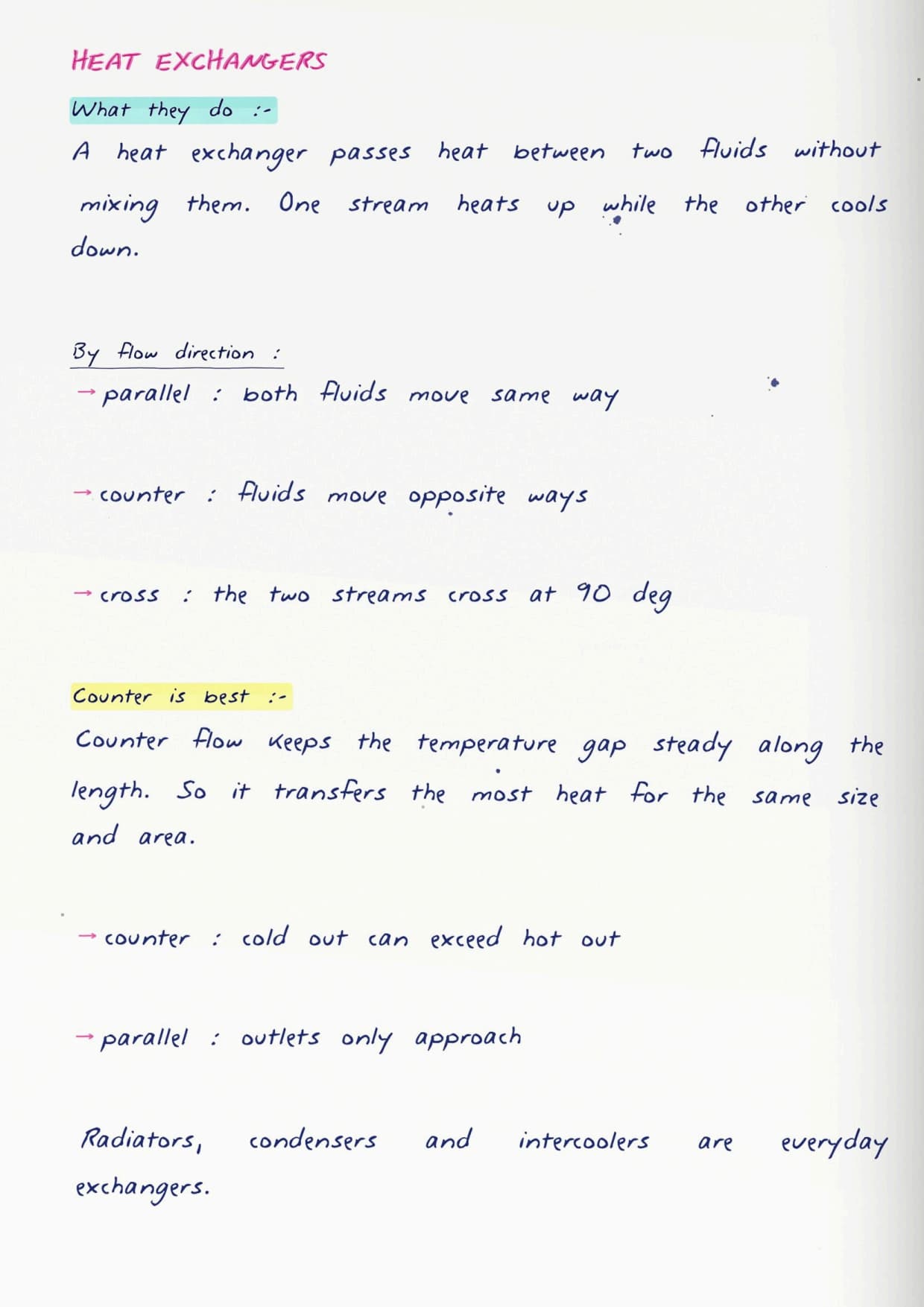
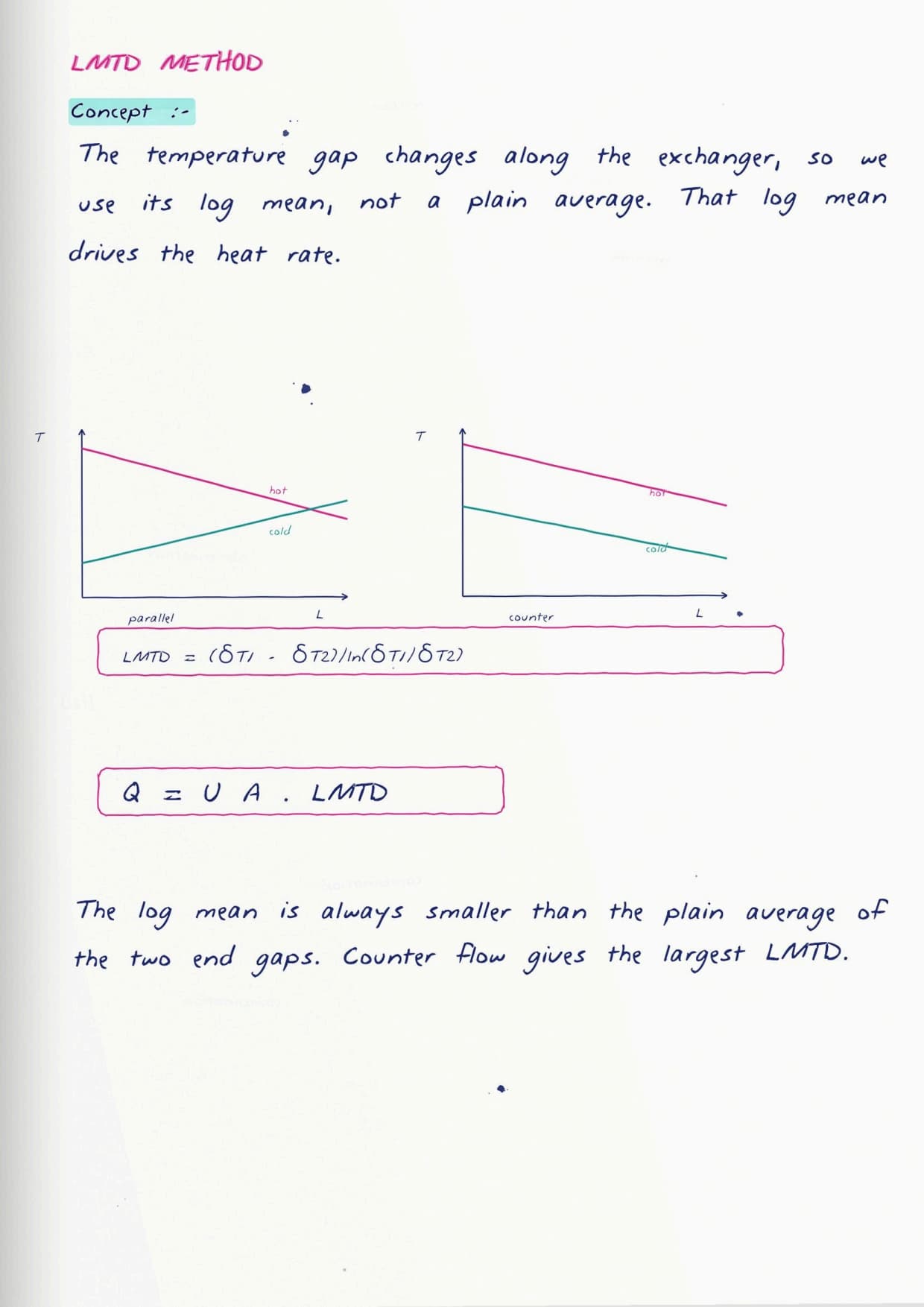
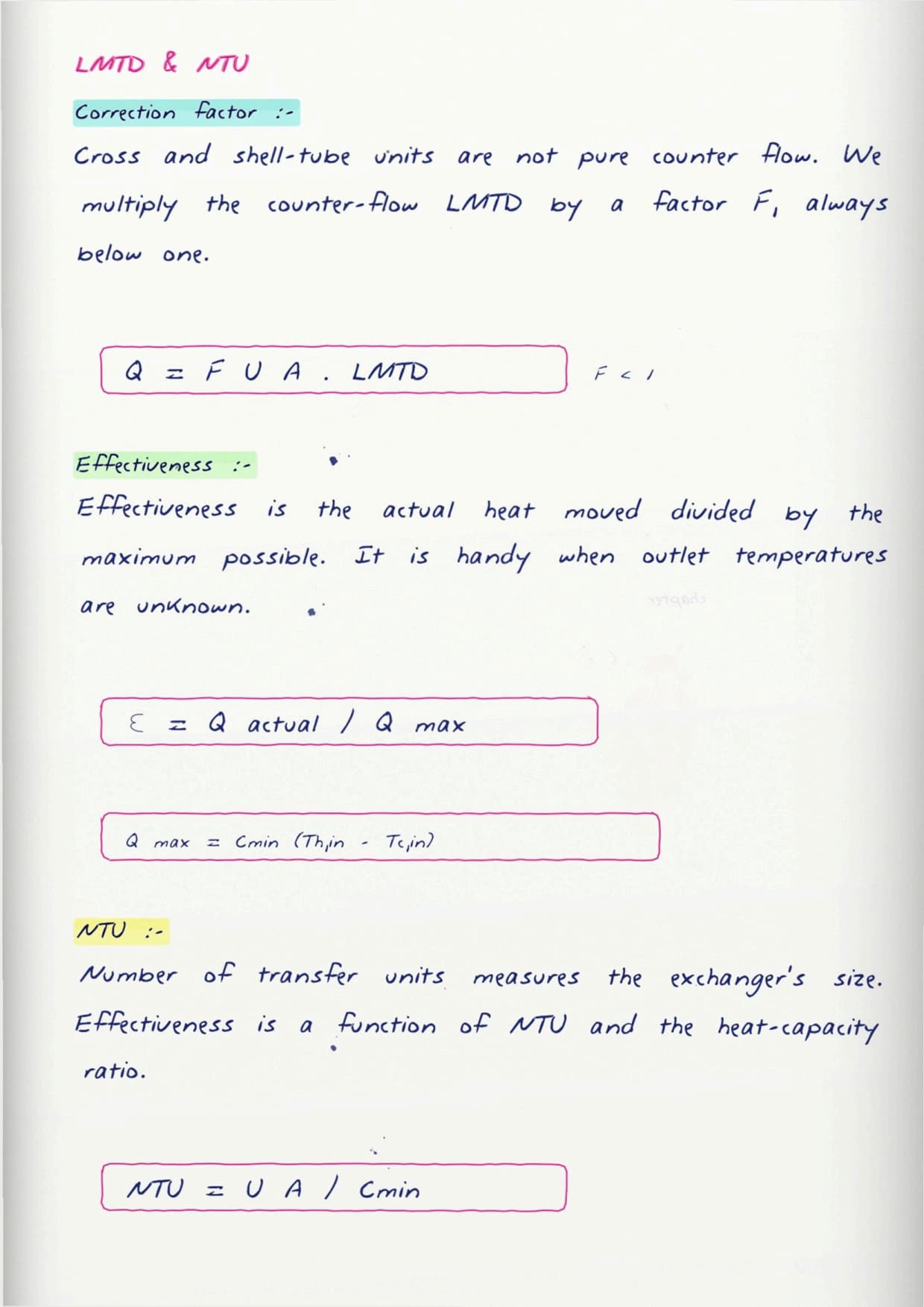
- Heat exchangers, LMTD method and the effectiveness NTU method.
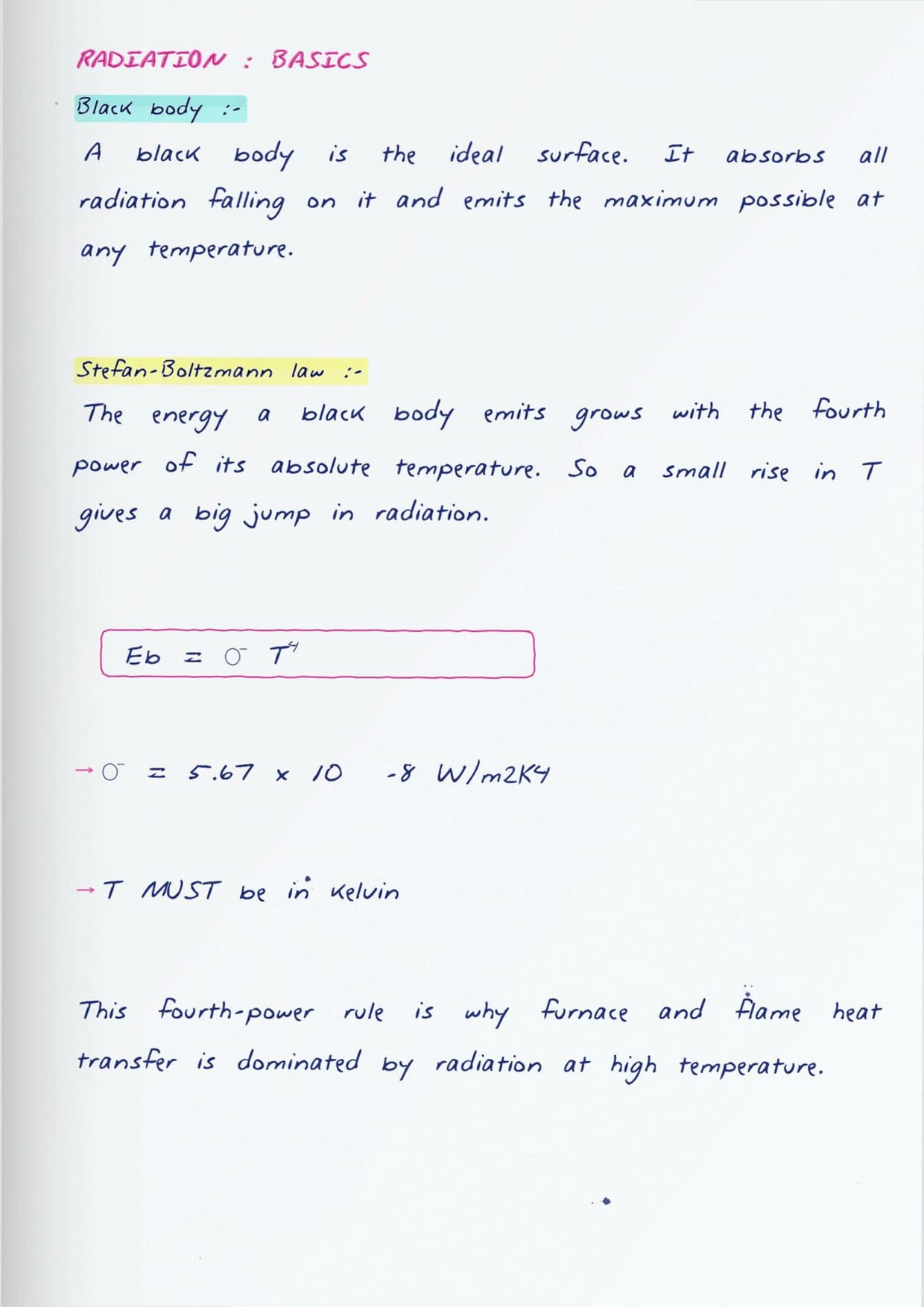
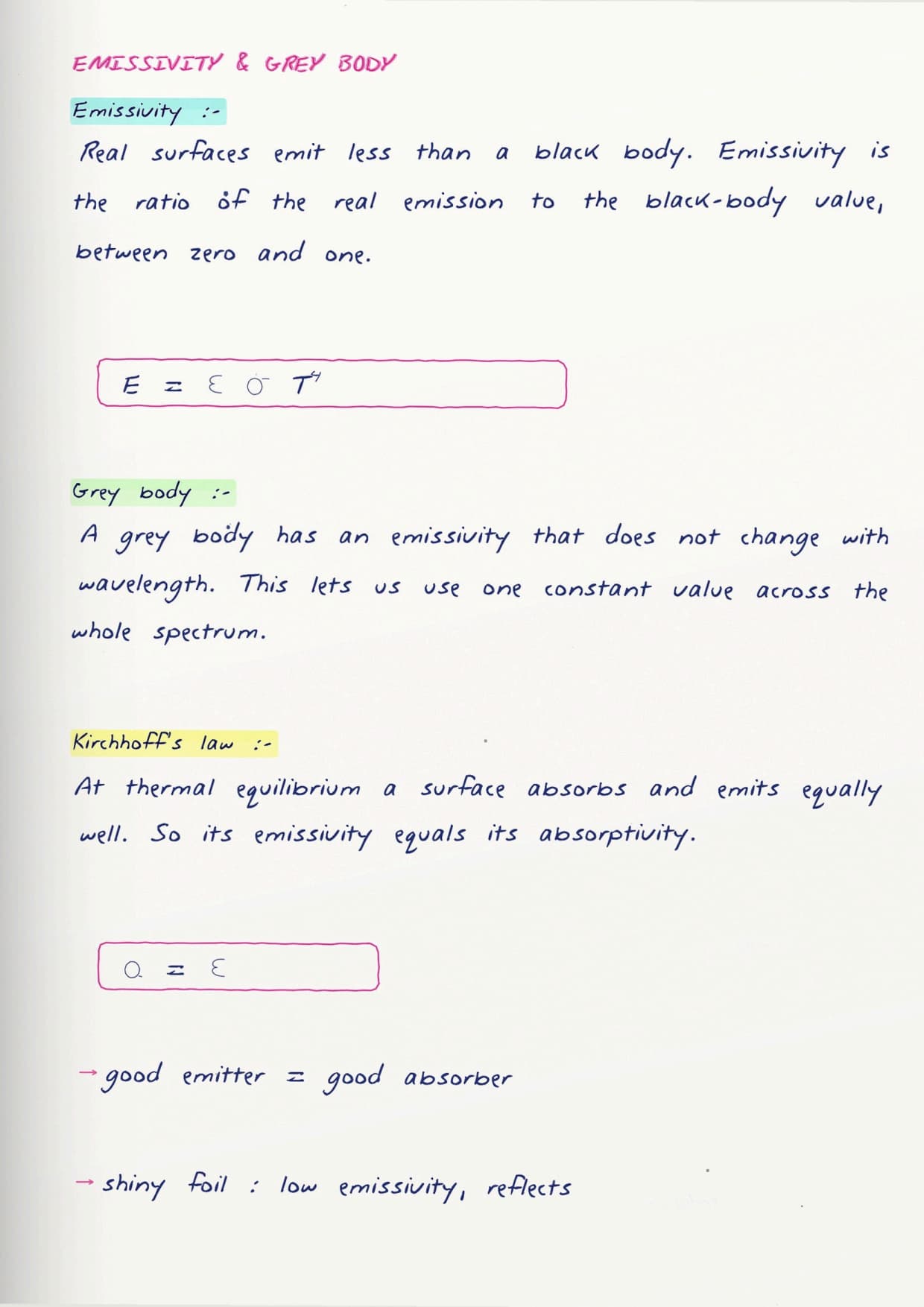
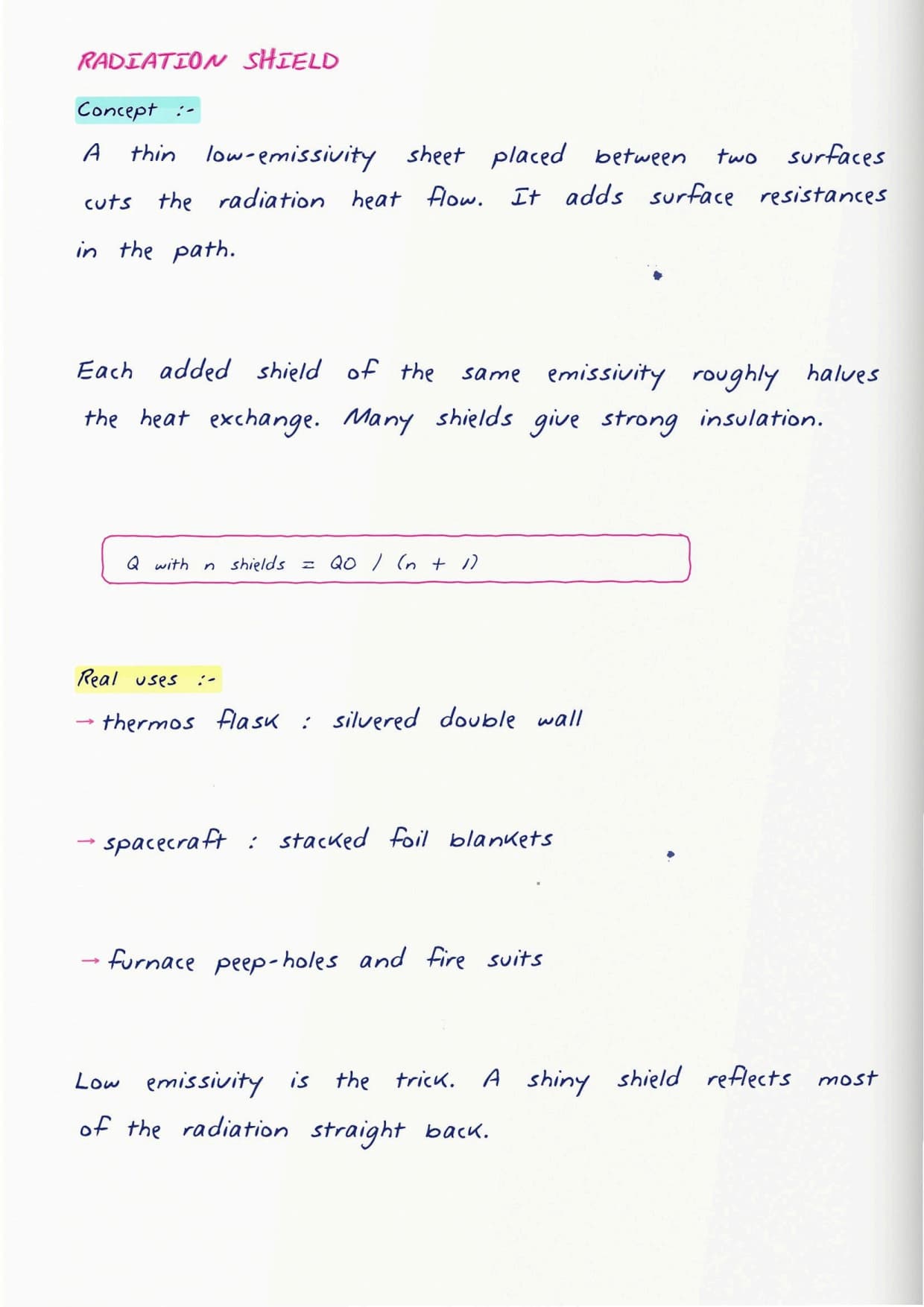
- Radiation, Stefan-Boltzmann law, emissivity and Kirchhoff's law.
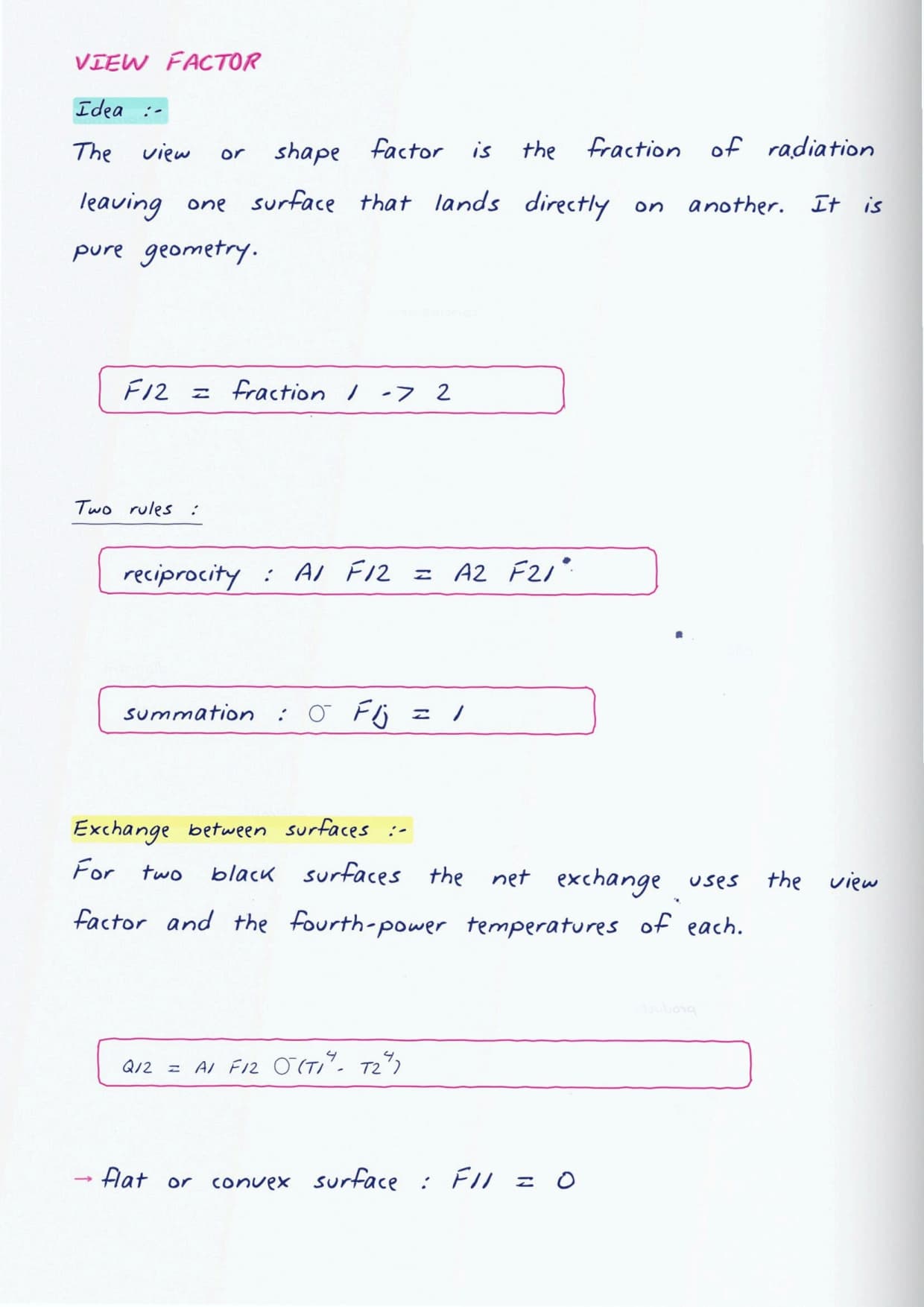
- View factors and radiation exchange between surfaces.
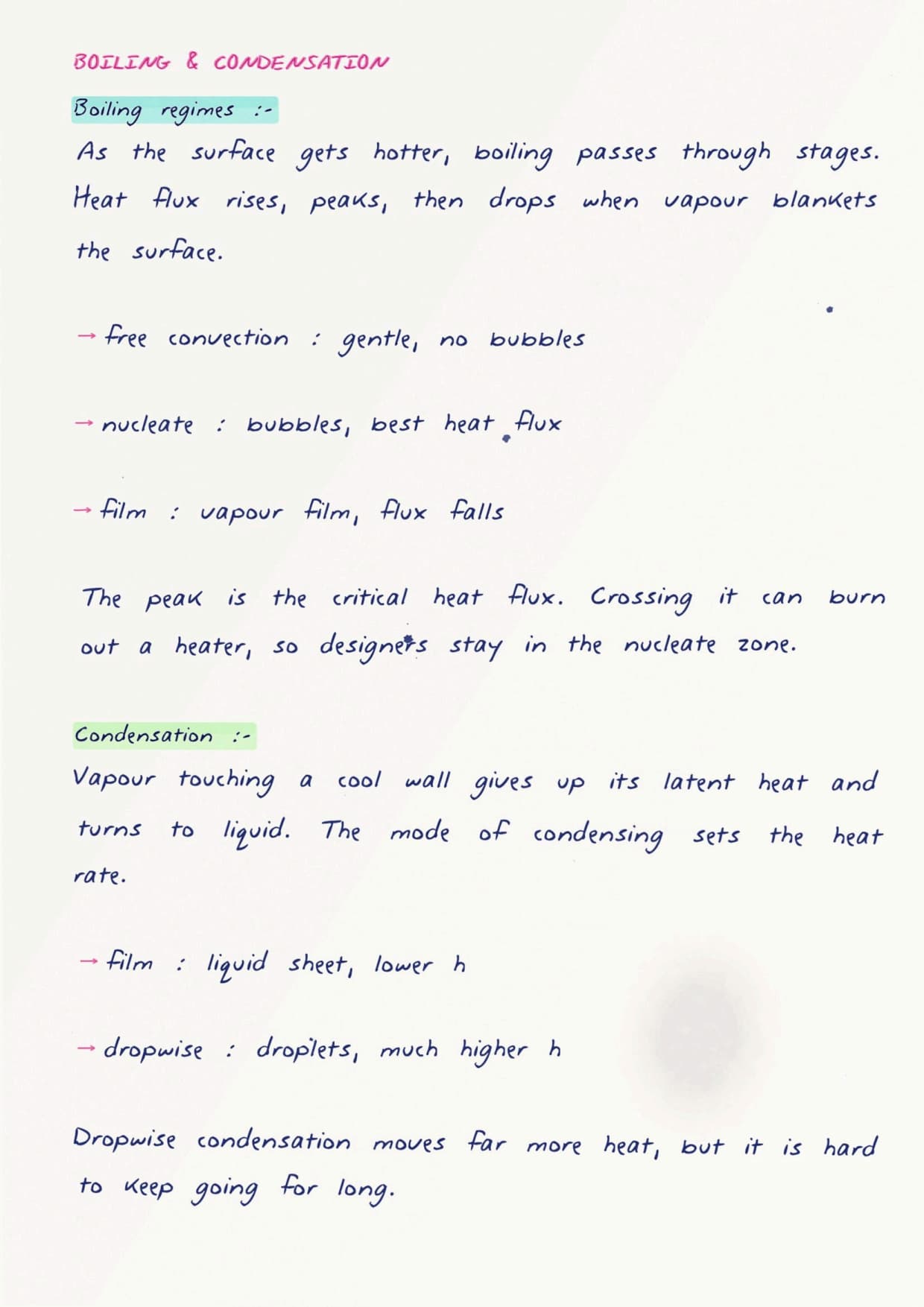
- Basics of boiling and condensation.
How the Notes Are Organised
The order is set for quick revision, not for a first reading. Conduction comes first because it introduces the thermal resistance idea, convection follows as it fixes the surface conditions, and radiation comes last where it combines with both. Key results are placed so you can reach them fast under exam pressure.
- Conduction first, since it sets up the resistance idea.
- Convection next, as it fixes the boundary conditions.
- Radiation last, where it combines with the other two.
- Key results like the fin equation and LMTD are easy to find.
- Figures included: composite-wall ladder, a fin, flow exchangers and the critical-radius curve.
How to Prepare GATE Heat Transfer with Handwritten Notes
Treat these notes as a revision layer on top of your main study, not a replacement for practice. Heat Transfer rewards steady problem solving, so read a section and then work past GATE numericals on it straight away. Revising one mode at a time keeps the many formulas from blurring together.
- Revise one mode of heat transfer at a time, not all three at once.
- Say each formula in words before you use it in a problem.
- Redraw the resistance network yourself for a composite wall.
- Practise past GATE numericals right after reading each section.
- Use the tips and traps page to avoid the usual sign and unit errors.
Key GATE Heat Transfer Concepts Made Simple
A few Heat Transfer ideas decide a large share of GATE marks, so the notes give them extra attention. Each is explained in plain words with the reasoning behind it, not just the final result.
- Thermal resistance lets you treat heat flow like current in a circuit, so walls in series or parallel add up the same way.
- Critical radius of insulation shows why a thin layer on a small pipe can raise heat loss instead of cutting it.
- The Biot number tells you when the lumped model is safe, that is, when the body heats up evenly.
- The Nusselt number is read as the ratio of convection to pure conduction across the same layer.
- LMTD is the correct average temperature difference for an exchanger, not a plain arithmetic mean.
- A view factor is simply the fraction of one surface's radiation that lands on another surface.
Why These Notes Help You Score Better
Short, focused notes matter most in the final weeks before GATE, when time is tight and revision speed decides your score. Because each topic fits on a page with its formula and a diagram beside it, a full revision of Heat Transfer takes far less time than going through a full textbook. The result is quicker recall of the formulas you need in the exam hall.
GATE Mechanical Heat Transfer Handwritten Notes FAQs
Ques. Do these notes cover the full GATE Mechanical Heat Transfer syllabus?
Ans. Yes. The notes cover conduction, convection, radiation, heat exchangers, fins and boiling and condensation, matching the official GATE Mechanical syllabus.
Ques. Are the notes good for last-minute GATE revision?
Ans. Yes. The formula sheet and topic-wise notes let you revise each topic quickly in the final weeks, and the tips page flags the common sign and unit errors.
Ques. Do the notes explain concepts or only list formulas?
Ans. They explain each topic in plain words and give the key formula, so you learn the idea and the maths together rather than memorising formulas alone.
Ques. Is Heat Transfer important for the GATE Mechanical exam?
Ans. Yes. Heat Transfer carries a steady 8 to 10 marks every year and overlaps with Thermodynamics, so strong revision here helps across the paper.



Comments