




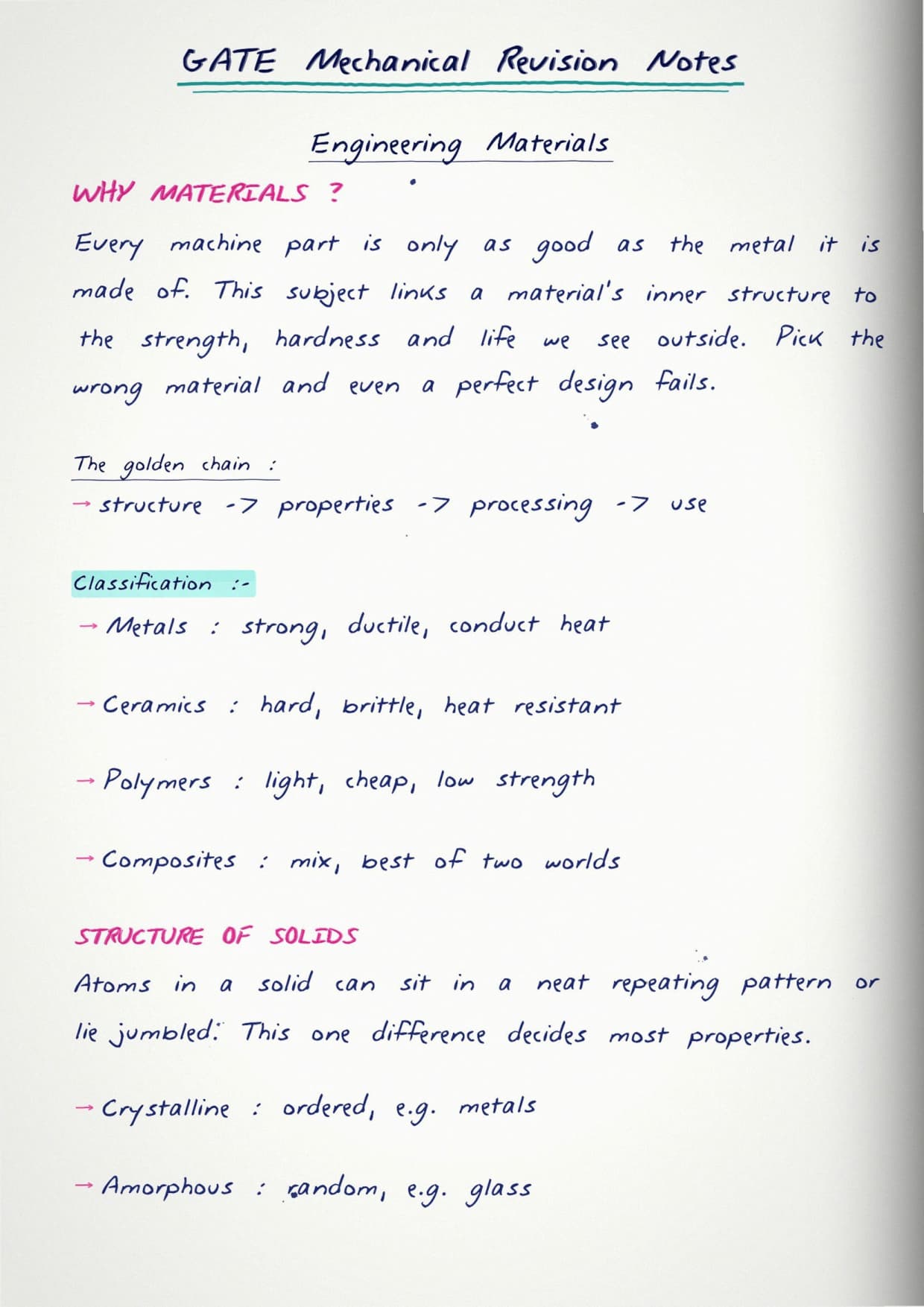
Engineering Materials is one of the more scoring subjects in GATE Mechanical Engineering, because most questions are short, factual, and based on standard results. It usually carries about 3 to 5 marks in the paper, and very few questions need long calculation. These handwritten notes cover the full Engineering Materials syllabus in one place, from crystal structure to heat treatment.


The complete PDF is small enough to revise in one go, which makes it useful in the final days before the exam. The download below covers every unit of the subject.
- Full syllabus: the complete GATE Engineering Materials syllabus in one PDF.
- Key values: packing factors, coordination numbers and carbon limits.
- Hand-drawn diagrams: unit cells, the iron-carbon diagram and TTT curves.
What These GATE Engineering Materials Notes Cover
The notes cover the subject in the order it is usually taught, and keep each explanation short and exam-ready. Every important term is defined, the standard values are listed, and the main diagrams are drawn out so you can draw them from memory in the exam. The aim is to give you everything the paper tests without the extra reading of a full textbook.
- Clear definitions for every term, from unit cell to eutectoid reaction.
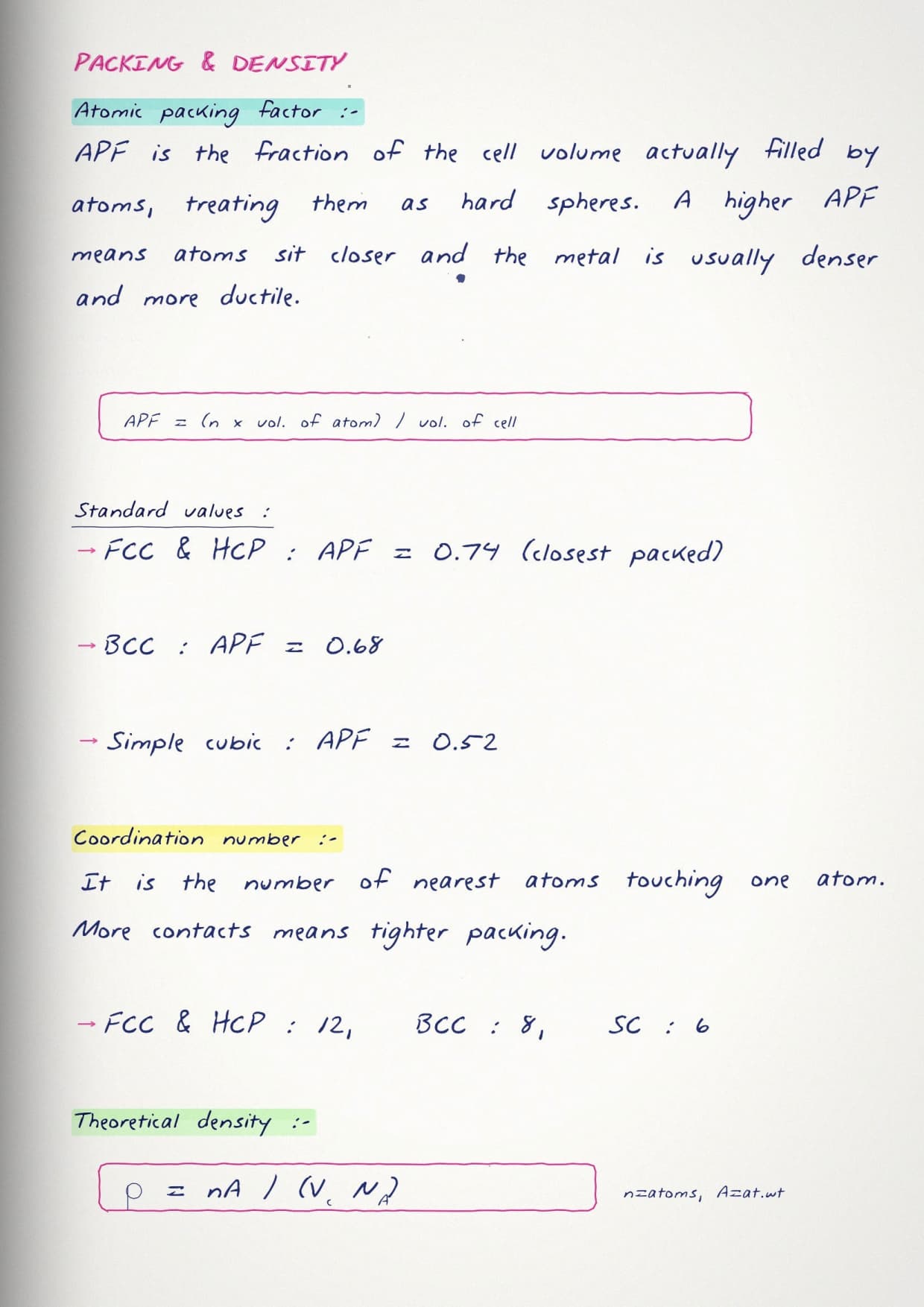
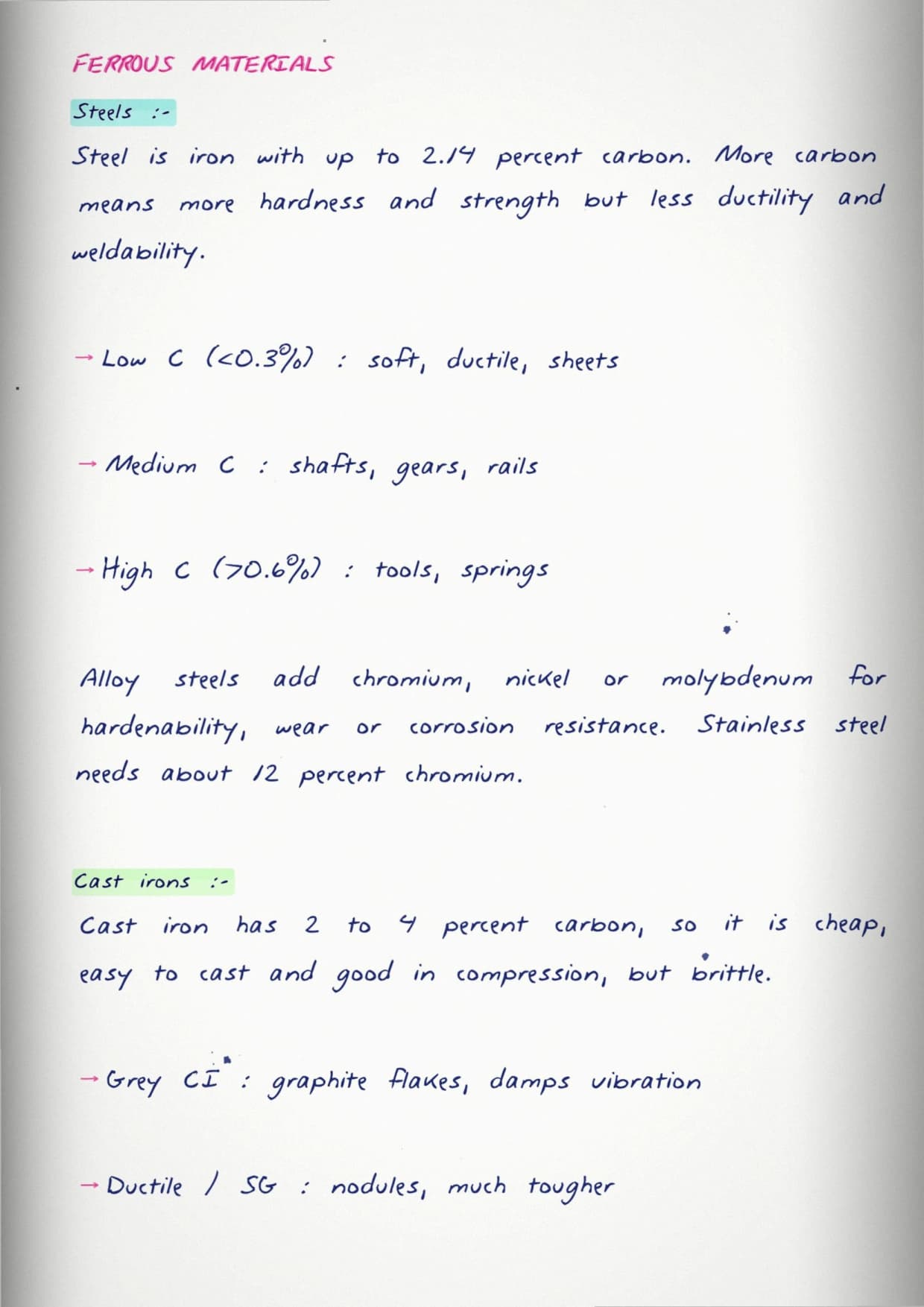
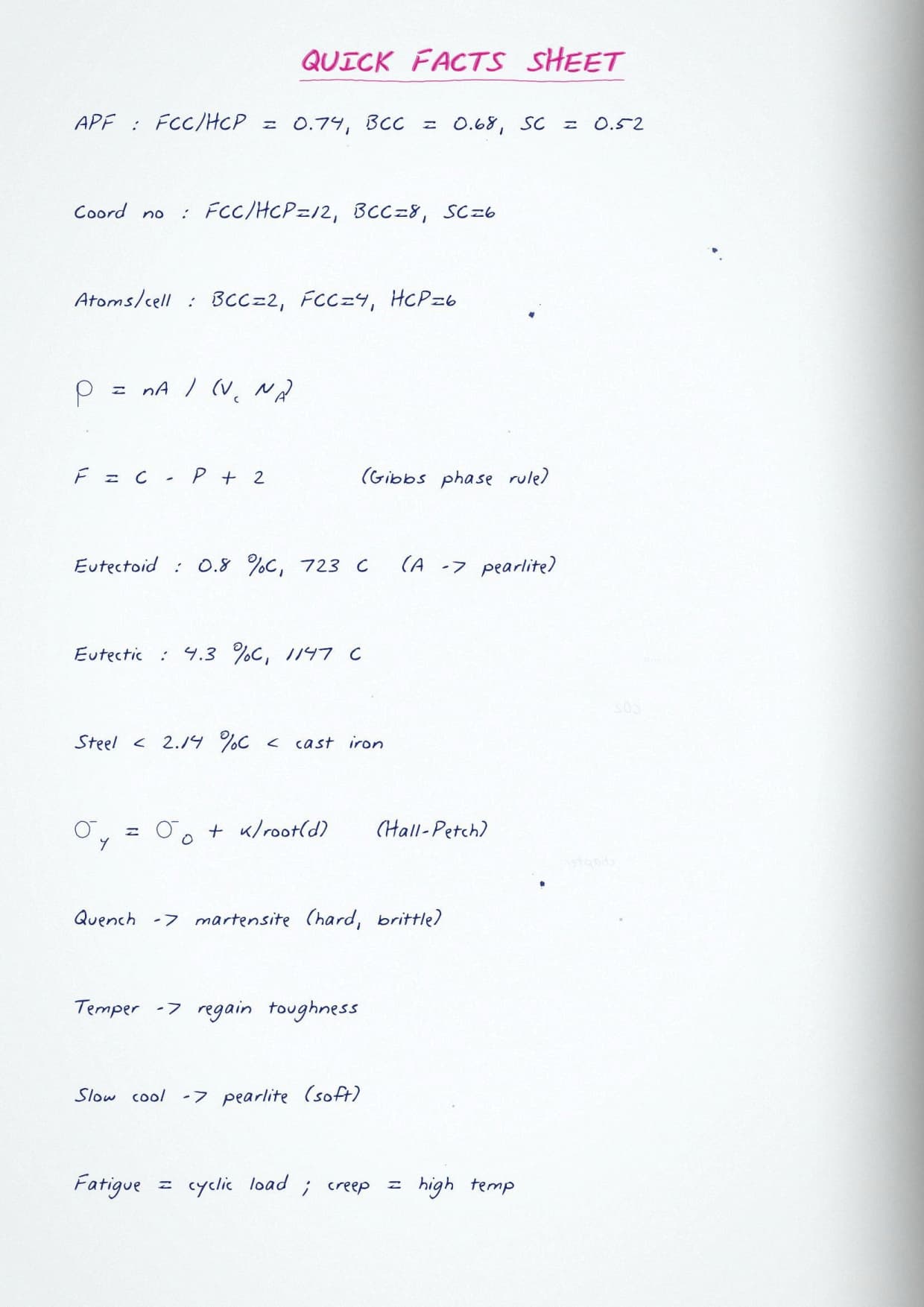
- Key values like packing factors, coordination numbers and carbon limits.
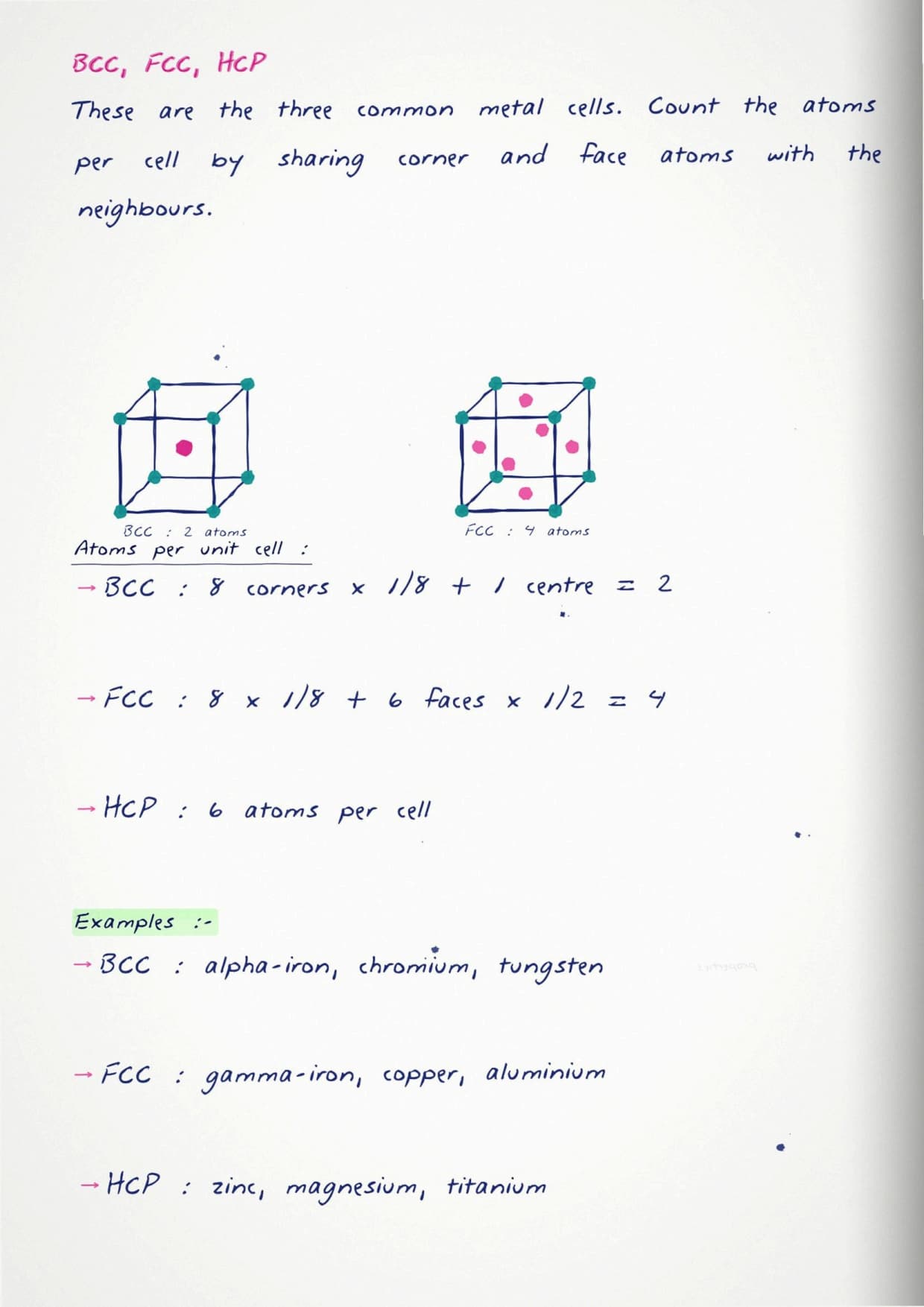
- Hand-drawn figures for BCC, FCC and HCP cells and the iron-carbon diagram.
- The TTT curve and the main heat-treatment processes.
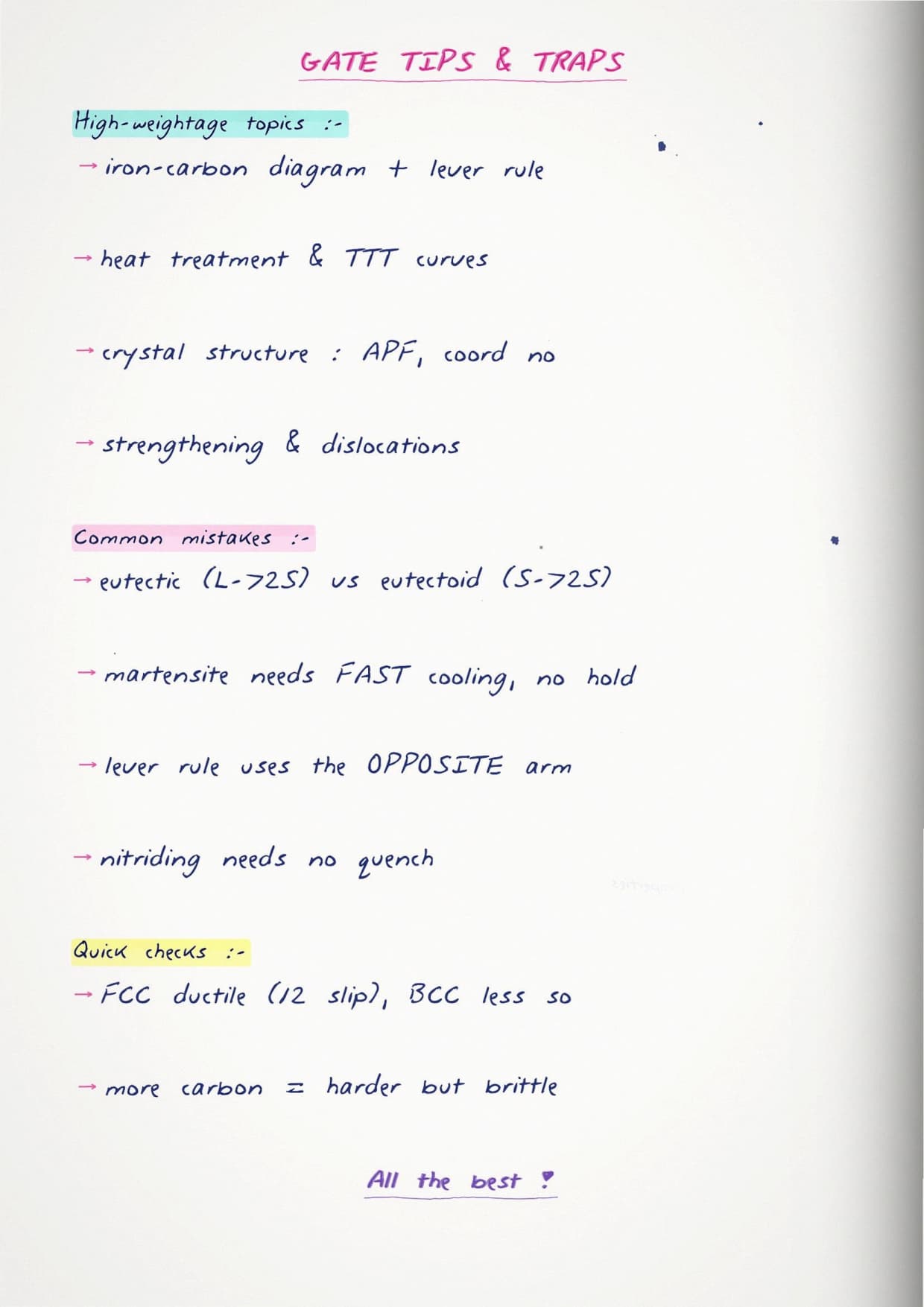
- A quick facts sheet and a common-mistakes page at the end.
GATE Engineering Materials Quick Revision
Source: Let's Crack GATE & ESE - ME on YouTube
Topics Covered in GATE Engineering Materials
The notes follow the standard GATE sequence, so they line up with any test series or previous year paper. Every unit is included, from crystal structure through to the properties and processing of engineering materials, along with the small one-mark points that are easy to overlook. The full topic list is below.
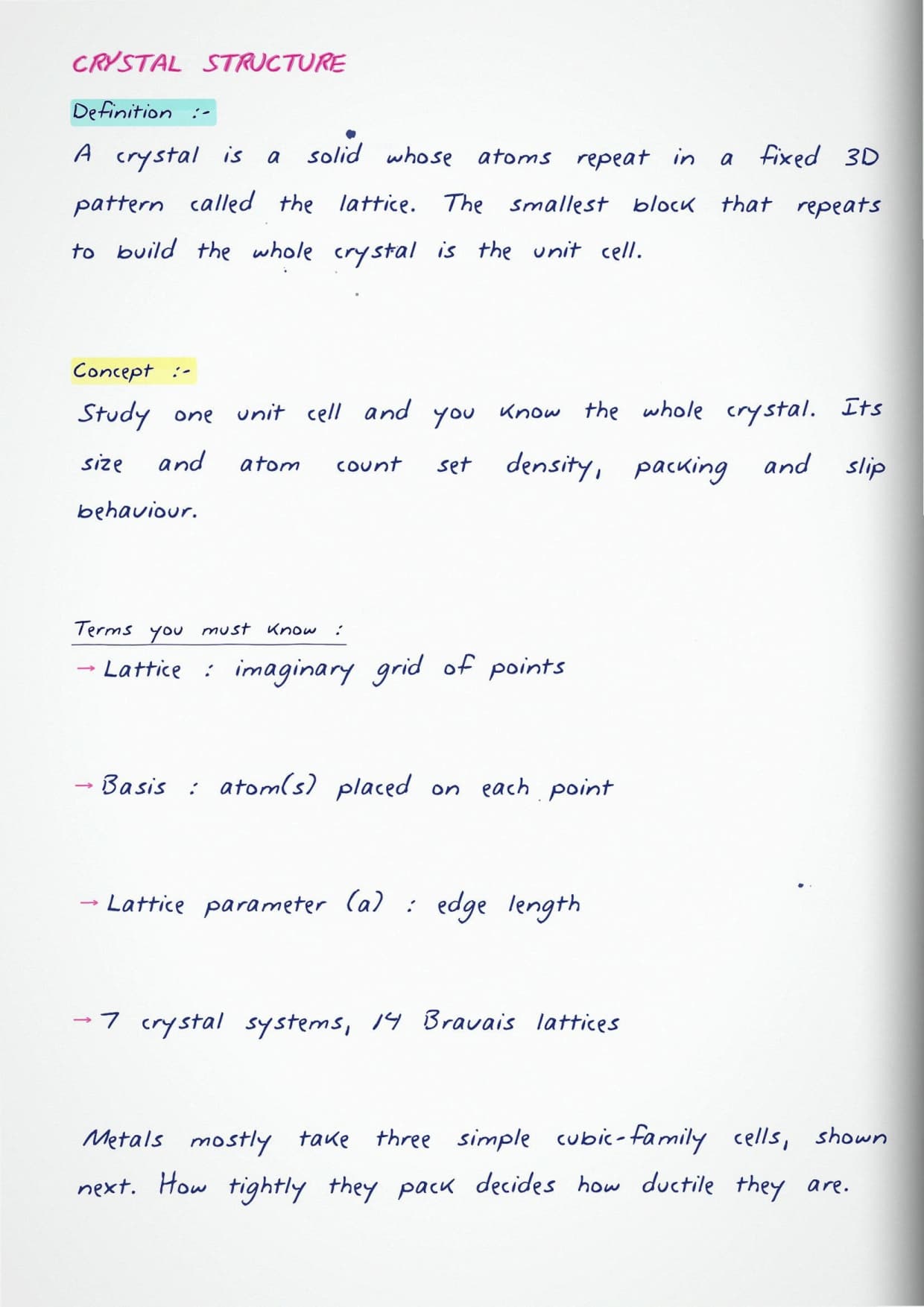
- Crystal structure: BCC, FCC and HCP cells and how atoms are shared.
- Atomic packing factor, coordination number and theoretical density.
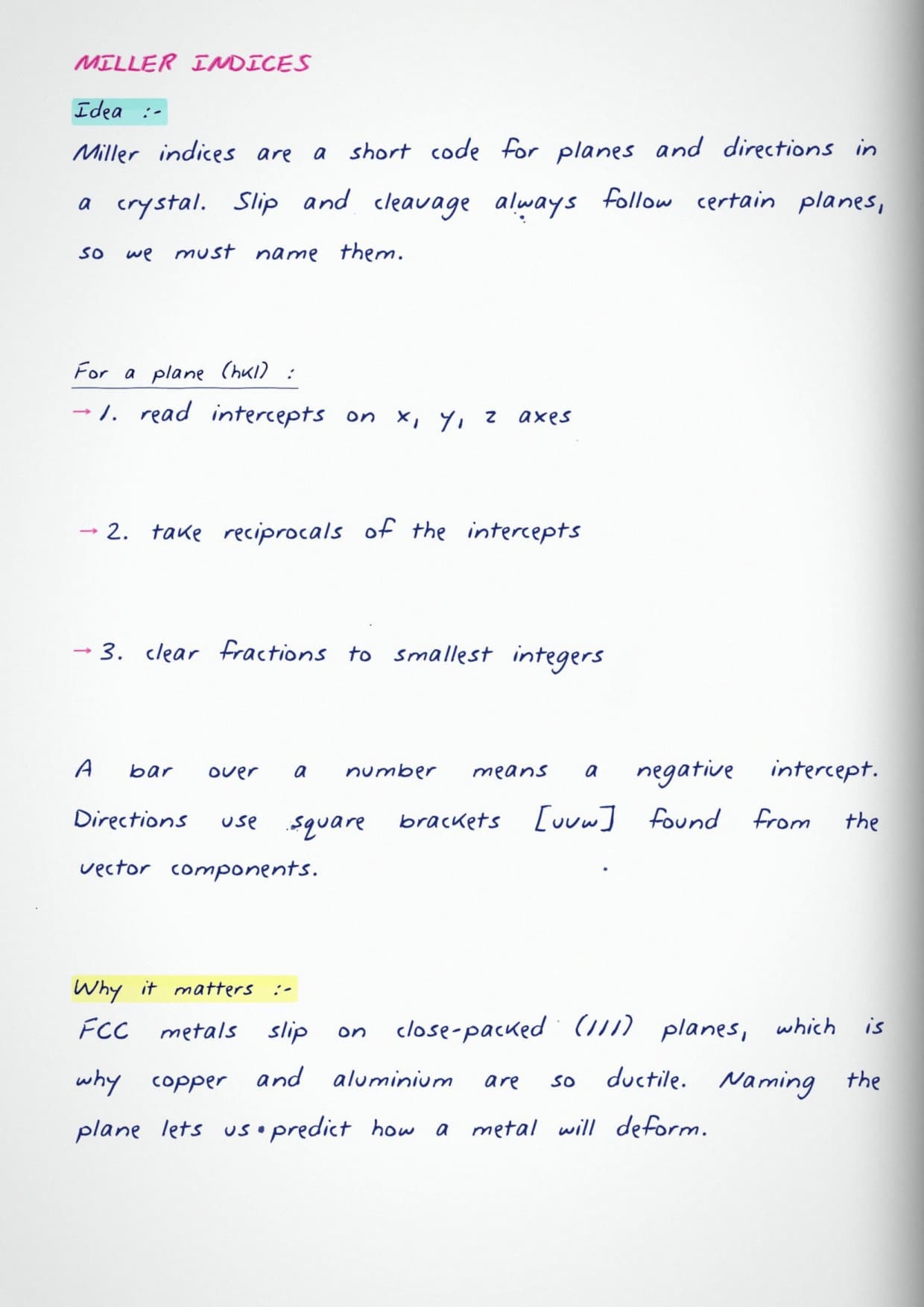
- Miller indices for planes and directions.
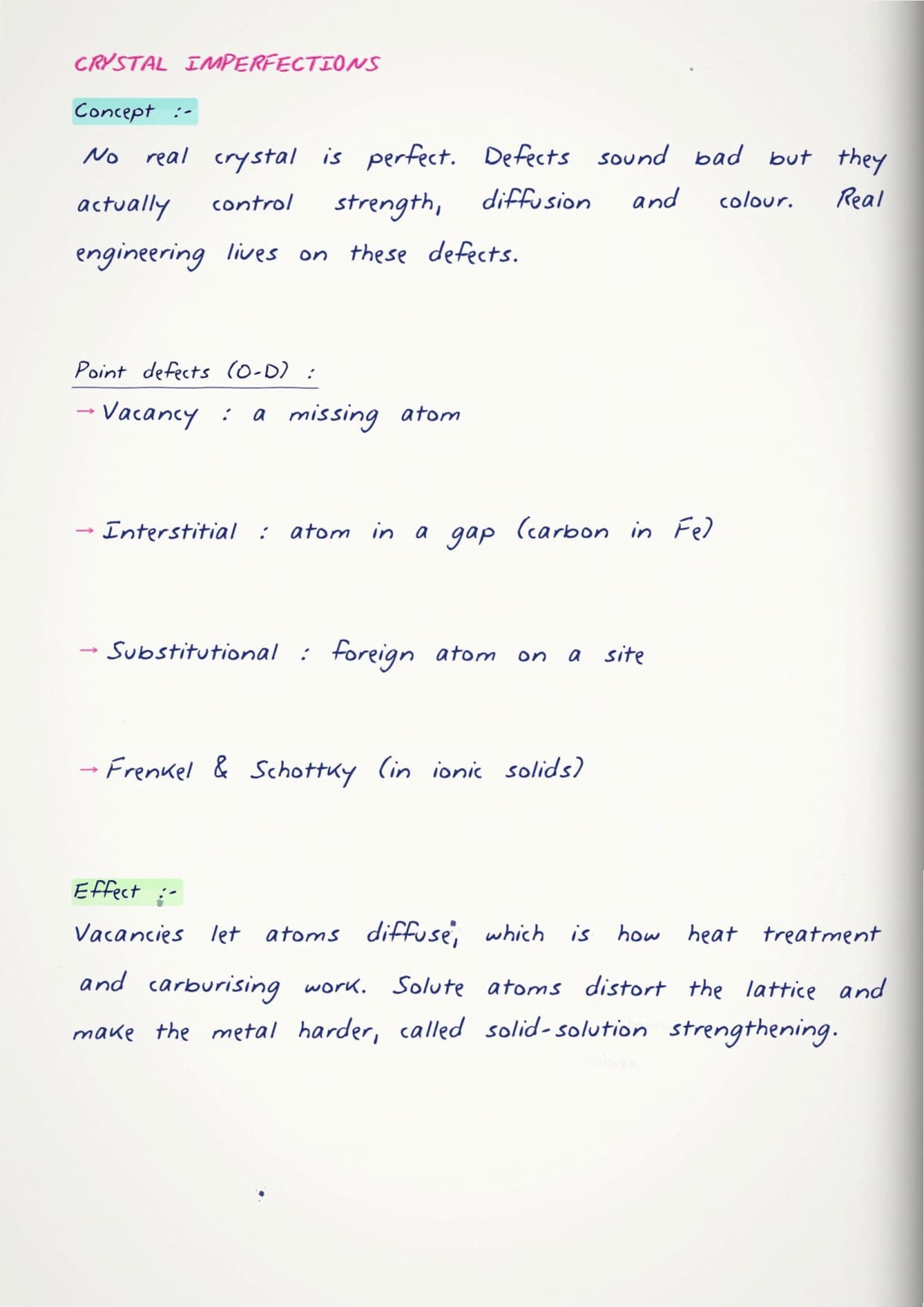
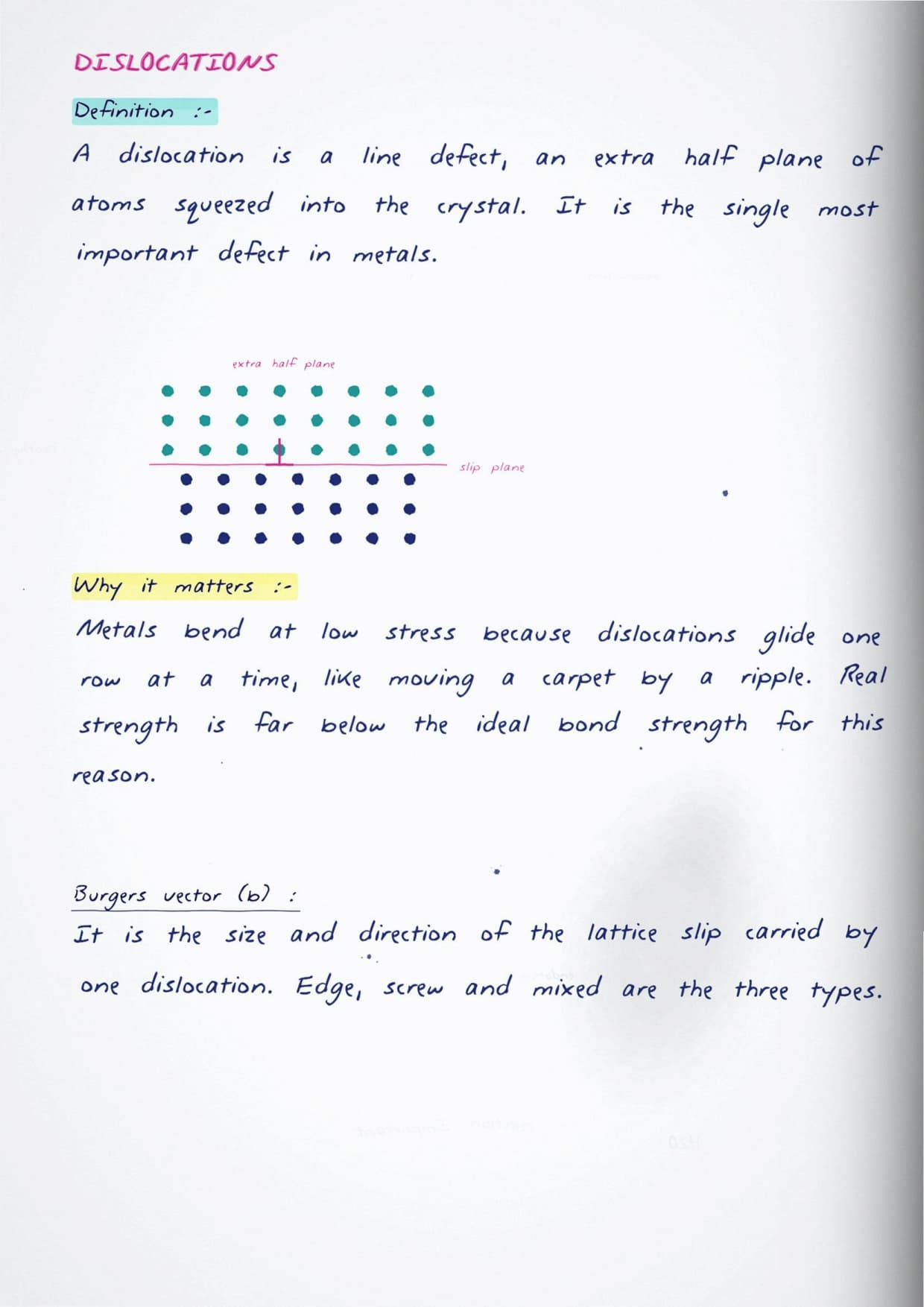
- Crystal imperfections: point defects, dislocations and grain boundaries.
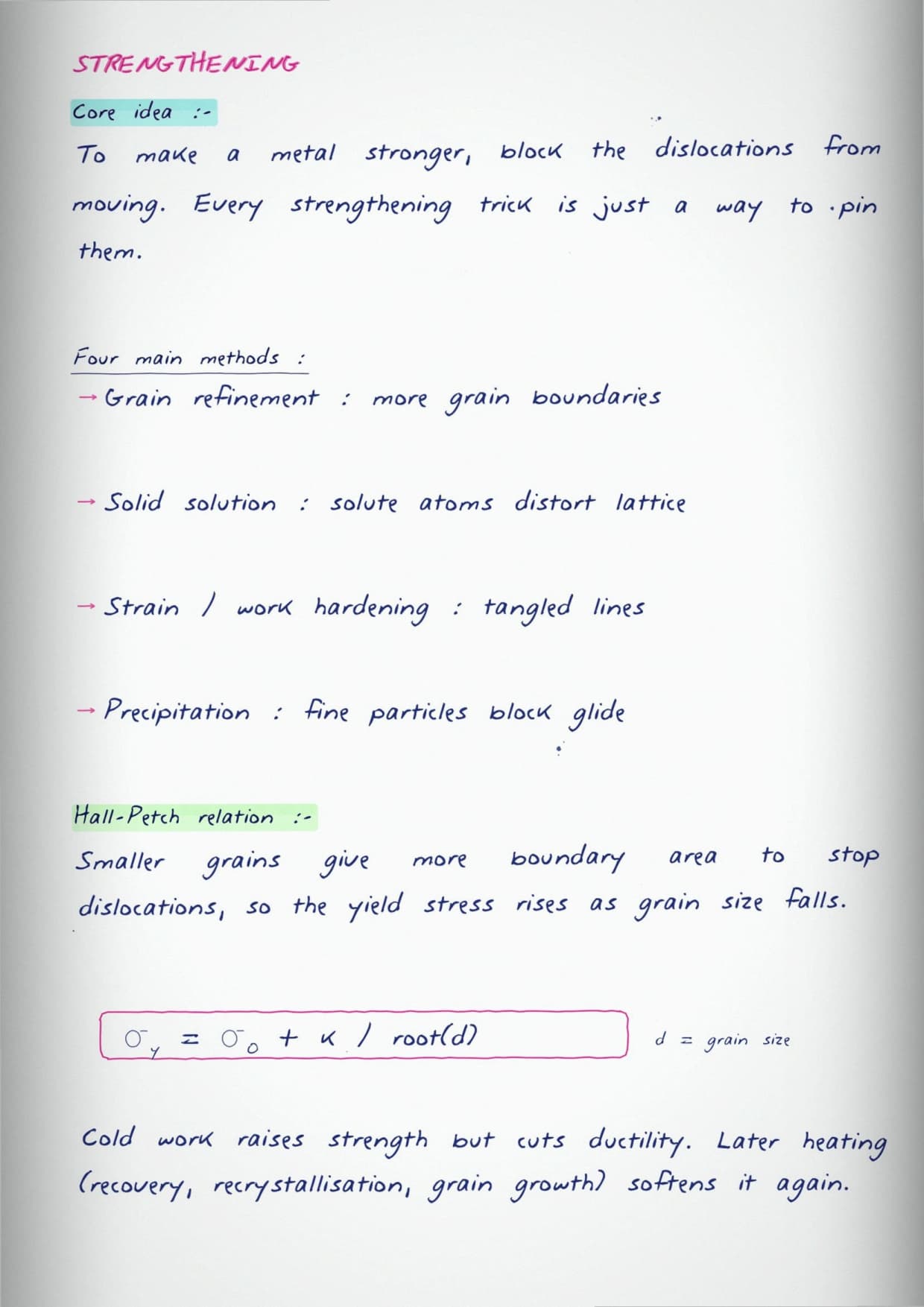
- Strengthening methods and the Hall-Petch relation.
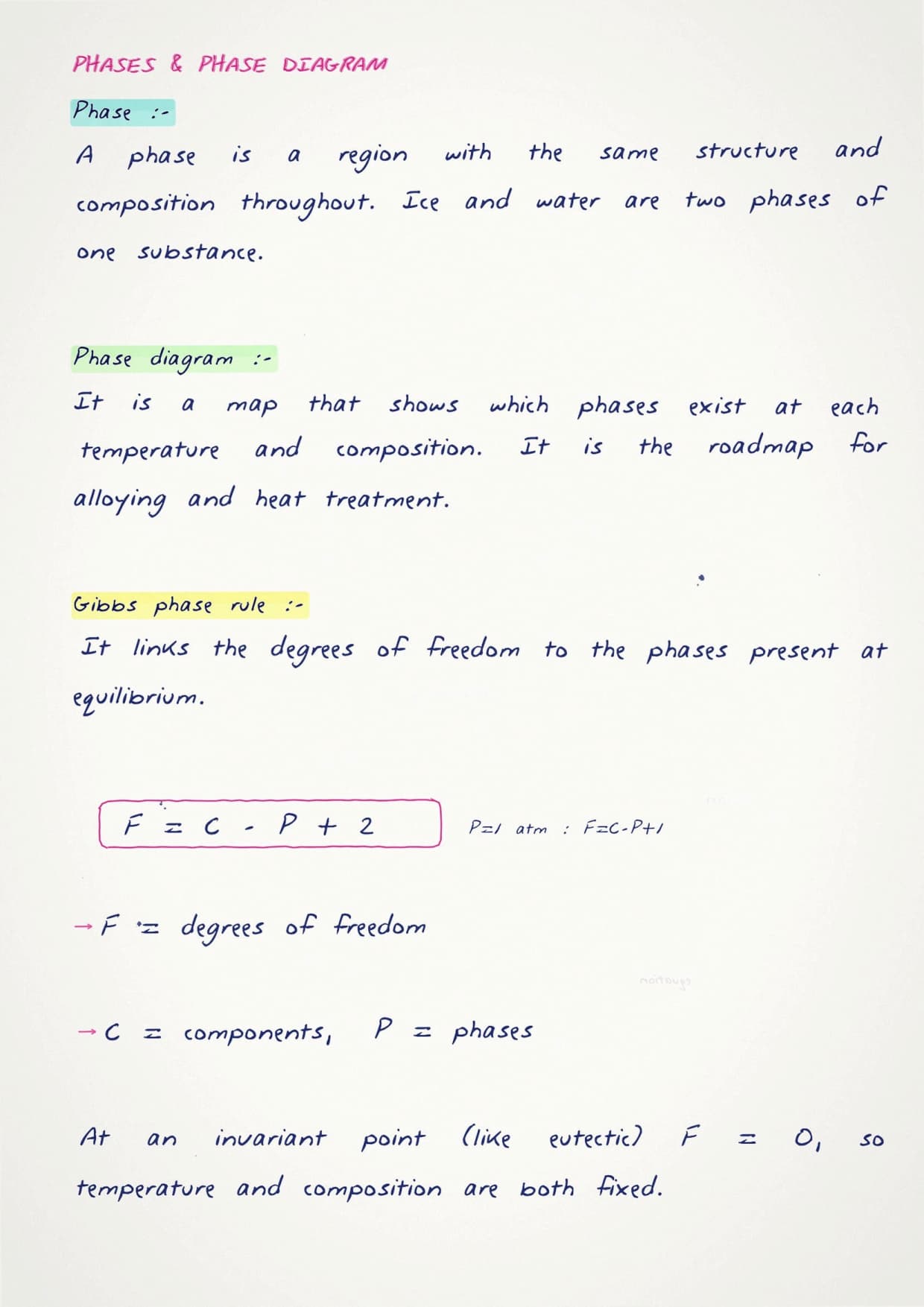
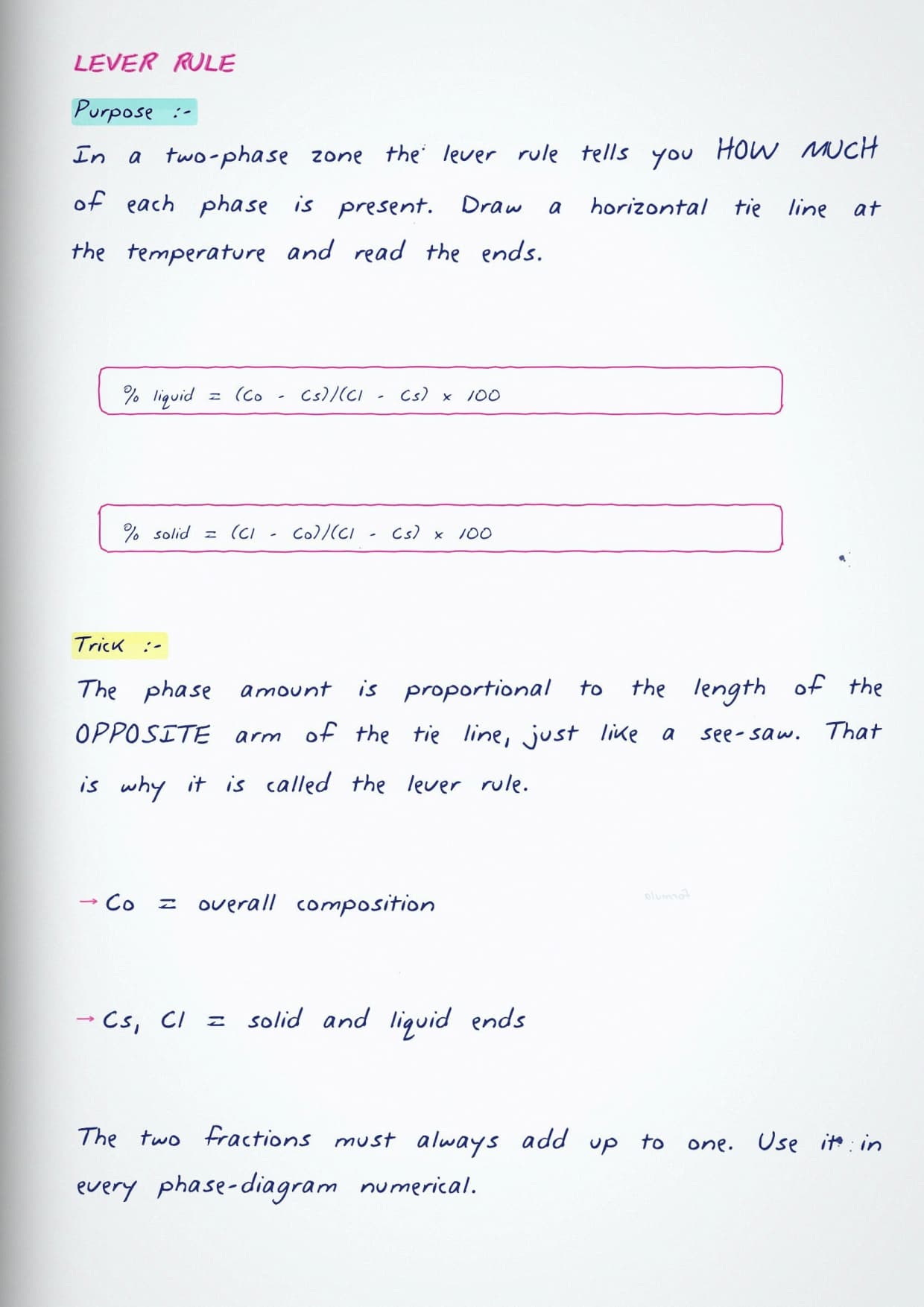
- Phases, the Gibbs phase rule and the lever rule.
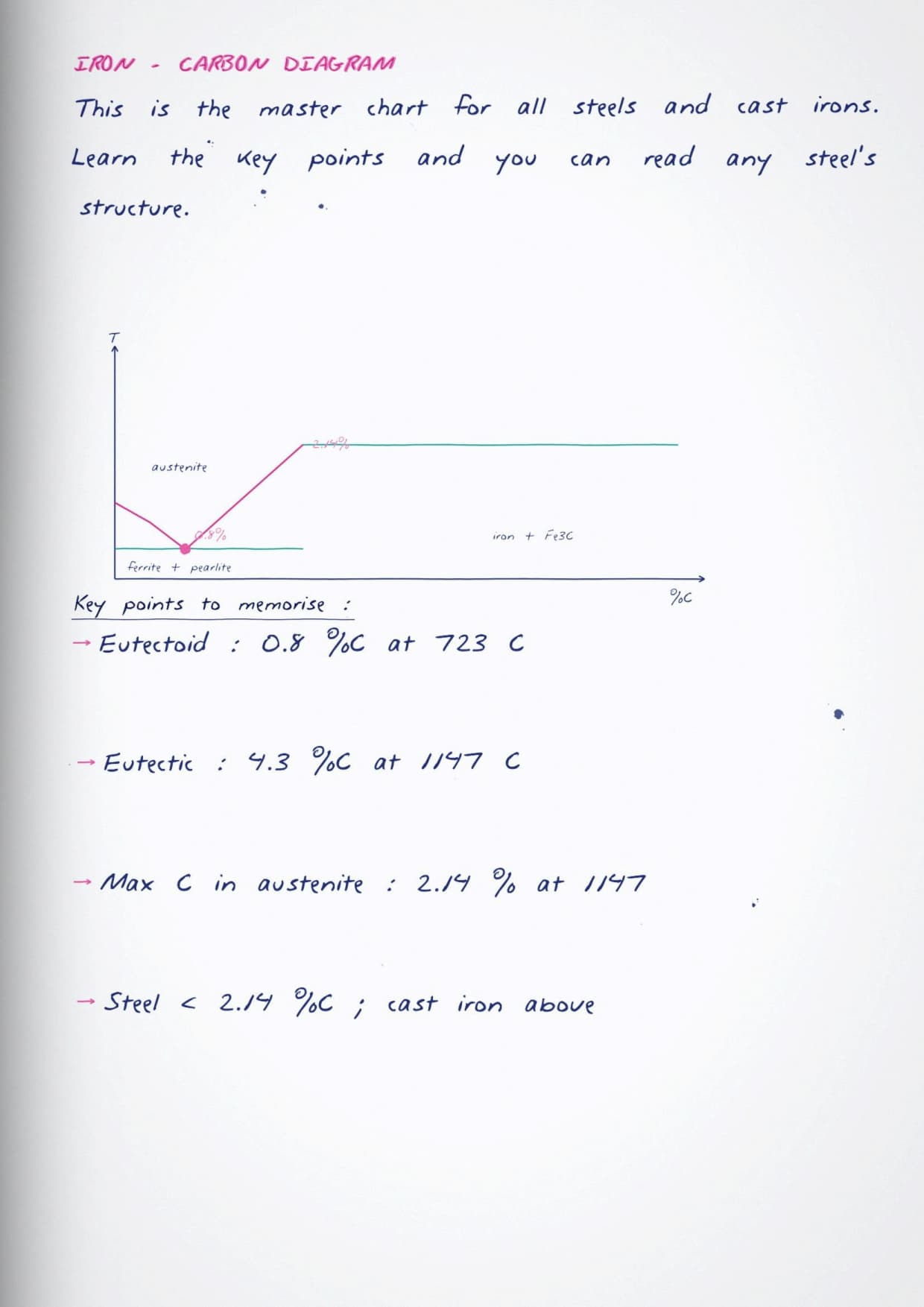
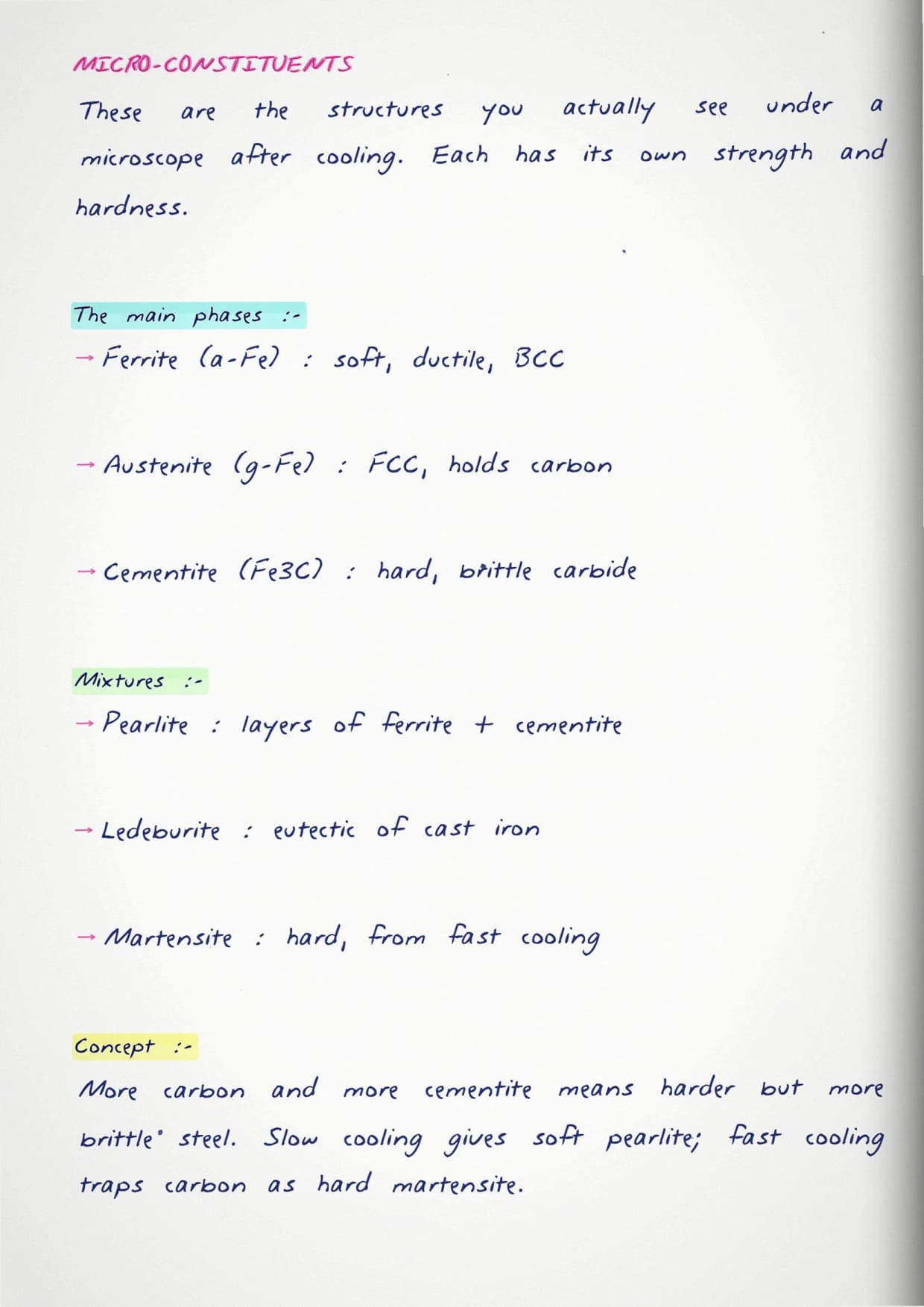
- Iron-carbon diagram: ferrite, austenite, cementite, pearlite and martensite.
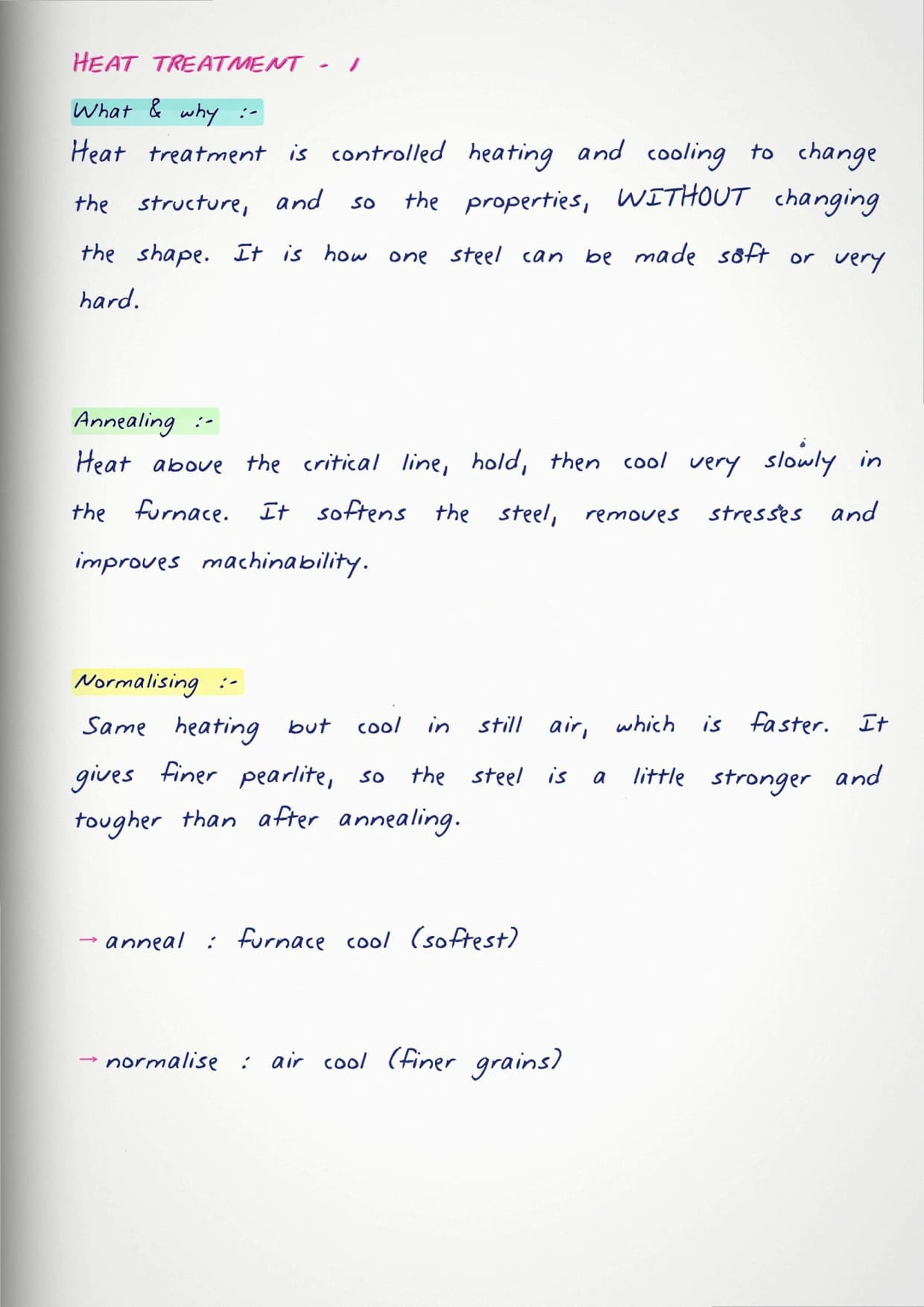
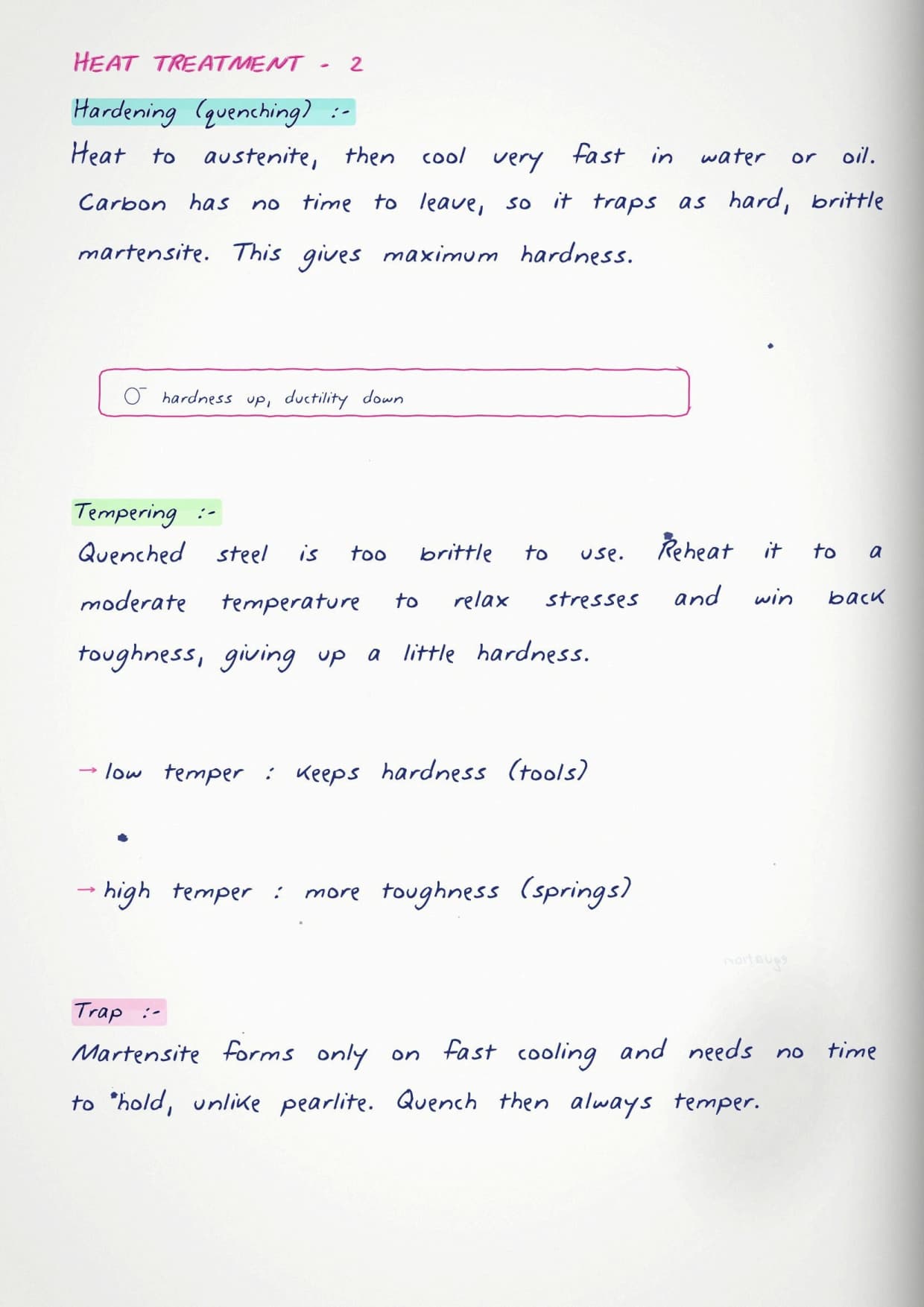
- Heat treatment: annealing, normalising, hardening and tempering.
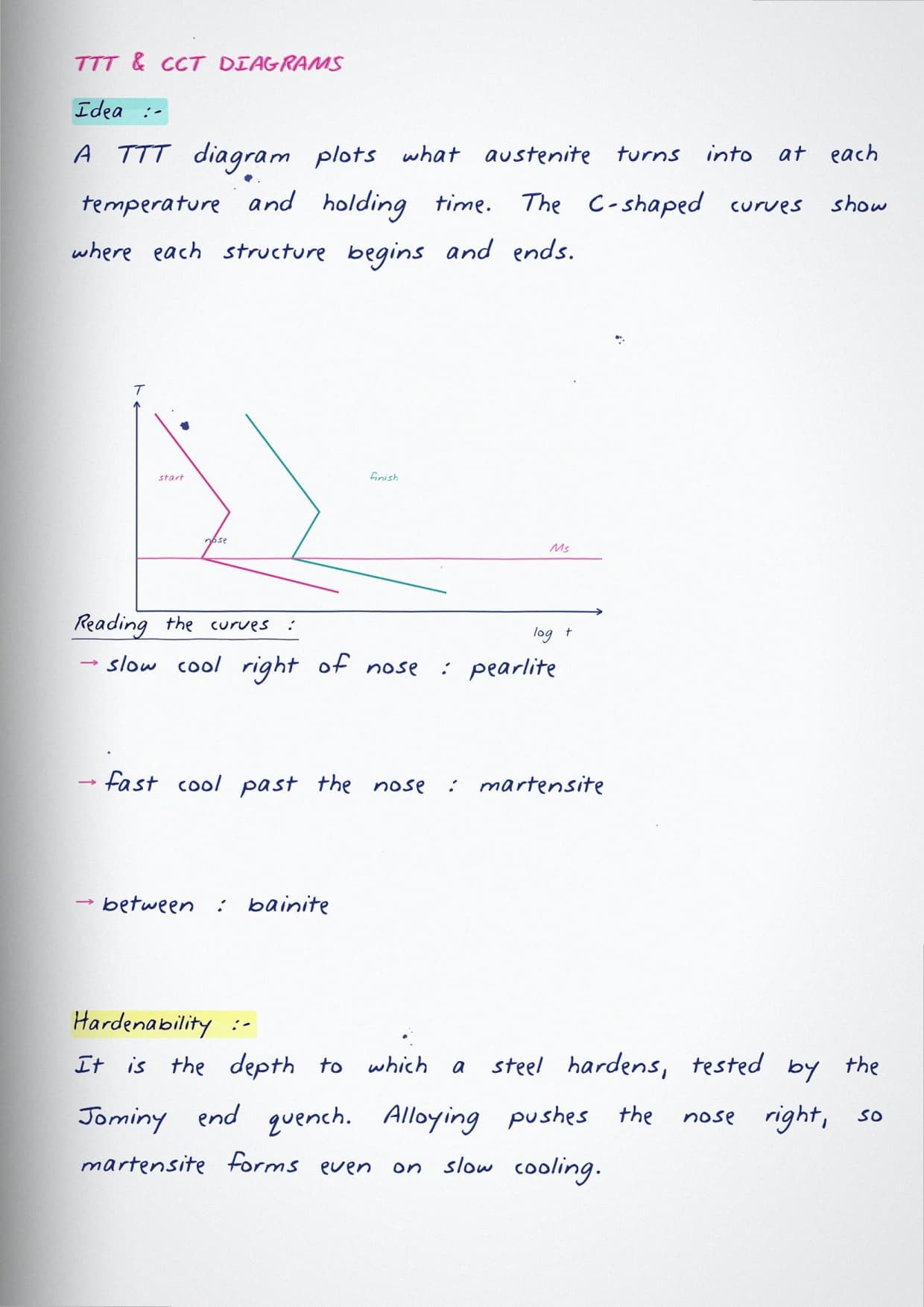
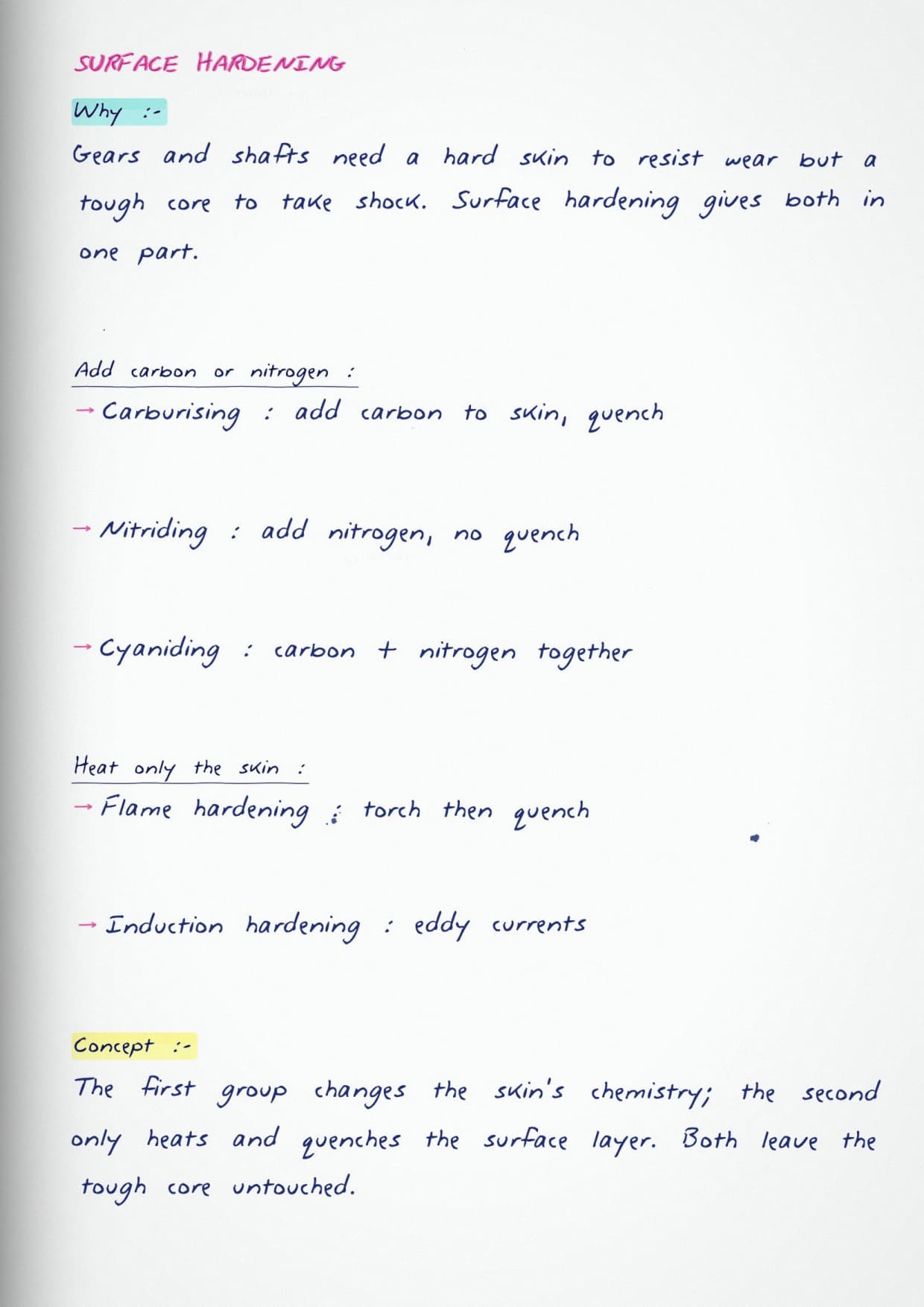
- TTT and CCT diagrams and surface hardening methods.
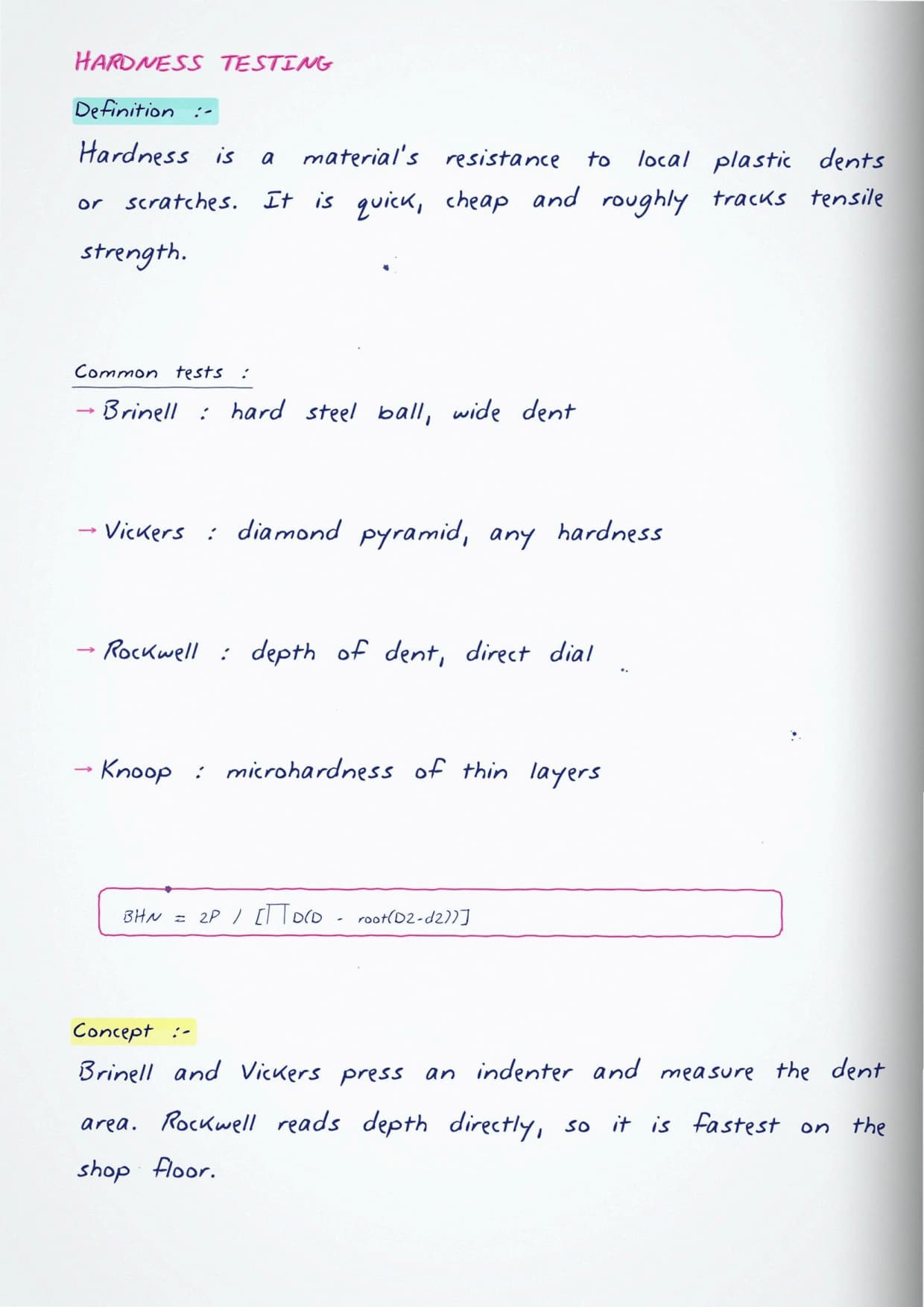
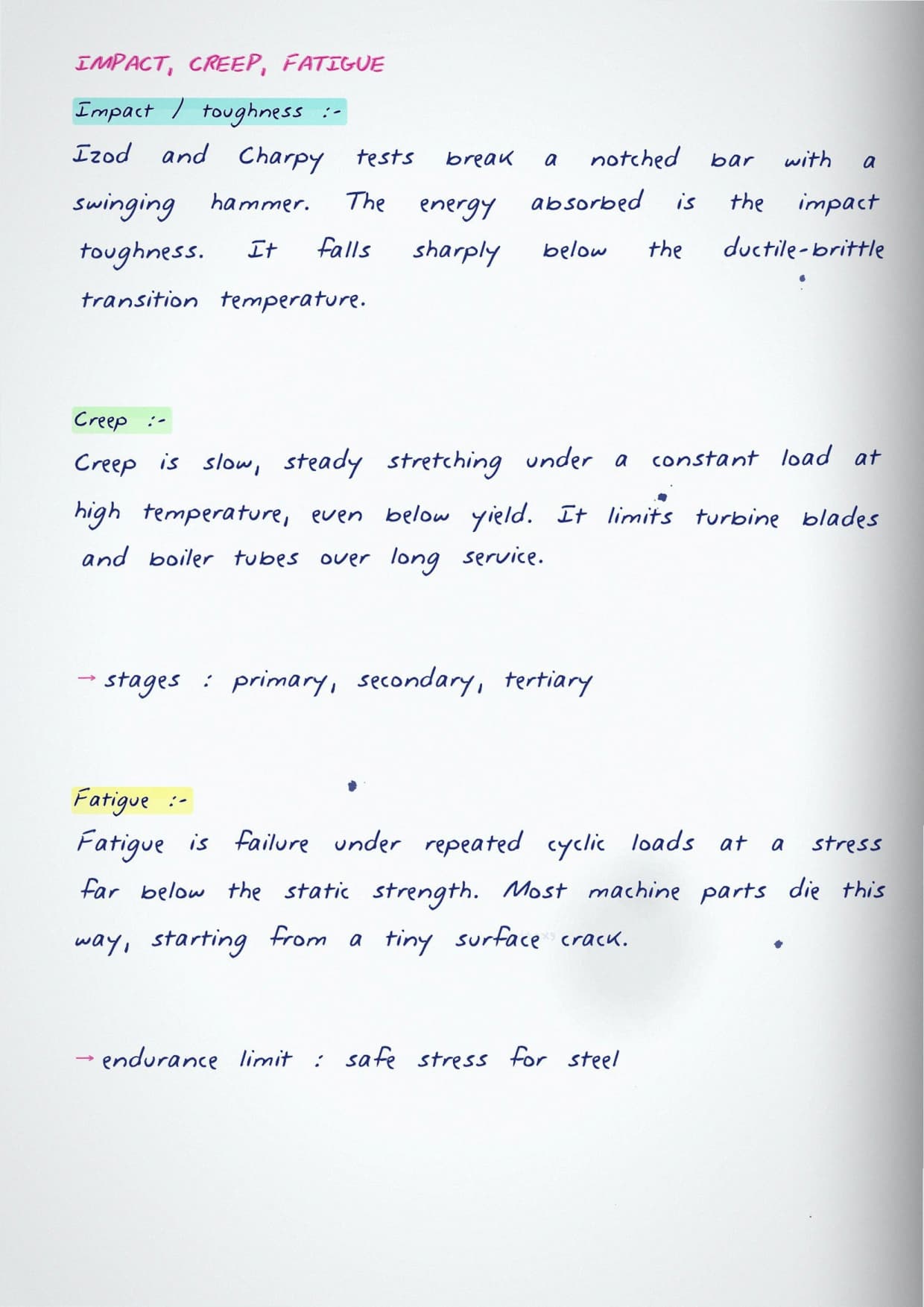
- Testing: hardness, tensile, impact, creep and fatigue.
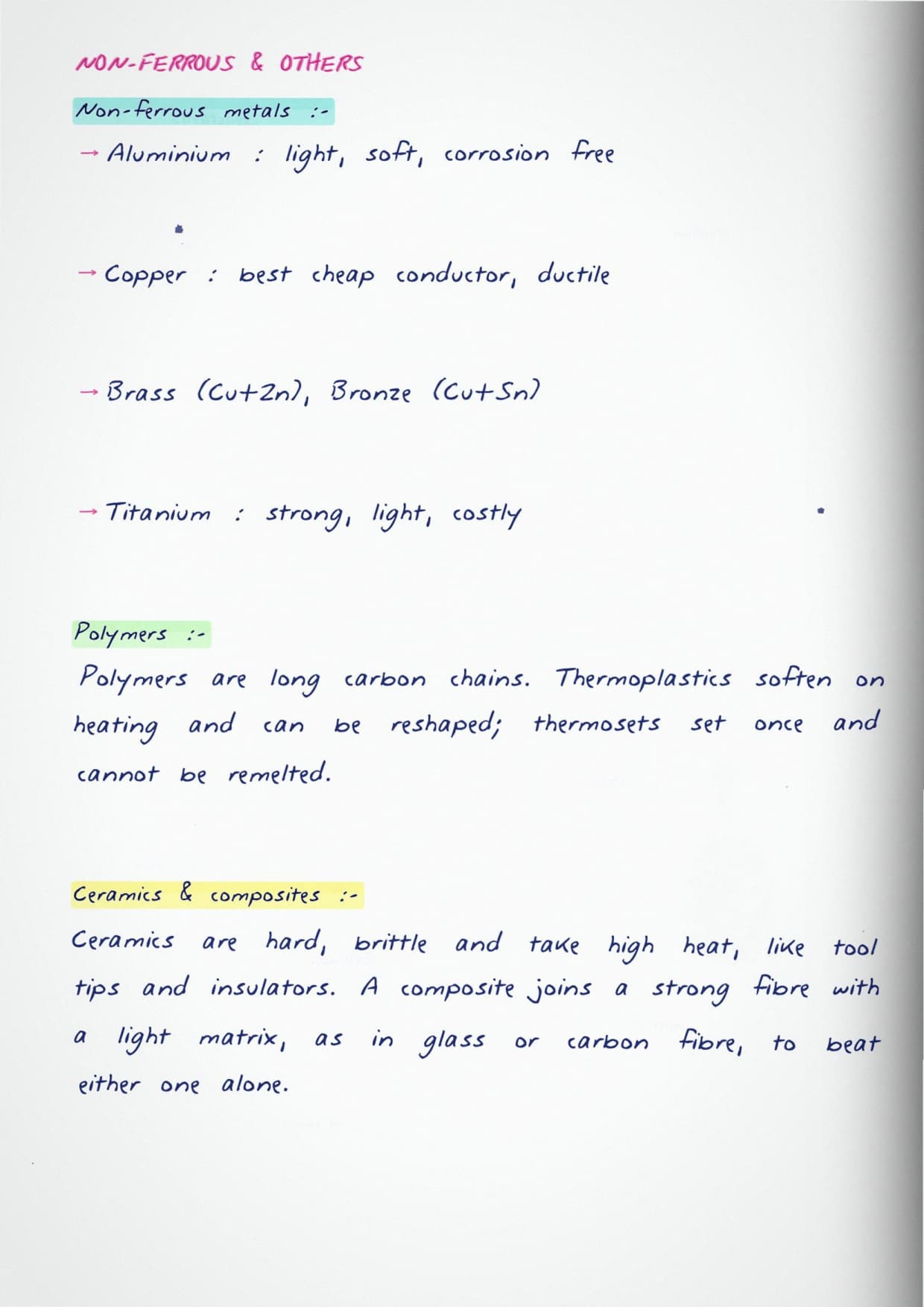
- Materials: ferrous and non-ferrous metals, polymers, ceramics and composites.
How the Notes Are Organised
The material is arranged the way the syllabus builds, moving from structure to properties and then to processing. Each unit is written so it can be revised on its own, which helps when you have time for only one or two topics. Short real examples are added where they make a result easier to remember.
- Structure first: crystal cells, packing and defects.
- Then properties: strength, hardness, creep and fatigue.
- Then processing: phase diagrams and heat treatment.
- Each unit is self-contained, so you can revise one topic alone.
- Short real examples, like why tungsten stays hard when hot.
Important Topics in GATE Engineering Materials
A few topics appear in the GATE Mechanical paper almost every year, and they are worth revising first if you are short on time. The iron-carbon diagram, crystal structure, and heat treatment together account for most of the marks this subject carries. The notes give these areas extra space and clearer diagrams.
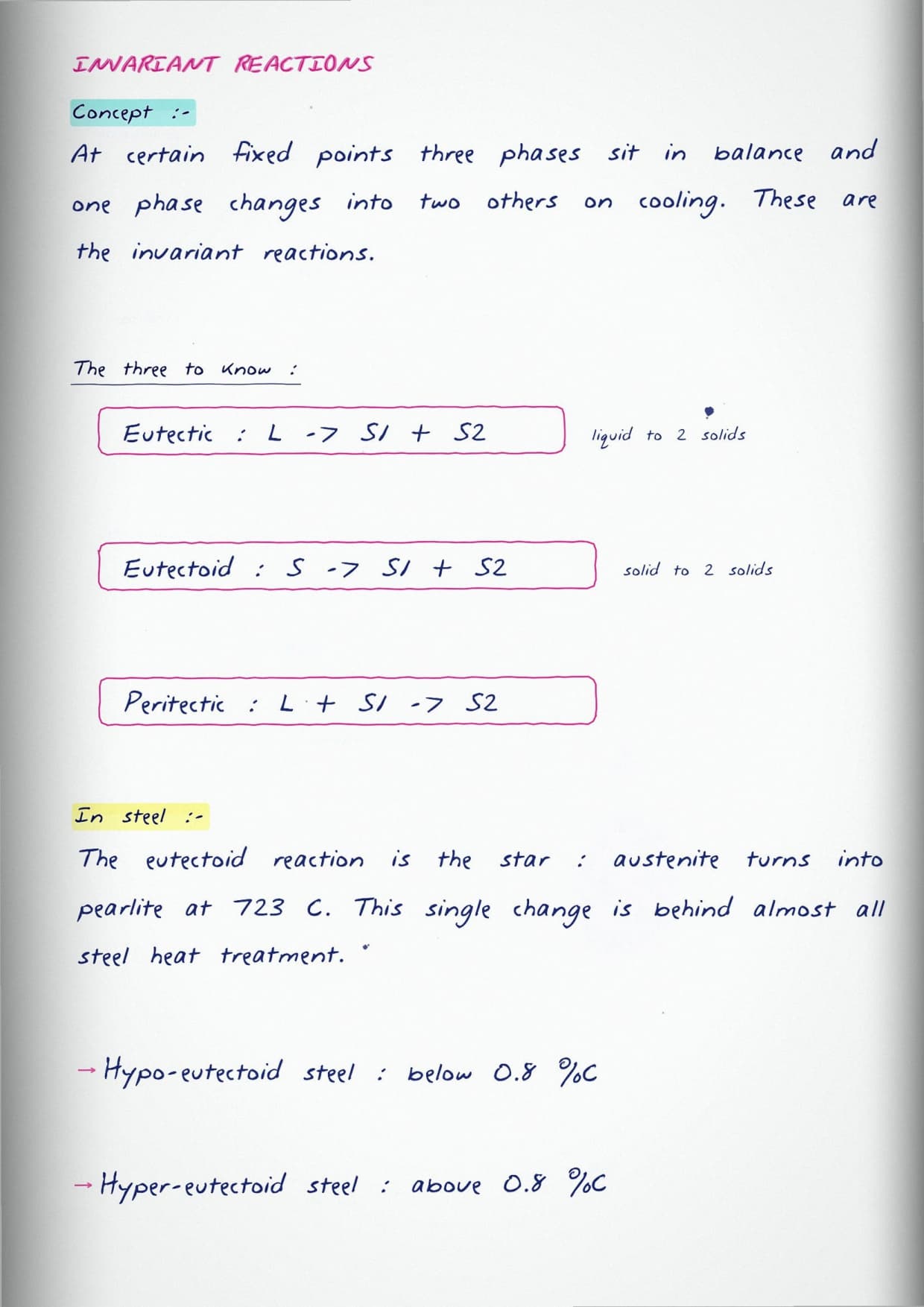
- The iron-carbon diagram and the invariant reactions.
- Crystal structure, packing factor and coordination number.
- Heat treatment and reading the TTT diagram.
- The Gibbs phase rule and lever rule calculations.
- Dislocations and the strengthening mechanisms.
How to Prepare GATE Engineering Materials with Handwritten Notes
Engineering Materials rewards clear memory and quick recall more than long calculation, so the notes are best used for repeated revision. Read a topic once from a standard book, then come back to the notes to fix the definitions, values, and diagrams in your mind. A short daily review of one or two units keeps the whole subject fresh right up to the exam.
- Read each topic once, then use the notes only for recall.
- Redraw the iron-carbon diagram and the TTT curve from memory.
- Learn packing factors and coordination numbers as a small table.
- Check the common-mistakes page before every mock test.
- Read every option with care, since one wrong word changes the answer.
Why These Notes Help You Score Better
Short, hand-written pages are faster to review than a full textbook, which matters in a subject built on many small facts and standard values. The simple diagrams can be redrawn quickly while you practise, and a complete revision of the subject takes very little time. This makes the notes a good fit for a memory-heavy subject like Engineering Materials.
GATE Mechanical Engineering Materials Handwritten Notes FAQs
Ques. Are these Engineering Materials notes enough for GATE Mechanical?
Ans. Yes, they cover the full GATE syllabus for Engineering Materials. Students should still solve previous year questions and a test series alongside the notes.
Ques. Do the notes explain the topics or only list formulas?
Ans. They explain each topic in plain words and give the standard results, values, and diagrams the exam tests, so you learn how each idea works and not only the final answer.
Ques. Which diagrams are included in the notes?
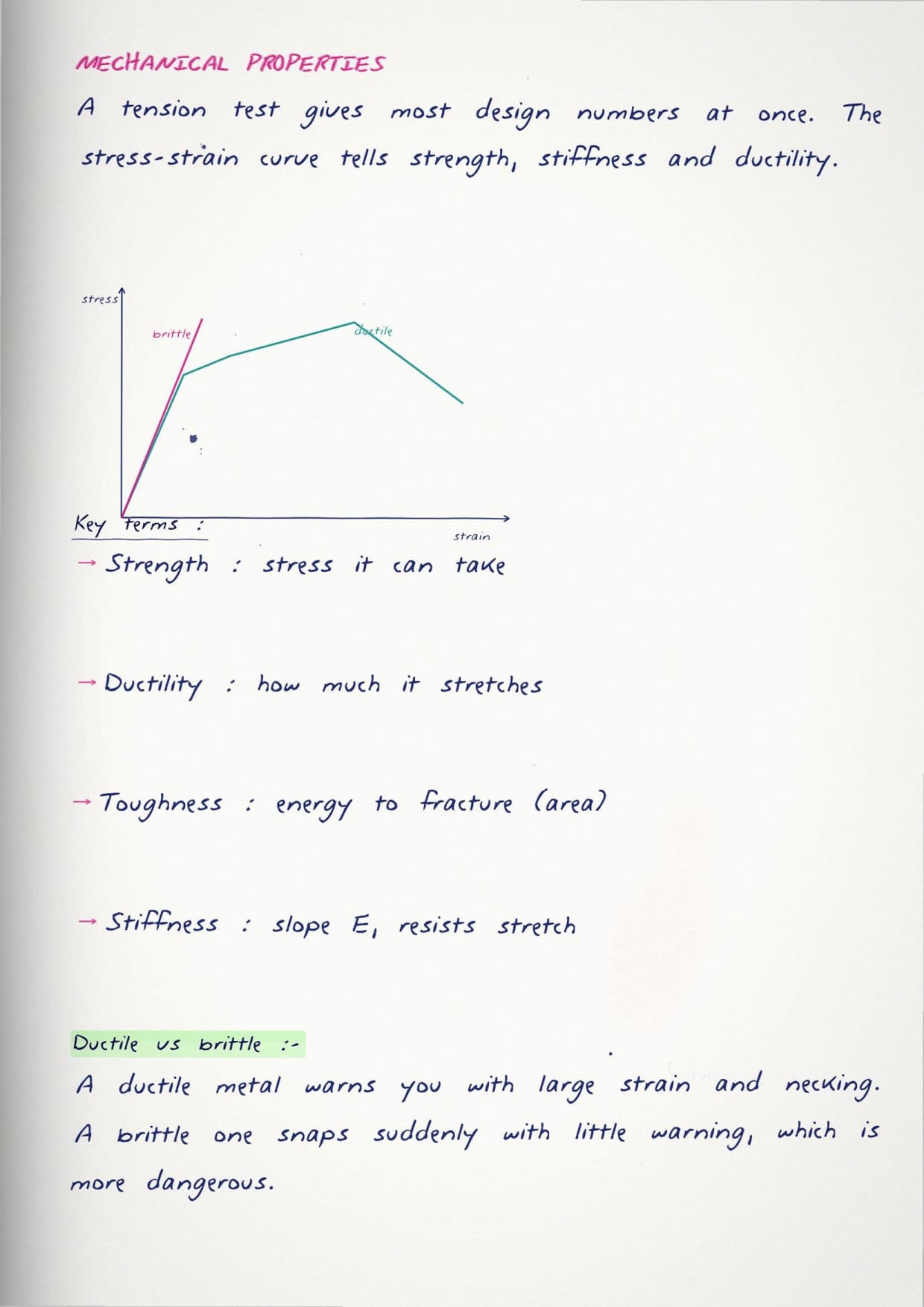
Ans. The notes include hand-drawn figures for BCC, FCC and HCP unit cells, an edge dislocation, the iron-carbon diagram, the TTT curve and a ductile versus brittle stress-strain graph.
Ques. Can I use these notes for last-day revision?
Ans. Yes. The quick facts sheet and short topic-wise pages are made for fast recall, so the whole subject can be revised in under an hour.



Comments