




Industrial Engineering and Operations Research is one of the most scoring parts of the GATE Mechanical paper, and it usually rewards students who can pick the right model for each question. These handwritten notes cover the full syllabus in one place, from forecasting and inventory control to queuing theory and project networks. Every model comes with its standard formula and a short solved example, so revision stays quick and clear.
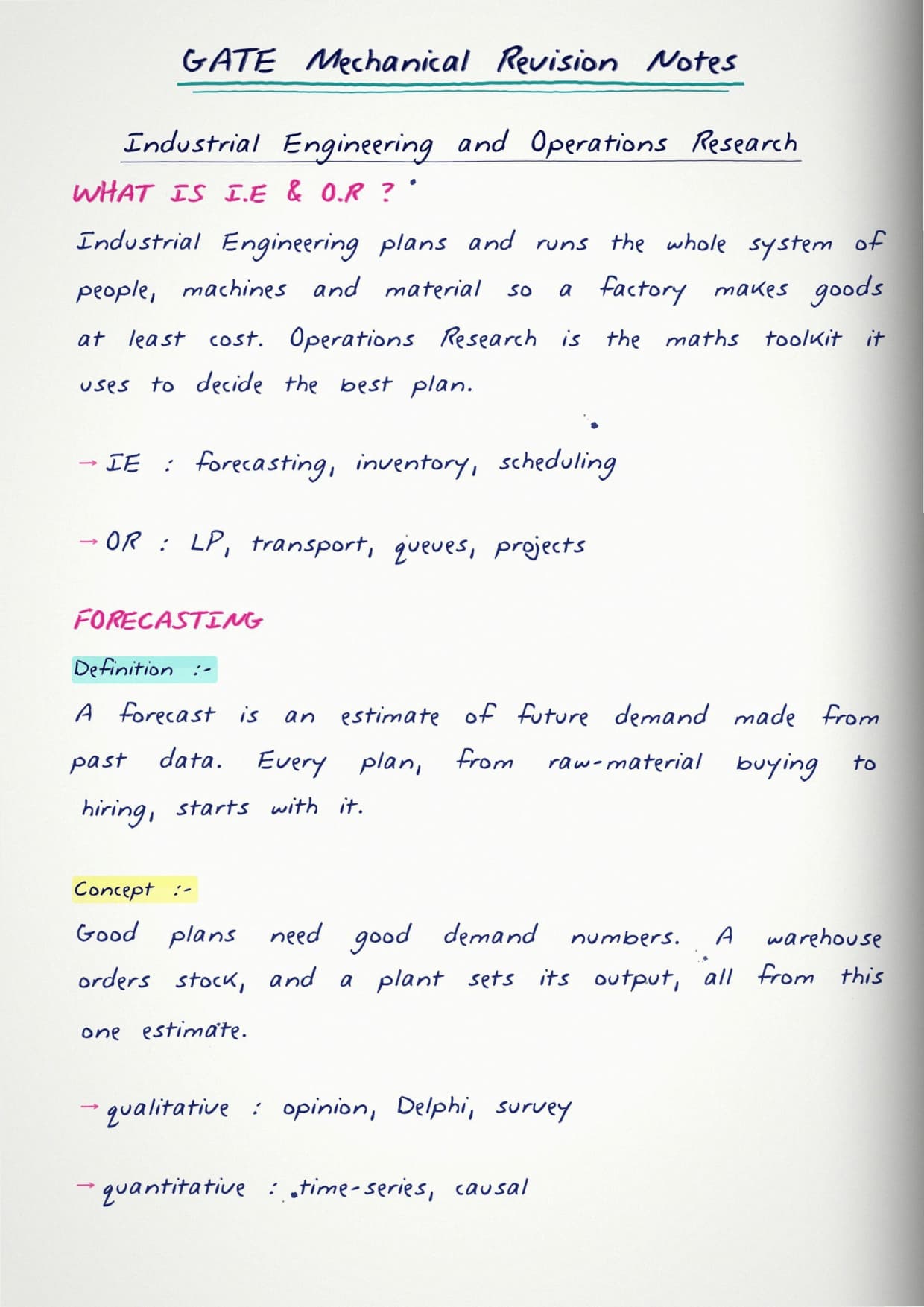
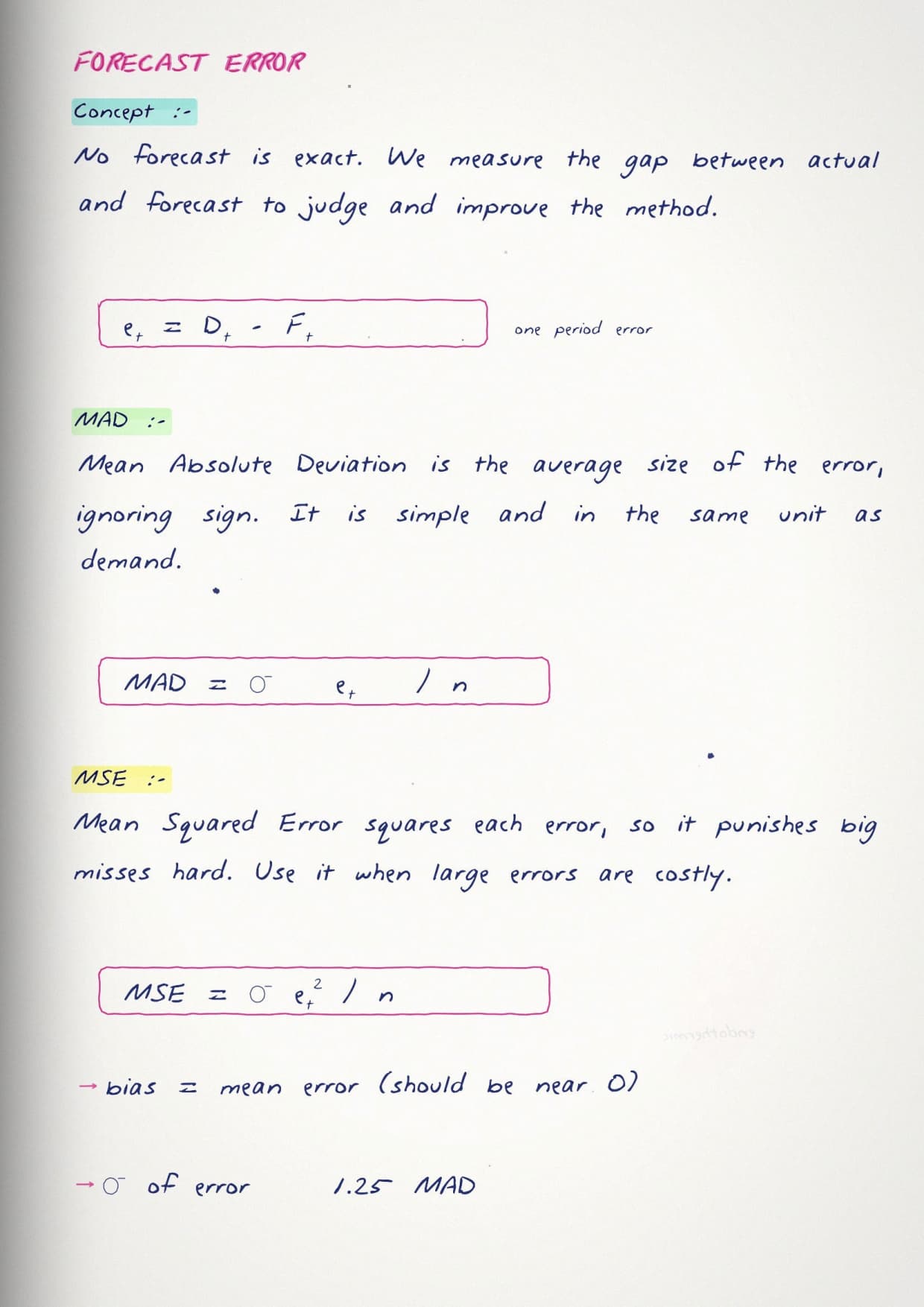
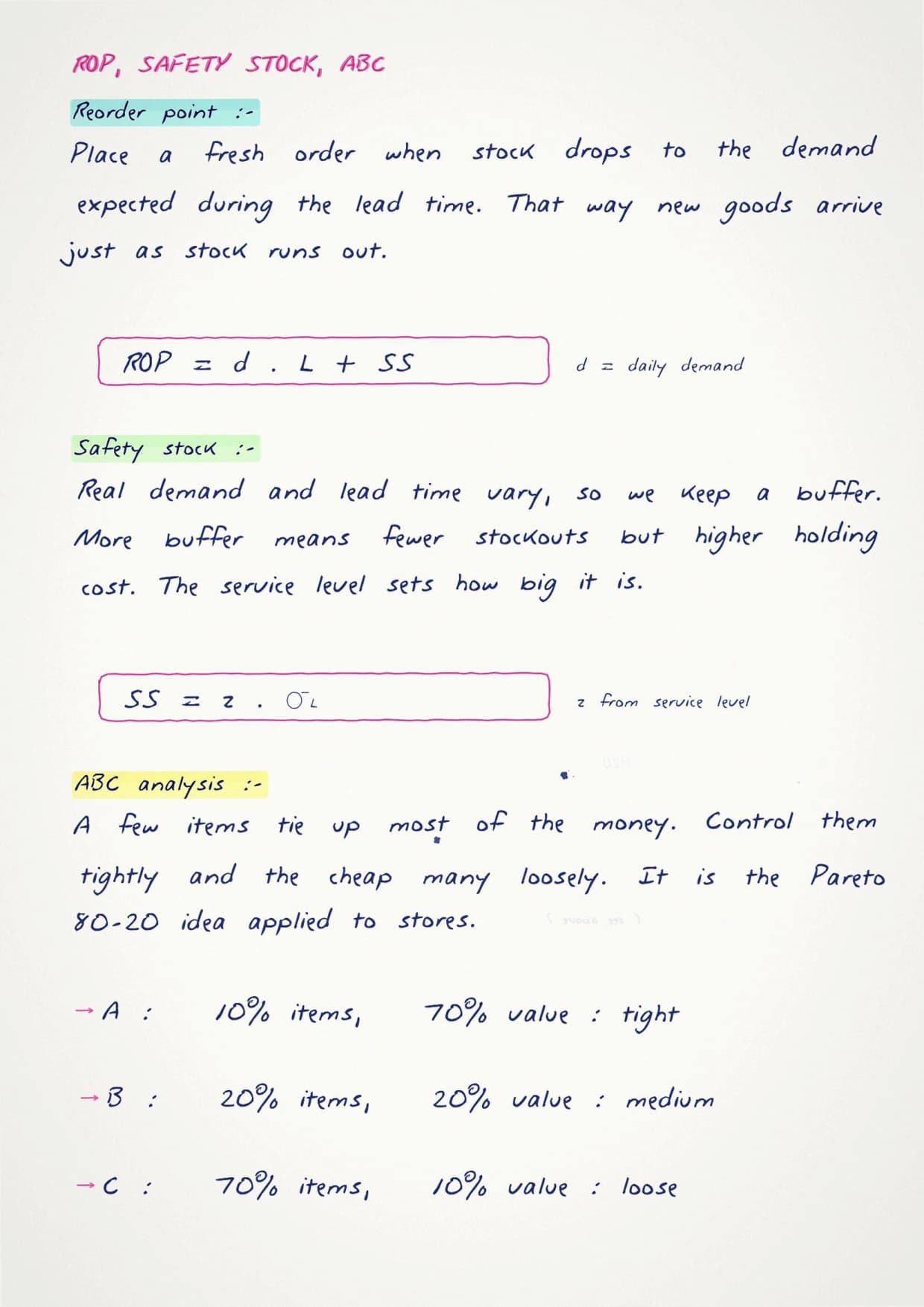
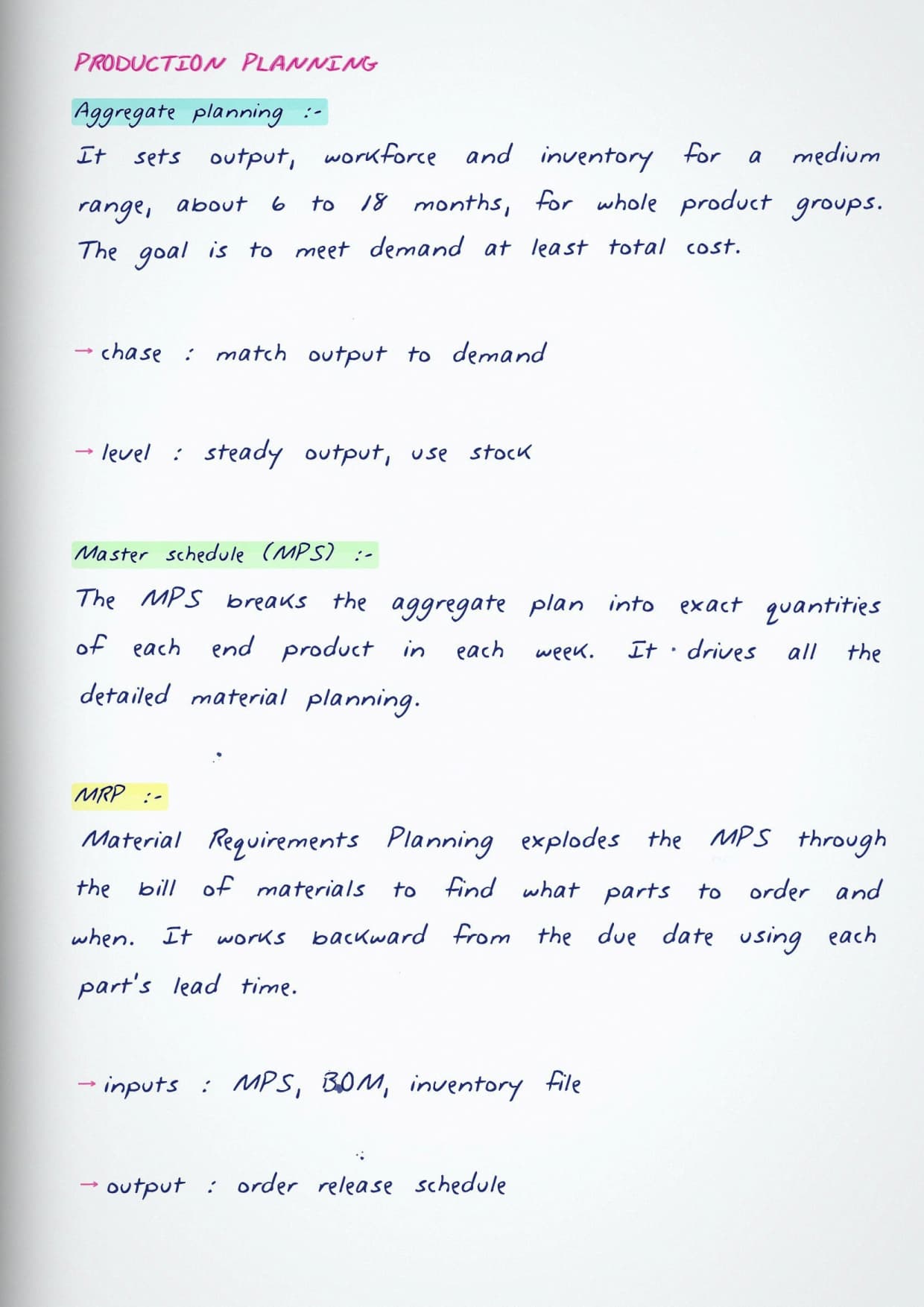
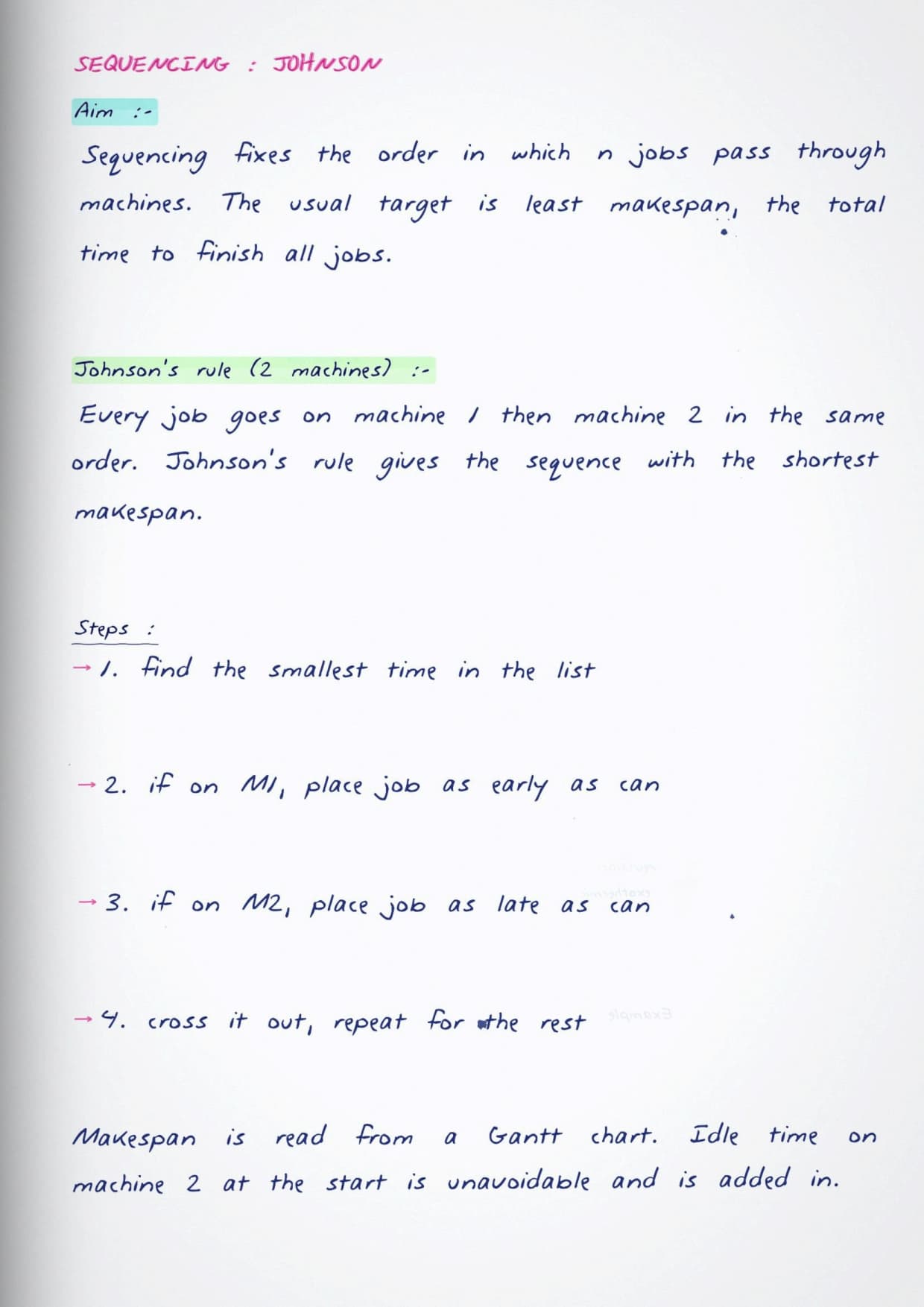
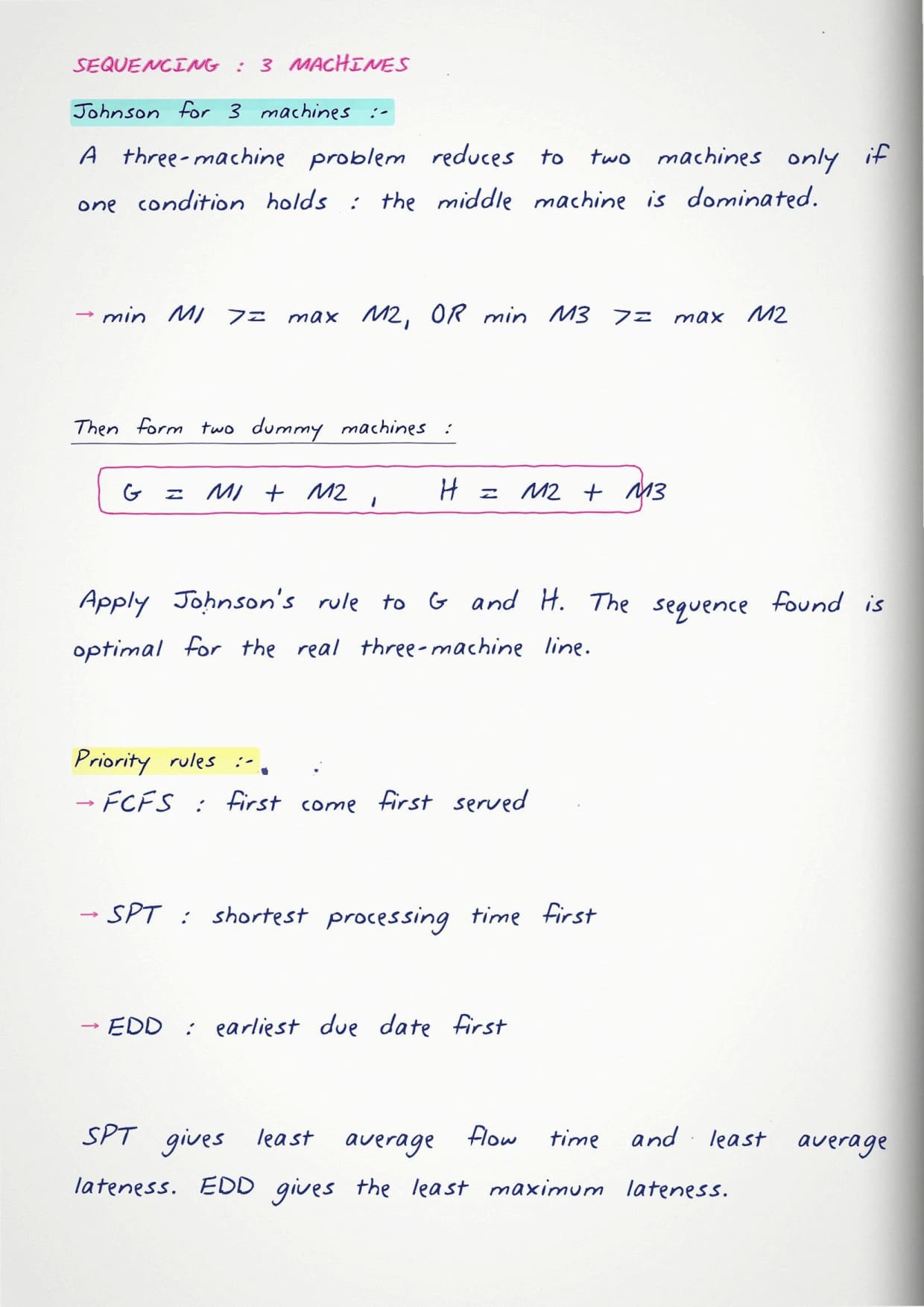
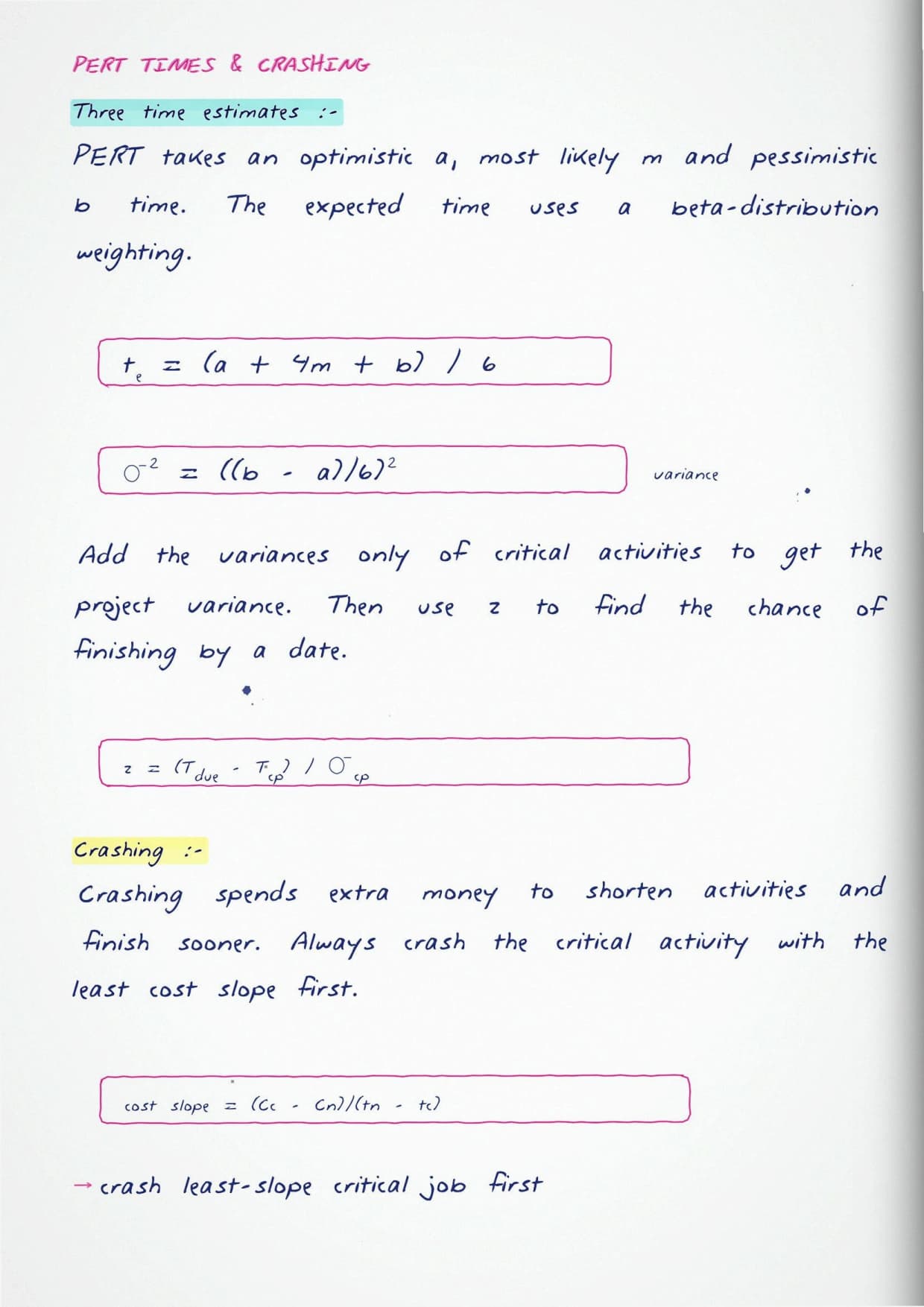
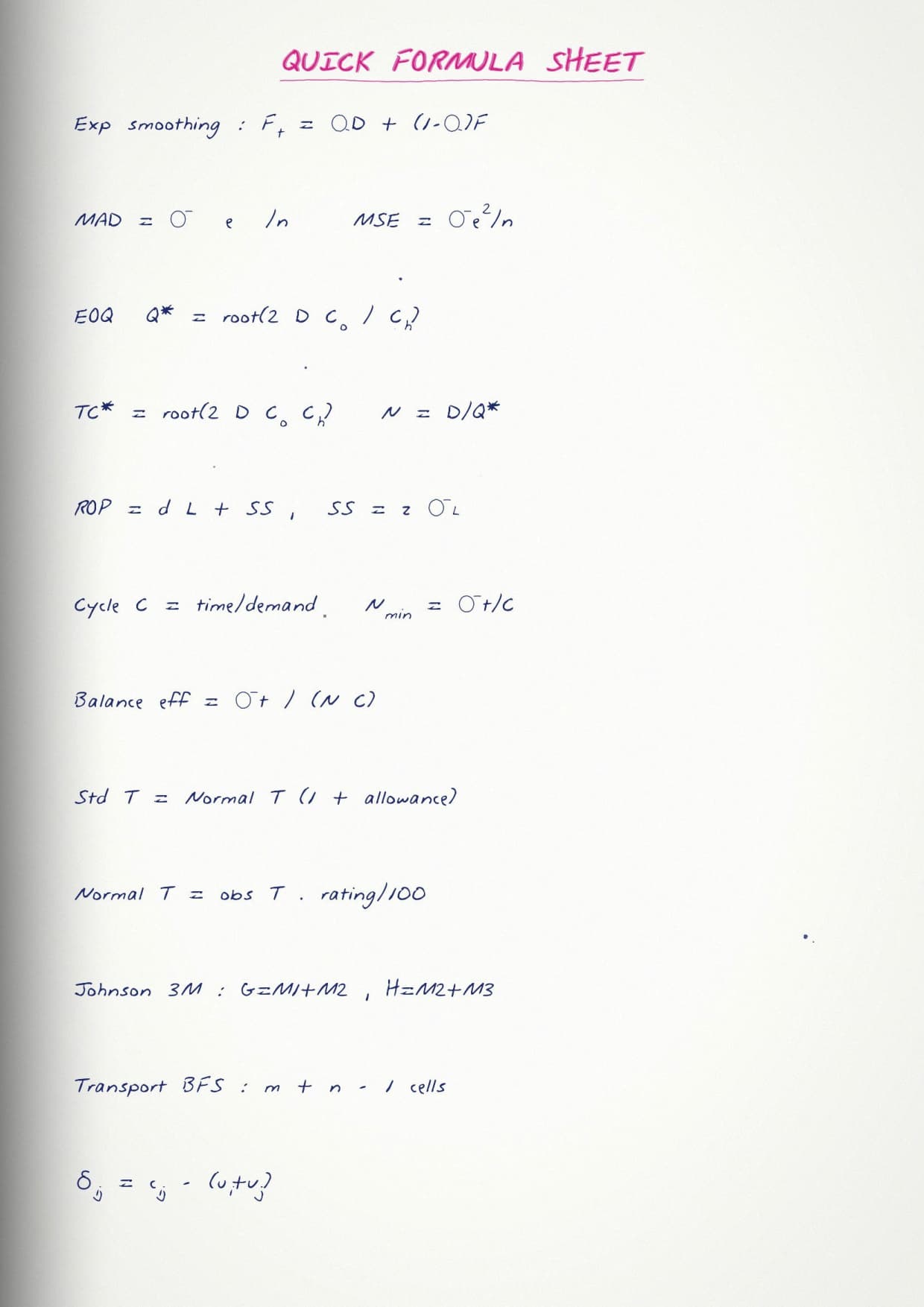
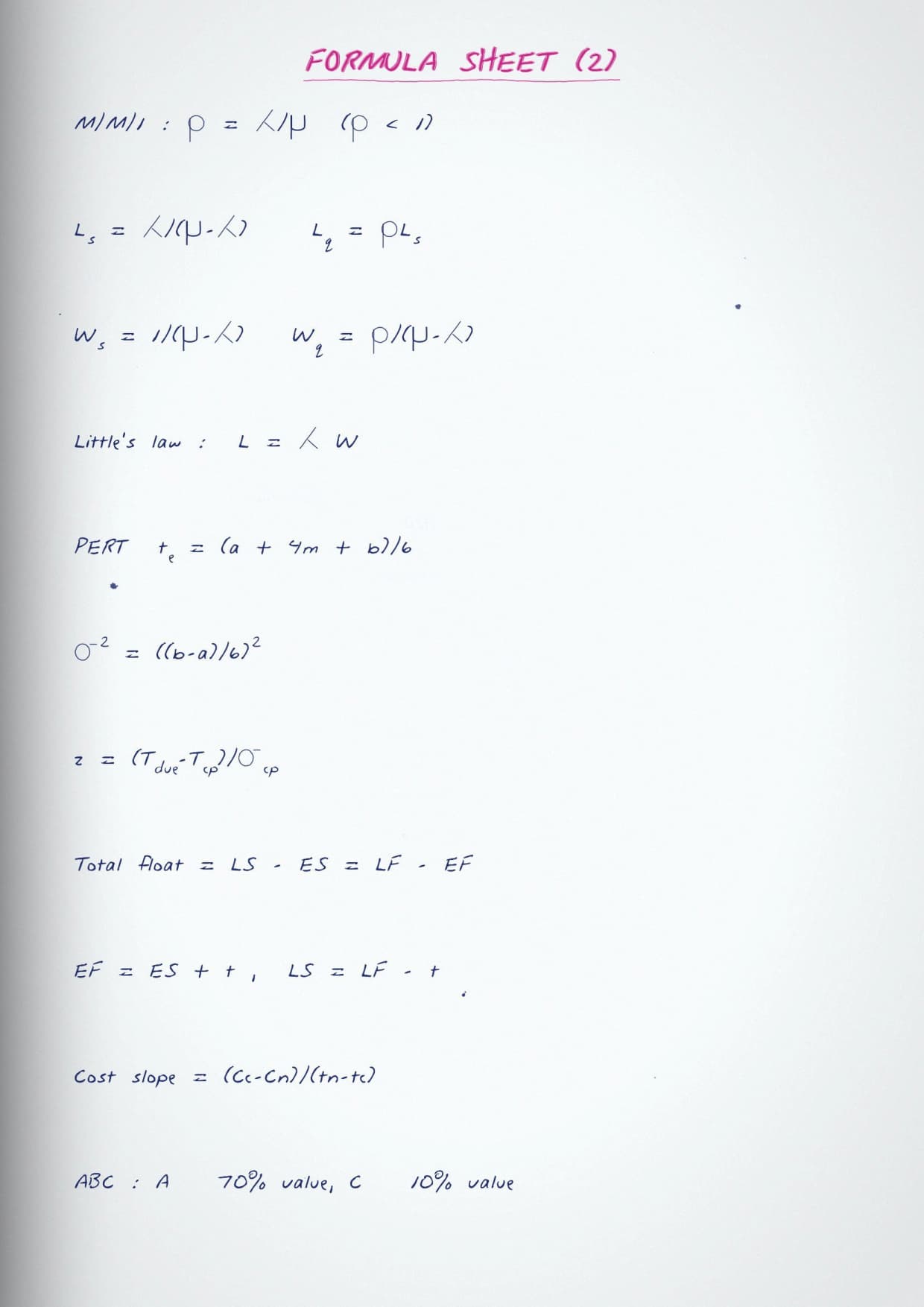
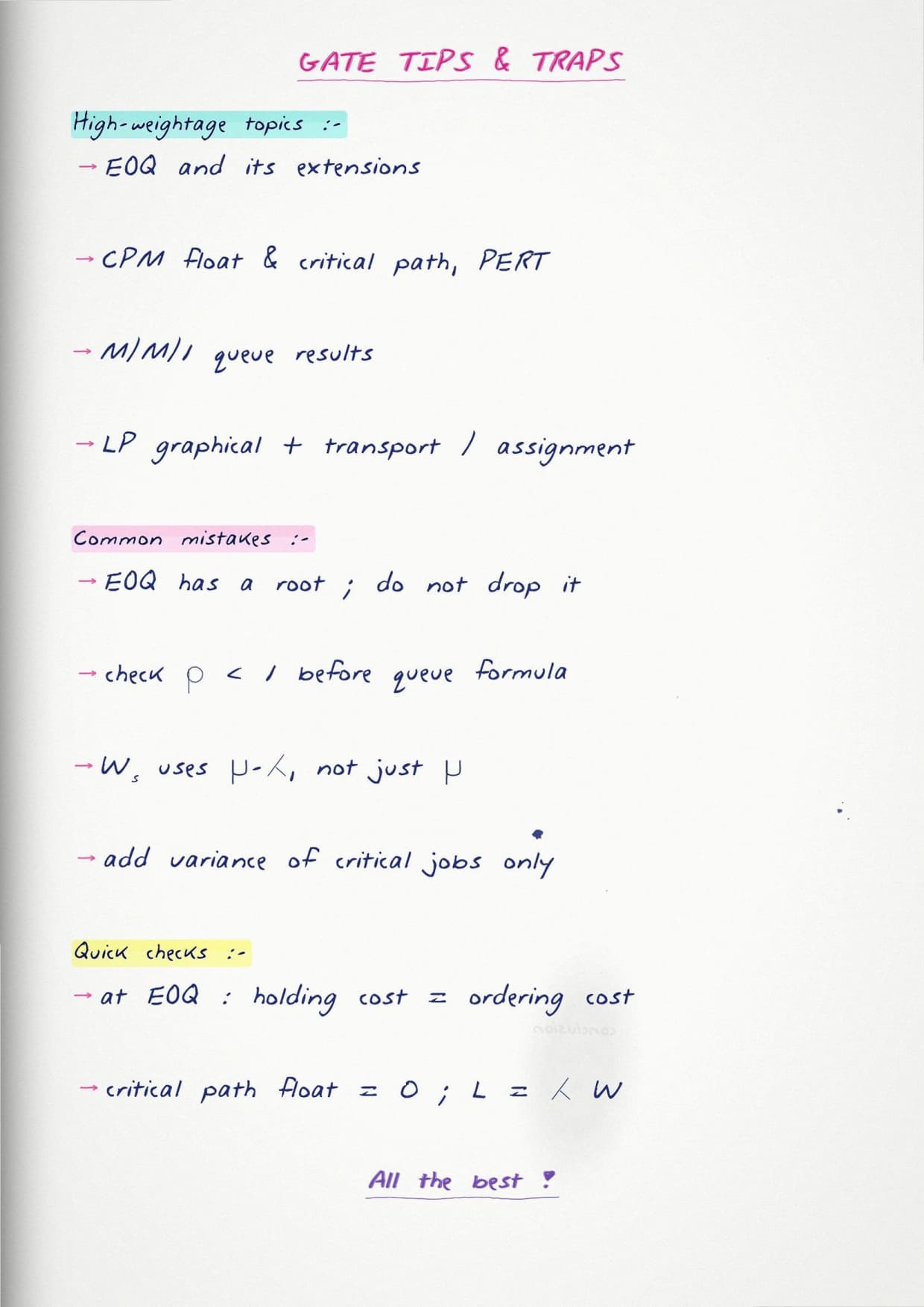
The notes are built for revision. Each model is given with its key formula, a short note on when it applies, and a small solved example, so students can go through the whole subject in a few short sessions.
- Full GATE syllabus for this subject in one PDF.
- Key formulas for EOQ, LP, queuing, and PERT/CPM.
- Hand-drawn diagrams for EOQ, linear programming, and networks.
What These GATE Industrial Engineering Notes Cover
This subject is broad but formula-driven, and the notes keep every model in one compact set. Each topic is explained in a few lines and then reduced to the formula you actually use in the exam. Standard results are grouped so related models stay together and are easy to compare.
- Every model explained in short, then its key formula.
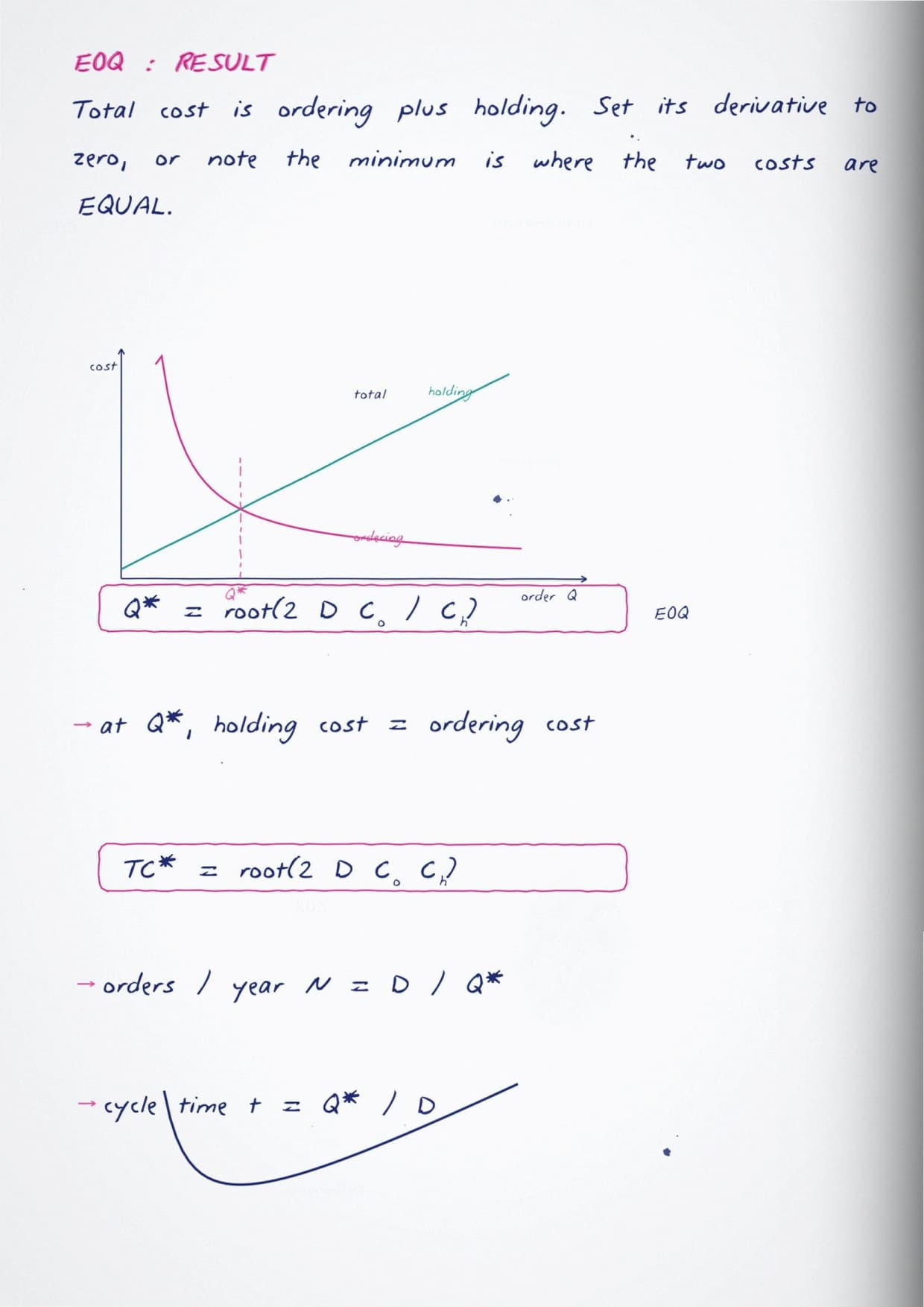
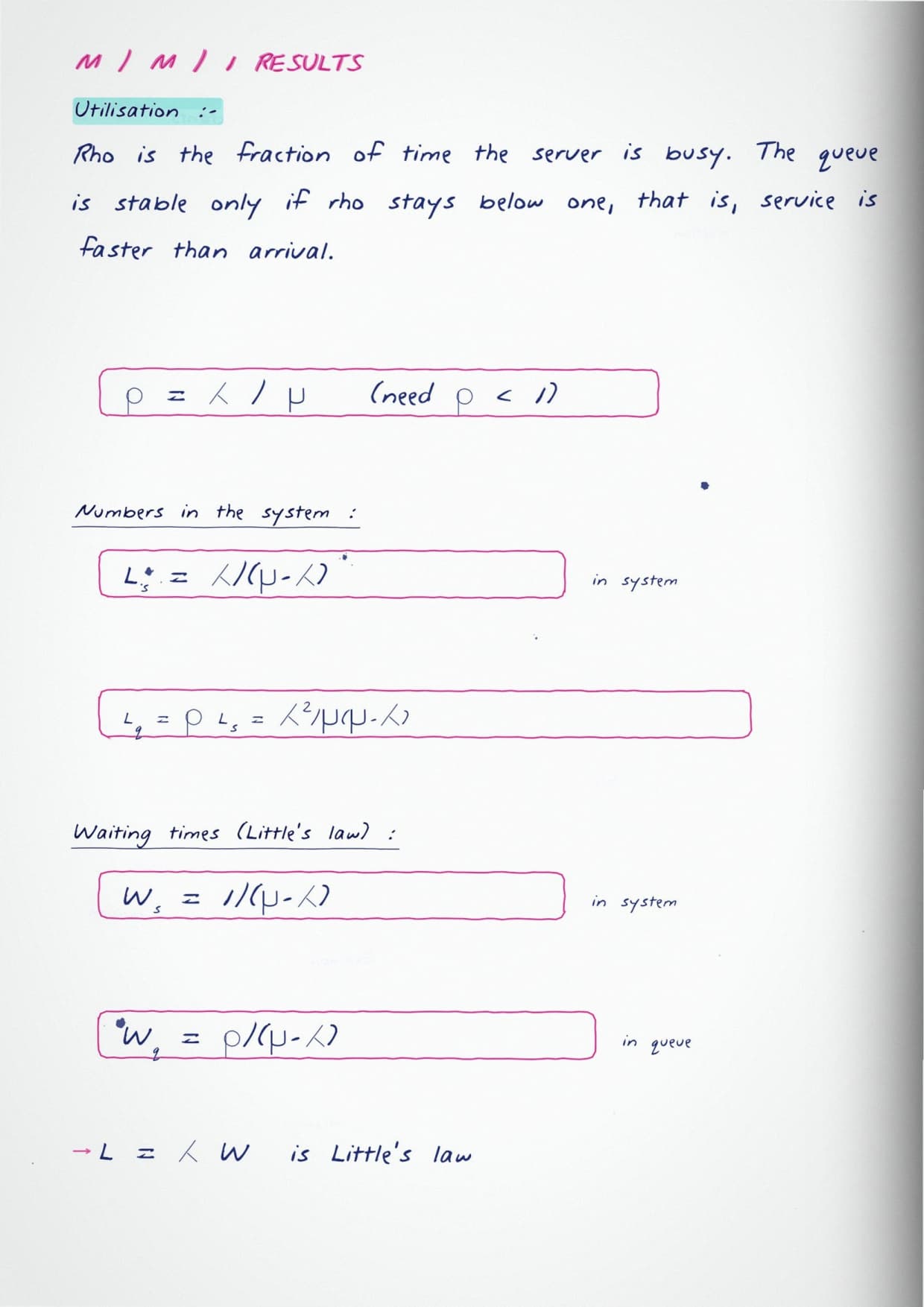
- Standard results like EOQ and Little's law kept together.
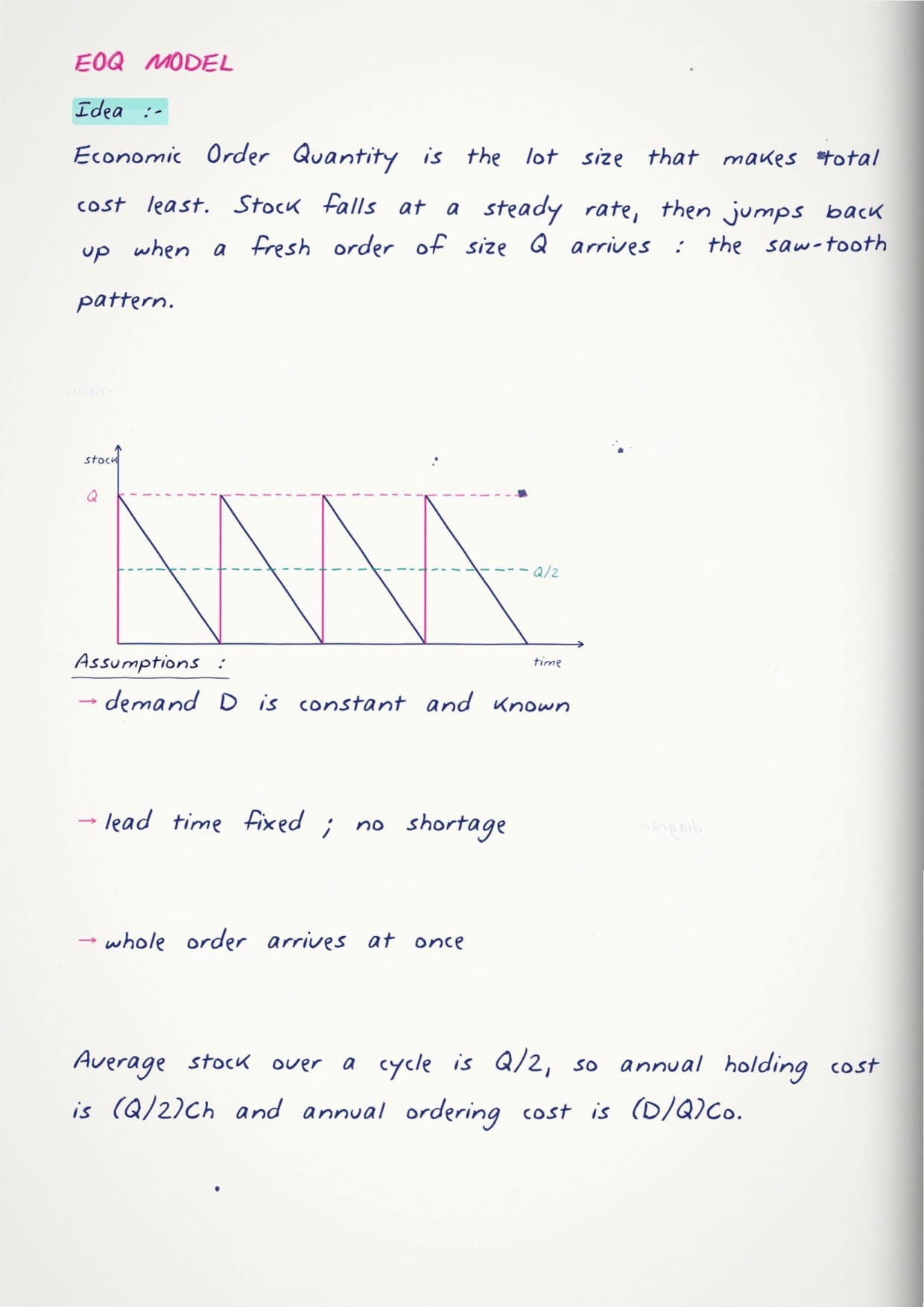
- Hand-drawn figures for the inventory saw-tooth, cost curve, and networks.
- A quick formula sheet and a tips-and-traps page at the end.
GATE Industrial Engineering Quick Revision
Source: Unacademy GATE - ME, PI, XE on YouTube
Topics Covered in GATE Industrial Engineering
The notes follow the official GATE order, so you can match them against any standard textbook without losing your place. They cover the complete Industrial Engineering and Operations Research syllabus, with each topic sized by how often it appears in the paper. The main topics are listed below.
- Production planning and control basics.
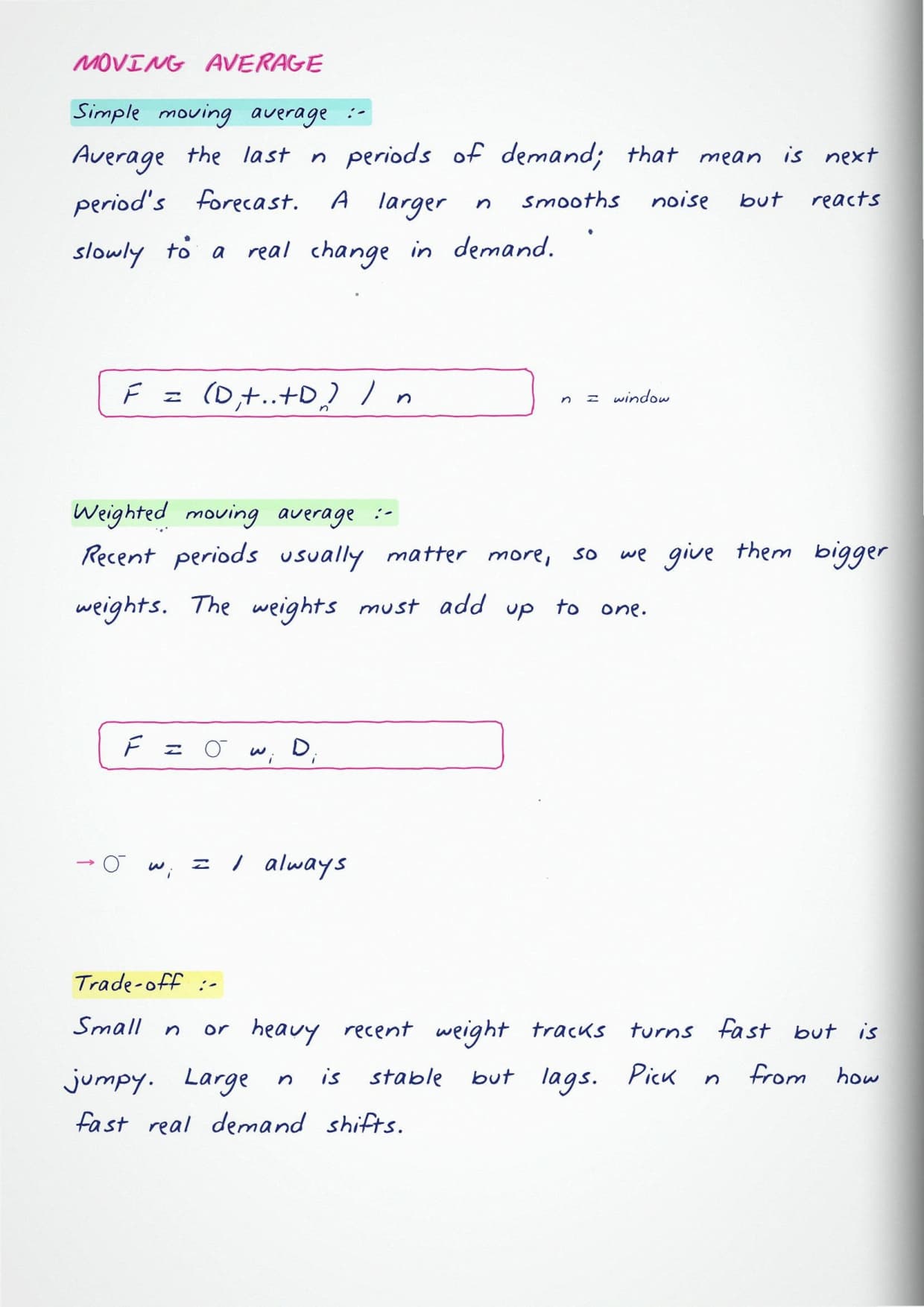
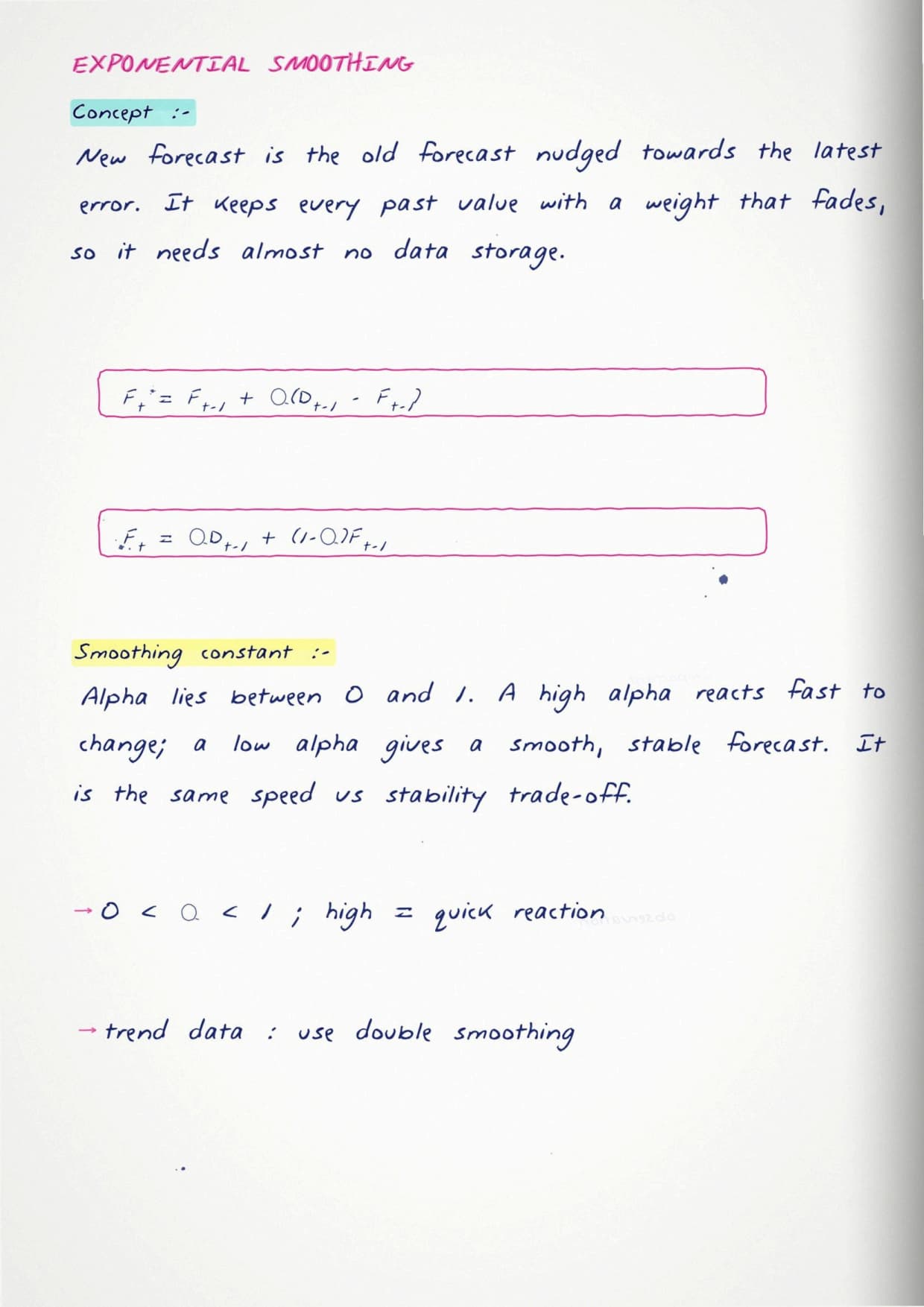
- Forecasting: moving average, weighted average, and exponential smoothing.
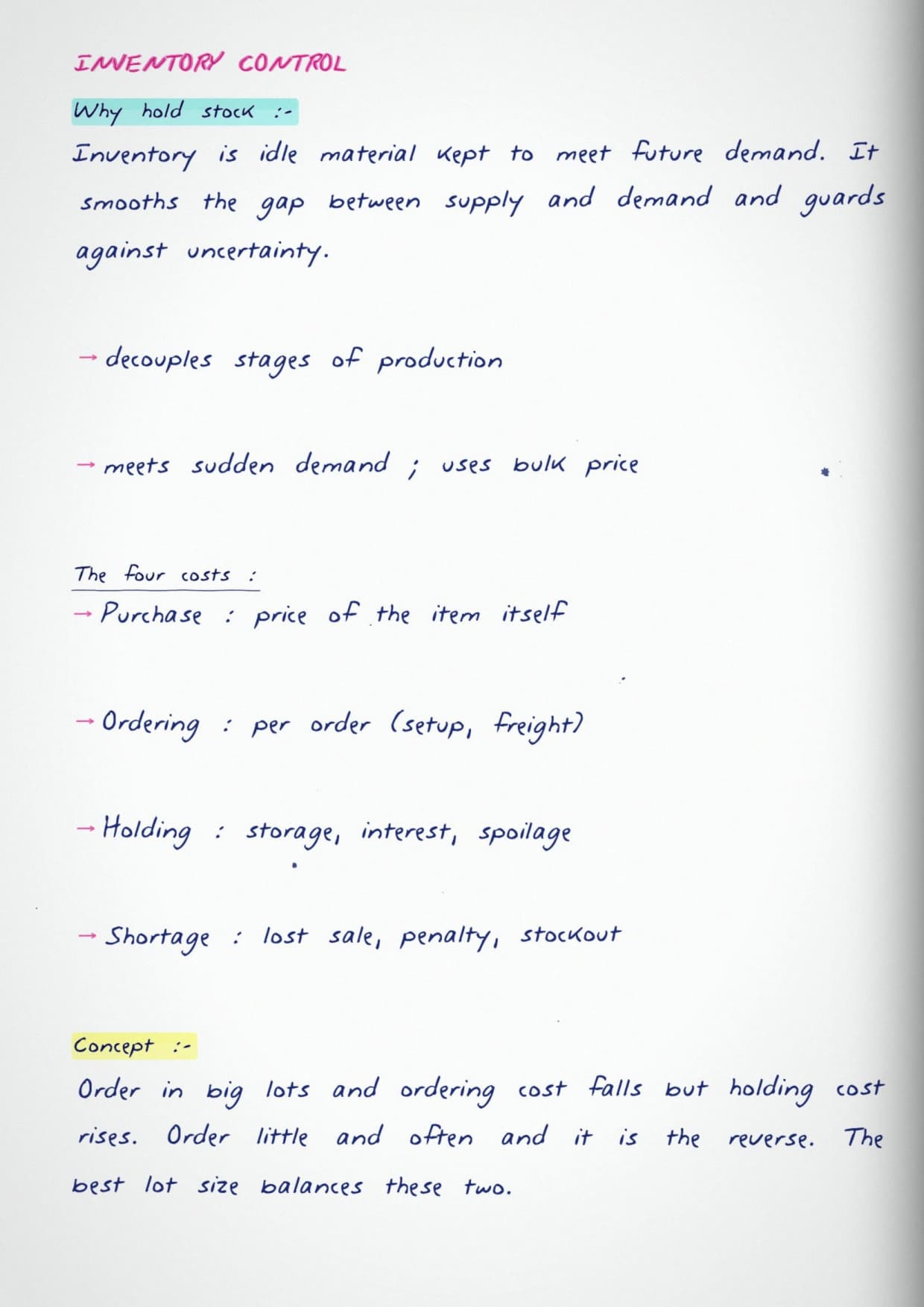
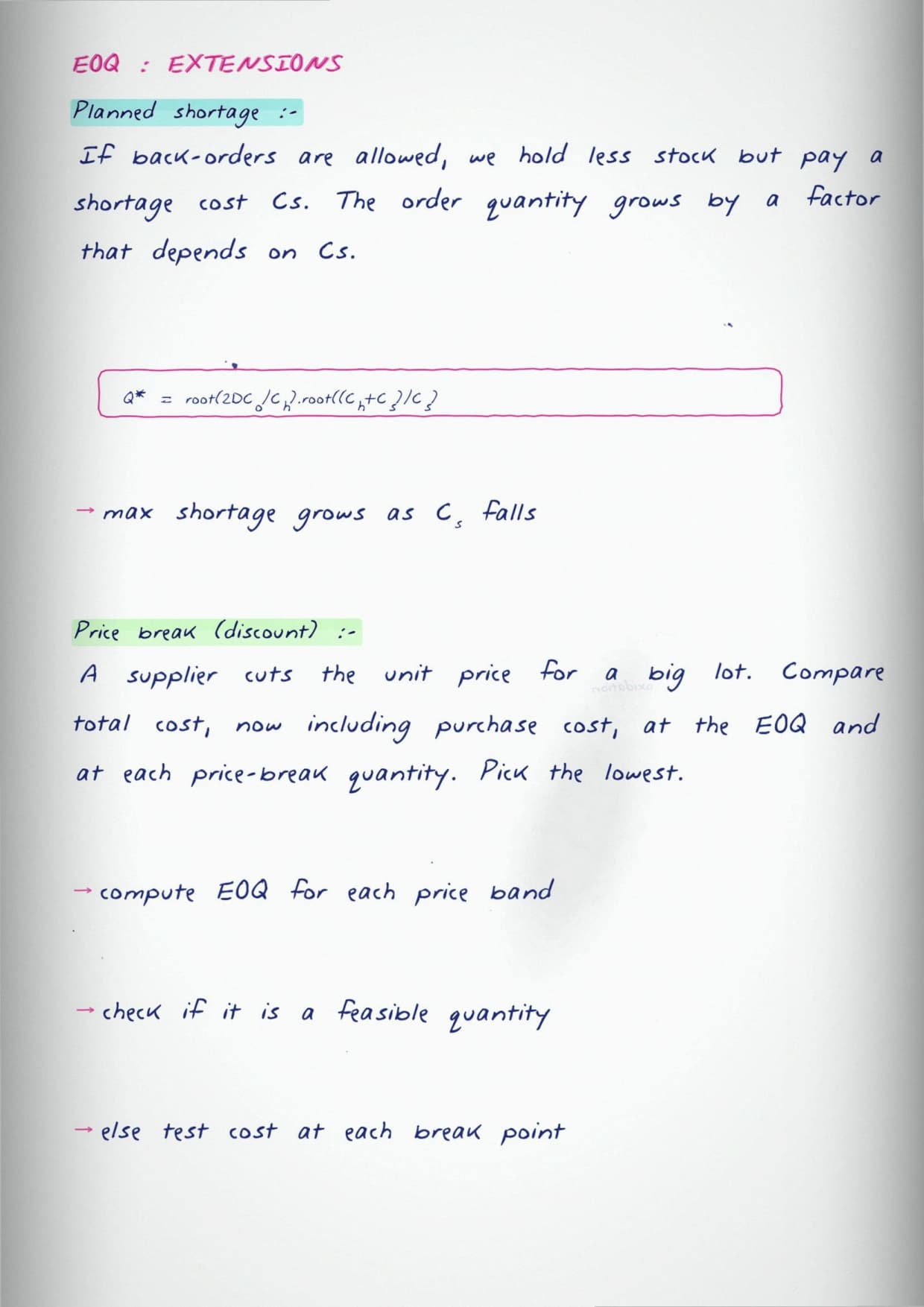
- Inventory control: EOQ derivation, reorder point, safety stock, and discounts.
- Aggregate planning and material requirement planning (MRP).
- Sequencing and scheduling, including Johnson's rule and Gantt charts.
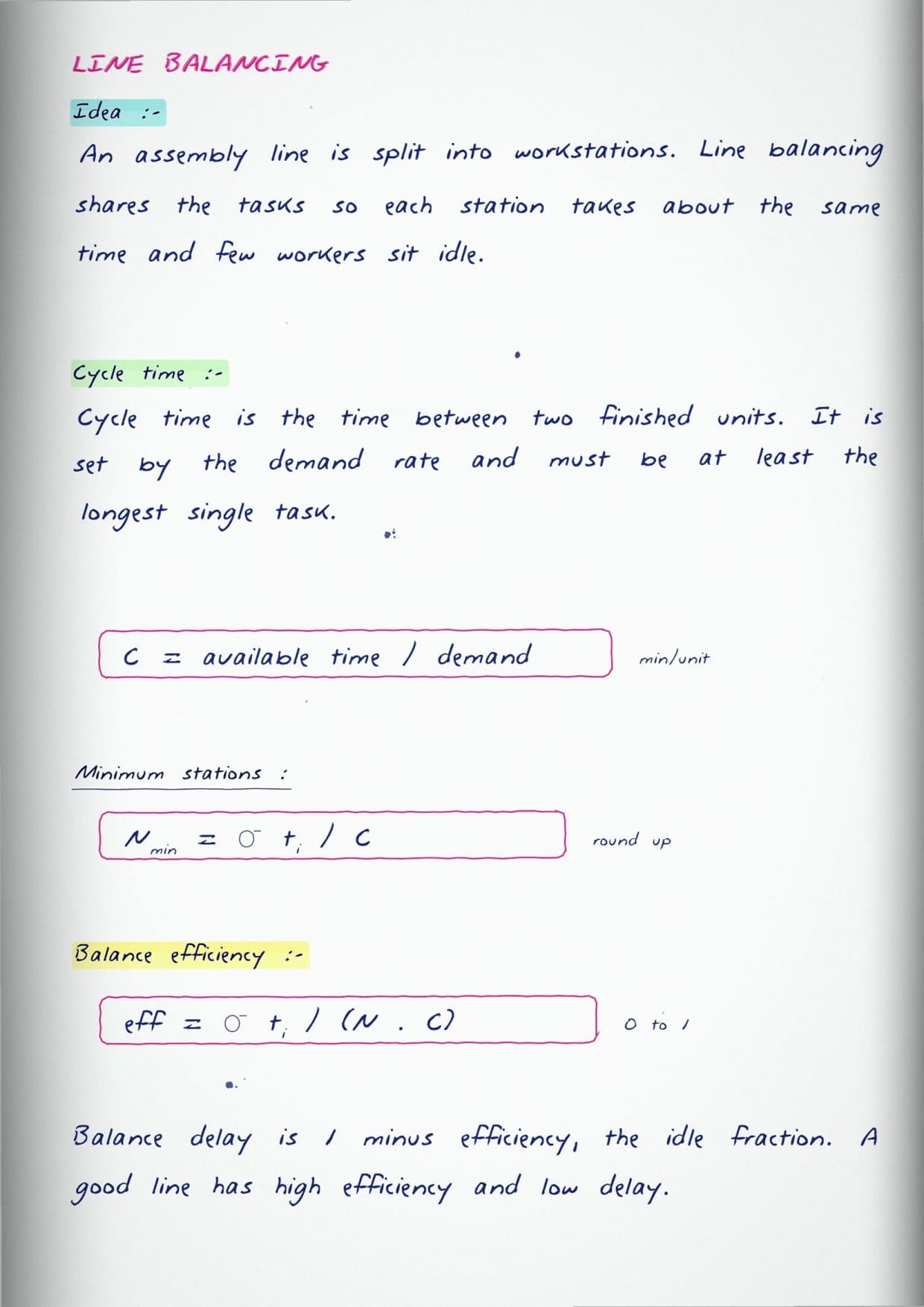
- Assembly line balancing: cycle time, stations, and balance efficiency.
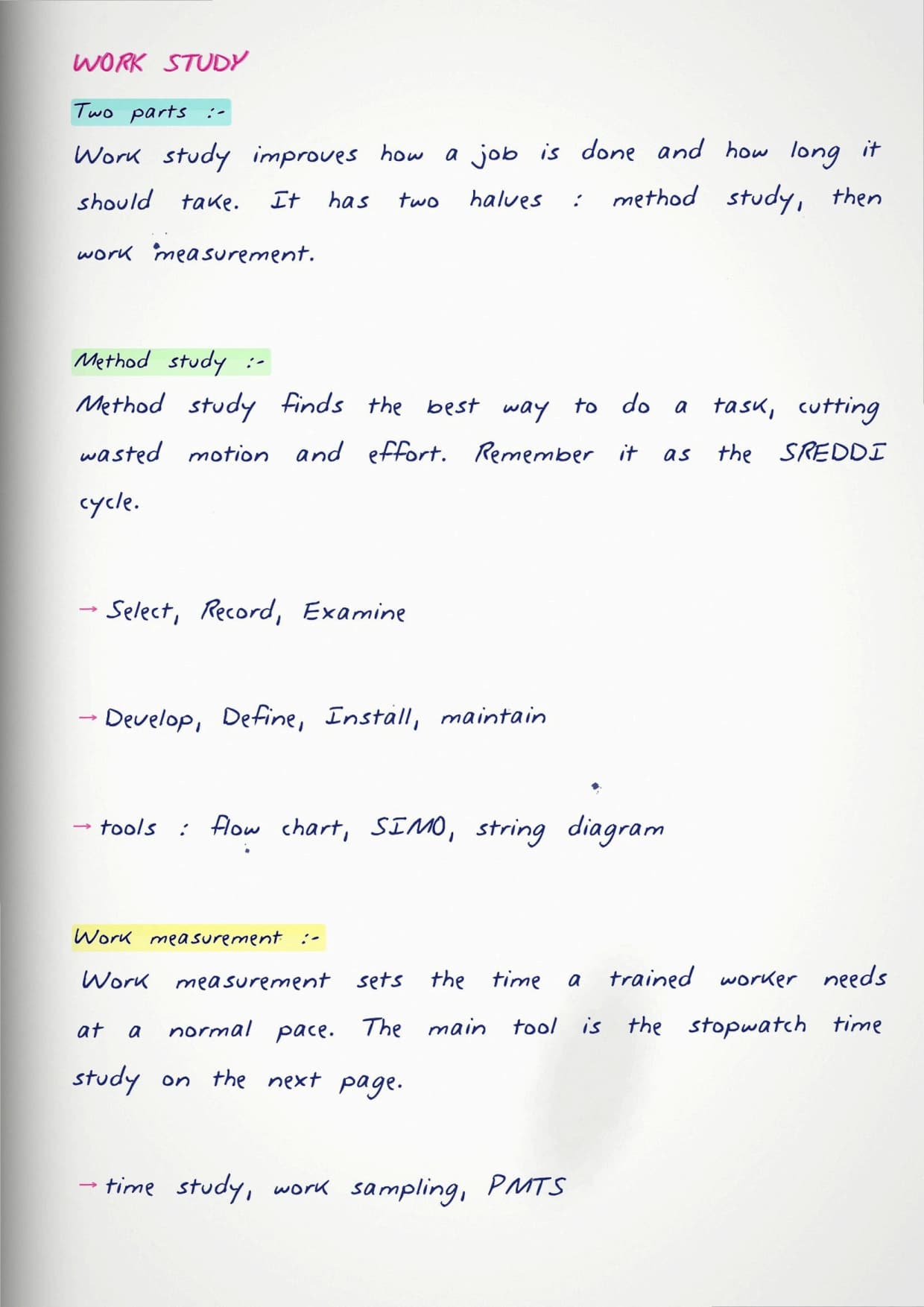
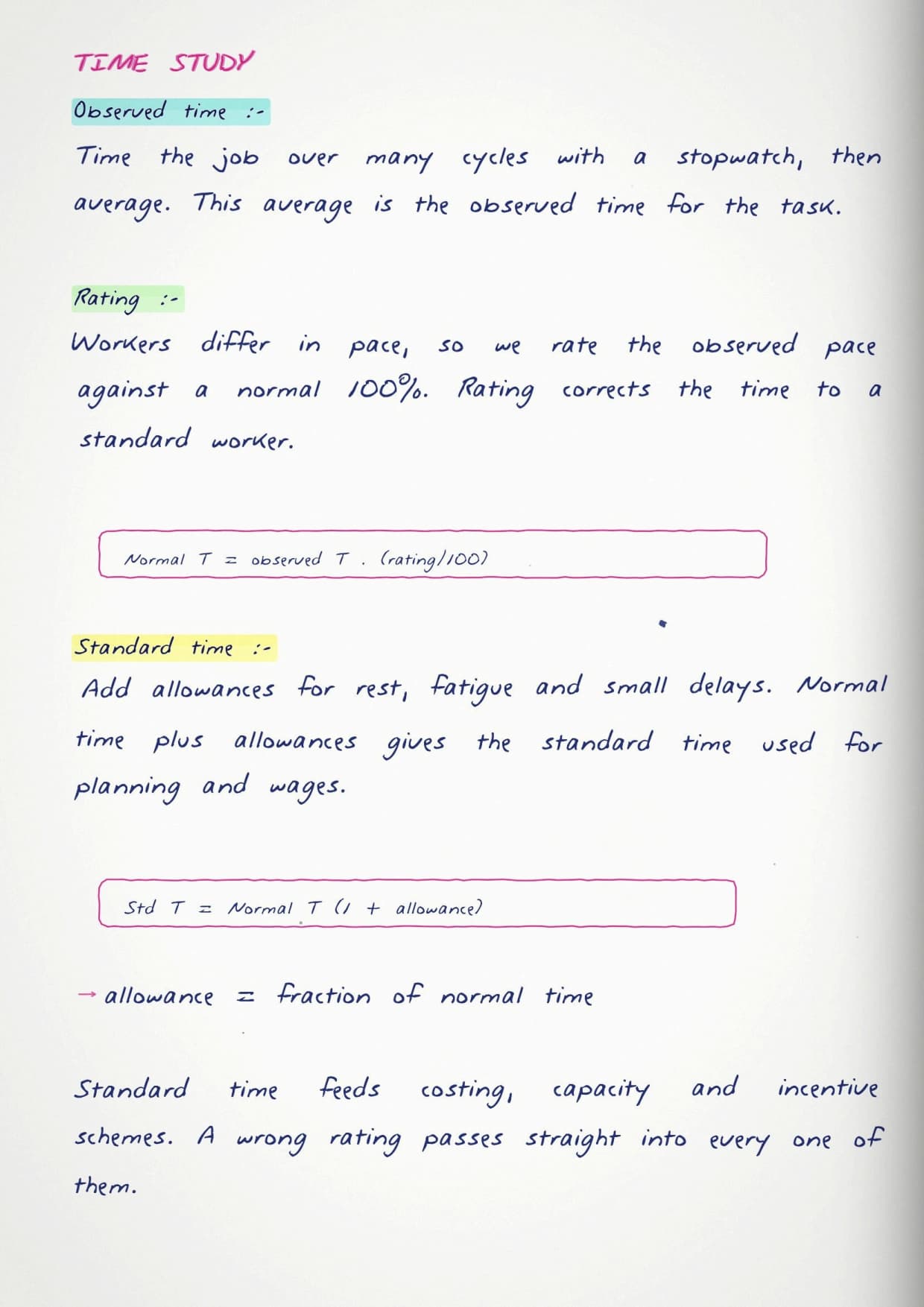
- Work study and time study: standard time and allowances.
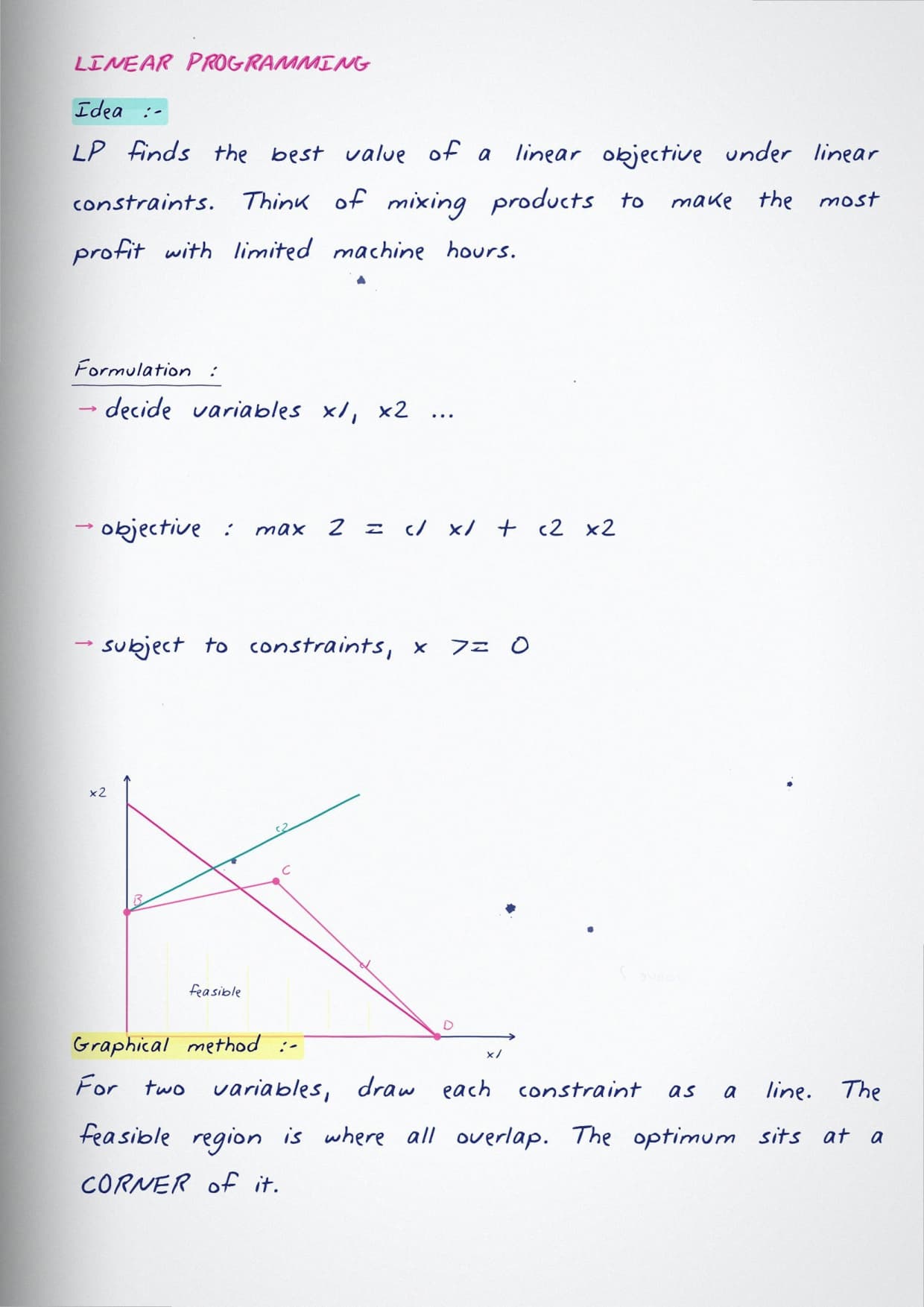
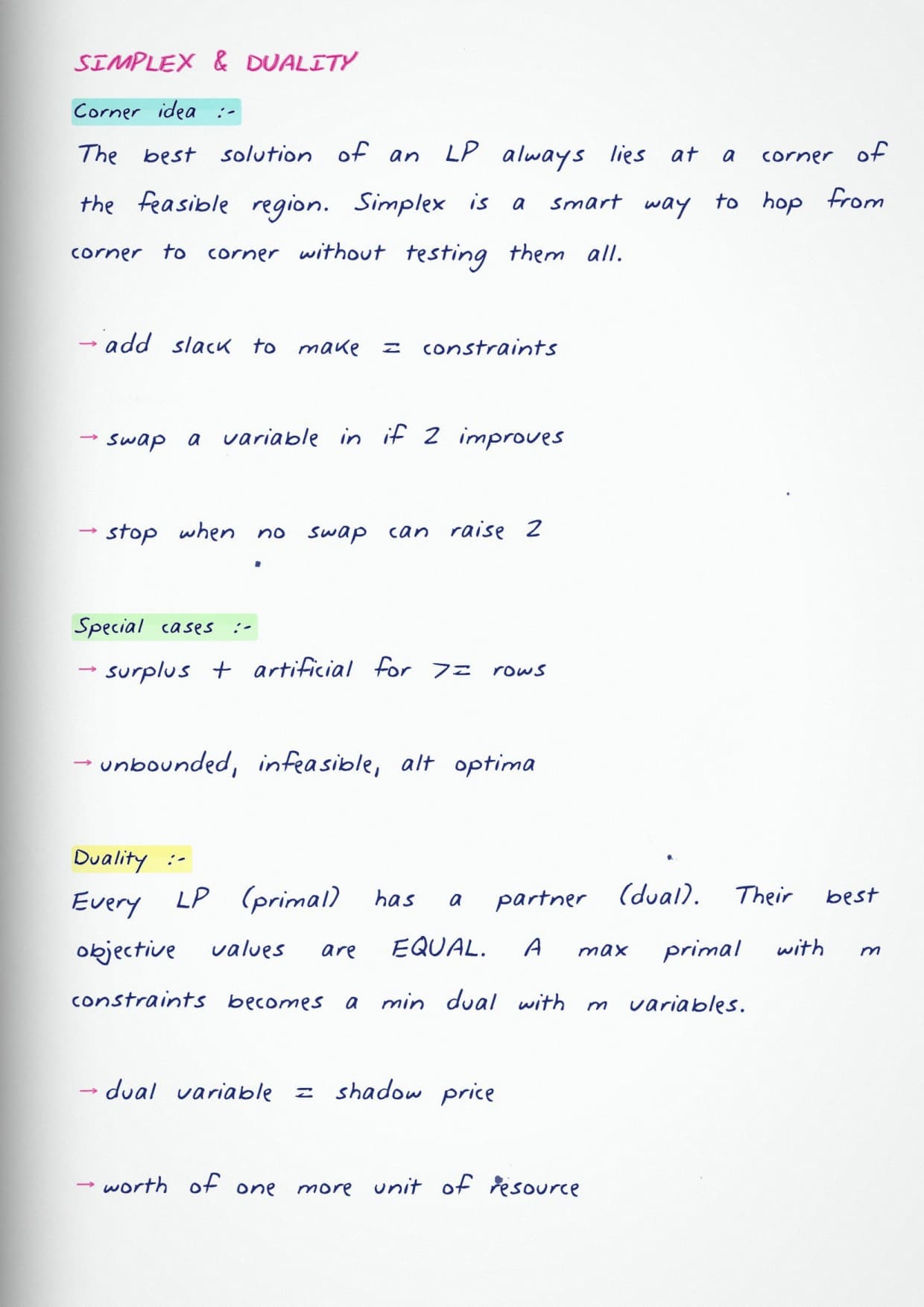
- Linear programming: formulation, graphical method, and the simplex idea.
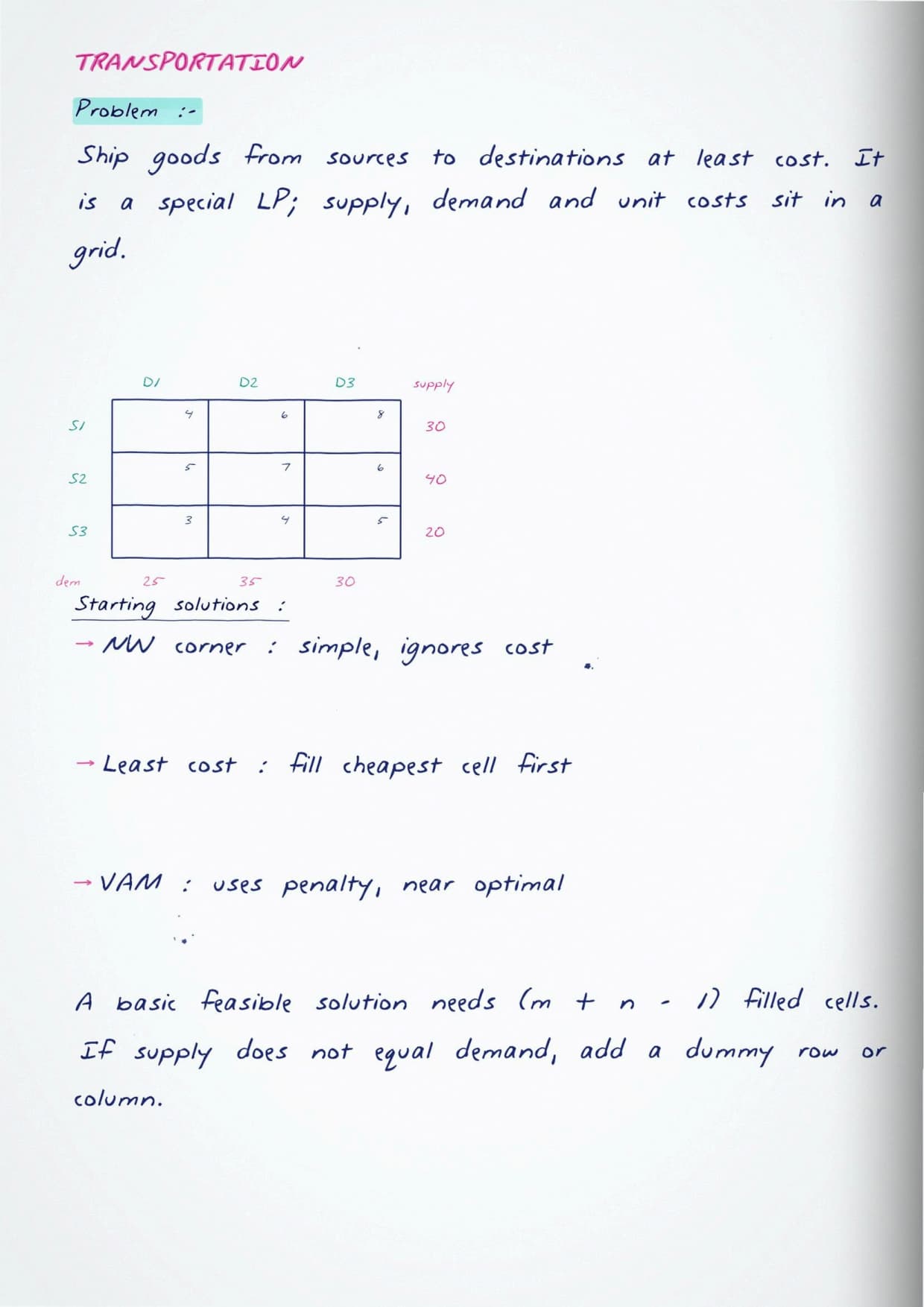
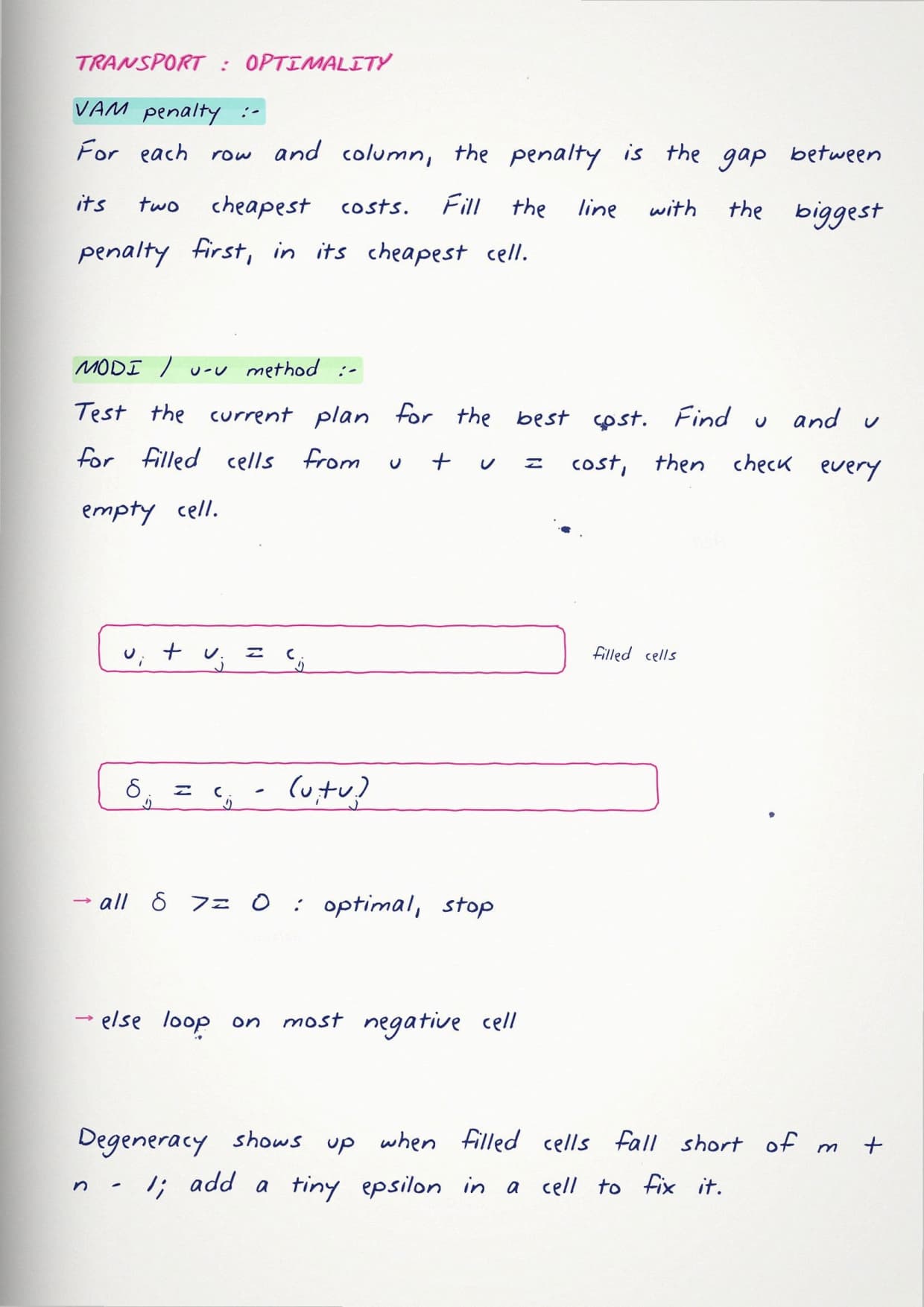
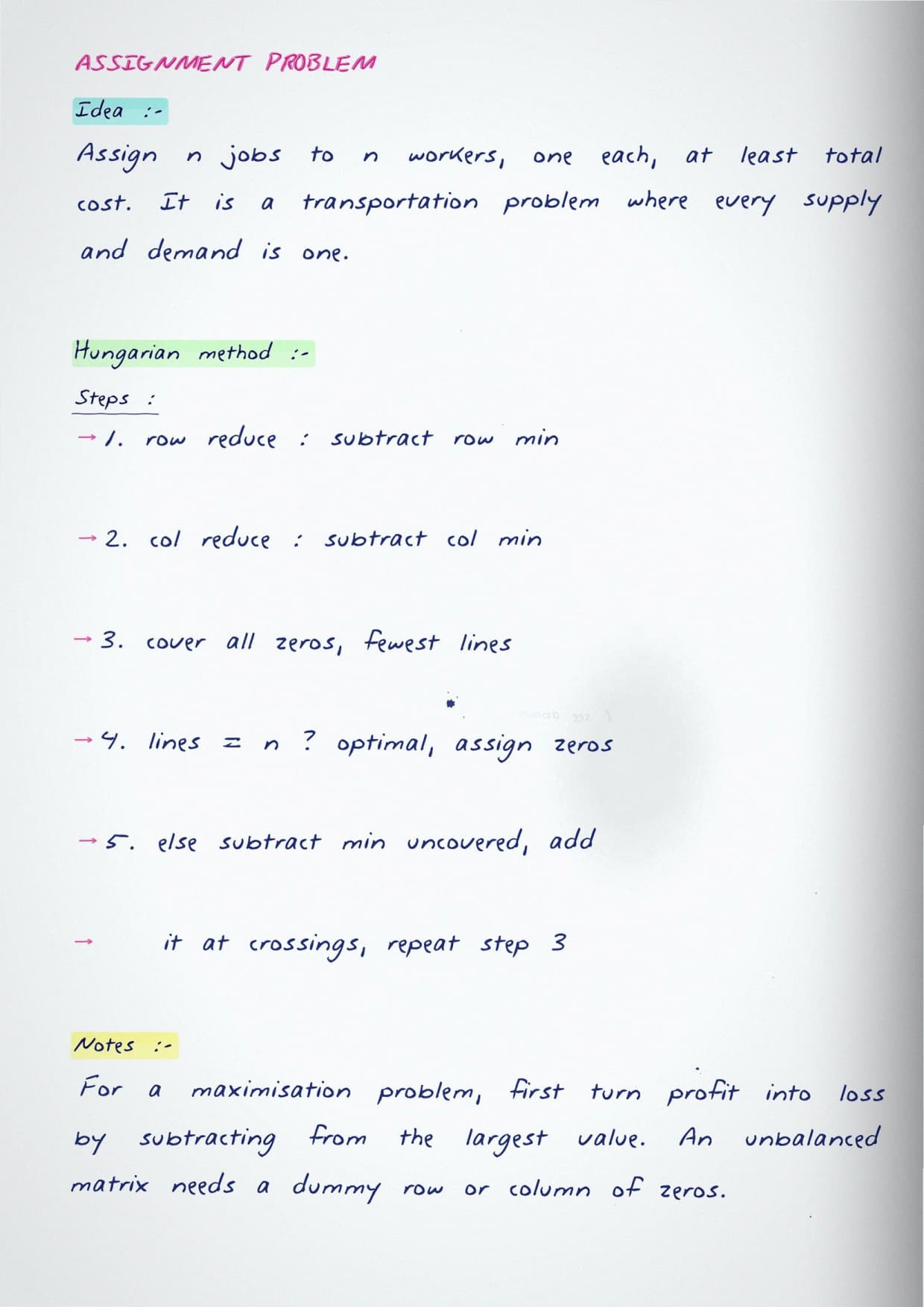
- Transportation and assignment problems, with the Hungarian method.
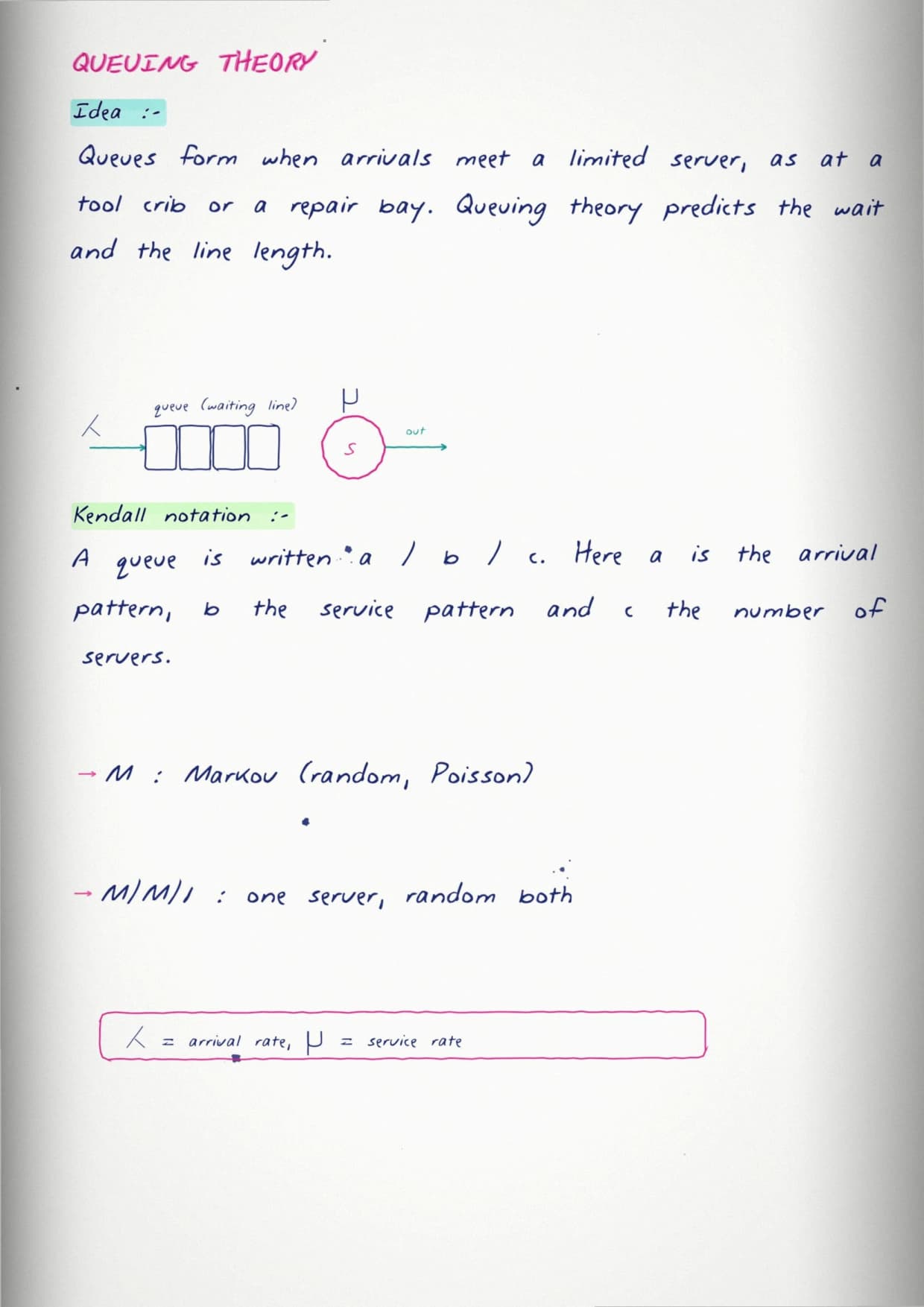
- Queuing theory: the single-server M/M/1 model and Little's law.
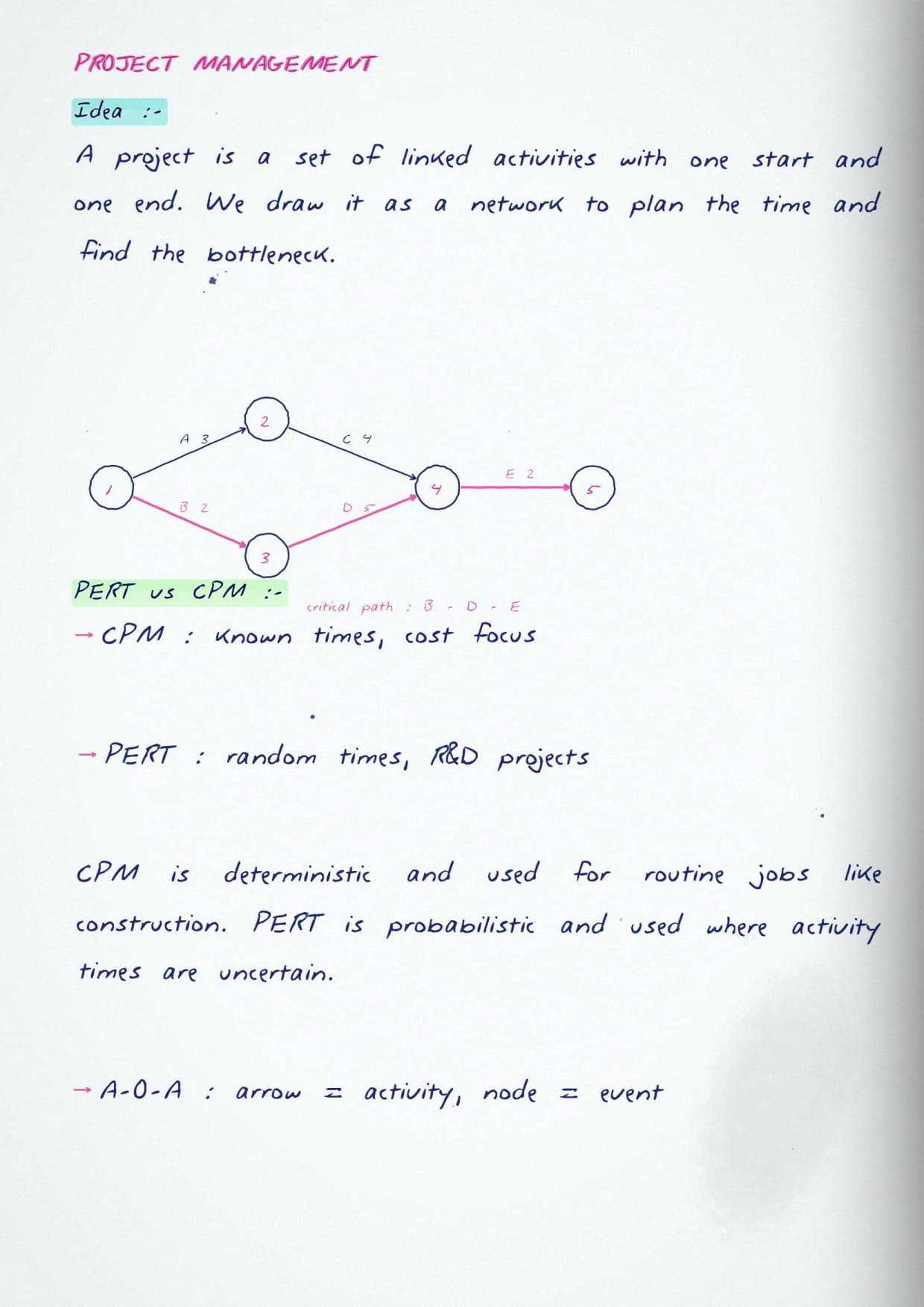
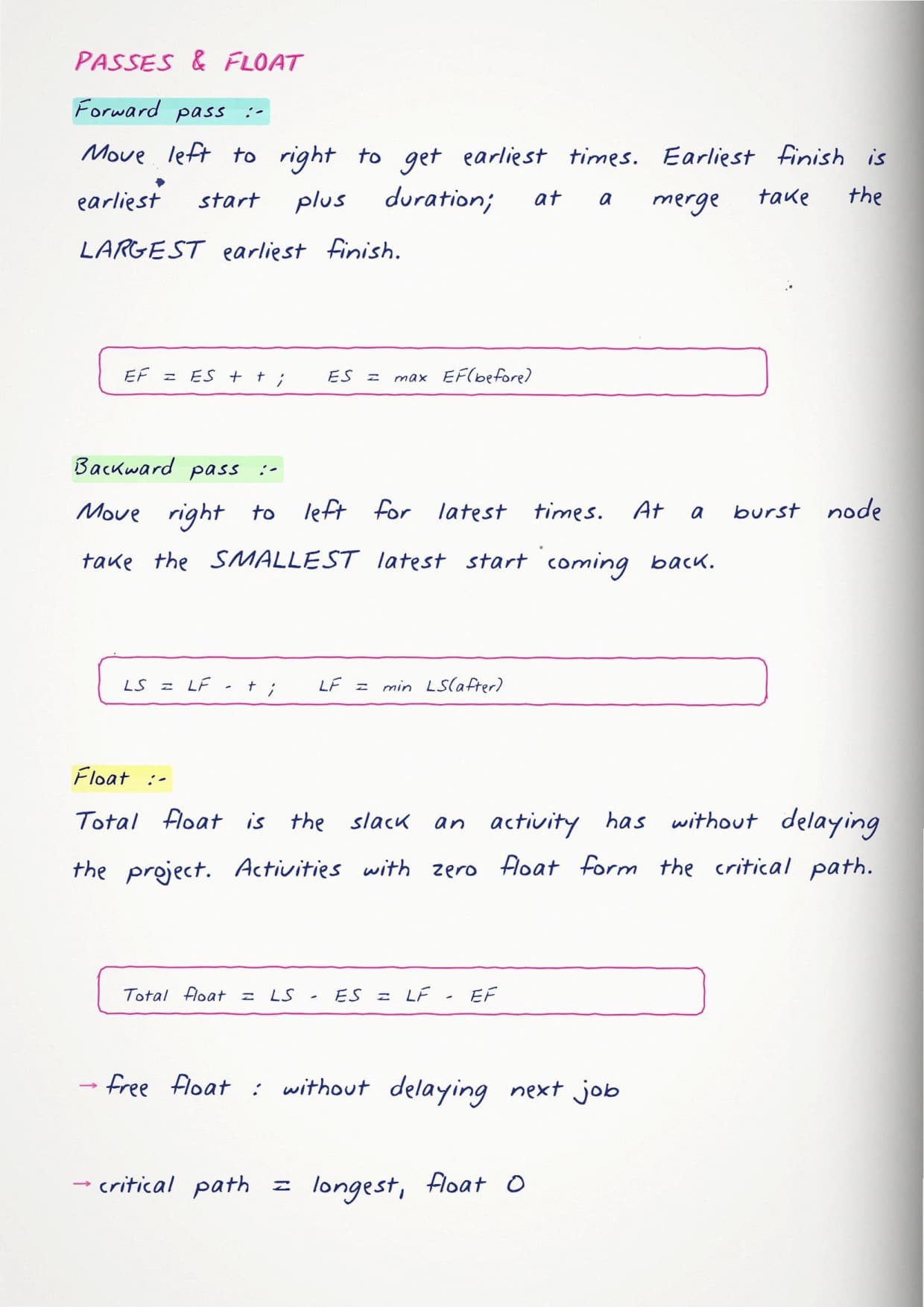
- Project management: PERT, CPM, critical path, float, and crashing.
How the Notes Are Organised
Because the subject is model-driven, the notes take one model at a time and build it from the idea to the final formula. Each model begins with a simple real setting, moves through the working, and ends with the result you apply in questions. This order means the notes are also good for a first read, not just revision.
- EOQ: how ordering and holding cost trade off, then the formula.
- Linear programming: a factory problem, then the feasible region.
- Queuing: arrival and service rate, then the M/M/1 results.
- PERT/CPM: a small network, forward and backward pass, critical path.
Important Topics in GATE Industrial Engineering
A few models appear in the GATE Mechanical paper almost every year, so it is smart to do these first. Inventory control, project networks, and linear programming together account for a large share of the marks from this subject. If you are short on time, start with the topics below before moving to the rest.
- Inventory control and the EOQ model
- PERT and CPM networks, critical path and float
- Linear programming and the graphical method
- Queuing theory and the M/M/1 results
- Transportation and assignment problems
How to Prepare GATE Industrial Engineering with Handwritten Notes
These notes work best as a revision layer over your main practice, not as a replacement for solving problems. Read a model, recall its formula, and then solve past GATE questions on it until the steps feel easy. Revisit the few models you find hard every week so they stay fresh.
- Read a topic, then solve past GATE questions on it.
- Cover the formula and try to recall it from the model.
- Practise EOQ, LP, transportation, and PERT/CPM problems.
- On the last day, revise the formula sheet and the tips page.
Common Mistakes in GATE Industrial Engineering
Most marks in this subject are lost to small, avoidable slips rather than hard mathematics. A wrong cost term in EOQ, a mismatched time unit in queuing, or a misread critical path can cost an otherwise correct answer. The notes point out these traps next to the model where they happen.
- Mixing up ordering cost and holding cost in the EOQ formula.
- Using the wrong time unit for arrival and service rates in queuing.
- Forgetting to check for a dummy in unbalanced transportation problems.
- Reading the critical path as the shortest path instead of the longest.
Why These Notes Help You Score Better
Handwritten notes are quick to scan and easy to recall under exam pressure, which matters in a formula-heavy subject like this one. Because each formula is right next to the model it comes from, you can rebuild the logic in seconds instead of searching through a full textbook, and a broad subject compresses into a short final-week pass.
GATE Mechanical Industrial Engineering and Operations Research Handwritten Notes FAQs
Ques. Do these notes cover the full GATE Industrial Engineering and Operations Research syllabus?
Ans. Yes. The notes cover every topic in the GATE Mechanical syllabus for this subject, from forecasting and inventory control to queuing theory and project networks.
Ques. Do the notes explain each model or just list formulas?
Ans. They explain each model. Every topic gives a short definition and its meaning, then the key formula, so you learn the model before using it.
Ques. Can I use these notes for last-day revision?
Ans. Yes. The quick formula sheet and the tips-and-traps page are made for fast last-day revision.
Ques. Is Operations Research heavy on calculation in GATE?
Ans. The calculations are usually short and direct. Most questions test whether you know the right model and its formula, which these notes make easy to recall.



Comments