




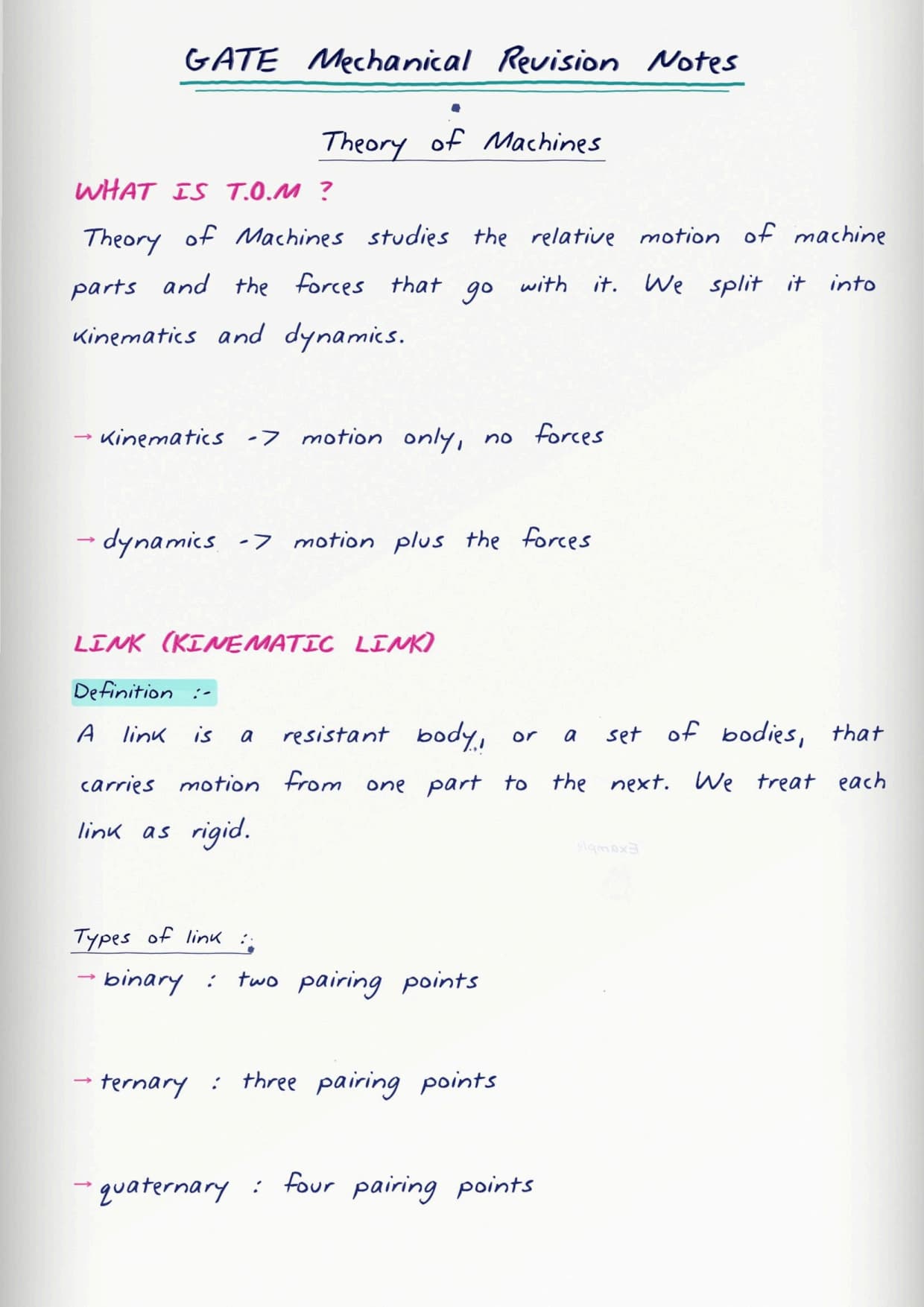
Theory of Machines is one of the higher-scoring subjects in the GATE Mechanical paper, usually worth about 8 to 12 marks. It runs from mechanisms and kinematics through gears, gear trains, flywheels, governors and balancing. These handwritten revision notes cover that full GATE syllabus, with solved examples and labelled diagrams for each topic.
You can use them both for first-time study and for final revision in the weeks before GATE 2026.
- Covers the complete GATE Theory of Machines syllabus in one PDF.
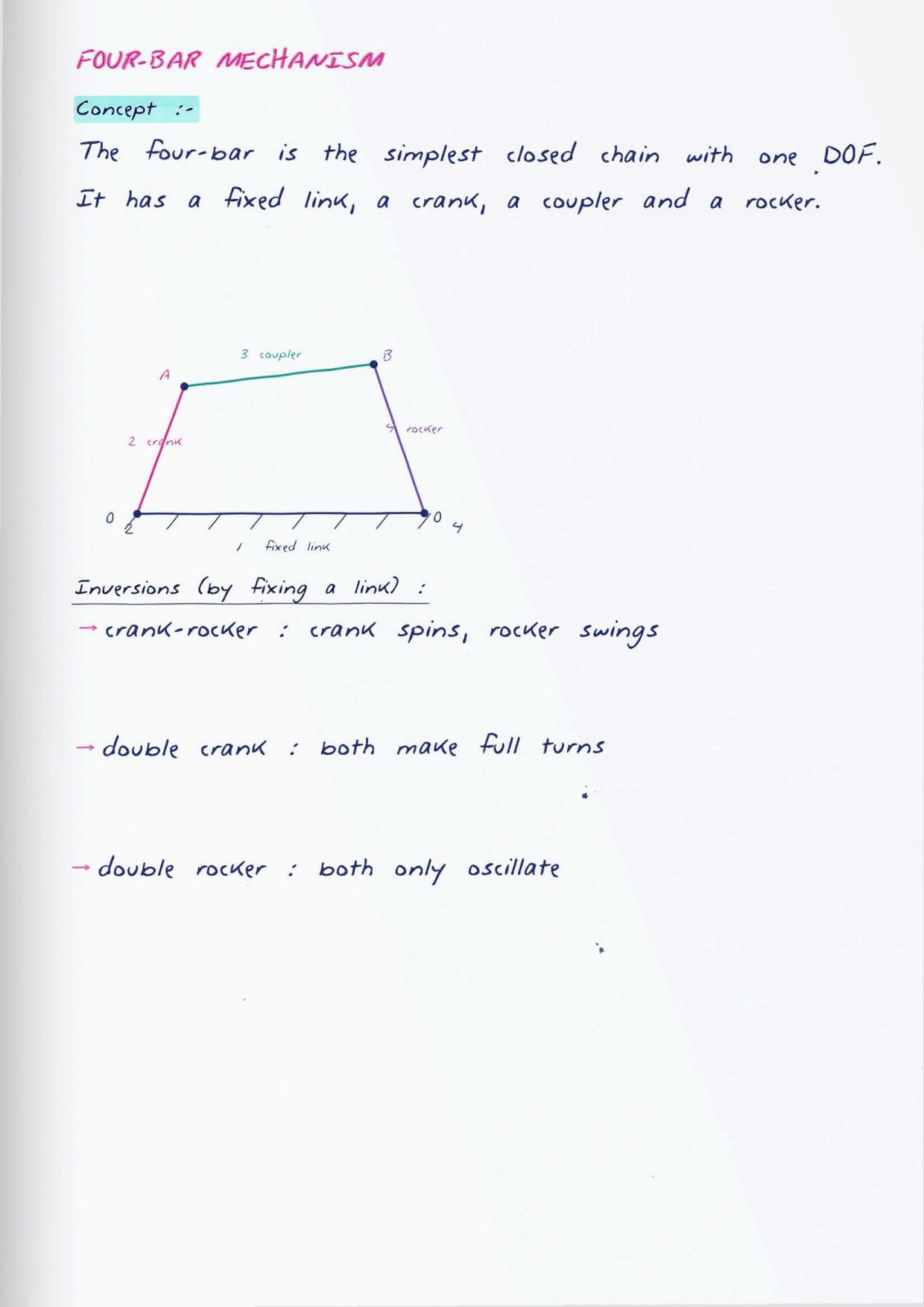
- Every topic has labelled hand-drawn diagrams of the mechanism.
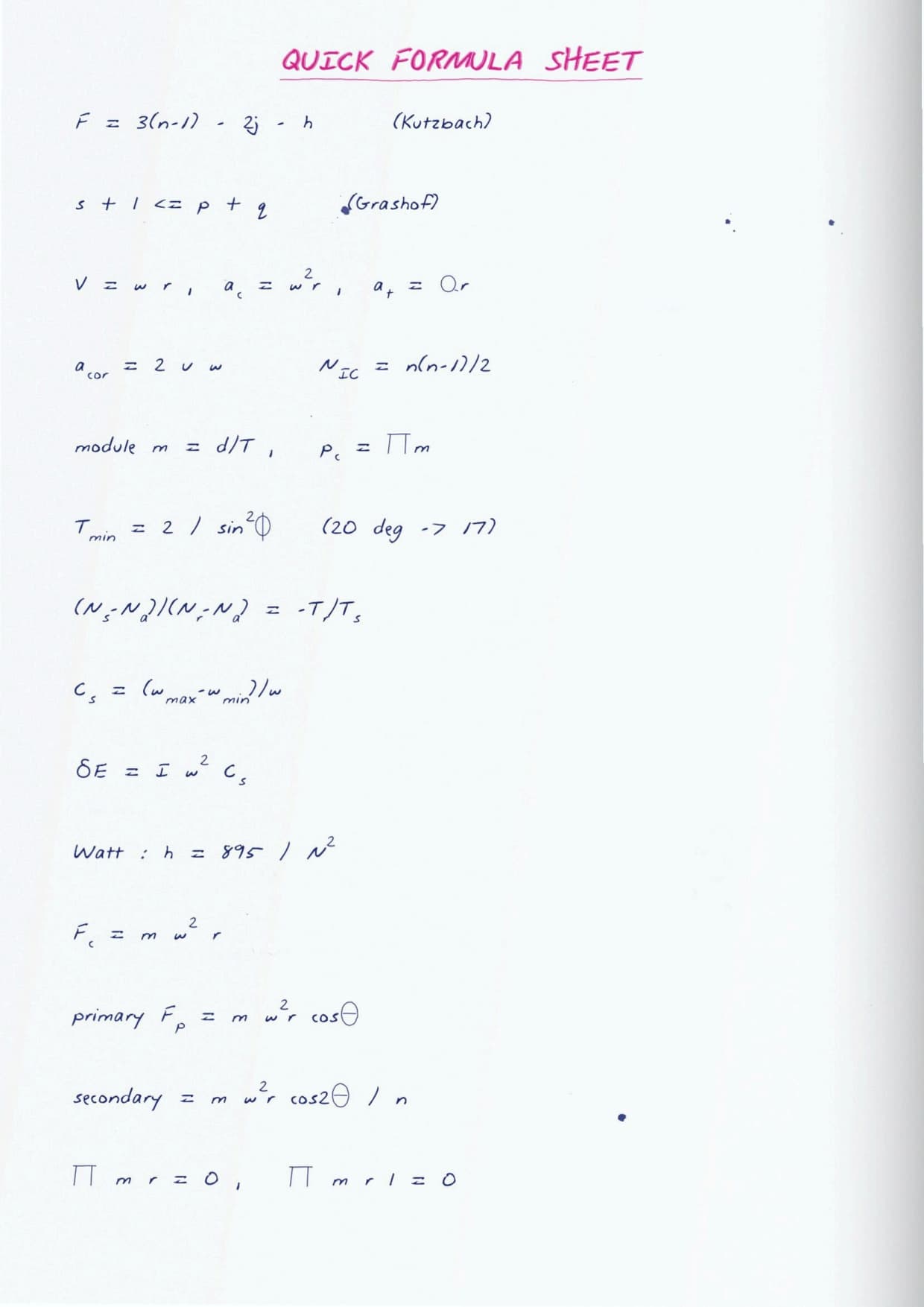
- Ends with a formula sheet for quick last-day revision.
What These GATE Theory of Machines Notes Cover
Theory of Machines is a wide subject, so the notes split it into short, connected topics that you can read in order or open one at a time. Each topic states the definition, explains how the mechanism works, and gives the formula you need to solve GATE numericals.
- Each topic gives the definition, the idea, and the working formula.
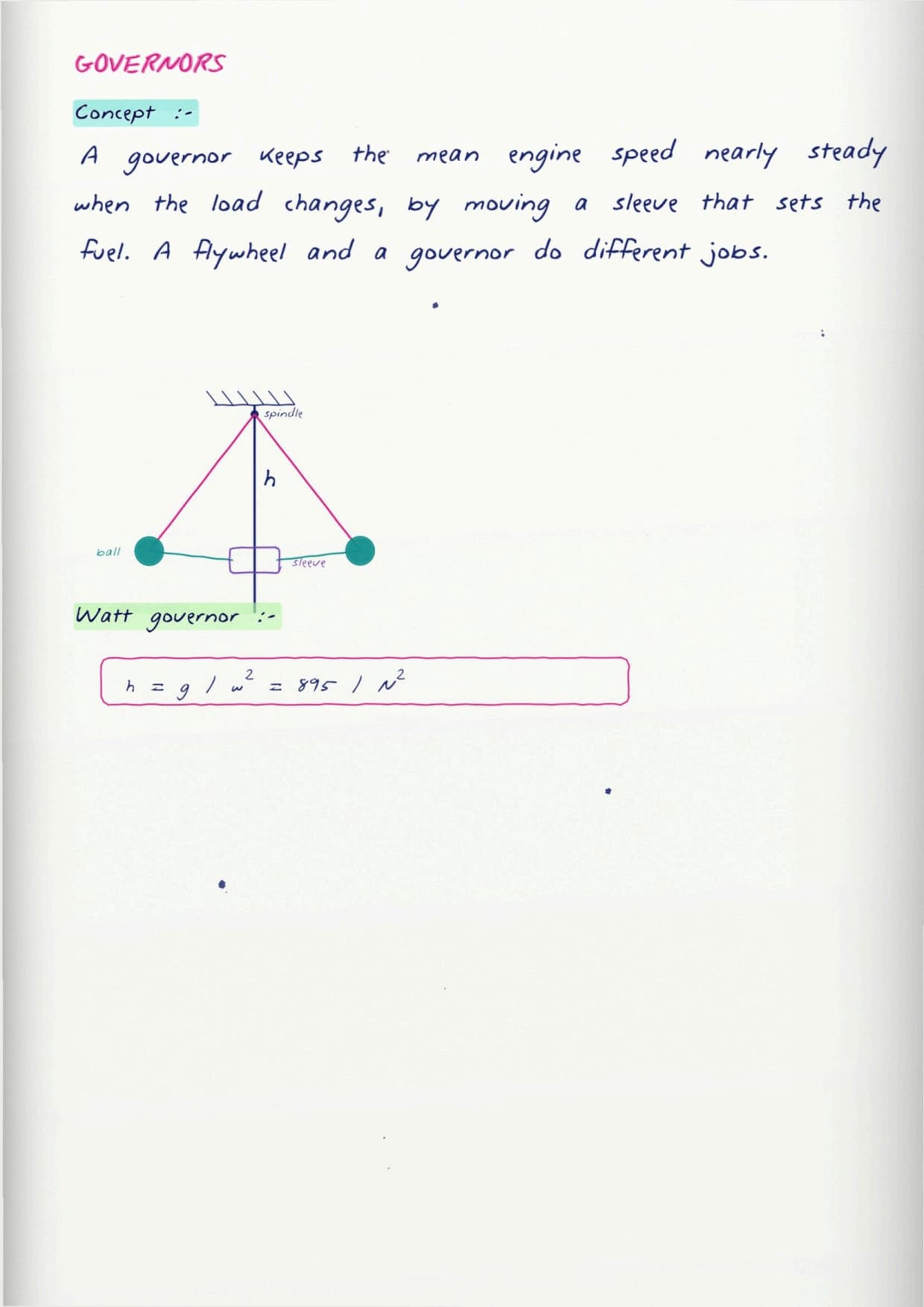
- Labelled sketches of four-bar chains, cams, gear trains and governors.
- Final formulas kept together for fast recall.
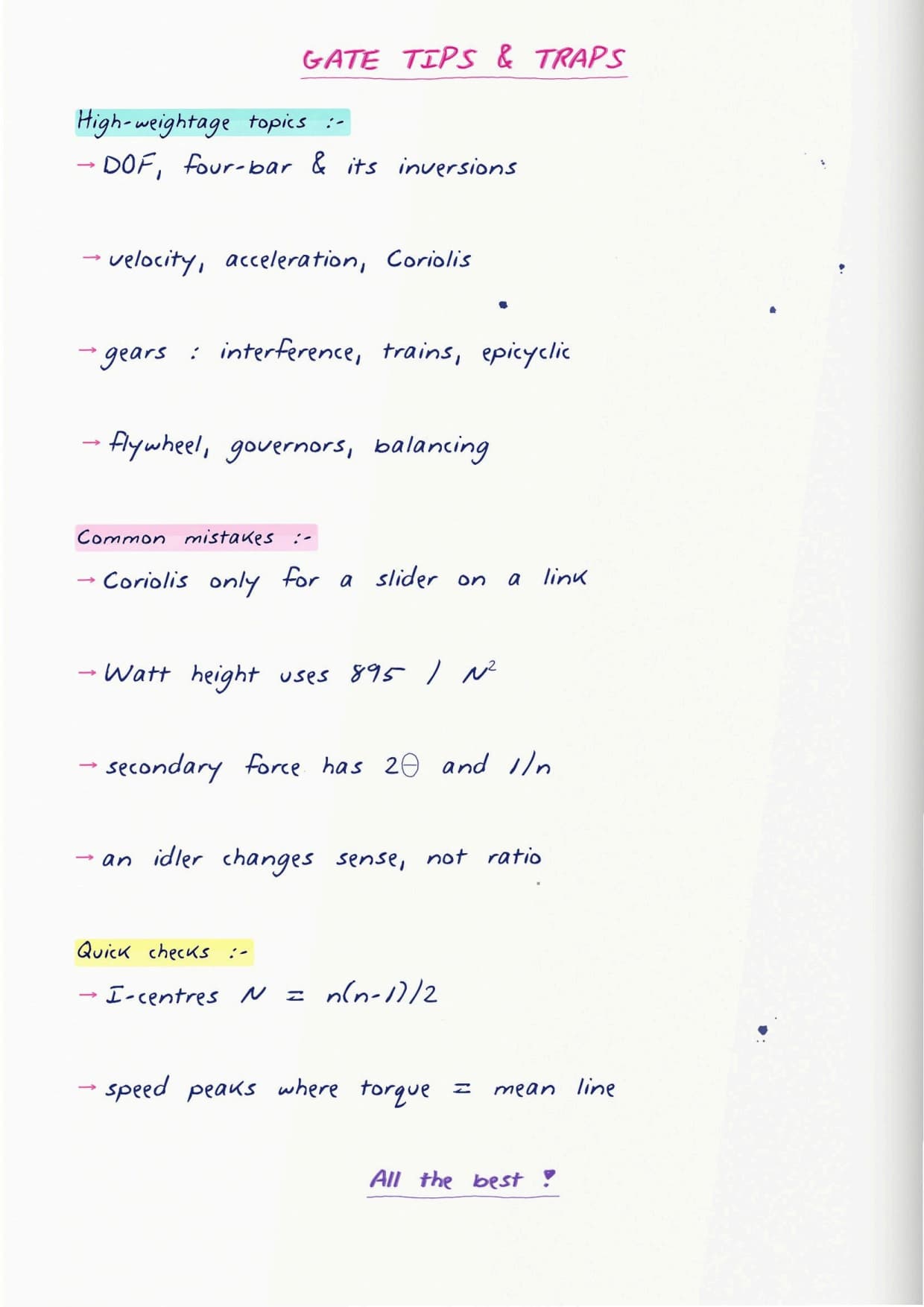
- Common GATE traps and quick checks noted beside the theory.
GATE Theory of Machines Quick Revision
Source: GATE Wallah - ME, CE, XE, CH, PI & ES on YouTube
Topics Covered in GATE Theory of Machines
The notes follow the official GATE Mechanical Theory of Machines syllabus and leave nothing important out. The topics below are the ones the paper tests each year, arranged in the order most students study them, so you can move from the basics to the heavier machine elements.
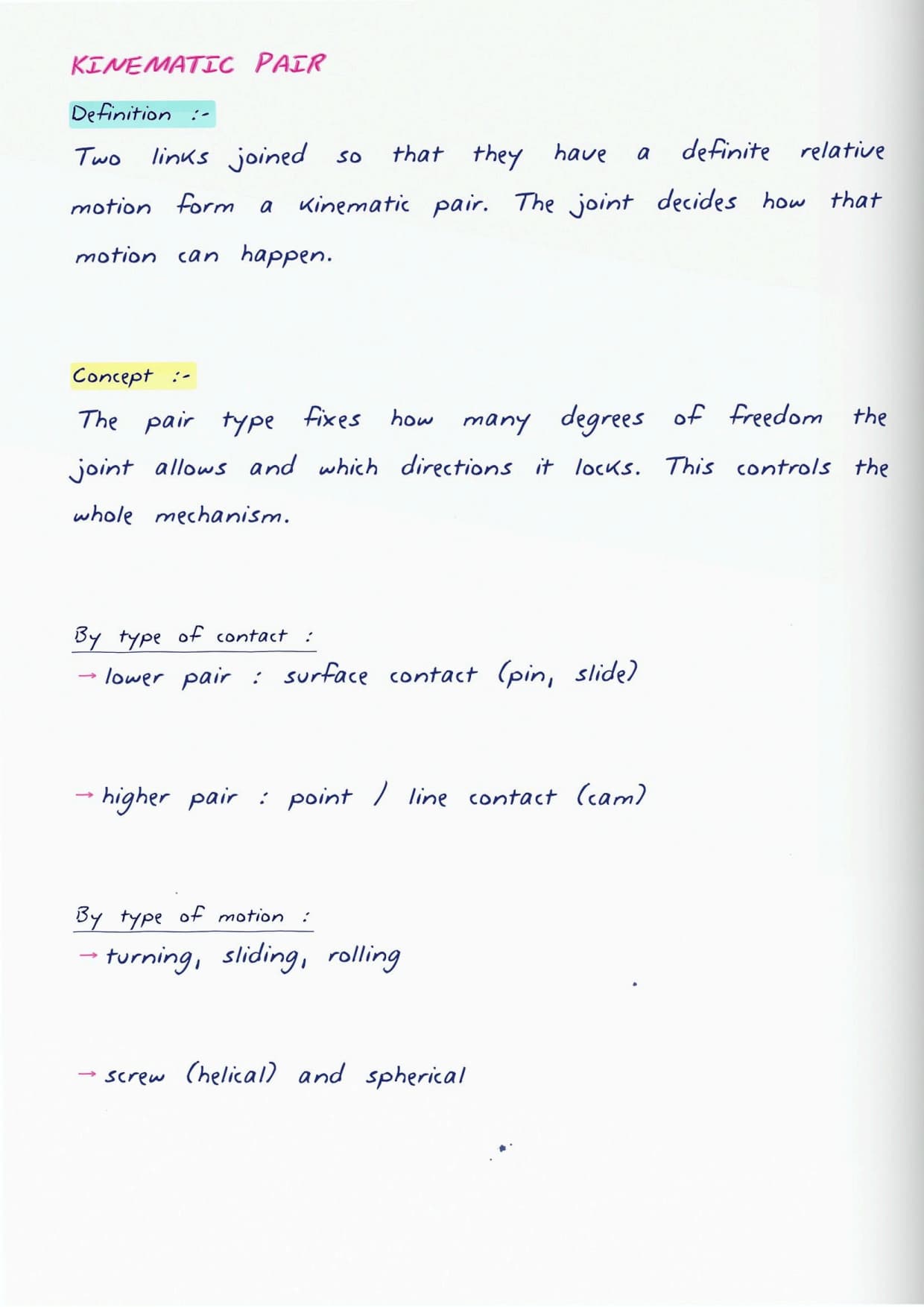
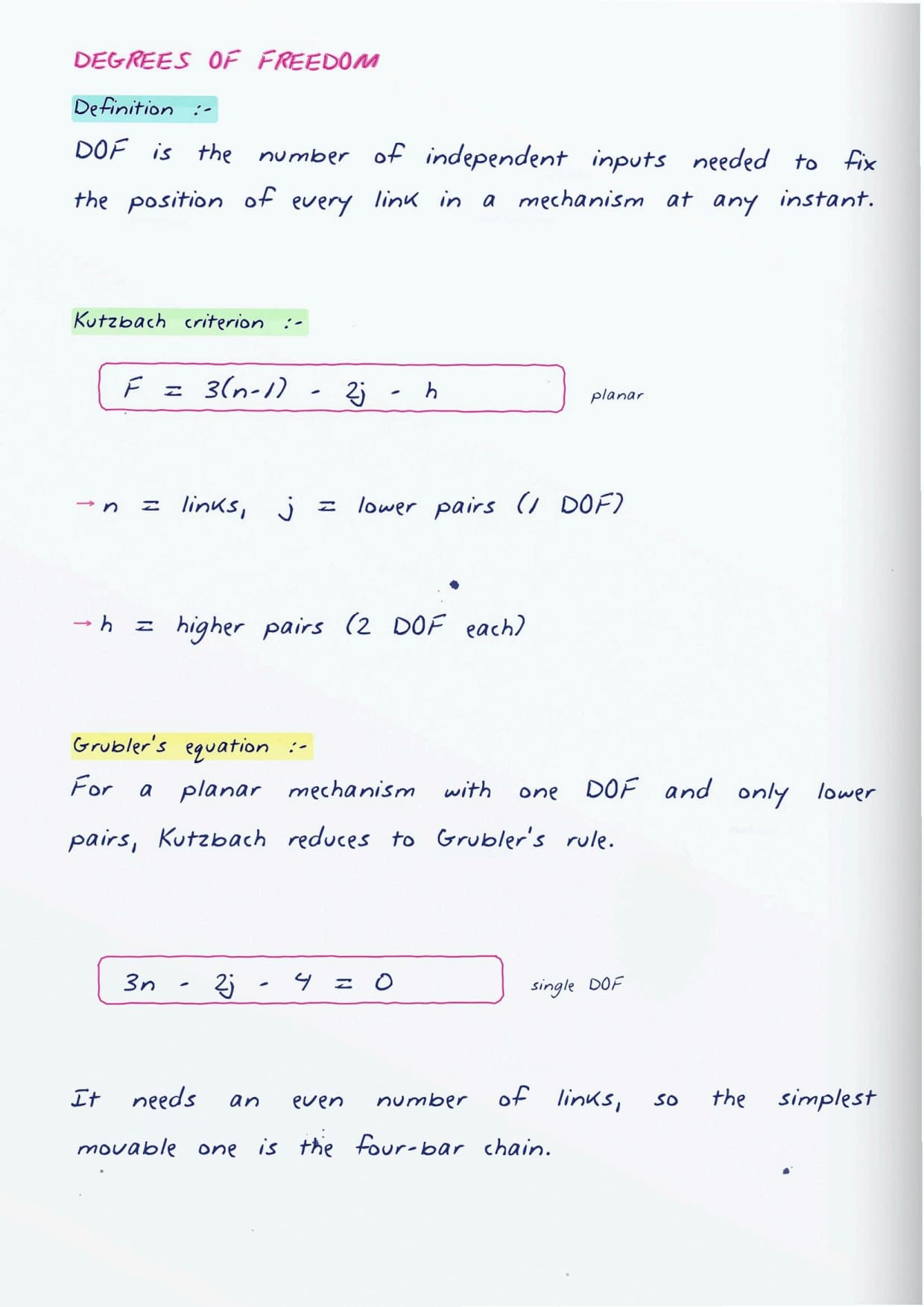
- Kinematics of mechanisms, kinematic pairs and degrees of freedom (Kutzbach and Grubler).
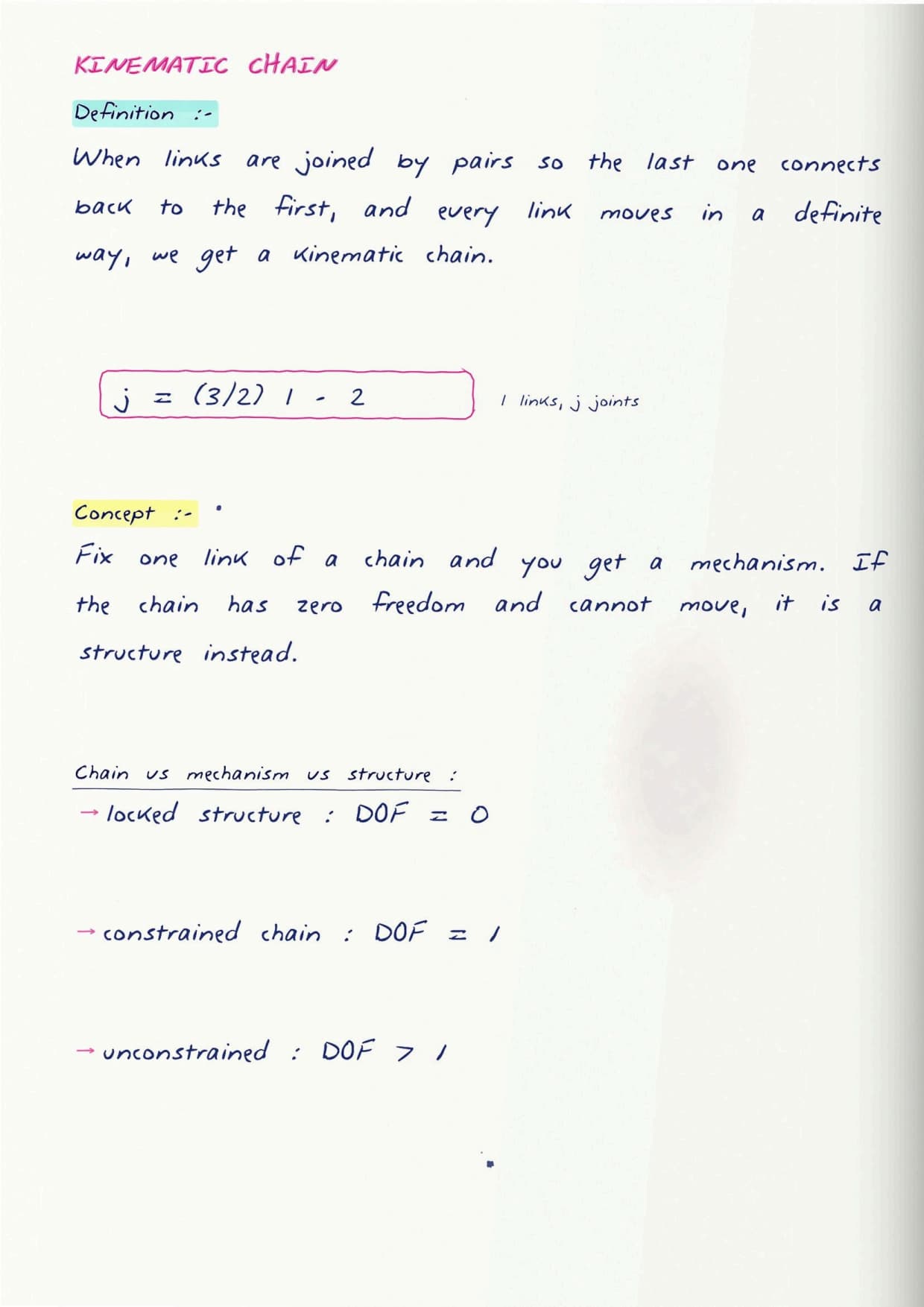
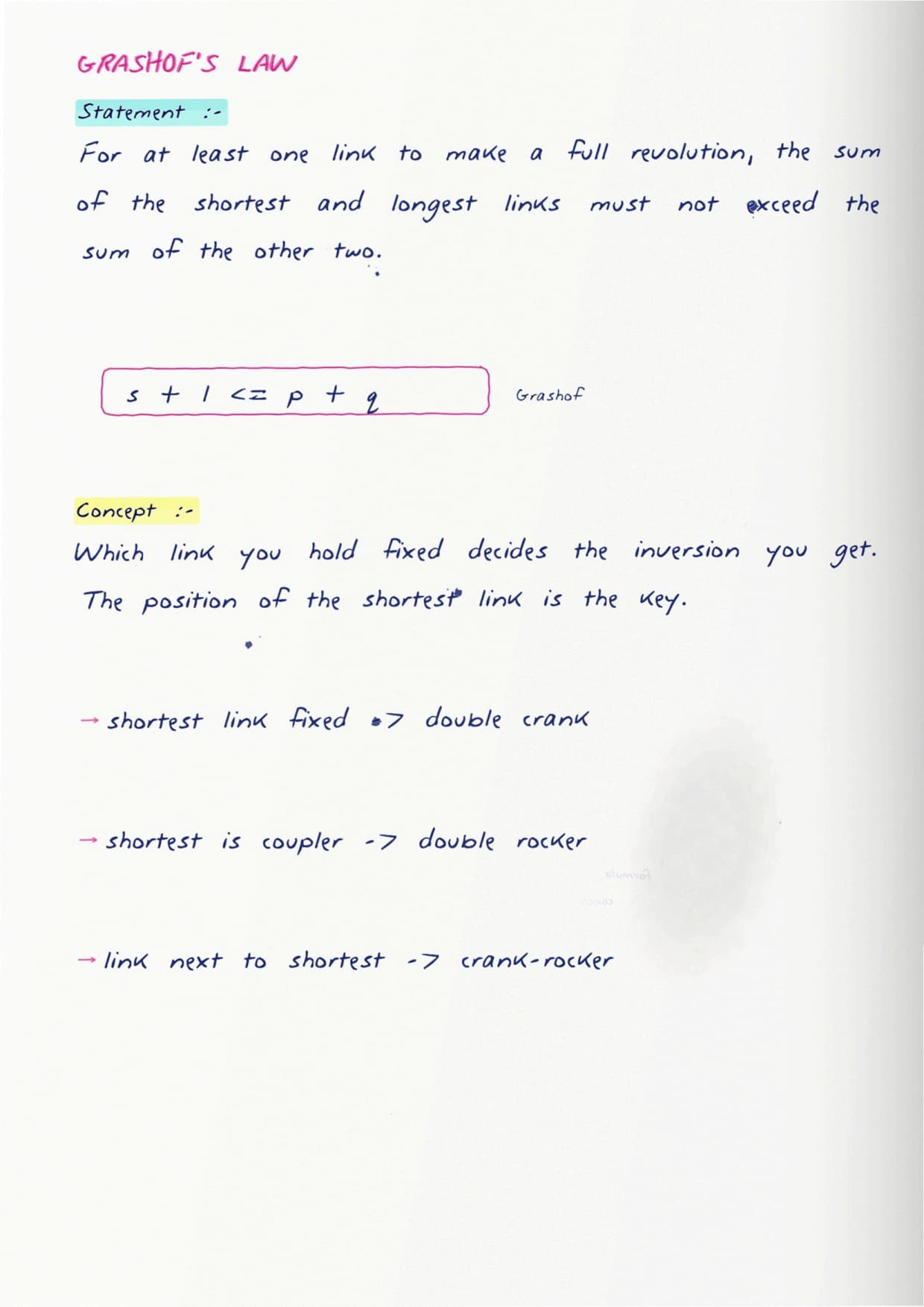
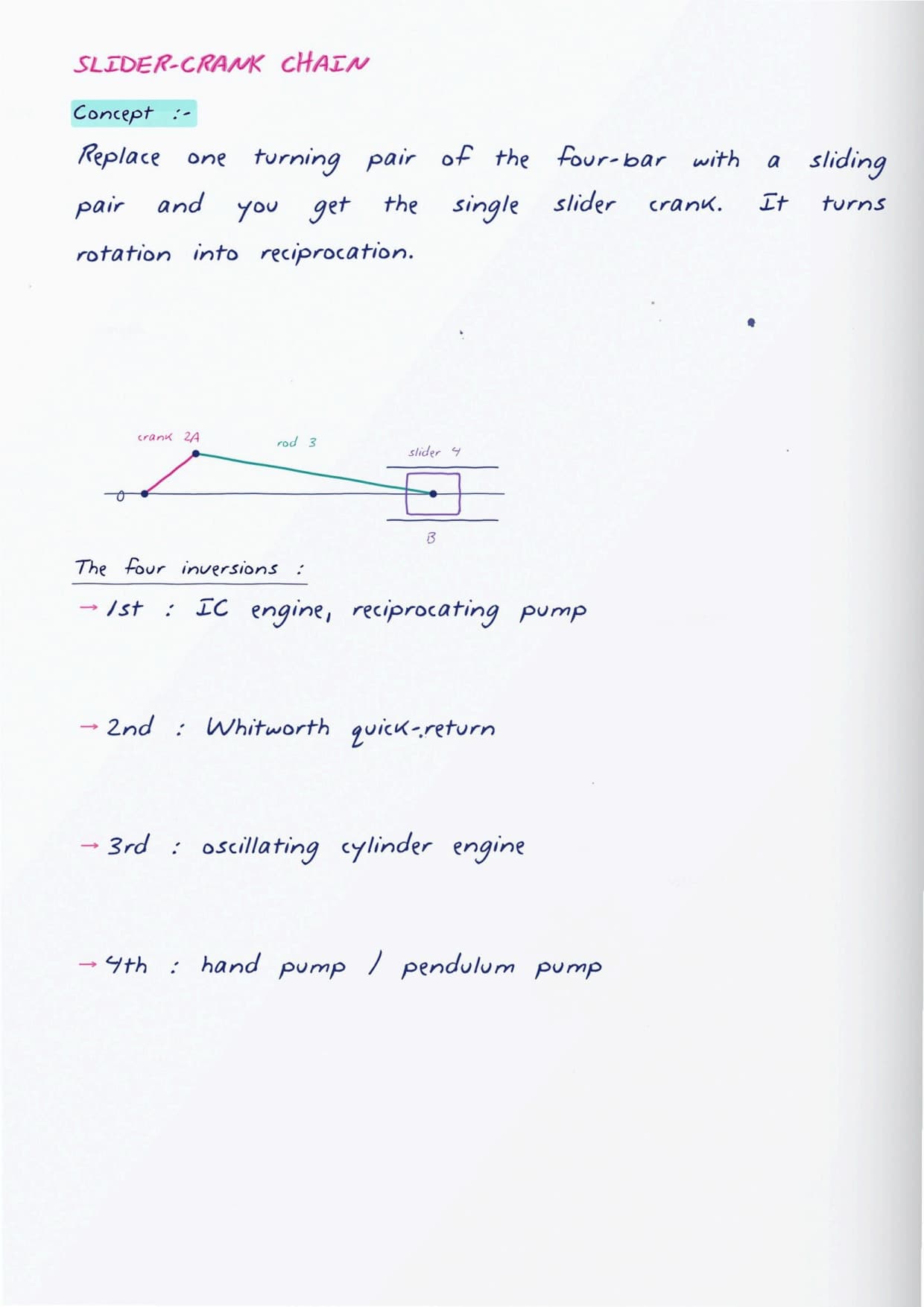
- Four-bar chain, Grashof's law, inversions, and the slider-crank mechanism.
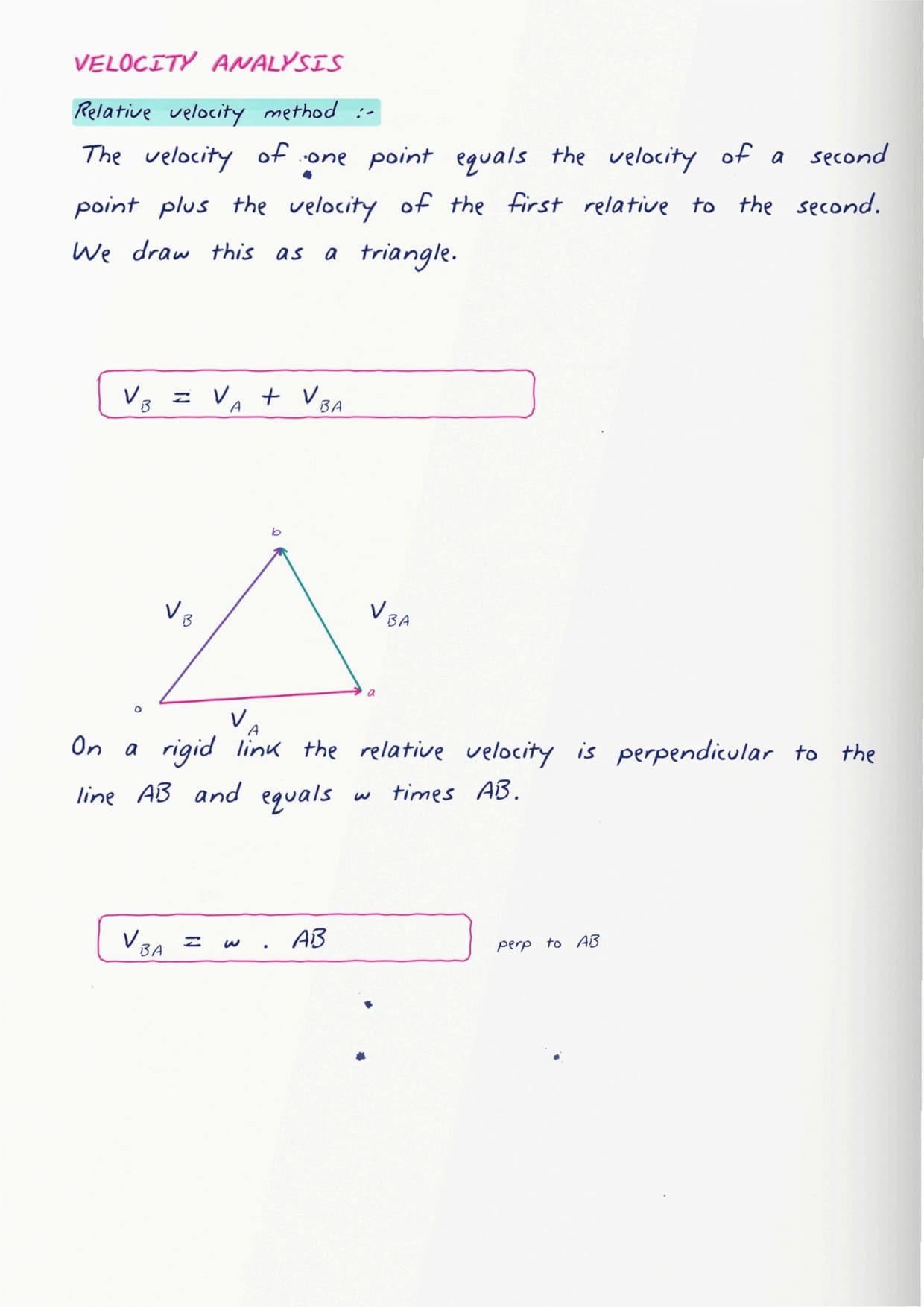
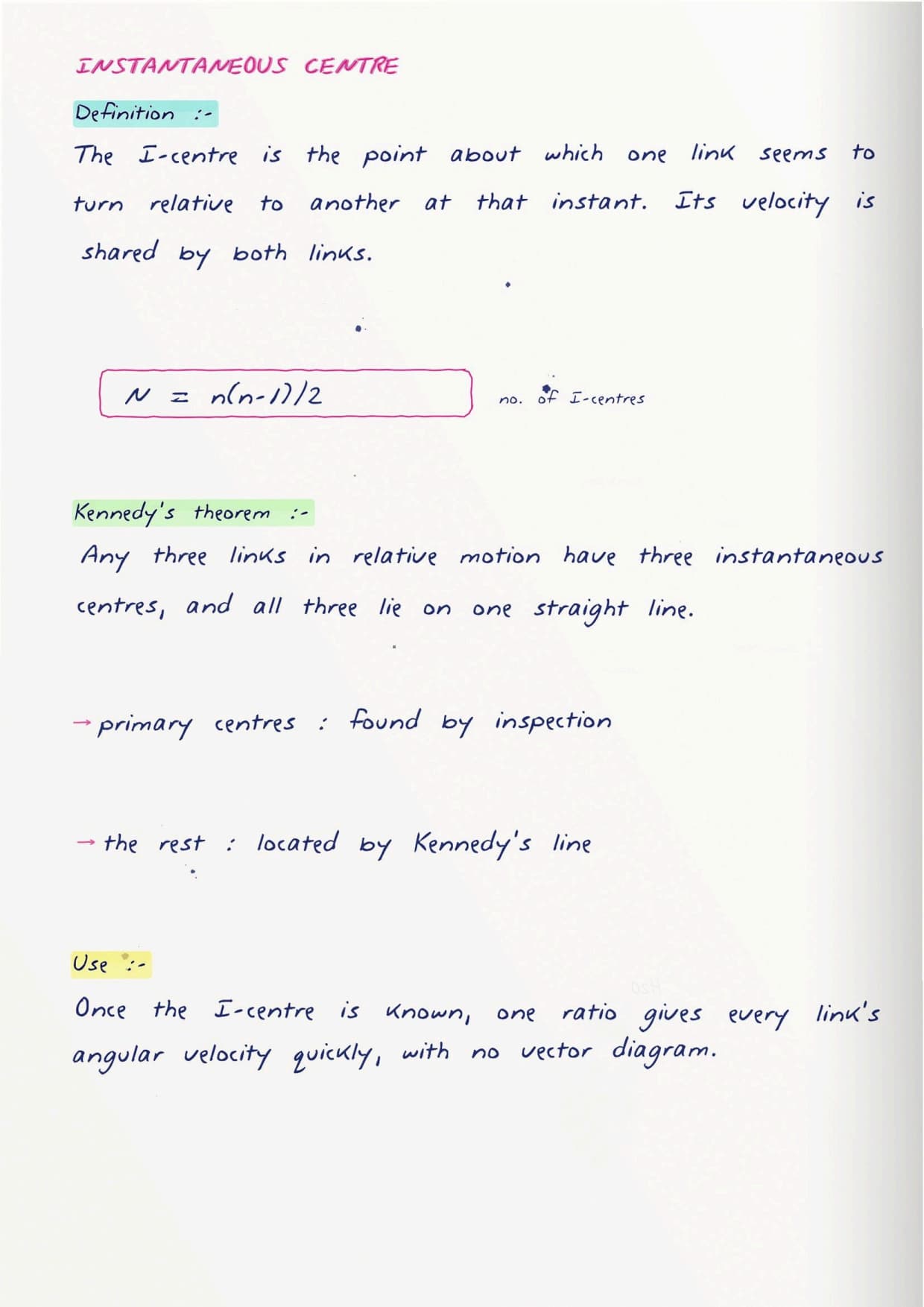
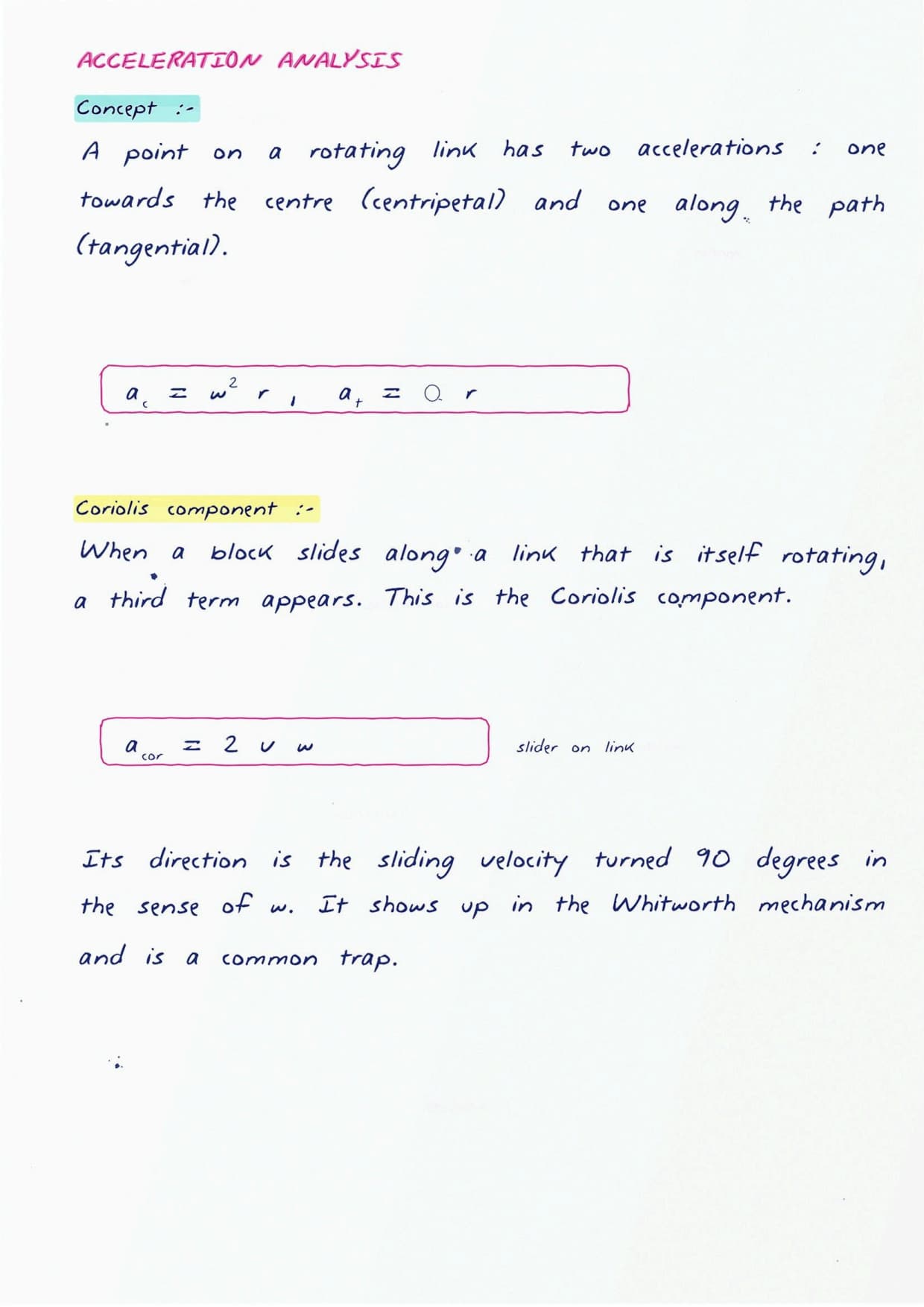
- Velocity and acceleration analysis, instantaneous centres, and the Coriolis component.
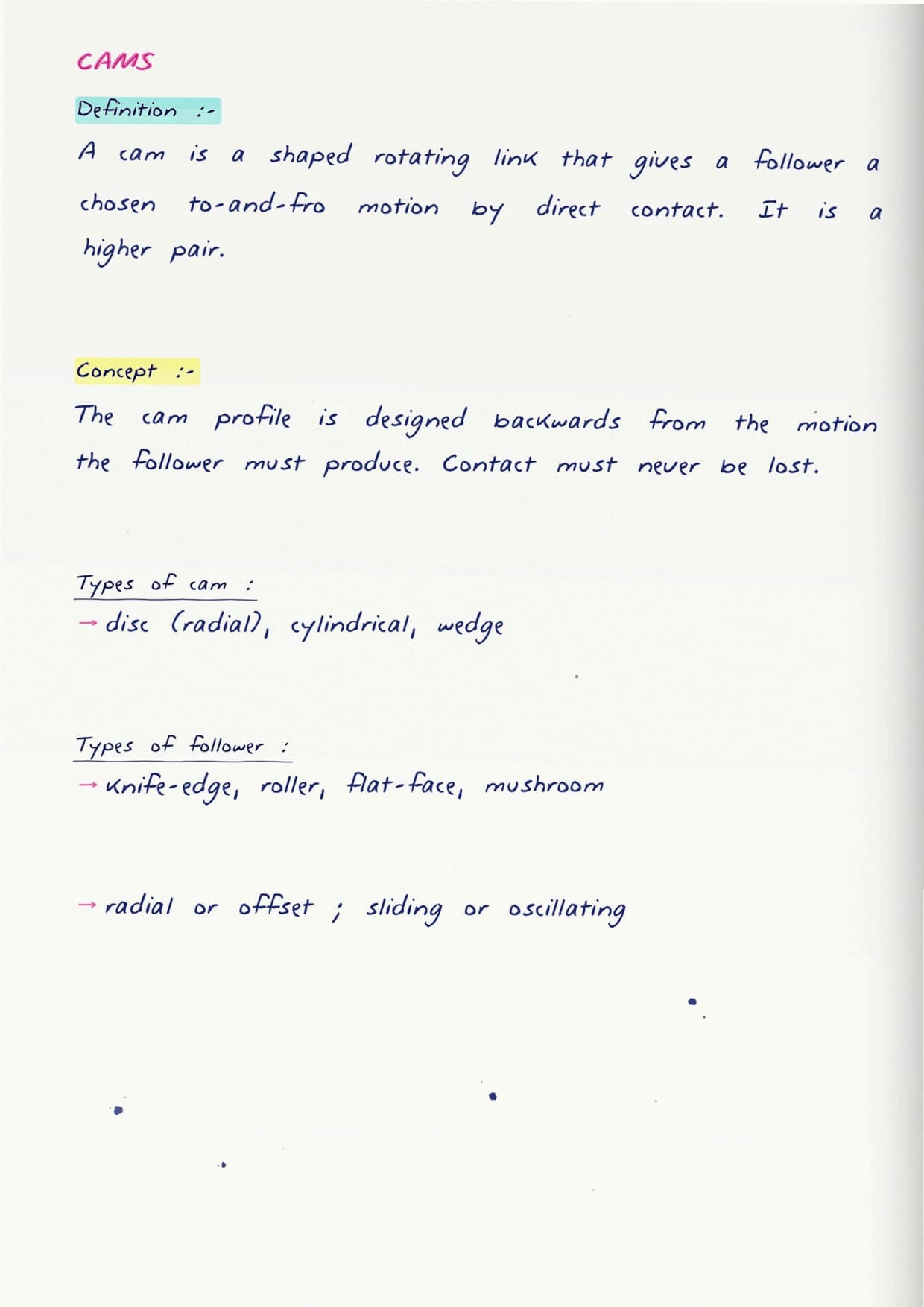
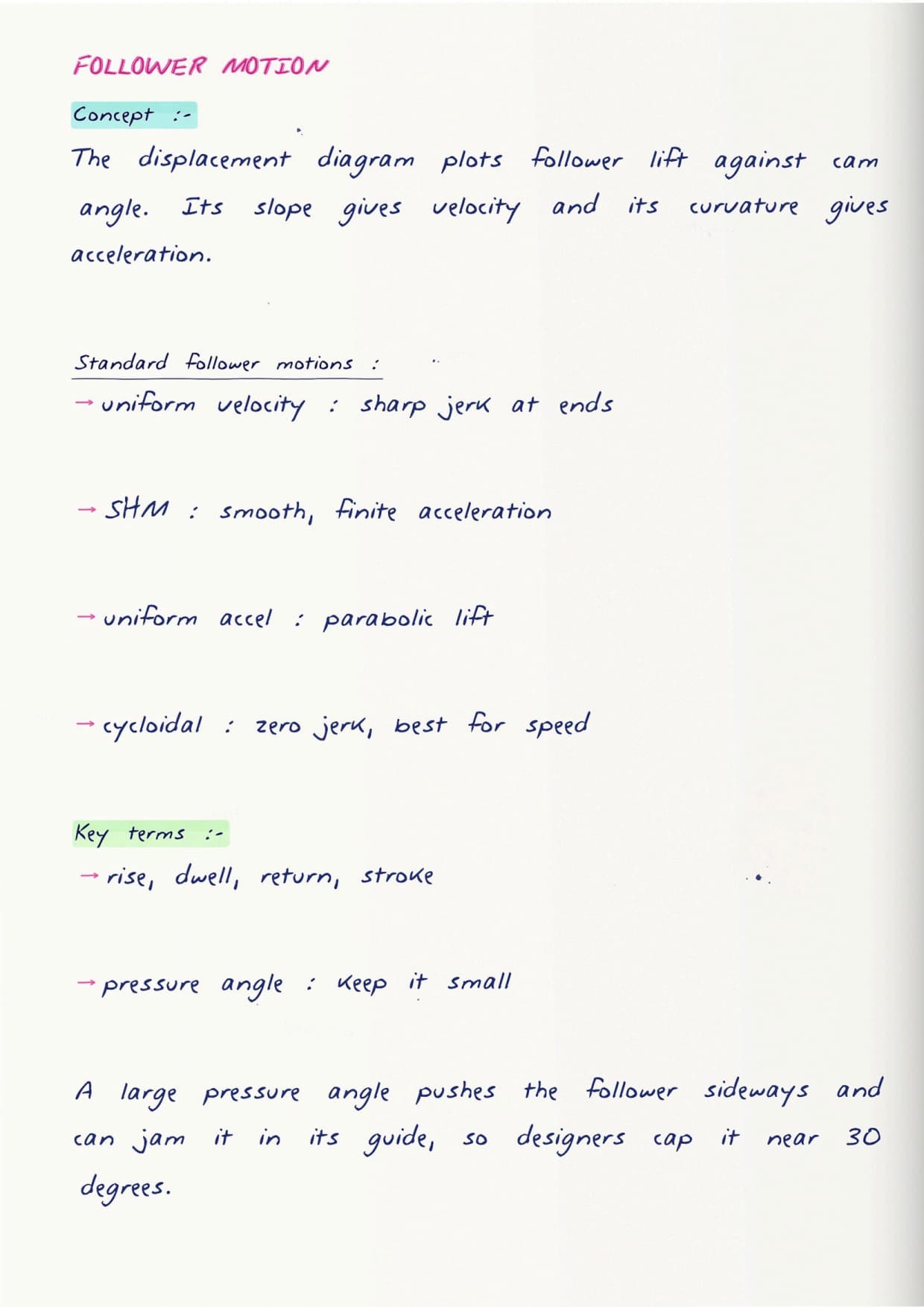
- Cams and followers, motion types, and displacement diagrams.
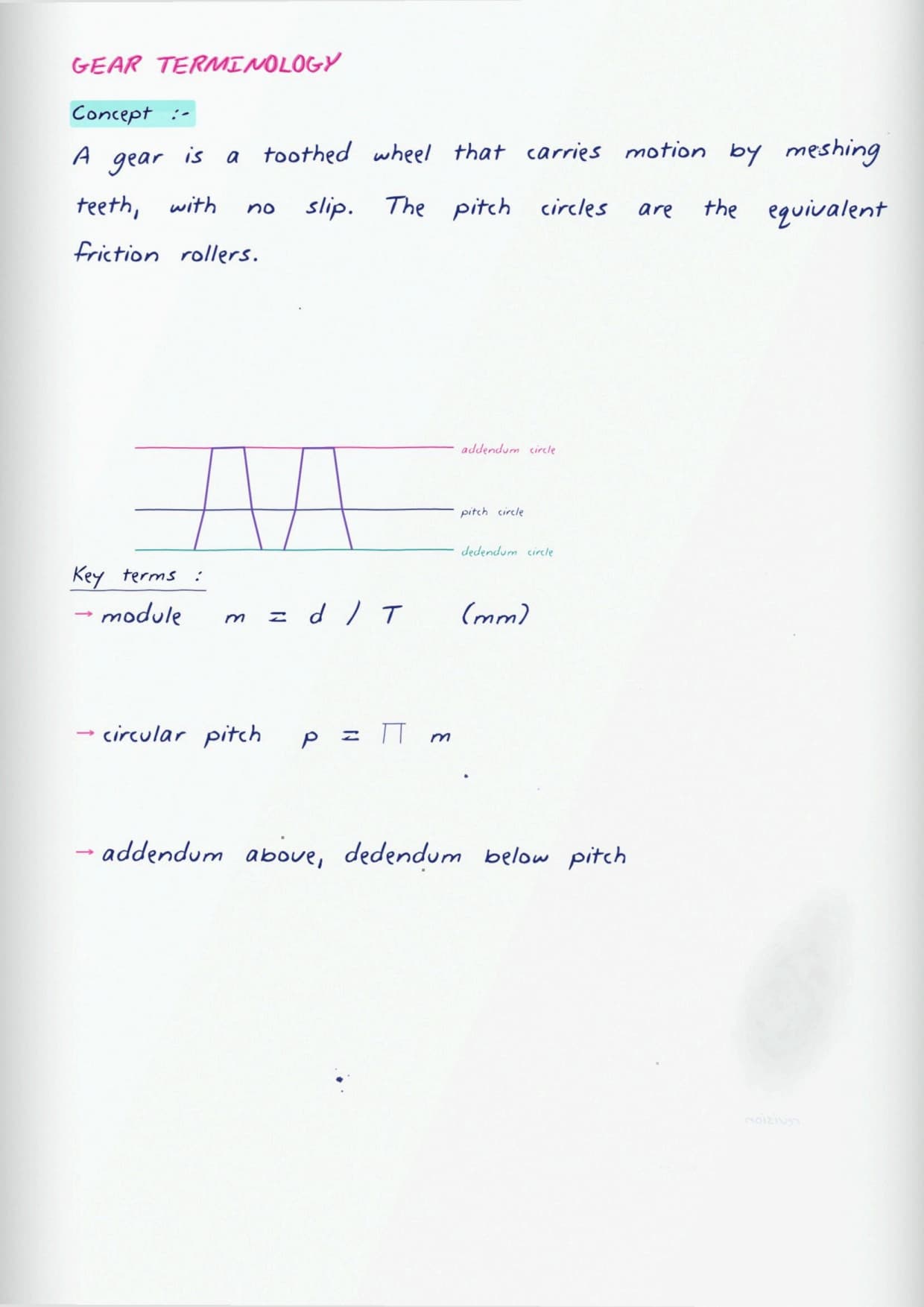
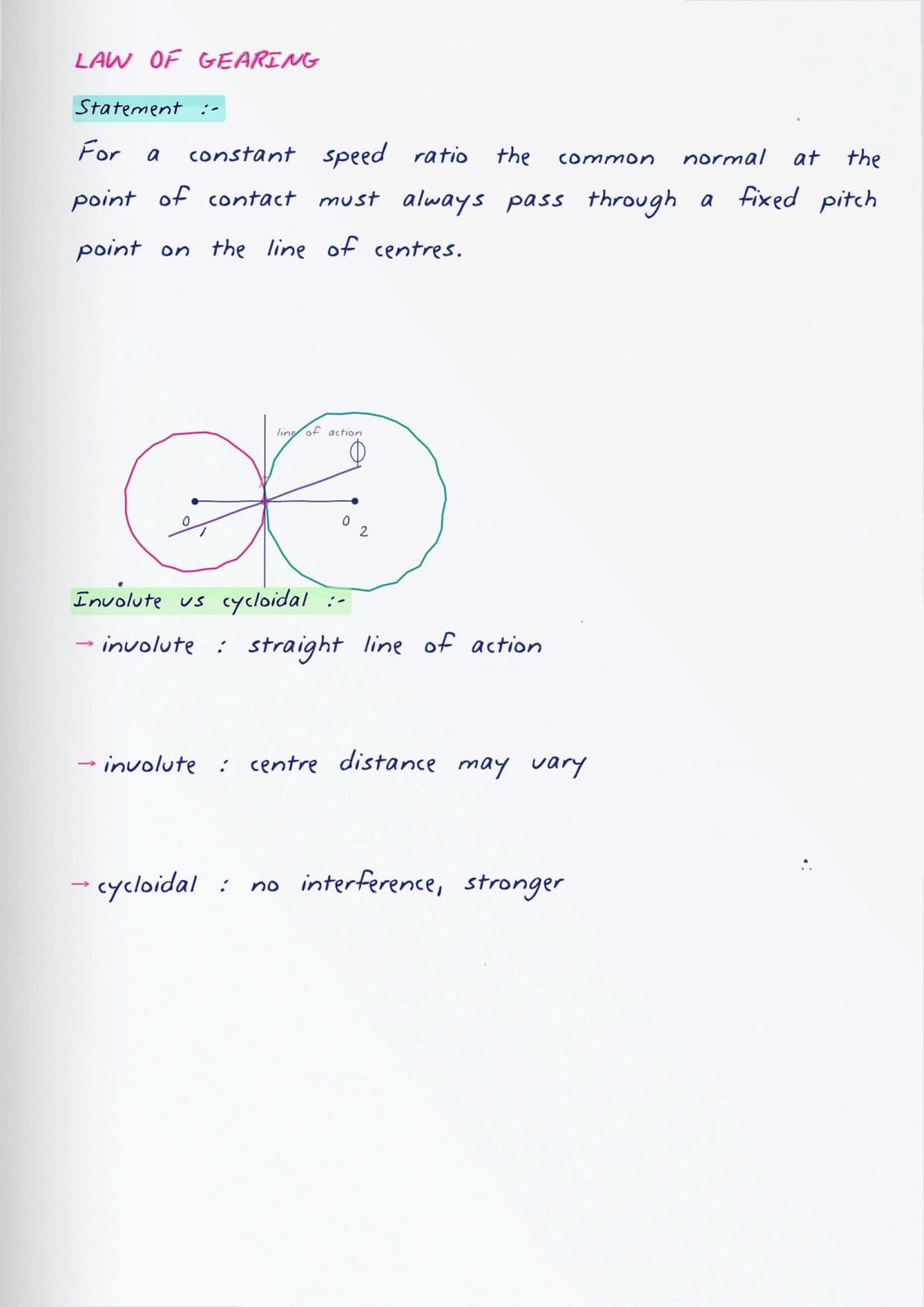
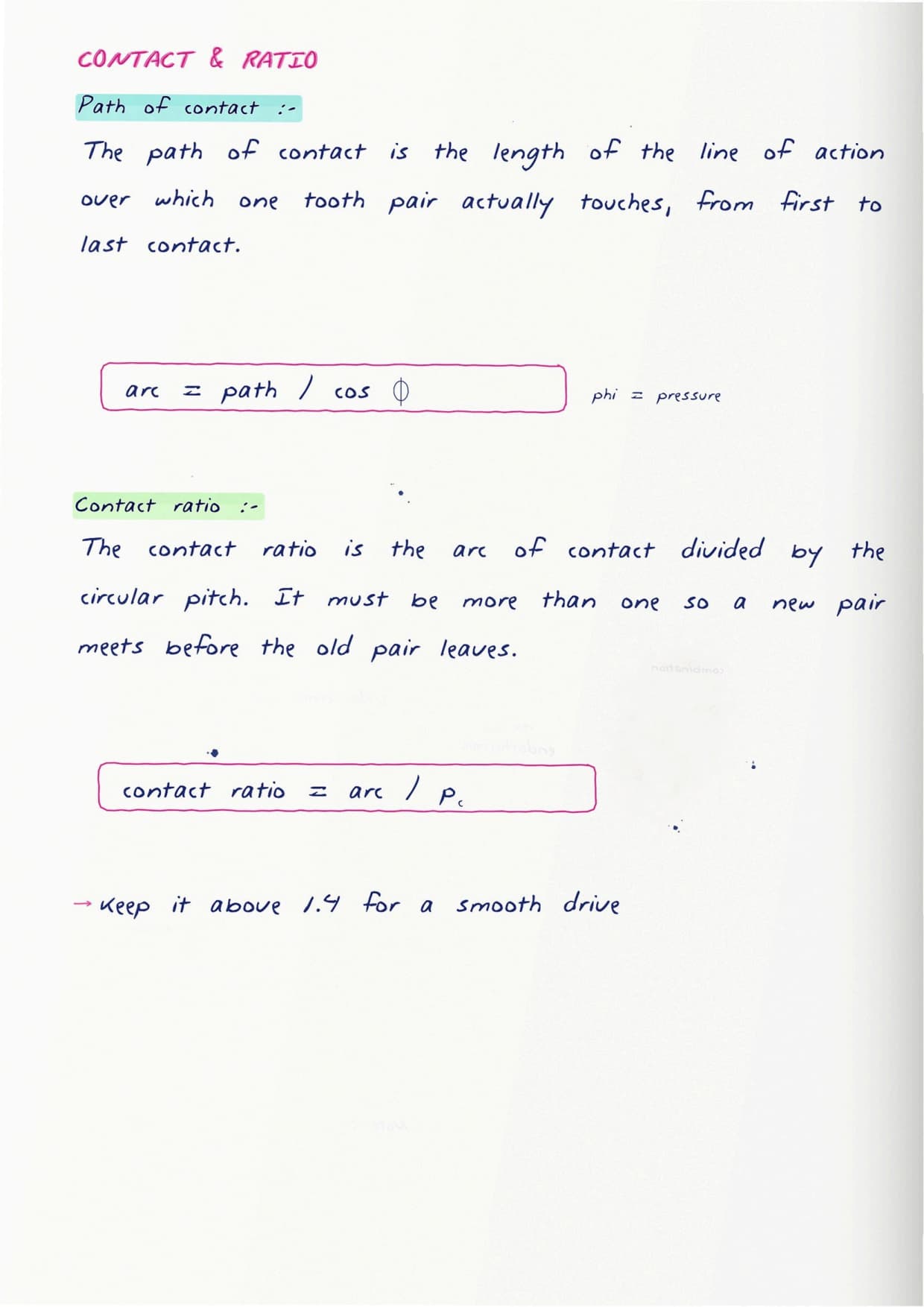
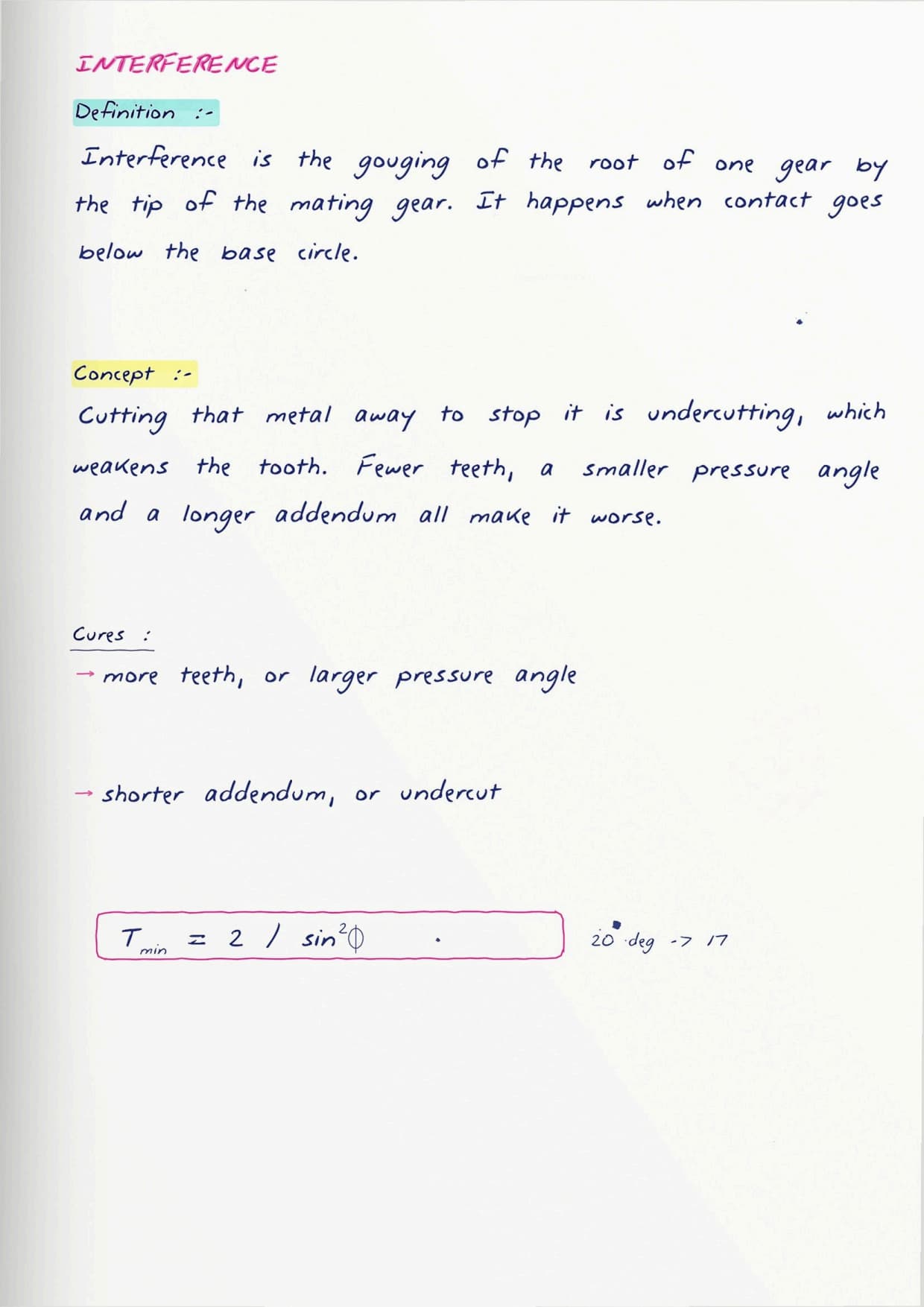
- Gears: terminology, law of gearing, involute profile, interference and contact ratio.
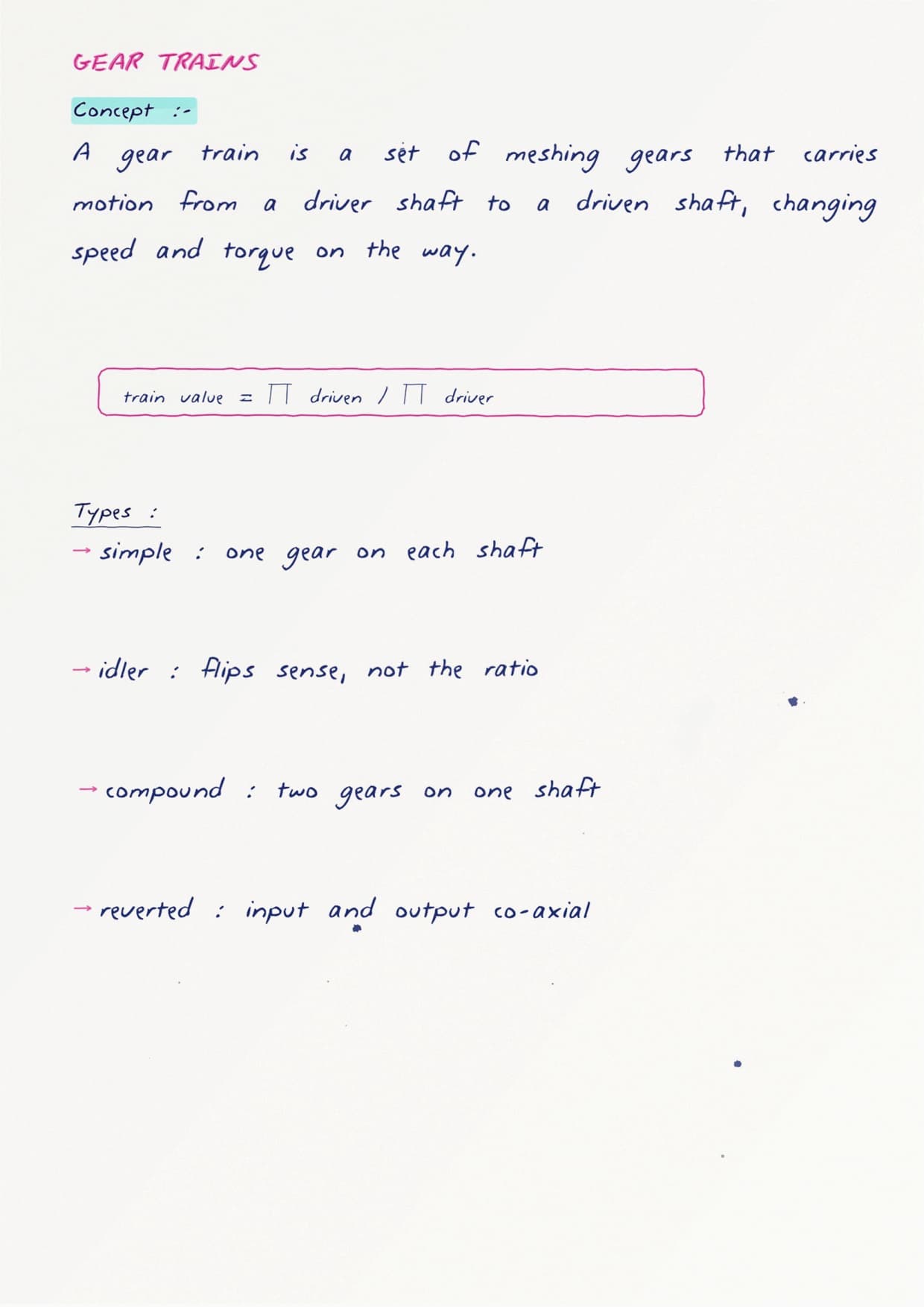
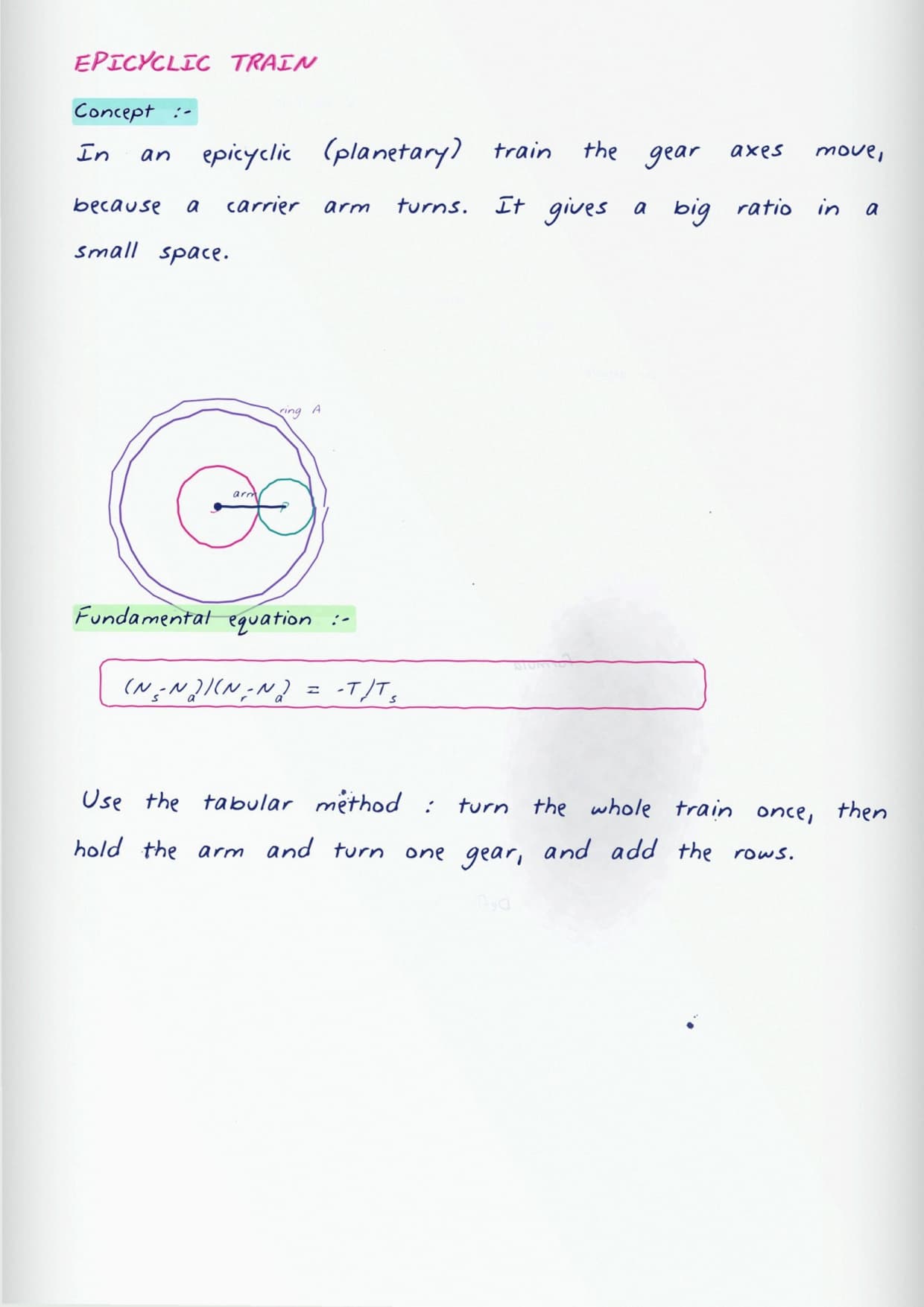
- Gear trains: simple, compound, reverted and epicyclic (tabular method).
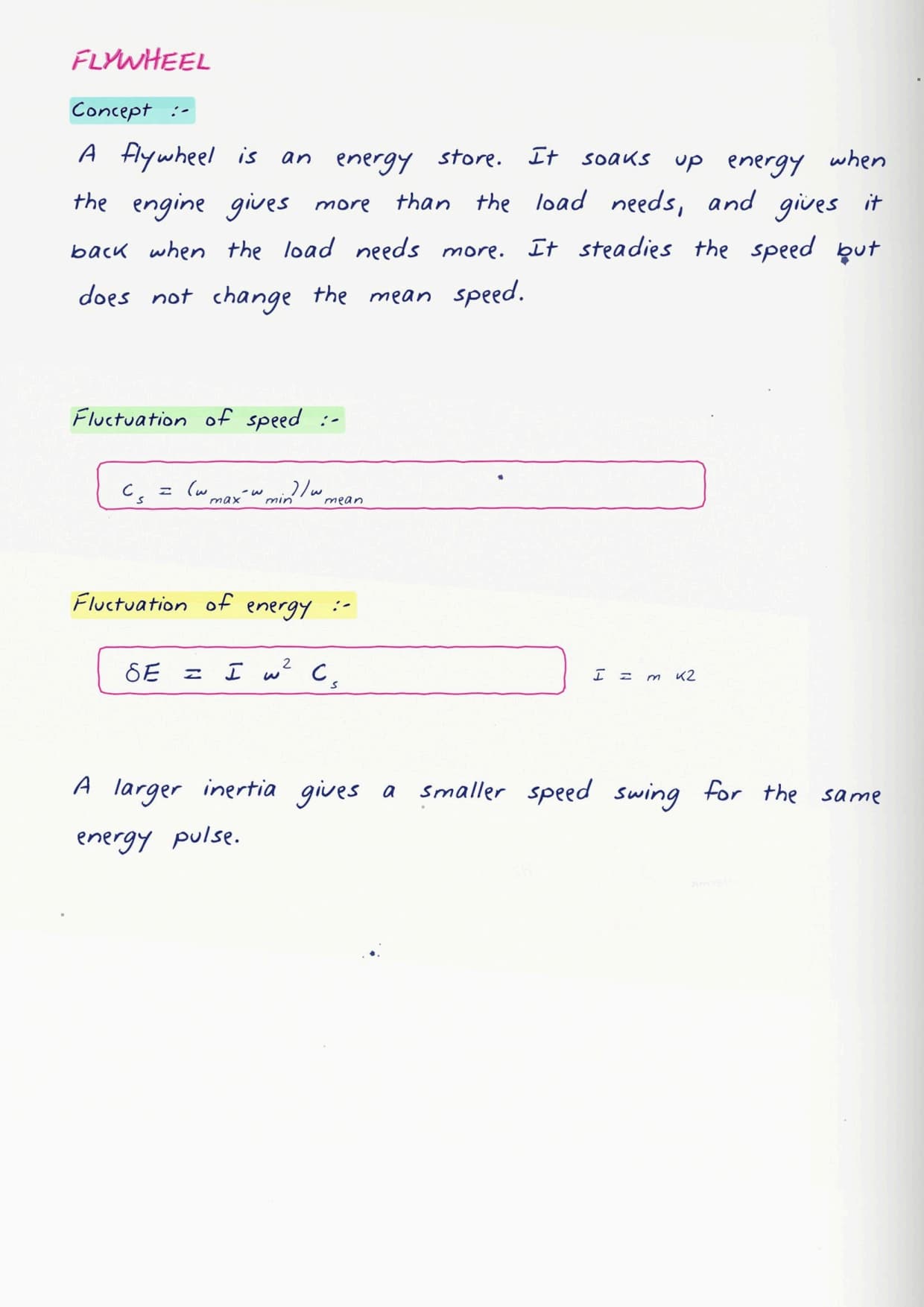
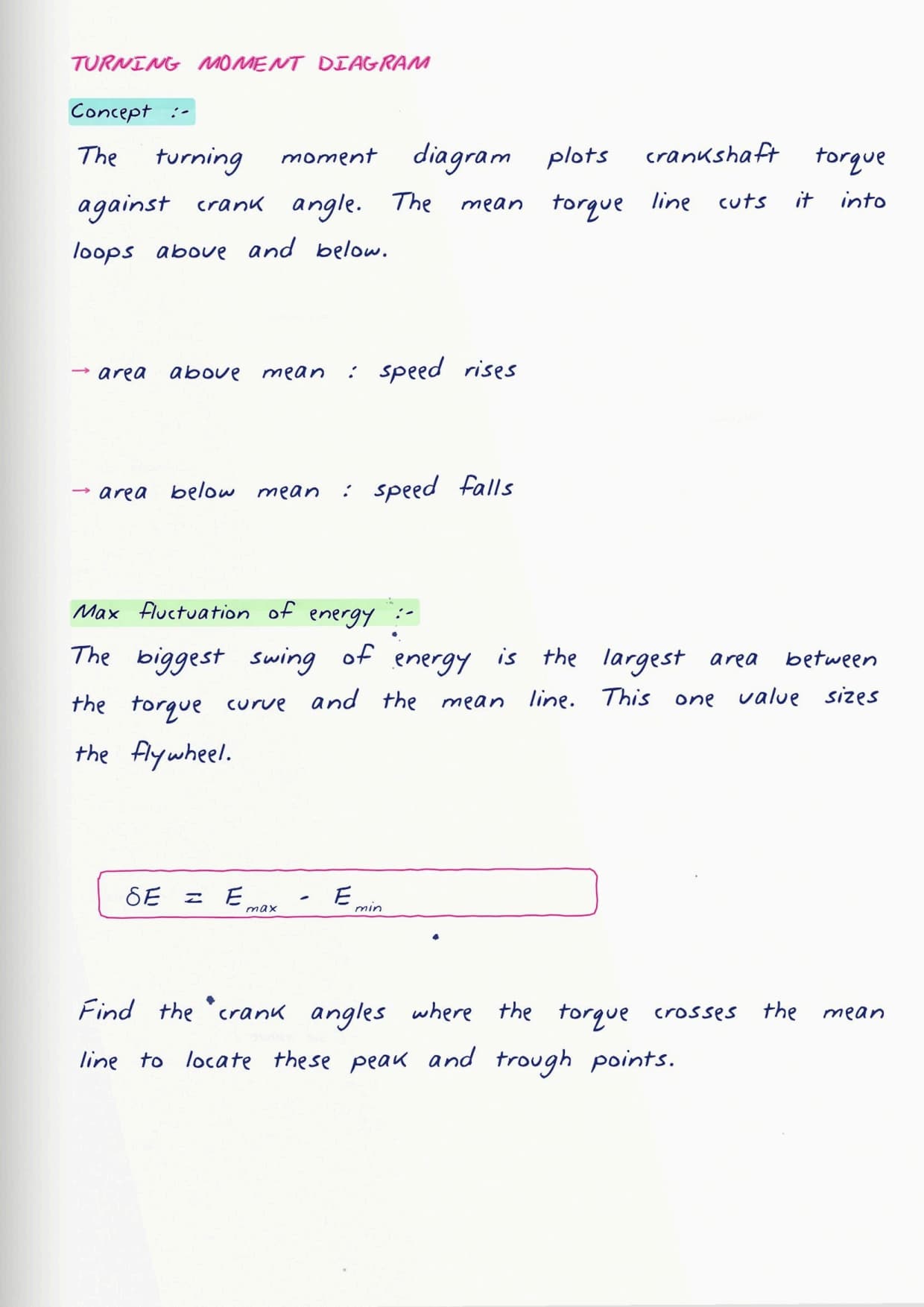
- Flywheel, turning moment diagram, and coefficients of fluctuation.
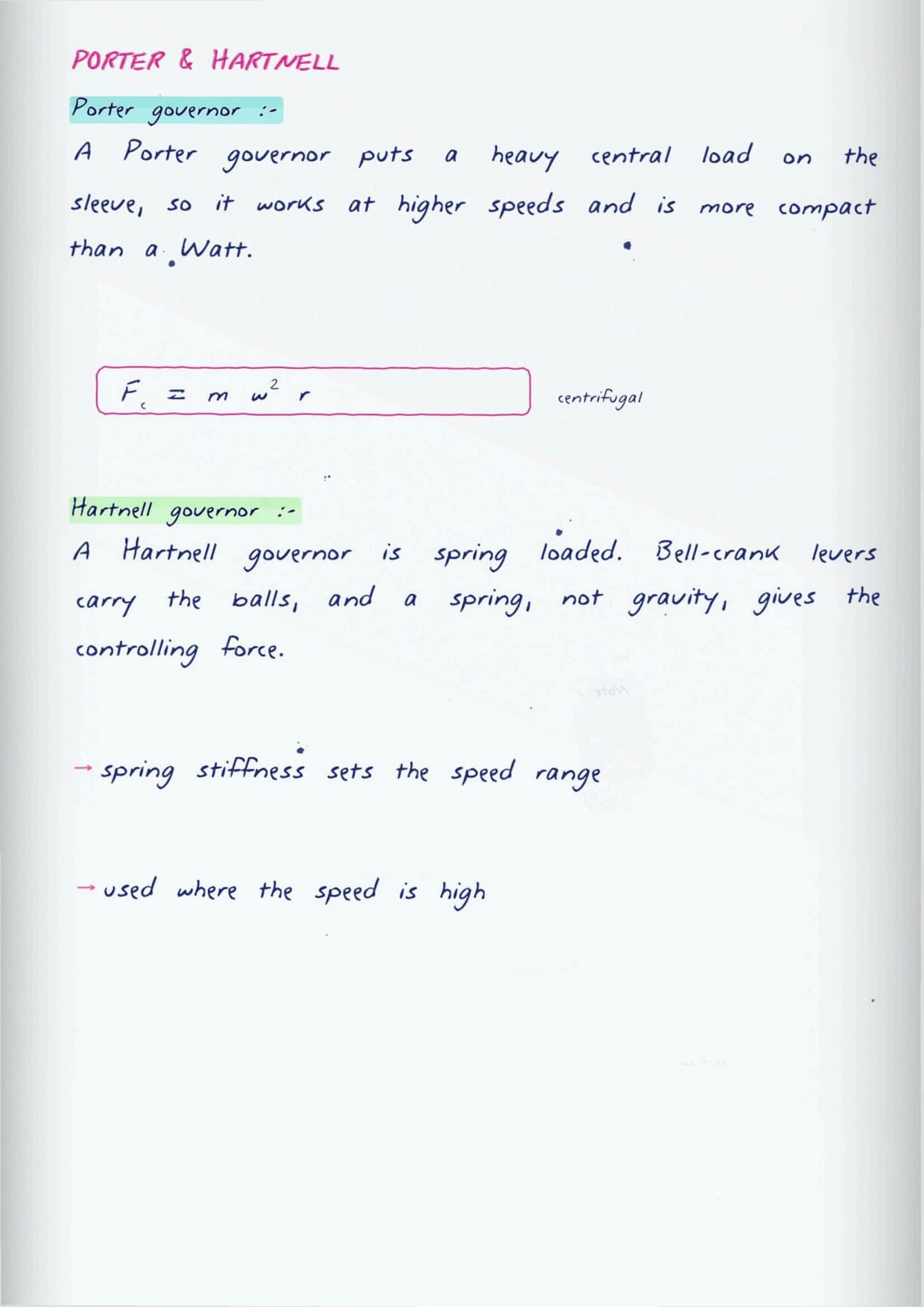
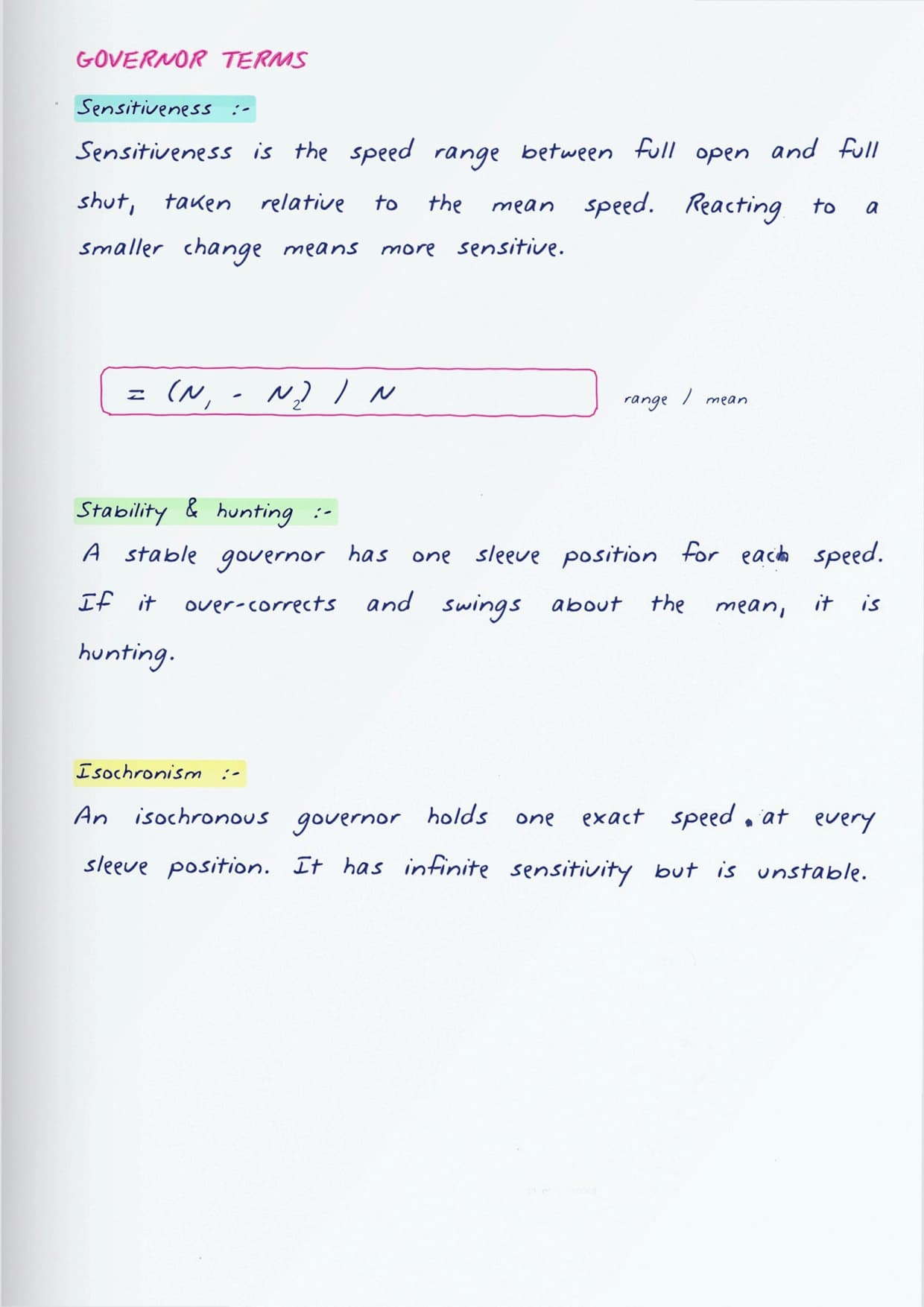
- Governors: Watt, Porter and Hartnell, with sensitivity, stability and hunting.
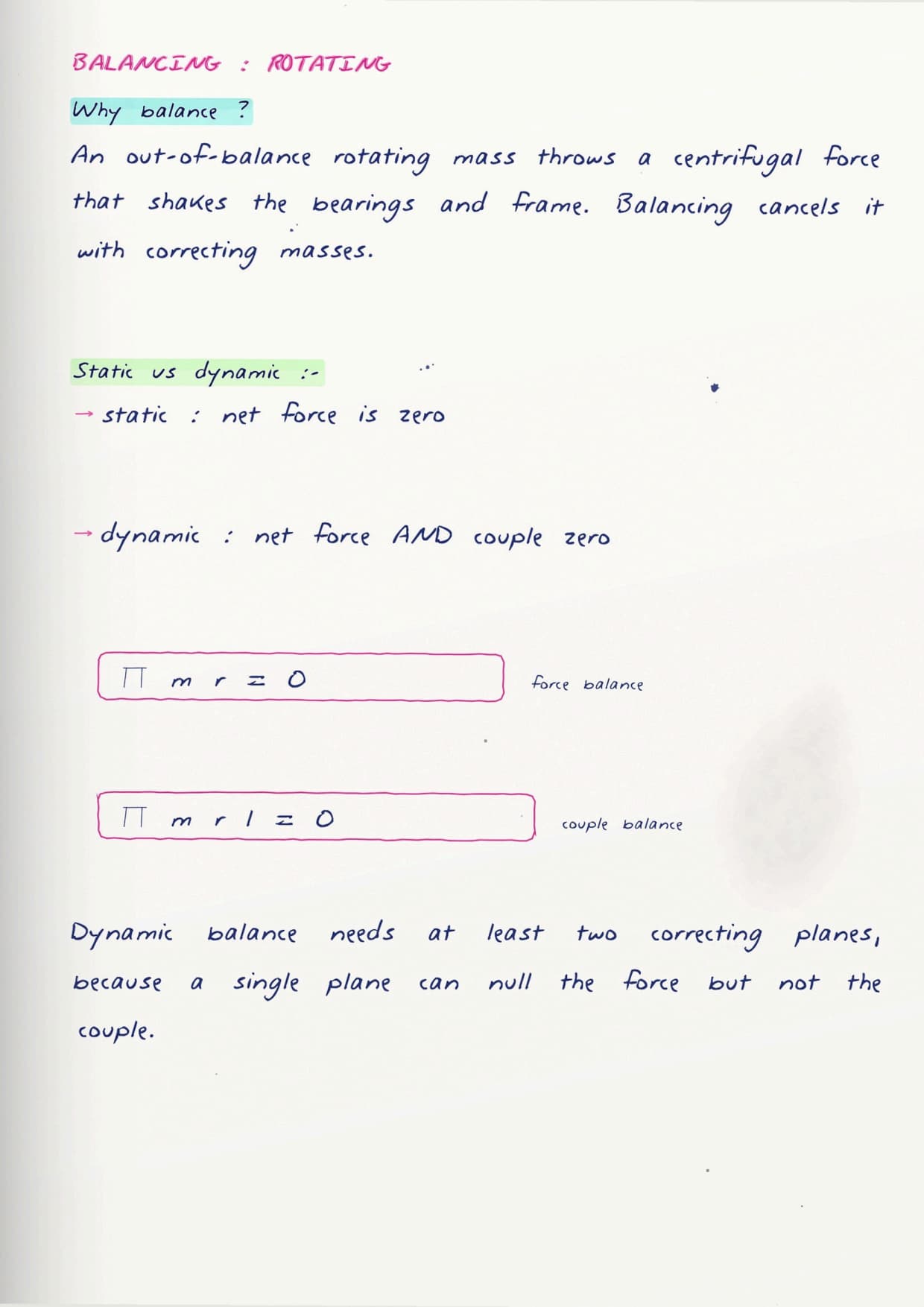
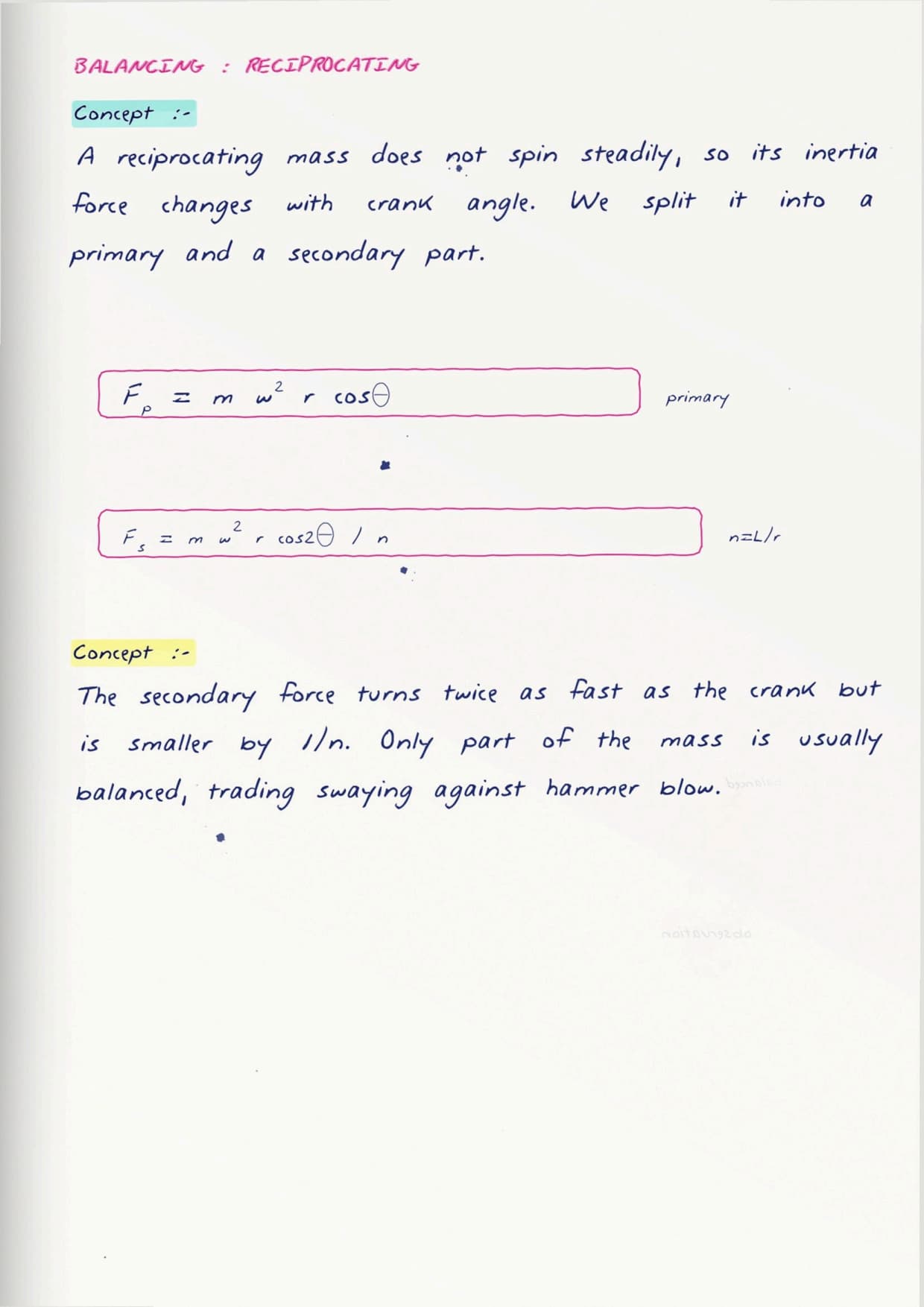
- Balancing of rotating and reciprocating masses, primary and secondary forces.
How the Notes Are Organised
The subject builds from the ground up, and the notes are ordered to match. You start with links and mobility, move through velocity and acceleration analysis, and finish with the machine elements that carry the most marks, so each topic prepares you for the next.
- Start with links and degrees of freedom, the base of the subject.
- Move to velocity and acceleration analysis of mechanisms.
- Then reach machine elements: gears, flywheel and governors.
- Each topic links to the last, the way GATE mixes ideas in one question.
Important Topics in GATE Theory of Machines
A few areas of Theory of Machines appear in almost every GATE paper, and together they carry most of the subject's marks. If you are short on time, revise these first and make sure you can solve them quickly and without slips.
- Degrees of freedom and mechanism analysis, asked as direct numericals.
- Gears and gear trains, especially epicyclic trains by the tabular method.
- Instantaneous centre and velocity analysis of the slider-crank.
- Governors and flywheel, where fluctuation coefficients are common.
- Balancing of reciprocating masses, with primary and secondary terms.
- Watch the sign of the arm speed in an epicyclic train, a frequent slip.
How to Prepare GATE Theory of Machines with Handwritten Notes
Theory of Machines rewards steady practice more than reading, so use the notes next to a good problem set. Go through the subject in a few passes and treat each mechanism as something to draw and solve, not just to read, so the method stays with you in the exam.
- Read one topic, then attempt its previous-year GATE questions the same day.
- Redraw each mechanism diagram once by hand to lock in the idea.
- Revise the balancing and governor formulas often, as they carry steady marks.
- In the last week, revise only the formula sheet and the quick checks.
Why These Notes Help You Score Better
Theory of Machines is a diagram-heavy subject, and a clear labelled sketch is often easier to recall than a paragraph of text. Short, connected pages also make it quicker to find a mechanism or a formula when you are revising under time pressure.
- Mechanisms like a four-bar chain are easier to recall as a drawing.
- Short, linked pages are quicker to scan than long chapters.
- The layout stays the same, so a formula or diagram is easy to find.
GATE Mechanical Theory of Machines Handwritten Notes FAQs
Ques. Do these notes cover the full GATE Mechanical Theory of Machines syllabus?
Ans. Yes. They cover every topic, from degrees of freedom and mechanisms to gears, gear trains, cams, flywheels, governors and balancing.
Ques. Are the notes good for last-minute GATE revision?
Ans. Yes. The formula sheet and short topic pages let students revise the whole subject quickly in the final days.
Ques. Do the notes explain concepts or just list formulas?
Ans. They do both. Each topic gives a short explanation of how the mechanism works and then the formula you need for GATE numericals.
Ques. Are diagrams included in the notes?
Ans. Yes. The notes include labelled hand-drawn diagrams of linkages, cams, gear trains and governors.



Comments