




Fluid Mechanics is one of the highest scoring subjects in the GATE Mechanical paper, and it usually carries around 8 to 12 marks each year. These handwritten revision notes cover the full Fluid Mechanics syllabus, from fluid properties and statics to boundary layers, drag and dimensional analysis. Every topic is explained in plain language, with the steps and the key formula it leads to.
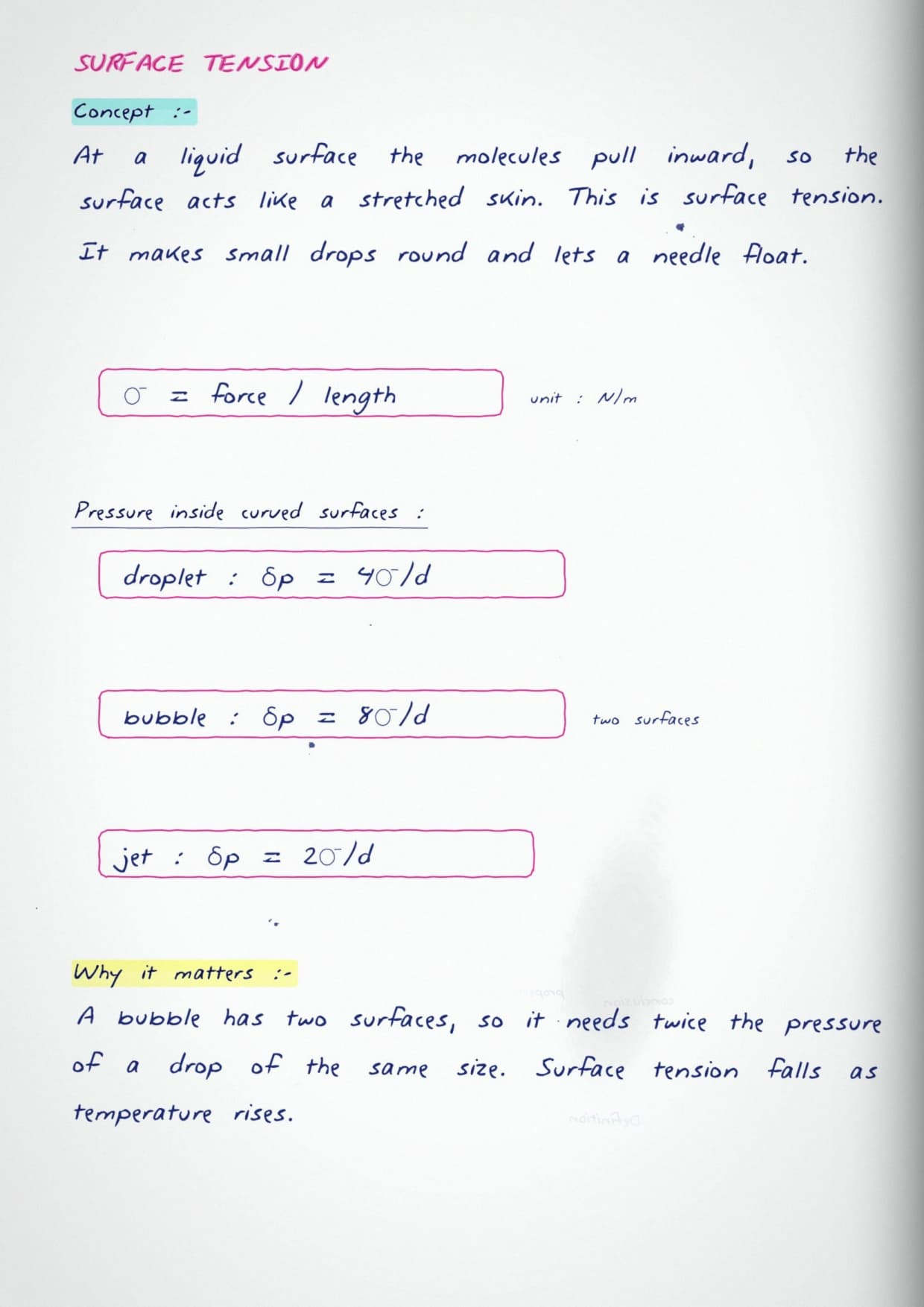
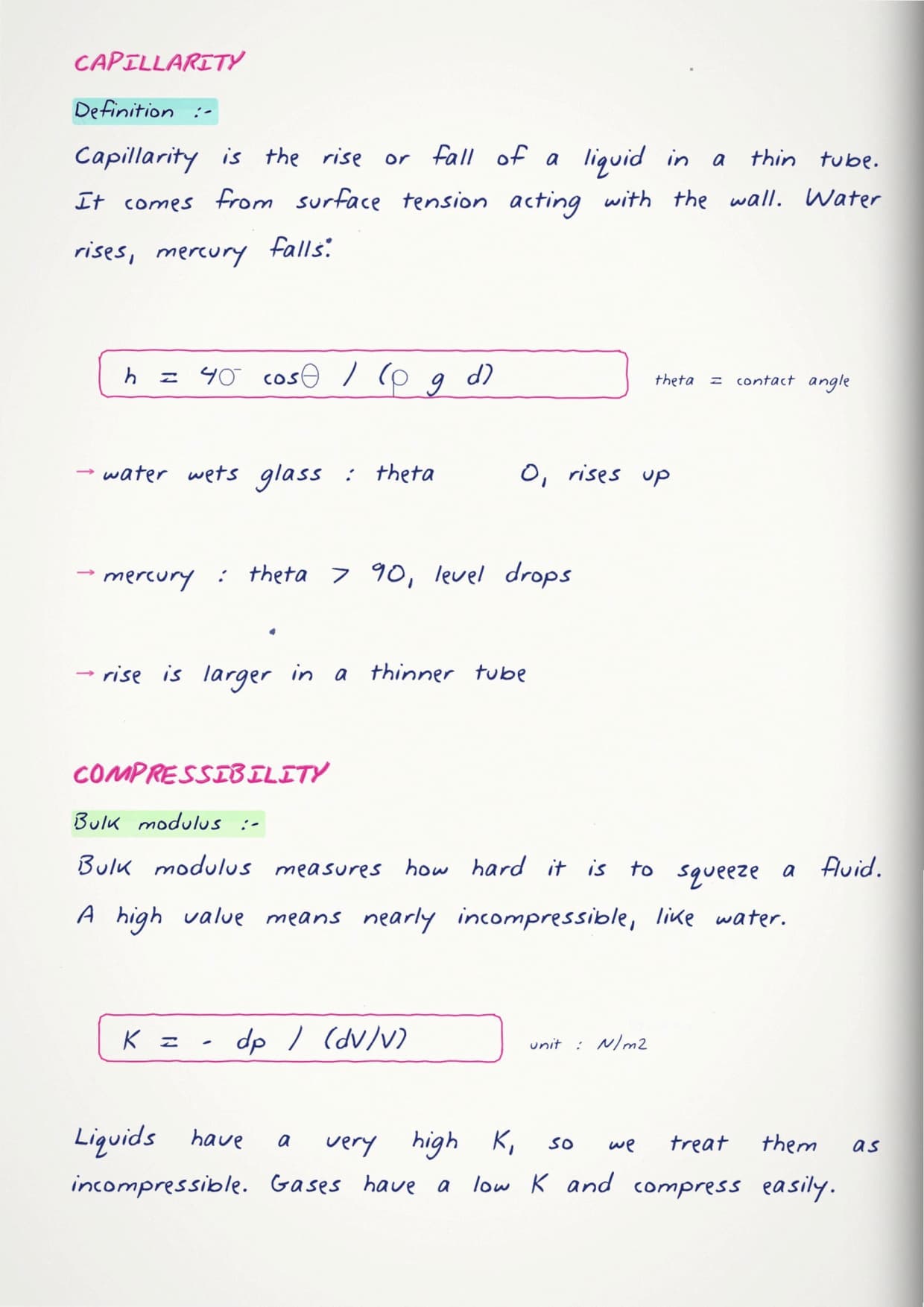
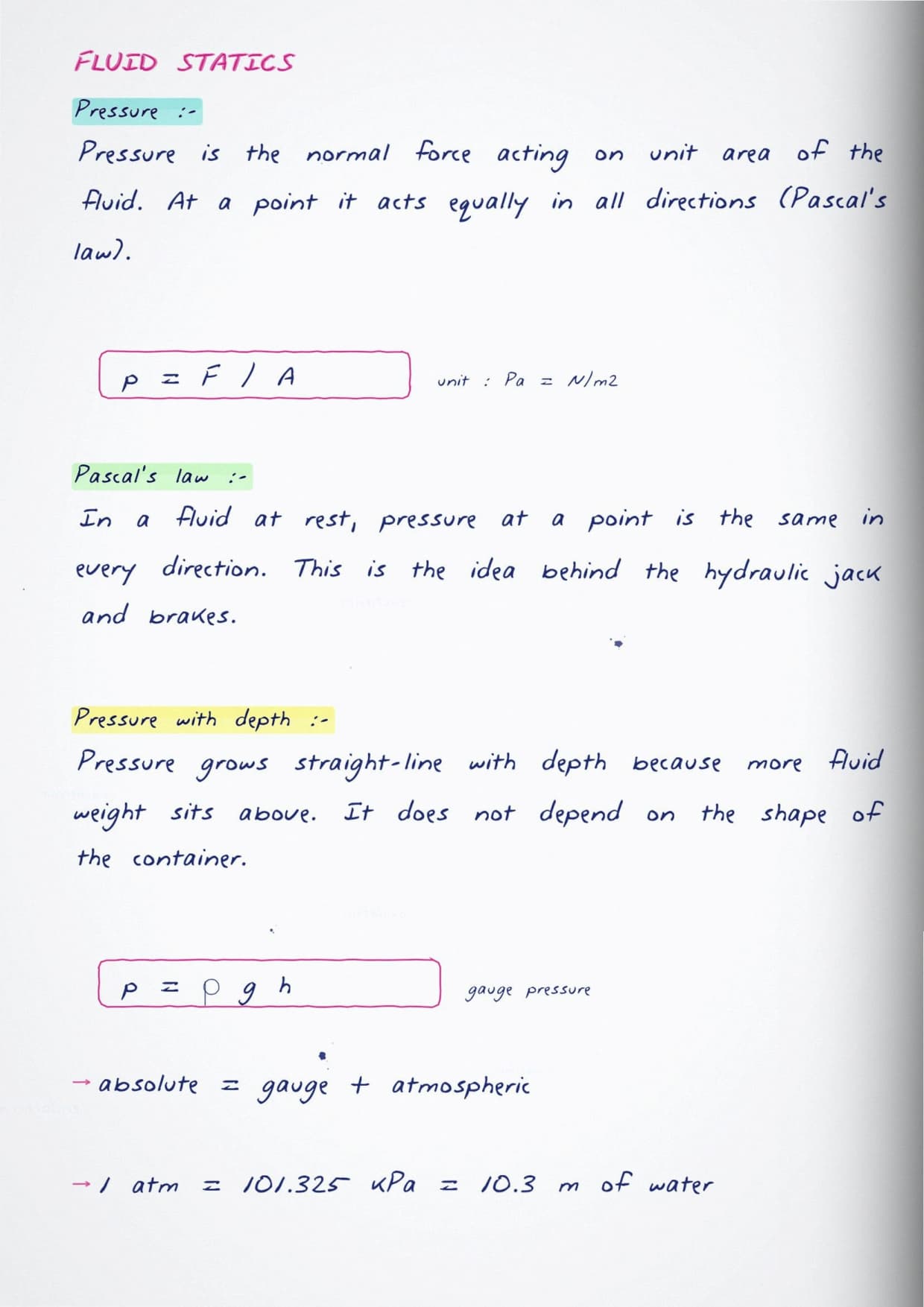
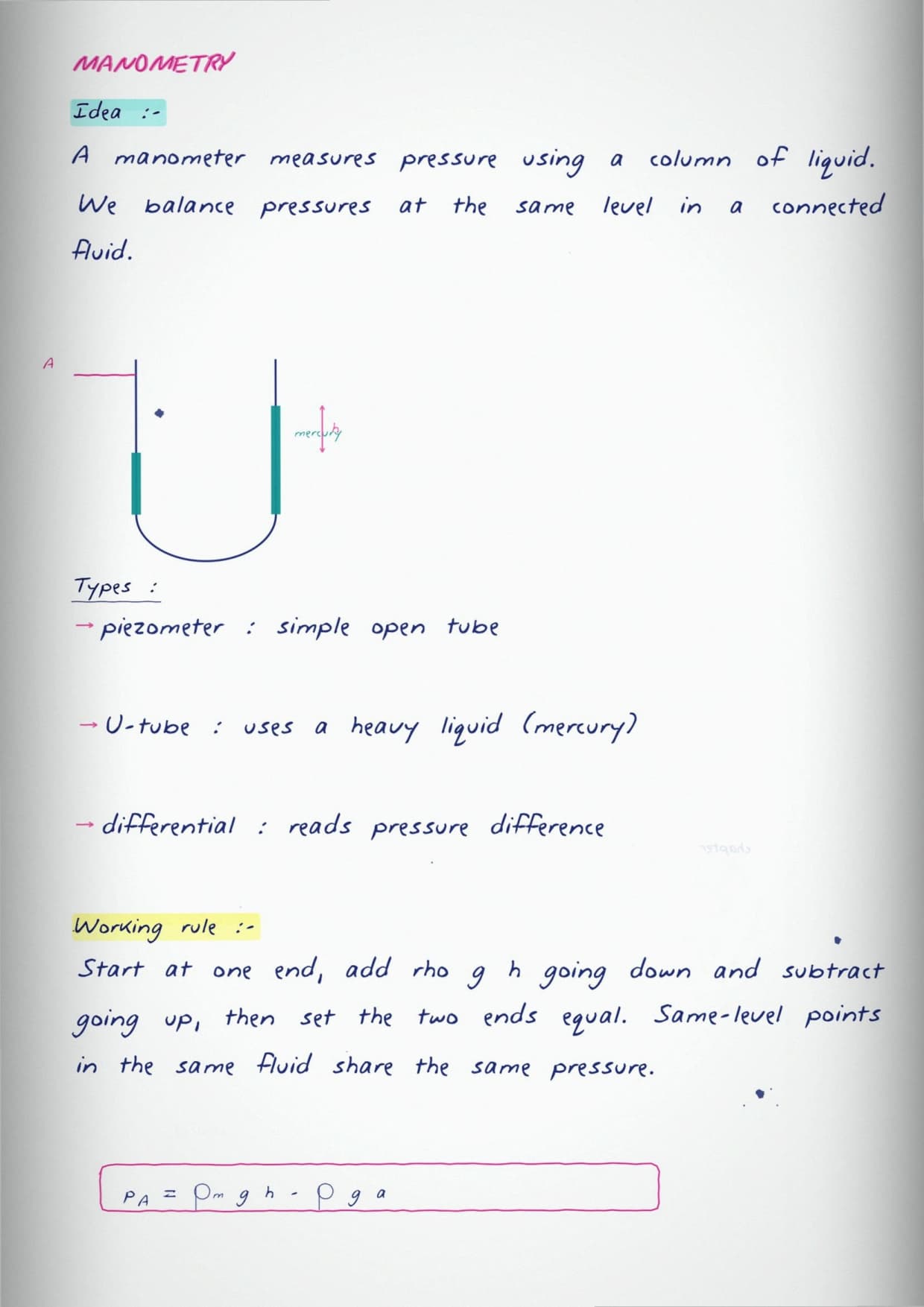
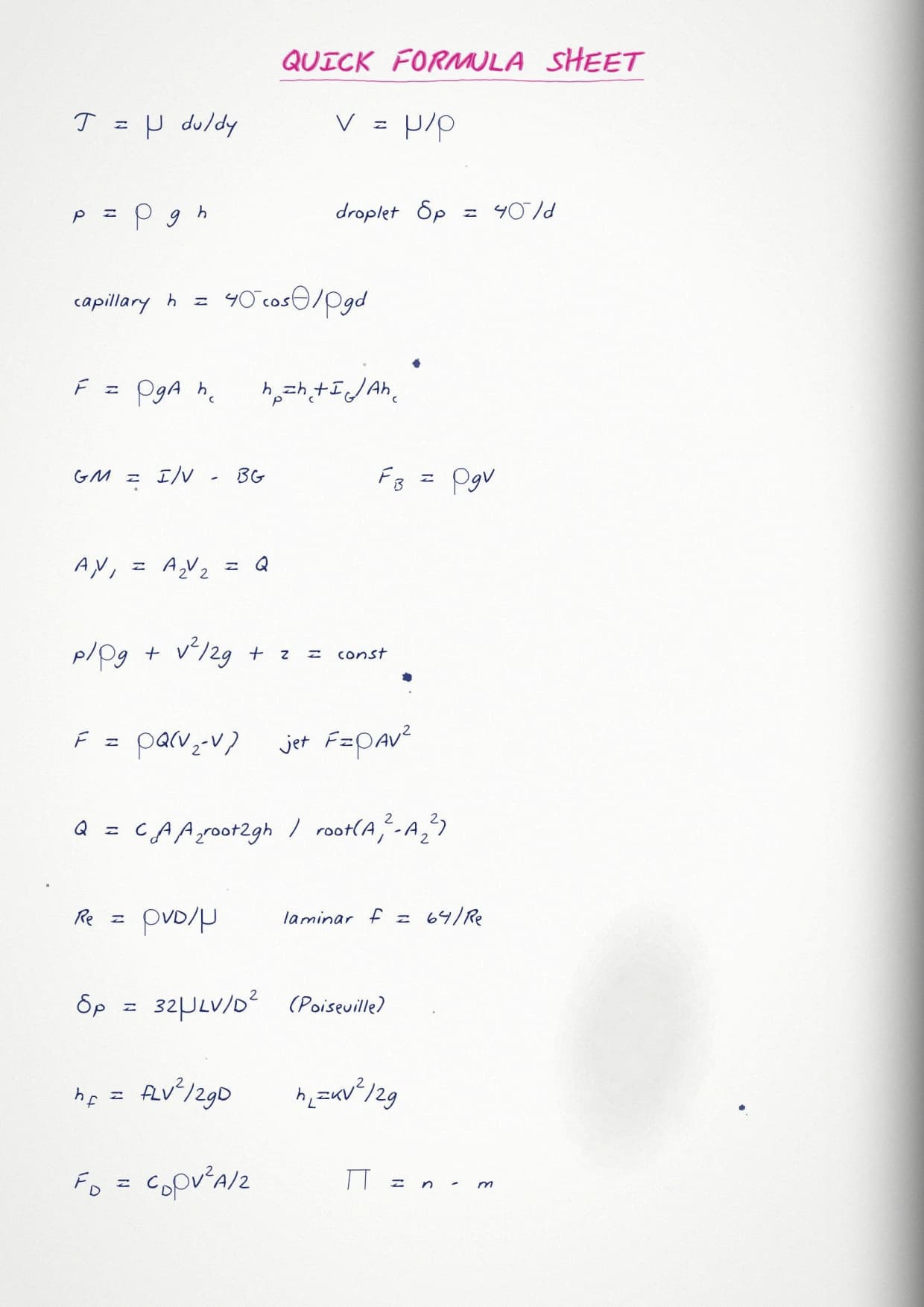
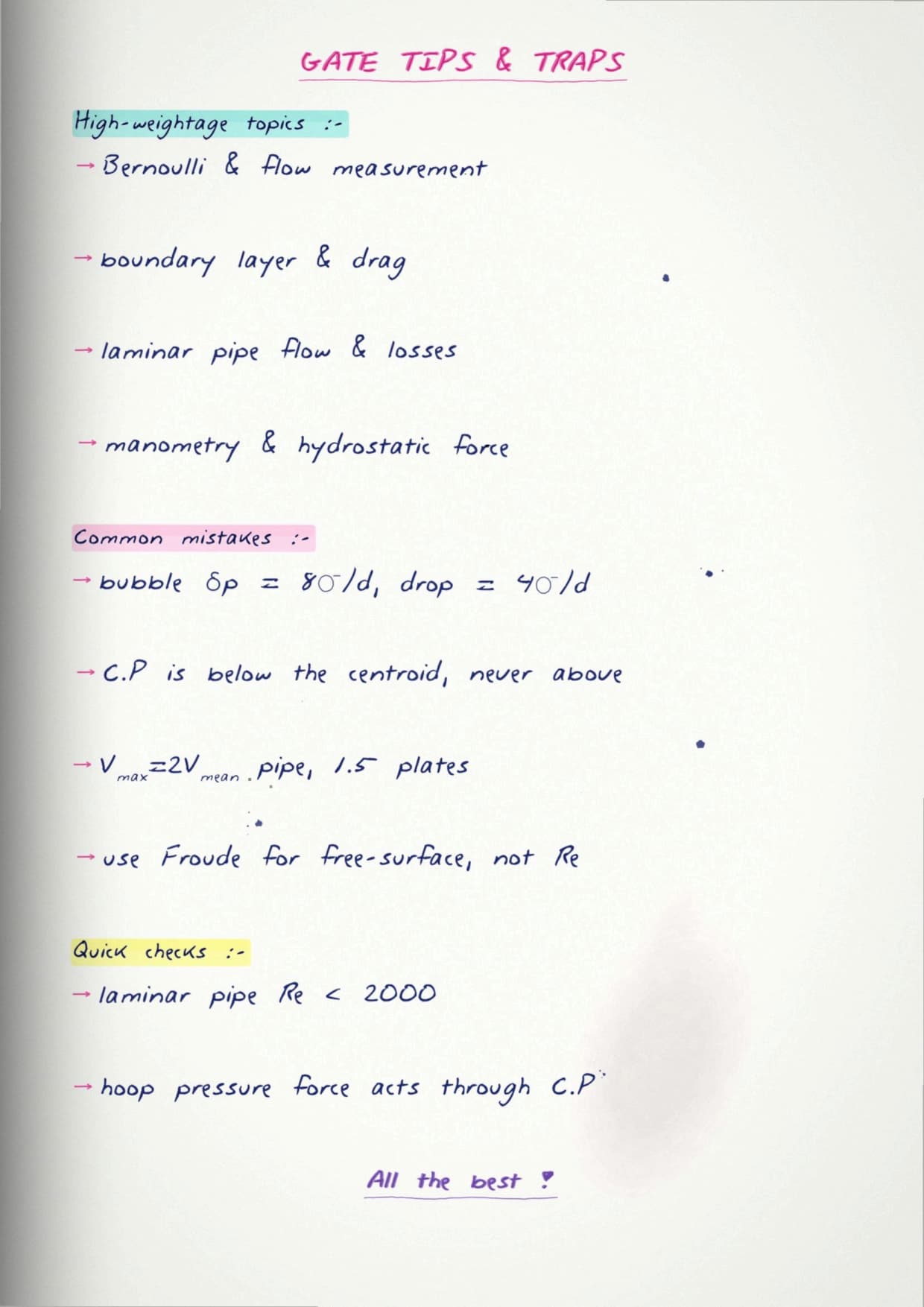
Every topic comes with clear hand-drawn diagrams and a quick formula sheet, so you can revise the whole subject in one go. The notes stay close to the way questions are actually set in GATE.
- Cover the full GATE Mechanical Fluid Mechanics syllabus in one PDF.
- Include hand-drawn diagrams for statics, flow measurement and boundary layers.
- End with a formula sheet and the common GATE traps for each topic.
What These GATE Fluid Mechanics Notes Cover
The notes go through Fluid Mechanics topic by topic, in the order the syllabus follows. Every term is defined before it is used, and each main result comes with a short derivation, so the formulas do not feel random. This makes them useful both for first-time study and for later revision.
- Clear definitions for every term, from viscosity to circulation.
- Key formulas for statics, flow measurement and pipe flow.
- Sketches of manometers, forces on surfaces and pipe systems.
- The common GATE traps flagged so you avoid repeated mistakes.
GATE Fluid Mechanics Quick Revision
Source: GATE Wallah - ME, CE, XE, CH, PI & ES on YouTube
Topics Covered in GATE Fluid Mechanics
The notes follow the standard GATE Mechanical Fluid Mechanics sequence, moving from the properties of a fluid to statics, then kinematics and dynamics, and finally to losses and the boundary layer. Nothing in the syllabus is left out, and each section builds on the one before it.
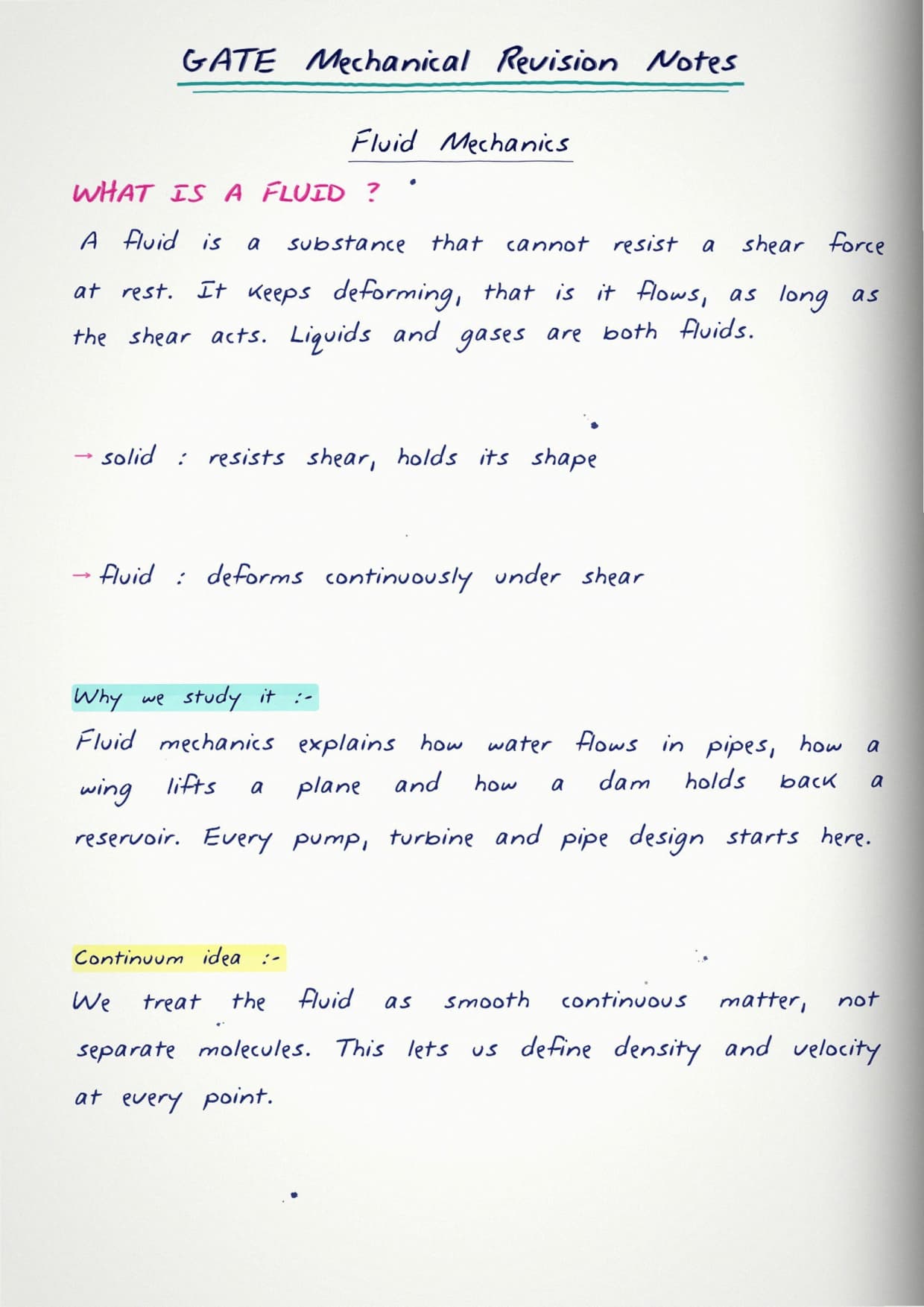
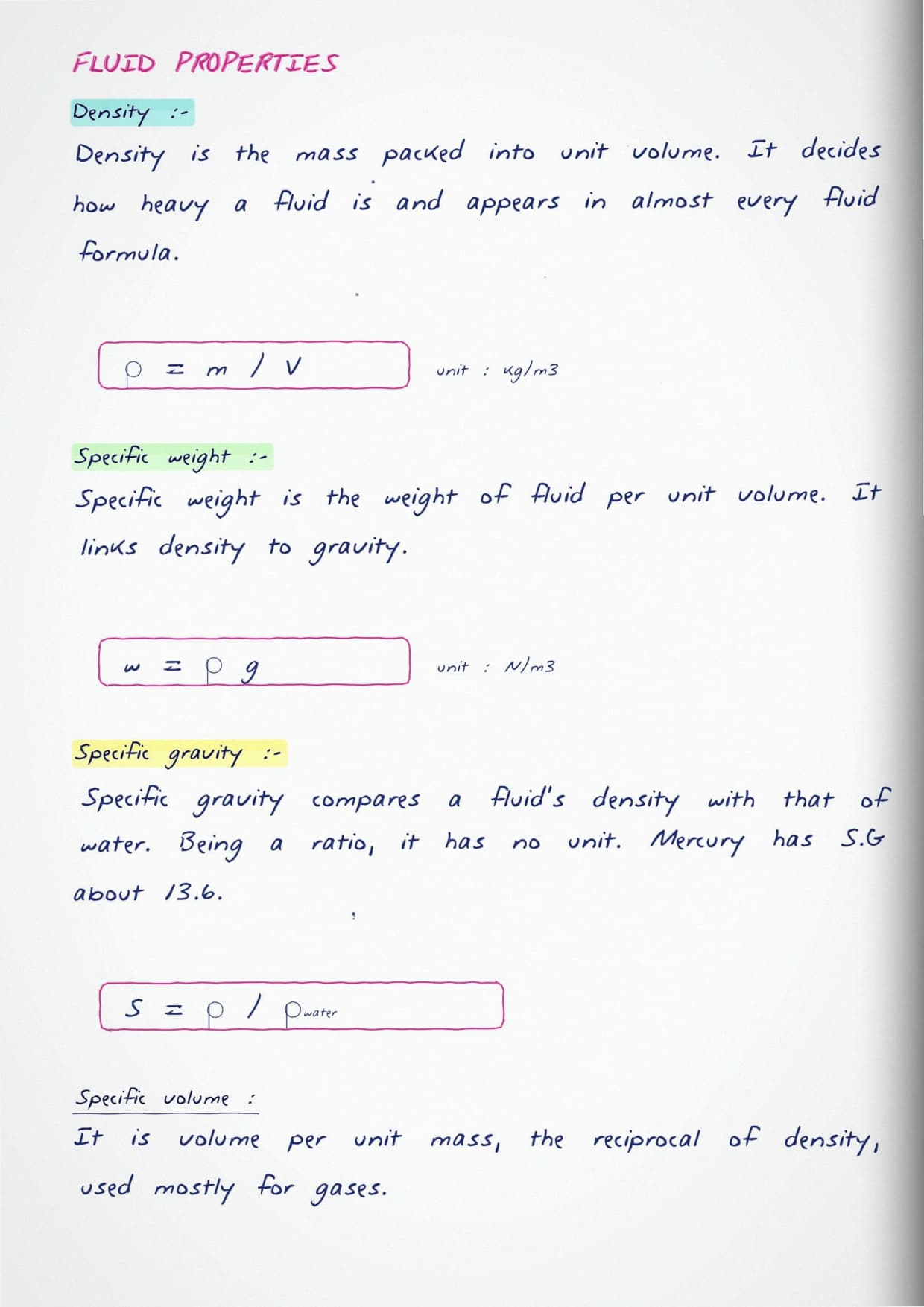
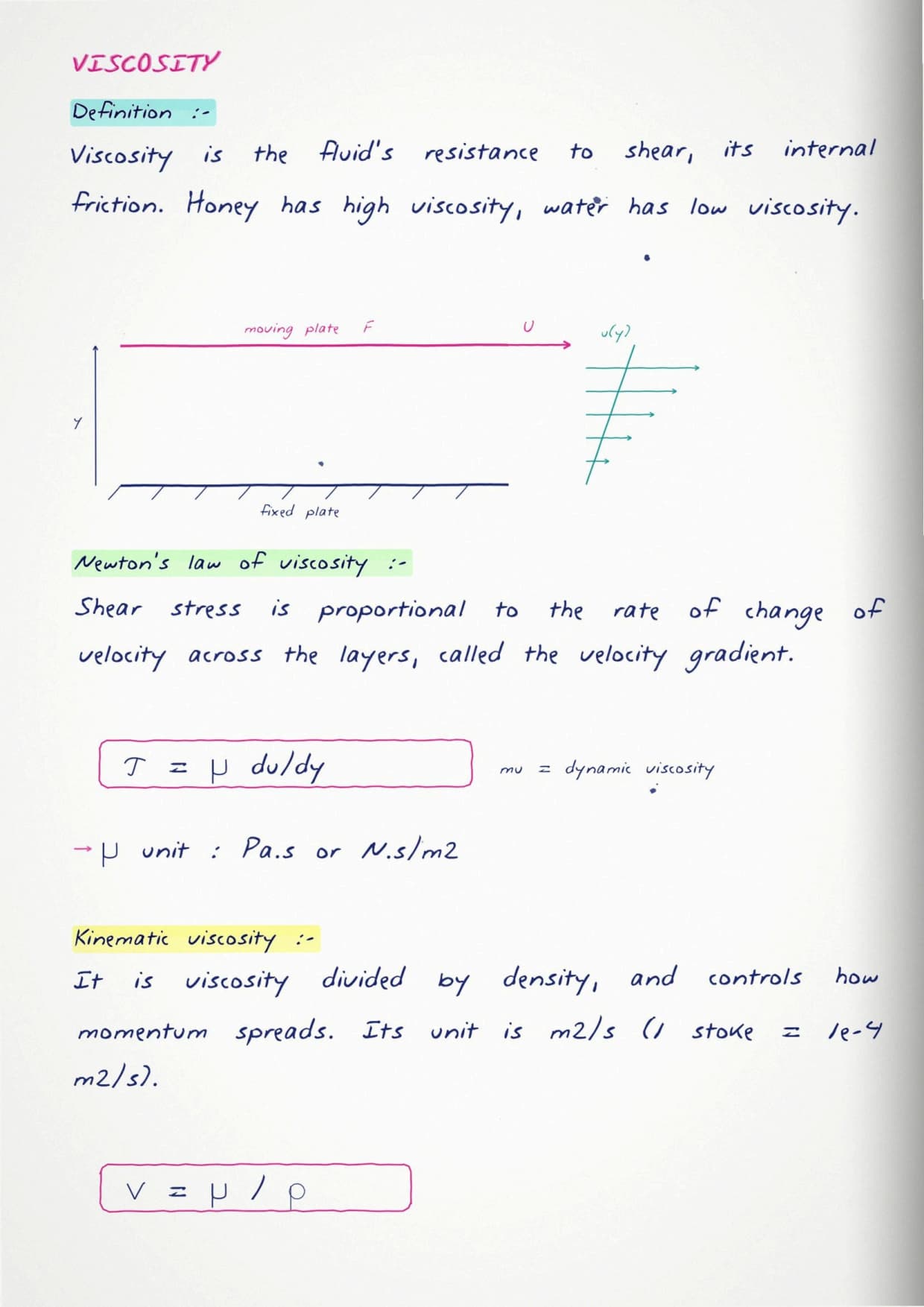
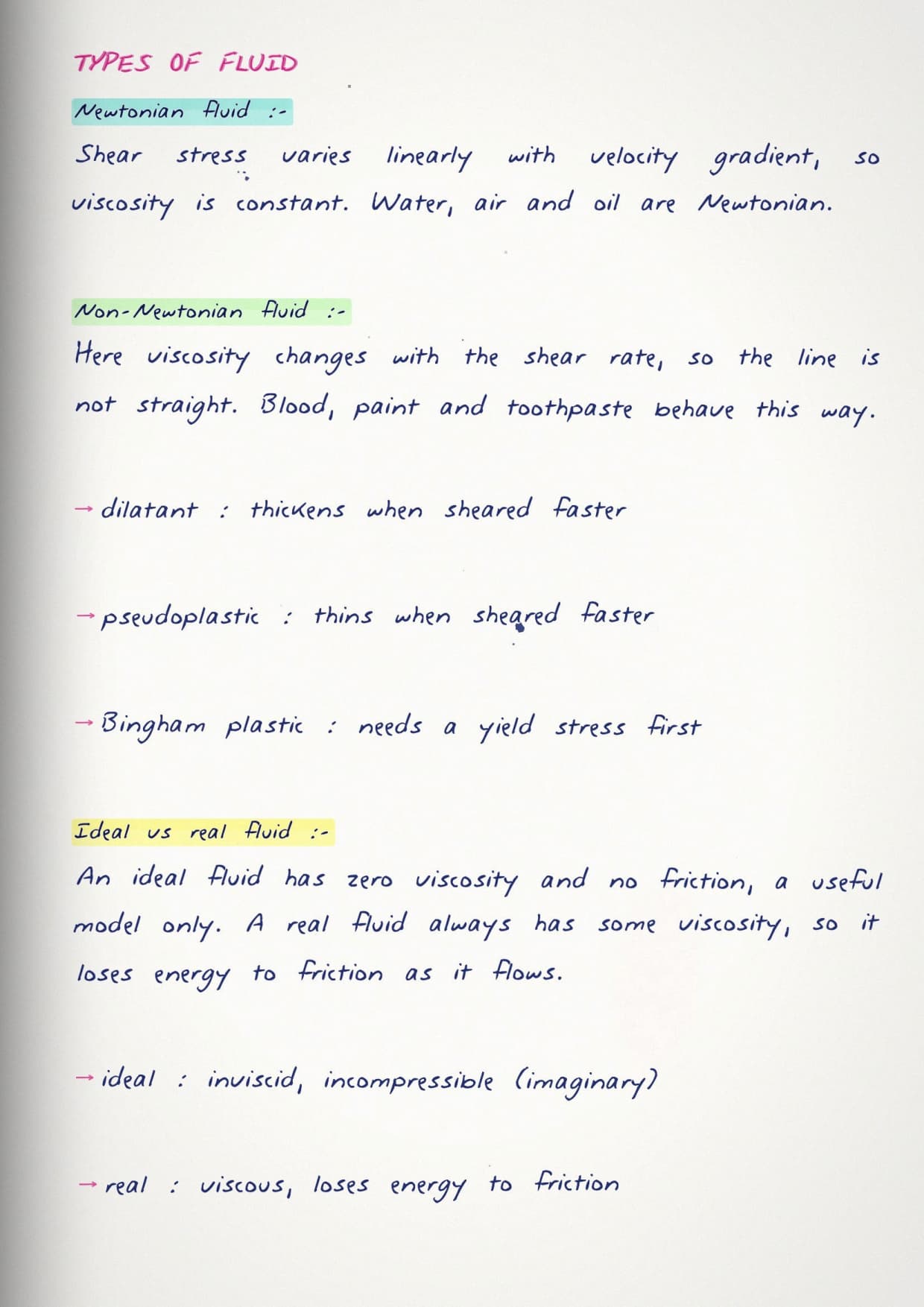
- Fluid properties: density, viscosity, surface tension and capillarity.
- Fluid statics and manometry, including pressure measurement.
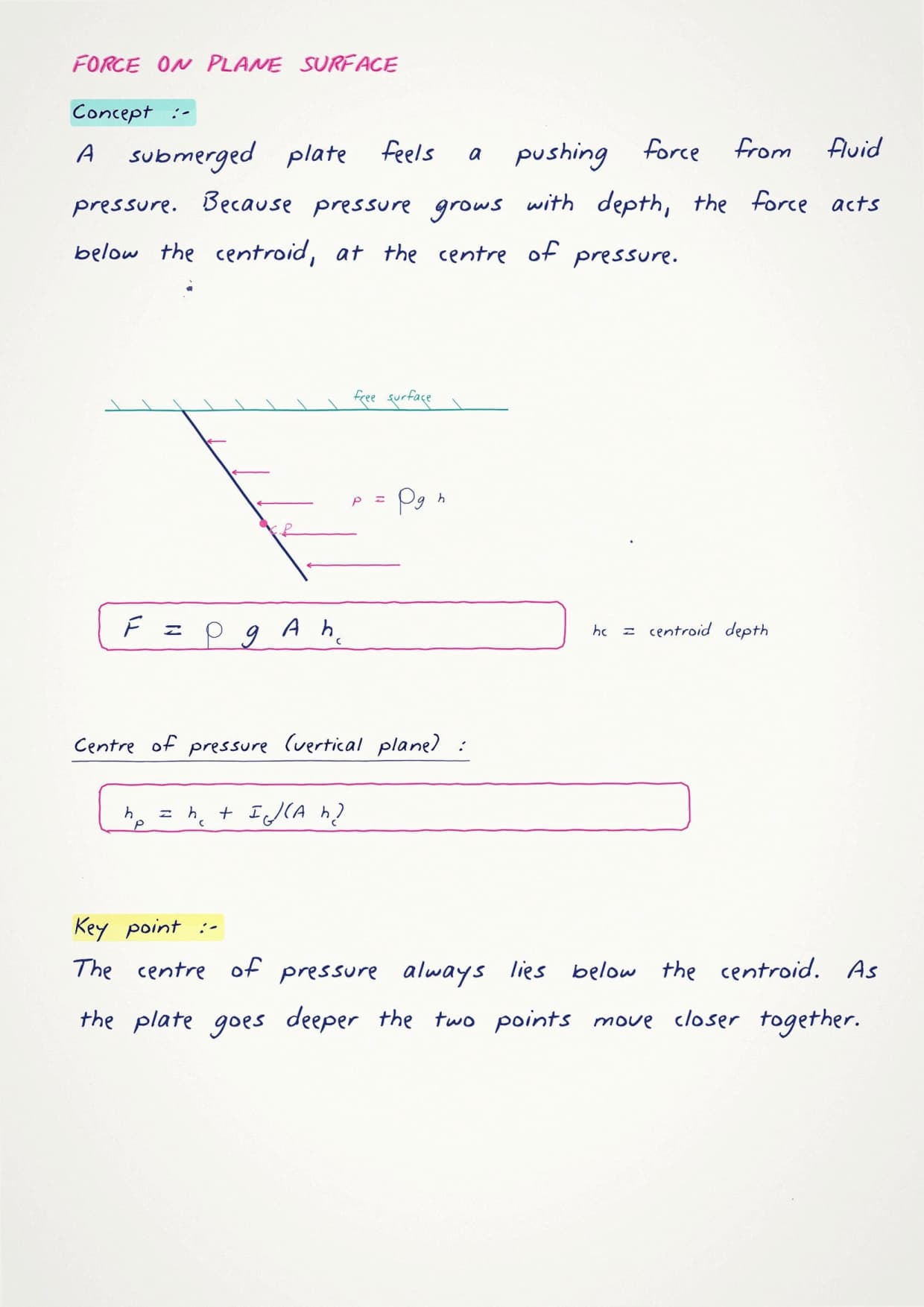
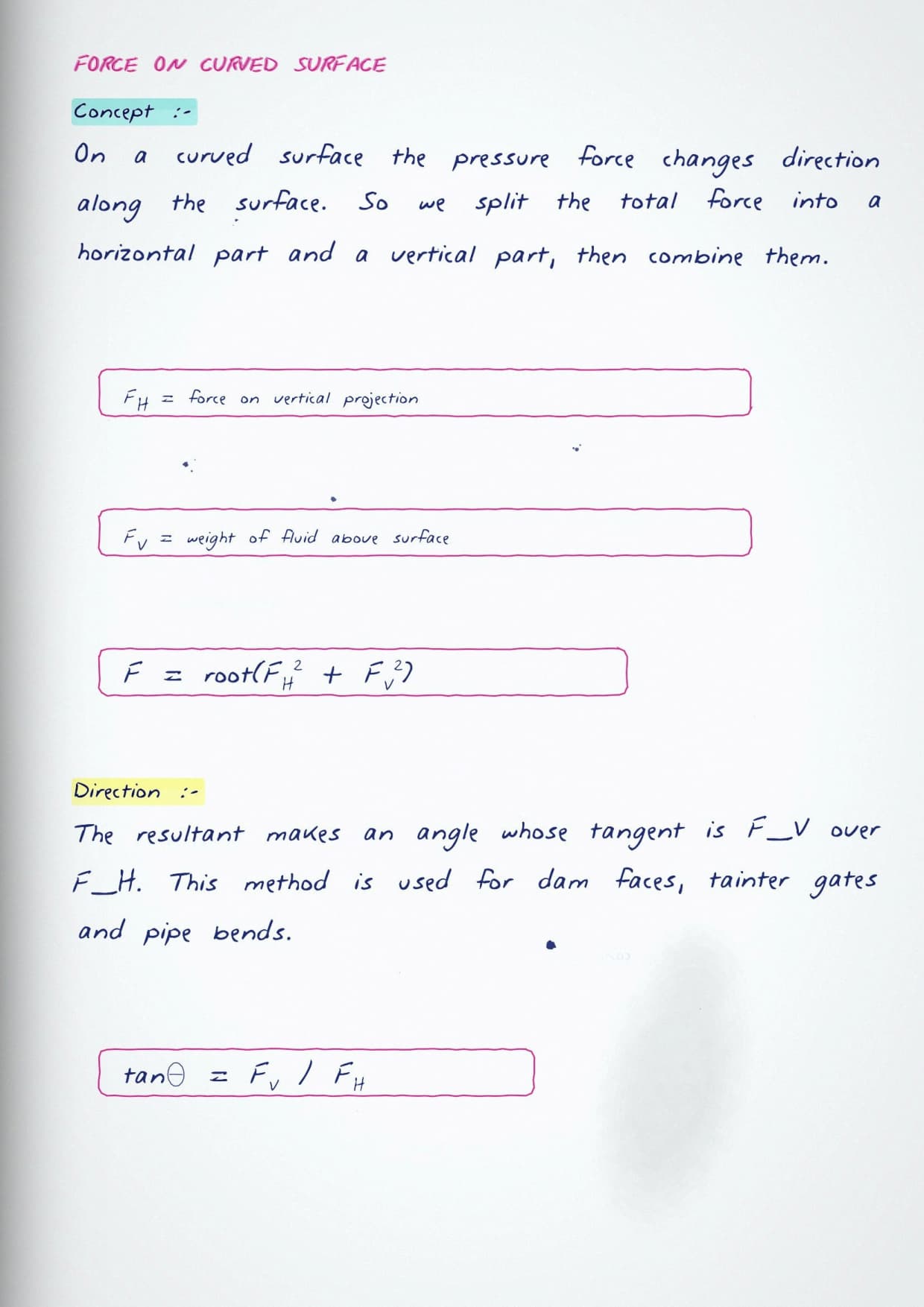
- Hydrostatic force on plane and curved surfaces.
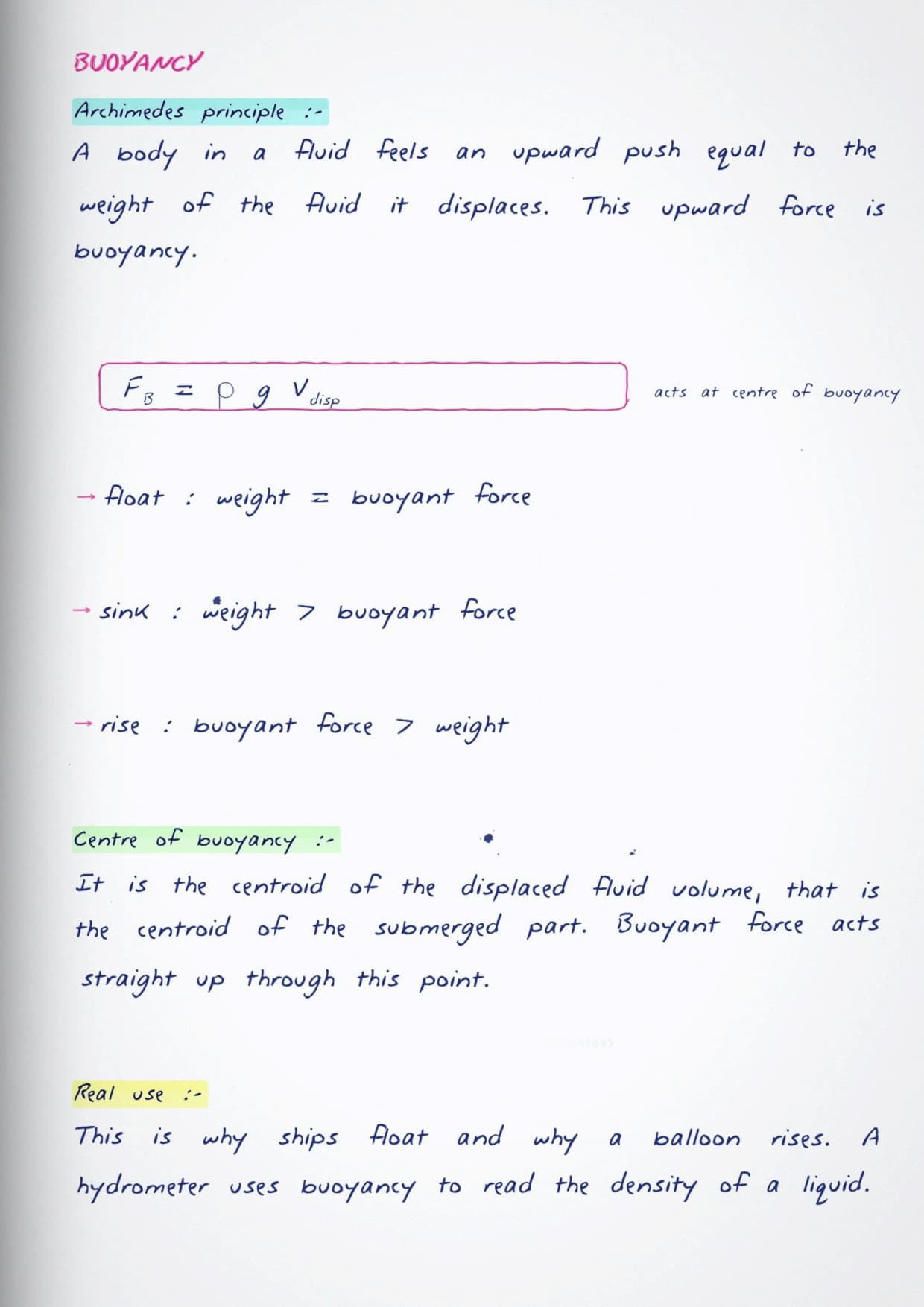
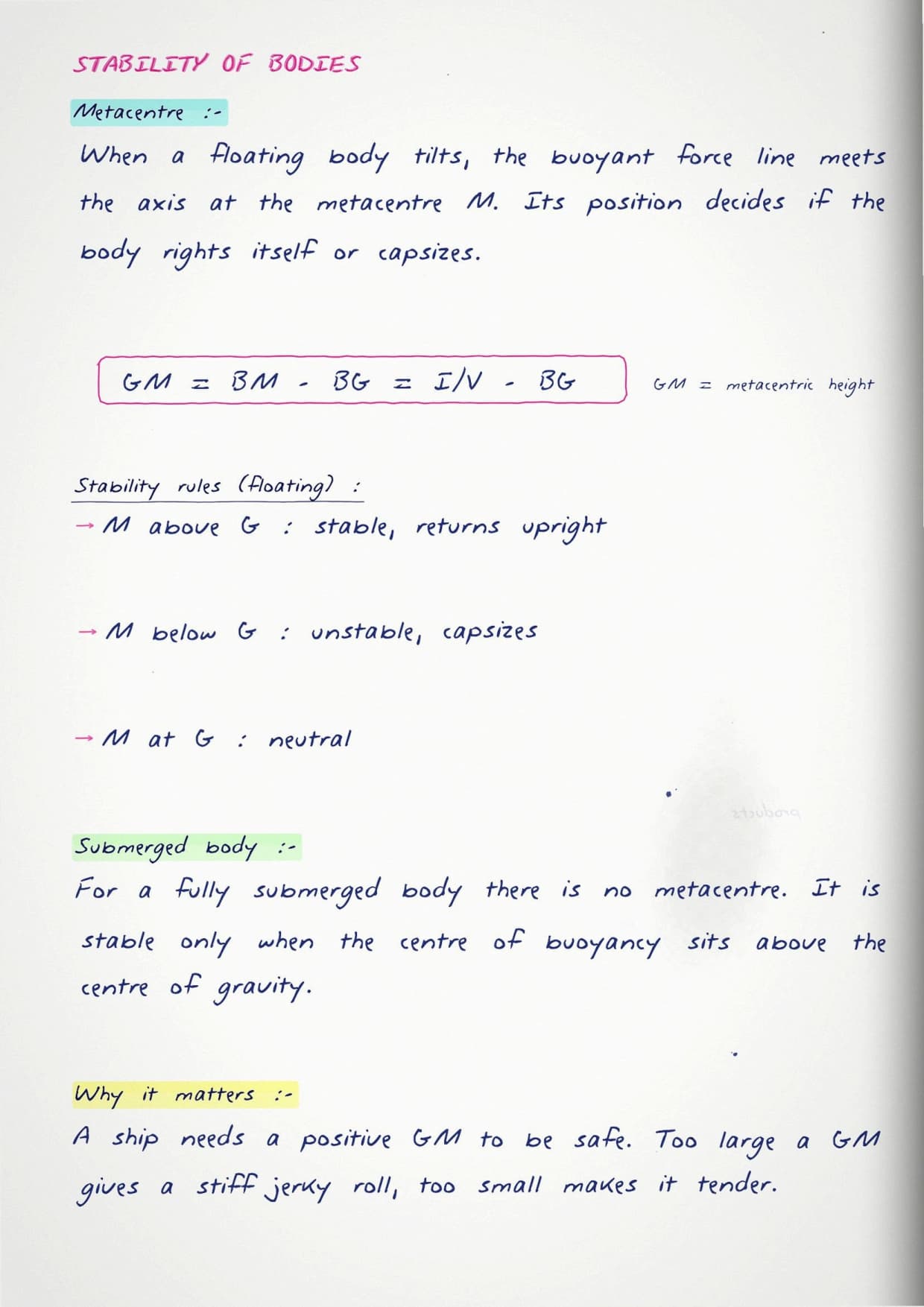
- Buoyancy, metacentre and the stability of floating bodies.
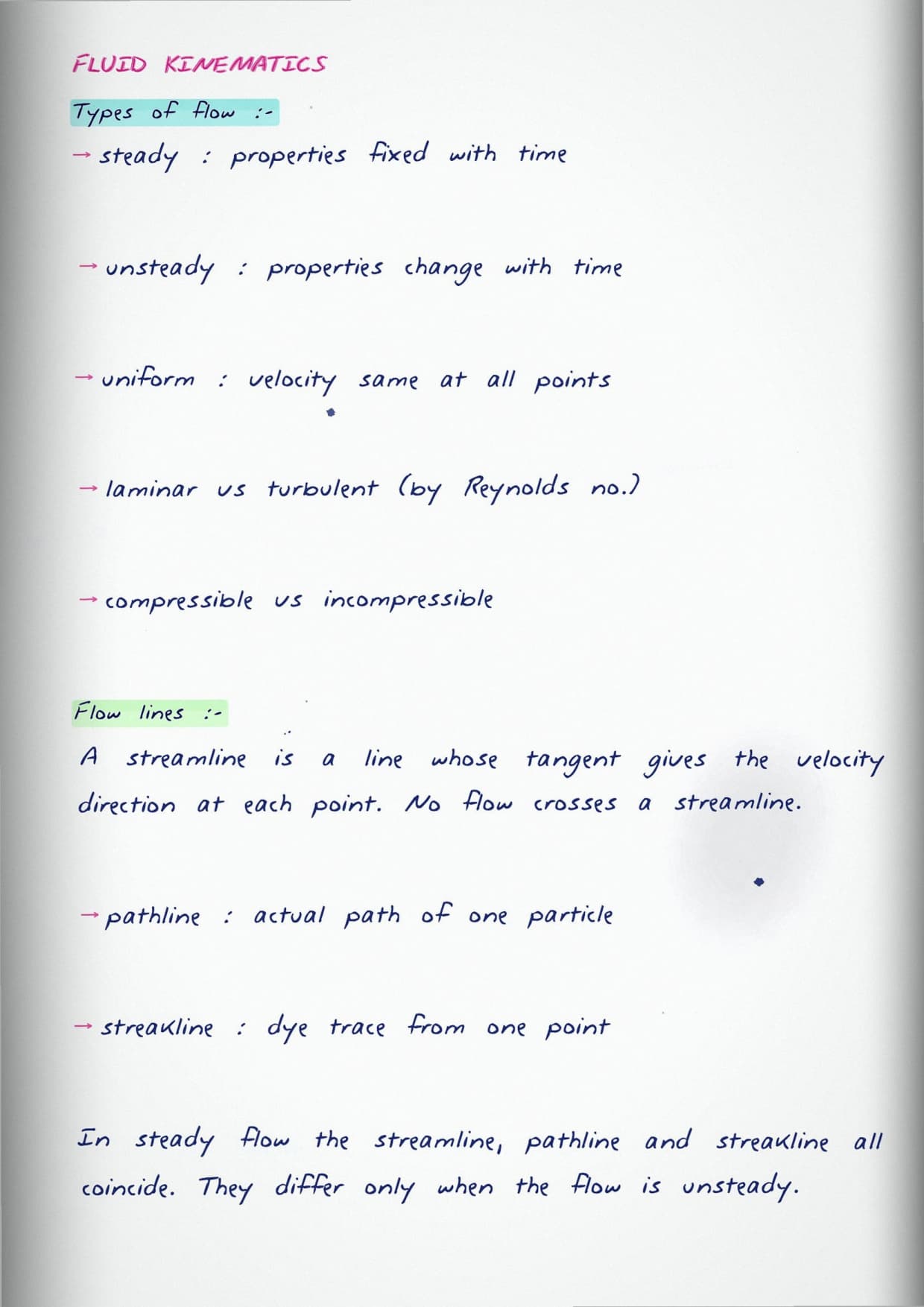
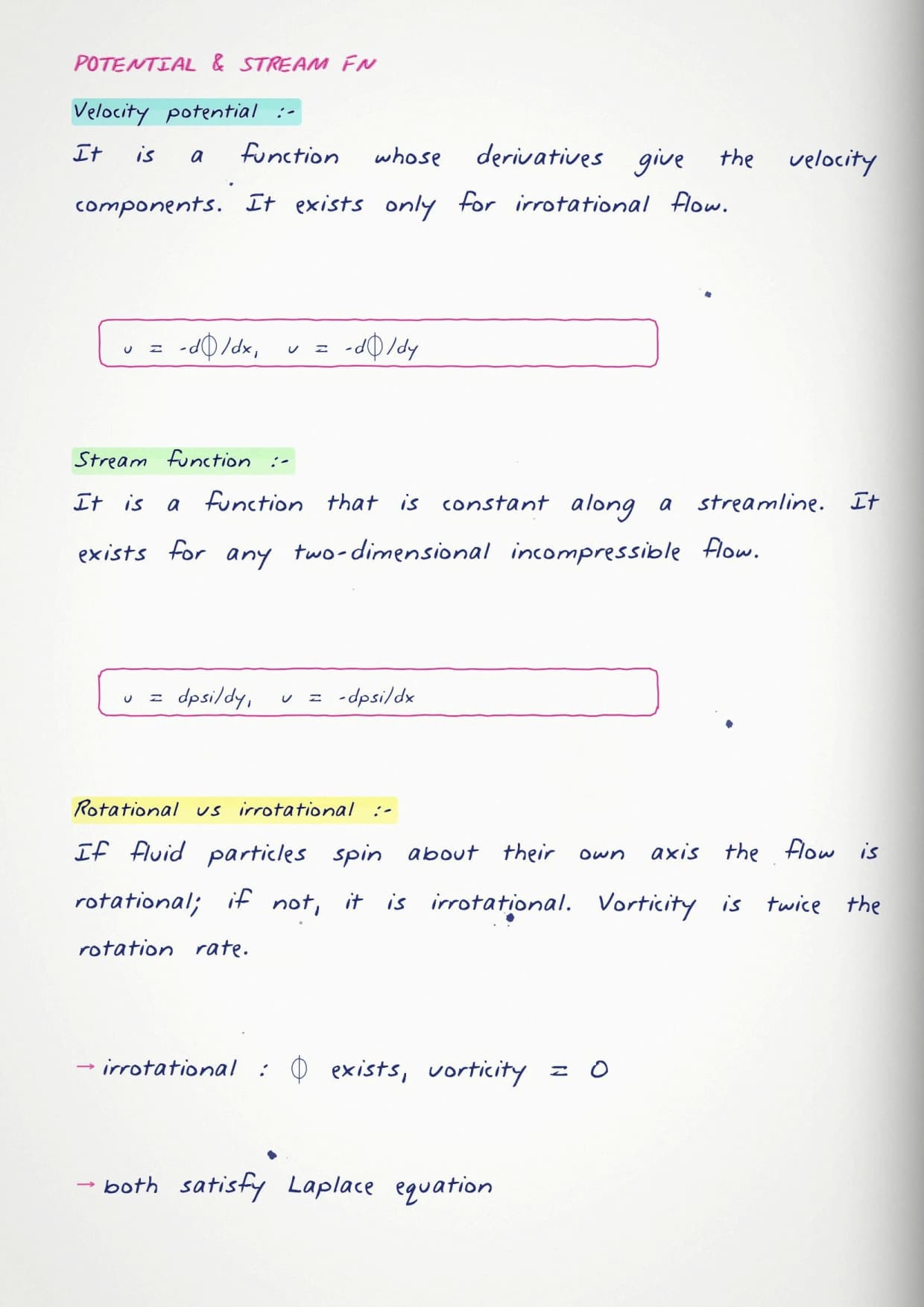
- Fluid kinematics: streamlines, stream function and velocity potential.
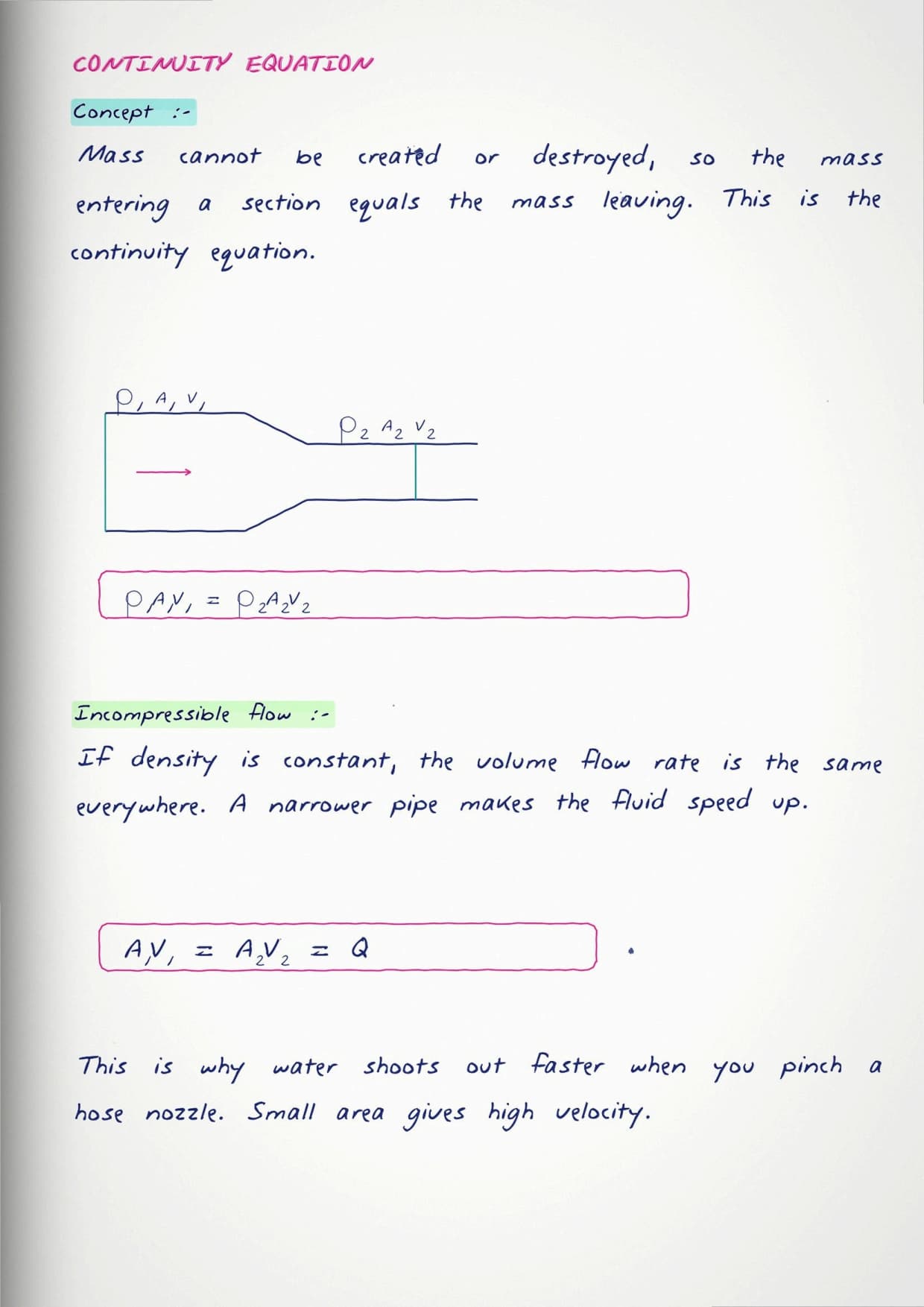
- Continuity equation and rotational versus irrotational flow.
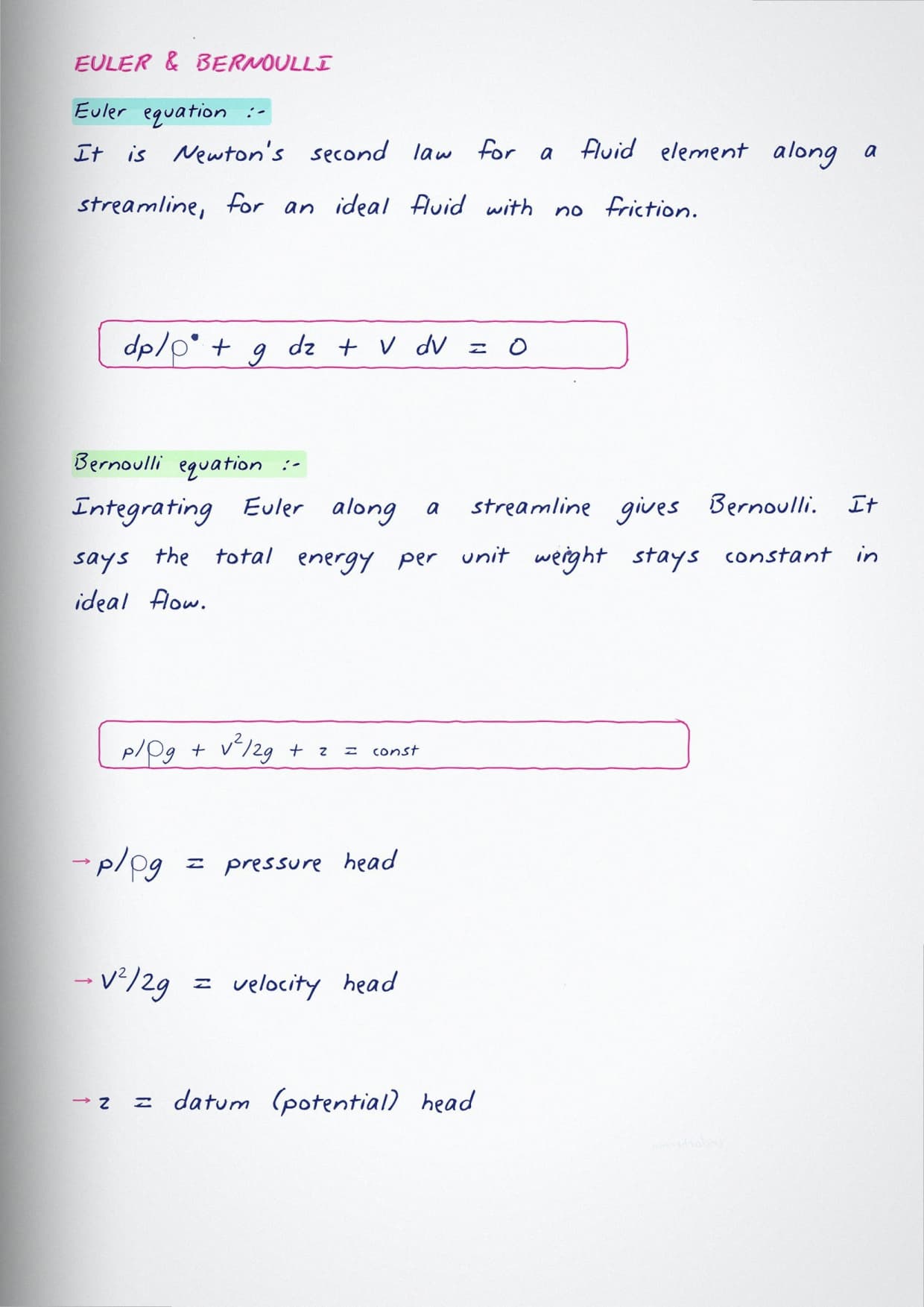
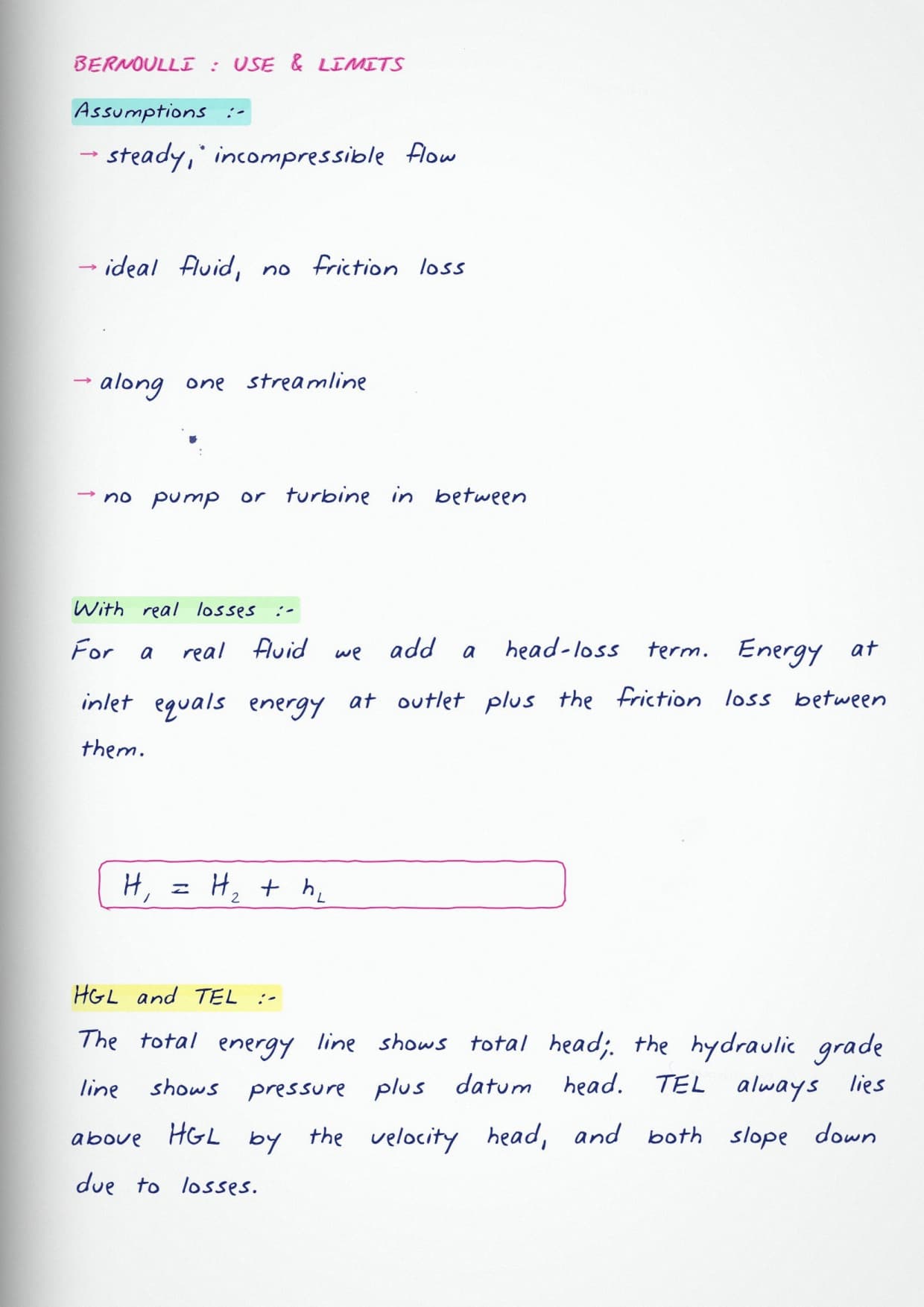
- Euler and Bernoulli equations and their limits.
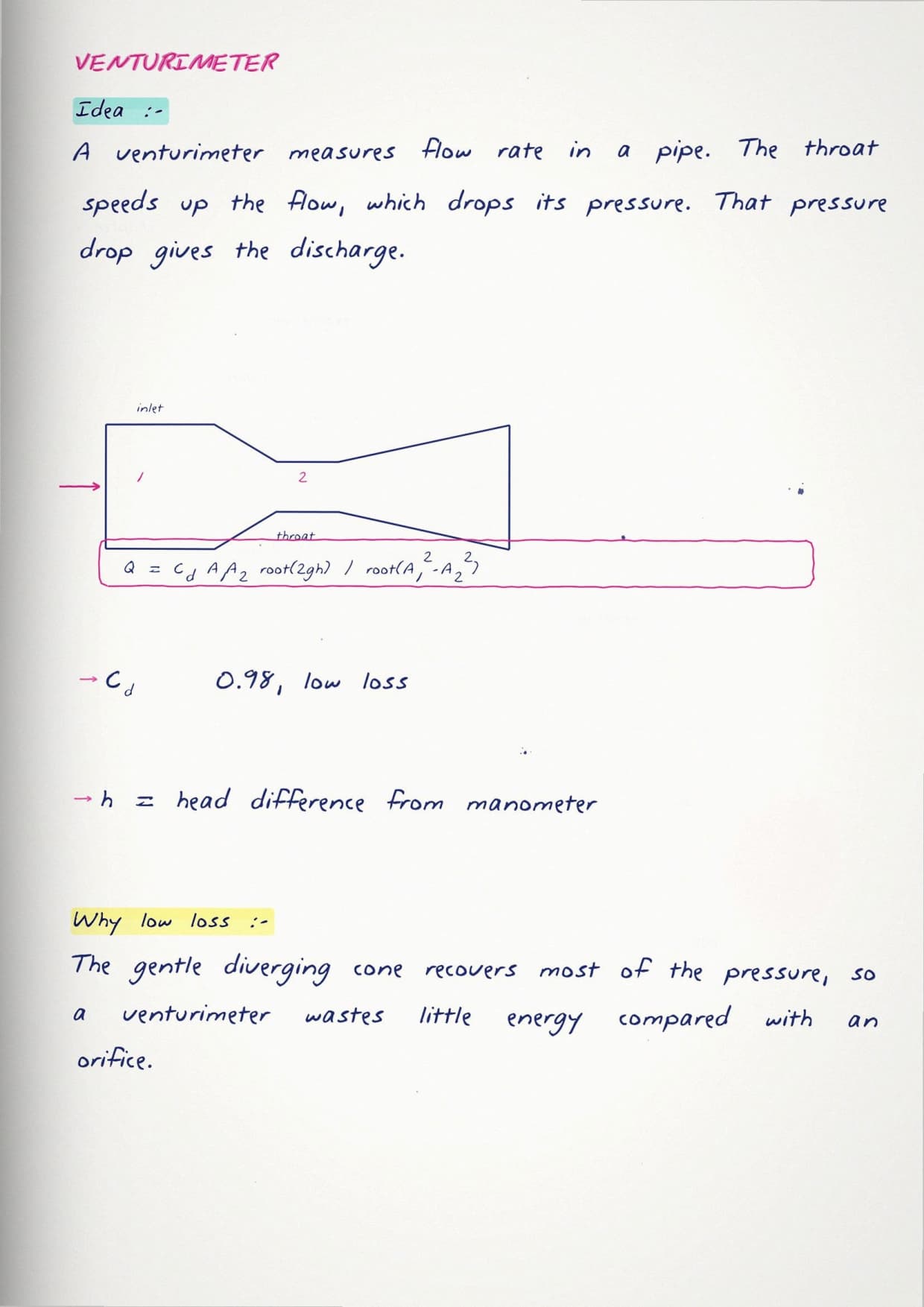
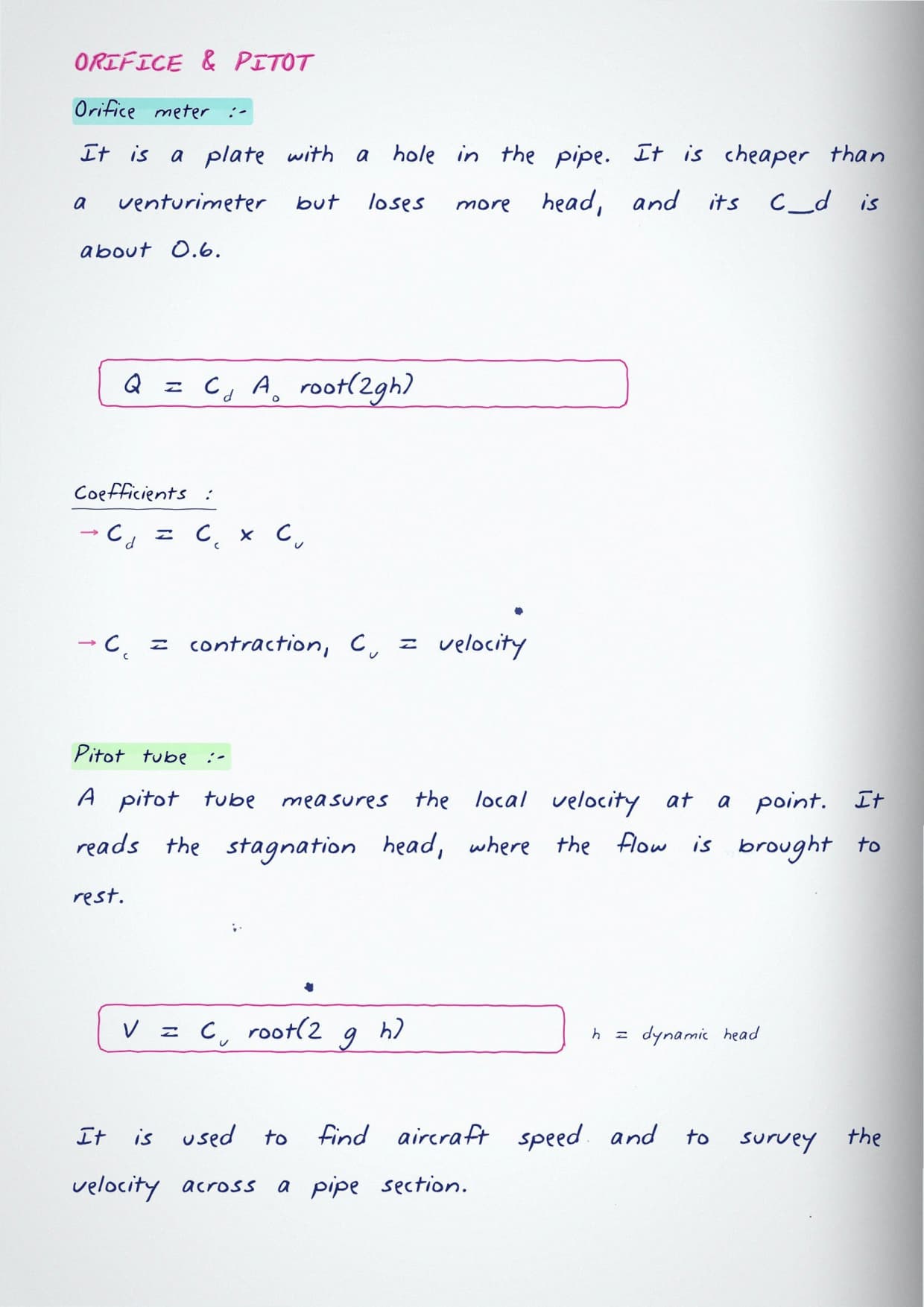
- Flow measurement: venturimeter, orifice meter and pitot tube.
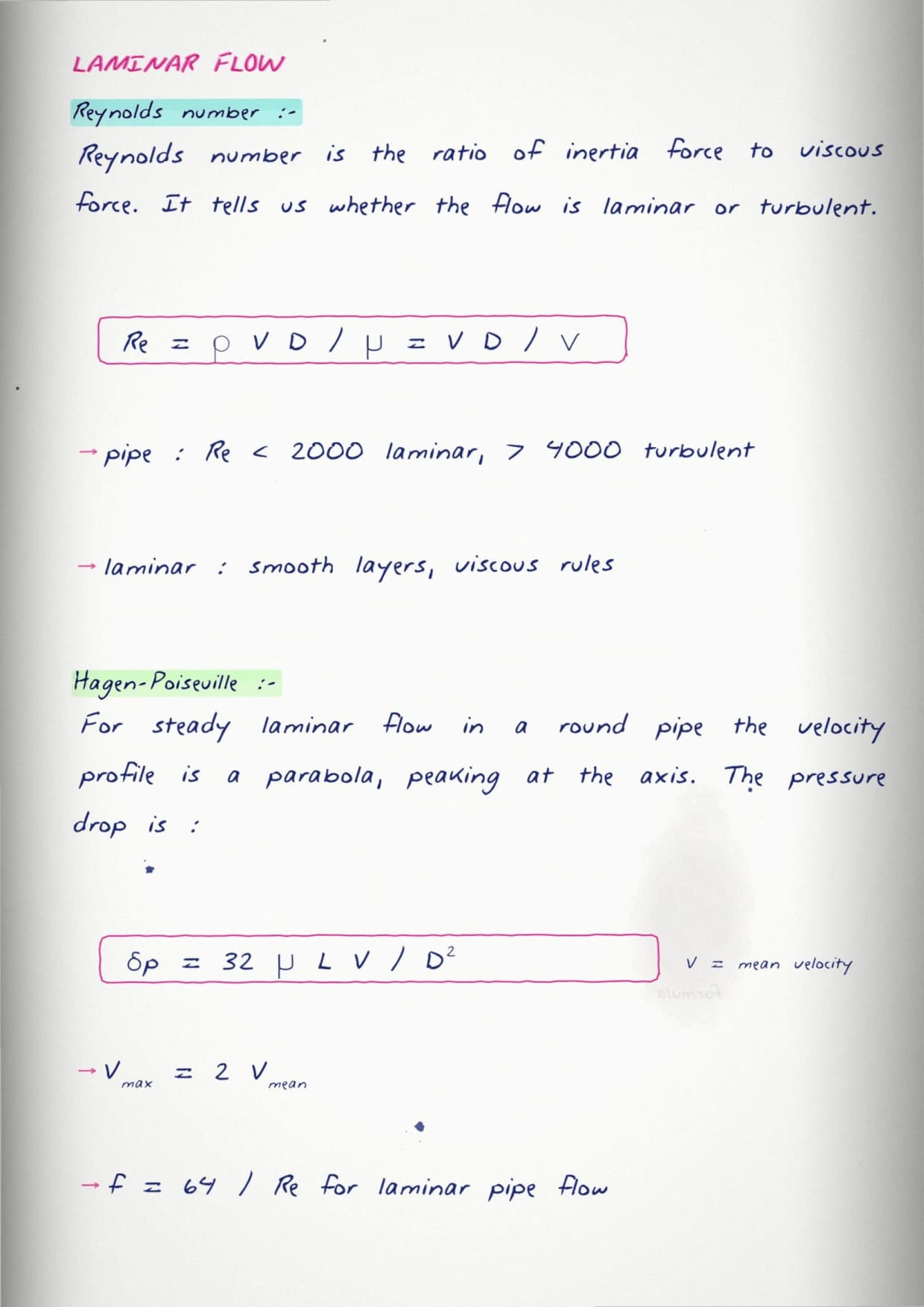
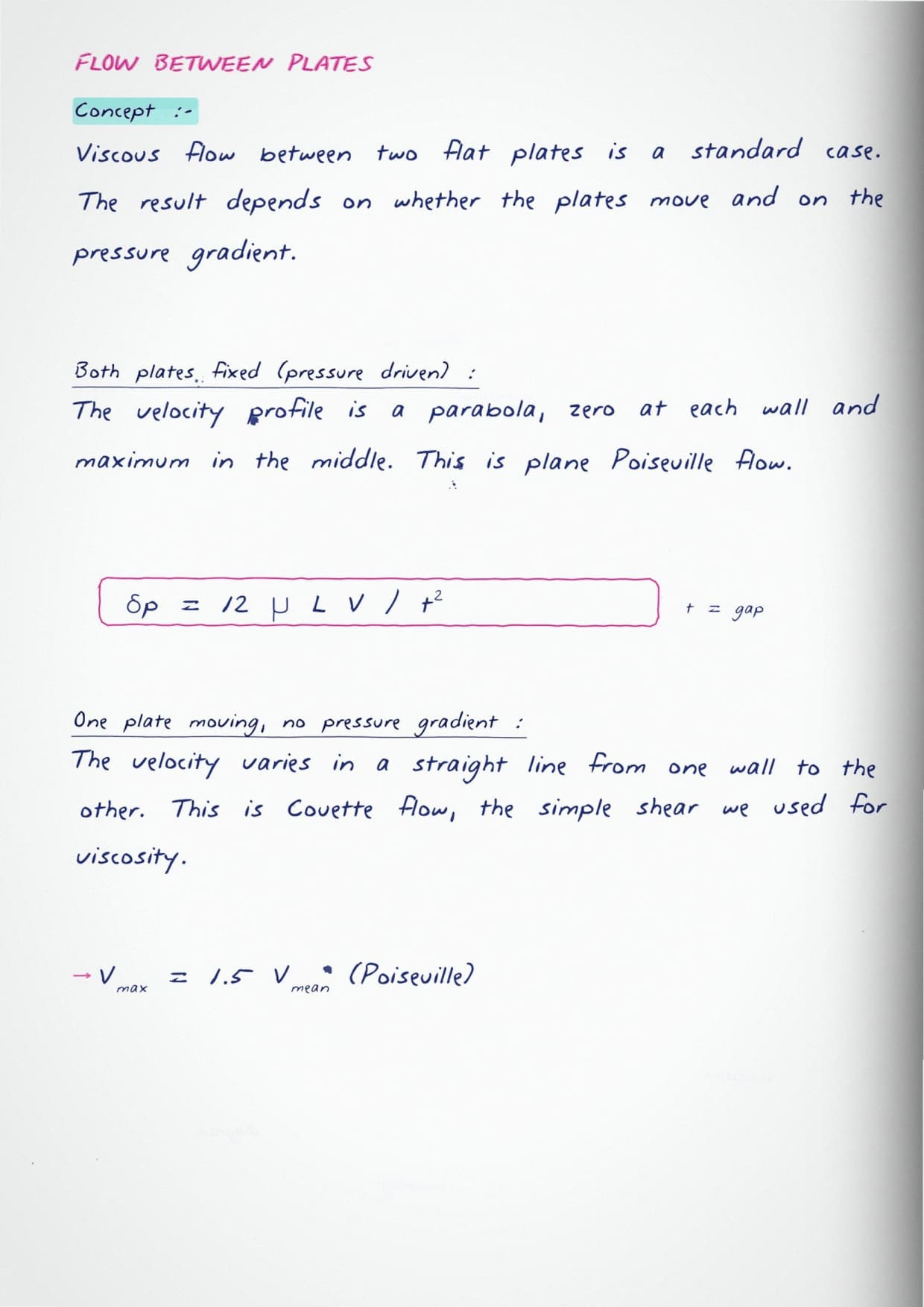
- Laminar flow: Hagen-Poiseuille and flow between plates.
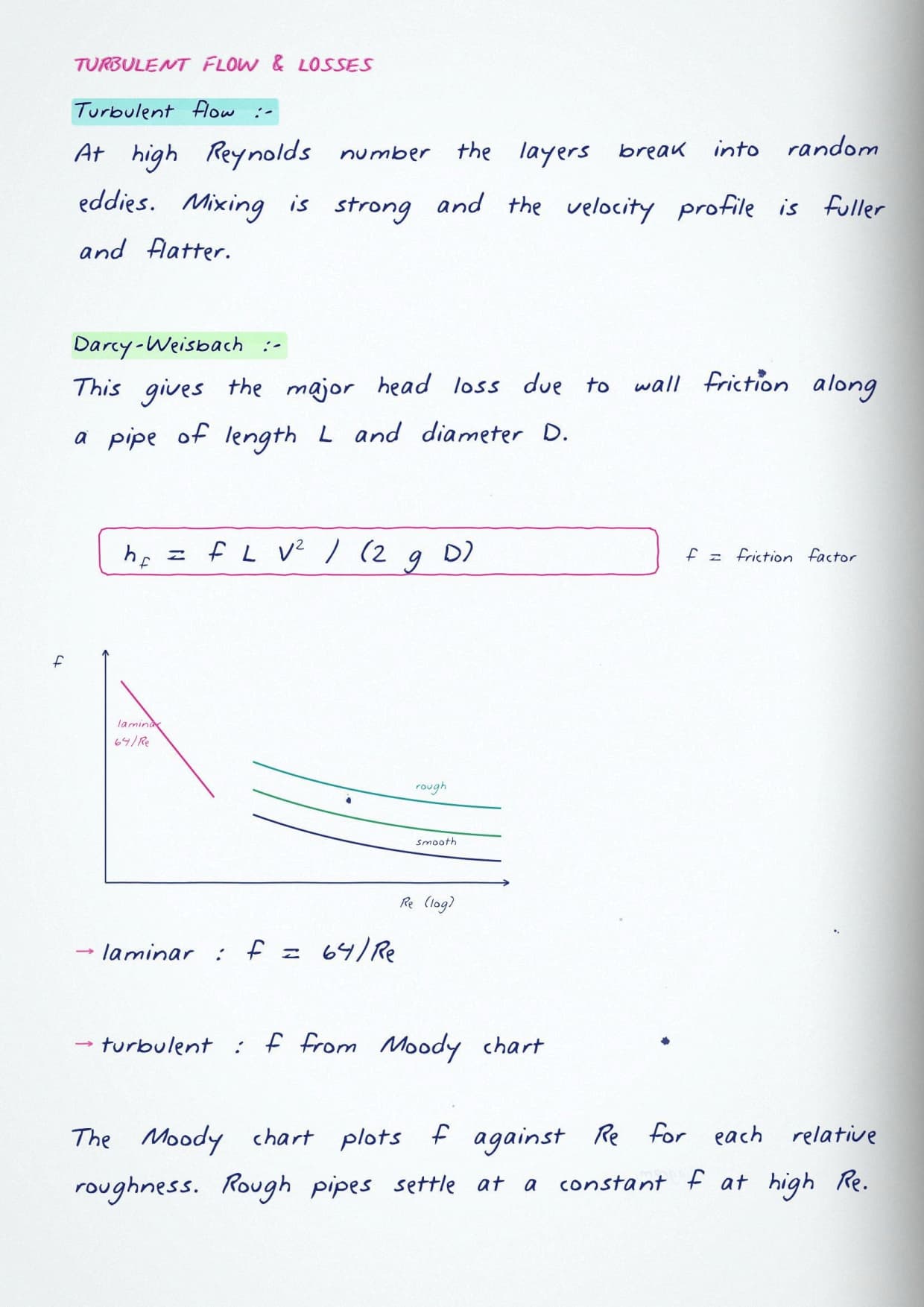
- Turbulent flow and pipe losses: Reynolds number, Darcy friction and the Moody chart.
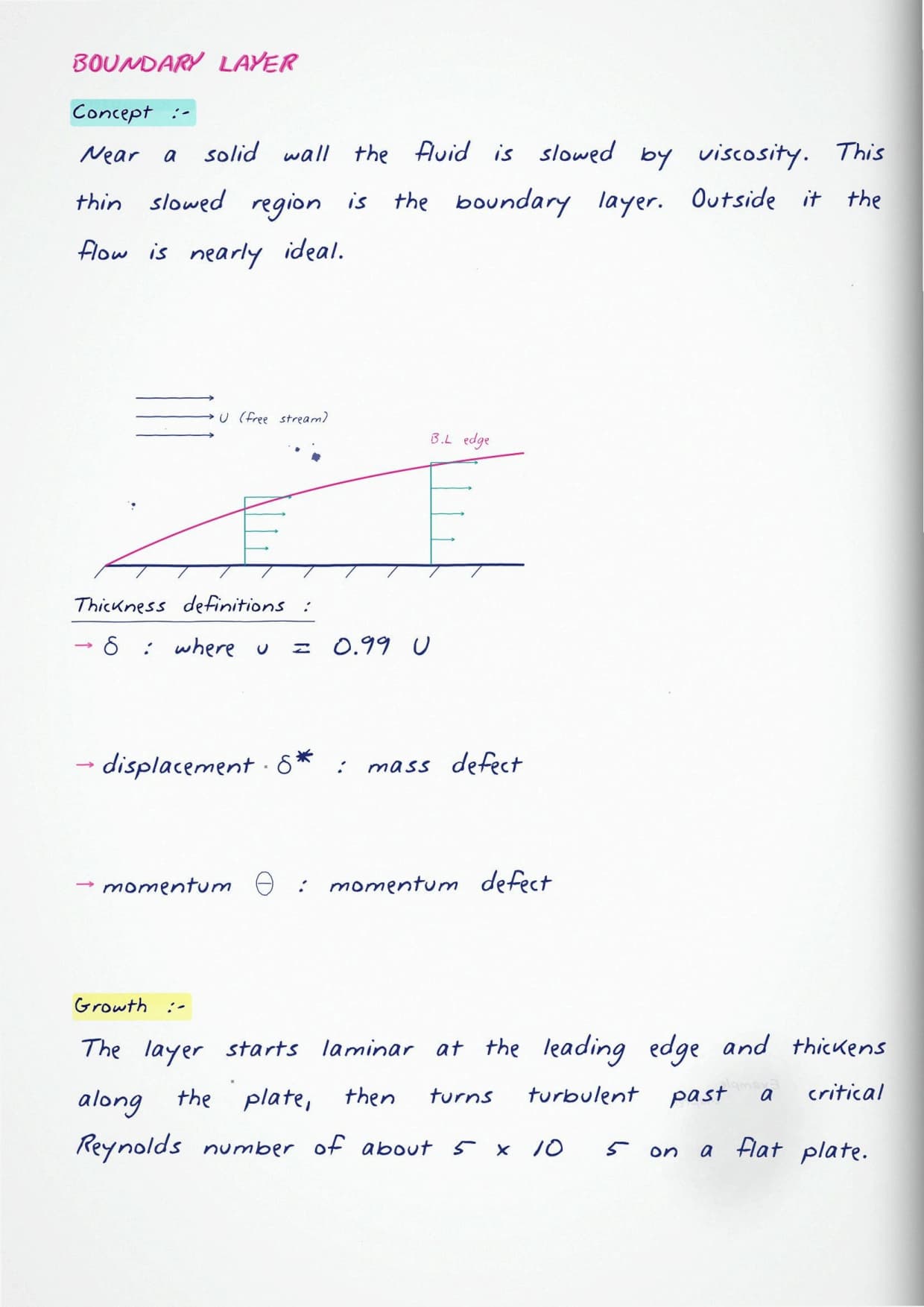
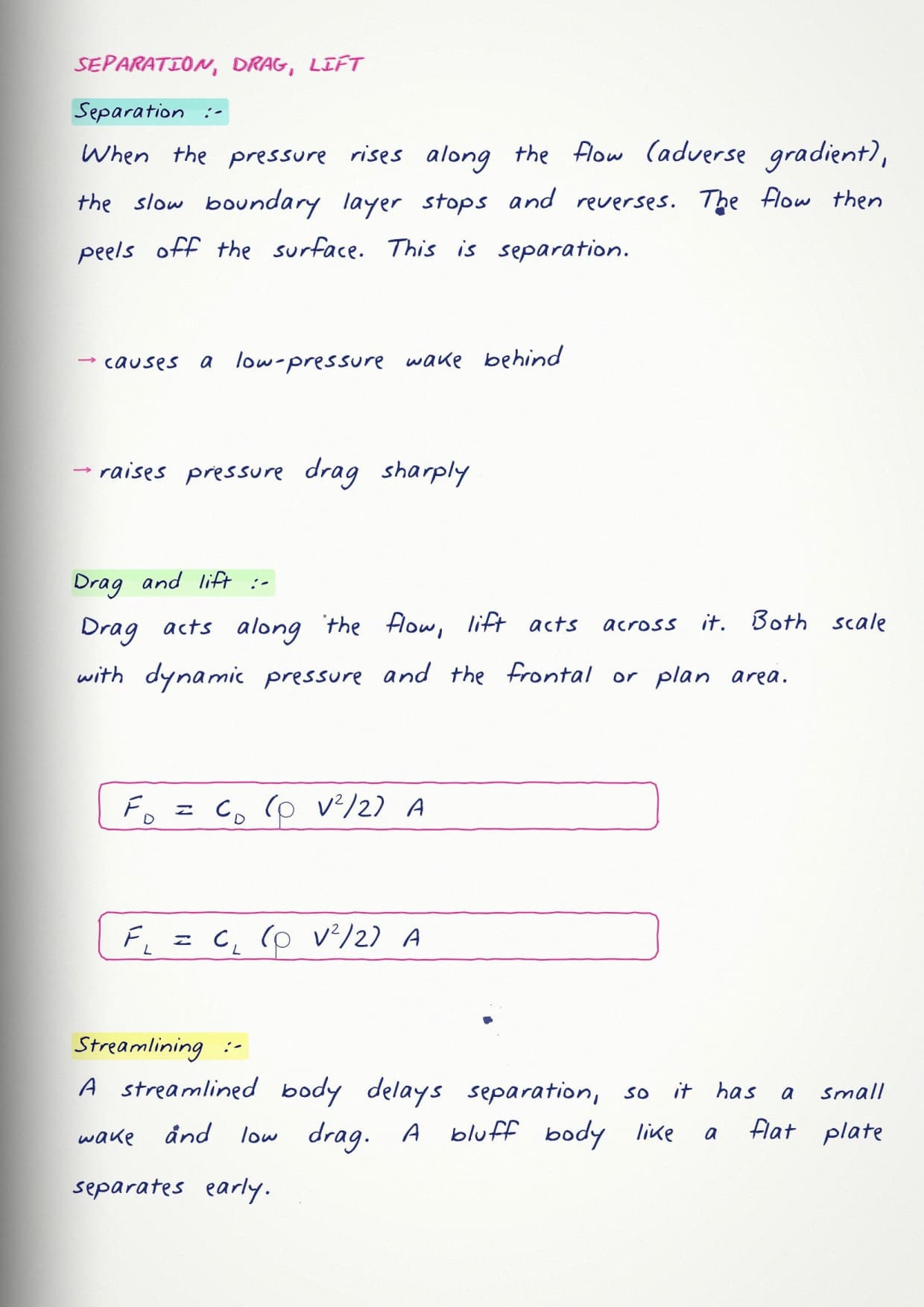
- Boundary layer theory, separation, drag and lift.
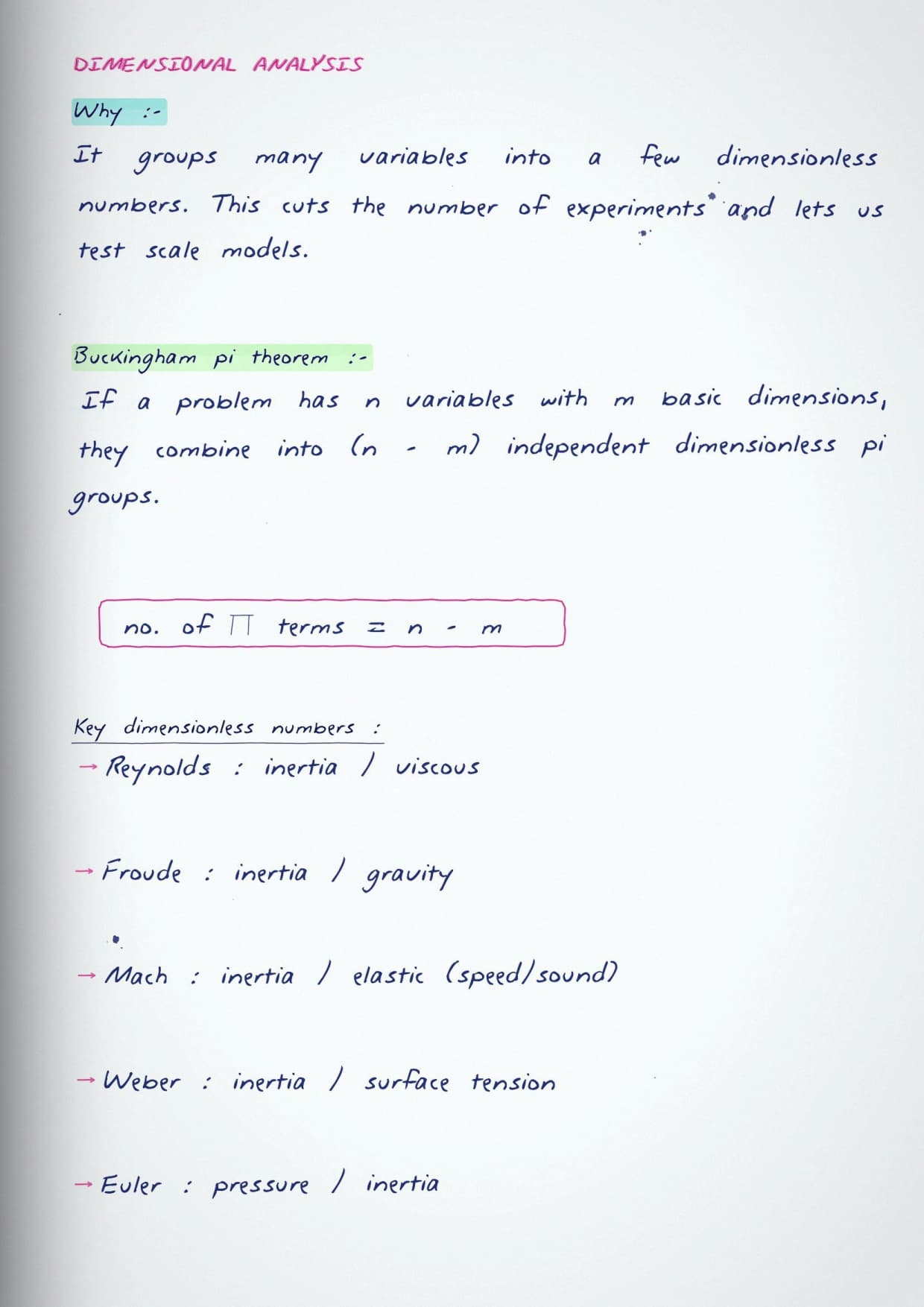
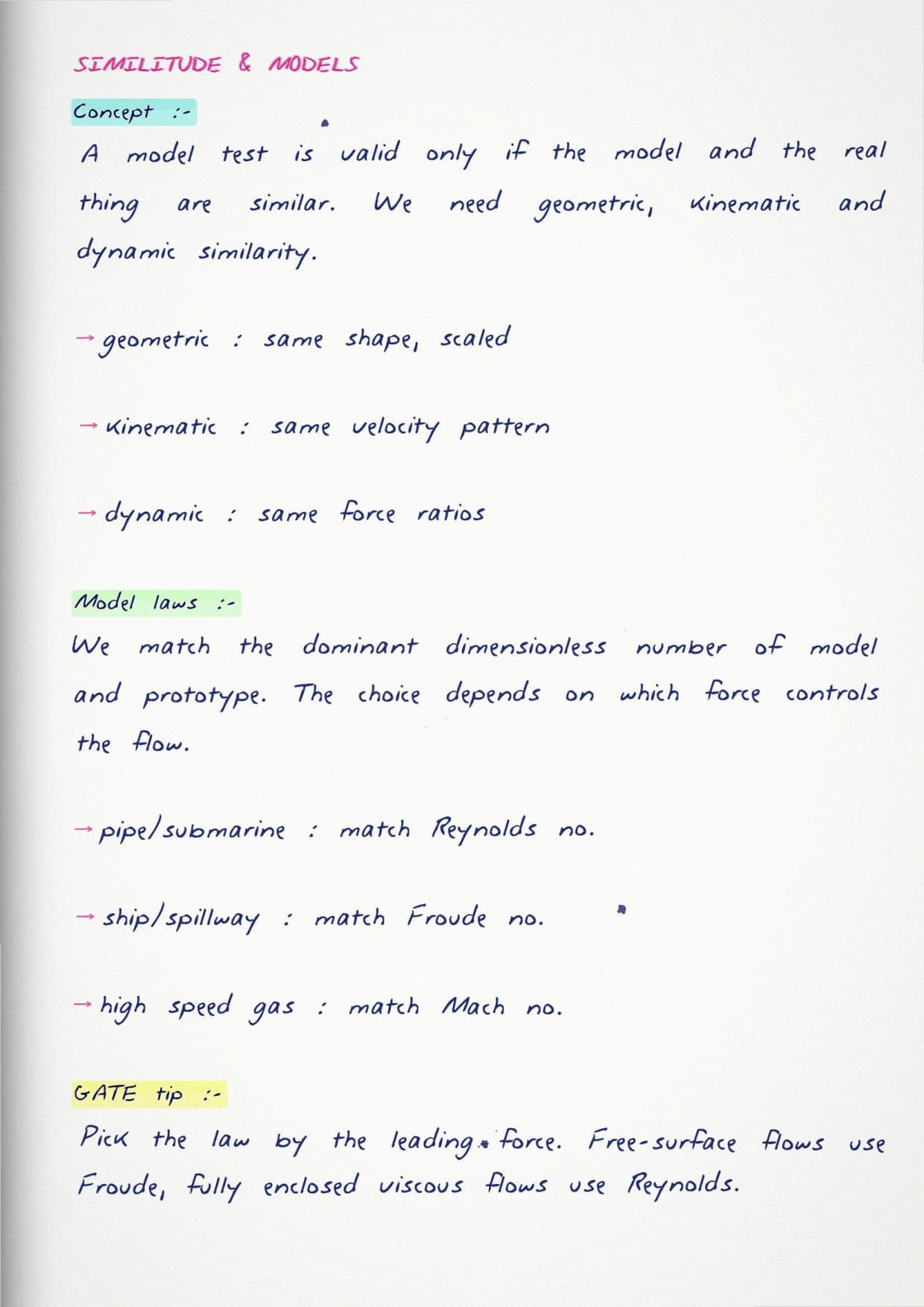
- Dimensional analysis and similitude.
How the Notes Are Organised
A single, consistent order runs through the notes, so you always know where a topic fits in the bigger picture. Derivations are kept short and lead straight to the result, which keeps the reading light without skipping the logic.
- Statics first, then kinematics, then dynamics.
- Losses and boundary layers come last, once the base is set.
- Short derivations, so results stay clear without heavy algebra.
- Linked topics are flagged, such as Bernoulli following from Euler.
- A formula sheet gathers the key results in one place.
Important Topics in GATE Fluid Mechanics
A handful of results turn up in the GATE paper almost every year, and getting them right often decides a close question. The notes give these extra space and state the exact conditions under which each one holds.
- Hydrostatic force acts at the centre of pressure, which lies below the centroid.
- A body floats stably only when the metacentre is above the centre of gravity.
- Bernoulli's equation holds only for steady, incompressible, frictionless flow.
- Venturimeter discharge needs the correct coefficient of discharge.
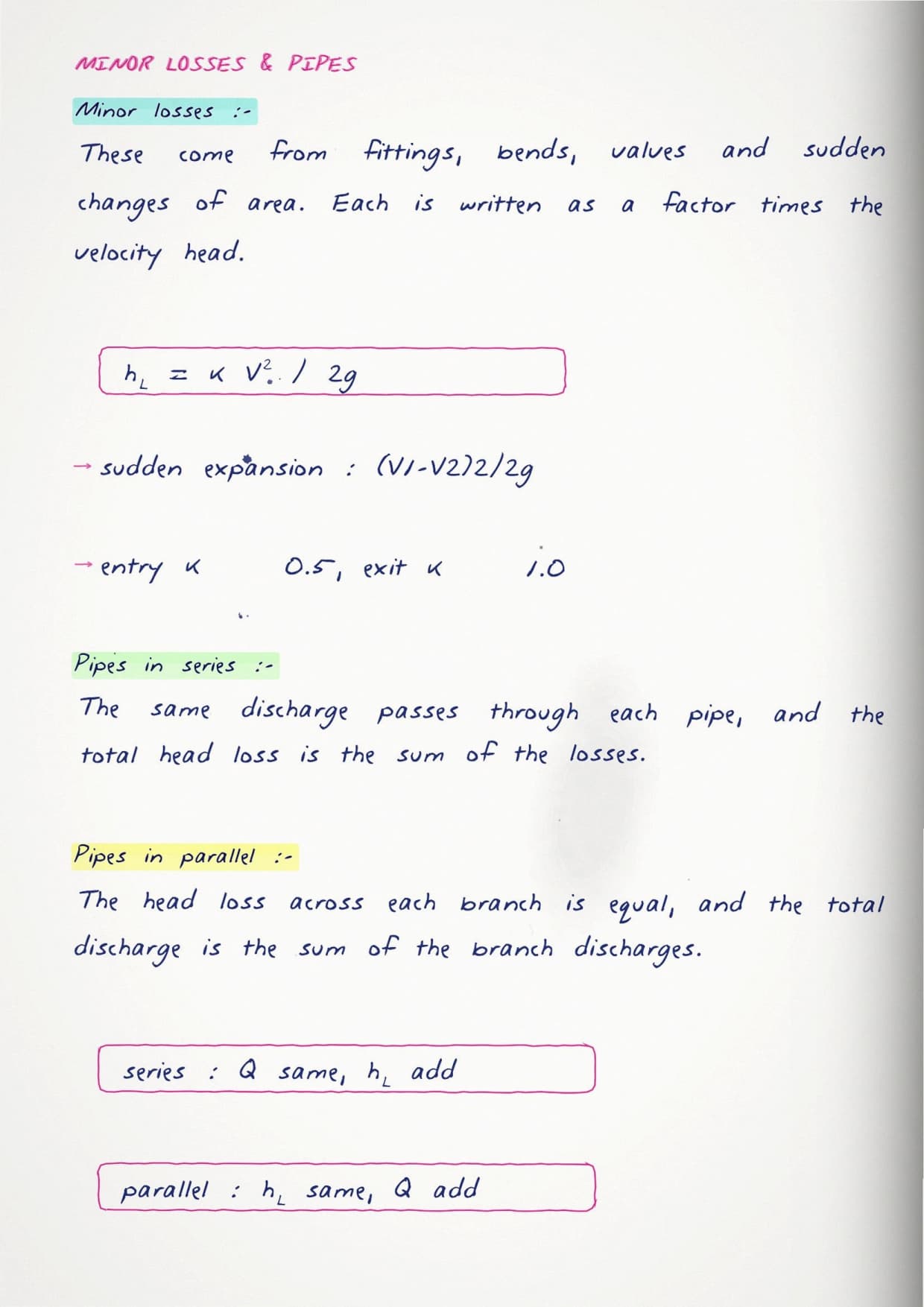
- Major loss uses the Darcy-Weisbach equation, while minor losses come from fittings.
- Boundary layer separation is what causes pressure drag on cars and wings.
How GATE Fluid Mechanics Links to Other Subjects
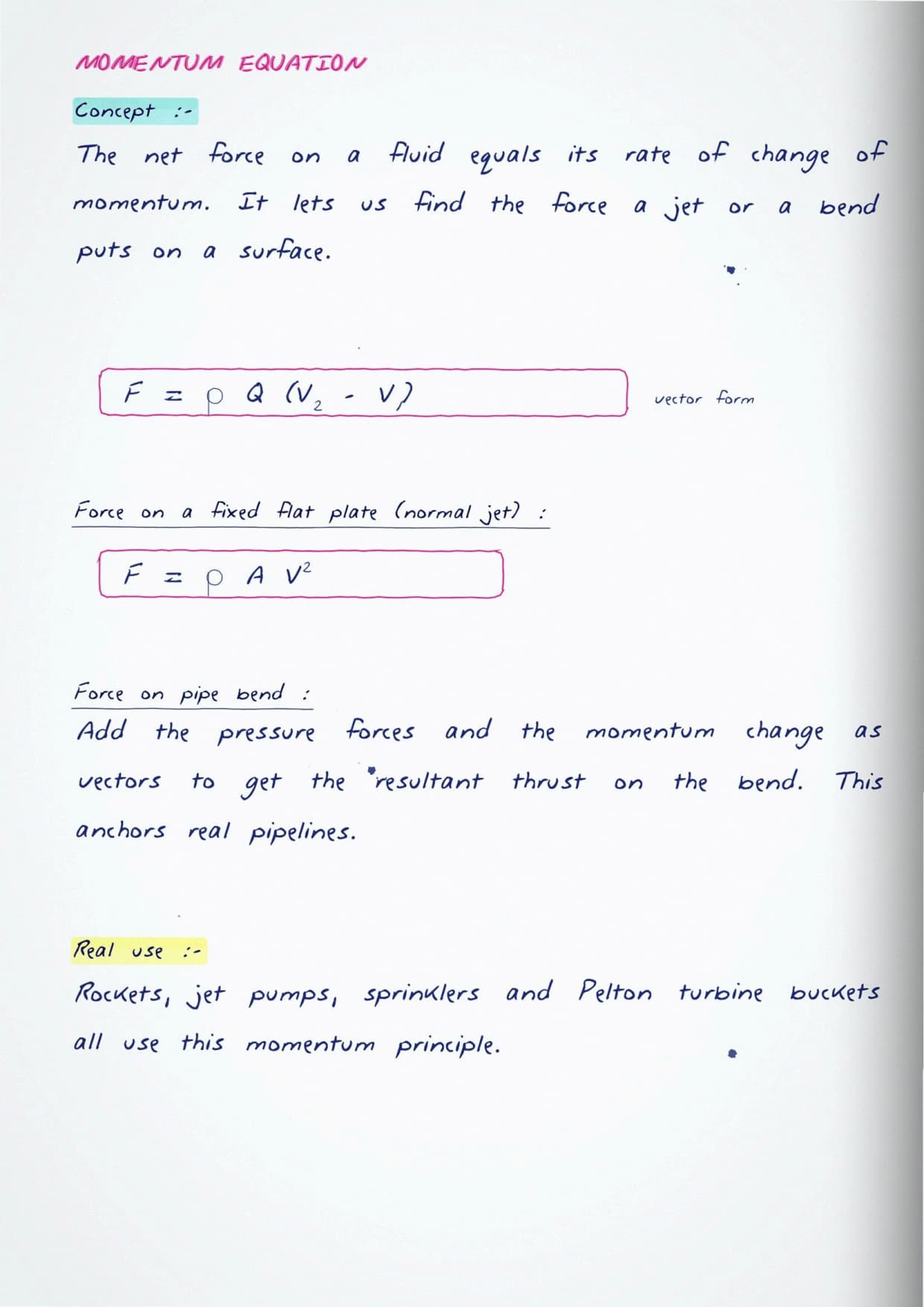
Fluid Mechanics does not stand alone in the GATE Mechanical paper. The boundary layer ideas return in convection heat transfer, while Bernoulli and the momentum equation are the starting point for turbomachinery. Pipe losses are used directly in pump and piping problems, and dimensional analysis is used across the thermal and design sections. A strong base here therefore pays off in several other parts of the paper.
How to Prepare GATE Fluid Mechanics with Handwritten Notes
The notes work best with daily problem solving, not on their own. Read a section, write the key formulas from memory, and then solve a few previous year questions on that topic before moving on.
- Read a section, then rewrite the key formulas from memory.
- Solve two or three previous year GATE questions per topic.
- Revise the diagrams for statics and boundary layers.
- In the final week, go over only the formula sheet and the marked traps.
Why These Notes Help You Score Better
Written notes are quicker to revise than a full textbook because the material is already reduced to what the exam asks. The diagrams match what you draw in the exam hall, and the formulas for each topic are grouped together, so a final revision takes far less time than reading a chapter again.
GATE Mechanical Fluid Mechanics Handwritten Notes FAQs
Ques. Do these notes cover the full GATE Mechanical Fluid Mechanics syllabus?
Ans. Yes. The notes run from fluid properties and statics through kinematics, dynamics and pipe flow to the boundary layer, drag, lift and dimensional analysis, so the whole syllabus is in one place.
Ques. Are the notes useful for last-minute revision?
Ans. Yes. The formula sheet and topic-wise order let you revise the full subject quickly, and the marked traps remind you of the mistakes that cost marks.
Ques. Do the notes only list formulas, or explain the topics?
Ans. Each topic is explained in plain language with a short derivation, and then the formula is given, so you understand where the result comes from.
Ques. Can a first-time student use these Fluid Mechanics notes?
Ans. Yes. The plain wording and hand-drawn diagrams make the notes easy to follow, whether you are learning a topic for the first time or revising it.



Comments