




Vibrations is one of the more predictable scoring areas in the GATE Mechanical paper, and most of its questions are formula based. These handwritten revision notes cover the full Vibrations syllabus, from simple harmonic motion to the whirling of shafts, in the order the topics build on each other. They work as a first read for the theory and as a quick revision source in the final week before the exam.
The notes stay close to what GATE actually asks, so students can move from a concept to the numerical without extra reading. They suit both first-time learners and anyone doing a last-week revision.
- Covers the full Vibrations syllabus for GATE Mechanical.
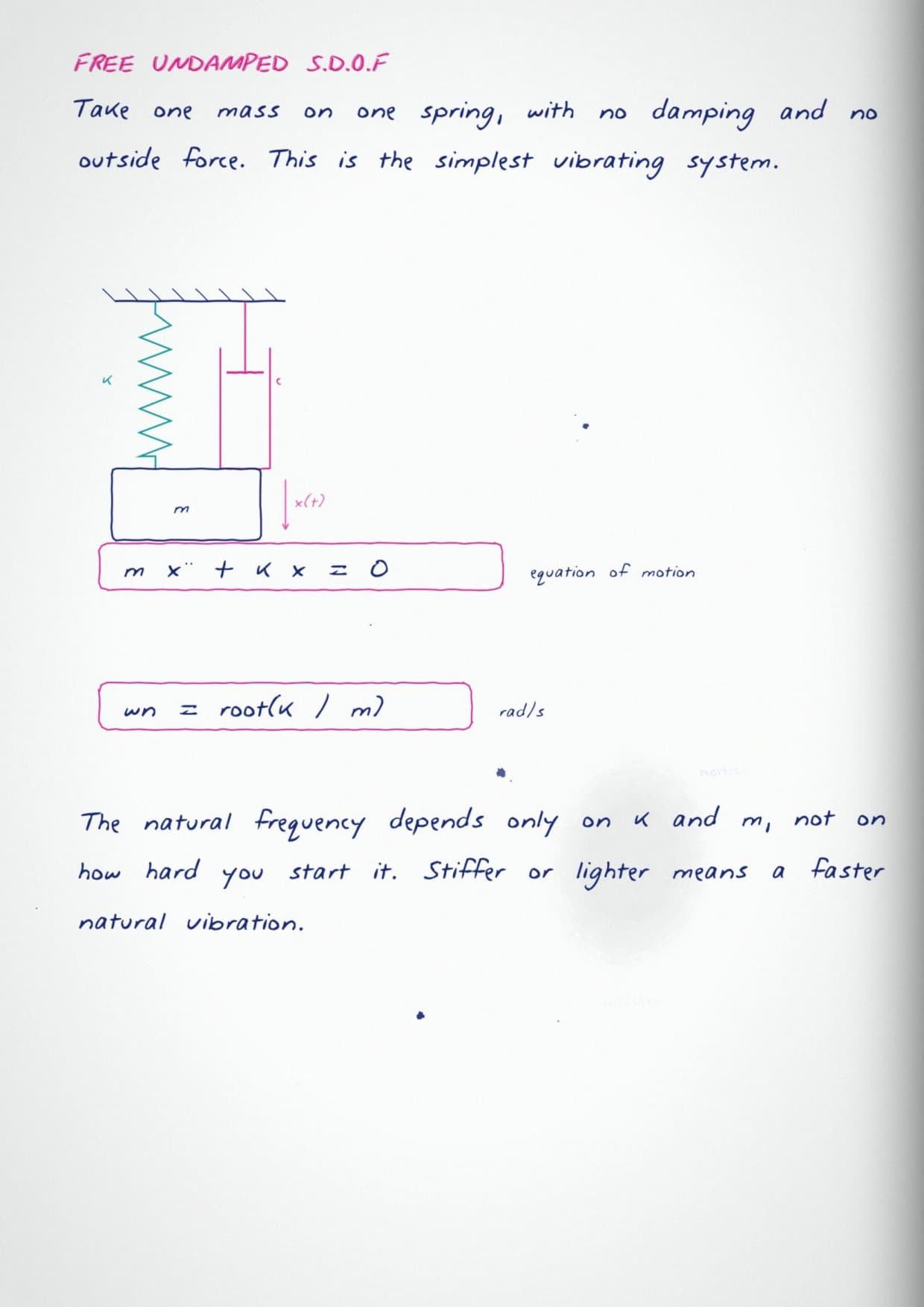
- Hand-drawn diagrams for spring-mass-damper systems, resonance and whirling shafts.
- Includes a quick formula sheet and a common-mistakes page.
What These GATE Vibrations Notes Cover
Each idea is explained in plain language and linked to a real machine, so the theory is easy to picture before the maths begins. Every symbol in a formula is defined, and the standard single degree of freedom results are solved step by step. The notes also point out the errors students most often make in this topic.
- Simple definitions for every term.
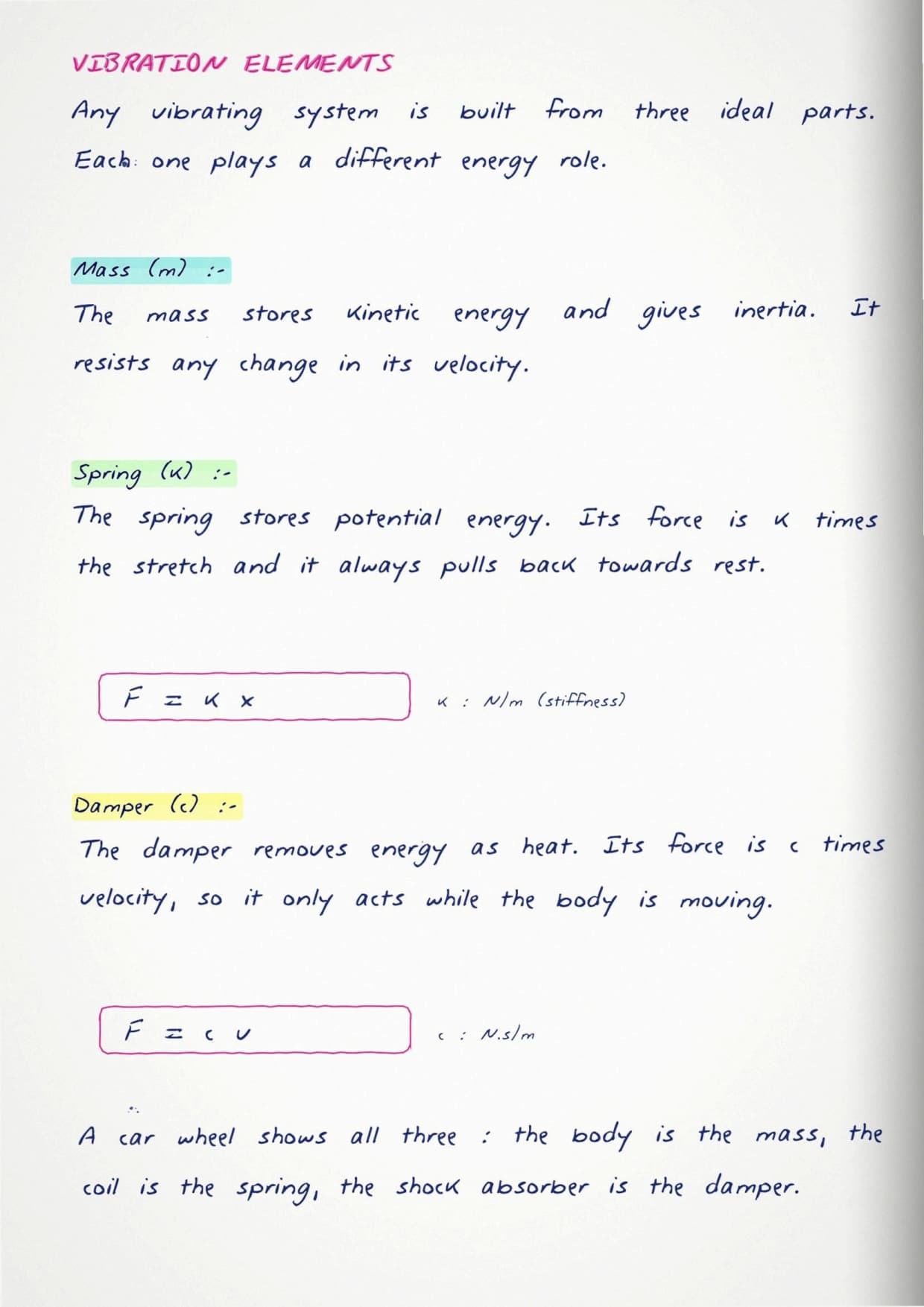
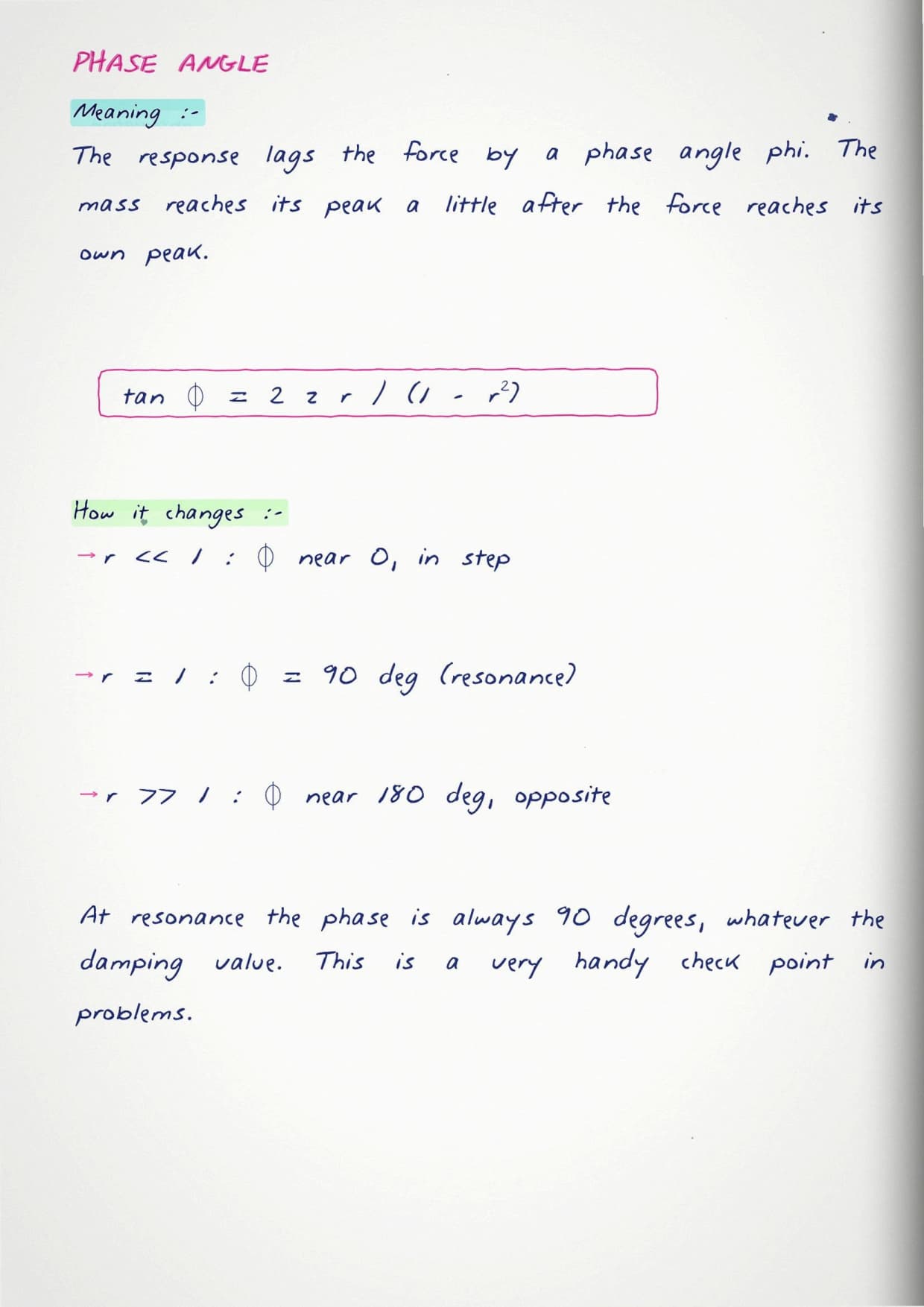
- The physical meaning of natural frequency, damping and resonance.
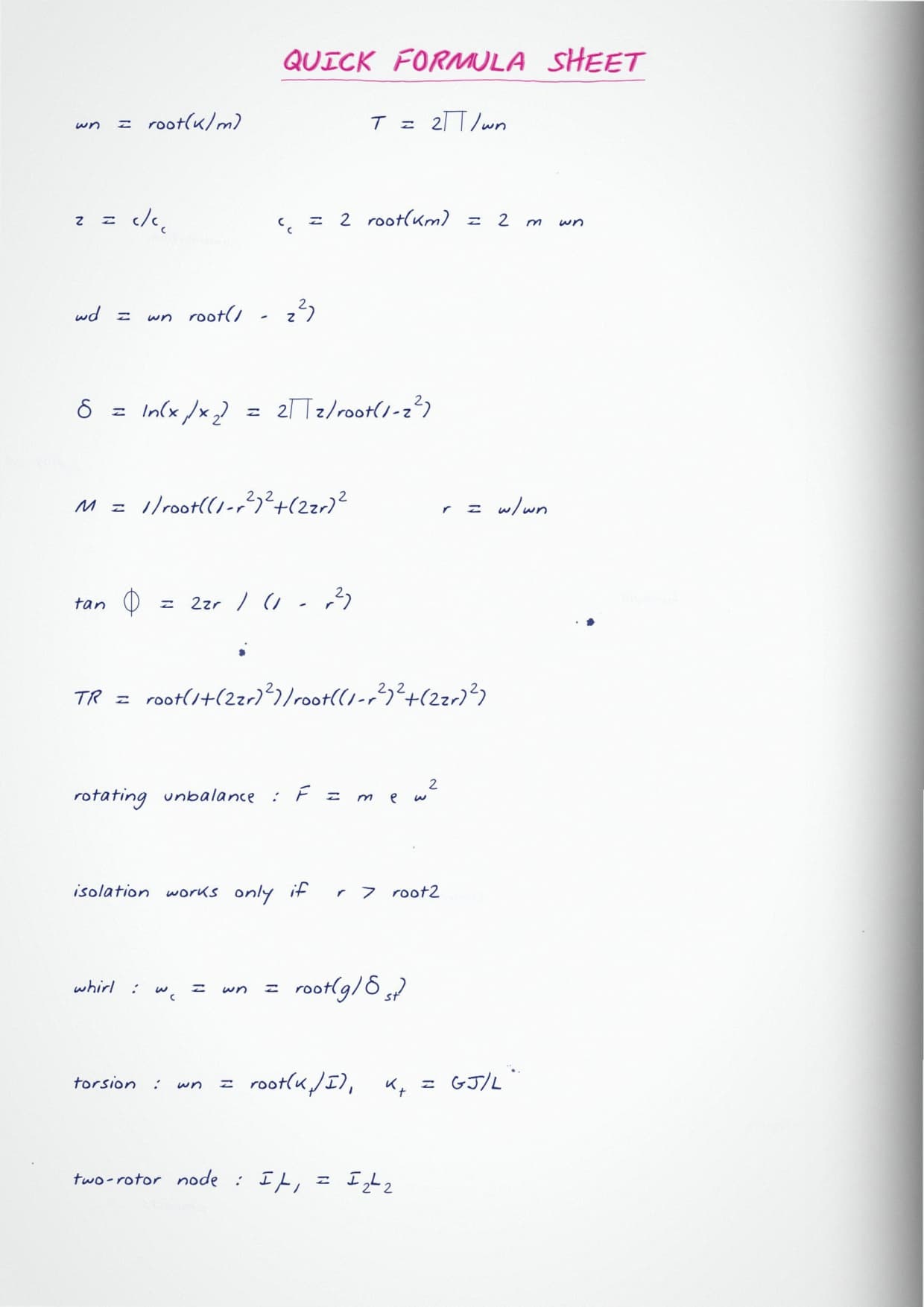
- Key formulas with the meaning of each symbol.
- Step-by-step solutions for standard single degree of freedom systems.
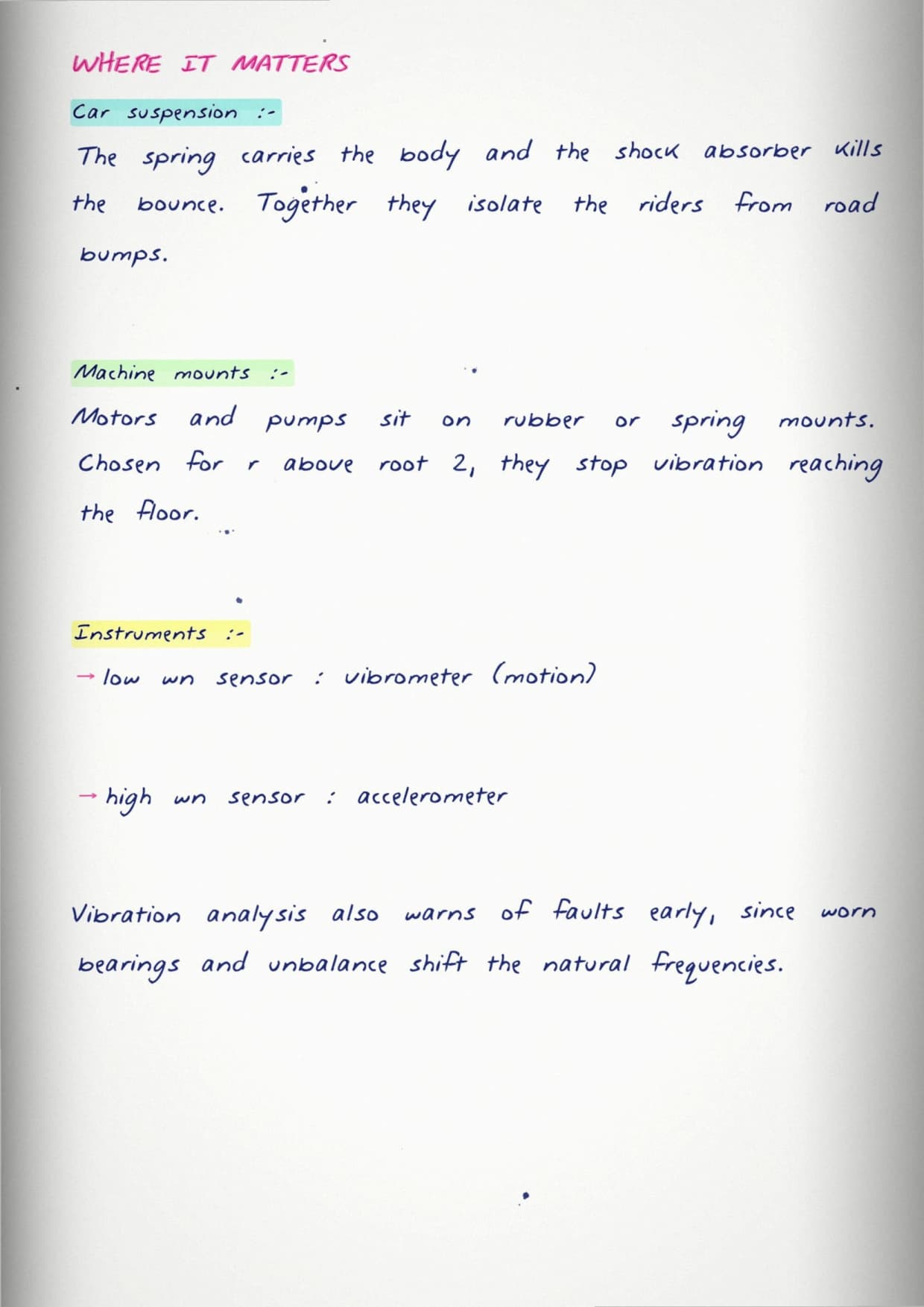
- Real examples: car suspension, a shaking bridge, a rotating shaft.
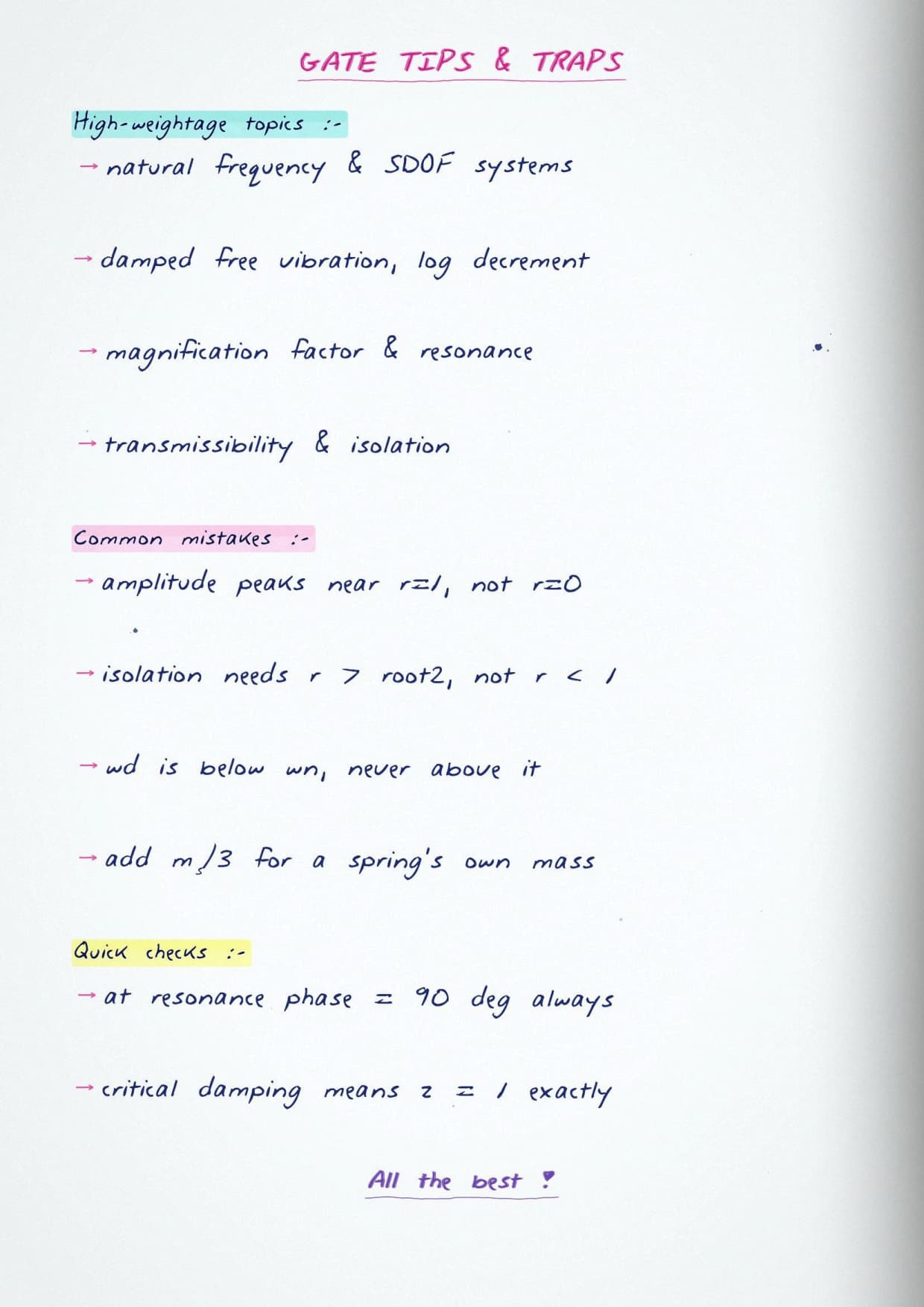
- Common traps, like mixing up natural and damped frequency.
GATE Vibrations Quick Revision
Source: GATE Wallah - ME, CE, XE, CH, PI & ES on YouTube
Topics Covered in GATE Vibrations
The notes follow the standard GATE Mechanical Vibrations syllabus and move from the basics of oscillation to the harder topics of forced response, isolation and shaft whirling. Each topic sets up the one after it, so the sequence itself supports revision. Nothing on the official list is skipped.
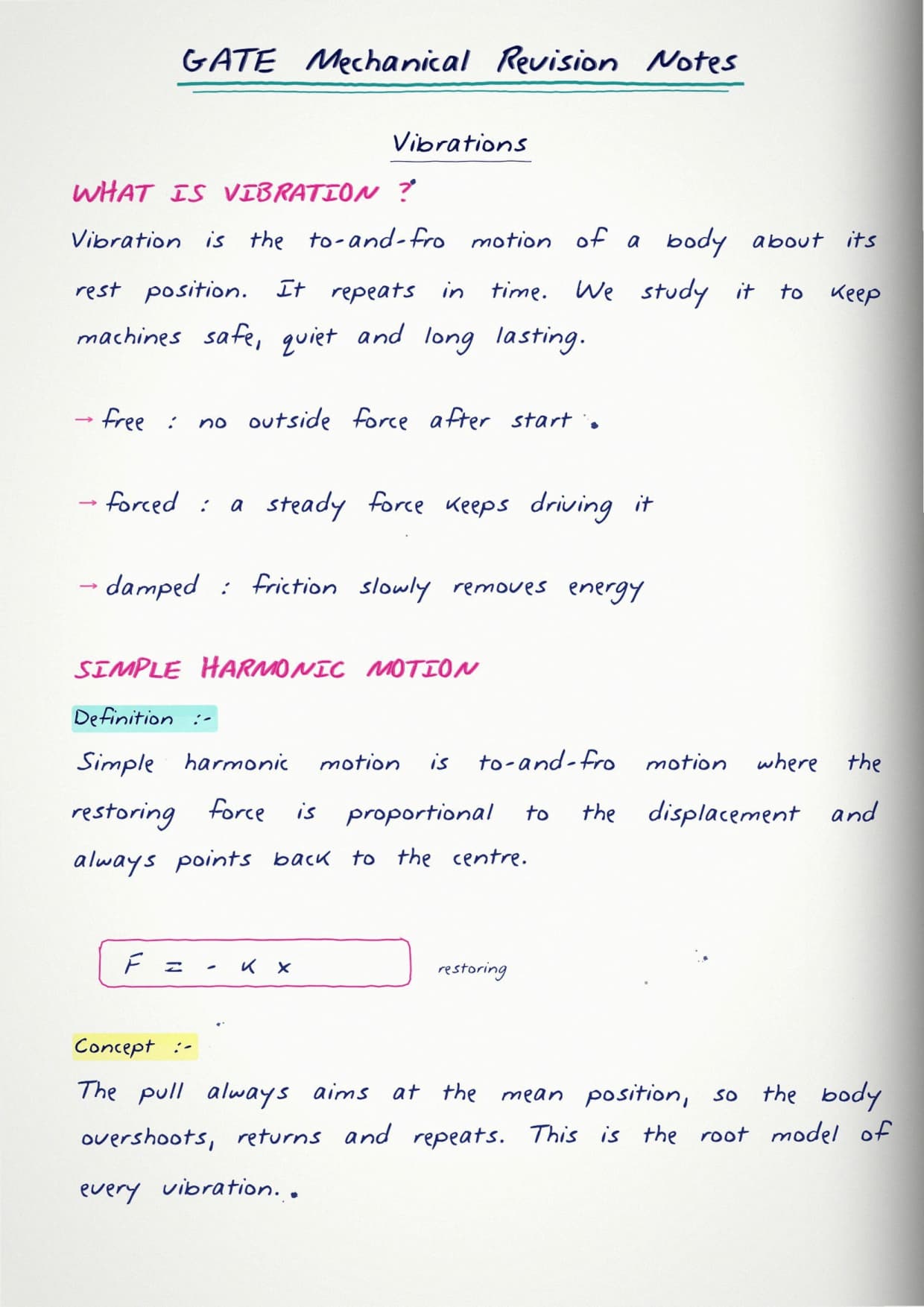
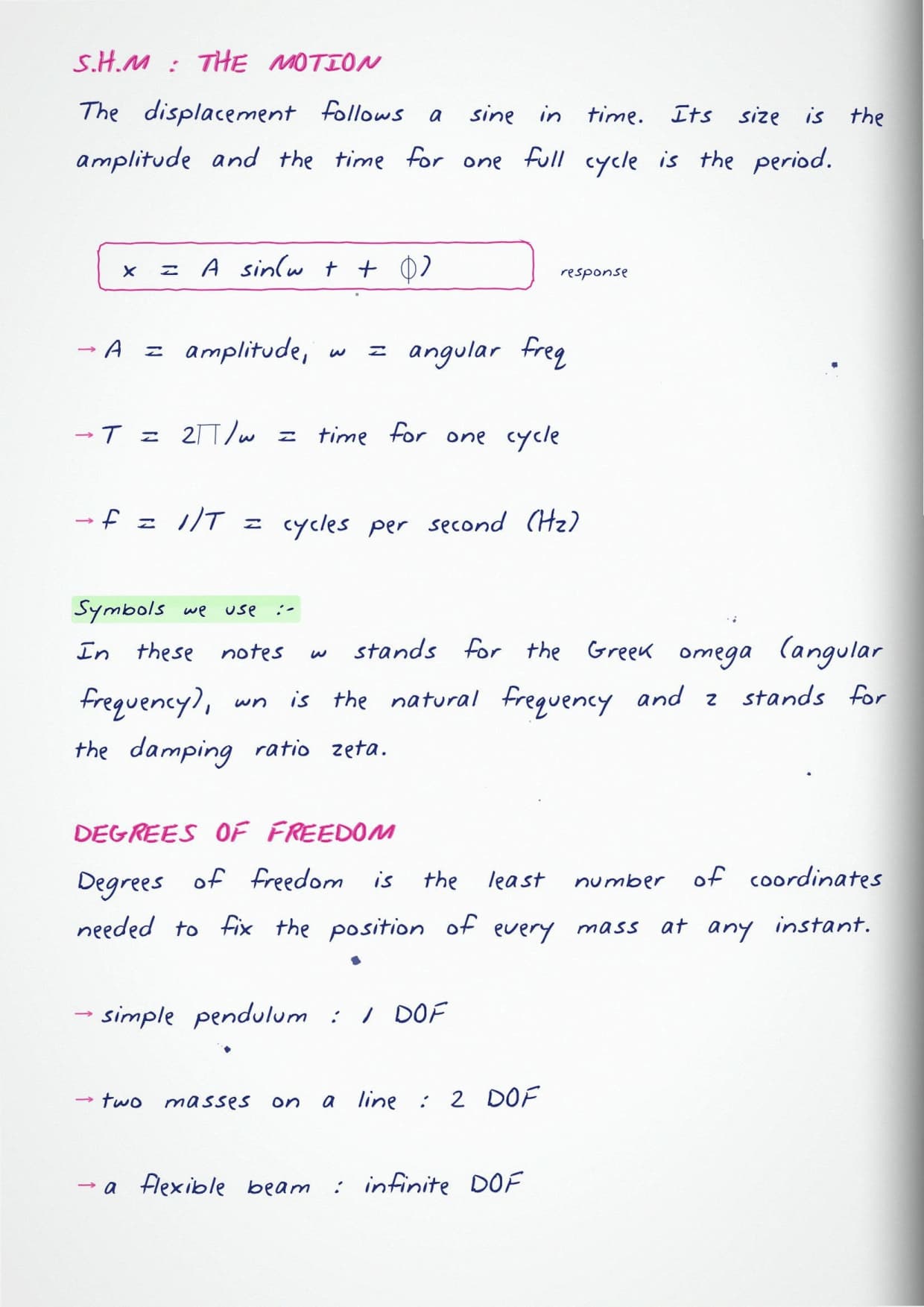
- Simple harmonic motion: amplitude, frequency, time period and phase.
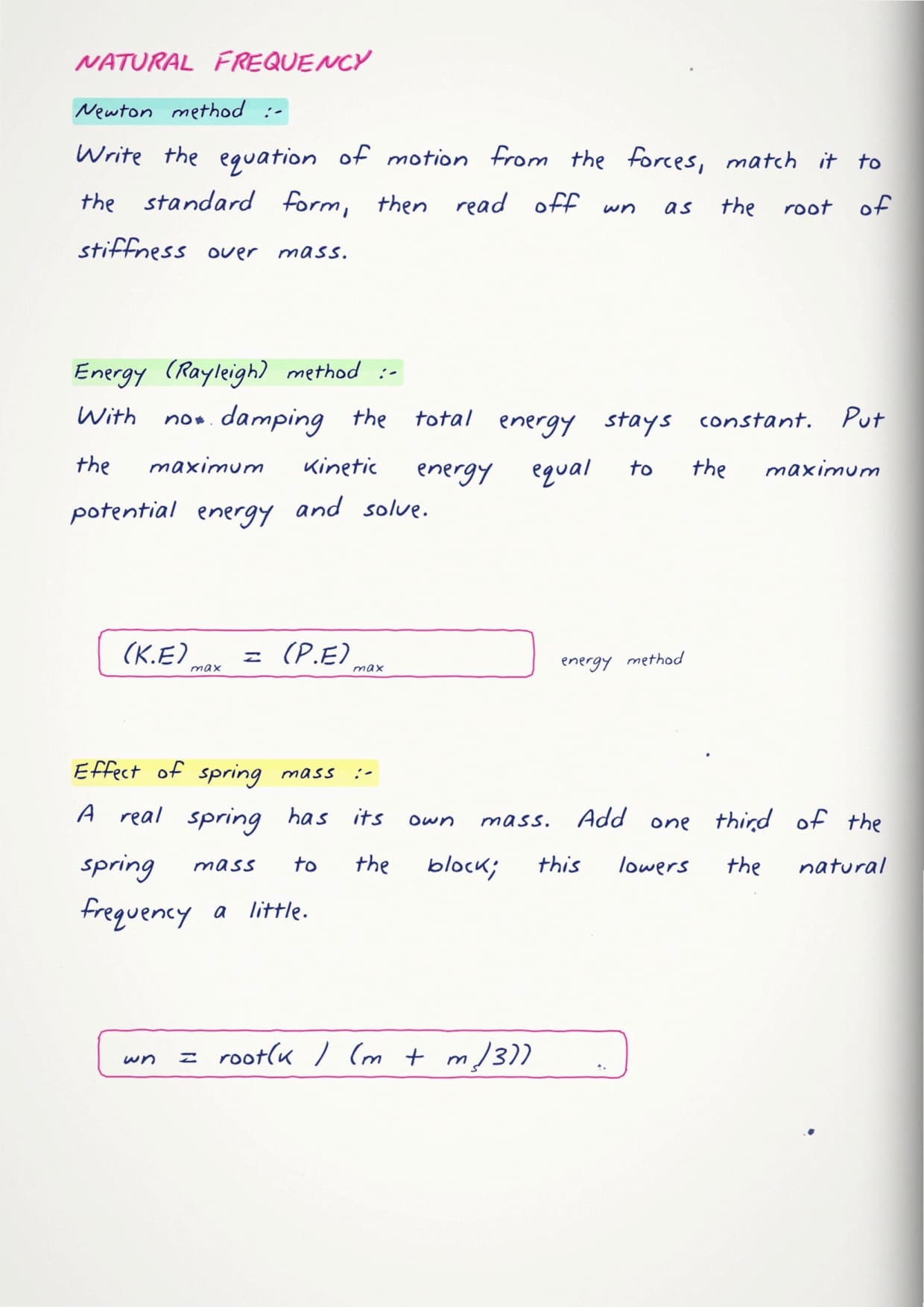
- Free undamped vibration and natural frequency of a system.
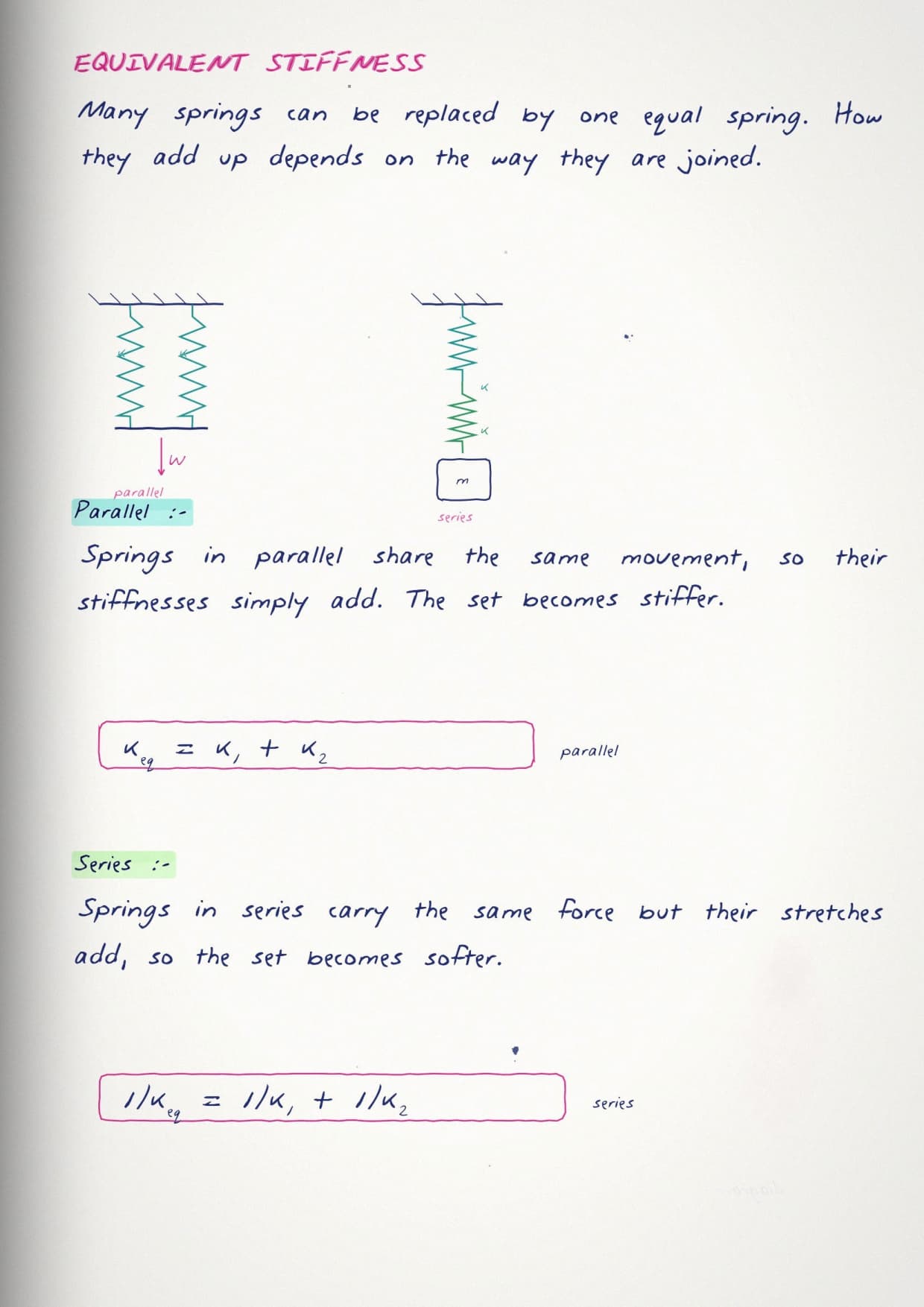
- Equivalent stiffness of springs in series and in parallel.
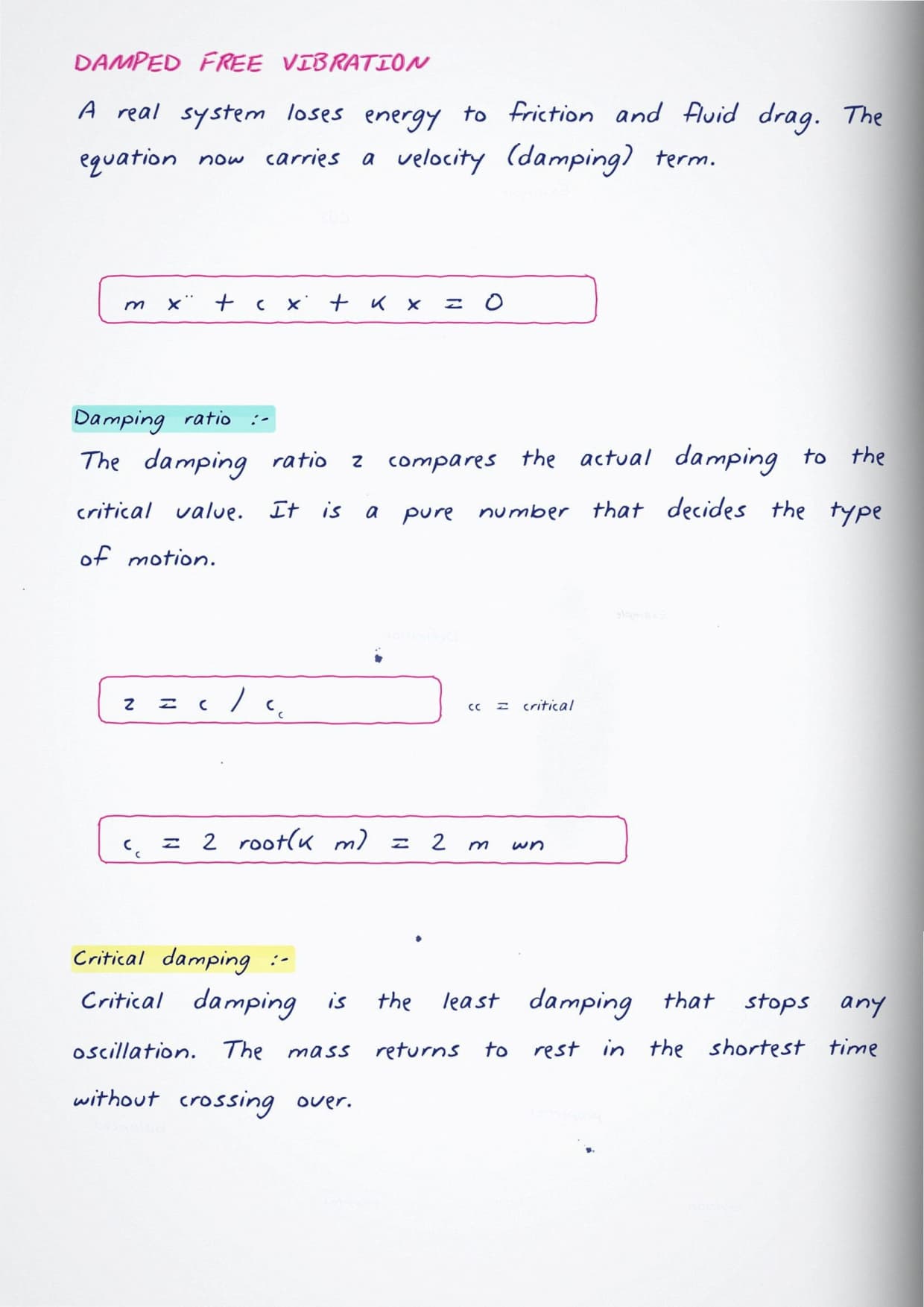
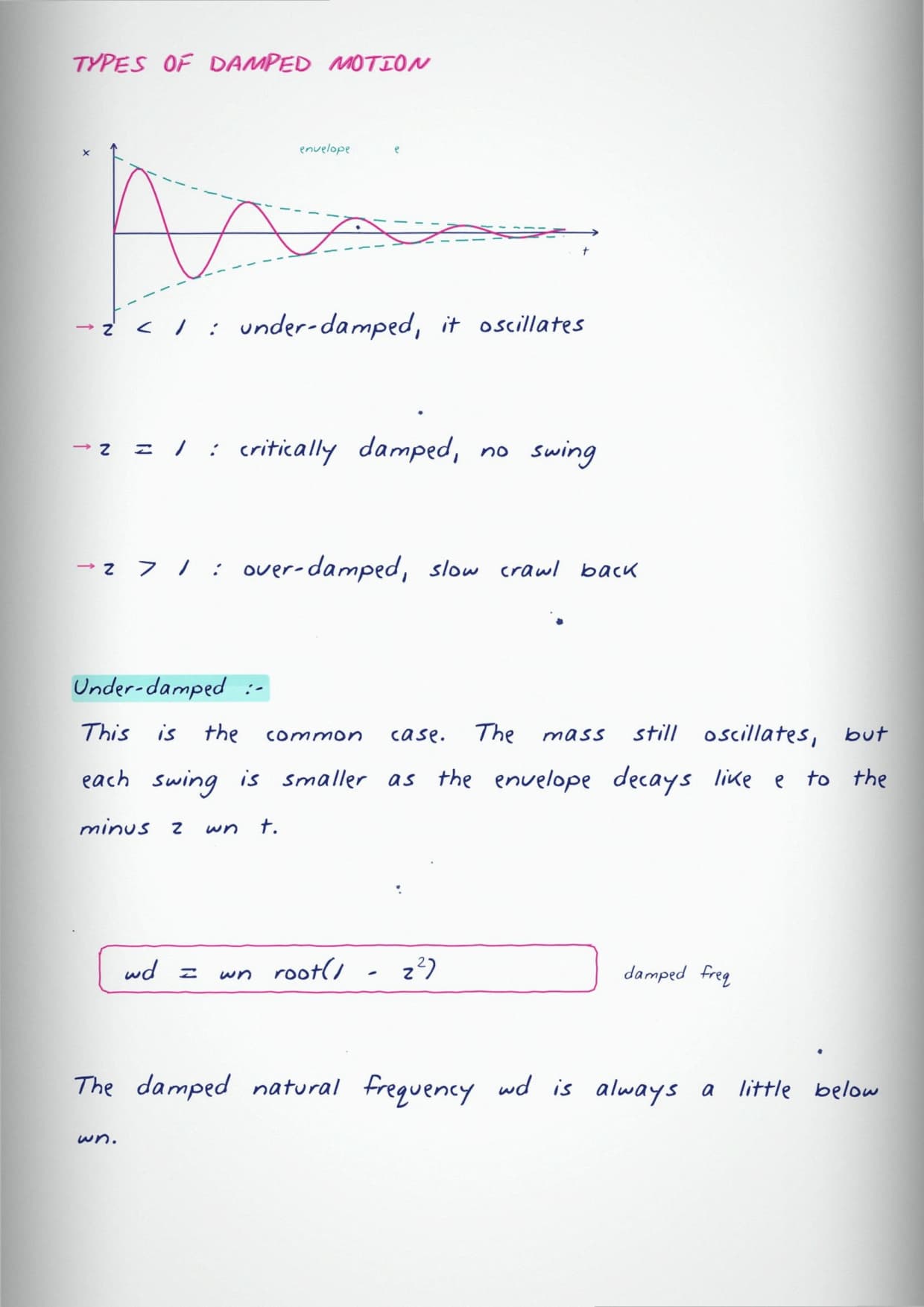
- Free damped vibration, damping ratio and the three damping cases.
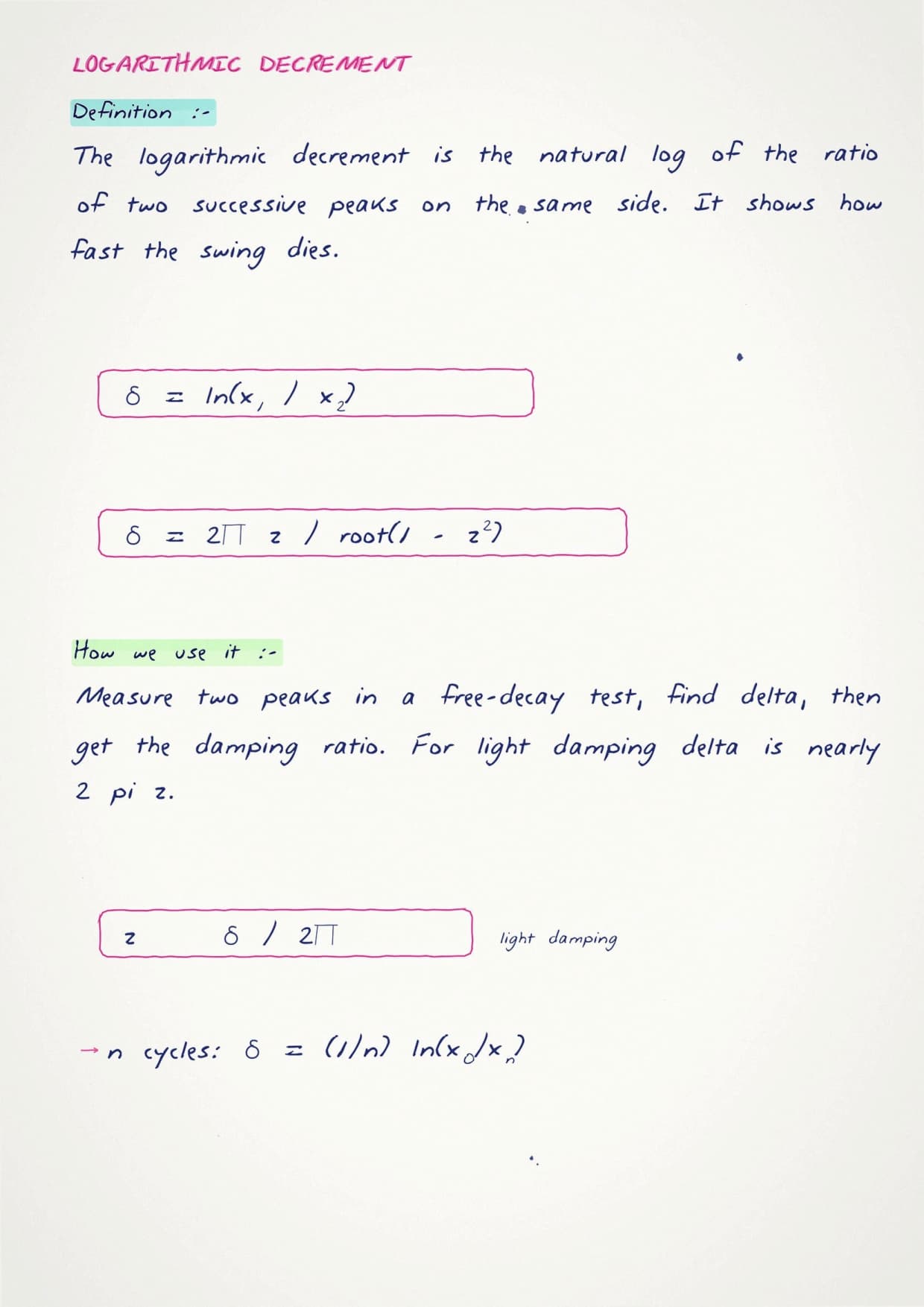
- Logarithmic decrement and finding damping from a decaying graph.
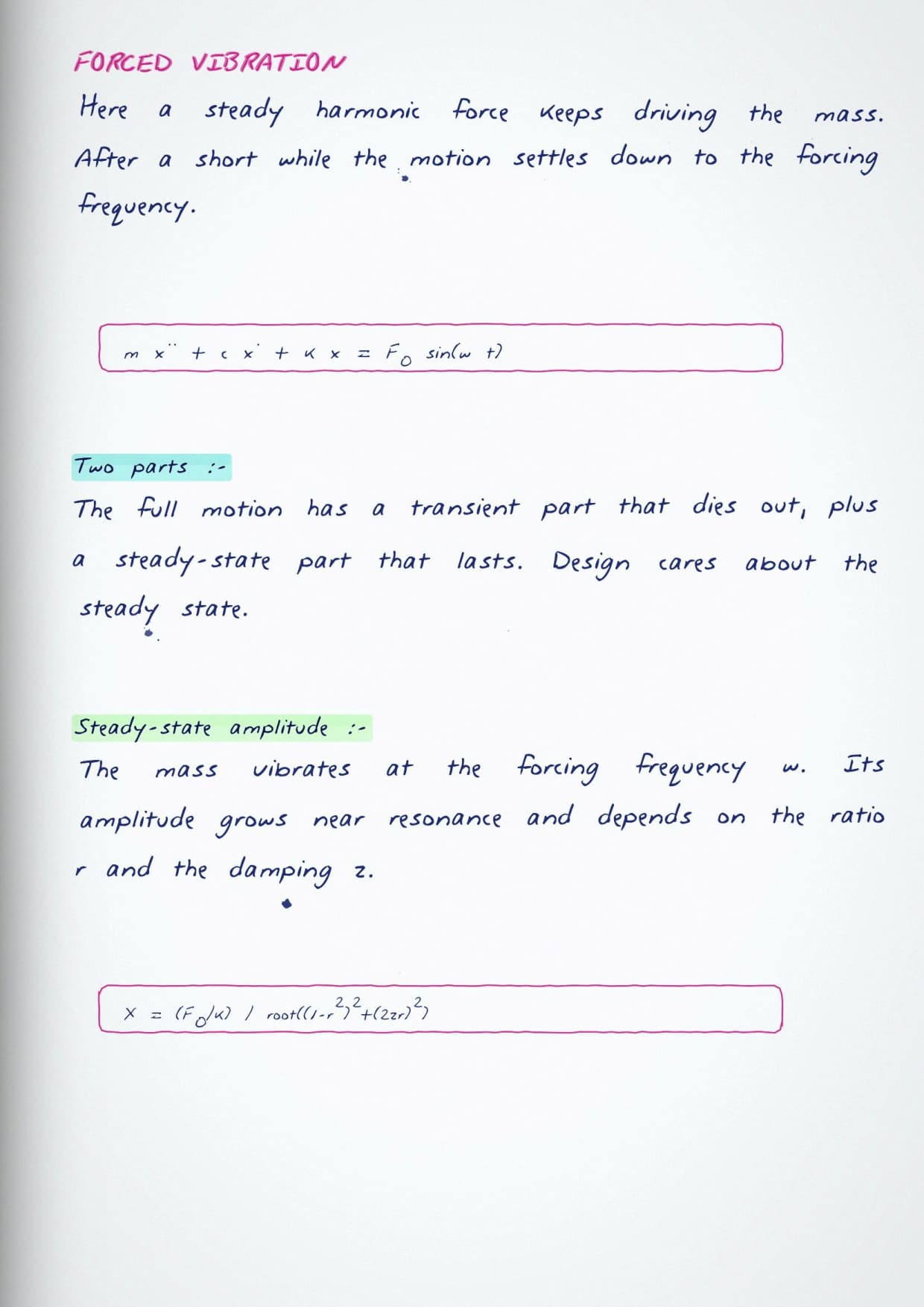
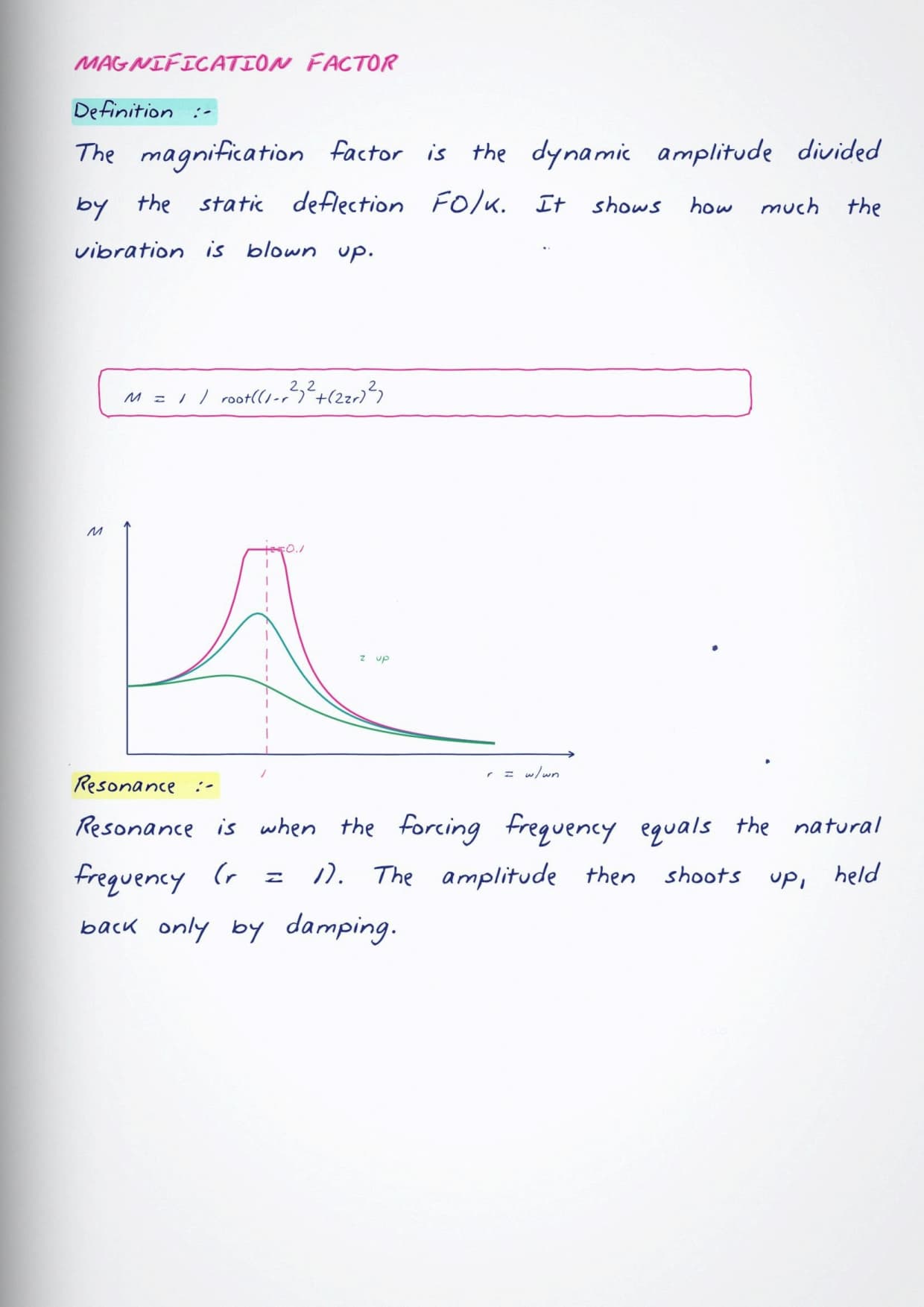
- Forced vibration, magnification factor and resonance.
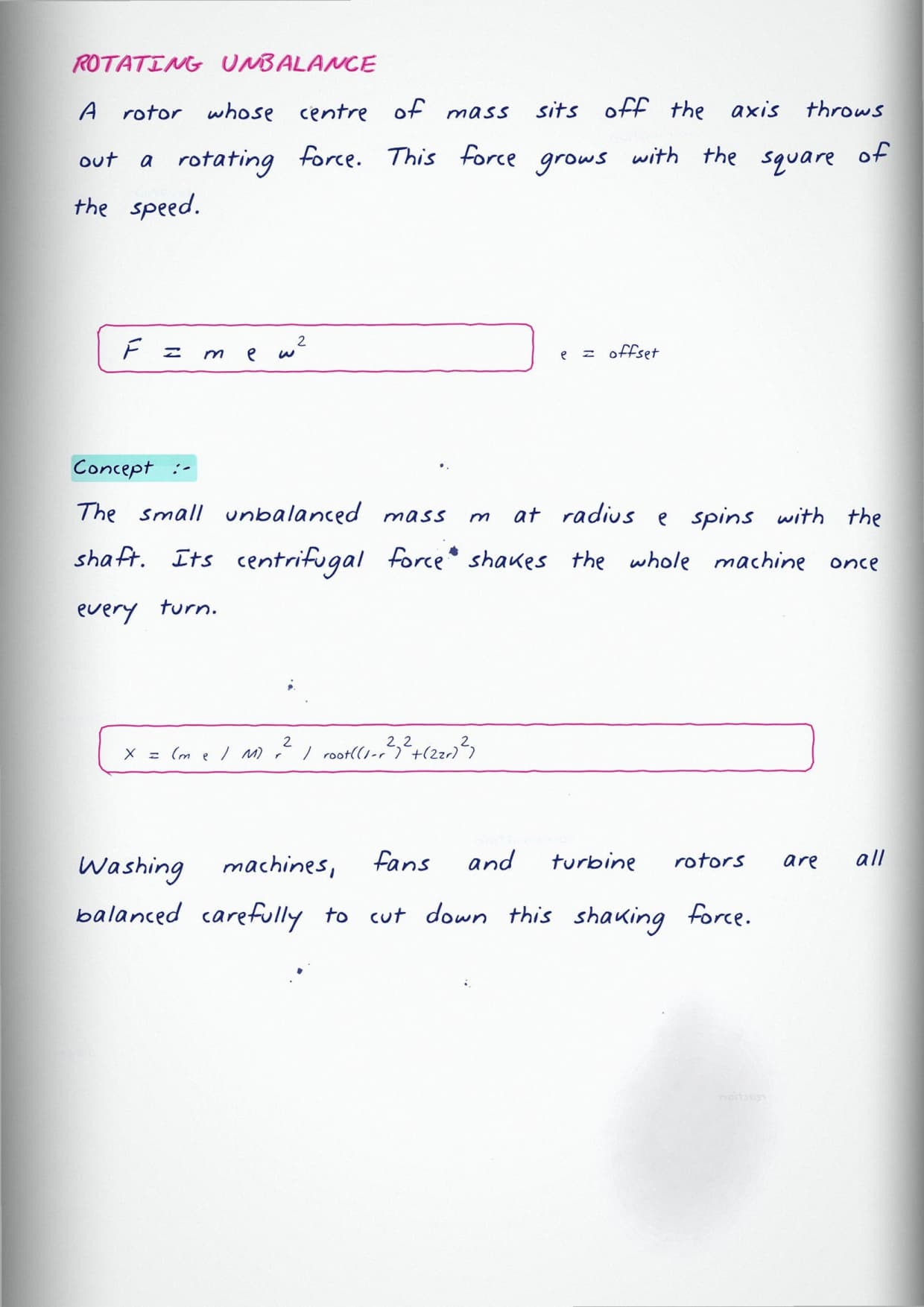
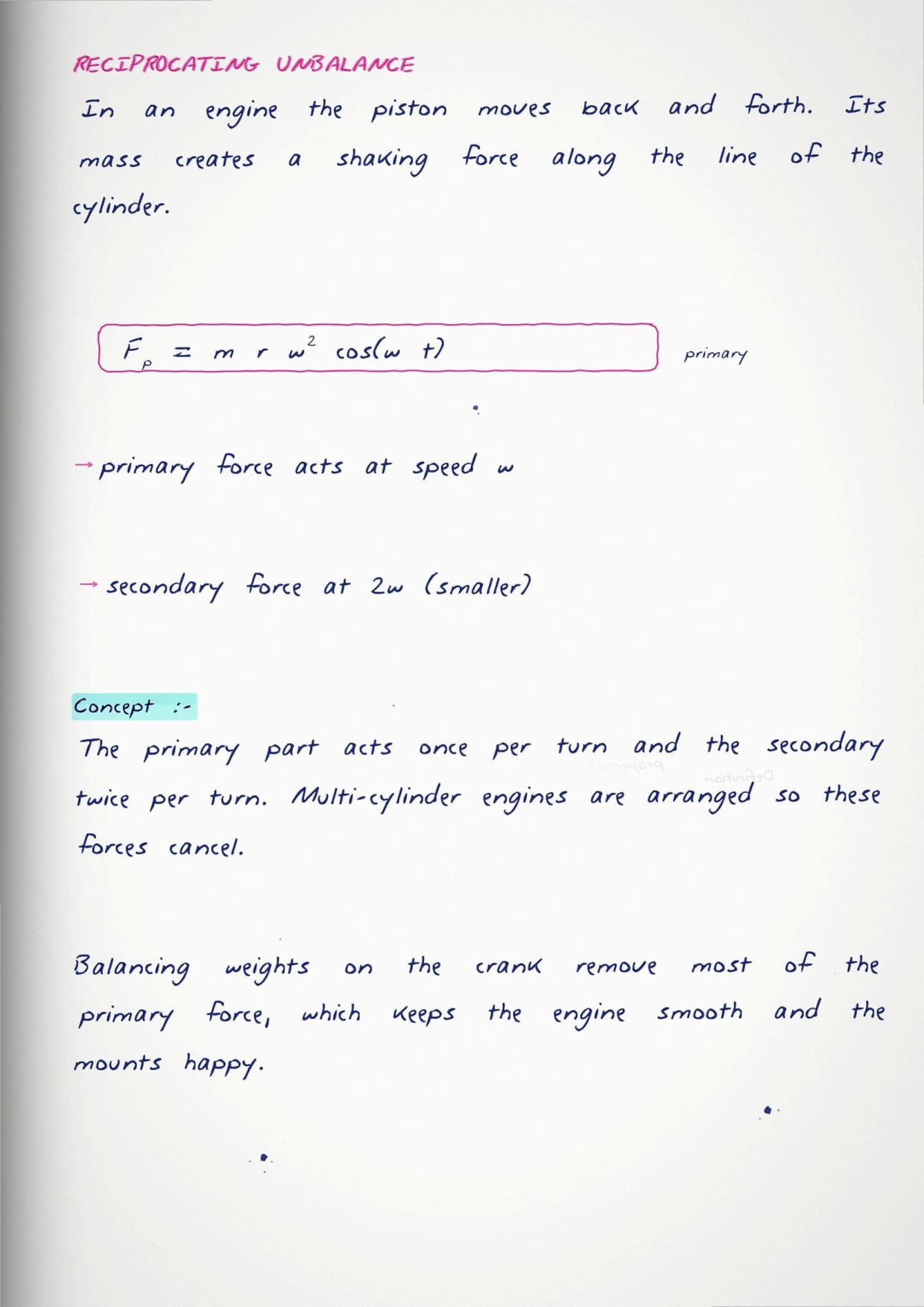
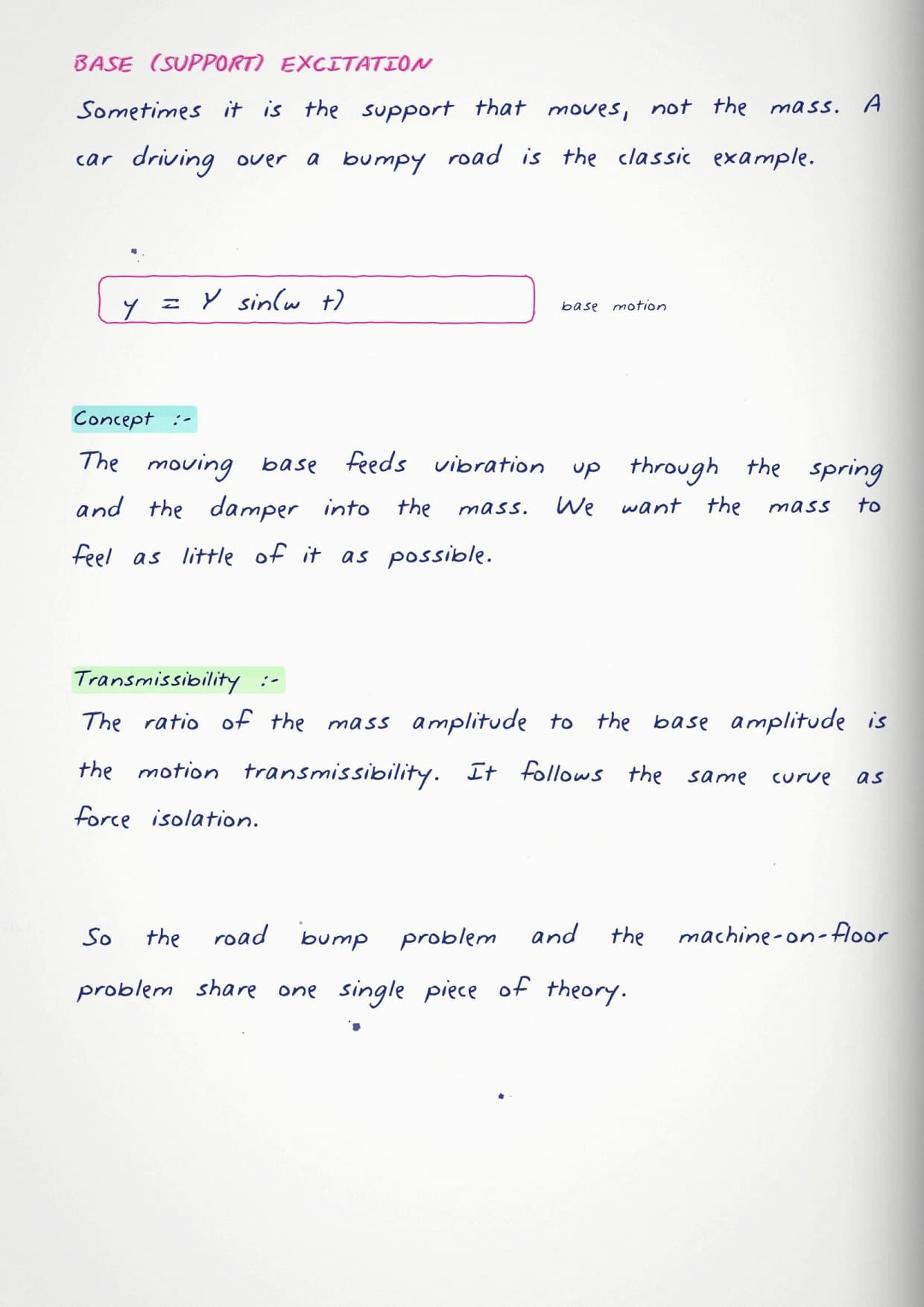
- Rotating unbalance and support (base) excitation.
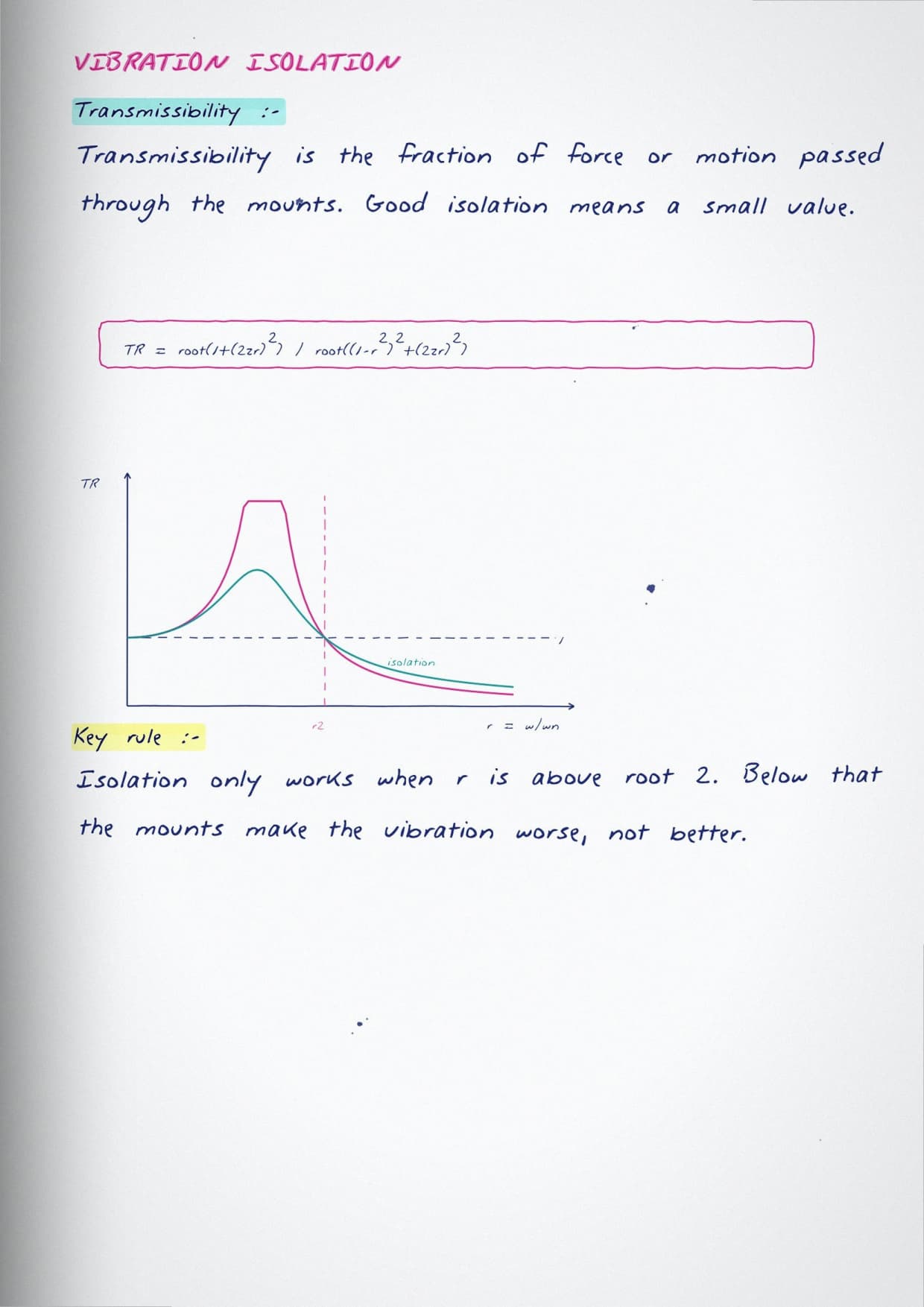
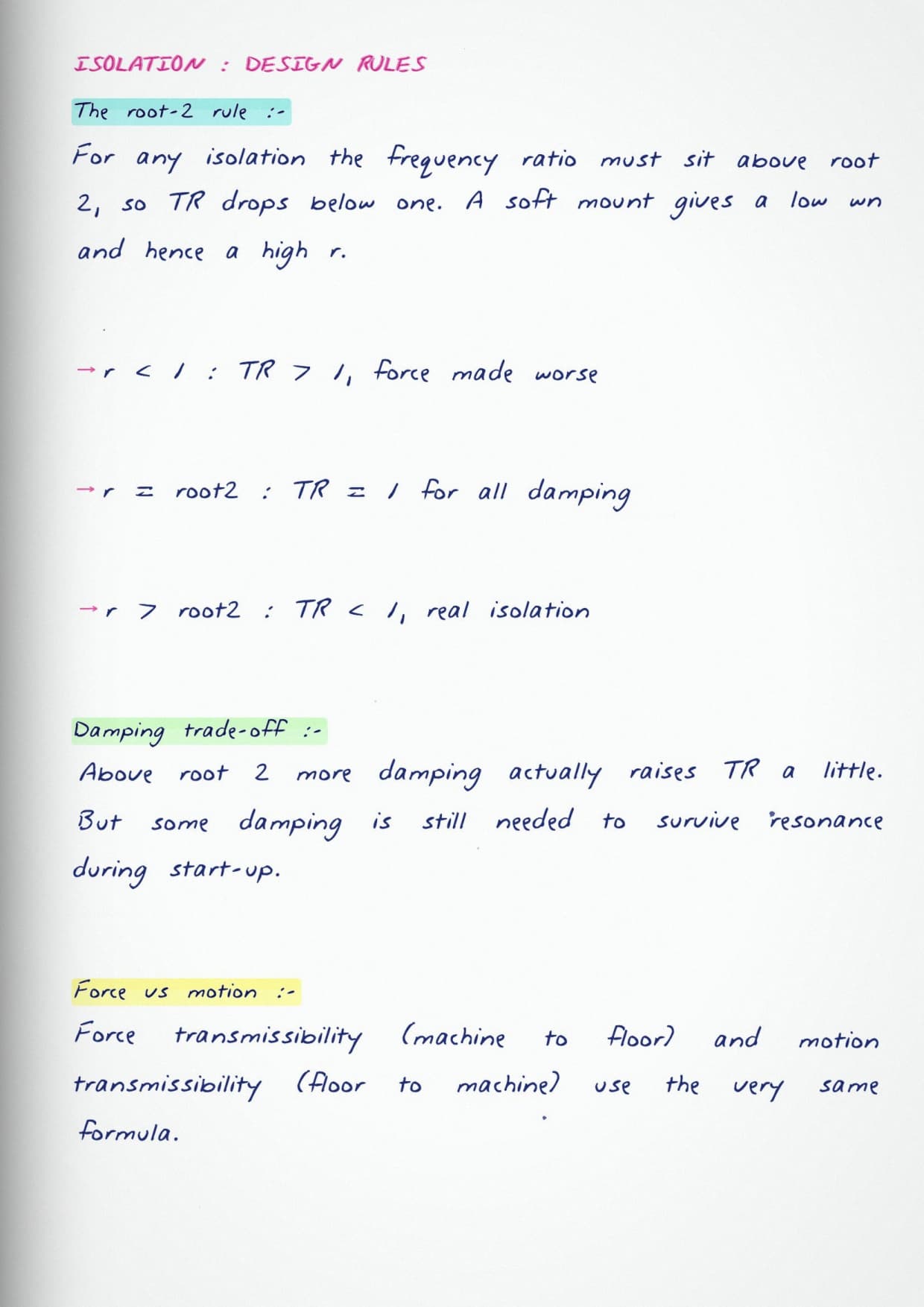
- Transmissibility and vibration isolation for machine foundations.
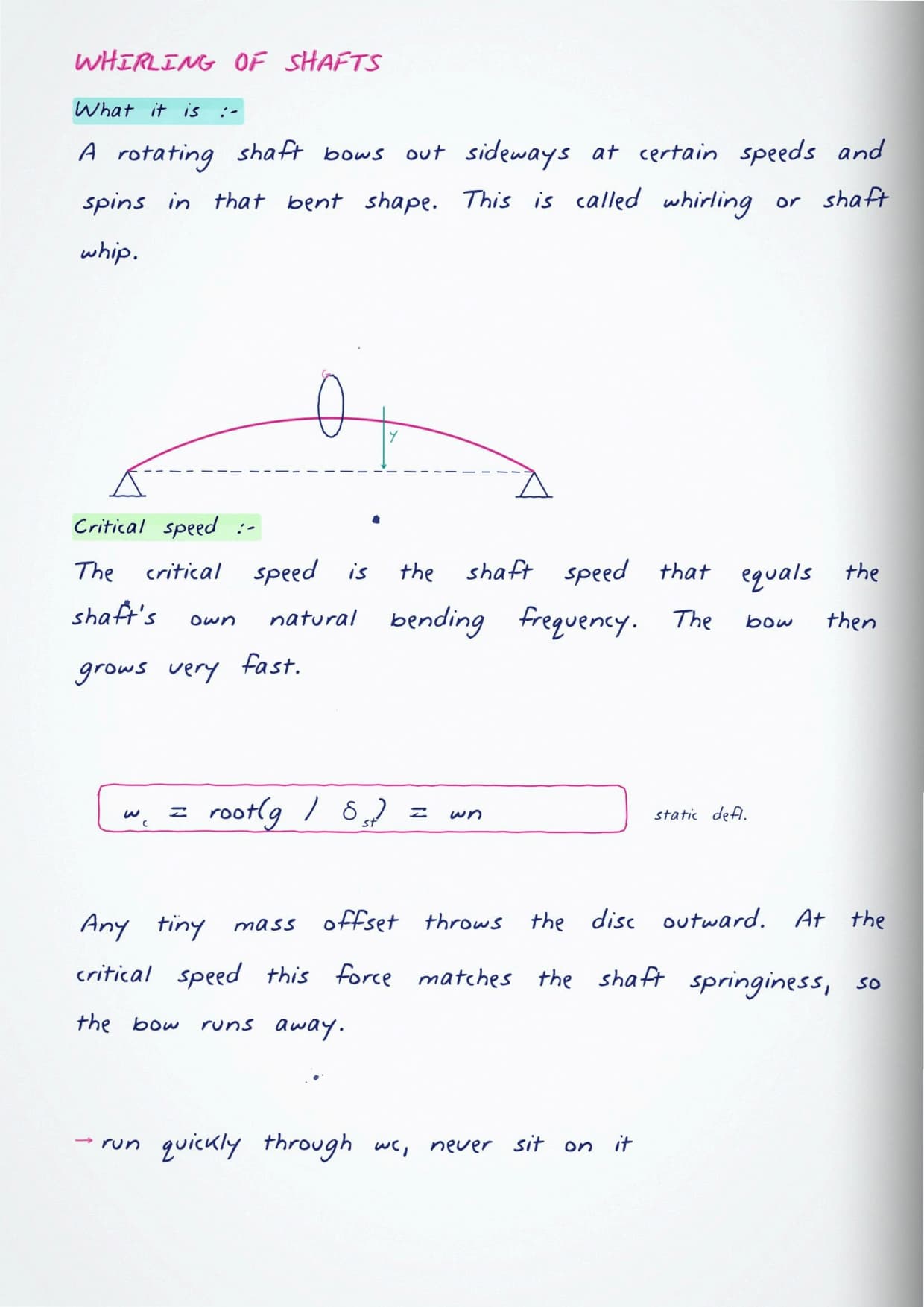
- Whirling of shafts and critical speed.
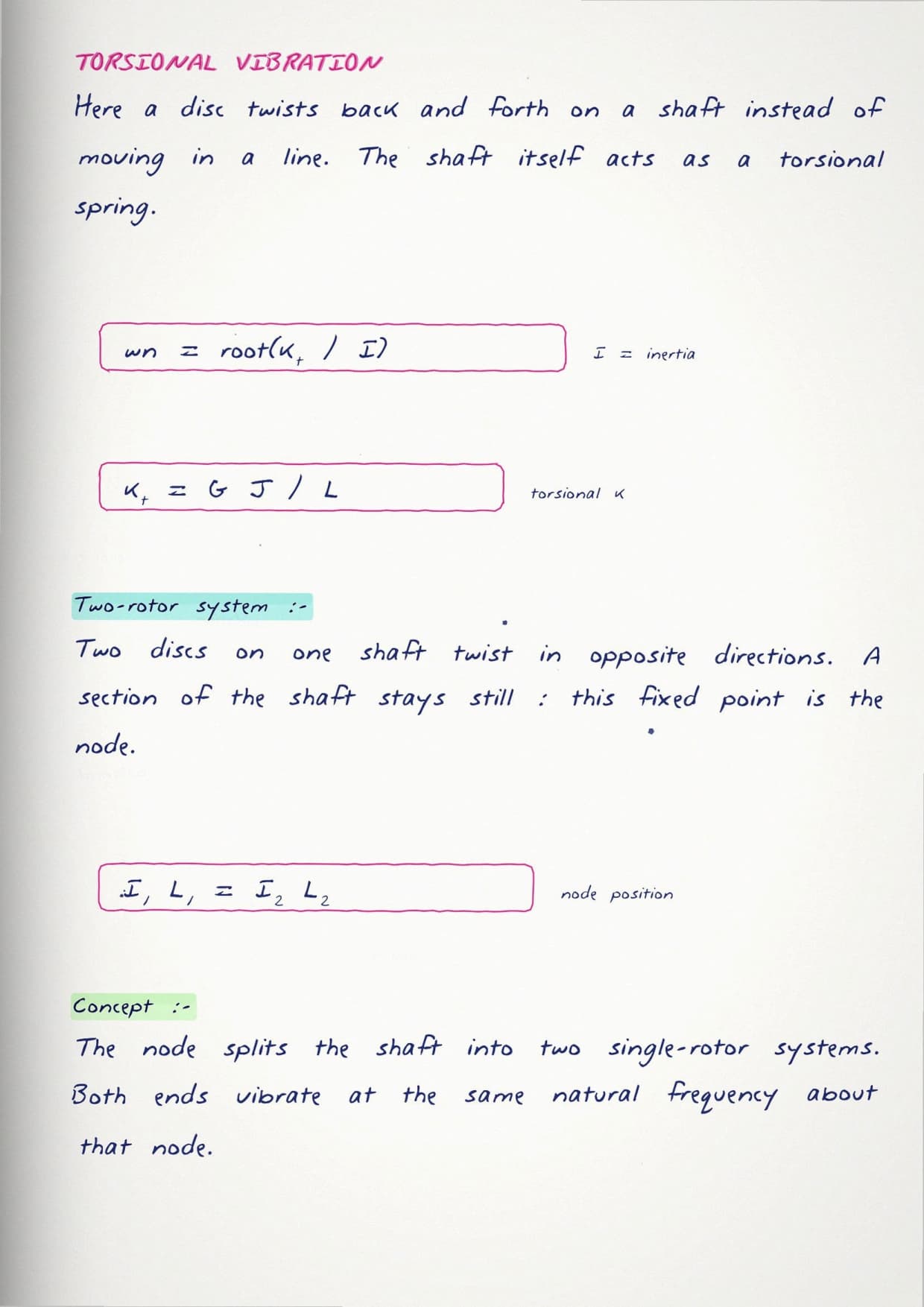
- Torsional vibration of single and two-rotor systems.
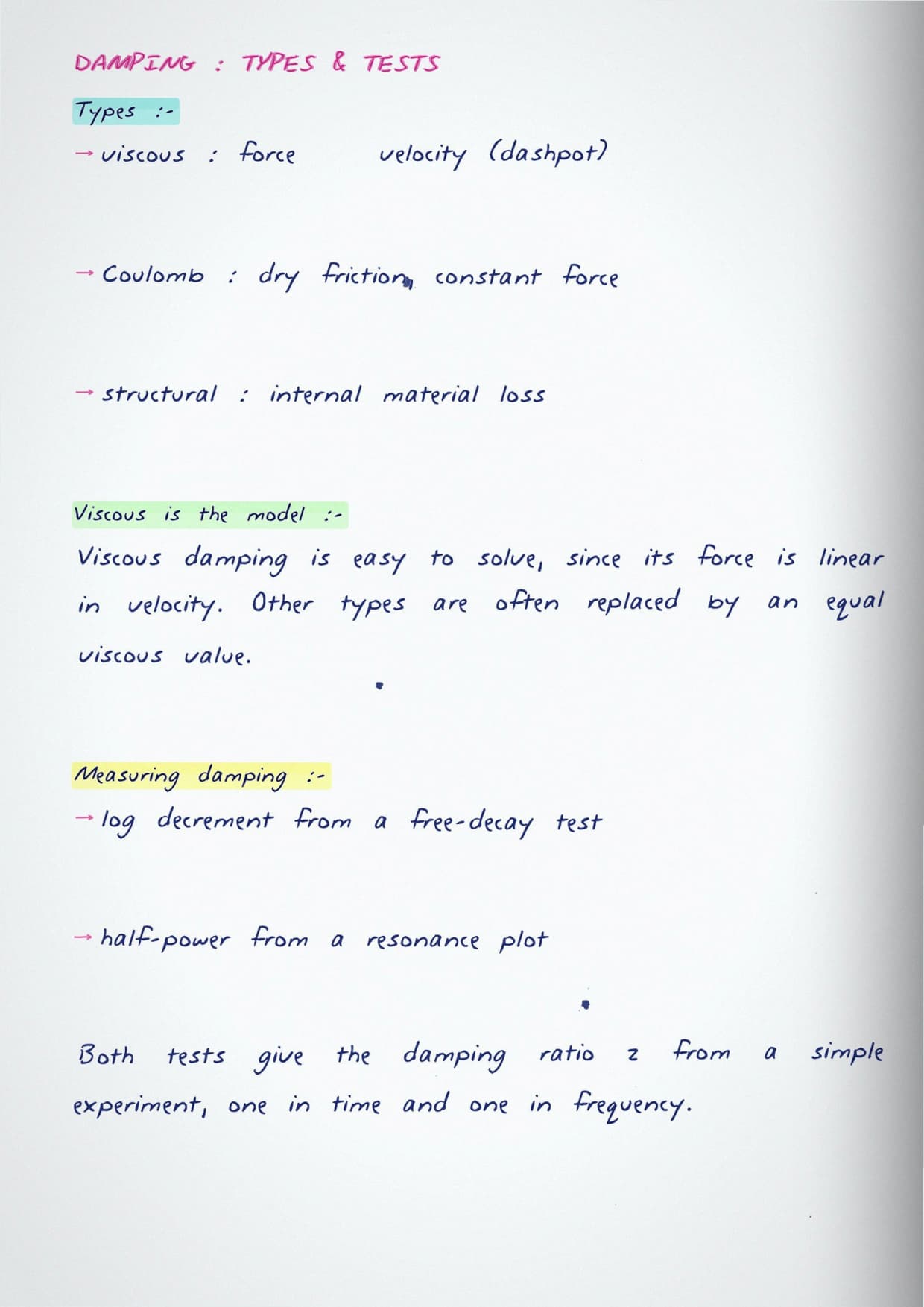
- Types of damping: viscous, Coulomb and structural.
Free and forced vibration together carry most of the marks in this topic.
How the Notes Are Organised
The notes are laid out so a result and its meaning stay together on the page. Each formula has a short explanation next to it and, where it helps, the matching diagram, which keeps both study and revision fast.
- Topics run in a natural order, each building on the last.
- Every formula has a short explanation next to it.
- A decaying-graph diagram is placed next to the damping equations.
- Magnification and transmissibility curves show the response near resonance.
- A one-page formula sheet supports exam-morning revision.
How to Prepare GATE Vibrations with Handwritten Notes
Vibrations rewards steady problem practice, so use the notes alongside daily problem practice rather than on their own. Go through one topic fully, solve a few questions on it, then move to the next.
- Read one topic fully, then solve problems on it.
- Use the diagrams to recall resonance and damping behaviour.
- Revise the formula sheet in the final week before GATE.
- Check the common-mistakes page to avoid silly errors.
- Revise Vibrations with Theory of Machines for the full picture.
Important Topics in GATE Vibrations
Vibrations appears in almost every GATE Mechanical paper, usually as one or two questions worth a mark or two, built on standard formulas. The most common asks are natural frequency, damping ratio and logarithmic decrement, with the whirling speed of a shaft coming up regularly. Because the same results repeat year after year, focused revision of this topic pays off well.
- Common asks: natural frequency, damping ratio, logarithmic decrement.
- Also tested: the speed at which a shaft whirls.
- The same few results repeat, so focused revision pays off.
Why These Notes Help You Score Better
Handwritten notes are quick to scan and easy to recall under exam pressure. A neat sketch of a decaying oscillation or a resonance curve often stays in memory better than a block of printed text, and the key results are easy to find during a fast revision. The whole of Vibrations can be revised with these notes in one go.
GATE Mechanical Vibrations Handwritten Notes FAQs
Ques. Do these Vibrations notes cover the full GATE Mechanical syllabus?
Ans. Yes. The notes cover every Vibrations topic in the GATE Mechanical syllabus, from simple harmonic motion to whirling of shafts and torsional vibration.
Ques. Are the notes good for last-minute revision?
Ans. Yes. The topic-wise notes and a separate formula sheet let students revise the whole topic quickly in the final week.
Ques. Do the notes explain concepts or only list formulas?
Ans. They explain concepts. Each topic gives a simple definition and the physical idea, so the theory is clear before the numericals.
Ques. Can beginners use these notes?
Ans. Yes. The language is simple and every term is defined, so students starting Vibrations can follow along while stronger students use it for fast revision.



Comments