




Thermodynamics is one of the highest-scoring subjects in the GATE Mechanical paper, usually worth close to 8 to 10 marks across its core and applied topics. These handwritten notes cover the full Thermodynamics and Applications syllabus, from the basic laws to the vapour power and refrigeration cycles. The subject also helps directly into fluid mechanics, heat transfer and machine design, so a strong base here helps you across the paper.
You can use the notes as a first read of the subject, as a refresher between problem sets, or for quick formula recall in the final week before the exam. Each law and cycle is with the formula and the diagram that belong to it.
- Covers every law, cycle and application in the GATE syllabus.
- Hand-drawn P-V and T-S diagrams for all major cycles.
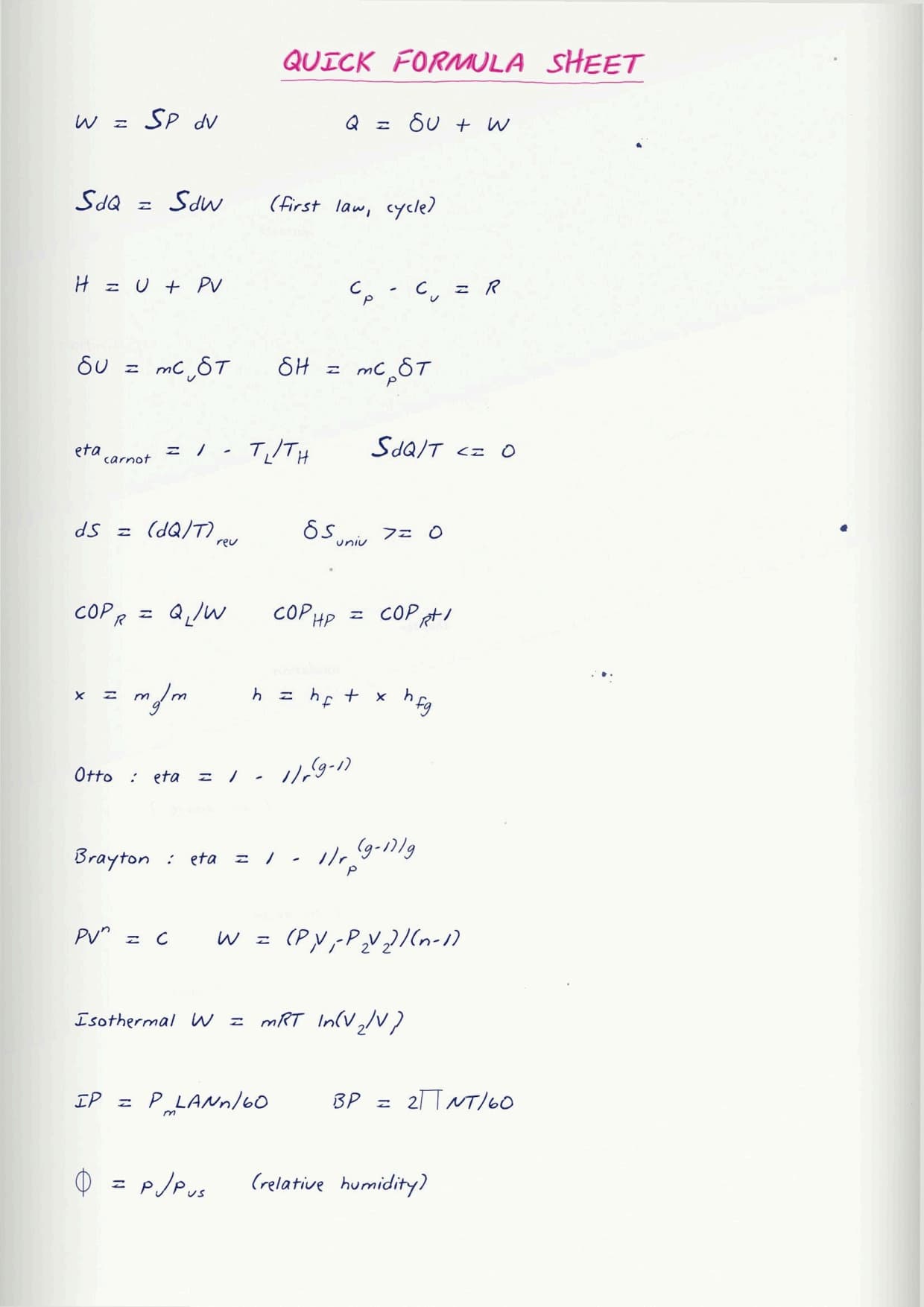
- Key formulas plus a one-page formula sheet for quick recall.
What These GATE Thermodynamics Notes Cover
The notes present the whole subject in the order GATE tests it, so nothing important is left out. Every law comes with its statement and its formula, and the high-marks topics carry a short line of clear reasoning so the result makes sense rather than being memorised blindly.
- Plain definitions for every term.
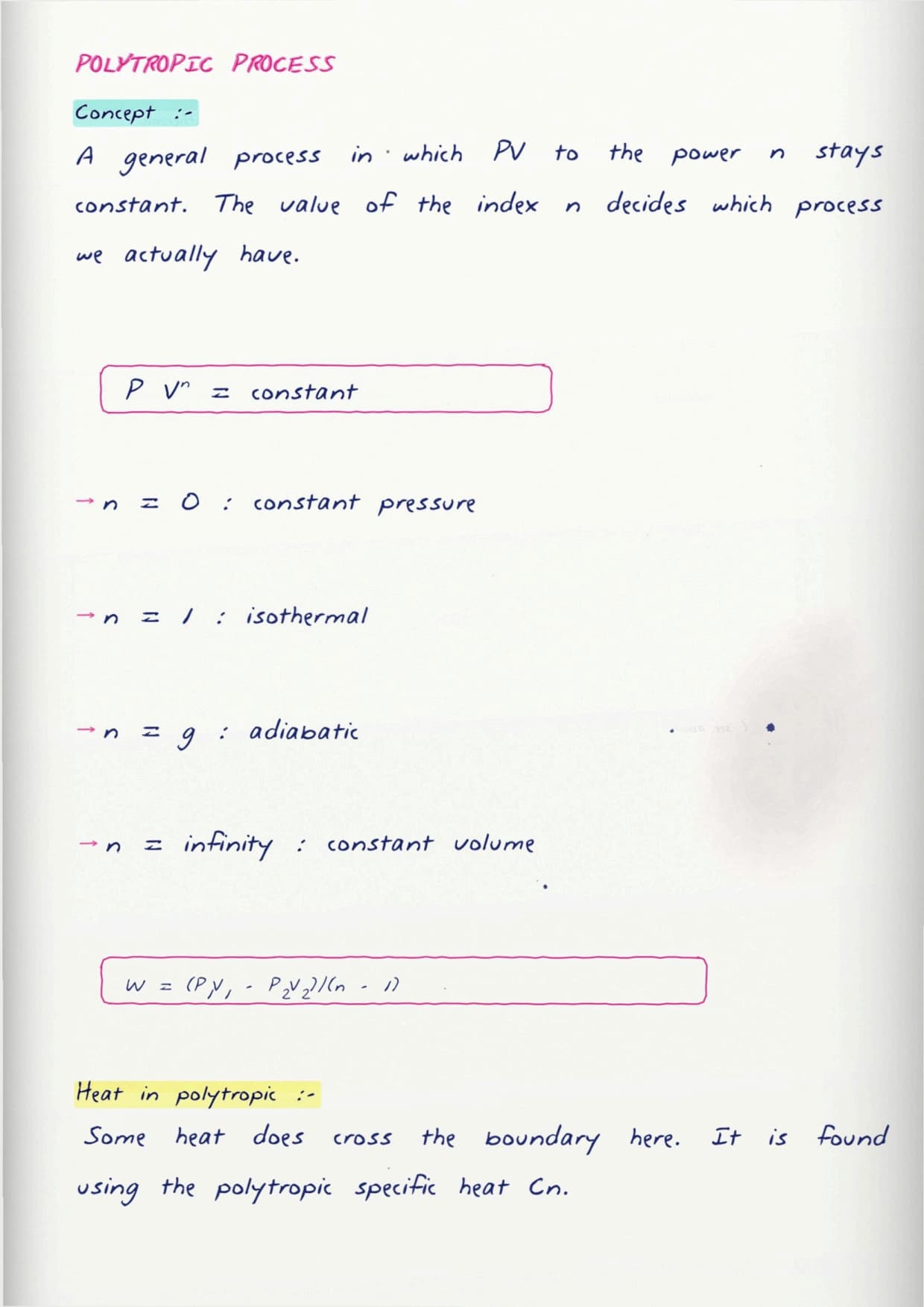
- The key formula for each law and cycle.
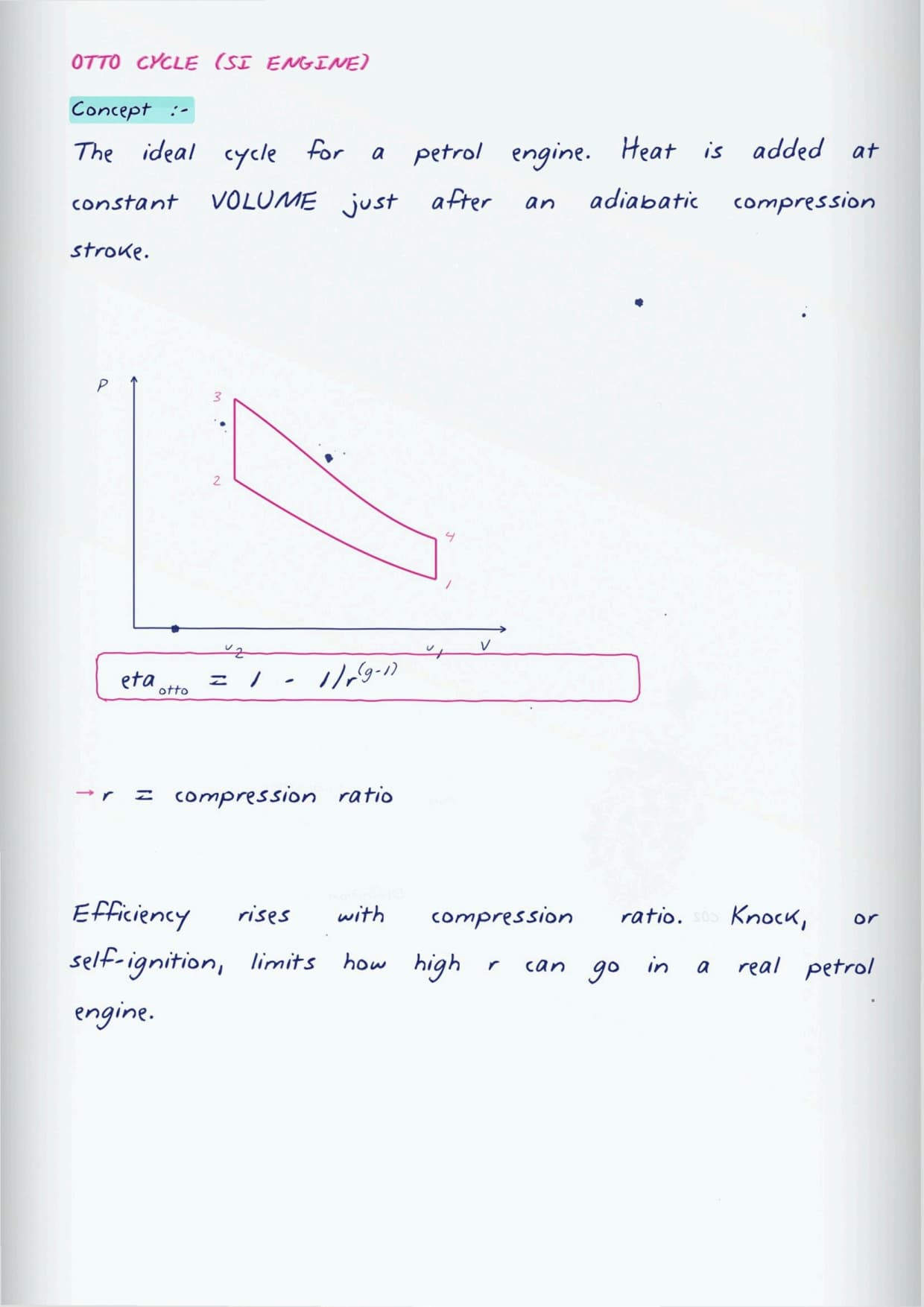
- Hand-drawn cycle diagrams with labelled states.
- Clear reasoning for the high-marks topics.
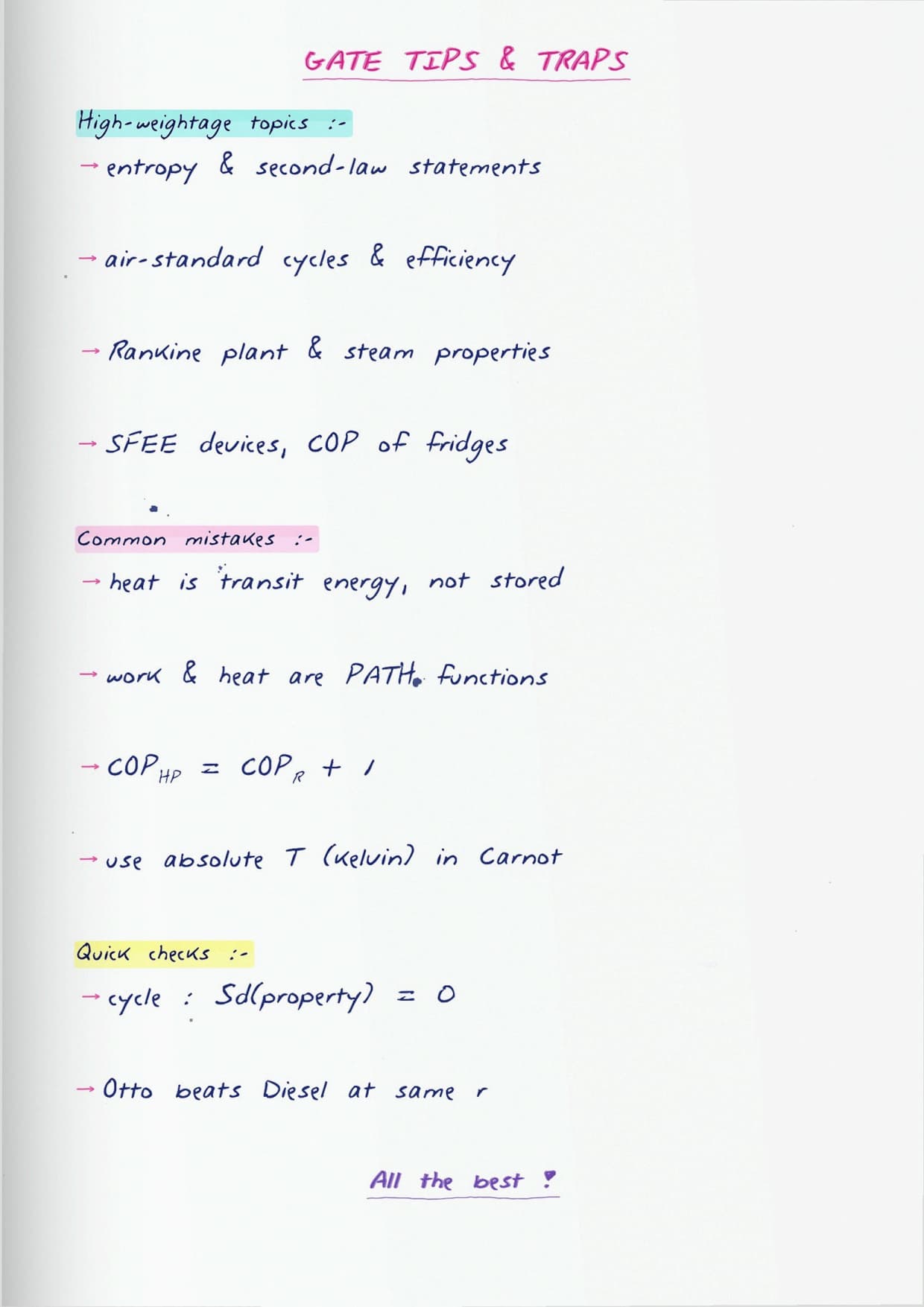
- A formula sheet and a GATE tips and traps page.
GATE Thermodynamics Quick Revision
Source: GATE Wallah - ME, CE, XE, CH, PI & ES on YouTube
Topics Covered in GATE Thermodynamics
The notes follow the official GATE Mechanical thermodynamics syllabus in full. They move from the basic laws and definitions through entropy and availability to the applied power and refrigeration cycles, so you can revise the subject end to end from a single set.
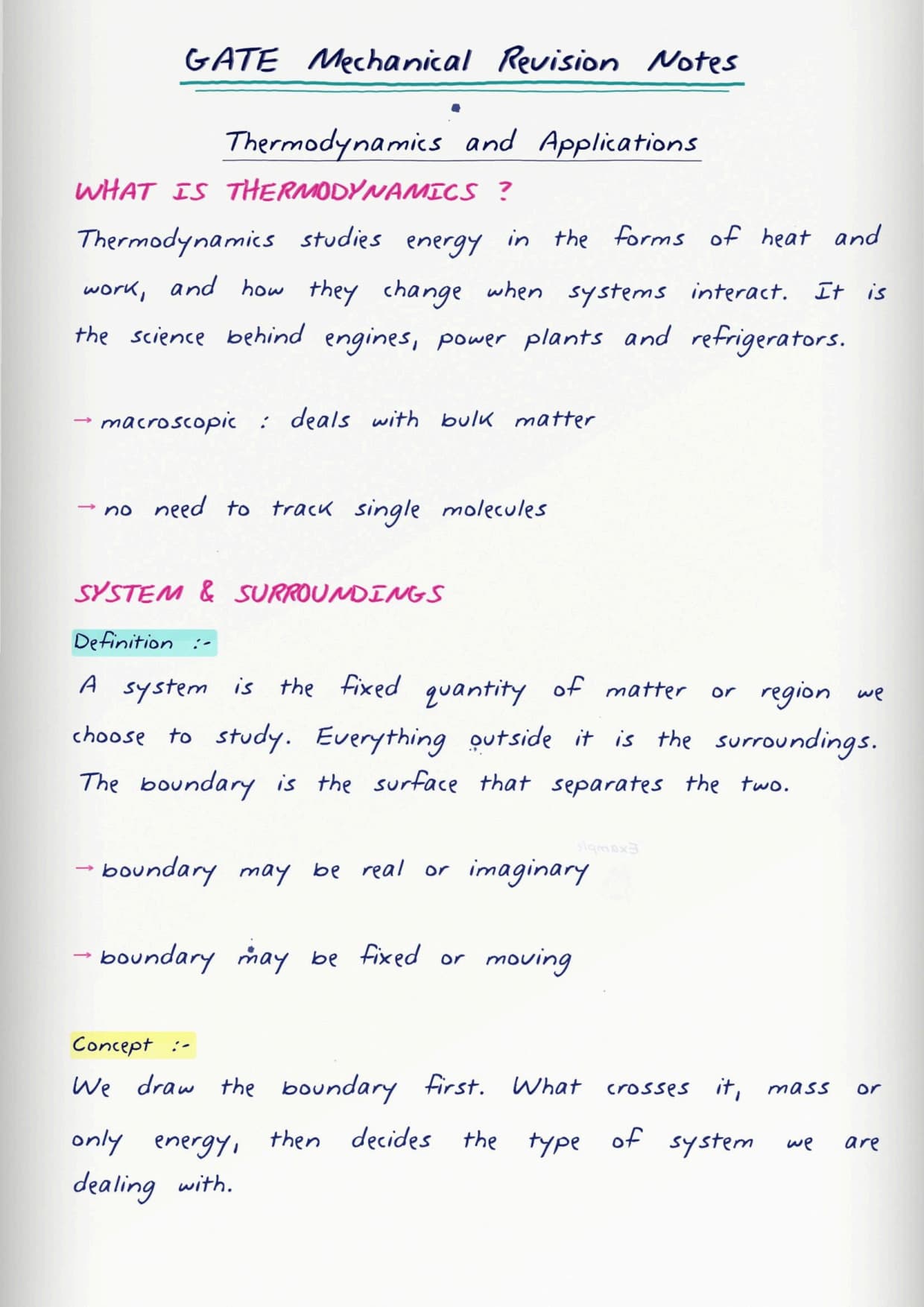
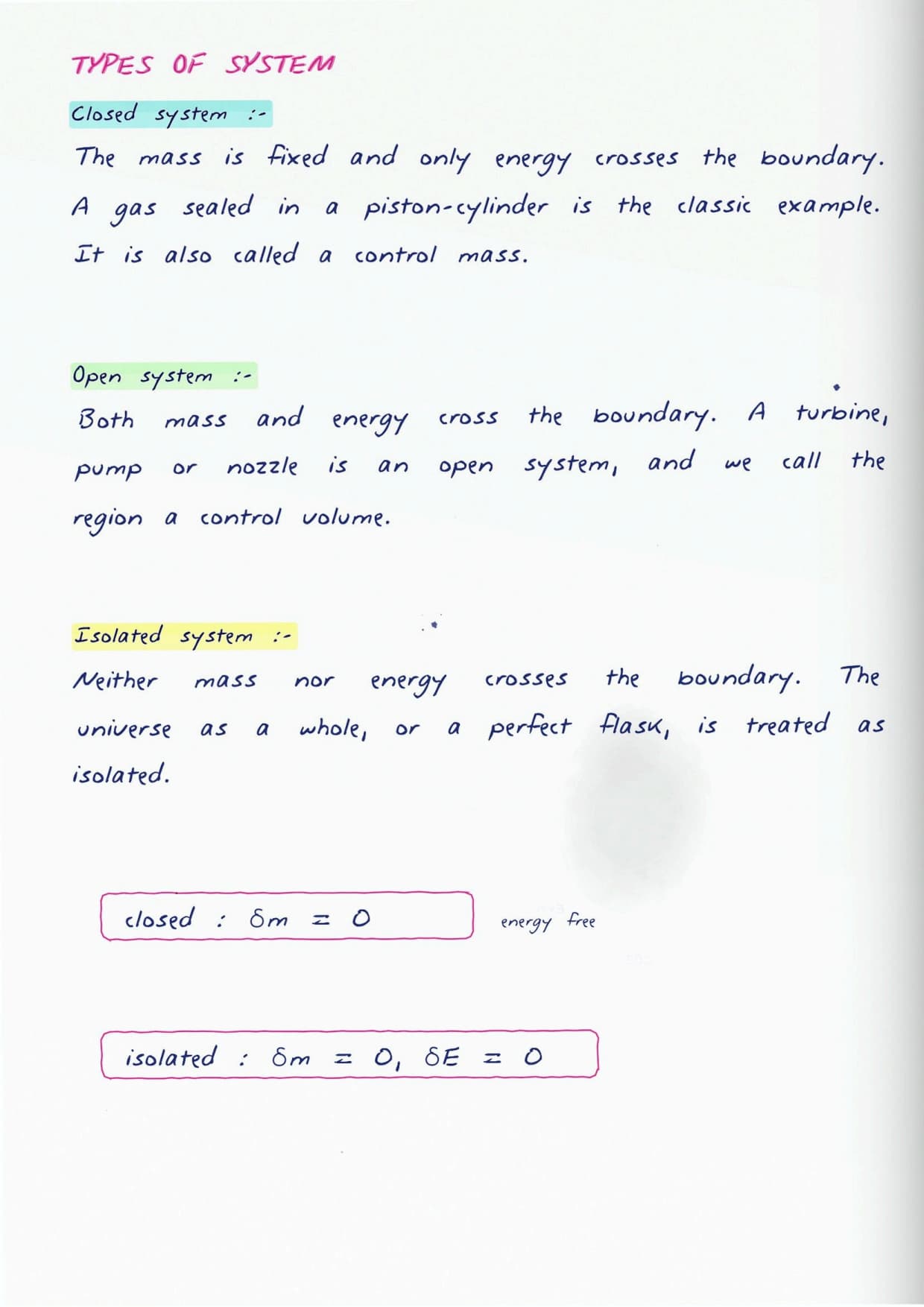
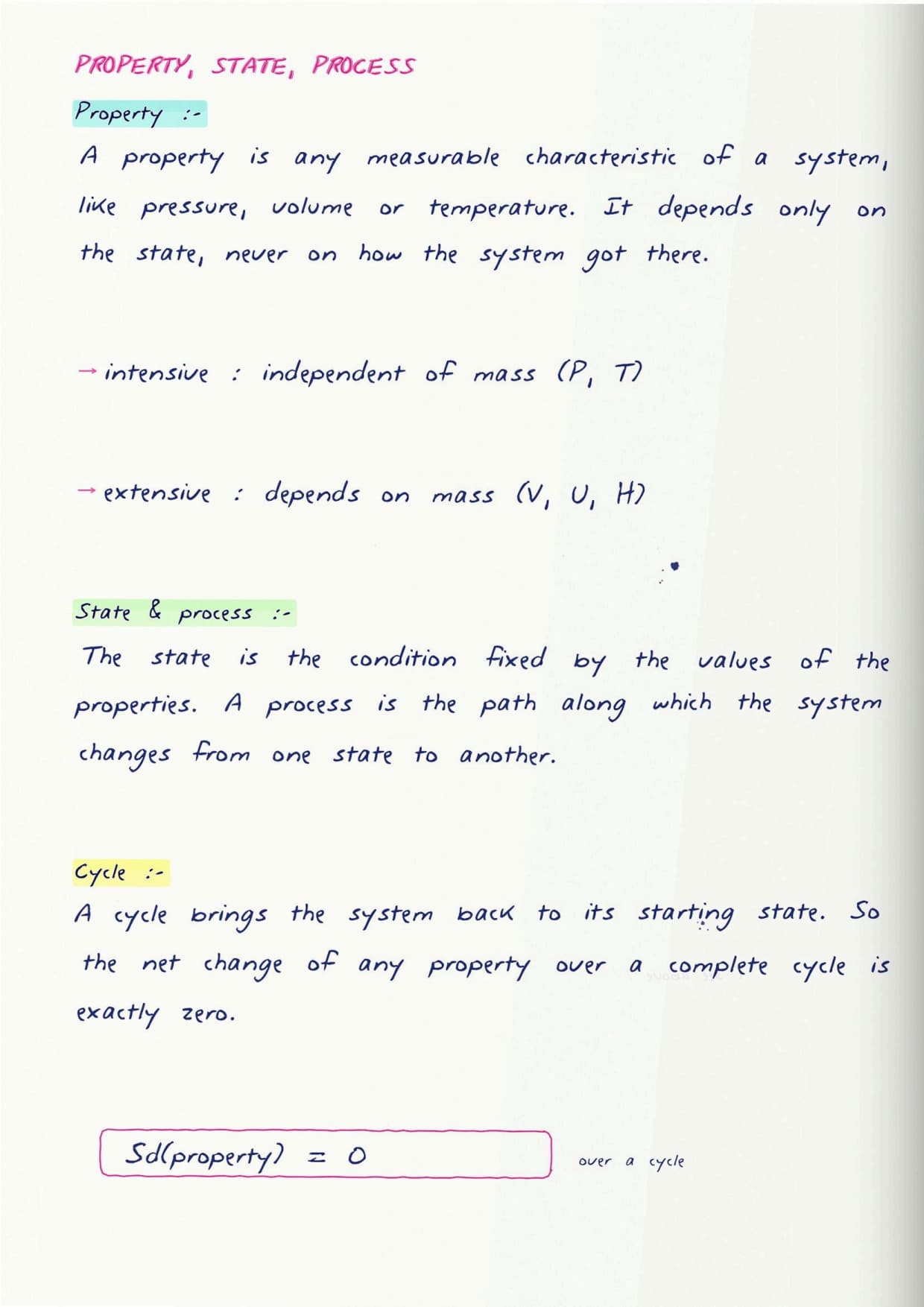
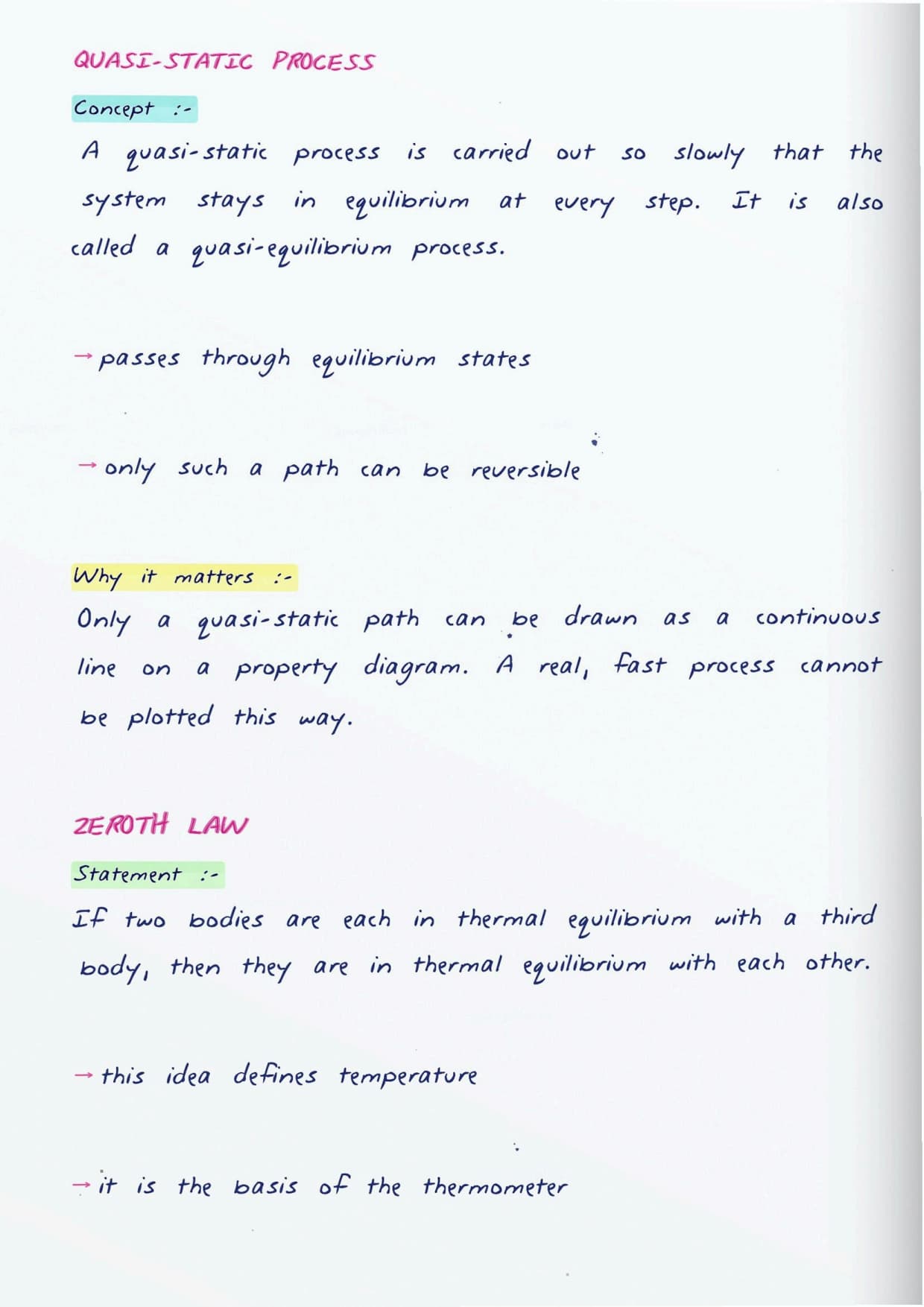
- Basic concepts: system, boundary, property, state, process and the zeroth law.
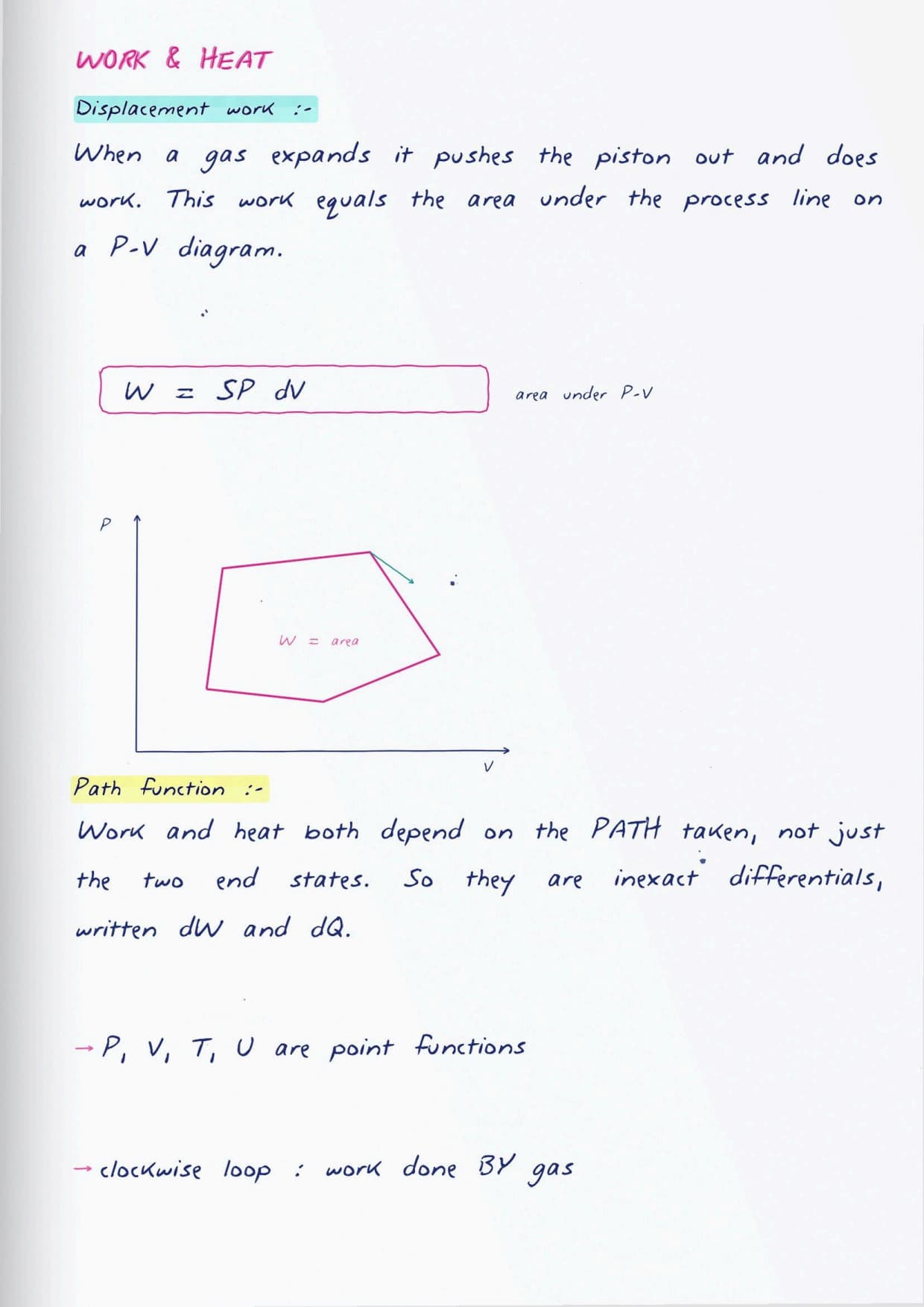
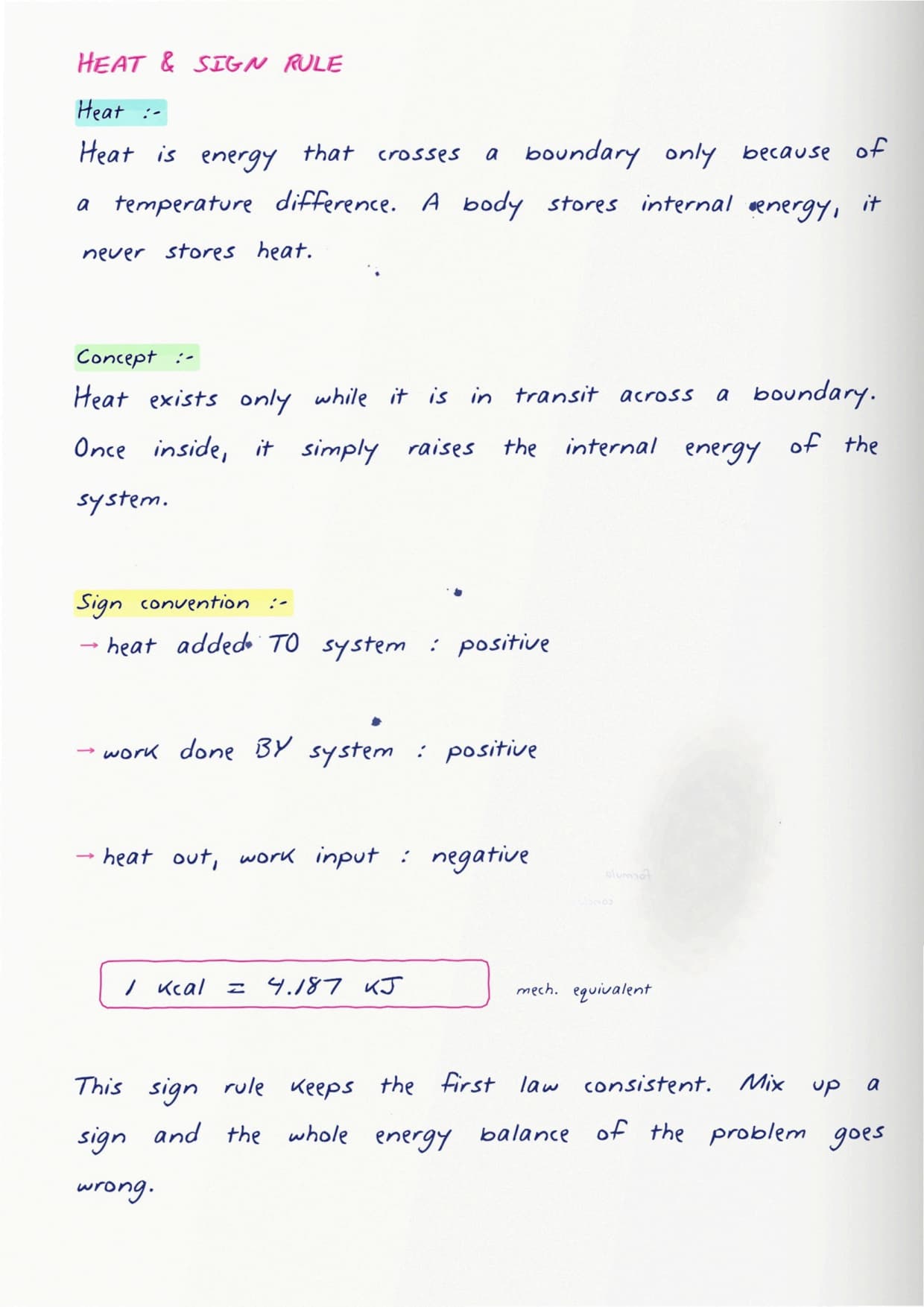
- Work and heat, and the difference between path and point functions.
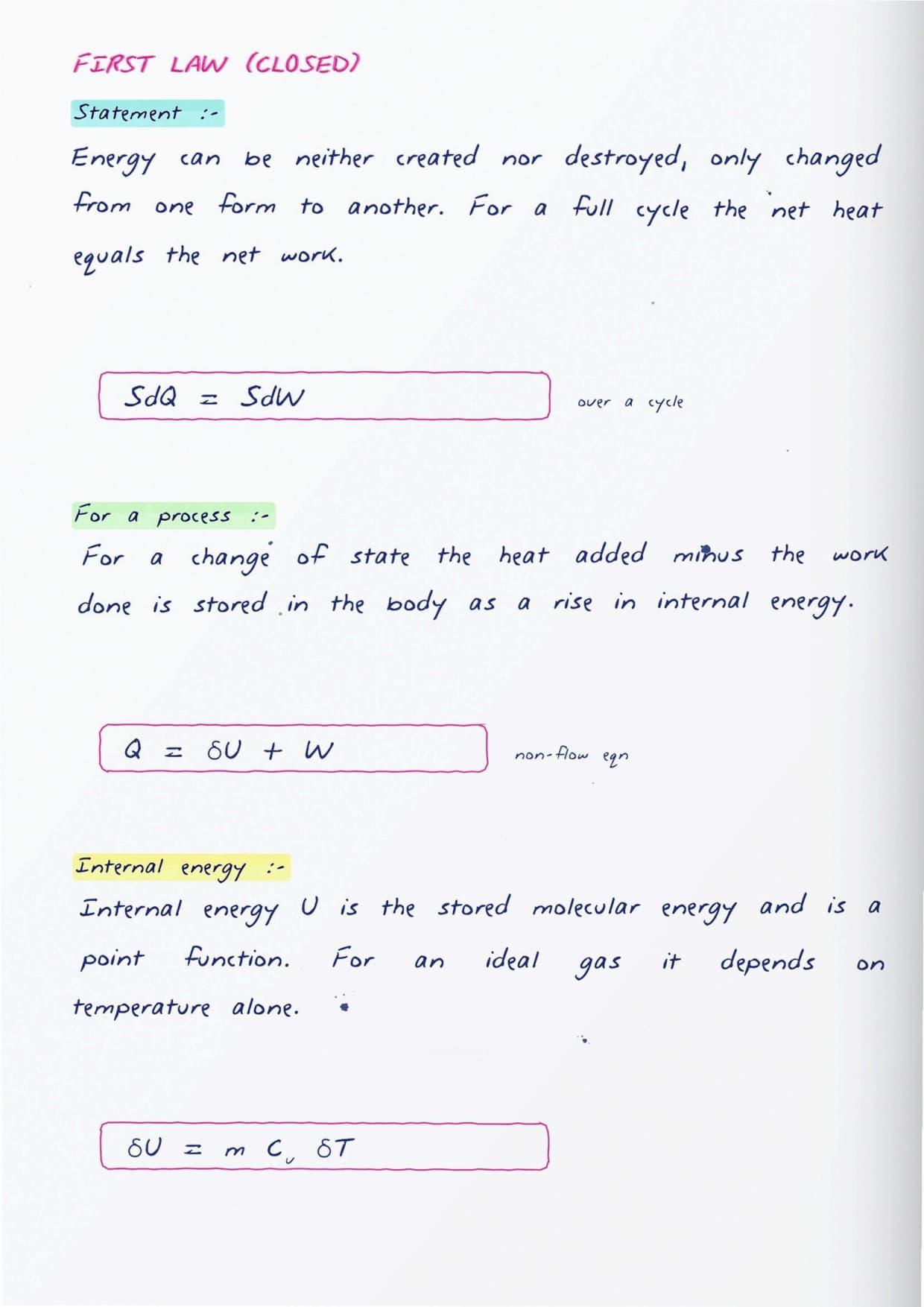
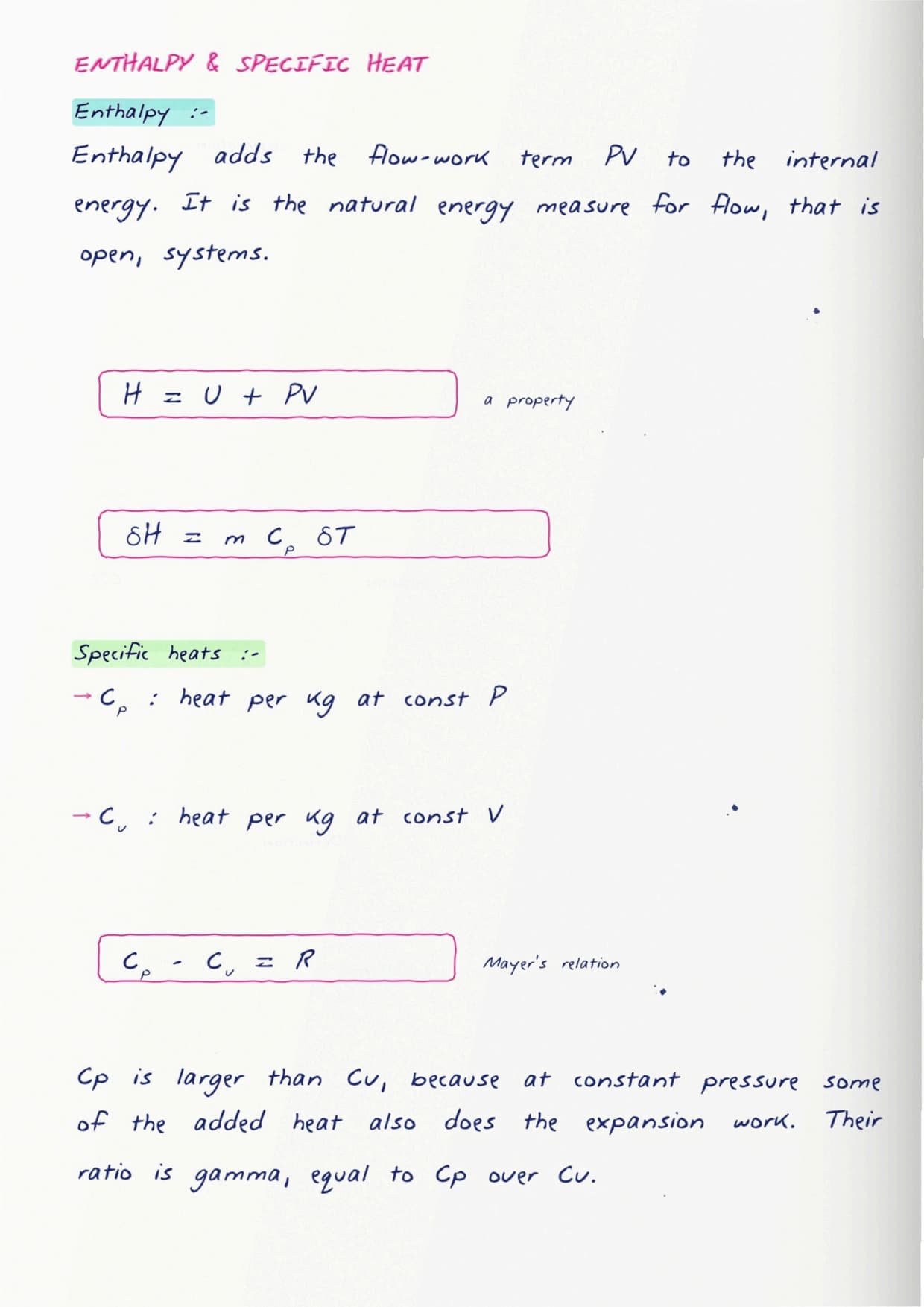
- First law for a closed system, internal energy and enthalpy.
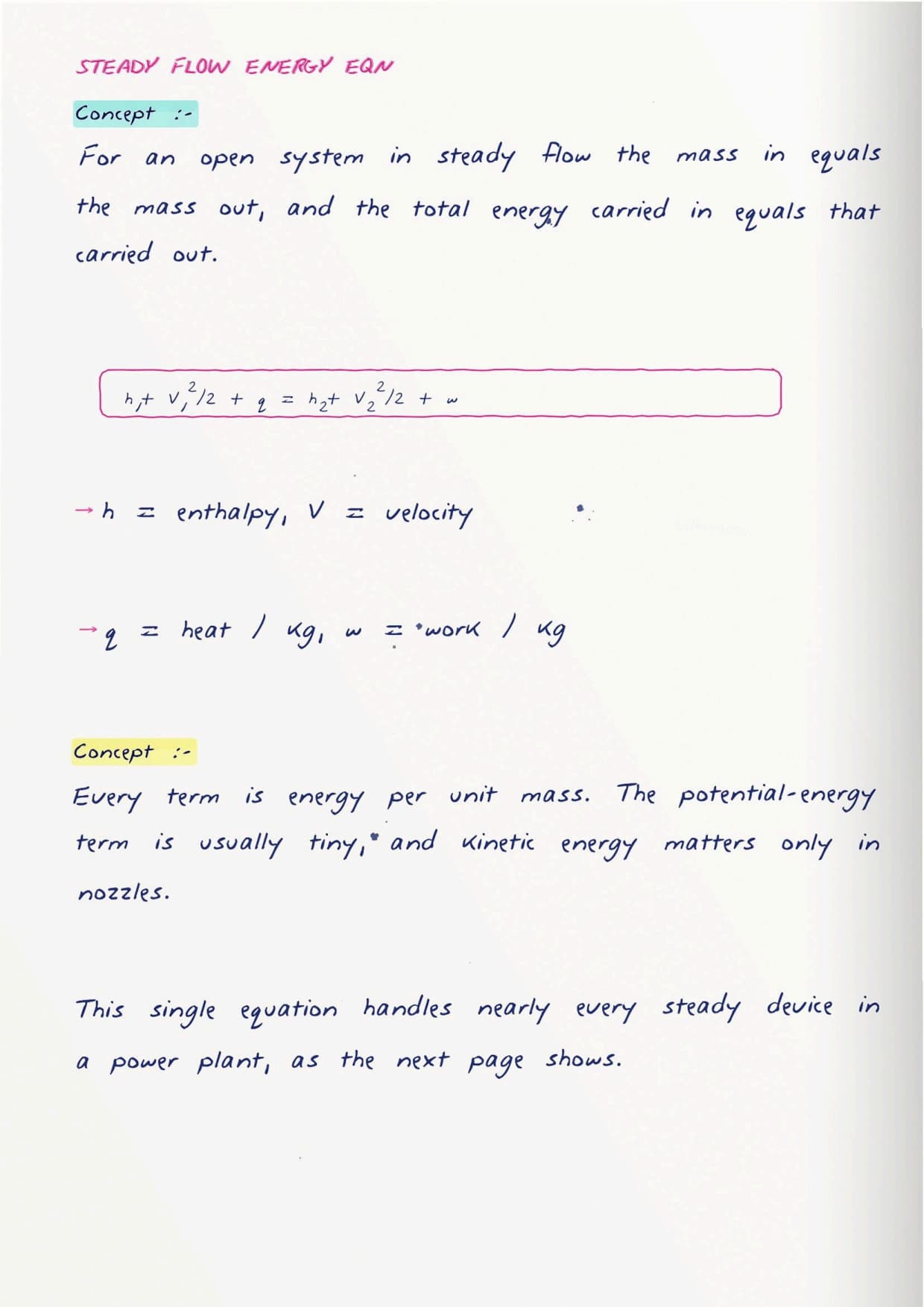
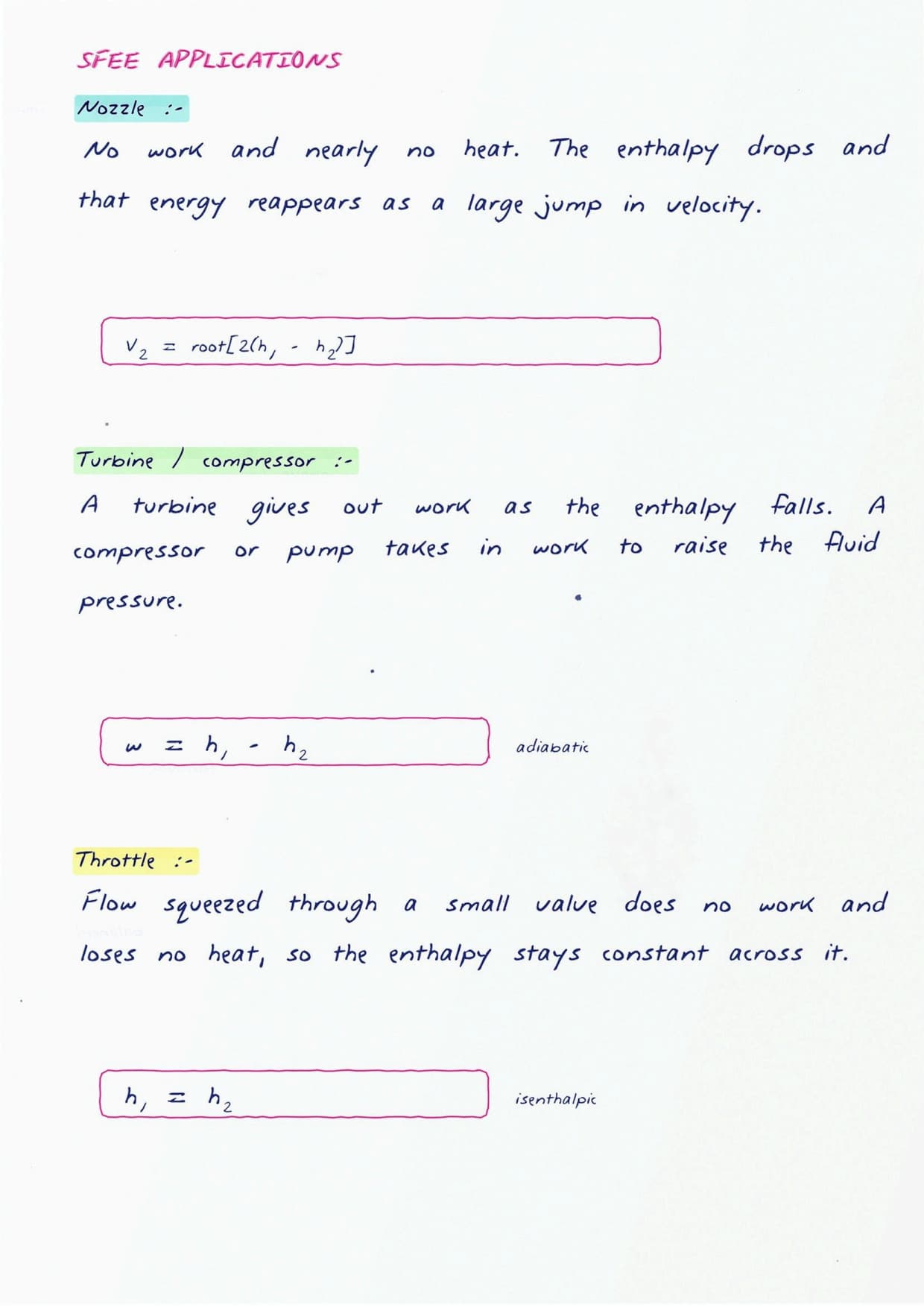
- First law for open systems, the steady flow energy equation and its uses.
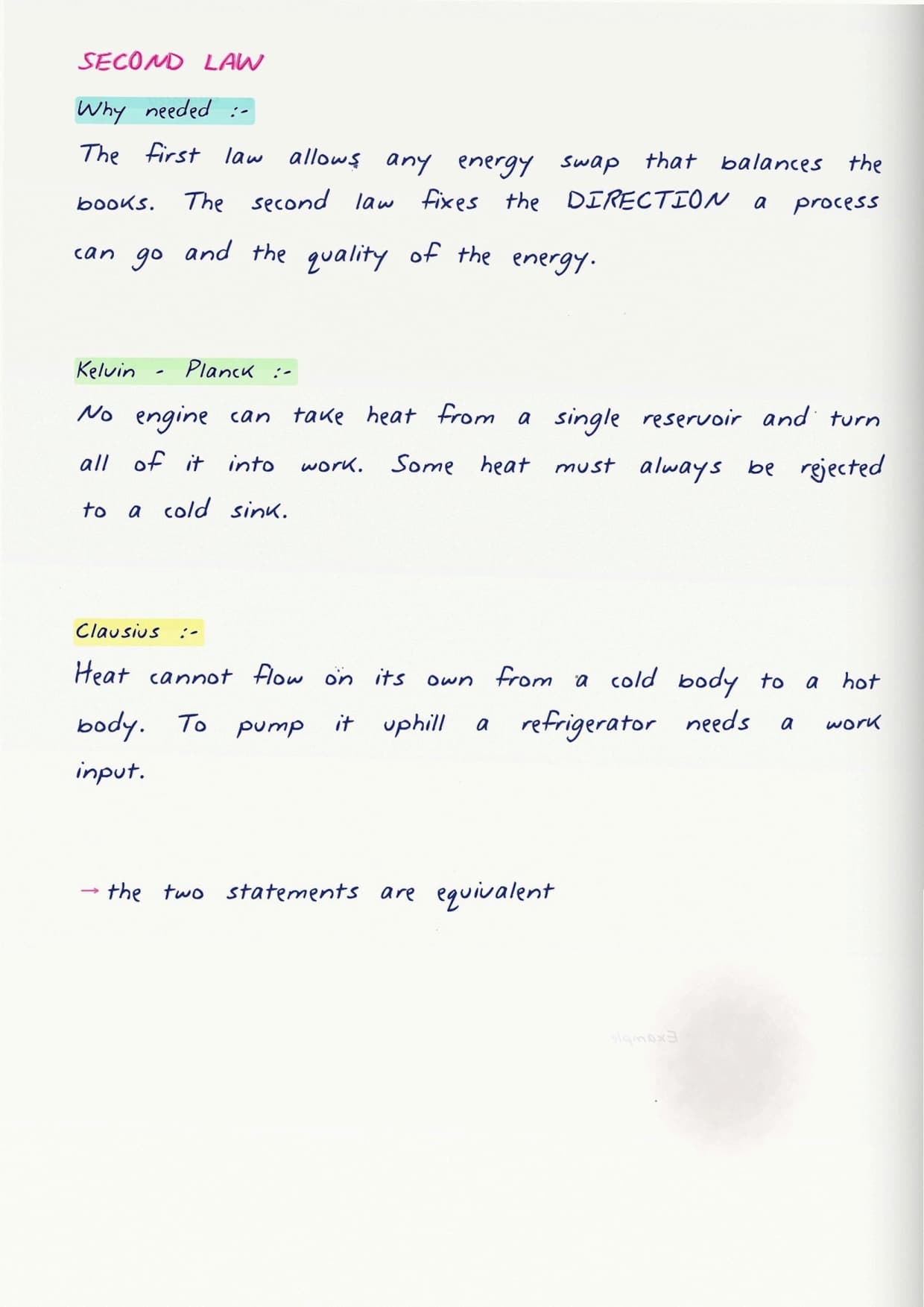
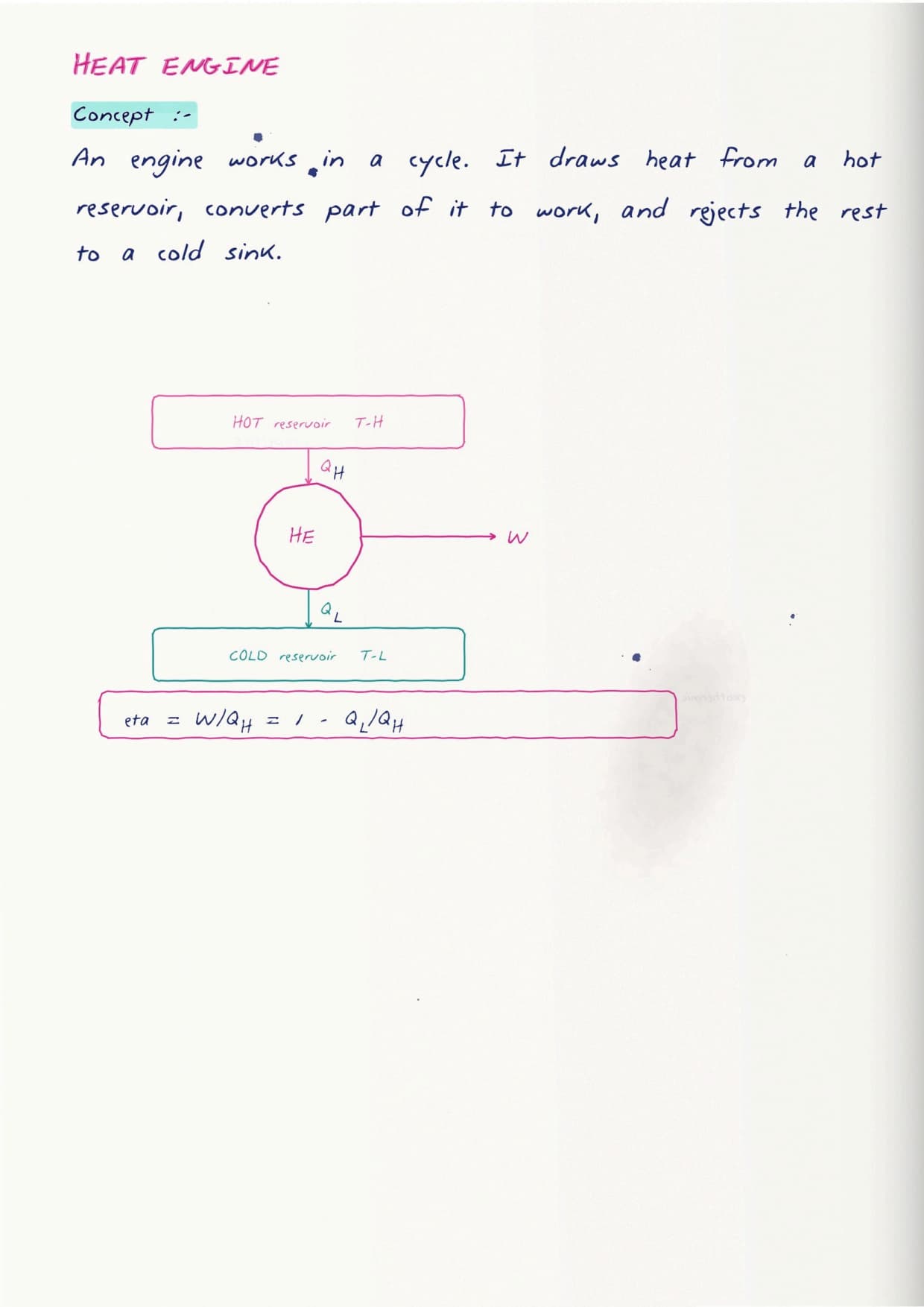
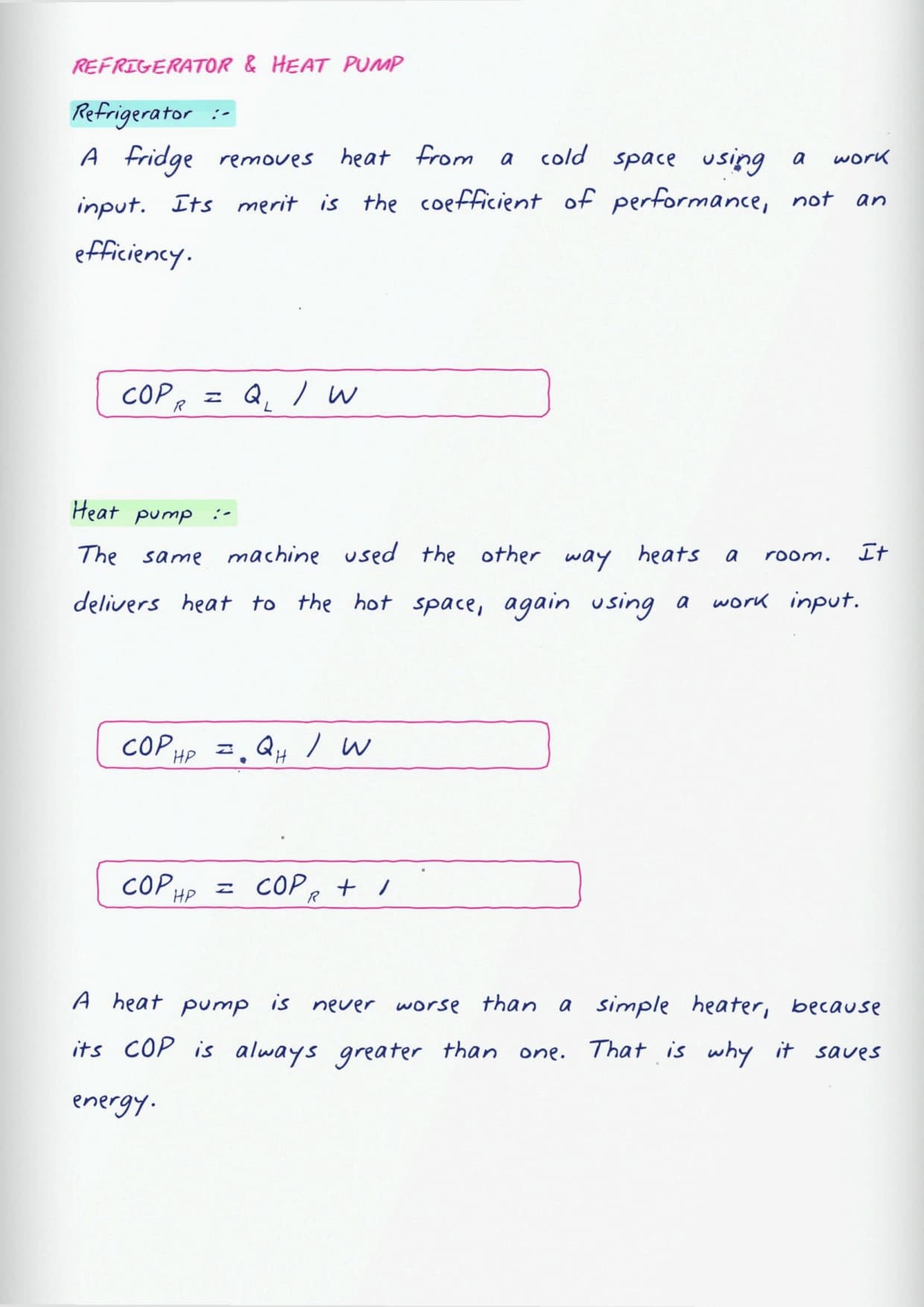
- Second law: Kelvin-Planck and Clausius statements, heat engines and refrigerators.
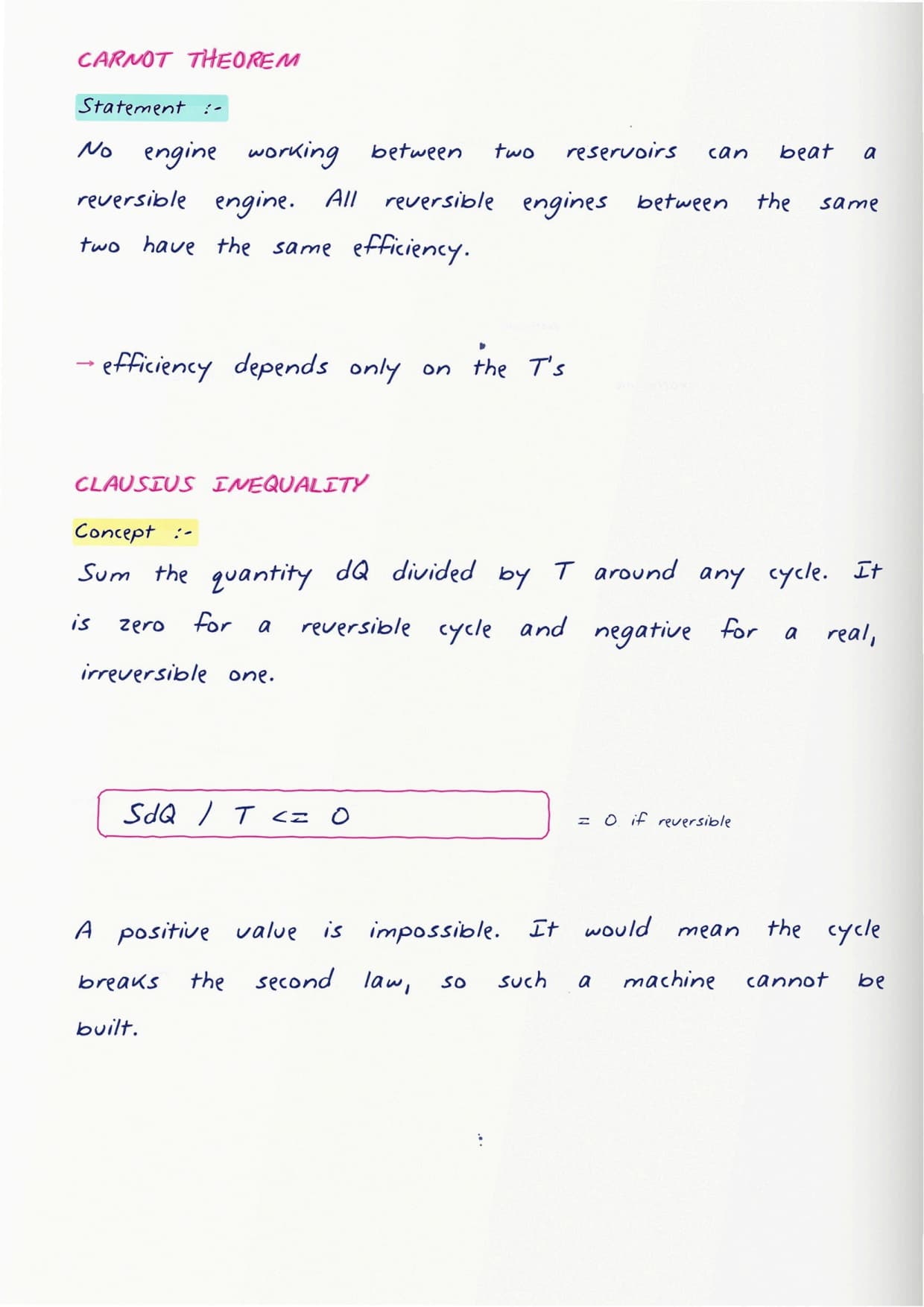
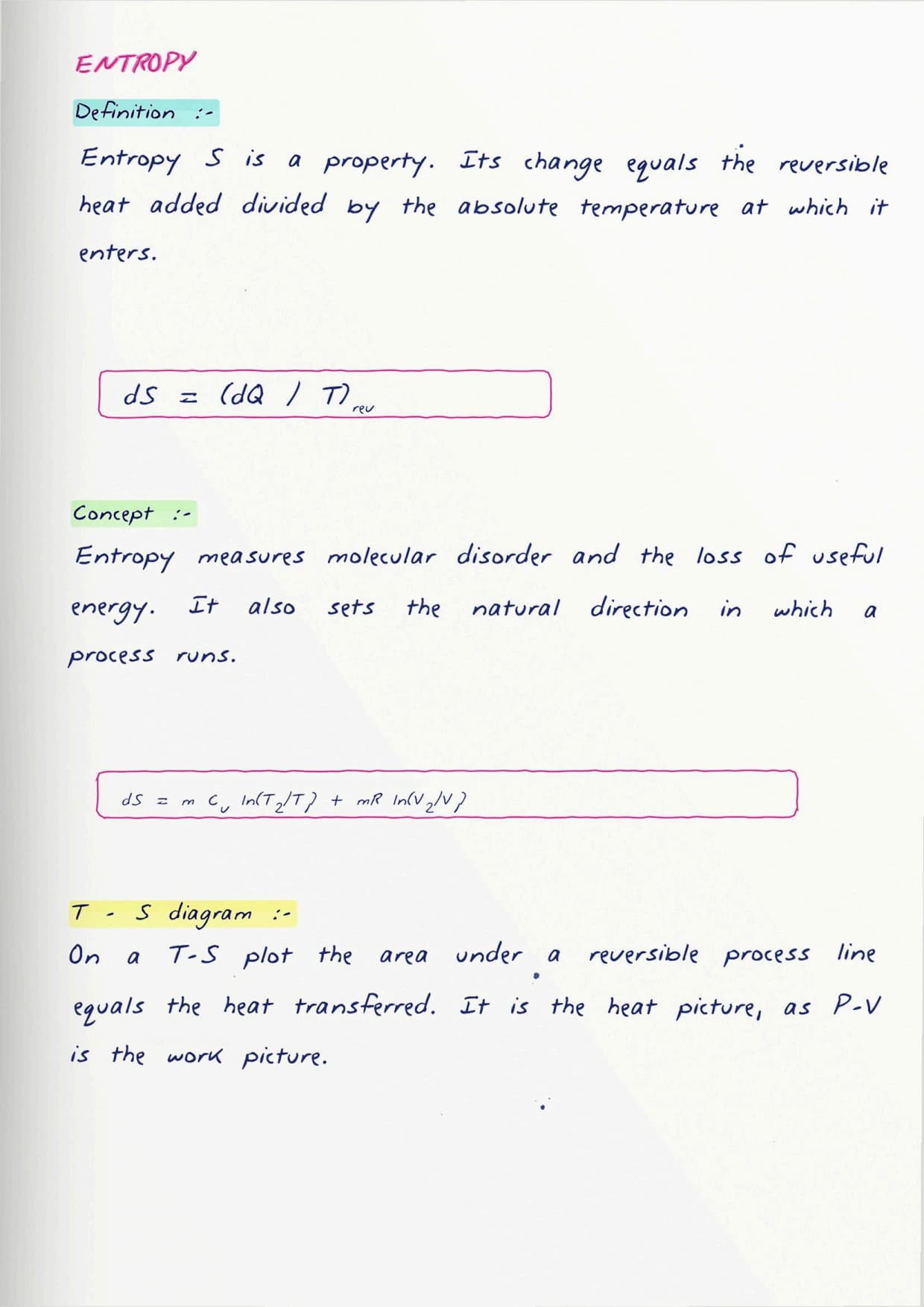
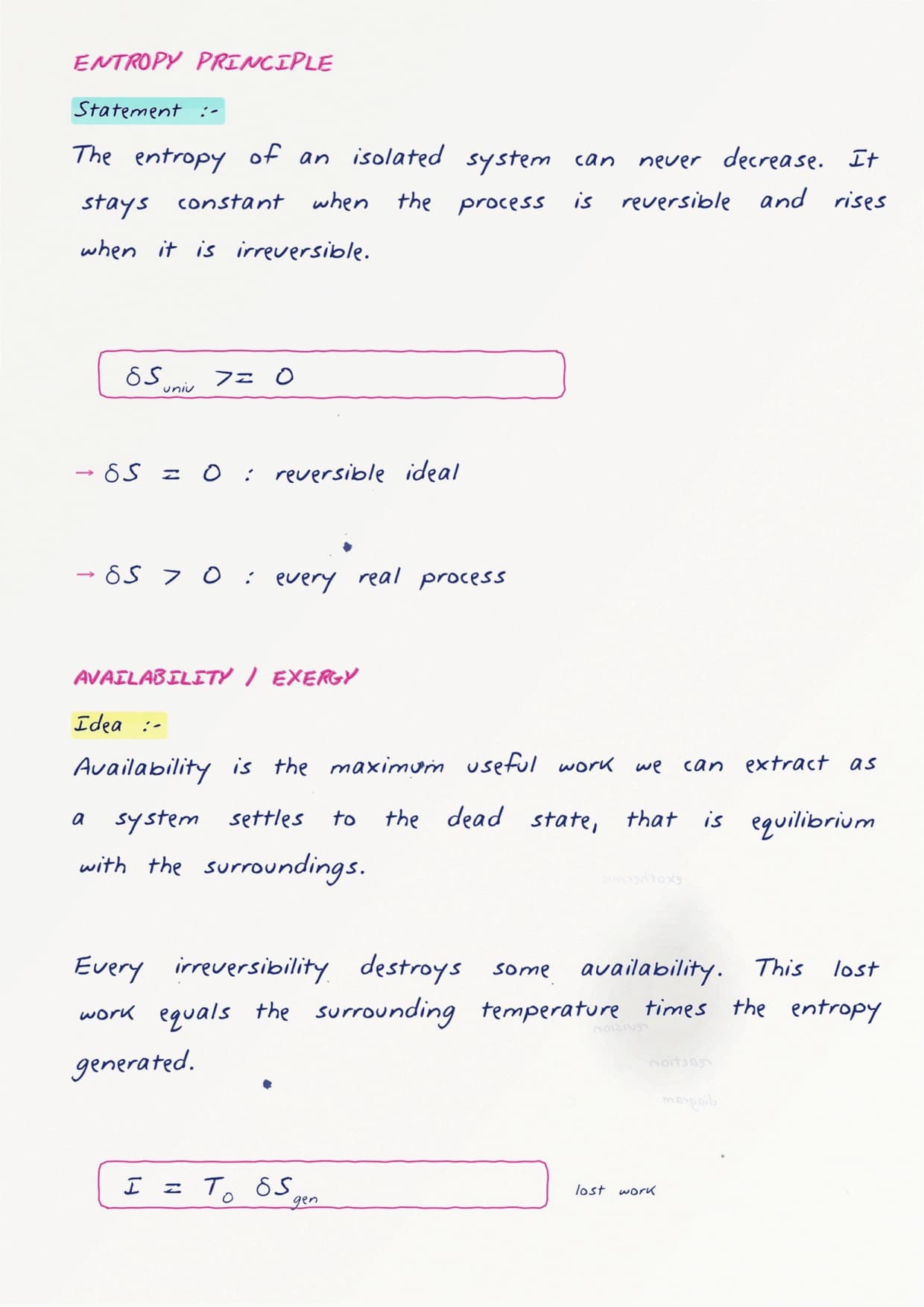
- Entropy, the Clausius inequality and availability or exergy.
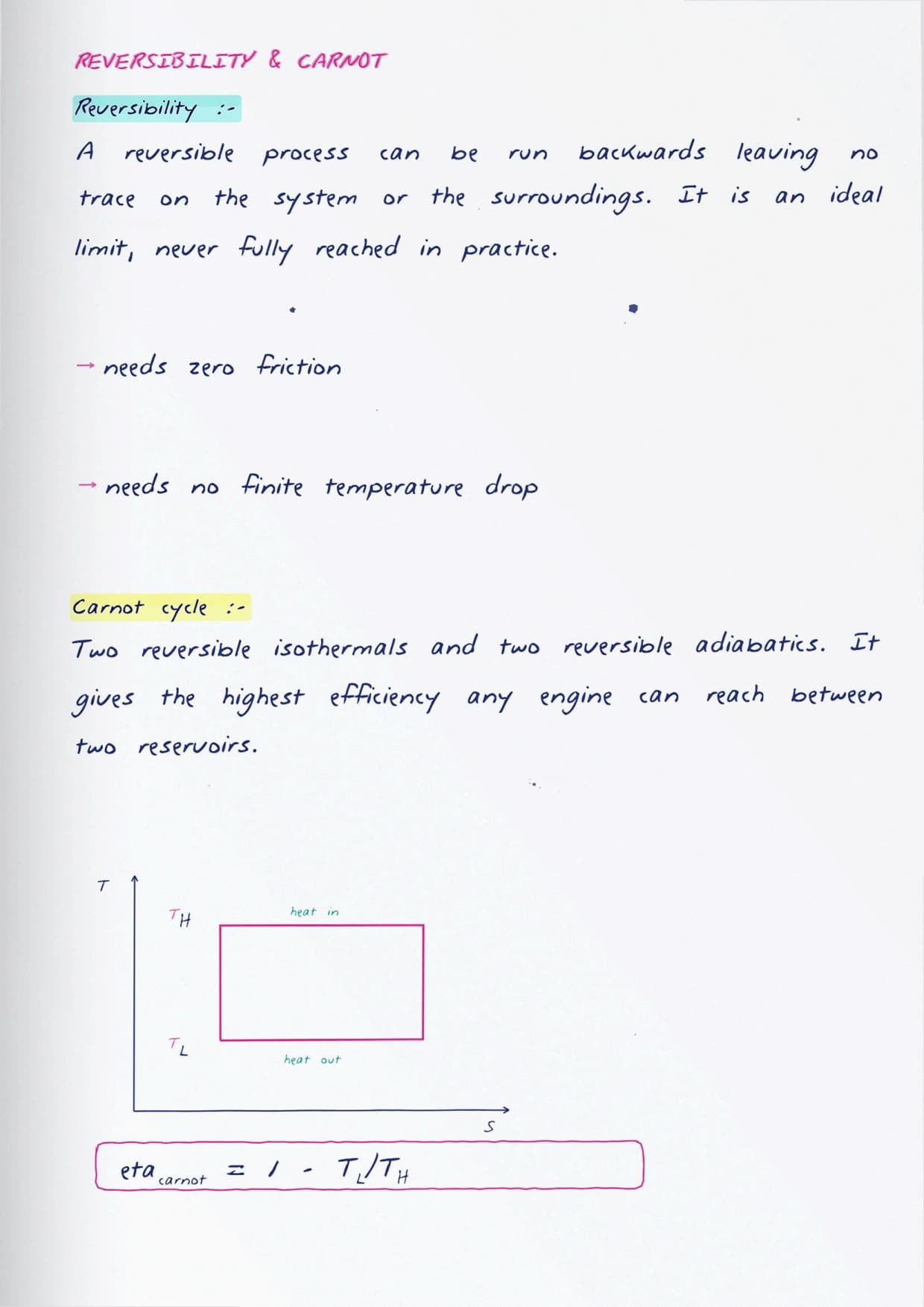
- Carnot cycle and the Carnot theorem for maximum efficiency.
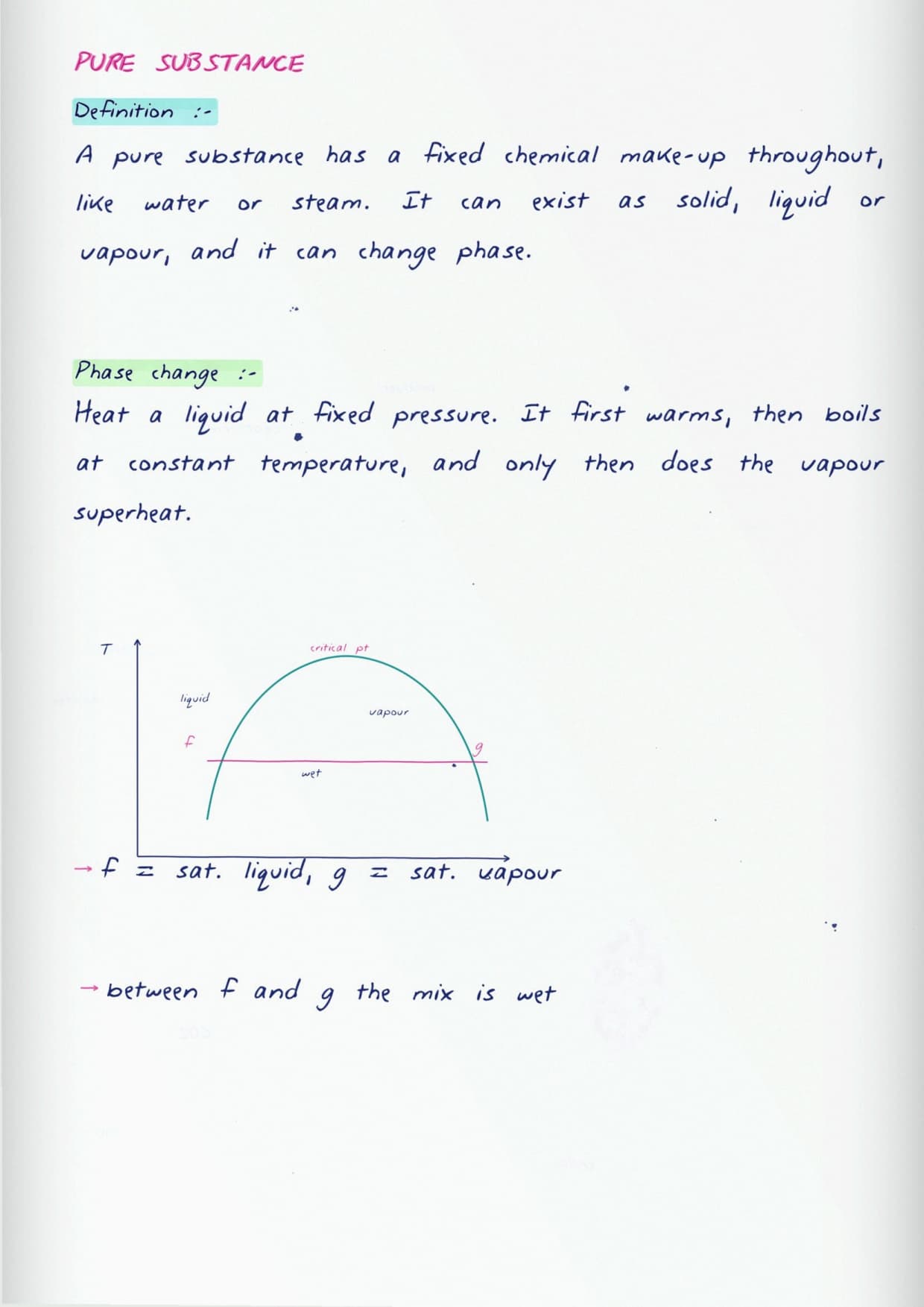
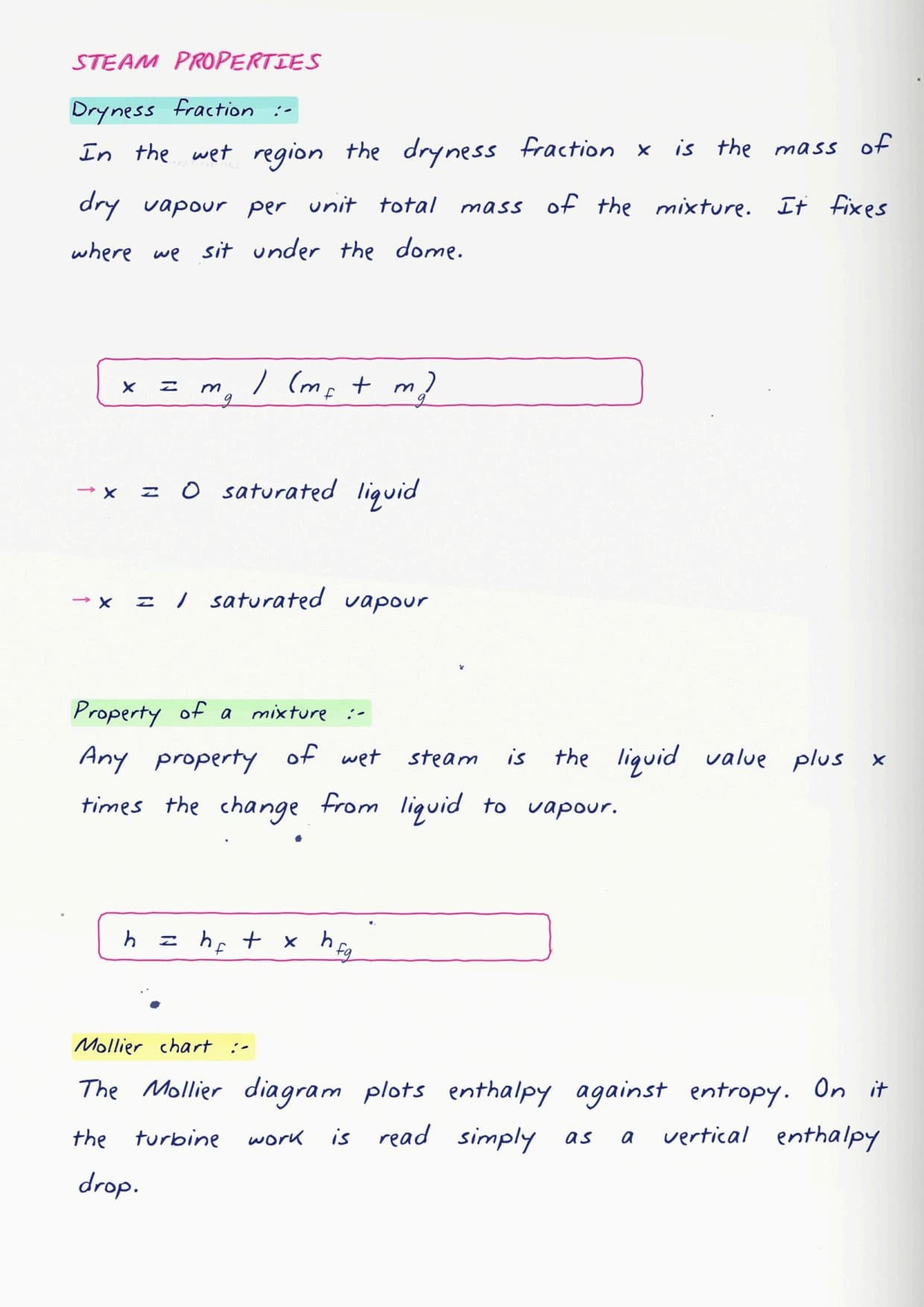
- Properties of pure substances, steam, dryness fraction and the Mollier chart.
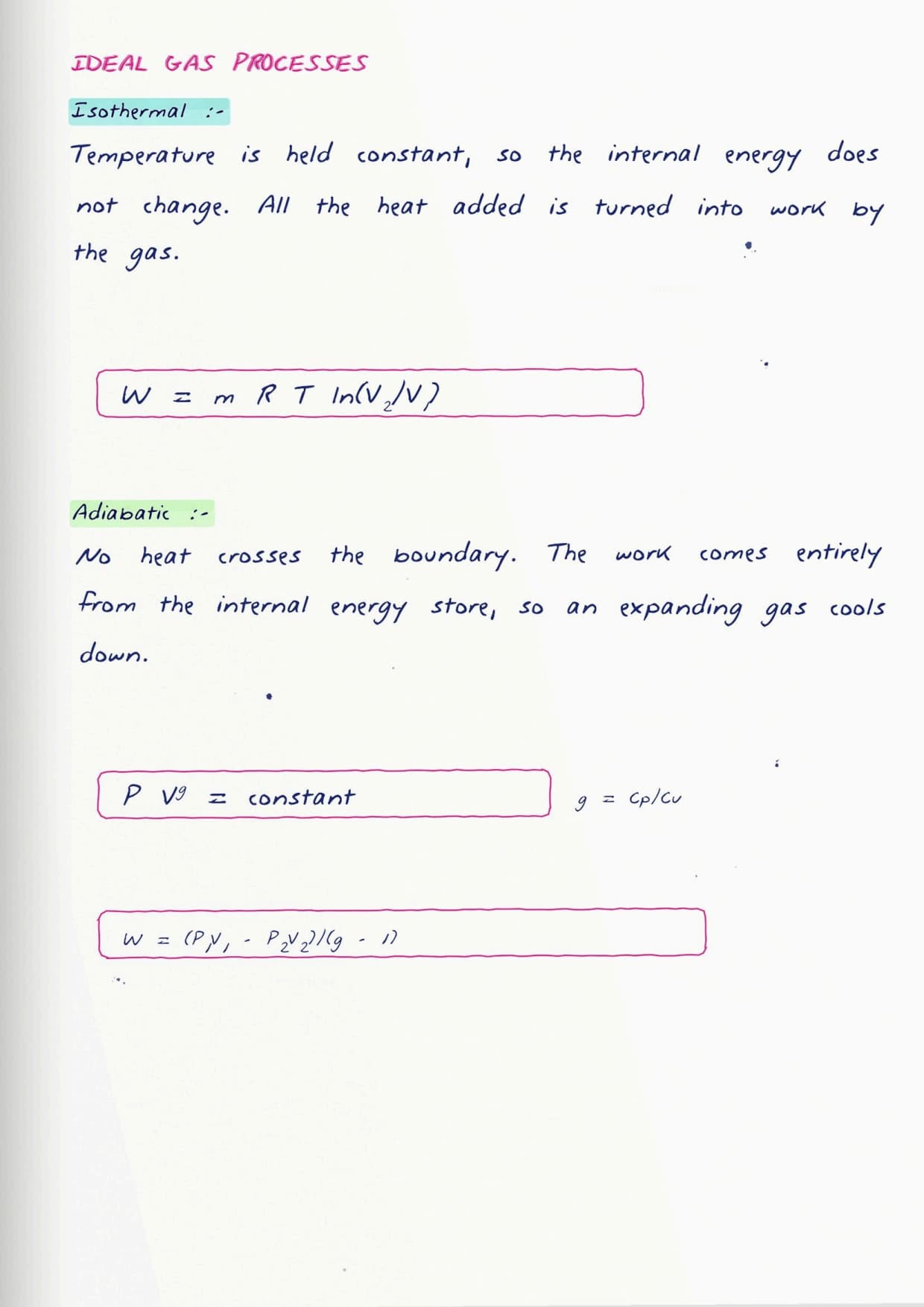
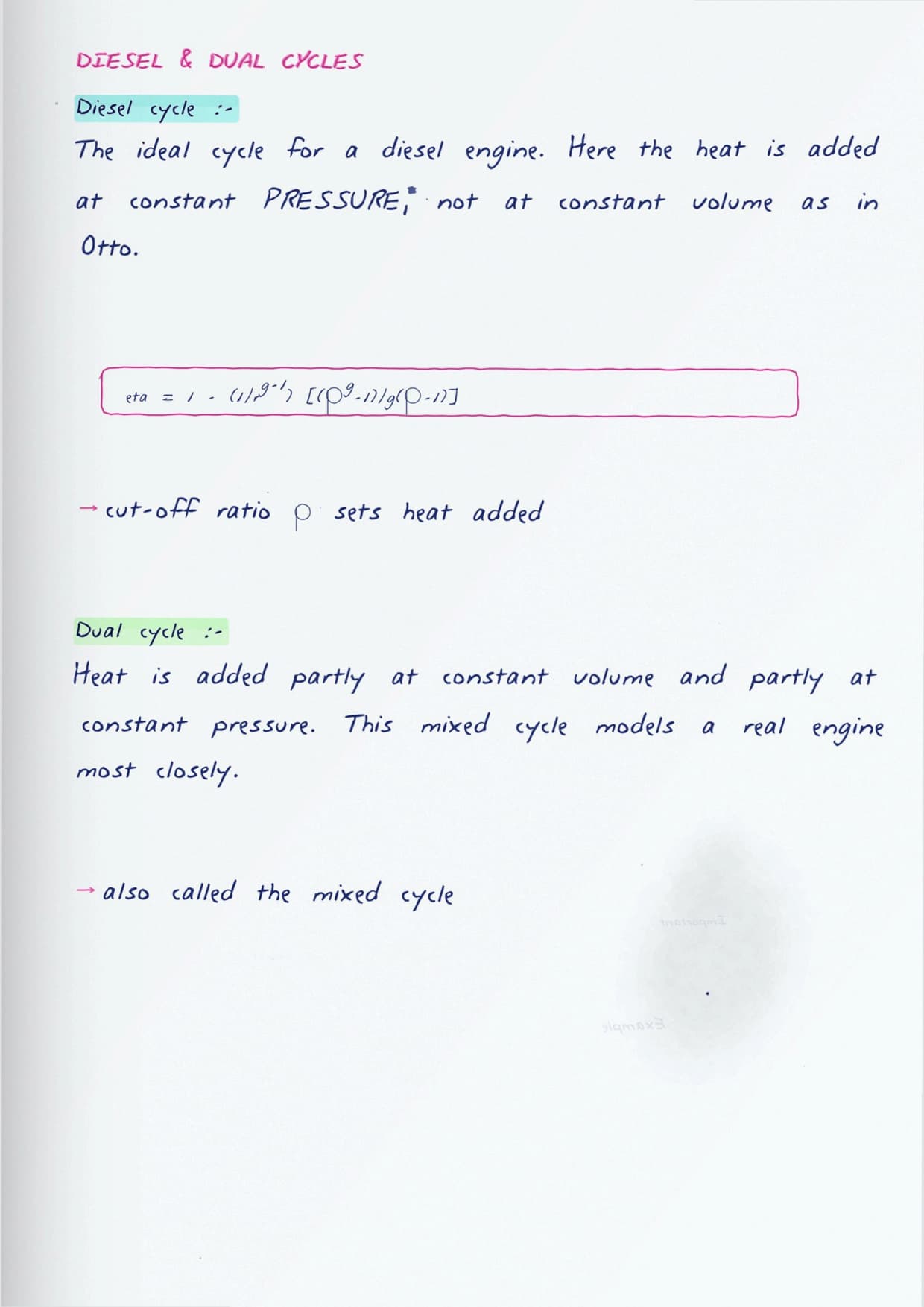
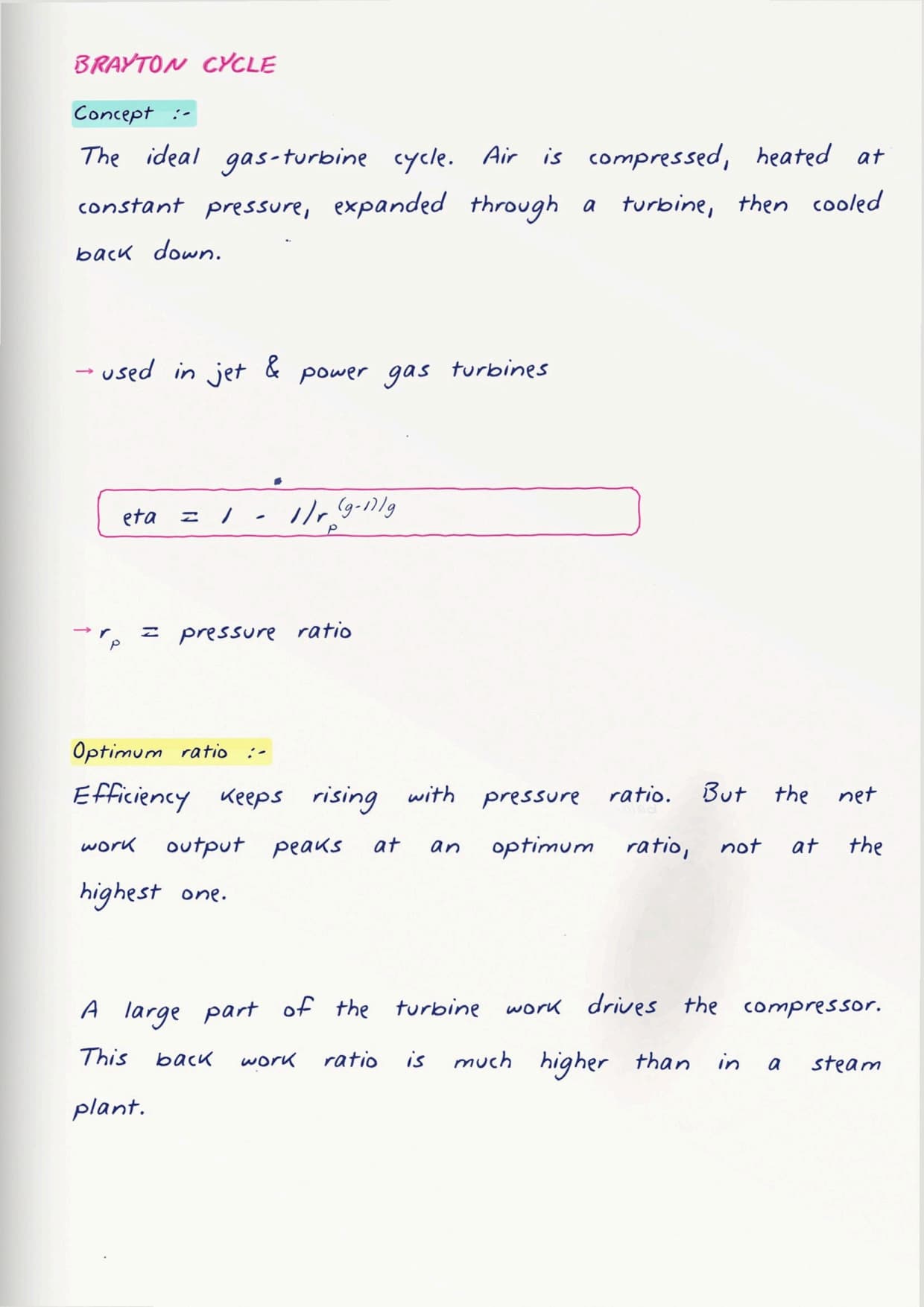
- Air-standard cycles: Otto, Diesel, Dual and Brayton.
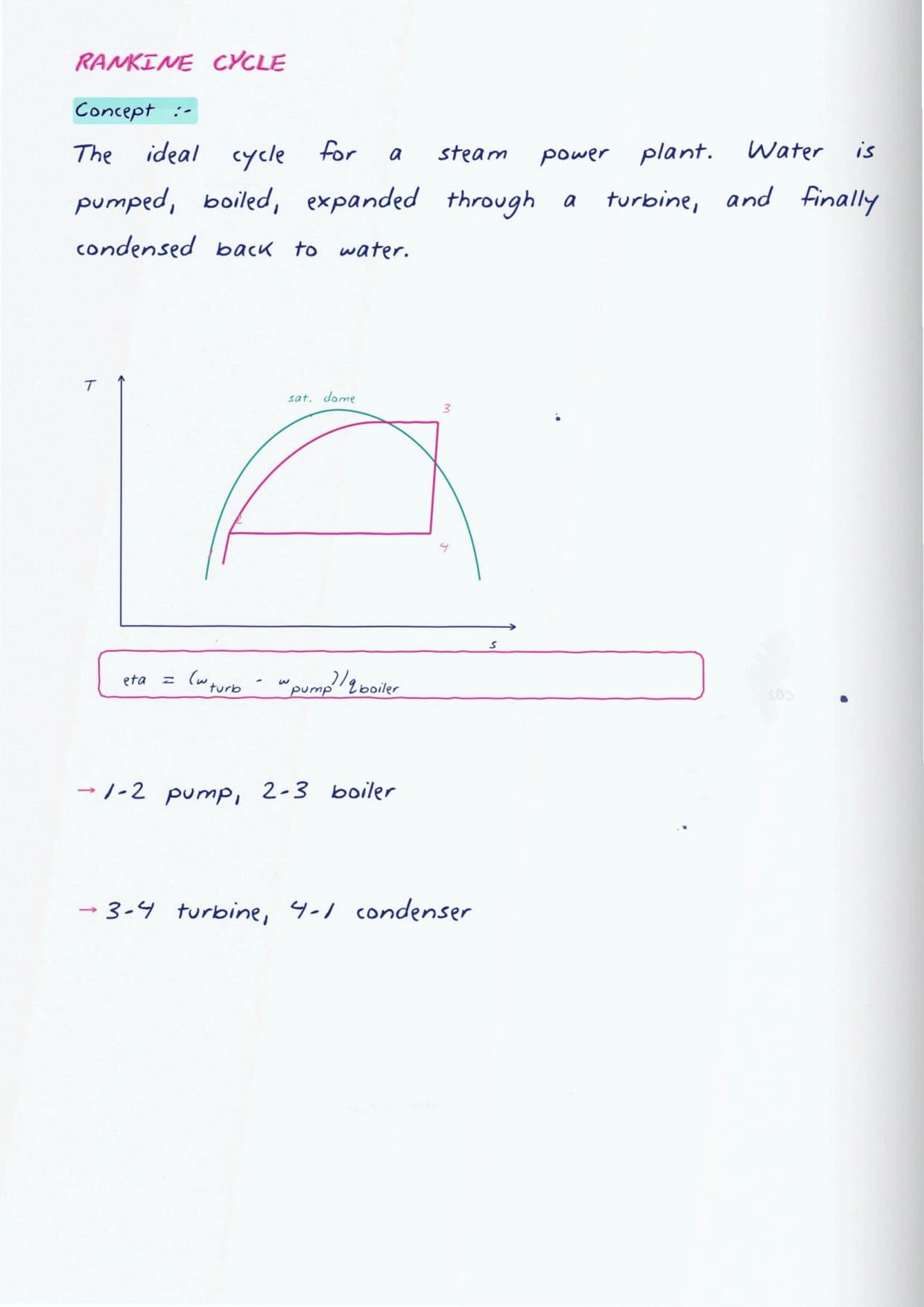
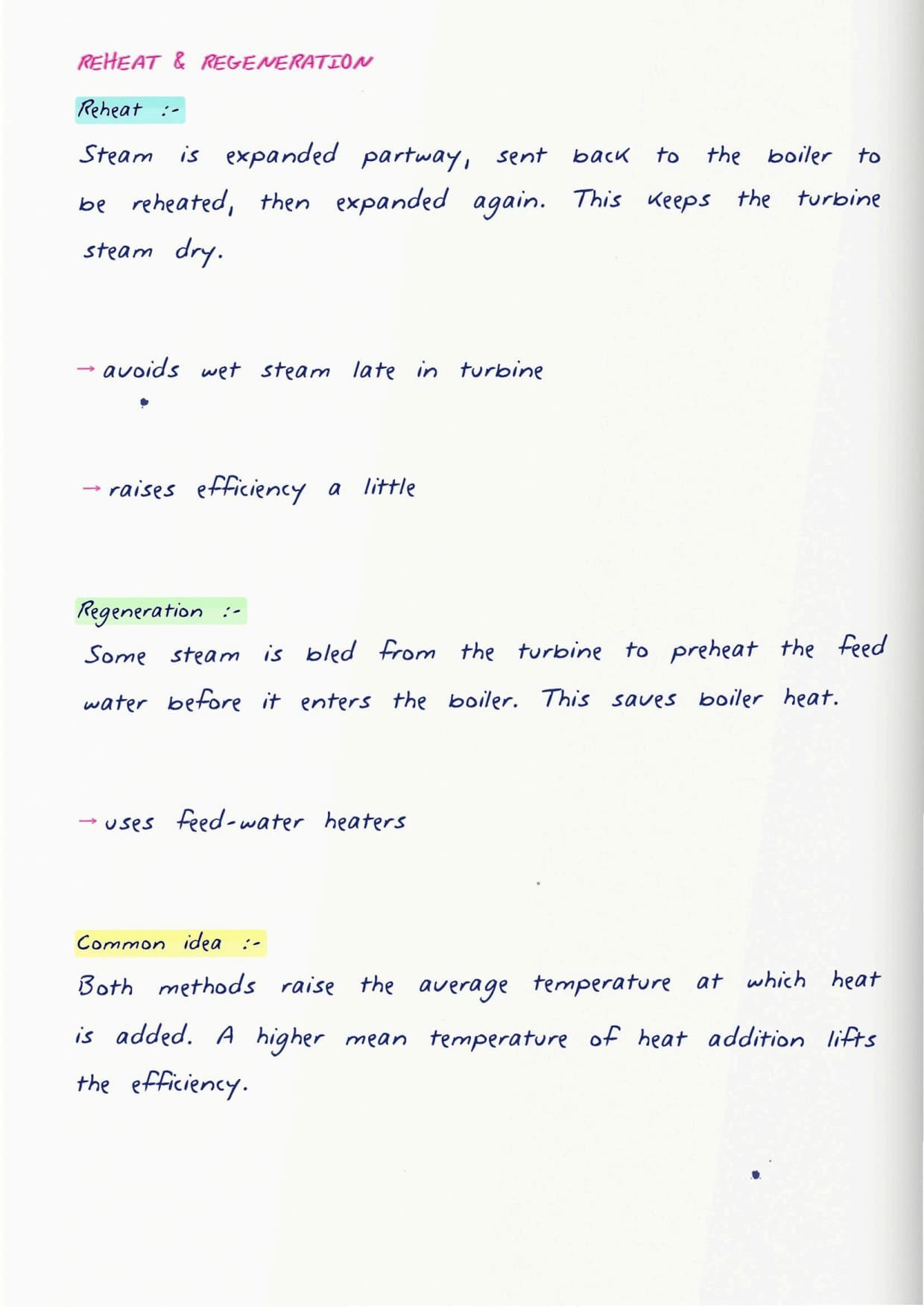
- Rankine vapour power cycle with reheat and regeneration.
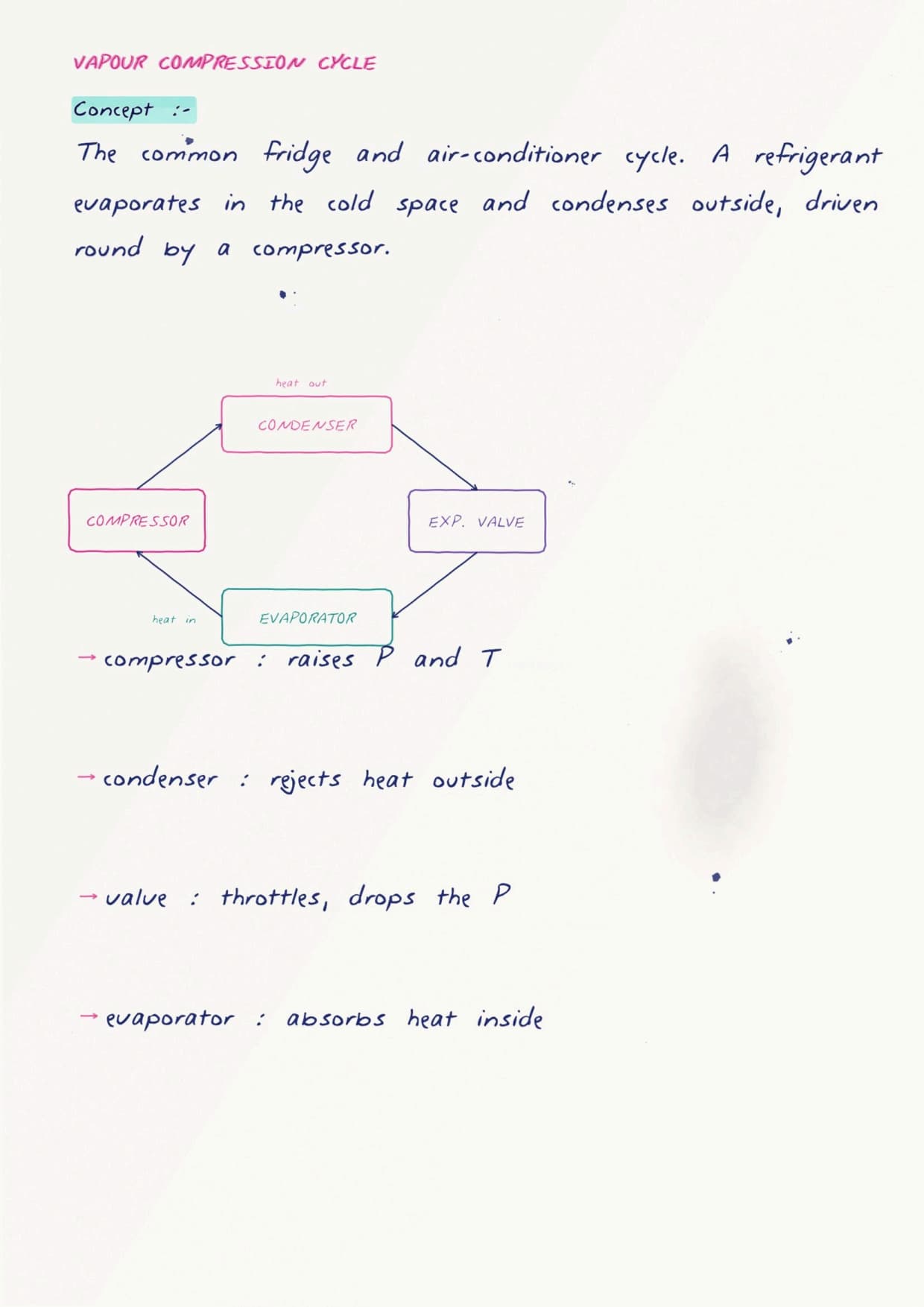
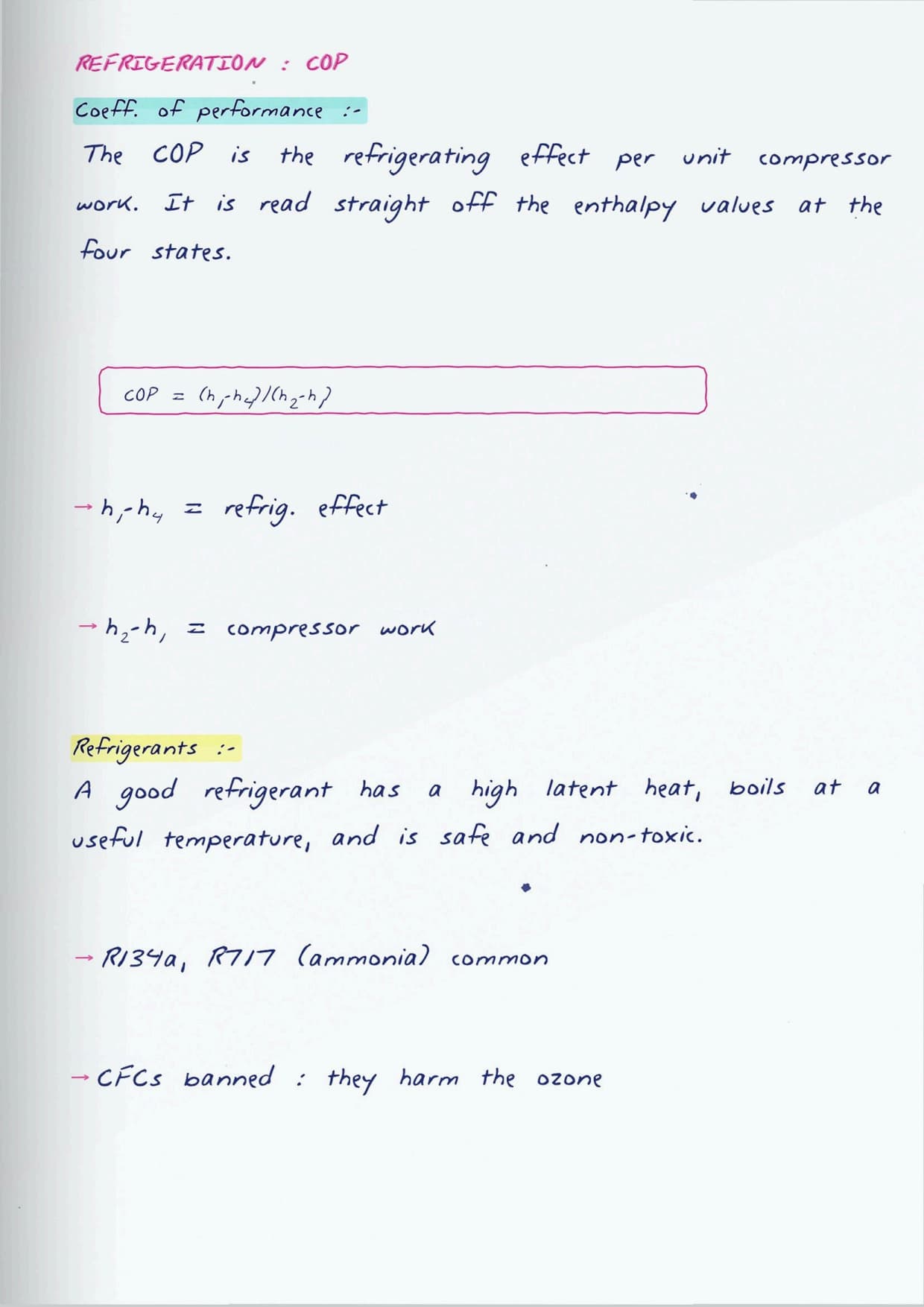
- Vapour compression refrigeration and coefficient of performance.
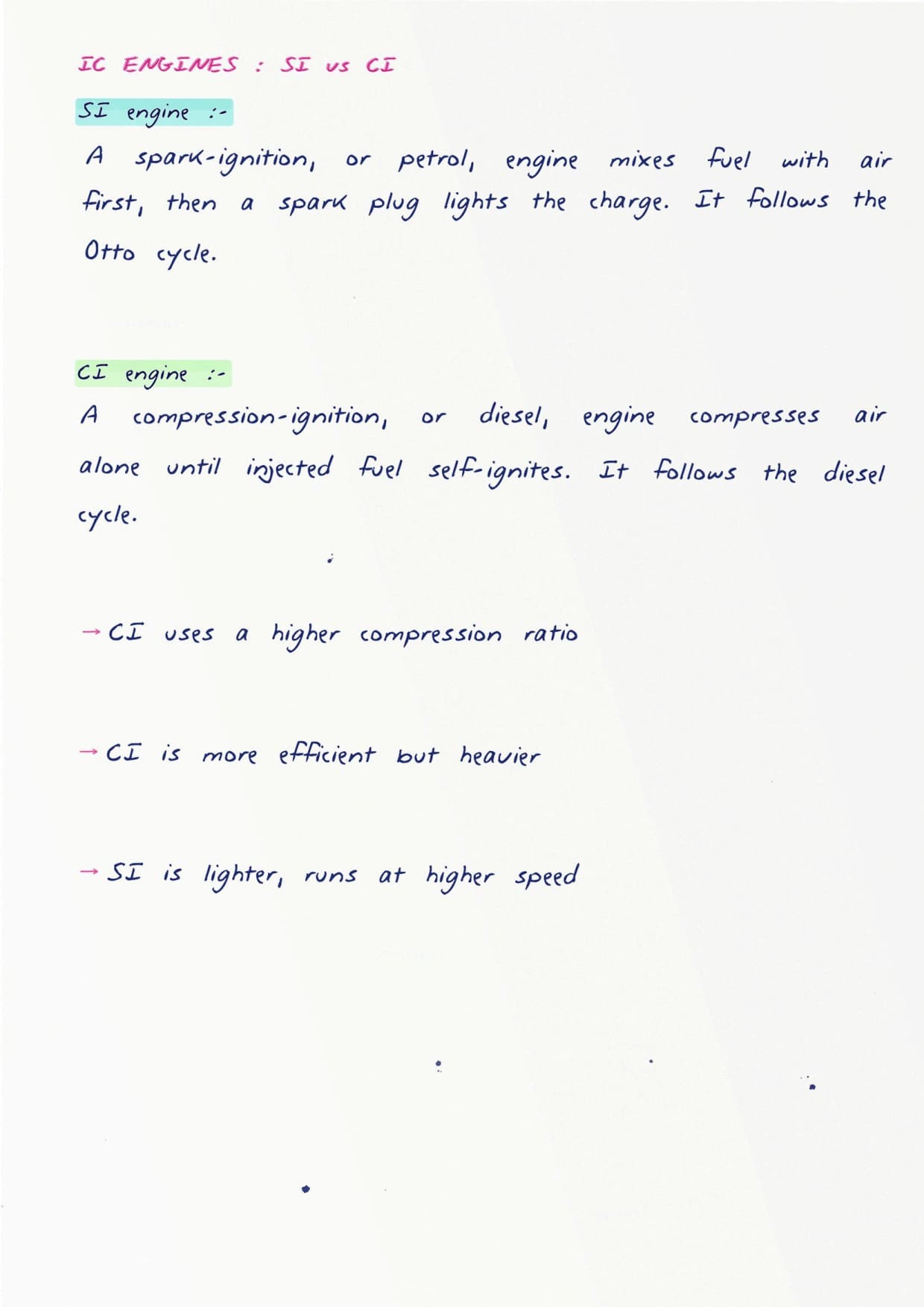
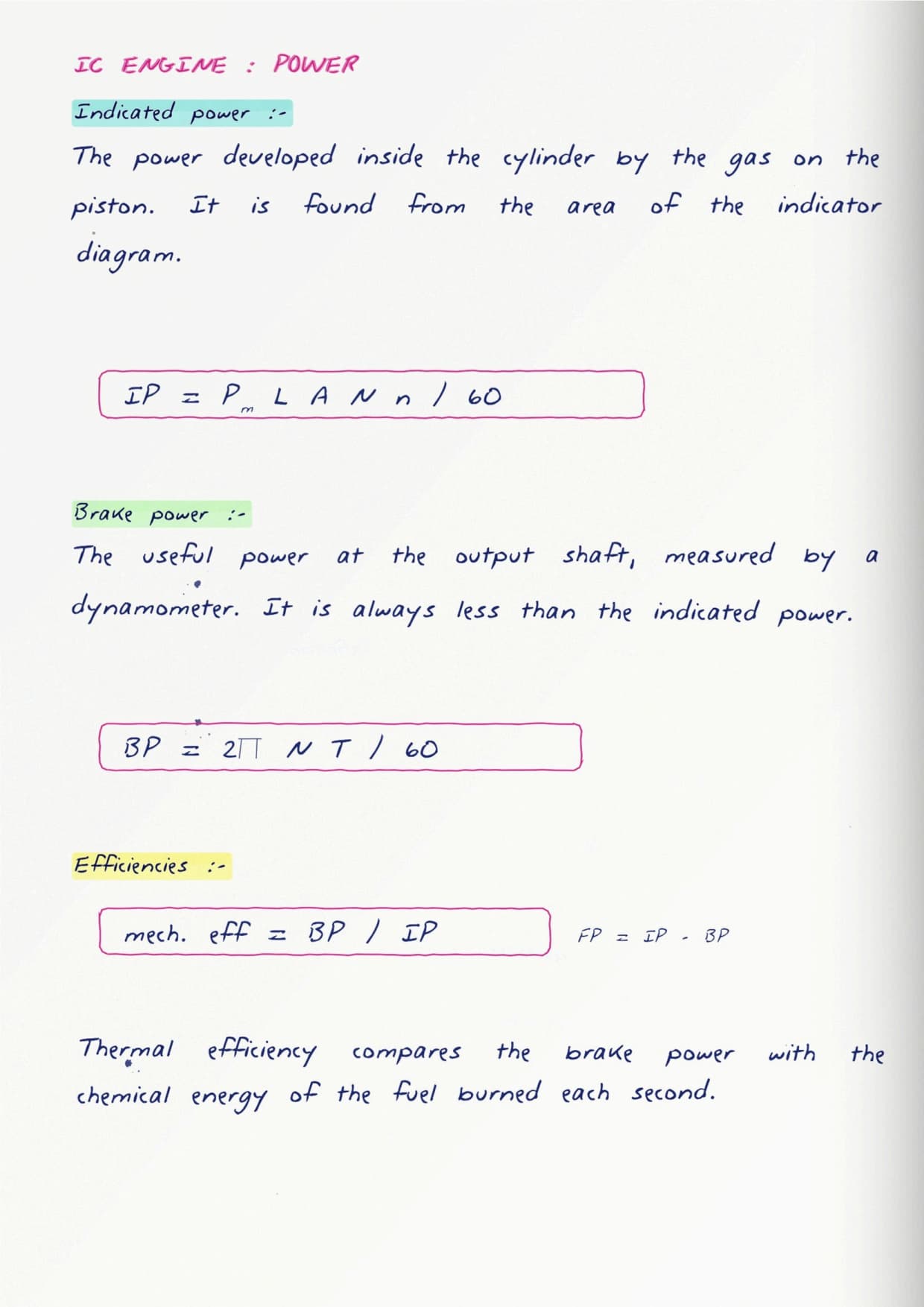
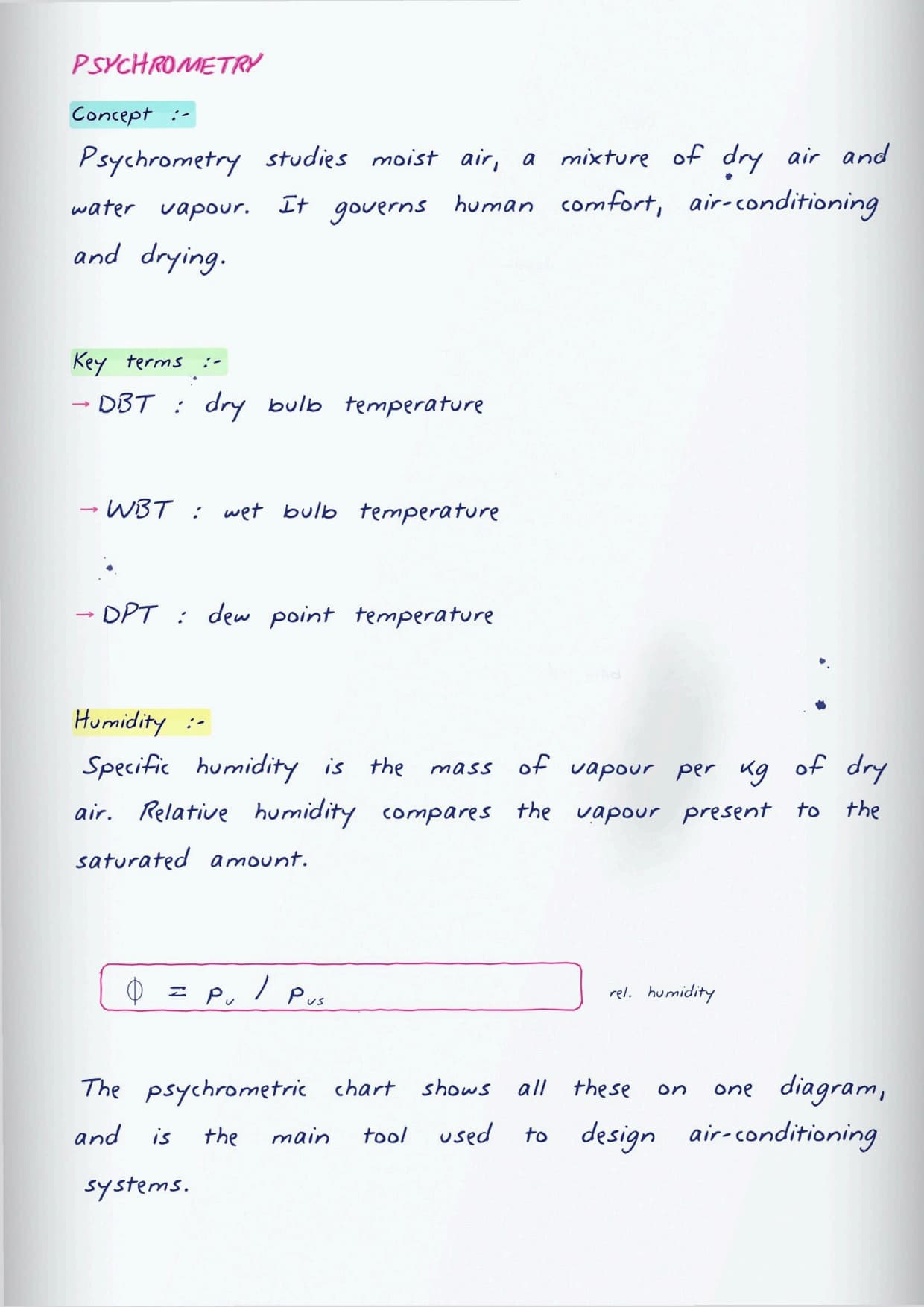
- IC engine basics and an introduction to psychrometry.
How the Notes Are Organised
Each topic is kept to a single block, with its formula and diagram beside it, so you can trace a cycle without flipping pages. Ideas that GATE tends to test together, such as entropy and availability, are placed side by side, and every cycle diagram is marked with clear state points.
- First law builds from a closed system up to the steady flow energy equation.
- Entropy and availability are kept together, as GATE often tests them as one.
- Each work and efficiency formula is next to the cycle it belongs to.
- Every cycle diagram is marked with clear state points to trace the path.
Important Topics in GATE Thermodynamics
A handful of topics appear in almost every GATE Mechanical paper and carry the most marks. Revise these first if you are short on time, since several of them also return in fluid mechanics and heat transfer questions.
- Steady flow energy equation applied to nozzles, turbines and throttling.
- Entropy change and the idea of availability or exergy.
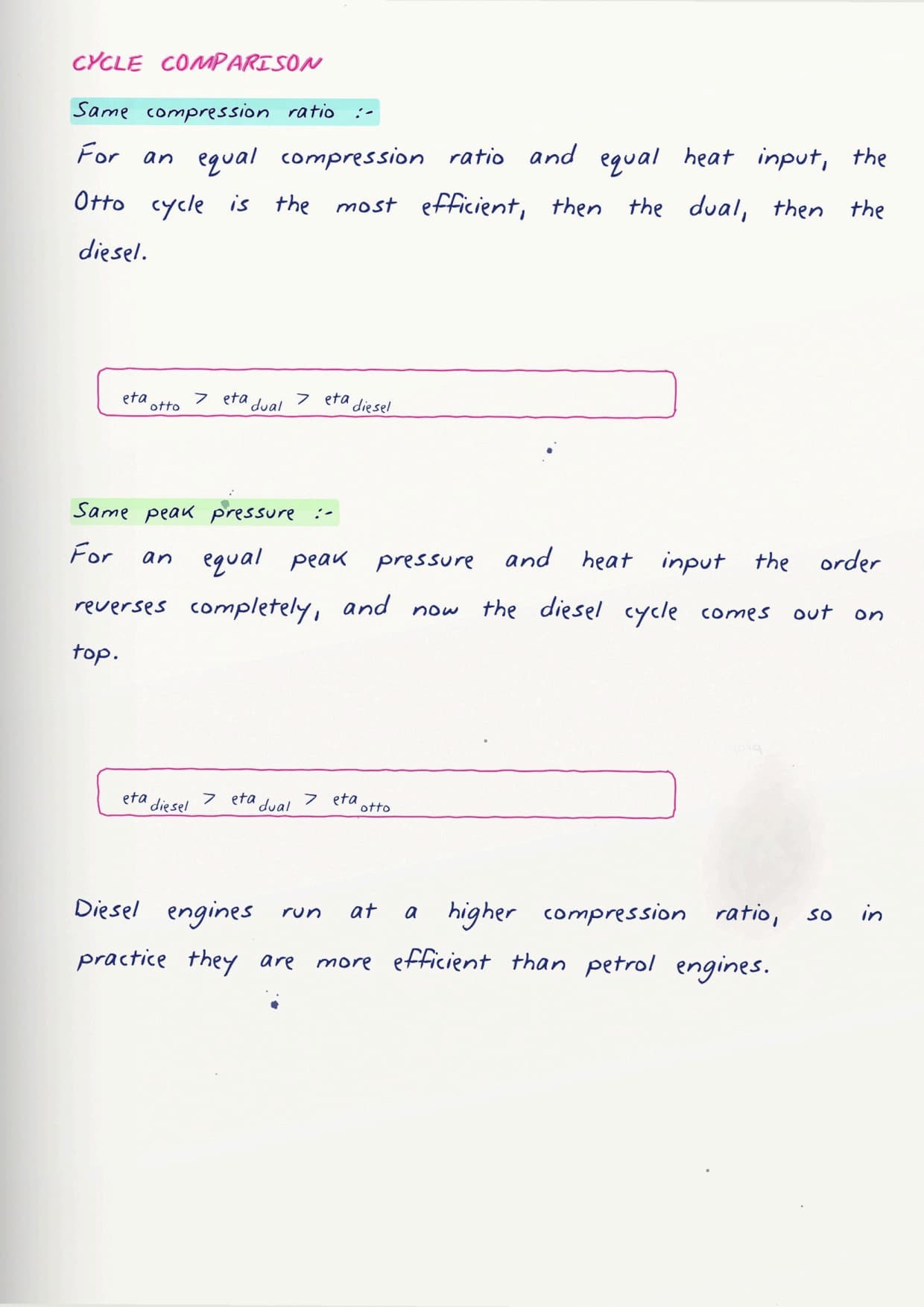
- Efficiency of the Otto, Diesel and Dual cycles and how they compare.
- Rankine cycle efficiency with reheat and regeneration.
- Coefficient of performance for refrigerators and heat pumps.
- Each topic ties to a real machine: gas turbine, steam plant, engine or fridge.
How to Prepare GATE Thermodynamics with Handwritten Notes
Use the notes across both your first study cycle and the final revision week. Read the theory once and note the key formulas, then solve past GATE questions cycle by cycle so the ideas settle before the exam.
- First pass: read each topic in order and note the key formulas.
- Practice: solve past GATE questions cycle by cycle.
- Revision week: use the formula sheet and the tips and traps page.
- Focus: first law on open systems, entropy, and cycle efficiency.
- Common errors: work sign conventions and pump work in the Rankine cycle.
Why These Notes Help You Score Better
Handwritten notes are far shorter than a textbook, so a full revision of thermodynamics takes one go rather than several. Because each formula stays tied to the cycle and the diagram it comes from, the result is easier to recall under exam pressure. That means your last week before GATE goes into revision and practice rather than re-reading long chapters.
GATE Mechanical Thermodynamics and Applications Handwritten Notes FAQs
Ques. Do these notes cover the full GATE Mechanical thermodynamics syllabus?
Ans. Yes. The notes cover basic concepts, the first and second laws, entropy, pure substances, air-standard cycles, the Rankine cycle, refrigeration, IC engines and psychrometry, which is the complete GATE syllabus for this subject.
Ques. Are the notes good for last-day revision?
Ans. Yes. There is a one-page formula sheet at the end and a tips page, so students can revise the whole subject in one go.
Ques. Do the notes explain the topics or only list formulas?
Ans. Both. Each topic has a short explanation and the key formula, so students learn the idea and can still recall the result quickly.
Ques. Do the notes include cycle diagrams?
Ans. Yes. All major cycles have clean hand-drawn P-V and T-S diagrams with labelled state points, which makes the efficiency and work formulas easy to follow.



Comments