




Engineering Mechanics is one of the foundation subjects of the GATE Mechanical paper and usually carries about 4 to 7 marks. A strong base here is used again in Strength of Materials, Theory of Machines and Machine Design, so the effort pays off across the syllabus. These handwritten notes cover the full syllabus, from statics to dynamics, with solved steps and labelled diagrams.
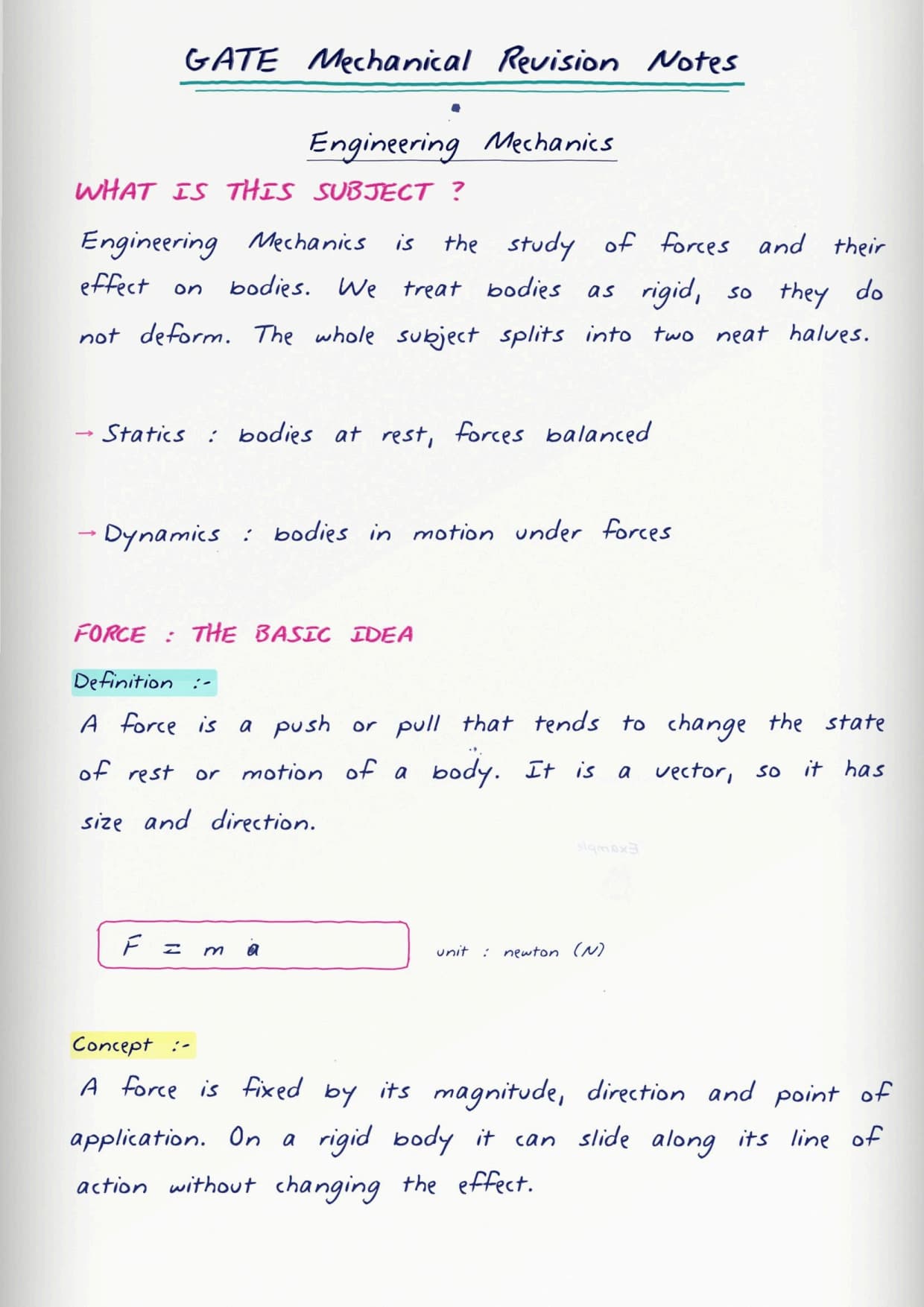
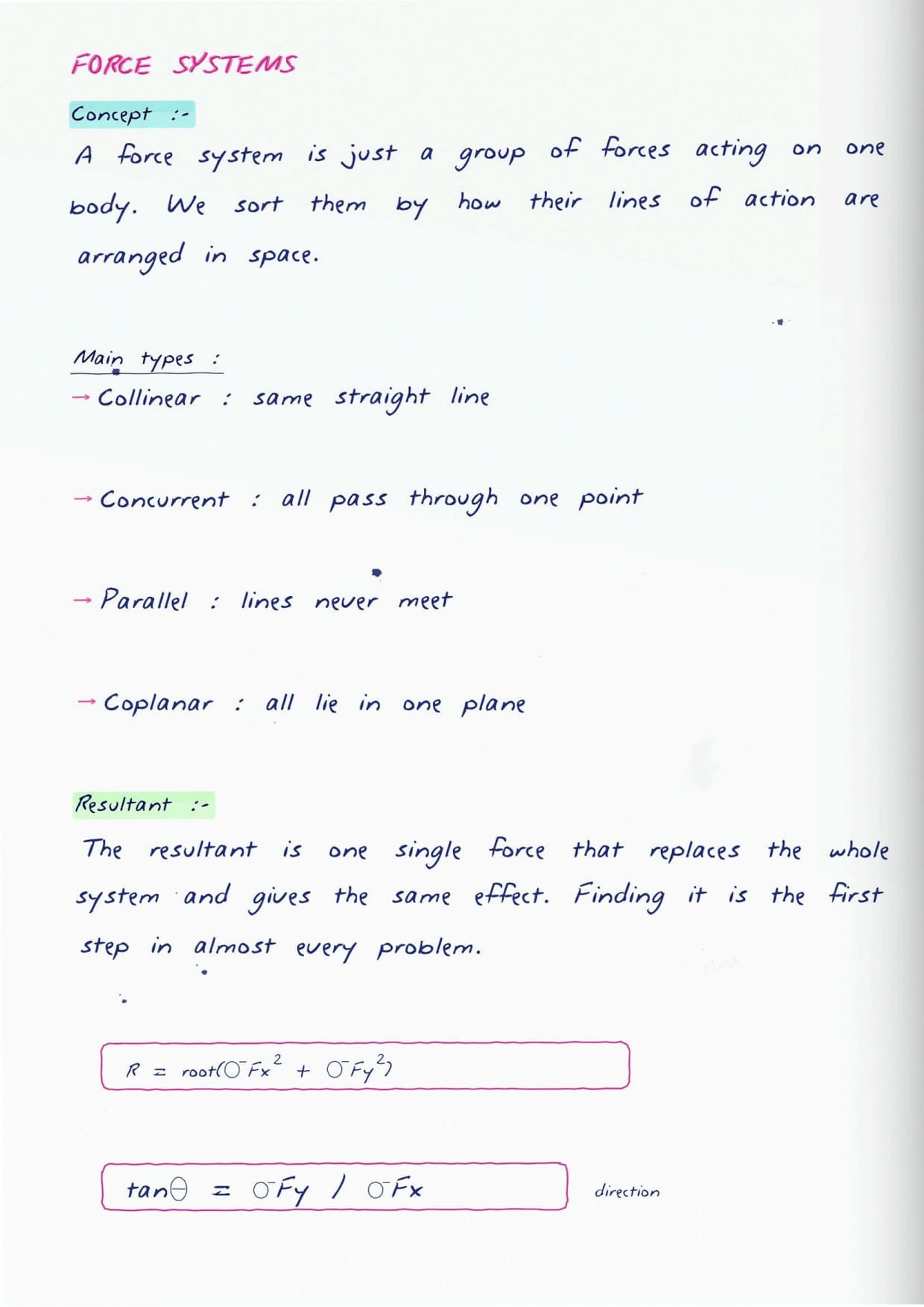
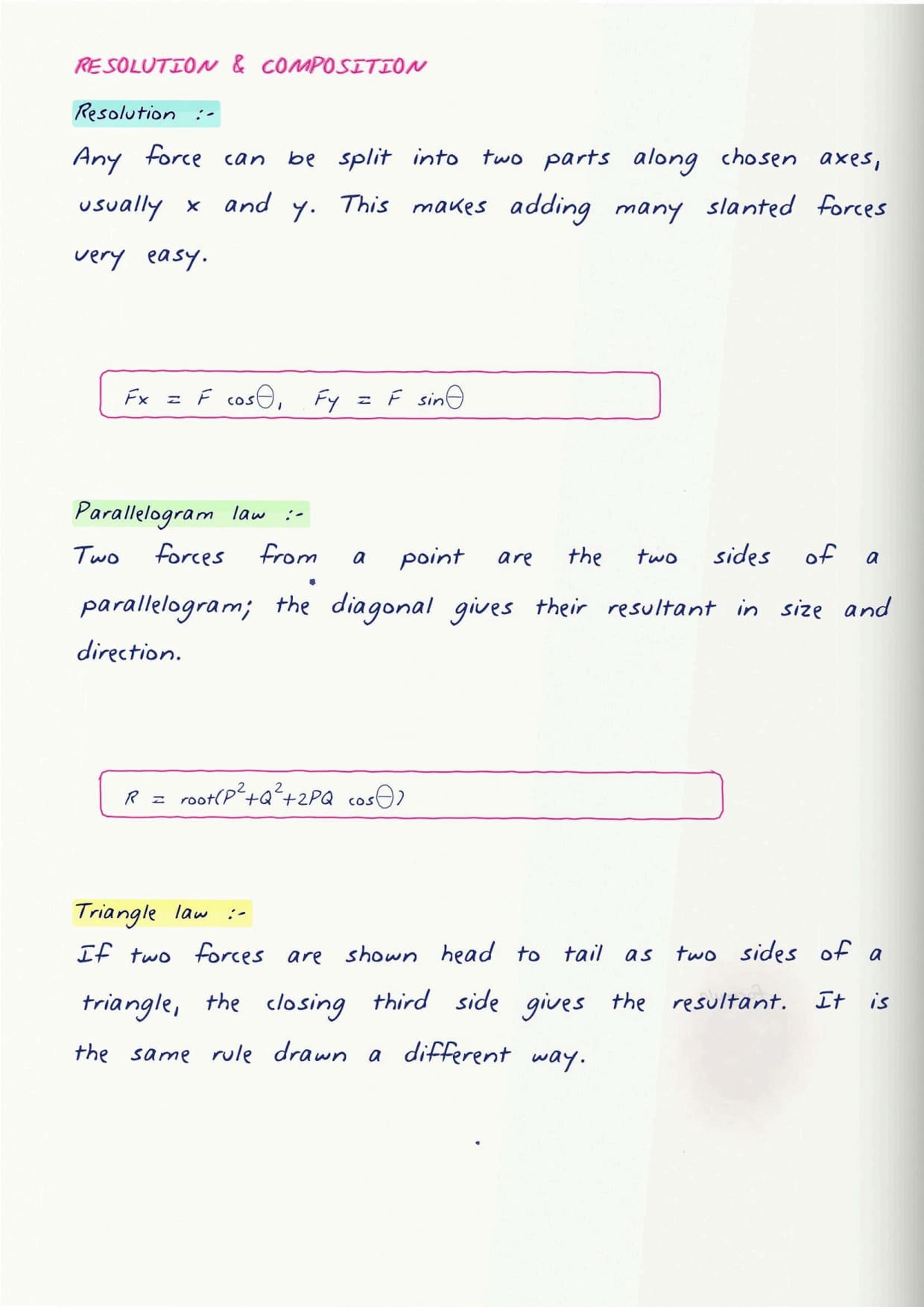
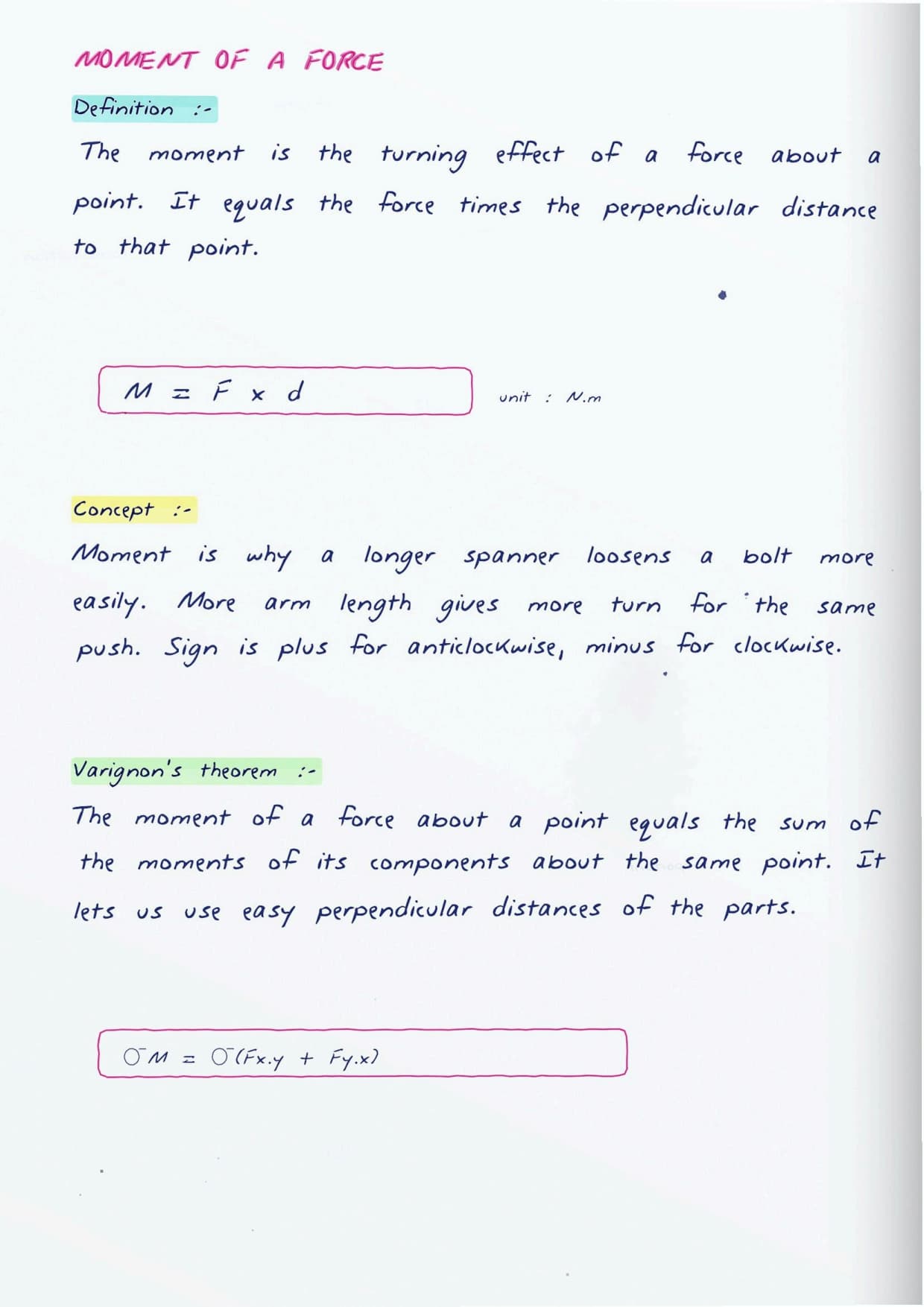
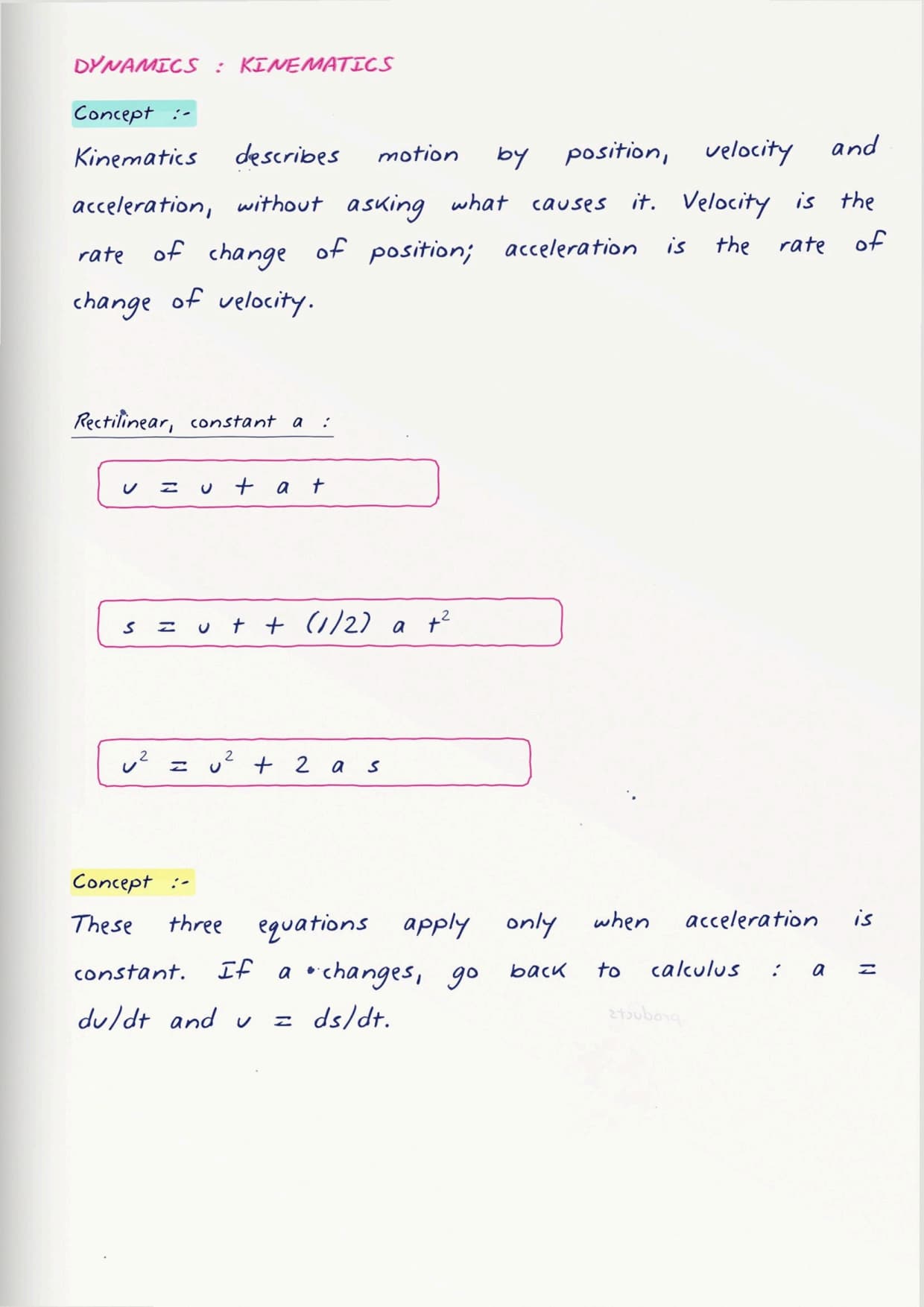
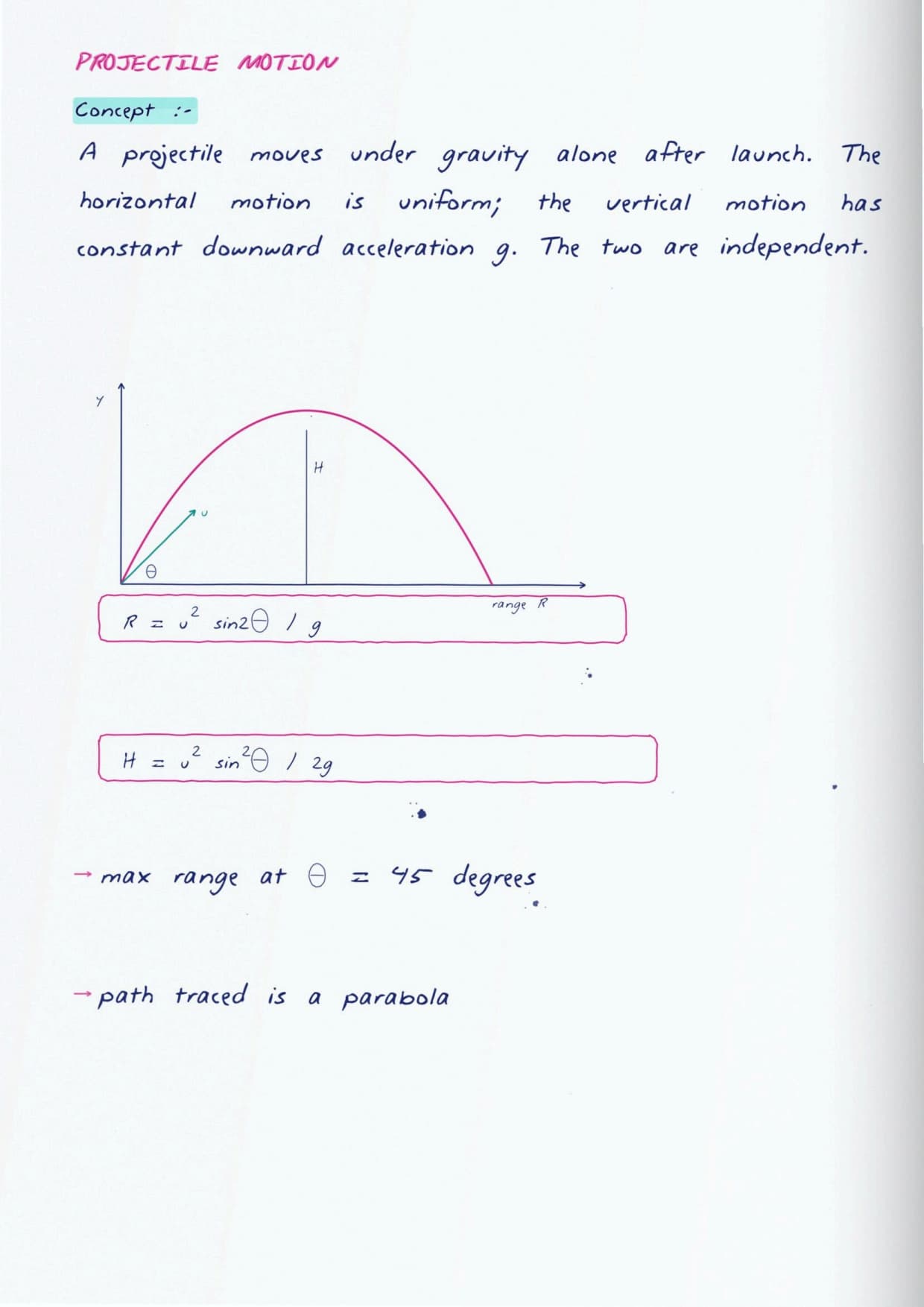
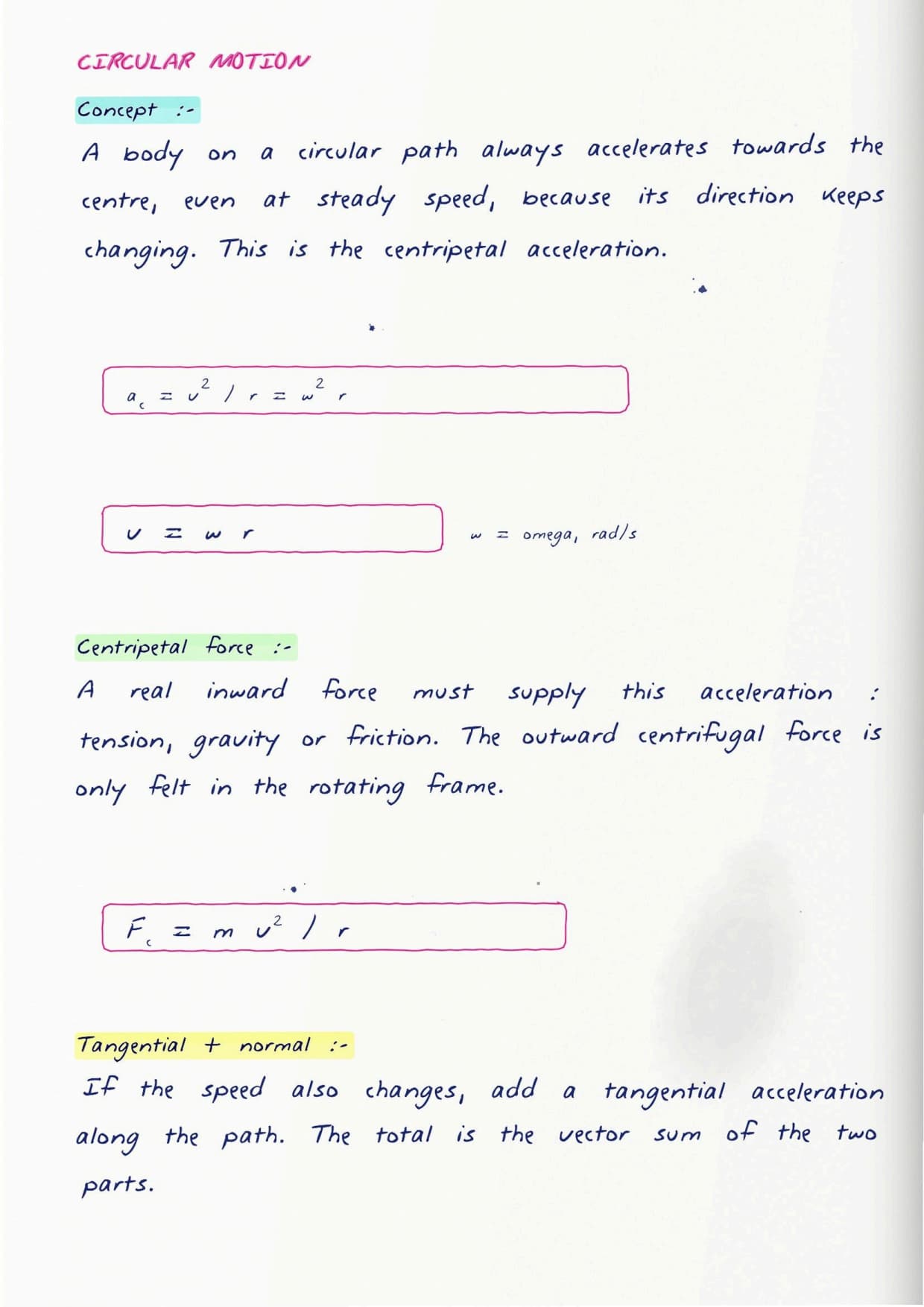
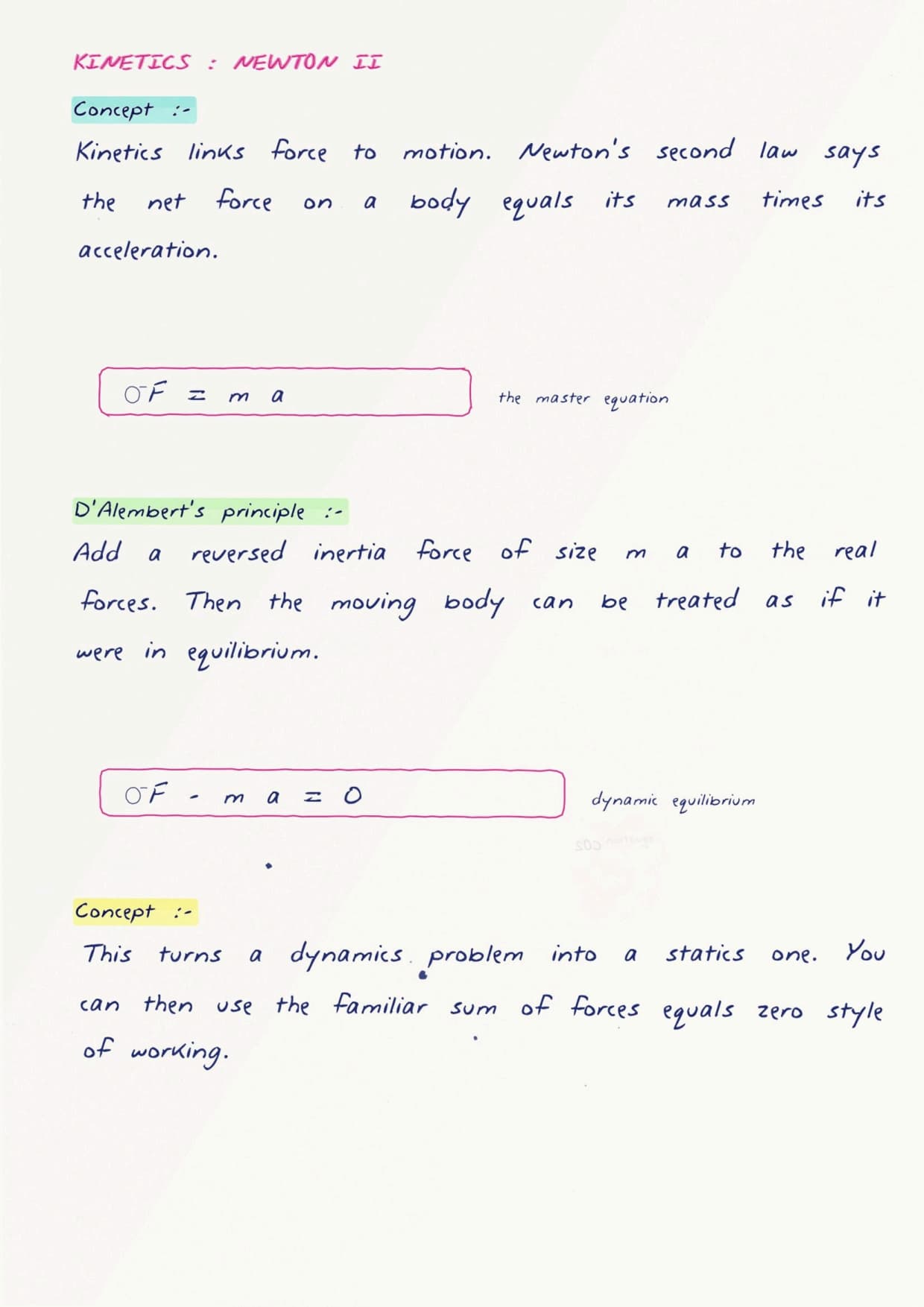
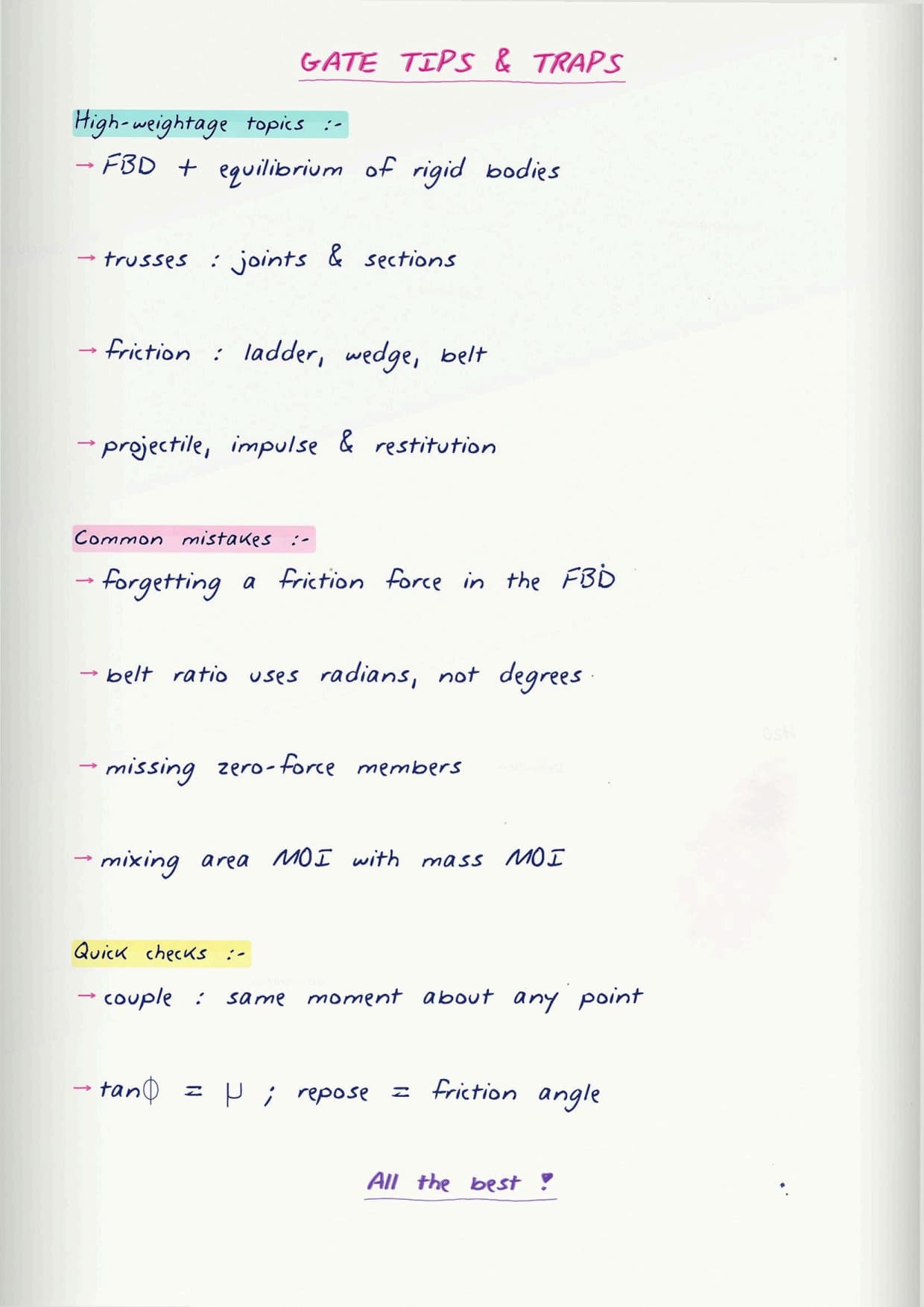
The set moves through both halves of the subject and shows the method for each standard problem type. Every topic pairs a short explanation with the working formula and a diagram, so you can see how the result is built rather than just memorise it.
- Full statics and dynamics syllabus in one PDF.
- Free body diagrams, trusses and motion sketches drawn by hand.
- Key formulas and common GATE traps for each topic.
What These GATE Engineering Mechanics Notes Cover
These notes sum up the whole section so you can revise quickly. Each topic gives the key idea, the working formula and a labelled diagram where it helps. The aim is to make every standard Engineering Mechanics problem quick to set up under exam pressure.
- Plain definitions for every term and quantity.
- The key formula for each topic, ready to use.
- Hand-drawn diagrams with clear labels.
- Common GATE traps flagged next to the topic.
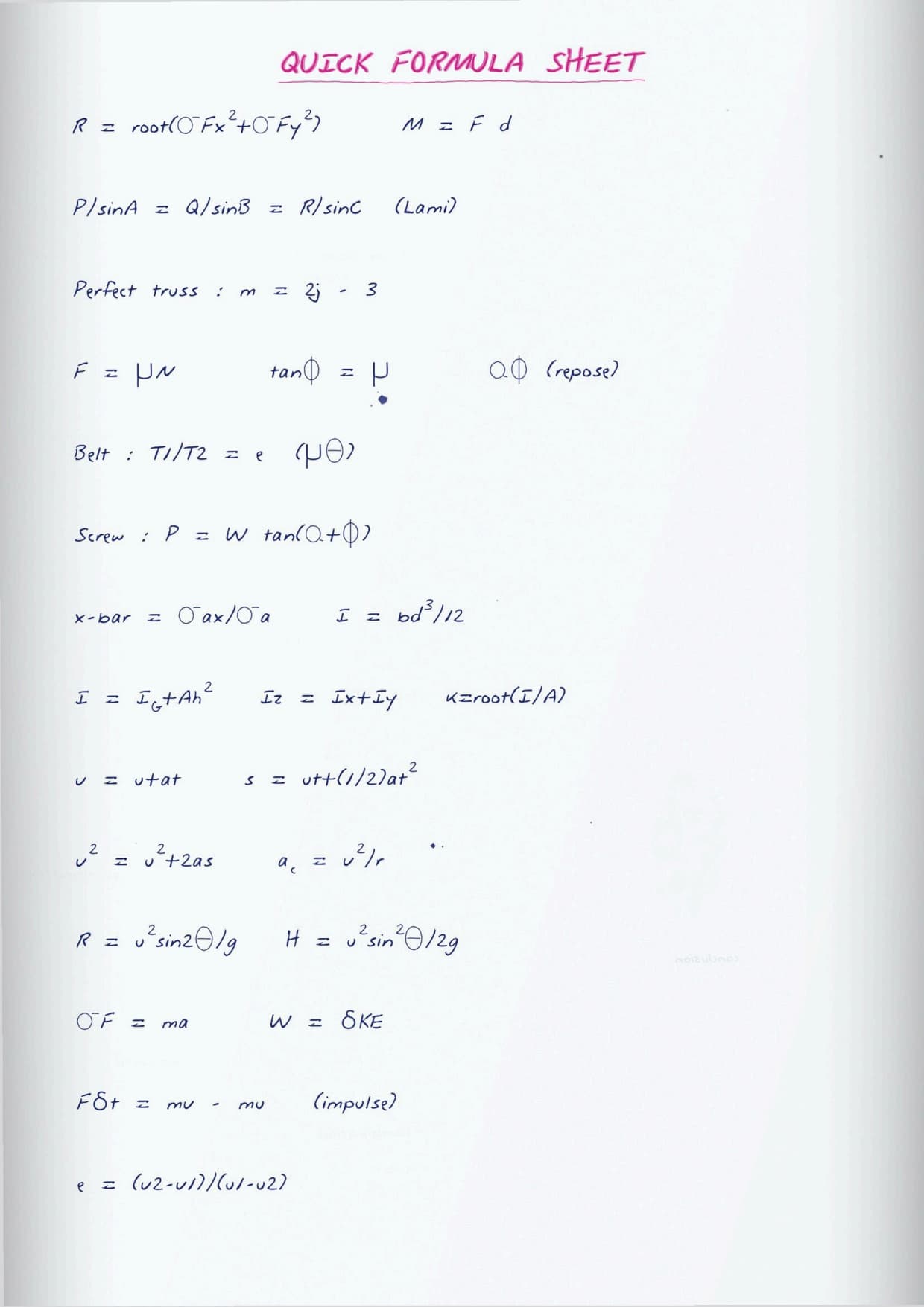
- A formula sheet page for quick checks.
Statics and Dynamics Basics
Engineering Mechanics splits into two clear halves, and the notes keep them separate before linking them. Statics deals with bodies at rest under balanced forces, while dynamics deals with bodies in motion. Most questions come down to a correct free body diagram followed by the right set of equations.
- Statics: bodies at rest, where all forces balance.
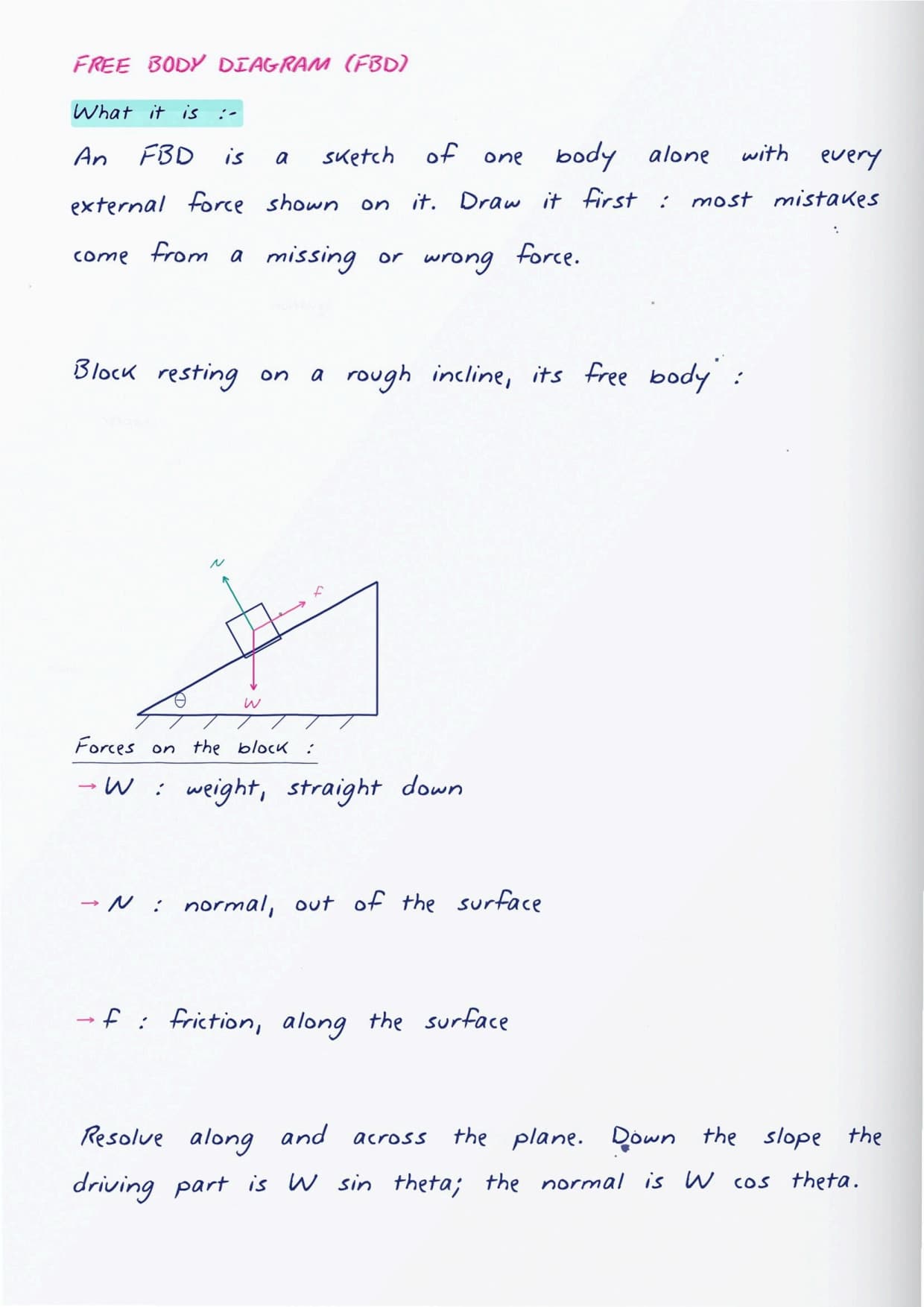
- The main skill is a correct free body diagram plus equilibrium equations.
- Dynamics: bodies in motion.
- Kinematics describes motion; kinetics links it to forces.
- Energy and momentum methods tie the two halves together.
GATE Engineering Mechanics Quick Revision
Source: GATE Wallah - ME, CE, XE, CH, PI & ES on YouTube
Topics Covered in GATE Engineering Mechanics
The notes follow the standard GATE Mechanical order so nothing is missed, and each chapter builds on the one before it. Statics topics come first and set up the tools that the dynamics topics then reuse. The full list of covered topics is given below.
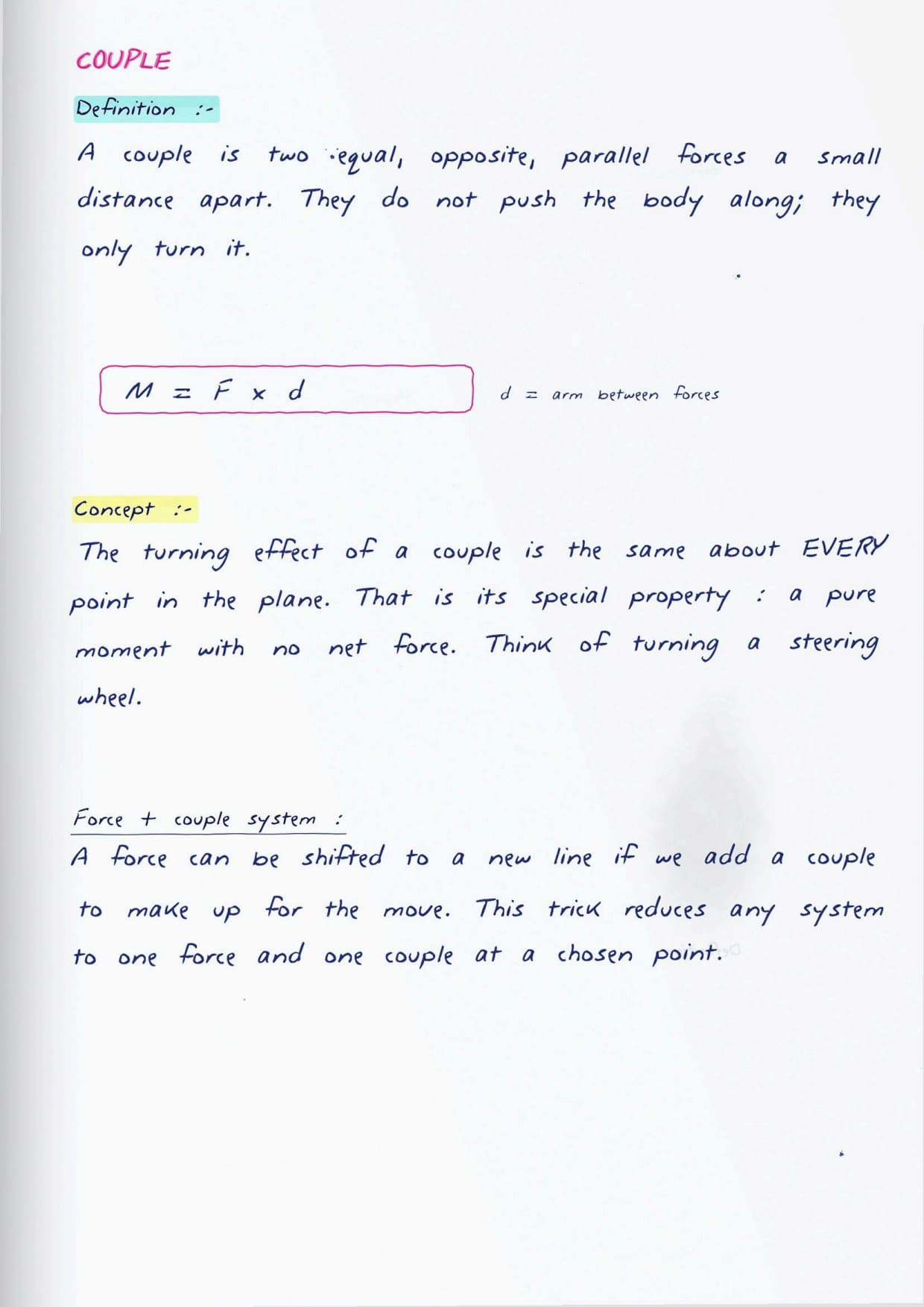
- Force systems and resultants: concurrent, coplanar, moments and couples.
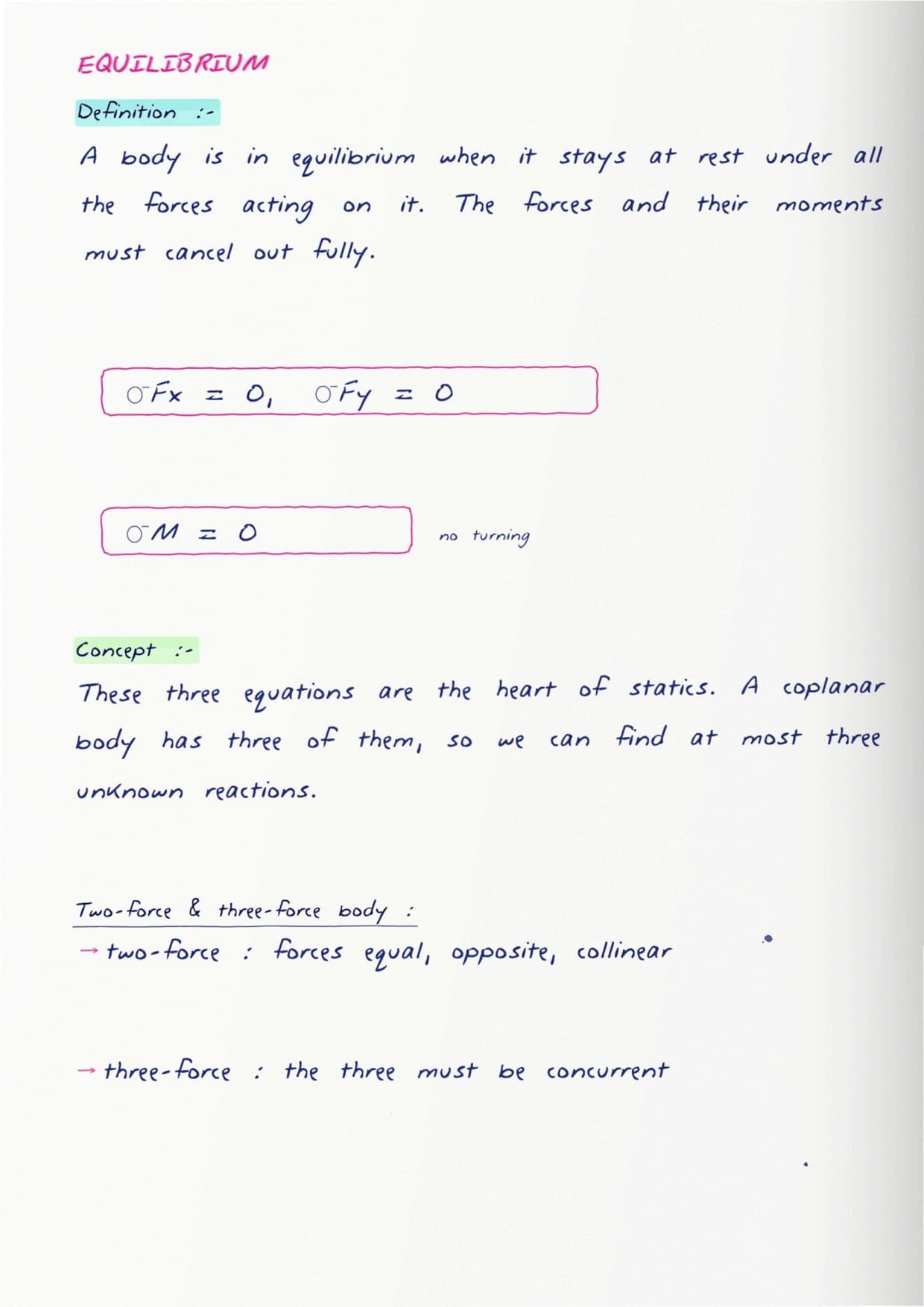
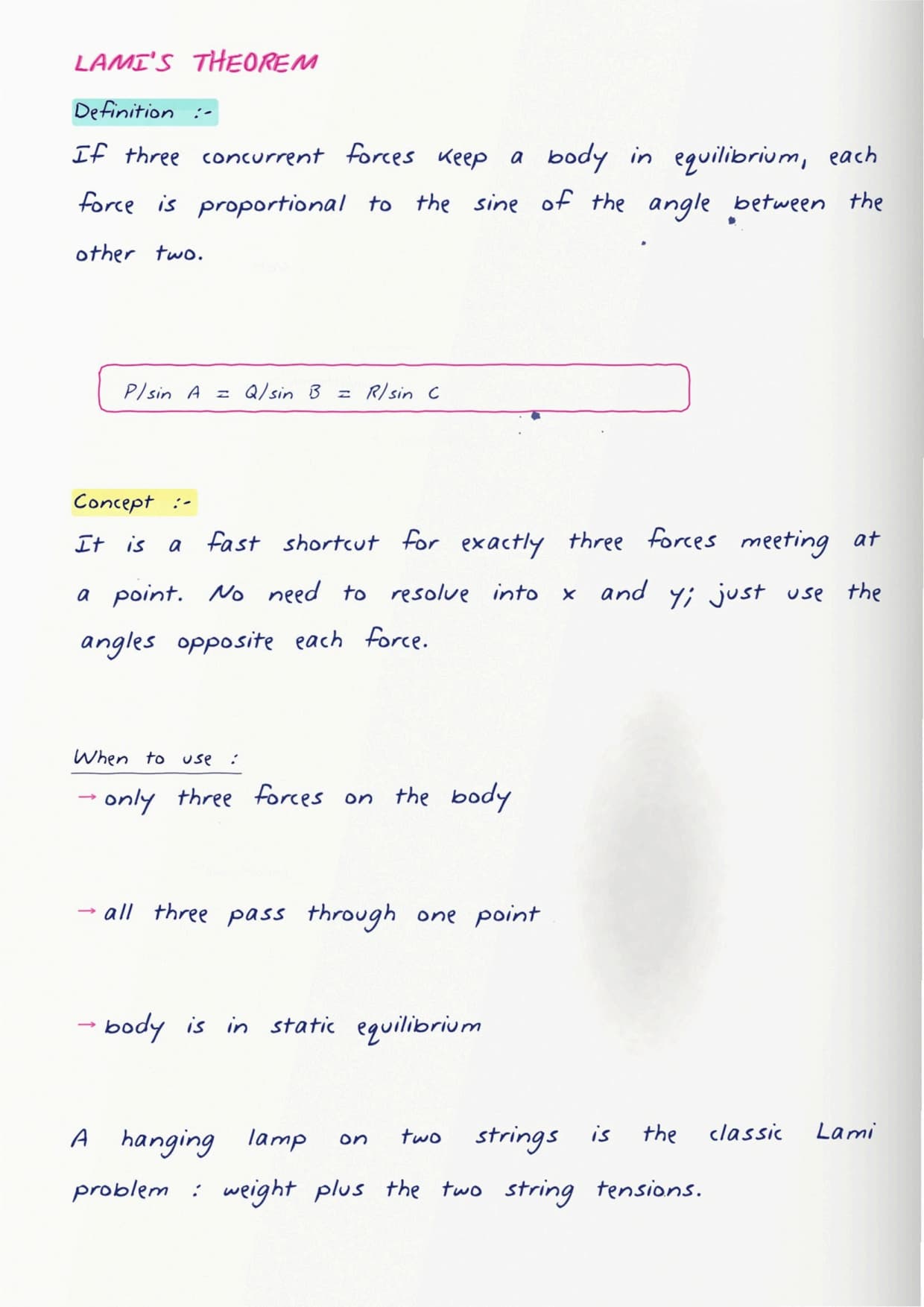
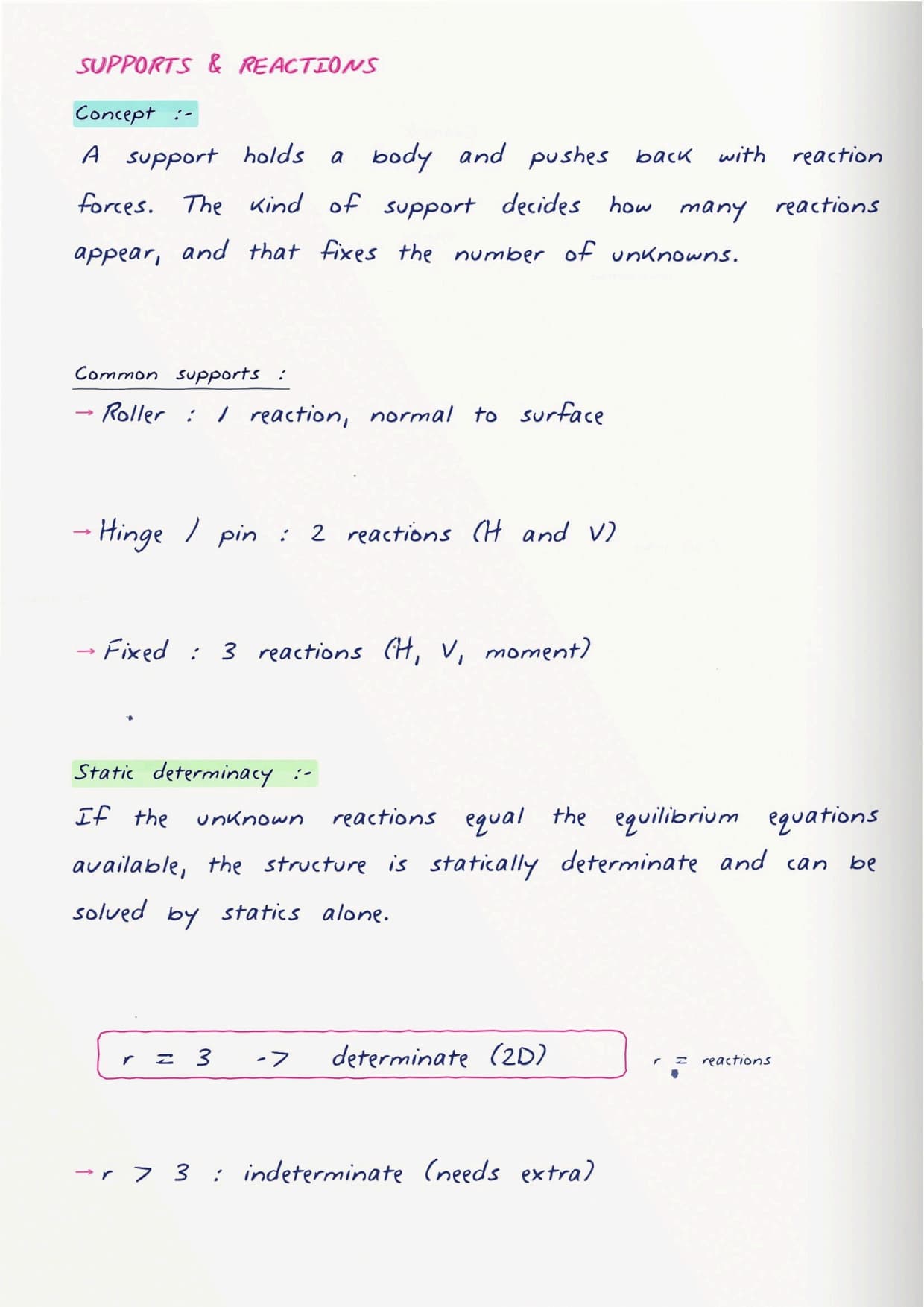
- Equilibrium and free body diagrams, supports and reactions.
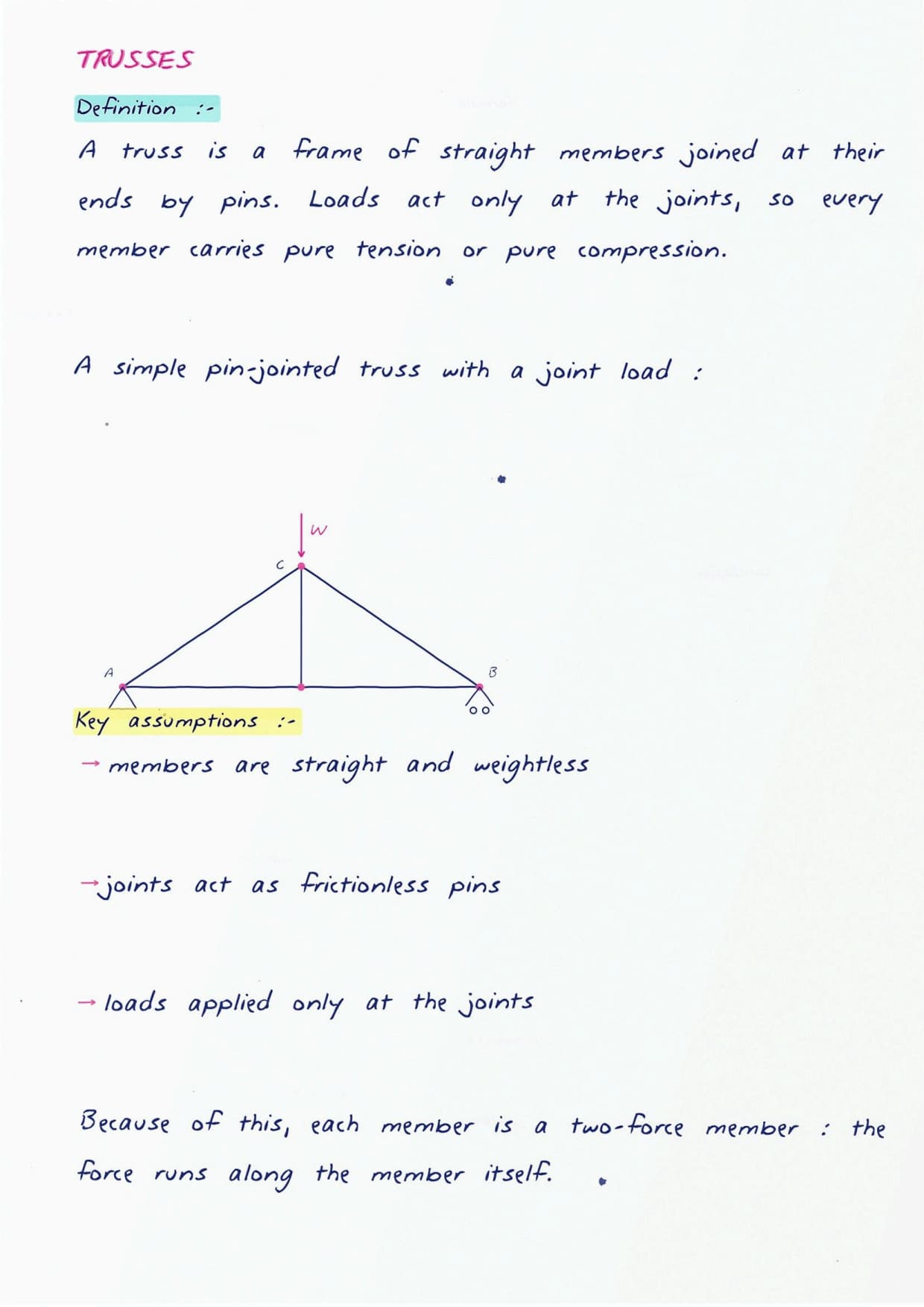
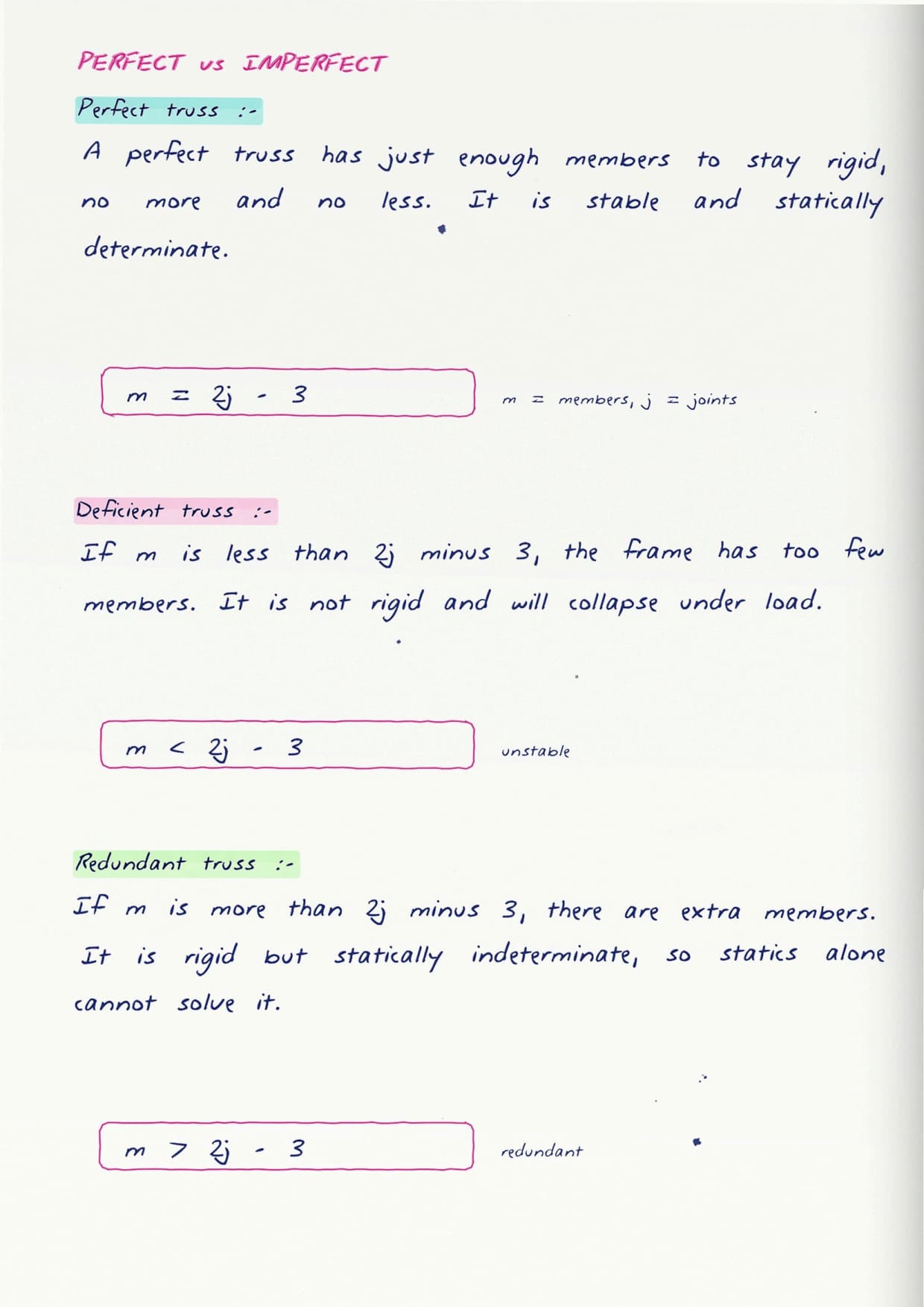
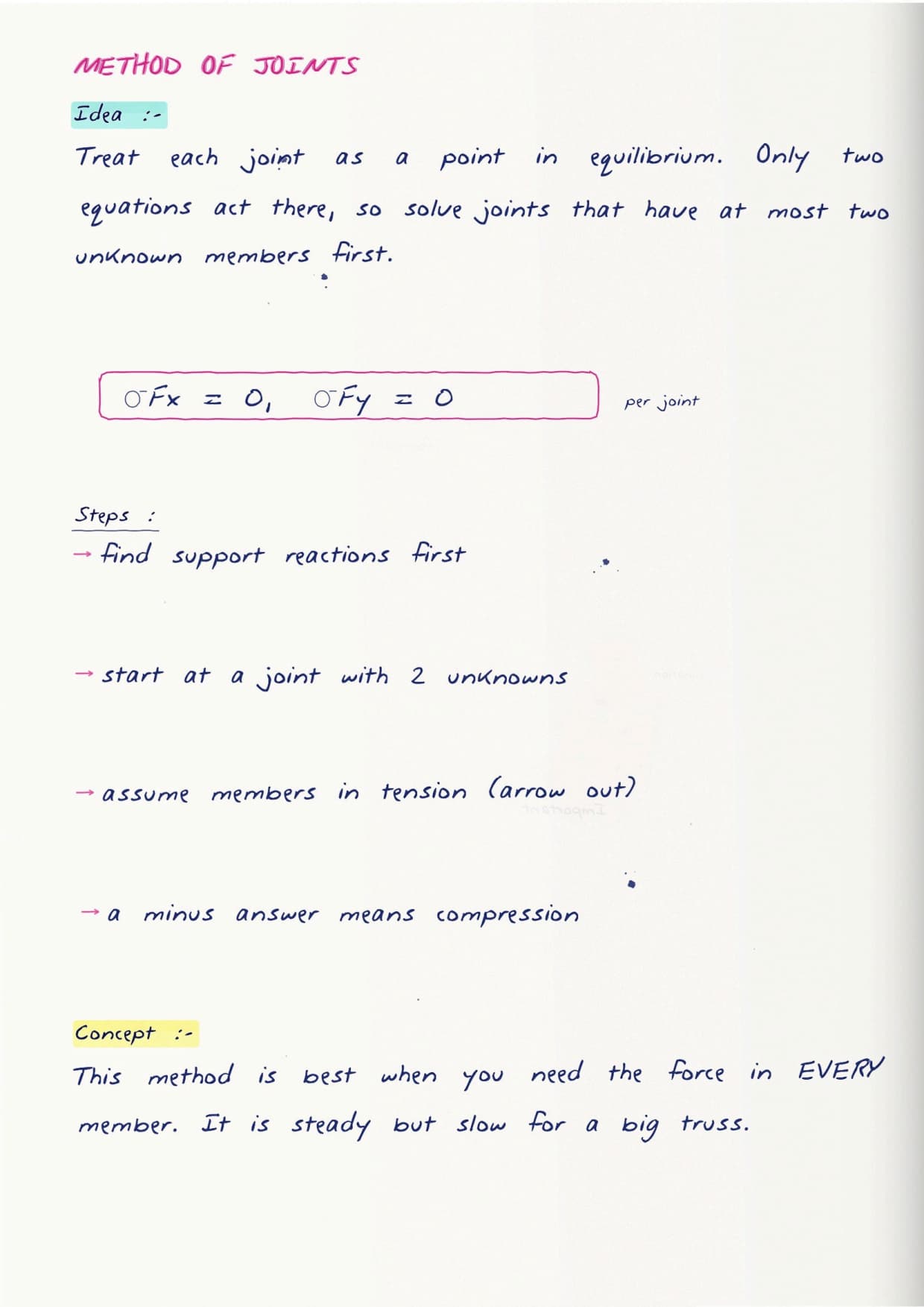
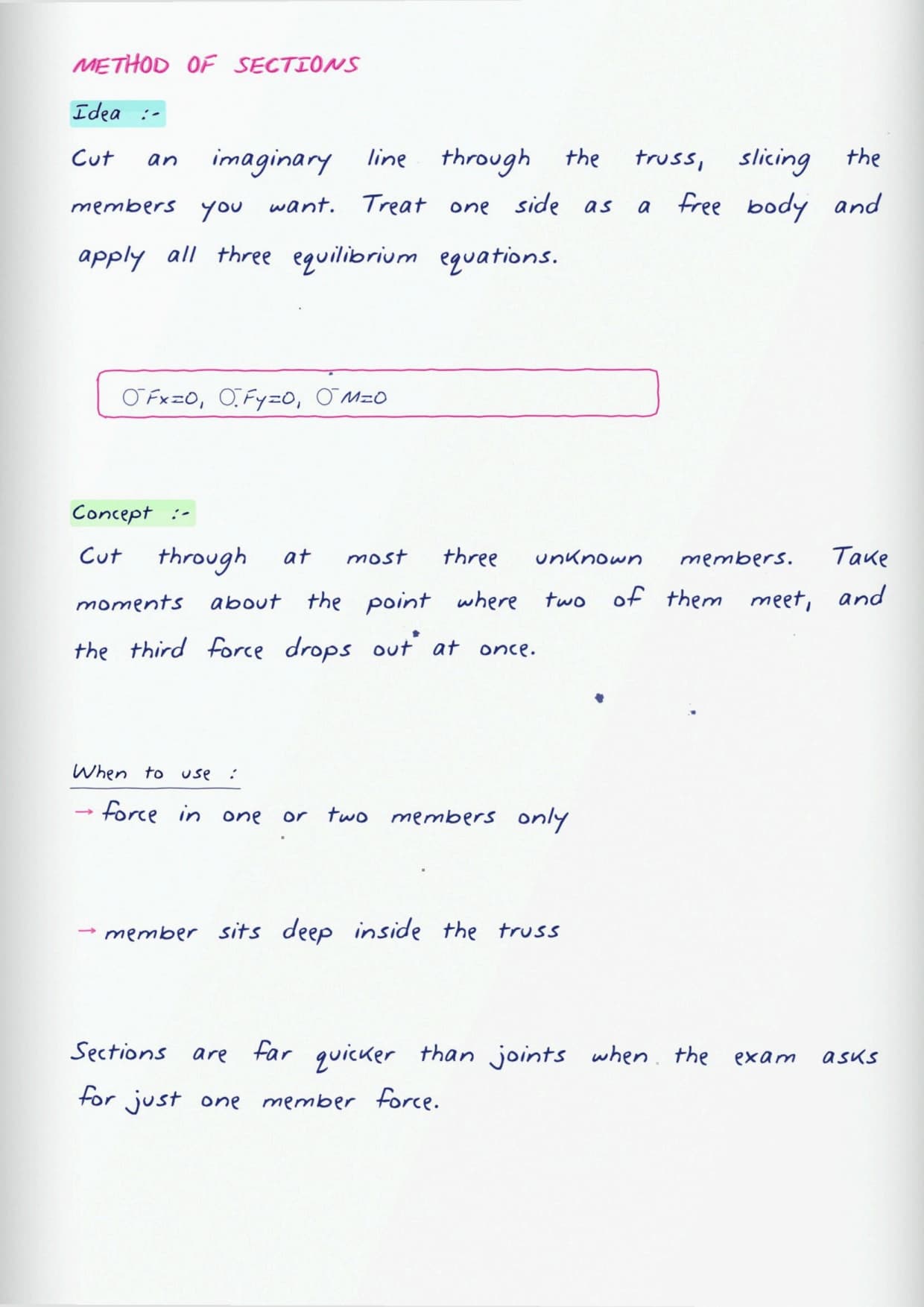
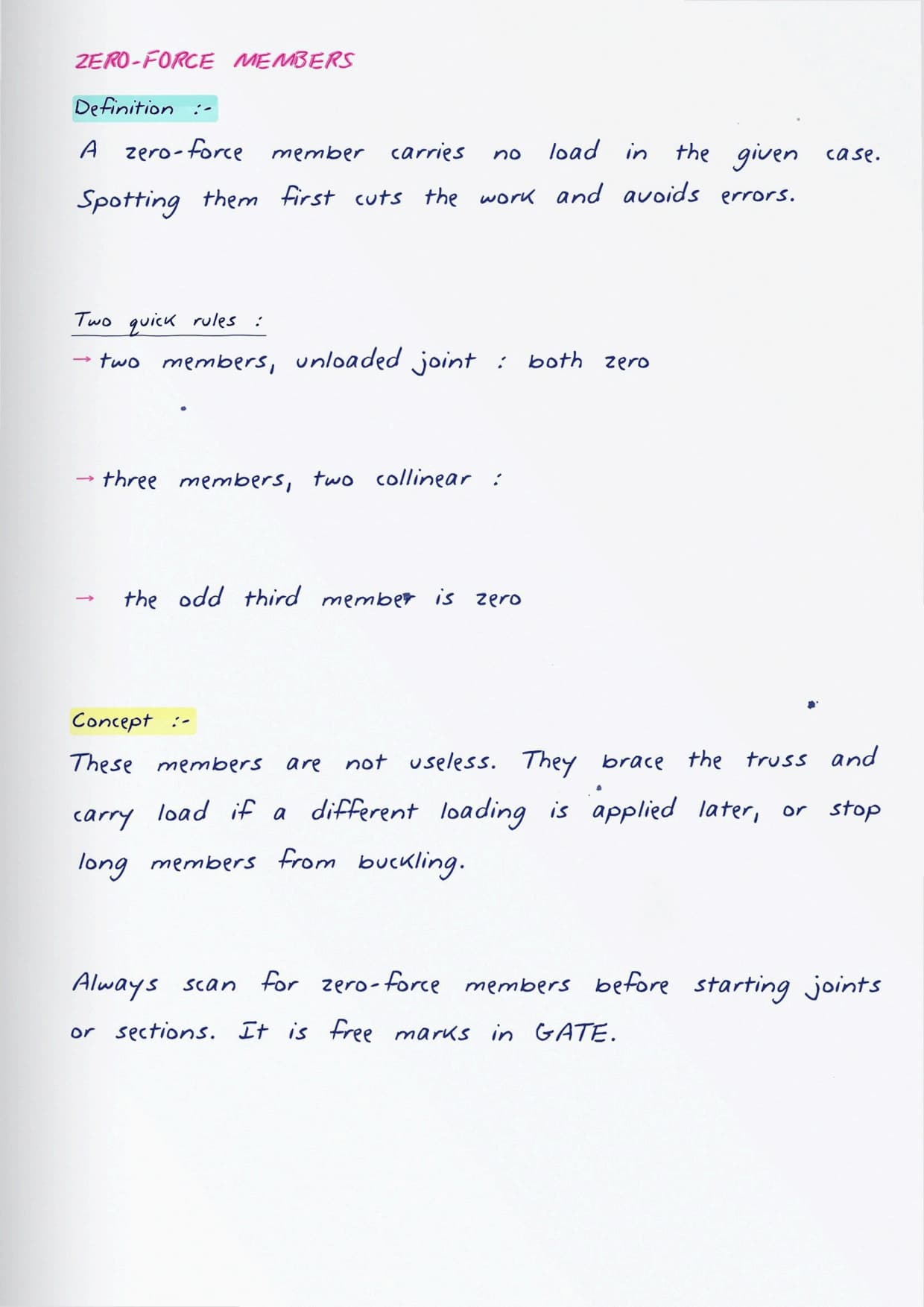
- Trusses solved by the method of joints and method of sections, with zero-force members.
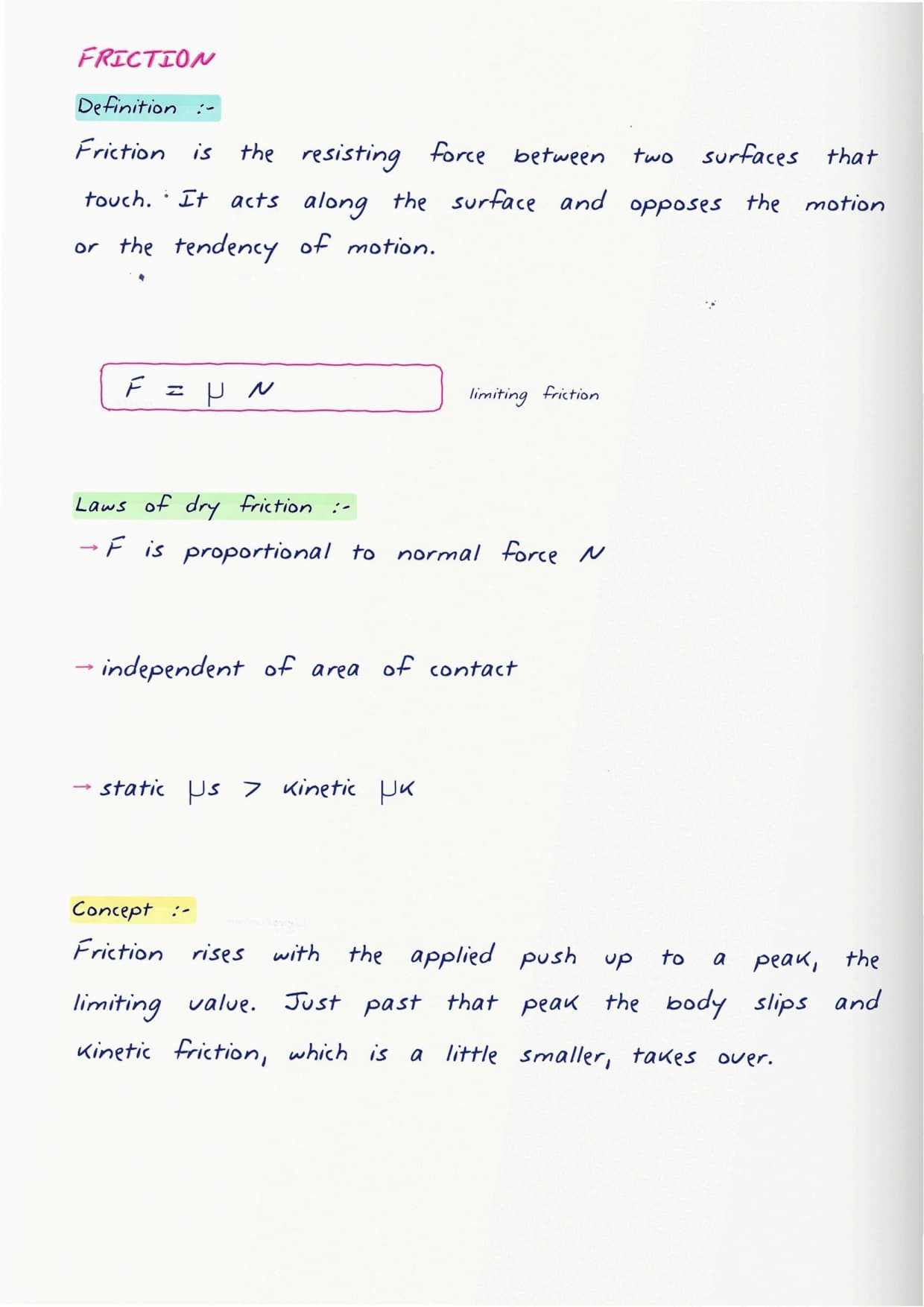
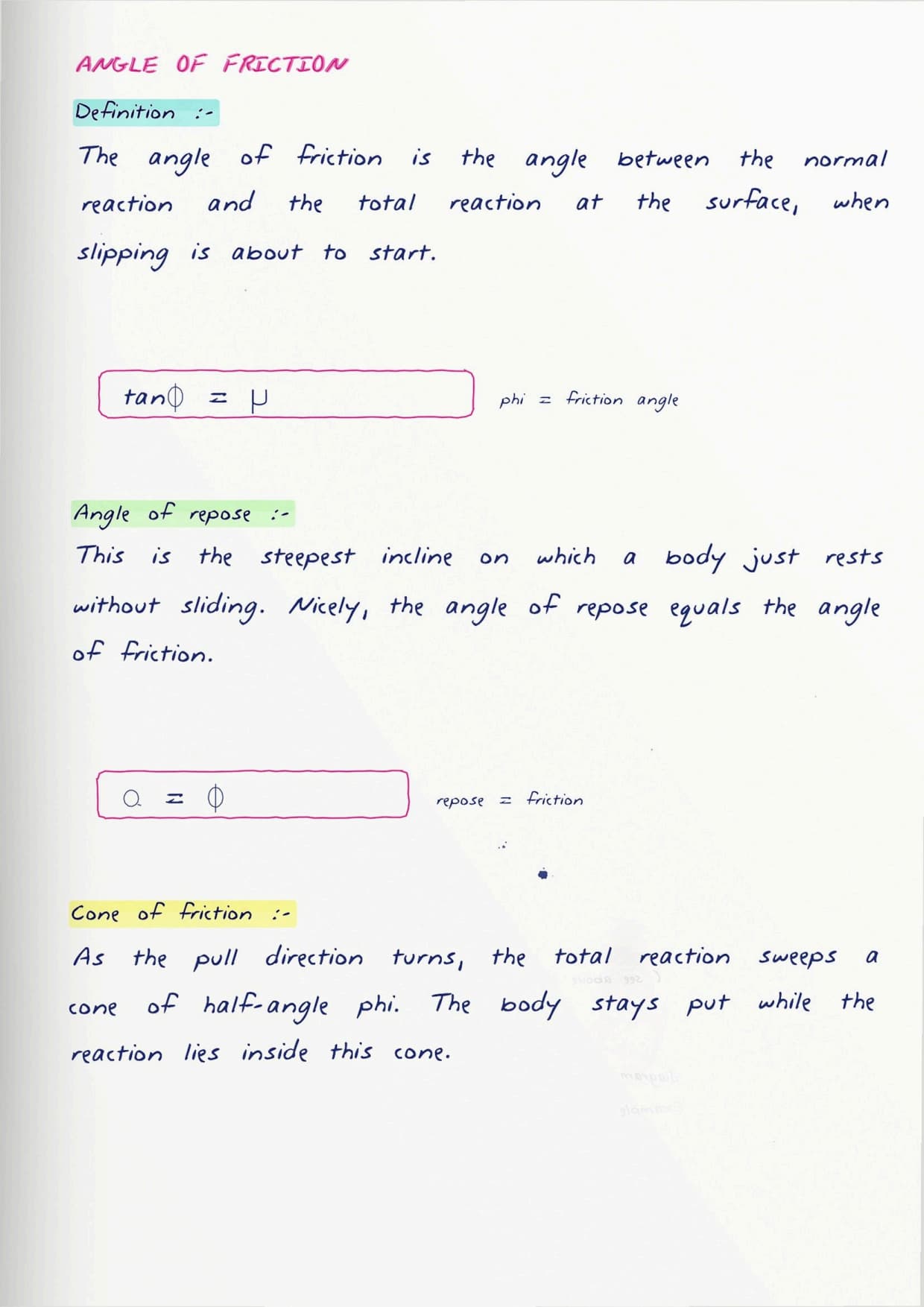
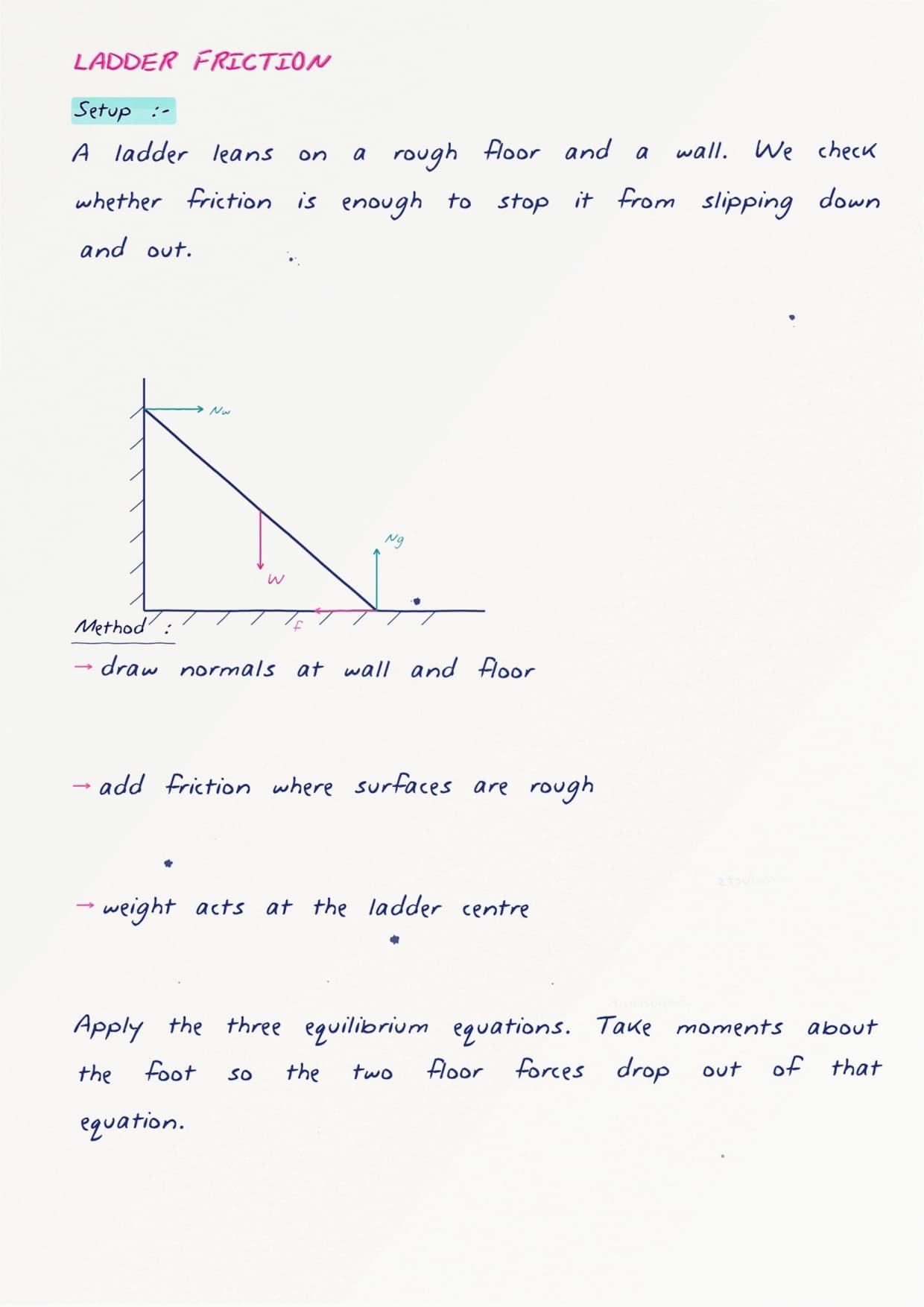
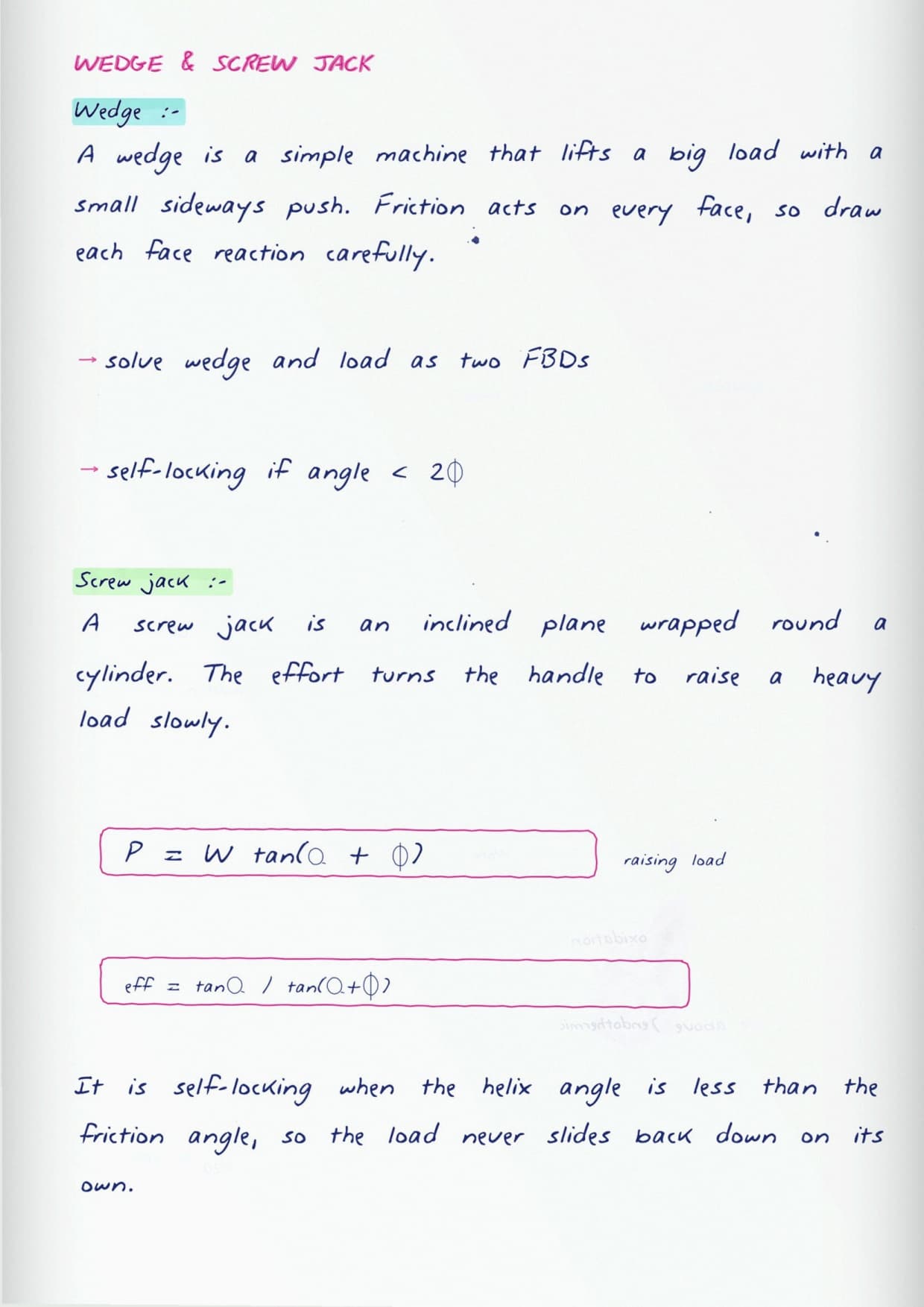
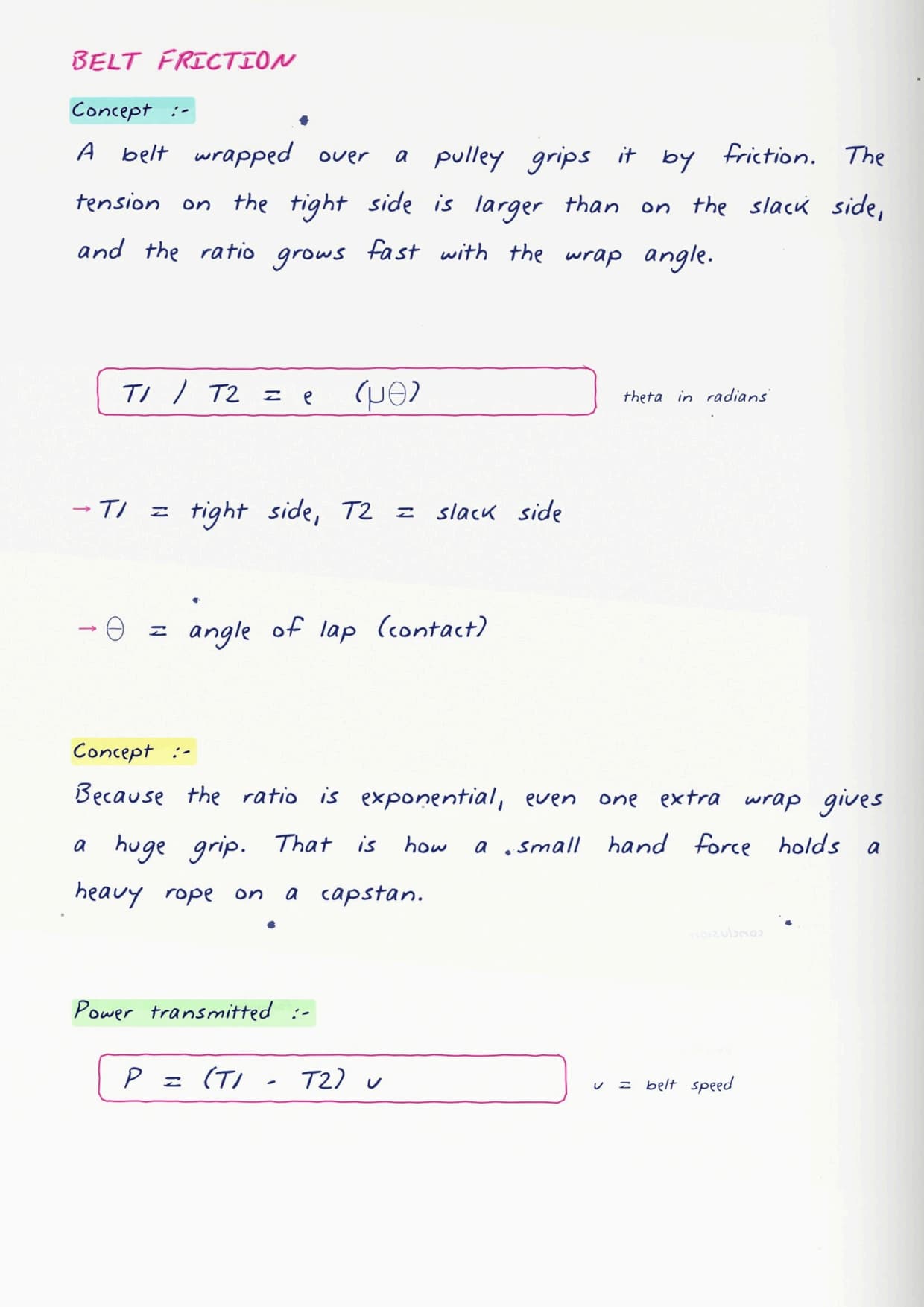
- Friction: laws of dry friction, angle of friction, ladder, wedge, screw jack and belt friction.
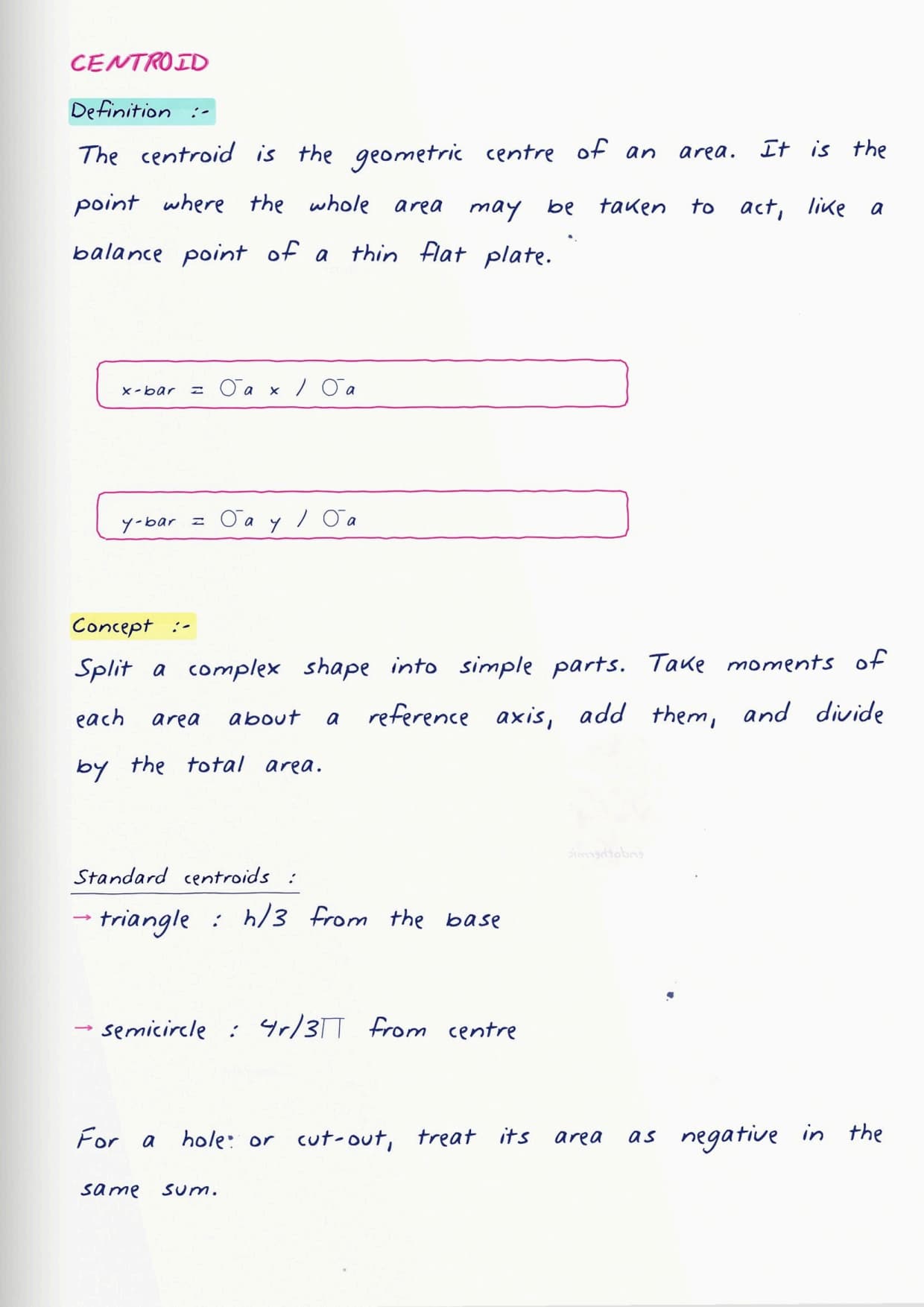
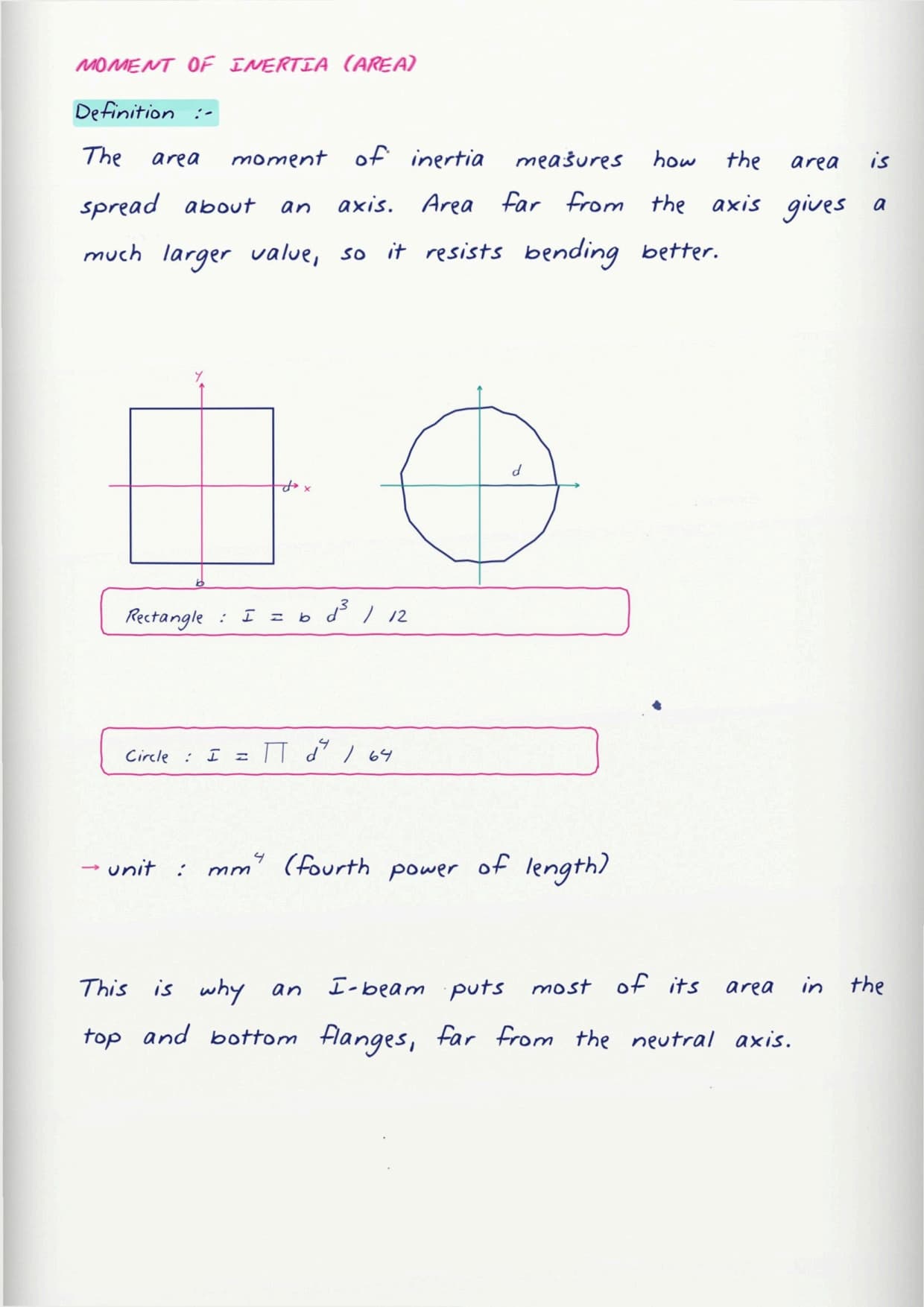
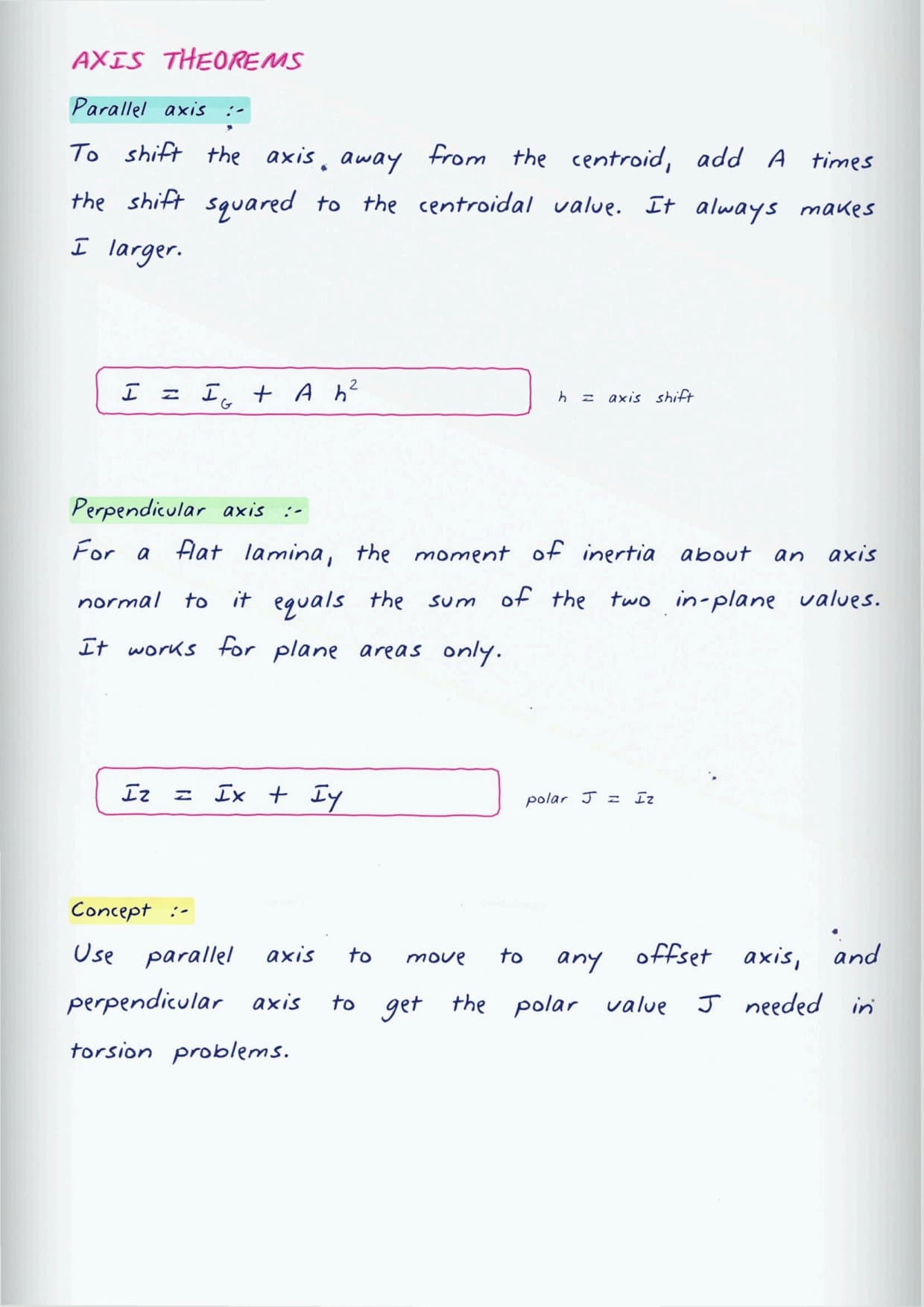
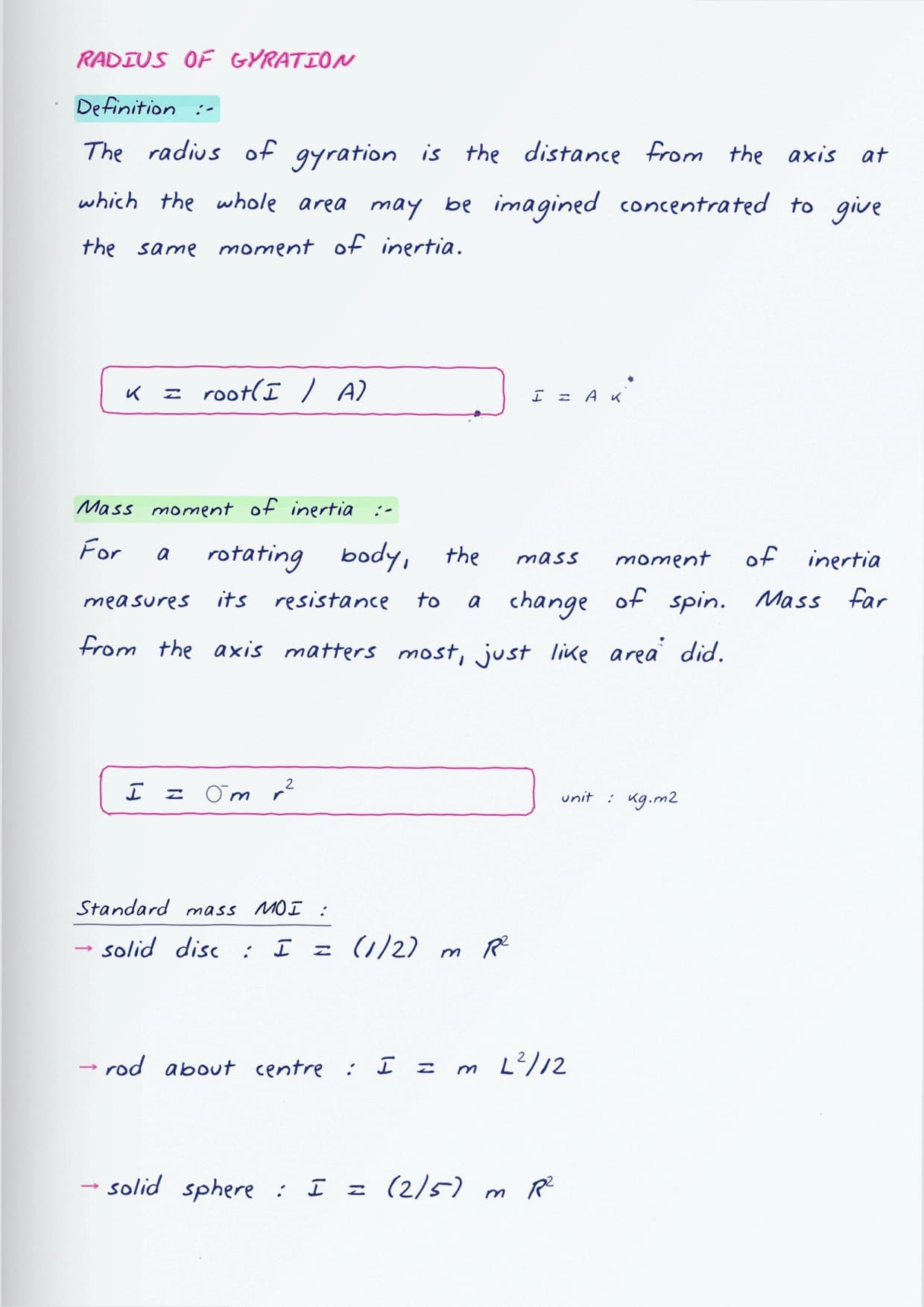
- Centroid and moment of inertia of areas, with the parallel axis theorem.
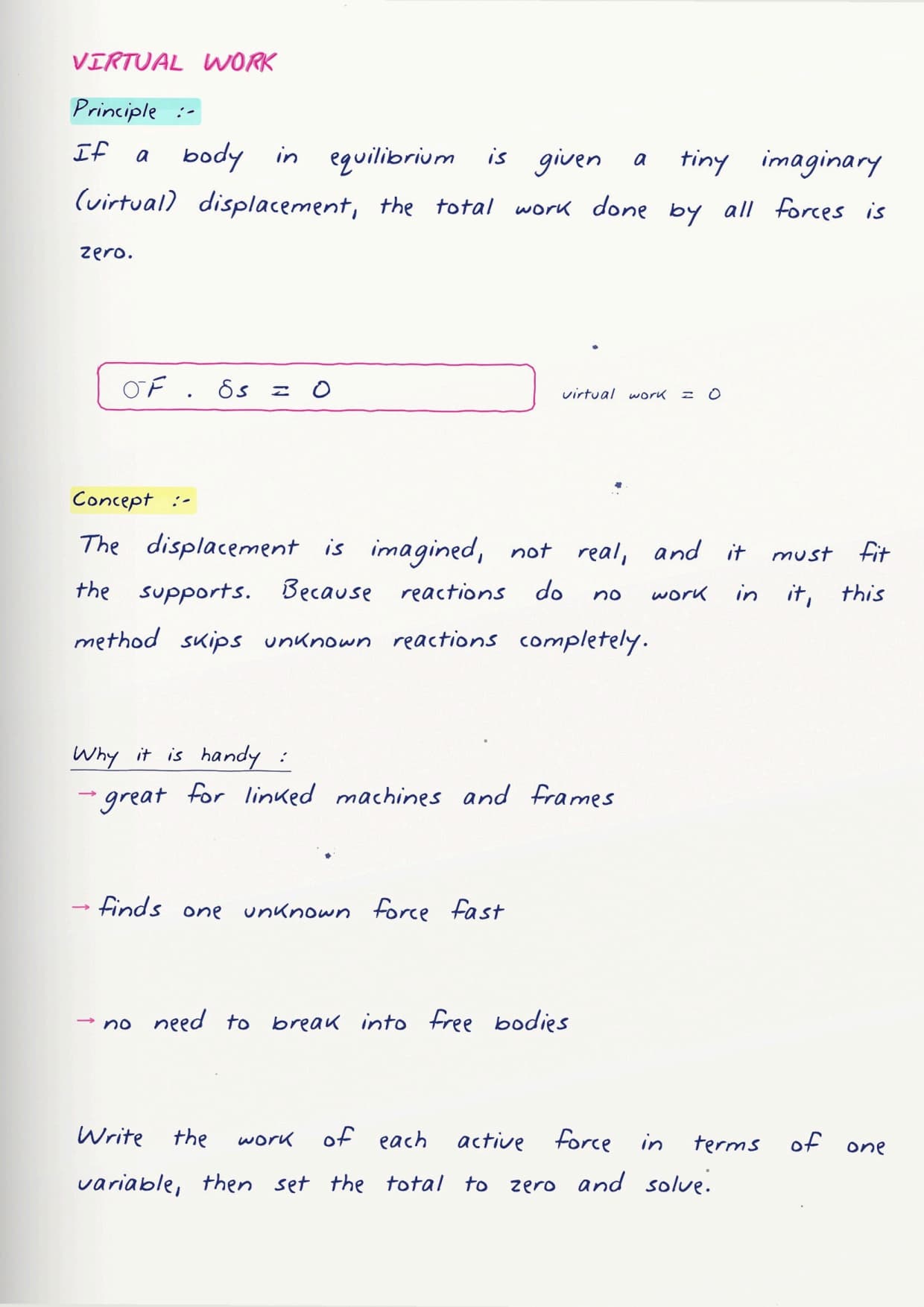
- Virtual work for equilibrium problems.
- Kinematics of particles: rectilinear motion, projectile motion, curvilinear and circular motion.
- Kinetics: Newton's second law and D'Alembert's principle.
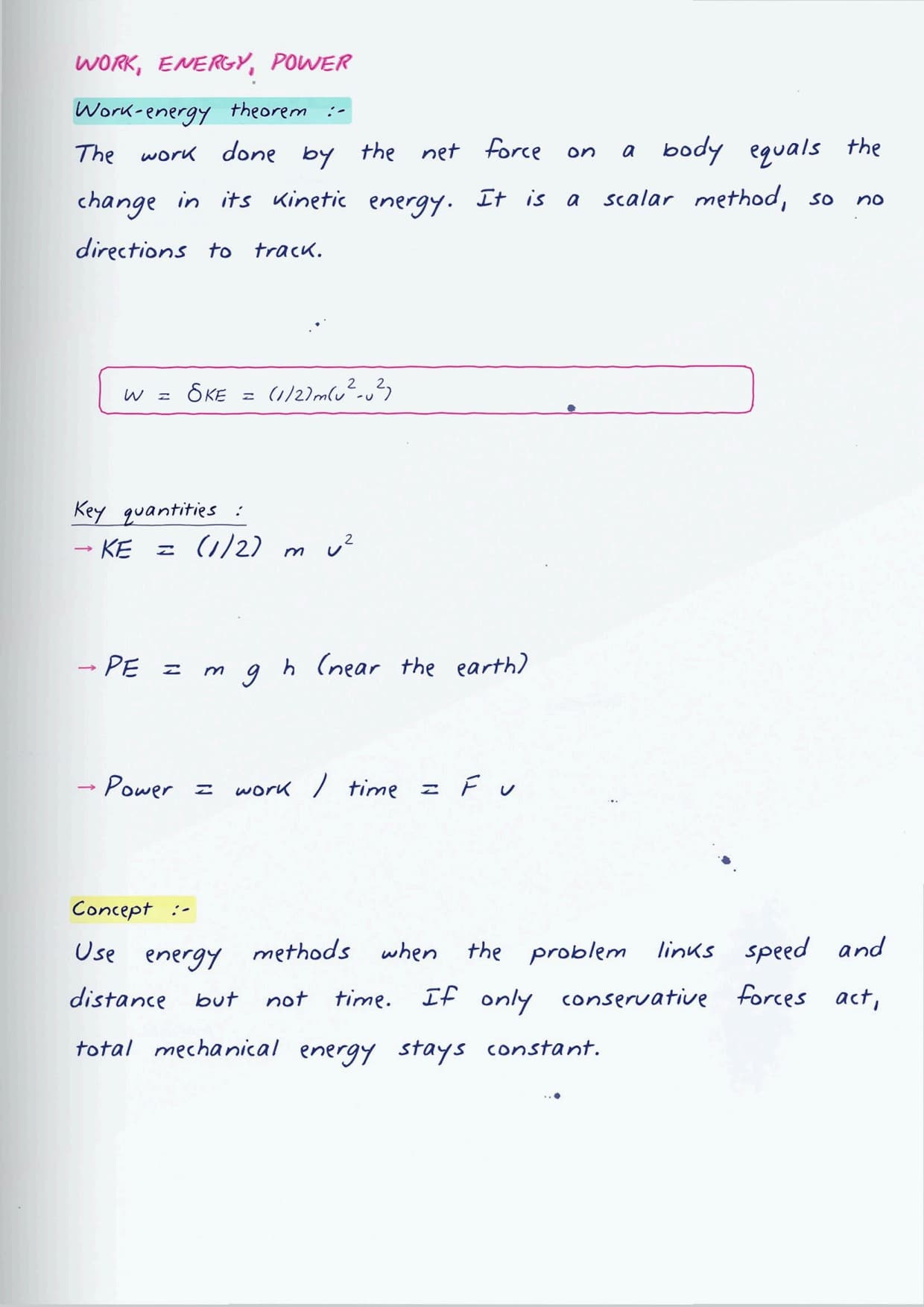
- Work-energy theorem and conservation of energy.
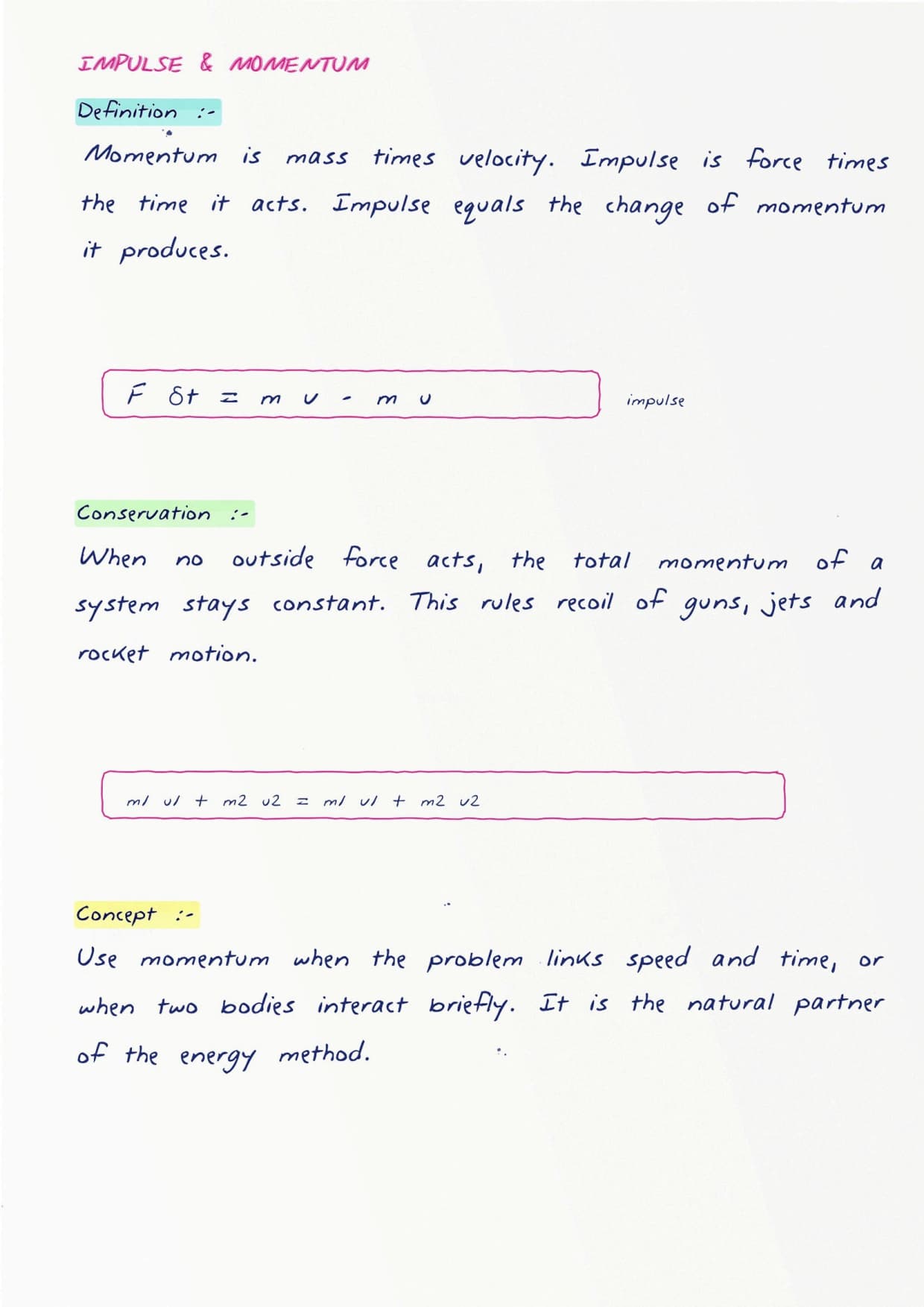
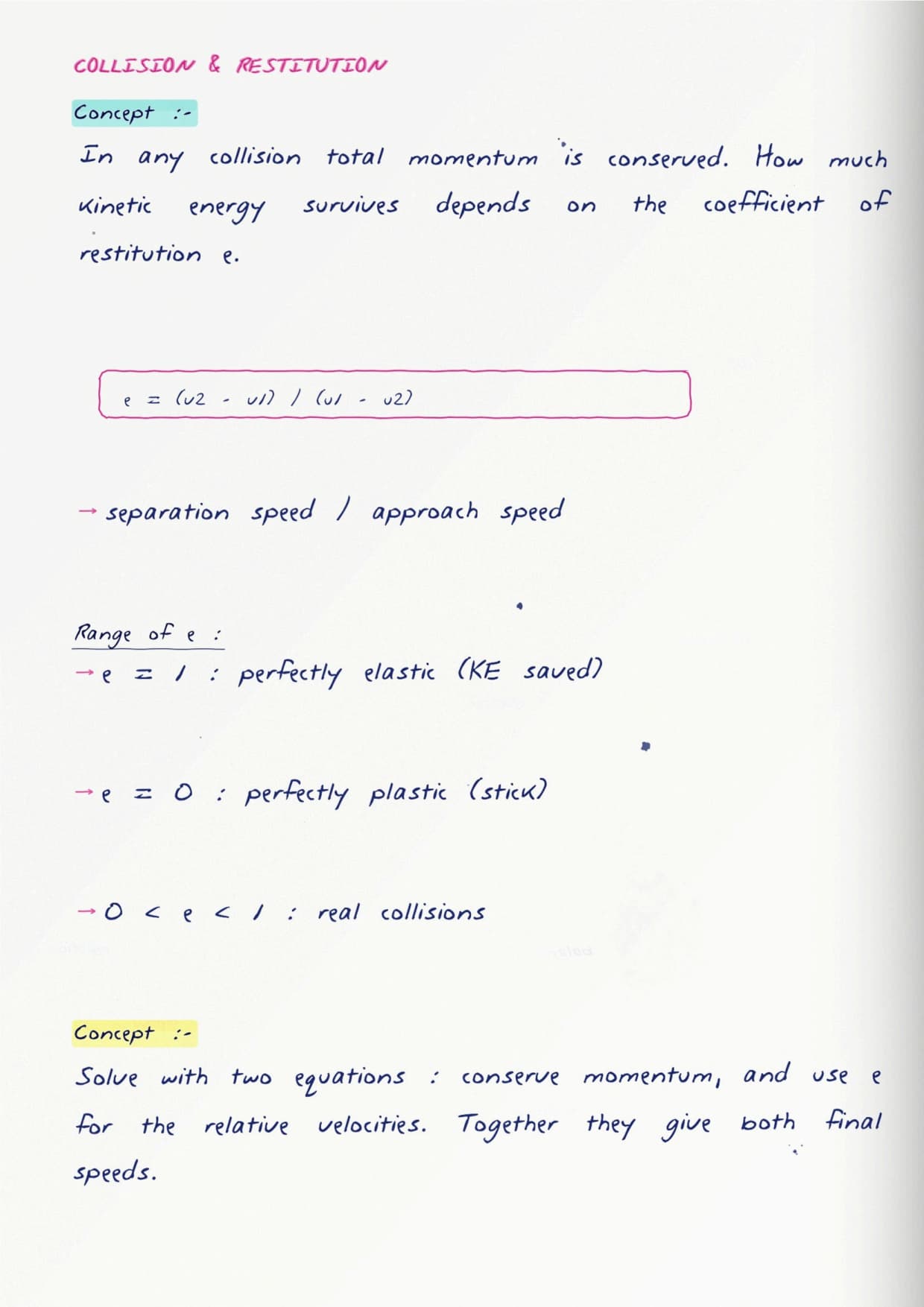
- Impulse-momentum, collisions and coefficient of restitution.
How the Notes Are Organised
The notes are meant to be used alongside your practice, not replace problem solving. Each page keeps the key result, the diagram and the common mistake in one place, so a quick glance is enough during revision. This is where the notes save the most time before the exam.
- Friction pages show the friction angle and reaction direction.
- Truss pages mark the zero-force members clearly.
- Moment of inertia keeps standard shapes with the parallel axis theorem.
- Collision pages separate elastic and inelastic cases.
- The coefficient of restitution is set out in one place.
How to Prepare GATE Engineering Mechanics with Handwritten Notes
Engineering Mechanics rewards steady practice more than reading, so use the notes in two clear passes. The first pass builds the method for every topic, and the second locks in the formulas and the common traps. Solve previous year GATE questions beside the notes to test each method.
- First pass: read each topic and follow the solved steps.
- Second pass: revise the key formulas and trap notes.
- Pair each topic with previous year GATE questions.
- Practise free body diagrams by hand.
- Revise friction and dynamics more than once.
Why These Notes Help You Score Better
Handwritten notes are quick to scan and easy to come back to during revision. Because each result is solved step by step, not just stated, you can rebuild a formula if you forget it in the exam. That matters most in dynamics, where one sign mistake can change the final answer.
- Short entries make revision faster than a full textbook.
- Diagrams are placed next to the topic they explain.
- Each result is solved step by step, so you can rebuild it if you forget.
- Useful in dynamics, where a small sign error changes the answer.
GATE Mechanical Engineering Mechanics Handwritten Notes FAQs
Ques. Are these notes enough for the GATE Mechanical Engineering Mechanics section?
Ans. Yes, the notes cover the full syllabus, from force systems and equilibrium to kinematics and kinetics. Students should still solve previous year questions alongside the notes for full command over the section.
Ques. Do the notes explain topics or only list formulas?
Ans. They do both. Each topic has a short explanation and then the key formula, so the method is clear before you apply it.
Ques. Can I use these notes for last-day revision?
Ans. Yes. The formula sheet and short trap notes make a quick pass the day before the exam very useful.
Ques. Do the notes include diagrams?
Ans. Yes. Free body diagrams, trusses, blocks on inclines, belt-pulley sketches and projectile paths are all drawn by hand with clear labels, so students can follow each step visually.



Comments