




Engineering Mathematics is one of the most scoring areas of the GATE Mechanical paper, worth about 13 marks every year. The questions are usually direct and formula based, so a student who is clear on the basics can secure these marks quickly. These notes cover the full syllabus, from linear algebra to numerical methods, in one place.
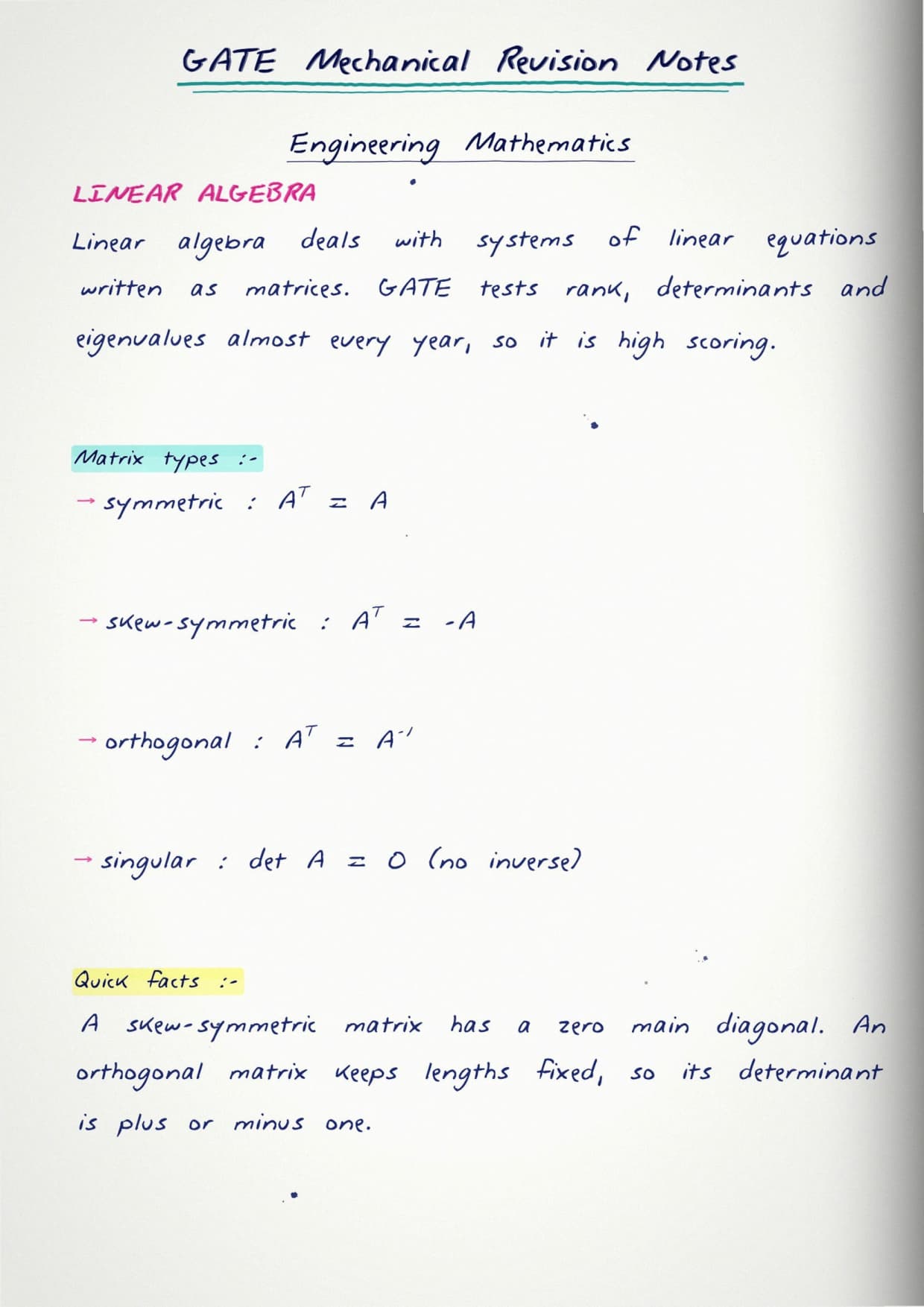
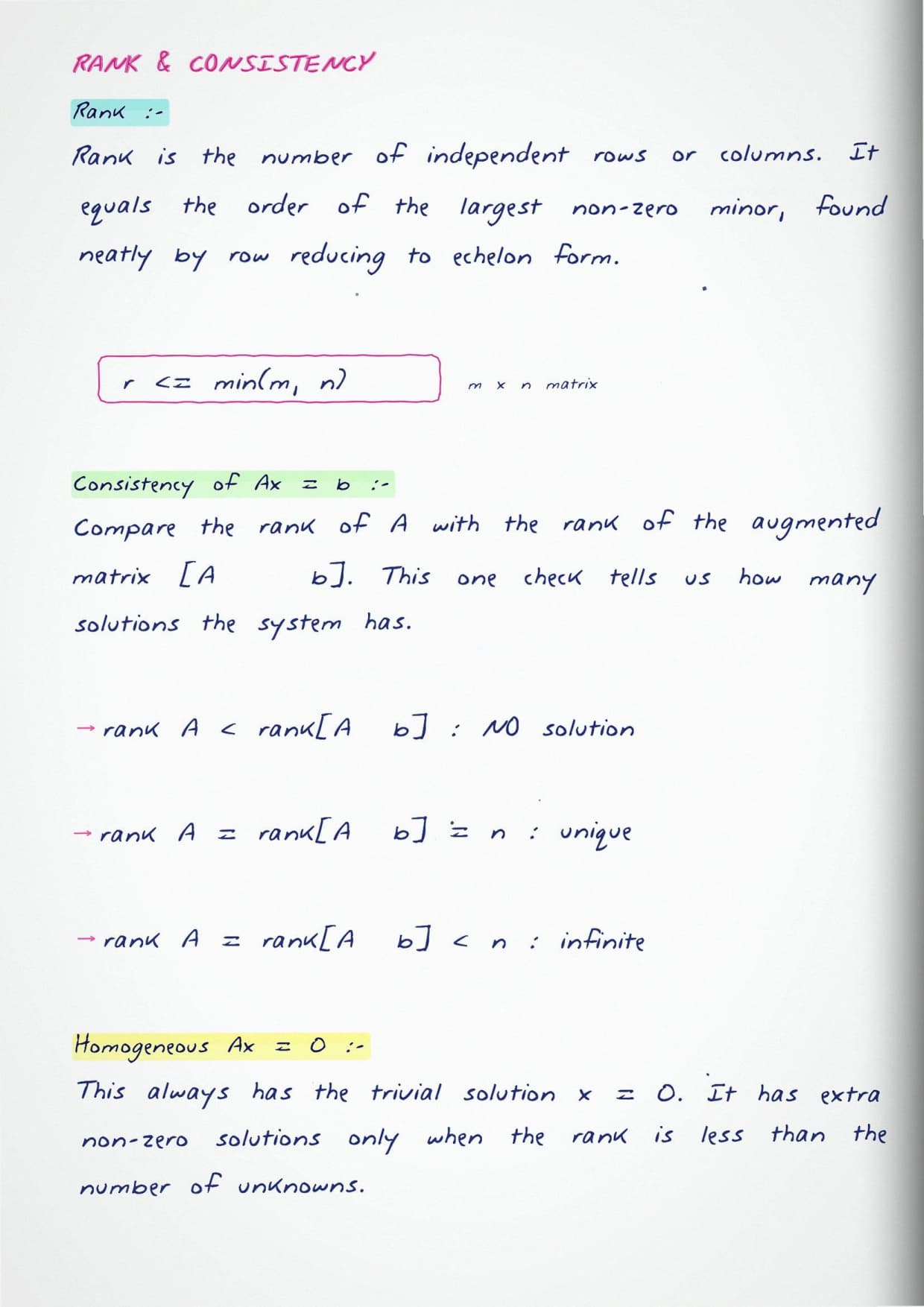
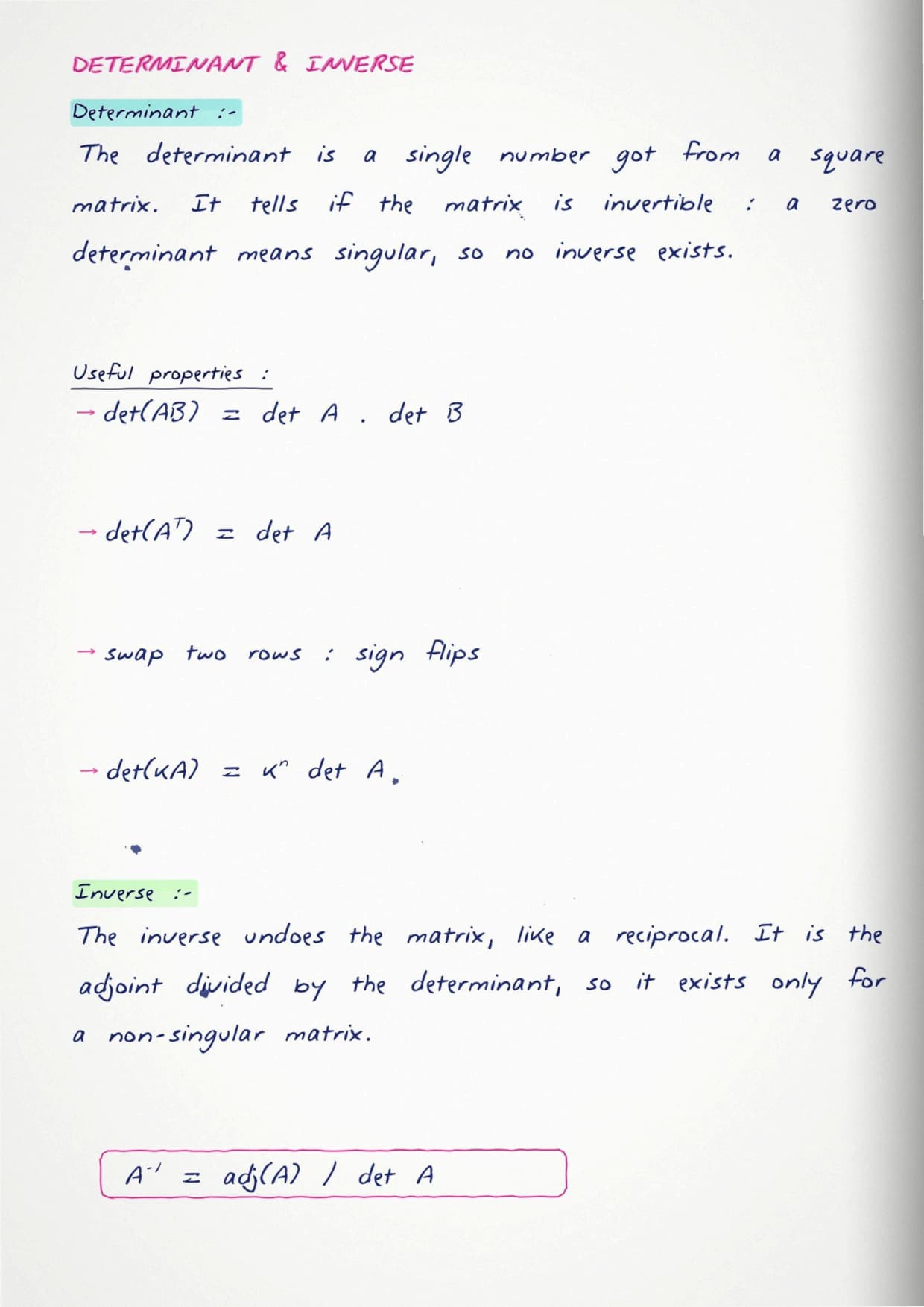
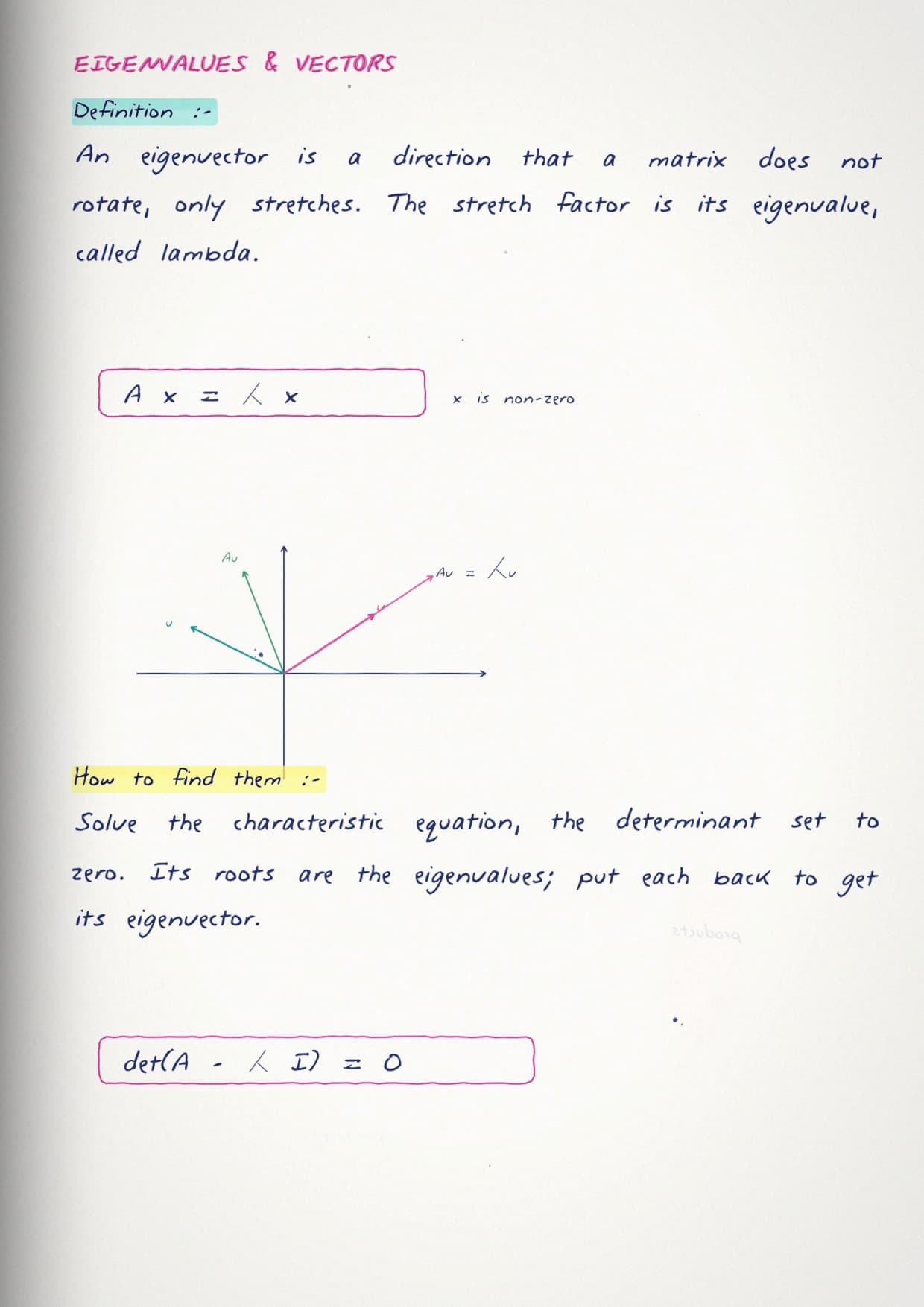
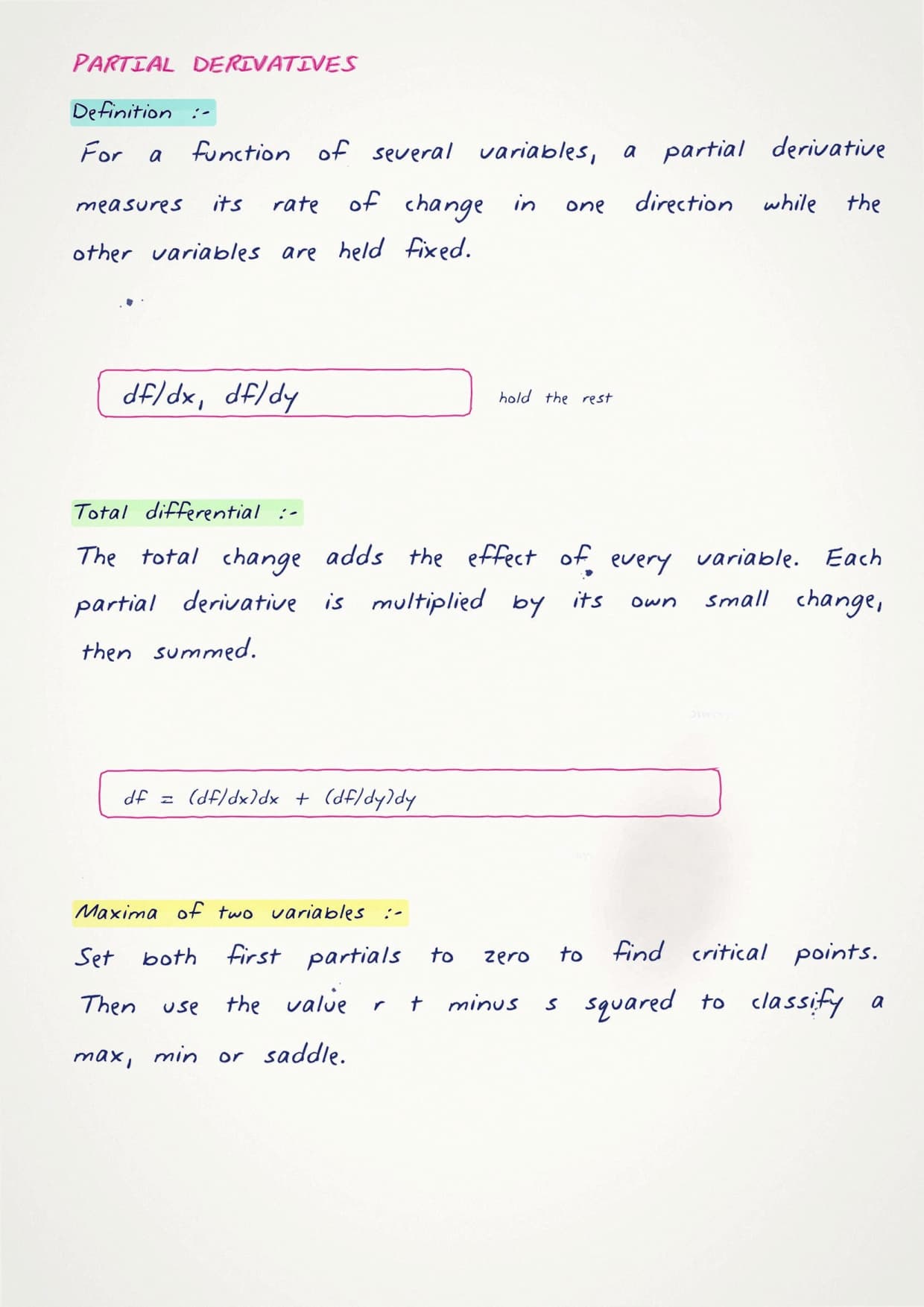
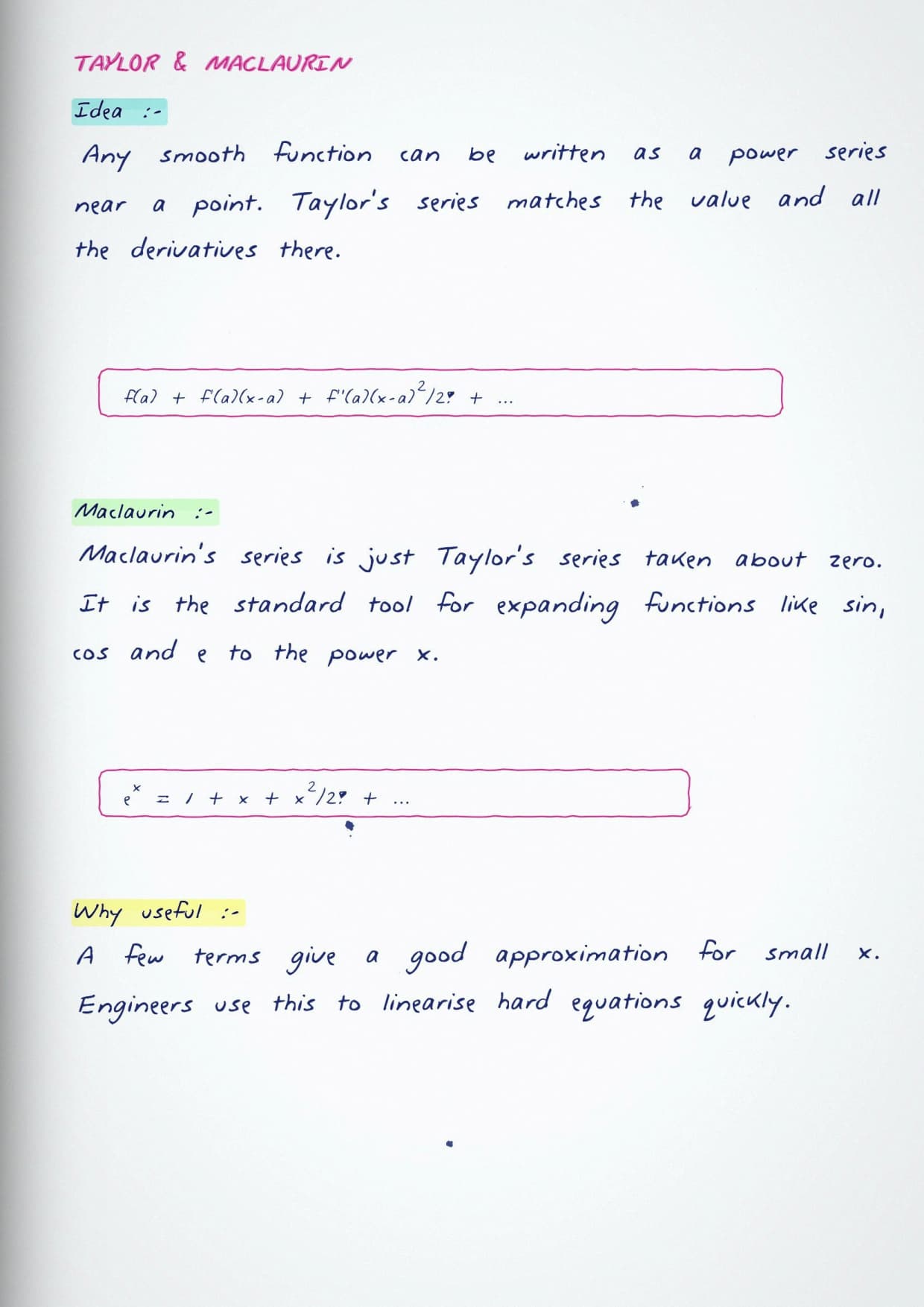
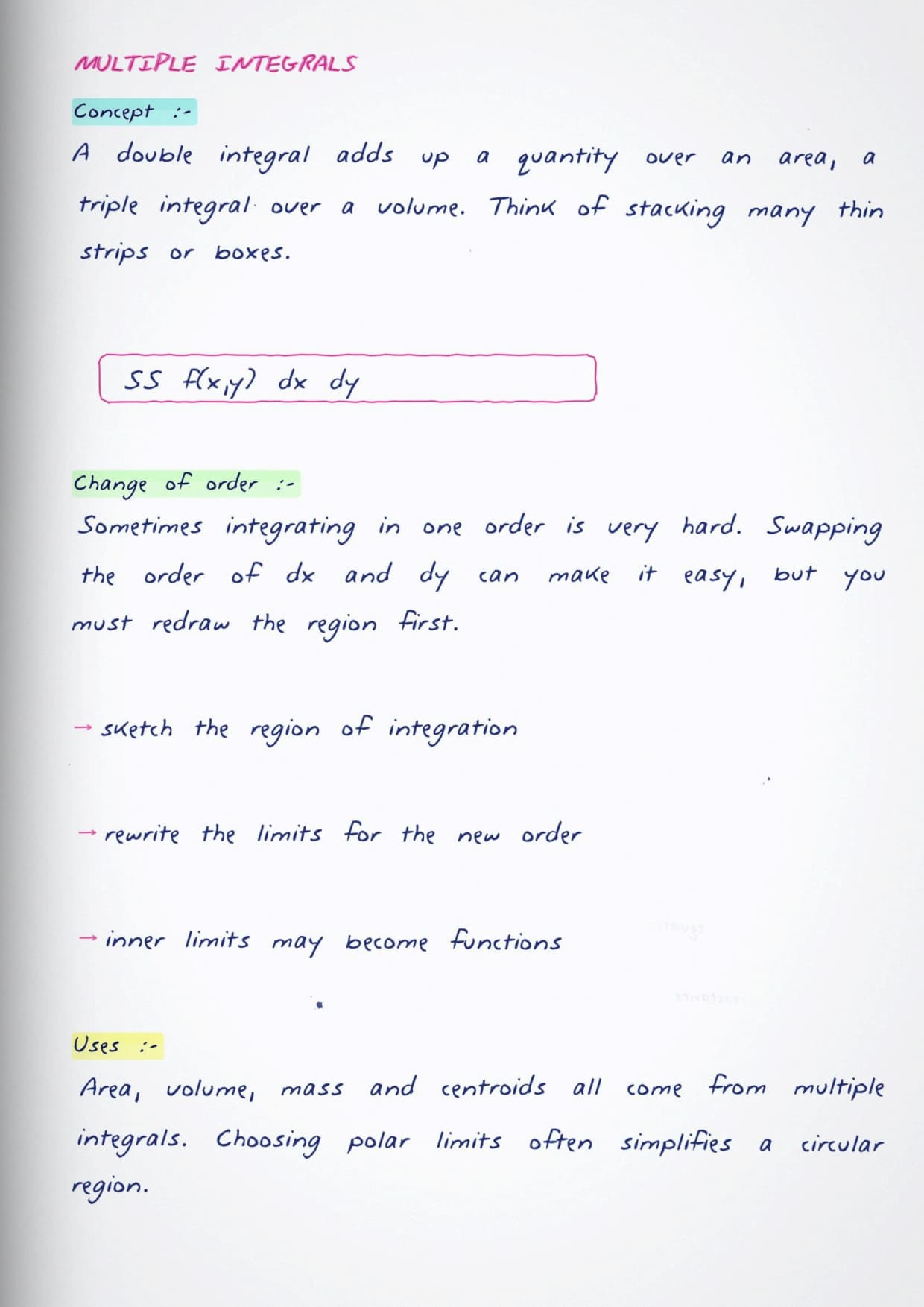
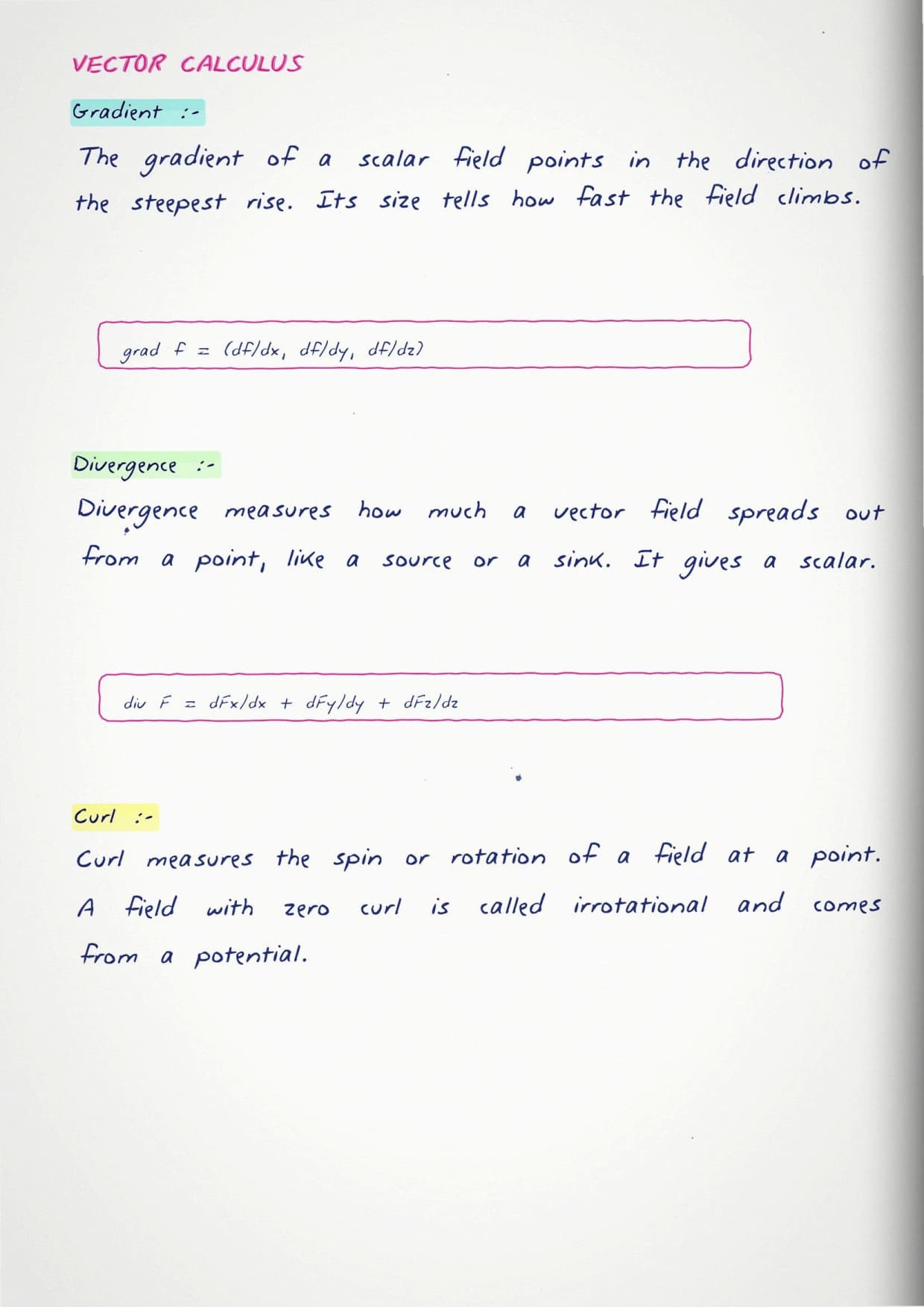
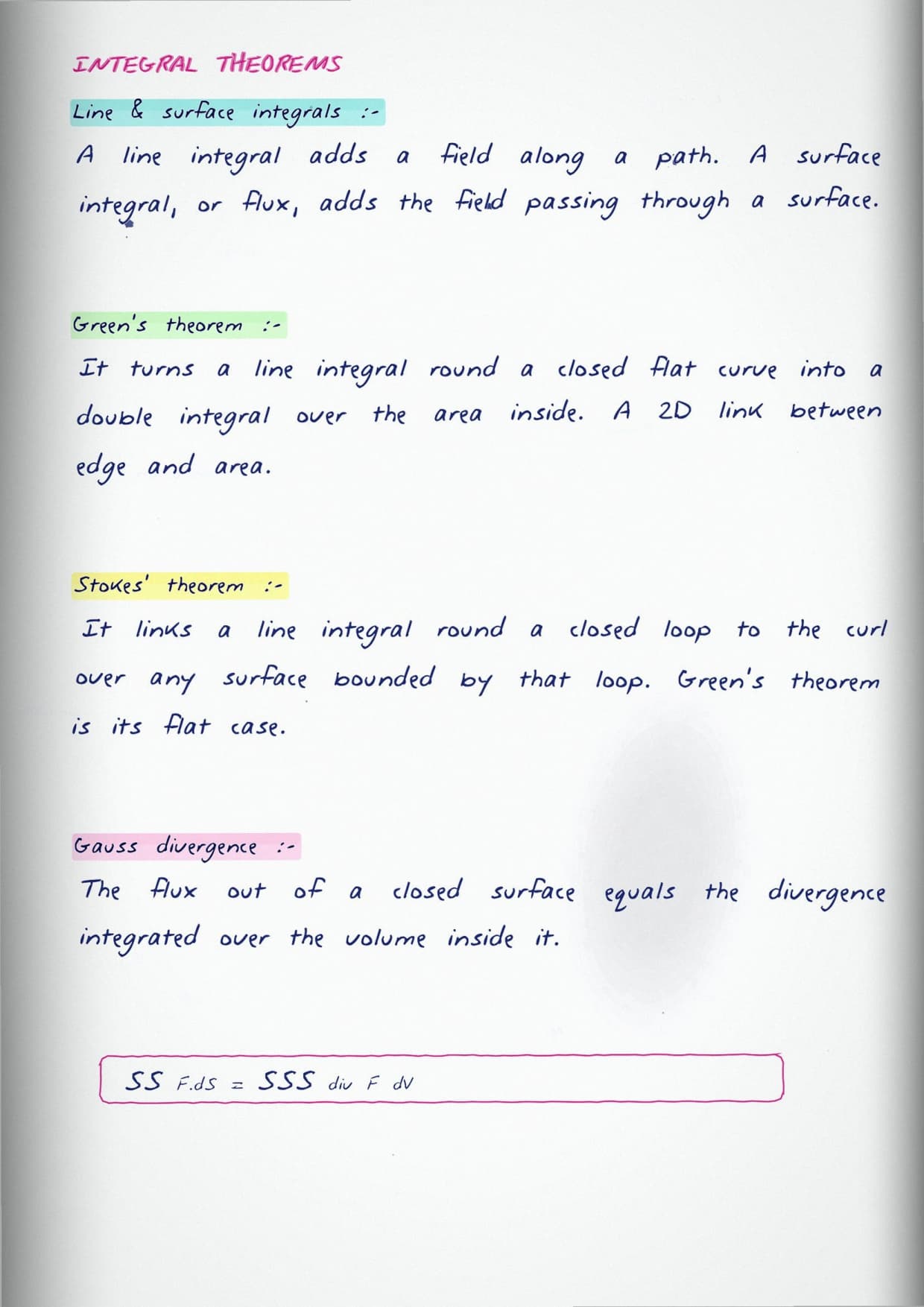
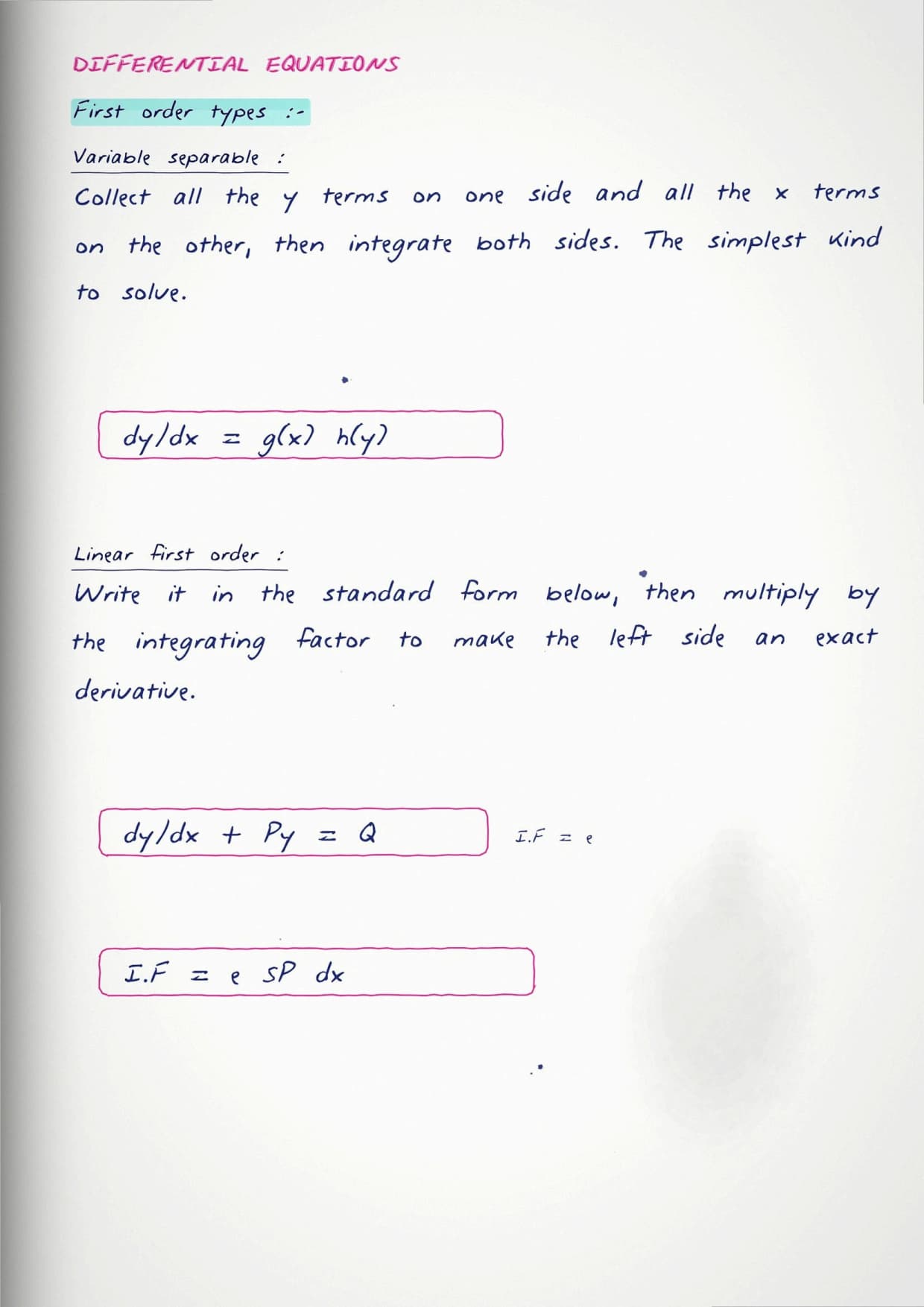
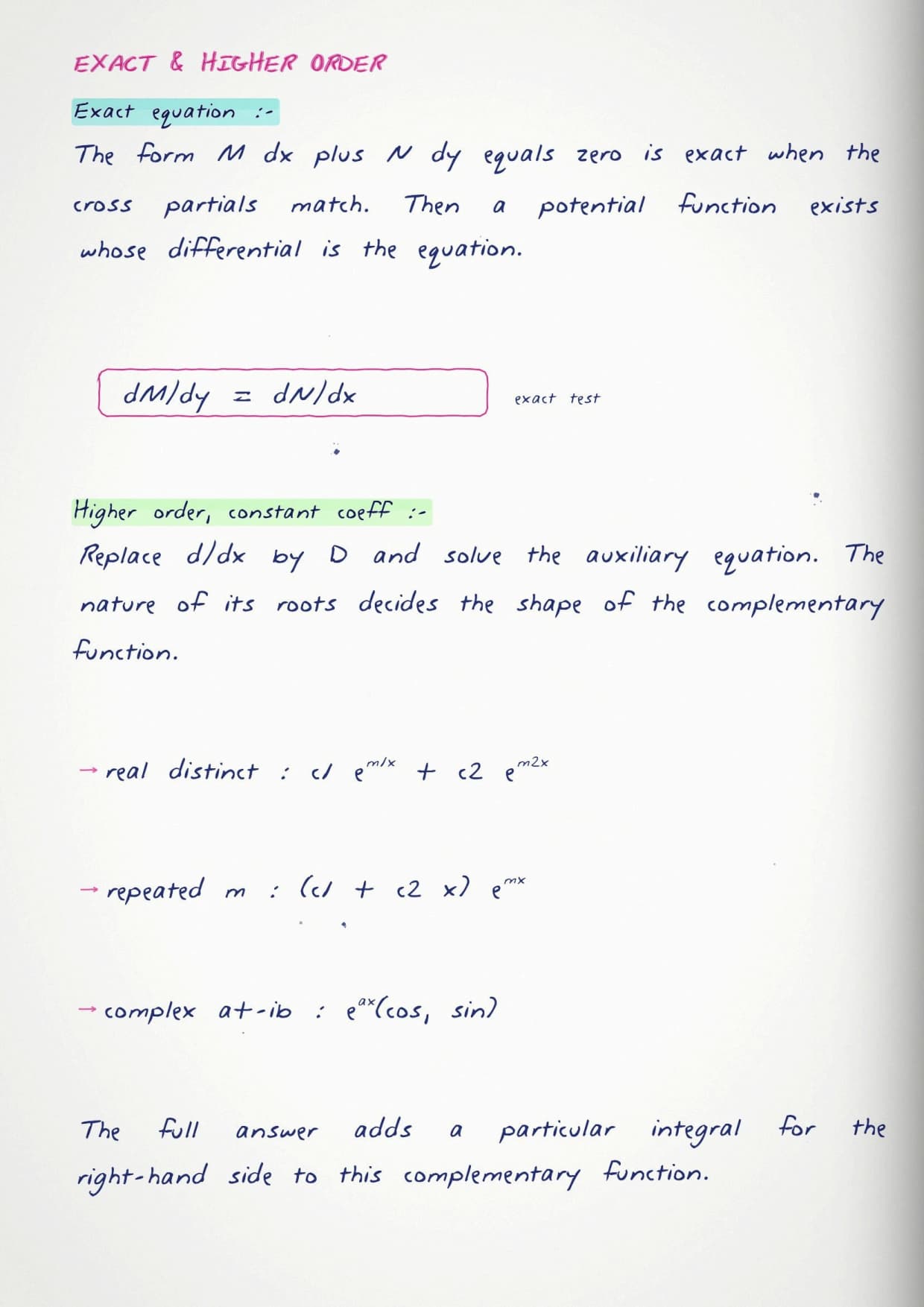
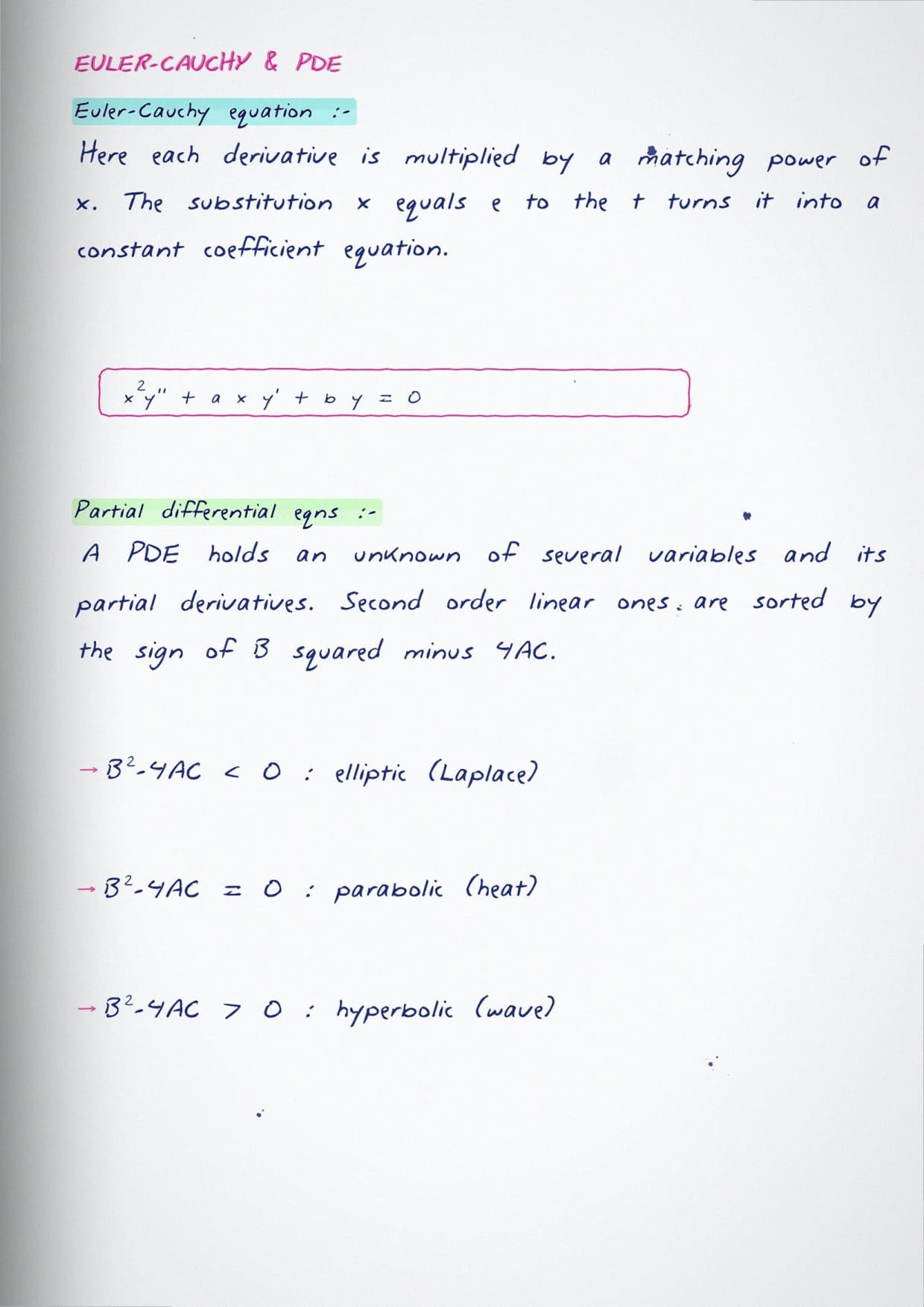
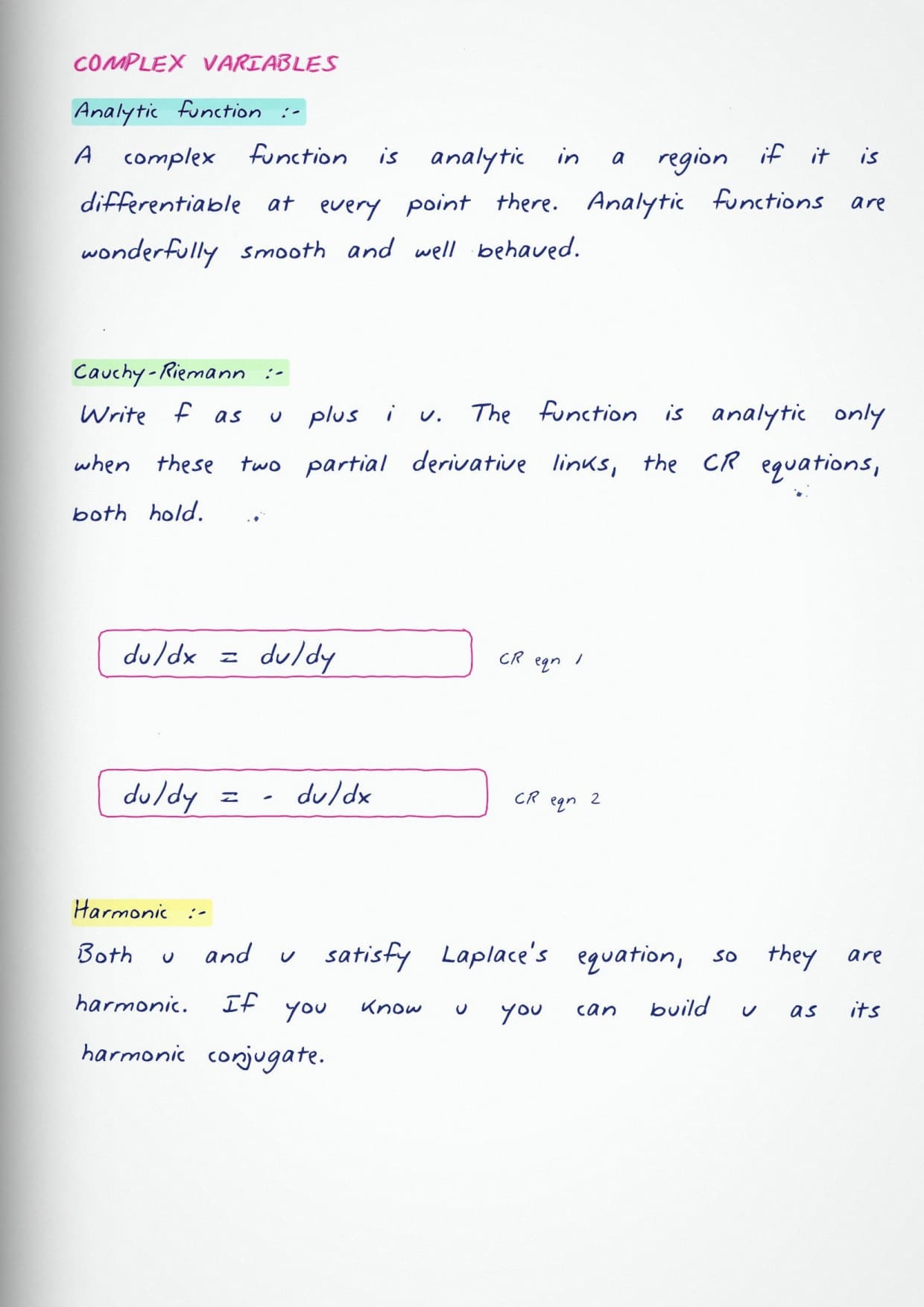
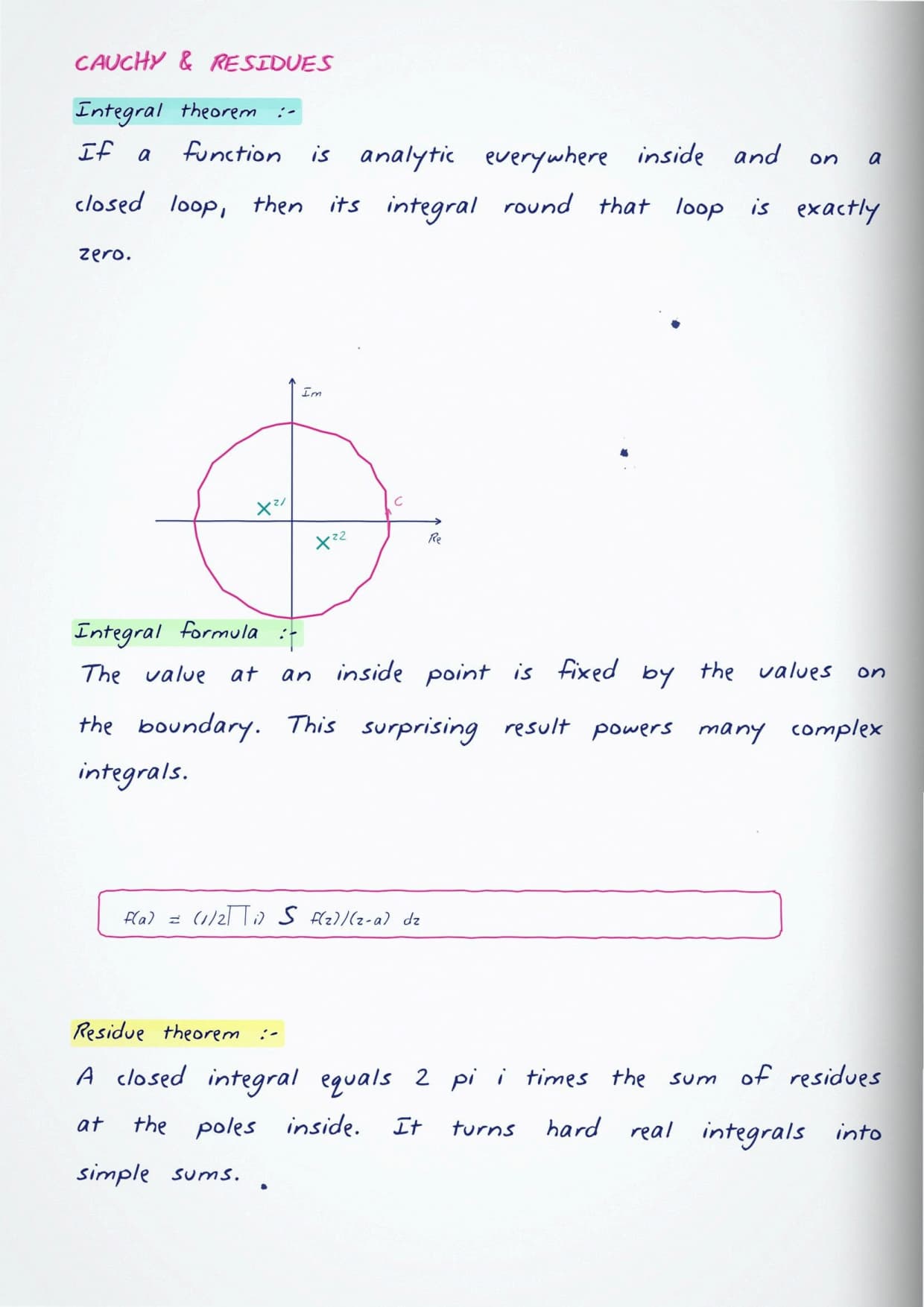
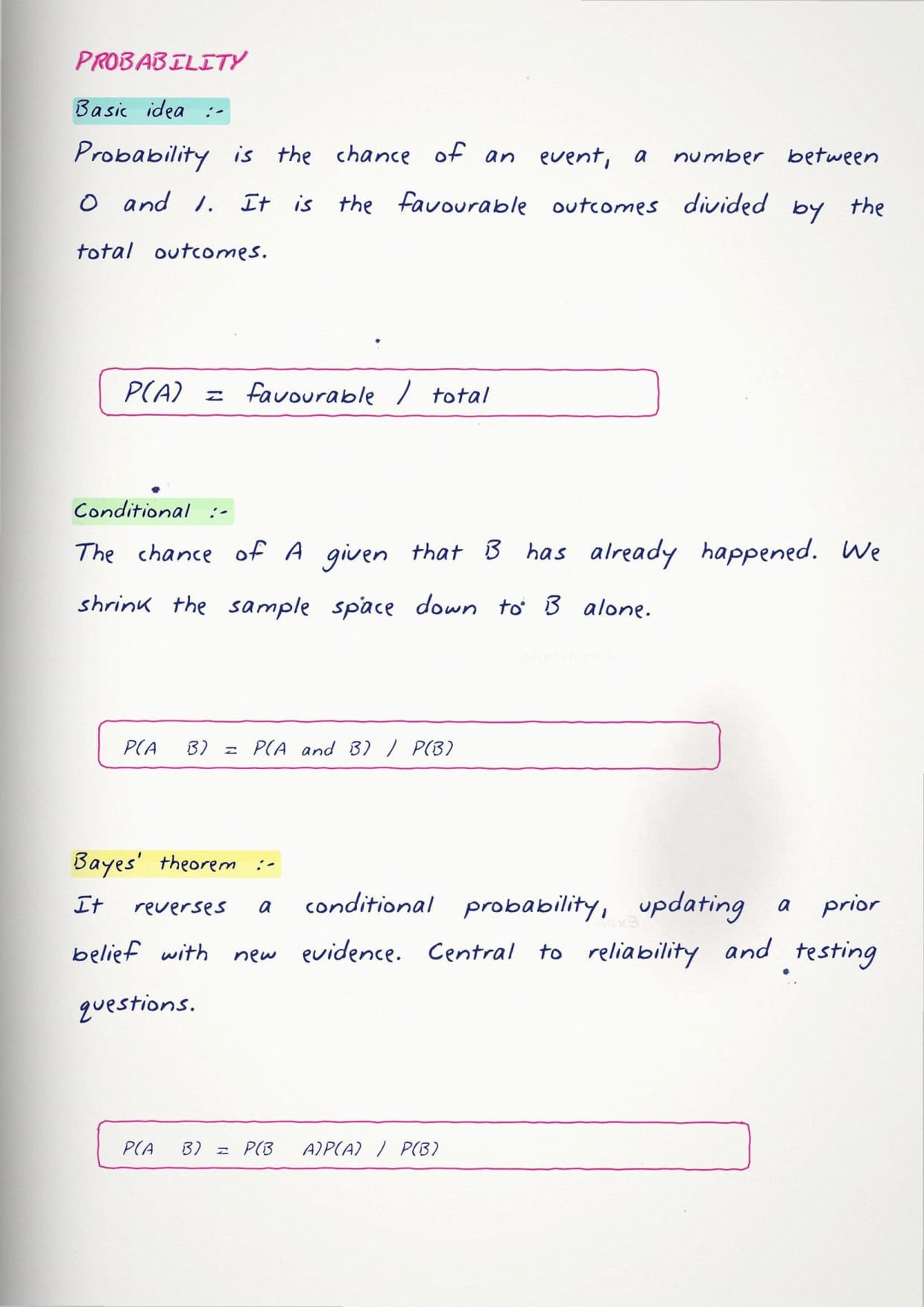
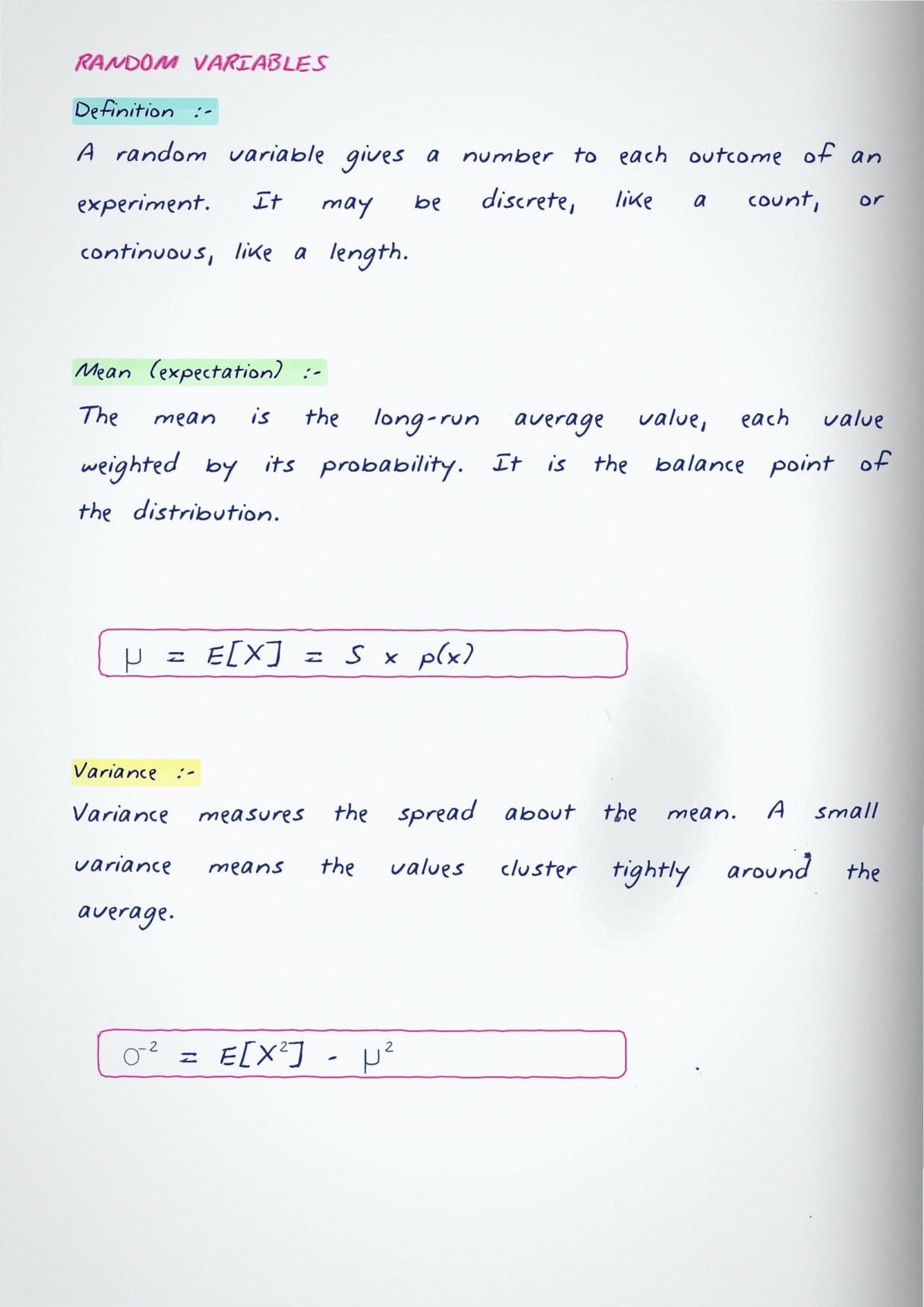
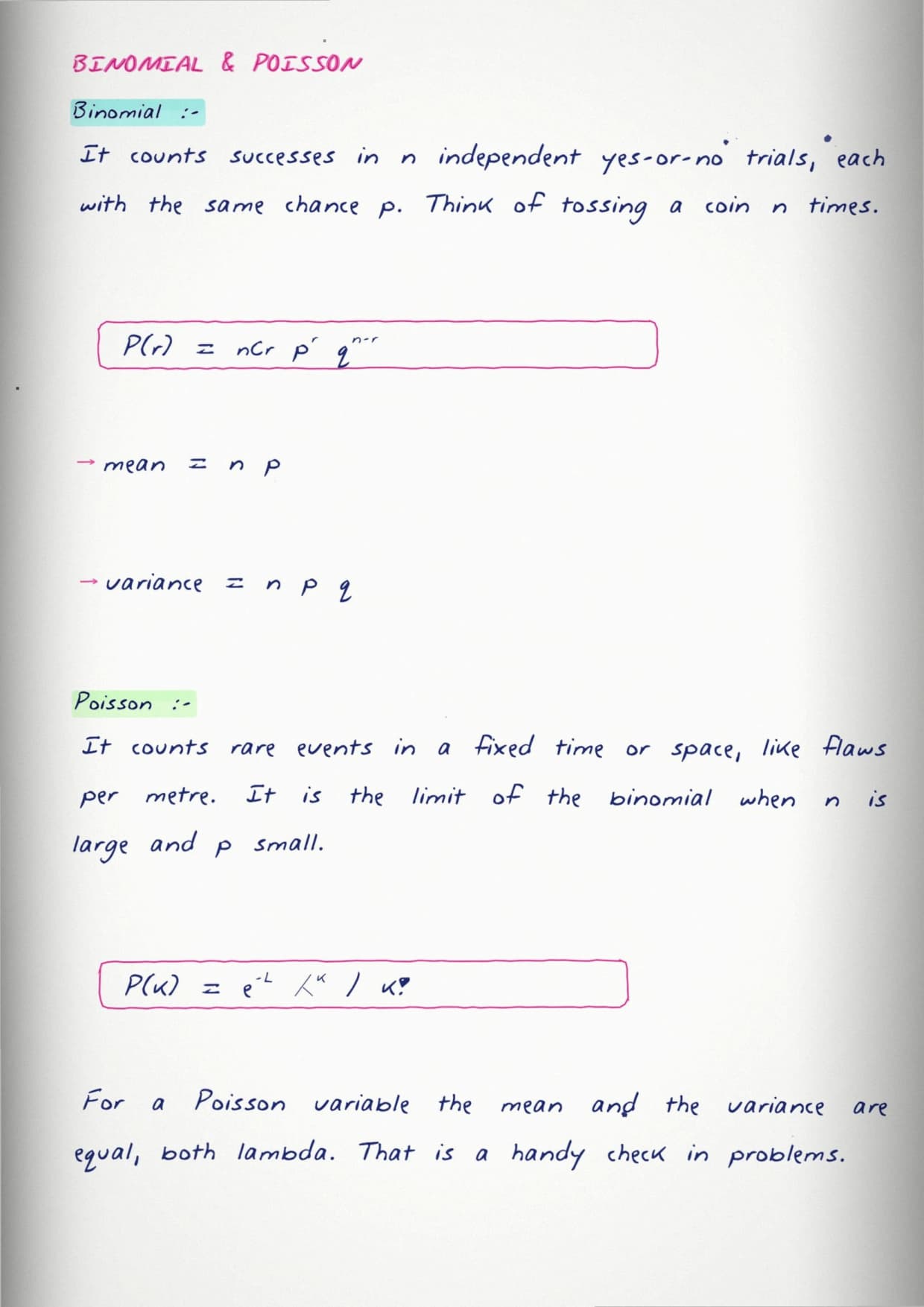
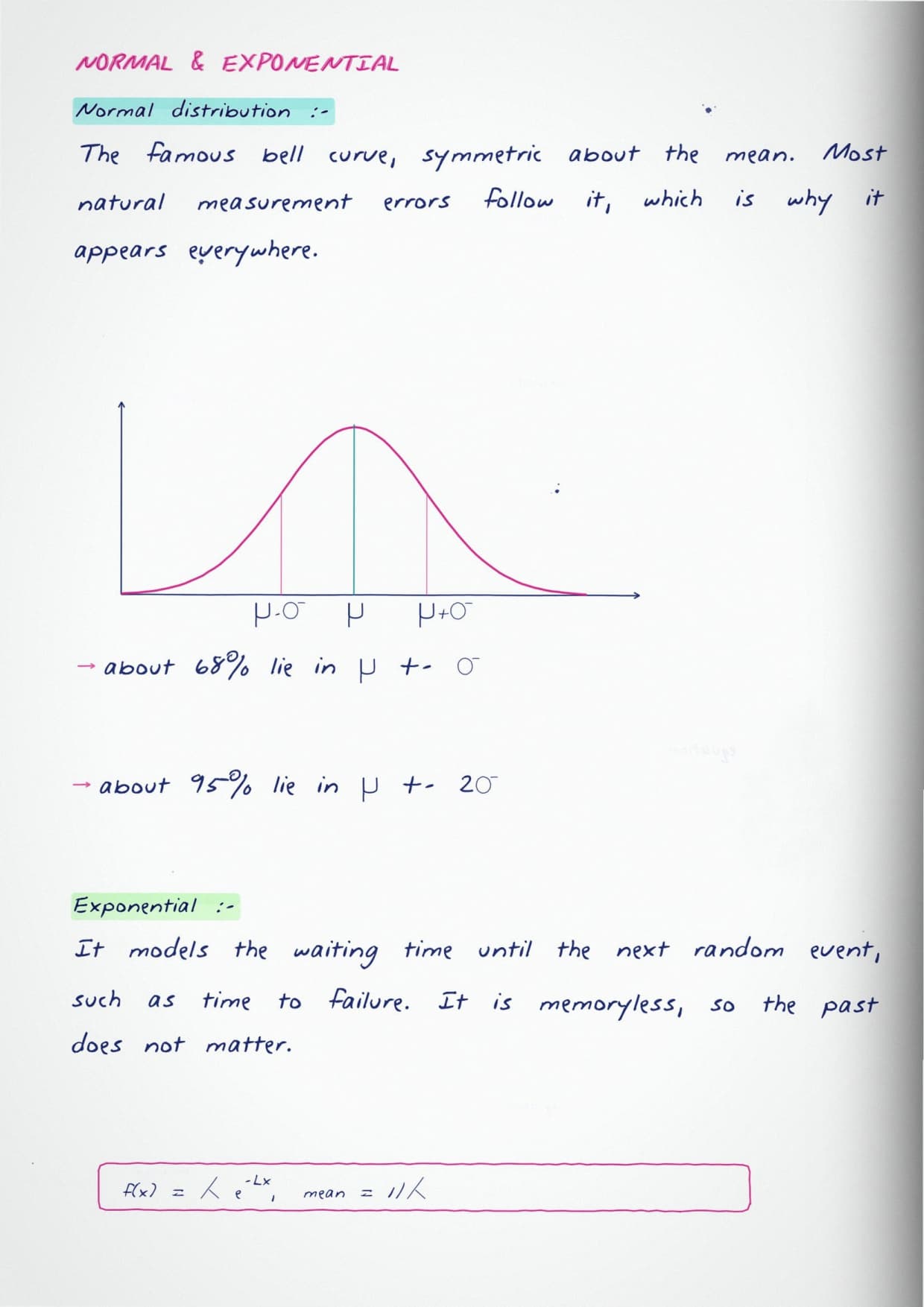
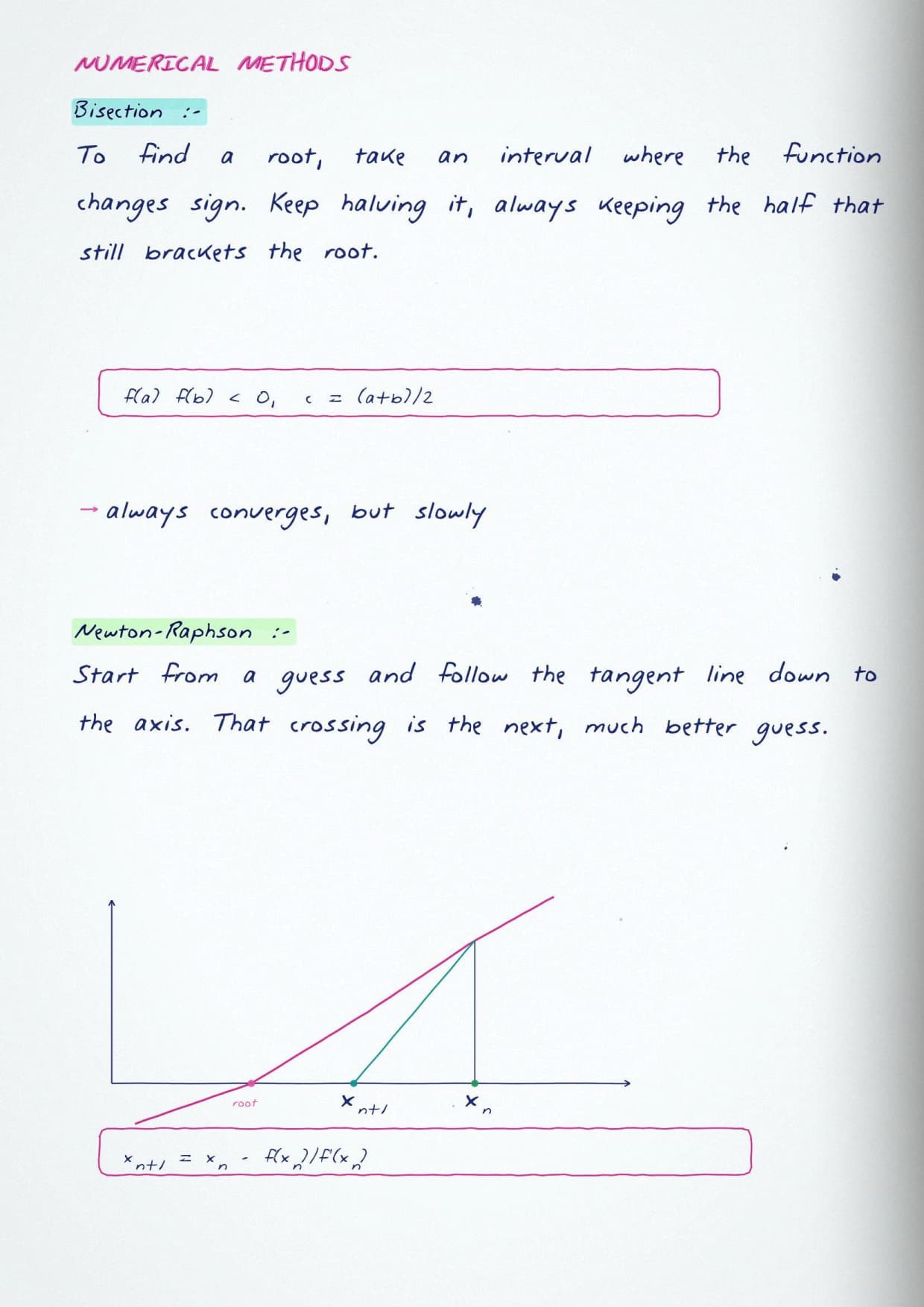
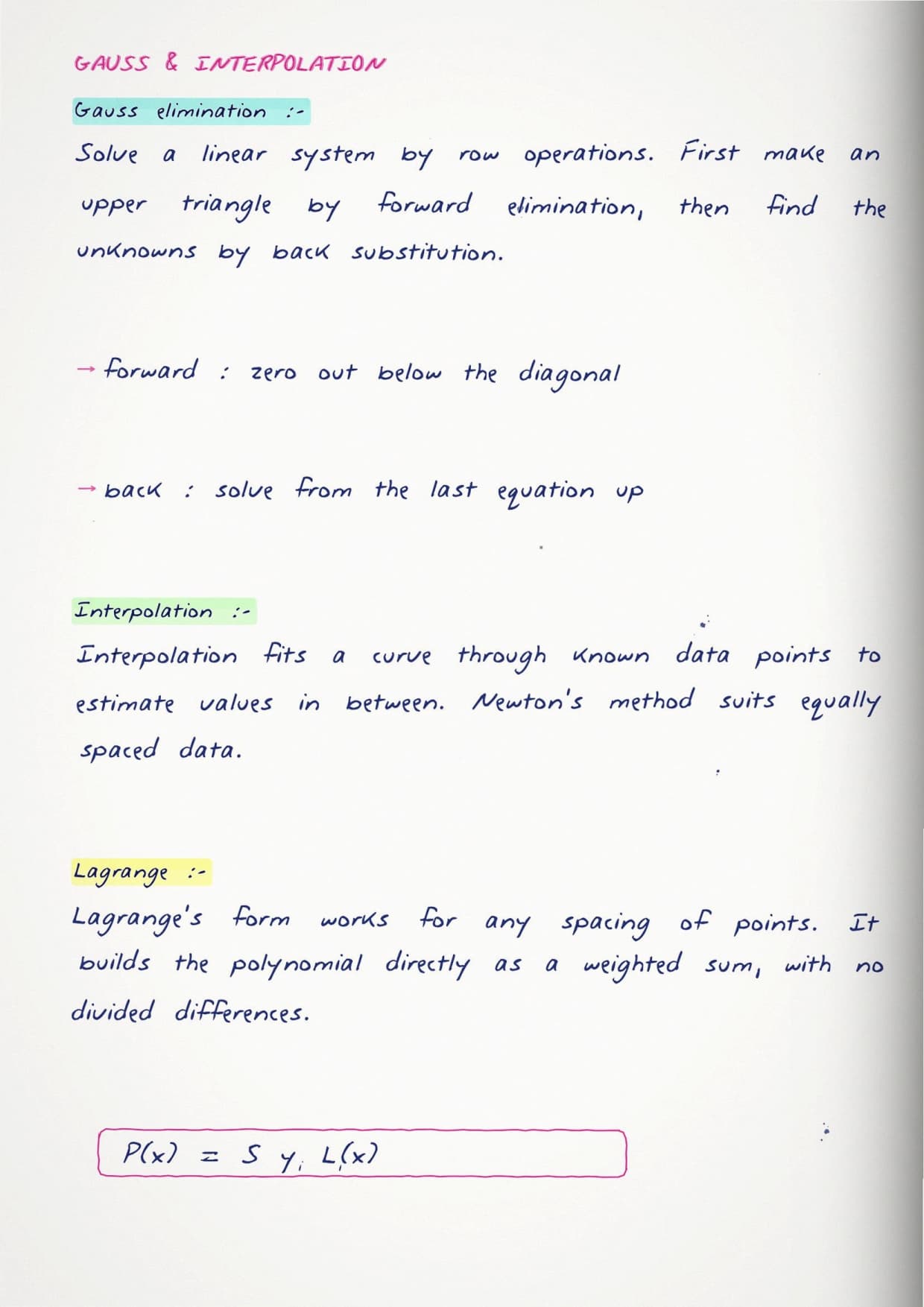
The notes go through the complete GATE Mechanical Engineering Mathematics syllabus, unit by unit. Each topic keeps its important results and standard question types together, so you can revise a full unit in one go.
- Full syllabus in one PDF, unit by unit
- Key formulas and quick shortcuts for each topic
- Hand-drawn graphs for the visual topics
- Quick to revise a day before the exam
What These GATE Engineering Mathematics Notes Cover
The notes are arranged topic by topic and follow the same order as the GATE syllabus. Every topic gives the definition, the standard result, and a short solved method for the question types that appear in the exam. The theory is kept brief so that the problem-solving steps stay in focus.
- A clear definition and the key result for each topic
- Quick shortcuts for common GATE question types
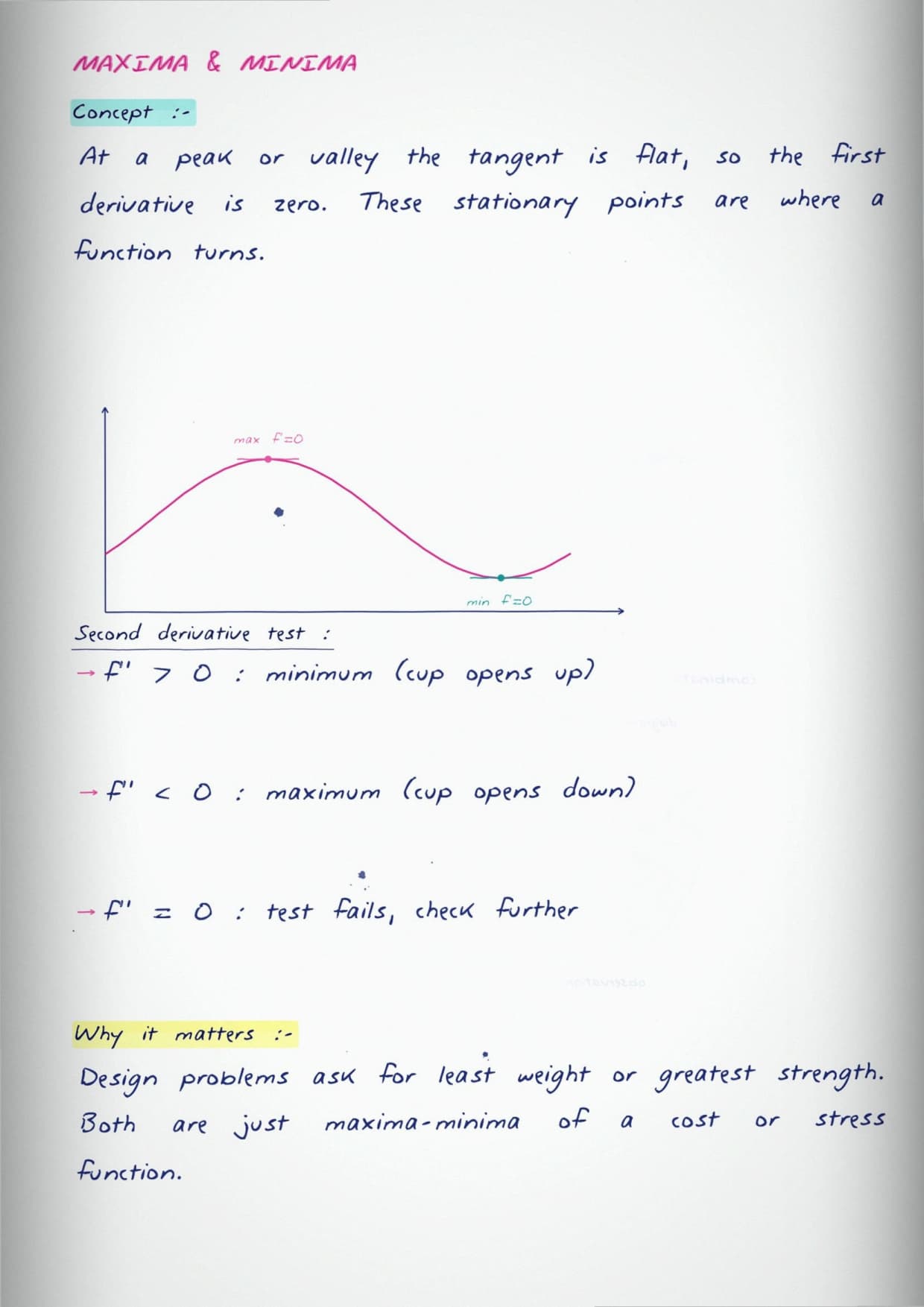
- Hand-drawn graphs: eigenvector direction, maxima and minima, the Argand plane, the normal curve
- One topic per page, so nothing is scattered
GATE Engineering Mathematics Quick Revision
Source: Kreatryx GATE - EE, ECE & IN by Unacademy on YouTube
Topics Covered in GATE Engineering Mathematics
The notes follow the official GATE Engineering Mathematics syllabus and cover all seven units without leaving any gaps. The main units, with the topics under each, are listed below.
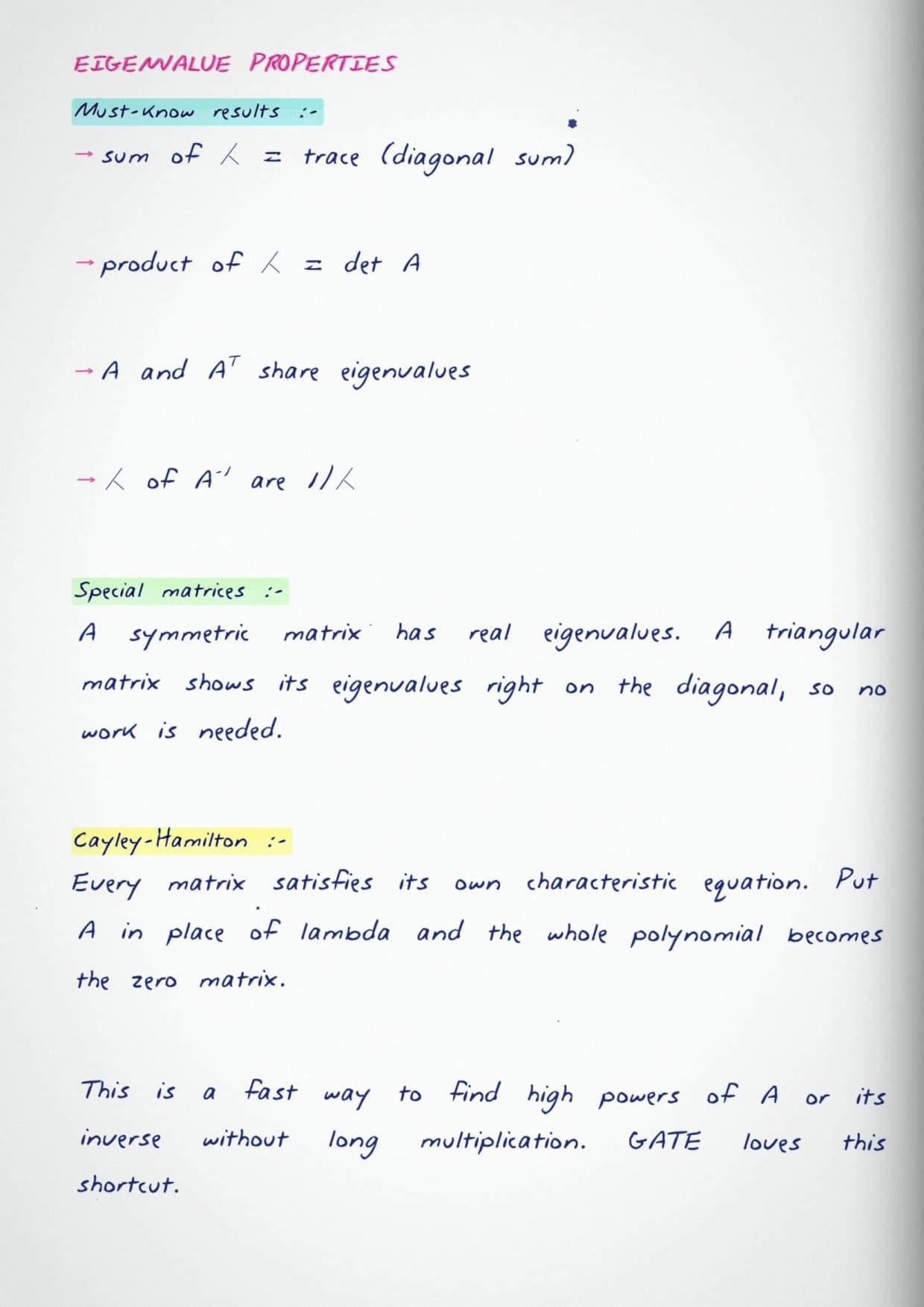
- Linear Algebra: matrices, rank, systems of equations, eigenvalues and eigenvectors, Cayley-Hamilton theorem
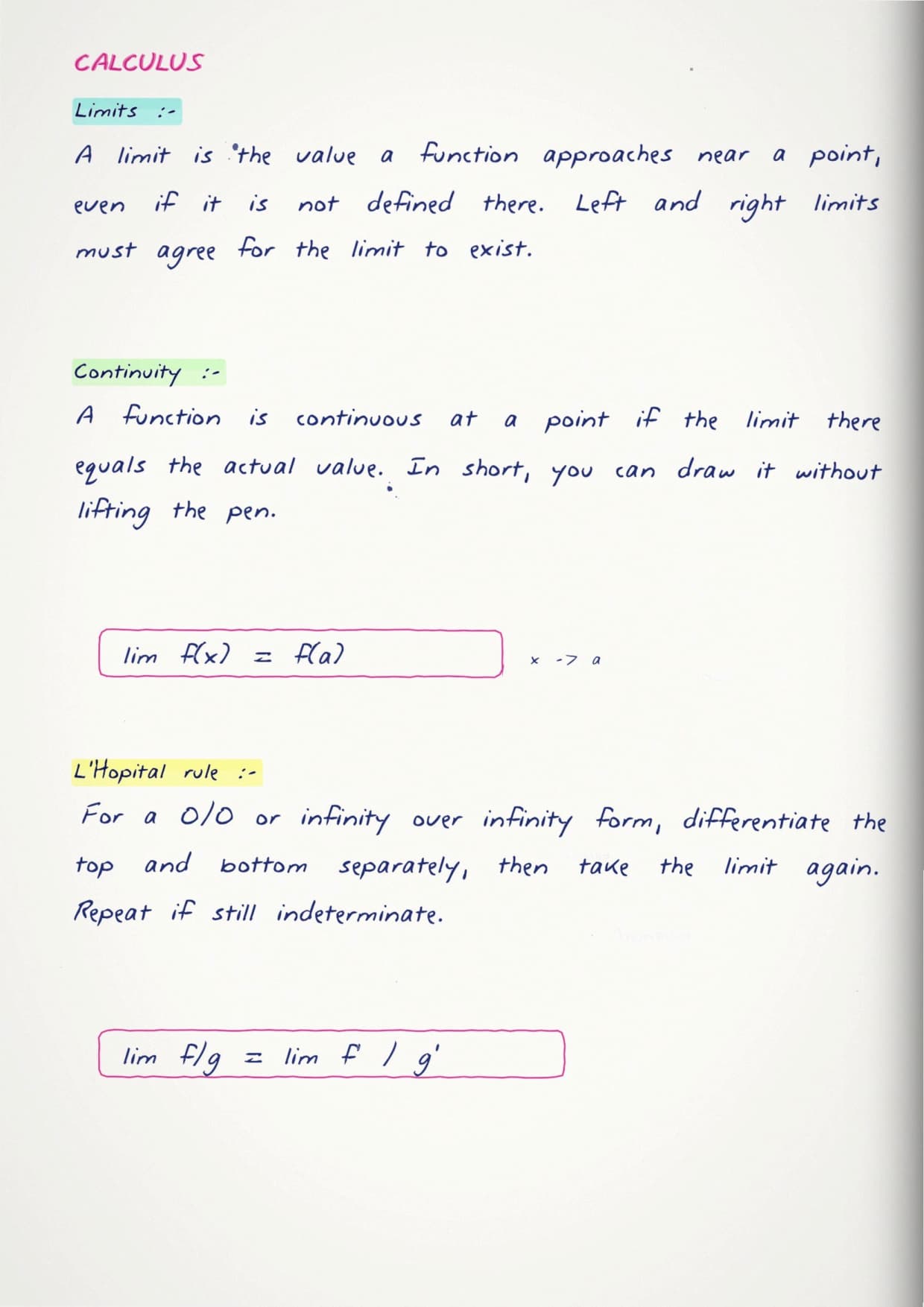
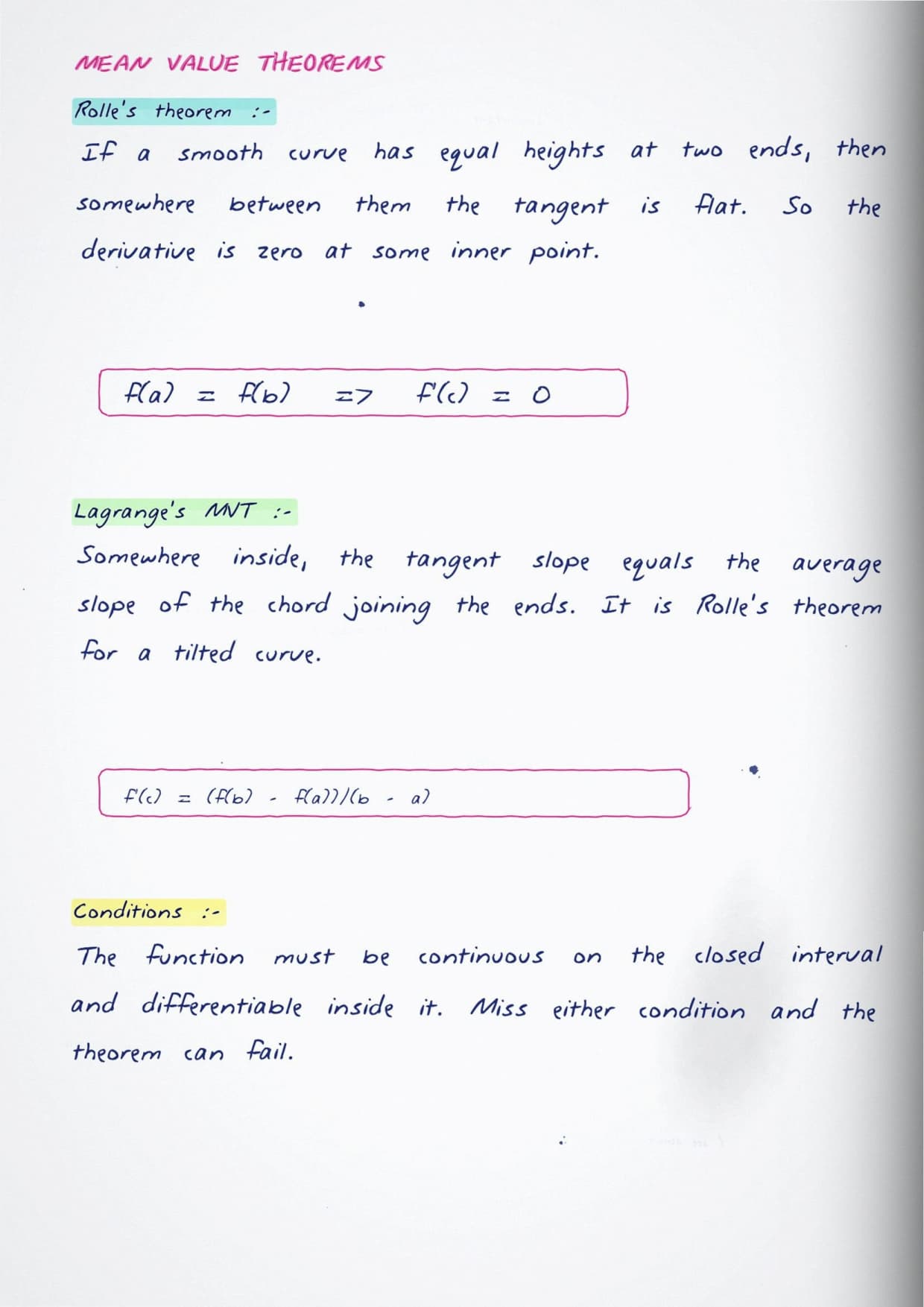
- Calculus: limits, continuity, maxima and minima, partial derivatives, multiple integrals
- Vector Calculus: gradient, divergence, curl, line and surface integrals, Green, Stokes and Gauss theorems
- Differential Equations: first order equations, higher order linear equations, Euler-Cauchy form, introduction to partial differential equations
- Complex Variables: analytic functions, Cauchy-Riemann equations, Cauchy integral theorem, residues
- Probability and Statistics: mean, variance, conditional probability, binomial, Poisson and normal distributions
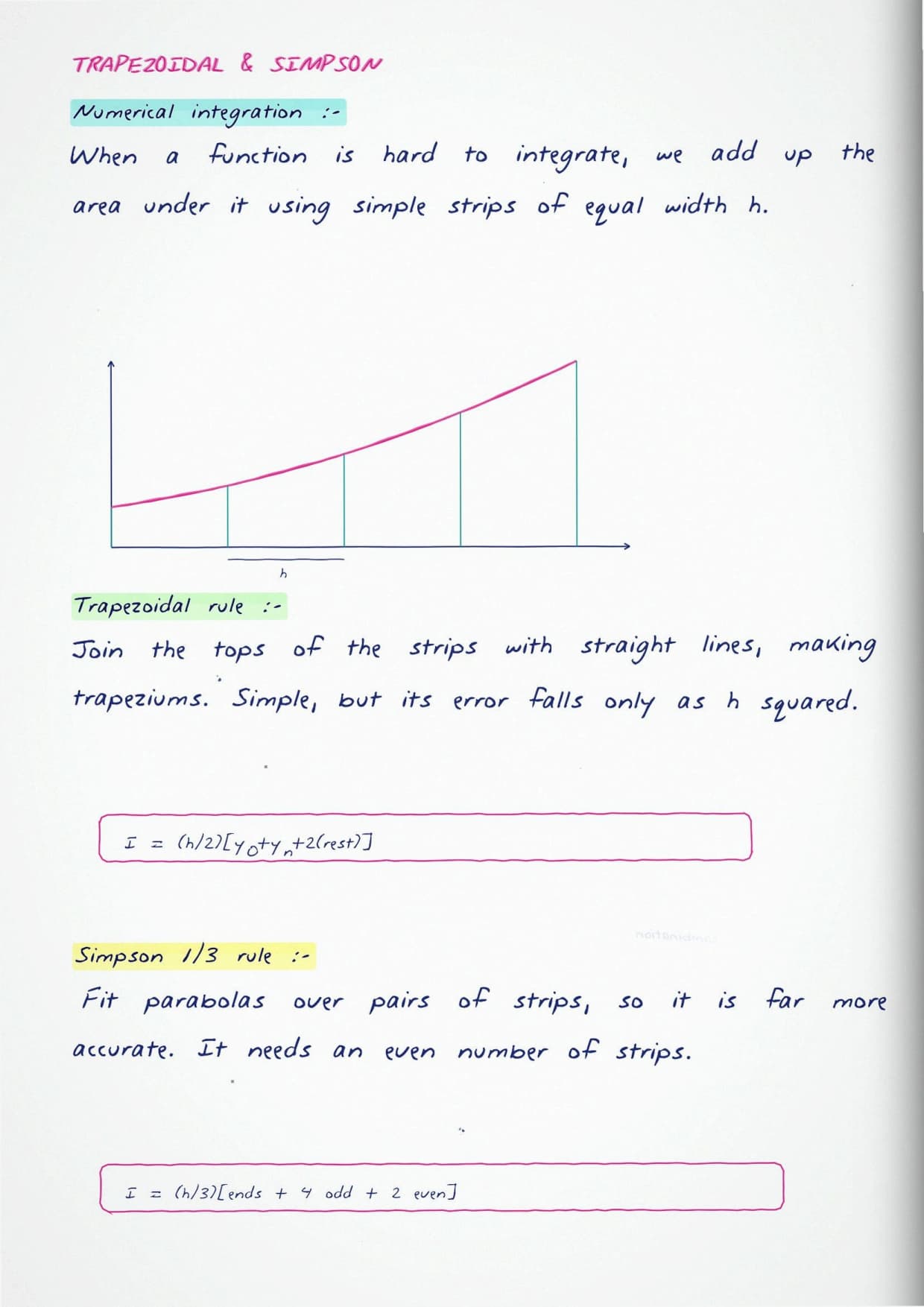
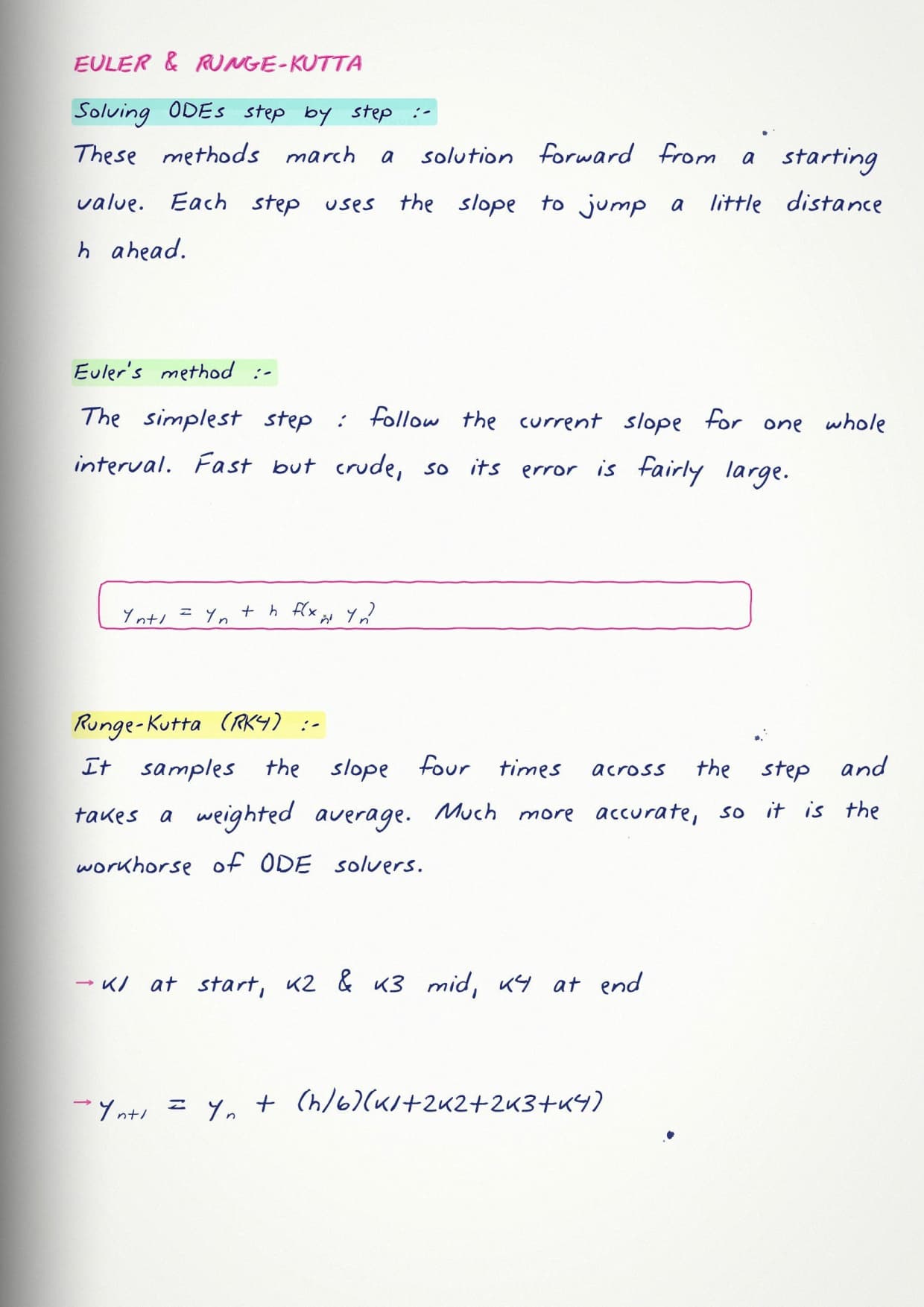
- Numerical Methods: Newton-Raphson method, interpolation, trapezoidal and Simpson rules, Euler and Runge-Kutta methods
How the Notes Are Organised
The units are placed in the order in which they build on one another, so linear algebra and calculus come first because the later units rely on them. Each topic stays together on one page, and the reasoning behind every formula is included, which matters for the numerical-answer questions.
Common traps are marked next to the topic they belong to, and formulas that appear in more than one unit are cross-referenced. This keeps related ideas connected instead of scattered across the syllabus.
Important Topics in GATE Engineering Mathematics
A few units appear in the GATE Mechanical paper almost every year, so they give the best return for the time you spend. The topics below have carried steady weightage across recent papers, and they are the ones to revise first if you are short on time.
- Eigenvalues, eigenvectors and rank of a matrix
- Maxima and minima of single and two variable functions
- Divergence, curl and the three vector calculus theorems
- Mean, variance and the normal distribution
- Newton-Raphson, Simpson rule and Runge-Kutta methods
Common Mistakes in GATE Engineering Mathematics
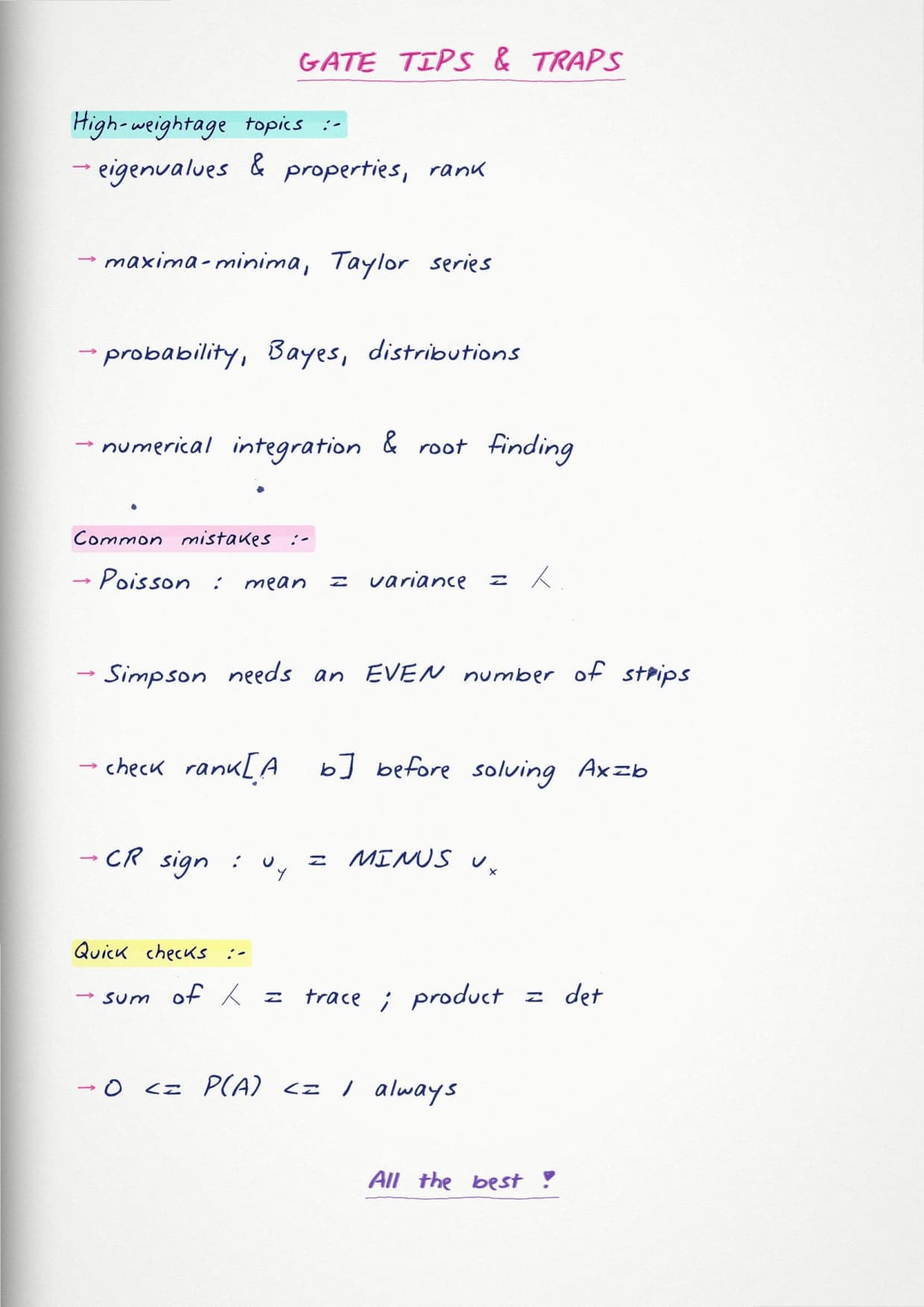
Engineering Mathematics questions are usually short, so a single slip can cost a mark that should have been easy. The notes point out the errors students make most often under exam pressure, so you can watch for them while you practise.
- Check the determinant before solving a system of equations
- Match the boundary conditions in a differential equation
- Keep independent and mutually exclusive events separate
- Watch the step size in numerical method questions
How to Prepare GATE Engineering Mathematics with Handwritten Notes
The notes work best alongside your main study material while you are still learning a topic, and on their own once you move into revision. A simple way to fit them into your GATE preparation is set out below.
- First read: pair the notes with detailed theory
- Second read: revise only from these notes
- Practice: solve past GATE questions topic by topic
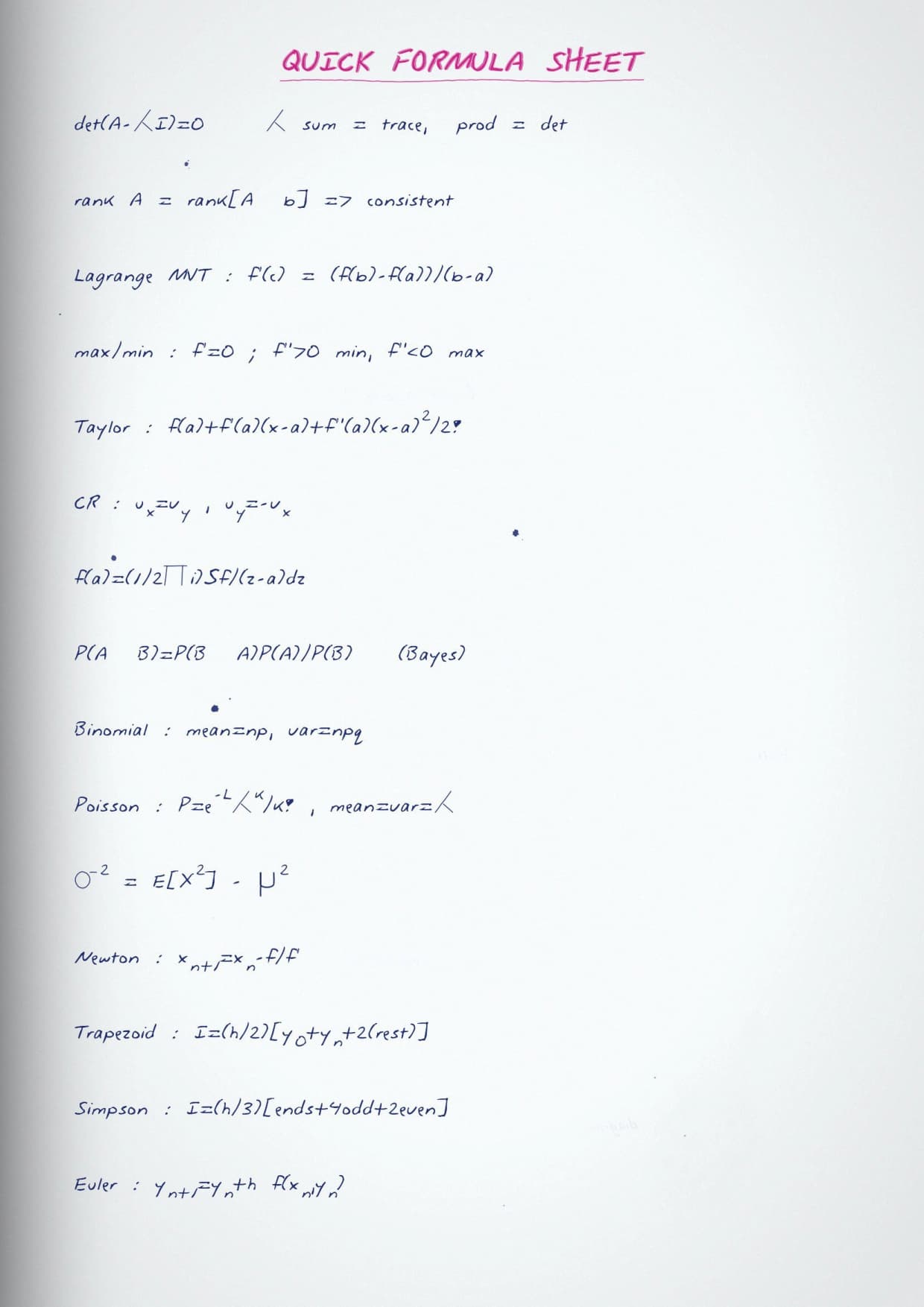
- Final day: skim the formula sheet and key results
Why These Notes Help You Score Better
Handwritten notes are often quicker to recall than printed text, because the layout and the solved steps tend to stay in memory. In the final weeks, when time is short, they let you revise a full unit fast and keep the method for each question type in front of you. That is why many students turn to them for last-mile revision rather than reopening a full textbook.
GATE Mechanical Engineering Mathematics Handwritten Notes FAQs
Ques. How many marks does Engineering Mathematics carry in GATE Mechanical?
Ans. It carries around 13 marks in the GATE Mechanical paper, which makes it one of the most scoring sections. Clear basics here can lift your overall score.
Ques. Are these handwritten notes enough for GATE Engineering Mathematics?
Ans. They cover the full syllabus and are ideal for revision. Pair them with regular problem practice for the best result.
Ques. Do the notes include solved steps?
Ans. Yes, the key methods include short solved steps and shortcuts for common GATE question types, so the approach is clear.
Ques. Can I download these notes as a PDF?
Ans. Yes, use the PDF on this page to get the complete handwritten notes for offline revision.



Comments