




The Complete Electrical Engineering Formula and Problem Solving Book is a whole-syllabus revision resource for GATE Electrical, and the formulas inside decide about 30 to 45 marks of one and two mark questions across the paper. It belongs to the Final Revision stage, and it pulls together ideas from Network Theory, Electrical Machines, and Power Systems. These handwritten notes gather the full formula base in a compact, exam-focused form.
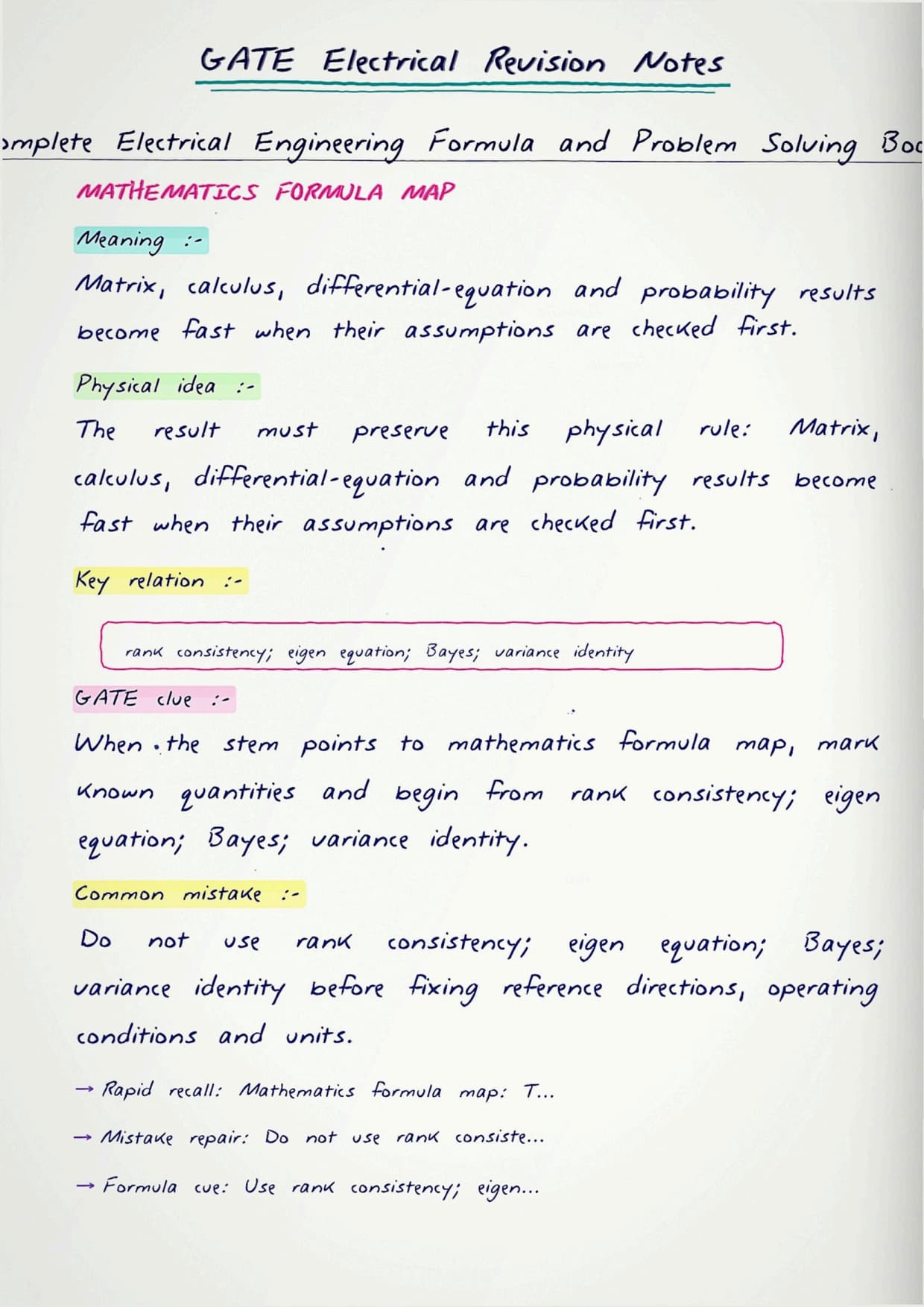
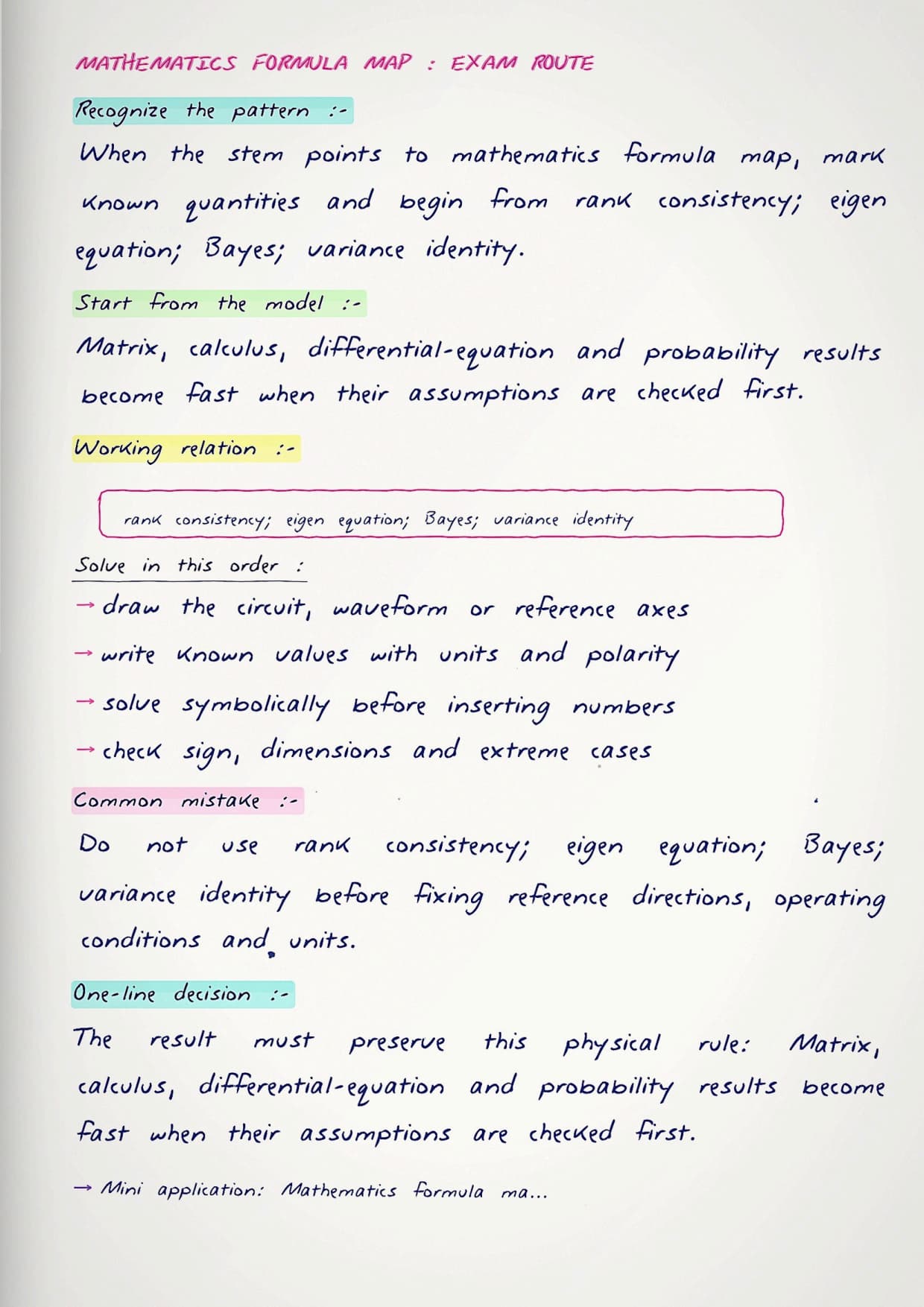
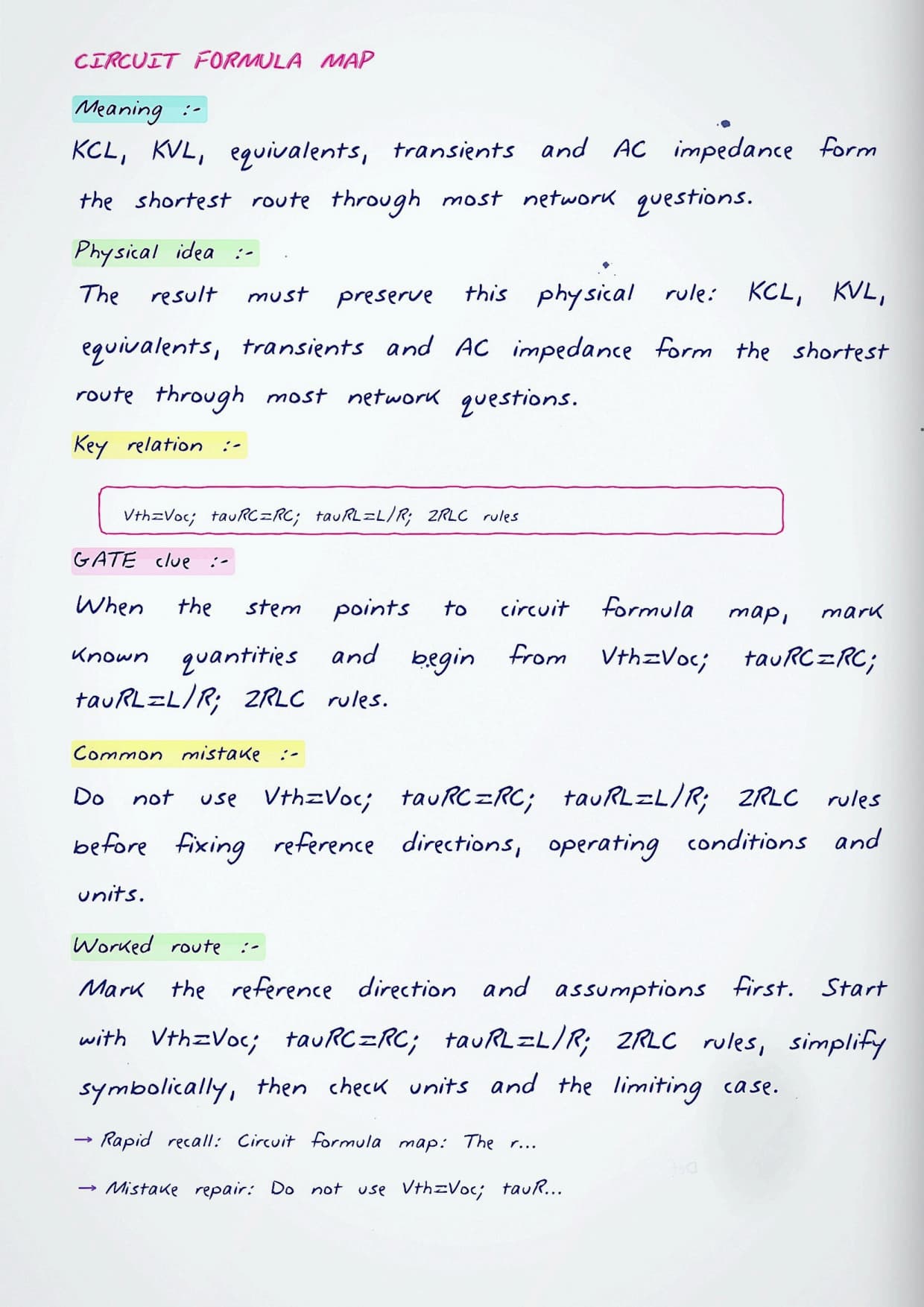
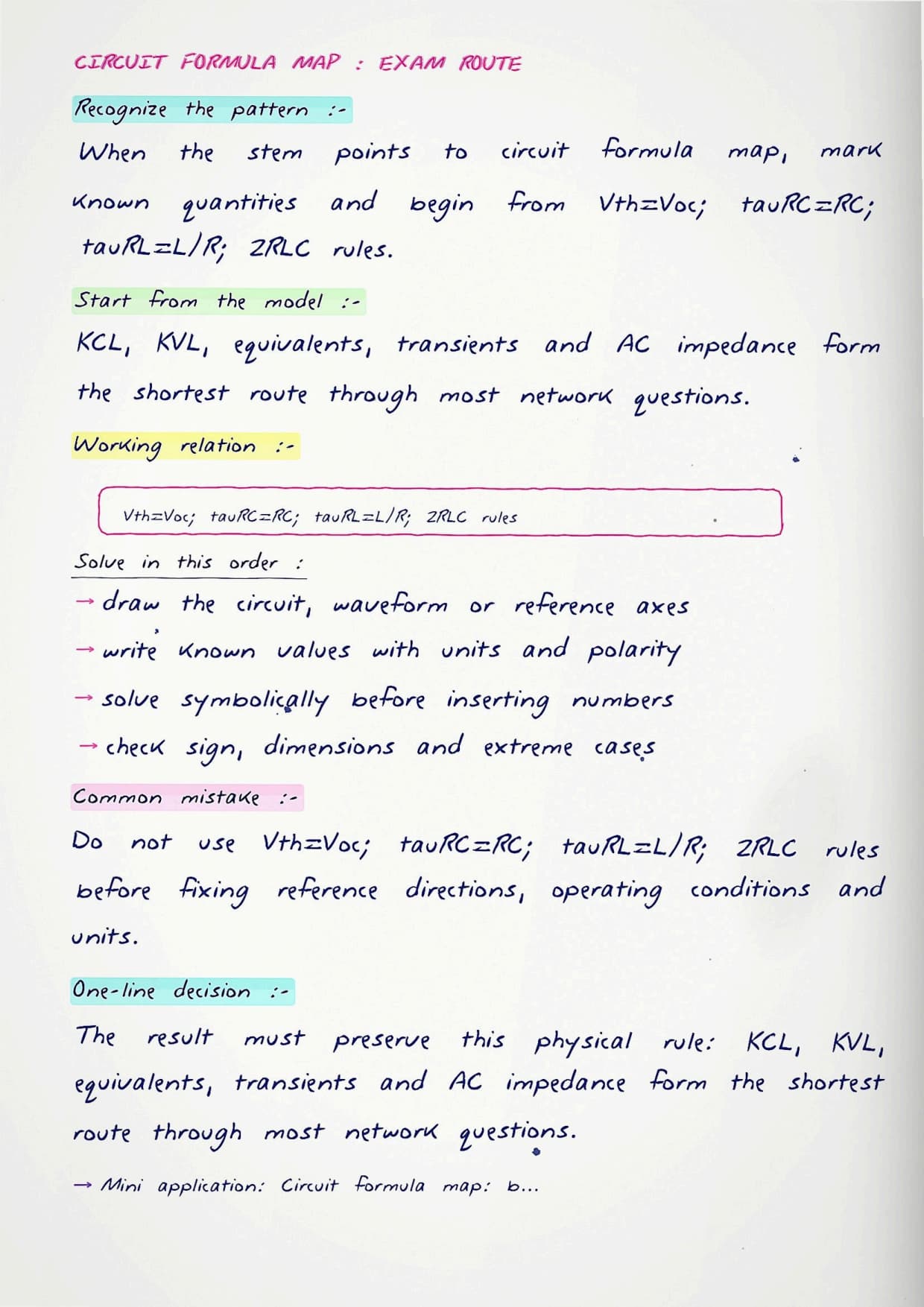
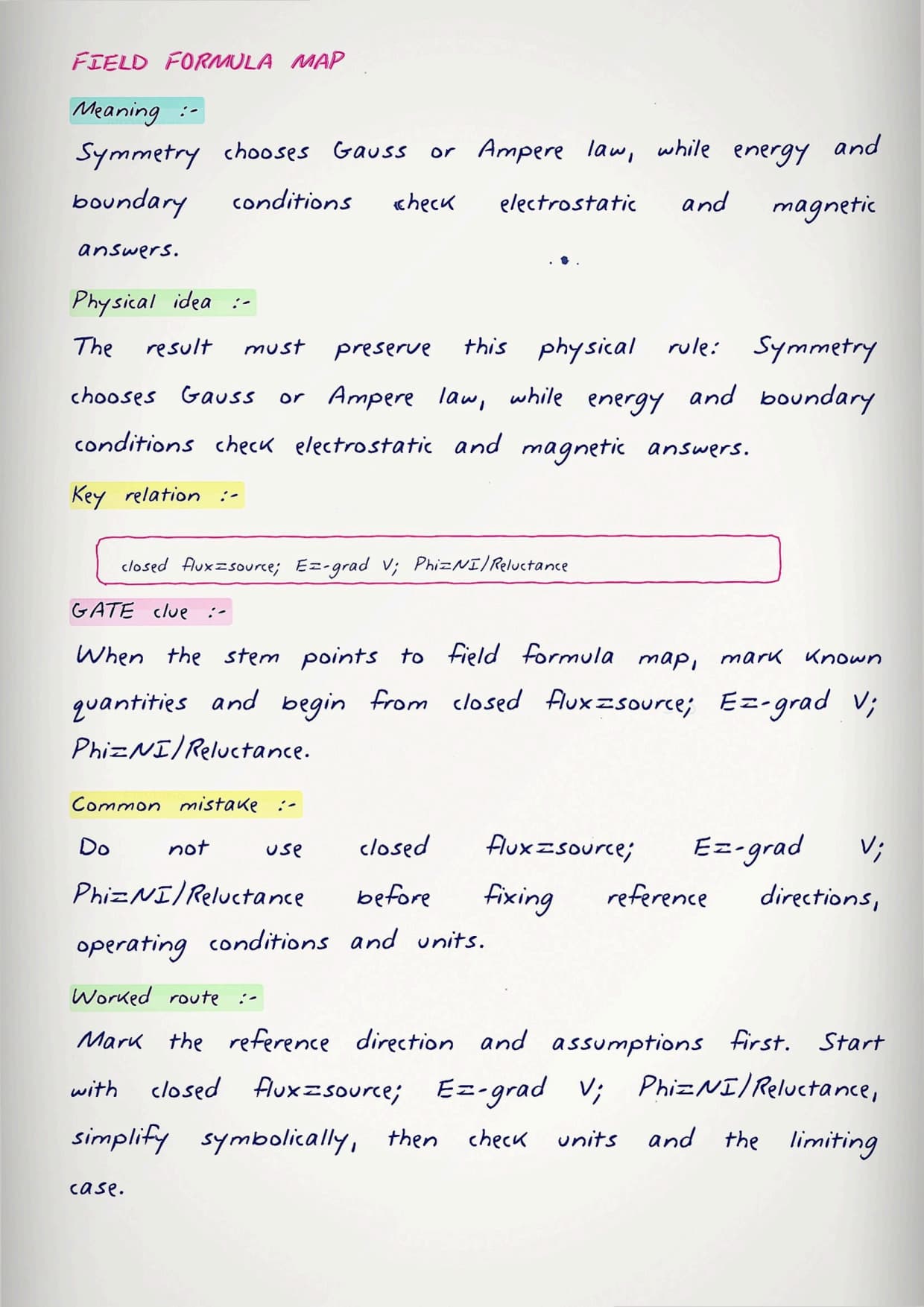
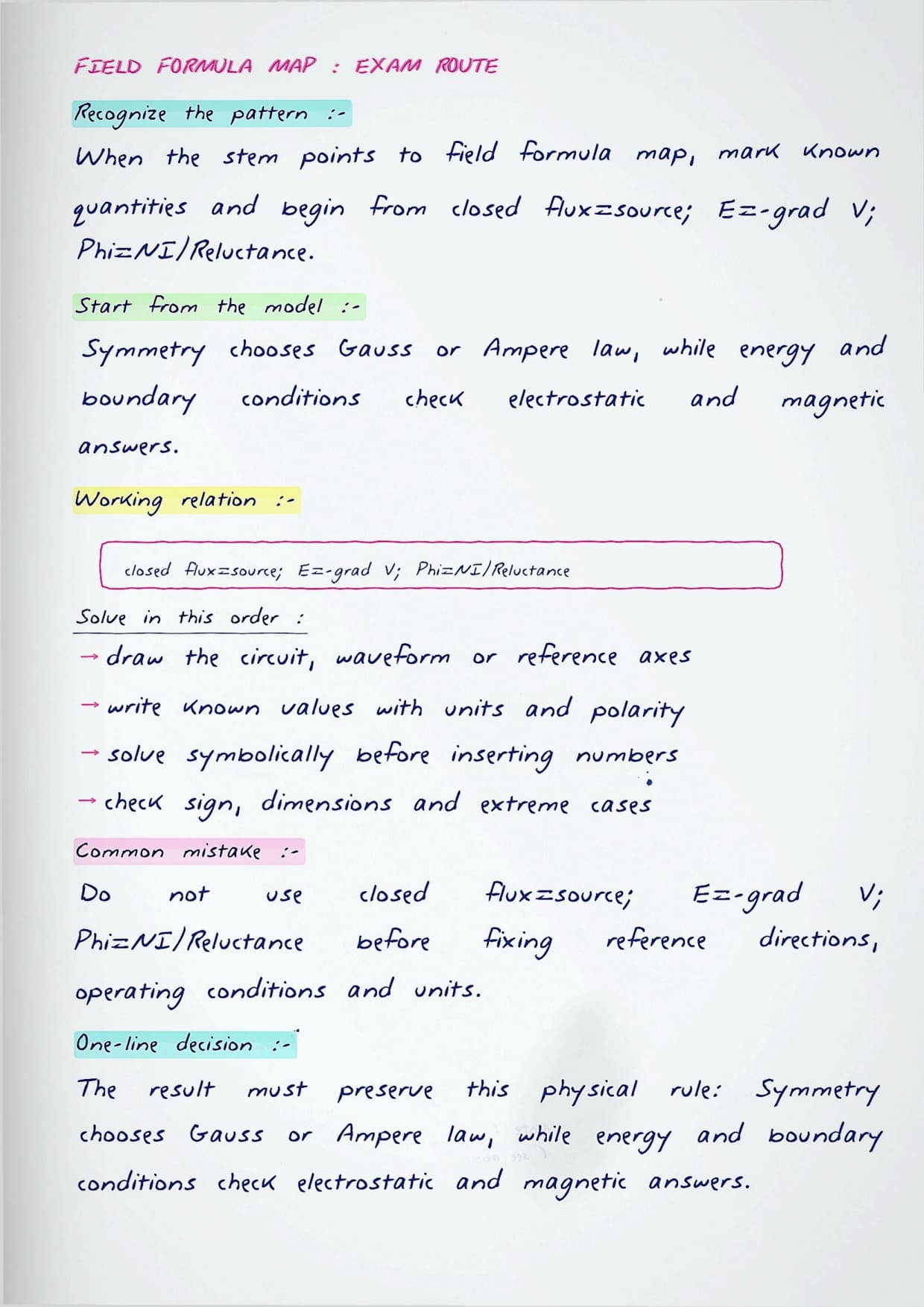
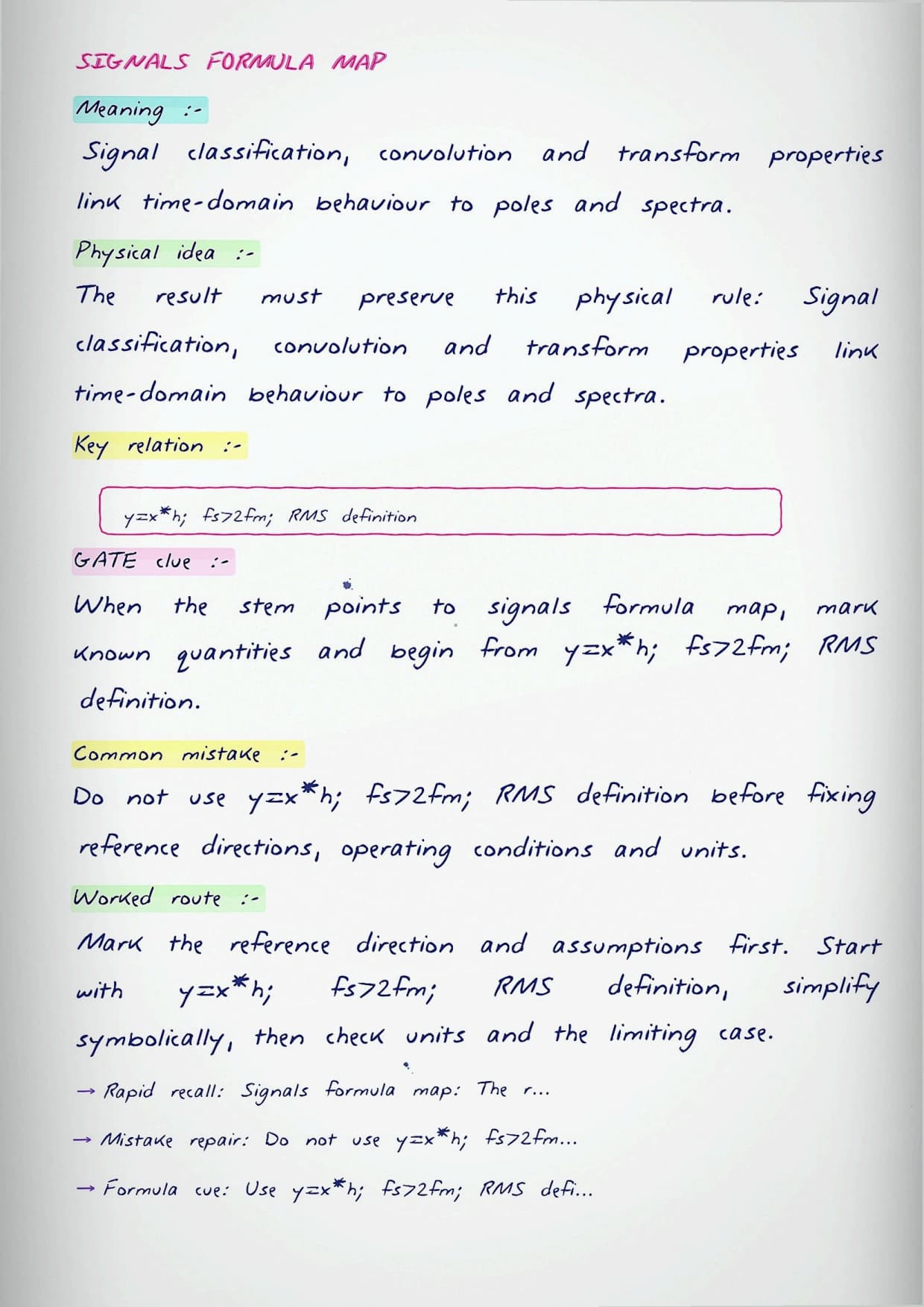
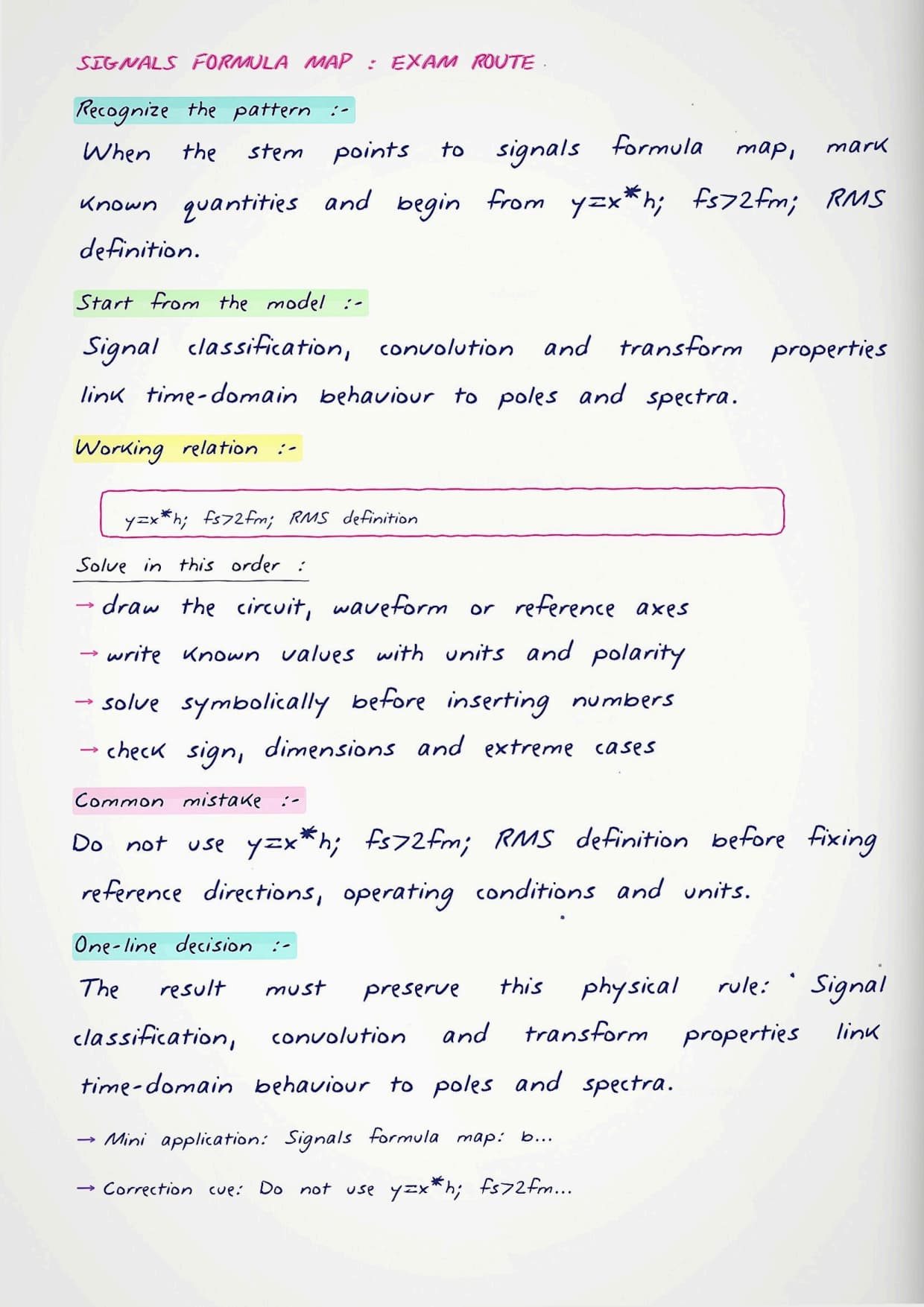
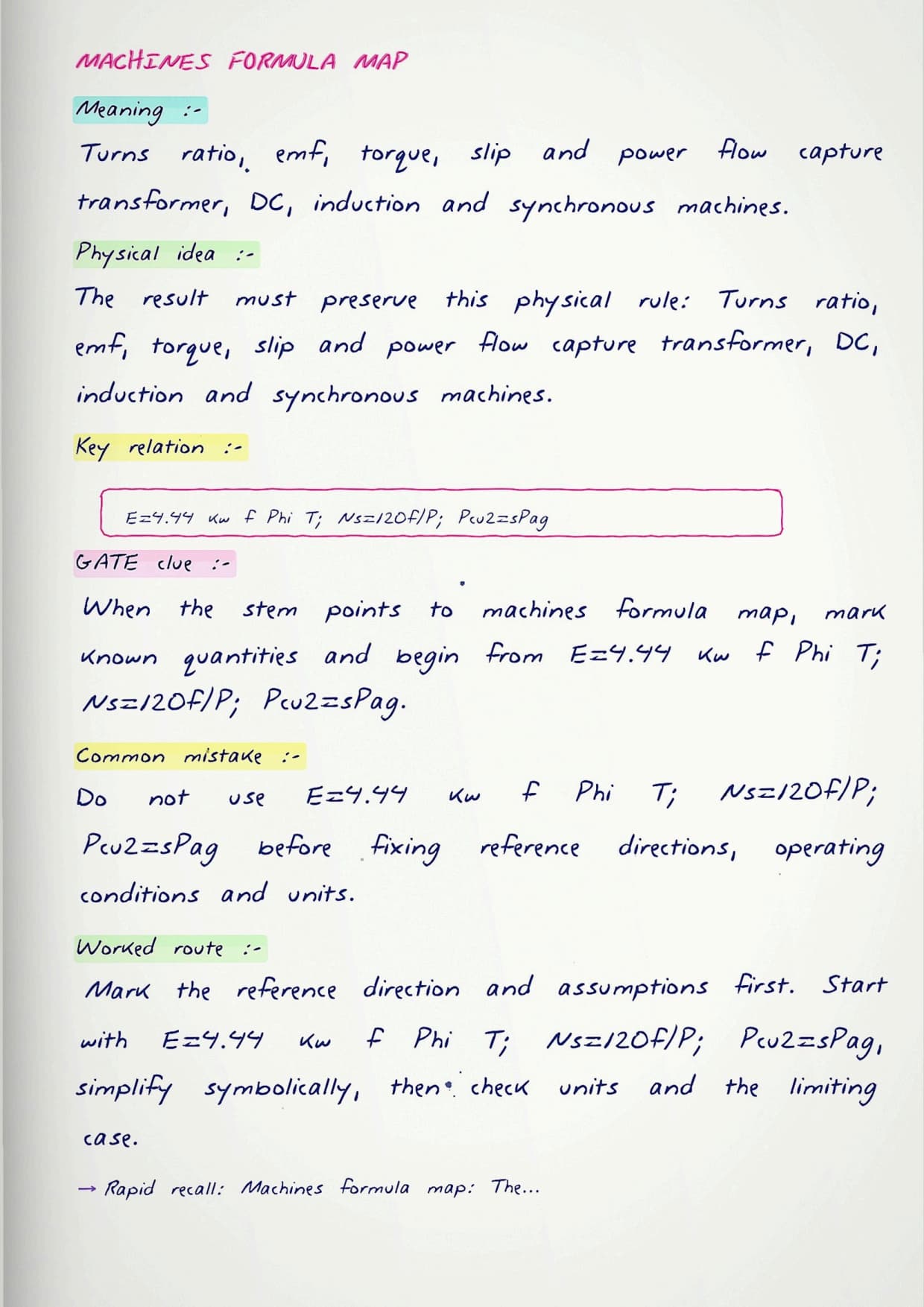
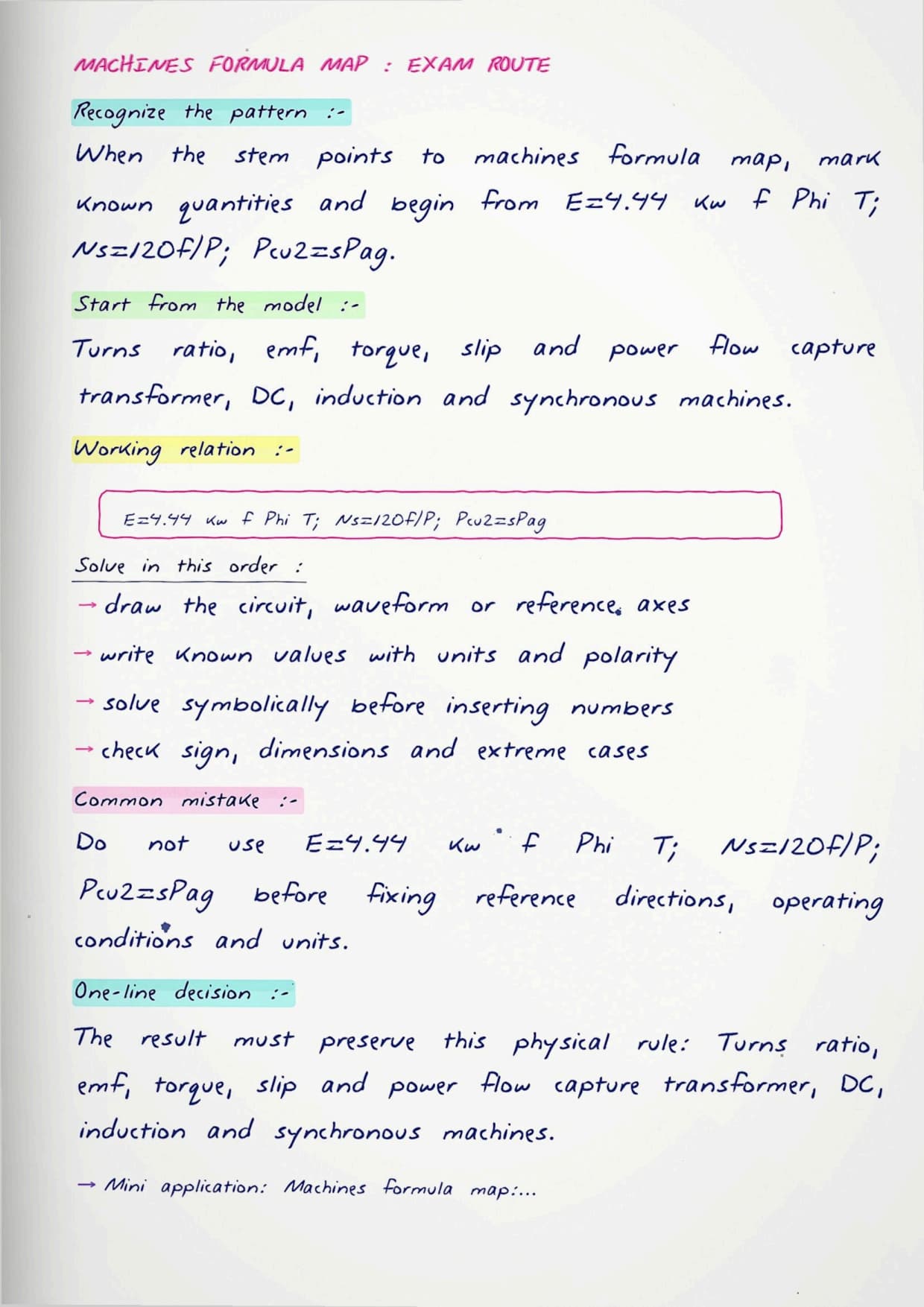
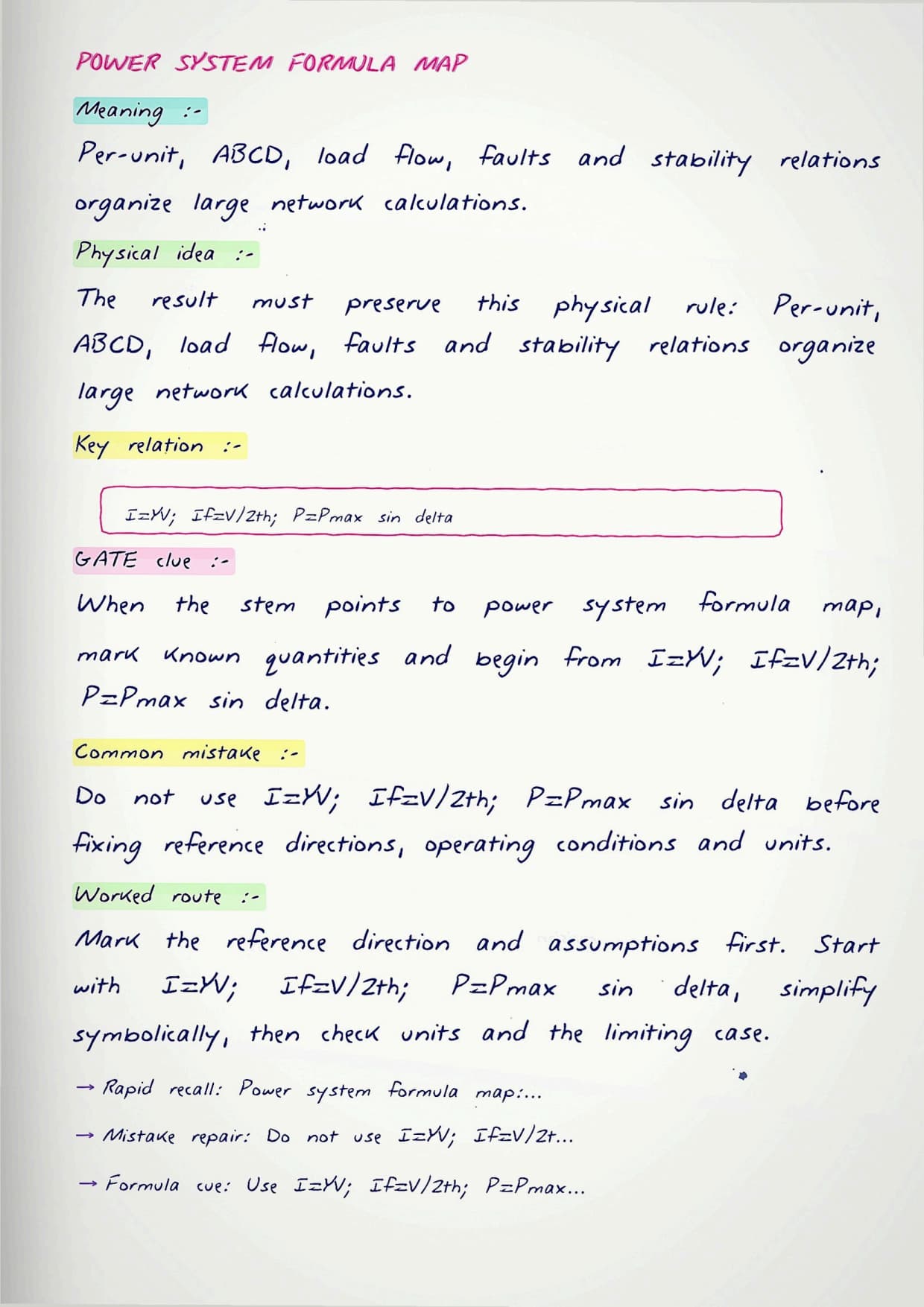
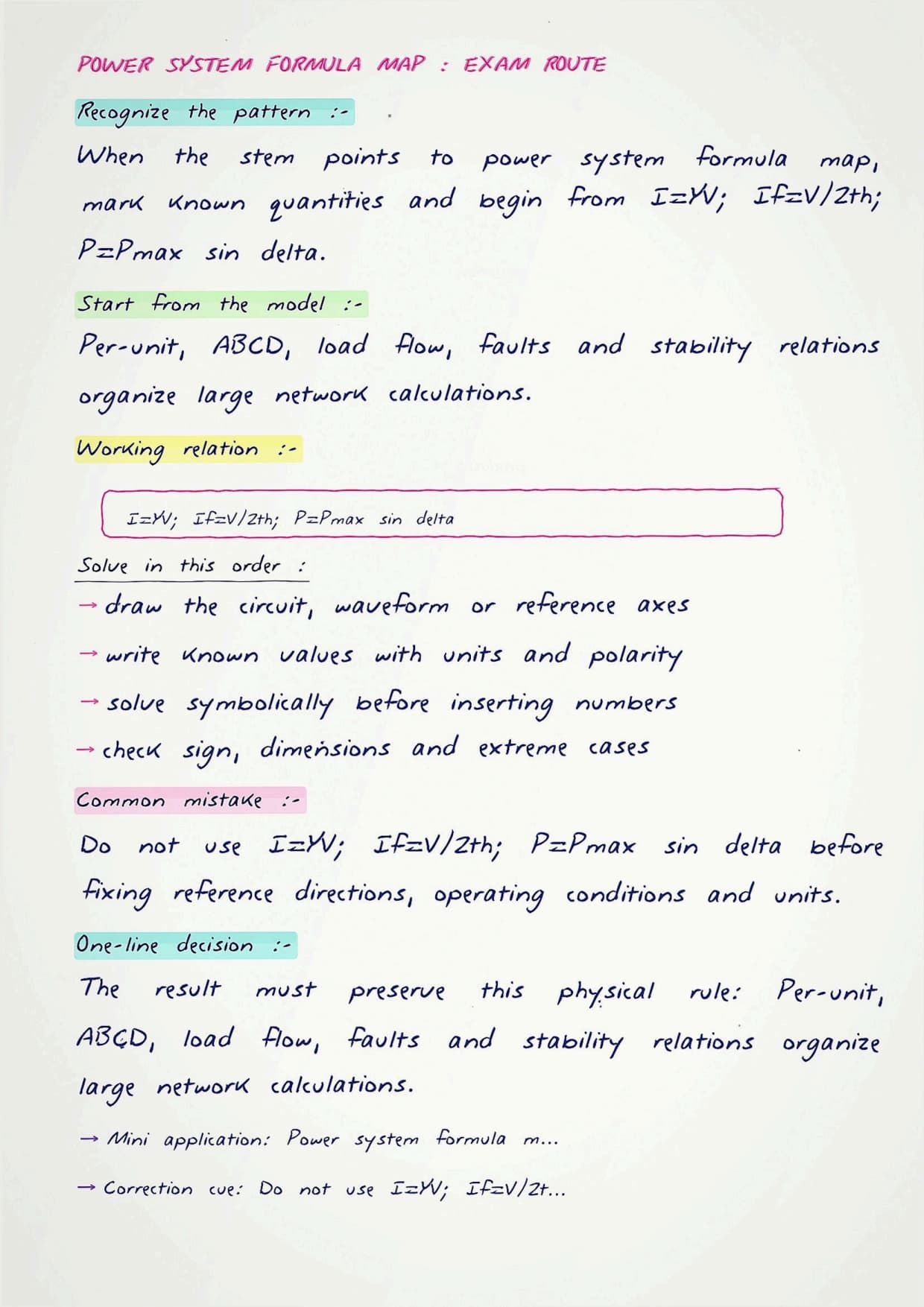
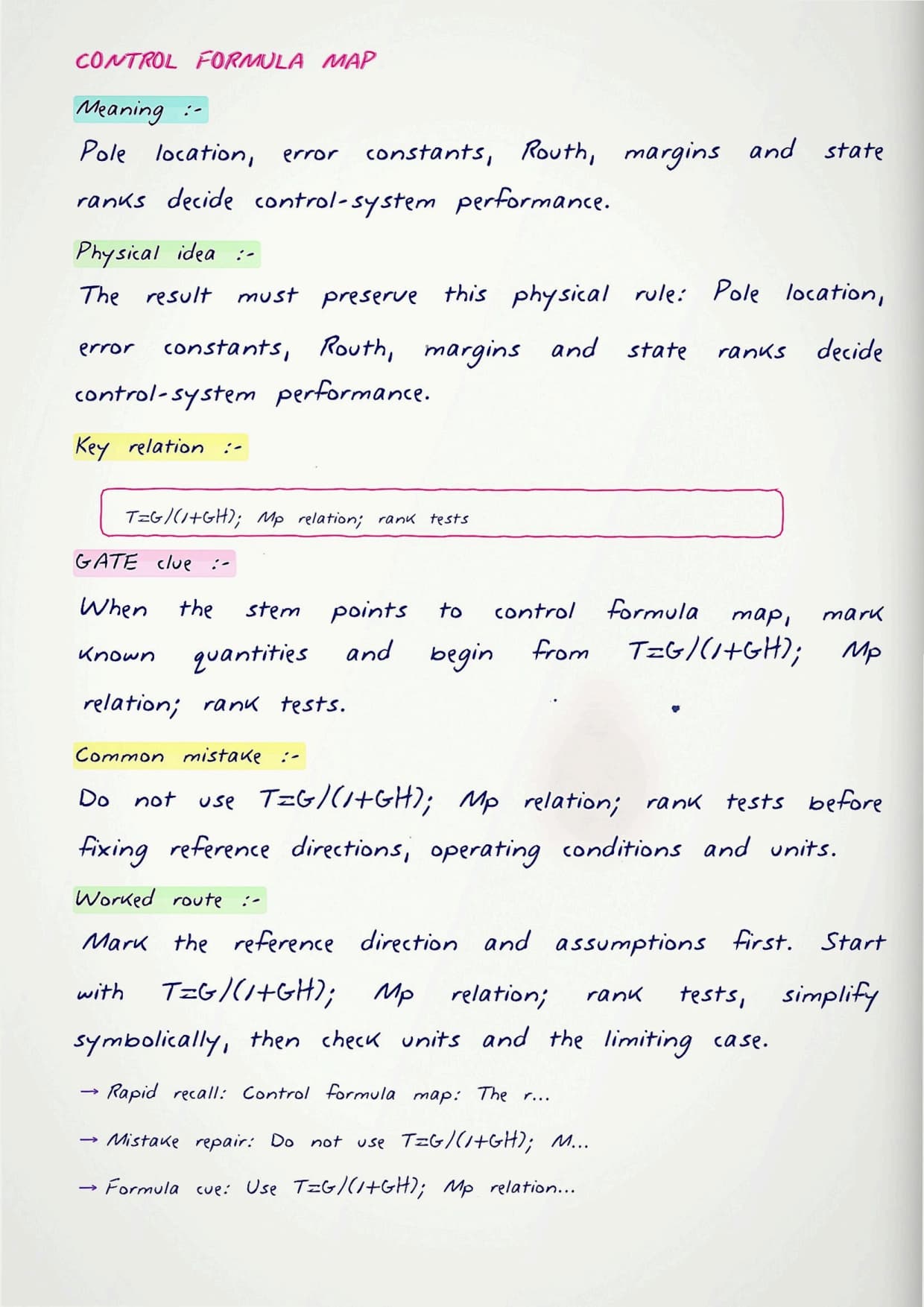
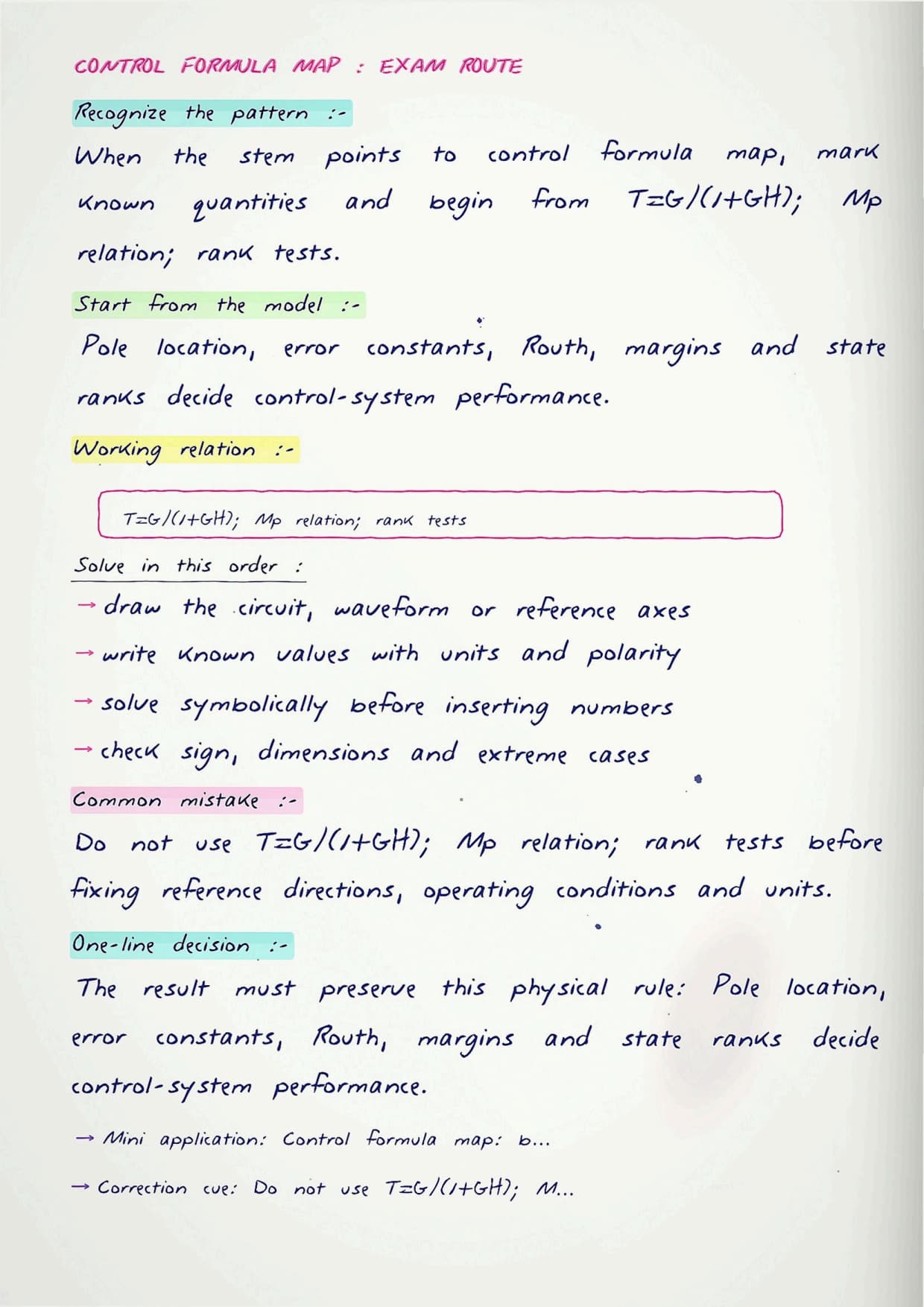
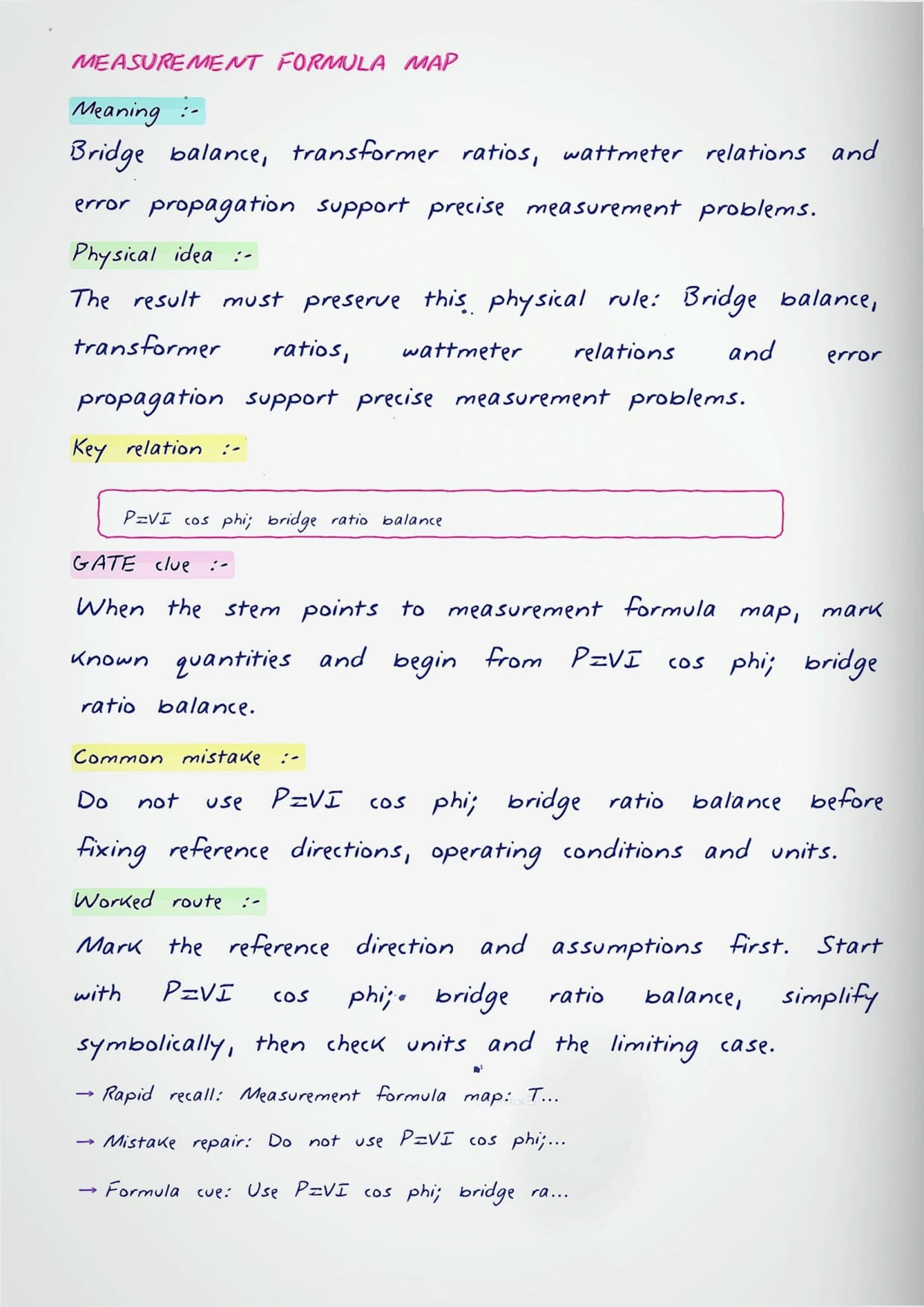
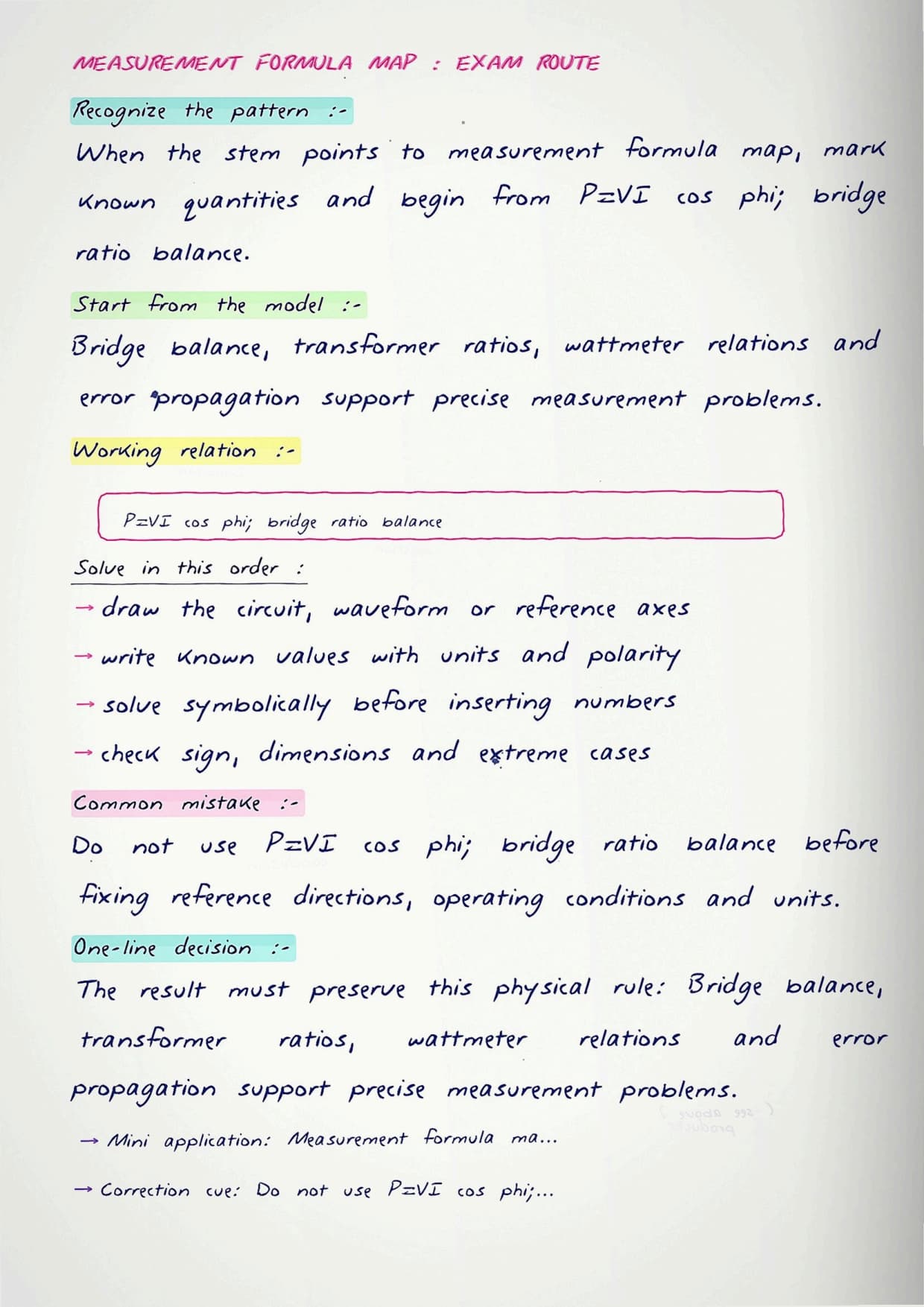
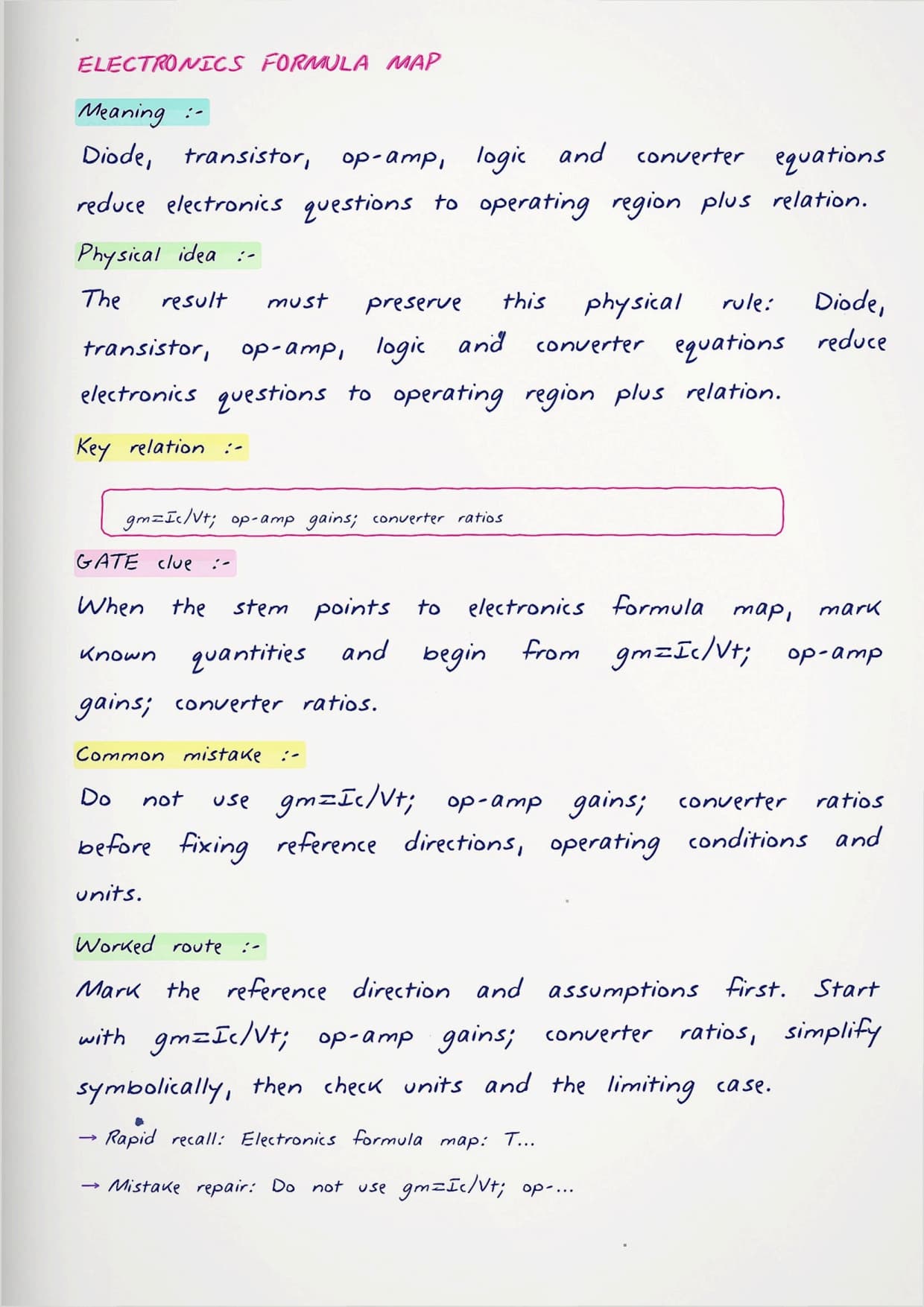
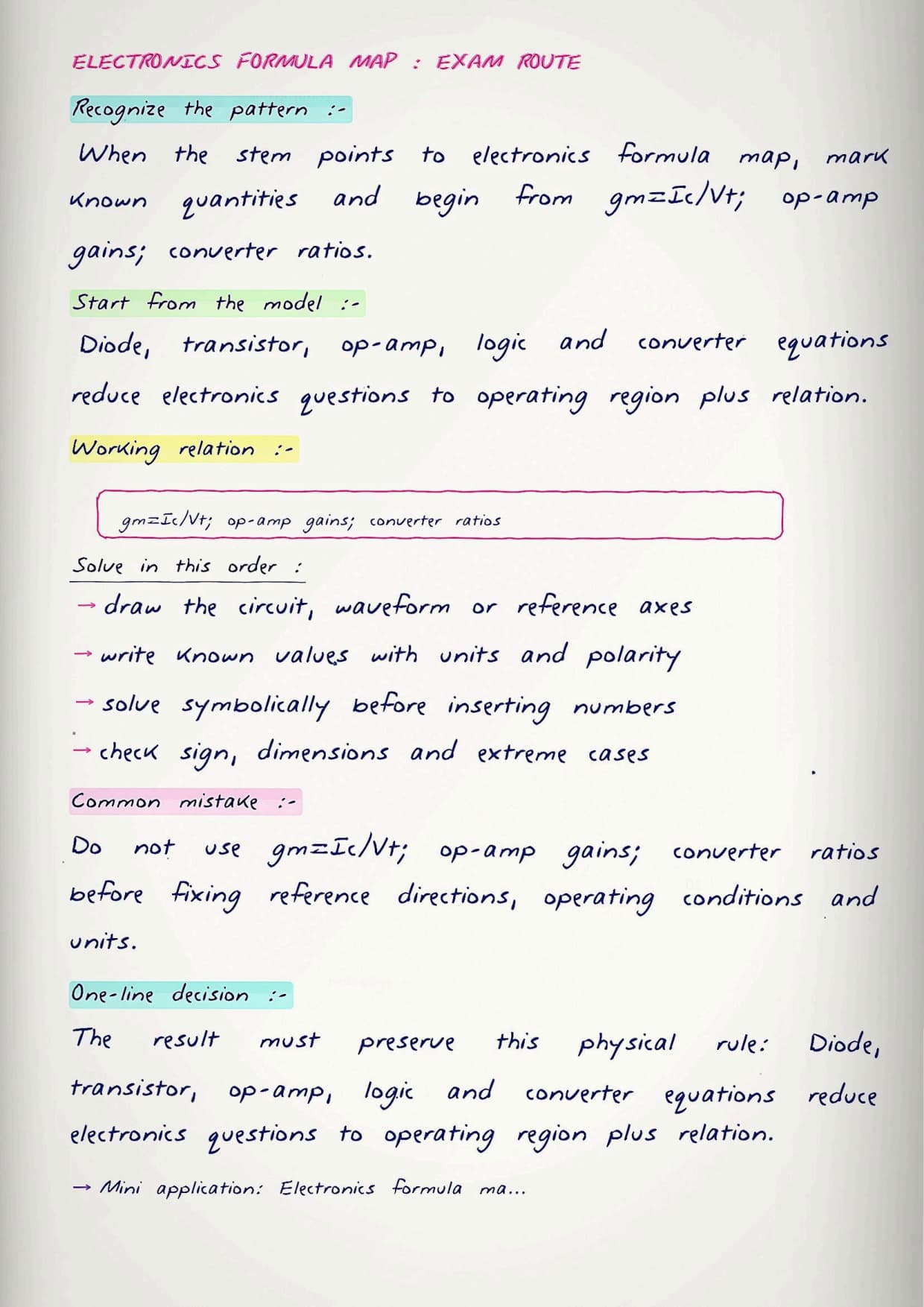
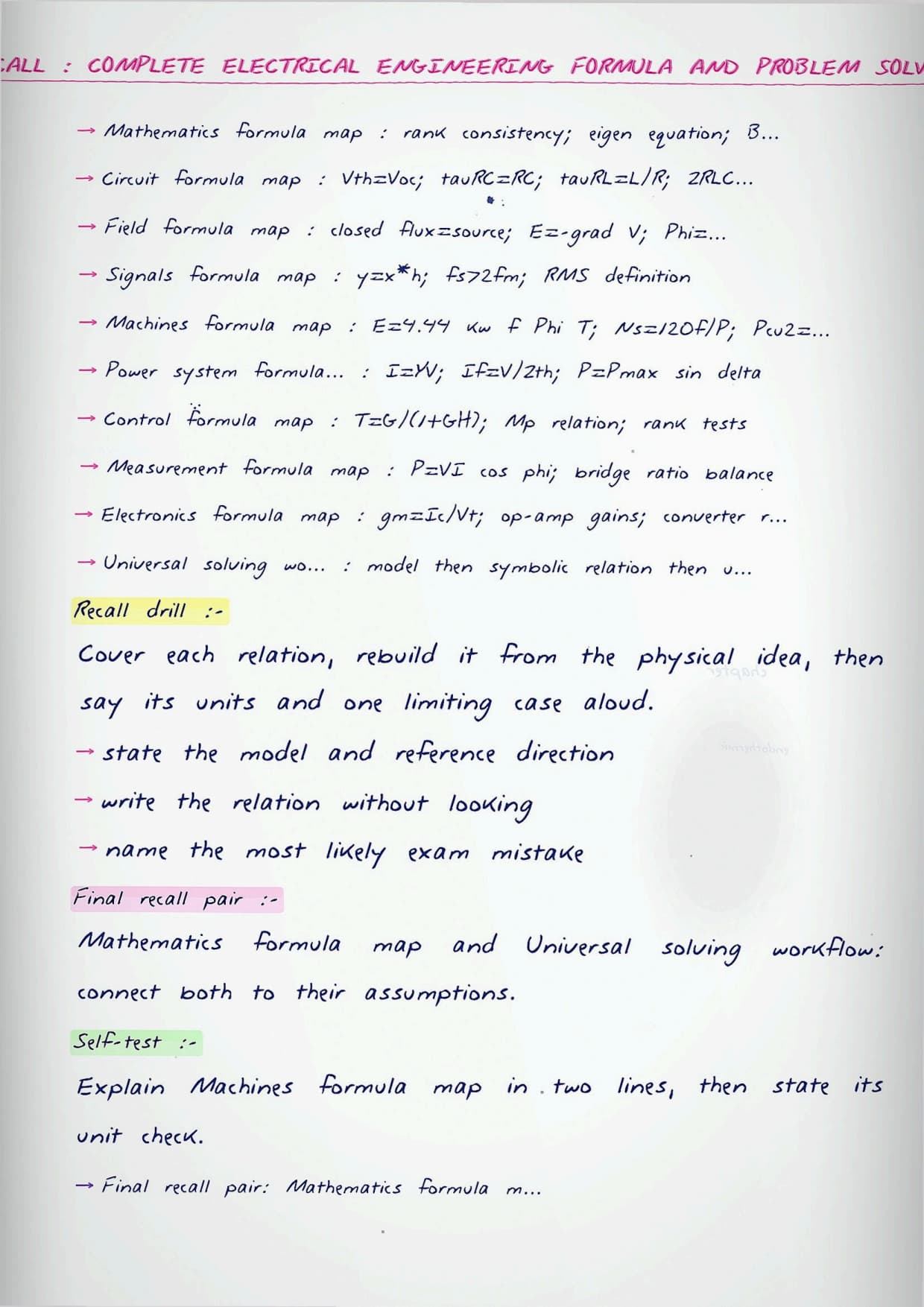
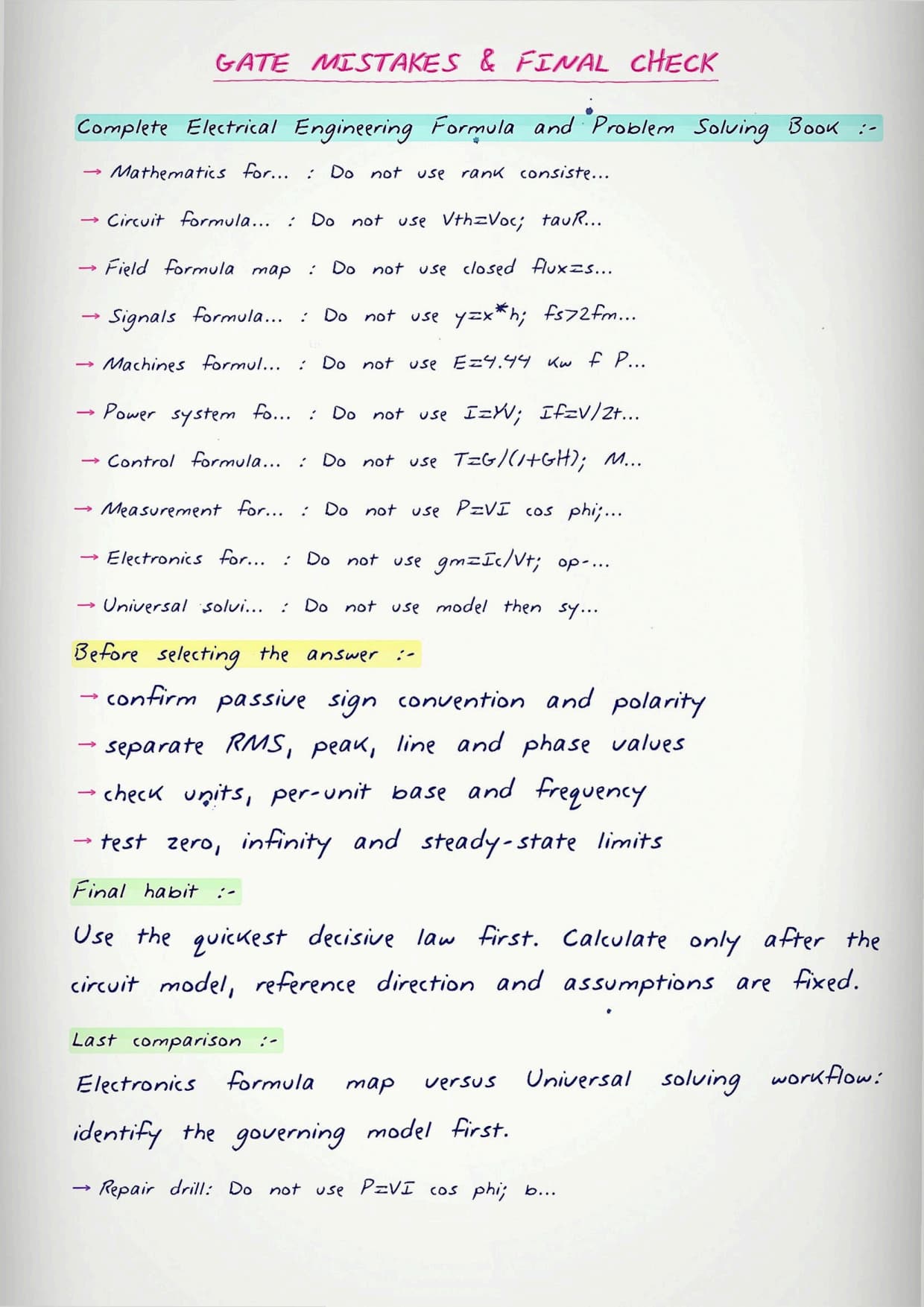
The pages read like a well-kept revision diary, with each subject given its own block of key relations and a few solved cases beside them. Hand-drawn boxes group the most-used formulas so students can find them fast, and short problems show exactly how each formula turns into an answer under exam conditions.
- One consolidated formula sheet per subject, from circuits to control.
- Solved numerical problems that show the formula in action, not just its statement.
- Quick memory cues for the constants and units that students forget under pressure.
What This GATE Complete EE Formula Book Covers
This resource is a single place to revise the whole technical syllabus in the last stretch. Instead of teaching each subject again, it collects the working formulas and the standard problem types so students can refresh everything quickly.
- Core relations from Network Theory, including theorems and transient responses.
- Machine equations for transformers, induction motors, and synchronous machines.
- Power system formulas for transmission lines, fault levels, and stability.
- Control system and signal formulas alongside power electronics converter relations.
GATE Complete EE Formula Book Quick Revision
Source: GeeksforGeeks- EC, EE & IN on YouTube
Topics Covered in GATE Complete EE Formula Book
The book spans every section of the official GATE Electrical syllabus so nothing is left out in the final revision. Each subject below appears with its main formulas and a representative solved problem.
- Network theory: mesh and nodal analysis, network theorems, and two-port parameters.
- Electromagnetic fields: Gauss law, Ampere law, and capacitance and inductance.
- Signals and systems, plus the Laplace, Fourier, and z-transform pairs.
- Electrical machines: transformer, DC machine, induction, and synchronous machine relations.
- Power systems: line parameters, per-unit system, fault analysis, and stability.
- Control systems: transfer functions, stability criteria, and frequency response.
- Power electronics and drives, measurements, and analog and digital electronics.
How the Notes Are Organised
The book follows the syllabus subject by subject, so a student can jump straight to any weak area without reading the whole set. Within each subject the formulas come first, arranged from the most fundamental relations to the more specialised ones.
Every formula block is followed by one or two short problems that use those exact relations, which keeps recall active rather than passive. The layout is built for repeated fast passes in the final weeks, when time for full study has run out.
How the GATE Complete EE Formula Book Links to Other Topics
Because it spans the syllabus, this resource ties naturally to every major GATE Electrical subject. It works best as the thread that connects the individual topic notes a student has already made.
- Electrical Machines: the equivalent circuit relations sit beside the machine notes.
- Power Systems: the fault and line formulas back up the detailed power system topics.
- Control Systems: the stability and response formulas support the signal work.
- Engineering Mathematics: the standard results speed up every numerical answer.
Important Topics in GATE Complete EE Formula Book
A handful of formula groups return year after year across sections. The book marks these and points out the units and sign conventions where students slip.
- Network theorems: keep the source treatment correct when finding Thevenin values.
- Machine equivalent circuits: track whether a quantity is referred to the stator or the rotor.
- Per-unit system: fix one common base before combining any machine or line data.
- Control stability: apply the Routh and gain-margin tests carefully near the boundary.
- Transform pairs: recall the region of convergence, not just the formula, to avoid errors.
How to Prepare GATE Complete EE Formula Book with Handwritten Notes
This resource is meant for the revision phase, not first-time learning. Used with a plan, it can refresh the whole technical syllabus in a short window and keep formulas ready for instant recall.
- First read: skim every subject block once and mark the formulas that feel shaky.
- Second pass: solve the sample problem under each marked block without looking.
- Practice: attempt mixed past-year sets and return to the book for any formula you miss.
- Final week: revise only the marked formulas and the units and convention warnings.
Why These Notes Help You Score Better
GATE Electrical is full of one and two mark questions that turn on a single formula recalled correctly, and this book keeps all of them in one reach. The solved cases mean students revise the formula and its use together, so nothing stays abstract. In the final weeks, when there is no time to reopen every subject, one honest pass through these pages restores the whole picture. A student can flip to a single subject block, refresh it in minutes, and move on without losing the flow of a full mock. That is exactly the calm, ready state students want to carry into the exam hall.
GATE Electrical Complete EE Formula Book Handwritten Notes FAQs
Ques. Is this formula book enough for full GATE Electrical revision?
Ans. It is built for the revision phase and gathers the working formulas of every subject with solved cases, so students who have already studied the topics can refresh the whole syllabus from it.
Ques. Does the book include solved problems or only formulas?
Ans. Both. Each formula block is followed by one or two short worked problems, so students see how the relation is applied and not just how it is written.
Ques. When should I start using this formula book?
Ans. It works best in the final weeks after the subjects are covered, when students need fast, repeated passes to keep every formula ready for recall.
Ques. Which subjects does the book cover?
Ans. It spans the full GATE Electrical syllabus, from network theory and machines to power systems, control, power electronics, and measurements, giving students one consolidated revision source.



Comments