




Common Mistakes, Shortcuts and Exam Checks is a quietly decisive part of GATE Electrical preparation, and getting it right protects roughly 4 to 6 marks that are otherwise lost to careless slips. It sits in the Final Revision stage, and its habits pay off across Electrical Machines, Power Systems, and Control Systems. These handwritten notes cover the full topic in a compact, exam-focused form.
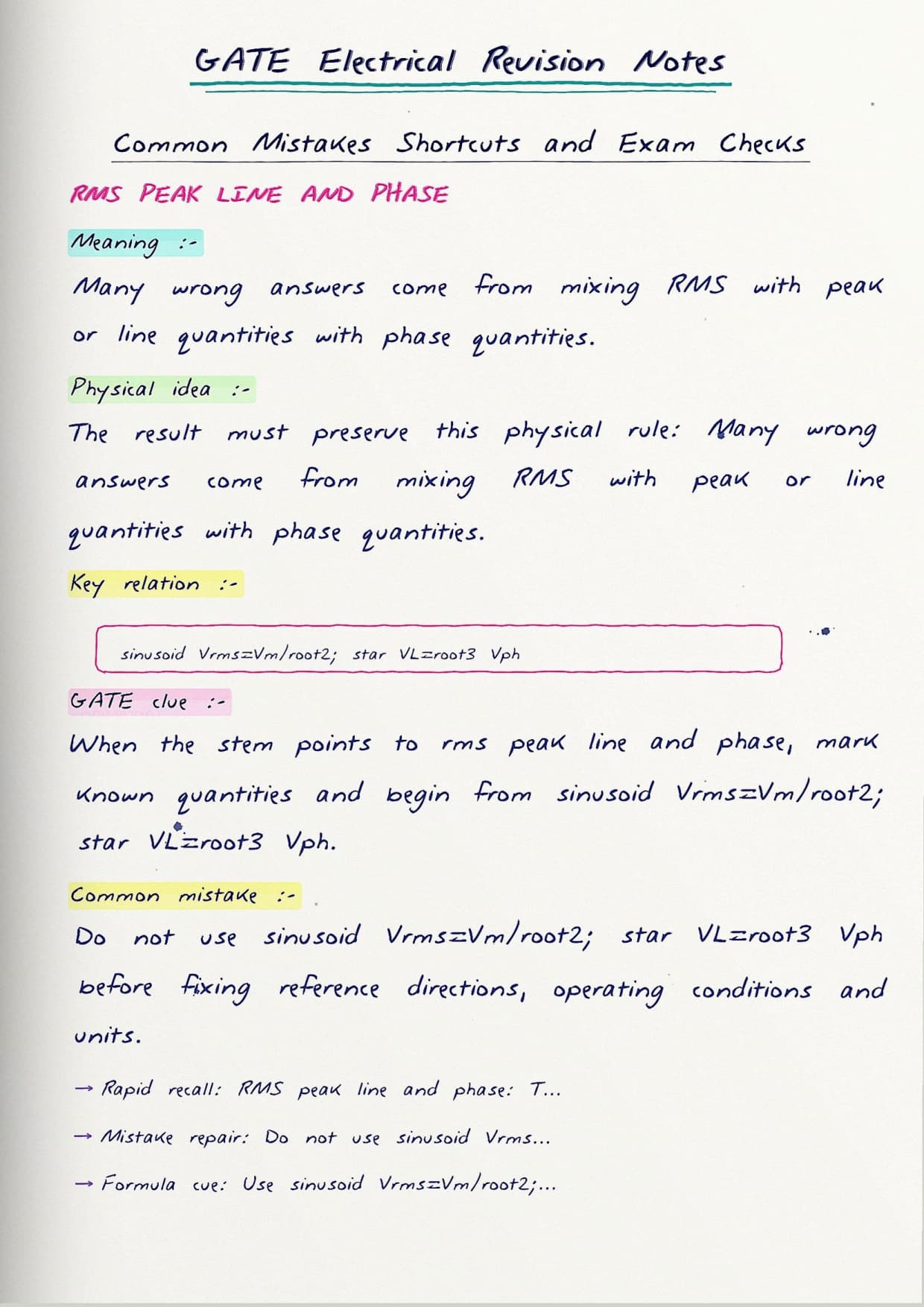
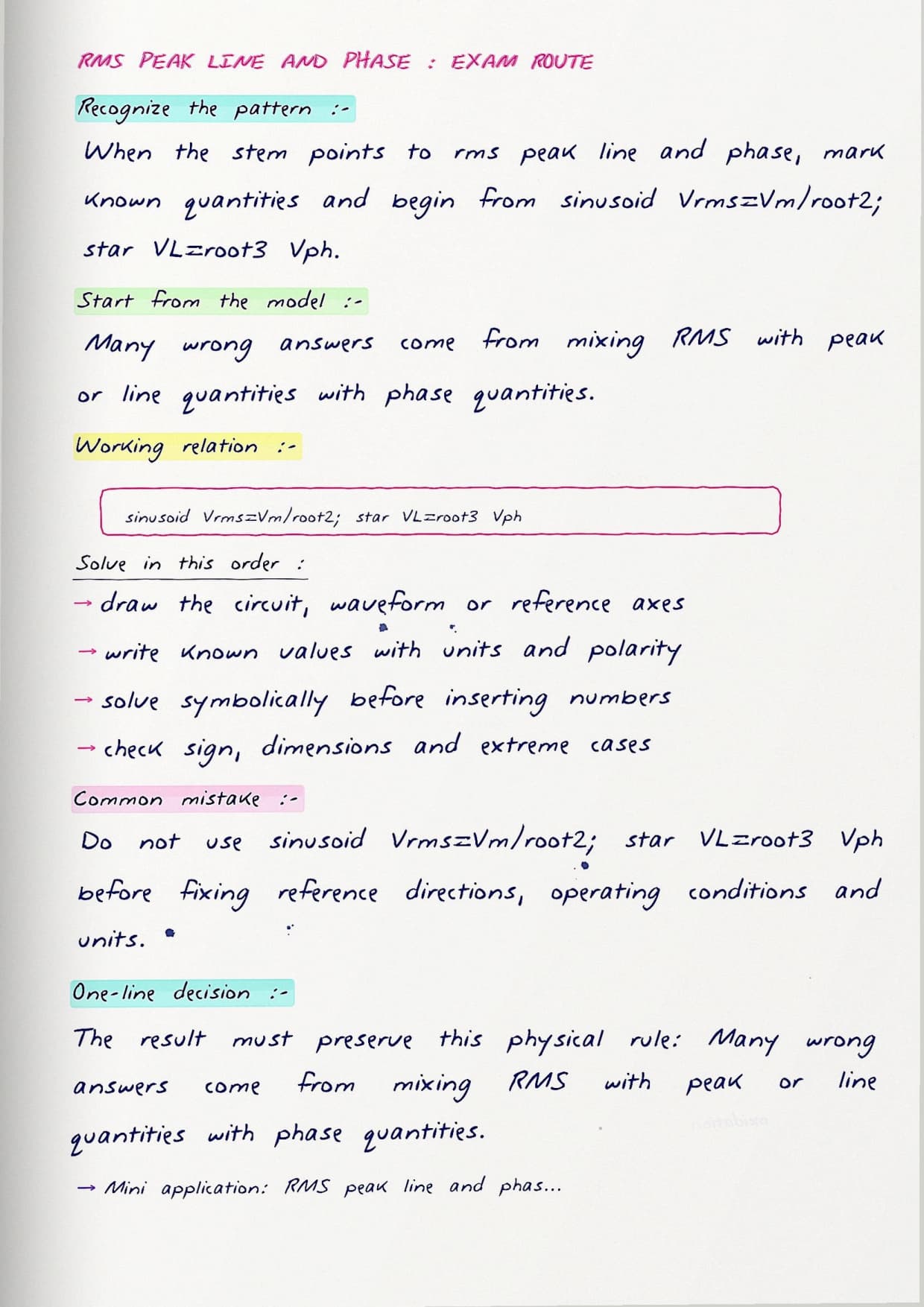
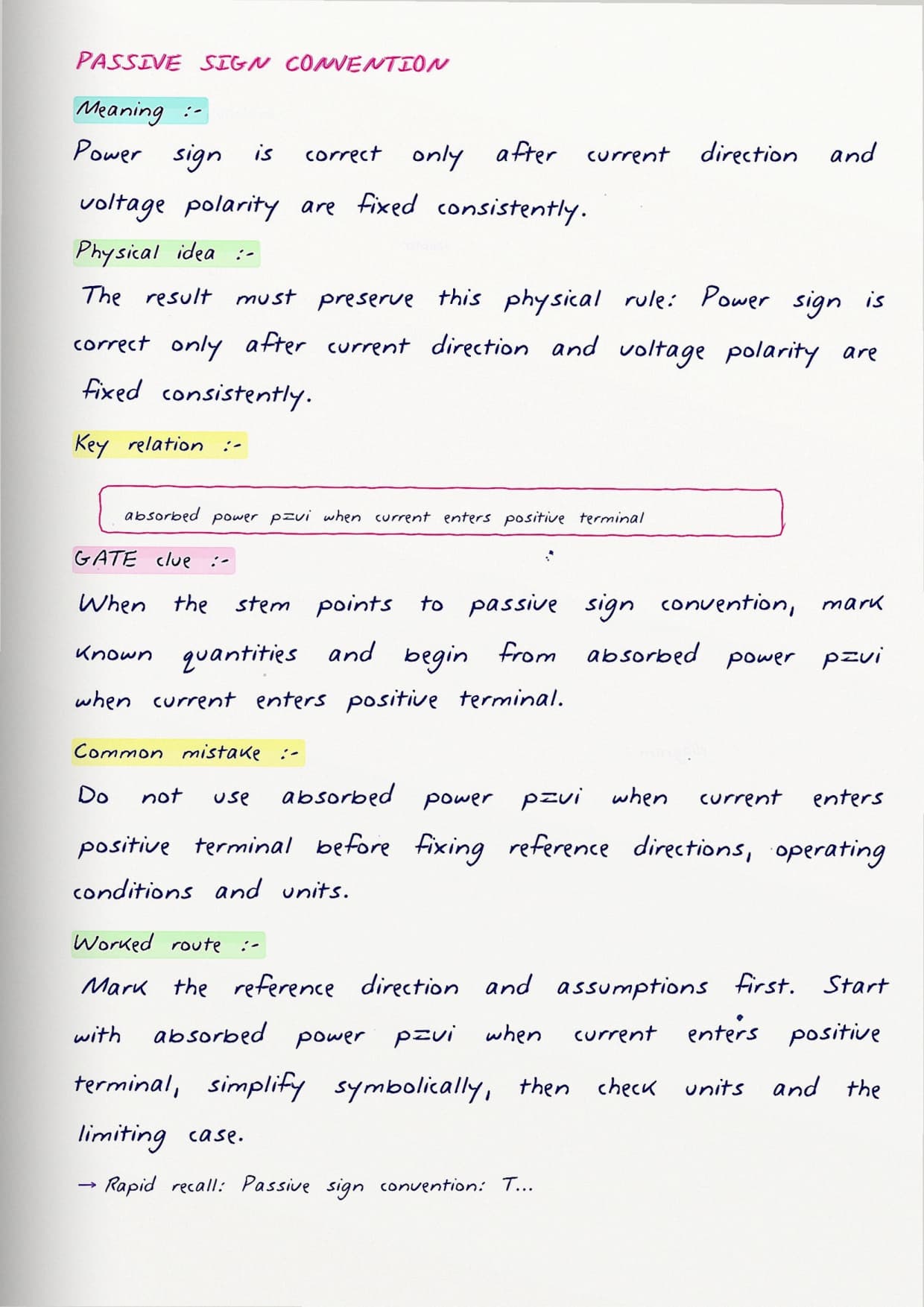
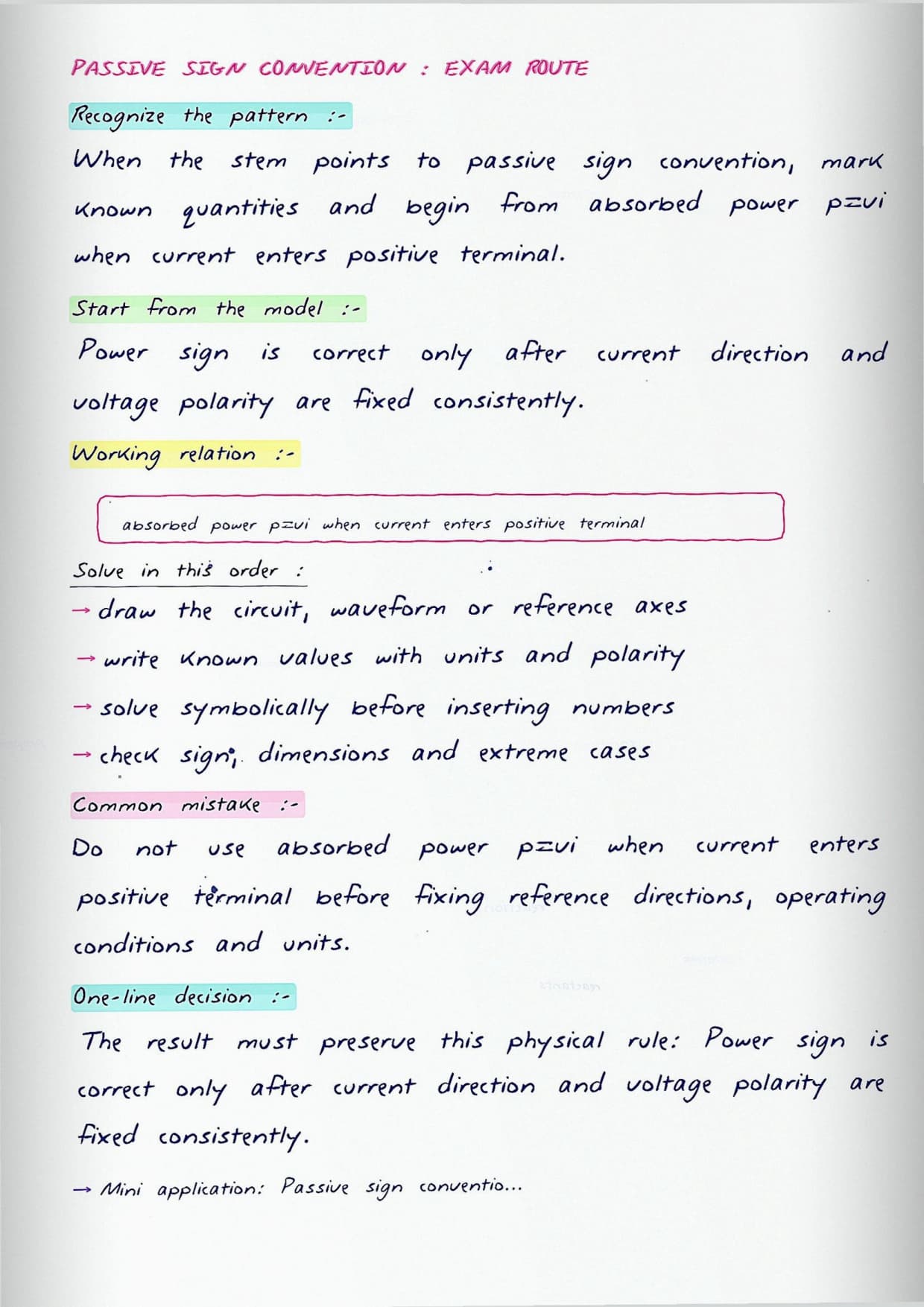
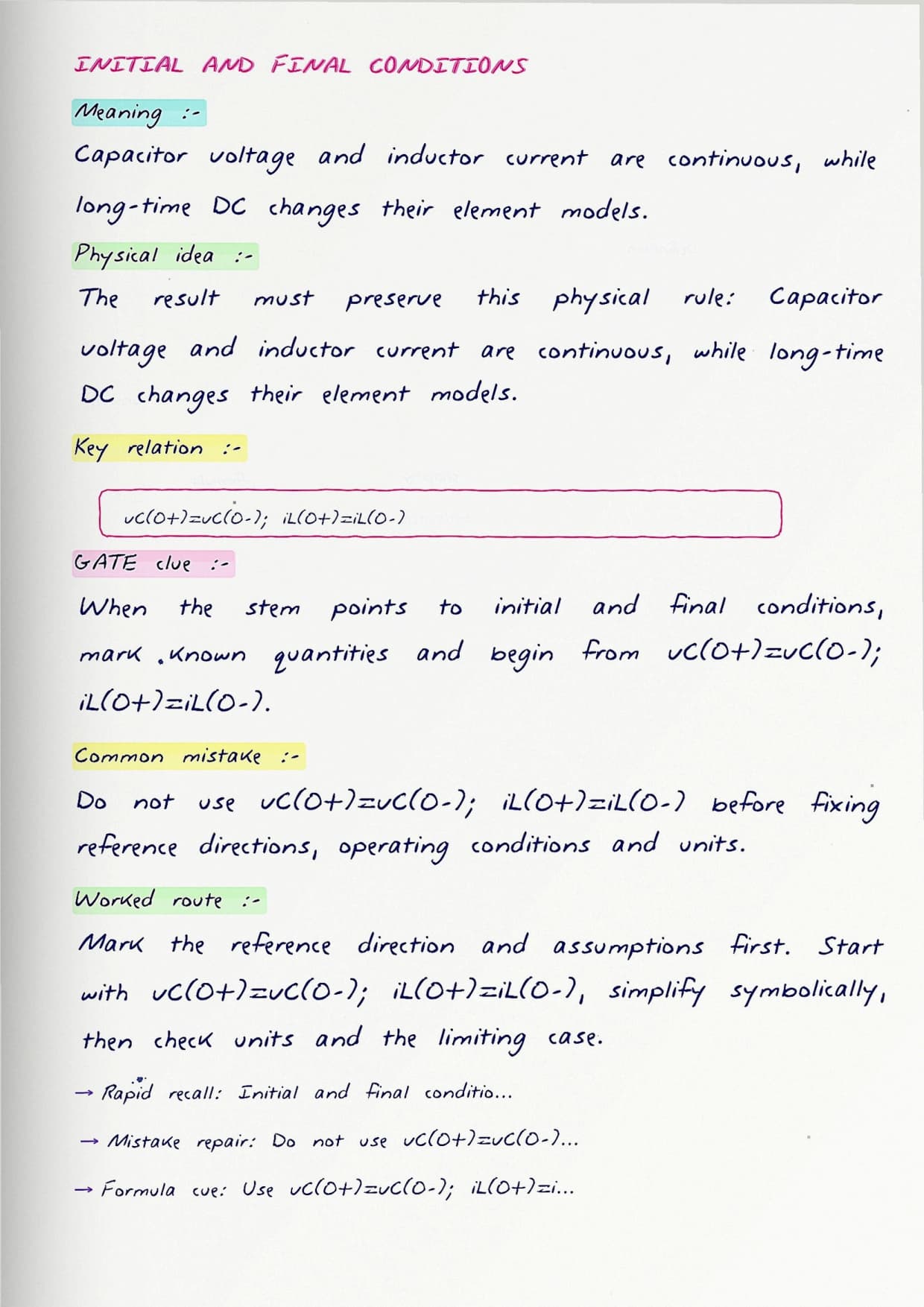
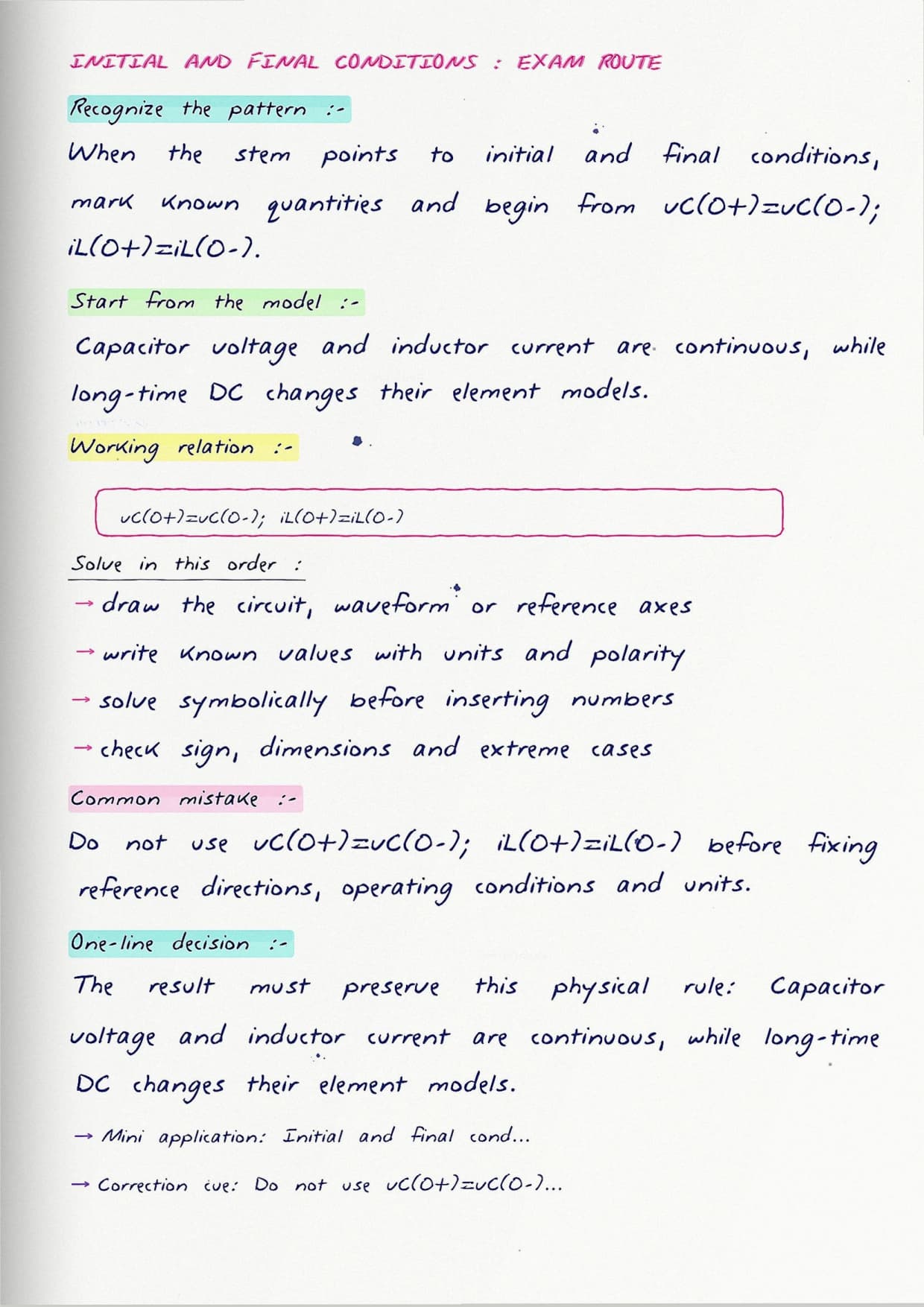
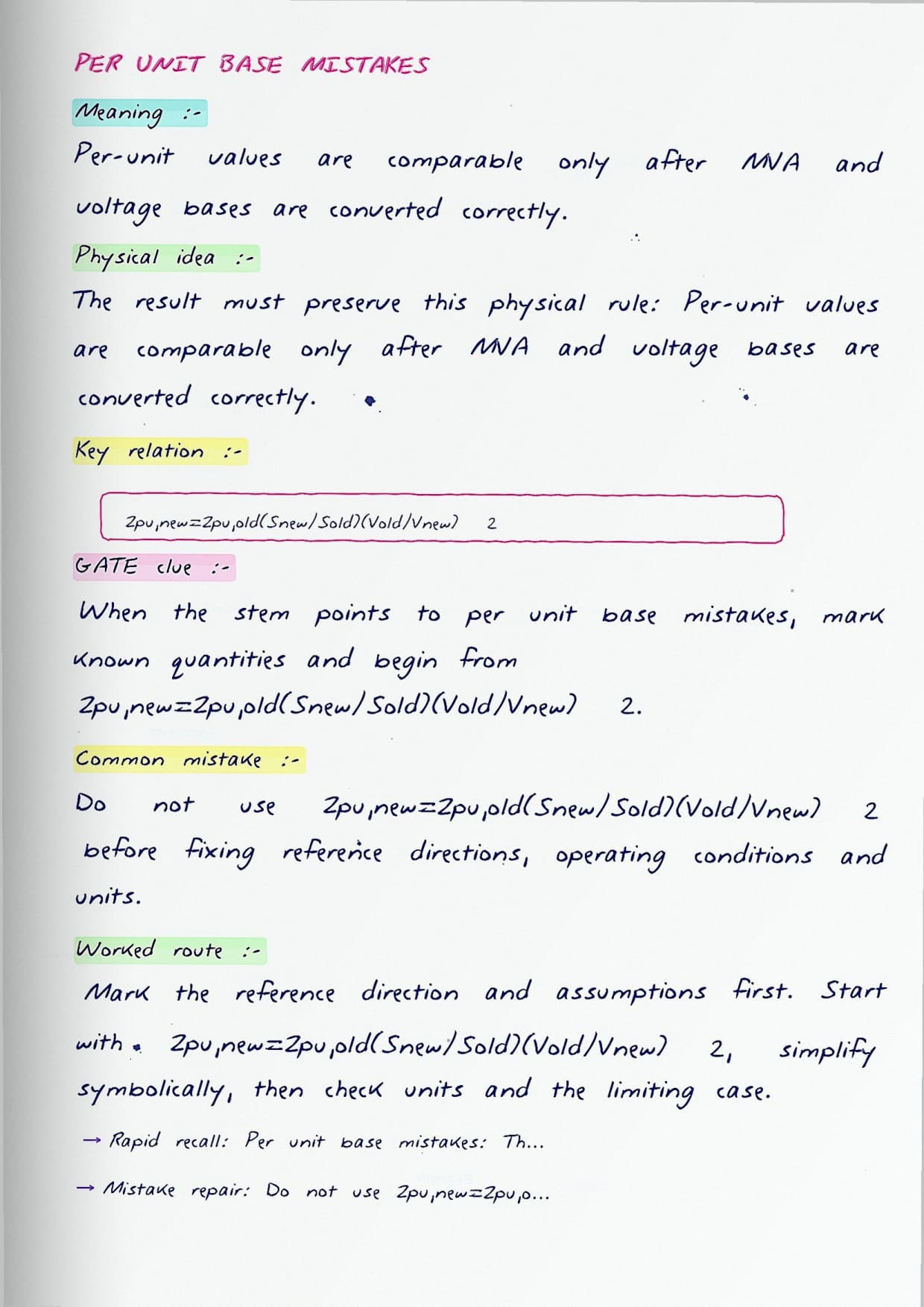
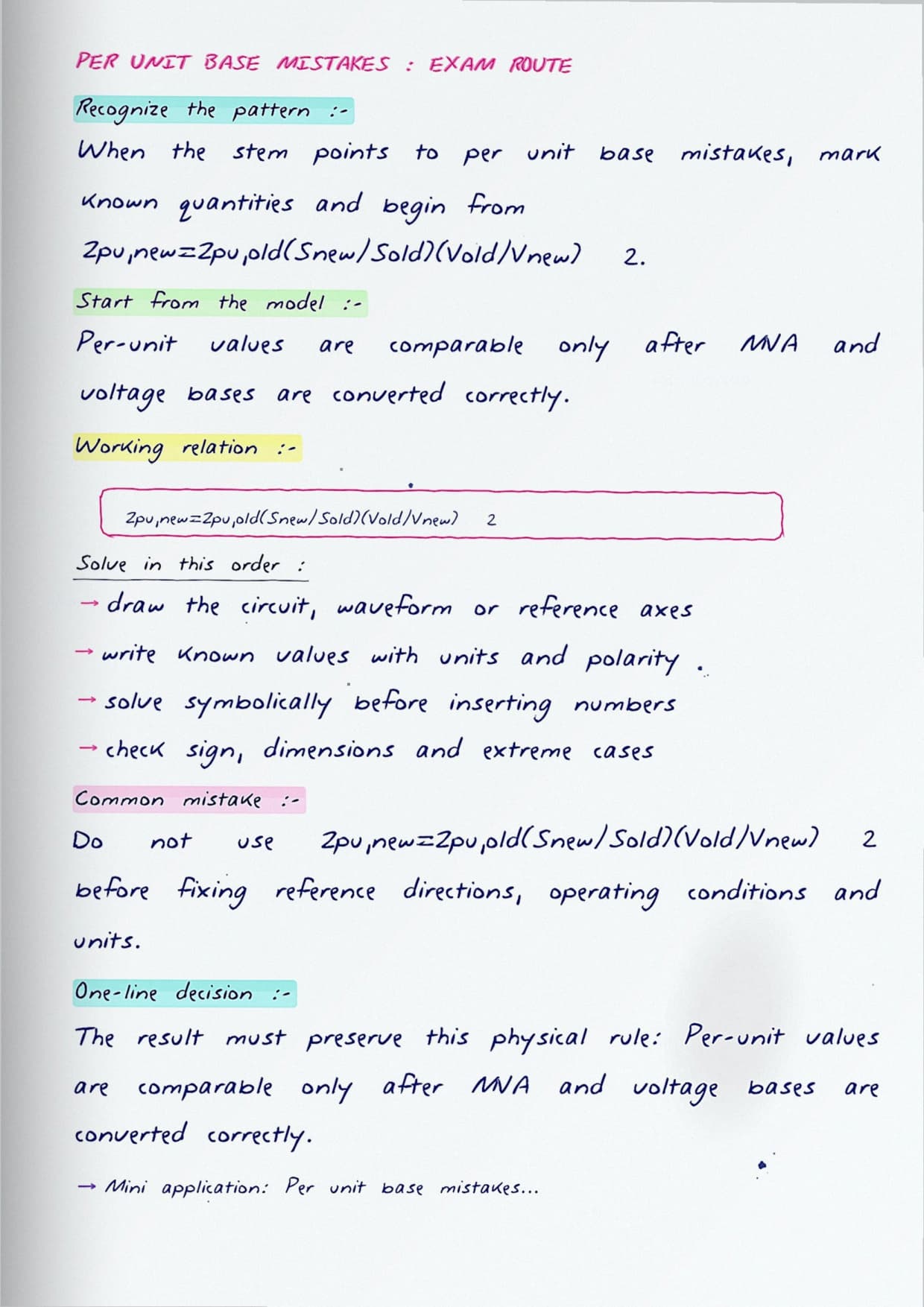
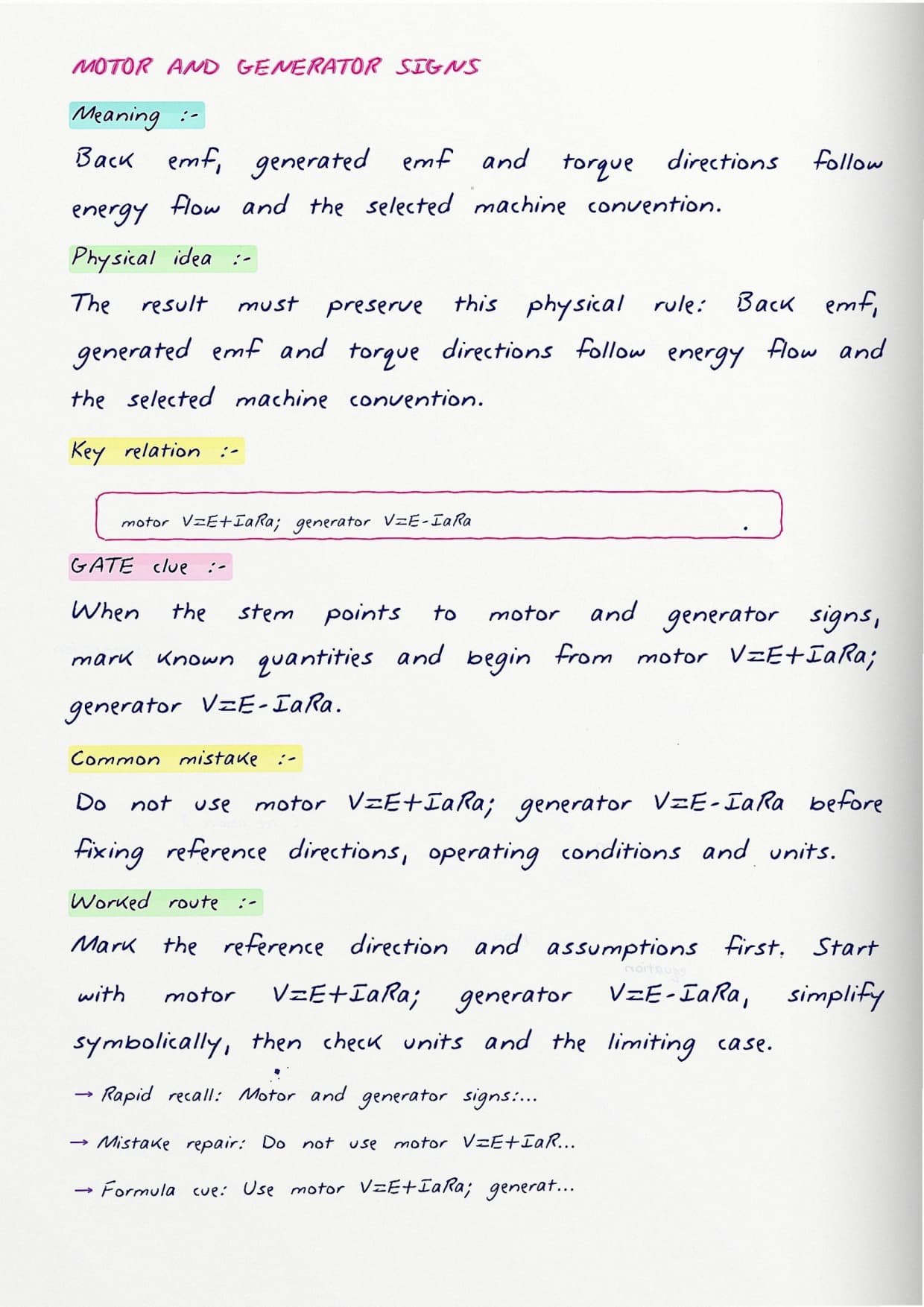
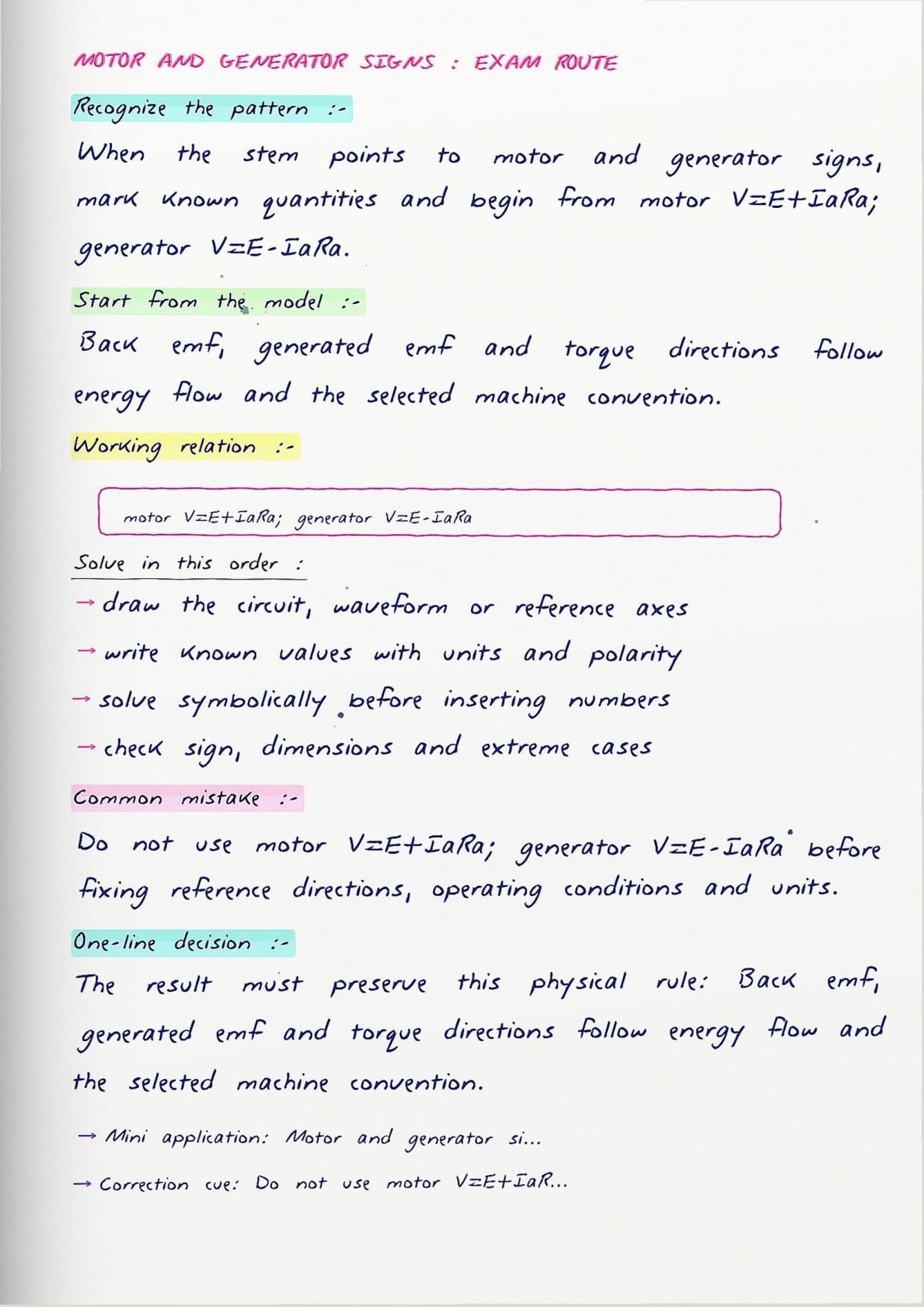
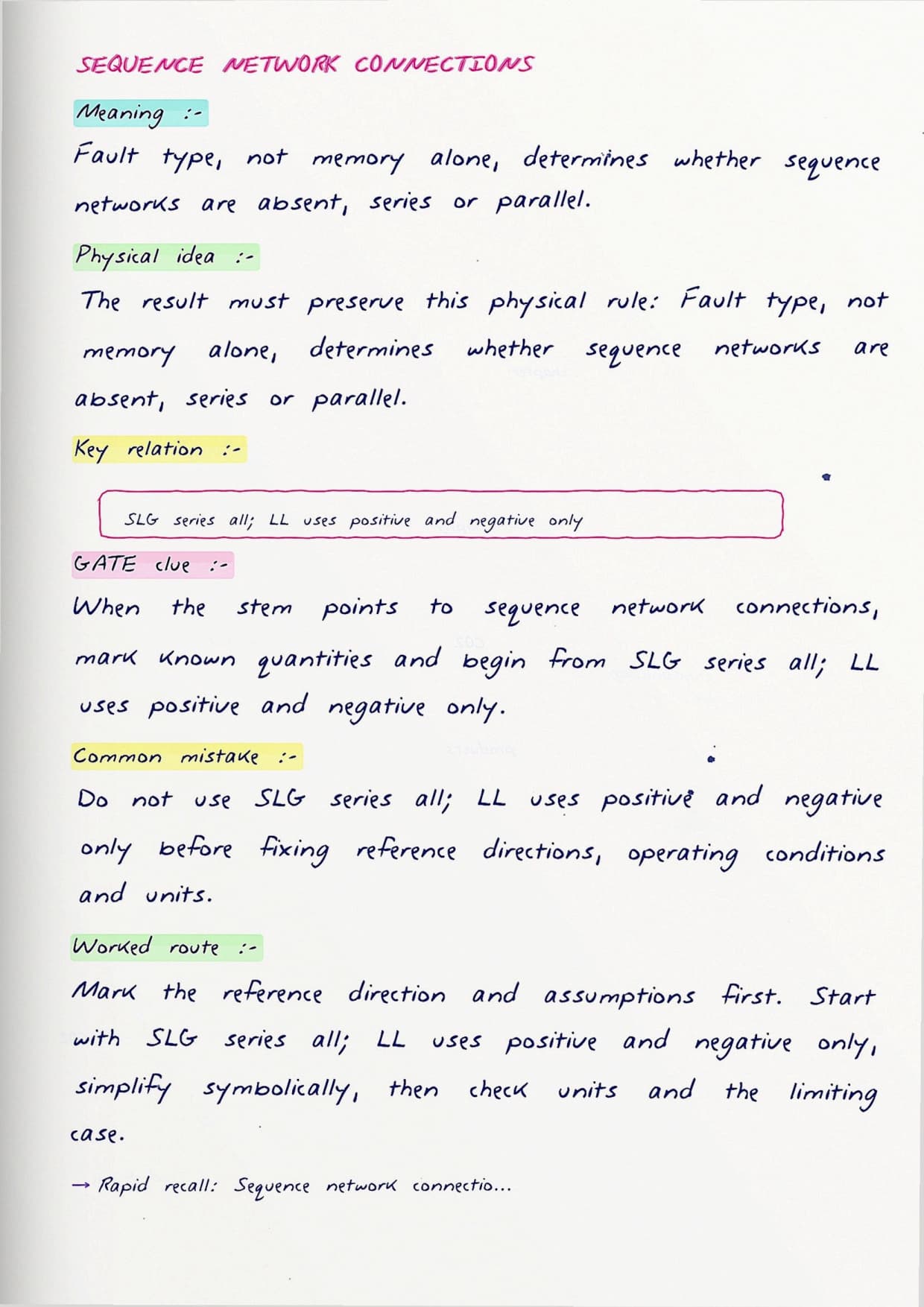
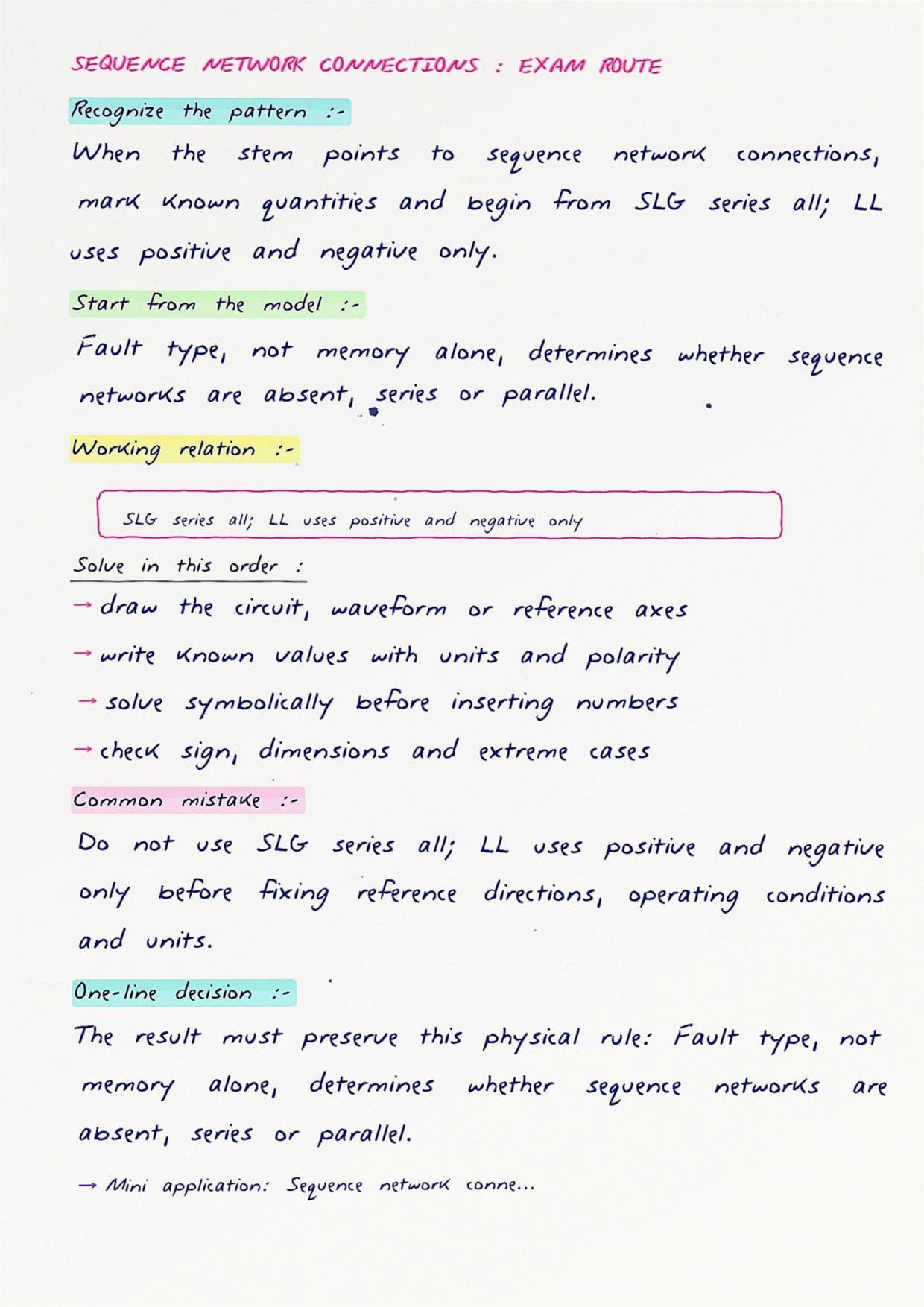
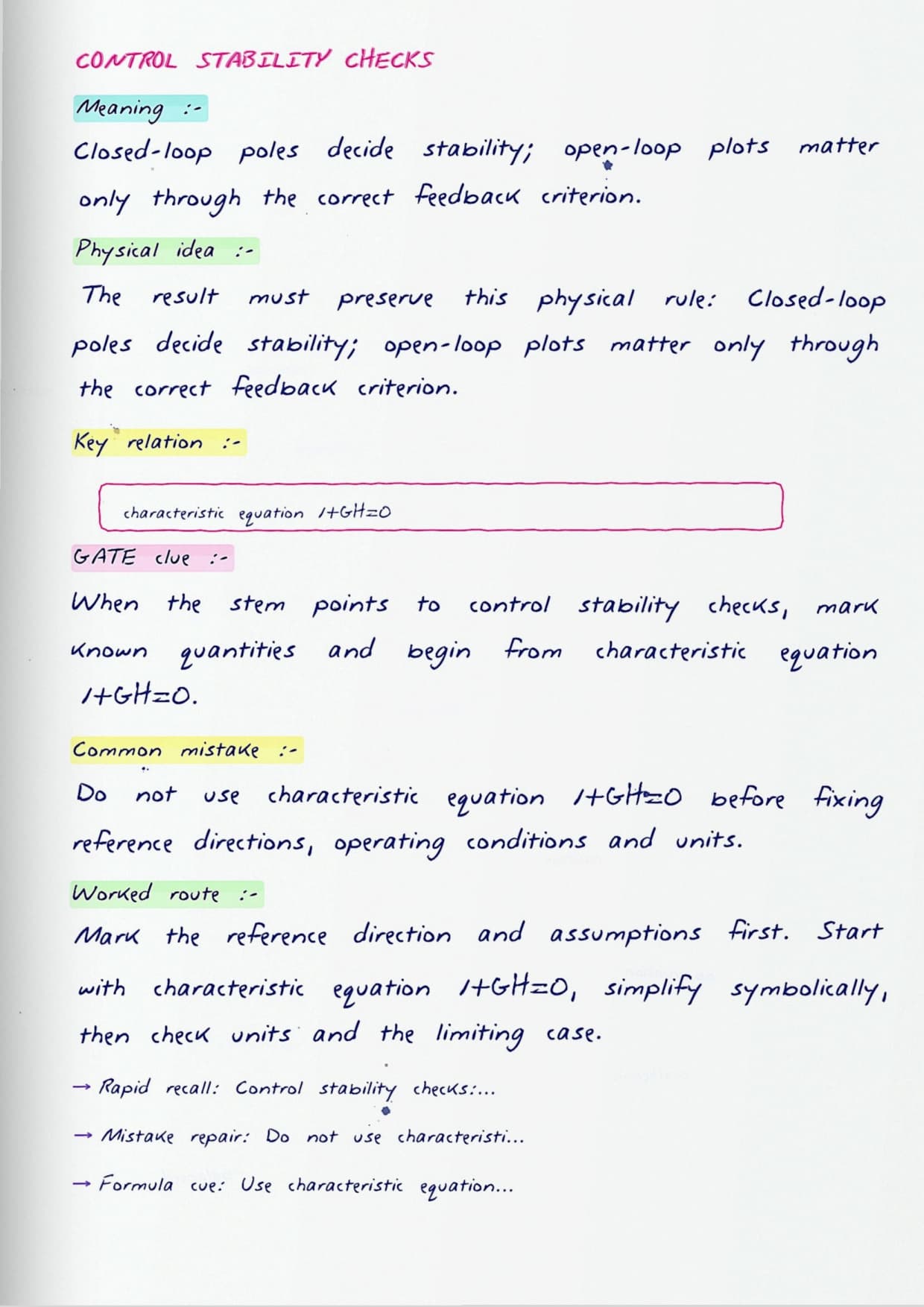
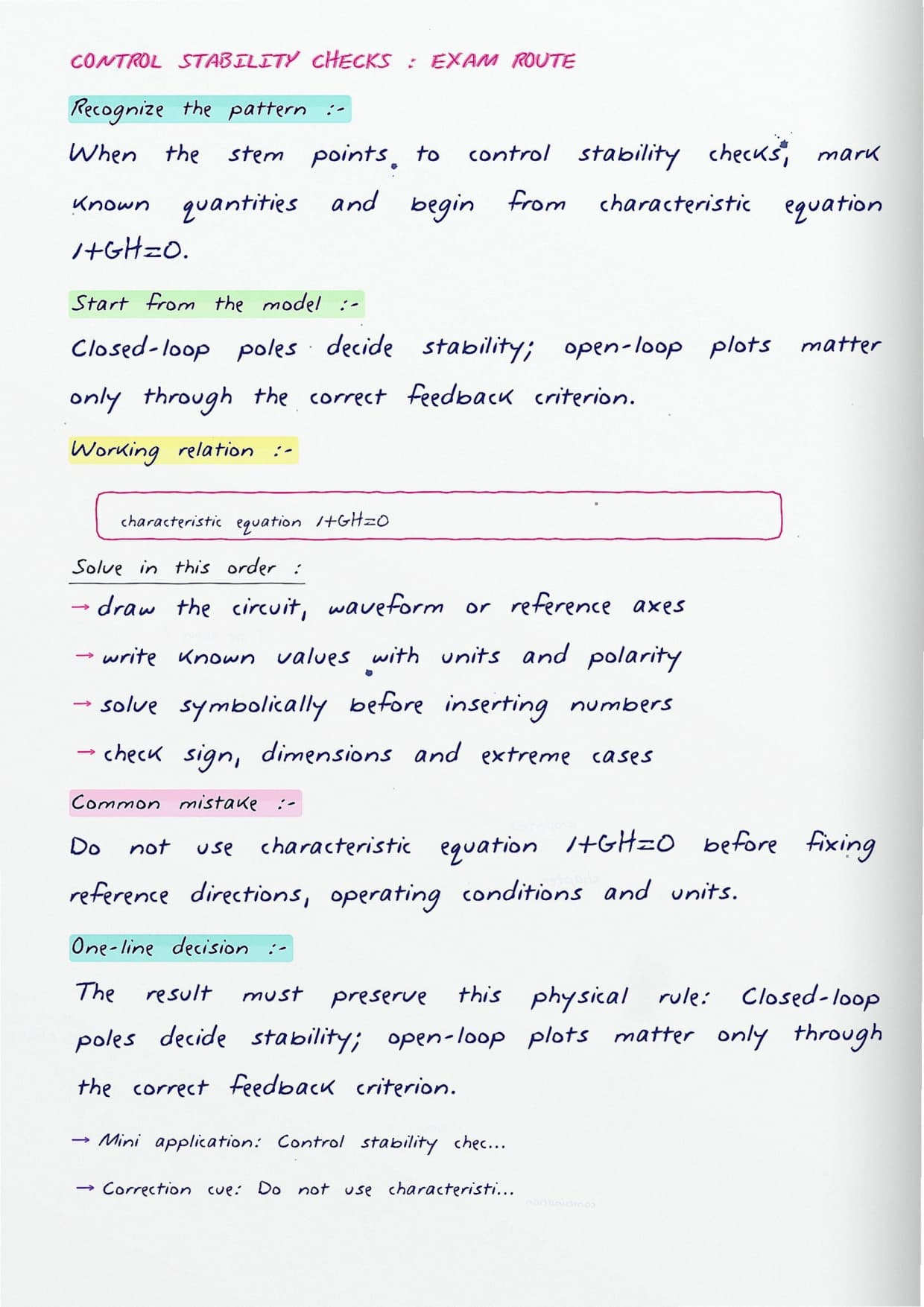
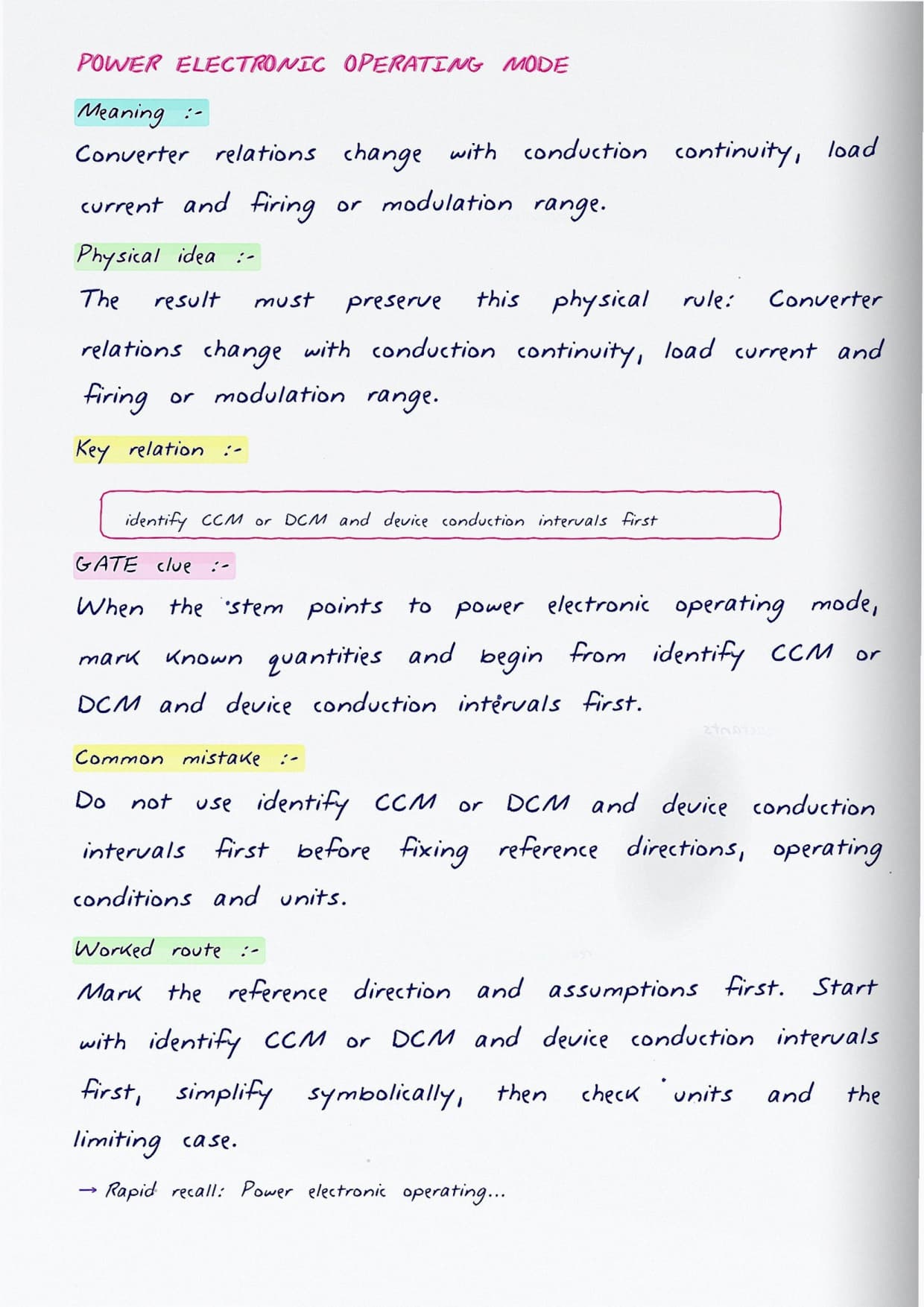
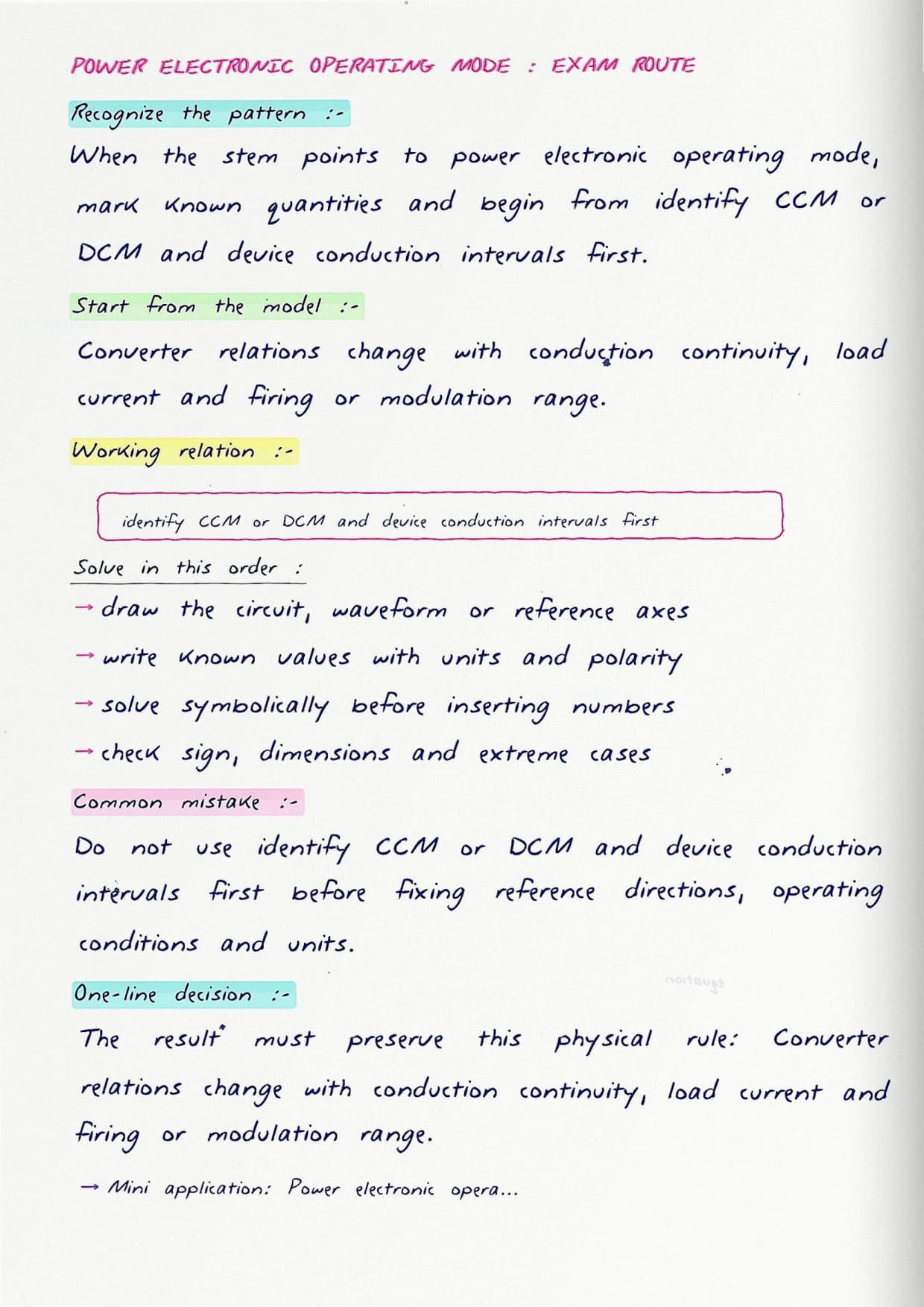
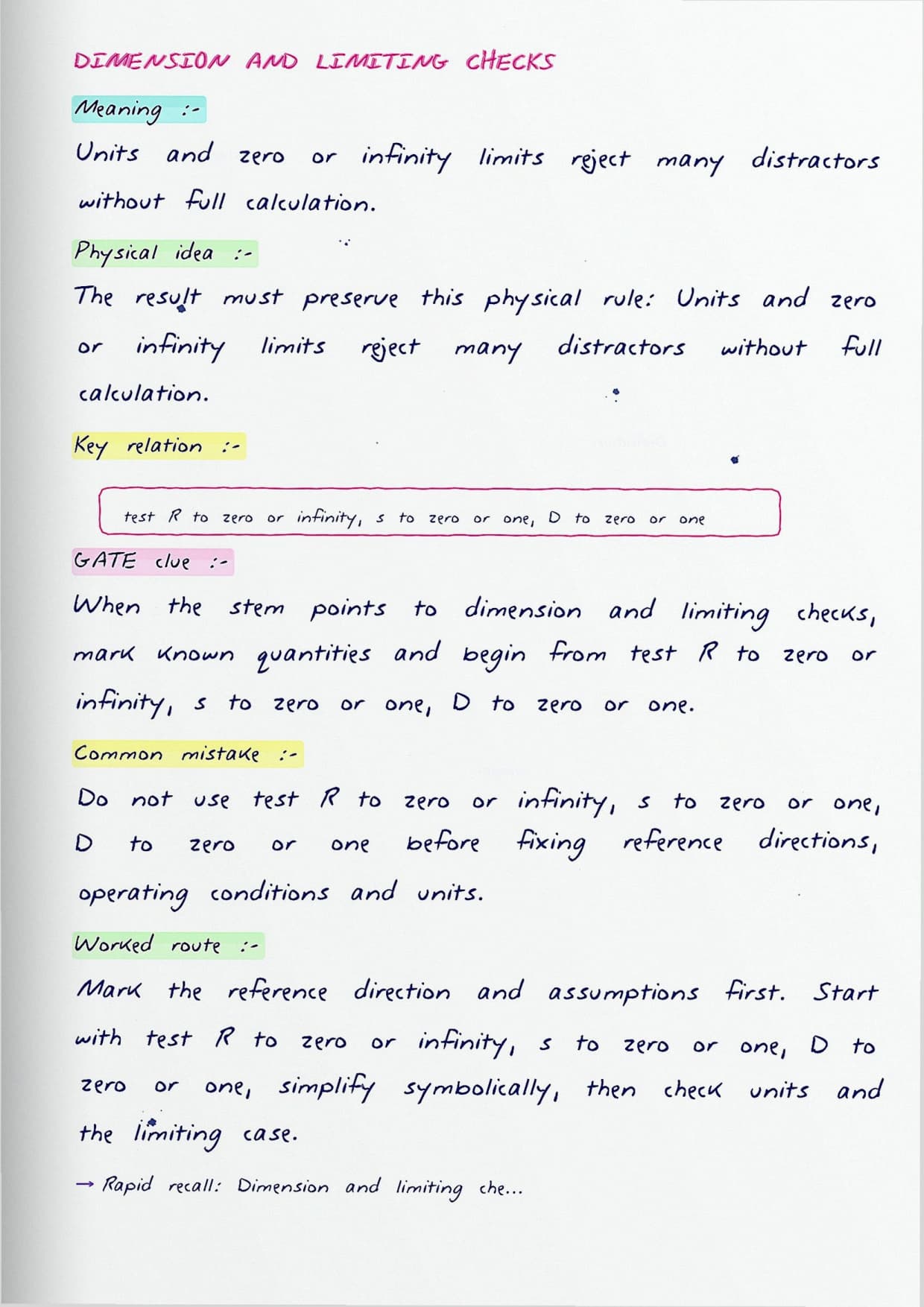
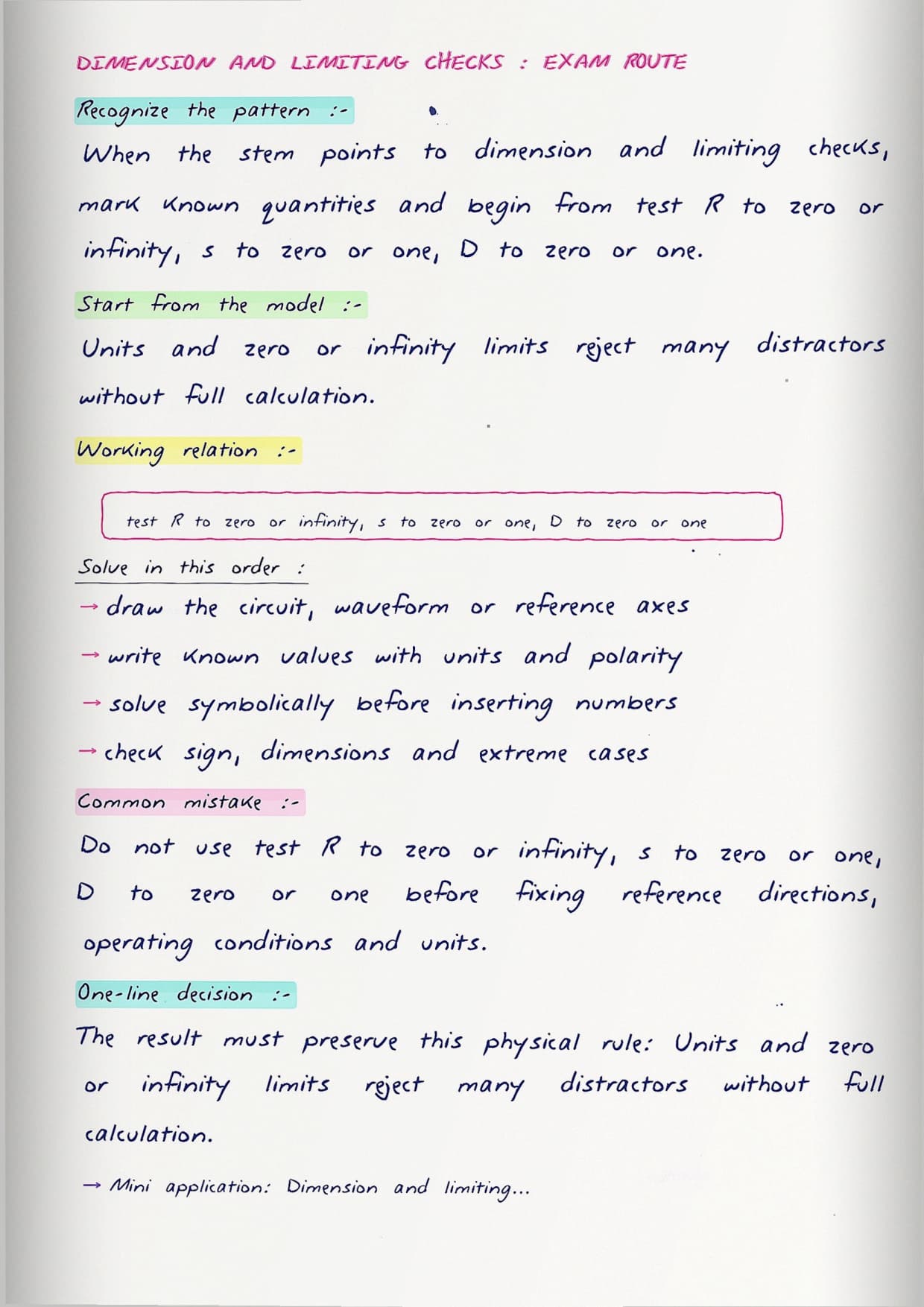
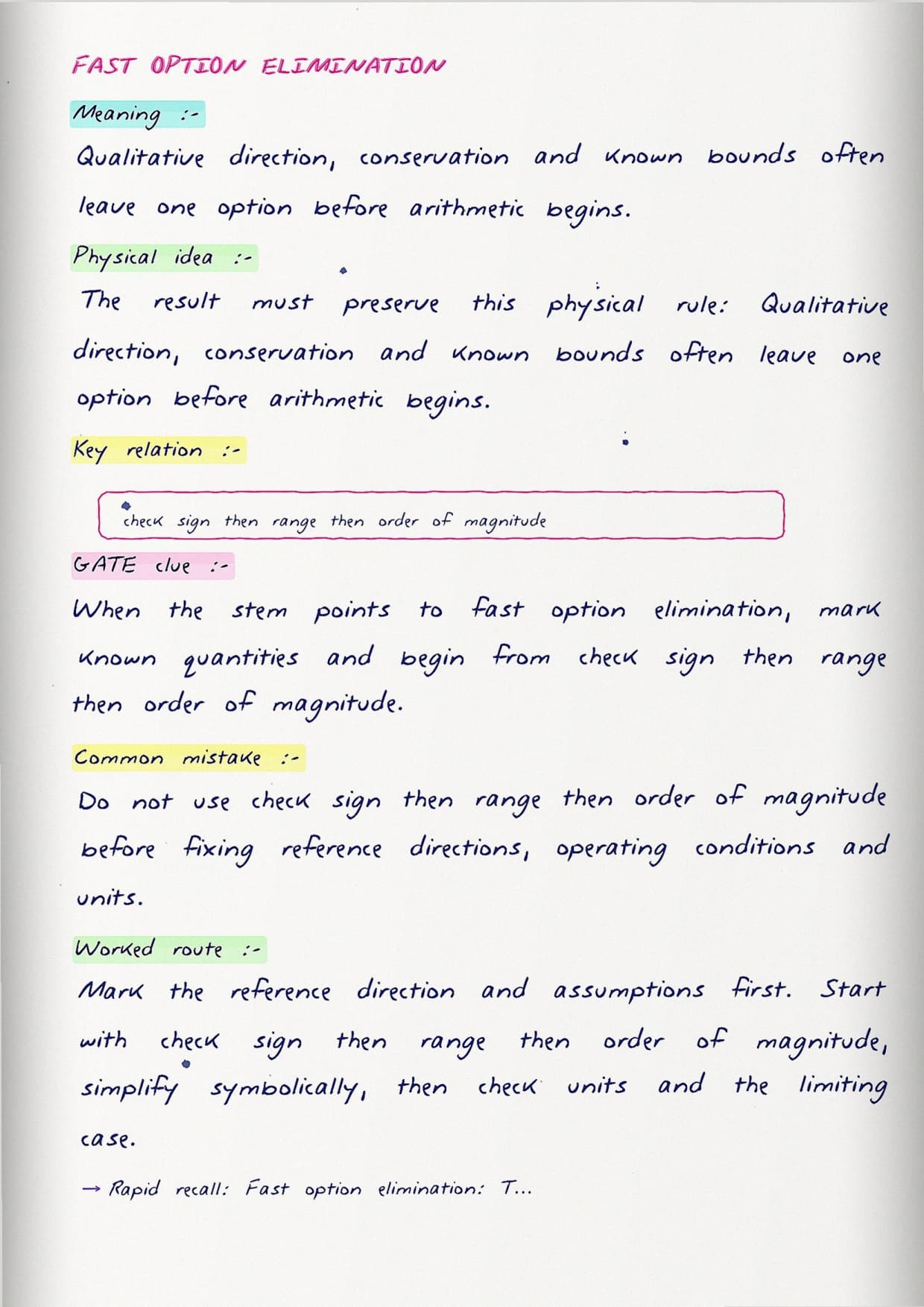
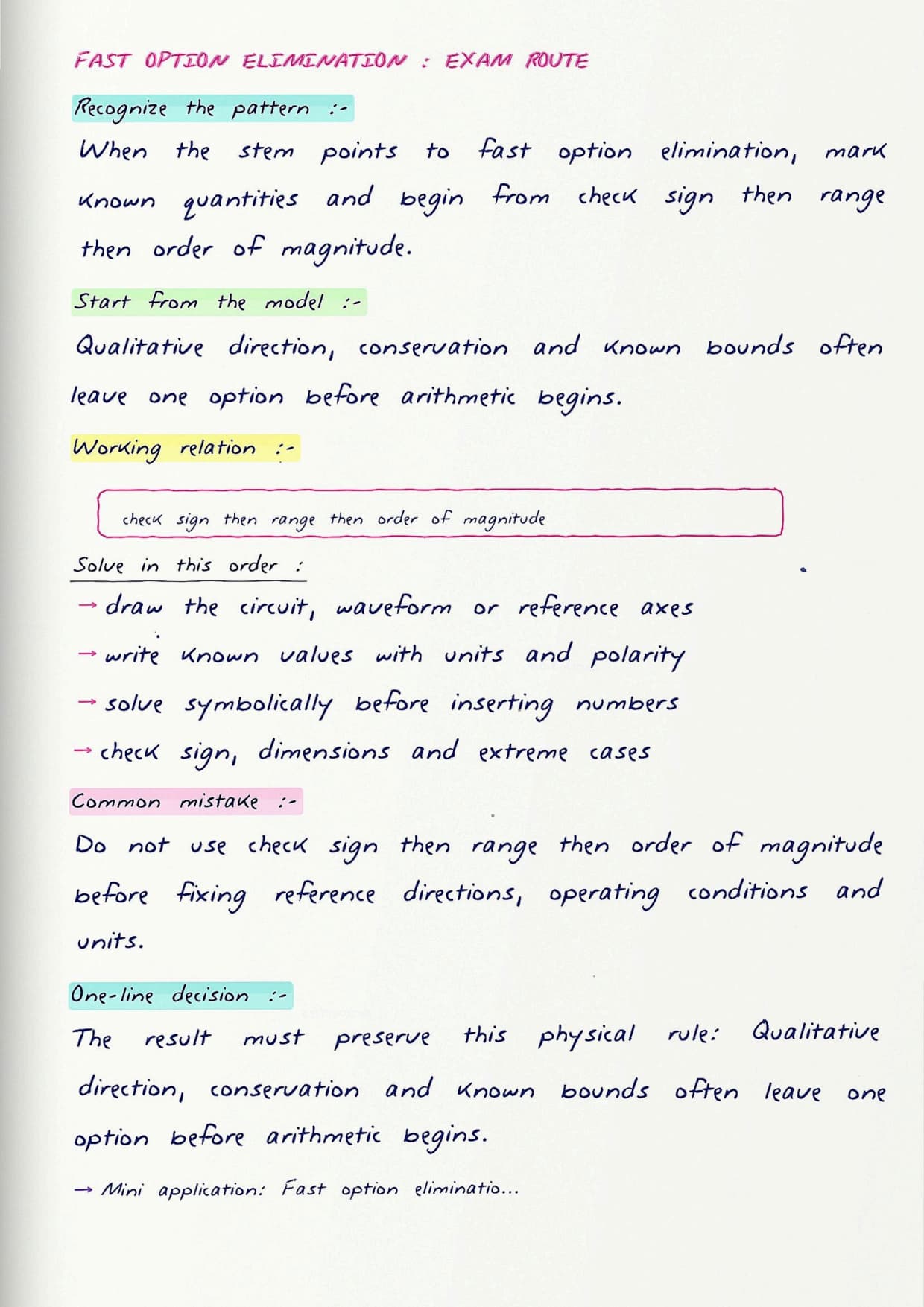
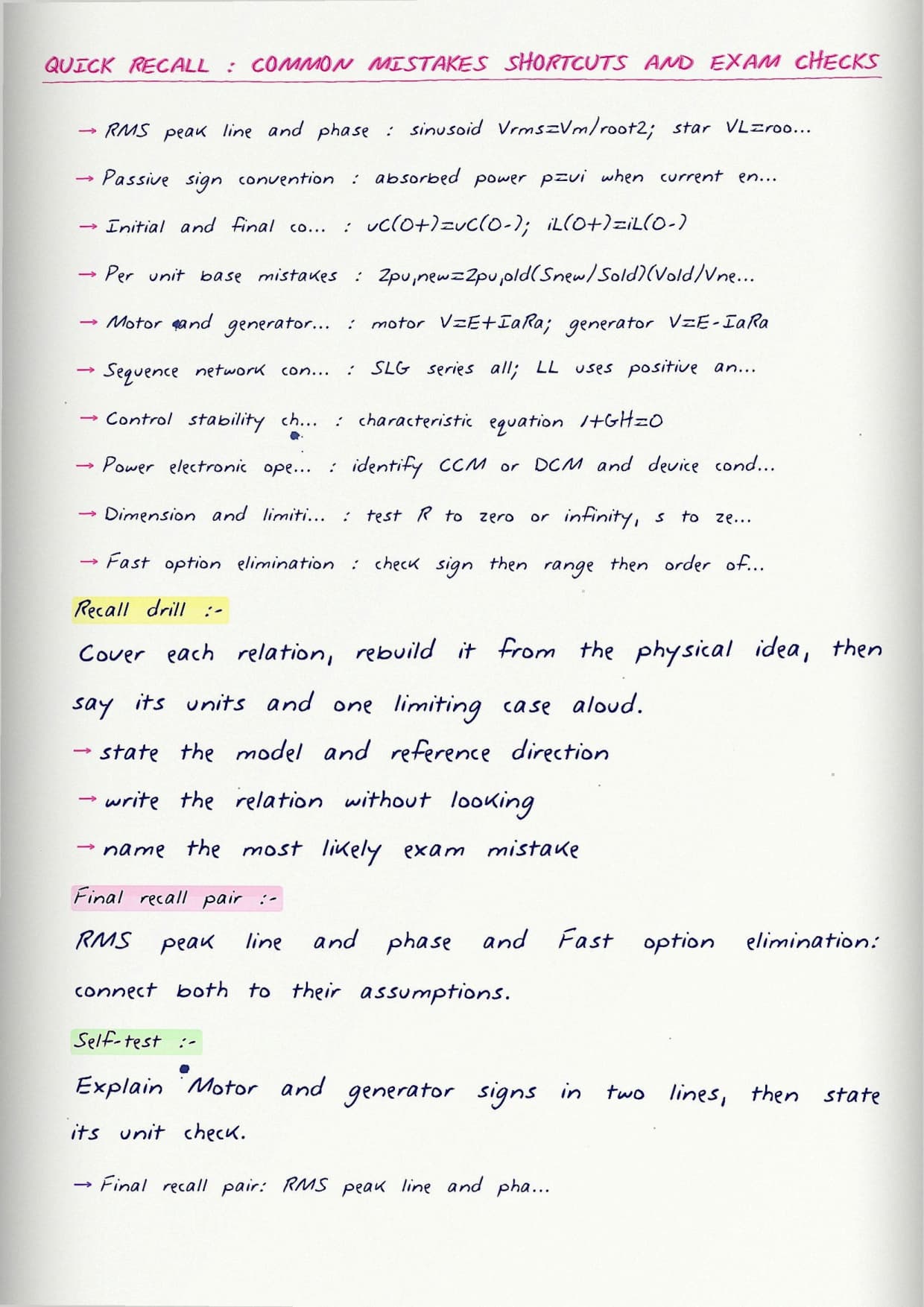
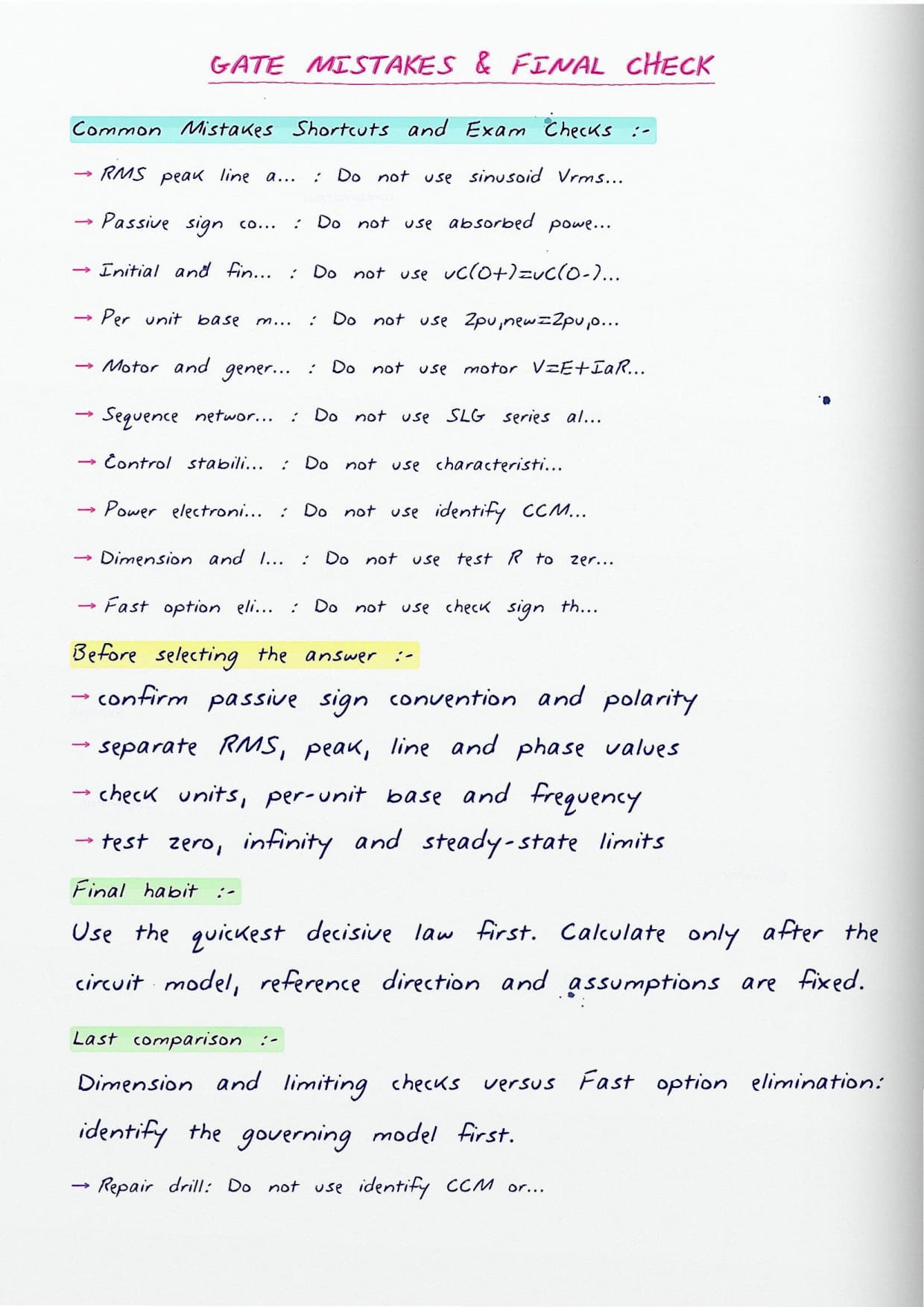
Rather than teaching new theory, these pages collect the errors students actually make, written out as short before-and-after examples with the wrong step crossed through by hand. Handy shortcuts sit in the margins next to unit-check reminders, so a student can spot a slip the moment a number looks wrong. Each mistake is paired with the exact correction, which makes the fix easy to remember when the same situation appears under exam pressure.
- A running list of unit and dimension traps, from per-unit base changes to radian versus degree mix-ups.
- Quick sanity checks for signs, magnitudes and orders of magnitude on numerical answers.
- A tidy sheet of time-saving shortcuts for circuits, machines and control problems.
What These GATE Exam-Check Notes Cover
The notes gather the small habits that separate a good attempt from a great one. Each entry is tied to a real topic so the advice never feels vague, and the most expensive errors are marked so students know which checks to run first.
- Frequent conceptual mistakes in machines, circuits and signals, with the correction shown.
- Calculation shortcuts that trim steps without hurting accuracy.
- Answer-checking routines for both multiple-choice and numerical-answer questions.
- Time and marks management strategy for the two-hour paper.
GATE Exam-Check Quick Revision
Source: Kreatryx GATE - EE, ECE & IN by Unacademy on YouTube
Topics Covered in GATE Exam Checks
The list below spans the recurring error areas across the GATE Electrical syllabus, giving students a focused final-revision checklist.
- Per-unit system base-change and reference errors.
- Sign conventions in circuit and phasor analysis.
- Radian, degree and frequency versus angular frequency confusion.
- Rounding and significant-figure handling in numerical answers.
- Reading Bode and root-locus plots without slips.
- Correct use of rms versus peak values in power calculations.
- Negative-marking awareness and safe guessing limits.
- Efficient on-screen calculator use during the exam.
How the Notes Are Organised
The pages move from mistakes to fixes to habits. Students first meet the common errors grouped by subject, so a weak area is easy to find and target, and a small hand-drawn tag next to each item shows how often that error shows up in real papers.
The middle pages turn each mistake into a shortcut or a checking rule, and the closing pages lay out a calm exam-hall routine, covering question order, time budgets and when to move on. Read in sequence, the notes build a repeatable process rather than a loose set of tips.
A one-page error log at the end gives students space to add their own recurring slips, so the notes grow more personal with every mock test. Because the entries are short, the whole set can be skimmed in a few minutes, which makes it a natural companion to open right before walking into the exam hall.
How GATE Exam Checks Link to Other Topics
Because errors do not respect chapter boundaries, these habits strengthen performance right across the paper.
- Electrical Machines, where per-unit and rating slips are common.
- Power Systems, where base changes and sequence signs trip students up.
- Control Systems, where plot-reading and stability sign errors appear.
- Signals and Systems, where frequency and scaling mistakes creep in.
Important Topics in GATE Exam Checks
A few disciplines protect the most marks, and the notes stress these above the rest, with negative marking awareness flagged as the habit that saves students the most marks over a full paper.
- Always verifying units and dimensions before writing a final answer.
- Respecting negative marking and skipping genuine guesses in MCQs.
- Double-checking per-unit base changes in Power Systems numericals.
- Confirming rms versus peak choices in power and machine problems.
- Budgeting time so easy numerical-answer questions are never skipped.
How to Prepare GATE Exam Checks with Handwritten Notes
These notes work best when folded into your mock-test routine rather than read in isolation. A short, repeated cycle builds the reflex to self-check.
- First read: mark the mistakes you recognise from your own practice.
- Second pass: after every mock test, match each wrong answer to a note here.
- Practice phase: apply the shortcuts on timed previous year questions.
- Final week: revise only the checking routine and the negative-marking rules.
Why These Notes Help You Score Better
Many students lose more marks to avoidable slips than to genuine gaps in knowledge, and these pages target exactly that leak. By turning each recurring mistake into a quick check or a shortcut, the notes make careful attempts a habit rather than an afterthought. Used through the final weeks, they help students hold on to the marks they have already earned.
GATE Electrical Exam-Check Handwritten Notes FAQs
Ques. Why should students study common mistakes separately for GATE Electrical?
Ans. Many students lose 4 to 6 marks to avoidable slips such as unit errors, per-unit base mistakes and negative marking, so a dedicated set of exam-check notes protects marks they have already earned.
Ques. What kind of shortcuts do these notes contain?
Ans. The notes list time-saving shortcuts for circuits, machines and control problems, along with quick sanity checks for signs, magnitudes and orders of magnitude on numerical answers.
Ques. Do the notes help with negative marking strategy?
Ans. Yes. They explain safe guessing limits, when to skip a genuine guess in multiple-choice questions, and how to budget time so easy numerical-answer questions are never left out.
Ques. When in preparation should students use these notes?
Ans. They work best in the final revision weeks, folded into every mock test so students can match each wrong answer to a checking rule and build the habit of self-verification.



Comments