




In the DA paper the coding block is scored by writing code, not recalling it, which is why Python Data Structures and Algorithms is one of the heaviest technical sections a student can turn into reliable marks.
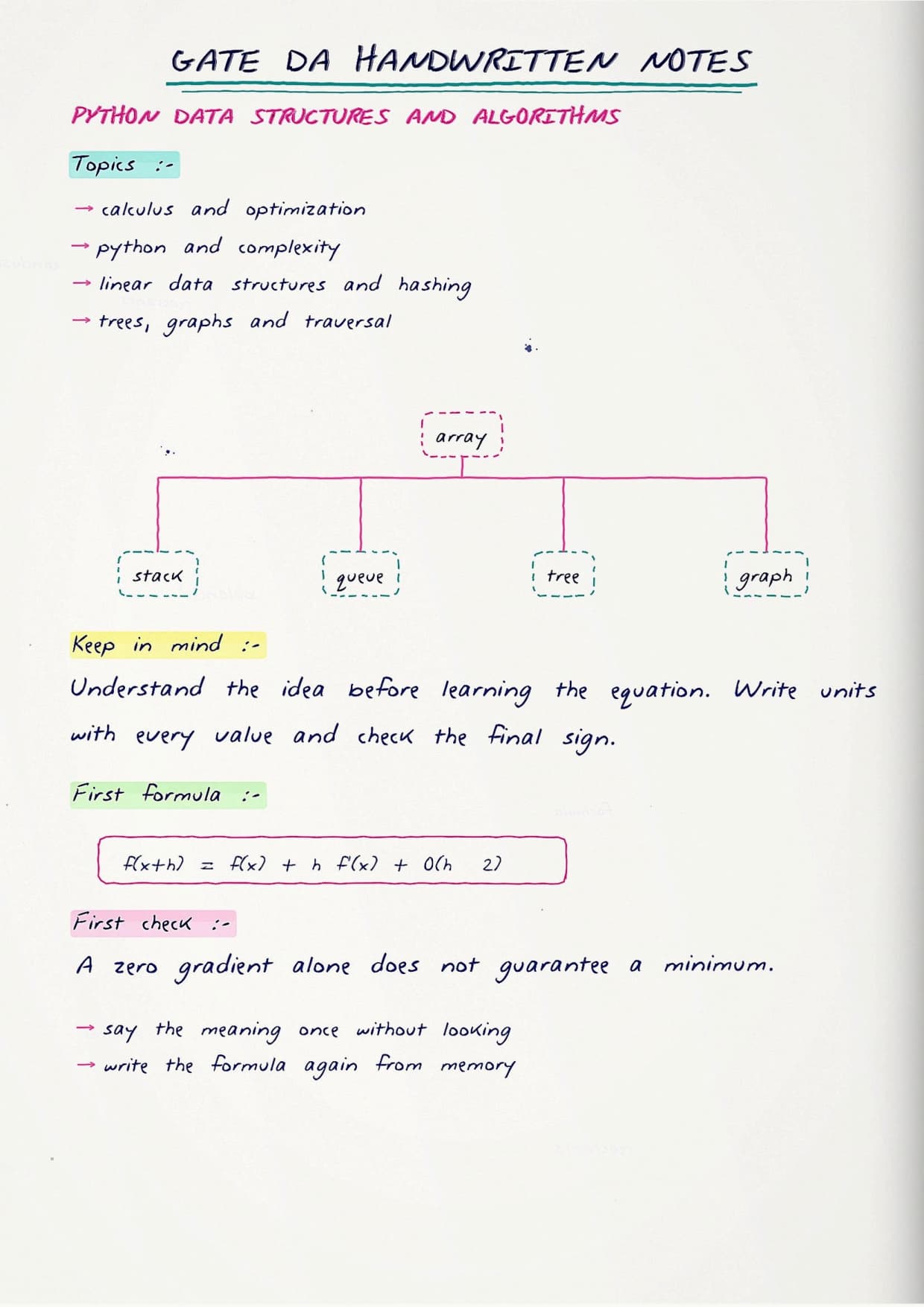
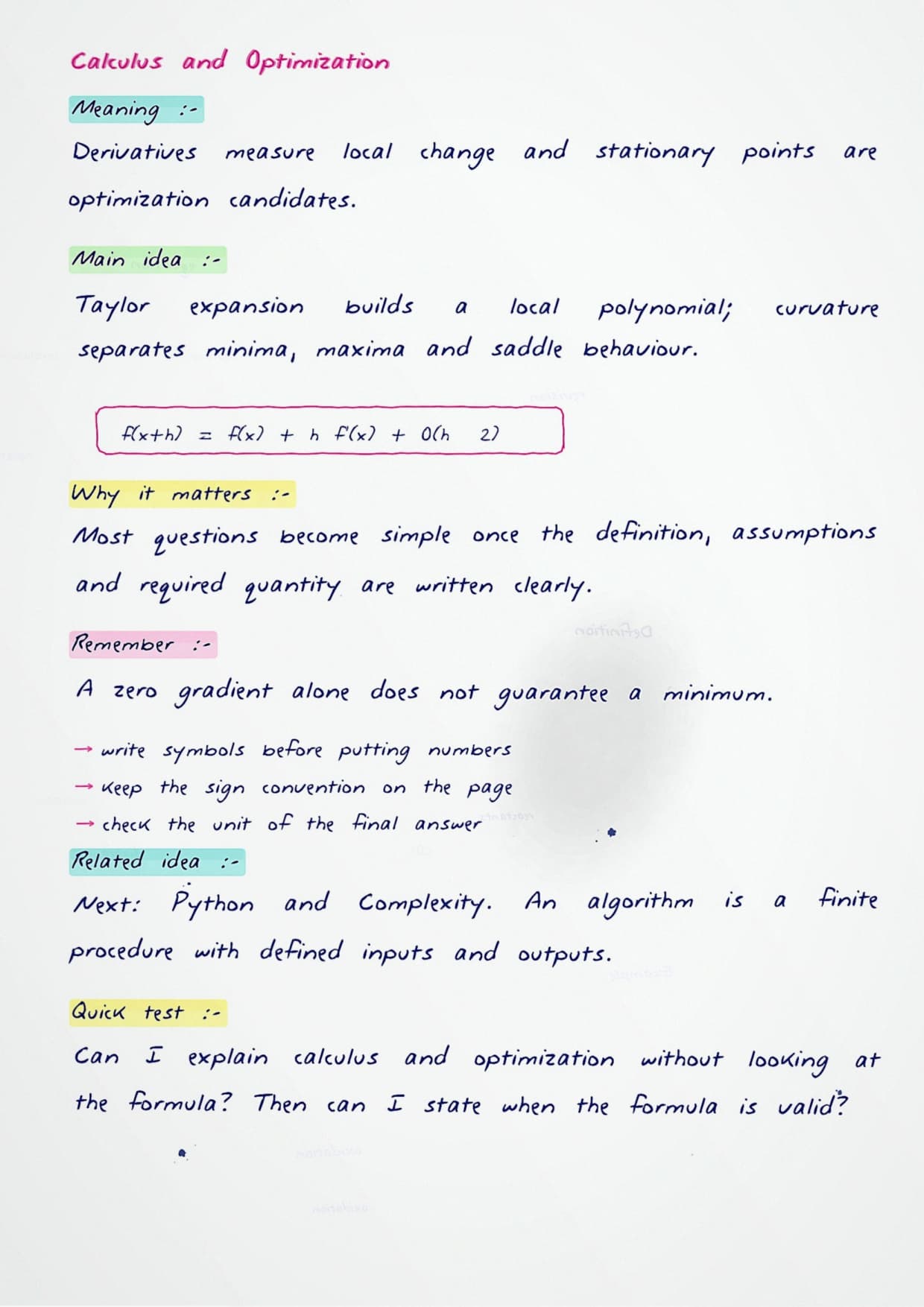
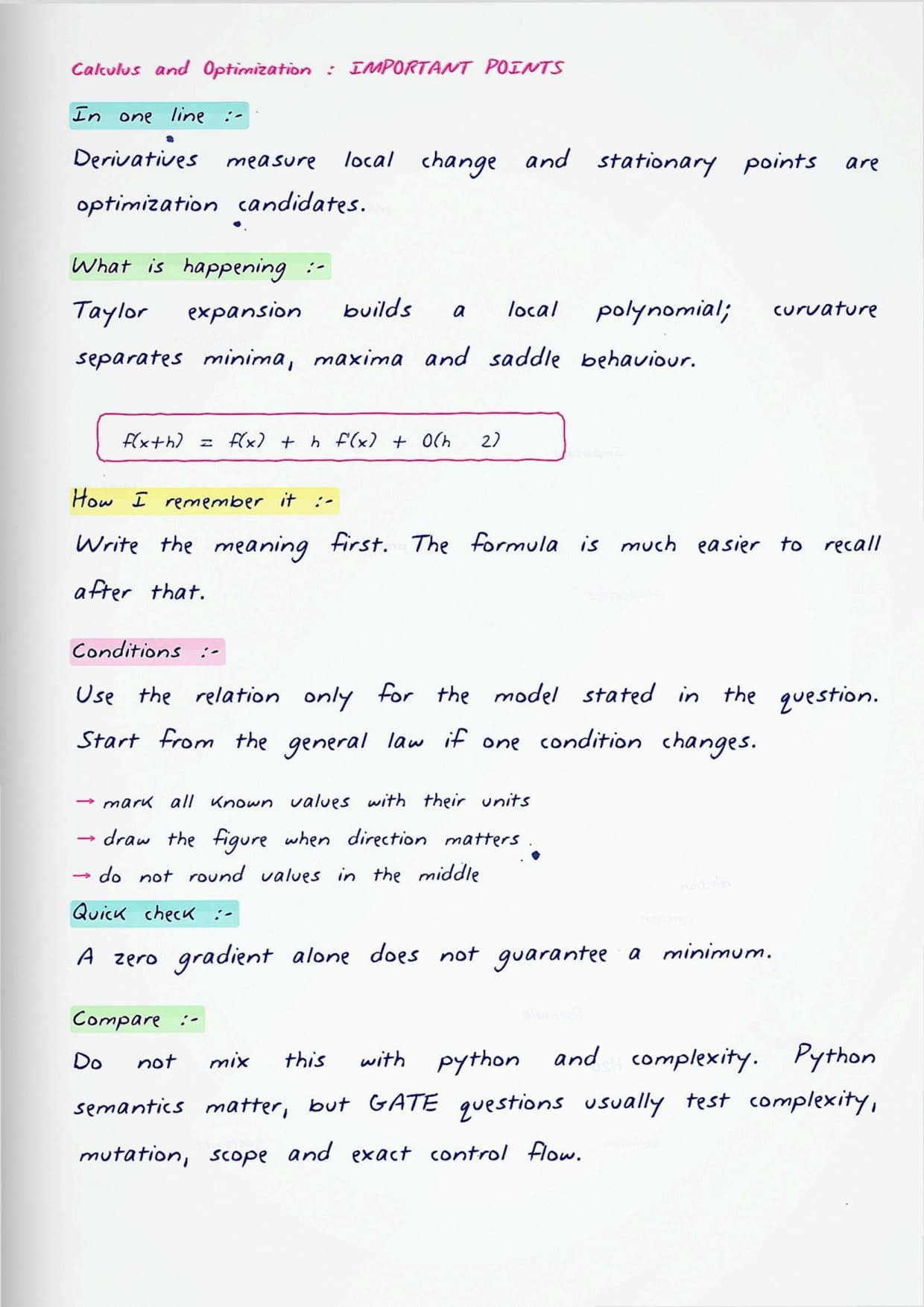
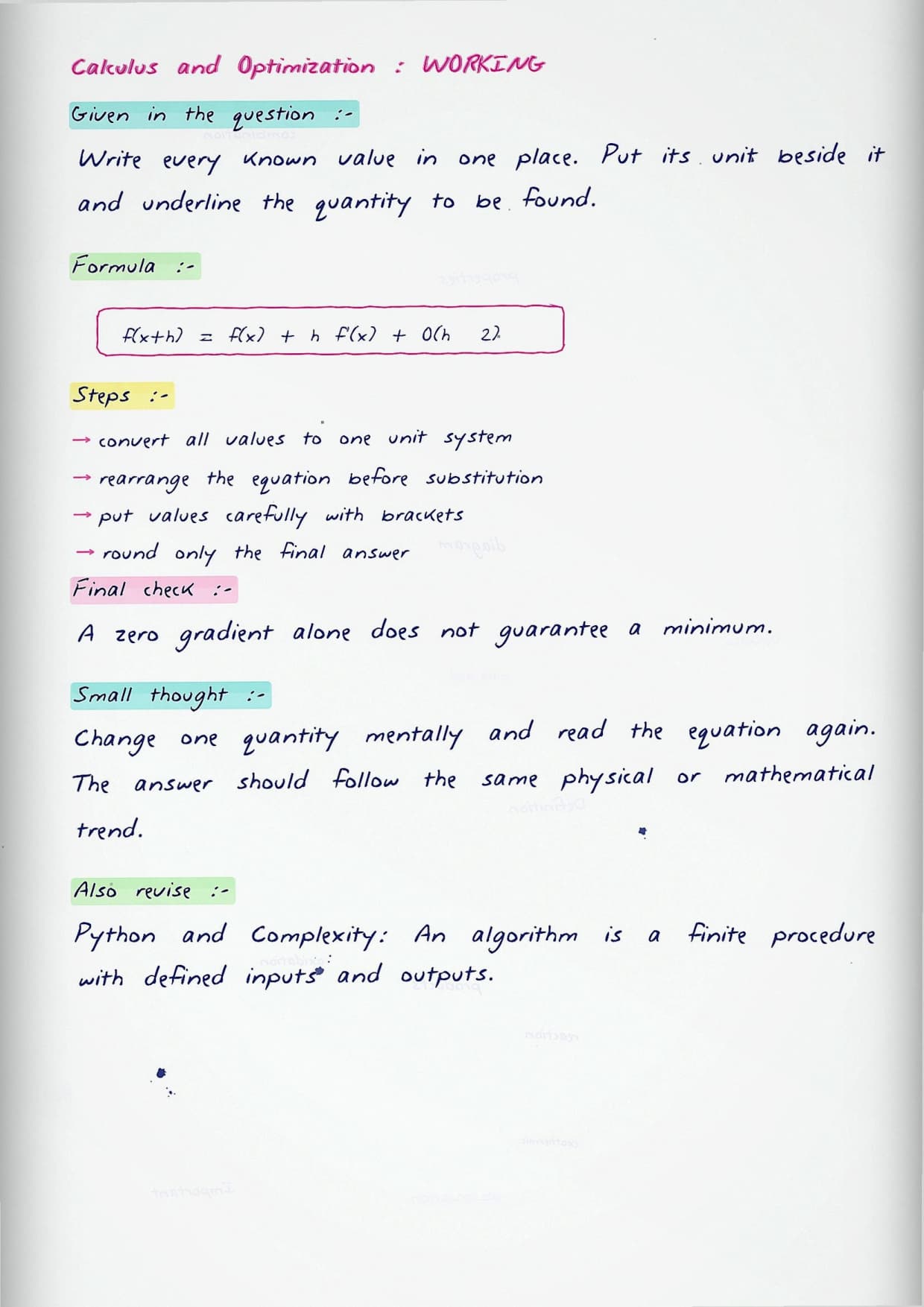
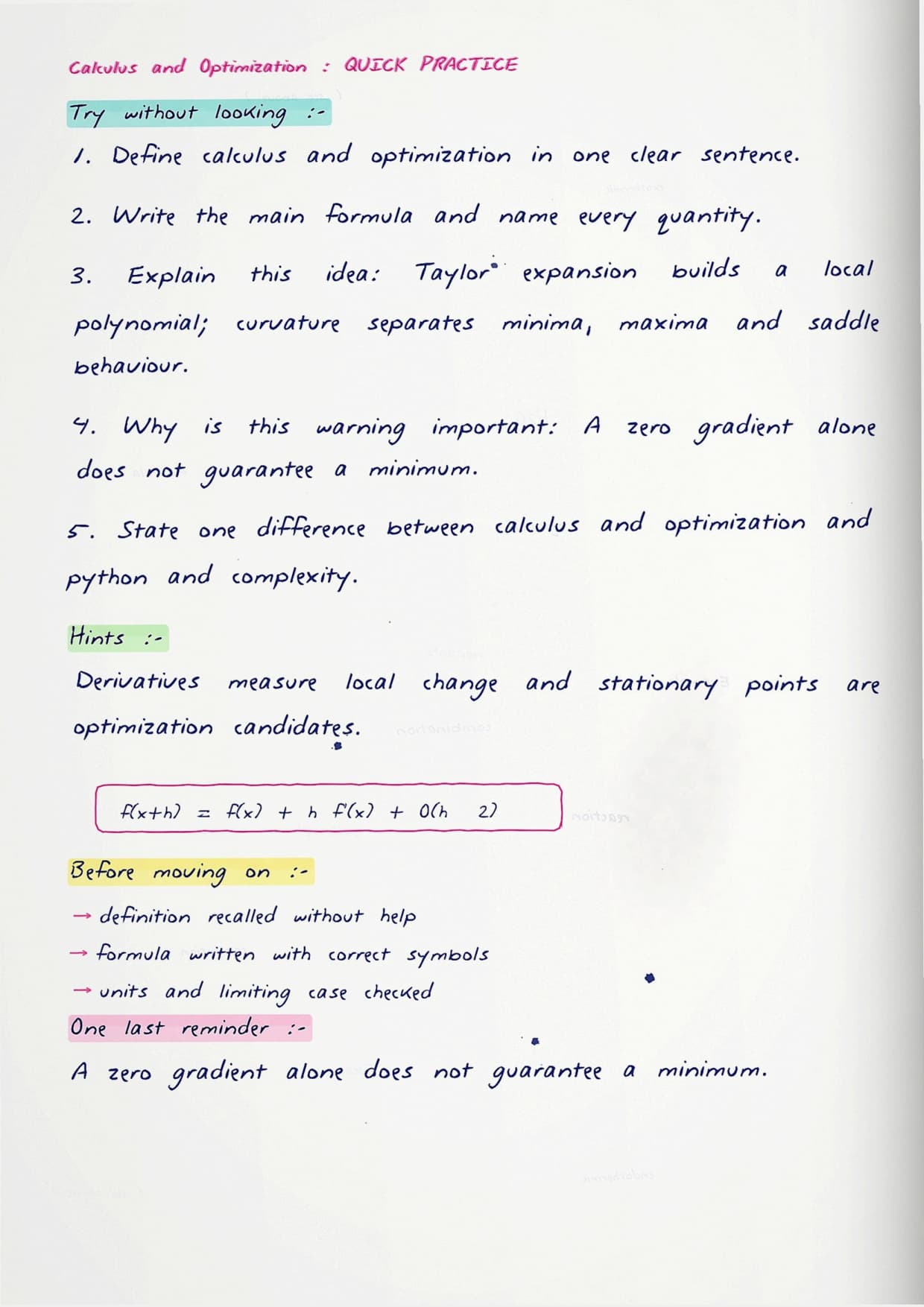
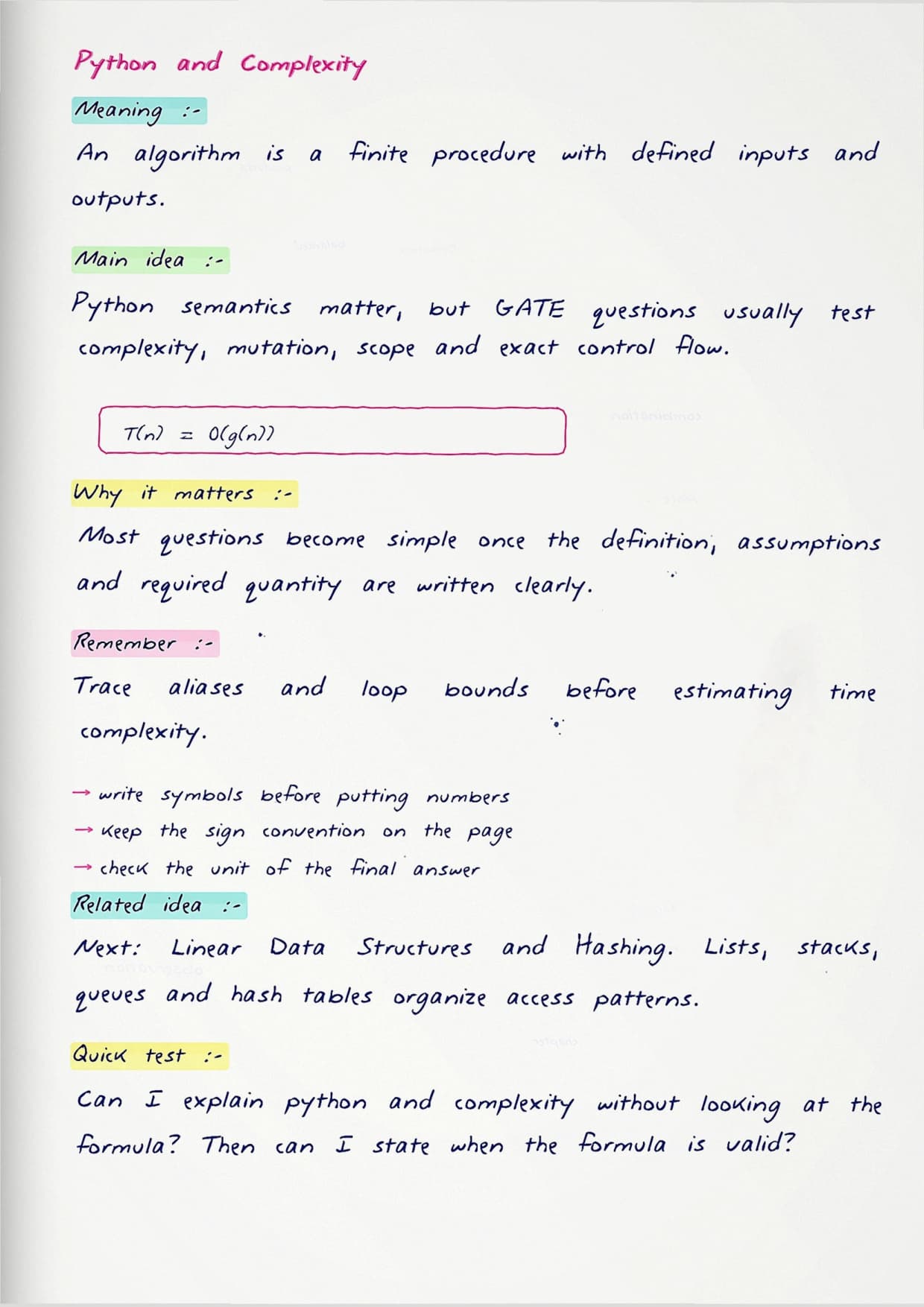
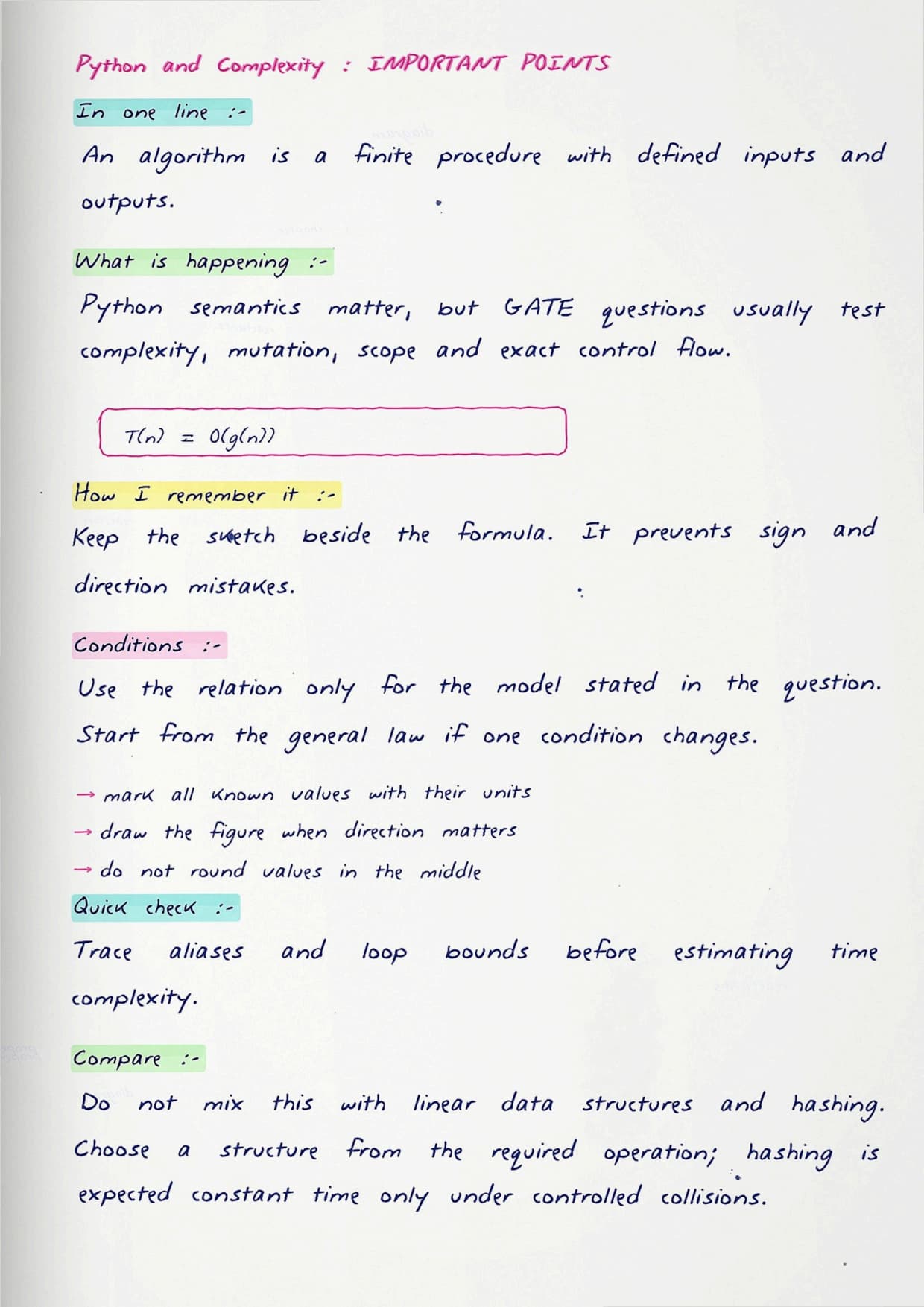
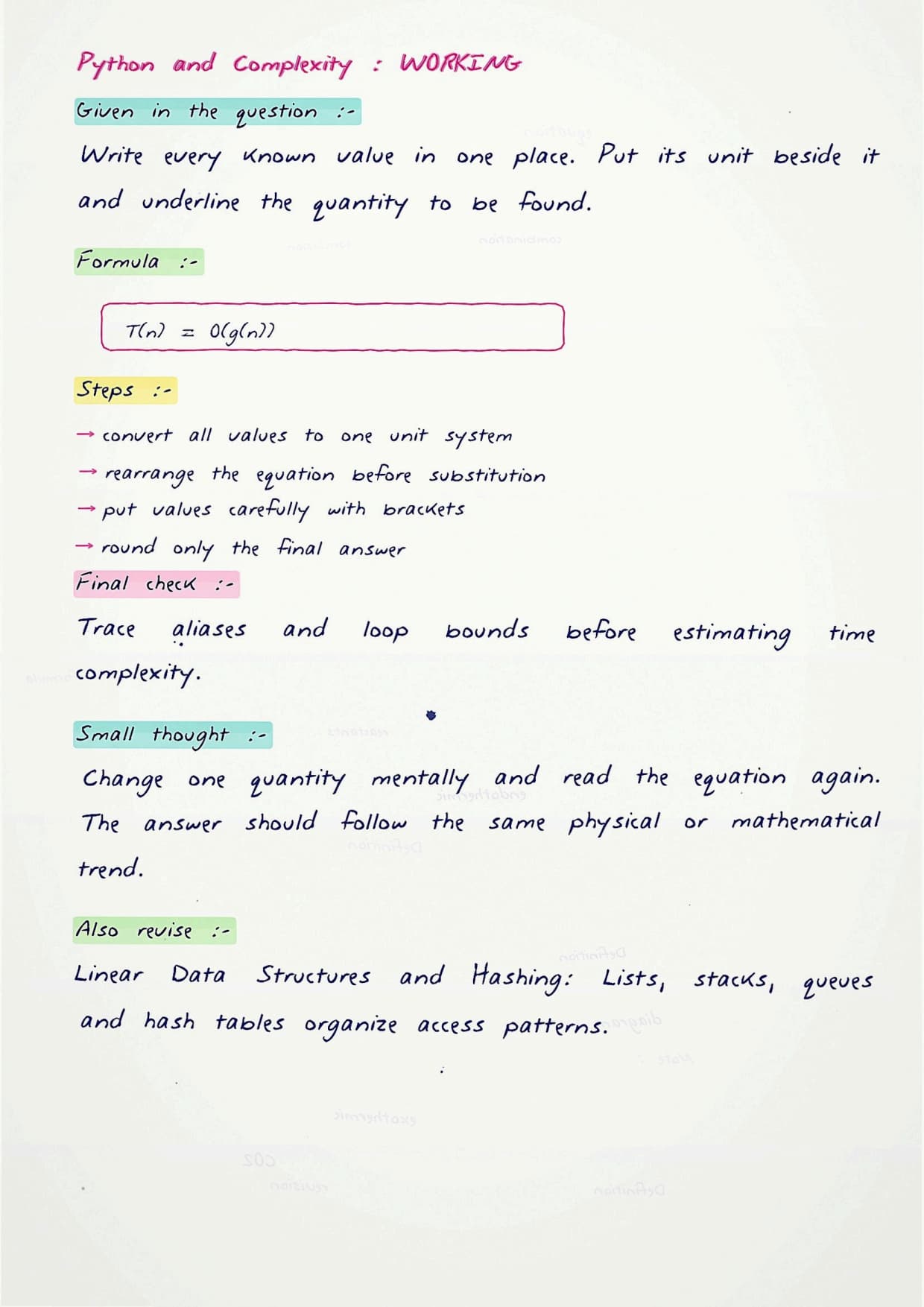
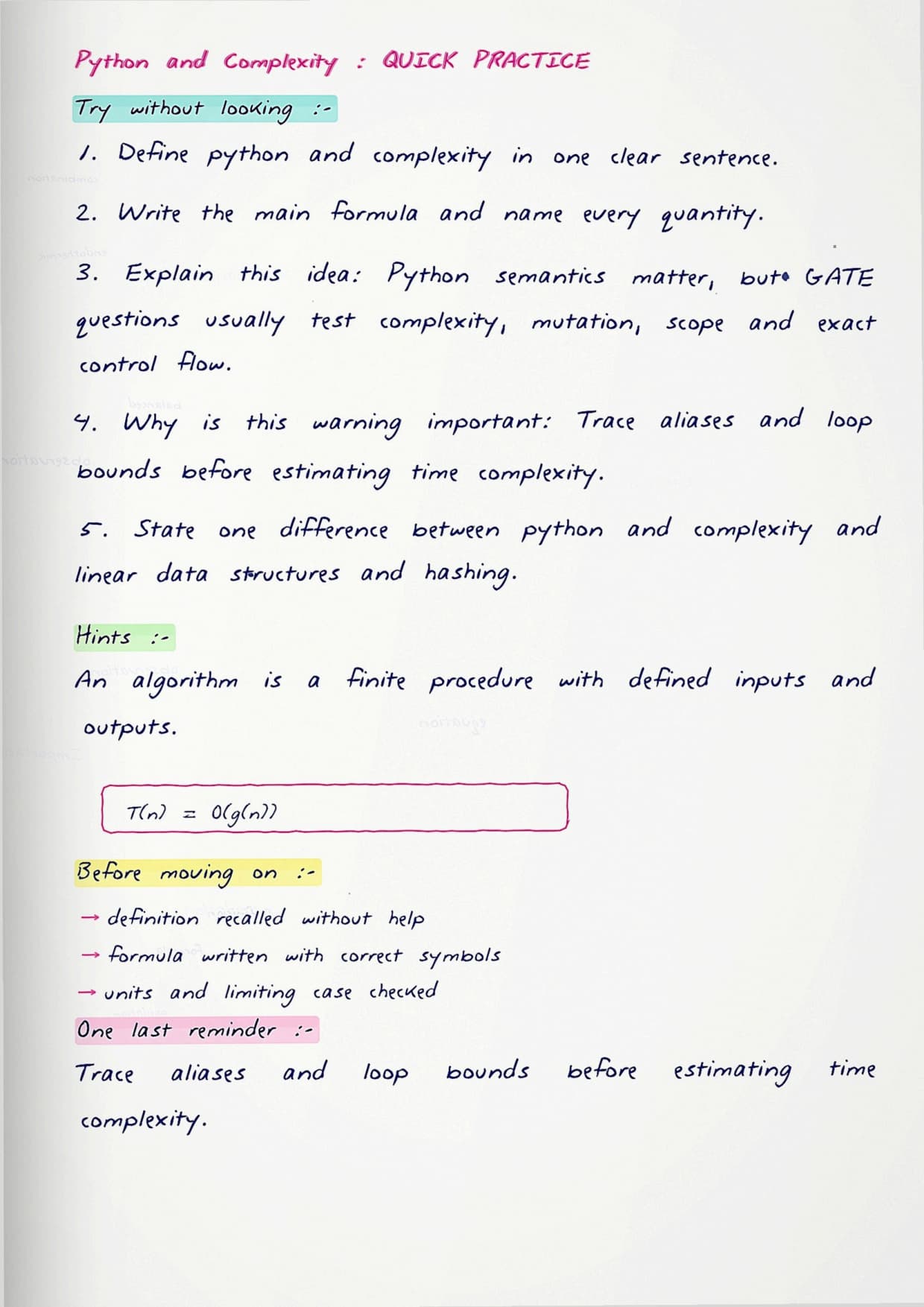
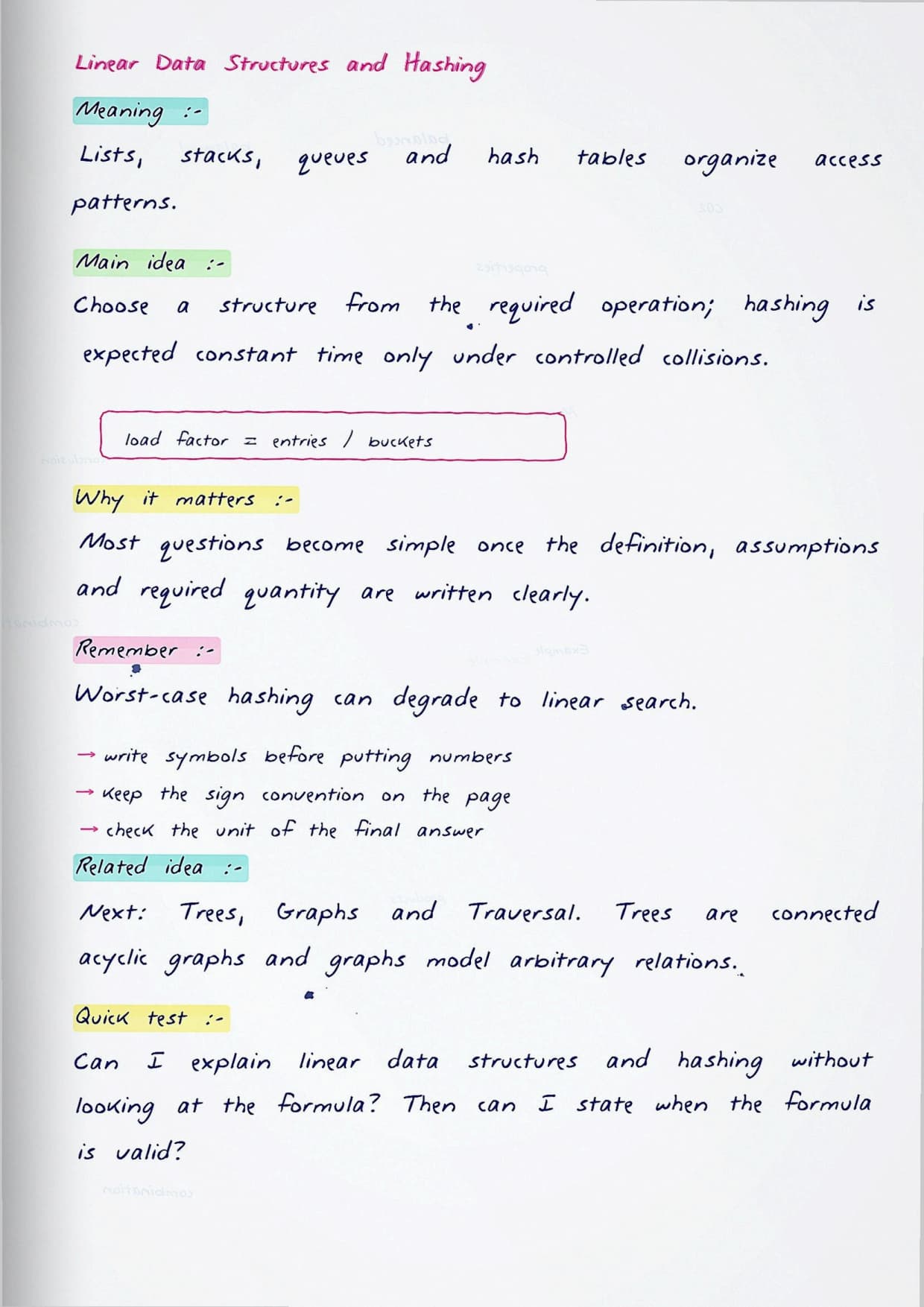
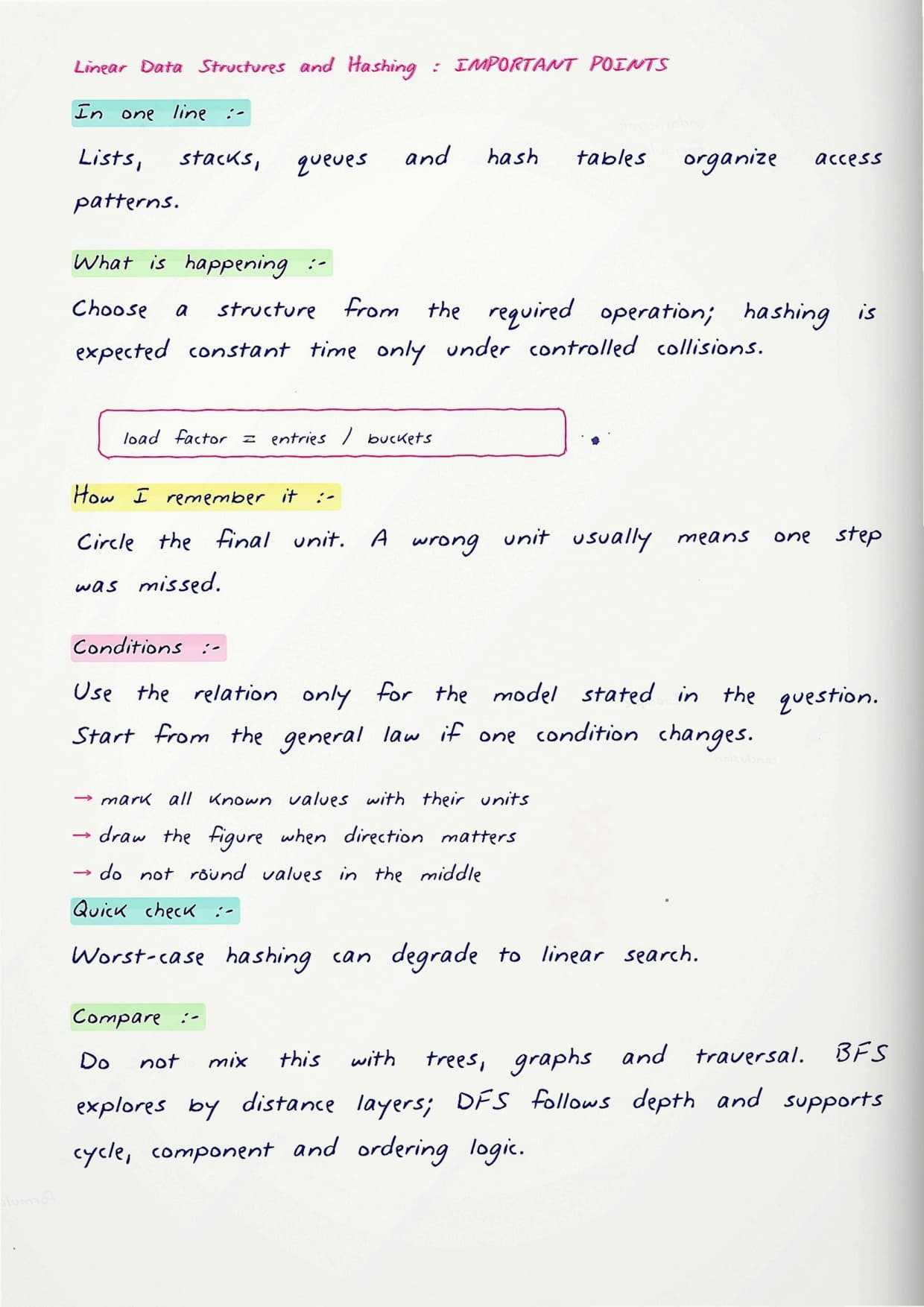
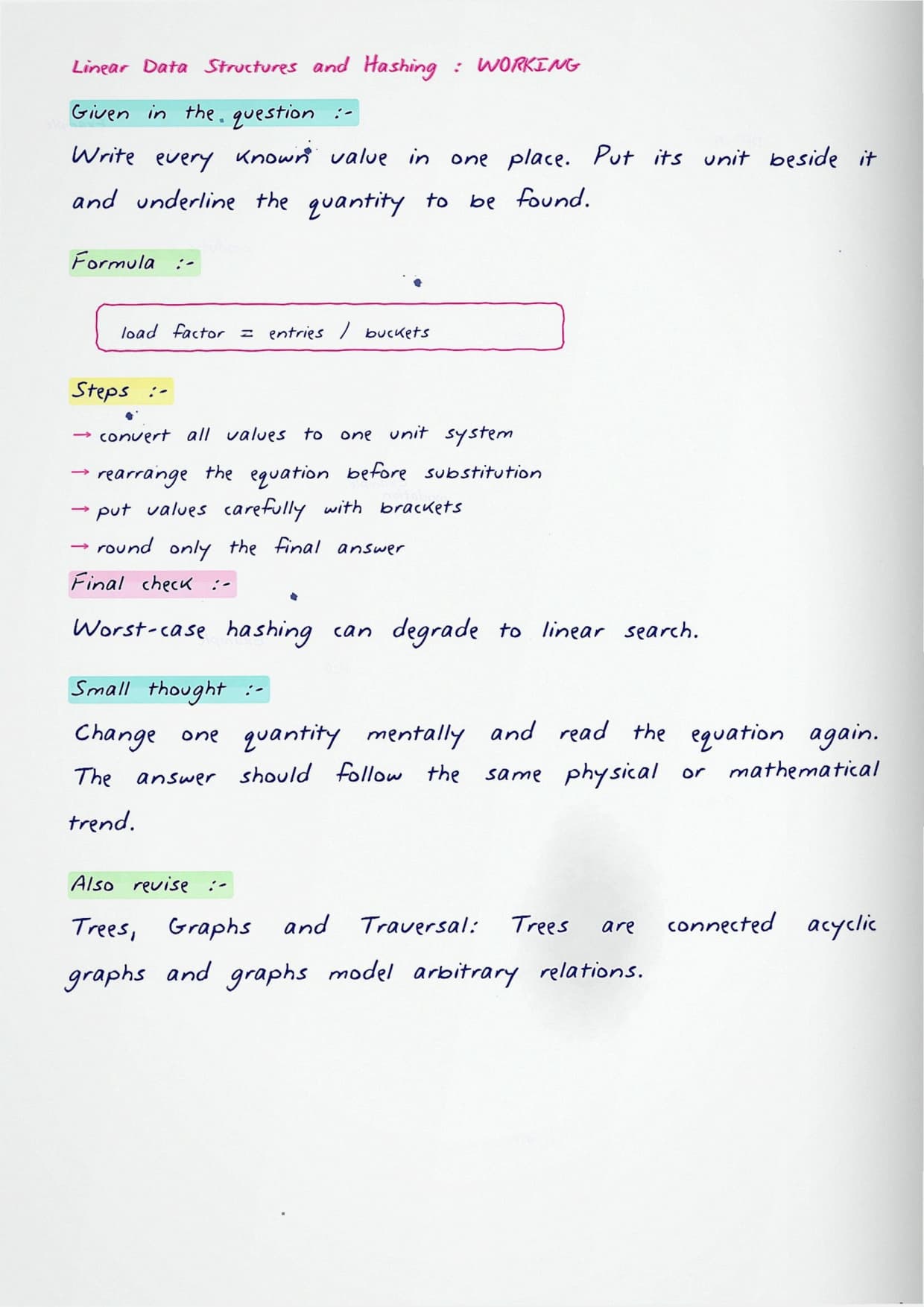
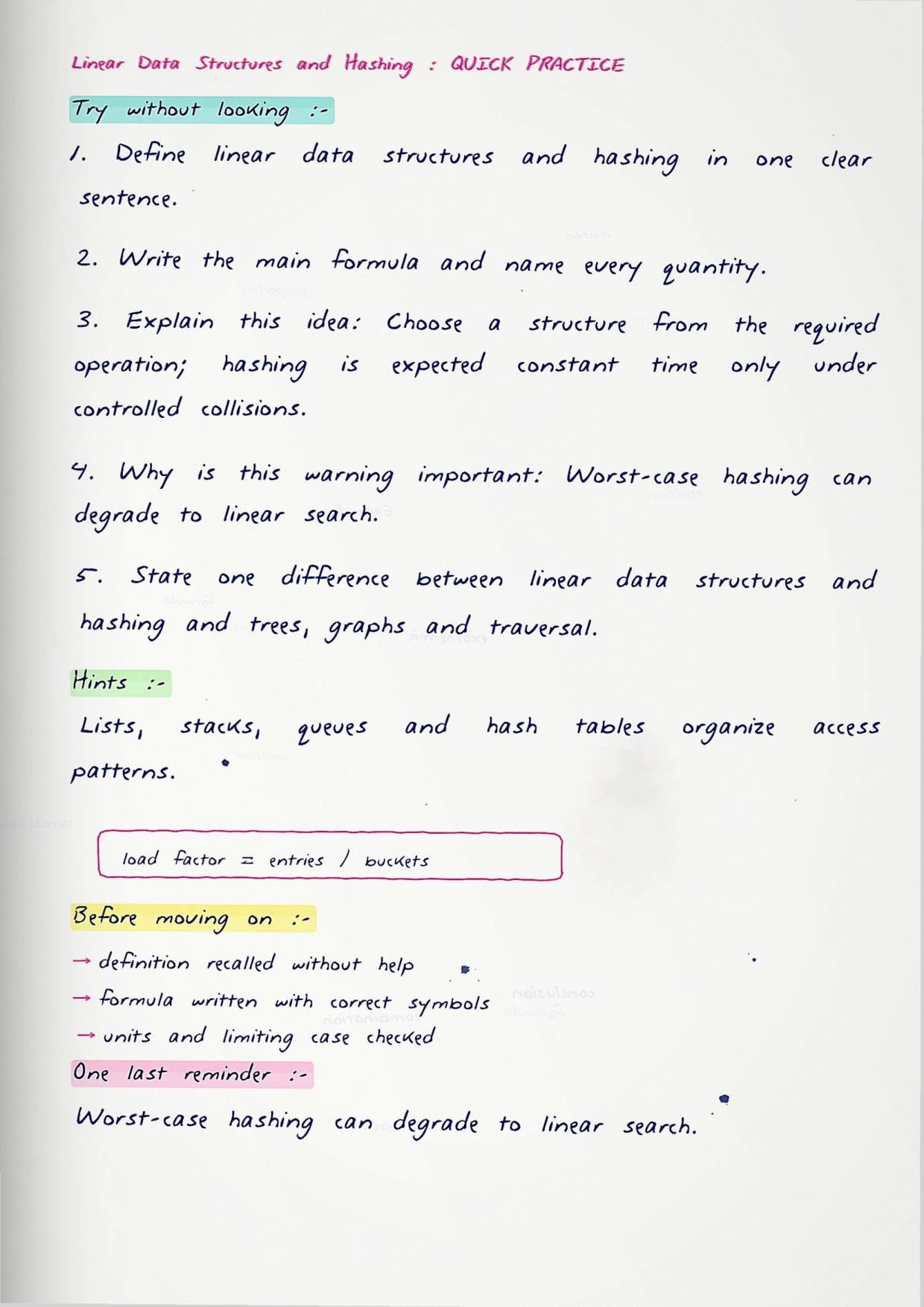
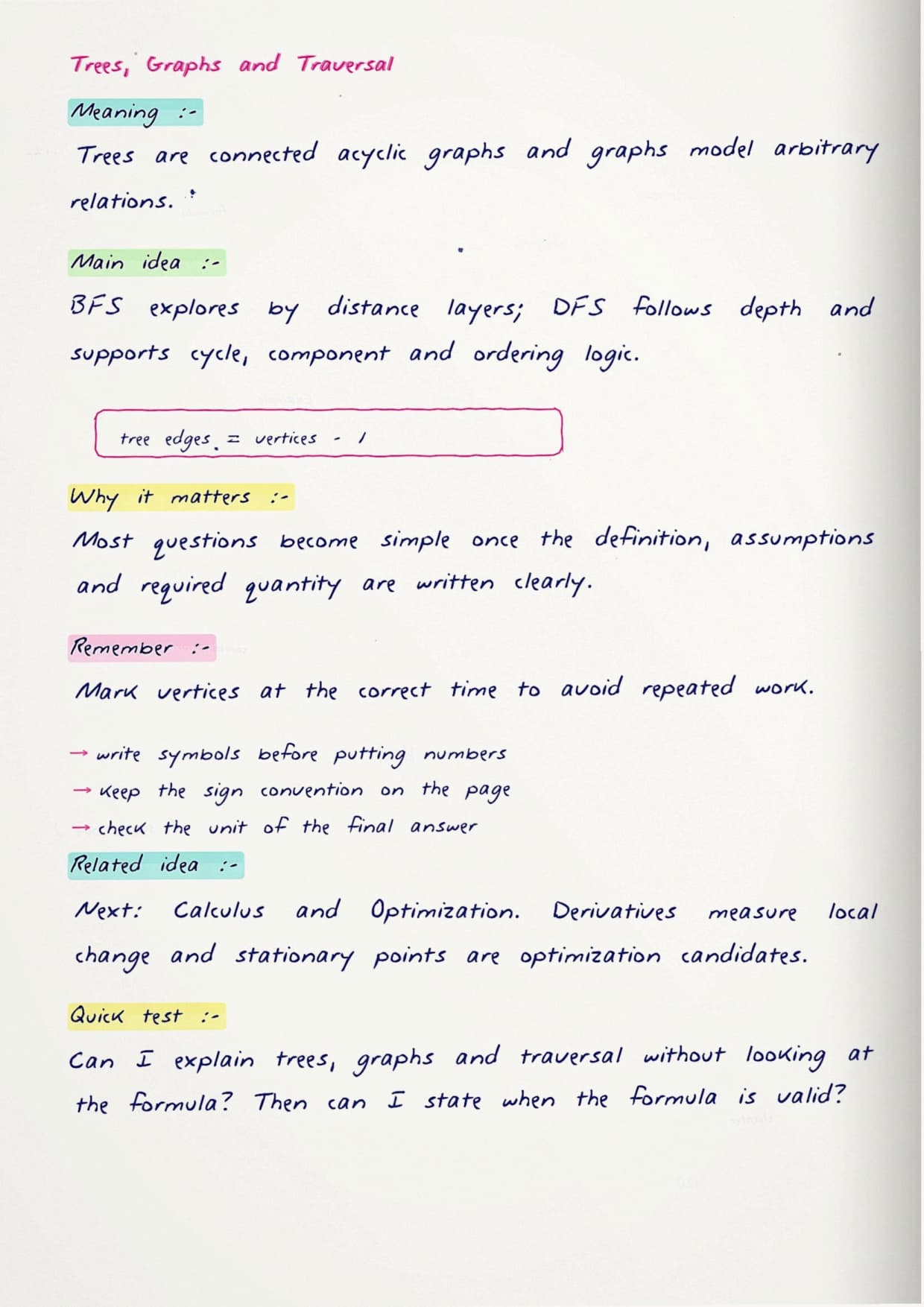
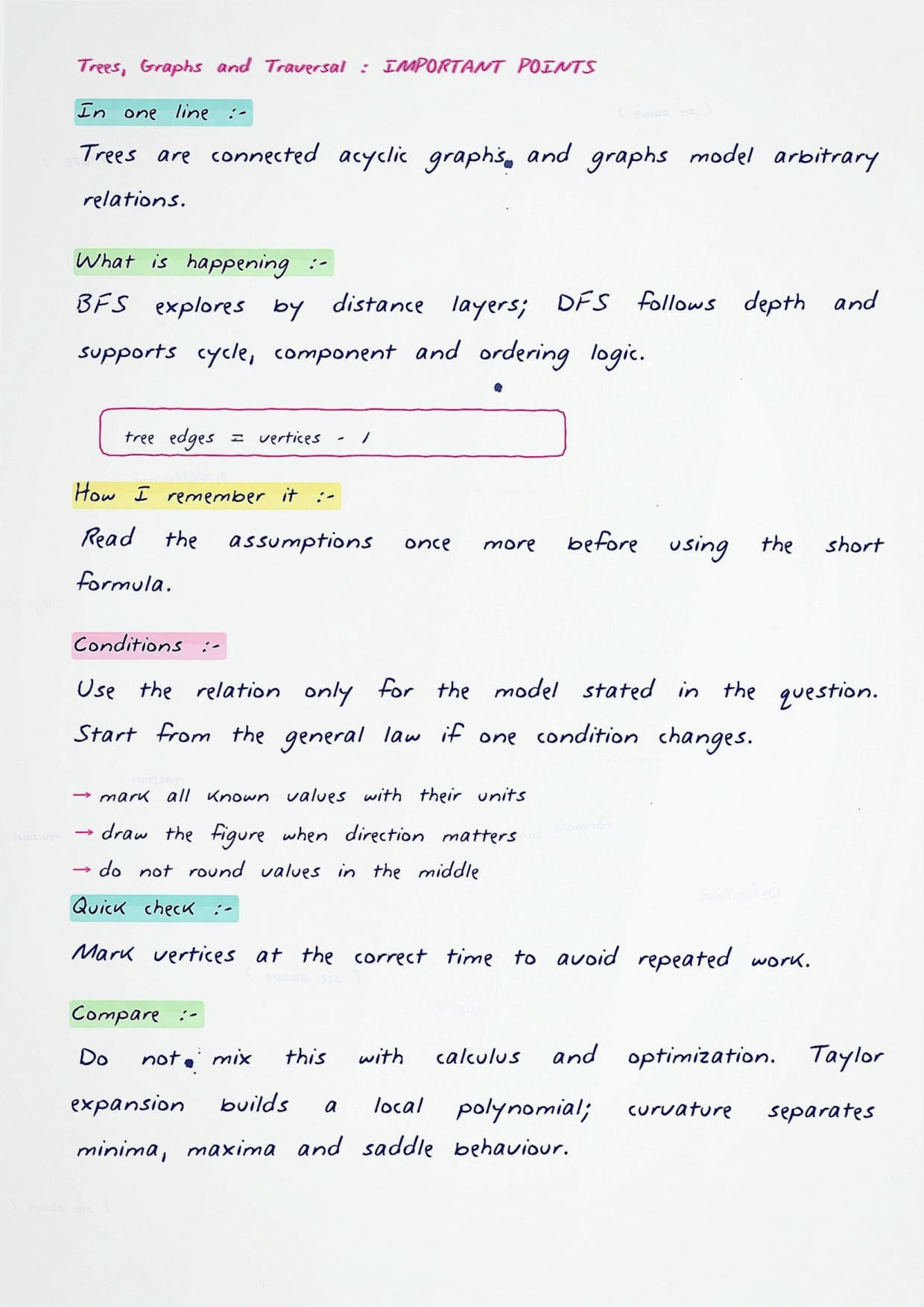
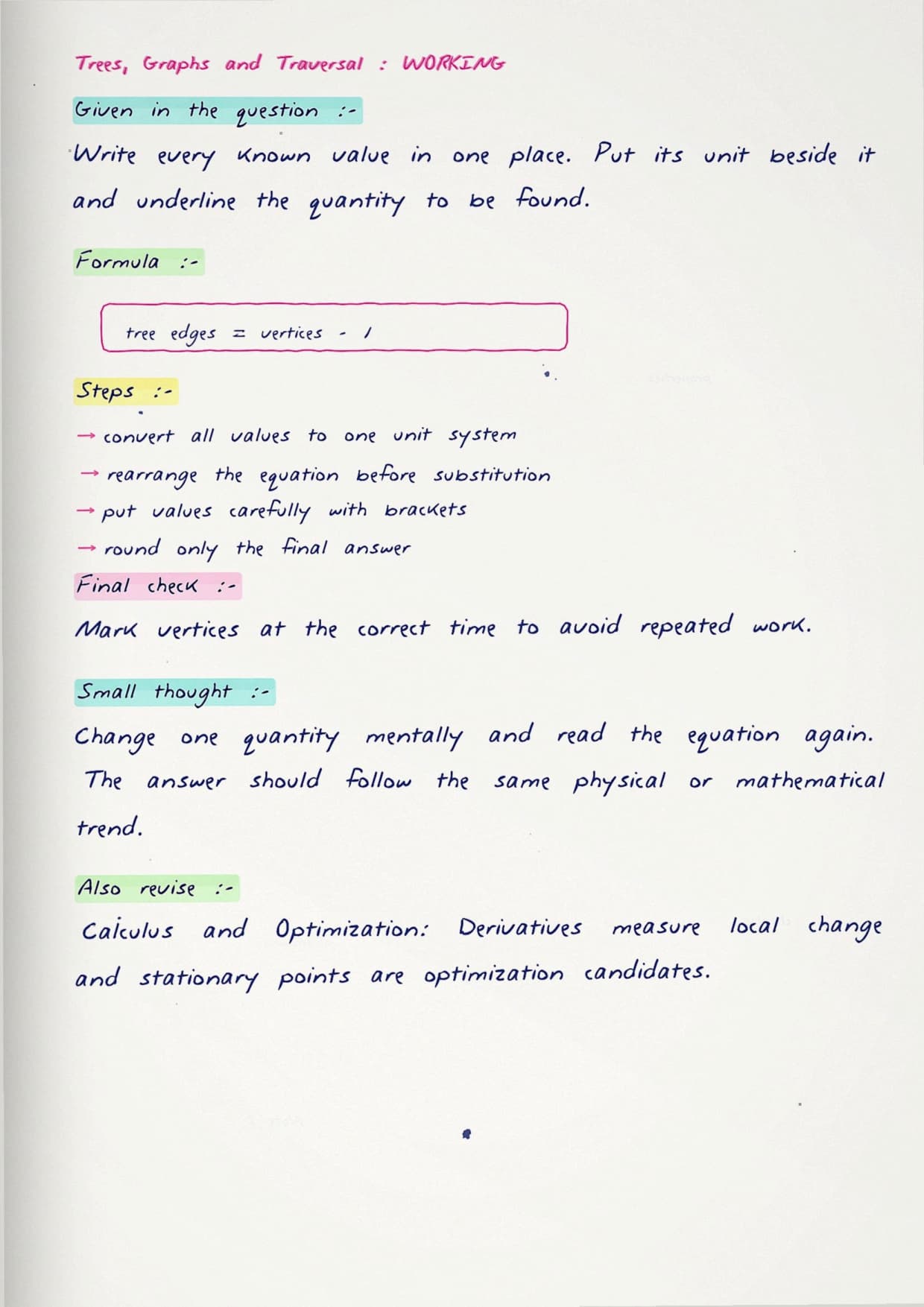
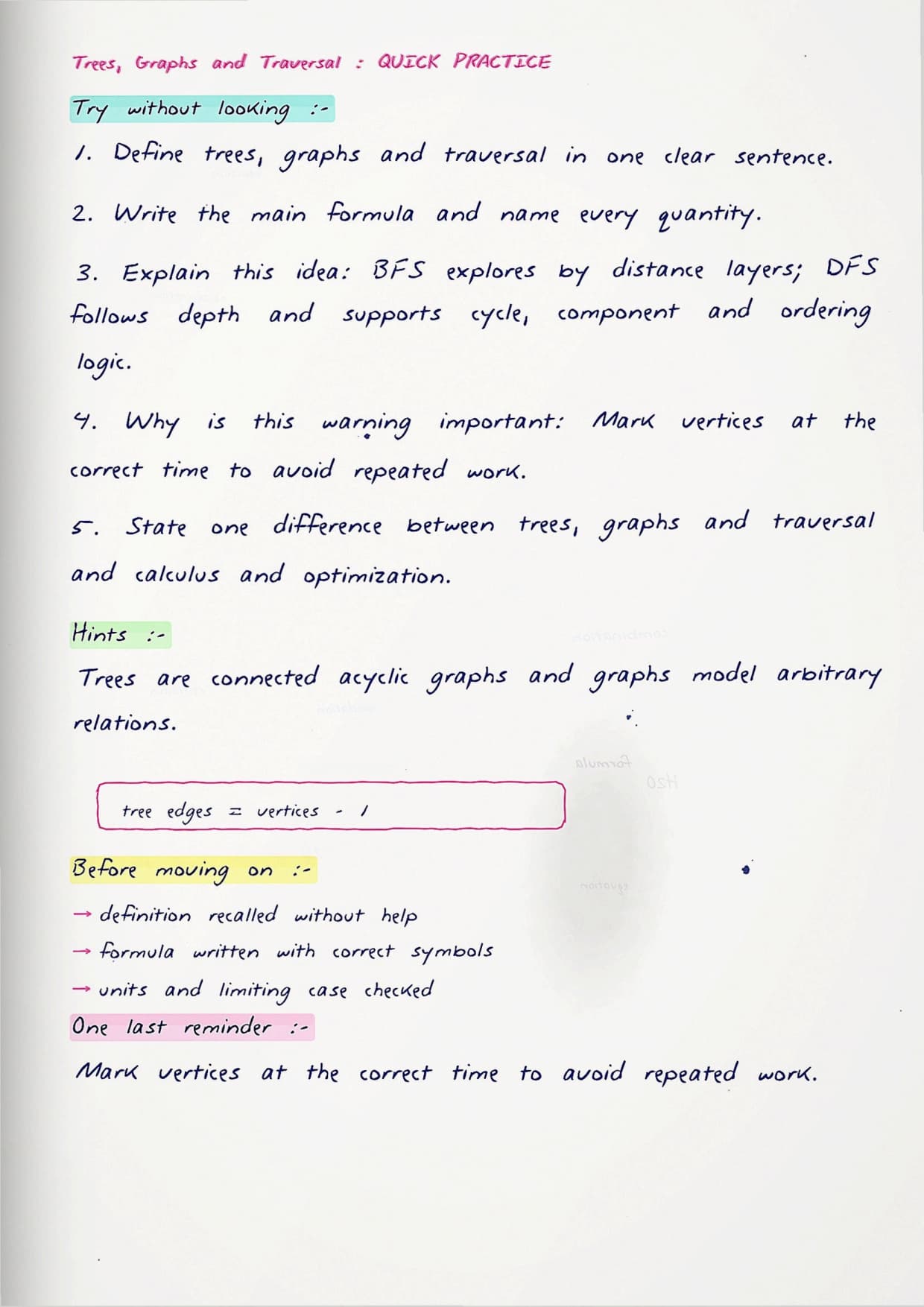
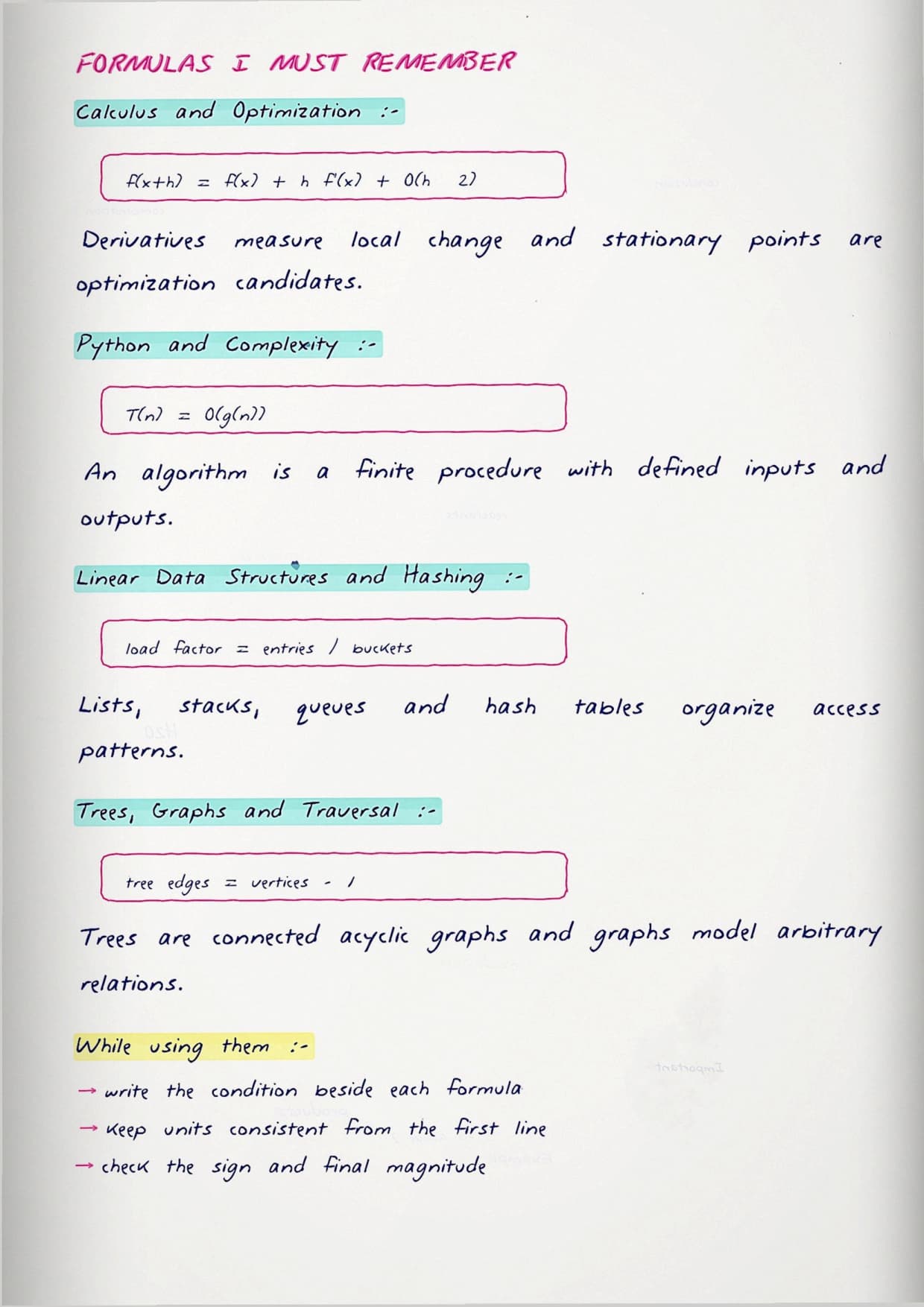
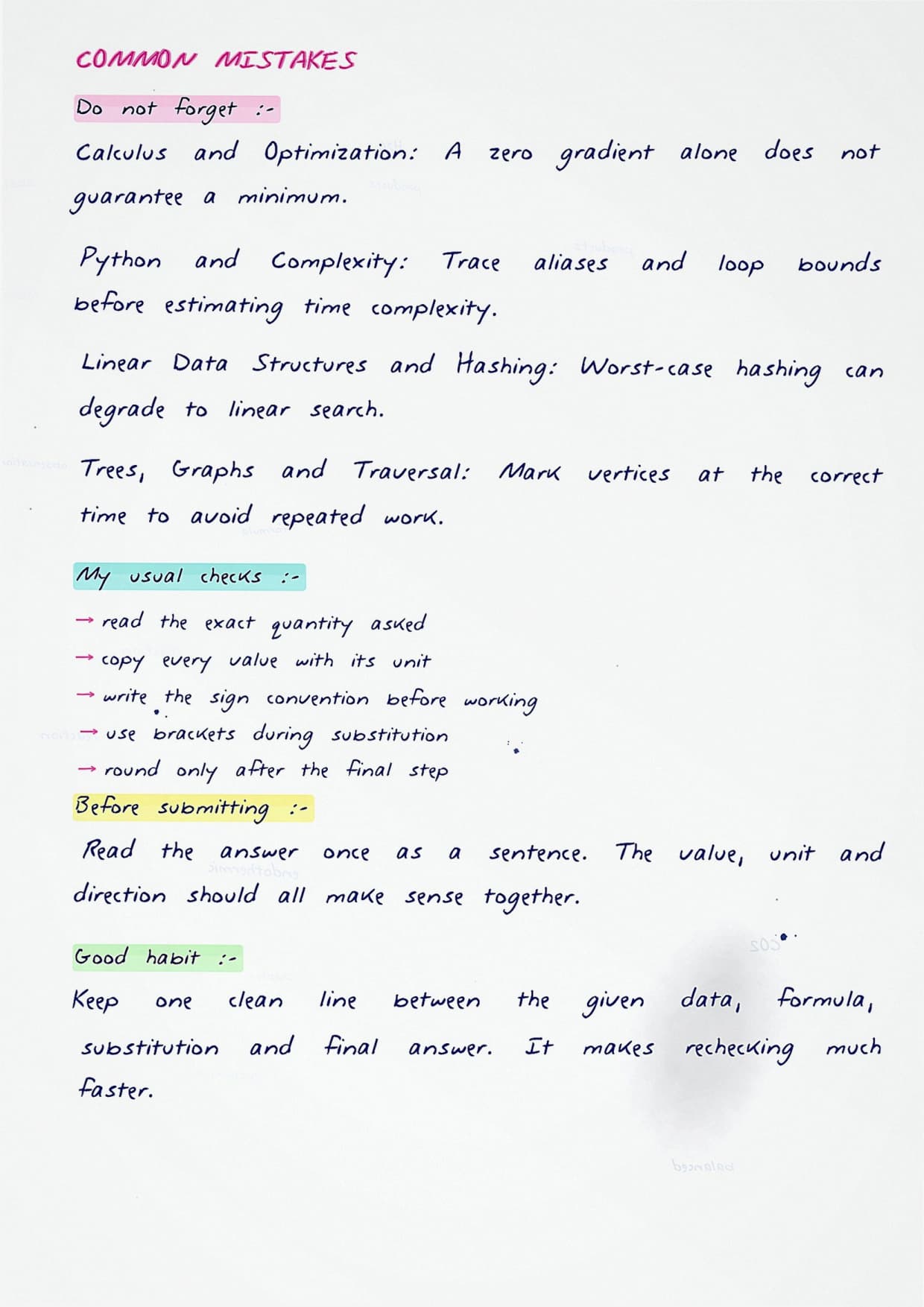
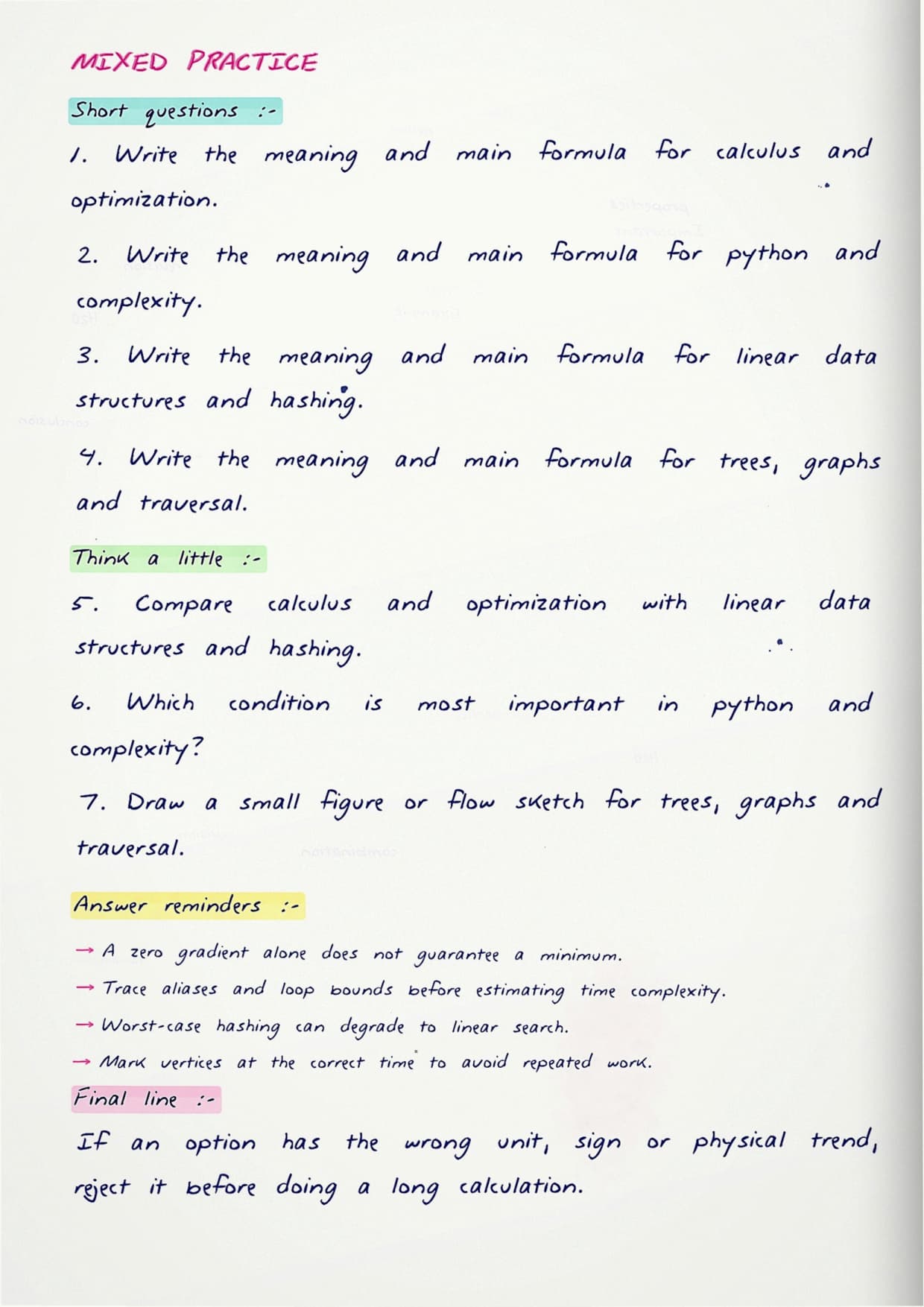
Code You Rehearse, Not Theory You Memorise
These pages treat the topic as a skill built by practice. Reading about a dictionary lookup is nothing like typing one out correctly when the clock is running.
So the notes are written the way a student solves a problem: short traced examples, boxed key ideas and small bits of hand-drawn Python. The goal is to reach for the right structure without stopping to think.
The Python Toolkit These Pages Drill
The first block covers the containers Python gives students out of the box, plus the classic structures built on top. Each one is introduced with what it is fast at and the kind of task it suits.
- Lists and tuples: ordered data, with mutability as the deciding difference.
- Dictionaries and sets: near-instant lookup by key, the Python workhorses.
- Stacks and queues: last-in and first-out ordering for scheduling and undo steps.
- Trees and heaps: sorted access and priority handling.
- Graphs: modelling connections, the base for many later algorithms.
Algorithms Written Out Step by Step
The second block is the methods that act on those containers. Each is drawn as a numbered trace, so students watch it run rather than just read its name.
- Sorting and searching: the first methods to make automatic.
- Recursion and divide and conquer: splitting a problem into smaller copies.
- Greedy methods and dynamic programming: the higher-scoring, trickier pair.
- Graph traversals: breadth-first and depth-first search laid out as steps.
Writing each one by hand a single time sticks far better than re-reading it, and the pages are spaced to make that quick.
Judging Speed and Memory Without Fear
Every method has a cost, so time and space complexity gets its own short treatment. Instead of a wall of symbols, the pages show how to count the work a loop does and land on the right Big-O class.
This is exam gold. Complexity questions are among the most reliably asked points in any coding section, and they are quick marks once the counting habit is in place.
See Python Data Structures in Action
Source: freeCodeCamp.org (https://www.youtube.com/@freecodecamp)
Why This Block Carries So Many Marks
Here is the honest case for the extra hours. Programming, Data Structures and Algorithms is a named area in the GATE DA syllabus and one of its heaviest technical blocks.
It also feeds the rest of the paper. The same Python and the same structures show up when students code up machine learning and database questions, so time spent here pays back more than once across the exam.
Turning the Notes Into Keyboard Practice
Because this is a skill, the pages are meant to be worked, not skimmed. A simple loop keeps every page productive.
- Read one structure or method, close the notes, and rewrite its Python from memory.
- Run it on a tiny example and check the output line by line.
- Note the complexity before moving on, so the cost stays tied to the method.
- Return to the graph and dynamic programming pages most often, since they are the toughest and best rewarded.
A short, hand-drawn set is ideal for this write-it-yourself loop in the final weeks, when students want to refresh the whole toolkit fast.
Python Data Structures and Algorithms FAQs
Ques. How important is this topic in the GATE DA paper?
Ans. Programming, Data Structures and Algorithms is a named area in the GATE DA syllabus and one of its heaviest technical blocks. The same Python and structures also appear in machine learning and database questions, so preparing this section pays back across the whole paper.
Ques. Which Python structures should students learn first?
Ans. Start with lists, tuples, dictionaries and sets, since they are built into Python and used everywhere. Then move to stacks, queues, trees, heaps and graphs. Graphs matter for the harder algorithm questions, so give them extra time once the basics feel automatic.
Ques. Do I need complexity analysis for GATE DA?
Ans. Yes. Time and space complexity questions are among the most reliably asked points in any coding section, and they are quick marks once you can count a loop's work. The notes give Big-O its own short section so the habit is easy to build.
Ques. How should students use these handwritten notes?
Ans. Read a structure or method, then rewrite its Python from memory, run it on a small example, and note the complexity before moving on. The short hand-drawn format is built for this write-it-yourself practice rather than passive reading.
Ques. Is Python the language tested in GATE DA?
Ans. Yes. The GATE Data Science and AI syllabus specifies Python for its programming section, so these notes stay in Python throughout, from basic containers to the standard algorithms students are expected to know.



Comments