





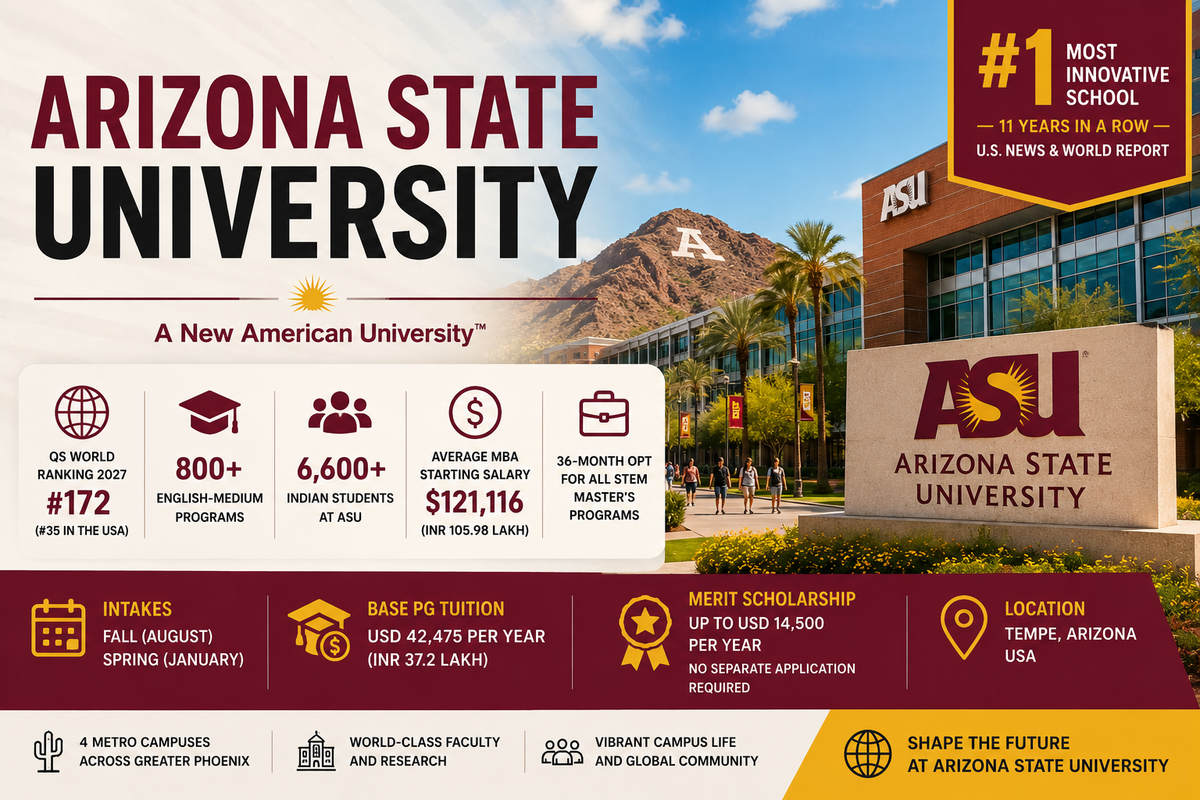
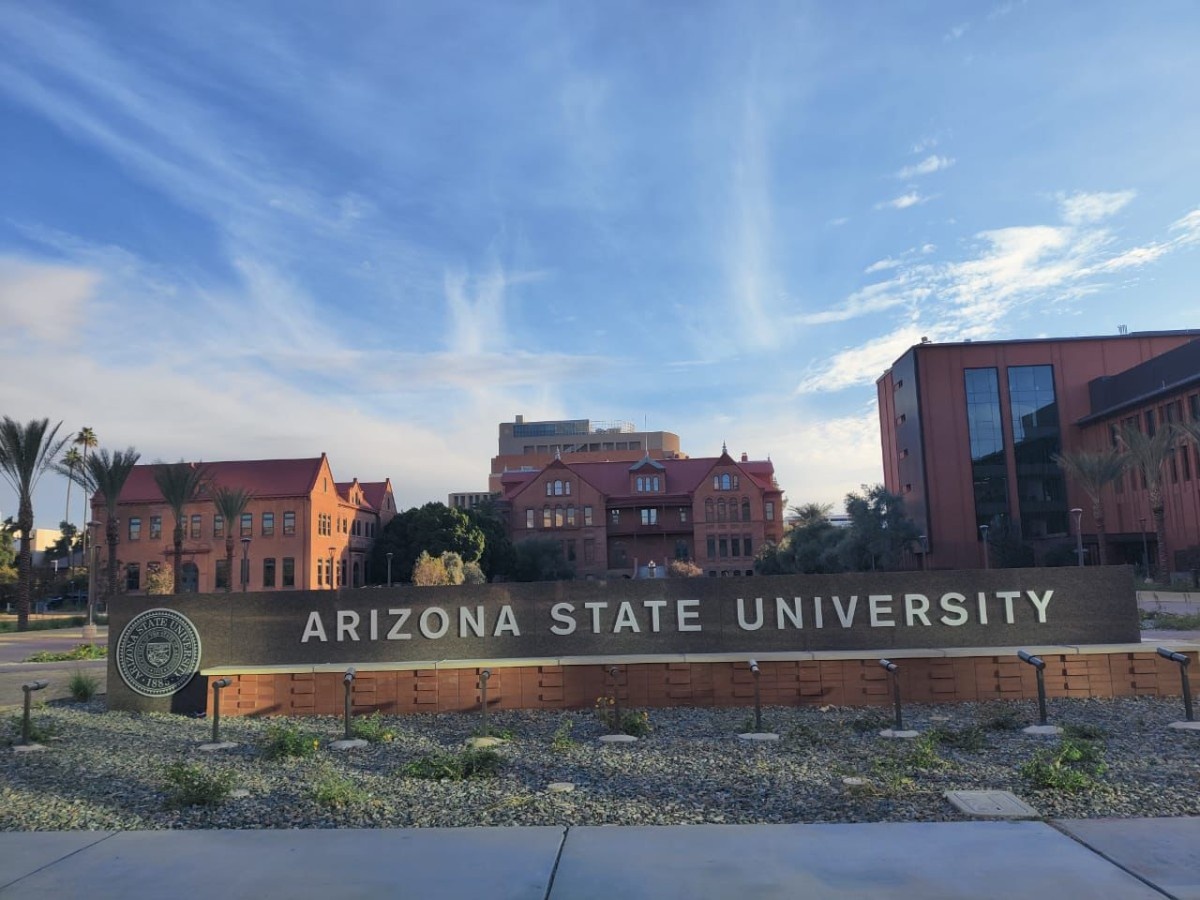
Arizona State University is a public research university headquartered in Tempe, Arizona, and operates four metropolitan campuses across Greater Phoenix in the USA. It holds a QS World Rank of #172 in 2027 and has been named US News’ #1 Most Innovative School for eleven consecutive years.
Arizona State University offers more than 800 English-medium programs, with the Ira A. Fulton Schools of Engineering and W.P. Carey School of Business drawing the largest Indian cohorts. Fall and Spring intakes serve international applicants each year. More than 6,600 Indian students currently study at ASU across on-campus and online routes.
- QS World Ranking 2027: #172 (#35 in the USA)
- International Acceptance Rate: 88.3% (2024)
- Intakes: Fall (August) and Spring (January)
- Base PG Tuition: USD 42,475 per year (INR 37.2 lakh)
- Indian Students at ASU: 6,600+
- Average MBA Starting Salary: USD 121,116 (INR 105.98 lakh)
Also Check: MS Universities in USA
The New American University Merit Scholarship awards up to USD 14,500 per year for outstanding international undergraduates without a separate application. Every STEM-designated masters programme qualifies Indian graduates for the 36-month OPT (Optional Practical Training) extension, the maximum US post-study work window across universities in USA. Annual cost of living in Tempe runs USD 15,000 to USD 20,000.
Exchange rate used: 1 USD = INR 87.5 as of August 2026\
Admission Status: Open (Spring 2027 intake). Applications for Spring 2027 remain open, with final international I-20 issuance dated 11 December 2026 for applicants outside the US and Spring classes starting 11 January 2027. The next cycle, for Fall 2027 entry, is expected to open in September 2026 on rolling admissions, with I-20 issuance closing late July 2027 based on the prior year’s pattern.
Table of Contents
- Arizona State University Popular Courses and Fees 2027
- Arizona State University Admission 2027
- Arizona State University Admission Requirements for Indian Applicants 2027
- Arizona State University Acceptance Rate 2027
- Arizona State University Fees and Cost of Living for Indian Students 2027
- Arizona State University Campus, Facilities and Student Life
- Arizona State University Scholarships 2027
- Arizona State University Rankings 2027
- Arizona State University Placements and Career Outcomes 2027
- Arizona State University vs Peer Universities
- FAQs
Arizona State University Popular Courses and Fees 2027
Arizona State University charges international graduate students a base tuition of USD 42,475 per academic year on the Tempe campus, with W.P. Carey specialist masters carrying higher per-credit rates. Most masters run 30 credits over 1 to 2 years, while the W.P. Carey Full-Time MBA is a 21-month programme. As per the ASU 2026-2027 tuition schedule, the total programme cost bands below reflect international enrolment.
| Program | Total Fee (USD) | Total Fee (INR lakh) | Entry Requirement |
|---|---|---|---|
| MS Computer Science | USD 40,000 to 45,000 | INR 35.0 to 39.4 lakh | Bachelor’s with 55% or CGPA 5.5/10 |
| MS Data Science | USD 40,000 to 45,000 | INR 35.0 to 39.4 lakh | Bachelor’s with 55% or CGPA 5.5/10 |
| MS Business Analytics (W.P. Carey) | USD 55,000 to 58,000 | INR 48.1 to 50.8 lakh | Bachelor’s with 60% or CGPA 6.0/10 |
| MS Finance (W.P. Carey) | USD 60,000 to 68,000 | INR 52.5 to 59.5 lakh | Bachelor’s with 60% or CGPA 6.0/10 |
| MS Supply Chain Management (W.P. Carey) | USD 55,000 to 58,000 | INR 48.1 to 50.8 lakh | Bachelor’s with 60% or CGPA 6.0/10 |
| MBA Full-Time (W.P. Carey) | USD 115,000 to 119,000 | INR 100.6 to 104.1 lakh | Bachelor’s with 60% + 2 years work exp |
| MS Information Systems Management | USD 42,000 to 48,000 | INR 36.8 to 42.0 lakh | Bachelor’s with 55% or CGPA 5.5/10 |
| MS Electrical Engineering | USD 40,000 to 45,000 | INR 35.0 to 39.4 lakh | Bachelor’s with 55% or CGPA 5.5/10 |
| MEng Robotics and Autonomous Systems | USD 40,000 to 45,000 | INR 35.0 to 39.4 lakh | Bachelor’s with 55% or CGPA 5.5/10 |
| MS Construction Management | USD 42,000 to 48,000 | INR 36.8 to 42.0 lakh | Bachelor’s with 55% or CGPA 5.5/10 |
Undergraduate international students pay a 4-year total between USD 135,000 and USD 160,000. All bachelor’s programmes span 4 years across the Tempe, Downtown Phoenix, Polytechnic and West Valley campuses.
| Program | Total Fee (USD) | Total Fee (INR lakh) | Entry Requirement |
|---|---|---|---|
| BS Computer Science | 140,000 to 155,000 | INR 122.5 to 135.6 lakh | Class 12 with 70% to 85% |
| BS Mechanical Engineering | 140,000 to 155,000 | INR 122.5 to 135.6 lakh | Class 12 with 70% to 85% |
| Bachelor of Business Administration (W.P. Carey) | 140,000 to 160,000 | INR 122.5 to 140.0 lakh | Class 12 with 70% to 85% |
| BA Journalism (Cronkite) | 135,000 to 150,000 | INR 118.1 to 131.3 lakh | Class 12 with 70% to 85% |
| BS Data Science | 140,000 to 155,000 | INR 122.5 to 135.6 lakh | Class 12 with 70% to 85% |
Insider note: Indian applicants at ASU cluster in three programmes. MS Computer Science, MS Business Analytics and the STEM-designated MBA carry the widest OPT eligibility and the fastest cost recovery against average starting salaries.
Read More: Arizona State University Programs and Fees
Arizona State University Admission 2027
Arizona State University accepts international applicants for Fall (August) and Spring (January) intakes, with department-set deadlines enforced through the ASU Degree Search tool. Rolling admissions allow international applicants to receive decisions weeks after submitting a complete file, with priority I-20 processing beginning earlier for Fall entry.
| Milestone | Date | Notes for Indian Applicants |
|---|---|---|
| Application deadline (Spring 2027) | Program-specific, verify at ASU Degree Search | Rolling; most departments accept until 6 to 8 weeks before term start |
| Final I-20 issuance (outside US, Spring 2027) | 11 December 2026 | Book Chennai or Delhi F-1 visa slot 4 to 6 weeks earlier |
| Spring 2027 classes begin | 11 January 2027 | Same-day ISSC check-in required for all F-1 arrivals |
| Fall 2027 application opens | Expected September 2026, rolling, closing late July 2027 | Priority I-20 processing typically begins February 2027 |
| Credential verification (WES) | Start 6 weeks before deadline | ASU accepts course-by-course WES evaluations of Indian transcripts |
Indian applicants aiming for competitive schools such as W.P. Carey or Fulton Engineering should target the earliest priority window rather than the final I-20 date, since financial aid consideration favours earlier files. Comparable options across MBA universities in USA follow similar rolling timelines.
Planning note: ASU releases most decisions inside 4 weeks of a complete file. Apply 8 to 10 weeks before you want an offer letter to secure the F-1 visa interview slot without last-minute pressure.
Read More: Arizona State University Admission Guide
Arizona State University Admission Requirements for Indian Applicants 2027
Arizona State University applies uniform baseline requirements for international applicants and lets individual programmes layer academic or standardised-test criteria on top.
Postgraduate (Masters and MBA):
- Four-year bachelor’s degree with 55% marks or CGPA 5.5 out of 10 minimum for most engineering and science masters (recommended); W.P. Carey specialist masters seek 60% marks or CGPA 6.0 out of 10 (recommended)
- English proficiency: TOEFL iBT band 4 (1-6 scale) or 80 (0-120 legacy scale) for tests before 21 January 2026, IELTS 6.5 overall, PTE 60, Duolingo English Test 105
- Credential verification: WES course-by-course evaluation of Indian transcripts required at most graduate schools
- GRE is waived for W.P. Carey specialist masters and most computer science masters; verify per programme in Degree Search
Undergraduate:
- Class 12 CBSE, ISC or State Board with 70% to 85% marks (recommended, aligned with the 3.00 GPA baseline)
- English proficiency: TOEFL iBT 53, IELTS 6.0, PTE 61, Duolingo English Test 95
- Original transcript authentication needed at enrolment; WES not required for undergraduate entry
Key insight: ASU accepts three-year Indian bachelor’s degrees for masters admission on a case-by-case basis, unlike several US peers. Applicants from a three-year UGC-recognised bachelor’s should still request a WES course-by-course evaluation to strengthen the file.
Arizona State University Acceptance Rate 2027
The Arizona State University acceptance rate for international applicants was 88.3% in 2024, with 7,069 admits from 7,998 applications; ASU runs an inclusive admissions model rather than a selectivity-first one. Reliability is high because the figures come from ASU’s own international admissions data release.
| Year | Acceptance Rate | Trend |
|---|---|---|
| 2024 | 88.3% (international) | Stable |
| 2023 | 90% (overall) | Slight dip in international |
The rate applies to the university-wide admissions gate. Individual programmes such as the Fulton Schools Barrett Honours College or W.P. Carey Full-Time MBA select more competitively inside that pool.
Reality check: A high acceptance rate does not mean automatic admission for weak files. ASU rejects candidates who miss the 55% bachelor’s or 80-TOEFL floor even when the department has open seats, so meet the numeric thresholds before applying.
Read More: Arizona State University Acceptance Rate
Arizona State University Fees and Cost of Living for Indian Students 2027
Indian students at Arizona State University face a total annual outlay between USD 65,000 and USD 75,000 (INR 56.9 lakh to INR 65.6 lakh) covering tuition plus Tempe living costs. Options for cheaper US routes at other MS engineering universities in USA exist but do not carry the ASU brand.
Arizona State University Fees for Indian Students 2027
The 2026-2027 base graduate tuition and mandatory fees are set by the Arizona Board of Regents and revised each year, with W.P. Carey specialist masters priced above the baseline.
| Level | Annual Fee (USD) | Annual Fee (INR lakh) |
|---|---|---|
| Undergraduate international (tuition + fees) | USD 34,000 to 40,000 | INR 29.8 to 35.0 lakh |
| Postgraduate international (base) | USD 42,475 | INR 37.2 lakh |
| W.P. Carey MBA (per year) | USD 55,000 to 62,000 | INR 48.1 to 54.3 lakh |
[Source: ASU tuition.asu.edu 2026-2027 schedule]
Monthly Cost of Living in Tempe for Indian Students
Tempe is more affordable than California or the US Northeast, with rent and food the two biggest line items for Indian students.
| Expense | Monthly (USD) | Monthly (INR) |
|---|---|---|
| Accommodation (shared off-campus) | USD 900 to 1,300 | INR 78,750 to 1,13,750 |
| Food and groceries | USD 300 to 450 | INR 26,250 to 39,375 |
| Transportation (light rail plus bus) | USD 75 to 125 | INR 6,563 to 10,938 |
| Books and study materials | USD 80 to 120 | INR 7,000 to 10,500 |
| Personal and utilities | USD 150 to 250 | INR 13,125 to 21,875 |
| Total monthly | USD 1,505 to 2,245 | INR 1.32 lakh to 1.96 lakh |
| Total annual | USD 18,060 to 26,940 | INR 15.8 to 23.6 lakh |
[Source: Tempe market rates; ASU off-campus housing directory 2026]
Insider note: Off-campus housing shared with two roommates around the Apache Boulevard corridor typically brings rent under USD 650 per person. Indian students also cut USD 2,000 to USD 3,000 per year by cooking at home rather than eating on-campus meal plans.
Read More: Study in USA Guide for Indian Students
Arizona State University Campus, Facilities and Student Life
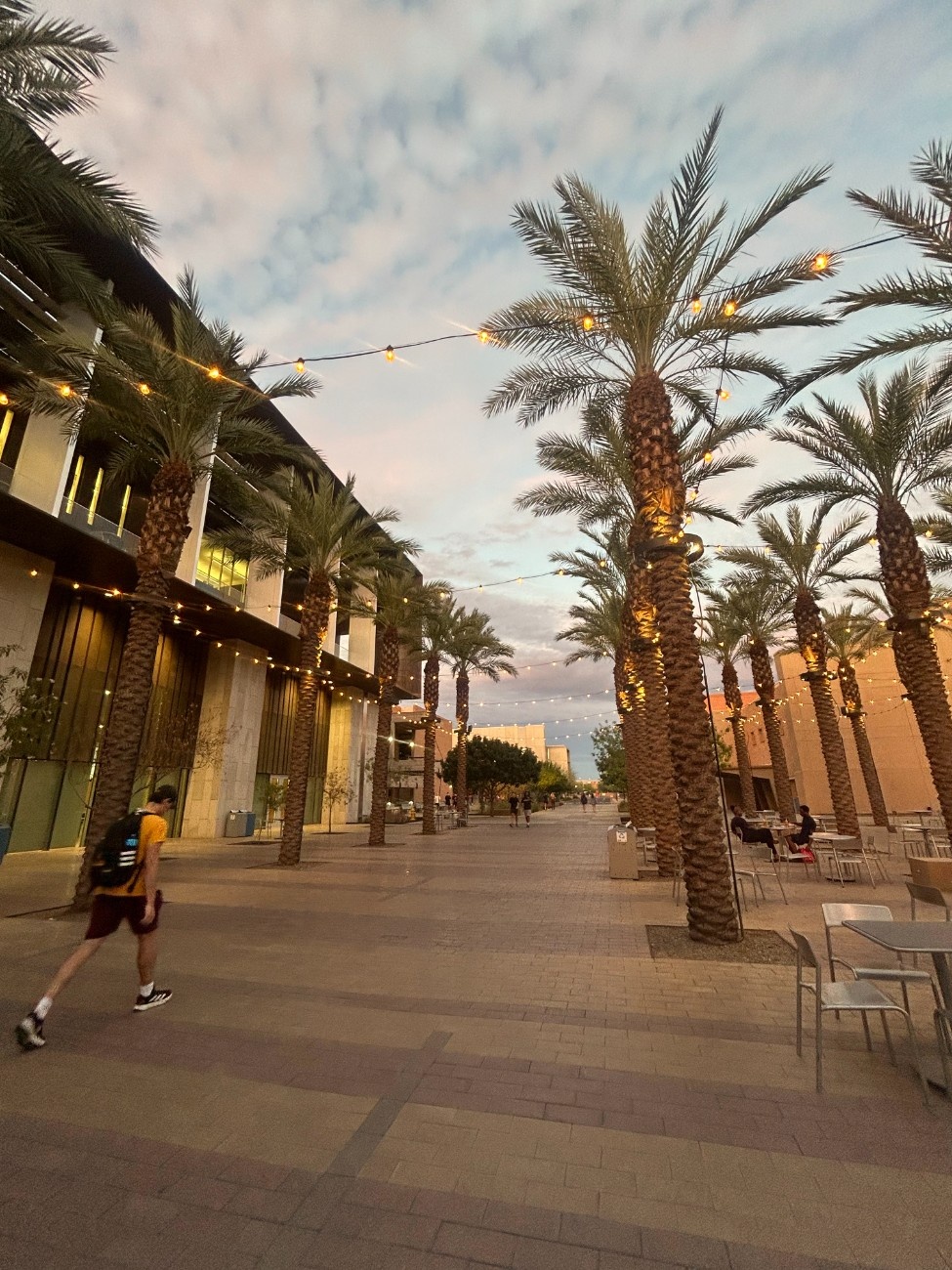
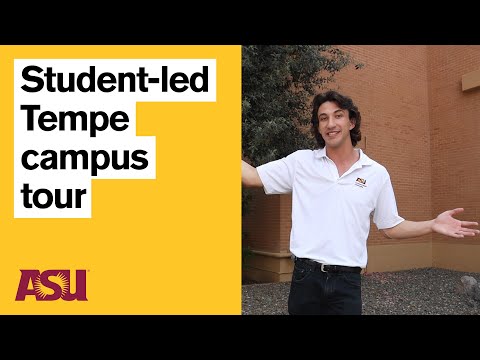
ASU operates four campuses across Greater Phoenix, with the flagship Tempe campus hosting more than 60,000 students and the majority of Indian cohorts.
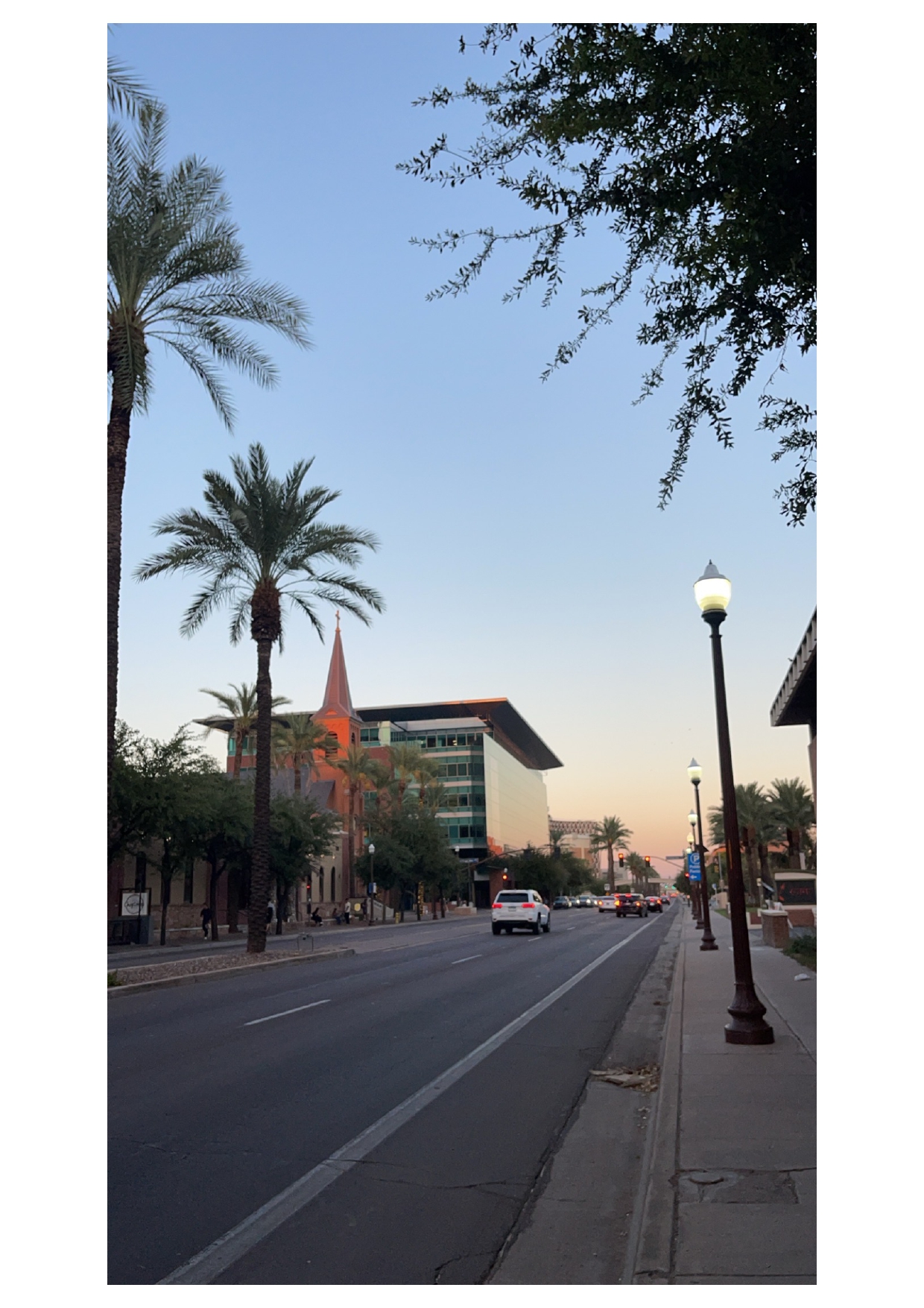
- Location and transport: Tempe is 12 km east of Phoenix Sky Harbor International Airport, with Valley Metro Light Rail (Line A) directly connecting the campus to downtown Phoenix and Mesa
- Housing: ASU guarantees on-campus housing to first-year international undergraduates; graduate students typically stay off-campus at USD 900 to USD 1,300 per month for shared apartments
- Facilities: The Sun Devil Fitness Complex, Hayden Library and the ASU Research Park at Polytechnic serve as the main academic and social hubs; the campus runs on a solar-powered grid
- Indian student community: The Indian Students Association (ISA), Coalition of Indian Graduate Students, and city-wide Diwali celebrations at Tempe Marketplace keep a strong cultural network active
What Indian students say: Tempe summers hit 43 degrees, so on-campus classroom transit windows matter more than they do at northern US schools. Community-supported grocery runs to Indian stores in Mesa are a Sunday ritual.
Arizona State University Scholarships 2027
Arizona State University offers a small pool of merit scholarships to international applicants, with the flagship New American University Merit Scholarship reaching up to USD 14,500 per year and no additional application required.
| Scholarship | Type | Award Value | Eligibility | Deadline |
|---|---|---|---|---|
| New American University Provost’s Scholarship | Merit (Undergraduate) | USD 3,000 to USD 14,500 per year | Competitive GPA and test scores at admission; F-1 international | 1 April 2027 (priority) |
| Fulton Schools Merit Award | Merit (UG Engineering) | Amount varies | Admitted to Ira A. Fulton Engineering; strong Class 12 record | Auto-considered at admission |
| W.P. Carey Merit Award | Merit (Graduate Business) | Partial tuition offset, | Admitted to a W.P. Carey masters; strong GMAT/GRE | Round 1 or 2 application |
| Graduate Research/Teaching Assistantship | Departmental funding | Minimum stipend USD 26,544 per academic year | Admitted PG students nominated by department | Rolling |
| ASU International Excellence Award | Merit (Graduate) | Amount varies | Outstanding international graduate applicant | Auto-considered at admission |
Planning note: ASU does not offer full-ride scholarships to international masters candidates outside RA/TA departmental funding. Indian graduate applicants should file the SOP and CV directly with the department to trigger assistantship consideration.
Read More: Arizona State University Scholarships Guide
Arizona State University Rankings 2027
Arizona State University’s strongest external ranking is the QS World 2027 at #172, having improved from #200 in 2025 across three consecutive editions.
| Ranking Body | Latest Edition | Previous Edition | Two Editions Back |
|---|---|---|---|
| QS World | 2027: #172 | 2026: #173 | 2025: #200 |
| THE World | 2026: #201 to 250 | 2025: #201 to 250 | 2024: #182 |
| US News Best Global | 2025-2026: #192 | 2024-2025: #179 | 2022: #165 |
| ARWU (Shanghai) | 2025: #151 to 200 | 2024: #151 to 200 | 2023: #101 to 150 |
| Collegedunia Study Abroad | #127 of 824 (global) | NA | NA |
Subject-level, the QS Masters in Supply Chain Management ranking places ASU at #27 globally in 2026 and Masters in Business Analytics at #44, both among the strongest subject positions for the university. In the Collegedunia Study Abroad 2026 rankings ASU also holds #46 of 357 in the USA and #62 of 442 globally in Social Studies.
Key insight: Any of the ranks above clears the H-1B visa and Indian employer recognition threshold. Applicants should weight QS 2027 (#172) over ARWU or US News since QS aligns with what Indian recruiters read.
Read More: Arizona State University Rankings Analysis
Arizona State University Placements and Career Outcomes 2027
ASU placement outcomes vary by school, with W.P. Carey Full-Time MBA graduates achieving a 90% employment rate within three months of graduation for the Class of 2025.
- MBA employment rate: 72% by graduation and 90% within three months (W.P. Carey Class of 2025)
- Average MBA starting salary: USD 121,116 (INR 105.98 lakh) within 90 days of graduation
- Top recruiter sectors: Technology, consulting, finance and healthcare dominate hiring; representative employers named in W.P. Carey and Fulton Engineering employment reports include Amazon, Intel, Deloitte and Honeywell
- Post-study work window: Every STEM-designated masters carries 36-month OPT extension for STEM graduates in USA; ASU actively sponsors H-1B visas for MBA hires
- Careers support: ASU Career and Professional Development Services runs on all four campuses with recruiter connect events every semester
Insider note: Indian MBA graduates from W.P. Carey typically place fastest in Phoenix-area tech and healthcare firms rather than New York finance, since Arizona employers actively hire STEM-OPT candidates before H-1B lottery pressure kicks in.
Arizona State University vs Peer Universities
ASU sits in a competitive US public-university tier and compares closely with Big-10 and Sun-Belt state universities on cost, ranking and Indian intake.
| University | QS Rank 2027 | Collegedunia Study Abroad 2026 | Avg Annual PG Fee (USD/INR) | Differentiator |
|---|---|---|---|---|
| Arizona State University | #172 | #127 of 824 | USD 42,475 / INR 37.2 lakh | US News #1 Most Innovative School, 11 years running |
| Purdue University | #89 | #48 of 824 | USD 32,000 / INR 28.0 lakh | Stronger engineering brand at lower base tuition |
| Texas A&M University | #144 | #81 of 824 | USD 39,000 / INR 34.1 lakh | Larger Indian alumni network in Texas oil and tech |
| University of Florida | #75 | #109 of 824 | USD 30,000 / INR 26.3 lakh | Higher QS rank; harder to enter for Indian applicants |
| Michigan State University | #143 | #90 of 824 | USD 40,000 / INR 35.0 lakh | Strong Big-10 sports brand but colder climate |
Among these peers, Arizona State University Tempe offers the strongest combination of accessible admissions, warm climate and innovation-focused branding. It sits behind Purdue and Florida on QS rank but ahead on Indian student support scale.
Note: Purdue and UF carry stronger engineering QS ranks but admit far fewer Indian applicants; ASU is the more realistic target for candidates below CGPA 8.0.
Arizona State University suits Indian students who want a mid-ranked US public university, a warm campus climate and a 90% MBA placement rate at USD 65,000 to USD 75,000 total annual cost, with a median first salary of USD 121,116 (INR 105.98 lakh) making the ROI clear inside 4 years for MBA graduates. STEM-designated masters and the 36-month OPT further tilt the maths for engineering and analytics candidates.
Arizona State University is not the right pick for applicants targeting Ivy or T20-only outcomes. Purdue University is a stronger alternative for pure engineering ranking; UT Dallas fits candidates seeking a cheaper Texas-based masters.
FAQs
Ques. Does Arizona State University require GRE for MS Computer Science admission?
Ans. ASU waives the GRE requirement for the MS Computer Science programme, though a strong GRE score of 315 or higher can strengthen borderline files. The Ira A. Fulton Schools of Engineering evaluate applicants on bachelor’s CGPA, prior coding projects, letters of recommendation and the Statement of Purpose. GRE remains optional but recommended for applicants below a 60% bachelor’s average.
Ques. Does ASU accept three-year Indian bachelor’s degrees for masters admission?
Ans. Arizona State University reviews three-year UGC-recognised bachelor’s degrees on a case-by-case basis, and W.P. Carey and Fulton Engineering routinely admit BCom, BA and BSc holders from Indian universities. A WES course-by-course evaluation confirming credit equivalence is required. Applicants below the 55% floor may need to add a PG Diploma or an extra year of study before applying.
Ques. Can Indian students work off-campus during F-1 studies at ASU?
Ans. F-1 students at Arizona State University may work up to 20 hours per week on-campus during the semester and 40 hours during breaks without further approval. Off-campus work needs Curricular Practical Training (CPT) authorisation after one academic year, tied to a curriculum-linked internship. Full off-campus employment starts only during OPT after graduation.
Ques. What is the application fee for international applicants at ASU?
Ans. Arizona State University charges USD 85 for international undergraduate applications and USD 115 for international graduate applications in 2026-2027, paid online via credit card or wire. Fee waivers are limited and tied to EducationUSA advising centres in India. Some W.P. Carey and Fulton events run promotional waiver codes for attendees who apply within 30 days.
Ques. Are Indian bank education loans commonly approved for Arizona State University?
Ans. Arizona State University sits on the approved list of most Indian public and private lenders including SBI Global Ed-Vantage, HDFC Credila, ICICI Bank, Avanse and Auxilo. Loans up to INR 1.5 crore are routinely sanctioned against parental income proof or property collateral. Sanction letters must reach ASU’s ISSC before I-20 issuance to confirm the F-1 financial requirement.
Ques. Does ASU offer conditional admission for lower English test scores?
Ans. Arizona State University offers conditional admission through Global Launch English pathways for applicants who fall short on TOEFL, IELTS or Duolingo. Students complete Online Immersion, Campus Immersion or the English for Graduate Admission and Achievement (EGAA) course, then start the degree. Conditional pathways add USD 4,000 to USD 8,000 and one to two additional semesters.
Ques. What transcript documents does Arizona State University require from India?
Ans. ASU requires official Class 10 and Class 12 marksheets plus board certificates for undergraduate applicants, and bachelor’s-level consolidated marksheets plus provisional or final degree certificate for graduate applicants. Documents in regional languages need certified English translations. Graduate applicants must arrange a WES course-by-course evaluation sent directly to Arizona State University’s graduate admissions office.
Ques. Can international students bring dependents to ASU on F-2 visas?
Ans. Arizona State University issues F-2 dependent I-20s for spouses and children under 21 of admitted F-1 students. Applicants must show additional financial proof of USD 8,000 for a spouse and USD 5,000 per child annually. F-2 spouses cannot work in the US but may study part-time or full-time at ASU with additional documentation.
Most Liked Reviews
Life at Arizona State University (ASU)
Likes
- The events that they conducted during the welcome week were very fun and got to learn a lot about the university.
- The club Devil Data Science, the club helped me gain even more skills, and they have a very good vibe here so you can literally ask anything and they will help you no matter what
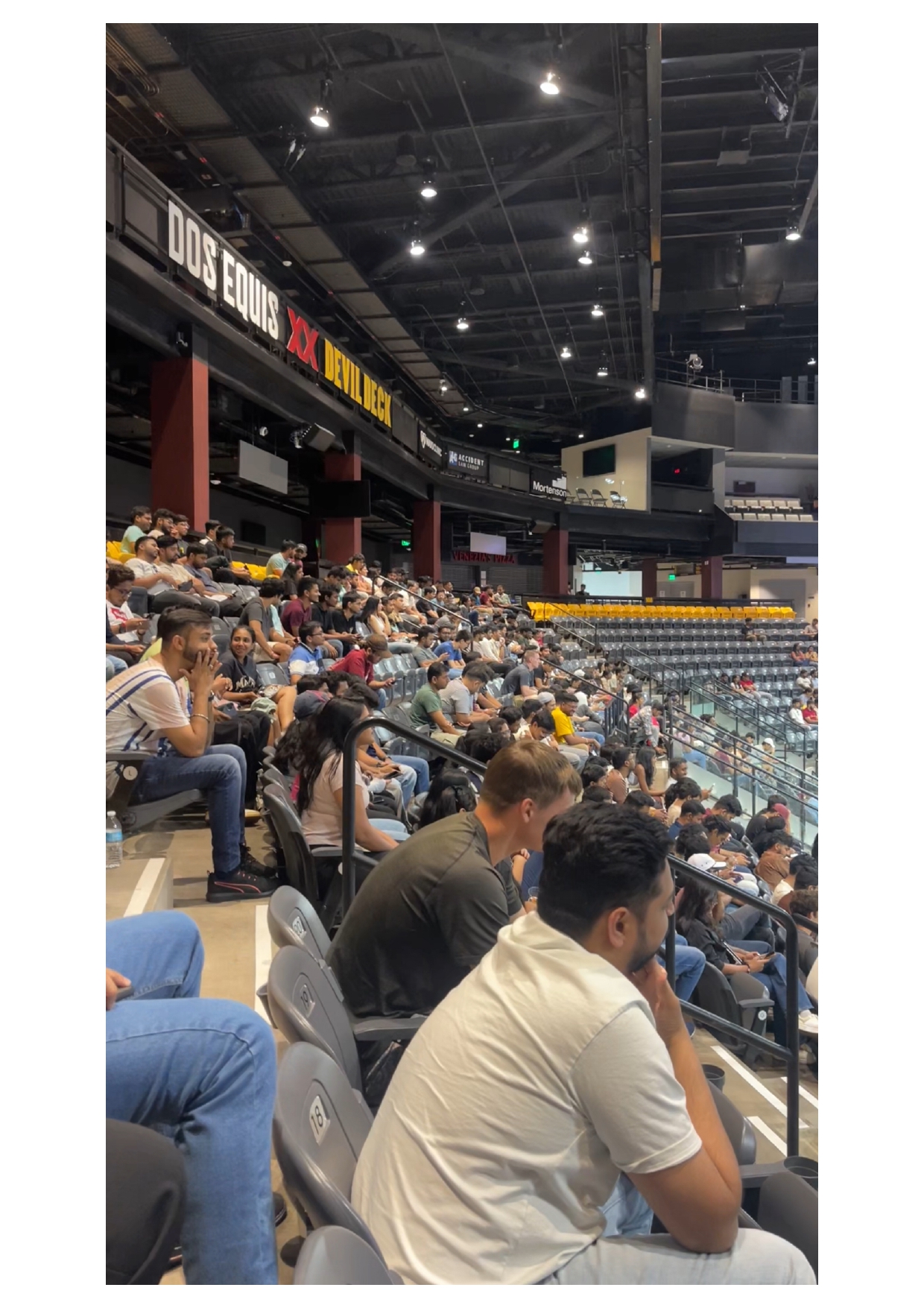
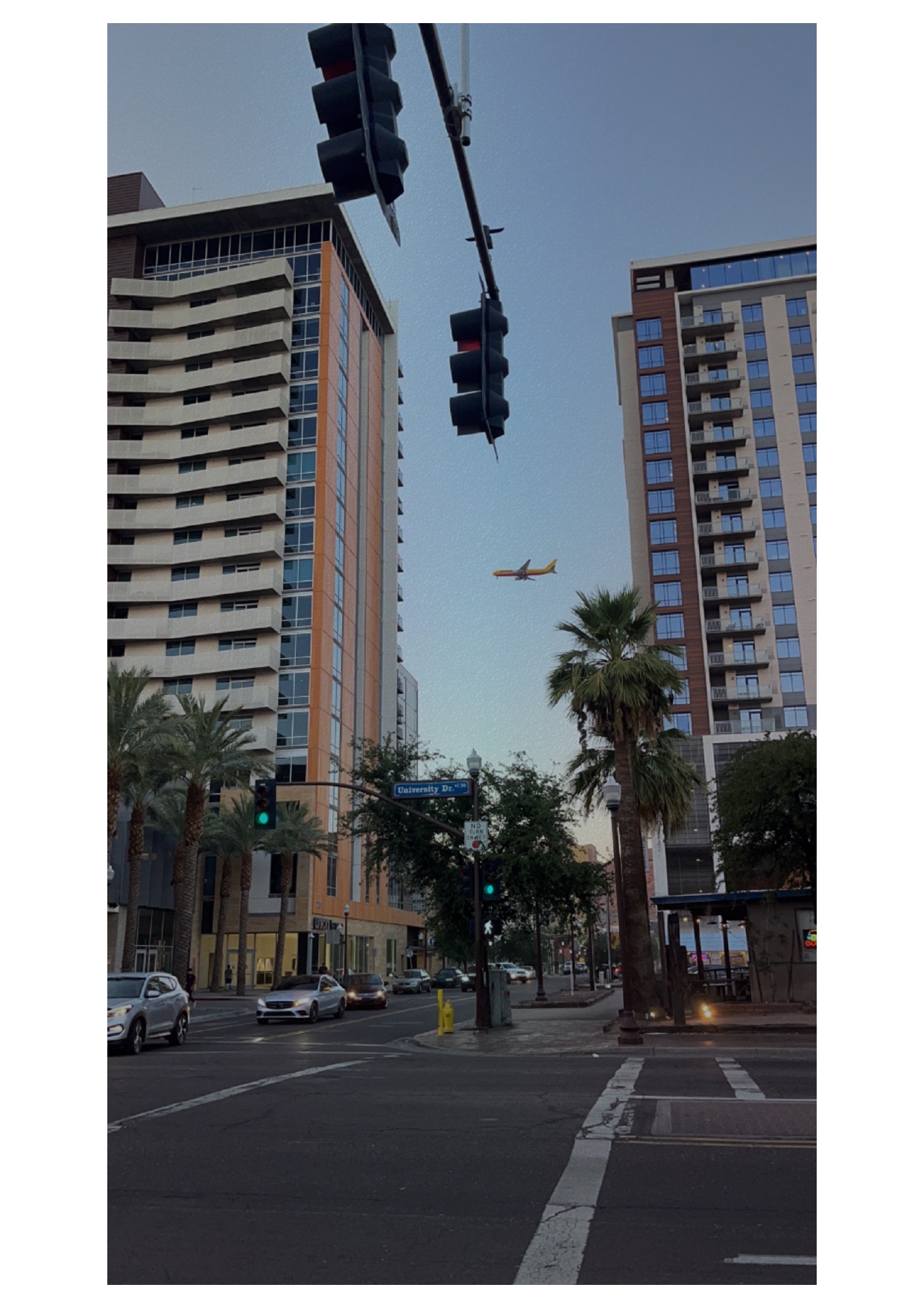
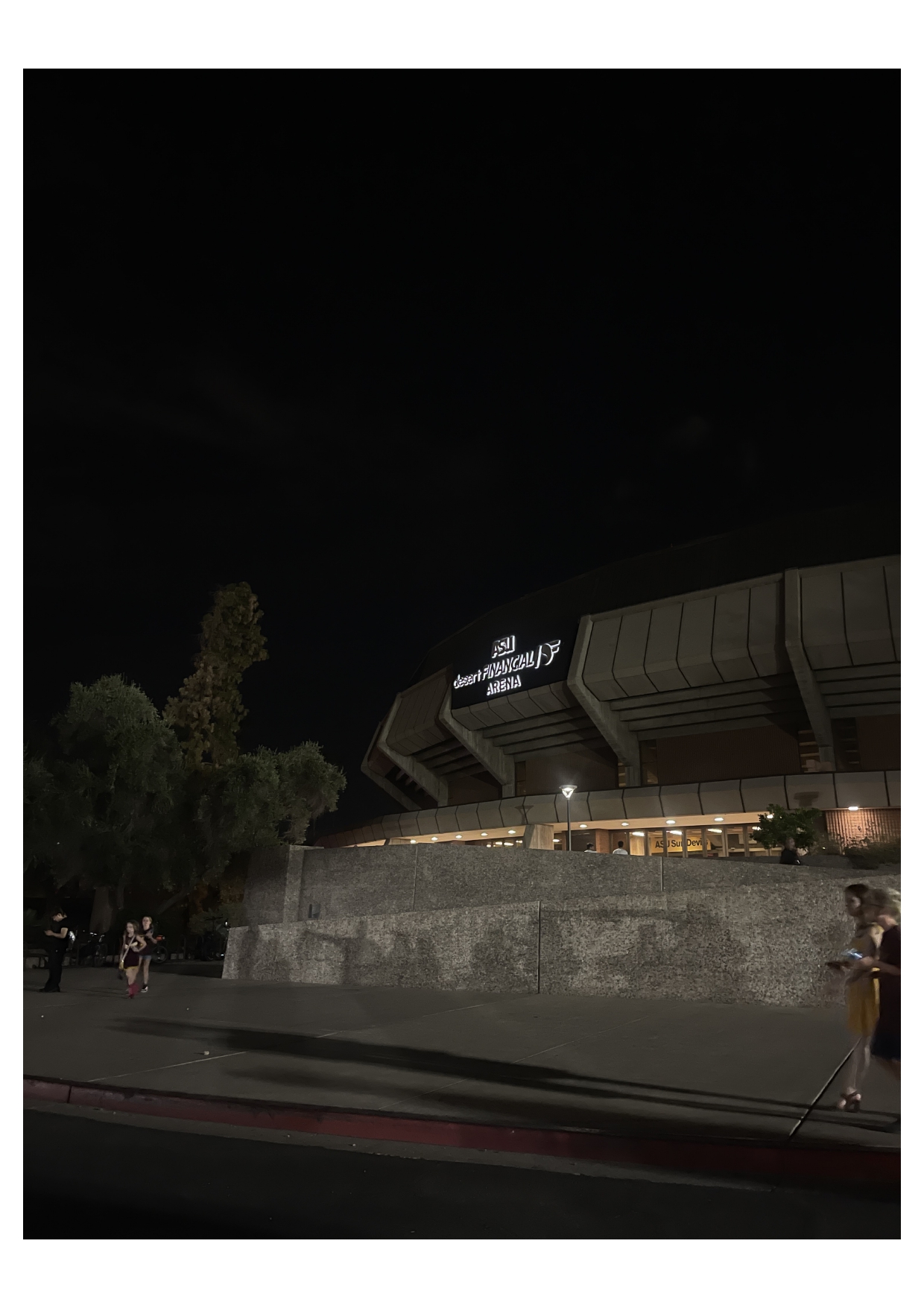
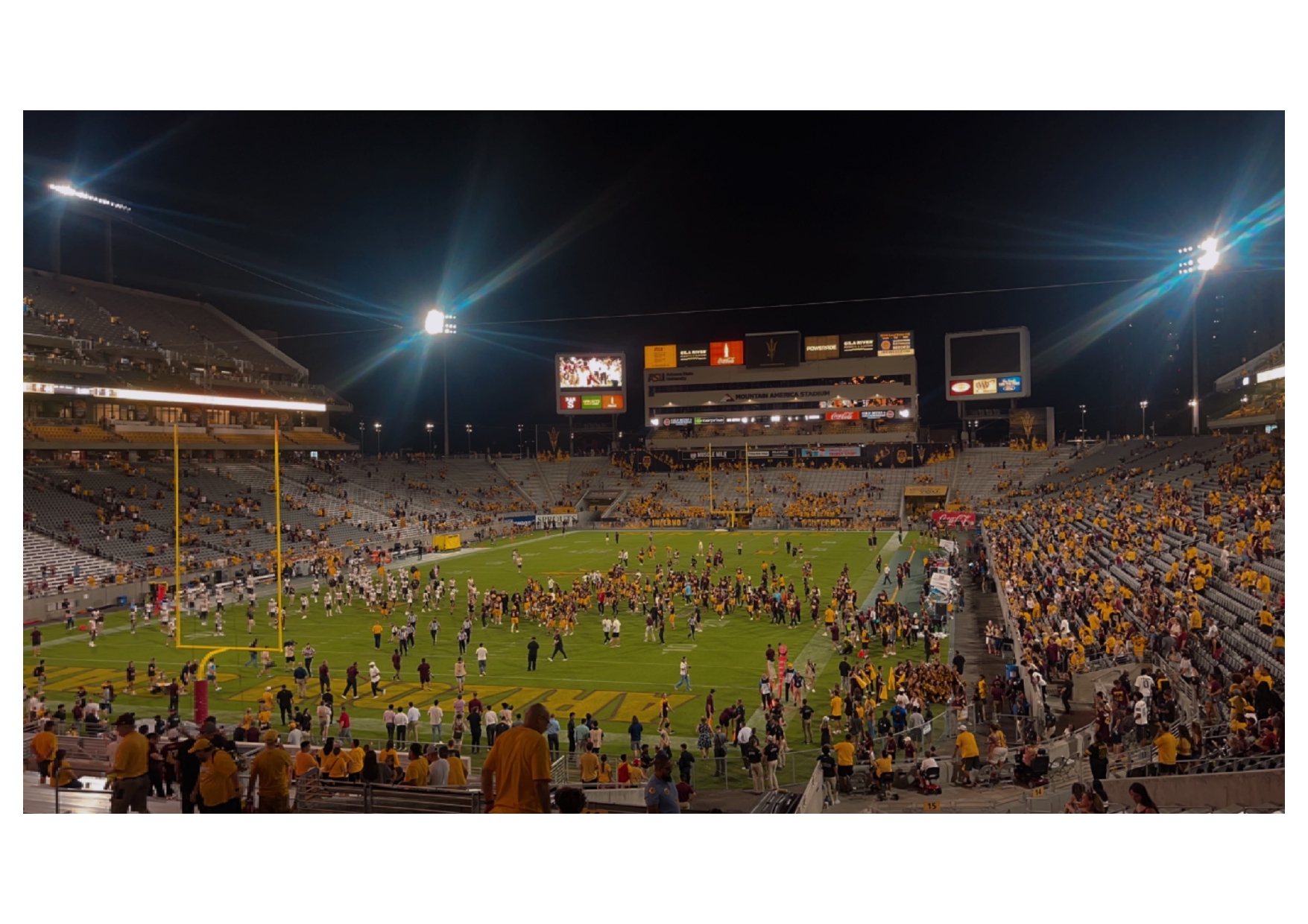
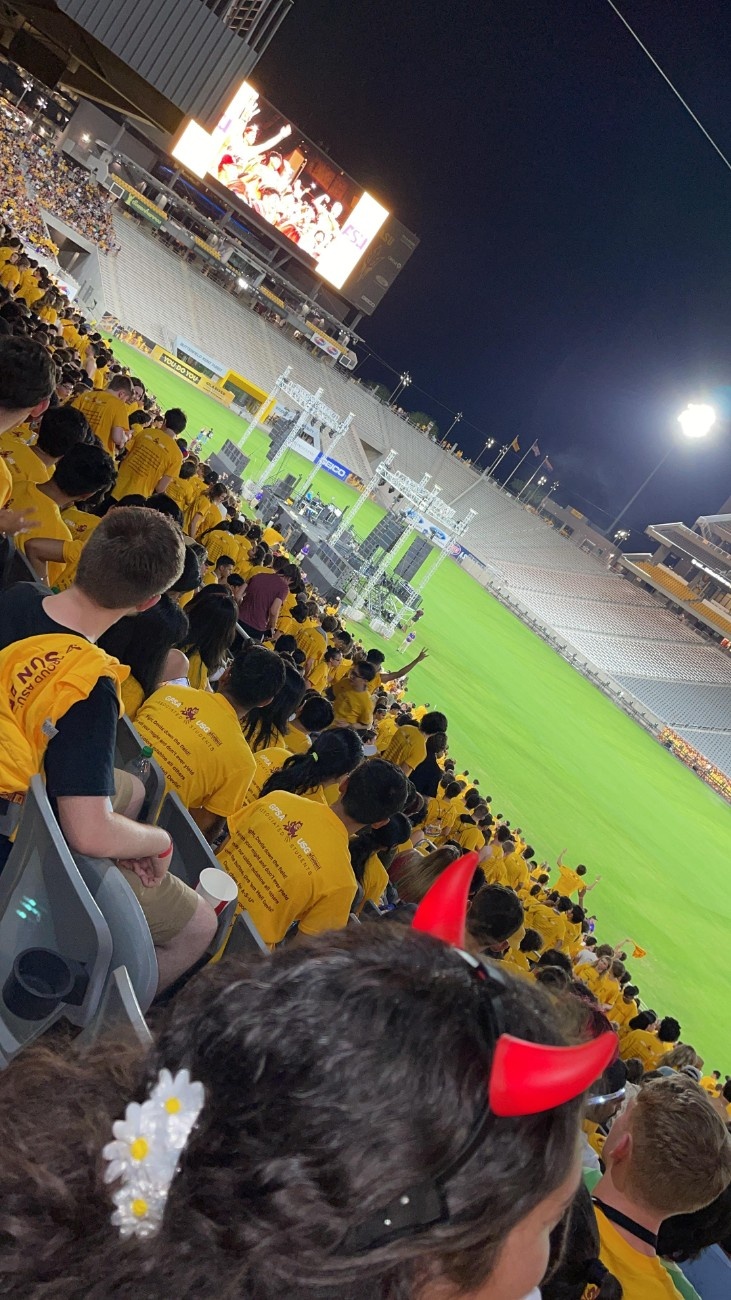
- ASU has a football team and a big stadium, the stadium is really pretty as the airport is nearby and flights literally pass above the stadium and it’s a very awesome thing to experience. And also became a fan of football after coming to ASU
Dislikes
- The classes are really far apart so there is a lot of walking that you have to do and it’s a bit difficult because of the heat.
- Some events like career fairs and resource fairs have limited entries and though you register before you sometimes don’t get an opportunity.
- Change of class or schedule is not that flexible.
Admission Experience
- I applied to various colleges before I finally got into Arizona State University:
University of Sunny Albany - Admitted
University of North Texas - no seats were left for my subjects
University of Houston - Admitted
Arizona State University - Admitted - I joined this college as it had a professor who had done his research work same as my undergrad project which is what made me come here. I applied at the end of Feb and got my admit on April 3rd. After coming here the heat was a major issue but it’s really surprising how you get easily habituated to it. And coming here I become a major football fan and I am very happy about it.
- Several documents were also required to complete the admission process. Official transcripts, Letters of Recommendation (LORs), a Statement of Purpose (SOP), and a Curriculum Vitae (CV) were needed among other things.
- The transcripts highlight academic achievements while SOP allows applicants to express their motivations and goals. On the other hand, LORs give an insight into an applicant's abilities and character while a CV showcases relevant work and academic experience.
- There was no interview as part of my application process. ASU did not require a formal interview and thus relied on the submitted documents for making admissions decisions regarding students who apply to it one can say this has made it easier by focusing only on academic merit without having an additional step involving personal interviews.
Exam
- The eligibility criteria are IELTS 6.5 and Duolingo 105 but the good thing is that GRE is waived.
- I am pursuing my master's in Data Analytics from Arizona State University (ASU) which has some specific exams that depend on the program and one’s background. For instance, international students should take language proficiency exams like Duolingo, TOEFL test, IELTS, or PTE. Some graduate programs require GRE or GMAT scores but they are usually optional. I submitted my Duolingo English Test score as part of the admission requirements.
Course Curriculum Overview
- The class program for Data Analytics at Arizona State University is too demanding and needs a lot of hard work. It includes both theoretical and practical aspects, with an emphasis on technical activities such as coding or data analysis. Students have to go back to basic concepts as well as follow advanced ones in order to catch up with classes. One good thing about it is that the skills learned are useful in real-life situations making learning more meaningful. But then again, there can be much to do within a short period of time therefore, good time management is very essential.
- In the Data Analytics program at Arizona State University, there is a notable Indian representation among the students; this indicates that the course is popular globally. This learning approach consists of lectures followed by practical projects which is effective in actual practice-oriented learning. While the subjects taught are comprehensive and include all necessary industrial competencies, it requires students’ additional effort beyond the lecture room to be market-ready.
Scholarship
- You get new American university scholarship.
Faculty
- The average number of students in a class is moderate, making sure that every student receives individual attention. There is a good student-faculty ratio with Teaching Assistants (TAs) available during office hours and an incredibly useful resource for clearing doubts as well as providing guidance. On top of that, one has to schedule an appointment before seeing any professor because they are never free at the same time. The instructors are available for consultation but helping you get a job through their networks depends on your personal connections.
Campus Life
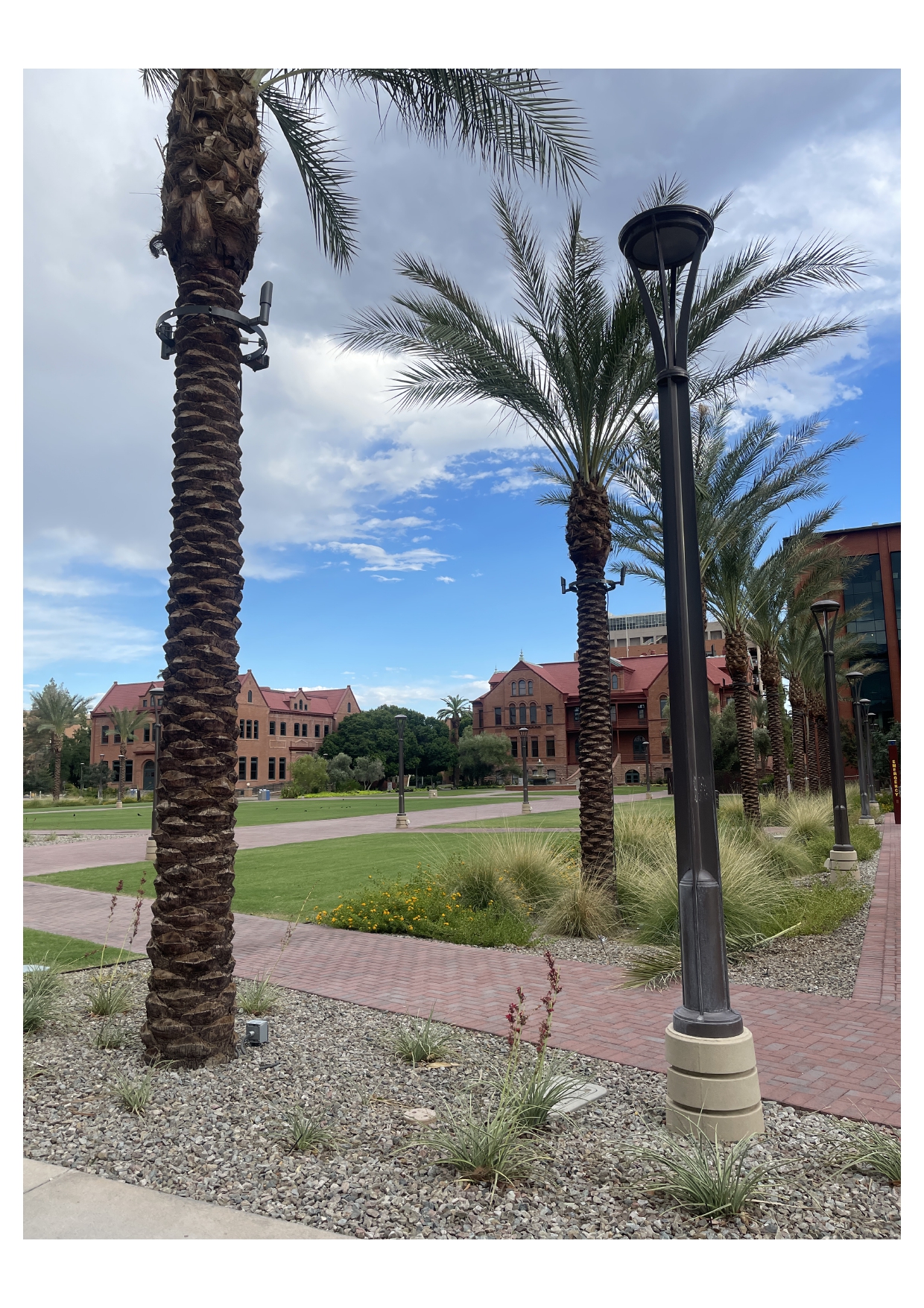
- Arizona State University (ASU) has several campuses besides including Tempe, Downtown Phoenix, West and Polytechnic. Each campus is unique in their offerings and facilities.
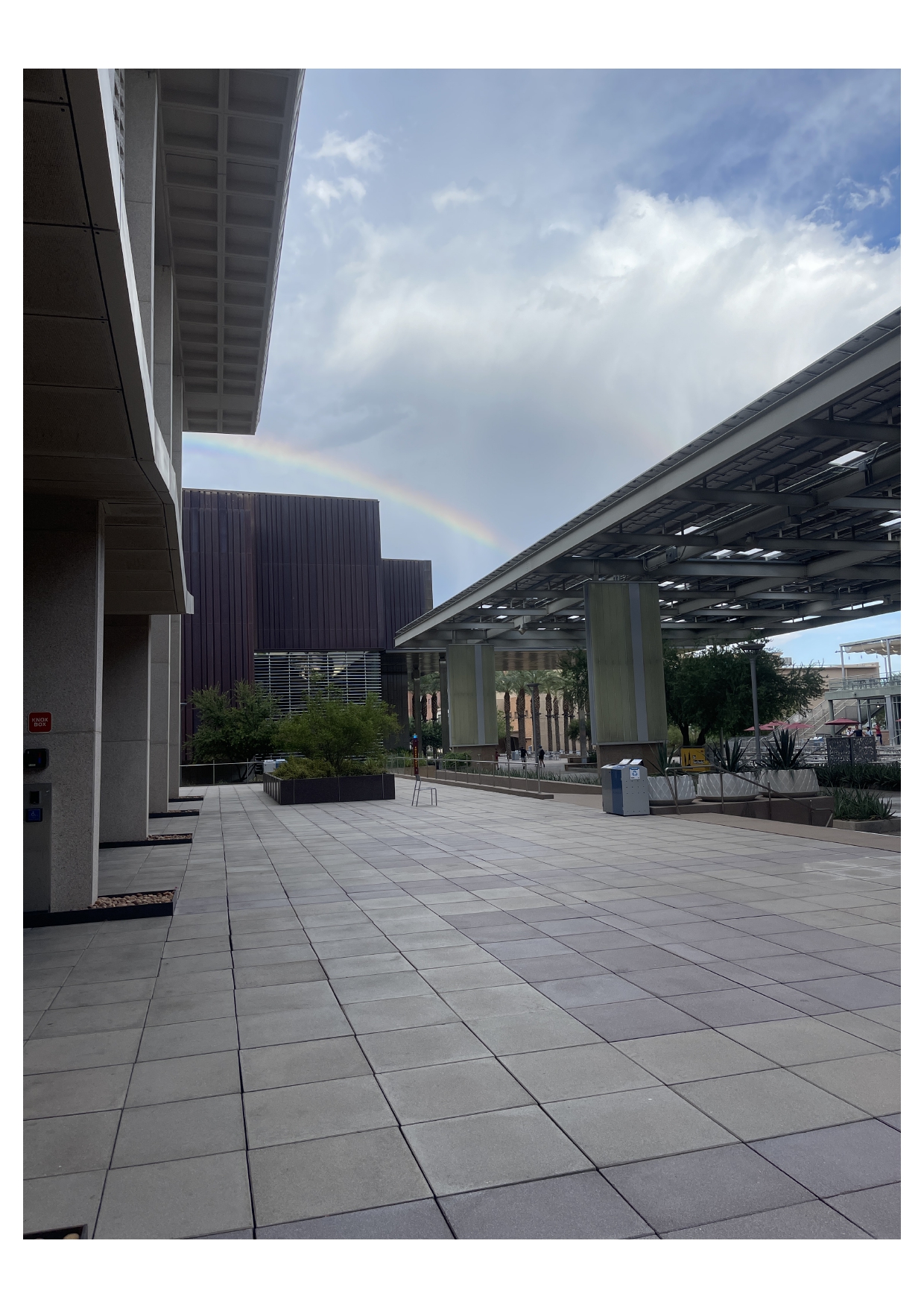
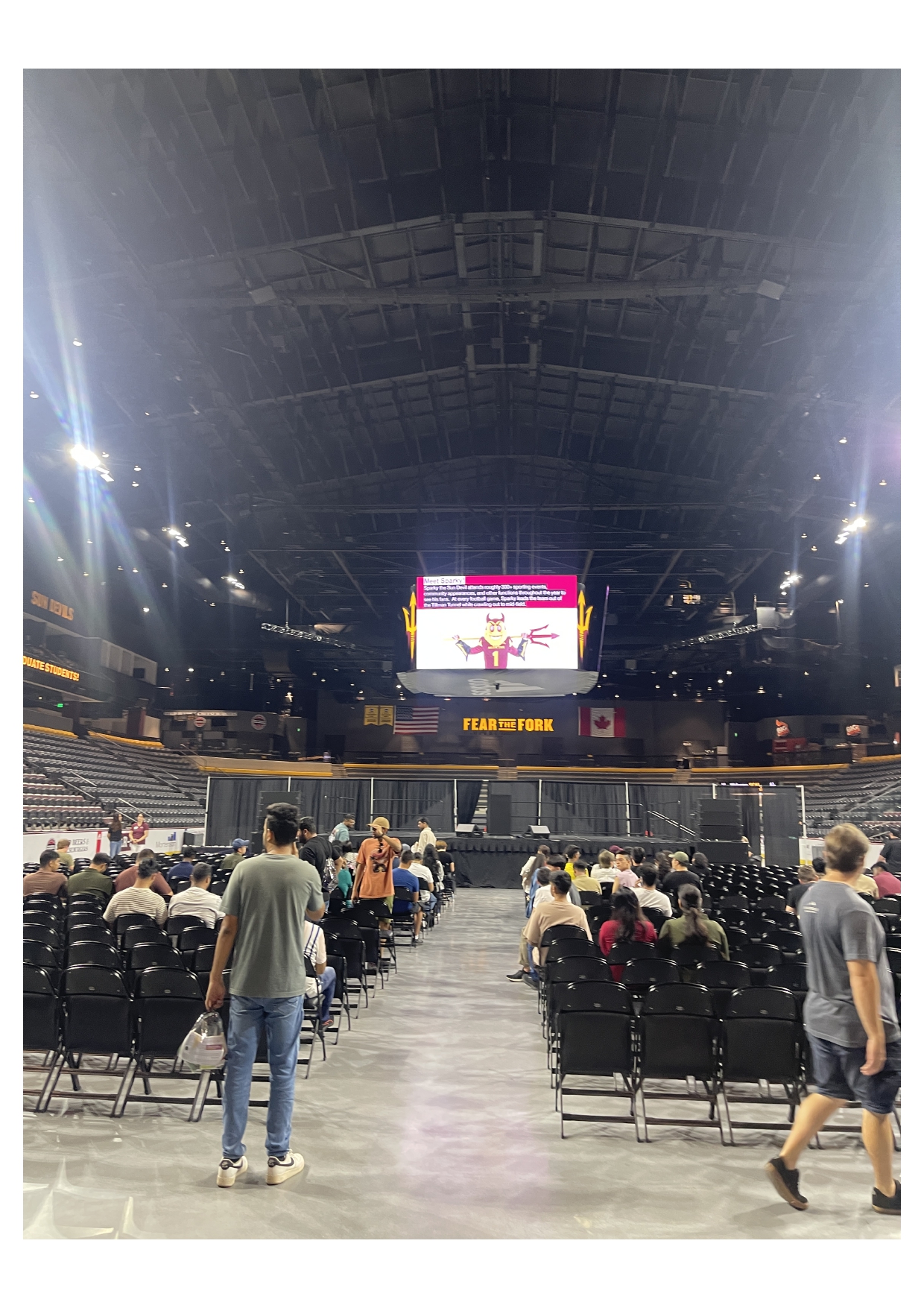
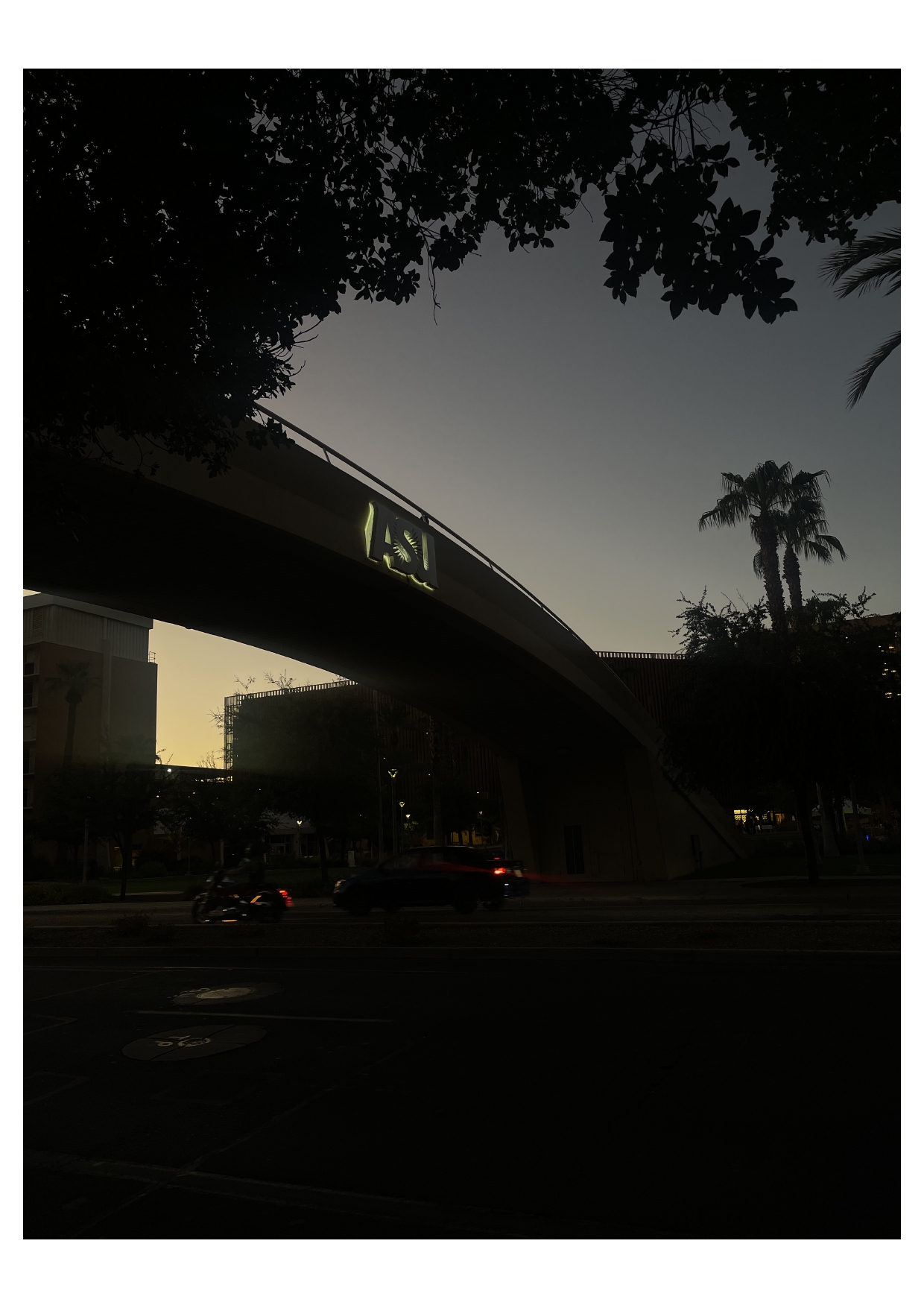
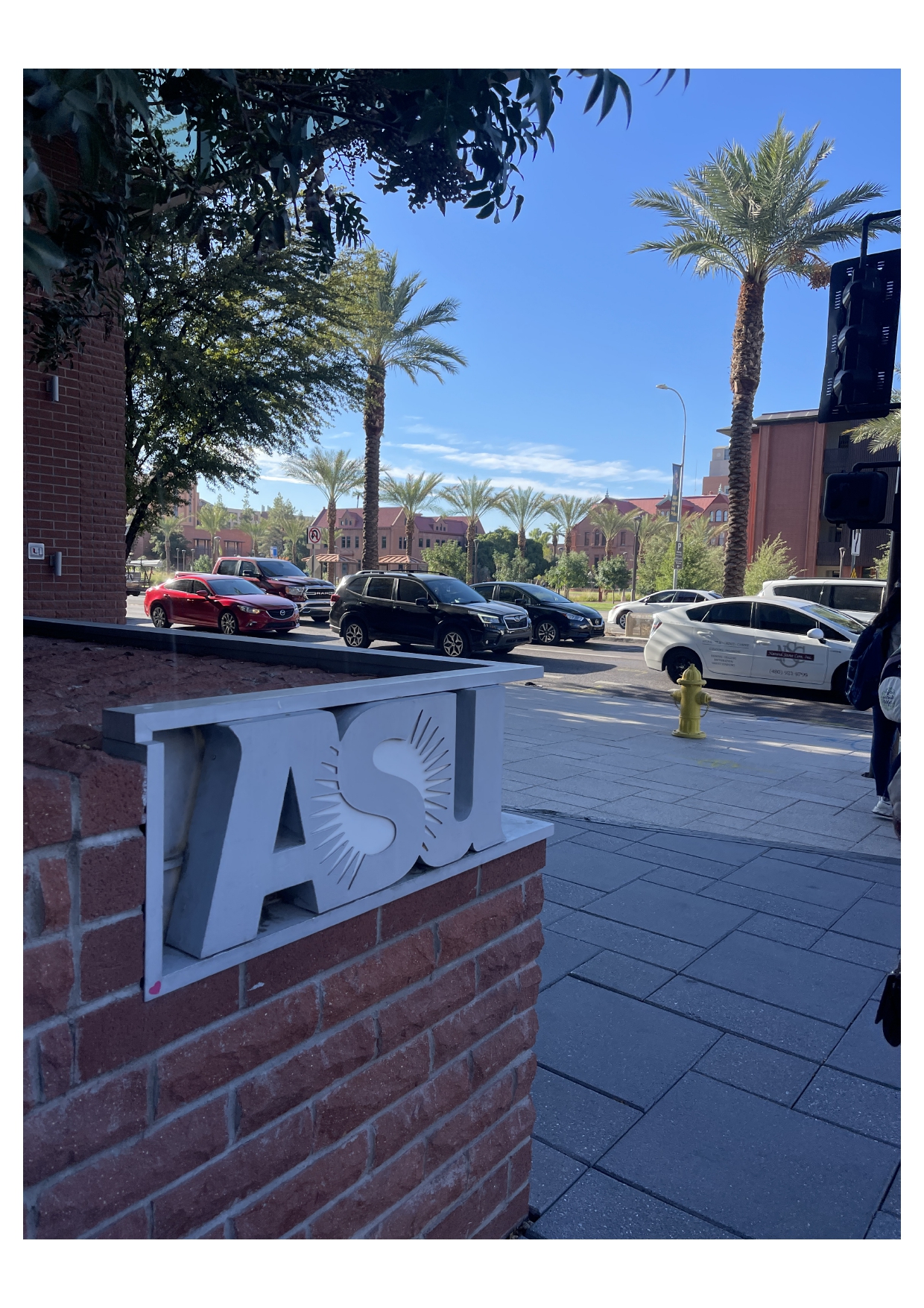
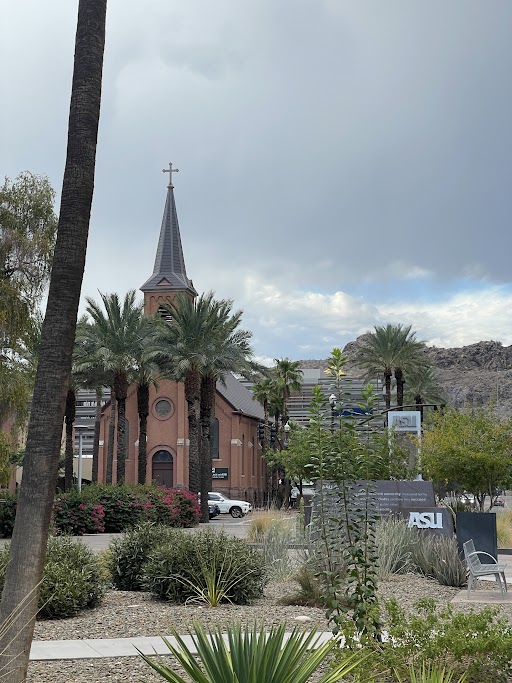
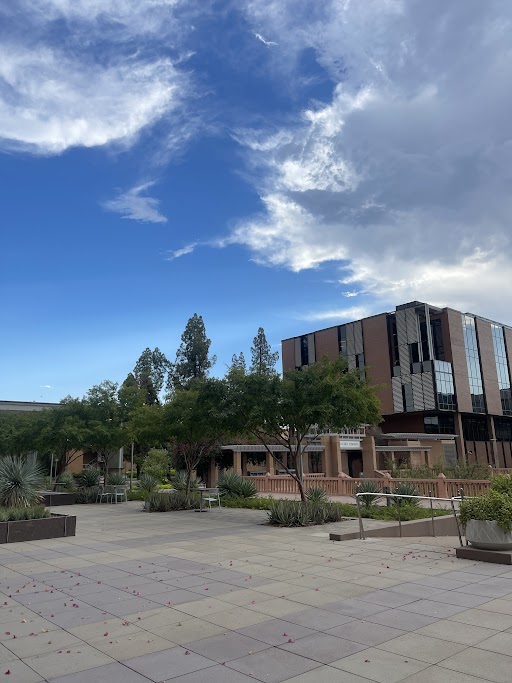
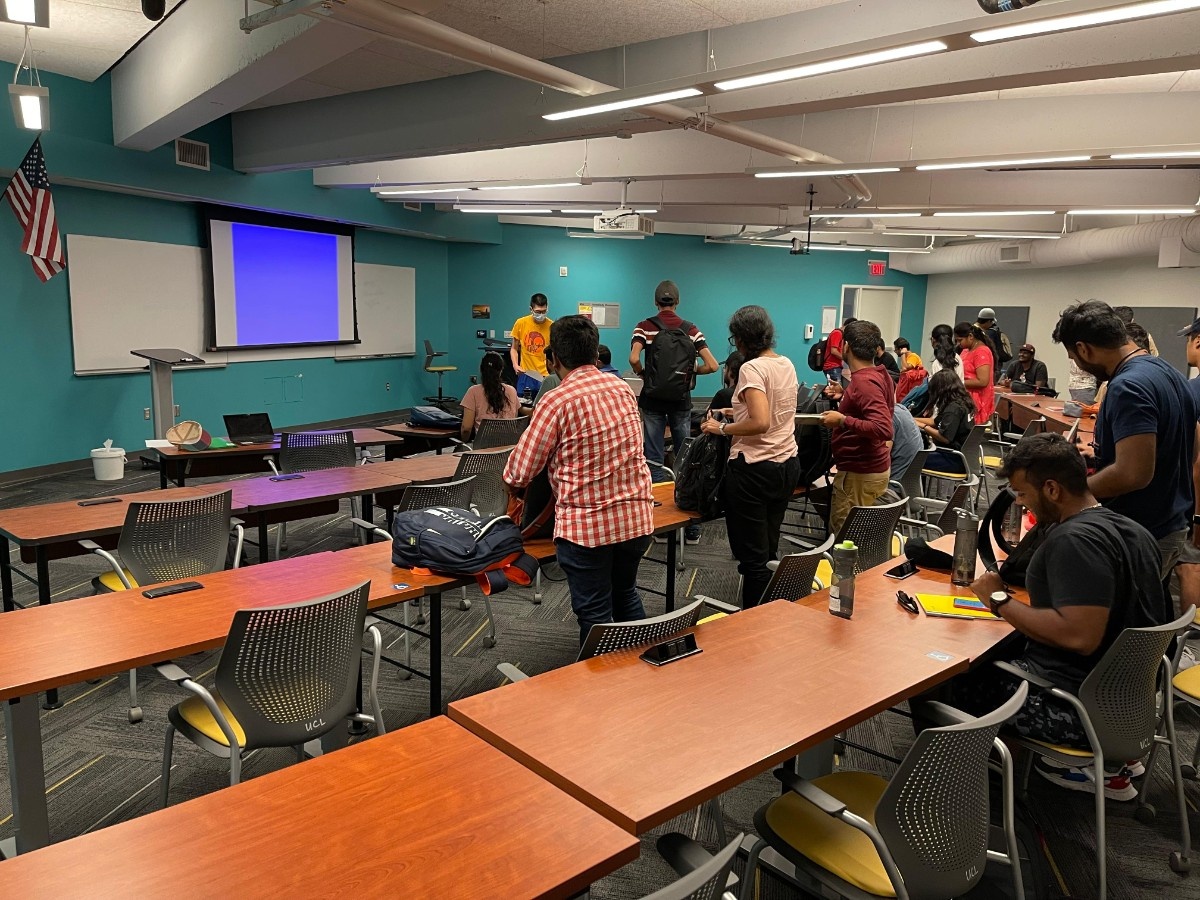
- The Tempe campus where I go to school is the biggest one equipped with a library, sports services and other medical facilities. At ASU life on campus does not lack vibrancy especially during significant events like ASU Football Games beginning from the first week of semester all through till spring break. It’s so much fun and it provides a good chance to meet new friends among your fellow students.
- In terms of academics I belong to Devil Data Science Club which involves group projects, workshops attendance and networking with professionals in the field. Moreover there are an array of extracurricular activities that include sports as well as cultural clubs or student organizations like any other university out there making sure that everyone finds something interesting to do.
Placement
- Many alumni from Arizona State University's Data Analytics program get employed full-time about six months after their graduation. The majority of my classmates, approximately between 80 and 90 percent, have found jobs during this period. The annual pay range for recent graduates in this field is usually within $70,000 to $90,000 based on the role and company.
- Usually student assignments come with campus recruitment drives, internships, networking as well as websites. The career services section of the college together with alumni helps make placements easier.
- My classmates’ placements have been good with many ending up in respectable companies like Intel, Deloitte and Amazon. They work as data analysts, business intelligence analysts and data scientists among other roles which use extensively skills learnt during the program showing its strong connections to the job market.
Part Time Jobs
- Several students at Arizona State University get part-time jobs such as Teaching Assistant (TA), Research Assistant (RA) or Departmental Assistant (DA). These positions are very competitive; TA and RA slots often require a first-rate academic record or pertinent experience. The remuneration for these posts is between $12 to $18 hourly, depending on the department.
- Others have on-campus employment such as working as librarians, serving meals in dining halls, and working in administrative offices of various institutions with hourly wages that range from $12 to $15.
- Each semester, a maximum of 20 hours is allocated for work done. Because of the high competition among those looking for these jobs on campus, it may be difficult to find one’s own job; thus, the application must be made early enough while also getting in touch with professors or departments where one would like to work. Off-campus part-time job opportunities around town are also sought by many students.
- Most Indian students working at Arizona State University prefer to work part-time on-campus due to the convenience it offers and the flexibility that suits their study schedules. Hence, common jobs include positions in libraries, dining services, and administrative offices. Certain individuals also serve as Teaching Assistants (TA) or Research Assistants (RA), which are among the most prestigious positions one can obtain. For part-time jobs, hourly wages range from $12 to $18.
- In particular, for on-campus positions, it can be very competitive to get part-time employment; therefore students should ensure they apply early and take initiative. Typically the process for applying involves job portals where listings can be found such as ASU’s Handshake system. The students must submit a resume and application while they may have interviews too. It is further possible to get roles like TAs or RAs by networking with professors and staff.
Accommodation
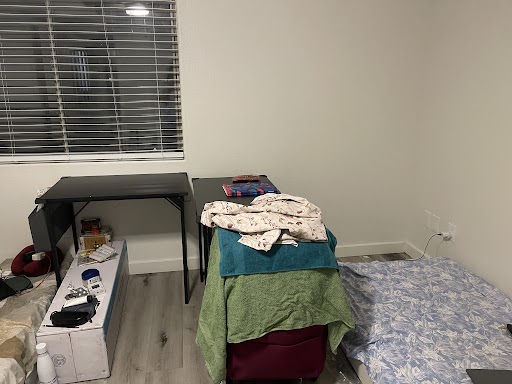
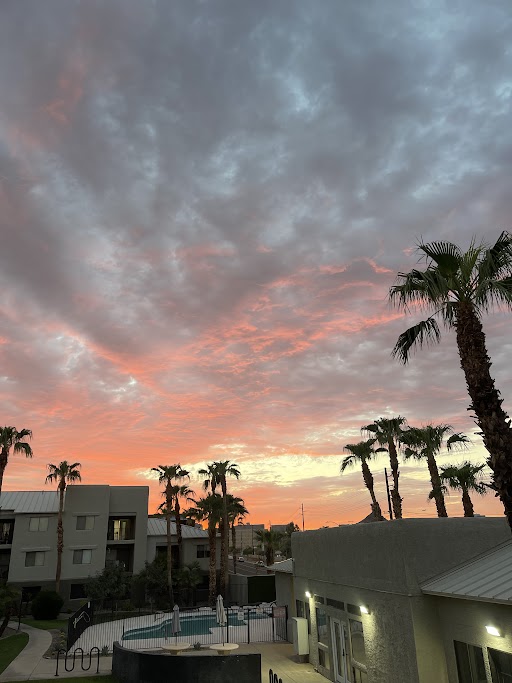
- I opted for off-campus accommodation, which I found to be a great choice in terms of affordability and convenience. I found the place through online platforms and recommendations from student groups on Telegram and Discord.
- The monthly rent is $450, which is quite reasonable, and the accommodation includes basic amenities such as internet and utilities.
- One of the challenges I faced was the speed of securing the place due to high demand so speed was key. For future students, I suggest that you start your search early and join student groups for leads. Most Indian students tend to stay in similar off-campus housing near the university with mine located very close to campus.
Required Exams for Admission
...Read More
Arizona State University Program Fees & Deadlines
| Program | Important Dates | Fees | Application Fees | Eligibility | Financial Aid |
|---|---|---|---|---|---|
MS Computer Science 2 years | USD 30,348 /Yr | 115 | GPA:-3.25, IELTS:- 6.5, TOEFL:- 80, Duolingo:-105, PTE: 60 | ||
MBA 21 months | USD 59,500 /Yr | 115 | GPA:-3.0, IELTS:- 6.5, TOEFL:- 80, Duolingo:-105, PTE: 60 | ||
MS Business Analytics 2 years | USD 30,348 /Yr | 115 | GPA:-3.25, IELTS:- 6.5, TOEFL:- 80, Duolingo:-105, PTE: 60 | ||
BS Computer Science 4 years | USD 39,062 /Yr | 85 | GPA(X-XII):-3.0, IELTS:- 6.5, TOEFL:- 4.0, Duolingo:-105, PTE: 58 | - | |
| USD 30,348 /Yr | 115 | GPA:-3.25, IELTS:- 7.0, TOEFL:- 4.5, Duolingo:-115 | |||
| USD 30,348 /Yr | 115 | GPA:-3.0, IELTS:- 6.5, TOEFL:- 80, Duolingo:-105, PTE: 60 | |||
| USD 30,348 /Yr | 115 | GPA:-3.0, IELTS:- 6.5, TOEFL:- 4, Duolingo:-105, PTE: 60 | |||
MArch 2 years | USD 30,348 /Yr | 115 | GPA:3.0,IELTS 6.5, TOEFL 80, Duolingo-105 | ||
MS Electrical Engineering 2 years | USD 30,348 /Yr | 115 | GPA:-3.0, IELTS:- 6.5, TOEFL:- 80, Duolingo:-105, PTE: 60 | ||
| USD 30,348 /Yr | 115 | GPA:-3.25, IELTS:- 6.5, TOEFL:- 80, Duolingo:-105, PTE: 60 |
Do you think the Dates are wrong ? Report Here
Important Alerts
| Events | Dates |
|---|---|
| Civil, Environmental, and Sustainable Engineering Application Deadline For Spring 2027 Intake | Closing in 9 days |
| Construction Management and Technology Application Deadline For Spring 2027 Intake | Closing in 9 days |
| Biomedical Engineering Final Application Deadline For Spring 2026 Intake | Closing in 9 days |


Find A Program
Top Recommended Courses
Master of Science [MS] Computer Science
Do you think the fees are wrong ? Report Here
Do you think the fees are wrong ? Report Here
Course Finder - Search from 50K+ courses
Popular Streams:
Arizona State University comparison
| University Name | Arizona State University | Pennsylvania State University | Washington State University | University of California | University of Florida | Georgia State University | University of Texas | Boston University | Clemson University | University of Maryland | Ohio State University | George Mason University | Rice University | Southern New Hampshire University | San Jose State University | Santa Clara University | Stony Brook University | Buffalo State | Purdue University Global | University of North Texas | Rutgers University - New Jersey | University of Texas Dallas | University of Illinois | University of Cincinnati | Michigan State University | North Carolina State University | Indiana University | Virginia Tech | Illinois Institute of Technology | Purdue University | University of Colorado | Georgia Institute of Technology | University of Arizona | Northeastern University | Texas A&M University | University of Southern California | Grand Canyon University | Iowa State University | Colorado State University | Northern Arizona University | Oregon State University | University of Utah |
|---|---|---|---|---|---|---|---|---|---|---|---|---|---|---|---|---|---|---|---|---|---|---|---|---|---|---|---|---|---|---|---|---|---|---|---|---|---|---|---|---|---|---|
| Collegedunia Score | 5.5 Out of 10 | 5.9 Out of 10 | 4.5 Out of 10 | 7.8 Out of 10 | 5.6 Out of 10 | 4.2 Out of 10 | 4.1 Out of 10 | 6.1 Out of 10 | 4.3 Out of 10 | 5.9 Out of 10 | 6.1 Out of 10 | 4.7 Out of 10 | 5.7 Out of 10 | - Out of 10 | 4.7 Out of 10 | 4.1 Out of 10 | 5.1 Out of 10 | 4 Out of 10 | - Out of 10 | 4.1 Out of 10 | 5.3 Out of 10 | 5.1 Out of 10 | 5.4 Out of 10 | 5.5 Out of 10 | 6.1 Out of 10 | 5.2 Out of 10 | 5.4 Out of 10 | - Out of 10 | 4.1 Out of 10 | 5.8 Out of 10 | 5.7 Out of 10 | 6.1 Out of 10 | 5.3 Out of 10 | - Out of 10 | 5.7 Out of 10 | 5.9 Out of 10 | - Out of 10 | 4.8 Out of 10 | 4.5 Out of 10 | 4.2 Out of 10 | 4.7 Out of 10 | 5.4 Out of 10 |
| Overall Ranking |
|
|
|
|
|
|
|
|
|
|
|
|
|
|
|
|
| - |
|
|
|
|
|
|
|
|
|
|
|
|
|
|
|
|
|
|
|
|
|
|
|
|
| Subject Strength |
|
|
|
|
|
|
|
|
|
|
|
|
| - |
|
|
| - | - |
|
|
|
|
|
|
|
|
|
|
|
|
|
|
|
|
| - |
|
|
|
|
|
| Programs |
|
|
|
|
|
|
|
|
|
|
|
|
|
|
|
|
|
|
|
|
|
|
|
|
|
|
|
|
|
|
|
|
|
|
|
|
|
|
|
|
|
|
| Acceptance Rate | 90.0 % | 54.0 % | 85.0 % | 9.0 % | 24.0 % | 55.0 % | 27.0 % | 11.0 % | 38.1 % | 45.0 % | 61.0 % | 88.8 % | 7.9 % | 87.0 % | 85.0 % | 44.0 % | 49.0 % | 75.9 % | 100.0 % | 72.0 % | 65.0 % | 65.0 % | 78.5 % | 85.0 % | 85.0 % | 0.0 % | 78.0 % | 55.0 % | 55.4 % | 50.0 % | 81.0 % | 14.0 % | 86.0 % | 5.6 % | 57.0 % | 10.0 % | 78.0 % | 89.1 % | 90.0 % | 91.0 % | 78.8 % | 0.0 % |
| Exam Score | - | - | - | - | - | - | - | - | - | - | - | - | - | - | - | - | - | - | ||||||||||||||||||||||||
| Cost to Study |
|
|
|
|
|
|
|
|
|
|
|
|
|
|
|
|
|
|
|
|
|
|
|
|
|
|
|
|
|
|
|
|
|
|
|
|
|
|
|
|
|
|
| - | Read Full Comparison | Read Full Comparison | Read Full Comparison | Read Full Comparison | Read Full Comparison | Read Full Comparison | Read Full Comparison | Read Full Comparison | Read Full Comparison | Read Full Comparison | Read Full Comparison | Read Full Comparison | Read Full Comparison | Read Full Comparison | Read Full Comparison | Read Full Comparison | Read Full Comparison | Read Full Comparison | Read Full Comparison | Read Full Comparison | Read Full Comparison | Read Full Comparison | Read Full Comparison | Read Full Comparison | Read Full Comparison | Read Full Comparison | Read Full Comparison | Read Full Comparison | Read Full Comparison | Read Full Comparison | Read Full Comparison | Read Full Comparison | Read Full Comparison | Read Full Comparison | Read Full Comparison | Read Full Comparison | Read Full Comparison | Read Full Comparison | Read Full Comparison | Read Full Comparison | Read Full Comparison |
Do you think the data is wrong ? Report Here

Overall 172 out of 1504 in Global Ranking
Do you think the Rankings are wrong ? Report Here
Arizona State University Reviews
Most Popular Tags
73 Reviews Found
Likes
- Expansive and well-maintained campus with multiple nearby campuses, creating a vibrant academic environment.
- Active student life with numerous events, workshops, and networking opportunities throughout the year.
- Excellent transportation and connectivity between campuses, making commuting convenient and efficient.
Campus Life
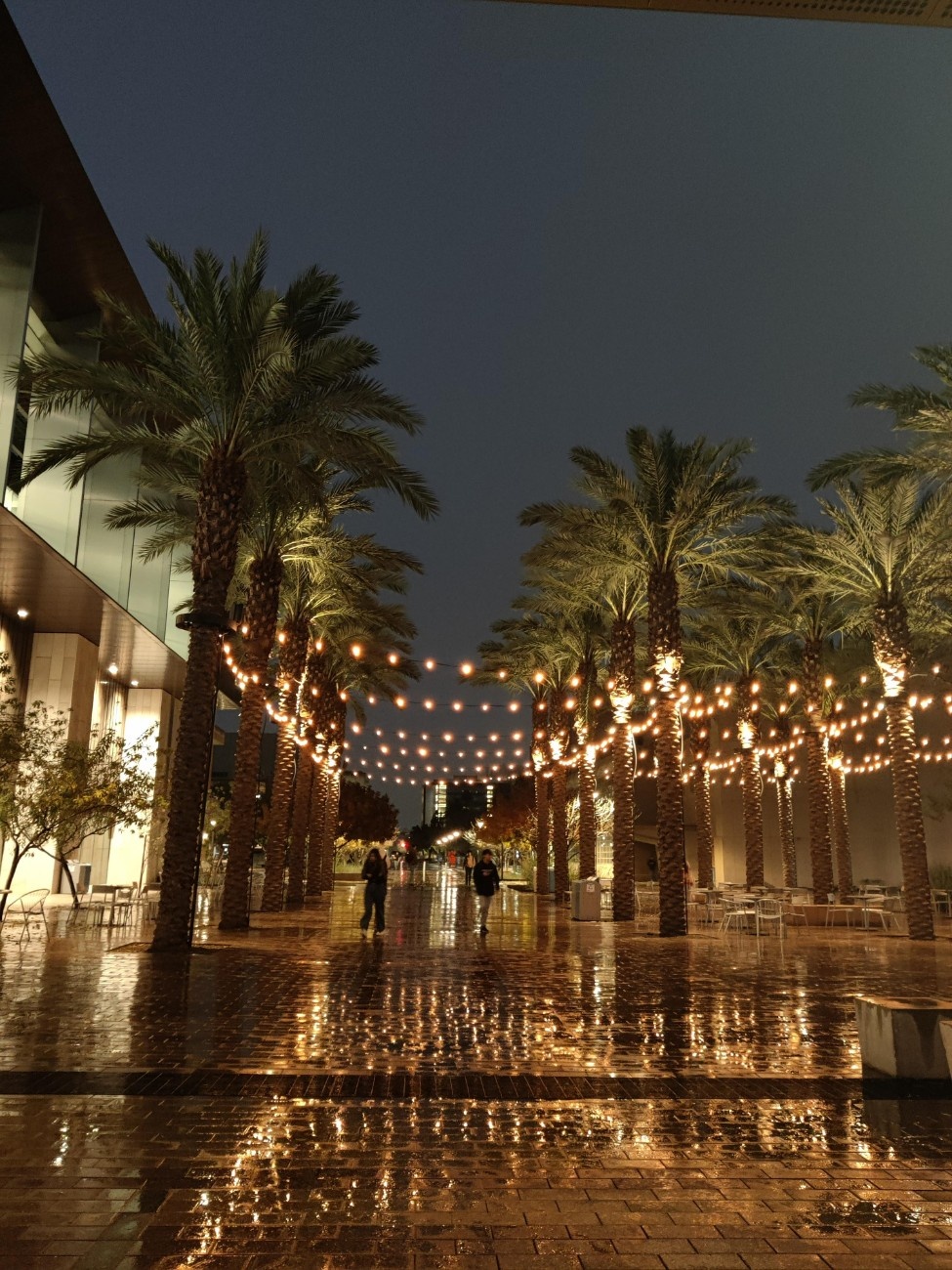
- ASU has four campuses, with the Tempe campus being the largest and most active. The university offers a vibrant campus life with numerous student clubs, events, and extracurricular activities throughout the year.
- The campuses are equipped with extensive research facilities and laboratories, and many professors actively conduct research. Students can directly approach faculty members to explore research and volunteer opportunities.
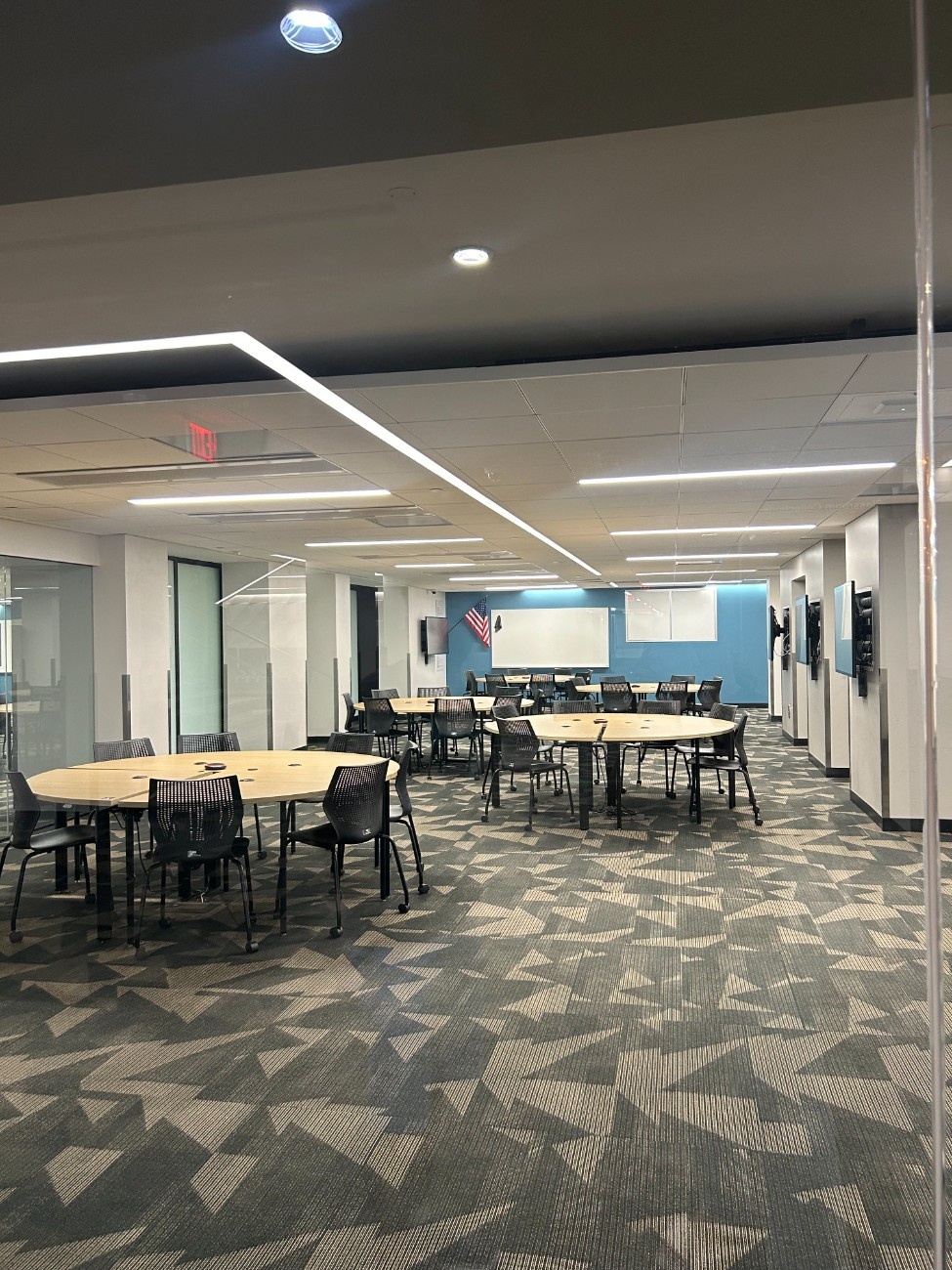
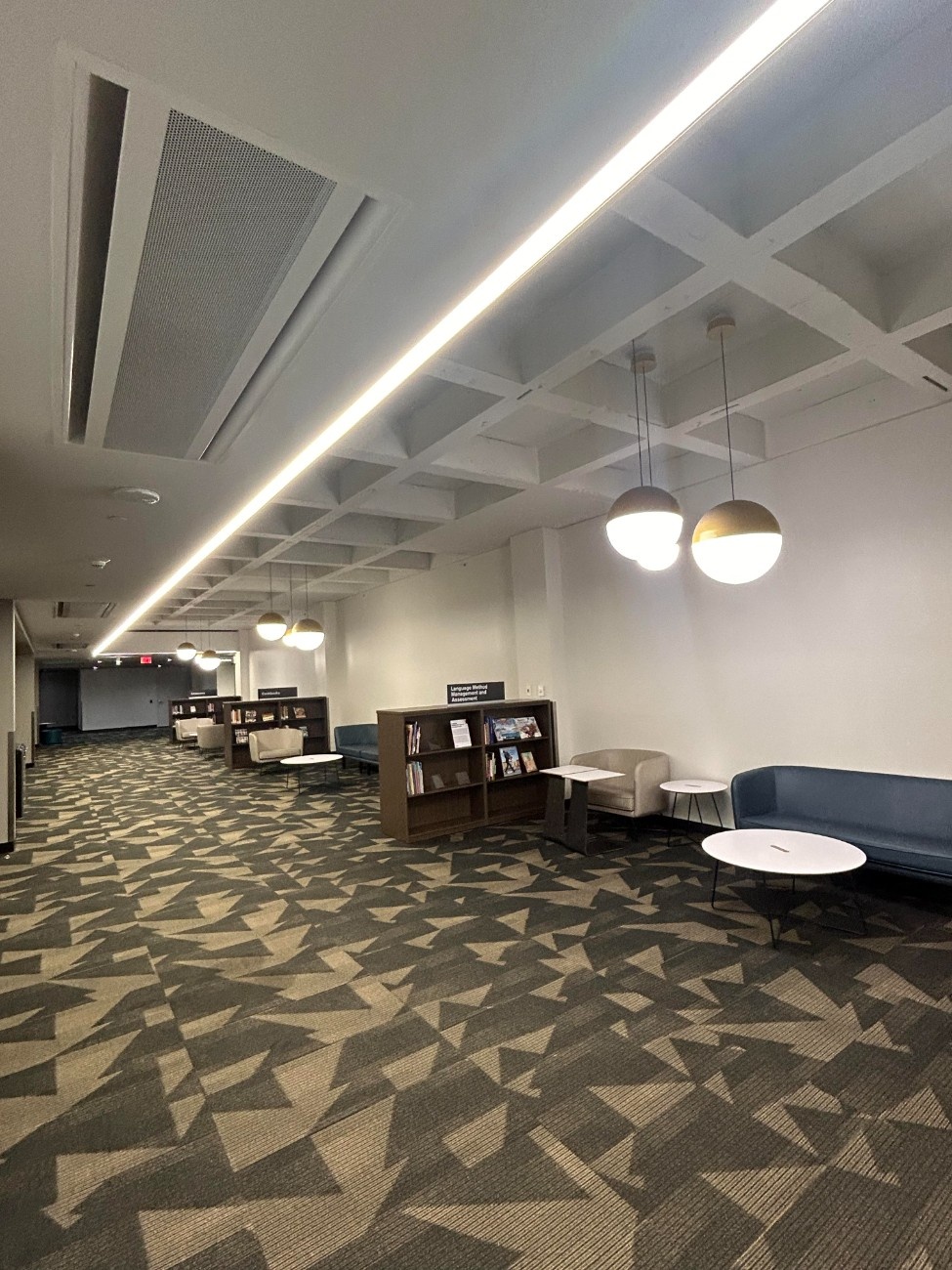
- The libraries are popular study spaces, offering private rooms that can be reserved for group study sessions, meetings, or interviews. Sports and recreational facilities are also well-developed. The Sun Devil Fitness Complex includes a gym and various fitness amenities, while the sports facilities feature courts for basketball, badminton, and several other activities, along with open grounds for outdoor sports.
Fees
- Around USD 70000
Likes
- I'd say it all depends on students pro-active nature to make sure of his situations.
- I enjoyed by at ASU, AZ surroundings, University atmosphere, clubs, resources, quality of education.
- No dislikes, apart from being away from home when sickness strikes.
Campus Life
- trekking, swimming, part-time opportunities, etc. Advice to incoming students: don't get fooled by Insta reels showing extreme conditions, either great fun/ too bad, talking about attacks, racism, or other BS. There is always an equilibrium; it depends on how you react and the environment you create around you.
- Take control of what you consume. Pay extra attention to your health; it can slip before you even realize it. Workout and prayersfor your inner peace, networking with industry folks for real time updates and project challenges so you pick your projects which fit the industry, friends for fun, travel as much as you can as you never know how long you'll stay in USA, manage your expenses to fit your lifestyle, make memories as you can get those bucks saved in no time once you land a decent job. Still, you can't get back the moments you missed with folks you love.
Fees
- Plan close to 60-65K USD just for tuition.
Likes
- The course work is good if you wanna learn new things and technologies by trying them out directly in course projects.
Dislikes
- However, with so many students, its highly competitive to get the courses you want. Also unlike other top colleges, the dedicated hiring from big tech is very limited to none here.
- So be aware if you are coming for job guarantee.
Campus Life
- Infra and college life are excellent. Always a happening place.
Fees
- 60000 USD
Likes
- Campus and job opportunities for on campus are really good
Dislikes
- Faculty support is not that great
Campus Life
- There are a total of 4 campuses of ASU, and they have a really good shuttle service available to commute.
- There are a lot of clubs and associations active. Almost every day, there is one event or another event happening. Other facilities, like libraries and sports complexes, are really good.
Fees
- I do not remember exactly, it depends on the course taken, so it's better check their website
Likes
- Campus life is amazing.
Dislikes
- Job opportunities for international students are very limited.
Campus Life
- The campus life, campus infrastructure, events, and extracurricular activities are really good
Fees
- Approx 55 lakh Rupees
Likes
- Strong emphasis on industry-relevant coursework and applied projects
- Wide range of on-campus jobs, TA/RA, and research opportunities
- Excellent faculty accessibility and mentorship
Dislikes
- Good career support through career fairs, Handshake, and networking events
- Career outcomes depend heavily on self-initiative and networking
- Housing near campus can be expensive and competitive
Campus Life
-
ASU has multiple campuses, with Tempe being the main hub. Campus life is vibrant with:
- Hundreds of student clubs and organizations
- Regular hackathons, tech talks, and career fairs
- Excellent libraries, research labs, gyms, and sports facilities
- Strong support for cultural and international student events
- The infrastructure is modern and well-maintained, making campus life engaging and dynamic.
Fees
- Approximate tuition: $45,000 – $55,000 USD for the full program
- (Excluding living expenses)
Likes
- ASU has a strong academic reputation and good programs in engineering and business
- Research opportunities helps students to access cutting edge projects along with waiving off the tuition fee.
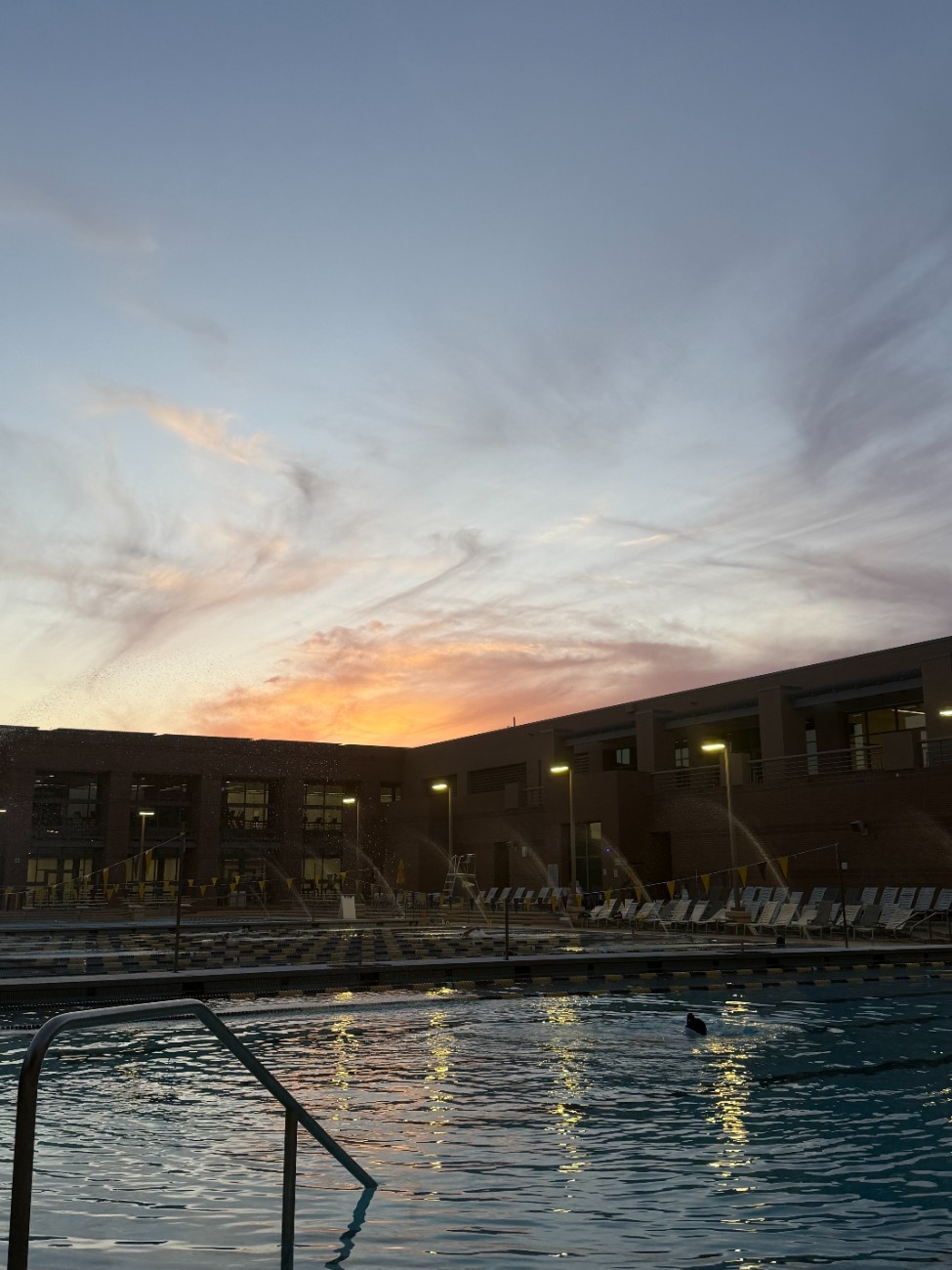
- The infrastructure is good and always access to gym, pools, grounds.
Dislikes
- ASU has large student population , it makes classes feel crowded sometimes, especially master's classrooms are filled with Indians.
- Tuition fee is expensive for international students unless you get a scholarship.
- Summers are very hot in Arizona, personally I didn't like them.
Campus Life
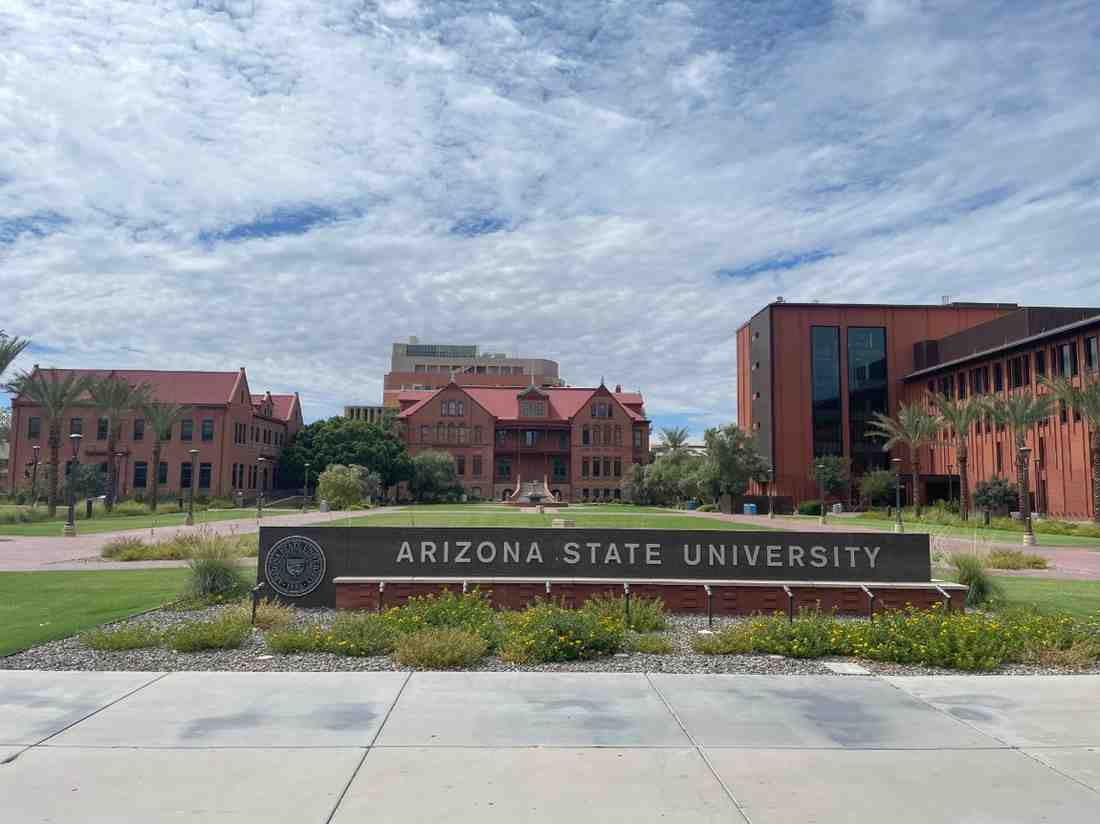
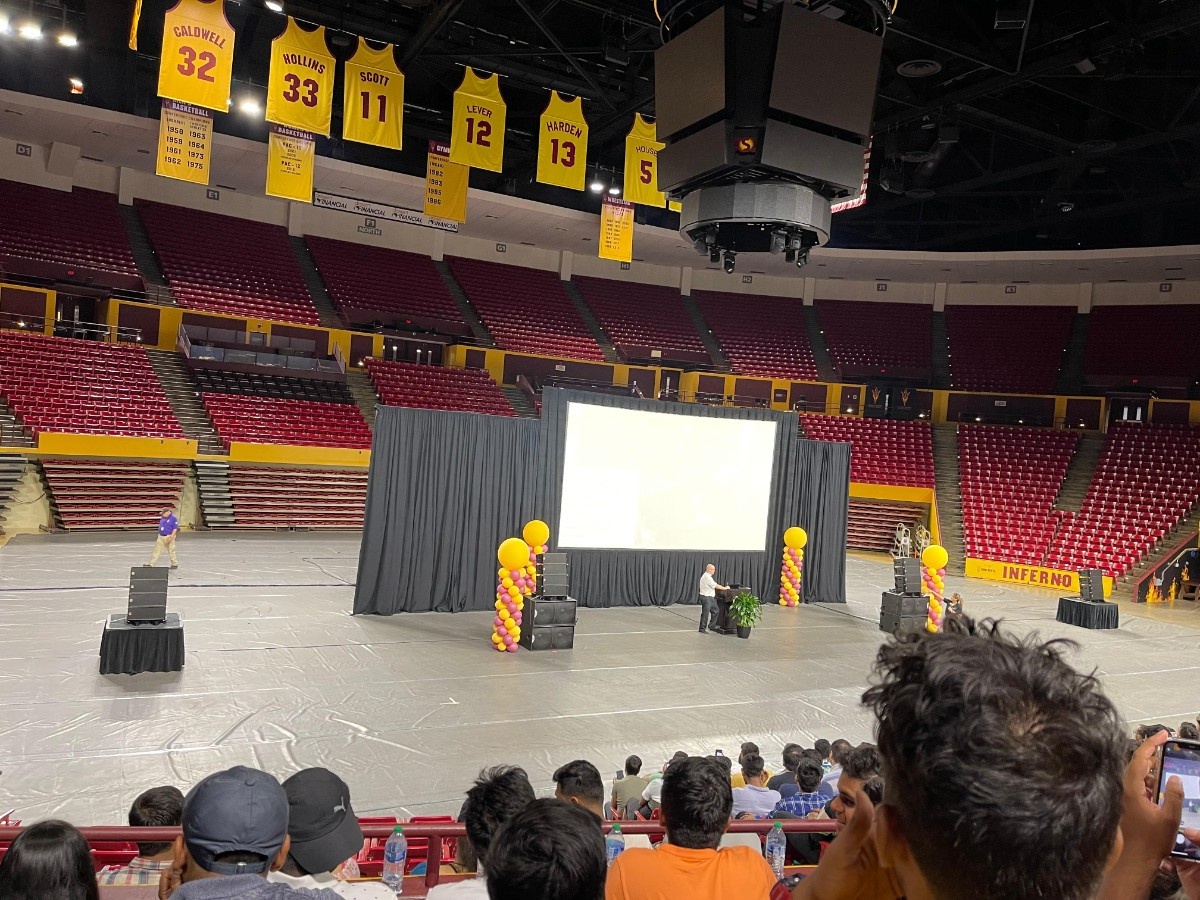
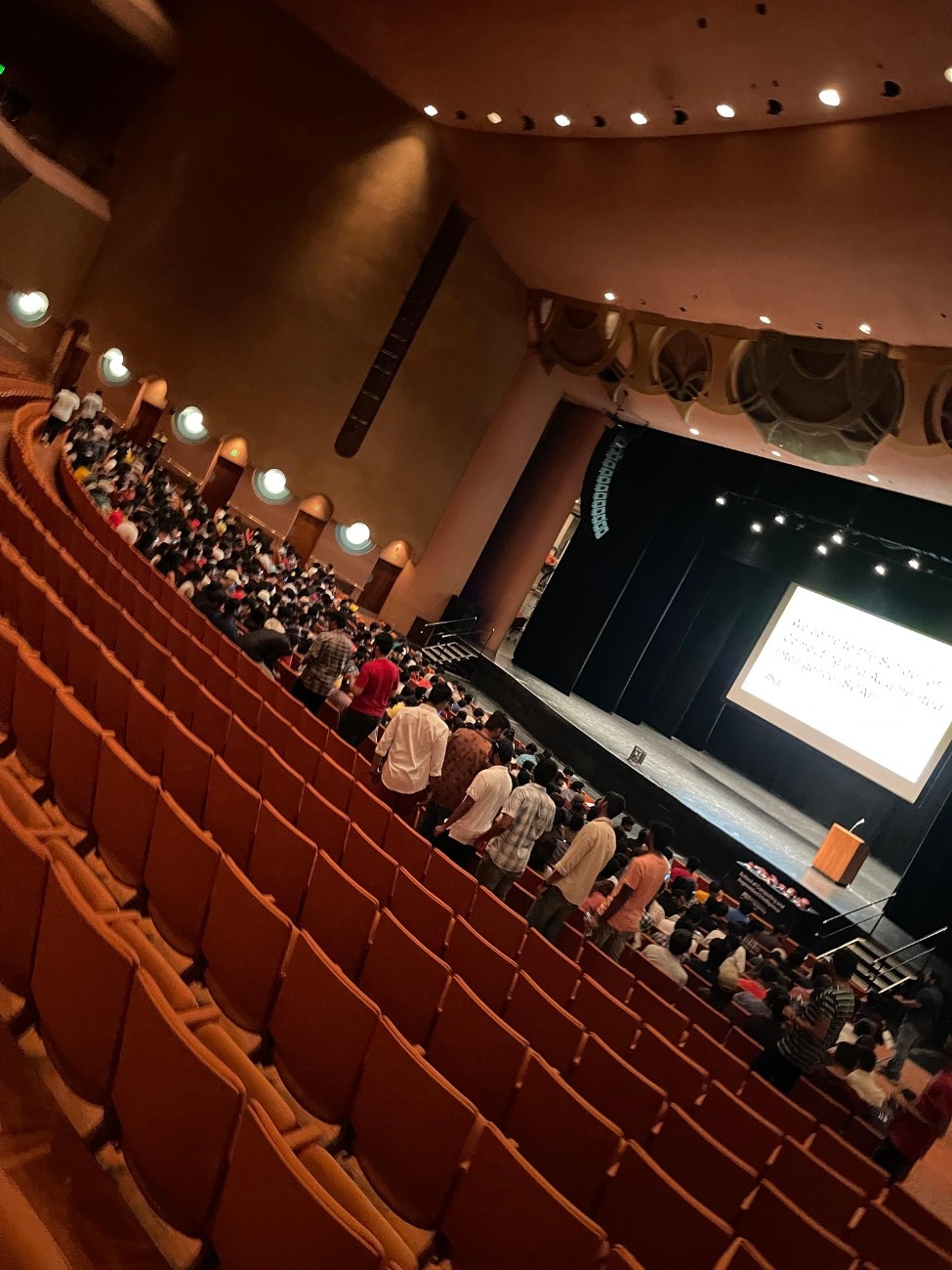
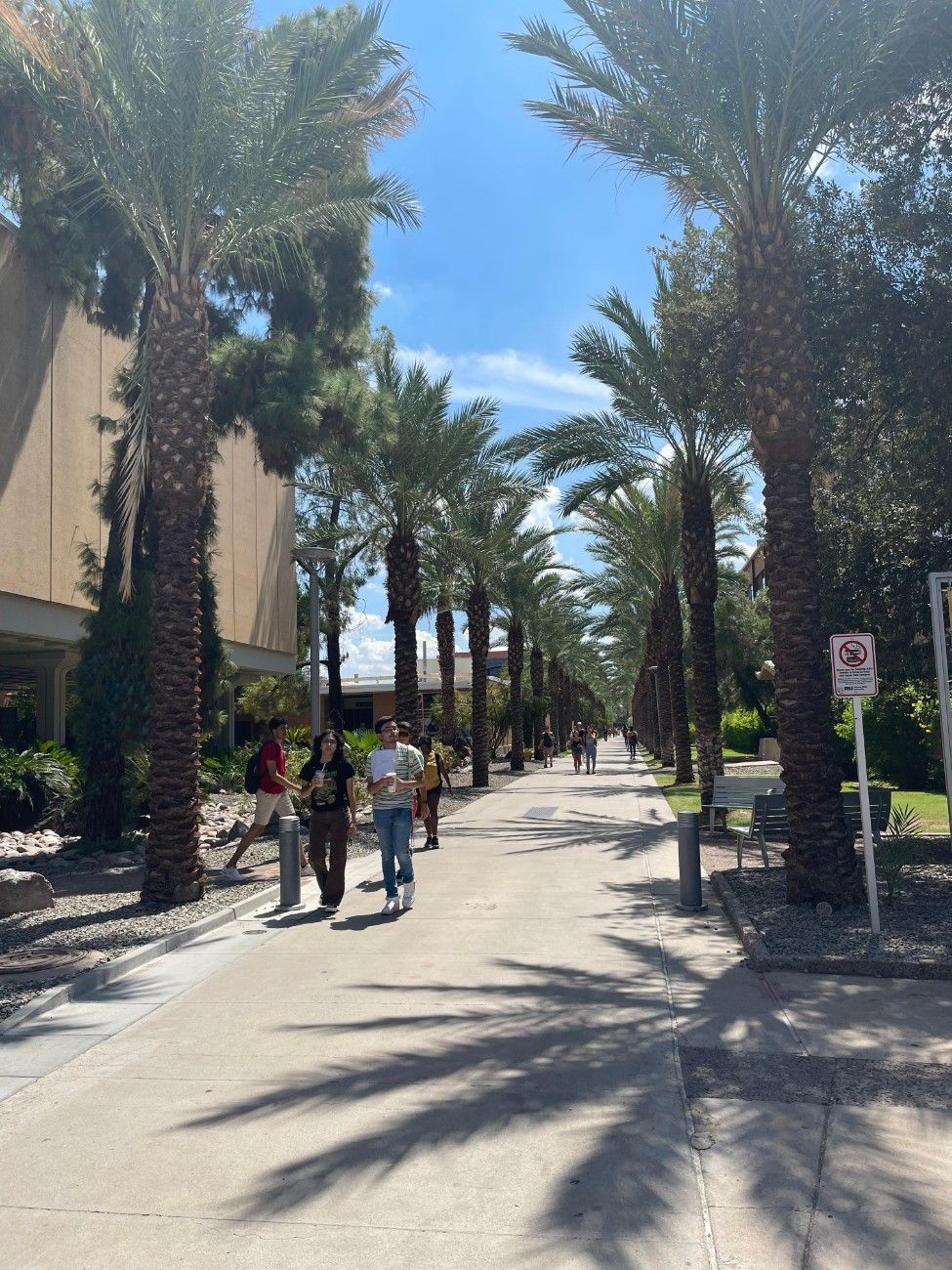
- Our college has 4 campuses. 1) Tempe 2) Polytechnic campus 3) Downtown Phoenix 4) West Valley. Libraries, playgrounds, gyms, pools, and health centres are all available on all four campuses. Tempe is the main & large campus.
- Events like Bollywood night, concerts, and football matches will take place often on campus. Cricket tournaments, dance club events, and music events also happen more often on campus.
Fees
-
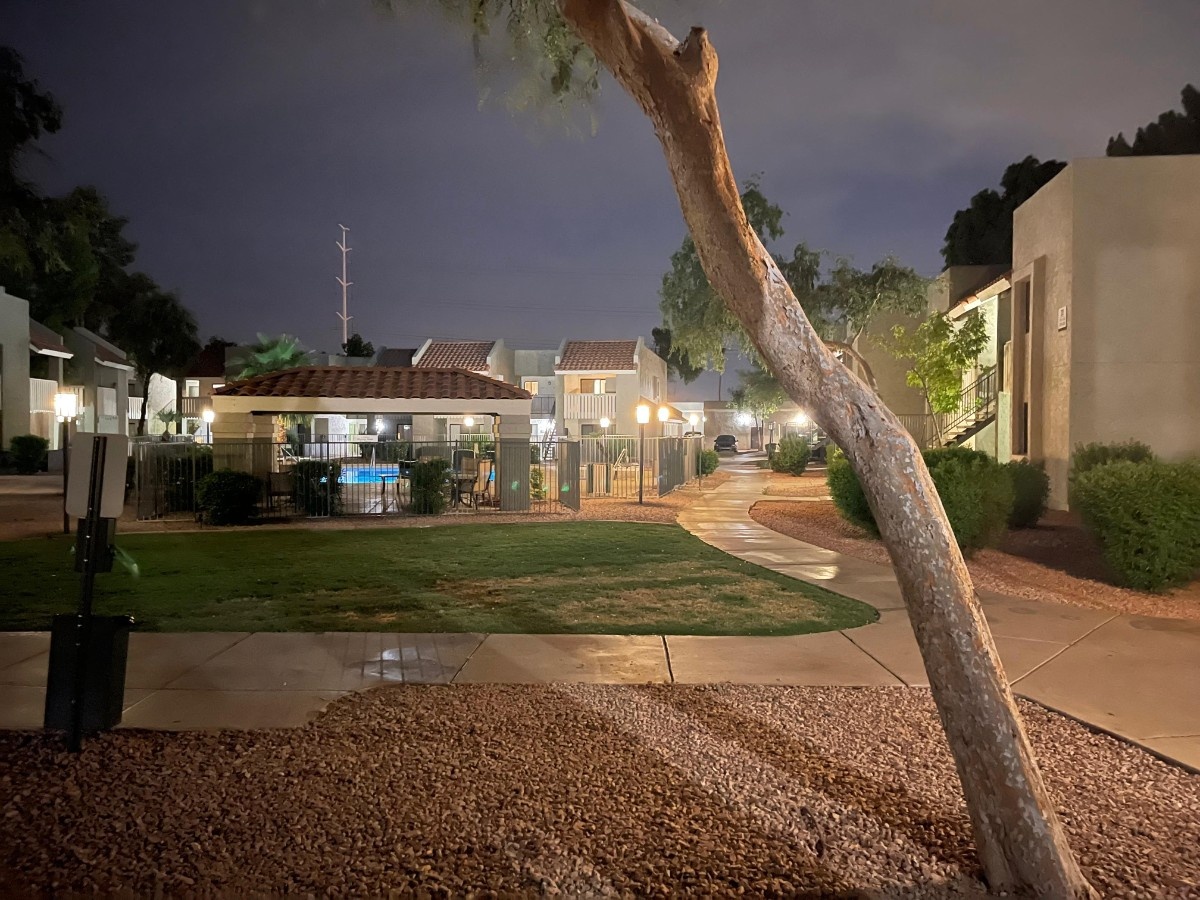
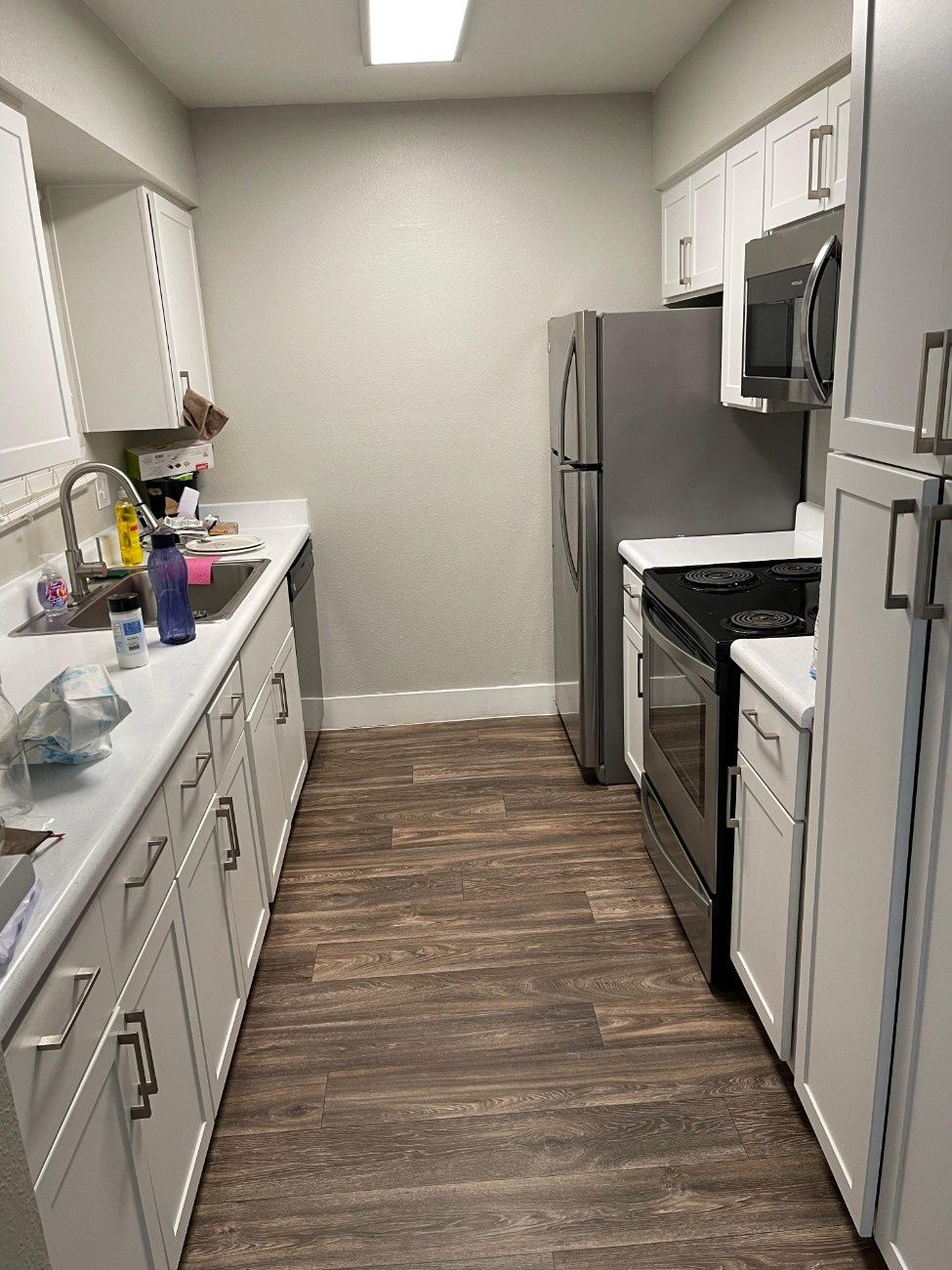
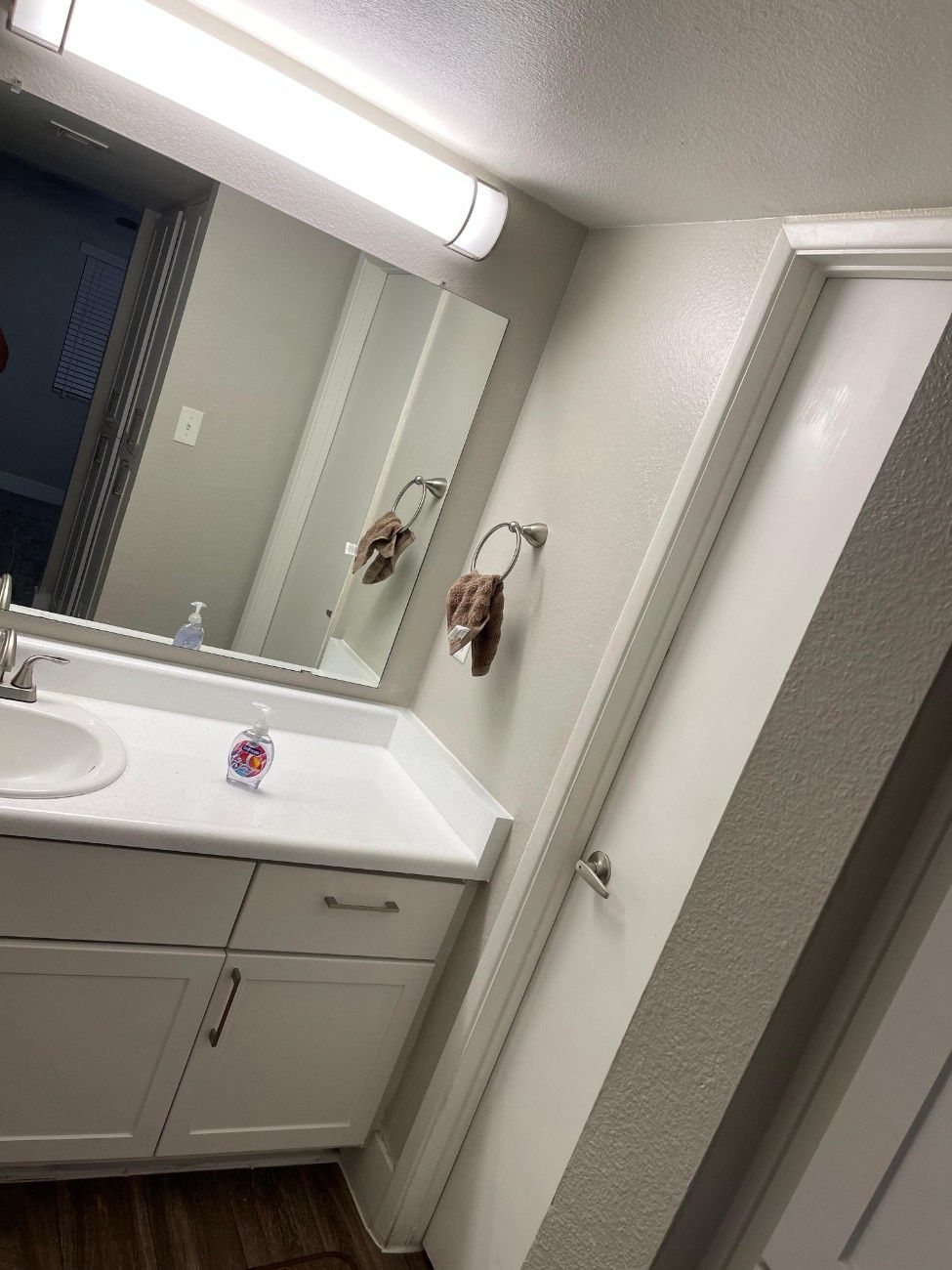
When I was studying, each student from our course had to complete 30 credits minimum. They charge $1500 per credit. We should pay the fee semester-wise. This is just the tuition fee, as there is no hostel; we used to stay in rented shared apartments. So, monthly expenses are around $1000-$1200, including house rent, electricity bill, water bill, groceries and other miscellaneous expenses.
Likes
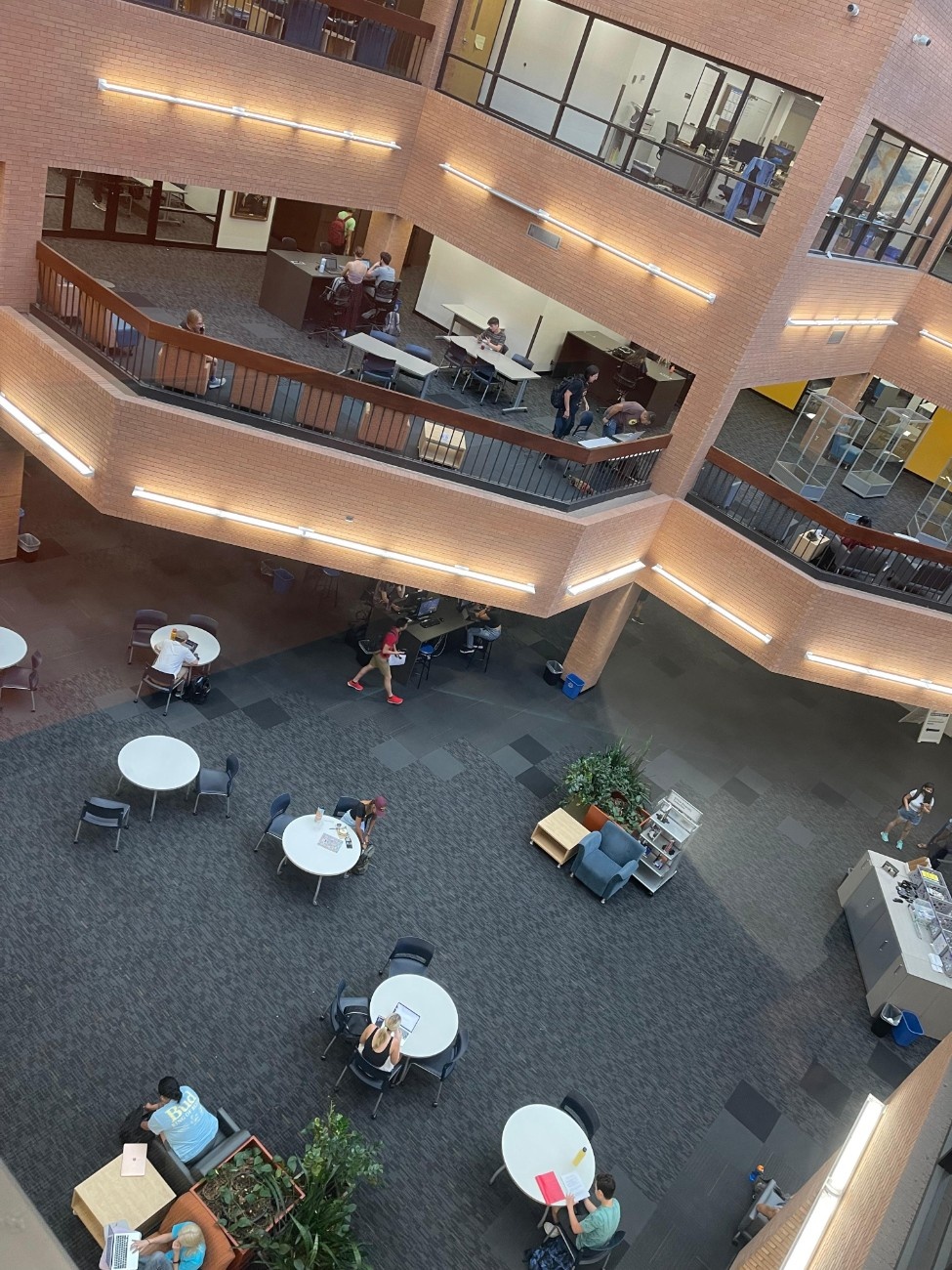
- Some faculty and projects are great, further campus is great, library is awesome, fun and free events are there, this is the good part.
Dislikes
- Most of my friends got a job, however I didnt get one so that definitely I don't like.
Campus Life
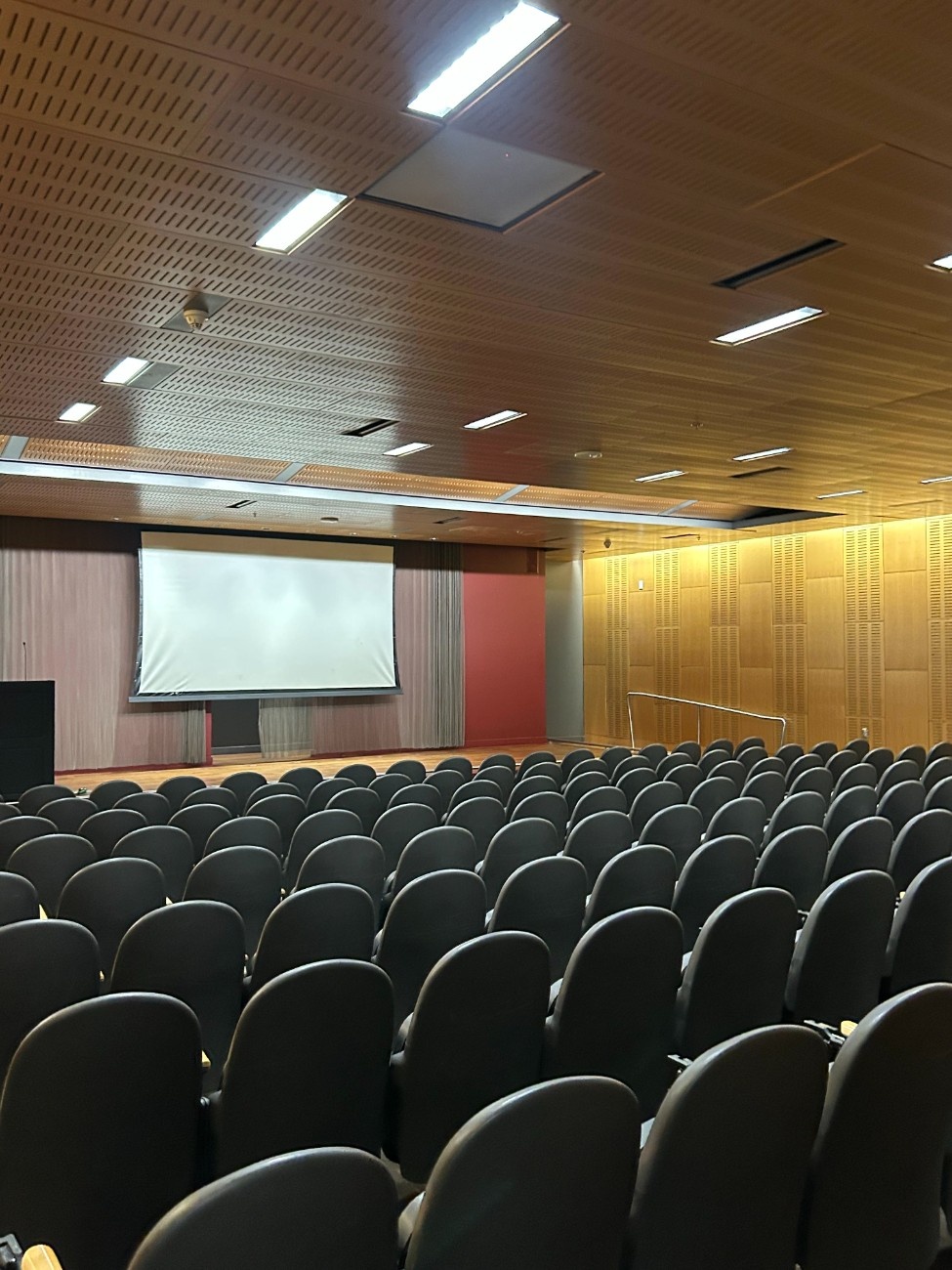
- It has 4 campuses tempe, poly, downtown and west. The campus is fairly large and well equipped with classes, labs, a library, event places, places to study together with friends, open spaces, etc.
Fees
- Semester 1 was 15K USD, semester 2 was 16K USD, semester 3 was 16K, and last semester it was 7K.
- The total fee is 55k usd, and living costs roughly 500 to 600 USD per month, around 15k USD for room sharing for 2 years.
Likes
- Professors are approachable, there's really no difficulty in asking for any assistance or guidance.
- Depending on how strong you want to market yourself, there are plenty of research opportunities.
- A great deal of diversity is on this campus; I've encountered folks from many countries and cultures.
Dislikes
- Summers in Arizona are brutally hot, and walking around campus can be tough.
- Tuition and living expenses are on the higher side, so managing finances can get stressful.
- Getting RA/TA positions is pretty competitive, not everyone lands one easily.
Campus Life
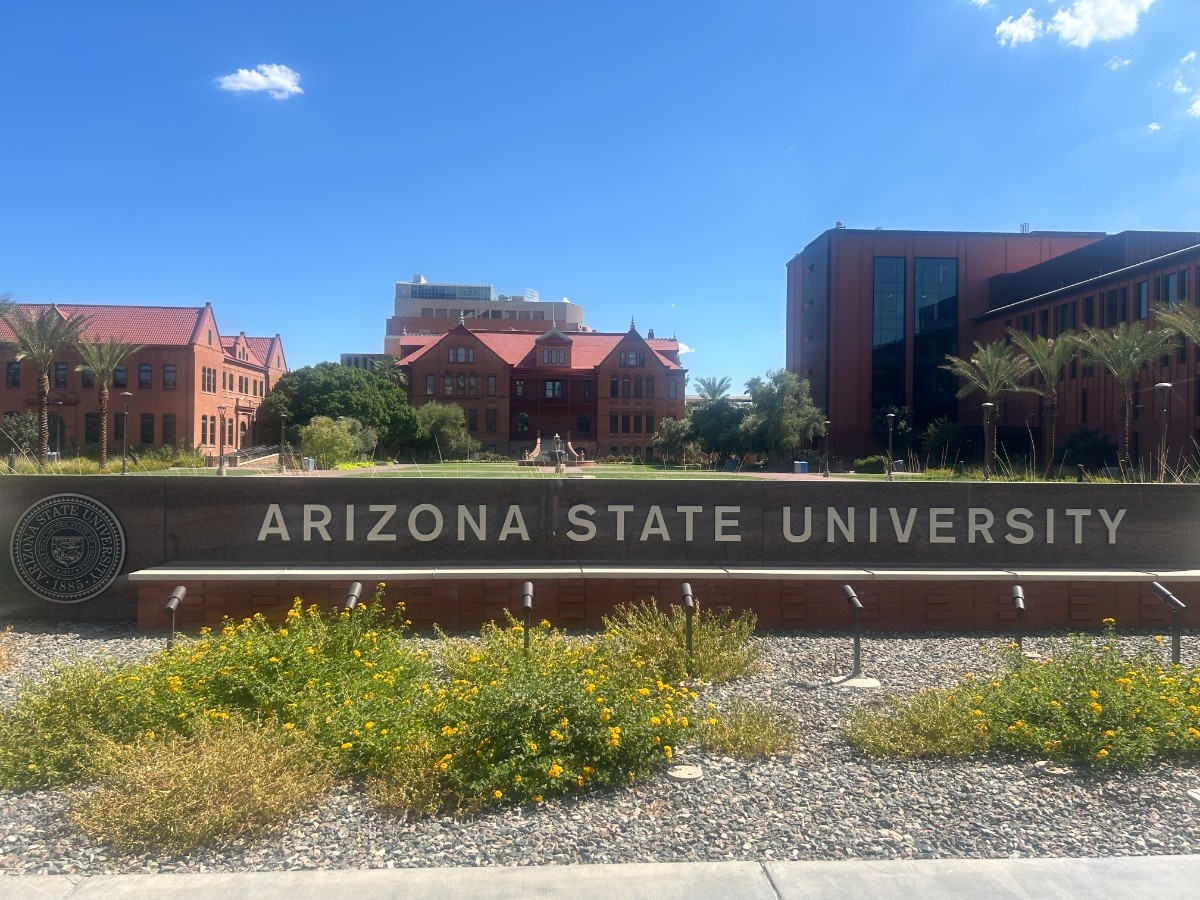
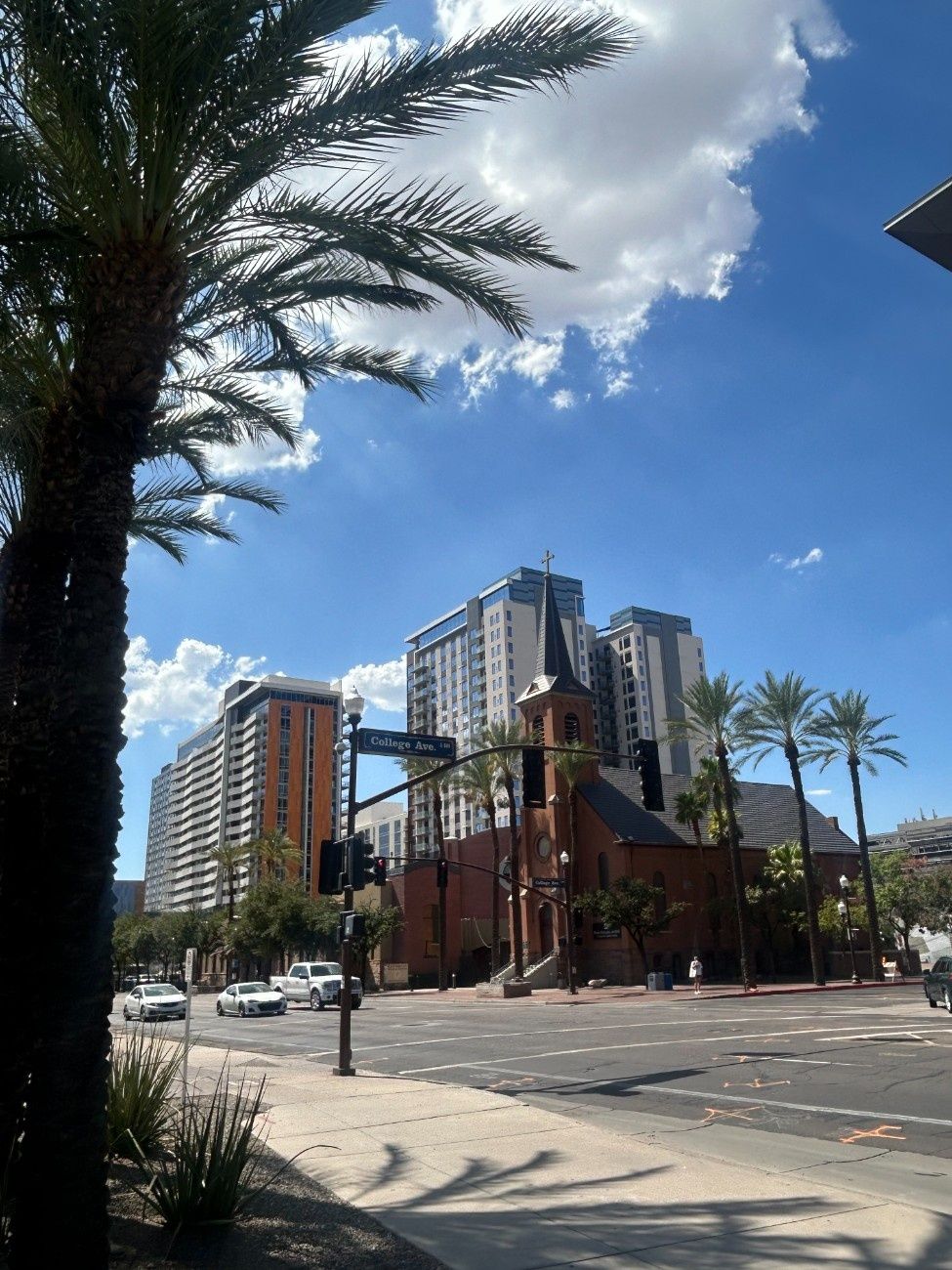
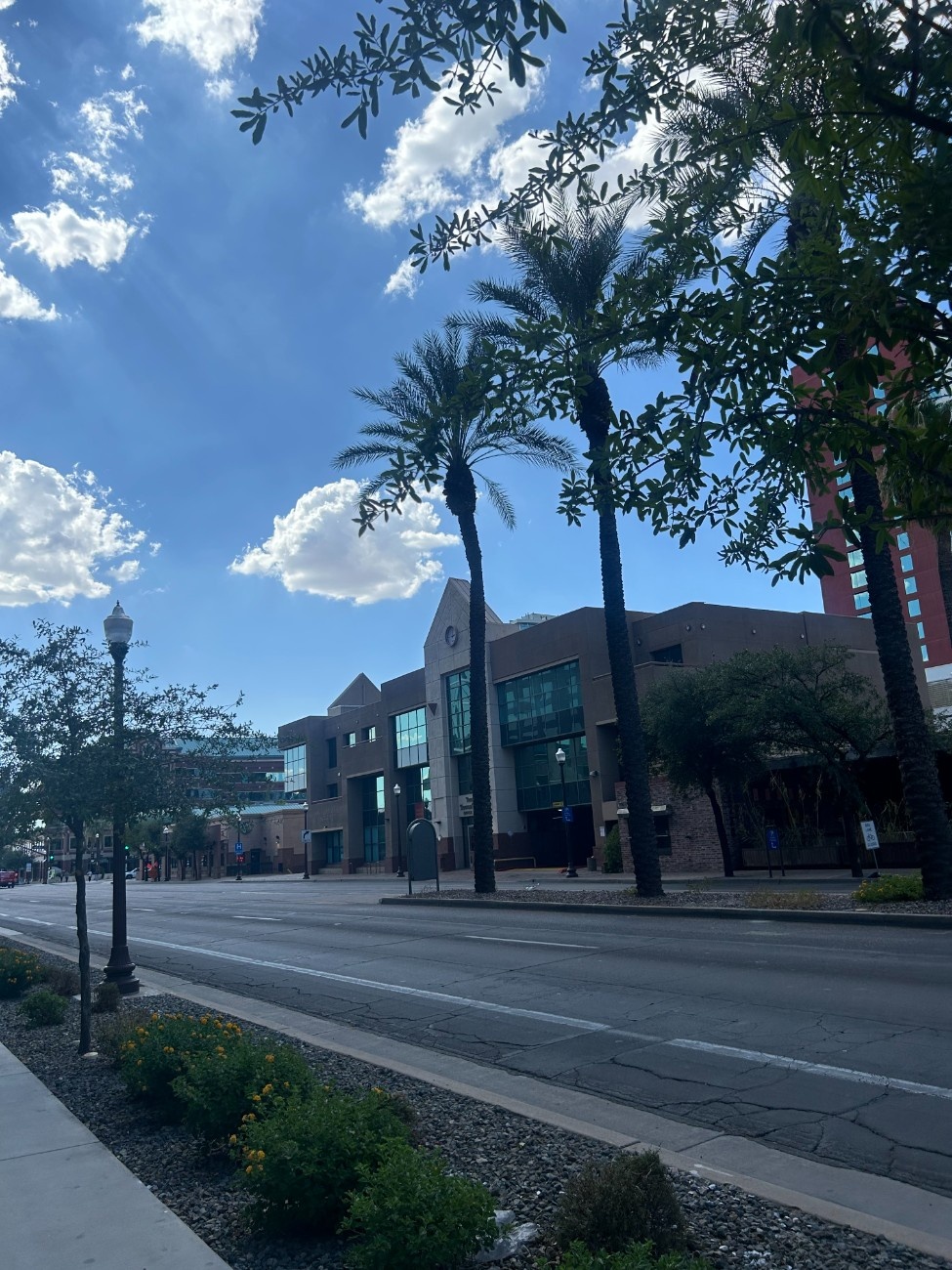
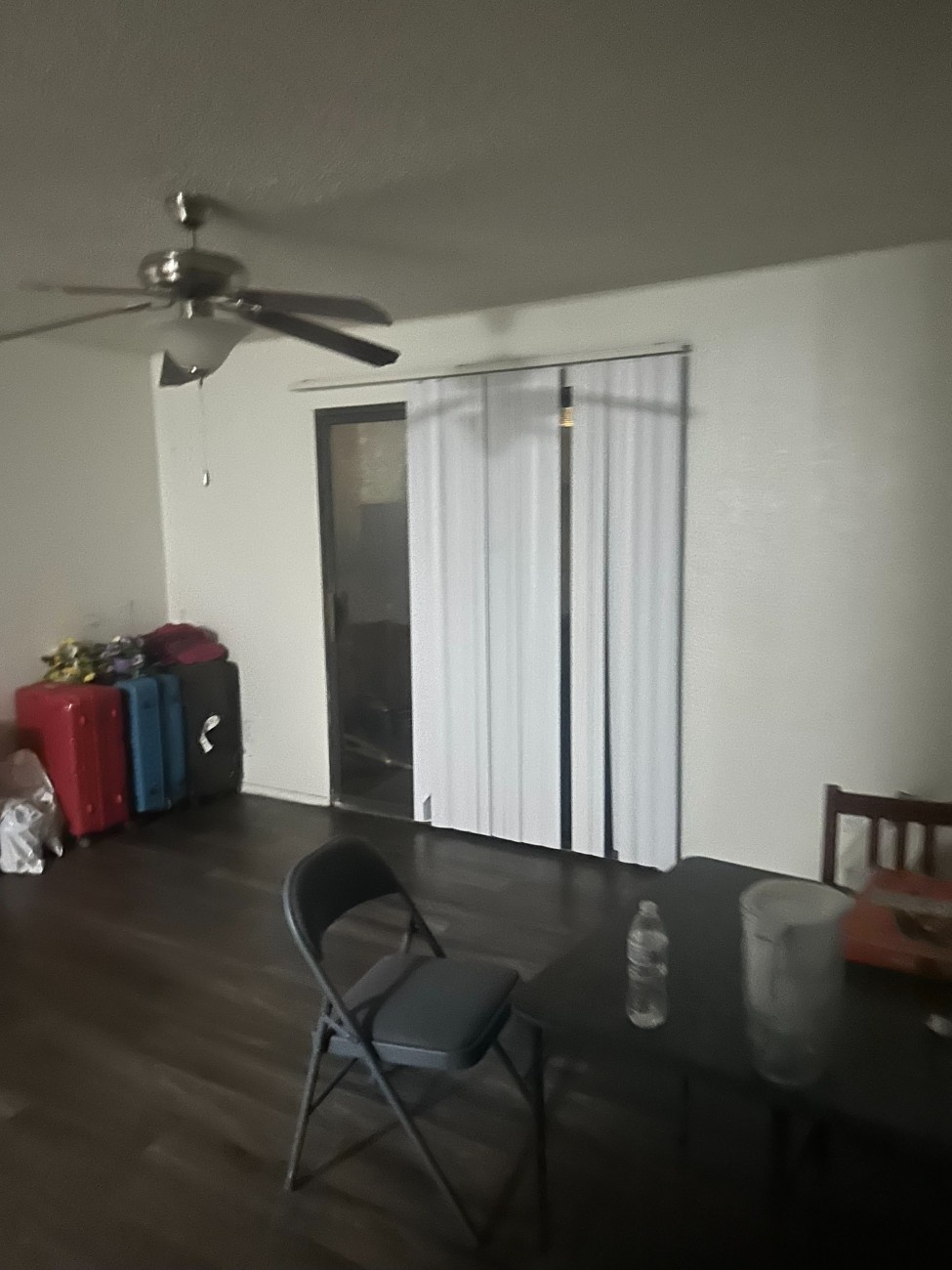
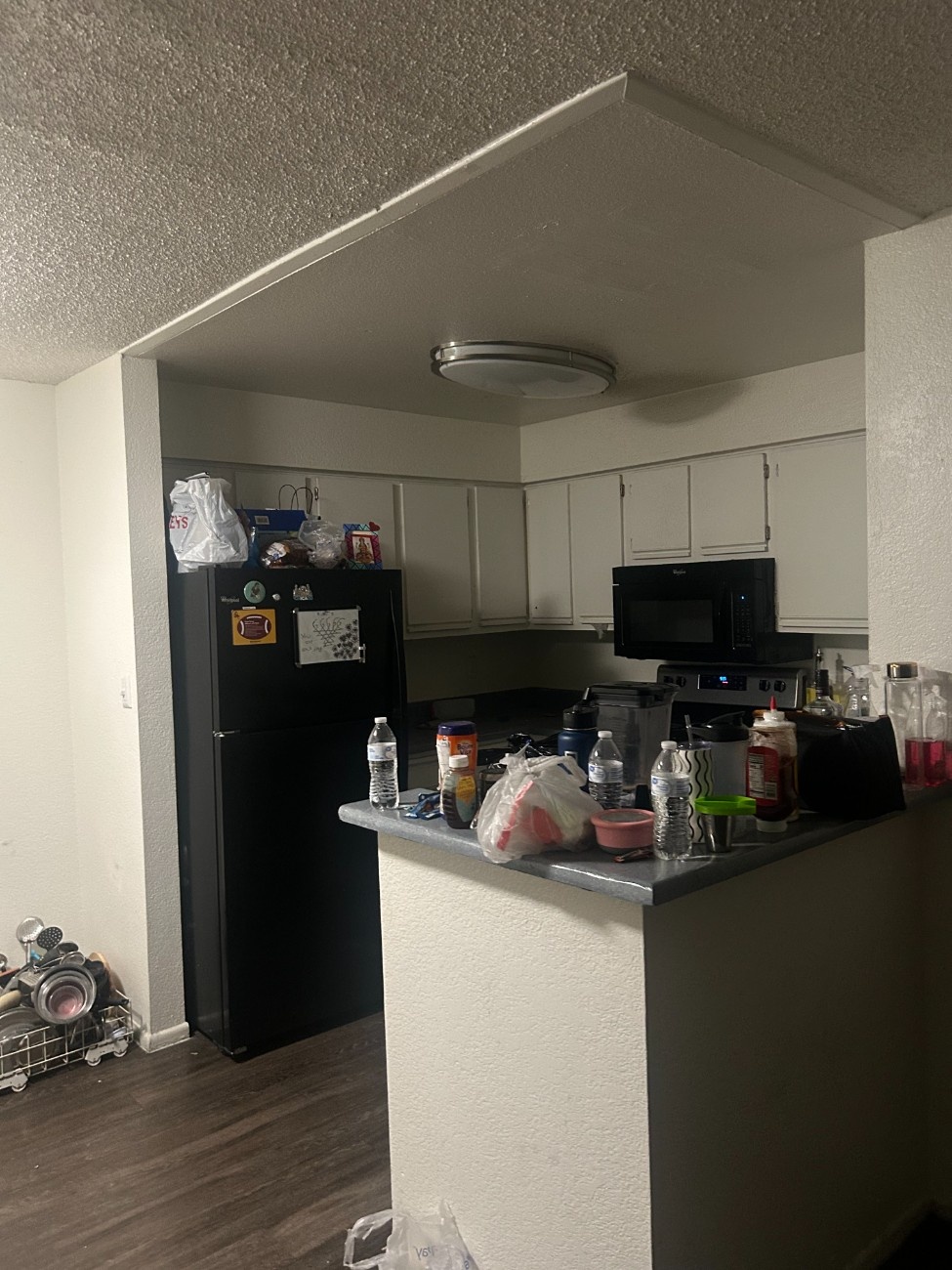
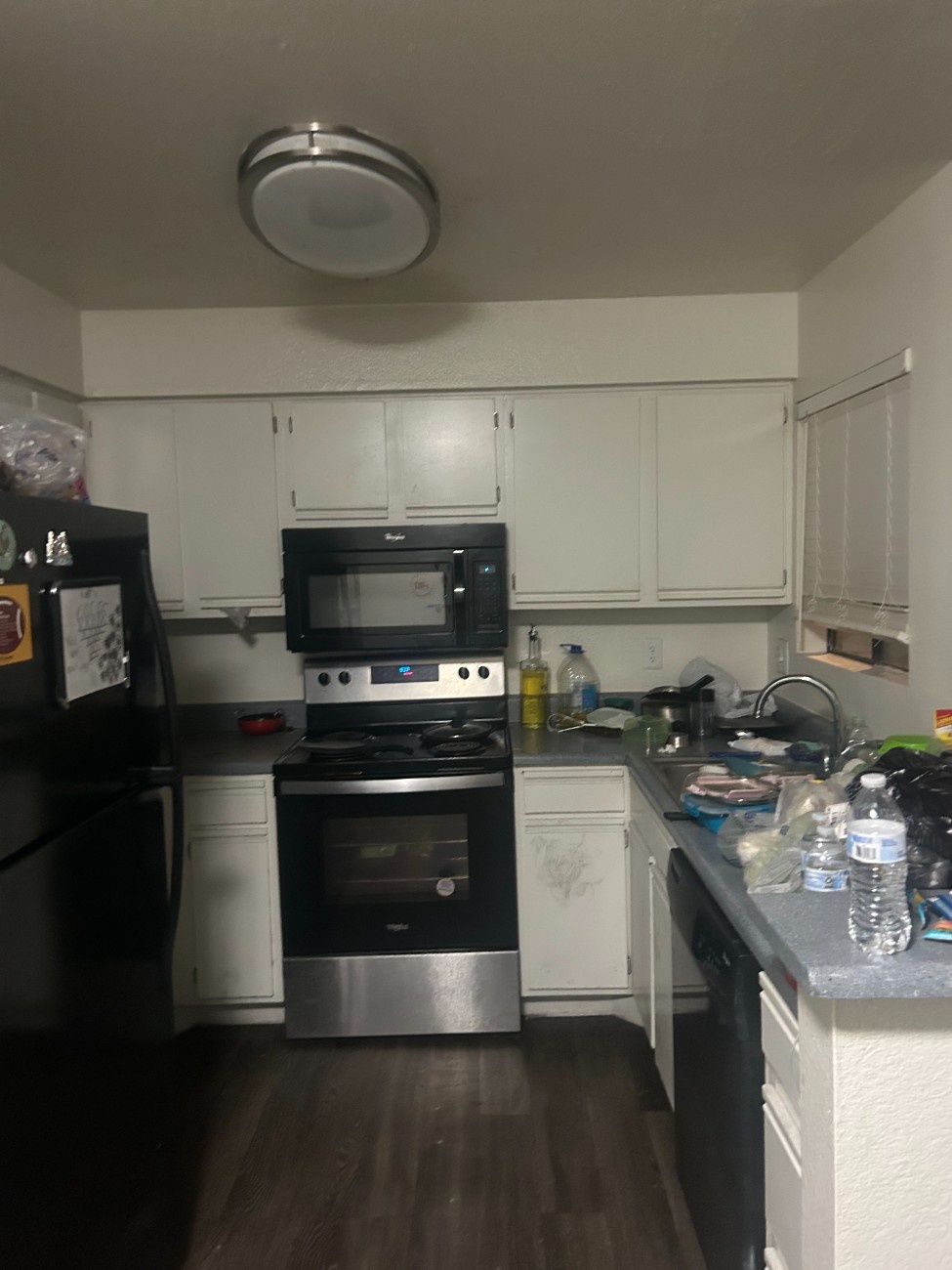
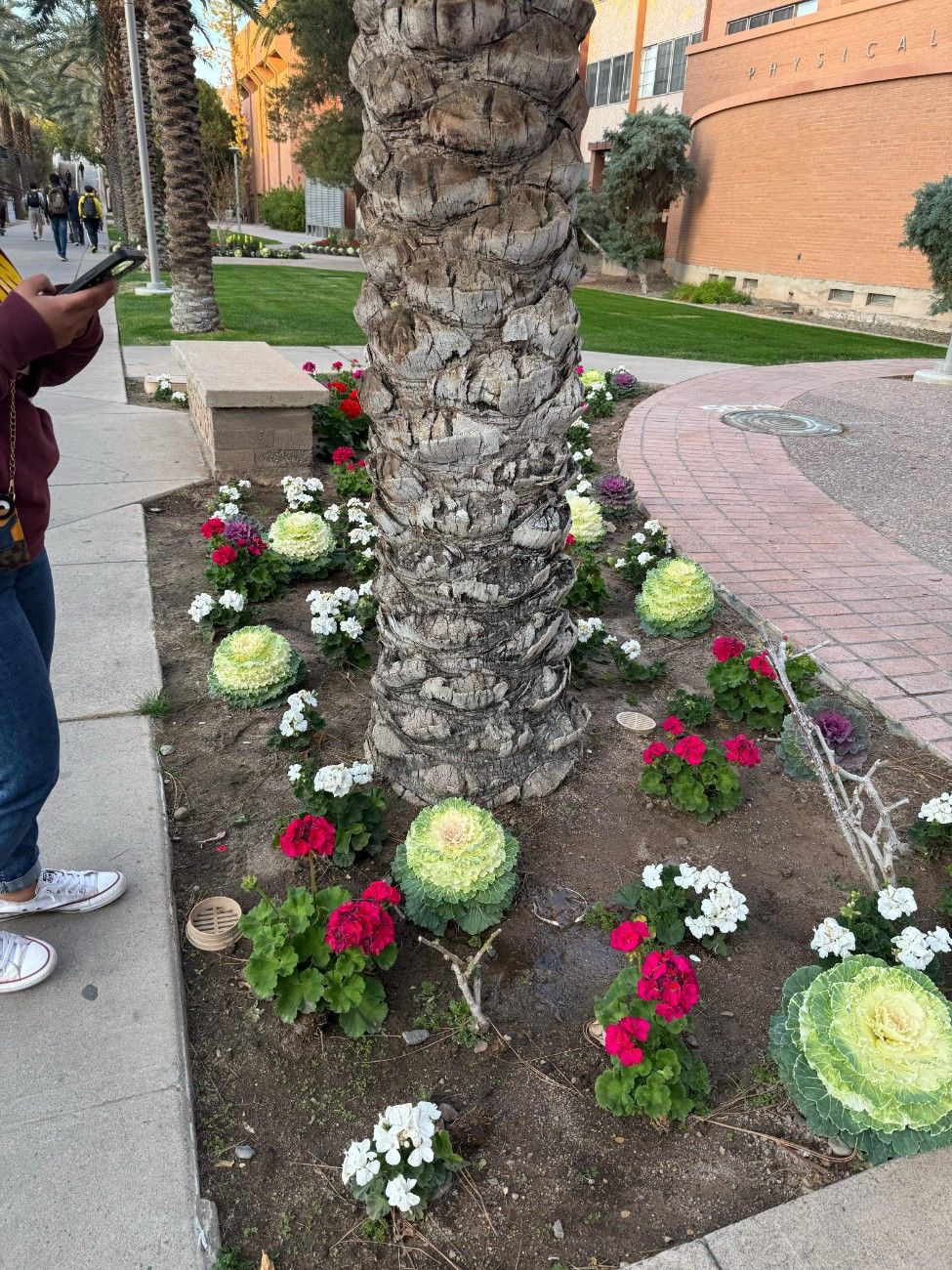
- ASU is scattered all over the place, with Tempe as the main campus and the Downtown Phoenix, Polytechnic, and West Valley campuses now offering other options. I attend the Tempe Campus, the biggest and most lively campus. This campus has gigantic libraries (Hayden Library is my personal favourite), hi-tech laboratories, sports courts, gyms, swimming pools, and even a medical facility and counselling centre.
- Life as a student is just so fun here. ASU hosts all major festivals and events, including but not limited to Homecoming, International Night, and Devils on Mill, where the entire community comes together. There are even beyond hundreds of student clubs ranging from cultural associations like the Indian Students' Association (ISA) to professional societies like BMES (Biomedical Engineering Society).
- Extracurricular activities are fundamentally a big part of campus life: students may join sports teams, cultural dance clubs, music clubs, or voluntary agencies. What I actually loved most is the continuous flood of activities on campus: career fairs, hackathons, cultural nights, and club meet-ups you have so many ways you can get involved besides academics.
Fees
- The cost of going to ASU is heavily tuition-focused and is paid per credit hour. For my graduate programme, tuition per semester is around $20,000 to $25,000, but that varies depending on the number of credit hours taken. There are no designated ASU residence halls for graduate students, so most of them live off campus.
- Shared rent can range from $600 to $900 per month in Tempe, where utilities add another $100 to $150. Groceries and meals usually cost a student $200 to $300 a month, and transportation can be managed at $70--$100, depending on whether a bus pass is used.
- On average, students have to pay around $1,000–$1,200 per month to cover living expenses, but transportation and whether a student is driving would also depend on lifestyle. In addition to the cost of living, students pay tuition each month. Tuition can be paid in different ways, and students are given the option of taking a payment plan.
Likes
- Huge campuses with smooth transportation within each campus.
- Gym and swimming pool with great amenities.
- Food court with various dining options available.
Dislikes
- High tuition fees and more scholarship options for international students.
- Public universities means huge intake hence more competition and fight among the part time opportunities.
- A lot of paperwork and formalities for each and every thing.
Campus Life
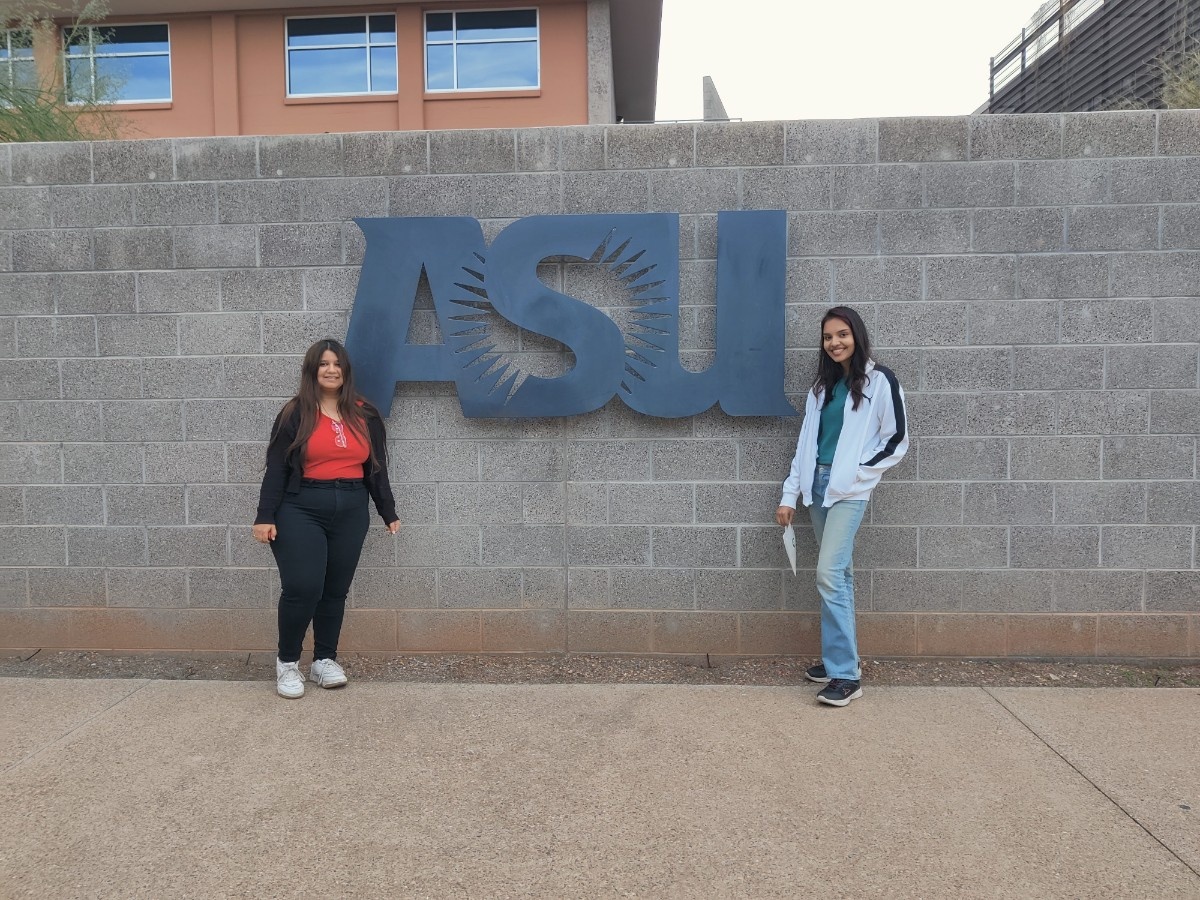
- Arizona State University has four campuses. Tempe is the main and largest campus. Then there’s the Polytechnic campus located in Mesa, the Downtown campus in Phoenix, and the West Valley campus.
- The Hayden Library at Tempe is the biggest and one of the best. There are two gyms on the Tempe campus and a health services centre on each campus. You can easily book appointments online.
- Campus events happen every week — often with free food and beverages. There are also festivals and concerts featuring popular artists. Last time, Steve Aoki performed!
Fees
- Talking about the breakdown of the fee structure is a bit wonky, but I will try explaining it here.
- First is the Tuition GR International fees for about $14,445
- Program Tui GR Polytechnic School for $450
- Student Health insurance $1045
- International student fee: $200
- Student Initiated fees $373
- Graduate academic support fee: $140
- Total $16653
- Regarding the rent, I live off campus, paying $350-400$ for rent and utilities altogether.


Arizona State University Scholarships
| Name | Scholarship Per Student | Level of Study | Type | |
|---|---|---|---|---|
| Chuan Ai Lu Engstrom Memorial Scholarship | Scholarship per student$1,000 | Level Of StudyBachelor | TypeMerit-Based | |
| Jagdish Bhagwati Fellowship | Scholarship per studentVariable Amount | Level Of StudyBachelor | TypeCollege-Specific | |
| Bharat Petroleum Scholarship | Scholarship per studentVariable Amount | Level Of StudyMaster | TypeMerit-Based | |
| Comindware Scholarship | Scholarship per student$4,000 | Level Of StudyApprenticeship | TypeMerit-Based | |
| Forktip Women’s- Innovation Scholarship | Scholarship per studentVariable Amount | Level Of StudyBachelor | TypeCollege-Specific | |
| FINCAD Women in Finance Scholarship | Scholarship per student$20,000 | Level Of StudyMaster | TypeMerit-Based |
View All 21 Scholarships
Do you think the Scholarship is wrong ? Report Here
FAQs
Ques. What is your review of Arizona State University??
Arizona State University Admissions
Application Portal: https://webapp4.asu.edu/uga_admissionsapp/
Attendance Cost
The table shows average yearly cost of attendance for international students. Amount may vary with the course opted, nature of accommodation, and personal spending habits of a candidate.Check Program wise Fees
Arizona State University Campuses, Schools & Faculties
Arizona State University Accreditations
Faculty
| Total Faculty | Full Time | Part Time | Graduate Assistants |
|---|---|---|---|
| 5000 | - | - | - |

interested in this College ?
Follow & Share this college to get information about admission.



Comments
Found 34 Comments
We DO NOT provide any scholarships, instead, we provide information regarding Scholarships.Kindly refer here
Arizona State University has two sets of requirements for admission: course competency requirements and minimum A-Level requirements. These are general requirements for all first-year students at ASU, regardless of their A-Levels. You can check ASU Admissions for more information.