


Reviewed on Oct 28, 2025(Enrolled 2024)
What Students Say
Likes
- Professors are approachable, there's really no difficulty in asking for any assistance or guidance.
- Depending on how strong you want to market yourself, there are plenty of research opportunities.
- A great deal of diversity is on this campus; I've encountered folks from many countries and cultures.
Dislikes
- Summers in Arizona are brutally hot, and walking around campus can be tough.
- Tuition and living expenses are on the higher side, so managing finances can get stressful.
- Getting RA/TA positions is pretty competitive, not everyone lands one easily.
Course Curriculum
10
- At ASU, the academic curriculum is characterised by a solid mixture of theory and practical elements. With a consistent level of dedication, the degree programme varies in difficulty depending on the specific elective courses. These are designed to gradually increase the levels of challenge, requiring the application of even more refined critical thinking techniques in research and projects. The advantages are the benefits of the flexible elective and lab and research project selection that I mentioned above.
- It is great being given this level of exposure; however, there can be a downside during the crunch period when multiple assignments and project deadlines pull up on you. One huge positive is at least I get to spare some time the classes require and I even get to concentrate on some personal research. About fifteen students in the class is the average, and this number is perfect since I grab some time to get one on one with my professors.
Admission Experience
- I had applied to these five master's programmes in various universities: Arizona State University, University of Illinois Chicago, Northeastern University, University of Southern California, and New York University. Fortunate to have gained admission to all, I picked ASU because of its strength in biomedical engineering research, flexible coursework options, and great potential for opportunities at the Biodesign Institute.
- I chose ASU because its biomedical engineering programme very closely correlates with my interests in biomaterials and medical devices. ASU impressed me most with the flexible curriculum, research at the Biodesign Institute, and support from faculty. The admission process-state of the art! – was smooth and transparent. I submitted my application along with transcripts, SOP, resume, and recommendation letters; a few weeks after that, I received an admit. Largely, most master's programmes require an average GPA of about 3.0/4.0, as well as scores for English proficiency tests, such as TOEFL iBT-80+ or IELTS 6.5, and for many engineering subjects, the GRE is optional. All in all, the graduate admission was mostly smooth, the main issue being just collecting all the docs on time. The best part: ASU communicated with me clearly and efficiently throughout.
- I chose the Fall intake mostly because of the broader offerings and that it is the preferred choice of most master’s students due to the recognisable course and research opportunities offered. During the month of November to early December, I was in the process of applying. I received my application result in a span of 5 to 7 weeks. Furthermore, I was immediately accepted. My acceptance letter reached me at the conclusion of January and gave me enough time to get my funds, fill out visa forms, and move to the U.S. From the time my application was submitted to admission, the procedures were executed promptly and without any hitches.
Faculty
10
- The student-teacher ratio in our programme is quite student-friendly, with only around 15 students in a class. This ensures that students can communicate directly with professors and obtain one-on-one guidance whenever they choose to. The mode of instruction is a combination of theory and project-related learning.
- Hence, you get to learn concepts in depth and are also capable of applying them practically. The curriculum feels very industry-orientated, and many professors pull in external resources or give practical examples that directly relate to real application areas within biomedical engineering.
- Some professors even actively reference their personal networks to aid students in finding part-time or full-time jobs, which is quite beneficial. I personally admire Prof. Vincent Pizziconi quite a lot. When he taught Advanced Biomaterials, his passion for research and ability to communicate complicated things clearly were very evident to me.
Campus Life
10
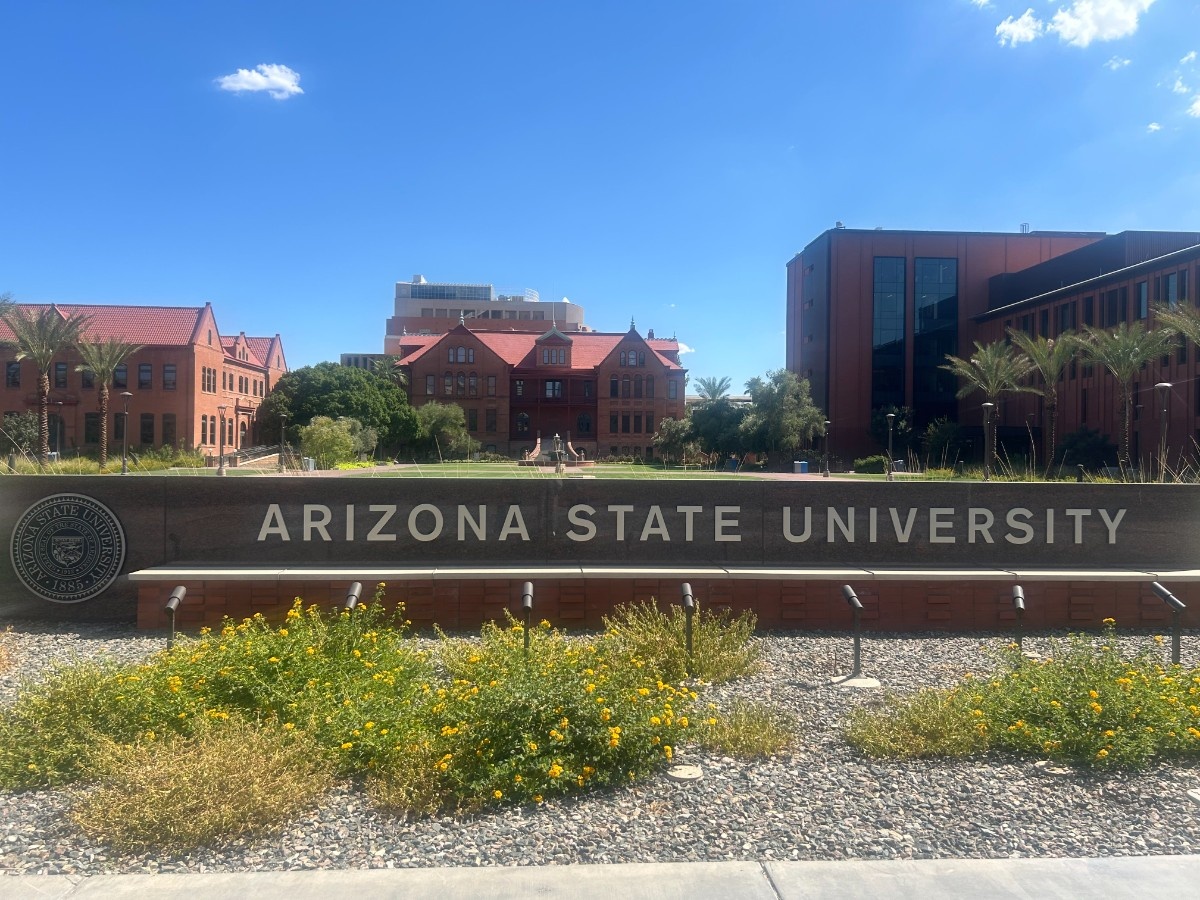
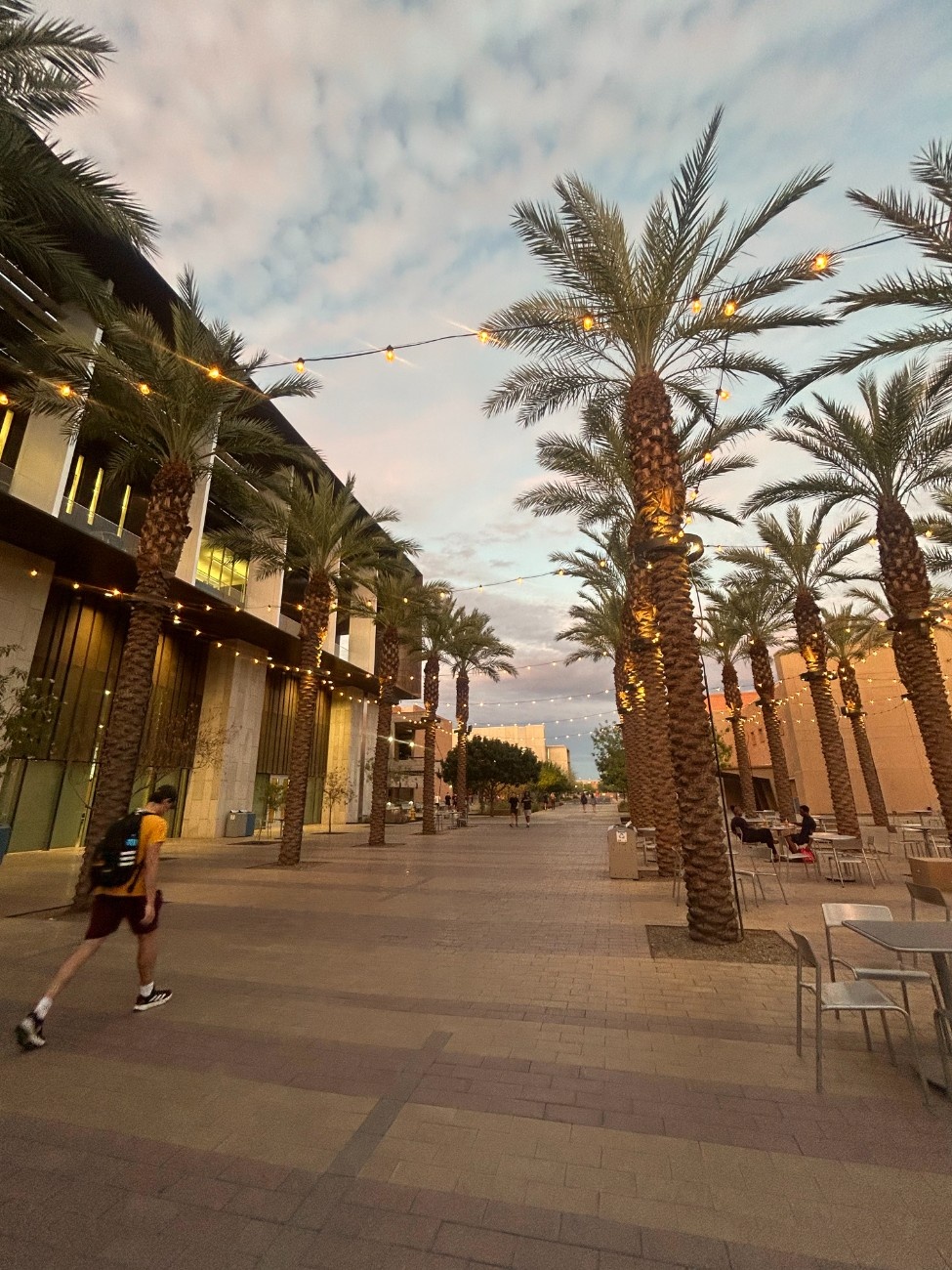
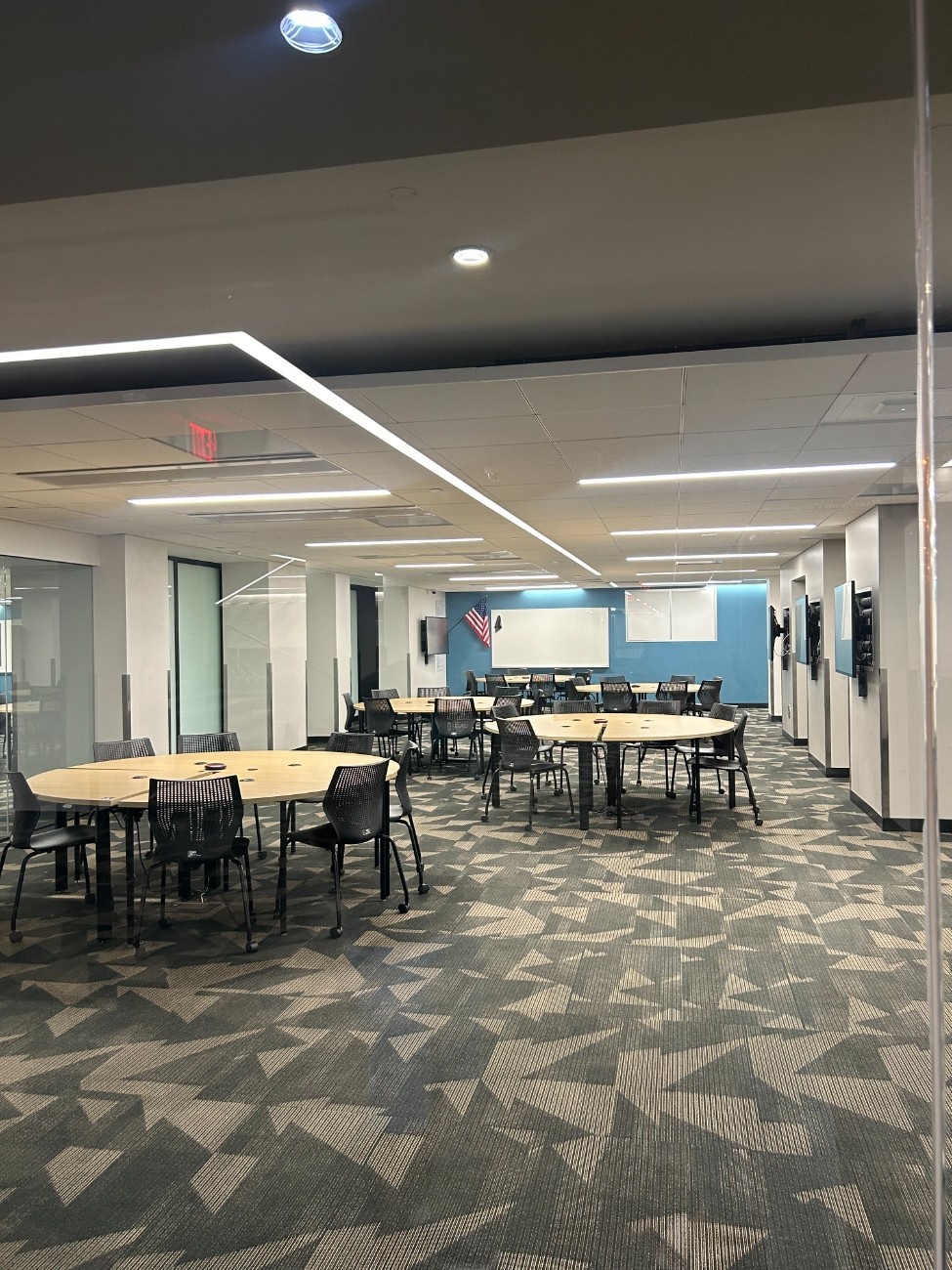
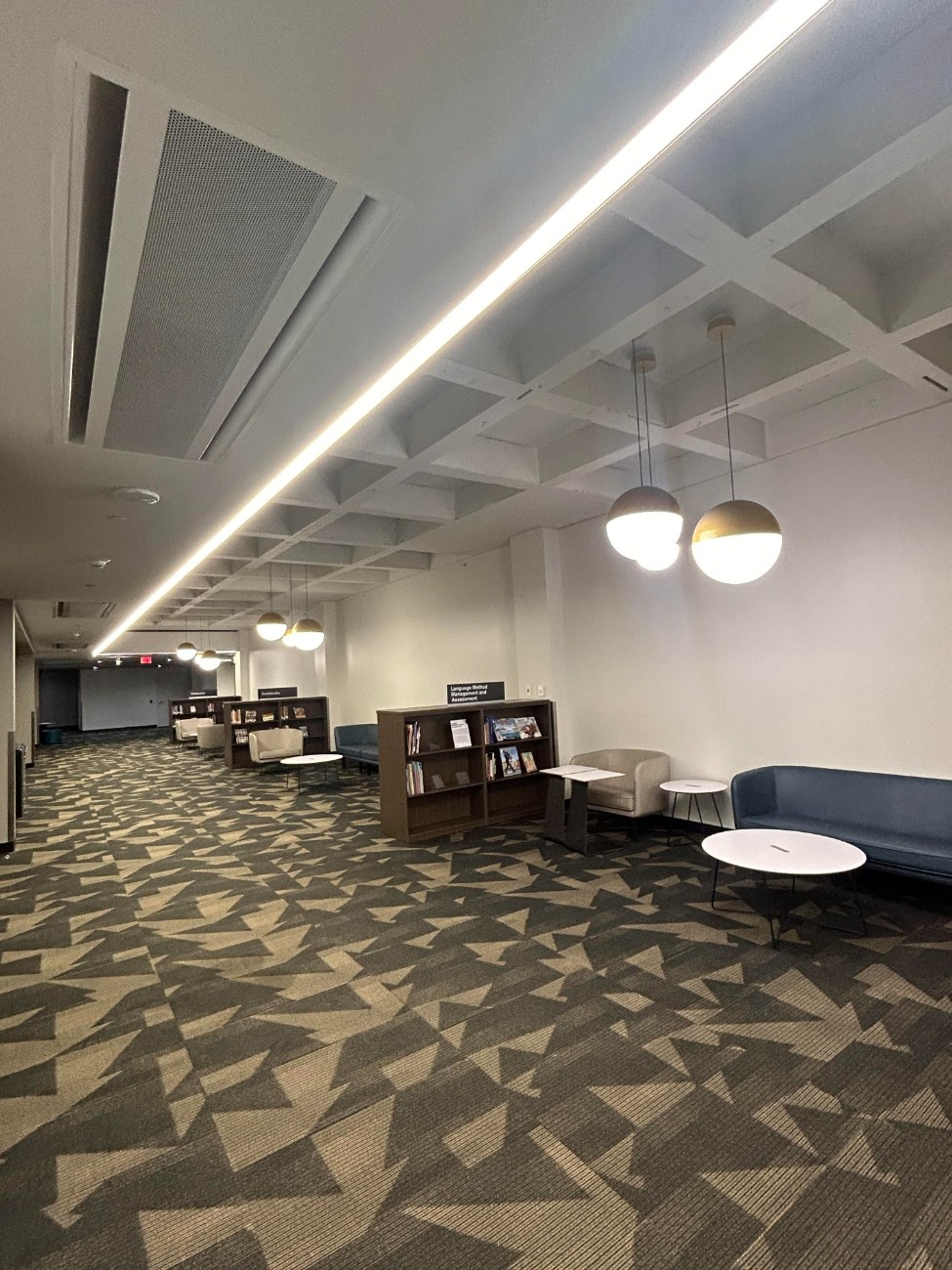
- ASU is scattered all over the place, with Tempe as the main campus and the Downtown Phoenix, Polytechnic, and West Valley campuses now offering other options. I attend the Tempe Campus, the biggest and most lively campus. This campus has gigantic libraries (Hayden Library is my personal favourite), hi-tech laboratories, sports courts, gyms, swimming pools, and even a medical facility and counselling centre.
- Life as a student is just so fun here. ASU hosts all major festivals and events, including but not limited to Homecoming, International Night, and Devils on Mill, where the entire community comes together. There are even beyond hundreds of student clubs ranging from cultural associations like the Indian Students' Association (ISA) to professional societies like BMES (Biomedical Engineering Society).
- Extracurricular activities are fundamentally a big part of campus life: students may join sports teams, cultural dance clubs, music clubs, or voluntary agencies. What I actually loved most is the continuous flood of activities on campus: career fairs, hackathons, cultural nights, and club meet-ups you have so many ways you can get involved besides academics.
Part Time Jobs
- Most part-time jobs available to international students at Arizona State University are located on campus, largely because off-campus employment tends to be more limited as a result of the visa restrictions placed on international students, unless the off-campus job is in fact CPT/OPT related. The three most common on-campus jobs include the Teaching Assistant, Research Assistant, and Departmental Assistant. These become available to students who have strong academic and research credentials.
- The positions of TA, RA and also DA, and a couple of other roles typically go between $15 and $22 per hour, and frequently there’s also the benefit of partial tuition coverage for RAs. Working in the library is one of the standard in-house jobs, in addition to working in the cafeterias, gyms and computer labs, as well as jobs such as front desk assistance, all of which offer an hourly payment of $13–$18. The allowed working hours are restrained to a maximum of 20 hours per week during the semester, and it is possible to work full time during the holidays.
- Obtaining an on-campus job in the original semester can be difficult due to the many competitors; however, it becomes much simpler upon establishing a connection with prior-year students, as well as by consistently enrolling in the employment action on Handshake and by directly approaching the professor aiming for the jobs.
- Majority of Indian students at Arizona State University (ASU) take up part-time work at the campus. Individual job titles could be library assistant, front desk helper, research aide and dining aide student worker, among other departments. These jobs provide the comfort of flexibility and the advantage of being close to classes. Compensation is generally $13–$18 per hour, depending on the role. A part-time job can be quite competitive, especially for the guests in the first semester, but is worth it if you are the owner and check the ASU job portal and the seniors as well.
- Most of the time, students seek part-time jobs, which involve completing an online application, followed by an interview and skill assessment. In some cases, students manage to secure employment based on personal recommendations of their professors or friends. It is possible to obtain a part-time job while studying with the help of consistent and early application.
Placement
8
- 81–93% of my biomedical engineering batchmates securing employment within half a year of graduation shows how good the ASU opportunities are. Graduating from the programme, earners are typically paid around $77,000–$87,000 per year (mind you, this number is inclusive of people who chose to pursue a specialisation prior).
- It is important to remember how the university’s recruitment is shunted, along with the lack of campus portals and placements, as ASU is located in the United States. Engaging with employers worldwide is one of the strategies of the Center for Student Involvement and Leadership—it holds career fairs and company presentations, and it would be a good idea if one attended the Collaborative Computing Conference along with one of these meetings.
- BIOSTAC is another example of such a meeting; it gives updates on technology companies and how to network with companies and employers. Major companies that came up in networking were Johnson & Johnson, Medtronic, Stryker, and BD. I'll tell you one thing—even though ASU sends you quite a couple of icebreakers through its services, none (literally none, as a matter of fact) of the companies you network with come to you.
Accommodation
Off Campus
6
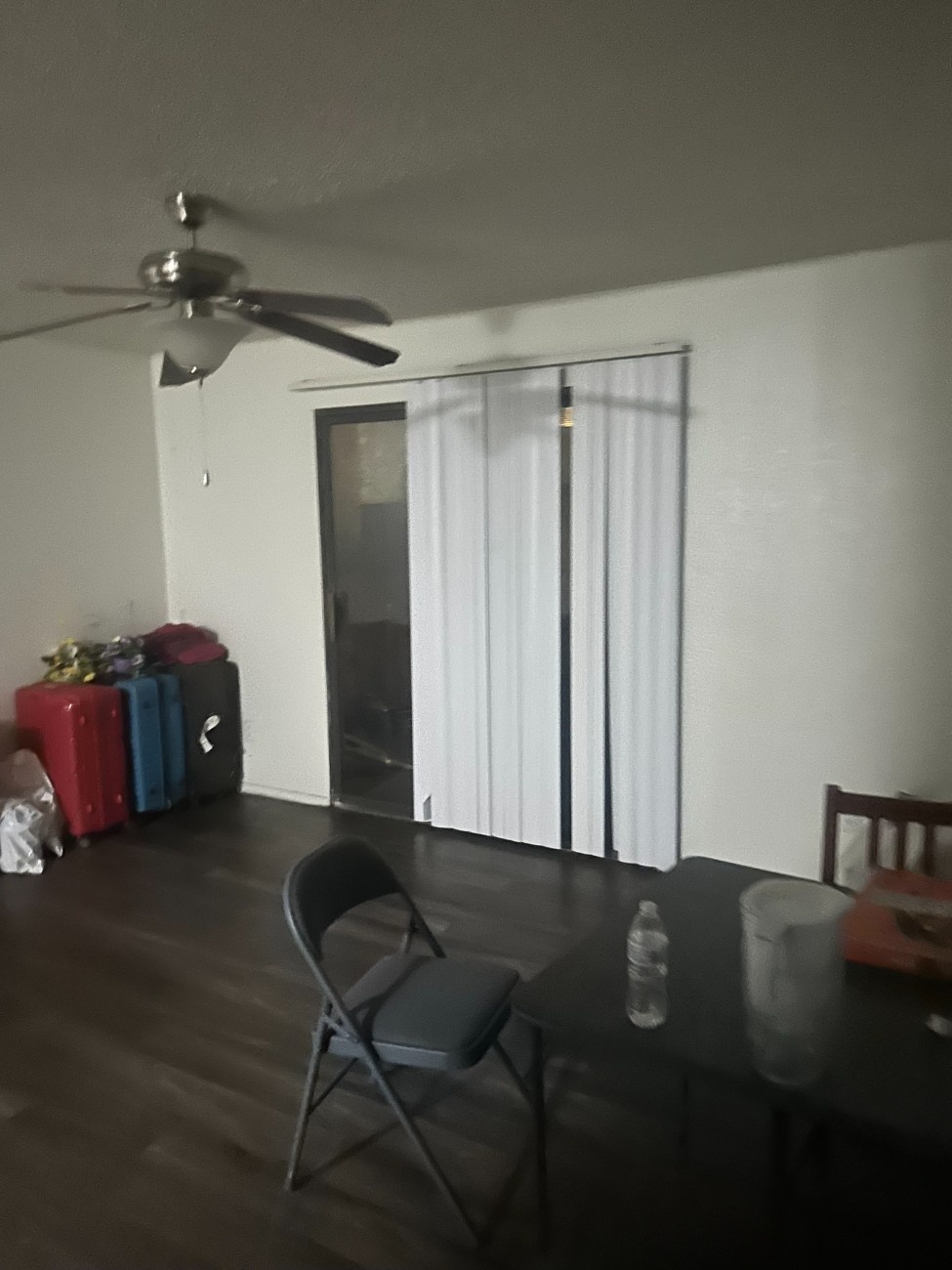
- I relied heavily on the free accommodation and room availability posts that were shared in the student housing WhatsApp and Facebook groups. The apartment I now have space to live in costs me $700 per month, which includes net, water, and trash, but I have separate charges for electricity. In Amman, for my rent, the apartments I wanted to rent quickly were booked and the demand escalated during the peak admission seasons at ASU so I had to start looking for apartments very early to secure a really good place.
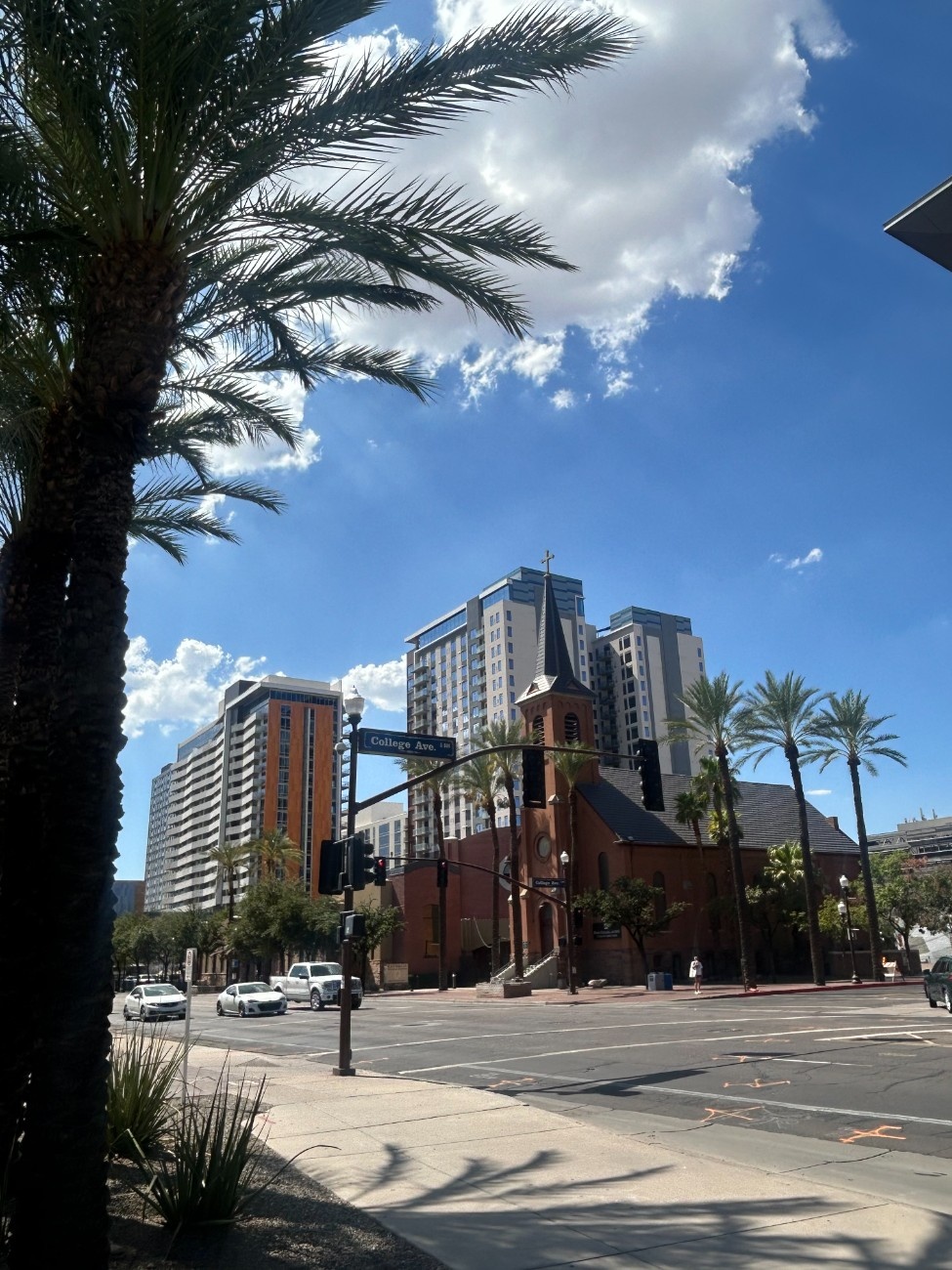
- The apartment I am staying in is about 10 to 15 minutes away from campus, which is a spot-on distance. Being an Indian myself, I know that staying close to the Tempe campus, which includes the areas of University Drive, Apache Boulevard and the apartments in and around Temple, are the most sought-after places. These places are the cheapest to stay in and are the easiest places in Tempe to find a place to stay nearer to groceries and to reach the closest Indian grocery store. For the next batch of students who are curious about off-campus housing, I would like to inform you to kindly join the WhatsApp groups at the earliest.
- Furthermore, it would also be my advice that you are flexible with who your potential future roommates could be, and importantly, you finalise the housing before coming to Tempe. I have noticed that students procrastinate a lot regarding their housing, only booking after coming to Tempe, which leads to excessive stress.
Exams
- Applicants outside the United States need to understand English, and they typically have exam records for TOEFL (minimum of 80), IELTS (minimum of 6.5), or PTE (minimum of 60). A lot of master’s programmes now allow for the GRE’s issuance of applicable certificates, and my programme fits right into this category.
- As admissions for the programme do not rely on GRE results, I did not proceed with mine. The other requirements listed in the application process that I accomplished were the Submission of SOP, Submission of LORs, Resume/CV, Official Academic Transcripts, and Proof of English Proficiency. There were no further requirements, such as an interview. Admission was based solely on my academic records and the scores I received on the tests I provided.
Fees
- The cost of going to ASU is heavily tuition-focused and is paid per credit hour. For my graduate programme, tuition per semester is around $20,000 to $25,000, but that varies depending on the number of credit hours taken. There are no designated ASU residence halls for graduate students, so most of them live off campus.
- Shared rent can range from $600 to $900 per month in Tempe, where utilities add another $100 to $150. Groceries and meals usually cost a student $200 to $300 a month, and transportation can be managed at $70--$100, depending on whether a bus pass is used.
- On average, students have to pay around $1,000–$1,200 per month to cover living expenses, but transportation and whether a student is driving would also depend on lifestyle. In addition to the cost of living, students pay tuition each month. Tuition can be paid in different ways, and students are given the option of taking a payment plan.
Scholarship
- Yes, there is an ample amount of international master's student scholarships and financial support that’s available at ASU. Personally, I did not apply for one, but I am aware that some of my friends received the New American University (NAU) Scholarship, which is based on merit and on the student’s academic profile at the time of submission.
- The amount fluctuates; however, the $5,000 to $10,000 yearly award greatly assists in covering the tuition costs. Some people also get to work as an RA or TA and, on top of receiving a partial tuition waiver, get paid a stipend, which funds part of their expenses partially.
- Although the scholarship is scarce for the international students, a good number receive department assistance for on-campus work, which helps to address their economic problems.


