


What Students Say
Likes
- Strong emphasis on industry-relevant coursework and applied projects
- Wide range of on-campus jobs, TA/RA, and research opportunities
- Excellent faculty accessibility and mentorship
Dislikes
- Good career support through career fairs, Handshake, and networking events
- Career outcomes depend heavily on self-initiative and networking
- Housing near campus can be expensive and competitive
Course Curriculum
8
-
The curriculum is well-updated and industry-aligned, covering both theory and practical implementation. Courses focus heavily on:
- Software engineering principles
- System design and architecture
- Data structures and algorithms
- Cloud and distributed systems
- Research-driven projects
- Students receive research exposure, hands-on assignments, and collaborative projects.
- Classes per day: 1–3
- Typical timings: 9 AM – 5 PM
- Average class size: 40–80 students, larger for core courses
Admission Experience
- I chose Arizona State University primarily because of its strong reputation in engineering, software systems, and applied research, along with its focus on innovation and industry collaboration. ASU’s emphasis on project-based learning, modern tech stacks, and real-world problem solving aligned well with my goal of becoming a strong software engineer.
- The admission process was transparent and merit-based, and the program structure allowed flexibility to explore areas like software architecture, data engineering, cloud computing, and semantic technologies.
- Overall, my experience at ASU has been challenging, rewarding, and growth-oriented. The academic rigor, combined with research exposure and team-based projects, has significantly strengthened both my technical and professional skills.
- My Scores: GRE 320/340 TOEFL 106/120
Faculty
8
- ASU maintains a healthy faculty-to-student ratio, and professors are highly approachable. Many faculty members are actively involved in research, industry collaboration, and funded projects.
- Several professors have had a strong impact on my academic and research growth through mentorship, project guidance, and career advice.
Campus Life
10
-
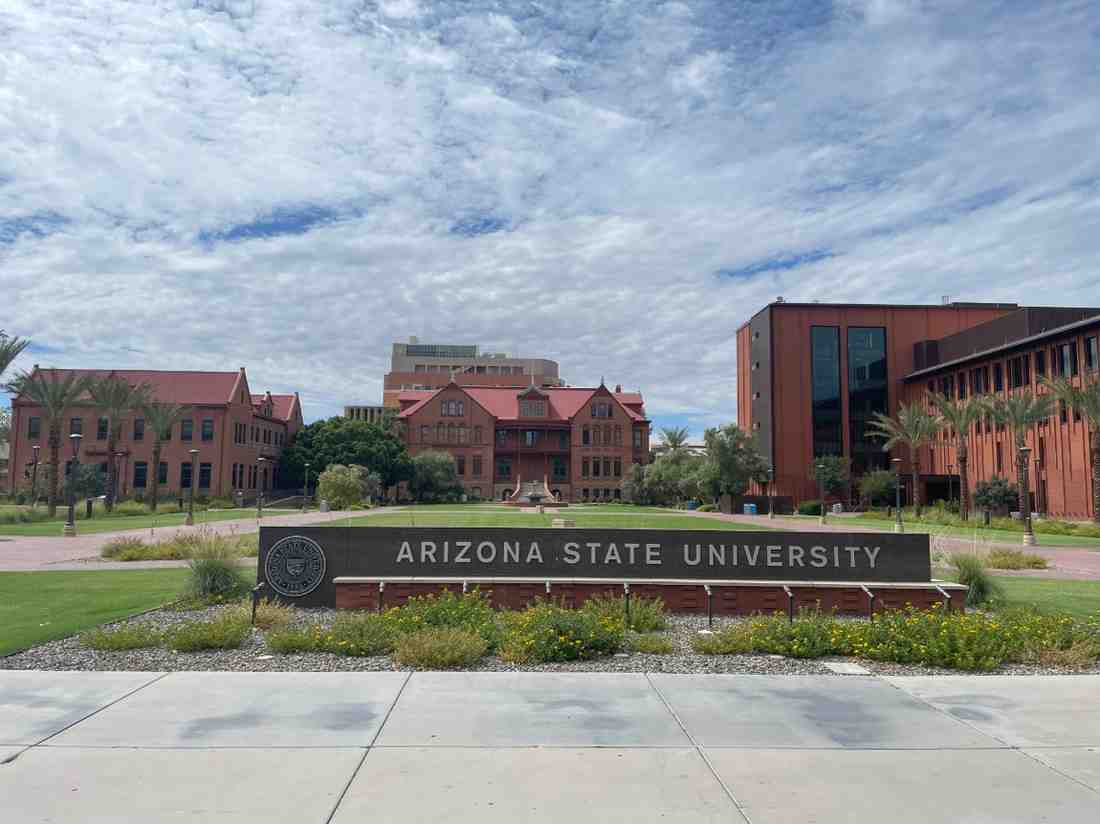
ASU has multiple campuses, with Tempe being the main hub. Campus life is vibrant with:
- Hundreds of student clubs and organizations
- Regular hackathons, tech talks, and career fairs
- Excellent libraries, research labs, gyms, and sports facilities
- Strong support for cultural and international student events
- The infrastructure is modern and well-maintained, making campus life engaging and dynamic.
Part Time Jobs
- Average pay: $12–20 USD per hour • Maximum allowed hours: 20 hours per week (F-1 students) Application process • Apply via ASU job portal and departmental listings • TA/RA positions through professors and departments Difficulty • Competitive but achievable with persistence • A fair number of students secure TA, RA, or DA roles, especially after the first semester
Placement
6
-
A significant portion of students secure jobs within 3–6 months of graduation.
- Estimated placement rate: 70–80%
- Average salary range: $80,000 – $120,000 USD per year, depending on role and experience
- Students typically find jobs through:
- Internships converting to full-time roles
- Campus career fairs
- Networking and referrals
- Online portals like LinkedIn and Handshake
Accommodation
Off Campus
8
- I found accommodation through: • Student housing groups • Online platforms and university forums • Monthly rent: $400 – $600 USD (shared apartment) • Facilities typically include utilities, Wi-Fi, gym access, and furnished units.
- Housing near campus is convenient but competitive, so early planning is important.
Exams
-
Required exams
- IELTS or TOEFL
- GRE (optional or waived for many programs)
- Required documents
- Statement of Purpose (SOP)
- Letters of Recommendation (LORs)
- Resume/CV
- Academic transcripts
- Passport and financial documents
Fees
- Approximate tuition: $45,000 – $55,000 USD for the full program
- (Excluding living expenses)


