




Master of Science [M.S] (Biomedical Informatics)
Field of Study:
$30,348 /Yr

Arizona State University Master of Science in Biomedical Informatics and Data Science blends computer science, statistics, and clinical medicine into a 32-credit, 2-year degree. The program demands 3.0+ GPA and foundational biology, statistics, and coding skills. International tuition starts at US$31,905 annually (INR 30.39 Lakhs). Fall 2026 and Spring 2027 intakes open now. The degree trains healthcare technologists who bridge medicine and software—building decision-support tools, analyzing clinical data, and scaling hospital systems. ASU’s partnership with Mayo Clinic delivers real patients, real datasets, and lab-to-production velocity. Ideal for graduates comfortable with rigor and mentorship-driven research.
The program stands apart for its 24-month STEM OPT extension—three full years of US work authorization post-graduation. Cohorts average 24 students, not 300. Faculty publish actively; you contribute to their research in year one. Biomedical informatics roles grow 15% annually. Graduates land entry roles at US$85,000–$101,000 (INR 81.1 Lakhs–INR 96.3 Lakhs) across hospitals, pharma, and medical device firms within three months.
- Mayo Clinic partnership provides direct shadowing, capstone projects, and hiring pipelines in a Level 1 medical center.
- STEM designation unlocks 36-month total US work authorization (OPT + extension) versus 12 months for non-STEM graduates.
- Small cohort and faculty mentorship mean your research output gets published and your professors advocate for internship placements.
Current Admission Status
Applications for the Spring 2027 intake are Open. International student deadline: 15 December 2026.
WES transcript evaluation for Indian degrees typically takes 4–6 weeks; apply 8–10 weeks before the deadline to avoid delays.
Also Check: ASU Biomedical Informatics Admission Requirements
Arizona State University Biomedical Informatics Fees and Living Costs 2026
Tuition and fees vary by enrollment level but include base costs, program-specific surcharges, and mandatory technology fees.
| Cost Component | USD (per semester) | INR (per semester) | USD (per year) | INR (per year) |
|---|---|---|---|---|
| Base tuition (9 credit hours) | $14,598 | INR 13.92 Lakhs | $29,196 | INR 27.84 Lakhs |
| Program-specific fee | $200 | INR 19,040 | $400 | INR 38,080 |
| Advanced technology fee | $100 | INR 9,520 | $200 | INR 19,040 |
| Graduate student support fee | $150 | INR 14,280 | $300 | INR 28,560 |
| International student fee | $200 | INR 19,040 | $400 | INR 38,080 |
| Total tuition and fees per year | $15,952 | INR 15.21 Lakhs | $31,905 | INR 30.39 Lakhs |
Source: ASU Graduate Admissions Office, 2026-2027 tuition schedule.
All INR conversions in the article use a conversion rate of USD 1 = INR 95.4 as of June 2026. Rates fluctuate daily; verify before applying.
- Tuition assumes full-time enrollment (9 credit hours per semester); part-time students pay proportionally lower fees.
- Out-of-state and international rates are identical at ASU; no residency discount applies.
- Books, software licenses (SAS, R, Jupyter), and clinical simulation tools add US$200–$400 annually (INR 19,080–INR 38,160).
- Two-year total tuition and fees: approximately US$63,810 (INR 60.78 Lakhs).
Cost of Living in Tempe for Biomedical Informatics Students
Living expenses in Tempe, Arizona vary by housing choice and lifestyle. On-campus housing is limited for graduate students; most rent private apartments near campus or in Phoenix suburbs.
| Expense Category | USD (monthly) | INR (monthly) | USD (annual) | INR (annual) |
|---|---|---|---|---|
| Shared apartment rent | $800–$1,200 | INR 76,320–INR 114,480 | $9,600–$14,400 | INR 9.15 Lakhs–INR 13.74 Lakhs |
| Food and groceries | $250–$400 | INR 23,850–INR 38,160 | $3,000–$4,800 | INR 2.86 Lakhs–INR 4.58 Lakhs |
| Transportation (car/transit) | $100–$150 | INR 9,540–INR 14,310 | $1,200–$1,800 | INR 1.14 Lakhs–INR 1.72 Lakhs |
| Utilities and internet | $80–$120 | INR 7,632–INR 11,448 | $960–$1,440 | INR 91,680–INR 137,520 |
| Health insurance (student plan) | $229 | INR 21,859 | $2,750 | INR 262,325 |
| Total annual living costs | $1,459–$2,270 | INR 139,197–INR 216,798 | $17,400–$27,000 | INR 1.66 Lakhs–INR 2.57 Lakhs |
Key Insight: Tempe is lower-cost than Boston, San Francisco, or New York. Shared housing with graduate peers cuts rent by 30–40%. Many Indian students live together, sharing costs and cultural space.
Read More: USA Cost of Living Guide
Arizona State University Biomedical Informatics Admission 2027
ASU admits Fall 2026, Spring 2027, and Summer cohorts on rolling basis. Priority deadlines close earlier; applications reviewed thereafter until seats fill.
| Intake | Priority Deadline | Final Deadline | Status |
|---|---|---|---|
| Fall 2026 | 15 February 2026 | 30 April 2027 | Rolling (Late) |
| Spring 2027 | 01 November 2026 | 15 December 2026 | Open |
| Fall 2027 | 15 February 2027 | 30 April 2028 | Not Yet Open |
- Applications submitted before priority deadline receive expedited review and priority funding consideration.
- Rolling admissions mean seats fill cohort-by-cohort; applications after the final deadline are rejected regardless of qualifications.
- Rejections for incomplete applications (missing WES evaluation, English proficiency scores) are final; no resubmission window.
Academic Eligibility for Biomedical Informatics MS
ASU requires a bachelor’s degree (any field) with cumulative GPA ≥ 3.0 on a 4.0 scale, calculated across all undergraduate or prior master’s coursework. Competitive applicants average 3.5+. GPA lower than 3.0 may be waived for applicants with strong professional biomedical backgrounds.
| Requirement | Minimum | Competitive |
|---|---|---|
| Cumulative GPA | 3.0/4.0 | 3.5/4.0 |
| GMAT/GRE | Not required | Optional; 160+ Quant strengthens application |
| Work experience | None | Healthcare IT, biotech, pharma, 2+ years preferred |
| Research publications | Not required | First-author peer-reviewed papers strengthens candidacy |
- Indian applicants with 3.0–3.4 GPA are competitive if they demonstrate healthcare IT work (hospital systems, EHR implementations, clinical data projects).
- GPA conversion to 4.0 scale depends on your home university’s grading system; provide detailed transcript explanations if percentage-based.
- Prerequisites must be complete before enrollment: introductory biology, statistics, and one programming course (Python, C++, Java) or equivalent demonstrated competency.
English Language Proficiency (ELP) for International Students
All non-native English speakers must demonstrate proficiency via standardized exam. ASU accepts multiple tests with varying thresholds. Choose the exam best suited to your learning style; no exam is "easier" than another at the accepted minimums.
| Test | Overall Score | Listening | Reading | Writing | Speaking |
|---|---|---|---|---|---|
| TOEFL iBT (new format, on or after Jan 21, 2026) | 4 (total score out of 120) | N/A | N/A | N/A | N/A |
| TOEFL iBT (old format, before Jan 21, 2026) | 80 | 19 | 19 | 21 | 18 |
| IELTS (Academic only) | 6.5 | 6.0 | 6.0 | 6.0 | 6.0 |
| Duolingo English Test | 105 | No sub-scores | |||
| PTE Academic | 60 | 59 | 59 | 59 | 59 |
- TOEFL’s new format (launched Jan 2026) scores out of 120, not 160; ASU’s minimum is 4/120, which represents basic proficiency—far below competitive thresholds for graduate study. Aim for 90+/120 (old scale equivalent 19–22 per section).
- IELTS 6.5 is entry-level for ASU graduate admissions; most admitted students score 7.0–7.5, indicating fewer English barriers in coursework and research communication.
- Duolingo 105 is fastest and cheapest (US$49); valid only if test date is within 2 years of enrollment. Many Indian students prefer IELTS (familiar format) or TOEFL (widely available in India).
- Test scores must be official, dated ≤ 2 years before your program start date. Self-reported scores from application portals do not satisfy admissions; official transcript delivery is mandatory.
Tip for Indian Students: IELTS is widely available across Indian cities and accepted globally. Aim for 7.0+ to demonstrate readiness for graduate-level scientific writing and presentations.
Check Out: Complete ASU Admission Checklist
Arizona State University Biomedical Informatics Application 2027
ASU uses a centralized graduate application portal. All documents—transcripts, test scores, statement of purpose, recommendations—upload electronically. Processing time from complete application to admit decision: 4–6 weeks.
| Intake | Application Opens | Priority Deadline | Final Deadline | Decision Timeline |
|---|---|---|---|---|
| Spring 2027 | 15 August 2026 | 01 November 2026 | 15 December 2026 | 2–3 weeks after priority; 4–6 weeks after final |
| Fall 2027 | 15 August 2027 | 15 February 2027 | 30 April 2028 | 2–3 weeks after priority; 4–6 weeks after final |
- Submit all documents before priority deadline to qualify for fellowship consideration (US$2,000–US$5,000 per semester for top 10% admits).
- Missing documents after final deadline result in automatic rejection; no late submissions accepted.
- Statement of purpose should address: your biomedical domain interest (clinical, genomics, medical imaging, hospital operations), prior healthcare IT experience, and why ASU’s Mayo partnership appeals to you.
Application Tip: Three strong recommendation letters from professors or healthcare IT supervisors matter more than perfect test scores. At least one letter should address your scientific communication ability in English.
Read More: ASU Graduate Application Process
Arizona State University Biomedical Informatics Scholarships 2026
ASU offers fellowships, teaching assistantships (TA), and research assistantships (RA) to graduate students. Merit-based awards do not require financial need; instead, they recognize academic strength and research potential.
| Award Type | Amount (USD/year) | Amount (INR/year) | Frequency | International Eligible? |
|---|---|---|---|---|
| Graduate fellowship (top admits) | $2,000–$5,000 | INR 1.91 Lakhs–INR 4.77 Lakhs | Limited, merit-only | Yes |
| TA/RA assistantship | $8,850–$11,500 | INR 8.45 Lakhs–INR 10.97 Lakhs | Semester-based (20 hrs/week) | Yes |
| Departmental scholarship (College of Health Solutions) | $500–$1,500 | INR 47,700–INR 143,100 | Annual | Yes |
TA/RA roles require 20 hours per week during the semester. ASU’s Graduate Assistantship fund covers tuition waiver and hourly wage; this reduces your out-of-pocket cost dramatically. To qualify, you must maintain 3.5+ GPA and secure faculty recommendation for a specific research lab or teaching team.
Scholarship Reality: Approximately 30% of international biomedical informatics students secure TA/RA roles by year two. Top performers (3.6+ GPA, published coursework) land TA/RA support in their first semester. Limited funding exists for pure merit scholarships ($2K–$5K) compared to domestic students.
Check Out: ASU Scholarships and Financial Aid
Arizona State University Biomedical Informatics Salary 2026
Biomedical informatics MS graduates enter roles in hospital IT, health data analytics, pharma informatics, and clinical decision-support. Most placements occur within three months of graduation.
| Job Title | Entry Salary (USD) | Entry Salary (INR) | 25th Percentile | 75th Percentile |
|---|---|---|---|---|
| Clinical Informatics Analyst | $101,000 | INR 96.35 Lakhs | $70,700 | $121,000 |
| EHR Specialist | $89,000 | INR 85.01 Lakhs | $72,000 | $103,000 |
| Health Data Analyst | $92,000 | INR 87.87 Lakhs | $68,000 | $115,000 |
| Biomedical Data Scientist (1–3 yrs exp) | $130,000 | INR 1.24 Crore | $103,000 | $180,000 |
Source: ASU Career Services, LinkedIn Salary, Glassdoor, 2025–2026 data.
- Starting salary (gross, before taxes): US$85,000–US$101,000 (INR 81.1 Lakhs–INR 96.35 Lakhs); take-home after federal/state/FICA taxes: approximately 70–75% of gross.
- Top employers: Mayo Clinic, Phoenix Children’s Hospital, Banner Health, Cigna, United Healthcare, GlaxoSmithKline, Epic Systems.
- Federal income tax brackets (single filer): $85K–$101K salary lands you in the 22% federal bracket (plus state income tax of 2.5–4% in Arizona and California depending on state relocation).
- After 3 years, median salary rises to US$110,000–US$150,000 (INR 1.05 Crore–INR 1.43 Crore) with promotions to Senior Analyst or Specialist roles.
ROI Reality: Two-year program cost (US$63,810 tuition + US$34,800 living = US$98,610 total, INR 94.08 Lakhs) is recouped in 14–16 months post-graduation. Annual salary premium over bachelor’s degree holders: US$18,000–US$22,000 (INR 17.2 Lakhs–INR 21.0 Lakhs).
Also Check: ASU Graduate Placements and Career Outcomes
USA Visa Pathway for Biomedical Informatics Graduates
F-1 visa holders graduate with automatic work authorization via Optional Practical Training (OPT). Biomedical Informatics qualifies as STEM, extending OPT from 12 months to 36 months—three full years of legal US employment and visa status without employer sponsorship.
- OPT (Optional Practical Training): 12-month base post-graduation work permit for all F-1 graduates; STEM graduates receive automatic 24-month extension (total 36 months).
- H-1B visa transition: After OPT expires, employers sponsor H-1B petitions (annual lottery, 18% admission odds for 2026). H-1B salary ranges US$78,400–US$156,800 (INR 74.87 Lakhs–INR 1.50 Crore) depending on role and location.
- Green card (EB2/EB3): After 2–3 years on H-1B, employer sponsorship initiates green card petition. Timeline for Indian nationals: 13–15+ years (per-country quota backlog). Non-India nationals: 2–4 years.
- Dependent visas: Spouse on H-4 may work if H-1B-sponsored employer files concurrently; children on H-4 attend school tuition-free but cannot work before age 21.
Visa Reality: STEM OPT means three years of work, network, and skill-building before H-1B lottery risk. Indian passport holders face 13–15 year green card waits but are hired eagerly for technical roles. Accelerating green card timelines requires policy changes, not individual effort.
Read More: USA Student Visa and Work Authorization Guide
Arizona State University’s Biomedical Informatics and Data Science MS positions you at the intersection of medicine and technology. You’ll graduate with portfolio projects (Mayo Clinic capstones), professional networks (healthcare IT leaders), and 36-month work authorization—enough runway to build seniority and demonstrate H-1B sponsorship value. Program rigor mirrors industry demand; if you complete it, doors open across hospitals, pharma, and medical device firms.
Biomedical Informatics MS FAQs
Ques. Does ASU’s Biomedical Informatics MS require work experience in healthcare before applying?
Ans. No. The program accepts students from biology, computer science, engineering, and statistics backgrounds. Healthcare IT experience strengthens your application competitively, but a 3.5+ GPA and demonstrated programming ability (one undergraduate CS course minimum) are sufficient. Post-graduation employment is easier with healthcare domain knowledge; many classmates learn clinical workflow during capstone projects.
Ques. What is the difference between the online and in-person Biomedical Informatics formats?
Ans. ASU offers hybrid and online pathways. Online students complete asynchronous coursework on their own schedule; in-person students attend block sessions or weekly seminars in Tempe. Both formats lead to identical MS degrees and qualify for 24-month STEM OPT. Online students report longer time-to-completion (3–4 years part-time) but continue employment and avoid relocation. Choose in-person for Mayo Clinic partnership access and cohort mentorship.
Ques. Can international students work during the program, or must they rely on savings?
Ans. F-1 visa holders can work on-campus (library, departmental labs) up to 20 hours weekly without special permission. Off-campus employment requires CPT (Curricular Practical Training) authorization, granted for internships directly tied to coursework. TA/RA roles are paid assistantships (US$8,850–US$11,500 annually, INR 8.45 Lakhs–INR 10.97 Lakhs) and offset tuition for qualifying students. Many students combine TA stipend with personal savings to meet two-year costs.
Ques. How competitive is admission for Indian applicants with a 3.2 GPA and no healthcare background?
Ans. Competitive but not guaranteed. GPA 3.2 is below ASU’s 3.0 minimum threshold interpretation, though not disqualifying if offset by strong GMAT Quant (160+), published coursework in statistics or programming, or years of biotech/pharma laboratory research. Indian applicants with strong statements addressing healthcare IT passion and complementary experience (clinical data research, hospital IT projects, bioinformatics coursework) secure admission with GPA 3.1–3.3. Apply early in priority window to maximize chances.
Ques. What happens if I do not secure a TA/RA role or external scholarship?
Ans. You fund tuition and living costs out-of-pocket or via private Indian education loans (8–12% interest). Self-funded students graduate debt-free if family resources permit US$50,000–US$60,000 annually. Alternatively, study part-time online (3–4 years, lower per-year cost) while working remotely for Indian employers to spread expenses. Most part-time students from India earn locally while completing the degree, reducing out-of-pocket burden significantly.
Tuition Fees
| Year | 1st Year Fees |
|---|---|
| Tuition Fees | $30348 |
Other Expenses
| Head | Avg Cost Per Year |
|---|---|
| On-campus housing and meals | $21087 |
| Travel | $3696 |
Previous Year Tuition Fees
| Year | 1st Year Fees |
|---|---|
| 2024 | $26496 |
Important Dates
After this deadline, applications are received throughout the year.
Reviews
74 Reviews Found
Likes
- Professors are approachable, there's really no difficulty in asking for any assistance or guidance.
- Depending on how strong you want to market yourself, there are plenty of research opportunities.
- A great deal of diversity is on this campus; I've encountered folks from many countries and cultures.
Dislikes
- Summers in Arizona are brutally hot, and walking around campus can be tough.
- Tuition and living expenses are on the higher side, so managing finances can get stressful.
- Getting RA/TA positions is pretty competitive, not everyone lands one easily.
Course Curriculum
- At ASU, the academic curriculum is characterised by a solid mixture of theory and practical elements. With a consistent level of dedication, the degree programme varies in difficulty depending on the specific elective courses. These are designed to gradually increase the levels of challenge, requiring the application of even more refined critical thinking techniques in research and projects. The advantages are the benefits of the flexible elective and lab and research project selection that I mentioned above.
- It is great being given this level of exposure; however, there can be a downside during the crunch period when multiple assignments and project deadlines pull up on you. One huge positive is at least I get to spare some time the classes require and I even get to concentrate on some personal research. About fifteen students in the class is the average, and this number is perfect since I grab some time to get one on one with my professors.
Fees
- The cost of going to ASU is heavily tuition-focused and is paid per credit hour. For my graduate programme, tuition per semester is around $20,000 to $25,000, but that varies depending on the number of credit hours taken. There are no designated ASU residence halls for graduate students, so most of them live off campus.
- Shared rent can range from $600 to $900 per month in Tempe, where utilities add another $100 to $150. Groceries and meals usually cost a student $200 to $300 a month, and transportation can be managed at $70--$100, depending on whether a bus pass is used.
- On average, students have to pay around $1,000–$1,200 per month to cover living expenses, but transportation and whether a student is driving would also depend on lifestyle. In addition to the cost of living, students pay tuition each month. Tuition can be paid in different ways, and students are given the option of taking a payment plan.




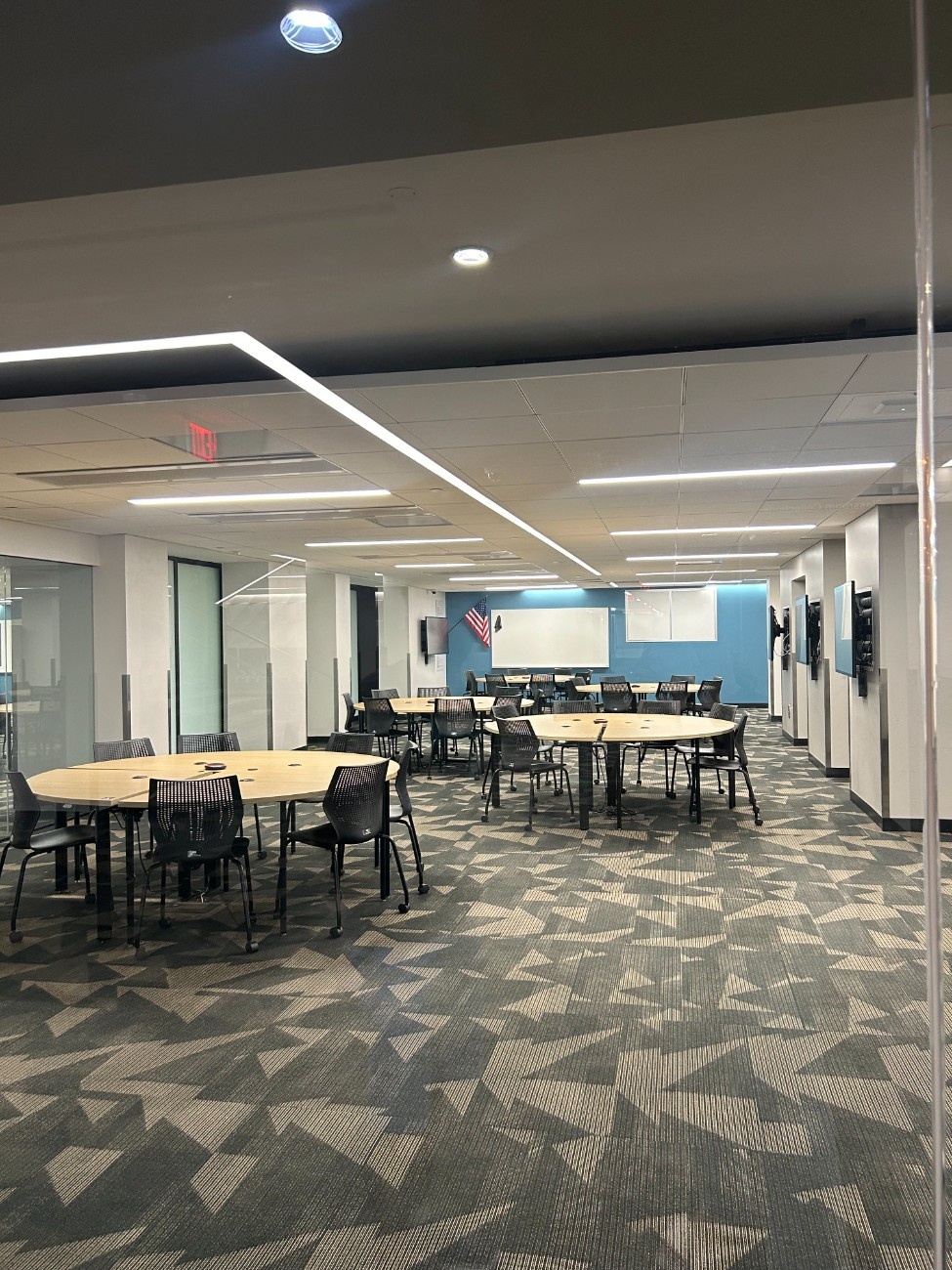
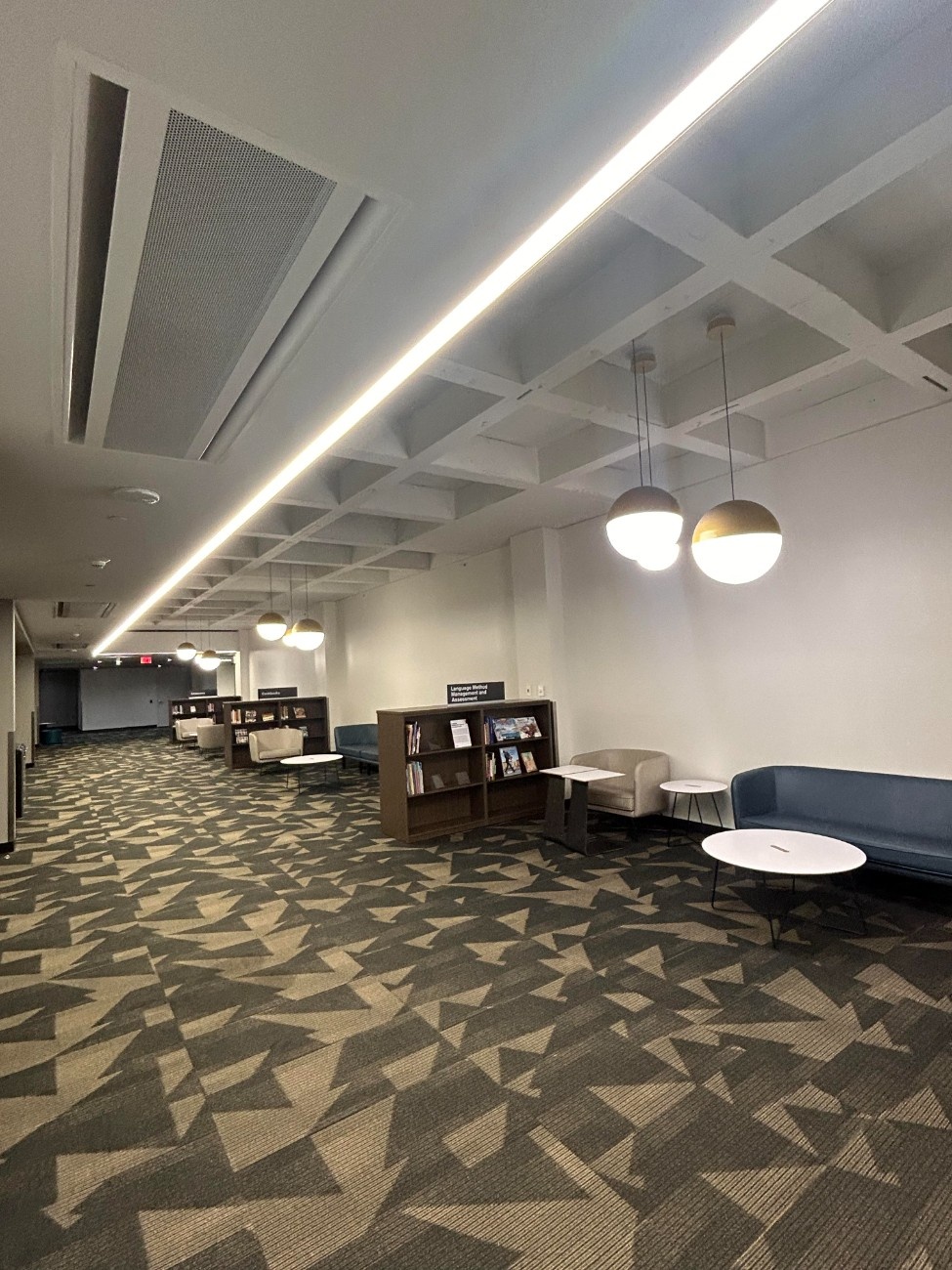
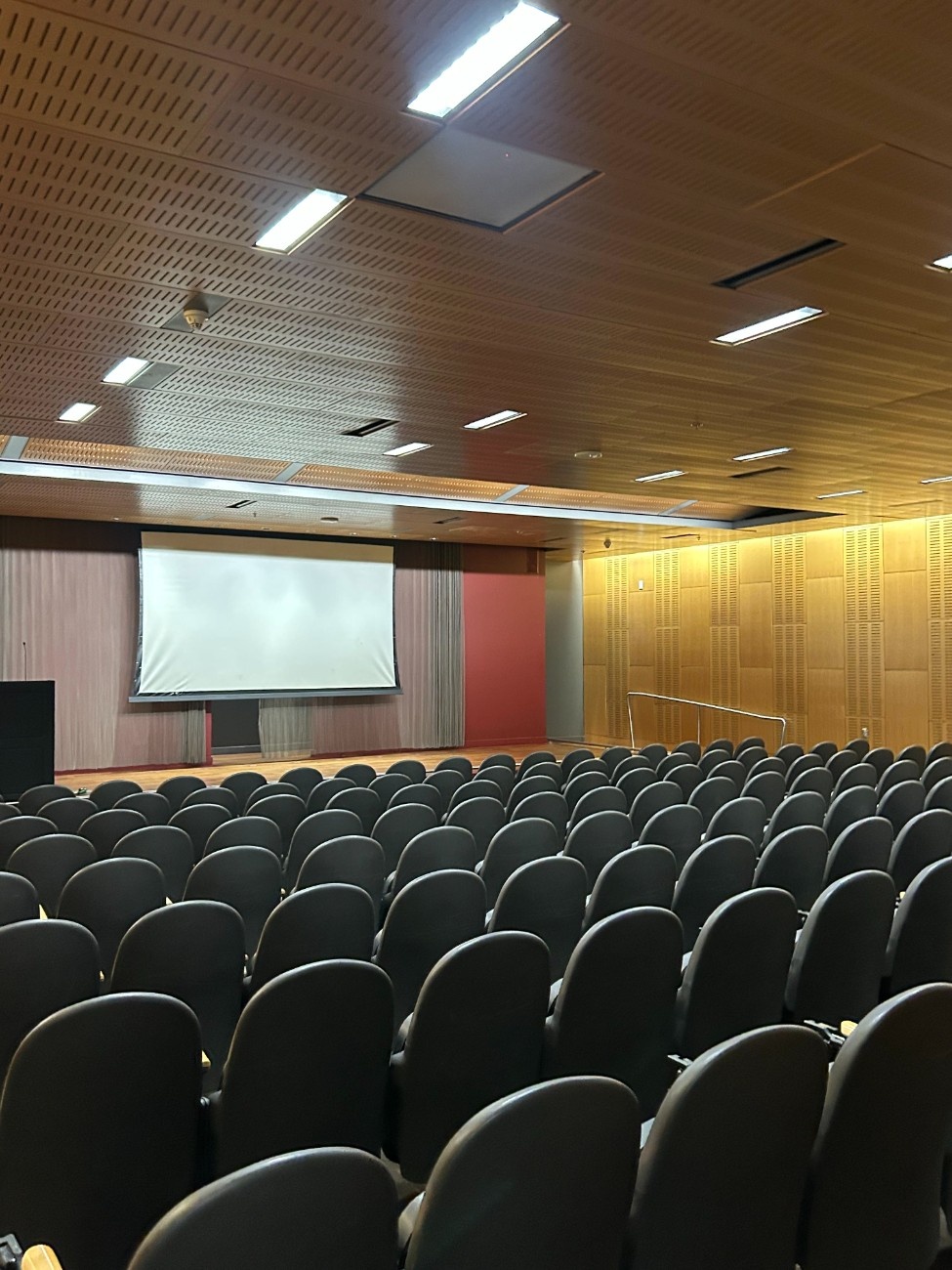
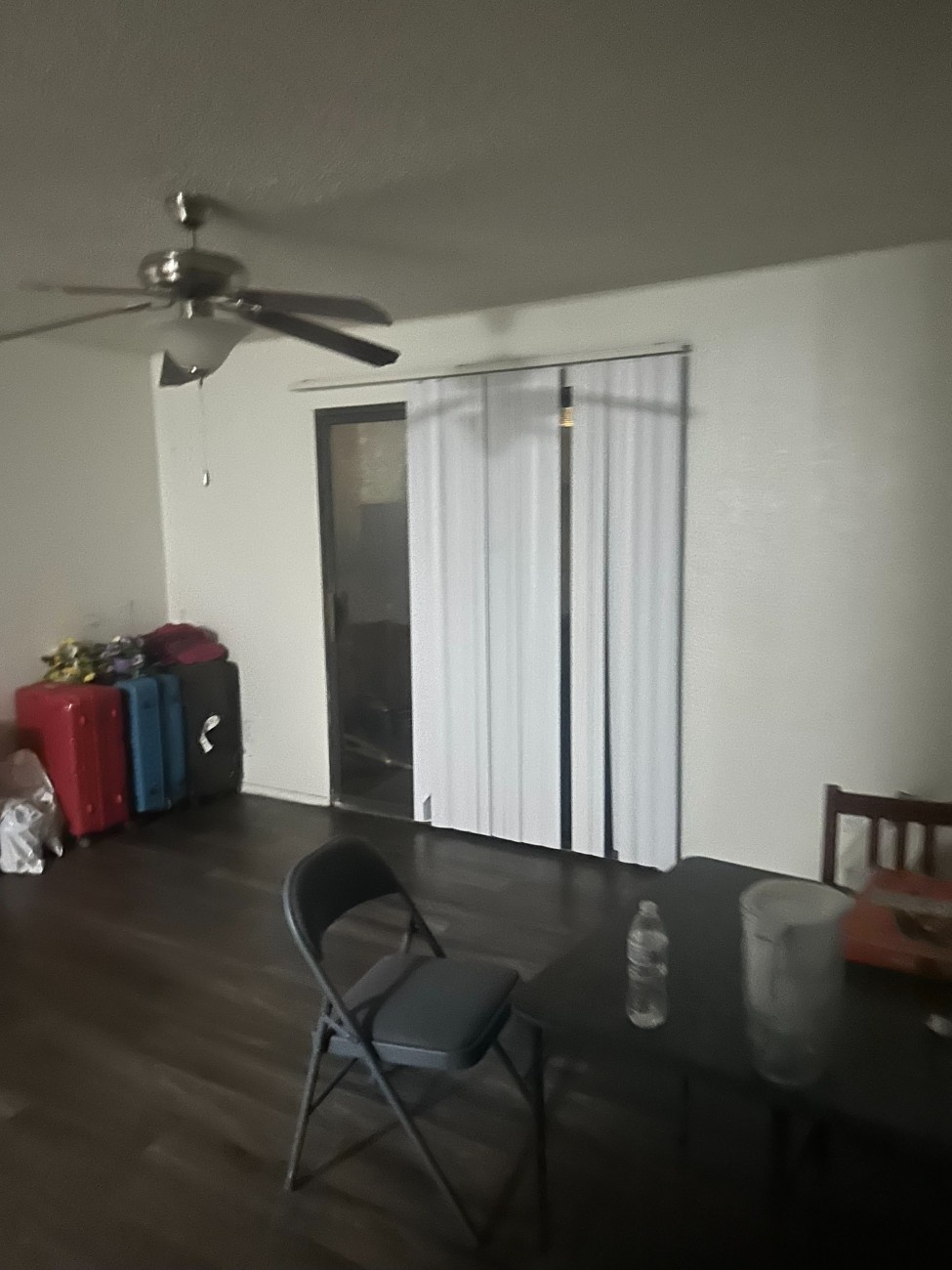
Scores Required
1546425900.png?h=48&w=101&mode=stretch)

Do you think the Rankings are wrong ? Report Here
Key Resources for Your Study Abroad Journey


Course Guides
Best MS Courses in USA for International Students in 2025
Masters (MS) in USA: Colleges, Courses, Deadlines, Eligibility & Fees
MS in USA With Low GPA: Universities, Requirements, and Admissions
Scholarship Grants & Financial Aids
| Name | Scholarship Per Student | Level of Study | Type | |
|---|---|---|---|---|
| TEC Scholarship | Scholarship per student$ 1,000/Yr$1,000 | Level Of StudyBachelor | TypeMerit-Based | |
| BeArt Presets-Academic Scholarship | Scholarship per student$ 2,500/Yr$2,500 | Level Of StudyBachelor | TypeMerit-Based | |
| Chuan Ai Lu Engstrom Memorial Scholarship | Scholarship per student$ 1,000/Yr$1,000 | Level Of StudyBachelor | TypeMerit-Based | |
| Bharat Petroleum Scholarship | Scholarship per studentVariable Amount | Level Of StudyMaster | TypeMerit-Based | |
| Comindware Scholarship | Scholarship per student$ 4,000/Yr$4,000 | Level Of StudyApprenticeship | TypeMerit-Based | |
| Forktip Women’s- Innovation Scholarship | Scholarship per studentVariable Amount | Level Of StudyBachelor | TypeCollege-Specific |
Similar Programs
| Program | Important Date | Total Fees | Median Exams Score | Action |
|---|---|---|---|---|
Final Application Deadline For Spring 2026 Intake (1st Oct 2026) | USD 31,860 /Yr |
| ||
Priority Application deadline for 2027 Intake (if applying for funding) (1st Nov 2026) Application Deadline for Autumn 2027 Intake (15th Mar 2027) | USD 14,318 /Yr |
| ||
Application Deadline for Fall 2027 Intake (15th Dec 2026) | USD 36,212 /Yr |
| ||
Application Deadline For Spring 2026 Intake (1st Dec 2026) | USD 19,100 /Yr |
| ||
Application and Scholarship Consideration Deadline for Fall 2027 Intake (5th Jan 2027) | USD 29,751 /Yr |
|


Do you think the Dates are wrong ? Report Here


interested in this College ?
Follow & Share this college to get information about admission.



Comments