



Education Journalist | Study Abroad Lead
Biomes are large masses of land which are characterized by the local climatic and vegetation properties. They are generally grouped into two types: terrestrial and aquatic. Biomes situated on land are called terrestrial biomes, whereas biomes that have their identity based on marine are known as aquatic biomes. Biome is also known as the major life zone. It is a major community of plants and animals with similar life forms and environmental conditions.
| Table of Content |
Key Terms: Biomes, Ecosystem, Terrestrial Biome, Desert biome, Tundra Biome, Chaparral Biome, Forest Biome, Taiga Biome, Aquatic Biome, Fresh Water Biome , Marine Biome
Biomes and Ecosystem
[Click Here for Sample Questions]
A biome can be classified as an extensive area that has the same kind of living organisms that include flora, fauna and other living beings. All the living organisms that are present in a biome play a significant role in determining the characteristics of that biome.
An ecosystem is an environment that constitutes the interaction of living organisms with non-living beings. This is the reason that the living organisms across an ecosystem are different in characteristics.
Also Read:
| Related Articles | ||
|---|---|---|
| Energy Flow in Ecosystem | Terrestrial Ecosystem | Ecology |
| Aquatic Ecosystem | Ecology and Environment | Components of Ecosystem |
Difference between Biomes and Ecosystem
[Click Here for Sample Questions]
The differences between biomes and ecosystem are given below:
| Biomes | Ecosystem |
|---|---|
| A biome is a large area that comprises all the living organisms. | The ecosystem is an environment that comprises interaction between living and non-living beings. |
| The living organisms present in biomes are of a similar kind. | The living organisms present in an ecosystem may be diverse in their characteristics. |
| Climatic factors like weather, rainfall, etc., play a significant factor in determining the characteristics of biomes. | Climatic factors have no role to play in an ecosystem. |
| A biome may have many ecosystems. | An ecosystem may be a part of a biome. |
| There are many species of flora and fauna in a biome. | Not just flora and fauna but also non-living organisms are essential components of the ecosystem. |
| Latitude plays an essential role in determining biomes. | Latitude does not have a role in understanding the concept of ecosystem. |
| Some examples of ecosystems are tundra, savanna, rainforest, etc. | Some examples of the essential players in the ecosystem are ponds, lakes, algae, coral, etc. |
Types of biomes
[Click Here for Sample Questions]
Biomes can be grouped into two categories, terrestrial biomes and aquatic biomes. Following is the detailed explanation of different kinds of biomes in terrestrial and aquatic types:
Terrestrial Biomes
Following are the different types of biomes that are grouped under terrestrial type:
- Desert Biome
Desert biome is a kind of biome that is very hot and dry in nature. The flora and fauna of these biomes are adapted to sustain even in very little or no rainfall. The cactus, camels and burrowing owls are some species of living organisms that thrive in the desert biome. The physical characteristics of these species are built in such a way that they do not require much water. The Thar desert and the Sahara Desert are examples of the desert biome.

Desert Biome
- Tundra Biome
Tundra biomes are also the coldest biomes on the earth. Very few living species have the natural tendencies to exist and sustain in this biome. Tundra Biomes are characterized by very less rain and freezing temperatures. Lichen, Moses and polar bears are some of the species that thrive in the tundra biome. The high arctic tundra in the island of the arctic ocean is an example of the Tundra biome.

Tundra Biome
- Chaparral Biome
Chaparral Biome is characterized by dry and hot temperatures in summer and moist and cool temperatures in winter. This biome faces frequent wildfire incidents. Snakes, lizards, shrubs and eucalyptus are some of the species that thrive in Chaparral Biome. Regions around the Mediterranean Sea are good examples of Chaparral Biome.

Chaparral Biome
- Forest Biome
The Forest biome is the most spread-out biome on the earth, with around 30% presence throughout the globe. This biome contributes to a large variety of trees and plantations on the planet. The forest biome is home to umpteen varieties of flora and fauna. Timber trees, rubber trees and all the so-called wild animals like elephants and beer find their residences in the forest biome.

Forest Biome
- Grassland Biome
Grassland biomes are predominantly characterized by the grasses that grow in the region. The temperature and the rainfall are just enough to encourage the growth of long grasses. Deer, Birds, wolves and lions are some of the species that sustain in the grassland biome. Some parts of India, South America and Australia are examples of Grassland Biome.

Grassland Biome
- Taiga Biome
Taiga, also called the Boreal Forest, witnesses cold weather and snowfall for the majority of the period. The taiga biome is characterized by long and dry winters but cool and wet summers. Lynx, moose and woodpeckers are some of the species that sustain in Taiga Biome. The Alaska region is one of the primary examples of Taiga Biome.

Taiga Biome
Aquatic Biomes
The water bodies or the aquatic biomes cover almost 75% of the earth's surface. The aquatic biome is further sub-grouped into two types: Freshwater biomes and Marine Biomes. Following is the detailed explanation of these two subgroups of aquatic biomes:
- Freshwater Biome
The freshwater biome mainly characterizes the smaller water bodies like ponds, rivers, lakes and wetlands. Some of the examples of freshwater biomes include River Ganga, River Yamuna and other ponds and lakes present in various villages and places.

Freshwater Biome
- Marine Biome
Marine Biome mainly characterizes the larger and vast bodies like seas and oceans. Some of the examples of marine biomes include the Indian Ocean, Bay of Bengal and other sea and ocean bodies.
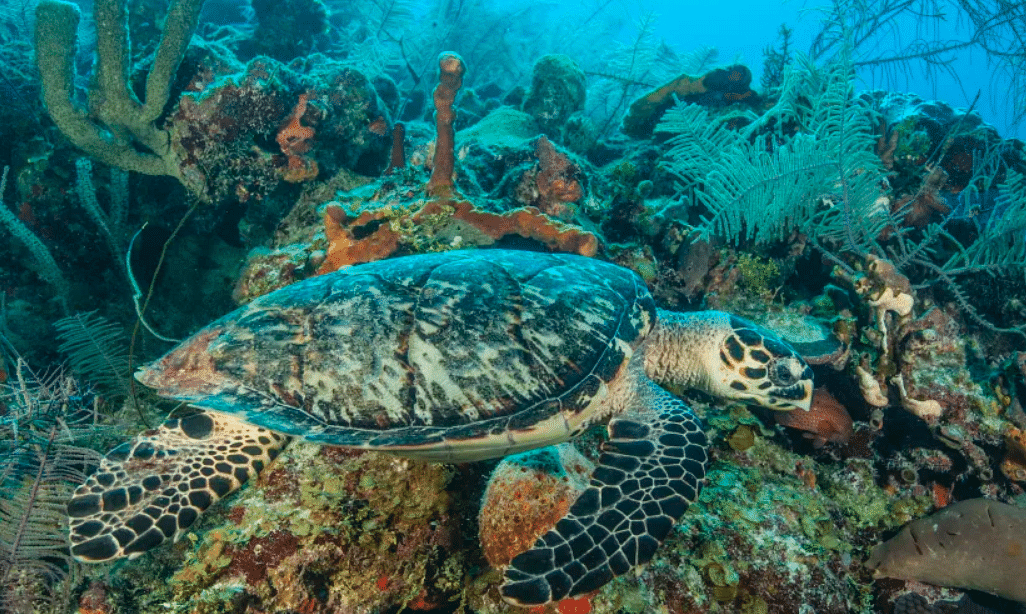
Marine Biome
Also Read: Our Environment
Things to Remember
- Biomes are large masses of land which are characterized by the local climatic and vegetation properties.
- Biomes are generally grouped into two types: terrestrial biome and aquatic biome.
- Biomes that are situated on land are called terrestrial biomes.
- Biomes that have their identity based on marine life are known as aquatic biomes.
- An Ecosystem is an environment which constitutes the interaction of living organisms with the non-living beings.
- Terrestrial Biome is divided into Desert Biome, Tundra Biome, Chaparral Biome, Forest Biome, Grassland Biome and Taiga Biome.
- Aquatic Biome is divided into two types: Freshwater Biome and Marine Biome.
Also Read:
Sample Questions
Ques: Define primary productivity. What are the different factors that affect primary productivity? (2 Marks)
Ans: Primary productivity can be explained as the production of a measurable quantity of biomass by the producers that include plants and trees per unit area in a given time. Various factors that affect primary productivity are sunlight, water, air and optimal temperature.
Ques: Explain the process of decomposition. (2 Marks)
Ans: Decomposition is an organic process of disintegration of biomass that is present in the physical body of dead animals and plants. When the decomposition happens, these biomasses get broken into inorganic matters that consist of water, carbon dioxide and other nutrients.
Ques: What are the important components of Whittaker’s Classification of Earth’s Biomes? (3 Marks)
Ans: Following are the important components of Whittaker’s Classification of Earth’s Biomes:
- Physiognomy: Physiognomy is nothing but the external characteristics and physical features of the species of living beings.
- Formation: The existence of the type of flora and the plants at large in a specific area determines the formation.
- Biome-type: The classification of various similar kinds of biomes based on the continental area of land determines the biome-type.
- Formation-type: Formation type is the classification of several similar kinds of flora and plants that define a particular biome.
Ques: Explain biomes and ecosystems in detail. (3 Marks)
Ans: A biome can be classified as a large and extensive area that has the same kind of living organisms that include flora, fauna and other living beings. All the living organisms that are present in a biome play a significant role in determining the characteristics of that biome.
An ecosystem is an environment that constitutes the interaction of living organisms with non-living beings. This is the reason that the living organisms across an ecosystem are different in characteristics.
Ques: What is the difference between biotic and abiotic components of the ecosystem? (3 Marks)
Ans: Biotic components are the living organisms that are present in an ecosystem. Furthermore, the biotic components of the ecosystem consist of flora, fauna, reptiles and other kinds of mammals. Based on the food chain, the biotics component is further classified into producers, consumers and decomposers.
Abiotic components are the non-living things that contribute to the sustenance of the ecosystem. Sunlight, soil, water, air and other inorganic matters which find their usefulness in the development of life in an ecosystem may be classified under the abiotic components.
Ques: What is the grazing food chain and detritus food chain? (3 Marks)
Ans: Grazing food chain is the food chain that consists of energy gain from the plants to herbivores. For instance, a cow or goat eating grass or leaves for sustenance is called the grazing food chain.
Detritus food chain involves the transfer of energy from decay or decomposed food. For example- A lion eating a deer is a classic example of a detritus food chain.
Ques: What is the food chain and food web? (3 Marks)
Ans: Food Chain is the single path direction of the energy consumption from producers to consumers to decomposers. For instance, grass is eaten by the grass, and the lion eats the grass. This is an example of a food chain.
Food Web is the interaction of various food chains and the top of the food web is either an omnivore or a carnivore. Following is the diagram depicting the food web.
Ques: What are the differences between ecosystems and biomes? (5 Marks)
Ans: Difference between biomes and ecosystem:
| Biomes | Ecosystem |
|---|---|
| A biome is a large area that comprises all the living organisms. | The ecosystem is an environment that comprises interaction between living and non-living beings. |
| The living organisms present in biomes are of a similar kind. | The living organisms present in an ecosystem may be diverse in their characteristics. |
| Climatic factors like weather, rainfall, etc., play a significant factor in determining the characteristics of biomes. | Climatic factors have no role to play in an ecosystem. |
| A biome may have many ecosystems. | An ecosystem may be a part of a biome. |
| There are many species of flora and fauna in a biome. | Not just flora and fauna but also non-living organisms are essential components of the ecosystem. |
| Latitude plays an essential role in determining biomes. | Latitude does not have a role in understanding the concept of ecosystem. |
| Some examples of ecosystems are tundra, savanna, rainforest, etc. | Some examples of the essential players in the ecosystem are ponds, lakes, algae, coral, etc. |
For Latest Updates on Upcoming Board Exams, Click Here:https://t.me/class_10_12_board_updates
Check out:



Comments