





The University of Melbourne is a Group of Eight public research university founded in 1853 in Parkville, Victoria. It ranks #22 globally and #1 in Australia in the QS World University Rankings 2027. Melbourne University runs seven campuses and nine faculties. It has 300 English-medium coursework programmes to a total enrolment of 53,963 students. Popular postgraduate choices for Indian applicants include the MBA, Master of Finance, Master of Data Science, Juris Doctor and Master of Public Health. Semester 1 (February) and Semester 2 (July) intakes are available for Indian applicants.
- QS World Rank 2027: #22 globally, #1 in Australia
- Acceptance Rate: 70% to 80%
- Intakes: February (Semester 1) and July (Semester 2)
- Postgraduate Tuition: AUD 48,992 to AUD AUD 120,384 (₹33.38 Lakh to ₹82.02 Lakh) per year
- Total Enrolment: 53,963 students (2023)
- Application Fee: AUD154 (₹10,472)
Postgraduate fees vary by faculty, and Indian applicants can offset costs through faculty merit awards or the Melbourne International Undergraduate Scholarship. Applicants comparing MS universities in Australia should factor in the post-study Temporary Graduate Visa (subclass 485). This subclass delivers two to four years of full-time work rights depending on qualification level.
Exchange rate used: 1 AUD = ₹68 as of September 2026.
Admission Status: Open (Semester 1 2027 intake, February 2027 start). Undergraduate applications for Semester 1 2027 close on 30 November 2026 and remain open for Indian applicants. Postgraduate coursework deadline varies by programme, while most applications are open till 30 November 2026.
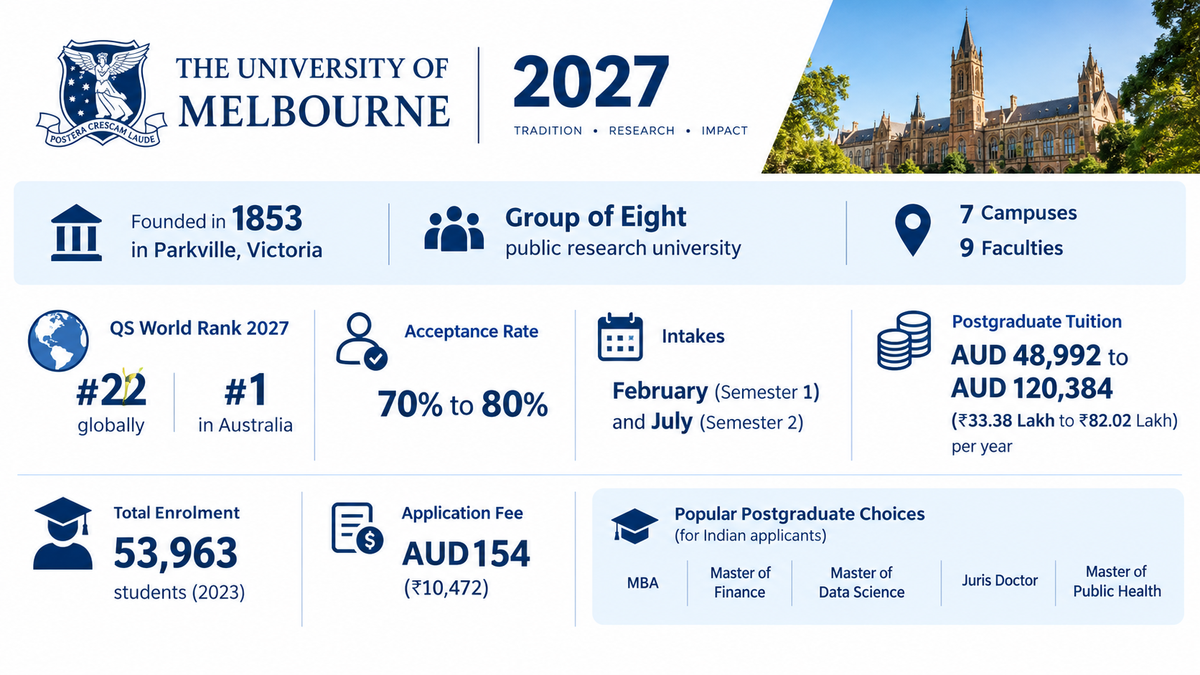
Table of Contents
- University of Melbourne Popular Courses and Fees 2027
- University of Melbourne Admission 2027
- University of Melbourne Admission Requirements for Indian Applicants 2027
- University of Melbourne Acceptance Rate 2027
- Monthly Cost of Living in Melbourne for Indian Students
- University of Melbourne Campus, Facilities and Student Life
- University of Melbourne Scholarships 2027
- University of Melbourne Rankings 2027
- University of Melbourne Placements and Career Outcomes 2027
- FAQs
University of Melbourne Popular Courses and Fees 2027
University of Melbourne charges international fees at faculty-tiered rates. STEM, law and business master programmes are priced above humanities and social science degrees. Most postgraduate programmes are completed in 1.5 to 2 years while undergraduate degrees in 3 years.
University of Melbourne Postgraduate Programmes 2027
Popular Melbourne University postgraduate options for Indian applicants cluster in business, engineering, health and law, with the standard international tuition band of A$48,992 to A$65,984 (₹33.38 Lakh to ₹44.95 Lakh) per year applied to programme length below.
| Programme | Duration | Annual Fee (AUD) | Annual Fee (INR) |
|---|---|---|---|
| Master of Business Administration | 2 years | AUD 60,192 | ₹41.01 Lakh |
| Master of Finance | 1.5 to 2 years | AUD 65,984 | ₹44.95 Lakh |
| Master of Management (Marketing) | 2 years | AUD 60,992 | ₹41.55 Lakh |
| Master of Data Science | 2 years | AUD 57,984 | ₹39.50 Lakh |
| Master of Engineering (Software) | 2 to 3 years | AUD 62,976 | ₹42.90 Lakh |
| Master of Information Technology | 2 years | AUD 64,000 | ₹43.60 Lakh |
| Master of Public Health | 2 years | AUD 66,976 | ₹45.64 Lakh |
| Juris Doctor | 3 years | AUD 57,984 | ₹39.50 Lakh |
| Master of International Business | 1.5 to 2 years | AUD 60,992 | ₹41.55 Lakh |
| Master of Global Media Communication | 2 years | AUD 48,992 | ₹33.38 Lakh |
University of Melbourne Undergraduate Programmes 2027
Melbourne University follows the Melbourne Model, with three-year generalist bachelor’s degrees leading into specialist masters. The standard international UG tuition band is AUD 43,868 to AUD 62,208 per year (₹29.88 Lakh to ₹42.38 Lakh).
| Programme | Duration | Annual Fee (AUD) | Annual Fee (INR) | Entry Requirement (India) |
|---|---|---|---|---|
| Bachelor of Commerce | 3 years | AUD 52,360 - 59,052 | ₹35.67 Lakh to ₹40.24 Lakh | Class 12 with 75% or above |
| Bachelor of Science | 3 years | AUD 52,944 - 62,208 | ₹36.07 Lakh to ₹42.38 Lakh | Class 12 with 75% or above |
| Bachelor of Arts | 3 years | AUD 38,004 - 56,252 | ₹25.89 Lakh to ₹38.32 Lakh | Class 12 with 75% or above |
| Bachelor of Biomedicine | 3 years | AUD 54,780 - 61,460 | ₹37.31 Lakh to ₹41.87 Lakh | Class 12 with 80% or above |
| Bachelor of Design | 3 years | AUD 43,868 - 57,900 | ₹29.88 Lakh to ₹39.44 Lakh | Class 12 with 75% or above |
Insider note: Indian applicants concentrate in the MBA, Master of Data Science, Master of Engineering and Juris Doctor at Melbourne University, driven by the university’s Group of Eight brand and 485-visa work rights across Victoria’s employer market.
Read More: University of Melbourne Fees and Cost of Living Guide
University of Melbourne Admission 2027
University of Melbourne accepts Indian applicants for Semester 1 (February) and Semester 2 (July) intakes each year, with Semester 1 the primary cycle for scholarship-seeking postgraduates.
| Milestone | Date |
|---|---|
| Undergraduate application deadline | 30 November 2026 (Semester 1), 31 May 2027 (Semester 2) |
| Postgraduate coursework deadlines | 30 November 2026 (Semester 1), 31 May 2027 (Semester 2) |
| Credential verification (WES / apostille) | Start 6 to 8 weeks before deadline |
Note: Though most courses are open till 30th Novermber 2026, but it is not the standardized deadline. Deadlines vary widely depending on the course, so always verify your deadline from the official University of Melbourne website.
Read More: University of Melbourne Admissions Guide for Indian Students
University of Melbourne Admission Requirements for Indian Applicants 2027
Melbourne University admission requirements for Indian applicants split into academic thresholds by level, an English test minimum, and per-course extras such as GMAT or portfolio review.
Postgraduate Requirements
- Bachelor’s academic threshold: 65% WAM from a recognised Indian university; select business and law programmes look for 70% WAM and above.
- English language: IELTS Academic 6.5 overall with no band below 6.0.
- Credential verification: attested transcripts and consolidated marksheets uploaded through the Melbourne Apply portal.
- Programme-specific extras: GMAT or GRE for the MBA, portfolio for design masters, and clinical prerequisites for health programmes.
Undergraduate Requirements
- Class 12 academic threshold: 75% or above from CBSE, ISC or a State Board; the Bachelor of Biomedicine looks for 80% and above with science subjects.
- English language: IELTS Academic 6.5 overall with no band below 6.0.
- Direct entry vs foundation: Indian applicants with strong Class 12 results enter the first year directly and do not need Trinity College’s foundation year.
Key insight: Melbourne University waives IELTS for Indian applicants whose last two years of study were fully in English medium, provided the school issues a formal medium-of-instruction letter. Confirm the waiver against the official English requirements page before skipping the test.
University of Melbourne Acceptance Rate 2027
University of Melbourne does not publish an institution-wide admissions selectivity figure. The commonly cited acceptance rate is 70% to 80% (estimated), derived from third-party admissions trackers; treat it as a broad indicator rather than a guarantee, since programme-level rates for the MBA, Juris Doctor and Master of Data Science run notably tighter.
Indian applicants with a bachelor’s above 70% or Class 12 above 80%, combined with the required IELTS band, sit comfortably inside the profile Melbourne admits at scale. Competitive selectivity kicks in only for capped programmes and scholarship rounds.
Reality check: A 70% to 80% headline masks tight programme-level competition. Indian applicants to the MBA, Master of Finance and Juris Doctor should treat these as selective rounds requiring standardised test scores and a strong application file, not a soft-entry pathway.
Monthly Cost of Living in Melbourne for Indian Students
The Australian Department of Home Affairs sets a minimum annual living cost for student visa applicants, which Indian applicants must show at the visa stage. The monthly break-up below reflects a realistic on-shore student budget in Melbourne.
| Category | Monthly Cost (AUD) | Monthly Cost (₹) |
|---|---|---|
| Accommodation (shared off-campus) | A$1,200 to A$1,800 | ₹81,600 to ₹1,22,400 |
| Food and groceries | A$400 to A$600 | ₹27,200 to ₹40,800 |
| Transportation (Myki concession) | A$120 to A$180 | ₹8,160 to ₹12,240 |
| Books and study materials | A$80 to A$120 | ₹5,440 to ₹8,160 |
| Personal and entertainment | A$250 to A$400 | ₹17,000 to ₹27,200 |
| Total monthly | A$2,050 to A$3,100 | ₹1.39 Lakh to ₹2.11 Lakh |
Source: Melbourne market rental benchmarks and Australian Department of Home Affairs student cost guidance
Insider note: Parkville and Carlton, walking distance to campus, are the priciest suburbs; Indian students routinely share a two-bedroom in Brunswick, Coburg or Footscray for AUD 700 to AUD 900 per person per month. A part-time job at the visa cap of 48 hours per fortnight covers most of a shared-rent monthly outgoing.
Read More: Study in Australia Guide for Indian Students
University of Melbourne Campus, Facilities and Student Life
University of Melbourne runs seven campuses across Victoria, led by the 22-hectare Parkville campus one kilometre north of Melbourne’s CBD, connected by tram line 19 and free CBD shuttle routes.
- Location and transport: Parkville is walking distance to Melbourne Central and Flinders Street stations; Concession Myki cards for full-time international students cost roughly half the standard fare.
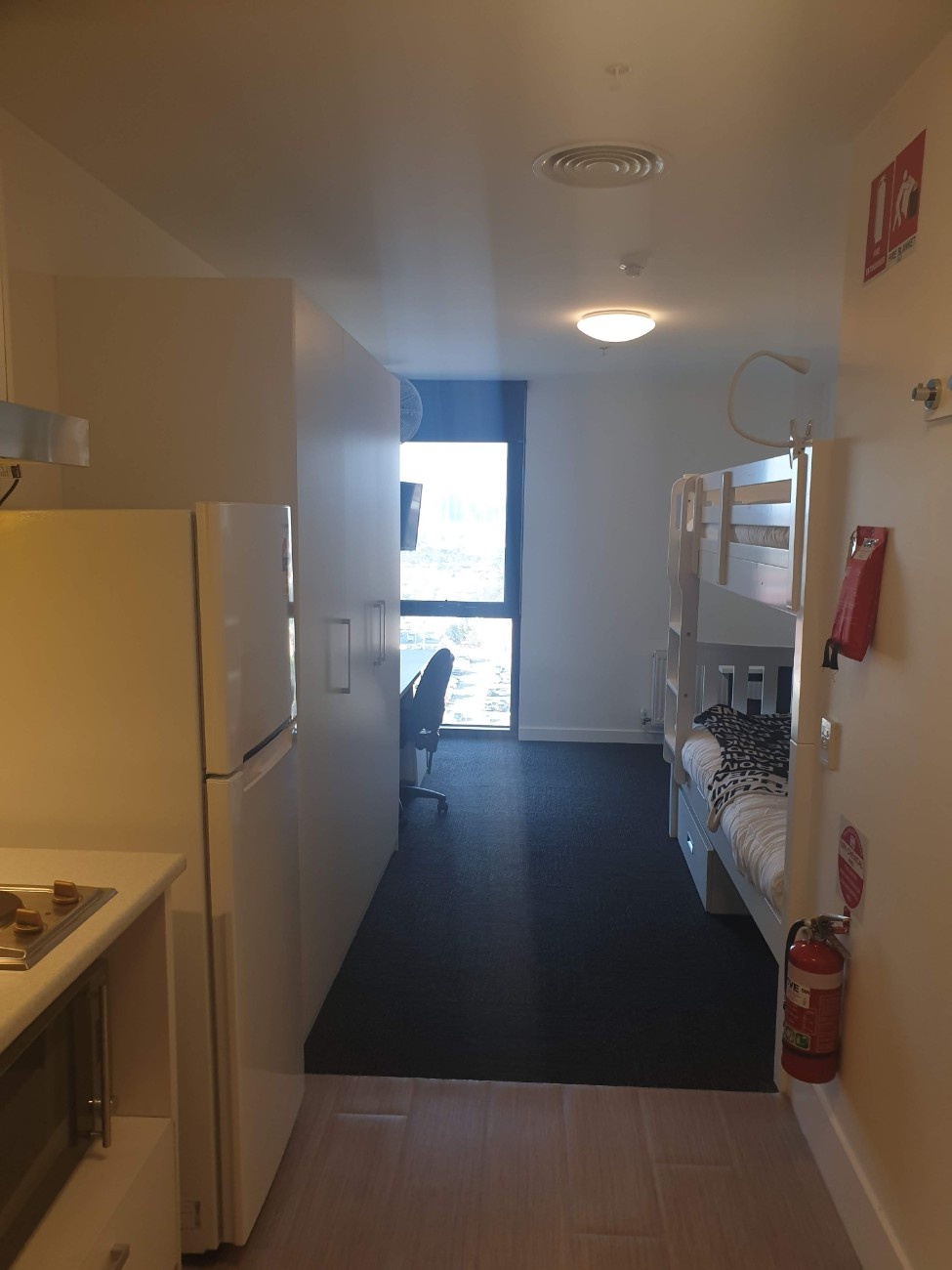
- Housing: University-managed accommodation covers 12 residential colleges and Little Hall; on-campus rents run A$400 to A$700 per week (₹27,200 to ₹47,600); international students are not guaranteed a room and typically move off-campus after first year.
- Facilities: Baillieu Library, the Peter Doherty Institute, six museums and a 24-hour student hub sit on the Parkville campus.
- Indian community: The Melbourne University Indian Students Association (MUISA) runs Diwali, Holi and cultural nights each semester.
What Indian students say: Parkville feels safe day and night, and the tram network makes weekend travel across the city easy. First-year masters students commonly regret not booking off-campus housing in June, since Brunswick and Carlton stock dries up sharply as February approaches.
University of Melbourne Scholarships 2027
Melbourne University offers more than 500 scholarships across levels, but only a handful cover a meaningful share of international tuition for Indian applicants. The four flagship awards below sit at the top of that shortlist.
| Scholarship | Type | Award Value | Eligibility (one-line) | Deadline |
|---|---|---|---|---|
| Melbourne International Undergraduate Scholarship | UG merit | 20% fee sponsorship for course duration (from 2027) | The scholarship is offered to the student(s) ranked highest based on their final secondary school or foundation studies results. | Auto-assessed with the course application |
| Graduate Research Scholarships | Research PG | Full fee offset, AUD 39,500 per year living allowance, OSHC, relocation grant of AUD 3,000 | Master’s by Research and PhD applicants across faculties | October 31, 2026 |
| Melbourne Research Scholarship | Research PG | Full fee offset plus AUD 39,500 per year living stipend and OSHC single cover | Applicants with a first-class honours or Master’s research equivalent | October 31, 2026 |
| Faculty and school merit awards | Coursework PG | A$5,000 to A$20,000 partial tuition offset (₹3.4 Lakh to ₹13.6 Lakh) | Applicants to specified coursework masters, awarded on academic merit | Auto-assessed with the course application |
Planning note: Coursework masters do not qualify for the fully funded Graduate Research Scholarship; Indian PG coursework applicants should target faculty merit awards and external funding such as Inlaks or an education loan. Apply for Melbourne scholarships alongside the course application, not after.
Read More: University of Melbourne Scholarships Guide
University of Melbourne Rankings 2027
University of Melbourne holds Australia’s strongest ranking profile across every major body, led by its #22 position in the QS World University Rankings 2027 and a top-40 place across THE, US News and ARWU.
| Ranking Body | Latest Edition | Previous Edition |
|---|---|---|
| QS World | 2027: #22 | 2026: #19 |
| THE World | 2026: #37 | Prior: #39 |
| US News Global | 2025-2026: #30 | Prior: #28 |
| ARWU (Shanghai) | 2026: #37 | 2025: #38 |
Source: QS World University Rankings, Times Higher Education, US News Best Global Universities, ShanghaiRanking ARWU
Key insight: A top-40 finish across all four major bodies is what qualifies Melbourne University for streamlined visa processing under the Australian Genuine Student framework and for hiring pipelines at Big 4 and global tech employers. Indian applicants can safely cite it as a top-tier destination on loan and family conversations.
Read More: University of Melbourne Rankings Analysis
University of Melbourne Placements and Career Outcomes 2027
Melbourne University graduates rank first in Australia and top-25 globally for employability, per Times Higher Education’s Global Employability rankings.
- Employability ranking: #1 in Australia for graduate employability (THE 2026); a signal used by Big 4, banking and consulting recruiters when screening Melbourne graduates.
- Median starting salary: Not officially disclosed at programme level; the Australian Graduate Outcomes Survey publishes sector benchmarks used by career services.
- Recruiter sectors: Consulting, banking, technology, professional services, biotech and public sector recruit at scale across MBA, Master of Finance, Data Science and Public Health cohorts.
- Career support: The Careers Online portal, 1:1 counselling and industry mentorship run across all Parkville-based faculties.
- Post-study work: Bachelor’s Honours and Master’s graduates qualify for the Temporary Graduate Visa (subclass 485), delivering two to four years of full-time work rights depending on qualification level.
Insider note: Melbourne’s location advantage is real for Indian graduates targeting Australian PR — Victoria’s skilled occupation list frequently covers Data Science, Engineering and Health, giving graduates a live pathway from student to skilled visa within 24 months of graduation.
The University of Melbourne is the right fit for Indian applicants who want Australia’s top-ranked Group of Eight brand, a downtown-adjacent research-heavy campus, and a two-to-four year post-study work runway on the 485 visa. Total investment lands near AUD 150,000 (₹1.02 Crore) over a two-year masters plus living costs, against the strongest employability signal in the Australian graduate market. It is not the right fit for applicants prioritising the lowest sticker price, a large Indian community from day one, or a two-year direct MBA. Monash University is the realistic value alternative on both cost and Indian cohort density.
FAQs
Ques. Is the University of Melbourne accepting Indian applications for 2027 now?
Ans. Undergraduate applications for Semester 1 2027 are open through 31 October 2026. Most Semester 1 2027 postgraduate coursework programmes closed on 31 August 2026, so Indian PG applicants should either target late-open programmes on the Melbourne Apply portal or apply for Semester 2 2027, which is expected to open in November 2026 based on prior cycles.
Ques. How many hours can Indian students work at Melbourne University?
Ans. Indian students on a Student Visa (subclass 500) can work up to 48 hours per fortnight during teaching periods and unlimited hours during official breaks. Work at Melbourne University is coordinated through the Careers Online portal, and on-campus jobs at libraries, cafés and research assistant roles pay the Australian award-wage minimum.
Ques. Does Melbourne University waive GRE or GMAT for Indian applicants?
Ans. Most coursework masters do not require GRE or GMAT, so no waiver is needed. Melbourne Business School’s MBA requires a GMAT or GRE score, and select finance and business analytics masters recommend GMAT. Indian applicants with strong quantitative bachelor’s coursework should still take one, since it strengthens the file and unlocks merit scholarships.
Ques. What is the application fee for Melbourne University for Indian students?
Ans. The application fee for University of Melbourne is A$154, roughly ₹10,472 at the September 2026 exchange rate. It is paid at submission through the Melbourne Apply online portal and is not refundable. Fee waivers are not typically offered to Indian applicants for coursework programmes, but faculty-specific waivers may apply for research-degree applicants.
Ques. Which Indian banks recognise Melbourne University for education loans?
Ans. Melbourne University sits on the approved lists of every major Indian education-loan lender, including SBI Global Ed-Vantage, HDFC Credila, Bank of Baroda, Axis Bank and non-bank lenders like Prodigy Finance, Avanse and Auxilo. As a Group of Eight member, it qualifies for higher unsecured loan brackets, typically up to ₹50 Lakh without collateral through non-bank lenders.
Ques. Can Indian students bring dependents to Melbourne University?
Ans. Yes, Indian students on postgraduate research or Master’s programmes can bring a spouse and children on a subclass 500 dependent visa. Dependents get full work rights (spouse) and free public school access (children) in Victoria. Additional financial proof of roughly A$10,394 per adult and A$4,449 per child per year is required at the visa stage.
Ques. Does Melbourne University give conditional offers to Indian applicants?
Ans. Yes, University of Melbourne issues conditional offers to Indian applicants who meet the academic threshold but still need to complete their IELTS test, submit final Class 12 or bachelor’s transcripts, or clear a pending semester. Conditions must be met before a Confirmation of Enrolment is issued, which is the document required for the subclass 500 student visa.
Ques. How do Indian applicants verify transcripts for Melbourne University?
Ans. Indian applicants submit self-scanned transcripts and consolidated marksheets at application. Final admission requires apostilled transcripts sent directly by the issuing university, or a WES (World Education Services) evaluation for select programmes. Melbourne University accepts India-provided attested transcripts uploaded through the Melbourne Apply portal for most coursework masters.
University of Melbourne Program Fees & Deadlines
| Program | Important Dates | Fees | Application Fees | Eligibility | Financial Aid |
|---|---|---|---|---|---|
MS Data Science 2 years | Application Deadline For Start- Year March 2027 Intake (31st Oct 2026) | USD 40,009 /Yr AUD 57,984 /Yr | 154 | TOEFL- 4.5 | IELTS- 6.5 |PTE- 64 | |
MBA 2 years | Round 1 Application Deadline for September 2027 Intake (1st Dec 2026) Round 2 Application Deadline for September 2027 Intake (2nd Feb 2027) Round 3 Application Deadline for September 2027 Intake (30th Mar 2027) | USD 41,532 /Yr AUD 60,192 /Yr | - | TOEFL- 5 | IELTS- 7 |PTE- 72 | |
MCS 2 years | Application Deadline For Start- Year Feburary 2027 Intake (30th Nov 2026) | USD 43,453 /Yr AUD 62,976 /Yr | 154 | TOEFL- 4.5 | IELTS- 6.5 |PTE- 64 | |
BCom 3 years | Application Deadline For Start- Year March 2027 Intake (30th Nov 2026) Application Deadline For Mid- Year July 2027 Intake (31st Mar 2027) | USD 36,128 /Yr AUD 52,360 /Yr | 154 | TOEFL- 4.5 | IELTS- 6.5 |PTE- 64 | |
Round 4 Application Deadline for 2027 Intake (19th Oct 2026) Round 5 Application Deadline for 2027 Intake (7th Dec 2026) Round 1 Application Deadline for 2027 Intake (13th Apr 2027) | USD 67,565 /Yr AUD 97,920 /Yr | - | TOEFL- 5 | IELTS- 7 |PTE- 72 | ||
MS 2 years | USD 30,360 /Yr AUD 44,000 /Yr | 154 | TOEFL- 5 | IELTS- 7 |PTE- 72 | ||
MPH 2 years | Application Deadline For Start- Year Feburary 2027 Intake (30th Nov 2026) | USD 46,213 /Yr AUD 66,976 /Yr | 154 | TOEFL- 4.5 | IELTS- 6.5 |PTE- 64 | |
LLM 1 year | Application Deadline For Start- Year March 2027 Intake (31st Oct 2026) Application Deadline For Mid- Year July 2027 Intake (30th Apr 2027) | USD 42,084 /Yr AUD 60,992 /Yr | 154 | TOEFL- 4.5 | IELTS- 6.5 |PTE- 64 | |
Master Biotechnology 2 years | Application Deadline For Start- Year March 2027 Intake (30th Nov 2026) | USD 38,640 /Yr AUD 56,000 /Yr | 154 | TOEFL- 4.5 | IELTS- 6.5 |PTE- 64 | |
| USD 43,453 /Yr AUD 62,976 /Yr | 154 | TOEFL- 5 | IELTS- 7 |PTE- 72 |
Do you think the Dates are wrong ? Report Here
Important Alerts
| Events | Dates |
|---|---|
| Data Science Application Deadline For Start- Year March 2027 Intake | Closing in 23 days |
| Health and Medical Law Application Deadline For Start- Year March 2027 Intake | Closing in 23 days |
| Banking and Finance Law Application Deadline For Start- Year March 2027 Intake | Closing in 23 days |


.png?h=32&w=32&mode=stretch)
Find A Program
Top streams:
Top Recommended Courses
Master of Science [MS] Data Science
Do you think the fees are wrong ? Report Here
Do you think the fees are wrong ? Report Here
Course Finder - Search from 50K+ courses
Popular Streams:
University of Melbourne comparison
| University Name | University of Melbourne | The University of British Columbia | University of Adelaide | National University of Singapore | Swinburne University of Technology | Harvard University | London School of Economics and Political Science | Victoria University | University of Edinburgh | The University of Queensland | University of New South Wales | University of Western Australia | University of Victoria | University of Auckland | The University of Sydney | RMIT University | Monash University | Australian National University | Deakin University | University of Toronto | University of Toronto |
|---|---|---|---|---|---|---|---|---|---|---|---|---|---|---|---|---|---|---|---|---|---|
| Collegedunia Score | 6.7 Out of 10 | 6.7 Out of 10 | 5.8 Out of 10 | 8 Out of 10 | 4.2 Out of 10 | 10 Out of 10 | 6.5 Out of 10 | 4.5 Out of 10 | 6.9 Out of 10 | 6.3 Out of 10 | 6.6 Out of 10 | 5.5 Out of 10 | 4.7 Out of 10 | 5.7 Out of 10 | 6.3 Out of 10 | 4.4 Out of 10 | 5.9 Out of 10 | 6.9 Out of 10 | 4.6 Out of 10 | 7.4 Out of 10 | - |
| Overall Ranking |
|
|
|
|
|
|
|
|
|
|
|
|
|
|
|
|
|
|
|
| - |
| Subject Strength |
|
|
|
|
|
|
|
|
|
|
|
|
|
|
|
|
|
|
|
| - |
| Programs |
|
|
|
|
|
|
|
|
|
|
|
|
|
|
|
|
|
|
|
| - |
| Acceptance Rate | 70.0 % | 54.0 % | 75.0 % | 10.0 % | 70.0 % | 3.0 % | 9.0 % | 64.0 % | 11.0 % | 40.0 % | - % | 38.0 % | 63.0 % | 45.0 % | 30.0 % | 22.0 % | 40.0 % | 35.0 % | - % | 43.0 % | - |
| Cost to Study |
|
|
|
|
|
|
|
|
|
|
|
|
|
|
|
|
|
|
|
| - |
| Placement | Graduate employability ranking QS- #8. The University of Melbourne is one of the top public universities in Parkville, Australia. It is ranked #33 in QS World University Rankings 2023.
| Top recruiters at UBC were Deloitte, P&G, Labatt, Netsle, Telus, GE Healthcare, etc. Base salaries offered were around $160,000 for Executive MBA,$91,000 for Master in Finance, $80,000 for MBA,$68,000 for Other Degrees,$67,000 for Master Of Science,$68,000 for Master Of Arts | Graduate Employability Ranking 2020: 171 – 180; Highest paying degrees are Executive Masters, Masters in Finance and Bachelor of Arts with average annual pay of 124,000 USD, 77,000 USD and 74,000 USD respectively. | Graduate Employability Rankings (QS): #9 | Average graduate salary for the degrees are as follows: MBA: $66,000 Masters: $64,000 BBA: $52,000 Master in Science: $51,000 | Harvard University is one of the top private universities in Cambridge, United States. It is ranked #5 in QS World University Rankings 2023 and ranked #1 in US UNI.
| Graduate Employability Ranking 2020: 45; Top paying degrees with annual salary are MBA: 159,000 USD, Executive MBA: 151,000 USD, PhD: 144,000 USD, LLM: 120,000 USD | Victoria University is the #1 in terms of employability in Australia. The average salary of the graduates is around AUD80,000. The average salary of programs are given as follows: MBA: $91,000 Masters in Science: $60,000 Bachelors of science: $51,000 | The University of Edinburgh is one of the top public universities in Edinburgh, United Kingdom. It is ranked #15 in QS World University Rankings 2023.Graduate Employability Ranking #49;Top recruiters: Tesco Bank, Royal Bank of Scotland, Avaloq Evolution AG, Scottish Government; Average Salaries by the degree:
| Graduate Employability Rankings #57; Top recruiters- Aecom Corporation; RACQ; GREENCROSS; News Corp, etc.; Highest paid degrees- MBA (201,000 USD); LLM (175,000 USD); Masters in Science (91,000 USD); Masters of Arts (87,000 USD); Masters in Management (80,000 USD). | Graduate Employability rankings: #27, | Graduate employability ranking: #151-160, | Some of the programs and the average salary are:
| The University of Auckland is one of the top public universities in Auckland, New Zealand. It is ranked #87 in QS World University Rankings 2023.
| Graduate employability ranking: #4 | Graduate Employability Rankings #77; Top recruiters: National Australian Bank, Telstra Corporation Ltd., Deloitte, GHD Group; Highest paid degrees: Masters in Science (153,000 USD); Masters in Management (198,000 USD); Executive MBA (90,000 USD); Masters in Finance (87,000 USD); MBA (80,000 USD). | Graduate Employability rankings: #66, | Graduate Employability: #66, | Graduate Employability Ranking- #271; Highest paid degrees- MBA (131,000 USD); Masters (93,000 USD); Masters in Finance (88,000 USD); Bachelor (87,000 USD); Bachelor of Science (84,000 USD). | Placement rate was around 85% within 3 months of graduation Top recruiters were McKenzie Investments, KPMG, EY, Deloitte, Pepsico, Scotiank, National Bank Financial and others. University of Toronto Graduates & Alumni Salaries - By Degree:
| - |
| - | Read Full Comparison | Read Full Comparison | Read Full Comparison | Read Full Comparison | Read Full Comparison | Read Full Comparison | Read Full Comparison | Read Full Comparison | Read Full Comparison | Read Full Comparison | Read Full Comparison | Read Full Comparison | Read Full Comparison | Read Full Comparison | Read Full Comparison | Read Full Comparison | Read Full Comparison | Read Full Comparison | Read Full Comparison | Read Full Comparison |
Do you think the data is wrong ? Report Here

Overall 22 out of 1504 in Global Ranking

Overall 34 out of 2298 in Global Ranking
Do you think the Rankings are wrong ? Report Here
University of Melbourne Reviews
Most Popular Tags
59 Reviews Found
Likes
- The working environment is amazing
- University provides plenty of scholarships compared to others
- Faculty encourages students to explore
Dislikes
- The position of university in the city makes it hard to find accommodation
- Career assistance is on par not above par.
Campus Life
- There are lots of campuses around Victoria. A rural campus dedicated to agriculture in Dookie. As a multicultural campus, the University has diverse clubs and events that happen throughout the year. Has a world class sporting, research, and library facilities.
Fees
- No fees for me. Usually PhD are offered with a fully funded scholarship with a stipend
Likes
- Learning Environment: There was a perfect balance between academics and extracurricular activities, and this is the most important fact for all-round development.
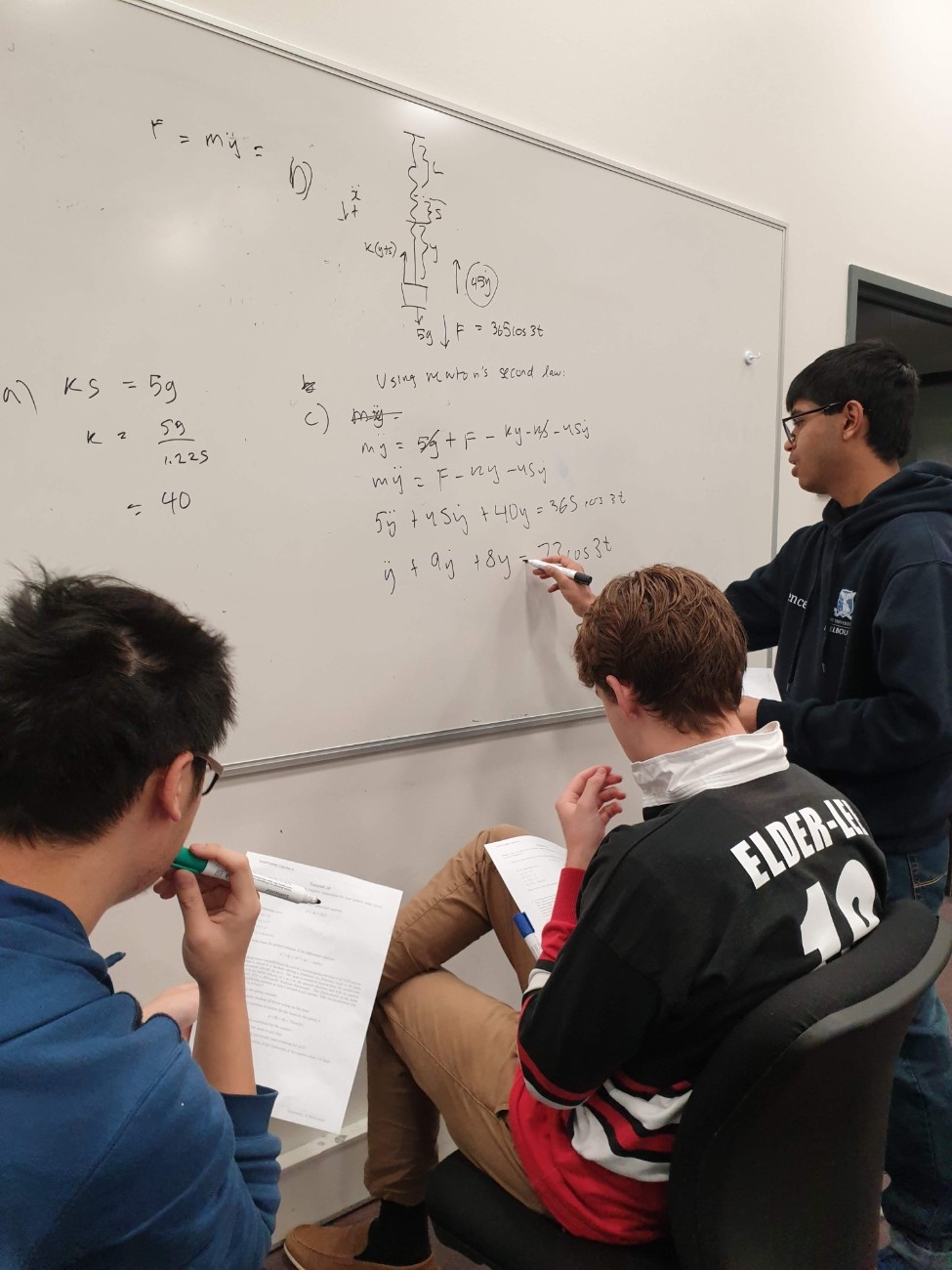
- Mentoring by Faculty: Professors were the most engaging and helpful and were willing to stay back after classes. Tutors also provided great attention to everyone and promoted learning at a fundamental level.
- Diverse Peer Group: Engaging with classmates from different backgrounds, as with any foreign university, provided me with a fresh perspective at things. Most importantly, so many activities were always happening around the campus, which provided great networking opportunities.
Dislikes
- Abundance of Choice: There are numerous numbers of core and elective subjects that one can choose and in doing so, students keep on shuffling their subjects semester-to-semester which makes it harder for same sets of students to overlap in multiple semesters. It makes long term networking within the classrooms harder.
- Red-tapism: For various student services like changing subjects, changing scheduled classes, applying for absences etc., there was a faceless mechanisms of application which made it harder to express certain predicaments and often meant, delayed responses or ambiguity in solutions.
- Lack of career support: There weren’t many opportunities offered by the uni which helped directly in networking with industry recruiters or options available for on-campus placements post-degree completion. This made it difficult to secure a job before the degree ended.
Campus Life
- CAMPUS LOCATIONS • Parkville • Southbank • Burnley • Dookie • Creswick • Werribee • Shepparton. Mine was Parkville Campus, which is the main campus.
- The University of Melbourne's Parkville campus offers a wide range of facilities, including numerous cafes and retail outlets, libraries, research and study spaces, sports facilities, and various other services.
- The Parkville campus features the Beaurepaire Centre and Nona Lee Sports Centre, along with outdoor facilities like the Rawlinson Athletics Track and University Oval.
Fees
- It was approx. AUD 5500 per subject with a total of 30 subjects through a 3-year course.
- It was charged on a credit-based, semester-wise basis, i.e., fees would be charged in advance for the number of subjects/credits one is doing in a particular semester.
- Approximately 2000 AUD was my monthly expense
- Rent – 1000 AUD
- Groceries – 300 AUD
- Transportation – 100 AUD
- Networking events/uni parties – 200 AUD
- Other Misc. Expenses – 200 AUD
Dislikes
- Lack of affordable housing, too many students who won't speak English. Male sure you find a good group early on.
Campus Life
- Clubs available online. Several libraries and research facilities, but libraries are almost always full.
Fees
- The correct information is Available online, look up "unimelb handbook fees" as for the subject wise breakdown.
Likes
- Flexibility in choosing subjects
- Great campus location, very close to the city
- Great campus culture and student associations
Dislikes
- Very Asia continent dominated - especially for student
- Some subjects are entry level and not at masters standard
- Few scholarships options
Campus Life
- I know of the Carlton, Burnley and Southbank campuses, but there are probably more.
- My campus (Carlton) has all facilities—libraries, a gym, a sports center, open gardens and a running track and a swimming pool.
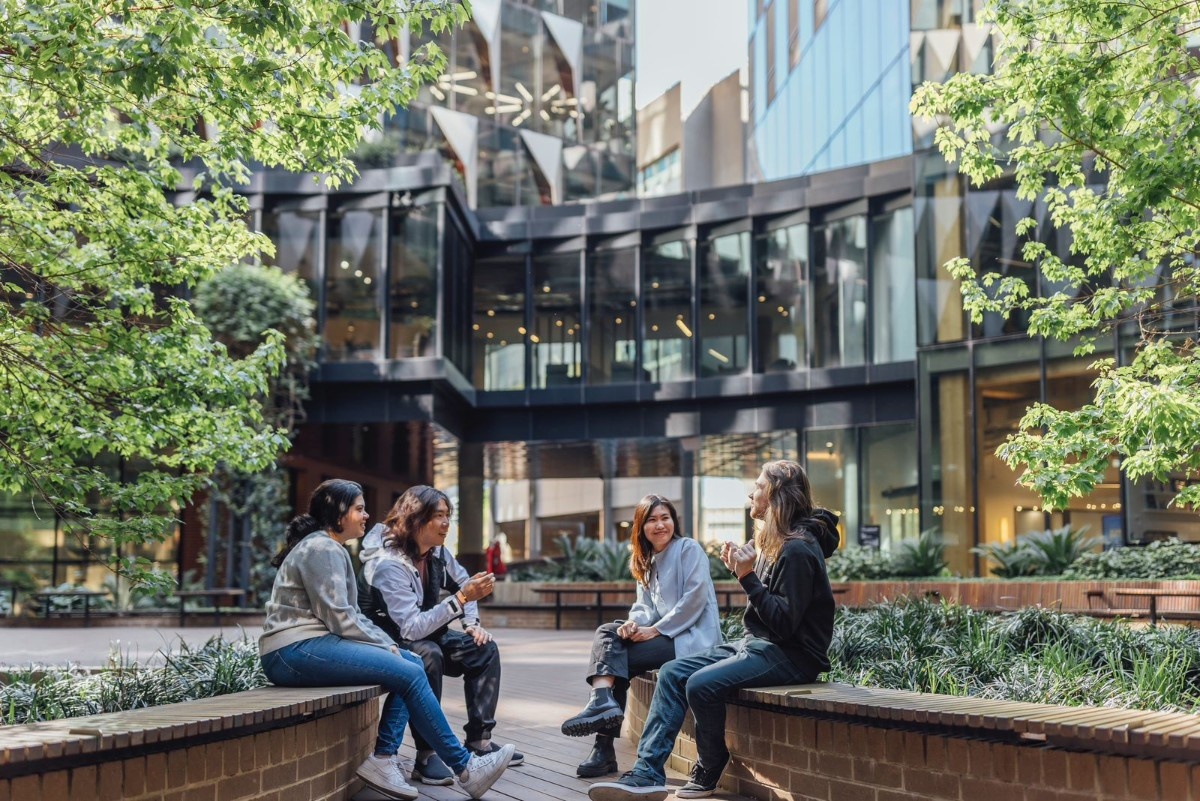
- All major festivals like chinese new year, diwali, easter, christmas, Ramzan are all celebrated. There are student-run clubs for everything from photography, coding and music to culture-specific clubs like the indian club, or engineers club.
Fees
- The fees for the 2025 Master of Management are AUD 119,684.
- This includes the whole course; however, there is a % increase in the tuition fees every year, so my fees are slightly more for the semesters of 2025 than they were in 2024. The tuition fees are course-based—the amount you are charged is the annual course fee listed per Equivalent Full-Time Student Load enrolled for the year. You also have to pay for overseas student health cover, which is separate but the cost depends on which provider you choose.
- You can choose how to pay the fees, either for all 4 semesters all at once or at the beginning of every semester.
- My average monthly expenses for living here are around AUD 3500.

Likes
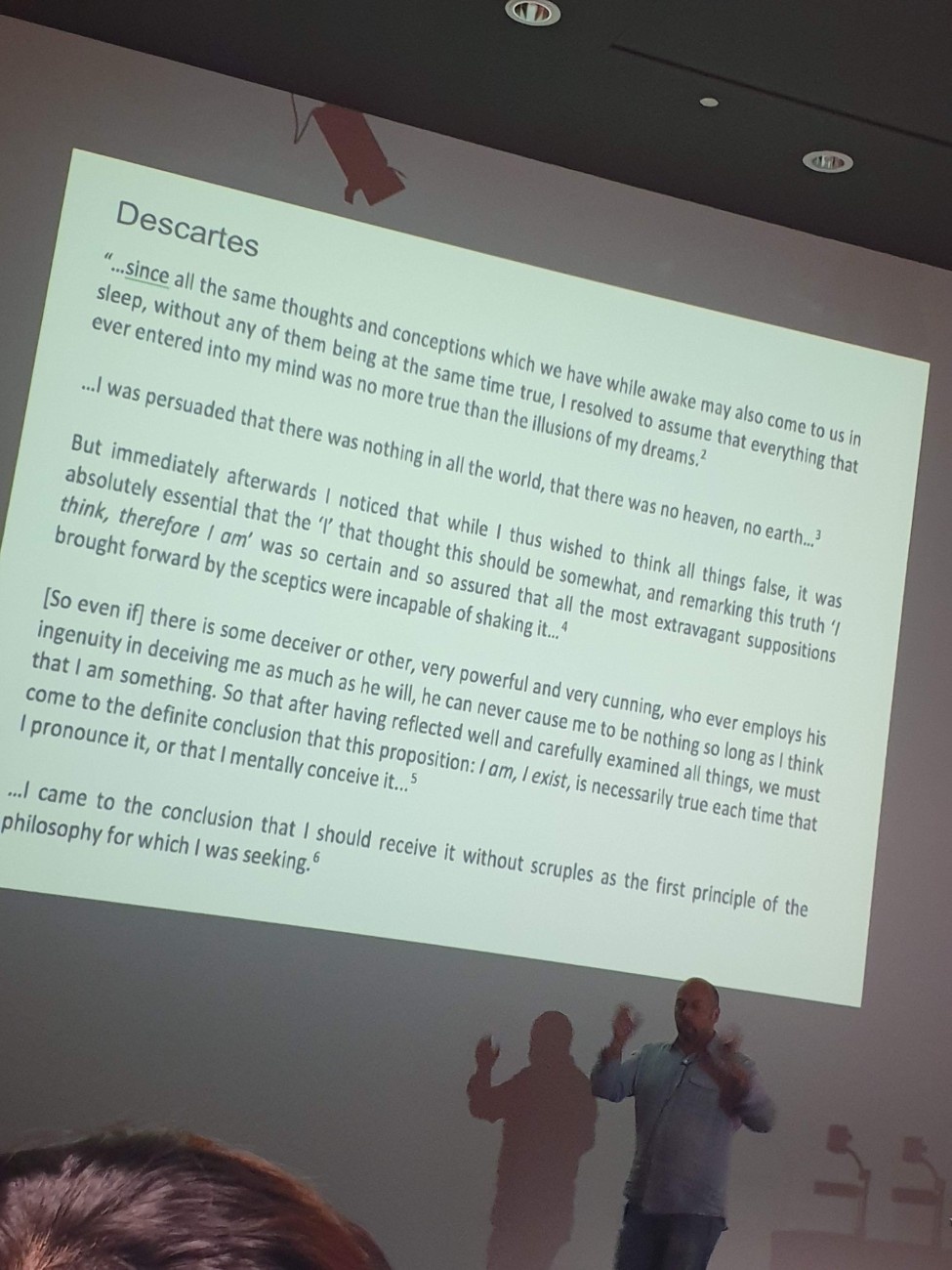
- The courses available to choose is probably the best thing about the uni. You get to learn and work with the best talent pool and professors
- The campus facility are amazing, ranging from different clubs, the sports centre and the student support center
- Lastly, if you an extrovert, you get to make some really good friends across different cultures.
Dislikes
- The timing of the classes are little hectic, but it also depends on the subjects you choose. Sometimes they tend to overlap
- Certain subjects need prerequisites which can not be fulfilled if you don't plan it out
- Compared to other universities, the fee is considerably high, and even the scholarship amount it less.
Campus Life
- Uni had two campuses. The Parkville campus is the main campus, with the majority of the courses being held there, and another campus in Southbank mainly has arts and humanities courses.
- The university has top-class facilities for sports, library and medical.
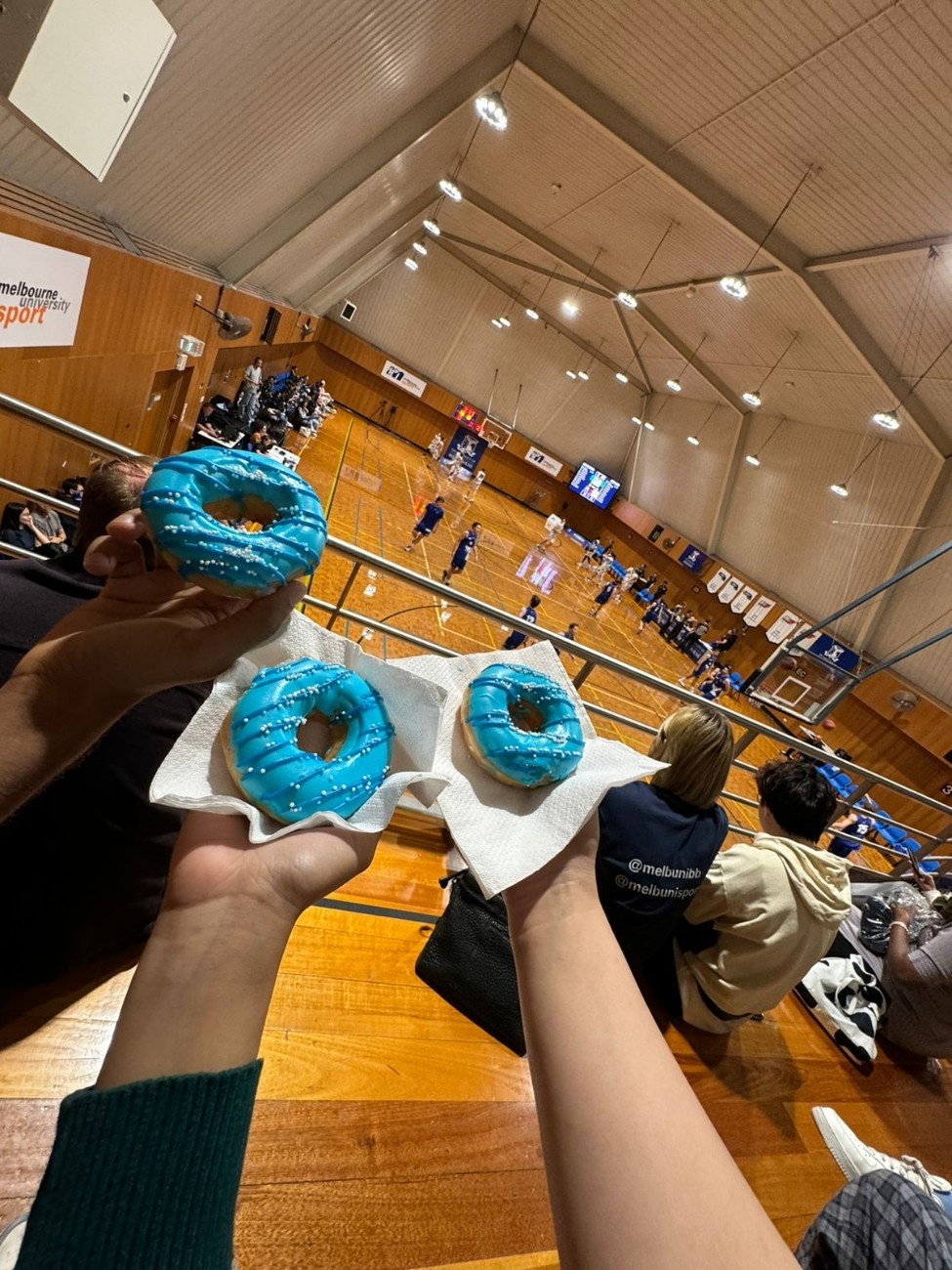
- The sports facility has a gym, pool, running track, a cricket ground and nets, and an all-purpose court where you can play badminton, basketball and netball.
- The university does host a lot of events, which are mainly led by the clubs on the campus. Events particularly related to each culture (an Indian festival and an Indian student meetup) are conducted as well.
Likes
- University of Melbourne has a research oriented academic atmosphere which fosters independent thought and critical thinking skills
- The university also provides a unique course structure where students have flexibility on which subjects/areas of expertise they want to learn and study.
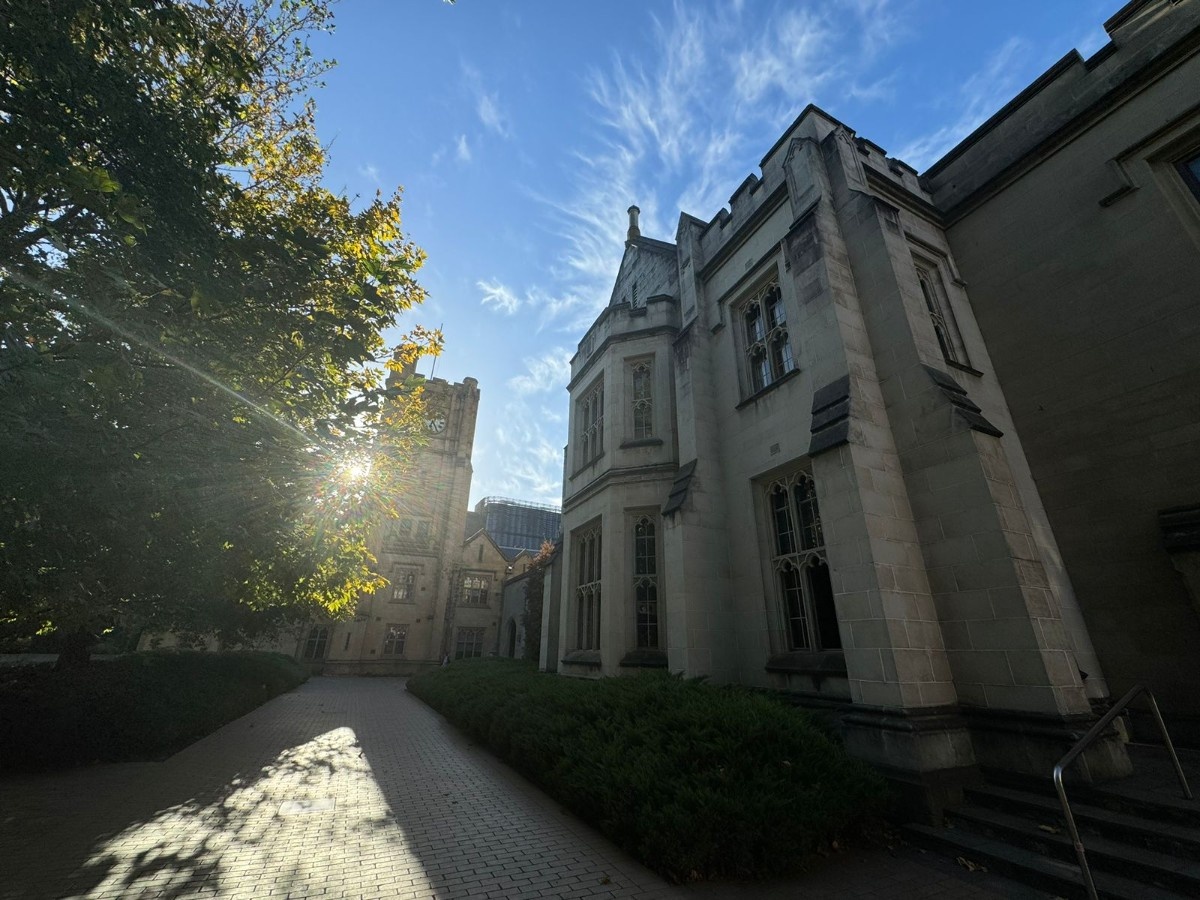
- Vibrant atmosphere, beautiful campus and work-life balance
Dislikes
- The faculty to student ratio is quite low in UniMelb which makes it hard to get one-to-one time with your tutors and professors
- Academic advisors can often be quite busy as they are often juggling many different duties at once.
- The on-campus accomodations are a bit expensive
Campus Life
- The Parkville campus has amazing sports facilities with a heated Olympic-size swimming pool, a big cricket stadium, a massive gymnasium and much more.
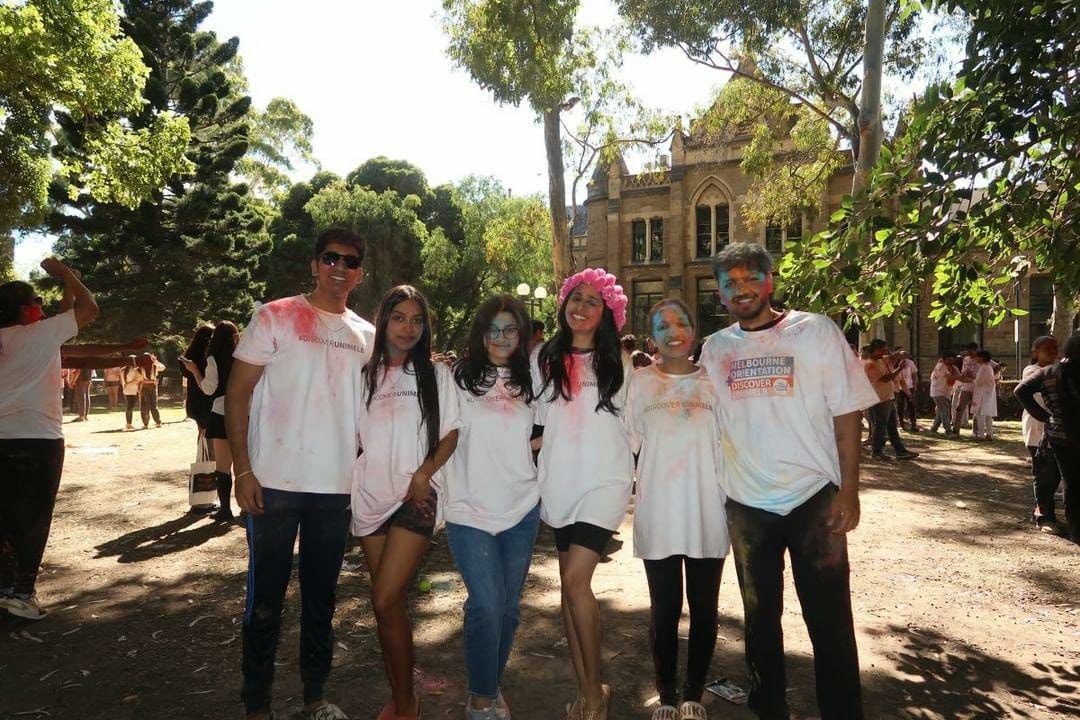
- At the beginning of each semester, there is a massive orientation week where you get the opportunity to meet many new students and PhD students get a faculty and school-level orientation to network with other new PhD students.
Likes
- The hands on lab session that happens for every subjeect
- A lot of opportunities to research and connect with industry
- Free food, lot of events, and activities
Dislikes
- I don't really dislike anything about the University
- The tuition fee is a bit much and it keeps increasing each year (should offer more scholarship's)
- Most the events has some kind of limited entry
Campus Life
- The University of Melbourne has 6 campuses and the main campus is in Parkville and the rest are in Southbank, Burnley, Dookie, Creswick, Werribee, and Shepparton.
- The main campus in Parkville has almost all the facilities not limited to Libraries, sports, medical, and auditoriums.
- I study at the Parkville (main) campus and the main events take place during the orientation (February and July) and Chinese New Year.
- There are over 200 clubs and activities currently active in the University and they are not restricted to languages, music, culture, spirituality, politics, adventure, sports, and so on.
Likes
- - Free food all over the campus
- - Popular professors (who teach excellently)
- - Comfortable lecture halls
Dislikes
- - Buildings are quite far from each other
- - Keep increasing the fee by 10% every year
- - Some subjects are set particularly hard
Campus Life
- The University of Melbourne has 7 campuses. They’re Parkville, Southbank, Burnley, Creswick, Dookie, Shepparton, and Werribee. The campus obviously has free wifi, comfortable libraries, smooth study desks, and air conditioning.
Fees
- The tuition is $6000 per paper (and it increases by 10% every year). They have student accommodations here but it's $450 (average) per week. The university does not charge anything extra.
- It's per semester-wise and we could also apply for credit (but it is under the university's discretion).
- I spend around $100 for groceries and restaurants, and my rent is $285 per week and I spend somewhere between $5 and $15 for transportation per week as I live very close to the CBD.
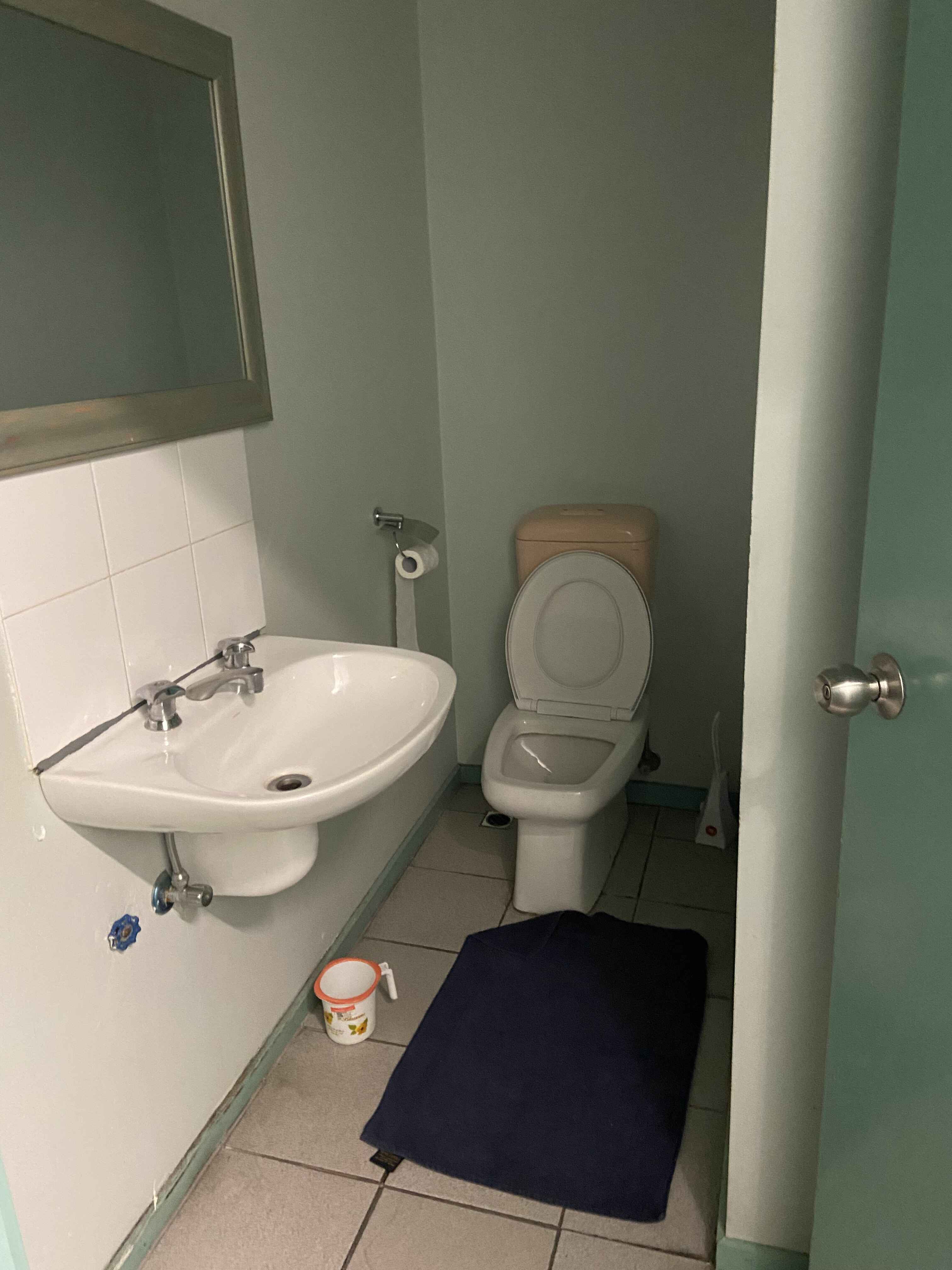
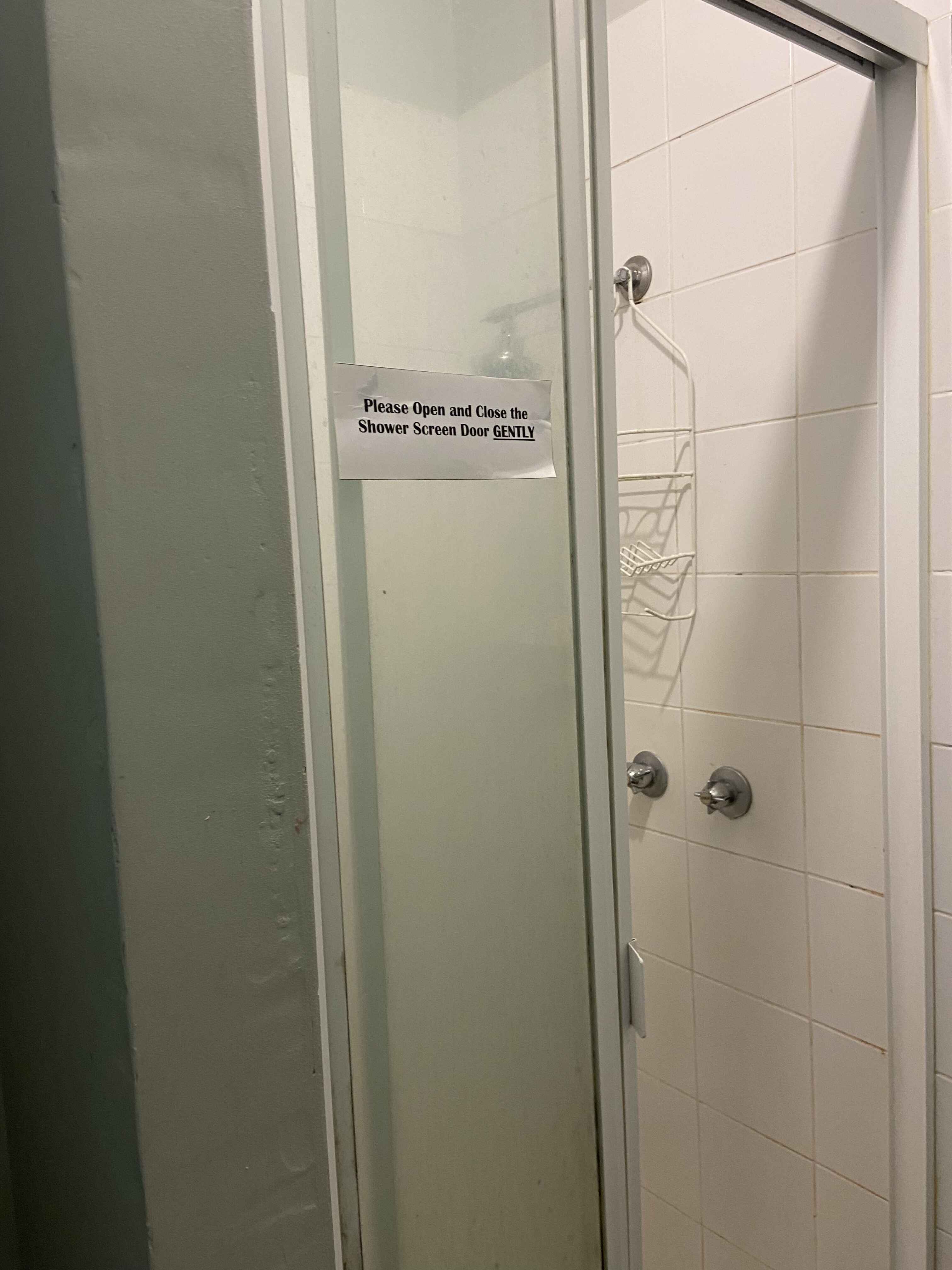
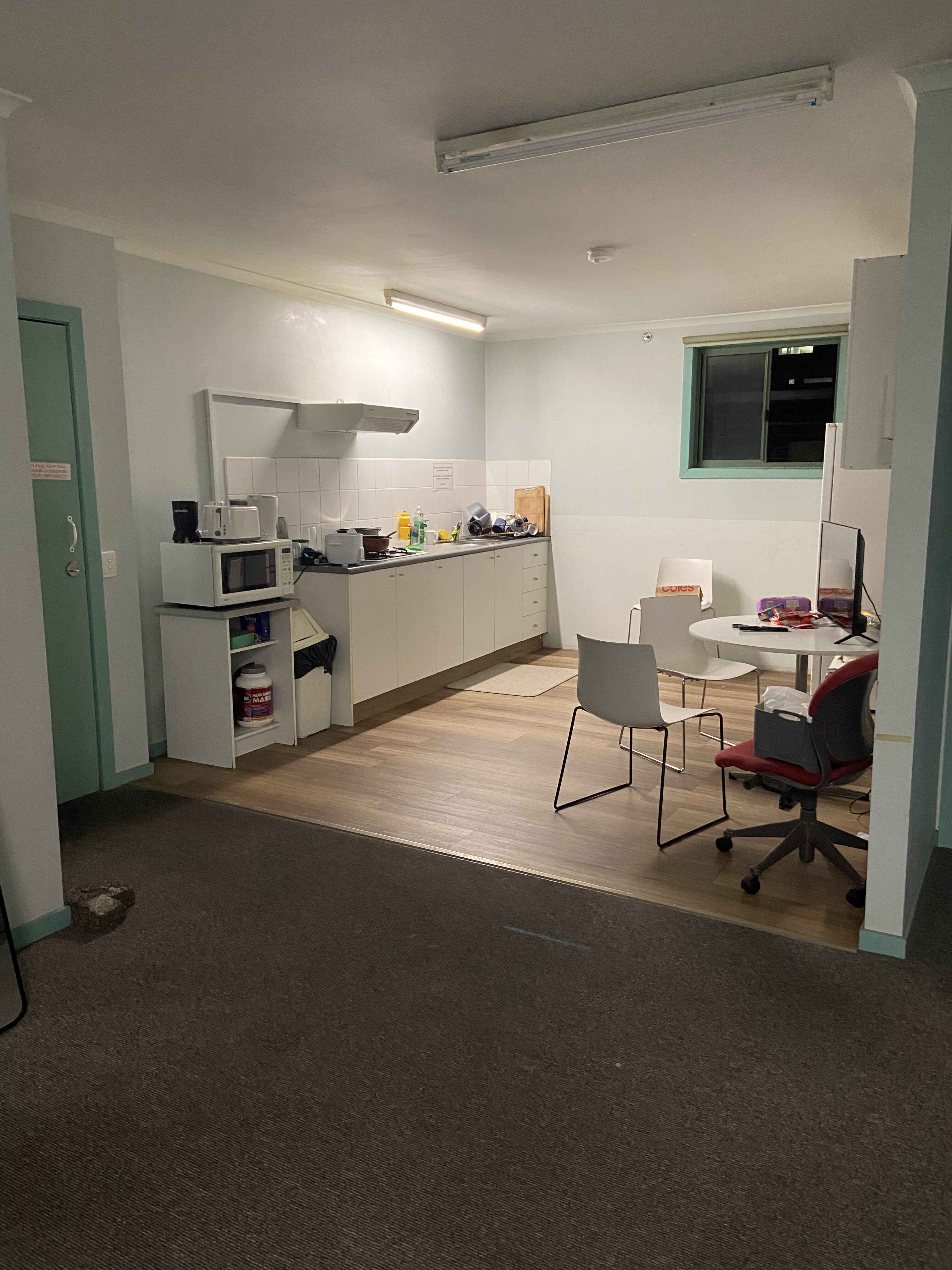
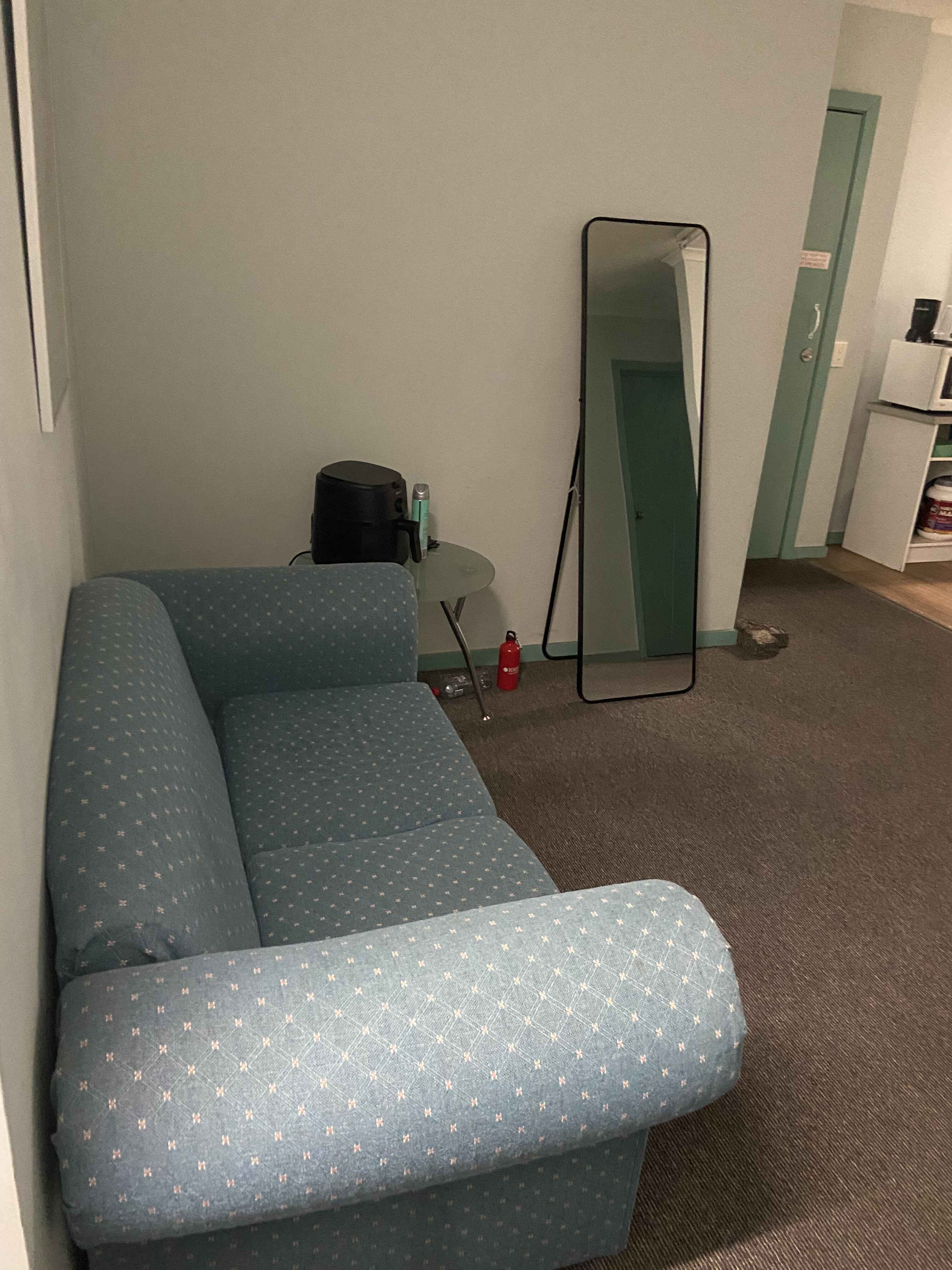
Likes
- Diversity: We were a class of 40, coming from 13 countries. We all came from diverse industries- consulting, banking, tech, media, healthcare, etc. The average work ex was 5 years, but the range was 2-20 years. Diversity made learning fun & engaging.
- Curriculum: Practical course structure; the course did not focus on rote learning. Each subject had multiple live projects and we worked on them in syndicates. Operations' and Data Analysis' projects were two of the toughest ones!
- Alumni: MBS alums are some of the biggest names in Australia. Since there is no concept of campus placement in Australia, these alums are the primary source of jobs for students. Networking with these alums become extremely easy when you are in MBS.
Dislikes
- Career Support: Not at par with other leading global schools. The career services do help with connecting you to the right resources but do not take the pain of ensuring you get a job. Most top global MBAs work to get you a job. NOT THIS ONE.
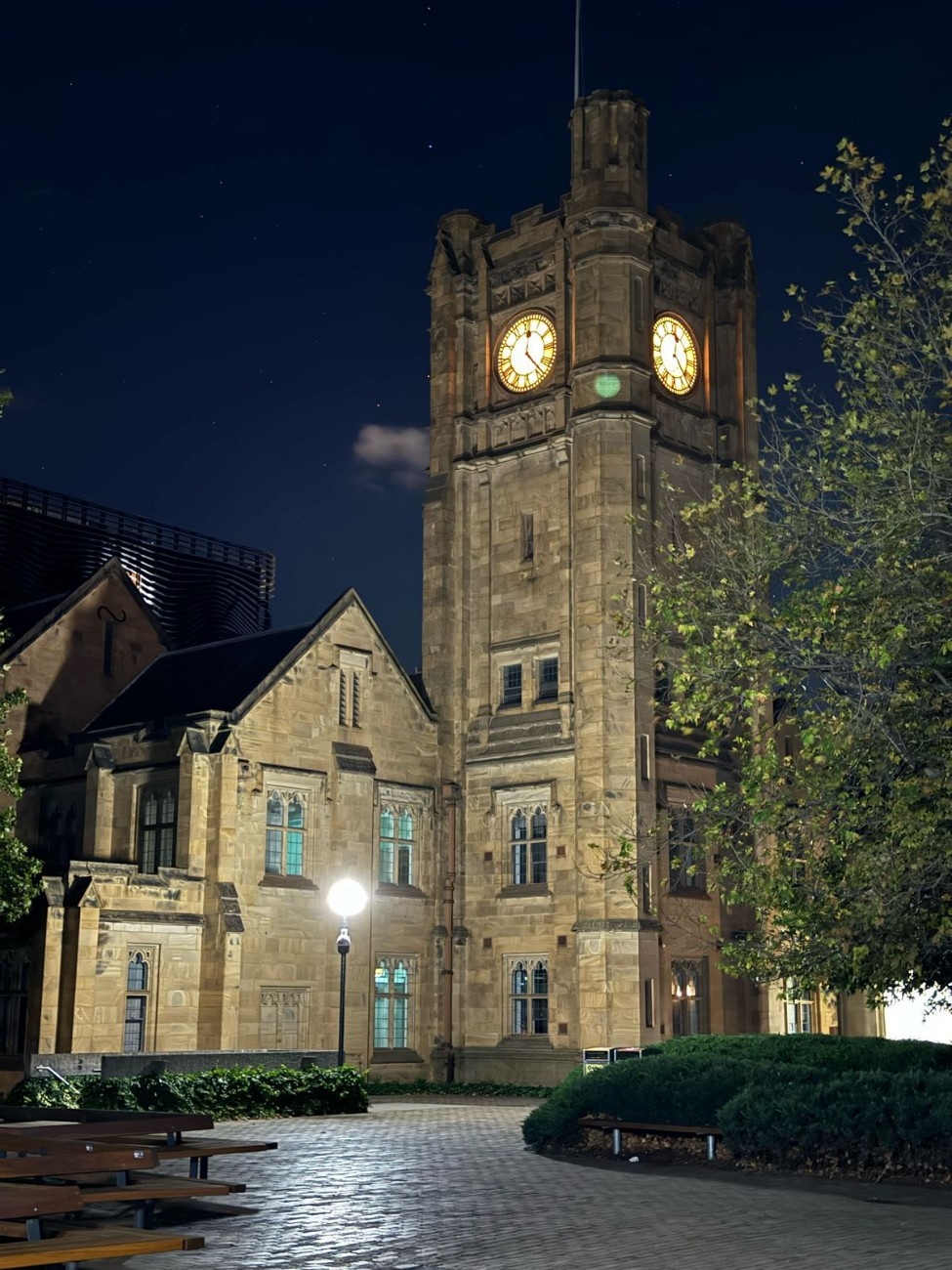
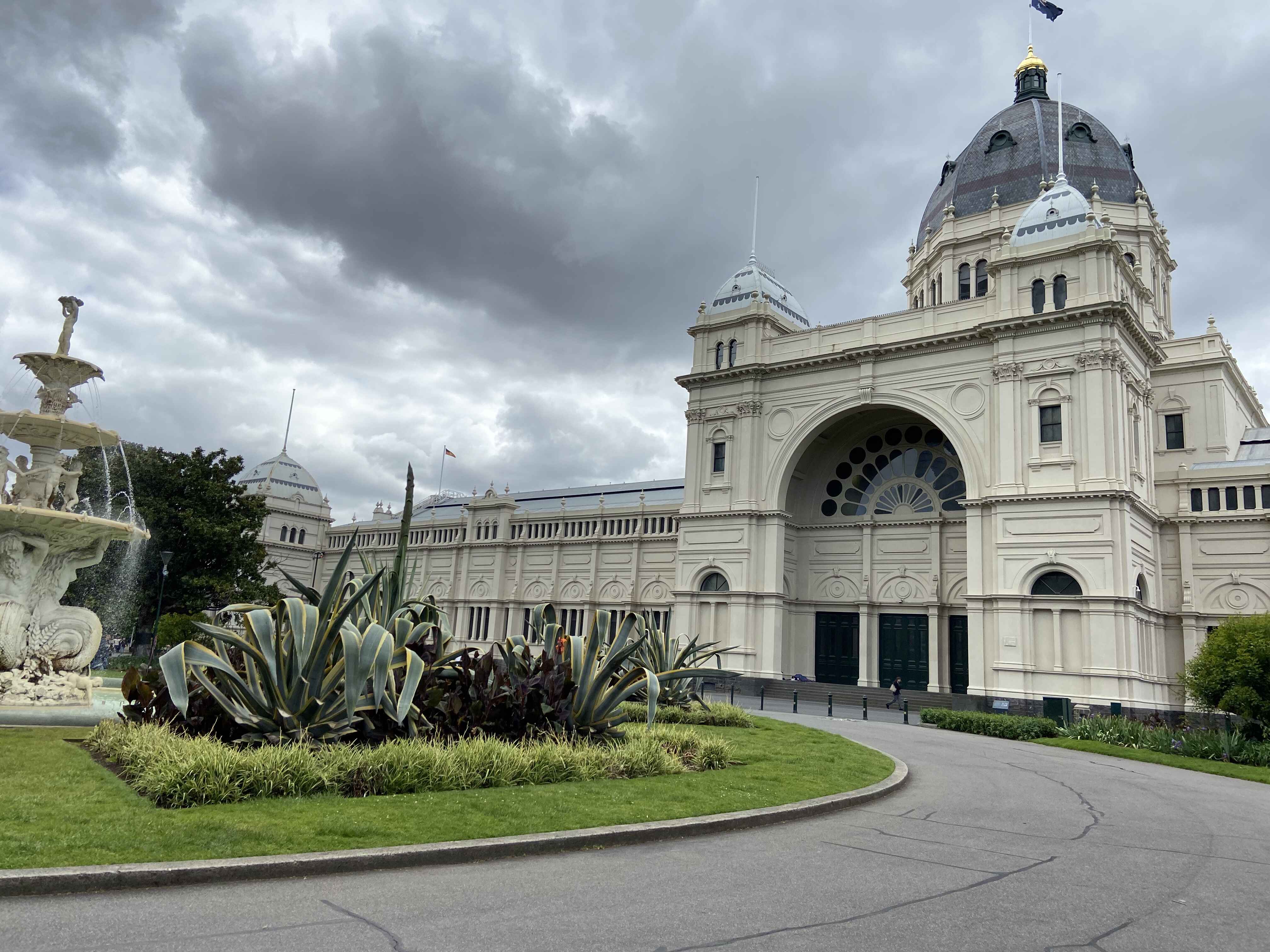
- The UniMelb campus is super pretty with victorian architecture, greenery and great infrastructure. However, the MBS building is not as impressive. Its a small building with limited facilities. However, we can always access UniMelb if required
Overview
The admission process is simple:
1. Application: There is no fee to apply, unless you are shortlisted. After shortlist, you pay AUD100. I personally liked this since most B-schools charge $100 for applying.
2. GMAT/GRE: You need to get a competitive GMAT score. For Indians, anything above 700 should be fine. The higher you go, the better scholarship you will receive. There is no specific GMAT cutoff. The admission also depends on factors like application round, academics, previous experience, etc. 3. IELTS/PTE: Need a 6.5 or above in IELTS. This is basically a hygiene check. Pro Tip: If you have a high GMAT verbal, you can ask for IELTS waiver from the university. Although, after an admit, you will need to give IELTS for the visa process.
4. Interview: A single round of interview with the career services. It was a pretty casual conversation with basic behaviourial questions. The call was focused on setting realistic expectations from the MBA.
Campus Life
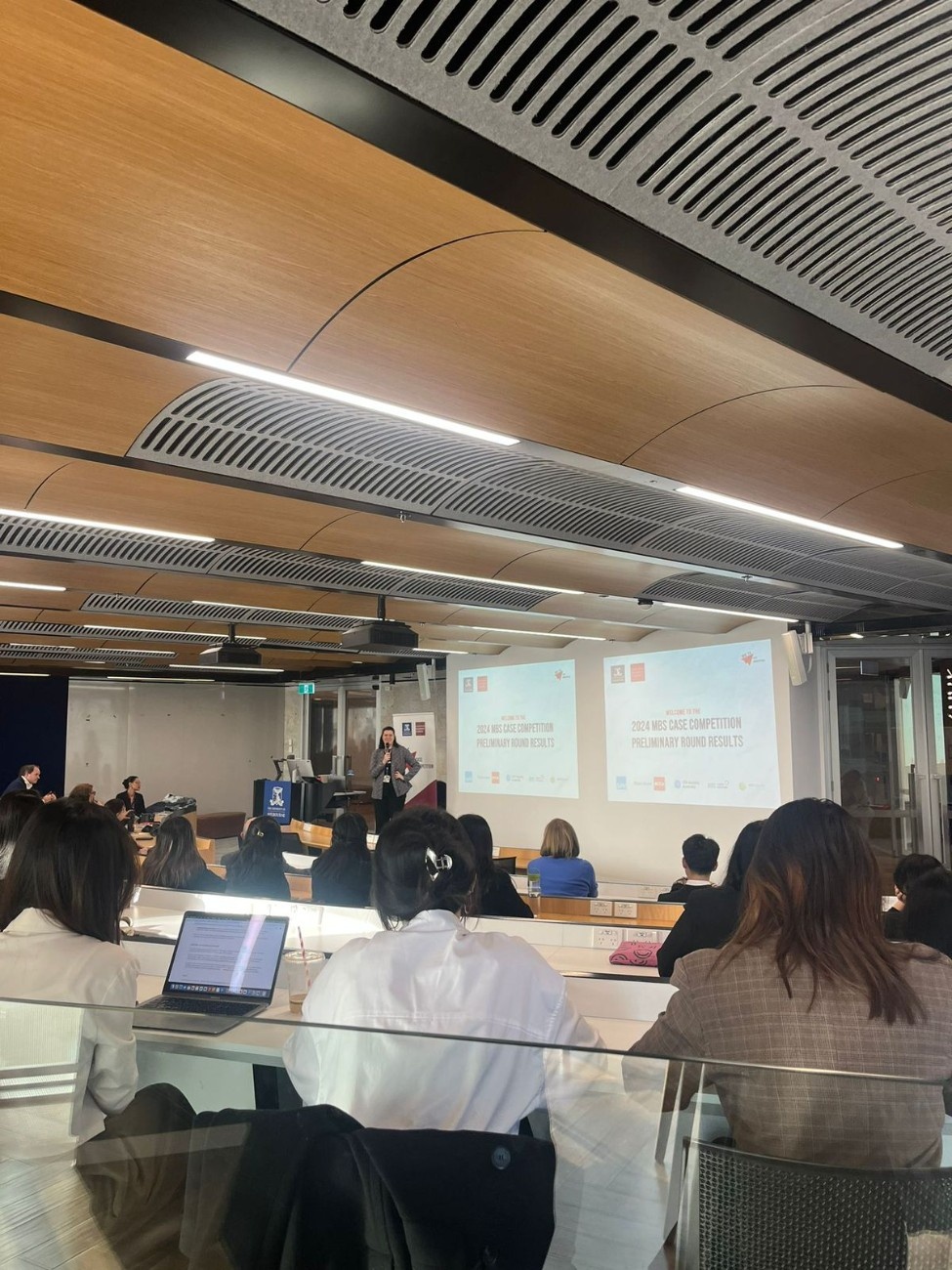
The campus life can be what you make of it. There are weekly events happening followed by dinners and parties. Melbourne is the sports and food capital of Australia and it totally depends on the individual as to how much they wish to indulge. They are multiple student clubs in MBS. The application process is competitive for core clubs like consulting, marketing, etc. Other clubs are fairly easy to get into. There are a lot of Indians in Australia and Indians made up approximately 15-20% of the total students in University of Melbourne & MBS. We had free access to the sports facility and Gym. Medical clinic was also free to access, as part of the mandatory medical insurance (around AUD1500) that we purchased before the start of the program. The consulting club, marketing club, and business analytics club were the most active and sought after one. Sports clubs (football, handball, etc) obviously had their own loyal following.
Likes
- The most likeable thing is that we get a good blend of research faculty and industry-aligned faculties.
Overview
If you are looking for research then Unimel is one of the best, but from my experience, the syllabus is good which would make you an extrovert but it feels a bit of repetition.
Campus Life
Please attend the club activities if you have time after returning from your part-time job as it is a good way to connect with new people. Please always network with people that's the most important thing in Australia .
University of Melbourne Scholarships
| Name | Scholarship Per Student | Level of Study | Type | |
|---|---|---|---|---|
| Melbourne Graduate Research Scholarships | Scholarship per student$135,000 | Level Of StudyDoctorate | TypeCollege-Specific | |
| Melbourne Graduate Scholarship | Scholarship per student$13,500 | Level Of StudyMaster | TypeCollege-Specific | |
| Melbourne Asian Development Bank- Japan Scholarship | Scholarship per studentVariable Amount | Level Of StudyMaster | TypeCollege-Specific | |
| MSD International Scholarships 2020 | Scholarship per studentVariable Amount | Level Of StudyMaster | TypeCollege-Specific | |
| FINCAD Women in Finance Scholarship | Scholarship per student$20,000 | Level Of StudyMaster | TypeMerit-Based | |
| Axol Science Scholarship | Scholarship per student$2,000 | Level Of StudyBachelor | TypeCompany-Sponsored |
View All 11 Scholarships
Do you think the Scholarship is wrong ? Report Here
Attendance Cost
The table shows average yearly cost of attendance for international students. Amount may vary with the course opted, nature of accommodation, and personal spending habits of a candidate.Check Program wise Fees
University of Melbourne Campuses, Schools & Faculties
Faculty
| Total Faculty | Full Time | Part Time | Graduate Assistants |
|---|---|---|---|
| 10514 | - | - | - |
Popular Comparison




interested in this College ?
Follow & Share this college to get information about admission.



Comments
Found 86 Comments