

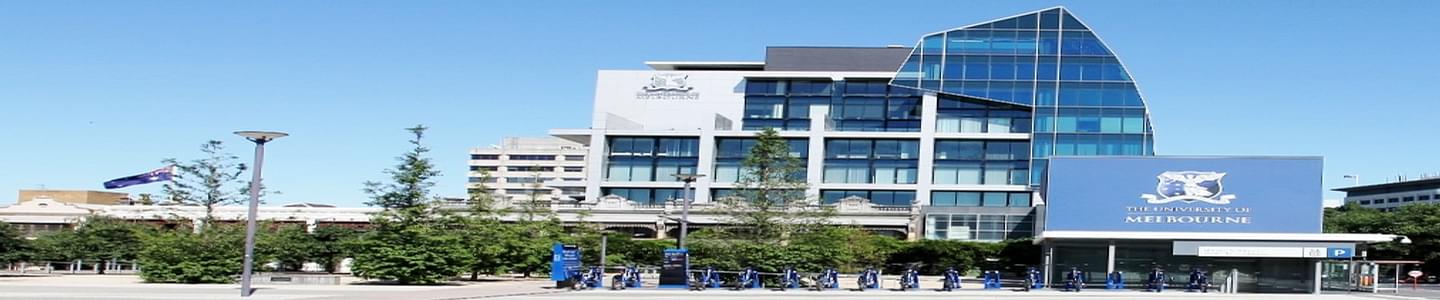

M.Sc IT from University Of Melbourne [UNIMELB], Melbourne - Fees & Admission Details 2026


The University of Melbourne tuition fees for international students in 2026 vary by course level, subject area, and study type. Undergraduate programmes typically cost between AUD 38,424–57,928 (₹24.2–36.5 lakh per year), while most postgraduate taught (PG) courses range from AUD 6,000–119,700 (₹3.8 lakh–₹75.9 lakh total), depending on the degree. The MBA fee is AUD 120,384 (≈ ₹76.6 lakh), making it one of the university’s highest-priced programs. For students pursuing research degrees (PhD/MPhil), fees usually fall between AUD 46,976–122,976 (₹29.8–77.9 lakh).
- PG Courses Fees: AUD 6,000 - AUD 119,700
- UG Courses Fees: AUD 38,424 - AUD 57,928
- MBA Courses Fees: AUD 120,384
- Postgraduate Research Courses (PHD/MPHIL): AUD 46,976 - AUD 122,976
Popular master’s programs such as Data Science, Biotechnology, Psychology, and Construction Management generally cost AUD 117,000–132,000 for two years (≈ ₹74.9–84.2 lakh), while professional degrees like Medicine (MD) can go much higher due to longer duration. Undergraduate programs like B.Com, Science, and Design are priced yearly and often shown as ranges because fees depend on the subjects you choose.
Beyond tuition, students must also plan for living expenses in Melbourne, which average around AUD 20,000 per year (≈ ₹12.6 lakh), covering accommodation, food, transport, insurance, and personal costs.
Also Check: University of Melbourne Scholarships
University of Melbourne Popular Courses Fees
Below is a quick look at some popular University of Melbourne courses with their duration and estimated total tuition fees for international students.
| Course Name | Duration | Total Tuition Fees in AUS$ | Total Tuition Fees in INR |
|---|---|---|---|
| MBA (1.4 K Views) |
2 Years | AUD 120,384 | ₹76.6 lakh |
| MS Data Science (723 Views) |
2 Years | AUD 121,767 | ₹77.5 lakh |
| L.L.M (373 Views) |
1 Year | AUD 60,992 | ₹38.8 lakh |
| Master Biotechnology (343 Views) |
2 Years | AUD 117,600 | ₹74.9 lakh |
| M.C.S (238 Views) |
2 Years | AUD 132,250 | ₹84.2 lakh |
| M.D (218 Views) |
4 Years | AUD 570,732 | ₹3.63 crore |
| M.S Psychology - Clinical Psychology (210 Views) |
2 Years | AUD 132,250 | ₹84.2 lakh |
| Master Construction Management (190 Views) |
3 Years | AUD 188,644 | ₹1.20 crore |
| M.S Nursing Science (283 Views) |
2 Years | AUD 92,400 | ₹83.60 lakh |
| M.Arch (190 Views) |
3 Years | AUD 188,644 | ₹1.20 crore |
| B.Com (358 Views) |
3 Years | AUD 163,388 - 189,947 | ₹1.04 crore – ₹1.21 crore |
| B.Com Accounting (143 Views) |
3 Years | AUD w163,388 - $189,947 | ₹1.03 crore – ₹1.20 crore |
| Bachelor of Science [B.S ](65 Views) |
3 Years | AUD 164,959 - 197,008 | ₹1.04 crore – ₹1.24 crore |
| Bachelor of Design [B.Des] Architecture (108 Views) |
3 Years | AUD 145,668 - 189,352 | ₹91.8 lakh – ₹1.19 crore |
University of Melbourne MBA Other Expenses
In addition to tuition fees, international MBA students must budget for Australian student visa charges and Overseas Student Health Cover (OSHC), which is mandatory for the full duration of study in Australia.
Melbourne Business School recommends Bupa as its preferred OSHC provider (students may also choose any approved Australian insurer).
Indicative OSHC Costs (as of 30 June 2025):
- Single cover: AUD 1,706 (₹1,07,495)
- Couple / Single Parent cover: AUD 6,899 (₹4,34,681)
- Family cover: AUD 11,458 (₹7,22,168)
Note: Melbourne Business School receives a benefit when OSHC is purchased through Bupa. Prices may change.
Students are free to arrange OSHC independently with any approved Australian health insurance provider if they prefer.
Other Expenses for MBA
| Head | Avg Cost Per Year |
|---|---|
| Living Expenses | ₹12,85,800 (AUD 20,000) |
| Total Estimated Cost | ₹12,85,800 (AUD 20,000) |
University of Melbourne Payment Method
After receiving your offer from the University of Melbourne, international students must pay a tuition fee deposit, OSHC (if arranged through the university), and later their remaining semester fees. The university provides four secure payment options, all of which require your unique payment reference number (found on your offer letter or invoice).
| Payment Method | How It Works | Fees / Timing | Best For |
|---|---|---|---|
| CIBC Foreign Exchange (Most Popular) | Pay in INR or local currency via card or bank transfer through CIBC portal | Small card surcharge (~2.5% may apply). Usually better exchange rates than banks | Indian students wanting easy payment + fair conversion |
| Credit Card (Visa / MasterCard) | Pay online through UniMelb portal for deposit, OSHC, and tuition | Processing fee ~0.3%–0.7%. Instant payment | Quick payments without visiting bank |
| BPAY (Australia Only) | Pay using Australian bank account via invoice details | No extra fee, but requires Aussie bank | Only useful after opening Australian bank account |
| Telegraphic Transfer (Bank Wire / TT) | Direct international bank transfer to UniMelb account (also possible via CIBC) | Takes few business days. Bank may charge fees | Students who prefer traditional bank transfer |
Key Payment Notes for Indian Students:
Before you accept your offer, you’ll need to pay an initial deposit of AUD 17,000 (around ₹9–10 lakh), which is adjusted toward your first semester tuition. Both the deposit and OSHC must be paid in Australian dollars (AUD). After enrolment, any remaining fees are paid through your student invoice. Keep in mind that cash, cheques, and gift cards are not accepted, and always use the official University of Melbourne payment links to avoid scams.
University of Melbourne Cost of Living
| Category | Typical Cost (AUD) | Approx Cost (INR) | Notes |
|---|---|---|---|
| Accommodation (University / Private Shared) | AUD 22,000 – 49,000 / year | ₹13.86 lakh – ₹30.87 lakh | Biggest expense. University residences cost more; shared rentals reduce cost |
| Food & Groceries | AUD 4,200 – 7,800 / year | ₹2.65 lakh – ₹4.91 lakh | Based on AUD 80–150/week (home cooking is cheaper) |
| Transportation | AUD 1,560 – 3,120 / year | ₹98,300 – ₹1.97 lakh | Public transport with student concessions |
| Utilities & Bills | AUD 1,040 – 2,600 / year | ₹65,500 – ₹1.64 lakh | Electricity, gas, internet (often included in uni housing) |
| OSHC (Health Insurance) | AUD 600 – 800 / year | ₹37,800 – ₹50,400 | Mandatory for student visa (single cover) |
| Personal & Miscellaneous | AUD 2,600 – 7,800 / year | ₹1.64 lakh – ₹4.91 lakh | Phone, clothes, entertainment, gym, outings |
| Overall Average Living Cost (Single Student) | ~AUD 20,000 / year | ~₹12.60 lakh / year | University’s general estimate (moderate lifestyle) |
University of Melbourne Accommodation
The University of Melbourne offers university-managed accommodation on or near the Parkville campus for international students. Rooms are priced per person, per week and usually include utilities, unlimited Wi-Fi, and student support services.
Options range from self-catered shared apartments to fully catered colleges with meals. For 2026, weekly costs typically fall between AUD 430 and AUD 947, depending on the residence and room type.
Most residences also offer academic mentoring and community programs. Students who apply early may receive a guaranteed accommodation offer (subject to availability). Contracts usually run for 6 or 12 months or the academic year, with small one-time fees (bond/application/linen packs) possible.
| Residence | Meals Included | Weekly Cost (AUD) | Weekly Cost (INR approx) | Notes |
|---|---|---|---|---|
| Lisa Bellear House | No | 439 – 611 | ₹27,660 – ₹38,500 | Self-catered studios/apartments |
| Little Hall | No | 460 – 712 | ₹28,990 – ₹44,860 | Shared apartments (2–5 bedrooms); very popular |
| The Lofts | No | 430 – 730 | ₹27,090 – ₹45,990 | Modern apartments, twin studios to large shared units |
| International House | Yes (21 meals/week) | 738 – 947 | ₹46,500 – ₹59,670 | Fully catered; most expensive |
| Wilam | No | ~439 – 611 | ~₹27,660 – ₹38,500 | Indigenous-focused residence (similar range to Lisa Bellear) |
Also Check:
Popular Programs and Important Dates
| Program | Important Dates | Fees | Application Fees | Eligibility | Financial Aid |
|---|---|---|---|---|---|
MBA 2 years | Round 5 Application Deadline for September 2026 Intake (27th Jul 2026) Early Application Deadline for September 2027 Intake (6th Oct 2026) Round 1 Application Deadline for September 2027 Intake (1st Dec 2026) Round 2 Application Deadline for September 2027 Intake (2nd Feb 2027) Round 3 Application Deadline for September 2027 Intake (30th Mar 2027) | USD 42,134 /Yr AUD 60,192 /Yr | - | TOEFL- 5 | IELTS- 7 |PTE- 72 | |
MS Data Science 2 years | Application Deadline For Start- Year March 2027 Intake (31st Oct 2026) | USD 40,589 /Yr AUD 57,984 /Yr | 154 | TOEFL- 4.5 | IELTS- 6.5 |PTE- 64 | |
BCom 3 years | Application Deadline For Start- Year March 2027 Intake (30th Nov 2026) Application Deadline For Mid- Year July 2027 Intake (31st Mar 2027) | USD 36,652 /Yr AUD 52,360 /Yr | 154 | TOEFL- 4.5 | IELTS- 6.5 |PTE- 64 | |
LLM 1 year | Application Deadline For Start- Year March 2027 Intake (31st Oct 2026) Application Deadline For Mid- Year July 2027 Intake (30th Apr 2027) | USD 42,694 /Yr AUD 60,992 /Yr | 154 | TOEFL- 4.5 | IELTS- 6.5 |PTE- 64 | |
Round 3 Application Deadline for2027 Intake (17th Aug 2026) Round 4 Application Deadline for 2027 Intake (19th Oct 2026) Round 5 Application Deadline for 2027 Intake (7th Dec 2026) Round 1 Application Deadline for 2027 Intake (13th Apr 2027) | USD 68,544 /Yr AUD 97,920 /Yr | - | TOEFL- 5 | IELTS- 7 |PTE- 72 | ||
MPH 2 years | Application Deadline For Start- Year Feburary 2027 Intake (30th Nov 2026) | USD 46,883 /Yr AUD 66,976 /Yr | 154 | TOEFL- 4.5 | IELTS- 6.5 |PTE- 64 | |
Master Biotechnology 2 years | Application Deadline For Start- Year March 2027 Intake (30th Nov 2026) | USD 39,200 /Yr AUD 56,000 /Yr | 154 | TOEFL- 4.5 | IELTS- 6.5 |PTE- 64 | |
MCS 2 years | Application Deadline For Start- Year Feburary 2027 Intake (30th Nov 2026) | USD 44,083 /Yr AUD 62,976 /Yr | 154 | TOEFL- 4.5 | IELTS- 6.5 |PTE- 64 | |
MS 2 years | Application Deadline For Summer 2027 Intake (30th Sep 2026) | USD 30,800 /Yr AUD 44,000 /Yr | 154 | TOEFL- 5 | IELTS- 7 |PTE- 72 | |
Application Deadline For Summer 2027 Intake (31st Aug 2026) | USD 44,083 /Yr AUD 62,976 /Yr | 154 | TOEFL- 5 | IELTS- 7 |PTE- 72 |
Do you think the Dates are wrong ? Report Here
STEM Course
Master of Information Technology [MIT]
Course Finder - Search from 50K+ courses
Popular Streams:
University of Melbourne Reviews
Most Popular Tags
59 Reviews Found
Likes
- The working environment is amazing
- University provides plenty of scholarships compared to others
- Faculty encourages students to explore
Dislikes
- The position of university in the city makes it hard to find accommodation
- Career assistance is on par not above par.
Course Curriculum
- As it is not a class-based course, I am not in a position to give details on this.
Fees
- No fees for me. Usually PhD are offered with a fully funded scholarship with a stipend
Likes
- Learning Environment: There was a perfect balance between academics and extracurricular activities, and this is the most important fact for all-round development.
- Mentoring by Faculty: Professors were the most engaging and helpful and were willing to stay back after classes. Tutors also provided great attention to everyone and promoted learning at a fundamental level.
- Diverse Peer Group: Engaging with classmates from different backgrounds, as with any foreign university, provided me with a fresh perspective at things. Most importantly, so many activities were always happening around the campus, which provided great networking opportunities.
Dislikes
- Abundance of Choice: There are numerous numbers of core and elective subjects that one can choose and in doing so, students keep on shuffling their subjects semester-to-semester which makes it harder for same sets of students to overlap in multiple semesters. It makes long term networking within the classrooms harder.
- Red-tapism: For various student services like changing subjects, changing scheduled classes, applying for absences etc., there was a faceless mechanisms of application which made it harder to express certain predicaments and often meant, delayed responses or ambiguity in solutions.
- Lack of career support: There weren’t many opportunities offered by the uni which helped directly in networking with industry recruiters or options available for on-campus placements post-degree completion. This made it difficult to secure a job before the degree ended.
Course Curriculum
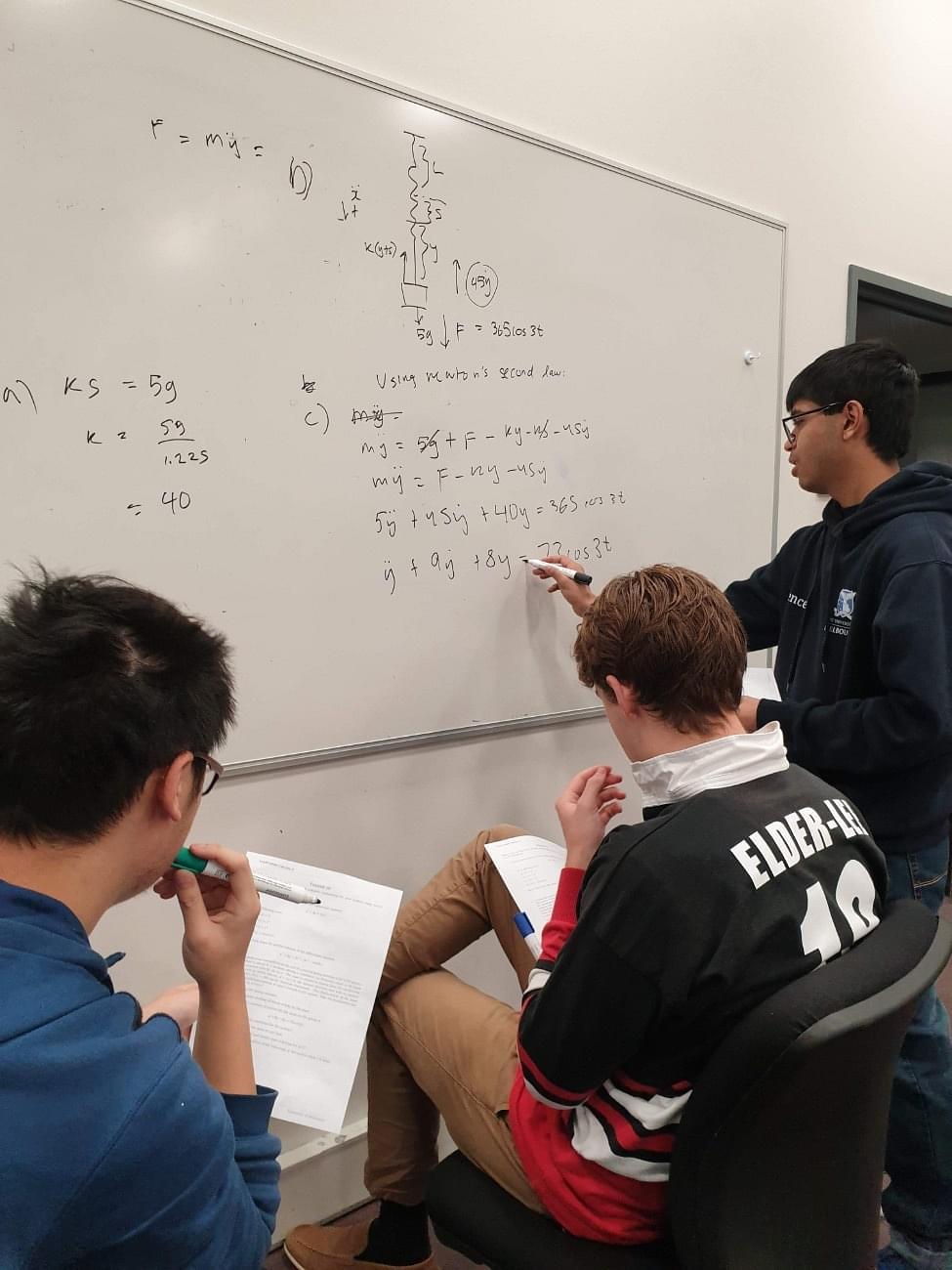
- Being a topper and a bright student always, I still had difficulty in catching up in the first year of the course and even after that, it wasn't a walk in the park. You always had to be on your toes to perform even averagely. It was a mix of both.
- Most positive aspect is that it has taught me to stay resilient and always be on top of things if I don't want to be left behind. Negative aspect of my course can be the fact that it didn't teach me versatility.
- It was usually 8-9 classes of typically 1 or 2 hours spread out throughout the week.
- In lectures, there were approximately 400 students in a class and in "tutorials," there were approximately 10-15 students in a class.
- I think approximately 20% of my class must be indian students in my class.
Fees
- It was approx. AUD 5500 per subject with a total of 30 subjects through a 3-year course.
- It was charged on a credit-based, semester-wise basis, i.e., fees would be charged in advance for the number of subjects/credits one is doing in a particular semester.
- Approximately 2000 AUD was my monthly expense
- Rent – 1000 AUD
- Groceries – 300 AUD
- Transportation – 100 AUD
- Networking events/uni parties – 200 AUD
- Other Misc. Expenses – 200 AUD
Dislikes
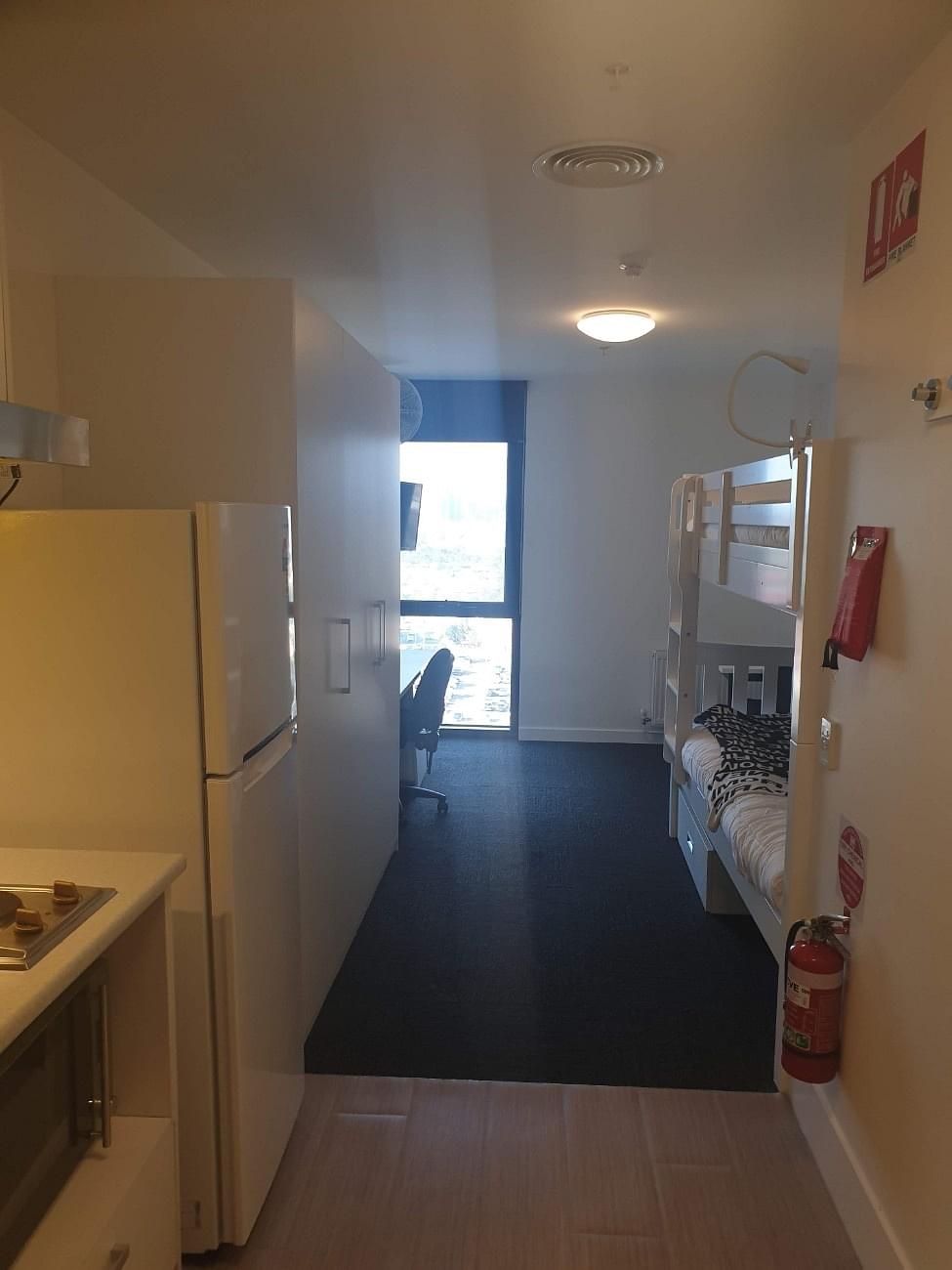
- Lack of affordable housing, too many students who won't speak English. Male sure you find a good group early on.
Course Curriculum
- Updates every semester, NLP subject in masters changes dramatically every year
- Also Yes, IT project in undergrad plus optional inter shop subjects
- About 3-4 hours, times are in your control
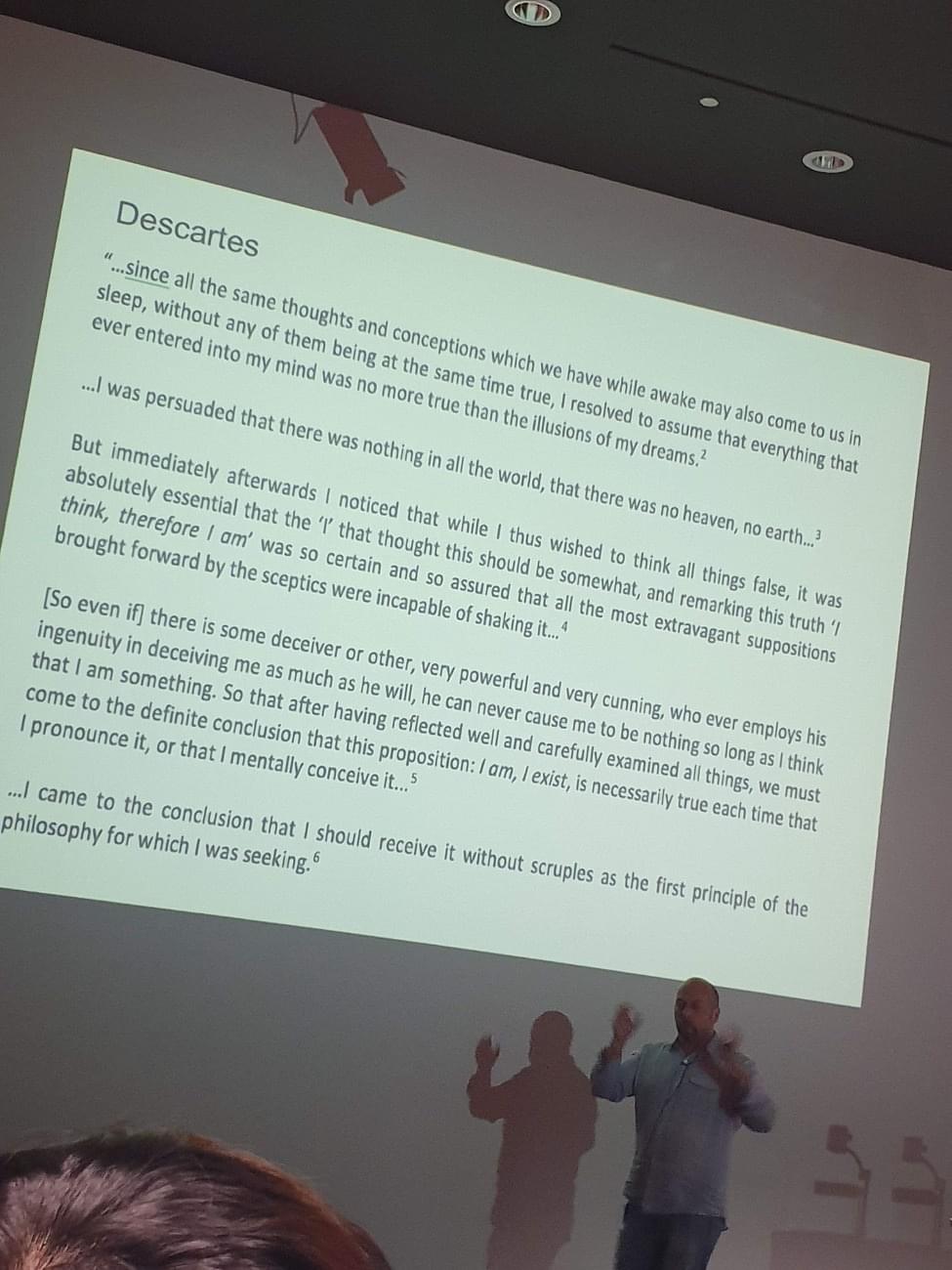
- Lectures: varies greatly, can be 1000 or 50. tutorials about 20
Fees
- The correct information is Available online, look up "unimelb handbook fees" as for the subject wise breakdown.
Likes
- Flexibility in choosing subjects
- Great campus location, very close to the city
- Great campus culture and student associations
Dislikes
- Very Asia continent dominated - especially for student
- Some subjects are entry level and not at masters standard
- Few scholarships options
Course Curriculum
- The Difficulty level is not high—it can be classified as easy for those who have previous management experience and medium for those who have no experience. Most lessons are entry-level and provide an overview of the field of study.
- Lessons are theoretical, and some professors can choose to have practical elements in the course curriculum.
- Positive is that most of the batch are international students of various cultures so you get many perspectives and views, and it's very good for international learning. Negative is that it is very Asian-dominated, and the Australians tend to stick to themselves so intermingling is hard but not impossible.
- You can choose your own schedule for classes; you have 4 subjects in a semester so you can do 1 subject a day and go 4 days to classes or 2 a day and go 2 days to classes. there are various slots; each class is 3 hours long and can be from 8 in the morning till 9 pm at night.
- There is an average of 100 students in a class, and 50% will likely be Indian.
Fees
- The fees for the 2025 Master of Management are AUD 119,684.
- This includes the whole course; however, there is a % increase in the tuition fees every year, so my fees are slightly more for the semesters of 2025 than they were in 2024. The tuition fees are course-based—the amount you are charged is the annual course fee listed per Equivalent Full-Time Student Load enrolled for the year. You also have to pay for overseas student health cover, which is separate but the cost depends on which provider you choose.
- You can choose how to pay the fees, either for all 4 semesters all at once or at the beginning of every semester.
- My average monthly expenses for living here are around AUD 3500.
Likes
- The courses available to choose is probably the best thing about the uni. You get to learn and work with the best talent pool and professors
- The campus facility are amazing, ranging from different clubs, the sports centre and the student support center
- Lastly, if you an extrovert, you get to make some really good friends across different cultures.
Dislikes
- The timing of the classes are little hectic, but it also depends on the subjects you choose. Sometimes they tend to overlap
- Certain subjects need prerequisites which can not be fulfilled if you don't plan it out
- Compared to other universities, the fee is considerably high, and even the scholarship amount it less.
- Finding the first place to say it is again a hard thing, and I would say it's probably one of the hardest tasks.
- Since you would be new to the place without any rental history, plus it's a tedious process of first applying, then inspecting, followed by quoting a rent, and finally getting a place.
- The best recommendation I would offer anyone is to look out for student housing and student accommodation just until you're settled, after which you can find a place by yourself or make a couple of friends and move in together.
Likes
- University of Melbourne has a research oriented academic atmosphere which fosters independent thought and critical thinking skills
- The university also provides a unique course structure where students have flexibility on which subjects/areas of expertise they want to learn and study.
- Vibrant atmosphere, beautiful campus and work-life balance
Dislikes
- The faculty to student ratio is quite low in UniMelb which makes it hard to get one-to-one time with your tutors and professors
- Academic advisors can often be quite busy as they are often juggling many different duties at once.
- The on-campus accomodations are a bit expensive
- UniMelb offers a few on-campus accommodation options and they are excellent options especially if you want to get the vibe of a campus accommodation; however, they are a bit on the expensive side.
- Typically the easiest way to find off-campus accommodation is through websites such as flatmates.com.au or realestate.com.au.
Likes
- The hands on lab session that happens for every subjeect
- A lot of opportunities to research and connect with industry
- Free food, lot of events, and activities
Dislikes
- I don't really dislike anything about the University
- The tuition fee is a bit much and it keeps increasing each year (should offer more scholarship's)
- Most the events has some kind of limited entry
- I had a relatively easy process of obtaining an accommodation as my friends had arrived a bit earlier than me and with the help of his aunt, we were able to secure a rentable property.
- It is usually recommended to search for the accommodation as soon as you get an offer letter (as the student accommodation availability is limited and getting a rentable property is really hard).
- There are some pros and cons for each accommodation facility, as commuting is easier with student accommodations, whereas the rent is relatively cheaper in a house in the suburbs but transportation is quite hard.
- There are a lot of platforms online (real estate, etc ...) and agents can also be contacted to find suitable accommodation based on the student's needs.
Likes
- - Free food all over the campus
- - Popular professors (who teach excellently)
- - Comfortable lecture halls
Dislikes
- - Buildings are quite far from each other
- - Keep increasing the fee by 10% every year
- - Some subjects are set particularly hard
Course Curriculum
- The subjects and their objectives are quite appreciative. All of the subjects (or at least the ones I have taken) have a component called ‘workshop’. Here’s where you essentially put your learnt skills to work. Here is where you work on academic exercises provided by other respectable schools such as Harvard University and MIT Sloan. It’s fun and can be quite challenging at times.
- People who major in accounting and finance have, more often than not, found the course to be very practice-demanding. In my opinion, it’s fun because it’s hard. We have to complete 200 credits (12.5 * 16 subjects) in a supposed span of four semesters. It’s rather hard to think of any negatives; it's tight and challenging but at the end of the day, it's fun.
- The timetable is mostly up to us—we get to set it before the semester starts. A subject has a 3-hour class per week (usually a lecture component of 1.5 hours and a workshop component of 1.5 hours). On average, a class has about 300 students enrolled. The University of Melbourne does not have a lot of Indian students. We have like 15 Indians out of 300 or so students in accounting and finance. The rest are mostly Chinese.
Fees
- The tuition is $6000 per paper (and it increases by 10% every year). They have student accommodations here but it's $450 (average) per week. The university does not charge anything extra.
- It's per semester-wise and we could also apply for credit (but it is under the university's discretion).
- I spend around $100 for groceries and restaurants, and my rent is $285 per week and I spend somewhere between $5 and $15 for transportation per week as I live very close to the CBD.
Likes
- Diversity: We were a class of 40, coming from 13 countries. We all came from diverse industries- consulting, banking, tech, media, healthcare, etc. The average work ex was 5 years, but the range was 2-20 years. Diversity made learning fun & engaging.
- Curriculum: Practical course structure; the course did not focus on rote learning. Each subject had multiple live projects and we worked on them in syndicates. Operations' and Data Analysis' projects were two of the toughest ones!
- Alumni: MBS alums are some of the biggest names in Australia. Since there is no concept of campus placement in Australia, these alums are the primary source of jobs for students. Networking with these alums become extremely easy when you are in MBS.
Dislikes
- Career Support: Not at par with other leading global schools. The career services do help with connecting you to the right resources but do not take the pain of ensuring you get a job. Most top global MBAs work to get you a job. NOT THIS ONE.
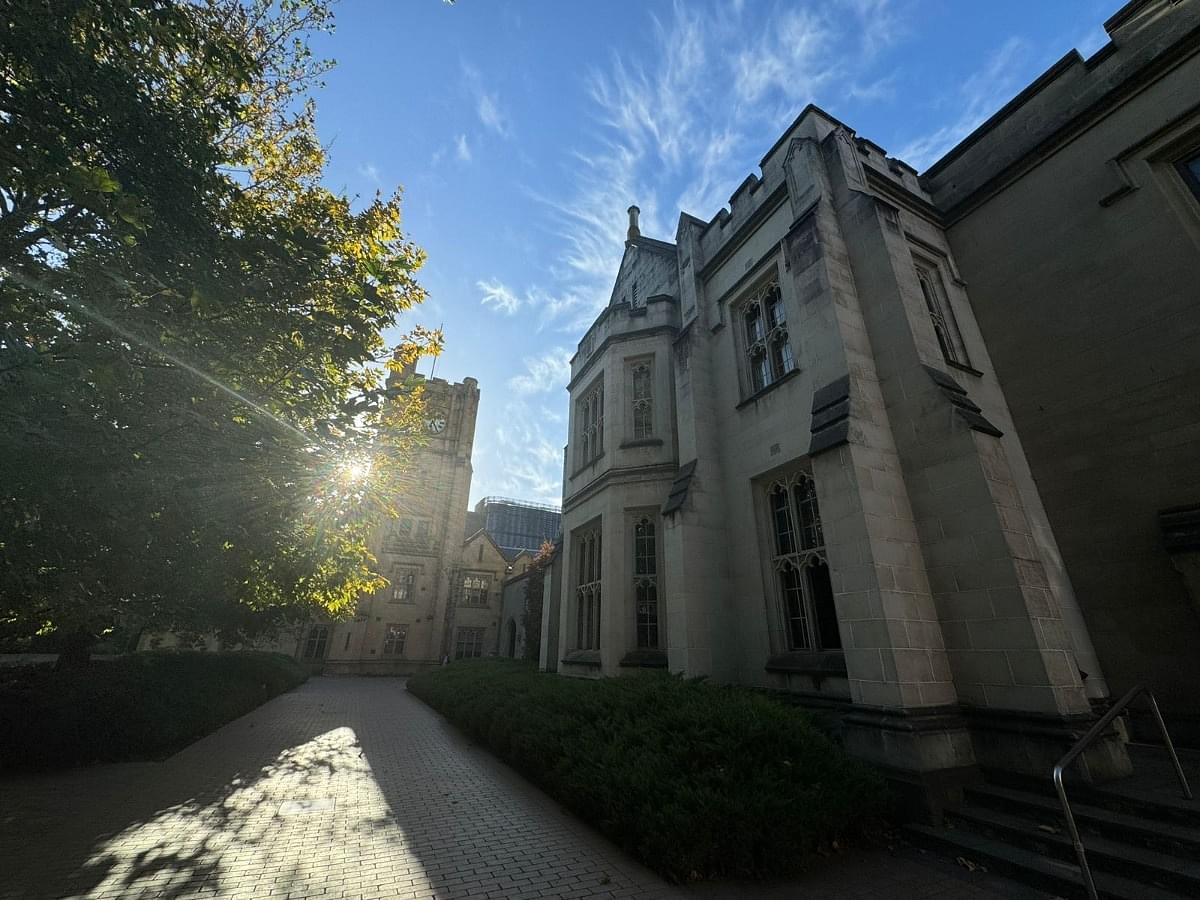
- The UniMelb campus is super pretty with victorian architecture, greenery and great infrastructure. However, the MBS building is not as impressive. Its a small building with limited facilities. However, we can always access UniMelb if required
Course Curriculum
The course was split in to 8 terms, with 4 terms in 1 year. The first 2 terms were the most demanding with maximum number of subjects. We had ongoing projects for 3 subjects at any given time. The fact that it was hectic, made it much more fun. Also, so many hours spent in work groups helped us make good friends in the first few weeks itself. The third term had 2 of the toughest subjects: operations and strategy. This is the last hectic term for most people. The curriculum was pretty practical and focused on real life learning. We also had a 1-month project with a real company as a part of the curriculum. This was useful because we got a chance to apply our learnings in real life and solve real business problems.
Fees
The tuition fee was around AUD100K, which is roughly INR 55 lakhs. However, most Indian students got 50% scholarship. So, the tuition fee came around 30-ish lakhs, which is comparable to top Indian MBAs. Education loans are easily available from most banks, with a collateral. The payment of tuition fee was per subject. Since, 50% of the total subjects were taught in the first 6 months, most of the tuition fee was paid in the first 6 months itself. Apart from tuition, there were no other major academic expenses. Melbourne is a pretty expensive city to live in. The living expenses were pretty high and came out to about AUD 20K for 2 years. This however can vary with students and their lifestyle.
Likes
- The most likeable thing is that we get a good blend of research faculty and industry-aligned faculties.
Course Curriculum
The assignments would be more of case studies which are like real-world problems and through discussions and brainstorming we are supposed to find the solution. About the course structure, it is divided into a lecture of 2 hrs and 1-hour tutorial where the class is divided into a small group and the lecture content is discussed.
Fees
Approx 24k AUD per semester.
SUBSCRIBE TO OUR NEWS LETTER



Comments