




CAT Number System PYQ, free to download as a 43-page PDF. The bank carries 29 solved questions from the 1990 to 2025 papers and takes roughly a week to work through, so it is worth doing before the mocks.
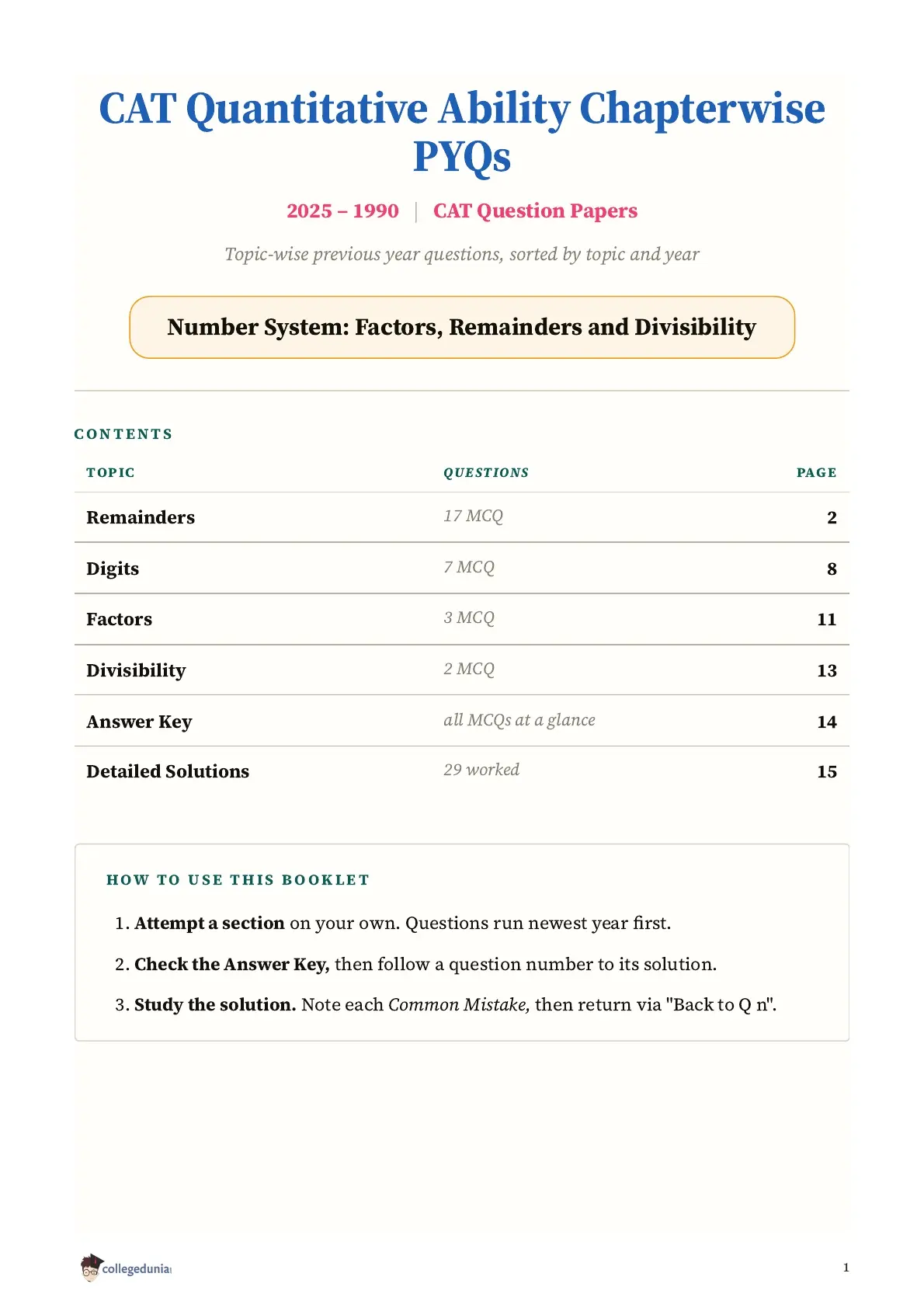
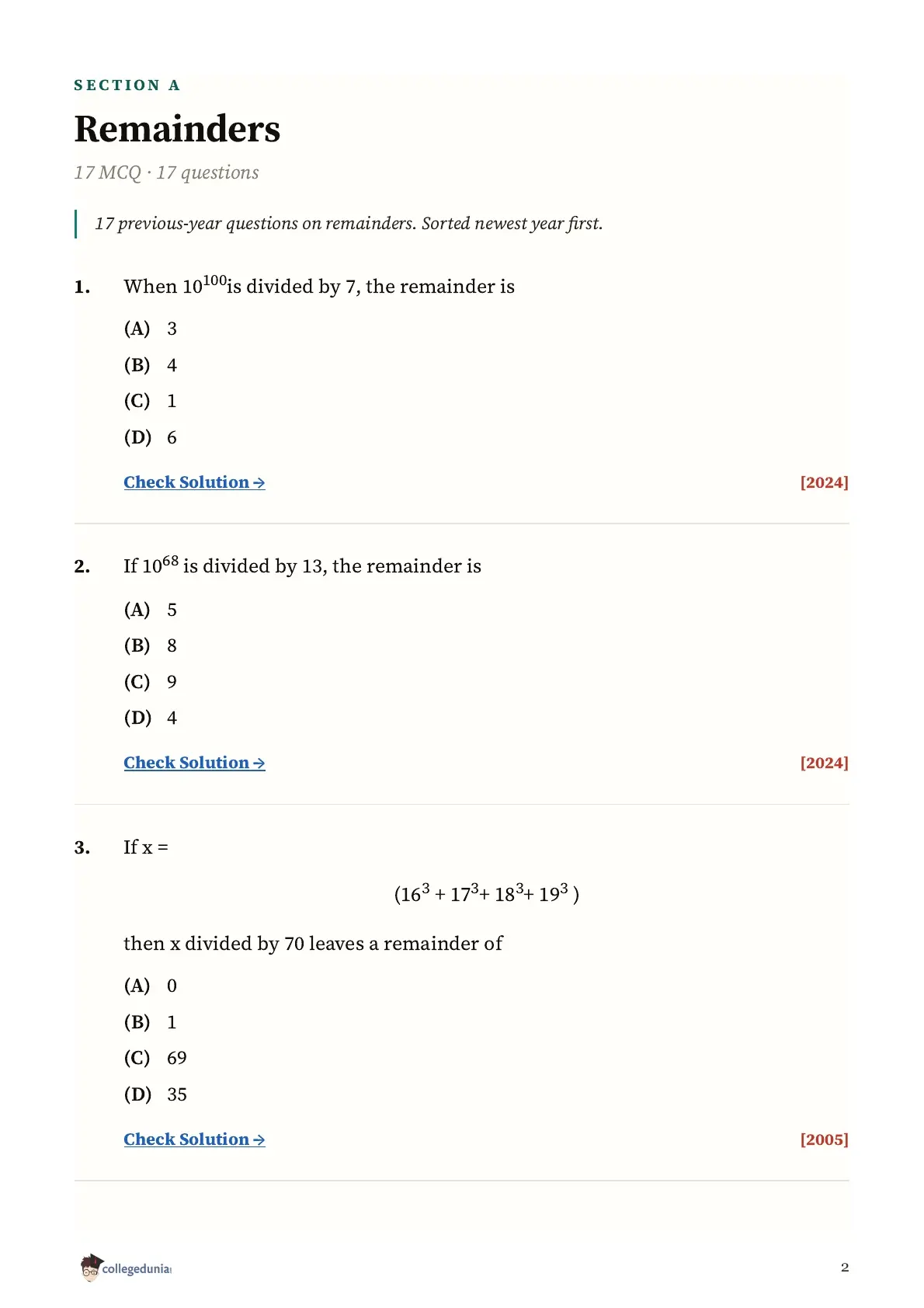
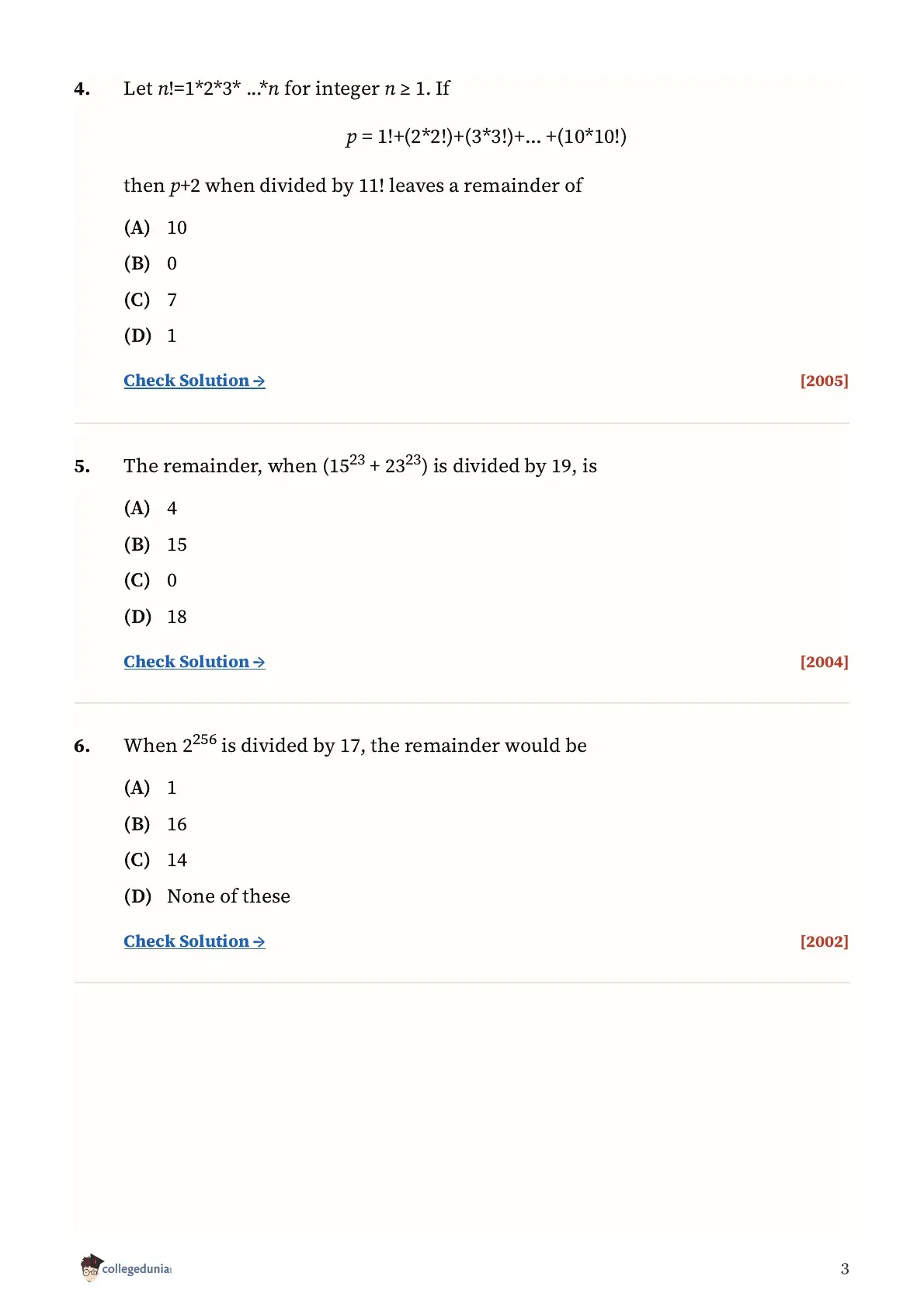
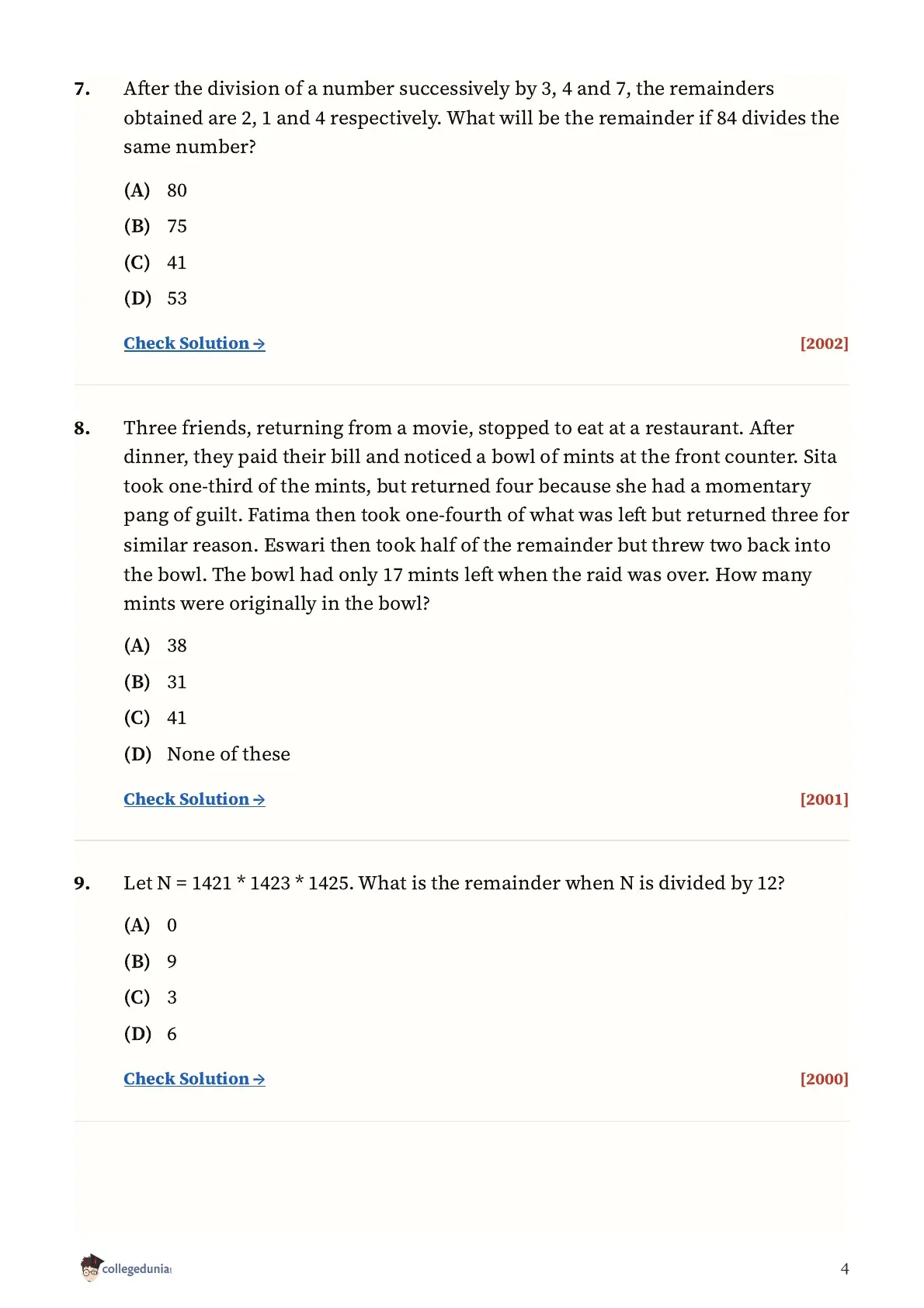
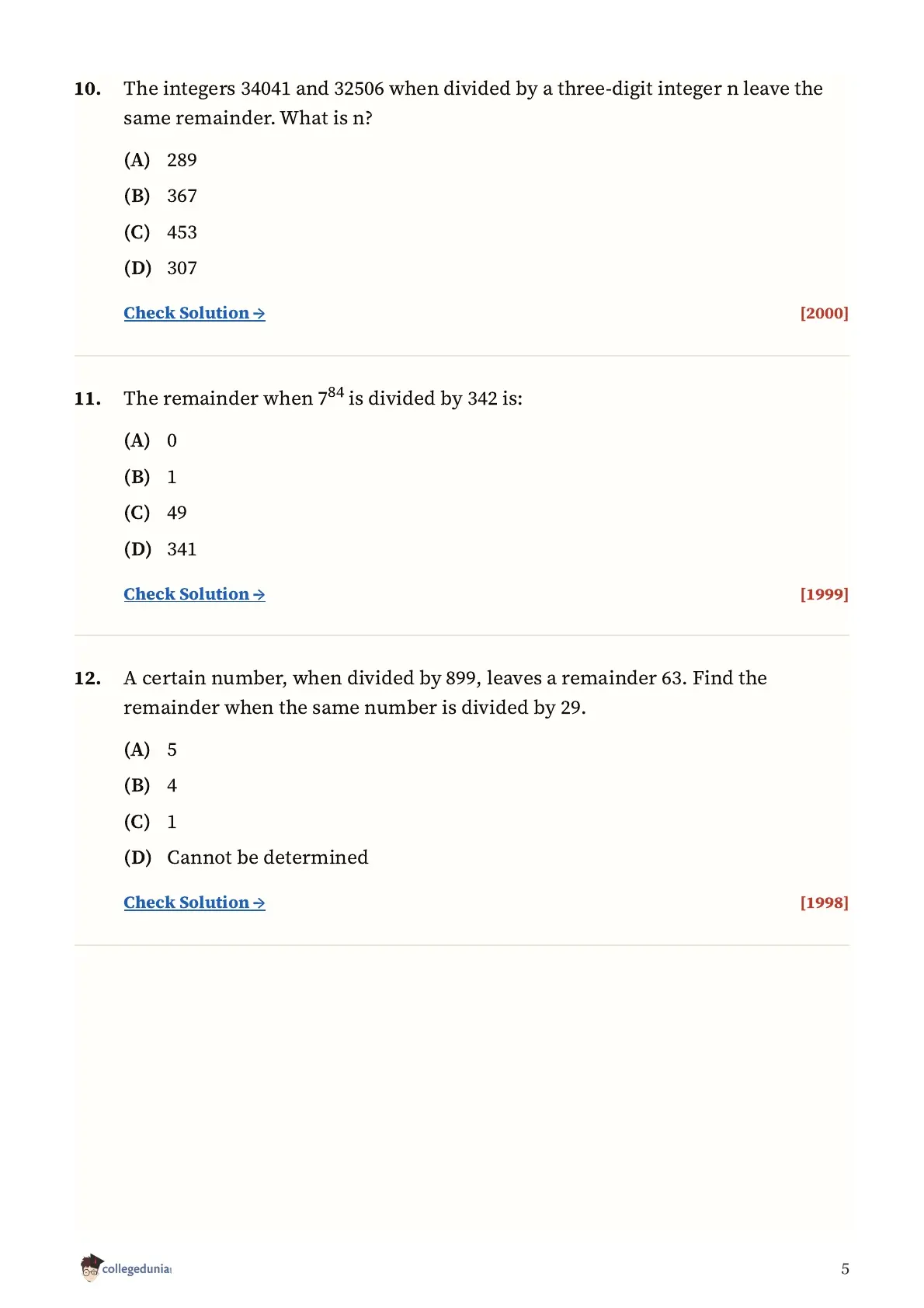
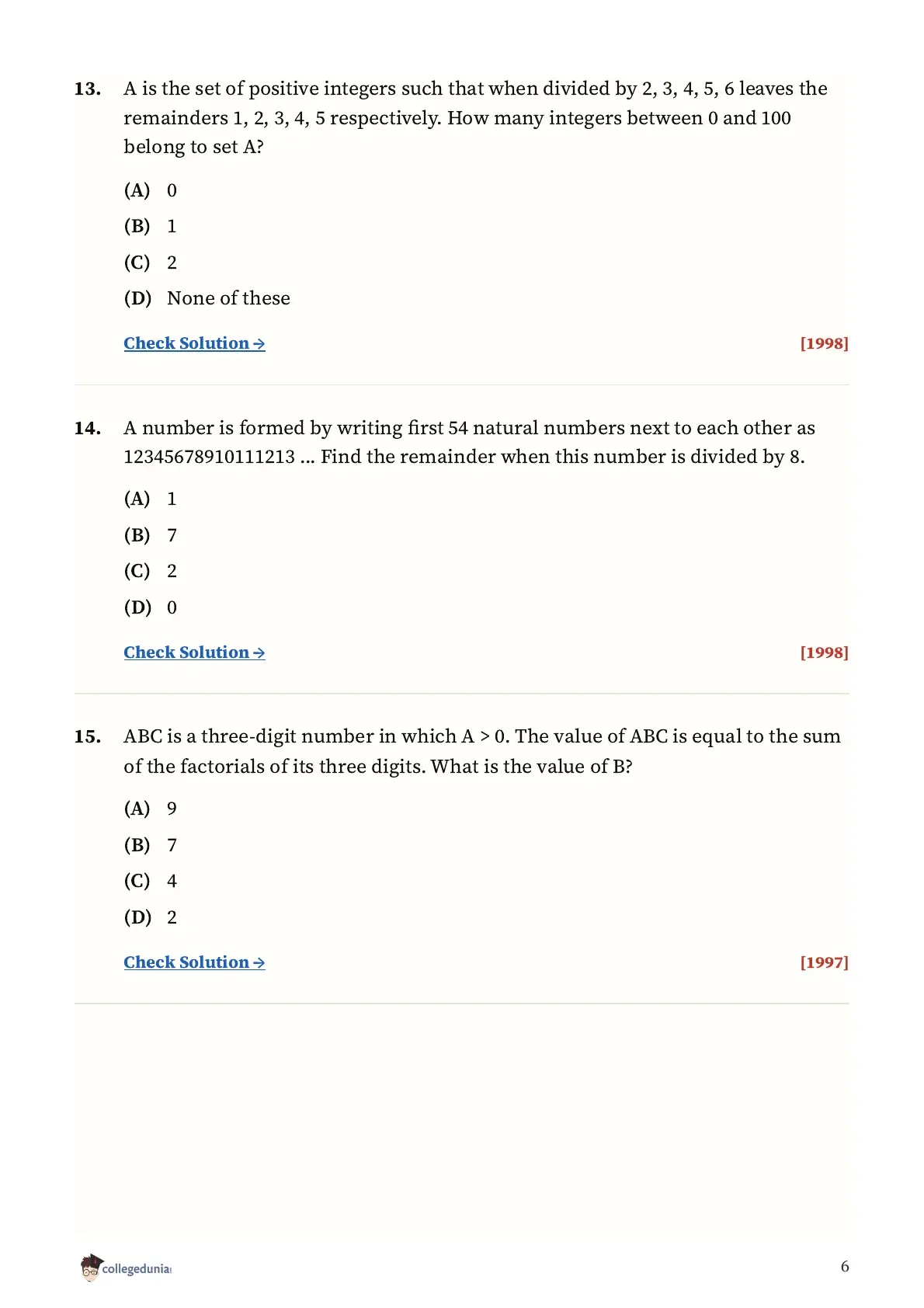
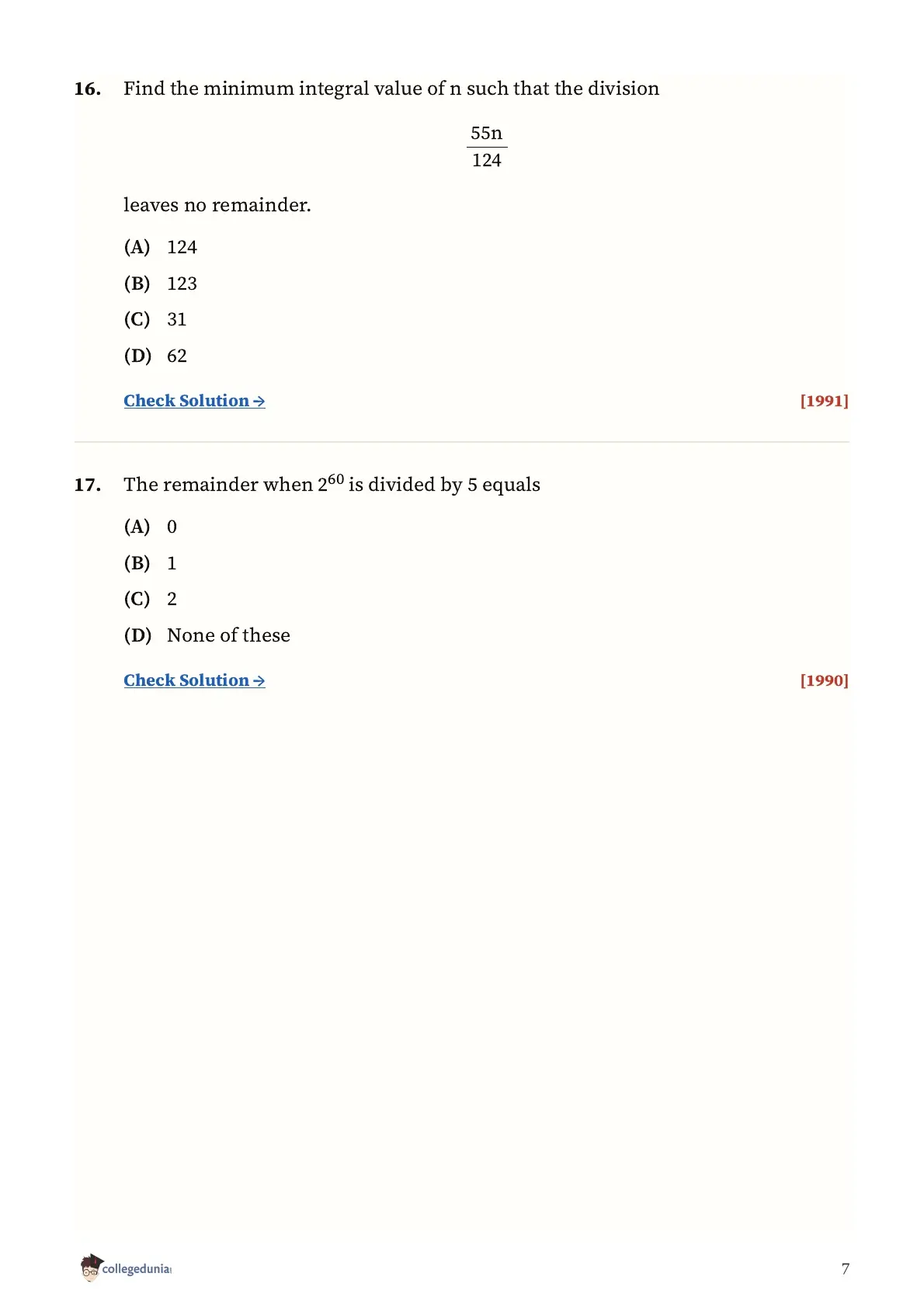
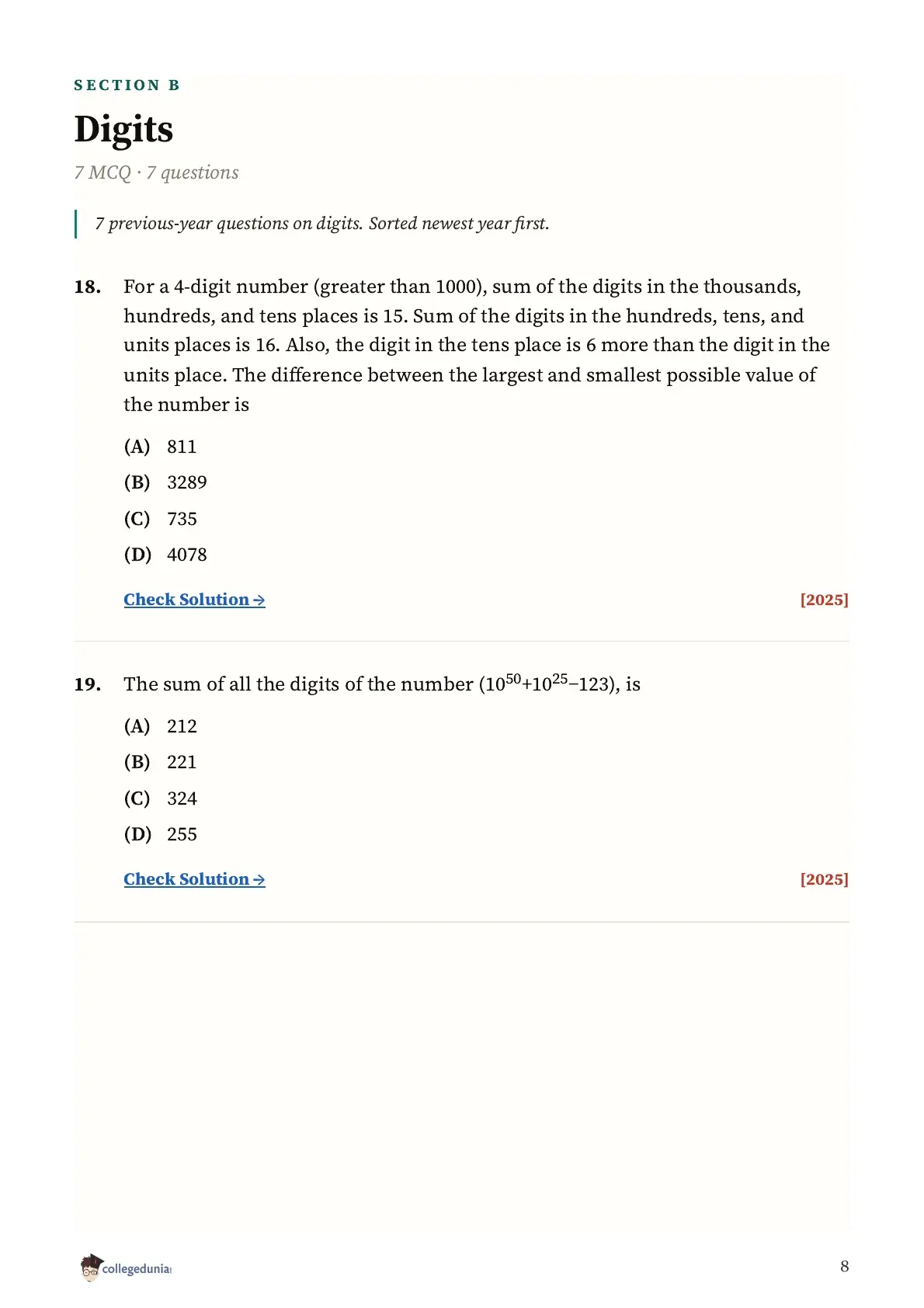
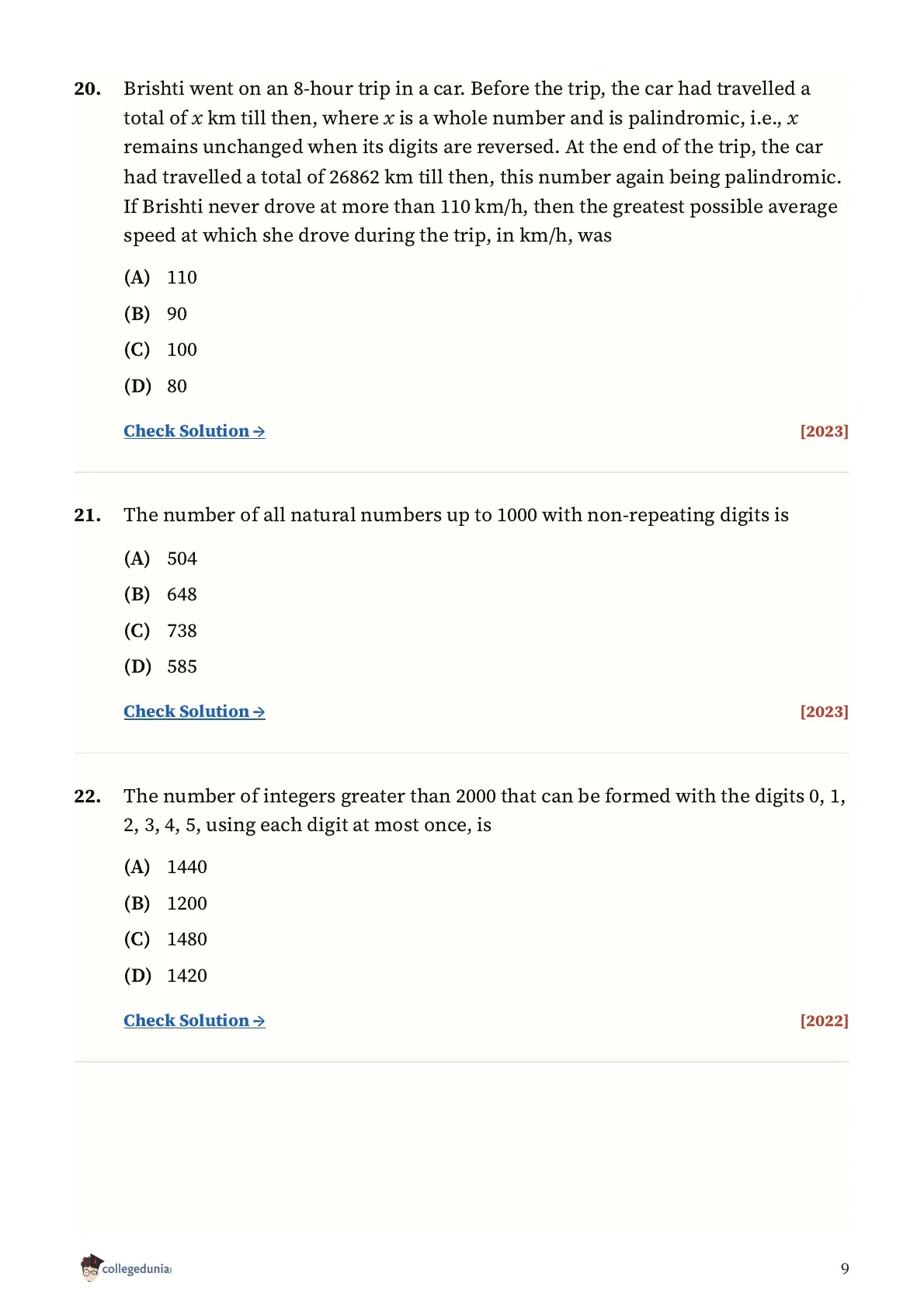
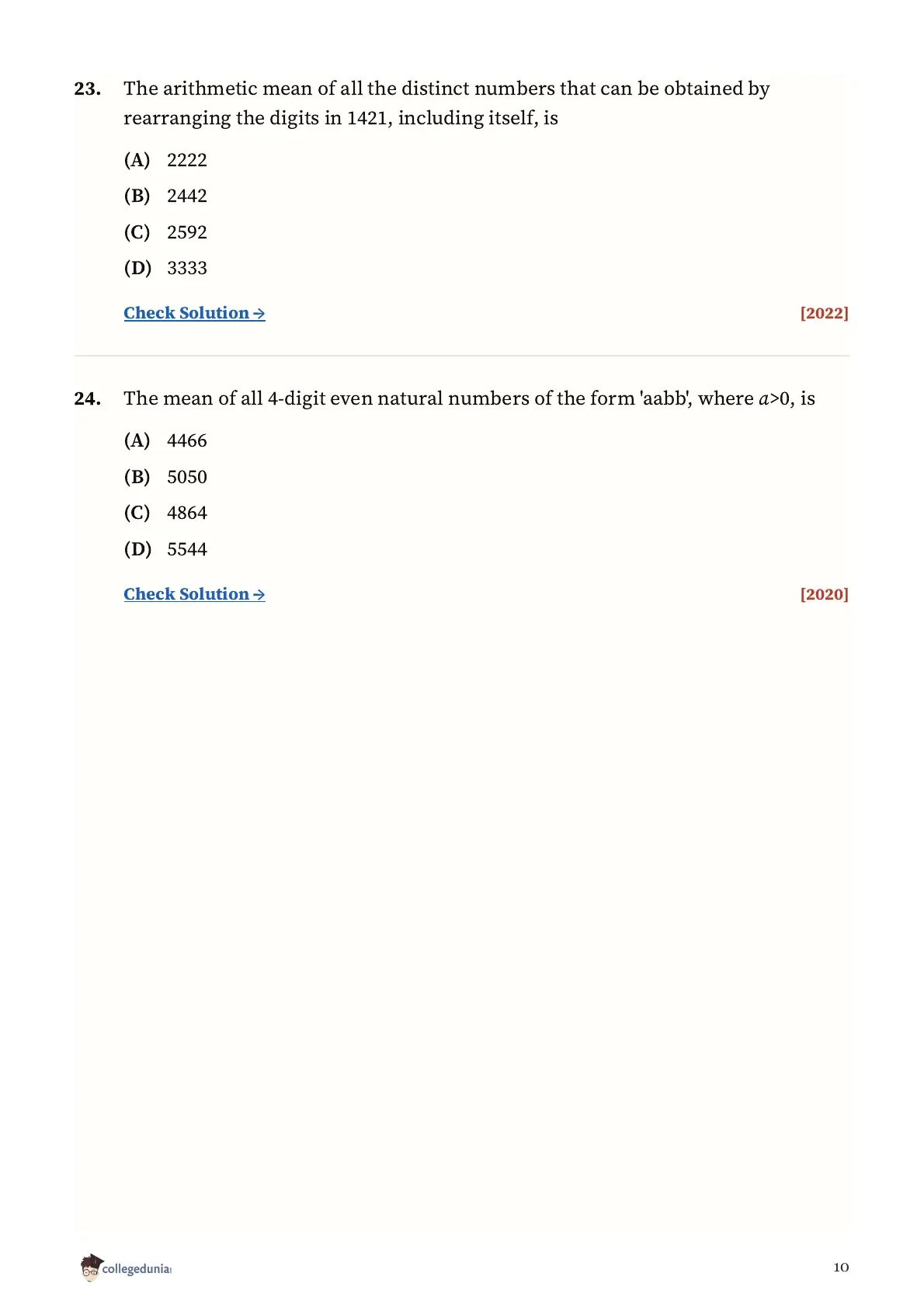
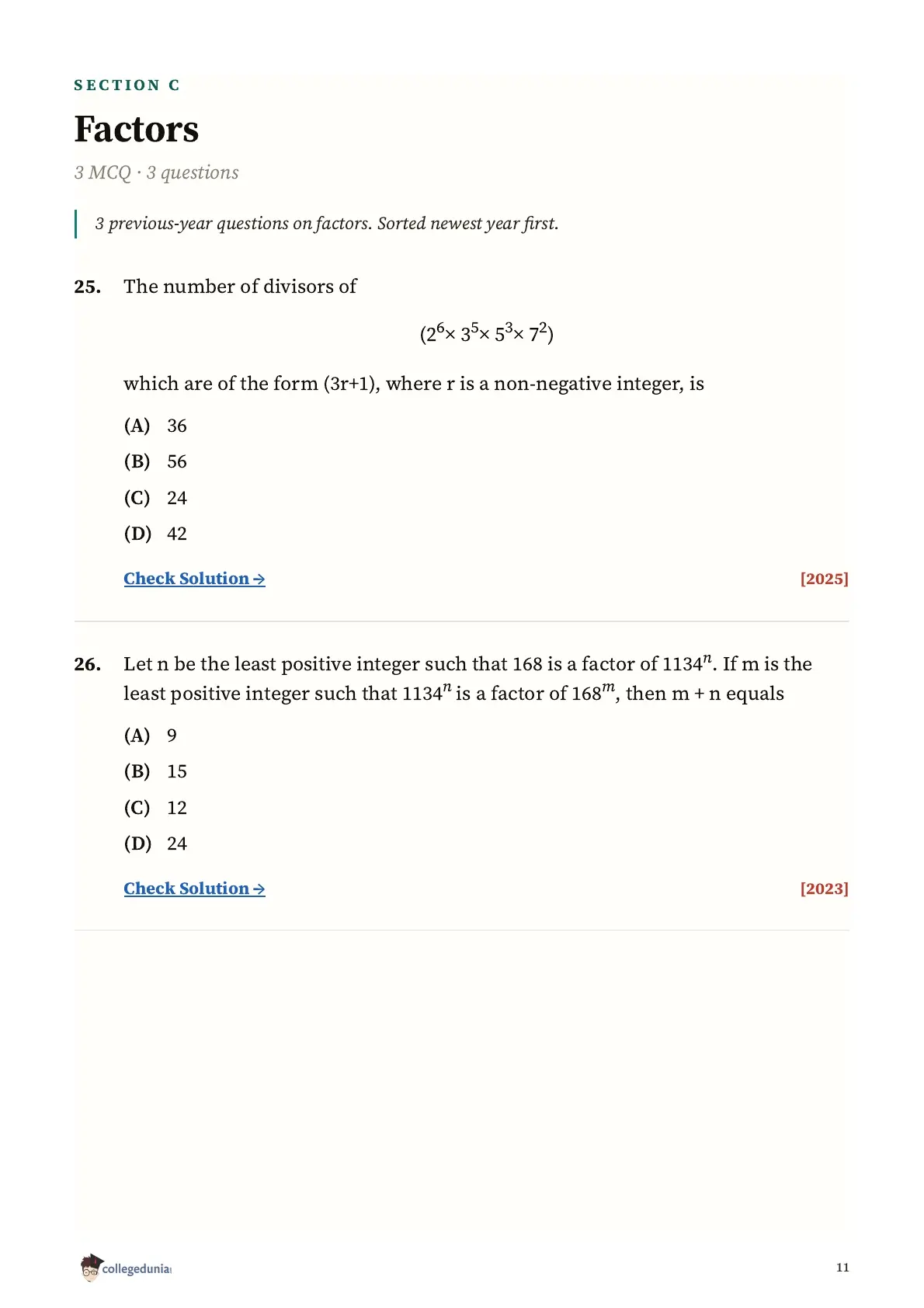
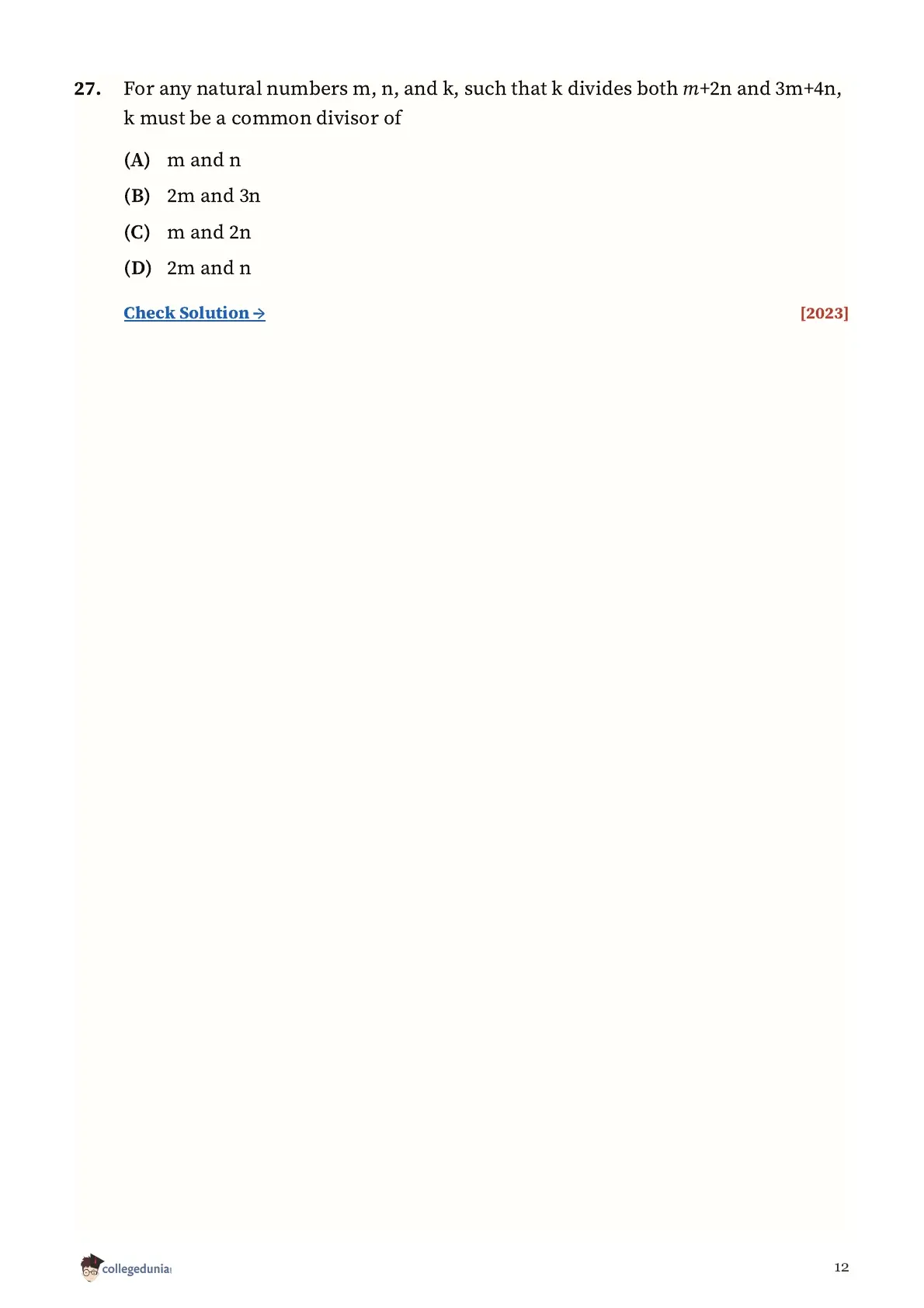
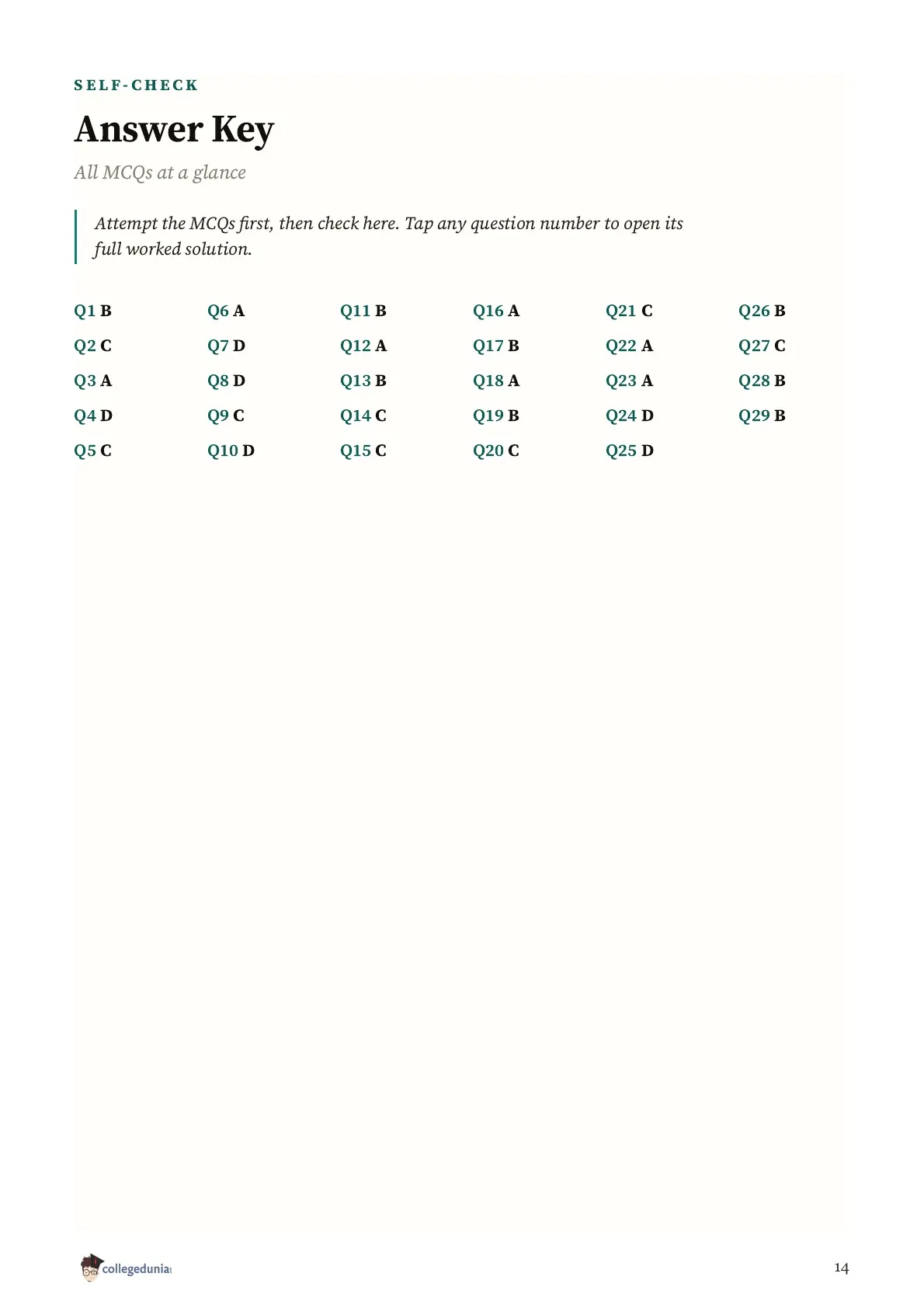
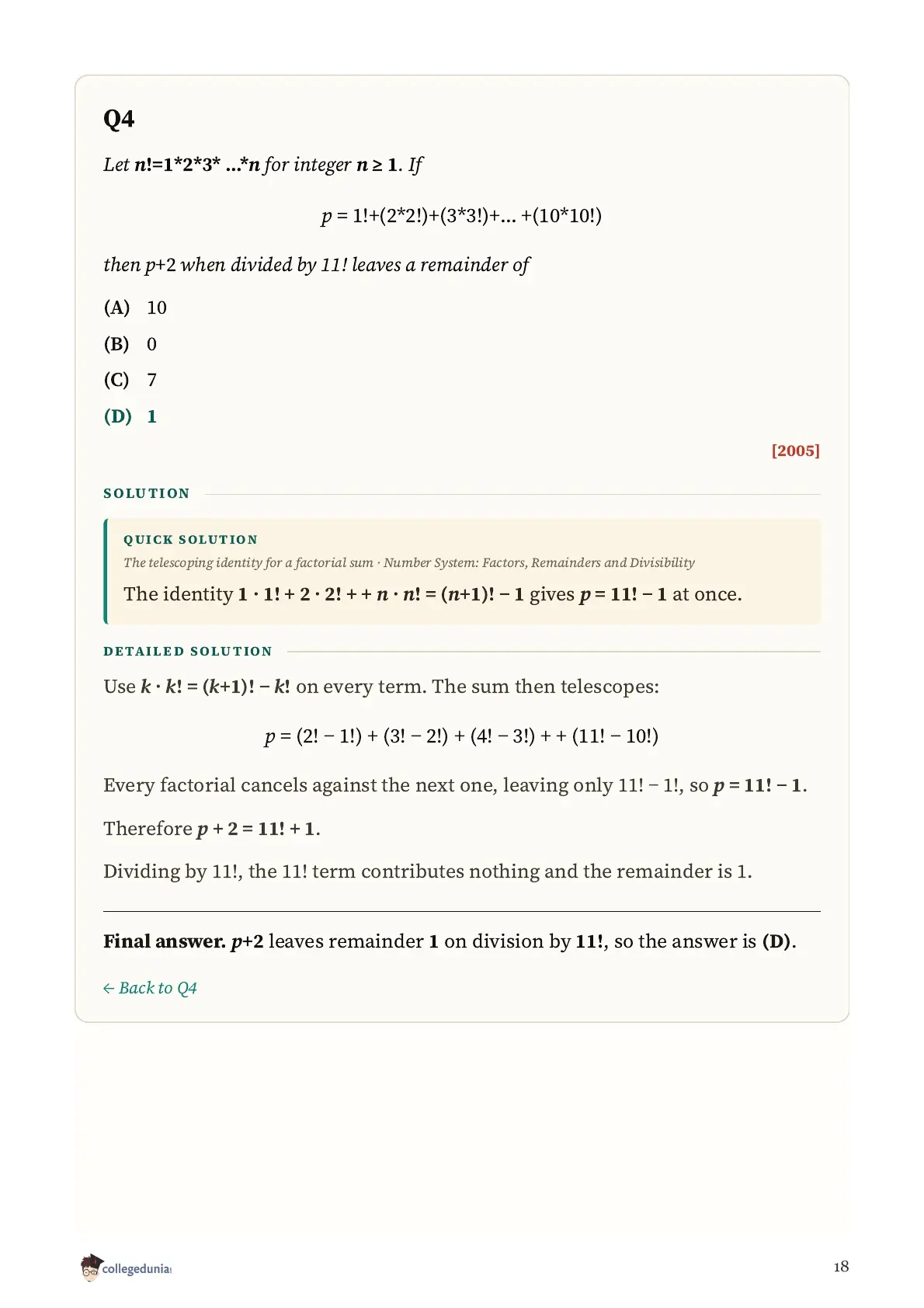
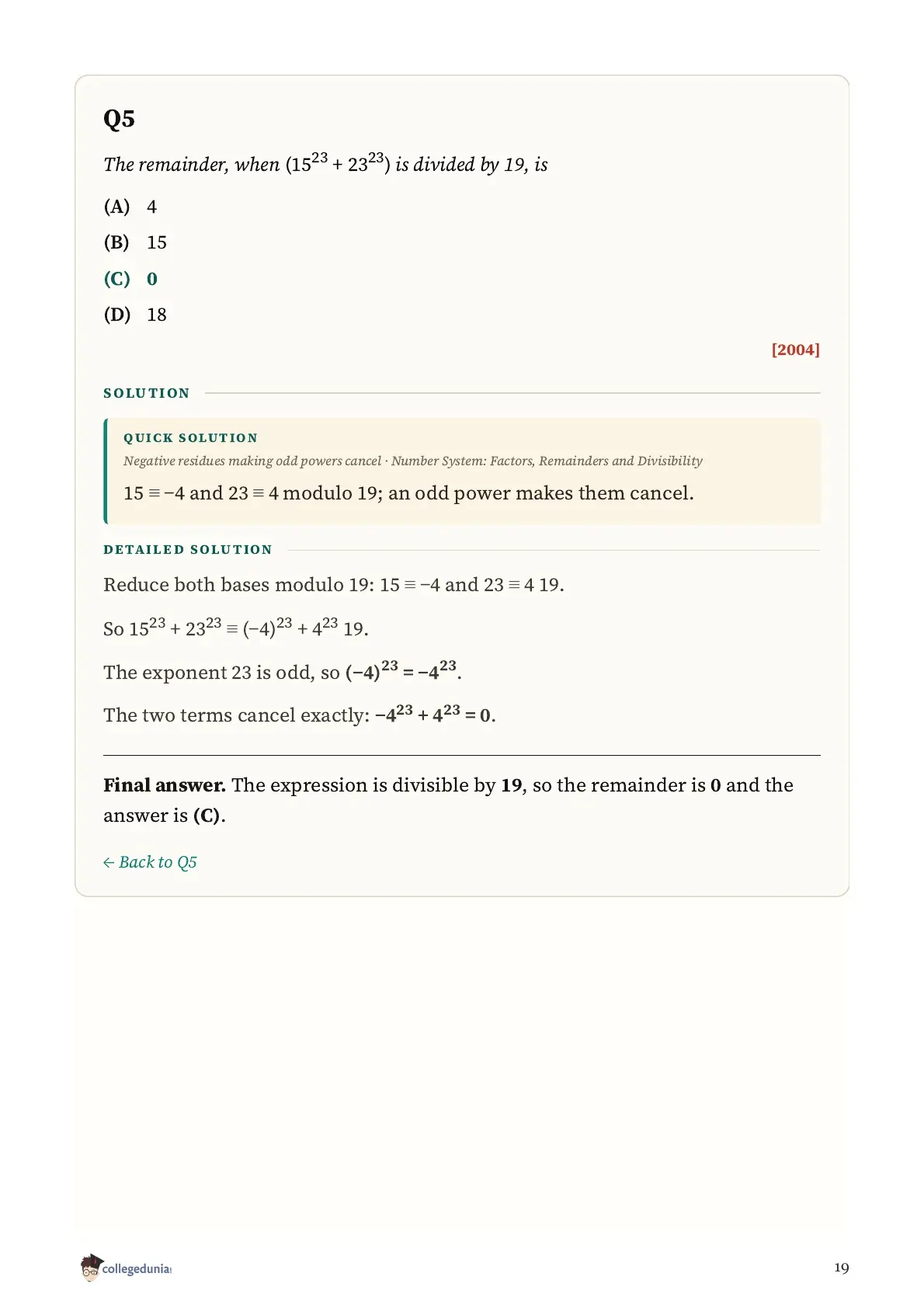
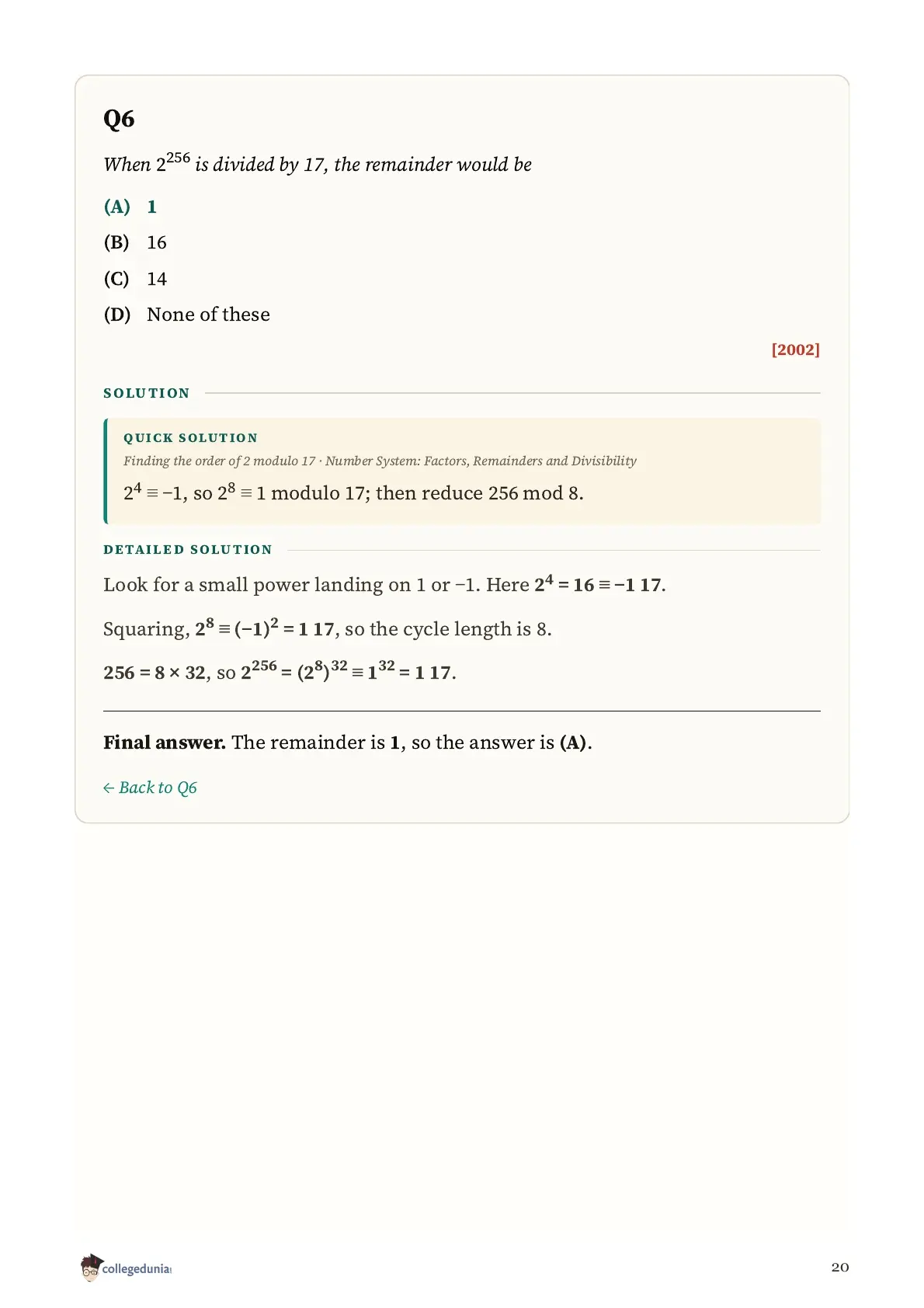
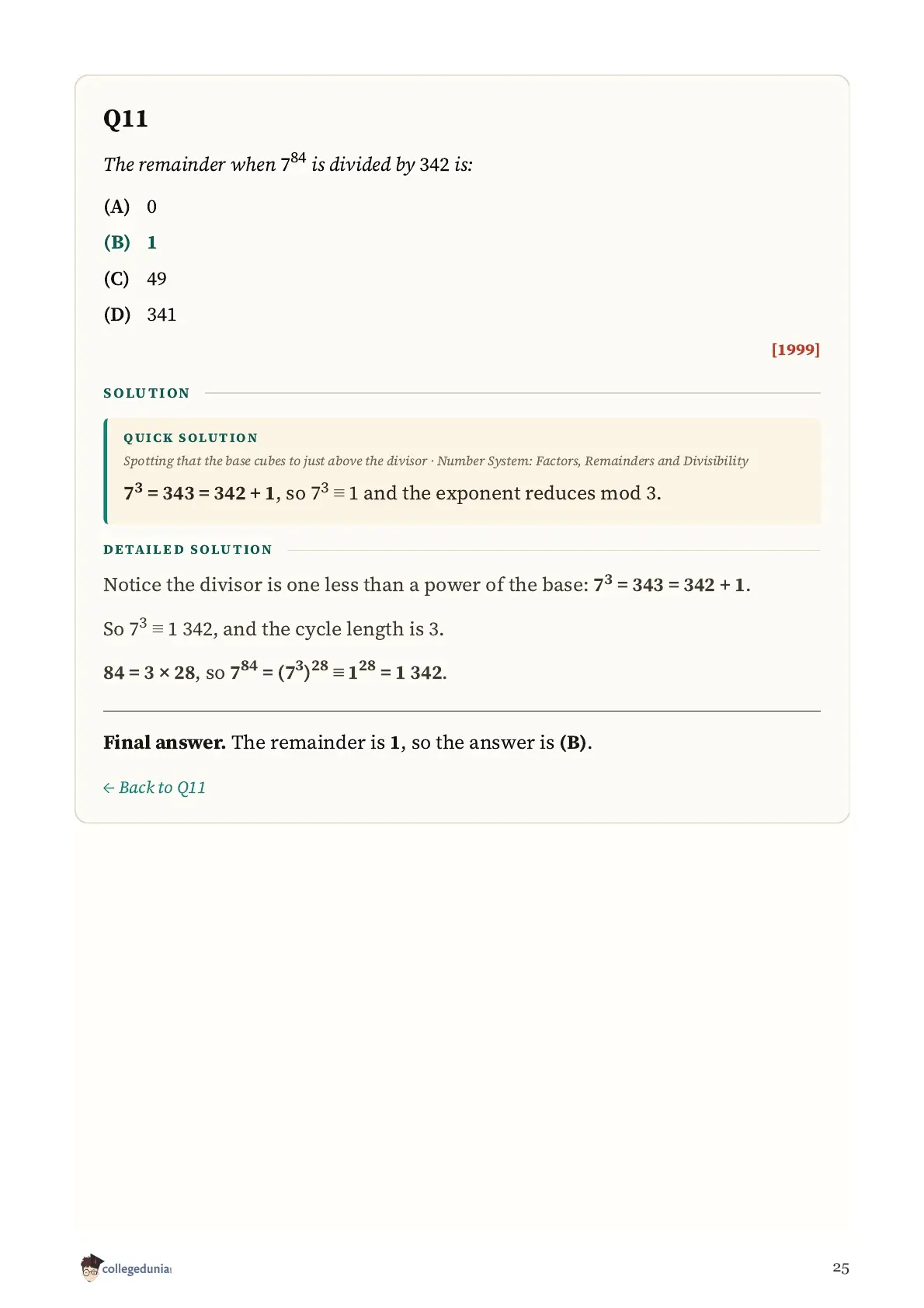
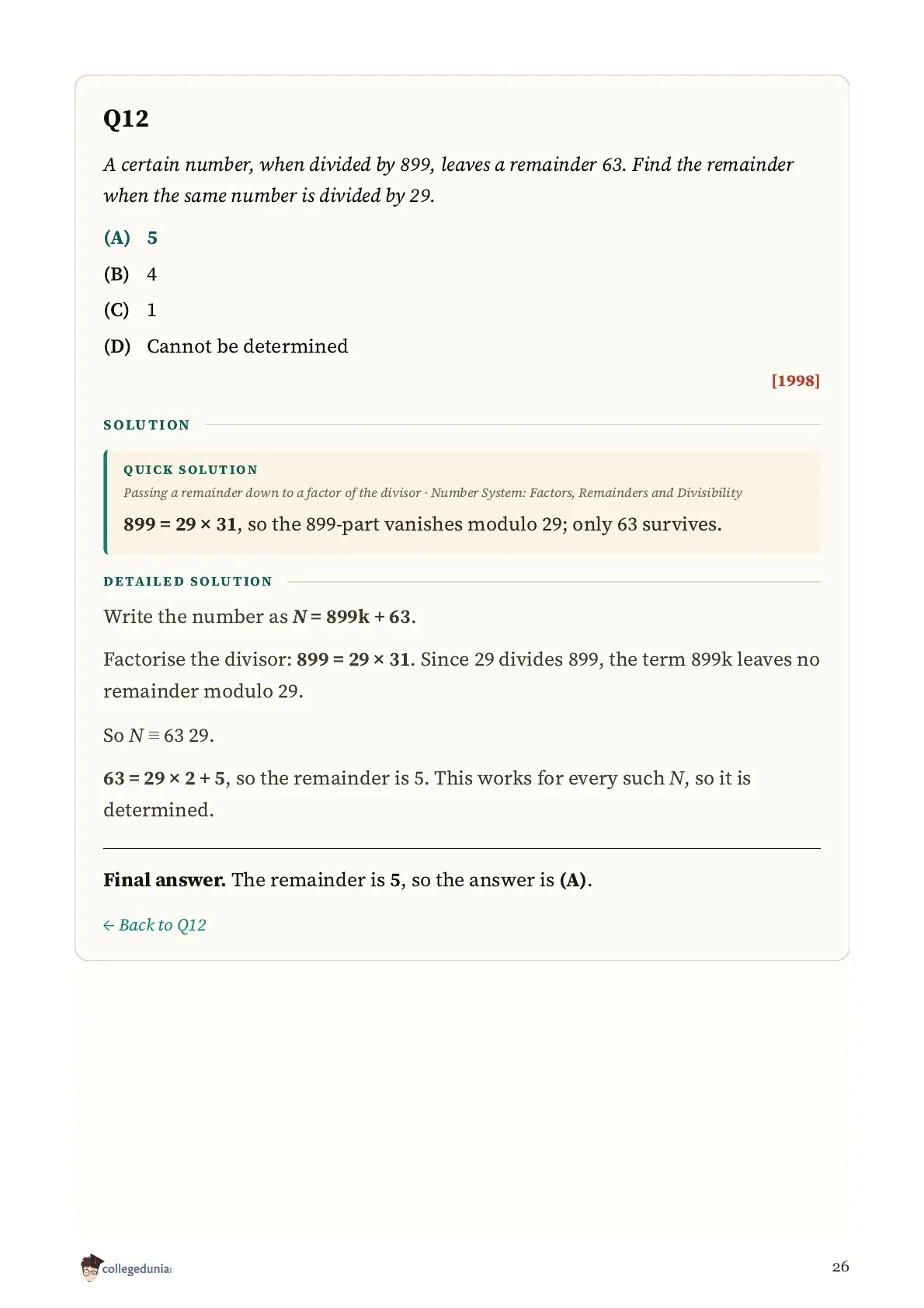
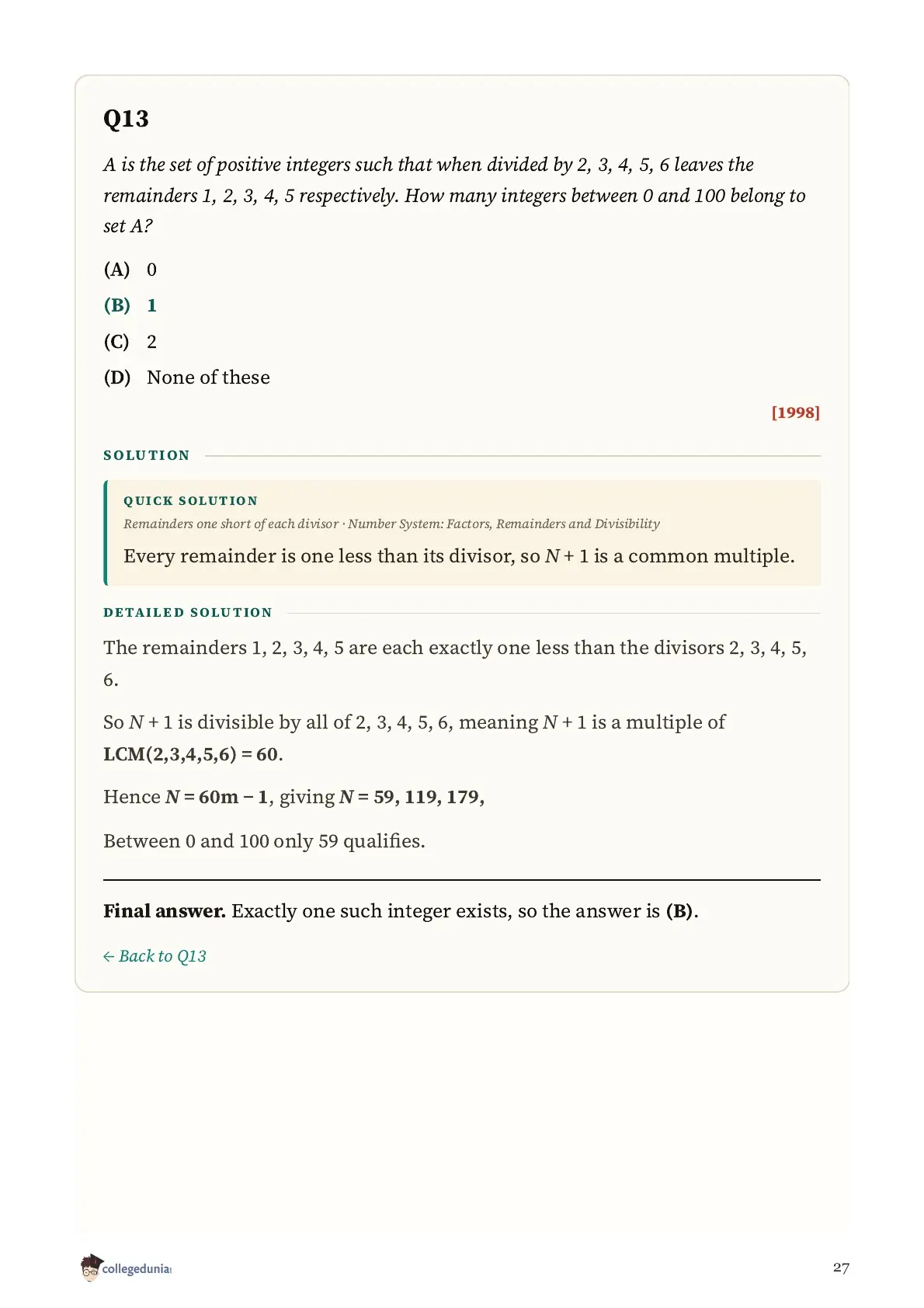
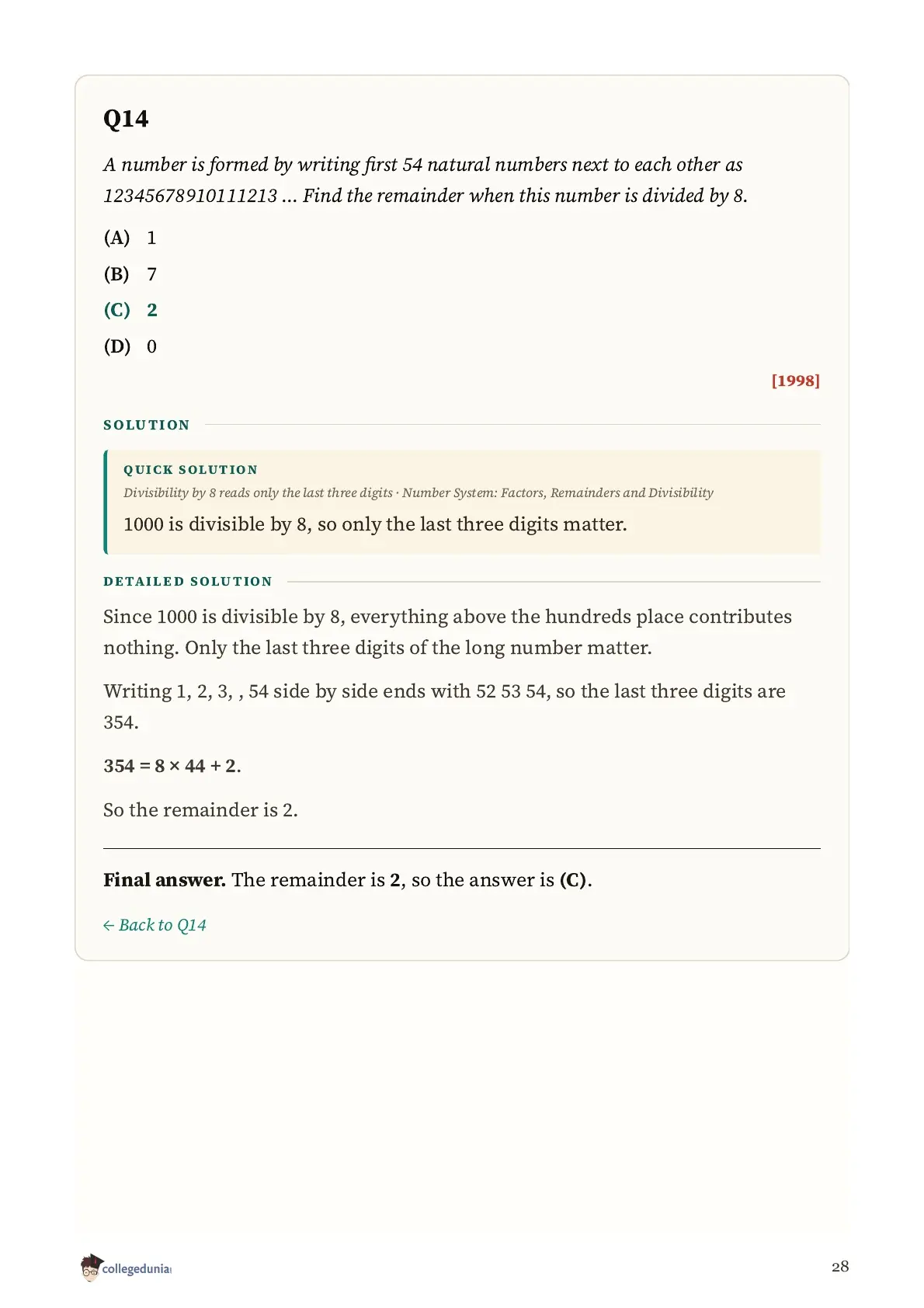
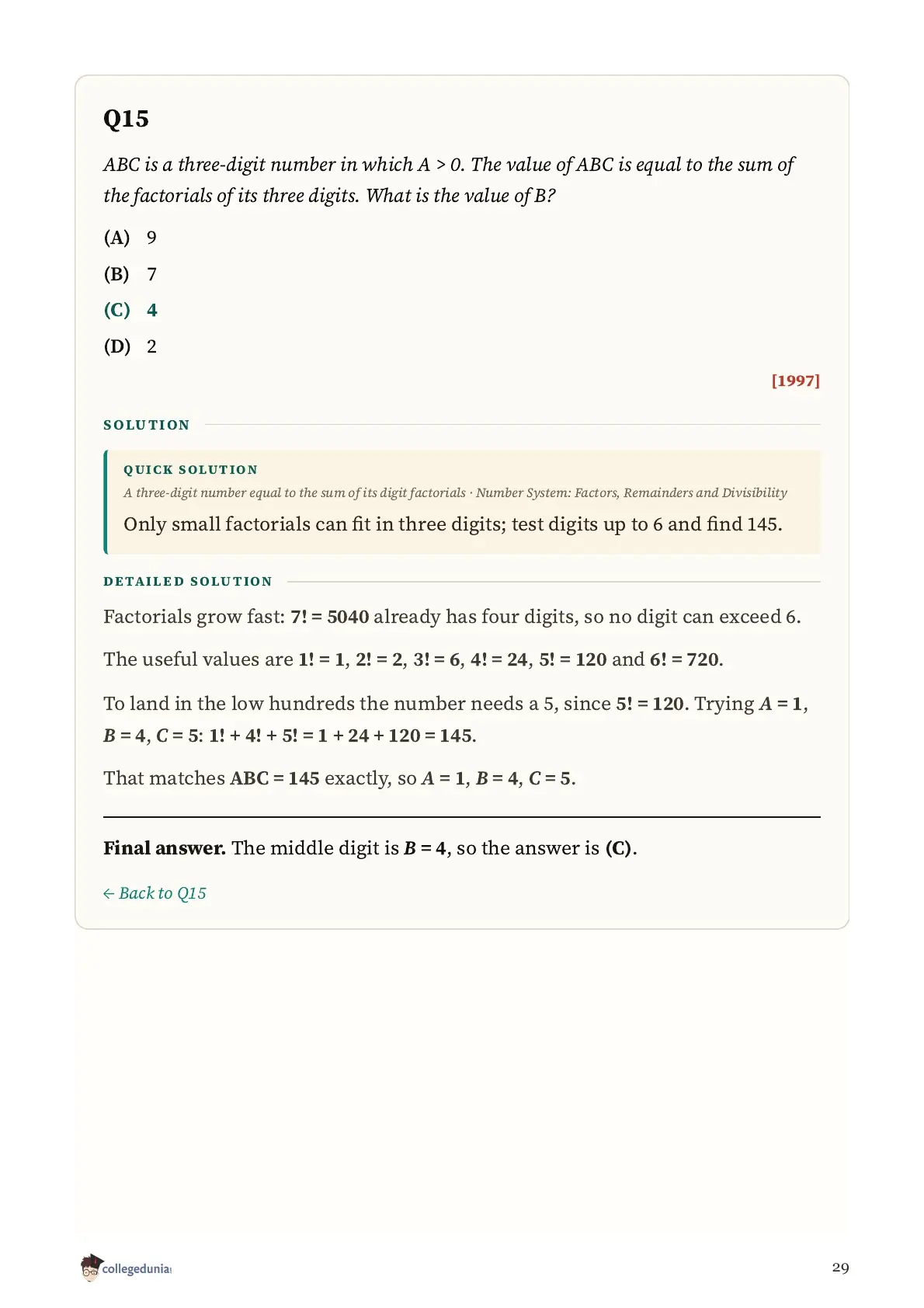
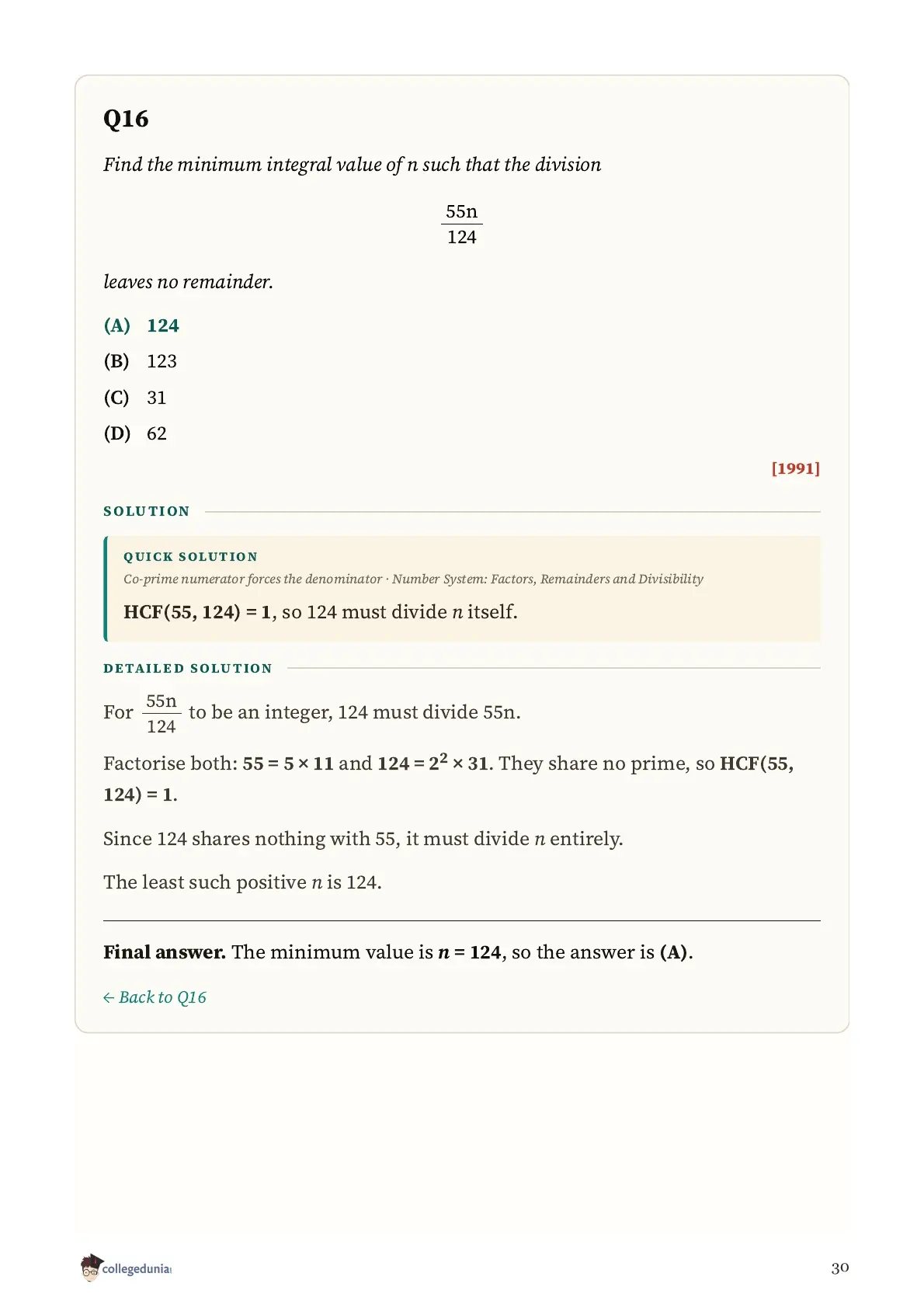
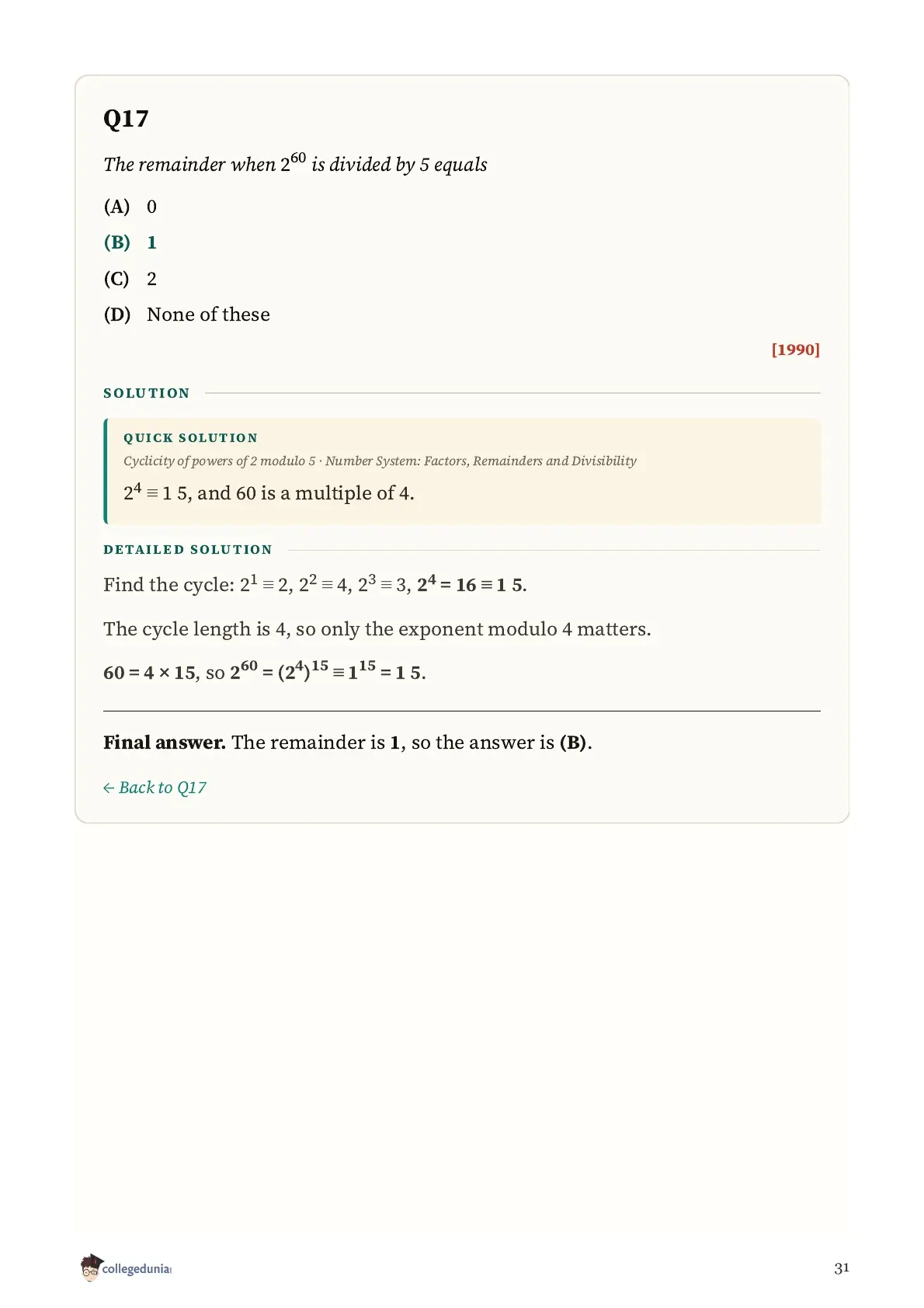
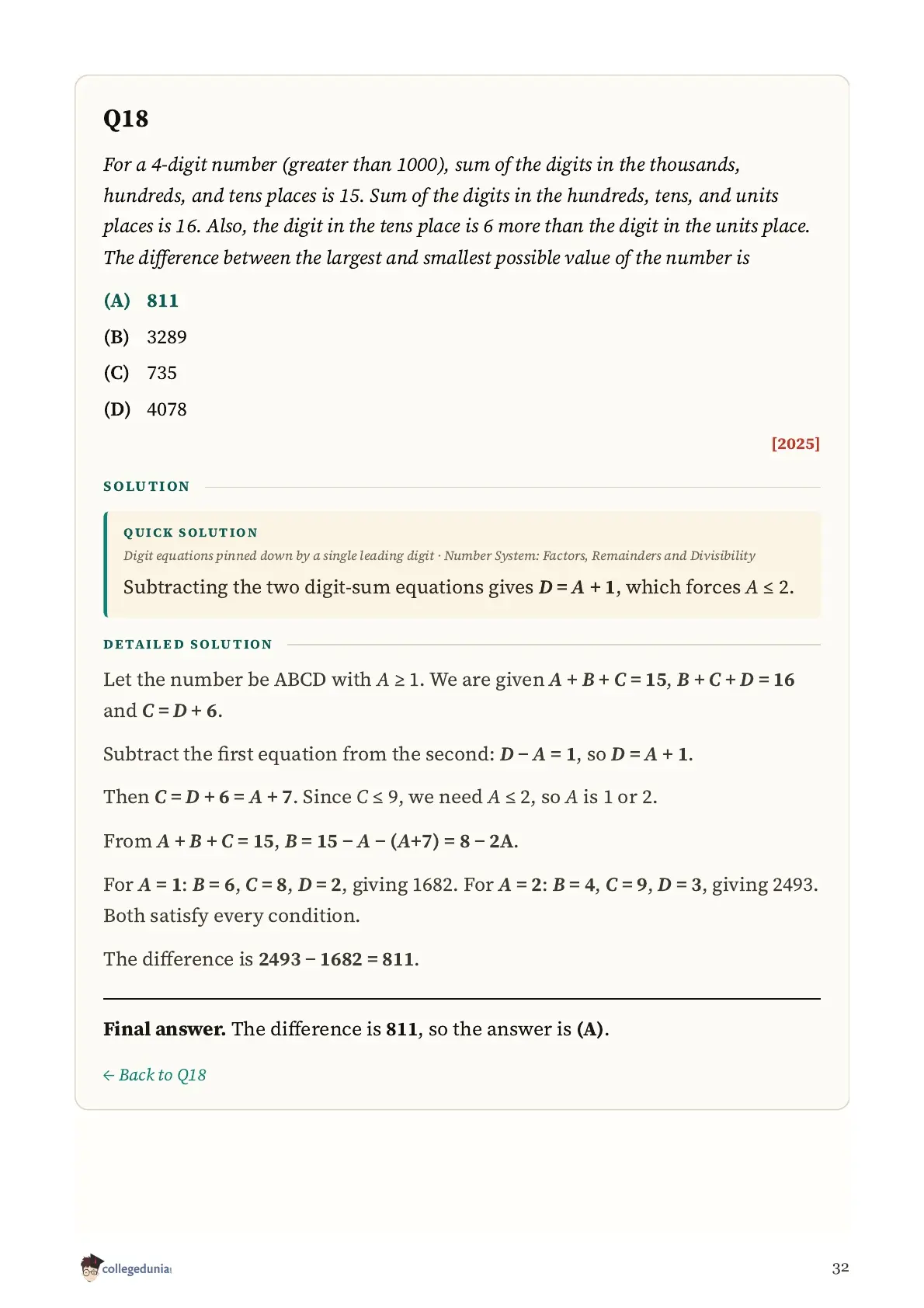
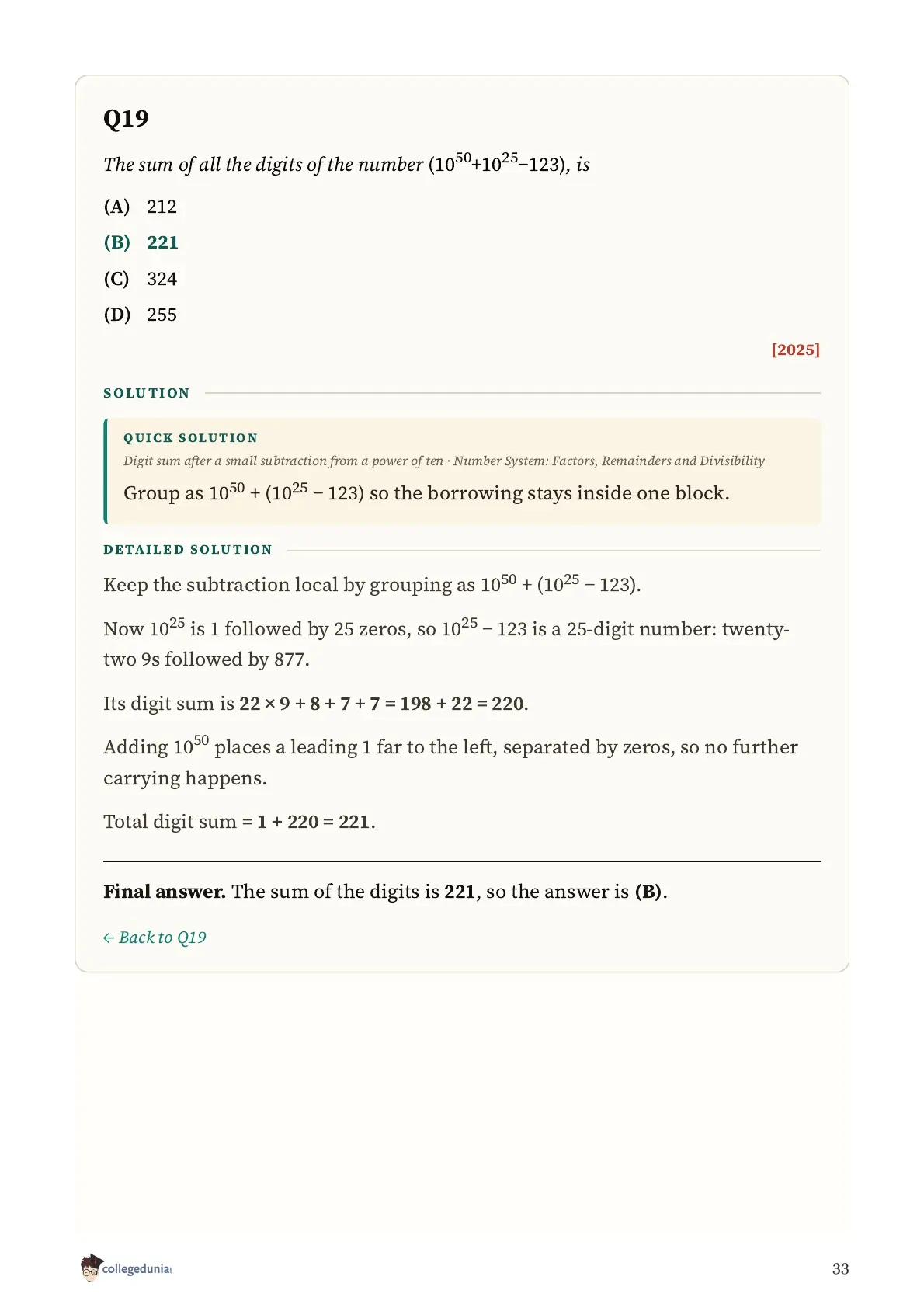
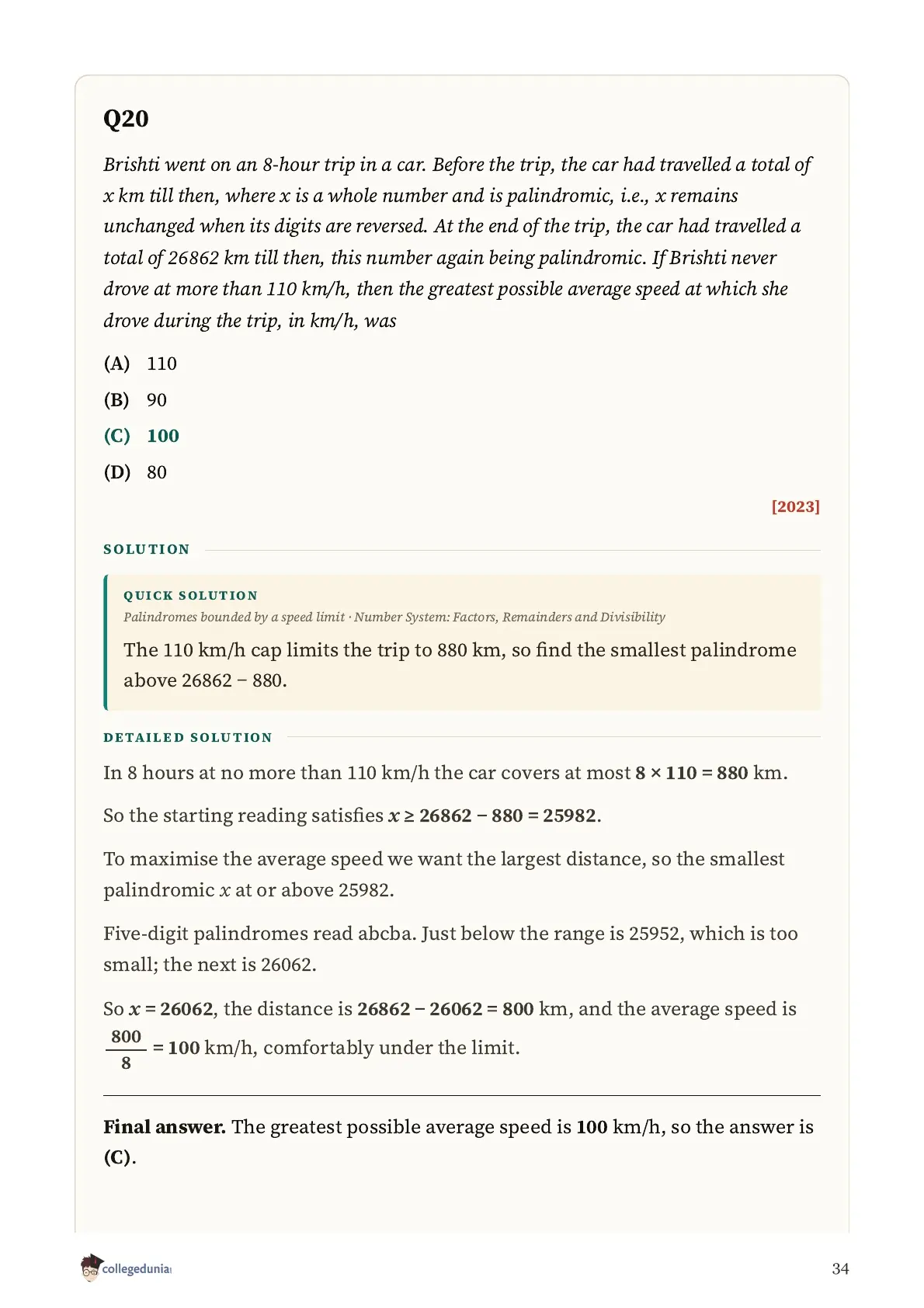
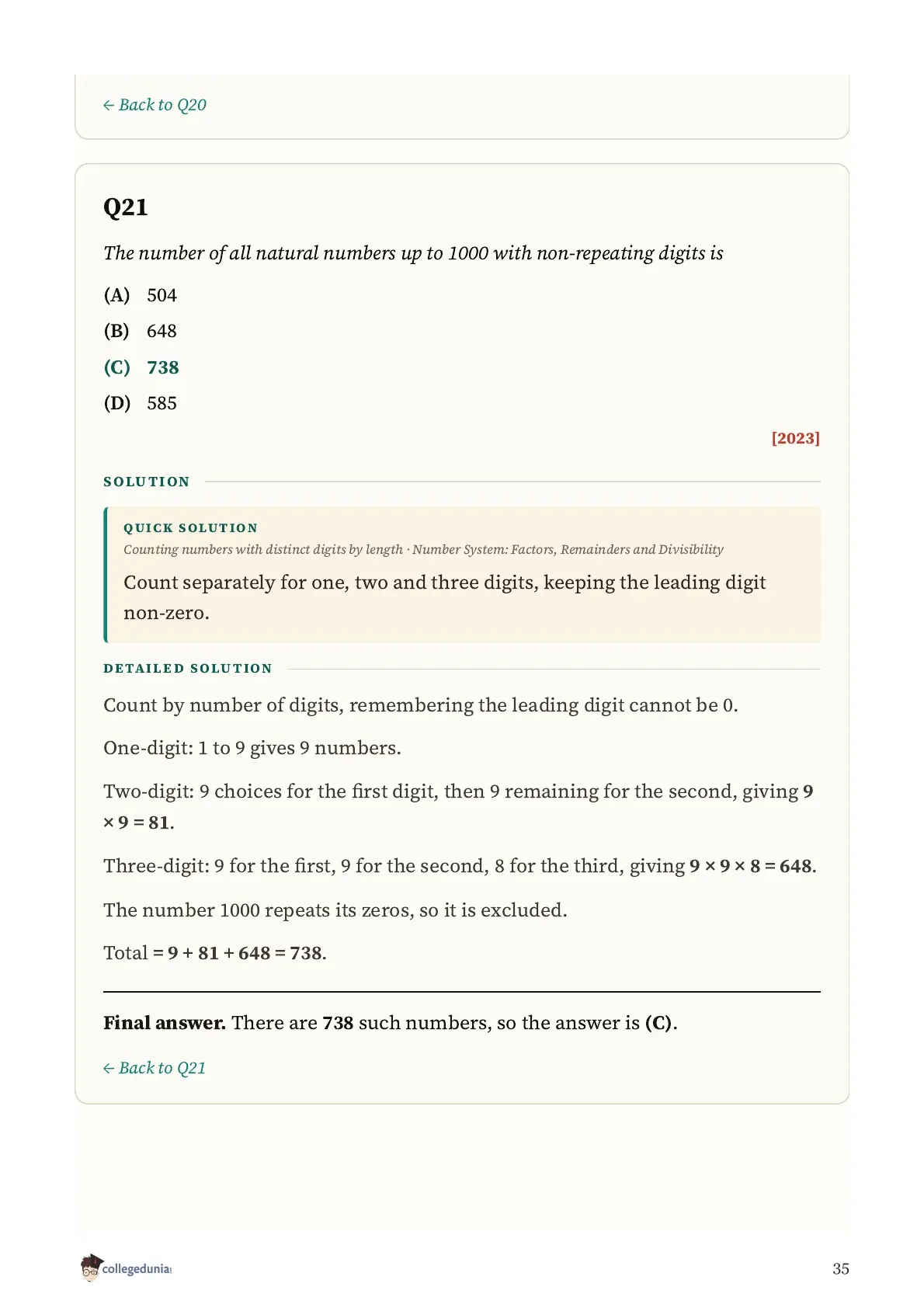
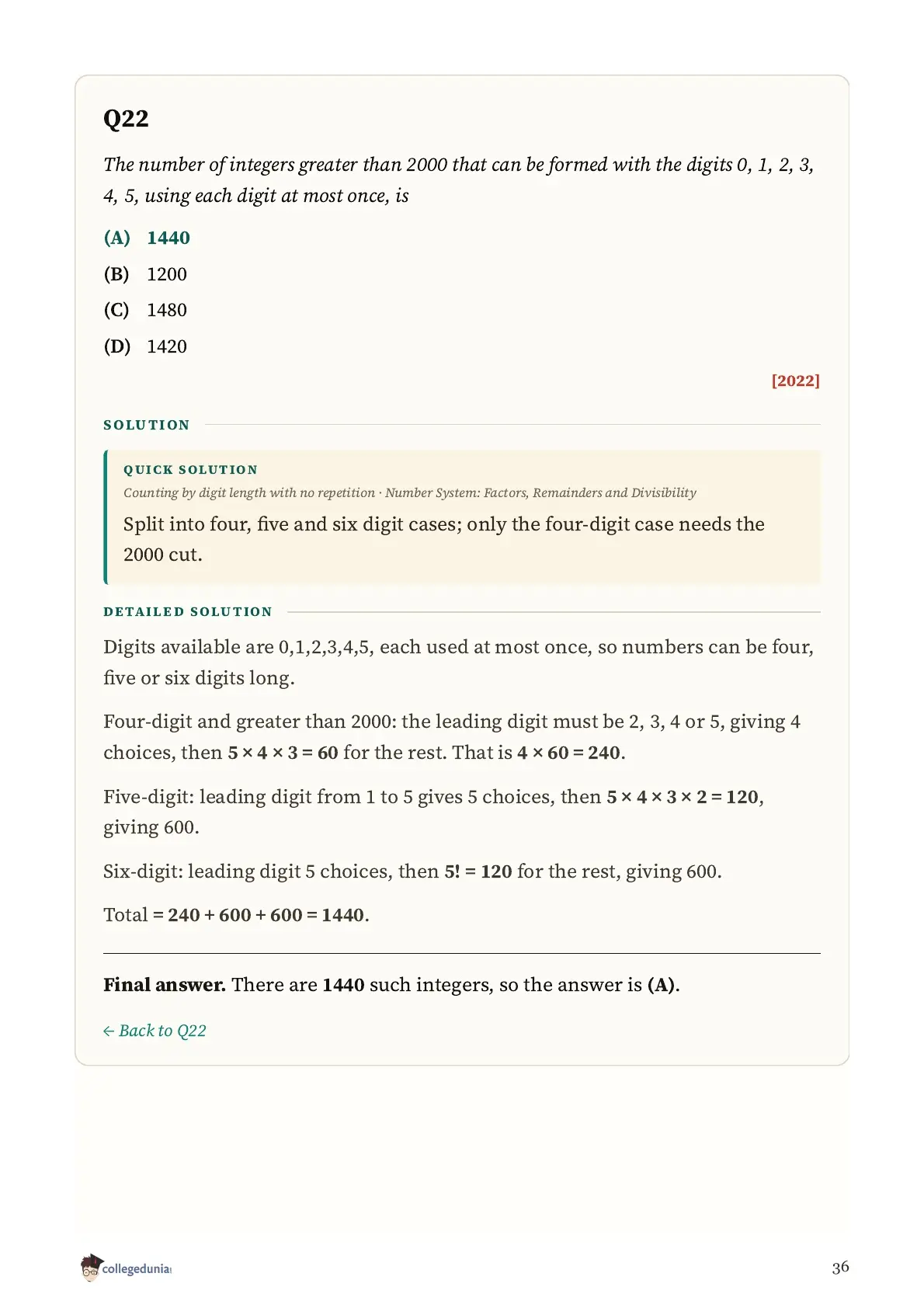
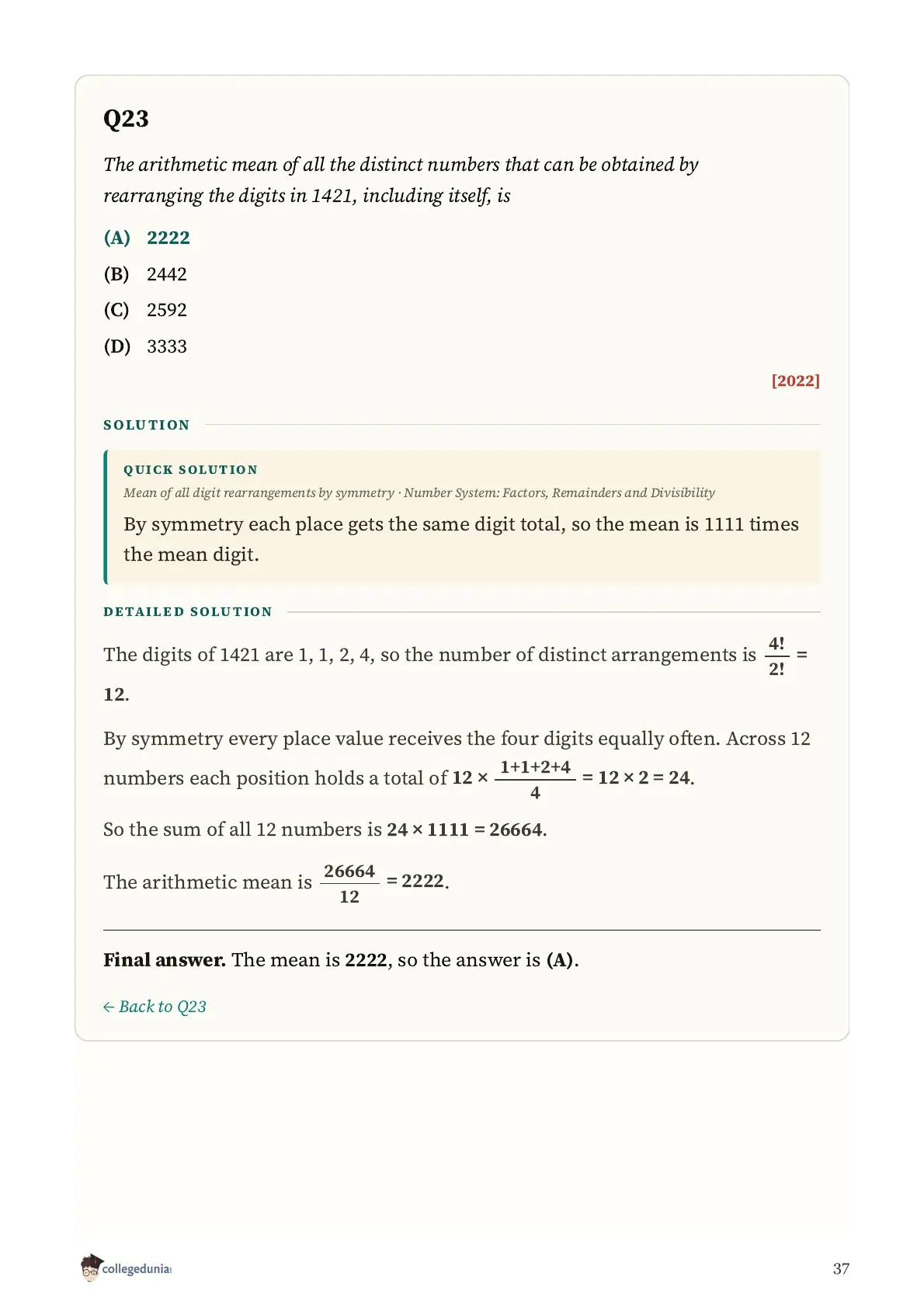
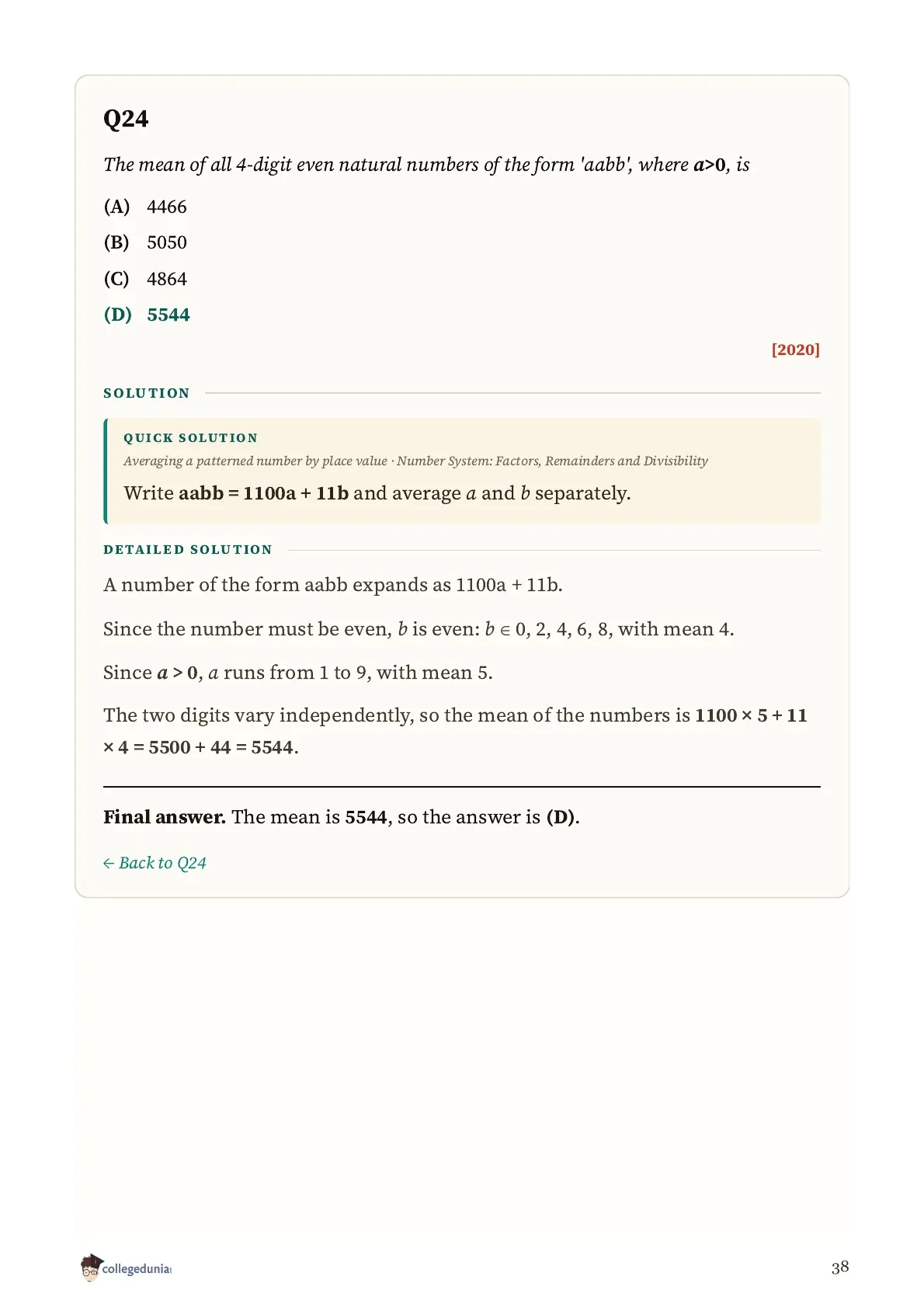
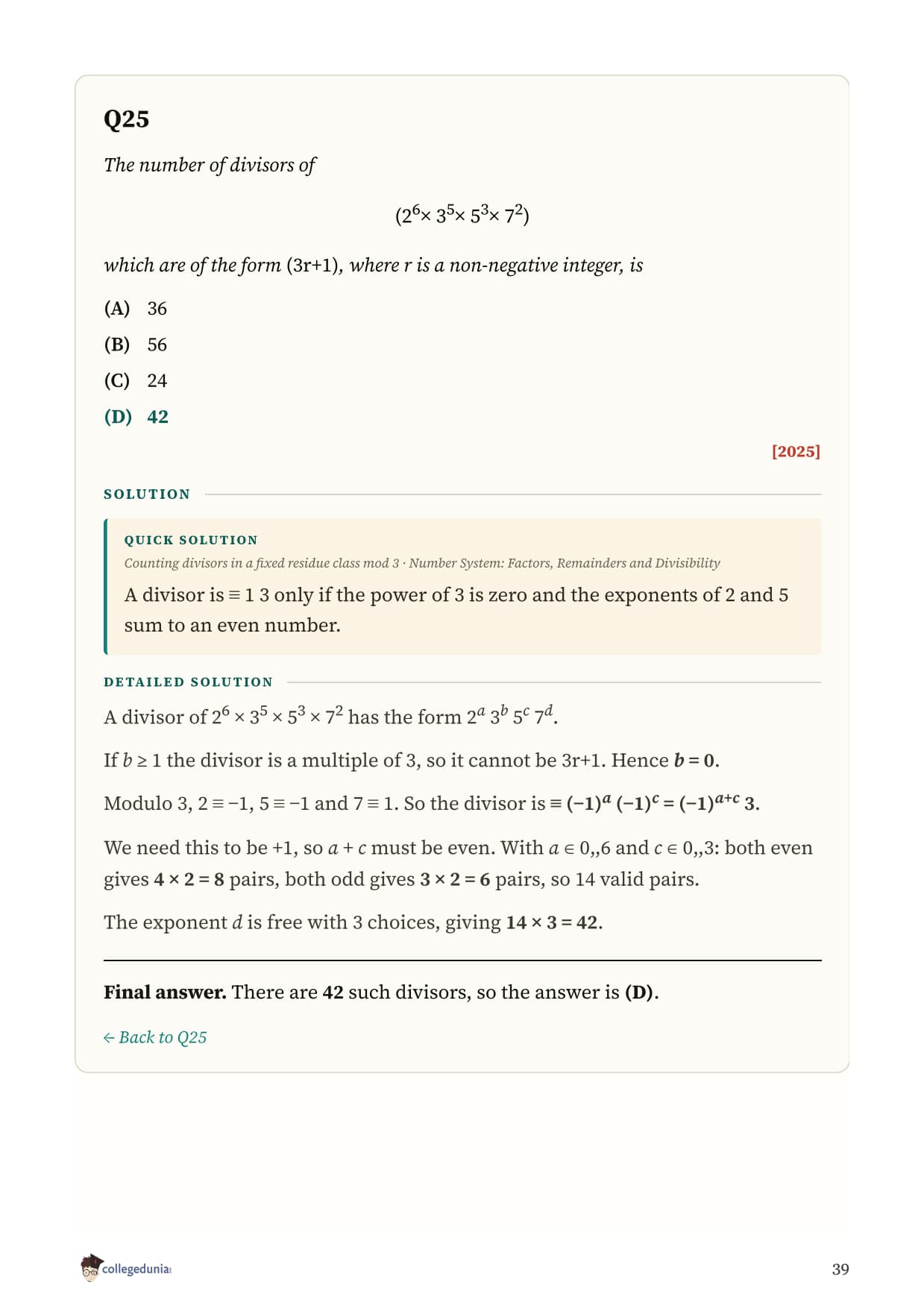
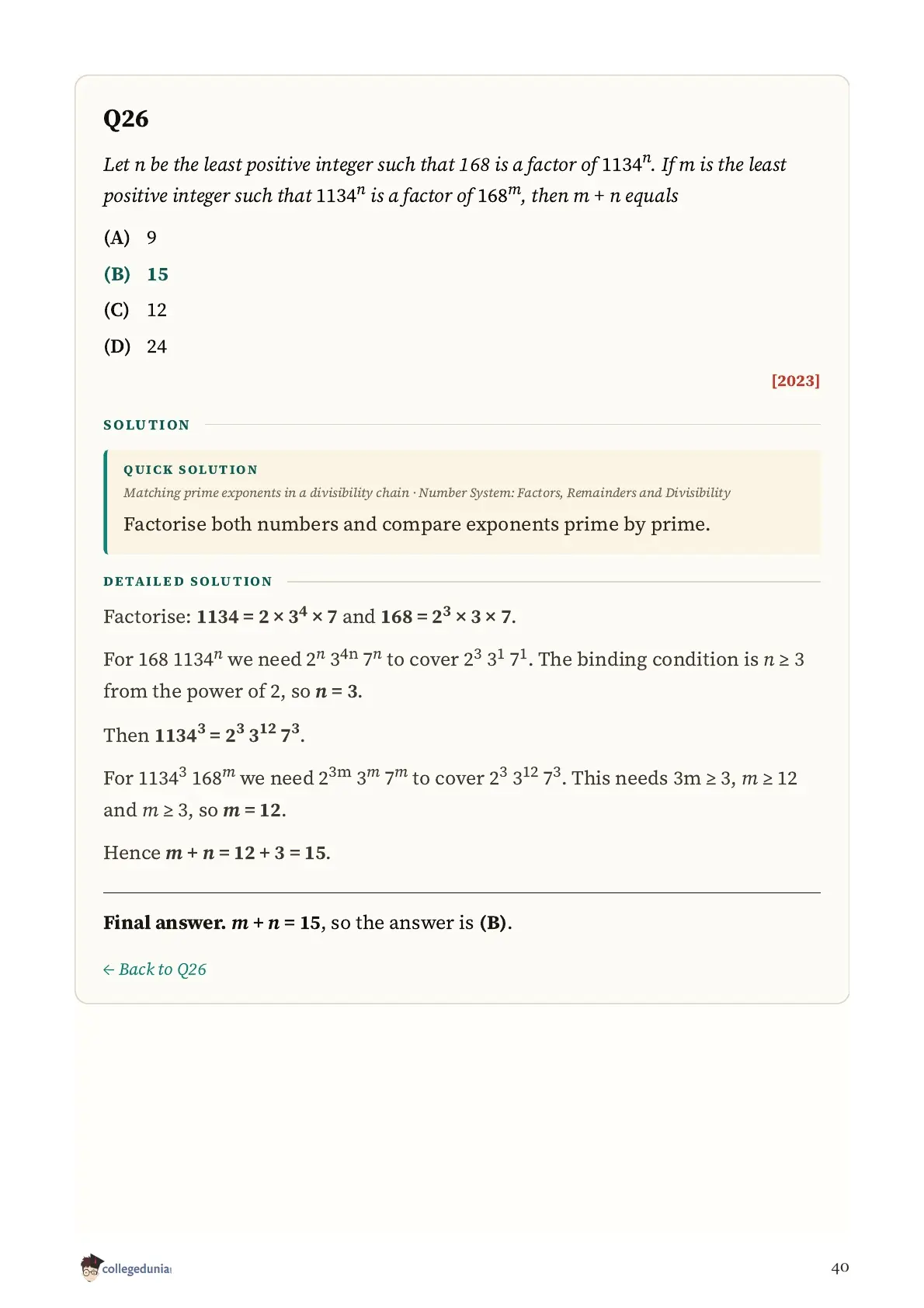
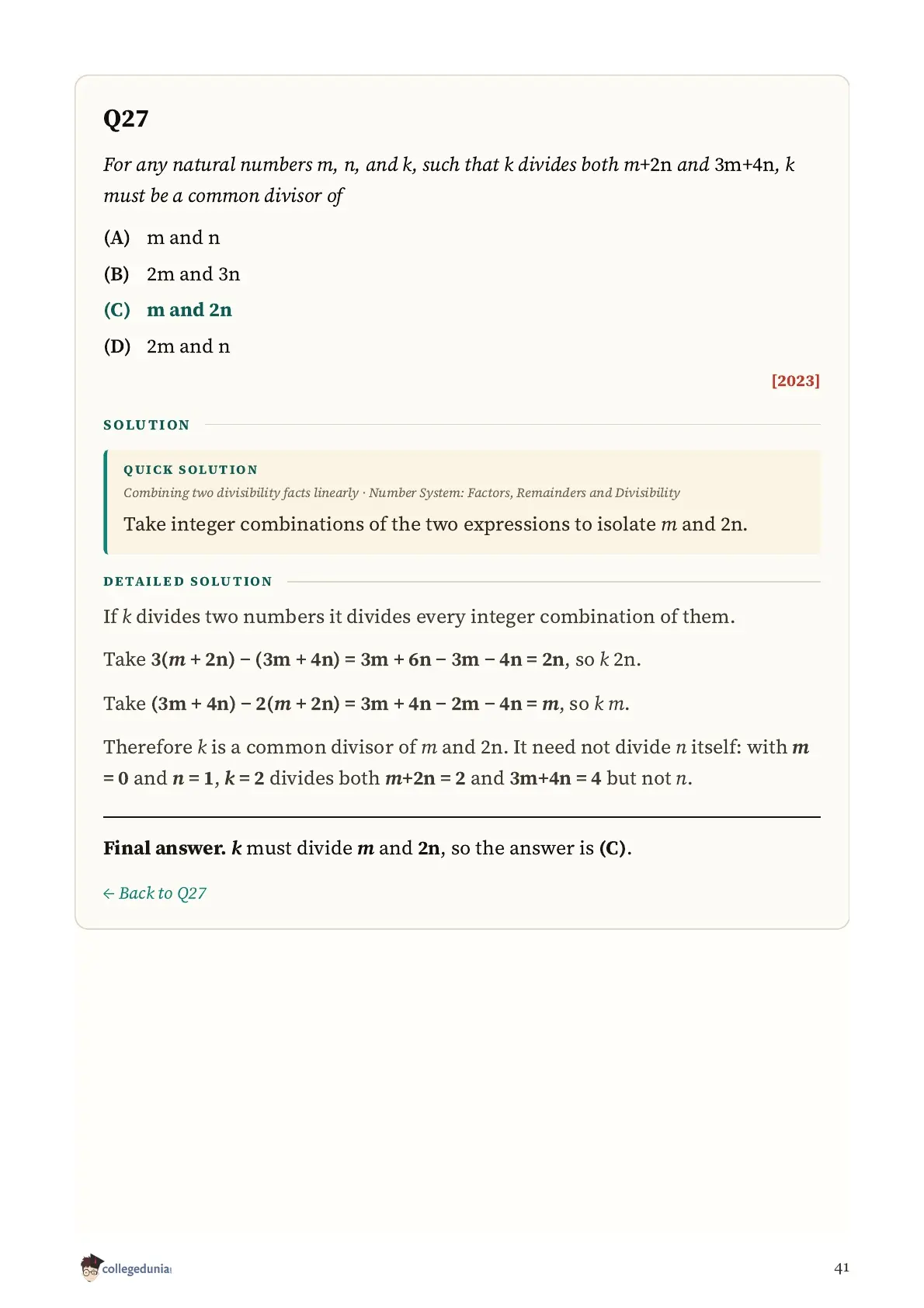
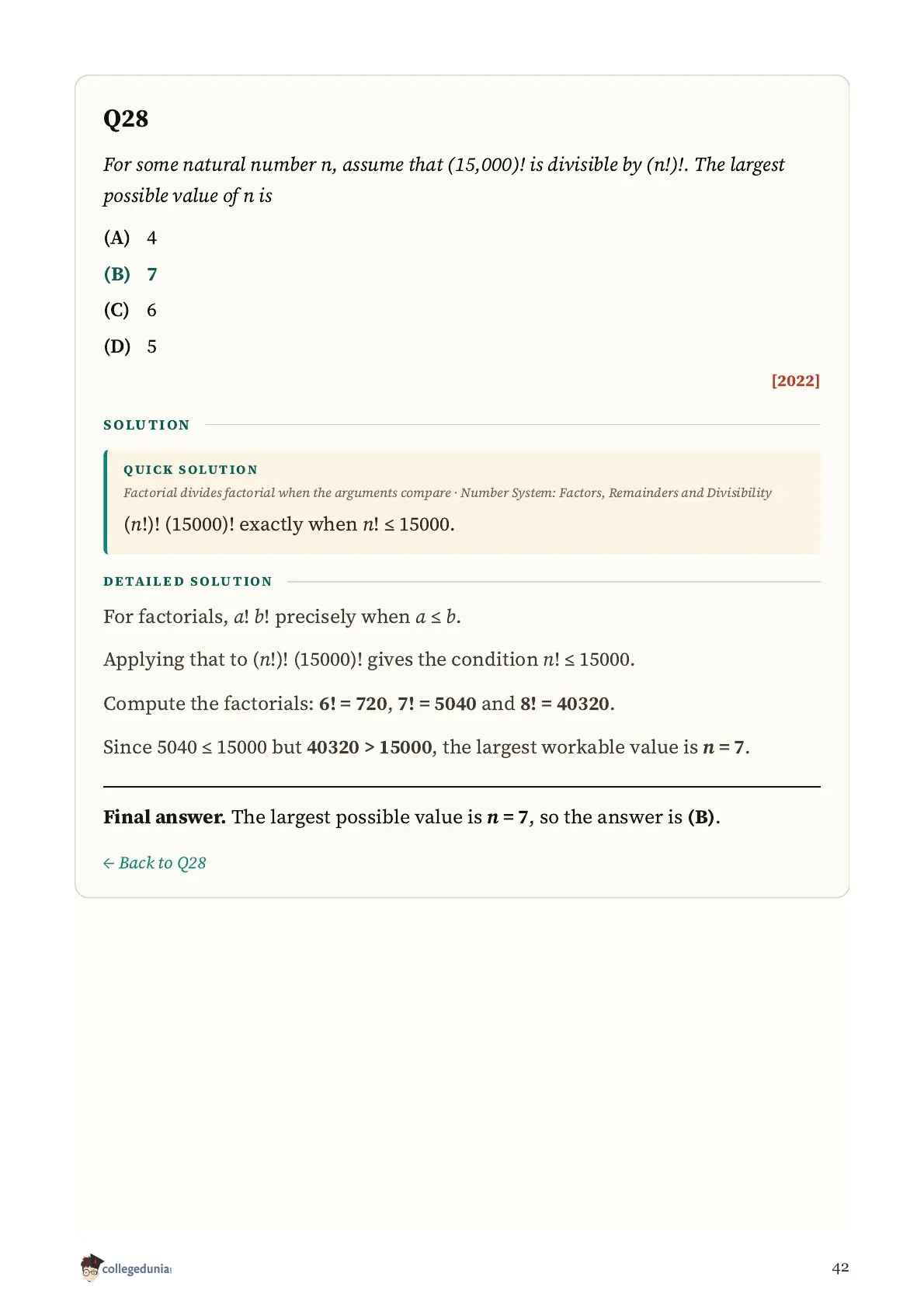
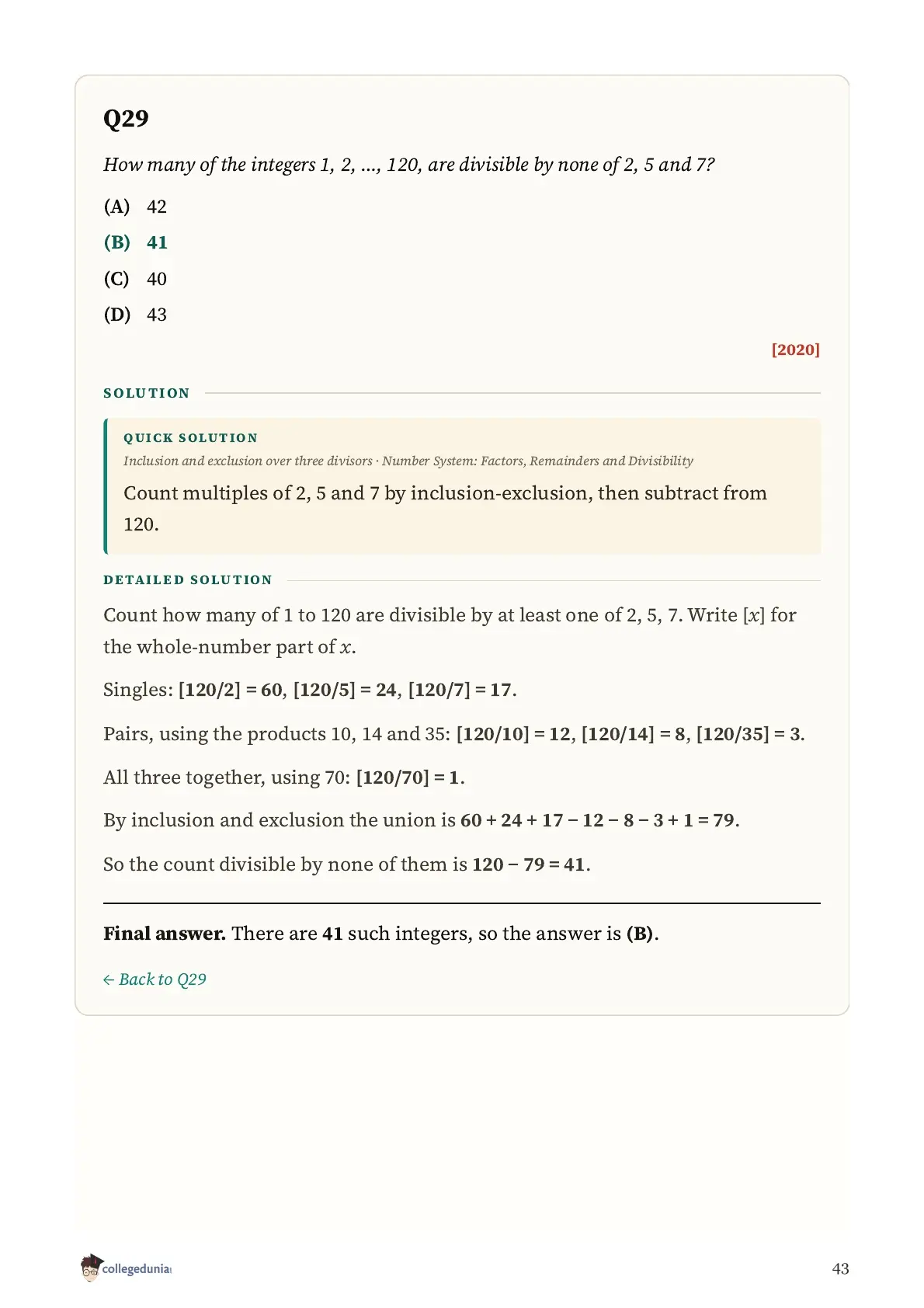
Every question carries its year, the options are reproduced as they appeared, and the answer is never shown before you attempt it. An answer key sits after the questions, with a full worked solution for each one behind it.
Which Sub-Topics the 29 Questions Come From
The booklet is sectioned by sub-topic rather than by year, so you can attempt one idea at a time instead of jumping between them.
- Remainders (18 questions), the heaviest section by a wide margin
- Digits (7), covering digit sums, digit counts and rearrangements
- Factors (3), including divisor counting under a condition
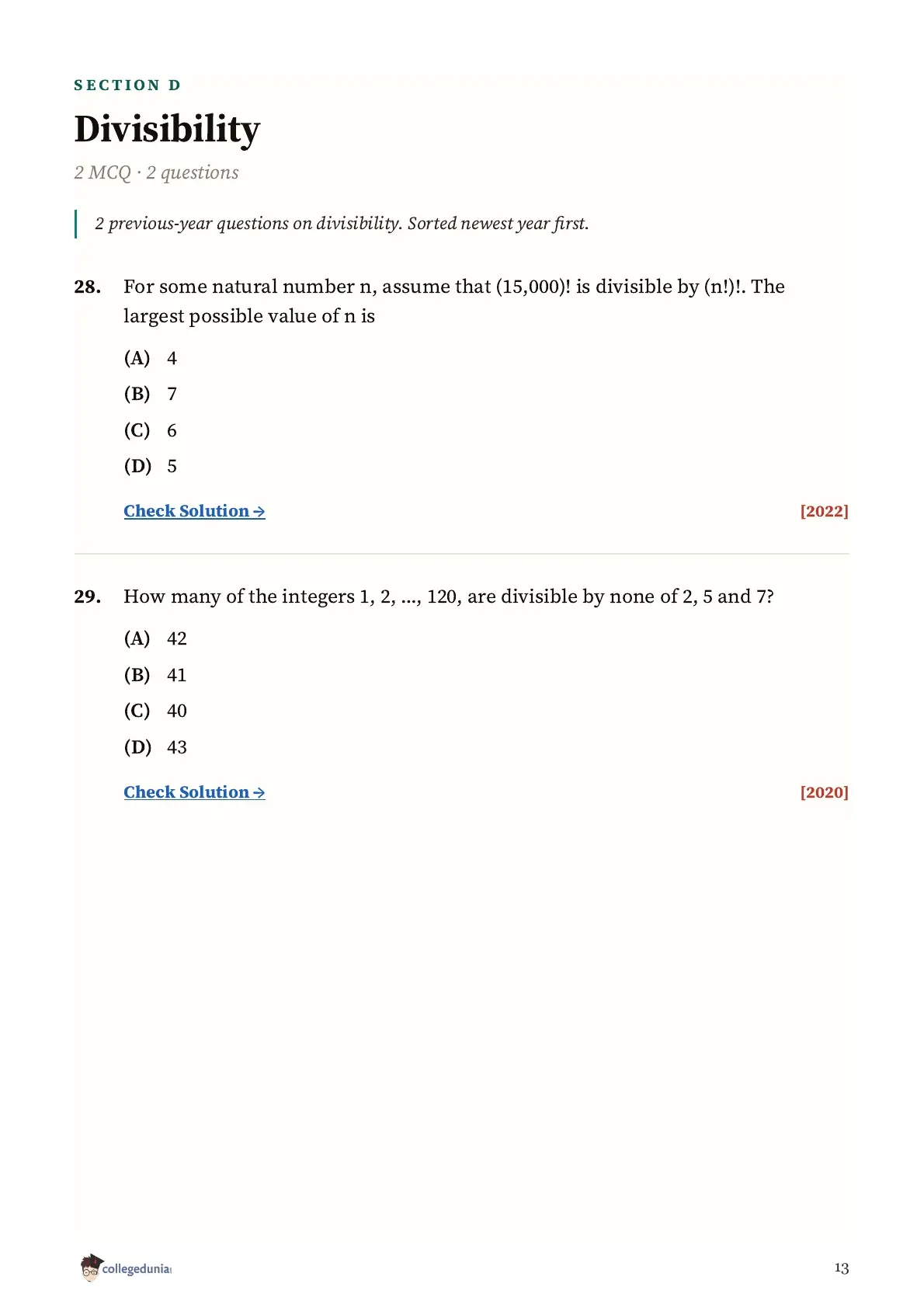
- Divisibility (2), one of them a factorial-inside-factorial problem
Questions on HCF and LCM are deliberately left out. They sit in the next topic of the syllabus and get their own bank, so this one stays on factors, remainders and divisibility.
Remainders Carry the Most Weight Here
Eighteen of the 29 questions are remainder problems, and they repeat a very small number of tricks. Once you see them named, the section gets much faster.
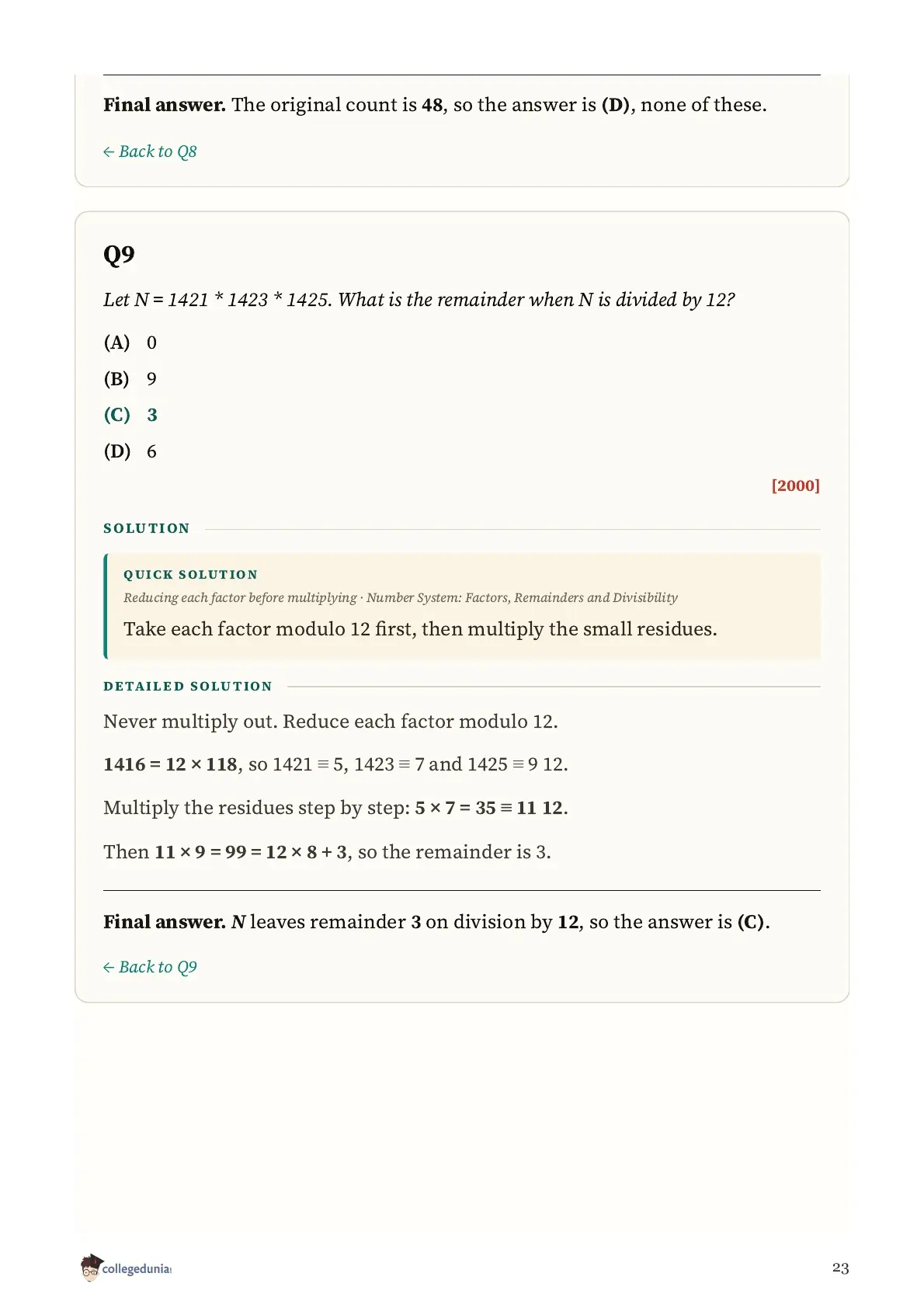
- Reduce the base first, then hunt for a power that lands on one or minus one
- Fermat for a prime divisor, Euler for any divisor
- Pairing terms so a common factor appears, as with cubes that sum to the same total
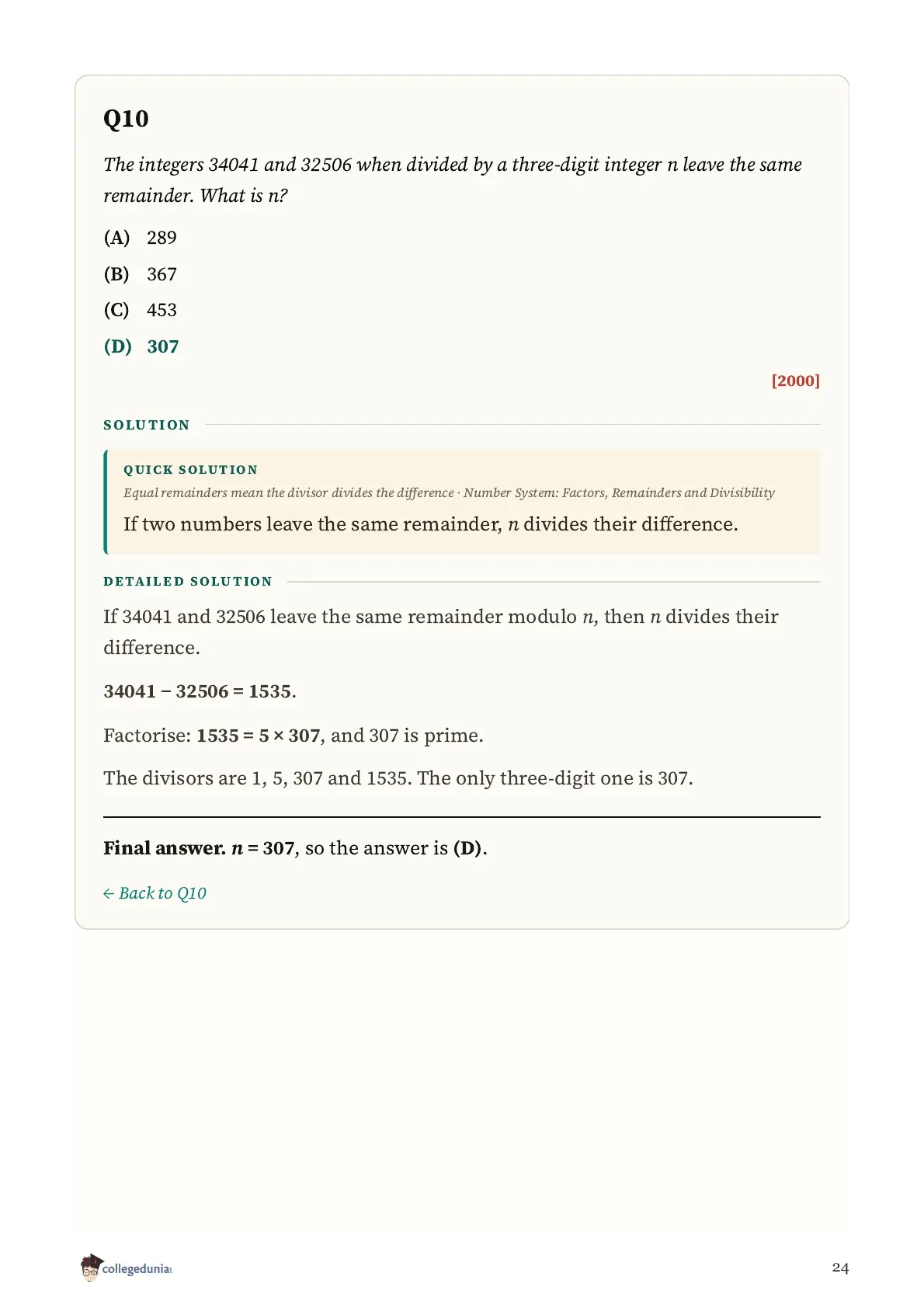
- Passing a remainder down to a factor of the divisor
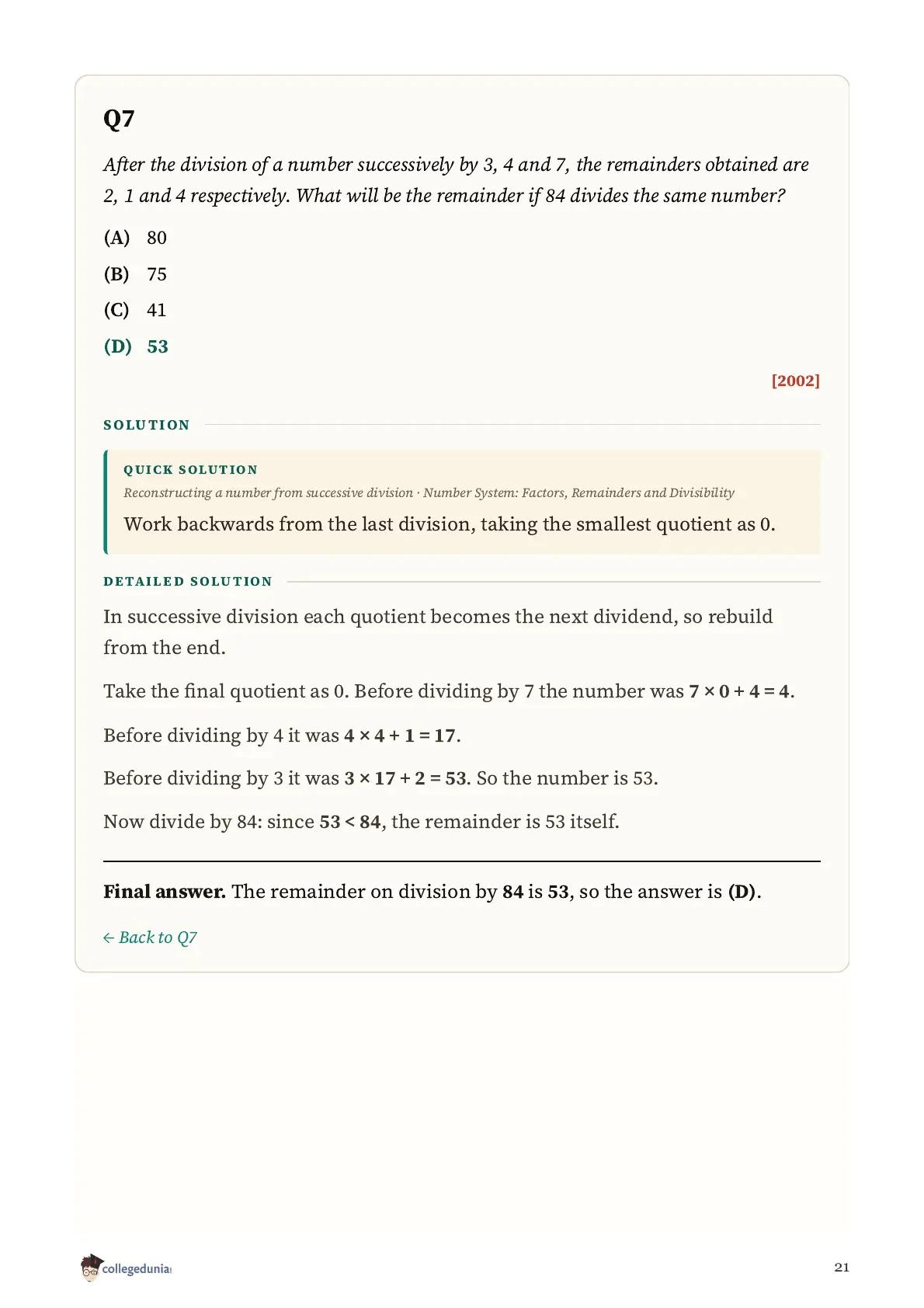
- Rebuilding a number from successive division, working backwards
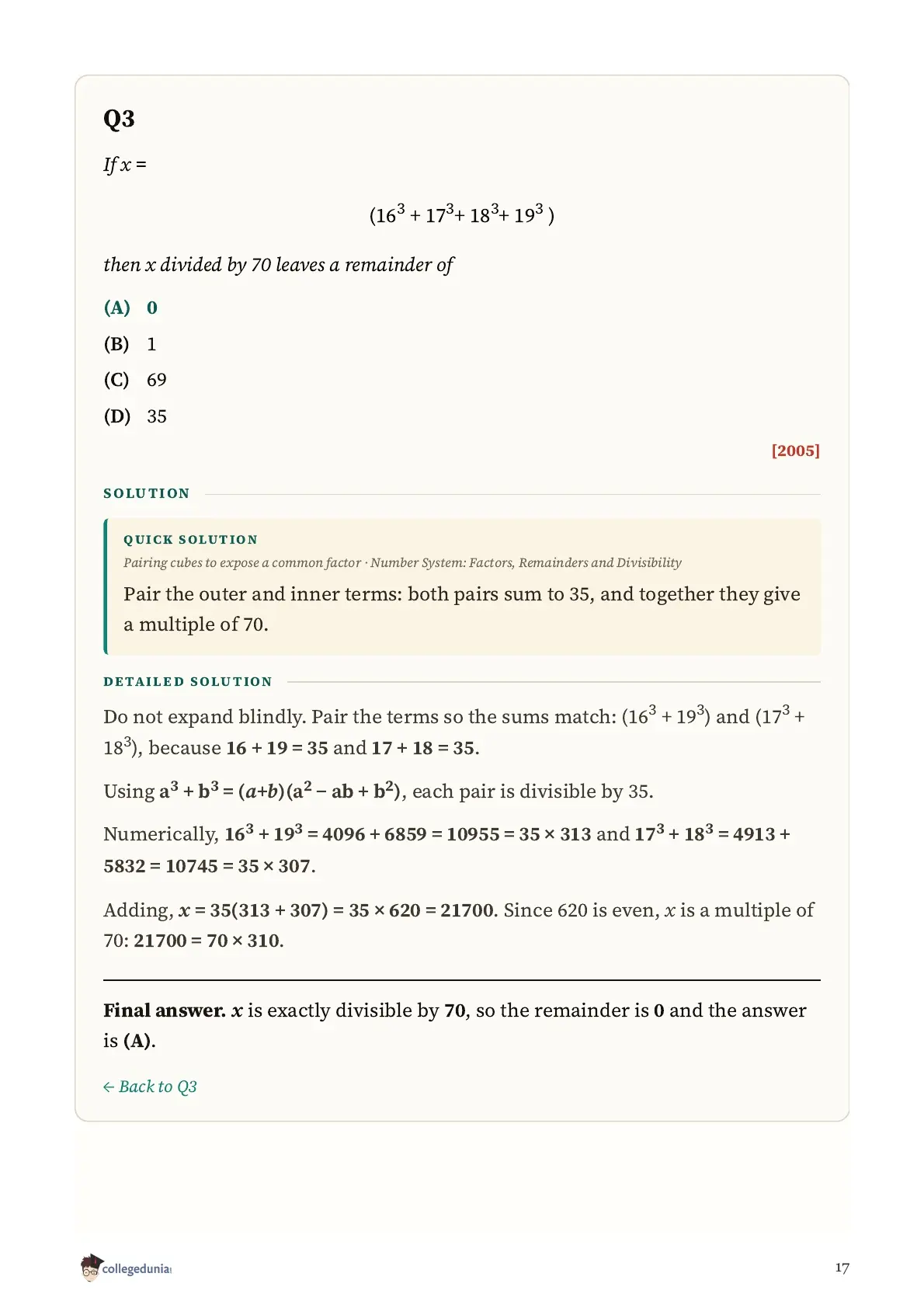
Three of the questions are solved in a single line once the right observation lands. One of them, a sum of four consecutive cubes, needs nothing more than noticing that two pairs both add to 35.
What Three Decades of Papers Show
Spreading the questions from 1990 to 2025 makes the pattern visible in a way one year never does. The wording modernised; the mathematics did not.
- The 1990s leaned on successive division and puzzle-style word problems
- The 2000s favoured large powers against a small prime divisor
- Recent papers, 2020 onward, prefer digit conditions and counting divisors under a constraint
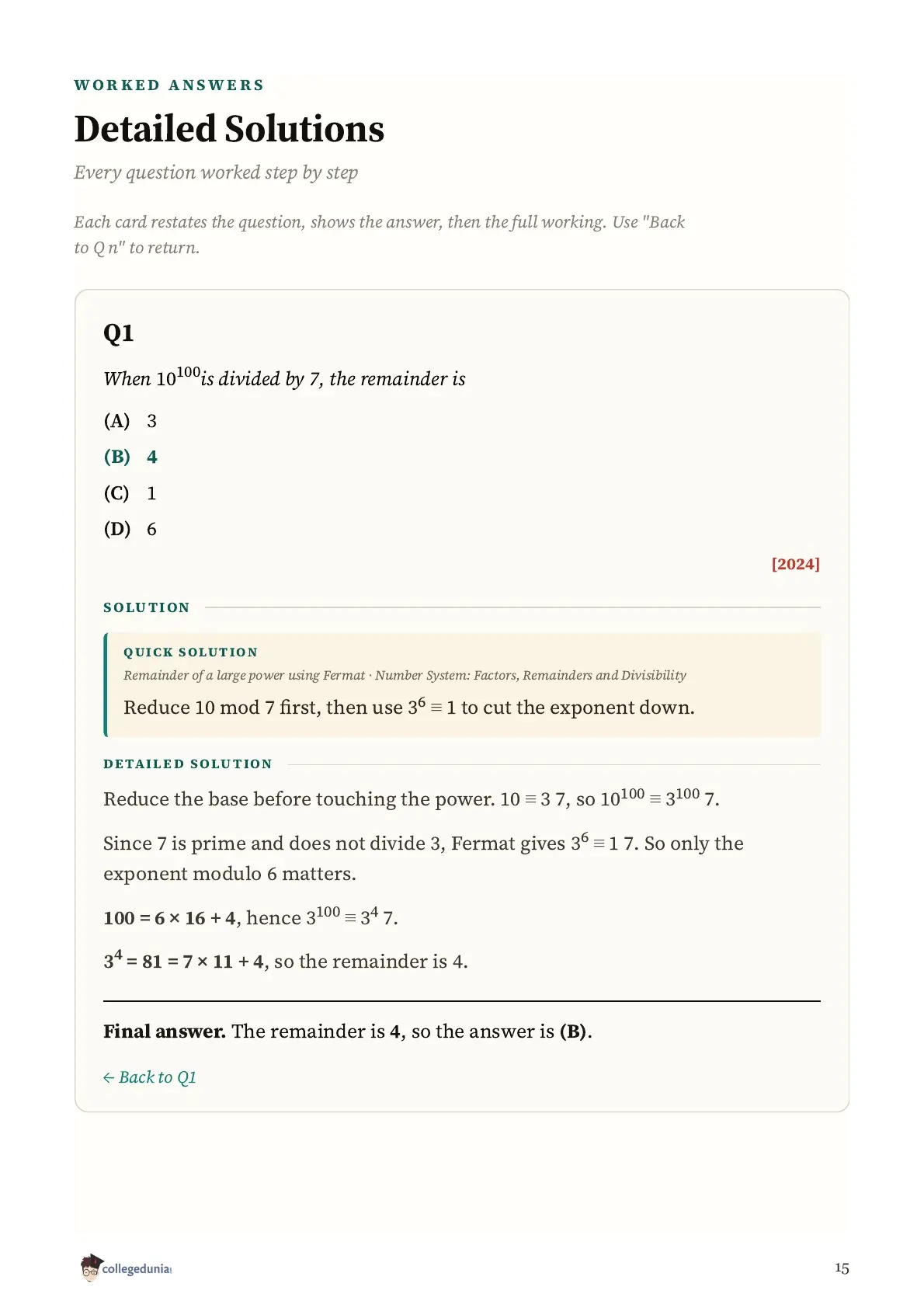
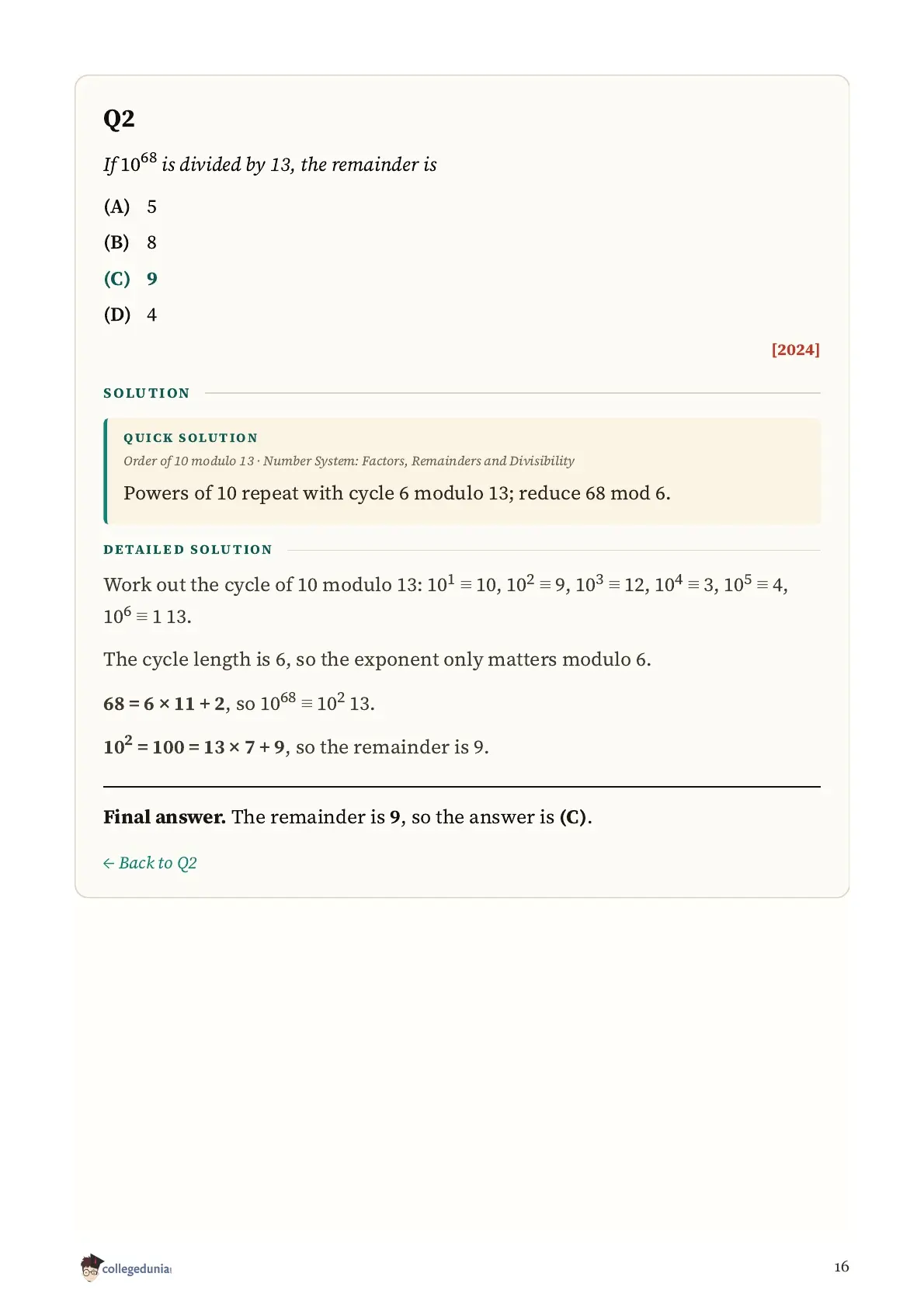
The 2024 paper asked for the remainder of a large power of ten twice, against two different primes. Both fall to the same cycle argument.
That repetition is the reason a bank spanning several decades beats a single year of practice. A question retired in 2002 often returns in a new costume, and the method transfers even when the numbers do not.
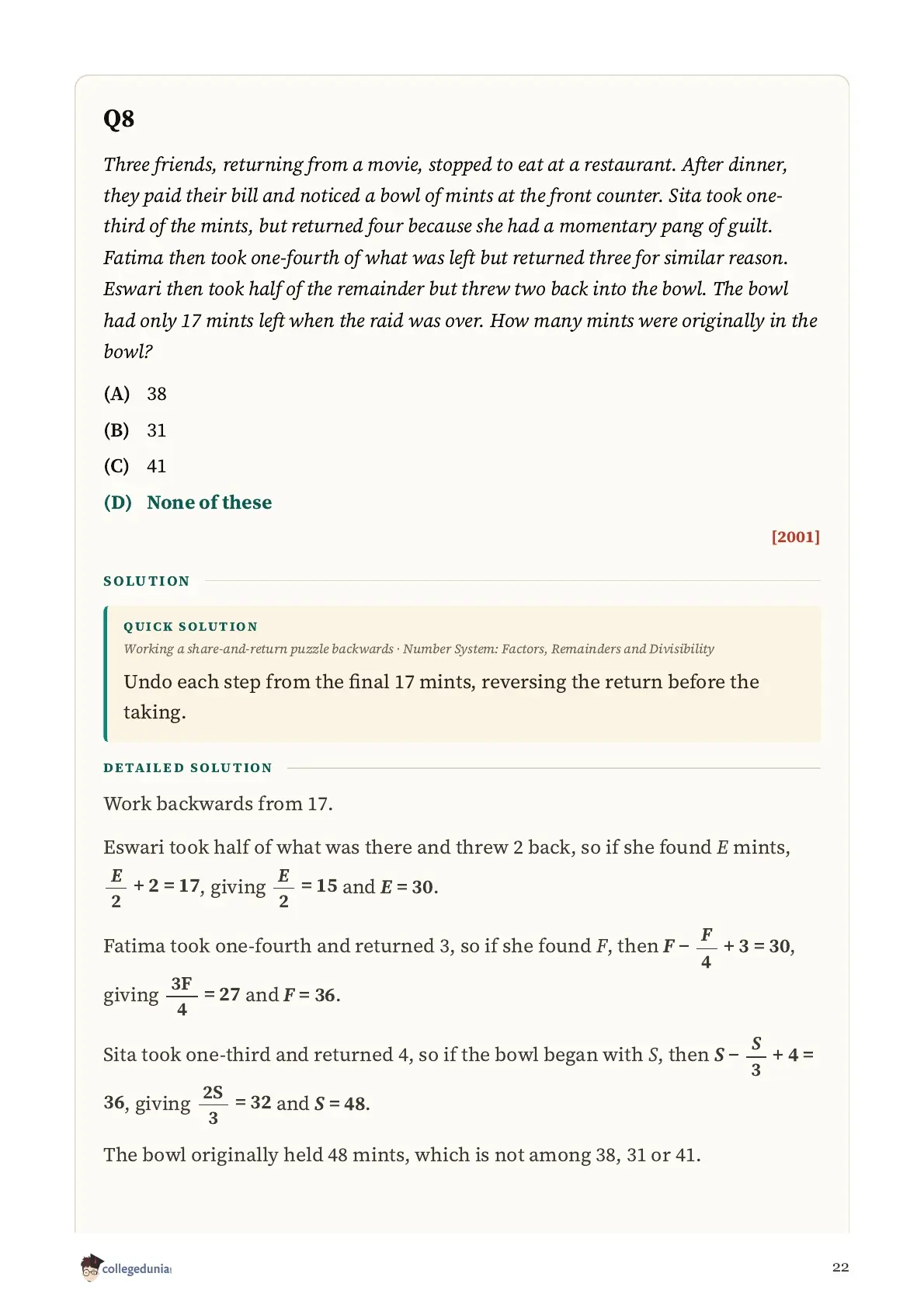
Two questions in the set have no clean option to pick, and the correct choice is None of these. Both are from the older papers, where CAT used that option far more freely than it does now. Students who assume the paper must contain the answer among the first three options lose both marks.
Three Questions Worth Doing First
If you only attempt a handful, start with these. Each one teaches a method that the other questions reuse.
2024, remainders. Find the remainder when 10 raised to the power 100 is divided by 7. Reduce the base to 3, note that 3 to the power 6 leaves 1, then reduce the exponent modulo 6. The whole question is four lines.
2005, remainders. A sum of the cubes of 16, 17, 18 and 19, divided by 70. Nobody expects you to cube four numbers. Pair the outer and inner terms, notice both pairs total 35, and the divisibility falls out.
2025, factors. Count the divisors of a four-prime product that leave remainder 1 on division by 3. This is the hardest question in the set, and it teaches the trick of working in residues rather than listing divisors.
Watch the Concepts Solved on a Board
Source: Rodha
How to Use the Answer Key and Solutions
Attempt a full section before checking anything. The booklet is built so the answer never appears next to the question.
- Work through one sub-topic in a single sitting, timing yourself
- Check the answer key in one pass, marking only right or wrong
- Read the solution for every question you missed, and for every one you guessed
- Each solution opens with a one-line quick approach before the full steps, so you can stop reading as soon as you see it
Students who read the quick line, close the PDF and retry the question learn more from this than students who read the full solution straight through.
Traps These Questions Are Built Around
The same few errors account for most lost marks in this topic, and several questions here exist purely to catch them.
- Reducing the base again instead of the exponent when using Fermat
- Applying Fermat or Euler when base and divisor share a factor
- Leaving a remainder negative in the final answer
- Forgetting that a repeated digit blocks a "non-repeating digits" count
- Reading a None of these option as a mistake in the paper rather than the answer
For the concepts behind these questions, the CAT Number System notes cover the same ground in 22 pages before you attempt the bank.
CAT Number System Previous Year Questions FAQs
Ques. How many number system questions does CAT ask?
Ans. Number system usually contributes about 2 to 4 questions in the Quant section, which is roughly 6 to 12 marks. Remainders and factors are the two sub-topics that repeat most often.
Ques. Are solutions included in this PYQ PDF?
Ans. Yes. All 29 questions have a full worked solution, each opening with a one-line quick approach and closing with the final answer. An answer key grid sits between the questions and the solutions.
Ques. Why are HCF and LCM questions not in this set?
Ans. HCF, LCM and base systems form the next topic in the CAT Quant syllabus and get their own question bank. Keeping them separate lets students finish factors, remainders and divisibility without switching ideas midway.
Ques. Are questions from the 1990s still worth attempting?
Ans. For this topic, yes. The wording has modernised but the mathematics has not, and the older papers carry the cleanest successive-division and puzzle-style problems. Students short on time should start from 2017 onward and work backwards.
Ques. Can the PYQ PDF be downloaded free?
Ans. Yes. The full 43 page booklet can be read on this page and downloaded at no cost, so students can print it or keep it on a phone for practice.



Comments