




CAT Number System handwritten notes, free to download as a 27-page PDF. The topic is worth about 6 to 12 marks in the Quant section and takes roughly a week to learn, so finish it early.
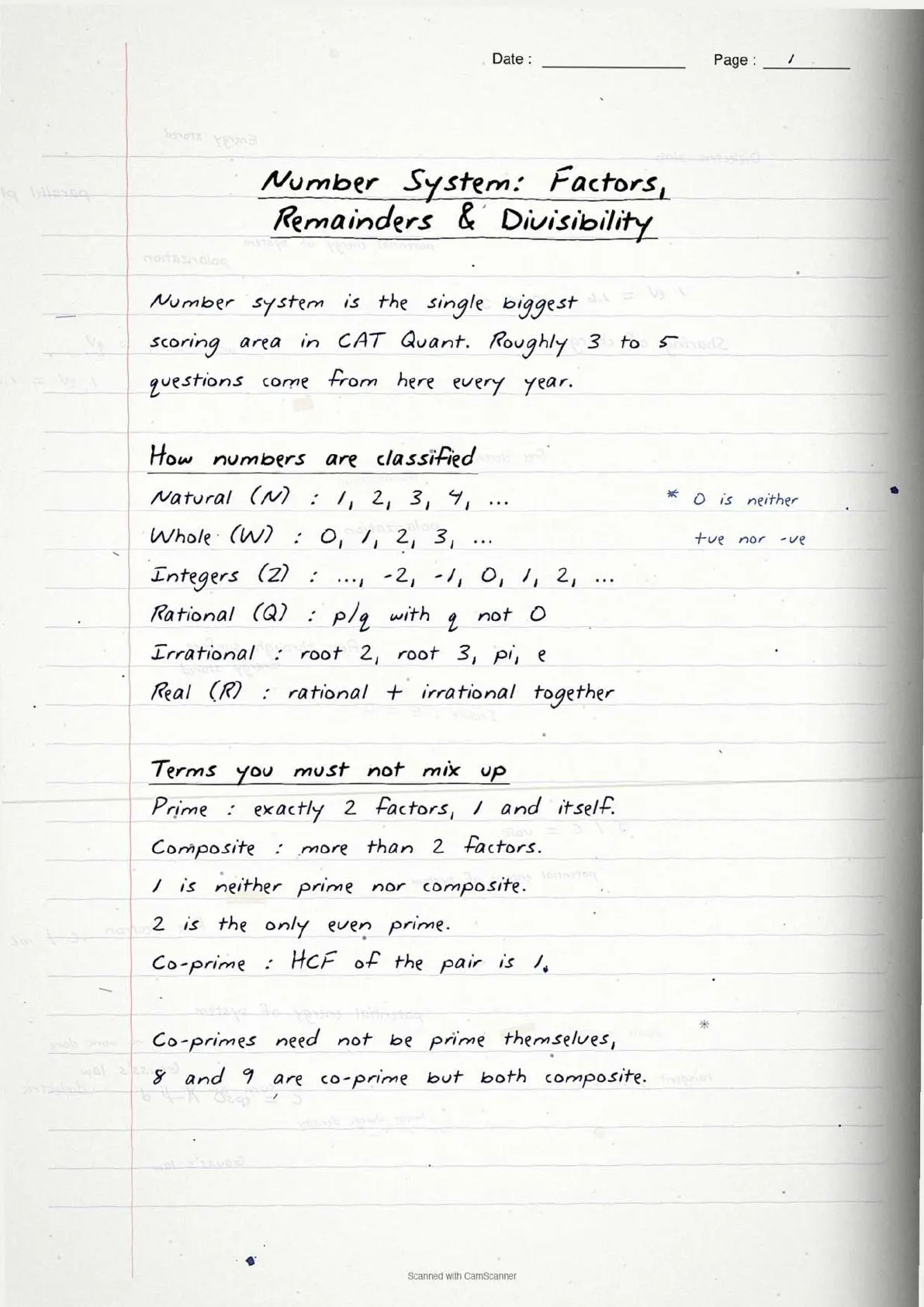
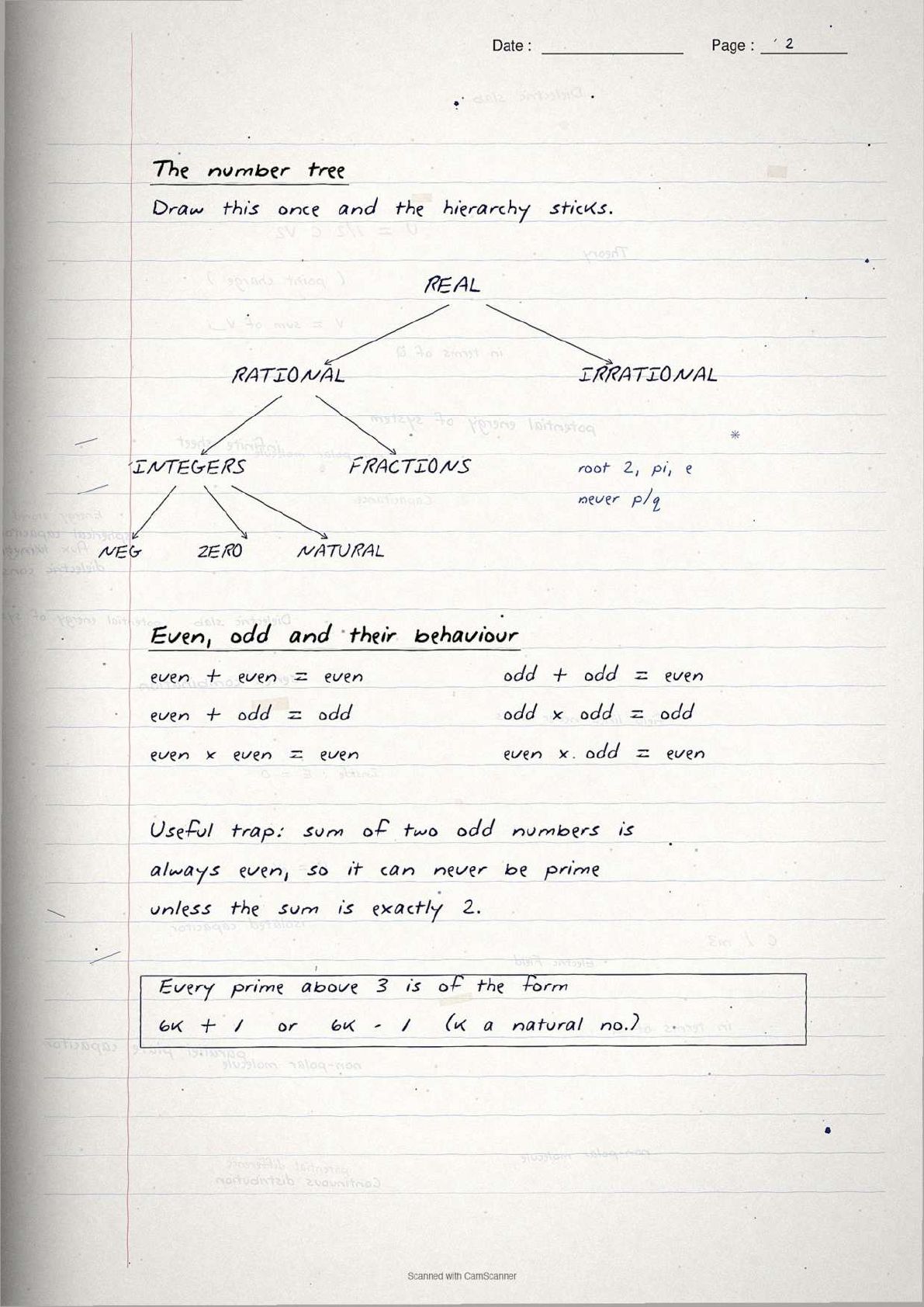
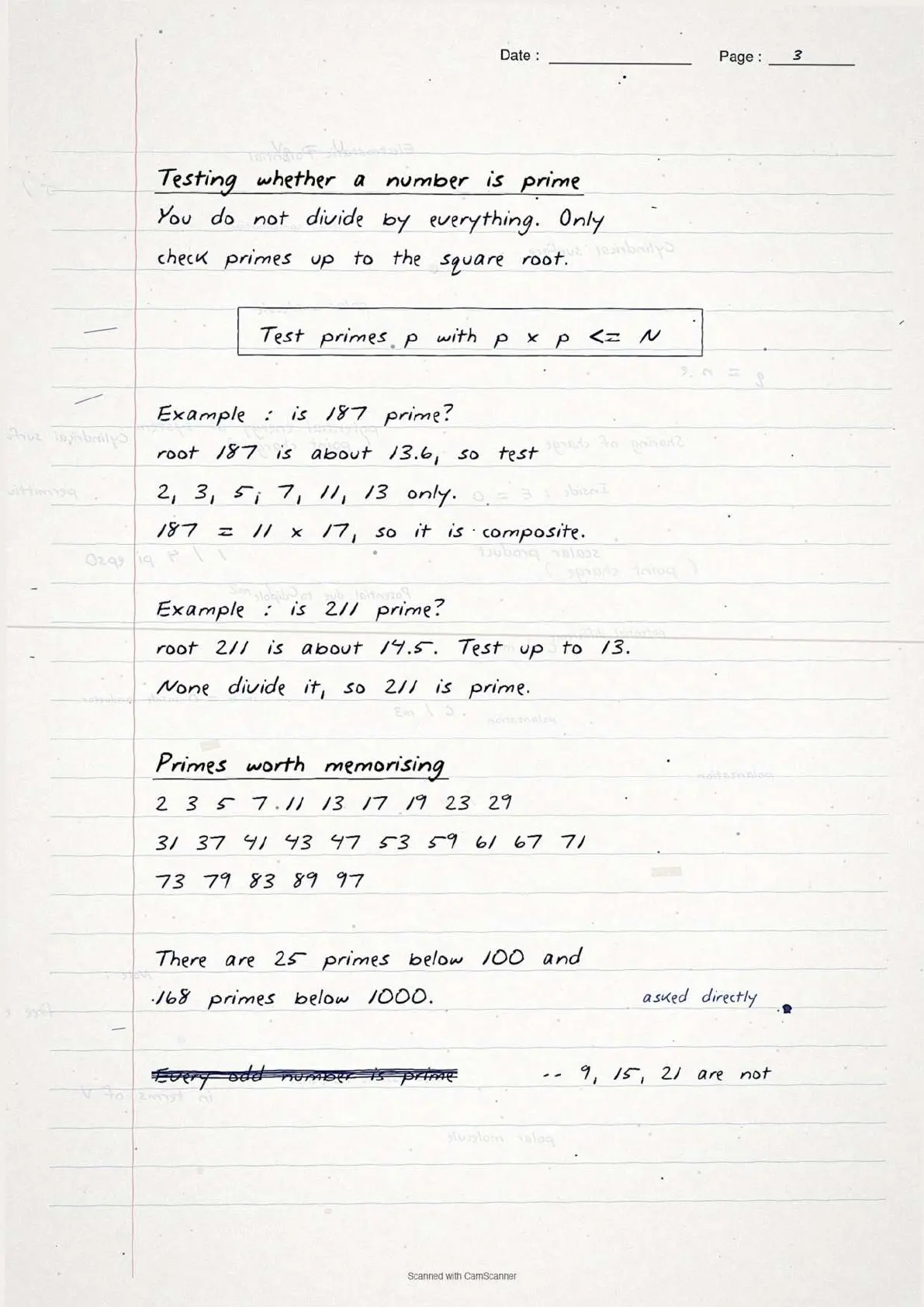
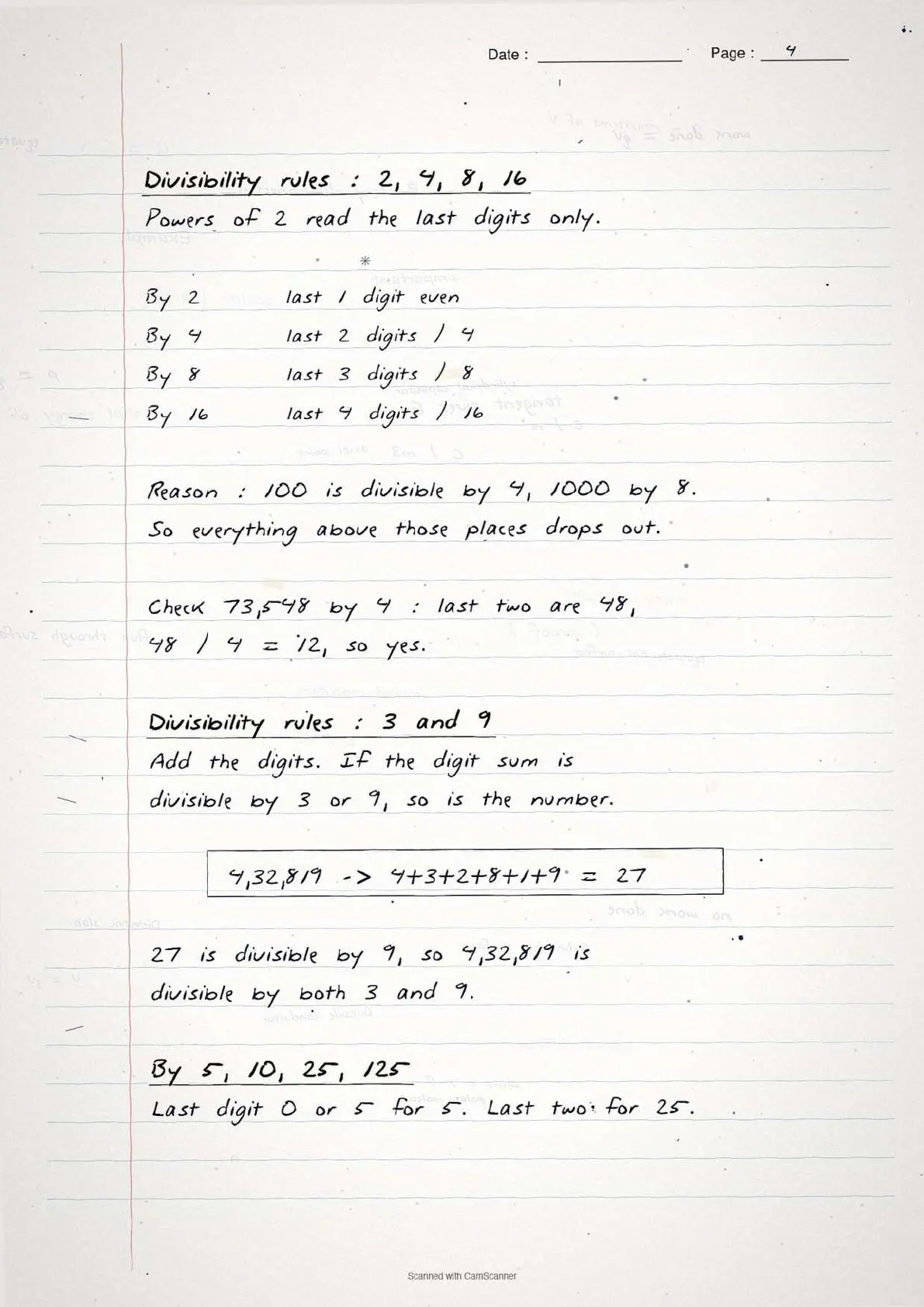
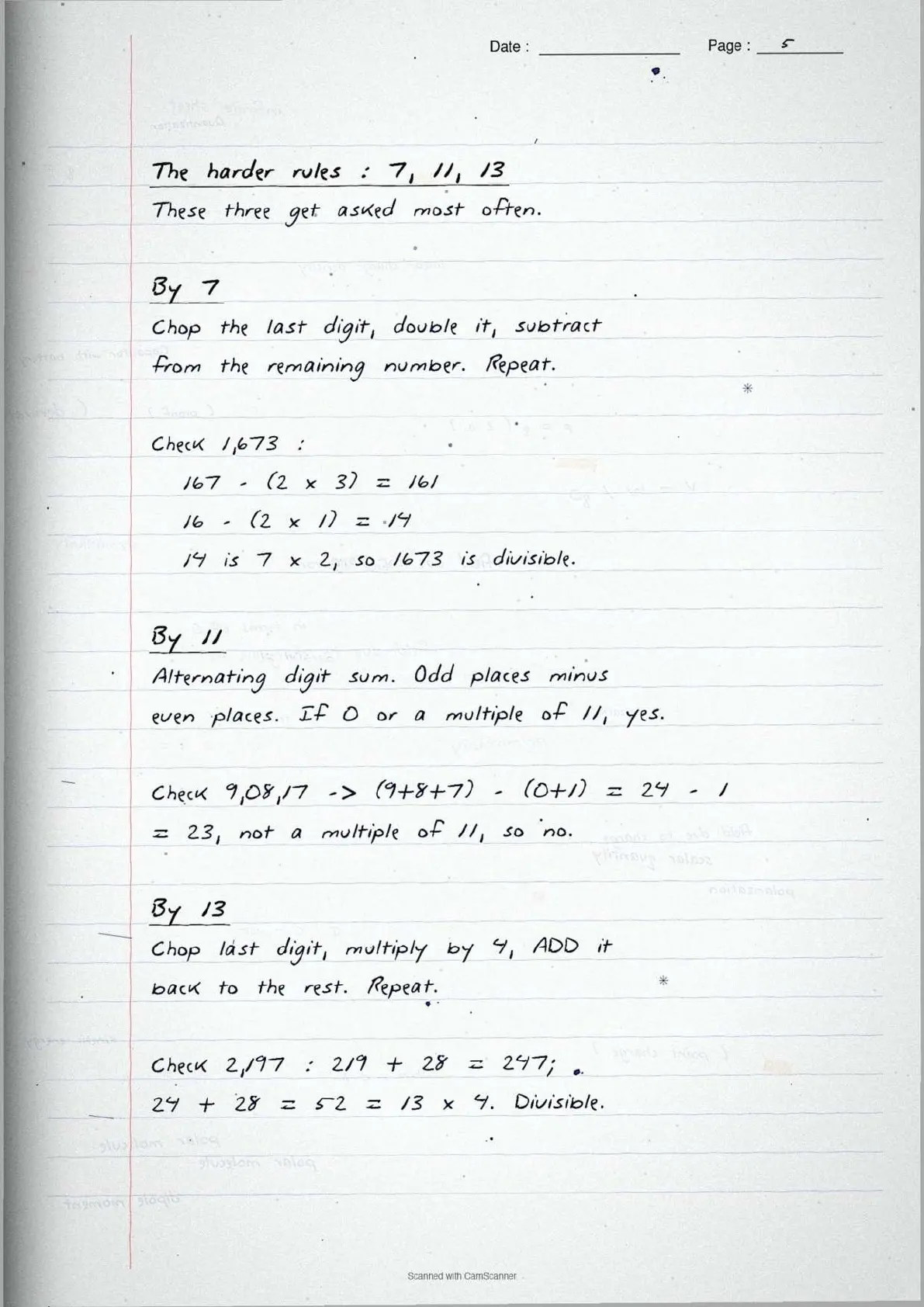
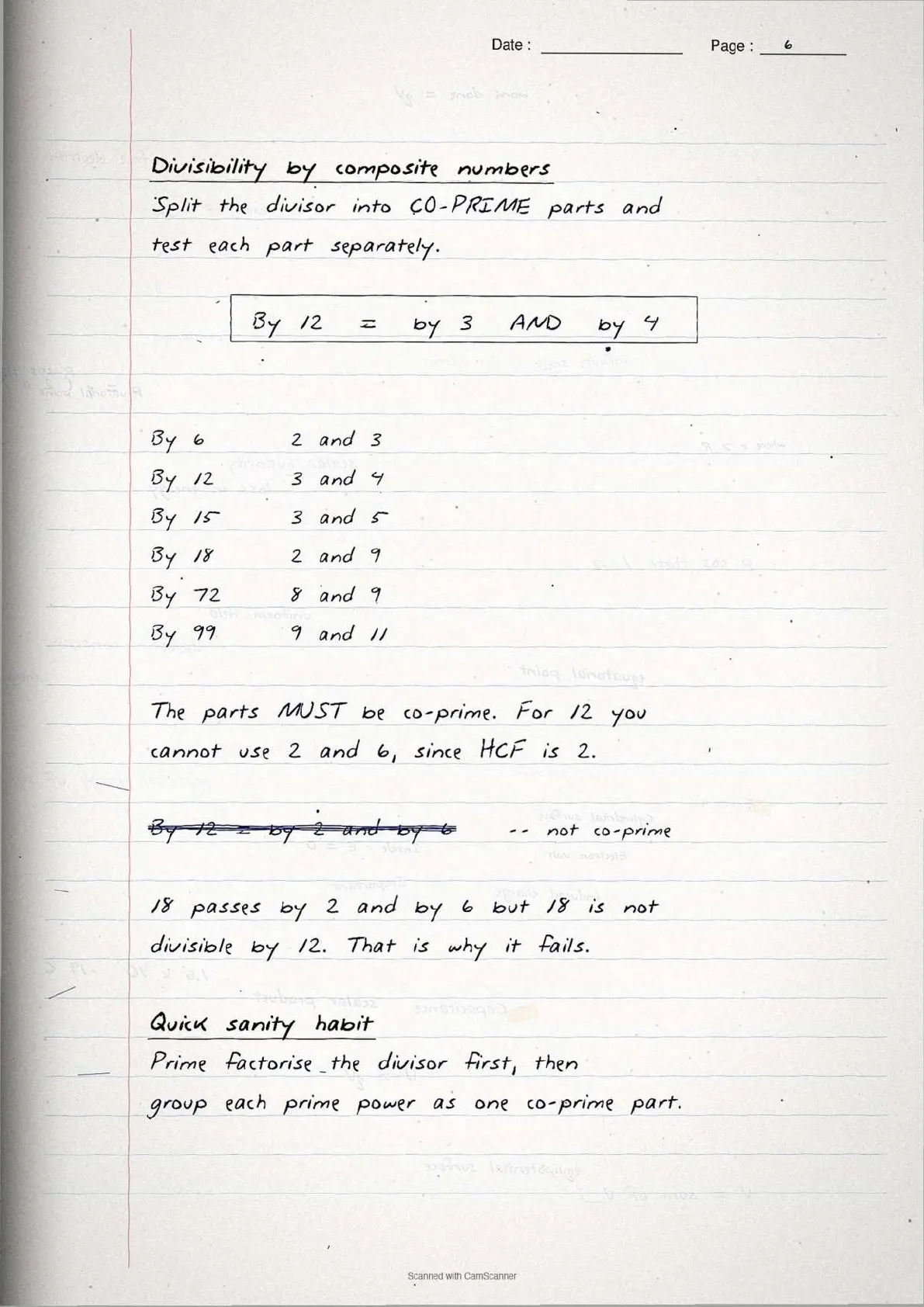
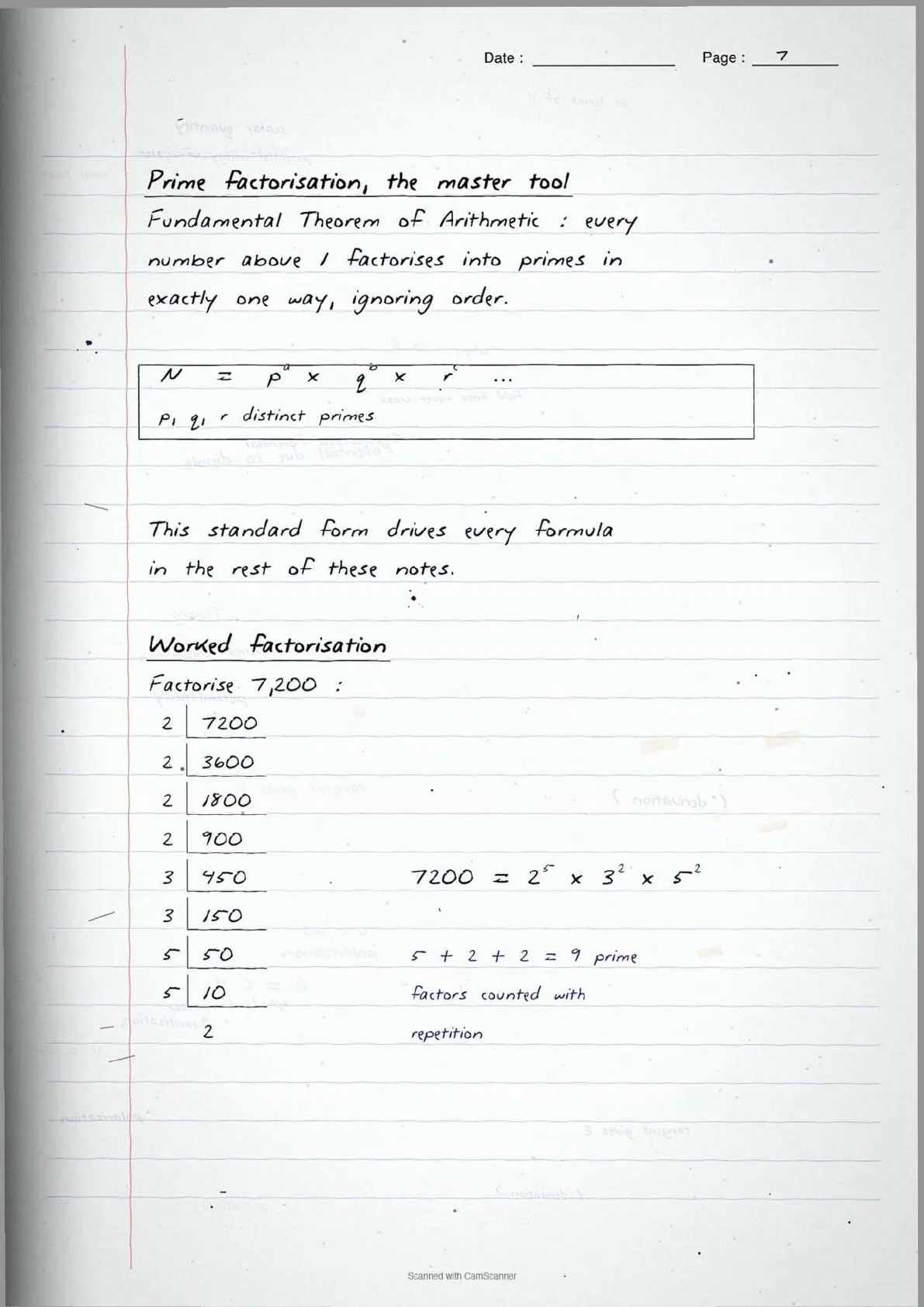
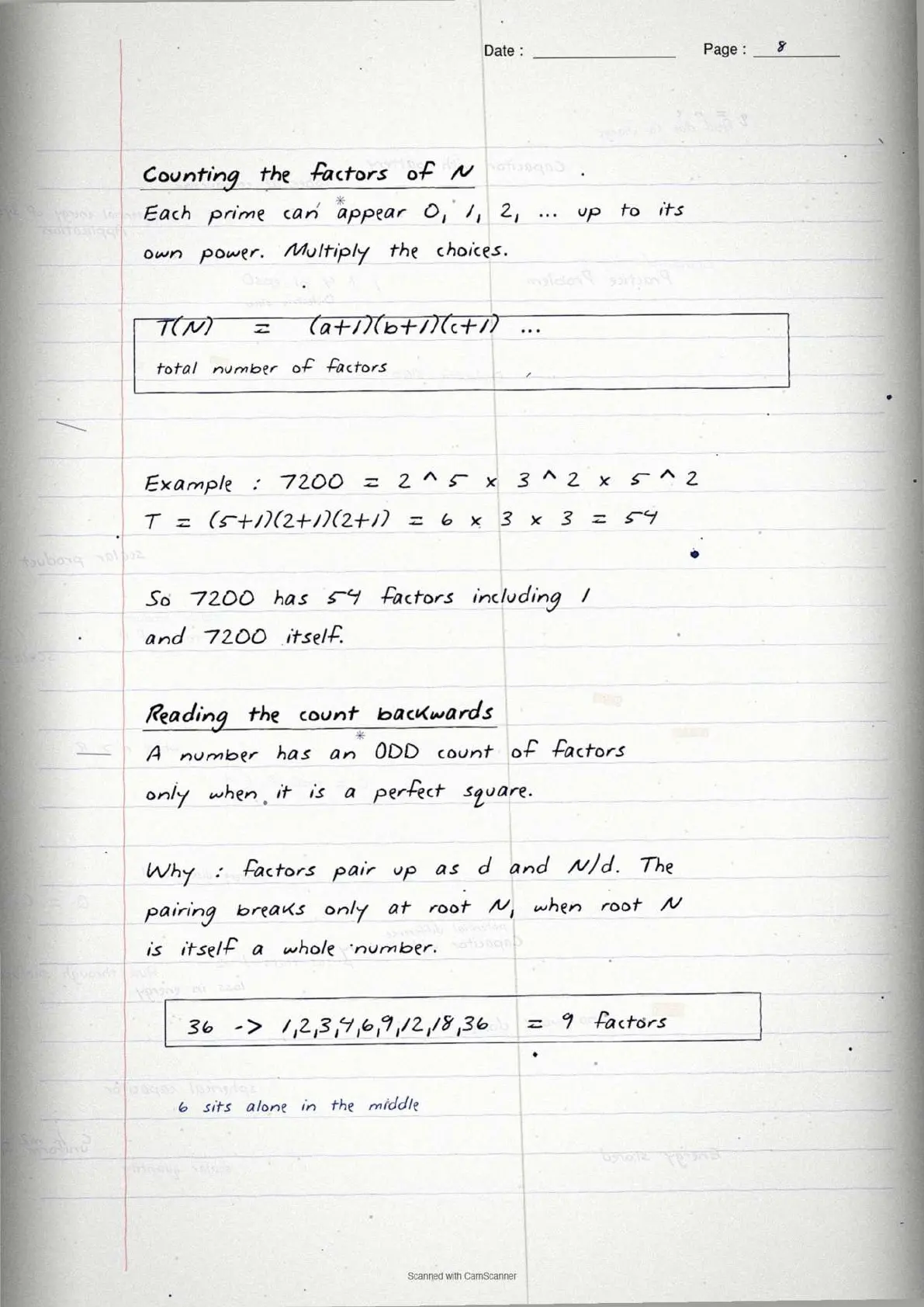
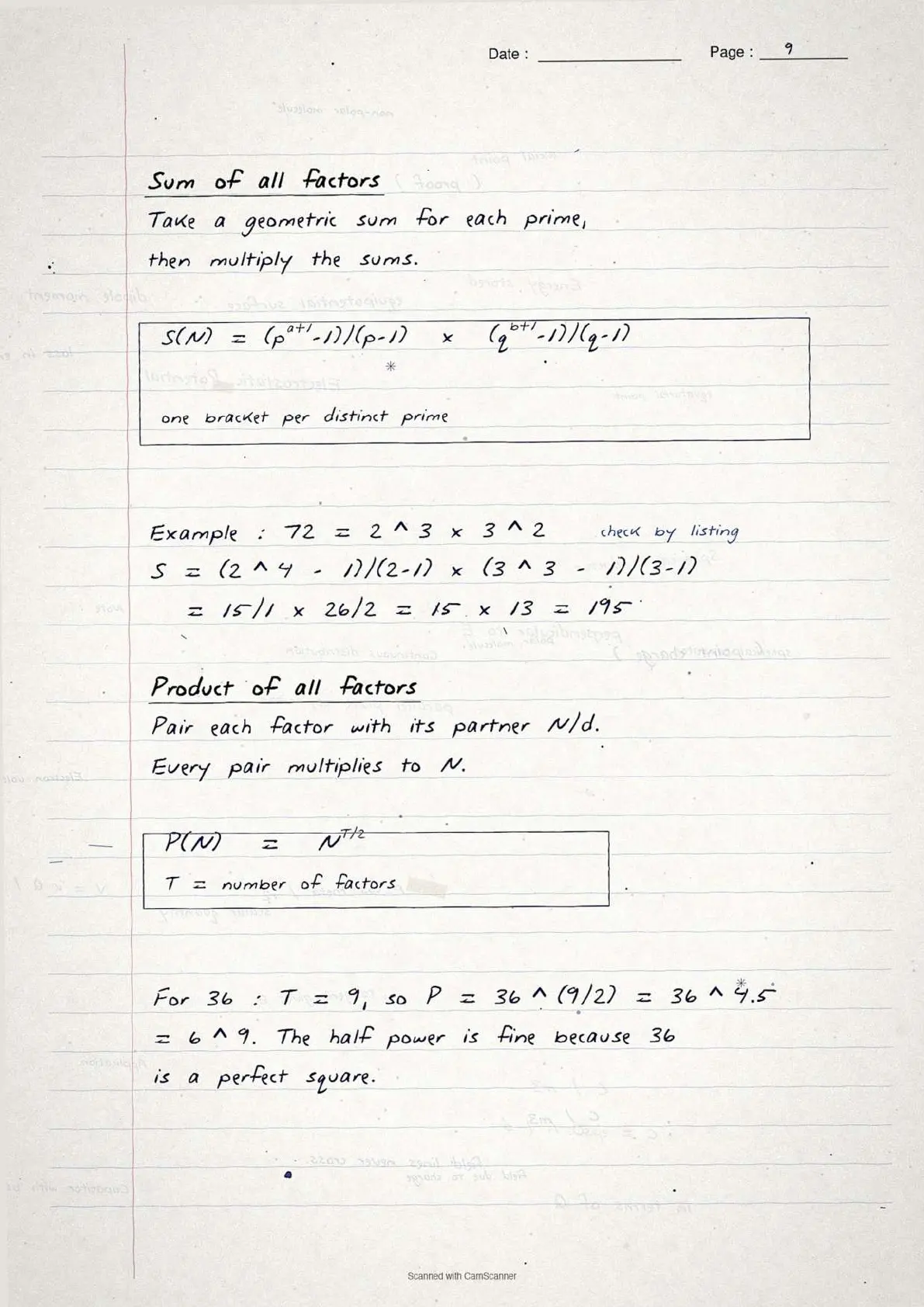
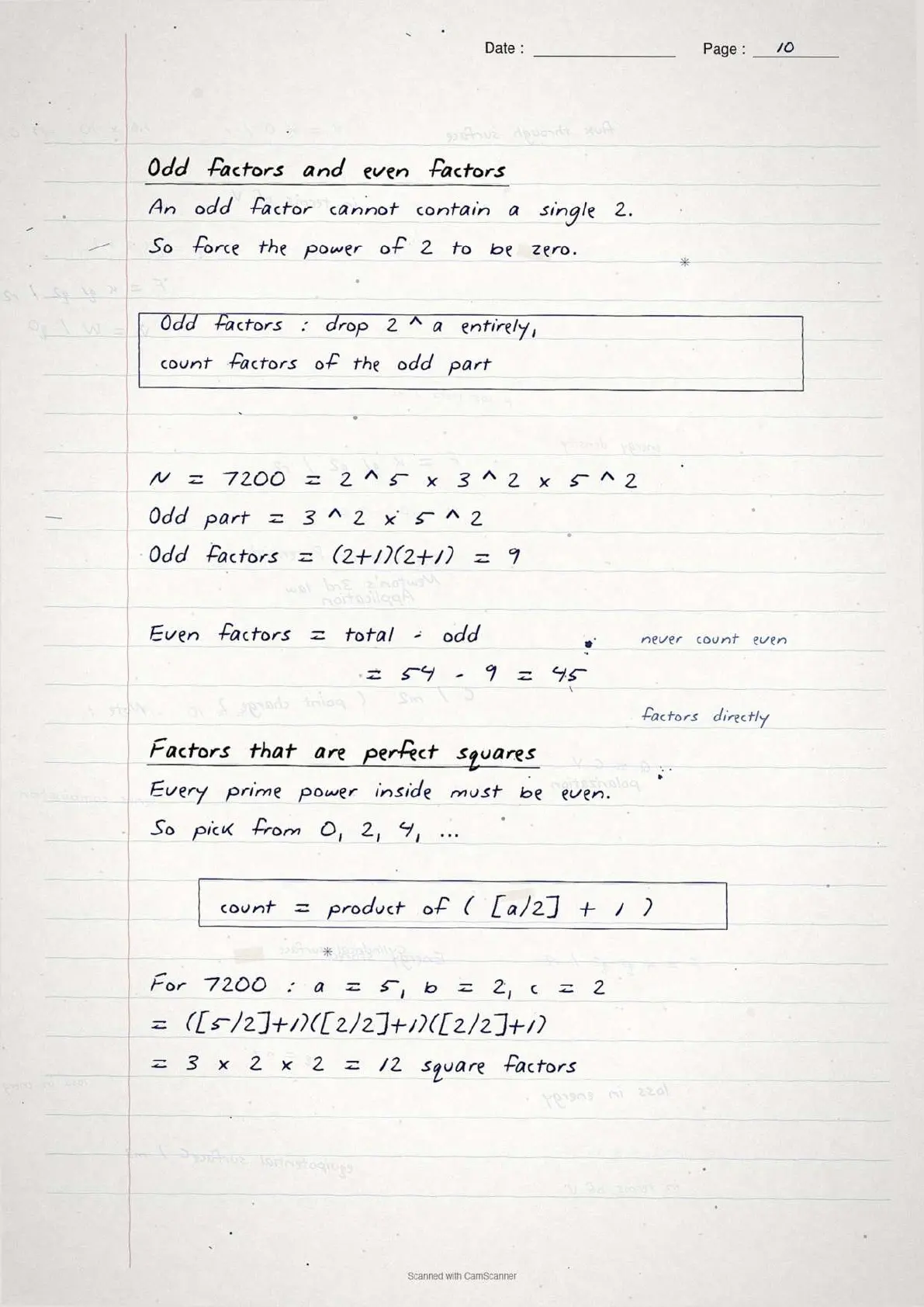
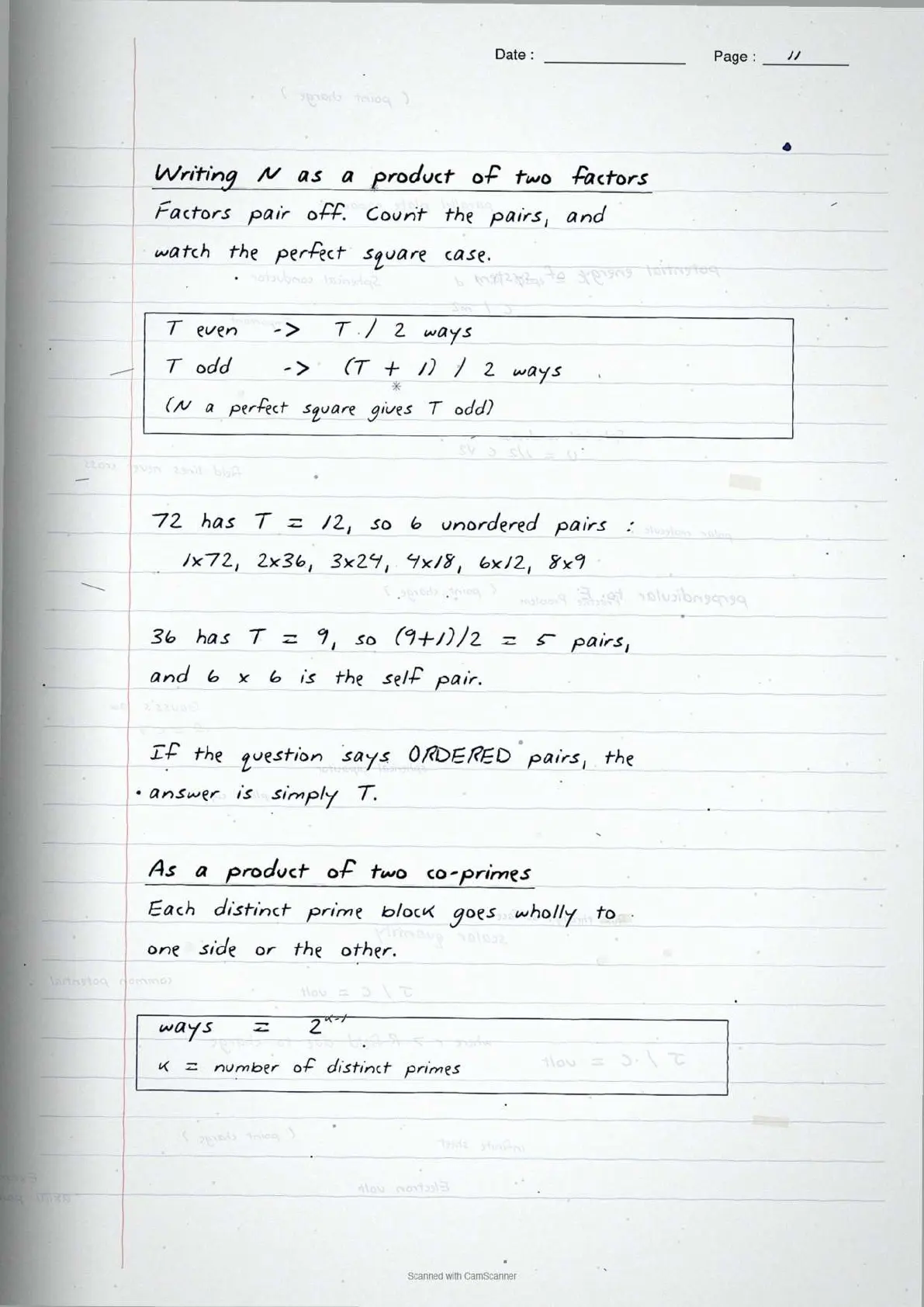
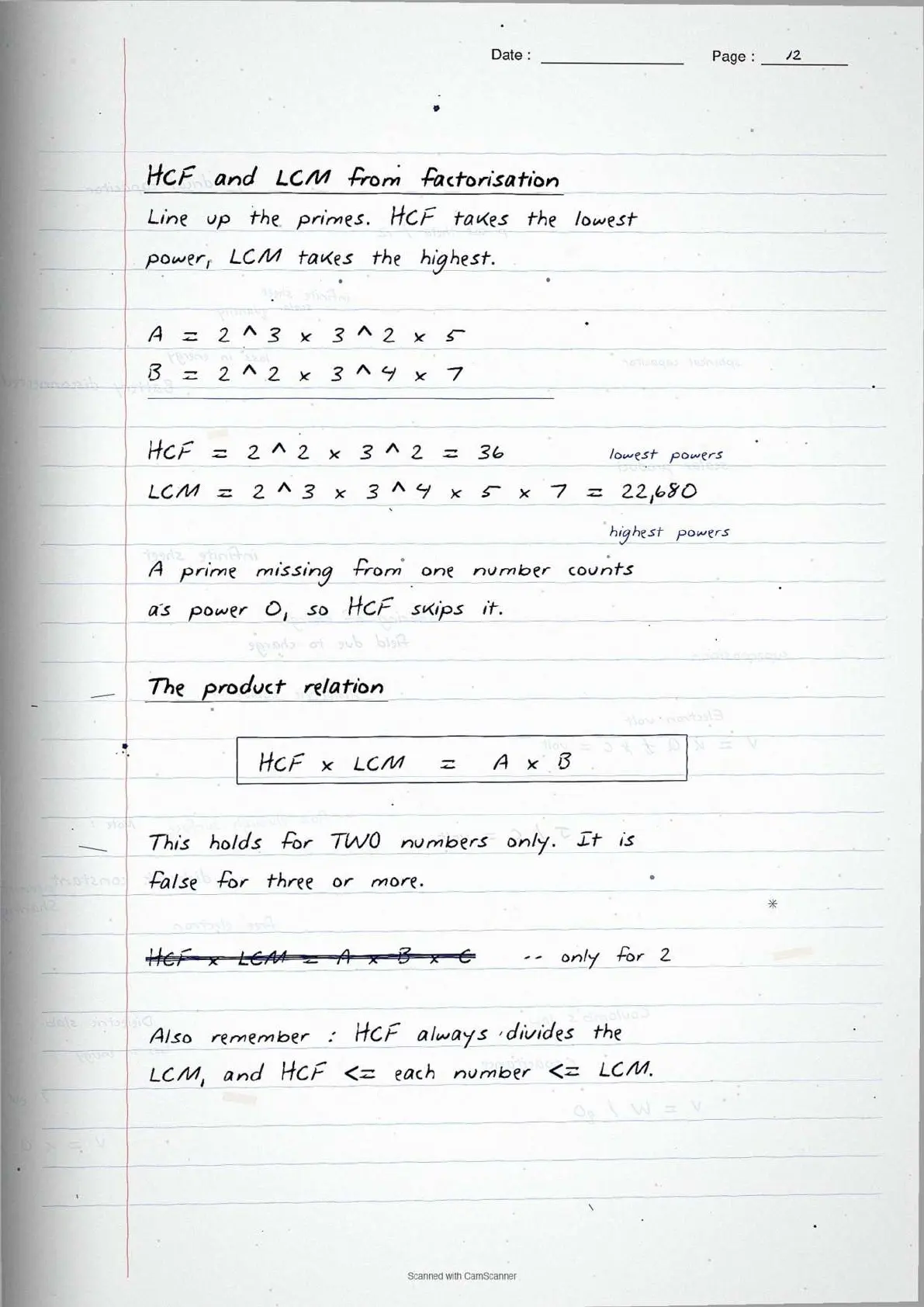
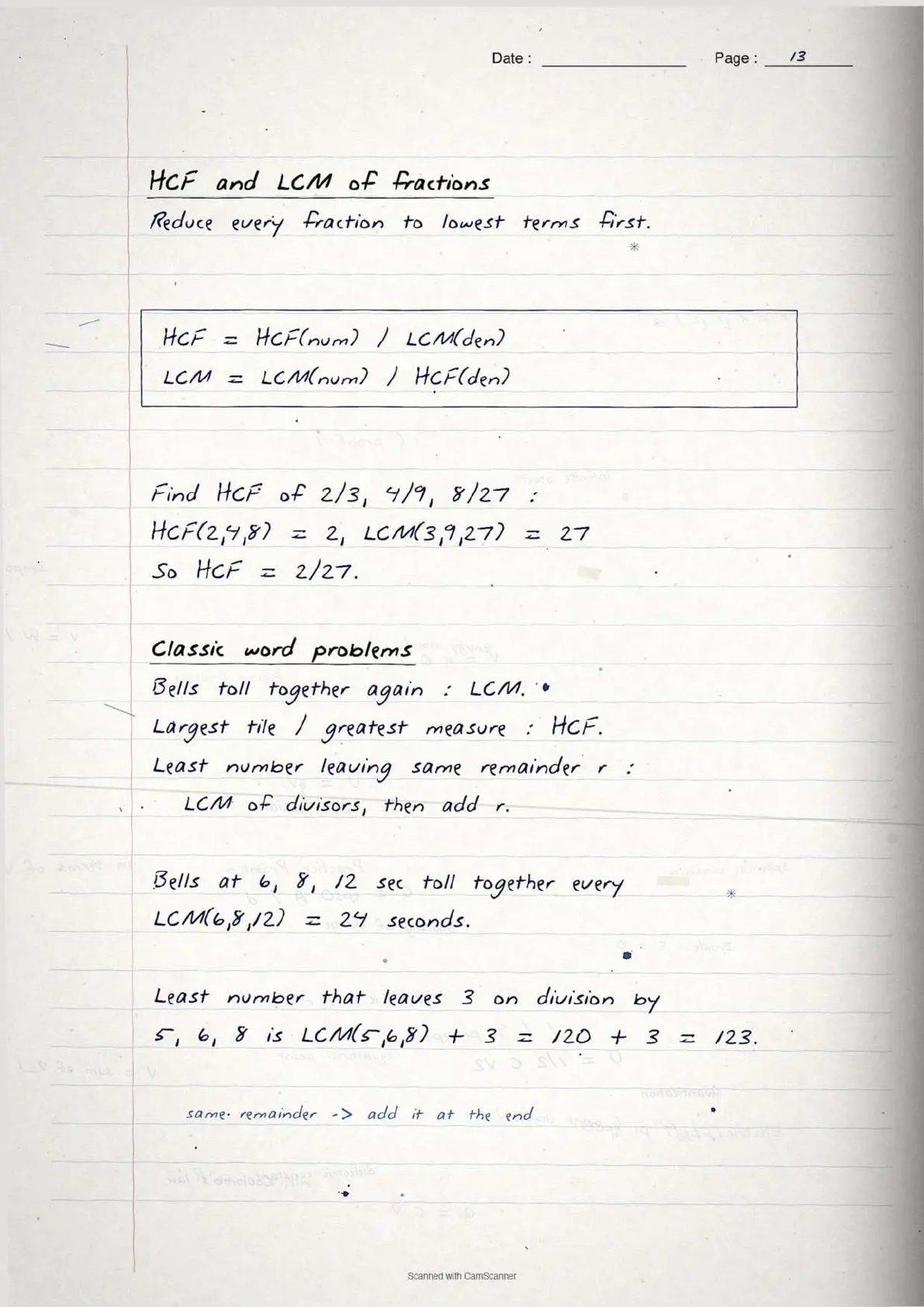
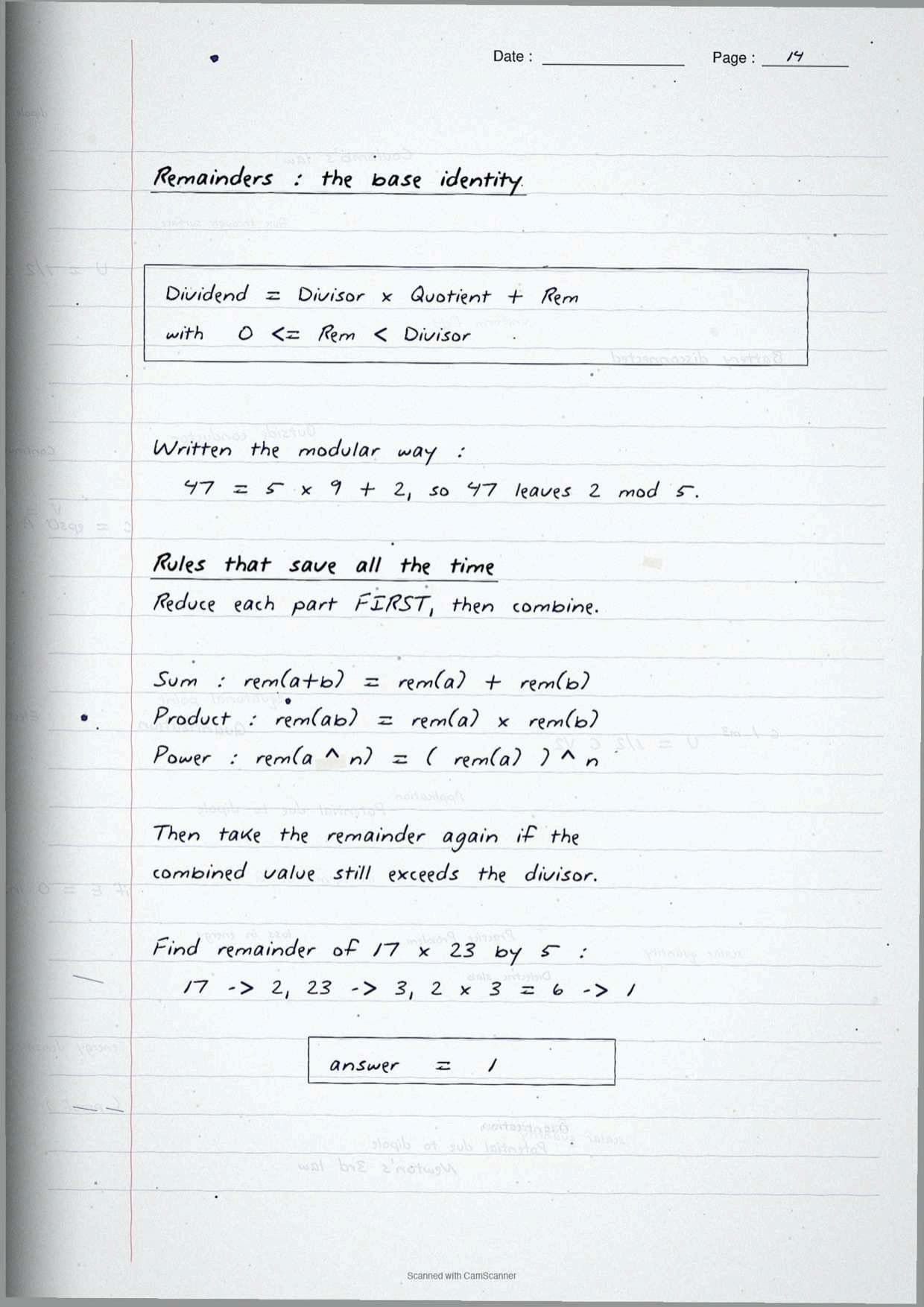
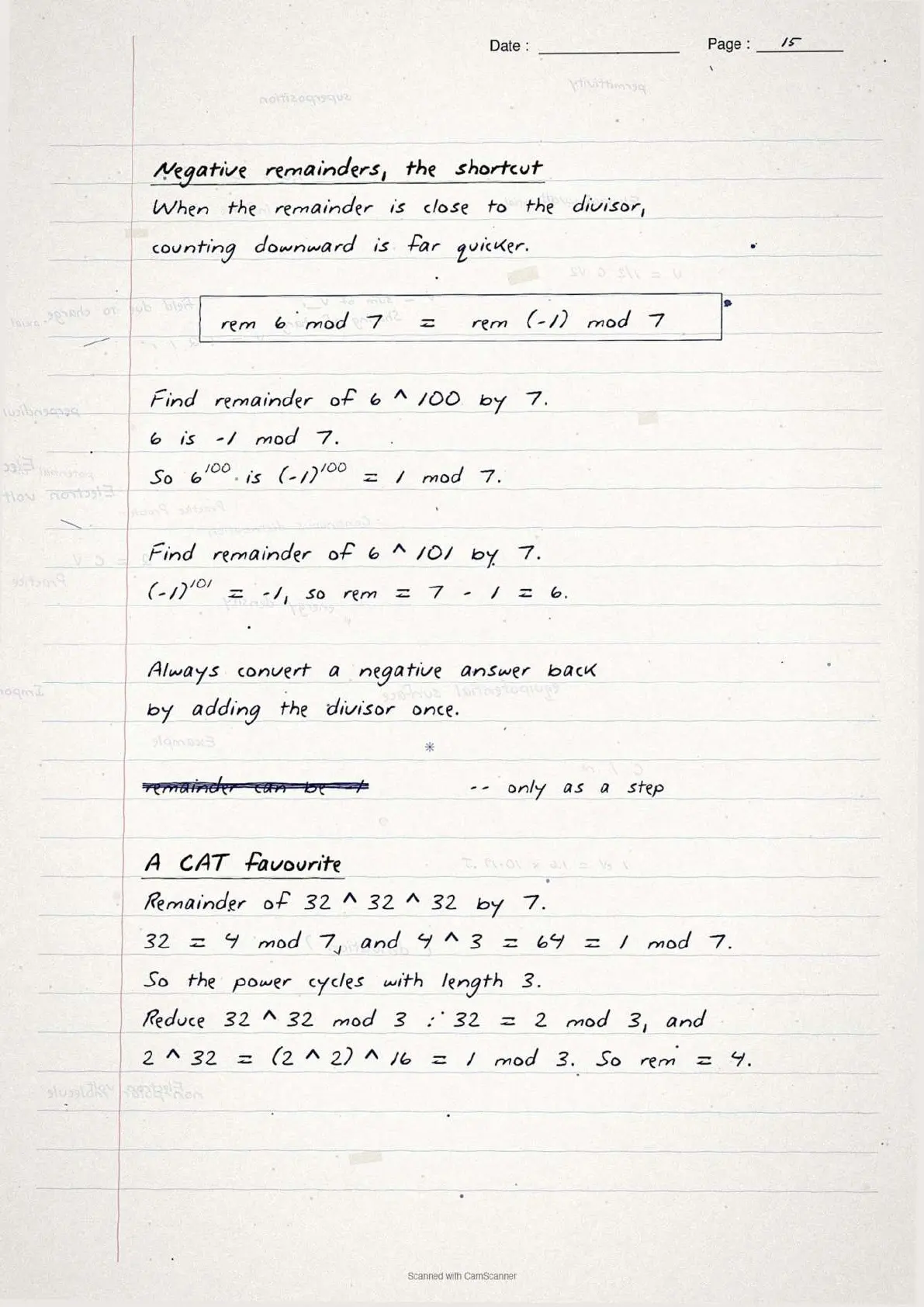
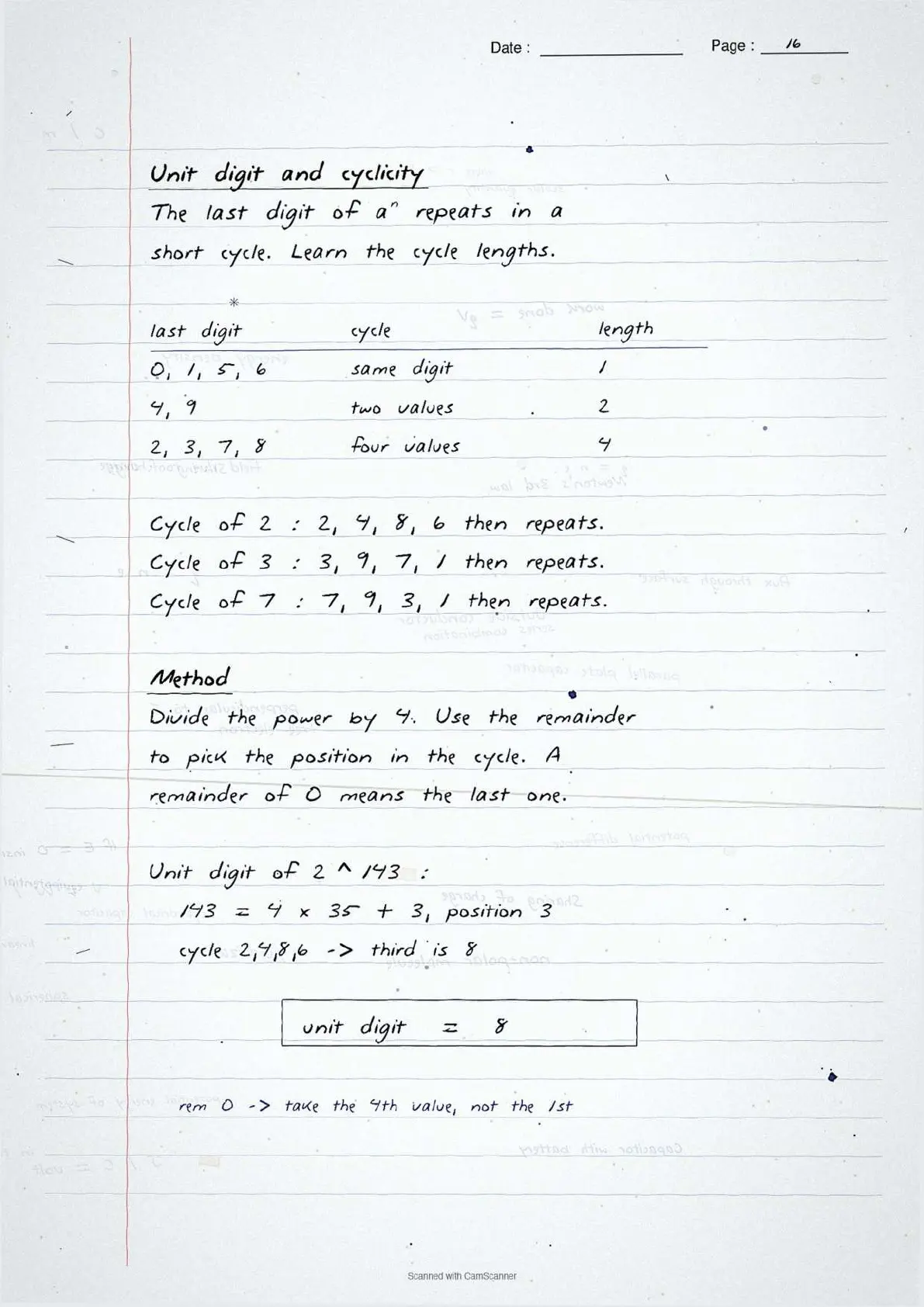
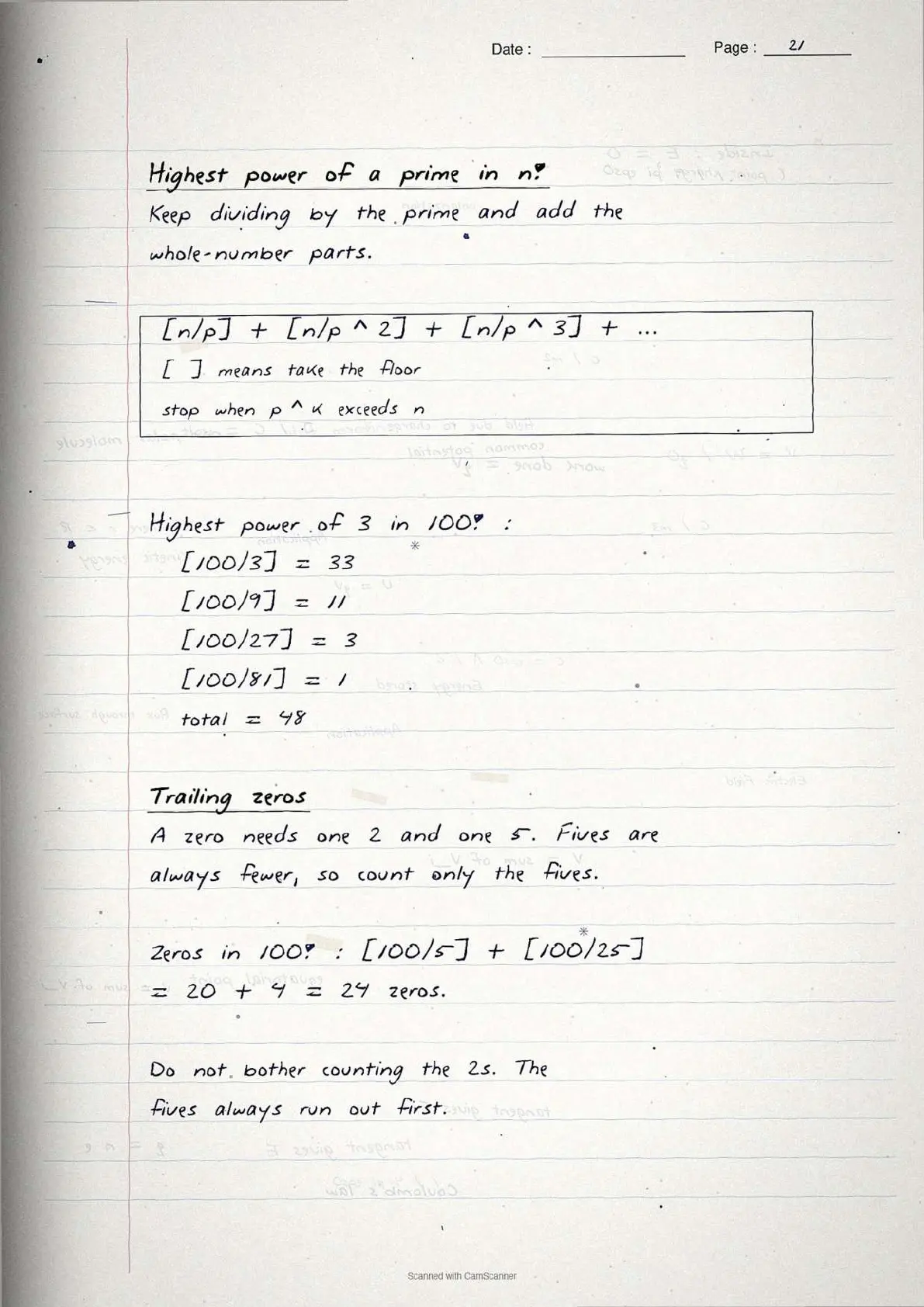
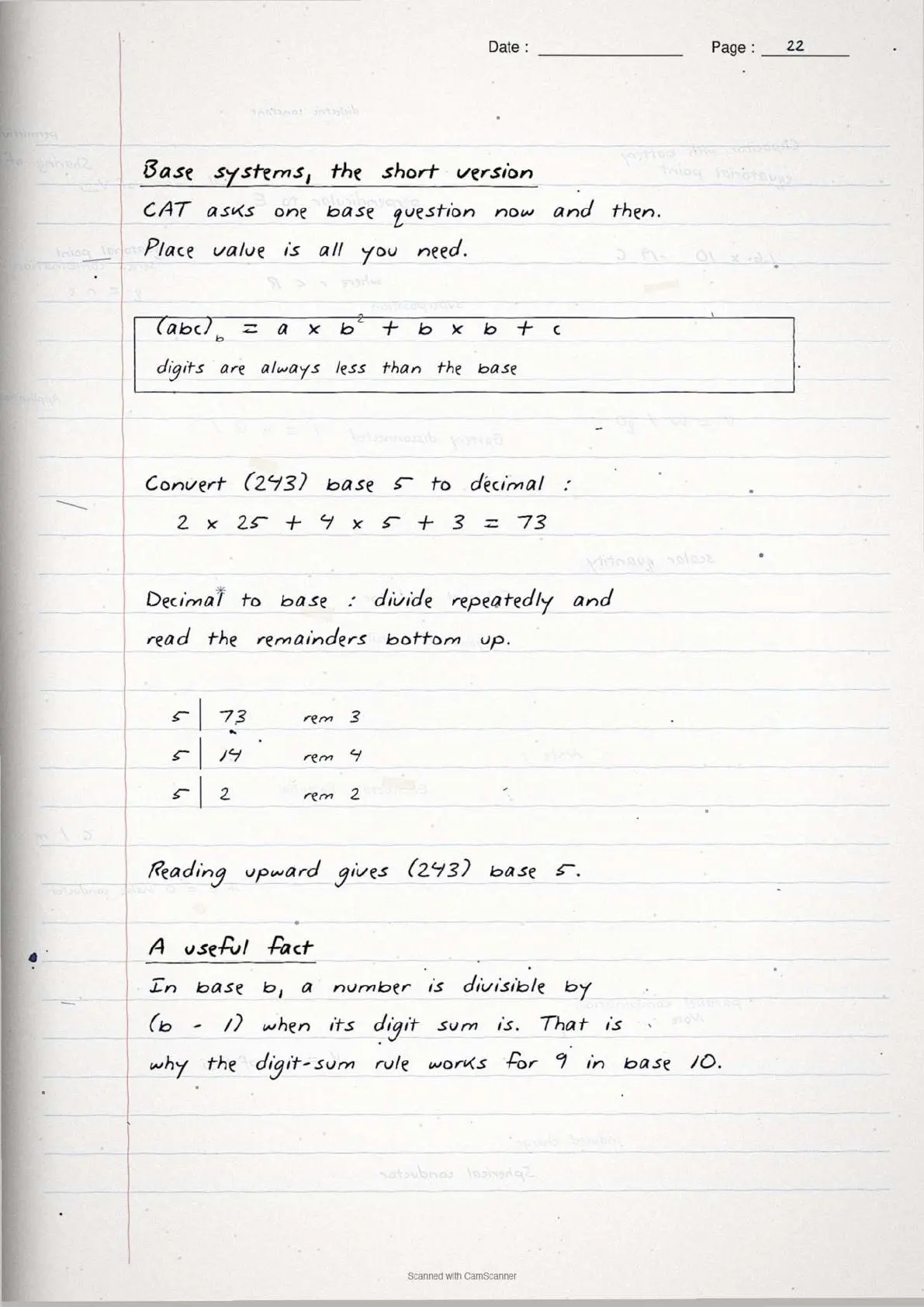
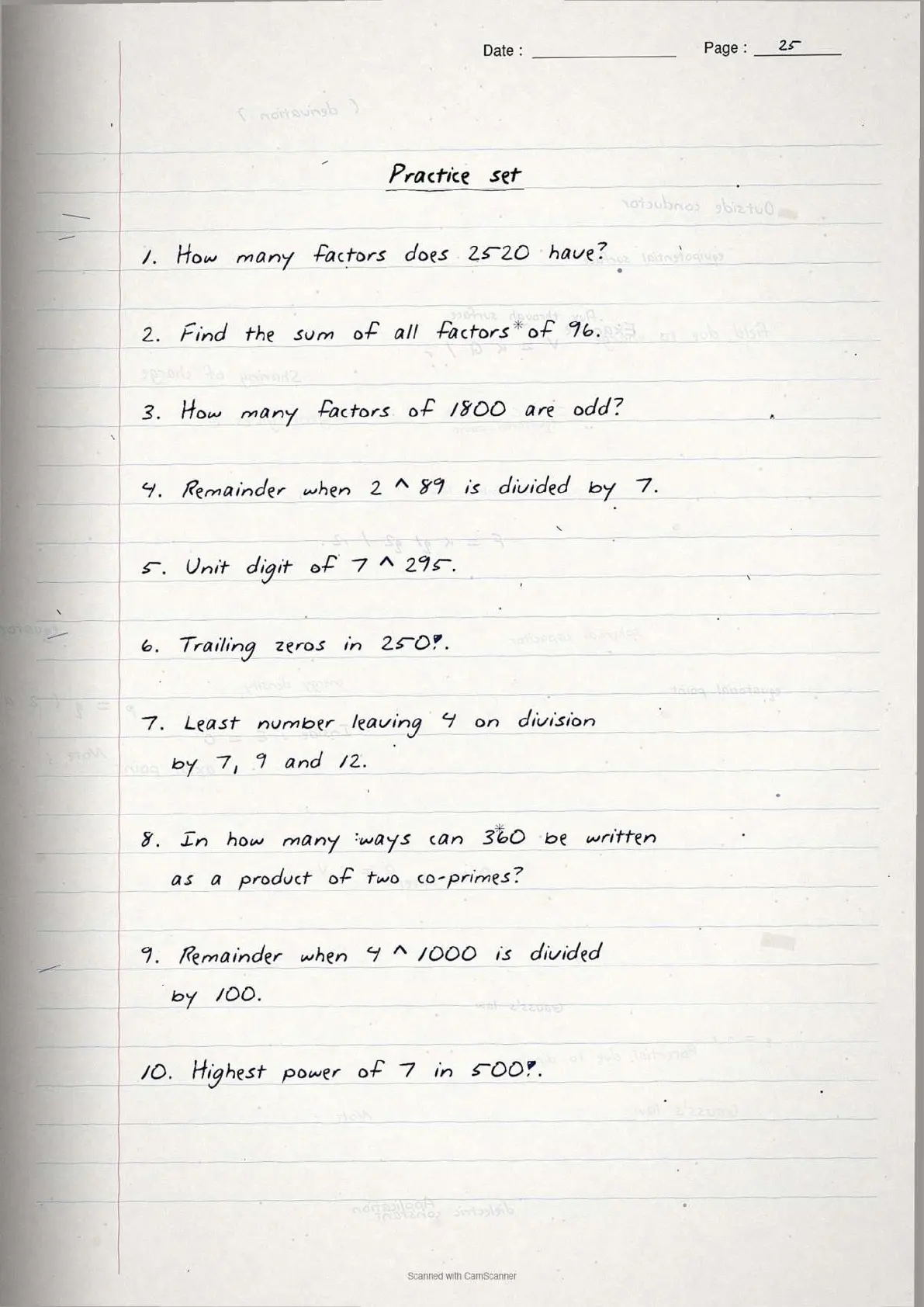
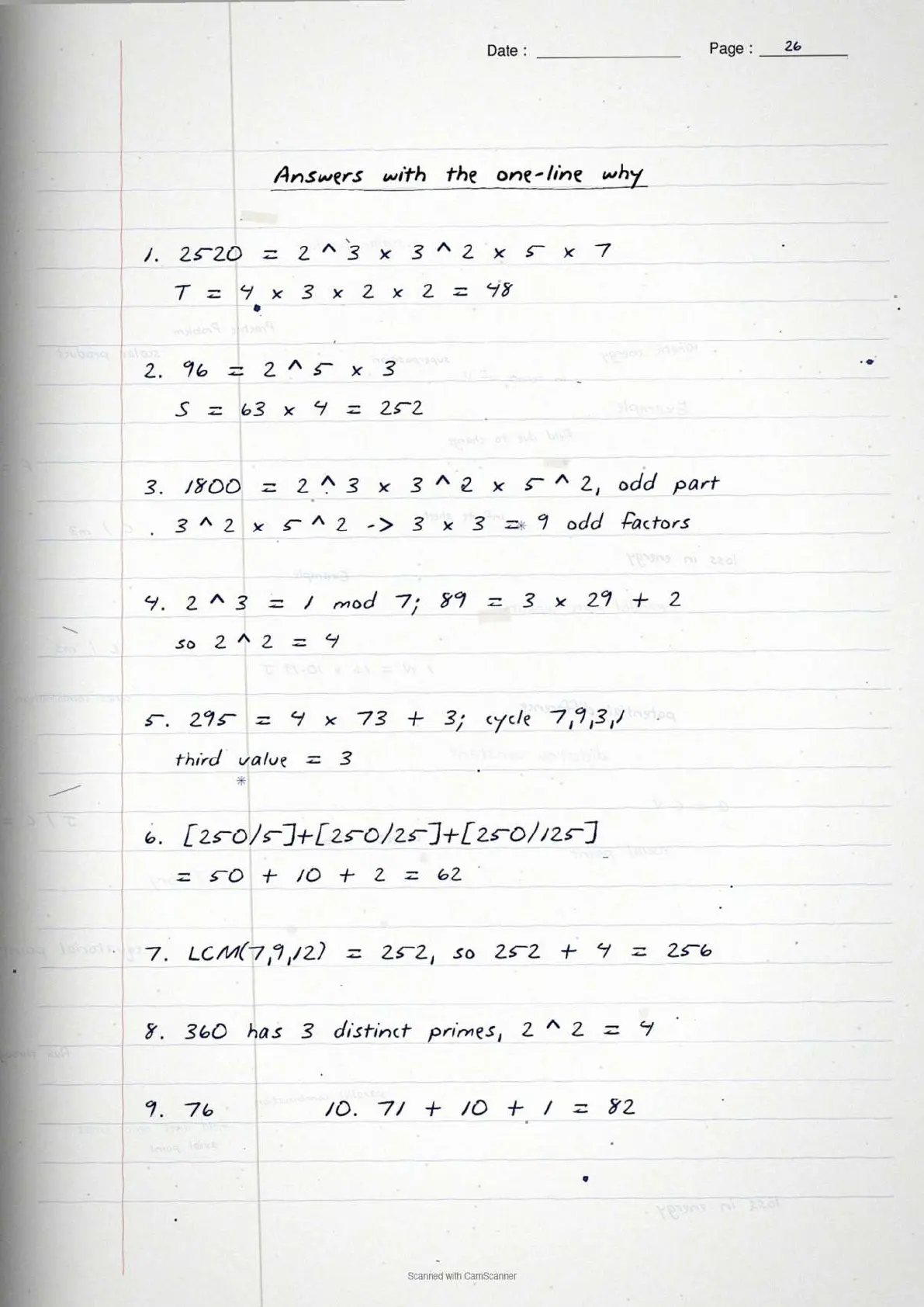
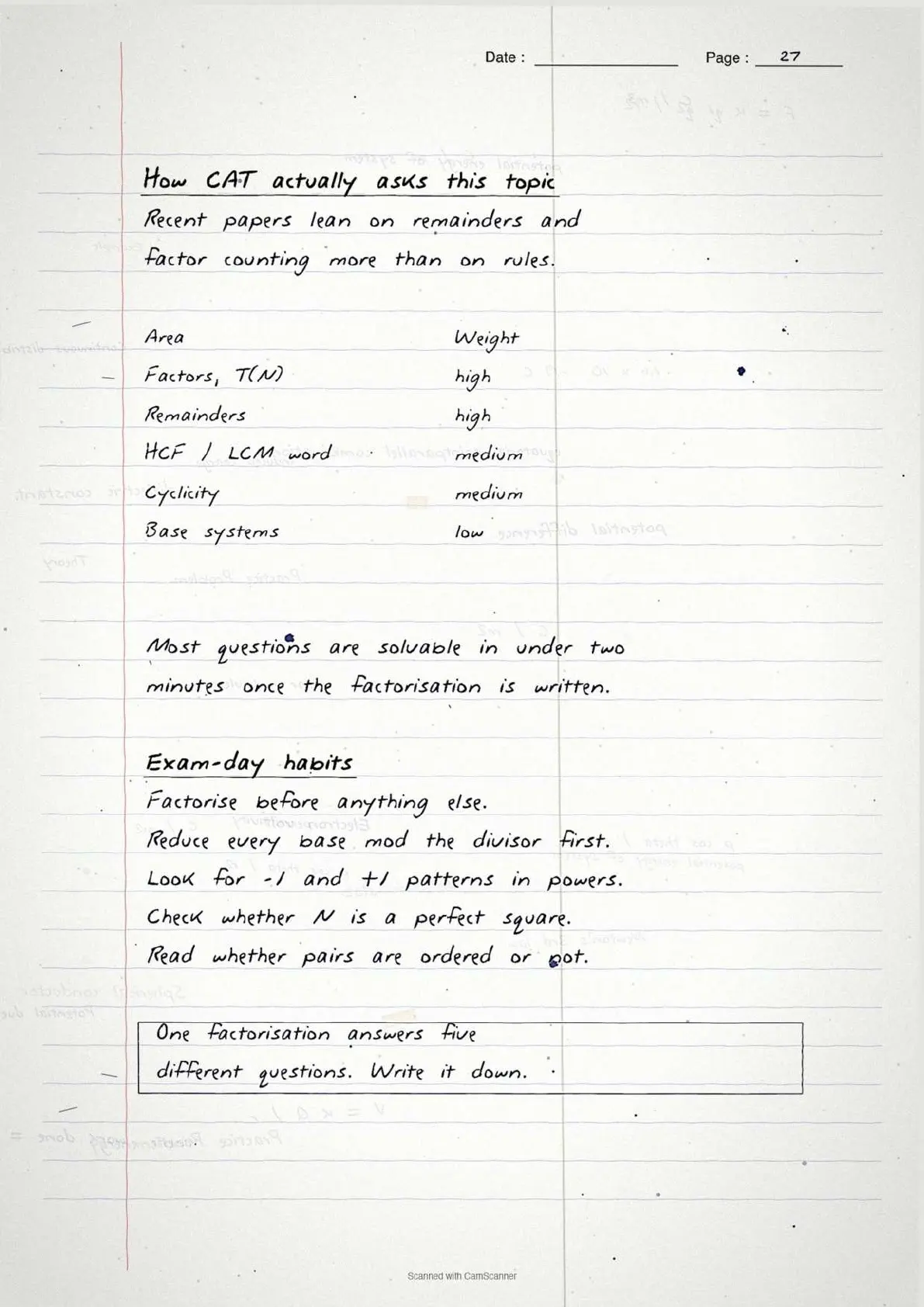
The notes are written the way students actually revise: prime factorisation first, then every formula built on top of it. Each rule sits beside a worked number, so you can follow the arithmetic rather than trust it.
Why Number System Pays Off in CAT Quant
Quant carries 22 questions in the recent CAT pattern. Number system usually contributes about 2 to 4 of them, which is roughly 6 to 12 marks before you touch a single Arithmetic or Algebra sum.
What makes it worth the time is reuse. A clean prime factorisation answers several different questions at once.
- How many factors a number has, and how many are odd or even
- The sum and product of all those factors
- HCF and LCM without any long division
- Whether the number is a perfect square, which changes the factor count to odd
Divisibility Rules Worth Committing to Memory
The notes group the rules by how they behave, not by number order. Powers of two read the last digits. Three and nine read the digit sum. Seven, eleven and thirteen need one short step each.
- By 4 and 8: check the last two and last three digits
- By 3 and 9: add the digits and test the total
- By 7: double the last digit and subtract it from the rest
- By 11: take the alternating digit sum
- By 13: multiply the last digit by four and add it back
For composite divisors, split into co-prime parts. Twelve becomes three and four, never two and six. The notes show why the second split quietly fails.
Counting Factors Without Writing Them Out
Once a number is in the form of primes raised to powers, the count comes from adding one to each power and multiplying. The notes run this on 7,200 and reuse the same factorisation five more times.
- Odd factors: drop the block of twos, then count what remains
- Even factors: total minus odd, never counted directly
- Square factors: keep only the even powers
- Factor pairs: half the total, with a self pair when the number is a perfect square
HCF and LCM in the Questions CAT Actually Sets
Line up the primes, take the lowest powers for HCF and the highest for LCM. The harder part is reading which one a word problem wants, so the notes sort the phrasings.
- Bells or lights that repeat together point to LCM
- The largest tile or greatest common measure points to HCF
- A least number leaving the same remainder each time is the LCM plus that remainder
- For fractions, HCF is HCF of numerators over LCM of denominators
One caution the notes flag in writing: HCF times LCM equals the product of the numbers only for two numbers. Students carry it to three and lose the mark.
Remainders and the Two Minute Save
Most remainder questions look heavy and are not. Reduce every base before you multiply, and look for a power that lands on one or on minus one.
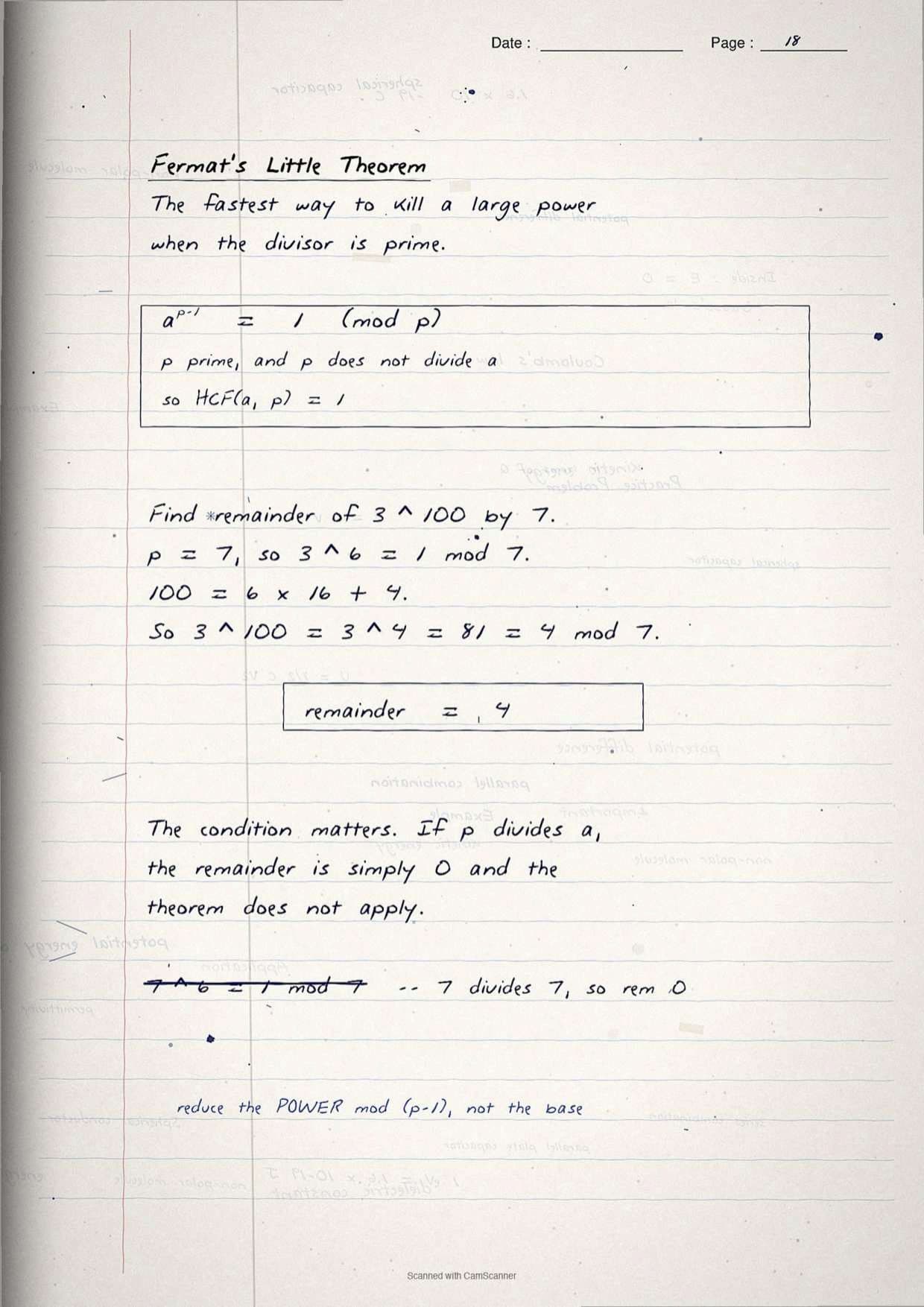
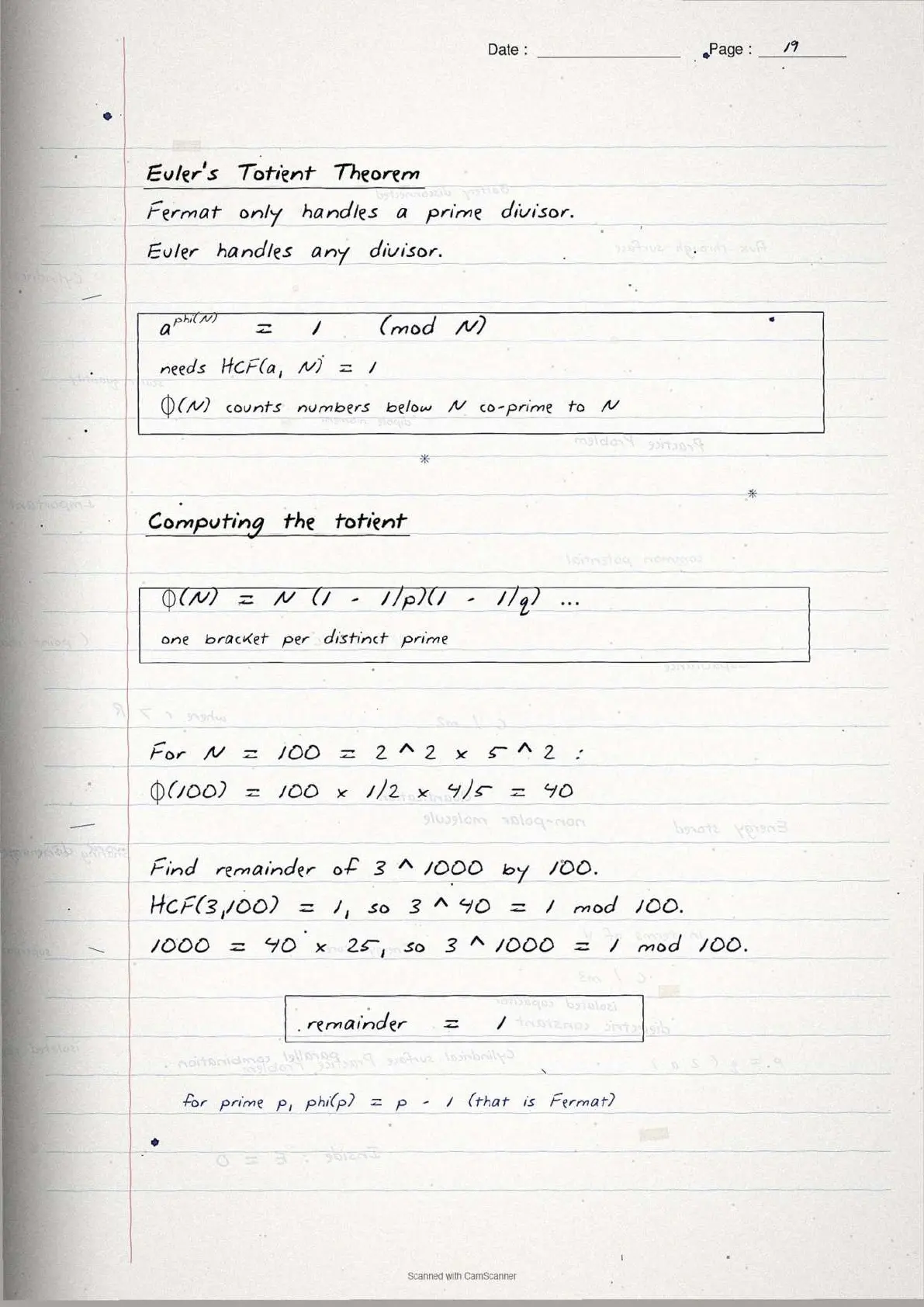
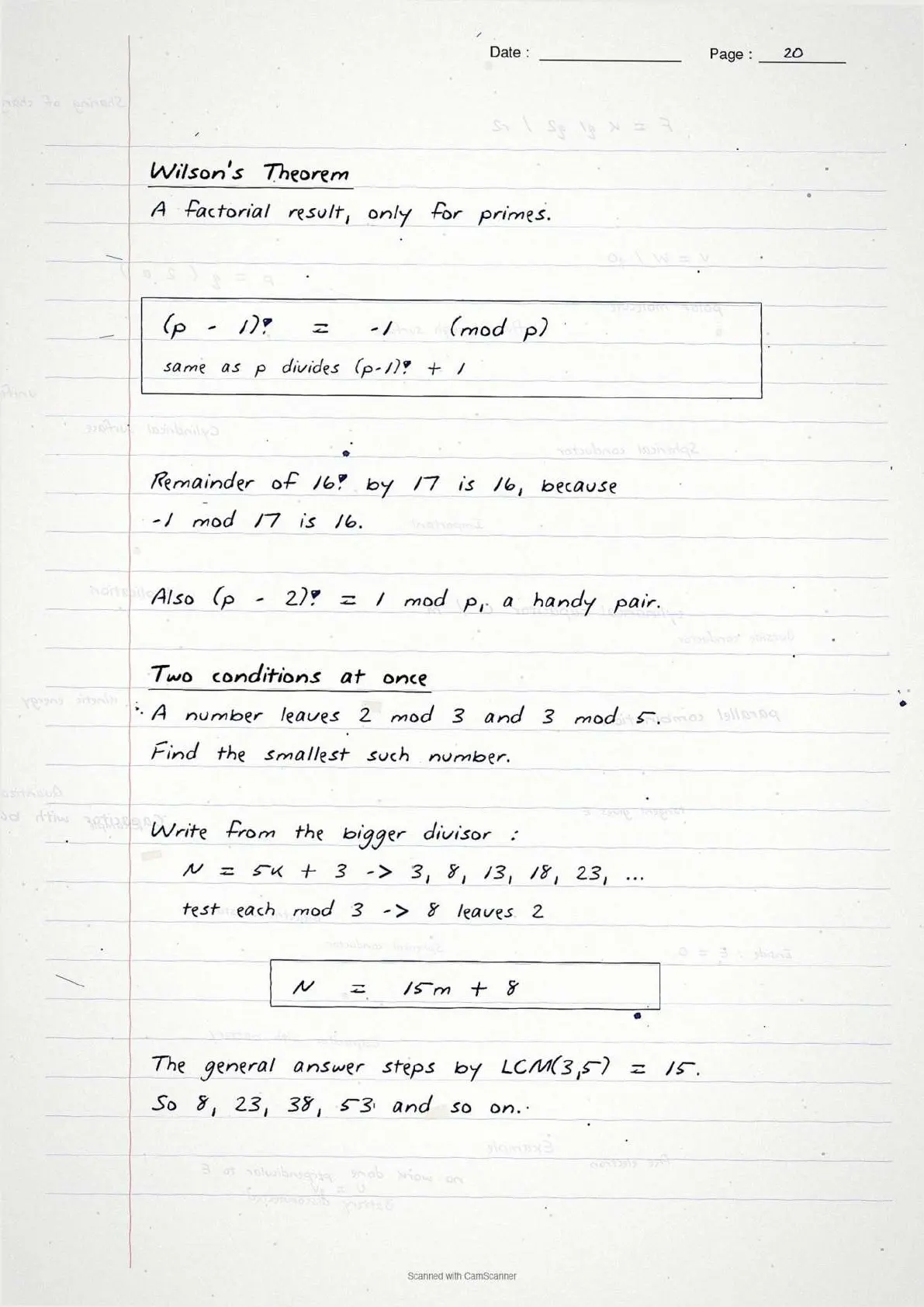
Negative remainders do most of the work. Treating 6 as minus one against 7 turns a hundredth power into a single line. The notes carry that idea into Fermat, Euler and Wilson theorems.
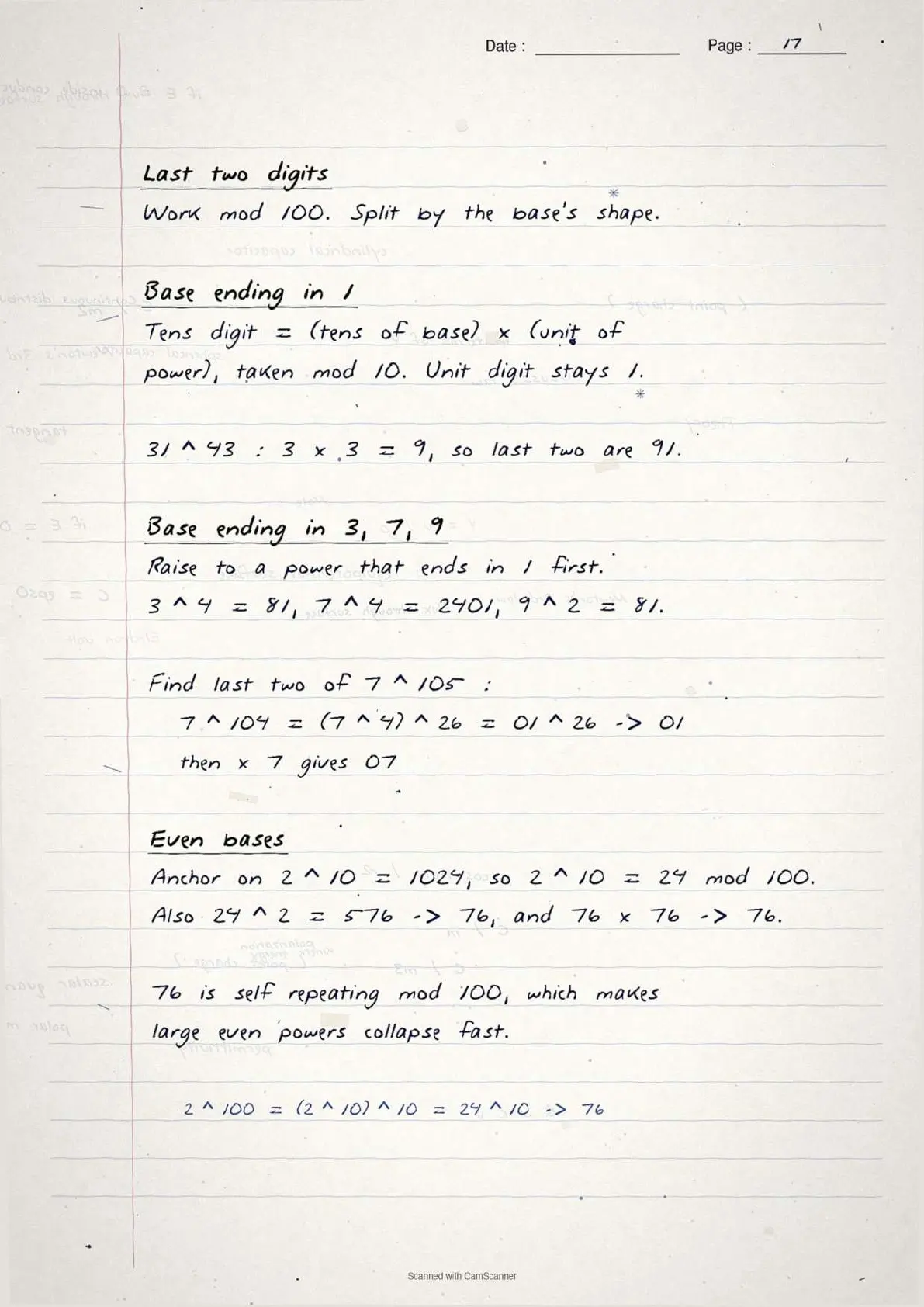
The same page set covers cyclicity. Unit digits repeat in cycles of four at most, so dividing the power by four picks the answer. Last two digits get their own method, anchored on the powers that end in one.
Trailing zeros close the topic. Count how many fives sit inside a factorial, since the twos always outnumber them.
Watch Divisibility Explained on a Board
Source: Rodha
Where Students Lose Marks Here
Almost every wrong answer in this area comes from a small habit, not a hard concept. The notes mark these with corrections written in, the way you would flag your own mistake.
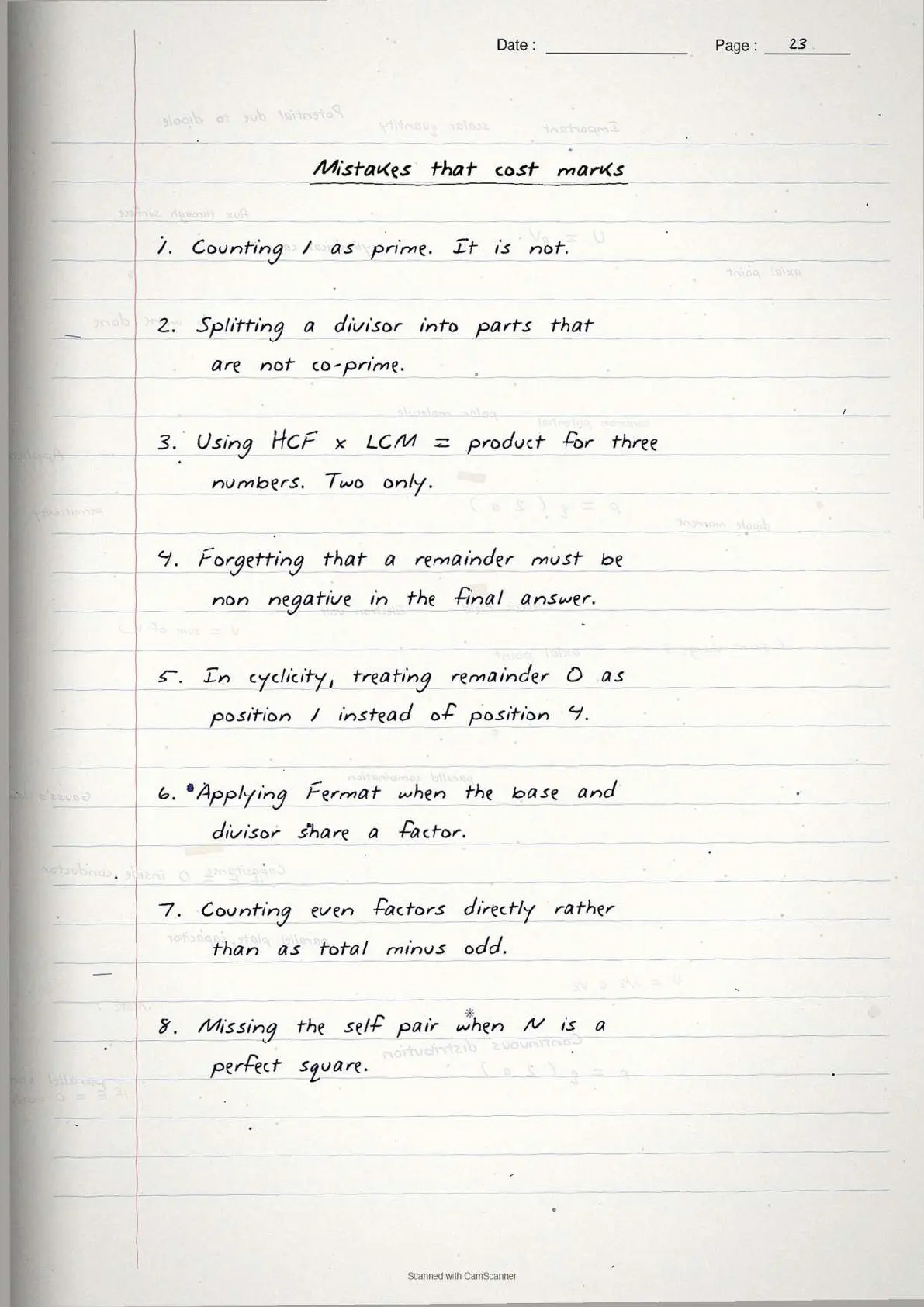
- Treating 1 as prime, or forgetting 2 is the only even prime
- Splitting a divisor into parts that are not co-prime
- Using the HCF times LCM shortcut on three numbers, where it does not hold
- Leaving a remainder negative in the final answer
- Reading remainder zero in a cycle as the first value instead of the last
How to Use These Notes Before the Exam
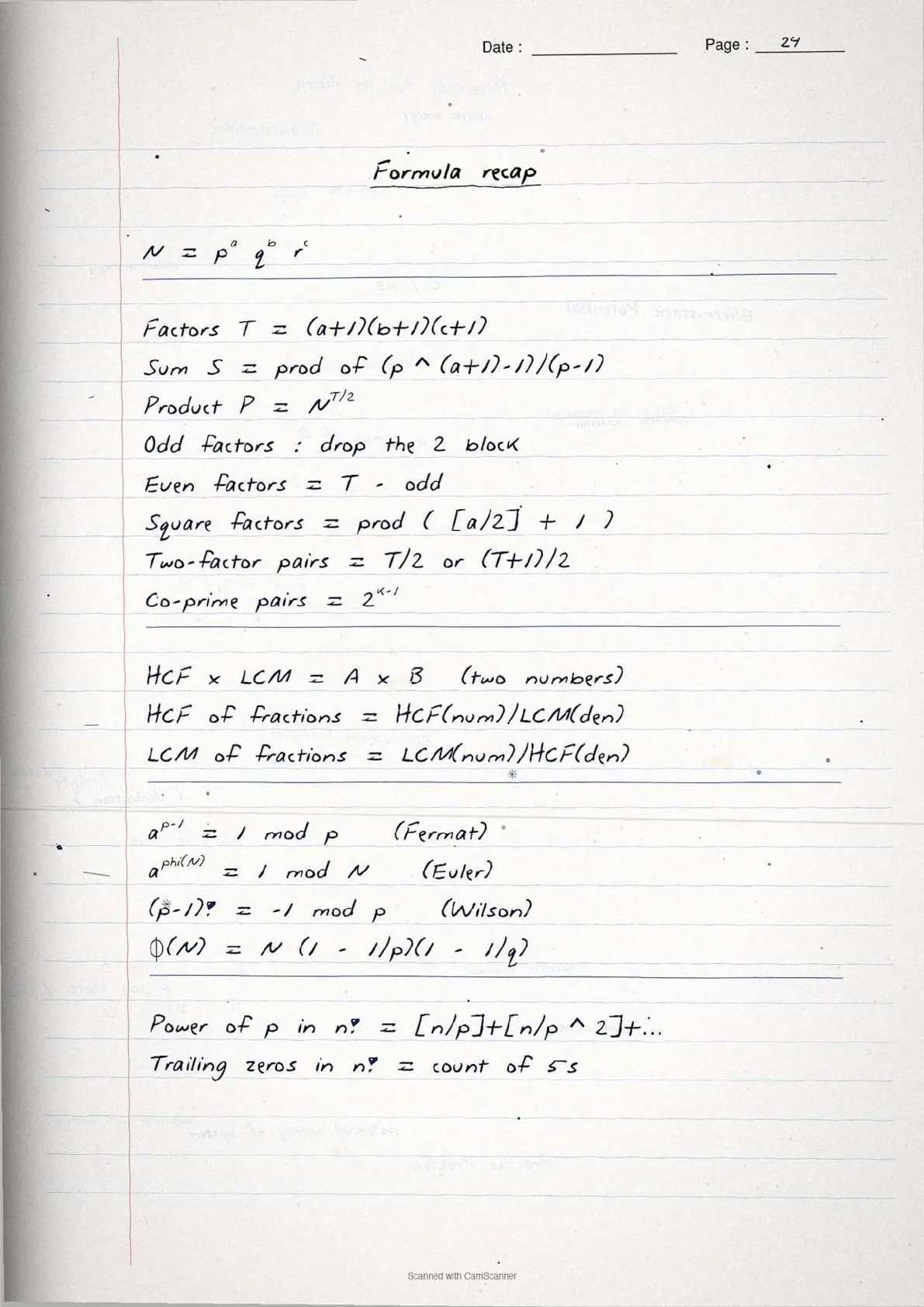
Read them once slowly, then treat the last four pages as your revision set. The formula recap and the ten question practice set are built for a final pass.
- Factorise before you attempt anything else in the question
- Check whether the number is a perfect square early
- Read whether the question wants ordered or unordered pairs
- Do the practice set closed book, then check the one line reasons
Students who keep one clean factorisation at the top of the rough sheet finish these questions faster than students who restart for each part.
CAT Number System Handwritten Notes FAQs
Ques. How many questions come from number system in CAT?
Ans. Number system usually brings about 2 to 4 questions in the Quant section, which works out to roughly 6 to 12 marks. Factors and remainders are the two most repeated sub-areas.
Ques. Are these notes enough for CAT number system, or do students need a book as well?
Ans. The 27 pages cover the full CAT syllabus for this topic, from divisibility rules up to Euler and Wilson. Students should still solve a separate question bank for volume, since the notes carry ten practice questions.
Ques. Which part of number system should students study first?
Ans. Start with prime factorisation. Factor counting, sum of factors, HCF, LCM and square factors are all built on it, so the rest of the topic falls in place much faster once it is solid.
Ques. Do students need Fermat, Euler and Wilson theorems for CAT?
Ans. They are worth knowing. A hard remainder question with a large power becomes a one line answer with them, and CAT has asked that shape before. The notes show each one on a solved number.
Ques. Can the notes be downloaded for free?
Ans. Yes. The full 27 page PDF can be read on this page and downloaded at no cost, so students can print it or keep it on a phone for revision.



Comments