KU BA JMC FAQs
Ques. Is the BA Journalism and Mass Communication at Kerala University a full-time on-campus course or can it be done through distance mode?
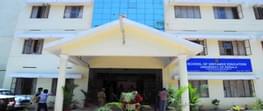
Ans. The BA Journalism and Mass Communication offered under course_id 5967 at Kerala University is strictly a full-time, on-campus programme offered through affiliated Government, Aided, and Self-Financing colleges. It is not available through the School of Distance Education (SDE) of Kerala University. The SDE offers BA programmes in subjects like Economics, English, History, Malayalam, Political Science, and Sociology, but not in Journalism and Mass Communication. Students must attend college regularly for lectures, practicals, and internal assessments.
Ques. How many seats are available for BA JMC at Kerala University affiliated colleges, and how competitive is the admission?
Ans. The typical seat intake for BA Journalism and Mass Communication at each affiliated college is 30 seats. Given the limited number of colleges offering this course and the popularity of media careers in Kerala, admission can be competitive, especially at well-known government and aided colleges. Ranking is based on index marks from Class 12, and candidates who have studied Journalism at the +2 level get an additional 10% weightage on their Journalism marks, which can make a significant difference in the rank list.
Ques. What is the actual fee I will pay per semester at a government or aided college for this course?
Ans. For the 2026-27 batch, the tuition fee for Semesters 1 and 2 is Rs. 840 each, and from Semester 3 onwards it is Rs. 8,470 per semester. The total tuition fee for the 3-year course comes to Rs. 35,560. Additionally, a one-time admission fee of Rs. 105 and a refundable caution deposit of Rs. 1,000 are charged. However, if you are eligible for e-grants or government scholarships (SC/ST/OBC/SEBC/EWS), you may be fully or partially exempt from these fees. At self-financing colleges, fees are considerably higher.
Ques. Does Kerala University offer a 4-year BA JMC programme under FYUGP, and what are the benefits of staying for the 4th year?
Ans. Yes, under the FYUGP (Four Year Undergraduate Programme) framework aligned with NEP 2020, students can choose to exit after 3 years with a Bachelor's degree (133 credits) or continue for a 4th year to earn a Bachelor's (Honours) or Bachelor's (Honours with Research) degree (177 credits). Students who score 75% or above in the first six semesters are eligible for the Honours with Research stream. The 4-year degree is increasingly valued by employers and is required for direct PhD admission without a separate master's degree, making it a worthwhile option for academically strong students.
Ques. What career options are available after completing BA JMC from Kerala University?
Ans. Graduates of BA JMC from Kerala University can pursue careers in print journalism (reporters, sub-editors, feature writers), television and radio broadcasting, digital media and content creation, public relations and corporate communications, advertising, and social media management. Kerala has a vibrant regional media industry with major Malayalam newspapers, TV channels, and digital platforms actively recruiting JMC graduates. Many students also pursue postgraduate programmes like MCJ (Master of Communication and Journalism) at Kerala University itself, or apply for IIMC, ACJ, and other premier journalism schools for PG courses.
Ques. Can students from outside Kerala apply for BA JMC at Kerala University affiliated colleges?
Ans. Yes, non-Keralite candidates (Indian citizens not of Kerala origin) are eligible to apply for BA JMC at Kerala University affiliated colleges. However, they are considered for allotment only after all Keralite applicants have been ranked and allotted. Non-Keralite candidates are not eligible for communal reservations (SC/ST/SEBC/OEC) or any government fee concessions. They must also meet the same academic eligibility criteria. In practice, given the large number of Keralite applicants, non-Keralite candidates may find it difficult to secure seats at popular government or aided colleges.


![Kerala University - [KU]](https://image-static.collegedunia.com/public/college_data/images/logos/1395485529Kerala University.png?h=71.7&w=71.7&mode=stretch)















.png?h=78&w=78&mode=stretch)

.png?h=78&w=78&mode=stretch)

.png?h=78&w=78&mode=stretch)








.png?h=72&w=72&mode=stretch)
.png?h=72&w=72&mode=stretch)
.png?h=72&w=72&mode=stretch)





Comments