





This is the AIIMS PG entrance examination from 2002, popularly archived today as NEET PG 2002, conducted by the All India Institute of Medical Sciences (AIIMS), New Delhi for admission to its own MD, MS and MDS seats. This compiled paper carries 200 questions from the original test booklet, each with a step-by-step solution.
| NEET PG 2002 Question Paper with Solutions | Download PDF | Check Solutions |
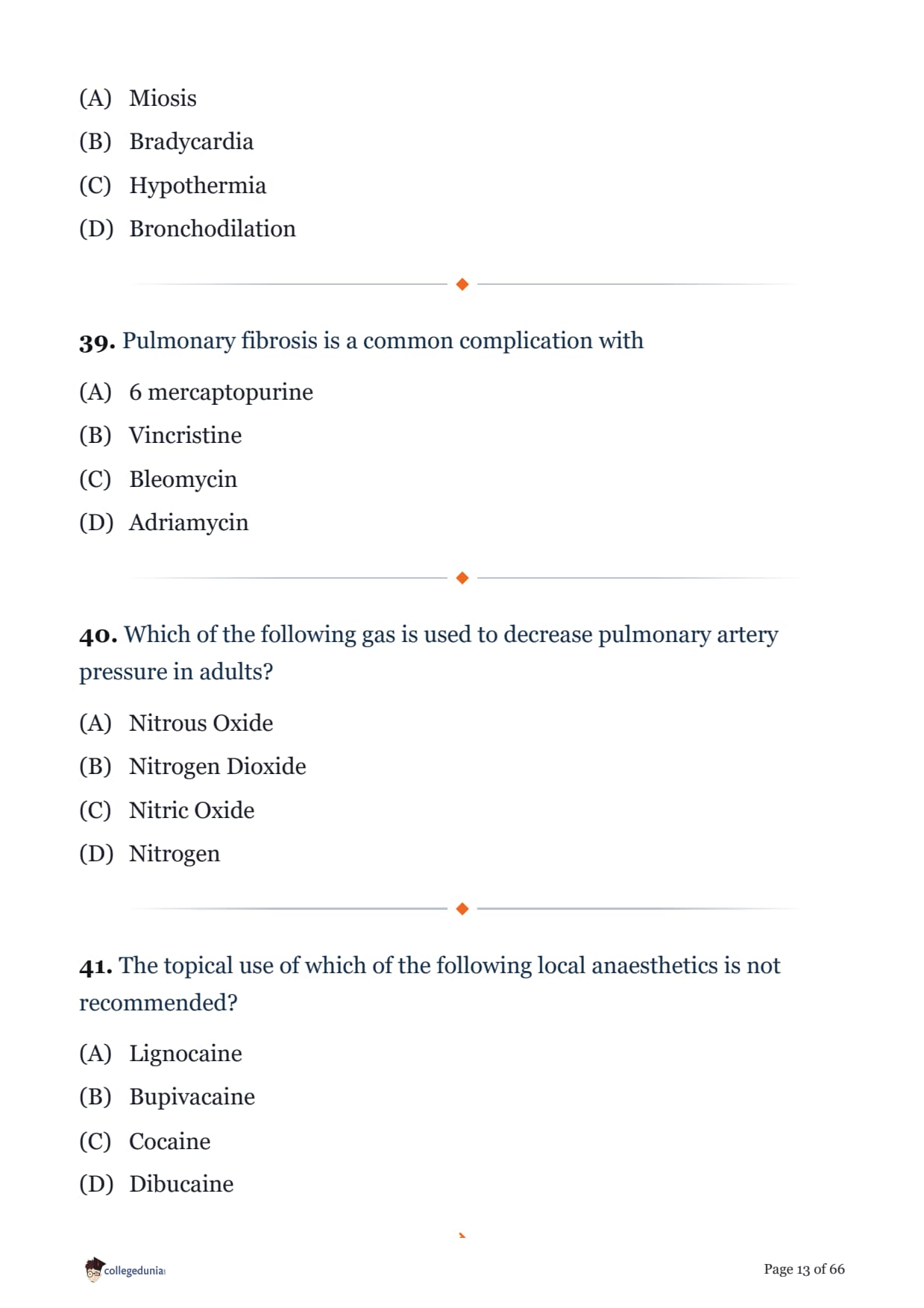
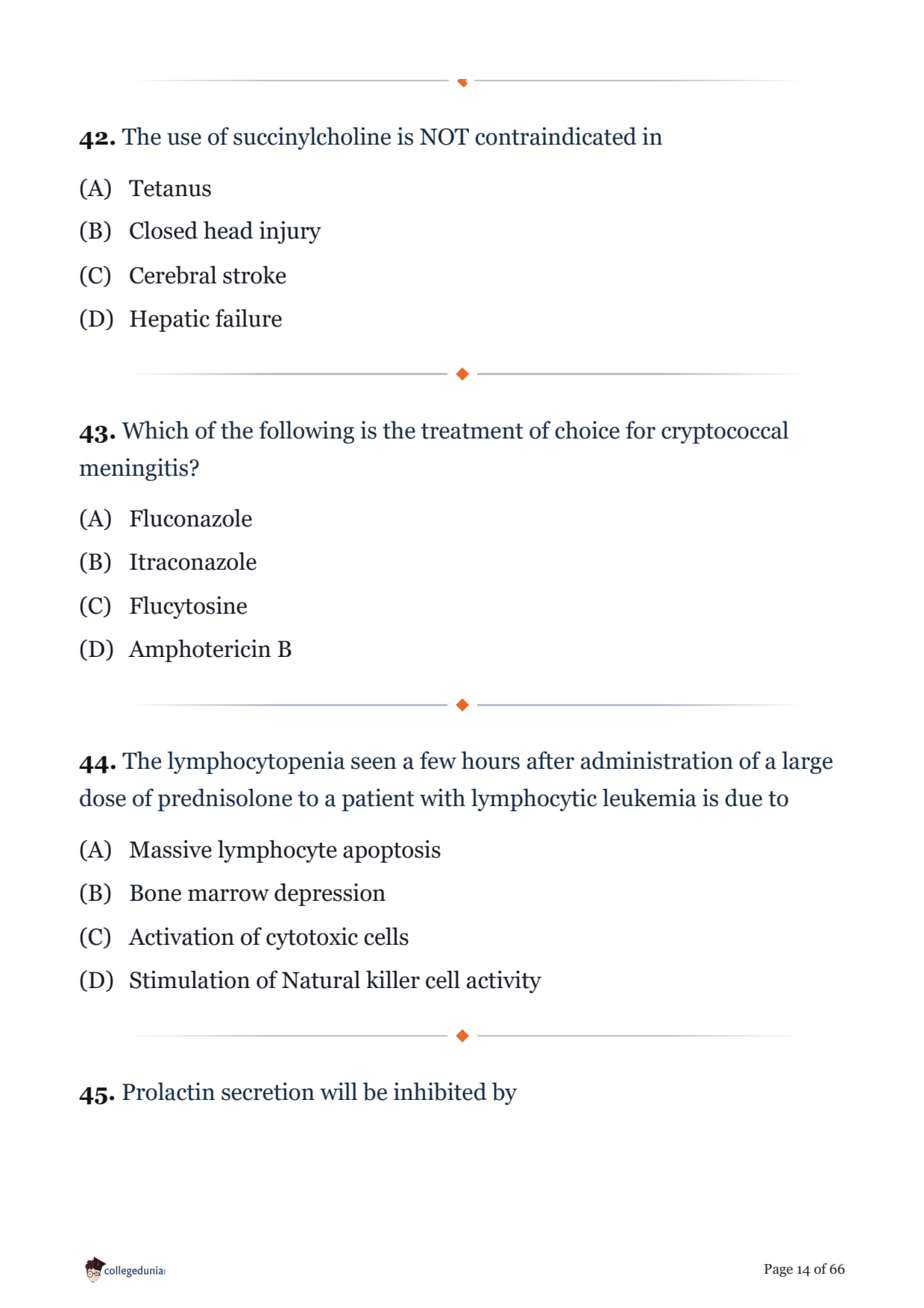
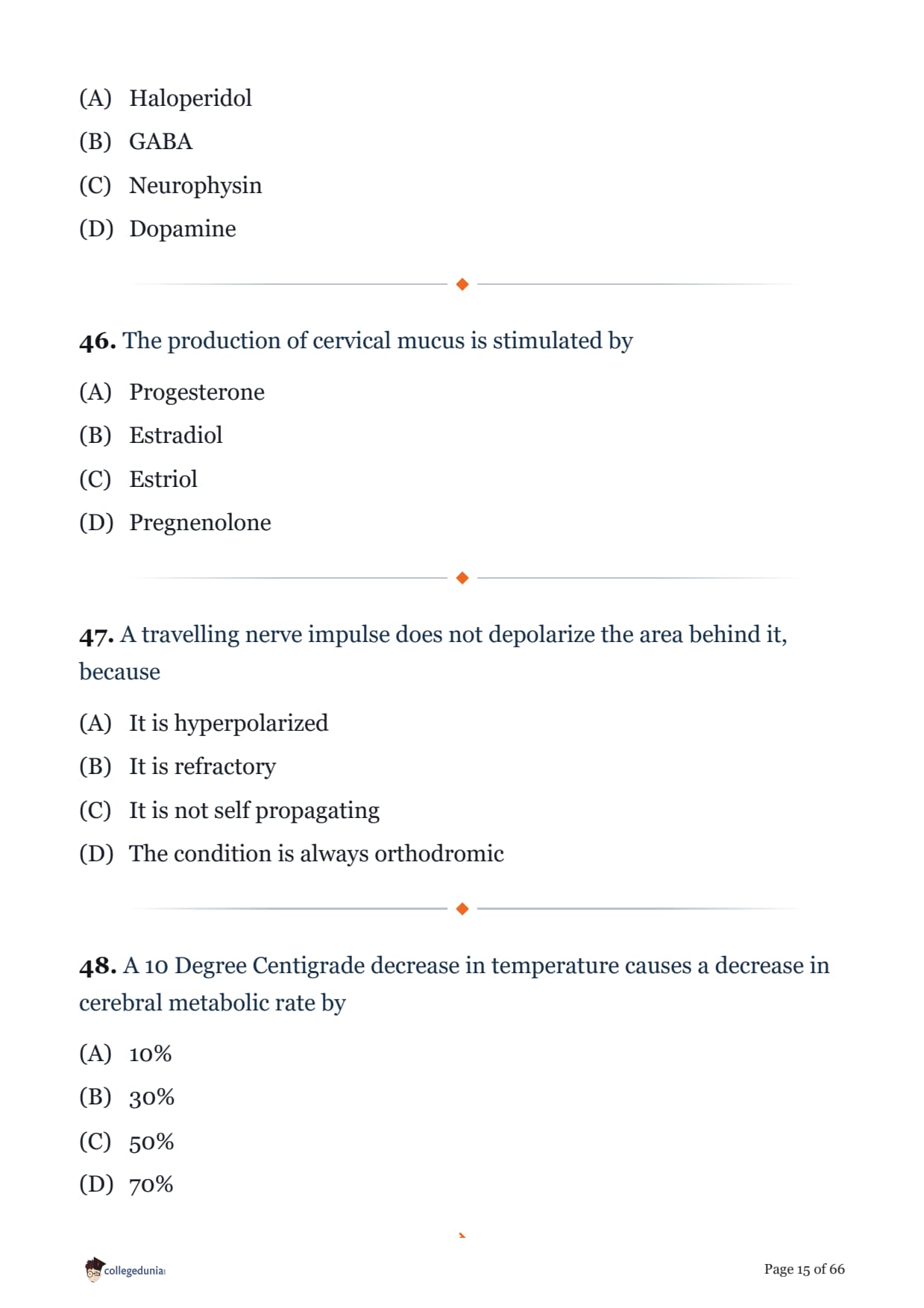
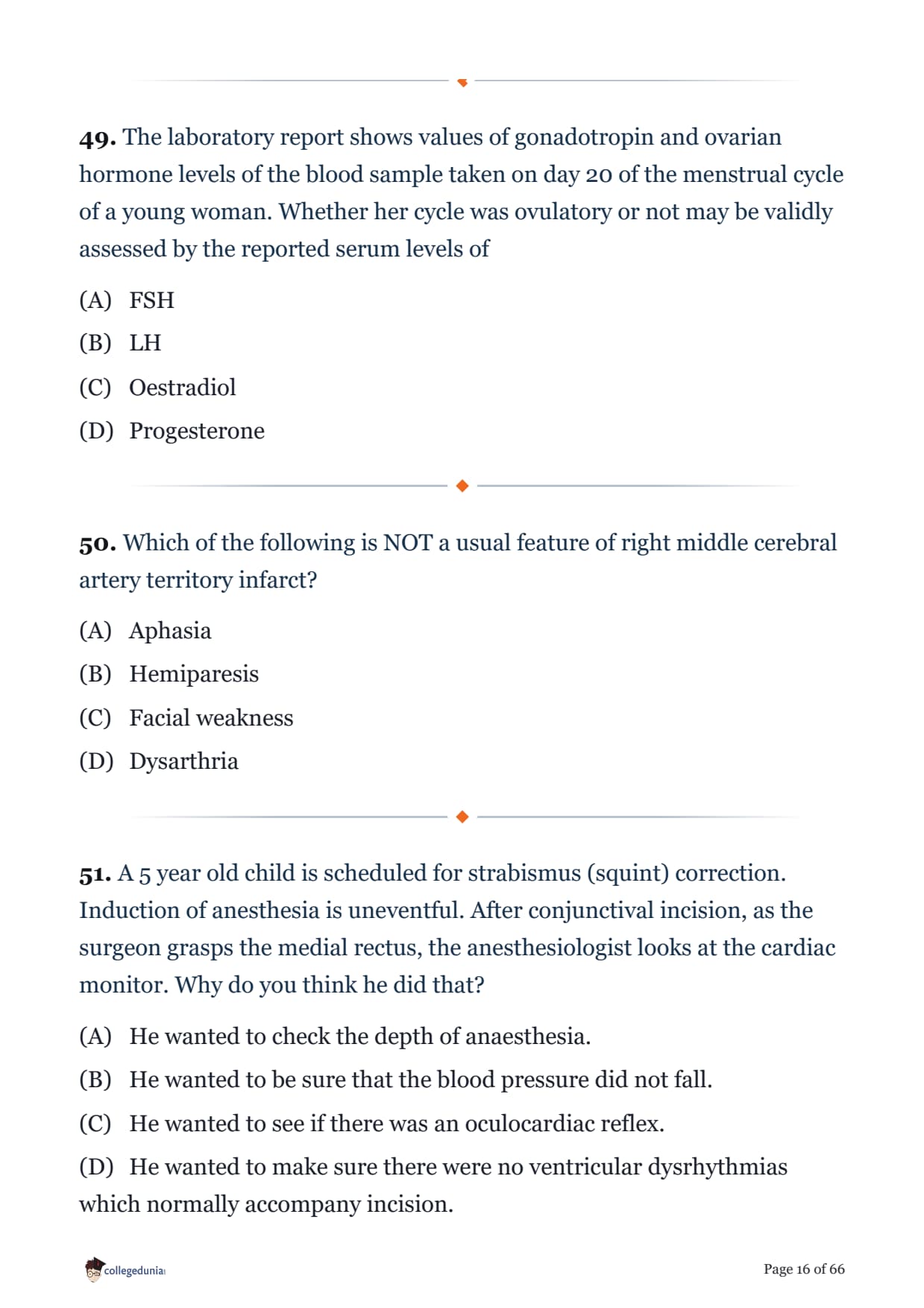
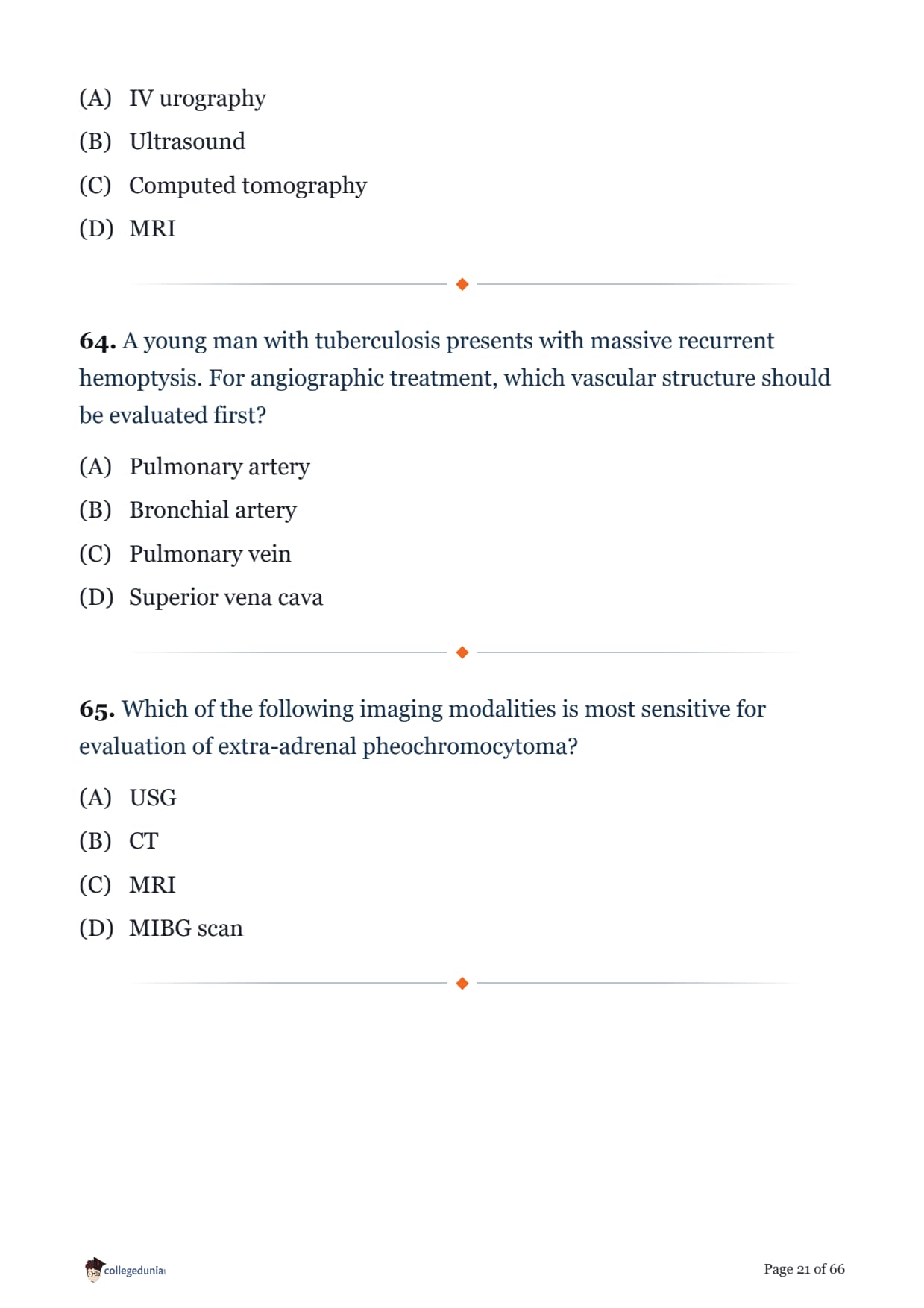
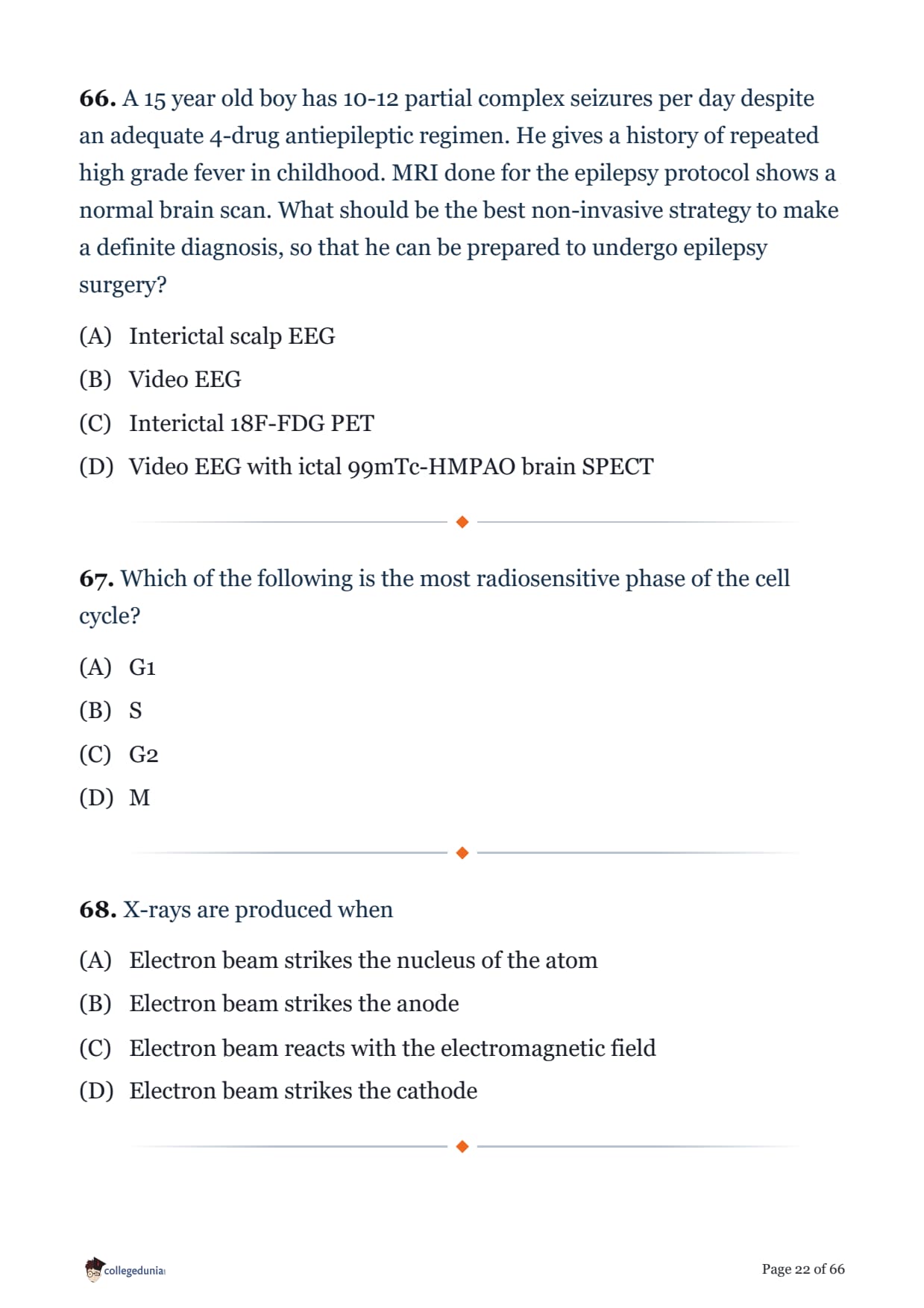
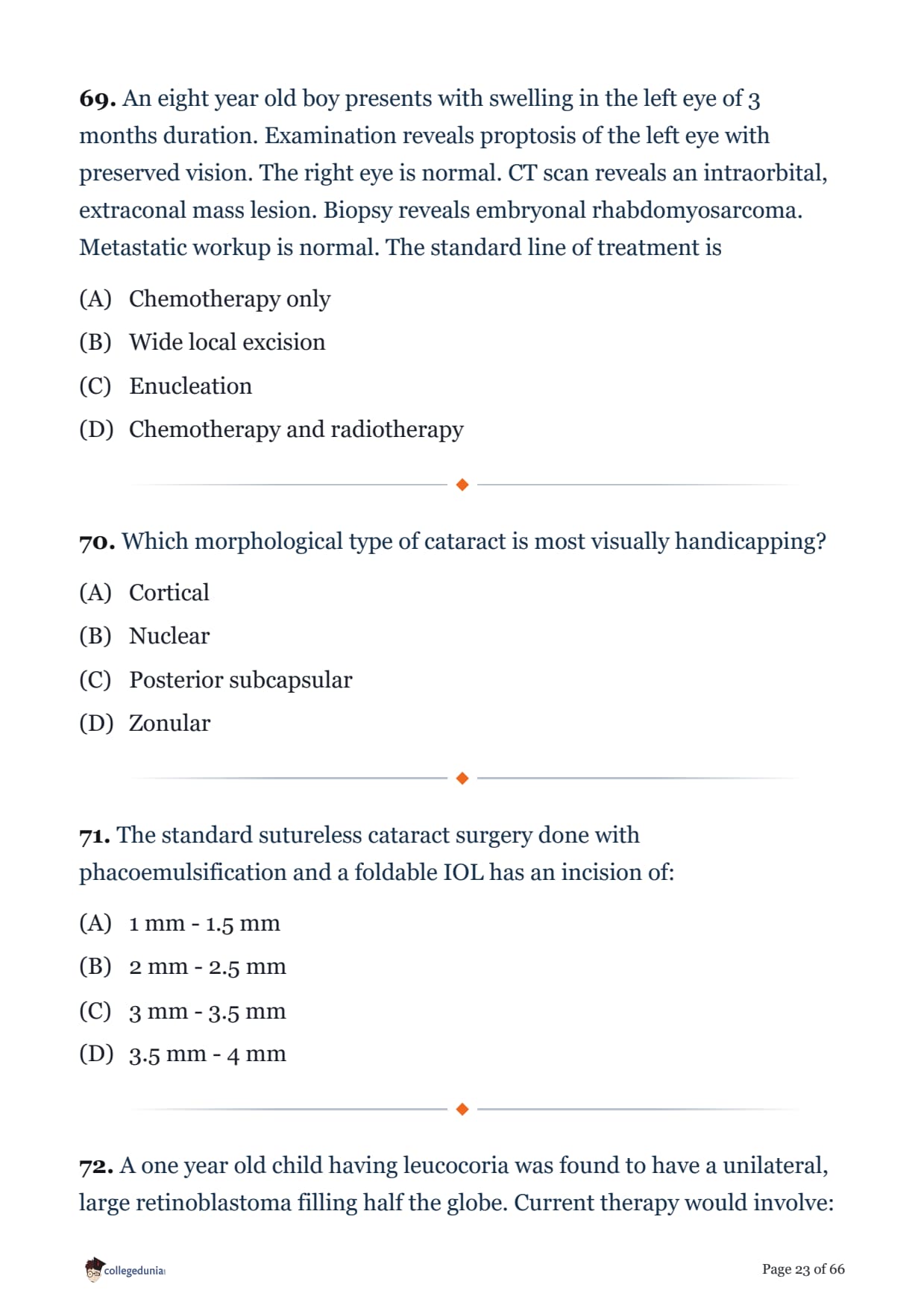
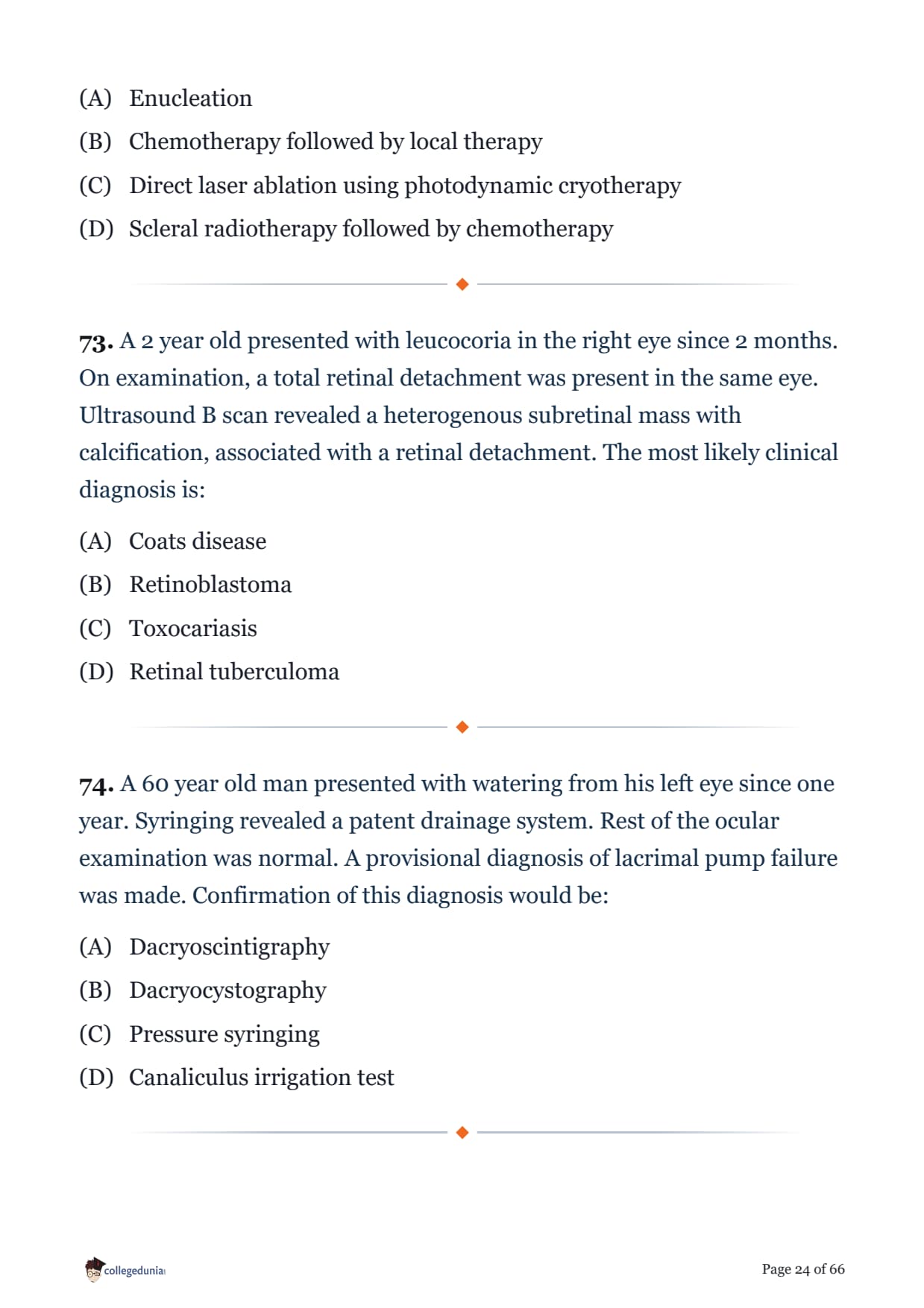
NEET PG 2002 Questions with Solutions
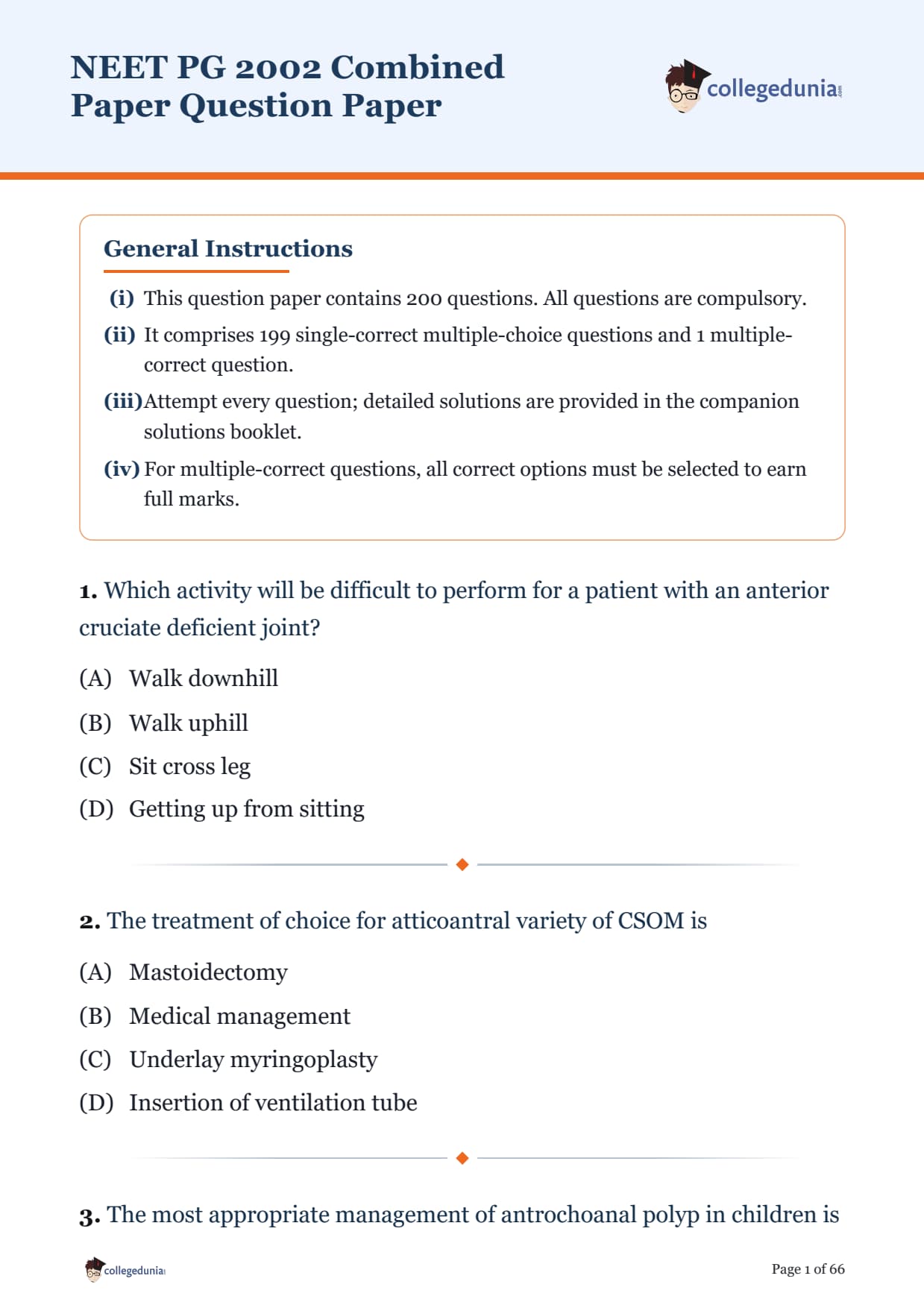
Which activity will be difficult to perform for a patient with an anterior cruciate deficient joint?
The treatment of choice for atticoantral variety of CSOM is
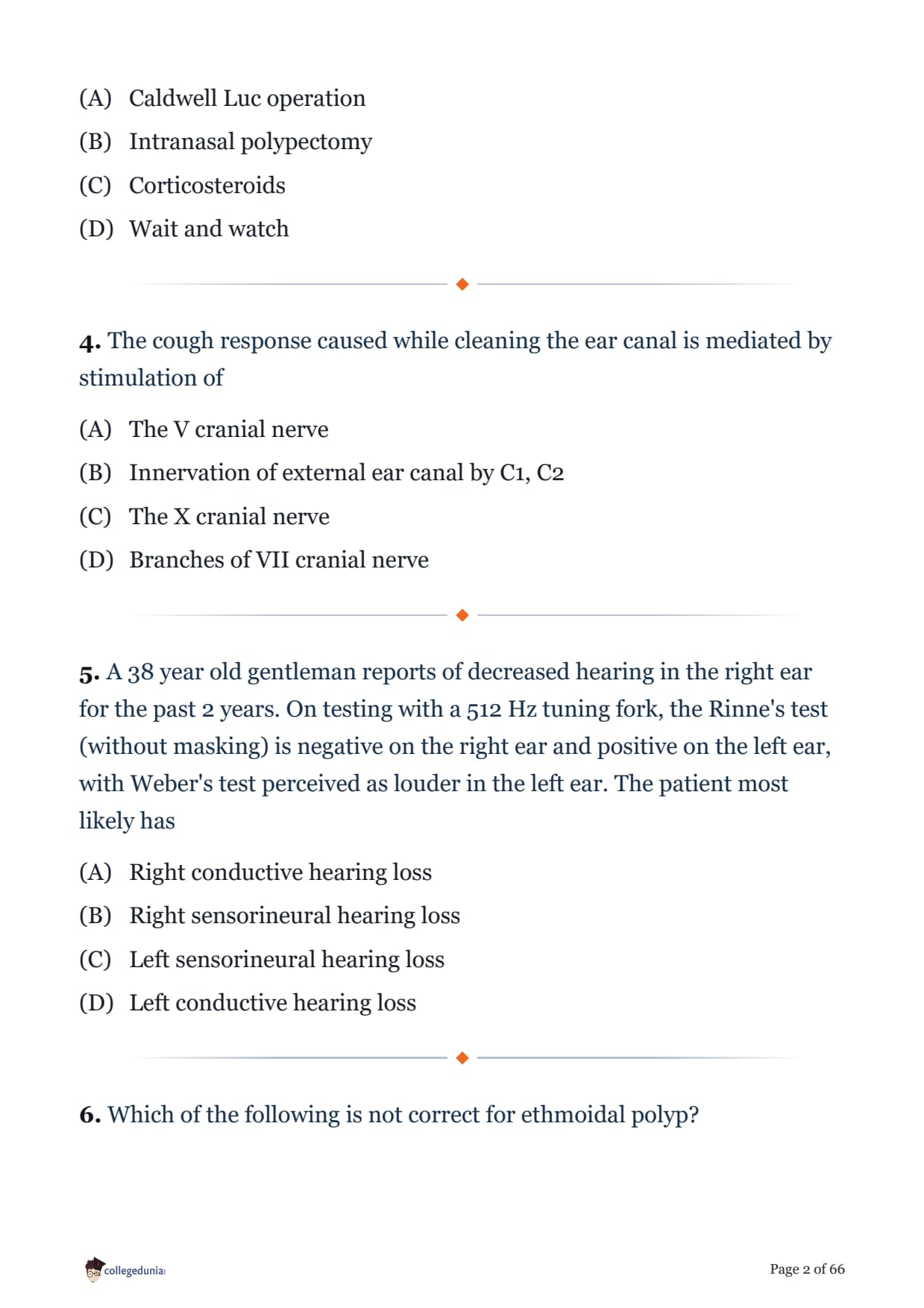
The most appropriate management of antrochoanal polyp in children is
The cough response caused while cleaning the ear canal is mediated by stimulation of
A 38 year old gentleman reports of decreased hearing in the right ear for the past 2 years. On testing with a 512 Hz tuning fork, the Rinne's test (without masking) is negative on the right ear and positive on the left ear, with Weber's test perceived as louder in the left ear. The patient most likely has
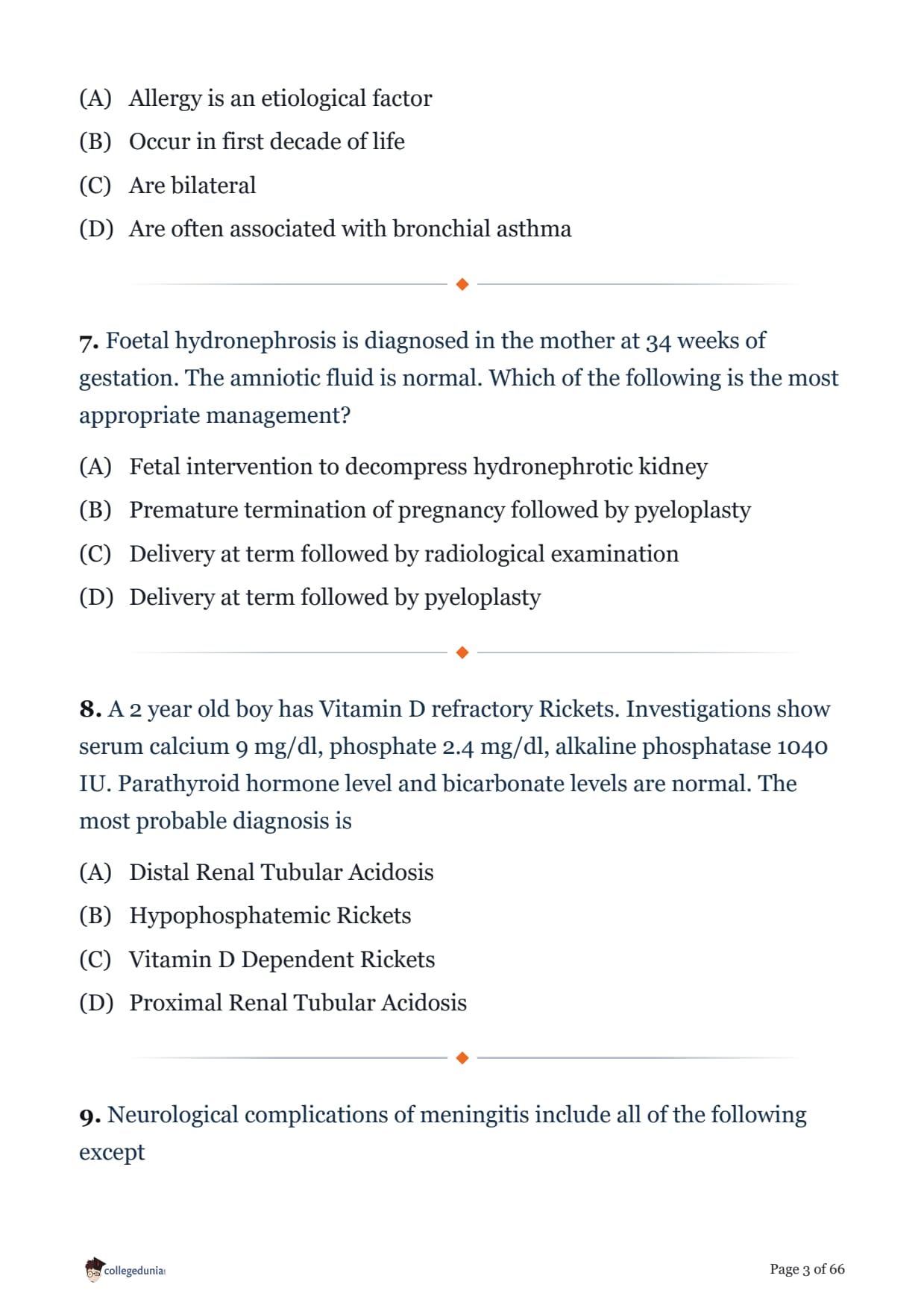
Which of the following is not correct for ethmoidal polyp?
Foetal hydronephrosis is diagnosed in the mother at 34 weeks of gestation. The amniotic fluid is normal. Which of the following is the most appropriate management?
A 2 year old boy has Vitamin D refractory Rickets. Investigations show serum calcium 9 mg/dl, phosphate 2.4 mg/dl, alkaline phosphatase 1040 IU. Parathyroid hormone level and bicarbonate levels are normal. The most probable diagnosis is
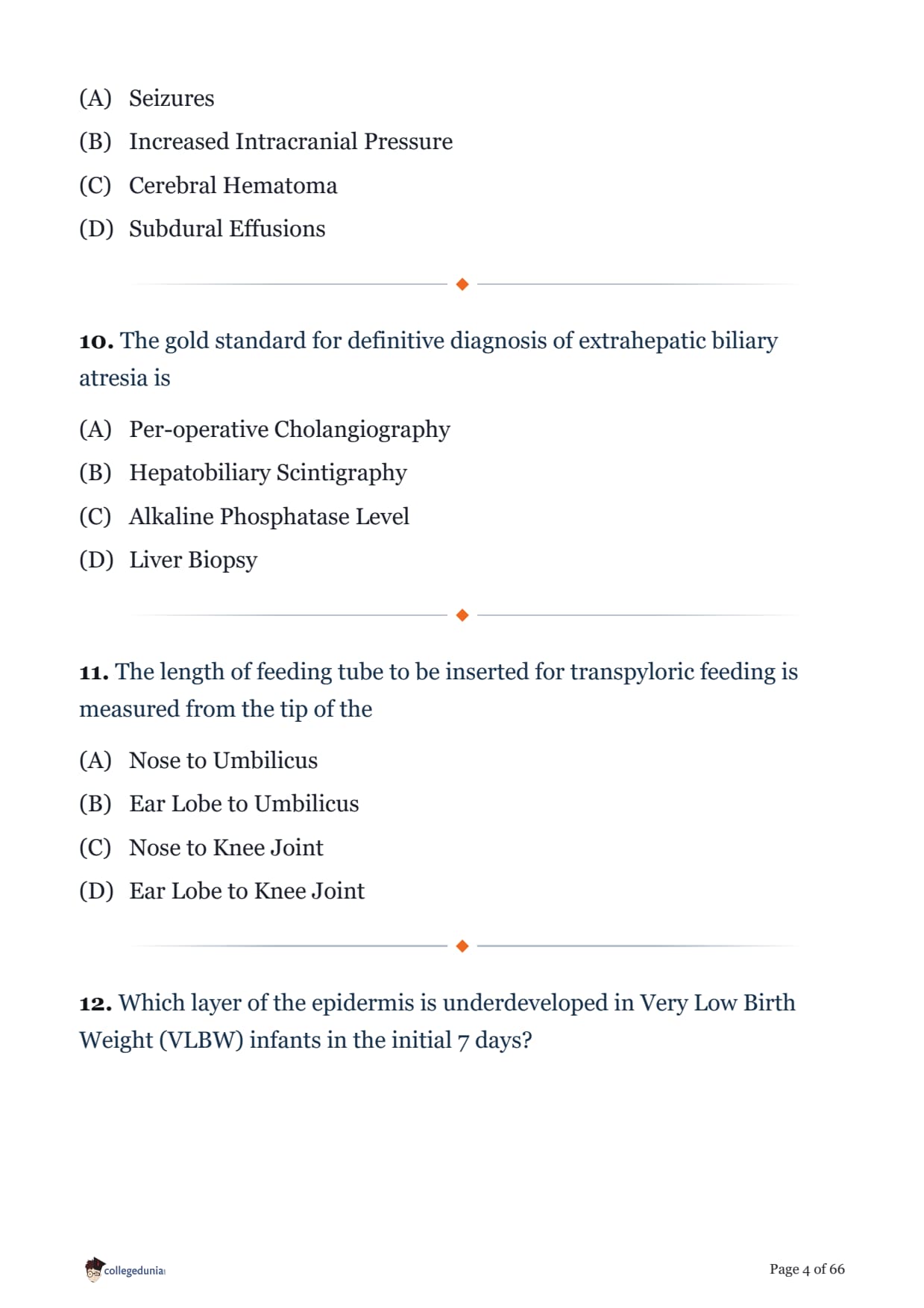
Neurological complications of meningitis include all of the following except
The gold standard for definitive diagnosis of extrahepatic biliary atresia is
The length of feeding tube to be inserted for transpyloric feeding is measured from the tip of the
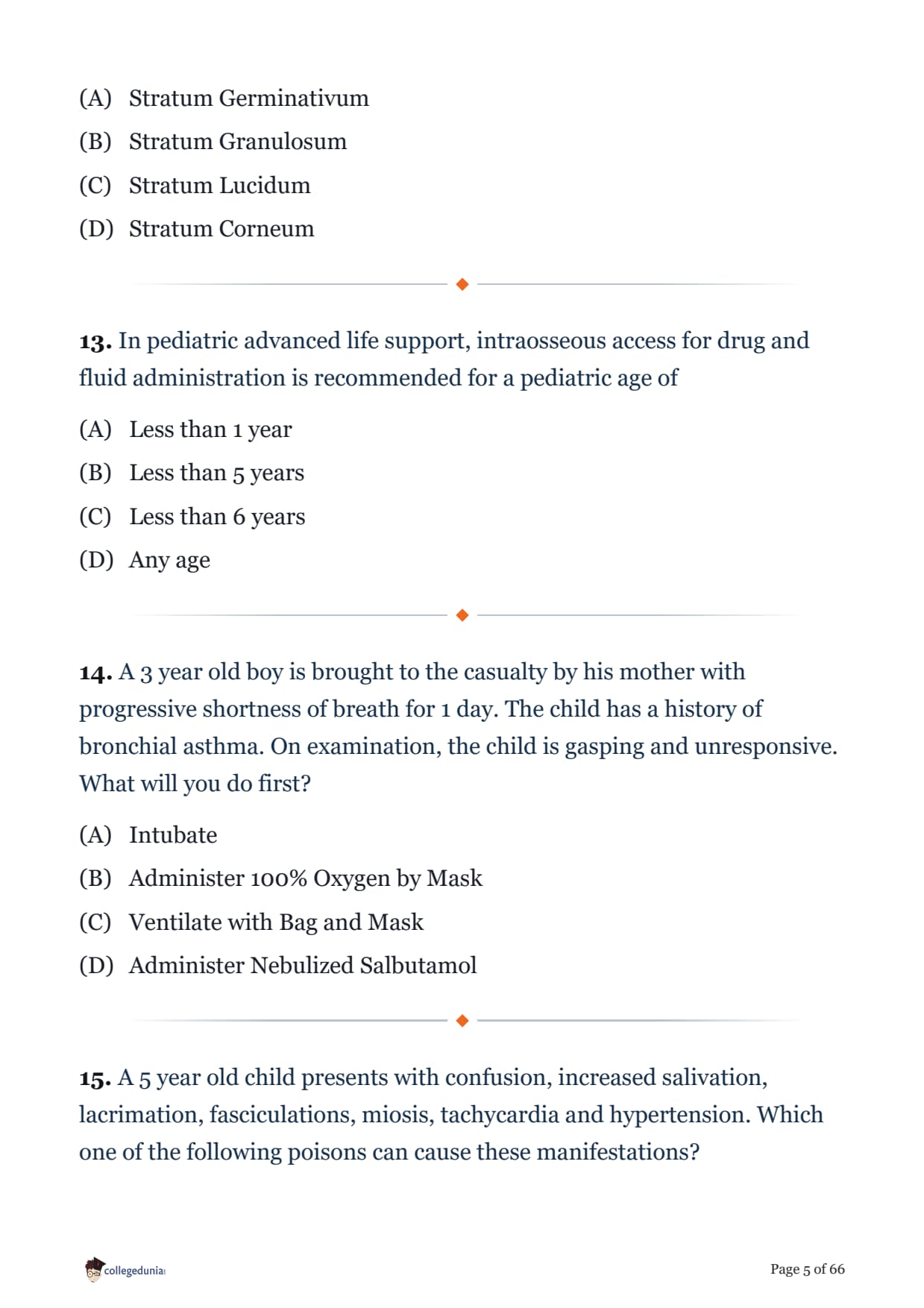
Which layer of the epidermis is underdeveloped in Very Low Birth Weight (VLBW) infants in the initial 7 days?
In pediatric advanced life support, intraosseous access for drug and fluid administration is recommended for a pediatric age of
A 3 year old boy is brought to the casualty by his mother with progressive shortness of breath for 1 day. The child has a history of bronchial asthma. On examination, the child is gasping and unresponsive. What will you do first?
A 5 year old child presents with confusion, increased salivation, lacrimation, fasciculations, miosis, tachycardia and hypertension. Which one of the following poisons can cause these manifestations?
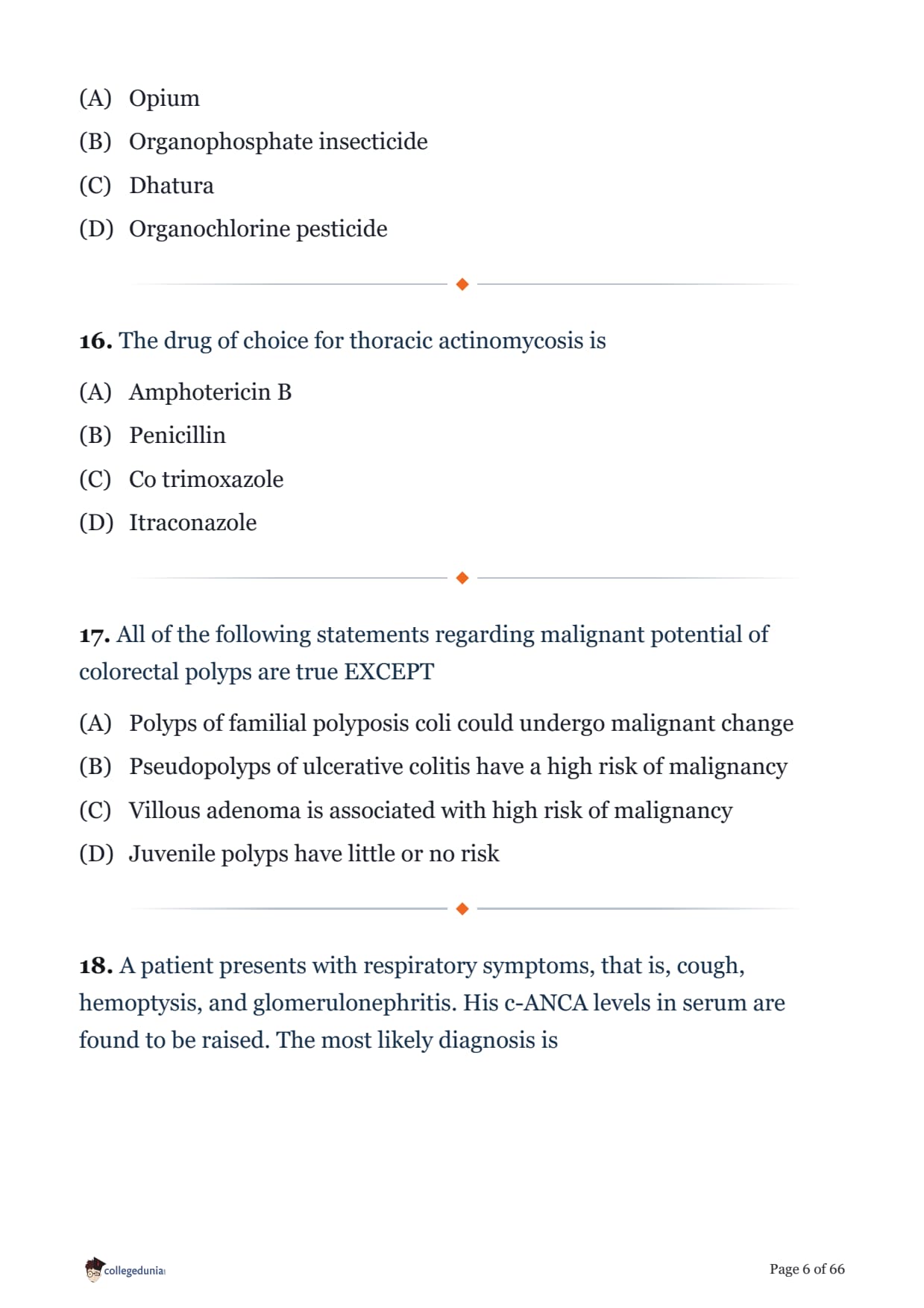
The drug of choice for thoracic actinomycosis is
All of the following statements regarding malignant potential of colorectal polyps are true EXCEPT
A patient presents with respiratory symptoms, that is, cough, hemoptysis, and glomerulonephritis. His c-ANCA levels in serum are found to be raised. The most likely diagnosis is
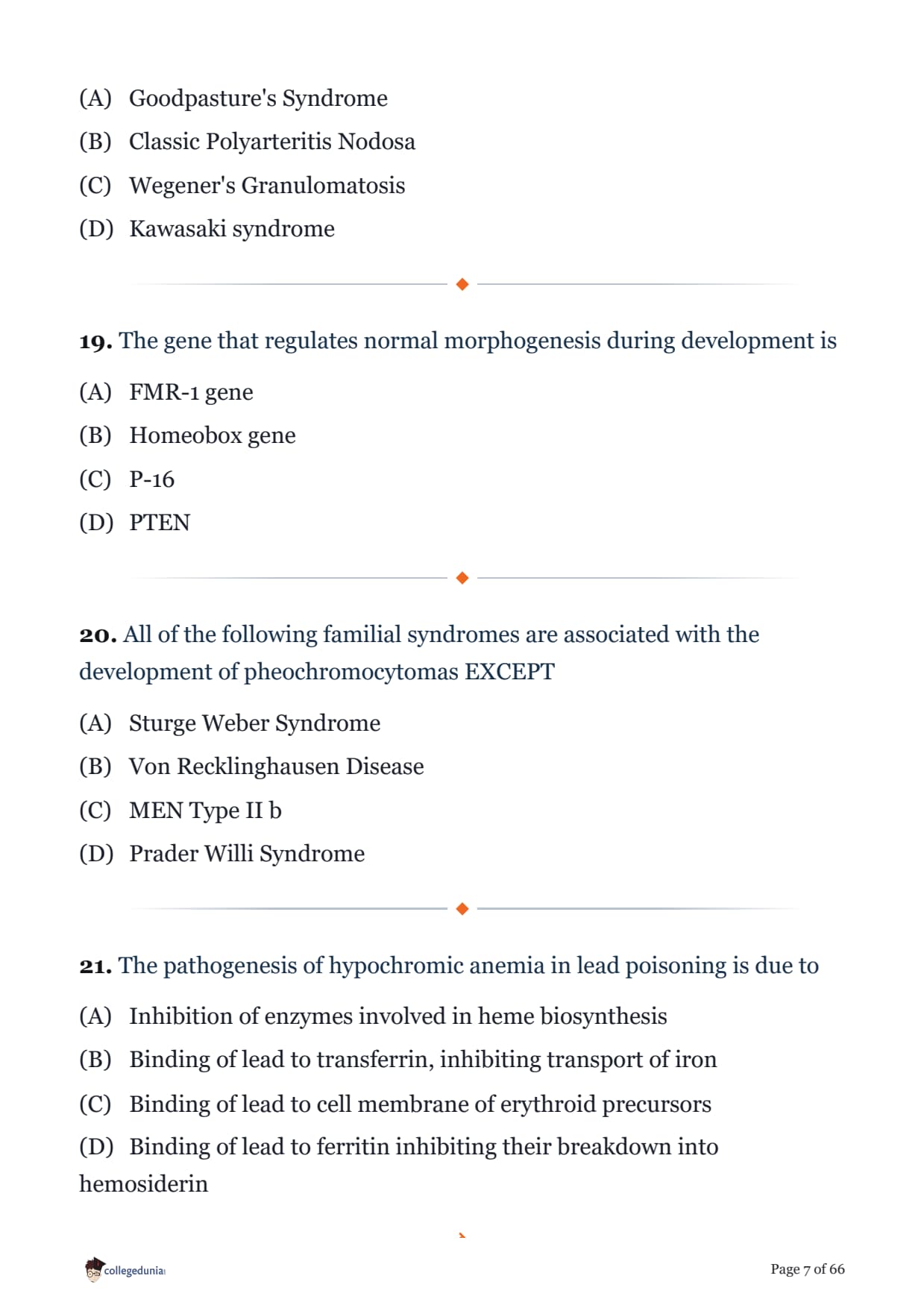
The gene that regulates normal morphogenesis during development is
All of the following familial syndromes are associated with the development of pheochromocytomas EXCEPT
The pathogenesis of hypochromic anemia in lead poisoning is due to
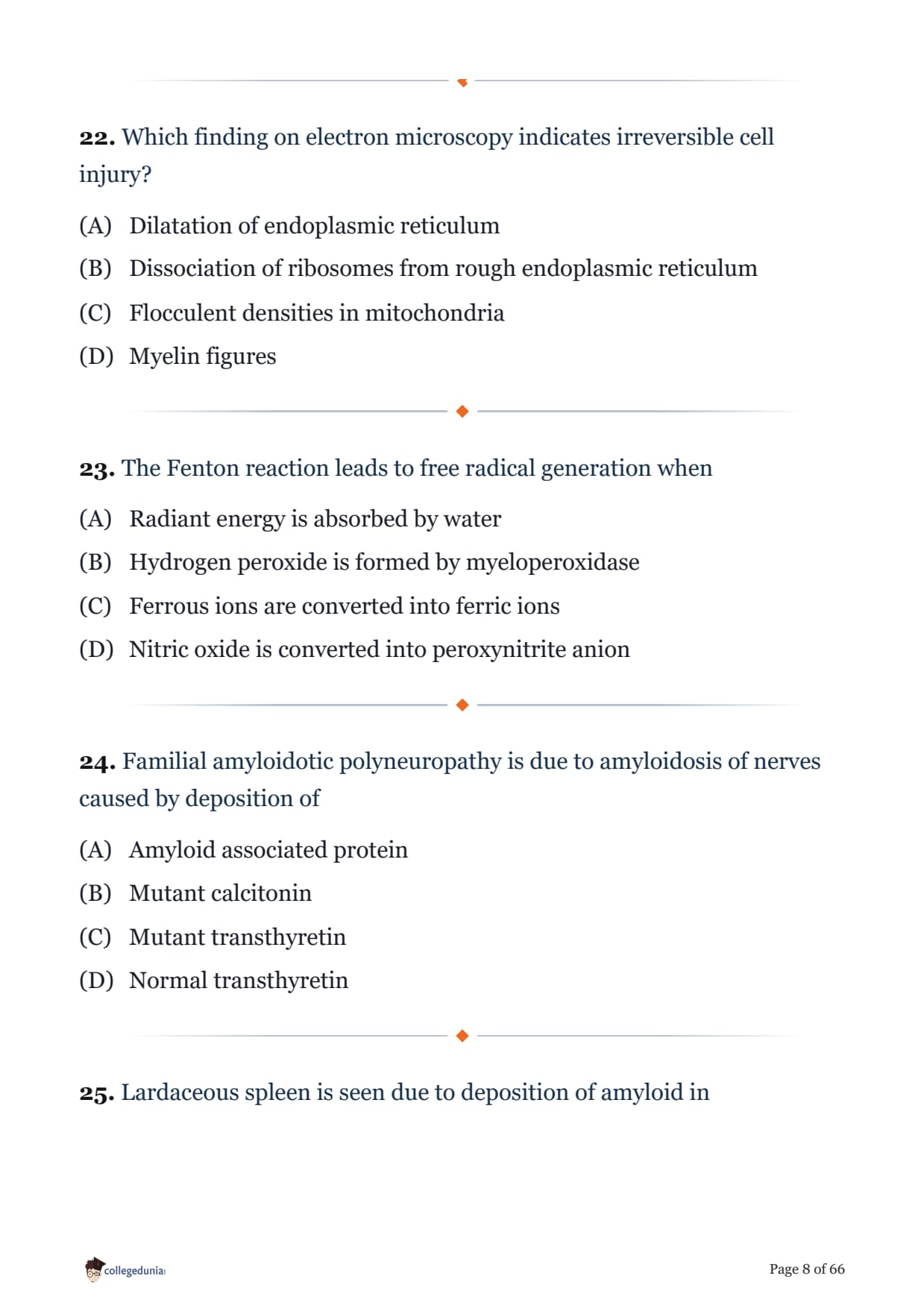
Which finding on electron microscopy indicates irreversible cell injury?
The Fenton reaction leads to free radical generation when
Familial amyloidotic polyneuropathy is due to amyloidosis of nerves caused by deposition of
Lardaceous spleen is seen due to deposition of amyloid in
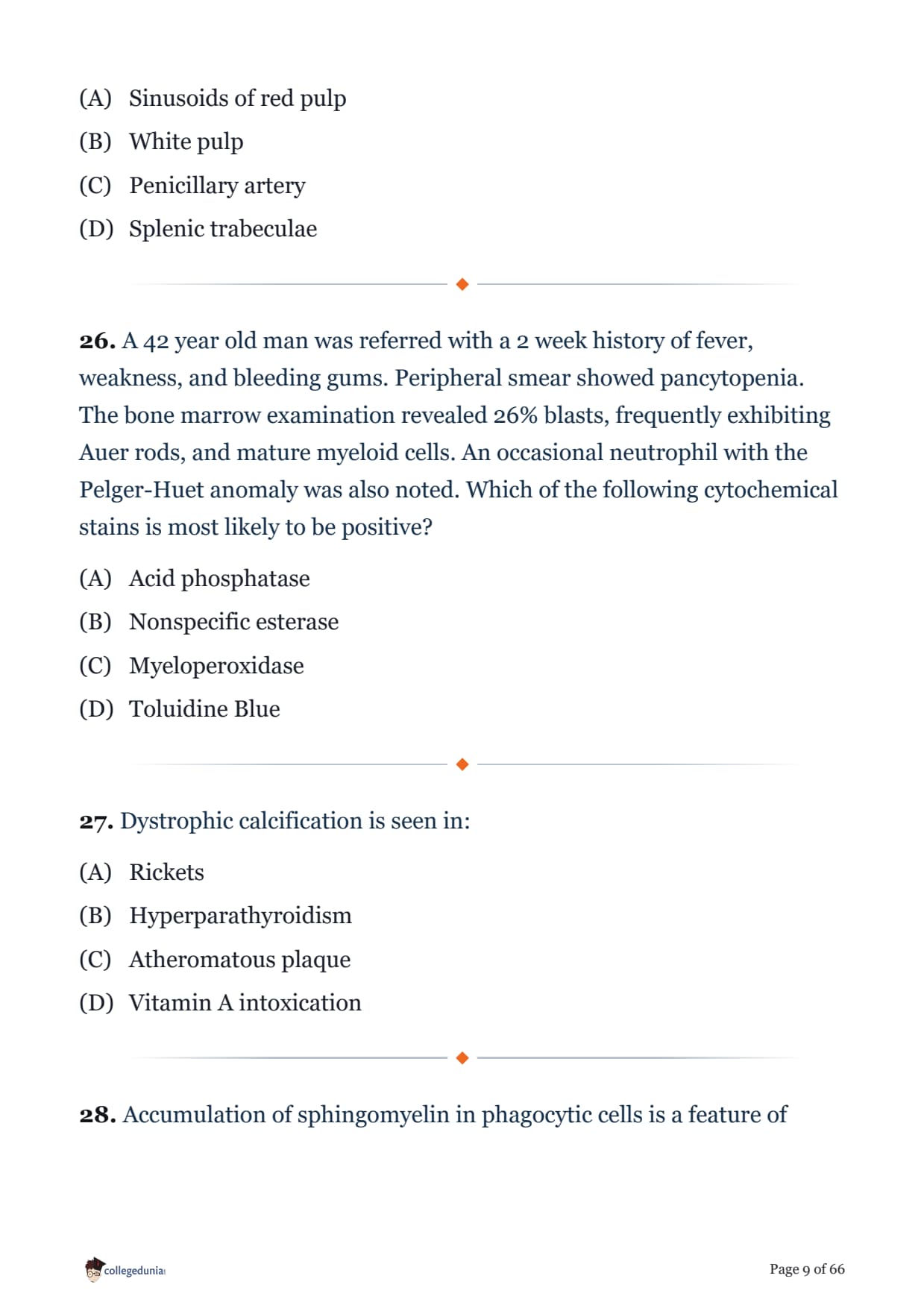
A 42 year old man was referred with a 2 week history of fever, weakness, and bleeding gums. Peripheral smear showed pancytopenia. The bone marrow examination revealed 26% blasts, frequently exhibiting Auer rods, and mature myeloid cells. An occasional neutrophil with the Pelger-Huet anomaly was also noted. Which of the following cytochemical stains is most likely to be positive?
Dystrophic calcification is seen in:
Accumulation of sphingomyelin in phagocytic cells is a feature of
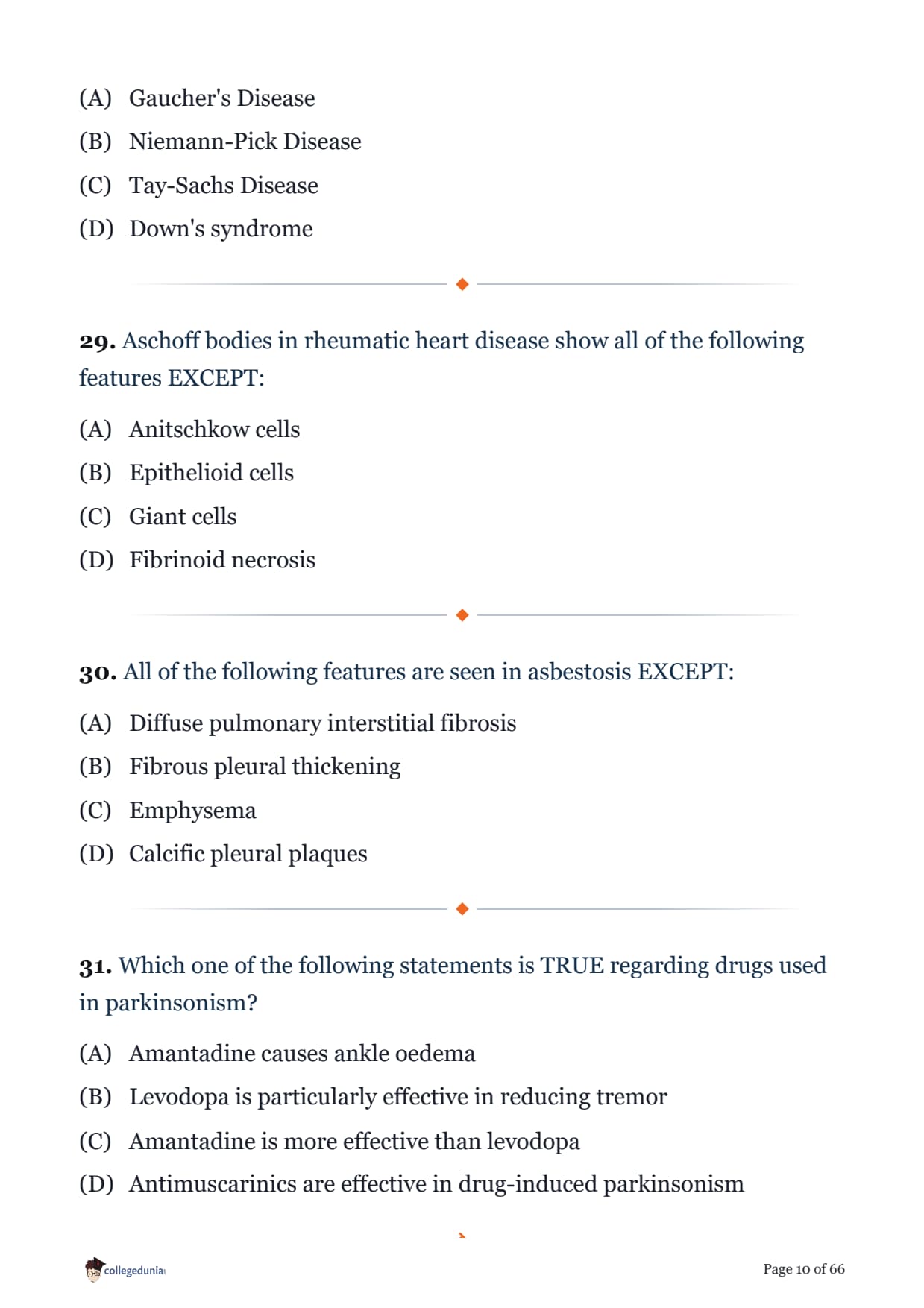
Aschoff bodies in rheumatic heart disease show all of the following features EXCEPT:
All of the following features are seen in asbestosis EXCEPT:
Which one of the following statements is TRUE regarding drugs used in parkinsonism?
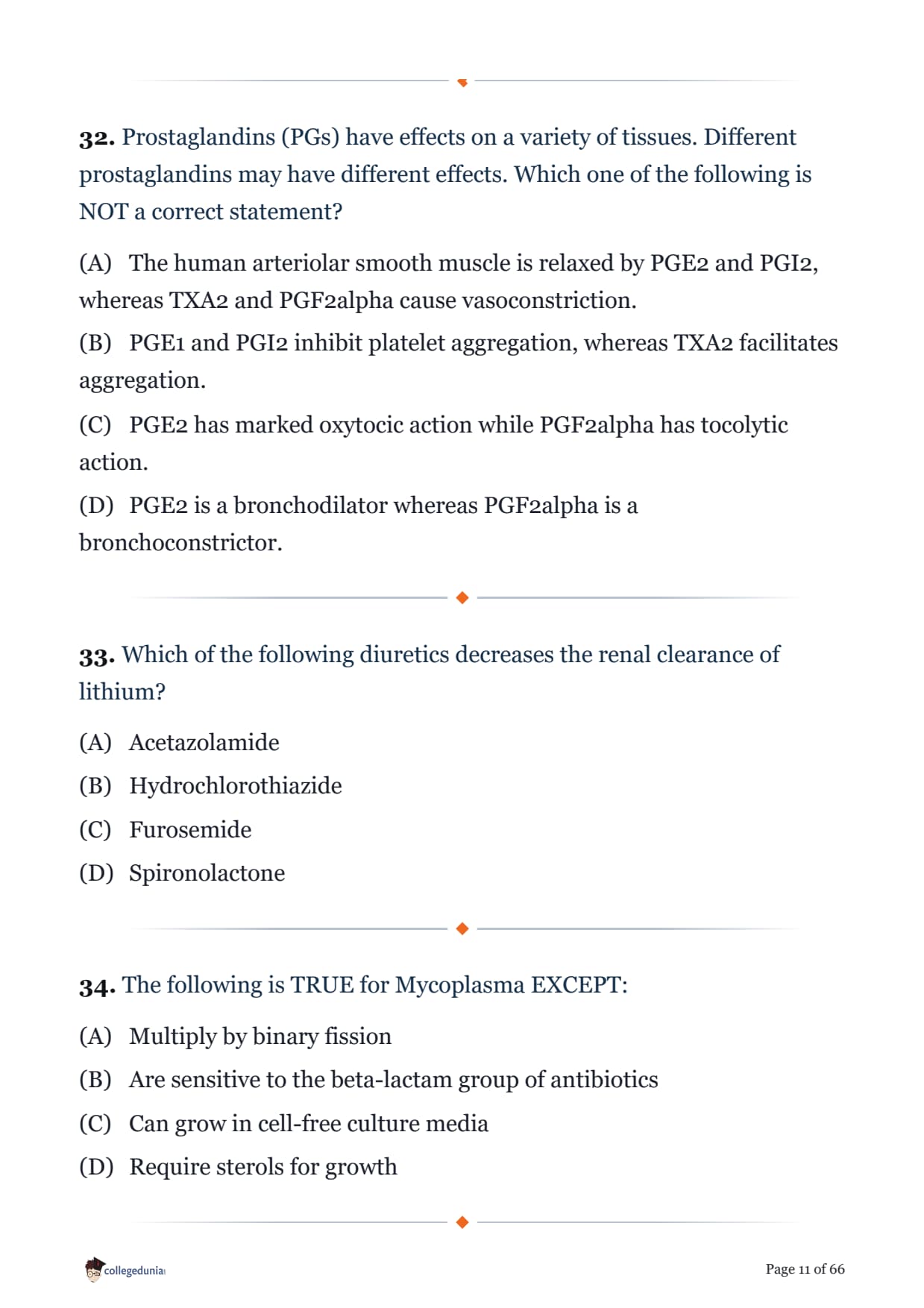
Prostaglandins (PGs) have effects on a variety of tissues. Different prostaglandins may have different effects. Which one of the following is NOT a correct statement?
Which of the following diuretics decreases the renal clearance of lithium?
The following is TRUE for Mycoplasma EXCEPT:
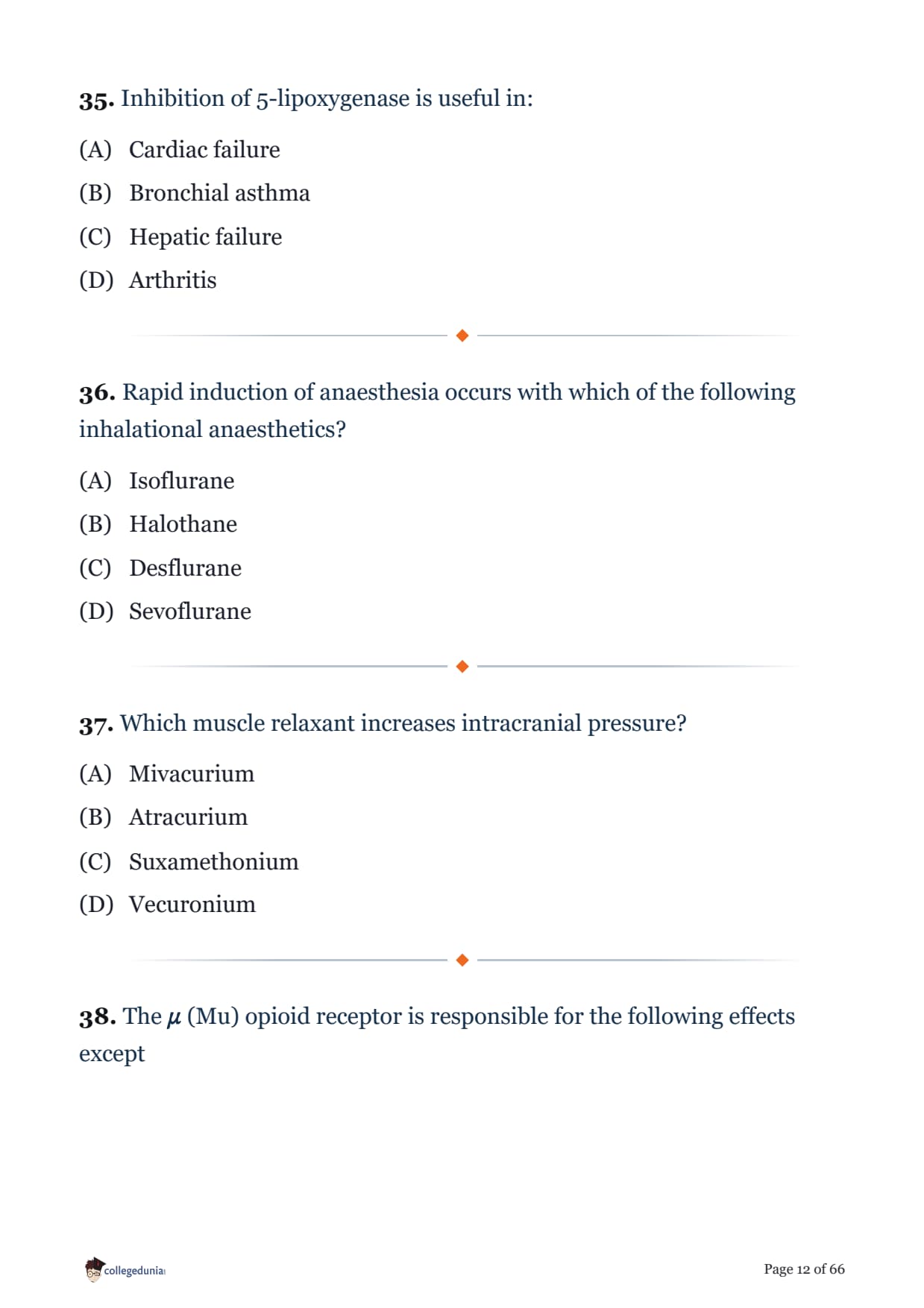
Inhibition of 5-lipoxygenase is useful in:
Rapid induction of anaesthesia occurs with which of the following inhalational anaesthetics?
Which muscle relaxant increases intracranial pressure?
The \(\mu\) (Mu) opioid receptor is responsible for the following effects except
Pulmonary fibrosis is a common complication with
Which of the following gas is used to decrease pulmonary artery pressure in adults?
The topical use of which of the following local anaesthetics is not recommended?
The use of succinylcholine is NOT contraindicated in
Which of the following is the treatment of choice for cryptococcal meningitis?
The lymphocytopenia seen a few hours after administration of a large dose of prednisolone to a patient with lymphocytic leukemia is due to
Prolactin secretion will be inhibited by
The production of cervical mucus is stimulated by
A travelling nerve impulse does not depolarize the area behind it, because
A 10 Degree Centigrade decrease in temperature causes a decrease in cerebral metabolic rate by
The laboratory report shows values of gonadotropin and ovarian hormone levels of the blood sample taken on day 20 of the menstrual cycle of a young woman. Whether her cycle was ovulatory or not may be validly assessed by the reported serum levels of
Which of the following is NOT a usual feature of right middle cerebral artery territory infarct?
A 5 year old child is scheduled for strabismus (squint) correction. Induction of anesthesia is uneventful. After conjunctival incision, as the surgeon grasps the medial rectus, the anesthesiologist looks at the cardiac monitor. Why do you think he did that?
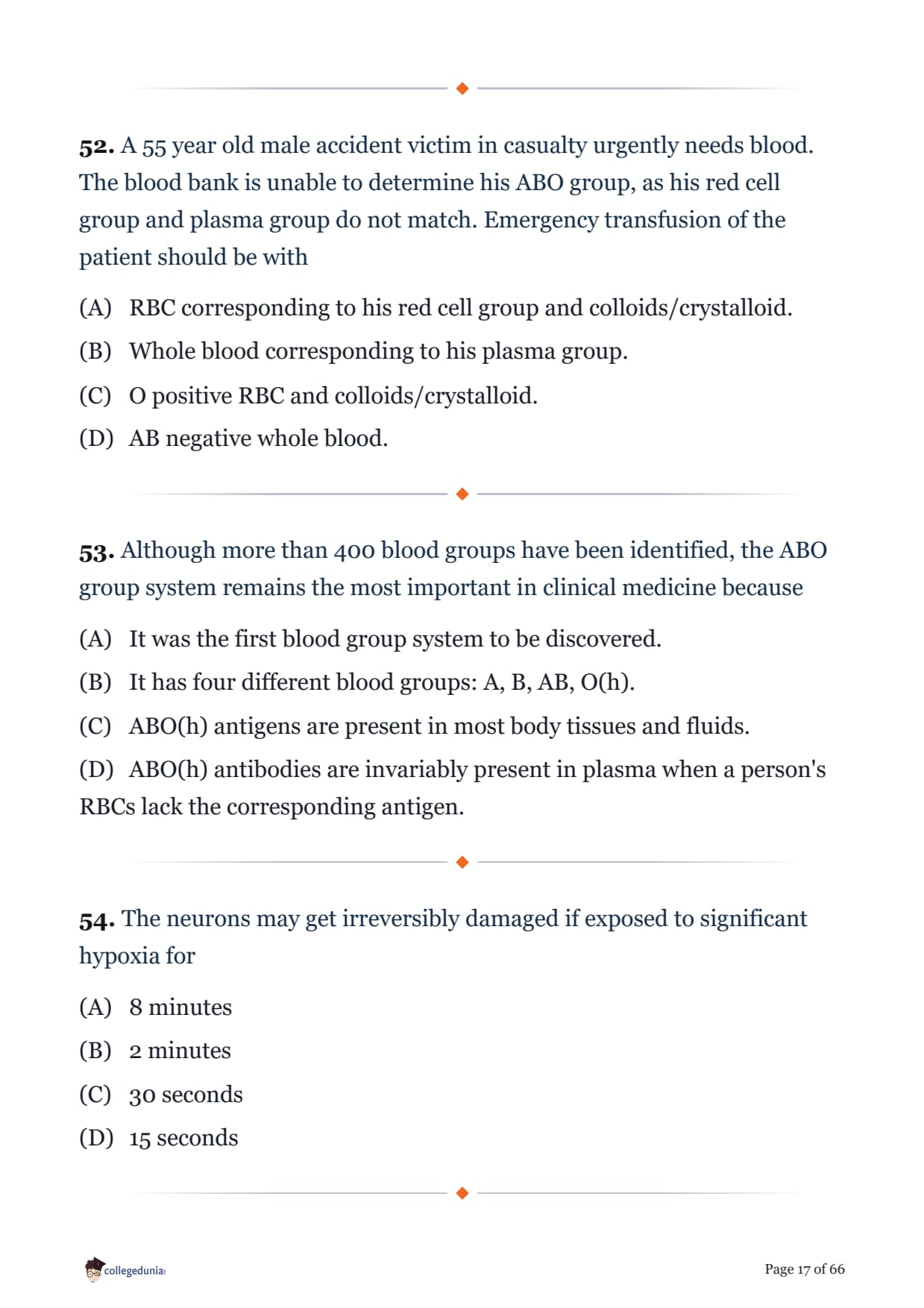
A 55 year old male accident victim in casualty urgently needs blood. The blood bank is unable to determine his ABO group, as his red cell group and plasma group do not match. Emergency transfusion of the patient should be with
Although more than 400 blood groups have been identified, the ABO group system remains the most important in clinical medicine because
The neurons may get irreversibly damaged if exposed to significant hypoxia for
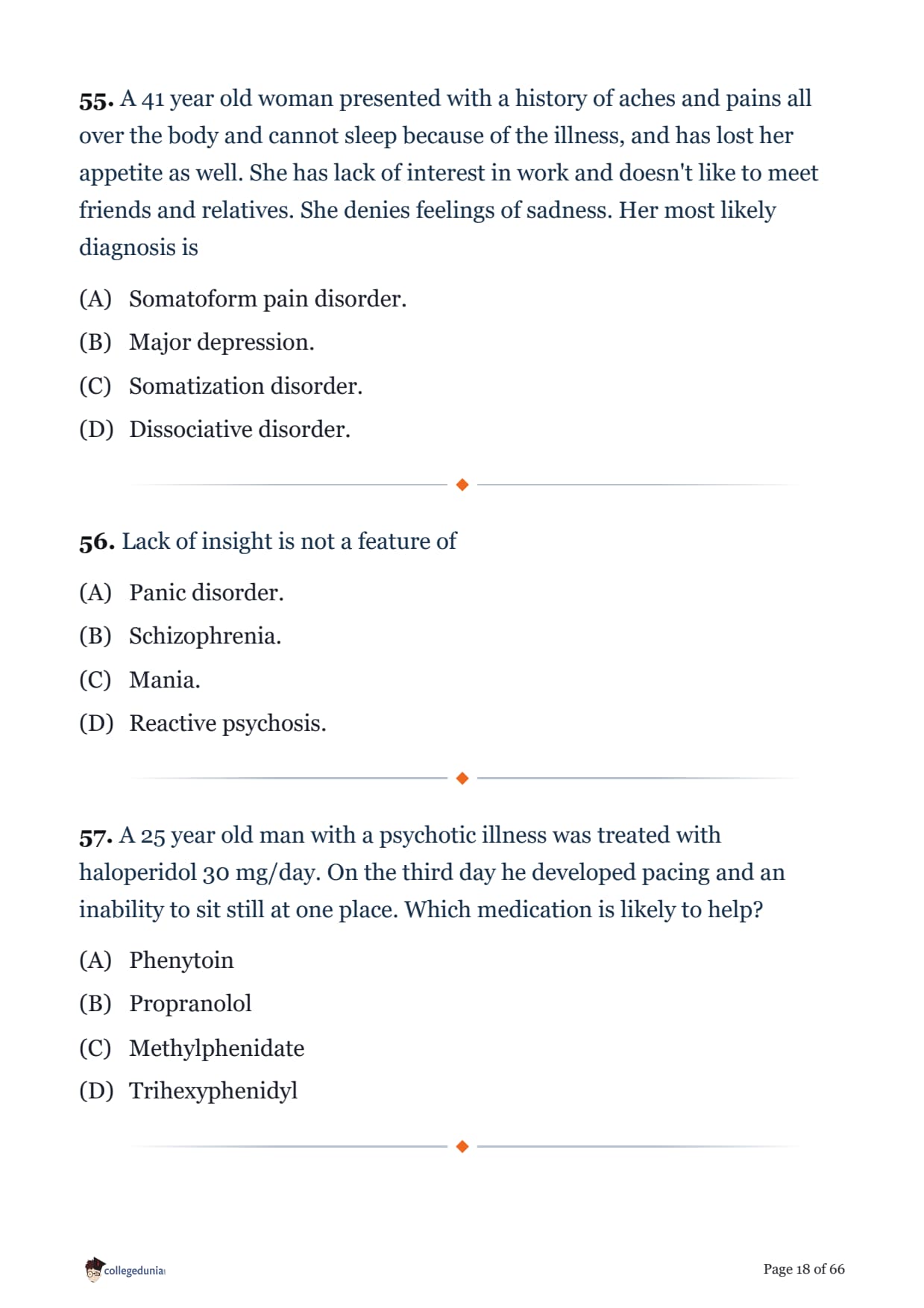
A 41 year old woman presented with a history of aches and pains all over the body and cannot sleep because of the illness, and has lost her appetite as well. She has lack of interest in work and doesn't like to meet friends and relatives. She denies feelings of sadness. Her most likely diagnosis is
Lack of insight is not a feature of
A 25 year old man with a psychotic illness was treated with haloperidol 30 mg/day. On the third day he developed pacing and an inability to sit still at one place. Which medication is likely to help?
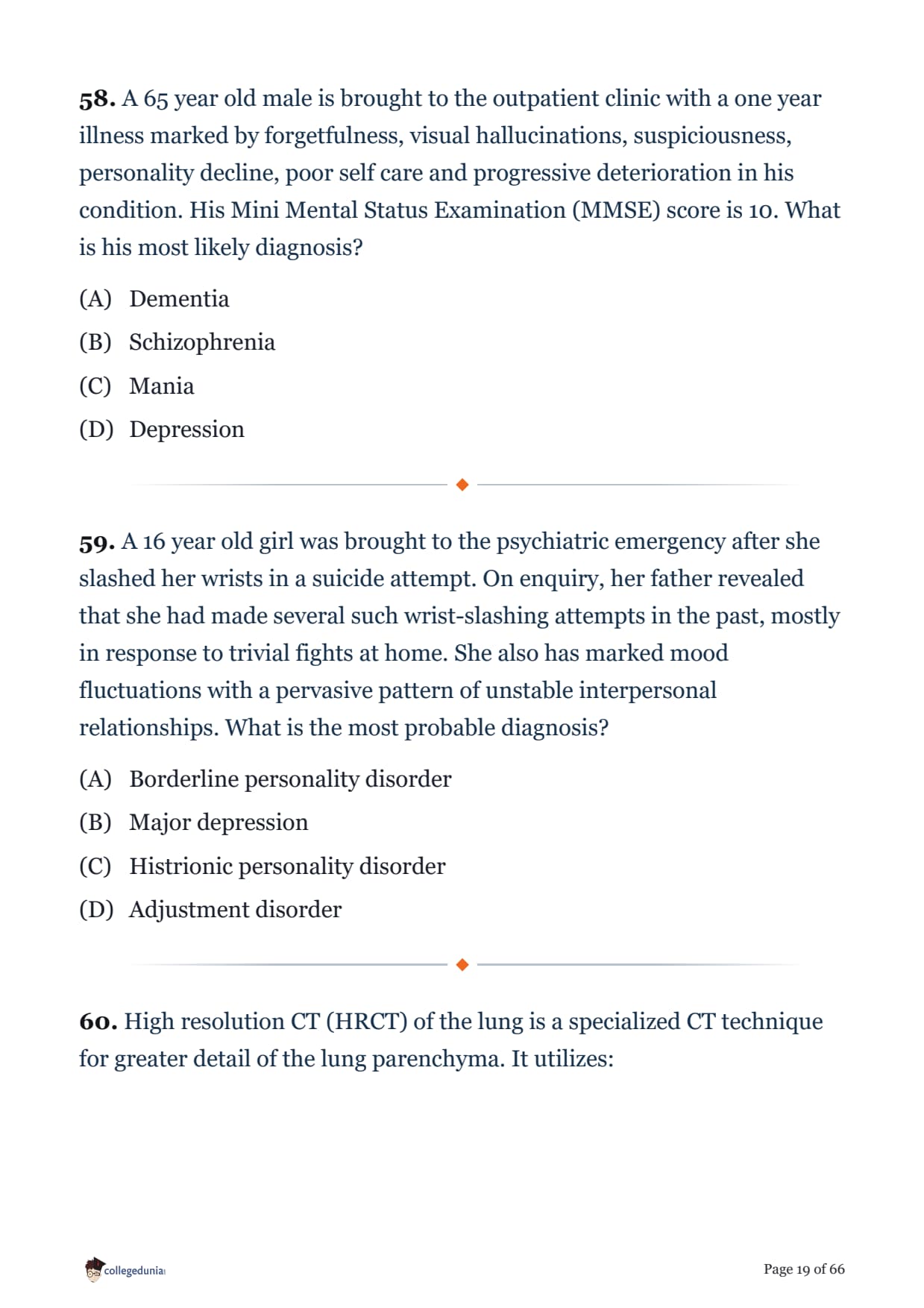
A 65 year old male is brought to the outpatient clinic with a one year illness marked by forgetfulness, visual hallucinations, suspiciousness, personality decline, poor self care and progressive deterioration in his condition. His Mini Mental Status Examination (MMSE) score is 10. What is his most likely diagnosis?
A 16 year old girl was brought to the psychiatric emergency after she slashed her wrists in a suicide attempt. On enquiry, her father revealed that she had made several such wrist-slashing attempts in the past, mostly in response to trivial fights at home. She also has marked mood fluctuations with a pervasive pattern of unstable interpersonal relationships. What is the most probable diagnosis?
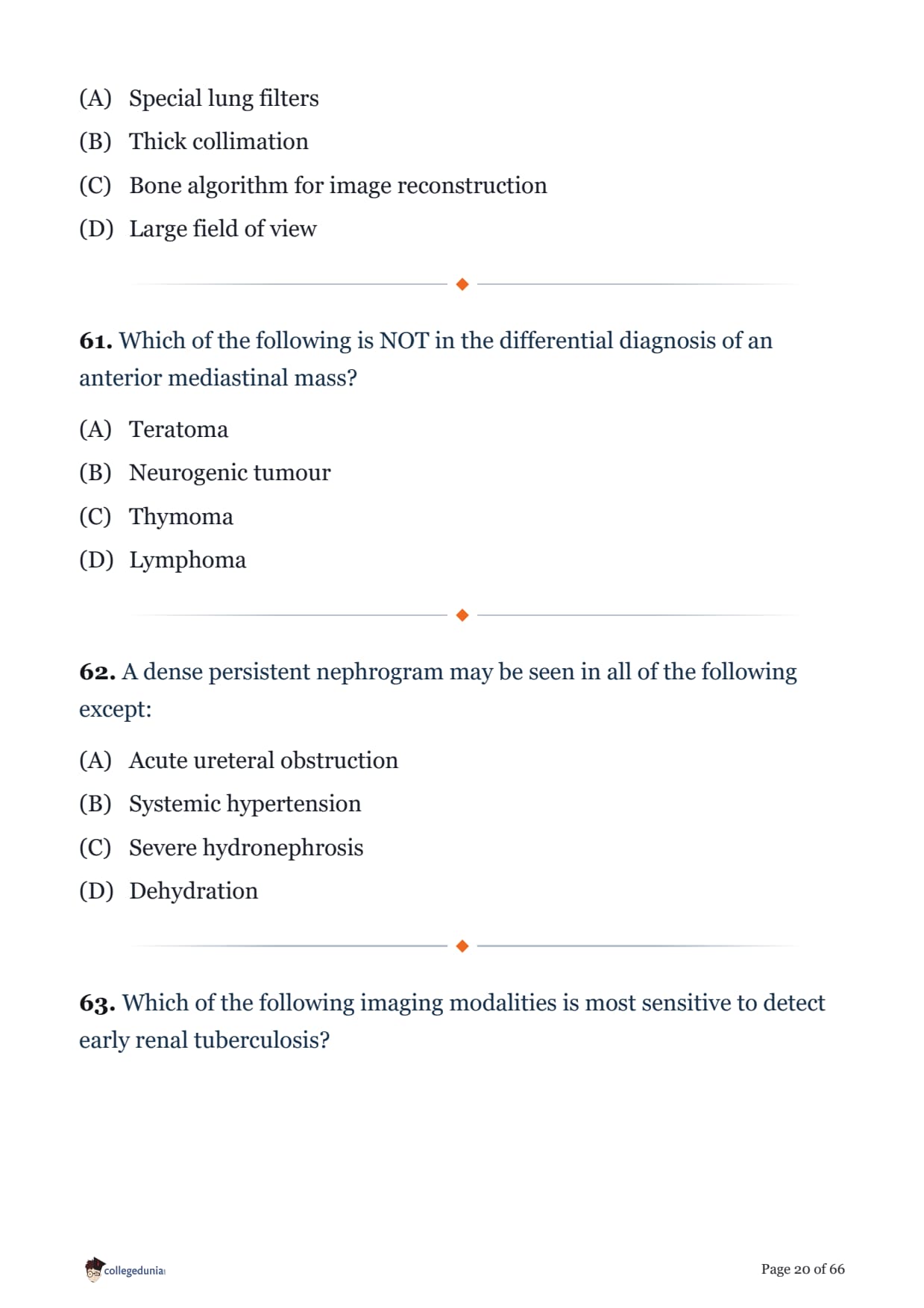
High resolution CT (HRCT) of the lung is a specialized CT technique for greater detail of the lung parenchyma. It utilizes:
Which of the following is NOT in the differential diagnosis of an anterior mediastinal mass?
A dense persistent nephrogram may be seen in all of the following except:
Which of the following imaging modalities is most sensitive to detect early renal tuberculosis?
A young man with tuberculosis presents with massive recurrent hemoptysis. For angiographic treatment, which vascular structure should be evaluated first?
Which of the following imaging modalities is most sensitive for evaluation of extra-adrenal pheochromocytoma?
A 15 year old boy has 10-12 partial complex seizures per day despite an adequate 4-drug antiepileptic regimen. He gives a history of repeated high grade fever in childhood. MRI done for the epilepsy protocol shows a normal brain scan. What should be the best non-invasive strategy to make a definite diagnosis, so that he can be prepared to undergo epilepsy surgery?
Which of the following is the most radiosensitive phase of the cell cycle?
X-rays are produced when
An eight year old boy presents with swelling in the left eye of 3 months duration. Examination reveals proptosis of the left eye with preserved vision. The right eye is normal. CT scan reveals an intraorbital, extraconal mass lesion. Biopsy reveals embryonal rhabdomyosarcoma. Metastatic workup is normal. The standard line of treatment is
Which morphological type of cataract is most visually handicapping?
The standard sutureless cataract surgery done with phacoemulsification and a foldable IOL has an incision of:
A one year old child having leucocoria was found to have a unilateral, large retinoblastoma filling half the globe. Current therapy would involve:
A 2 year old presented with leucocoria in the right eye since 2 months. On examination, a total retinal detachment was present in the same eye. Ultrasound B scan revealed a heterogenous subretinal mass with calcification, associated with a retinal detachment. The most likely clinical diagnosis is:
A 60 year old man presented with watering from his left eye since one year. Syringing revealed a patent drainage system. Rest of the ocular examination was normal. A provisional diagnosis of lacrimal pump failure was made. Confirmation of this diagnosis would be:
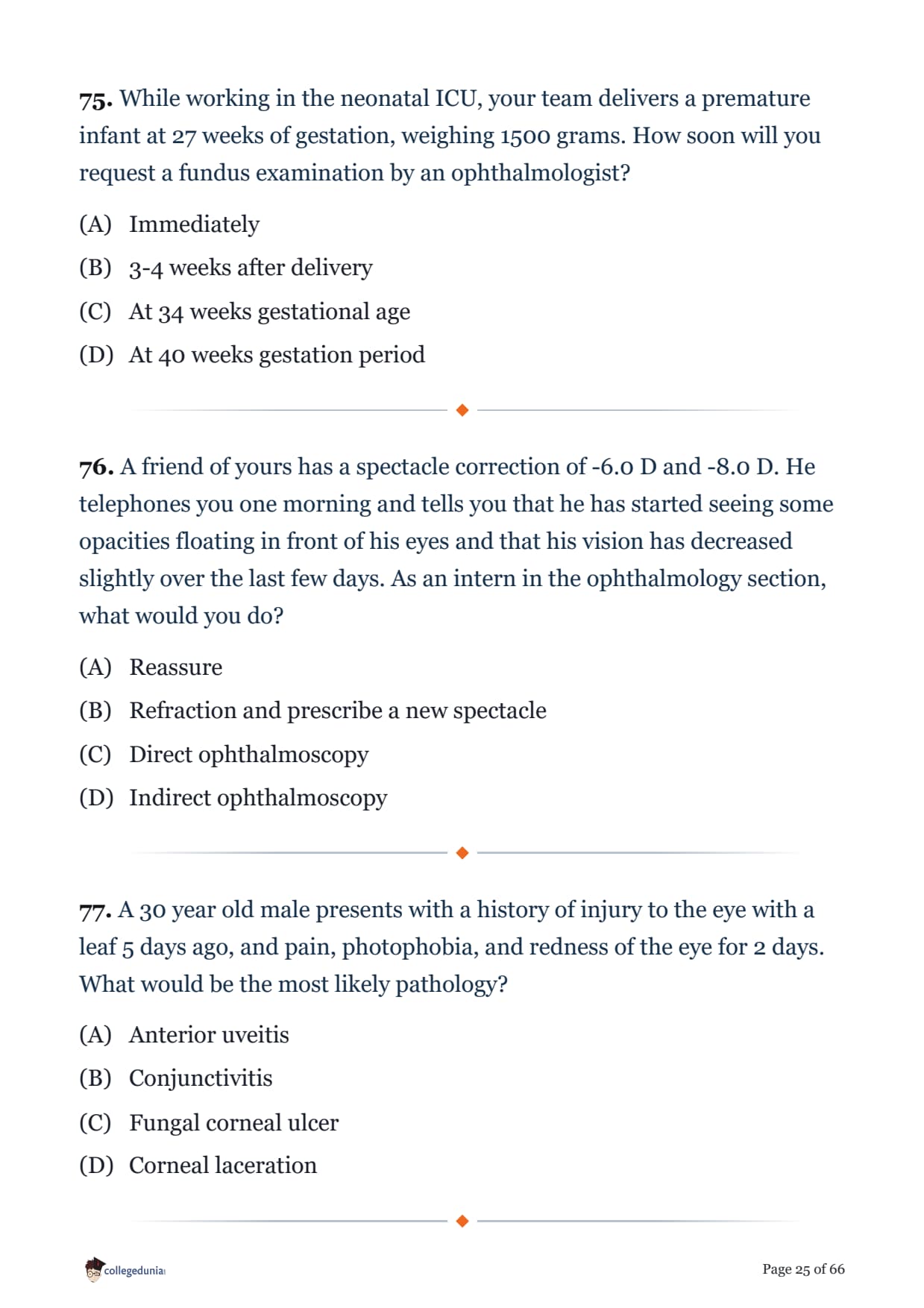
While working in the neonatal ICU, your team delivers a premature infant at 27 weeks of gestation, weighing 1500 grams. How soon will you request a fundus examination by an ophthalmologist?
A friend of yours has a spectacle correction of -6.0 D and -8.0 D. He telephones you one morning and tells you that he has started seeing some opacities floating in front of his eyes and that his vision has decreased slightly over the last few days. As an intern in the ophthalmology section, what would you do?
A 30 year old male presents with a history of injury to the eye with a leaf 5 days ago, and pain, photophobia, and redness of the eye for 2 days. What would be the most likely pathology?
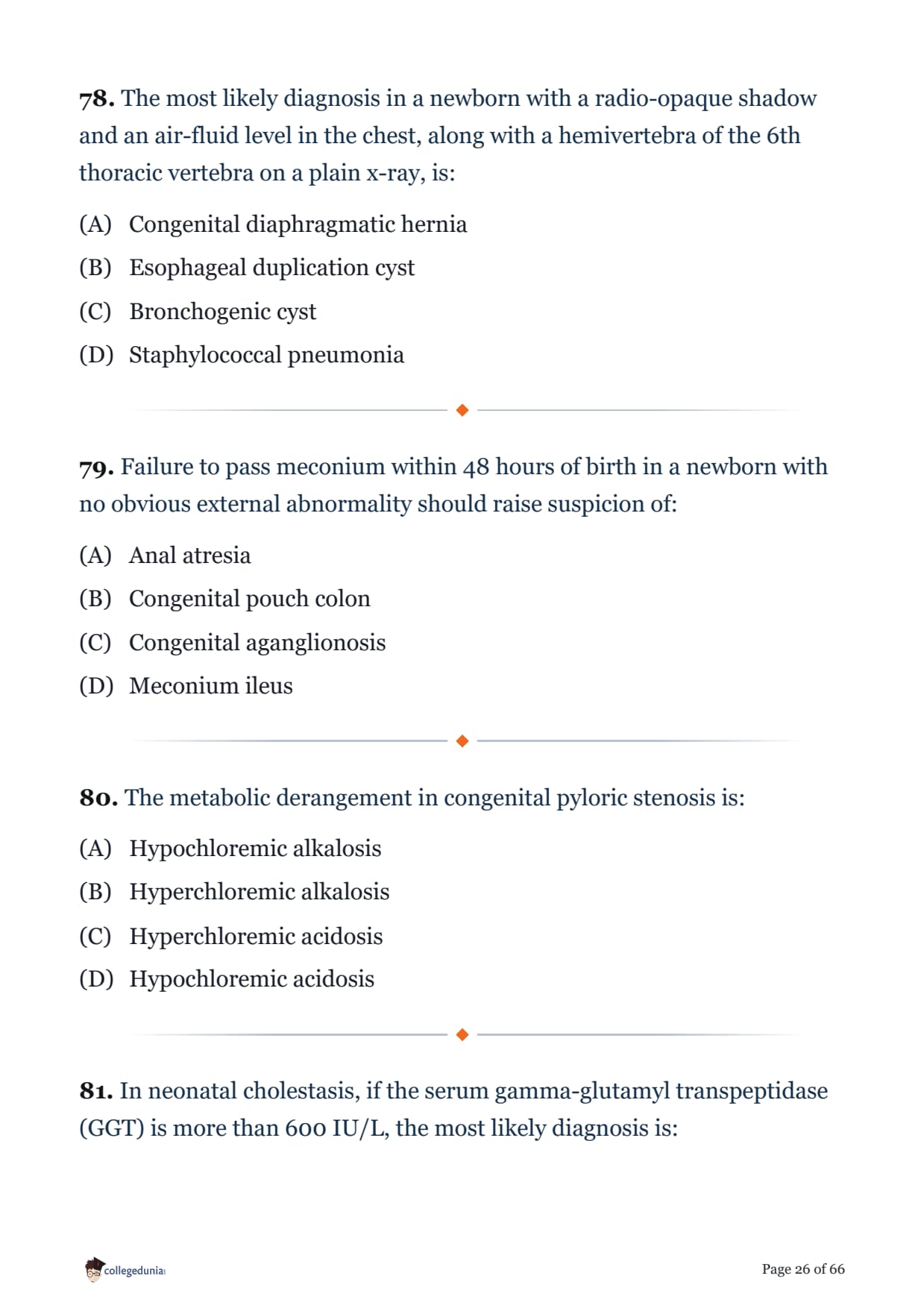
The most likely diagnosis in a newborn with a radio-opaque shadow and an air-fluid level in the chest, along with a hemivertebra of the 6th thoracic vertebra on a plain x-ray, is:
Failure to pass meconium within 48 hours of birth in a newborn with no obvious external abnormality should raise suspicion of:
The metabolic derangement in congenital pyloric stenosis is:
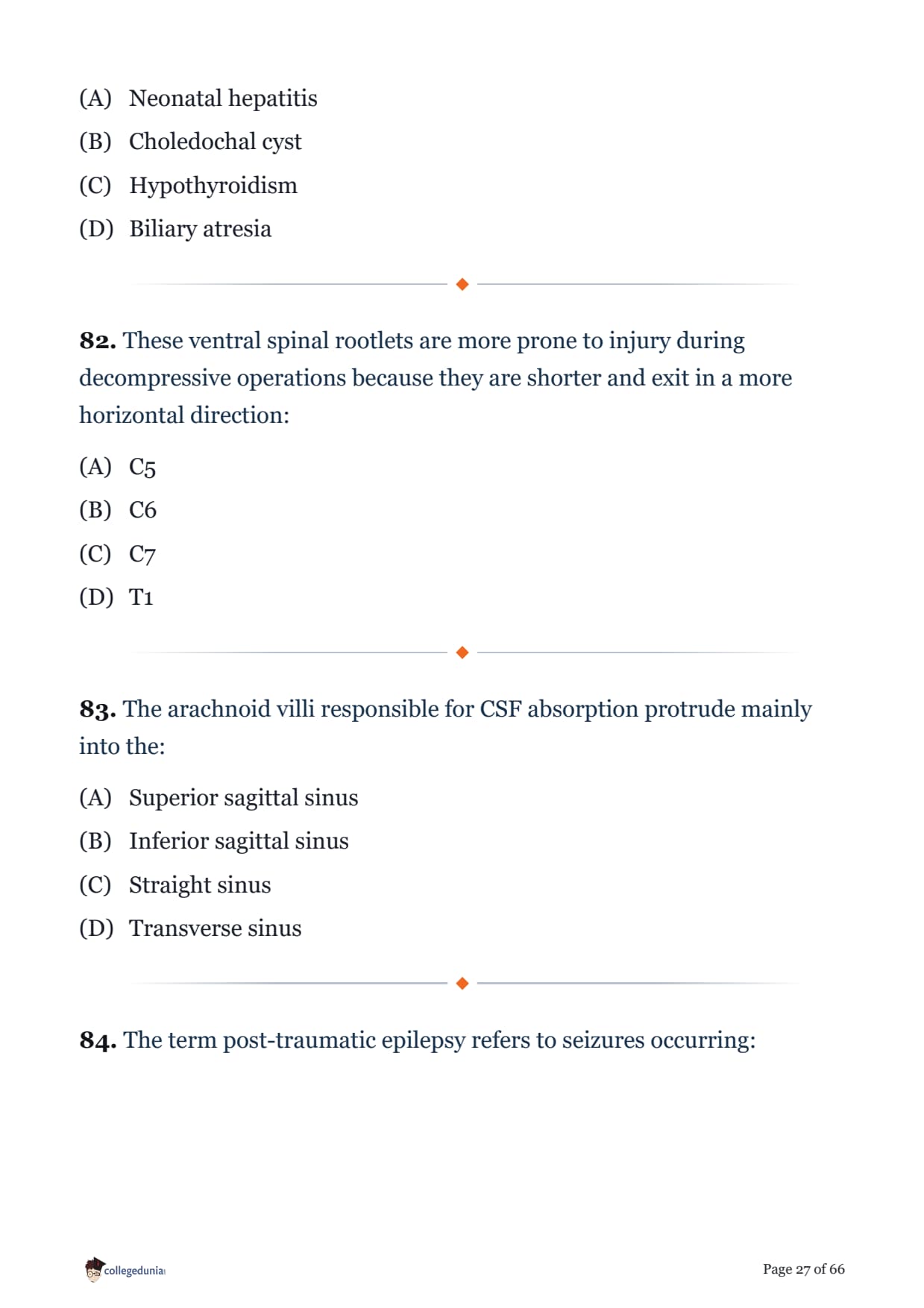
In neonatal cholestasis, if the serum gamma-glutamyl transpeptidase (GGT) is more than 600 IU/L, the most likely diagnosis is:
These ventral spinal rootlets are more prone to injury during decompressive operations because they are shorter and exit in a more horizontal direction:
The arachnoid villi responsible for CSF absorption protrude mainly into the:
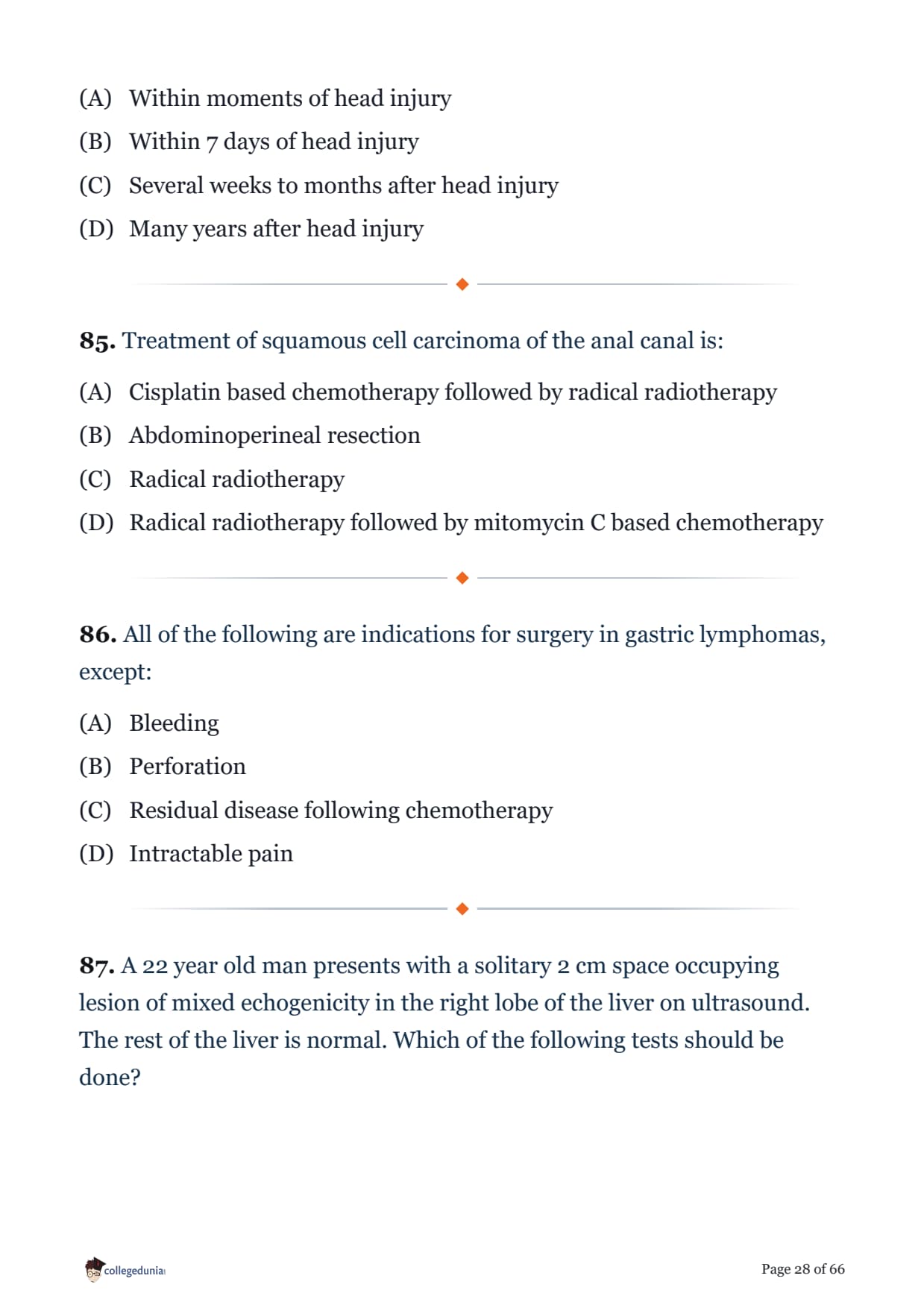
The term post-traumatic epilepsy refers to seizures occurring:
Treatment of squamous cell carcinoma of the anal canal is:
All of the following are indications for surgery in gastric lymphomas, except:
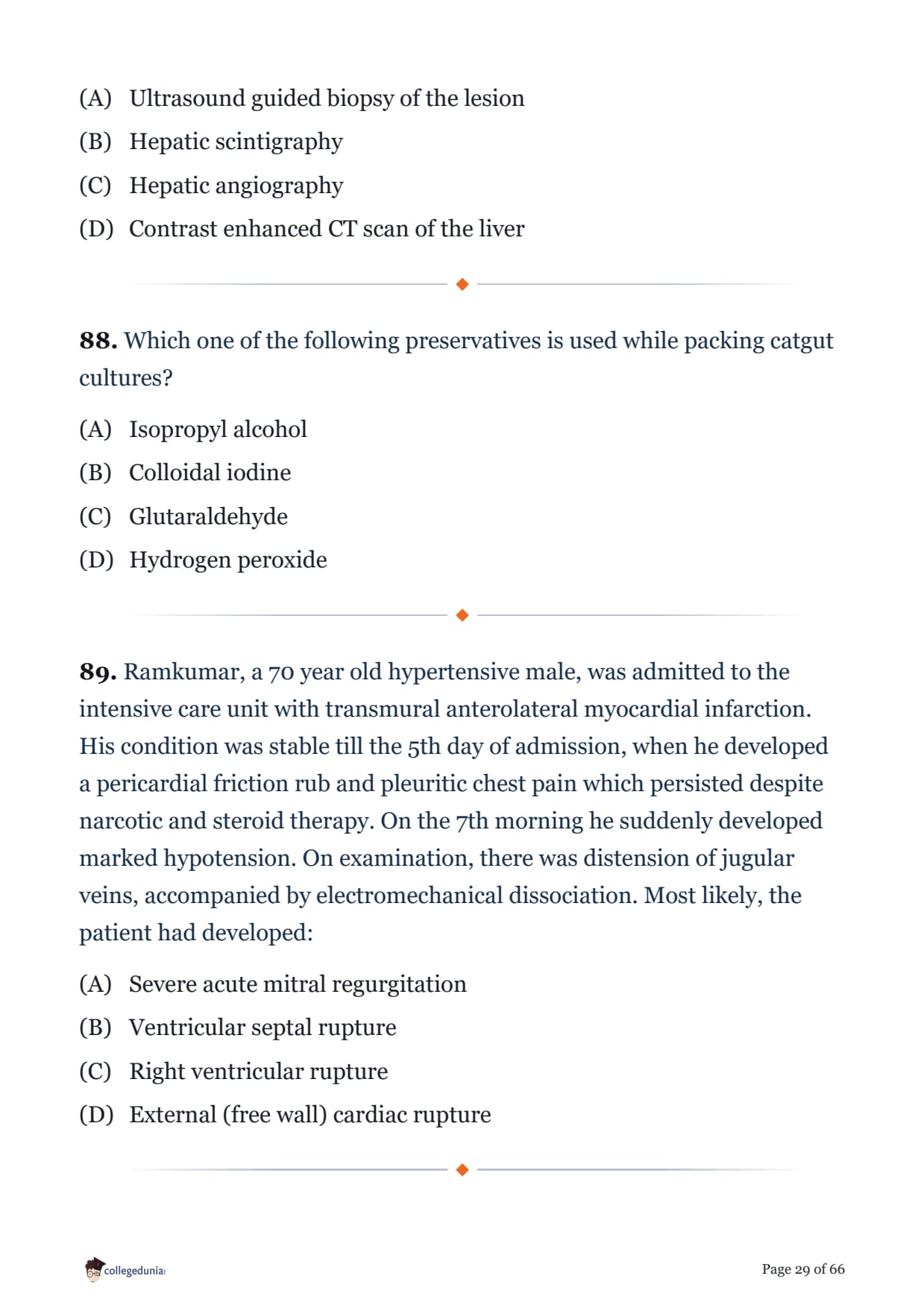
A 22 year old man presents with a solitary 2 cm space occupying lesion of mixed echogenicity in the right lobe of the liver on ultrasound. The rest of the liver is normal. Which of the following tests should be done?
Which one of the following preservatives is used while packing catgut cultures?
Ramkumar, a 70 year old hypertensive male, was admitted to the intensive care unit with transmural anterolateral myocardial infarction. His condition was stable till the 5th day of admission, when he developed a pericardial friction rub and pleuritic chest pain which persisted despite narcotic and steroid therapy. On the 7th morning he suddenly developed marked hypotension. On examination, there was distension of jugular veins, accompanied by electromechanical dissociation. Most likely, the patient had developed:
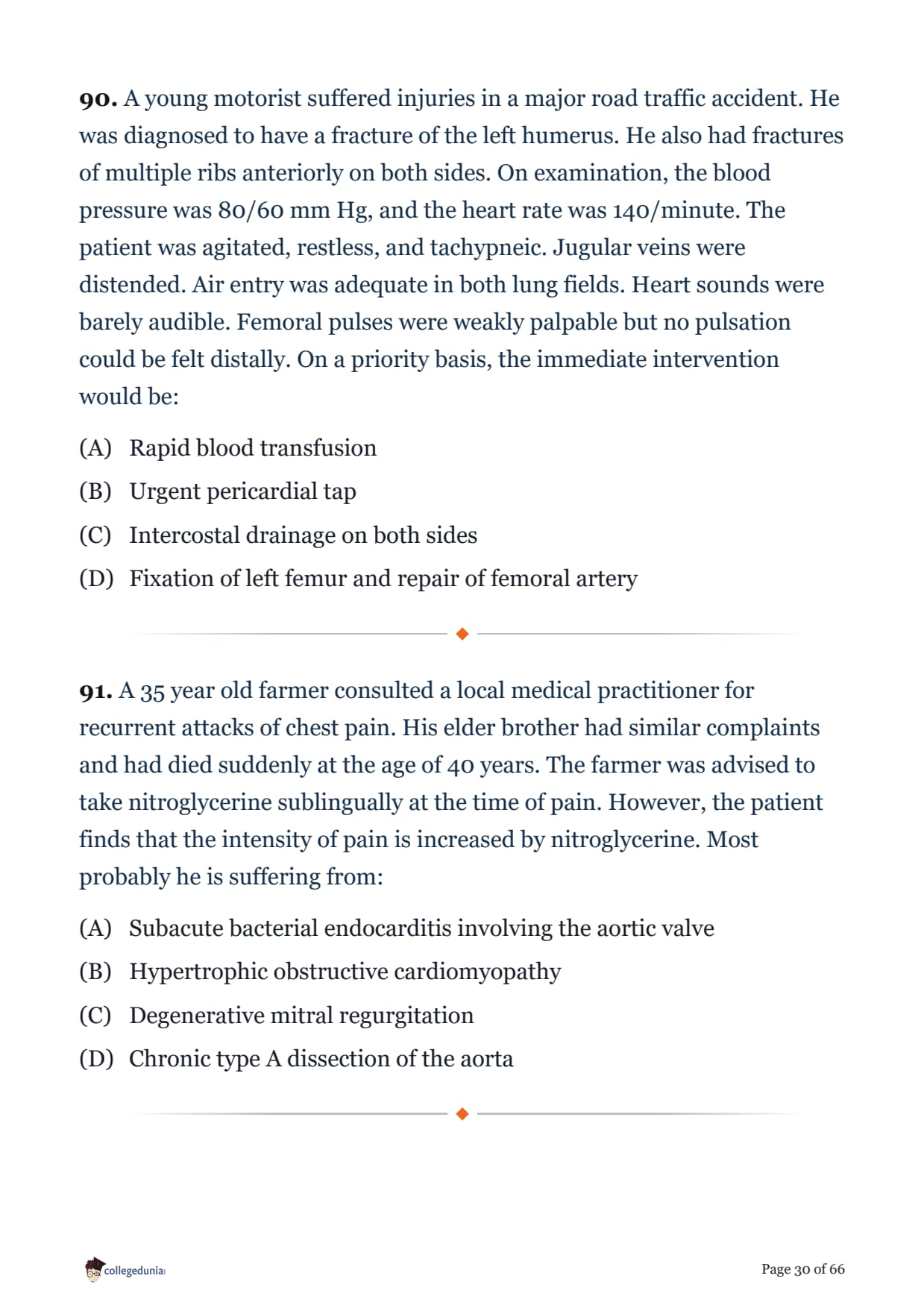
A young motorist suffered injuries in a major road traffic accident. He was diagnosed to have a fracture of the left humerus. He also had fractures of multiple ribs anteriorly on both sides. On examination, the blood pressure was 80/60 mm Hg, and the heart rate was 140/minute. The patient was agitated, restless, and tachypneic. Jugular veins were distended. Air entry was adequate in both lung fields. Heart sounds were barely audible. Femoral pulses were weakly palpable but no pulsation could be felt distally. On a priority basis, the immediate intervention would be:
A 35 year old farmer consulted a local medical practitioner for recurrent attacks of chest pain. His elder brother had similar complaints and had died suddenly at the age of 40 years. The farmer was advised to take nitroglycerine sublingually at the time of pain. However, the patient finds that the intensity of pain is increased by nitroglycerine. Most probably he is suffering from:
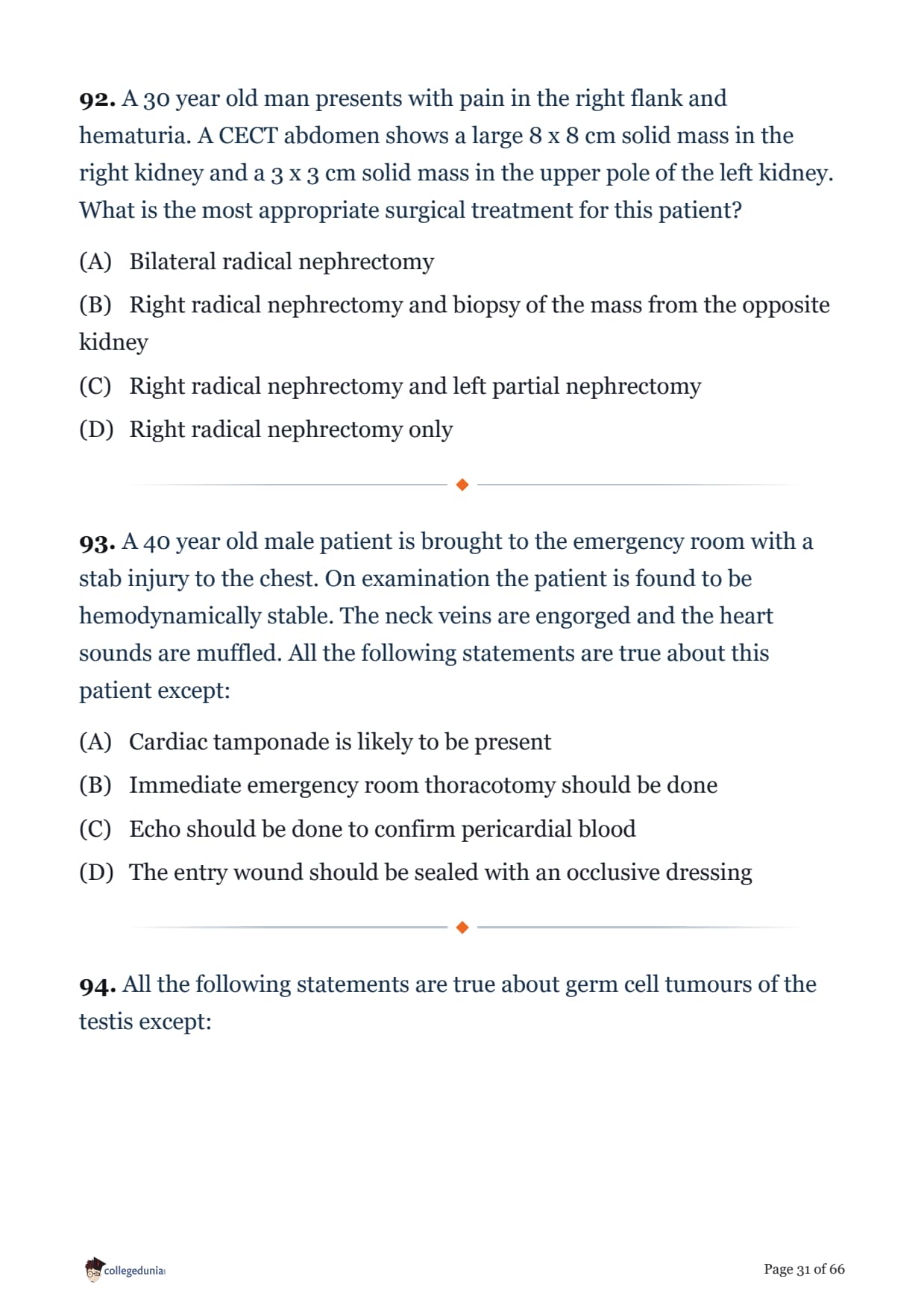
A 30 year old man presents with pain in the right flank and hematuria. A CECT abdomen shows a large 8 x 8 cm solid mass in the right kidney and a 3 x 3 cm solid mass in the upper pole of the left kidney. What is the most appropriate surgical treatment for this patient?
A 40 year old male patient is brought to the emergency room with a stab injury to the chest. On examination the patient is found to be hemodynamically stable. The neck veins are engorged and the heart sounds are muffled. All the following statements are true about this patient except:
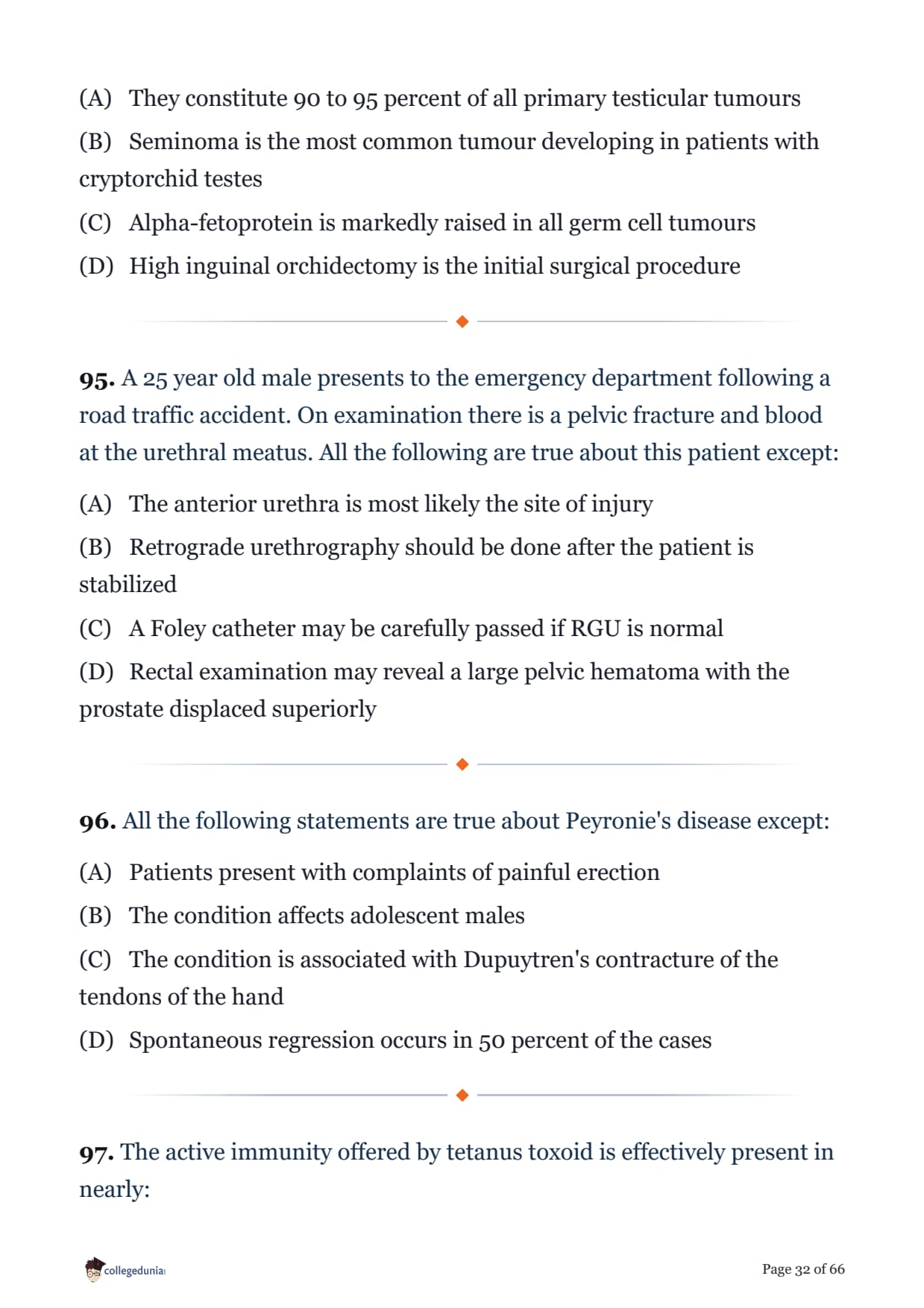
All the following statements are true about germ cell tumours of the testis except:
A 25 year old male presents to the emergency department following a road traffic accident. On examination there is a pelvic fracture and blood at the urethral meatus. All the following are true about this patient except:
All the following statements are true about Peyronie's disease except:
The active immunity offered by tetanus toxoid is effectively present in nearly:
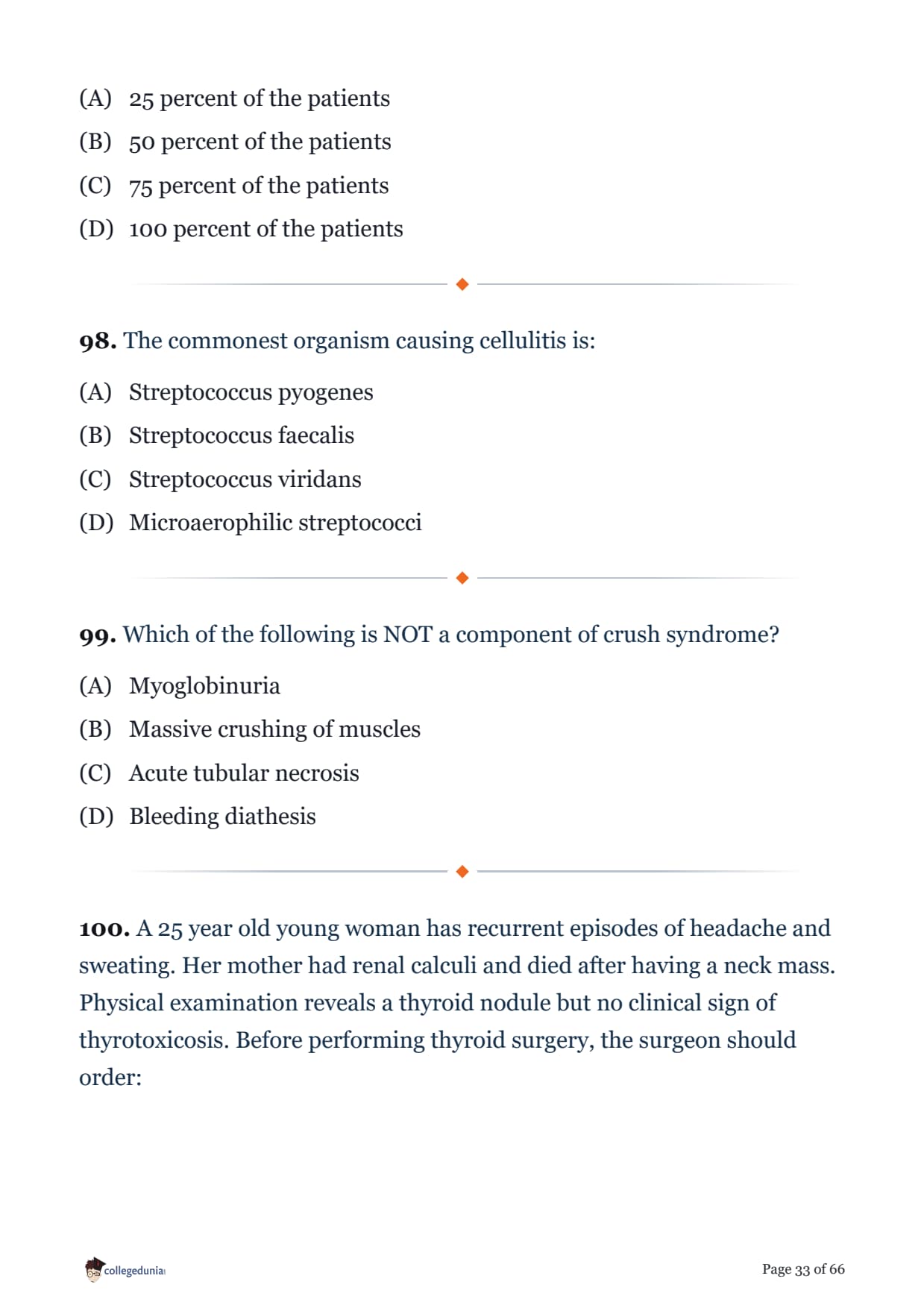
The commonest organism causing cellulitis is:
Which of the following is NOT a component of crush syndrome?
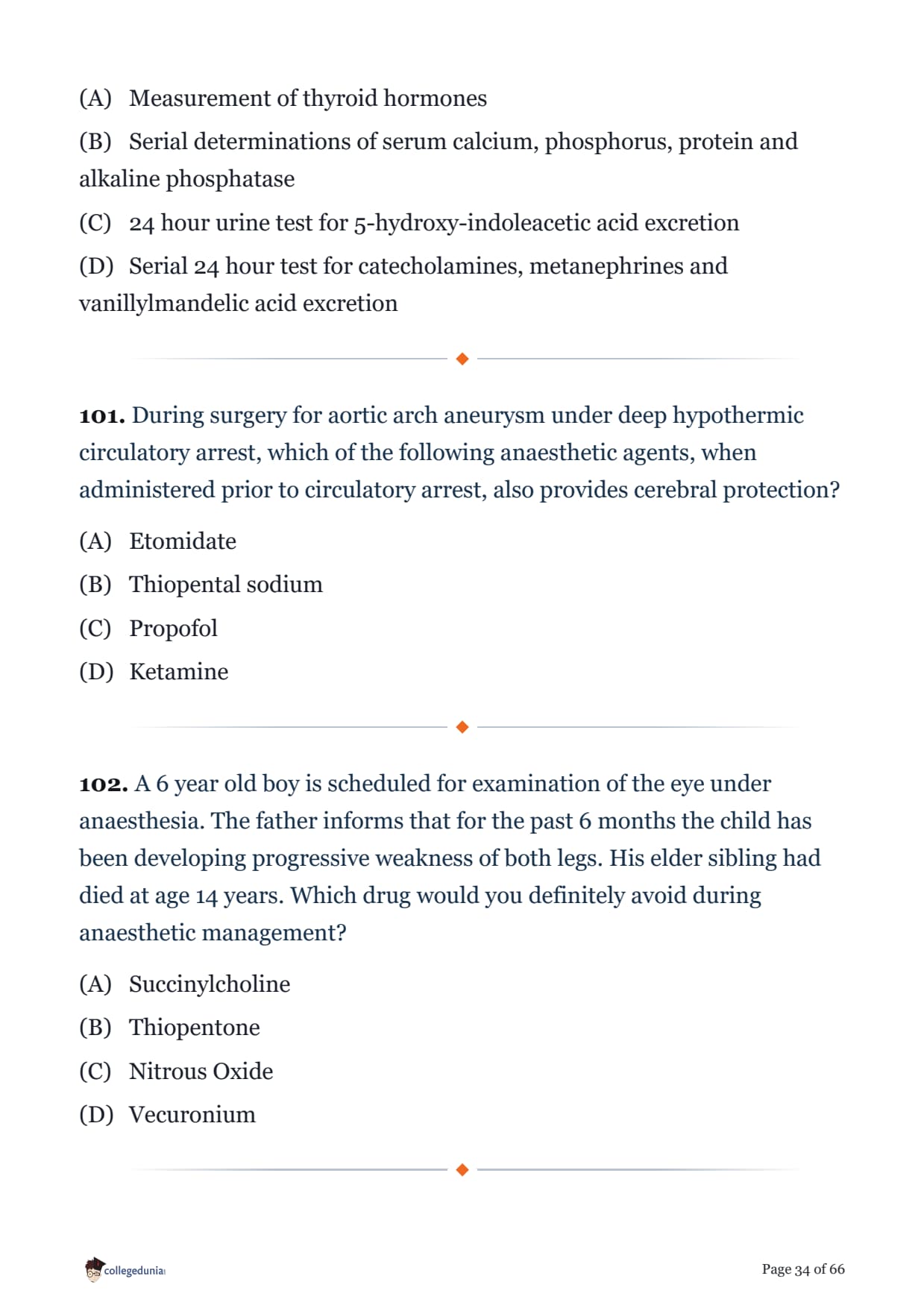
A 25 year old young woman has recurrent episodes of headache and sweating. Her mother had renal calculi and died after having a neck mass. Physical examination reveals a thyroid nodule but no clinical sign of thyrotoxicosis. Before performing thyroid surgery, the surgeon should order:
During surgery for aortic arch aneurysm under deep hypothermic circulatory arrest, which of the following anaesthetic agents, when administered prior to circulatory arrest, also provides cerebral protection?
A 6 year old boy is scheduled for examination of the eye under anaesthesia. The father informs that for the past 6 months the child has been developing progressive weakness of both legs. His elder sibling had died at age 14 years. Which drug would you definitely avoid during anaesthetic management?
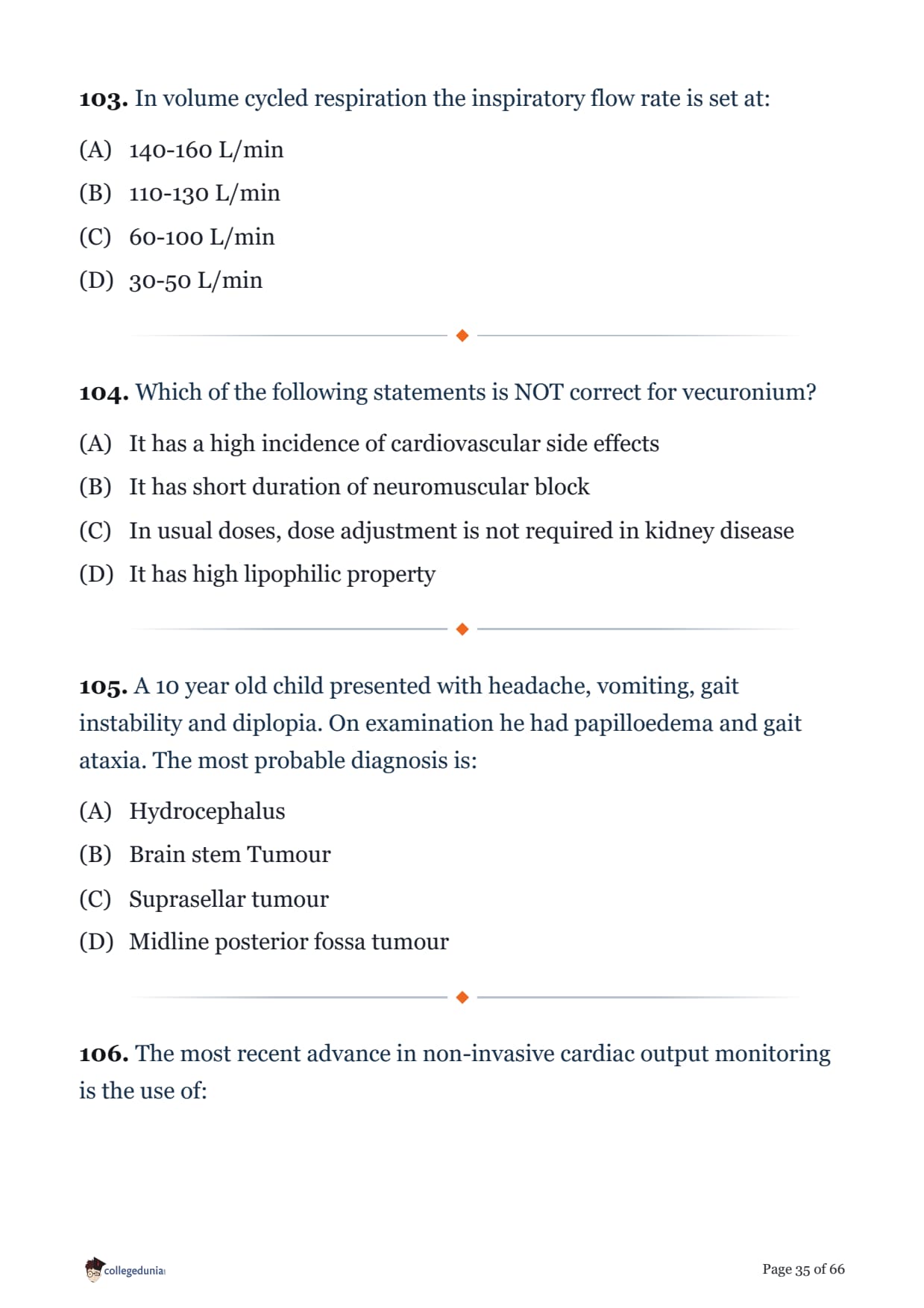
In volume cycled respiration the inspiratory flow rate is set at:
Which of the following statements is NOT correct for vecuronium?
A 10 year old child presented with headache, vomiting, gait instability and diplopia. On examination he had papilloedema and gait ataxia. The most probable diagnosis is:
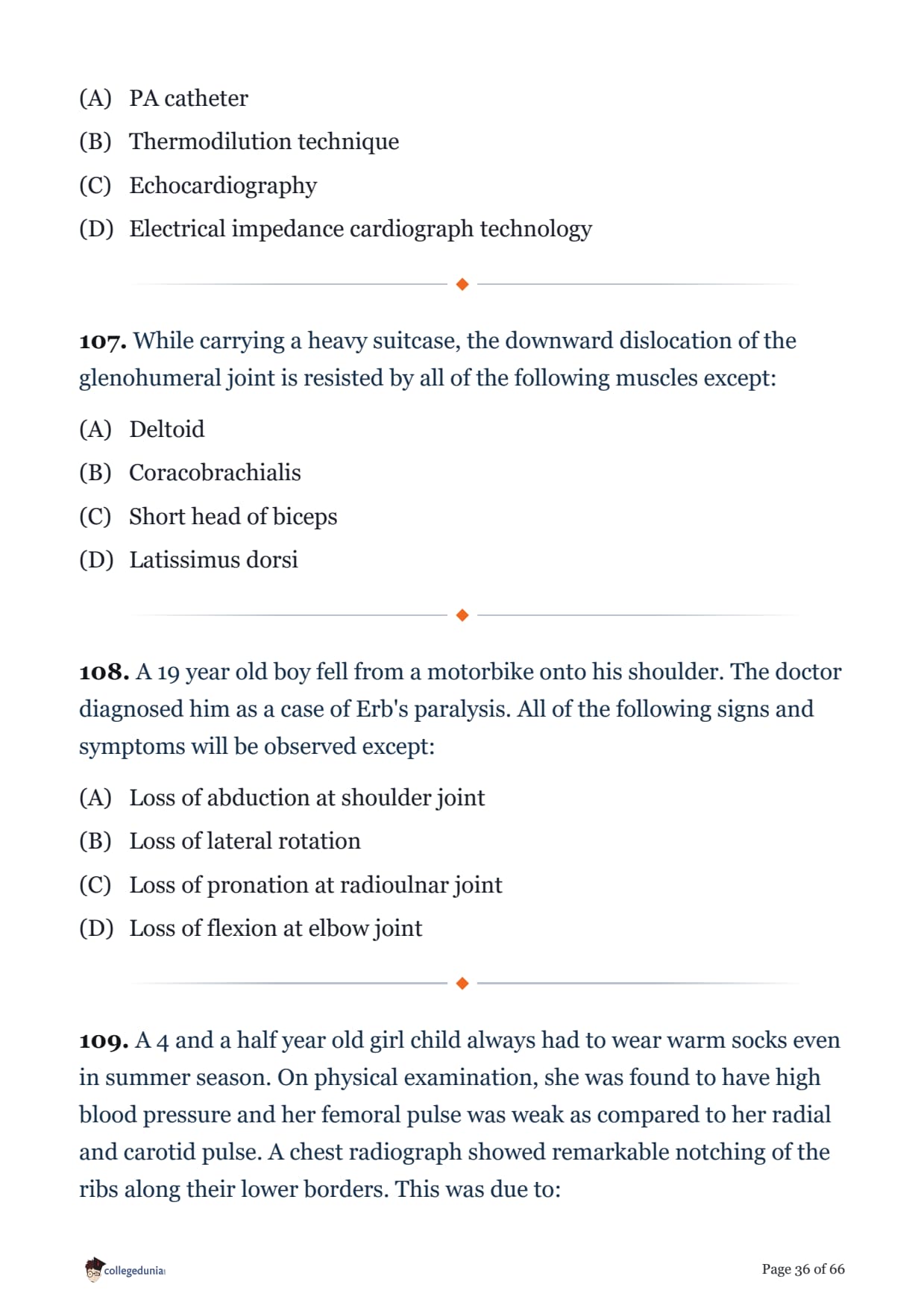
The most recent advance in non-invasive cardiac output monitoring is the use of:
While carrying a heavy suitcase, the downward dislocation of the glenohumeral joint is resisted by all of the following muscles except:
A 19 year old boy fell from a motorbike onto his shoulder. The doctor diagnosed him as a case of Erb's paralysis. All of the following signs and symptoms will be observed except:
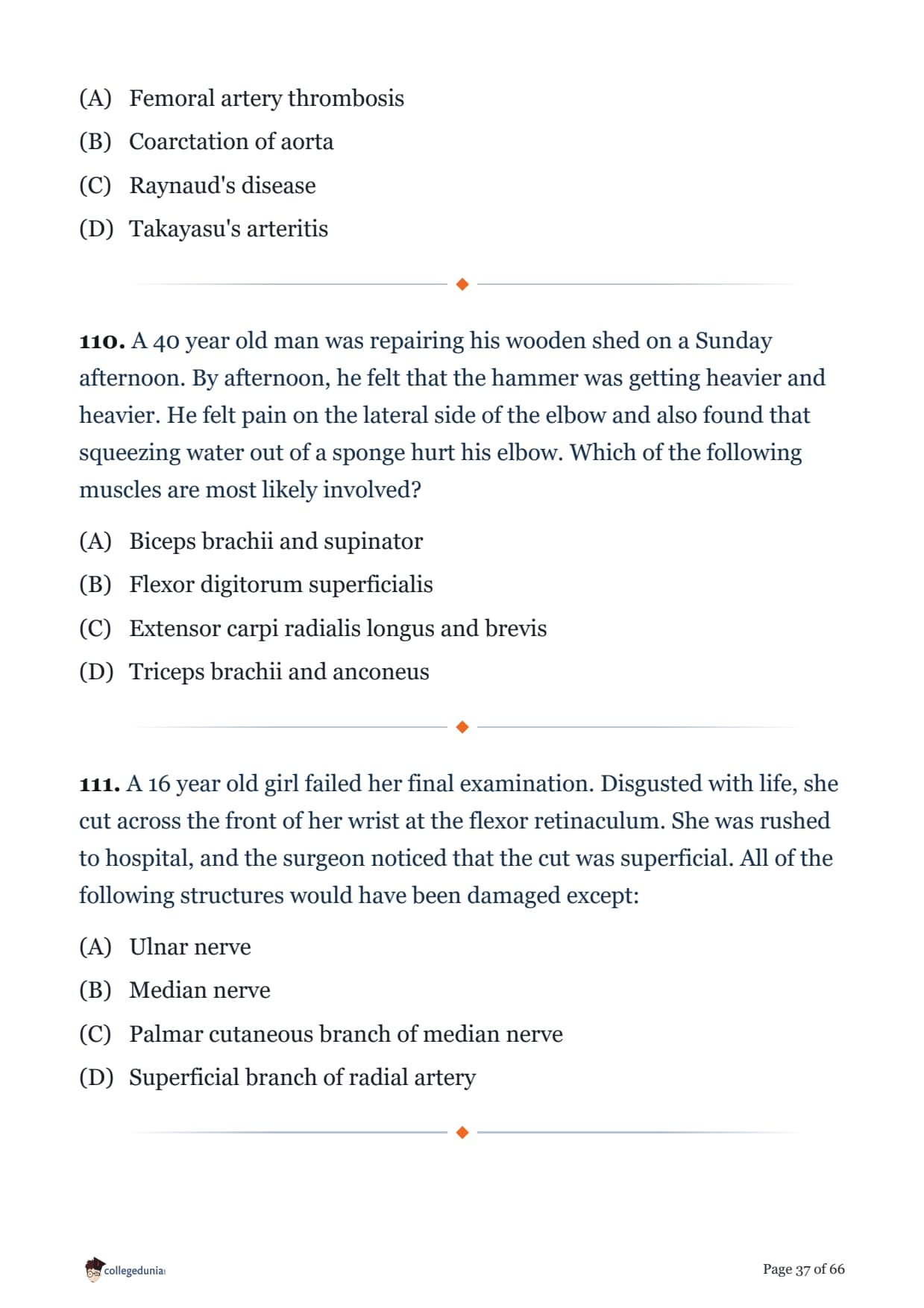
A 4 and a half year old girl child always had to wear warm socks even in summer season. On physical examination, she was found to have high blood pressure and her femoral pulse was weak as compared to her radial and carotid pulse. A chest radiograph showed remarkable notching of the ribs along their lower borders. This was due to:
A 40 year old man was repairing his wooden shed on a Sunday afternoon. By afternoon, he felt that the hammer was getting heavier and heavier. He felt pain on the lateral side of the elbow and also found that squeezing water out of a sponge hurt his elbow. Which of the following muscles are most likely involved?
A 16 year old girl failed her final examination. Disgusted with life, she cut across the front of her wrist at the flexor retinaculum. She was rushed to hospital, and the surgeon noticed that the cut was superficial. All of the following structures would have been damaged except:
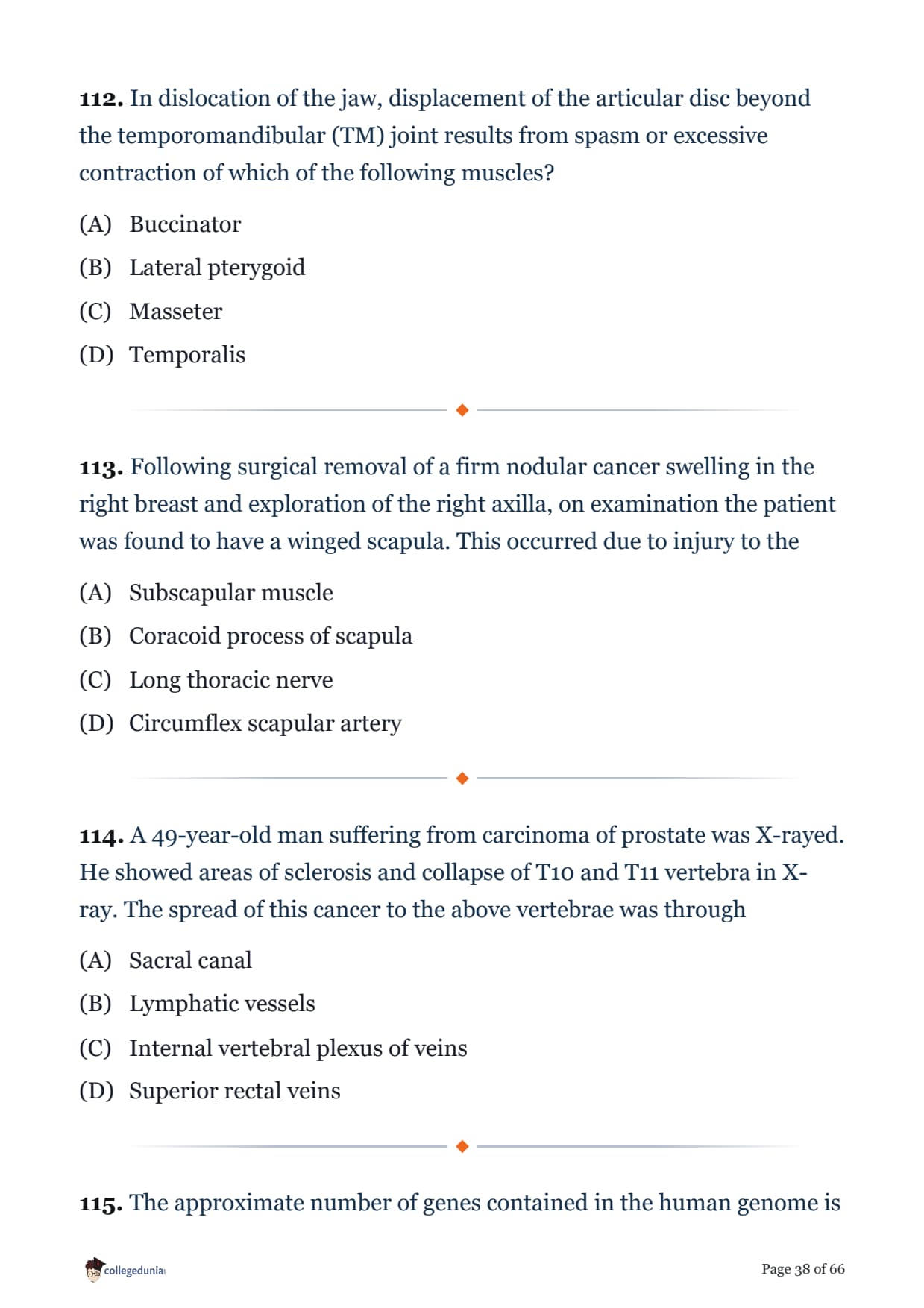
In dislocation of the jaw, displacement of the articular disc beyond the temporomandibular (TM) joint results from spasm or excessive contraction of which of the following muscles?
Following surgical removal of a firm nodular cancer swelling in the right breast and exploration of the right axilla, on examination the patient was found to have a winged scapula. This occurred due to injury to the
A 49-year-old man suffering from carcinoma of prostate was X-rayed. He showed areas of sclerosis and collapse of T10 and T11 vertebra in X-ray. The spread of this cancer to the above vertebrae was through
The approximate number of genes contained in the human genome is
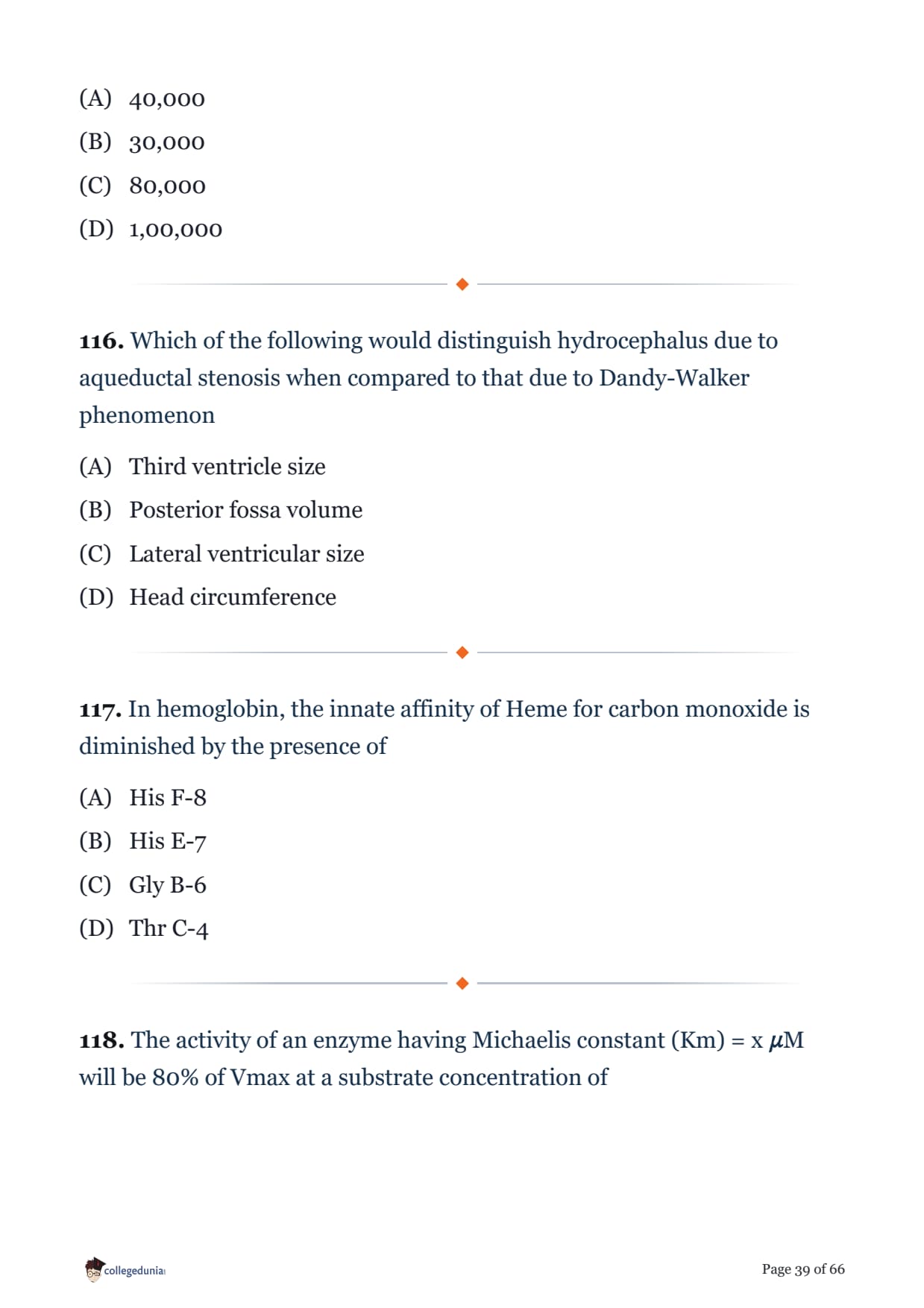
Which of the following would distinguish hydrocephalus due to aqueductal stenosis when compared to that due to Dandy-Walker phenomenon
In hemoglobin, the innate affinity of Heme for carbon monoxide is diminished by the presence of
The activity of an enzyme having Michaelis constant (Km) = x \(\mu\)M will be 80% of Vmax at a substrate concentration of
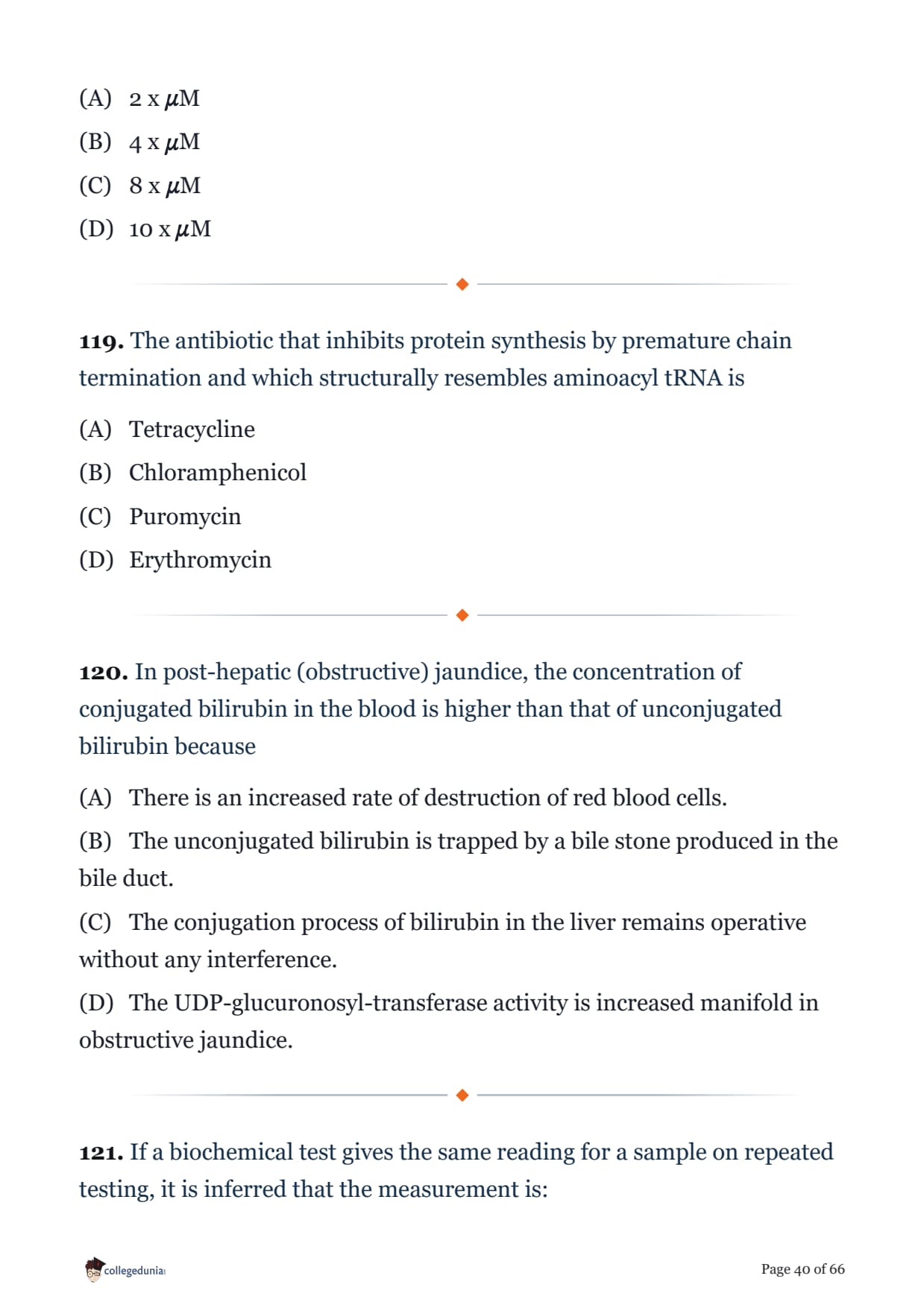
The antibiotic that inhibits protein synthesis by premature chain termination and which structurally resembles aminoacyl tRNA is
In post-hepatic (obstructive) jaundice, the concentration of conjugated bilirubin in the blood is higher than that of unconjugated bilirubin because
If a biochemical test gives the same reading for a sample on repeated testing, it is inferred that the measurement is:
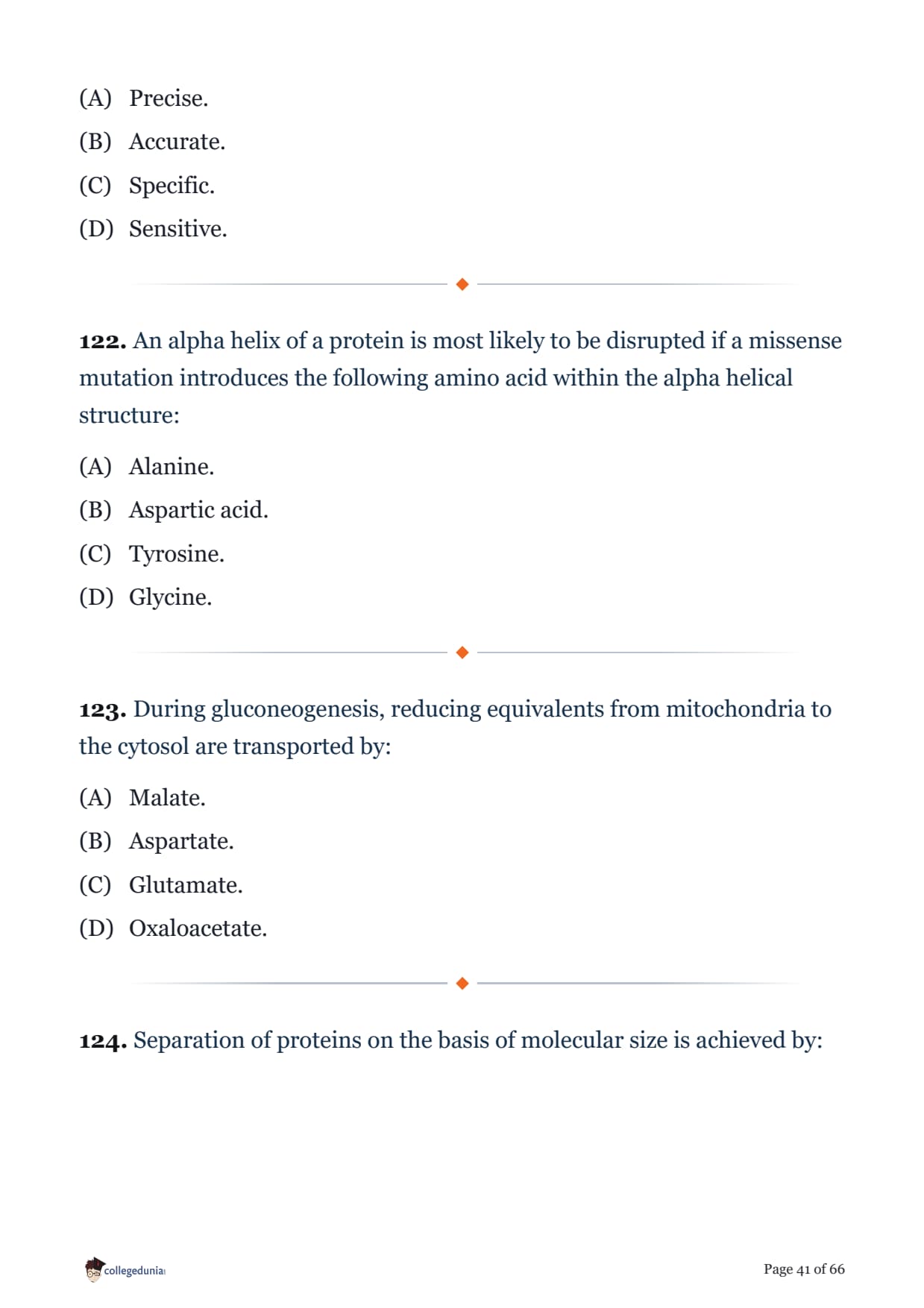
An alpha helix of a protein is most likely to be disrupted if a missense mutation introduces the following amino acid within the alpha helical structure:
During gluconeogenesis, reducing equivalents from mitochondria to the cytosol are transported by:
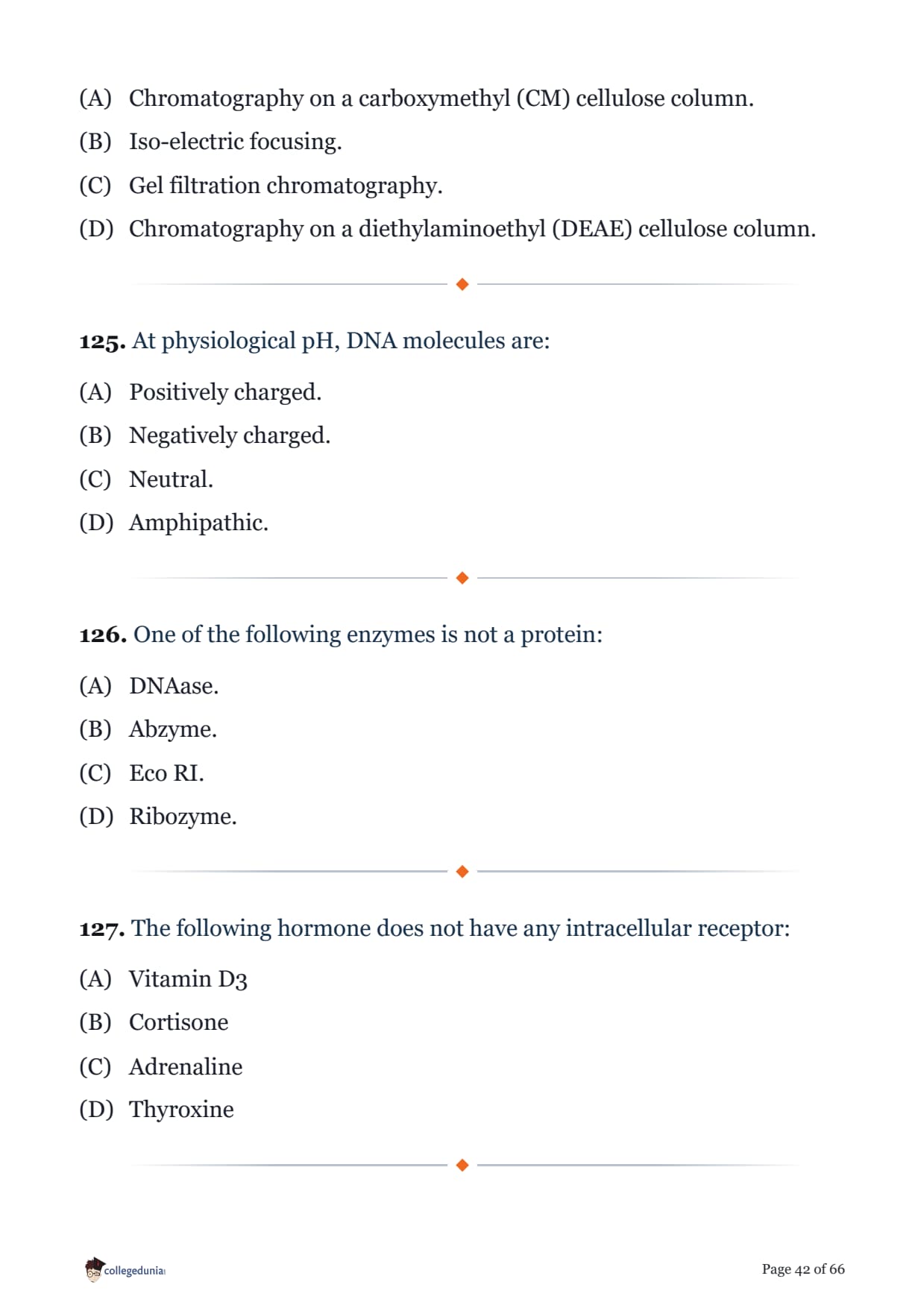
Separation of proteins on the basis of molecular size is achieved by:
At physiological pH, DNA molecules are:
One of the following enzymes is not a protein:
The following hormone does not have any intracellular receptor:
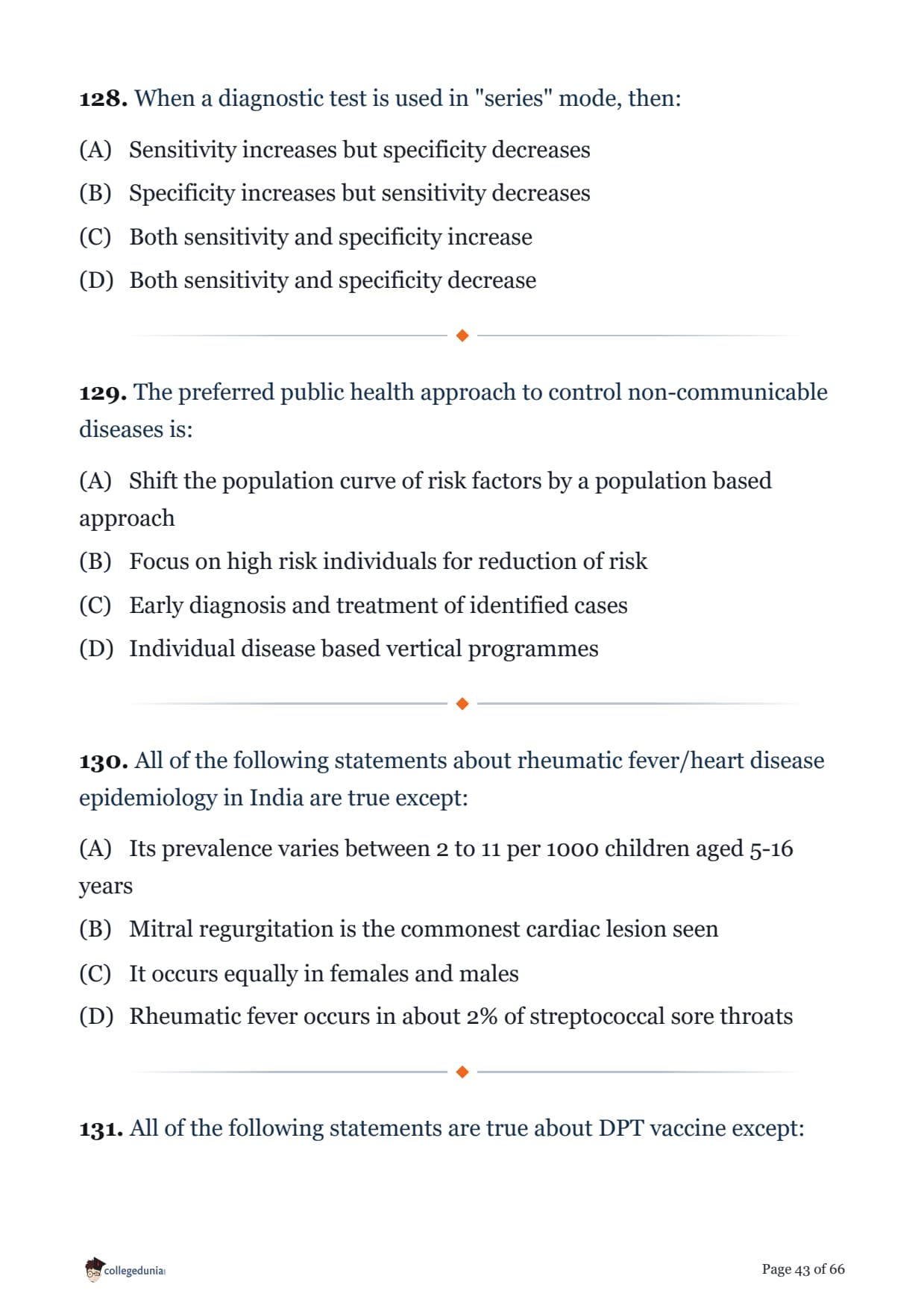
When a diagnostic test is used in "series" mode, then:
The preferred public health approach to control non-communicable diseases is:
All of the following statements about rheumatic fever/heart disease epidemiology in India are true except:
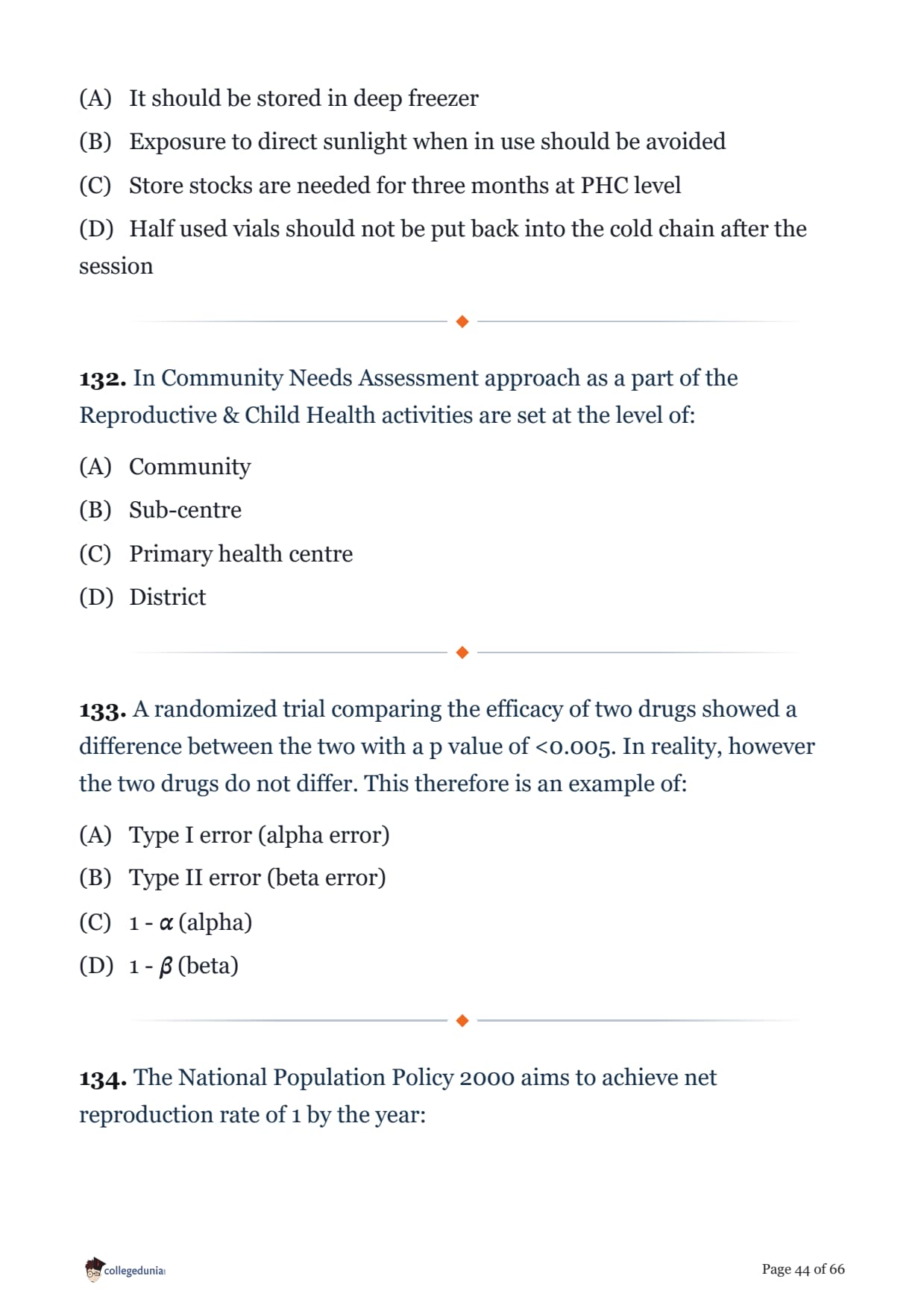
All of the following statements are true about DPT vaccine except:
In Community Needs Assessment approach as a part of the Reproductive & Child Health activities are set at the level of:
A randomized trial comparing the efficacy of two drugs showed a difference between the two with a p value of <0.005. In reality, however the two drugs do not differ. This therefore is an example of:
The National Population Policy 2000 aims to achieve net reproduction rate of 1 by the year:
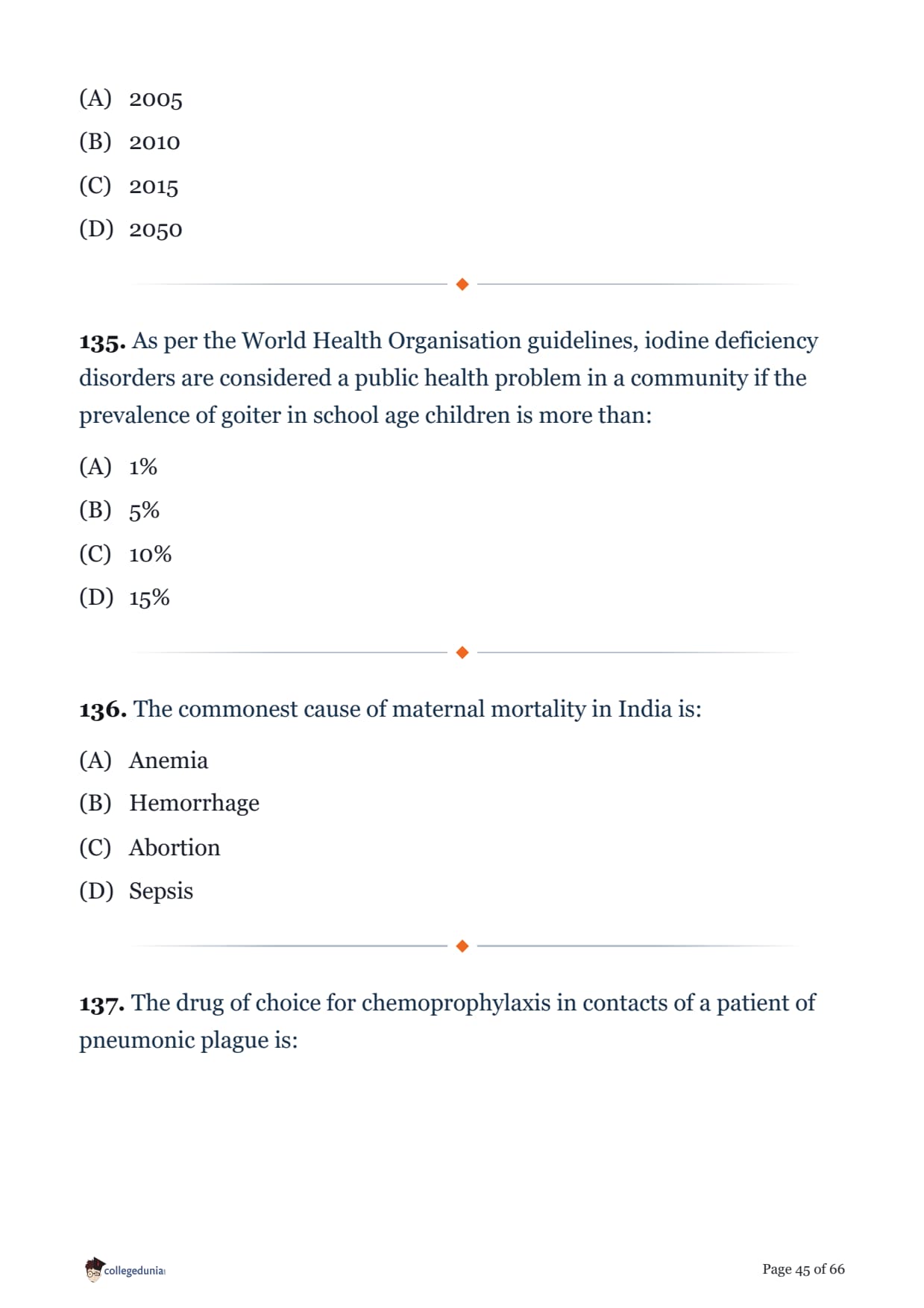
As per the World Health Organisation guidelines, iodine deficiency disorders are considered a public health problem in a community if the prevalence of goiter in school age children is more than:
The commonest cause of maternal mortality in India is:
The drug of choice for chemoprophylaxis in contacts of a patient of pneumonic plague is:
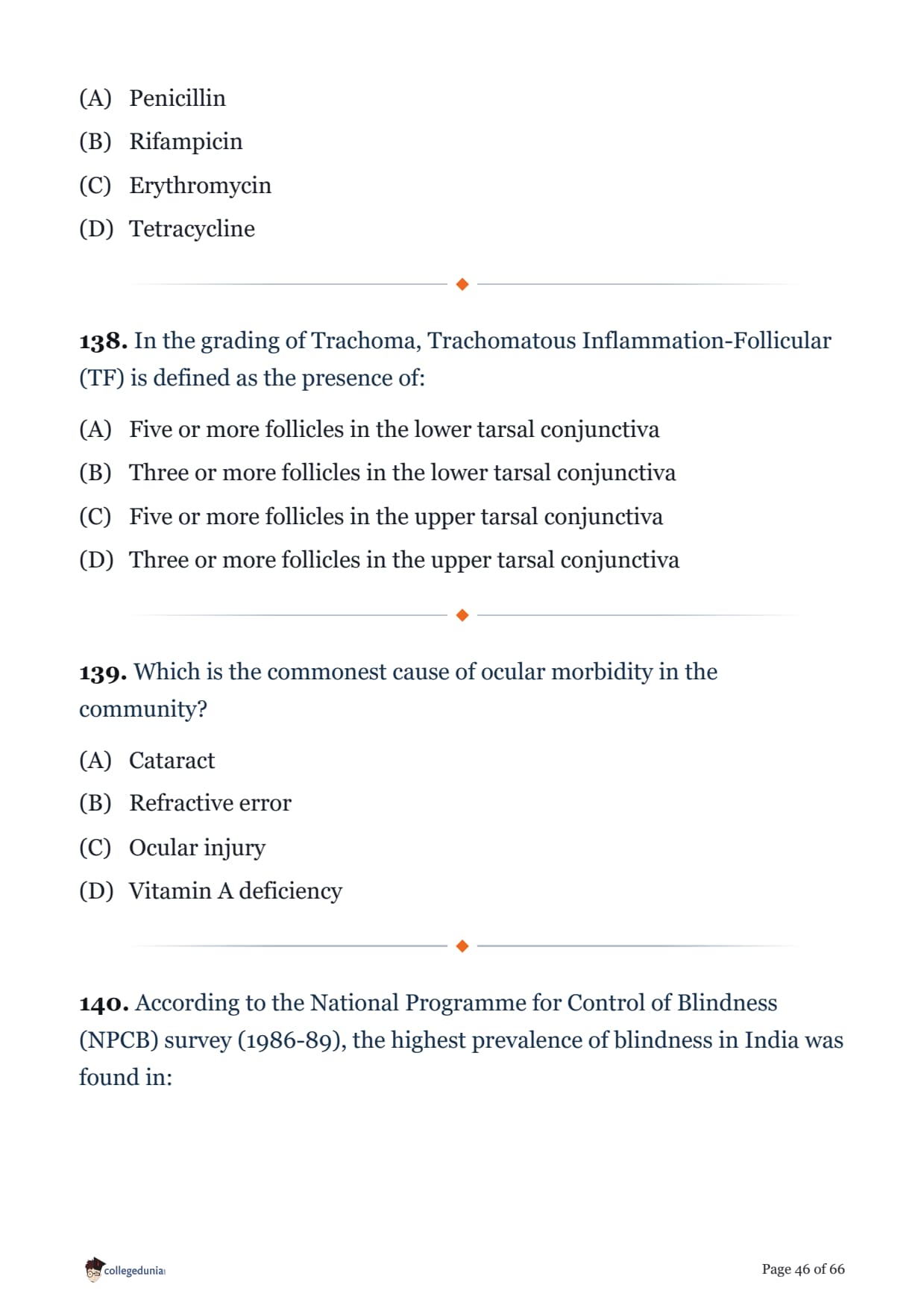
In the grading of Trachoma, Trachomatous Inflammation-Follicular (TF) is defined as the presence of:
Which is the commonest cause of ocular morbidity in the community?
According to the National Programme for Control of Blindness (NPCB) survey (1986-89), the highest prevalence of blindness in India was found in:
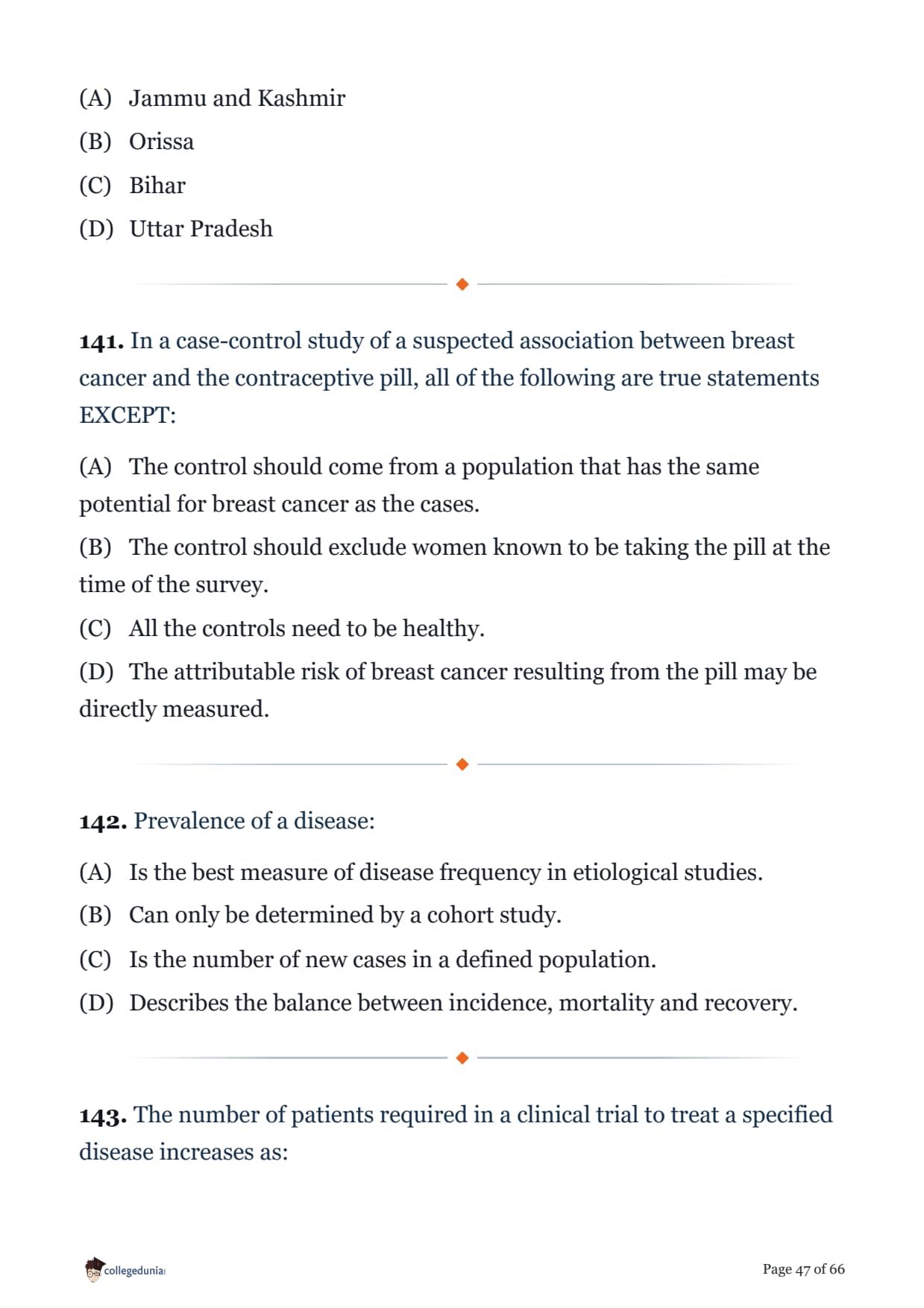
In a case-control study of a suspected association between breast cancer and the contraceptive pill, all of the following are true statements EXCEPT:
Prevalence of a disease:
The number of patients required in a clinical trial to treat a specified disease increases as:
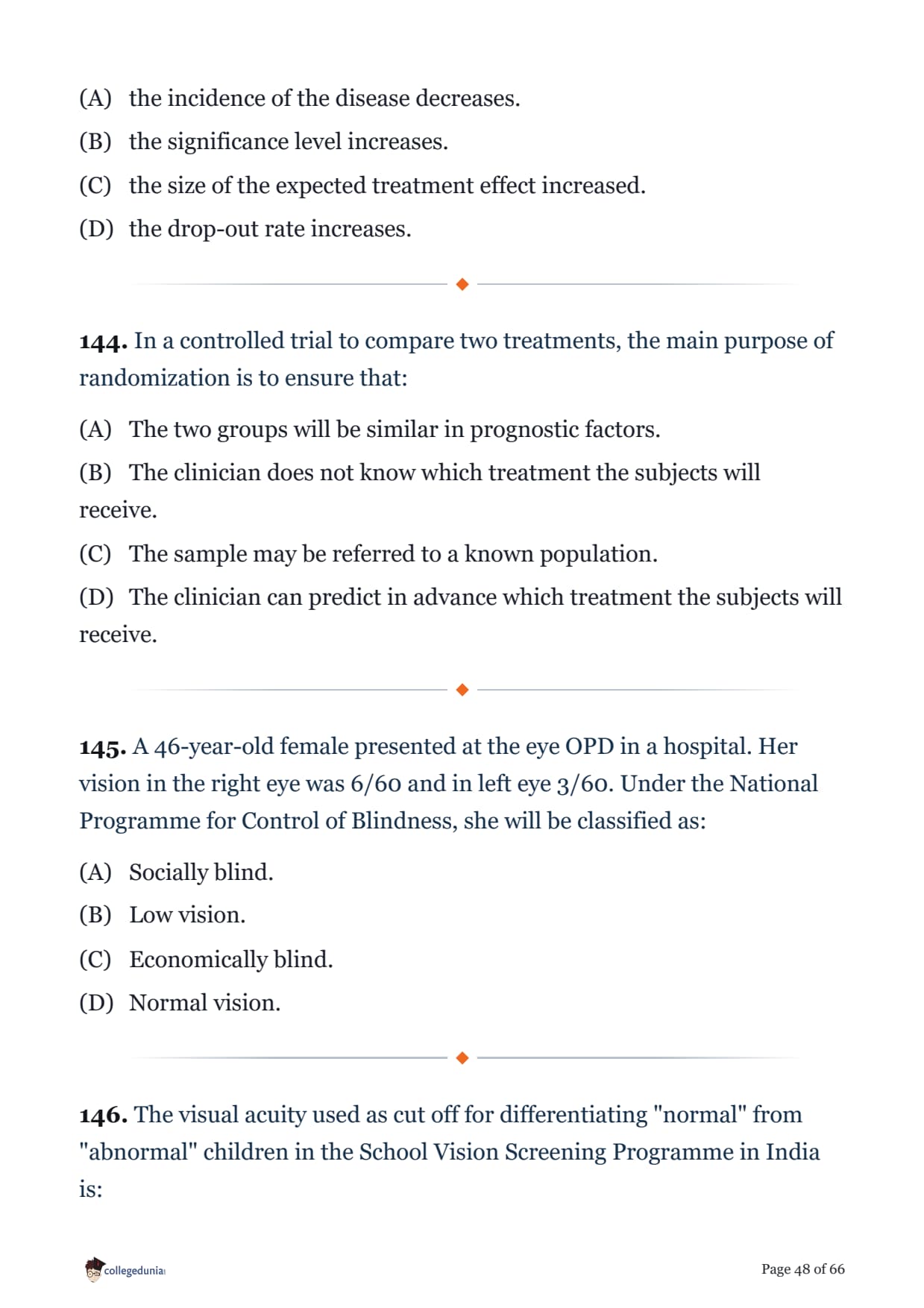
In a controlled trial to compare two treatments, the main purpose of randomization is to ensure that:
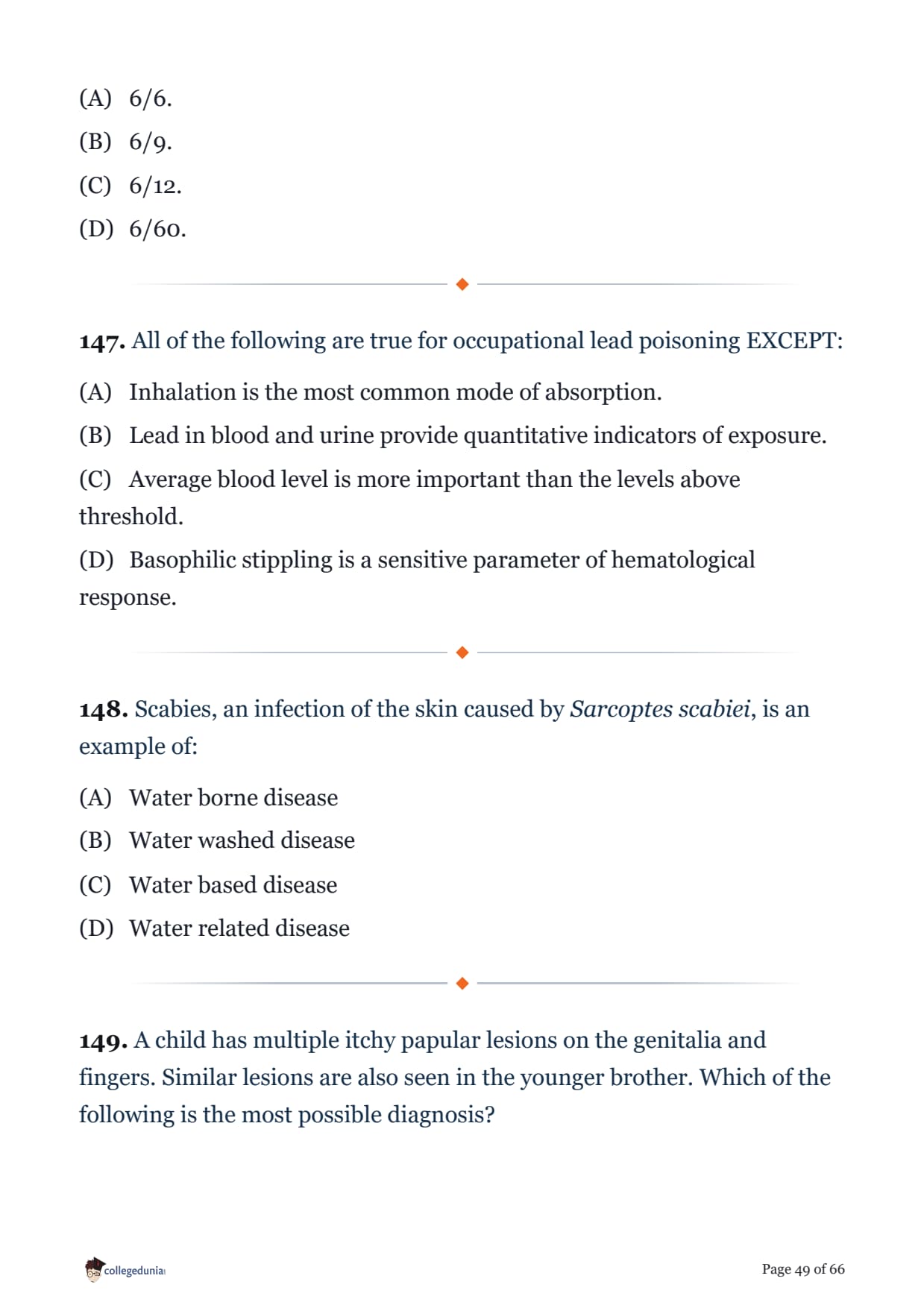
A 46-year-old female presented at the eye OPD in a hospital. Her vision in the right eye was 6/60 and in left eye 3/60. Under the National Programme for Control of Blindness, she will be classified as:
The visual acuity used as cut off for differentiating "normal" from "abnormal" children in the School Vision Screening Programme in India is:
All of the following are true for occupational lead poisoning EXCEPT:
Scabies, an infection of the skin caused by Sarcoptes scabiei, is an example of:
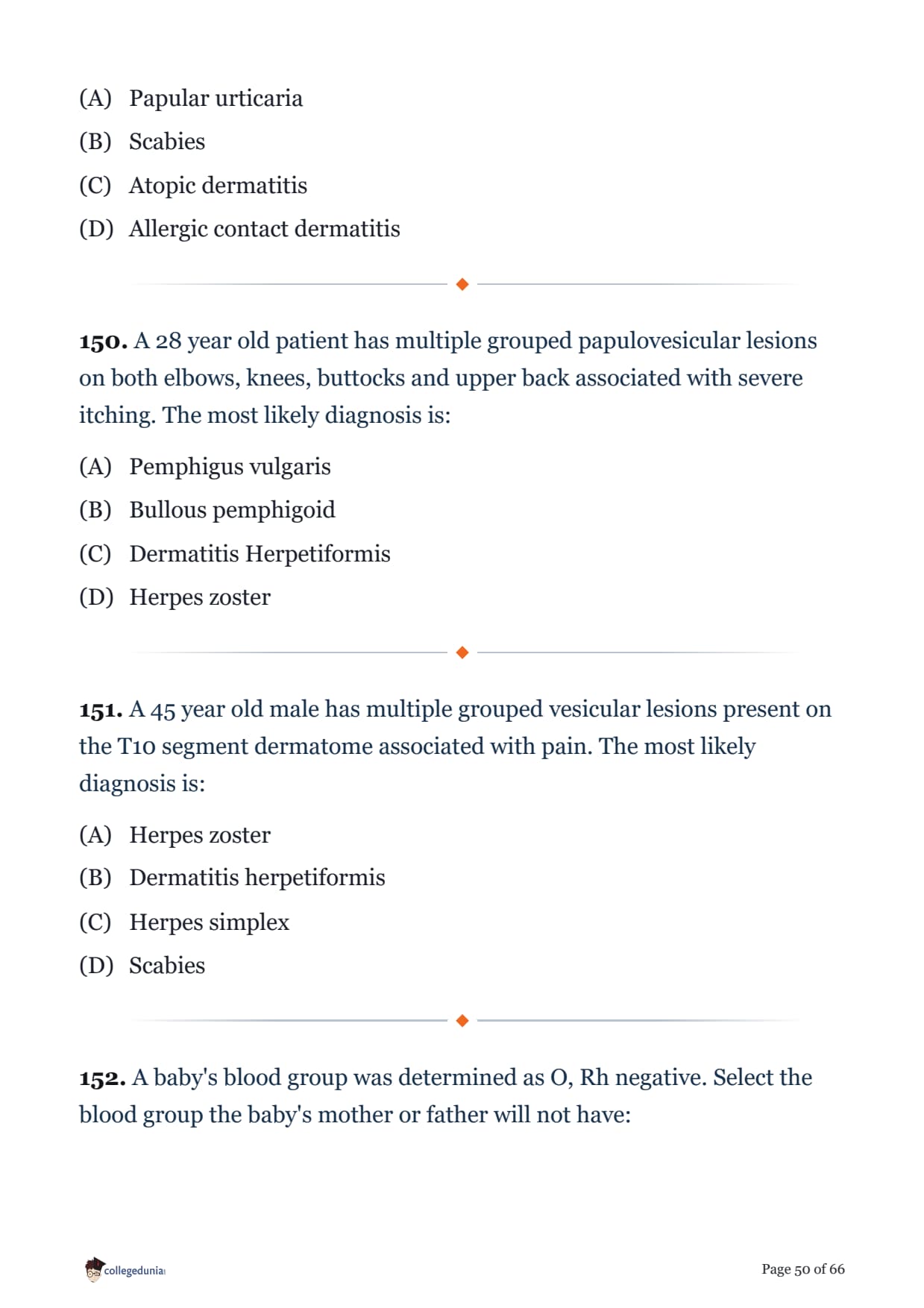
A child has multiple itchy papular lesions on the genitalia and fingers. Similar lesions are also seen in the younger brother. Which of the following is the most possible diagnosis?
A 28 year old patient has multiple grouped papulovesicular lesions on both elbows, knees, buttocks and upper back associated with severe itching. The most likely diagnosis is:
A 45 year old male has multiple grouped vesicular lesions present on the T10 segment dermatome associated with pain. The most likely diagnosis is:
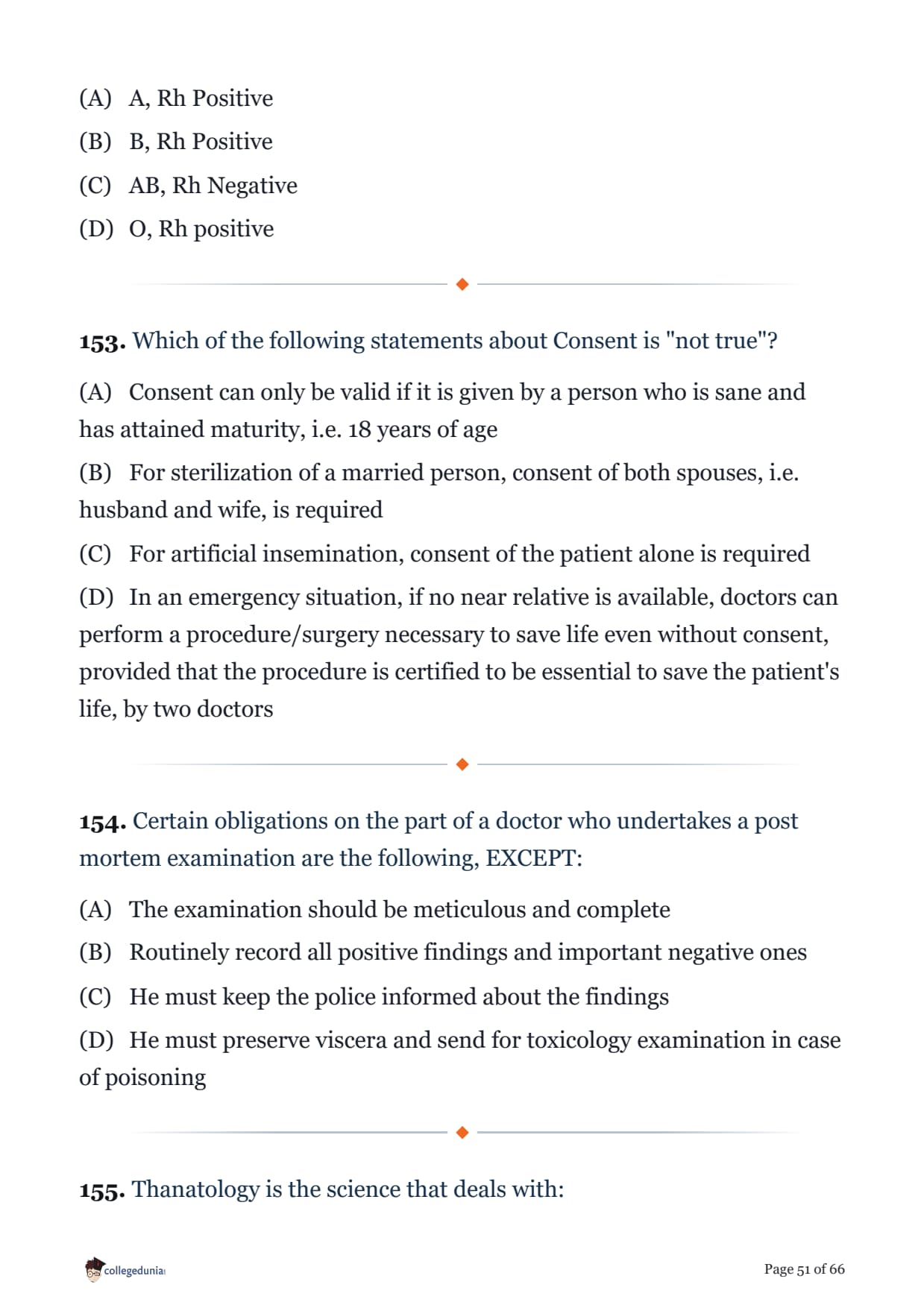
A baby's blood group was determined as O, Rh negative. Select the blood group the baby's mother or father will not have:
Which of the following statements about Consent is "not true"?
Certain obligations on the part of a doctor who undertakes a post mortem examination are the following, EXCEPT:
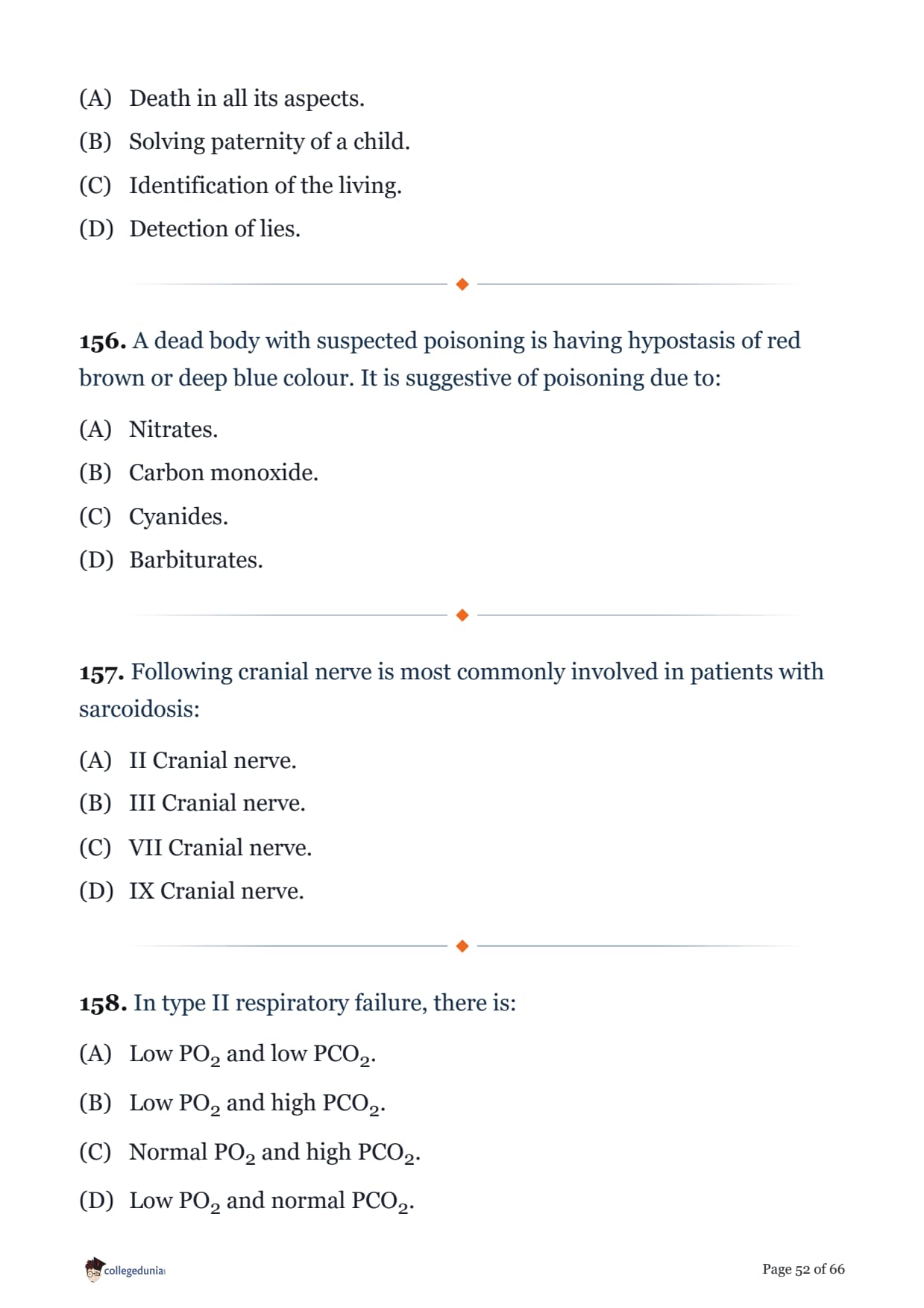
Thanatology is the science that deals with:
A dead body with suspected poisoning is having hypostasis of red brown or deep blue colour. It is suggestive of poisoning due to:
Following cranial nerve is most commonly involved in patients with sarcoidosis:
In type II respiratory failure, there is:
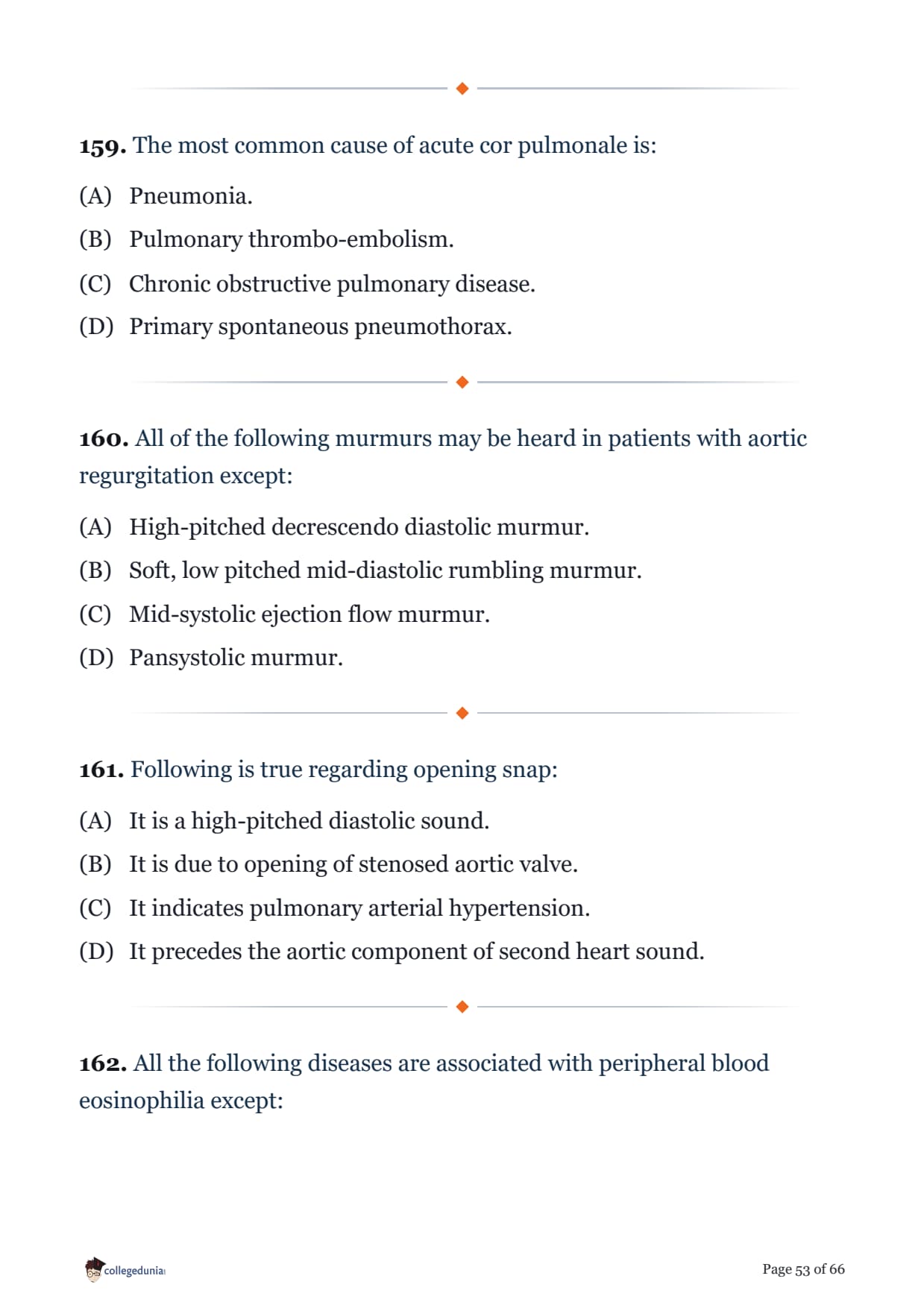
The most common cause of acute cor pulmonale is:
All of the following murmurs may be heard in patients with aortic regurgitation except:
Following is true regarding opening snap:
All the following diseases are associated with peripheral blood eosinophilia except:
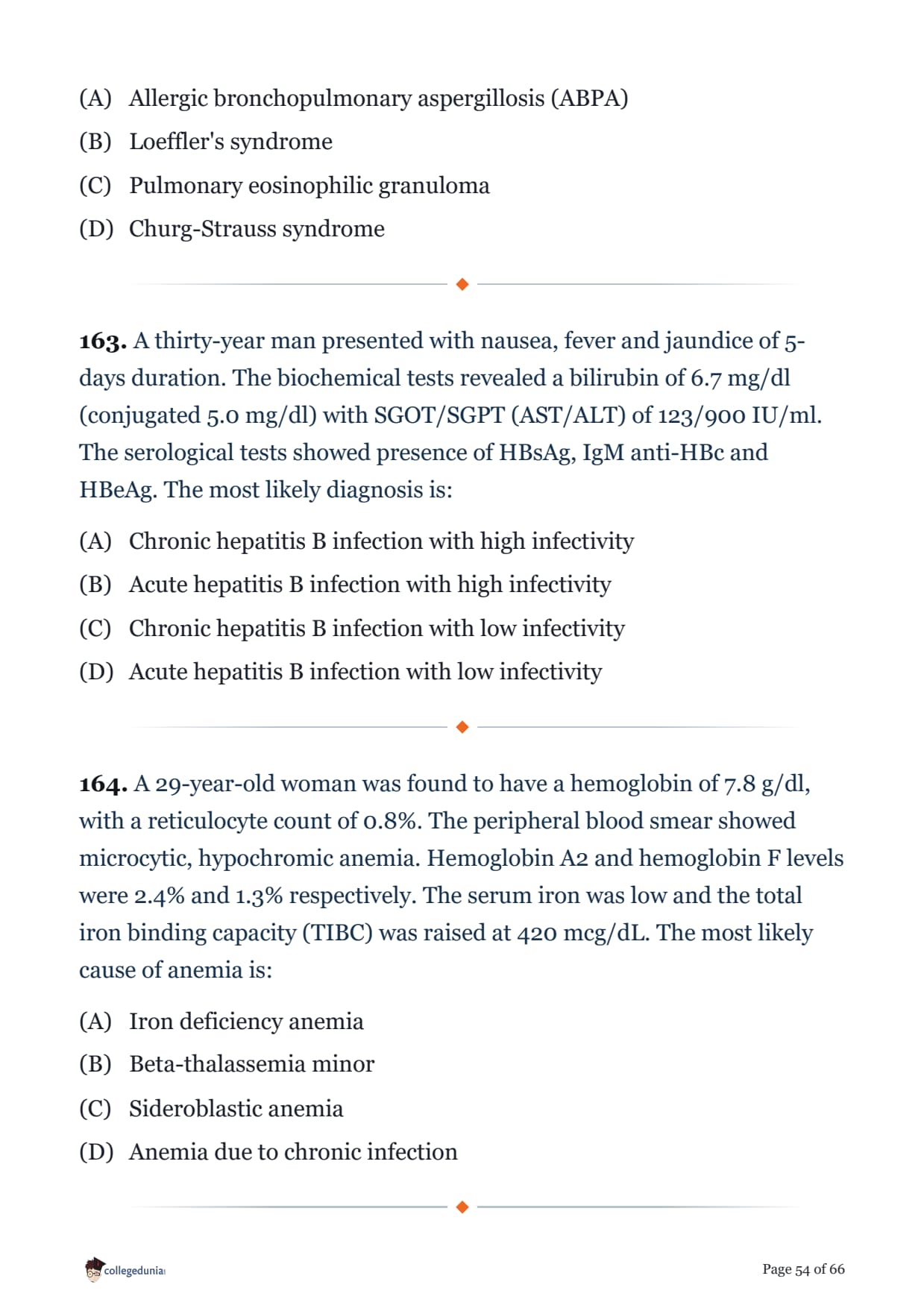
A thirty-year man presented with nausea, fever and jaundice of 5-days duration. The biochemical tests revealed a bilirubin of 6.7 mg/dl (conjugated 5.0 mg/dl) with SGOT/SGPT (AST/ALT) of 123/900 IU/ml. The serological tests showed presence of HBsAg, IgM anti-HBc and HBeAg. The most likely diagnosis is:
A 29-year-old woman was found to have a hemoglobin of 7.8 g/dl, with a reticulocyte count of 0.8%. The peripheral blood smear showed microcytic, hypochromic anemia. Hemoglobin A2 and hemoglobin F levels were 2.4% and 1.3% respectively. The serum iron was low and the total iron binding capacity (TIBC) was raised at 420 mcg/dL. The most likely cause of anemia is:
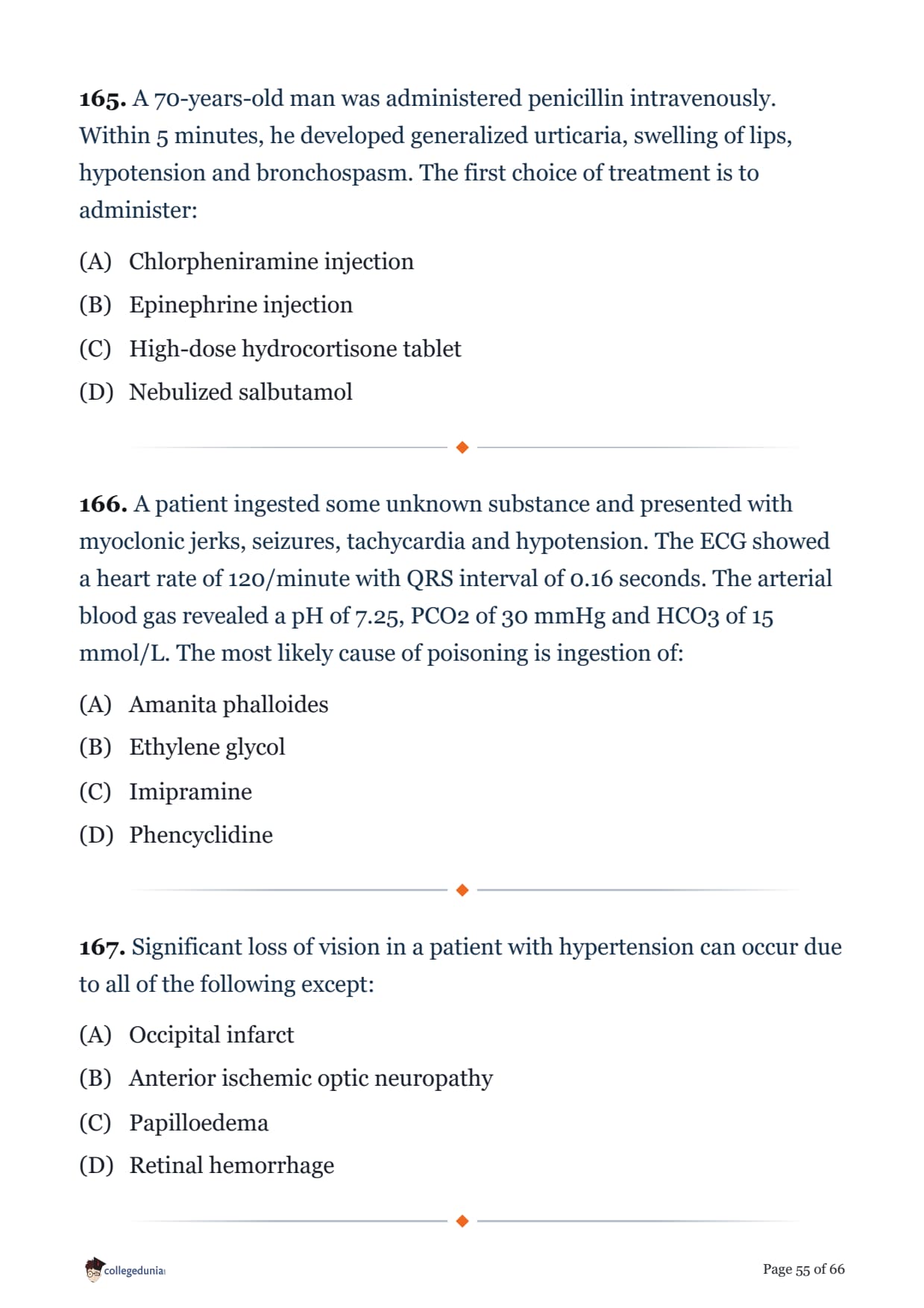
A 70-years-old man was administered penicillin intravenously. Within 5 minutes, he developed generalized urticaria, swelling of lips, hypotension and bronchospasm. The first choice of treatment is to administer:
A patient ingested some unknown substance and presented with myoclonic jerks, seizures, tachycardia and hypotension. The ECG showed a heart rate of 120/minute with QRS interval of 0.16 seconds. The arterial blood gas revealed a pH of 7.25, PCO2 of 30 mmHg and HCO3 of 15 mmol/L. The most likely cause of poisoning is ingestion of:
Significant loss of vision in a patient with hypertension can occur due to all of the following except:
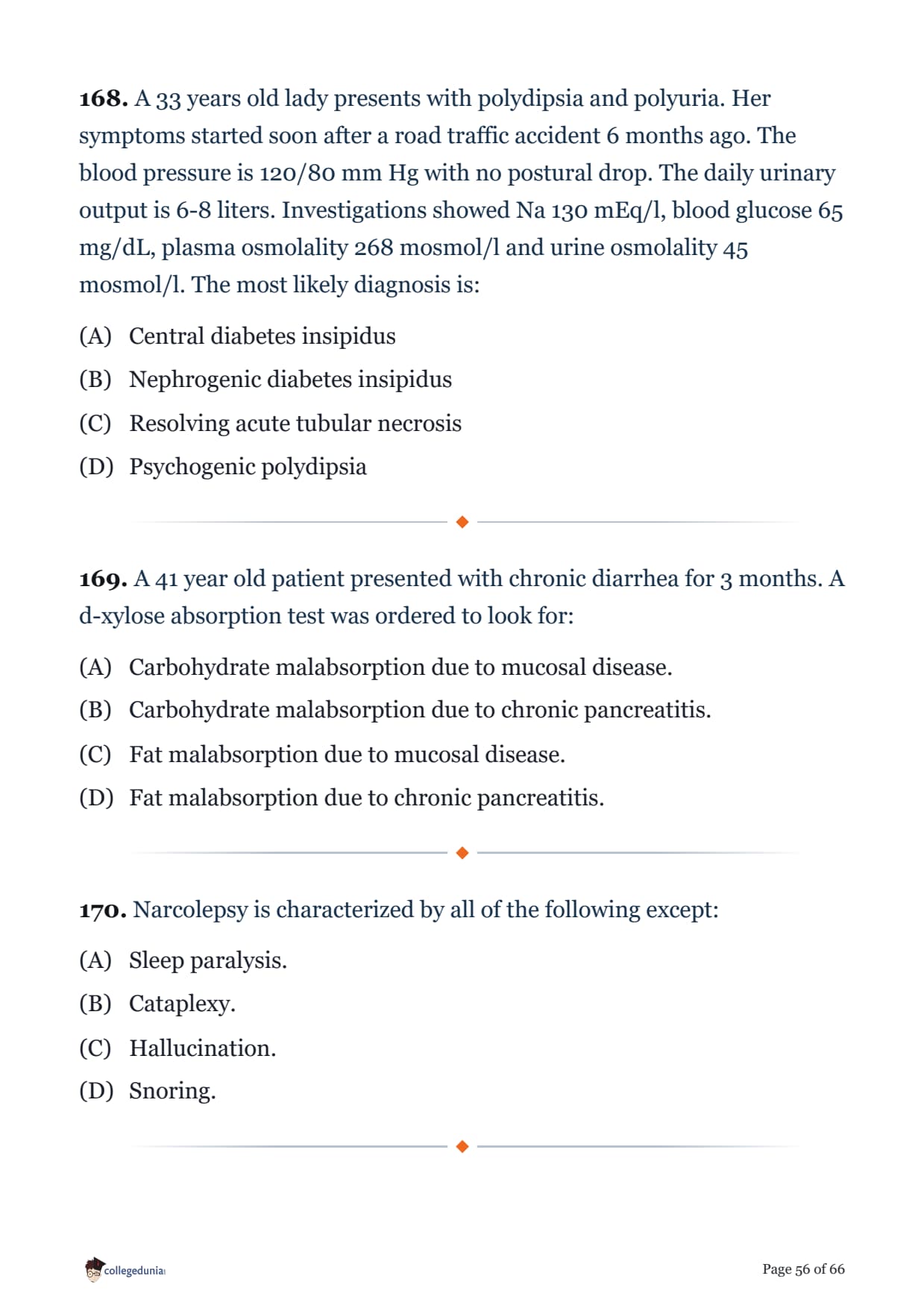
A 33 years old lady presents with polydipsia and polyuria. Her symptoms started soon after a road traffic accident 6 months ago. The blood pressure is 120/80 mm Hg with no postural drop. The daily urinary output is 6-8 liters. Investigations showed Na 130 mEq/l, blood glucose 65 mg/dL, plasma osmolality 268 mosmol/l and urine osmolality 45 mosmol/l. The most likely diagnosis is:
A 41 year old patient presented with chronic diarrhea for 3 months. A d-xylose absorption test was ordered to look for:
Narcolepsy is characterized by all of the following except:
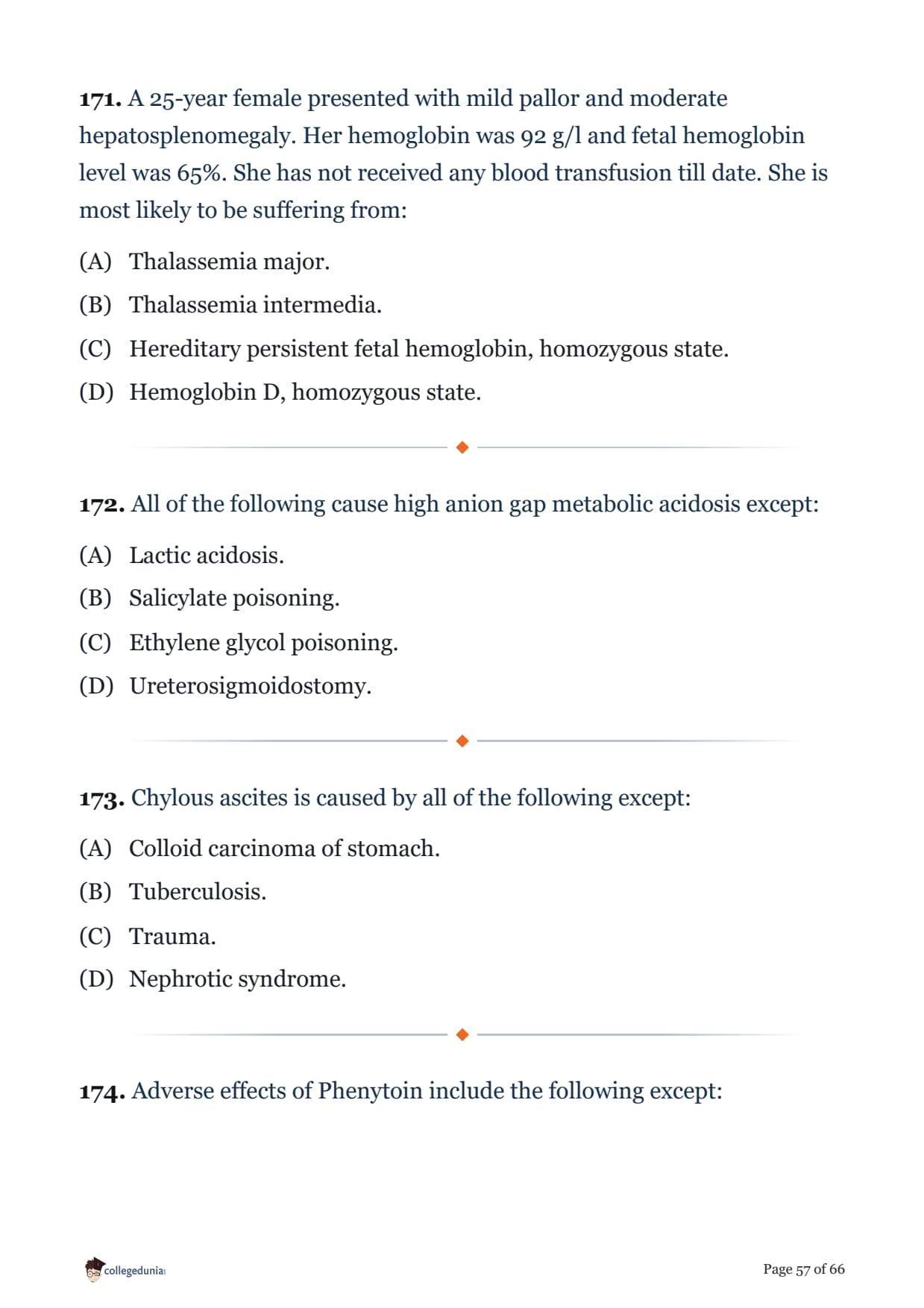
A 25-year female presented with mild pallor and moderate hepatosplenomegaly. Her hemoglobin was 92 g/l and fetal hemoglobin level was 65%. She has not received any blood transfusion till date. She is most likely to be suffering from:
All of the following cause high anion gap metabolic acidosis except:
Chylous ascites is caused by all of the following except:
Adverse effects of Phenytoin include the following except:
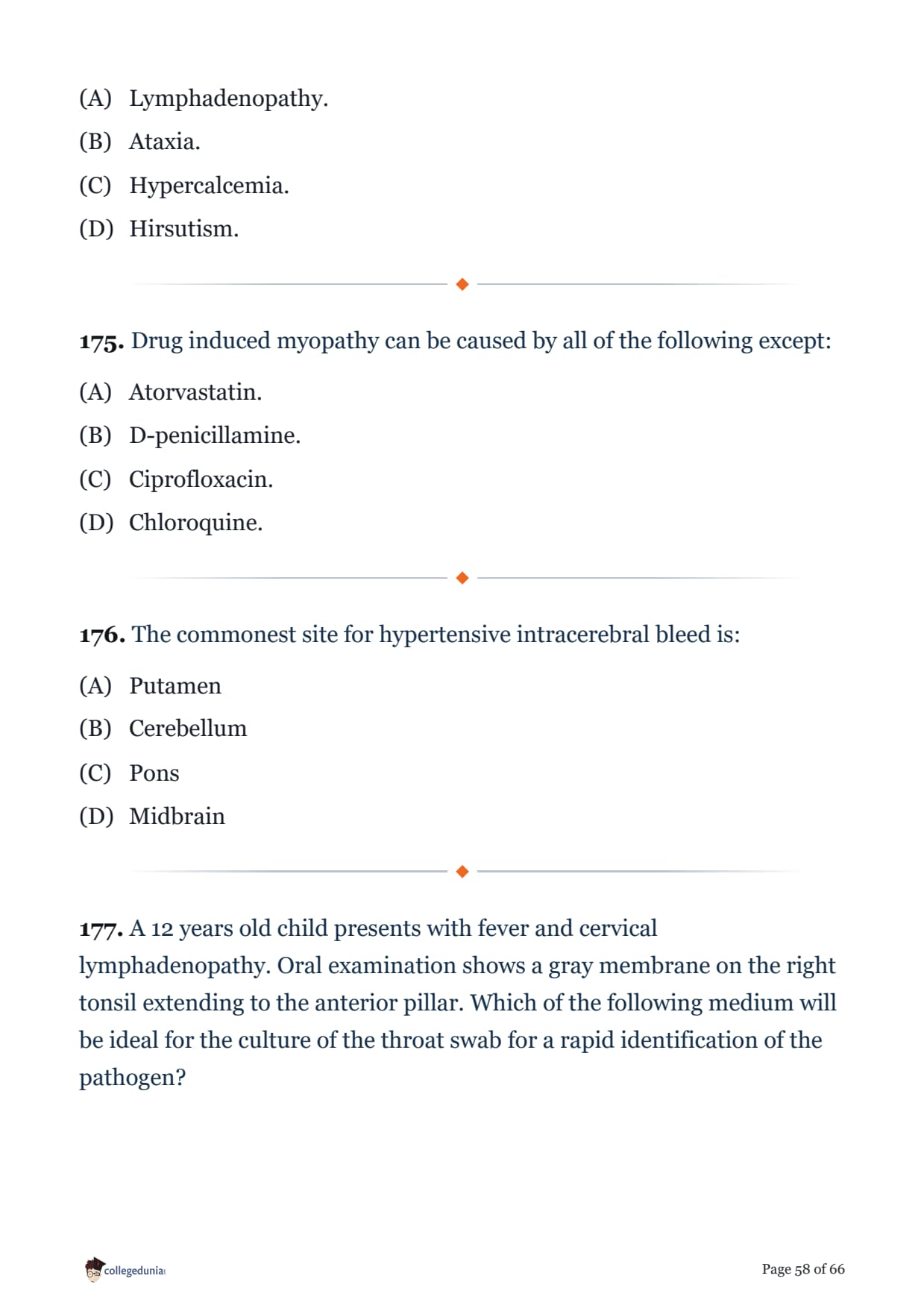
Drug induced myopathy can be caused by all of the following except:
The commonest site for hypertensive intracerebral bleed is:
A 12 years old child presents with fever and cervical lymphadenopathy. Oral examination shows a gray membrane on the right tonsil extending to the anterior pillar. Which of the following medium will be ideal for the culture of the throat swab for a rapid identification of the pathogen?
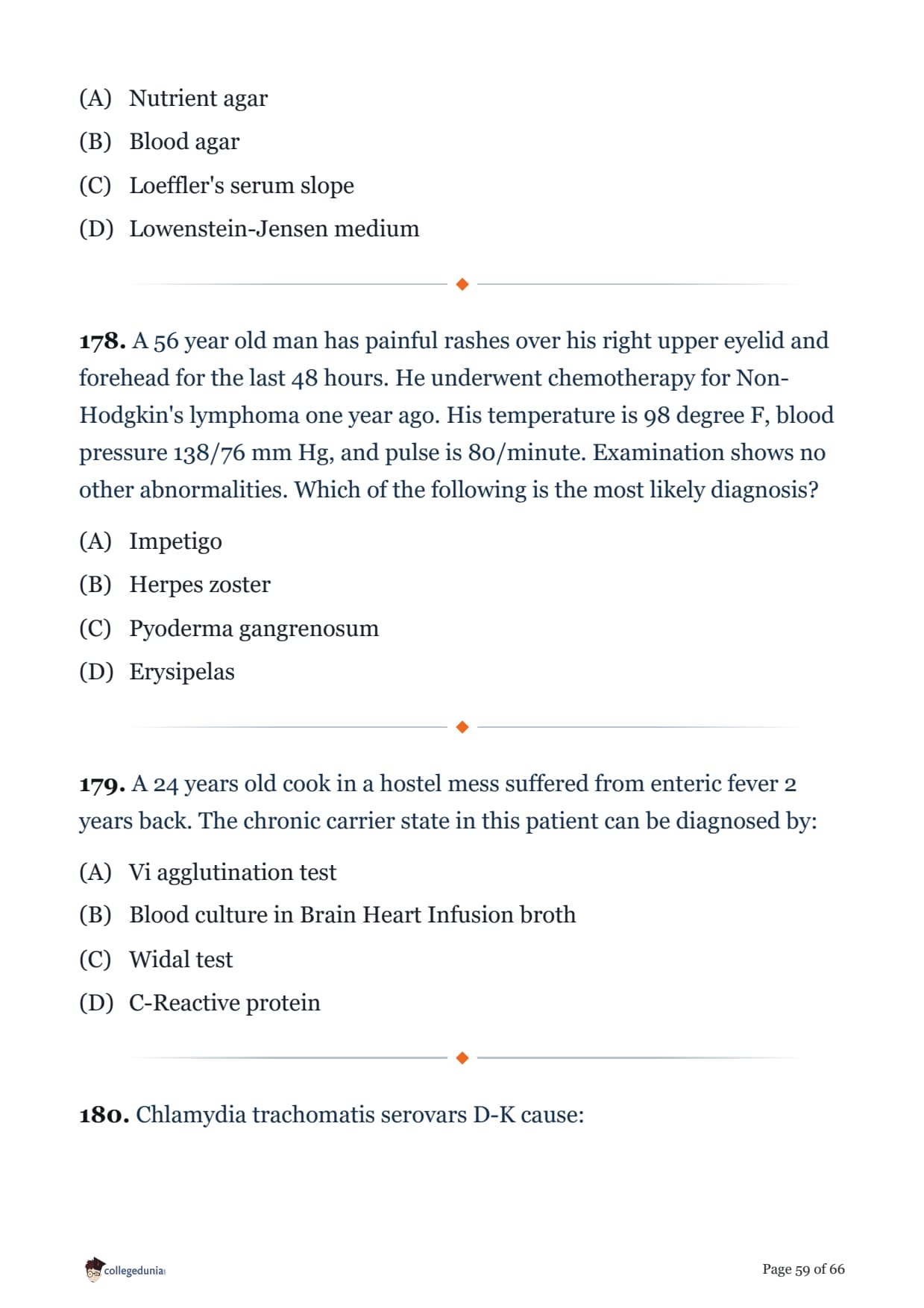
A 56 year old man has painful rashes over his right upper eyelid and forehead for the last 48 hours. He underwent chemotherapy for Non-Hodgkin's lymphoma one year ago. His temperature is 98 degree F, blood pressure 138/76 mm Hg, and pulse is 80/minute. Examination shows no other abnormalities. Which of the following is the most likely diagnosis?
A 24 years old cook in a hostel mess suffered from enteric fever 2 years back. The chronic carrier state in this patient can be diagnosed by:
Chlamydia trachomatis serovars D-K cause:
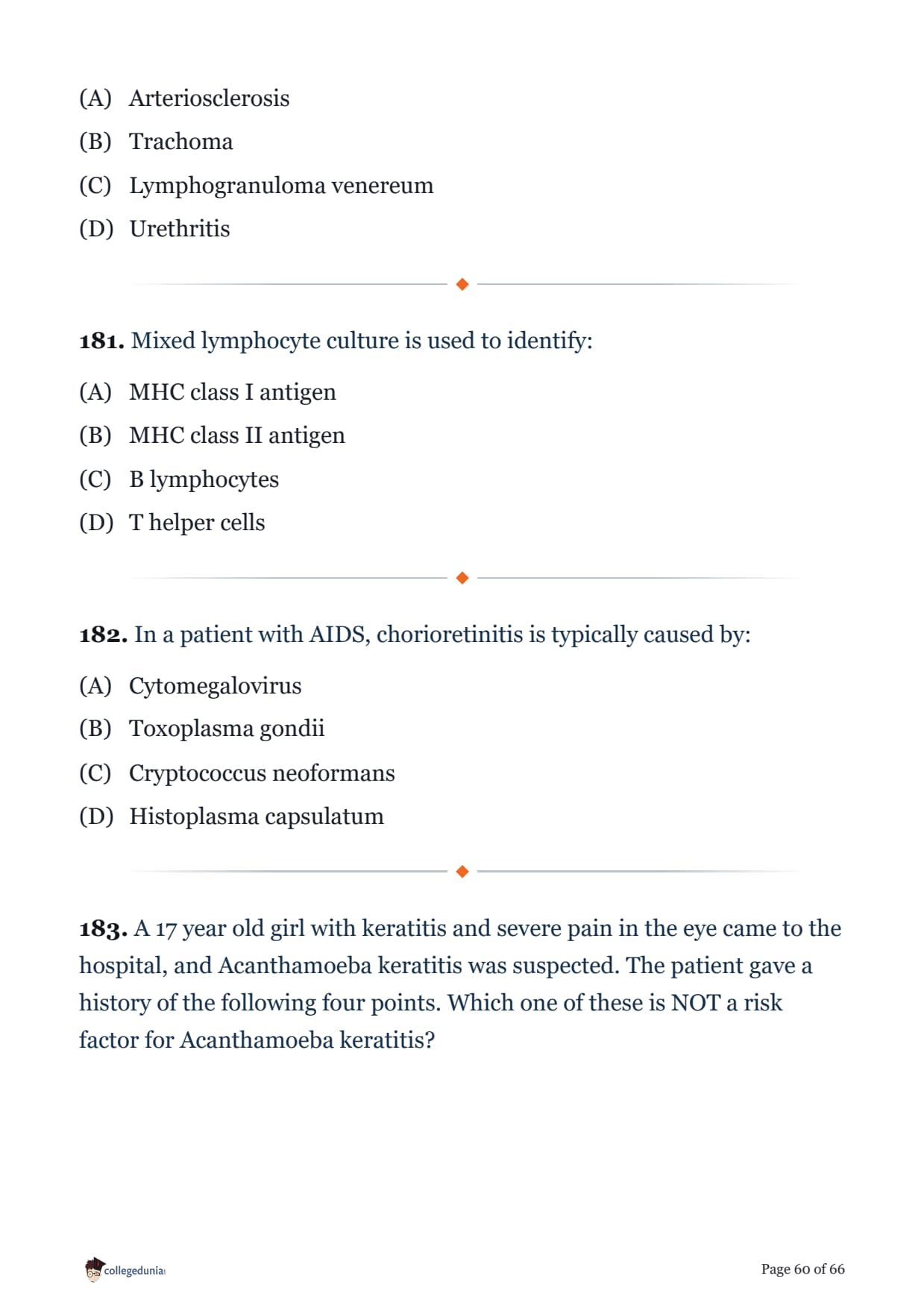
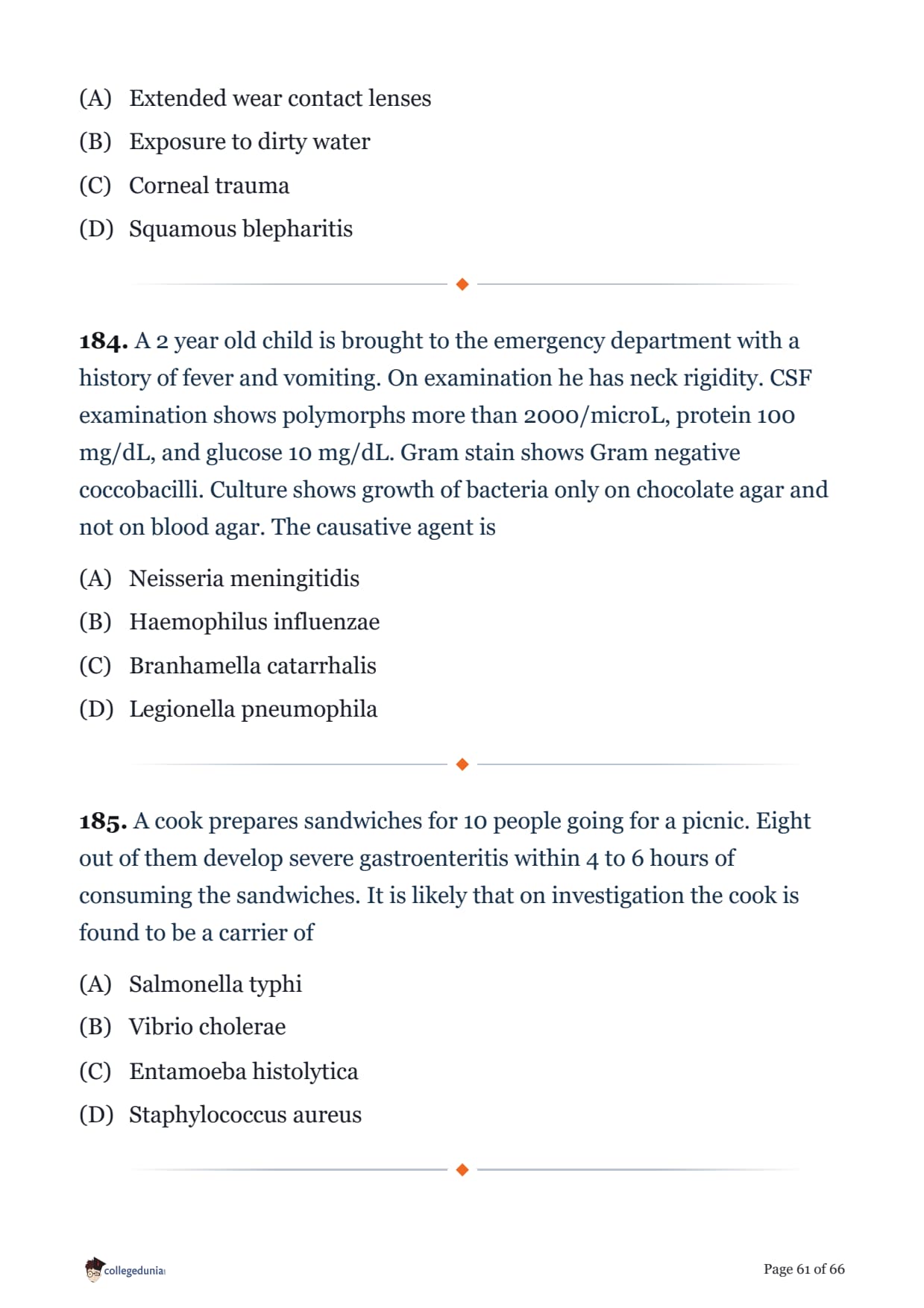
Mixed lymphocyte culture is used to identify:
In a patient with AIDS, chorioretinitis is typically caused by:
A 17 year old girl with keratitis and severe pain in the eye came to the hospital, and Acanthamoeba keratitis was suspected. The patient gave a history of the following four points. Which one of these is NOT a risk factor for Acanthamoeba keratitis?
A 2 year old child is brought to the emergency department with a history of fever and vomiting. On examination he has neck rigidity. CSF examination shows polymorphs more than 2000/microL, protein 100 mg/dL, and glucose 10 mg/dL. Gram stain shows Gram negative coccobacilli. Culture shows growth of bacteria only on chocolate agar and not on blood agar. The causative agent is
A cook prepares sandwiches for 10 people going for a picnic. Eight out of them develop severe gastroenteritis within 4 to 6 hours of consuming the sandwiches. It is likely that on investigation the cook is found to be a carrier of
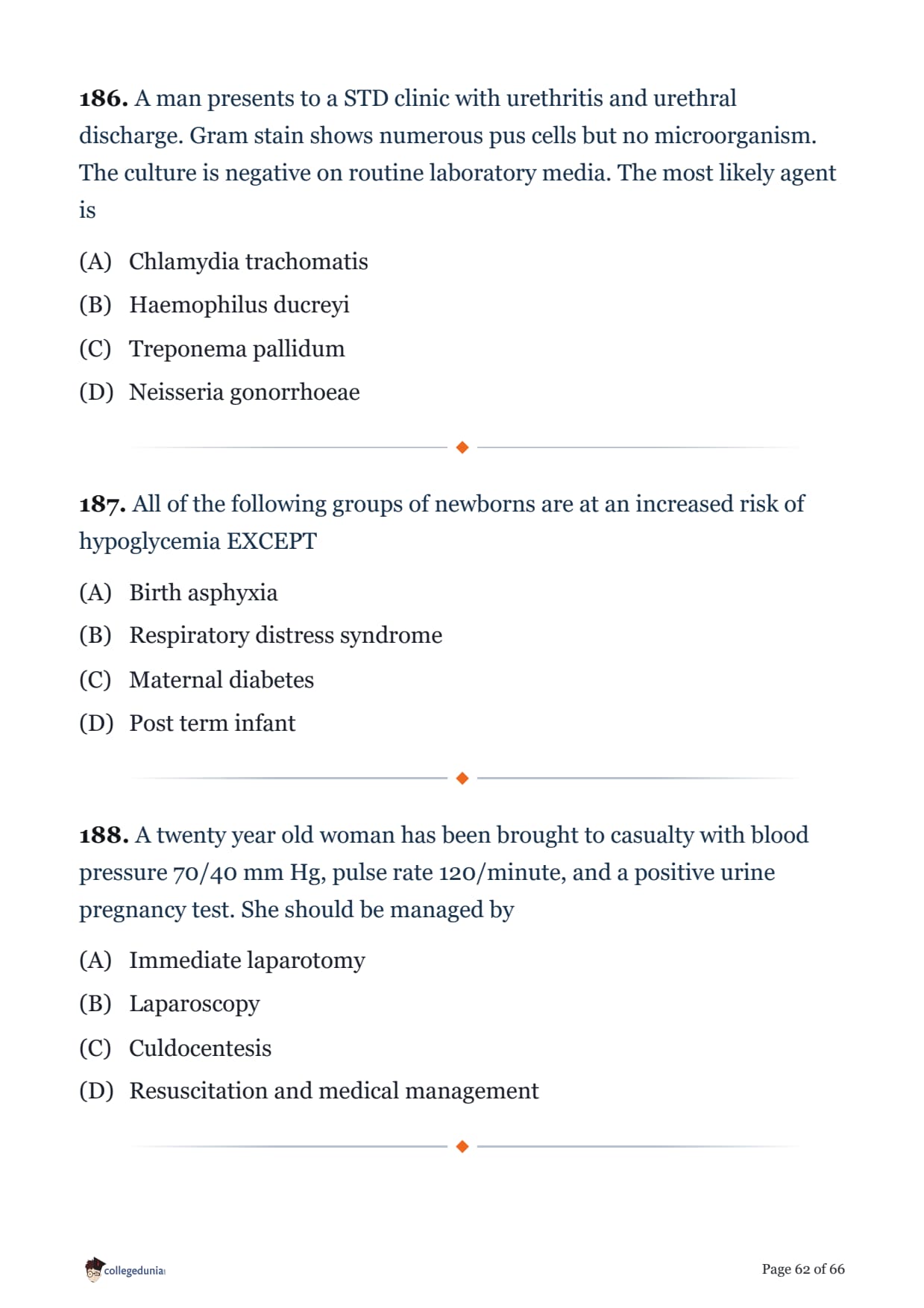
A man presents to a STD clinic with urethritis and urethral discharge. Gram stain shows numerous pus cells but no microorganism. The culture is negative on routine laboratory media. The most likely agent is
All of the following groups of newborns are at an increased risk of hypoglycemia EXCEPT
A twenty year old woman has been brought to casualty with blood pressure 70/40 mm Hg, pulse rate 120/minute, and a positive urine pregnancy test. She should be managed by
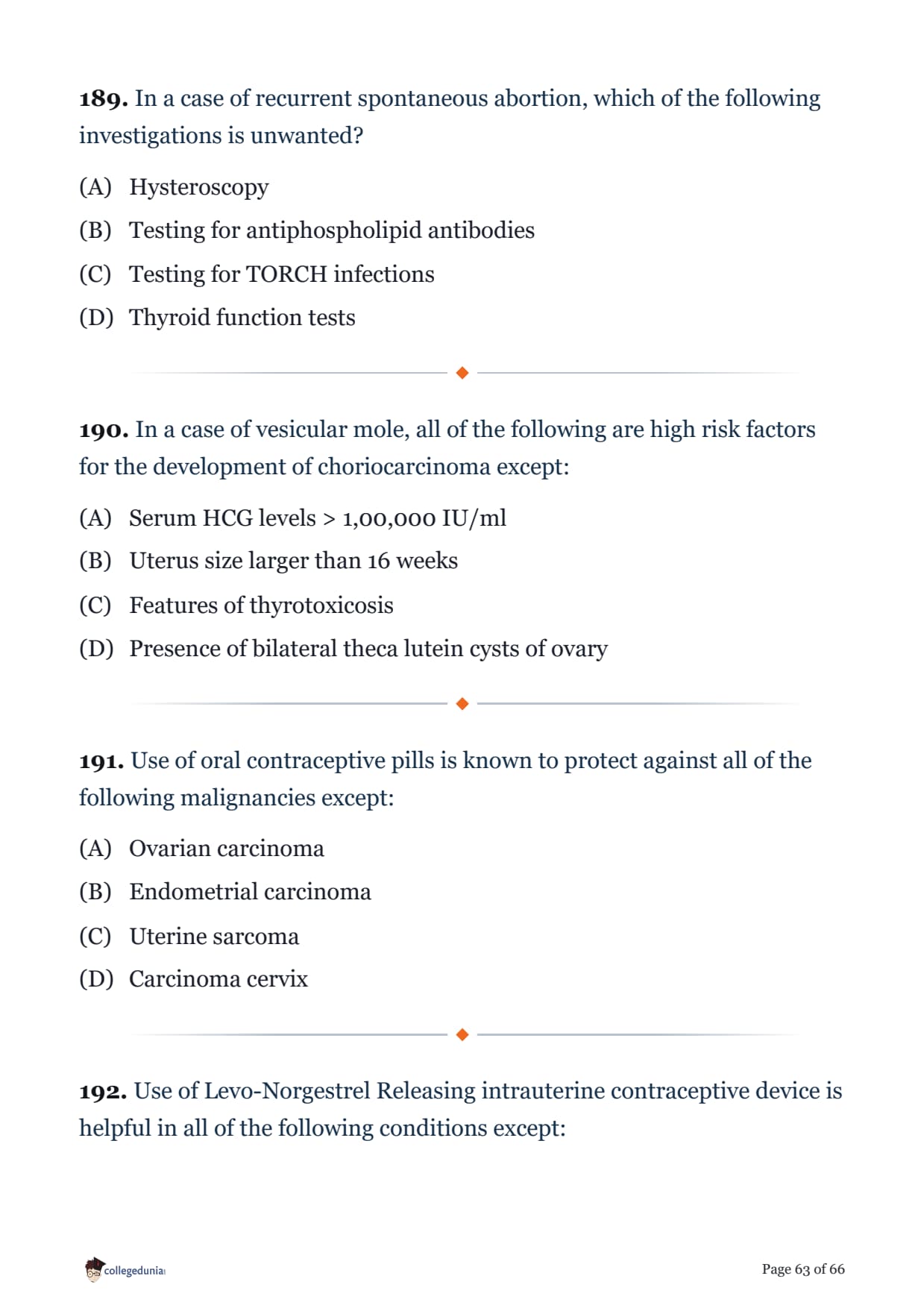
In a case of recurrent spontaneous abortion, which of the following investigations is unwanted?
In a case of vesicular mole, all of the following are high risk factors for the development of choriocarcinoma except:
Use of oral contraceptive pills is known to protect against all of the following malignancies except:
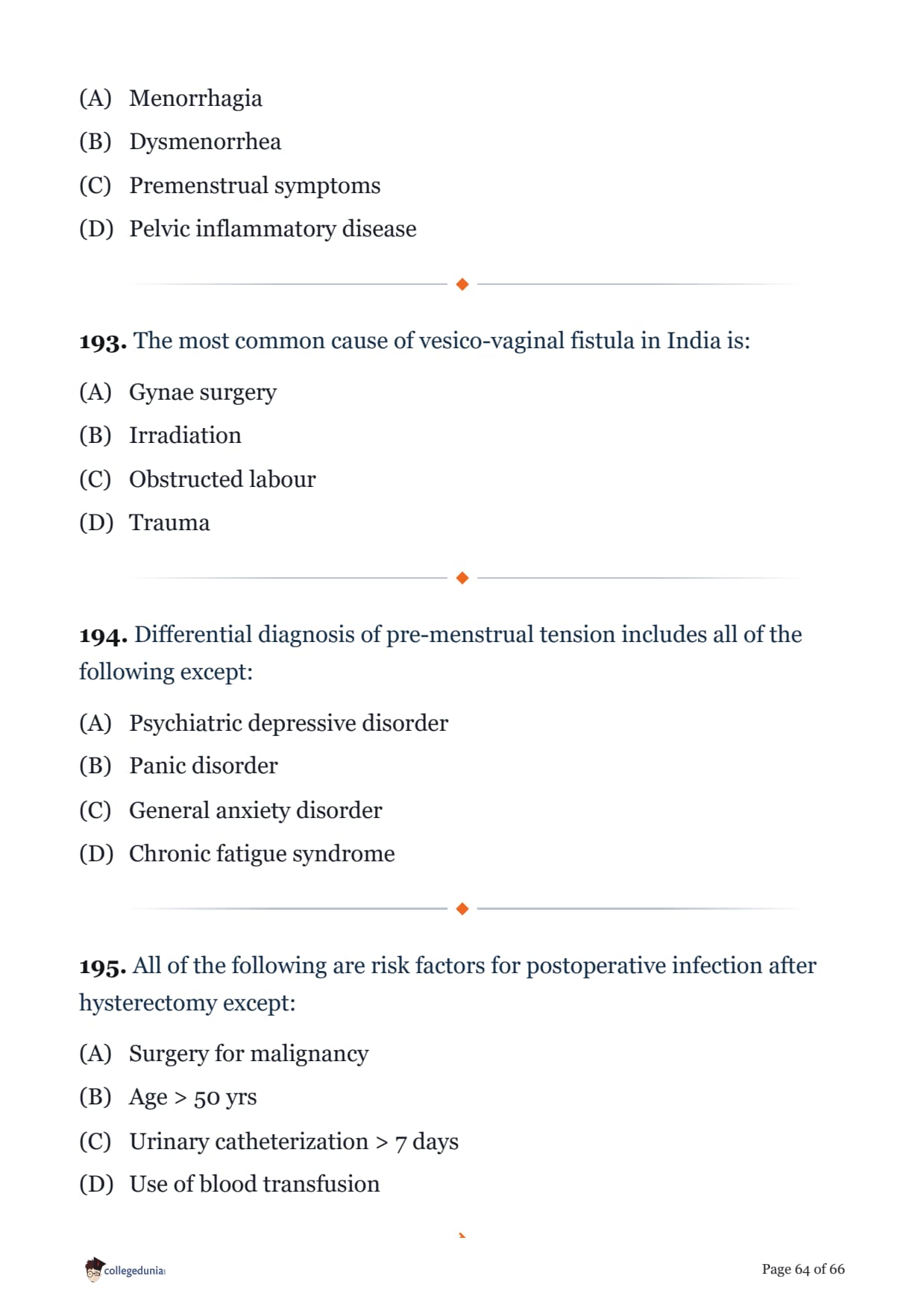
Use of Levo-Norgestrel Releasing intrauterine contraceptive device is helpful in all of the following conditions except:
The most common cause of vesico-vaginal fistula in India is:
Differential diagnosis of pre-menstrual tension includes all of the following except:
All of the following are risk factors for postoperative infection after hysterectomy except:
Best parameter for estimation of fetal age by ultrasound in the third trimester is:
A 11-year-old boy presented with complaints of pain in the right arm near the shoulder. X-ray examination revealed an expansile lytic lesion in the upper third of the humerus. What is the most likely diagnosis?
The classical flexion and rotation deformities at the hip and knee joints as a sequela of poliomyelitis are due to the contracture of:
What would be the most reliable test for an acutely injured knee of a 27-year-old athlete?
The medial meniscus of the knee joint is injured more often than the lateral meniscus because the medial meniscus is relatively:
NEET PG 2002 (AIIMS PG Entrance) Exam Pattern
The AIIMS PG entrance exam of 2002 was an objective-type pen-and-paper test, not the computer-based INI-CET format doctors sit today. Here is what defined its pattern.
- Question format: single-best-response multiple-choice questions, one correct option per question.
- Conducting body: the All India Institute of Medical Sciences (AIIMS), New Delhi, conducted its own postgraduate entrance test independently of the CBSE-run AIPGMEE, which covered the separate 50% all-India-quota seats at other medical colleges.
- Purpose: ranking candidates for MD, MS and MDS seats at AIIMS New Delhi and its associated centres, a small and highly competitive intake compared to the national AIPGMEE pool.
- Format history: AIIMS ran this exam offline on OMR sheets through the 2000s, long before AIIMS PG (and later INI-CET) moved to a computer-based format.
- This paper: compiles 200 questions from the original 2002 AIIMS PG test booklet, spread across 19 subjects from Anatomy to Social and Preventive Medicine.
NEET PG 2002 Question Paper Discussion Video
Source: Dr.Hemant sharma
Subject-Wise Question Distribution in This NEET PG 2002 Paper
Breaking down the 200 questions by subject shows where this paper leans hardest, useful for planning revision before you attempt it.
- Medicine carries the largest share with 22 questions, followed by Social and Preventive Medicine with 18 and Ophthalmology with 16.
- Pediatrics, Pathology and Surgery each contribute 14 questions, together with Medicine and SPM making up well over a third of the paper.
- Biochemistry holds 11 questions, while Microbiology, Pharmacology, Anaesthesia and Radiology carry 10 each.
- Gynaecology and Obstetrics adds 9 and Anatomy 8, with the rest spread across Orthopedics, Physiology, Forensic Medicine, ENT, Psychiatry and Dermatology.
- By difficulty, 112 questions are rated medium, 53 hard and 35 easy, so working through the full set mirrors real exam-day pressure.
NEET PG 2002 Question Paper FAQs
Ques. What is the NEET PG 2002 question paper?
Ans. It is the AIIMS PG entrance examination held in 2002, an objective multiple-choice test conducted by AIIMS New Delhi to select candidates for its own MD, MS and MDS seats. This compiled version carries 200 questions from the original test booklet with worked solutions.
Ques. Who conducted the NEET PG 2002 (AIIMS PG) paper?
Ans. The All India Institute of Medical Sciences (AIIMS), New Delhi conducted its own postgraduate entrance exam in 2002, separately from the CBSE-run AIPGMEE that covered India's all-India-quota MD, MS and PG Diploma seats at other colleges. AIIMS PG was later folded into the newer INI-CET exam.
Ques. How many questions are in this NEET PG 2002 paper?
Ans. This compiled paper has 200 questions from the original 2002 AIIMS PG entrance test booklet, covering subjects from Anatomy to Social and Preventive Medicine.
Ques. Which subject carries the most questions in NEET PG 2002?
Ans. Medicine has the largest share with 22 questions, followed by Social and Preventive Medicine with 18 and Ophthalmology with 16.
Ques. Is the NEET PG 2002 (AIIMS PG) paper still useful for NEET PG preparation?
Ans. Yes. Even though the exam format has since changed, solving the 2002 AIIMS PG paper gives subject-wise practice in high-yield clinical areas like Medicine, Ophthalmology and Pathology that still dominate the current NEET PG and INI-CET syllabus.
Ques. Where can I download the NEET PG 2002 question paper with solutions for free?
Ans. Both the question paper and the solved answer key are hosted as free PDFs in the download table and flipbook above, with a separate Check Solutions PDF giving a step-by-step explanation for every question.



Comments