





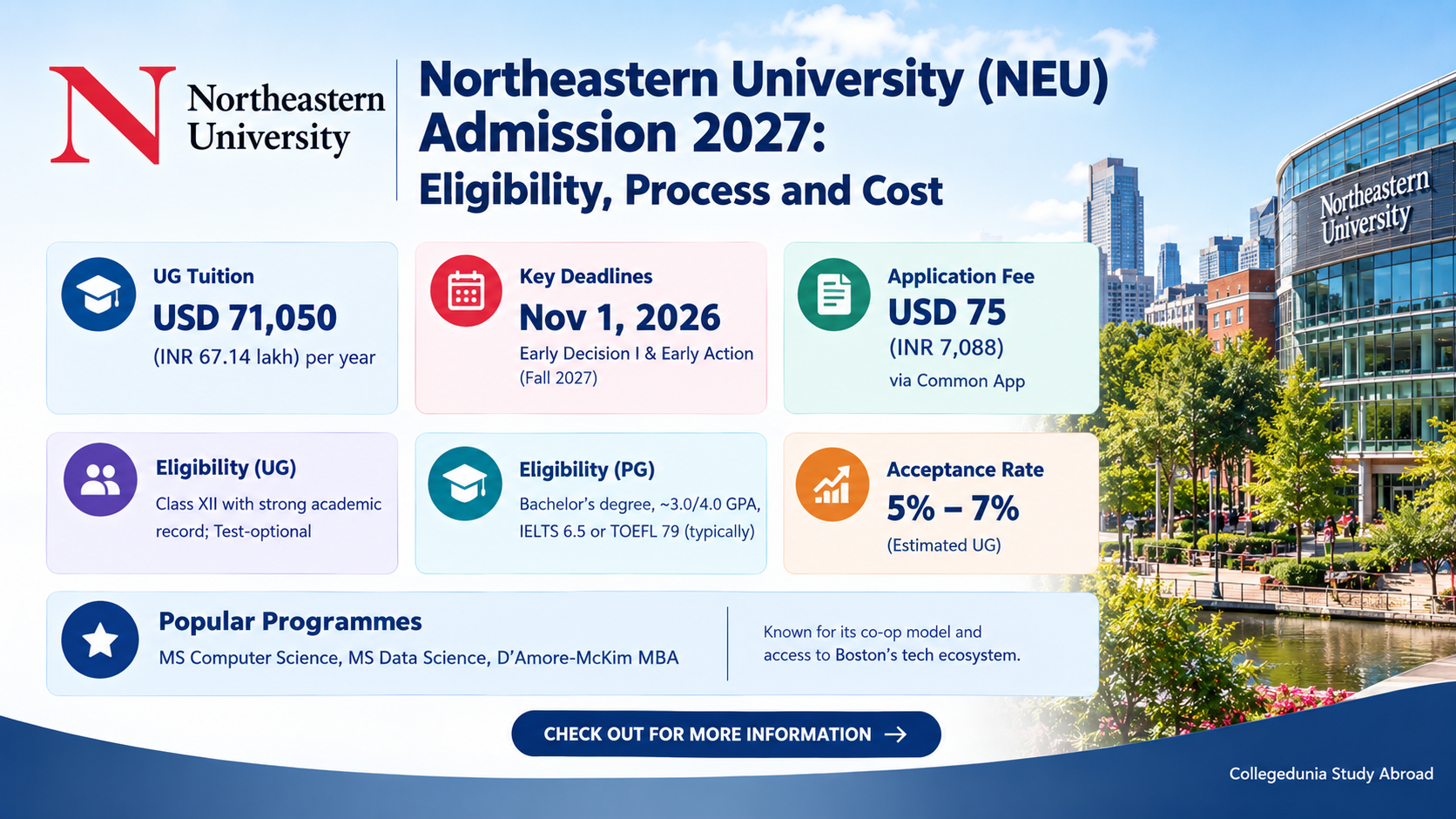
Northeastern University admissions are open to Indian students with Class XII for undergraduate entry and a bachelor’s degree for most Master’s programmes. Many graduate programmes look for around a 3.0/4.0 GPA, while English proficiency and college-specific requirements also apply.
- Fall 2027 intake: Early Decision I and Early Action close November 1, 2026
- UG tuition: Around USD 71,050 (INR 67.14 lakh) per year
- Application fee: USD 75 (INR 7,088) via Common App
- UG testing: Test-optional
- PG requirement: Bachelor’s degree, around 3.0/4.0 GPA, and typically IELTS 6.5 or TOEFL 79
- Estimated UG acceptance rate: 5% - 7%
Popular choices among Indian students include MS Computer Science, MS Data Science, and the D’Amore-McKim MBA, particularly for Northeastern’s co-op model and access to Boston’s technology ecosystem.
Also check, Northeastern University (NEU): Courses, Admission, Eligibility and Fees
Table of Contents
- Northeastern University Application Deadlines
- Northeastern Eligibility Criteria and English Scores
- NU PG Programs and Requirements
- Northeastern University UG Programs and Requirements
- Northeastern MBA Rounds and Test Policy
- NU Application Process for Indian Students
- Northeastern University Documents Required
- Northeastern Acceptance Rate for Indian Students
- US Student Visa Process for Northeastern
- FAQs
Northeastern University Application Deadlines for Indian Students
Northeastern University has two main intakes each academic year. Fall (August) is the primary intake for Indian students, with most undergraduate, Master’s and MBA programmes accepting applications. Spring (January) offers a smaller selection, mainly of graduate programmes.
| Intake | Level | App Opens | Deadline | App Fee |
|---|---|---|---|---|
| Fall 2027 (Primary intake) | UG Early Decision I / Early Action | 31 July 2026 | 1 November 2026 | $75 (₹7,088) |
| Fall 2027 | UG Early Decision II / Regular Decision | 31 July 2026 | 1 January 2027 | $75 (₹7,088) |
| Fall 2027 | MS Computer Science (Khoury, International) | Open (rolling) | 1 May 2027 | Waived through Spring 2027 |
| Fall 2027 | MS Engineering (CoE Early Action) | Open (rolling) | 15 January 2027 | Waived through Spring 2027 |
| Fall 2027 | MBA and MS (D’Amore-McKim) Round 1 | Open | 1 November 2026 | Waived for 2026 campus starts |
| Fall 2027 | MBA and MS (D’Amore-McKim) Round 2 | Open | 1 February 2027 | Waived for 2026 campus starts |
| Fall 2027 | MBA and MS (D’Amore-McKim) Round 3 (International) | Open | 1 May 2027 | Waived for 2026 campus starts |
Northeastern uses Early Decision (binding), Early Action (non-binding), and Regular Decision at the undergraduate level, and rolling review for most graduate programs. Indian applicants targeting the F-1 visa should aim for the earliest live round to leave visa slot time.
Planning note: Undergraduate seats at Northeastern fill fast. Early Decision II on 1 January 2027 is the final binding chance. Missing it leaves only Regular Decision the same day.
Also check, Northeastern University (NEU): Courses and Fees 2026
Northeastern University Eligibility Criteria and English Scores
Northeastern University publishes separate academic and English thresholds for undergraduate and graduate applicants. Class XII marks, prior degree GPA, and test scores feed the review. English proficiency is a hard requirement for anyone whose prior instruction was not in English.
Northeastern University Academic Eligibility Floor
- UG applicants: Class XII completed, test-optional (SAT or ACT). Admitted class averages around 90 percent Class XII equivalent.
- PG applicants: Bachelor’s degree, general minimum 3.0/4.0 GPA, equivalent to 8.0/10.0 CGPA or 80 percent on a 100 scale.
- MBA and MS D’Amore-McKim: Bachelor’s degree. GMAT or GRE optional, required only for the STEM MBA track.
- Prerequisites: Program-specific. MS Computer Science accepts applicants from any bachelor’s discipline, with Khoury running a bridge path for non-CS backgrounds.
Northeastern University English Proficiency Requirements
| Test | UG Middle 50 percent | PG Institutional Minimum |
|---|---|---|
| IELTS Academic | 7.5 to 8.0 | 6.5 |
| TOEFL iBT | 102 to 110 | 79 |
| Duolingo English Test | 130 to 140 | 105 |
| PTE Academic | 79 to 86 | Refer to program page |
Northeastern University IELTS Waiver for Indian Students
Northeastern allows an English test waiver for Indian applicants who meet either pathway. At the UG level, four consecutive full-time academic years at institutions where English was the sole medium of instruction qualifies. Qualifying AP English (score 4+), IB English A (score 5+), A-Level English (grade B+), or GCSE English (grade B or 6+) also work. At the graduate level, D’Amore-McKim waives English tests where a full bachelor’s or master’s is completed in English, or where the applicant has two years of full-time US work experience.
Also check, Northeastern University - [NEU Boston], Massachusetts, Boston - Scholarship
Northeastern University PG Programs and Requirements
Northeastern’s master’s portfolio spans Khoury (computer sciences), the College of Engineering, D’Amore-McKim (business), and half a dozen other colleges. Base tuition sits at $1,922 per credit (₹1.82 Lakh) at Khoury and $1,931 per credit (₹1.82 Lakh) at D’Amore-McKim for 2026-2027. For programme-wise numbers, see the course-wise fees breakdown.
| Programme | Duration | Minimum Eligibility | English Req. Min. |
|---|---|---|---|
| MS Computer Science | 16 to 24 months (with co-op) | Bachelor’s, 3.0/4.0 GPA, any discipline (Align bridge for non-CS) | IELTS 6.5, TOEFL 79 |
| MS Data Science | 16 to 24 months | Bachelor’s, 3.0/4.0 GPA, quantitative background preferred | IELTS 6.5, TOEFL 79 |
| MS Information Systems | 16 to 24 months | Bachelor’s, 3.0/4.0 GPA, engineering or CS background | IELTS 6.5, TOEFL 79 |
| MS Engineering Management | 16 months | Bachelor’s engineering or STEM, 3.0/4.0 GPA | IELTS 6.5, TOEFL 79 |
| MS Data Analytics Engineering | 16 to 24 months | Bachelor’s engineering or quantitative, 3.0/4.0 GPA | IELTS 6.5, TOEFL 79 |
| MS Project Management | 16 to 24 months | Bachelor’s, 3.0/4.0 GPA, work experience preferred | IELTS 6.5, TOEFL 79 |
| MS Analytics | 16 months | Bachelor’s, quantitative background, 3.0/4.0 GPA | IELTS 6.5, TOEFL 79 |
| MS Artificial Intelligence | 16 to 24 months | Bachelor’s, CS or Align bridge, 3.0/4.0 GPA | IELTS 6.5, TOEFL 79 |
Study plan flexibility: Many Northeastern master’s programs include the option of a full-time co-op, a paid six-month work term embedded in the degree, which extends the timeline to about 24 months.
Insider note: Khoury’s Align program is a full graduate CS pathway for applicants without a CS undergraduate degree. It runs 24 months and adds a bridge semester before the standard MS curriculum.
Northeastern University UG Programs and Requirements
Northeastern’s undergraduate portfolio runs across nine colleges. Base tuition is around $35,525 per term (₹33.57 Lakh) and admission is test-optional. Indian applicants report strongest interest in computer science, engineering, business, and interdisciplinary combined majors.
| Programme | Duration | Minimum Eligibility | English Req. Min. |
|---|---|---|---|
| BS Computer Science | 4 years (5 with co-op) | Class XII, Mathematics through Class XII, test-optional | IELTS 7.5 band |
| BS Data Science | 4 years (5 with co-op) | Class XII with Mathematics, test-optional | IELTS 7.5 band |
| BS Business Administration | 4 years (5 with co-op) | Class XII, test-optional | IELTS 7.5 band |
| BS Mechanical Engineering | 4 years (5 with co-op) | Class XII with Physics, Chemistry, and Mathematics | IELTS 7.5 band |
| BS Bioengineering | 4 years (5 with co-op) | Class XII with Biology and Chemistry, test-optional | IELTS 7.5 band |
Combined majors: Northeastern offers 200-plus combined majors (for example CS and Business, Data Science and Design) inside the same four-year window.
Also check, Northeastern University Rankings 2026-27: QS, THE and US News
Northeastern University MBA Rounds and Test Policy
The D’Amore-McKim School of Business runs full-time, part-time, online, and STEM MBA tracks. Each MBA program uses a three-round admissions calendar with rolling decisions.
Northeastern University MBA Deadlines
| Round | Deadline | Notes |
|---|---|---|
| Round 1 | 1 November 2026 | Open |
| Round 2 | 1 February 2027 | Open |
| Round 3 | 1 May 2027 | Final round for international F-1 applicants |
Northeastern University MBA Test Policy and Experience
- GMAT or GRE: Optional for the standard Full-Time MBA. Required only for the STEM MBA track.
- Work experience: Full-Time MBA reviews are strongest with 2+ years of post-graduation work. Online MBA accepts candidates with less experience.
- Interview: Virtual interview by invitation only, following an initial application review.
- English proof: Waived where a bachelor’s or master’s is completed in English, or with 2 years of full-time US work.
For MBA-linked awards, review Northeastern’s dedicated funding for Indian students.
Reality check: D’Amore-McKim reads Round 1 and Round 2 hardest for international candidates. Round 3 works for visa-ready applicants but leaves under 100 days to reach Boston by orientation.
Also check,
- MBA in USA 2027: Top Colleges, Fees and Eligibility
- Affordable MBA Colleges in USA for Indian Students
Northeastern University Application Process
The full Northeastern application flow, from account creation to submission of official documents, follows a standard sequence at both undergraduate and graduate levels. Steps below assume a Fall 2027 target.
- Create an account on the Common Application (opened 31 July 2026) or Coalition for undergraduate applications. For graduate programs, use the direct Northeastern application portal linked from the graduate program page.
- Pay the application fee of $75 (₹7,088) for undergraduate applications. Most Khoury and Engineering master’s applications are waived through Spring 2027. D’Amore-McKim waives fees for 2026 campus starts.
- Add academic and personal details, including all secondary school and university records.
- Upload transcripts. Non-US transcripts need WES or ECE credential evaluation for graduate admits.
- Submit a statement of purpose (graduate) or the Northeastern supplement essay (undergraduate).
- Submit two letters of recommendation from academic or professional referees.
- Submit an English test score (IELTS, TOEFL, Duolingo, or PTE) or documentation for a waiver.
- Track your application via the applicant portal for interview invites (MBA and select MS).
Northeastern University Admission Decisions Timeline
- Early Decision I: Decision by 1 January 2027 (binding).
- Early Action: Decision by 15 February 2027 (non-binding).
- Early Decision II: Decision by 1 March 2027 (binding).
- Regular Decision: Decision by 1 April 2027.
- Graduate rolling: Decisions within 4 to 8 weeks of complete submission.
Accepted UG admits confirm enrolment by 1 May 2027 (US National Decision Day). Deferrals are considered on request.
Northeastern University Documents Required for Indian Applicants
Northeastern requires the same core dossier from every Indian applicant, though undergraduate and graduate tracks differ in the school forms and referee mix. Assemble the following ahead of the earliest live round.
- Valid Indian passport with 12+ months' validity.
- Official secondary school transcripts (Class X and XII marksheets, provisional certificate).
- University transcripts and degree certificate for graduate applicants.
- WES or ECE credential evaluation report for non-US degrees (graduate).
- Statement of purpose (graduate) or Northeastern supplement essay (undergraduate).
- Two letters of recommendation from academic or professional referees.
- Current professional resume or CV.
- English test score report (IELTS, TOEFL iBT, Duolingo, or PTE Academic).
- Standardised test score report (SAT or ACT) if submitted for UG, GMAT or GRE if submitted for MBA or graduate.
- Declaration and Certification of Finances (DCF) with recent bank statements or sponsor affidavit.
- Digital passport-size photograph.
Before you apply: Order WES or ECE credential evaluations at least eight weeks before the target deadline. Delays here are the single most common cause of Indian applicants missing rolling review windows.
Also check,
- Documents Required for US University Applications 2027
- I-20 Form Guide for Indian Students: Complete Explanation
Northeastern University Acceptance Rate
Northeastern University is among the more selective private research universities in the US, with undergraduate application volumes exceeding 90,000 in recent cycles. The overall undergraduate acceptance rate is estimated at around 5%–7%, while Early Decision is estimated at 12%–18%, giving applicants who commit early a potential advantage.
Graduate acceptance rates vary significantly by programme. Khoury College master’s programmes such as MS Computer Science and MS Data Science are estimated at 30%–45%, while the D’Amore-McKim full-time MBA is estimated at around 40%–50%. Northeastern does not publish official college-level graduate acceptance rates, so these figures should be treated a
Insider note: Indian applicants at Northeastern historically perform strongest on the Khoury MSCS and MSIS tracks, MS Data Science, and D’Amore-McKim’s MS Business Analytics. These programs weigh quantitative rigor over standardised tests.
US Student Visa Process for Northeastern University
Indian students admitted to Northeastern University generally apply for the F-1 student visa. After receiving the admission offer, students receive the Form I-20 from Northeastern’s Office of Global Services. They then pay the SEVIS I-901 fee of USD 350 (INR 33,075) and the DS-160 visa application fee of USD 185 (INR 17,483) before scheduling the visa interview at a U.S. Embassy or Consulate in India.
Students must provide financial proof covering at least the first year’s tuition and living expenses listed on the I-20. After arrival, they must complete the required registration with Northeastern’s Office of Global Services within 30 days. Eligible STEM-designated programmes can qualify graduates for up to 36 months of OPT, combining the standard 12-month OPT with a 24-month STEM extension.
2026 update: US Embassy visa slots in India can be heavily booked for June and July departures. Students should aim to book the F-1 interview within one week of receiving the I-20 and keep a backup city in mind in case an earlier appointment is unavailable.
- US Student Visa Requirements: Cost, Application & Process
- US Student Visa Types: Differences Between J, M and F Visa
Northeastern University admissions in 2026-27 tilt strongly toward candidates who commit early, pair a documented English test with clear program fit, and stage documents well before the primary Fall 2027 intake windows. Fee waivers on most master’s cycles and test-optional review at every level open the door wider for Indian applicants ready to move on the November 2026 rounds.
FAQs
Ques. What is the primary intake at Northeastern University for Indian students?
Ans. Fall (August start) is the primary intake, with the widest program coverage across undergraduate, master’s, and MBA levels. Spring (January) offers a narrower list of graduate programs.
Ques. When is the next Northeastern University application deadline?
Ans. Early Decision I and Early Action for Fall 2027 close on 1 November 2026. Early Decision II and Regular Decision follow on 1 January 2027.
Ques. Does Northeastern University accept IELTS for Indian applicants?
Ans. Yes. IELTS Academic is accepted at both UG and PG levels. The graduate institutional minimum is IELTS 6.5, while the UG admitted middle 50 percent sits at IELTS 7.5 to 8.0.
Ques. Is the Northeastern University application fee waived for Indian applicants?
Ans. The undergraduate application carries a $75 (₹7,088) fee. Khoury and CoE master’s fees are waived through Spring 2027, and D’Amore-McKim waives fees for 2026 campus starts. Confirm current waivers before applying.
Ques. Is GMAT required for the Northeastern University MBA?
Ans. GMAT or GRE is optional for the standard Full-Time MBA. It is required only for the STEM MBA track at D’Amore-McKim.
Ques. What GPA is needed for Northeastern University master’s programs?
Ans. The general institutional minimum is 3.0 on a 4.0 scale, or 8.0 on a 10.0 scale, or 80 percent. Khoury MSCS looks for stronger profiles in practice.
Ques. Does Northeastern University waive English tests for Indian students?
Ans. Yes, if four consecutive full-time academic years of prior study were in English, or if you present qualifying AP English, IB English A, A-Level English, or GCSE English scores. D’Amore-McKim also waives for graduate applicants with 2 years of US full-time work.
College Student Profiles

Northeastern University sPELbk
| 8MIU1T | 7N6V25 | /mfICu | 3hZkL+ | vvWrCI | oM0Bz2 |
|---|---|---|---|---|---|
MS Computer Science 2 years | USD 30,000 /Yr | 100 | GPA 3.0 , TOEFL- 90, IELTS - 6.5, | ||
M.S Artificial Intelligence 2 years | Application Deadline For Spring 2026 Intake (1st Nov 2026) | USD 3,000 /Yr | 100 | ELTS: 6.5, TOEFL: 4.5 | |
MS Data Science 2 years | USD 30,000 /Yr | 100 | GPA 3.0 , TOEFL- 4.5, IELTS - 6.5, | ||
MS Cybersecurity 2 years | USD 30,000 /Yr | 100 | GPA: 3.0| TOEFL- 90 | IELTS- 6.5 | ||
MS Biotechnology 2 years | USD 31,008 /Yr | 100 | GPA: 3.0, TOEFL : 90, IELTS: 6.5, Duolingo-120 ,PTE- 61 | ||
MS Project Management 18 months | USD 29,160 /Yr | 100 | GPA: 3.0 , TOEFL : 79, IELTS: 6.5, Duolingo-105,PTE- 53 | ||
MS Business Analytics 12 months | USD 51,200 /Yr | 100 | GPA: 3.0, TOEFL : 79, IELTS: 6.5, Duolingo-105, PTE- 53 | ||
MS Information Systems 2 years | USD 30,864 /Yr | 100 | GPA: 3.0, TOEFL : 79, IELTS: 6.5, Duolingo: 105 | ||
| USD 30,864 /Yr | 100 | GPA: 3.0, TOEFL : 79, IELTS: 6.5, Duolingo: 105 | |||
| USD 30,864 /Yr | 100 | GPA: 3.0, TOEFL : 79, IELTS: 6.5, Duolingo: 105 |
Do you think the Dates are wrong ? Report Here
Important Alerts
| Events | Dates |
|---|---|
| Artificial Intelligence Application Deadline For Spring 2026 Intake | Closing in 18 days |
| Mechanical Engineering Final Application Deadline For Spring 2026 Intake | Closing in 18 days |
| Bioengineering AFinal Application Deadline For Spring 2026 Intake | Closing in 18 days |


cvagGg
lRSfvf
52 GNzKnl
Likes
- Liked the Culture and the curriculum
Dislikes
- Disliked the limited lectures
Likes
- CO-OP: It's the whole reason you go here. They basically line up real jobs for you, so you graduate with a stacked resume and actual experience. It's a massive advantage.
- PROFESSORS: A lot of the professors have actually worked in the industry. They cut the academic nonsense and teach you stuff that's actually useful for your career.
- COURSEWORK: The classes are hands-on. You build things and work on projects you can actually put on your portfolio, not just memorize a textbook.
Dislikes
- EXPENSIVE: The place costs a fortune, and living in Boston is no joke either. Co-op helps, but the price tag is still brutal.
- ON-CAMPUS JOBS: Pretty much worthless. They're hard to get, don't pay well, and everything revolves around co-op anyway.
- STRINGENT: The administration is a pain. There's a rule for everything and zero flexibility. Trying to get anything done feels like navigating a maze of red tape.
Scholarship
- The Real Story on Scholarships and Financial Aid
- Let me be completely honest about the scholarship situation because I wish someone had explained this to me before I applied.
- My Scholarship
- I received the Double Husky Scholarship, which is exclusively for Northeastern alumni. Since I did my undergrad here, I automatically qualified when I enrolled in the graduate programme. The scholarship covered 25% of my tuition, which worked out to roughly $14,250 over the entire 32-credit programme. That discount honestly made a huge difference in my decision to stay at NEU rather than exploring other schools. Without it, I probably would've looked more seriously at state schools with lower tuition.
- What My Classmates Got
- In my cohort of around 60 students, I'd say only about 10-12 people had any meaningful financial support. Most students were paying full price, which was a reality check for a lot of us.
- A couple of students landed Teaching Assistant positions, which came with a stipend of around $2,000-$3,000 per semester plus a partial tuition waiver covering maybe 25-50% of their credits. One guy I knew got a Research Assistant position working on a funded project, and his deal was even better—full tuition coverage plus a $15,000 annual stipend. But those positions are incredibly competitive and usually require you to have specific technical skills the professor needs.
- Three or four international students had external funding—government scholarships from their home countries or corporate sponsorships. One woman from India had a full scholarship from her country's education ministry. Another classmate's employer back in Brazil was covering everything because they wanted him to return with advanced management training.
- The Average Picture
- If I had to estimate, only about 15-20% of students received any aid at all. Among those who did, the average was probably around $5,000-$10,000 total for the programme—enough to help but nowhere near covering everything. The few with RA/TA positions or full external scholarships were definitely the exception, not the rule.



Likes
- Needless to say, the faculty is amazing. Almost all the faculty who taught me were passionate of their teaching and made sure we understood the concepts properly.
- There are numerous events always happening around the campus which encourages diversity and inclusion.
- Kudos to the off campus housing support which helps students feel safe while living off campus. They once came to the rescue while we were having issues with our landlord.
Dislikes
- The fees per semester was growing rapidly almost every 6 months.
- If only they considered reducing the fees to obtain OPT/Stem OPT, it'd have been great. But they keep increasing it each year.
- Any item at the the bookstore inside the campus are quite expensive.
Scholarship
- I haven't heard of scholarships for Master students as such.
- But, one of my friends is really an exceptional student who got to work under a prof and they waived off her semester fee. That's like 1% of master's students.
- And I've done TA and got paid really well.
- TAs/RAs are paid enough. And the univ even offers co-ops and part-time jobs which are sufficient enough to live in Boston.
Likes
- Free food a lot of times
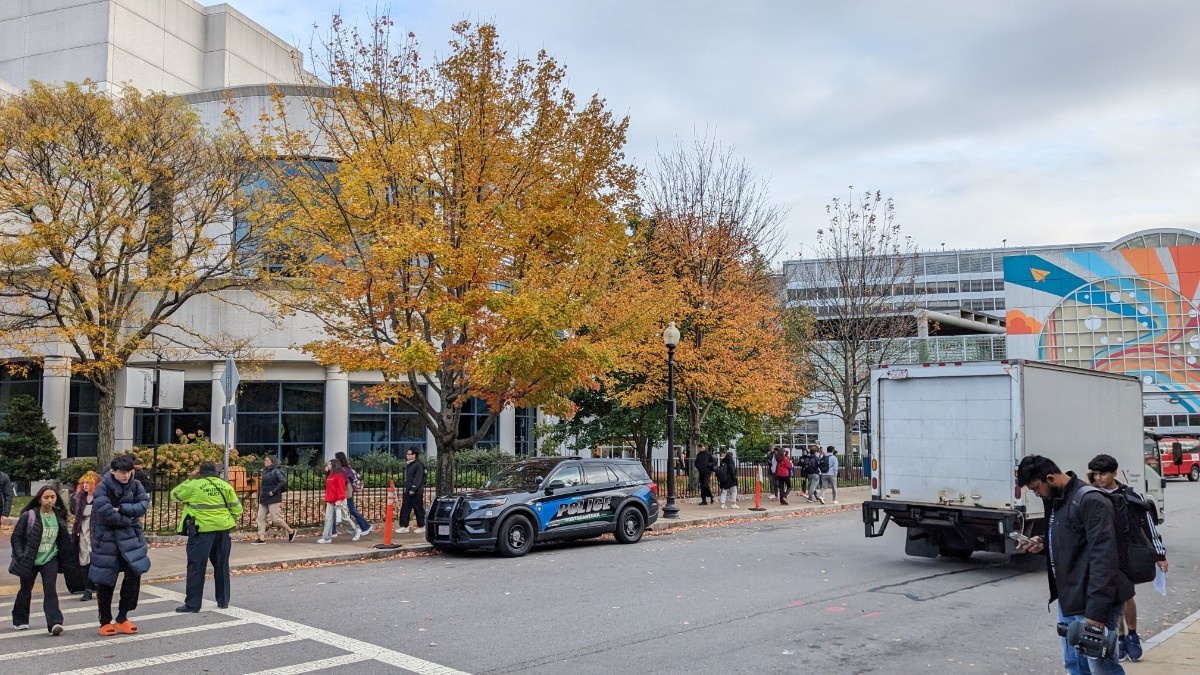
- University Police Department's service dogs
- Good university infrastructure
Dislikes
- Ridiculously high university fees
- Sub standard education
- Too many students meant too much competition
Scholarship
- There are no scholarships for Master's students. Therefore, I did not receive any scholarship. You could only get a scholarship if you're a bachelor's student, which is again, too expensive.
- Nobody from my batch received any scholarship since we were all graduate students. Some people did, but they were part of a different school, so I can't really say much about them.


Likes
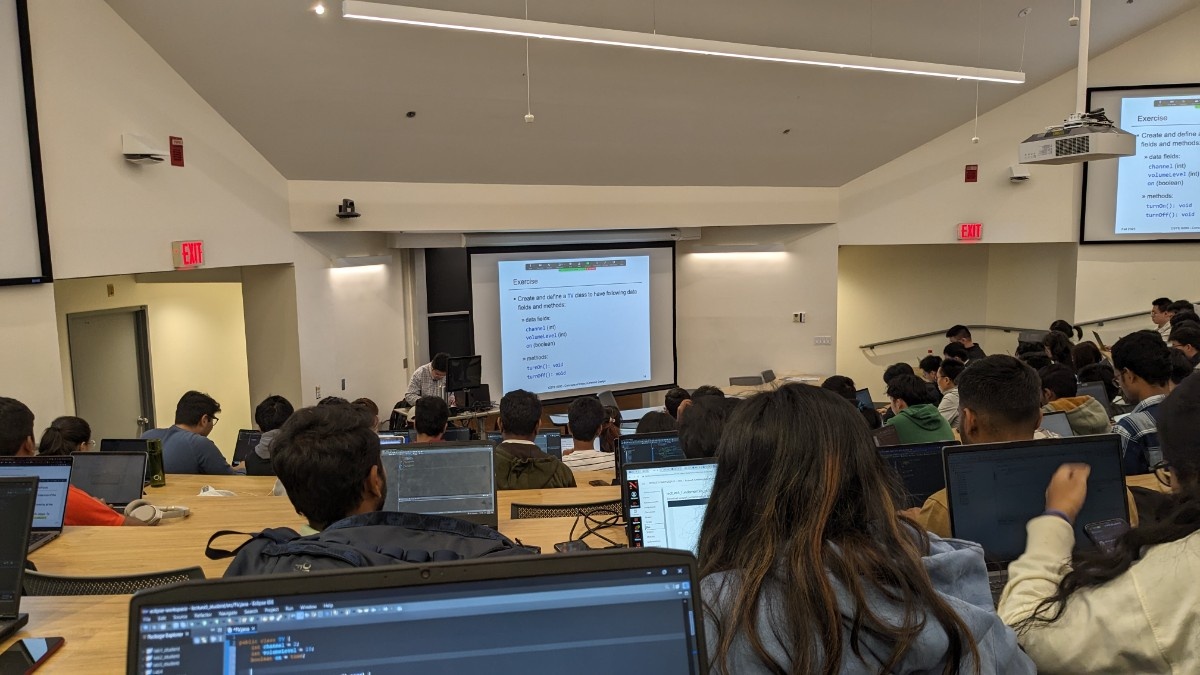
- There was a good enviornment many students with same career goals,, and things were pretty much streamlined, seniors were there to guide.
Dislikes
- The major drawback is also the shear number of students,, to much competition, very difficult to find an on campus job itself .
Likes
- Diversity
- Hands on approach
- University life experience
Dislikes
- It can get really cold sometimes
- Not a lot of stored nearby to get groceries from
- Lacks some subjects for the Cybersecurity master's
Scholarship
- Scholarships depend on the courses and also on your performance.
- I did not receive any scholarship, as there was no scholarship given to our program masters student.
- A definite number of scholarships could be a little difficult to give out but given WPI is a smaller school in number, they try to give out as many as they can and again, it depends on the program you choose. Undergraduates end up getting a good amount of scholarship.


Likes
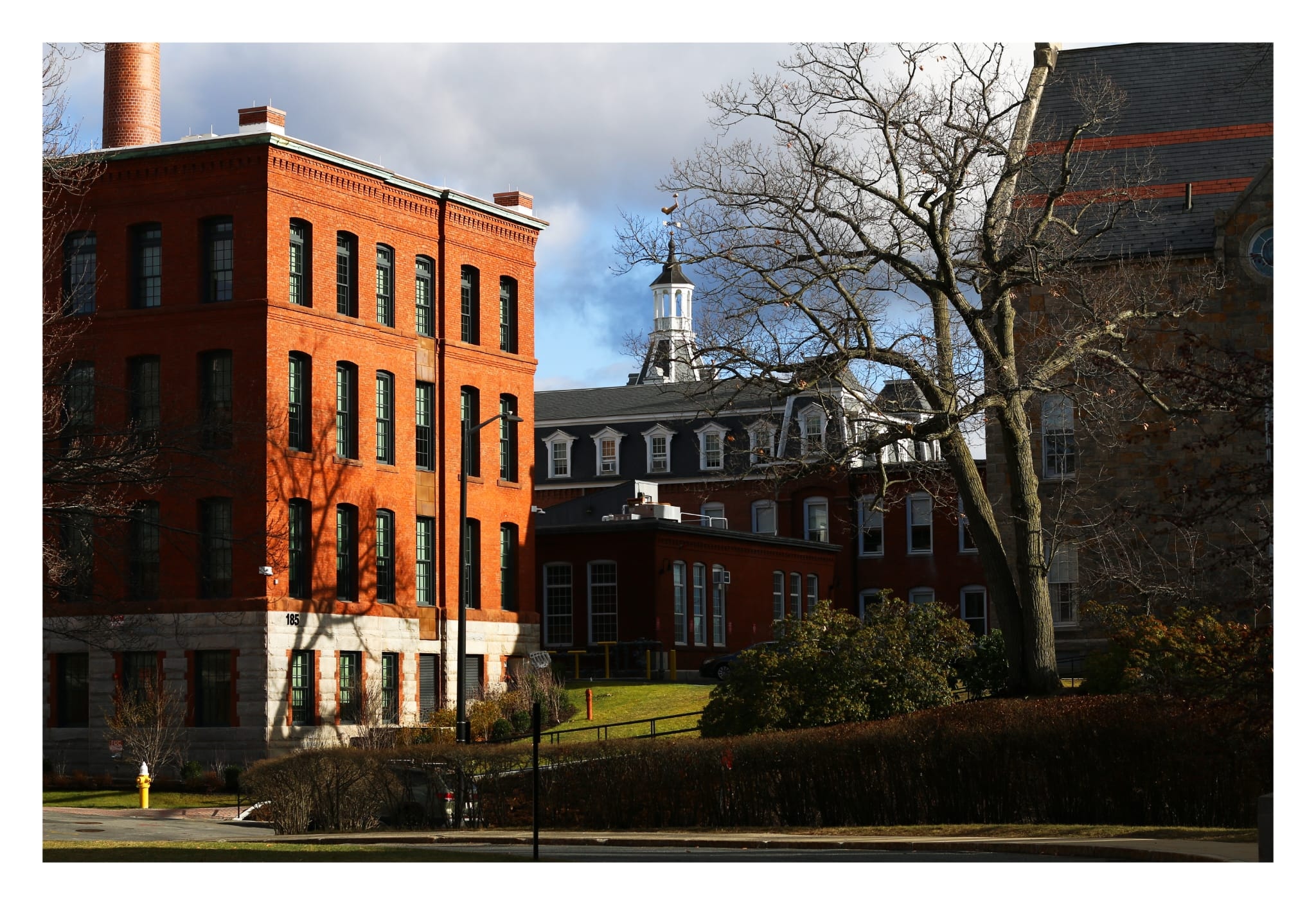
- Location : Boston is a great place to start a journey in a new country. It is vibrant. You get to experience all the four seasons.
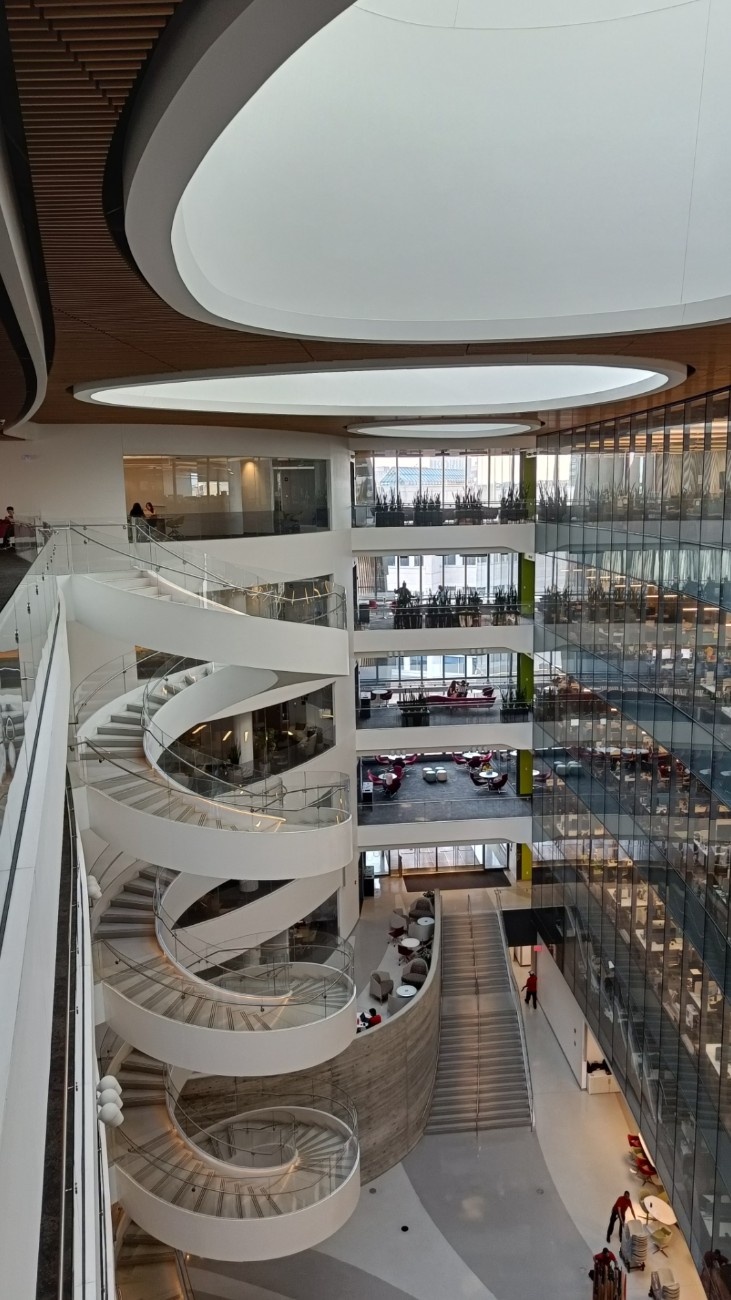
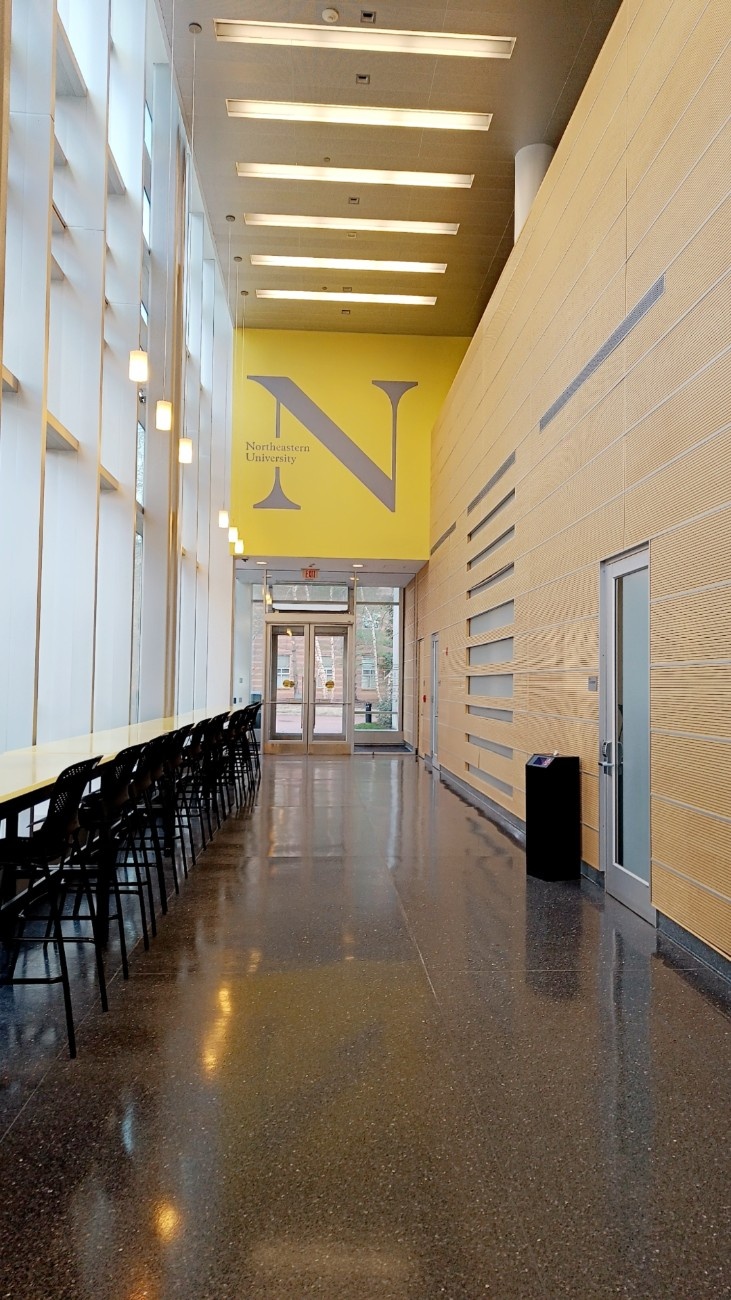
- Campus: The campus is big yet centralized. It is also modern which gives you a high class feel.
- Opportunities - Varied range of on-campus job opportunities.
Dislikes
- Weather : Boston can get real cold and that can lead to months of depressing cold days.
- Competition : Even though there are a lot of on campus job opportunities, the students strength can make getting the job very competitive.
- Expense: Northeastern, because it is a private university, is very expensive in terms of tuition fee, healthcare etc.
Scholarship
- No, I did not receive any scholarship.
- None of my classmates or people from my coursework received any scholarship that I am aware of.
- I think there is a way we can waive off subjects that we have covered in our undergrad but when it comes to scholarship the chances of getting one is very rare, in my opinion also because of the competition. I am not much aware of the average number of students receiving scholarships per year.

Likes
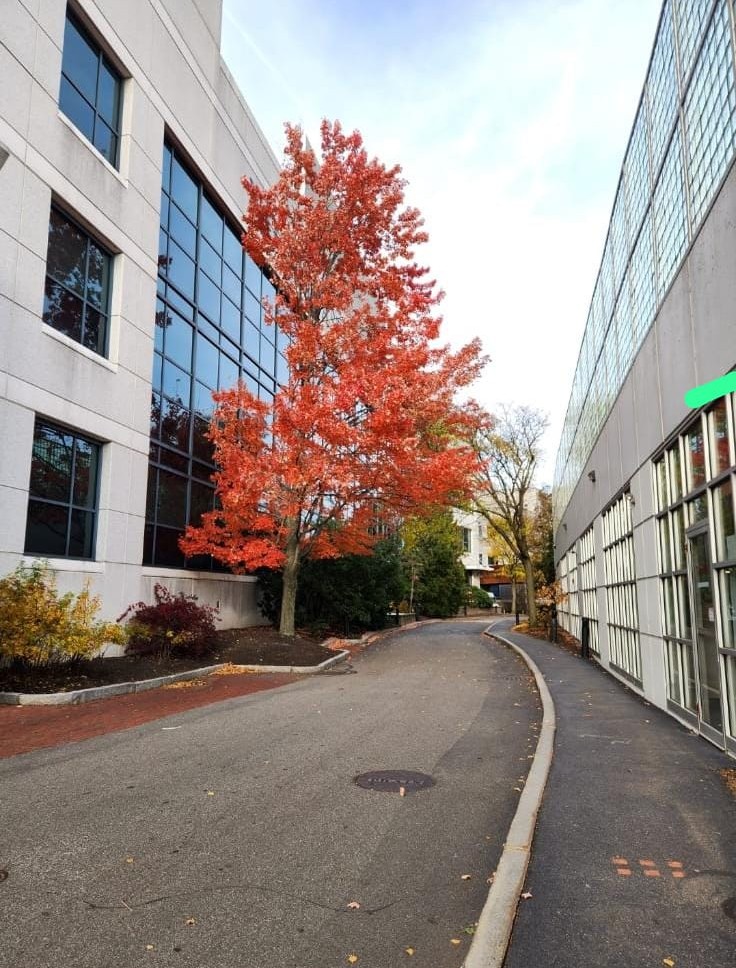
- The University is very diverse, and good experience I got for my course program- Biotechnology.
- The professors are experienced, knowledgeable and highly skilled.
- I also got hands-on training and attend conferences, but they take a lots of money
Dislikes
- The University is very expensive and fees per course credit increases every year.
- They don't offer any scholarships for international students.
- They never pay for Research Assistants. We volunteer in the biotech labs without any pay but we do it for our experience.
Scholarship
- No international students are offered with any scholarship. Only undergraduate students and graduate students who are US citizens get scholarship of 50%.
- None of my friends or any seniors got any scholarships from any batch. I haven't heard anything such as scholarships for us at Northeastern University. You must be a US citizen or Permanent US resident who is eligible to vote, only they get the scholarships.


Likes
- The professors at Khoury College of Computer Sciences are amazing, the way the design the course structure is was makes it better than the other departments at NEU.
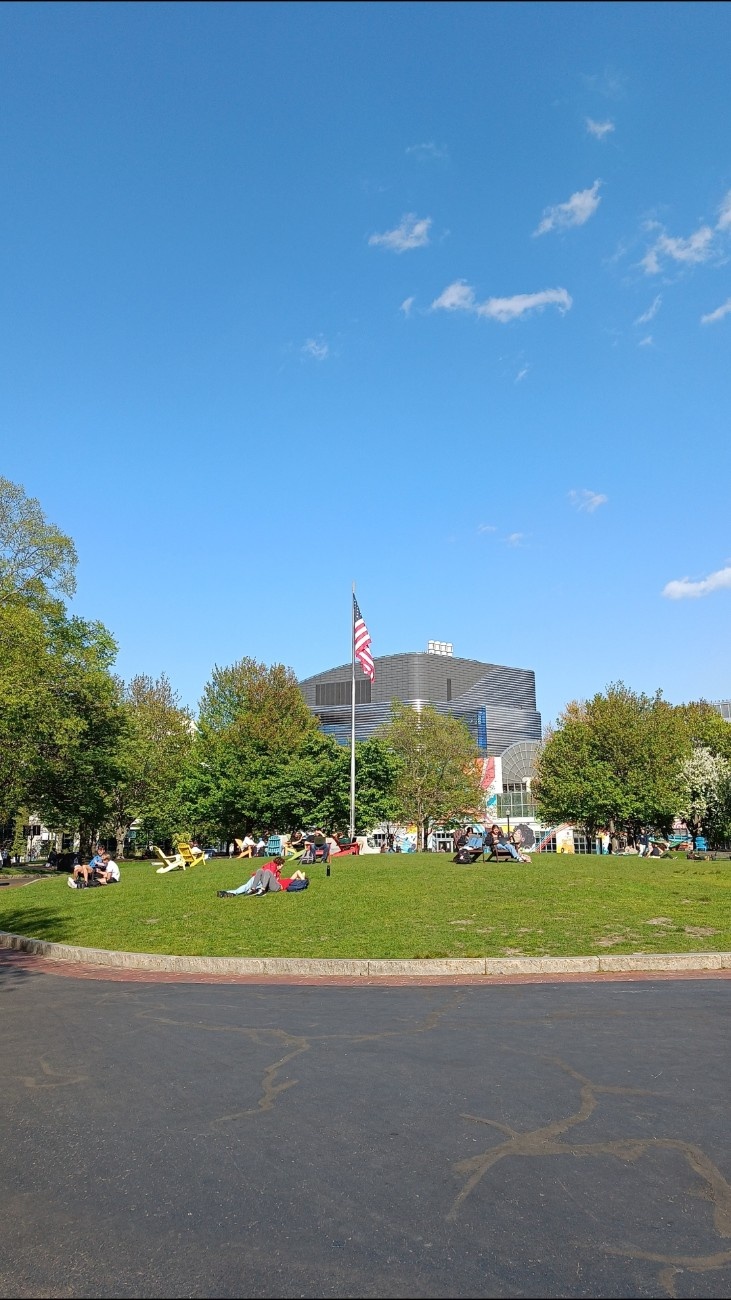
- The campus is located in the prime spot of Boston city, thus making it very accessible and easy to commute.
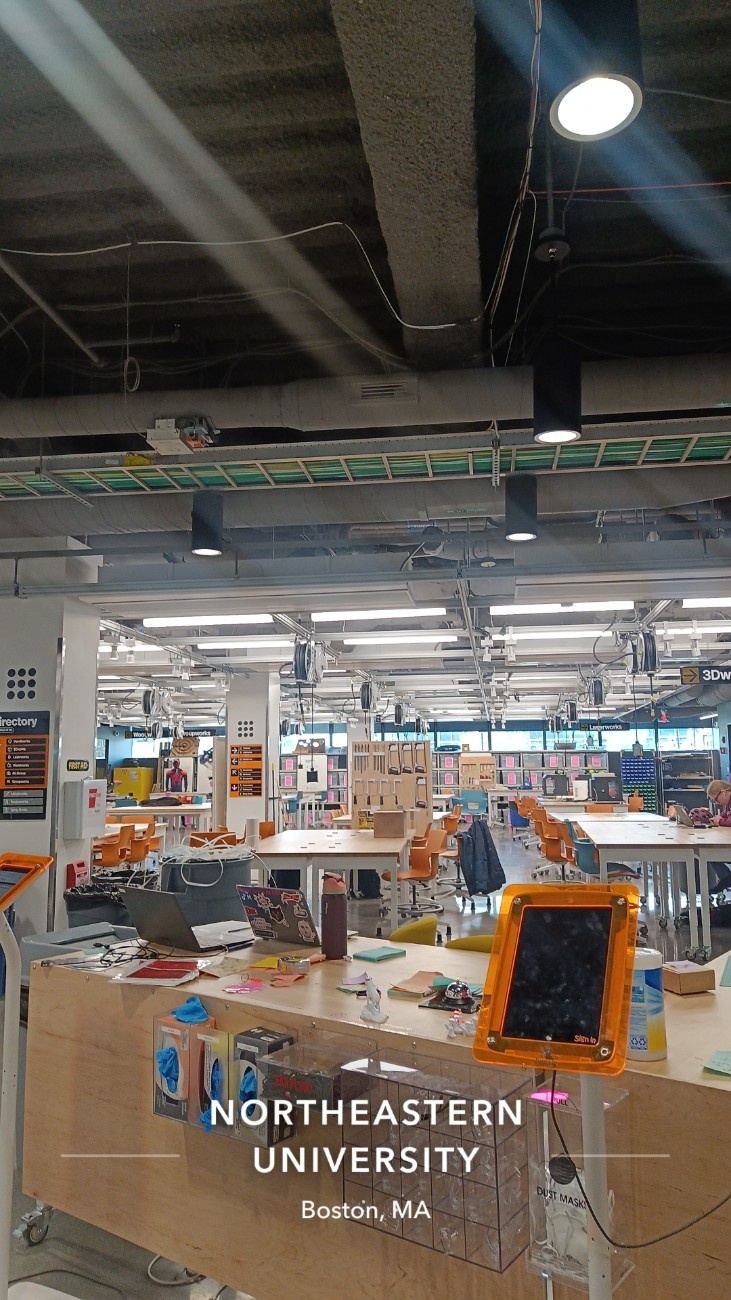
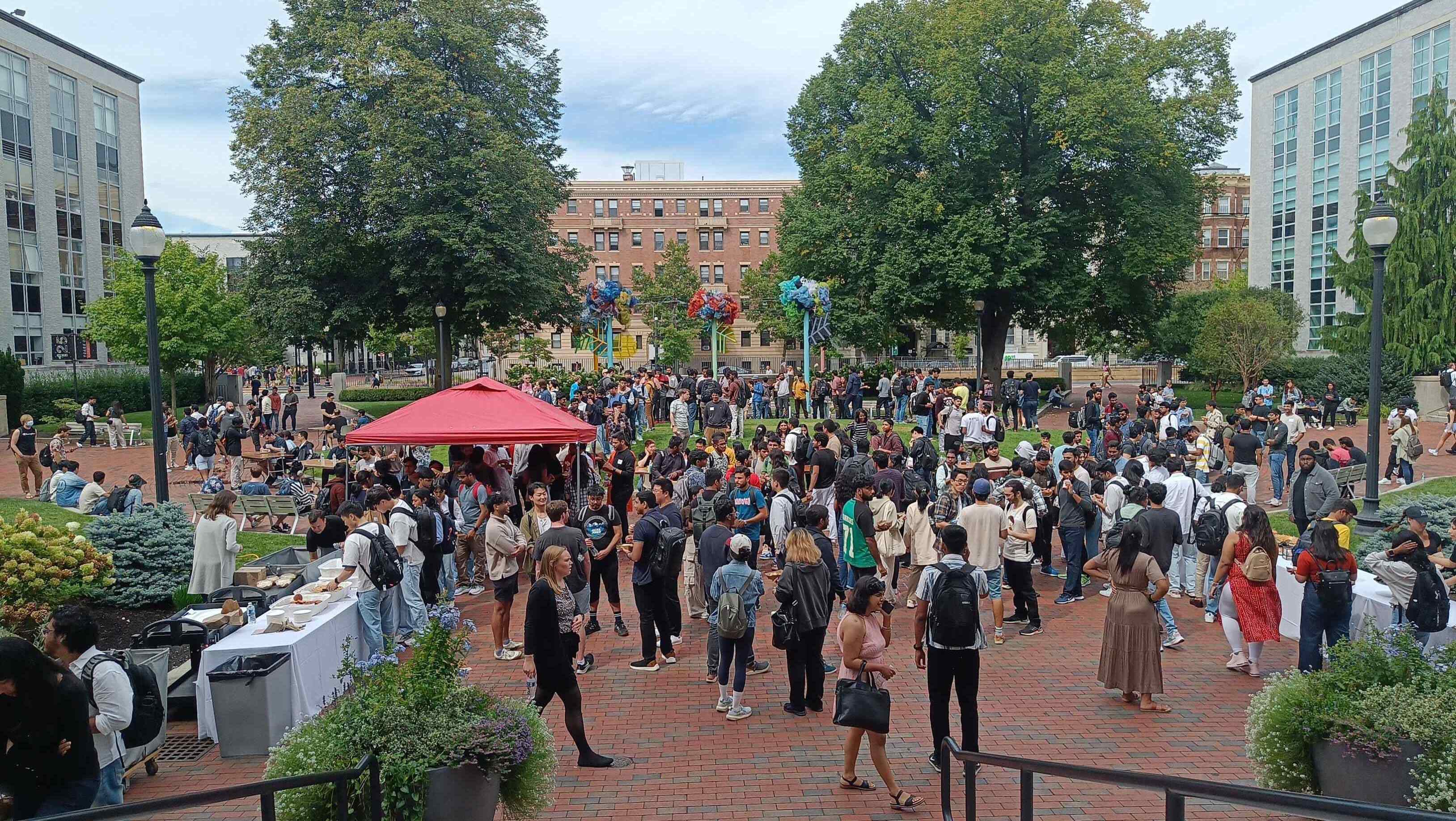
- There are many facilities and clubs in NEU which students can take part in for extracurricular involvement.
Dislikes
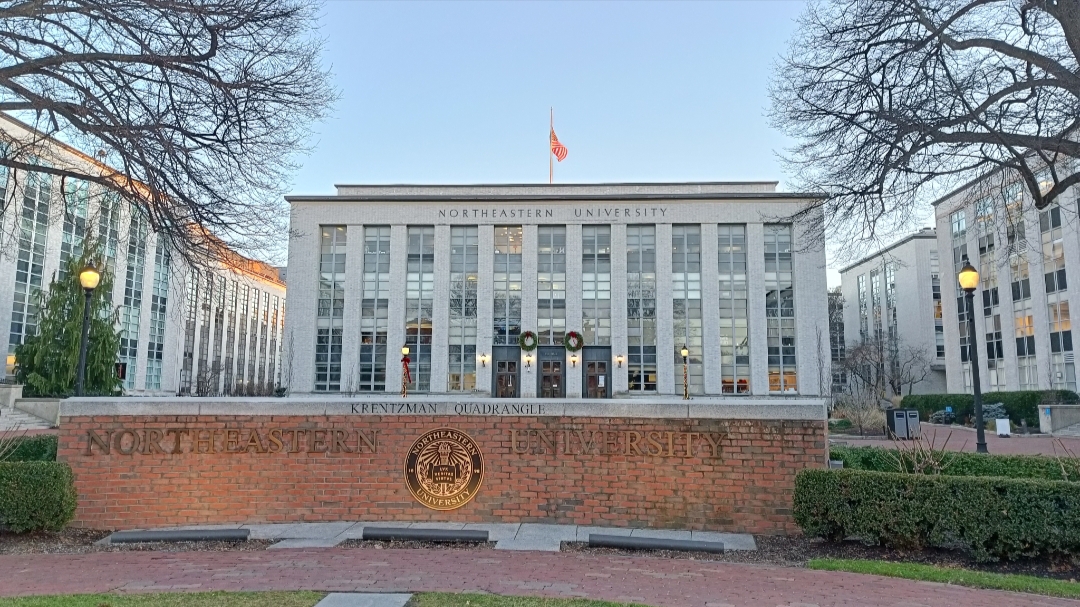
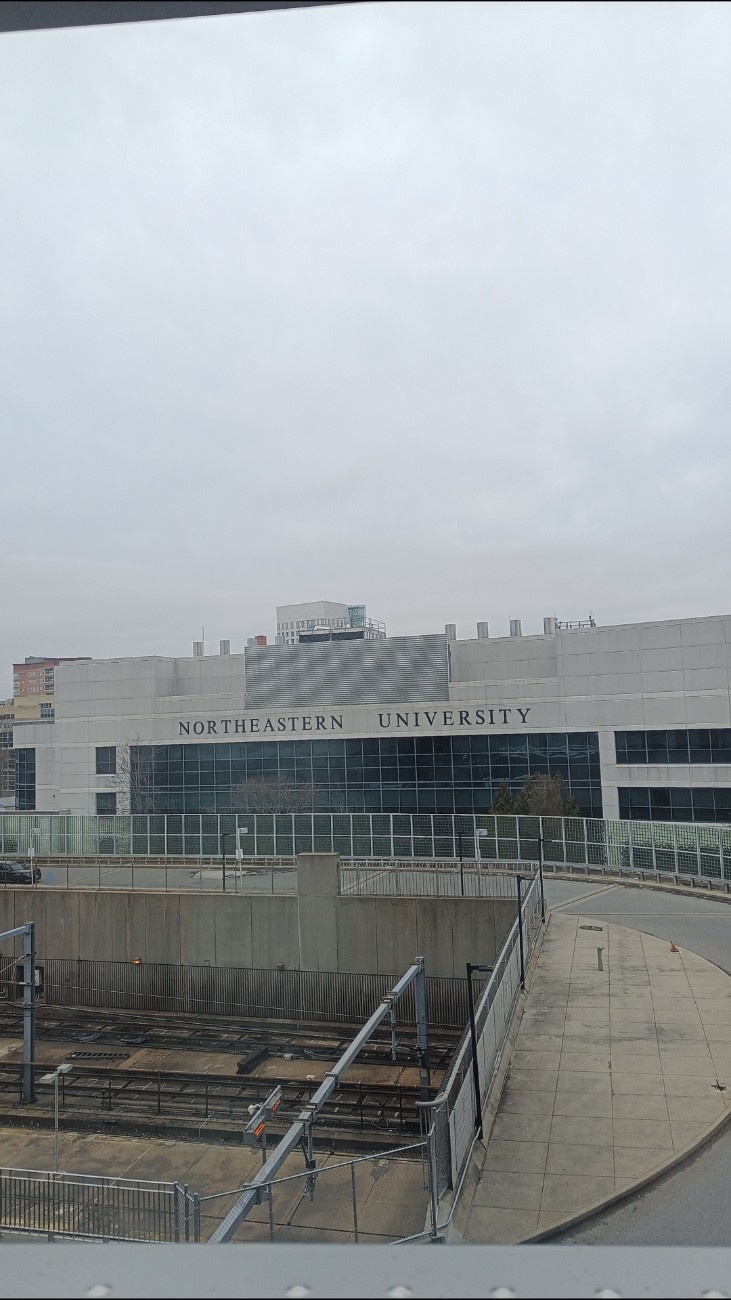
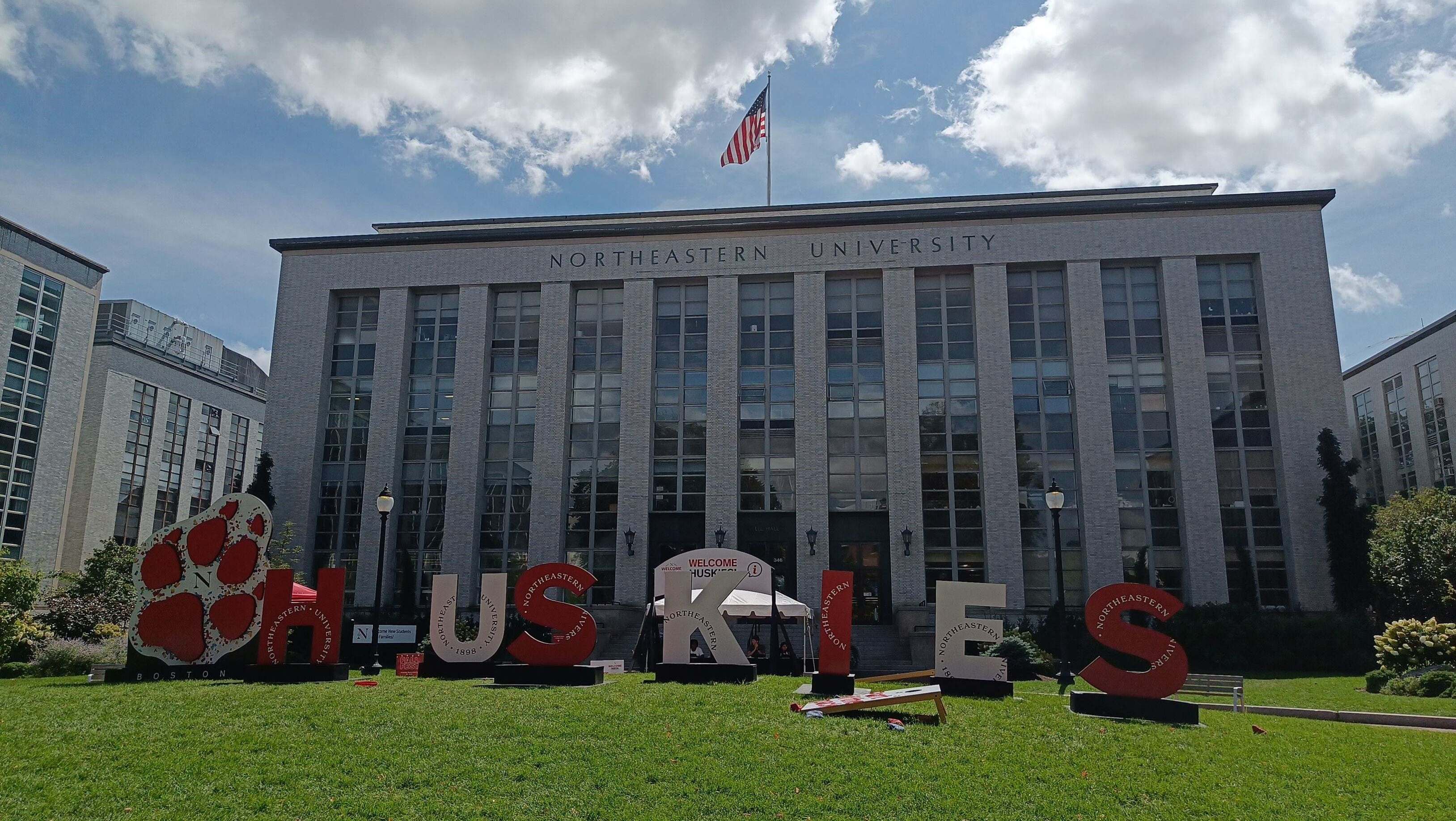
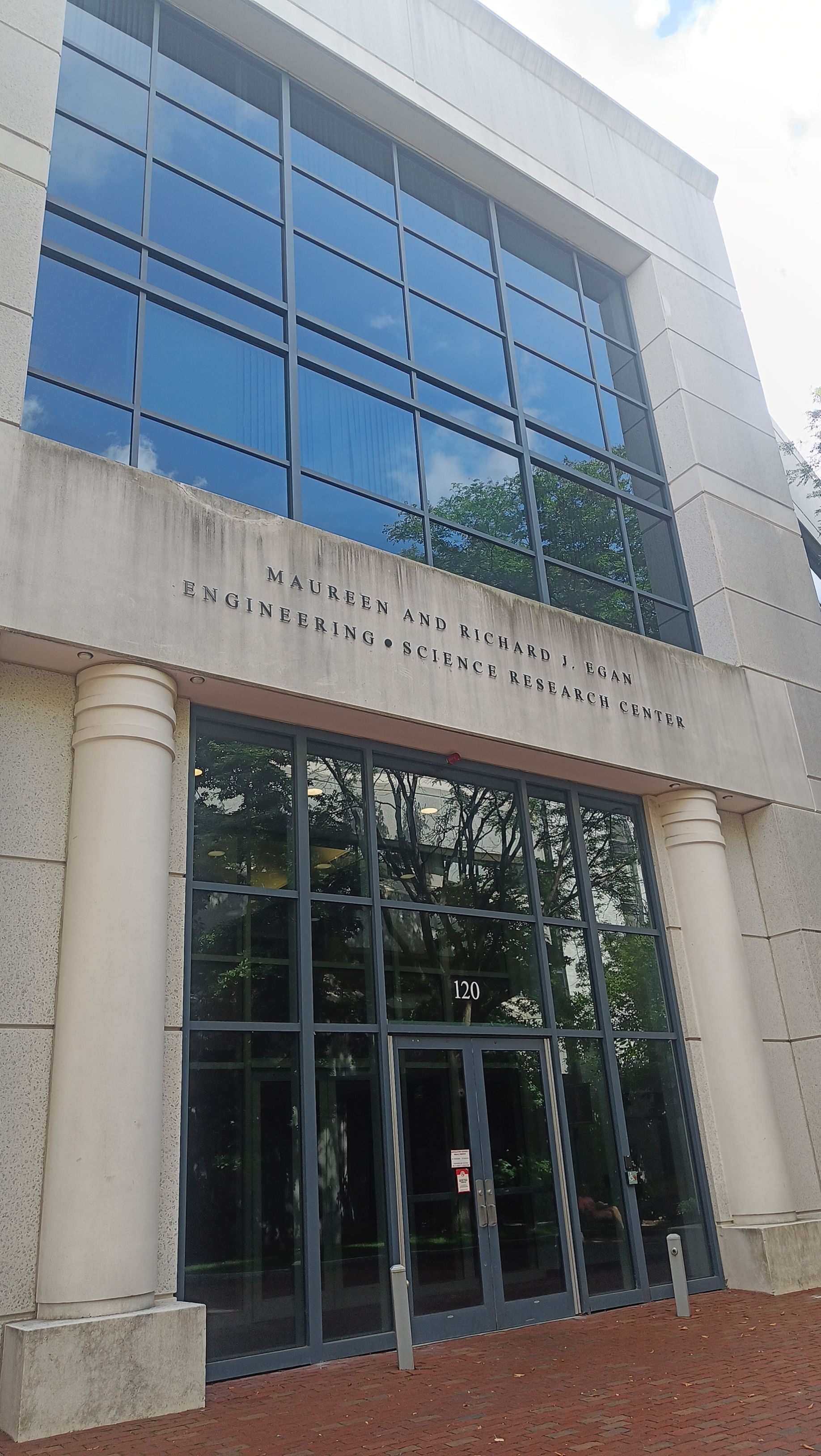
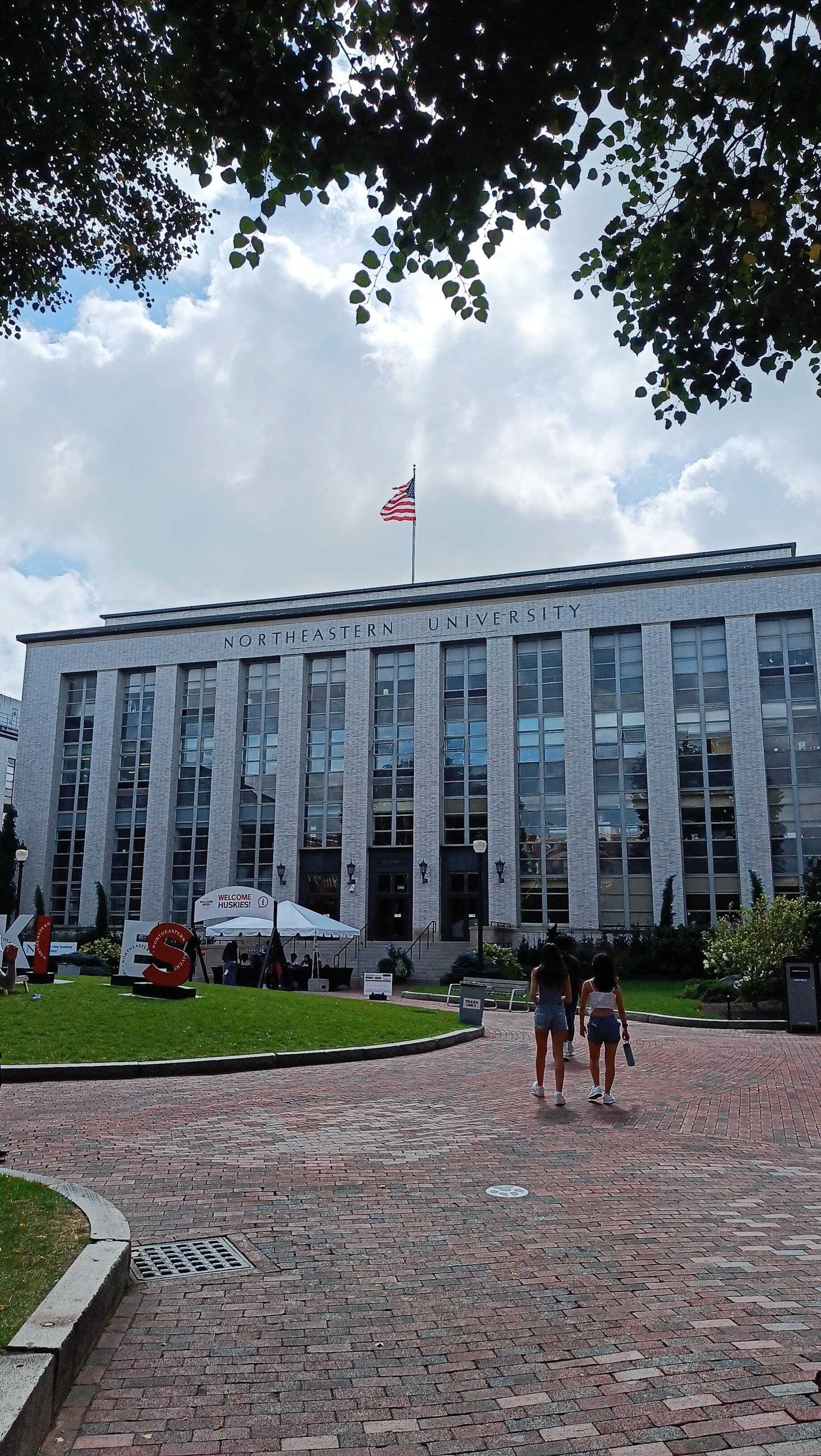
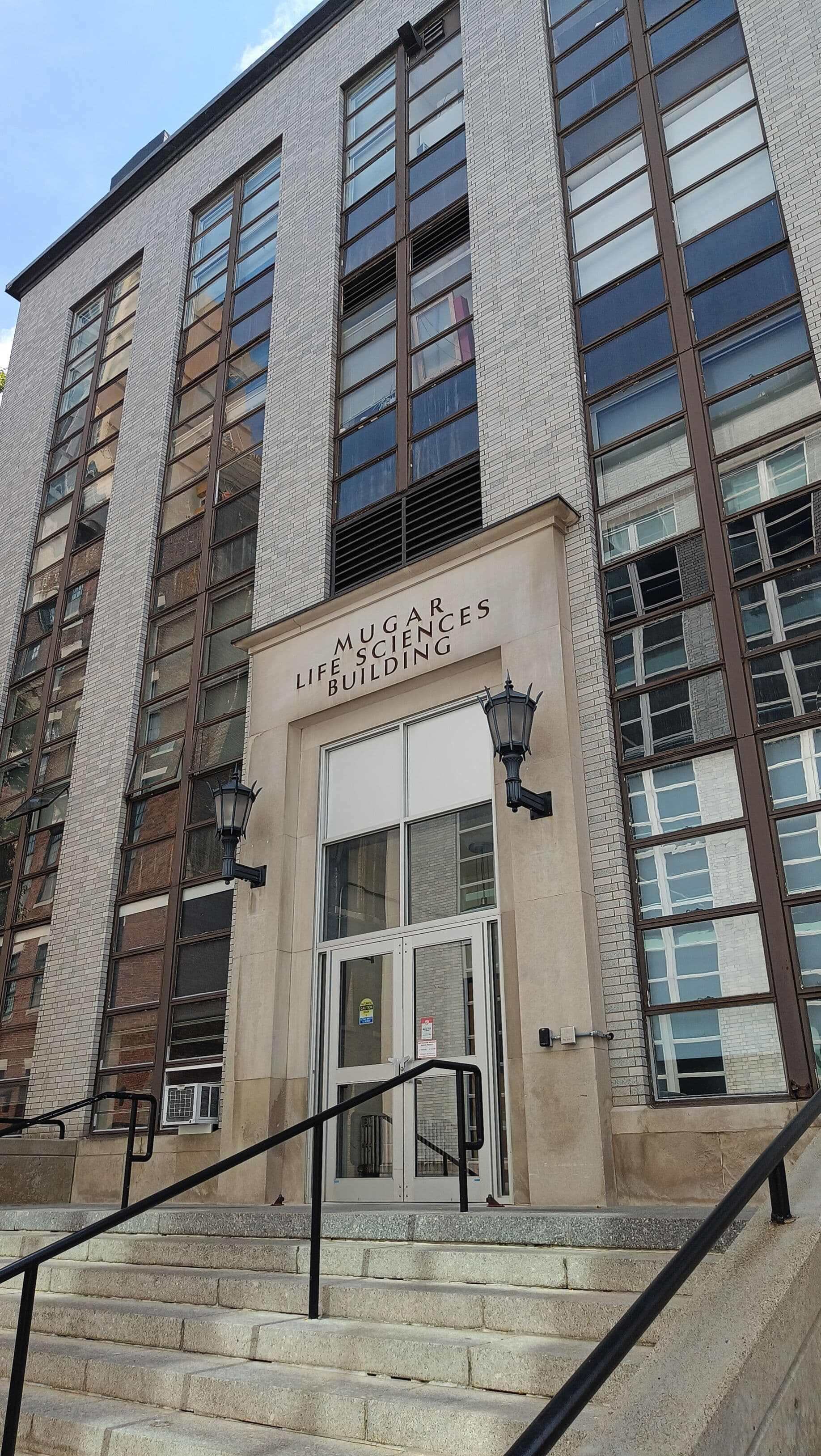
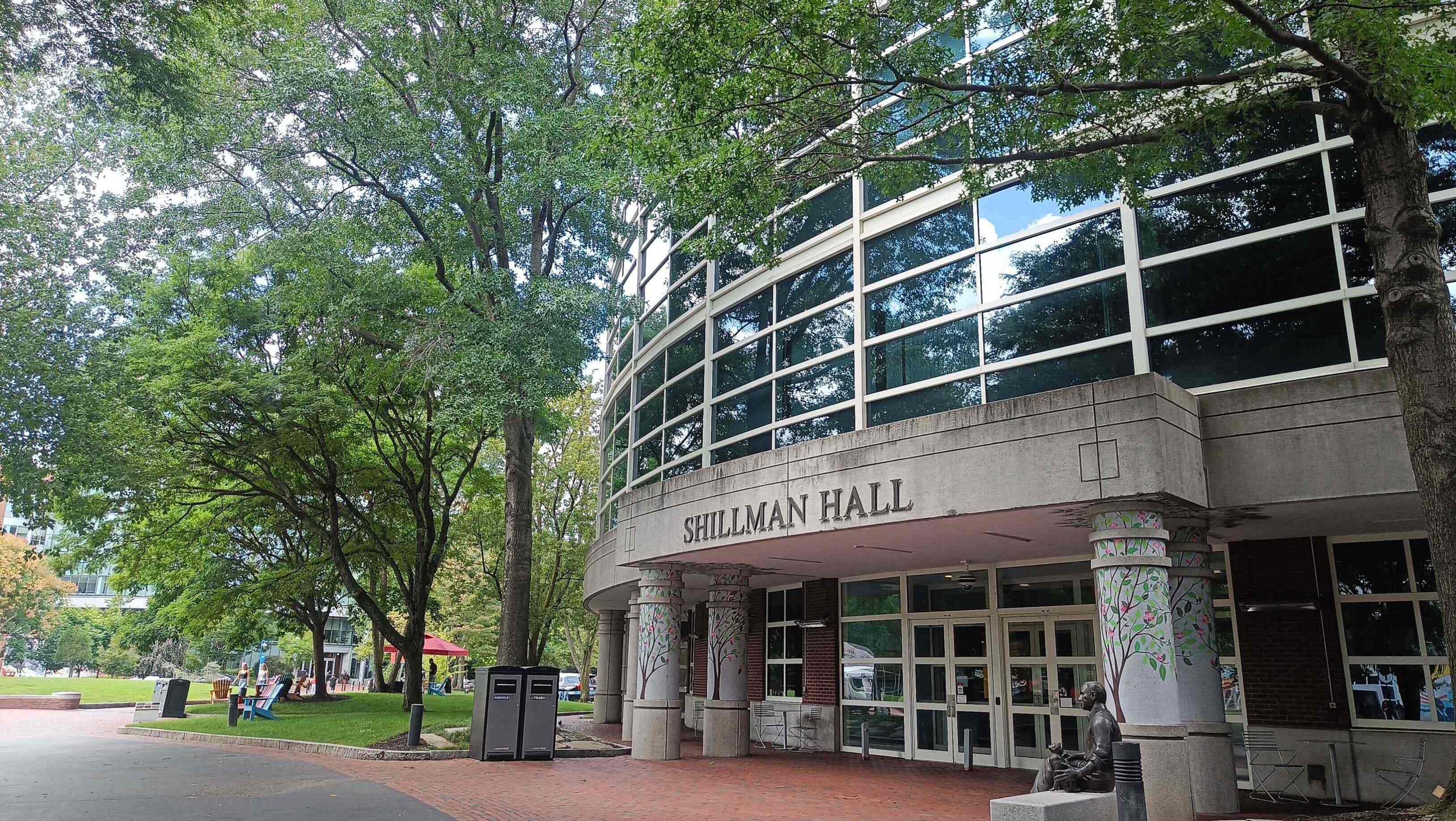
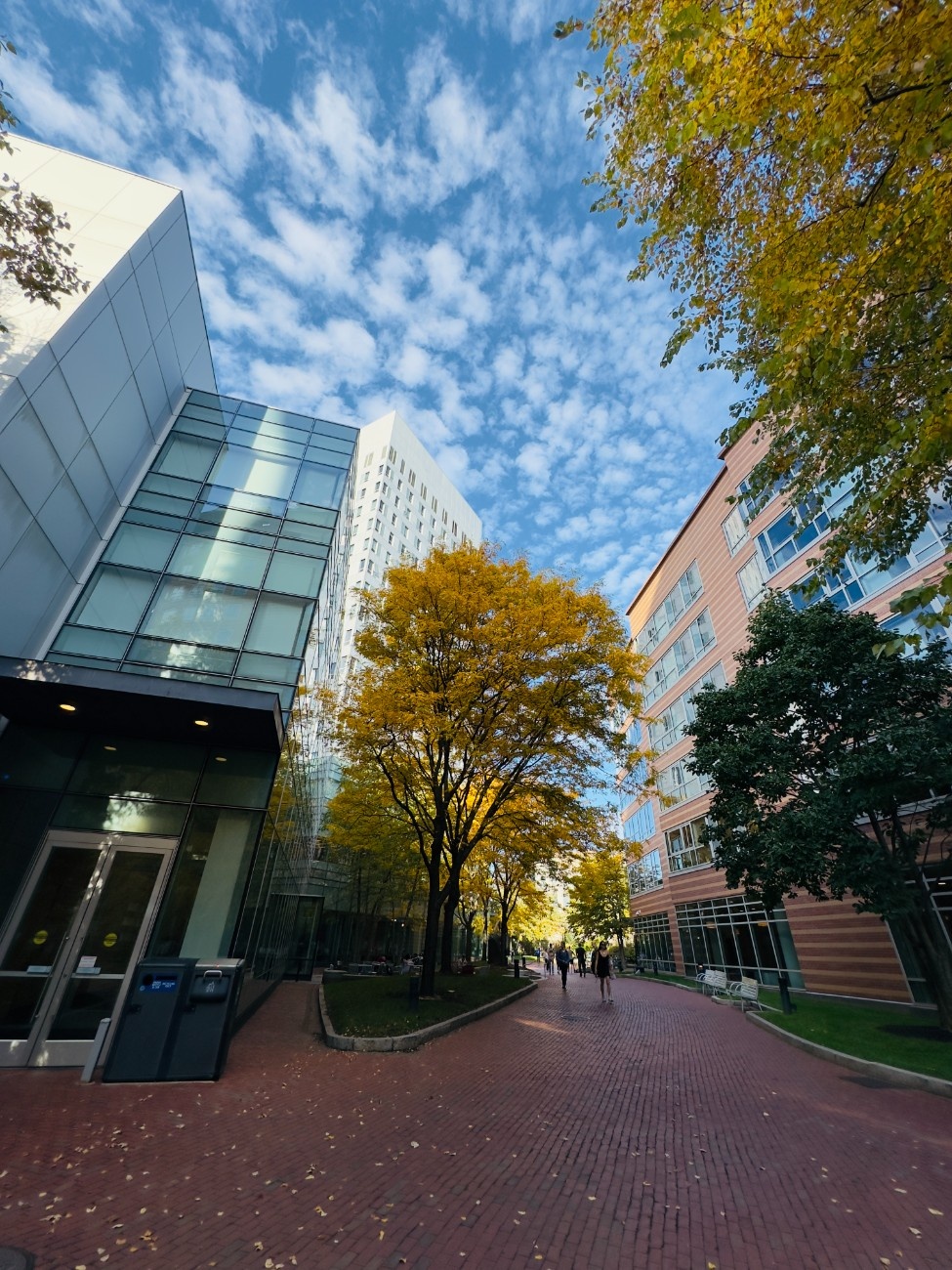
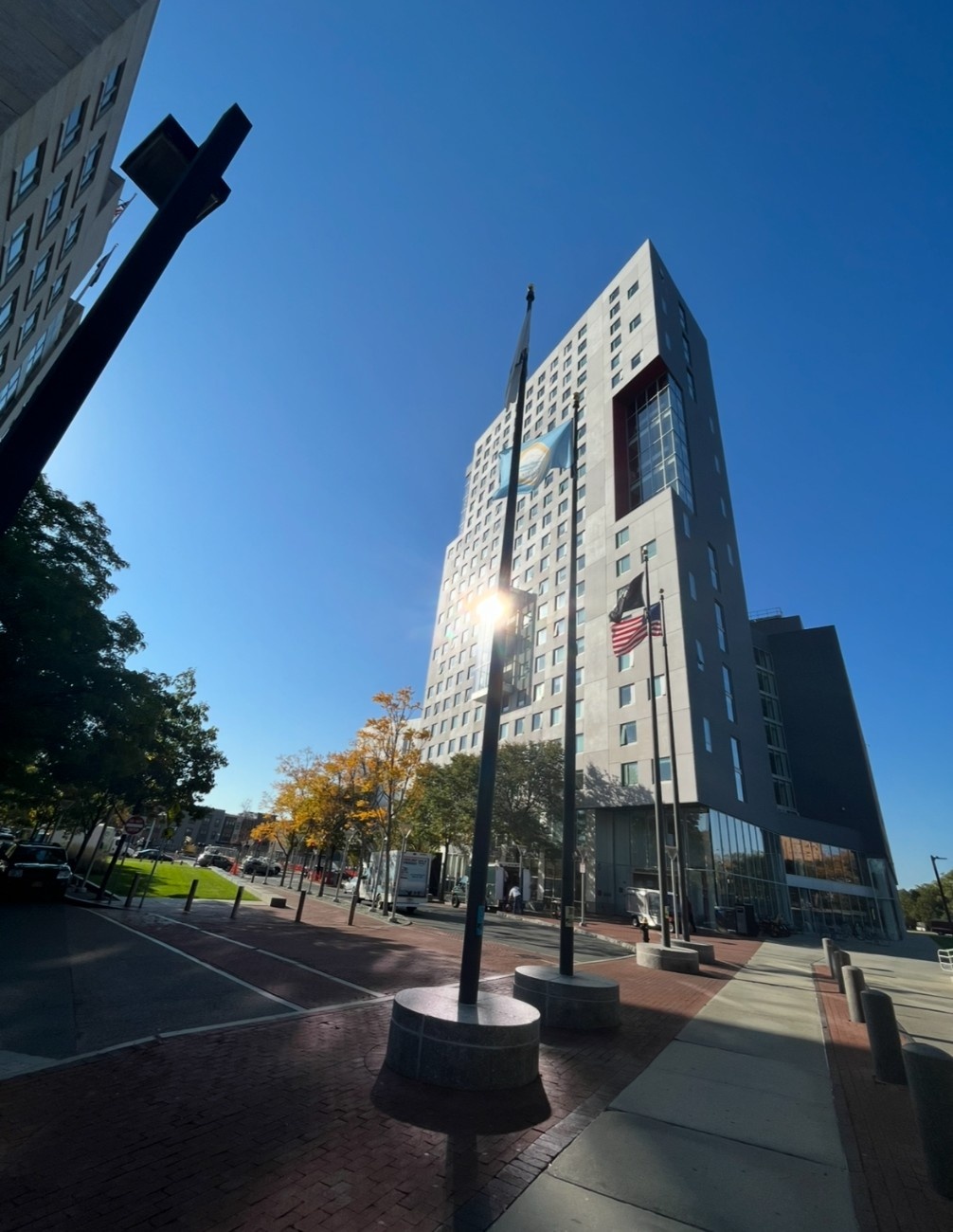
- The campus is quite small (only 75-80 acres) and doesn’t have any iconic buildings, so there’s nothing we have we can flaunt about in our pictures.
- Being in Boston, the winters are very cold, with temperatures going as low as -20°C and snowing all day. Definitely not ideal if you’re not used to extreme cold.
- There are too many Indian students, which limits opportunities for learning about other communities and international networking.
Scholarship
- Yes, I received a scholarship of 1,000 dollars called the Global Learner Award. It is basically given to all the students who got an admit and have enrolled in the Khoury College of Computer Sciences.
- The award amount was 1,000 dollars.
- Yes, some of my batchmates received other scholarships of 5% on the total tuition fee. This is only given to students enrolled in the Khoury College of Computer Sciences and who have a very good profile.
- While I don't know the exact number of students getting scholarships each year, I can say that getting a scholarship for the Khoury College of Computer Sciences is easy, as if you have gotten into the Khoury College of Computer Sciences, that means that you are already among the top students in the university. The typical award amount is 1,000 dollars.


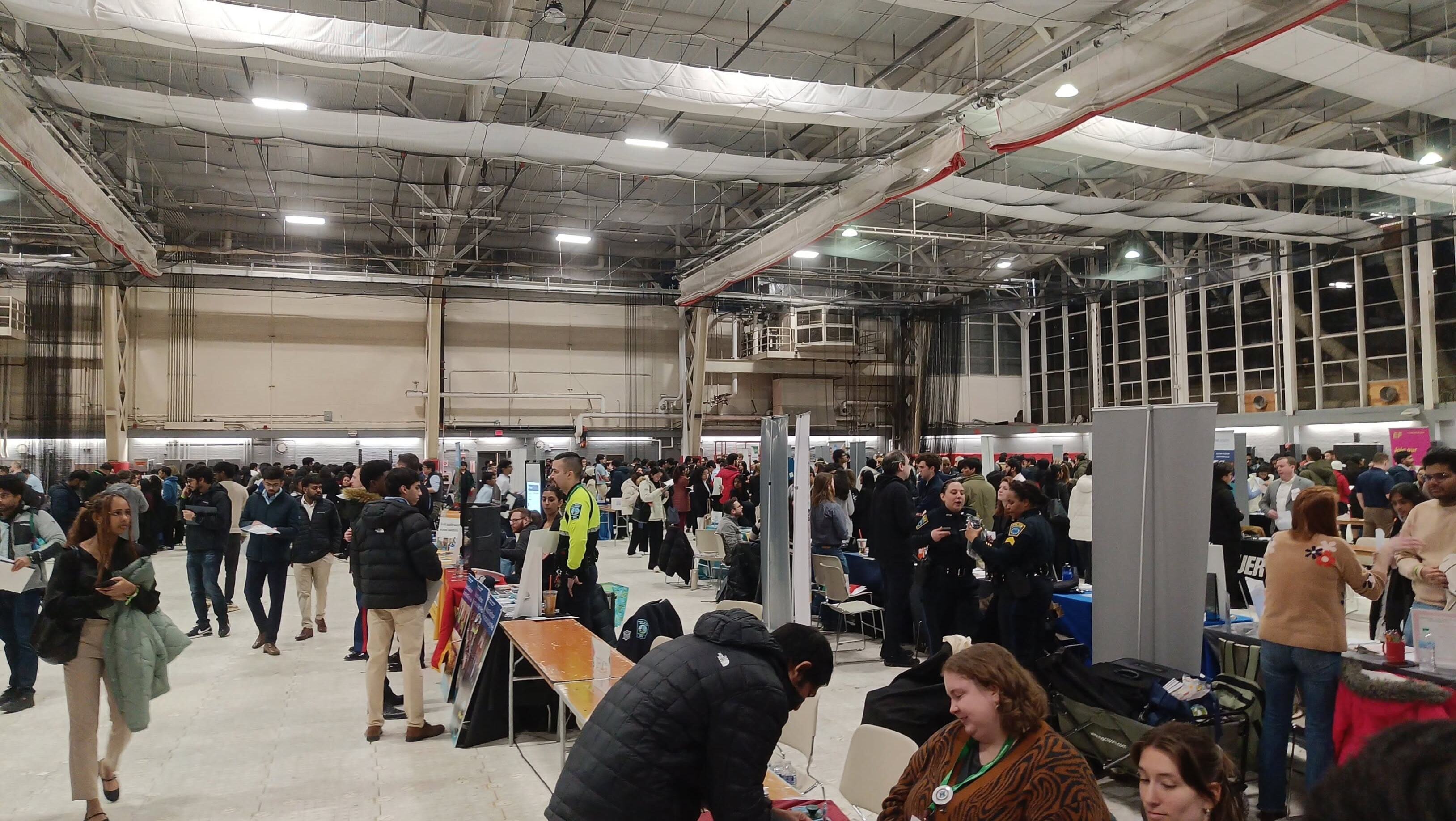


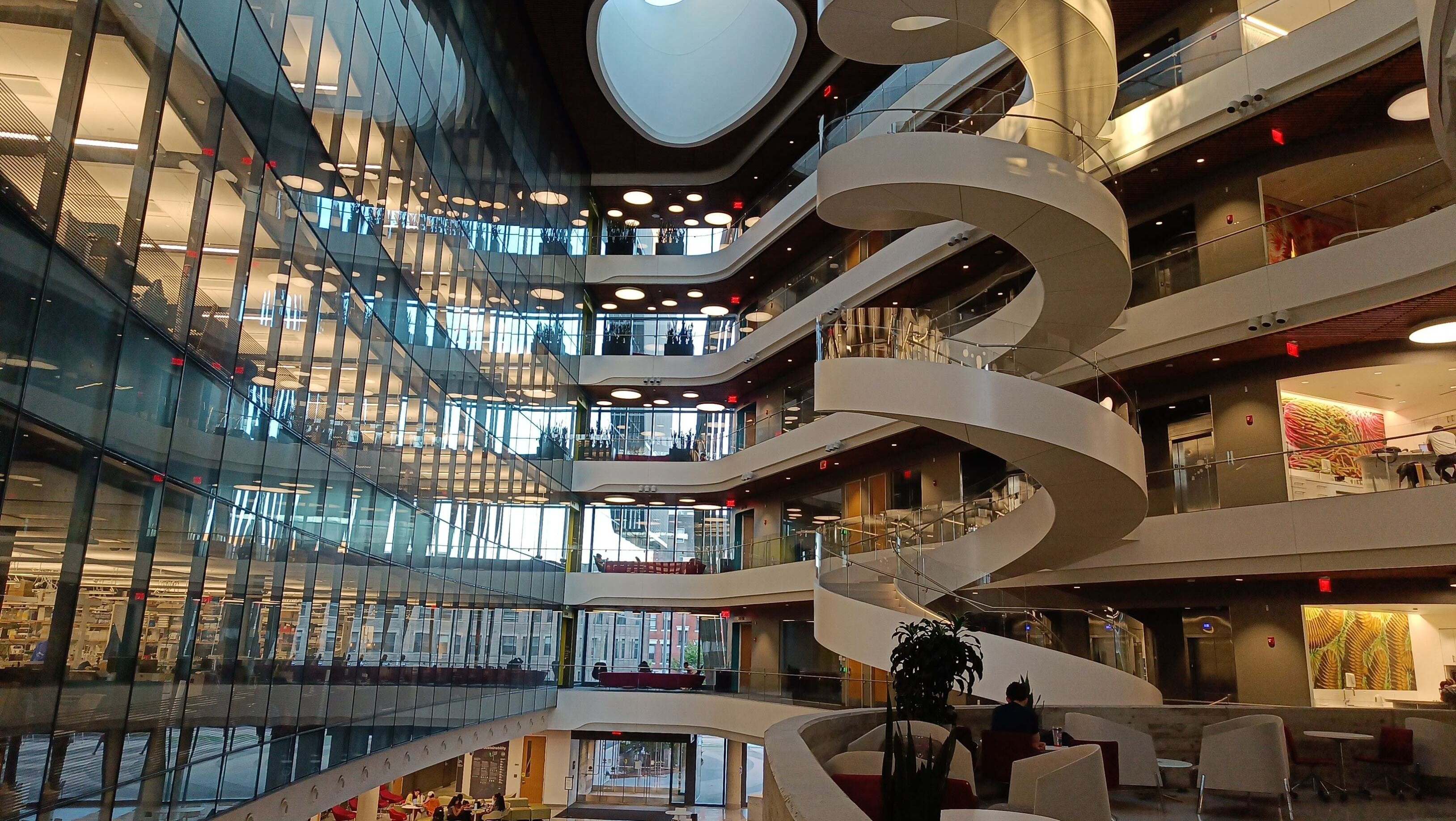
Likes
- Best Infrastructure
- Practical Based Learning (Code reviews, Quiz Assessments)
- Vibrant City Campus in Boston
Dislikes
- There are too many Indian students, so we get very less chances to speak with people from other ethnicities
- Boston City life is very expensive
- House searching is a tedious process
Scholarship
- At Northeastern University, scholarships are primarily awarded to undergraduate students, covering a wide array of courses. Each of these courses can offer scholarships of up to $10,000 per semester.
- Typically, more than ten students per course benefit from these scholarships. This system aims to support a diverse student body, helping to alleviate the financial burden of higher education for undergraduates. Unfortunately, these scholarships don't seem to extend as frequently to graduate programs, which might be why you didn't receive one for your course.
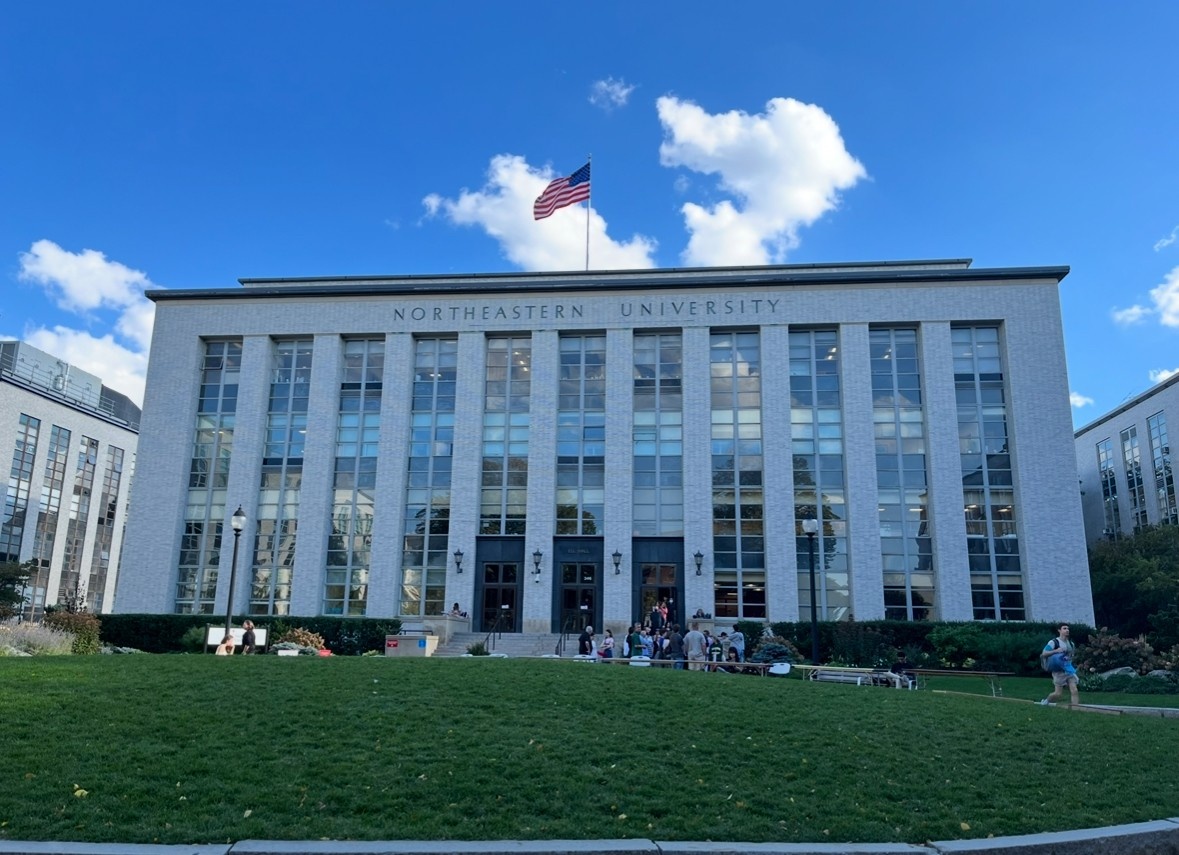

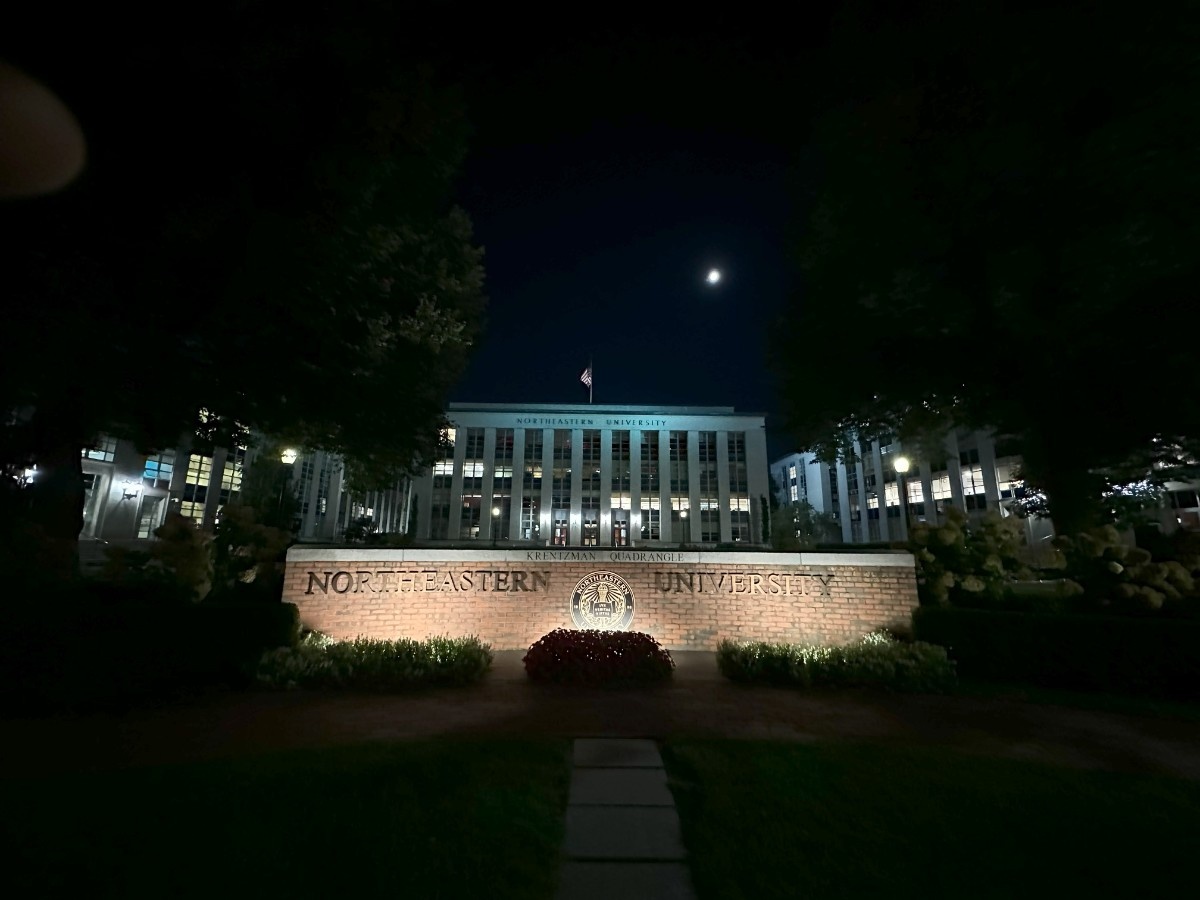












Comments