




What Students Say
Likes
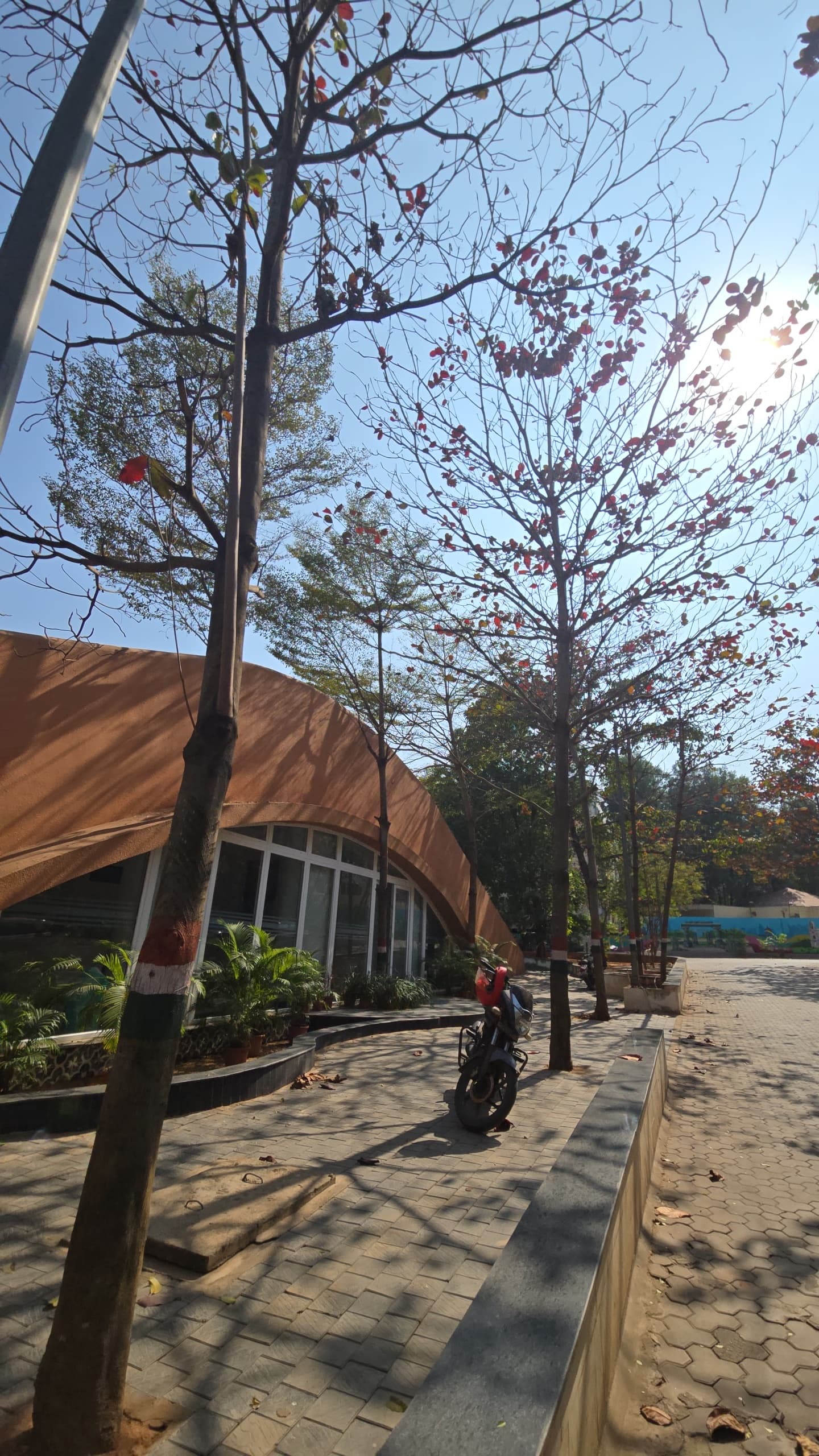
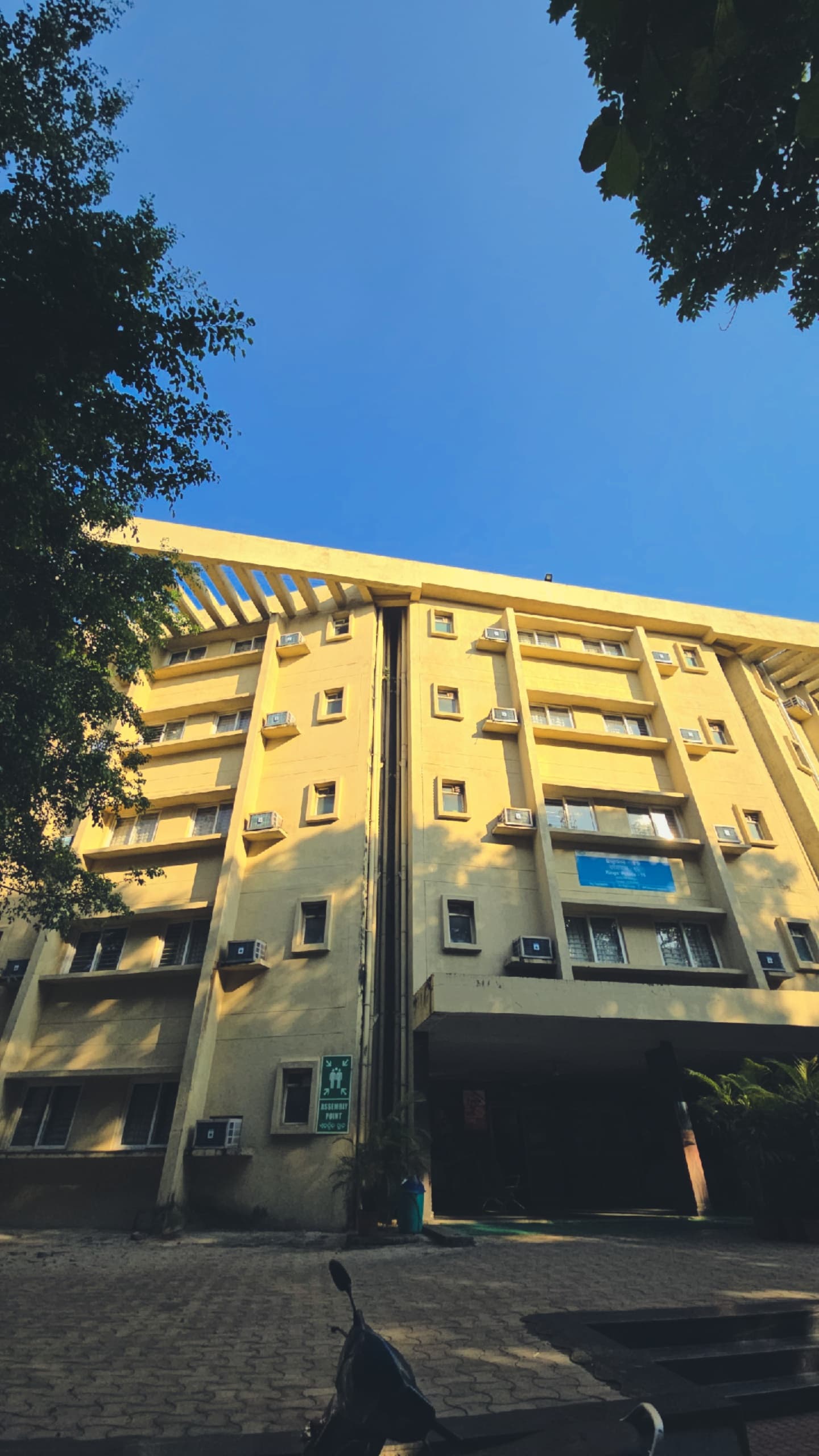
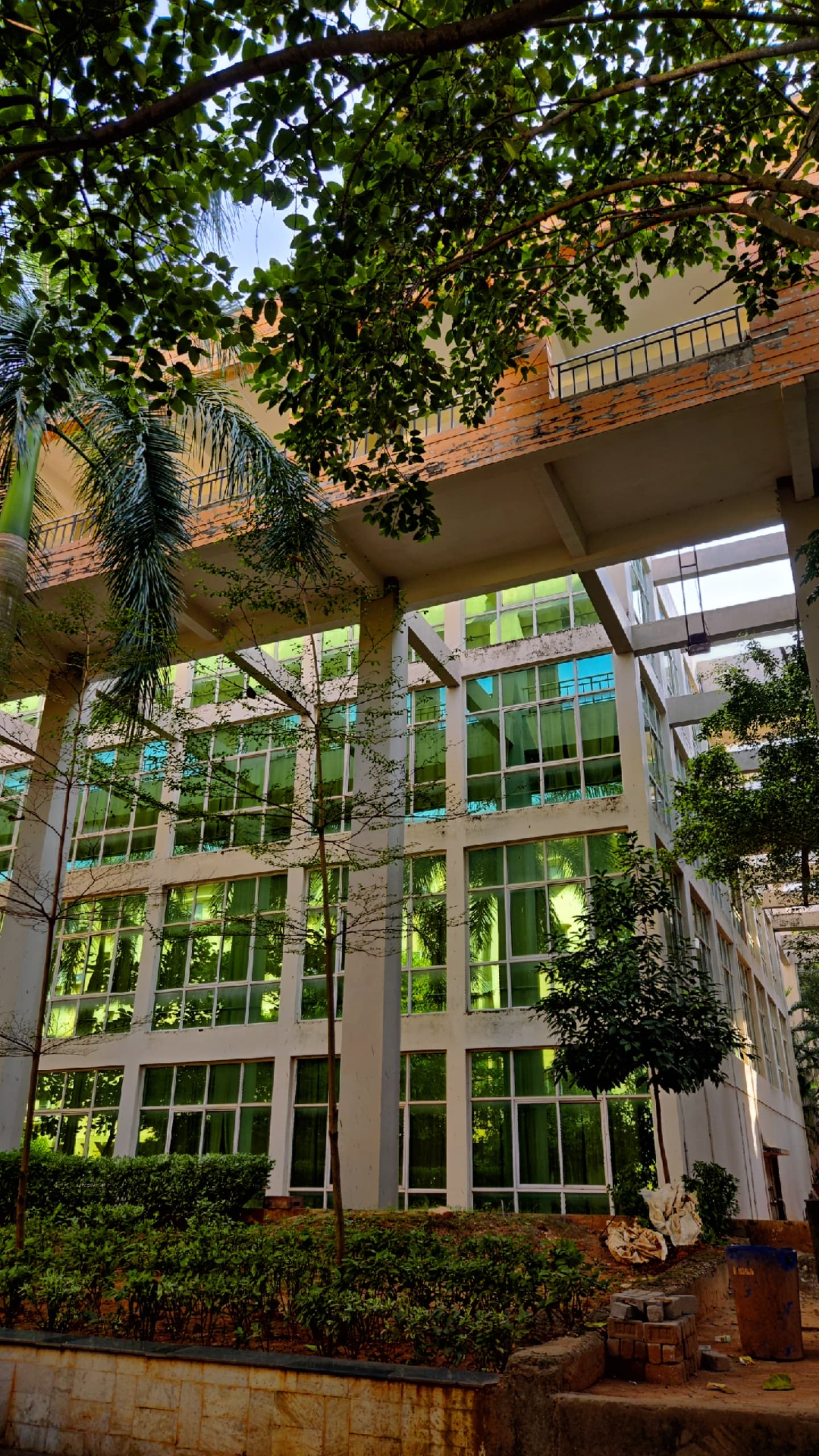
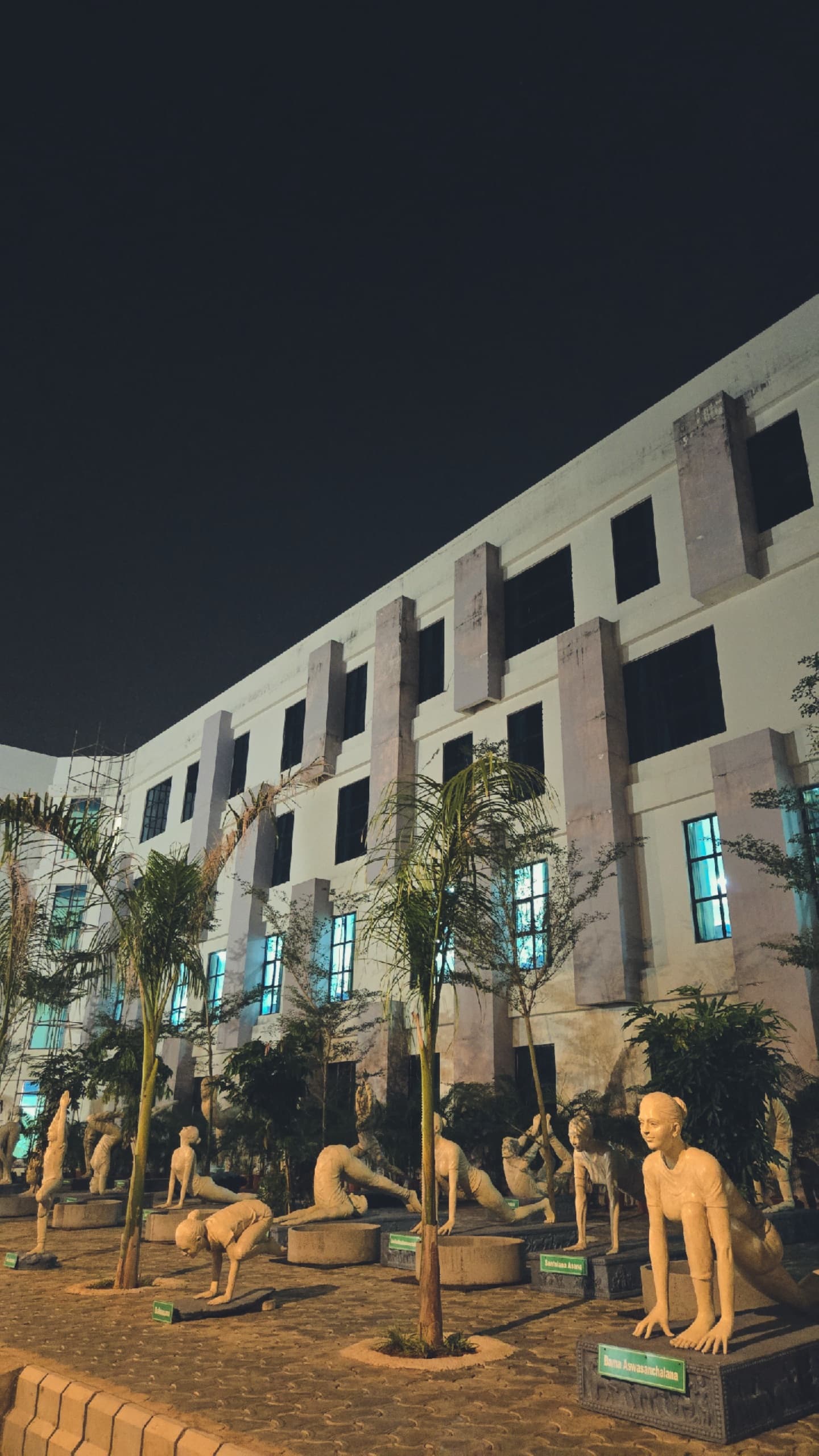
- The campus infrastructure is very good with modern classrooms, well-equipped labs, libraries, sports complexes, and clean hostels, which creates a comfortable and safe learning environment for students.
- Campus life is vibrant with many technical clubs, cultural societies, fests, and events that help students improve communication skills, build networks, and maintain a good social life.
- The university provides decent placement support with training sessions, mock interviews, aptitude preparation, and regular company visits, especially useful for average and mid-level students.
Dislikes
- The overall fees are quite high compared to many other private engineering colleges, and the annual increase in fees adds financial pressure on students from middle-class backgrounds.
- Faculty quality is inconsistent, as some professors are very knowledgeable and supportive, while others depend heavily on PPTs and lack practical or industry-oriented teaching.
- The course curriculum is sometimes too theoretical, and students need to rely on self-learning, online courses, and personal projects to gain real-world technical exposure.
Course Curriculum Overview
I would rate the B.Tech CSE course curriculum at KIIT University as moderately relevant and fairly comprehensive. The inclusion of core subjects such as Data Structures Algorithms DBMS Operating Systems Computer Networks and Software Engineering strongly influenced my decision to choose this course as they build a strong foundation for software roles and higher education. The curriculum helps in understanding fundamental concepts which are useful for competitive exams and postgraduate studies. In terms of real world preparation the curriculum provides a good theoretical base but practical exposure depends largely on self effort. Labs assignments and final year projects help but more hands on learning industry based projects and updated tools can improve learning outcomes. Teaching methods can be improved by adding interactive sessions live projects and case studies. The exam system follows a semester pattern with two mid semester exams internal assessments lab evaluations and one end semester exam. Exams are conducted regularly and are of moderate difficulty making them manageable with consistent study though the frequency can sometimes feel high.
Internships Opportunities
KIIT University provides decent internship opportunities for B.Tech CSE students through its training and placement cell and departmental support. Internship opportunities usually start from the end of second year or third year. Companies like TCS Infosys Wipro Accenture Cognizant Capgemini Deloitte EY and a few startups offer internships in roles such as software developer intern data analyst intern testing intern and cloud or AI trainee. Stipends vary based on company and role and usually range from around 8000 to 20000 per month. Apart from company internships students also get opportunities through internal projects faculty led research work and external platforms. Internship tasks generally include coding development testing documentation data analysis and working on real world projects. Many students work on projects like web application development automation tools data analytics dashboards and machine learning models. These internships help in gaining practical exposure improving technical skills and increasing chances of full time placement offers.
Placement Experience
Placements at KIIT University for B.Tech CSE are decent and well structured, especially for students who prepare consistently. Students become eligible for campus placements from the 7th semester, although pre placement talks training sessions and internships start from the 5th or 6th semester. The university has a centralized placement cell that coordinates training aptitude tests mock interviews and company drives. Many reputed companies visit the campus every year including TCS Infosys Wipro Accenture Cognizant Capgemini Deloitte EY Mindtree LTI Bosch HP Amazon and a few product based startups. Mass recruiters make a large number of offers while product and service based companies offer selective roles. The average package for CSE students usually ranges between 4 to 5 LPA, while the highest package can go above 20 to 25 LPA in exceptional cases depending on the company and role such as software developer or data engineer. Around 75 to 85 percent of CSE students get placed through campus placements. Students who remain unplaced usually pursue higher studies startups off campus jobs or competitive exam preparation. Placement success largely depends on individual effort coding skills internships and communication ability. After completing my degree I plan to work in the software industry to gain practical experience and improve my technical skills. Alongside my job I also plan to upskill in advanced technologies and later consider higher studies or specialized roles depending on career growth.
Fees and Financial Aid
The fee structure for B.Tech CSE at KIIT University (2022–26) for General category students is quite high but well-defined. I paid around ?4.3–?4.6 lakhs per year as tuition fees, making the total tuition cost approximately ?17.5–?18.5 lakhs for the complete 4-year course. In the first year, additional compulsory charges like admission fees, registration fees, caution deposit (refundable), development fees, lab fees, and student activity charges together amounted to around ?70,000–?75,000. Hostel fees are charged separately and range between ?1.2–?1.5 lakhs per year depending on room type, with mess charges of about ?30,000–?40,000 per year. From the second year onwards, only tuition, hostel, and semester-related charges are applicable. The fees have shown an increasing trend compared to older batches, especially for CSE and other circuit branches. For students from SC/ST categories, many of my batchmates received government tuition reimbursement or post-matric scholarships, significantly reducing their effective fee burden. OBC and EWS students are also eligible for central and state government scholarships based on income criteria. KIIT additionally offers merit-based scholarships for top KIITEE rank holders and merit-cum-need scholarships for academically strong but financially weak students. Overall, while the cost is on the higher side, scholarship options and facilities partially justify the fees.
Campus Life
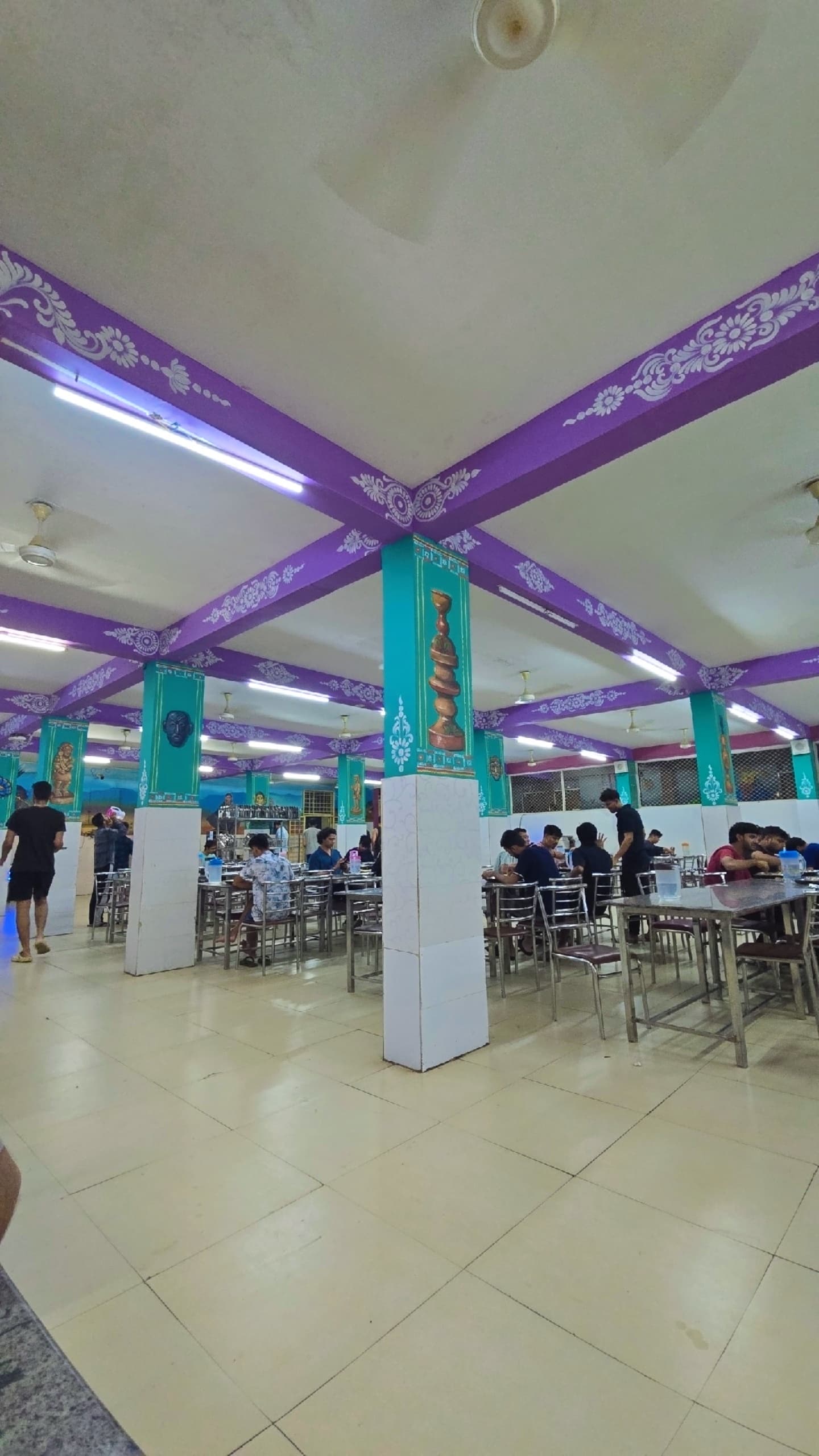
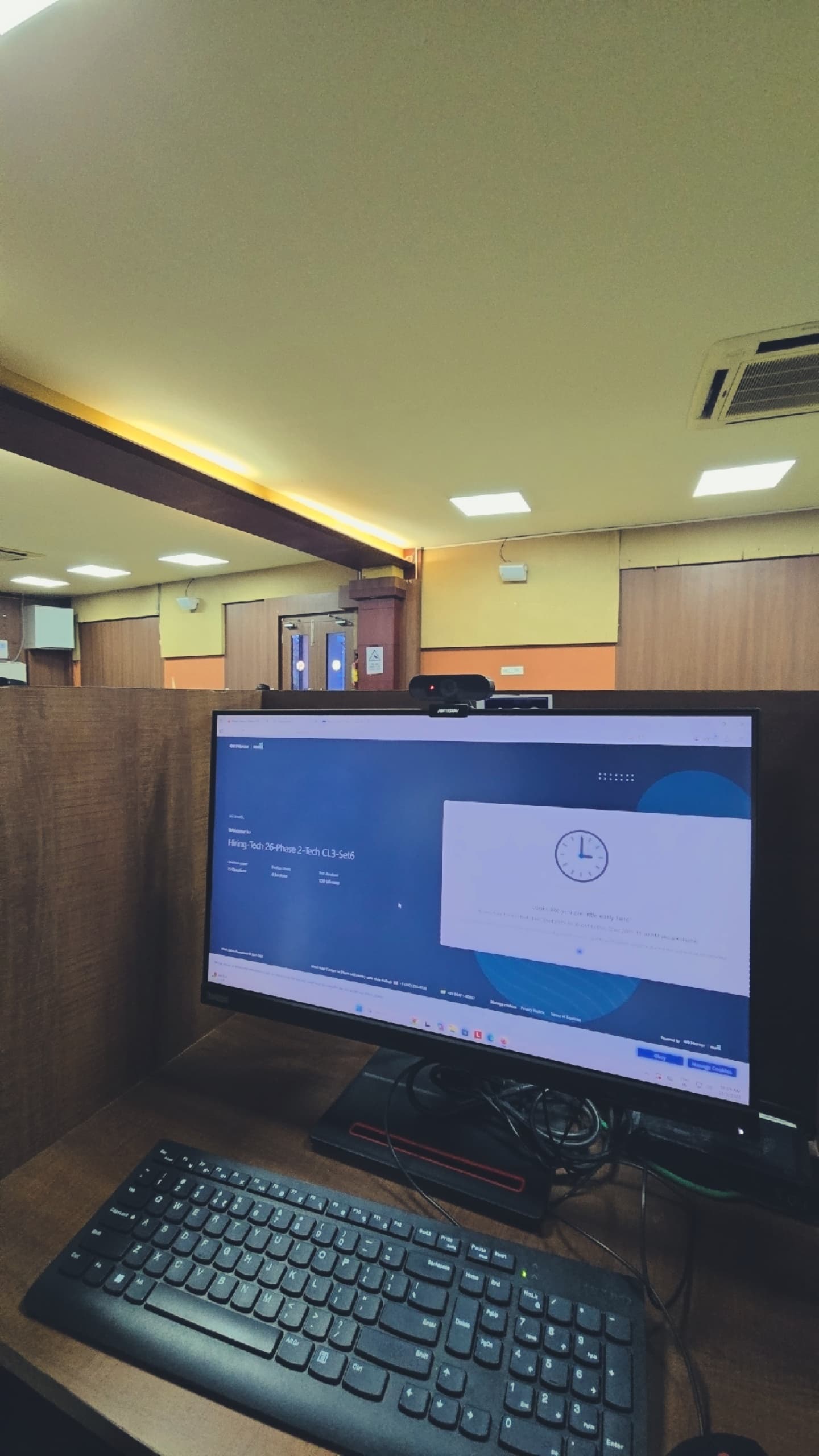
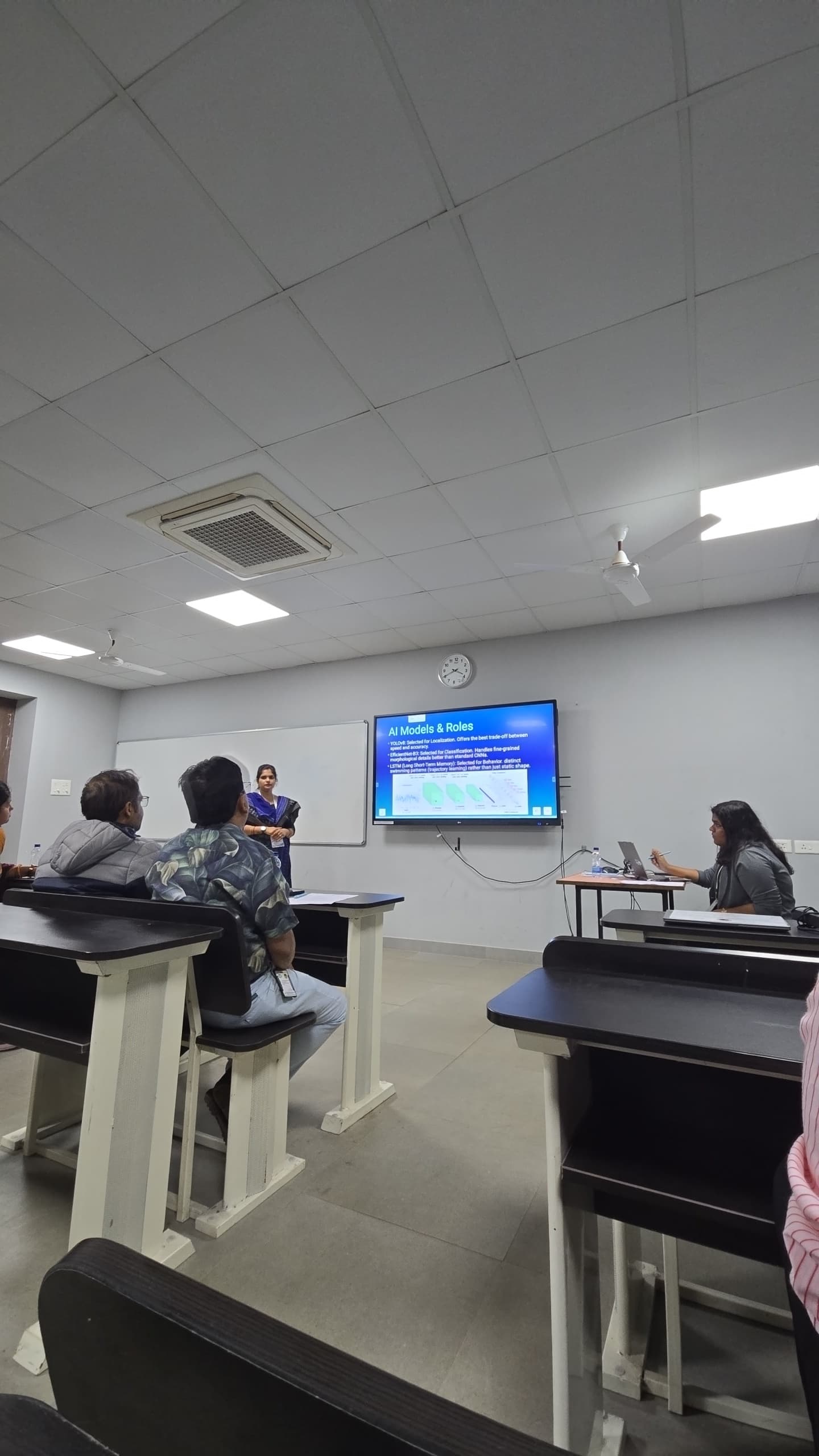
My overall experience with campus life at KIIT University has been quite engaging and lively. The university offers a vibrant social environment with a good mix of academics and extracurricular activities. Annual cultural events like KIIT Fest, usually held around February or March, and literary events such as Kalinga Literary Festival, generally conducted in winter months, bring together students from different schools and promote creativity and interaction. Technical events and hackathons are organized regularly by technical societies throughout the academic year. The central library is well stocked with a wide range of academic textbooks reference books research journals and digital resources related to engineering computer science and management. Students also have access to online journals and e learning portals which are useful for projects competitive exams and research work. Library facilities are easily accessible and provide a quiet and comfortable study environment. Classrooms are modern and well maintained with smart boards projectors WiFi connectivity and proper seating arrangements. Most labs are equipped with updated systems and necessary software which supports practical learning. The overall infrastructure of the campus including hostels cafeterias medical facilities and transport services is well developed and student friendly. KIIT offers strong support for sports and extracurricular activities with facilities for football cricket basketball badminton athletics swimming and indoor games. There are multiple student run clubs and societies such as technical clubs cultural dance and music groups literary societies and NSS and NCC units. These clubs play an important role in enhancing leadership skills teamwork and overall personality development. Student portals and internal platforms help in communication event updates and academic management making campus life organized and interactive.
Hostel Facilities
The hostel facility at KIIT University is comfortable and well managed. Rooms are spacious and provided with basic furniture such as a bed study table chair cupboard ceiling fan and proper lighting. WiFi water supply and regular housekeeping are available. Hostels have good security with wardens guards and CCTV which makes them safe especially for first year students. The mess food quality is average but hygienic. The menu is fixed and includes vegetarian and non vegetarian options with three meals a day along with evening snacks. While the food can feel repetitive over time it is manageable and meets basic nutritional needs. Hostel registration is done during the admission process or at the start of each academic year and is simple. Hostel fees are affordable compared to private PGs near campus and include basic facilities and security. Most students prefer campus hostels over renting rooms outside.
Admission
I chose KIIT University for B.Tech CSE after comparing it with several other private and government colleges I applied to. I had applied to colleges like VIT Vellore VIT Chennai SRM University Manipal University and a few state government engineering colleges through state level counseling. I received confirmed admission offers from SRM and some tier two private colleges, but I chose KIIT because of its better campus infrastructure safer environment balanced crowd and relatively stronger placement record for CSE when compared to those options. I could not make it to top government colleges or institutes like NITs or IITs mainly due to a lower rank in JEE Main and high cutoffs for CSE branches. Competition was very high and even a small difference in rank made a big impact on branch allotment. In colleges like VIT and Manipal, although I got admission offers, the overall cost and crowd quality for my preferred campus were not as suitable for me as KIIT. The admission process at KIIT University is smooth and student friendly. Admission to B.Tech is mainly through KIITEE which is the most preferred exam for students applying here. The eligibility criteria include passing class 12 with Physics Chemistry and Mathematics with a minimum aggregate of around 60 percent. KIIT also accepts JEE Main scores for admission. Cutoffs vary every year based on demand and branch preference but CSE generally requires a decent rank in KIITEE or a competitive JEE Main score. The overall admission experience was well organized with online registration counseling document verification and seat allotment handled efficiently. The support staff was helpful and the process was transparent. Compared to other private universities the admission system at KIIT felt structured and less stressful which also influenced my final decision.
Faculty
The faculty-to-student ratio at KIIT University is approximately 1:15 to 1:20, which is reasonable for a private university. The faculty–student relationship is generally formal but approachable, especially if students take initiative. Some professors are very supportive during office hours and are open to mentoring for projects, internships, and higher studies guidance. Faculties like Dr. S. K. Dash and Dr. P. K. Sahu (from core CSE subjects) stood out due to their strong subject knowledge, clear explanations, and willingness to help beyond regular classes. However, the overall faculty quality is mixed. While many teachers are knowledgeable, some rely heavily on PPT-based teaching and focus more on syllabus completion than practical understanding. I did not find certain faculty members very engaging due to a lack of industry exposure and interactive teaching methods, though naming individuals may not be fair as experiences vary by section. The course structure is well-organized and covers core subjects like Data Structures, DBMS, OS, CN, and Software Engineering, making it relevant for placements and higher studies. The exam system follows a semester pattern with two mid-semester exams, internal assessments, assignments, lab evaluations, and one end-semester exam. Exams are moderately difficult; clearing them is manageable with regular study, and the failure rate is relatively low (mostly due to poor attendance or lack of preparation). The marking scheme is balanced between internal and external evaluations, but consistency in internal marking can vary across faculty.
Night Life
Nightlife at KIIT University is calm and student focused. Students usually relax at campus cafeterias hostel common rooms and sports areas. Most food outlets remain open till 10 or 11 pm. The central library closes in the evening but hostel study rooms stay open. Gym facilities usually close by evening. Hostel and campus entry timings are strict, especially for girls hostels, ensuring safety. Popular hangout spots include food courts open lawns and sports grounds. Outside the campus areas like Patia have cafes and eateries and the locality is generally safe if students move in groups.





Comments