



Germany has many public universities that still charge €0 tuition, while semester contributions often stay between €150 and €350 (INR 16,734 to INR 39,046). The official proof-of-financing benchmark for a German student visa is €11,904 (INR 13.28 lakh) per year from 1 January 2025. The German government also lists engineers among professions in demand in areas such as automation, automotive, and renewable energy.
MS in Mechanical Engineering in Germany usually takes 3 to 4 semesters. Some institutions now charge non-EU students, and public universities in Baden-Württemberg often charge €1,500 per semester, or about INR 1.67 lakh. TUM also introduced tuition for international students from outside the EU/EEA from Winter 2024/25. Indian students usually compare Germany on four practical points. These points are admission fit, total cost, German language level, and job outcomes after graduation.
Latest Updates — September 2026
- Winter 2027 deadlines have passed for most programs. TUM closes by May 31 and KIT, RWTH Aachen by July 15. Begin preparing now for Winter 2027/28.
- TUM Winter 2027/28 application window opens April 1, 2027 for Mechanical Engineering MSc.
- Blocked account requirement remains €11,904/year (INR 13.27 lakh/year) for 2026 — unchanged from 2025.
- EU Blue Card STEM threshold is €45,934.20/year (INR 51.22 lakh/year) from January 2026 — most entry-level mechanical engineering roles in Germany meet this.
- DAAD Scholarship 2027/28 deadline is October to November 2026 — apply immediately at daad.de.
Note: Coversion used throughout is 1EUR = 111.56 INR (September 2026)
Also Read: Germany Study Guide
- Why Study MS in Mechanical Engineering in Germany
- Top Universities for MS in Mechanical Engineering in Germany
2.1 Notable program differences Indian students should check
- Eligibility Criteria for Indian Students
3.1 Language requirements: English vs German-taught programs
- Application Process and Deadlines
- Cost of Studying MS in Mechanical Engineering in Germany
5.1 Scholarships and funding options
- Student Visa, Blocked Account, and Residence Permit
- Jobs After MS in Mechanical Engineering in Germany
7.1 Is German language necessary for jobs?
- Germany vs Other Countries for Mechanical Engineering
- FAQs
Why Study MS in Mechanical Engineering in Germany
Germany combines a comparatively low public-university fee structure with a large engineering labour market. Official German sources identify engineers as in demand in automation technology, electromobility, renewable energy, and related industrial sectors. Graduates from German universities can also receive up to 18 months to search for work after completing their degree.
- Many public universities charge €0 tuition
- Semester fees are often limited to administrative contributions
- Mechanical engineering remains aligned with Germany’s industrial base
- Engineers are listed among in-demand skilled professions
- A German degree gives access to an 18-month job search residence route
- English-taught MSc options exist, especially at postgraduate level
- Industry-linked thesis and internship opportunities are common
| Study model | Typical cost pattern |
|---|---|
| Public universities in many states | €0 tuition plus semester contribution |
| Baden-Württemberg public universities for many non-EU students | €1,500 per semester = INR 1.67 lakh |
| Selected universities with non-EU tuition | University-specific policy |
Read More: Top Mechanical Engineering Universities in Germany
Top Universities for MS in Mechanical Engineering in Germany
Mechanical engineering in Germany is not one uniform degree. Duration, language, tuition policy, and intake vary by university and state. Indian students should shortlist by curriculum fit and language requirements before looking at rankings alone.
| University | Location | QS Mech. Eng. 2026 |
|---|---|---|
| Technical University of Munich (TUM) | Munich, Bavaria | #19 |
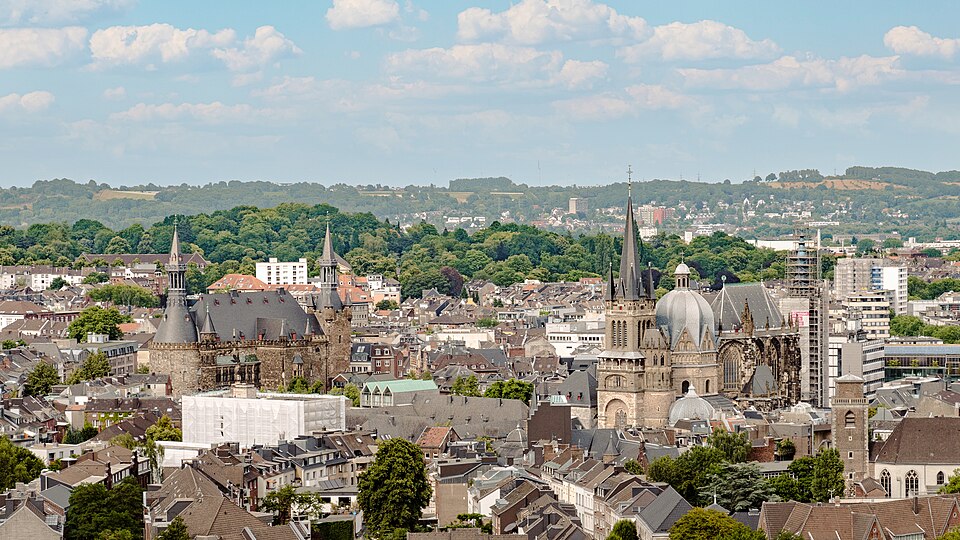
| RWTH Aachen University | Aachen, NRW | #25 |
| Karlsruhe Institute of Technology (KIT) | Karlsruhe, Baden-Württemberg | #32 |
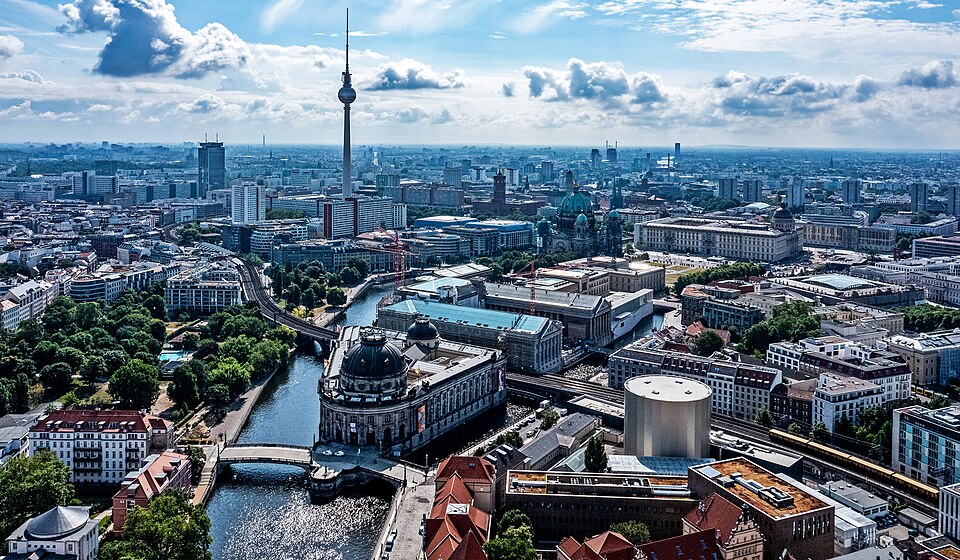
| Technische Universität Berlin (TU Berlin) | Berlin | #43 |
| University of Stuttgart | Stuttgart, Baden-Württemberg | #68 |
| Technische Universität Dresden (TU Dresden) | Dresden, Saxony | #109 |
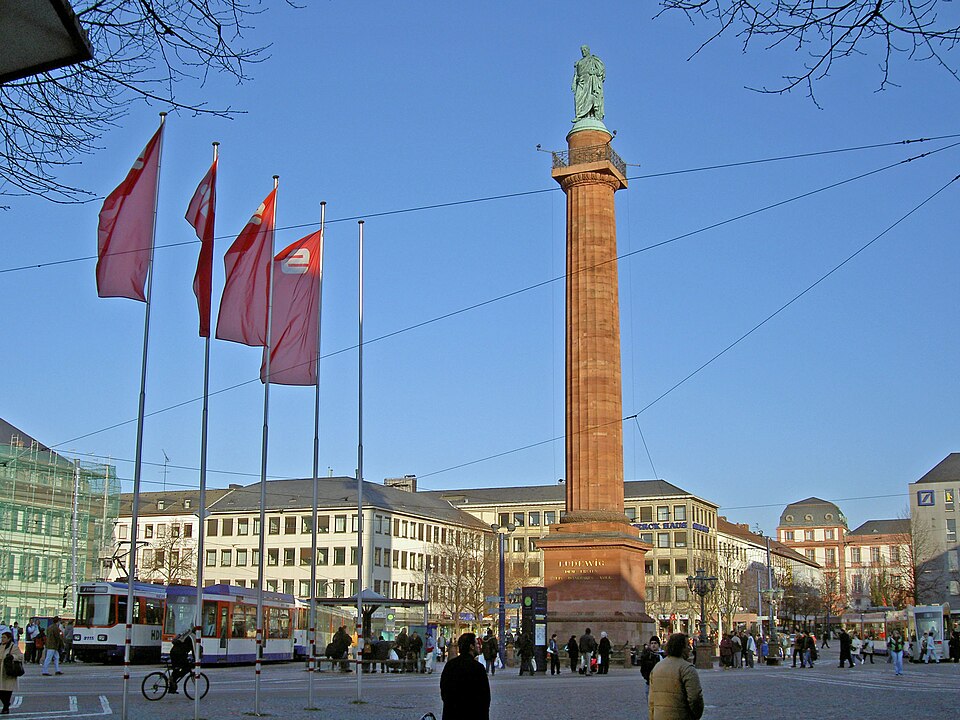
| TU Darmstadt | Darmstadt, Hesse | #113 |
| FAU Erlangen-Nürnberg | Erlangen, Bavaria | #151–200 |
| Leibniz Universität Hannover | Hannover, Lower Saxony | #201–250 |
| Hamburg University of Technology (TUHH) | Hamburg | #201–250 |
Also Read: MS in Mechanical Engineering in Germany
Notable program differences Indian students should check
Universities in Germany assess profile fit in more detail than many applicants expect. The same subject title can still differ on credits, language, and internship expectations. This is why Indian students often get better outcomes by filtering on admission logic before prestige.
- Check whether the program needs 180 ECTS or 210 ECTS
- Check whether the course is fully English-taught or partly German-taught
- Check if basic German such as A2 is required even for English-taught programs
- Check whether thesis work is expected in German industry
- Check whether applications go through uni-assist
- Check whether non-EU deadlines close earlier than EU deadlines
Top Universities for MS in Mechanical Engineering in Germany Fees
Germany's public universities are among the most affordable in the world, most charge no tuition at all, with costs limited to a small semester fee of €72 to €338 (INR 8,024 to 37,667). Exceptions include Baden-Württemberg universities (KIT, Stuttgart) and TUM, which charge non-EU students additional tuition. Here's what to expect across Germany's top MS in Mechanical Engineering programs.
| University | Fees (EUR) | Fees (INR) | Fees type |
|---|---|---|---|
| TUMTechnical University of Munich | €6,000 + €85Tuition + semester fee (EU: €85 only) | INR 6,75,214(INR 6,68,760 tuition + INR 9,472 fee) | Tuition + fee |
| RWTH AachenRWTH Aachen University | €298 | INR 33,209 | Sem. fee only |
| KITKarlsruhe Institute of Technology | €1,500 + €191Non-EU tuition + semester fee (Baden-Württemberg) | INR 1,88,982(INR 1,67,160 + INR 21,285) | Tuition + fee |
| TU BerlinTechnische Universität Berlin | €299Semester fee only; no tuition | INR 33,320 | Sem. fee only |
| Uni StuttgartUniversity of Stuttgart | €1,500 + €184Non-EU tuition + semester fee (Baden-Württemberg) | INR 1,86,875(INR 1,67,160 + INR 20,504) | Tuition + fee |
| TU Darmstadt | €338Semester fee only; no tuition | INR 37,667 | Sem. fee only |
| FAU Erlangen-Nürnberg | €378Semester fee only; no tuition | INR 42,124 | Sem. fee only |
| Leibniz Universität Hannover | €72–127Student services fee only; no tuition | INR 8,024–14,152 | Sem. fee only |
| Hamburg University of Technology (TUHH) | €335Semester contribution only; no tuition | INR 37,332 | Sem. fee only |
MS in Mechanical Engineering in Germany Eligibility Criteria
Official university rules show that eligibility is built around degree relevance, credits, and language readiness. For example, TH Lübeck asks for a Mechanical Engineering bachelor’s with 210 ECTS, while conditional admission may be possible with 180 ECTS. TUM uses an aptitude or qualifying procedure instead of one simple percentage cutoff.
| Requirement | Typical expectation | Notes for Indian students |
|---|---|---|
| Bachelor’s degree | Mechanical Engineering or closely related field | Branch match matters more than a generic engineering degree |
| Credits | Often 180–210 ECTS equivalent | Indian 3-year and 4-year degrees may be assessed differently |
| Academic performance | University-specific | No universal CGPA rule applies across Germany |
| English proficiency | Program-specific | Common exams include IELTS and TOEFL |
| German proficiency | Required in many programs or for employability | Can range from A2 to advanced levels |
| APS | Required for Indian applicants in many cases | Should be started early |
| Selection process | Aptitude or departmental review at some universities | TUM is one example |
Common document sets usually include:
- transcripts
- degree certificate or provisional certificate
- passport
- resume
- statement of purpose
- letters of recommendation if required
- language scores
- APS certificate
- internship proof if asked by the department
Also Check: Statement of Purpose for Germany
Language requirements: English vs German-taught programs
Official German guidance makes one point clear. German is not mandatory for every international master’s degree, but language requirements always depend on the university and course. In mechanical engineering, this becomes more important because internships, thesis work, and many full-time jobs involve German-speaking workplaces.
| Program type | Typical language expectation |
|---|---|
| English-taught MSc | IELTS / TOEFL or equivalent, and sometimes basic German |
| German-taught MSc | TestDaF, DSH, or CEFR-based German proof |
| Industry-linked English MSc | English for admission, but German for thesis or internships may still be needed |
Student Insights:
- TH Lübeck requires English proficiency and minimum German A2
- Study in Germany states that international degree courses may not require German for admission
- Reddit discussions repeatedly suggest stronger job outcomes with higher German proficiency
- Many core mechanical roles in manufacturing environments prefer German-speaking candidates
MS in Mechanical Engineering in Germany Application Process and Deadlines
German admissions are calendar-driven, and non-EU applicants often face earlier cutoffs than EU students. Indian students should build extra time for APS, document attestation, uni-assist processing, and visa appointments. A delay of even 4 to 8 weeks can push an application to the next intake.
- Shortlist programs through official university pages, DAAD, and Hochschulkompass
- Check branch fit, ECTS, and language requirements
- Prepare APS and academic documents
- Take IELTS, TOEFL, TestDaF, or other required exams
- Apply through the university portal or uni-assist
- Receive admission or conditional offer
- Arrange blocked account or other funding proof
- Apply for the German student visa
- Travel, register locally, and convert visa to residence permit after arrival
| University | Intake | Non-EU deadline |
|---|---|---|
| TH Lübeck | Summer | 1 Oct–1 Dec |
| TH Lübeck | Winter | 1 Apr–1 Jun |
| TUM | Summer | 1 Oct–30 Nov |
| TUM | Winter | 1 Apr–31 May |
Cost of Studying MS in Mechanical Engineering in Germany
The main cost advantage in Germany comes from low or zero tuition at many public universities. The bigger expense is living cost, and the official visa financing benchmark from 2025 is €11,904 per year, which is about INR 13.28 lakh. Students should therefore budget for both semester fees and regular monthly expenses rather than only tuition.
| Expense head | Typical amount | INR equivalent |
|---|---|---|
| Public university tuition in many states | €0 | INR 0 |
| Semester contribution | €150–€350 per semester | INR 16,734–INR 39,046 |
| Baden-Württemberg non-EU tuition | €1,500 per semester | INR 1.67 lakh |
| Blocked account benchmark | €11,904 per year | INR 13.28 lakh |
| Monthly living benchmark | €992 per month | INR 1.11 lakh |
| TH Lübeck living estimate | €900 per month | INR 1 lakh |
| Student residence rent example | €300 per month | INR 33,468 |
Students should usually include:
- rent
- food
- health insurance
- semester fee
- local transport
- study materials
- residence registration costs
- emergency buffer
Read More: Cost of Living in Germany for International Students
Scholarships and funding options
Scholarships in Germany do not always cover all expenses, but they can reduce pressure on monthly finances. Official sources point students toward DAAD and university-based support, while some institutions offer the Deutschlandstipendium. Scholarship fit usually depends on merit, program status, and institution-specific criteria.
| Scholarship | Typical eligibility | Amount snapshot |
|---|---|---|
| DAAD scholarships | Program and applicant specific | Varies by scheme |
| Deutschlandstipendium | Merit-based at participating universities | Usually €300 per month = INR 33,468 |
| University-specific support | Department and institution specific | Varies |
| Foundation scholarships | May require German language and profile fit | Varies |
- Study in Germany officially directs students to DAAD for funding options
- TH Lübeck specifically mentions Deutschlandstipendium
- Some scholarships support thesis completion or final-stage study
Student Visa, Blocked Account, and Residence Permit
Indian students usually need a visa before travelling to Germany for studies. Official German guidance distinguishes between a prospective student visa and a student visa. The student visa is usually issued for 1 year, and students extend it through a local residence permit after arrival.
| Visa / status | Purpose | Official note |
|---|---|---|
| Prospective student visa | For applicants without final admission | Usually valid for 3 months, extendable up to 6 months |
| Student visa | For admitted students | Usually valid for 1 year |
| Residence permit | For continuing legal stay in Germany | Applied for after arrival |
| Post-study residence permit | For job search after graduation | Up to 18 months |
Key financing and residence points:
- Blocked account amount from 1 January 2025 is €11,904 = INR 13.28 lakh
- Monthly withdrawals are limited
- Other proof of finance may include parents’ funds, scholarship, or bank guarantee
- The blocked account is usually opened for 1 year
- Students must register locally and apply for residence extension after arrival
Jobs After MS in Mechanical Engineering in Germany
Germany’s official skilled migration portal identifies engineers as an in-demand professional group. Demand is visible in sectors such as automation, automotive, renewable energy, and industrial R&D. Graduates from German universities can use the 18-month post-study residence period to search for qualified work.
| Job area | Demand context | German language need |
|---|---|---|
| Automation engineering | Officially listed as in demand | Often medium to high |
| Automotive and e-mobility | Officially listed as in demand | Often high in plant roles |
| Renewable energy engineering | Officially listed as in demand | Medium to high |
| Production and quality roles | Strong industrial relevance | Often high |
| R&D and simulation roles | Present in international teams too | Medium to high depending on employer |
Practical job realities for Indian students:
- German is often not mandatory by law for engineering jobs
- German still improves hiring chances and workplace integration
- Thesis projects in industry can become hiring pathways
- City choice affects both rent and access to employers
- Mechanical roles often require stronger local-language ability than some software roles
Read More: Mechanical Engineering Salary in Germany
Is German language necessary for jobs?
Officially, Germany states that German is not mandatory for engineers in every case. In practice, student discussions on Reddit repeatedly show that core mechanical jobs become easier to access with stronger German. This gap between legal possibility and hiring reality is important for Indian applicants.
- Admission language and job language are not the same thing
- An English-taught master’s does not guarantee an English-speaking job
- Basic German such as A2 may be enough for admission in some programs
- Job interviews for factory-linked or supplier-linked roles may require higher German
- Long-term job mobility improves with stronger spoken and written German
English proficiency testing may help admission, but it does not replace German in many mechanical workplaces.
Germany vs Other Countries for Mechanical Engineering
Indian students usually compare Germany with the UK and USA on cost, course duration, and work outcomes. Germany stands out on public-university cost, but it often demands more attention to language and profile fit. The best choice depends on whether the student prioritises lower cost or faster English-only employment.
| Country | Typical duration | Tuition pattern | Language reality |
|---|---|---|---|
| Germany | 1.5–2 years | Many public options with €0 tuition | German often helps strongly for jobs |
| UK | Usually 1 year | Higher tuition common | English |
| USA | Usually 1.5–2 years | Higher tuition common | English |
Read More: Masters in Mechanical Engineering in UK Complete Course Guide
If your goal is a low-cost master’s degree and you already have a strong mechanical engineering background, Germany is still one of the most practical options available. The financial model remains attractive because many public universities charge €0 tuition, but the real budget should still account for at least the official financing benchmark of €11,904 (INR 13.28 lakh per year).
The better fit is usually for students who are ready to check ECTS compatibility carefully and who are willing to build at least basic German during the application stage. If you want a fully English academic journey with minimal local-language dependence after graduation, Germany may feel harder than it first appears. If you are comfortable with that trade-off, MS in Mechanical Engineering in Germany can offer a strong balance of cost, academic quality, and long-term employability.
FAQs
Ques: Is Germany good for MS in Mechanical Engineering for Indian students?
Ans: Germany is a strong option because many public universities charge €0 tuition and engineers are officially listed among in-demand professionals. The main trade-off is that German language often becomes important for internships and jobs.
Ques: How much money do Indian students need for MS in Mechanical Engineering in Germany?
Ans: The official blocked amount from 2025 is €11,904, which is about ?13.28 lakh. In addition, students should budget for semester contributions, travel, APS, visa, and setup costs.
Ques: Can I study MS in Mechanical Engineering in Germany in English?
Ans: Yes, some MSc programs are taught in English. Some of these programs still require basic German such as A2 because industry-linked thesis work may happen in German companies.
Ques: Is German mandatory for admission?
Ans: German is not mandatory for every program. Official Study in Germany guidance states that international degree courses may not require German, but many mechanical engineering programs or industry-linked components still do.
Ques: How long is the post-study work period in Germany after graduation?
Ans: Graduates from German universities can receive a residence permit for up to 18 months to look for qualified employment. This is an official BAMF provision.
Ques: What is more important for admission, CGPA or subject match?
Ans: Both matter, but official university rules show that subject fit and ECTS compatibility are often critical. A strong CGPA does not fully compensate for missing core mechanical engineering credits.
Ques: Can Indian students with a 3-year bachelor’s degree apply?
Ans: It depends on the university and how the degree is evaluated against German entry requirements. Many applicants with Indian engineering degrees apply successfully, but each department checks comparability and credit structure separately.
Ques: Is TUM still tuition-free for Indian students?
Ans: No, TUM introduced tuition fees for international students from outside the EU/EEA starting in Winter 2024/25. Students should always verify the current program page before applying.
Ques: Do I need APS for Germany as an Indian student?
Ans: In many cases, yes. Indian applicants should start the APS process early because it can affect application and visa timelines.


gxYz5c 30 TUltr2
| 02eUQl | aAOIPy | u5TFje | unO4Ie | ||||||||||||||||||||||||||||||||||||||||||||||||||||||||||||||||||||||||||||||||||||||||||||||||
|---|---|---|---|---|---|---|---|---|---|---|---|---|---|---|---|---|---|---|---|---|---|---|---|---|---|---|---|---|---|---|---|---|---|---|---|---|---|---|---|---|---|---|---|---|---|---|---|---|---|---|---|---|---|---|---|---|---|---|---|---|---|---|---|---|---|---|---|---|---|---|---|---|---|---|---|---|---|---|---|---|---|---|---|---|---|---|---|---|---|---|---|---|---|---|---|---|---|---|---|
 #25/579 QS Ranking 2025(Mechanical Engineering) |  Technical University Munich, MunichBavaria, Germany8%q8kmCZ | MS Mechanical Engineering Course duration: 2 years Exams Accepted: TOEFL4.5 | J9uNHw: (€12,000/Yr)$13.4K/Yr lpofqY: (€1,300/Yr)$1.5K/Yr | ||||||||||||||||||||||||||||||||||||||||||||||||||||||||||||||||||||||||||||||||||||||||||||||||
#23/579 QS Ranking 2025(Mechanical Engineering) |  RWTH Aachen University, AachenNorth Rhine-Westphalia, Germany | MS General Mechanical Engineering Course duration: 18 months | -- | ||||||||||||||||||||||||||||||||||||||||||||||||||||||||||||||||||||||||||||||||||||||||||||||||
#45/579 QS Ranking 2025(Mechanical Engineering) |  Karlsruhe Institute of Technology, KarlsruheBaden-Wurttemberg, Germany25%q8kmCZ | MS Mechanical engineering Course duration: 2 years Exams Accepted: TOEFL4.5 | J9uNHw: (€3,000/Yr)$3.4K/Yr | ||||||||||||||||||||||||||||||||||||||||||||||||||||||||||||||||||||||||||||||||||||||||||||||||
#56/579 QS Ranking 2025(Mechanical Engineering) |  Technical University Berlin, BerlinBerlin, Germany | MS Mechanical Engineering Course duration: 2 years | J9uNHw: (€721/Yr)$807.52/Yr | ||||||||||||||||||||||||||||||||||||||||||||||||||||||||||||||||||||||||||||||||||||||||||||||||
| -- |  University of Rostock, RostockMecklenburg-Vorpommern, Germany48%q8kmCZ | M.S Mechanical Engineering Course duration: 2 years | J9uNHw: (€464/Yr)$519.68/Yr | ||||||||||||||||||||||||||||||||||||||||||||||||||||||||||||||||||||||||||||||||||||||||||||||||
#127/579 QS Ranking 2025(Mechanical Engineering) |  Technical University Darmstadt, DarmstadtHesse, Germany29%q8kmCZ | MS Mechanical Engineering Course duration: 2 years | J9uNHw: (€765/Yr)$856.8/Yr | ||||||||||||||||||||||||||||||||||||||||||||||||||||||||||||||||||||||||||||||||||||||||||||||||
#451/579 QS Ranking 2025(Mechanical Engineering) |  University of Duisburg-Essen, DuisburgNorth Rhine-Westphalia, Germany50%q8kmCZ | MS Computational Mechanics Course duration: 2 years | -- | ||||||||||||||||||||||||||||||||||||||||||||||||||||||||||||||||||||||||||||||||||||||||||||||||
#82/579 QS Ranking 2025(Mechanical Engineering) |  University of Stuttgart, StuttgartBaden-Wurttemberg, Germany53%q8kmCZ | MS Mechanical engineering Course duration: 2 years | J9uNHw: (€3,000/Yr)$3.4K/Yr lpofqY: (€24,242/Yr)$27.2K/Yr | ||||||||||||||||||||||||||||||||||||||||||||||||||||||||||||||||||||||||||||||||||||||||||||||||
 #201/400 ARWU Ranking 2021(Mechanical Engineering) |  Otto von Guericke University, MagdeburgSaxony, Germany40%q8kmCZ | MSc Mechanical Engineering Course duration: 2 years | -- | ||||||||||||||||||||||||||||||||||||||||||||||||||||||||||||||||||||||||||||||||||||||||||||||||
#351/579 QS Ranking 2025(Mechanical Engineering) |  Ruhr University Bochum, BochumNorth Rhine-Westphalia, Germany40%q8kmCZ | MSc Mechanical Engineering Course duration: 18 months Exams Accepted: IELTS6 | -- | ||||||||||||||||||||||||||||||||||||||||||||||||||||||||||||||||||||||||||||||||||||||||||||||||
 | |||||||||||||||||||||||||||||||||||||||||||||||||||||||||||||||||||||||||||||||||||||||||||||||||||
#201/579 QS Ranking 2025(Mechanical Engineering) |  Technical University of Braunschweig, BraunschweigLower Saxony, Germany51%q8kmCZ | M.S Mechanical Engineering Course duration: 2 years | J9uNHw: (€440/Yr)$492.8/Yr lpofqY: (€5,328/Yr)$6K/Yr | ||||||||||||||||||||||||||||||||||||||||||||||||||||||||||||||||||||||||||||||||||||||||||||||||
#201/579 QS Ranking 2025(Mechanical Engineering) |  Leibniz University of Hannover, HannoverLower Saxony, Germany51%q8kmCZ | MSc Mechanical Engineering Course duration: 2 years Exams Accepted: TOEFL4 | -- | ||||||||||||||||||||||||||||||||||||||||||||||||||||||||||||||||||||||||||||||||||||||||||||||||
 #401/1502 THE Ranking 2023(Mechanical Engineering) |  University of Bayreuth, BayreuthBavaria, Germany30%q8kmCZ | M.S Mechanical Engineering Course duration: 2 years | -- | ||||||||||||||||||||||||||||||||||||||||||||||||||||||||||||||||||||||||||||||||||||||||||||||||
#601/1502 THE Ranking 2023(Mechanical Engineering) |  University of Wuppertal, WuppertalNorth Rhine-Westphalia, Germany70%q8kmCZ | M.S Mechanical Engineering Course duration: 2 years Exams Accepted: TOEFL79 | J9uNHw: (€65,404/Yr)$73.3K/Yr | ||||||||||||||||||||||||||||||||||||||||||||||||||||||||||||||||||||||||||||||||||||||||||||||||
| -- |  Paderborn University, PaderbornNorth Rhine-Westphalia, Germany60%q8kmCZ | MSc Mechanical Engineering Course duration: 2 years | -- | ||||||||||||||||||||||||||||||||||||||||||||||||||||||||||||||||||||||||||||||||||||||||||||||||
#251/579 QS Ranking 2025(Mechanical Engineering) |  Technical University Dortmund, DortmundNorth Rhine-Westphalia, Germany59%q8kmCZ | M.S Mechanical Engineering Course duration: 2 years | J9uNHw: (€630/Yr)$705.6/Yr lpofqY: (€555/Yr)$621.6/Yr | ||||||||||||||||||||||||||||||||||||||||||||||||||||||||||||||||||||||||||||||||||||||||||||||||
#1001/1502 THE Ranking 2023(Mechanical Engineering) |  Technical University Ilmenau, IlmenauThuringia, Germany44%q8kmCZ | MS Mechanical Engineering Course duration: 2 years Exams Accepted: TOEFL79 | J9uNHw: (€540/Yr)$604.8/Yr lpofqY: (€5,327/Yr)$6K/Yr | ||||||||||||||||||||||||||||||||||||||||||||||||||||||||||||||||||||||||||||||||||||||||||||||||
#201/579 QS Ranking 2025(Mechanical Engineering) |  Hamburg University of Technology, HamburgHamburg, Germany44%q8kmCZ | M.S Mechanical Engineering and Management Course duration: 2 years Exams Accepted: TOEFL90 | J9uNHw: (€700/Yr)$784/Yr lpofqY: (€1,554/Yr)$1.7K/Yr | ||||||||||||||||||||||||||||||||||||||||||||||||||||||||||||||||||||||||||||||||||||||||||||||||
#501/579 QS Ranking 2025(Mechanical Engineering) |  Technical University Freiberg, FreiburgBaden-Wurttemberg, Germany42%q8kmCZ | M.S Mechanical Engineering Course duration: 1 year Exams Accepted: TOEFL90 | J9uNHw: (€18,800/Yr)$21.1K/Yr lpofqY: (€3,330/Yr)$3.7K/Yr | ||||||||||||||||||||||||||||||||||||||||||||||||||||||||||||||||||||||||||||||||||||||||||||||||
| -- |  HTW Berlin-University of Applied Sciences, BerlinBerlin, Germany61%q8kmCZ | MS Mechanical Engineering Course duration: 2 years Exams Accepted: TOEFL95 | J9uNHw: (€715/Yr)$800.8/Yr | ||||||||||||||||||||||||||||||||||||||||||||||||||||||||||||||||||||||||||||||||||||||||||||||||
dOGVmW


