





Lancaster University admissions for Indian students run on a single Michaelmas October intake, with undergraduate entry routed through UCAS and postgraduate applications filed directly on Lancaster’s own portal. Undergraduate entry expects Class XII at 75 to 90 percent depending on programme, and postgraduate taught programmes ask for a Bachelor’s at 60 to 65 percent (a UK 2:1 equivalent).
- Next live deadlines: UCAS equal consideration 13 January 2027 for October 2027 undergraduate entry, and 28 July 2027 for Lancaster’s October 2027 postgraduate intake.
- Base tuition: UG £24,475 to £47,120 (₹31.61 to ₹60.85 Lakhs), PG £25,320 to £33,000 (₹32.70 to ₹42.62 Lakhs). UCAS application fee £34.50 (around ₹4,455) for UG; no application fee for PG.
- Eligibility floor: Class XII at 75 to 90 percent for UG, and a Bachelor’s at 60 to 65 percent for PG. IELTS 6.5 is the standard English minimum for taught study.
- Acceptance rate: estimated at 18 to 19 percent, based on competitive Complete University Guide top-10 intake patterns, since Lancaster does not publish an official institutional rate.
Popular routes for Indian applicants include MSc Data Science, MSc Business Analytics, MSc Finance, MSc Management, and the LUMS MBA. Student reviews of Lancaster University highlight a strong graduate employability rate, close-knit collegiate life, and a stable Lancashire location that keeps living costs below London.
Table of Contents
- Lancaster University Application Deadlines
- Lancaster Eligibility for Indian Students
- Lancaster University PG Programs and Entry Bar
- Lancaster UG Programs and English Scores
- Lancaster MBA Rounds and GMAT Policy
- Lancaster University PhD Application Route
- Lancaster Application Process Step by Step
- Lancaster Documents Checklist for Applicants
- Lancaster University Acceptance Rate
- UK Student Visa for Lancaster Applicants
- Lancaster Admissions Tips and Checklist
- Lancaster University Admissions FAQs
Lancaster University Application Deadlines for Indian Students
Lancaster University runs a single main academic cycle each year, and its primary intake is Michaelmas October 2027, where nearly every undergraduate, taught postgraduate, MBA, and PhD programme opens for Indian applicants. Undergraduate applications route through UCAS (the UK’s central university admissions service), while postgraduate applications go directly through Lancaster’s e-Recruitment portal, as confirmed on Lancaster’s international applicants page.
Lancaster’s primary intake for Indian students is Michaelmas October 2027, and most programmes open here. Dates below are drawn from the official Lancaster University undergraduate applications page and the UCAS 2027 cycle calendar.
| Intake | Level | App Opens | Deadline | App Fee | Portal |
|---|---|---|---|---|---|
| Michaelmas October 2027 (Primary intake) | UG Medicine and Oxbridge choices | 1 September 2026 | 15 October 2026 | £34.50 (₹4,455) | UCAS |
| Michaelmas October 2027 (Primary intake) | UG all other courses (equal consideration) | 1 September 2026 | 13 January 2027 | £34.50 (₹4,455) | UCAS |
| Michaelmas October 2027 (Primary intake) | UG late applications and Clearing | 1 September 2026 | 30 June 2027 | £34.50 (₹4,455) | UCAS |
| Michaelmas October 2027 (Primary intake) | Postgraduate taught (all master’s) | Rolling, year-round | 28 July 2027 | No fee | Lancaster e-Recruitment |
| Michaelmas October 2027 (Primary intake) | PhD research programmes | Rolling, year-round | Programme-specific, apply 6 to 9 months early | No fee | Lancaster e-Recruitment |
Insider note: UCAS applies a single £34.50 (₹4,455) fee to your whole application, up to five course choices across UK universities. Lancaster’s own postgraduate route carries no application fee, so PG applicants only pay for tests and document couriering.
Lancaster University Eligibility for Indian Students
Lancaster’s entry bar for Indian applicants sits at Class XII scores in the 75 to 90 percent range for undergraduate entry, and a Bachelor’s degree with 60 to 65 percent (a UK 2:1 equivalent) for postgraduate taught study. English scores are checked separately from academics, and Lancaster does publish a Class X or Class XII English waiver route that Indian applicants can use in place of IELTS.
- UG academic floor: Class XII at 75 to 90 percent, subject specifics vary by course.
- PG academic floor: Bachelor’s at 60 to 65 percent, higher for LUMS and STEM programmes.
- MBA floor: Bachelor’s plus at least three years of managerial work experience.
- PhD floor: Bachelor’s plus a Master’s with a strong research proposal.
Lancaster accepts a wide test set for English. Minimum scores below are for standard IELTS 6.5 band programmes; MBA and select courses ask for IELTS 7.0.
| Test | UG and PG Standard | MBA and Higher-band |
|---|---|---|
| IELTS Academic | 6.5 overall, 6.0 each band (5.5 each band for UG) | 7.0 overall, 6.0 each band |
| TOEFL iBT | 87 overall (from 21 January 2026, 4.5 on new scale) | 94 overall (from 21 January 2026, 5.0 on new scale) |
| PTE Academic | 58 overall, 50 each skill | 66 overall, 50 each skill |
| LanguageCert Academic | 70 overall, 65 each skill | 75 overall, 65 each skill |
| Cambridge English (CAE or CPE) | 176 overall, 169 each skill | 185 overall, 169 each skill |
Lancaster University IELTS Waiver for Indian Students
Lancaster offers a genuine English waiver for Indian applicants that many UK peers do not. For undergraduate entry, Lancaster accepts Indian Standard X or Standard XII English Language at 70 percent or above from most boards (CBSE, ISC, and state boards other than Punjab and Haryana) in place of IELTS. For postgraduate entry, applicants who studied their Bachelor’s fully in English-medium at an approved institution can request a Medium of Instruction (MOI) exemption. Punjab and Haryana state board applicants must still submit an approved English test. Confirm on the official Lancaster English requirements page for your specific programme.
Planning note: The Class XII English waiver applies only when your English marks meet 70 percent. If your English score sits below 70 percent, book IELTS or PTE at least 12 weeks before your target deadline so results reach Lancaster in time.
Lancaster University PG Programs and Entry Requirements
Lancaster runs over 200 taught master’s programmes across its four faculties, with Lancaster University Management School (LUMS), the School of Computing and Communications, and the School of Environment leading Indian-applicant demand. Base postgraduate tuition sits at £25,320 to £33,000 (₹32.70 to ₹42.62 Lakhs) per year for 2026-27, with STEM and LUMS programmes typically at the upper end. For a full course-wise fee breakdown, see the Lancaster University course-wise fees breakdown.
| Programme | Duration | Minimum Eligibility | English Req. Min. |
|---|---|---|---|
| MSc Data Science | 1 year full-time | Bachelor’s 2:1 (60 to 65 percent) in CS, Maths, or a quantitative discipline | IELTS 6.5 |
| MSc Computer Science | 1 year full-time | Bachelor’s 2:1 (60 to 65 percent) in any discipline, quantitative background preferred | IELTS 6.5 |
| MSc Cyber Security | 1 year full-time | Bachelor’s 2:1 in Computing, Engineering, or Maths | IELTS 6.5 |
| MSc Business Analytics | 1 year full-time | Bachelor’s 2:1 with quantitative content (statistics or maths) | IELTS 7.0 |
| MSc Finance | 1 year full-time | Bachelor’s 2:1 in Finance, Economics, Business, or a quantitative discipline | IELTS 7.0 |
| MSc Management | 1 year full-time | Bachelor’s 2:1 in any discipline, no work experience required | IELTS 7.0 |
| MSc Marketing | 1 year full-time | Bachelor’s 2:1 in any discipline | IELTS 7.0 |
| MA Linguistics | 1 year full-time | Bachelor’s 2:1 in Linguistics or a related humanities subject | IELTS 6.5 |
| LLM International Law | 1 year full-time | Bachelor’s 2:1 in Law (LLB) or a related discipline | IELTS 6.5 |
Note: Program-specific entry requirements, fees, and intake availability may differ from the institution-wide minimums shown above. Always confirm on the official Lancaster University postgraduate applications page for your chosen programme before applying.
Lancaster University UG Programs for Indian Applicants
Lancaster’s undergraduate portfolio spans BSc, BA, BEng, MSci, and MEng degrees across nine colleges. Base undergraduate tuition for 2026-27 ranges from £24,475 to £47,120 (₹31.61 to ₹60.85 Lakhs) per year, with clinical programmes at the top of the band. Indian applicants apply via UCAS, and Lancaster typically issues offers within three weeks of a complete application.
| Programme | Duration | Minimum Eligibility | English Req. Min. |
|---|---|---|---|
| BSc Computer Science | 3 years full-time | Class XII at 80 to 85 percent, Maths at 80 percent | IELTS 6.5 |
| BSc Economics | 3 years full-time | Class XII at 85 to 90 percent, Maths at 85 percent | IELTS 6.5 |
| BSc Accounting and Finance | 3 years full-time | Class XII at 80 to 85 percent, Maths preferred | IELTS 6.5 |
| BSc Marketing | 3 years full-time | Class XII at 75 to 80 percent | IELTS 6.5 |
| BEng Mechanical Engineering | 3 years full-time | Class XII at 80 to 85 percent, Physics and Maths at 80 percent | IELTS 6.5 |
Insider note: Lancaster admits many Indian undergraduates on Class XII scores plus predicted grades, since Indian schooling ends earlier than UK A-levels. If your Class XII sits below 80 percent, a one-year International Foundation Year at Lancaster ISC is the usual path in.
Lancaster University MBA Admissions at LUMS
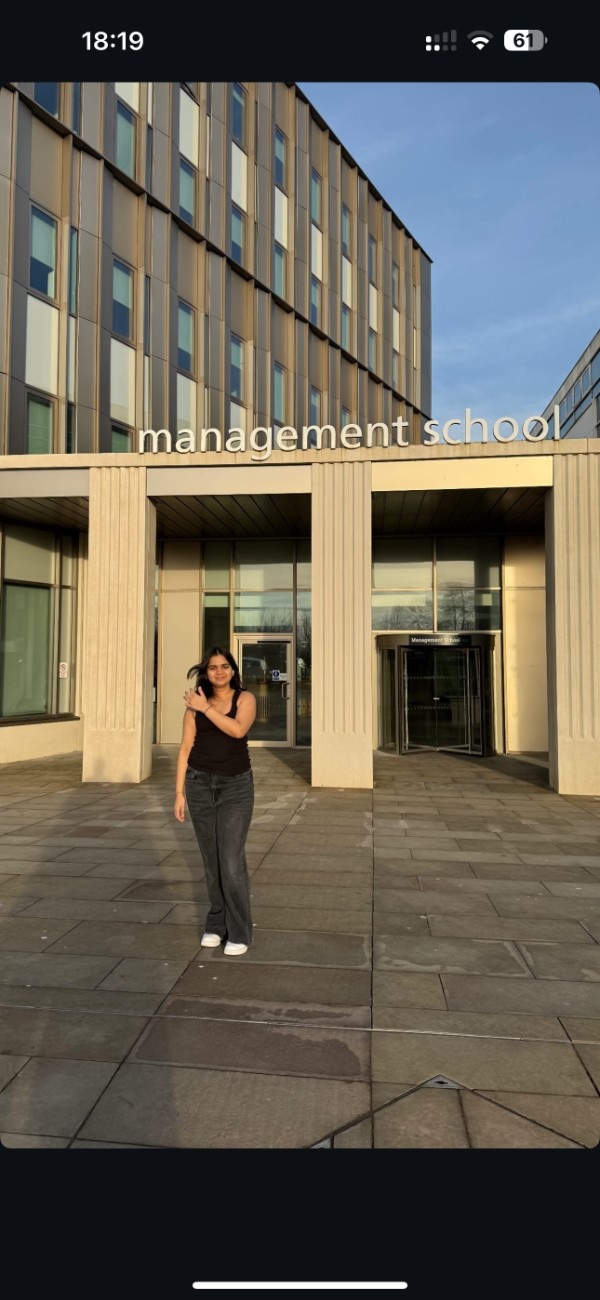
The Lancaster MBA is run at Lancaster University Management School (LUMS), and QS Global MBA 2026 ranks it UK 13. The programme is one calendar year, cohort-based, and admits around 60 students per year. Tuition for the 2026-27 cohort is £33,000 (around ₹42.62 Lakhs), with course-level scholarships surfaced separately, see Lancaster funding options for Indian students.
Lancaster University MBA Entry Requirements and Experience Floor
The Lancaster MBA asks for a good Bachelor’s degree, at least three years of managerial work experience, two references, a CV, and a personal statement. GMAT and GRE are not compulsory: applicants may submit either test, or opt to complete the Lancaster Admission Essay in place of a GMAT. Applicants who submit GRE in place of GMAT are considered on a case-by-case basis, per the official LUMS MBA admissions page.
Lancaster University MBA Rounds and Interview Stage
The MBA runs on rolling admissions from September 2026 through late June 2027 for October 2027 entry, and Lancaster advises applying early to secure a place and any funding. Every shortlisted candidate is invited to an online interview that discusses the personal statement and business experience. Interview outcomes are usually communicated within two weeks.
Planning note: Lancaster MBA scholarships (LUMS Excellence, India Scholarship, Alumni Loyalty) close in tandem with the earliest MBA rounds. Applying by March 2027 materially improves your funding odds for October 2027 entry.
Lancaster University PhD Admissions Process
Lancaster admits PhD candidates in every faculty, and applications are open year-round with no single fixed deadline. Indian applicants are asked to identify a supervisor whose research aligns with their proposal before submitting the formal application. There is no application fee for PhD study.
Lancaster University PhD Application Route for Indian Applicants
The PhD file goes through the same Lancaster e-Recruitment portal used for taught postgraduate study. Required inputs are a CV, a one-page personal statement, a two-page research proposal, transcripts, a Master’s certificate, two academic references, and a valid English score at IELTS 6.5 or higher.
Lancaster University PhD Funding for International Students
Lancaster runs several fully funded PhD studentships each year in Linguistics, Environmental Science, and LUMS. Studentships cover tuition and a stipend, but some cover only Home-rate tuition, leaving Indian candidates to secure the international-rate top-up. Standalone PhD tuition for international students sits in the £24,000 to £28,000 (₹30.99 to ₹36.16 Lakhs) band per year.
Insider note: Contact your target supervisor at Lancaster 6 to 9 months before your intended start. A supervisor’s informal green light is what unlocks the formal offer, not the portal submission alone.
Lancaster University Application Process Step by Step
Indian applicants file through one of two channels, depending on level. Undergraduate applicants apply through UCAS, which lets you list up to five course choices across UK universities under a single application. Postgraduate applicants apply directly through Lancaster e-Recruitment.
- Register on the correct portal. For UG, register on UCAS (2027 cycle opened 1 September 2026). For PG and PhD, register on Lancaster e-Recruitment.
- Pay the application fee. UCAS charges an application fee of £34.50 (around ₹4,455) that covers up to five choices. Lancaster’s PG portal charges no application fee.
- Complete the form. Enter personal details, academic history in Indian percentage terms, and English test result.
- Upload documents. Transcripts, Class XII marksheet or Bachelor’s certificate, English test score, CV, personal statement, and references.
- Submit and track. UCAS offers arrive on UCAS Hub, while PG offers land in the e-Recruitment dashboard.
- Accept the offer and pay the deposit. Some PG courses ask for a £2,000 deposit (around ₹2.58 Lakhs) to hold your place.
- Request CAS. Once accepted, request a Confirmation of Acceptance for Studies (CAS) from Lancaster, needed for your visa application.
Lancaster University Admission Decisions and Offer Timeline
Lancaster aims to issue undergraduate decisions within three weeks of a complete UCAS application, and taught postgraduate decisions within four to six weeks. Offers are usually conditional, dependent on final Class XII marks or Bachelor’s transcripts, English score, and financial proof. You must accept the offer within the window stated in the letter, typically 28 days. Lancaster allows one-year deferrals on most courses if you request the deferral before enrolling.
Lancaster University Documents Required for Indian Applicants
Lancaster expects a standard UK document set for Indian applicants, uploaded as PDFs through the relevant portal. No documents are couriered upfront, though certified translations may be requested at the visa stage.
- Passport bio page: valid for the full duration of your intended studies.
- Class X and Class XII marksheets (UG) or Bachelor’s transcripts and degree certificate (PG).
- Personal statement: up to 500 words for PG, 4,000 characters for UG via UCAS.
- Academic reference: one for PG, two for MBA and PhD.
- English test score report: IELTS, TOEFL, PTE, LanguageCert, Kaplan, or Cambridge English.
- CV: required for PG, MBA, and PhD applications.
- Research proposal: two pages for PhD candidates.
- Work experience letters: for the MBA (minimum three years managerial).
- Financial proof: requested at the CAS and visa stage, not at application.
Before you apply: Scan every document in colour at 300 dpi. Lancaster and UKVI reject blurry or partial scans, and a rejected upload can add two weeks to your review timeline.
Lancaster University Acceptance Rate for Indian Students
Lancaster does not publish an official institutional acceptance rate. Third-party trackers estimate the overall admit rate at 18 to 19 percent, based on Complete University Guide top-10 UK positioning and competitive intake patterns. Actual per-programme rates vary sharply: MSc Business Analytics and MSc Finance run tighter than institution-wide average, while broader MA humanities admit more openly.
Why Lancaster University’s Acceptance Rate Is an Estimate
UK universities are not required to publish admit rates the way US universities do, and Lancaster follows the standard UK practice of publishing offer data by subject, not headline institutional percentages. The 18 to 19 percent figure is a reasonable working estimate that reflects the university’s top 10 UK positioning in the Complete University Guide 2027 and its Guardian 2026 rank of 14, both of which push demand up sharply. Its detailed ranking band supports this competitive positioning.
How Indian Applicants Improve Their Odds at Lancaster University
Applicants meeting only the minimum band are frequently declined. To improve conversion odds, Indian candidates should target Bachelor’s marks above 65 percent for LUMS and STEM, hit IELTS 7.0 rather than 6.5, submit a targeted personal statement that names Lancaster faculty and modules, and apply well ahead of the deadline while offer places are still open.
Insider note: LUMS courses (MSc Finance, MSc Management, MBA) close informally 6 to 8 weeks before their stated deadlines once cohort caps fill. Treat the stated deadline as the theoretical last date and aim to submit by early April 2027 for October 2027 entry.
UK Student Visa for Lancaster University Applicants
Indian students admitted to Lancaster apply for the UK Student visa (previously Tier 4) through the UK Visas and Immigration (UKVI) portal. The visa fee is £524 (around ₹67,669), and the Immigration Health Surcharge is £776 per year (around ₹1.00 Lakh), which grants access to the National Health Service. You must show maintenance funds covering one academic year of tuition plus £1,023 per month for living costs outside London (around ₹1.32 Lakh per month), held in your account for 28 consecutive days.
Applications open up to six months before the course start date. Biometrics are captured at a VFS Global centre in India, and standard processing takes three weeks. After arrival, students must collect their Biometric Residence Permit (BRP) within 10 days of the stated start date, and register with a local GP.
2026 update: The UK Graduate Route (Post-Study Work visa) remains open, giving eligible Lancaster graduates two years of unrestricted work rights (three years for PhD graduates). Confirm eligibility on the CAS before submitting your visa file.
Lancaster University Admissions Tips and Checklist
The following tips and steps are drawn from Indian-applicant patterns at Lancaster University. They mix strategic pointers with a dated action sequence for October 2027 entry.
- Book IELTS or PTE by November 2026 so a valid score is ready for the January UCAS deadline and July PG deadline.
- Draft the personal statement by December 2026, naming specific Lancaster modules and faculty to lift conversion.
- Submit UCAS by 13 January 2027 to hit the equal consideration window for October 2027 UG entry.
- Submit LUMS PG applications by March 2027, since course caps informally fill 8 weeks before the July deadline.
- Apply for the £10,000 India Scholarship in parallel with your PG course application, since both are assessed together.
- Accept your offer within 28 days, and pay any deposit at least 8 weeks before your visa appointment.
- Request your CAS by early May 2027 so your visa file can be filed by June, before summer processing peaks.
- Book biometrics at VFS at least 3 weeks before your intended travel date, and keep 28-day maintenance funds untouched until visa approval.
Lancaster University stays a strong Indian-student choice for its top-10 UK positioning, real IELTS-alternative pathways for Indian applicants, and a straightforward two-portal admissions structure. Apply against the equal consideration UCAS deadline of 13 January 2027 for UG entry or the 28 July 2027 PG deadline, keep a valid English score and Bachelor’s transcript ready, and treat interim course caps at LUMS as your true deadline.
Lancaster University Admissions: Frequently Asked Questions
Ques. When does Lancaster University’s 2027 intake open for Indian applicants?
Ans. The UCAS 2027 cycle opened on 1 September 2026 for undergraduate courses, and Lancaster’s own postgraduate portal accepts applications year-round. Both routes lead to the primary Michaelmas October 2027 intake.
Ques. What is the minimum IELTS score for Lancaster PG programmes?
Ans. Standard PG programmes ask for IELTS 6.5 overall with 6.0 in each band. LUMS courses (MSc Management, MSc Finance, MBA) require IELTS 7.0 overall with 6.0 in each band.
Ques. Does Lancaster accept Class XII English in place of IELTS for Indian students?
Ans. Yes for undergraduate entry, where Indian Standard X or XII English at 70 percent or above is accepted from CBSE, ISC, and most state boards. Applicants from Punjab and Haryana state boards must still submit an approved English test.
Ques. Is a GMAT required for the Lancaster MBA?
Ans. No. GMAT and GRE are optional for the Lancaster MBA at LUMS. Applicants may submit either test, or complete the Lancaster Admission Essay in place of a GMAT.
Ques. Is there an application fee for postgraduate courses at Lancaster?
Ans. No, Lancaster does not charge an application fee for postgraduate courses. Undergraduate applicants pay the standard UCAS fee of £34.50 (around ₹4,455) that covers up to five course choices across UK universities.
Ques. What is the equal consideration deadline for UCAS 2027 entry?
Ans. The UCAS equal consideration deadline for October 2027 undergraduate entry is 13 January 2027 at 18:00 UK time. Applications submitted afterward are considered on a case-by-case basis, and Clearing opens at the 30 June 2027 final deadline.
Ques. What Bachelor’s percentage does Lancaster expect for master’s admissions?
Ans. Lancaster’s taught postgraduate programmes expect a Bachelor’s at 60 to 65 percent, which is the Indian equivalent of a UK 2:1. LUMS and STEM programmes lean toward 65 percent and above.
Ques. Does Lancaster interview applicants for taught postgraduate programmes?
Ans. Most taught master’s courses do not interview candidates, and offers are made on the application file alone. The Lancaster MBA and DClinPsy programmes always interview shortlisted candidates.
Ques. Can Indian students defer their Lancaster offer to the next intake?
Ans. Yes, Lancaster allows a one-year deferral on most undergraduate and postgraduate offers, if requested in writing before enrolment. LUMS courses and clinical programmes may decline deferral requests due to cohort caps.
Ques. How competitive is admission to Lancaster University?
Ans. Lancaster’s overall acceptance rate is estimated at 18 to 19 percent, based on Complete University Guide top-10 UK positioning. Programme-level rates vary, with LUMS MSc Finance and Business Analytics running tighter than institution average.
Ques. What documents does Lancaster require from Indian applicants?
Ans. Lancaster asks for a passport bio page, academic transcripts and certificates, personal statement, one academic reference for PG (two for MBA and PhD), a valid English test score, and a CV. Research proposals are added for PhD, and work-experience letters for the MBA.
Ques. How long does Lancaster take to issue an admission decision?
Ans. Lancaster aims to issue undergraduate decisions within three weeks of a complete UCAS application, and taught postgraduate decisions within four to six weeks. MBA and PhD decisions can take longer since they include an interview stage or supervisor confirmation.
College Student Profiles

Lancaster University Program Fees & Deadlines
| Program | Important Dates | Fees | Eligibility | Financial Aid |
|---|---|---|---|---|
UCAS 2027 undergraduate application deadline (13th Jan 2027) | INR 42.6 L/Yr GBP 33,000 /Yr | IELTS: 6.5, TOEFL: 4.5, 2:2 degree in any subject, 3 years professional work experience | ||
MSc Business Analytics 1 year | Fall 2026 rolling intake placeholder (1st Oct 2026) | INR 38.7 L/Yr GBP 30,000 /Yr | IELTS: 6.5, TOEFL: 4.5 | |
MSc Finance 1 year | Fall 2026 rolling intake placeholder (1st Oct 2026) | INR 38.7 L/Yr GBP 30,000 /Yr | IELTS: 6.5, TOEFL: 4.5, 2:2 degree in finance, accounting, economics or a business subject | |
MSc Data Science 1 year | Fall 2026 rolling intake placeholder (1st Oct 2026) | INR 38.7 L/Yr GBP 30,000 /Yr | IELTS: 6.5, TOEFL: 4.5, 2:2 degree with quantitative methods | |
Fall 2026 rolling intake placeholder (1st Oct 2026) | INR 36.2 L/Yr GBP 28,010 /Yr | IELTS: 6.5, TOEFL: 4.5, 2:1 degree in biology or a related subject | ||
MSc Cyber Security 1 year | Fall 2026 rolling intake placeholder (1st Oct 2026) | INR 38.7 L/Yr GBP 30,000 /Yr | IELTS: 6.5, TOEFL: 4.5, 2:2 degree in computing, mathematics, engineering or physics | |
Fall 2026 rolling intake placeholder (1st Oct 2026) | INR 32 L/Yr GBP 24,813 /Yr | IELTS: 6.5, TOEFL: 4.5, 2:2 degree in any subject, 5 years professional or managerial work experience | ||
M.Sc Computer Science 1 year | INR 36.7 L/Yr GBP 28,430 /Yr | IELTS 6.5, TOEFL iBT 88 | - | |
MSc Project Management 1 year | Fall 2026 rolling intake placeholder (1st Oct 2026) | INR 38.7 L/Yr GBP 30,000 /Yr | IELTS: 6.5, TOEFL: 4.5, 2:2 degree in any subject | |
MSc Management 1 year | Fall 2026 rolling intake placeholder (1st Oct 2026) | INR 38.7 L/Yr GBP 30,000 /Yr | IELTS: 6.5, TOEFL: 4.5, undergraduate degree in any subject |
Do you think the Dates are wrong ? Report Here
Important Alerts
| Events | Dates |
|---|---|
| Business Analytics Fall 2026 rolling intake placeholder | Closing in 13 days |
| Finance Fall 2026 rolling intake placeholder | Closing in 13 days |
| Data Science Fall 2026 rolling intake placeholder | Closing in 13 days |


Course Finder - Search from 50K+ courses
Popular Streams:
Reviews
Most Popular Tags
20 Reviews Found
Likes
- Course & Modules are structured to increase employability
- Classes are interactive & the Faculty is approachable
- University careers & support departments are active
Dislikes
- The weather in Lancaster is not pleasant
- High tuition & accommodation fees
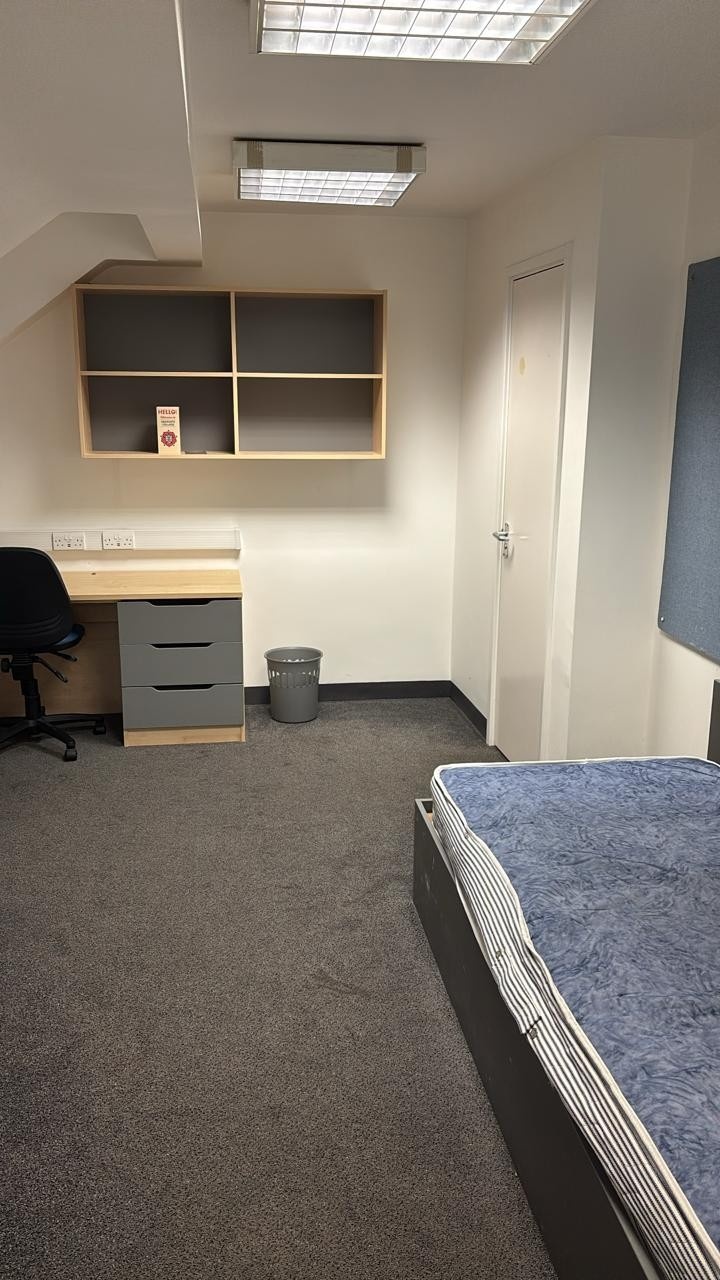
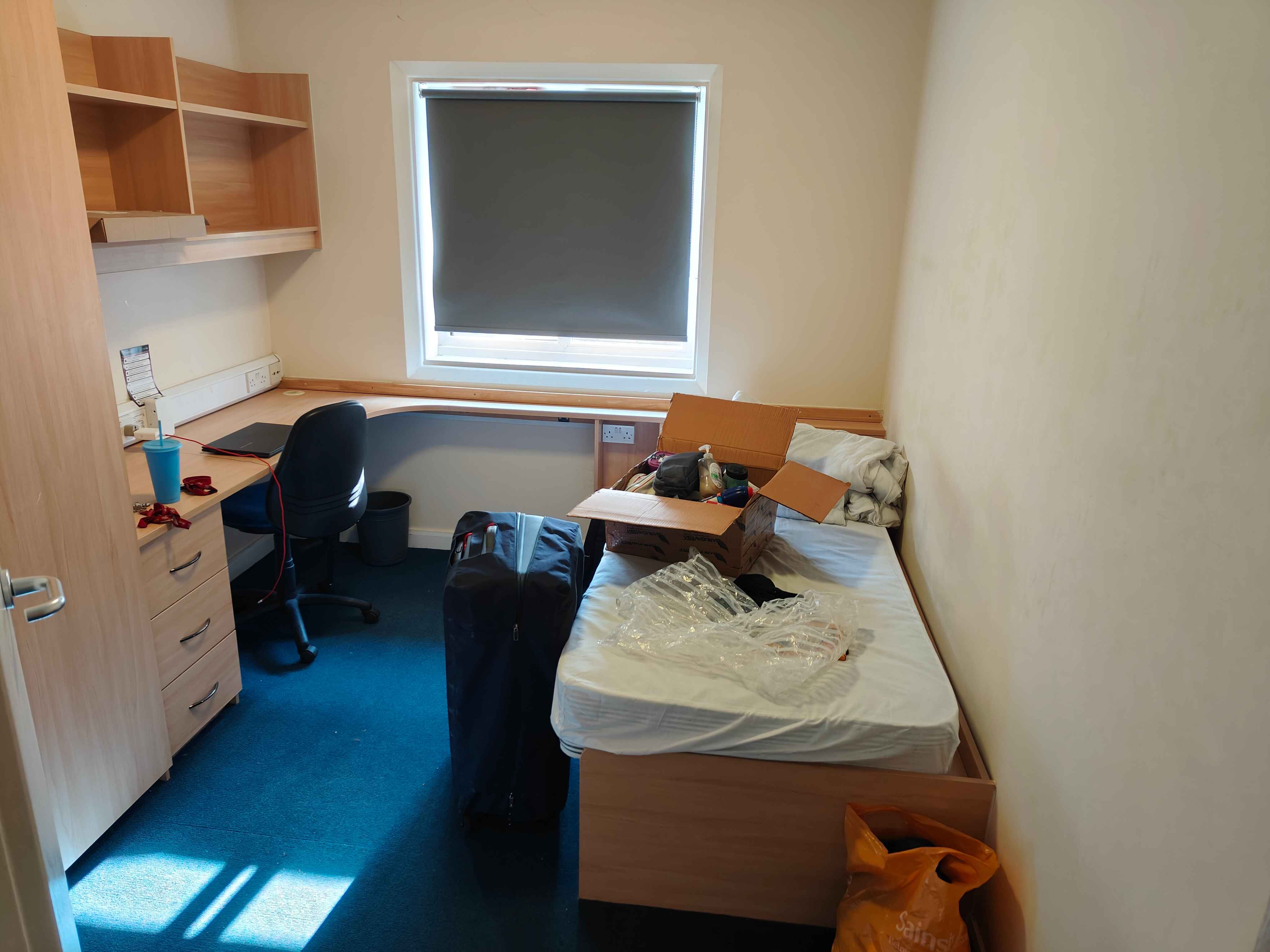
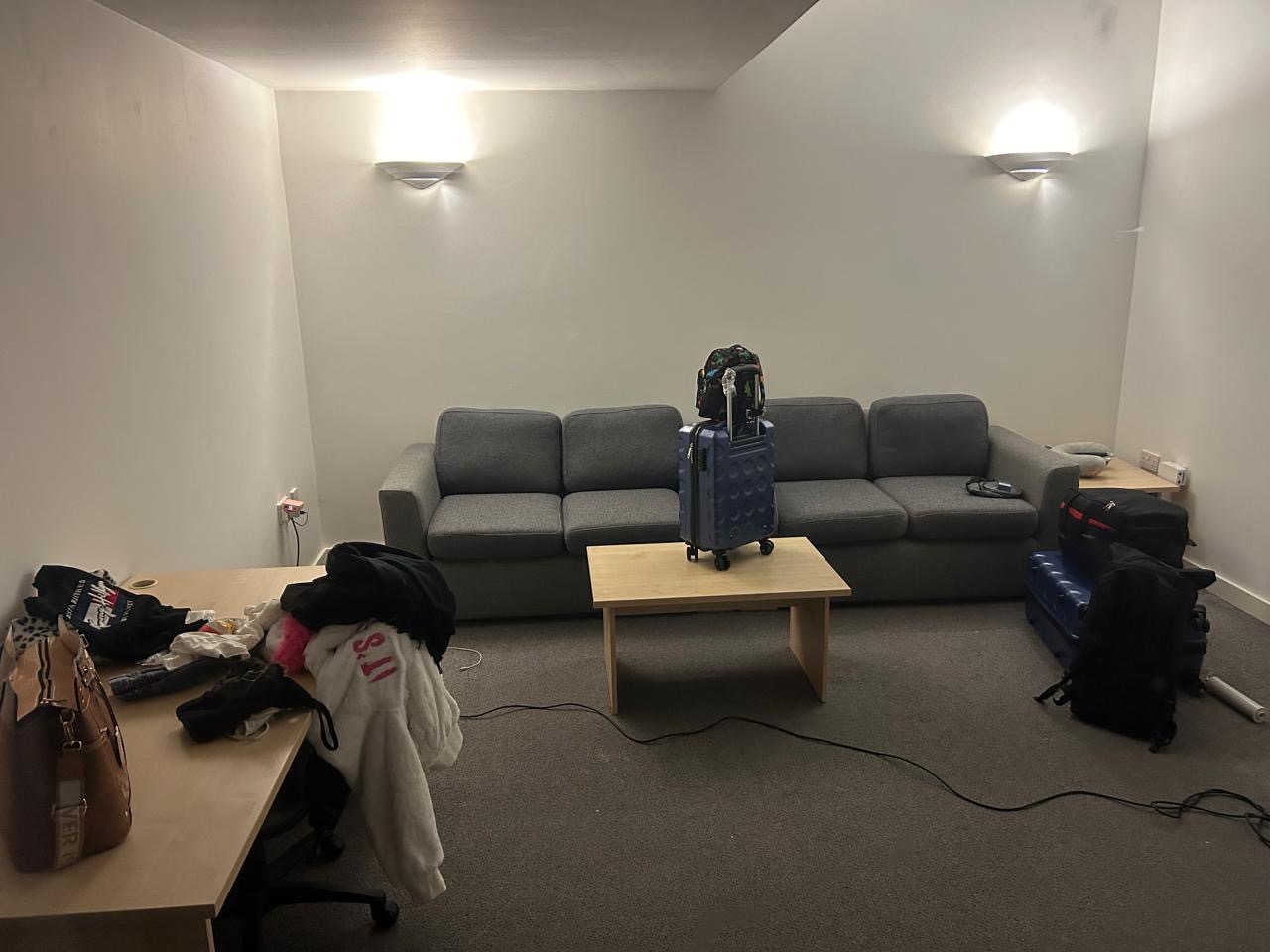
- The bathroom is too small in the accommodation
Scholarship
- I was awarded a Lancaster Management School Master’s Scholarship of £3,000 for entry in October 2025.
- As mentioned earlier university automatically awards you these scholarships based on students application and profile. Many of my batchmates received many other scholarships as well. All students who apply early with a strong academic background are eligible for scholarships.

Likes
- Action learning based course and college. The faculty gives practical knowledge and real-life training sessions, consulting projects and presentations. There is "zero" bookish approach towards teaching.
- The faculty members are very passionate. My coordinator Pete Cornwall was amazing and ensured a smooth onboarding, along with Gillian Parry. Andrew Bagshaw was an amazing mentor and was always there to help students. Dr. Robyn Remke is the director of MBA, needs no introduction, she genuinely wants you to succeed. I think Lancaster has one of the best faculties across UK colleges for MBA.
- The culture of the university is great, they hold a lot of events including international trips, alumni events, networking events and many more to keep the students engaged.
Dislikes
- The cost of the MBA is too high with respect to it's course period. Its a one-year intensive course and the workload is way too high.
- The college is located in a very small town near Manchester, called Lancaster, so it is a country side with absolutely minimal facilities. This impacted my overall experience.
- The college had negligible diversity and there was also bias with respect to local job market and opportunities. So as an Indian, I faced that bias, which I felt is one of the most negative parts of being in this university.
Scholarship
- I received a scholarship called the Lancaster Global scholarship.
- Each student in our batch/class received the same scholarship and of the same amount.
- The award amount was a standard 8500 pounds flat.
- Each Indian student receives this scholarship. Only one student received a 16000 pounds LUMS MBA Scholarship; otherwise, the amount is standard across students.

Likes
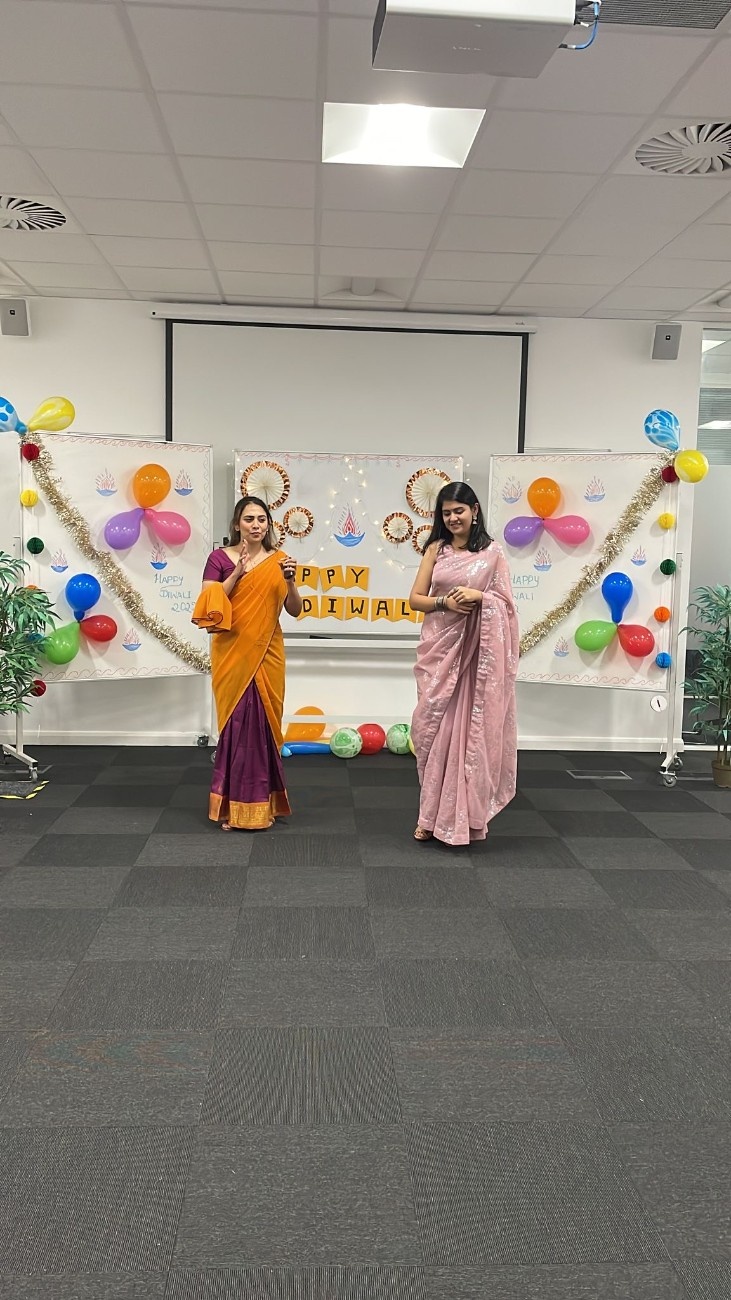
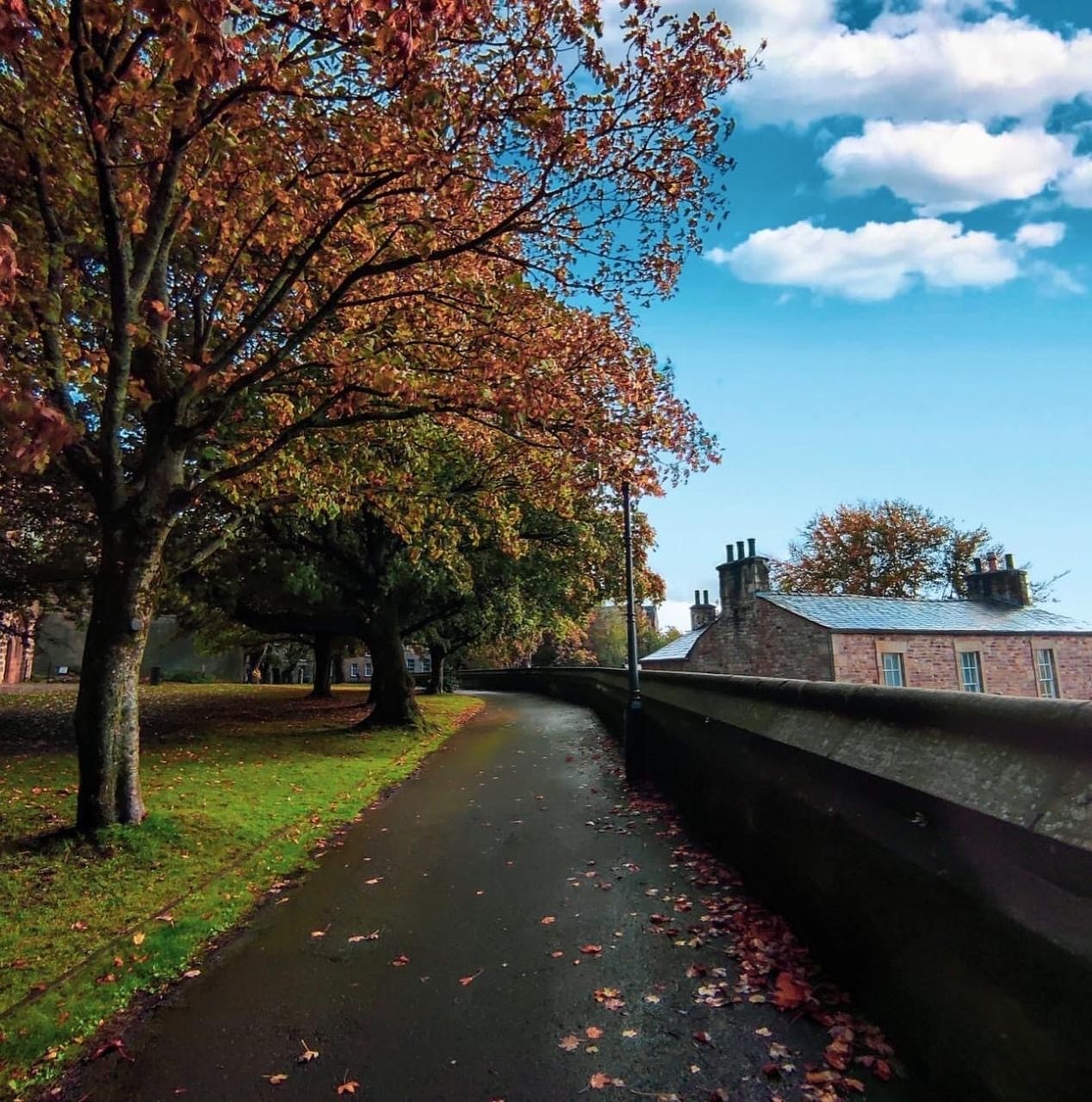
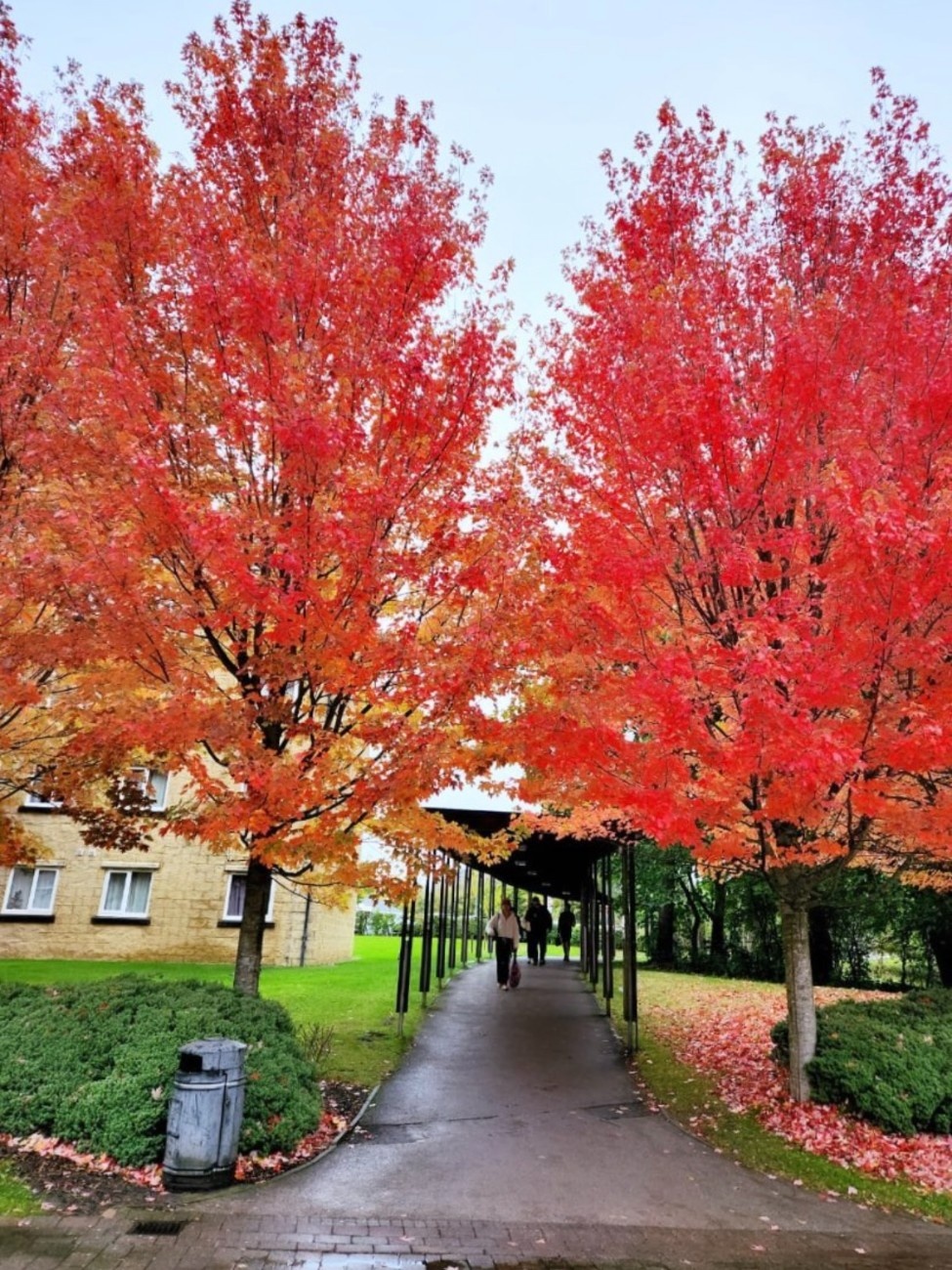
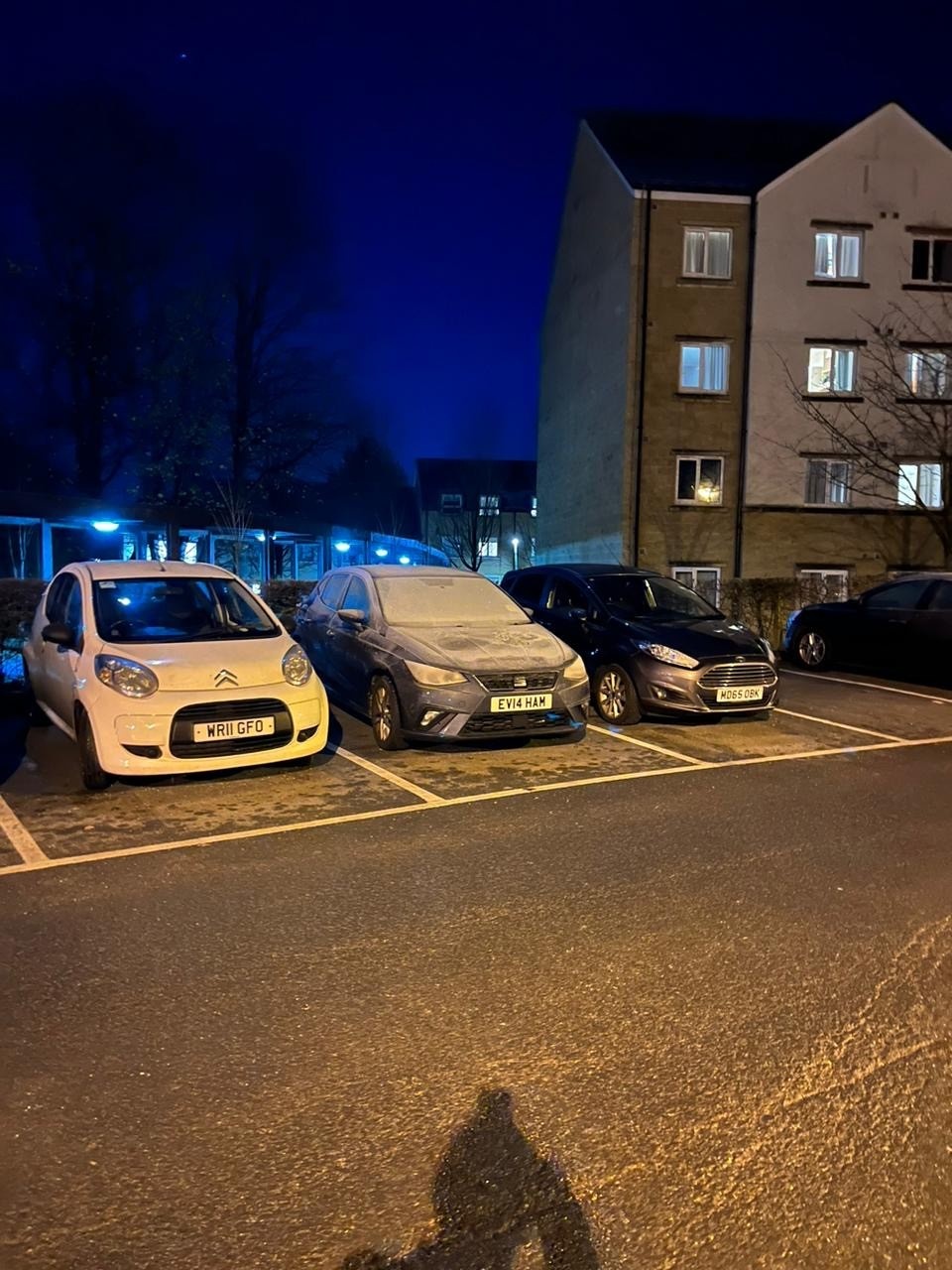
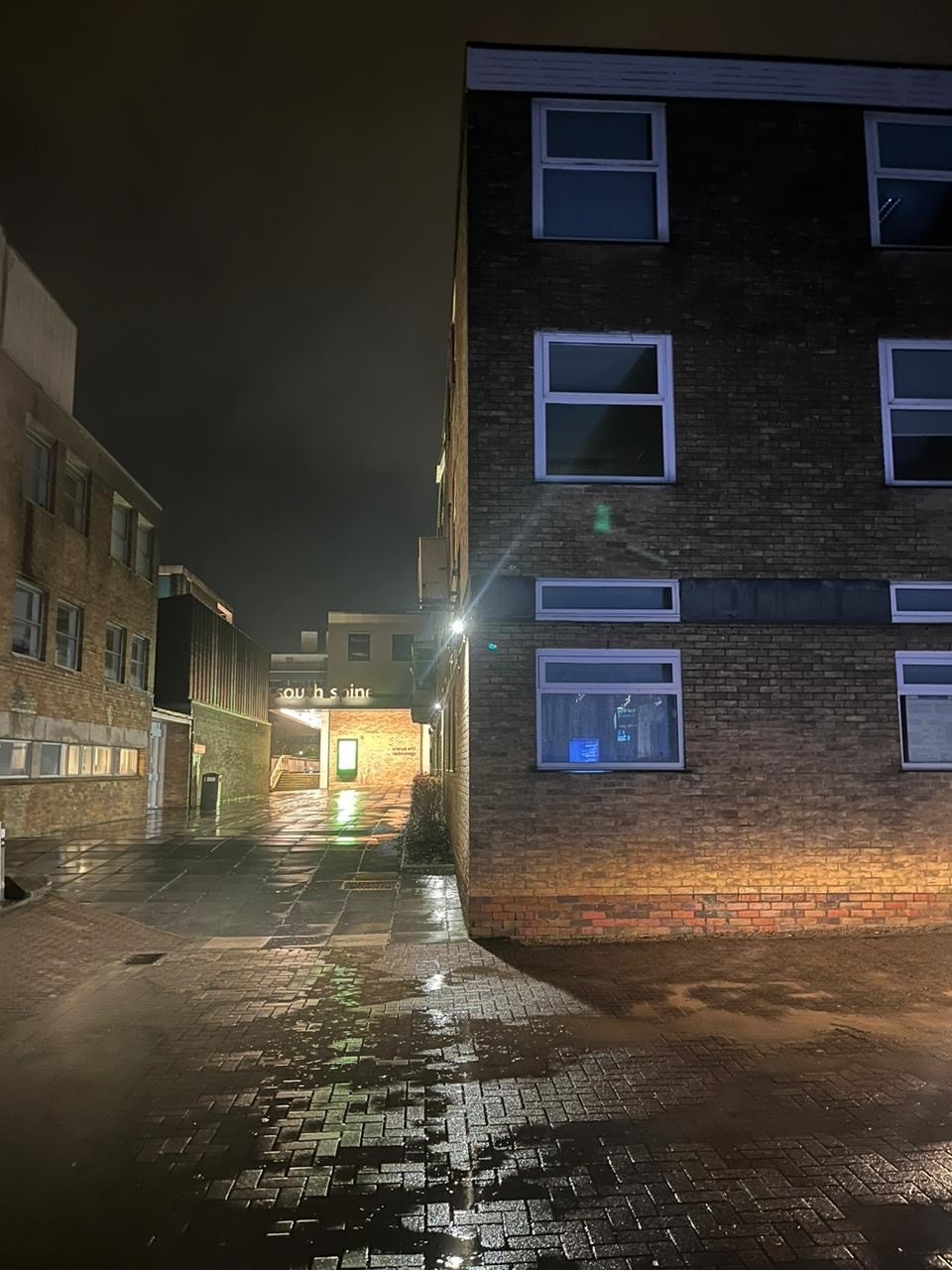
- The campus is very big, i live on campus and you might get tired by walking it is so big so calm and so beautiful
- Very helpful teacher got some offers inside uni
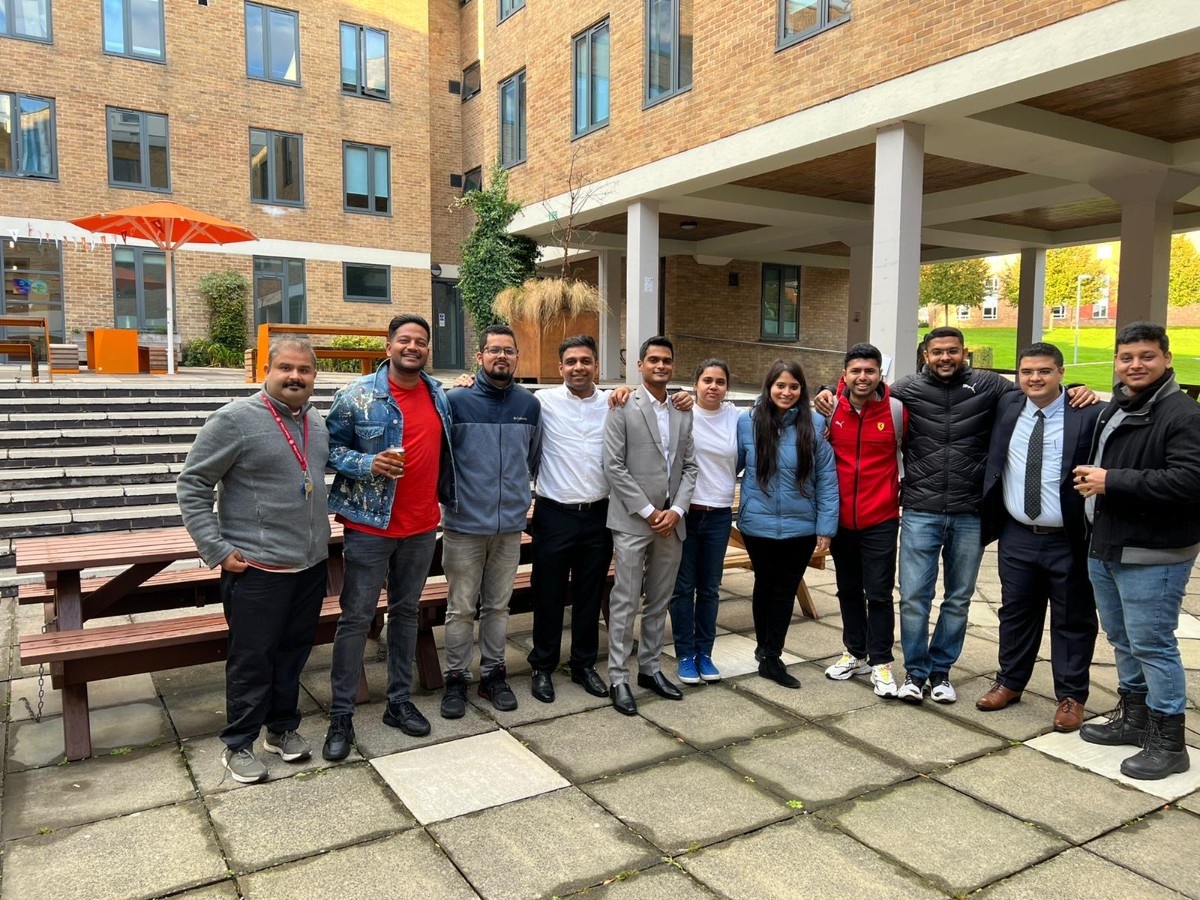
- The community is very good while you stay in college its one of the best
Dislikes
- Less practical the expected
- No field trips for my course so less connections
- Small city so only less students and less connections and no options
Scholarship
- Yeah, I did and there are some more which i was not aware of initially. Mine was general but there are some like fulgoni and paul simmons
- 5000 pounds
- Yes, scholarships are only like 5000 or 13300
- Many of them do, depending on the marks you received and some more demands different type of criteria like activity and marks from past or some type of job experience



Likes
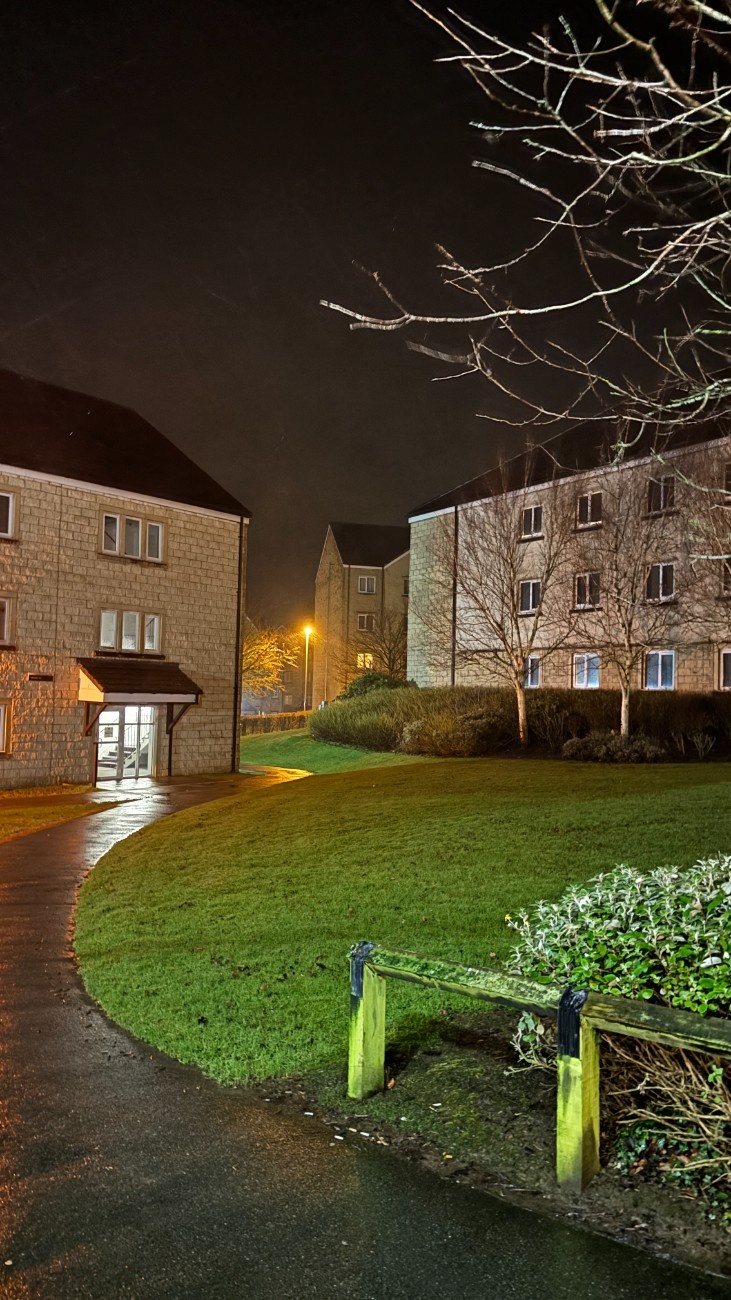
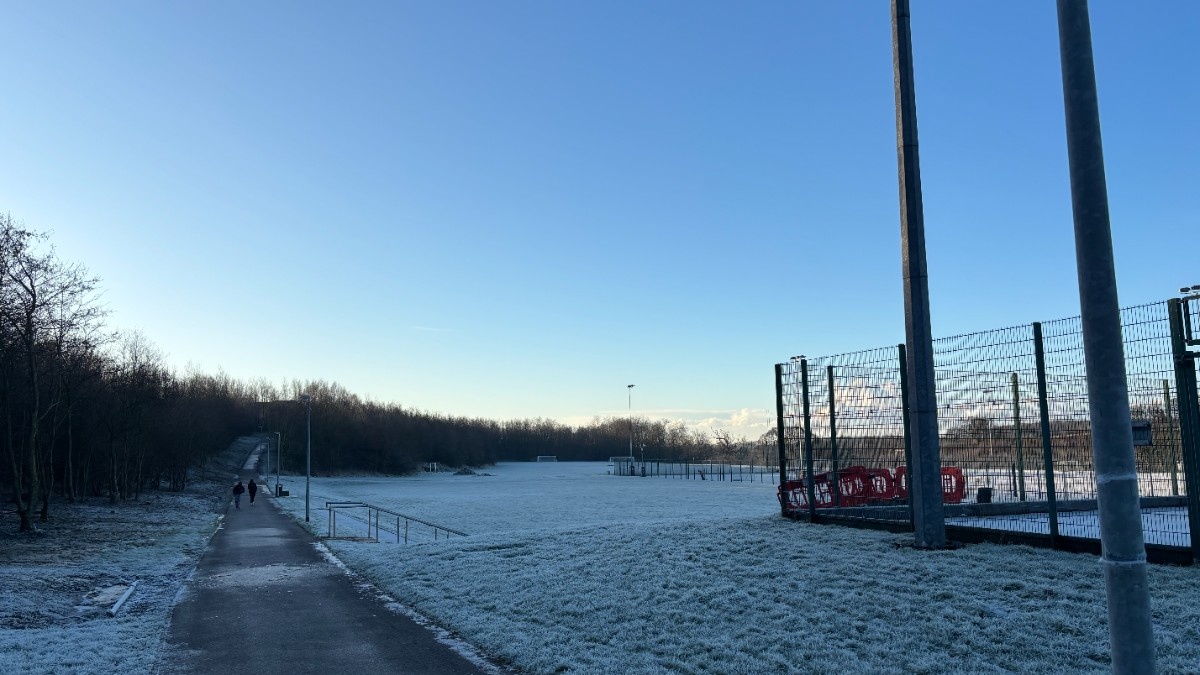
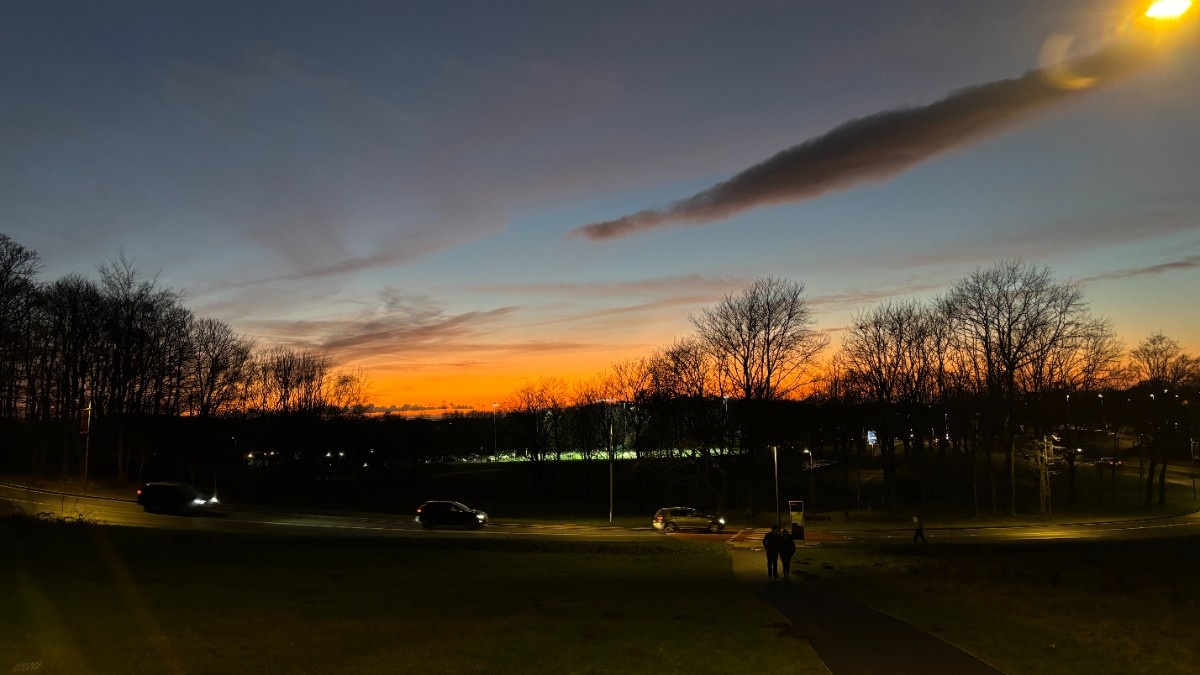
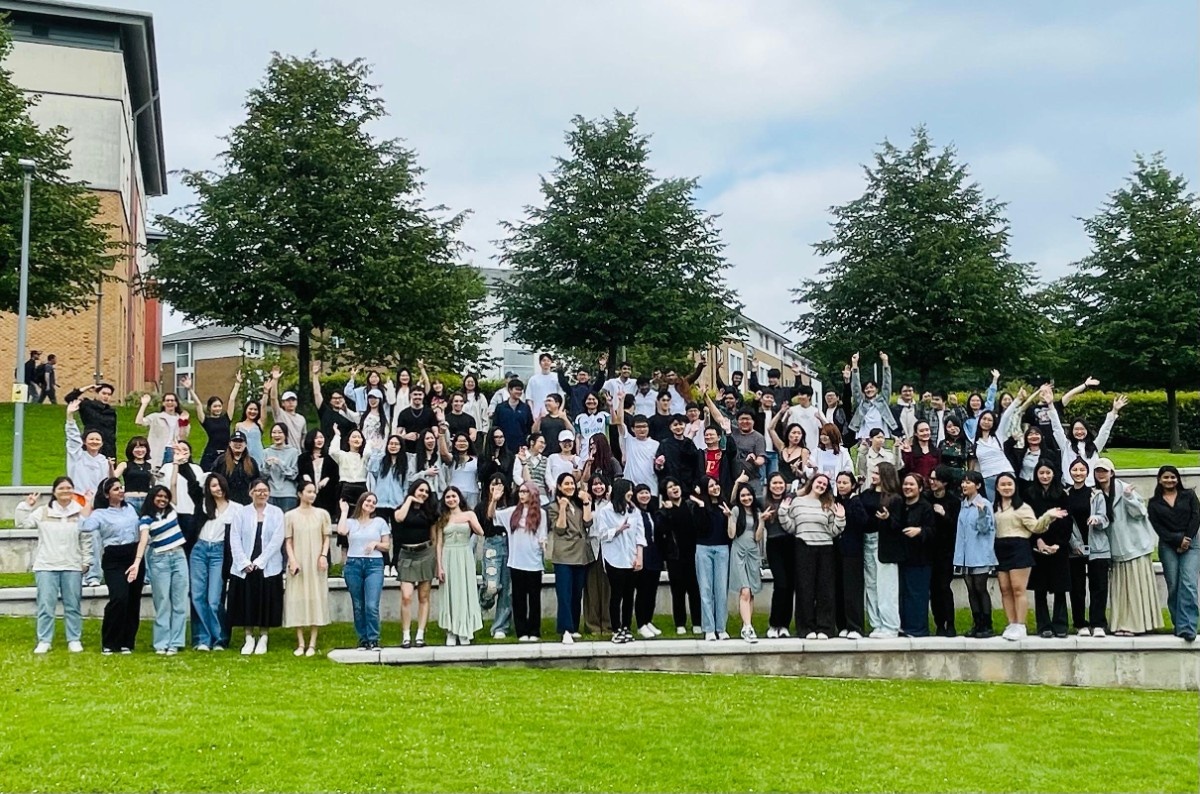
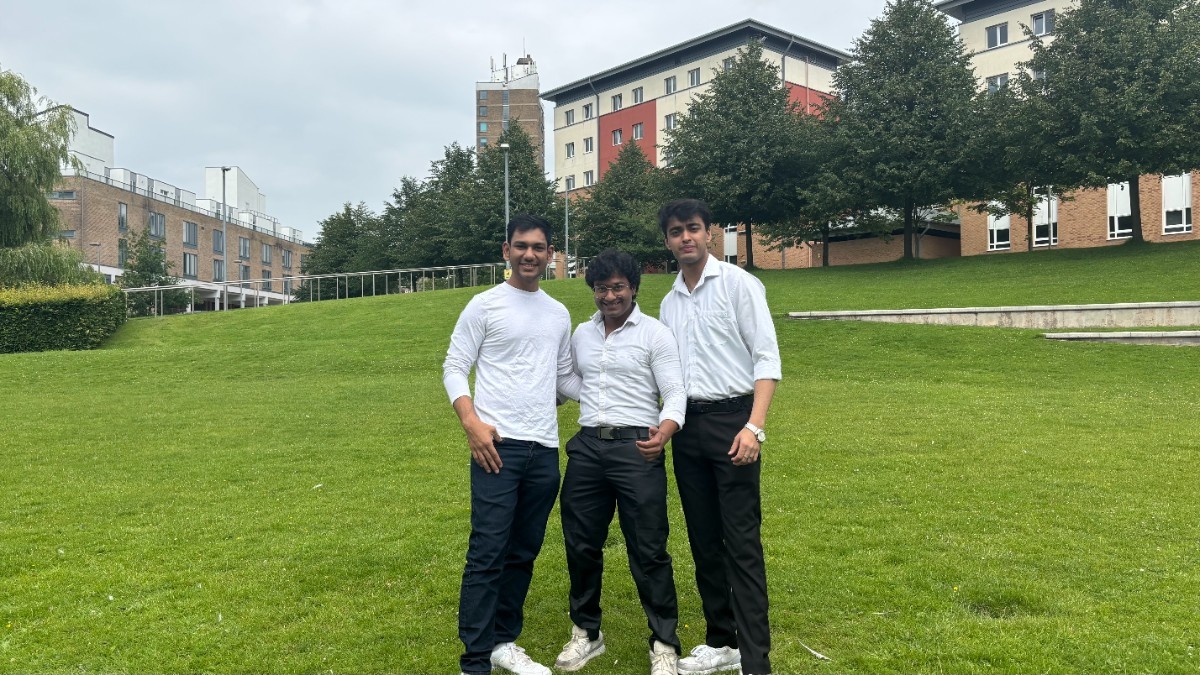
- The university campus is huge and the most beautiful campus I have ever seen. If a student decides to enroll to Lancaster University, they should definitely arrange their stay inside the campus for the best experience.
- The faculty is top class and the MBA director (Robyn Remke) is an amazing leader. Her lectures shouldn't be missed. She is the most amazing guide, coach, and mentor you can ever speak with. She has an open door policy, you can reach out to her at any point. Apart from that, even the faculty is amazing. The leaders help you with your professional resumes and help you with any information you require to apply for a job. Lancaster University is known for their faculty. They even arranged meet ups with potential employers.
- To teach us 2 courses from ground up (Operations and international business), the university took us to 2 international trips in the Europe (Prague and Germany) and this has been the most enriching and wonderful experience a student can get in the UK. This was by far the best experience.
Dislikes
- The course is packed in one year, so the curriculum seems rushed. There are very strict deadlines and the first half of the course might seem unsettling and out of place. Sometimes there is no gap between 2 courses, while you have just submitted your paper, you might have to rush to another one quickly. This didn't give us time to absorb one course properly.
- The ethnicities ratio could have been way better. Our class was filled with Indians and very few other people from other countries. This could be off-putting for a lot of people. This could definitely impact one's experience in the university. MBA batches especially were impacted by this.
- While our course did have networking events, the campus was never too engaging. There could have been more campus specific events so that folks from different courses, years, undergrads, grads could meet up and network on their own.
Scholarship
- Yes, as mentioned earlier, I received a scholarship.
- Name: Lancaster Global Scholarship of £8,500. I had not applied for the scholarship; this was received based on the interview with Robyn Remke as mentioned previously. So eligibility is the interview only.
- Award amount - 8500 pounds
- Yes, other batchmates (almost everyone) received the same scholarship. There was limited financial aid available. You need to show the proof of those; I didn't apply for any financial aid, nor did any of my batchmates.
- As mentioned, almost every person received an 8500 pounds scholarship. This was default. I had 70 people in my class.
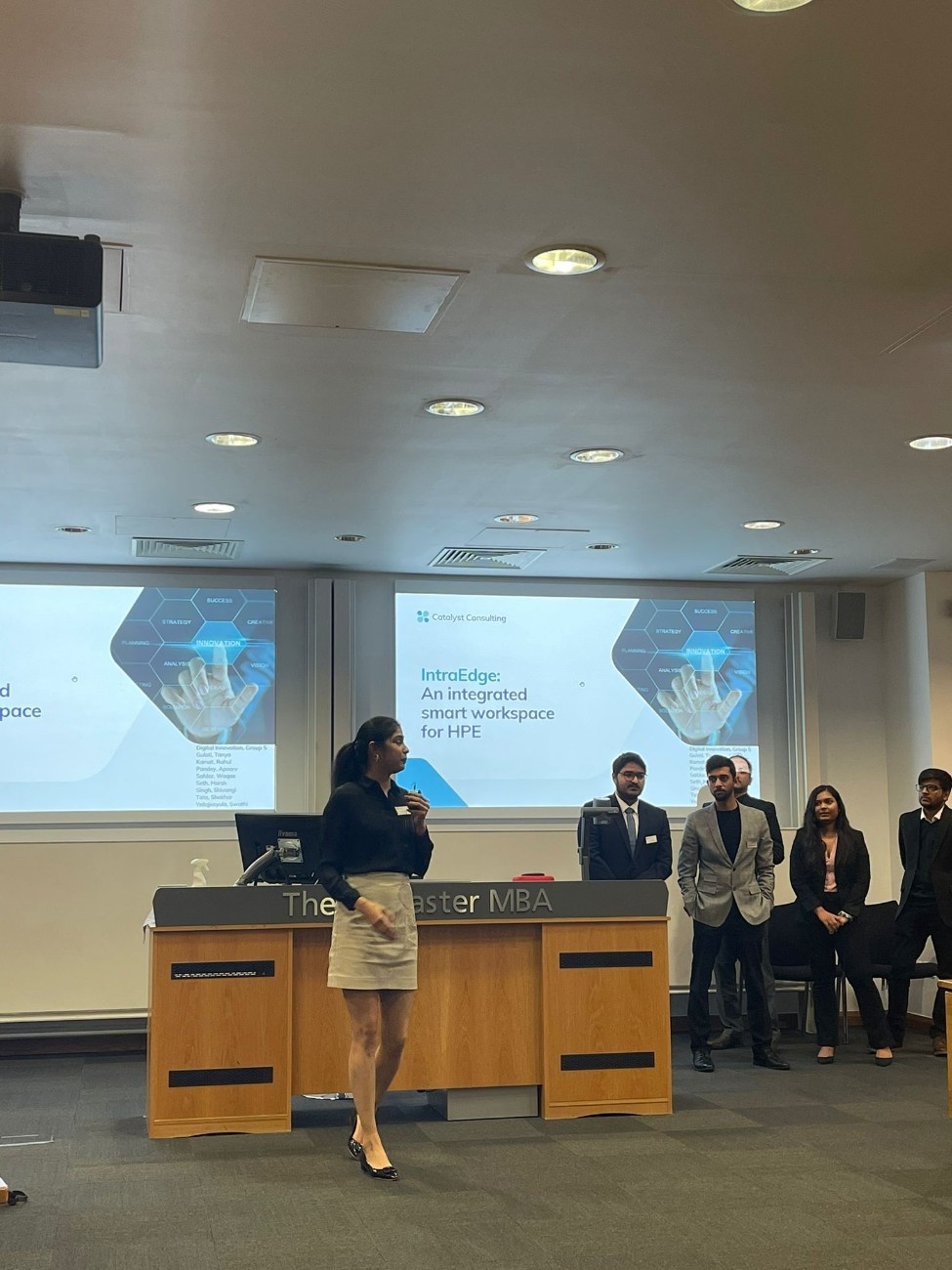
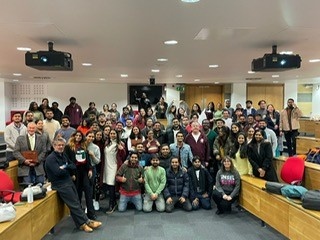
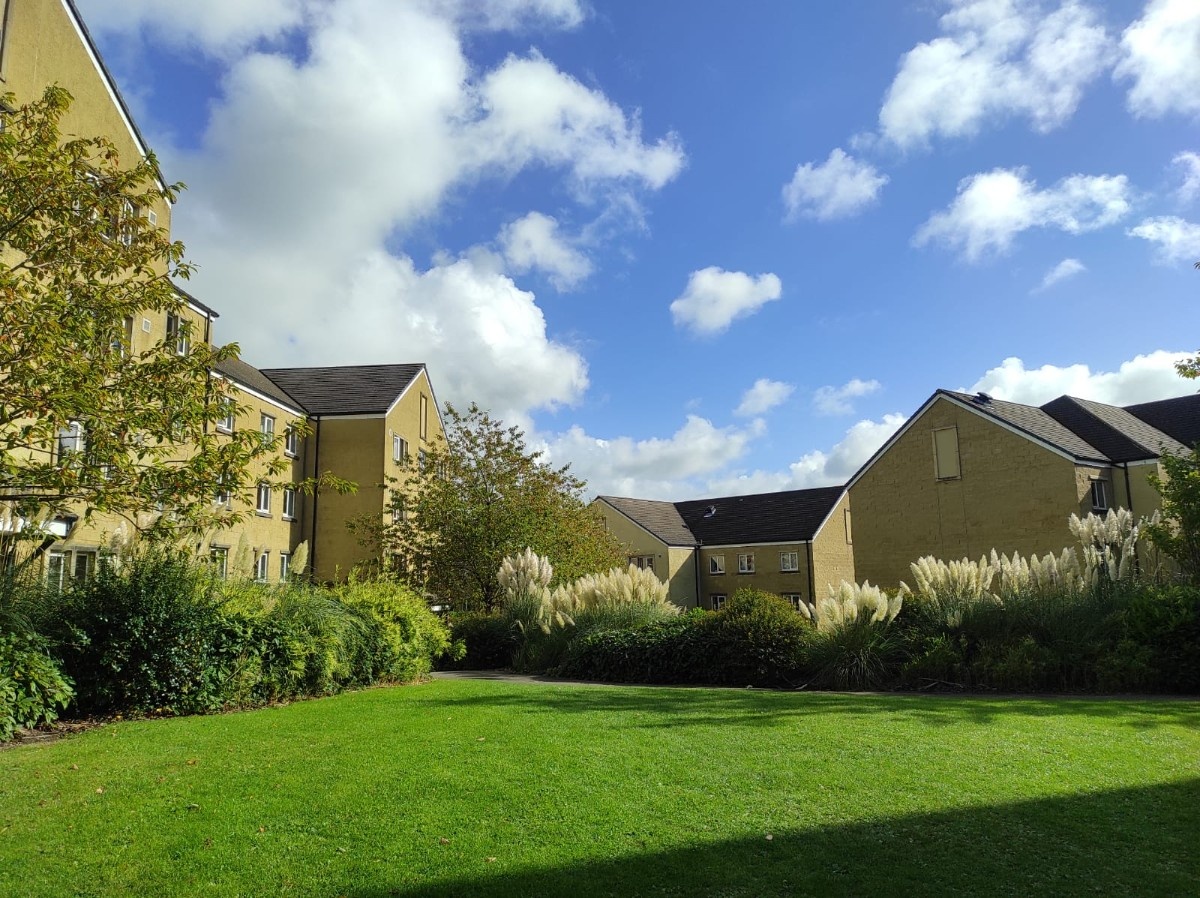

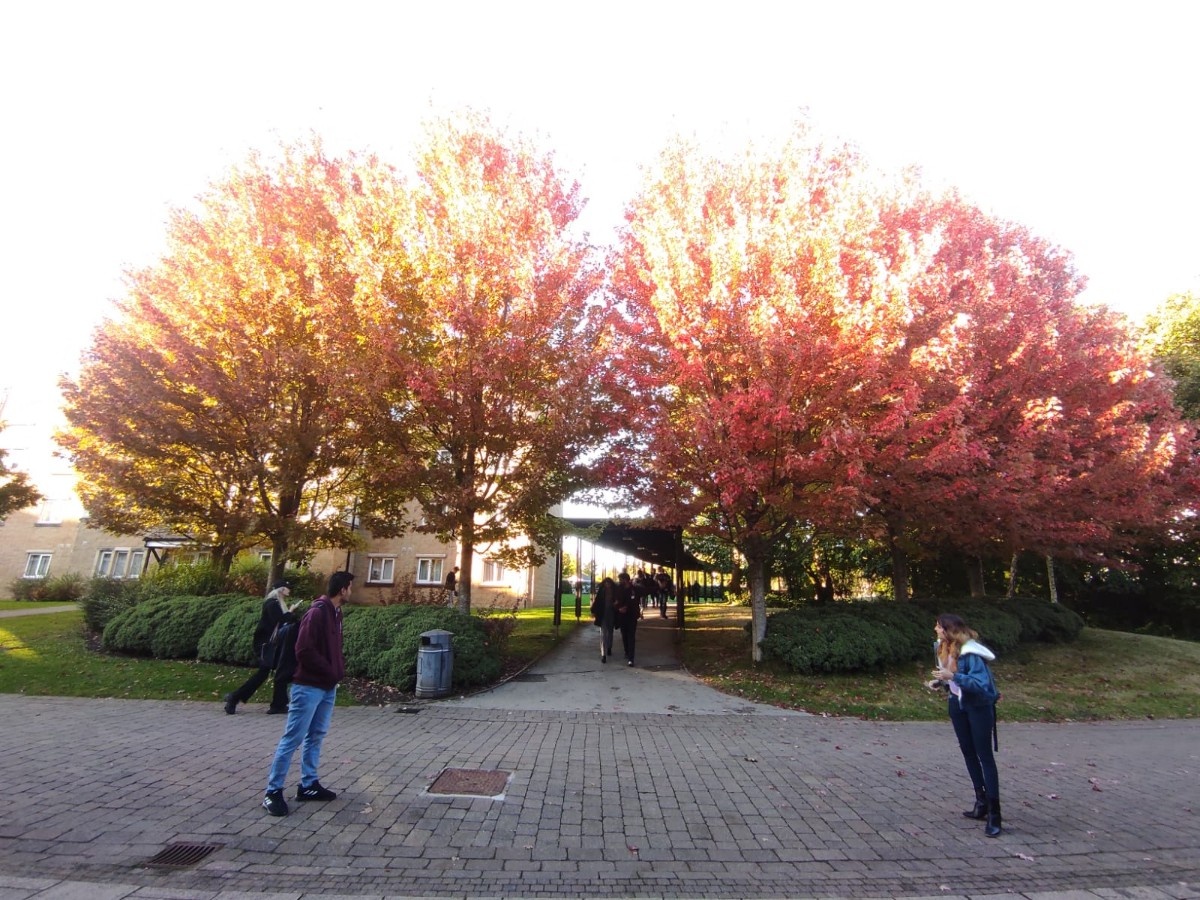
Likes
- Campus life, like its all one campus the buildings aren't spread out in the city like some other universities I know
- Good teaching and admin staff
- Diverse cohort in most programs
Dislikes
- High tuition fee for international students
- No Better guidance on job front
- On campus living is expensive compared to off campus
Scholarship
- I received a scholarship for 5000 GBP called the Lancaster Global Scholarship - Master's. Some of my friends got up to 9000 GBP based on UG results. There are many other scholarships available, like the Management School Master's Scholarship, which are all clearly listed on the university page and program page. Application to it is very straightforward if you meet the eligibility criteria. The actual amount depends on the criteria required.




Likes
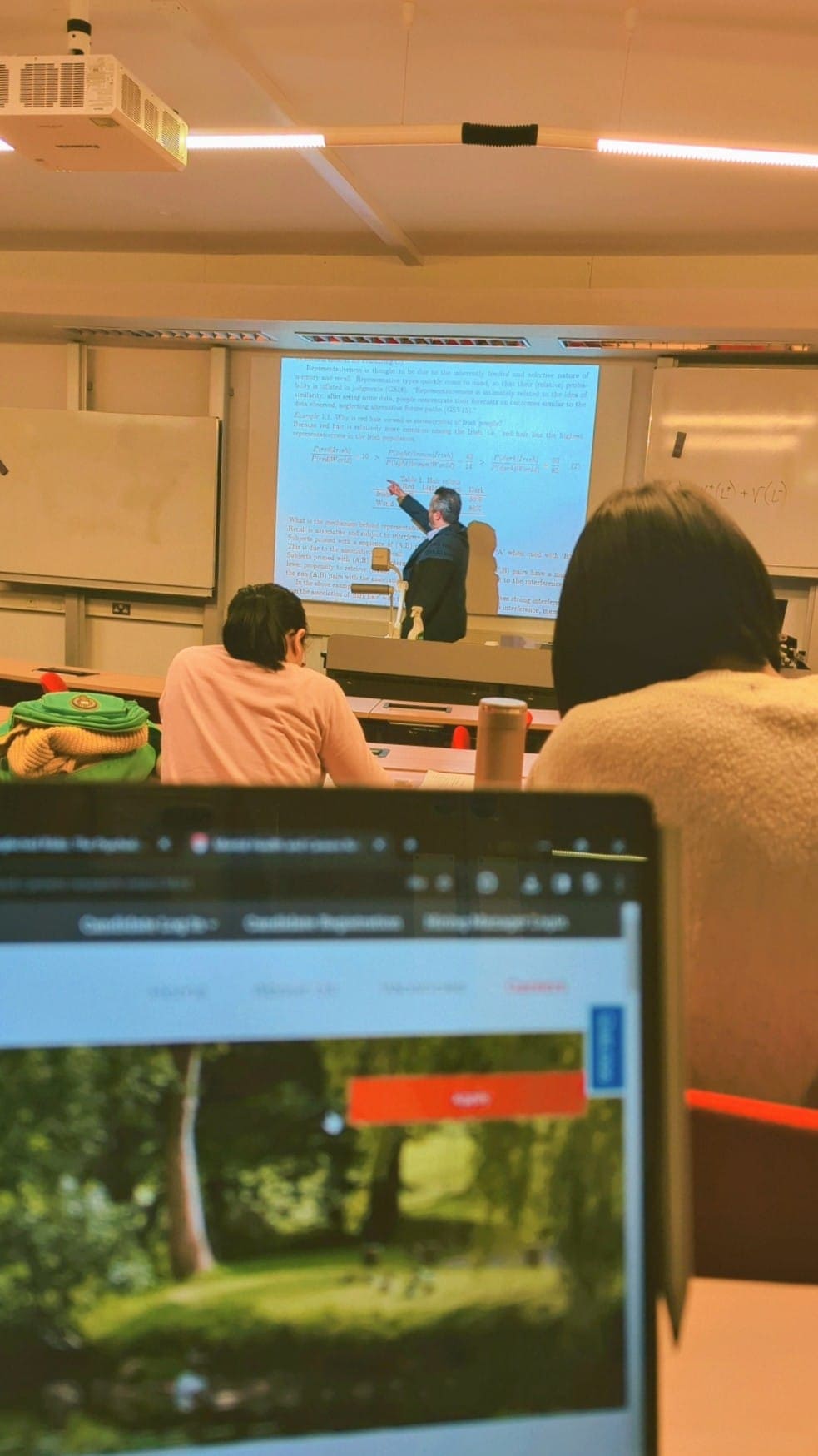
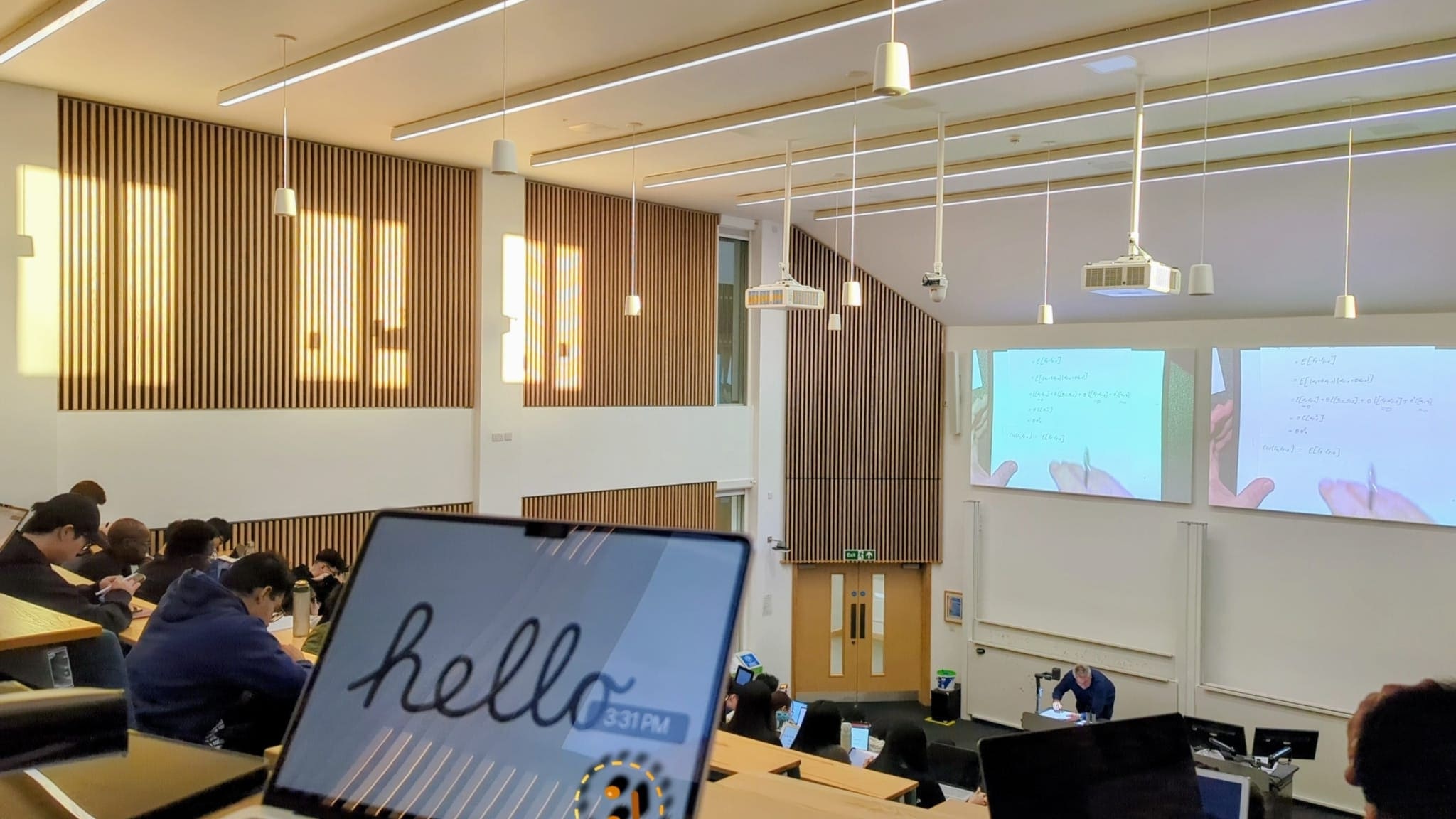
- Quality of education offered at the university is quite high. Professors with distinguished careers teach her and makes for a nice environment.
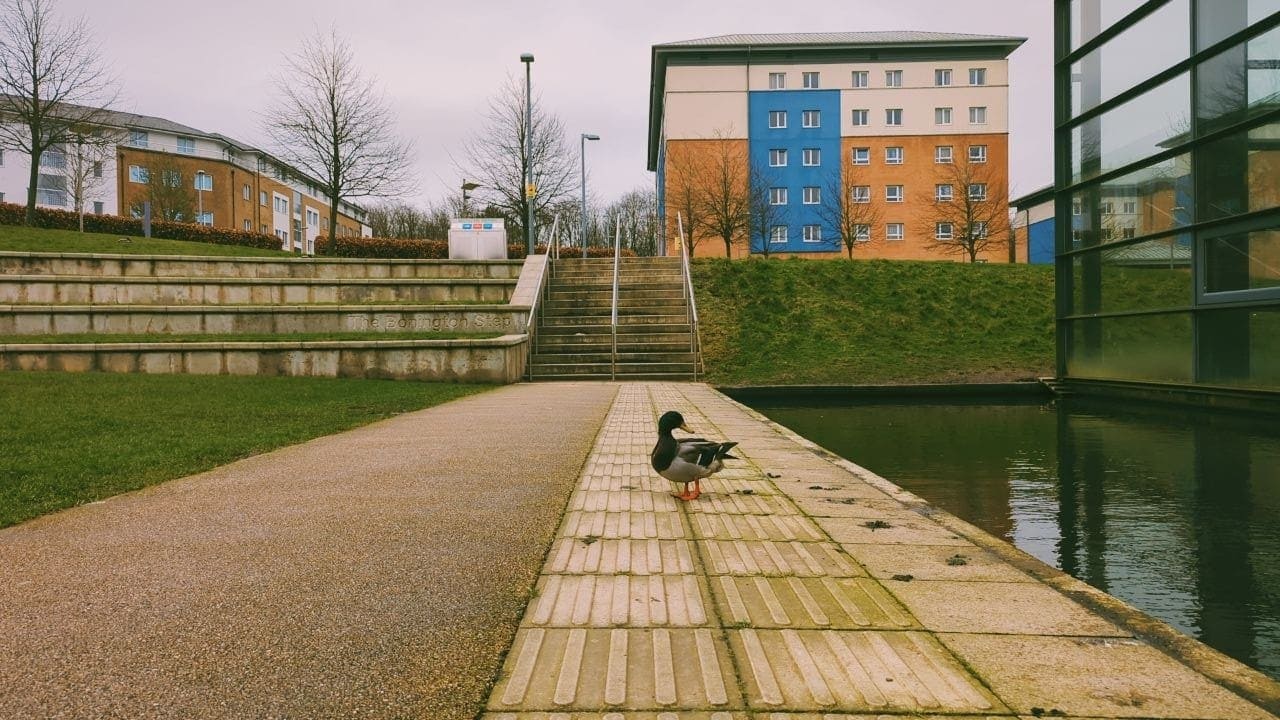
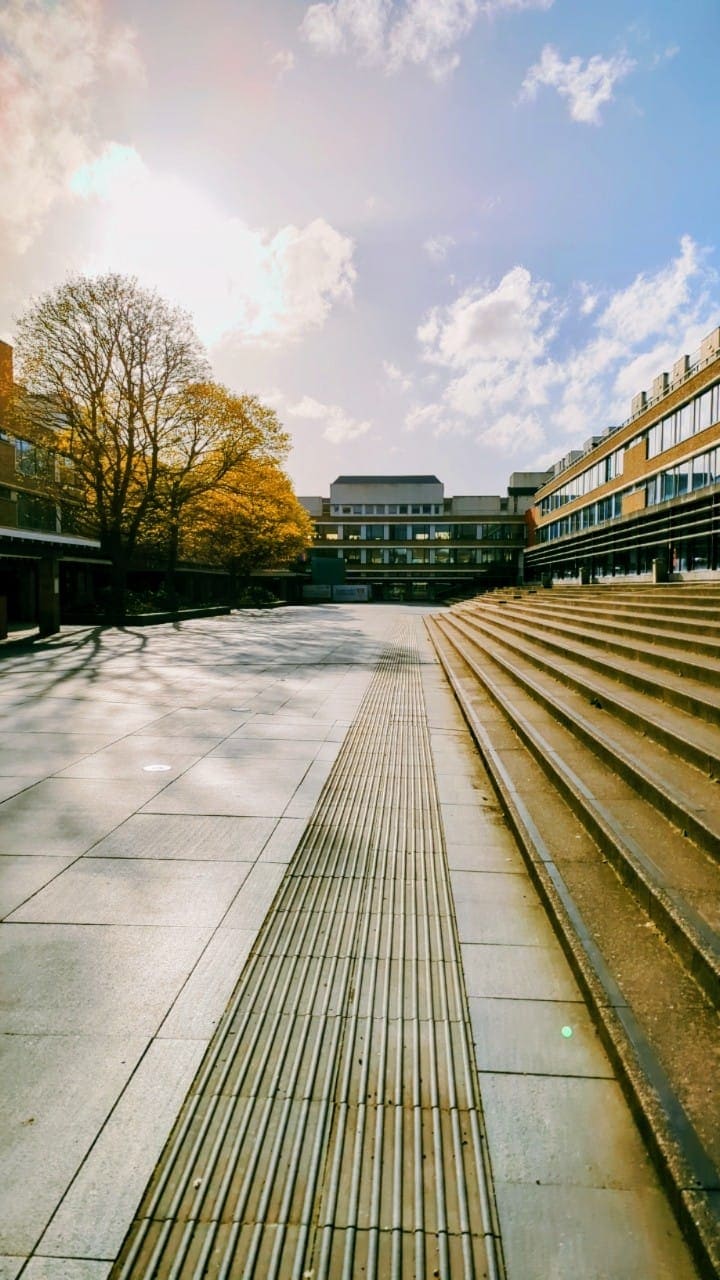
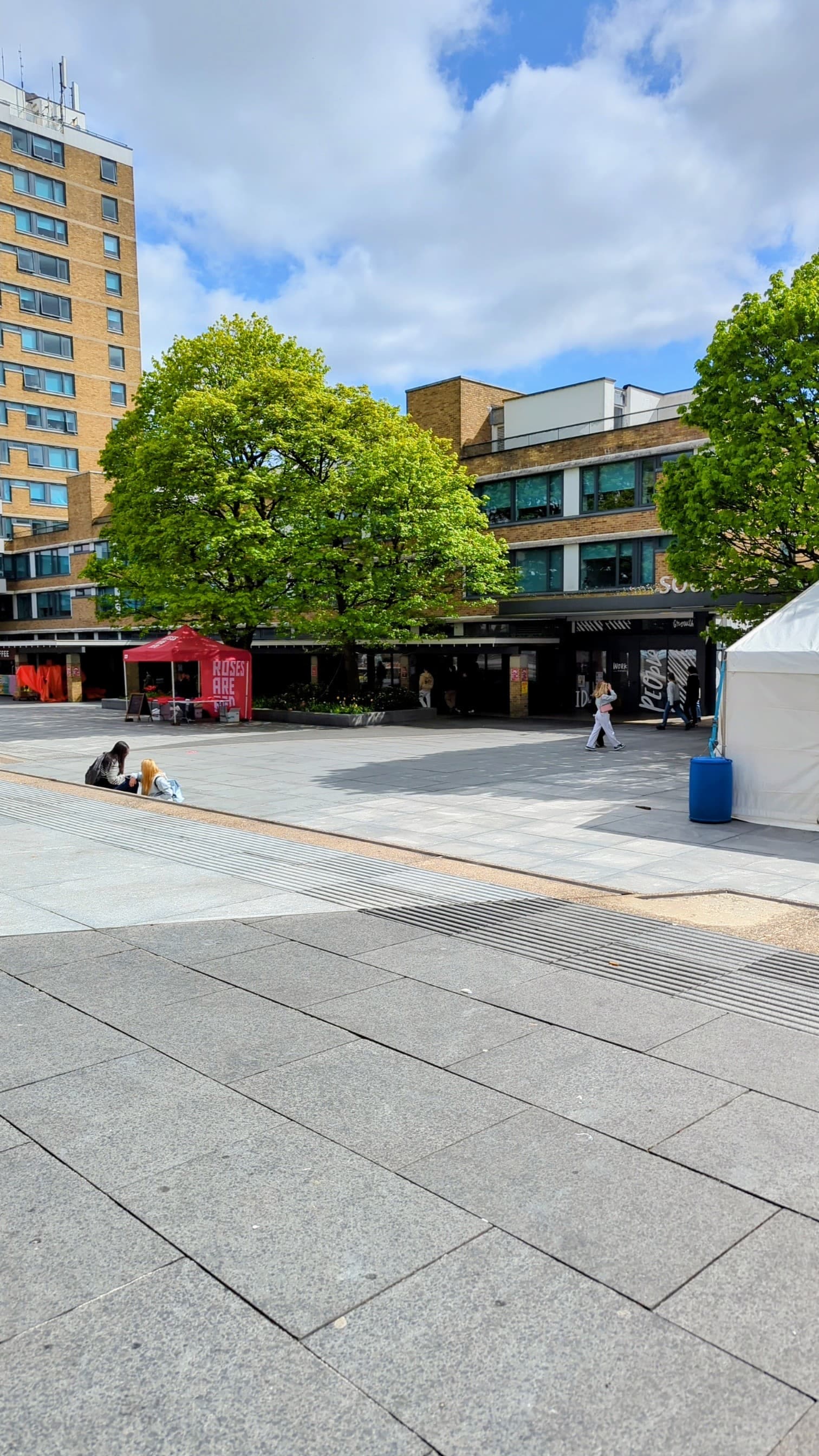
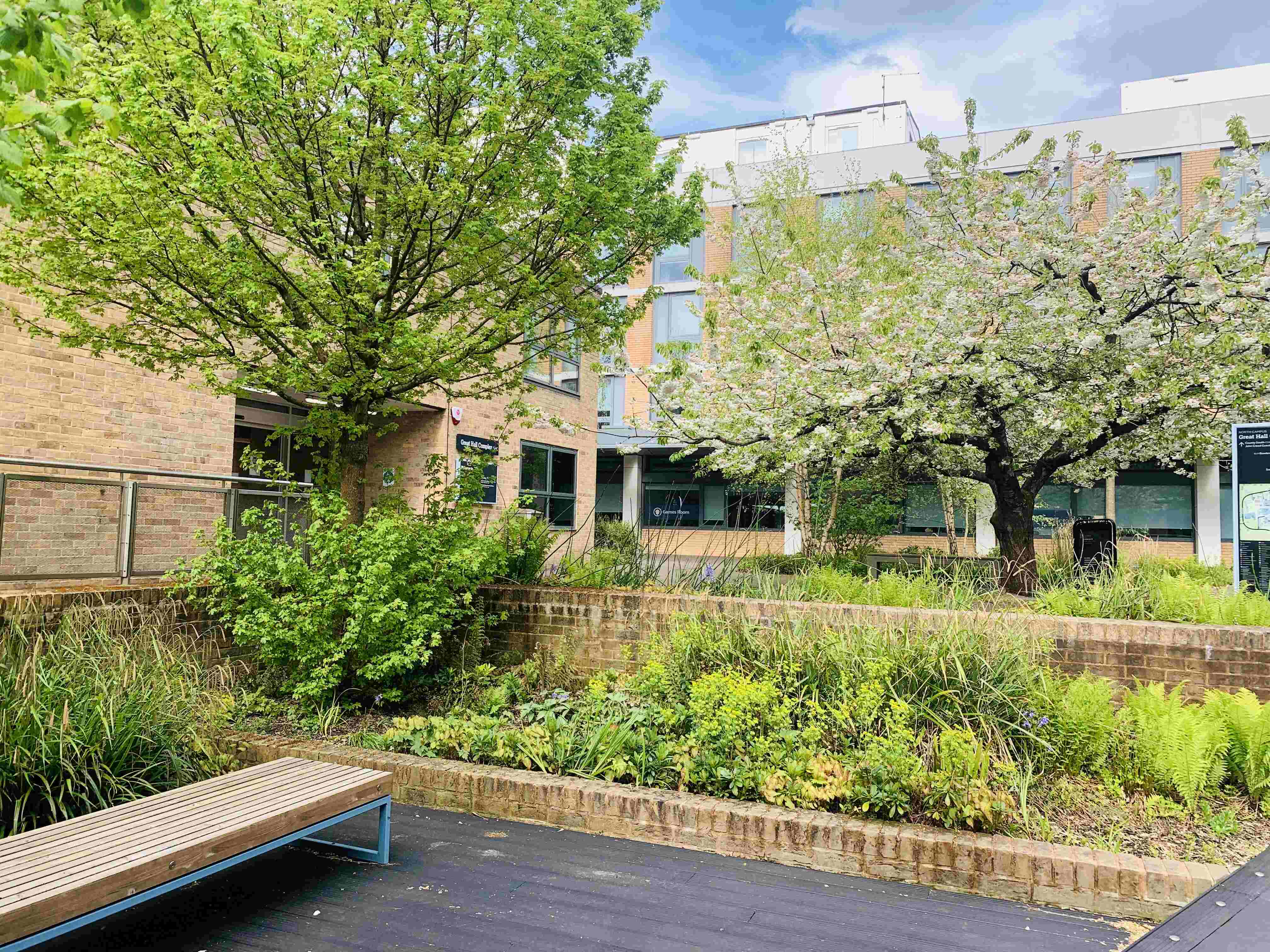
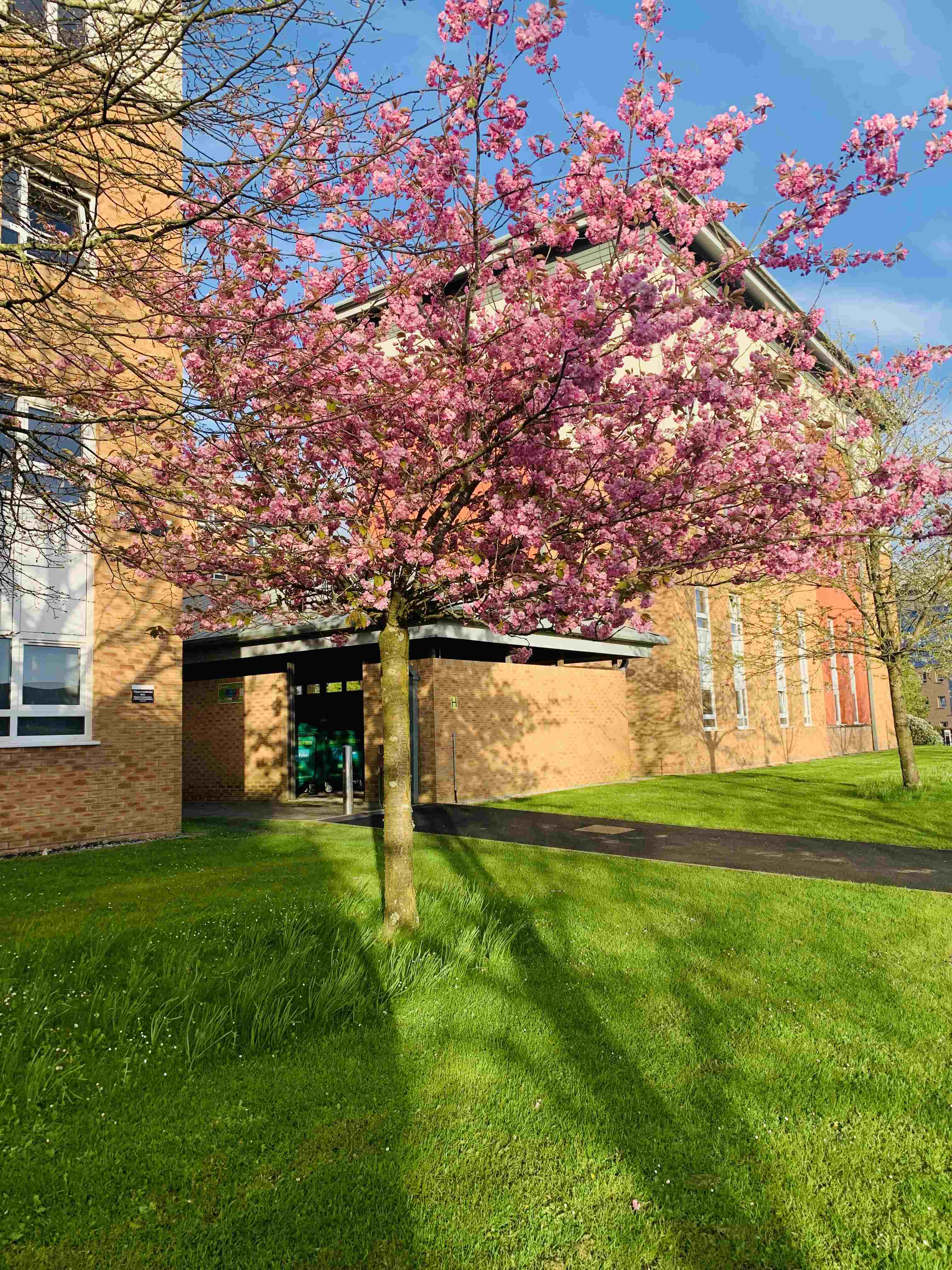
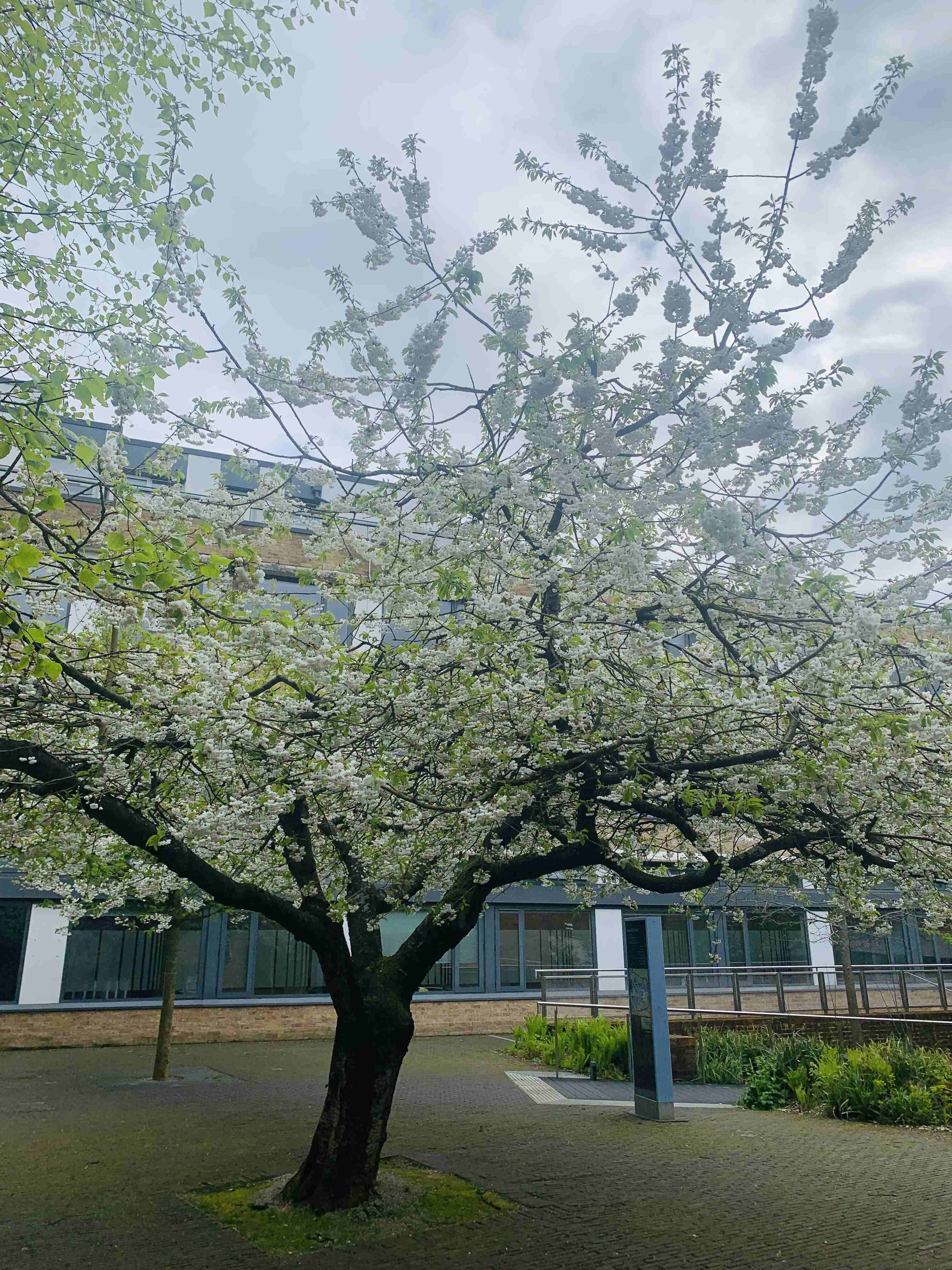
- Campus is extremely nice. Spacious, green and airy during the summers. All important places are quite easily accessible and has plenty of nook and corners with their own charm.
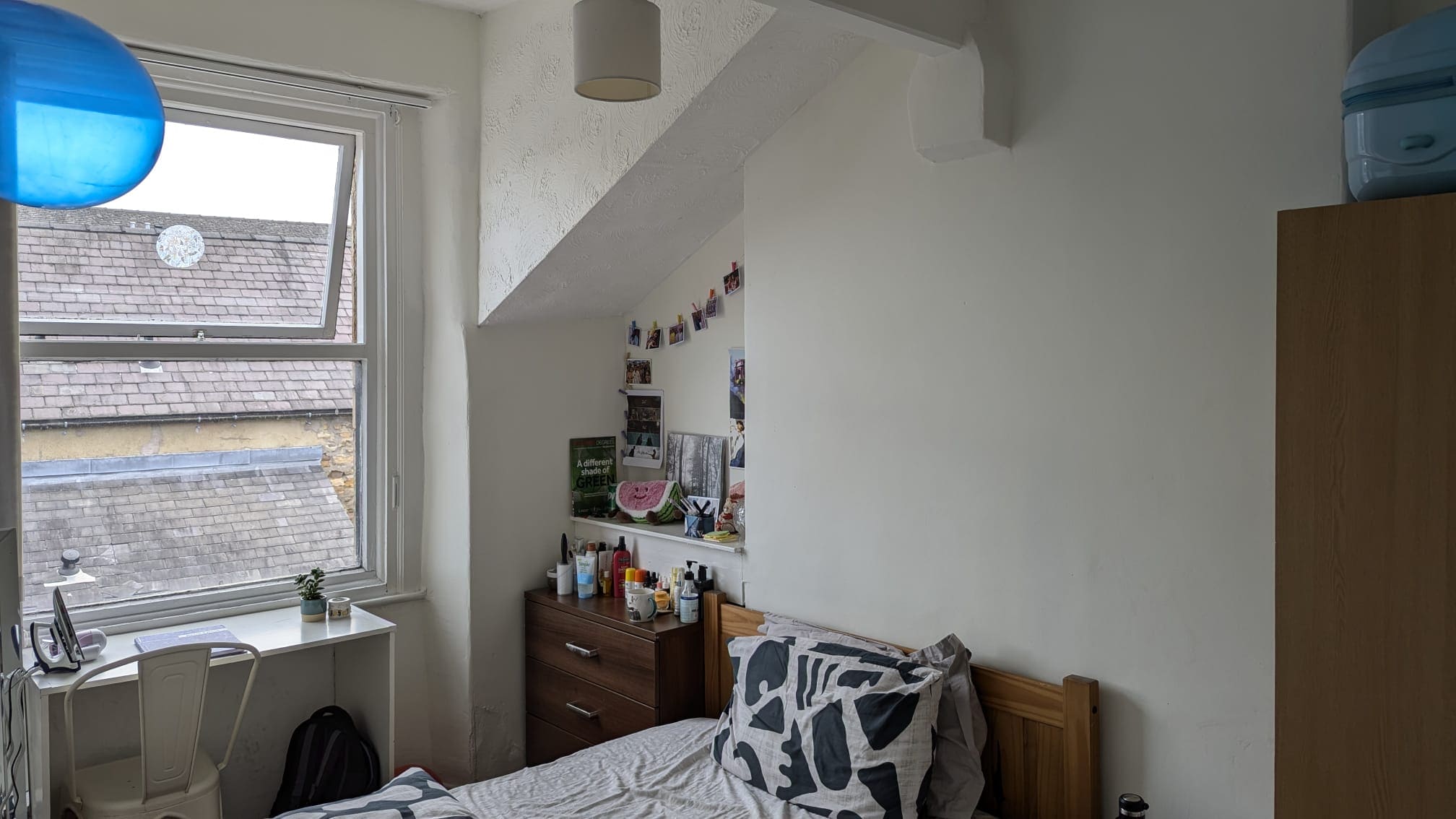
- Accommodation is expensive but worth it. The overall management is quite good and the turnaround time for any complaint is extremely quick.
Dislikes
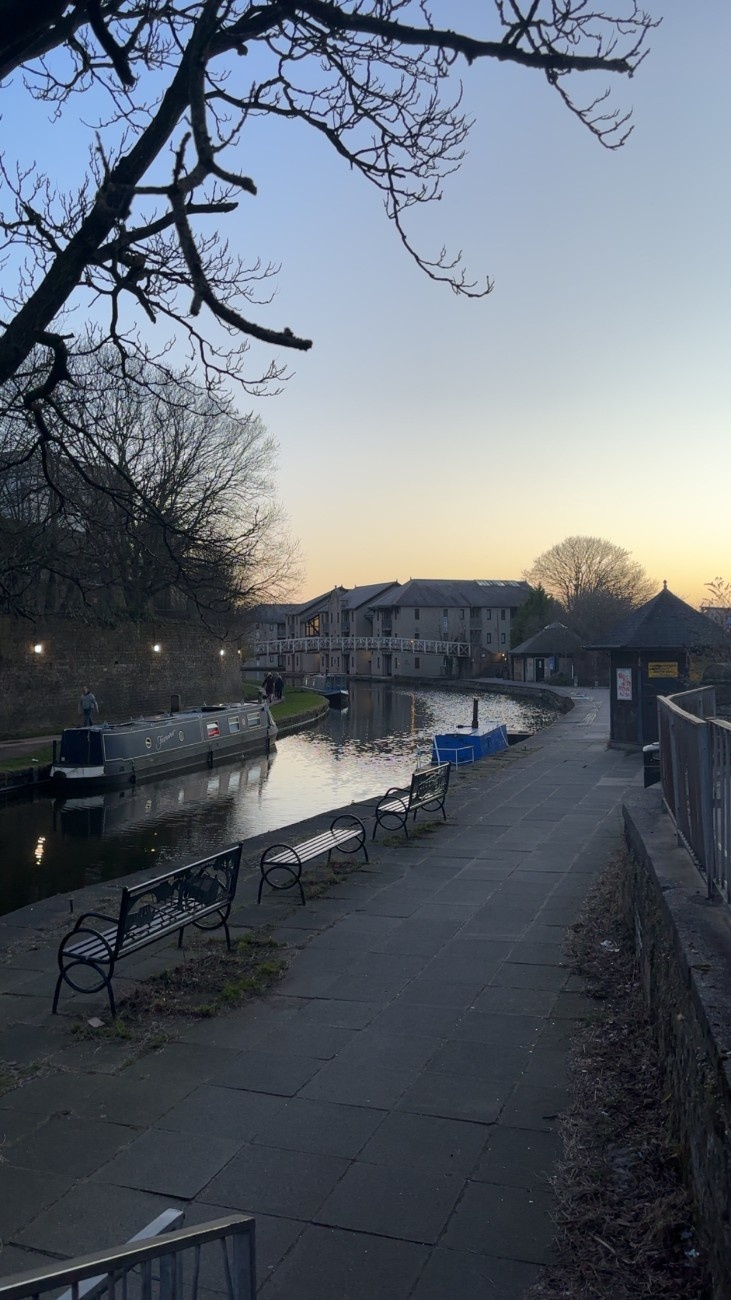
- The town is quaint. There not much to do in Lancaster. Its big enough to spend a year but beyond that it is quite a dull town.
- There's everything you need on campus from accommodation to general groceries but it is on the expensive side.
- The term is planned in a way where it has ebbs and flows. Some weeks are extremely heavy and some weeks are dull, its never in a balance.
Scholarship
- Yes, I received the Excellence Scholarship. The eligibility criteria is ambiguous but I'm assuming it is a function of the quality of your SOP and your background.
- Award Amount was £12000, which was the highest for that year.
- Most of my batchmates received scholarships with an average of around £7,000. I would say about 30% of the class receives an average scholarship of £7,000.
Likes
- Course offered by the university
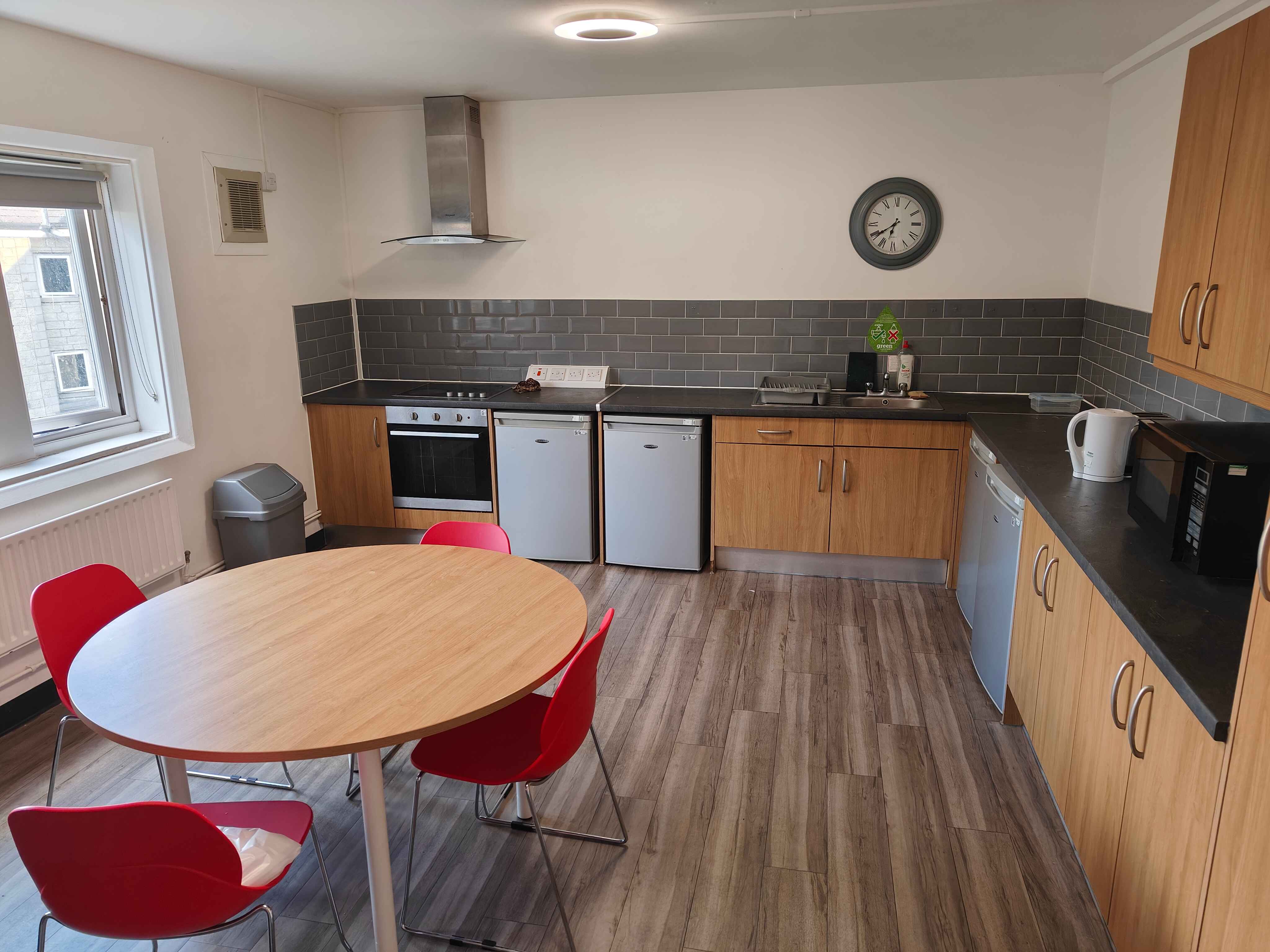
- Affordable hostel accommodation
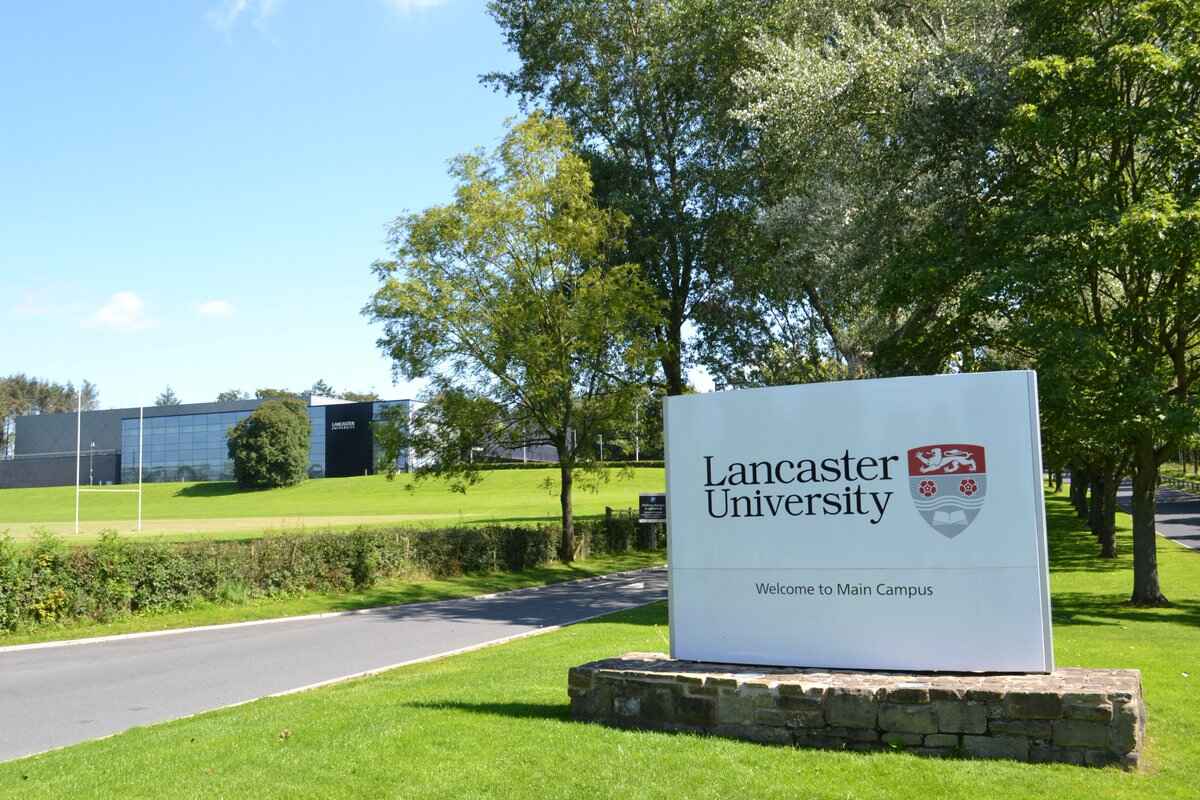
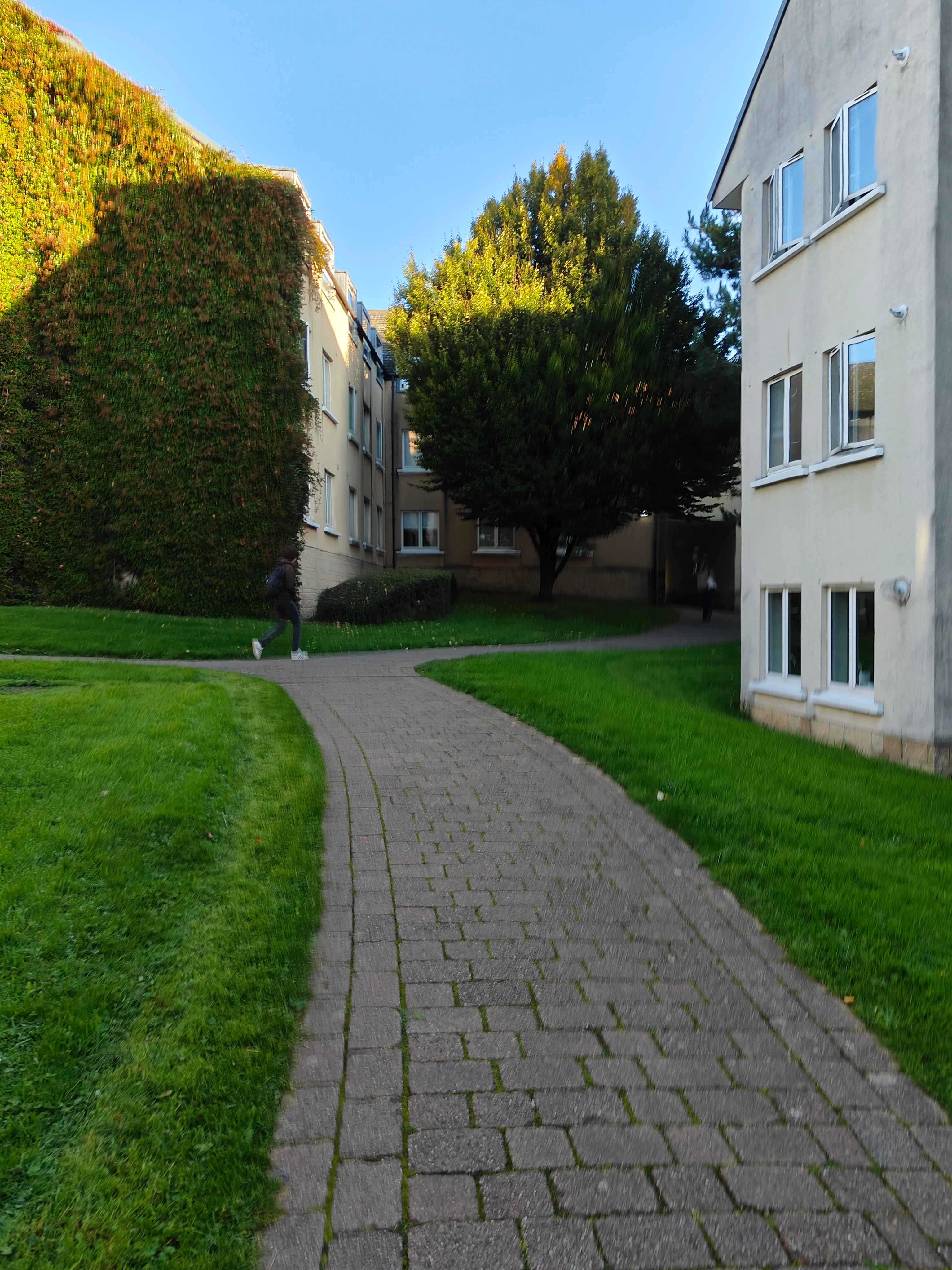
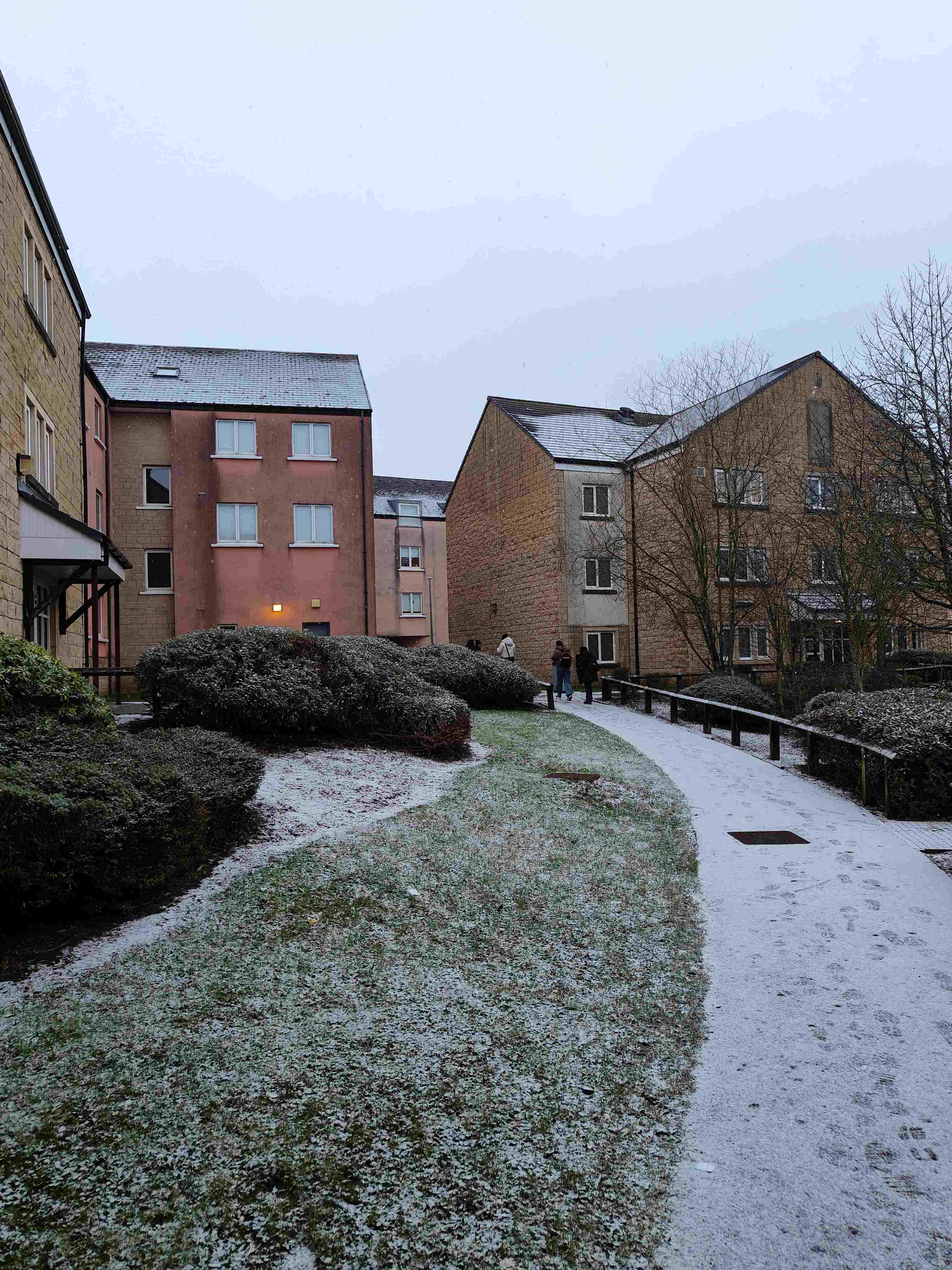
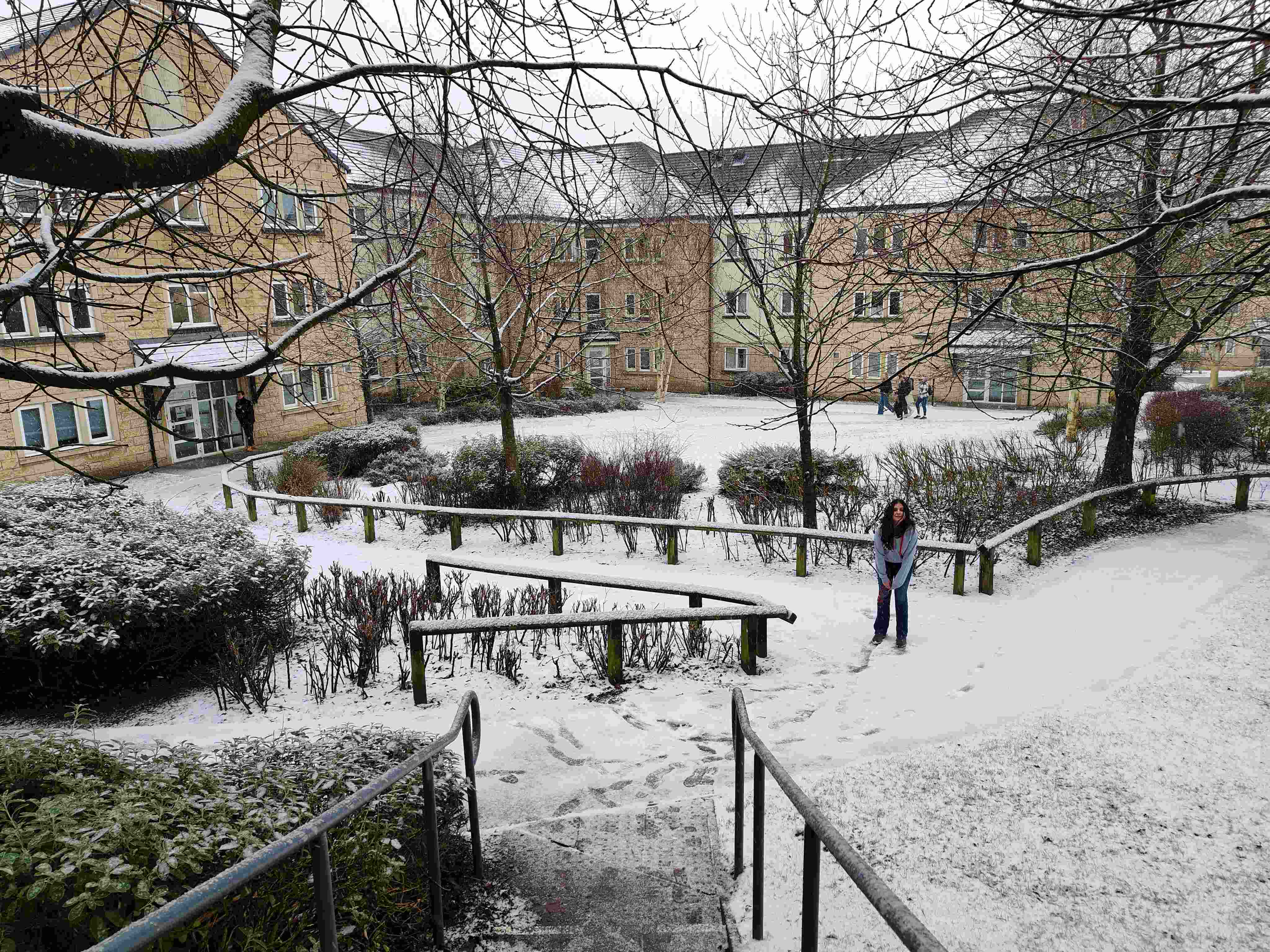
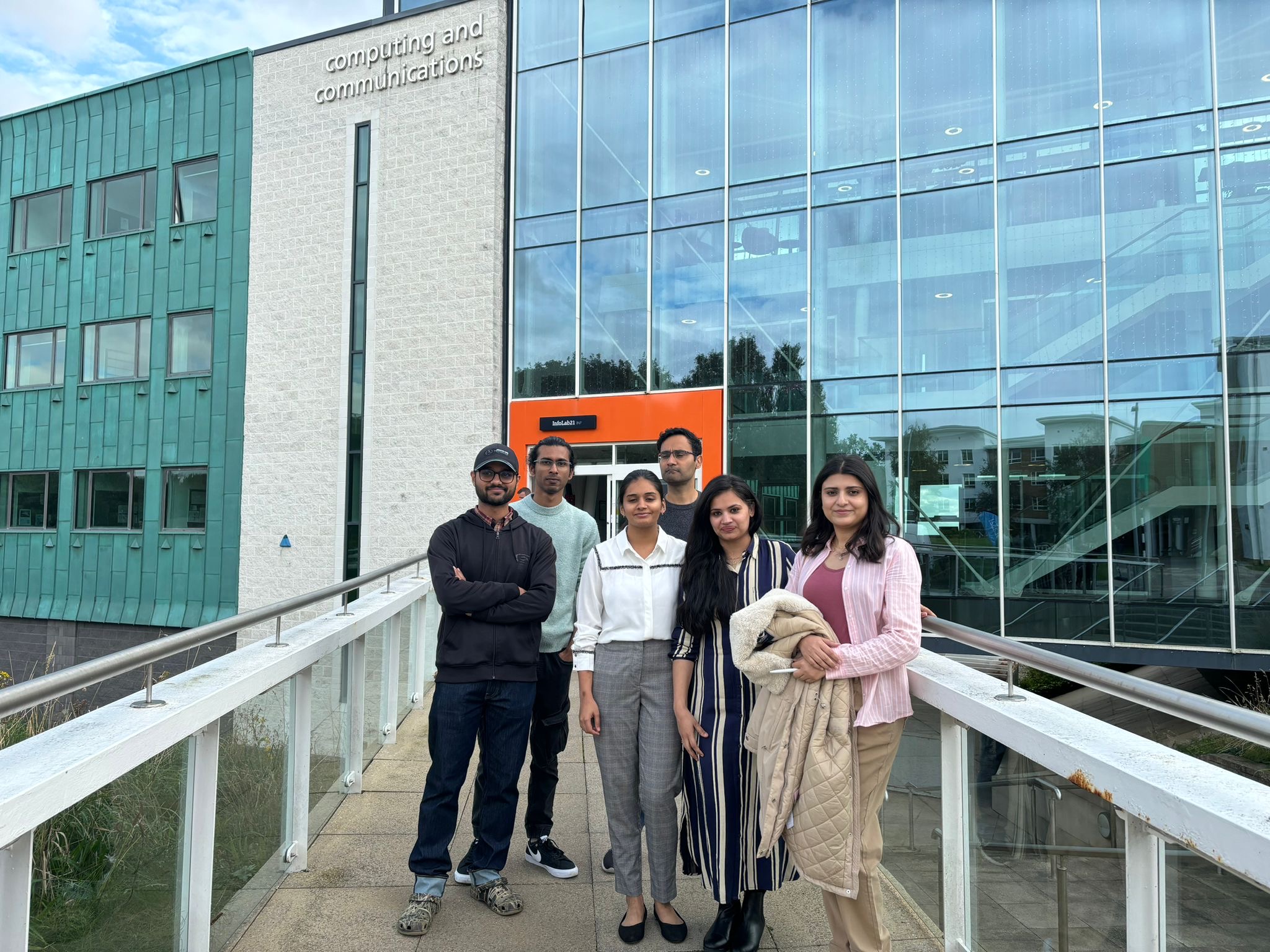
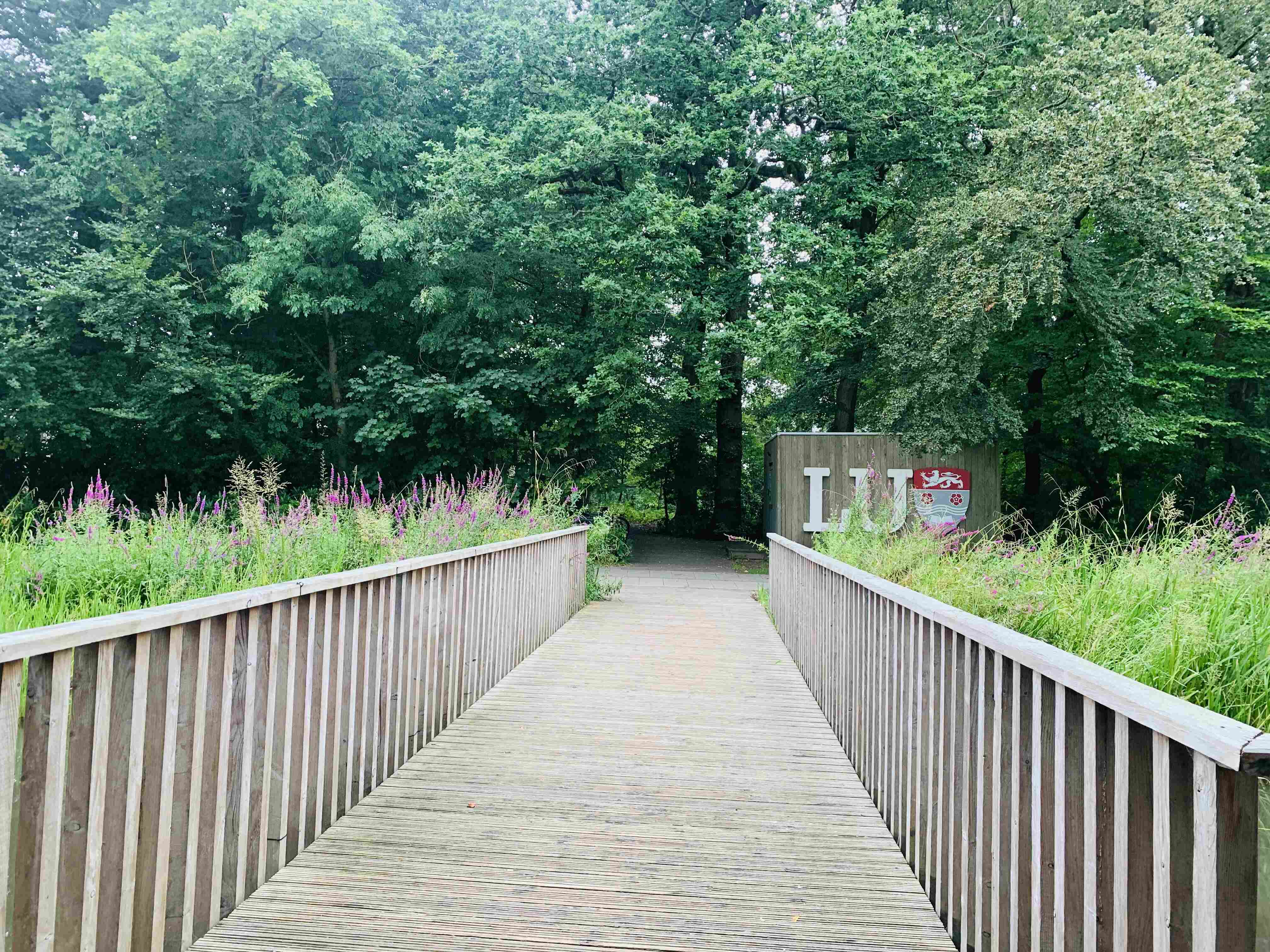
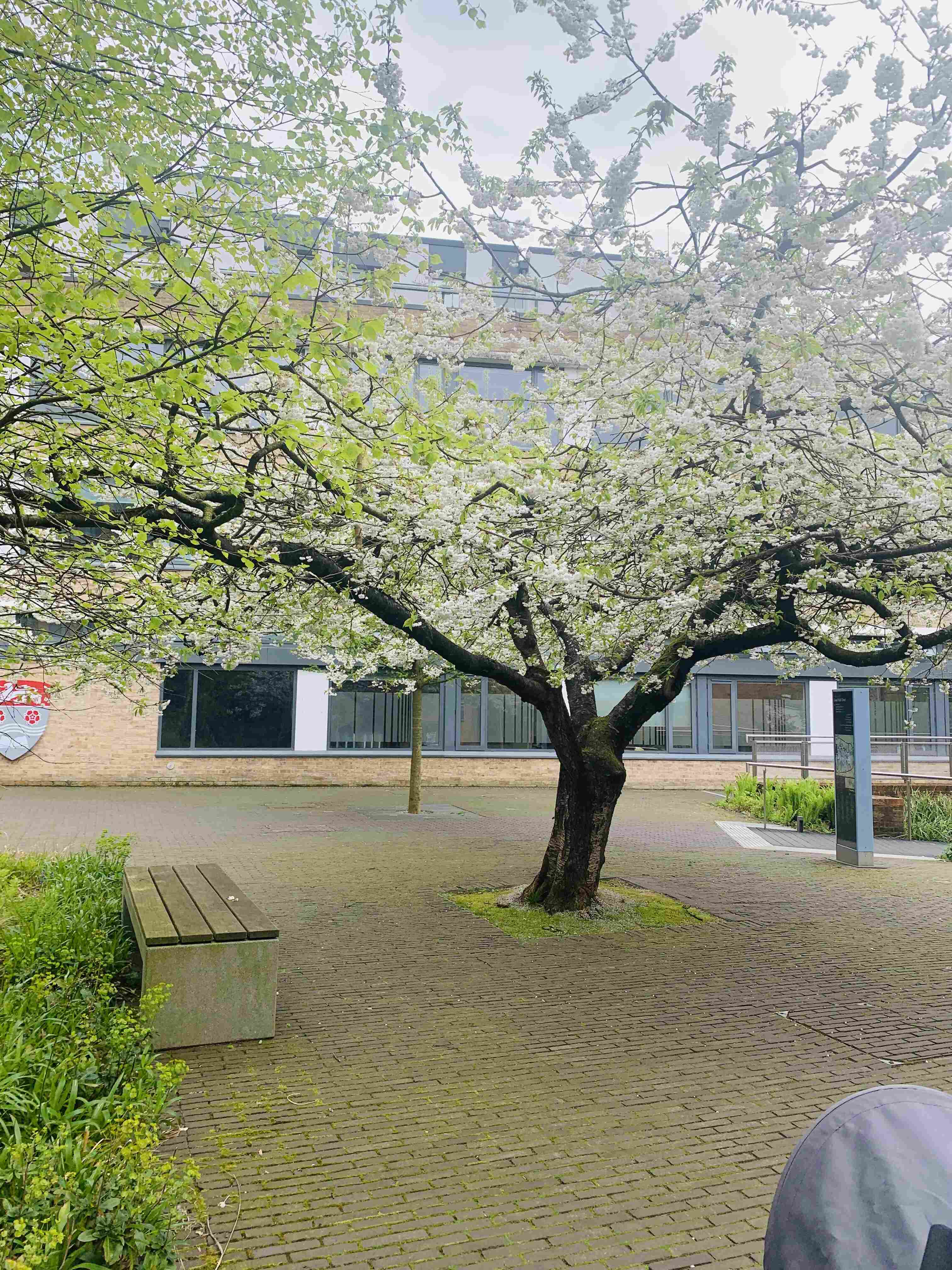
- Very scenic and beautiful campus
Dislikes
- The inability of the university to handle disciplinary issues without bias
Likes
- Good Environment - campus, library, stores, accommodation
- Pushes individual logical thinking - the projects are designed to improve the person's ability to provide logical reasoning
- The number of activities - Plenty of clubs and societies within the uni
Dislikes
- I would have been happy if I had more technical modules for my course.
- Should have dealt more with the defensive side of cyber security.
- I feel some modules were not required and could have been replaced by some other relevant mods.
Scholarship
- There are scholarships available, I hadn't applied for any. I have very little to no idea on it, other than the fact it was available.
- I have no idea on the eligibility criteria or the amount that would be sanctioned. The details about this as well are available on the uni website.
- Yes there were multiple of my classmates who had received scholarships.I have no clue exact total.

Likes
- Good syllabus, had both practical and theoretical course.
- Good international exposure.
- It had a very good academic ranking and reputation
Dislikes
- The travel time to commute to the city and the campus if staying outside the campus.
- Not much more interaction with the course mates.
- Nothing much else to dislike from the college as, it was as any other college.
Scholarship
- No, I did not receive any scholarships for my studies.
- As far as my knowledge goes some of my batchmates did have a scholarship. And the amount they received differs for each person. Based on the nature of scholarship one person had a full scholarship and another one person had a partial amount.
- One guy received 10000 GBP per term. And mostly some of the people had their companies sponsor them for this course.
Likes
- Lancaster University offered an hybrid model for studies in which along with the physical classes the recorded lectures were also provided for revising the lectures. Also if you are not able to attend any lecture you can do it later at your preferred time which I liked the most.
- Lancaster University offered extra help for international students they prepared and educated them of the challenges any individual can face during there time and provided us with the information of where we could get help from such as financial advice sessions , career preparation sessions , MATH session which is revision session for critical modules such as mathematics and statistics.
- Lancaster University offered extra support for females and mothers. I was a mother of 2 year old when I went for my studies. They offered flexibility also on campus pre school facility for kids which gave me proper time for my studies and achieve a great success in my degree.
Dislikes
- Lancaster University campus offered limited food options and because of that students need to visit the city centre frequently for fulfilling there needs.
- At Lancaster university comparatively limited placements opportunities are their students need to do their own research and work if they want to get a job after they finish there studies.
- Lancaster University is comparatively expensive in terms of tuition fees and accommodation fees which is why students prefer to find accommodation in city centre.
Scholarship
- There are limited options for scholarships and they have so much conditions to give a scholarship so there is limited options.
- A few students receive scholarship that too is just 1000 gbp which is approximately 1 lakh waive off on tuition fees otherwise students do part time jobs for funding there living expenses during there stay in lancaster.
- None of my bath mate receive any scholarships
interested in this College ?
Follow & Share this college to get information about admission.



Comments