



M.P.H from University Of Liverpool [UNI OF LIVERPOOL], Liverpool - Fees & Admission Details 2026

University of Liverpool fees for Indian students in 2026/27 sit at £27,000 to £32,000 (₹34.34 to ₹40.70 Lakhs) per year for undergraduate degrees and £32,000 to £35,500 (₹40.70 to ₹45.16 Lakhs) for the postgraduate courses Indian applicants pick most: MSc Computer Science, MSc Data Science and Artificial Intelligence, MSc Finance, MSc International Business, and the on-campus Liverpool MBA.
For a new Indian applicant with no UK visa in hand, the September 2026 intake has closed for most UG programmes and its final postgraduate cut-off is 21 August 2026, leaving Student Visa processing (3 to 8 weeks) impossibly tight. The realistic entry point is January 2027 (postgraduate only at Liverpool) or September 2027 (full choice of UG and PG).
- BSc Economics / LLB Law: £27,000 (₹34.34 Lakhs) per year
- BSc Computer Science / BSc Psychology / BEng Aerospace Engineering: £32,000 (₹40.70 Lakhs) per year
- MSc Computer Science / MSc Data Science and AI: £34,000 (₹43.25 Lakhs) full programme
- Liverpool MBA (on-campus, full-time): £35,500 (₹45.16 Lakhs) full programme
- Liverpool Achievement Scholarship for India: £5,000 (₹6.36 Lakhs) tuition discount, auto-assessed for 2:1 applicants
A one-year MSc lands at roughly ₹62 to ₹65 Lakhs all-in (tuition, 12-month Liverpool living, visa, IHS). A three-year BSc totals around ₹1.71 Crore.
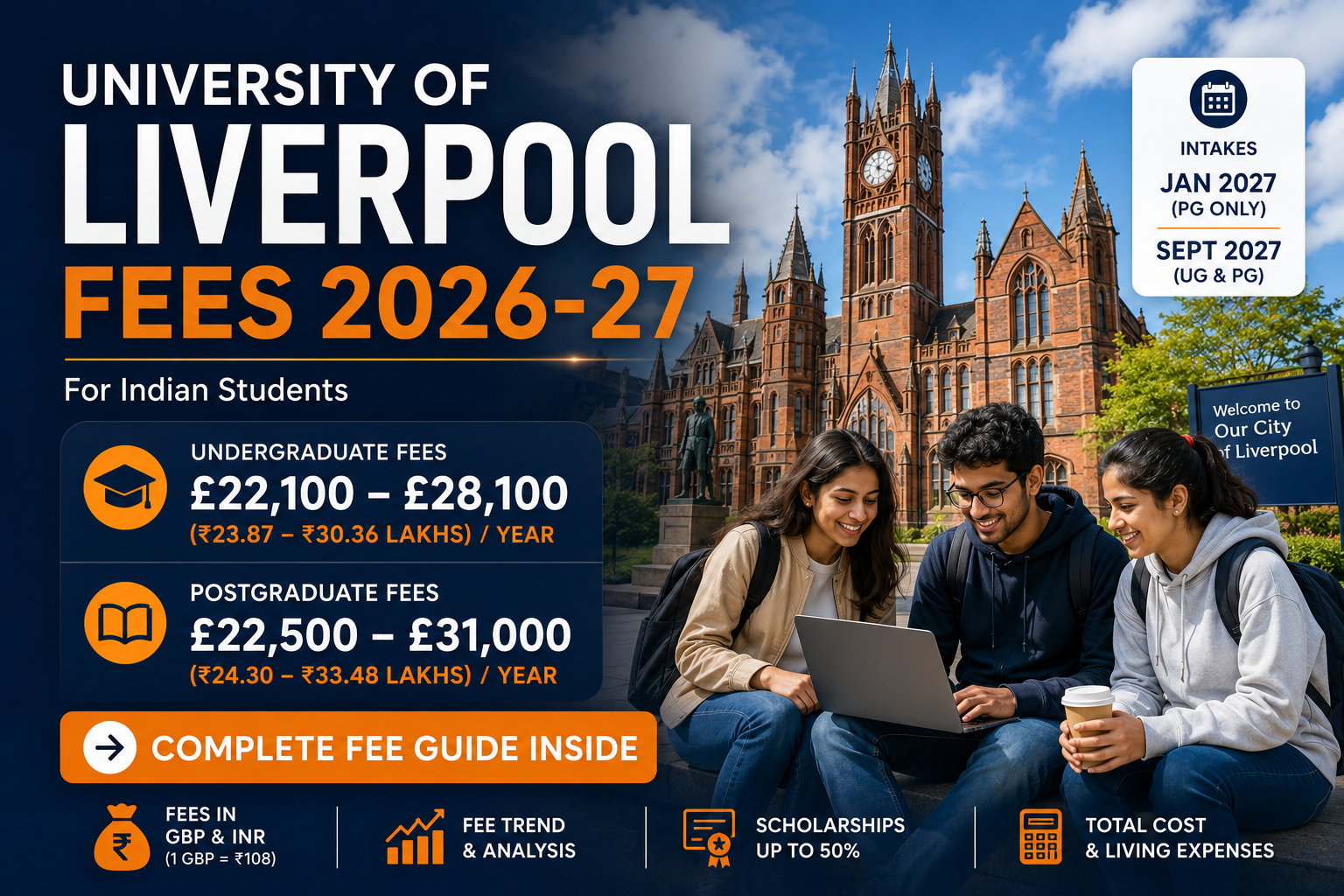
All INR figures use the rate of 1 GBP = ₹127.20, fetched on the generation date.
January 2027 and September 2027 Intakes: What Applies Right Now
Intake: September 2026 is effectively closed for new Indian applicants (final PG cut-off 21 August 2026, visa processing 3 to 8 weeks). Your realistic entry is January 2027 (PGT only, no UG start) or September 2027 (UG plus PG).
Fee update: The 2026/27 rate is the anchor for the January 2027 intake at £34,000 (₹43.25 Lakhs) for MSc Computer Science and £35,500 (₹45.16 Lakhs) for the Liverpool MBA. September 2027 moves to the 2027/28 rate; the University’s CPI-linked policy points to a rise of roughly 3 to 4%.
When to pay: Full-time postgraduate international offers carry a £2,000 (₹2.54 Lakhs) tuition fee deposit that secures your CAS and is deducted from your first-year fee.
Scholarships: The Liverpool Achievement Scholarship for India (£5,000, ₹6.36 Lakhs) and the Liverpool Attainment Scholarship for India (£2,000, ₹2.54 Lakhs) are auto-assessed on the offer. Chevening opens its 2027-28 cycle in August 2026 and closes early November 2026.
Check University of Liverpool Admissions Process →
Table of Contents
- University of Liverpool Tuition Fees by Programme
- University of Liverpool Fee Trend by Year
- Cost of Living in Liverpool for University of Liverpool Students
- Total Cost of Studying at University of Liverpool
- University of Liverpool Scholarships for Indian Students
- University of Liverpool Tuition Deposit and Payment Options
- Hidden Costs of Studying at University of Liverpool
- University of Liverpool Fee Saving Strategies for Indian Students
- Is University of Liverpool Worth the Cost for Indian Students
- FAQs
University of Liverpool Tuition Fees by Programme
Liverpool prices international tuition per course, not per faculty band, so two subjects at the same level can differ by £5,000 or more. The tables below carry the 2026/27 fee taken from each programme’s own course page.
Undergraduate Fees for International Students: 2026/27
Undergraduate applications for September 2026 have largely closed (the general international deadline was 30 June 2026). The next open UG intake is September 2027, priced at the 2027/28 rate published from October 2026 onward.
| Programme | Annual Fee (GBP) | Annual Fee (INR) | Duration |
|---|---|---|---|
| BSc Computer Science | £32,000 | ₹40.70 Lakhs | 3 years |
| BSc Economics | £27,000 | ₹34.34 Lakhs | 3 years |
| LLB Law | £27,000 | ₹34.34 Lakhs | 3 years |
| BSc Psychology | £32,000 | ₹40.70 Lakhs | 3 years |
| BEng Aerospace Engineering | £32,000 | ₹40.70 Lakhs | 3 years |
| MBChB Medicine and Surgery | £50,000 | ₹63.60 Lakhs | 5 years |
Source: individual course pages on liverpool.ac.uk, fees section, 2026/27 entry, fetched 29 July 2026. No separate application fee for undergraduate direct applications; UCAS charges its own £28.50 (₹3,625) fee.
Postgraduate Fees for International Students: 2026/27
Most Indian applicants at Liverpool are on the one-year taught Masters route. Both January 2027 and September 2027 intakes are priced under bands that Liverpool sets per programme; the figures below are what your CAS letter will state.
| Programme | Full Fee (GBP) | Full Fee (INR) | Intakes |
|---|---|---|---|
| MSc Computer Science | £34,000 | ₹43.25 Lakhs | Sep 2026 only |
| MSc Data Science and Artificial Intelligence | £34,000 | ₹43.25 Lakhs | Sep 2026 + Jan 2027 |
| MSc Finance | £32,000 | ₹40.70 Lakhs | Sep 2026 only |
| MSc International Business | £32,000 | ₹40.70 Lakhs | Sep 2026 + Jan 2027 |
| MBA (The Liverpool MBA) | £35,500 | ₹45.16 Lakhs | Sep 2026 + Jan 2027 |
Source: individual course pages on liverpool.ac.uk, fees section, 2026/27 entry, fetched 29 July 2026. Full-time postgraduate taught international offers require a £2,000 (₹2.54 Lakhs) tuition fee deposit, deducted from the total course fee.
Note: The MBA fee covers one international study trip to a European destination (accommodation and excursions included); flights and visa are on you. Check the fee section of any programme page before applying, since Liverpool prices each course independently and two Business School Masters can be £2,000 (₹2.54 Lakhs) apart.
University of Liverpool Fee Trend by Year
Liverpool publishes only current-year fees per course, not archived years. The 2026/27 news release confirms international fees rise by 3.4% for continuing students, capped at "CPI or the fee level for new international entrants, whichever is lower." New-intake fees can rise faster; MSc Computer Science moved to £34,000 (₹43.25 Lakhs) for 2026/27 from a lower prior-year figure.
| Year | MSc Computer Science (GBP) | MSc Computer Science (INR) | Basis |
|---|---|---|---|
| 2026/27 (confirmed) | £34,000 | ₹43.25 Lakhs | Liverpool course page |
| 2027/28 (projected, +3.4% CPI) | ~£35,156 | ~₹44.72 Lakhs | Applying CPI-linked policy |
Source: liverpool.ac.uk course page (confirmed 2026/27 figure); news.liverpool.ac.uk/2026/07/01/your-tuition-fees-supporting-your-education/ (3.4% CPI-linked policy). Prior-year archived rates are not published by Liverpool and are not shown here.
Key Insight: If your target is the January 2027 intake, you lock the 2026/27 rate of £34,000 (₹43.25 Lakhs) for MSc Computer Science and £35,500 (₹45.16 Lakhs) for the Liverpool MBA. Waiting for September 2027 shifts you to the 2027/28 rate, roughly ₹1.4 to ₹1.5 Lakhs more for the same one-year degree. That gap is worth around one month of Liverpool living costs, so factor it into your intake choice.
Cost of Living in Liverpool for University of Liverpool Students
Liverpool costs 20 to 30% less than London and 10 to 15% less than Manchester on rent, which is the biggest line item. A single student living outside the city centre typically spends £1,150 to £1,200 (₹1.46 to ₹1.53 Lakhs) per month across all essentials.
| Expense | Monthly (GBP) | Monthly (INR) | Annual (INR) | Notes for Indian Students |
|---|---|---|---|---|
| Accommodation (1BR outside centre or shared house) | £600 | ₹76,320 | ₹9.16 Lakhs | University halls priced £150 to £220 (₹19,080 to ₹27,984) per week; Kensington and Wavertree cheapest |
| Groceries | £220 | ₹27,984 | ₹3.36 Lakhs | Indian groceries at Rice N Spice, Liverpool Bazar, Cheung Wa |
| Utilities (heat, water, internet) | £130 | ₹16,536 | ₹1.98 Lakhs | Bundled inside university halls; separate in private lets |
| Public transport (Merseytravel monthly) | £78 | ₹9,922 | ₹1.19 Lakhs | Free walking-distance to campus from Kensington and Smithdown Road |
| Personal, phone, entertainment | £150 | ₹19,080 | ₹2.29 Lakhs | Meal at inexpensive restaurant £19 (₹2,417) |
| Total | £1,178 | ₹1,49,842 | ₹17.98 Lakhs (12 months) | UG basis (10 months): ₹14.98 Lakhs |
Source: Numbeo Liverpool cost-of-living database (numbeo.com/cost-of-living/in/Liverpool), representative student figures fetched 29 July 2026. Liverpool University’s own international finance page did not resolve at fetch time.
The UK Student Visa maintenance requirement (outside London) is currently £1,136 (₹1.44 Lakhs) per month for the first nine months, or £10,224 (₹13.00 Lakhs), which is what the visa officer wants to see in your account 28 days before applying. The Numbeo-based Liverpool spend is broadly in line with this floor.
Note: A place in university halls with utilities bundled runs £700 to £900 (₹89,040 to ₹1.14 Lakhs) per month; a house-share with three or four other students on Smithdown Road drops the same to £450 to £550 (₹57,240 to ₹69,960) per month, cutting your yearly living bill by ₹3 to ₹4 Lakhs.
Currency Tip: Your £2,000 (₹2.54 Lakhs) tuition deposit for the January 2027 intake and the visa-stage IHS payment are both due long before your September 2027 fee instalments. Send them through the university’s own international payment provider or a forex card, both save 2 to 3% over a raw bank wire, which is ₹5,000 to ₹8,000 back on the deposit alone.
Total Cost of Studying at University of Liverpool
The table below is your first-year all-in for the courses Indian students shortlist most. IHS (Immigration Health Surcharge, paid upfront with the Student Visa application) is charged for the full course length at £776 (₹98,707) per year; the Year 1 line shows what leaves your account in Year 1.
| Scenario | Tuition (INR) | Living (INR) | Visa + IHS (INR) | Total Year 1 (INR) |
|---|---|---|---|---|
| BSc Computer Science (10-mo living basis) | ₹40.70 Lakhs | ₹15.01 Lakhs | ₹3.67 Lakhs (visa + 3-yr IHS) | ₹59.38 Lakhs |
| BSc Economics (10-mo living basis) | ₹34.34 Lakhs | ₹15.01 Lakhs | ₹3.67 Lakhs (visa + 3-yr IHS) | ₹53.02 Lakhs |
| MSc Computer Science (12-mo living basis) | ₹43.25 Lakhs | ₹18.01 Lakhs | ₹1.70 Lakhs (visa + 1-yr IHS) | ₹62.96 Lakhs |
| MSc International Business (12-mo basis) | ₹40.70 Lakhs | ₹18.01 Lakhs | ₹1.70 Lakhs (visa + 1-yr IHS) | ₹60.41 Lakhs |
| Liverpool MBA (12-mo living basis) | ₹45.16 Lakhs | ₹18.01 Lakhs | ₹1.70 Lakhs (visa + 1-yr IHS) | ₹64.86 Lakhs |
| MBChB Medicine (10-mo living basis) | ₹63.60 Lakhs | ₹15.01 Lakhs | ₹5.65 Lakhs (visa + 5-yr IHS) | ₹84.25 Lakhs |
Full-programme cost lands around ₹1.71 Crore for a three-year BSc, ₹63 to ₹65 Lakhs for a one-year MSc or MBA, and ₹3.98 Crore for the five-year MBChB. On a ₹50 Lakh education loan at 10.5% over 10 years, the EMI is roughly ₹67,500 per month; on ₹1.7 Crore, closer to ₹2.3 Lakhs per month.
Key Insight: Claiming the Liverpool Achievement Scholarship for India (£5,000, ₹6.36 Lakhs) plus the Graduate Loyalty Scholarship (£5,000, ₹6.36 Lakhs, if you did your UG at Liverpool) trims a one-year MSc net cost to around ₹56.60 Lakhs. Lock this before the January 2027 registration date; the awards apply against the balance instalment, not the deposit.
University of Liverpool Scholarships for Indian Students
Liverpool’s 2026/27 India-facing awards are auto-assessed at offer stage, so no separate scholarship application form is needed for the university-side awards. Both the January 2027 and September 2027 intakes are within the current award window.
University of Liverpool Postgraduate Scholarships for 2026/27
| Scholarship | Amount (GBP) | Amount (INR) | Eligibility | How to Apply |
|---|---|---|---|---|
| Liverpool Excellence Scholarship for Postgraduates | £7,000 | ₹8.90 Lakhs | International PG students with First Class or equivalent UG | Auto-assessed on offer |
| Liverpool Achievement Scholarship for India | £5,000 | ₹6.36 Lakhs | Indian PG applicants with 2:1 or equivalent UG | Auto-assessed on offer |
| Liverpool Attainment Scholarship for India | £2,000 | ₹2.54 Lakhs | Indian PG applicants meeting offer conditions | Auto-assessed on offer |
| Graduate Loyalty Scholarship | £5,000 | ₹6.36 Lakhs | International students who did their UG at Liverpool | Auto-assessed on offer |
Source: liverpool.ac.uk/study/fees-and-funding/scholarships-and-bursaries/masters/, 2026/27 awards, fetched 29 July 2026. Awards apply as a discount against the total tuition fee.
External Indian and UK Scholarships for University of Liverpool
These are the awards Indian PG students at Liverpool actively use to bring net cost below ₹40 Lakhs. Deadlines shift each cycle; the ones below are the current published windows.
| Scholarship | Amount | Eligibility | Deadline |
|---|---|---|---|
| Chevening Scholarship (UK FCDO) | Full tuition + stipend (~₹40 Lakhs+) | 2 years’ work exp, UG degree, PG offer | Opens August 2026, closes early November 2026 |
| Inlaks Shivdasani Foundation | Up to $100,000 (₹83 Lakhs) | Indian citizens under 30, top UG | Applications open Dec 2026 for 2027-28 |
| JN Tata Endowment Loan Scholarship | ₹10 Lakhs loan-scholarship | Indian citizens for PG abroad | Application window January to March 2027 |
| KC Mahindra Scholarship | Up to ₹8 Lakhs | Indian citizens with confirmed PG offer abroad | Applications open January 2027 |
| Narotam Sekhsaria Foundation | Up to ₹20 Lakhs loan-scholarship | Indian citizens, top UG record | Applications open February 2027 |
Source: official scholarship body websites, standard eligibility for Indian PG applicants abroad.
Tip for Indian Students: Chevening is the single highest-value award for a Liverpool PG applicant, since it can zero out the ₹43.25 Lakh MSc tuition and cover living costs. Register a Chevening account when the cycle opens in August 2026 and draft your four essays before the November 2026 close, so the Liverpool Achievement Scholarship (auto-assessed) becomes your backup, not your plan.
University of Liverpool Tuition Deposit and Payment Options
A £2,000 (₹2.54 Lakhs) tuition fee deposit is required for every full-time postgraduate taught international offer for 2026/27. The deposit secures your CAS (Confirmation of Acceptance for Studies, the document needed for the Student Visa) and is deducted from your total tuition fee. Undergraduate international offers do not carry a mandatory deposit.
Methods of Payment for International Tuition
- University international payment provider: Liverpool routes overseas payments through its named provider (currently Flywire on the fee portal); saves 2 to 3% over a raw international wire
- Bank transfer / telegraphic transfer: direct wire to the university’s HSBC account; slowest and most expensive route once bank fees stack
- Forex card: useful for smaller amounts, deposits, and initial living costs; loaded at the Indian rate on the day, better than airport currency counters
- Education-loan disbursement: your Indian bank (SBI, HDFC Credila, Avanse, ICICI) can disburse directly to Liverpool against your CAS letter
Steps to Pay the Tuition Fee for International Students
- Accept your Liverpool offer in the online portal.
- Pay the £2,000 (₹2.54 Lakhs) PGT tuition deposit through the fee portal.
- Receive your CAS by email once the deposit clears.
- Apply for the UK Student Visa with the CAS number; pay the £558 (₹70,978) visa fee and full IHS upfront.
- Pay the balance tuition on the instalment schedule: full at registration, or 60% at registration and 40% in January of the same academic year.
- Keep every payment receipt (deposit, tuition, IHS, visa) in your visa file; the university and UKVI both require them.
Source: liverpool.ac.uk/feespayment/tuition-fee-deposits/ and the University’s fee payment portal, fetched 29 July 2026.
Tip for Indian Students: For the January 2027 intake, the university needs the £2,000 (₹2.54 Lakhs) deposit cleared by early December 2026 to issue your CAS in time for a Student Visa (3 to 8 weeks processing). Initiate the transfer a full 10 to 12 working days before your target CAS date; Indian bank wires clear slower than domestic UK payments and a late deposit is the single most common cause of a missed January intake.
Hidden Costs of Studying at University of Liverpool
For the January 2027 intake, your first month’s outgoings before classes start typically run ₹4 to ₹5 Lakhs across visa, IHS, deposit, flights, and initial setup. Budget these separately from tuition.
- UK Student Visa (from India): £558 (₹70,978), non-refundable
- IHS Immigration Health Surcharge: £776 (₹98,707) per year, paid upfront for full course length (₹98,707 for 1-yr MSc, ₹4.94 Lakhs for 5-yr MBChB)
- One-way flight Delhi/Mumbai to Manchester: £450 to £700 (₹57,240 to ₹89,040), higher near September
- Setup costs first month: £600 to £800 (₹76,320 to ₹1.02 Lakhs), winter clothes, bedding, utensils, SIM
- IELTS retake (if needed): ₹17,000 per attempt
- Bank transfer fees (SWIFT + FX margin): ₹4,000 to ₹8,000 per instalment if not using the university provider
- Insurance top-up (IHS excludes dental and eye): £200 to £300 (₹25,440 to ₹38,160) per year
Budget approximately ₹5 to ₹6 Lakhs for first-year hidden costs on top of tuition and living. Medicine applicants add another ₹4 Lakhs of upfront IHS because it is charged for all five years at once.
Note: Indian families most often forget the IHS. It is not a Liverpool fee, it is a UK government charge, and it is paid in full at visa stage. A 5-year MBChB student pays £3,880 (₹4.94 Lakhs) of IHS before touching a textbook.
University of Liverpool Fee Saving Strategies for Indian Students
The single most urgent lever for the January 2027 intake is confirming your scholarship stack before you pay the balance tuition, because the university applies the discount against the balance, not the deposit. Miss the window and you pay full sticker.
- Stack the Achievement + Loyalty scholarships: a 2:1 UG plus a Liverpool undergrad background saves £10,000 (₹12.72 Lakhs) on a one-year MSc, no extra form
- Share a house on Smithdown Road: £450 to £550 (₹57,240 to ₹69,960) per month vs £800+ (₹1.02 Lakhs+) in halls; annual saving ₹3 to ₹4 Lakhs
- Part-time work (20 hours during term, unlimited in vacations): at £11.44/hour (₹1,455) National Living Wage that is £915 (₹1.16 Lakhs) per month, covering rent and utilities
- Claim Section 80E on your education loan: unlimited tax deduction on interest for eight years from first repayment
- Use the Graduate Route Visa (2 years post-study work rights after any Masters): a £34,000 (₹43.25 Lakhs) tuition is paid back inside 24 to 30 months on a typical UK starting salary of £28,000 to £32,000 (₹35.62 to ₹40.70 Lakhs)
Tip for Indian Students: For the January 2027 intake, the highest-value lever is Chevening. It closes early November 2026 and pays roughly ₹40 Lakhs in tuition and stipend, more than the entire net cost of a Liverpool MSc after other scholarships. Skip it and no other single move recovers that number.
Is University of Liverpool Worth the Cost for Indian Students
Liverpool is worth the ₹63 to ₹65 Lakh MSc bill for Indian students who value Russell Group prestige and a 2-year post-study work visa; QS World rank 139 (2027) and QS UK rank 22 place it inside the UK’s top-25 research universities, ahead of most direct fee-tier peers.
Liverpool is a founding Russell Group member (1881), holds 12 subjects in QS Top 100 (2026), with Veterinary Science and Anatomy and Physiology inside the QS Top 50. THE World Rank 143 (2026) and ARWU 101-150 back the same picture: research-intensive, subject-strong, comfortably above the £34,000 (₹43.25 Lakhs) MSc price benchmark for a Russell Group Masters.
The UK Graduate Route Visa currently in force gives Masters graduates 2 years of unrestricted post-study work rights (3 years for PhD). At a typical UK graduate starting salary of £28,000 to £32,000 (₹35.62 to ₹40.70 Lakhs), a ₹50 Lakh loan at 10.5% carries a ₹67,500 monthly EMI, comfortably below the ₹2.3 Lakh gross monthly of a mid-band Liverpool graduate salary.
Key Insight: A one-year MSc net cost of ₹56.60 Lakhs (after the Achievement + Loyalty stack) pays back inside 3 to 4 years of post-study UK salary at a Russell Group graduate rate. That payback horizon holds for the January 2027 intake at the current 2026/27 fee and is the number that makes the Liverpool bill a defensible financial decision for a first-generation international MSc applicant.
Budget ₹63 to ₹65 Lakhs total for a one-year MSc at University of Liverpool or ₹1.71 Crore for a three-year BSc, targeting the January 2027 or September 2027 intake with a £2,000 (₹2.54 Lakhs) deposit cleared 10 working days before your CAS date. A 2:1 undergraduate takes the net down by ₹6.36 Lakhs via the auto-assessed Achievement Scholarship for India; a Chevening win takes it to zero. On a ₹50 Lakh loan the EMI is ₹67,500 per month, payable inside 3 to 4 years of post-study UK salary under the current Graduate Route.
FAQs
Ques. What is the total cost of a one-year MSc at University of Liverpool for Indian students?
Ans. Total first-year cost is ₹63 to ₹65 Lakhs for a one-year MSc: ₹43.25 Lakhs tuition (MSc Computer Science / Data Science and AI at £34,000), ₹18.01 Lakhs Liverpool living for 12 months, and ₹1.70 Lakhs visa plus one-year IHS. Auto-assessed scholarships can pull the net down to ₹56 to ₹58 Lakhs.
Ques. What is the tuition fee deposit for University of Liverpool international students?
Ans. Every full-time postgraduate taught international offer for 2026/27 carries a £2,000 (₹2.54 Lakhs) tuition fee deposit. It secures your CAS letter, is deducted from your total fee, and must clear the university account before the CAS is issued. Undergraduate international offers do not require a mandatory deposit.
Ques. What scholarships does University of Liverpool offer to Indian students?
Ans. Four India-relevant Liverpool awards for 2026/27: the Liverpool Excellence Scholarship for Postgraduates (£7,000, ₹8.90 Lakhs, First Class UG), Liverpool Achievement Scholarship for India (£5,000, ₹6.36 Lakhs, 2:1 UG), Liverpool Attainment Scholarship for India (£2,000, ₹2.54 Lakhs), and Graduate Loyalty Scholarship (£5,000, ₹6.36 Lakhs, Liverpool UG alumni). All four are auto-assessed on the offer, no separate application required.
Ques. Can I pay University of Liverpool tuition in instalments?
Ans. Yes. Both undergraduate and Masters international students can pay tuition in full at registration or in two instalments split 60% at registration and 40% in January of the same academic year. Postgraduate research students split into three equal instalments instead. The initial £2,000 (₹2.54 Lakhs) PGT deposit counts toward the first instalment.
Ques. What is the cost of living for an Indian student in Liverpool?
Ans. Monthly living costs sit around £1,178 (₹1,49,842) for a single student outside the city centre, covering shared accommodation £600 (₹76,320), groceries £220 (₹27,984), utilities £130 (₹16,536), Merseytravel monthly pass £78 (₹9,922), and personal £150 (₹19,080). Annual living totals ₹17.98 Lakhs on a 12-month PG basis or ₹14.98 Lakhs on a 10-month UG basis.
Ques. What is the fee for MBChB Medicine at University of Liverpool for Indian students?
Ans. MBChB Medicine and Surgery international tuition is £50,000 (₹63.60 Lakhs) per year for 2026/27, flat across all five years. Full-programme tuition alone reaches £250,000 (₹3.18 Crore); with 5-year IHS upfront (£3,880, ₹4.94 Lakhs), living costs, and visa, total programme cost lands near ₹3.98 Crore.
Ques. Is the Liverpool MBA worth the fee for Indian students?
Ans. The Liverpool MBA is £35,500 (₹45.16 Lakhs) for 2026/27 with a one-year Russell Group brand, one European study trip included, and a 2-year post-study work visa. Total first-year cost is around ₹64.86 Lakhs; on a ₹50 Lakh loan the EMI is ₹67,500 per month, payable inside 3 to 4 years of typical post-MBA UK salary of £45,000 to £55,000 (₹57.24 to ₹69.96 Lakhs).
Ques. Are there scholarships for undergraduate Indian students at University of Liverpool?
Ans. Liverpool’s India-specific awards (Achievement and Attainment Scholarship for India) are postgraduate-only. Undergraduate Indian students should target Chevening (PG only, not open for UG), Inlaks (UG students under 30, second year onward), and the university’s own international undergraduate bursaries listed on its scholarships page. External Indian awards like KC Mahindra are also UG-eligible.
Ques. Can I work part-time to cover Liverpool living costs?
Ans. Yes, the UK Student Visa allows 20 hours per week during term and unlimited hours in vacations. At the £11.44/hour (₹1,455) National Living Wage, 20 hours a week is roughly £915 (₹1.16 Lakhs) per month, which covers rent and utilities in a shared Smithdown Road house. Retail, hospitality, and campus roles at Liverpool typically pay this rate.
Ques. What forex method saves the most on Liverpool tuition transfers?
Ans. The university’s own international payment provider (Flywire on the current portal) undercuts a raw SWIFT wire by 2 to 3%, which is ₹5,000 to ₹8,000 saved on the £2,000 (₹2.54 Lakhs) deposit and ₹80,000 to ₹1.20 Lakhs on the £32,000 (₹40.70 Lakhs) full tuition. Compare the provider rate against SBI or HDFC Credila’s own remittance channel on the day; the winner shifts with market spreads.
Ques. Do I need to submit English test scores to get a scholarship at University of Liverpool?
Ans. Liverpool’s four India-relevant PG scholarships are auto-assessed on offer status, which means your English test score (IELTS 6.5 overall for most PGT programmes, 7.0 for Law and Medicine) only needs to meet the admission threshold, not a separate scholarship bar. External awards like Chevening require IELTS or equivalent before applying.
Ques. When does the September 2027 intake open for Indian applicants?
Ans. Undergraduate September 2027 applications route through UCAS from September 2026 onward, with the standard equal-consideration deadline of 15 January 2027; the international deadline runs to 30 June 2027. Postgraduate September 2027 applications open October 2026 on the Liverpool portal; most Masters courses close 21 August 2027 with the 2027/28 fee schedule (roughly 3 to 4% higher than 2026/27 under the CPI-linked policy).
Popular Programs and Important Dates
| Program | Important Dates | Fees | Application Fees | Eligibility | Financial Aid |
|---|---|---|---|---|---|
MBA Business Administration 12 months | Spring 2027 intake application deadline (18th Dec 2026) | USD 47,925 /Yr GBP 35,500 /Yr | - | IELTS: 6.5, TOEFL: 4.5, PTE: 61, Duolingo: 125, Bachelor's Degree | |
Spring 2027 intake application deadline (18th Dec 2026) | USD 45,900 /Yr GBP 34,000 /Yr | - | IELTS: 6.5, TOEFL: 4.5, PTE: 61, Duolingo: 125, Bachelor's Degree | ||
MS Business Analytics and Big Data 12 months | USD 43,200 /Yr GBP 32,000 /Yr | - | IELTS: 6.5, TOEFL: 4.5, PTE: 61, Duolingo: 125, Bachelor's Degree | ||
MSc Advanced Computer Science 12 months | Spring 2027 intake application deadline (18th Dec 2026) | USD 45,900 /Yr GBP 34,000 /Yr | - | IELTS: 6.5, TOEFL: 4.5, PTE: 61, Duolingo: 125, Bachelor's Degree in Computer Science | |
BS Computer Science 3 years | Fall 2027 intake application deadline (13th Jan 2027) | USD 43,200 /Yr GBP 32,000 /Yr | 29 | IELTS: 6.0, TOEFL: 4.5, PTE: 59, Duolingo: 115, High School Diploma | |
MSc International Business 12 months | Spring 2027 intake application deadline (18th Dec 2026) | USD 43,200 /Yr GBP 32,000 /Yr | - | IELTS: 6.5, TOEFL: 4.5, PTE: 61, Duolingo: 125, Bachelor's Degree | |
L.L.B 3 years | Course Start Date (28th Sep 2026) | USD 36,450 /Yr GBP 27,000 /Yr | 29 | Grade: 70-85%, IELTS: 6.5, TOEFL: 88, Duolingo: 125, PTE: 61 | |
BS Dental Surgery 5 years | Fall 2027 intake application deadline (15th Oct 2026) | USD 68,850 /Yr GBP 51,000 /Yr | 29 | IELTS: 7.0, TOEFL: 5, PTE: 69 | |
BEng Aerospace Engineering 3 years | Fall 2027 intake application deadline (13th Jan 2027) | USD 43,200 /Yr GBP 32,000 /Yr | 29 | IELTS: 6.0, TOEFL: 4, PTE: 59, Duolingo: 115, High School Diploma | |
Fall 2027 intake application deadline (13th Jan 2027) | USD 43,200 /Yr GBP 32,000 /Yr | 29 | IELTS: 6.0, TOEFL: 4, PTE: 59, Duolingo: 115, High School Diploma |
Do you think the Dates are wrong ? Report Here
Course Finder - Search from 50K+ courses
Popular Streams:
University of Liverpool Reviews
Most Popular Tags
28 Reviews Found
Likes
- The university was great
- The professors were great and helpful. The university administration and professors were always available to clear doubts and any issues students faced.
- I was particularly happy about the Archaeology Labs University of Liverpool offered.
Course Curriculum
- The course and syllabus were up to date and relevant. I have been allowed to interact with some of the top professionals in my field, as well as to gain the laboratory skills required for future research. I usually had two to three classes on some days and none on others.
Fees
- My tuition was GBP 20100
Dislikes
- I do not dislike anything as such, but I'd love Uni of Liverpool to bring delegates for campus placements which will help their students land jobs or internships with a good guidance and that'll be a good kickstart to their career.
Course Curriculum
- The research degrees are to the point.
- We had guest lectures, so we knew employee relationships, business management, and more from the people working in the industry.
Fees
- It was approximately £25000 after deducting the scholarship.
Likes
- Quality of Education
- Professional Exposure
- Vibrant Culture
Dislikes
- Limited On-campus Accomodation options
- Not a London-level job market
- Everchanging weather
Course Curriculum
- The course difficulty level was high as the assignments ranged from practical exposure to industrial visits. Dissertation topics were also considered as part of your degree completion.
- The most positive aspect of my course was the course design, and the only negative was the class size.
- Classes ranged from 3 to 4 classes per week and from 10 AM to 5 PM UK time, depending on the availability of the professors and timetable.
- Indian students enrolled - 70
- Others - 40
Fees
- My full fees were 28500GBP.
- I was awarded a £ 5000 scholarship due to my academic excellence, which reduced my fees to £ 23500.
- There is a payment structure to follow while paying the fees. 60% while enrolling and 40% in January. 2000GBP was the deposit which got later deducted.
- Monthly expenses were around 1000GBP. 500 for accommodation, 500 for travelling, and groceries.

Likes
- Industry-relevant curriculum (SQL, Python, Tableau, Predictive Modeling).
- Exposure to real business case studies.
- Practical assignments instead of only theoretical exams .Diverse international student community.
Dislikes
- Limited structured campus placements. Accommodation costs were high.
- Some modules felt slightly rushed due to one-year course format.
Course Curriculum
-
The curriculum was industry-aligned and updated. Core modules included:
- Data Mining
- Machine Learning
- Business Intelligence
- Big Data Technologies
- Statistical Modelling
- Industrial Exposure:
- Case study-based assignments
- Dissertation project (real-world dataset)
- Some students worked on live company projects
- Class Structure:
- 2–3 classes per day
- Usually 2-hour lectures
- Average class size: 40–60 students
- The teaching style was interactive and research-focused.
Fees
- GBP 24000 (excluding scholarship) - I had 40% Scholarship
Likes
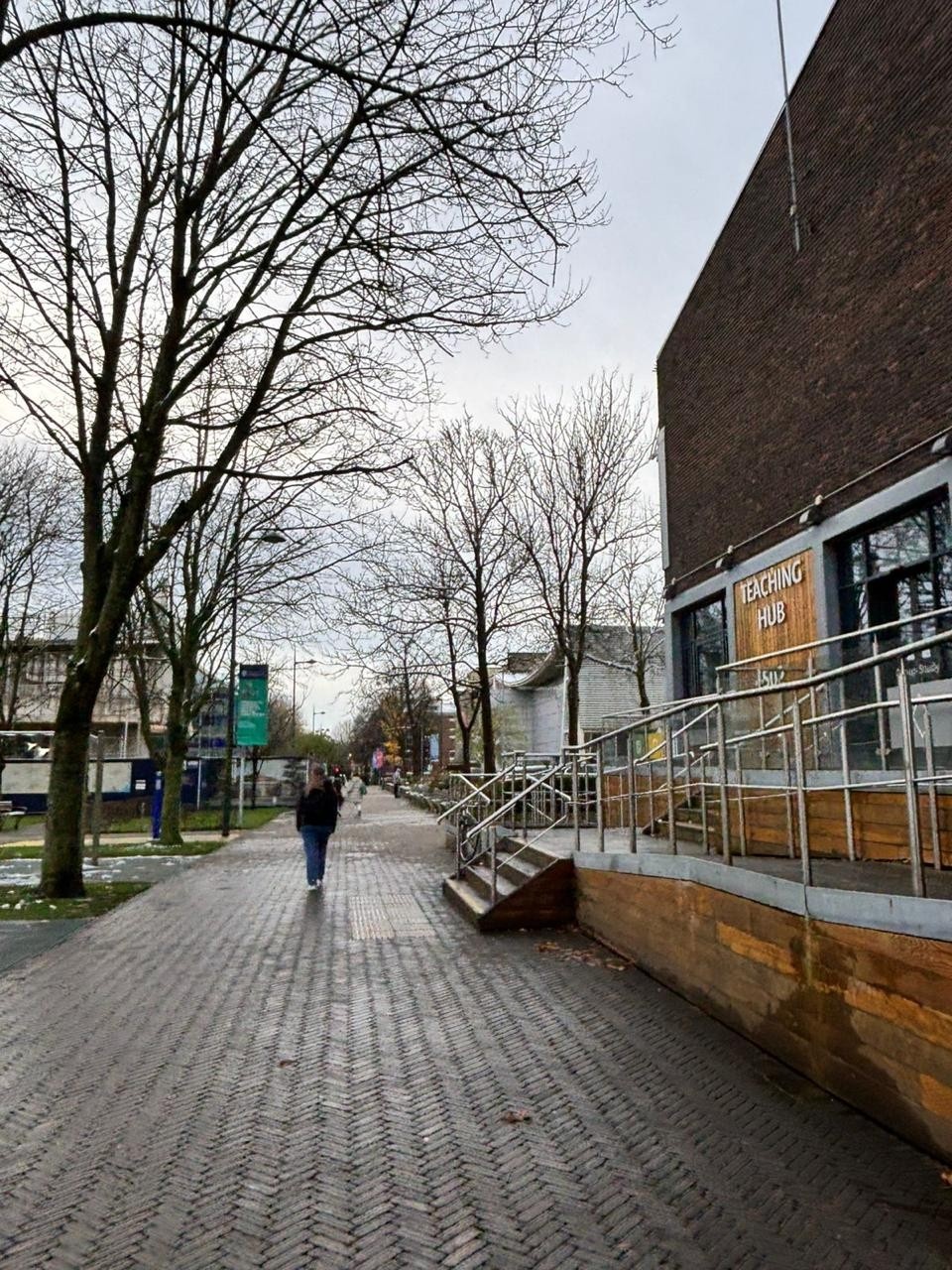
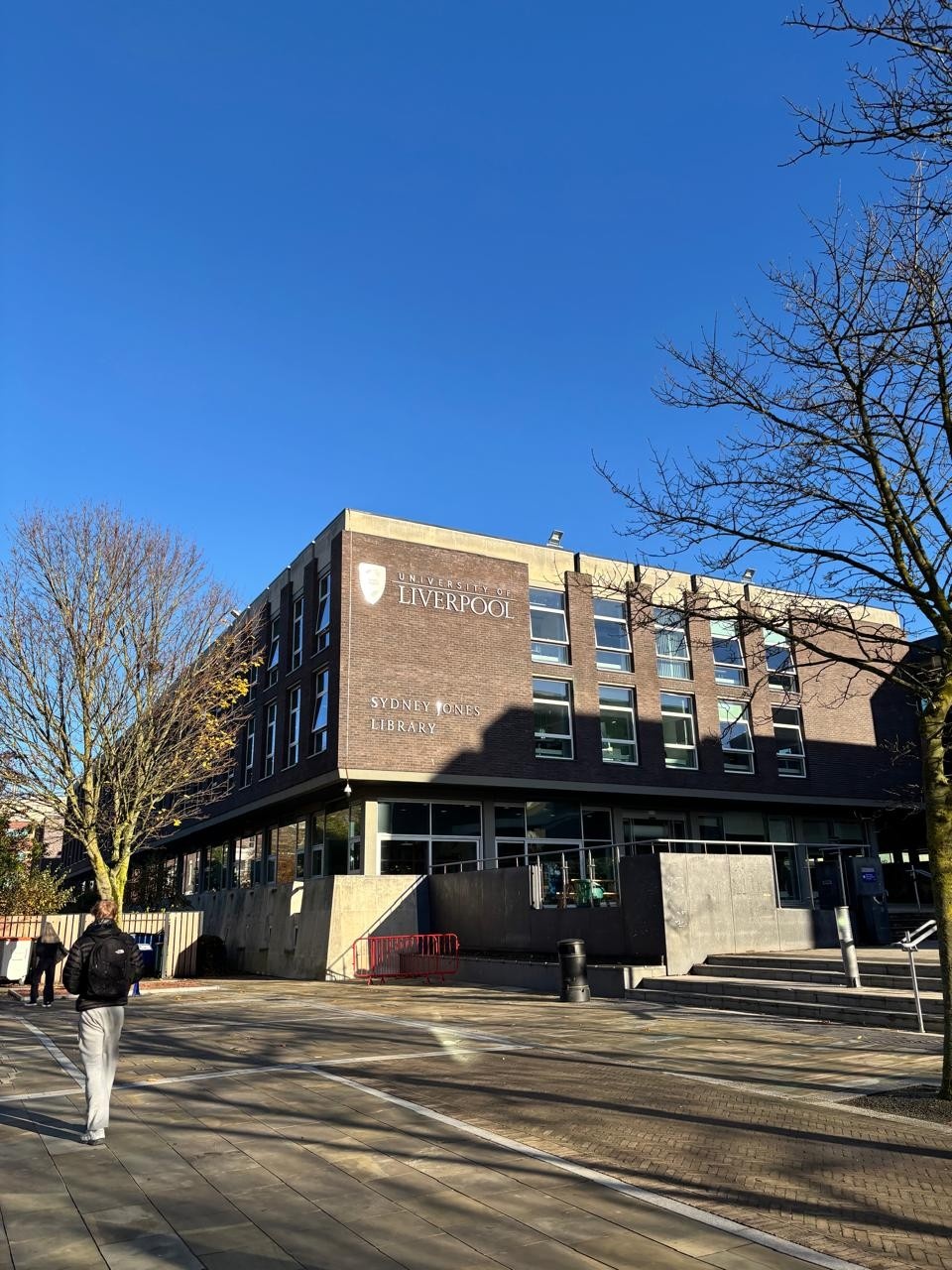
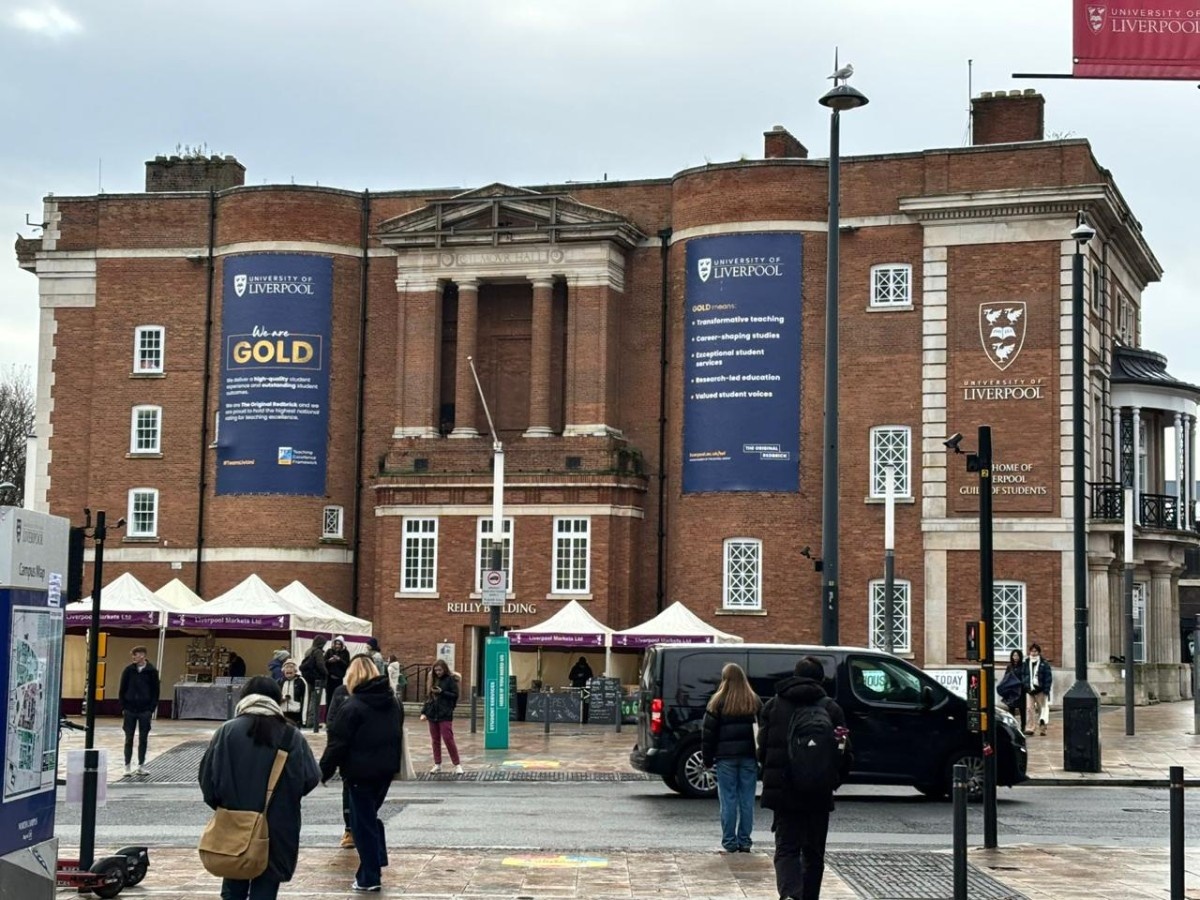
- Amazing Campus
- Very nice and friendly staff
- Lots of societies and clubs that you can take part in apart from your studies, for example, cricket, table tennis, art & craft, theatre, swimming, water polo, drama, fencing and many more.
Dislikes
- Campus halls are very expensive
- There is no campus placement. If you need a job, you need to find it and apply for it.
- Not specific about the college, but the job market in the UK is not so good for international students. So, now think twice before coming to spend lots of money when there is no job guarantee.
Course Curriculum
- Curriculum Difficulty: More theoretical than practical; assignments vary widely in challenge.
- Highlights: Ok-ish teaching, good infrastructure, diverse community, not-so-useful labs.
- Drawbacks: Some lack of practical relevance, tight scheduling.
- Daily Schedule: Often busy with lectures, labs, and tutorials; timings vary widely.
- Class Size: Massive—Not so supportive for learning and engagement.
- Indian Students: Significant presence—estimated majority of CS cohort from Asia.
Fees
- Tuition Fee (for 2022): £25,400 (International students)
- Payment Frequency: International students: Annually or in a 60%/40% split
- Estimated Monthly Expenses:
- Total living cost: ~£556–£1,035
- Rent & utilities: ~£400–£700
- Food: ~£100–£200
- Transport: ~£15–£50
- Miscellaneous: ~£50–£150.
- University-wide estimates for postgraduate students’ annual living costs (including accommodation) range from £4,500 to £7,200.

Likes
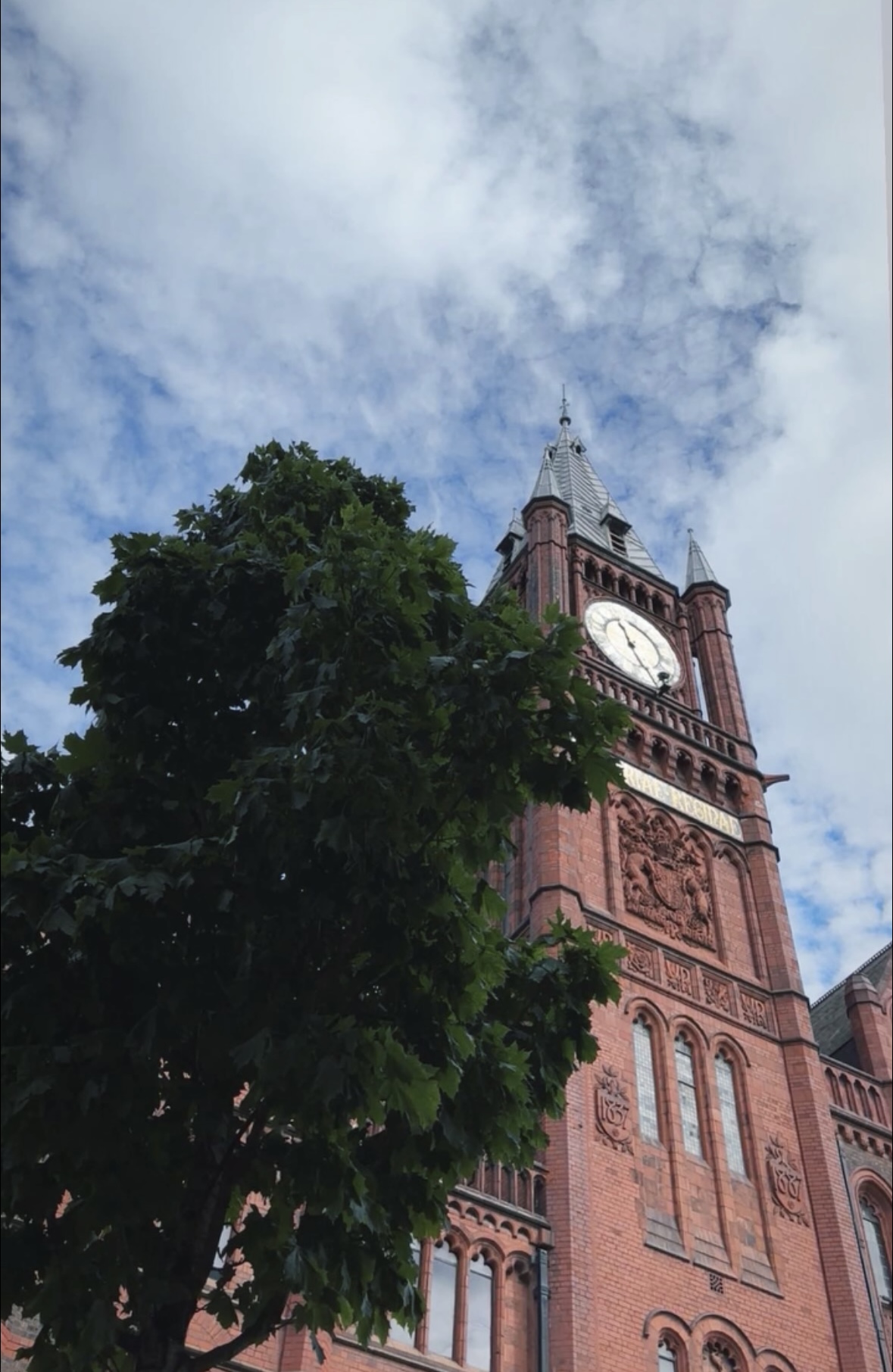
- Campus: the campus is absolutely amazing. - - The buildings with very big classrooms and lecture halls. Very spacious and well ventilated for all seasons. There are lecture halls as well with a seating capacity for ~100 students. Designed in a way that everyone can see the professor and vice a versa. - The library: the campus has two very big and well equipped libraries with numerous rooms spaces and desks to book and study. From human body to astronomy, You can find books on every subject there. Very secure access as well. - The abercromby garden: An amazing patch of grass, rather a garden, which looks calm in winter with the dew droplets frozen and a thin blanket of snow and in summers, bustling with students, some reading, some sat with friends with sodas and some even sunbathing.
- The professors: all of them, very well qualified and resourceful. Some of them are task-masters but that is because they are perfectionists and just want the best for us.
- The curriculum: amazing course work. The professors make it even more interesting because of their teaching methodologies. The subject matter is very relevant to the real world and gives an insight into how companies function.
Dislikes
- Class timings: sometimes the class timings were not comfortable for people leaving a little aways from the campus.
- Diversity: Majority of the students were indians in my class. Wish it was more diverse.
- Medical facilities: could have had an on-campus / inhouse doctor who could help students with everyday ailments.
Course Curriculum
- The difficulty, I would say, is variable. Depending on the course, professor, prerequisite knowledge and background of a student. But overall, if i were to mark the difficulty level of the entire curriculum, i would say 7/10.
- As I previously mentioned, the courses have been meticulously planned to be on par with the current world and industry knowledge.
- There are 2 subject lectures scheduled per day. 2 hours of lectures each. Timings varied; classes usually started from 9am and went on till 4pm. Slots can be anytime during these hours.
- Every class has a minimum of 80 students, depending on the attendance
- Indians are the majority; roughly 70% are indians in a cohort.
Fees
- My annual tuition was £23,000. We had to pay 60:40 in two instalments. One before the end of October and the next in the middle of February.
- I got 2000£+2500£=4500£ scholarship so i had to pay £18500 in total.
- No other charges towards university. But yeah, you would have to pay for the graduation gown.
- There are a variety of options for student accommodations. Budget-friendly and a little luxury ones as well.
- But roughly, let's say for a student, along with the rent, you might end up paying £700. £500 rent + £200 groceries.
- Now this is a very variable figure, as it depends on person to person. Liverpool is a very walkable city and accommodations are in close vicinity to the uni.
- Bus costs £3 per journey if someone needs it and there are buses to the campus. Need be, one can always take an uber.

Likes
- The campus is huge, especially the sports area, which includes massive stadiums, courts, a gym with advanced equipment, and professional personal trainers
- The two libraries and the support provided by them are commendable. Like if you have a laptop to work on your assignments, you have to take it from the library.
- The university's diversity is amazing, with students coming from different countries. You will be asked to work on group assignments where you can interact with students.
Dislikes
- The course structure is designed in a way where various topics are covered, but not in enough depth, so they add little to no value in your CV
- Assignments were too research-based based than practical. I would expect computer or technical courses to have technical assignments or projects where they can learn and work on skills in demand, and can help in your job search. Assignments are too theoretical
- A one-year master course is not enough with so many holidays in middle, capstone or industry internship ,certifications should be added
Course Curriculum
- It was more theoretical but if you had no background in data or computer subjects, it would be tough to understand and moreover, the course is very fast-paced.
- Negative aspect was many topics and tools were covered but not in great depth and the assignments were more theoretical than practical
- A positive aspect was good number of optional modules to choose from
- Typically 2 classes are scheduled per day. Morning and evening slots depend on the slot you get. My batch has 140 students, of whom 100 were indians.
Fees
- In 2021 university fee was 24,000 GBP
- I decided to stay in private accommodation, as that was cheaper, so it was around 5000 GBP annually. 105 GBP per week was my rent; food and other expenses depend on your lifestyle. Many expenses apart from rent were 200-300 GBP .
- Buses are usually 2 GBp for every ride but almost everywhere you get student discounts. Make sure to carry your student ID everywhere. restaurants buses shops you get 10-15% student discounts.

Likes
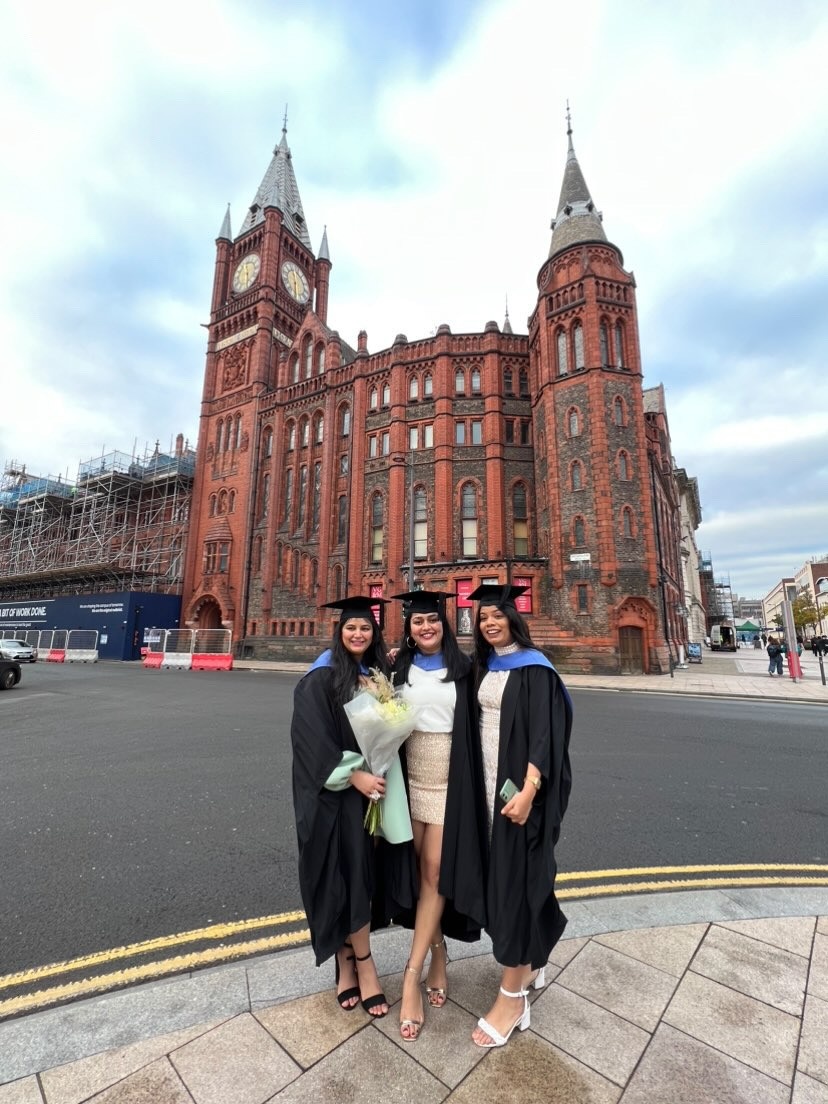
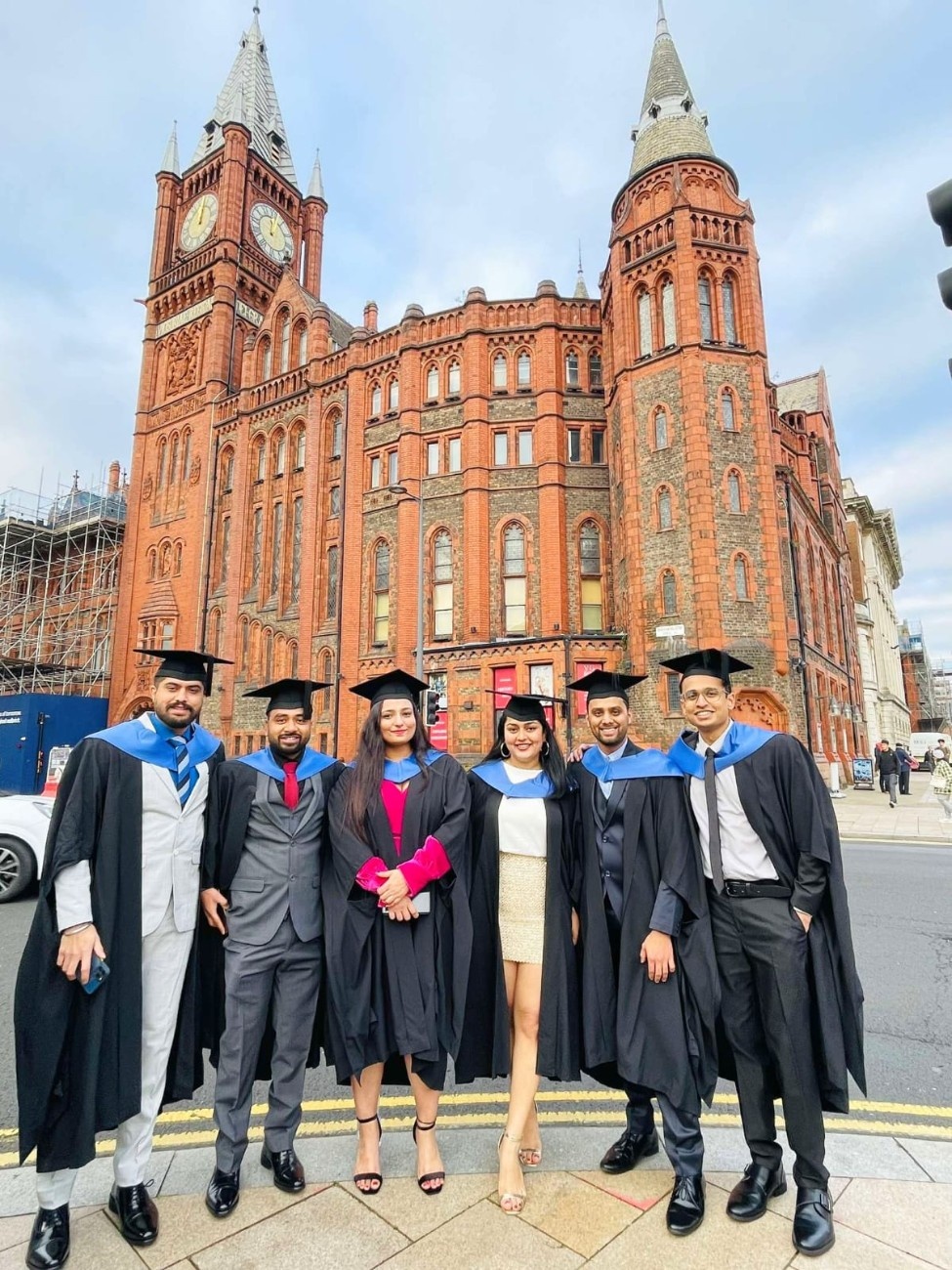
- It's a Russel group university
- The exposure is great
- The students union has numerous facilities
Dislikes
- It's expensive overall
- It's uni accomodation is quite expensive and not everyone can afford it
- Applying for scholarships and funding is a bit complicated
Course Curriculum
- The curriculum is quite hard. It takes rigorous preparation to write exams. Depending on the course that you are taking, it might be a mix of theory and practical or just online assessments. Classes are scheduled at different times each day. There is at least 1 class a day. The average number of students can vary depending on the class, as each pupil takes their own optional courses so that is not a number that is fixed. There were some Indian students enrolled in my course. We can usually see Indians doing masters while natives do bachelors
Fees
- The fee is quite high. My course fees have gone up significantly since I finished uni. I had multiple scholarships so mine was significantly low. There were also students who came on full scholarship so that is also a possibility.
- However, a master's course would cost roughly 30-35k pounds for a year. The fee is charged at one go. You also have an option to pay it in instalments. The monthly expenses vary depending on where you rent and buy but I would say between 350 and 600 pounds for a single person, including everything.
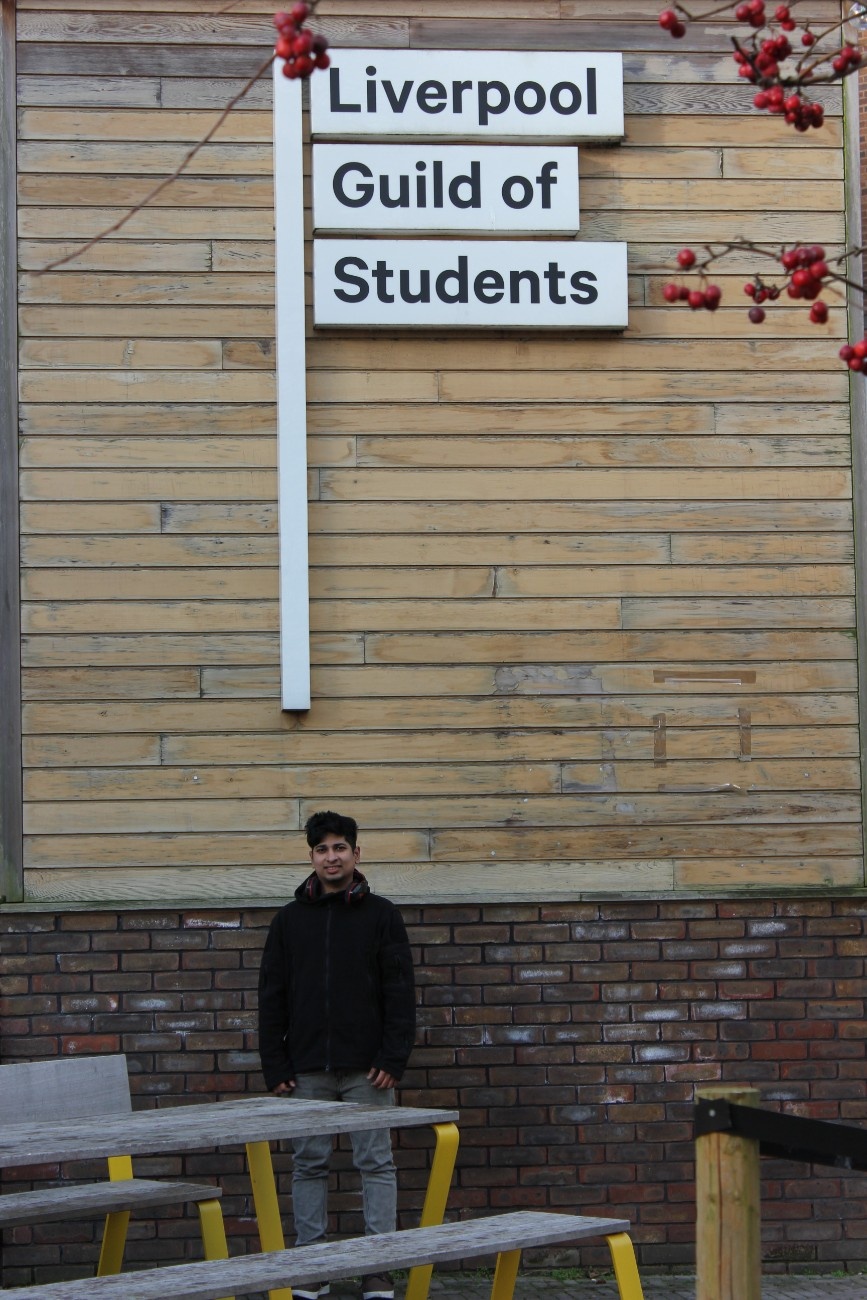
Likes
- Liverpool Location is too good and friendly
- Staffs are very welcoming and easily approachable
- Campus is very neat and pleasant
Dislikes
- Career support is not enough proactive
- Limited employee engagement for my course
- Tuition fees keeps increasing every year
Course Curriculum
- My course was easier for me and it is a mix of both technical and theoretical, and it’s quite interesting with workshops and seminars.
- Positive aspects of my course are it’s quite engaging for the students.
- Negative aspects is the level of students, as there was a mix of both tech and non tech persons and staff found it difficult to communicate the curriculum common to both.
- I had classes three days in a week for a total of 6 hours. My class had around 15 Indians, which is nearly half the strength.
Fees
- It depends on each course; for me it was £21,000, where I got a £5,000 scholarship for academic excellence. I stayed out of the campus and rented a 1 BHK for £800 per month, excluding bills. Fees can be paid in two instalments. I lived with my family and rented a 1 BHK and my monthly expenses came to around £2500; provided my partner works full time , this is manageable.
- But for students it should be much less than this, as they can find rooms for less than £150 per week and everything is accessible from the university campus.




Likes
- Friendly staff.
- Student support throughout the campus.
- Many events to help unfold the students talents other than studies.
Dislikes
- Mass lectures combining other students.
- Using one student from every course to represent.
- Class representatives were selected without getting into others notice.
Course Curriculum
- I would describe my course difficulties on a scale of 10 i would rate 8
- I had a mix of theoretical lectures and practical lectures and also exam-orientated lectures.
- The positive aspect of my course is that it is very easy to understand and implement in your exams and assignments.
- The negative aspect is the course is too basic; every subject has basic contents and nothing deep.
- There used to be 2-3 lectures per day and the time varies day to day.
- Total there were 200 students in my course but only 80-90 students attended the lectures daily.
- Most of them were Indians in my class.
Fees
- Fees for MSc International Business were £23000 in the year 2022, but I paid 18500 because of my scholarship.
- Accommodation was £8500 per year.
- Fees could be paid either in full or semester-wise.
- An estimated monthly expense would be £1000 per month, including rent, travelling and food. This is the Basic expenses and you need more if you are spending it for luxury.
SUBSCRIBE TO OUR NEWS LETTER



Comments