The NEET PG 2011 (AIPGMEE 2011) question paper is now available with detailed solutions for free download. The exam was conducted by the All India Institute of Medical Sciences (AIIMS) on January 9, 2011, as a single-paper test of around 300 single-best-answer MCQs in 3 hours 30 minutes.
NEET PG 2011 Questions with Solutions
Question 1:
Regarding anterior choroidal artery syndrome, all are true except?
- (A) Hemiparesis
- (B) Hemisensory loss
- (C) Predominant involvement of anterior limb of internal capsule
- (D) Homonymous hemianopia
Question 2:
A surgeon removes a part of the liver to the left of the falciform ligament. Which segments has the surgeon removed?
- (A) 1 & 4a
- (B) 2 & 3
- (C) 1 & 4b
- (D) 1 & 3
Question 3:
Which of the following passes through the foramen magnum?
- (A) Internal carotid artery
- (B) Sympathetic chain
- (C) Hypoglossal nerve
- (D) Vertebral artery
Question 4:
Deoxygenated blood is not seen in?
- (A) Pulmonary artery
- (B) Umbilical artery
- (C) Umbilical vein
- (D) Right heart
Question 5:
All of the following are pneumatic bones except?
- (A) Frontal
- (B) Ethmoid
- (C) Mandible
- (D) Maxilla
Question 6:
All are seen in injury to the common peroneal nerve except?
- (A) Loss of sensation over the sole
- (B) Foot drop
- (C) Injury to neck of fibula
- (D) Loss of dorsiflexion of toe
Question 7:
Which among the following is a branch from the trunk of the brachial plexus?
- (A) Suprascapular nerve
- (B) Lateral thoracic nerve
- (C) Anterior thoracic nerve
- (D) Nerve to subclavius
Question 8:
Main blood supply of the neck of the femur is from?
- (A) Lateral circumflex femoral artery
- (B) Medial circumflex femoral artery
- (C) Profunda femoris artery
- (D) External iliac artery
Question 9:
Right isomerism is associated with?
- (A) Asplenia
- (B) Two spleens
- (C) One spleen
- (D) Polysplenia
Question 10:
The urethral crest is situated in the:
- (A) Prostatic urethra
- (B) Membranous urethra
- (C) Penile urethra
- (D) Bulbar urethra
Question 11:
What is the type of joint seen at the growth plate (epiphyseal plate)?
- (A) Fibrocartilaginous joint
- (B) Primary cartilaginous joint
- (C) Secondary cartilaginous joint
- (D) Gomphosis
Question 12:
Which among the following is not a component of the hypogastric sheath?
- (A) Broad ligament of uterus
- (B) Transverse cervical ligament
- (C) Lateral ligament of uterus
- (D) Lateral ligament of bladder
Question 13:
All of the following are seen in the floor of the third ventricle except?
- (A) Infundibulum
- (B) Oculomotor nerve
- (C) Mammillary body
- (D) Optic stalk
Question 14:
Lines of Blaschko are:
- (A) Lymphatics
- (B) Blood vessels
- (C) Nerves
- (D) Lines of development
Question 15:
All of the following are affected in low radial nerve palsy except?
- (A) Extensor carpi radialis longus
- (B) Extensor carpi radialis brevis
- (C) Finger extensors
- (D) Sensation on dorsum of hand
Question 16:
Site not affected in posterior cerebral artery infarct is?
- (A) Midbrain
- (B) Pons
- (C) Thalamus
- (D) Striate cortex
Question 17:
Bifurcation of common carotid artery is palpated at?
- (A) Upper border of cricoid cartilage
- (B) Upper border of thyroid cartilage
- (C) Hyoid bone
- (D) Cricothyroid membrane
Question 18:
In L5 root involvement, which among the following is not affected?
- (A) Thigh adduction
- (B) Knee flexion
- (C) Knee extension
- (D) Toe extension
Question 19:
Muscular component of dorsal aorta develops from?
- (A) Septum transversum
- (B) Paraxial mesoderm
- (C) Intermediate mesoderm
- (D) Lateral plate mesoderm
Question 20:
Diaphragm develops from all except:
- (A) Septum transversum
- (B) Dorsal mesocardium
- (C) Pleuroperitoneal membrane
- (D) Cervical myotomes
Question 21:
Posterior relations of head of pancreas are all except?
- (A) Common bile duct
- (B) First part of duodenum
- (C) Right crus of diaphragm
- (D) Inferior vena cava
Question 22:
Which of the following is not supplied by the anterior division of the mandibular nerve (V3)?
- (A) Temporalis
- (B) Medial pterygoid
- (C) Lateral pterygoid
- (D) Masseter
Question 23:
Basal metabolic rate is most closely associated with?
- (A) Lean body mass
- (B) Body surface area
- (C) Daily activity
- (D) Food intake
Question 24:
Mineralocorticoid receptor is not present in?
- (A) Liver
- (B) Colon
- (C) Hippocampus
- (D) Kidney
Question 25:
The primary action of nitric oxide (NO) in the gastrointestinal tract is?
- (A) Vasodilatation
- (B) Vasoconstriction
- (C) GI smooth muscle relaxation
- (D) Slow smooth muscle contraction
Question 26:
The main site of water absorption is?
- (A) Jejunum
- (B) Colon
- (C) Ileum
- (D) Stomach
Question 27:
A small airway has laminar flow because?
- (A) Reynolds number more than 2000
- (B) Diameter is very small
- (C) The linear velocity of airflow in the small airway is extremely low
- (D) Total cross-sectional area is low
Question 28:
Orthopnoea in congestive heart failure develops due to?
- (A) Reservoir function of pulmonary veins
- (B) Pooling of blood in lower limb veins
- (C) Pulmonary hypertension
- (D) Systemic hypertension
Question 29:
Which nucleus is involved in the Papez circuit?
- (A) Pulvinar
- (B) VPL nucleus
- (C) Intralaminar nucleus
- (D) Anterior nucleus of thalamus
Question 30:
All of the following are true about phagocytosis EXCEPT:
- (A) Amoeba and other protozoans live their life by it
- (B) Used to ingest particles < 0.5 microns in size
- (C) Used to ingest particles > 0.5 microns in size
- (D) Digestion occurs within phagolysosomes
Question 31:
Thiamine deficiency causes decreased energy production because:
- (A) It is required for the process of transamination
- (B) It is a co-factor in oxidative reduction
- (C) It is a co-enzyme for transketolase in the pentose phosphate pathway
- (D) It is a co-enzyme for pyruvate dehydrogenase and alpha-ketoglutarate dehydrogenase
Question 32:
What factor is responsible for deciding whether an antibody will remain membrane bound or get secreted?
- (A) Carbohydrate content
- (B) Class switching
- (C) Differential RNA splicing
- (D) Surface charge
Question 33:
Vitamin K is involved in the post-translational modification of which amino acid?
- (A) Glutamate
- (B) Aspartate
- (C) Tyrosine
- (D) Tryptophan
Question 34:
Which among the following is NOT a cause of fasting hypoglycemia?
- (A) Glucagon excess
- (B) Glucose-6-phosphatase deficiency
- (C) Cirrhotic liver damage
- (D) Glycogen synthase deficiency
Question 35:
Cell fusion is an innovative method of preparing specific antibodies. Techniques to induce cell fusion include all of the following EXCEPT:
- (A) Attaching inactive viral particles on the cell membrane
- (B) Adding ethylene glycol
- (C) Applying a small electric current
- (D) Reducing the viscosity of the membrane
Question 36:
The urea cycle occurs in which of the following organs?
- (A) Liver
- (B) Intestine
- (C) Brain
- (D) Kidney
Question 37:
Which of the following changes in a vector is used to increase the yield of protein produced in recombinant protein synthesis?
- (A) Inducible promoter
- (B) Genes for protease inhibitors
- (C) Translation initiation
- (D) Translation and transcription termination
Question 38:
Two plants are grown. One is engineered to express green fluorescent protein and the other to express firefly luciferase. Which plant will glow in the dark?
- (A) Both plants will glow
- (B) Neither plant will glow
- (C) Plant expressing green fluorescent protein will glow
- (D) Plant expressing firefly luciferase will glow
Question 39:
A patient who was given primaquine develops hemolysis. The probable cause may be:
- (A) Glucose-6-phosphate dehydrogenase deficiency
- (B) Glucose-6-phosphatase deficiency
- (C) Alpha-ketoglutarate dehydrogenase deficiency
- (D) Pyruvate kinase deficiency
Question 40:
Transfer of an amino group from an amino acid to an alpha-keto acid is done by which enzyme?
- (A) Transaminases
- (B) Aminases
- (C) Transketolase
- (D) Decarboxylase
Question 41:
Which of the following statements about high-density lipoproteins (HDL) is FALSE?
- (A) HDL increases oxidation of LDL
- (B) HDL reduces foam cell production by LDL
- (C) HDL is the best predictor of coronary artery disease
- (D) HDL helps to clear lipids from atheroma
Question 42:
Which of the following helps in generating the oxygen (respiratory) burst in neutrophils?
- (A) Superoxide dismutase
- (B) NADPH oxidase
- (C) Peroxidase
- (D) Glutathione reductase
Question 43:
Which of the following is NOT an autoimmune disease?
- (A) Systemic lupus erythematosus (SLE)
- (B) Grave's disease
- (C) Myasthenia gravis
- (D) Sickle cell disease
Question 44:
An 8 year old boy completed 8 out of a 10 day course of cefaclor. He now develops a generalized erythematous rash that is mildly pruritic along with lymphadenopathy. The diagnosis is?
- (A) Kawasaki disease
- (B) Type III hypersensitivity
- (C) Anaphylaxis
- (D) Infectious mononucleosis
Question 45:
Which among the following is the hallmark of acute inflammation?
- (A) Vasoconstriction
- (B) Stasis
- (C) Vasodilation and increase in permeability
- (D) Leukocyte margination
Question 46:
Some antigen was injected into a rabbit. Which antibody will it produce initially?
- (A) IgG
- (B) IgM
- (C) IgA
- (D) IgD
Question 47:
The principal organelle involved in the execution of apoptosis is?
- (A) Nucleus
- (B) Lysosome
- (C) Mitochondria
- (D) Endoplasmic reticulum
Question 48:
Psammoma bodies are seen in all of the following EXCEPT?
- (A) Follicular carcinoma of thyroid
- (B) Papillary carcinoma of thyroid
- (C) Cystadenocarcinoma
- (D) Meningioma
Question 49:
Which of the following is NOT a predisposing factor for atherosclerotic plaque formation?
- (A) ApoE
- (B) Alpha 2-macroglobulin
- (C) Oxidised LDL
- (D) Increased homocysteine
Question 50:
Which of the following is the most potent activator of T cells?
- (A) B cells
- (B) Follicular dendritic cells
- (C) Mature dendritic cells
- (D) Macrophages
Question 51:
Which of the following is true about a platelet function defect (qualitative platelet disorder)?
- (A) Normal platelet count with prolonged bleeding time
- (B) Thrombocytopenia with prolonged bleeding time
- (C) Normal bleeding time with normal platelet number
- (D) Normal platelet count with decreased bleeding time
Question 52:
All of the following are true about blood coagulation EXCEPT:
- (A) Factor X is a part of both the intrinsic and the extrinsic pathway
- (B) The extrinsic pathway is activated by contact with plasma and negatively charged surfaces
- (C) Calcium is very important for coagulation
- (D) The intrinsic pathway can be activated in vitro
Question 53:
All of the following are neuronal tumours EXCEPT:
- (A) Gangliocytoma
- (B) Ganglioglioma
- (C) Neuroblastoma
- (D) Ependymoma
Question 54:
Which complement component is the first common point between the classical and the alternative complement pathways?
- (A) C1
- (B) C2
- (C) C3
- (D) C4
Question 55:
All of the following are true about xanthogranulomatous inflammation EXCEPT:
- (A) Presence of foamy macrophages
- (B) Presence of tuberculous infection
- (C) Presence of multinucleated giant cells
- (D) Presence of yellow nodules
Question 56:
All of the following are involved in generating free oxygen radicals for the killing of bacteria except:
- (A) Superoxide dismutase
- (B) Fenton reaction
- (C) NADPH oxidase
- (D) Glutathione peroxidase
Question 57:
Which of the following is given to treat thrombocytopenia secondary to myelosuppressive therapy?
- (A) Iron dextran
- (B) Oprelvekin (interleukin-11)
- (C) Tranexamic acid
- (D) Erythropoietin
Question 58:
Which of the following is true about MRSA (methicillin-resistant Staphylococcus aureus) resistance?
- (A) It is due to production of penicillinase
- (B) It is due to alteration in penicillin binding proteins
- (C) It is plasmid mediated
- (D) It is treated with amoxicillin and clavulanic acid
Question 59:
Treatment with INH (isoniazid) leads to deficiency of which vitamin?
- (A) Thiamine
- (B) Niacin
- (C) Pyridoxine
- (D) Pantothenic acid
Question 60:
Which drug is not used to control bleeding during delivery of a woman with heart disease?
- (A) Methylergometrine
- (B) Carboprost
- (C) Syntocinon (oxytocin)
- (D) Misoprostol
Question 61:
All of the following are true about fulvestrant (a selective estrogen receptor downregulator) except:
- (A) Used for treatment of advanced breast cancer
- (B) Also known as a pure anti-estrogen
- (C) Is slower acting, has shorter duration of action and lower safety profile than SERMs
- (D) Administered as a once-monthly intramuscular injection
Question 62:
All of the following are true about ranolazine except:
- (A) It has hypotensive effects
- (B) It is a first-line antianginal drug
- (C) It affects glycemic control
- (D) It induces CYP3A
Question 63:
Drug of choice for central diabetes insipidus is?
- (A) Desmopressin
- (B) Leuprolide
- (C) Thiazide diuretics
- (D) Insulin
Question 64:
Integrase inhibitor approved for treatment of HIV is?
- (A) Raltegravir
- (B) Indinavir
- (C) Lopinavir
- (D) Tipranavir
Question 65:
Which of the following antihypertensive drugs is contraindicated in a patient on lithium therapy in order to prevent toxicity?
- (A) Clonidine
- (B) Beta blockers
- (C) Calcium channel blockers
- (D) Diuretics
Question 66:
Which of the following is not an adverse effect of thalidomide?
- (A) Diarrhoea
- (B) Teratogenicity
- (C) DVT
- (D) Hypothyroidism
Question 67:
Amphotericin B causes deficiency of?
- (A) Sodium (Na)
- (B) Calcium (Ca)
- (C) Potassium (K)
- (D) Magnesium (Mg)
Question 68:
All of the following decrease bone resorption in osteoporosis except?
- (A) Alendronate
- (B) Etidronate
- (C) Strontium
- (D) Teriparatide
Question 69:
Which is not seen in digoxin toxicity?
- (A) Bidirectional ventricular tachycardia
- (B) Paroxysmal atrial tachycardia
- (C) Ventricular bigeminy
- (D) Regularisation of atrial fibrillation
Question 70:
Buprenorphine is which of the following?
- (A) Partial agonist at mu receptor
- (B) Partial agonist at kappa receptor
- (C) Full agonist at mu receptor
- (D) Antagonist at kappa receptor
Question 71:
Which among the following is the best inotrope drug for use in right heart failure due to pulmonary hypertension?
- (A) Dopamine
- (B) Isoprenaline
- (C) Halothane
- (D) Milrinone
Question 72:
Which among the following does not cause hyperpyrexia?
- (A) MAO inhibitors
- (B) Alcohol
- (C) TCAs (tricyclic antidepressants)
- (D) Amphetamine
Question 73:
All are true about Aprepitant except?
- (A) Agonist at NK1
- (B) Crosses blood brain barrier
- (C) Ameliorates nausea and vomiting of chemotherapy
- (D) Metabolized by CYP3A4
Question 74:
Which of the following is true?
- (A) Acetylcholinesterase inhibition by malathion can be reversed by increasing the level of atropine
- (B) Sulphonamide inhibits folate reductase irreversibly
- (C) Fluoroacetate competitively inhibits aconitase
- (D) Ethanol acts by inhibiting aldehyde dehydrogenase when used in methanol poisoning
Question 75:
A schizophrenic patient started on haloperidol 2 days back comes with complaints of torticollis and orofaciolingual movements. What is the diagnosis?
- (A) Acute dystonia
- (B) Tardive dyskinesia
- (C) Parkinsonism
- (D) Akathisia
Question 76:
Mifepristone is used in?
- (A) Molar pregnancy
- (B) Threatened abortion
- (C) Fibroid
- (D) Ectopic pregnancy
Question 77:
All of the following are true about erlotinib except?
- (A) Small molecule inhibitor of tyrosine kinase associated with EGFR receptors
- (B) Food delays its absorption
- (C) Acneiform eruptions and diarrhea are its common side effects
- (D) Used in non-small cell lung cancer when there is no response to other chemotherapeutic agents
Question 78:
Pulmonary toxicity is seen with?
- (A) Bleomycin
- (B) Cisplatin
- (C) Doxorubicin
- (D) Actinomycin D
Question 79:
All are used in the treatment of hot flushes except?
- (A) Tamoxifen
- (B) Venlafaxine
- (C) Gabapentin
- (D) Paroxetine
Question 80:
All are true about meglitinides except?
- (A) Decreases postprandial hyperglycemia
- (B) Incidence of hypoglycemia is less common than sulfonylureas
- (C) It decreases insulin resistance
- (D) Causes stimulation of insulin release from pancreas
Question 81:
A pregnant mother at 35 weeks of gestation with SLE. Which of the following drugs cannot be used?
- (A) Prednisolone
- (B) Methotrexate
- (C) Sulfasalazine
- (D) Hydroxychloroquine
Question 82:
Tolerance in opioids develops to all except?
- (A) Miosis
- (B) Analgesia
- (C) Euphoria
- (D) Nausea and vomiting
Question 83:
All are actions of muscarinic antagonists except?
- (A) Decreases gastric secretion
- (B) Prolongs A-V conduction
- (C) Decreases tracheobronchial secretions
- (D) Causes contraction of radial muscles of the iris
Question 84:
Drugs used in the prophylaxis of migraine include all of the following EXCEPT?
- (A) Propranolol
- (B) Flunarizine
- (C) Topiramate
- (D) Levetiracetam
Question 85:
Administration of which of the following drugs requires alkalinization of urine?
- (A) Cytosine arabinoside
- (B) Methotrexate
- (C) Cisplatin
- (D) Ifosfamide
Question 86:
All of the following are true regarding diabetes mellitus EXCEPT?
- (A) Type 2 diabetes patients never require insulin
- (B) Sliding scale regimen is used in hospitalized patients
- (C) Low evening insulin dose prevents nocturnal hypoglycemia
- (D) Regular insulin is used in the treatment of gestational diabetes
Question 87:
All are true regarding serotonin syndrome EXCEPT?
- (A) It is not idiosyncratic and unpredictable
- (B) Dantrolene is the drug of choice
- (C) It can be caused by SSRIs
- (D) Features include hyperthermia and hypertension
Question 88:
Regarding tetanus, all are true EXCEPT?
- (A) Heat-resistant spores
- (B) Three doses of vaccine are to be given for primary prevention
- (C) Incubation period is 6 to 10 days
- (D) Person-to-person transmission does not occur
Question 89:
A farmer from Himachal Pradesh presents with a small ulcer on the leg. After a few days he develops a swelling in the inguinal region which later ulcerates. Which stain can be used to detect the bipolar-stained organisms?
- (A) Albert's stain
- (B) Wayson's stain
- (C) Ziehl-Neelsen staining
- (D) McFadyean's stain
Question 90:
Vectors do NOT transmit infection by which of the following routes?
- (A) Ingestion
- (B) Regurgitation
- (C) Rubbing of infected feces
- (D) Contaminated body fluids
Question 91:
All of the following are factors responsible for the resurgence of malaria EXCEPT:
- (A) Drug resistance
- (B) Use of bed nets
- (C) Vector resistance
- (D) Development of newer strains of the parasite
Question 92:
Regarding leptospirosis, which of the following is TRUE?
- (A) Rats are the only reservoir
- (B) Fluoroquinolones are the drug of choice
- (C) Person-to-person transmission occurs commonly
- (D) Oro-fecal transmission is the main route
Question 93:
A fungus that causes infection in immunocompetent individuals is:
- (A) Aspergillus
- (B) Penicillium
- (C) Cryptococcus
- (D) Candida
Question 94:
A 7-month-old child presents with a history of bouts of cough ending with a whoop. The immunization history is not available. What is the best way to confirm the diagnosis?
- (A) Nasopharyngeal swab
- (B) Cough plate culture
- (C) Tracheal aspirate
- (D) Oral swab
Question 95:
Aflatoxin is produced by:
- (A) Aspergillus flavus
- (B) Aspergillus niger
- (C) Candida albicans
- (D) Actinomycetes
Question 96:
The polysaccharide capsule of which of the following bacteria has NO role in its infectivity?
- (A) Neisseria meningitidis
- (B) Pneumococcus
- (C) Bordetella pertussis
- (D) Haemophilus influenzae
Question 97:
About Campylobacter jejuni, which of the following is FALSE?
- (A) It is the most common pathogenic strain causing campylobacteriosis in India
- (B) Poultry is the main source of infection
- (C) Humans are the only reservoir
- (D) It is associated with Guillain-Barre syndrome
Question 98:
Which virus among the following is least likely to cross the placenta?
- (A) Rubella
- (B) Herpes simplex
- (C) HIV
- (D) HBV
Question 99:
About yaws, all are true except:
- (A) Caused by Treponema pertenue
- (B) Transmitted non-venereally
- (C) Secondary yaws can involve bones and joints
- (D) Late stages involve the heart and nerves
Question 100:
The 'C' in C-reactive protein stands for:
- (A) Capsular polysaccharide in pneumococcus
- (B) Concanavalin-A
- (C) Calretinin
- (D) Cellular
Question 101:
A young lady presents with fever, dysuria and pain in the lower abdomen. Uncomplicated acute cystitis was diagnosed. Which among the following is not true?
- (A) Nitrate test positive for the urine sample
- (B) E. coli colony count < 10^3 bacteria/ml
- (C) 1 pus cell per 7 fields in wet film of patient's urine
- (D) 1 bacillus per oil-immersion field in Gram-stained urine sample
Question 102:
All are true about Parvovirus except:
- (A) < 10% spread by transplacental route
- (B) Spread by respiratory route
- (C) It is a DNA virus
- (D) Affects erythroid progenitor cells
Question 103:
Sterile pyuria is present in:
- (A) Renal tuberculosis
- (B) Chronic hydronephrosis
- (C) Wilms' tumour
- (D) Neuroblastoma
Question 104:
Visceral larva migrans is seen in:
- (A) Strongyloides stercoralis
- (B) Ankylostoma duodenale
- (C) Toxocara canis
- (D) Ascaris lumbricoides
Question 105:
Following are true about carbohydrate antigens except?
- (A) Memory
- (B) Polyclonal response
- (C) Highly immunogenic
- (D) T-cell independent immunity
Question 106:
An elderly male presents with chest pain and cough with expectoration since 15 days. The bacterium obtained from sputum grows on blood agar and shows gram-positive cocci. Which is the most useful test to identify the organism?
- (A) Bile solubility
- (B) Bacitracin sensitivity
- (C) Catalase test
- (D) Oxidase test
Question 107:
A female presents with signs of meningitis. CSF shows gram-positive bacilli. The most likely organism is?
- (A) Listeria
- (B) Haemophilus influenzae
- (C) Pneumococcus
- (D) Pseudomonas
Question 108:
A young boy comes with a history of fever and cough since two weeks. He has reduced appetite and weight loss. He is also a known case of congenital heart disease, for which he has taken prophylaxis with penicillin. Sputum examination is normal; however, bronchoscopic lavage cultured on sheep blood agar showed evidence of gram-positive, aerobic, weakly acid-fast branching filaments. What is the likely diagnosis?
- (A) Actinomycosis
- (B) Nocardiosis
- (C) Aspergillosis
- (D) Mycobacterium tuberculosis
Question 109:
Late-onset endophthalmitis after intraocular lens implantation is most commonly caused by?
- (A) Staphylococcus epidermidis
- (B) Pseudomonas
- (C) Streptococcus pyogenes
- (D) Propionibacterium acnes
Question 110:
A sewer worker presented with fever. Lab findings revealed renal failure with increased BUN and serum creatinine. What is the most appropriate drug to give him?
- (A) Cotrimoxazole
- (B) Erythromycin
- (C) Ciprofloxacin
- (D) Benzyl penicillin
Question 111:
False about pneumococcus is?
- (A) Capsule aids in virulence
- (B) Commonest cause of otitis media and pneumonia
- (C) Least likely cause of meningitis
- (D) It is bile sensitive
Question 112:
Which of the following is FALSE about Corynebacterium diphtheriae?
- (A) Toxin production is chromosome mediated
- (B) Damage is caused by toxin production
- (C) Toxin is toxic to heart and neurons
- (D) More common in children
Question 113:
An infant is brought to the casualty with a history of violent shaking by the parents. The most characteristic injury is?
- (A) Long bone fracture
- (B) Ruptured spleen
- (C) Subdural hematoma
- (D) Skull bone fracture
Question 114:
Gun powder residue on clothing can best be visualized by?
- (A) Magnifying lens
- (B) UV rays
- (C) Infrared rays
- (D) Dye
Question 115:
Signature fracture refers to?
- (A) Depressed skull fracture
- (B) Suture displacement fracture
- (C) Contrecoup injury
- (D) Fracture at the foramen magnum
Question 116:
The rave drug is?
- (A) Ecstasy
- (B) Cocaine
- (C) Heroin
- (D) Amphetamine
Question 117:
Sparrow foot marks (sparrow marks) are seen in?
- (A) Gunshot injuries
- (B) Stab injury of the face
- (C) Vitriolage (acid throwing)
- (D) Windshield glass injury
Question 118:
A patient presents to the casualty with bluish pigmentation of the conjunctiva, mucous membranes and nails. On examination there is tachycardia and hypotension within one hour of ingestion of a poison. What is the probable poisoning?
- (A) Mercury
- (B) Arsenic
- (C) Lead
- (D) Copper
Question 119:
A poison which is luminous, translucent and waxy is
- (A) Iodine
- (B) Ammonium bromide
- (C) Cobra venom
- (D) Yellow phosphorus
Question 120:
An auto-rickshaw ran over a child's thigh, leaving a mark of the tyre tracks. This is a
- (A) Contact bruise
- (B) Patterned bruise
- (C) Imprint abrasion
- (D) Pressure bruise
Question 121:
Dental numbering is done by all of the following except
- (A) FDI two-digit system
- (B) Anatomic and diagrammatic charting
- (C) Palmer notation
- (D) Harder acrogenic method
Question 122:
An investigator finds 5 independent factors, the presence or absence of which correlates with a disease. Which is the next study you will do?
- (A) ANOVA
- (B) Multiple linear regression
- (C) Multiple logistic regression
- (D) Kruskal-Wallis test
Question 123:
Which is not true about diet modification recommendation in a high cardiovascular risk group?
- (A) Cholesterol less than 100 mg/day
- (B) Avoid alcohol
- (C) Fat intake 10% of total calorie intake
- (D) Salt restriction less than 6 gm/day
Question 124:
All of the following reforms have been proposed in the World Health Report 2008 except
- (A) Social reforms
- (B) Leadership reforms
- (C) Policy reforms
- (D) Economic reforms
Question 125:
According to McKeown's theory, the reduction in mortality due to tuberculosis is a consequence of
- (A) Increased awareness and knowledge
- (B) Medical advancement
- (C) Behavioural modification
- (D) Social and environmental factors
Question 126:
The orthotolidine test is used for assessing the concentration of which of the following in water?
- (A) Chlorine
- (B) Nitrites
- (C) Nitrates
- (D) Fluorine
Question 127:
Which of the following does NOT cause indoor air pollution?
- (A) Carbon monoxide (CO)
- (B) Nitrous oxide
- (C) Radon
- (D) Mercury vapour
Question 128:
Which is the most important and potential agent that can be used in bioterrorism?
- (A) Yersinia pestis
- (B) Small pox (Variola virus)
- (C) Mycobacterium tuberculosis
- (D) Clostridium botulinum
Question 129:
Which insect among the following is NOT resistant to DDT?
- (A) Musca domestica (housefly)
- (B) Phlebotomus (sandfly)
- (C) Culex fatigans (mosquito)
- (D) Anopheles stephensi (mosquito)
Question 130:
All of the following are true about biomedical waste disposal EXCEPT:
- (A) Human anatomical waste is disposed in a yellow bag
- (B) Red bag contents can be a potential source of infection
- (C) Black bag is used for incineration ash
- (D) Blue bag contents are disposed in secure landfill
Question 131:
A graph of a normal blood sugar level curve and a diabetic blood sugar level curve was shown, with an area seen overlapping towards the normal glycaemic curve and a cut-off point marked at 120 mg/dL. What does that overlapping area represent?
- (A) True positive
- (B) False positive
- (C) True negative
- (D) False negative
Question 132:
All of the following are part of National screening programmes EXCEPT:
- (A) Diabetes mellitus
- (B) Dental caries
- (C) Refractive errors
- (D) Carcinoma cervix
Question 133:
Carrier state is not important in the transmission of which of the following diseases?
- (A) Measles
- (B) Typhoid
- (C) Polio
- (D) Diphtheria
Question 134:
What is the denominator used in calculating the maternal mortality rate (ratio)?
- (A) Total number of live births
- (B) Total number of married women
- (C) Total number of births
- (D) Midyear population
Question 135:
A population is divided into relevant subgroups and samples are selected randomly from each of these subgroups. What type of sampling is this?
- (A) Simple random sampling
- (B) Stratified sampling
- (C) Cluster sampling
- (D) Systematic sampling
Question 136:
Pearson's coefficient of skewness is given by which of the following formulae?
- (A) (Mean - Mode) / SD
- (B) (Mode - Mean) / SD
- (C) SD / (Mean - Mode)
- (D) SD / (Median - Mode)
Question 137:
Regarding the Human Development Index (HDI), all of the following are components EXCEPT:
- (A) Life expectancy at birth
- (B) Life expectancy at 1 year of age
- (C) Education
- (D) GDP
Question 138:
The efficiency of pasteurisation of milk is assessed by which of the following tests?
- (A) Phosphatase test
- (B) Methylene blue test
- (C) Catalase test
- (D) Oxidase test
Question 139:
Which among the following is a cardioprotective fatty acid?
- (A) Palmitic acid
- (B) Stearic acid
- (C) Oleic acid
- (D) Omega-3 fatty acids
Question 140:
Which is a non-deliberate measure for control of mosquitoes?
- (A) Use of alkalinity-causing soaps
- (B) Efforts by the community to prevent development of an environment suitable for mosquitoes
- (C) Use of larvicides
- (D) Use of bed nets against mosquitoes
Question 141:
Which of the following is FALSE regarding Japanese encephalitis?
- (A) During epidemics, 2 to 3 cases are seen in a village
- (B) A bite from an infected mosquito is always associated with disease
- (C) About 70% of patients are children below 5 years of age
- (D) The overt disease to inapparent infection ratio is 1:100
Question 142:
Which arthropod-transmitted disease is NOT found in India?
- (A) West Nile fever
- (B) Dengue
- (C) Yellow fever
- (D) Sandfly fever
Question 143:
The most useful indicator for an acute illness is:
- (A) Case fatality rate
- (B) Standardized mortality ratio
- (C) Cause-specific death rate
- (D) Five-year survival rate
Question 144:
Direct standardisation is used to compare the mortality rates between two countries. This is done because of the difference in:
- (A) Causes of death
- (B) Numerators
- (C) Age distribution
- (D) Denominators
Question 145:
Onodi cells and Haller cells are associated with the following structures, respectively:
- (A) Optic nerve and orbital floor
- (B) Optic nerve and internal carotid artery
- (C) Optic nerve and ethmoidal air cells
- (D) Orbital floor and internal carotid artery
Question 146:
Pain sensation from the ethmoid sinus is carried by:
- (A) Frontal nerve
- (B) Lacrimal nerve
- (C) Nasociliary nerve
- (D) Infraorbital nerve
Question 147:
A 5 year old boy, while having dinner, suddenly becomes aphonic and is brought to the casualty with respiratory distress. What should be the next step in management?
- (A) Cricothyroidotomy
- (B) Emergency tracheostomy
- (C) Humidified oxygen
- (D) Heimlich maneuver
Question 148:
Acoustic neuroma most commonly involves which structure?
- (A) Superior vestibular division of the 8th cranial nerve
- (B) Auditory (cochlear) part of the 8th cranial nerve
- (C) 7th cranial nerve
- (D) Inferior vestibular division of the 8th cranial nerve
Question 149:
What is the usual time of occurrence of secondary hemorrhage after tonsillectomy?
- (A) 24 hours
- (B) 12 hours
- (C) 6 days
- (D) 12 days
Question 150:
Which of the following is true regarding a ranula?
- (A) It is also known as epulis
- (B) It is a cystic swelling in the floor of the mouth
- (C) It is a type of thyroglossal cyst
- (D) It is a type of mucus retention cyst
Question 151:
All of the following are true statements regarding the use of sodium fluoride in the treatment of otosclerosis EXCEPT:
- (A) It inhibits osteoblastic activity
- (B) It is used in the active phase of otosclerosis when the Schwartze sign is positive
- (C) It has an antienzymatic action on proteolytic enzymes toxic to the cochlea
- (D) It is contraindicated in renal failure patients
Question 152:
Endolymphatic hydrops is seen in which condition?
- (A) Meniere's disease
- (B) Otosclerosis
- (C) Acoustic neuroma
- (D) Cholesteatoma
Question 153:
All of the following are seen in Argyll Robertson pupil EXCEPT:
- (A) Near reflex normal
- (B) Direct light reflex absent
- (C) Consensual light reflex normal
- (D) Visual acuity normal
Question 154:
A young patient presents to the ophthalmology clinic with loss of central vision. There is no obvious family history. The electroretinogram (ERG) was observed to be normal. Which is the most probable diagnosis?
- (A) Best's disease
- (B) Stargardt's disease
- (C) Retinitis pigmentosa
- (D) Macular hole
Question 155:
Damage to the nerve supplying the superior oblique muscle causes diplopia in which direction?
- (A) Horizontal and downwards
- (B) Vertical and downwards
- (C) Horizontal and upwards
- (D) Vertical and upwards
Question 156:
A patient had a running nose and pain over the medial aspect of the eye and was being treated with decongestants for many days. He later developed chemosis, proptosis and diplopia on abduction of the right eye with congestion of the optic disc. What is the probable diagnosis?
- (A) Acute ethmoidal sinusitis
- (B) Orbital cellulitis
- (C) Cavernous sinus thrombosis
- (D) Orbital apex syndrome
Question 157:
A 5-year-old boy presented with leukocoria in the right eyeball, which is diagnosed as diffuse retinoblastoma involving the entire globe, while the other eye had 2 to 3 small lesions in the periphery. What will be the ideal management for this patient?
- (A) Enucleation of both eyes
- (B) Enucleation of the right eye and conservative management for the other eye
- (C) Enucleation of the right eye and focal therapy for the other eye
- (D) 6 cycles of chemotherapy
Question 158:
A tennis player gets hit by a ball on the eye, following which he complains of decreased vision. Which of the following suggests that the injury is due to trauma?
- (A) Optic neuritis
- (B) Pars planitis
- (C) Vitreous base detachment
- (D) Equatorial edema
Question 159:
The most common malignant cause for bilateral proptosis in children is?
- (A) Lymphoblastic lymphoma
- (B) Rhabdomyosarcoma
- (C) Acute lymphoblastic leukaemia (ALL)
- (D) Acute myeloid leukaemia (AML)
Question 160:
Which of the following most commonly presents with bilateral proptosis in children?
- (A) Cavernous haemangioma
- (B) Chloroma
- (C) Fibrous histiocytoma
- (D) Pleomorphic adenoma
Question 161:
A patient presented with sudden onset of floaters and a sensation of a curtain falling in front of the eye. Which one of the following is the appropriate diagnosis?
- (A) Retinal detachment
- (B) Eales disease
- (C) Vitreous haemorrhage
- (D) Macular hole
Question 162:
Ophthalmoplegic migraine is defined by which one of the following?
- (A) Headache with irreversible loss of ophthalmic nerve function
- (B) Recurrent transient 3rd nerve palsy associated with headache
- (C) Recurrent transient 3rd, 4th and 6th nerve palsy associated with headache
- (D) Headache with optic neuritis
Question 163:
Which of the following drugs is NOT used for the medical treatment of diabetic retinopathy?
- (A) Tamoxifen
- (B) Benfotiamine
- (C) Pyridazinones
- (D) Ruboxistaurin
Question 164:
A girl presented with recurrent occipital headache associated with ataxia and vertigo. Her mother also has similar complaints. The most probable diagnosis is?
- (A) Vestibular neuronitis
- (B) Basilar migraine
- (C) Tension headache
- (D) Cluster headache
Question 165:
A 32-year-old mountaineer has a haematocrit of 70%. What is the possible explanation?
- (A) Polycythemia with relative dehydration
- (B) High altitude cerebral oedema
- (C) High altitude pulmonary oedema
- (D) Haemodilution
Question 166:
Tetracycline is used in the prophylaxis of which of the following diseases?
- (A) Cholera
- (B) Brucellosis
- (C) Leptospirosis
- (D) Meningitis
Question 167:
A Punnett square is used for which of the following?
- (A) Finding the genotype of offspring
- (B) Statistical analysis
- (C) Anatomical surface area of the human body
- (D) Diseased and non-diseased individuals
Question 168:
Cavitation is seen in?
- (A) Mycoplasma pneumonia
- (B) Tuberculous pneumonia
- (C) Streptococcal pneumonia
- (D) Staphylococcus pneumonia
Question 169:
In pseudohypoparathyroidism, which of the following is true?
- (A) Gain of function mutation in Gsα
- (B) Decreased conversion of GTP to GMP
- (C) Decreased inositol triphosphate production
- (D) Decreased formation of cAMP
Question 170:
The difference between follicular carcinoma and follicular adenoma of the thyroid is?
- (A) Vascular invasion
- (B) Mitosis
- (C) Nuclear pleomorphism
- (D) Tubule formation
Question 171:
Which among the following is used for the diagnosis of antiphospholipid antibody syndrome?
- (A) Beta 2 microglobulin antibody
- (B) Anti nuclear antibody
- (C) Anti centromere antibody
- (D) Anti beta 2 glycoprotein I antibody
Question 172:
Which is the most reliable objective sign for identifying pulmonary plethora on a chest X-ray?
- (A) Diameter of the main pulmonary artery >16 mm
- (B) Diameter of the left pulmonary artery >16 mm
- (C) Diameter of the descending right pulmonary artery >16 mm
- (D) Diameter of the descending left pulmonary artery >16 mm
Question 173:
Necrotizing lymphadenitis is seen in?
- (A) Kimura disease
- (B) Kikuchi disease
- (C) Hodgkin disease
- (D) Castleman disease
Question 174:
NARP syndrome is seen in which type of disorder?
- (A) Mitochondrial function disorder
- (B) Glycogen storage disorder
- (C) Lysosomal storage disorder
- (D) Lipid storage disorder
Question 175:
Superior vena cava syndrome is most commonly caused by?
- (A) Lymphoma
- (B) Small cell lung carcinoma
- (C) Non small cell lung carcinoma
- (D) Secondary tumours
Question 176:
Which of the following is not included in parenteral nutrition?
- (A) Fat
- (B) Carbohydrate
- (C) Fibres
- (D) Micronutrients
Question 177:
All are true about pheochromocytoma except?
- (A) 90% are malignant
- (B) 95% occur in the abdomen
- (C) They secrete catecholamines
- (D) They arise from sympathetic ganglions
Question 178:
Intraoperative myocardial infarction is best diagnosed by:
- (A) ECG
- (B) Invasive arterial pressure
- (C) Central venous pressure
- (D) Transoesophageal echocardiography
Question 179:
ECG is poor at detecting ischaemia in areas supplied by?
- (A) Left anterior descending artery
- (B) Left circumflex artery
- (C) Left coronary artery
- (D) Right coronary artery
Question 180:
A patient with a history of discharge from the right ear for the past 1 year presented with severe earache. The discharge was cultured and the organism was found to be gram positive cocci. CT scan shows ring enhancement. The least likely cause is?
- (A) Pseudomonas
- (B) Streptococcus pneumoniae
- (C) Staphylococcus
- (D) Haemophilus influenzae
Question 181:
A 15 day old baby came with a history of seizures. Blood tests revealed Ca 5 mg/dl, PO4 9 mg/dl, PTH 30 pg/ml (normal 10 to 60). What is the most probable diagnosis?
- (A) Pseudohypoparathyroidism
- (B) Vitamin D deficiency
- (C) Hyperparathyroidism
- (D) Hypoxic ischaemic encephalopathy (HIE)
Question 182:
Which among the following is not used in the diagnosis of insulinoma?
- (A) Fasting glucose test
- (B) Xylulose test
- (C) C-peptide levels
- (D) Insulin / glucose ratio
Question 183:
All are true about nesidioblastosis except:
- (A) Hypoglycemic episodes are seen
- (B) Occurs in adults more than children
- (C) Histopathology shows hyperplasia of islet cells
- (D) Diazoxide is used for treatment
Question 184:
Gold standard test for diagnosis of laryngopharyngeal reflux?
- (A) 24-hour double-probe pH monitoring
- (B) Flexible endoscopy
- (C) Barium swallow
- (D) Laryngoscopy
Question 185:
Least common cause of ambiguous genitalia in a female child?
- (A) Placental steroid sulfatase deficiency
- (B) Fetal aromatase deficiency
- (C) WT-4 mutation
- (D) Congenital adrenal hyperplasia (CAH)
Question 186:
What will you give to treat hypothyroidism in a patient with ischemic heart disease?
- (A) Low dose of levothyroxine
- (B) Normal dose of levothyroxine
- (C) Do not give levothyroxine
- (D) Thyroid extract
Question 187:
A 35-year-old female has proximal weakness of muscles, ptosis and easy fatiguability. The best test to diagnose her condition is:
- (A) Muscle biopsy
- (B) CPK
- (C) Edrophonium test
- (D) EMG
Question 188:
Compliance is decreased in all except:
- (A) Pulmonary congestion
- (B) COPD
- (C) Decreased surfactant
- (D) Pulmonary fibrosis
Question 189:
A 70-year-old patient presents with intermittent myoclonic jerks of recent onset, and the EEG shows bilateral periodic spike-wave complexes. What is the most probable diagnosis?
- (A) Herpes simplex encephalitis
- (B) Lewy body dementia
- (C) Alzheimer's disease
- (D) Creutzfeldt-Jakob disease (CJD)
Question 190:
Which of the following is NOT a disorder of protein misfolding?
- (A) Alzheimer's disease
- (B) Tuberculosis
- (C) Cystic fibrosis
- (D) Creutzfeldt-Jakob disease (CJD)
Question 191:
A 12-year-old boy presents with hematemesis, melena and splenomegaly. What is the most probable diagnosis?
- (A) Non-cirrhotic portal fibrosis (NCPF)
- (B) Cirrhosis
- (C) Malaria with DIC
- (D) Extrahepatic portal venous obstruction (EHPVO)
Question 192:
About diabetes insipidus, all of the following are true EXCEPT:
- (A) The water deprivation test is diagnostic
- (B) Before doing the test, hypoadrenalism (cortisol deficiency) should first be corrected
- (C) Hypothyroidism does not affect the diagnostic test
- (D) Pre-test serum osmolality of 288 mOsm/kg is in the normal range
Question 193:
Which of the following is a poor prognostic factor in acute lymphoblastic leukemia (ALL)?
- (A) Hyperdiploidy
- (B) t(9;22) and t(4;11)
- (C) Age 2 to 8 years
- (D) Total leukocyte count < 50000
Question 194:
The acid-base status of a patient is as follows: pH 7.45, pCO2 30 mm Hg, pO2 105 mm Hg. The patient has partially compensated:
- (A) Metabolic acidosis
- (B) Metabolic alkalosis
- (C) Respiratory acidosis
- (D) Respiratory alkalosis
Question 195:
Clue cells are seen in:
- (A) Bacterial vaginosis
- (B) Vaginal candidiasis
- (C) Chlamydial vaginosis
- (D) Trichomoniasis
Question 196:
Hemoglobin H (HbH) disease is seen in which of the following?
- (A) Deletion of 3 alpha genes
- (B) Deletion of all 4 alpha genes
- (C) Deletion of 3 beta genes
- (D) Deletion of all 4 beta genes
Question 197:
A 50 year old woman has a history of a sprained ankle 2 months back followed by apparent recovery. She now complains of severe pain in that ankle with inability to flex the foot. On local examination the physician notes edema and shiny skin. What is the probable diagnosis?
- (A) Fibromyalgia
- (B) Complex regional pain syndrome type 1
- (C) Complex regional pain syndrome type 2
- (D) Peripheral neuropathy
Question 198:
Which among the following is an early sign of magnesium toxicity?
- (A) Depression of deep tendon reflexes
- (B) Respiratory depression
- (C) Cardiac arrest
- (D) Decreased urine output
Question 199:
Which of the following is true about gastric carcinoma?
- (A) Occult bleeding in stool is not seen
- (B) It is associated with achlorhydria or hypochlorhydria
- (C) It is always squamous cell carcinoma
- (D) It is radiosensitive
Question 200:
Which of the following is true in ketoacidosis?
- (A) Decreased HCO3
- (B) Increased levels of lactate
- (C) Glucose level < 250 mg/dl
- (D) Normal anion gap
Question 201:
In a 7 year old child following surgery for craniopharyngioma, which hormone should be given first?
- (A) Growth hormone
- (B) Steroids
- (C) Prolactin
- (D) Thyroxine
Question 202:
A patient presents with a high TSH and a low T4. What is the probable diagnosis?
- (A) Grave's disease
- (B) Hashimoto's disease
- (C) Pituitary failure
- (D) Hypothalamic failure
Question 203:
Blood examination of a patient revealed low serum calcium, elevated phosphorus and elevated PTH. Which of the following investigations is least contributory to the diagnosis?
- (A) Urine myoglobin
- (B) cAMP response to PTH
- (C) Vitamin D levels
- (D) Serum creatinine levels
Question 204:
A 40-year-old patient has a single kidney with an exophytic mass of 4 cm size at its lower pole. Which among the following is the best course of action?
- (A) Partial nephrectomy
- (B) Radical nephrectomy with dialysis
- (C) Radical nephrectomy with immediate renal transplant
- (D) Observation
Question 205:
In a 5-year-old child, the burn area corresponding to the size of the palm is equal to:
- (A) 1%
- (B) 5%
- (C) 10%
- (D) 20%
Question 206:
Most common site of obstruction after TURP (transurethral resection of the prostate) is:
- (A) Navicular fossa
- (B) Bulb of urethra
- (C) Prostatic membranous urethra
- (D) Bladder neck
Question 207:
A young male was brought to the emergency department following a stab injury. He presents with omentum protruding through the wound in the umbilical area. His vitals are stable, heart rate 80 bpm and blood pressure 110/80. The next step in the management of the patient is:
- (A) FAST (focused assessment with sonography in trauma)
- (B) Laparotomy
- (C) Wound exploration and repositioning of the omentum
- (D) CECT abdomen
Question 208:
Renal calculi associated with Proteus infection is:
- (A) Uric acid
- (B) Triple phosphate
- (C) Calcium oxalate
- (D) Xanthine
Question 209:
Which of the following is a contraindication for medical treatment in gallstones?
- (A) Radio-opaque stones
- (B) Radiolucent stones
- (C) Normal functioning gall bladder
- (D) Small stones
Question 210:
Which organ obtained from a cadaver is not used for transplantation?
- (A) Blood vessel
- (B) Lung
- (C) Liver
- (D) Bladder
Question 211:
A young sewage worker is brought to hospital with a history of exhaustion, abdominal pain, vomiting, fever and shock. His heart rate is 120/min, respiratory rate is 30/min and blood pressure is 100/70 mmHg. His clinical features are suggestive of peritonitis. What is the next step of management?
- (A) Immediately take the patient for laparotomy under general anaesthesia
- (B) Take the patient for diagnostic laparoscopy and then exploratory laparotomy
- (C) Insert an abdominal drain under local anaesthesia and then proceed to exploratory laparotomy
- (D) Resuscitate the patient with IV fluids and oxygen, then shift the patient for exploratory laparotomy
Question 212:
A patient with head injury, on examination, revealed eye opening in response to pain, inappropriate words and pain localisation. Calculate the GCS.
- (A) 10
- (B) 8
- (C) 12
- (D) 14
Question 213:
A 5 year old child presents with ballooning of the prepuce during micturition. Preputial adhesions are present. What is the best treatment for him?
- (A) Adhesiolysis and dilatation
- (B) Circumcision
- (C) Dorsal slit
- (D) Conservative management
Question 214:
During TURP, the surgeon takes care to dissect above the verumontanum so as to prevent injury to which structure?
- (A) External urethral sphincter
- (B) Urethral crest
- (C) Prostatic utricle
- (D) Trigone of bladder
Question 215:
What is the best treatment option for genuine stress incontinence?
- (A) Burch colposuspension
- (B) Kelly's procedure
- (C) Sling operation
- (D) Tension-free vaginal tape
Question 216:
A patient presents with fever and abdominal pain. Clinical examination reveals hepatomegaly extending 4 finger-breadths below the costal margin. USG and CT reveal a 4 cm x 5 cm x 4 cm hypoechoic and hypodense lesion 1 cm deep to the liver surface. Tests for hydatid disease are negative. The best course of action is?
- (A) Resection of the affected lobe
- (B) Multiple percutaneous aspirations and metronidazole injection in the right lobe
- (C) Metronidazole therapy only
- (D) Surgical drainage of the abscess and metronidazole therapy
Question 217:
A lady who presented with hematuria was, on evaluation, found to have stage 2 (muscle-invasive) transitional cell carcinoma of the bladder. Which of the following is true?
- (A) 70% chance of requiring cystectomy in 5 years
- (B) Cystoscopic fulguration is required in case of recurrence
- (C) A 10 year history of beedi smoking is not a risk factor
- (D) There is no role of chemotherapy
Question 218:
Medical treatment for variceal bleeding is by which of the following?
- (A) Octreotide
- (B) Pantoprazole
- (C) Desmopressin
- (D) Somatotropin
Question 219:
A 55 year old man presents with a history of 5 episodes of hematuria, each lasting about 4 to 5 days and associated with clots, over the past 5 years. What is the best investigation to arrive at a diagnosis?
- (A) Urine examination and microscopy
- (B) X-ray KUB
- (C) Abdominal USG
- (D) DTPA scan
Question 220:
A 50 year old patient presents with a 2 year history of recurrent abdominal pain radiating to the back, relieved only by parenteral analgesics. This time the pain is severe and radiating to the back. The appropriate treatment procedure is?
- (A) Vagotomy with gastroduodenostomy
- (B) Vagotomy with antrectomy
- (C) Whipple procedure
- (D) Longitudinal pancreaticojejunostomy
Question 221:
Multiple sebaceous cysts are seen in which of the following?
- (A) Gardner's syndrome
- (B) Turcot syndrome
- (C) Muir-Torre syndrome
- (D) Cowden syndrome
Question 222:
A patient presents with epigastric pain that radiates to the back and is relieved by food. He has a history of similar pain in the past for which he was taking analgesics, and in the past 5 years he was operated twice for duodenal ulcer. The pain before and after surgery was controlled with proton pump inhibitors. What is the probable diagnosis?
- (A) Gastric ulcer
- (B) Duodenal ulcer
- (C) Chronic pancreatitis
- (D) Atrophic gastritis
Question 223:
A patient has pain in the epigastrium that radiates to the back. The serum amylase is normal, and USG of the abdomen reveals a gall stone and a bulky pancreas. A CT scan was done, which clinched the diagnosis. The scenario is suggestive of which of the following?
- (A) Acute pancreatitis
- (B) Acute cholecystitis
- (C) Duodenal ulcer
- (D) Acute appendicitis
Question 224:
Earliest symptom of gastroesophageal reflux disease (GERD) that becomes pathological in an infant is?
- (A) Respiratory distress
- (B) Upper GI bleed
- (C) Regurgitation and vomiting
- (D) Food bolus obstruction
Question 225:
The most important prognostic factor in congenital diaphragmatic hernia is?
- (A) Pulmonary hypertension
- (B) Timing of surgery
- (C) Size of the defect
- (D) Gestational age at which the child was born
Question 226:
A child presented with fever, mild breathlessness and non-productive cough. She was treated with a course of antibiotics and improved over 4 days, but later deteriorated again with fever and more breathlessness. Chest X-ray showed hyperlucency. Pulmonary function test was suggestive of obstructive airway disease. The probable diagnosis would be?
- (A) Bronchiolitis obliterans
- (B) Alveolar proteinosis
- (C) Post viral syndrome
- (D) Asthma
Question 227:
Which among the following is the most common tumour associated with neurofibromatosis in a child?
- (A) Juvenile myelomonocytic leukemia
- (B) Acute lymphoblastic leukemia
- (C) Acute monocytic leukemia
- (D) Acute myeloid leukemia
Question 228:
A 3.8 kg baby of a diabetic mother developed seizures 16 hours after birth. The most probable cause is?
- (A) Hypoglycemia
- (B) Hypocalcemia
- (C) Birth asphyxia
- (D) Intraventricular hemorrhage
Question 229:
The most common cause of meningoencephalitis in children is?
- (A) Herpes simplex virus (HSV)
- (B) Enterovirus
- (C) Mumps
- (D) Listeria
Question 230:
A baby born at 33 weeks with a body weight of 1.5 kg should be started on?
- (A) Oral and IV fluids
- (B) Oral nasogastric tube feeding / alternate oral route
- (C) IV fluids and assessment
- (D) Total parenteral nutrition (TPN)
Question 231:
A 6 year old child presents with pain in the hip in the femoral triangle region and limitation of movements. X-ray does not reveal any abnormality. What is the next step?
- (A) USG
- (B) MRI
- (C) Aspiration
- (D) Traction
Question 232:
The ideal age for surgery in unilateral undescended testis is?
- (A) 6 months
- (B) 12 months
- (C) 24 months
- (D) 36 months
Question 233:
Pentalogy of Fallot has which one of the following entities:
- (A) ASD
- (B) Coarctation of aorta
- (C) LVH
- (D) PDA
Question 234:
A child presents with abdominal pain only during passage of stools. There are no other symptoms like vomiting or blood in stools, and there are no signs of intestinal obstruction. The most probable diagnosis is?
- (A) Rectal polyp
- (B) Intussusception
- (C) Meckel's diverticulum
- (D) Necrotising enterocolitis
Question 235:
Coarctation of aorta is most commonly associated with:
- (A) Bicuspid aortic valve
- (B) PDA
- (C) VSD
- (D) ASD
Question 236:
An 8 days old male infant was brought in a state of dehydration and shock. Examination revealed hyperpigmentation over the body with normal external genitalia. Blood tests revealed hypoglycemia, Na = 124 mEq/L and K = 7 mEq/L. What is the probable diagnosis?
- (A) Congenital adrenal hyperplasia
- (B) Adrenal haemorrhage and shock
- (C) Acute gastroenteritis with dehydration
- (D) Hyperaldosteronism
Question 237:
A neonate delivered at 38 weeks of gestation with a birth weight of 2.2 kg develops intolerance to feeds on the 2nd day. Physical examination reveals no abnormalities. Sepsis screen is negative and PCV is 70%. What is the next step in management?
- (A) IV fluid
- (B) Presumptive treatment of sepsis
- (C) Exchange transfusion
- (D) Repeat sepsis screen
Question 238:
In the expectant management of placenta praevia, all of the following are done except?
- (A) Cervical cerclage (encirclage)
- (B) Anti-D administration
- (C) Corticosteroid administration
- (D) Blood transfusion
Question 239:
The best test / gold standard test for assessing hCG (human chorionic gonadotropin) is?
- (A) Radioimmunoassay
- (B) ELISA
- (C) Latex agglutination test
- (D) Bioassay
Question 240:
Causes of primary amenorrhoea are all of the following except?
- (A) Rokitansky syndrome (Mayer-Rokitansky-Kuster-Hauser syndrome)
- (B) Kallmann syndrome
- (C) Sheehan syndrome
- (D) Turner syndrome
Question 241:
Which of the following is NOT a contraindication for pregnancy?
- (A) Wolff-Parkinson-White (WPW) syndrome
- (B) Pulmonary hypertension
- (C) Eisenmenger syndrome
- (D) Marfan syndrome with aortic root dilatation
Question 242:
Weight gain in pregnancy is related to all of the following except?
- (A) Ethnicity
- (B) Smoking
- (C) Socioeconomic status
- (D) Pre-conceptional weight
Question 243:
Regarding PCOD (polycystic ovarian disease), all of the following are true except?
- (A) High LH/FSH ratio
- (B) High DHEAS
- (C) Markedly high prolactin
- (D) Raised LH
Question 244:
The best marker for intrahepatic cholestasis of pregnancy is?
- (A) Bile acids (serum bile acids)
- (B) Liver enzymes (AST and ALT)
- (C) Bilirubin
- (D) Alkaline phosphatase
Question 245:
Which of the following is a feature of obstructive azoospermia?
- (A) High FSH, high testosterone
- (B) Low FSH, high testosterone
- (C) High FSH, low testosterone
- (D) Normal FSH, normal testosterone
Question 246:
Which of the following contraceptive methods is contraindicated in women with epilepsy?
- (A) Oral contraceptive pill
- (B) IUCD
- (C) Condom
- (D) Mifepristone
Question 247:
A low dose oral contraceptive pill contains which of the following?
- (A) Levonorgestrel
- (B) Norgestrel
- (C) Desogestrel
- (D) Norethisterone
Question 248:
Mother to baby transmission of HIV can be minimised by all of the following except?
- (A) Zidovudine
- (B) HAART
- (C) Vaginal delivery
- (D) Avoidance of breast feeding
Question 249:
A primigravida at 37 weeks of gestation presents with a 1 cm dilated, uneffaced cervix and uterine contractions with pain suggestive of labour for the last 10 hours. What is the management?
- (A) Sedate the patient and wait
- (B) LSCS
- (C) Amniotomy
- (D) Induction with membrane rupture
Question 250:
A primigravida in the first trimester has sputum positive for acid fast bacillus. What is the preferred treatment?
- (A) Treatment deferred till the second trimester
- (B) Category 1 DOTS
- (C) Category 2 DOTS
- (D) Category 3 DOTS
Question 251:
A 45 year old lady presents with dysfunctional uterine bleeding and an ultrasound finding of 8 mm thick endometrium. What is the next step?
- (A) Endometrial histopathology
- (B) Hysterectomy
- (C) OCP
- (D) Follow up
Question 252:
Fallopian tube dysmotility is seen in which of the following conditions?
- (A) Churg-Strauss syndrome
- (B) Kartagener's syndrome
- (C) Noonan syndrome
- (D) Turner syndrome
Question 253:
Which is the best marker for an open neural tube defect?
- (A) Acetylcholinesterase
- (B) Pseudocholinesterase
- (C) Alpha-fetoprotein (AFP)
- (D) hCG
Question 254:
All of the following are used in the management of shoulder dystocia EXCEPT?
- (A) Mauriceau-Smellie-Veit maneuver
- (B) Suprapubic pressure
- (C) McRoberts maneuver
- (D) Woods screw maneuver
Question 255:
Which of the following is NOT associated with the human menstrual cycle?
- (A) Hormonal changes
- (B) Vaginal cytology changes
- (C) Estrus profile
- (D) Endometrial changes
Question 256:
Confined blood chimerism is associated with which of the following?
- (A) Dichorionic diamniotic twins
- (B) Monochorionic diamniotic twins
- (C) Singleton pregnancy
- (D) Monochorionic monoamniotic twins
Question 257:
Which of the following is NOT an evidence-based treatment for menorrhagia?
- (A) Ethamsylate
- (B) Oral contraceptive pills (OCPs)
- (C) Tranexamic acid
- (D) Progesterone
Question 258:
Which of the following statements is TRUE regarding Chlamydia?
- (A) Culture of endocervical discharge can be used for isolation of the organism
- (B) Patients using OCPs are at higher risk for Chlamydia infection
- (C) Most genital Chlamydia infections are asymptomatic
- (D) Penicillin is the drug of choice
Question 259:
A female presents with an XO genotype and primary amenorrhoea. What is the most likely diagnosis?
- (A) Gonadal dysgenesis
- (B) Androgen insensitivity syndrome
- (C) Mayer-Rokitansky-Kuster-Hauser (MRKH) syndrome
- (D) Congenital adrenal hyperplasia (CAH)
Question 260:
Pseudoisomorphic phenomenon is seen in:
- (A) Psoriasis
- (B) Lichen planus
- (C) Vitiligo
- (D) Plane warts
Question 261:
Cicatrising alopecia with perifollicular blue-gray patches is most commonly associated with:
- (A) Nail dystrophy
- (B) Whitish lesion in the buccal mucosa
- (C) Arthritis
- (D) Discoid plaques on the face
Question 262:
Erythema nodosum is seen in all of the following except:
- (A) Pregnancy
- (B) Tuberculosis
- (C) SLE
- (D) Chronic pancreatitis
Question 263:
A young male presented with a history of fever and a nodule in the leg. Histopathology of the nodule revealed foamy histiocytes and a neutrophilic infiltrate in the dermis. The most probable diagnosis is:
- (A) Sweet's syndrome
- (B) Rosai-Dorfman disease
- (C) Erythema nodosum leprosum
- (D) Erythema nodosum
Question 264:
A man presents with a maculopapular rash two weeks after having a painless genital ulcer. The causative organism of this condition is:
- (A) Treponema pallidum
- (B) Chlamydia trachomatis
- (C) Calymmatobacterium (Klebsiella) granulomatis
- (D) Haemophilus ducreyi
Question 265:
Spinal anaesthesia is given at which level?
- (A) L1-2
- (B) L3-4
- (C) S1
- (D) Midline thoracic segments
Question 266:
Epileptic (epileptogenic) potential is present in which of the following inhalational anaesthetic agents?
- (A) Desflurane
- (B) Halothane
- (C) Sevoflurane
- (D) Ether
Question 267:
Which of the following anaesthetic drugs is contraindicated in a patient with hypertension who is being posted for cholecystectomy?
- (A) Ketamine
- (B) Propofol
- (C) Etomidate
- (D) Midazolam
Question 268:
All of the following are true about spinal (intrathecal) opioids EXCEPT?
- (A) Acts on dorsal horn substantia gelatinosa
- (B) Can cause itching
- (C) Intestinal motility is decreased
- (D) Can cause respiratory depression
Question 269:
A fire breaks out during laser vocal cord surgery on the larynx under general anaesthesia. What is NOT to be done in the management of the above situation?
- (A) Pouring sterile water into the oral cavity
- (B) Removing the endotracheal tube
- (C) 100% oxygen after discontinuing anaesthetic gases
- (D) Treatment with steroid and antibiotic
Question 270:
Which anaesthetic modality is to be avoided in a patient with sickle cell disease?
- (A) General anaesthesia
- (B) Brachial plexus block
- (C) Intravenous regional anaesthesia
- (D) Spinal anaesthesia
Question 271:
A 40 year old female underwent surgery. Postoperatively she told the anaesthetist that she was aware of operative events and was very uncomfortable about it. Intraoperative awareness is best evaluated (to prevent such instances) by?
- (A) Pulse oximetry
- (B) Colour Doppler
- (C) Bispectral index
- (D) End tidal carbon dioxide
Question 272:
A 35 year old female was undergoing thyroid surgery under general anaesthesia during which there was a sudden rise in end tidal carbon dioxide. It can be due to all of the following EXCEPT:
- (A) Anaphylaxis
- (B) Malignant hyperthermia
- (C) Thyroid storm
- (D) Neuroleptic malignant syndrome
Question 273:
An anaesthesia resident was giving epidural anaesthesia when the patient had sudden aphonia and loss of consciousness. What could have happened?
- (A) Total spinal anaesthesia
- (B) Anaphylaxis
- (C) Vasovagal attack
- (D) Intravascular injection
Question 274:
All are definitive airways except?
- (A) Nasotracheal tube
- (B) Orotracheal tube
- (C) Laryngeal mask airway (LMA)
- (D) Cricothyroidotomy
Question 275:
Anaesthetic agents with vasoconstrictor properties are contraindicated in?
- (A) Finger block
- (B) Spinal block
- (C) Epidural block
- (D) Surface anaesthesia for bronchoscopy
Question 276:
The distant metastasis to bone can be best detected by:
- (A) MRI
- (B) Bone scan
- (C) CT
- (D) Intravenous venogram
Question 277:
The dose of radiation required for development of the haematological (bone marrow) syndrome is?
- (A) 2 to 5 Gy
- (B) 10 Gy
- (C) 100 Gy
- (D) 200 Gy
Question 278:
Which among the following is preferred in a patient with decreased renal function to avoid contrast nephropathy?
- (A) N-acetylcysteine
- (B) Fenoldopam
- (C) Low osmolar contrast media
- (D) Mannitol
Question 279:
Which of the following is the earliest to be diagnosed by ultrasonography (USG)?
- (A) Anencephaly
- (B) Prosencephaly
- (C) Meningocele
- (D) Spina bifida
Question 280:
The aortic knob silhouette on a chest X-ray (PA view) is obliterated by consolidation of which portion of the lung?
- (A) Apicoposterior segment of left upper lobe
- (B) Superior lingular segment of left upper lobe
- (C) Apical segment of left lower lobe
- (D) Inferior lingular segment of left upper lobe
Question 281:
CT scan is least accurate for the diagnosis of which of the following?
- (A) 1 cm aneurysm in the hepatic artery
- (B) 1 cm lymph node in the para-aortic region
- (C) 1 cm mass in the tail of the pancreas
- (D) 1 cm gall stone
Question 282:
What is the differentiating feature of an atrial septal defect (ASD) from a ventricular septal defect (VSD) on chest X-ray?
- (A) Pulmonary hypertension
- (B) Absence of left atrial enlargement
- (C) Pulmonary congestion
- (D) Aortic shadow
Question 283:
Which of the following is true about contrast radiography?
- (A) In conventional monomeric iodinated contrast media, the iodine atom to solute particle ratio is 3:2.
- (B) Injection into an artery is associated with three times more complications than injection into a vein.
- (C) A test dose should be performed if a contrast reaction is suspected.
- (D) Gadolinium-DTPA crosses the intact blood-brain barrier.
Question 284:
Which antidepressant drug can be used in nocturnal enuresis, ADHD and chronic pain?
- (A) Imipramine
- (B) Fluvoxamine
- (C) Bupropion
- (D) Fluoxetine
Question 285:
A female patient presents with depressed mood, loss of appetite and no interest in her surroundings, with associated insomnia. The onset of depression was preceded by a business loss, and soon afterwards she developed these symptoms, which have persisted for the past 1 year. Which of the following is true?
- (A) No treatment is necessary as it is due to the business loss
- (B) SSRIs are the most efficacious of the available drugs
- (C) Start antidepressant drug treatment based on the side-effect profile
- (D) Combination therapy with two antidepressant drugs
Question 286:
Regarding an imbecile, all of the following are true EXCEPT?
- (A) IQ is 50 to 60
- (B) Intellectual capacity equivalent to a child of 3 to 4 years of age
- (C) Not able to take care of themselves
- (D) Condition is congenital or acquired at an early age
Question 287:
Maintenance dose of which of the following drugs is used worldwide for opioid dependence?
- (A) Naloxone
- (B) Methadone
- (C) LAAM
- (D) Pethidine
Question 288:
Most common cause of premature death in schizophrenia?
- (A) Homicide
- (B) Suicide
- (C) Toxicity of antipsychotic drug
- (D) Hospital acquired infections
Question 289:
Which among the following is not used to treat alcohol dependence?
- (A) Flumazenil
- (B) Acamprosate
- (C) Naltrexone
- (D) Disulfiram
Question 290:
All are true about delirium tremens except?
- (A) Visual hallucinations
- (B) Coarse tremors
- (C) Third nerve palsy
- (D) Confusion
Question 291:
Mr X is a chronic smoker. His family insists on quitting smoking. He is thinking about quitting, but is reluctant to do so because he is worried that on quitting he will become irritable. According to the health belief model, the state of the patient is?
- (A) Precontemplation and preparation
- (B) Contemplation and extent of sickness susceptibility
- (C) Contemplation and cost
- (D) Precontemplation and cost
Question 292:
A 65-year-old lady presented with a swollen and painful knee. On examination, she was found to have grade III osteoarthritic changes. What is the best treatment option?
- (A) Conservative management
- (B) Arthroscopic washing
- (C) Partial knee replacement
- (D) Total knee replacement
Question 293:
Most common nerve injured in supracondylar fracture of the humerus?
- (A) Median
- (B) Radial
- (C) Ulnar
- (D) Anterior interosseous nerve
Question 294:
Blount's disease is:
- (A) Genu valgum
- (B) Genu varum
- (C) Genu recurvatum
- (D) Meniscal injury
Question 295:
A teenaged girl complains of pain in the knee on climbing stairs and on getting up after sitting for a long time. What is the probable diagnosis?
- (A) Chondromalacia patellae
- (B) Plica syndrome
- (C) Bipartite patella
- (D) Patello-femoral osteoarthritis
Question 296:
The first structure to be fixed after amputation (during replantation) is?
- (A) Bone fixing
- (B) Arterial repair
- (C) Venous repair
- (D) Nerve repair
NEET PG 2011 (AIPGMEE) Exam Pattern and Marking Scheme Explained
AIPGMEE 2011, the precursor to today's NEET PG, was a single objective paper conducted by AIIMS on behalf of the DGHS. It tested 19 medical subjects in one sitting, with the marks deciding your all-India PG seat rank.
- Total questions: around 300 single-best-answer MCQs in one paper (this solved set covers 296 questions)
- Duration: 3 hours 30 minutes for the full paper
- Marking scheme: +1 for each correct answer, with no negative marking in the AIPGMEE 2011 format
- Question types: single-best-response MCQs, including clinical case vignettes and image-based questions
- Subjects covered: all 19 MBBS subjects, from Anatomy and Pharmacology to Medicine, Surgery, and Obstetrics & Gynaecology
High-Weightage Subjects in NEET PG 2011 (AIPGMEE) to Focus On First
The clinical majors dominated AIPGMEE 2011, exactly as they still do in NEET PG. In this 296-question set, the heaviest subjects carried the most marks, so start your revision here.
- Medicine and allied clinical subjects: the single largest block, with around 40 questions in this paper
- Surgery: roughly 31 questions, heavy on abdomen, hernia, breast, and trauma
- Pharmacology: about 25 questions, a consistent high-yield scorer
- Pathology and Microbiology: 22-23 questions each, mostly direct fact recall
- Obstetrics & Gynaecology and Community Medicine: 15-20 questions each, with several repeat-favourite topics
NEET PG 2011 (AIPGMEE) MCQ Solving Technique Video
Source: Cerebellum Academy
How to Use the NEET PG 2011 Question Paper for Practice
Treat this 2011 paper as a full-length timed mock first, then mine it for repeat concepts. Around 30% of NEET PG concepts recur across years, so the high-yield topics here still show up in current papers.
- Solve all 296 questions in one 3.5-hour sitting before you open the solution PDF
- Review every question with the detailed solutions, including why the other three options are wrong
- Mark the subjects where you lost the most marks (usually Medicine, Surgery, Pharmacology) and redo those sets
- Build a one-line note for each clinical vignette so the pattern sticks for your next paper
NEET PG Good Attempts and Qualifying Score Benchmark
- Aim to attempt 85-90% of the paper at high accuracy - with no negative marking in 2011, leaving questions blank only cost you marks
- The top PG seats in 2011 went to students clearing well above the 80th percentile, so accuracy on the clinical majors decided rank
- Use this paper to track your weekly accuracy on Medicine and Surgery, the two subjects that move your rank the most
NEET PG 2011 (AIPGMEE) Question Paper FAQs
Ques. Who conducted the NEET PG 2011 exam and was it called AIPGMEE?
Ans. In 2011 the all-India PG entrance was the AIPGMEE, conducted by the All India Institute of Medical Sciences (AIIMS) on behalf of the Directorate General of Health Services. It was renamed NEET PG from 2012-13. You can verify official details on the National Board of Examinations site (natboard.edu.in).
Ques. Did AIPGMEE 2011 have negative marking?
Ans. No. The AIPGMEE 2011 single-best-answer paper awarded +1 per correct answer with no negative marking, so attempting every question was the right strategy. Negative marking (-1 per wrong answer) only became standard in the later NEET PG format.
Ques. Which subjects had the highest weightage in NEET PG 2011?
Ans. Medicine led with about 40 questions in this set, followed by Surgery (around 31) and Pharmacology (around 25). Pathology and Microbiology added 22-23 each. Focus your revision on these clinical and para-clinical majors first.
Ques. Are NEET PG questions repeated from old papers like 2011?
Ans. Yes, concepts repeat heavily. Roughly 30% of NEET PG questions test the same high-yield topics seen in older papers, so solving the 2011 paper builds direct pattern recognition for the recurring Medicine, Surgery, and Pharmacology favourites.
Ques. How many questions should I attempt in a no-negative-marking paper like 2011?
Ans. Attempt all of them. With no negative marking in AIPGMEE 2011, every blank was a wasted scoring chance, so aim for 100% attempts and use educated guesses on the questions you are unsure about.
Ques. Where can I download the NEET PG 2011 question paper with solutions PDF for free?
Ans. Download the full NEET PG 2011 (AIPGMEE) question paper with detailed solutions for free from the table at the top of this page on Collegedunia. For official exam information and current NEET PG notifications, check the National Board of Examinations website (natboard.edu.in).





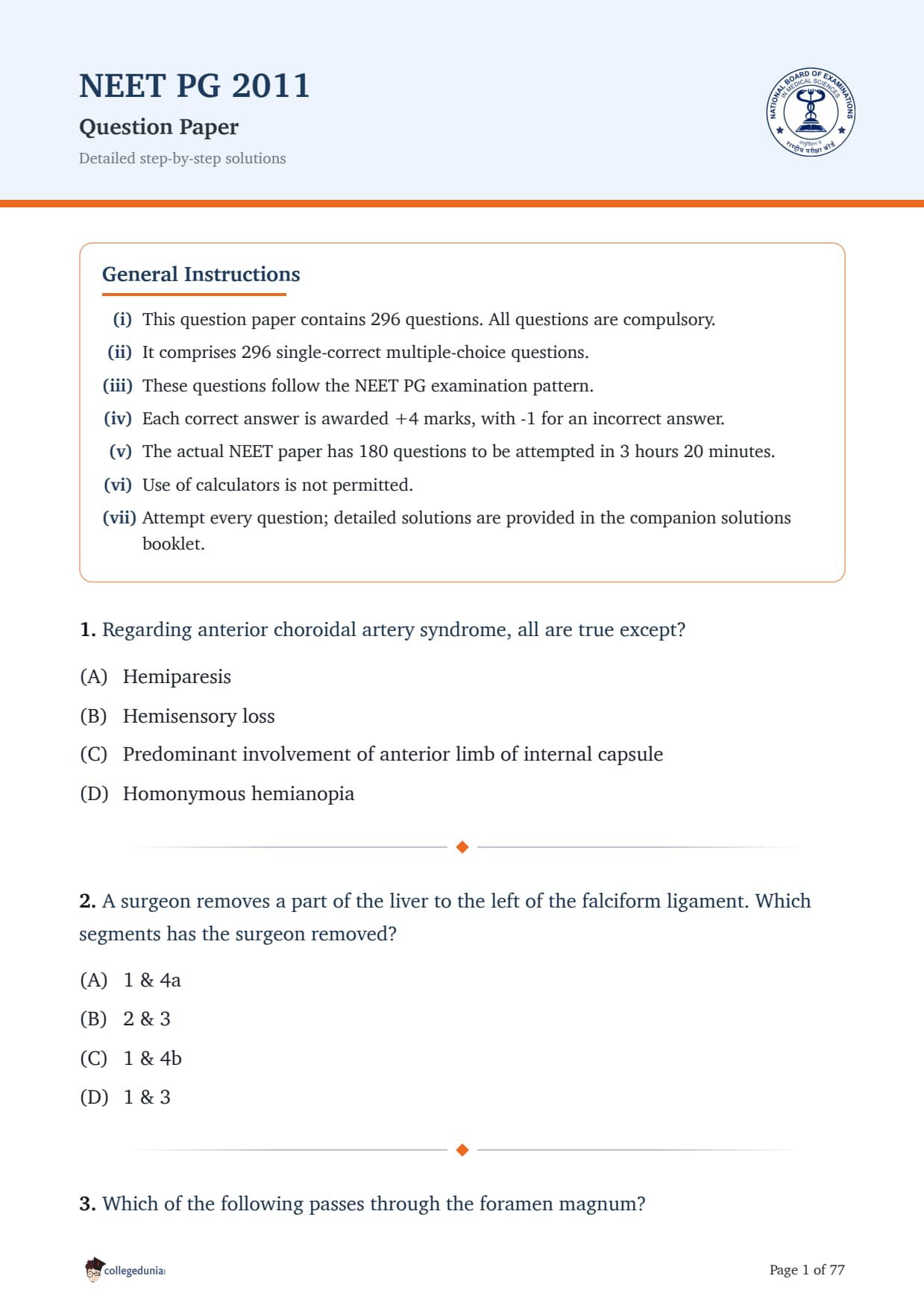
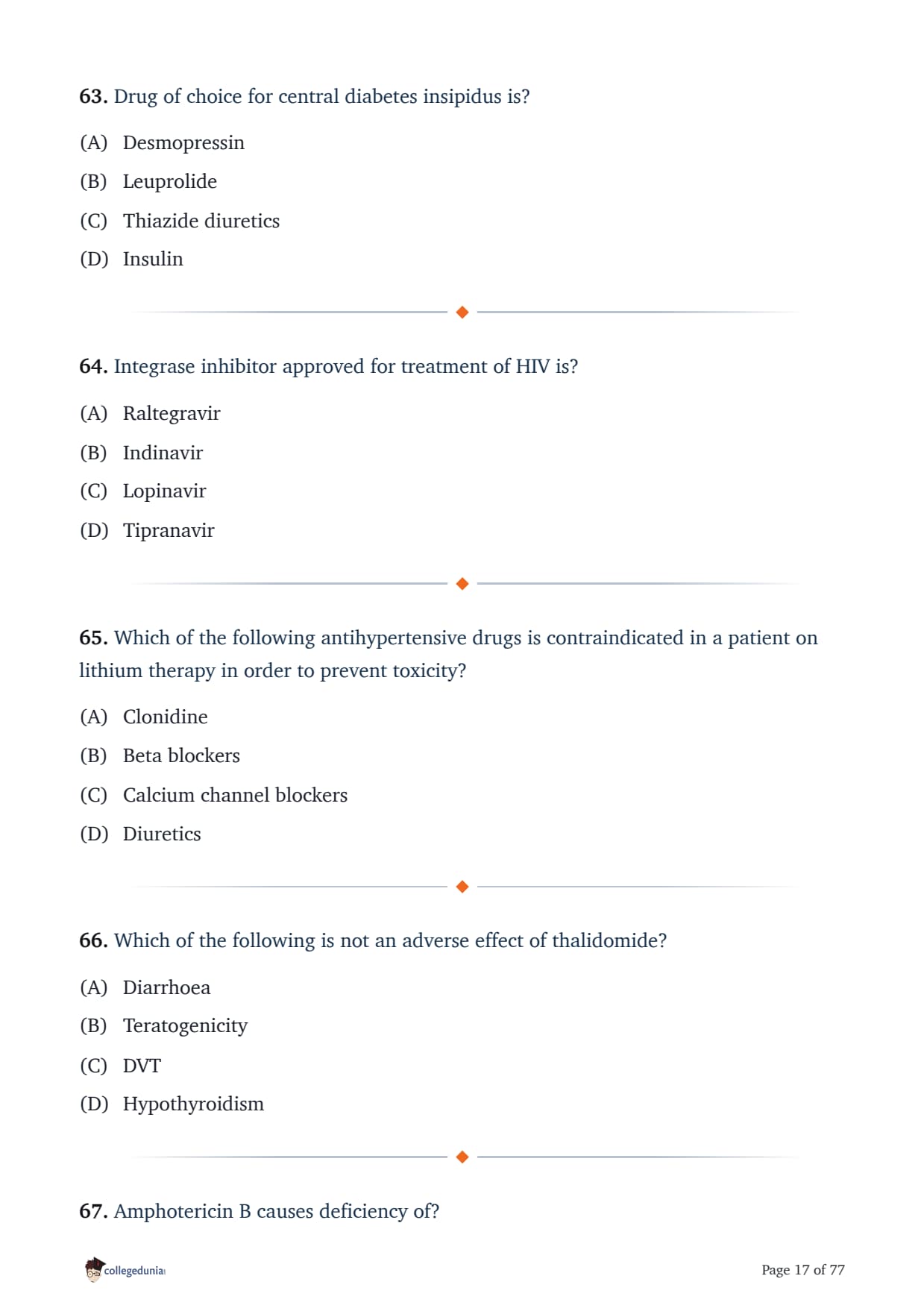
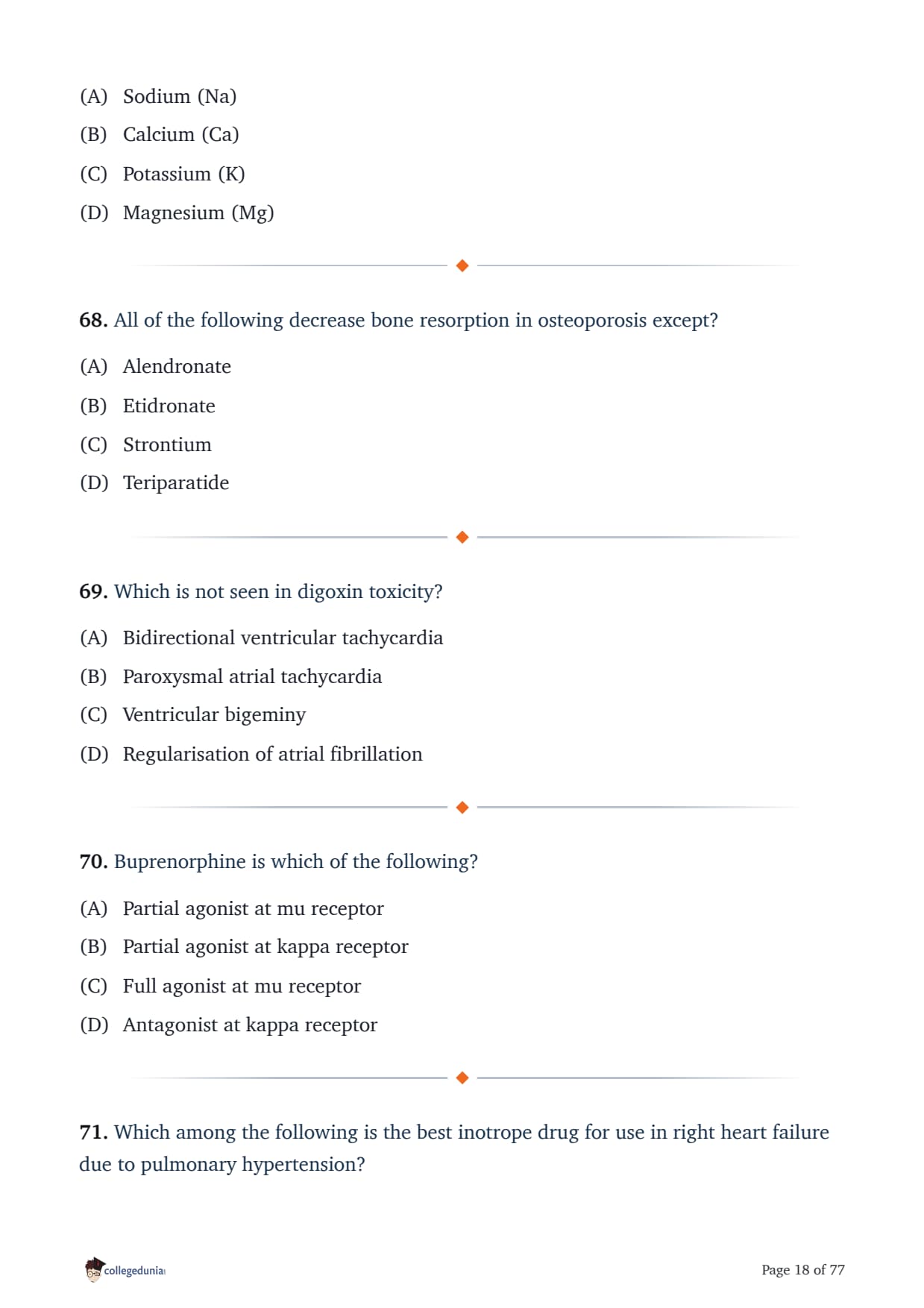
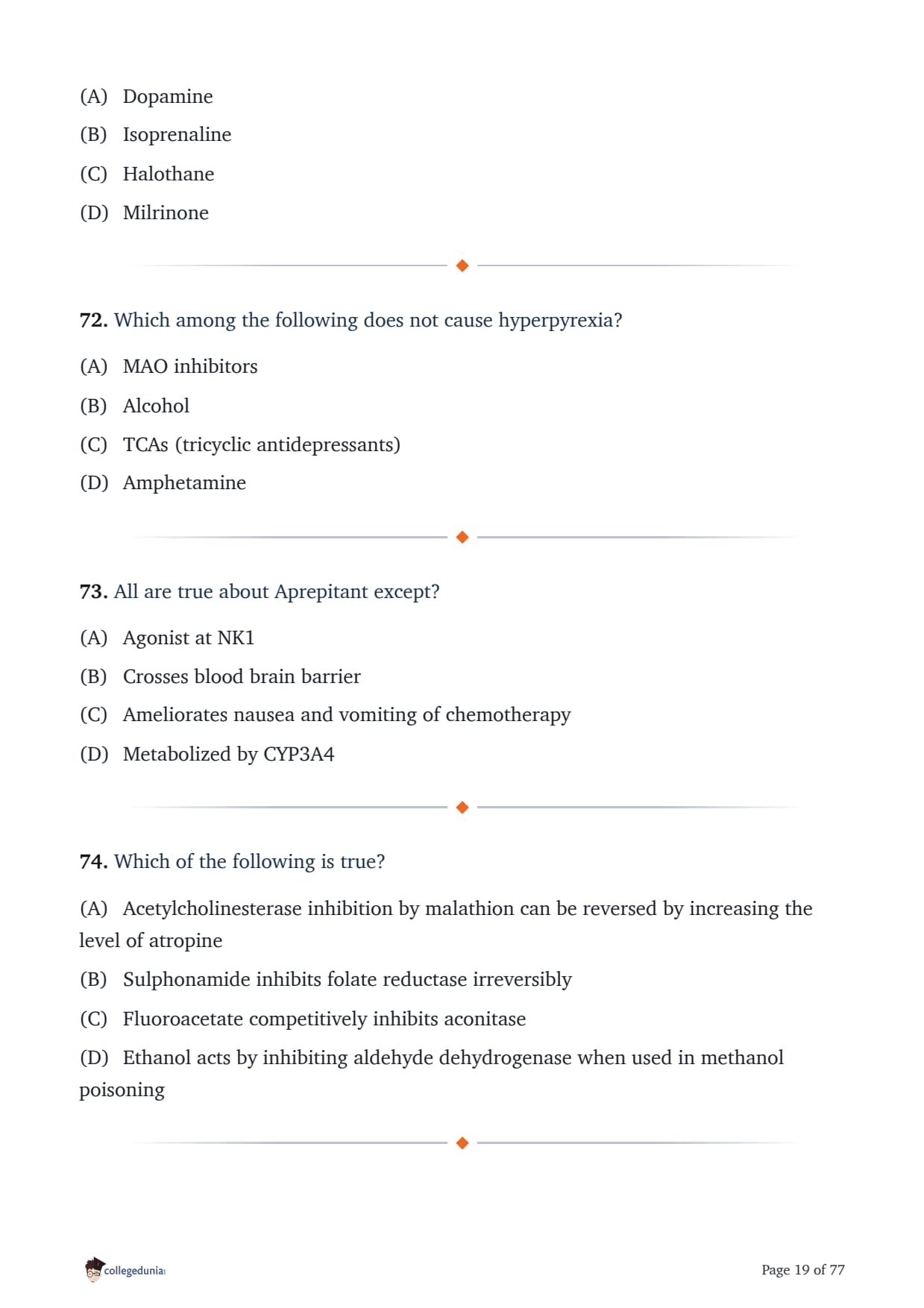
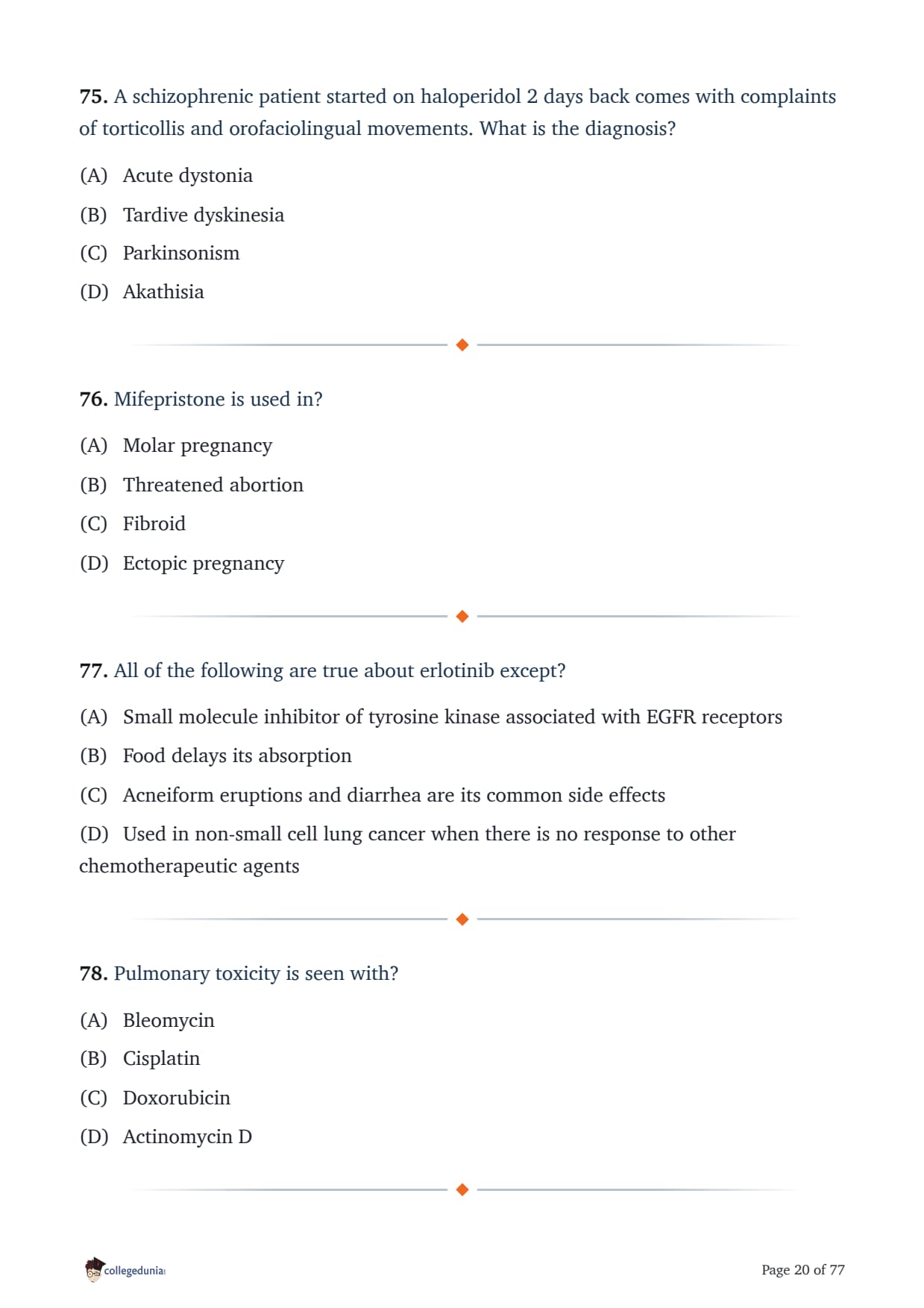
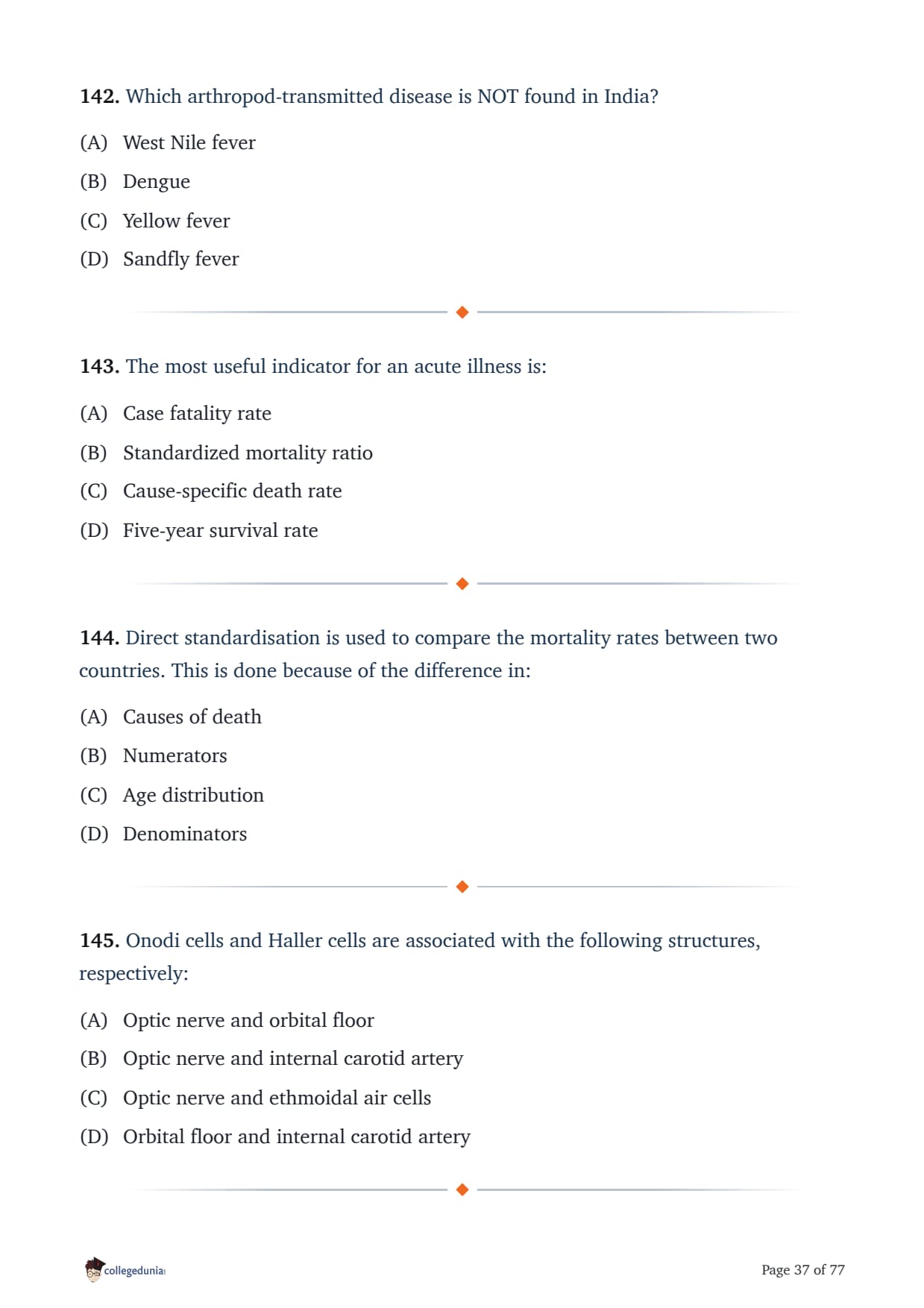
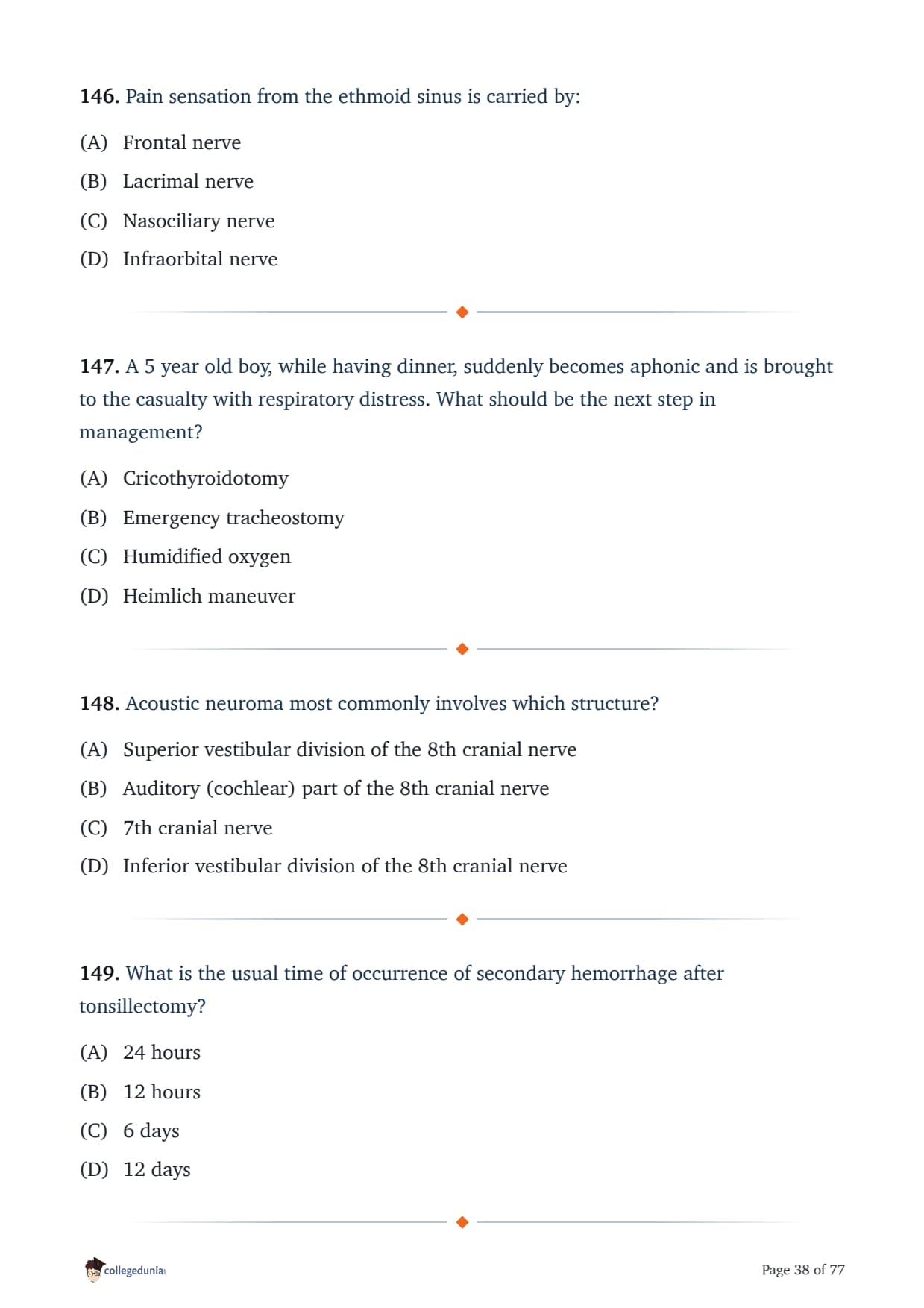
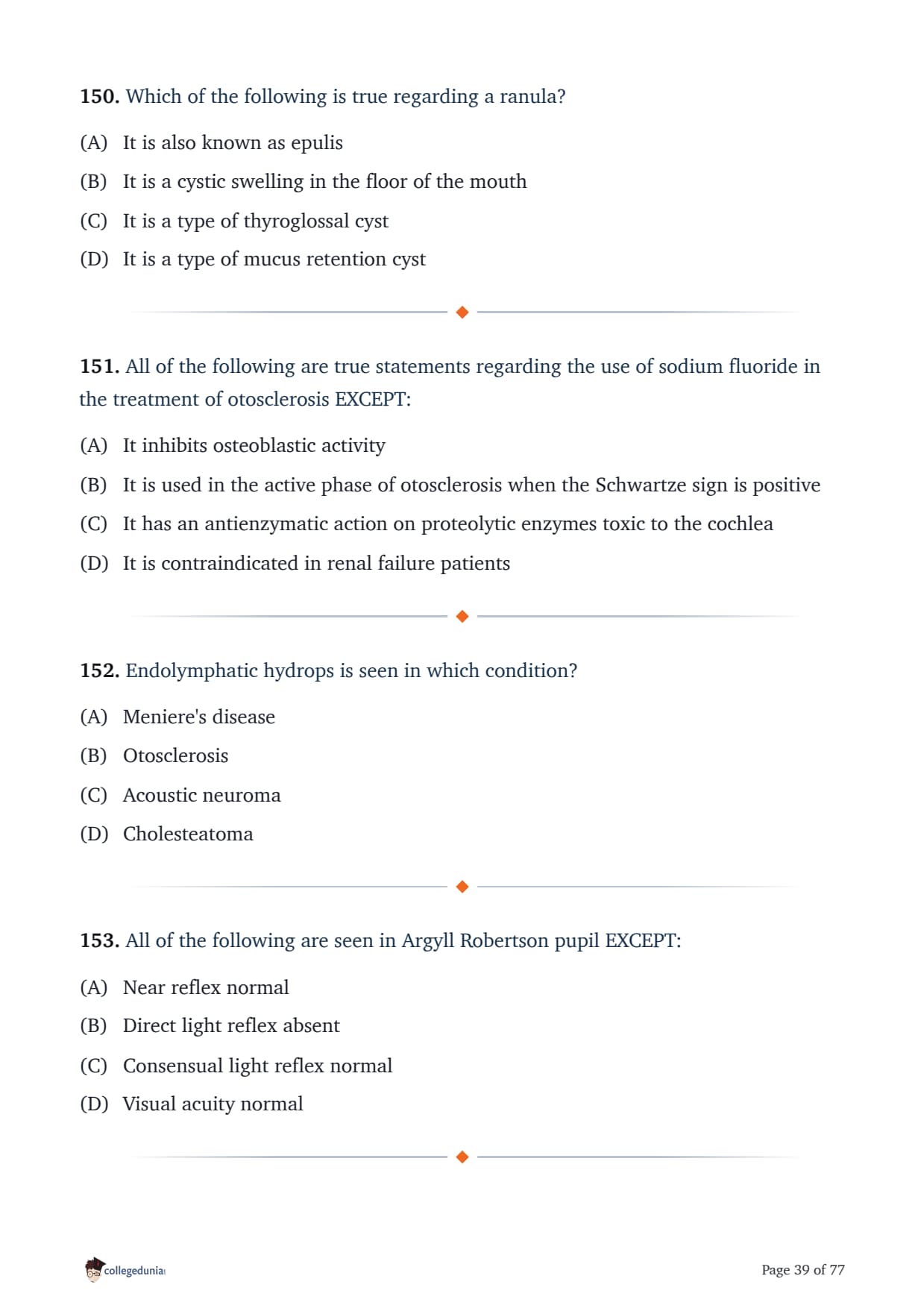
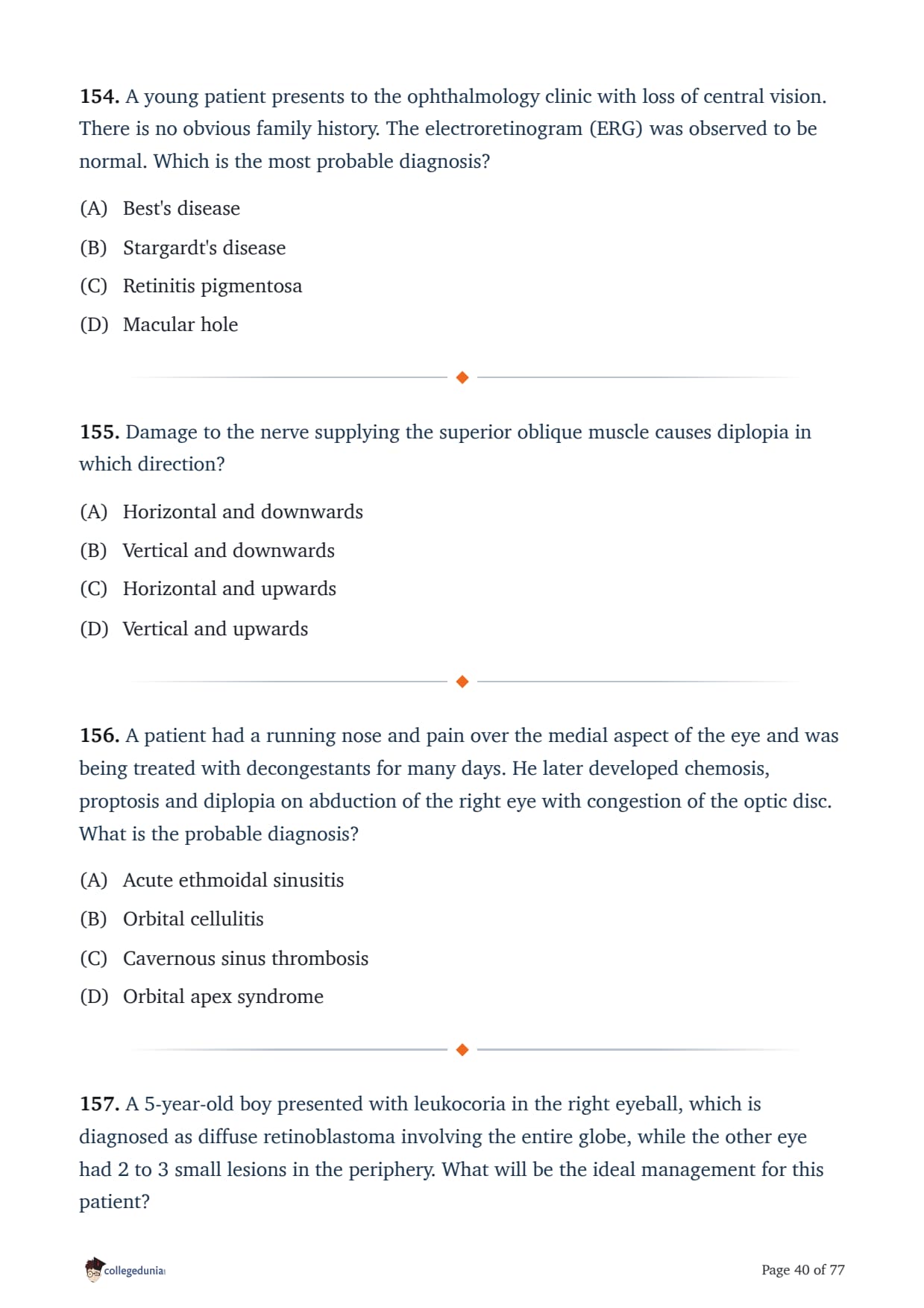
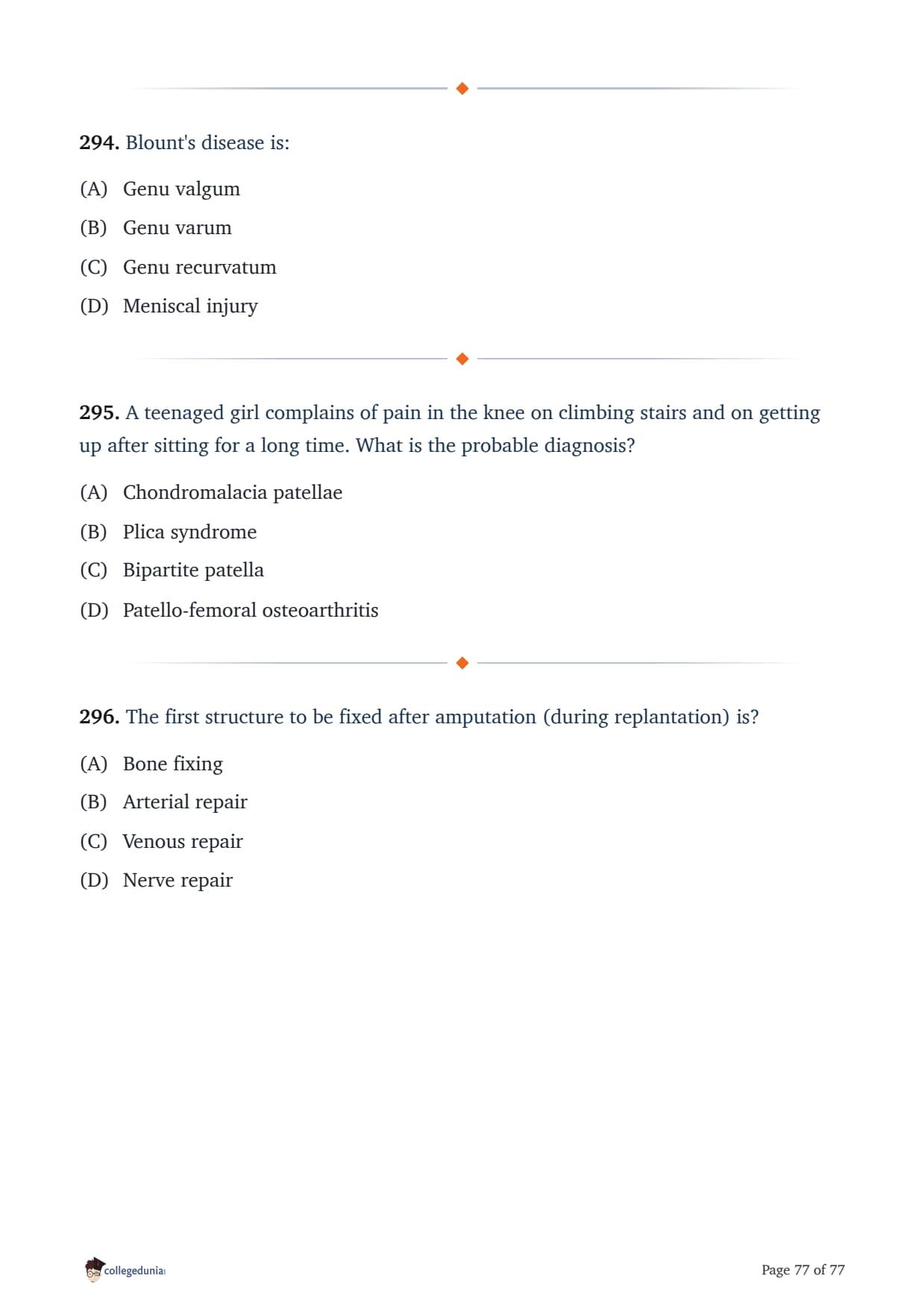



Comments