




Class 7 Social Science Part 1 Chapter 9 From the Rulers to the Ruled: Types of Governments compares how countries are run. These class 7 social science handwritten notes chapter 9 From the Rulers to the Ruled: Types of Governments follow the 2026-27 NCERT and cover democracy, monarchy and other forms.
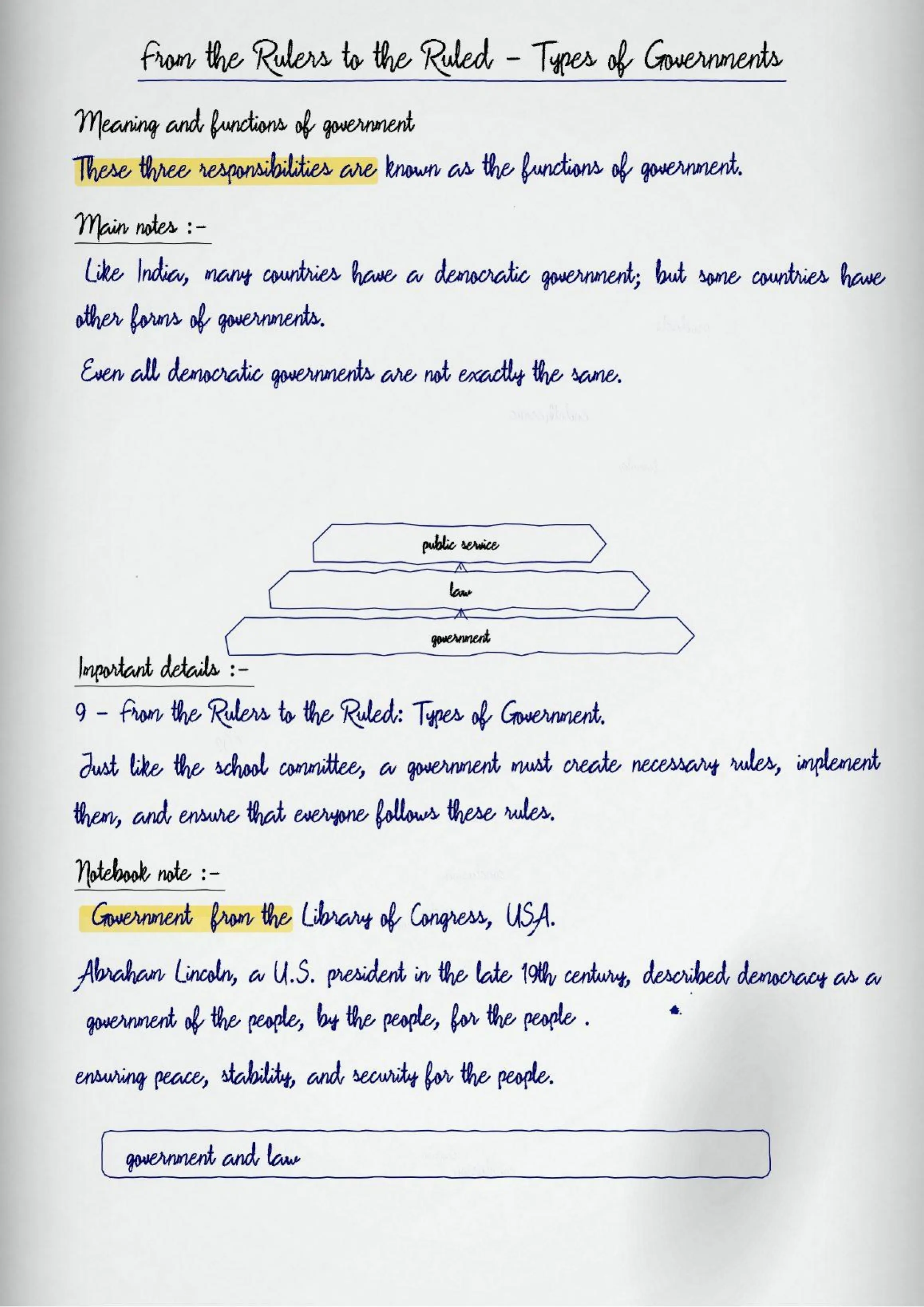
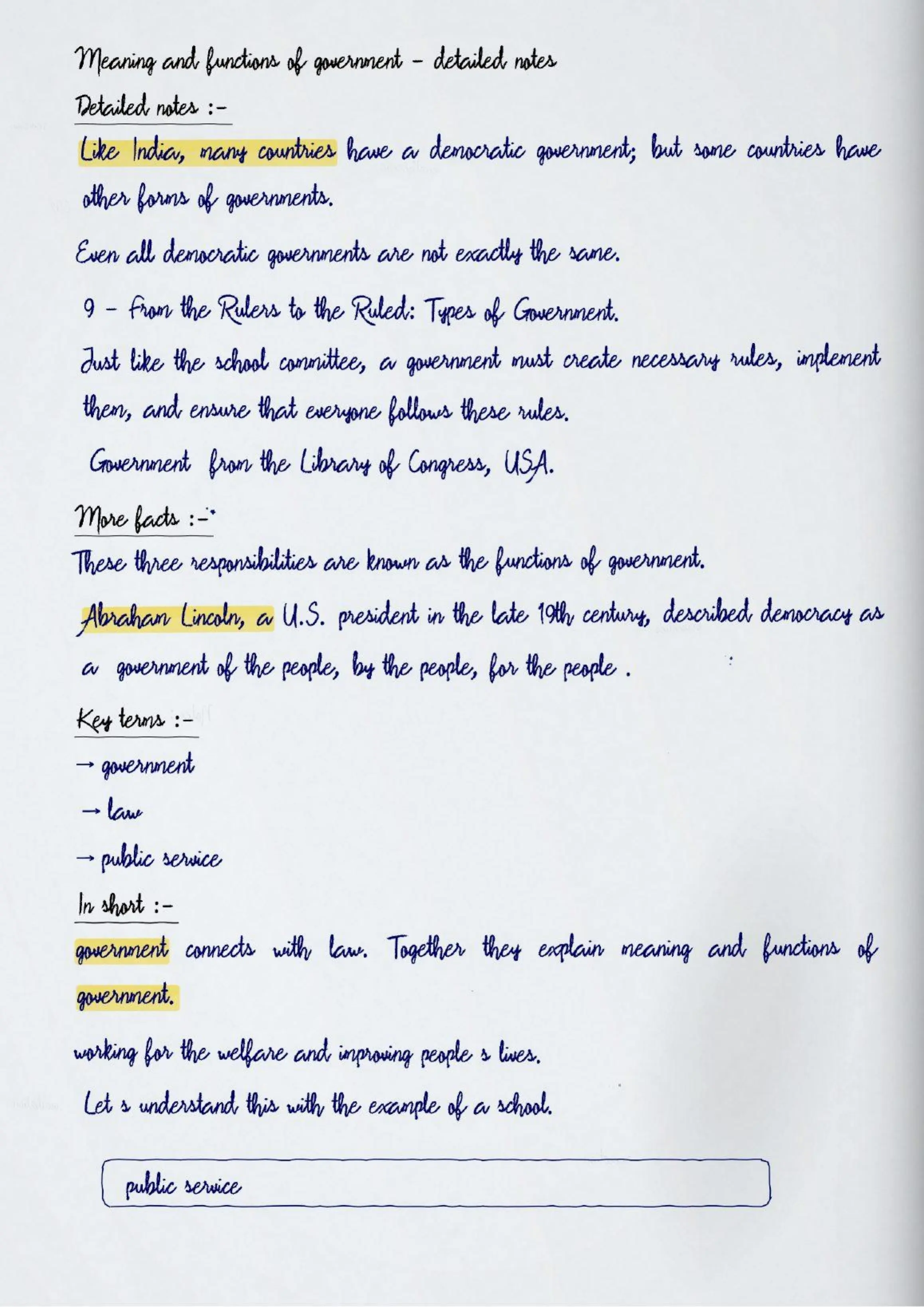
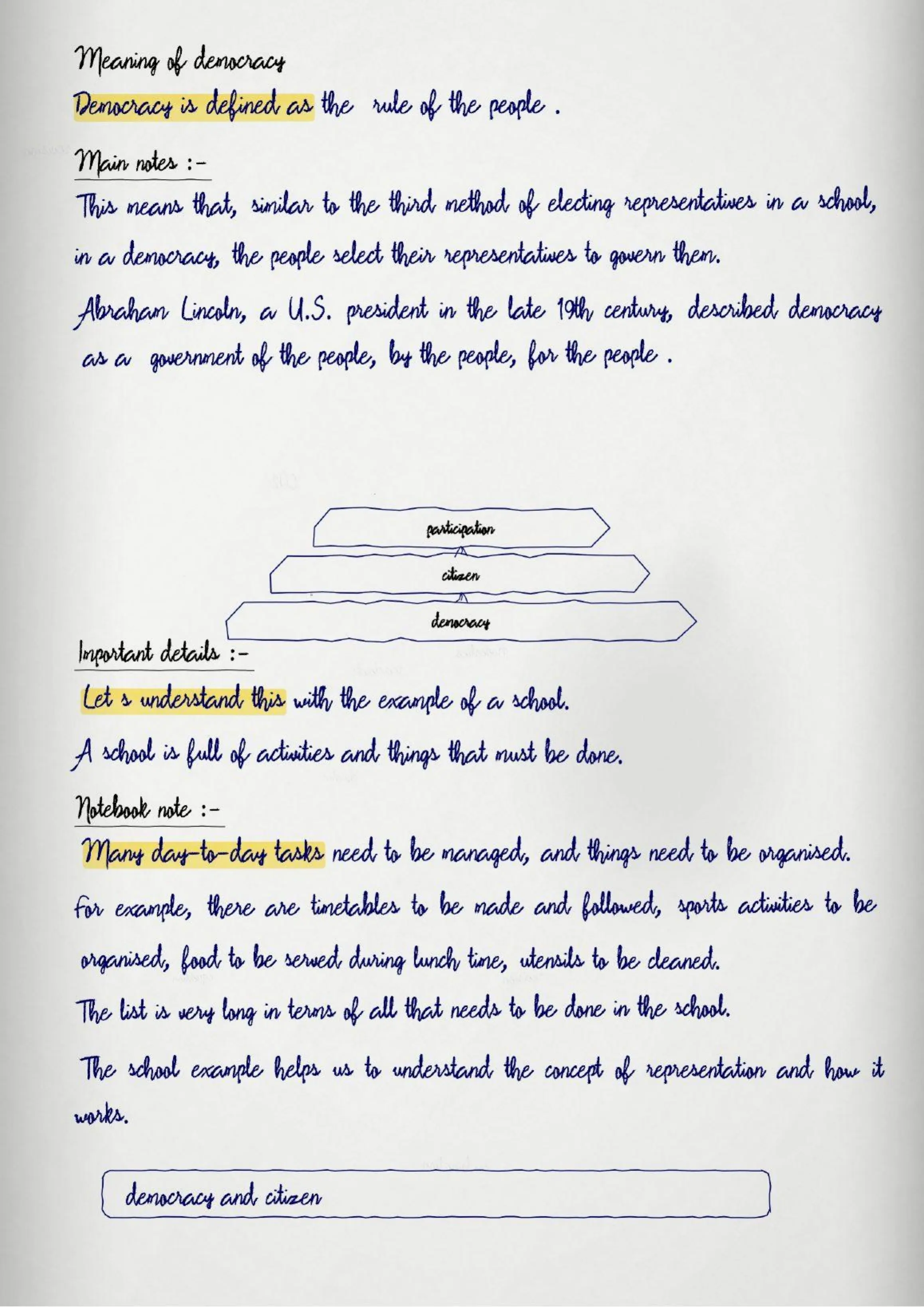
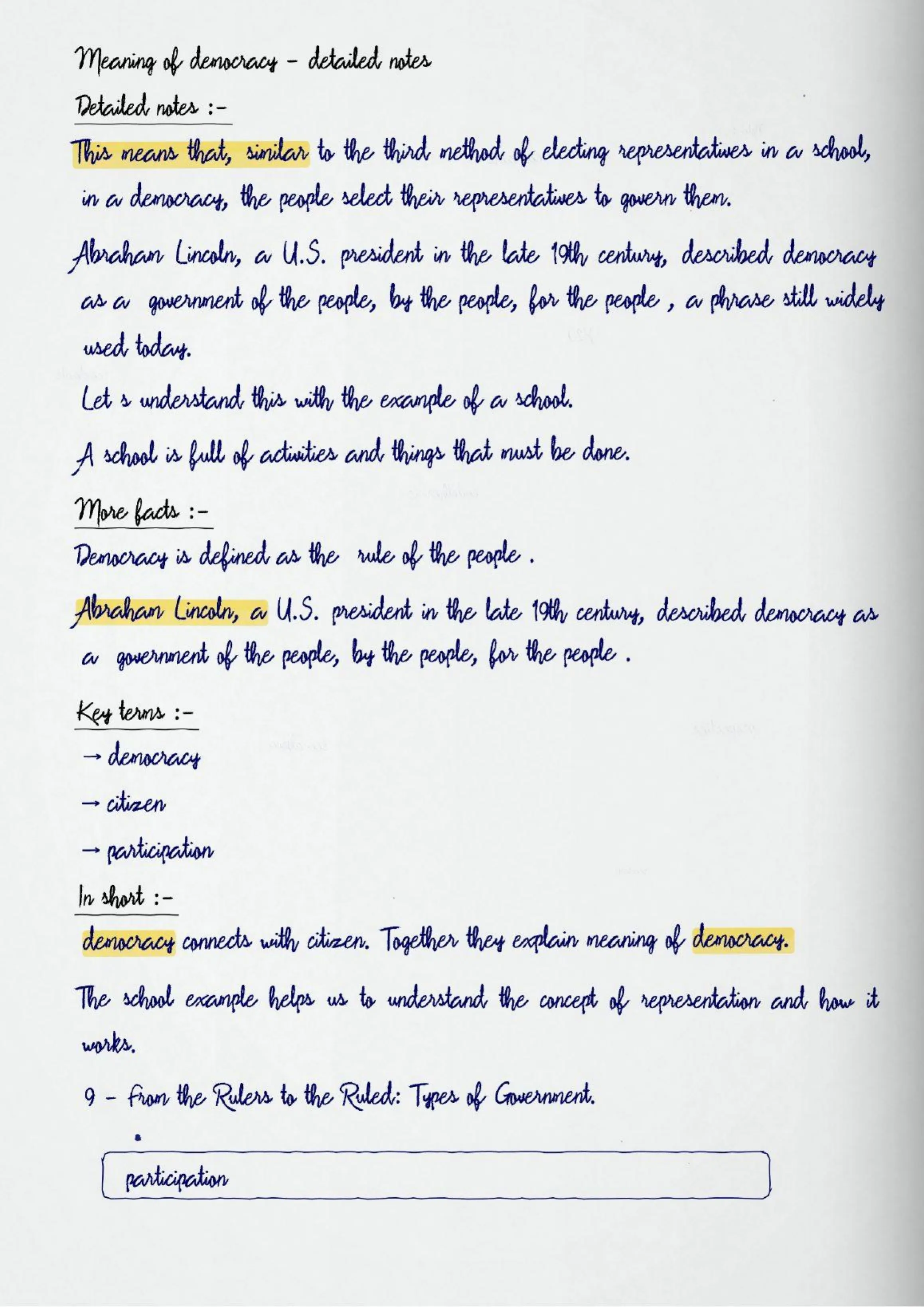
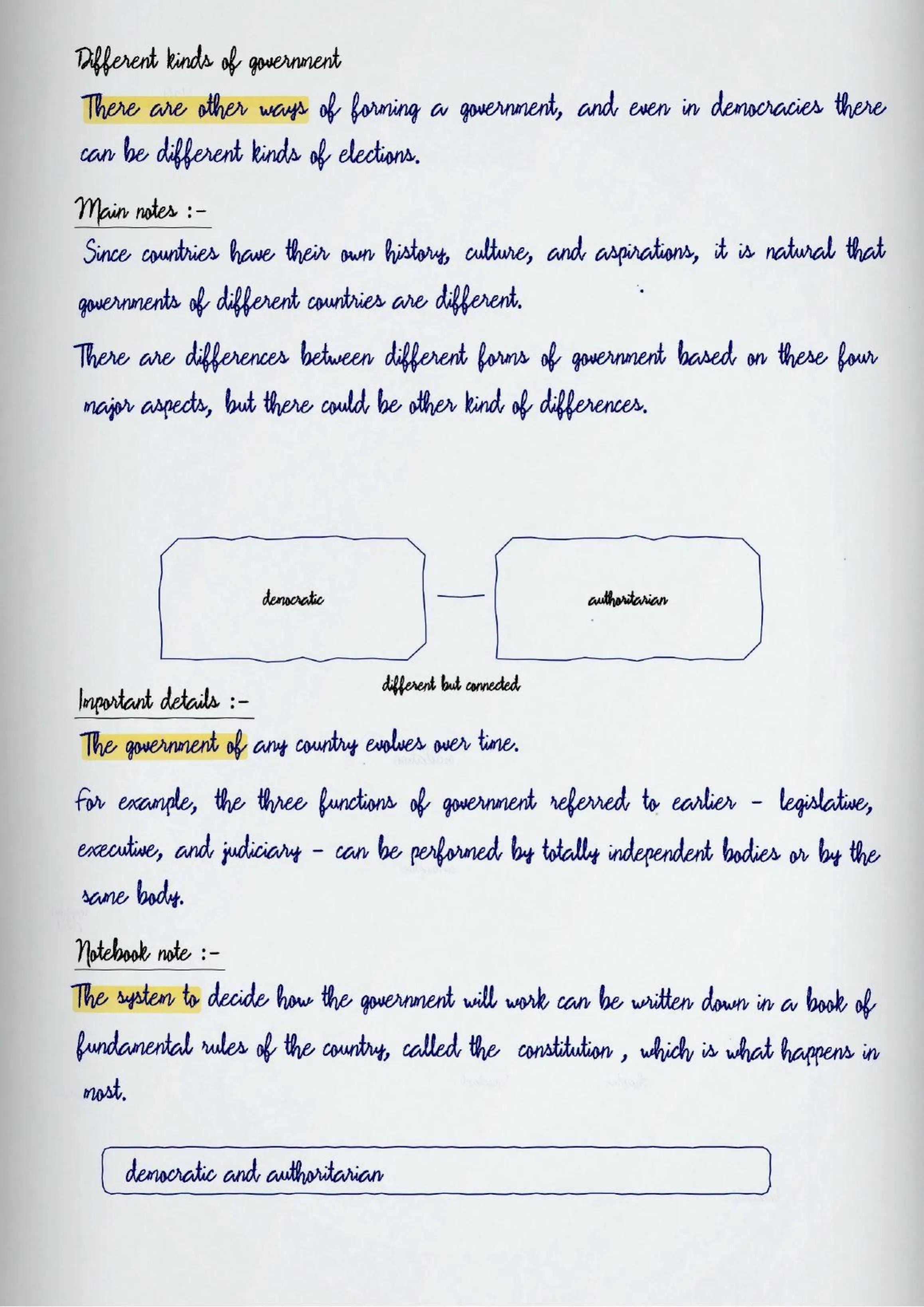
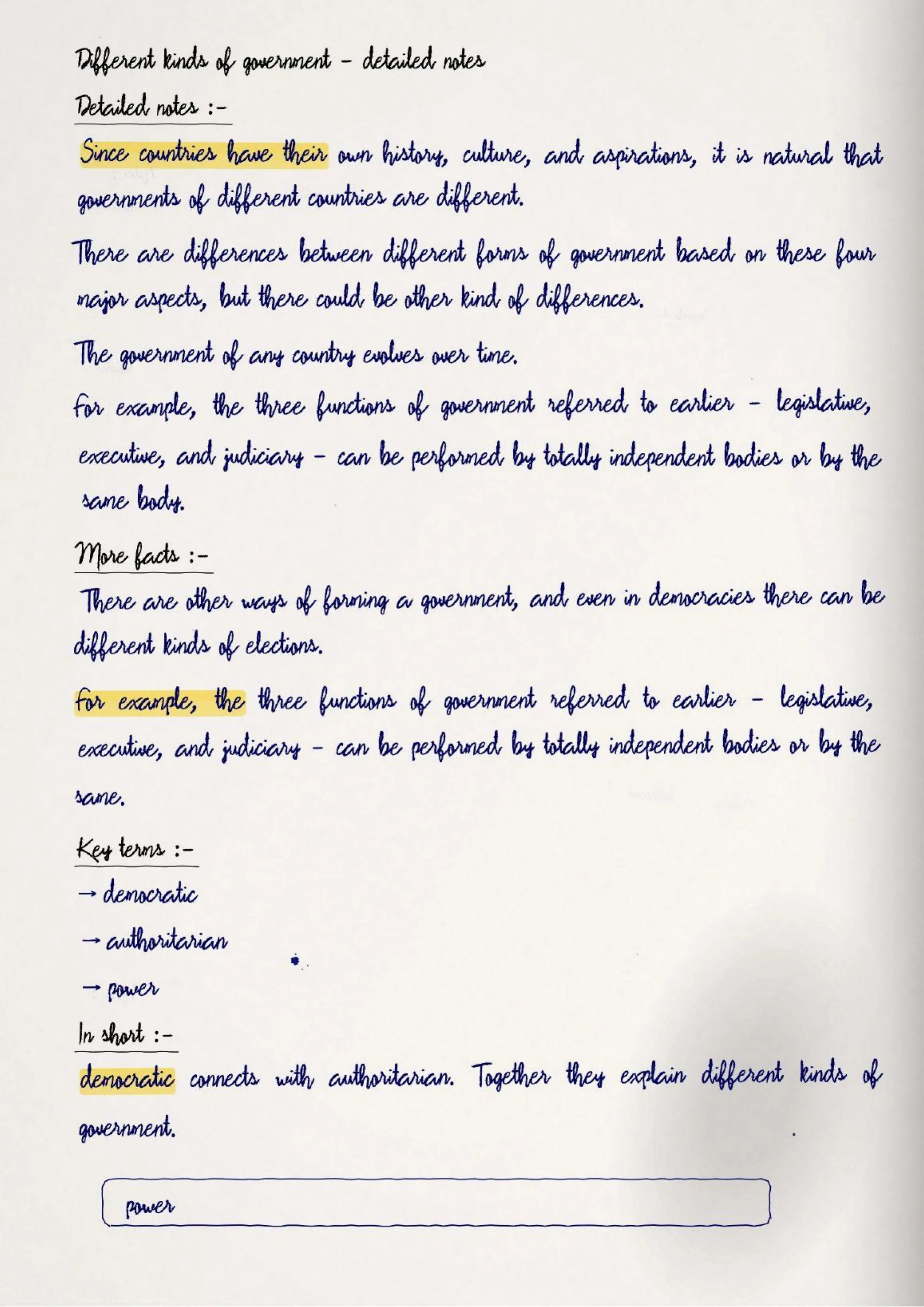
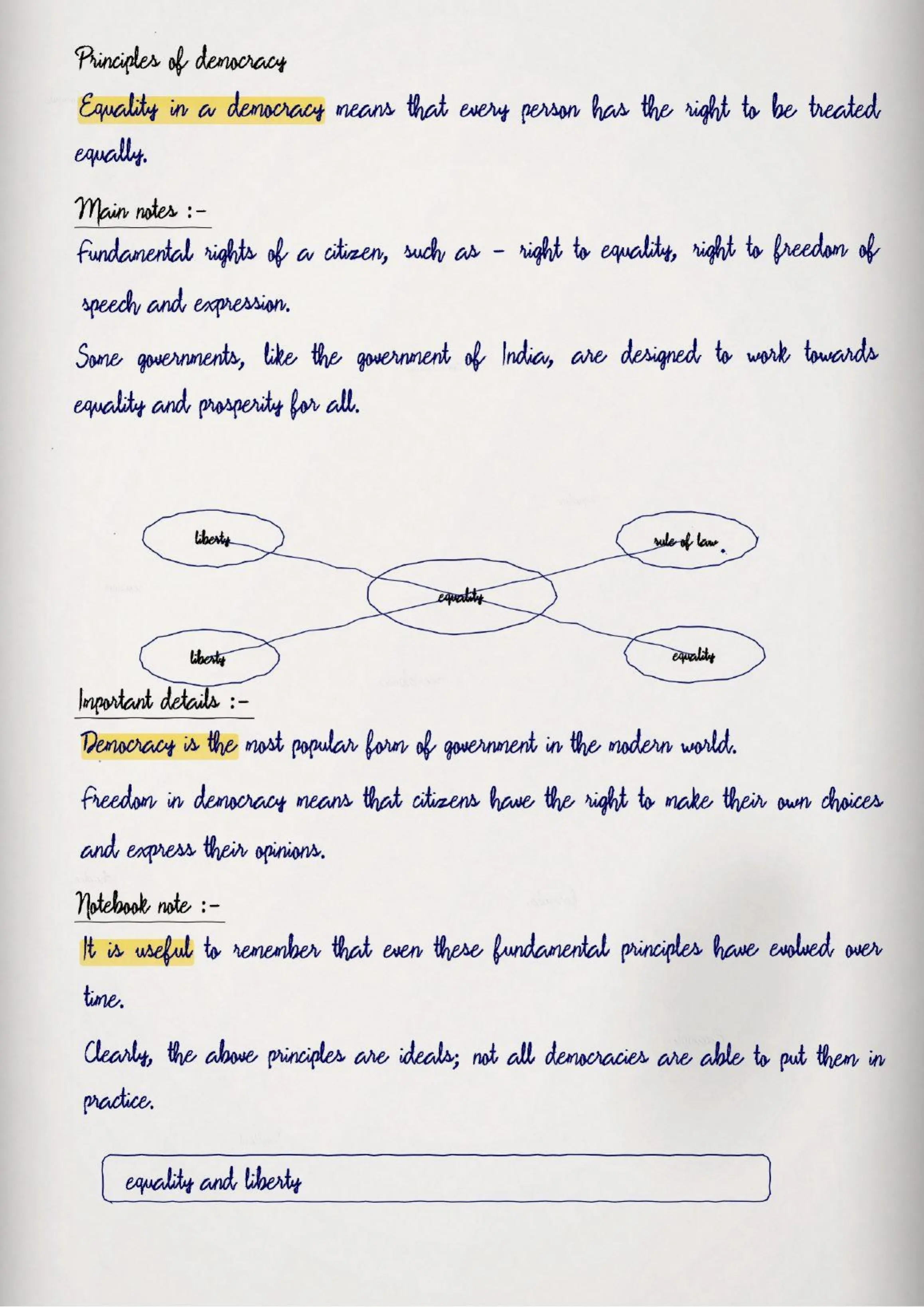
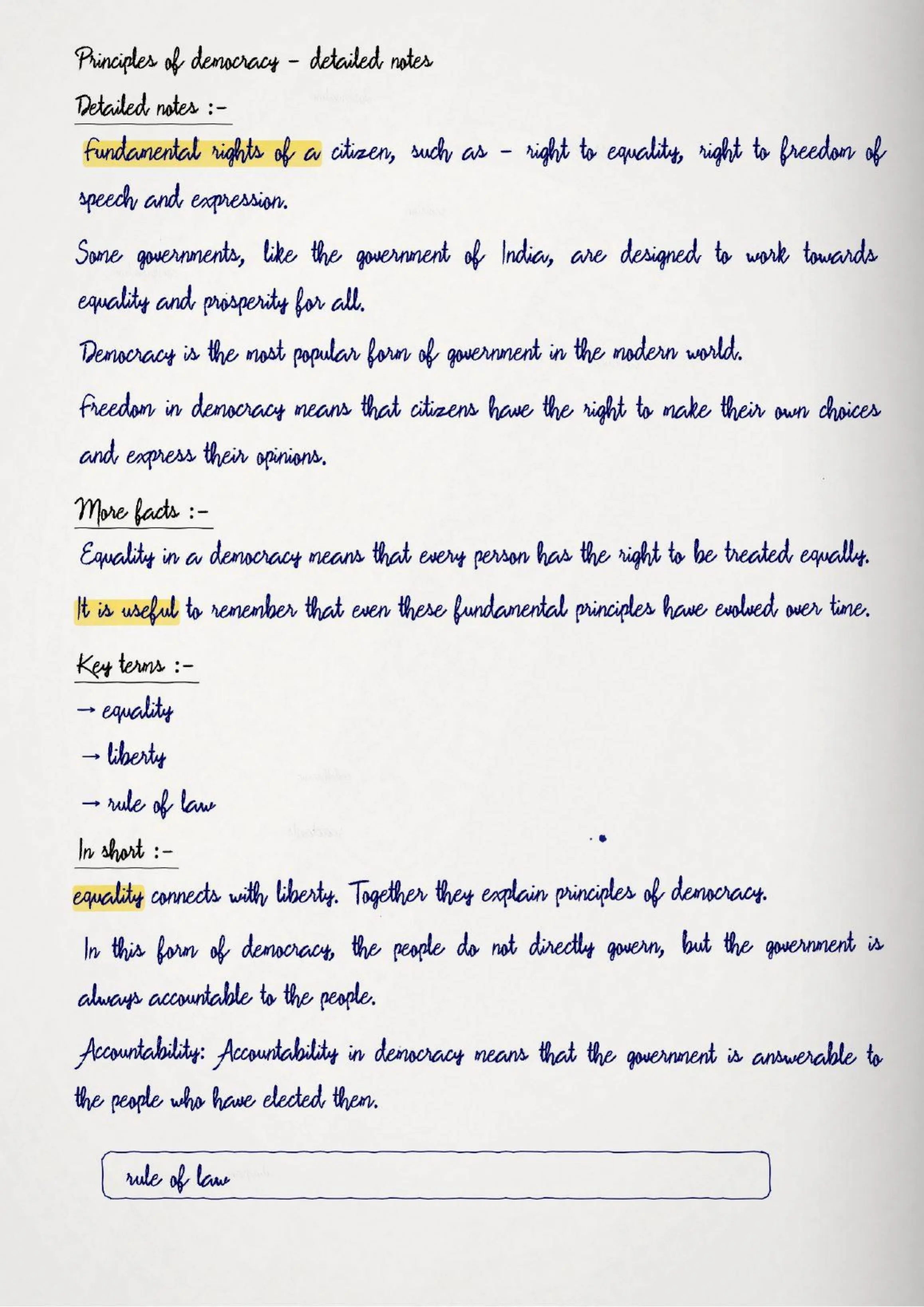
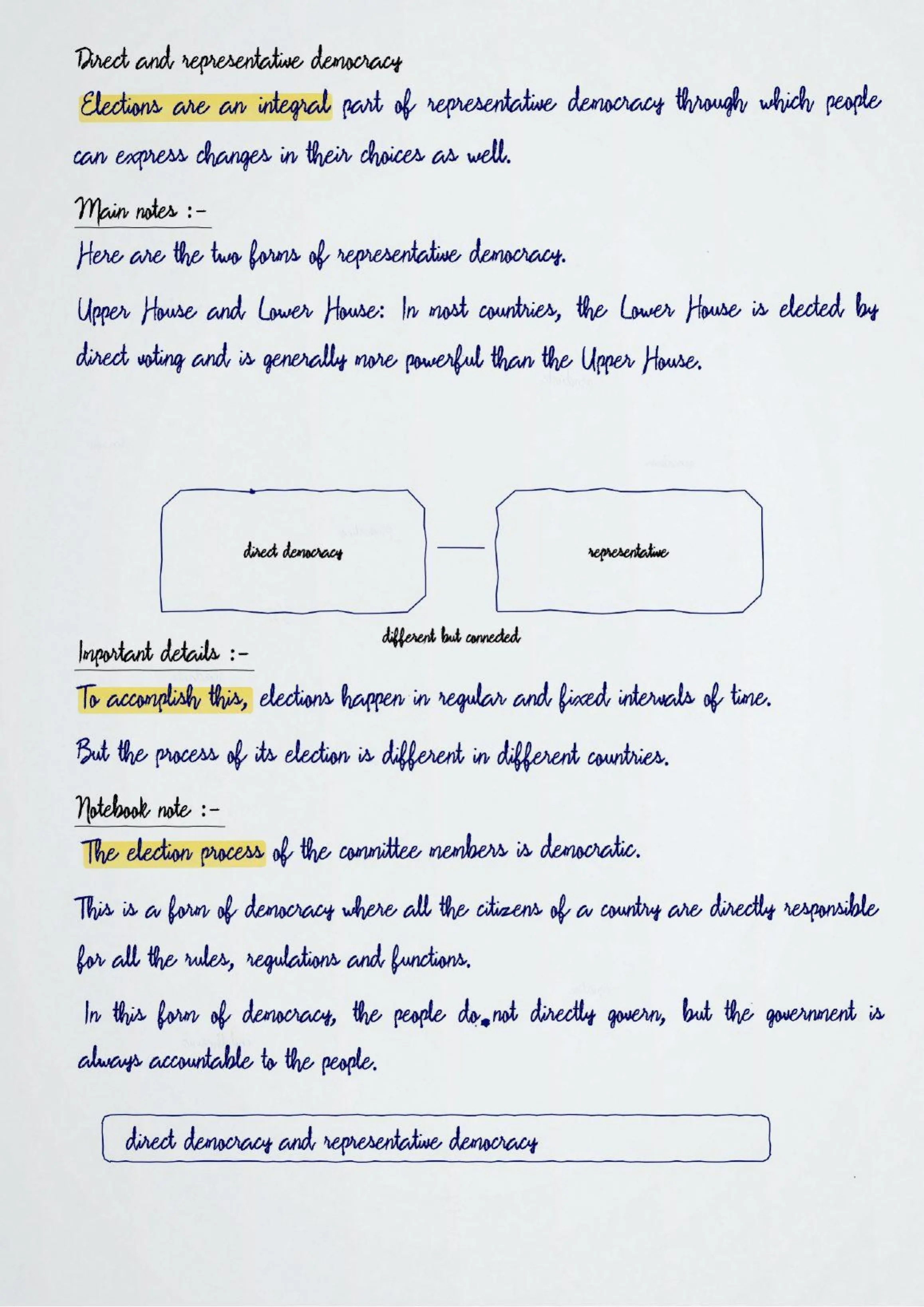
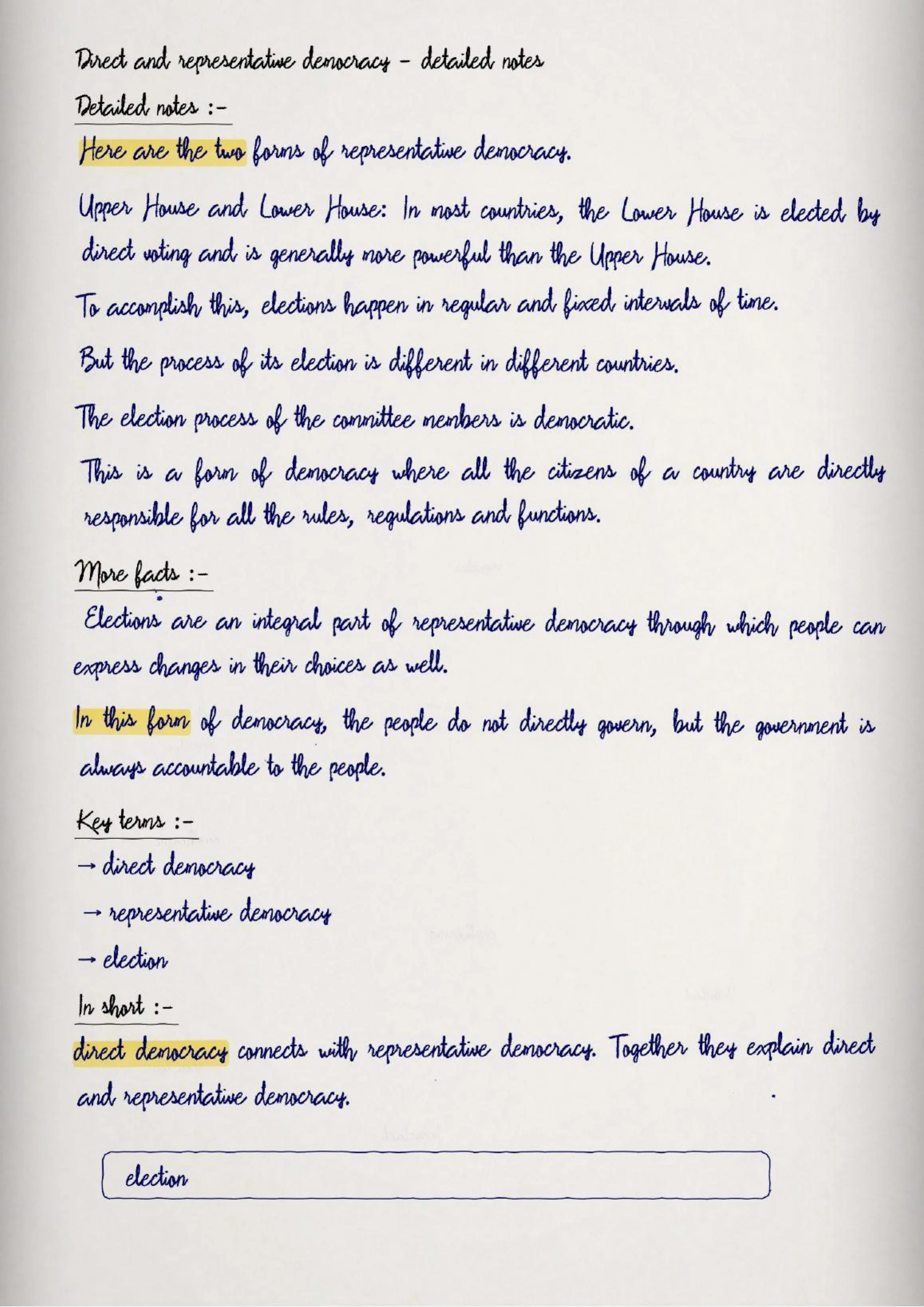
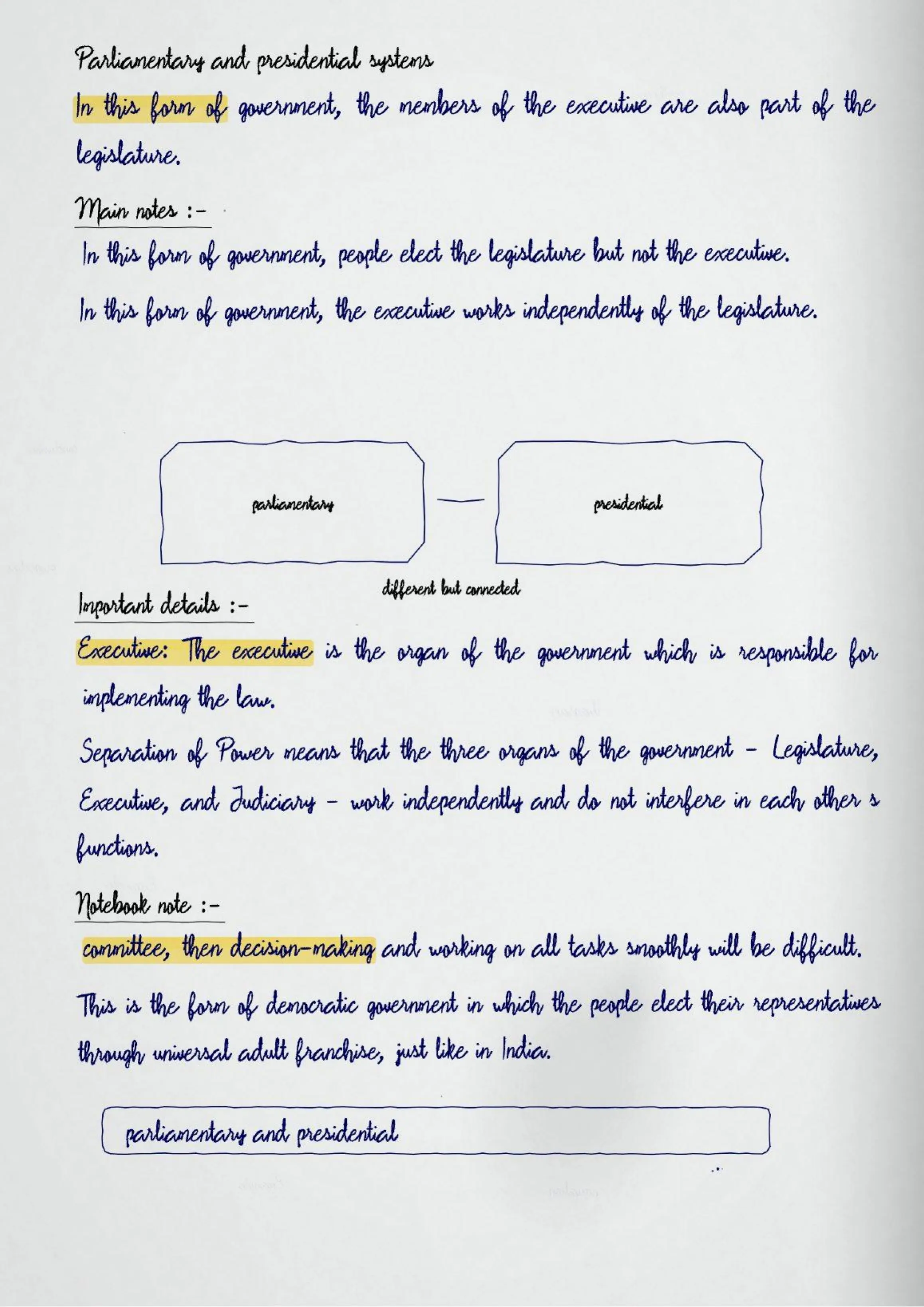
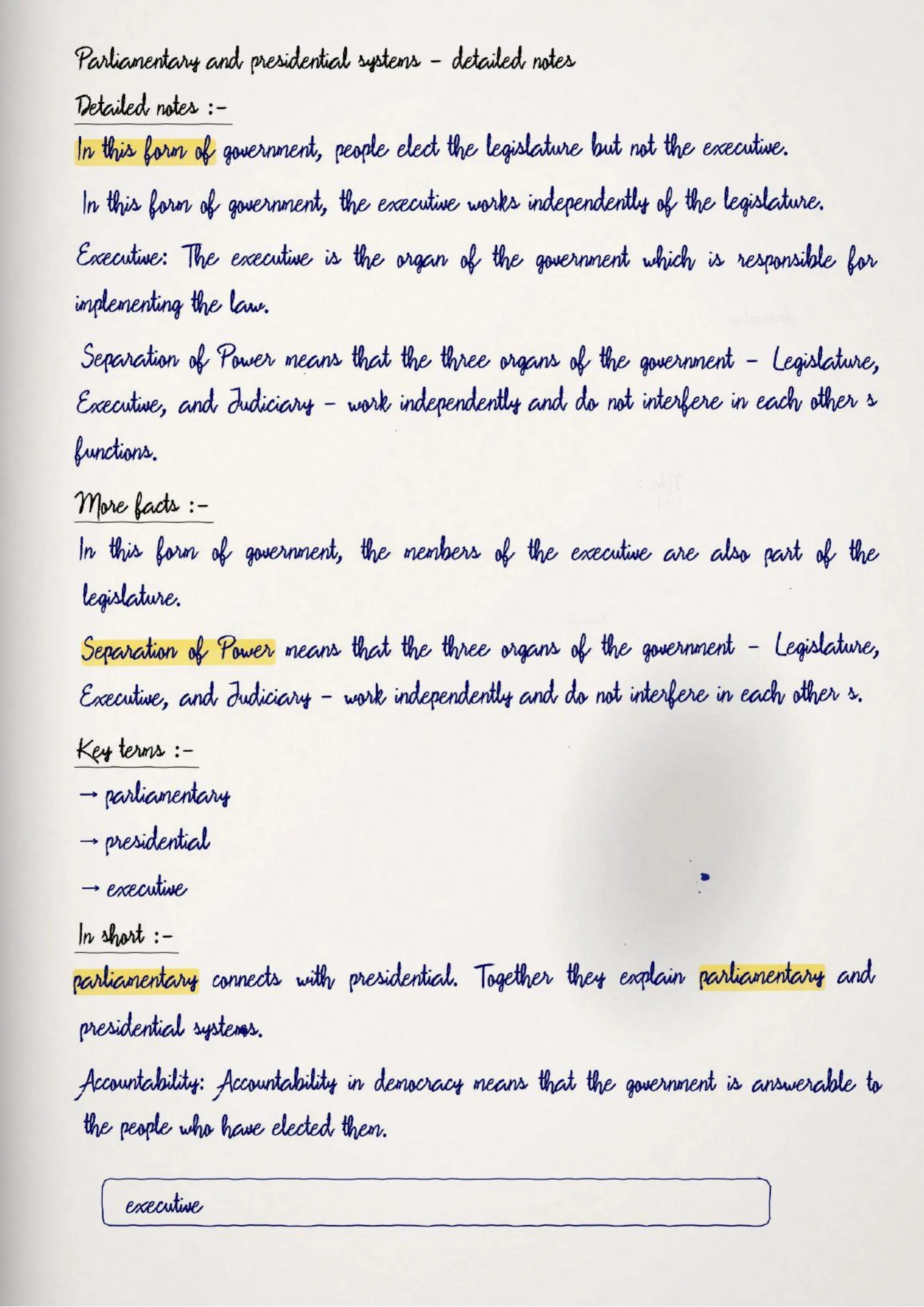
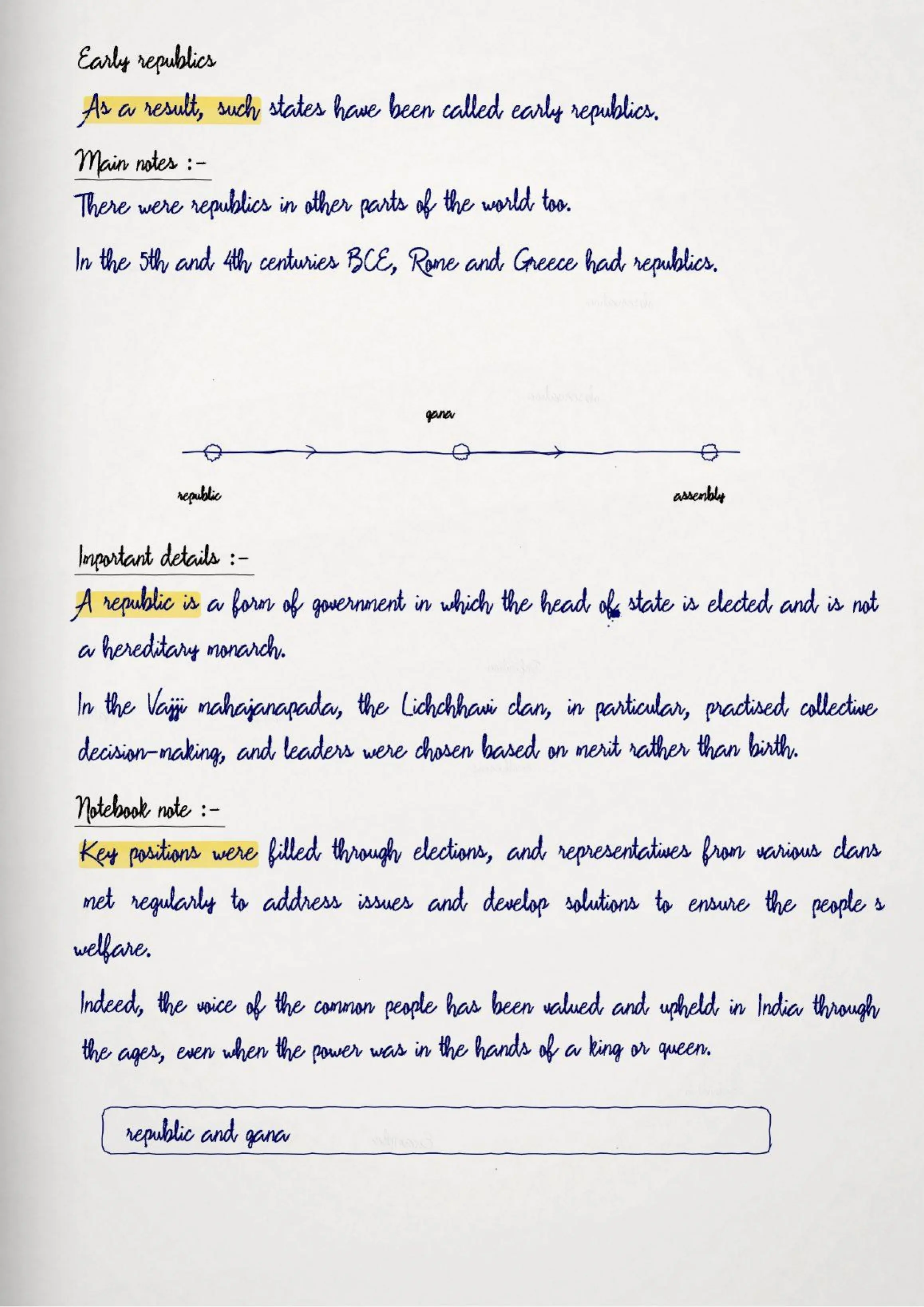
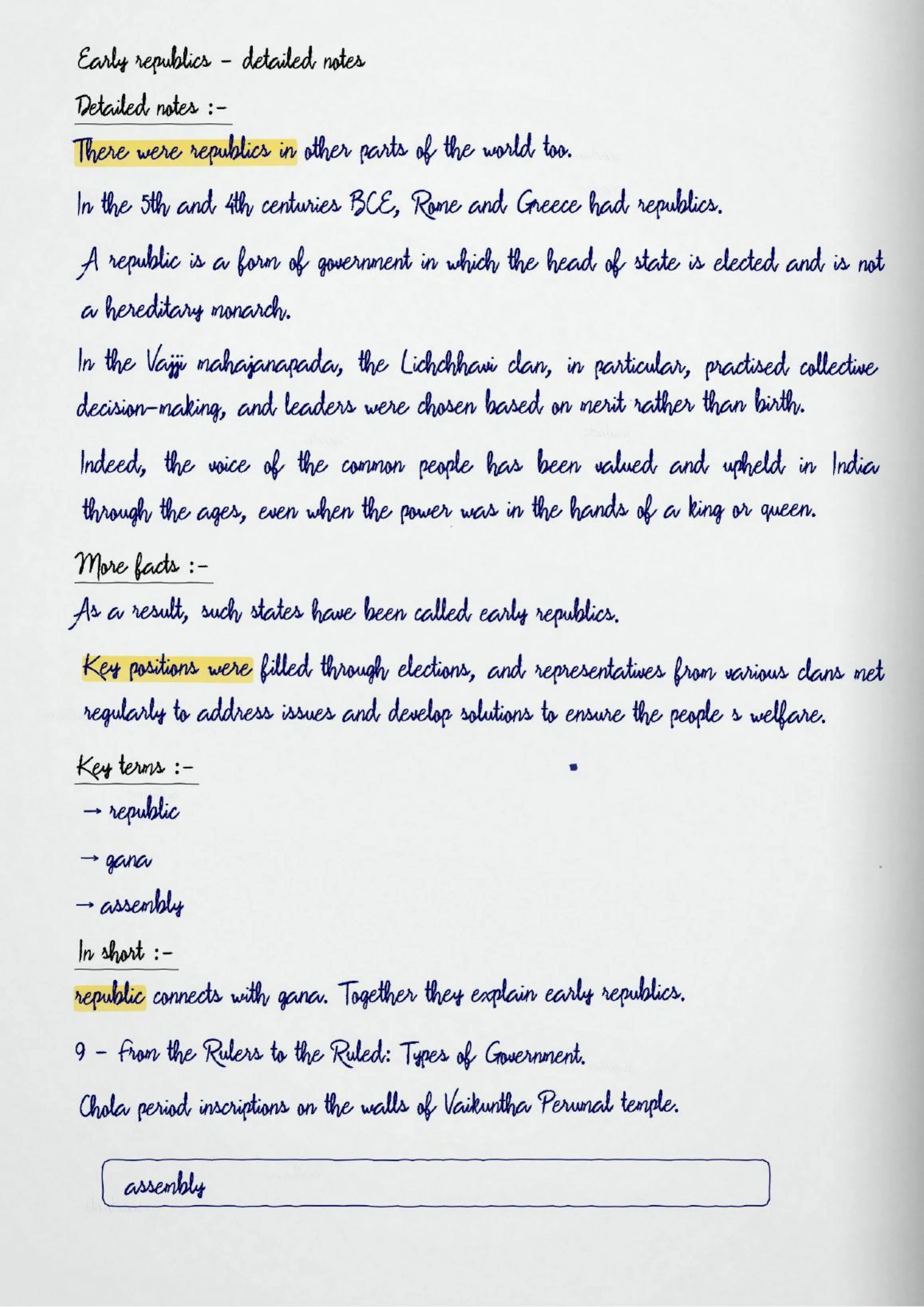
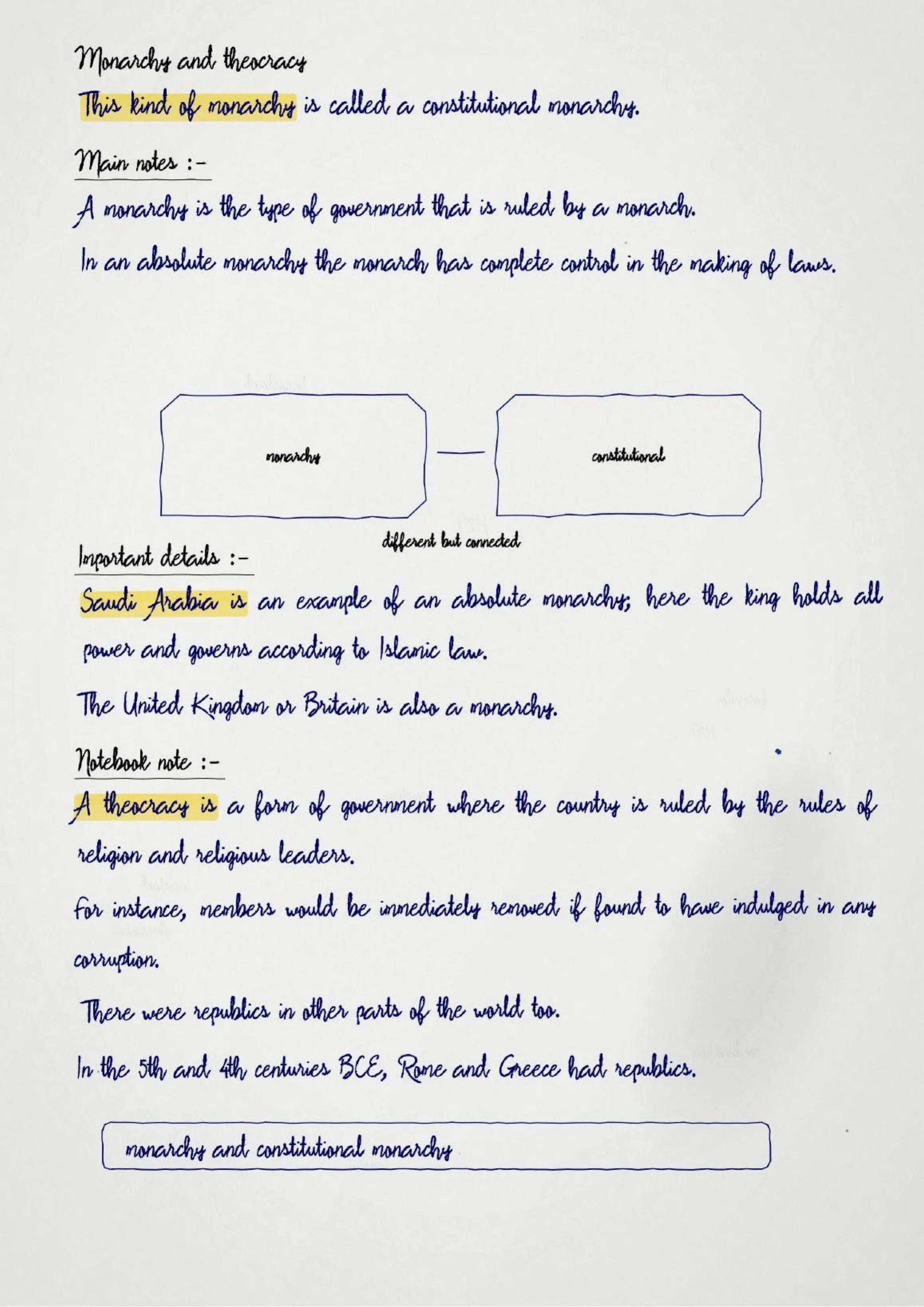
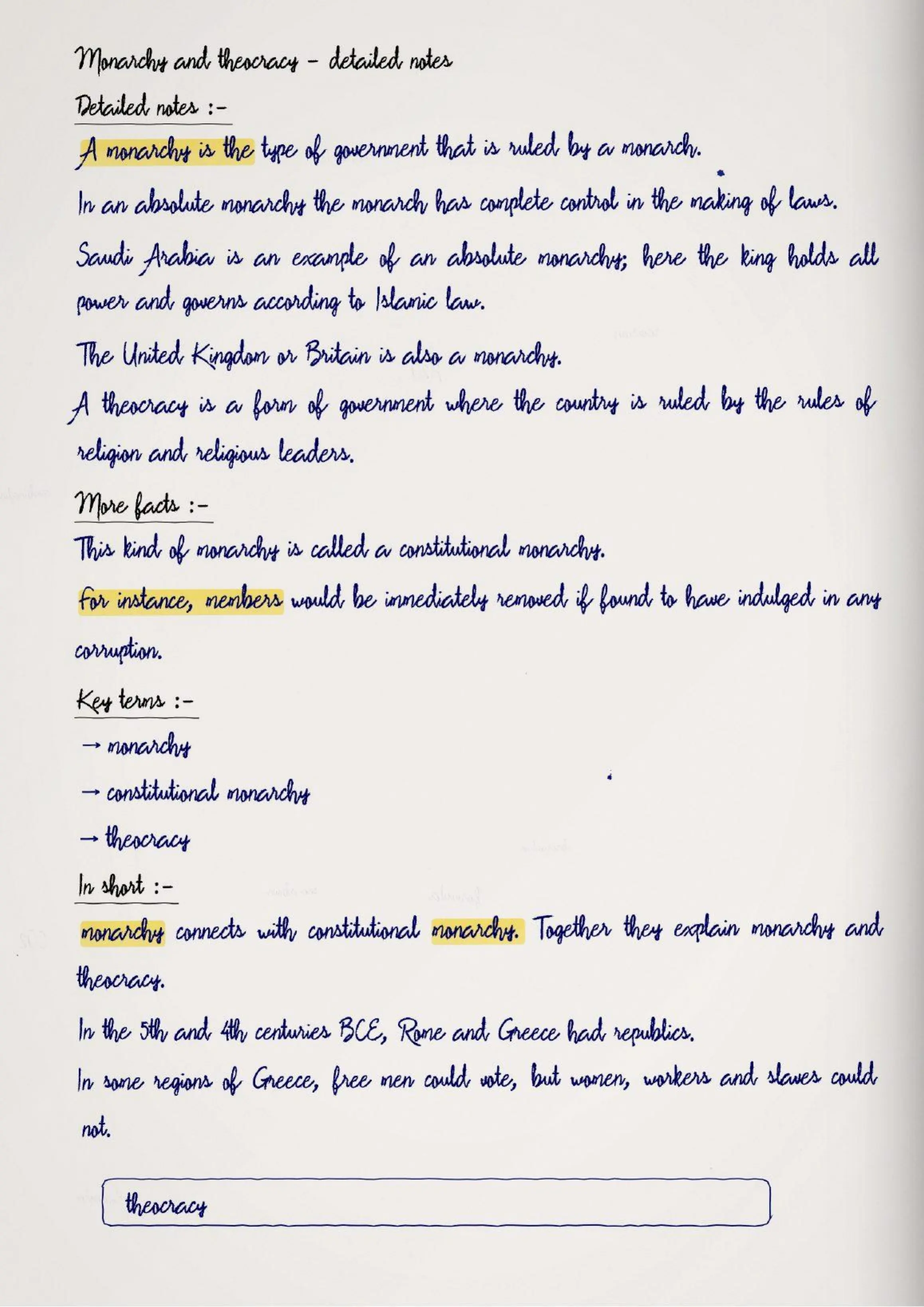
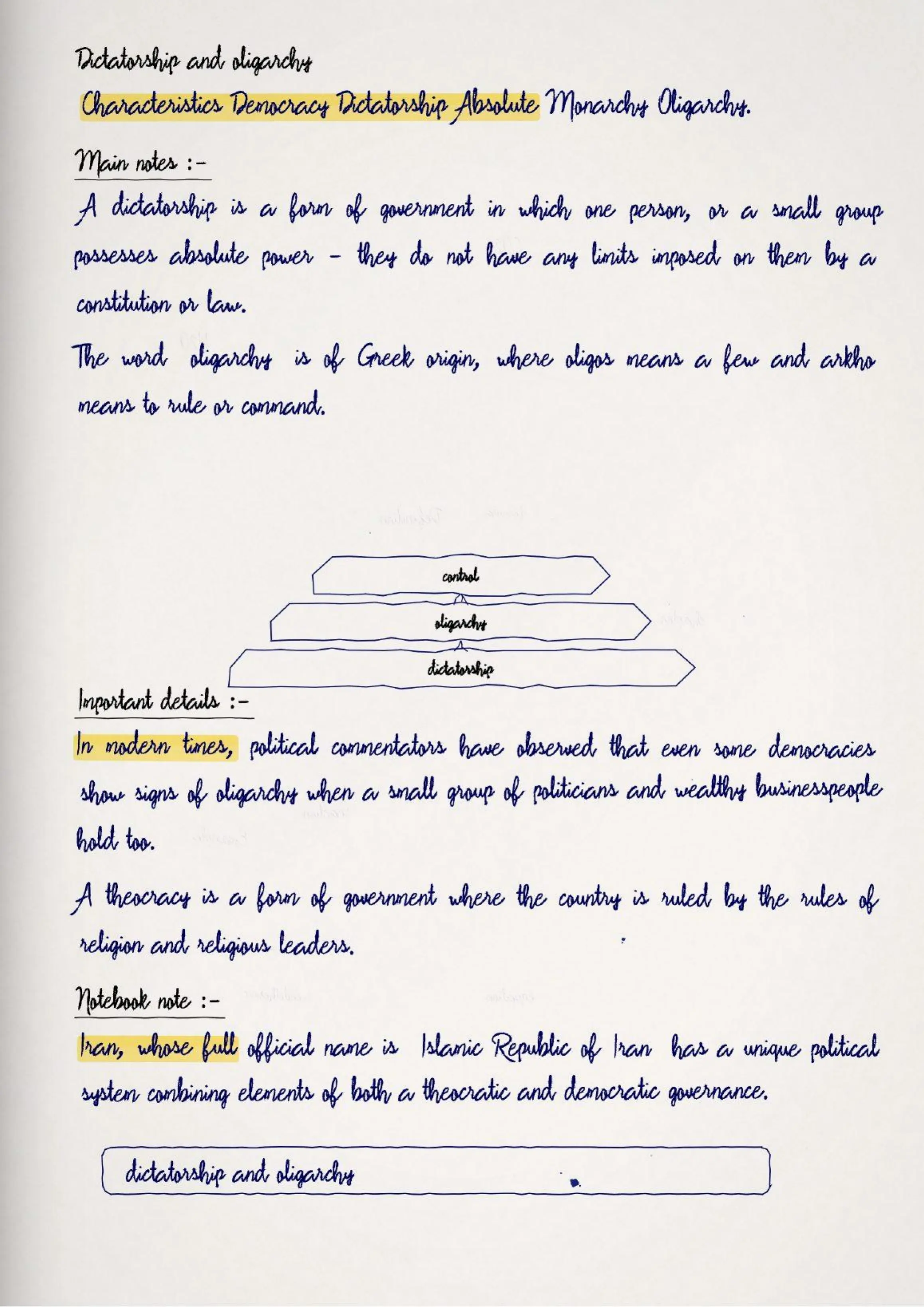
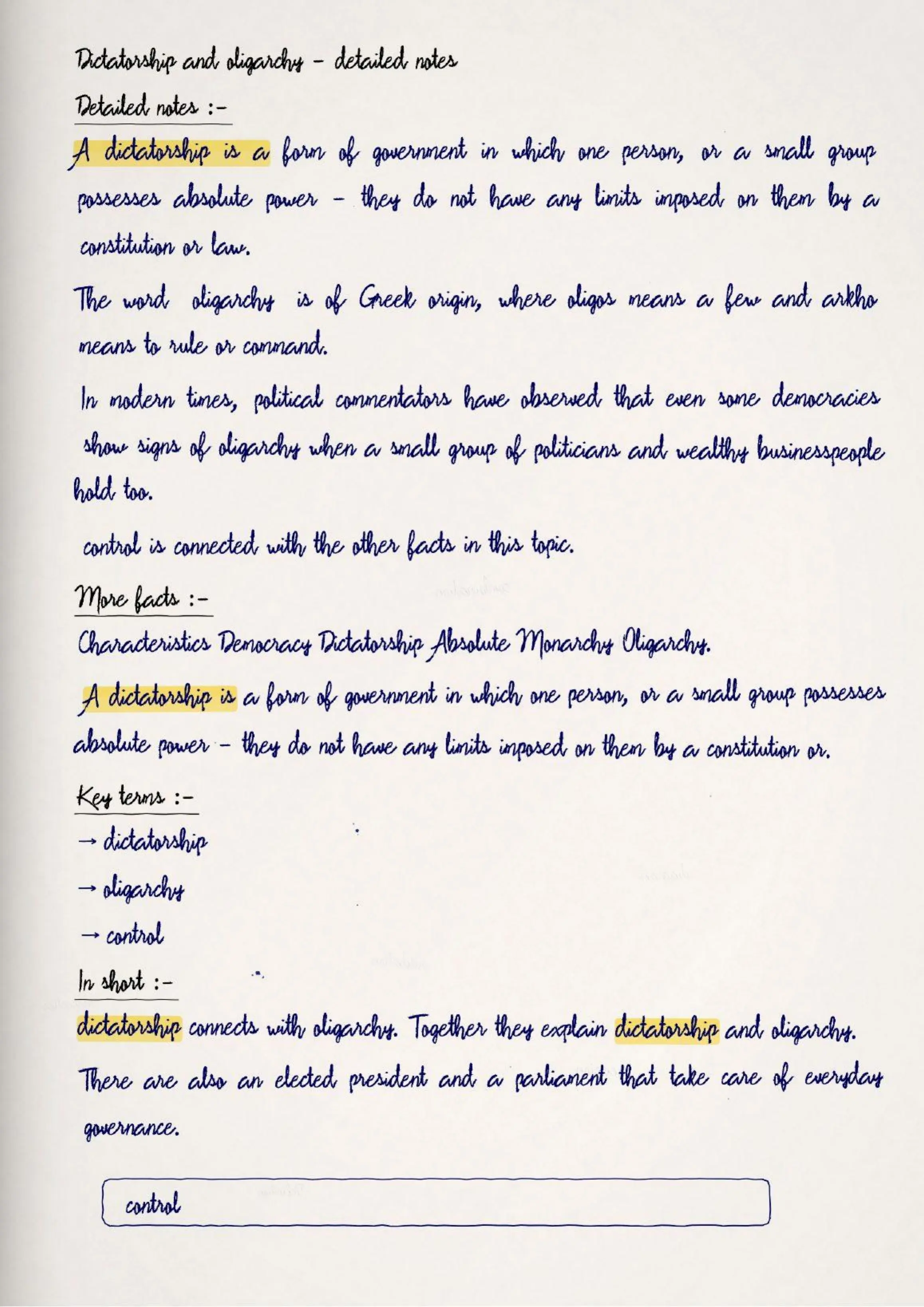
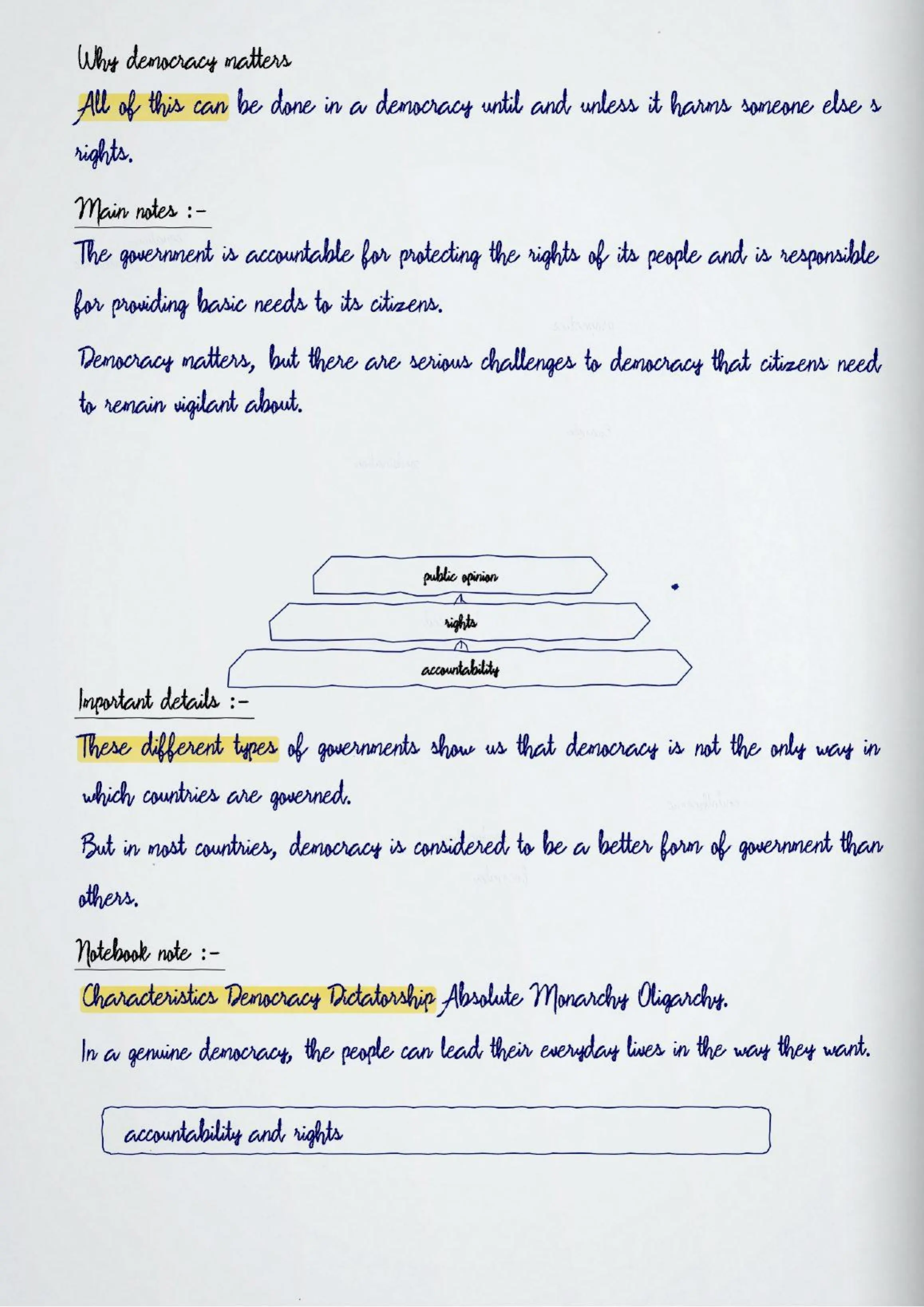
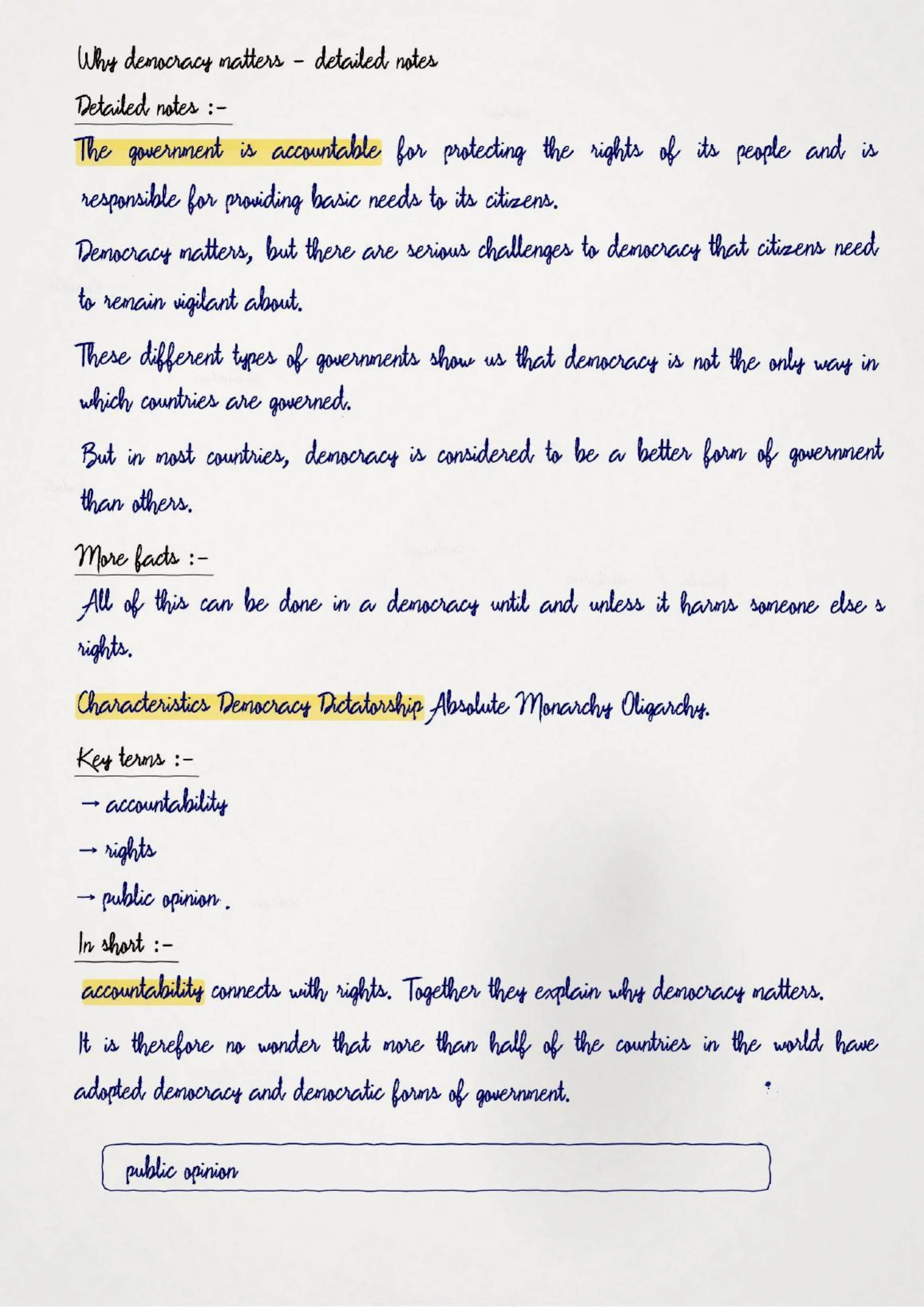
- Government types boxed: democracy, monarchy, theocracy, dictatorship and oligarchy compared
- What the notes cover: the four questions every government answers, types of democracy, other forms, and challenges to democracy
- Best for: the compare-the-types question and the why-democracy-matters answer
Open the PDF below for the complete class 7 social science handwritten notes covering From the Rulers to the Ruled: Types of Governments from the first page to the last.
These handwritten notes are written by Social Science teachers, mapped to the 2026-27 NCERT Exploring Society book, and checked against Class 7 school question papers.
Where Students Lose Marks in From the Rulers to the Ruled: Types of Governments
Civics questions are short and predictable, which makes this one of the easiest chapters to score in.
- Types of government is a standard comparison question
- India as a parliamentary democracy is a one-mark fact
- Why democracy matters is a value-based answer
- Chapter 10 on the Constitution follows directly from this
Why Students Pick Collegedunia's From the Rulers to the Ruled: Types of Governments Handwritten Notes
Collegedunia has these class 7 social science handwritten notes written by teachers who set Class 7 papers. The types are laid out in one comparison grid, so the differences are visible without reading paragraphs.
- Comparison grid: five types of government with who rules and how
- Democracy tree: direct and representative, then presidential and parliamentary
- Four questions box: the four questions every government answers
- Colour-coded sub-headings: sub-topics in red so each type stands apart
Test Yourself on From the Rulers to the Ruled: Types of Governments
Five civics questions. Tap each to reveal the answer.
India is a
(a) presidential democracy (b) parliamentary democracy (c) monarchy (d) oligarchy
Answer: (b) parliamentary democracy
Rule by a small group of people is called
(a) monarchy (b) theocracy (c) oligarchy (d) democracy
Answer: (c) oligarchy
In a direct democracy, decisions are made by
(a) elected representatives (b) the people themselves (c) a king (d) the army
Answer: (b) the people themselves
Rule by a king or queen is called
(a) democracy (b) monarchy (c) dictatorship (d) republic
Answer: (b) monarchy
The most common form of government in the world today is
(a) monarchy (b) theocracy (c) democracy (d) dictatorship
Answer: (c) democracy
Topics Written Out in the From the Rulers to the Ruled: Types of Governments Notes
Every government answers four questions: who decides, what its parts are, who it works for, and what values it follows. The types differ in their answers.
- The role of government in running a country
- Who decides what the government is
- The parts of a government and their work
- Who or what the government works for
- The values and ideals a government follows
- Democracy as the most common form today
- Direct and representative democracy
- Presidential and parliamentary democracy
- Monarchy, theocracy, dictatorship and oligarchy
- Challenges to democracy and the need for vigilance
From the Rulers to the Ruled: Types of Governments Sub-topic Priority List for CBSE Class 7 Social Science
Comparing the types and explaining why democracy matters take most of the marks.
| Sub-topic | Weightage | How often asked |
|---|---|---|
| Types of government compared | High | asked often |
| Direct and representative democracy | High | asked often |
| Why democracy matters | High | asked often |
| Presidential and parliamentary democracy | Medium | asked sometimes |
| The four questions every government answers | Medium | asked sometimes |
| Challenges to democracy | Medium | asked sometimes |
From the Rulers to the Ruled: Types of Governments in the Last Hour Before the Exam
The card for the civics section.
- Democracy is the most common form of government today
- Direct democracy: people decide; representative: people elect deciders
- Two kinds of representative democracy: presidential and parliamentary
- India is a parliamentary democracy
- Other forms: monarchy, theocracy, dictatorship, oligarchy
Hand-drawn Sketches Inside the From the Rulers to the Ruled: Types of Governments Notes
Comparisons work best as grids and trees, which is how the notes present them.
| Figure drawn by hand | What it shows |
|---|---|
| Comparison grid | five government types with who rules and how they are chosen |
| Democracy tree | direct and representative branching into presidential and parliamentary |
| Four questions box | the four questions every government must answer |
| World map panel | examples of different government types by country |
| Challenges list | the main challenges to democracy drawn as a panel |
Words and Ideas the From the Rulers to the Ruled: Types of Governments Notes Box Off
Civics answers are marked on the exact term, so learn each definition.
| Term / Idea | What it means |
|---|---|
| Government | the group of people with the authority to run a country |
| Democracy | a system in which the people hold power, directly or through representatives |
| Direct democracy | a system where people vote on decisions themselves |
| Representative democracy | a system where people elect others to decide for them |
| Monarchy | rule by a king or queen |
| Theocracy | rule based on religious authority |
| Dictatorship | rule by one person with unchecked power |
| Oligarchy | rule by a small group of people |
Best Way to Read the From the Rulers to the Ruled: Types of Governments Handwritten Notes
A short plan works better than one long sitting with the class 7 social science handwritten notes. Fill the comparison grid from memory. Everything else in the chapter follows from it.
- Fill the five-type comparison grid without looking
- Draw the democracy tree from direct down to parliamentary
- Write three challenges facing democracy today
- Before the test, revise the grid and the four questions box
Where to Go After the From the Rulers to the Ruled: Types of Governments Notes
Read the notes with the solved questions and the Exploring Society chapter itself.
- Class 7 Social Science NCERT Solutions
- Class 7 Social Science Revision Notes
- Class 7 Exploring Society Book PDF
Chapter-wise Class 7 Social Science Handwritten Notes
Exploring Society Part 1 has twelve chapters and Part 2 has eight. Use the table to open the class 7 social science handwritten notes for any other chapter.
From the Rulers to the Ruled: Types of Governments Class 7 Social Science Handwritten Notes FAQs
Ques. Where can I download the Types of Governments Class 7 Handwritten Notes PDF?
Ans. The PDF is available free on this page in both the normal and the HD version.
Ques. What are the main types of government?
Ans. Democracy, monarchy, theocracy, dictatorship and oligarchy. Democracy is the most common form in the world today.
Ques. How many pages is the Part 1 Chapter 9 handwritten notes PDF?
Ans. It runs 20 pages, with the comparison grid, the democracy tree and a quiz.
Ques. What is the difference between direct and representative democracy?
Ans. In a direct democracy the people vote on decisions themselves. In a representative democracy they elect others to take those decisions on their behalf.
Ques. What kind of democracy is India?
Ans. India is a parliamentary democracy, which is one of the two forms of representative democracy. The other form is presidential democracy.



Comments