MAHE M.Tech Environmental Engineering FAQs
Ques. What is Environmental Engineering and what are the career prospects?
Ans. Environmental Engineering is the field that applies engineering principles to protect and improve the environment. It involves designing systems for pollution control, waste management, water treatment, and sustainable resource management. Career prospects are excellent with increasing environmental regulations, corporate sustainability initiatives, and government focus on environmental protection creating high demand for environmental engineers.
Ques. Is M.Tech Environmental Engineering worth pursuing after B.Tech?
Ans. Yes, M.Tech Environmental Engineering is highly worthwhile. It offers specialized expertise in environmental protection and sustainability, higher earning potential (average 6-8 LPA, highest 15+ LPA), excellent career prospects, and the opportunity to contribute to environmental protection. The program provides hands-on experience with advanced environmental treatment technologies. Additionally, the field offers excellent opportunities in government agencies and international environmental organizations.
Ques. What are the career options after completing M.Tech Environmental Engineering from MIT Manipal?
Ans. Graduates can work as environmental engineers in consulting firms, join government environmental protection agencies, pursue careers in industrial pollution control, work in sustainability departments of corporations, establish their own environmental consulting firms, or pursue Ph.D programs. Many graduates also work as independent environmental consultants or environmental managers. The specialization opens doors to diverse career paths in environmental protection and sustainability sectors.
Ques. What makes MIT Manipal's M.Tech Environmental Engineering program unique?
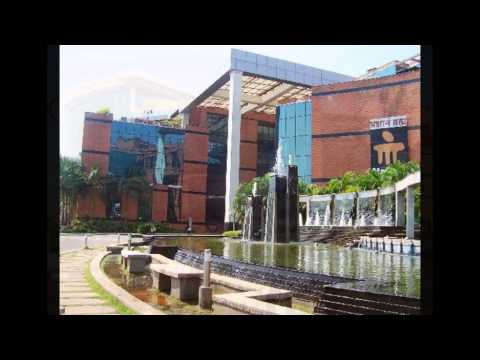
Ans. MIT Manipal's M.Tech Environmental Engineering program stands out due to its state-of-the-art environmental laboratories with advanced testing equipment, comprehensive training in pollution control and waste management, hands-on experience with water treatment and air quality monitoring systems, and strong focus on sustainable development and green technologies. The program emphasizes practical learning through projects and internships. The faculty expertise in environmental engineering and the Innovation Centre provide excellent research opportunities.
Ques. What technologies and systems are taught in the M.Tech Environmental Engineering program?
Ans. The program covers a wide range of environmental technologies including water treatment systems, air pollution control equipment, waste management technologies, environmental monitoring systems, and green building technologies. Students also gain experience with environmental impact assessment tools, GIS software, and environmental management information systems used in contemporary environmental engineering practice.
Ques. Are there opportunities for research and innovation during the M.Tech Environmental Engineering program?
Ans. Yes, research and innovation are integral parts of the M.Tech Environmental Engineering curriculum. Students have access to the Innovation Centre for multi-disciplinary research projects. The program encourages students to work on real-world environmental challenges and develop innovative solutions for pollution control, waste management, and sustainable development. Many students publish their research findings and participate in environmental engineering conferences.


![Manipal Academy of Higher Education - [MAHE]](https://image-static.collegedunia.com/public/college_data/images/logos/1617277594image2.png?h=71.7&w=71.7&mode=stretch)



.png?h=16&w=16&mode=stretch)


.png?h=78&w=78&mode=stretch)













.png?h=72&w=72&mode=stretch)





Comments