


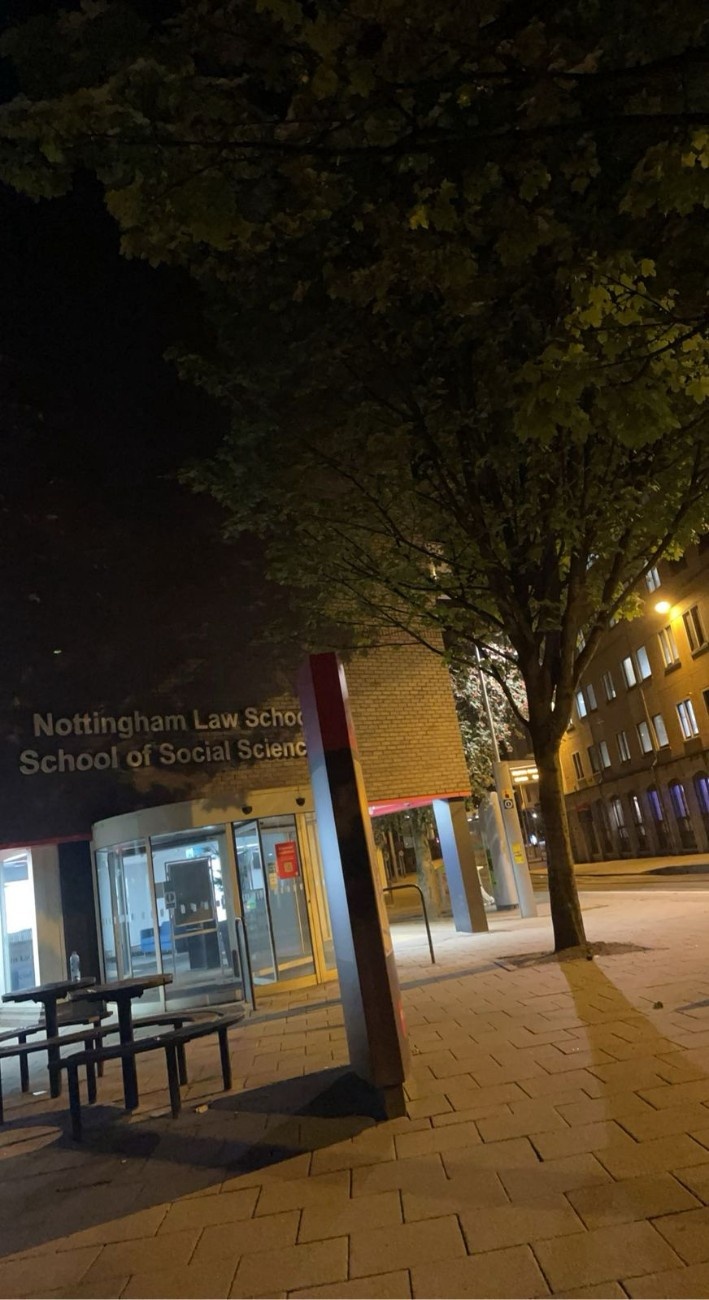
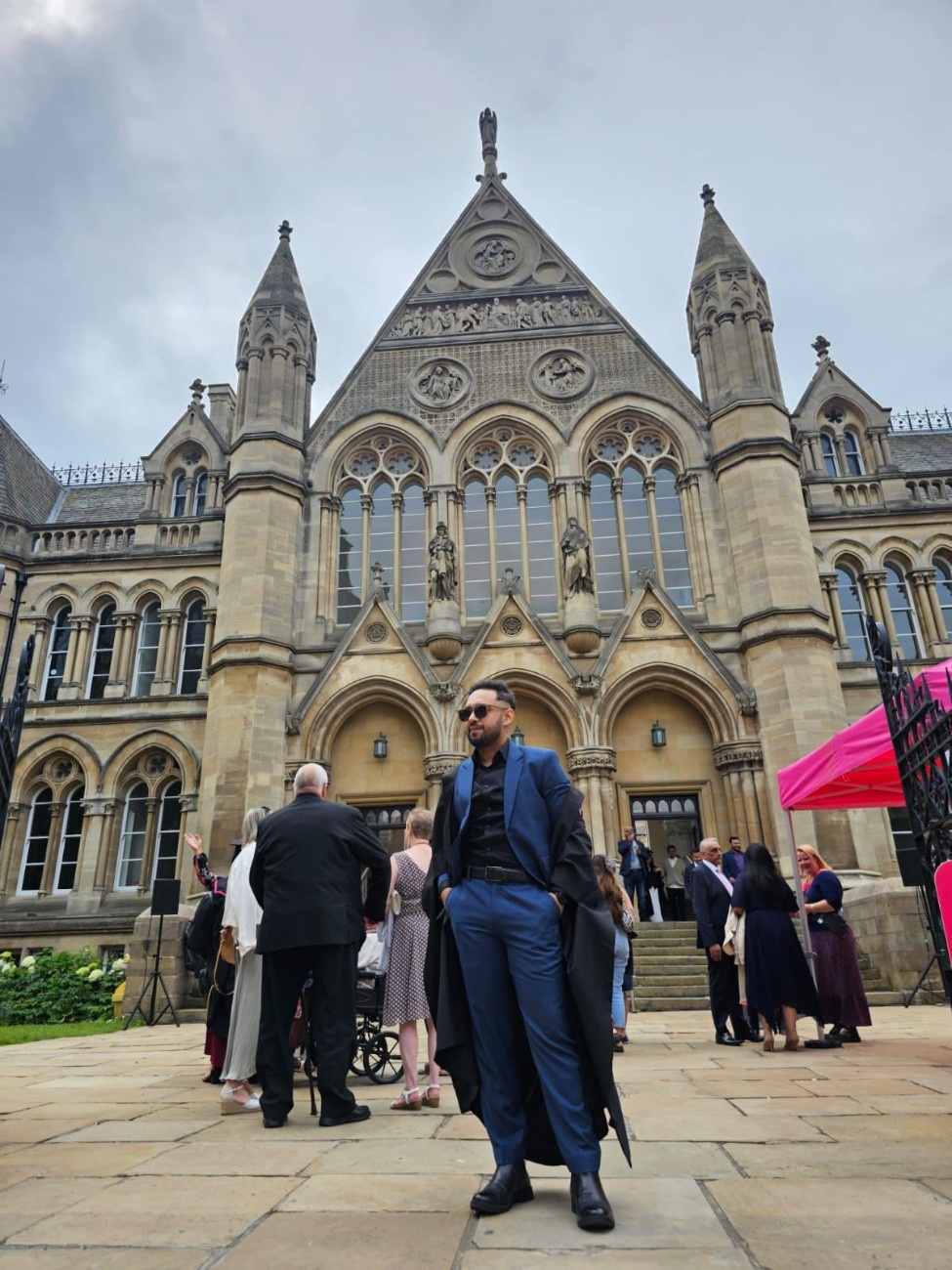

What Students Say
Likes
- Modern Campus and facility: Providing eat-ins, libraries and nightclubs.
- International Students: Students all over from the globe and hence more interactions and diversity.
- Open gated Campus: The city campus is an open gated which means it creates more of the city vibe.
Dislikes
- Less lectures and classes: The total numbers of classes and lectures and a bit less for a full time university.
- British weather: The typical British weather is a nuisance as being an open university, the weather becomes a hassle with uncertain rains and chilly winds.
- Living cost: The living cost especially nearby to the university (being in the city) is quite high. While cheaper than London, rent and daily expenses have been only rising.
Course Curriculum
8
- It was a mixture of both, consisting of group discussions, presentations, assignments, and digital education. The problem sometimes arises because of the language barrier and differences in accent, but eventually, you get the hang of it. The class consists of students from different countries, which creates a dynamic and different perspective, and also sometimes brings a language issue.
- There used to be around 9 classes a day, each on different days and starting from 8:00 am till 5-6 pm.
- The class was around 60 students, of whom around 20-25 were Indian students.
Admission Experience
- I only applied to Nottingham Trent University as I was looking for this particular field in my master's, and I got their confirmation within 2-3 months and mainly to pursue Sports Law, which very few universities were providing. I also looked over some more universities, for example University of Manchester, but being expensive, and Manchester wasn't the place I was looking to stay, so it made Nottingham Trent University a better option.
- Most importantly, the course I was looking for was provided here by NTU, and beforehand, I talked to a lot of graduates, who gave their insights. Also, the nightlife and overall living factors were essential.
- The application involved a lot of steps, from filling out the form to applying for the VISA. It was a hectic and not an easy process, but surely it was worth it.
- For my post-graduation study, I graduated from a top-tier University and had a minimum 75% in my English subject in high school.
- There were no challenges, but it wasn't easy or smooth either. It is just like applying for a university, but the overwhelming feeling of going abroad and living alone for 1 year surely scares a little.
- 2022-2023 is my admission year.
- The admission process took around 3 months. Starting from applying to their portal and uploading the required documents. Then, to pay some amount of money to secure your seat in the intake, and if it is not rejected, the University sends you a letter of acceptance, which means you have been accepted into that particular batch of the subject study. A letter of acceptance is strongly required to apply for the student visa.
Faculty
8
- The faculty were highly experienced lecturers and professors having a good command of their respective subjects. Each subject had 1 faculty member, and sometimes was joined by another. Their experience is reflected in their teaching knowledge and interaction with fellow students. They would also give you information and advice about the course and other things. Being friendly in nature, it was easy to connect with them.
- I have had a good experience with the faculty member, but some of them were really inspirational. Mainly, the faculty member who was my supervisor for my dissertation period.
Campus Life
10
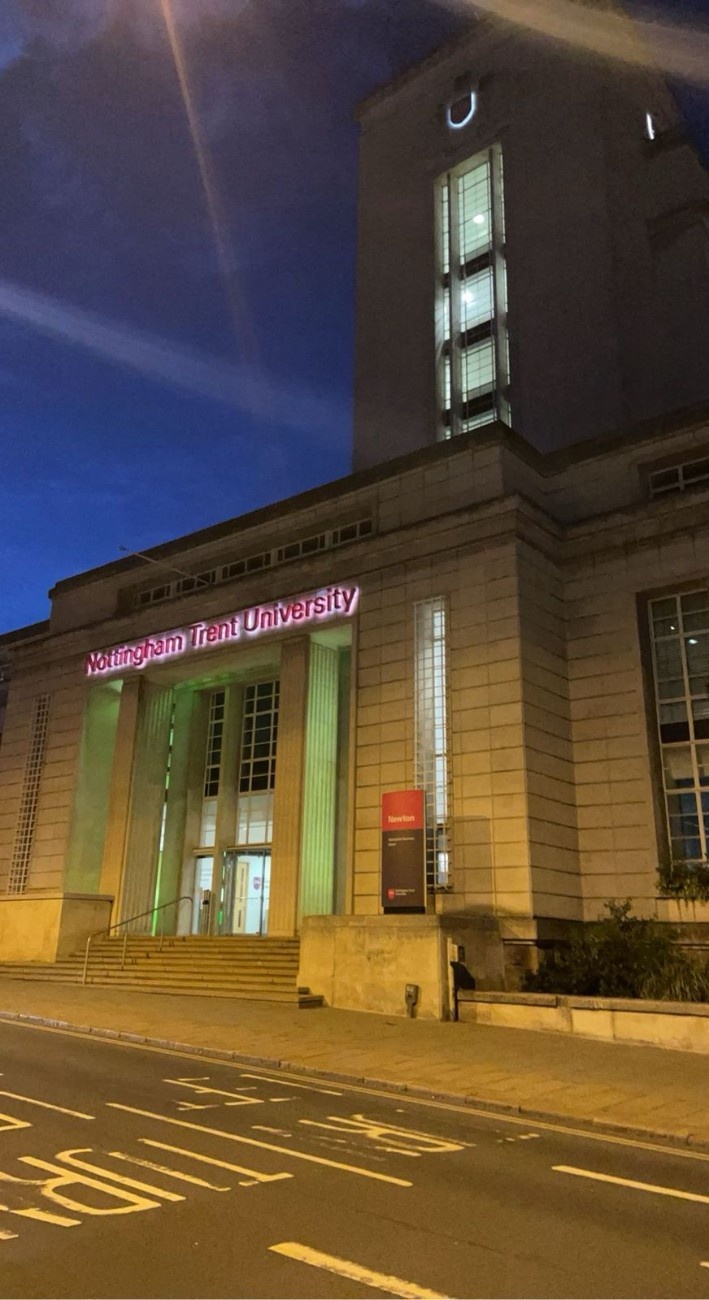
- There were 2 campuses, one main campus and another city campus.
- Both campuses have different vibes; the main campus is, of course, larger in space, having sports fields, a gym, sports ground. The city campus has a more study-oriented and sociable lifestyle.
- Both campuses have their own nightclubs for freshers' events and occasional parties organised by the university itself.
- Nottingham is a student-oriented city, so every party has a majority of students, which are also organised by the students' committee.
Part Time Jobs
- There are a lot of part-time opportunities available on campus as well as off campus. Students need to earn, and within the limits provided by the UK government, which is 20 hrs per week, students can work part-time and earn.
- Teaching assistance is quite tough as it requires experience, which, of course, students lack, but other than that, the basic part-time opportunities are easy to access.
- Maximum hours are 20 per week, starting from a Minimum wage of 12GBP per hour.
- It is easy to get secure on-campus part-time jobs.
- Indian students prefer working in a food chain, restaurants, especially Indian restaurants. With the right contacts and job boards, it is easy to get a part-time job. Having loads of Indians in the place makes it easier for contacts. Firstly, to create a resume, then to search for a particular job or to approach people or your friends if they can refer you for that job.
Placement
4
- It is not essential that you land a job because it is important to keep in mind that you are going to study and pursue your educational career, and not go for a job purpose. The purpose is to study and achieve your degree for a better academic exposure and then eventually to get a job, but it is not essential that it will do a miracle in getting any job.
- It is almost impossible to land a job in the UK with the market being heavily exploited. Also, depending on what field and subject you are in, it makes a difference.
- In my field, it is legal. You would need to clear the Solicitor Qualification Exam (SQE), which is not easy and very expensive. Once you pass it it only gives you the right to practice in the UK, but still does not guarantee you will get a job.
Accommodation
Off Campus
6
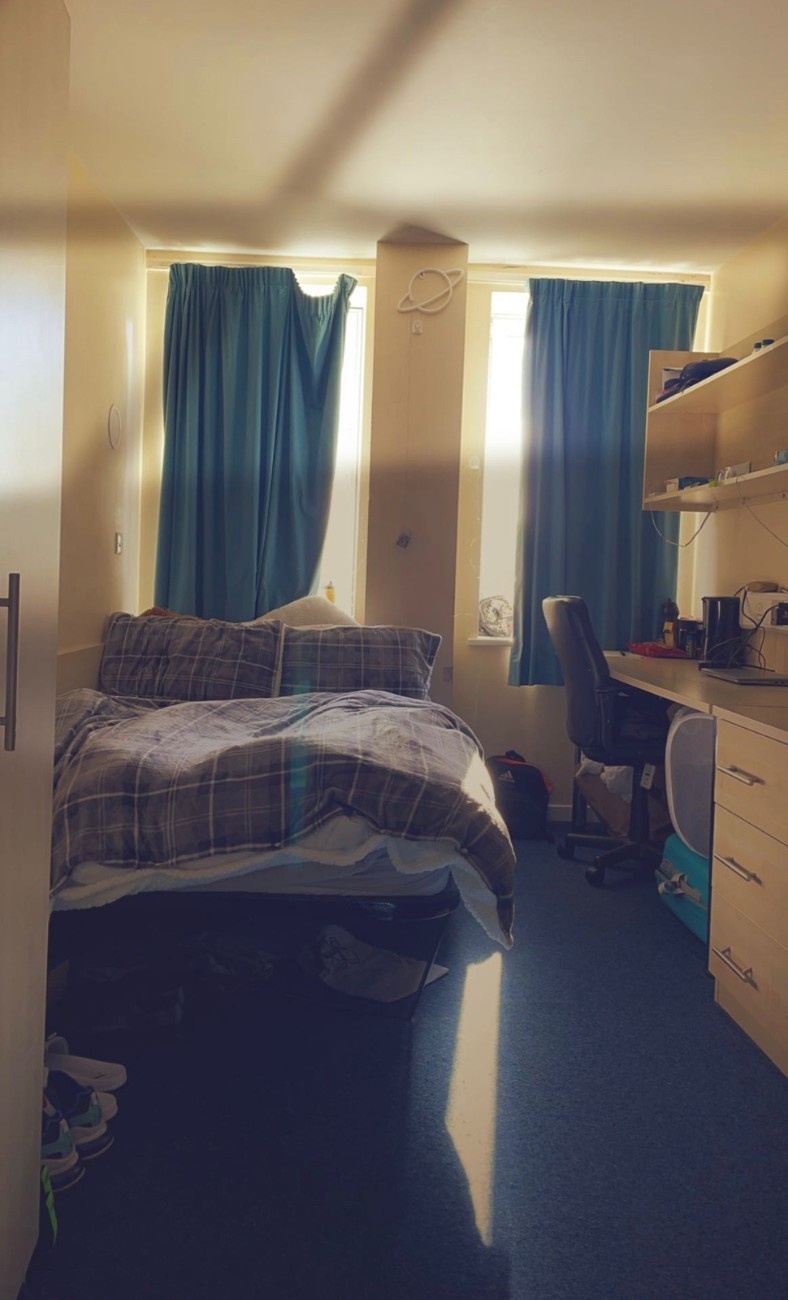
- My accommodation was off campus, using Facebook groups and connecting to fellow Indian students who were also joining the same batch, and then, with more and more connections, we got a better reach for the property available, and being a group of 4, it got easier to get the accommodation.
- My accommodation was walking distance from the university, in the main city only but usually Indian students lived a little far off because of the cheaper properties.
Exams
- For the United Kingdom universities, no exam is essential, but you have to be academically strong and study at a top-tier school or university.
- The documents have a long list, firstly giving the statement of purpose, which means why you intend to go to that university and to study what. Your marksheets indicate that you have a strong academic background.
- Providing your last 6 months' bank balance sheet showing that you have enough money to survive in the country and not go bankrupt. if you have taken a student loan, then show the details of that loan. And to medical fitness, a test report of Tuberculosis stating you don't have this particular health issue.
Fees
- The total Fees were around 15000 GBP, which comes to around 17 lakh INR.
- The fee structure was divided into two: Semester 1 and Semester 2
- The monthly expenses included my rent, food and miscellaneous. The rent was around 700 GBP per month, which was nearly 80,000 INR and food expenses usually were around 30-40 GBP, which would be 4,000-5,000 INR. The other Misc expenses depended on going out, roaming around and other stuff.
Scholarship
- I did not get any scholarship as the University provides a first-come, first-served policy. Which means the earlier you apply for the Scholarship, the more chances you get.
- In my case, I applied at a later stage and hence did not qualify for the scholarship.
- The Universities in the United Kingdom heavily provide scholarships for students of at least 2-3 Lakhs INR.


