




Bihar Board Class 12 Geography Question Paper 2023 PDF is available for download here. The Geography (Elective) exam was conducted on February 3, 2023 in the Evening Shift from 1:45 PM to 5:00 PM. The total marks for the theory paper are 100. Students reported the paper to be easy to moderate.
Bihar Board Class 12 Geography Question Paper 2023 with Solutions
| Bihar Board Class 12 Geograpohy Question Paper with Answer Key |  Download Download |
Check Solutions |

कोलकाता पत्र किस नदी पर स्थित है ?
View Solution
Step 1: Understanding the question.
The question is asking about the river on which Kolkata is located. Kolkata is situated on the banks of the Hooghly River.
Step 2: Analyzing the options.
(A) गंगा: Ganga is a major river, but Kolkata is specifically located on the Hooghly, which is a distributary of the Ganga.
(B) दामोदर: Durgapur, not Kolkata, is situated near the Damodar River.
(C) हुगली: Correct — Kolkata is situated on the Hooghly River.
(D) यमुना: Yamuna flows through Delhi, not Kolkata.
Step 3: Conclusion.
The correct answer is (C) हुगली, as Kolkata is located on the Hooghly River.
Quick Tip: Kolkata is situated on the Hooghly River, a distributary of the Ganga.
किन्नलिखित पत्तनों में से कौन भारत के पूर्वी तट पर है ?
View Solution
Step 1: Understanding the question.
The question is asking which of the listed ports is located on the eastern coast of India.
Step 2: Analyzing the options.
(A) मुंबई: Mumbai is on the western coast of India.
(B) मामंगांव: This port is also on the western coast.
(C) कांडला: Kandla is located in Gujarat, on the western coast.
(D) पारदीप: Correct — Paradip port is located on the eastern coast of India in Odisha.
Step 3: Conclusion.
The correct answer is (D) पारदीप, as it is situated on the eastern coast of India.
Quick Tip: Paradip is an important port on the eastern coast, located in Odisha.
किन्न नदियों में से सर्वाधिक प्रवाहित कौन है ?
View Solution
Step 1: Understanding the question.
The question is asking which of the listed rivers has the highest discharge or flow rate.
Step 2: Analyzing the options.
(A) यमुना: Yamuna is a significant river, but it does not have the highest discharge compared to others listed here.
(B) सतलज: Sutlej is a large river, but its discharge is lower than the Godavari.
(C) गोदावरी: Correct — The Godavari is the second-largest river in India and has one of the highest discharges.
(D) सोन: The Son River is not as large or fast-flowing as the Godavari.
Step 3: Conclusion.
The correct answer is (C) गोदावरी, as it has the highest discharge rate among the listed rivers.
Quick Tip: The Godavari River is the second-longest river in India and has a significant discharge rate.
किन्नलिखित में से कौन-सा अभ्रवर्ष का एक कारण है ?
View Solution
Step 1: Understanding the question.
The question asks about the cause of acid rain. Acid rain is primarily caused by air pollution, which involves the emission of sulfur dioxide (SO₂) and nitrogen oxides (NOₓ) into the atmosphere. These gases combine with water vapor to form acidic compounds.
Step 2: Analyzing the options.
(A) प्रदूषण: Pollution in general can contribute to acid rain, but air pollution is the specific cause.
(B) वायु प्रदूषण: Correct — Air pollution, specifically from industrial emissions, is a major cause of acid rain.
(C) ध्वनि प्रदूषण: Noise pollution does not contribute to acid rain.
(D) भू-प्रदूषण: Land pollution does not directly cause acid rain.
Step 3: Conclusion.
The correct answer is (B) वायु प्रदूषण, as air pollution is the primary cause of acid rain.
Quick Tip: Acid rain is caused by air pollutants like sulfur dioxide and nitrogen oxides, which combine with water vapor to form acidic compounds.
नमामि गंगे कार्यक्राम किस नदी से सम्बद्ध है ?
View Solution
Step 1: Understanding the question.
The question asks about the river associated with the Namami Gange project. This is a major initiative by the Government of India aimed at cleaning and rejuvenating the Ganga River.
Step 2: Analyzing the options.
(A) गंगा: Correct — The Namami Gange project is specifically focused on cleaning and conserving the Ganga River.
(B) यमुना: The Yamuna River is a major river, but it is not the focus of the Namami Gange project.
(C) ब्रह्मपुत्र: Brahmaputra is another significant river, but it is not associated with the Namami Gange project.
(D) नर्मदा: The Narmada River is important, but it is not linked to the Namami Gange initiative.
Step 3: Conclusion.
The correct answer is (A) गंगा, as the Namami Gange project is focused on the Ganga River.
Quick Tip: Namami Gange is a government initiative aimed at the cleaning and conservation of the Ganga River.
हीरकुंड परियोजना है
View Solution
Step 1: Understanding the question.
The question is asking about the location of the Hirakud project. The Hirakud project is a dam and irrigation project built on the Mahanadi River in Odisha.
Step 2: Analyzing the options.
(A) ओडिशा में: Correct — The Hirakud Dam is located in Odisha, on the Mahanadi River.
(B) बिहार में: The Hirakud project is not located in Bihar.
(C) झारखंड में: The project is not located in Jharkhand.
(D) छत्तीसगढ़ में: The project is not located in Chhattisgarh.
Step 3: Conclusion.
The correct answer is (A) ओडिशा में, as the Hirakud project is located in Odisha.
Quick Tip: The Hirakud Dam, located in Odisha, is one of the longest dams in India and plays a crucial role in irrigation and flood control.
किन्न में से कौन दक्षिण भारत की नदी है ?
View Solution
Step 1: Understanding the question.
The question asks about a river that flows through South India. The Krishna River is one of the major rivers that flows through the southern region of India, particularly through the states of Maharashtra, Karnataka, and Andhra Pradesh.
Step 2: Analyzing the options.
(A) गंगा: The Ganga is a northern river that flows mainly through the northern states of India.
(B) हुगली: The Hooghly River is located in the eastern part of India, not in the south.
(C) दामोदर: The Damodar River is located in the eastern part of India, primarily in West Bengal.
(D) कृष्णा: Correct — The Krishna River flows through South India, making it the correct answer.
Step 3: Conclusion.
The correct answer is (D) कृष्णा, as it is a prominent river of South India.
Quick Tip: The Krishna River is one of the major rivers in South India, known for its significance in irrigation and water supply.
विश्व की प्रथम नगरीय बस्ती कौन है ?
View Solution
Step 1: Understanding the question.
The question asks about the first urban settlement in the world. Paris is often considered one of the earliest examples of urban settlements with well-organized infrastructure and governance.
Step 2: Analyzing the options.
(A) पेरिस: Correct — Paris is considered one of the first true urban centers with a rich historical and cultural legacy.
(B) लंदन: London is a major city, but it was not the first urban settlement in the world.
(C) दिल्ली: Delhi is an ancient city, but it does not hold the title of the first urban settlement.
(D) मेन्स्टर: This is not known for being the first urban settlement.
Step 3: Conclusion.
The correct answer is (A) पेरिस, as it is often regarded as the first urban settlement.
Quick Tip: Paris is known for its significant role in early urbanization, particularly in the development of modern cities.
बिग इन्ट सम्बन्धित है
View Solution
Step 1: Understanding the question.
The question is about "Big In" which is related to inland waterways or water transport systems. It is associated with water routes that help in the transportation of goods and passengers.
Step 2: Analyzing the options.
(A) रेलवे से: Railways are not related to "Big In."
(B) आयुर्मार्ग से: This is related to medicinal or health pathways, not water transport.
(C) पाइपलाइन्स से: Pipelines are for the transportation of liquids, not directly related to inland waterways.
(D) जलमार्ग से: Correct — "Big In" is connected with inland waterways for transport.
Step 3: Conclusion.
The correct answer is (D) जलमार्ग से, as "Big In" is related to inland waterways.
Quick Tip: Inland waterways are crucial for the transportation of goods and services, especially for heavy and bulk cargo.
भारत का सबसे कम साक्षर राज्य है
View Solution
Step 1: Understanding the question.
This question asks about the state with the lowest literacy rate in India. According to the latest census and educational statistics, Bihar has the lowest literacy rate among all Indian states.
Step 2: Analyzing the options.
(A) बिहार: Correct — Bihar has the lowest literacy rate in India.
(B) झारखंड: Jharkhand has a low literacy rate, but it is not the lowest.
(C) राजस्थान: Rajasthan has a lower literacy rate compared to many states, but Bihar still ranks the lowest.
(D) गोवा: Goa has a relatively higher literacy rate compared to other states.
Step 3: Conclusion.
The correct answer is (A) बिहार, as it has the lowest literacy rate in India.
Quick Tip: Bihar has struggled with education infrastructure and access, contributing to its lower literacy rate.
किन्न राज्यों में से इसका जनसंख्या घनत्व सबसे कम है ?
View Solution
Step 1: Understanding the question.
The question asks about the state with the lowest population density in India. Arunachal Pradesh, due to its hilly terrain and less developed infrastructure, has the lowest population density among Indian states.
Step 2: Analyzing the options.
(A) अरुणाचल प्रदेश: Correct — Arunachal Pradesh has the lowest population density in India.
(B) असम: Assam has a higher population density compared to Arunachal Pradesh.
(C) मिजोरम: Mizoram has a low population density, but not the lowest.
(D) सिक्किम: Sikkim also has a relatively low population density, but it is higher than Arunachal Pradesh.
Step 3: Conclusion.
The correct answer is (A) अरुणाचल प्रदेश, as it has the lowest population density in India.
Quick Tip: States like Arunachal Pradesh, with tough geographical terrain, tend to have lower population densities.
भारत में जनसंख्या की वार्षिक वृद्धि दर है
View Solution
Step 1: Understanding the question.
The question asks about India's annual population growth rate. Based on the most recent census and demographic data, India's population growth rate stands at approximately 2.6%.
Step 2: Analyzing the options.
(A) 3%: While this is an estimate often used in the past, the current growth rate is closer to 2.6%.
(B) 4%: A growth rate of 4% is too high based on the most recent data.
(C) 2.6%: Correct — The annual growth rate of India's population is currently about 2.6%.
(D) 1.64%: This is a lower estimate, which was more relevant in previous decades.
Step 3: Conclusion.
The correct answer is (C) 2.6%, as it is the most recent annual population growth rate in India.
Quick Tip: India's population growth rate has slowed down in recent years, with the current rate around 2.6%.
भारत में पुरुष प्रवास का कारण है
View Solution
Step 1: Understanding the question.
This question asks about the primary reason for male migration in India. According to studies and demographic surveys, employment opportunities are the major factor driving male migration.
Step 2: Analyzing the options.
(A) शिक्षा: While education does influence migration, it is not the primary reason.
(B) रोजगार: Correct — Employment is the most common reason for male migration, as people often move for better job opportunities.
(C) व्यावसाय: Business migration is less common than migration for employment.
(D) इनमें से सभी: Although all these factors can contribute, employment is the most significant one.
Step 3: Conclusion.
The correct answer is (B) रोजगार, as it is the leading cause of male migration in India.
Quick Tip: Economic factors, particularly job opportunities, are the primary drivers of migration.
2011 की जनगणना के अनुसार, भारत में साक्षरता है।
View Solution
Step 1: Understanding the question.
The question asks about India's literacy rate as per the 2011 Census. According to the 2011 Census, India's literacy rate was 74.04%.
Step 2: Analyzing the options.
(A) 63 प्रतिशत: This is incorrect; it is far below the actual literacy rate.
(B) 73 प्रतिशत: This is also an incorrect estimate; the correct rate is 74.04%.
(C) 74.04 प्रतिशत: Correct — The literacy rate in India according to the 2011 Census is 74.04%.
(D) 65 प्रतिशत: This is incorrect; it is lower than the actual literacy rate.
Step 3: Conclusion.
The correct answer is (C) 74.04 प्रतिशत, as per the 2011 Census.
Quick Tip: India's literacy rate increased significantly by 9.2% from 2001 to 2011, reaching 74.04%.
मीटर गेज रेल लाइन की चौड़ाई कितनी होती है ?
View Solution
Step 1: Understanding the question.
The question asks about the width of a meter gauge railway track. A meter gauge railway track has a width of 1.5 meters between the rails.
Step 2: Analyzing the options.
(A) 1.5 मीटर: Correct — The meter gauge railway track has a width of 1.5 meters.
(B) 1.6 मीटर: This is incorrect, as the meter gauge is 1.5 meters wide.
(C) 1.7 मीटर: This is incorrect, as it is wider than the meter gauge.
(D) इनमें से कोई नहीं: This is incorrect, as the correct width is 1.5 meters.
Step 3: Conclusion.
The correct answer is (A) 1.5 मीटर, which is the width of a meter gauge railway track.
Quick Tip: Meter gauge railway tracks have a track width of 1.5 meters, which is smaller than broad gauge tracks.
विश्व व्यापार संगठन (WTO) की स्थापना कब हुई ?
View Solution
Step 1: Understanding the question.
This question is asking about the establishment year of the World Trade Organization (WTO). WTO was established on January 1, 1995, replacing the General Agreement on Tariffs and Trade (GATT).
Step 2: Analyzing the options.
(A) 1948: This is incorrect, as the WTO was established in 1995.
(B) 1995: Correct — The WTO was established in 1995 to promote international trade.
(C) 2000: This is incorrect, as the WTO was established earlier, in 1995.
(D) 2005: This is incorrect, as the WTO was formed much earlier than 2005.
Step 3: Conclusion.
The correct answer is (B) 1995, as the WTO was established in that year.
Quick Tip: The World Trade Organization (WTO) was created to facilitate global trade and resolve disputes between member countries.
विश्व व्यापार संगठन (WTO) का मुख्यालय स्थित है
View Solution
Step 1: Understanding the question.
This question asks about the location of the headquarters of the World Trade Organization (WTO). The WTO's headquarters is located in Geneva, Switzerland.
Step 2: Analyzing the options.
(A) न्यूयॉर्क में: This is incorrect, as the WTO headquarters is not in New York.
(B) बिव्यना में: This is incorrect, as the WTO's headquarters is not located in Vienna.
(C) जेनेवा में: Correct — The WTO's headquarters is located in Geneva, Switzerland.
(D) नई दिल्ली में: This is incorrect, as the WTO's headquarters is not in New Delhi.
Step 3: Conclusion.
The correct answer is (C) जेनेवा में, as the WTO headquarters is located in Geneva.
Quick Tip: Geneva, Switzerland, serves as the base for many international organizations, including the World Trade Organization (WTO).
अवदान उदाहरण है
View Solution
Step 1: Understanding the question.
The question is asking about a specific example of environmental degradation. "Avdan" refers to the degradation caused by shipping or maritime disasters, which often results in the pollution of oceans.
Step 2: Analyzing the options.
(A) तेल पतन का: While oil spills are a significant issue, they are a specific type of maritime pollution.
(B) सवारी पतन का: This refers to accidents related to passenger vehicles, not environmental degradation.
(C) पैकेट पतन का: This does not relate to environmental degradation in the context of the question.
(D) नौसैनिक पतन का: Correct — This refers to maritime accidents or oil spills, which are a significant environmental issue.
Step 3: Conclusion.
The correct answer is (D) नौसैनिक पतन का, as it directly refers to maritime accidents and oil spills.
Quick Tip: Oil spills and other maritime accidents are major contributors to oceanic pollution.
किन्नलिखित में से कौन सांस्कृतिक नगर है ?
View Solution
Step 1: Understanding the question.
This question asks about a cultural city in India. Among the listed options, Varanasi is widely recognized as one of the oldest cities and a significant cultural and spiritual center in India.
Step 2: Analyzing the options.
(A) मक्का: Makkah is a religious center for Muslims, not a cultural city of India.
(B) जैसलमेर: Jaisalmer is a cultural city in Rajasthan, but Varanasi is more widely considered a cultural hub.
(C) वाराणसी: Correct — Varanasi is regarded as the cultural capital of India, with rich traditions in arts, music, and spirituality.
(D) इनमें से सभी: This is incorrect, as only Varanasi is considered the cultural center.
Step 3: Conclusion.
The correct answer is (C) वाराणसी, as it is a well-known cultural city.
Quick Tip: Varanasi, often called Kashi, is known for its spiritual significance and cultural heritage in India.
सड़क के सहारे किसका प्रतिरूप की बस्ती मिलती है ?
View Solution
Step 1: Understanding the question.
This question is asking about the type of settlement pattern found along roads. Linear settlements are those where buildings and structures are arranged along a line, typically along roads, rivers, or railways.
Step 2: Analyzing the options.
(A) गोलाकार: Circular settlements are not common along roads.
(B) रैखिक: Correct — Linear settlements are common along roads, where buildings are built in a line.
(C) आयताकार: Rectangular settlements are a layout type, but not common along roads.
(D) सीधीय़ुमा: This is incorrect.
Step 3: Conclusion.
The correct answer is (B) रैखिक, as roads often lead to linear settlements.
Quick Tip: Linear settlements are commonly found along roads, railways, or rivers, where space is limited.
मेगालोपोलिस का अर्थ होता है
View Solution
Step 1: Understanding the question.
The term "megalopolis" refers to a large urban area that is formed by the merging of several cities or metropolitan areas into one continuous urban space. In Hindi, this term is understood as "विशाल नगर."
Step 2: Analyzing the options.
(A) मिन्नियन सिटी: This is incorrect; it refers to a small city.
(B) सन्नगर: This is incorrect and does not refer to a megalopolis.
(C) मेगा सिटी: While similar, this term refers to a large city, but not to the specific concept of a megalopolis, which involves several cities.
(D) विशाल नगर: Correct — Megalopolis is best translated as "विशाल नगर" in Hindi.
Step 3: Conclusion.
The correct answer is (D) विशाल नगर, as megalopolis refers to a vast urban region.
Quick Tip: A megalopolis refers to a large and heavily populated urban area formed by the merging of several cities.
रास्केला इस्पात संयंत्र अवस्थित है
View Solution
Step 1: Understanding the question.
This question asks about the location of the Ras Kela Steel Plant. The Ras Kela steel plant is located in Jharkhand, a state known for its industrial development, particularly in the steel sector.
Step 2: Analyzing the options.
(A) झारखंड में: Correct — Ras Kela is located in Jharkhand.
(B) राजस्थान में: This is incorrect; there is no Ras Kela steel plant in Rajasthan.
(C) ओडिशा में: This is incorrect as the Ras Kela plant is not located in Odisha.
(D) पश्चिम बंगाल में: This is incorrect; it is not located in West Bengal.
Step 3: Conclusion.
The correct answer is (A) झारखंड में, as Ras Kela Steel Plant is located in Jharkhand.
Quick Tip: Jharkhand is known for its steel industries, making it a major industrial hub in India.
टाटा लौह-इस्पात संयंत्र संकलन कहाँ स्थित है ?
View Solution
Step 1: Understanding the question.
The question is asking about the location of the Tata Iron and Steel Plant (TISCO). Tata Steel's primary plant is located in Jamshedpur, Jharkhand. This plant is one of the oldest and most renowned steel plants in India.
Step 2: Analyzing the options.
(A) भिलाई: Bhilai is home to the Bhilai Steel Plant, which is also significant but is not the Tata Steel plant.
(B) भद्रावती: Bhadravati is home to other steel plants, but not Tata Steel's main plant.
(C) जमशेदपुर: Correct — Jamshedpur is the location of Tata Steel's primary plant.
(D) दुर्गापुर: Durgapur has its own steel plants, but it is not the location of Tata Steel's main plant.
Step 3: Conclusion.
The correct answer is (C) जमशेदपुर, as it is the location of Tata Steel's main plant.
Quick Tip: Tata Steel's plant in Jamshedpur is one of the largest integrated steel plants in India.
भारत का मैनचेस्टर है
View Solution
Step 1: Understanding the question.
This question is asking about the city in India often referred to as the "Manchester of India." Ahmedabad is known as the "Manchester of India" because of its flourishing textile industry, which resembles the famous textile hub of Manchester in the United Kingdom.
Step 2: Analyzing the options.
(A) कानपुर: Kanpur is a major industrial city but is not known as the "Manchester of India."
(B) लुधियाना: Ludhiana is an industrial city, primarily known for textiles, but not referred to as the "Manchester of India."
(C) अहमदाबाद: Correct — Ahmedabad is famously known as the "Manchester of India" due to its textile industry.
(D) इंदौर: Indore is a major city in Madhya Pradesh but is not associated with the textile industry like Ahmedabad.
Step 3: Conclusion.
The correct answer is (C) अहमदाबाद, as it is often called the "Manchester of India."
Quick Tip: Ahmedabad is a major center for the textile industry, earning it the title "Manchester of India."
ट्रांसपोर्ट औद्योगिक केंद्र किस राज्य में है ?
View Solution
Step 1: Understanding the question.
The question is asking about the state in India that is a prominent industrial center for transport. Gujarat is known for its industrial development, including major transport hubs and infrastructure.
Step 2: Analyzing the options.
(A) गुजरात: Correct — Gujarat is known for its industrial base, including transport and logistics hubs such as the ports of Kandla and Mundra.
(B) महाराष्ट्र: Maharashtra is also an industrial hub but is not as focused on transport-related industries as Gujarat.
(C) गोवा: Goa is known for its tourism industry, not transport industrialization.
(D) पश्चिम बंगाल: West Bengal has industries, but Gujarat leads in transport-related industrial activities.
Step 3: Conclusion.
The correct answer is (A) गुजरात, as it is a major transport and industrial center.
Quick Tip: Gujarat is a leading industrial state in India, especially in transport and logistics, thanks to its ports and infrastructure.
नई औद्योगिक नीति लागू की गई
View Solution
Step 1: Understanding the question.
The question asks about the year the new industrial policy was introduced in India. The New Industrial Policy of 1991 was a major shift in India's approach to economic liberalization, encouraging private investment and foreign trade.
Step 2: Analyzing the options.
(A) 1981 में: This is incorrect, as the new industrial policy was not introduced in 1981.
(B) 1990 में: This is incorrect, as the policy was officially introduced in 1991.
(C) 1991 में: Correct — The New Industrial Policy was implemented in 1991, marking a new phase of economic reforms.
(D) 2001 में: This is incorrect, as the policy came into effect in 1991, not 2001.
Step 3: Conclusion.
The correct answer is (C) 1991 में, as the New Industrial Policy was launched in 1991.
Quick Tip: The 1991 New Industrial Policy was a landmark reform in India's economy, opening it to globalization and liberalization.
पर्वतीय क्षेत्र विकास कार्यक्रम की शुरुआत किस पंचवर्षीय योजना में हुई ?
View Solution
Step 1: Understanding the question.
The question is asking about the initiation of the Mountainous Area Development Program, which began in the Fifth Five-Year Plan of India.
Step 2: Analyzing the options.
(A) तीसरी: This is incorrect, as the program was introduced in the Fifth Plan.
(B) चौथी: This is incorrect. The program started in the Fifth Five-Year Plan.
(C) पांचवीं: Correct — The program started during the Fifth Five-Year Plan to address the development needs of mountainous regions.
(D) छठी: This is incorrect, as it started in the Fifth Plan, not the Sixth.
Step 3: Conclusion.
The correct answer is (C) पांचवीं, as the program was launched during the Fifth Five-Year Plan.
Quick Tip: The Fifth Five-Year Plan of India focused on the development of backward areas, including mountainous regions.
नीति आयोग की स्थापना कब हुई ?
View Solution
Step 1: Understanding the question.
This question is asking about the year of establishment of NITI Aayog. NITI Aayog (National Institution for Transforming India) was established in 2015 to replace the Planning Commission.
Step 2: Analyzing the options.
(A) 1950: This is incorrect, as the Planning Commission was established in 1950, not NITI Aayog.
(B) 1991: This is incorrect, as NITI Aayog was established much later, in 2015.
(C) 2014: This is incorrect. NITI Aayog was established in January 2015, not 2014.
(D) 2015: Correct — NITI Aayog was established in 2015.
Step 3: Conclusion.
The correct answer is (D) 2015, as NITI Aayog was formed in that year.
Quick Tip: NITI Aayog was formed in 2015 to replace the Planning Commission and promote cooperative federalism.
पंपसाँ कहाँ है ?
View Solution
Step 1: Understanding the question.
This question is asking about the location of Pampas. Pampas is a vast lowland area located in South America, primarily in Argentina, Uruguay, and Brazil.
Step 2: Analyzing the options.
(A) दक्षिण अमेरिका: Correct — Pampas is a large plain located in South America.
(B) यूरोप: This is incorrect, as Pampas is in South America, not Europe.
(C) एशिया: This is incorrect, as Pampas is not located in Asia.
(D) अफ्रीका: This is incorrect, as Pampas is in South America.
Step 3: Conclusion.
The correct answer is (A) दक्षिण अमेरिका, as Pampas is a vast lowland in South America.
Quick Tip: Pampas is an extensive lowland region in South America, mainly found in Argentina, Uruguay, and Brazil.
बमबिम्हम कहाँ है ?
View Solution
Step 1: Understanding the question.
The question is asking about the location of BAMBIMHAM, which refers to the famous British term used for the location of a particular place or event in Great Britain.
Step 2: Analyzing the options.
(A) भारत में: This is incorrect, as BAMBIMHAM is not located in India.
(B) ग्रेट ब्रिटेन में: Correct — The correct answer is Great Britain.
(C) जर्मनी में: This is incorrect, as BAMBIMHAM is not located in Germany.
(D) ऑस्ट्रेलिया में: This is incorrect, as BAMBIMHAM is not located in Australia.
Step 3: Conclusion.
The correct answer is (B) ग्रेट ब्रिटेन में.
Quick Tip: BAMBIMHAM is a British term used to refer to locations or events within the United Kingdom.
कच्चा लोहे में मैंगनीज मिलाकर क्या बनाया जाता है ?
View Solution
Step 1: Understanding the question.
The question is asking what is made by adding manganese to pig iron. The correct answer is steel. Manganese is added to iron to create steel, which has improved strength and durability.
Step 2: Analyzing the options.
(A) इस्पात: Correct — Steel is made by adding manganese to pig iron to improve its properties.
(B) सोना: This is incorrect; gold is a precious metal and not related to manganese in the context of steel production.
(C) अभ्रक: This is incorrect; Mica is not related to manganese and iron.
(D) चाँदी: This is incorrect; silver is not produced by adding manganese to iron.
Step 3: Conclusion.
The correct answer is (A) इस्पात, as steel is made by adding manganese to pig iron.
Quick Tip: Manganese is added to iron to produce steel, which enhances the strength and hardness of the material.
किन्नलिखित में से कौन तीसरीकक क्रियाओं से संबंधित है ?
View Solution
Step 1: Understanding the question.
This question is asking which activities are related to tertiary activities. Tertiary activities are those that provide services such as transportation, communication, and various types of services.
Step 2: Analyzing the options.
(A) परिवहन: Transport is a tertiary activity, as it is related to services.
(B) संचार: Communication is another example of tertiary activity, as it involves providing services for information exchange.
(C) सेवा: Services, in general, are part of the tertiary sector.
(D) इनमें से सभी: Correct — All of the activities mentioned are part of tertiary activities.
Step 3: Conclusion.
The correct answer is (D) इनमें से सभी, as transportation, communication, and services are all tertiary activities.
Quick Tip: Tertiary activities are service-oriented activities, including transport, communication, and other services.
लाल कॉलर का संबंध है
View Solution
Step 1: Understanding the question.
The question asks about the classification of "Red Collar" workers. Red-collar workers typically refer to those employed in manual labor, industrial work, and related service industries. These workers belong to the tertiary sector, which provides services.
Step 2: Analyzing the options.
(A) पार्थमिक किया से: Primary activities are related to extraction of natural resources, so this is incorrect.
(B) द्वितीयक किया से: Secondary activities are related to manufacturing and construction, not Red-collar work.
(C) तृतीयक किया से: Correct — Red-collar work is associated with tertiary activities that involve service and labor.
(D) पंचम किया से: This is incorrect, as "Pancham Kiya" is not a recognized classification for labor.
Step 3: Conclusion.
The correct answer is (C) तृतीयक किया से, as red-collar work is associated with service and tertiary sector activities.
Quick Tip: Red-collar workers are involved in manual labor and service-oriented tasks, which fall under the tertiary sector.
विश्व में सर्वप्रथम रेलगाड़ी कब चली ?
View Solution
Step 1: Understanding the question.
The question asks about the first instance of a running railway train in the world. The first successful steam-powered railway train ran in 1825 in England. It was built by George Stephenson.
Step 2: Analyzing the options.
(A) 1825 में: Correct — The world's first steam-powered railway train ran in 1825, marking the beginning of the railway era.
(B) 1853 में: This is incorrect; although railways were being expanded globally by 1853, the first train ran earlier in 1825.
(C) 1925 में: This is incorrect, as the first railway train was running much earlier.
(D) 1862 में: This is incorrect; the first steam-powered train was operational much earlier.
Step 3: Conclusion.
The correct answer is (A) 1825 में, as the first steam-powered train began operating in 1825.
Quick Tip: The first steam-powered railway train was built by George Stephenson and ran in 1825 in England.
विश्व का सघनतम रेलतंत्र पाया जाता है।
View Solution
Step 1: अवधारणा समझें।
रेल तंत्र की घनता (density) का अर्थ है किसी क्षेत्रफल/जनसंख्या पर रेल लाइनों का संकेंद्रण। विकसित, छोटे क्षेत्रफल और निकटवर्ती शहरों वाले क्षेत्रों में यह अधिक होता है।
Step 2: विकल्पों का विश्लेषण।
(A) यूरोप में: सही — यूरोप में देशों का आकार छोटा, शहर घने और कनेक्टिविटी उच्च होने से रेल नेटवर्क सबसे सघन मिलता है।
(B) एशिया में: एशिया विशाल व विविध है; कुल लंबाई अधिक हो सकती है, पर घनता यूरोप से कम है।
(C) अफ्रीका में: रेल नेटवर्क विरल है।
(D) उत्तरी अमेरिका में: लंबी माल-ढुलाई लाइने हैं, पर क्षेत्रफल बहुत बड़ा होने से घनता कम हो जाती है।
Step 3: निष्कर्ष।
उत्तर (A) यूरोप में — वैश्विक स्तर पर रेल घनता सबसे अधिक यूरोप में पाई जाती है।
Quick Tip: रेल \emph{घनता} = रेल लंबाई ÷ क्षेत्रफल (या जनसंख्या) — छोटा क्षेत्र + उच्च कनेक्टिविटी ⇒ अधिक घनता।
भारत में जनगणना का 'महान विभाजक' वर्ष है।
View Solution
Step 1: परिभाषा।
महान विभाजक (Great Divide) वह वर्ष है जिसके बाद भारत की जनसंख्या निरंतर वृद्धि-पथ पर आ गई और उससे पहले उतार-चढ़ाव (यहाँ तक कि ऋणात्मक वृद्धि) देखने को मिला।
Step 2: तथ्य।
1911–1921 दशक में भारत ने ऋणात्मक वृद्धि दर्ज की; 1921 के बाद से प्रत्येक दशक में जनसंख्या लगातार बढ़ी—इसीलिए 1921 को Great Divide कहा जाता है।
Step 3: विकल्प जाँच।
(A) 1951: स्वतंत्रता-उपरांत पहला जनगणना वर्ष, पर Great Divide नहीं।
(B) 1931: 1921 के बाद का दशक है; सही नहीं।
(C) 1921: सही — यही Great Divide वर्ष है।
(D) 1971: जनसंख्या तीव्र वृद्धि का काल, पर Great Divide नहीं।
Step 4: निष्कर्ष।
उत्तर (C) 1921 — भारत की जनगणना में इसे Great Divide कहा जाता है।
Quick Tip: याद रखें: 1921 = Great Divide, 1951 = योजना युग की शुरुआत का जनगणना वर्ष, 2001 = साक्षरता में बड़ा उछाल।
परिवहन की धमनियाँ संबंधित हैं।
View Solution
Step 1: Understanding the question.
This question refers to the network of transport links as "arteries" of a country, which includes roads, railways, and waterways. All of these are crucial for the transportation system.
Step 2: Analyzing the options.
(A) सड़क मार्ग से: Roads are one of the primary transport routes in any country.
(B) रेलमार्ग से: Railways are another key form of transport, especially for long-distance and bulk transportation.
(C) जलमार्ग से: Waterways (rivers, oceans) are vital for transporting goods over long distances.
(D) इनमें से सभी: Correct — All of the above are essential forms of transportation, contributing to the country's economic arteries.
Step 3: Conclusion.
The correct answer is (D) इनमें से सभी, as roads, railways, and waterways all play crucial roles in the transportation network.
Quick Tip: In geography, "arteries" refer to the main pathways of transportation, such as roads, railways, and waterways.
मानव भूगोल का संस्थापक किसे कहा जाता है ?
View Solution
Step 1: Understanding the question.
This question is asking about the founder of human geography. Carl Ritter is considered the father of human geography, but Friedrich Ratzel is often referred to as the one who coined the term and established it as a field.
Step 2: Analyzing the options.
(A) रेट्जेल: Correct — Friedrich Ratzel is considered the founder of human geography, emphasizing the relationship between humans and their environment.
(B) हंटबॉल्ट: Alexander von Humboldt is known for his work in physical geography, not human geography.
(C) रिटर: Carl Ritter is also a key figure in geography but is not considered the founder of human geography.
(D) ब्लास: This is incorrect, as no prominent geographer named Blass is known for this title.
Step 3: Conclusion.
The correct answer is (A) रेट्जेल, as he is regarded as the founder of human geography.
Quick Tip: Friedrich Ratzel's work laid the foundation for the study of human geography, focusing on human societies and their environment.
सामांतर क्रांति संबंधित है
View Solution
Step 1: Understanding the question.
The question is about the concept of the "parallel revolution." In geography, this term refers to the development of both human and physical geography. Human geography studies the spatial relationship of people, while physical geography focuses on natural features. Both are interrelated in understanding the environment.
Step 2: Analyzing the options.
(A) मानव भूगोल से: This is partially correct as human geography plays a role in the parallel revolution.
(B) भौतिक भूगोल से: This is also partially correct as physical geography contributes to the parallel revolution.
(C) (a) तथा (b) दोनों से: Correct — Both human and physical geography contribute to the "parallel revolution."
(D) इनमें से कोई नहीं: This is incorrect.
Step 3: Conclusion.
The correct answer is (C) (a) तथा (b) दोनों से, as both human and physical geography are involved in the parallel revolution.
Quick Tip: The "parallel revolution" refers to the simultaneous development of human and physical geography, showing their interconnectedness.
विश्व में जनसंख्या की घटित से भारत का स्थान कौन-सा है ?
View Solution
Step 1: Understanding the question.
This question is asking about India's rank in terms of population in the world. India is the second most populous country after China.
Step 2: Analyzing the options.
(A) पहला: This is incorrect, as China holds the top position in population.
(B) दूसरा: Correct — India is the second most populous country in the world.
(C) तीसरा: This is incorrect, as India is second, not third.
(D) चौथा: This is incorrect, as India ranks second.
Step 3: Conclusion.
The correct answer is (B) दूसरा, as India is the second most populous country in the world.
Quick Tip: India is second only to China in terms of population.
प्रवासी जो नए स्थान पर जाते हैं, कहलाते हैं
View Solution
Step 1: Understanding the question.
This question is asking about migrants who move to new places. "आप्रवासी" refers to those who migrate from one place to another, and "उत्तरप्रवासी" refers to those who migrate within the country or region, often to urban areas. Both terms are used depending on the context.
Step 2: Analyzing the options.
(A) आप्रवासी: Correct — This refers to a migrant who moves to a new place.
(B) उत्तरप्रवासी: Correct — This also refers to a type of migrant within a country.
(C) (a) तथा (b) दोनों: Correct — Both terms are applicable in different contexts.
(D) इनमें से कोई नहीं: This is incorrect as both terms are correct.
Step 3: Conclusion.
The correct answer is (C) (a) तथा (b) दोनों, as both terms refer to migrants in different contexts.
Quick Tip: "आप्रवासी" refers to external migrants, while "उत्तरप्रवासी" refers to internal migrants within a country.
विश्व में जनसंख्या का कितने प्रतिशत भाग एशिया में निवास करती है ?
View Solution
Step 1: Understanding the question.
The question is asking about the percentage of the world's population that resides in Asia. Asia is the most populous continent, with more than 60% of the world's population.
Step 2: Analyzing the options.
(A) 40 प्रतिशत: This is incorrect; Asia has more than 40% of the global population.
(B) 60 प्रतिशत: Correct — Approximately 60% of the world's population resides in Asia.
(C) 50 प्रतिशत: This is incorrect; the correct percentage is higher.
(D) 25 प्रतिशत: This is incorrect, as the percentage is much higher.
Step 3: Conclusion.
The correct answer is (B) 60 प्रतिशत, as around 60% of the global population resides in Asia.
Quick Tip: Asia is home to more than half of the world's population, with China and India being the most populous countries.
किसमें से कौन खनन नगर नहीं है ?
View Solution
Step 1: Understanding the question.
This question is asking about cities known for mining. Mining cities are typically those with a significant presence of coal, minerals, and other natural resources being extracted.
Step 2: Analyzing the options.
(A) झरिया: Jharia is a major coal mining hub in India, making it a mining city.
(B) रानीगंज: Raniganj is also known for coal mining and is considered a mining city.
(C) खेड़ली: Khedli is another mining city, particularly in the mineral-rich regions.
(D) पटना: Patna, while an important city, is not known for mining and does not have the same industrial focus as the other cities listed.
Step 3: Conclusion.
The correct answer is (D) पटना, as it is not a mining city.
Quick Tip: Mining cities in India are often found in regions rich in coal and minerals, such as Jharkhand and West Bengal.
सिंगरौली है
View Solution
Step 1: Understanding the question.
This question is asking about the classification of Singrauli. Singrauli is a major coal mining hub located in Madhya Pradesh, known for its mining industries.
Step 2: Analyzing the options.
(A) राजधानी नगर: Singrauli is not a capital city.
(B) खनन नगर: Correct — Singrauli is primarily a mining city, with significant coal and mineral extraction.
(C) पर्यटन नगर: This is incorrect as Singrauli is not known as a tourist city.
(D) इनमें से कोई नहीं: This is incorrect.
Step 3: Conclusion.
The correct answer is (B) खनन नगर, as Singrauli is primarily known for its mining activities.
Quick Tip: Singrauli is a key coal-producing region in India, known for its large coal mines and power plants.
रबी फसल की बोआई कब होती है ?
View Solution
Step 1: Understanding the question.
Rabi crops in India are generally sowed in the winter season, typically starting from October to November. These include crops like wheat, barley, and mustard.
Step 2: Analyzing the options.
(A) अक्टूबर-नवम्बर: Correct — Rabi crops are sown in the months of October to November.
(B) मार्च-अप्रैल: This is incorrect, as Rabi crops are sown earlier in the year. March-April is generally the harvest period for Rabi crops.
(C) जून-जुलाई: This is incorrect, as June-July is the sowing period for Kharif crops.
(D) इनमें से कोई नहीं: This is incorrect as option A is the correct answer.
Step 3: Conclusion.
The correct answer is (A) अक्टूबर-नवम्बर, as Rabi crops are typically sown during this time.
Quick Tip: Rabi crops are sown in the winter season (October-November) and harvested in the summer months.
गेंहूँ फसल उदाहरण है
View Solution
Step 1: Understanding the question.
Wheat is a Rabi crop, grown primarily in the winter season, and it is harvested in the spring.
Step 2: Analyzing the options.
(A) रबी का: Correct — Wheat is a Rabi crop that is sown in the winter months and harvested in the summer.
(B) खरीफ का: This is incorrect, as Kharif crops are sown during the monsoon season.
(C) जायेद का: This is incorrect, as Zaid crops are summer crops, and wheat is not a Zaid crop.
(D) इनमें से सभी: This is incorrect, as only Rabi crops are correct in this context.
Step 3: Conclusion.
The correct answer is (A) रबी का, as wheat is a Rabi crop.
Quick Tip: Wheat is sown in the winter months (October-November) and harvested in the summer (March-April).
चावल उत्पादन में अग्रणी राज्य है।
View Solution
Step 1: Understanding the question.
This question asks about the leading state in rice production in India. West Bengal is the largest producer of rice in India, especially in terms of total yield.
Step 2: Analyzing the options.
(A) केरल: Kerala is a significant rice producer but not the leader in total production.
(B) गोवा: Goa does produce rice, but not at the level of West Bengal.
(C) महाराष्ट्र: Maharashtra does grow rice, but it is not the largest producer in India.
(D) पश्चिम बंगाल: Correct — West Bengal is the largest producer of rice in India.
Step 3: Conclusion.
The correct answer is (D) पश्चिम बंगाल, as it is the leading state in rice production in India.
Quick Tip: West Bengal is the leading state in rice production due to its suitable climate and fertile soil for rice cultivation.
कपास उत्पादन में अग्रणी राज्य है।
View Solution
Step 1: Understanding the question.
This question is asking about the leading state in cotton production in India. Gujarat is the largest producer of cotton in India.
Step 2: Analyzing the options.
(A) गुजरात: Correct — Gujarat is the leading producer of cotton in India due to its favorable climate and extensive irrigation systems.
(B) झारखंड: This is incorrect, as Jharkhand is not a major cotton-producing state.
(C) बिहार: This is incorrect, as Bihar is not a major cotton producer.
(D) ओडिशा: This is incorrect, as Odisha is not a leading state in cotton production.
Step 3: Conclusion.
The correct answer is (A) गुजरात, as it is the leading state in cotton production.
Quick Tip: Gujarat is the largest producer of cotton in India due to its favorable climate and irrigation facilities.
किन्में से किसमें टैक्सीन पाई जाती है ?
View Solution
Step 1: Understanding the question.
The question is asking about the presence of the compound "theobromine" (a form of caffeine) in plants. Theobromine is found in tea leaves and is also present in coffee.
Step 2: Analyzing the options.
(A) चाय: Correct — Tea contains theobromine.
(B) कॉफी: Coffee also contains caffeine, which is similar to theobromine, but it is not specifically the compound being asked here.
(C) गन्ना: This is incorrect, as sugarcane does not contain theobromine.
(D) कपास: This is incorrect, as cotton does not contain theobromine.
Step 3: Conclusion.
The correct answer is (A) चाय, as it contains theobromine.
Quick Tip: Theobromine is found in tea, coffee, and cocoa products, where it contributes to their stimulant effects.
पृथ्वी पर कुल जल का कितना प्रतिशत भाग अलवणीय जल है ?
View Solution
Step 1: Understanding the question.
This question is asking about the percentage of Earth's total water that is fresh water. Freshwater is water that is not salty, such as rivers, lakes, and underground aquifers.
Step 2: Analyzing the options.
(A) 2 प्रतिशत: Correct — Only about 2% of Earth's water is fresh water, and most of it is stored in glaciers and ice caps.
(B) 3 प्रतिशत: This is incorrect, as it overestimates the percentage of Earth's freshwater.
(C) 4 प्रतिशत: This is incorrect, as the percentage of freshwater is lower.
(D) 1 प्रतिशत: This is incorrect, as it underestimates the amount of freshwater.
Step 3: Conclusion.
The correct answer is (A) 2 प्रतिशत, as about 2% of Earth's water is fresh water.
Quick Tip: Most of Earth's freshwater is locked in glaciers and ice caps, while only a small portion is available for human use.
किन्में से कौन धातिक खनिज है ?
View Solution
Step 1: Understanding the question.
This question is asking which of the options listed is a metallic ore. Metals are extracted from their ores, and the correct answer will refer to a metal-bearing mineral.
Step 2: Analyzing the options.
(A) लोहा: Correct — Iron ore is the source of iron, which is a metal.
(B) मैंगनीज: Correct — Manganese ore is used to produce manganese, a metal used in steel production.
(C) ताँबा: Correct — Copper is a metal extracted from its ore.
(D) इनमें से सभी: Correct — All of the options are metallic ores.
Step 3: Conclusion.
The correct answer is (D) इनमें से सभी, as all options represent metallic ores.
Quick Tip: Metals like iron, copper, and manganese are extracted from their respective ores and are essential for industrial applications.
बैलाड़िला प्रसिद्ध है
View Solution
Step 1: Understanding the question.
Bailladilla is famous for its iron ore mines, and it is one of the largest sources of iron ore in India.
Step 2: Analyzing the options.
(A) लोहा-अयस्क के लिए: Correct — Bailladilla is known for its rich iron ore reserves.
(B) कोयला के लिए: This is incorrect as Bailladilla is not known for coal mining.
(C) ताँबा के लिए: This is incorrect as it is not known for copper mining.
(D) अभ्रक के लिए: This is incorrect as Bailladilla is not associated with mica mining.
Step 3: Conclusion.
The correct answer is (A) लोहा-अयस्क के लिए, as Bailladilla is known for its iron ore.
Quick Tip: Bailladilla, located in Chhattisgarh, is famous for its vast reserves of iron ore, which contribute significantly to India's steel industry.
गुहमहीसानी खान किस खनिज से संबंधित है ?
View Solution
Step 1: Understanding the question.
The question is asking about the mineral related to the Guhmahesani mine. Guhmahesani is known for its bauxite deposits. Bauxite is the primary ore of aluminum.
Step 2: Analyzing the options.
(A) लोहा-अयस्क: This is incorrect, as the Guhmahesani mine is not known for iron ore.
(B) कोयला: This is incorrect, as Guhmahesani is not a coal mine.
(C) बॉक्साइट: Correct — Guhmahesani is known for bauxite mining, which is the ore from which aluminum is extracted.
(D) ताँबा: This is incorrect, as Guhmahesani does not have copper deposits.
Step 3: Conclusion.
The correct answer is (C) बॉक्साइट, as Guhmahesani is related to bauxite mining.
Quick Tip: Bauxite is the primary source of aluminum, and India is one of the largest producers of bauxite.
बॉक्साइट उत्पादन में अग्रणी राज्य है
View Solution
Step 1: Understanding the question.
This question is asking about the leading state in bauxite production in India. Odisha is the largest producer of bauxite in India, which is a key mineral for aluminum production.
Step 2: Analyzing the options.
(A) ओडिशा: Correct — Odisha is the leading producer of bauxite in India.
(B) गोवा: This is incorrect, as Goa is not the leading state in bauxite production.
(C) असम: This is incorrect, as Assam is not the leading state for bauxite.
(D) कर्नाटका: This is incorrect, as Karnataka does not lead in bauxite production.
Step 3: Conclusion.
The correct answer is (A) ओडिशा, as it is the leading state in bauxite production.
Quick Tip: Odisha's bauxite mines are crucial for the aluminum industry in India, contributing significantly to its production.
निन्मलिखित में से कौन ऊर्जा का नविकरणीय स्रोत है ?
View Solution
Step 1: Understanding the question.
This question asks about renewable sources of energy. Renewable energy sources are those that can be replenished naturally, such as solar, wind, and hydro energy.
Step 2: Analyzing the options.
(A) कोयला: This is incorrect, as coal is a non-renewable energy source.
(B) पेट्रोलियम: This is incorrect, as petroleum is also a non-renewable energy source.
(C) प्राकृतिक गैस: This is incorrect, as natural gas is a non-renewable energy source.
(D) सौर ऊर्जा: Correct — Solar energy is a renewable energy source, as it is derived from the sun and can be harnessed continuously.
Step 3: Conclusion.
The correct answer is (D) सौर ऊर्जा, as solar energy is a renewable energy source.
Quick Tip: Solar energy is one of the most sustainable and renewable sources of energy, harnessed directly from the sun's radiation.
कपासकक्ष किस राज्य में है ?
View Solution
Step 1: Understanding the question.
This question asks about the state where cotton cultivation is most significant. Gujarat is a major cotton-producing state in India.
Step 2: Analyzing the options.
(A) तमिलनाडु: This is incorrect, as Tamil Nadu is not the leading state in cotton production.
(B) केरल: This is incorrect, as Kerala is not known for cotton production.
(C) गुजरात: Correct — Gujarat is a leading state in cotton cultivation in India.
(D) कर्नाटका: This is incorrect, as Karnataka does not lead in cotton production.
Step 3: Conclusion.
The correct answer is (C) गुजरात, as it is the leading state in cotton cultivation.
Quick Tip: Gujarat is known for its extensive cotton fields, contributing significantly to India's cotton production.
विकास का केन्द्र बिन्दु है
View Solution
Step 1: Understanding the question.
This question asks about the central focus of development. Development is multi-dimensional and includes aspects such as resource access, health, and education.
Step 2: Analyzing the options.
(A) संसाधनों तक पहुँच: Correct — Access to resources is a fundamental factor for development.
(B) स्वास्थ्य: Correct — Health is a key factor in determining the development of a population.
(C) शिक्षा: Correct — Education plays a significant role in development by improving skills and literacy.
(D) इनमें से सभी: Correct — All these aspects are central to development.
Step 3: Conclusion.
The correct answer is (D) इनमें से सभी, as all options are essential aspects of development.
Quick Tip: Development is a multifaceted concept that includes access to resources, health, and education, which together contribute to overall progress.
निन्मलिखित में से किस महाद्वीप में जनसंख्या वृद्धि सर्वाधिक है ?
View Solution
Step 1: Understanding the question.
This question is asking about the continent where population growth is the highest. Asia has the highest population growth rate due to large populations in countries like India and China.
Step 2: Analyzing the options.
(A) उत्तर अमेरिका: This is incorrect, as North America has a relatively slower population growth rate compared to other continents.
(B) दक्षिण अमेरिका: This is incorrect, as South America also does not experience the highest population growth.
(C) एशिया: Correct — Asia has the highest population growth, particularly due to large countries like India and China.
(D) ऑस्ट्रेलिया: This is incorrect, as Australia has a much slower population growth compared to Asia.
Step 3: Conclusion.
The correct answer is (C) एशिया, as Asia has the highest population growth rate.
Quick Tip: Asia is home to the world's most populous countries, contributing significantly to global population growth.
निन्मलिखित देशों में से किसका लिंगानुपात सर्वाधिक है ?
View Solution
Step 1: Understanding the question.
This question is asking about the country with the highest sex ratio (gender ratio). Latvia has the highest sex ratio among these countries, with a higher number of females compared to males.
Step 2: Analyzing the options.
(A) जापान: Japan has a relatively lower sex ratio, with more males than females.
(B) फ्रांस: France's sex ratio is not the highest compared to Latvia.
(C) चीन: China has a lower sex ratio due to cultural and societal factors.
(D) लातविया: Correct — Latvia has the highest sex ratio, with more women than men.
Step 3: Conclusion.
The correct answer is (D) लातविया, as it has the highest sex ratio.
Quick Tip: In many European countries, especially in the Baltic region, the female population exceeds the male population, contributing to a higher sex ratio.
मानव विकास सूचकांक को किसने विकसित किया ?
View Solution
Step 1: Understanding the question.
The Human Development Index (HDI) is a composite index used to measure and rank countries based on human development factors like life expectancy, education, and per capita income. It was developed by Dr. Mahbub-ul-Haq.
Step 2: Analyzing the options.
(A) डॉ. महबूब-उल-हक: Correct — Dr. Mahbub-ul-Haq, a Pakistani economist, developed the Human Development Index in collaboration with Amartya Sen.
(B) रघुराम राजन: This is incorrect, as Raghuram Rajan was the former Governor of the Reserve Bank of India and did not develop HDI.
(C) मनमोहन सिंह: This is incorrect, as Manmohan Singh was the former Prime Minister of India and not the creator of HDI.
(D) इनमें से कोई नहीं: This is incorrect, as Dr. Mahbub-ul-Haq is the correct answer.
Step 3: Conclusion.
The correct answer is (A) डॉ. महबूब-उल-हक, as he developed the Human Development Index.
Quick Tip: The Human Development Index was developed to measure the quality of life and development, considering factors like health, education, and economic status.
किन्में से कौन प्राथमिक क्रियाकलाप से संबंधित है ?
View Solution
Step 1: Understanding the question.
Primary activities refer to the extraction or collection of natural resources, such as agriculture, fishing, mining, and forestry.
Step 2: Analyzing the options.
(A) कृषि: Correct — Agriculture is a primary activity because it involves the cultivation of crops and livestock rearing.
(B) वानिकी: This is incorrect, as forestry is considered a primary activity but agriculture is more directly related to primary activities.
(C) औद्योगिक: This is incorrect, as industrial activities fall under secondary activities.
(D) इनमें से सभी: This is incorrect, as only agriculture is the most direct primary activity in this list.
Step 3: Conclusion.
The correct answer is (A) कृषि, as agriculture is a primary activity.
Quick Tip: Primary activities are those that involve the extraction of natural resources, such as agriculture, fishing, and mining.
किन्में से कौन रूपण फसल नहीं है ?
View Solution
Step 1: Understanding the question.
This question is asking about crops that are not typically classified as "cash crops." Cash crops are grown for sale rather than for personal consumption.
Step 2: Analyzing the options.
(A) कॉफी: This is a cash crop because coffee is grown for export and sale.
(B) गन्ना: This is a cash crop used for making sugar and other byproducts.
(C) गेहूँ: Correct — Wheat is typically grown for food consumption, not as a cash crop for sale.
(D) रबड़: Rubber is a cash crop used in the production of various goods.
Step 3: Conclusion.
The correct answer is (C) गेहूँ, as wheat is a food crop, not a cash crop.
Quick Tip: Cash crops are primarily grown for commercial purposes, such as coffee, sugarcane, and rubber.
‘पशुचारण’ किस आर्थिक क्रियाकलाप से संबंधित है ?
View Solution
Step 1: Understanding the question.
Animal husbandry (पशुचारण) is a primary economic activity because it involves the raising and breeding of livestock, which are directly used for resources like milk, wool, and leather.
Step 2: Analyzing the options.
(A) प्राथमिक क्रियाकलाप: Correct — Animal husbandry is considered a primary activity as it directly involves the extraction of resources from animals.
(B) द्वितीयक क्रियाकलाप: This is incorrect, as secondary activities involve manufacturing or processing raw materials into finished goods.
(C) तृतीयक क्रियाकलाप: This is incorrect, as tertiary activities involve services, not the direct extraction or collection of resources.
(D) चौथी क्रियाकलाप: This is incorrect, as this is not a recognized category of economic activities.
Step 3: Conclusion.
The correct answer is (A) प्राथमिक क्रियाकलाप, as animal husbandry is a primary economic activity.
Quick Tip: Primary activities include agriculture, fishing, mining, and animal husbandry, as they directly involve natural resource extraction.
नागपुर योजना संबंधित है।
View Solution
Step 1: Understanding the question.
Nagpur Plan refers to the national development plan related to the development of the transport system. It primarily deals with road transport and how it connects various regions.
Step 2: Analyzing the options.
(A) सड़क परिवहन से: Correct — The Nagpur Plan is mainly focused on the development of road transport in India.
(B) जल परिवहन से: This is incorrect, as the Nagpur Plan is not related to water transport.
(C) वायु परिवहन से: This is incorrect, as it is not focused on air transport.
(D) पाइपलाइन से: This is incorrect, as the plan does not primarily deal with pipeline transport.
Step 3: Conclusion.
The correct answer is (A) सड़क परिवहन से, as Nagpur Plan is related to road transport development.
Quick Tip: The Nagpur Plan primarily focused on improving road transport systems, aiming for better connectivity and infrastructure development across India.
राष्ट्रीय जलमार्ग संख्या 1 का विस्तार है
View Solution
Step 1: Understanding the question.
National Waterway 1 (NW-1) is a major waterway in India, and it extends from Allahabad to Haldia. This waterway is essential for transporting cargo through the Ganges River.
Step 2: Analyzing the options.
(A) इलाहाबाद से हल्दिया: Correct — National Waterway 1 stretches from Allahabad to Haldia along the Ganges River.
(B) सदीया से धुबरी: This refers to a different waterway, National Waterway 2, which is not the correct answer.
(C) कोलकाता से कोलम: This is incorrect, as this is not part of National Waterway 1.
(D) इनमें से कोई नहीं: This is incorrect because option (A) is the correct answer.
Step 3: Conclusion.
The correct answer is (A) इलाहाबाद से हल्दिया, as this is the stretch of National Waterway 1.
Quick Tip: National Waterway 1 is one of India's major waterways and is vital for transporting goods along the Ganges River.
हजीरा-विजयपुर-झिवपुर (HVJ) पाइपलाइन का हजीरा अवस्थित है
View Solution
Step 1: Understanding the question.
The Hazira-Vijaypur-Jhimpir (HVJ) pipeline is a significant pipeline in India, primarily used for transporting natural gas. This pipeline is located in Gujarat.
Step 2: Analyzing the options.
(A) मध्य प्रदेश में: This is incorrect, as the HVJ pipeline does not pass through Madhya Pradesh.
(B) उत्तर प्रदेश में: This is incorrect, as the HVJ pipeline does not pass through Uttar Pradesh.
(C) गुजरात में: Correct — The HVJ pipeline is located in Gujarat, where the pipeline begins.
(D) बिहार में: This is incorrect, as the pipeline does not run through Bihar.
Step 3: Conclusion.
The correct answer is (C) गुजरात में, as the HVJ pipeline is located in Gujarat.
Quick Tip: The HVJ pipeline is an important part of India's energy infrastructure, used for transporting natural gas across different regions.
कॉनकण रेल्वे का विस्तार किस राज्य में नहीं है ?
View Solution
Step 1: Understanding the question.
The Konkan Railway is an important rail route in India that runs along the western coast. It primarily passes through the states of Goa, Maharashtra, and Karnataka, but not Gujarat.
Step 2: Analyzing the options.
(A) गुजरात: Correct — The Konkan Railway does not pass through Gujarat.
(B) गोवा: This is incorrect, as the Konkan Railway passes through Goa.
(C) महाराष्ट्र: This is incorrect, as the Konkan Railway passes through Maharashtra.
(D) कर्नाटका: This is incorrect, as the Konkan Railway passes through Karnataka.
Step 3: Conclusion.
The correct answer is (A) गुजरात, as the Konkan Railway does not pass through Gujarat.
Quick Tip: The Konkan Railway is one of the most scenic and important railway routes in India, connecting Mumbai with Mangalore.
भारतीय रेलवे की स्थापना कब हुई ?
View Solution
Step 1: Understanding the question.
This question asks about the year of the establishment of Indian Railways. Indian Railways was formally established in 1853, with the first passenger train running between Bombay (now Mumbai) and Thane.
Step 2: Analyzing the options.
(A) 1852: This is incorrect, as the formal establishment of Indian Railways occurred in 1853, not 1852.
(B) 1862: This is incorrect, as Indian Railways was established earlier, in 1853.
(C) 1853: Correct — Indian Railways was officially established in 1853. The first train journey took place between Bombay and Thane.
(D) 1854: This is incorrect, as the establishment of Indian Railways was earlier in 1853.
Step 3: Conclusion.
The correct answer is (C) 1853, as Indian Railways was established in 1853.
Quick Tip: Indian Railways started with a passenger train service between Bombay and Thane on April 16, 1853, marking a milestone in India's transportation history.
इंसेट का संबंध है
View Solution
Step 1: Understanding the question.
Inset refers to an integrated system or satellite service that is used for satellite communication, especially for data and voice transmission.
Step 2: Analyzing the options.
(A) उपग्रह संचार से: Correct — Inset is related to satellite communication systems that provide services for telecommunication.
(B) वायु परिवहन से: This is incorrect, as inset is not directly related to air transport.
(C) प्रदूषण से: This is incorrect, as inset is not directly connected with pollution.
(D) सर्वेक्षण से: This is incorrect, as inset is not directly related to surveying.
Step 3: Conclusion.
The correct answer is (A) उपग्रह संचार से, as inset refers to satellite communication services.
Quick Tip: Satellite communication (inset) plays a crucial role in providing telecommunication services and data transmission globally.
भारत का सबसे बड़ा पतन है।
View Solution
Step 1: Understanding the question.
This question asks about the largest port in India. The largest port in India is the Mumbai Port, which handles a significant portion of India's cargo.
Step 2: Analyzing the options.
(A) मुंबई: Correct — Mumbai is the largest and busiest port in India, handling major cargo traffic.
(B) पारादीप: This is incorrect, as Paradip is an important port but not the largest.
(C) हल्दिया: This is incorrect, as Haldia is a significant port but not the largest in India.
(D) चेन्नई: This is incorrect, as Chennai is a large port, but Mumbai is the largest.
Step 3: Conclusion.
The correct answer is (A) मुंबई, as Mumbai is the largest port in India.
Quick Tip: Mumbai Port is one of the busiest and most crucial ports in India, facilitating a significant percentage of the country’s imports and exports.
शुद्ध कृषि क्या है ?
View Solution
Step 1: Understanding the question.
Shuddha Krishi (pure agriculture) refers to the type of farming that is organic, relying solely on natural resources such as rainwater, sunlight, and natural fertilizers, without using artificial chemicals or pesticides. It emphasizes sustainability and ecological balance.
Step 2: Key points of Shuddha Krishi.
1. It involves organic farming techniques.
2. Uses natural manure and compost instead of chemical fertilizers.
3. Focuses on crop rotation to maintain soil fertility.
4. Aims to protect the environment from harmful chemicals and pesticides.
Step 3: Conclusion.
Shuddha Krishi is a type of sustainable farming that aims to minimize harm to the environment and promote the long-term health of the soil and crops.
Quick Tip: Shuddha Krishi, or organic farming, uses eco-friendly methods, promoting soil health and reducing pollution.
प्रवास के दो प्रतिकूल कारणों का उल्लेख कीजिए।
View Solution
Step 1: Understanding the question.
Migration can occur due to various factors, both positive and negative. The negative (or adverse) factors that lead to migration are often referred to as "push factors." These are the conditions that compel individuals to leave their home country or region.
Step 2: Two adverse causes of migration.
1. Economic hardship: Lack of employment opportunities, poverty, and insufficient wages often compel people to migrate in search of better economic conditions.
2. Environmental factors: Natural disasters, climate change, and environmental degradation (such as droughts, floods, or famine) push people to migrate to more stable and secure areas.
Step 3: Conclusion.
The two main adverse causes of migration are economic hardship and environmental factors, which force individuals to seek better opportunities and safer living conditions.
Quick Tip: Adverse migration factors push individuals to move, while pull factors attract them to new locations with better prospects.
मेगा सिटी क्या है ?
View Solution
Step 1: Understanding the question.
A "Mega City" refers to an urban area with a population of over 10 million people. These cities often serve as economic, cultural, and political hubs and tend to have advanced infrastructure and systems to support their large populations.
Step 2: Key characteristics of a Mega City.
1. Large population: The city has a population of over 10 million.
2. Economic importance: Mega cities are often major economic centers with a high concentration of industries, businesses, and employment opportunities.
3. Urbanization: These cities are characterized by rapid urbanization, leading to extensive infrastructure development, including transportation, healthcare, and education facilities.
4. Global influence: Mega cities often have a global influence, attracting investment and people from all over the world.
Step 3: Conclusion.
Mega cities are large metropolitan areas with over 10 million inhabitants, driving economic, political, and social change at both national and global levels.
Quick Tip: Mega cities have a significant impact on the economy, culture, and environment due to their size and global connections.
वर्षा जल संकलन तकनीक क्या है ?
View Solution
Step 1: Understanding the question.
Rainwater harvesting is the technique of collecting, storing, and managing rainwater for future use. This technique is particularly useful in regions where water is scarce or seasonal rainfall is irregular.
Step 2: Key steps in rainwater harvesting.
1. Collection: Rainwater is collected from rooftops or other surfaces.
2. Storage: The collected rainwater is stored in tanks or underground reservoirs.
3. Filtration: The water is filtered to remove impurities before being used.
4. Utilization: The stored water can be used for drinking, irrigation, or other domestic purposes.
Step 3: Benefits of rainwater harvesting.
1. Conserves freshwater resources: It helps reduce dependence on groundwater and other natural sources of water.
2. Reduces runoff and flooding: By capturing rainwater, it minimizes surface runoff, which can cause soil erosion and flooding.
3. Sustainable water management: It ensures water availability even during dry periods.
Step 4: Conclusion.
Rainwater harvesting is an effective technique to conserve and use rainwater, ensuring sustainable water supply for communities, especially in arid regions.
Quick Tip: Rainwater harvesting can help conserve water, reduce flooding, and provide an alternative water source during dry spells.
जनसंख्या संगठन क्या है ?
View Solution
Step 1: Understanding the question.
Population organization refers to the arrangement or structure of a population in a specific area. It focuses on how individuals within a population are distributed across various factors such as age, sex, occupation, and geography.
Step 2: Key elements of population organization.
1. Age Structure: The distribution of people within different age groups.
2. Sex Ratio: The ratio of males to females in a population.
3. Geographical Distribution: How people are spread across different regions.
4. Occupational Distribution: How people are distributed across various jobs or economic activities.
Step 3: Conclusion.
Population organization helps in understanding the composition of a population, which is essential for planning resources, services, and development strategies.
Quick Tip: The study of population organization is crucial for understanding demographic trends and planning for future development.
निषेधवाद और संबंधवाद के बीच अंतर स्पष्ट कीजिए।
View Solution
Step 1: Understanding the question.
The question asks for a comparison between prohibitionism (निषेधवाद) and permissivism (संबंधवाद). These two are different approaches towards moral or social behavior, particularly regarding vices like alcohol consumption, drugs, or other social behaviors.
Step 2: Definitions.
1. निषेधवाद (Prohibitionism): This is the belief that certain behaviors, especially those considered immoral (like drinking alcohol or using drugs), should be prohibited by law or social norms. It emphasizes total restriction.
2. संबंधवाद (Permissivism): This is the belief that individuals should have the freedom to make their own choices, including partaking in certain behaviors, as long as they don't harm others. It emphasizes individual liberty and freedom of choice.
Step 3: Key differences.
- Prohibitionism seeks to ban harmful behaviors outright, while permissivism allows individuals to decide for themselves.
- Prohibitionism usually involves legal sanctions or restrictions, whereas permissivism advocates for personal freedom.
Step 4: Conclusion.
The difference lies in the level of control imposed on individuals—prohibitionism seeks to enforce restrictions, while permissivism favors personal freedom and responsibility.
Quick Tip: Understanding the balance between individual freedom and societal control is crucial in debates on social policies and ethics.
भूमध्यसागरीय कृषि के महत्व को लिखिए।
View Solution
Step 1: Understanding the question.
Mediterranean agriculture refers to farming practices in regions that border the Mediterranean Sea. This type of agriculture has unique characteristics due to the specific climate conditions in these areas.
Step 2: Key characteristics of Mediterranean agriculture.
1. Climate: These areas experience hot, dry summers and mild, wet winters. This influences the types of crops that can be grown.
2. Crops: Common crops include olives, grapes, citrus fruits, and various vegetables. These crops are well-suited for the Mediterranean climate.
3. Economic importance: Mediterranean agriculture plays a significant role in the economies of countries bordering the Mediterranean, providing employment and contributing to export revenues.
4. Sustainability: The region focuses on sustainable farming practices, using water efficiently and minimizing environmental impact.
Step 3: Conclusion.
Mediterranean agriculture is important for its ability to thrive in specific climatic conditions, supporting economies and providing unique crops that are integral to the region's diet and culture.
Quick Tip: Mediterranean agriculture is key to the region's economy, with crops such as olives and grapes being critical for both local consumption and export.
ऊर्जा के दो अनुप्रयोगी स्रोतों का उल्लेख कीजिए।
View Solution
Step 1: Understanding the question.
This question asks for two applications of energy sources, focusing on practical uses of energy in daily life or industry.
Step 2: Two practical sources of energy.
1. सौर ऊर्जा (Solar Energy): Solar energy is harnessed through solar panels that convert sunlight into electricity. It is used in residential and commercial buildings, as well as in solar farms to generate large-scale power.
2. पवन ऊर्जा (Wind Energy): Wind energy is captured through wind turbines and converted into electricity. It is used in wind farms to generate renewable energy, especially in areas with consistent wind patterns.
Step 3: Conclusion.
Both solar and wind energy are key renewable energy sources that play a significant role in reducing dependence on fossil fuels and contribute to sustainable energy solutions.
Quick Tip: Solar and wind energy are clean, renewable energy sources that help reduce environmental impact and are increasingly used in energy production.
भारत के चार तंबाकू उत्पादक केन्द्रों का उल्लेख कीजिए।
View Solution
Step 1: Understanding the question.
This question asks for the four major centers of tobacco production in India.
Step 2: Four major tobacco production centers in India.
1. आंध्र प्रदेश (Andhra Pradesh): This state is one of the leading tobacco producers in India, especially the districts like Khammam and Guntur.
2. कर्नाटका (Karnataka): Karnataka, particularly the districts of Mysore and Channarayapatna, is known for tobacco cultivation.
3. तेलंगाना (Telangana): The state, particularly areas like Khammam, produces significant quantities of tobacco.
4. गुजरात (Gujarat): Gujarat is another major tobacco-growing state in India. The districts of Saurashtra region are prominent in tobacco cultivation.
Step 3: Conclusion.
India is a leading producer of tobacco, and these states are crucial in fulfilling domestic and international demands.
Quick Tip: Tobacco farming in India is highly concentrated in states like Andhra Pradesh, Karnataka, and Gujarat, where climatic conditions are favorable for its cultivation.
भारत के चार सूती वस्त्र उद्योग केन्द्रों के नाम लिखिए।
View Solution
Step 1: Understanding the question.
This question asks for the names of four major cotton textile industry centers in India.
Step 2: Four major cotton textile industry centers in India.
1. मुंबई (Mumbai): Mumbai is the hub of India's cotton textile industry, with many mills producing fabrics and garments.
2. सूरत (Surat): Surat is known for its textile industries, especially for producing synthetic and cotton fabrics.
3. आंध्र प्रदेश (Andhra Pradesh): The state, especially cities like Guntur and Vijayawada, is known for its cotton textile industry.
4. कोयम्बटूर (Coimbatore): Known as the "Manchester of South India," Coimbatore is a major cotton textile industry center, specializing in yarn production.
Step 3: Conclusion.
These cities play an important role in India's textile industry, which is one of the largest in the world.
Quick Tip: The cotton textile industry in India is concentrated in cities like Mumbai, Surat, and Coimbatore, which are famous for their mills and factories.
मानव विकास से आप क्या समझते हैं ?
View Solution
Step 1: Understanding the question.
Human development refers to the process of improving the well-being, capabilities, and quality of life of individuals, particularly in terms of health, education, and economic stability.
Step 2: Key aspects of human development.
1. शिक्षा (Education): Access to quality education, which is essential for personal and professional growth.
2. स्वास्थ्य (Health): Ensuring good health and healthcare services for all.
3. आर्थिक स्थिति (Economic Stability): Improvement in income, employment opportunities, and living standards.
4. सामाजिक समावेशन (Social Inclusion): Ensuring equal rights and opportunities for all, irrespective of caste, gender, or religion.
Step 3: Conclusion.
Human development is a holistic approach that focuses on enhancing people's capabilities and improving their overall quality of life.
Quick Tip: Human development is multidimensional, focusing on education, health, economic stability, and social equity.
ऋणात्मक व्यापार संतुलन क्या है ?
View Solution
Step 1: Understanding the question.
Negative trade balance, or trade deficit, occurs when a country's imports exceed its exports. This means the country is spending more on buying goods and services from other countries than it is earning from selling its own goods and services abroad.
Step 2: Key points of negative trade balance.
1. Imports greater than exports: This results in the country borrowing money or using foreign reserves to pay for the excess imports.
2. Economic impact: A trade deficit can lead to increased foreign debt and may affect the currency value, leading to depreciation.
3. Short-term vs long-term: While a trade deficit might be manageable in the short term, persistent deficits can lead to economic instability.
Step 3: Conclusion.
Negative trade balance occurs when imports exceed exports, leading to a situation where a country is spending more than it is earning from international trade.
Quick Tip: A trade deficit can indicate economic challenges, especially if it's persistent, as it may lead to debt accumulation and currency devaluation.
उत्तर भारत के दो लौह इस्पात उद्योग केन्द्रों के नाम लिखिए।
View Solution
Step 1: Understanding the question.
This question asks for two major centers of iron and steel industry in Northern India.
Step 2: Two major iron and steel industry centers in Northern India.
1. बोकारो (Bokaro): Bokaro is one of the largest steel-producing centers in India, located in Jharkhand. It is a major contributor to the iron and steel industry.
2. राची (Ranchi): Ranchi, in Jharkhand, is another significant hub for the iron and steel industry, with several steel plants located in and around the region.
Step 3: Conclusion.
Bokaro and Ranchi are important centers of iron and steel production in Northern India, contributing significantly to the national economy.
Quick Tip: Bokaro and Ranchi are major hubs for the iron and steel industry, supporting industrial growth in Northern India.
भूमि-क्षरण के दो कारणों का उल्लेख कीजिए।
View Solution
Step 1: Understanding the question.
Land degradation refers to the process by which the land becomes less productive due to various factors. The question asks for two causes of land degradation.
Step 2: Two causes of land degradation.
1. वृक्षों की अन्धाधुंध कटाई (Deforestation): The cutting down of trees leads to soil erosion, as there is no root system to hold the soil together.
2. अत्यधिक कृषि (Excessive Agriculture): Over-cultivation leads to the depletion of soil nutrients, making the land unproductive.
Step 3: Conclusion.
Land degradation is caused by human activities such as deforestation and excessive agricultural practices, leading to the loss of soil fertility.
Quick Tip: Sustainable agricultural practices and afforestation can help prevent land degradation.
प्रदूषण तथा प्रदूषकों में क्या अंतर है ?
View Solution
Step 1: Understanding the question.
The question asks for the difference between pollution and pollutants.
Step 2: Difference between pollution and pollutants.
1. प्रदूषण (Pollution): Pollution refers to the introduction of harmful substances into the environment that cause adverse effects on living organisms and the ecosystem.
2. प्रदूषक (Pollutants): Pollutants are the harmful substances themselves that cause pollution. These include chemicals, particles, and biological agents that contaminate air, water, or soil.
Step 3: Conclusion.
Pollution is the process, while pollutants are the substances that cause pollution.
Quick Tip: Pollution can be controlled by reducing pollutants through effective waste management and sustainable practices.
भारत के दो अंतरराष्ट्रीय हवाई अड्डों के नाम लिखिए।
View Solution
Step 1: Understanding the question.
The question asks for the names of two international airports in India.
Step 2: Two international airports in India.
1. इंदिरा गांधी अंतर्राष्ट्रीय हवाई अड्डा, दिल्ली (Indira Gandhi International Airport, Delhi): This is one of the busiest airports in India and serves as the primary gateway for international travelers arriving in India.
2. छत्रपति शिवाजी महाराज अंतर्राष्ट्रीय हवाई अड्डा, मुंबई (Chhatrapati Shivaji Maharaj International Airport, Mumbai): Another major international airport, catering to both domestic and international flights.
Step 3: Conclusion.
These two airports serve as the major international entry points for travelers coming to India.
Quick Tip: International airports like IGI (Delhi) and Chhatrapati Shivaji (Mumbai) play a vital role in India's connectivity to the rest of the world.
मानव भौगोलिक का परिचय कीजिए।
View Solution
Step 1: Understanding the question.
Human geography refers to the study of the relationship between humans and their environment, focusing on how human activities impact the world and how environments influence human activities.
Step 2: Key aspects of human geography.
1. विकास (Development): How human societies progress over time and the factors that influence growth, such as economy, education, and technology.
2. संस्कार (Culture): The study of human cultures, languages, religions, and traditions across different regions.
3. प्राकृतिक संसाधन (Natural Resources): Understanding the use and conservation of resources like water, land, minerals, and forests.
Step 3: Conclusion.
Human geography focuses on the spatial patterns and impacts of human activities and the relationship between humans and their environment.
Quick Tip: Human geography helps understand how societies adapt to their environment and how they affect the world around them.
अशोधित मृत्यु दर की गणना कैसे की जाती है ?
View Solution
Step 1: Understanding the question.
The crude death rate (CDR) is a measure of the number of deaths in a given population during a specific time period.
Step 2: Calculation of crude death rate.
Crude death rate is calculated using the formula: \[ CDR = \left( \frac{Total number of deaths in a year}{Total population} \right) \times 1000 \]
It gives the number of deaths per 1,000 people in a given year.
Step 3: Conclusion.
The crude death rate is a useful indicator of the overall health and mortality patterns in a population.
Quick Tip: The crude death rate is an important demographic indicator, but it doesn't account for the age structure of the population.
आयु संरचना का क्या महत्व है ?
View Solution
Step 1: Understanding the question.
Age structure refers to the distribution of a population across different age groups. This is a critical factor in demographic studies.
Step 2: Importance of age structure.
1. आर्थिक विकास (Economic Development): Age structure influences the workforce and labor productivity. A younger population can contribute to economic growth, while an aging population can create challenges.
2. स्वास्थ्य सेवाएं (Healthcare Services): The age structure impacts the demand for healthcare services, with younger populations needing more maternal and child health services, while older populations require more care for chronic diseases.
3. शैक्षिक सुविधाएँ (Educational Facilities): An age structure with a high proportion of children requires more schools and educational resources.
Step 3: Conclusion.
The age structure of a population is vital for planning resources, infrastructure, and services. It affects everything from employment to healthcare and education.
Quick Tip: A balanced age structure is essential for sustainable economic and social development.
आर्थिक भौगोलिक के दो उपक्षेत्रों के नाम लिखिए।
View Solution
Step 1: Understanding the question.
Economic geography deals with the location, distribution, and spatial organization of economic activities.
Step 2: Two subfields of economic geography.
1. उद्योगिक भूगोल (Industrial Geography): This subfield focuses on the spatial distribution of industries and their impact on the environment and economy.
2. कृषि भूगोल (Agricultural Geography): This subfield examines the geographical distribution of agricultural activities, including the study of crops, farming systems, and rural development.
Step 3: Conclusion.
Economic geography is divided into several subfields, with industrial and agricultural geography being two of the most prominent areas of study.
Quick Tip: Understanding the subfields of economic geography helps in analyzing the spatial organization of economic activities and their impact on the environment.
जनांकीय संरचना को तीन अवस्थाओं की विवेचना कीजिए।
View Solution
Step 1: Understanding the question.
The question asks to explain the three stages of population structure.
Step 2: Three stages of population structure.
1. युवावस्था (Youthful Stage): इस अवस्था में जनसंख्या की बड़ी संख्या युवाओं की होती है। जन्म दर ऊँची होती है और मृत्यु दर कम होती है।
2. वयस्क अवस्था (Mature Stage): इस अवस्था में जनसंख्या का संतुलन होता है। जन्म दर और मृत्यु दर समान होते हैं।
3. बुजुर्ग अवस्था (Aged Stage): इस अवस्था में जन्म दर कम होती है और मृत्यु दर बढ़ जाती है, जिससे जनसंख्या में वृद्धों की संख्या बढ़ जाती है।
Step 3: Conclusion.
जनांकीय संरचना के ये तीन चरण जनसंख्या के विकास और उनके भौतिक, सामाजिक और आर्थिक प्रभावों को समझने में मदद करते हैं।
Quick Tip: Population structure analysis helps in understanding the demographic shifts and planning for healthcare, education, and economic policies.
रोपण कृषि की विशेषताओं का वर्णन कीजिए।
View Solution
Step 1: Understanding the question.
This question asks for the description of the characteristics of plantation agriculture.
Step 2: Characteristics of plantation agriculture.
1. वाणिज्यिक उद्देश्य (Commercial Purpose): रोपण कृषि का मुख्य उद्देश्य व्यापारिक लाभ प्राप्त करना होता है, न कि घरेलू उपभोग के लिए।
2. नौकरियों का सृजन (Employment Creation): यह कृषि क्षेत्र बड़े पैमाने पर श्रमिकों को रोजगार प्रदान करता है।
3. एकल फसल (Monoculture): इस प्रकार की कृषि में एक ही प्रकार की फसल जैसे चाय, कॉफी, रबर आदि की बड़े पैमाने पर खेती की जाती है।
4. बड़ी पूंजी निवेश (Large Capital Investment): रोपण कृषि में शुरुआत में उच्च पूंजी निवेश की आवश्यकता होती है, क्योंकि इसमें भूमि और कृषि उपकरणों पर भारी खर्च होता है।
Step 3: Conclusion.
रोपण कृषि एक विशेष प्रकार की कृषि है जो वाणिज्यिक लाभ प्राप्त करने के उद्देश्य से की जाती है और इसमें एक ही फसल की बड़े पैमाने पर खेती की जाती है।
Quick Tip: Plantation agriculture is characterized by large-scale, monoculture farming primarily focused on export.
कार्यां के आधार पर नगरों को वर्गीकृत कीजिए।
View Solution
Step 1: Understanding the question.
This question asks for the classification of cities based on their functions.
Step 2: Classification of cities based on functions.
1. व्यावसायिक नगर (Commercial Cities): ये नगर व्यापार और व्यवसायिक गतिविधियों का प्रमुख केंद्र होते हैं। उदाहरण के तौर पर मुंबई और दिल्ली।
2. धार्मिक नगर (Religious Cities): ये नगर धार्मिक गतिविधियों का केंद्र होते हैं, जैसे बनारस और उज्जैन।
3. औद्योगिक नगर (Industrial Cities): ये नगर उद्योगों और कारखानों के कारण प्रसिद्ध होते हैं। उदाहरण: कोलकाता और चेन्नई।
4. शैक्षिक नगर (Educational Cities): इन नगरों में शैक्षिक संस्थान प्रमुख होते हैं। उदाहरण के तौर पर पुणे और इलाहाबाद।
Step 3: Conclusion.
नगरों को उनके कार्यों के आधार पर विभिन्न श्रेणियों में बाँटा जा सकता है, जिनमें व्यापारिक, धार्मिक, औद्योगिक, और शैक्षिक केंद्र प्रमुख हैं।
Quick Tip: Cities serve multiple roles such as commercial, educational, industrial, and religious, shaping their overall identity.
ध्वनि प्रदूषण पर एक संक्षिप्त टिप्पणी लिखिए।
View Solution
Step 1: Understanding the question.
The question asks for a brief comment on sound pollution.
Step 2: Sound pollution.
1. ध्वनि प्रदूषण (Noise Pollution): यह तब होता है जब किसी स्थान पर अत्यधिक ध्वनि होती है, जिससे लोगों के स्वास्थ्य पर प्रतिकूल प्रभाव पड़ता है।
2. कारण (Causes): ध्वनि प्रदूषण मुख्य रूप से वाहनों, कारखानों, निर्माण कार्यों और उच्च ध्वनि वाले उपकरणों के कारण होता है।
3. प्रभाव (Effects): इसके कारण तनाव, सुनाई में कमी, उच्च रक्तचाप, और मानसिक विकार हो सकते हैं।
4. निवारण (Prevention): ध्वनि प्रदूषण को नियंत्रित करने के लिए शोर को सीमित करने वाले उपकरणों का उपयोग, ट्रैफिक नियंत्रण, और शहरी नियोजन का पालन करना चाहिए।
Step 3: Conclusion.
ध्वनि प्रदूषण एक गंभीर पर्यावरणीय समस्या है, और इसके नियंत्रण के लिए ठोस कदम उठाना आवश्यक है।
Quick Tip: Controlling noise pollution is essential for mental and physical health, and urban planning can help mitigate its effects.
अंतरराष्ट्रीय व्यापार में स्वेज नहर मार्ग के महत्व का वर्णन कीजिए।
View Solution
Step 1: Understanding the question.
The question asks about the importance of the Suez Canal route in international trade.
Step 2: Importance of the Suez Canal in international trade.
1. समान्य मार्ग (Shorter Route): स्वेज नहर, एशिया और यूरोप के बीच समुद्री मार्ग को छोटा बनाता है, जिससे व्यापार की लागत और समय में कमी आती है। इस नहर के कारण जहाजों को अफ्रीका का लंबा रास्ता नहीं अपनाना पड़ता।
2. आर्थिक लाभ (Economic Benefits): स्वेज नहर से गुजरने वाले जहाजों से राजस्व प्राप्त होता है, जो मिस्र की अर्थव्यवस्था के लिए महत्वपूर्ण है।
3. वैश्विक व्यापार का संचालन (Global Trade Operations): यह मार्ग प्रमुख वैश्विक व्यापार मार्गों का हिस्सा है, खासकर तेल, गैस और अन्य सामग्रियों के परिवहन में।
4. रणनीतिक महत्व (Strategic Importance): यह नहर केवल एक व्यापारिक मार्ग नहीं है, बल्कि इसका वैश्विक राजनीति में भी अहम स्थान है। इसकी रणनीतिक स्थिति के कारण यह एक महत्वपूर्ण जलमार्ग बन चुका है।
Step 3: Conclusion.
स्वेज नहर मार्ग अंतरराष्ट्रीय व्यापार के लिए एक अनिवार्य मार्ग है, क्योंकि यह व्यापार को तेज और सस्ता बनाता है, साथ ही वैश्विक व्यापारिक नेटवर्क को जोड़ता है।
Quick Tip: Suez Canal is one of the most critical trade routes, significantly reducing the travel distance between Europe and Asia.
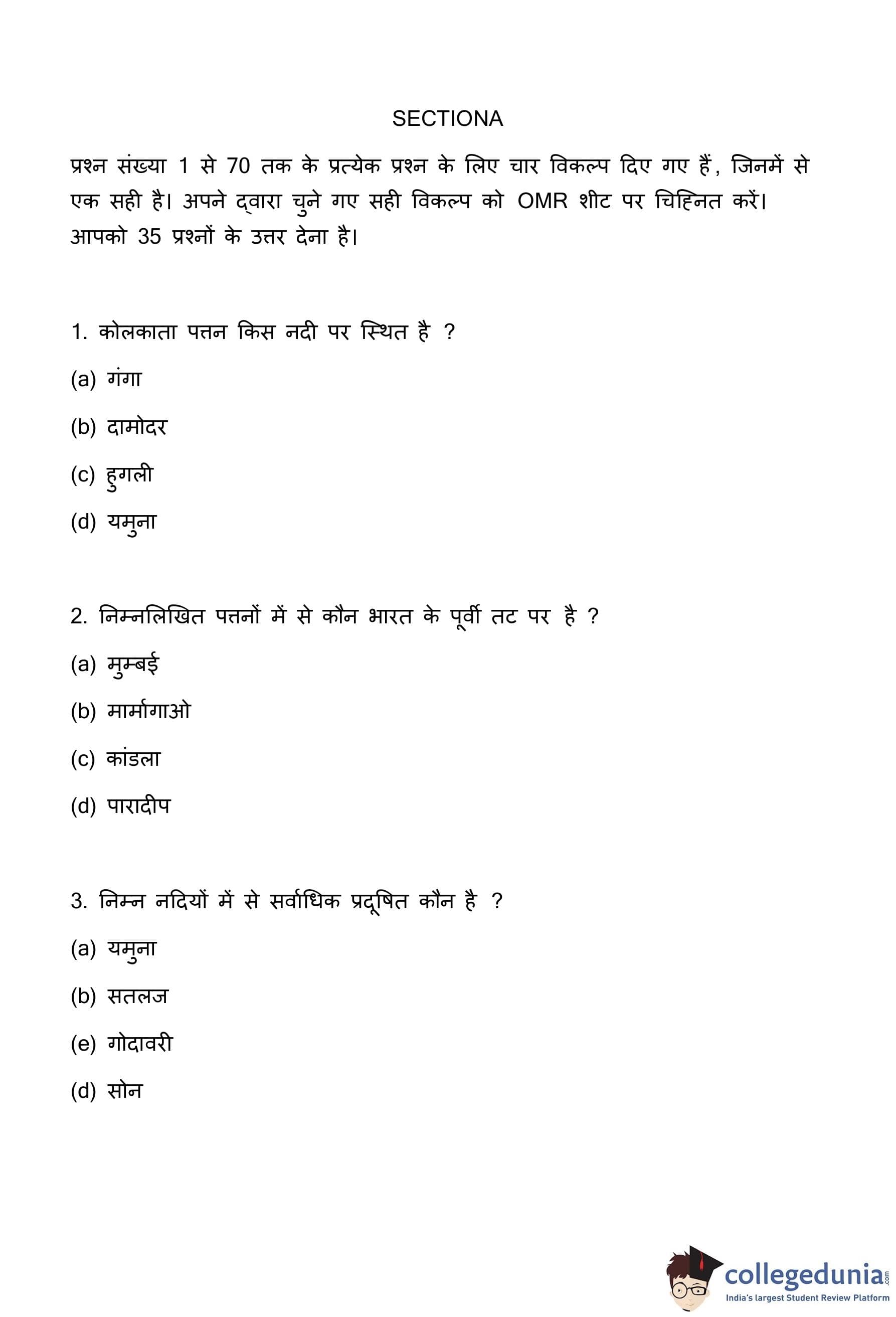
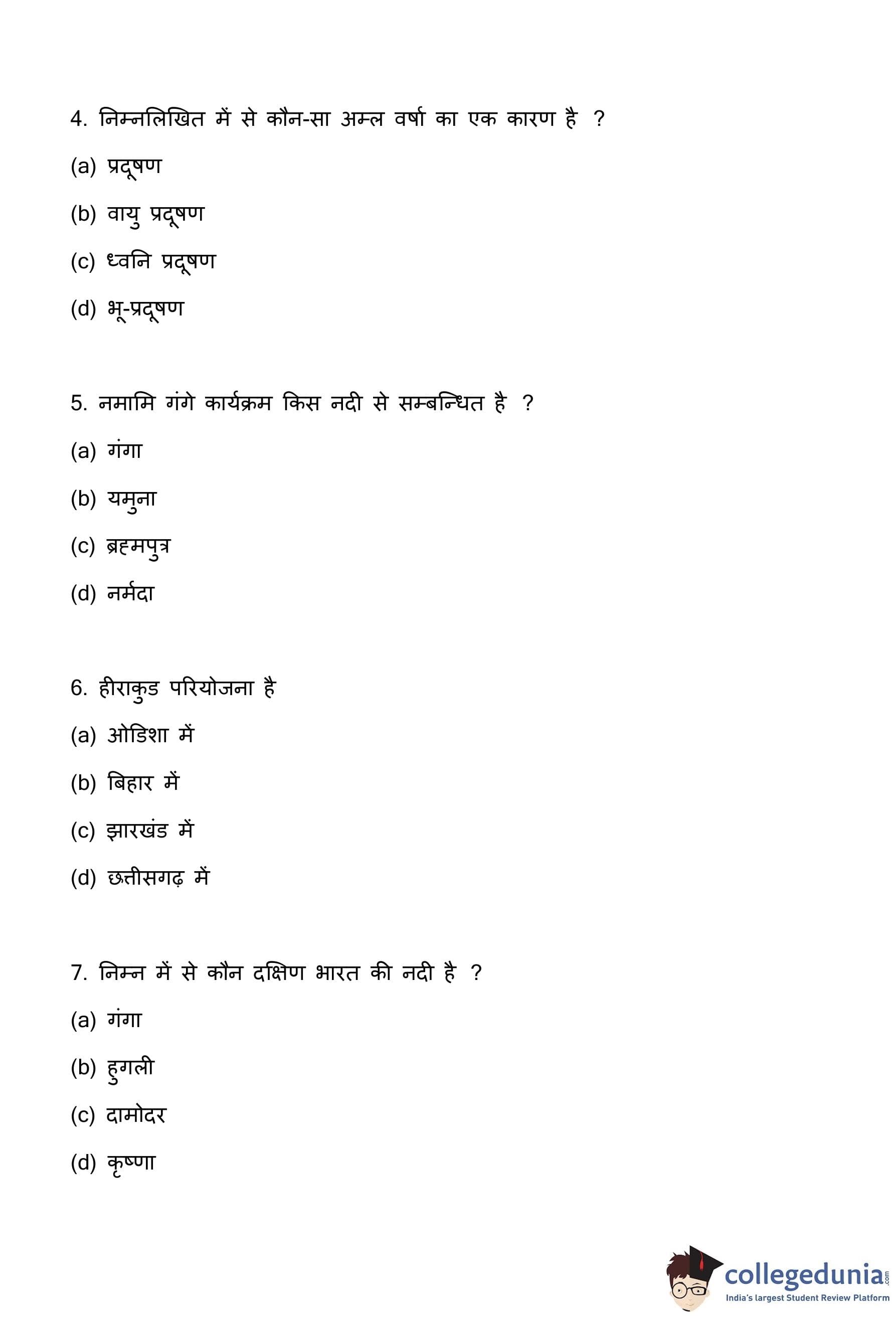
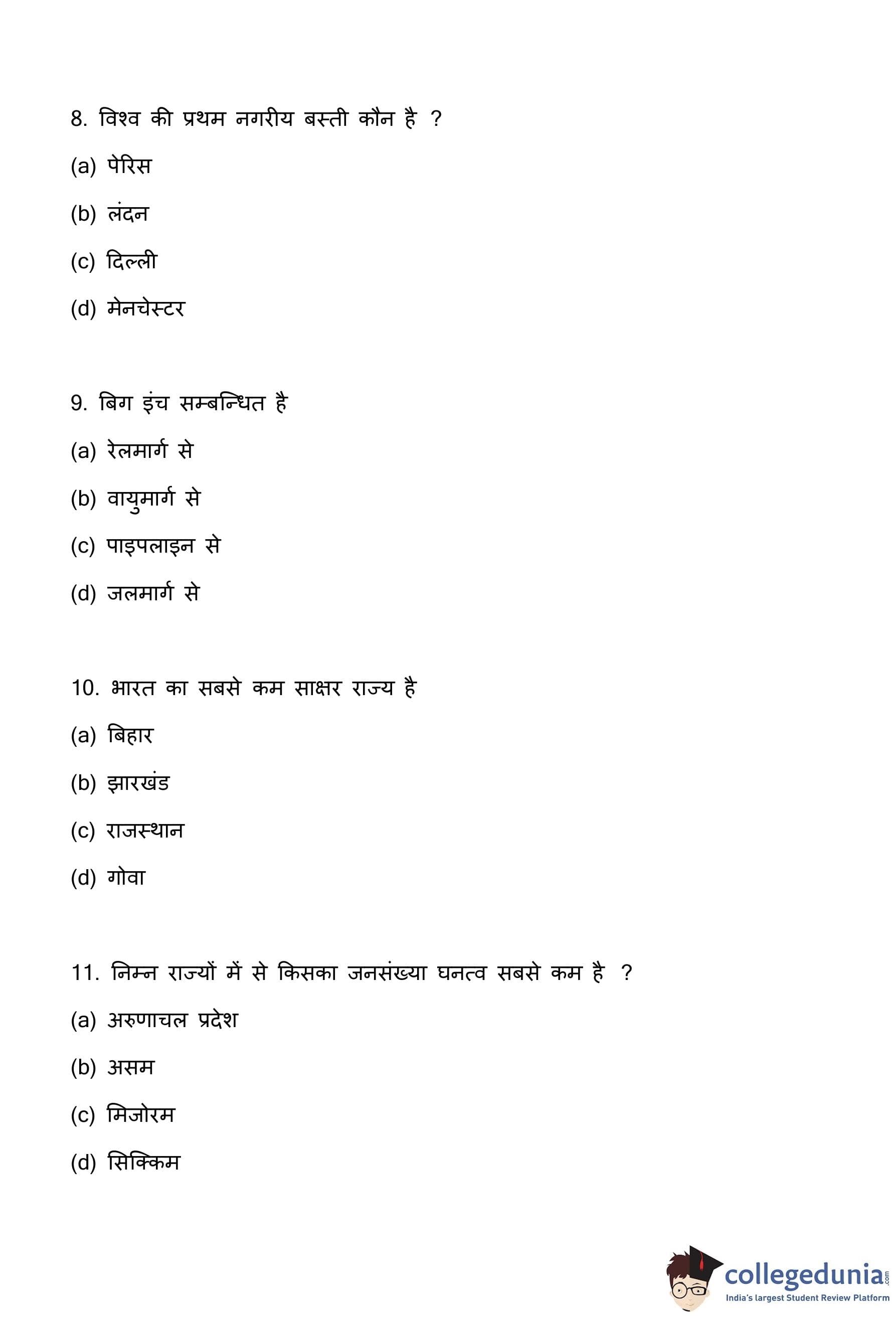
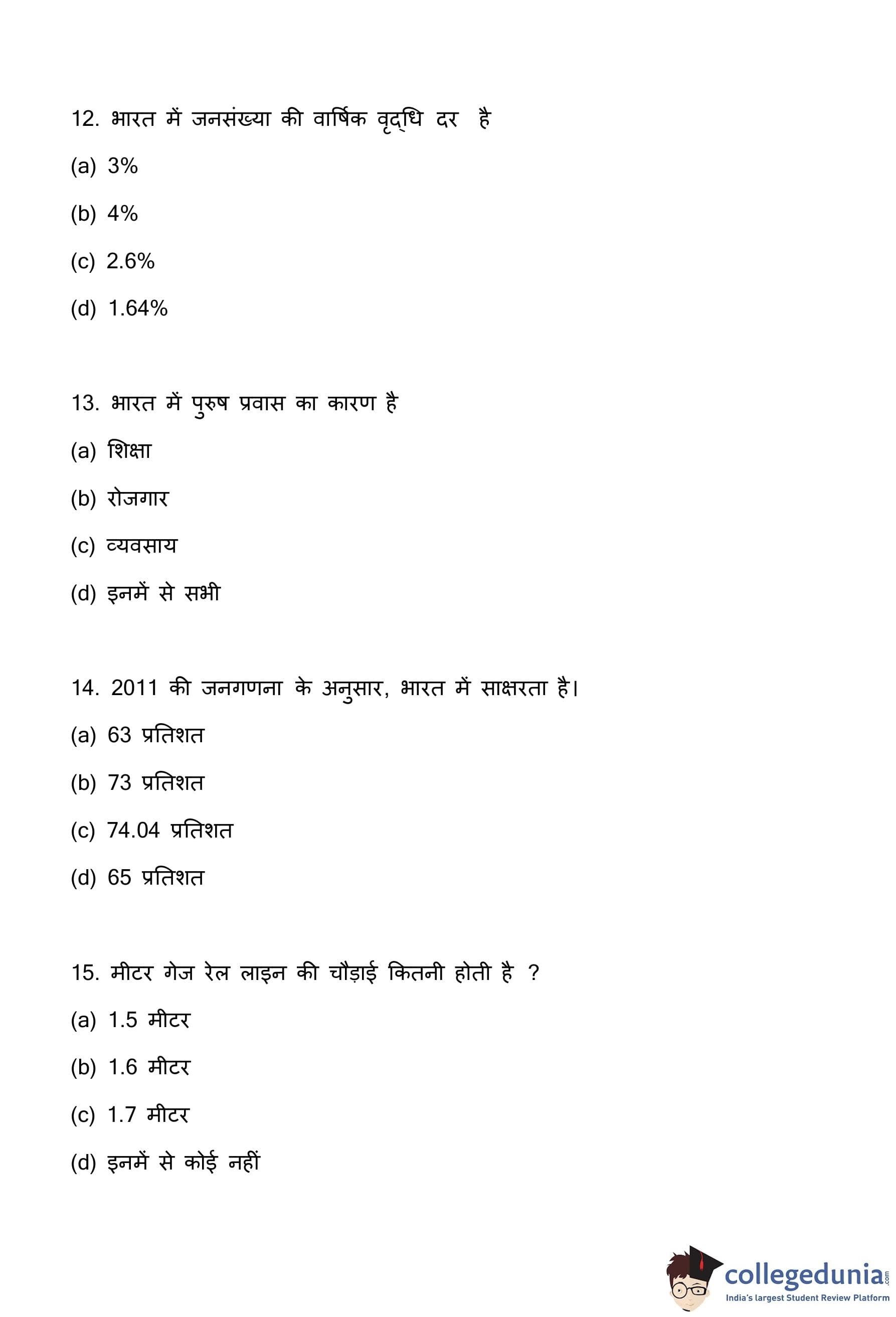
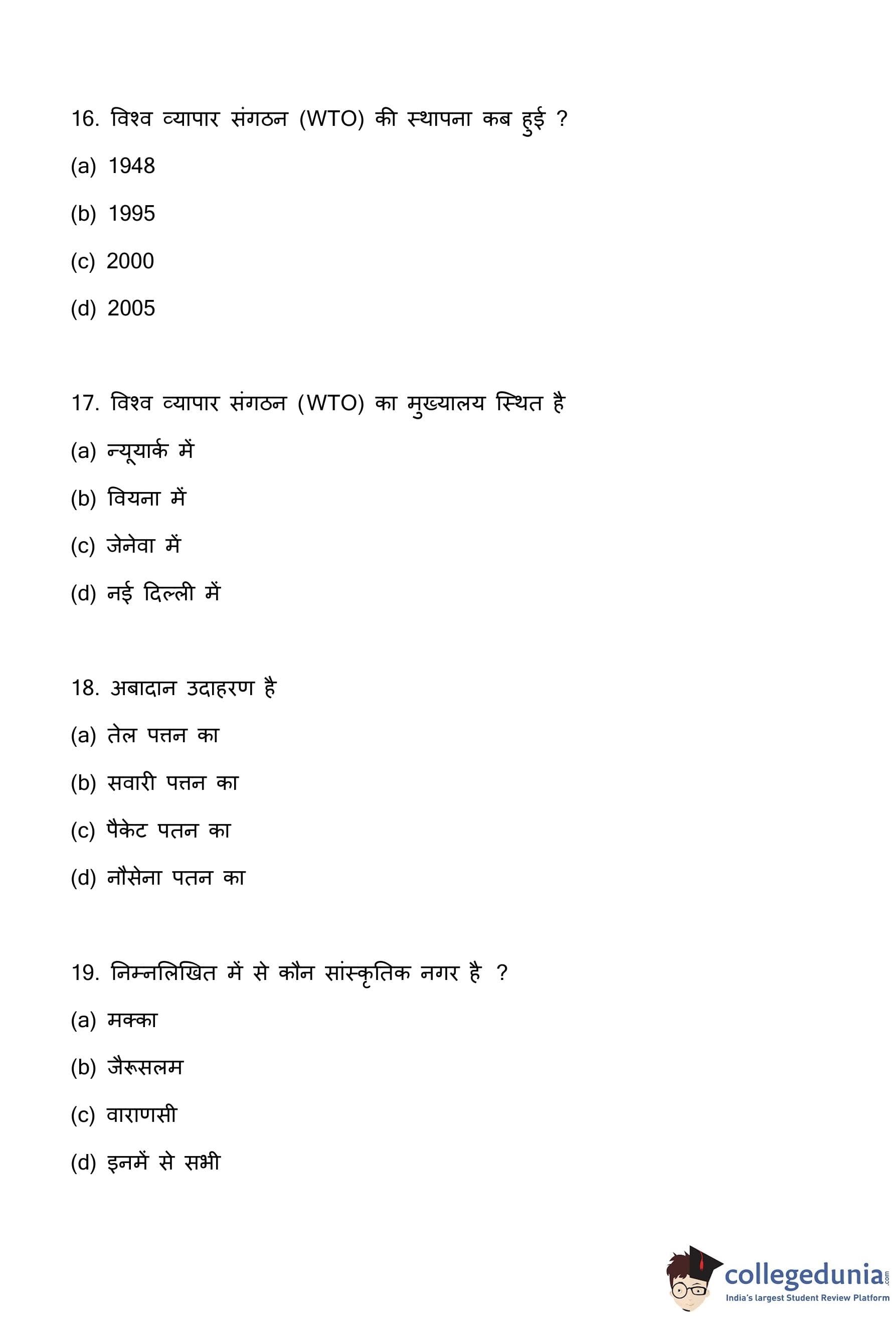
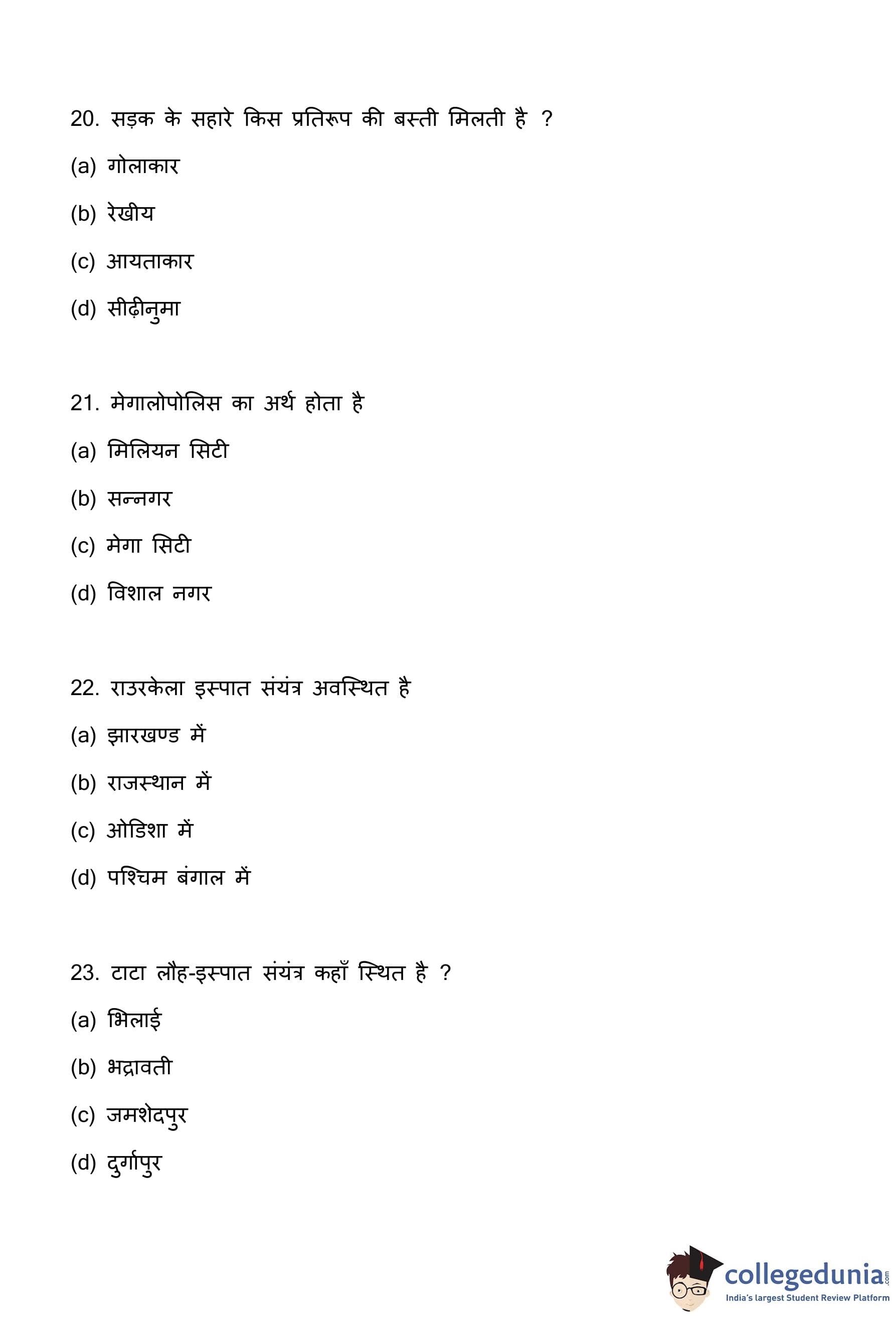
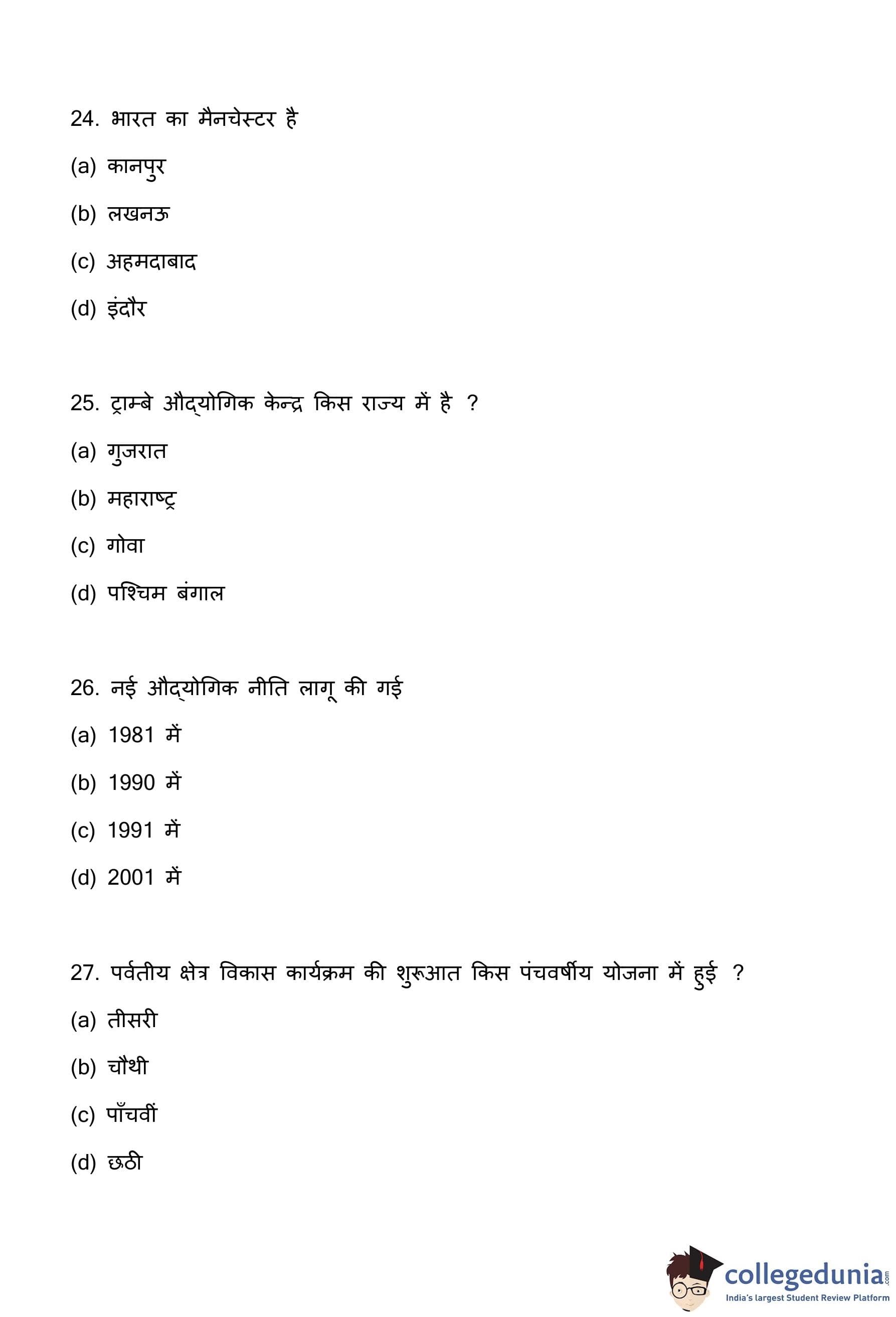
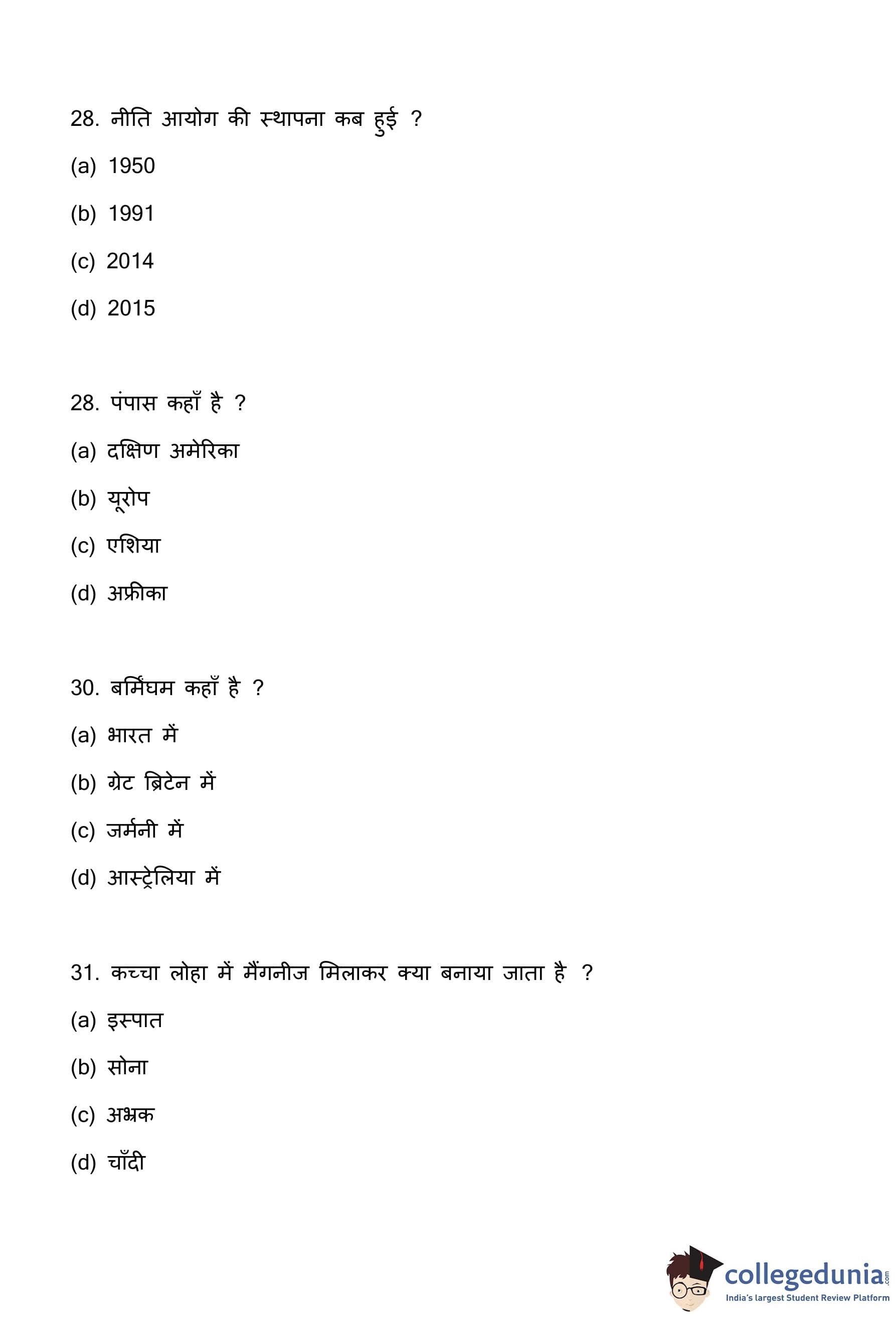
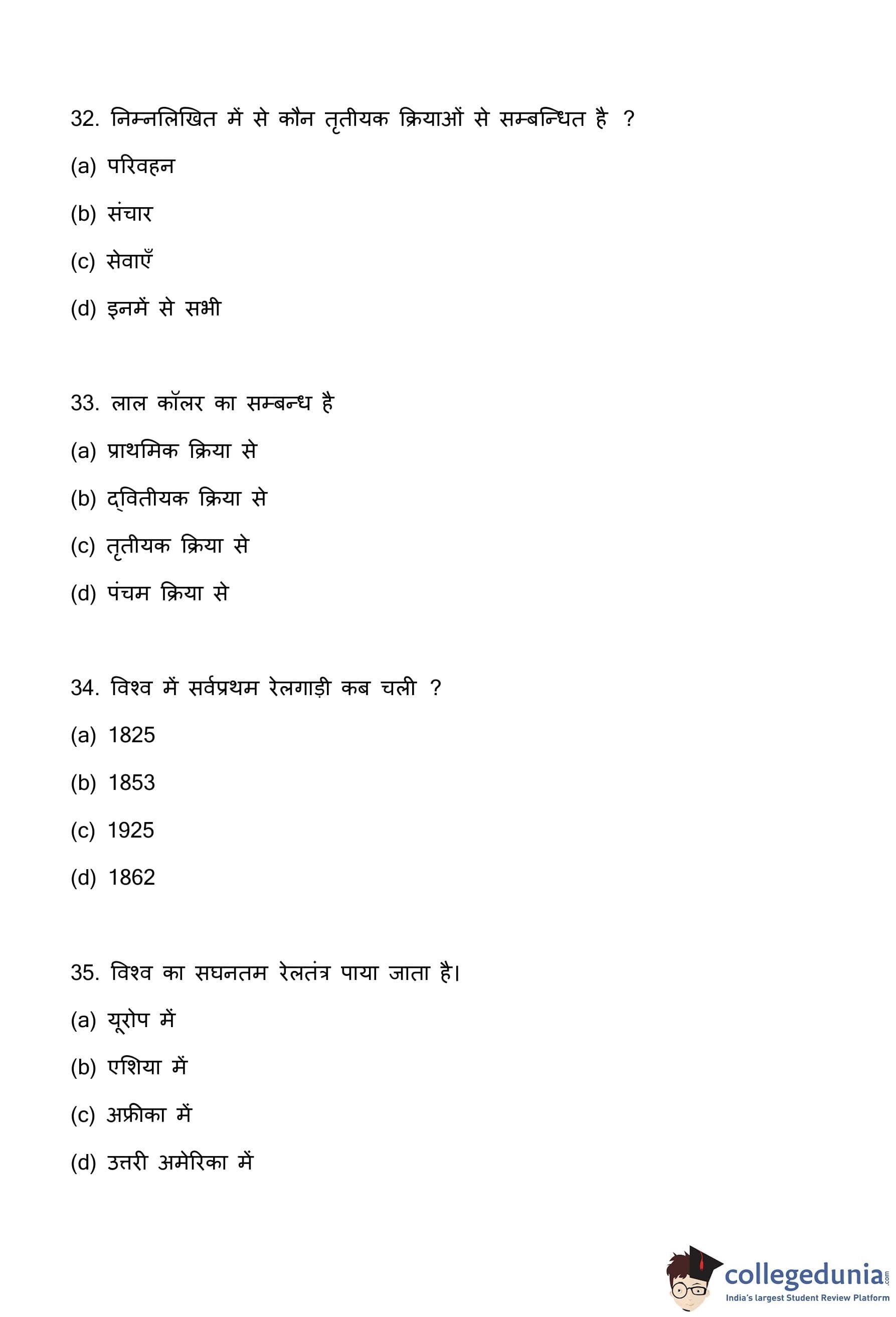
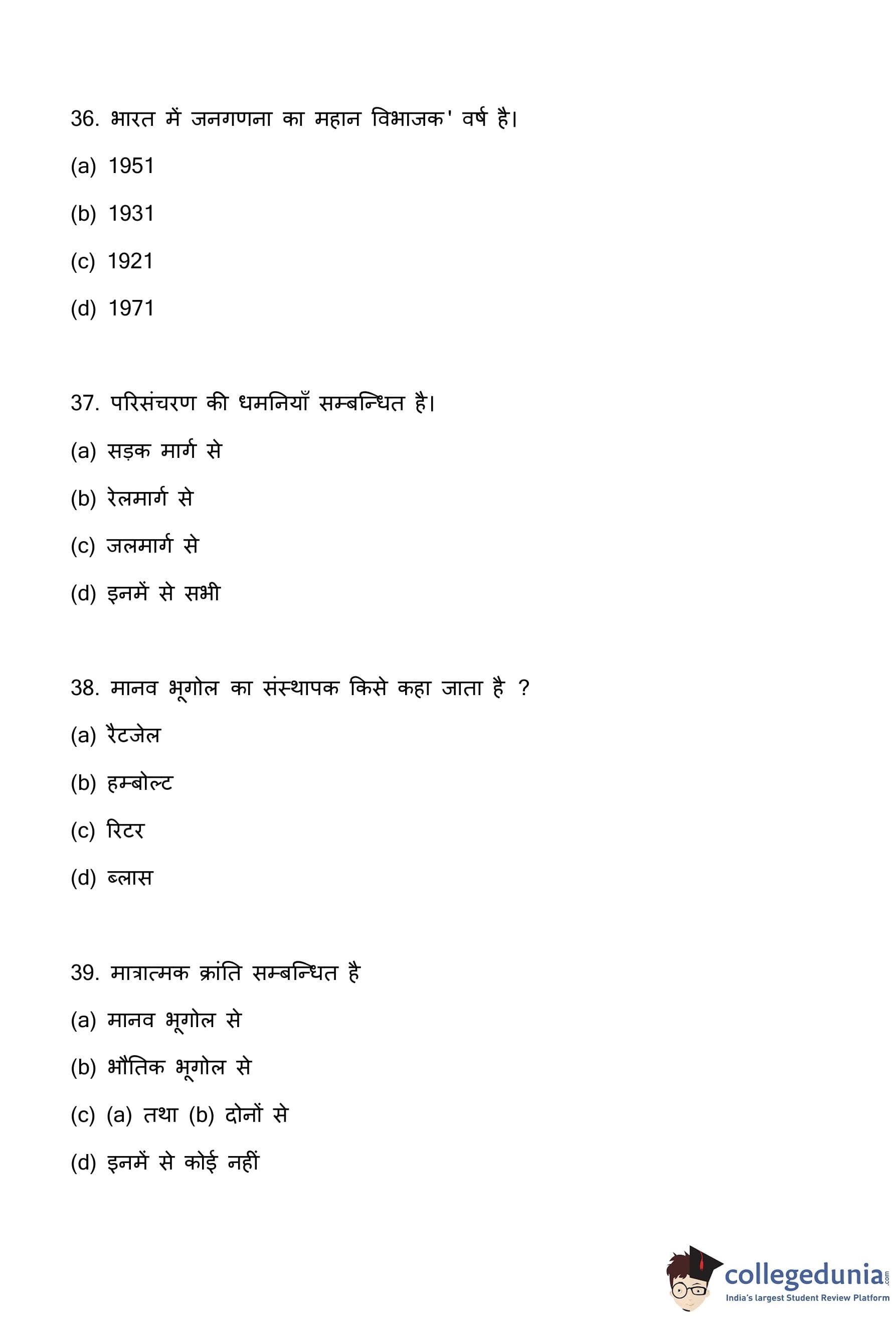
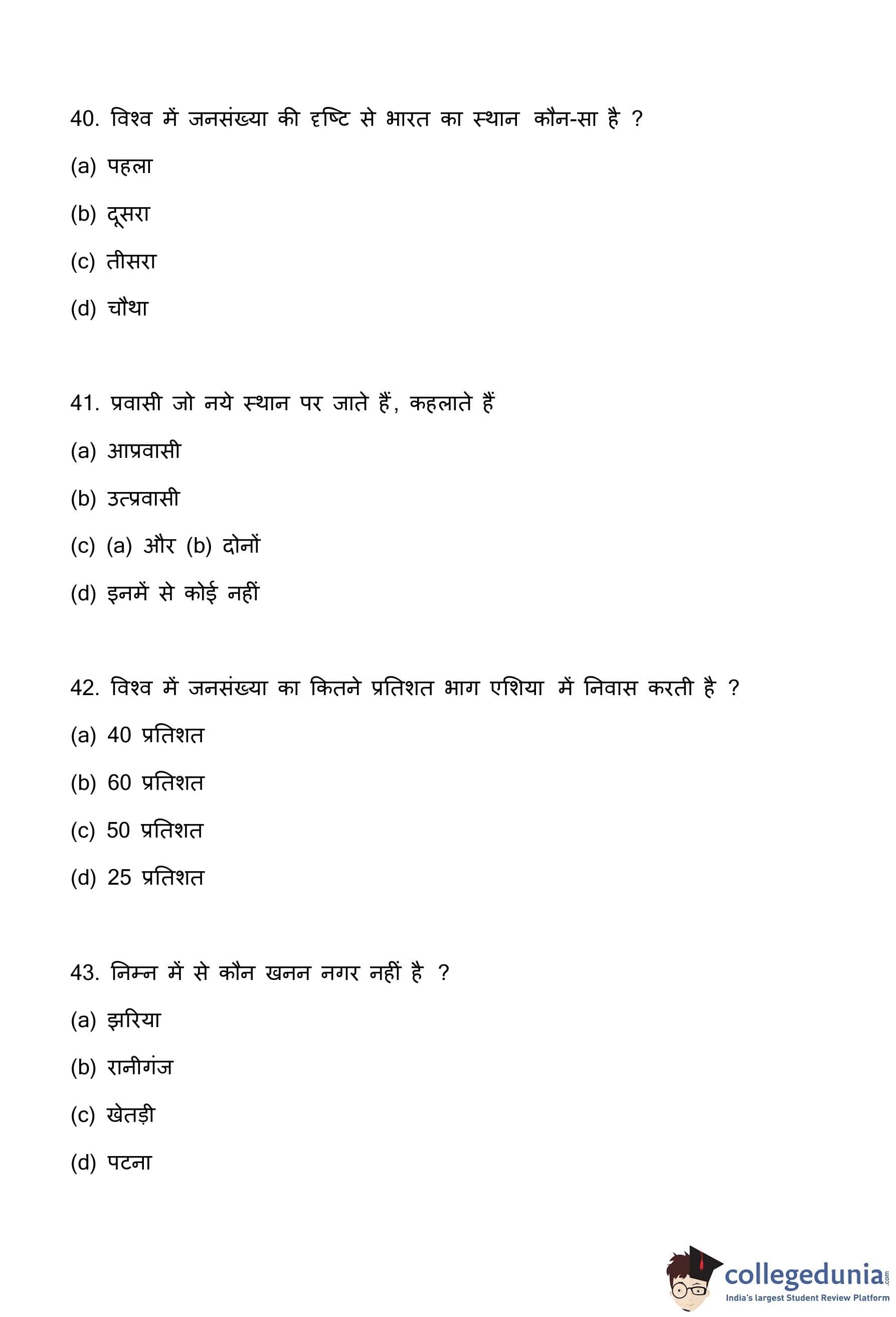
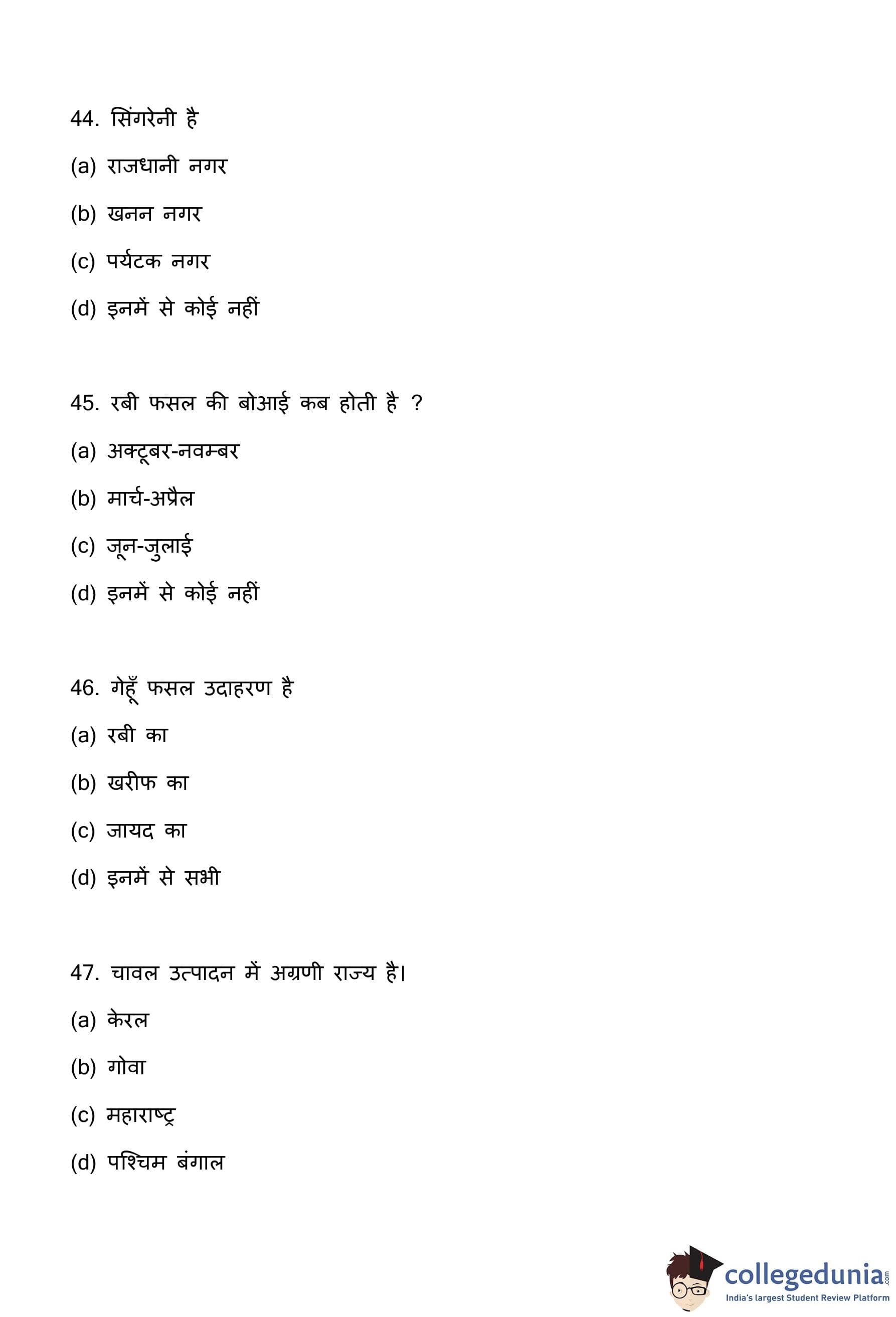
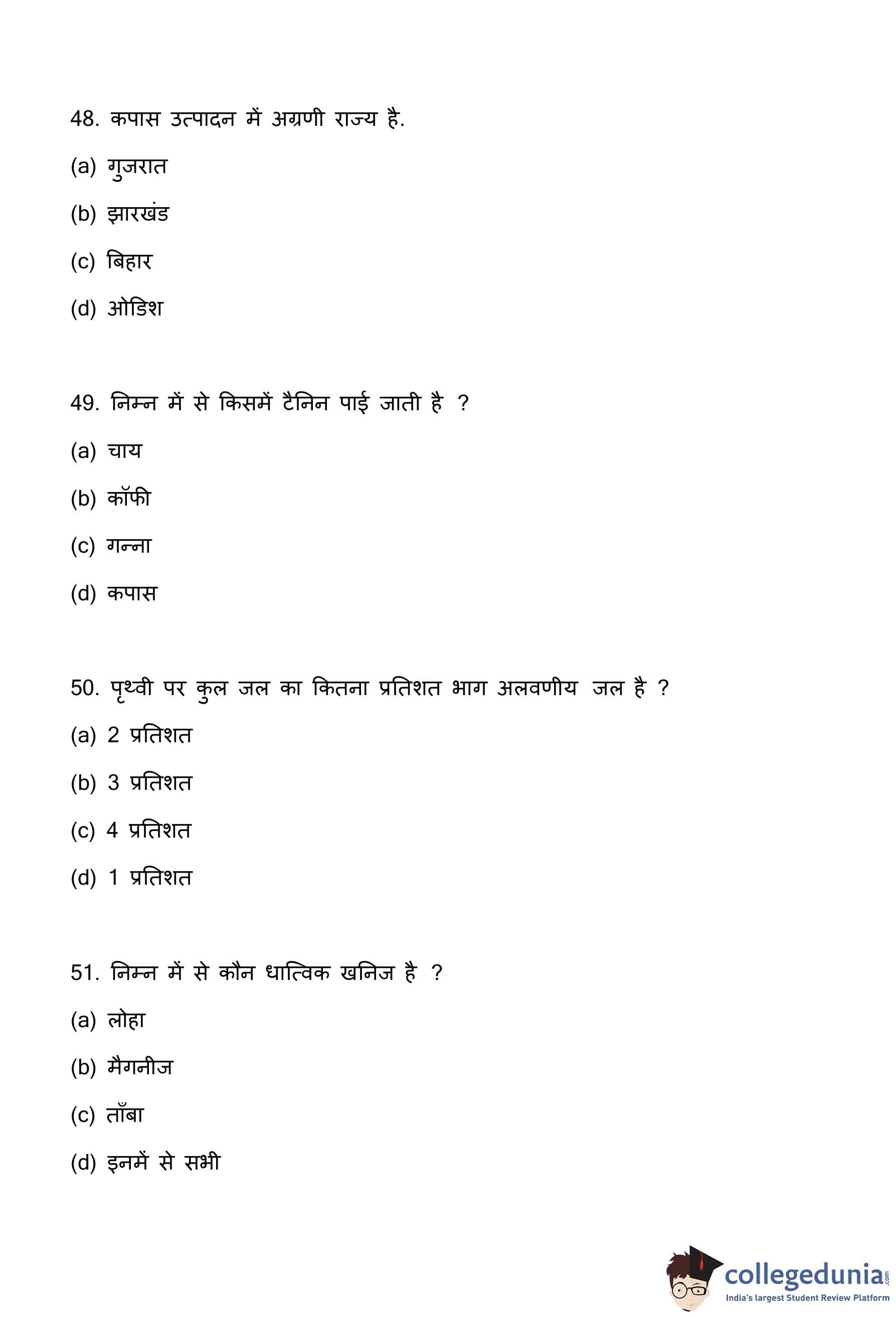
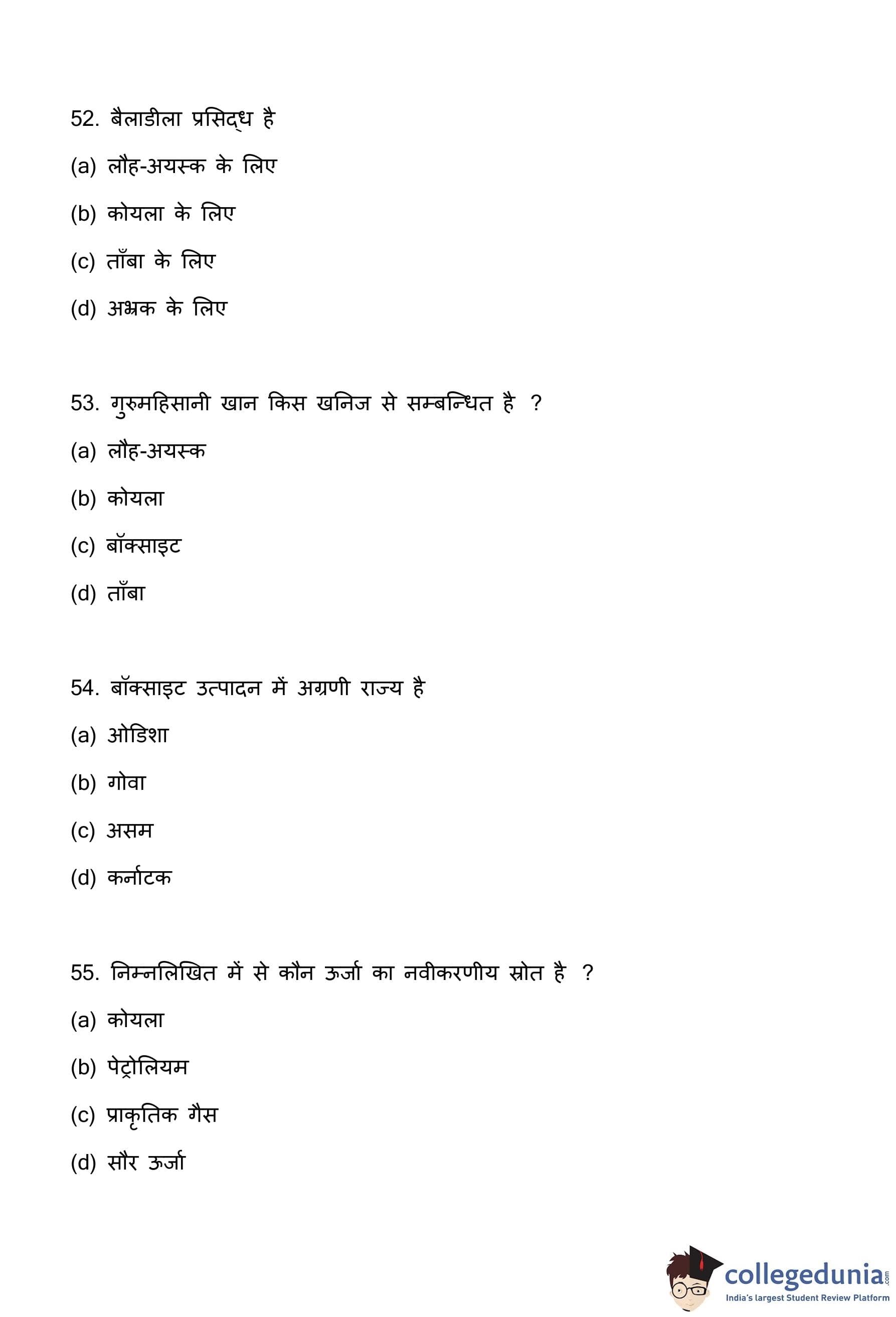
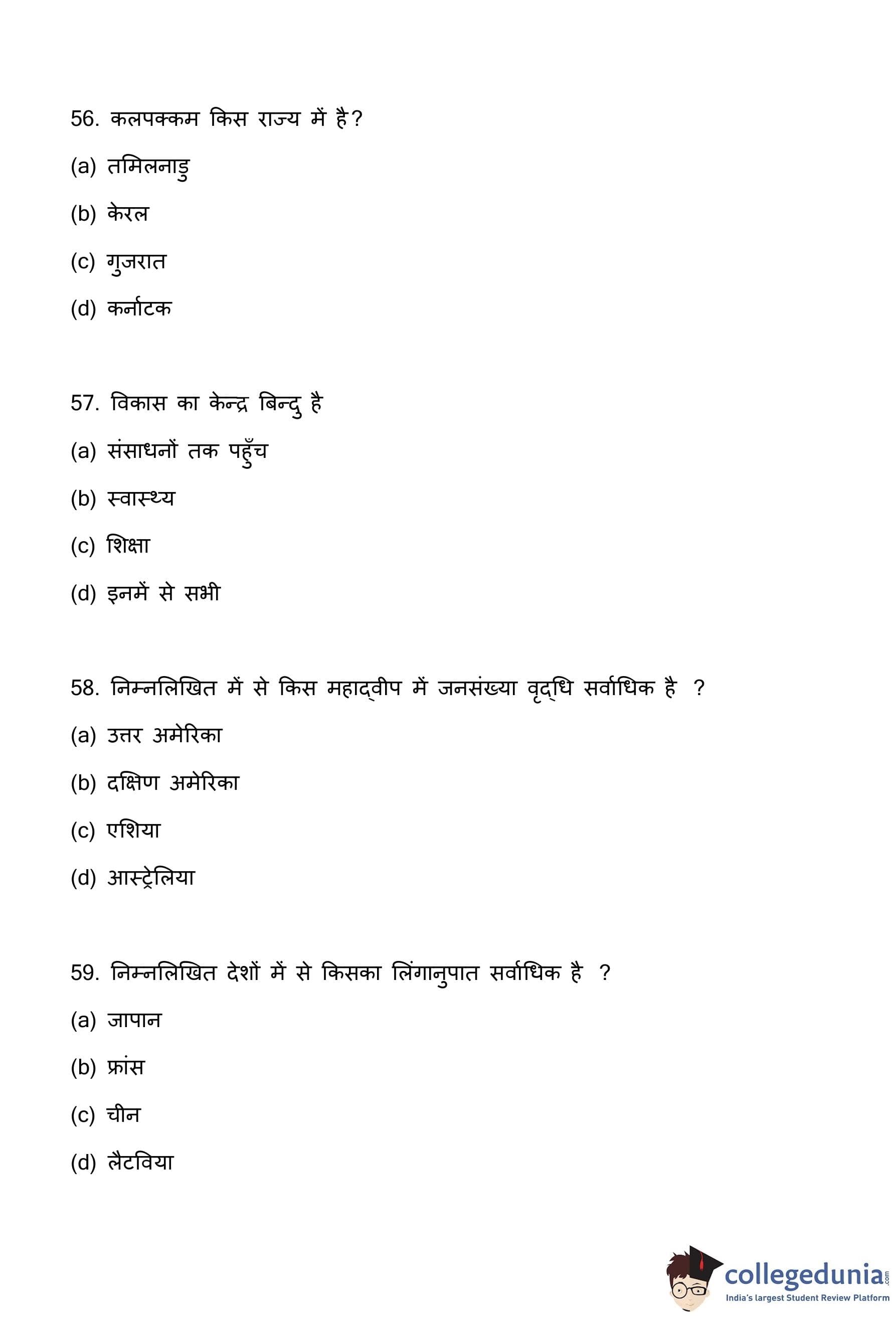
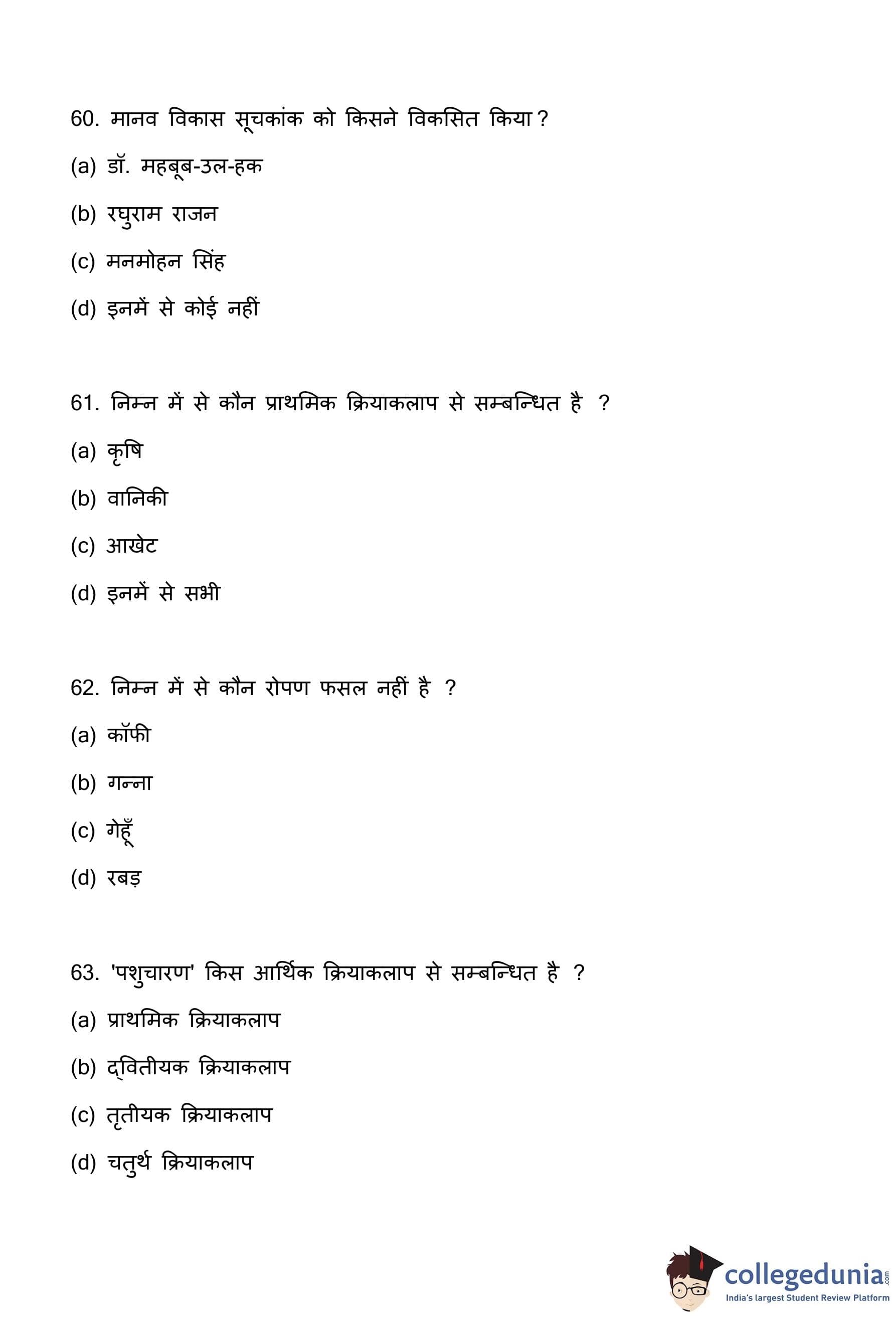
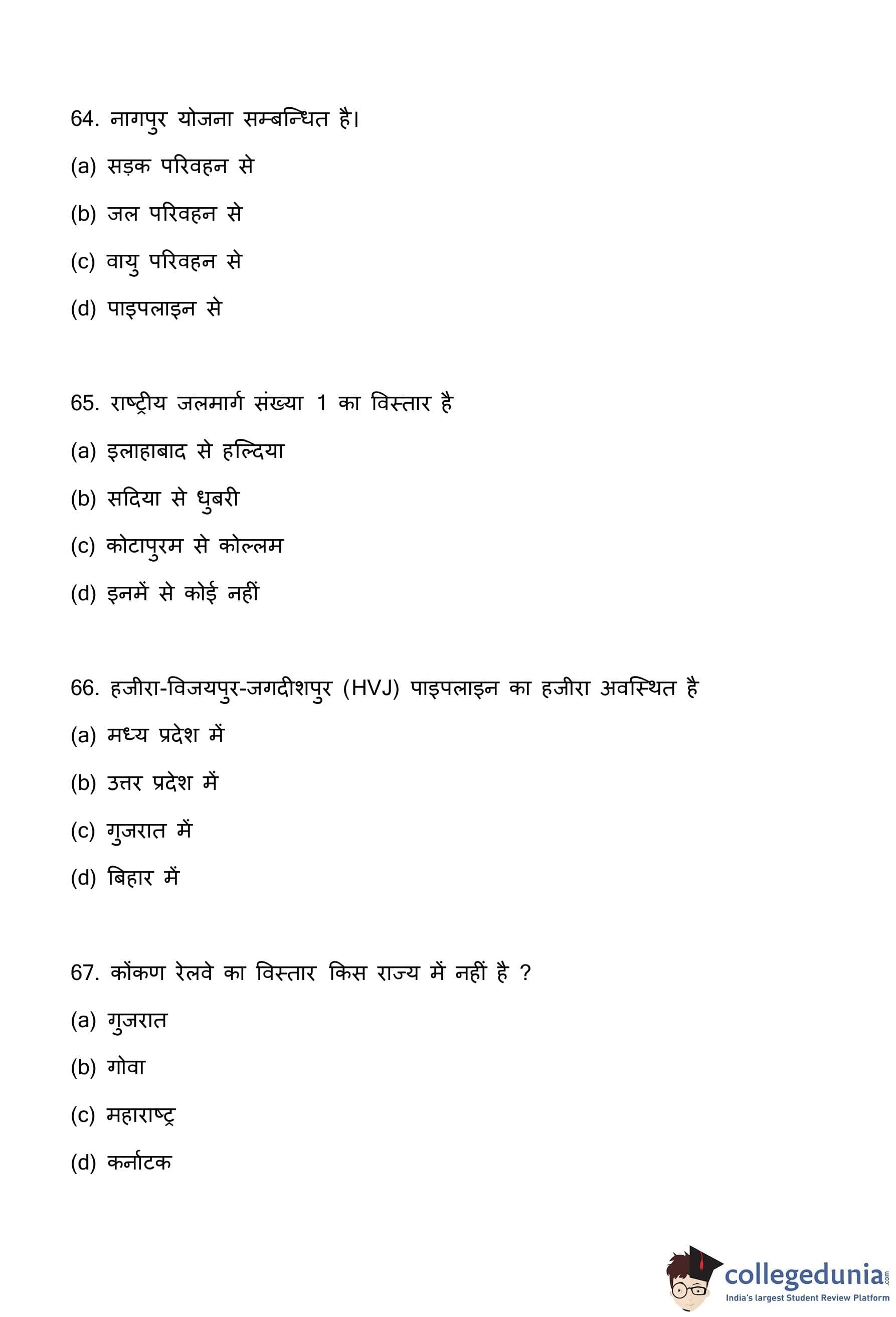
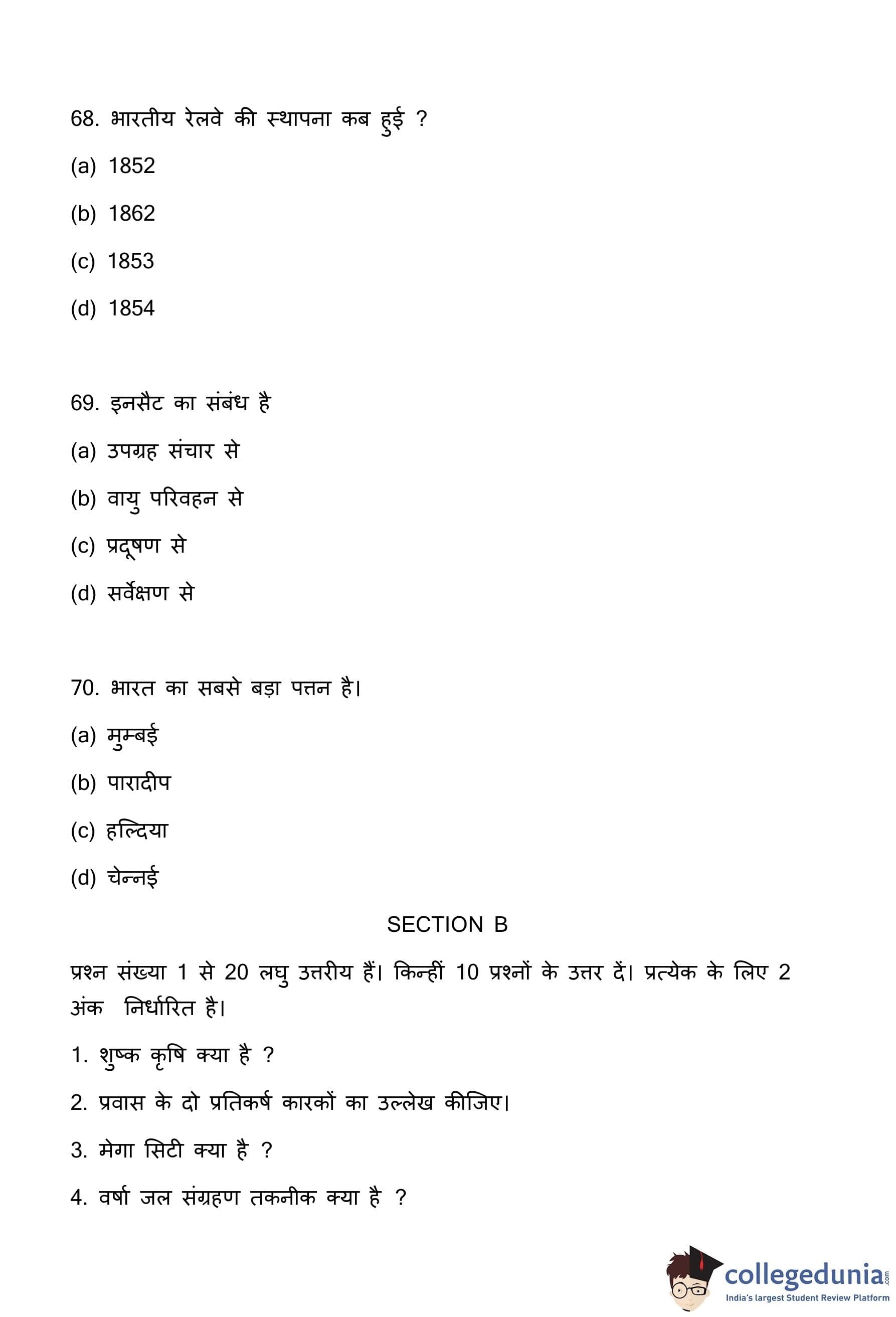
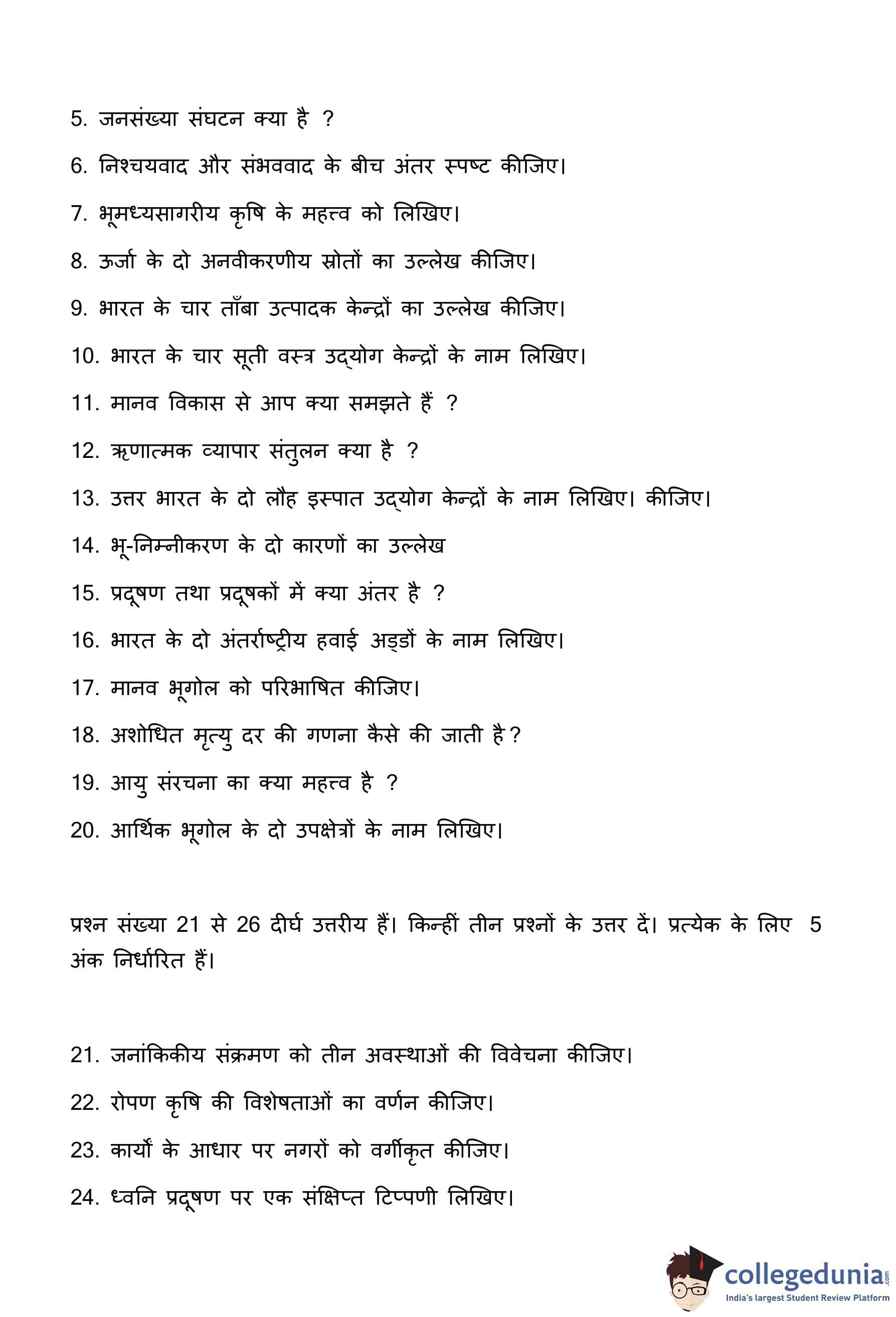
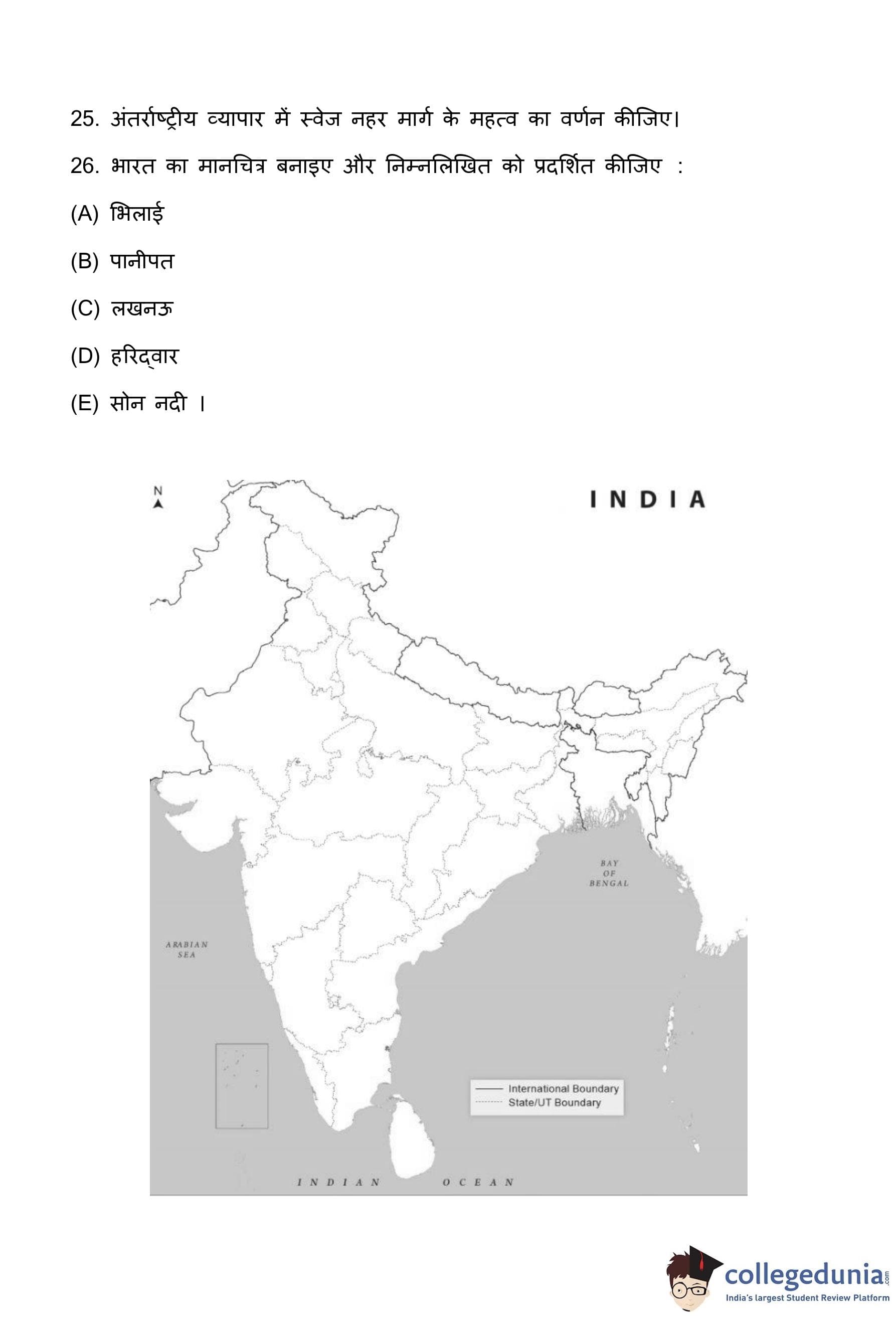
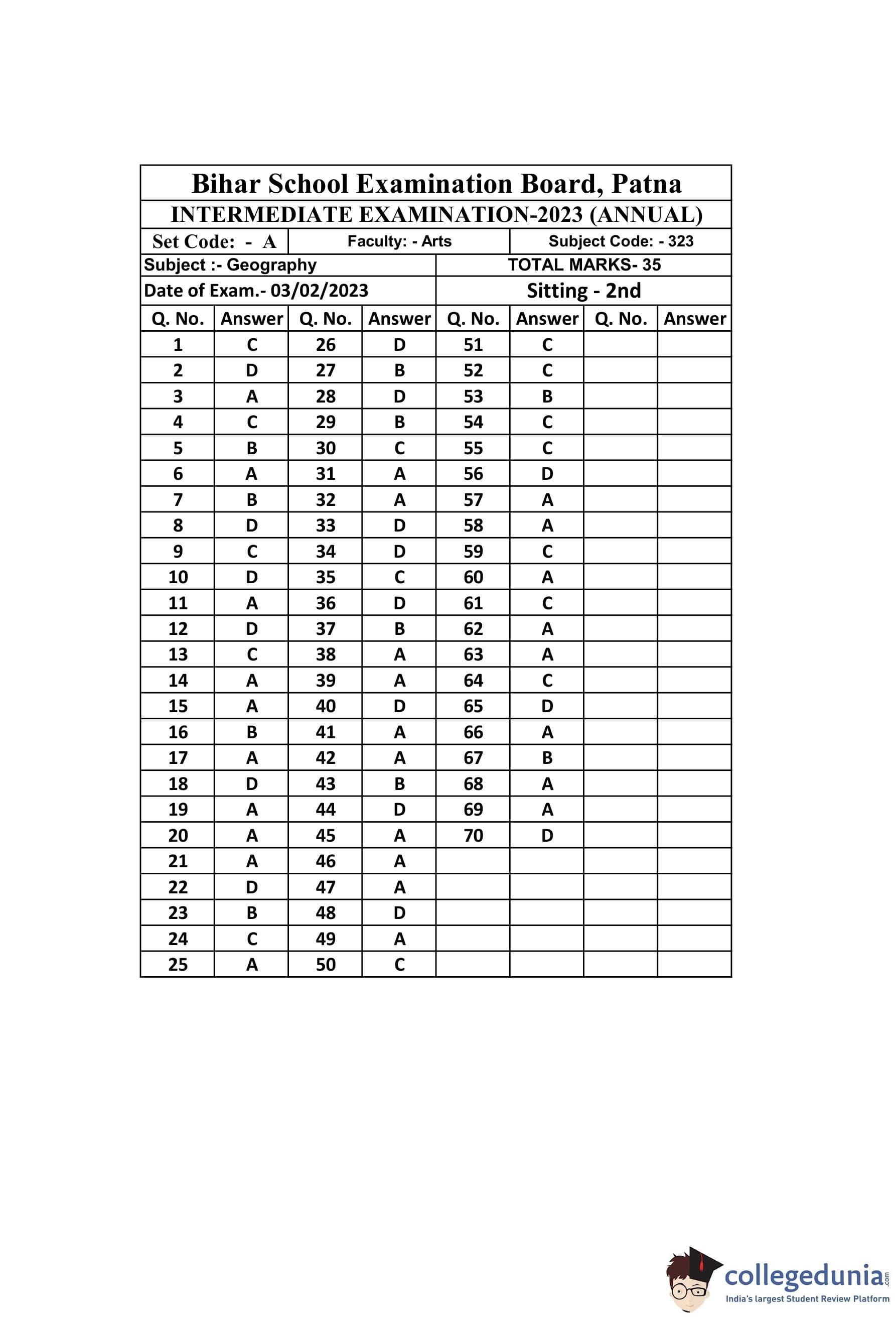
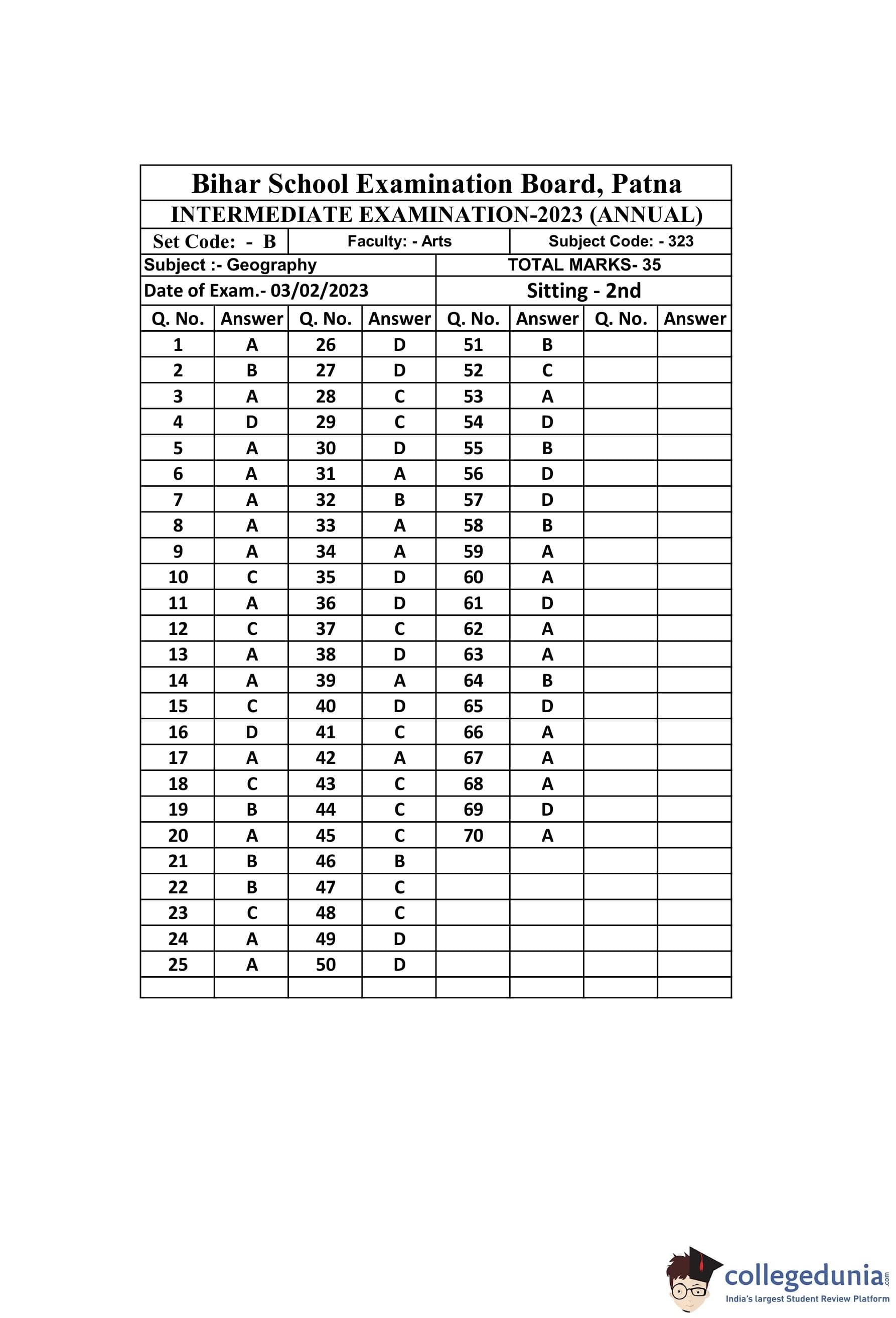
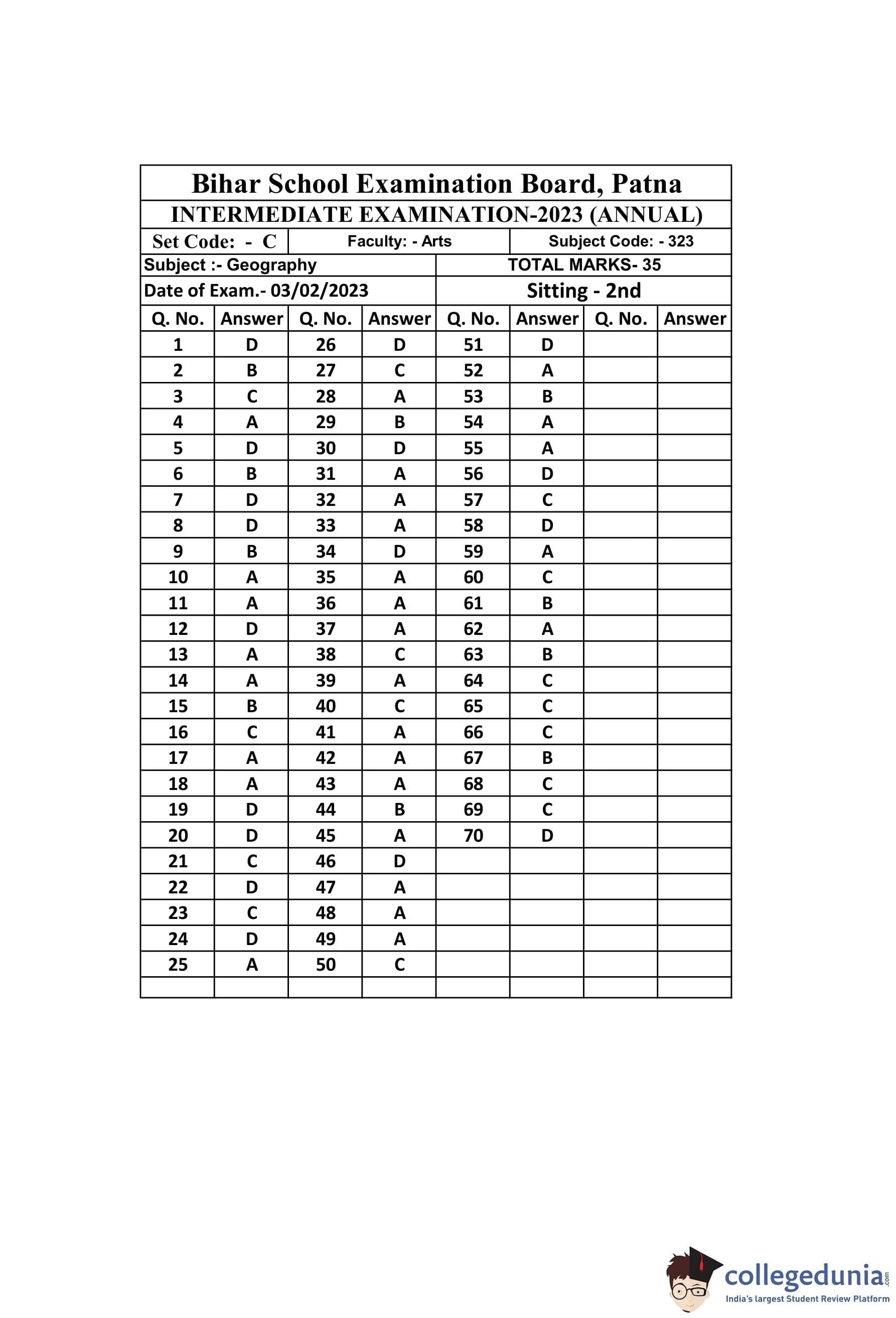
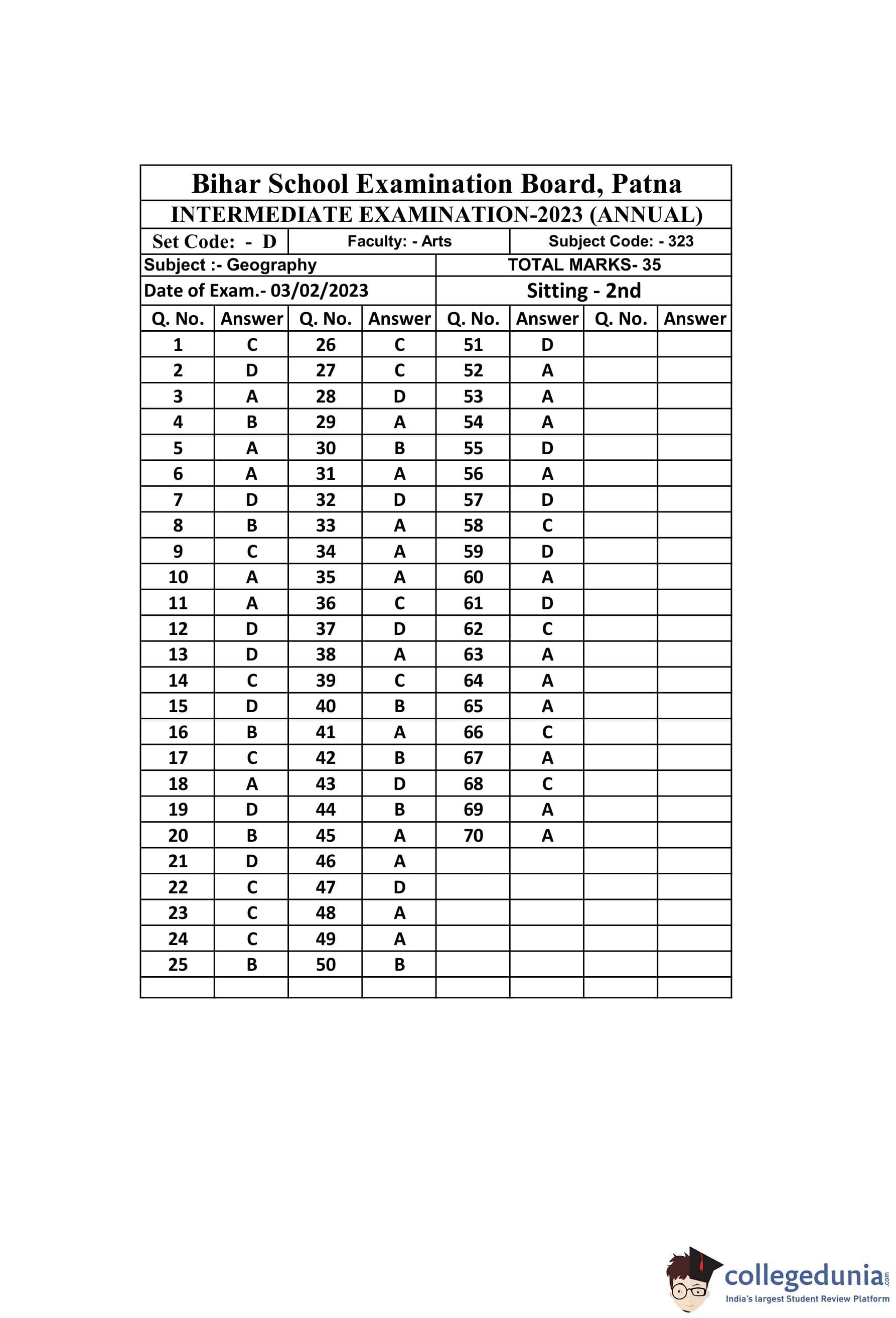
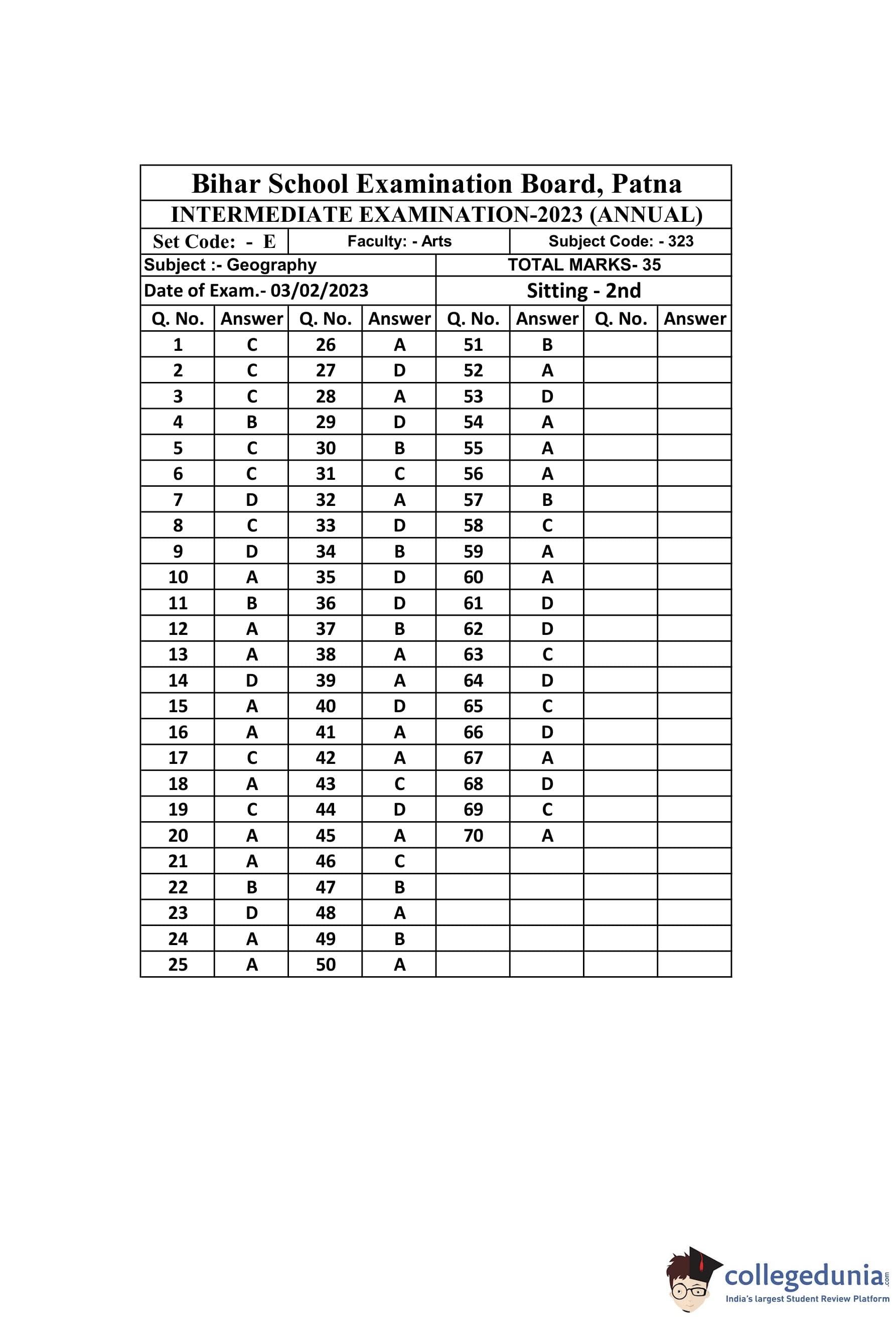
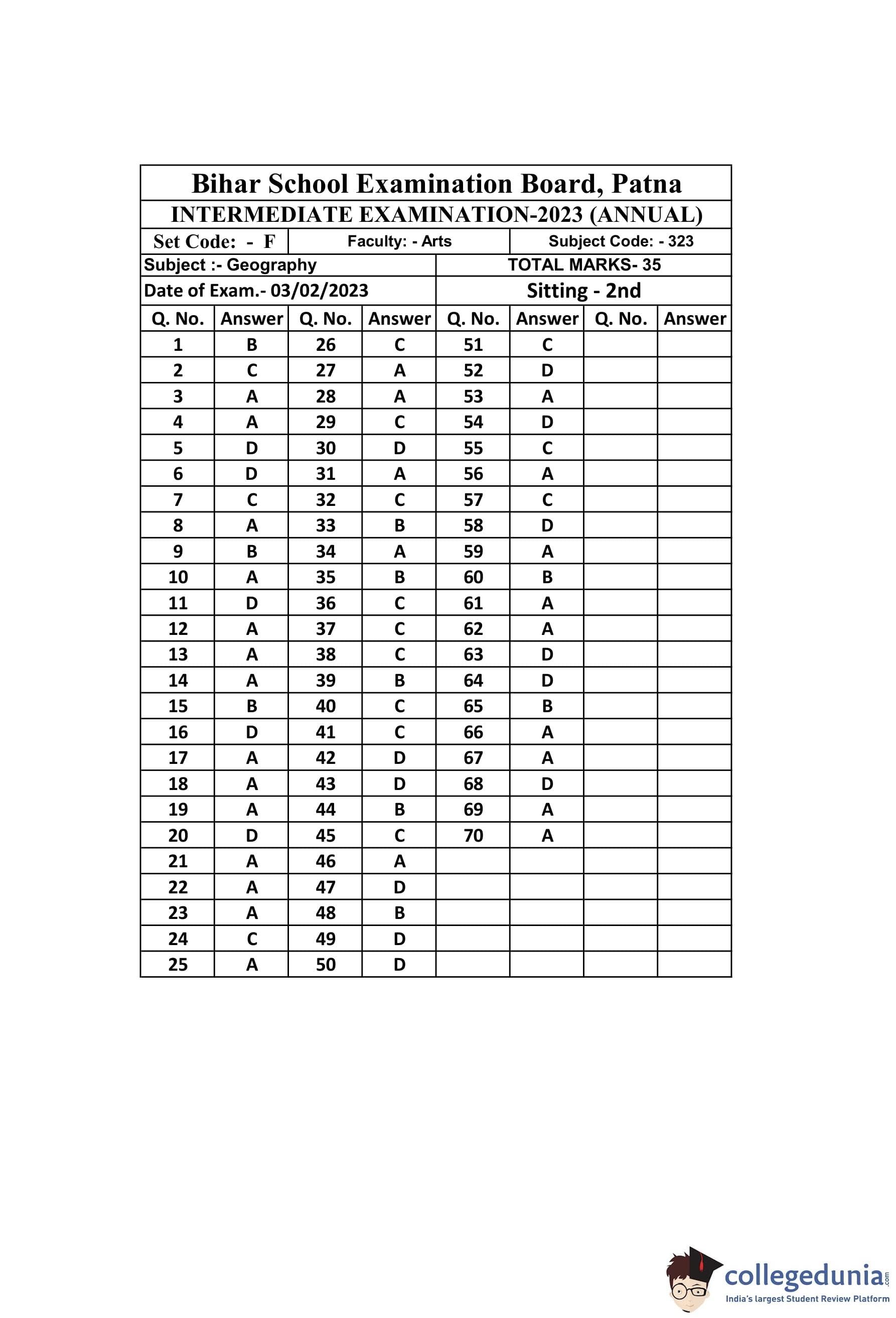
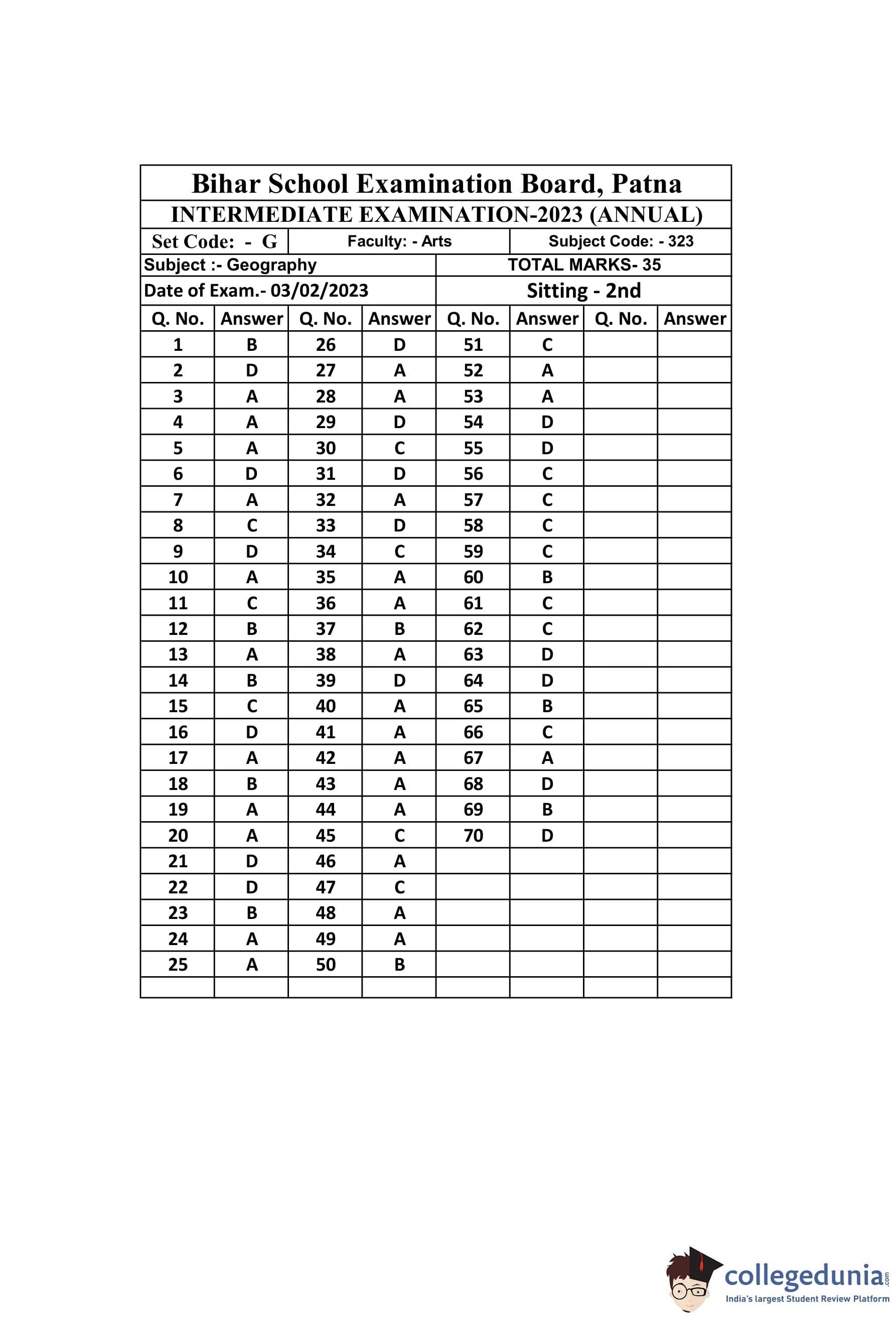
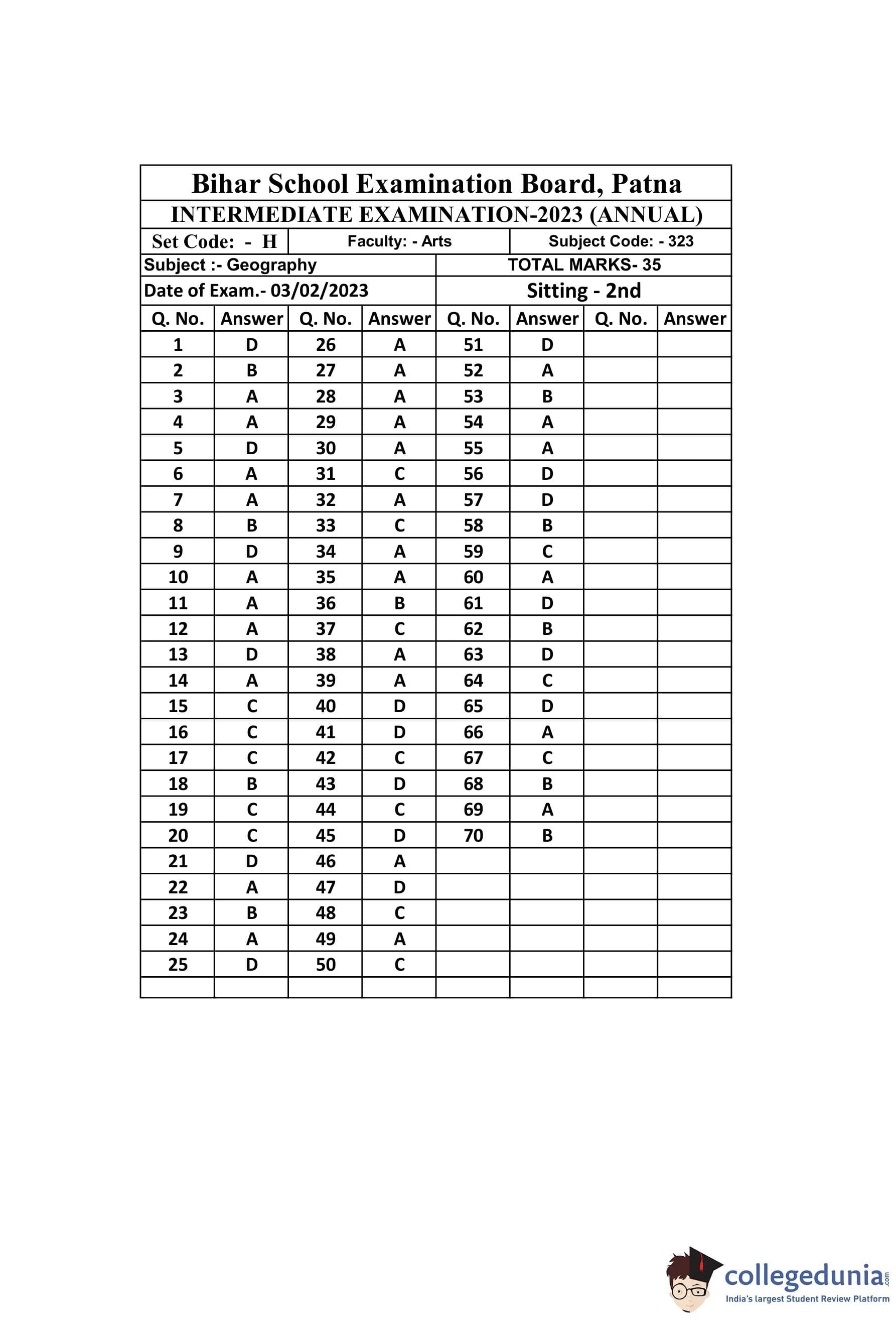
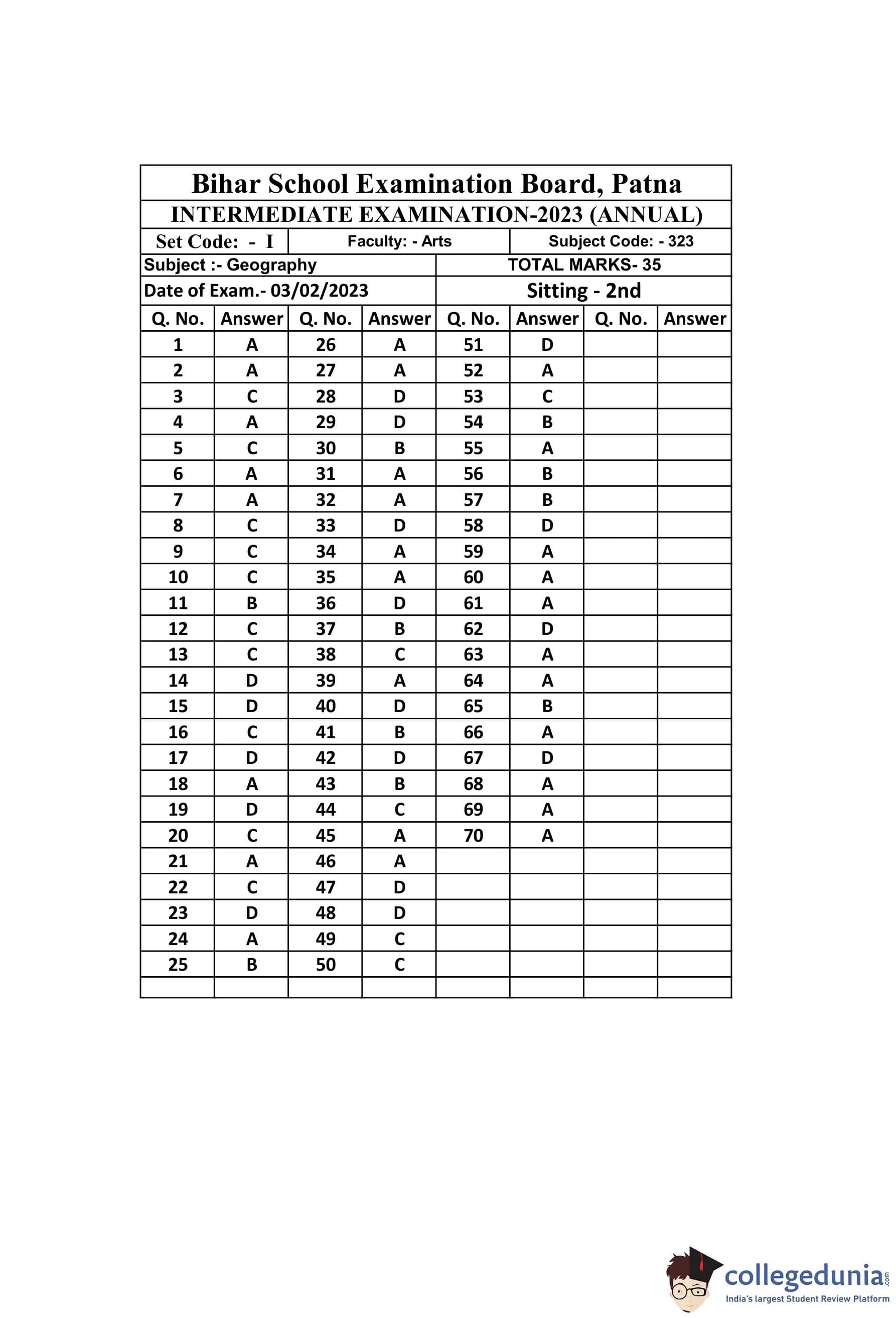
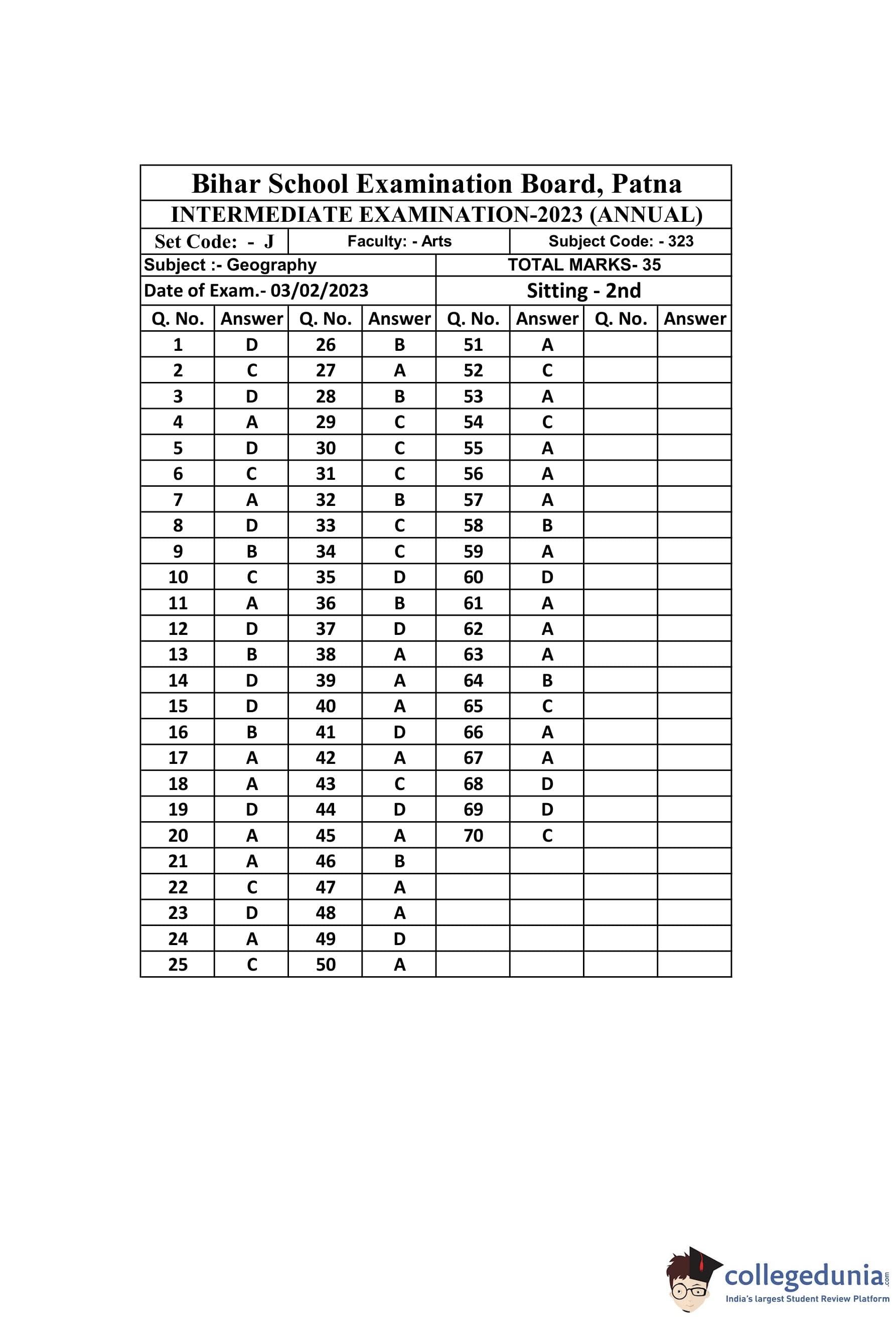



Comments