MMCRI B.Sc. Respiratory Care FAQs
Ques. What does a Respiratory Care Technologist do, and what will I learn in the B.Sc. Medical Respiratory Care Technology course at MMCRI?
Ans. A Respiratory Care Technologist manages patients with breathing disorders, operates ventilators, performs pulmonary function tests, and provides respiratory therapy in ICUs, emergency departments, and pulmonology wards. In the B.Sc. Medical Respiratory Care Technology course at MMCRI, you will learn anatomy and physiology of the respiratory system, pulmonary function testing, mechanical ventilation, oxygen therapy, airway management, neonatal respiratory care, and critical care respiratory support. The clinical training at MMCRI's ICU and pulmonology department provides hands-on experience.
Ques. Is there any entrance exam for admission to the B.Sc. Medical Respiratory Care Technology course at MMCRI?
Ans. No, there is no separate entrance exam for the B.Sc. Medical Respiratory Care Technology at MMCRI. Admission is merit-based on 10+2 (PCB) marks through RGUHS/KEA counselling. Candidates with higher marks in Physics, Chemistry, and Biology in their 10+2 examination have better chances of securing admission.
Ques. What is the total fee for the B.Sc. Medical Respiratory Care Technology at MMCRI?
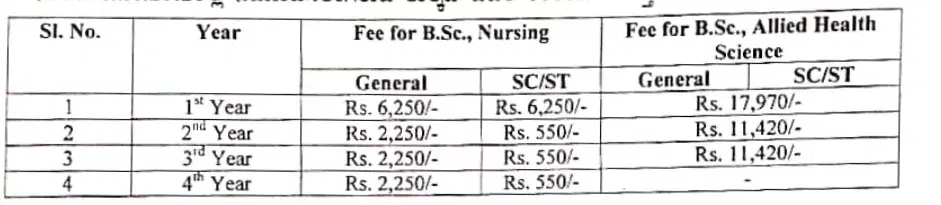
Ans. The total fee for the entire 3-year B.Sc. Medical Respiratory Care Technology program at MMCRI is Rs. 40,810 for government quota students. This is broken down as Rs. 17,970 in Year 1, Rs. 11,420 in Year 2, and Rs. 11,420 in Year 3. This is one of the most affordable B.Sc. programs in respiratory care in India.
Ques. What are the career opportunities after completing B.Sc. Medical Respiratory Care Technology from MMCRI?
Ans. After completing the B.Sc. Medical Respiratory Care Technology, graduates can work as Respiratory Therapists, Pulmonary Function Technicians, Critical Care Technicians, Neonatal Respiratory Care Technologists, and Sleep Lab Technicians in government hospitals, private hospitals, ICUs, and pulmonology centres. Major employers include AIIMS, government medical colleges, Apollo Hospitals, Manipal Hospitals, and Fortis Healthcare. Government jobs are available through KPSC and DMER Karnataka. The growing prevalence of respiratory diseases (COPD, asthma, COVID-19 complications) has significantly increased demand for trained respiratory care professionals.
Ques. Can I pursue higher studies after completing B.Sc. Medical Respiratory Care Technology from MMCRI?
Ans. Yes, after completing the B.Sc. Medical Respiratory Care Technology, you can pursue M.Sc. Respiratory Care Technology or M.Sc. Critical Care Technology. You can also pursue specialised certifications such as Registered Respiratory Therapist (RRT) from the National Board for Respiratory Care (NBRC) in the USA, which opens up international career opportunities. Some graduates also pursue MBA in Hospital Administration or transition into healthcare management roles.
Ques. How is the B.Sc. Medical Respiratory Care Technology different from B.Sc. Medical Imaging Technology or B.Sc. Medical Laboratory Technology?
Ans. B.Sc. Medical Respiratory Care Technology focuses specifically on respiratory therapy, ventilator management, and pulmonary care, making it ideal for students interested in critical care and ICU settings. B.Sc. Medical Imaging Technology focuses on radiology and diagnostic imaging, while B.Sc. Medical Laboratory Technology focuses on laboratory diagnostics. Respiratory Care Technology is a more specialised field with growing demand due to the increasing burden of respiratory diseases in India. All three are offered at MMCRI at the same fee of Rs. 40,810 for the 3-year program.


![Mysore Medical College And Research Institute - [MMCARI]](https://image-static.collegedunia.com/public/college_data/images/logos/1731479853Screenshot20241113120711.png?h=71.7&w=71.7&mode=stretch)



.png?h=78&w=78&mode=stretch)






.png?h=72&w=72&mode=stretch)





Comments