




BIHAR Board Class 12 Question Paper 2025 PDF with Answer Key and Solutions PDF is available for download here.
BIHAR Board Class 12 Question Paper 2025 with Solutions PDF
| BIHAR Board Class 12 Question Paper 2025 with Solutions PDF |  Download Download |
Check Solutions |
Which nutrient helps in the formation of new cells in the body?
View Solution
The correct answer is (B) Protein. Let’s explore why protein is essential for the formation of new cells in the body.
Proteins are macromolecules made up of amino acids, which are often referred to as the building blocks of life. Our bodies require 20 different amino acids to perform various functions, including cell repair, growth, and maintenance. These amino acids are linked together in specific sequences to form proteins, which in turn are responsible for constructing the various cellular structures necessary for life.
When new cells are formed—whether during growth, wound healing, or tissue regeneration—the body needs an adequate supply of proteins to produce the enzymes, receptors, and structural components of the cell. This process is essential not only for cell division but also for the formation of new tissue and the repair of damaged cells.
Additionally, proteins play a crucial role in the synthesis of DNA and RNA, which are necessary for cell replication and the transmission of genetic information. Without proteins, these fundamental processes would not be able to proceed, and cell formation would be significantly impaired.
Now, let's look at why the other nutrients mentioned in the options do not serve this role:
- (A) Fat: While fats are an important source of energy and are vital for the absorption of fat-soluble vitamins (A, D, E, and K), they are not directly involved in the formation of new cells. Fats do contribute to the structure of cell membranes, but proteins are far more critical in the actual formation of new cells.
- (C) Sodium: Sodium is an essential mineral that helps regulate fluid balance, nerve function, and muscle contraction, but it does not play a direct role in cell formation. It’s crucial for maintaining cellular homeostasis, but it doesn't contribute to the synthesis of new cells or tissues.
- (D) Calcium: Calcium is necessary for strong bones and teeth and is also involved in muscle contraction, blood clotting, and nerve signaling. However, calcium does not directly aid in the formation of new cells. It is essential for cellular function but not for cell formation itself. Quick Tip: Proteins not only help in building new cells but also in maintaining cellular functions. Without an adequate protein intake, the body would struggle to repair tissue or grow new cells effectively.
Which of the following factors affects meal planning?
View Solution
The correct answer is (D) All of these. Meal planning is influenced by a variety of factors, all of which are important in ensuring that meals meet the nutritional, cultural, and practical needs of the family or individual. Let’s explore how each of the listed factors affects meal planning:
1. Number of Family Members :
The number of family members is a crucial factor in meal planning because it directly impacts the quantity of food required. Larger families will need larger portions of food and a more efficient plan to ensure that everyone’s nutritional needs are met. For instance, meal planning for a family with young children might focus more on quick, nutritious meals, whereas a family with elderly members might require meals that are softer or easier to digest.
2. Age :
Age plays a significant role in meal planning as different age groups have different nutritional needs. Children need meals that support growth and development, with higher amounts of certain nutrients like calcium, protein, and iron. Adults require a balanced diet to maintain energy levels and support metabolic functions, while elderly individuals may need nutrient-dense foods that are easier to chew or digest, along with a focus on bone health, heart health, and weight management.
3. Gender :
Gender influences meal planning as men and women often have different caloric and nutrient needs. For example, men typically have higher energy needs due to larger body mass and muscle mass. Women, on the other hand, may have increased needs for iron (especially during menstruation) and calcium (especially during pregnancy or menopause). Furthermore, specific dietary concerns, such as the need for folic acid during pregnancy or osteoporosis prevention in postmenopausal women, should be considered.
4. Other Considerations :
While the options provided in the question (number of family members, age, and gender) are key factors, there are other factors that influence meal planning, such as health conditions (e.g., diabetes, hypertension), dietary restrictions (e.g., vegetarian, gluten-free), and cultural preferences. These all need to be accounted for in a comprehensive meal plan. Quick Tip: Effective meal planning requires considering various factors such as family size, age, gender, and health requirements to ensure balanced and nutritious meals for everyone.
Which of the following is most comfortable while clothing a newborn?
View Solution
The correct answer is (A) Front opening. Let’s explore why front-opening clothes are the most comfortable for a newborn.
When dressing a newborn, comfort and ease of movement are essential, and the way the clothing is designed plays a significant role in this. Front-opening clothes provide several advantages for both the baby and the parent:
1. Ease of Dressing and Undressing :
A front-opening garment allows easy access to the baby’s body, making it simpler to dress or undress the newborn without lifting their arms or disturbing them too much. This is particularly important for newborns, who are often more sensitive to sudden movements. A front-opening design minimizes the effort and reduces the risk of discomfort or distress during dressing.
2. Comfortable Fit :
Since the baby’s delicate body is not being stretched or manipulated to fit into clothing, front-opening garments ensure that the baby is not squeezed into tight clothing. This is essential for newborns as their skin is soft and their body is still developing.
3. Practical for Diaper Changes :
Front-opening clothes make it easier to change a diaper quickly, as they can be unbuttoned or unzipped without removing the entire outfit. This feature provides more flexibility and convenience for parents, especially during nighttime diaper changes.
Now, let’s briefly review why the other options are less ideal:
- (B) Upper opening:
Clothing with an upper opening, such as over-the-head shirts or onesies, can be difficult to put on a newborn. Their fragile head and neck need to be supported, and pulling clothes over their head may cause discomfort. It is also more challenging to dress them without inadvertently disturbing their position or causing discomfort.
- (C) Back opening:
Clothing with a back opening might be suitable for some specific outfits, but it is generally less practical. It may be harder to maneuver, and newborns are often not able to sit or lie still for long periods, making it difficult to dress them in garments that require manipulation from behind.
- (D) Lower opening:
A lower opening is not a typical clothing style for newborns, and it wouldn’t be the most comfortable option as it may be restrictive and difficult to manage for diaper changes or comfort. Additionally, it would be impractical for the parent to dress the baby from the bottom up.
In conclusion, front-opening clothes are most comfortable for newborns because they are easy to put on, remove, and adjust without causing discomfort to the baby. Quick Tip: When choosing clothing for a newborn, prioritize comfort and ease of dressing, especially with options like front-opening garments that simplify diaper changes and provide the least amount of disturbance.
Which of the following is not a one-time investment?
View Solution
The correct answer is (C) Recurring Deposits. Let’s explain why this is the case and review the other options:
1. Recurring Deposits :
A Recurring Deposit (RD) is not a one-time investment because it requires regular monthly contributions. In an RD, an individual deposits a fixed amount of money every month for a specified tenure, typically ranging from 6 months to 10 years. The total investment is accumulated through these monthly payments, and the investor earns interest on the balance as it grows. Since the investment is made in installments over time, it is not considered a one-time investment.
2. National Savings Certificate (NSC) :
The National Savings Certificate (NSC) is a one-time investment where an individual makes a lump sum payment upfront. The NSC is a fixed-income investment, typically for a tenure of 5 or 10 years, where the amount invested earns interest over the term. There are no further contributions required once the investment is made, which makes it a one-time investment.
3. Fixed Deposits (FD) :
Similarly, Fixed Deposits (FD) involve a one-time lump sum investment. The investor deposits a certain amount of money with a bank or financial institution for a fixed tenure, and the deposit earns a predetermined rate of interest over the term. Once the FD is made, no further payments are required, making it a one-time investment.
4. Kisan Vikas Patra (KVP) :
The Kisan Vikas Patra (KVP) is a government savings scheme that also involves a one-time lump sum investment. Like the NSC and FD, the investor deposits a fixed amount of money, and it grows at a predetermined interest rate over a specific period. The principal amount and interest can be withdrawn at maturity without requiring any additional contributions during the investment period, making it a one-time investment.
Summary:
- Recurring Deposits (RD) involve monthly deposits, making them an ongoing investment rather than a one-time investment.
- The other options—NSC, FD, and KVP—are all one-time investments where the amount is deposited in a lump sum. Quick Tip: When considering investment options, it’s important to differentiate between one-time investments (such as FD, NSC, and KVP) and recurring investments (like RD), based on your financial goals and cash flow preferences.
How many primary colors are there?
View Solution
The correct answer is (B) 3. Let’s explore what primary colors are and why there are three:
1. Primary Colors :
Primary colors are a set of colors that can be combined to create a broad range of other colors. In traditional color theory, there are three primary colors:
- Red
- Blue
- Yellow
These are considered the basic colors because they cannot be created by mixing other colors together. By combining different proportions of these primary colors, you can create a wide variety of other colors. For example:
- Mixing red and blue creates purple.
- Mixing blue and yellow creates green.
- Mixing yellow and red creates orange.
2. Why Not More or Fewer?
- 2 Primary Colors: There are no color systems with only two primary colors in the traditional sense of color mixing.
- 4 or 5 Primary Colors: While some color models use additional colors (like cyan, magenta, and yellow in printing, or red, green, and blue in light), the traditional color wheel in art uses only three primary colors. In color printing (the CMYK model), cyan, magenta, yellow, and black are used, but these are derived from the three traditional primary colors.
In conclusion, the traditional color theory used in painting, design, and art consists of three primary colors: red, blue, and yellow. Quick Tip: Primary colors are the building blocks for creating all other colors. By understanding how to mix them, you can create any color you need in the visible spectrum.
After how many months should children be given complementary food?
View Solution
The correct answer is (B) 6 months. Let’s discuss why this is the recommended time frame for introducing complementary food to infants:
1. Exclusive Breastfeeding for First 6 Months :
The World Health Organization (WHO) and other health authorities recommend exclusive breastfeeding for the first six months of an infant's life. During this period, breast milk provides all the necessary nutrients that the baby needs for growth and development. Exclusive breastfeeding means that the baby should receive only breast milk and no other foods or liquids (including water), except for medications or supplements prescribed by a doctor.
2. Why Not Earlier than 6 Months?
- Introducing complementary foods before 6 months can pose risks. Babies under 6 months of age have immature digestive systems, and early introduction of solid foods can lead to digestive issues, allergies, or an increased risk of infections. Additionally, early introduction may interfere with the infant's ability to properly breastfeed, which can affect their overall nutrition.
- At around 6 months, babies' digestive systems are better equipped to handle solid foods, and they also need additional nutrients that breast milk alone may not provide, such as iron and zinc.
3. Signs of Readiness for Complementary Food :
Around 6 months, babies begin to show signs that they are ready for solid foods. These signs include:
- The ability to sit up with support.
- Increased interest in food (e.g., reaching for food or watching others eat).
- The ability to control head and neck movements.
- Diminished tongue thrust reflex (which makes it easier for them to swallow solids).
4. Types of Complementary Foods :
Initially, complementary foods should be introduced in a simple, mashed, or pureed form. Good first foods include iron-fortified cereals, pureed vegetables, fruits, and soft meats. Over time, a wider variety of foods can be added as the child grows and develops the ability to chew and swallow different textures.
Summary:
- The optimal time to introduce complementary food is 6 months , as per global health guidelines.
- This provides infants with necessary nutrients that may not be sufficiently available in breast milk alone after this point.
- Exclusive breastfeeding is recommended until this time for the best health outcomes. Quick Tip: Introducing complementary foods at the right time (around 6 months) supports your baby's nutritional needs and overall development. Always consult a pediatrician if you're unsure about when to introduce solids.
What right(s) is/are given to consumers under the Consumer Protection Act?
View Solution
The correct answer is (D) All of these. Let’s explore the various rights given to consumers under the Consumer Protection Act:
The Consumer Protection Act (CPA), which aims to protect the interests of consumers, grants several fundamental rights to consumers to ensure they are treated fairly and have access to safe products and services. The Act covers the following key rights:
1. Right to Selection (Option A):
Under the Consumer Protection Act, consumers have the right to choose from a variety of goods and services at competitive prices. This right ensures that consumers are not subjected to unfair trade practices and monopolies. It allows consumers the freedom to make informed choices from a range of products and services, thus promoting fair competition in the marketplace.
2. Right to Consumer Education (Option B):
The Consumer Protection Act emphasizes the importance of consumer education. Consumers have the right to be informed about their rights and responsibilities. This includes awareness of their rights regarding product quality, safety, and their right to seek redressal if their rights are violated. Consumer education helps individuals make informed decisions about the products and services they purchase, which is essential in preventing exploitation and fraud.
3. Right to Security (Option C):
The right to security ensures that consumers have the right to protection from hazardous goods and services. It guarantees that products sold to consumers are safe and free from dangers that could cause harm or injury. This right is particularly relevant for health and safety, ensuring that the products a consumer purchases meet safety standards and regulations.
4. Other Rights under the Consumer Protection Act :
- Right to be Heard : Consumers have the right to voice their grievances and have them heard through appropriate platforms such as consumer forums and ombudsman services.
- Right to Redressal : This right ensures that consumers can seek redressal of their grievances in case of faulty goods or poor services through the Consumer Protection Councils or Courts.
Summary:
The Consumer Protection Act ensures that consumers are empowered with several rights, including the right to selection, education, and security. It guarantees fair treatment, transparency, and protection from exploitation in the marketplace. Quick Tip: Being aware of your rights under the Consumer Protection Act helps you make better choices and seek redress when needed. Always demand quality and fair treatment from sellers and service providers.
Absorbency is the special property of which textile?
View Solution
The correct answer is (A) Cotton. Let’s explore why absorbency is a special property of cotton and discuss the properties of the other textiles:
1. Cotton :
Cotton is known for its high absorbency. This natural fiber is made up of cellulose, which is a hydrophilic (water-attracting) substance. Cotton fibers can absorb a significant amount of moisture, making cotton an ideal material for towels, bathrobes, and other fabrics that need to absorb water quickly. Its absorbency also makes cotton comfortable to wear in hot and humid conditions because it draws moisture away from the skin.
2. Woolen :
Wool is a natural fiber obtained from sheep and is known for its warmth and insulating properties, but it is not as absorbent as cotton. While wool can absorb moisture, it doesn’t have the same high absorbency capacity as cotton. Wool can absorb up to 30% of its weight in moisture without feeling wet, but it tends to hold onto moisture for longer, which can make it feel damp.
3. Silk :
Silk, a natural fiber produced by silkworms, is known for its softness, sheen, and luxurious texture. While silk has some absorbent qualities, it is not particularly known for its ability to absorb large amounts of moisture compared to cotton. Silk is more valued for its aesthetic properties than its functionality in terms of absorbency.
4. Polyester :
Polyester is a synthetic fiber that is not particularly absorbent. Unlike natural fibers like cotton or wool, polyester is hydrophobic (water-repellent) and does not absorb moisture well. Instead, polyester tends to wick moisture away from the body and dries quickly. It is often used in activewear for this reason, but it is not known for absorbency.
Summary:
- Cotton is the most absorbent of the textiles listed, which makes it ideal for products like towels, bathrobes, and other items that require moisture absorption.
- Woolen fabrics can absorb moisture but are not as absorbent as cotton.
- Silk is known for its smooth texture and sheen, but not for absorbency.
- Polyester is water-repellent and does not absorb moisture as effectively as natural fibers. Quick Tip: Cotton's absorbent nature makes it ideal for items that come into contact with moisture, such as towels and bed linens. Consider the material’s properties when choosing fabrics for specific needs.
What should be the clothes worn on the occasion of mourning?
View Solution
The correct answer is (A) White. Let's explore why white clothing is traditionally associated with mourning and discuss the cultural context behind it:
1. White :
In many cultures, especially in countries like India, white clothing is worn as a sign of mourning and respect following the death of a loved one. It symbolizes purity, simplicity, and the transition of the soul. In these cultures, white represents the idea of letting go of worldly attachments and is associated with a period of solemnity and remembrance. For example, in India, it is a common tradition for family members of the deceased to wear white during the mourning period. White clothes are considered plain and non-festive, making them appropriate for expressing grief and respect during such occasions.
2. Flashy :
Flashy clothing, which is bright, bold, and attention-grabbing, is generally inappropriate for mourning. Wearing flashy clothes during a mourning period can be seen as disrespectful, as it contrasts sharply with the somber tone expected during such times. It may be viewed as inappropriate or insensitive, as mourning is a time for reflection and grief, not celebration.
3. Colourful :
Colourful clothes, like flashy attire, are also not typically worn during mourning. Bright and vivid colors are often associated with celebrations, joy, and festivities, which would be out of place during a mourning period. In some cultures, bright colors like red or yellow may be reserved for joyous occasions, making them unsuitable for a time of sadness and loss.
4. None of these :
The option "None of these" is incorrect because, as per cultural practices in many parts of the world, white is indeed the appropriate color worn during mourning. Other colors, such as black, are also worn in some cultures (for example, in Western societies), but since white is a common answer in many regions, this option does not apply.
Summary:
- White is the most common and respectful color to wear during mourning in many cultures, as it symbolizes simplicity, respect, and a solemn mood.
- Flashy and colourful clothes are generally avoided during mourning periods as they are associated with celebration rather than grief.
- The choice of clothing during mourning may vary by culture, but the general principle is to wear simple and respectful attire. Quick Tip: When attending a funeral or mourning ceremony, it is important to consider the cultural norms of the deceased's family and region. Wearing simple, respectful clothing like white is a way to show your sympathy and support.
Which of the following is not an endocrine gland?
View Solution
The correct answer is (C) Salivary gland. Let’s examine why the salivary gland is not an endocrine gland and discuss the function of the other glands listed:
1. Endocrine Glands :
Endocrine glands are specialized organs that secrete hormones directly into the bloodstream or lymphatic system. These hormones regulate various bodily functions such as growth, metabolism, and reproduction. Endocrine glands do not have ducts, which distinguishes them from exocrine glands, which release their products into ducts.
2. Pituitary Gland (Option A):
The pituitary gland is a key endocrine gland located at the base of the brain. It is often referred to as the "master gland" because it regulates many other endocrine glands, including the thyroid, adrenal glands, and gonads. It produces several important hormones, including growth hormone, thyroid-stimulating hormone, and adrenocorticotropic hormone (ACTH), among others.
3. Thyroid Gland (Option B):
The thyroid gland is an endocrine gland located in the neck. It produces hormones such as thyroxine (T4) and triiodothyronine (T3), which regulate metabolism, energy production, and growth. The thyroid is crucial for regulating the body's metabolism and maintaining the proper balance of energy.
4. Adrenal Gland (Option D):
The adrenal glands are endocrine glands located on top of the kidneys. They produce hormones such as adrenaline (epinephrine), norepinephrine, cortisol, and aldosterone. These hormones are involved in the body's stress response, metabolism, and regulation of blood pressure.
5. Salivary Gland (Option C):
The salivary glands are exocrine glands, not endocrine glands. They secrete saliva into the mouth through ducts. Saliva contains enzymes like amylase, which help break down food during digestion. Unlike endocrine glands, which release their secretions directly into the bloodstream, exocrine glands like the salivary glands release their products through ducts to specific locations (in this case, the mouth).
Summary:
- Endocrine glands (like the pituitary, thyroid, and adrenal glands) secrete hormones directly into the bloodstream and regulate various bodily functions.
- The salivary gland is an exocrine gland , not an endocrine gland, because it secretes saliva through ducts into the mouth. Quick Tip: Endocrine glands regulate important bodily functions by secreting hormones into the bloodstream, while exocrine glands, like the salivary glands, release substances through ducts to external or internal surfaces.
On the basis of duration, which of the following is a budget?
View Solution
The correct answer is (D) All of these. Let's explore each of the budget types listed in the question and how they are defined based on duration:
1. Daily Budget (Option A):
A daily budget is a short-term budget that outlines expected income and expenditures for a single day. It is often used for personal finance management or by businesses for very short-term operations. A daily budget helps in tracking day-to-day expenses and ensuring that spending remains within a manageable limit. Though less common in large-scale financial planning, it is useful for managing cash flow on a day-to-day basis.
2. Weekly Budget (Option B):
A weekly budget works similarly to a daily budget but covers a longer time span. It is commonly used by households and businesses to manage finances over the course of a week. Weekly budgeting helps in ensuring that income is allocated properly for the week, and necessary expenses, such as bills and groceries, are covered. It can also be used for more regular business operations or temporary projects.
3. Annual Budget (Option C):
An annual budget is a long-term budget typically used by individuals, businesses, or governments. It outlines expected income and expenses for an entire year and helps in long-term financial planning. Annual budgets are crucial for organizations to plan for large-scale projects, monitor cash flow, and set strategic financial goals for the year ahead. Governments also create annual budgets to manage public spending and revenue.
4. Why All of These?
All the options listed (daily, weekly, and annual budgets) are types of budgets that can be used based on the time duration for which the financial planning is done. They all serve different purposes, but all fall under the broader category of budgets based on duration. The choice of the budget depends on the needs of the individual or organization and the time frame for financial planning.
Summary:
- A daily budget , weekly budget , and annual budget are all valid types of budgets based on duration.
- The duration chosen depends on the specific financial goals and planning needs, ranging from short-term (daily) to long-term (annual). Quick Tip: Budgets can be tailored to the time frame you are planning for. A daily budget can help with immediate expenses, a weekly budget helps track mid-term cash flow, and an annual budget is essential for long-term financial planning.
Which of the following is a source of calcium?
View Solution
The correct answer is (D) All of these. Let’s discuss how each of the options listed contributes to the calcium intake:
1. Milk (Option A):
Milk is one of the richest natural sources of calcium. It is widely consumed to meet the body’s calcium requirements, which are essential for maintaining healthy bones and teeth. A typical serving of milk provides a significant amount of calcium, which helps in bone formation and strength, muscle function, and nerve transmission.
2. Curd (Option B):
Curd, or yogurt, is another excellent source of calcium. It is made from milk and retains most of the calcium content. In addition to calcium, curd is rich in probiotics, which are beneficial for gut health. The fermentation process involved in making curd does not significantly reduce its calcium content, making it a good dietary option for calcium intake.
3. Paneer (Option C):
Paneer (Indian cottage cheese) is a dairy product made from curdled milk and is also a great source of calcium. It is rich in protein and calcium, and like milk and curd, it supports bone health and is especially beneficial for vegetarians who may not get enough calcium from other sources. Paneer is also a versatile food that can be incorporated into various dishes.
4. Why All of These?
All three options—milk, curd, and paneer—are dairy products that are rich in calcium. Including these foods in the diet can help meet the daily calcium requirements, which is crucial for bone health, muscle function, and overall well-being.
Summary:
- Milk , curd , and paneer are all excellent sources of calcium.
- Consuming these dairy products regularly helps maintain strong bones and teeth and supports overall body functions that rely on calcium. Quick Tip: Incorporate dairy products like milk, curd, and paneer into your diet to ensure adequate calcium intake, which is vital for bone health and other bodily functions.
Which of the following items does not have AGMARK?
View Solution
The correct answer is (D) Jam. Let’s explain the role of AGMARK and how it applies to the other items listed:
1. AGMARK :
AGMARK (Agricultural Mark) is a certification mark issued by the Directorate of Marketing and Inspection under the Ministry of Agriculture in India. It guarantees the quality of agricultural products and commodities, ensuring they meet specific standards. AGMARK is primarily used for agricultural and food products to signify their quality, grading, and authenticity. It helps consumers identify high-quality products that comply with the required safety and quality standards.
2. Mustard Oil (Option A):
Mustard oil is a commonly AGMARK certified product. The certification ensures that the oil adheres to the prescribed quality standards for purity, freshness, and safety. It helps prevent adulteration and ensures consumers receive the best quality product.
3. Cereal (Option B):
Like mustard oil, cereals can also carry the AGMARK certification. This mark guarantees that the cereals meet specific quality and safety standards, making them safe for consumption. It is used for various grains and food products to maintain consistency and quality.
4. Pulses (Option C):
Pulses, such as lentils, chickpeas, and beans, are commonly certified under AGMARK. This certification ensures the pulses are of good quality, free from adulteration, and meet the prescribed standards for size, color, and purity.
5. Jam (Option D):
Jam, unlike agricultural products like mustard oil, cereals, and pulses, typically does not carry the AGMARK certification. Jam is considered a processed food product and is regulated by the Food Safety and Standards Authority of India (FSSAI), which governs food items to ensure safety and quality standards. AGMARK is generally used for agricultural products and not for processed foods like jams, jellies, and preserves.
Summary:
- Mustard oil , cereal , and pulses are agricultural products that can be certified with AGMARK to ensure quality and authenticity.
- Jam , being a processed food product, is regulated by other authorities like FSSAI, not AGMARK. Quick Tip: When purchasing agricultural products like oil, cereals, and pulses, look for the AGMARK certification to ensure you are buying high-quality and safe products.
Which of the following products has ISI mark?
View Solution
The correct answer is (C) Iron. Let’s explain why iron is ISI marked and why the other options do not have the ISI mark:
1. ISI Mark :
The ISI (Indian Standards Institute) mark is a certification mark issued by the Bureau of Indian Standards (BIS) for products that conform to specific Indian standards. The ISI mark assures consumers that the product meets the required safety, quality, and performance standards set by the BIS. It is generally applied to industrial and consumer goods that are regulated for quality and standardization.
2. Fruits (Option A):
Fruits are perishable agricultural products and do not typically carry the ISI mark. The ISI mark is mostly used for manufactured products or items that undergo standardization processes. While the quality of fruits is regulated by other agricultural standards, they are not subject to ISI certification.
3. Vegetables (Option B):
Like fruits, vegetables are agricultural products and do not have the ISI mark. Though the quality of vegetables is regulated through other food safety and agricultural standards, they do not fall under the purview of the ISI marking system.
4. Iron (Option C):
Iron, especially iron products like rods, bars, and sheets used in construction, does carry the ISI mark. The ISI certification ensures that the iron products meet the specific quality and strength standards required for construction and industrial use. The ISI mark indicates that the iron has undergone rigorous testing and complies with the necessary safety standards.
5. Cereal (Option D):
Cereal products, like grains and processed foods, do not carry the ISI mark. These products are typically regulated by food safety authorities such as the Food Safety and Standards Authority of India (FSSAI), which ensures that food products meet safety and quality standards. However, they are not marked with the ISI certification.
Summary:
- Iron products , such as construction materials and industrial iron, are often marked with the ISI certification to ensure quality and safety.
- Fruits, vegetables, and cereals do not carry the ISI mark, as they fall under other regulatory bodies for quality and safety standards. Quick Tip: When purchasing industrial products like iron, always check for the ISI mark to ensure the product meets the necessary quality standards for safety and performance.
Clothes do not protect us from:
View Solution
The correct answer is (D) Enemy. Let's break down how clothes help protect us from various elements:
1. Protection from Weather (Option A) :
Clothes provide essential protection against weather conditions. Different types of clothing are designed to protect us from heat, cold, rain, and wind. For example, coats and jackets protect us from the cold, while hats and sunscreen protect our skin from harmful UV rays. Clothes are made to act as a barrier between our bodies and the environment to maintain body temperature and prevent weather-related health issues.
2. Protection from Dust (Option B) :
Clothes also provide protection against dust and dirt. Wearing appropriate clothing can help shield the body from dust particles that may cause skin irritation or respiratory issues. Protective gear such as face masks and full-body suits are commonly worn in environments where dust exposure is high, like construction sites or industries dealing with fine powders.
3. Protection from Insects (Option C) :
Clothes can protect us from insects, especially in areas where insects like mosquitoes, ticks, and other pests are common. Certain clothing, such as long-sleeved shirts, pants, and insect-repellent garments, can help keep these insects away. In many tropical and rural areas, special clothing is designed with insect-repellent properties to prevent bites and insect-borne diseases like malaria or dengue.
4. Protection from Enemy (Option D) :
Clothes, by themselves, do not protect us from enemies. While uniforms and armor may offer some protection in combat situations, clothing in general is not designed to defend against hostile forces. Protection from enemies typically requires specialized gear, such as body armor, helmets, and other defensive equipment designed for safety in violent or military situations.
Summary:
- Clothes protect us from weather , dust , and insects by acting as a physical barrier.
- Clothes do not offer protection from an enemy , as this requires specialized defensive equipment like armor. Quick Tip: While clothing helps protect us from the elements, remember that specific situations, such as combat or extreme environments, require specialized gear for safety.
Which gland is found in the neck?
View Solution
The correct answer is (C) Thyroid gland. Let's explore the glands listed in the options and identify their locations:
1. Thyroid Gland (Option C) :
The thyroid gland is located in the neck, just below the Adam's apple. It is a butterfly-shaped gland that plays a crucial role in regulating metabolism by producing hormones like thyroxine (T4) and triiodothyronine (T3). These hormones control the rate at which the body uses energy, affecting various physiological processes like heart rate, weight, and body temperature. The thyroid is also involved in regulating calcium levels in the blood through the release of calcitonin.
2. Adrenal Gland (Option A) :
The adrenal glands are not located in the neck. They are small, triangular-shaped glands that sit on top of the kidneys. These glands produce a variety of hormones, including adrenaline, cortisol, and aldosterone, which are important for stress response, metabolism, and fluid balance regulation.
3. Pituitary Gland (Option B) :
The pituitary gland is located at the base of the brain, not in the neck. It is often referred to as the "master gland" because it regulates many other endocrine glands, including the thyroid, adrenal glands, and reproductive organs. It produces hormones like growth hormone (GH), thyroid-stimulating hormone (TSH), and adrenocorticotropic hormone (ACTH).
4. Thymus Gland (Option D) :
The thymus is located in the chest, behind the breastbone and in front of the heart, not in the neck. It is primarily involved in the development of the immune system, particularly in the maturation of T-cells (a type of white blood cell essential for immune response). The thymus is more active in childhood and shrinks with age.
Summary:
- The thyroid gland is the only gland among the options that is located in the neck.
- The adrenal , pituitary , and thymus glands are located in other parts of the body, such as the kidneys, brain, and chest, respectively. Quick Tip: If you experience symptoms like fatigue, weight changes, or temperature sensitivity, consider getting your thyroid function checked, as it plays a crucial role in regulating metabolism and energy levels.
Which of the following is a food preservation method?
View Solution
The correct answer is (D) All of these. All the methods listed — dehydration, freezing, and canning — are commonly used techniques to preserve food. Let’s look at each one in detail:
1. Dehydration (Option A) :
Dehydration is one of the oldest and most widely used methods of food preservation. It involves removing moisture from food to prevent the growth of bacteria, molds, and yeasts that cause spoilage. By dehydrating food, you reduce the water content, which extends shelf life. Dried fruits, vegetables, and meat (like jerky) are common examples of dehydrated foods.
- How it works : The absence of water prevents microorganisms from growing, and it also reduces the weight and volume of the food, making it easier to store and transport.
2. Freezing (Option B) :
Freezing is a modern and popular method of food preservation. It works by lowering the temperature of food to below its freezing point, which halts the growth of microorganisms and slows down enzymatic processes that can cause spoilage. Freezing is used to preserve a wide range of foods, including fruits, vegetables, meat, and ready-to-eat meals.
- How it works : When food is frozen, water inside the food turns into ice crystals, making it difficult for bacteria to grow. Proper packaging is important to prevent freezer burn and maintain quality.
3. Canning (Option C) :
Canning is a method where food is placed in jars or cans and heated to destroy microorganisms and enzymes. The containers are then sealed to prevent air from entering, creating a vacuum that helps preserve the food. Canning is commonly used for fruits, vegetables, soups, sauces, and meats.
- How it works : The heating process during canning kills harmful bacteria and enzymes, and the vacuum seal prevents any further contamination. The food can be stored for long periods without refrigeration.
Summary:
- Dehydration, freezing, and canning are all effective methods used to preserve food by preventing spoilage and extending shelf life.
- These methods work through different mechanisms, such as removing moisture (dehydration), lowering temperature (freezing), and creating a sealed environment (canning). Quick Tip: To maximize the shelf life of preserved foods, ensure they are stored in appropriate containers and at the right temperatures. Freezing, in particular, works best when food is packaged in airtight materials.
Which of the following is an adulterant added to milk?
View Solution
The correct answer is (B) Metanil yellow. Let’s examine each option in detail to understand why Metanil yellow is commonly used as an adulterant in milk:
1. Starch (Option A) :
Starch is sometimes added to milk as an adulterant to increase its volume and make it appear thicker. However, starch itself is not a common or primary adulterant in milk. It is usually added to foods as a thickening agent or to increase the weight. While it could theoretically be added to milk, it is not as frequently encountered as other substances.
2. Metanil Yellow (Option B) :
Metanil yellow is a synthetic dye that is sometimes illegally added to milk to enhance its color, making it appear richer or creamier. It is not safe for consumption and can be harmful to health if consumed in large quantities. The addition of Metanil yellow to milk is considered a serious food adulteration, as it poses health risks, including the possibility of cancer. This dye is banned for use in food products, but it continues to be detected in some milk samples.
- Health Risks : Metanil yellow is linked to various health issues, including skin irritation and potential carcinogenic effects.
3. Argemone (Option C) :
Argemone is a plant whose seeds are sometimes mistakenly added to milk, especially in rural areas. The seeds contain toxic alkaloids and can cause serious health problems, including food poisoning. However, Argemone is more commonly found as an adulterant in oil, not milk. While it may be present in milk, it is not as prevalent as other substances like Metanil yellow.
4. Soap Stone (Option D) :
Soap stone is sometimes used in milk adulteration to increase its weight or to make it look thicker. However, it is not typically added in large amounts, and its use is less common compared to other adulterants. Soap stone is not recommended for consumption, and it could cause harm if consumed in substantial quantities.
Summary:
- Metanil yellow is a harmful synthetic dye frequently used as an adulterant in milk to enhance its color, though it is illegal and dangerous to health.
- Starch and soap stone are also occasionally used in adulteration but are less common.
- Argemone seeds are a toxic adulterant in oil, but rarely found in milk. Quick Tip: Always purchase milk from reputable sources and look for certification marks (like FSSAI) to ensure its quality and safety. If you suspect adulteration, try to perform a simple test (e.g., adding a few drops of iodine to milk to check for starch).
Which aspect of a food handler does not affect cooking?
View Solution
The correct answer is (D) Habits. Let’s look at the other options to understand why habits do not directly affect cooking, while the other factors do:
1. Cleanliness (Option A) :
Cleanliness is a crucial factor in cooking. A clean food handler ensures that food is not contaminated by harmful bacteria, dirt, or pathogens. Maintaining personal hygiene, such as washing hands, keeping the cooking area clean, and using clean utensils, directly affects the safety and quality of the food prepared. Poor cleanliness can lead to foodborne illnesses, making this aspect highly important in cooking.
2. Health (Option B) :
A food handler’s health plays an important role in cooking. If a food handler is sick, especially with contagious illnesses, there is a risk of transmitting bacteria or viruses to the food they prepare. Health problems like infections or food allergies can also affect a person’s ability to handle food safely, so maintaining good health is essential for safe cooking practices.
3. Knowledge (Option C) :
Knowledge is essential for food handling and cooking. A food handler must know how to properly prepare food, follow recipes, maintain food safety standards, and prevent cross-contamination. Knowledge about proper cooking temperatures, food storage, and safe handling practices directly influences the quality and safety of food prepared. A lack of knowledge can lead to foodborne illnesses or poorly prepared food.
4. Habits (Option D) :
While habits can affect a person’s overall approach to cooking, they do not directly influence the cooking process itself. For instance, someone may have a habit of working efficiently or being organized in the kitchen, but these are not necessarily essential for cooking. While positive habits may lead to better overall food preparation practices, habits are more about a person's behavior and attitude than a direct factor in cooking performance.
Summary:
- Cleanliness, health, and knowledge are all crucial factors that directly affect the safety, quality, and outcome of the cooking process.
- Habits are more about general behavior and do not directly influence the cooking process or food safety. Quick Tip: To ensure food safety and quality, always prioritize cleanliness, maintain good health, and educate yourself on safe food handling practices. Good habits in the kitchen will follow naturally once these aspects are addressed.
Which of the following is not an external factor for rotting?
View Solution
The correct answer is (C) Enzyme. Let’s analyze the role of each factor in the process of rotting:
1. Chemical substance (Option A) :
Chemical substances, including preservatives or contaminants, can influence the process of rotting. Certain chemicals like acids, salts, or preservatives can either slow down or speed up the decay process. For example, food preservatives are chemicals added to prevent spoilage by inhibiting the growth of bacteria and fungi. However, exposure to certain harmful chemicals can accelerate decomposition and rotting.
2. Bacteria (Option B) :
Bacteria are one of the primary external factors that contribute to the rotting process. These microorganisms break down organic matter, such as food, and convert it into simpler compounds. This process is essential for decay and is responsible for the foul smell and deterioration associated with rotting. Bacteria thrive in moist, warm environments and are key agents in the decomposition of organic matter.
3. Enzyme (Option C) :
Enzymes are internal factors responsible for biochemical reactions within living organisms, including the breakdown of organic matter. While enzymes play a crucial role in digestion and other biological processes, they are not considered external factors in rotting. Enzymes are produced within the cells of organisms (like plants and animals), and they act to break down organic material during natural processes, such as the decay of dead organisms or food. In the context of rotting, enzymes are part of the organism's own internal processes rather than external agents.
4. Unhygienic condition (Option D) :
Unhygienic conditions are external factors that contribute to the rotting process. Poor hygiene in food storage, handling, and preparation creates an environment that promotes the growth of microorganisms like bacteria and fungi, which in turn accelerates rotting. Unhygienic conditions, such as improper waste disposal or contaminated surfaces, increase the risk of decay and spoilage.
Summary:
- Chemical substances, bacteria, and unhygienic conditions are external factors that promote or accelerate the rotting process.
- Enzymes , however, are internal factors produced within organisms and are not considered external agents of rotting. Quick Tip: To prevent rotting and spoilage, maintain good hygiene, store food properly, and be mindful of chemical preservatives. Enzymes are naturally present in organic matter, but their activity can be regulated by temperature and preservation methods.
Money, material goods, and property are considered:
View Solution
The correct answer is (B) Physical means. Let’s analyze each of the options:
1. Necessary means (Option A) :
While money, material goods, and property may be necessary for achieving certain goals or fulfilling needs, the term “necessary means” generally refers to resources that are essential for achieving a goal or completing a task. Money and material goods are tools that make it easier to attain certain objectives, but they themselves are not inherently classified as "necessary" means in this context.
2. Physical means (Option B) :
Money, material goods, and property fall under the category of physical means because they are tangible and can be used to achieve various goals. Physical means refer to the material or concrete resources that can be utilized to support economic, social, or personal objectives. For example, money enables purchasing goods and services, while property can provide shelter or serve as a source of income. Material goods are also physical in nature, as they are tangible products.
3. Human resource (Option C) :
Human resources refer to the people and their skills, knowledge, and abilities that contribute to the production or achievement of a goal. Money, material goods, and property are not human resources because they are not related to human abilities or labor. Human resources typically refer to people who contribute their labor or expertise in various industries or sectors.
4. Harmful means (Option D) :
Harmful means refer to resources or methods that can cause damage, destruction, or negative outcomes. Money, material goods, and property are not harmful in themselves; rather, it is the way in which they are used or misused that may lead to harmful outcomes. For instance, excessive accumulation of wealth or material goods can lead to social inequality or environmental degradation, but these are results of misuse rather than inherent harm.
Summary:
- Money, material goods, and property are best categorized as physical means , as they are tangible resources that can be used to achieve various objectives.
- Human resources refer to the labor and skills of people, while necessary means and harmful means relate to other aspects but not directly to tangible resources like money and property. Quick Tip: To achieve success, it’s important to balance the use of physical means (money, goods, property) with human resources (skills, knowledge) and ethical practices. The right use of resources can lead to prosperity without causing harm.
Which of the following participates in fermentation?
View Solution
The correct answer is (B) Yeast. Let’s explore the role of each option in fermentation:
1. Fungus (Option A) :
Fungi, which include molds and yeasts, can play a role in various biological processes, but fungi (in the general sense) are not typically the main participants in fermentation. Yeast, which is a type of fungus, is involved in fermentation, but not all fungi perform fermentation. Most fungi are more commonly associated with decomposing organic matter, while yeast is the specific type of fungus responsible for alcoholic fermentation.
2. Yeast (Option B) :
Yeast is a microorganism that plays a central role in the process of fermentation , particularly in the production of alcoholic beverages, bread, and other food products. The most commonly used yeast for fermentation is *Saccharomyces cerevisiae*. During fermentation, yeast converts sugars (glucose, fructose, etc.) into alcohol (ethanol) and carbon dioxide, releasing energy in the process. This is the key reaction in processes like brewing beer, making wine, and baking bread.
- Fermentation process : Yeast uses sugar and converts it into alcohol and carbon dioxide, which makes bread rise and produces alcoholic drinks.
3. Bacteria (Option C) :
Bacteria can also play a role in fermentation, particularly in the production of foods like yogurt, sauerkraut, and pickles. Lactic acid bacteria, such as *Lactobacillus* species, are involved in lactic acid fermentation , which is a different type of fermentation compared to alcoholic fermentation done by yeast. While bacteria do participate in some fermentation processes, they are typically not involved in the production of alcohol in the way that yeast is.
4. Virus (Option D) :
Viruses do not participate in fermentation. Fermentation is a metabolic process carried out by living organisms like yeast, bacteria, and certain fungi. Viruses, on the other hand, are not alive in the traditional sense; they require a host cell to replicate and do not perform metabolic processes like fermentation.
Summary:
- Yeast is the primary participant in alcoholic fermentation and is also used in baking and brewing.
- Bacteria are involved in lactic acid fermentation, which is another type of fermentation but does not produce alcohol.
- Fungi can refer to a wide range of organisms, but not all fungi perform fermentation. Yeast is the specific fungus involved in fermentation.
- Viruses do not play a role in fermentation as they do not carry out metabolic processes on their own. Quick Tip: For bread and alcohol production, yeast is the key player. It converts sugars into carbon dioxide and alcohol, driving fermentation. Different types of fermentation lead to different products, such as lactic acid in yogurt or alcohol in beer.
Breastfeeding is essential:
View Solution
The correct answer is (A) For both baby and mother. Let’s explore why breastfeeding is essential for both the baby and the mother:
1. For both baby and mother (Option A) :
Breastfeeding is a vital process for both the baby and the mother. For the baby, breast milk provides the ideal nutrients needed for growth and development, including antibodies that protect against infections. It also promotes bonding between the baby and mother. For the mother, breastfeeding helps in the recovery process post-delivery by aiding in the contraction of the uterus, reducing postpartum bleeding, and helping in returning to pre-pregnancy weight. Additionally, breastfeeding reduces the risk of certain cancers, such as breast and ovarian cancer, for the mother.
- Benefits for the baby : Provides essential nutrients (proteins, fats, vitamins, and minerals) and antibodies that help build immunity.
- Benefits for the mother : Helps with postpartum recovery, reduces the risk of certain cancers, and promotes emotional bonding with the baby.
2. Only for baby (Option B) :
While breastfeeding provides essential nutrition for the baby, it is not exclusively beneficial for the baby. The mother's health and well-being are also positively impacted by breastfeeding. It helps in reducing the risk of several health conditions and aids in postpartum recovery. Thus, breastfeeding is not just important for the baby but also has significant benefits for the mother.
3. Only for mother (Option C) :
This option is incorrect because breastfeeding is not only beneficial for the mother but is most important for the baby. Breast milk provides the perfect nutrients for infant growth, while also building immunity. Although breastfeeding has many benefits for the mother, its primary role is to nourish and protect the baby during the first few months of life.
4. None of them (Option D) :
This option is incorrect because breastfeeding is essential for both the baby and the mother, as explained earlier. Breastfeeding has long-term health, emotional, and nutritional benefits for both the baby and the mother.
Summary:
- Breastfeeding is crucial for the baby's development, providing the necessary nutrients and immune protection. It also offers significant health benefits to the mother, including faster recovery after childbirth and reduced risk of certain cancers.
- The answer is (A) For both baby and mother , as it highlights the dual benefits of breastfeeding. Quick Tip: Breastfeeding not only provides ideal nutrition for your baby but also strengthens your bond with them. It is also a key part of maternal health, aiding in postpartum recovery and long-term disease prevention.
Which vitamin is found in abundance in lemon?
View Solution
The correct answer is (C) Vitamin C. Let’s explore why Vitamin C is abundant in lemons and discuss the role of other vitamins:
1. Vitamin A (Option A) :
Vitamin A is essential for vision, skin health, and immune function. However, lemons are not a significant source of Vitamin A. While some fruits and vegetables, such as carrots and spinach, are rich in Vitamin A, lemons do not contribute a notable amount of this vitamin.
2. Vitamin B (Option B) :
The Vitamin B complex consists of several vitamins (such as B1, B2, B3, B6, and B12) that support energy metabolism, red blood cell formation, and neurological function. While some fruits may contain small amounts of B vitamins, lemons are not particularly known for being rich in Vitamin B.
3. Vitamin C (Option C) :
Vitamin C , also known as ascorbic acid, is found in abundance in lemons. Lemons are famous for their high Vitamin C content, which plays a crucial role in boosting the immune system, improving skin health, and acting as an antioxidant. Vitamin C helps in the repair and growth of tissues, boosts iron absorption, and promotes a healthy immune system. A single lemon can provide more than 50% of the recommended daily intake of Vitamin C.
- Role of Vitamin C :
- Strengthens the immune system.
- Promotes collagen production, supporting skin and wound healing.
- Acts as a powerful antioxidant that fights oxidative stress.
4. Vitamin D (Option D) :
Vitamin D is crucial for bone health as it helps the body absorb calcium. However, lemons are not a significant source of Vitamin D. Vitamin D is primarily obtained through sunlight exposure, fortified foods, and certain types of fish like salmon and mackerel.
Summary:
- Lemons are rich in Vitamin C , which is vital for immune function, skin health, and overall well-being.
- Vitamin A, Vitamin B, and Vitamin D are not found in significant amounts in lemons, making option (C) Vitamin C the correct answer. Quick Tip: Lemons are an excellent source of Vitamin C, so adding them to your diet can help boost immunity and improve skin health. Enjoy them in water, teas, or as a fresh addition to meals!
Which of the following working persons requires more calories?
View Solution
The correct answer is (C) Heavy worker. Let's break down the caloric needs for different types of workers:
1. Sedentary worker (Option A) :
A sedentary worker is someone who performs minimal physical activity throughout the day, often working in an office environment or performing desk jobs. Sedentary workers require fewer calories because their activity level is low, and their body does not burn as many calories as someone with higher physical activity. Typically, sedentary adults need around 1,800 to 2,000 calories per day, depending on age, sex, and other factors.
2. Moderate worker (Option B) :
A moderate worker engages in moderate physical activity. This might include a person with a job that involves some physical labor but is not excessively strenuous. Examples include retail workers, teachers, or individuals who perform tasks like walking or standing for extended periods. Moderate workers require more calories than sedentary workers, but not as many as heavy workers. On average, moderate workers may need around 2,200 to 2,500 calories per day.
3. Heavy worker (Option C) :
A heavy worker is someone who performs strenuous physical labor, such as construction workers, manual laborers, athletes, or individuals who engage in intense physical activity regularly. These workers burn significantly more calories due to their higher energy expenditure. Heavy workers need the most calories because their bodies require more energy to fuel the additional physical activity. Depending on the intensity and duration of their work, heavy workers may need 3,000 calories or more per day.
4. None of these (Option D) :
This option is incorrect, as we know that heavy workers require the most calories due to their high physical activity levels.
Summary:
- Heavy workers require more calories because they engage in physically demanding activities that require a higher energy expenditure.
- Sedentary workers and moderate workers require fewer calories, with sedentary workers needing the least amount of energy. Quick Tip: Caloric needs vary based on physical activity. If you engage in physical labor or exercise regularly, you will need to consume more calories to meet your energy demands and maintain overall health.
Cushion is used for:
View Solution
The correct answer is (C) Sitting comfortably on sofa. Let's explore the uses of cushions:
1. Sleeping on bed (Option A) :
While cushions may be used as decorative accessories on a bed, they are not typically used for sleeping. Instead, pillows are designed to support the head and neck during sleep, whereas cushions are generally used for sitting or providing extra comfort in other areas. Therefore, cushions are not primarily used for sleeping on a bed.
2. Sleeping on carpet (Option B) :
Cushions are not commonly used for sleeping on the carpet either. If a person sleeps on the floor or carpet, they might use a mattress, sleeping bag, or blankets, but not typically cushions. Cushions, being smaller and softer, are not designed for full-body support during sleep, especially on a hard surface like a carpet.
3. Sitting comfortably on sofa (Option C) :
Cushions are commonly used for sitting comfortably on sofas . They provide extra comfort and support when sitting, especially for back support or to prop oneself up while relaxing. Cushions are often placed on sofas and chairs to make seating more comfortable and to add a decorative element to the furniture. This is the most appropriate use of cushions.
4. None of these (Option D) :
This option is incorrect because cushions are indeed used for sitting comfortably on sofas . As explained, this is their most common and practical use.
Summary:
- Cushions are primarily used for sitting comfortably on sofas , providing extra comfort and support.
- They are not commonly used for sleeping on beds or carpets. Quick Tip: To enhance comfort on sofas or chairs, adding cushions can provide additional support for your back and make your seating experience more relaxing. Don’t forget to choose the right size and firmness for optimal comfort!
What is necessary for the absorption of calcium in the body?
View Solution
The correct answer is (A) Vitamin D. Let’s explore why Vitamin D is necessary for calcium absorption and how other nutrients relate to this process:
1. Vitamin D (Option A) :
Vitamin D is essential for the absorption of calcium in the body. It helps to increase the intestinal absorption of calcium, which is crucial for bone health and mineralization. Without adequate Vitamin D, the body cannot efficiently absorb calcium from the digestive tract, leading to weakened bones and conditions like rickets in children or osteomalacia in adults. Sunlight exposure is a major source of Vitamin D, but it can also be obtained through fortified foods and supplements.
- How Vitamin D works :
- Vitamin D promotes the synthesis of calcium-binding proteins in the intestines that facilitate the absorption of calcium.
- It also helps regulate calcium and phosphate levels in the bloodstream to ensure proper bone formation.
2. Protein (Option B) :
While protein is essential for overall body function and bone health, it is not directly involved in the absorption of calcium. Protein provides the structural components of tissues, including muscles and bones, but it does not play a significant role in calcium absorption. Protein deficiency can negatively impact bone health over time, but it is Vitamin D, not protein, that directly aids in calcium absorption.
3. Fat (Option C) :
Fat does not play a direct role in the absorption of calcium. However, Vitamin D is a fat-soluble vitamin, meaning that fats are necessary for the body to absorb and utilize Vitamin D efficiently. While fat is important for overall health, it is not the fat itself but the Vitamin D, which works in conjunction with calcium, that supports calcium absorption.
4. Vitamin K (Option D) :
Vitamin K plays a crucial role in bone metabolism and in the activation of proteins that help in bone mineralization. It does not directly facilitate calcium absorption from the gut. However, Vitamin K works synergistically with calcium and Vitamin D to ensure proper bone health and calcium utilization in the body.
Summary:
- Vitamin D is necessary for the absorption of calcium in the intestines, and it plays a vital role in maintaining proper calcium levels in the body for bone health.
- Protein, fat, and Vitamin K are important for overall health but do not directly affect the absorption of calcium. Quick Tip: To support calcium absorption, ensure you get enough Vitamin D through sunlight, fortified foods, or supplements. Combining Vitamin D-rich foods with calcium can help keep your bones strong and healthy.
Refrigerator is used for:
View Solution
The correct answer is (B) Refrigeration. Let's explore the purpose of a refrigerator and why it is used for refrigeration:
1. Fermentation (Option A) :
Fermentation is a process used by microorganisms like bacteria or yeast to convert sugars into other products, typically alcohol or acids, often under anaerobic (low oxygen) conditions. While fermentation is a natural process in food preservation (e.g., in making yogurt or sauerkraut), a refrigerator is not used to promote fermentation. In fact, refrigeration slows down the process of fermentation by lowering the temperature, thus preventing the growth of bacteria and yeast that facilitate fermentation.
2. Refrigeration (Option B) :
The primary purpose of a refrigerator is to provide refrigeration , which means keeping food and other perishable items at low temperatures to slow down the growth of bacteria and spoilage of food. Refrigerators work by maintaining a cool environment, typically between 35°F and 40°F (1.6°C to 4.4°C), which helps preserve the freshness of food, drinks, and other items by slowing down the rate at which microorganisms grow and cause decay.
- How refrigeration works :
- Refrigerators use a cooling system that circulates cool air inside the appliance to lower the temperature and keep food fresh.
- It reduces the rate of microbial growth, keeping food safe to eat for a longer period.
- It's particularly important for preserving dairy products, meats, fruits, and vegetables.
3. Dehydration (Option C) :
Dehydration is the process of removing moisture from food, usually to preserve it. Dehydration can be achieved through air drying, sun drying, or using a food dehydrator. A refrigerator is not used for dehydration; instead, it keeps food moist and slows down spoilage. If anything, a refrigerator may slightly reduce the moisture content of certain foods, but dehydration is not its function.
4. None of these (Option D) :
This option is incorrect because a refrigerator is specifically designed for refrigeration (Option B), which is the process of keeping things cool and slowing the decay of perishable items.
Summary:
- A refrigerator is primarily used for refrigeration , which helps to preserve food by slowing down bacterial growth and maintaining freshness.
- It is not used for fermentation or dehydration , which are separate processes involving microorganisms or moisture removal. Quick Tip: A refrigerator is essential for keeping food fresh for longer periods. To optimize food preservation, keep the temperature between 35°F and 40°F (1.6°C to 4.4°C) and store food properly in airtight containers.
What type of pollution does household waste cause?
View Solution
The correct answer is (D) All of these. Household waste can contribute to several types of pollution, and all the options listed— soil pollution, water pollution, and air pollution —can result from improper disposal or management of household waste. Let’s break down how each type of pollution can occur:
1. Soil pollution (Option A) :
Household waste, especially non-biodegradable items like plastic, metal, and chemicals, can pollute the soil if it is not disposed of properly. When waste is dumped in landfills or littered on the ground, harmful substances can leach into the soil. For example, chemicals and toxins from household cleaning products or batteries can seep into the ground, affecting soil quality and potentially harming plant life. Additionally, organic waste like food scraps can contribute to soil contamination if not composted properly.
- How it happens :
- Waste such as plastics, cans, and broken electronics can take years to decompose, leading to soil contamination.
- Hazardous household items, such as paints, solvents, and pesticides, can leach into the soil, harming plant life and potentially entering the food chain.
2. Water pollution (Option B) :
Improper disposal of household waste can also lead to water pollution. Wastewater from homes, including detergents, oils, and food waste, can contaminate rivers, lakes, and oceans. Additionally, when waste is thrown into drains or rivers, harmful chemicals can pollute water bodies, affecting aquatic life and potentially making water unsafe for human consumption.
- How it happens :
- Household waste like plastics and synthetic materials can enter waterways through improper waste disposal.
- Liquid waste (such as cleaning agents, oils, or soaps) can run off into rivers, lakes, or groundwater, contaminating water supplies.
3. Air pollution (Option C) :
Burning household waste, particularly plastics, can lead to air pollution . When non-biodegradable materials such as plastic or rubber are burned, they release toxic gases and particulate matter into the air, contributing to air pollution and posing health risks to humans and animals. Furthermore, organic waste decomposing in landfills can release methane, a potent greenhouse gas, into the atmosphere.
- How it happens :
- The incineration of household waste, especially plastics and rubber, releases harmful chemicals such as dioxins and carbon monoxide into the air.
- Decomposing organic waste in landfills can produce methane, contributing to both local air pollution and global warming.
Summary:
- Household waste can cause all three types of pollution:
- Soil pollution from the improper disposal of waste.
- Water pollution from harmful chemicals and waste entering water bodies.
- Air pollution from burning waste or the release of gases like methane from landfills.
Proper disposal, recycling, and composting can help mitigate the environmental impact of household waste. Quick Tip: To reduce pollution, ensure that household waste is disposed of properly. Recycle plastics, paper, and metals, compost food scraps, and avoid burning waste. Every little effort helps keep the environment clean!
Which of the following is a man-made cause of environmental pollution?
View Solution
The correct answer is (A) Transportation. Let’s understand why transportation is a man-made cause of environmental pollution and why the other options are natural causes:
1. Transportation (Option A) :
Transportation is a significant man-made contributor to environmental pollution. The burning of fossil fuels in cars, trucks, buses, and airplanes releases harmful pollutants such as carbon dioxide (CO₂), nitrogen oxides (NOₓ), carbon monoxide (CO), particulate matter, and volatile organic compounds (VOCs) into the air. These pollutants contribute to air pollution , global warming , and smog formation .
- How it happens :
- Vehicle emissions are a major source of air pollution, particularly in urban areas.
- The combustion of fuel in internal combustion engines releases greenhouse gases like CO₂, contributing to climate change.
- Other pollutants from transportation can contribute to respiratory diseases and poor air quality.
2. Dust storm (Option B) :
A dust storm is a natural event caused by strong winds lifting dust and sand into the atmosphere, typically in arid or semi-arid regions. Although it can cause pollution in the form of particulate matter, dust storms are a natural cause of environmental pollution, not man-made. They can reduce visibility, affect air quality, and even harm human health, but they are driven by natural weather conditions rather than human activities.
3. Forest fire (Option C) :
While forest fires can indeed lead to environmental pollution by releasing smoke, ash, and greenhouse gases into the atmosphere, many forest fires are natural (e.g., caused by lightning strikes). However, human activities like land clearing, improper agricultural practices, and even arson can cause forest fires. Still, in the context of this question, forest fires are not typically considered a "man-made" cause unless directly triggered by human activity.
4. Volcanic activities (Option D) :
Volcanic activities are entirely natural processes where volcanoes erupt, releasing ash, sulfur dioxide (SO₂), and other gases into the atmosphere. These events contribute to environmental pollution, especially in the form of air pollution and global cooling (due to the reflection of sunlight by volcanic ash). However, volcanic activities are natural causes of pollution, not human-induced.
Summary:
- Transportation is the only man-made cause of pollution in this list. It directly contributes to air pollution and greenhouse gas emissions.
- The other options ( dust storm, forest fire, volcanic activities ) are natural events, although human actions can sometimes influence their severity. Quick Tip: To reduce pollution from transportation, consider using public transport, carpooling, or switching to electric vehicles. Reducing your carbon footprint helps combat air pollution and climate change.
When is World Water Day?
View Solution
The correct answer is (C) 22nd March.
World Water Day:
- World Water Day is observed annually on 22nd March to raise awareness about the importance of freshwater and to advocate for the sustainable management of water resources. The day focuses on the challenges related to water scarcity, access to clean water, and the impact of water pollution on health, agriculture, and the environment.
- Why 22nd March?
The United Nations (UN) declared 22nd March as World Water Day in 1993, with the aim of raising awareness on global water issues, encouraging the protection and management of water resources, and educating people about the value of water.
Key Goals of World Water Day:
1. Raising Awareness :
It aims to inform the global population about the ongoing water crisis and to promote initiatives that focus on water conservation and equitable access to clean water.
2. Promoting Sustainable Water Use :
The day emphasizes the importance of using water efficiently and sustainably to meet the needs of both current and future generations.
3. Highlighting Water-Related Issues :
Each year, the theme for World Water Day highlights a specific aspect of water usage or the challenges faced by different regions related to water resources.
4. Global Action :
Governments, organizations, and individuals are encouraged to take action to improve water management and contribute to efforts that ensure access to safe and clean water for all.
Other Options:
- 20th March (Option A) : This date is not observed as World Water Day.
- 21st March (Option B) : Similarly, 21st March is not recognized as World Water Day.
- 23rd March (Option D) : This date is also not related to the observance of World Water Day.
Summary:
- World Water Day is celebrated on 22nd March every year to bring attention to water-related issues and promote the responsible management of water resources across the globe. Quick Tip: On World Water Day, consider reducing your water footprint. Simple actions like reducing water wastage, fixing leaks, and using water-efficient appliances can help preserve this precious resource.
Swachh Bharat Abhiyan was launched on the occasion of the birth of which Indian leader?
View Solution
The correct answer is (B) Mahatma Gandhi.
Swachh Bharat Abhiyan:
- Swachh Bharat Abhiyan (Clean India Mission) is one of the most significant cleanliness campaigns launched by the Government of India. It was launched by the Prime Minister of India, Narendra Modi , on 2nd October 2014 .
- Why 2nd October?
The day was chosen because it marks the birth anniversary of Mahatma Gandhi , the Father of the Nation. Gandhi was a strong advocate of cleanliness and hygiene. His famous belief, "Sanitation is more important than independence," emphasized the importance of cleanliness in a nation’s progress and the well-being of its citizens.
- Objectives of Swachh Bharat Abhiyan :
The primary goals of the campaign are:
1. To eliminate open defecation by promoting toilet use through the construction of individual household toilets and community toilets.
2. To promote cleanliness in public spaces and encourage waste segregation, recycling, and disposal.
3. To create awareness about sanitation and hygiene among the masses and make cleanliness a part of daily life.
- How it relates to Mahatma Gandhi :
Mahatma Gandhi believed that cleanliness was essential for the dignity and health of individuals and the nation as a whole. His vision was that a clean India would lead to a more prosperous and healthy society. Hence, the government decided to launch the Swachh Bharat Abhiyan on Gandhi's birth anniversary to honor his values and promote his vision of a clean and healthy India.
Other Options:
- Sardar Patel (Option A) :
Sardar Vallabhbhai Patel was a key leader in India's independence struggle and is also remembered for his efforts in unifying the country. However, the Swachh Bharat Abhiyan was not launched on his birth anniversary.
- Subhash Chandra Bose (Option C) :
Netaji Subhash Chandra Bose was a prominent freedom fighter and leader who fought for India's independence. However, his birth anniversary is not the day the Swachh Bharat Abhiyan was launched.
- Lal Bahadur Shastri (Option D) :
Lal Bahadur Shastri, the second Prime Minister of India, is known for his leadership and contribution to India’s independence. His birth anniversary is not the occasion for the Swachh Bharat Abhiyan.
Summary:
- The Swachh Bharat Abhiyan was launched on 2nd October 2014 , the birth anniversary of Mahatma Gandhi , in line with his values of cleanliness and self-reliance. Quick Tip: As part of Swachh Bharat Abhiyan, we can all contribute by keeping our surroundings clean, segregating waste, and encouraging others to use toilets and practice good hygiene. Every little action counts!
Which is the first immediate care of a newborn baby?
View Solution
The correct answer is (A) Cutting of umbilical cord.
Immediate Care of a Newborn:
The first immediate care steps provided to a newborn after birth are crucial for the baby’s health and survival. The order and types of care can vary slightly depending on the delivery method and any complications, but generally, the first immediate care includes the following:
1. Cutting of the Umbilical Cord (Option A) :
The very first immediate step after the baby is delivered is the cutting of the umbilical cord . The umbilical cord connects the baby to the placenta and provides nutrients and oxygen during pregnancy. After birth, the cord is clamped and cut to separate the baby from the placenta. This is necessary to stop blood flow through the cord and is typically done within the first few minutes after birth.
- Why is it done first?
The cutting of the umbilical cord is crucial because it ensures that the newborn is fully independent from the placenta, and the baby starts breathing on its own. It also marks the transition from the mother’s circulation to independent circulation for the baby.
2. Weighing (Option B) :
After the umbilical cord is cut, the baby is weighed to assess its birth weight. This helps healthcare professionals evaluate whether the baby is within a healthy weight range for its gestational age. However, weighing is typically done after the umbilical cord has been cut and the baby is cleaned up a bit, making it second in line after the cord is cut.
3. Medical Check-up (Option C) :
After the initial steps, a medical check-up is performed to assess the newborn’s overall health. This includes checking the baby’s heart rate, breathing, muscle tone, reflexes, and color . It is typically done shortly after the cord is cut and after the baby has been placed on a clean surface or in the mother’s arms, but not immediately after birth.
4. Other Care :
After cutting the umbilical cord, weighing, and the medical check-up, other important steps follow, such as:
- Clearing the baby’s airways if necessary.
- Drying and warming the baby to prevent hypothermia.
- Administering vitamin K to prevent bleeding disorders.
- Initiating breastfeeding as soon as possible to promote bonding and provide colostrum, the baby’s first milk.
Summary:
- The first immediate care for a newborn is the cutting of the umbilical cord to separate the baby from the placenta and initiate independent circulation. Quick Tip: After birth, one of the first things you can do for a newborn is to ensure it gets proper skin-to-skin contact with the mother, which helps regulate the baby’s temperature, heart rate, and promotes bonding.
What are the components of a balanced diet?
View Solution
The correct answer is (D) All of these.
Components of a Balanced Diet:
A balanced diet is one that provides all the essential nutrients required by the body in the correct proportions. The key components of a balanced diet include:
1. Carbohydrates (Option A) :
- Carbohydrates are the body’s main source of energy. They are found in foods such as rice, bread, pasta, and potatoes. Carbohydrates are broken down into glucose, which is used by the body for energy.
- There are two types of carbohydrates: simple (like sugars) and complex (like starches and fiber). Complex carbohydrates are particularly important for providing long-lasting energy.
2. Proteins (Option A) :
- Proteins are essential for the growth, repair, and maintenance of body tissues. They are made up of amino acids, some of which are essential (must be obtained from food).
- Good sources of protein include meat, fish, eggs, legumes (beans and lentils), and dairy products.
3. Vitamins and Minerals (Option B) :
- Vitamins are necessary for a variety of bodily functions, including immunity, energy production, and the maintenance of healthy skin and bones. For example, Vitamin C helps in immunity and Vitamin A supports eye health.
- Minerals , such as calcium, iron, potassium, and magnesium, are crucial for bone health, nerve function, oxygen transport, and many other physiological functions.
- These are found in fruits, vegetables, dairy products, nuts, seeds, and meats.
4. Fats (Option C) :
- Fats are essential for energy storage, insulation, and the absorption of fat-soluble vitamins (A, D, E, and K). There are healthy fats (unsaturated fats) found in olive oil, nuts, and avocados, and unhealthy fats (saturated and trans fats) found in processed foods and fried items.
- Fats are necessary for brain function and hormone production, but they should be consumed in moderation.
5. Water (Option C) :
- Water is a crucial component of a balanced diet. It helps in digestion, regulates body temperature, transports nutrients, and removes waste products from the body. Staying hydrated is essential for overall health.
- The human body is made up of about 60% water, and water intake varies depending on individual needs, climate, and activity levels.
Why All of These Components Are Necessary:
Each of these components plays a vital role in maintaining overall health. A deficiency or excess of any one of them can lead to malnutrition and various health issues. For example:
- Too little protein can impair muscle growth and immune function.
- Too much fat can lead to obesity and related diseases, while too little fat can lead to nutrient deficiencies.
- Lack of vitamins and minerals can cause conditions like scurvy (Vitamin C deficiency) or anemia (iron deficiency).
- Dehydration can lead to fatigue, kidney stones, and poor skin health.
Summary:
- A balanced diet includes carbohydrates, proteins, fats, vitamins, minerals , and water . All of these components are essential for optimal health and functioning of the body. Quick Tip: To maintain a balanced diet, aim for variety in your food choices. Include plenty of fruits and vegetables, whole grains, lean proteins, and healthy fats to support your body’s needs.
Deficiency of which of the following causes a disease called osteoporosis?
View Solution
The correct answer is (C) Calcium.
Osteoporosis:
- Osteoporosis is a medical condition in which the bones become weak, brittle, and more likely to fracture. It is primarily caused by a deficiency in calcium , which is essential for maintaining strong and healthy bones.
- Role of Calcium :
Calcium is a vital mineral for the development and maintenance of healthy bones and teeth. Approximately 99% of the body's calcium is stored in the bones and teeth, and the remaining 1% is used in other vital functions such as muscle contraction, blood clotting, and nerve signaling.
When there is insufficient calcium in the diet, the body begins to leach calcium from the bones, weakening them over time and making them more susceptible to fractures and fractures, leading to osteoporosis .
Risk Factors for Osteoporosis:
In addition to calcium deficiency, several other factors contribute to the development of osteoporosis:
1. Age : Older adults are at higher risk, as bone mass naturally decreases with age.
2. Gender : Women, particularly postmenopausal women, are more prone to osteoporosis due to hormonal changes that affect bone density.
3. Sedentary lifestyle : Lack of weight-bearing exercise leads to reduced bone strength.
4. Other Nutrient Deficiencies : Deficiency of Vitamin D (important for calcium absorption) and protein also contribute to bone health.
5. Hormonal imbalances : Conditions like low estrogen levels or thyroid problems can also affect bone density.
Other Options:
- Fat (Option A) :
While fats are important for the absorption of fat-soluble vitamins (like Vitamin D), they do not directly affect bone density. A fat deficiency does not cause osteoporosis.
- Vitamin (Option B) :
A deficiency in certain vitamins, like Vitamin D , can indirectly contribute to osteoporosis by impairing calcium absorption. However, Vitamin D deficiency alone does not directly cause osteoporosis.
- Protein (Option D) :
Protein plays a significant role in overall health, including muscle and tissue repair, but it is not the direct cause of osteoporosis. A deficiency in protein may weaken muscles, but calcium is the primary nutrient responsible for bone strength.
Preventing Osteoporosis:
1. Adequate Calcium Intake :
Ensure an adequate intake of calcium-rich foods such as dairy products (milk, cheese, yogurt), leafy green vegetables, tofu, and fortified cereals.
2. Vitamin D :
Vitamin D is essential for calcium absorption. Adequate sunlight exposure, and foods like fish, eggs, and fortified milk can provide this nutrient.
3. Regular Exercise :
Weight-bearing exercises like walking, jogging, and strength training can help improve bone density.
4. Avoid Smoking and Excessive Alcohol :
Smoking and excessive alcohol consumption increase the risk of osteoporosis.
Summary:
- Osteoporosis is caused by calcium deficiency , which weakens bones and makes them more prone to fractures. It is essential to ensure sufficient calcium intake for optimal bone health. Quick Tip: For strong bones, consume calcium-rich foods like dairy, leafy greens, and fortified products. Also, don't forget the importance of Vitamin D in calcium absorption!
A consumer can get help for effective purchasing from:
View Solution
The correct answer is (D) All of these.
Effective Purchasing:
When it comes to purchasing products or services effectively, consumers rely on several sources of information to make informed decisions. Each of the options listed plays a significant role in shaping a consumer's purchasing behavior:
1. Advertisement (Option A) :
- Advertisements are one of the most direct and impactful sources of information for consumers. They provide details about the product, its features, price, and availability, and often emphasize the benefits to the consumer.
- Advertisements use various media such as TV, radio, print, and digital platforms to attract attention and influence purchasing decisions. They often include persuasive language, visuals, and offers like discounts or bundles that can drive consumer behavior.
Impact : Advertisements help consumers understand the available products, new launches, and promotions, thereby assisting them in making better purchasing choices.
2. Personal Experience (Option B) :
- Personal experience with a product or service is a very reliable source of information. When a consumer has previously used a product, they have firsthand knowledge of its quality, durability, and effectiveness.
- Positive experiences may lead to repeat purchases, while negative experiences may steer a consumer away from a brand or product.
- Personal experience also includes trial and error; sometimes, consumers learn by purchasing products and evaluating them for themselves.
Impact : Consumers trust their own experiences, and personal interactions with products shape future buying decisions.
3. Experience of Other People (Option C) :
- Word of mouth and reviews from others play a significant role in influencing a consumer’s purchasing decisions. Friends, family, colleagues, or online product reviews give valuable insight into the quality, usability, and performance of a product.
- Nowadays, online platforms like Amazon, Yelp, or Google Reviews provide an open forum for consumers to share their experiences. Positive or negative feedback from others often guides new consumers in choosing a product or service.
Impact : A strong endorsement from others or a negative review can make or break a consumer's decision to purchase.
Conclusion:
All of these sources of information—advertisements, personal experience, and the experiences of others—contribute to a consumer's ability to make informed, effective purchasing decisions. While advertisements provide initial awareness, personal experience and peer reviews offer deeper insights that can validate or challenge the claims made in ads.
Summary:
- A consumer can gain valuable insights for making purchasing decisions from advertisements , personal experiences , and experiences of others . Quick Tip: Before making a purchase, consider checking product reviews, asking for recommendations from friends or family, and weighing your own past experiences to make the most informed decision.
Monthly salary comes under which family income?
View Solution
The correct answer is (A) Monetary income.
Understanding Family Income:
Family income refers to the total income earned by all members of a family, which can be classified into different types based on its form and nature. The monthly salary earned by a family member is considered part of monetary income .
1. Monetary Income (Option A) :
- Monetary income refers to income received in the form of money. It includes wages, salaries, profits, interest, and other forms of income that are paid in monetary terms.
- Monthly salary is a direct example of monetary income , as it is paid in cash or its equivalent and is used to purchase goods and services for the family.
- This type of income is the most common and is used for the day-to-day expenses of the family, such as housing, food, transportation, and education.
2. Real Income (Option B) :
- Real income is the income adjusted for inflation, representing the purchasing power of the income. It measures how much goods and services a person or family can actually buy with the income.
- While real income is an important economic concept, it is not a type of income. Instead, it reflects the value of monetary income in terms of purchasing power.
- For example, if someone earns a salary of \(3,000 but inflation causes prices to rise, the real income might be lower because the \)3,000 does not buy as much as it did before.
3. Psychic Income (Option C) :
- Psychic income refers to the non-monetary benefits or satisfaction a person or family gets from their work or life. This includes the joy of working, a sense of fulfillment, or the social status and respect gained from one's profession.
- While important for overall well-being, psychic income does not have a direct monetary value and is not counted as part of family income in economic terms.
4. None of These (Option D) :
- Since monthly salary is a form of income paid in monetary terms, this option is not correct.
Conclusion:
- Monthly salary is classified as monetary income because it is directly paid in the form of money and used to support the family's financial needs.
Summary:
- Monetary income includes the salary or wages received by a family member and is used for spending on goods and services. Quick Tip: To manage family income effectively, track both your monetary income (like salaries) and real income (adjusted for inflation) to ensure better financial planning and budgeting.
Which of the following does not come under washing of clothes?
View Solution
The correct answer is (D) Storage.
Understanding the Washing Process:
The washing of clothes typically involves a series of steps that aim to clean, dry, and preserve the garments. These steps can be categorized into cleaning processes and post-cleaning care. Let's go through each option:
1. Stain Removal (Option A) :
- Stain removal is an essential part of washing clothes. It refers to the process of treating spots, stains, or dirt on the fabric before or during washing. Specialized stain removers or detergents are often used to break down substances like grease, food, or ink that are harder to wash out.
- This process is considered an important preliminary step before the actual washing of clothes.
2. Washing Clothes (Option B) :
- Washing clothes is the main activity involved in the washing process. This step includes soaking the clothes in water, applying detergent, and scrubbing or agitating to remove dirt, grease, and grime.
- It is the core part of the cleaning process and is typically done using water, soap or detergent, and mechanical action (hand washing or machine washing).
3. Drying (Option C) :
- Drying refers to the process of removing the moisture from clothes after they have been washed. This can be done through air-drying, using a clothes dryer, or hanging the clothes outside.
- Although drying is not technically part of the washing step, it is an essential follow-up to the washing process and is necessary for preparing clothes for use again.
4. Storage (Option D) :
- Storage refers to the process of keeping clothes in a clean and organized manner after they have been washed and dried. This includes folding clothes, hanging them, or placing them in drawers or wardrobes.
- While storage is an important aspect of managing clean clothes, it does not come under the washing process itself. It happens after the washing, drying, and any necessary ironing are done.
Conclusion:
- Storage is not part of the washing process, as it happens after the clothes have been cleaned and dried. The washing process primarily includes stain removal , washing clothes , and drying .
Summary:
- Washing clothes involves cleaning, stain removal, and drying. Storage is a separate step that happens after washing. Quick Tip: To maintain the cleanliness and longevity of your clothes, remember that proper washing and drying are just as important as how you store your clothes afterward.
Example of adulteration is:
View Solution
The correct answer is (D) All of these.
What is Adulteration?
Adulteration refers to the practice of intentionally adding harmful or low-quality substances to a product, especially food or drinks, to increase quantity, reduce cost, or deceive consumers. This is a serious issue because it compromises the safety and quality of the product, which can have health consequences.
Let's go over each option to better understand how they fit into the concept of adulteration:
1. Selling Fake as Real (Option A) :
- Selling fake as real refers to the act of selling imitation or counterfeit products as genuine. A common example is selling synthetic jewelry as gold or silver, or passing off cheap imitation food items (like fake honey or adulterated olive oil) as premium products.
- This practice is a form of adulteration because it deceives the consumer into thinking they are buying an authentic, quality product, when in fact it is a low-quality counterfeit.
2. Selling by Wrong Labelling (Option B) :
- Selling by wrong labelling is another form of adulteration where the label on the product is misleading or false. For example, a product may be labeled as organic when it is not, or a product may be described as containing certain ingredients when it does not.
- This form of adulteration misleads consumers about the nature of the product, often leading to unhealthy choices or purchasing decisions based on false information.
3. Selling by Mixing Prohibited Colours (Option C) :
- Mixing prohibited colours in food and other consumables is a common form of adulteration. Some food items may be artificially colored using toxic or non-permissible dyes to make them appear more appealing. Examples include adding harmful artificial colors to sweets, pickles, or drinks.
- These colorants can pose serious health risks and are banned or regulated by authorities due to their potential to cause harm, such as allergies or even cancer.
Conclusion:
- All the practices mentioned in options A , B , and C are examples of adulteration , as they involve misleading consumers, compromising product quality, or endangering consumer health.
Summary:
- Adulteration can involve selling fake products, misleading labeling, or adding harmful substances like prohibited colors, and it poses a serious threat to consumer safety. Quick Tip: To avoid being a victim of adulteration, always check product labels carefully, buy from trusted sources, and be cautious of unusually cheap deals or products that look too good to be true.
What type of diet is necessary to keep a person healthy?
View Solution
The correct answer is (C) Rich in nutrients.
Understanding a Healthy Diet:
A healthy diet is essential for maintaining good health, providing the body with necessary nutrients to function properly, and preventing diseases. Let's examine each option to understand what kind of diet is necessary for good health:
1. Spicy (Option A) :
- Spicy foods refer to foods that are seasoned with hot spices, such as chili, pepper, and other pungent seasonings. While spices can add flavor and have some health benefits (e.g., anti-inflammatory properties, aiding digestion), eating excessively spicy foods may irritate the digestive system, cause heartburn, or lead to discomfort for some people.
- Spicy foods should be consumed in moderation, and they are not necessarily essential for maintaining good health.
2. Fried (Option B) :
- Fried foods are typically high in unhealthy fats, especially trans fats and saturated fats, which can contribute to weight gain, high cholesterol, and other cardiovascular diseases if consumed frequently.
- A diet that is rich in fried foods is not recommended for maintaining good health. While occasional consumption of fried foods is acceptable, they should not make up the bulk of a person’s diet.
3. Rich in Nutrients (Option C) :
- A nutrient-rich diet is crucial for maintaining overall health. It includes a balance of macronutrients (carbohydrates, proteins, fats) and micronutrients (vitamins, minerals) that are needed for the body's proper functioning.
- Nutrient-rich foods include fruits, vegetables, whole grains, lean proteins, nuts, and seeds. These foods provide essential vitamins, minerals, and antioxidants that promote healthy growth, energy, immune function, and disease prevention.
- A diet rich in nutrients helps to maintain healthy body weight, strong bones, and good skin, among other benefits.
4. Costly (Option D) :
- The cost of food is not directly related to its health benefits. While some health-conscious foods (like organic items or specialty foods) may be more expensive, a healthy diet can be maintained on a budget by choosing affordable yet nutritious options such as beans, lentils, fruits, vegetables, and whole grains.
- The key to a healthy diet is nutrient density , not the price of the food.
Conclusion:
- The best type of diet to keep a person healthy is one that is rich in nutrients , providing the body with all the necessary vitamins, minerals, and other nutrients needed for optimal functioning.
Summary:
- A healthy diet should consist of nutrient-dense foods such as fruits, vegetables, lean proteins, and whole grains, which promote overall health and prevent disease. Quick Tip: Focus on eating a balanced diet rich in vegetables, fruits, whole grains, and lean proteins to support your overall health. A nutrient-dense diet can be affordable and sustainable.
Tertiary colour is formed by the mixture of how many colours?
View Solution
The correct answer is (A) Two.
Understanding Colour Theory:
Colour theory helps us understand how colours are formed and how they relate to each other on the colour wheel. The primary colours, secondary colours, and tertiary colours are foundational concepts in colour mixing.
1. Primary Colours :
- Primary colours are the fundamental colours that cannot be created by mixing other colours. They are:
- Red
- Blue
- Yellow
- These colours are the building blocks of all other colours.
2. Secondary Colours :
- Secondary colours are formed by mixing two primary colours together. There are three secondary colours:
- Green (Blue + Yellow)
- Orange (Red + Yellow)
- Purple (Red + Blue)
3. Tertiary Colours :
- Tertiary colours are formed by mixing one primary colour with one secondary colour . This creates a more nuanced range of colours.
- Examples of tertiary colours include:
- Red-orange (Red + Orange)
- Yellow-orange (Yellow + Orange)
- Yellow-green (Yellow + Green)
- Blue-green (Blue + Green)
- Blue-purple (Blue + Purple)
- Red-purple (Red + Purple)
- As you can see, tertiary colours are the result of mixing two colours (one primary and one secondary).
Conclusion:
- Tertiary colours are created by mixing two colours : a primary colour and a secondary colour .
Summary:
- Tertiary colours are formed by mixing two colours: one primary and one secondary. Quick Tip: To create a wide range of colours, start with the primary colours and experiment by mixing them with secondary colours to discover the richness of tertiary colours!
What should be given to a person in case of dehydration?
View Solution
The correct answer is (B) ORS.
Understanding Dehydration:
Dehydration occurs when the body loses more fluids than it takes in, leading to an imbalance of electrolytes, which are vital for many body functions, such as maintaining fluid balance, nerve function, and muscle function. Dehydration can occur due to various causes, such as excessive sweating, diarrhea, vomiting, or not drinking enough fluids.
What Should Be Given in Case of Dehydration?
1. Boiled Water (Option A) :
- Boiled water is generally safe to drink as it eliminates any harmful pathogens that might be present in unclean water. However, boiled water alone does not provide the essential electrolytes (like sodium, potassium) that the body loses during dehydration.
- While boiled water is safe to drink, it does not address the core issue of dehydration, which is the need to replenish lost electrolytes and fluids.
2. ORS (Option B) :
- ORS (Oral Rehydration Solution) is the most effective treatment for dehydration, especially in cases caused by diarrhea, vomiting, or excessive sweating.
- ORS contains sodium , potassium , and glucose , which help to restore the electrolyte balance and hydrate the body more effectively. The glucose facilitates the absorption of sodium and water in the intestines, making it a key treatment for dehydration.
- It is recommended by health authorities like the World Health Organization (WHO) for treating dehydration in both adults and children.
3. Cold Water (Option C) :
- Cold water might be refreshing but is not specifically recommended for dehydration. Cold water can cause discomfort in some individuals, especially those who are severely dehydrated. It does not replace lost electrolytes.
- While it may help in reducing body temperature in case of heat exhaustion or heatstroke, it is not the best option for rehydration due to its lack of electrolytes.
4. Liquid Diet (Option D) :
- A liquid diet can be beneficial in some cases, as liquids such as soups, broths, and fruit juices can help in fluid intake. However, just drinking liquids alone is not as effective as ORS, as they might not provide the essential electrolytes required to combat dehydration.
- A liquid diet may be useful in maintaining nutrition during recovery but doesn't replace the need for proper rehydration with ORS.
Conclusion:
- ORS (Oral Rehydration Solution) is the best option in case of dehydration because it effectively replaces both fluids and essential electrolytes, which are lost during dehydration. This is the most recommended and proven method for treating dehydration.
Summary:
- ORS is the most effective and widely recommended treatment for dehydration as it replenishes lost fluids and electrolytes. Quick Tip: In case of dehydration, always use ORS to rehydrate. If ORS is not available, you can make a homemade solution using clean water, a pinch of salt, and a small amount of sugar.
Type(s) of line(s) is/are
View Solution
The correct answer is (D) All of these.
Types of Lines:
1. Horizontal Lines (Option A) :
- A horizontal line runs left to right (or right to left) and is parallel to the horizon. It does not have any slope and remains level.
- In the Cartesian coordinate system , a horizontal line has an equation of the form \( y = c \), where \( c \) is a constant.
2. Vertical Lines (Option B) :
- A vertical line runs up and down and is perpendicular to the horizontal plane. It has an infinite slope and doesn't change its position horizontally.
- In the Cartesian coordinate system , a vertical line has an equation of the form \( x = c \), where \( c \) is a constant.
3. Diagonal Lines (Option C) :
- A diagonal line is any line that slants from one point to another, either upward or downward, in a non-horizontal and non-vertical direction.
- It has a slope that is neither zero (horizontal) nor infinite (vertical). The equation of a diagonal line can be written as \( y = mx + b \), where \( m \) is the slope and \( b \) is the y-intercept.
Conclusion:
- Horizontal, vertical, and diagonal lines are all basic types of lines in geometry and geometry-based systems such as the coordinate plane. Therefore, the correct answer is (D) All of these .
Summary:
- Lines can be categorized into horizontal, vertical, and diagonal types, each with its own characteristics and properties in the context of geometry and coordinate systems. Quick Tip: To identify the type of line, check its direction: - Horizontal lines are level and parallel to the horizon. - Vertical lines go up and down. - Diagonal lines slant between horizontal and vertical.
What effect does light produce on the human mind?
View Solution
The correct answer is (D) All of these.
Effect of Light on the Human Mind:
Light has a profound effect on both our physical and mental well-being. It influences our mood, behavior, and even cognitive function. The effects of light can vary depending on the intensity, color, and time of exposure. Here’s how light impacts the human mind:
1. Enthusiasm (Option A) :
- Exposure to natural light, especially in the morning, can increase energy levels and promote a sense of enthusiasm and alertness . This is partly because light exposure helps regulate circadian rhythms , the body’s internal clock that dictates sleep and wake cycles. A well-regulated circadian rhythm leads to better mood and increased energy.
- Bright light can stimulate the production of serotonin , a neurotransmitter associated with mood elevation and increased focus, helping people feel more enthusiastic and ready to take on tasks.
2. Hope (Option B) :
- Light is often associated with positivity and hope . The presence of light, particularly natural sunlight, can help combat feelings of sadness or hopelessness . During the darker months, people often experience seasonal affective disorder (SAD) , which is linked to the lack of sunlight. Therefore, light can provide a psychological boost and evoke feelings of hope and renewal.
- Sunlight exposure is known to improve mood and can make a person feel more hopeful about the future.
3. Joy (Option C) :
- Light, especially bright and natural light, is directly associated with feelings of joy . The warmth and brightness of sunlight can trigger the release of endorphins (the body’s natural feel-good chemicals), which improve mood and bring about a sense of happiness and well-being.
- Studies have shown that people who spend more time in natural light report higher levels of happiness and joy. Even artificial lighting can evoke feelings of comfort and warmth, contributing to a positive mental state.
Conclusion:
- Light —particularly natural light—affects the human mind in various ways. It can induce enthusiasm , provide hope , and bring about joy . Light exposure is essential for regulating mood and promoting positive mental health, making the correct answer (D) All of these .
Summary:
- Light influences the human mind in many ways: it increases enthusiasm, provides hope, and brings joy, all of which contribute to a positive mental state. Quick Tip: Make sure to get enough exposure to natural light throughout the day. It can lift your mood, increase your energy, and help you stay focused and happy.
What is a device of investment?
View Solution
The correct answer is (D) Both (A) and (B).
Understanding Devices of Investment:
A device of investment refers to any financial instrument or institution that allows individuals to put their money to work with the expectation of earning returns over time. These devices can be in the form of banks, post offices, stock markets, mutual funds, bonds, and other investment vehicles.
1. Post Office (Option A) :
- The Post Office offers various savings schemes and investment options like Post Office Savings Account , Monthly Income Scheme (MIS) , Public Provident Fund (PPF) , and National Savings Certificates (NSC) .
- These schemes are considered safe and secure with government backing, making the Post Office a popular device for investment, especially for conservative investors.
2. Bank (Option B) :
- Banks provide various investment options such as Fixed Deposits (FDs) , Recurring Deposits (RDs) , and savings accounts that offer interest on the deposited amount.
- Banks are trusted financial institutions where investors can save or invest money securely, earning a fixed or variable return.
3. Market (Option C) :
- The market, particularly the stock market, is also a platform where investments are made by buying shares, bonds, or mutual funds.
- Although it is an important avenue for investment, it involves more risk compared to banks or post office schemes.
Why Both Post Office and Bank are Devices of Investment:
- Both the Post Office and Banks provide structured, regulated, and accessible means for individuals to invest their money.
- They offer relatively safer options compared to the stock market, especially for risk-averse investors.
- Therefore, both serve as important devices of investment.
Conclusion:
- The correct answer is (D) Both (A) and (B) , as both Post Office and Bank provide reliable and widely used investment avenues. Quick Tip: When choosing an investment device, consider your risk tolerance, investment duration, and expected returns. Post Office and Banks are ideal for safer investments.
Benefit(s) of life insurance is/are
View Solution
The correct answer is (D) All of these.
Benefits of Life Insurance:
Life insurance is a financial product that offers various benefits to the policyholder and their beneficiaries. The primary purpose is to provide financial security and peace of mind. Let’s look at the benefits mentioned in the options:
1. Financial Assistance on Accidental Death (Option A) :
- Many life insurance policies include accidental death benefits , which provide an additional sum assured to the nominee if the policyholder dies due to an accident.
- This financial assistance helps the family manage sudden expenses and maintain their lifestyle despite the loss of the breadwinner.
2. Exemption from Income Tax (Option B) :
- Premiums paid towards life insurance policies are eligible for tax deductions under various income tax laws (for example, under Section 80C in India).
- Additionally, the maturity amount or death benefit received by the nominee is often exempt from income tax , making life insurance a tax-efficient investment.
3. Good Means of Saving (Option C) :
- Life insurance policies, especially those with a savings or investment component (like endowment or unit-linked plans), encourage disciplined savings over time.
- The accumulated corpus can be used for future financial needs such as education, marriage, or retirement.
Conclusion:
- Life insurance provides multiple benefits including financial support on accidental death, tax benefits, and a good avenue for saving. Therefore, the correct answer is (D) All of these . Quick Tip: Life insurance not only safeguards your loved ones financially but also helps you save tax and accumulate wealth over time.
Which of the following is mentioned in Aadhaar card?
View Solution
The correct answer is (D) All of these.
Details Mentioned in Aadhaar Card:
An Aadhaar card is a unique identification document issued by the Government of India that contains essential personal information for identity verification. It serves as proof of identity and address for residents of India. The key details included in the Aadhaar card are:
1. Name (Option A) :
- The Aadhaar card contains the full name of the individual as per the official records.
2. Age (Option B) :
- Although the card does not explicitly mention “age,” it includes the date of birth or year of birth , from which age can be easily calculated.
3. Address (Option C) :
- The card also includes the individual's residential address , which serves as proof of residence.
Additional Information:
- Besides these, the Aadhaar card also includes a unique 12-digit Aadhaar number , a photograph, gender, and biometric details such as fingerprints and iris scans for authentication.
Conclusion:
- Since Aadhaar card includes name, date of birth (age), and address, the correct answer is (D) All of these . Quick Tip: Aadhaar is a crucial document for identity verification in India, containing personal, demographic, and biometric details.
What information do we get from the Bank Passbook?
View Solution
The correct answer is (D) All of these.
Information Provided by a Bank Passbook:
A bank passbook is a document issued by a bank to its account holders that records the details of their bank account activities . It serves as a convenient and tangible way for account holders to track their financial transactions. The passbook provides the following information:
1. Detail of Account Holder (Option A) :
- The name and account number of the account holder are mentioned in the passbook. This ensures that the passbook is associated with the correct account holder.
- Other details like the type of account (savings, current, etc.) may also be included.
2. Detail of the Transaction (Option B) :
- The passbook records a detailed history of all transactions related to the account, such as:
- Deposits made into the account.
- Withdrawals or payments made from the account.
- Interest credits , if applicable.
- Fees or charges levied by the bank.
- Each transaction is typically accompanied by a date, reference number, and the amount involved.
3. Account Balance (Option C) :
- The passbook shows the current balance after each transaction. This helps the account holder to know the available balance in the account at any given time.
- It also helps in reconciling the bank’s records with personal ones to ensure there are no discrepancies.
Conclusion:
- A bank passbook serves as a complete record of an account holder's personal details , transaction history , and current balance . Therefore, the correct answer is (D) All of these . Quick Tip: Always ensure that you regularly update your bank passbook to keep track of your transactions and account balance.
Cotton cloth is made from which of the following fibres?
View Solution
The correct answer is (A) Cotton.
Explanation of Fibres:
1. Cotton (Option A) :
- Cotton cloth is made from the cotton fibres which are obtained from the seed of the cotton plant, *Gossypium*.
- Cotton is one of the most popular and widely used natural fibres in the textile industry due to its softness, breathability, and comfort. The fibres are spun into yarn and woven into fabric to create cotton cloth .
2. Linen (Option B) :
- Linen is made from flax fibres , not cotton. The flax plant is used to extract long, strong fibres that are woven into linen fabric.
- Linen is known for being lightweight, breathable, and smooth but is not made from cotton.
3. Kapok (Option C) :
- Kapok is a type of fibre derived from the seed pods of the kapok tree (*Ceiba pentandra*). This fibre is soft and fluffy but is primarily used for stuffing and insulation, not for making clothing.
- Kapok is not used to make cloth.
4. Jute (Option D) :
- Jute is a fibre obtained from the stalks of the jute plant (*Corchorus* species). It is commonly used to make bags, ropes, and burlap but is not used to make traditional clothing fabrics like cotton.
- Jute fibres are coarse and not suited for making soft cloth like cotton.
Conclusion:
- Cotton is the primary material used to make cotton cloth. The correct answer is (A) Cotton . Quick Tip: Cotton is a versatile fibre that is widely used in the textile industry due to its natural origin and comfort. It is breathable and ideal for making clothing.
Which of the following is not a part of the female reproductive system?
View Solution
The correct answer is (B) Vas efferens.
Explanation of Reproductive Organs:
1. Fallopian Tubes (Option A) :
- The fallopian tubes are a key component of the female reproductive system. They are responsible for transporting the egg from the ovaries to the uterus. Fertilization usually occurs in the fallopian tubes.
- They are a critical part of female reproduction.
2. Vas Efferens (Option B) :
- The vas efferens is not a part of the female reproductive system. It is actually part of the male reproductive system.
- It refers to the ducts that transport sperm from the testes to the urethra. Thus, this option does not belong to the female reproductive system.
3. Uterus (Option C) :
- The uterus is an essential part of the female reproductive system. It is where the fertilized egg implants and grows during pregnancy. It is located in the pelvis and plays a crucial role in childbirth.
4. Ovaries (Option D) :
- The ovaries are the female reproductive organs that produce eggs (ova) and hormones like estrogen and progesterone. They are vital for female fertility and the menstrual cycle.
Conclusion:
- The vas efferens is part of the male reproductive system, while the fallopian tubes , uterus , and ovaries are all part of the female reproductive system. Hence, the correct answer is (B) Vas efferens . Quick Tip: Remember that the male reproductive system includes structures like the vas efferens, while the female reproductive system includes the fallopian tubes, uterus, and ovaries.
Which of the following is not a hormone?
View Solution
The correct answer is (C) Haemoglobin.
Explanation of Hormones and Other Options:
1. Progesterone (Option A) :
- Progesterone is a hormone produced primarily by the ovaries (in females) and testes (in males, in smaller amounts). It plays an essential role in regulating the menstrual cycle and supporting pregnancy.
- It is indeed a hormone, specifically a steroid hormone involved in the female reproductive system.
2. Thyroxine (Option B) :
- Thyroxine (also known as T4) is a hormone produced by the thyroid gland . It is critical for regulating metabolism, growth, and development.
- It is a hormone and plays a key role in maintaining the body's metabolic rate.
3. Haemoglobin (Option C) :
- Haemoglobin is not a hormone . It is a protein found in red blood cells that is responsible for carrying oxygen from the lungs to the rest of the body and returning carbon dioxide from the body to the lungs.
- Unlike hormones, haemoglobin is not produced by endocrine glands and does not function as a chemical messenger. It is a vital protein, but not a hormone.
4. Oestrogen (Option D) :
- Oestrogen (or estrogen) is a hormone produced by the ovaries , placenta , and adrenal glands in females. It is essential for regulating the menstrual cycle, supporting pregnancy, and promoting the development of female secondary sexual characteristics.
- It is indeed a hormone, particularly important in the female reproductive system.
Conclusion:
- While progesterone , thyroxine , and oestrogen are all hormones, haemoglobin is a protein, not a hormone. Therefore, the correct answer is (C) Haemoglobin . Quick Tip: Hormones are chemical messengers that regulate various physiological processes, while haemoglobin is a protein responsible for oxygen transport in the blood.
Which of the following is an endocrine disorder?
View Solution
The correct answer is (B) Diabetes.
Explanation of Each Option:
1. Asthma (Option A) :
- Asthma is a respiratory disorder, not an endocrine disorder. It is characterized by difficulty breathing due to inflammation and narrowing of the airways. It is related to the immune system, not the endocrine system.
- Asthma is managed by bronchodilators and anti-inflammatory medications, not hormones produced by endocrine glands.
2. Diabetes (Option B) :
- Diabetes is an endocrine disorder that affects the body's ability to regulate blood sugar levels. It is caused by issues with the production or use of insulin , a hormone produced by the pancreas .
- There are two main types of diabetes:
- Type 1 diabetes : The pancreas does not produce insulin.
- Type 2 diabetes : The body becomes resistant to insulin.
- Diabetes is a classic example of an endocrine disorder since it involves the malfunctioning of an endocrine gland (the pancreas).
3. Malaria (Option C) :
- Malaria is an infectious disease caused by parasites transmitted through the bite of an infected Anopheles mosquito . It is not an endocrine disorder, but a parasitic infection that affects the liver and red blood cells.
4. Stomach Ache (Option D) :
- A stomach ache is a symptom of various digestive issues, such as indigestion, gastritis, or ulcers. It is not an endocrine disorder but is related to the digestive system.
Conclusion:
- Diabetes is the only condition in the options listed that is classified as an endocrine disorder , involving problems with insulin regulation in the body. The correct answer is (B) Diabetes . Quick Tip: Endocrine disorders involve issues with the glands that secrete hormones. Diabetes is caused by problems with insulin, which is produced by the pancreas.
Which of the following hormones is the same in both men and women?
View Solution
The correct answer is (D) None of these.
Explanation of Hormones:
1. Progesterone (Option A) :
- Progesterone is primarily a female hormone , produced mainly by the ovaries after ovulation and by the placenta during pregnancy. It plays a crucial role in regulating the menstrual cycle and supporting pregnancy.
- In men, progesterone is present in small amounts but does not perform the same functions as it does in women. It is not the same hormone in both sexes.
2. Oestrogen (Option B) :
- Oestrogen (or estrogen) is primarily a female hormone produced by the ovaries (and also in small amounts by the adrenal glands and fat cells). It is responsible for the development of female secondary sexual characteristics and regulating the menstrual cycle.
- While men have small amounts of oestrogen in their bodies (produced by the adrenal glands and conversion from testosterone), it is not present in significant amounts and does not serve the same purpose.
3. Testosterone (Option C) :
- Testosterone is primarily a male hormone produced by the testes . It is responsible for the development of male secondary sexual characteristics, such as deep voice, facial hair, and muscle growth.
- Women also produce testosterone in smaller amounts, primarily in the ovaries and adrenal glands , but it does not have the same pronounced effects as it does in men.
Conclusion:
- The hormones progesterone , oestrogen , and testosterone have distinct roles and are primarily present in different amounts and functions in men and women. Hence, none of these hormones are exactly the same in both men and women in terms of their production levels and roles. The correct answer is (D) None of these . Quick Tip: Hormones such as testosterone, oestrogen, and progesterone are sex-specific and vary in both type and function across genders.
What is the first symptom of pregnancy?
View Solution
The correct answer is (B) Closure of menstrual cycle.
Explanation of Each Option:
1. Frequent Urination (Option A) :
- Frequent urination can occur as a symptom of pregnancy, but it is not typically the first symptom. It tends to develop a few weeks after conception, as the body starts producing more blood and fluids, increasing the workload on the kidneys and bladder.
- It can also be caused by other factors, such as urinary tract infections or increased fluid intake, so it is not a definitive early sign of pregnancy.
2. Closure of Menstrual Cycle (Option B) :
- The first symptom of pregnancy for many women is the absence of menstruation (i.e., the closure of the menstrual cycle). The missed period often prompts women to take a pregnancy test.
- When pregnancy occurs, the hormonal changes in the body prevent ovulation and menstruation, making it one of the earliest and most common signs.
- This is typically the first sign that prompts many to suspect pregnancy, though not all women experience missed periods, particularly those with irregular cycles.
3. Morning Sickness (Option C) :
- Morning sickness is a common symptom of pregnancy, characterized by nausea and vomiting, often in the morning. It typically starts around the 6th week of pregnancy and peaks around the 9th week , but it is not usually the first symptom.
- Morning sickness occurs after the missed period and is due to hormonal changes in the body, especially the increased levels of human chorionic gonadotropin (hCG) .
4. None of These (Option D) :
- This option is incorrect because the closure of the menstrual cycle (missed period) is indeed a primary early sign of pregnancy for many women.
Conclusion:
- The closure of the menstrual cycle (missed period) is the most common first symptom of pregnancy, often leading women to suspect that they are pregnant. Other symptoms like frequent urination and morning sickness tend to develop a bit later. Therefore, the correct answer is (B) Closure of menstrual cycle . Quick Tip: The most common first sign of pregnancy is a missed period, but symptoms like frequent urination and morning sickness may follow shortly after.
Where does fertilization take place in the human body?
View Solution
The correct answer is (A) Inside woman’s body.
Explanation of Each Option:
1. Inside Woman’s Body (Option A) :
- Fertilization takes place inside the woman’s body , specifically in the fallopian tube . After ovulation, the egg is released from the ovary and travels down the fallopian tube, where it can meet and fuse with a sperm cell, resulting in fertilization.
- This fertilized egg then implants itself in the uterus to begin the development of the embryo.
2. Inside Man’s Body (Option B) :
- Fertilization does not occur inside the man's body. The man's role in fertilization is to produce sperm , which are released during ejaculation and travel into the woman’s body through the vagina. The sperm then swim up through the cervix and uterus to reach the fallopian tube, where fertilization occurs.
- Therefore, the man's body is involved in the production of sperm but not in the fertilization process.
3. Both (A) and (B) (Option C) :
- This option is incorrect because fertilization occurs exclusively in the woman’s body, not in both the man’s and woman’s body.
4. None of These (Option D) :
- This option is incorrect as fertilization clearly occurs inside the woman's body (specifically in the fallopian tube).
Conclusion:
- Fertilization occurs inside the woman’s body when the sperm fertilizes the egg in the fallopian tube. The man's role is to produce and deliver sperm, but fertilization itself takes place in the woman’s reproductive system. Therefore, the correct answer is (A) Inside woman’s body . Quick Tip: Fertilization occurs in the fallopian tube after the sperm meets the egg, which is released from the ovary inside the woman’s body.
Which of the following is the main cause of water pollution in India?
View Solution
The correct answer is (A) Industrial waste.
Explanation of Each Option:
1. Industrial Waste (Option A) :
- Industrial waste is one of the main causes of water pollution in India. Many industries, especially in urban areas, discharge untreated or inadequately treated chemicals, heavy metals, and toxic substances directly into water bodies such as rivers, lakes, and groundwater.
- These pollutants can have devastating effects on aquatic life and human health, as they contaminate drinking water sources and disrupt ecosystems. Major industrial sectors contributing to water pollution include textiles, chemical, paper, and tanneries.
2. Deforestation (Option B) :
- Deforestation does contribute to environmental degradation, but it is not a primary cause of water pollution. While deforestation leads to soil erosion and increased runoff, which can carry sediment and debris into water bodies, it does not directly introduce harmful chemicals or toxins into the water.
- Deforestation can indirectly exacerbate water pollution by disrupting natural filtration systems and increasing sedimentation, but industrial waste remains the largest contributor to water contamination.
3. Urbanization (Option C) :
- Urbanization can contribute to water pollution, primarily through untreated sewage and garbage being dumped into rivers and lakes. As cities expand, the demand for water increases, and so does the volume of waste, much of which ends up in water bodies.
- While urbanization does play a role, it is more of an indirect cause compared to the direct contamination caused by industrial waste.
4. All of These (Option D) :
- This option suggests that all the listed factors contribute equally to water pollution. While industrial waste, urbanization, and deforestation all play roles in water pollution, industrial waste is the most significant and direct cause.
Conclusion:
- The main cause of water pollution in India is industrial waste . Although urbanization and deforestation also contribute to environmental problems, industrial activities remain the largest contributor to the contamination of water resources. Therefore, the correct answer is (A) Industrial waste . Quick Tip: Industrial waste, including chemicals and heavy metals, is the largest cause of water pollution in India, particularly in urban and industrial areas.
What is the least polluting fuel for vehicles?
View Solution
The correct answer is (C) Compressed Natural Gas (CNG).
Explanation of Each Option:
1. Petrol (Option A) :
- Petrol is a widely used fuel for vehicles, but it is not the least polluting. While it produces fewer emissions than diesel, it still releases harmful gases such as carbon monoxide (CO) , nitrogen oxides (NOx) , and volatile organic compounds (VOCs) . These contribute to air pollution and smog formation.
- Moreover, petrol vehicles emit higher levels of carbon dioxide (CO2) than vehicles running on compressed natural gas (CNG), making petrol a less environmentally friendly option compared to CNG.
2. Diesel (Option B) :
- Diesel is a more energy-dense fuel compared to petrol, but it produces significantly more harmful pollutants, especially nitrogen oxides (NOx) and particulate matter (PM) , which contribute to air pollution and health issues like respiratory diseases.
- Diesel engines also emit carbon dioxide (CO2) , and the particulate matter released can have serious environmental and health impacts, making it a less eco-friendly fuel than CNG.
3. Compressed Natural Gas (CNG) (Option C) :
- Compressed Natural Gas (CNG) is considered the least polluting fuel among the options. CNG is a cleaner-burning fuel that emits far fewer harmful pollutants compared to both petrol and diesel.
- When burned, CNG releases lower levels of CO2 , NOx , and particulate matter , making it an environmentally friendly alternative. It also reduces the carbon footprint and helps improve air quality in urban areas.
- CNG is also cheaper and abundant in many regions, which makes it a good alternative to conventional fuels like petrol and diesel.
4. None of These (Option D) :
- This option is incorrect because CNG is clearly the least polluting fuel option among the choices.
Conclusion:
- Compressed Natural Gas (CNG) is the least polluting fuel for vehicles due to its cleaner combustion and lower emissions of harmful pollutants. Therefore, the correct answer is (C) Compressed Natural Gas (CNG) . Quick Tip: CNG is the most environmentally friendly fuel for vehicles, emitting significantly lower levels of harmful pollutants compared to petrol and diesel.
Which of the following is a natural way of purification of polluted air?
View Solution
The correct answer is (D) All of these.
Explanation of Each Option:
1. Sunlight (Option A):
- Sunlight plays a significant role in purifying air by breaking down harmful pollutants through a process called photolysis .
- Ultraviolet (UV) rays from sunlight can break down certain airborne pollutants like nitrogen oxides (NOx) and volatile organic compounds (VOCs), reducing their harmful impact on the atmosphere.
2. Rain (Option B):
- Rain naturally cleans the air by capturing dust particles, smoke, pollen, and other pollutants and washing them out of the atmosphere.
- This process is called wet deposition or rainout , and it helps reduce the concentration of harmful substances in the air, improving air quality.
3. Trees and Plants (Option C):
- Trees and plants are among the most effective natural purifiers of air.
- Through the process of photosynthesis , plants absorb carbon dioxide (CO2) and release oxygen (O2), improving air quality.
- Additionally, leaves trap dust, particulate matter, and some gaseous pollutants, thereby acting as natural air filters.
Conclusion:
- All three — sunlight, rain, and trees/plants — contribute naturally to the purification of polluted air by different mechanisms.
- Hence, the correct answer is (D) All of these . Quick Tip: Natural processes like sunlight, rain, and vegetation play crucial roles in cleaning and maintaining the quality of the air we breathe.
What can be the adverse effect of exposure to loud noise?
View Solution
The correct answer is (D) All of these.
Explanation of Each Option:
1. Stress (Option A):
- Exposure to loud noise is a well-known cause of stress . Constant or sudden loud noises, such as traffic, construction, or industrial sounds, can trigger the body's fight-or-flight response .
- This can lead to heightened levels of anxiety, irritability, and a sense of being overwhelmed, all of which contribute to chronic stress.
2. High Blood Pressure (Option B):
- Loud noise can have a physiological effect on the cardiovascular system. Prolonged exposure to loud sounds, such as from traffic or machinery, can increase blood pressure and cause stress on the heart.
- Studies have shown that individuals who are regularly exposed to high noise levels are at a higher risk of developing hypertension (high blood pressure), which in turn increases the risk of heart disease.
3. Insomnia (Option C):
- Noise-induced insomnia is another common adverse effect of loud noise. Even moderate levels of noise at night, such as traffic or neighbor disturbances, can disrupt sleep patterns .
- People exposed to persistent noise may find it difficult to fall asleep, leading to poor-quality sleep and sleep deprivation , which can have long-term health consequences.
Conclusion:
- Exposure to loud noise can have several adverse health effects , including stress , high blood pressure , and insomnia . All of these impacts are well-documented in scientific studies on noise pollution.
- Therefore, the correct answer is (D) All of these . Quick Tip: Chronic exposure to loud noise is linked to serious health conditions such as stress, high blood pressure, and insomnia. Reducing noise exposure can improve overall well-being.
Which of the following is not a disease caused by contaminated water?
View Solution
The correct answer is (A) Tuberculosis.
Explanation of Each Option:
1. Tuberculosis (Option A):
- Tuberculosis (TB) is an infectious disease caused by the bacterium Mycobacterium tuberculosis . It primarily affects the lungs but can also affect other parts of the body.
- Tuberculosis is transmitted through airborne particles when an infected person coughs, sneezes, or talks. It is not caused by contaminated water, which distinguishes it from the other diseases listed.
2. Cholera (Option B):
- Cholera is a severe diarrheal disease caused by the bacterium Vibrio cholerae , and it is primarily transmitted through contaminated water .
- Cholera outbreaks occur in areas where sanitation is poor, and drinking water sources are contaminated with fecal matter. Contaminated water can contain the bacteria that cause cholera.
3. Dysentery (Option C):
- Dysentery is an inflammation of the intestines that results in diarrhea with blood . It is caused by either bacterial or amoebic infections.
- It is often spread through contaminated water, where the causative organisms (like Shigella bacteria or Entamoeba histolytica ) are ingested by drinking or using water that is contaminated with feces.
4. Typhoid (Option D):
- Typhoid fever is caused by the bacterium Salmonella typhi and is spread through contaminated water and food.
- People become infected when they drink or eat food that has been contaminated with the bacteria, often due to improper sanitation and untreated water sources.
Conclusion:
- Tuberculosis is not a disease caused by contaminated water; it is spread through the air by infected individuals. The other diseases listed— cholera , dysentery , and typhoid —are all waterborne diseases caused by drinking contaminated water.
- Therefore, the correct answer is (A) Tuberculosis . Quick Tip: Waterborne diseases like cholera, dysentery, and typhoid can be prevented through proper sanitation, clean drinking water, and effective waste management.
Which of the following is not a bad effect of food adulteration?
View Solution
The correct answer is (C) Proper nutrition.
Explanation of Each Option:
1. Lathyrism (Option A):
- Lathyrism is a condition caused by the consumption of certain types of adulterated food , especially legumes like lathyrus (grass pea), which can contain toxic substances, notably ODAP (oxalyl-diaminopropionic acid) .
- This toxin, when consumed in large quantities, can cause neurological damage , including paralysis or muscle weakness, a condition known as Lathyrism .
2. Diarrhoea (Option B):
- Diarrhoea is a common adverse effect of food adulteration , especially when food is contaminated with harmful substances like pathogenic bacteria or chemical toxins .
- Consuming adulterated food can introduce harmful microorganisms or chemicals into the digestive system, leading to food poisoning and resulting in symptoms like diarrhoea.
3. Proper Nutrition (Option C):
- Proper nutrition refers to a balanced intake of essential nutrients that support health and growth. Adulterated food does not provide proper nutrition. In fact, it deprives the body of essential nutrients and may introduce harmful substances, making it the opposite of proper nutrition.
- Therefore, proper nutrition is not a bad effect of food adulteration, but a desired outcome of consuming safe and healthy food.
4. Liver Disease (Option D):
- Liver disease can result from the consumption of adulterated food containing toxic chemicals , such as pesticides , heavy metals , or other harmful additives.
- These substances can accumulate in the liver and cause various diseases, such as hepatitis , cirrhosis , or liver toxicity .
Conclusion:
- Food adulteration causes a wide range of harmful effects, including lathyrism , diarrhoea , and liver disease . However, proper nutrition is the opposite of the bad effects caused by food adulteration.
- Therefore, the correct answer is (C) Proper nutrition . Quick Tip: Adulterated food not only deprives the body of essential nutrients but can also introduce toxins that harm health. Always ensure food is safe and unadulterated.
Which of the following comes under personal hygiene?
View Solution
The correct answer is (D) All of these.
Explanation of Each Option:
1. Brushing Teeth (Option A):
- Brushing teeth is a crucial aspect of personal hygiene . It helps in the prevention of tooth decay , gum disease , and bad breath .
- Brushing removes plaque and bacteria, maintaining oral health and ensuring a clean and fresh mouth.
2. Washing Hands (Option B):
- Washing hands is one of the most important practices for preventing the spread of germs , bacteria , and viruses .
- It helps in preventing various infectious diseases like the flu, common cold, and gastrointestinal diseases, making it a key practice in personal hygiene.
3. Cutting Nails (Option C):
- Cutting nails regularly is important for personal hygiene as it prevents the accumulation of dirt and bacteria under the nails.
- Long or unkempt nails can lead to the growth of harmful microorganisms and increase the risk of infections.
Conclusion:
- All the actions mentioned in the options— brushing teeth , washing hands , and cutting nails —are essential practices that contribute to good personal hygiene .
- Therefore, the correct answer is (D) All of these . Quick Tip: Good personal hygiene practices, such as brushing teeth, washing hands, and cutting nails, help prevent infections and maintain overall health and well-being.
Which fibre is obtained from cocoon?
View Solution
The correct answer is (A) Silk.
Explanation of Each Option:
1. Silk (Option A):
- Silk is a natural fibre produced by the larvae of the silk moth (Bombyx mori). The larvae spin a protective covering called a cocoon , which is made from the protein fibre fibroin .
- After the cocoon is formed, it is carefully unwound to extract the long fibres, which are then processed to make silk fabric .
- Silk is known for its luxurious texture, shine, and strength, and has been used for clothing and textiles for thousands of years.
2. Wool (Option B):
- Wool is obtained from the fleece of animals like sheep . It is a natural fibre known for its warmth and insulation properties, but it is not obtained from a cocoon.
- Wool is processed from the sheared wool of sheep and other animals, not from the cocoons of insects.
3. Linen (Option C):
- Linen is made from the fibres of the flax plant . The plant's stems are processed to extract the long, strong fibres, which are then spun into thread and woven into fabric.
- Linen is a lightweight, breathable fabric commonly used in warm climates, but it is not derived from a cocoon.
4. Cotton (Option D):
- Cotton is a natural fibre that comes from the cotton plant's seed. It is one of the most widely used fibres in the textile industry, known for its softness, breathability, and versatility.
- Cotton fibres are harvested from the cotton plant's cotton boll, not from a cocoon.
Conclusion:
- Silk is the only fibre that comes from a cocoon. It is spun by the silk moth as part of its lifecycle. The other fibres listed—wool, linen, and cotton—are obtained from animals or plants, not from a cocoon.
- Therefore, the correct answer is (A) Silk . Quick Tip: Silk, one of the most luxurious natural fibres, is derived from the cocoons of the silk moth. Its smooth texture and sheen make it a popular choice for high-quality fabrics.
Dry cleaning is used for which types of clothes?
View Solution
The correct answer is (B) Silk.
Explanation of Each Option:
1. Silk (Option B):
- Silk is a delicate natural fibre that can be damaged by regular washing, particularly by water and detergents. Dry cleaning is a cleaning process that uses chemical solvents instead of water to clean delicate fabrics like silk , wool , and cashmere .
- The dry cleaning process helps preserve the texture and sheen of the silk fabric, which could be ruined by water-based washing.
- This makes silk the most appropriate fabric for dry cleaning.
2. Cotton (Option A):
- Cotton is a relatively durable fabric that can typically be washed using water and detergent without significant damage.
- While some cotton fabrics, especially those with special finishes or intricate details, may require dry cleaning, it is not the most common method for cleaning cotton clothing.
- Most cotton clothes, such as t-shirts, shirts, and casual wear, are safe to machine wash or hand wash in water.
3. Jute (Option C):
- Jute is a coarse natural fibre, commonly used for making bags, ropes, and rugs. It is not usually a fabric used for garments that require dry cleaning.
- Jute is typically washed by hand or machine, but it is not a delicate fabric like silk, and dry cleaning is not commonly used for jute-based items.
4. Synthetic (Option D):
- Synthetic fibres such as polyester, nylon, and acrylic are generally more durable and resistant to water than natural fibres like silk.
- Synthetic fabrics can often be machine washed without the need for dry cleaning, and they are less likely to shrink or lose their shape in water. In fact, dry cleaning is not usually necessary for most synthetic fabrics.
Conclusion:
- Silk is the fabric that most commonly requires dry cleaning , as it is delicate and can be damaged by water and conventional detergents.
- Therefore, the correct answer is (B) Silk . Quick Tip: For delicate fabrics like silk, always opt for dry cleaning to preserve their texture, sheen, and overall quality. Water-based washing can damage such materials.
Regular washing helps clothes to remain:
View Solution
The correct answer is (D) All of these.
Explanation of Each Option:
1. Clean (Option A):
- Regular washing ensures that clothes remain clean by removing dirt, dust, and visible stains.
- It helps to maintain the fabric's appearance and freshness, ensuring that clothes don't accumulate soil or grime over time.
2. Germfree (Option B):
- Washing clothes also helps eliminate harmful germs and bacteria that can accumulate on clothing, especially after wearing them in public places or while exercising.
- Washing clothes at an appropriate temperature and with disinfecting detergents can help ensure they are germ-free .
3. Odourless (Option C):
- Regular washing removes odours caused by sweat, food spills, or exposure to environmental elements.
- Clothes that aren't washed regularly may start to develop unpleasant smells, but washing removes those odours, keeping the clothes odourless .
Conclusion:
- Regular washing plays a crucial role in keeping clothes clean , germ-free , and odourless .
- Therefore, the correct answer is (D) All of these . Quick Tip: For best results, wash clothes regularly to remove dirt, bacteria, and odours. This not only keeps clothes looking fresh but also promotes hygiene and overall health.
In which century did the practice of making embroidered Sujani quilts begin?
View Solution
The correct answer is (B) 17th Century.
Explanation:
- Sujani Quilts are traditional embroidered quilts that originate from Bihar , India. They are an important part of the region's cultural heritage and are made using hand-embroidery techniques.
- The practice of making Sujani quilts dates back to the 17th century . They were initially created by rural women as a form of artistic expression and also for practical use.
- The quilts are typically embroidered with intricate motifs that often depict local life, nature, and cultural symbols . Over the years, Sujani quilts have evolved into valuable pieces of art.
Historical Context:
- During the 17th century , the embroidery craft began to flourish in rural India, including in Bihar , where Sujani quilting became a significant tradition. This period saw a rise in the appreciation of handmade textiles, with more families engaging in this craft.
- The Sujani quilts were traditionally created as gifts for significant life events such as weddings or childbirth, and the practice continues to be passed down through generations.
Conclusion:
- The practice of making embroidered Sujani quilts began in the 17th century as part of Bihar’s rich textile and embroidery heritage.
- Therefore, the correct answer is (B) 17th Century . Quick Tip: Sujani quilts are an excellent example of India’s rich tradition of embroidery. The motifs used in these quilts often carry deep cultural and historical significance.
Which of the following is a function of testes?
View Solution
The correct answer is (D) Both (A) and (B).
Explanation of Functions of the Testes:
1. Secreting testosterone hormone (Option A):
- One of the primary functions of the testes is to produce and secrete the male sex hormone testosterone . Testosterone is responsible for the development of male secondary sexual characteristics such as facial hair, deep voice, muscle growth, and the regulation of libido.
- The production of testosterone occurs in the Leydig cells of the testes.
2. Production of sperms (Option B):
- The testes are also responsible for the production of sperm (spermatogenesis). This process takes place in the seminiferous tubules of the testes.
- Sperm production is crucial for sexual reproduction, and this process is regulated by hormones such as follicle-stimulating hormone (FSH) and luteinizing hormone (LH) .
3. Secreting progesterone hormone (Option C):
- Progesterone is a female sex hormone produced primarily by the ovaries (and during pregnancy, by the placenta ). It is not a function of the testes to produce progesterone. Therefore, this option is incorrect.
Conclusion:
- The testes serve two main functions:
- Secreting testosterone , which is essential for male reproductive health and secondary sexual characteristics.
- Producing sperm , which is necessary for fertilization and reproduction.
- Therefore, the correct answer is (D) Both (A) and (B) . Quick Tip: Testosterone production and sperm production are both vital functions of the testes, ensuring male fertility and sexual characteristics.
Which of the following is used as a food preservative?
View Solution
The correct answer is (D) All of these.
Explanation of Each Option:
1. Salt (Option A):
- Salt is one of the oldest and most common food preservatives. It works by drawing out moisture from the food, which inhibits the growth of bacteria, yeast, and molds. Salt is widely used in preserving meats, fish, and vegetables through methods like curing and brining.
- It also acts as a flavor enhancer and helps in improving the shelf life of various foods.
2. Oil (Option B):
- Oil is used as a preservative in foods by creating a barrier that prevents air from coming into contact with the food, which helps to prevent spoilage. For example, vegetable oil or olive oil is often used to preserve pickles, chutneys, and certain vegetables.
- It also helps to retain the food’s moisture and provides a longer shelf life .
3. Sugar (Option C):
- Sugar is another widely used preservative, especially in the preservation of fruits. It works by drawing out water from food and creating a high osmotic environment that prevents the growth of spoilage-causing microorganisms.
- Jams, jellies, syrups, and candies are common food products preserved with sugar.
Conclusion:
- All of the options— salt , oil , and sugar —are commonly used as food preservatives. They each work in different ways to inhibit microbial growth and extend the shelf life of food.
- Therefore, the correct answer is (D) All of these . Quick Tip: To ensure food safety and preservation, using natural preservatives like salt, sugar, and oil can help extend the shelf life and maintain the nutritional quality of food.
Which of the following is a cause of soil pollution?
View Solution
The correct answer is (D) All of these.
Explanation of Each Cause:
1. Deforestation (Option A):
- Deforestation contributes to soil pollution by disrupting the balance of ecosystems. When trees are cut down, the soil structure becomes weak, and erosion increases, leading to the loss of fertile topsoil. Deforestation also results in a reduction in the soil's capacity to absorb and filter water, making it more prone to pollution.
2. Industrial Waste (Option B):
- Industrial waste is one of the leading causes of soil pollution. Factories and industries often discharge harmful chemicals, heavy metals, and waste materials directly onto the soil or into nearby water sources, which eventually seep into the soil. These pollutants degrade the quality of soil and make it toxic for plants, animals, and humans.
- Examples of industrial waste include oil spills, toxic sludge, and chemical by-products .
3. Use of Chemical Fertilizers (Option C):
- The excessive use of chemical fertilizers is another significant contributor to soil pollution. While fertilizers help in boosting crop yield, they often contain harmful chemicals such as nitrogen, phosphorus , and potassium , which can accumulate in the soil and cause nutrient imbalances .
- Over time, these chemicals can also leach into water bodies, causing eutrophication and soil degradation.
Conclusion:
- All of the listed factors— deforestation , industrial waste , and use of chemical fertilizers —are major causes of soil pollution . They contribute to the degradation of soil quality and have long-term harmful effects on the environment.
- Therefore, the correct answer is (D) All of these . Quick Tip: Soil pollution is a major environmental issue that requires collective efforts to address. Sustainable agricultural practices, proper industrial waste management, and afforestation can help mitigate soil pollution.
Which of the following diseases is not caused by air pollution?
View Solution
The correct answer is (A) Nightblindness.
Explanation of Each Disease:
1. Nightblindness (Option A):
- Nightblindness , also known as nyctalopia , is a condition in which an individual has difficulty seeing in low-light conditions or at night. It is caused primarily by a deficiency in Vitamin A or damage to the retina of the eye. Air pollution is not a direct cause of nightblindness.
- The disease is related to nutritional deficiencies or genetic conditions but not environmental pollutants.
2. Skin Disease (Option B):
- Skin diseases can be caused or aggravated by air pollution, especially pollutants like particulate matter , toxic gases , and chemicals in the air. Exposure to these pollutants can lead to conditions like eczema, acne , and allergic reactions . Pollutants such as sulfur dioxide and ozone can irritate the skin and cause inflammation or rashes.
3. Respiratory Disease (Option C):
- Respiratory diseases are strongly linked to air pollution. Pollutants like carbon monoxide , nitrogen oxides , and particulate matter are major contributors to conditions such as asthma , chronic bronchitis , and lung cancer . These diseases are commonly seen in areas with high levels of air pollution.
- Long-term exposure to polluted air significantly increases the risk of developing respiratory disorders.
4. Headache (Option D):
- Headaches can be triggered by exposure to air pollution. Pollutants such as carbon dioxide , ozone , and volatile organic compounds (VOCs) can lead to headaches and migraines. These pollutants can affect the nervous system, causing discomfort and pain.
- People living in highly polluted areas often report frequent headaches as one of the symptoms of air pollution.
Conclusion:
- While skin diseases, respiratory diseases , and headaches can all be caused or worsened by air pollution, nightblindness is unrelated to air pollution and is primarily a result of Vitamin A deficiency or other eye-related conditions.
- Therefore, the correct answer is (A) Nightblindness . Quick Tip: To protect your health from air pollution, it's important to limit outdoor activities in highly polluted areas, use air purifiers indoors, and ensure a balanced diet rich in nutrients to prevent conditions like nightblindness.
What are family resources, and how can they be effectively managed to ensure a sustainable and balanced family life?
View Solution
Family resources refer to the various assets available to a family, which include human, physical, social, and environmental resources. These resources can be used to meet the family's needs and help achieve their goals.
- Human Resources: Skills, knowledge, and labor of family members.
- Physical Resources: Money, property, household goods, and material assets.
- Social Resources: Support networks, community connections, and extended family.
- Environmental Resources: Natural resources like water, air, and land.
Effective management involves planning, budgeting, and distributing resources wisely to ensure stability, meet needs, and improve quality of life. Quick Tip: Effective management of family resources ensures long-term sustainability and the well-being of all members. Regular review and planning can help balance short-term and long-term goals.
What is personal hygiene, and why is it essential for health and well-being?
View Solution
Personal hygiene involves practices that maintain cleanliness and grooming of the body. It is essential for preventing infections, diseases, and ensuring overall health. Basic activities include:
- Bathing or Showering: Cleansing the body to remove dirt and bacteria.
- Oral Care: Brushing teeth and flossing to prevent dental problems and maintain oral health.
- Handwashing: Essential for preventing the spread of diseases.
- Hair and Nail Care: Regular grooming and washing to maintain scalp health and cleanliness.
Good personal hygiene is vital for preventing illnesses and boosting self-esteem. Quick Tip: Good personal hygiene is the first line of defense against infections and promotes a positive image. Practice daily hygiene routines to ensure long-term health.
What are hormones, and how do they regulate body functions?
View Solution
Hormones are chemical messengers produced by various glands in the body. They travel through the bloodstream and regulate vital functions, such as growth, metabolism, and reproduction. Key hormones include:
- Insulin: Regulates blood sugar levels.
- Adrenaline: Prepares the body for stress by increasing heart rate and blood flow.
- Thyroxine: Regulates metabolism.
- Estrogen and Testosterone: Regulate sexual development and reproduction.
Hormonal imbalances can lead to various health issues, so it’s crucial to maintain proper hormonal balance. Quick Tip: Hormones influence nearly every process in the body. Keeping a balanced lifestyle, including proper diet and stress management, can help maintain healthy hormone levels.
What is consumer protection, and how does it safeguard buyers from unfair practices?
View Solution
Consumer protection involves laws and regulations that ensure the rights of consumers are upheld, providing safeguards against unfair practices. Key aspects of consumer protection include:
- Ensuring products are safe and meet health standards.
- Preventing deceptive marketing, false advertising, and fraud.
- Providing compensation for defective or unsafe products.
- Promoting fair pricing and transparency in transactions.
Consumer protection laws vary by country but often involve agencies that enforce these rights. Quick Tip: Consumer protection laws help maintain fair trade and protect consumers from exploitation. Always be aware of your rights as a consumer to avoid fraudulent practices.
What is a washing machine, and how does it function to clean clothes efficiently?
View Solution
A washing machine is an appliance designed to clean clothes and other textiles by agitating them in water with detergent. There are two main types of washing machines:
- Top-Loading: Clothes are loaded from the top; usually more affordable but less water-efficient.
- Front-Loading: Clothes are loaded from the front, offering more energy and water efficiency but typically at a higher cost.
Washing machines clean clothes through cycles of washing, rinsing, and spinning to remove excess water. Quick Tip: To get the most out of your washing machine, use the appropriate detergent and load size for each cycle. Regular maintenance ensures longer lifespan and better efficiency.
What are the different measures of water preservation, and why are they important for sustainability?
View Solution
Water preservation refers to strategies to reduce consumption, improve efficiency, and protect water quality. Effective measures include:
- Rainwater Harvesting: Collecting rainwater for non-drinking uses like irrigation.
- Water-Efficient Appliances: Using low-flow faucets, showerheads, and energy-efficient washing machines to reduce consumption.
- Leak Detection: Regular checks for plumbing leaks to avoid water wastage.
- Public Awareness: Educating communities about water-saving practices.
By practicing these measures, we can ensure that water is available for future generations and reduce environmental stress. Quick Tip: Small changes like fixing leaks, using water-efficient appliances, and reducing water waste during daily activities can make a significant difference in preserving our precious water resources.


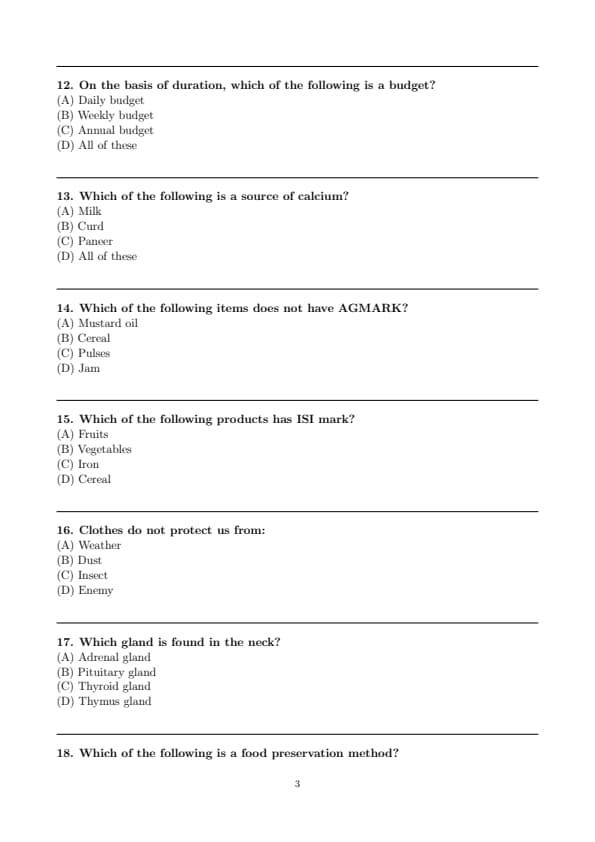
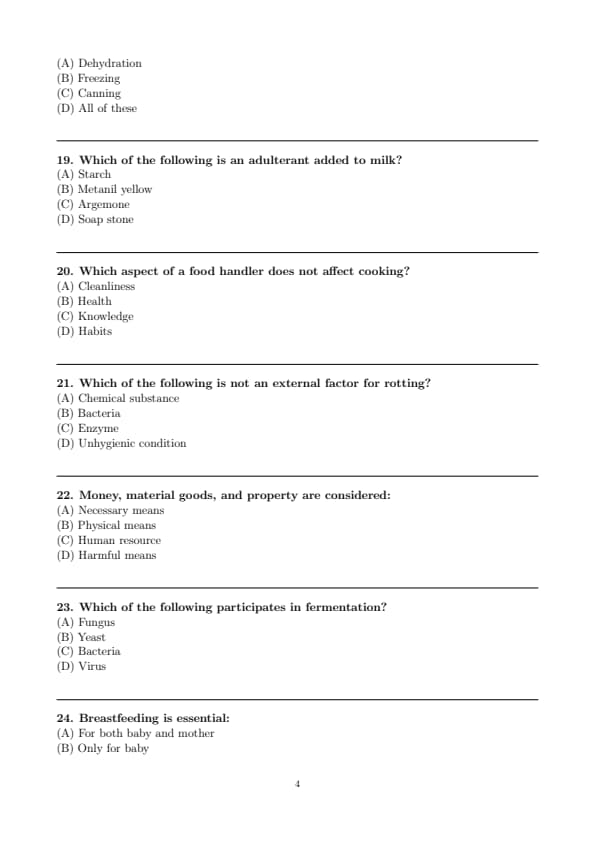
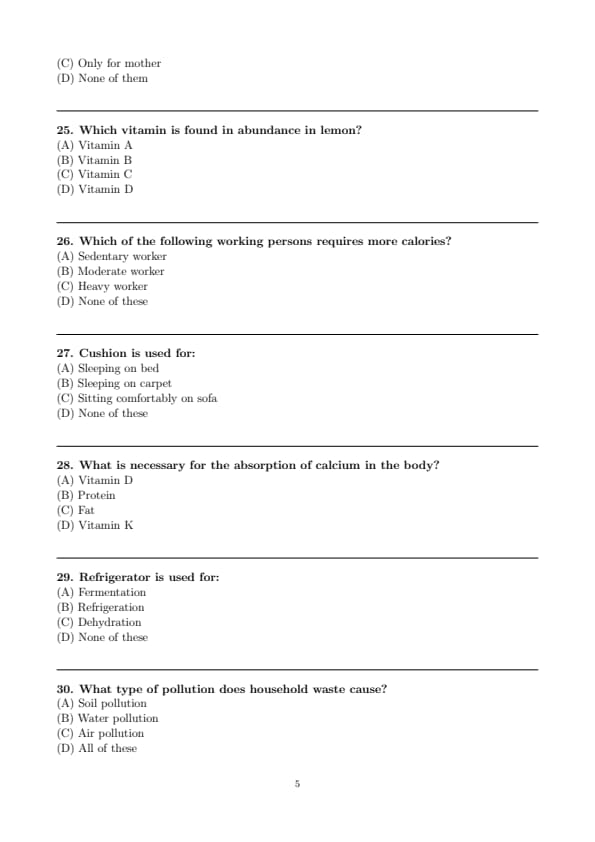
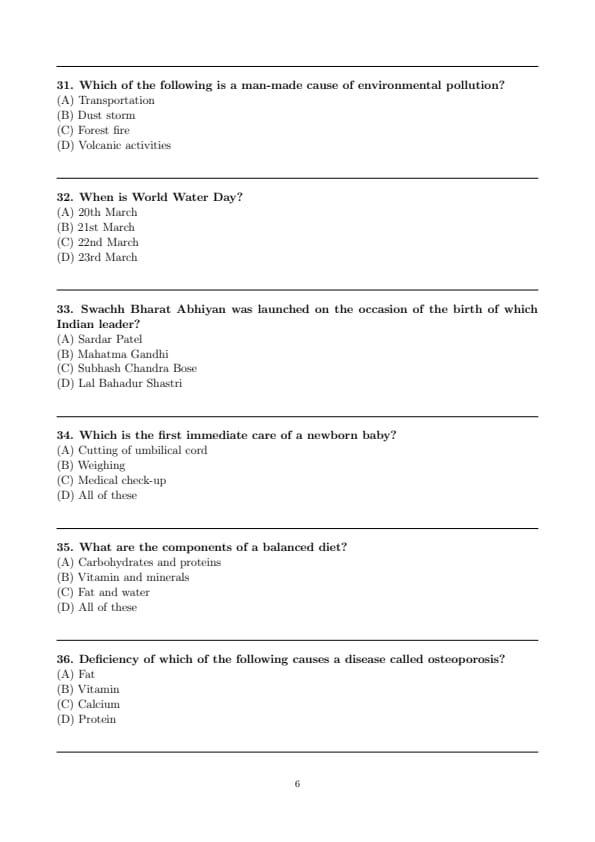
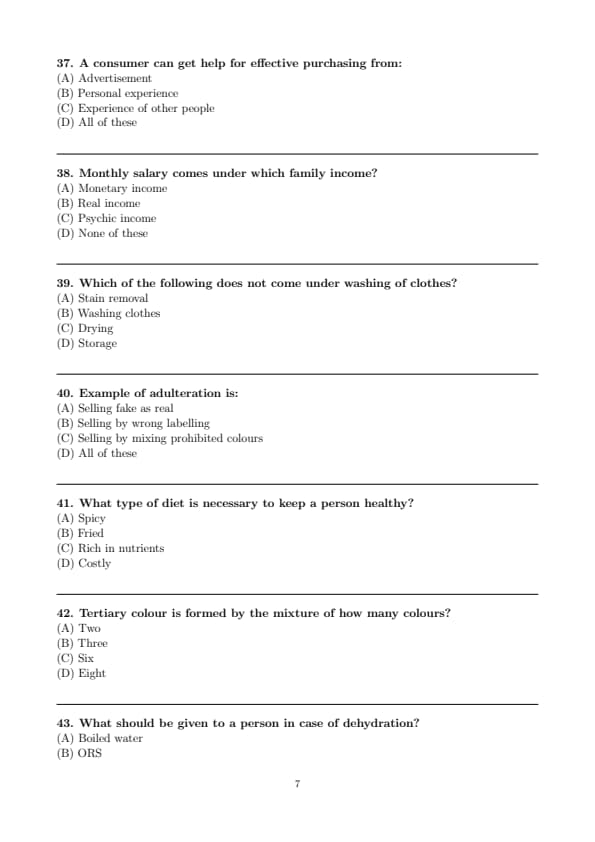
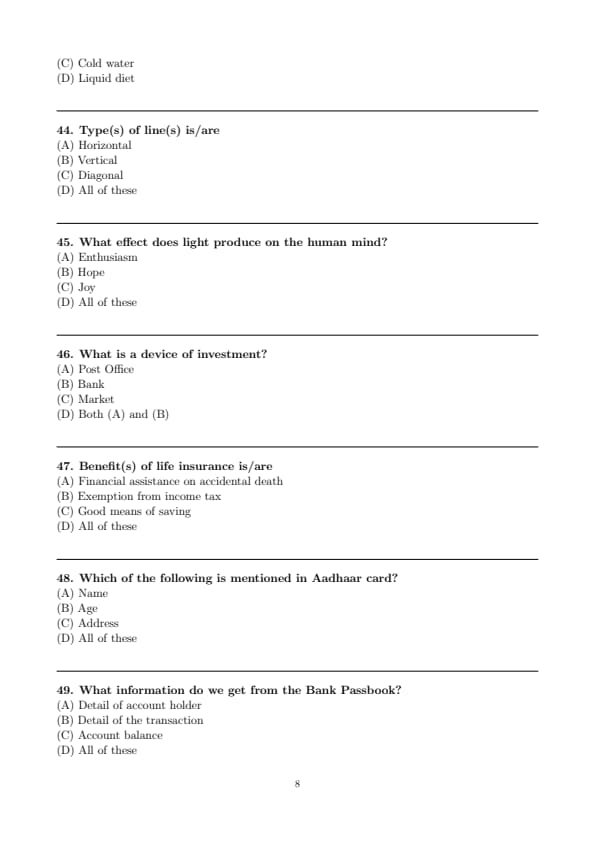
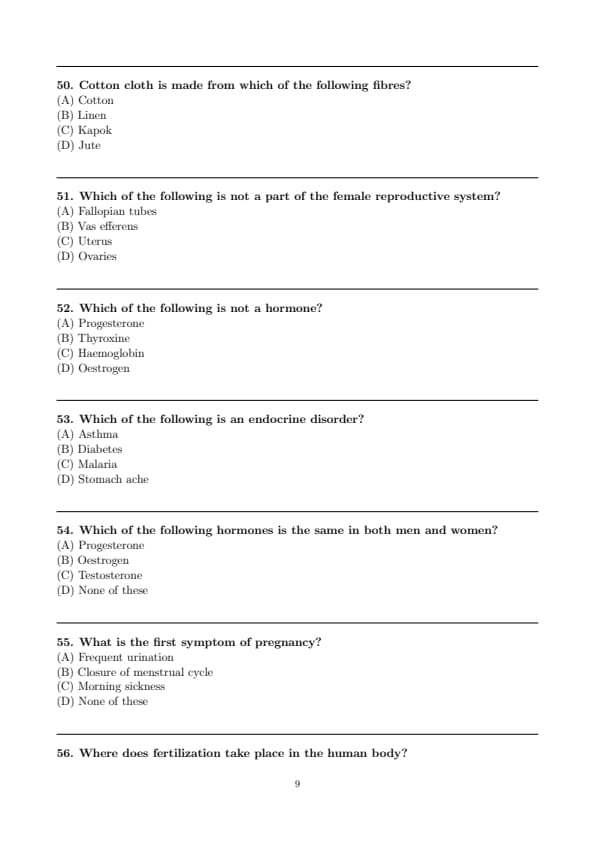



Comments