




Human Reproduction is one of the highest-scoring chapters in Class 12 Biology for both NEET and CBSE. NEET draws 4 to 5 questions from it and CBSE boards carry a 5-mark labelled-diagram question most years. This page has Collegedunia's free 28-page handwritten notes PDF for the 2026-27 NCERT chapter.
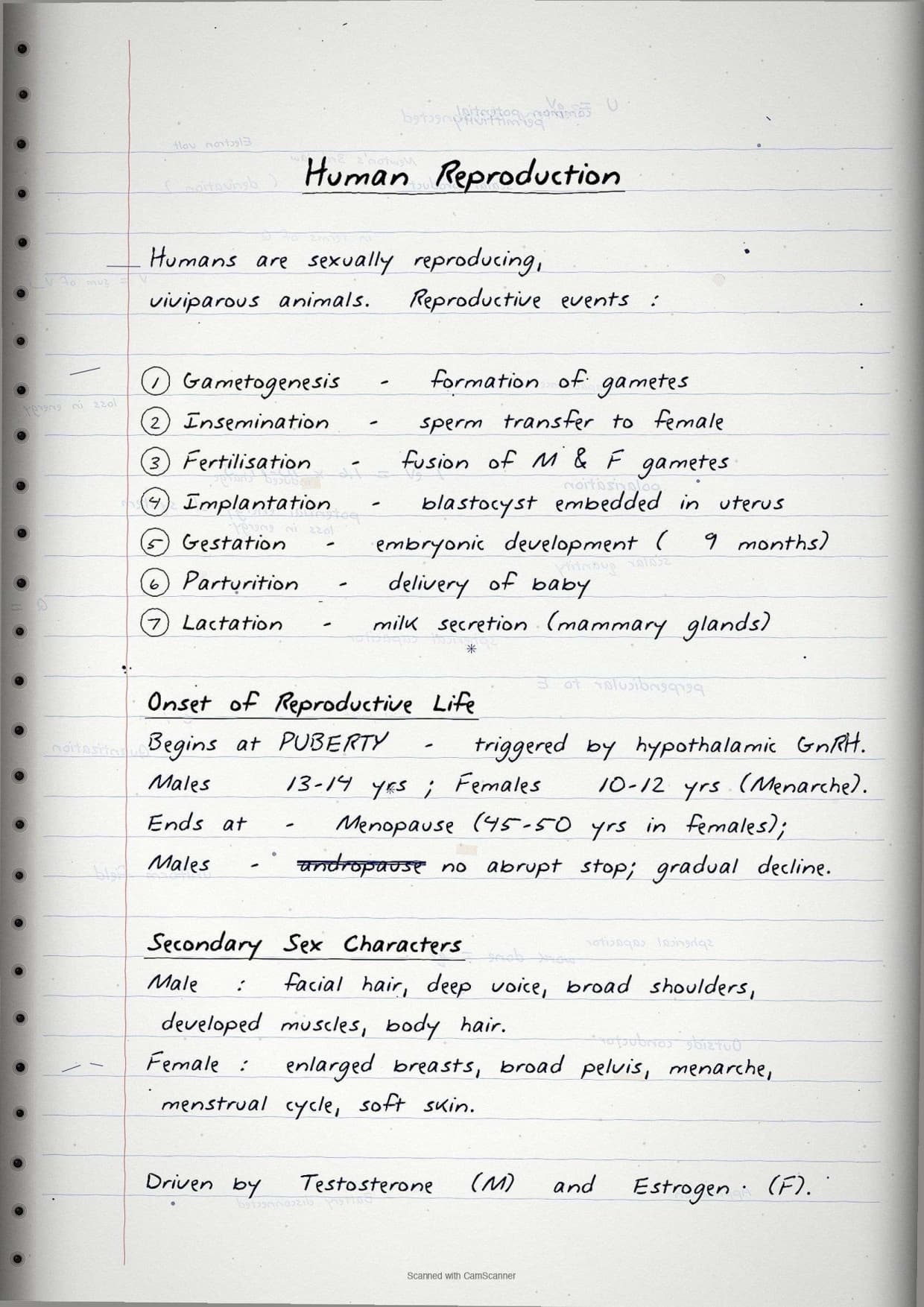
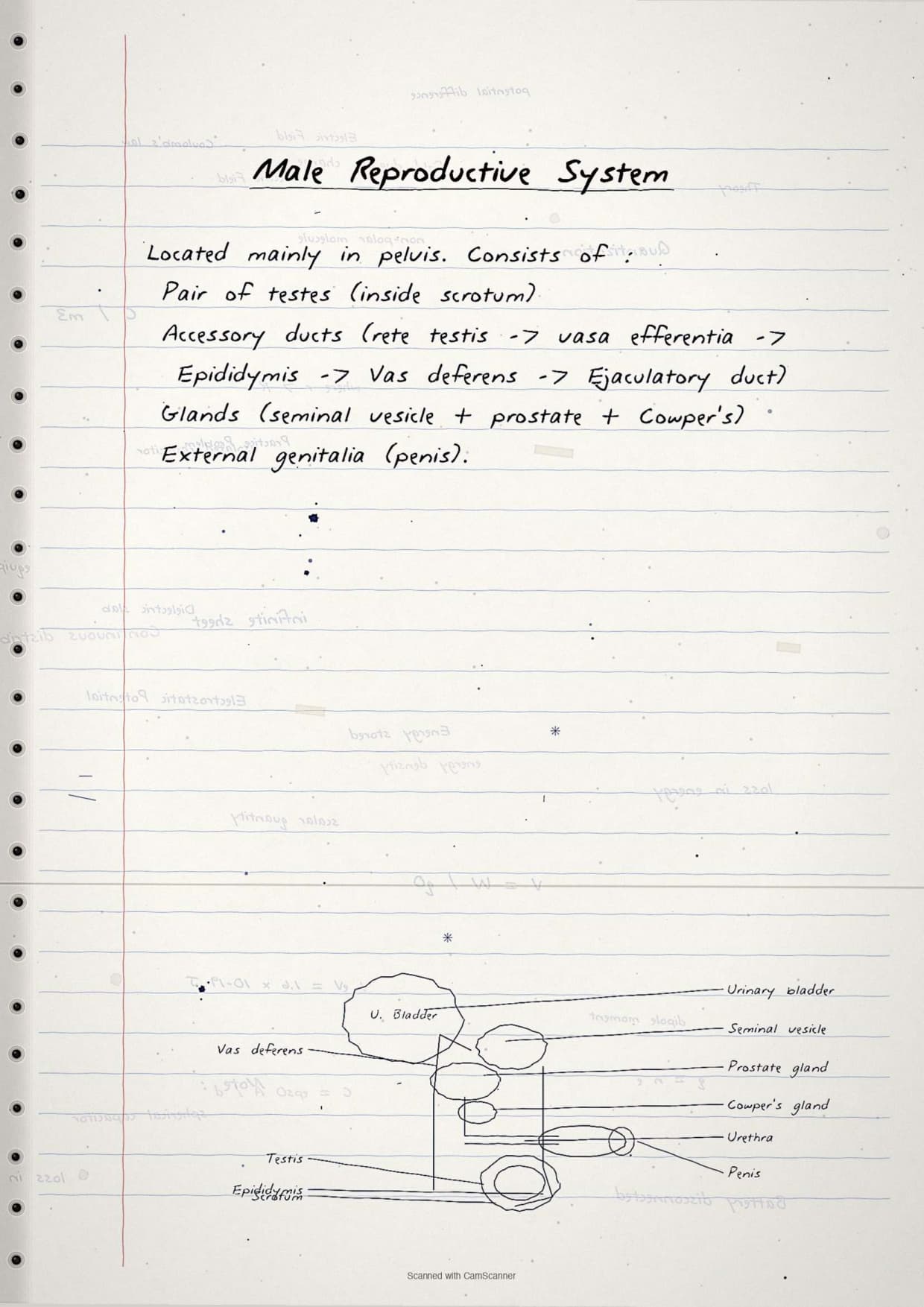
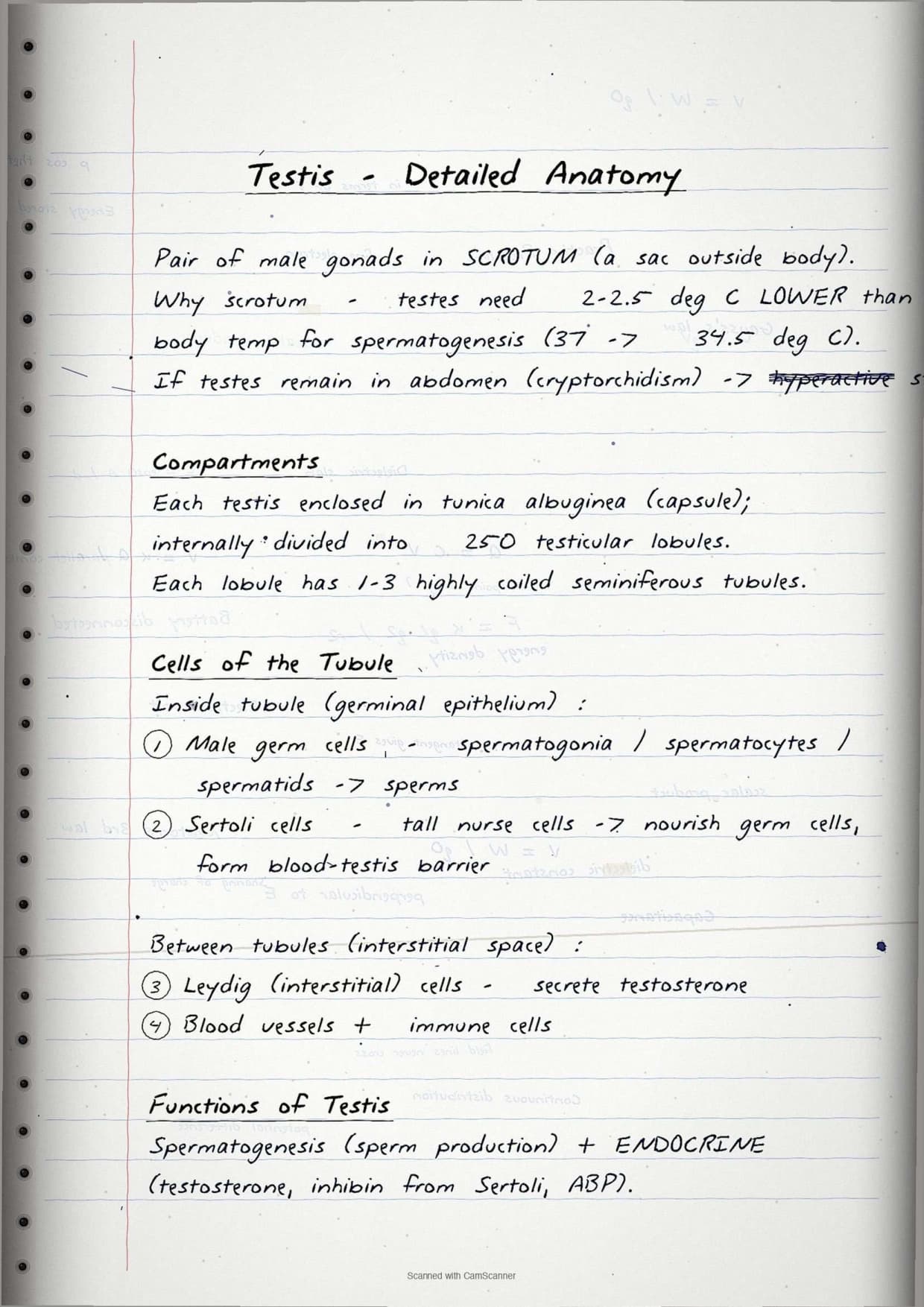
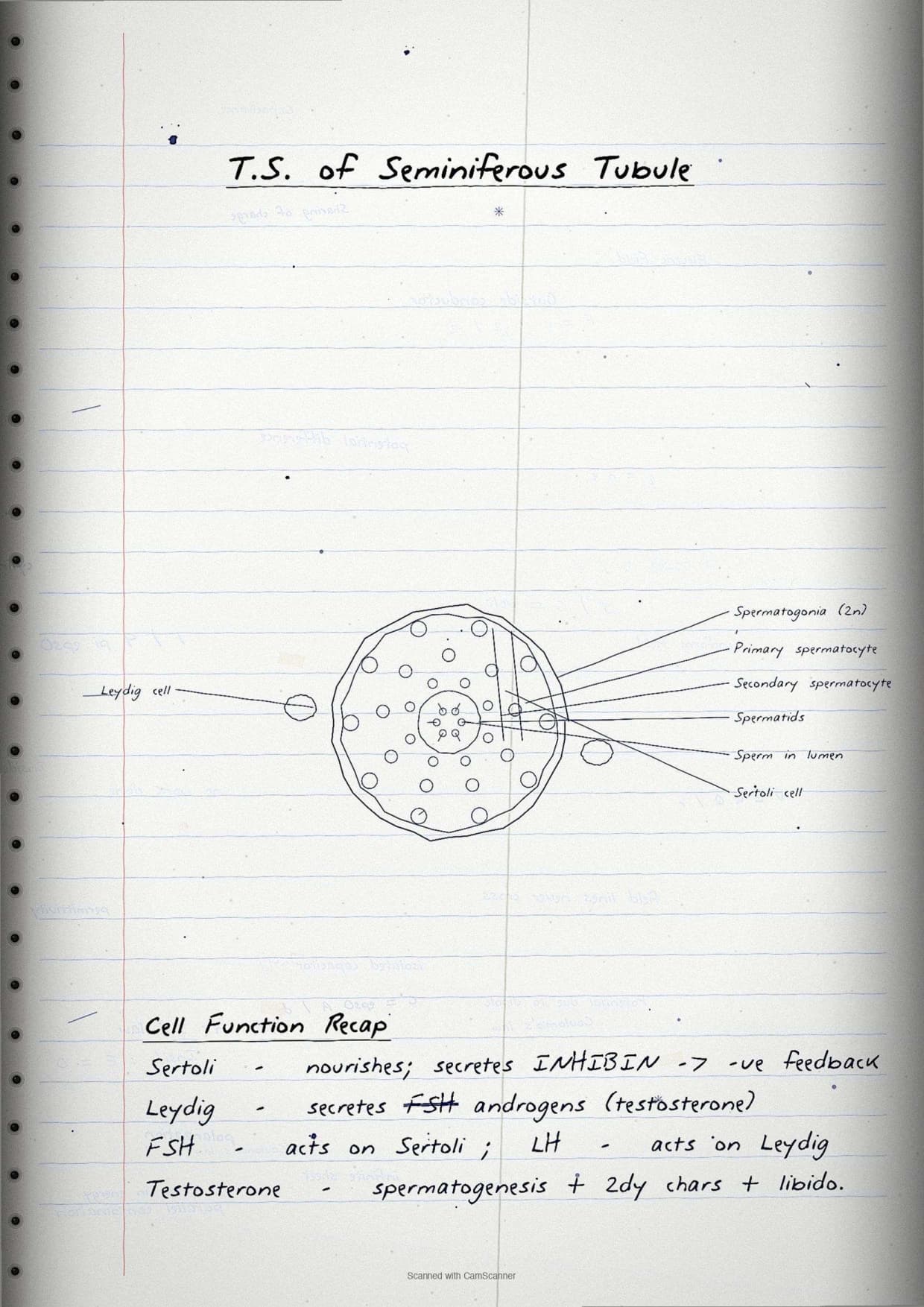
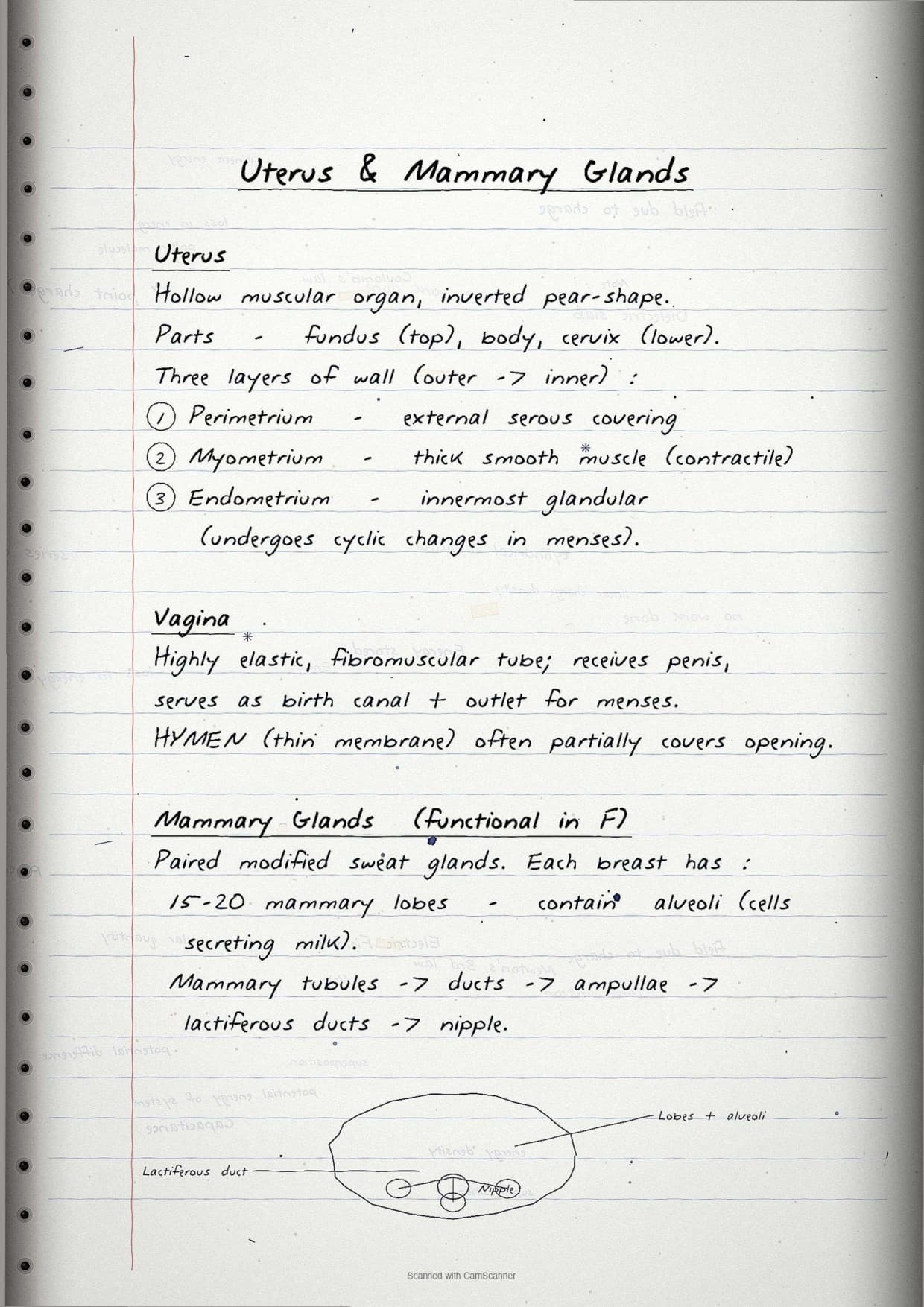
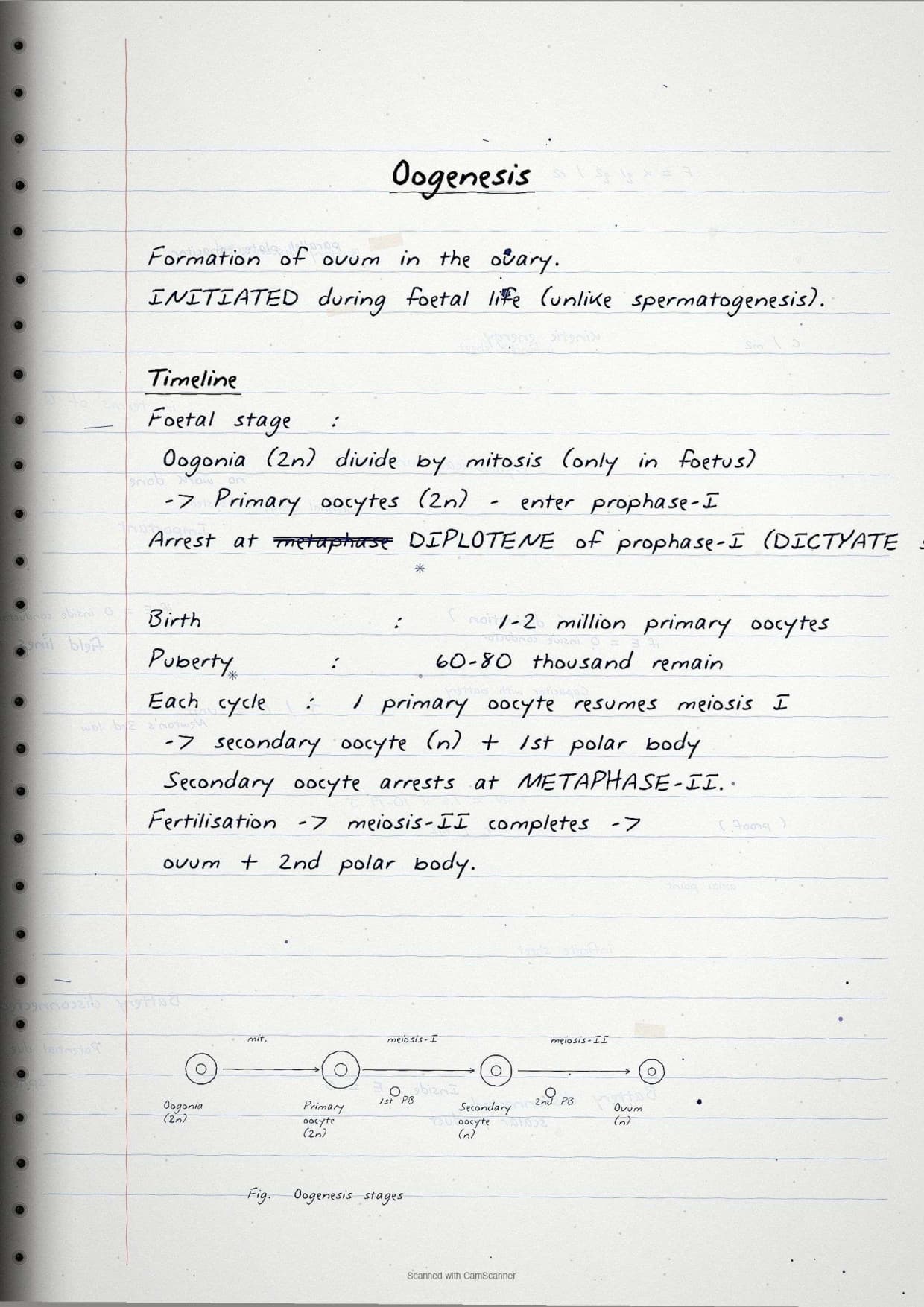
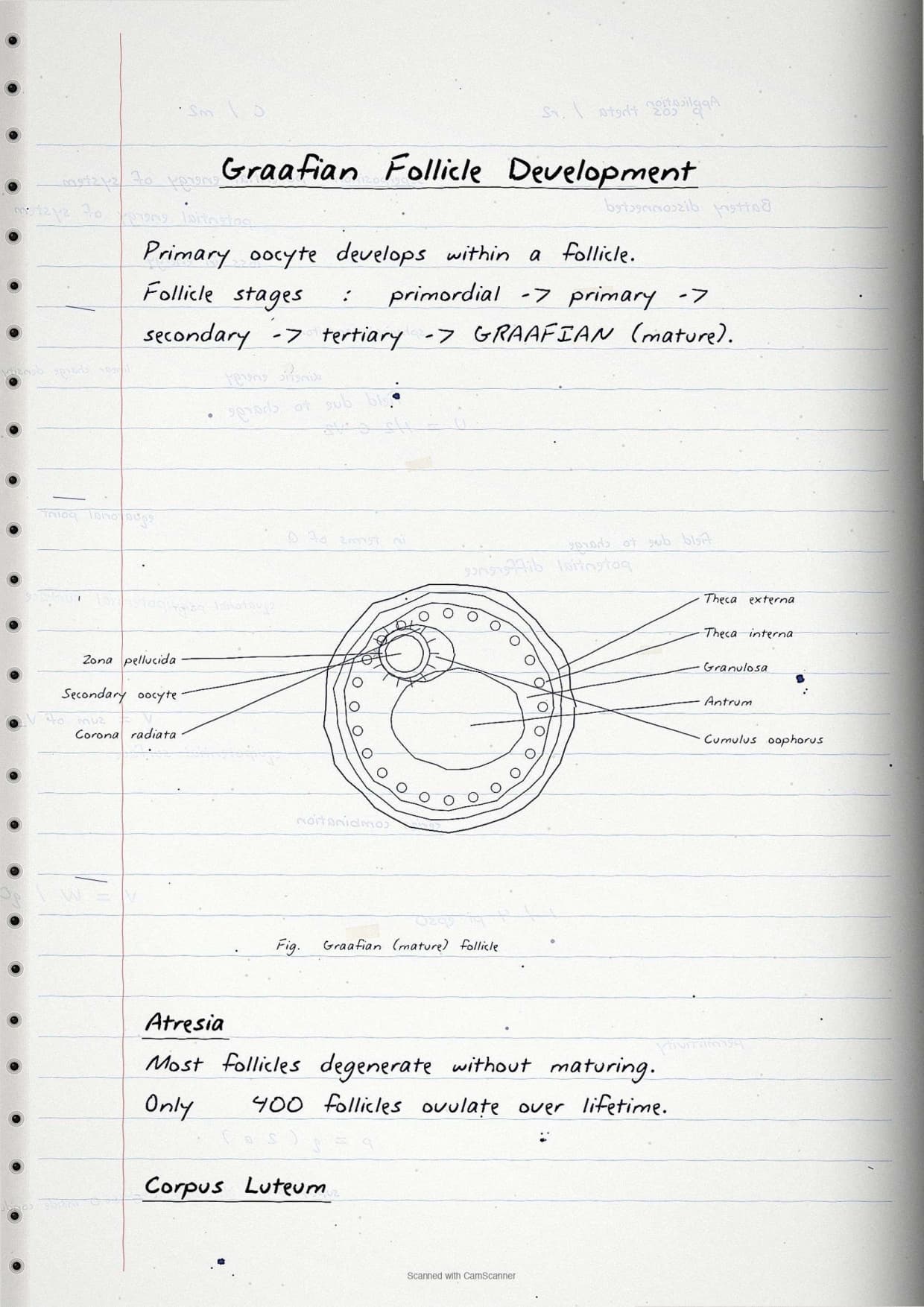
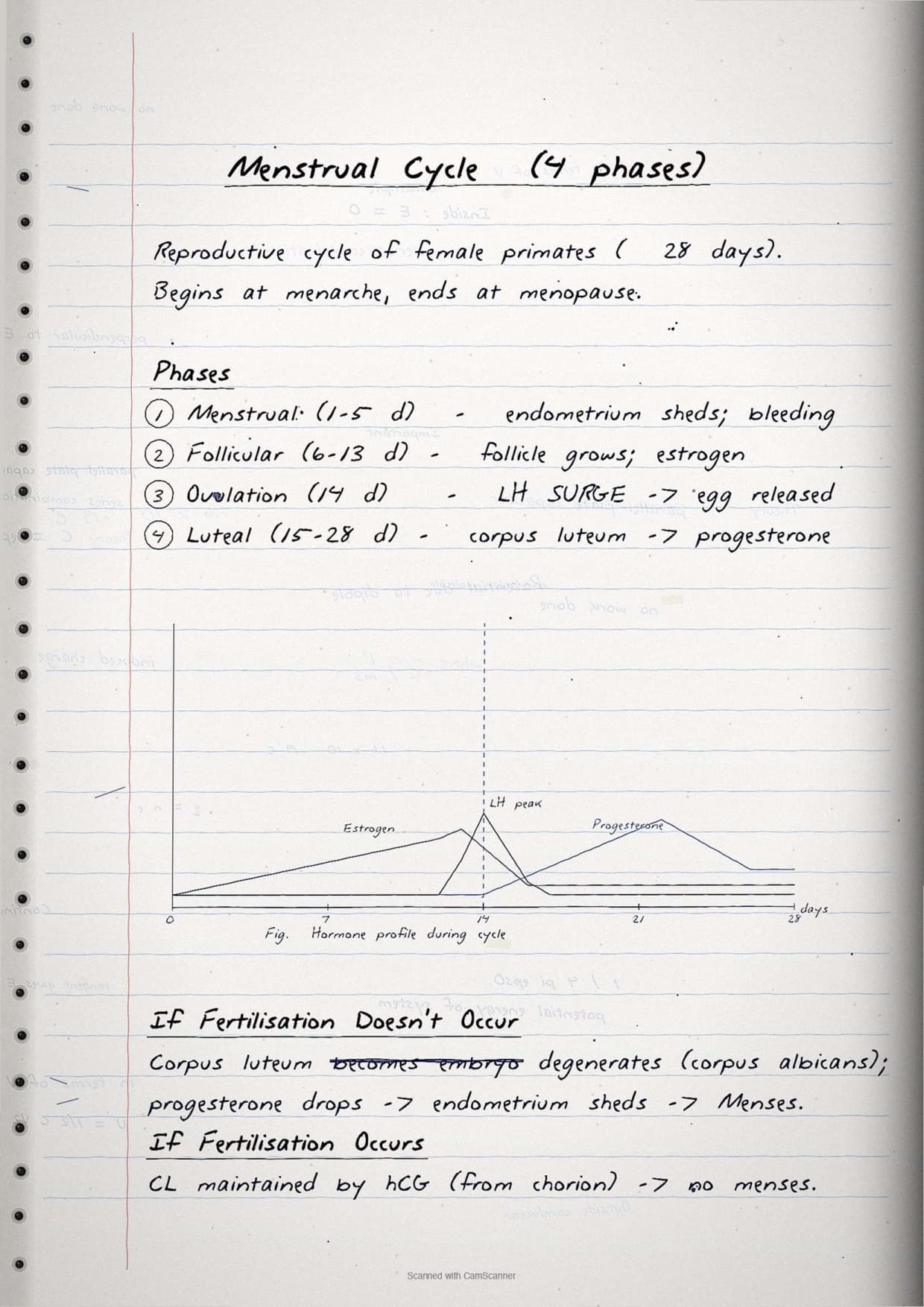
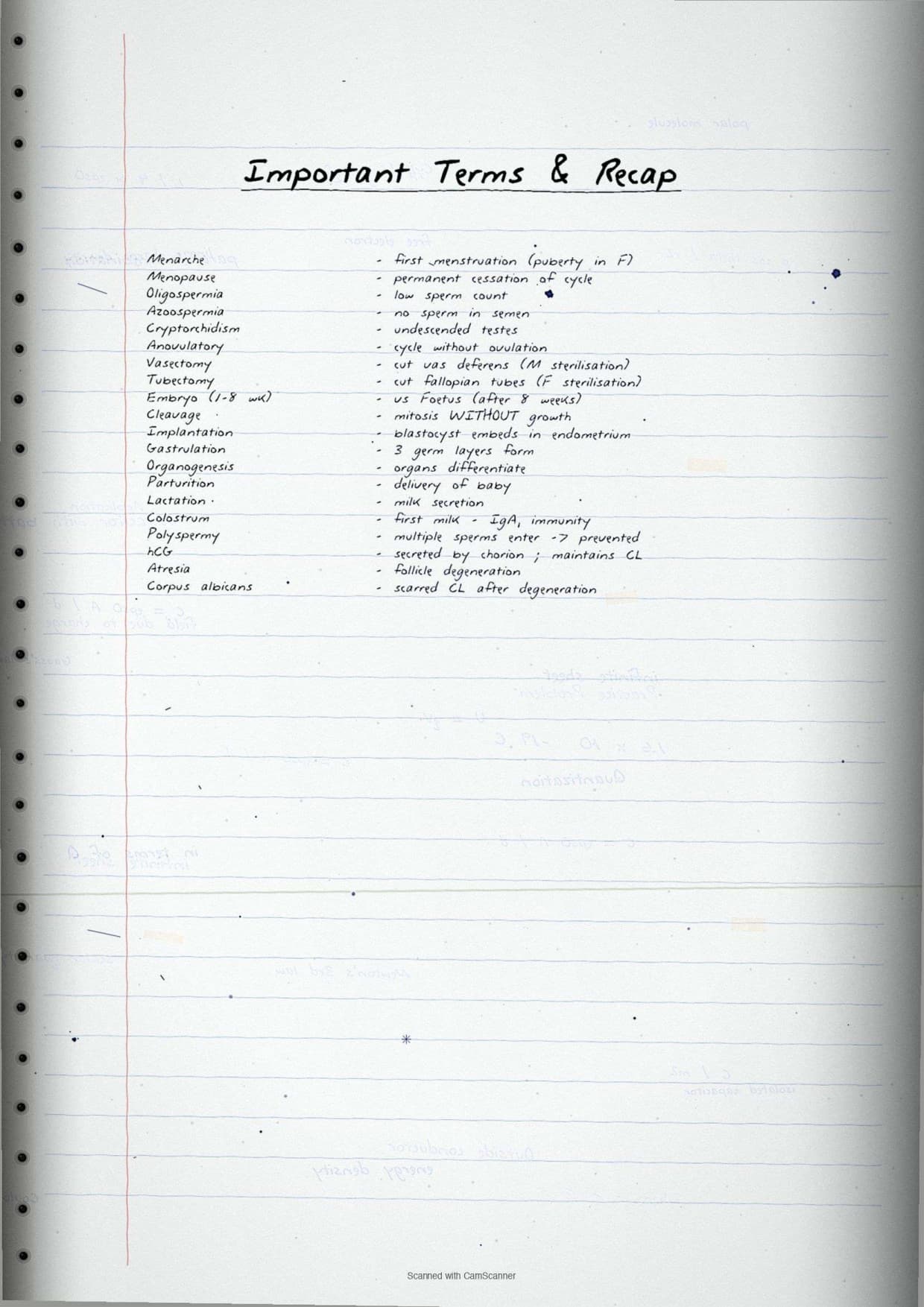
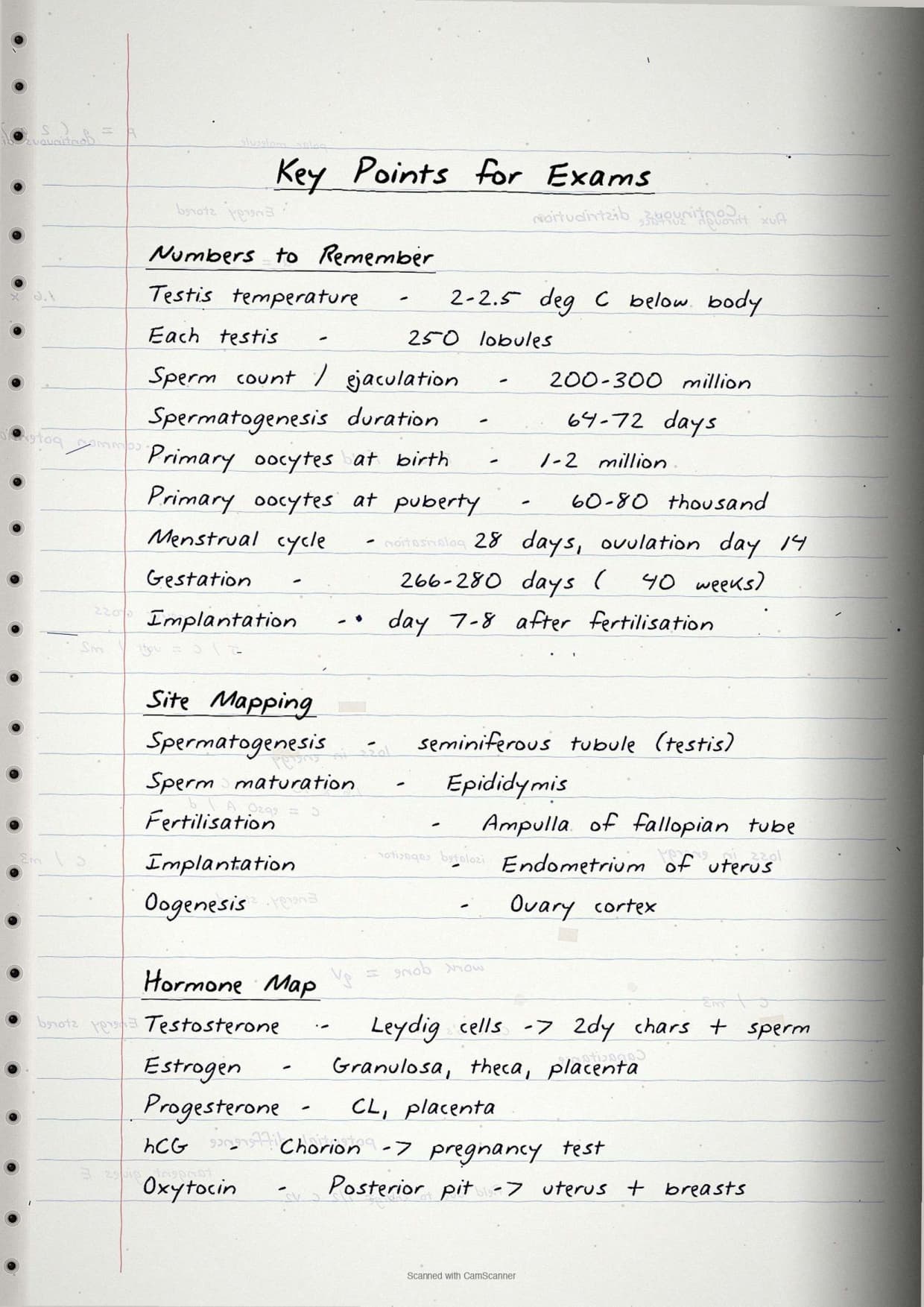
- CBSE Weightage: 7 to 9 marks (one 5-mark labelled-diagram question on T.S. testis, T.S. ovary, or spermatogenesis plus a 2 to 3-mark question on the menstrual cycle or fertilisation)
- NEET Weightage: 4 to 5 questions per paper (about 5 to 7% of NEET Biology, second-highest yielding chapter in the Reproduction unit)
Why Human Reproduction Is a Make-or-Break Chapter for NEET 2027 and CBSE Class 12 Biology
Students lose marks not on concepts but on parallel sequences: spermatogenesis vs oogenesis, or the follicular vs luteal phase. This chapter is the most consistent NEET scorer in the Reproduction unit.
- NEET frequency: 4 to 5 questions per year since 2018 (NEET 2025 carried 5, NEET 2024 carried 4).
- CBSE labelled-diagram: A 5-mark diagram of T.S. testis, T.S. ovary, or Graafian follicle appeared in 4 of the last 5 board papers.
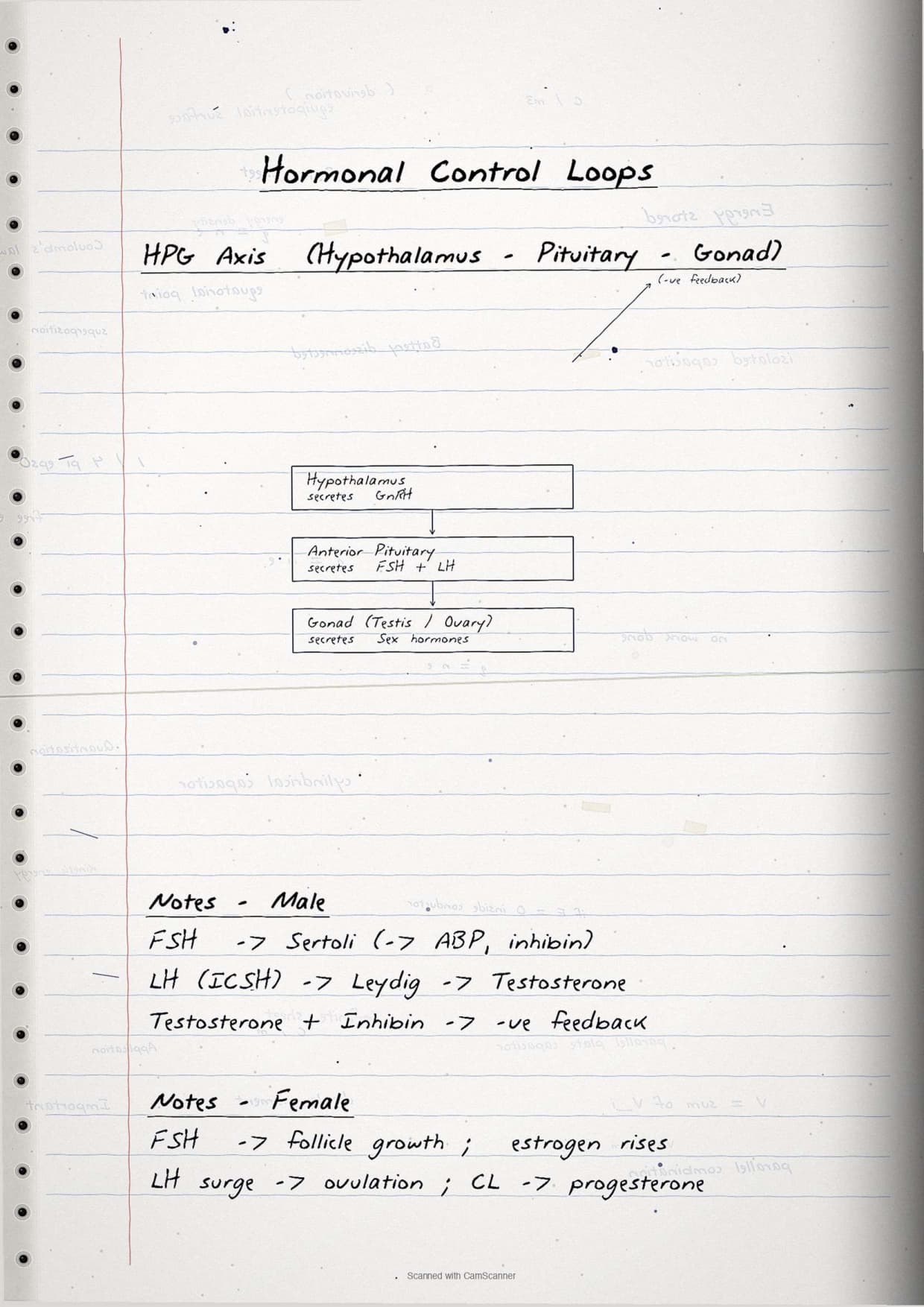
- Hormones: FSH, LH, oestrogen, progesterone, hCG, relaxin, oxytocin, prolactin. NEET pulls hormone-source pairs every alternate year.
How Will Collegedunia's Handwritten Notes Help You Revise Human Reproduction Faster?
This chapter is diagram-heavy and sequence-heavy. Hand-drawn flowcharts encode anatomy and timing exactly as CBSE and NEET test it.
- Hand-drawn T.S. testis and T.S. ovary: Each cell layer labelled in a separate ink colour so the meiotic sequence locks in visually.
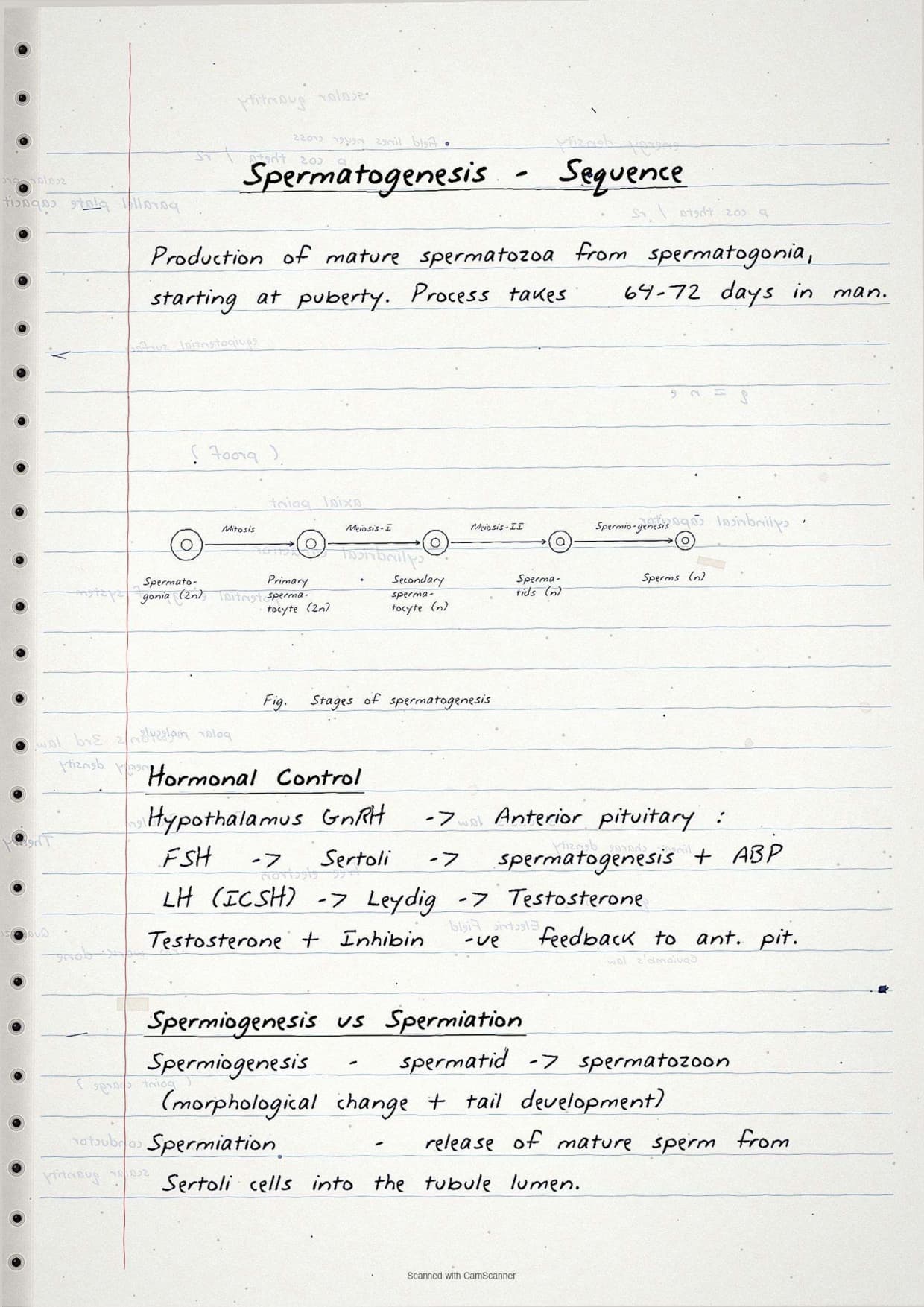
- Spermatogenesis and oogenesis side-by-side: Drawn on one spread so the parallel events and the 4-vs-1 gamete outcome read at a glance.
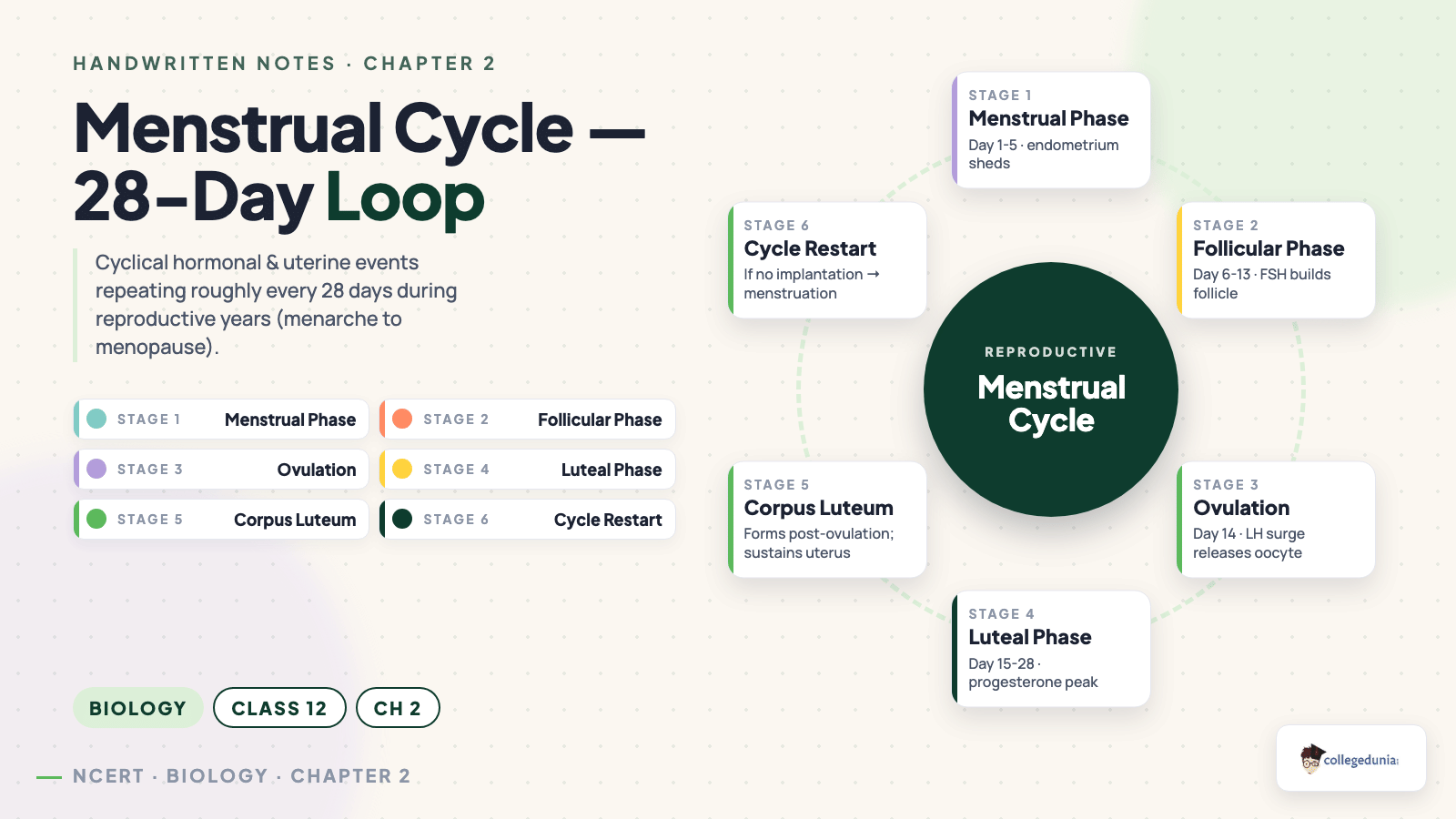
- Menstrual cycle wheel: A circular diagram showing day numbers, FSH and LH peaks, and oestrogen and progesterone curves on one page.
- Margin "asked in" tags: Every named structure and hormone carries a year tag for its most recent NEET or CBSE appearance.
What's Inside the Class 12 Biology Chapter 2 Human Reproduction Handwritten Notes PDF
A 28-page scan with a fixed colour code. Jump to whichever sub-system you need most.
| Pages | Topic | Pen Colour |
|---|---|---|
| 1-6 | Male reproductive system; T.S. testis, Sertoli and Leydig cells | Blue + orange + red |
| 7-10 | Female reproductive system; ovary, uterus, mammary gland | Blue + orange |
| 11-13 | Gametogenesis: spermatogenesis and oogenesis side-by-side | Blue + orange + red |
| 14-17 | Menstrual cycle: 4 phases, hormone curves | Blue + green + red |
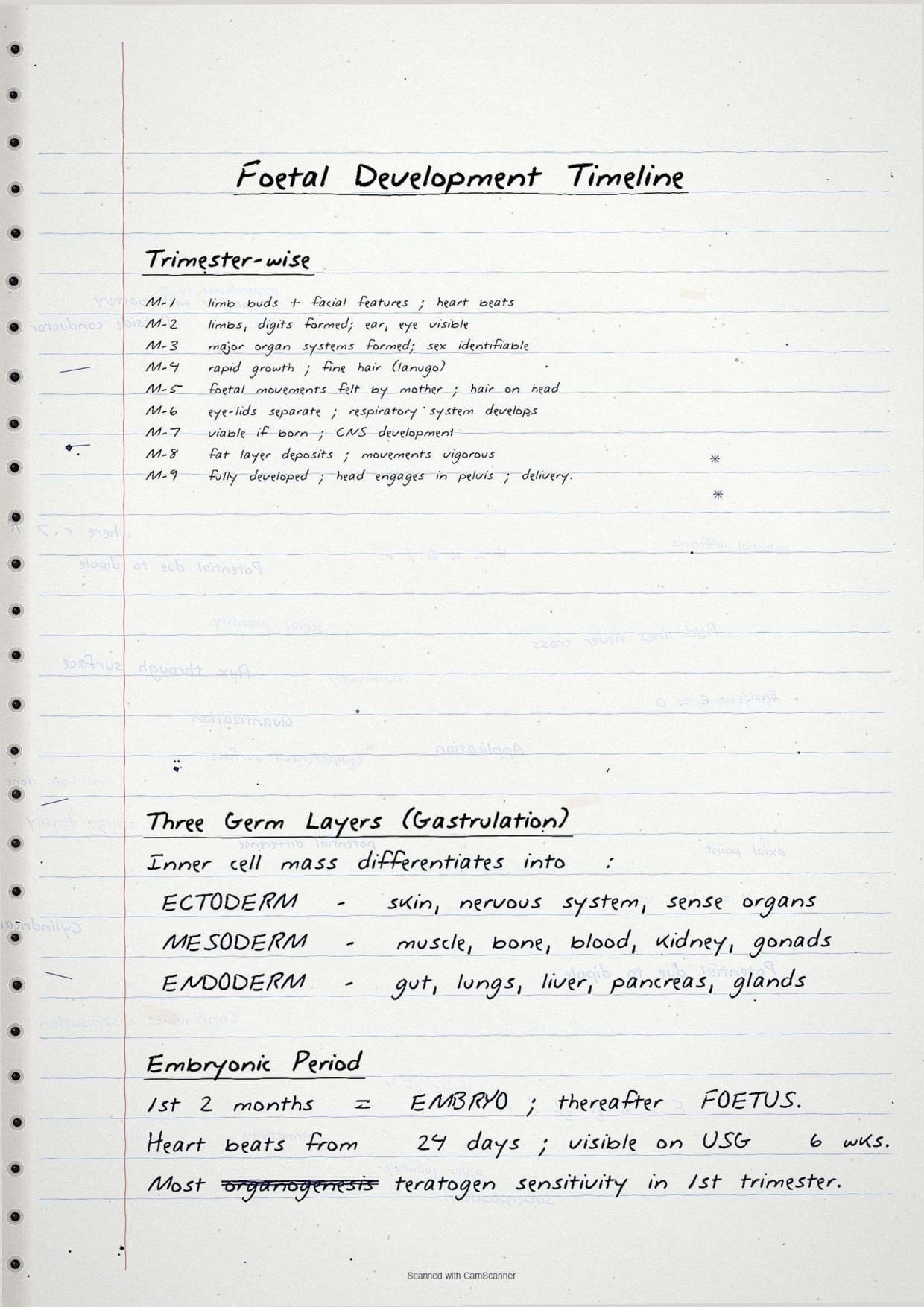
| 18-21 | Fertilisation, cleavage, blastocyst, implantation | Blue + green |
| 22-27 | Pregnancy, placenta, parturition, lactation, hormone-source table | Blue + orange + red |
| 28 | Last 24-hour revision card | Mixed |
Human Reproduction Diagram Inventory for the Scanned Notebook
Seven of the last eight NEET papers carried a figure-based question from this chapter.
| Figure | What It Shows | Page | NEET / CBSE Frequency |
|---|---|---|---|
| Fig 2.1 | Male reproductive system: sagittal view, ducts and glands labelled | 2 | Very High |
| Fig 2.2 | T.S. testis: seminiferous tubule, Sertoli and Leydig cells | 5 | Very High |
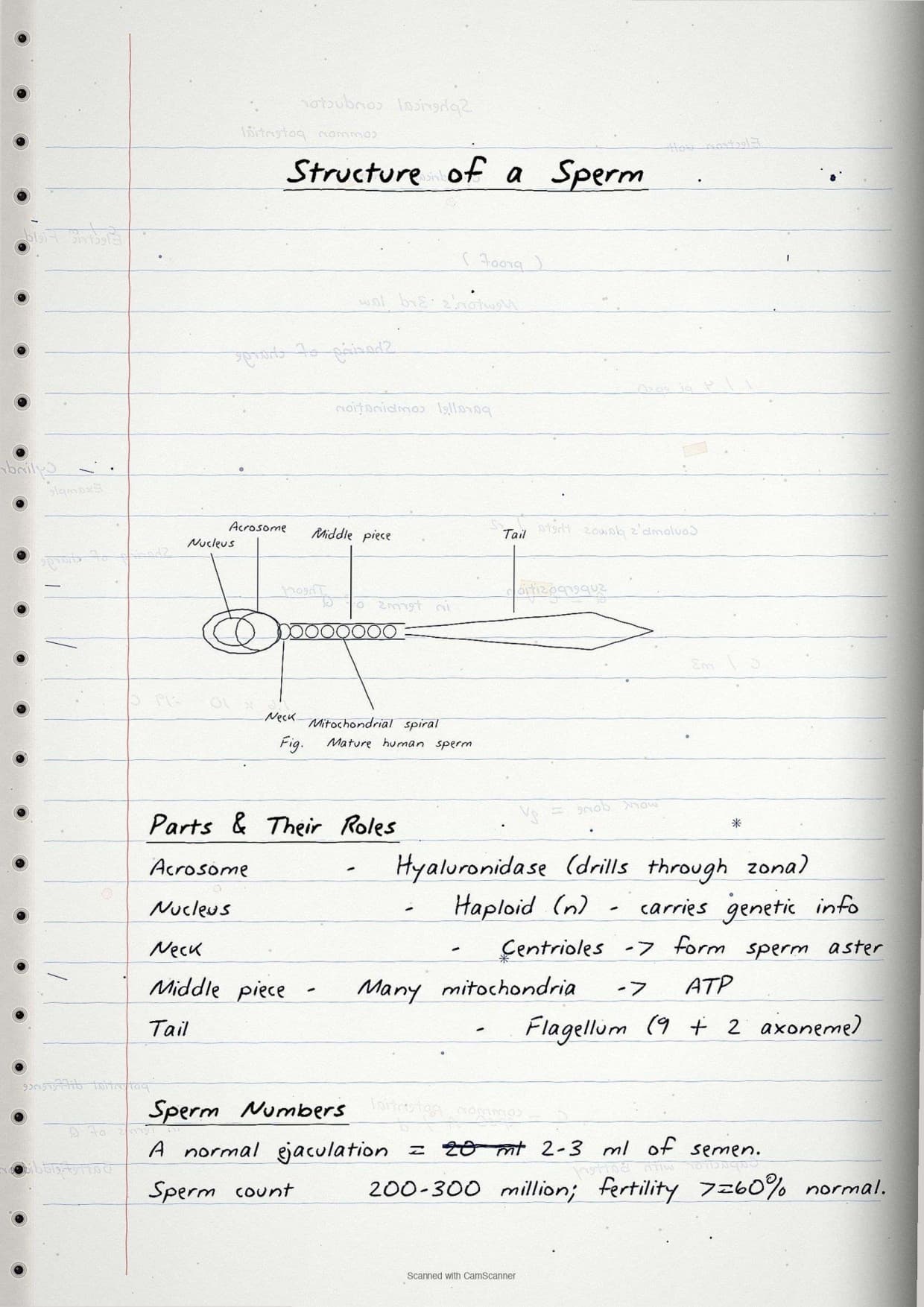
| Fig 2.3 | Mature sperm: head, acrosome, middle piece, tail | 6 | Very High |
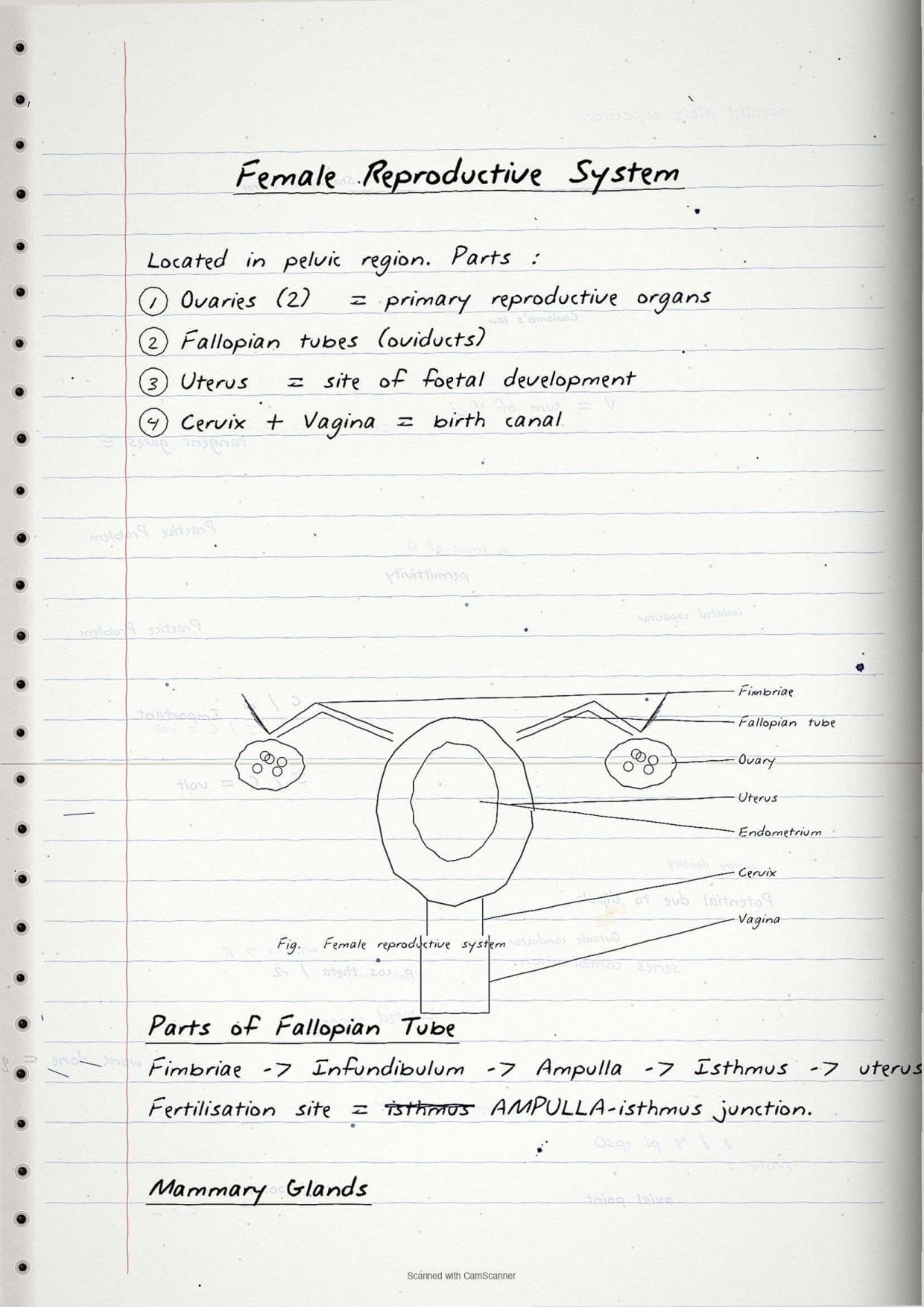
| Fig 2.4 | Female reproductive system: ovary, tube, uterus, vagina | 8 | High |
| Fig 2.5 | T.S. ovary: primordial to Graafian follicle, corpus luteum | 9 | Very High |
| Fig 2.6 | Mammary gland: alveoli, lobules, lactiferous ducts | 10 | Medium |
| Fig 2.7 | Spermatogenesis vs oogenesis side-by-side flowchart | 12 | Very High |
| Fig 2.8 | Menstrual cycle wheel: 28-day phase map with hormones | 15 | Very High |
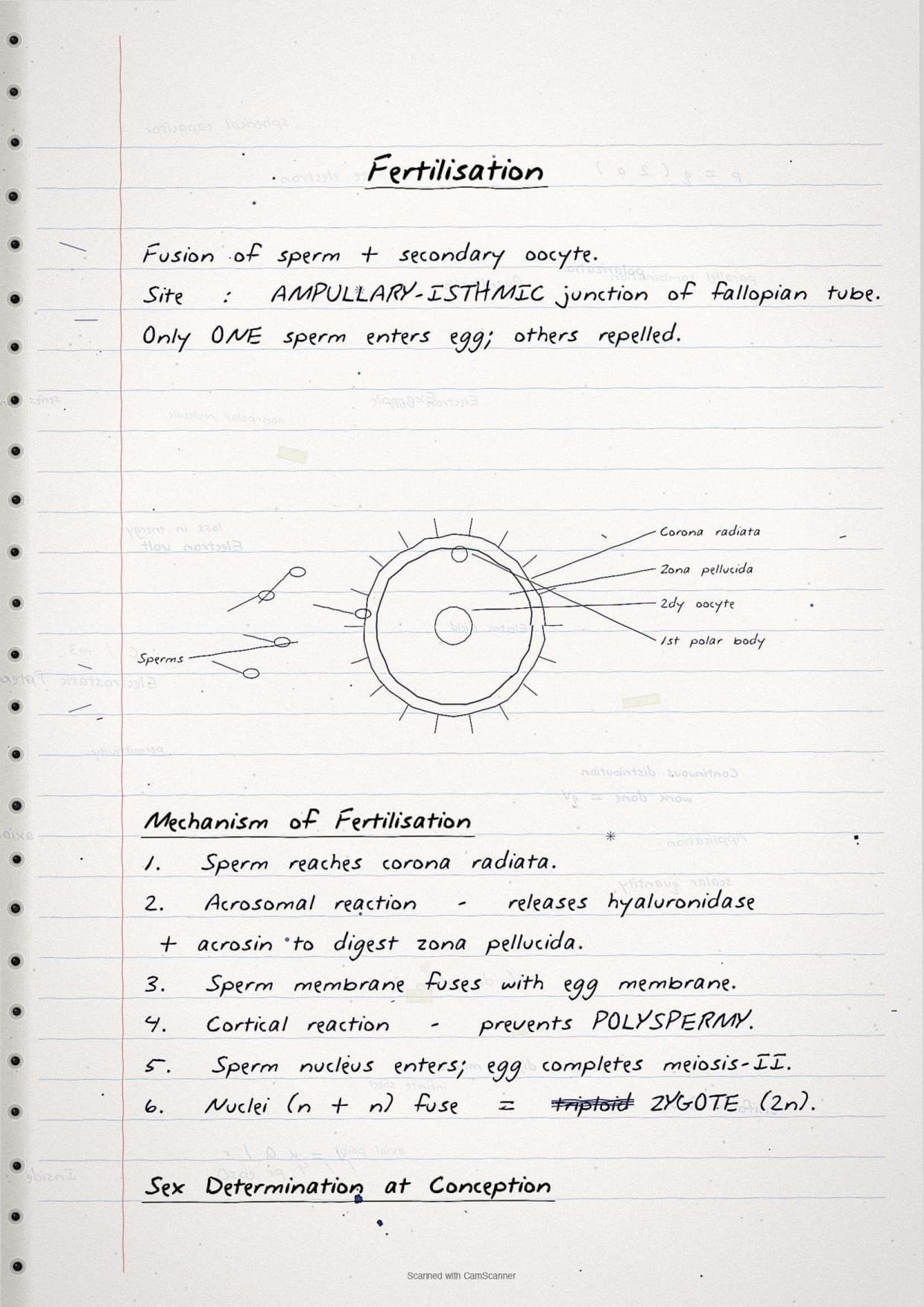
| Fig 2.9 | Fertilisation: acrosomal and cortical reactions | 18 | High |
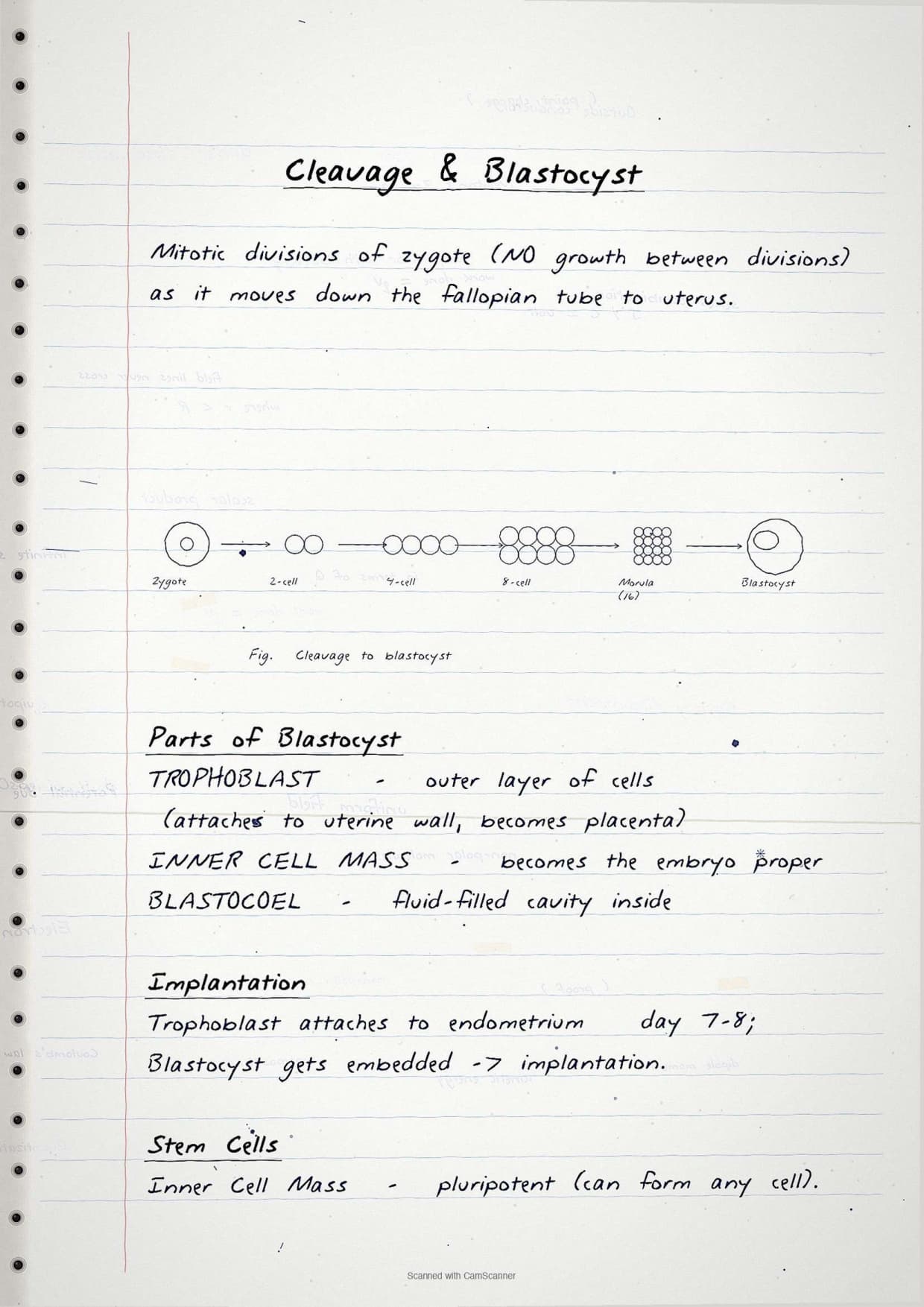
| Fig 2.10 | Cleavage: 2-cell, 4-cell, morula, blastocyst | 19 | High |
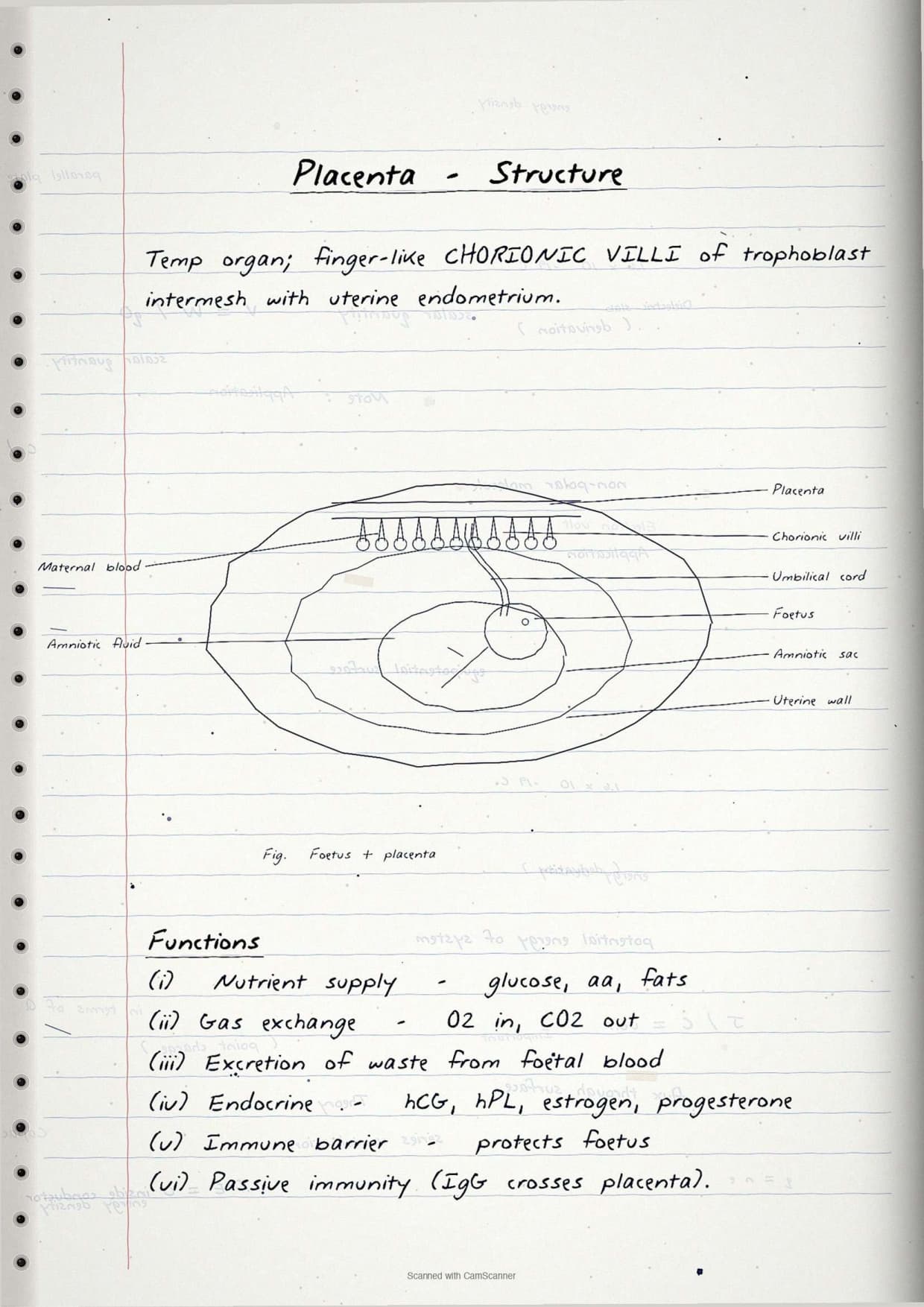
| Fig 2.11 | Implantation and early placenta: chorionic villi, decidua | 21 | High |
| Fig 2.12 | Foetus in uterus with umbilical cord, amniotic sac | 23 | High |
Best Way to Use These Human Reproduction Handwritten Notes for Revision
The most efficient approach is a three-pass strategy: structure first, sequence second, hormones third.
- Pass 1 (45 min), diagrams: Skim Figures 2.1 to 2.12, cover the labels, redraw each on rough paper, then check.
- Pass 2 (40 min), sequences: Re-read pages 11 to 17 (spermatogenesis, oogenesis, menstrual cycle), which produce 60% of NEET questions on this chapter.
- Pass 3 (25 min), hormones: Read the hormone-source table on page 27 twice. Self-test on FSH, LH, oestrogen, progesterone, hCG, relaxin, oxytocin, and prolactin.
Pen-Colour Convention Used Across the Human Reproduction Notebook
The notebook uses a four-colour code so you can pull high-yield content in seconds.
| Ink Colour | What It Marks |
|---|---|
| Blue | Main definitions, structural labels, body text |
| Orange | NEET-frequent terms, CBSE-favoured 5-mark anchors |
| Green | Sub-process arrows, comparison columns, "vs" blocks |
| Red | Hormone names, action arrows, common-mistake flags |
Topper-Annotated Margins: What Real Students Wrote Beside Each Figure
These margin notes are reproduced verbatim because they capture detail that scored full marks in NEET.
- Beside Fig 2.2: "Sertoli = nurse cell, FSH target. Leydig = interstitial, LH target." NEET 2023 tested this swap.
- Beside Fig 2.7: "1 primary spermatocyte gives 4 sperms; 1 primary oocyte gives 1 ovum + 3 polar bodies." NEET 2025 MCQ.
- Beside Fig 2.8: "LH surge triggers ovulation on day 14. Memorise the order, not the exact number." NEET 2024.
Human Reproduction Last 24-Hour Revision Card
Page 28 is a single-page card for the night before NEET or the CBSE board paper.
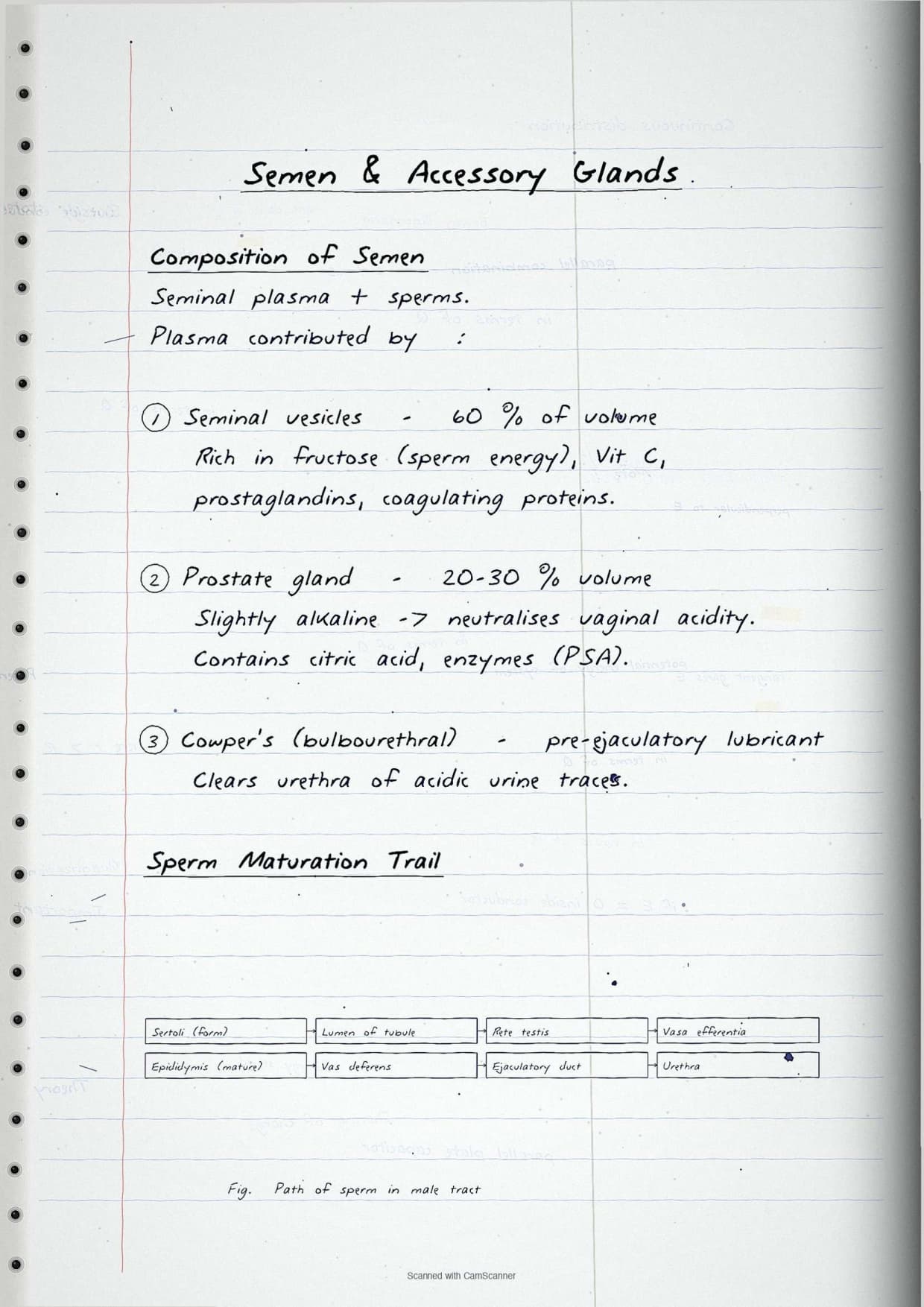
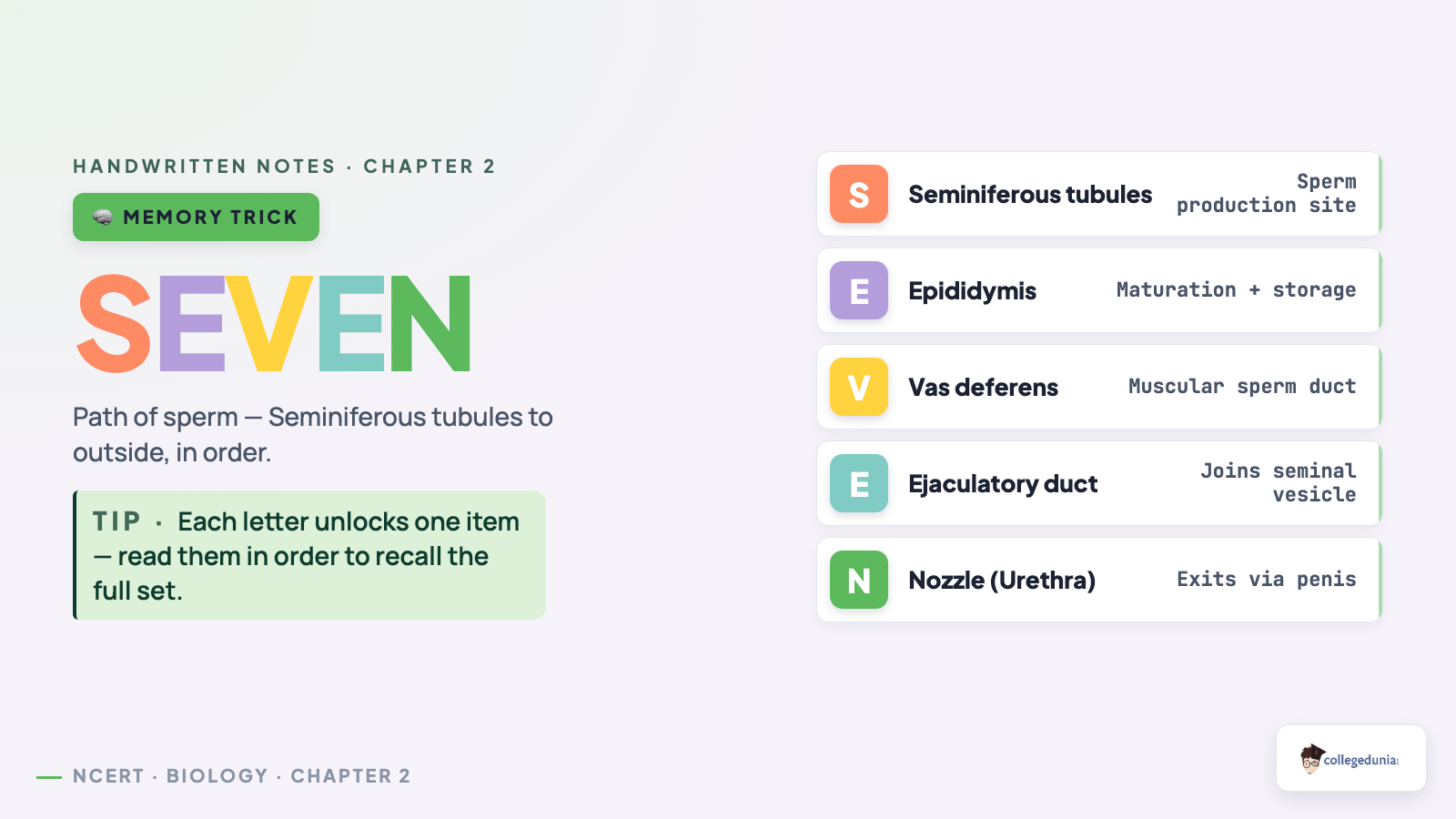
- Male system: Testis in scrotum, 2 to 2.5 °C below body temperature. Sperm matures in epididymis; path: vas deferens to ejaculatory duct to urethra.
- Female system: Ovary, fallopian tube (fertilisation site), uterus (endometrium innermost), cervix, vagina.
- Gametogenesis: 1 primary spermatocyte gives 4 sperms (FSH/LH from anterior pituitary, testosterone from Leydig). 1 primary oocyte gives 1 ovum + 3 polar bodies; oogonia form in foetal life only; meiosis II completes at fertilisation.
- Menstrual cycle: Menstrual (1-5), follicular (6-13), ovulatory (14), luteal (15-28). LH surge triggers ovulation.
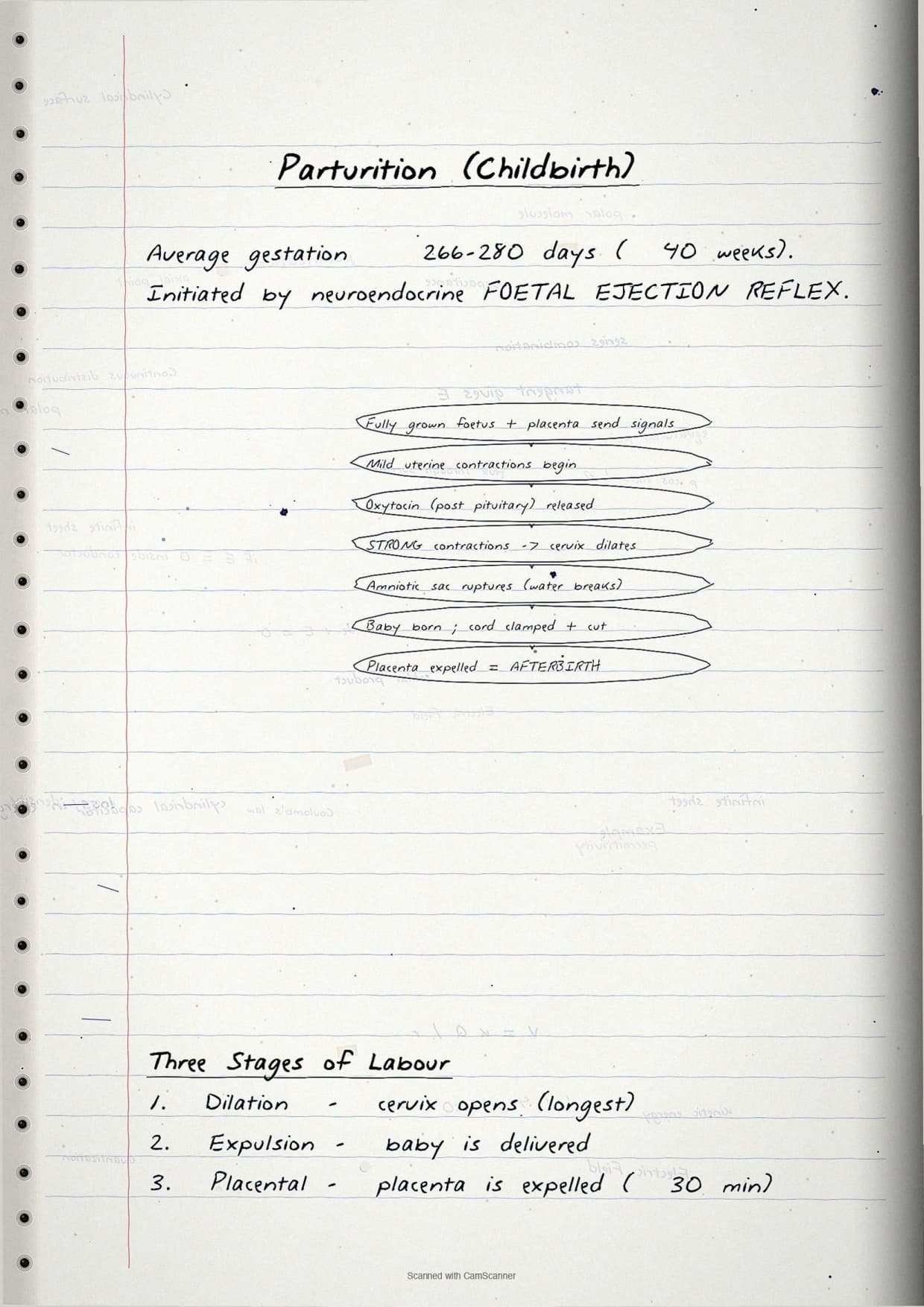
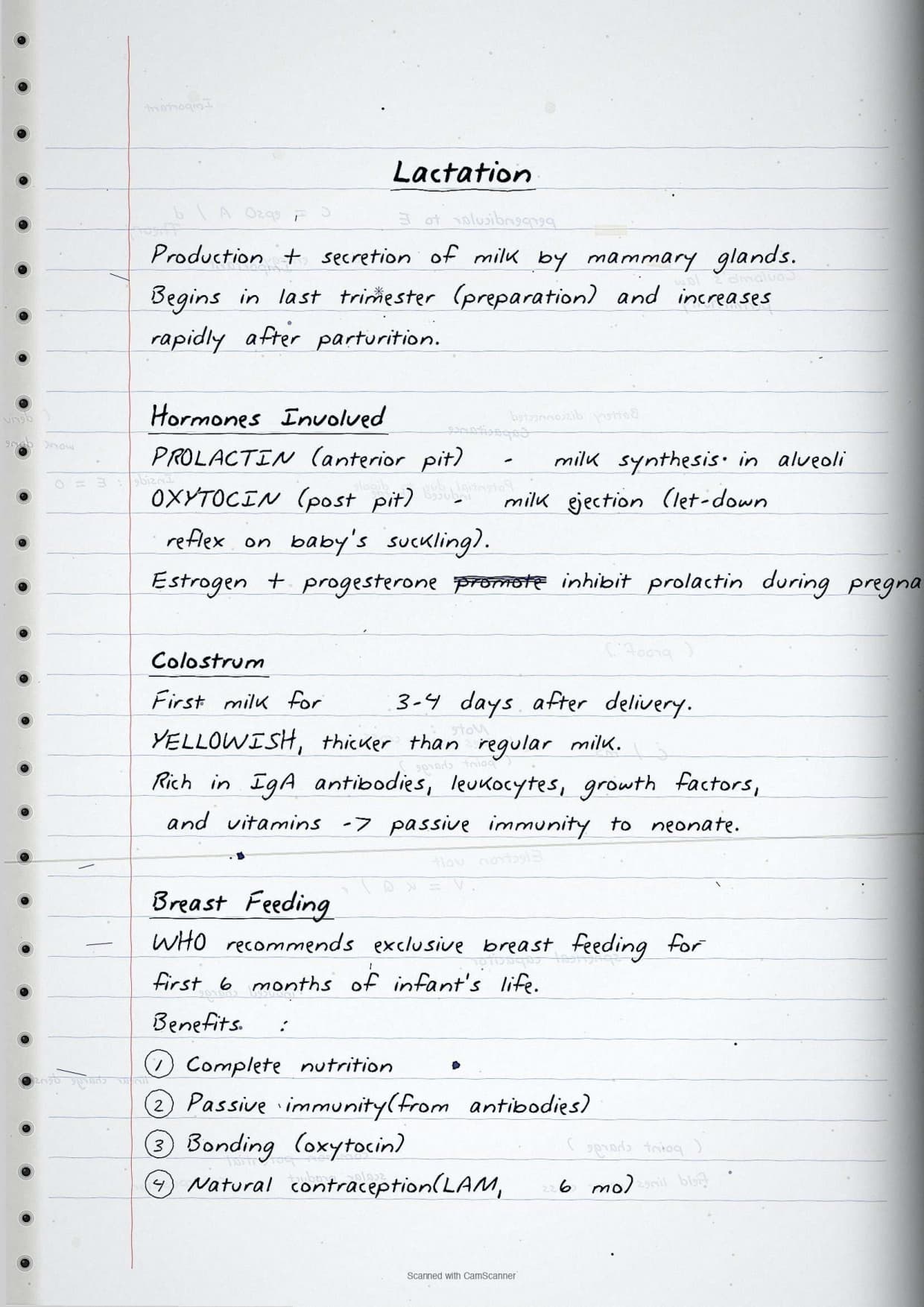
- Fertilisation and parturition: Ampullary-isthmic junction; blastocyst implants on day 7; hCG keeps corpus luteum alive. Oxytocin triggers foetal ejection; prolactin drives milk; colostrum carries IgA.
Human Reproduction Video Lecture for Class 12 Biology
Source: Magnet Brains on YouTube
Class 12 Biology Human Reproduction Most-Asked Previous Year Question Trends
Year-wise question types from the last five years.
| Year | NEET Questions | CBSE 5-Mark Anchor |
|---|---|---|
| 2025 | 5 (gametogenesis, cycle, hormones, placenta, parturition) | T.S. testis diagram |
| 2024 | 4 (LH surge, fertilisation site, hCG, oogenesis) | Menstrual cycle phases |
| 2023 | 5 (Sertoli vs Leydig, spermatogenesis, ovulation, lactation) | Graafian follicle diagram |
| 2022 | 4 (acrosomal reaction, corpus luteum, parturition, colostrum) | Spermatogenesis flowchart |
| 2021 | 3 (cycle, fertilisation, implantation) | T.S. ovary diagram |
Student Feedback: Chapter 2 Human Reproduction Difficulty Read from a Recent Class 12 Biology Survey
- 75% of students rated the menstrual cycle hormone-graph as the hardest sub-topic.
- 68% lost marks on differentiating spermatogenesis from oogenesis even with an otherwise correct answer.
- 4 out of 5 students said the LH/FSH flowchart was the most-skipped figure in their answer sheet.
Other Resources for Human Reproduction Class 12 Biology
| Resource | Link |
|---|---|
| Handwritten Notes | Human Reproduction Handwritten Notes |
| NCERT Solutions | Human Reproduction NCERT Solutions Class 12 Biology |
| Notes | Human Reproduction Notes Class 12 Biology |
| NCERT Book PDF | Human Reproduction NCERT Book PDF Class 12 Biology |
| Exemplar Solutions | Human Reproduction Exemplar Solutions Class 12 Biology |
| Formula Sheet | Human Reproduction Class 12 Biology Formula Sheet |
| Exemplar Book PDF | Human Reproduction Class 12 Biology NCERT Exemplar Book PDF |
NCERT Handwritten Notes for Class 12 Biology: All Chapters
Jump to any other chapter's handwritten notes PDF for Class 12 Biology.
| Chapter | Handwritten Notes |
|---|---|
| Chapter 1 | Sexual Reproduction in Flowering Plants |
| Chapter 2 | Human Reproduction |
| Chapter 3 | Reproductive Health |
| Chapter 4 | Principles of Inheritance and Variation |
| Chapter 5 | Molecular Basis of Inheritance |
| Chapter 6 | Evolution |
| Chapter 7 | Human Health and Disease |
| Chapter 8 | Microbes in Human Welfare |
| Chapter 9 | Biotechnology Principles and Processes |
| Chapter 10 | Biotechnology and Its Applications |
| Chapter 11 | Organisms and Populations |
| Chapter 12 | Ecosystem |
| Chapter 13 | Biodiversity and Conservation |
Human Reproduction Class 12 Biology Handwritten Notes FAQs
Are these Human Reproduction handwritten notes enough for NEET 2027 preparation?
Yes for revision, not for first reading. The 28-page scanned notebook compresses the full 2026-27 NCERT chapter into diagrams, sequence flowcharts, and a hormone table that together cover every NEET MCQ pattern from the last five years. For a first reading, pair the PDF with the official NCERT chapter; after that, the notebook alone is sufficient for revision rounds.
How many diagrams are in the Human Reproduction handwritten notes PDF?
The PDF carries 12 hand-drawn diagrams, including T.S. testis, T.S. ovary, mature sperm, spermatogenesis-versus-oogenesis side-by-side, the 28-day menstrual cycle wheel, fertilisation, blastocyst formation, implantation, and a foetus-in-uterus view with placenta and umbilical cord.
What is the weightage of Chapter 2 Human Reproduction in CBSE Class 12 Biology?
Human Reproduction typically carries 7 to 9 marks in the CBSE Class 12 Biology board paper, split across one 5-mark labelled-diagram question (usually on T.S. testis, T.S. ovary, or spermatogenesis) and a 2 to 3-mark short-answer question on the menstrual cycle, fertilisation, or hormones.
Which diagram from Human Reproduction is most asked in NEET and CBSE?
The T.S. testis showing the seminiferous tubule with Sertoli cells, Leydig cells, and the spermatogenic layers is the most frequently asked figure, appearing in 4 of the last 5 CBSE board papers and at least one NEET question per year. The menstrual cycle wheel (Fig 2.8) is the second most common.
How is spermatogenesis different from oogenesis in Class 12 Human Reproduction?
Spermatogenesis produces 4 functional sperms from one primary spermatocyte and continues from puberty until old age. Oogenesis produces only 1 functional ovum (plus 3 polar bodies) from one primary oocyte, begins in foetal life, pauses at prophase I until puberty, and ends at menopause. The 4-vs-1 outcome and the foetal-arrest detail are the two points NEET tests most often.
Is Human Reproduction part of the 2026-27 NCERT Class 12 Biology syllabus?
Yes. Human Reproduction is Chapter 2 of the current 2026-27 NCERT Class 12 Biology textbook and sits inside Unit VI: Reproduction along with Sexual Reproduction in Flowering Plants and Reproductive Health.
How should I revise Human Reproduction in the last 24 hours before the exam?
Skim only page 28 of the scanned notebook, which is the last-24-hour revision card. It compresses the male system, female system, gametogenesis, the menstrual cycle, fertilisation, implantation, parturition, and lactation into bullet blocks. A second 20-minute pass on Figures 2.7 and 2.8 locks in the highest-yield diagrams.



Comments