



Sexual Reproduction in Flowering Plants is Chapter 1 of Class 12 Biology and the highest-yielding chapter for NEET and CBSE. This page has the NCERT Handwritten Notes PDF for Class 12 Biology Chapter 1 as a 30-page scanned notebook with 11 colour-coded, labelled diagrams. Download the PDF below and use the sections on this page for every exam-pattern topic.
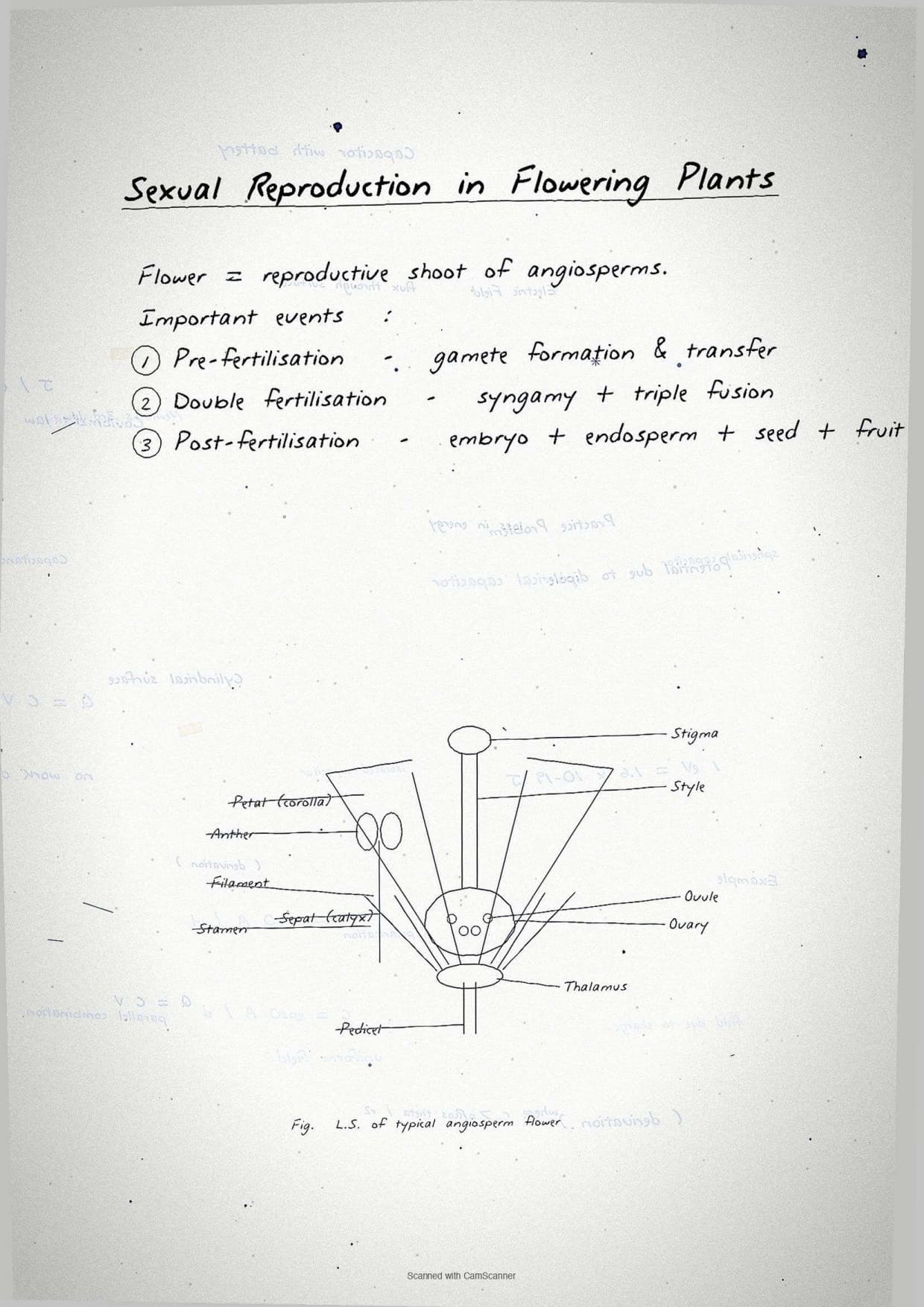

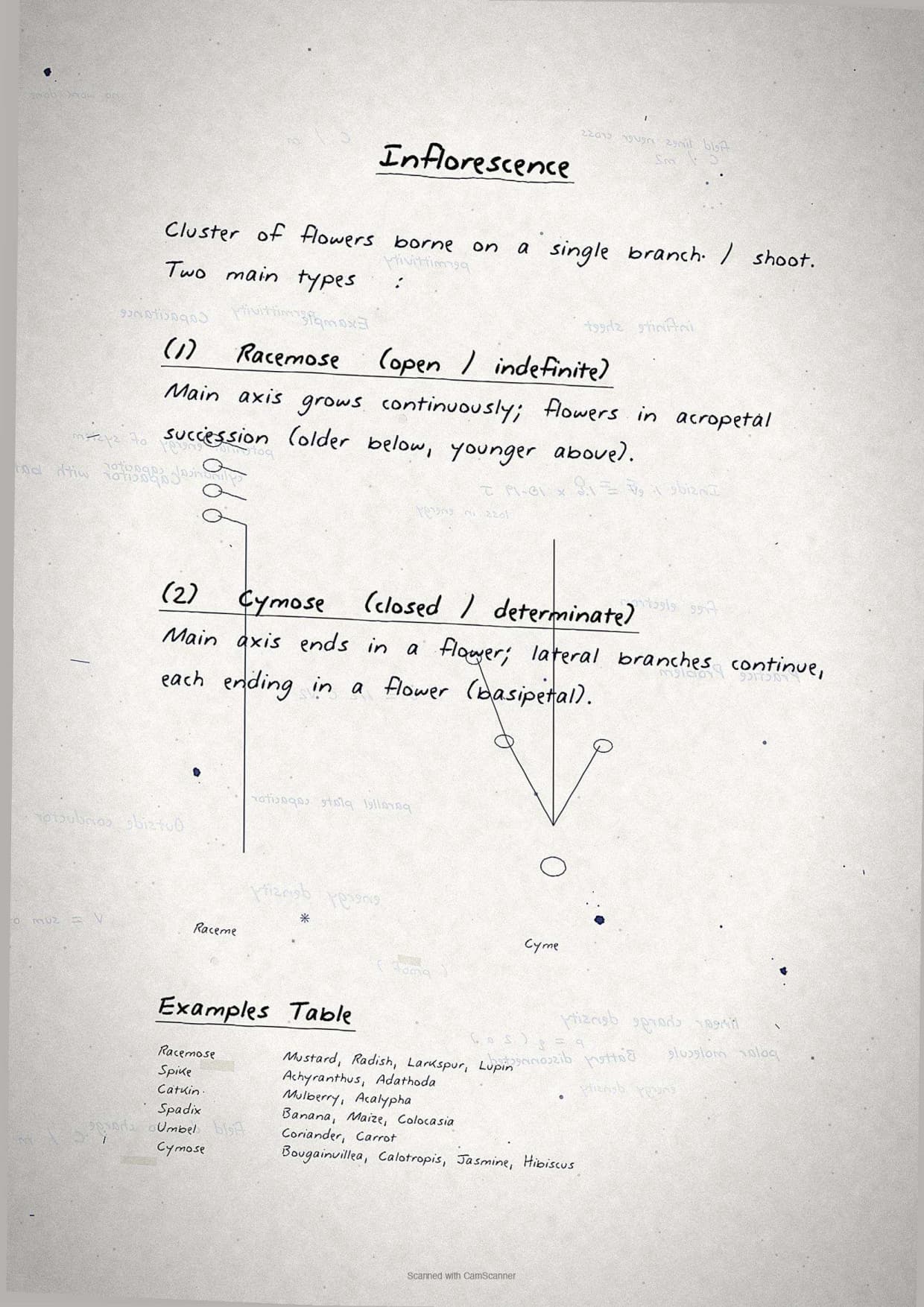
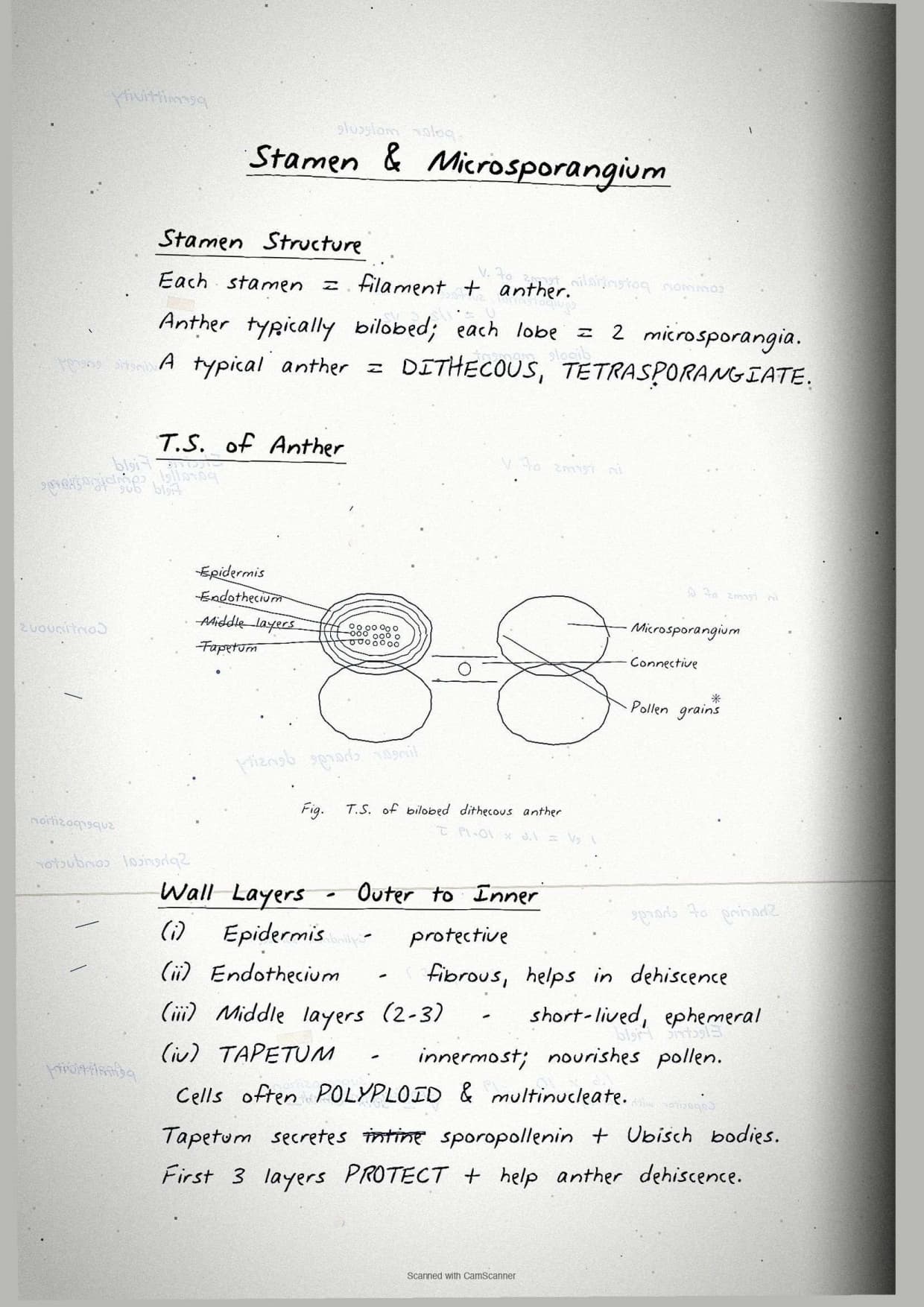
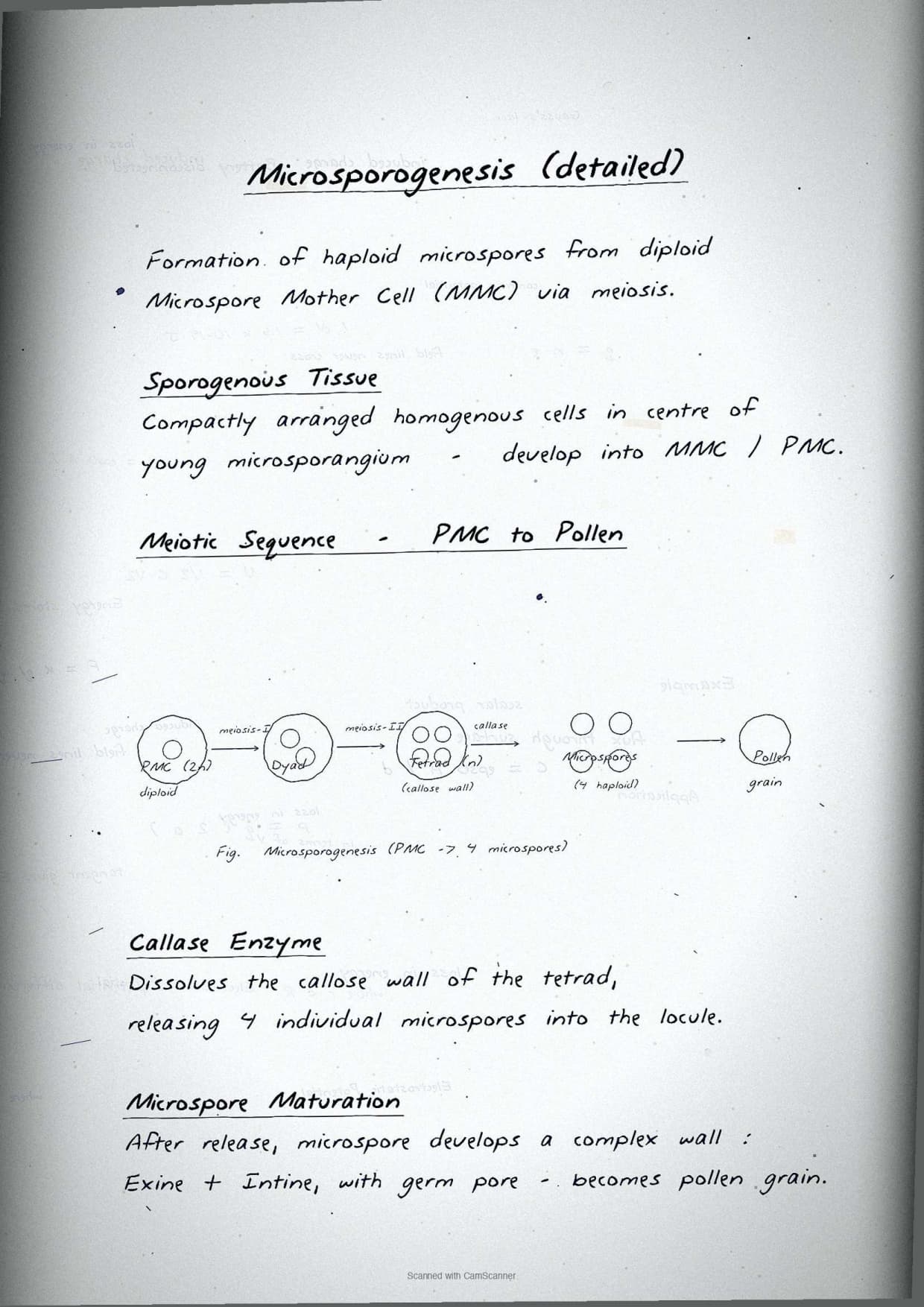


- CBSE Weightage: 6 to 8 marks (one 5-mark labelled-diagram question on T.S. anther or embryo sac plus a 2 to 3-mark question on double fertilisation or apomixis)
- NEET Weightage: 4 to 6 questions per paper, around 6 to 8% of NEET Biology, the highest-yielding chapter in the Reproduction unit
CBSE Class 12 Topper 2025 • 99/100 in Biology • 1st-year MBBS, Maulana Azad Medical College, Delhi
These notes are taken from Ananya Iyer's personal revision notebook, shared free to help Class 12 Biology students prepare for CBSE and NEET.

Why Sexual Reproduction in Flowering Plants Matters for NEET 2027 and CBSE Class 12 Biology
Reproduction is the single largest Class 12 Biology unit, and Chapter 1 has the most weight. Students lose marks on naming sequences, not understanding, so diagrams matter here.
- NEET frequency: 4 to 6 direct questions per year (NEET 2025 carried 5, NEET 2024 carried 6).
- CBSE labelled-diagram pattern: A 5-mark labelled diagram of the T.S. anther OR the mature embryo sac has appeared in 4 of the last 5 board papers.
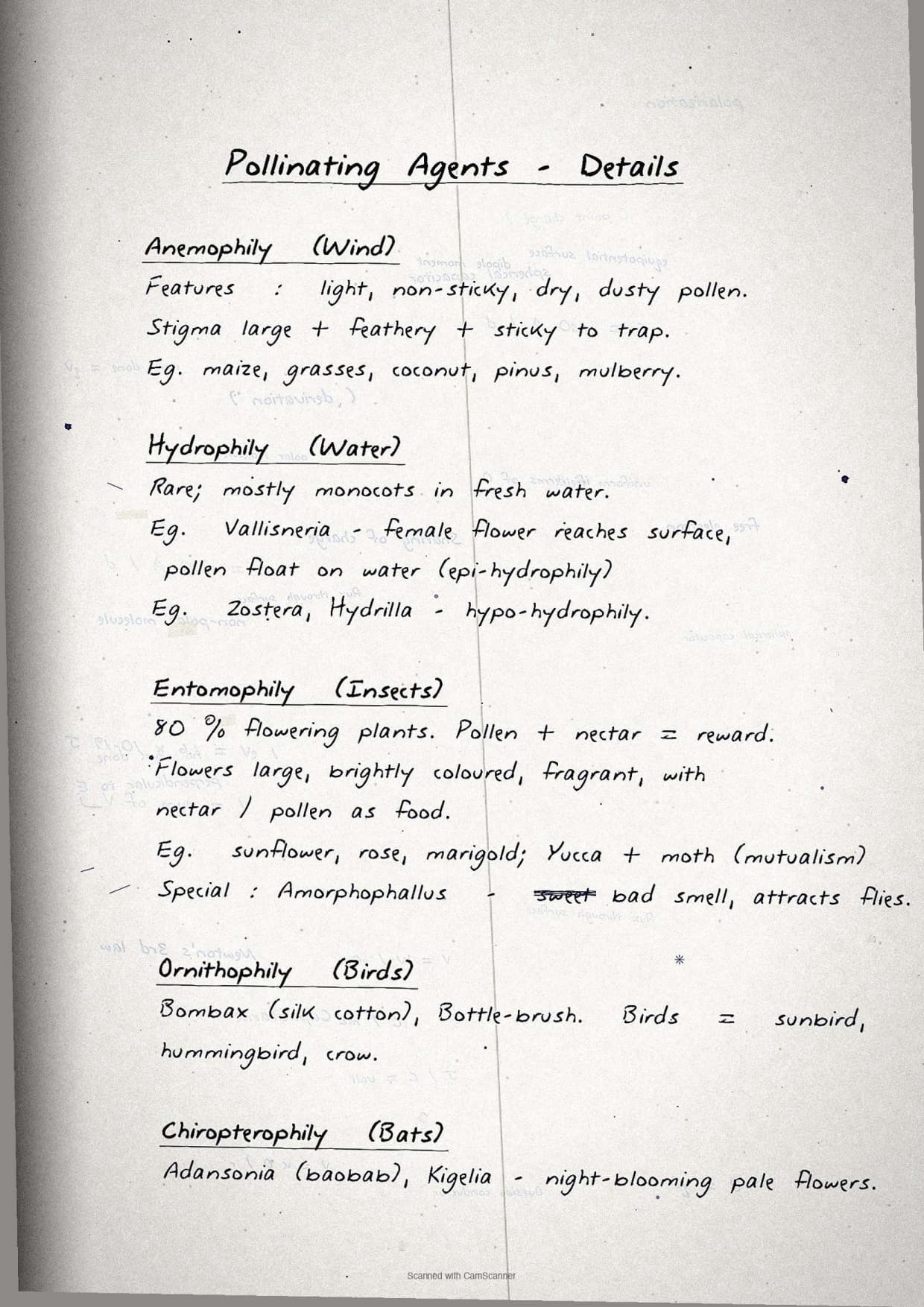
- Latin-name density: 12+ named taxa such as Vallisneria, Hydrilla, Zostera; NEET pulls match-the-following pairs from this list every alternate year.
Sexual Reproduction in Flowering Plants Video Lecture for Class 12 Biology
Source: Magnet Brains on YouTube
What Is Inside the Class 12 Biology Chapter 1 Sexual Reproduction in Flowering Plants Handwritten Notes PDF
A 30-page scan with a fixed ink-colour code. Use the page map to jump straight to the sub-topic you are weakest on.
| Pages | Topic | Pen Colour |
|---|---|---|
| 1-3 | Flower as a reproductive unit; three-phase overview | Blue + orange |
| 4-8 | Stamen, microsporangium, T.S. anther, microsporogenesis, pollen grain | Blue + green + red |
| 9-13 | Pistil, ovule, megasporogenesis, mature embryo sac (8N 7C) | Blue + orange |
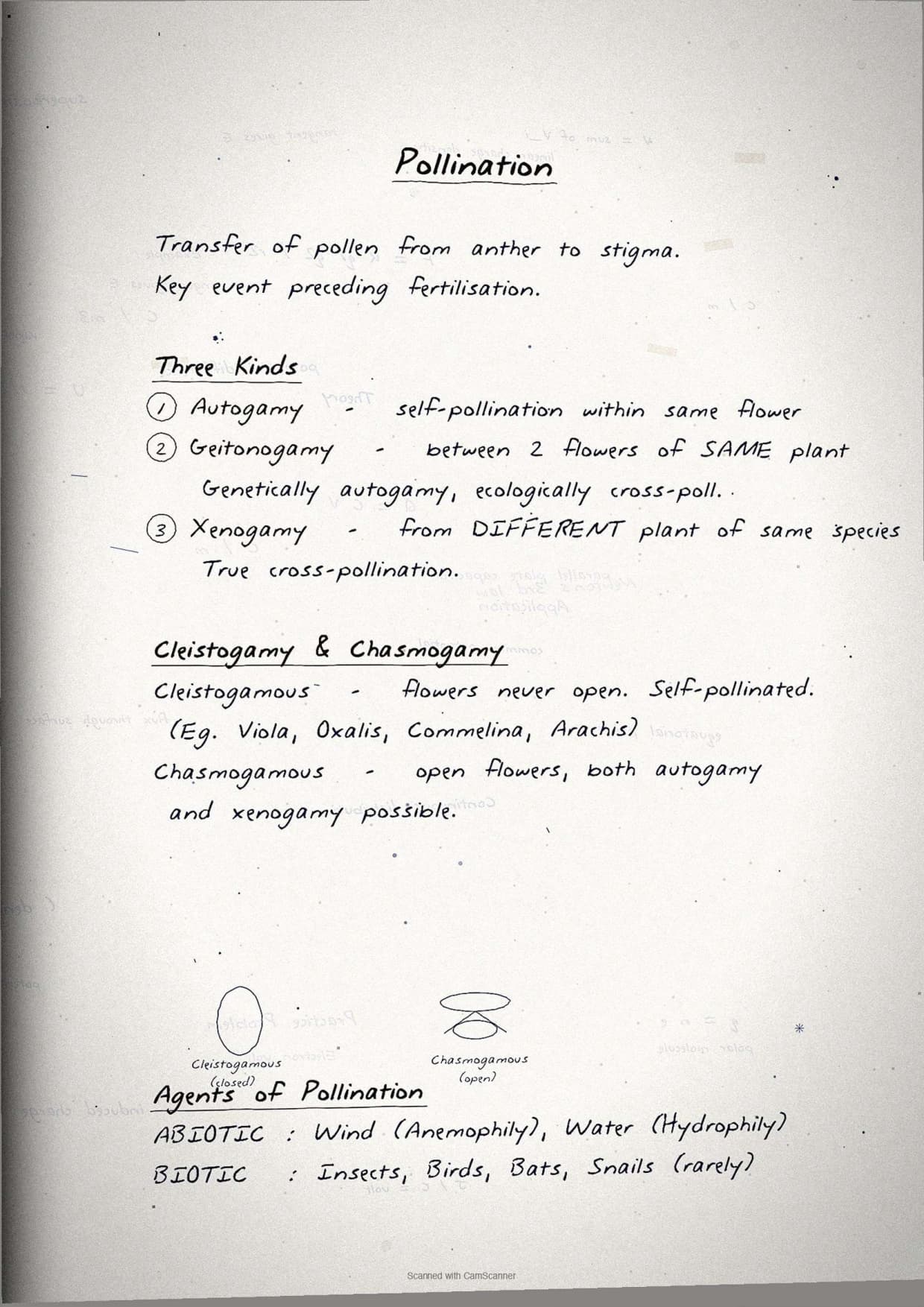
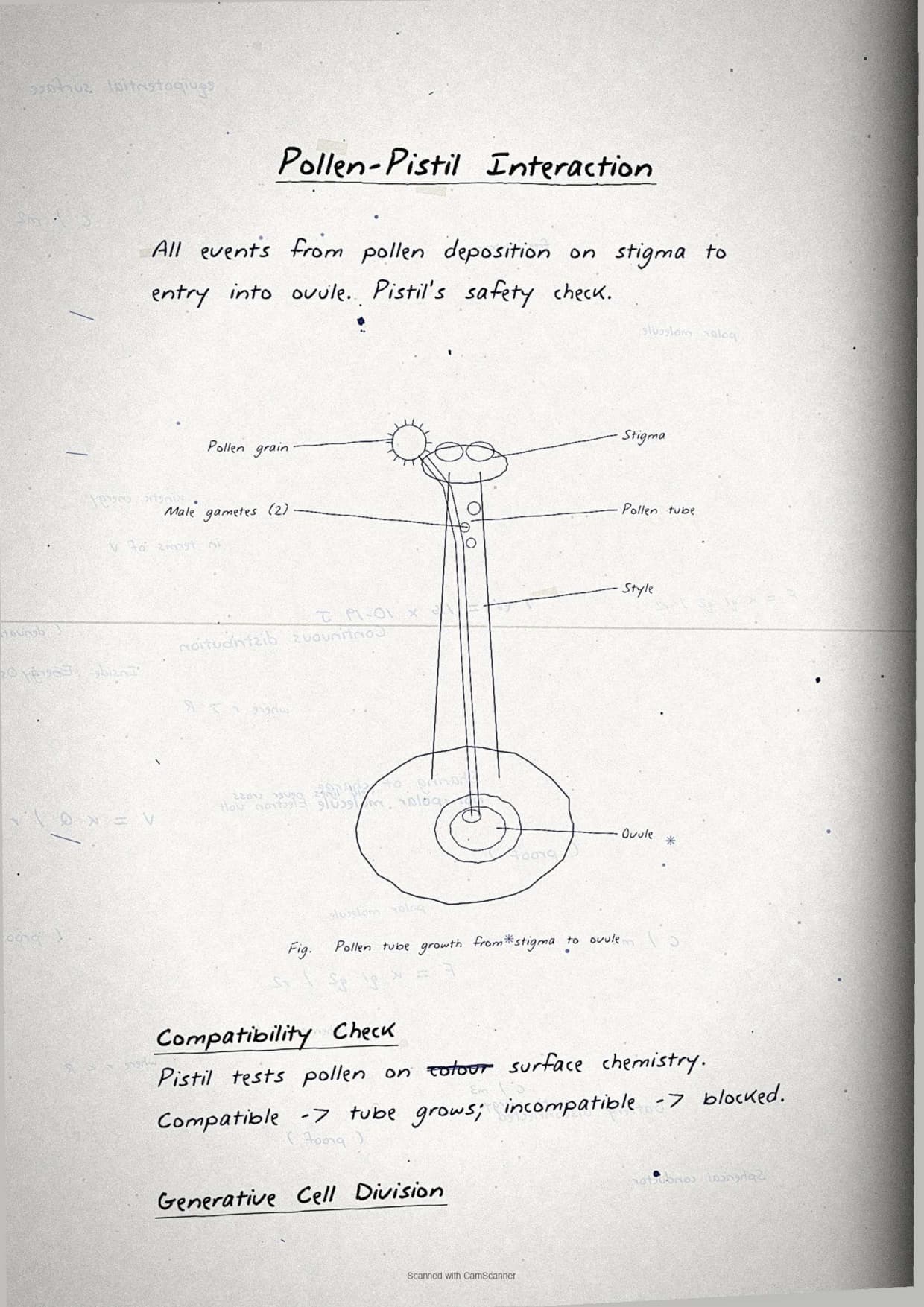
| 14-18 | Pollination types and agents; pollen-pistil interaction | Blue + green |
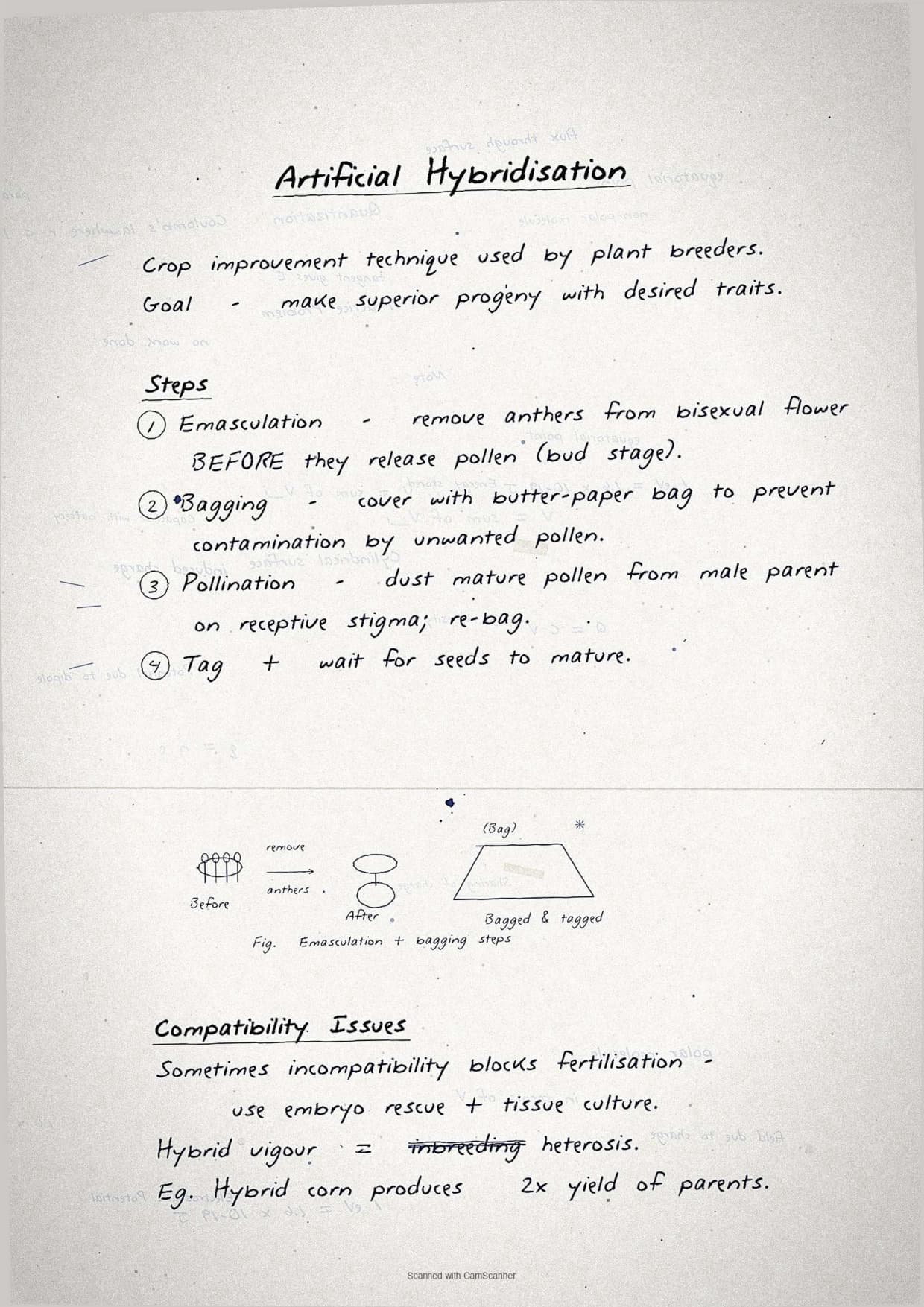
| 19-22 | Outbreeding devices, artificial hybridisation, double fertilisation | Blue + orange + red |
| 23-27 | Endosperm, embryogeny, seed, fruit (true vs false), apomixis | Blue + green + red |
| 28-29 | Significance of seed, parthenocarpy, named examples table | Blue + orange |
| 30 | Last 24-hour revision card | Mixed |
Sexual Reproduction in Flowering Plants Diagram Inventory for Class 12 Biology
The table below lists all 11 hand-drawn diagrams with page numbers and exam frequency. Six of the last seven NEET papers had a figure-based question from this set.
| Figure | What It Shows | Page | NEET / CBSE Frequency |
|---|---|---|---|
| Fig 1.1 | T.S. anther: epidermis, endothecium, middle layers, tapetum | 5 | Very High |
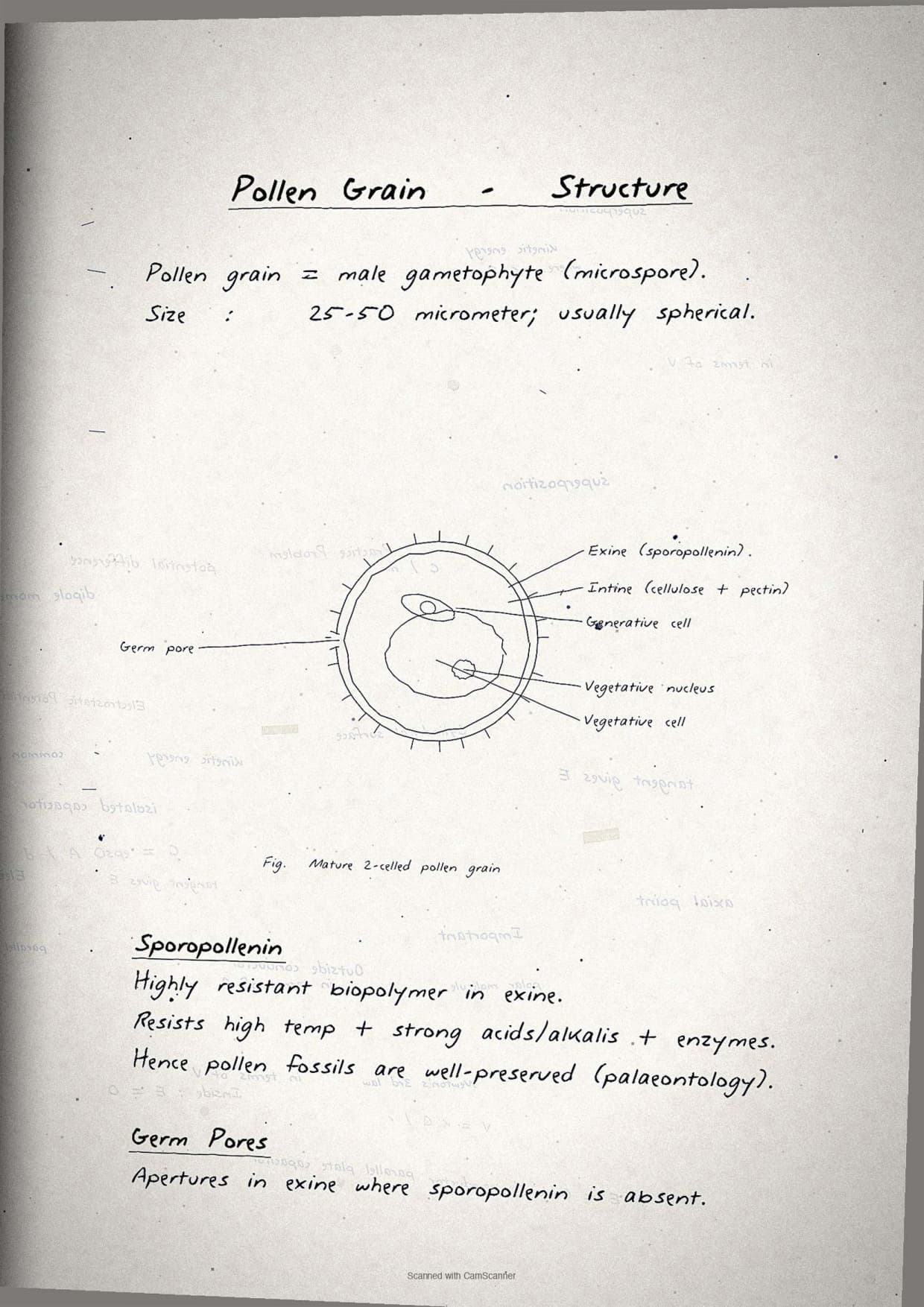
| Fig 1.2 | Mature pollen grain: exine, intine, generative + vegetative cells | 7 | Very High |
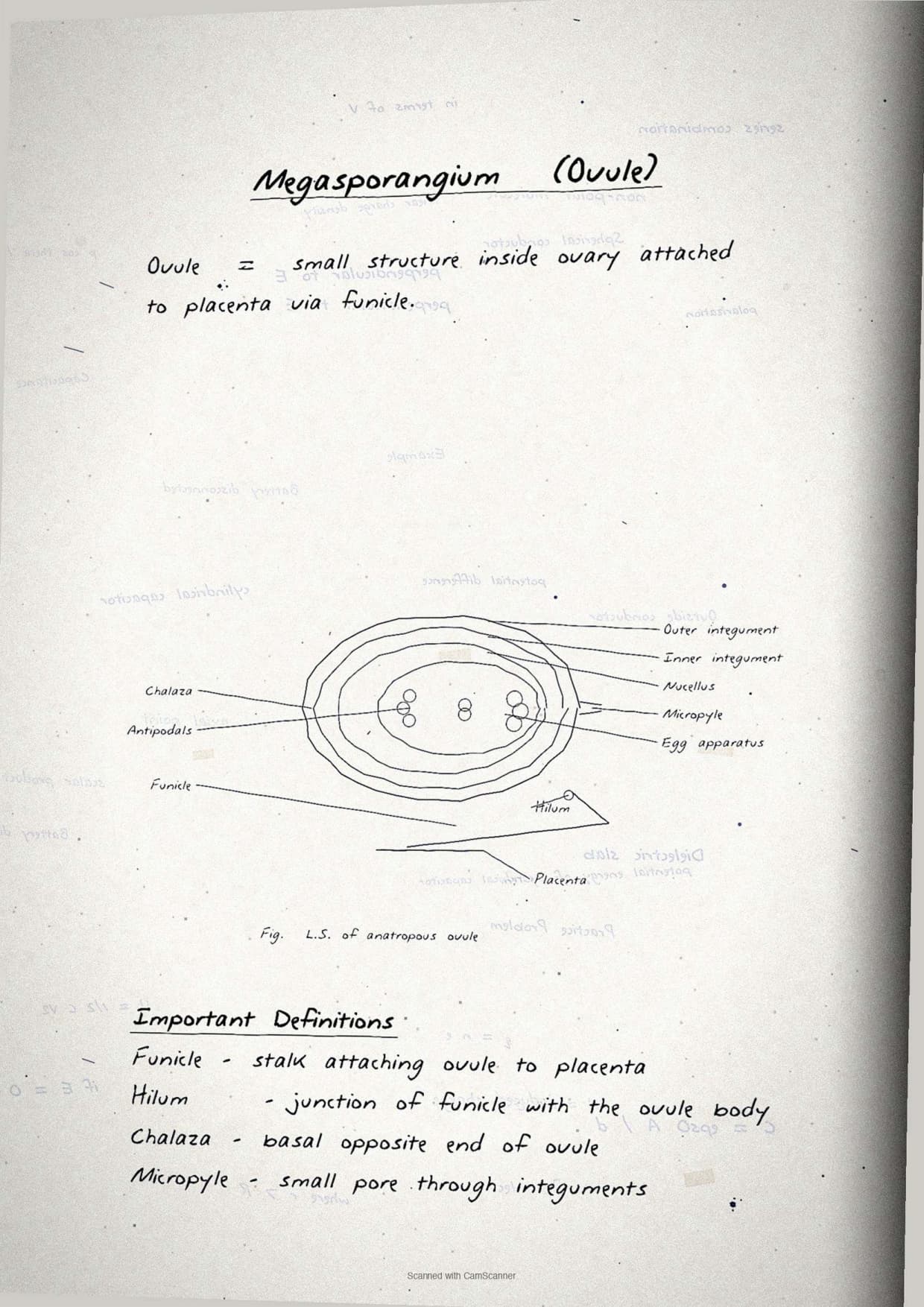
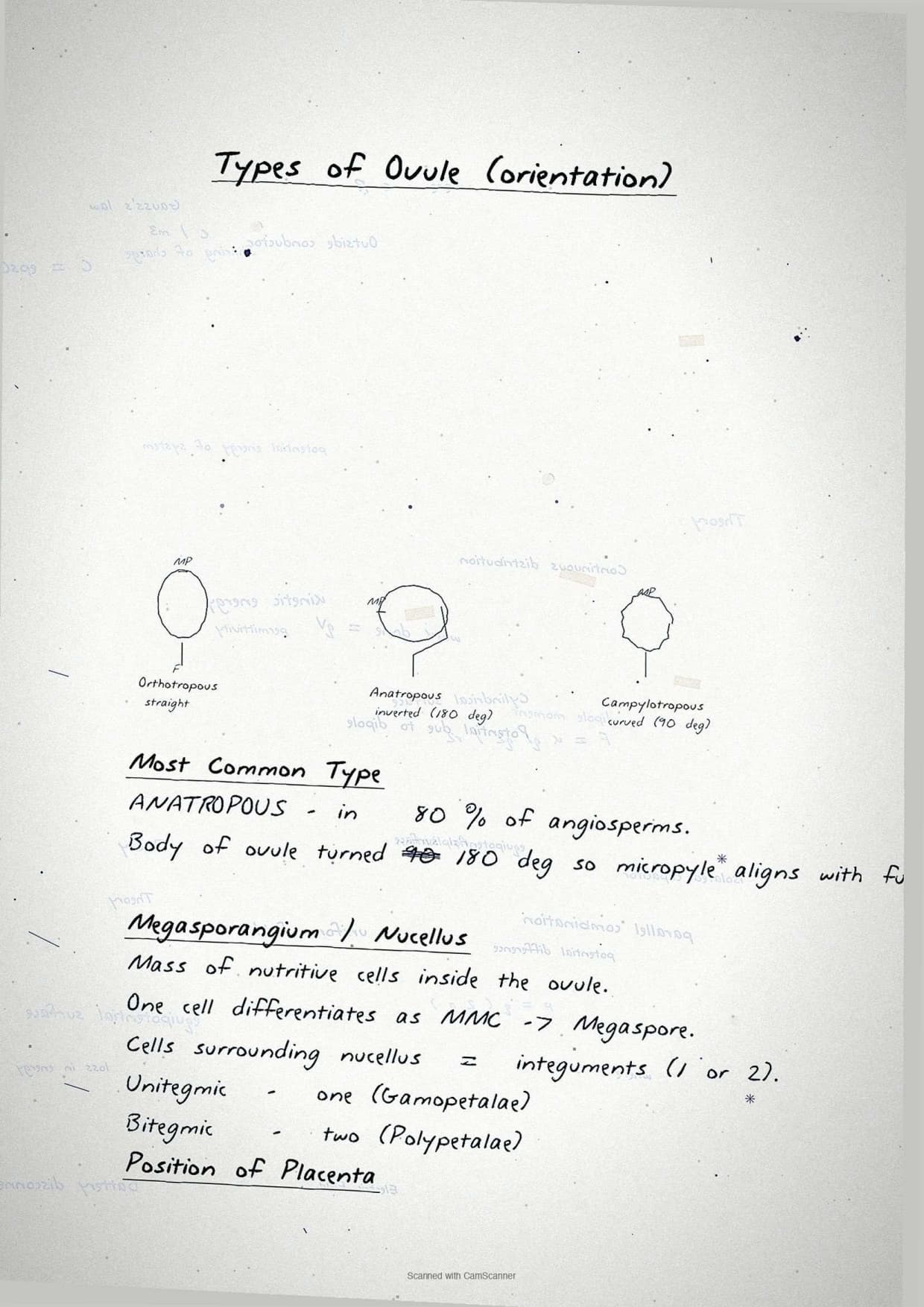
| Fig 1.3 | L.S. anatropous ovule with integuments, nucellus, micropyle, embryo sac | 10 | Very High |
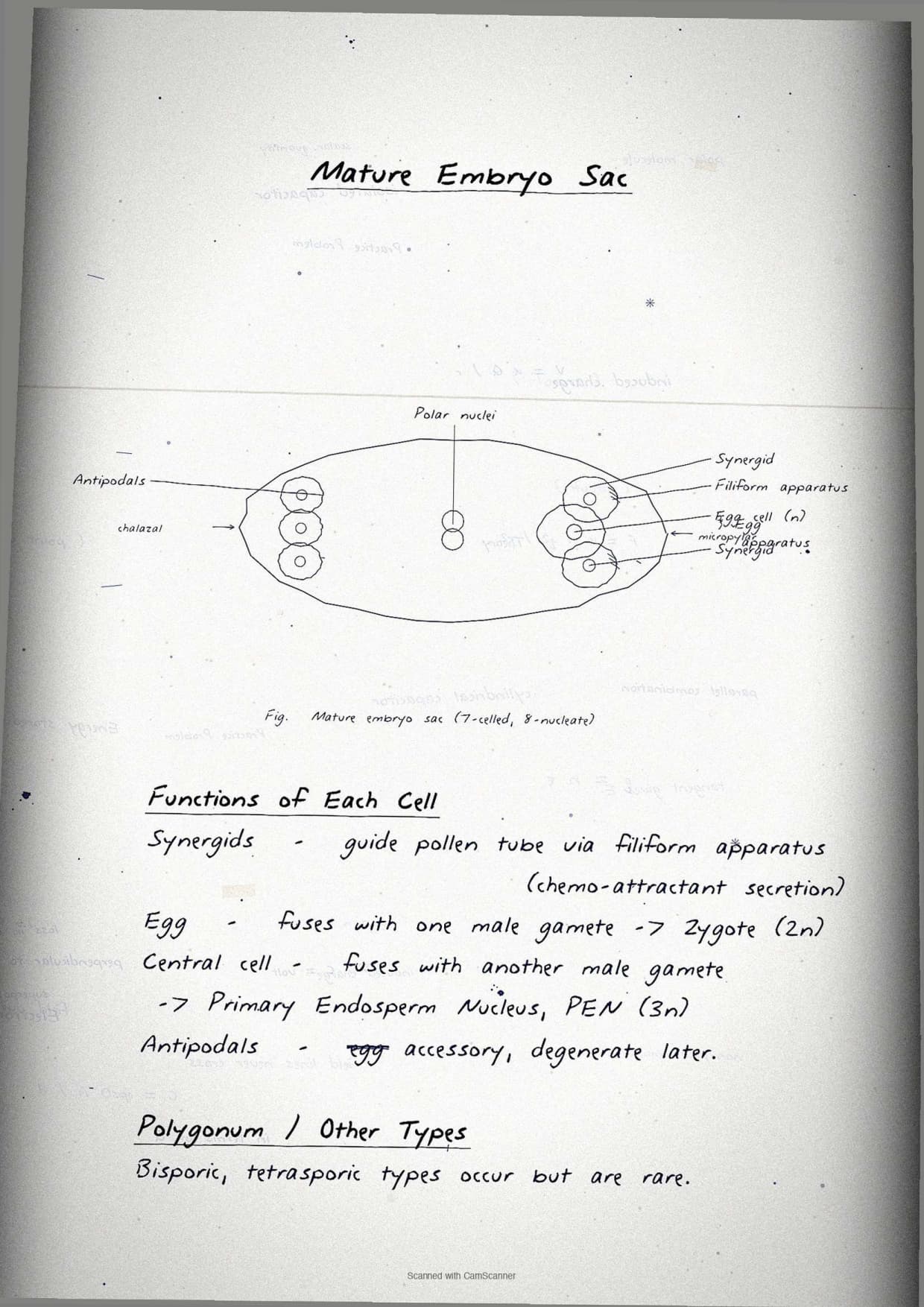
| Fig 1.4 | Mature embryo sac: egg apparatus, 2 polar nuclei, 3 antipodals | 12 | Very High |
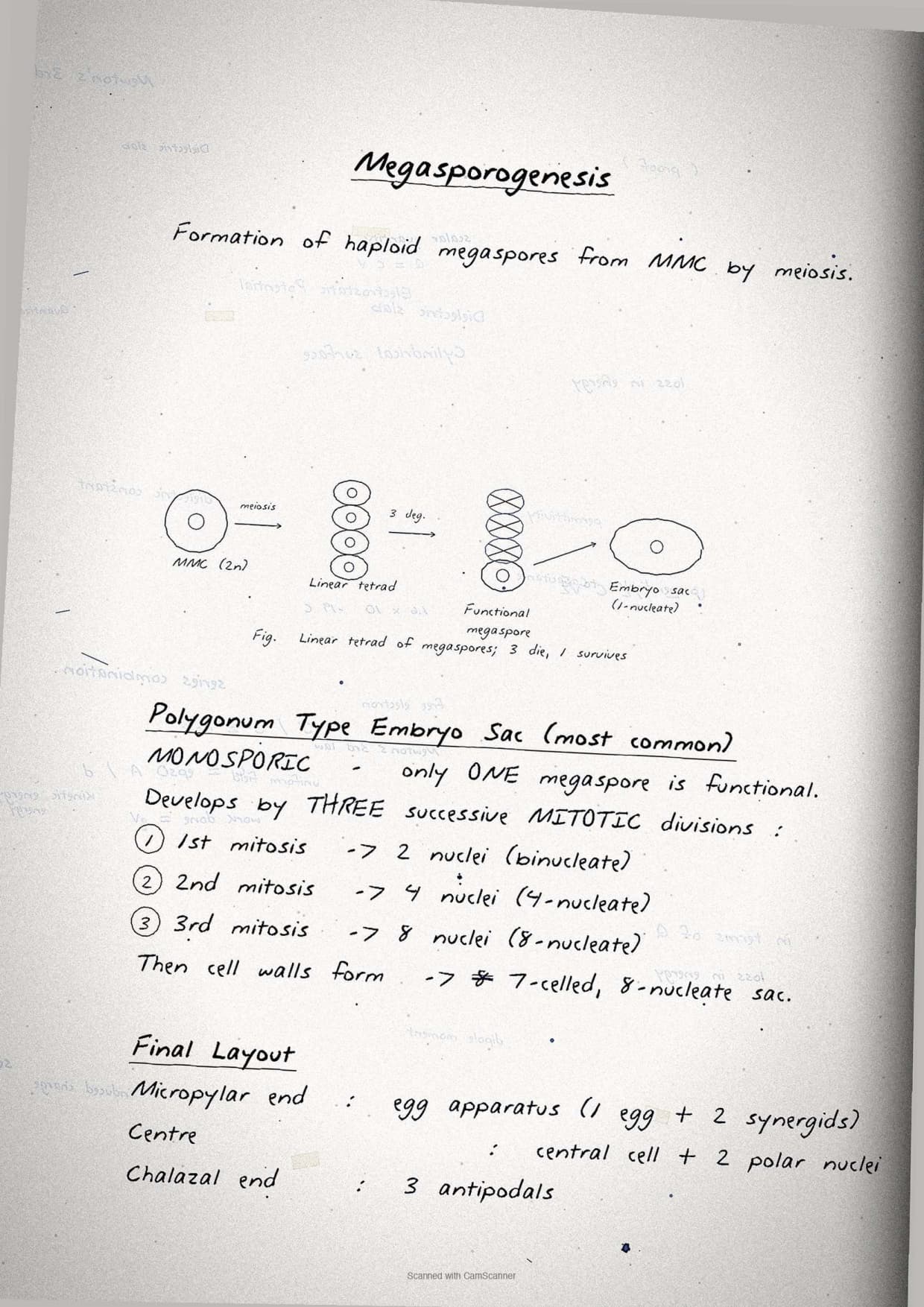
| Fig 1.5 | Microsporogenesis vs megasporogenesis side-by-side | 13 | High |
| Fig 1.6 | Pollen-pistil interaction; pollen tube via micropyle | 17 | High |
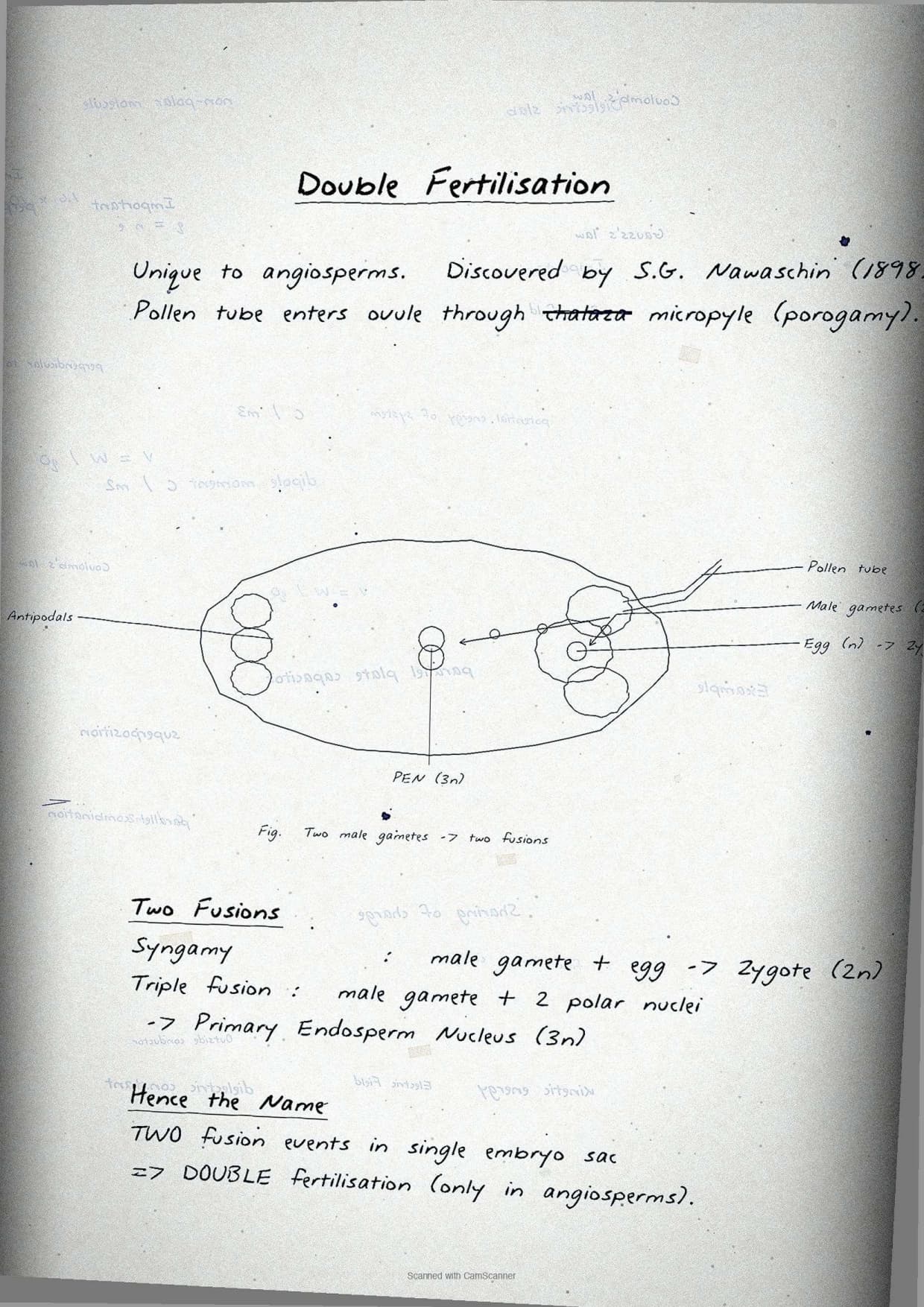
| Fig 1.7 | Double fertilisation and triple fusion arrows | 20 | Very High |
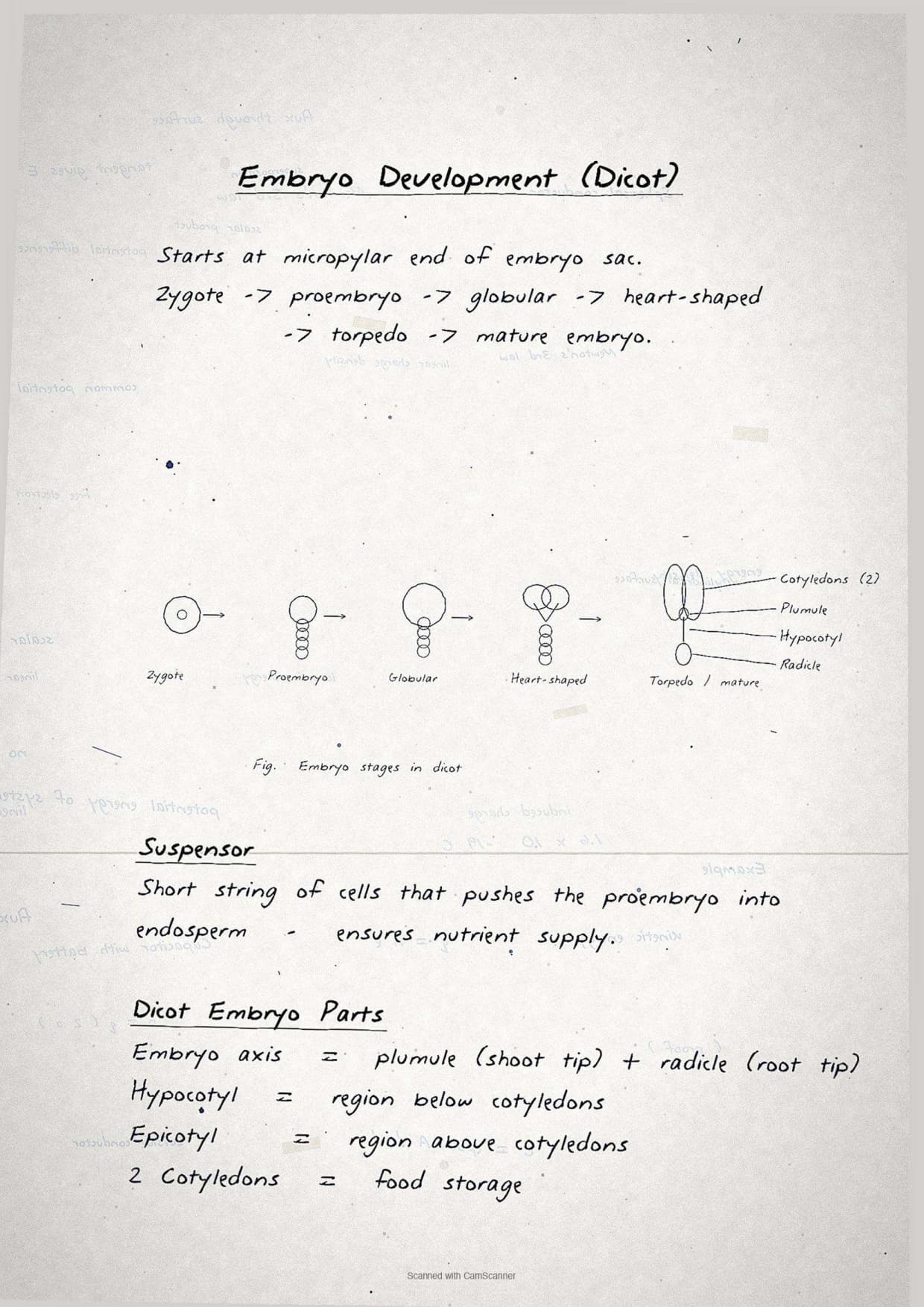
| Fig 1.8 | Dicot embryo (Capsella) stages | 24 | High |
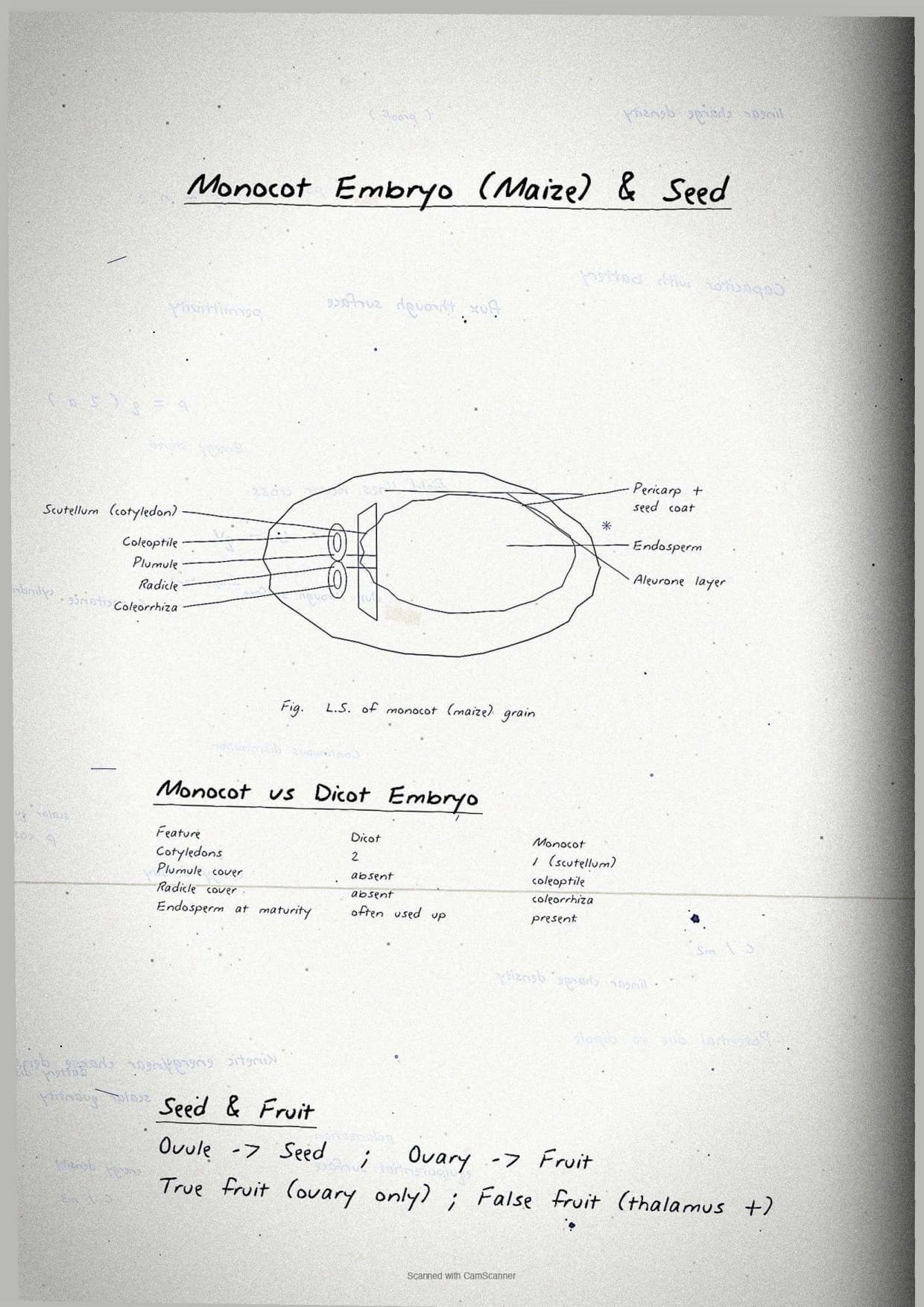
| Fig 1.9 | Monocot embryo: scutellum, coleoptile, coleorhiza | 25 | Medium |
| Fig 1.10 | Seed structure: testa, tegmen, endosperm, embryo | 26 | Medium |
| Fig 1.11 | True fruit (mango) vs false fruit (apple) | 27 | Medium |
If you have only 30 minutes for last-day revision, lock Fig 1.1, 1.4, and 1.7. These three diagrams account for every labelled-figure question on this chapter since 2021.
Sexual Reproduction in Flowering Plants: Top 6 Concepts for Quick NEET Recall
These six concepts cover every direct-recall MCQ on this chapter from the last five NEET and CBSE papers.
| Concept | Key Detail | NEET / CBSE Frequency (last 5 yrs) | Page |
|---|---|---|---|
| Tapetum function | Nourishes microspores; secretes sporopollenin precursors and pollenkitt | 5 | 6 |
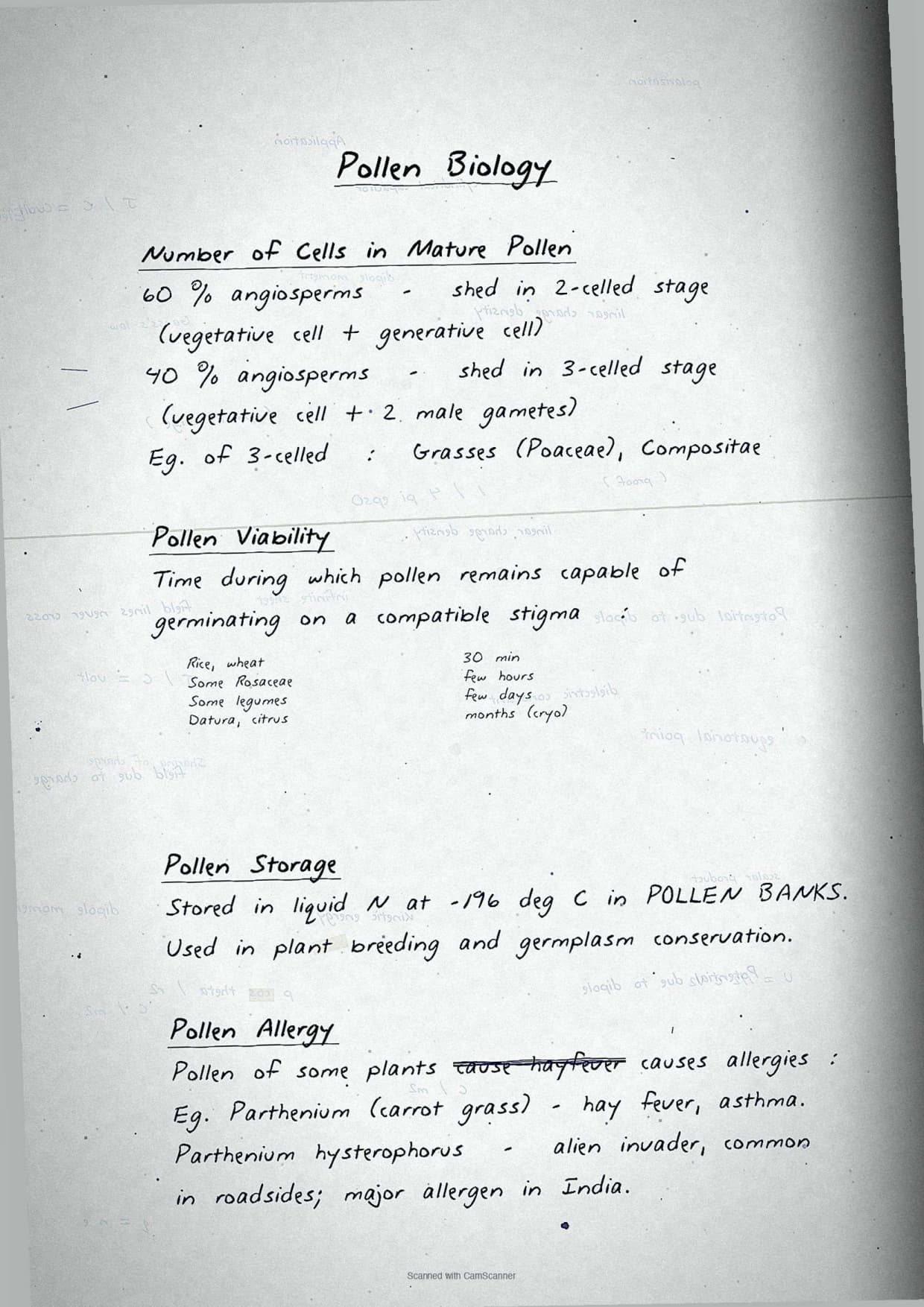
| Sporopollenin | Most resistant organic material; survives heat, acids, alkalis | 5 | 7 |
| Embryo sac formula | 8 nuclei, 7 cells (Polygonum type) | 5 | 12 |
| Double fertilisation | Syngamy (n+n=2n zygote) + triple fusion (n+2n=3n PEN) | 5 | 20 |
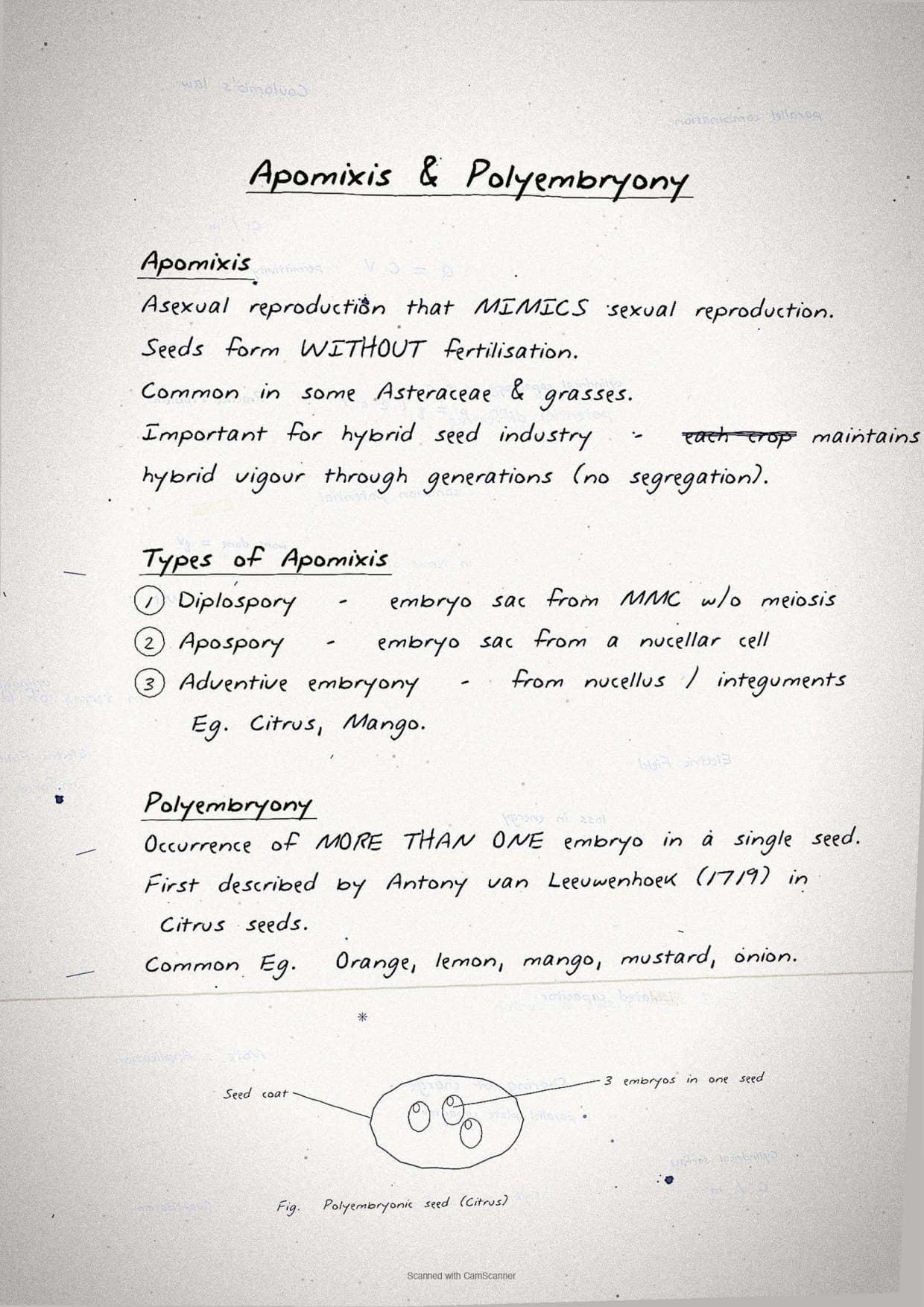
| Apomixis | Asexual seed without meiosis or syngamy; Asteraceae, grasses | 3 | 28 |
| Parthenocarpy | Seedless fruit without fertilisation (banana, grapes) | 3 | 28 |
Double Fertilisation in Flowering Plants: The 4 Steps CBSE Always Asks
Double fertilisation is the most-asked 5-marker on this chapter and the concept that distinguishes angiosperms from every other plant group. The hand-drawn arrow diagram on page 20 labels every event with the ploidy at each step.
- Pollen tube entry: Pollen tube grows through the style, enters the ovule via the micropyle and into one synergid, guided by the filiform apparatus.
- Release of male gametes: Pollen tube ruptures inside the synergid, releasing two non-motile male gametes into the embryo sac.
- Syngamy: One male gamete (n) fuses with the egg (n) to form a diploid zygote (2n).
- Triple fusion: The second male gamete (n) fuses with the two polar nuclei (2n) of the central cell to form a triploid PEN (3n).
Class 12 Biology Sexual Reproduction in Flowering Plants Self-Assessment Quiz
Use this quiz after a single read-through. Each question maps to a diagram or boxed fact in the PDF.
Q1. Most resistant organic material in the pollen wall?
(a) Cellulose (b) Sporopollenin (c) Lignin (d) Suberin. Ans: (b). Page 7.
Q2. Ploidy of the primary endosperm nucleus (PEN)?
(a) n (b) 2n (c) 3n (d) 4n. Ans: (c) 3n. Page 20.
Class 12 Biology Sexual Reproduction in Flowering Plants: Most-Asked Previous Year Question Trends
Two themes dominate the five-year PYQ landscape: labelled-diagram questions and ploidy / sequence MCQs.
| Year | Exam | Topic | Marks / Qs |
|---|---|---|---|
| 2025 | CBSE Board | Labelled T.S. anther | 5 marks |
| 2025 | NEET | Tapetum + pollen wall | 2 Qs |
| 2024 | CBSE Board | Embryo sac diagram | 5 marks |
| 2024 | NEET | Ploidy of PEN, embryo | 1 Q |
| 2023 | NEET | Hydrophily (Zostera) | 1 Q |
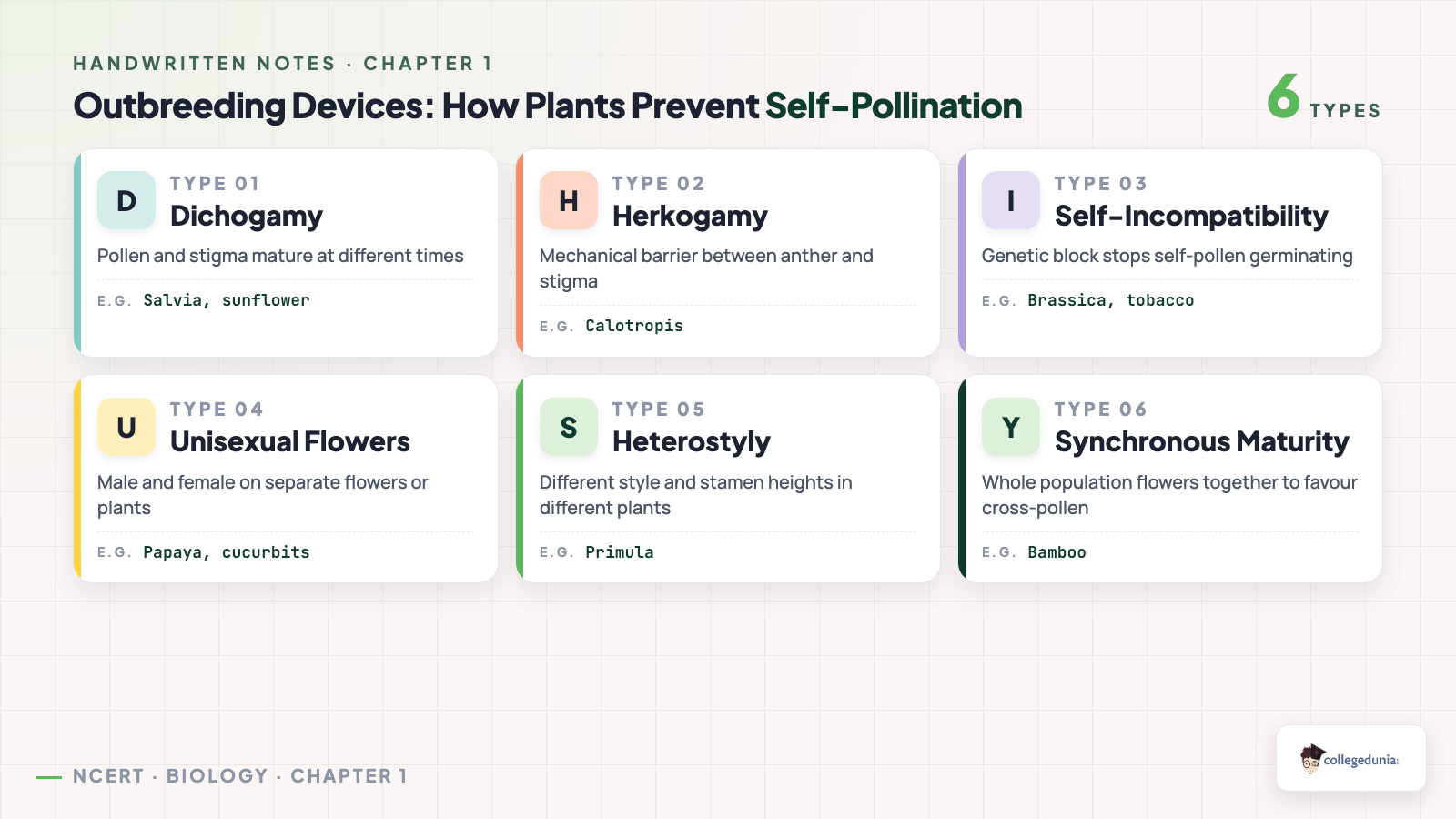
| 2022 | NEET | Outbreeding devices | 1 Q |
Student Feedback: Sexual Reproduction in Flowering Plants Class 12 Biology Survey
Student Feedback
What 12,400 Class 12 Biology students told us about this chapter:
- 73% of students marked the double-fertilisation labelled diagram as the hardest sub-topic.
- 61% reported losing marks on the microsporogenesis vs megasporogenesis comparison.
- Average student took 5.8 hours for the first read and 2.4 hours for a focused revision pass before boards.
- Only 34% attempted all NCERT exercise questions; toppers reported attempting every question and revisiting wrong attempts within 24 hours.
Source: 2025-26 Class 12 Biology student survey. Sample of 12,400 students from CBSE schools across 18 states.
Other Resources for Sexual Reproduction in Flowering Plants Class 12 Biology
| Resource | Link |
|---|---|
| Handwritten Notes | Sexual Reproduction in Flowering Plants Handwritten Notes |
| NCERT Solutions | Sexual Reproduction in Flowering Plants NCERT Solutions |
| Notes | Sexual Reproduction in Flowering Plants Notes |
| Formula Sheet | Sexual Reproduction in Flowering Plants Formula Sheet |
| NCERT Book PDF | Sexual Reproduction in Flowering Plants NCERT Book PDF |
| Exemplar Book PDF | Sexual Reproduction in Flowering Plants Exemplar Book PDF |
| Exemplar Solutions | Sexual Reproduction in Flowering Plants Exemplar Solutions |
NCERT Handwritten Notes for Class 12 Biology: All Chapters
Use the table to jump to the handwritten notes for any other Class 12 Biology chapter.
| Chapter | Resource |
|---|---|
| Chapter 1 | Sexual Reproduction in Flowering Plants Handwritten Notes |
| Chapter 2 | Human Reproduction Handwritten Notes |
| Chapter 3 | Reproductive Health Handwritten Notes |
| Chapter 4 | Principles of Inheritance and Variation Handwritten Notes |
| Chapter 5 | Molecular Basis of Inheritance Handwritten Notes |
| Chapter 6 | Evolution Handwritten Notes |
| Chapter 7 | Human Health and Disease Handwritten Notes |
| Chapter 8 | Microbes in Human Welfare Handwritten Notes |
| Chapter 9 | Biotechnology Principles and Processes Handwritten Notes |
| Chapter 10 | Biotechnology and Its Applications Handwritten Notes |
| Chapter 11 | Organisms and Populations Handwritten Notes |
| Chapter 12 | Ecosystem Handwritten Notes |
| Chapter 13 | Biodiversity and Conservation Handwritten Notes |
Sexual Reproduction in Flowering Plants Class 12 Biology Handwritten Notes FAQs
Ques. Where can I download Sexual Reproduction in Flowering Plants Class 12 Biology Handwritten Notes PDF?
Ans. You can download the Sexual Reproduction in Flowering Plants Class 12 Biology Handwritten Notes PDF directly from this page. Both the Normal and HD versions are available, and both are free.
Ques. Are these handwritten notes aligned with the 2026-27 NCERT?
Ans. Yes. The notes reflect the current 2026-27 syllabus for Class 12 Biology. The chapter retains all topics on pre-fertilisation events, microsporogenesis, megasporogenesis, pollination, double fertilisation, and post-fertilisation development; no sub-topic was removed in the latest NCERT edition.
Ques. How many pages is the Class 12th Biology Sexual Reproduction in Flowering Plants Handwritten Notes PDF?
Ans. The handwritten notes PDF runs 30 pages and covers all six major sub-topics: flower structure, microsporangium and pollen, megasporangium and embryo sac, pollination types and agents, double fertilisation, and post-fertilisation events, plus a last-page revision card.
Ques. What diagrams are included in the Sexual Reproduction in Flowering Plants handwritten notes?
Ans. The notes include 11 hand-drawn diagrams: T.S. anther with wall layers, mature pollen grain, L.S. ovule (anatropous), mature embryo sac, microsporogenesis vs megasporogenesis spread, pollen-pistil interaction, double fertilisation arrow diagram, dicot embryo (Capsella) stages, monocot embryo, seed structure, and true vs false fruit.
Ques. What is the weightage of Class 12 Biology Chapter 1 Sexual Reproduction in Flowering Plants in NEET?
Ans. Sexual Reproduction in Flowering Plants contributes 4 to 6 questions in every NEET paper, roughly 6 to 8% of the NEET Biology section. Questions are drawn most frequently from the embryo sac structure, double fertilisation ploidy values, tapetum function, and named hydrophily / entomophily examples.
Ques. What is double fertilisation in flowering plants?
Ans. Double fertilisation is a process unique to angiosperms in which two male gametes from the pollen tube fuse with two different female cells in the embryo sac. One male gamete fuses with the egg cell (syngamy) to form the diploid zygote (2n); the other male gamete fuses with the two polar nuclei in the central cell (triple fusion) to form the triploid primary endosperm nucleus (3n). The full arrow diagram is on page 20.
Ques. What is the ploidy of the primary endosperm nucleus (PEN)?
Ans. The primary endosperm nucleus is triploid (3n). It is formed by the fusion of one haploid male gamete (n) with the two haploid polar nuclei (n + n = 2n) of the central cell, giving 3n. This is the source of nutritive endosperm tissue in the developing seed.
Ques. Are the Sexual Reproduction in Flowering Plants Class 12 handwritten notes good for NEET 2027?
Ans. Yes, the notes are designed for NEET 2027 candidates. Each concept and named example carries a margin tag showing the most recent year NEET asked about it, so you know what is overdue versus over-asked. The five highest-frequency items are flagged in orange ink.
Ques. What is the structure of a typical embryo sac?
Ans. The mature embryo sac (Polygonum type) is 7-celled and 8-nucleate. At the micropylar end is the egg apparatus, with one egg cell and two synergids (the synergids carry a filiform apparatus that guides the pollen tube). In the centre is a large central cell with two polar nuclei. At the chalazal end are three antipodal cells. The labelled diagram is on page 12.



Comments