





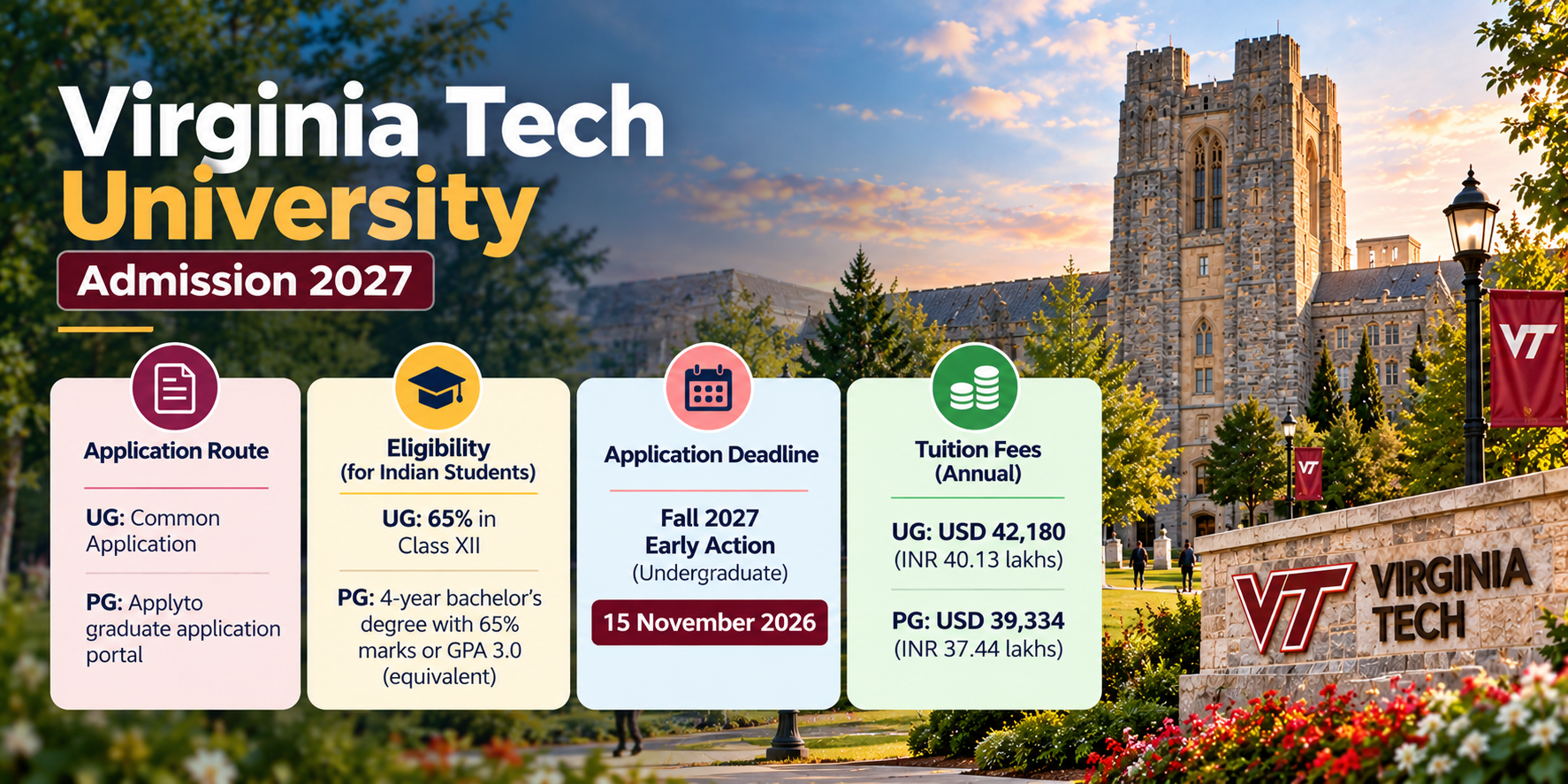
Virginia Tech welcomes international students through different application routes, depending on their level of study. Undergraduate applicants can apply through the Common Application, while those seeking master’s or PhD programmes must use the university’s Applyto graduate application portal. Indian students generally need 65% in Class XII for undergraduate admission, while graduate applicants typically require a four-year bachelor’s degree with 65% marks or a GPA equivalent to 3.0, subject to programme-specific requirements.
- Application Deadline: The Fall 2027 Early Action deadline for undergraduate applicants is 15 November 2026
- Tuition Fees: PG fee USD 39,334 (INR 37.44 lakhs) & UG fee USD 42,180 (INR 40.13 lakhs)
- Acceptance Rate: 54.6% (undergraduate; graduate varies by department)
Admission Status: Fall 2027 (August) is Virginia Tech’s main intake for undergraduate and postgraduate applicants. First-year undergraduate students should check the Early Action deadline of 15 November 2026, while graduate applicants must follow the deadlines set by the Graduate School and their chosen department. Application fees and deadlines vary by study level and programme, so confirm the latest details on the relevant application portal before submitting.
Currency Note: INR conversions are based on 1 USD = INR 95.21 as of 13 October 2026
Also check: Documents Required for US University Applications 2027
Table of Contents
- Virginia Tech University PG Programs and Requirements
- Virginia Tech University UG Programs and Requirements
- Virginia Tech Application Deadlines
- Virginia Tech University Eligibility
- Virginia Tech University PhD Admissions Process
- Virginia Tech Admission Decisions and Offer Timeline
- Virginia Tech Documents Required
- Virginia Tech University Acceptance Rate
- USA Student Visa Process for Virginia Tech
- FAQs
Virginia Tech University PG Programs and Requirements
Virginia Tech offers postgraduate programmes across engineering, business, science, and other academic fields. Tuition fees vary by programme and college, so students should review the course-wise fee structure before choosing a master’s degree.
| Programme | Duration | Fee (USD & INR) | Minimum Eligibility |
|---|---|---|---|
| MS Computer Science | 2 years | USD 39,334 (INR 37.44 lakhs) |
Bachelor’s in CS or related field + 3.0 GPA + IELTS 6.5 / TOEFL 90 (or new scale 4.5) |
| MS Computer Engineering | 2 years | USD 39,334 (INR 37.44 lakhs) |
Bachelor’s in ECE/CS or related + 3.0 GPA + IELTS 6.5 / TOEFL 90 (or new scale 4.5) |
| MS Aerospace Engineering | 2 years | USD 39,334 (INR 37.44 lakhs) |
Bachelor’s in Aerospace/Mechanical or related + 3.0 GPA + IELTS 6.5 / TOEFL 90 (or new scale 4.5) |
| MS Mining Engineering | 2 years | USD 39,334 (INR 37.44 lakhs) |
Bachelor’s in Mining or related engineering + 3.0 GPA + IELTS 6.5 / TOEFL 90 (or new scale 4.5) |
| MS Mechanical Engineering | 2 years | USD 39,334 (INR 37.44 lakhs) |
Bachelor’s in Mechanical or related engineering + 3.0 GPA + IELTS 6.5 / TOEFL 90 (or new scale 4.5) |
Insider note: Many of Virginia Tech’s engineering and computer science master’s programmes are STEM-designated, potentially making eligible international graduates eligible for the 24-month STEM OPT extension in addition to the standard 12-month OPT period. Students should verify their specific programme’s eligibility before applying..
Also check: MS in USA: Top Universities, Fees 2026, Eligibility & Job
Virginia Tech University UG Programs and Requirements
Virginia Tech offers a wide range of bachelor’s programmes across its academic colleges, including engineering, science, and business. Annual tuition fees vary by programme and student category, so Indian applicants should review the specific course requirements and fee structure before applying.
| Programme | Duration | Fee per year (USD & INR) | Minimum Eligibility |
|---|---|---|---|
| BS Computer Science | 4 years | USD 42,180 (INR 40.13 lakhs) |
Class 12 with strong Maths + IELTS 6.5 / TOEFL 80 (or new scale 4.5) |
| BS Aerospace Engineering | 4 years | USD 42,180 (INR 40.13 lakhs) |
Class 12 with Maths + Physics + IELTS 6.5 / TOEFL 80 (or new scale 4.5) |
| BS Mechanical Engineering | 4 years | USD 42,180 (INR 40.13 lakhs) |
Class 12 with Maths + Physics + IELTS 6.5 / TOEFL 80 (or new scale 4.5) |
| BS Electrical Engineering | 4 years | USD 42,180 (INR 40.13 lakhs) |
Class 12 with strong Maths + IELTS 6.5 / TOEFL 80 (or new scale 4.5) |
| BS Business Information Technology | 4 years | USD 42,730 (INR 40.66 lakhs) | Class 12 with Maths + IELTS 6.5 / TOEFL 80 (or new scale 4.5)
|
Reality check: Virginia Tech follows a test-optional policy for eligible applicants, but strong SAT or ACT scores can still support an undergraduate application. Indian students with scores in the competitive range should consider submitting them, particularly if they want to strengthen their academic profile.
Virginia Tech University Application Deadlines
Virginia Tech offers undergraduate admissions primarily for the Fall intake, while postgraduate applicants may have Fall and Spring options depending on the programme. Indian students should check their chosen course’s application deadlines in advance, as dates and intake availability vary by department.
| Intake | Level | App Opens | Deadline | App Fee | Portal |
|---|---|---|---|---|---|
|
Fall 2027 – Early Action |
UG | August 1 | 15 November 2026 | USD 70 (INR 6,661) |
Common App |
|
Fall 2027 – Regular Decision |
UG | August 1 | 15 January 2027 | USD 70 (INR 6,661) |
Common App |
|
Spring 2027 – UG Transfer |
UG Transfer | August 1 | 1 October 2026 | USD 70 (INR 6,661) |
Common App |
|
Fall 2027 – Computer Science MS & PhD |
PG | Open | 1 December 2026 | USD 75 (INR 7,136) |
Applyto |
|
Fall 2027 – Graduate Assistantship Priority |
PG | Open | 15 January 2027 | USD 75 (INR 7,136) |
Applyto |
|
Fall 2027 – Graduate School general (International) |
PG | Open | 1 April 2027 | USD 75 (INR 7,136) |
Applyto |
|
Spring 2027 – Graduate School general (International) |
PG | Closed | 1 September 2026 (Closed) | USD 75 (INR 7,136) |
Applyto |
Planning note: Early Action is non-binding, allowing students to receive an admission decision without committing to Virginia Tech. Applying early can also give Indian students more time to prepare their required documents, arrange finances, and complete the I-20 and F-1 visa process before the academic year begins.
Also check: Common App Opens for Fall 2027 US Admissions Today
Virginia Tech University Eligibility
Virginia Tech assesses Indian applicants based on their academic performance, course difficulty, and English proficiency. Admission requirements vary by programme, and competitive majors such as Computer Science, Aerospace Engineering, and Business Information Technology may require a stronger academic profile.
- UG: No fixed percentage cut-off. Competitive applicants usually have 75 % to 85%+ in Class 12, with strong Maths (and Physics for engineering)
- PG : Four-year bachelor’s with minimum 3.0 GPA (65% to 70%). Three-year degrees are reviewed case-by-case and often need a master’s
- UG Tests: SAT/ACT not required (test-optional through Fall 2028)
- PG Tests: GRE is optional for Computer Science and many engineering programs.
English proficiency is the one non-negotiable floor for international applicants. Accepted tests and the Graduate School minimums are:
| Test | Graduate minimum | Undergraduate minimum |
|---|---|---|
| TOEFL iBT |
90 overall (20 per section) or 4.5 overall (4.5 per section after 21 Jan 2026) |
80 overall (or 4.5 overall after 21 Jan 2026) |
| IELTS Academic |
6.5 overall |
6.5 overall |
| Duolingo English Test |
- |
115 |
| PTE Academic |
- |
59 |
Virginia Tech University IELTS Waiver
Indian students may qualify for an English proficiency test waiver if they meet Virginia Tech’s eligibility criteria for English-medium education. Applicants should check the university’s waiver requirements and submit the necessary supporting documents, such as proof of the medium of instruction. Students who do not qualify for a waiver must provide an accepted English proficiency test score.
Virginia Tech University PhD Admissions Process
Doctoral admissions are handled at the department level. The Graduate School checks minimum academic and English requirements, but funding decisions (assistantships, tuition waivers, stipends) are made by the department based on faculty research match. Fall is the primary (and often only) intake for most PhD programs, including Computer Science.
Virginia Tech PhD Application Timeline
| Programme | Application Deadline | Decisions / Funding |
|---|---|---|
| Computer Science PhD | 1 December 2026 | By 1 March 2027 |
| Most Engineering/Science PhDs | Align with department deadlines (often Dec–Jan) | Assistantship priority by mid-January–February |
| Late applications | After 1 April 2027 | Possible but rarely funded |
Virginia Tech PhD Eligibility and Funding
Virginia Tech requires a four-year bachelor’s degree or a master’s degree in a related field for PhD admission, along with a minimum 3.0 GPA (65% to 70% on Indian scales). Most Indian PhD students are admitted with a master’s degree, although direct entry from a bachelor’s is possible in engineering and the sciences. Funded doctoral students typically receive a full tuition waiver, a monthly stipend of up to USD 2,900 (INR 2.75 lakhs) to USD 3,500 (INR 3.33 lakhs), and an 88% health insurance subsidy in exchange for teaching or research duties.
Also check: PhD in USA 2027: Top Universities, Fees, Stipend
Virginia Tech Documents Required
Indian students must submit the required academic and supporting documents through the relevant undergraduate or postgraduate application portal. Official hardcopy transcripts may be required after admission, depending on the university’s instructions and the chosen programme.
- Passport: A clear scan of the biodata page
- Class X and XII marksheets for undergraduate applicants, and bachelor’s transcripts and degree certificates for postgraduate applicants.
- Degree Evaluation: WES or ECE evaluation, if required by the programme.
- Personal statements: Undergraduate applicants may need to submit responses to Virginia Tech’s required Common App questions.
- English test score report: Accepted test scores, such as TOEFL, IELTS, Duolingo, or PTE.
- Statement of Purpose (SOP): Required for most postgraduate applications
- Letters of Recommendation (LORs): As specified by the postgraduate programme.
- CV or resume: Highlighting academic achievements, research experience, and work history for postgraduate applicants.
- Financial documentation: Proof of sufficient funds for I-20 issuance after admission
Virginia Tech Admission Decisions and Offer Timeline
Virginia Tech announces admission decisions within designated timeframes, depending on the programme and intake. Indian students should track their offer acceptance deadlines carefully to allow enough time to arrange finances, complete enrolment formalities, and apply for an F-1 student visa.
- Early Action Decisions: 25 February 2027.
- Regular Decision Results: 15 March 2027.
- Enrollment Deposit: Fall 2027 admitted students should confirm the official deposit deadline in their offer letter
- Graduate Admission Decisions: Timelines vary by department, with decisions released as applications are reviewed
- Deferral Policy: Undergraduate and postgraduate deferral requests are subject to university and departmental approval
Note: Virginia Tech may issue admission offers subject to certain conditions, including submission of final academic records, meeting English proficiency requirements, and completing the necessary enrolment formalities. International students must also provide the required financial documents to obtain their I-20 for the F-1 student visa process.
Also check: Early Action vs Early Decision vs Regular Decision Guide
Virginia Tech University Acceptance Rate
Virginia Tech has an estimated undergraduate acceptance rate of 55%, based on reported applicant and admission figures from a recent admissions cycle. Graduate admission rates are not published as a single university-wide figure and vary by department, with engineering and computer science programmes often having more competitive admission processes.
| Year | Acceptance Rate (UG) |
|---|---|
| 2026 cycle | 54.6% |
| 2025 cycle | 54.8% |
USA Student Visa Process for Virginia Tech University
Indian students admitted to Virginia Tech must obtain an F-1 student visa to study in the USA. After accepting admission, students submit financial documents to receive Form I-20 from Virginia Tech’s ISSS. They must pay the SEVIS fee of USD 350 (INR 33,305) and the visa application fee of USD 185 (INR 17,604), complete the DS-160 form, and attend a visa interview at a US consulate in India. After arrival, students must complete the university’s ISSS immigration check-in before classes begin.
Visa Planning Tip: F-1 visa appointment availability can affect travel plans for the Fall 2027 intake. Complete the SEVIS fee payment and DS-160 form early, and check US consulate appointment availability regularly to allow sufficient time for visa processing before classes begin.
Also check: US Student Visa Requirements: Cost, Application & Process
Virginia Tech applicants should plan based on their chosen programme’s application deadlines. Fall 2027 is a key intake, so check the earliest applicable deadline, including department-specific dates and assistantship priority dates, to ensure your application is submitted on time.
FAQs
Ques. Is GRE required for the MS Computer Science at Virginia Tech?
Ans. GRE requirements are set by department. Many engineering programs, including CS, have made GRE optional, but a strong GRE score can still strengthen an application for competitive majors.
Ques. What is the deadline for MS Computer Science at Virginia Tech for Fall 2027?
Ans. The Computer Science department deadline for MS and PhD Fall 2027 is 1 December 2026, well ahead of the Graduate School’s general 1 April 2027 date. Decisions are notified by 1 March 2027.
Ques. Is Virginia Tech test-optional for Indian undergraduate applicants?
Ans. Yes, Virginia Tech is test-optional for first-year applicants through Fall 2028. Indian applicants are not required to submit SAT or ACT scores, but strong scores in the SAT 1400+ or ACT 32+ range help for competitive engineering majors.
Ques. What are the graduate assistantship priority deadlines at Virginia Tech?
Ans. Applicants seeking assistantships for Fall 2027 funding should submit all required admissions materials by 15 January 2027 for full consideration. Departments make funding decisions after Graduate School review.
Ques. When is the enrollment deposit due for Fall 2027 at Virginia Tech?
Ans. The enrollment deposit for Fall 2027 admits is due by 1 May 2027, the National College Decision Day. This is a firm deadline, and confirming enrollment triggers Virginia Tech to issue Form I-20 for the F-1 visa process.
College Student Profiles

Virginia Tech Program Fees & Deadlines
| Program | Important Dates | Fees | Application Fees | Eligibility | Financial Aid |
|---|---|---|---|---|---|
MS Aerospace Engineering 2 years | Application Deadline for Fall 2027 Intake (30th Dec 2026) | USD 36,212 /Yr | 75 | GPA: 3.0, TOEFL: 4.5, IELTS: 6.5 | - |
Application Deadline for Fall 2027 Intake (1st Dec 2026) | USD 36,212 /Yr | 75 | GPA: 3.0, TOEFL: 4.5, IELTS: 6.5 | ||
MS Computer Science 2 years | Application Deadline for Fall 2027 Intake (1st Dec 2026) | USD 36,212 /Yr | 75 | GPA: 3.5, TOEFL: 4.5, IELTS: 6.5 | - |
MS Computer Engineering 2 years | Application Deadline for Fall 2027 Intake (15th Jan 2027) | USD 36,212 /Yr | 75 | GPA: 3.3, TOEFL: 4.5, IELTS: 6.5 | - |
Early Action Application Deadline for Fall 2027 Intake (1st Nov 2026) Regular Decision Application Deadline for Fall 2027 Intake (15th Jan 2027) | USD 36,414 /Yr | 70 | GPA: 3.0, TOEFL: 4.5, IELTS: 6.5, PTE: 59, Duolingo: 115 | - | |
Application Deadline for Fall 2027 Intake (1st Apr 2027) | USD 36,212 /Yr | 75 | GPA: 3.0, TOEFL: 4.5, IELTS: 6.5 | - | |
MS Electrical Engineering 2 years | Application Deadline for Fall 2027 Intake (15th Jan 2027) | USD 36,212 /Yr | 75 | GPA: 3.3, TOEFL: 4.5, IELTS: 6.5 | - |
MEng Computer Engineering 2 years | Application Deadline for Fall 2027 Intake (1st Mar 2027) | USD 36,212 /Yr | 75 | GPA: 3.0, TOEFL: 4.5, IELTS: 6.5 | - |
BArch 5 years | Early Action Application Deadline for Fall 2027 Intake (1st Nov 2026) Regular Decision Application Deadline for Fall 2027 Intake (15th Jan 2027) | USD 36,414 /Yr | 70 | GPA: 3.0, TOEFL: 4.5, IELTS: 6.5, PTE: 59, Duolingo: 115 | - |
BA Multimedia Journalism 4 years | Early Action Application Deadline for Fall 2027 Intake (1st Nov 2026) Regular Decision Application Deadline for Fall 2027 Intake (15th Jan 2027) | USD 36,414 /Yr | 70 | GPA: 3.0, TOEFL: 4.5, IELTS: 6.5, PTE: 59, Duolingo: 115 | - |
Do you think the Dates are wrong ? Report Here
Important Alerts
| Events | Dates |
|---|---|
| Hospitality and Tourism Management Early Action Application Deadline for Fall 2027 Intake | Closing in 18 days |
| Business Early Action Application Deadline for Fall 2027 Intake | Closing in 18 days |
| Marketing Management Early Action Application Deadline for Fall 2027 Intake | Closing in 18 days |


Course Finder - Search from 50K+ courses
Popular Streams:
Reviews
Most Popular Tags
6 Reviews Found
Likes
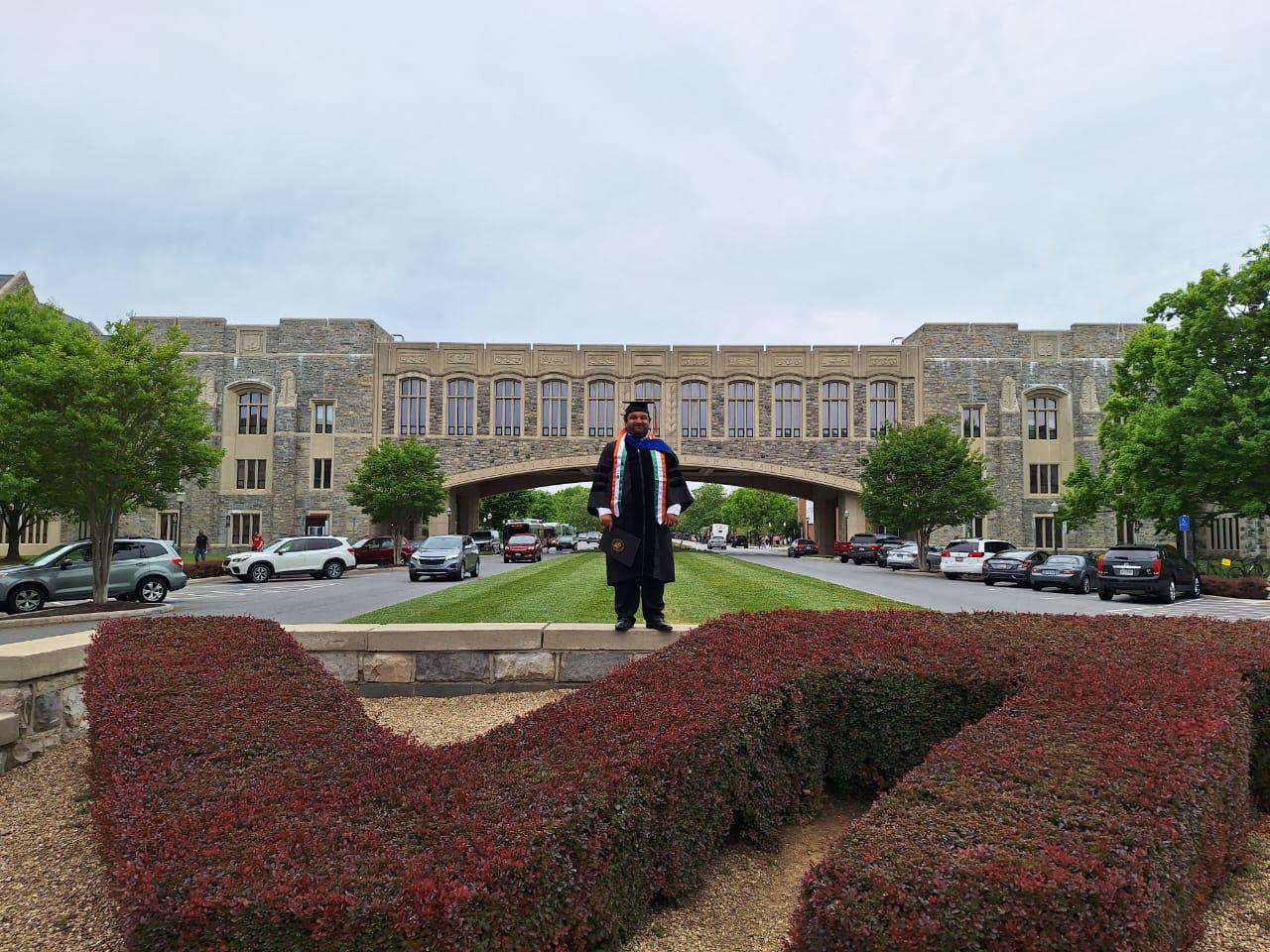
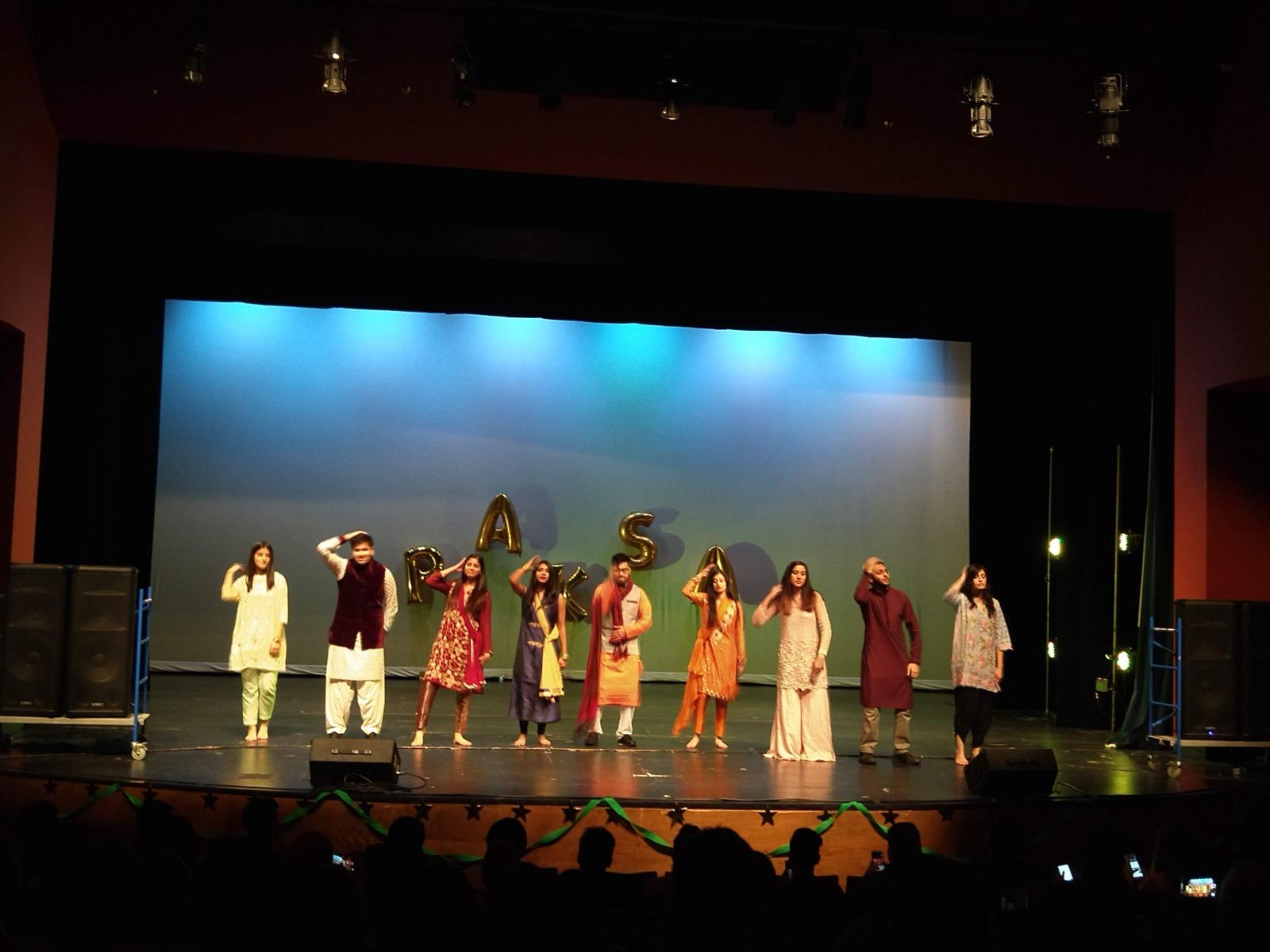
- Virginia Tech offers a strong academic environment, excellent research facilities, and a very collaborative campus culture.
- The faculty are approachable and supportive, especially for research-oriented students.
- The campus infrastructure and student organizations are also impressive.
Dislikes
- One challenge can be the competitive nature of securing some on-campus positions.
%20-%20Sayantan%20Sarkar.jpeg)
%20-%20Sayantan%20Sarkar.jpeg)
%20-%20Sayantan%20Sarkar.jpeg)
%20-%20Sayantan%20Sarkar.jpeg)
%20-%20Sayantan%20Sarkar.jpeg)
%20-%20Sayantan%20Sarkar.jpeg)
Likes
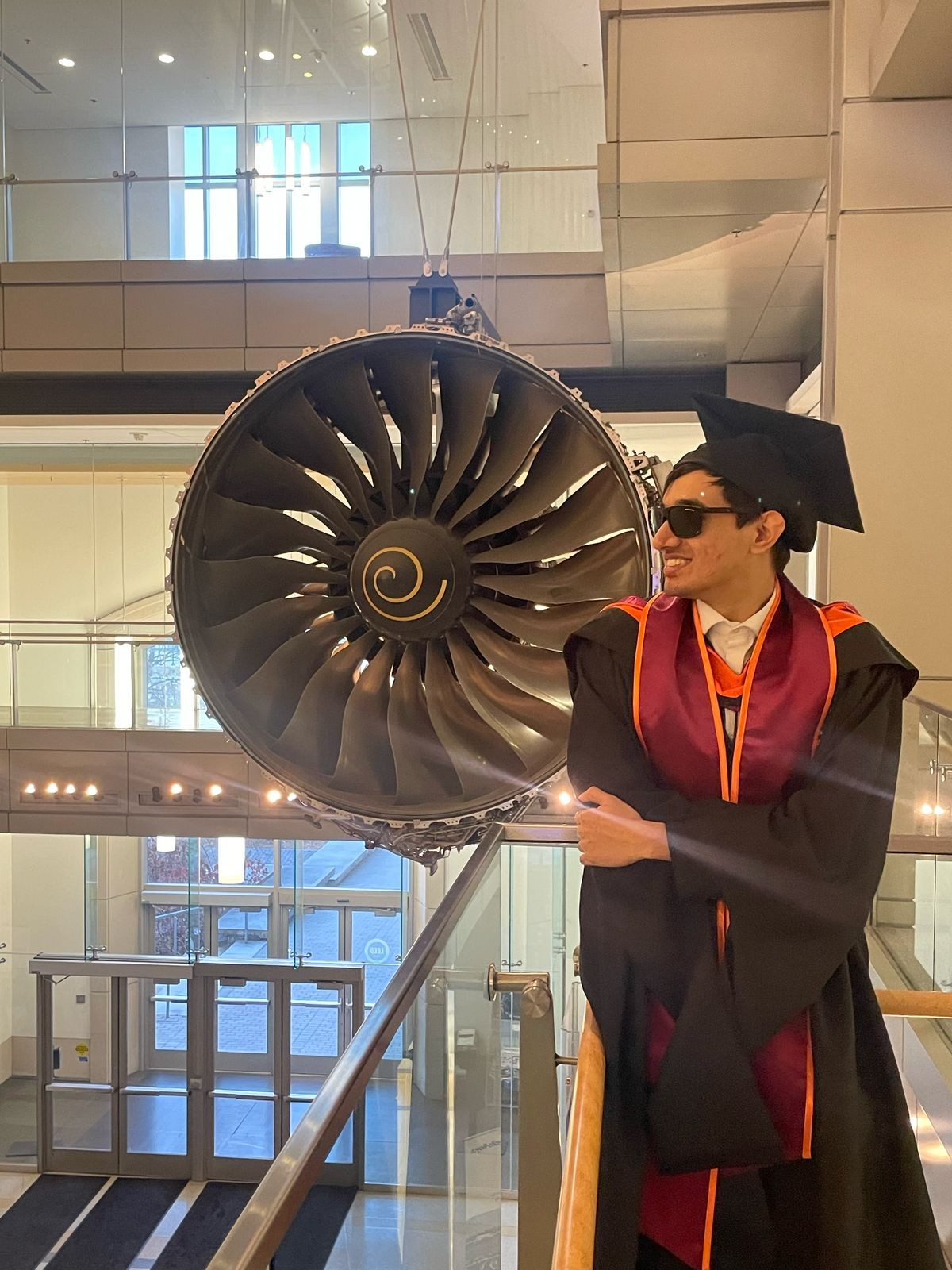
- Top 5 Colleges for Experimental Aerodynamics in the US Virginia Tech is one of the best colleges that specialize in experimental aerodynamics, where you are able to get the best education and study under the most respected professors in the field. Very high-level research opportunities are also available. My main lab was a NASA wind tunnel which is one of the largest university owned wind tunnels in the USA.
- Government Contracts for Grad Student Scholarships and Funding Scholarships and research funding are mainly provided through government agencies like NASA, US Air Force, Office of Naval Research etc. Most of these academic contracts are not restricted to US citizens which means that with the right skills, international students like us Indians are able to obtain them. Virginia Tech prides itself in the involvement of high-level, cutting-edge projects for defence industries and major and upcoming commercial aerospace companies.
- Cutting-Edge Labs and Equipment At Virginia Tech, students have access to state-of-the-art labs and equipment. The technical assistance provided at these facilities is top-notch. Students are also provided the chance to attend conferences, workshops, and be part of professional organizations as a part of the graduate school with all expenses covered.
Dislikes
- Harsh Winter Weather The winters are extremely cold, with a lot of snow, so you’ll need to be prepared for some tough weather conditions.
- Challenging Projects and Courses The projects and courses are very demanding, requiring a significant amount of time and effort focused on academics. No other dislikes as I did not face any other issue.
Scholarship
- Yes, I received a scholarship through a grant from the Office of Naval Research (ONR), under grant number N00014-19-1-2109. The eligibility was based on having a background in experimental aerodynamics and aeroacoustics research, and it was intended to support a master’s student working in those areas.
- I held two different positions in the two years of my course. In my first year, I worked as a Research Assistant in the CREATe (Center for Renewable Energy and Aerodynamic Technology) lab and received a monthly stipend of $1,200. In my second year, I worked as a Teaching Assistant for two courses, Thermodynamics & Marine Propulsion as well as Experiments for Aerospace Design and received a monthly stipend of $1,400. The scholarship also included a 50% tuition waiver, so I ended up paying about $5,000 per semester.
- A couple of my classmates also received scholarships. Some of them received it for the entire duration of their program, which is generally two years for a Mater's Thesis track. Others received it for just one of the year. There isn’t a fixed number of scholarships available. It usually depends on the funding or grants that professors has in a given year and funding for Teaching Assistant positions depend upon how many people have enrolled in that class and if help is required for those sessions. But based on my experience, I’d say about 2 out of every 5 students in my class received some form of scholarship.
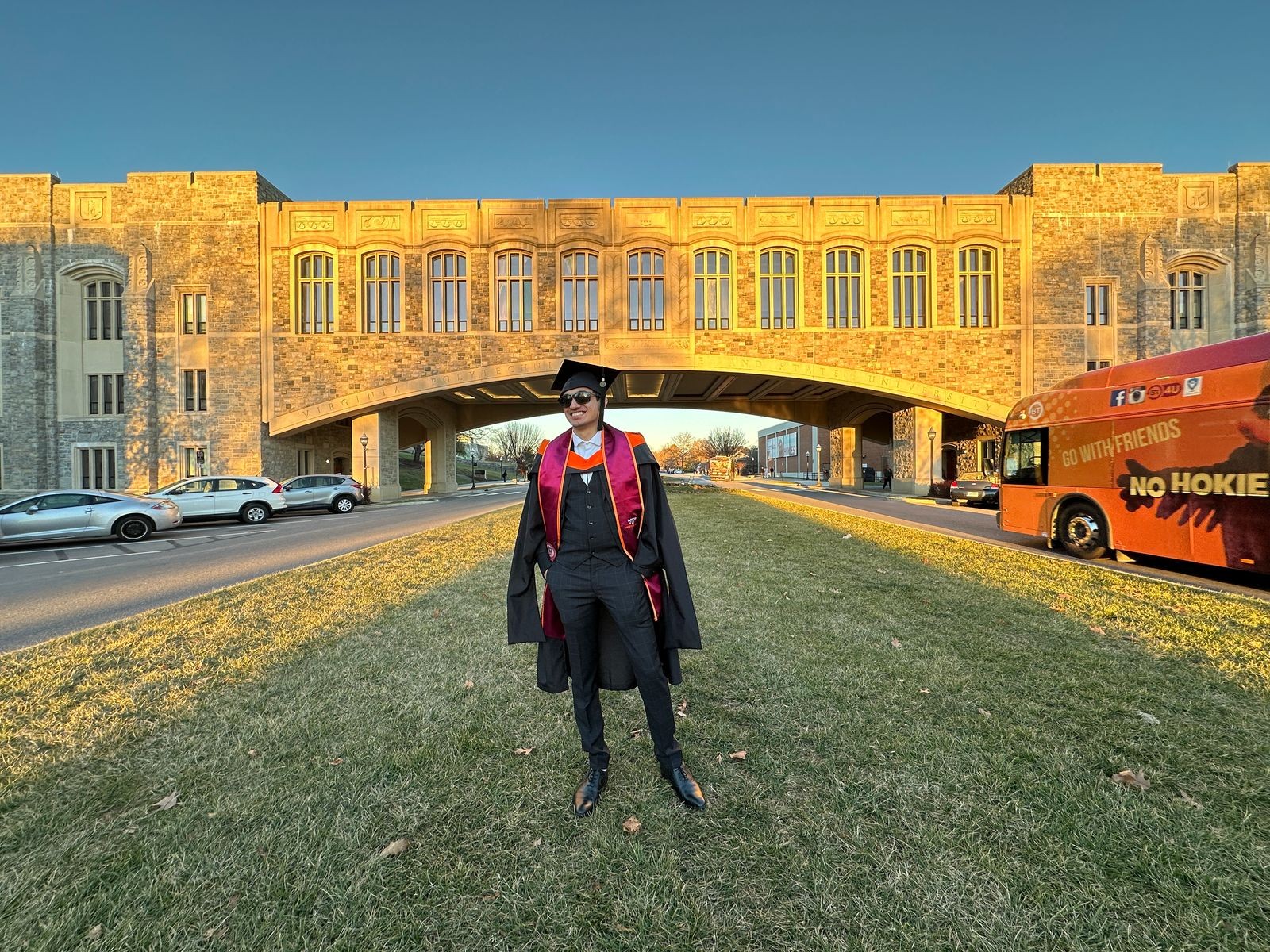
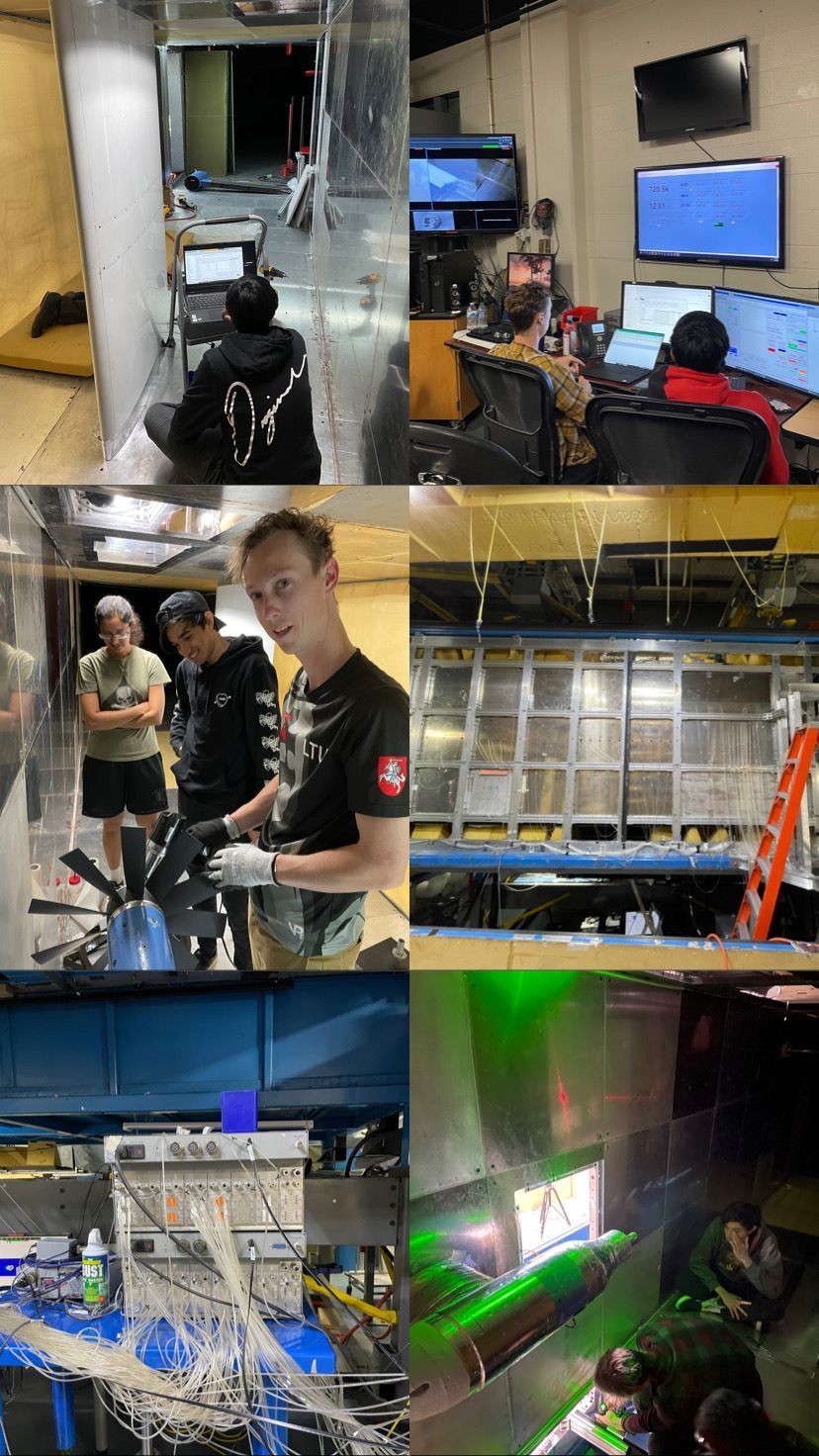


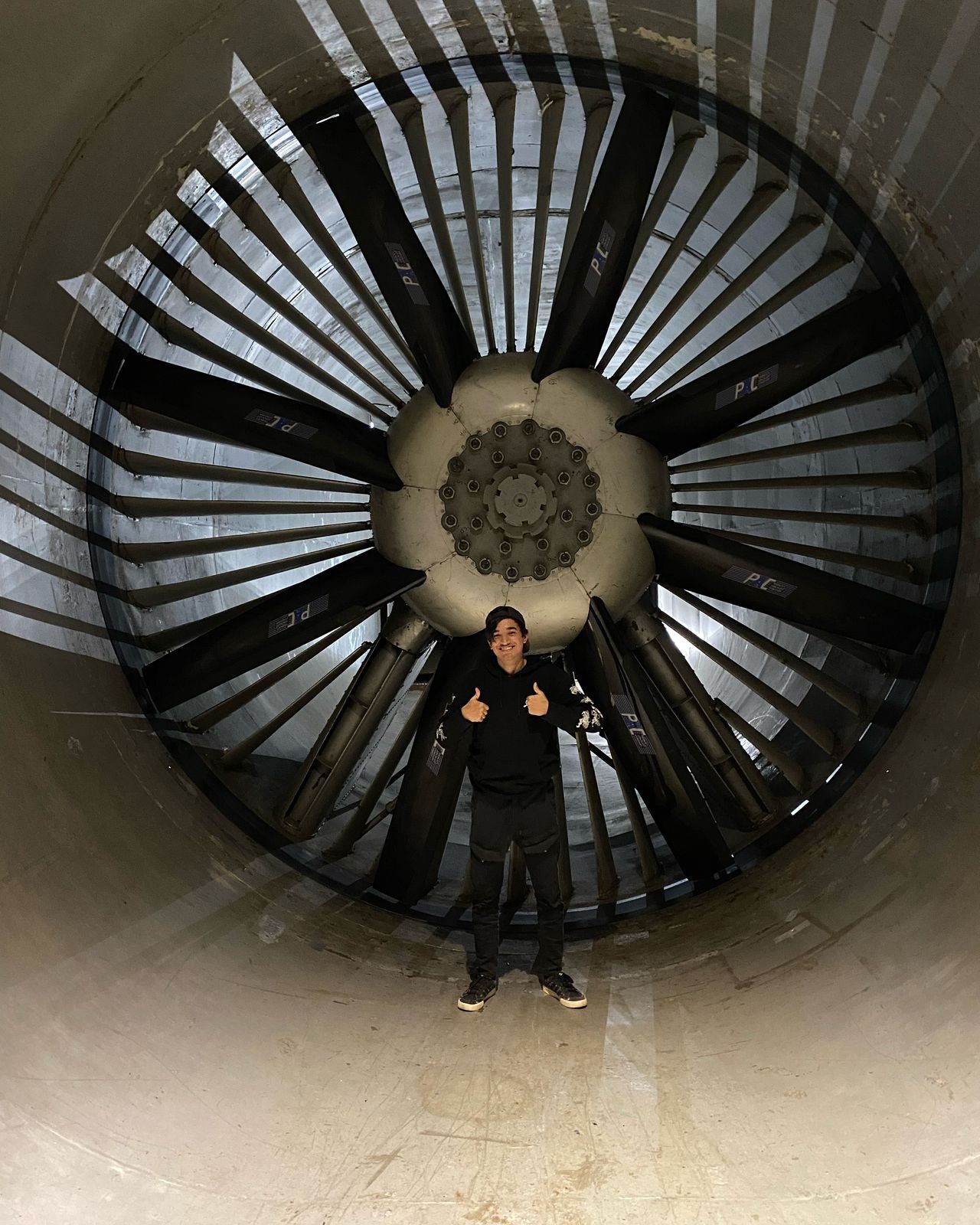
Likes
- I like game days, college football is a big deal here and many people tailgate with borgs before the games! It is also a very walkable campus and the public transit to get around is pretty good as the buses are free. It just ends early though so make sure you know when the last bus runs.
Dislikes
- I dislike how the dining hall food is so overpriced. Parking on campus is expensive and they are always giving tickets if you don't have a parking permit.
Overview
I chose this university as their cybersecurity program appealed to me and I am a in-state student and it was in state college for me. When I first started I wasn't too fond of it as it was covid but as time grew and I made friends and explored campus it really grew on me and now I love it.
Scholarship
Yes, I did get scholarships and several grants. There is a Hokie scholarship central you can apply for scholarships on that. I do not know exact names but all my tuition is covered and I get reimbursements instead for each semester.
Likes
- I chose this because of tennis and location of the school as well as my family.
Overview
I genuinely enjoy my experience at Virginia Tech. I’m very comfortable here and I like the athletics and the food.
Scholarship
Some scholarship for tennis.

Overview
Virginia Tech is the campus of inventing the future, and the future lies in the potential of the students. I have been accepted early-decision into Virginia Tech and will major in broadcast journalism and plan to minor in psychology with a long-term goal of being a reporter. One of the main reasons why I fell in love with Virginia Tech is because of the school's motto, 'That I may serve. Throughout my high school career, I have inspired others to get their stories heard through journalism as well as inspire others to give back to the community. Virginia Tech is the perfect school to continue these passions both on campus, and into the future. Virginia Tech is expanding its communication studies major at just the right time for me to take advantage of all there is to offer. From state-of-the-art equipment to the best connections possible, a multimedia journalism major is very versatile and I believe that Virginia Tech is one of the best places I could ever gain these skills from. The 'Hokies-Hiring-Hokies' program makes me confident that I will have the resources provided to me to be successful even after graduation. Being able to communicate with people is a crucial part of being a journalist. Virginia Tech is the perfect campus for me and I am beyond excited because they provide plentiful opportunities to get involved through leadership in the field of journalism to create positive change. I will use the experiences I have gained throughout my high school career to step up and continue to make a difference on campus and in the future. I am confident that I will leave Virginia Tech as a stronger student with all of the resources I need to excel as a reporter in the field of multimedia journalism.
Overview
It's an amazing job outlook. It is very perfect for friend making. It has an amazing football team. The parties were good. The campus life is good. You never feel alone and people will always be around if you need anyone.
Scholarship
I had to apply for FAFSA because I am a younger college student. It was easy all I had to do was go online and fill everything out and the college helped me do so.


interested in this College ?
Follow & Share this college to get information about admission.



Comments