





University of Bristol admissions run through UCAS for undergraduate courses and Bristol’s eVision portal for postgraduate taught masters. Indian UG applicants typically need Class XII at 80% or above, while PG applicants need a bachelor’s degree at 60% or GPA 6 out of 10.
- Next live deadline: UCAS 13 January 2027 (11:30 pm IST) for September 2027 entry, Medicine and Dentistry 15 October 2026.
- Base tuition £25,500 to £49,700 (INR 32.59 to 63.52 Lakhs), application fee £60 (INR 7,669) for PG business school programs.
- UG Class XII 80 to 90%, PG bachelor’s 60% (GPA 6/10), IELTS 6.5 to 7.5.
- Estimated acceptance rate 10 to 12.5% given competitive Russell Group intake and offer conversion.
Popular programmes at the University of Bristol for Indian students include MSc Data Science, MSc Finance and Investment, and MSc Computer Science (Conversion).
Currency note: All INR figures in this article use GBP 1 = INR 12.81 (Aug 2026). Live rates may vary, so confirm with your bank before remitting.
Table of Contents
- University of Bristol Application Deadlines
- University of Bristol Eligibility for Indian Applicants
- University of Bristol PG Programs and Tuition
- University of Bristol UG Programs and Tuition
- University of Bristol MBA Admissions
- University of Bristol PhD Admissions and Funding
- University of Bristol Application Process
- University of Bristol Documents Required
- University of Bristol Acceptance Rate
- UK Student Visa for Bristol Applicants
- Tips for University of Bristol Admissions
- FAQ
University of Bristol Application Deadlines for Indian Students
University of Bristol runs a September primary intake. Indian applicants apply via UCAS for undergraduate courses and eVision for postgraduate taught masters. Deadlines below convert London time to IST for applicant clarity, per the official Bristol international applications page. The September 2027 primary intake is the cycle Indian applicants should target now. UCAS opens 9 September 2026 for submissions. University of Bristol’s primary intake for Indian students is September 2027, and most programmes open in this cycle.
| Intake | Level | App Opens | Deadline | App Fee |
|---|---|---|---|---|
| September 2027 (Primary intake) | UG (all except Medicine) | 9 September 2026 | 13 January 2027 (11:30 pm IST) | £34.50 (INR 4,495) |
| September 2027 | UG Medicine, Dentistry, Veterinary | 9 September 2026 | 15 October 2026 (11:30 pm IST) | £34.50 (INR 4,495) |
| September 2027 | UG late applications | After 13 Jan 2027 | 30 June 2027 (11:30 pm IST) | £34.50 (INR 4,495) |
| September 2027 | PGT masters (rolling) | Autumn 2026 | Programme-specific | £60 (INR 7,669) |
| September 2027 | PhD research (rolling) | Autumn 2026 | Rolling (funded deadlines vary) | Waived for research |
Bristol accepts UCAS Extra from 26 February to 4 July 2027 for applicants without a firm offer. UCAS Clearing opens 5 July 2027 for late overseas applicants targeting September 2027 entry. Visit UCAS deadlines for more clarity.
University of Bristol Eligibility Requirements for Indian Applicants
University of Bristol assesses Indian applicants using Class XII percentages for UG entry and Indian bachelor’s degree scores for PG entry, mapped to UK A-level and honours-degree equivalents. Bristol maintains a list of accepted Indian universities and preferred boards. Law and medicine carry tighter thresholds, per the Bristol India country page.
Key academic minimums for Indian applicants:
- UG general entry: Class XII at 80% (equivalent to ABB at A-level) to 90% (A*AA equivalent). Check what are the A levels in UK.
- UG Medicine and Law: Class XII at 90% or higher with subject prerequisites
- PG taught masters: Indian bachelor’s at 60% or GPA 6 out of 10 minimum from an accepted university
- PG Law (LLM): Law degree at 55 to 60% from approved Indian institutions
- PhD: First-class master’s degree from a recognised Indian institution
English language proficiency at Bristol maps to nine profiles labelled A through H plus an International Programme profile. Each course sits on one profile. Accepted tests and verified minimums by profile band:
- Profile A (Medicine, Law LLB): IELTS 7.5 overall with 7.0 in all skills, TOEFL iBT 103, PTE 78
- Profile B (Business, Finance masters, competitive UG): IELTS 7.0 overall with 6.5 in all skills at PG, TOEFL iBT 95, PTE 71
- Profile E (institutional PG floor, MSc CS Conversion): IELTS 6.5 overall with 6.0 in all skills, TOEFL iBT 88, PTE 67
- Test validity: results dated within two years of programme start
Note: TOEFL test takers after January 21, 2026 can submit new TOEFL scores withing 4-5 to meet the above requirement.
University of Bristol IELTS Waiver for Indian Students
Bristol waives the IELTS, TOEFL, or PTE requirement for Indian applicants who meet any of the pathways below, per the official India country page.
- CBSE or CISCE English at 70 to 80% or above for applicants schooled in English throughout Class XI and XII
- An official Medium of Instruction (MOI) letter from the Indian awarding institution confirming English as the medium of teaching and examination
- Final four years of high school completed in an English-medium school, awarded no more than seven years prior to programme start
- Two years of a full-time bachelor’s degree completed in English-taught mode within the same seven-year window
Insider note: Submit the MOI letter on institutional letterhead with the vice-chancellor or registrar signature. Bristol Admissions rejects informal or self-attested MOI submissions, which is the most common reason Indian applicants get asked to submit IELTS later.
University of Bristol PG Programs and Tuition for Indian Students
Bristol offers over 400 postgraduate taught masters across ten faculties, with STEM and Business School programmes concentrating Indian enrolment. Overseas base tuition for 2026/27 postgraduate taught programmes spans £5,700 to £59,400 per year (INR 7.29 to 75.92 Lakhs). Most one-year MSc programmes fall between £29,400 and £39,000. For a full course-wise fees breakdown, see the linked Bristol Fees silo.
Popular masters and their eligibility floors for Indian applicants:
| Programme | Duration | Minimum Eligibility | English Req. Min. |
|---|---|---|---|
| MSc Data Science | 1 year FT | Upper 2:1 (around 65%) in Computer Science, Engineering, or a Numerate Science subject | IELTS 6.5 |
| MSc Computer Science (Conversion) | 1 year FT | Upper 2:1 (60%+) in any non-CS subject, CS graduates not eligible | IELTS 6.5 |
| MSc Finance and Investment | 1 year FT | Upper 2:1 (60%+) in Accounting, Finance, Economics, Engineering, Maths, or Physics | IELTS 7.0 |
| MSc Financial Technology | 1 year FT | Upper 2:1 (60%+) in a quantitative subject | IELTS 7.0 |
| MSc Management | 1 year FT | Upper 2:1 (60%+) in any subject | IELTS 7.0 |
| MSc Economics | 1 year FT | Upper 2:1 (60%+) in Economics or Mathematics | IELTS 6.5 |
| MSc Advanced Computing | 1 year FT | Upper 2:1 (60%+) in Computer Science | IELTS 6.5 |
| LLM (Commercial Law) | 1 year FT | Law degree at 55 to 60% | IELTS 7.0 |
Base tuition for the STEM masters listed above sits at £33,400 to £39,000 (INR 42.69 to 49.85 Lakhs) per year. Business School masters cluster at £33,900 to £39,000 per year.
Note: Program-specific entry requirements, fees, and intake availability may differ from the institution-wide minimums shown above. Always confirm on the official University of Bristol postgraduate apply page for your chosen program before applying.
University of Bristol UG Programs and Tuition for Indian Students
Undergraduate applicants from India enter Bristol via UCAS. Overseas base tuition for 2026/27 undergraduate programmes spans £25,500 to £49,700 per year (INR 32.59 to 63.52 Lakhs). Three-year science and engineering courses average £31,300 to £33,400 (INR 40.78 to 43.51 Lakhs), and clinical Medicine sits at £45,800 (INR 59.67 Lakhs), per the official 2026 UG overseas fees page.
Popular UG courses and eligibility floors for Indian applicants:
| Programme | Duration | Minimum Eligibility | English Req. Min. |
|---|---|---|---|
| BSc Computer Science | 3 years FT | Class XII at 85% with Mathematics at 85% | IELTS 6.5 |
| BEng Aerospace / Mechanical Engineering | 3 years FT | Class XII at 85% with Maths and Physics | IELTS 6.5 |
| BEng Civil / Electrical Engineering | 3 years FT | Class XII at 80% with Mathematics | IELTS 6.5 |
| BSc Economics | 3 years FT | Class XII at 85% with Mathematics | IELTS 7.0 |
| LLB Law (Bar Council of India recognised) | 3 years FT | Class XII at 90% | IELTS 7.5 |
| MBChB Medicine | 5 years FT | Class XII at 90% with Biology and Chemistry, UCAT required | IELTS 7.5 |
Bristol’s Global Transfer Programme lets students from partner Indian universities transfer into approved UG programmes with credit recognition. Contact india-office@bristol.ac.uk for the current partner list.
University of Bristol MBA Admissions for Indian Students
The Bristol MBA sits within Bristol Business School, ranked among the UK’s top ten for Business and Management. It is a full-time one-year programme aimed at working professionals with proven postgraduate experience. GMAT and GRE are not required by Bristol Business School.
University of Bristol MBA Entry Requirements
Bristol’s MBA admits candidates who clear all three thresholds below.
- Academic: Minimum 2:2 Honours degree (55% Indian equivalent) or above, in any discipline
- Work experience: Three years of relevant postgraduate work experience, verified via employer references and CV
- English language: IELTS Academic 6.5 overall with no band below 6.0, or the Bristol MOI waiver for eligible Indian applicants
University of Bristol MBA Fees and Application Timeline
MBA tuition for 2026/27 is reported at £24,700 to £31,500 (INR 31.57 to 40.26 Lakhs) depending on pathway, plus the standard application fee of £60 (INR 7,669). Applications for September 2027 open in Autumn 2026 on a rolling basis, and interviews are conducted online for overseas candidates. For programme-level funding, see our Bristol management courses funding page.
Planning note: Bristol Business School reviews MBA applications in cycles, so submitting by mid-February 2027 gives you the best chance for scholarship consideration ahead of the summer visa window.
University of Bristol PhD Admissions and Funding for Indian Students
Bristol accepts PhD applications throughout the year for its 50-plus funded research scholarships. The 2026/27 Science and Engineering initial funding deadline closed 19 January 2026. Indian applicants must identify a supervisor and secure a research proposal endorsement before submitting via eVision, per the official Bristol PGR scholarship page. The application fee is waived for research.
University of Bristol PhD Entry Requirements
Bristol expects PhD candidates to hold a first-class master’s degree from a recognised Indian institution, ideally NAAC A++ or NIRF top 200. Applicants submit a two-page research proposal aligned with an identified supervisor’s active research group. English requirement is Profile B or E depending on faculty, mapped to IELTS 6.5 or 7.0.
University of Bristol PhD Stipend and Scholarship Funding
For 2026/27 entry from October 2026, the standard UKRI stipend rises to £21,805 per year (INR 27.87 Lakhs) for research students outside London. Bristol Postgraduate Research Scholarships cover full tuition, the UKRI stipend, and up to £2,100 per year (INR 2.68 Lakhs) in research expenses for four years.
Planning note: Indian applicants receive a small allocation of international studentships worth the UKRI stipend plus fees, so submit at the earliest published deadline (typically mid-January) rather than the rolling window.
University of Bristol Application Process for Indian Students
Bristol’s application process splits by level. UCAS handles all undergraduate courses, and eVision handles all postgraduate taught masters and research programmes. The sequences below apply to Indian applicants entering September 2027.
Undergraduate application sequence via UCAS:
- Register with UCAS from May 2026 for the 2027 entry cycle, choose up to five course choices
- Draft your UCAS personal statement (4,000 characters maximum) with reflection on Bristol’s course structure
- Request a teacher reference through UCAS, uploaded by your Class XII referee
- Pay the UCAS application fee of £34.50 (INR 4,495) on the UCAS Hub portal
- Submit by 13 January 2027 (11:30 pm IST) for equal consideration, or 15 October 2026 for Medicine and Dentistry
Postgraduate application sequence via eVision:
- Identify your programme on the Bristol course catalogue and check its programme-specific deadline
- Register on eVision and upload your transcripts, degree certificate, SOP, and two references
- Pay the application fee of £60 (INR 7,669) on the eVision applicant portal, non-refundable where charged
- Await conditional offer within four to eight weeks, then accept via eVision within 30 days
- Submit the £2,000 (INR 2.56 Lakhs) international deposit to convert to unconditional status
University of Bristol Admission Decisions Timeline
UCAS decisions for on-time UG applicants land by 18 May 2027. Bristol issues PGT conditional offers within four to eight weeks of a complete application and gives Indian applicants up to six weeks to accept. Deferral to the next intake is granted case by case for medical or visa reasons, requested in writing before enrolment.
University of Bristol Documents Required for Indian Applicants
Bristol requires the paperwork below from Indian applicants, uploaded to UCAS for UG and eVision for PG in PDF format and unlocked. Files must include the correct file extension, not be password protected, and contain no macros.
Required uploads for postgraduate taught applications:
- Passport bio page (valid at least 24 months past programme start)
- Class X and Class XII certified marksheets plus board pass certificate
- Bachelor’s degree provisional certificate and consolidated transcript
- Statement of Purpose of 500 to 800 words, programme-specific
- Two academic references, submitted via eVision referee email link
- Updated CV highlighting internships, projects, and publications
- English test score report or MOI letter for waiver applicants
- Financial evidence covering first-year tuition plus £1,483 per month (INR 1.90 Lakhs) living costs
Additional documents for specific programmes:
- Medicine and Dentistry: UCAT results, work-experience log, referee attestation of Class XII conduct
- LLM and Law LLB: Bar Council of India registration evidence where applicable
- MBA: Employer references confirming three years of postgraduate work experience
- PhD: Two-page research proposal, master’s thesis abstract, publication list
University of Bristol Acceptance Rate for Indian Students
University of Bristol does not publish an official institutional acceptance rate. Third-party estimates place Bristol’s overall offer rate at 60 to 68%. The final acceptance rate (offer holders who enrol) sits at 10 to 12.5% because most offer holders choose competing Russell Group offers or fail to meet conditional grades.
University of Bristol Acceptance Rate by Subject
Selectivity varies sharply by faculty. Bristol Medicine sits at roughly 7 to 9% intake conversion given the UCAT cut, competitive interview rounds, and quota-linked international seats. STEM masters like MSc Data Science and MSc Computer Science hold higher offer rates (55 to 65%) but tight academic thresholds. Business School masters convert at 40 to 50% because of strong applicant volume from India and China.
University of Bristol Acceptance Rate for Indian Applicants
Indian applicants who meet the 80% Class XII requirement for UG or 60% bachelor’s requirement for PG, plus IELTS and financial evidence, typically clear the offer stage. UK Student Visa refusal rates for Indian applicants sit below 3%, so the enrolment bottleneck is competitive conversion, not visa risk.
Insider note: Bristol Admissions tracks whether Indian applicants use the MOI waiver correctly. A rejected MOI submission does not disqualify you, but you will be asked to submit IELTS or TOEFL by the offer deadline. Take an English test as a backup even if you plan to use the waiver.
UK Student Visa for University of Bristol Applicants
Indian students enrol at Bristol on the UK Student Visa, formerly known as Tier 4. Bristol issues the Confirmation of Acceptance for Studies (CAS) after you accept your unconditional offer and pay the £2,000 international deposit. The CAS number is required for visa submission on the UK Home Office portal.
UK Student Visa preparation for September 2027 entry starts roughly three months before term. Applicants pay the Immigration Health Surcharge (IHS) of £776 per year (INR 99,181) covering NHS access, plus the visa application fee of £524 (INR 66,972) outside the UK. Financial proof must cover the first year’s tuition plus £1,483 per month (INR 1.90 Lakhs) for up to nine months (£13,347 or INR 17.06 Lakhs total), held in the applicant or parent bank account for 28 consecutive days before submission.
2026 update: The UK Home Office revised student visa policy from January 2026 restricts dependent visas to PhD and research programmes only. Taught masters and undergraduate students at Bristol cannot bring spouses or children on dependent visas. Check out UK student visa 2026 updates.
Post-arrival, Indian students collect the Biometric Residence Permit (BRP) from a designated Bristol Post Office branch within ten days of landing, and register with Bristol’s international office within the first week of term.
Tips for University of Bristol Admissions
The following tips are drawn from Indian-applicant patterns at University of Bristol and reflect where students typically win or lose ground during the cycle.
- Submit the MOI letter with formal attestation. Bristol rejects unsigned or self-attested MOI, forcing an IELTS submission later.
- Use UCAS Extra between February and July 2027 if you receive no firm UG offer after 13 January 2027, opening a second-chance Bristol course choice.
- Target Profile B masters with IELTS 7.0 rather than Profile A: MSc Finance, MSc Management, and MSc Advanced Computing accept 7.0 versus 7.5 for LLB.
- Apply to PhD funding before mid-January even under rolling admissions, since Bristol’s PGR studentship allocation empties by February each cycle.
- Book the £2,000 deposit slot early. The deposit is non-refundable but transfers to first-year tuition, protecting your seat during visa processing.
- Contact india-office@bristol.ac.uk directly for course-level clarification from Bristol’s dedicated India team.
Indian applicants targeting University of Bristol should treat September 2027 as their primary intake, apply by 13 January 2027 through UCAS or eVision, use the MOI waiver where eligible, and lock the £2,000 deposit early to smooth CAS and UK Student Visa timing.
FAQs
Ques. What is the next application deadline for the University of Bristol September 2027 intake?
Ans. Indian UG applicants should submit UCAS by 13 January 2027 (11:30 pm IST) for equal consideration. Medicine, Dentistry, and Veterinary Science applicants must apply by 15 October 2026. PGT masters accept rolling applications with programme-specific deadlines from Autumn 2026.
Ques. Does the University of Bristol accept 3-year Indian bachelor’s degrees for PG entry?
Ans. Yes. Bristol accepts three-year Indian bachelor’s degrees at 60% or GPA 6 out of 10 from accepted Indian universities, ideally NAAC A++ or NIRF top 200. Law masters (LLM) accept 55 to 60% law degrees from approved institutions.
Ques. Is IELTS mandatory for Indian applicants at University of Bristol?
Ans. Not always. Indian applicants can waive IELTS or TOEFL if they scored 70 to 80% or above in CBSE or CISCE English, submit a formal Medium of Instruction letter from their awarding institution, or completed four years of high school in an English-medium school within seven years of programme start.
Ques. What is the University of Bristol application fee for Indian applicants?
Ans. UG applicants pay the UCAS fee of £34.50 for the 2027 cycle. PGT applicants pay a non-refundable Bristol application fee of £60 (INR 7,669) where the programme charges one. PhD research applications carry no fee.
Ques. What is the acceptance rate at University of Bristol for Indian students?
Ans. Bristol does not publish an official institutional acceptance rate. Third-party estimates place the overall offer rate at 60 to 68% and the final enrolled rate at 10 to 12.5%, based on Russell Group intake conversion patterns and offer holder distributions.
Ques. Does University of Bristol require GMAT or GRE for MBA or MSc admissions?
Ans. No. Bristol’s MBA and taught masters do not require GMAT or GRE. Business School masters like MSc Finance and Investment assess quantitative background through undergraduate transcripts and A-level Mathematics grade equivalents (60% minimum in three maths units).
Ques. What is the University of Bristol international deposit and when is it paid?
Ans. Self-funded international students on taught postgraduate programmes pay a £2,000 (INR 2.56 Lakhs) non-refundable deposit after accepting the offer (in some circumstances, a deposit refund can be applied for), credited toward first-year tuition. The deposit unlocks the CAS number needed for UK Student Visa submission.
Ques. How long does University of Bristol take to issue an offer decision?
Ans. Postgraduate taught applicants typically receive a conditional offer within four to eight weeks of a complete application via eVision. UCAS undergraduate applicants receive decisions by 18 May 2027 for on-time submissions to the January 2027 equal consideration deadline.
Ques. Can I transfer to University of Bristol from an Indian university mid-course?
Ans. Yes, through Bristol’s Global Transfer Programme. This scheme lets students from partner Indian universities transfer into approved UG programmes at Bristol with credit recognition. Contact india-office@bristol.ac.uk for the current partner university list.
Ques. What English test scores does University of Bristol accept beyond IELTS?
Ans. Bristol accepts IELTS Academic, TOEFL iBT, Pearson PTE Academic, and Cambridge C1 Advanced or C2 Proficiency. Minimums vary by course profile: Profile B requires PTE 71 or TOEFL iBT 95, Profile E requires PTE 67 or TOEFL iBT 88, and Profile A requires PTE 78 or TOEFL iBT 103.
Ques. Does University of Bristol accept UCAS Clearing applications from Indian students?
Ans. Yes. Bristol participates in UCAS Clearing from 5 July 2027 for late overseas applicants who missed the 13 January deadline. Clearing choices are limited to courses with remaining places, so scan the Bristol Clearing list on 5 July.
Ques. What happens if I miss the UCAS 13 January 2027 deadline for University of Bristol?
Ans. Late UCAS applications are accepted until 30 June 2027, but Bristol prioritises equal-consideration applicants. Indian applicants who submit after 13 January may be routed to UCAS Extra (26 February to 4 July 2027) or Clearing (from 5 July 2027) depending on when they apply.
College Student Profiles

University of Bristol Program Fees & Deadlines
| Program | Important Dates | Fees | Eligibility | Financial Aid |
|---|---|---|---|---|
MSc Data Science 1 year | USD 49,275 /Yr GBP 36,500 /Yr | IELTS: 6.5, TOEFL: 4.5, PTE: 67, Bachelor's Degree (2:1, 65%+) in Numerate Science, Computer Science or Engineering | ||
| USD 52,650 /Yr GBP 39,000 /Yr | IELTS: 7.0, TOEFL: 5, PTE: 71, Bachelor's Degree (2:1) in a Quantitative Subject | |||
MSc Business Analytics 1 year | USD 45,765 /Yr GBP 33,900 /Yr | IELTS: 7.0, TOEFL: 5, PTE: 71, Bachelor's Degree (2:1) in a Quantitative Subject | ||
B.Sc Data Science 3 years | Final UCAS Deadline for Sept 2026 Intake (24th Sep 2026) | USD 42,255 /Yr GBP 31,300 /Yr | - | |
| USD 49,410 /Yr GBP 36,600 /Yr | IELTS: 6.5, TOEFL: 4.5, PTE: 67, Bachelor's Degree in a Non-Computer Science Subject | |||
MSc Robotics 1 year | USD 49,275 /Yr GBP 36,500 /Yr | IELTS: 6.5, TOEFL: 4.5, PTE: 67, Bachelor's Degree (2:1) in Any Subject | ||
B.Sc. Computer Science 3 years | Final UCAS Deadline for Sept 2026 Intake (24th Sep 2026) | USD 45,090 /Yr GBP 33,400 /Yr | Grade: 70-80%, IELTS: 6.5, TOEFL: 88 | |
MSc Management 1 year | USD 45,765 /Yr GBP 33,900 /Yr | IELTS: 7.0, TOEFL: 5, PTE: 71, Bachelor's Degree (2:1) in Any Discipline | ||
| USD 45,765 /Yr GBP 33,900 /Yr | IELTS: 7.0, TOEFL: 5, PTE: 71, Bachelor's Degree (2:1) in Any Subject | |||
| USD 40,230 /Yr GBP 29,800 /Yr | IELTS: 7.0, TOEFL: 5.0, PTE: 71, Upper Second-Class Honours Degree in Biomedical/Life Sciences |
Do you think the Dates are wrong ? Report Here
Important Alerts
| Events | Dates |
|---|---|
| Data Science Final UCAS Deadline for Sept 2026 Intake | Closing in 6 days |
| Computer Science Final UCAS Deadline for Sept 2026 Intake | Closing in 6 days |
| Accounting and Finance with Study Abroad Final UCAS Deadline for Sept 2026 Intake | Closing in 6 days |


Course Finder - Search from 50K+ courses
Popular Streams:
Reviews
Most Popular Tags
18 Reviews Found
Likes
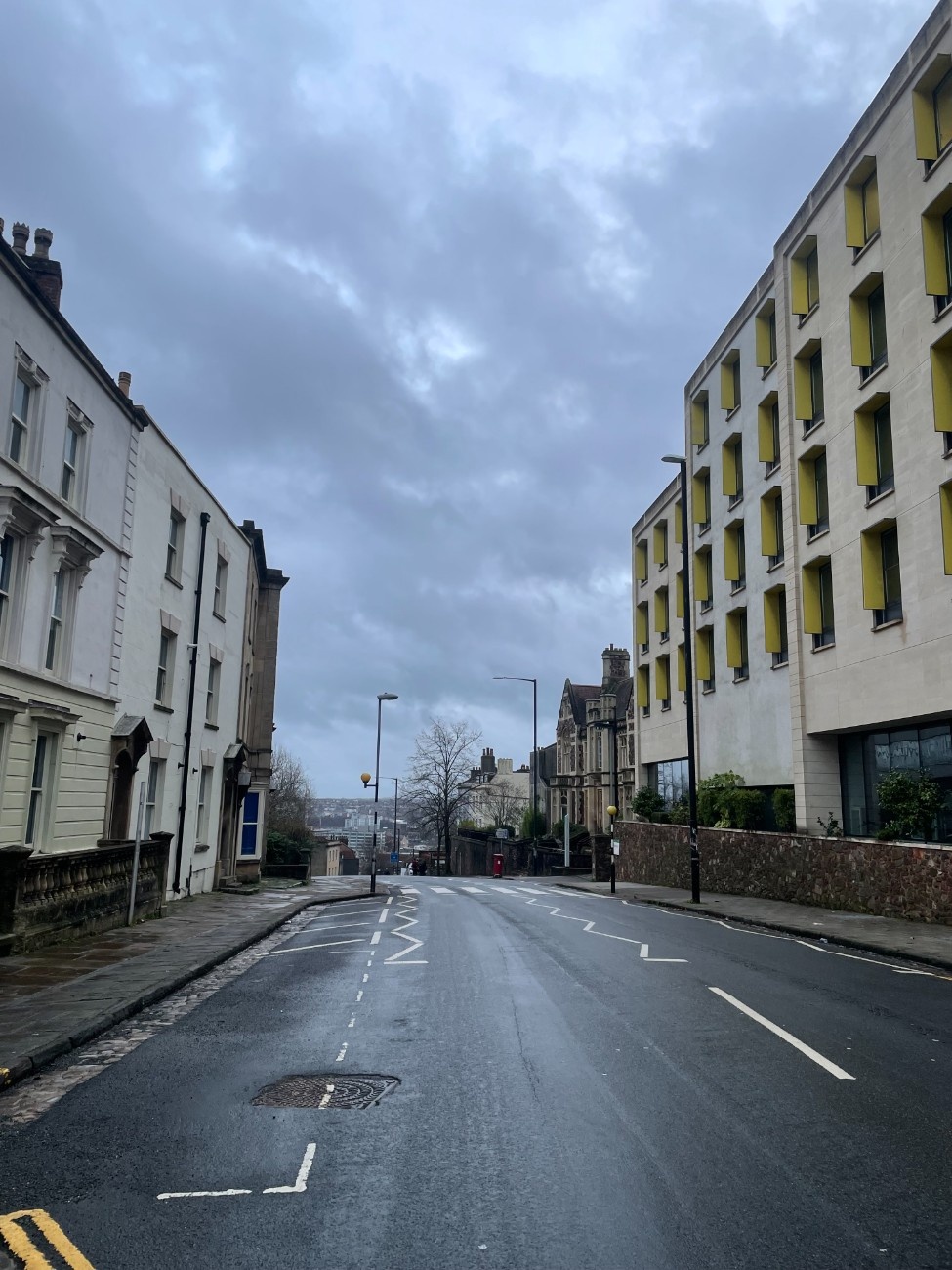
- The university has a great reputation and the city of Bristol itself is absolutely brilliant.
- The architecture is beautiful throughout the campus and the city, and the faculty is genuinely good.
- There is a strong academic culture and the Russell Group status really does show in the quality of teaching and resources.
Dislikes
- Accommodation is quite expensive and the general cost of living around the university area feels inflated.
- You really need to budget carefully, especially if you are living off campus.
Likes
- What I really liked about the MSc at the University of Bristol was its focus on 'Data Engineering' and practical application, not just abstract theory. Specifically, modules like 'Large-Scale Data Engineering' were a highlight for me. They didn't just teach us how to build a model in a notebook; they taught us how to deploy pipelines and handle data at scale—skills I immediately applied at Jaguar Land Rover to optimize ETL workflows. I also loved the Data Science Mini-Project, where we worked with external clients. It gave me early exposure to the reality of messy, real-world data and stakeholder management, which bridged the gap between academia and industry.
Dislikes
- If I had to pick a dislike, it would be that the program was extremely condensed. Because it covers everything from 'Introduction to AI' to complex 'Visual Analytics' in just one year, we often had to move very quickly through deep mathematical concepts. At times, I wished we had more time to linger on specific topics like Bayesian optimization or advanced time-series analysis within the lecture hours. However, this actually pushed me to be a self-starter; I ended up researching those specific topics deeply for my dissertation on stock trend prediction, so it ultimately refined my research skills.
Dislikes
- College is good, but it needs to work on how placement functions.


Likes
- Just to clarify, my course was jointly taught by 2 universities, UoB and UWE. and is managed by UoB. each of these universities have their own pros and cons.
- Both of these university had good infra, campus, and all the required facilities.
Dislikes
- Yet both of them lag in teaching. I will say the learning I got from these two is 2/10.
Likes
- I like the part where the university take good care of its student and how diverse Is the university which could to meet people and make friends across the world. It offers good life around it many clubs, unions and events.
Dislikes
- I didn’t like the part where university provides its masters courses only just for one year and how complicated it can be to understand its career service centre, and its short staff for career services for around 30000 students they literally around 20-30 people that’s it which is bad actually.
Likes
- Latest curriculum: when compared to my college in undergraduate the curriculum over here seems it gets revised a lot frequently
- State of the art facilities and labs: we have a lot of latest equipment in the lab
- Diverse international student community: There are people from all around the world
Dislikes
- Limited practical industry exposure compared to the academic focus: Compared to other courses which have capstone project done with industry we dont have that exposure
- Availability of specialized electives in emerging areas: there are no electives in this course at least for me so choose your program wisely
- Limited flexibility in tailoring modules to individual career goals: you expect this as you are paying so much and everyone says that foreign academics are the best
Scholarship
- There are multiple scholarships available for the university. im not too sure they give scholarships for a particular course. the most notable one is the Think big scholarship. you can find the details for that on the university's website. The only eligibility criterion was that you have applied for the course.
- There are 3 categories of tuition waivers that are 6.5k, 13k and 26k pounds per year. I know some students who received this scholarship and there are many other scholarships available which you can check on the university's website.
- Well for the numbers, the university doesn't disclose this data for post graduate students but I think the number is less, as I have not met many people who got this scholarship.

Likes
- I loved the infrastructure.
- Faculty is world class and made the experience at college easy.
- Student community support was helpful and made the journey as a student easier.
Dislikes
- It does not have a campus, it's spread throughout the city.
.jpg)

Likes
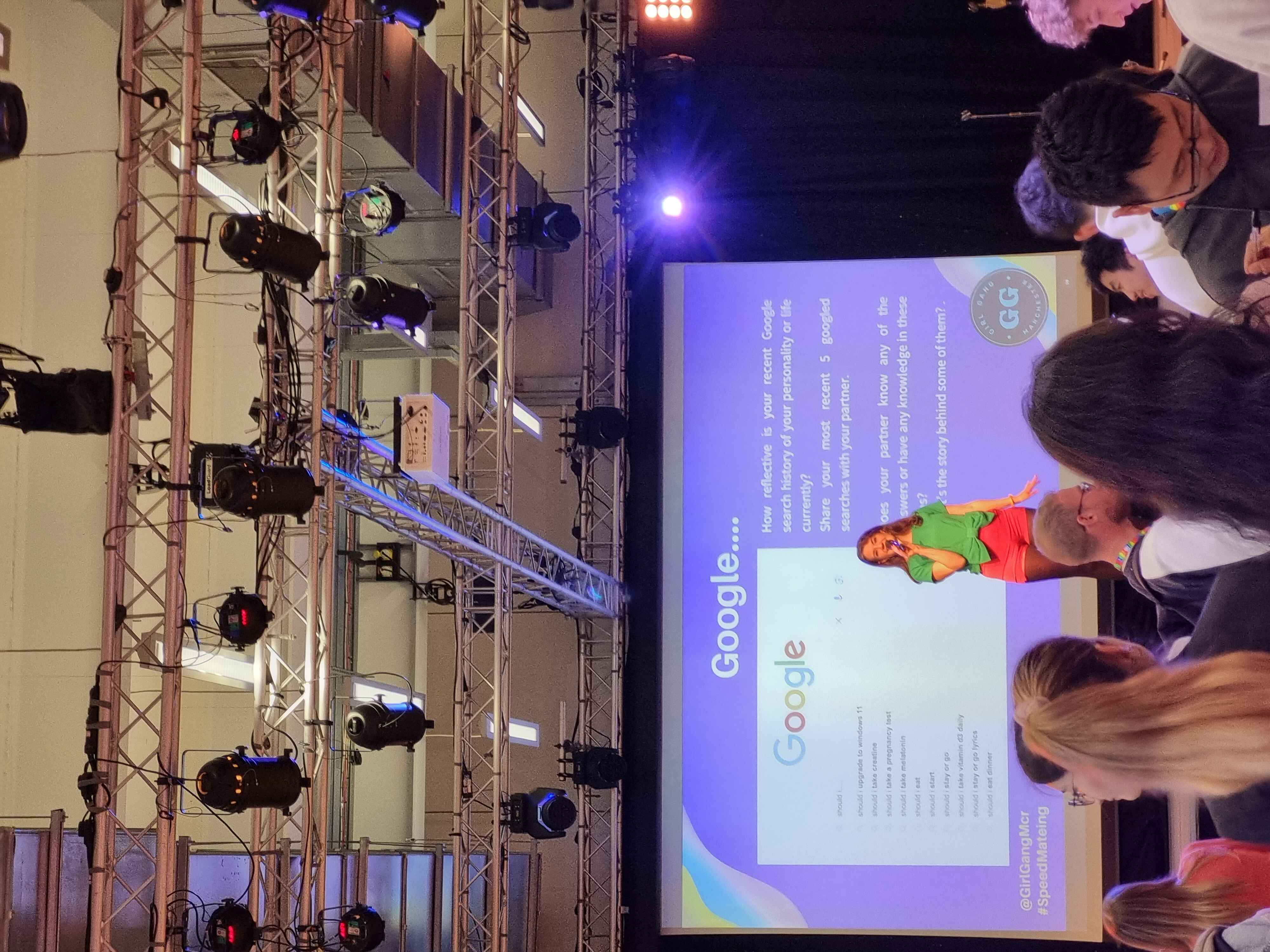
- City, Culture, Friendly Staffs
- People, Locals, Students, facilities
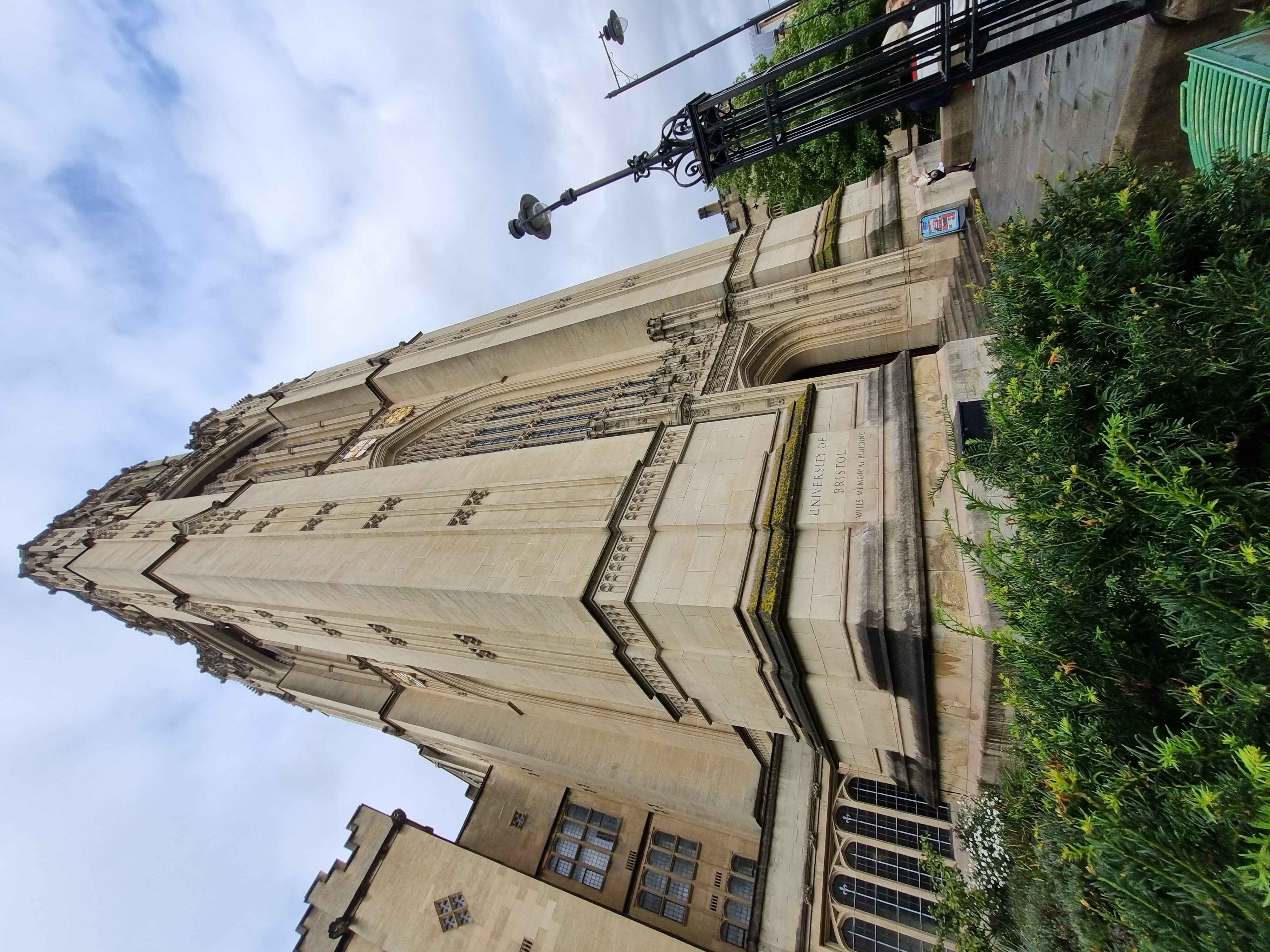
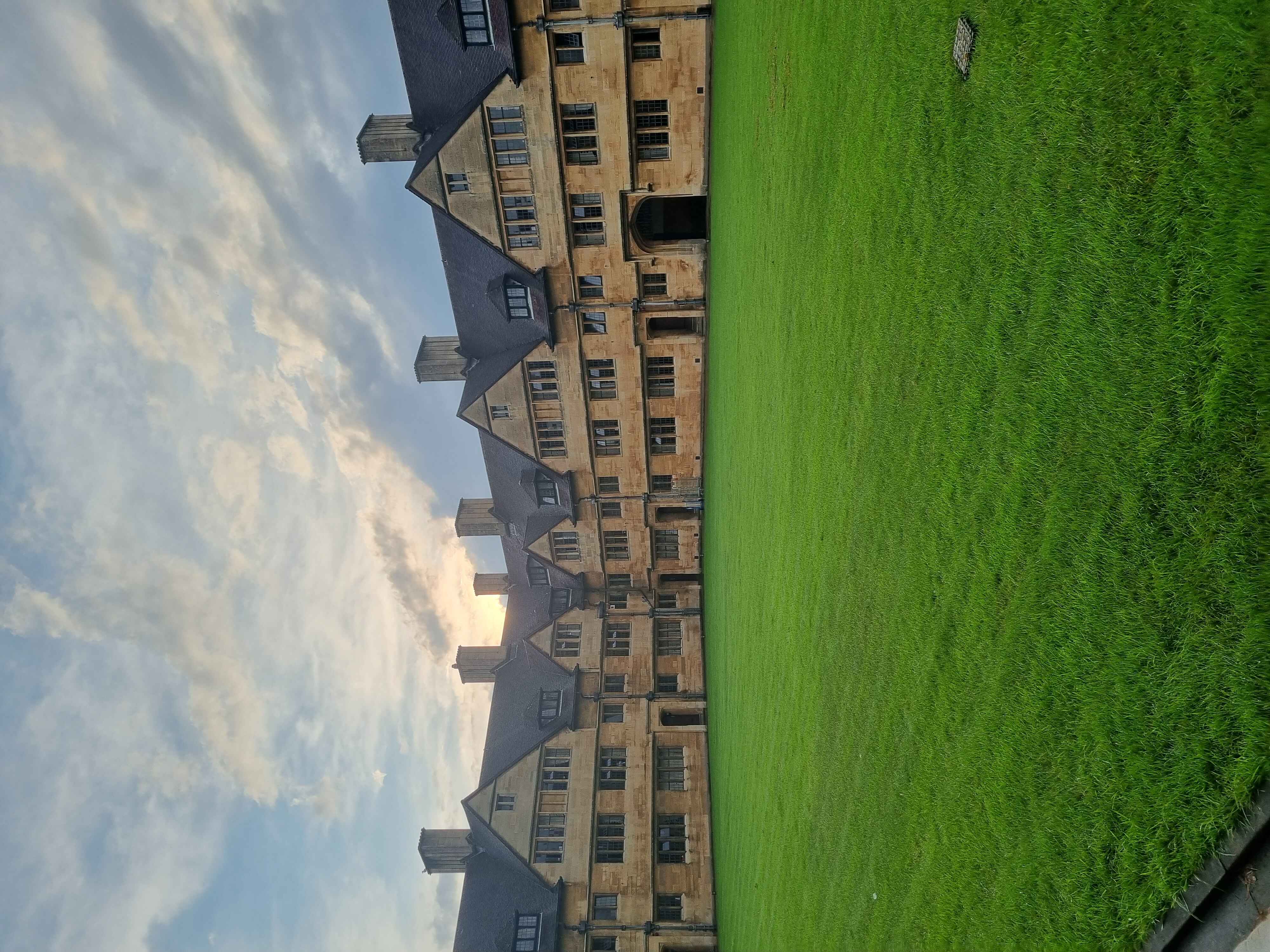
- Rich history, buildings, reputation.
Dislikes
- Could have better university accommodation especially for postgrad students
- Could have better harmonized University events rather than scattered events.
- Academic timelines can be adjusted but guess its same across all Unis in the UK so fair.
Likes
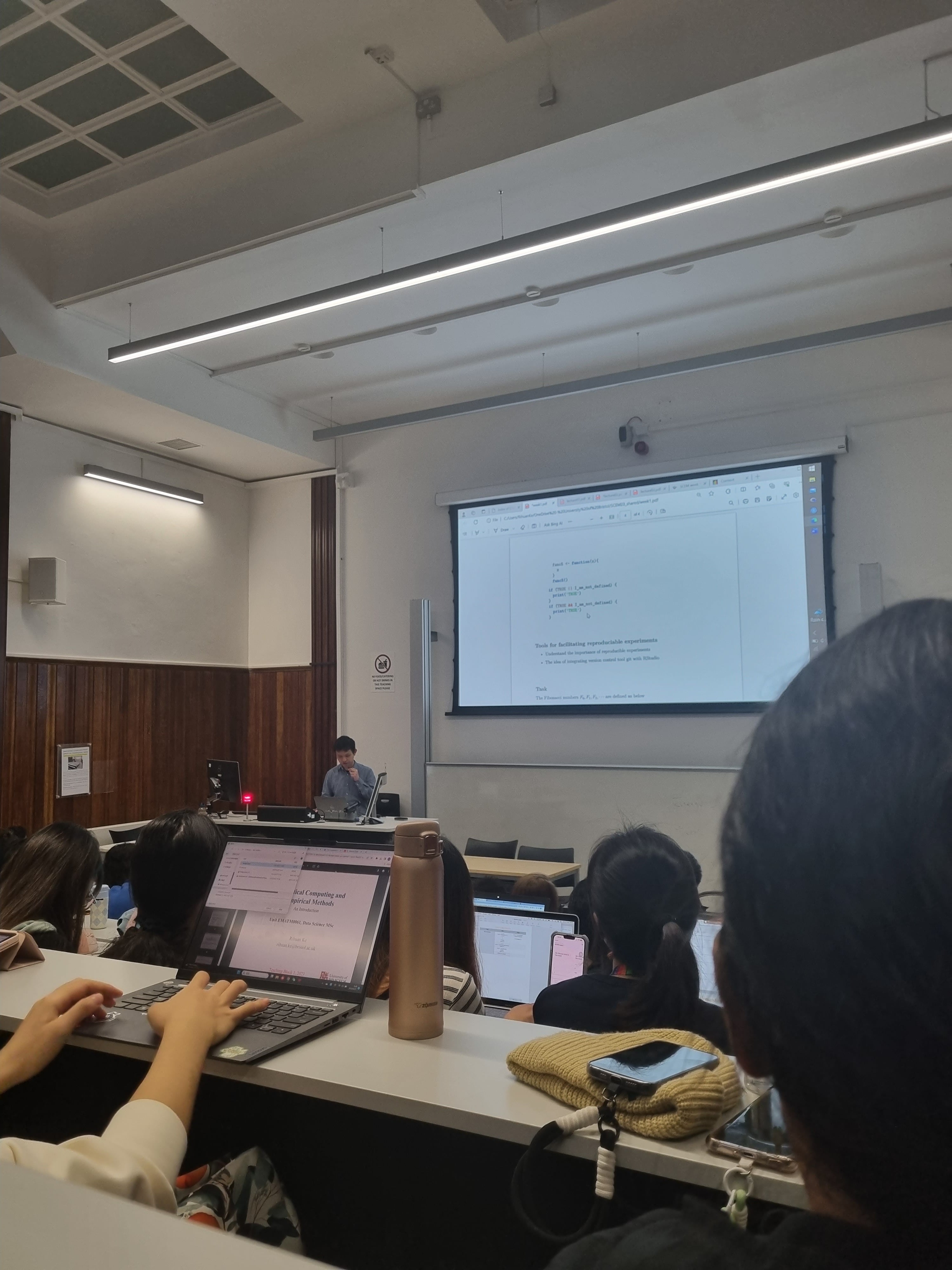
- I like that my course at the University of Bristol, had learned professors who had a lot of expertise in their subject and also an experience on how to teach the subject. They always linked theoretical knowledge with practical examples which helped to understand how is the theoretical knowledge linked with the practical implementations in real life.
- There were sufficient assignments given to us, along with synchronous and asynchronous classes and materials to gain more knowledge in all aspects.
- We were also provided with the names of books that were easily found in the library and e-books were also available for free from the library which helped a lot to get comprehensive details on the subject we were studying.
Dislikes
- There were language barriers sometimes where the professors were not able to be comprehensive about what they wanted to teach.
- What I didn't like was mostly that it was quite expensive. Even printouts were not free and took some amount and I being a person who wants hard copies of stuff, was facing some difficulties.
- There were not many practical sessions to get better practical exposure.
Overview
The University of Bristol was my second choice in terms of what university I should choose since it was the second best university in my course as it is very famous for engineering. I liked that it is one of the red brick universities since it is very reputed to be in the red brick universities. Moreover, it was in Bristol, which is a very beautiful place to be in. The curriculum intrigued me since all the subjects were that I wanted to study. I have a B.Tech degree in Electronics and Communication and 3.5 years of experience as a software engineer in networking. Thus, I had an interest in getting theoretical knowledge in computer networks, and I saw my curriculum matching all courses I was expecting to learn to bridge the gap between the practical and theoretical expertise that I wanted to acquire. I thus accepted my offer of admission. My overall experience at the university was more than hopeful. I got to learn so much, including studies and extracurriculars, talking to various people from all parts of the world, and living with each other with fun and laughter. People in the university being so helpful, motivating, and persuading me to reach my goal helped me reach new heights. It has built confidence in me, and it feels like a dream coming true.
Likes
- It has a very reputable image and part of prestigious community plus it is a top 9th University in Bristol.
Dislikes
- One aspect of my college/university experience that I find particularly challenging is the lack of flexibility in the curriculum. Many of the courses are structured in a rigid manner, leaving little room for exploration or customization based on individual interests or career goals. This limited flexibility can be frustrating, especially for students who seek to delve deeper into specific subjects or pursue interdisciplinary studies. Additionally, the scheduling of classes and availability of elective courses often pose constraints, making it difficult to create a well-rounded educational experience. Furthermore, the bureaucratic processes within the institution can sometimes hinder efficient communication and problem-solving, leading to delays and inefficiencies in academic matters. Overall, while I appreciate the resources and opportunities provided by my college/university, I believe that greater flexibility and adaptability in the curriculum and administrative processes would greatly enhance the learning experience for students.
Overview
My experience was good, overall it was worth going there, but I find that the experience counts more than the studies.
Scholarship
No

interested in this College ?
Follow & Share this college to get information about admission.



Comments