


.png?h=35&w=35&mode=stretch)
Study Abroad Content Specialist
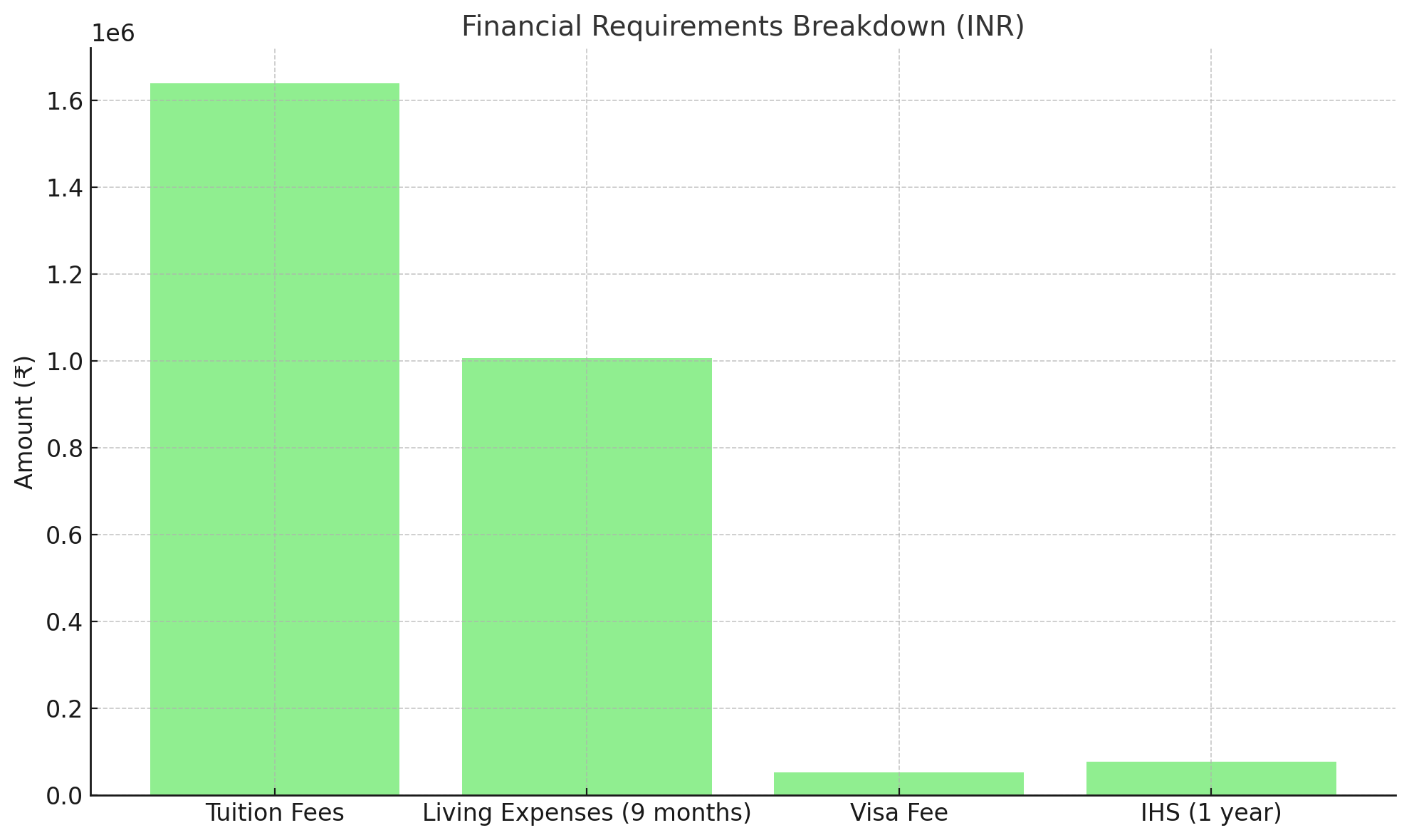
Studying in the UK is an exciting goal for many Indian students, with over 140,000 Indian nationals granted UK visas in 2024—a record-breaking number. The UK’s world-class universities, diverse culture, and post-study work opportunities make it a prime destination. However, the visa process is crucial to making this dream a reality. From paying tuition deposits and providing financial evidence to navigating credibility interviews, Indian students must ensure that all steps are completed accurately. Demonstrating sufficient funds, with living expenses of at least £9,207 or ₹1,003,019 INR, understanding your CAS details, and preparing for potential interviews are key to securing your UK Student Visa.
Also Read: UK Student Visa Costs for Indian Students
- Accepting University Offer
- Understanding the CAS
- Preparing Visa Application Documents
- Financial Requirements
- Online Visa Application
- Immigration Health Surcharge and Visa Fees
- Submitting Documents and Biometric Data
- Prepare for a Credibility Interview
- Post-Visa Process and Arrival in the UK
- What Happens if Your Visa is Refused?
- FAQs
Accepting University Offer
The first step is accepting your unconditional offer from the university. Only once this step is completed can you begin the visa process. For postgraduate students, this includes paying a tuition deposit of around £3,000 or ₹3,26,823 INR for providing proof of funding. Without these, you won't receive your Confirmation of Acceptance for Studies (CAS), a critical document for your visa application.
Check Out:
Understanding the CAS
Once your offer is accepted and the deposit paid (if required), your CAS will be emailed to you. This document is essential for your visa and includes details of your course, university, and financial status. Be sure to verify all details on your CAS, especially your passport number, which must match the one you plan to use for travel. If there's a mistake, contact your university's CAS team immediately.
Tip: You can use a digital copy of your CAS; there is no need for a hard copy. Always check if your payments, such as tuition fees, are updated on the CAS before applying for the visa.
Preparing Visa Application Documents
Depending on your circumstances, you will need some or all of the following documents:
- Valid passport
- Financial proof (bank statements showing required funds held for at least 28 days)
- Sponsor/scholarship letter (if applicable)
- Academic qualifications (if mentioned in your CAS)
- Tuberculosis (TB) test certificate (check if your country requires one)
For Indian students, showing sufficient financial proof is critical. You must demonstrate that you can cover your first year’s tuition fees and living costs, which are currently set at £1,023 per month for nine months. If you’re applying with dependents, you’ll need to show additional funds for each dependent. UK Visas and Immigration (UKVI) accepts certificates of deposit as financial proof, provided they show the required funds were held for at least 28 days.
Read More: UK Student Visa Documents
Financial Requirements
To meet the UKVI's financial requirements, you must show that you have enough money to cover tuition and living expenses. For Indian students, the total amount needed is tuition fees plus a minimum of £9,207 or ₹1,003,019 INR for living expenses if your course lasts nine months or more. Ensure that your financial documents are in English or officially translated. As of 2024, the maintenance requirement for dependants is £680 or ₹74,000 INR per month per person for nine months, totalling £6,120 or ₹6,67,056 INR.
Check: Proof of funds for UK Student Visa
Online Visa Application
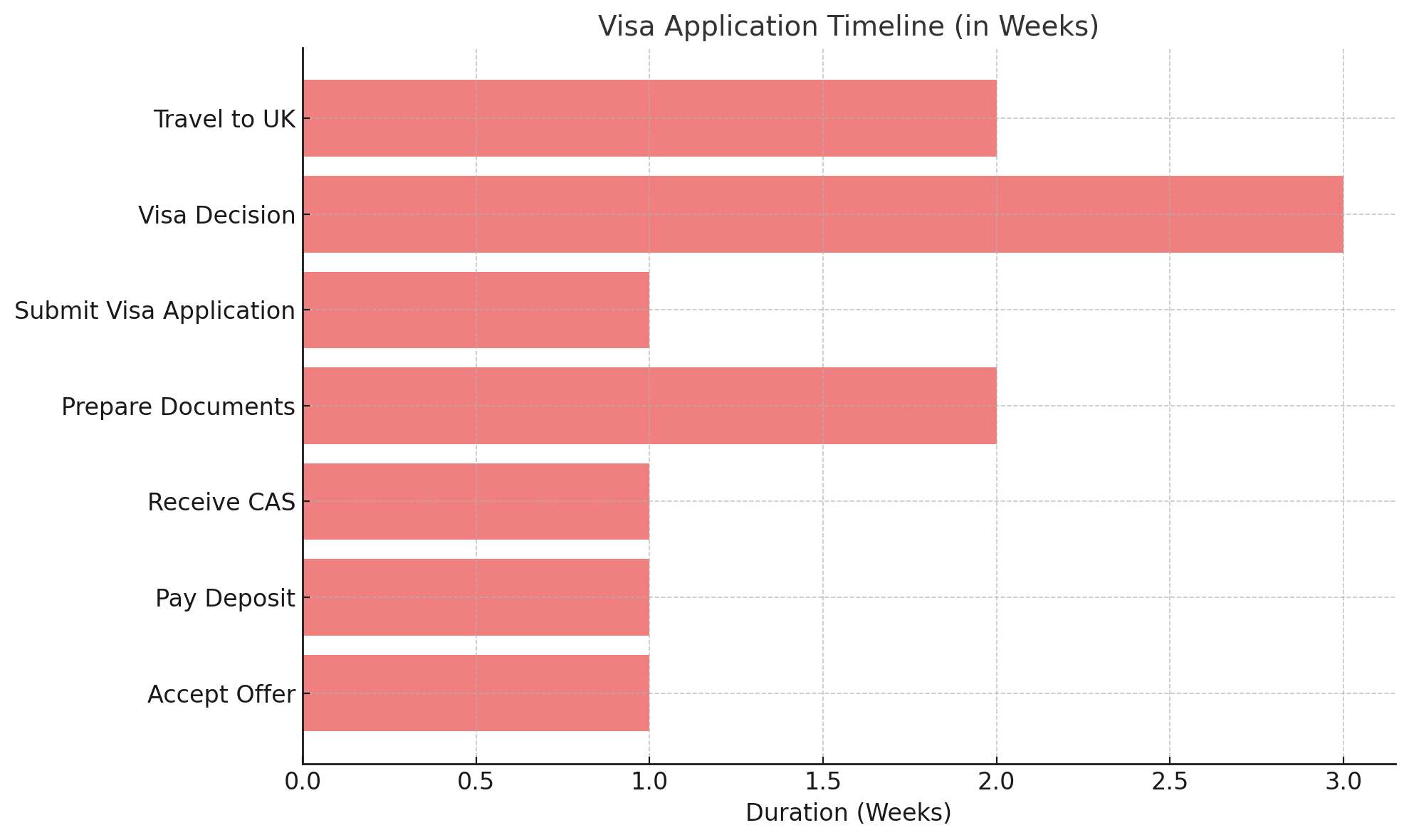
Complete your Student Visa application online via the UKVI website. You can apply up to six months before your course begins if you're outside the UK, and no earlier than three months if you're already in the UK. Ensure you select the correct options when filling out your form, especially regarding biometric data collection and BRP (Biometric Residence Permit) collection.
Tip: For Leeds University students, use the Alternative Collection Location (ACL) code "2HE422" to collect your BRP from the university.
Immigration Health Surcharge and Visa Fees
The Student Visa application costs £490, and you'll also need to pay the Immigration Health Surcharge (IHS). This allows you access to the UK's National Health Service (NHS) during your stay. The IHS cost varies depending on the length of your visa, so check the current rates before applying.
Tip: Since fees fluctuate with exchange rates, consider paying during favorable currency conditions to minimize costs.
Submitting Documents and Biometric Data
After submitting your visa application and paying the fees, you'll need to attend an appointment at a Visa Application Centre to submit your documents and provide biometrics (fingerprints and photos). Ensure you bring all your original documents, and if your documents are not in English, they must be translated.
Tip: Indian students can check if they are eligible for the "UK Immigration: ID Check App," which allows you to complete this step online without visiting a Visa Application Centre.
Prepare for a Credibility Interview
Indian students may be required to attend a credibility interview as part of the visa process. This interview ensures that you are a genuine student with the appropriate English language skills. Be prepared to answer questions about your course, your choice of the UK as a study destination, and your future career plans.
Tip: Check your email (including spam folders) frequently to avoid missing any interview notifications.
Check: UK Student Visa Interview
Post-Visa Process and Arrival in the UK
Once your visa is approved, you’ll receive a vignette (temporary visa) valid for 90 days. Use this period to travel to the UK. If your course lasts longer than six months, you’ll need to collect your BRP within 10 days of arriving in the UK. In 2024, the UK will transition to digital eVisas, replacing BRPs.
Tip: Always keep your boarding pass or flight confirmation as proof of entry into the UK, especially if you enter via an electronic gate or through the Republic of Ireland.
What Happens if Your Visa is Refused?
If your visa is refused, contact your university’s visa support team immediately. In most cases, visa refusals are due to insufficient financial evidence or incomplete documents. Depending on the situation, you may reapply but always seek advice before doing so.
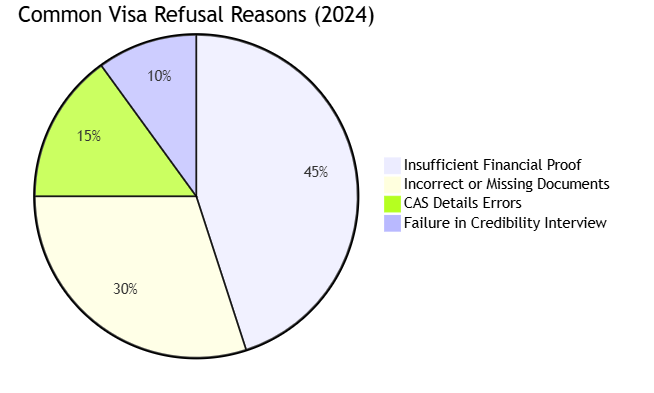
Nearly 97% of Indian students applying for UK visas in 2023 were successful, showing that with the right preparation, your chances are high!
Check: UK Visa Rejection Reasons
Applying for a UK Student Visa requires careful planning, especially when it comes to finances and document preparation. Stay organized, apply early, and ensure you meet all requirements to make your visa journey as smooth as possible. Keep these tips in mind, and soon, you'll be on your way to an enriching study experience in the UK.
FAQs
Ques. What is the best time to apply for a UK Student Visa?
Ans. It’s recommended to apply for your UK Student Visa as early as possible, up to six months before your course starts if applying from outside the UK. Most applications are processed within three weeks, but applying early ensures you have ample time for any delays or additional documentation requests.
Ques. Can I work while studying on a UK Student Visa?
Ans. Yes, as a student visa holder, you can work up to 20 hours per week during term time and full-time during holidays, but only in certain types of employment. You cannot work as a professional sportsperson, coach, or in self-employment.
Ques. What financial evidence is acceptable if I receive sponsorship or scholarships?
Ans. If you receive official sponsorship, you’ll need a letter confirming your sponsorship covering tuition fees and living expenses. If the sponsorship doesn't meet the full financial requirement, you must submit a personal bank statement showing the remaining funds.
Ques. Can I switch to a Graduate Visa after completing my studies in the UK?
Ans. Yes, after successfully completing your course, you can apply for a Graduate Visa, which allows you to stay and work in the UK for up to two years (or three years for PhD students) without needing a job offer.
Ques. What happens if my visa application gets delayed or rejected close to my course start date?
Ans. If your visa application is delayed or rejected, contact your university's visa support team immediately. They can guide you on next steps, including how to appeal or reapply if necessary.



Comments