



Content Curator
Cortisol can be considered as nature's built-in alarm system. It is the primary stress hormone in the body. It interacts with specific regions of your brain to regulate one's mood, motivation, and fear. Cortisol is produced by the adrenal glands, which are triangle-shaped organs located on top of the kidneys. Cortisol is involved in a variety of processes in the body.
| Table of Content |
Keytems: Cortisol, kidneys, adrenal glands, stress hormone, fear, motivation, mood, HPA axis, immune system, tumour
Read More: Androgen Hormone
What is Cortisol?
[Click Here for Sample Questions]
Cortisol is commonly referred to as the "stress hormone" because of its association with the stress response. However, cortisol is much more than a hormone released during stress. Cortisol is most known for its role in the fight-or-flight response in an emergency.
Cortisol
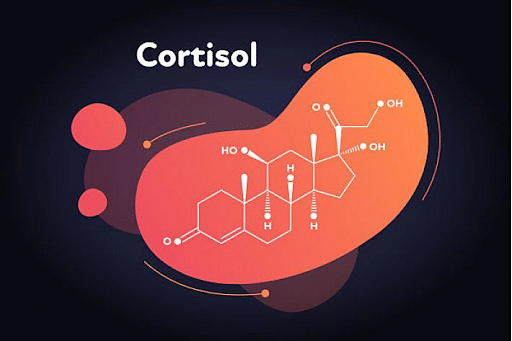
Cortisol is a steroid hormone produced by the adrenal glands. Cortisol receptors are found in nearly every cell in the body. The hypothalamus, pituitary gland, and adrenal gland work together to govern hormone secretion, which is known as the HPA axis. Many people refer to it as the body's in-built alarm system. In a nutshell, it is the stress hormone.
The role of the cortisol hormone is to regulate your fear, motivation, and mood. It is a steroid hormone that regulates several critical functions in the body, including the immune response and metabolism. Cortisol is produced by your adrenal glands, which are located on top of your kidneys.
Cortisol: Functions
[Click Here for Previous Year Questions]
Because cortisol receptors are found in almost all bodily cells, it has an impact on a wide range of physical activities. Cortisol helps control blood sugar levels, regulate metabolism, reduce inflammation, and aids in memory formation. It regulates salt and water balance and aids in blood pressure regulation.

Cortisol: Functions
Cortisol also helps the developing foetus in women during pregnancy. Cortisol is an important hormone for overall health and well-being since it performs all of these roles. It performs the following roles in the body.
- It controls blood pressure.
- It raises blood sugar levels.
- It reduces inflammation.
- It regulates the sleep cycle.
- It regulates the consumption of carbs, lipids, and proteins.
- It gives you more energy to deal with stress and then restores your balance.
Read More:
| Related Articles | ||
|---|---|---|
| Human Insulin | Estrogen | Difference between nervous and endocrine system |
| Difference between endocrine and exocrine glands | Parathyroid hormone | ADH Hormone |
Cortisol: Working Process
[Click Here for Sample Questions]
The pituitary gland and the hypothalamus are both located in the brain and can detect whether or not your blood has adequate quantities of cortisol. If levels are low, the brain adjusts how many hormones it produces, and the adrenal gland fine-tunes how much is released. Most cells in your body contain cortisol receptors, and they receive and utilise cortisol in various ways.

Cortisol: Working Process
When a person is on high alert, cortisol can change or even shut down any functions that may interfere with the body's normal functioning, such as the reproductive and digestive systems, the immune system, and even the development process.
High Cortisol: Problems Faced
[Click Here for Previous Year Questions]
High Cortisol levels for an extended period of time can lead to Cushng’s Syndrome. This syndrome can be caused by a variety of reasons, including but not limited to an adrenocorticotropic tumour. Other factors could include the use of certain medicines.

High Cortisol: Problems Faced
Tumors on the pituitary or adrenal glands can sometimes contribute to Cushing syndrome, a disorder marked by excessive amounts of cortisol in the blood. Individuals suffering from Cushing syndrome will gain weight rapidly in the face, abdomen, and chest. Doctors frequently notice this due to the individual's slender arms and legs in comparison to the hefty weight in the centre of the body. Cushing syndrome also causes flushing, elevated blood pressure, and skin abnormalities. Cushing disease is also associated with osteoporosis and mood changes.
Other signs of an elevated cortisol level include:
- Amenorrhoea.
- Moods fluctuate.
- Osteoporosis.
- Muscle wasting.
- Bone density is low.
- Blood pressure is too high.
- A round, rosy face.
- Increased thirst and urine frequency
- On the skin, there are bruises and purple stretch marks.
- Rapid weight gain with a puffy face, fat storage around the chest and abdomen, and slim arms and legs.
Low Cortisol: Consequences
[Click Here for Sample Questions]
Low cortisol levels can result in primary adrenal insufficiency, often known as Addison disease. Primary adrenal insufficiency is a rare autoimmune illness that damages the adrenal glands. Symptoms may appear gradually, although they can be severe. Patients suffering from primary adrenal insufficiency may experience fatigue, muscle loss, weight loss, mood swings, and skin abnormalities.

Low cortisol
A sustained decrease in cortisol production can result in various hormonal imbalances, autoimmune illness, and a syndrome known as Congenital Adrenal Hyperplasia (CAH). Other signs of an elevated cortisol level include:
- Fatigue
- Muscle wasting
- Loss of weight
- Swings in mood
- Skin modifications.
This can be a lethal condition if not treated promptly. This means that cortisol levels in the body must be continuous and steady, neither too low nor too high, as both can result in a variety of medical and even mental disorders, as we are discussing a hormone.
Read More:
| Concepts Related to Chemical Coordination and Integration | ||
|---|---|---|
| Mechanism Of Hormone Action | Anti Mullerian Hormone | Biotechnology and Its Applications |
| Insulin and Glucagon | pituitary gland | Transgenic Animals |
| Diabetes Insipidus | Gonadotropin Releasing Hormone | Genetically Modified Organisms |
Things to Remember
- Cortisol is a steroid hormone that affects a variety of bodily processes, including metabolism and immunological response. It also plays a vital function in assisting the body's response to stress.
- Cortisol helps control blood sugar levels, regulate metabolism, reduce inflammation, and aid in memory formation.
- Too much cortisol in the body for an extended length of time can result in Cushing's syndrome.
- Cortisol is a steroid hormone that the adrenal glands produce. The adrenal glands are located on top of the kidneys.
- A serum cortisol test is another name for a cortisol level test.
Previous Year Questions
- Hypersecretion of mineralocorticoids leads to...[BHU UET 2009]
- FSH is secreted by..[BHU UET 2005]
- Which hormone promotes cell division, protein synthesis and bone growth ?...[BHU UET 2008]
- Who is known as ''father of endocrinology''...[BHU UET 2006]
- Hyposecretion of growth hormone causes:...[BCECE 2004]
- Which of the following is not true for hormones ?...[GUJCET 2009]
- It helps in differentiation of cells of the immune system...[GUJCET 2008]
- With increasing age, secretion of which of the following reduces to almost half ?...[GUJCET 2007]
- Which of the following is true for the effect of steroid hormone ?...[GUJCET 2007]
- A temporary endocrine gland in humans is….[CUCET 2012]
- Brick-red colour in Benedict's test indicates_________percent diabetes patient….[COMEDK UGET 2010]
- Identify the placental hormone cited below...[COMEDK UGET 2008]
- Which hormone is NOT produced by the pituitary gland ?...[COMEDK UGET 2007]
- Which hormone is responsible for ovulation?..[COMEDK UGET 2011]
- Which is not a function of progesterone...[AMUEEE 2013]
- Insulin deficiency causes..[JKCET 2007]
Sample Questions
Ques. What exactly is Cortisol? (2 marks)
Ans. Cortisol is a hormone that regulates several body activities, including immune response and metabolism. However, it is best recognised for managing a person's stress levels. It is a hormone generated by the adrenal gland, which is located on top of the kidneys and is controlled by the brain.
Cortisol is also known as the stress hormone and is in charge of the body's fight-or-flight reaction in emergency situations. The body is meant to control the level of cortisol in the blood. However, cortisol levels in a person's blood might change for a variety of causes.
Ques. Where Does Cortisol Come From and How Does It Work? (4 marks)
Ans: The adrenal gland produces the cortisol hormone. The adrenal and pituitary glands in the brain detect cortisol levels in the blood. If there is insufficient cortisol, the brain alters the number of hormones produced to balance the cortisol levels. Cortisol receptors in the cell determine when and how much cortisol is needed in certain situations. There may be physical effects on energy levels, skin, muscles, weight, and so on. For example, it can change or shut down unneeded biological systems, and all of your energy is directed toward coping with the problem at hand.
Ques. What exactly do you mean by the endocrine system? (2 marks)
Ans. There are two types of glands in the human body: exocrine and endocrine. Exocrine glands, such as the salivary glands and the liver, have ducts through which their secretions are discharged.
Ques. What is a hormone? (2 marks)
Ans. A hormone is described as a chemical substance produced by endocrine glands in one region of the body and transported by blood to other parts of the body to exercise its regulatory and co-ordination action on the cells of a certain organ or tissue.
Ques. What are endocrine glands? (2 marks)
Ans. Endocrine glands are ductless glands that produce hormones. They are injected straight into the bloodstream and transported to various regions of the body.
Ques. What is the chemical composition of hormones? (2 marks)
Ans: Hormones are not usually proteins, but they have various chemical properties. They can be protein, such as insulin, or polypeptides, such as parathyroid hormone or epinephrine.
Ques. Why are hormones referred to as "chemical messengers"? (2 marks)
Ans: Hormones are transported to all parts of the body via blood circulation to ensure that the body functions properly. As a result, they are referred to as chemical messengers.
Also Check:



Comments