




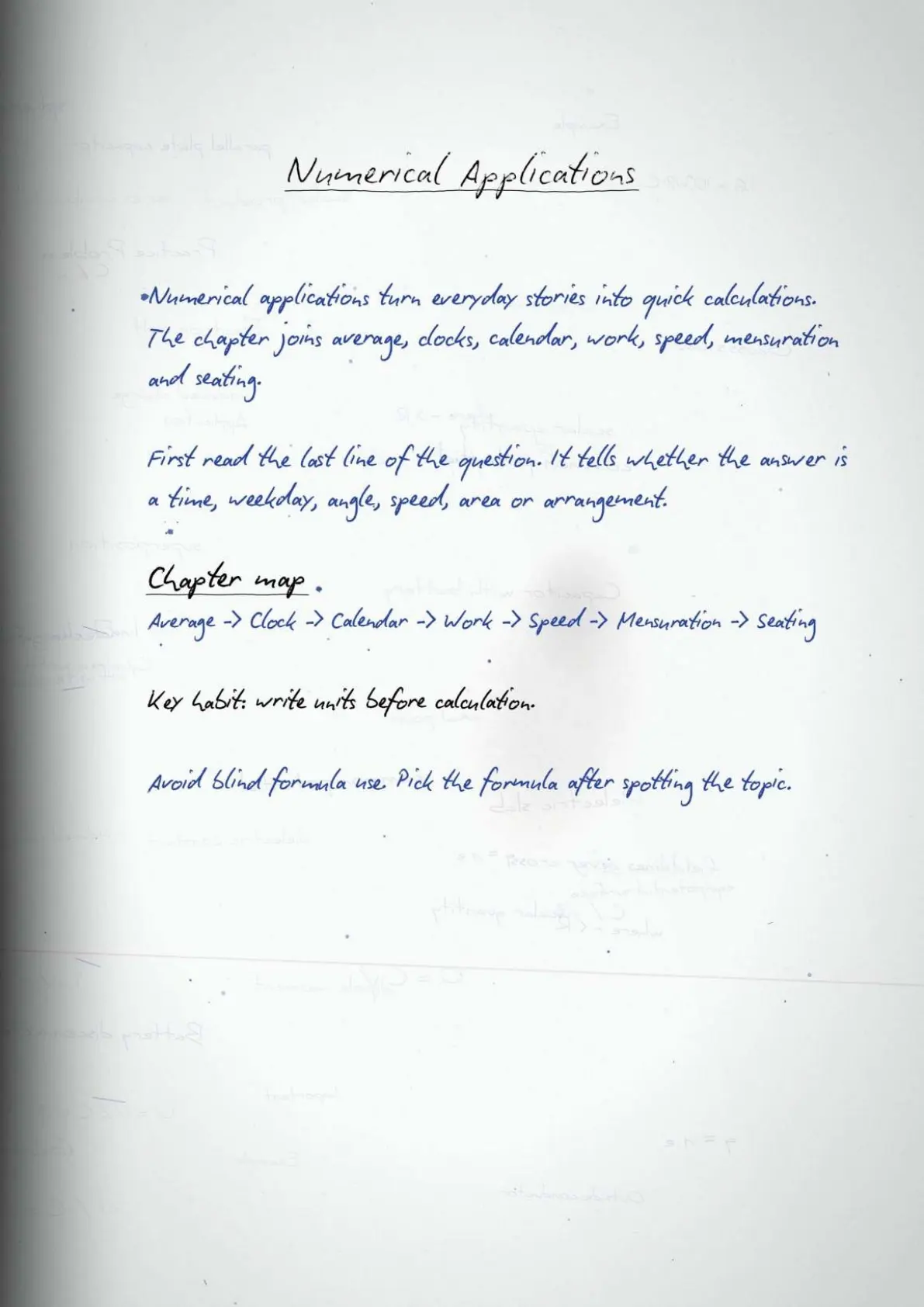
The handwritten notes on Class 11 Applied Mathematics Chapter 2 Numerical Applications have been carefully prepared for one-shot revision, according to the latest 2026-27 CBSE syllabus. The PDF covers average, clocks, calendar odd days, time and work, speed, mensuration and seating arrangement in short student-friendly pages.
Student Feedback: In a Collegedunia poll of 10,000+ students, most students said Numerical Applications becomes easier when formulas are grouped by question type. Clock angle, odd days and work-rate pages were marked as the fastest revision blocks.
- Best for rapid revision: one PDF covers every major Numerical Applications block.
- Aligned to 2026-27: follows the current Class 11 Applied Mathematics Chapter 2 scope.
- Practice ready: formulas sit close to worked checks and common mistake notes.
|
Table of Contents |
Numerical Applications Handwritten Notes: What the PDF Covers
Numerical Applications joins practical arithmetic with short reasoning. Students meet averages, weighted mean, clock angles, calendar odd days, work-rate questions, speed-time problems, mensuration and seating arrangement. The safest first step is to identify the final quantity asked.
| Block | What students revise | First check |
|---|---|---|
| Average | Mean, weighted mean and changed totals | Write total before count changes |
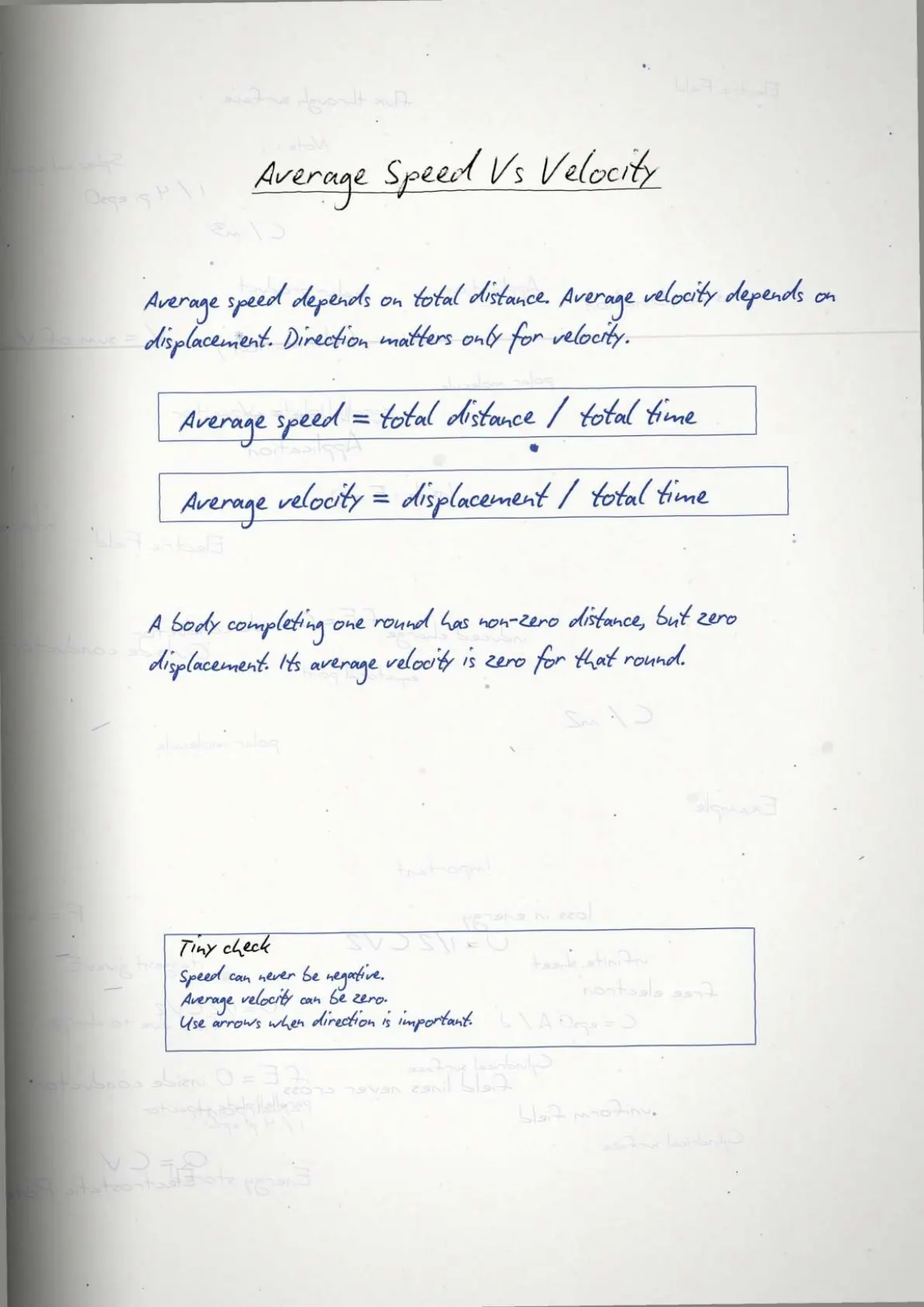
| Clock | Angle between hour and minute hands | Use smaller angle if asked |
| Calendar | Odd days, leap years and weekdays | Reduce total days by 7 |
| Work and speed | Rates, time, distance and unit conversion | Keep all units same |
| Seating | Linear and circular arrangement clues | Fix direction or one seat first |
Numerical Applications Quick Video Recap
Source: Commerce Wallah by PW on YouTube
Average and Weighted Mean Formulas in Numerical Applications
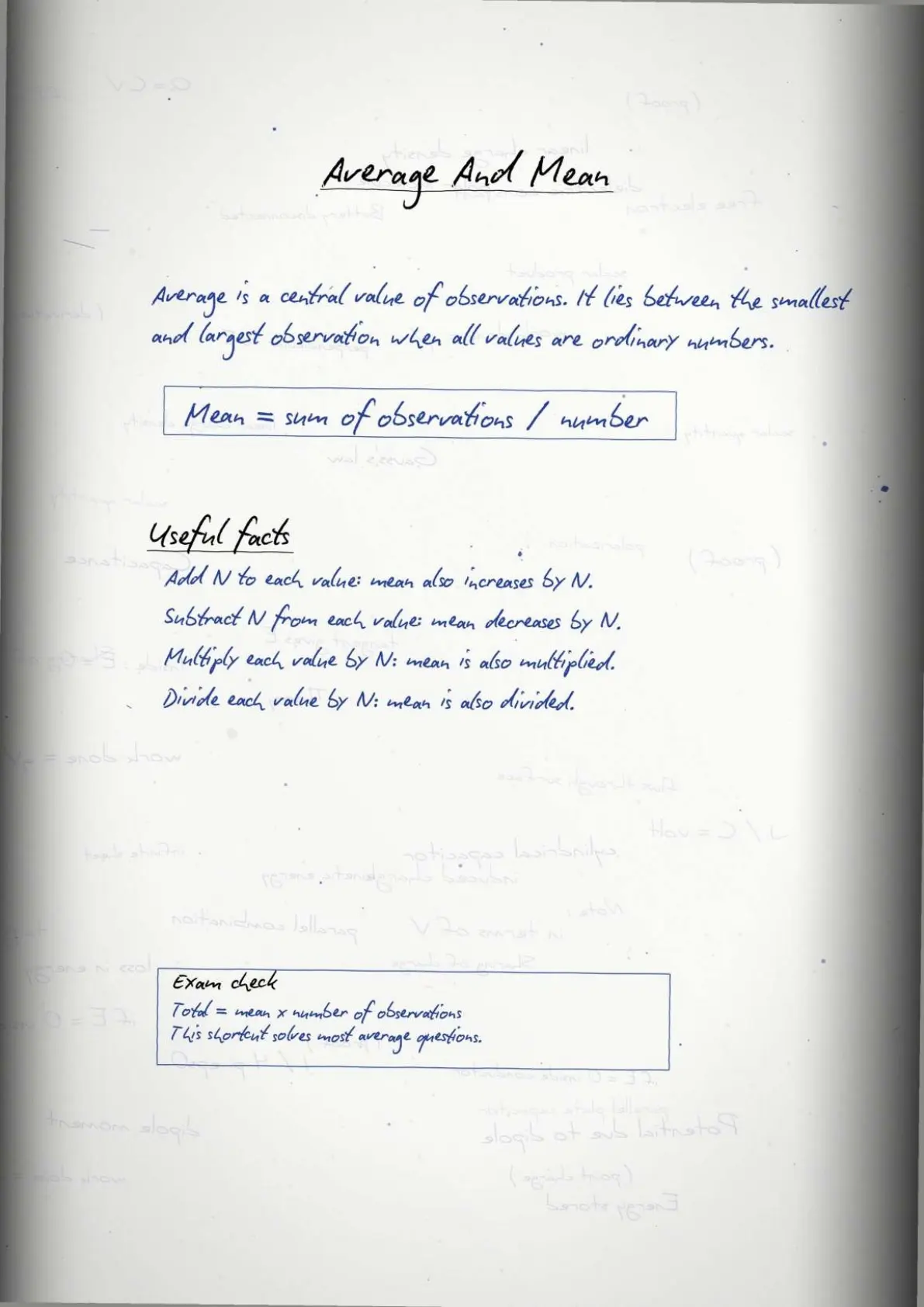
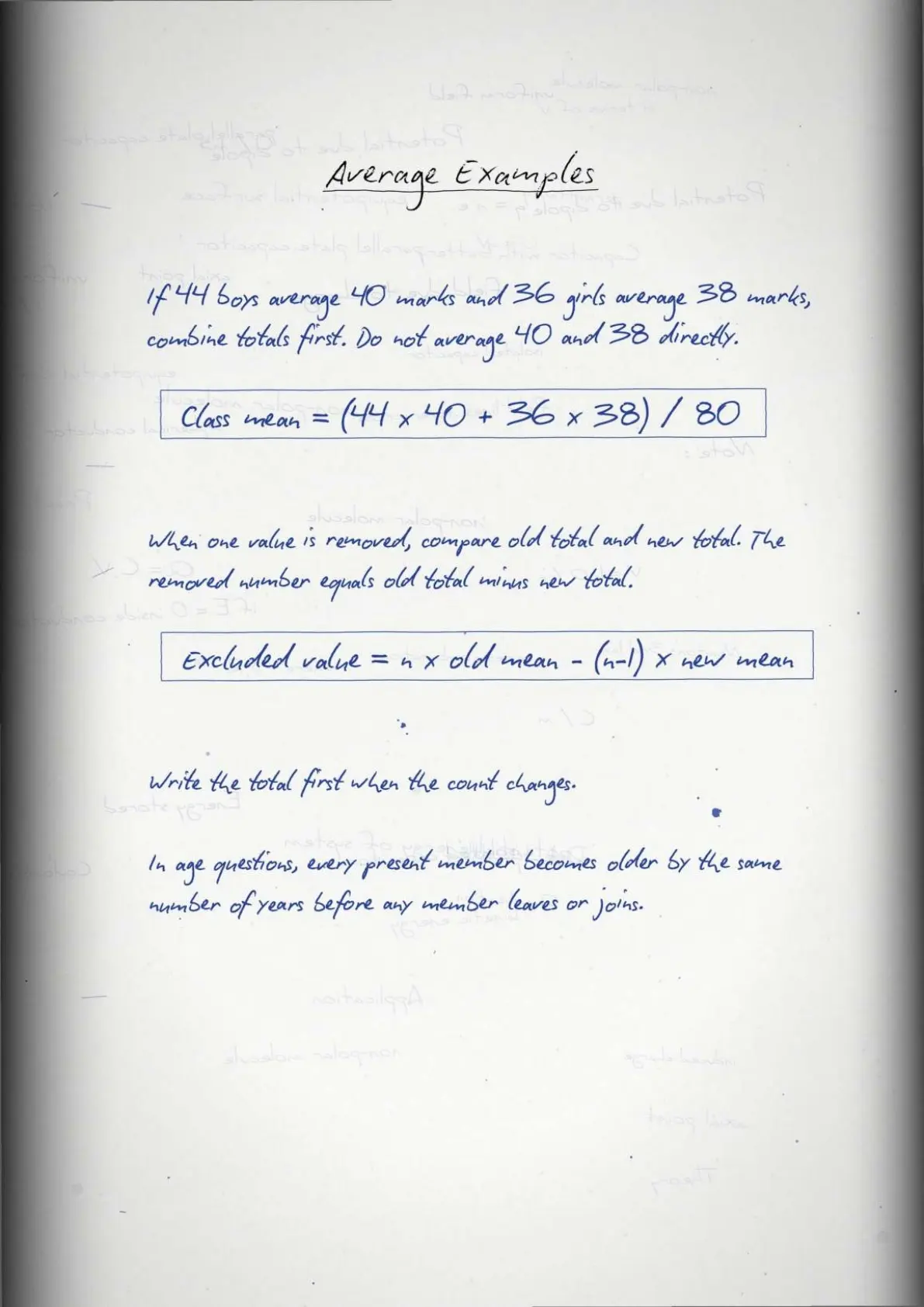
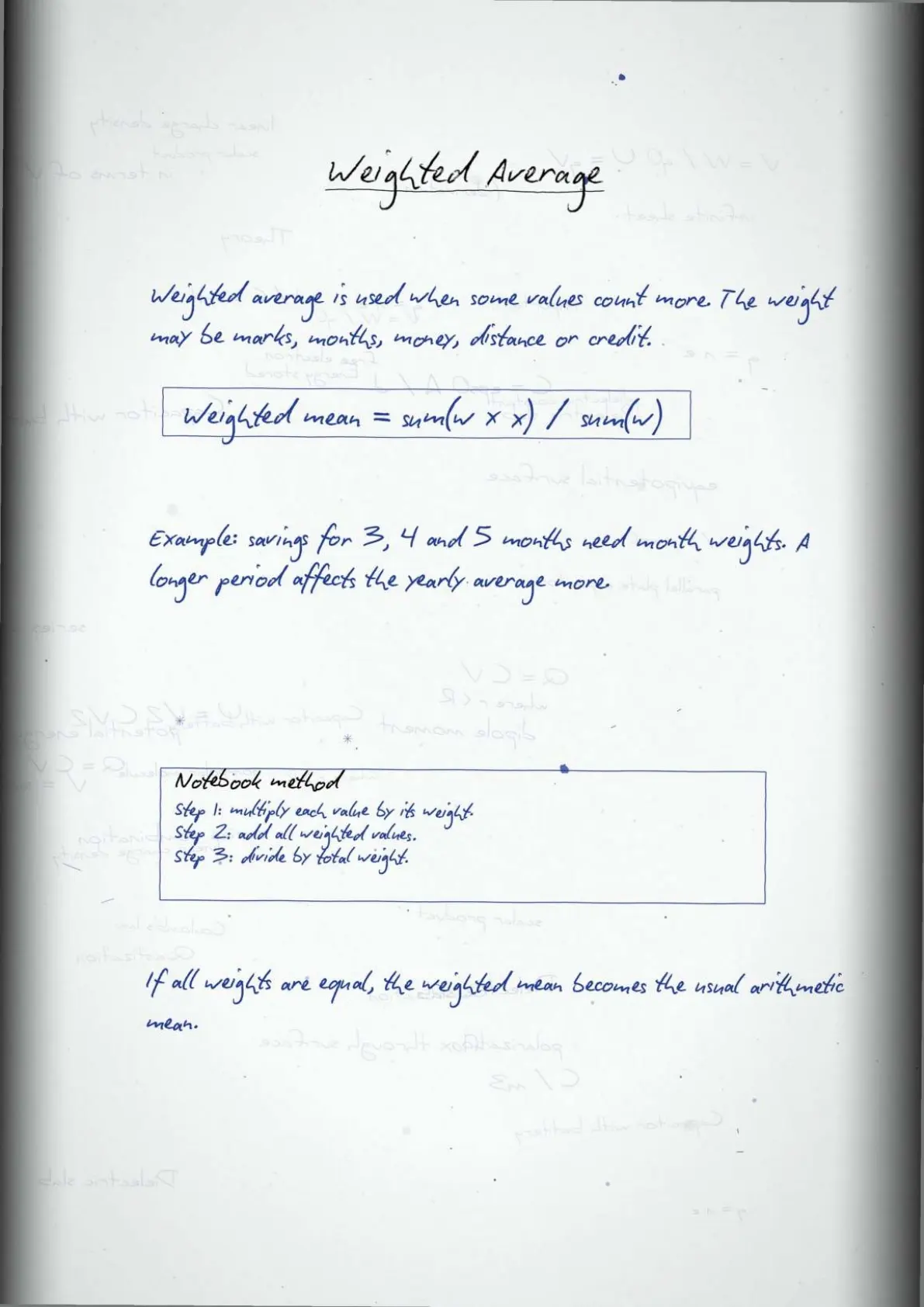
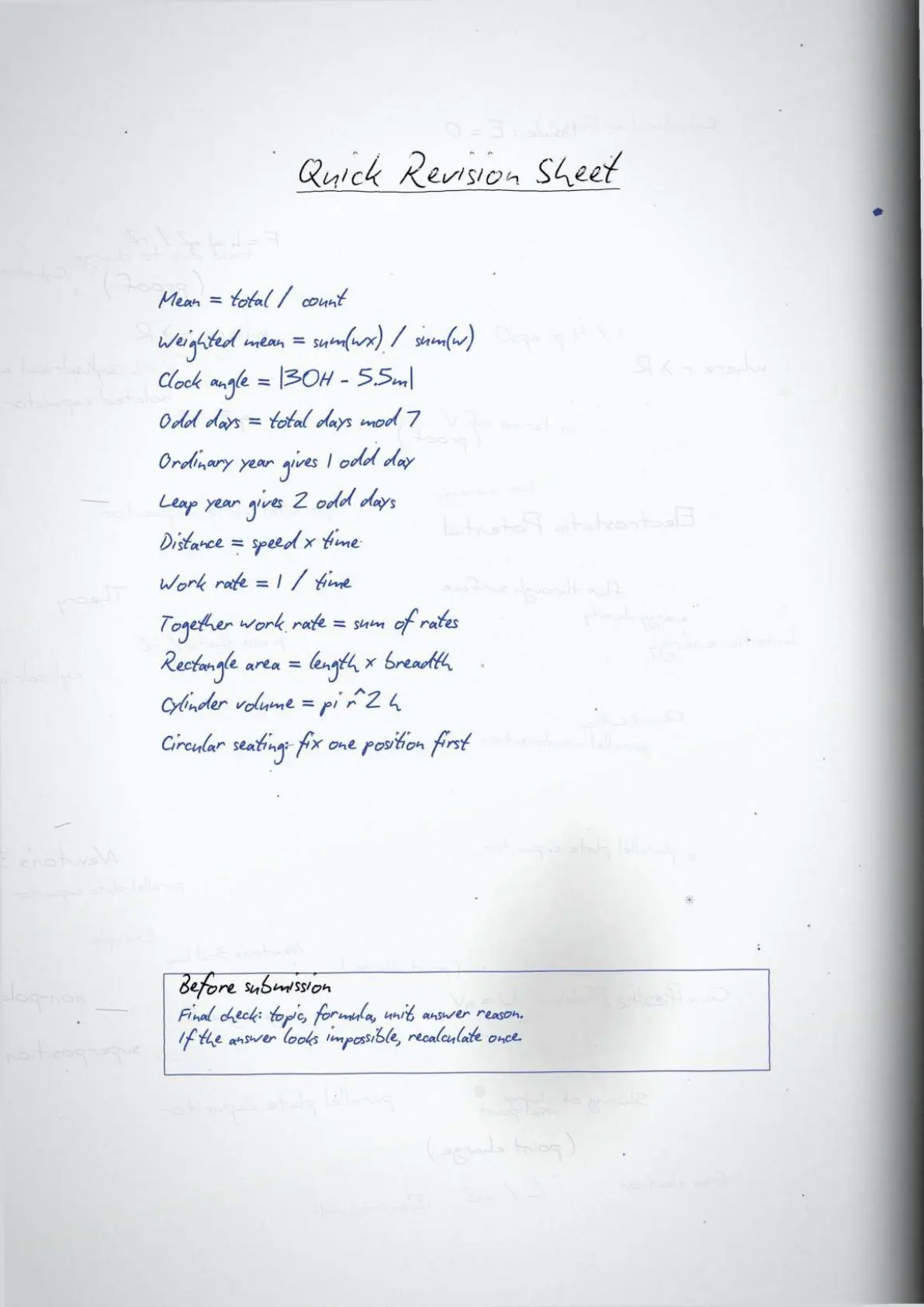
Average questions are built around totals. The main formula is mean = sum of observations / number of observations. If one value is removed, compare old total and new total. If every value rises by the same number, the mean also rises by that number.
Weighted mean is used when some values count more than others. For example, marks with different weightage cannot be averaged directly. Multiply each value by its weight, add the products, and divide by the total weight.
- Use weighted mean for marks, months, wages and credits.
- Use simple mean only when every value has equal weight.
- For changed average questions, write total = average x count first.
Clock Angle Formula for Numerical Applications
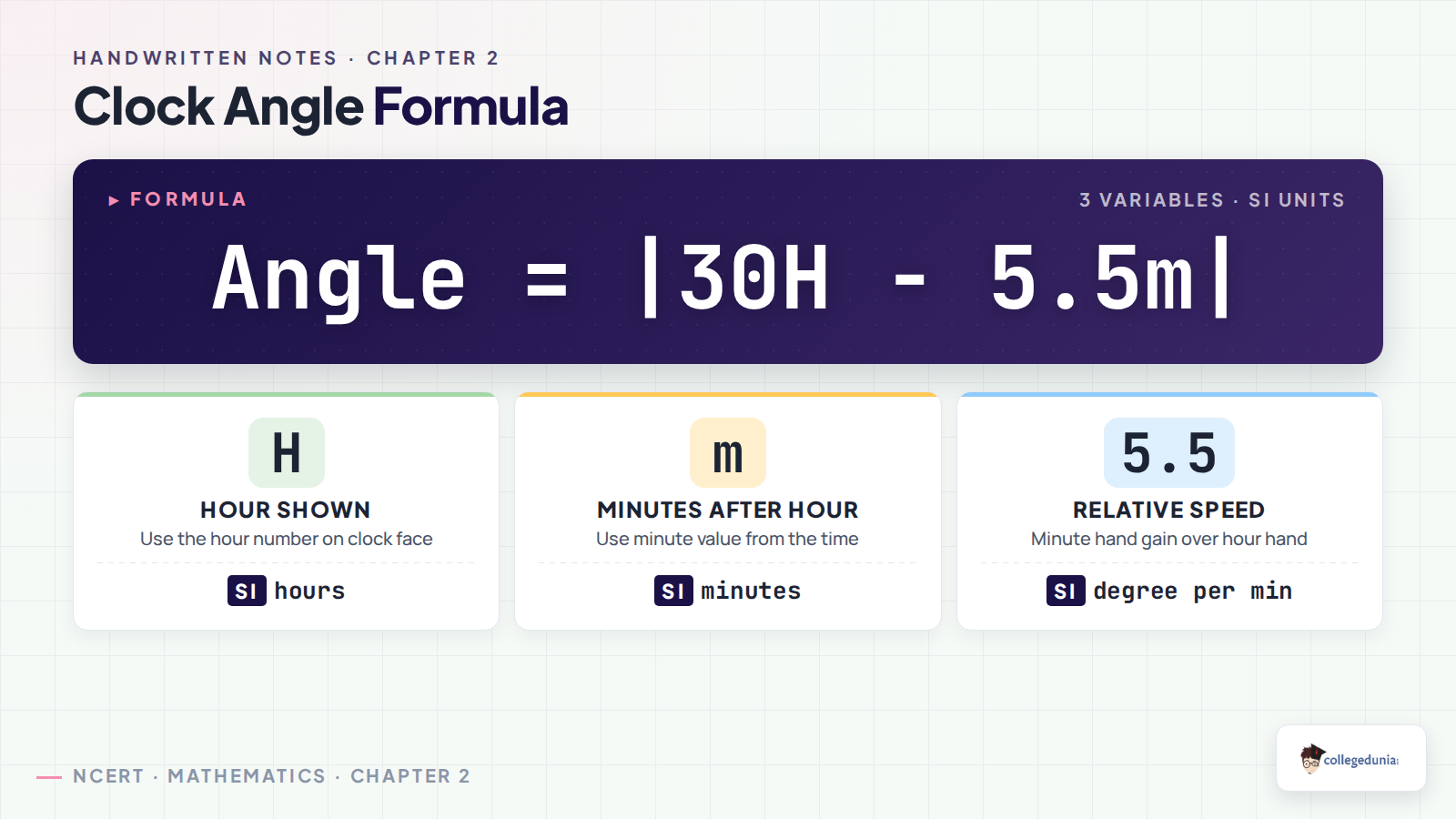
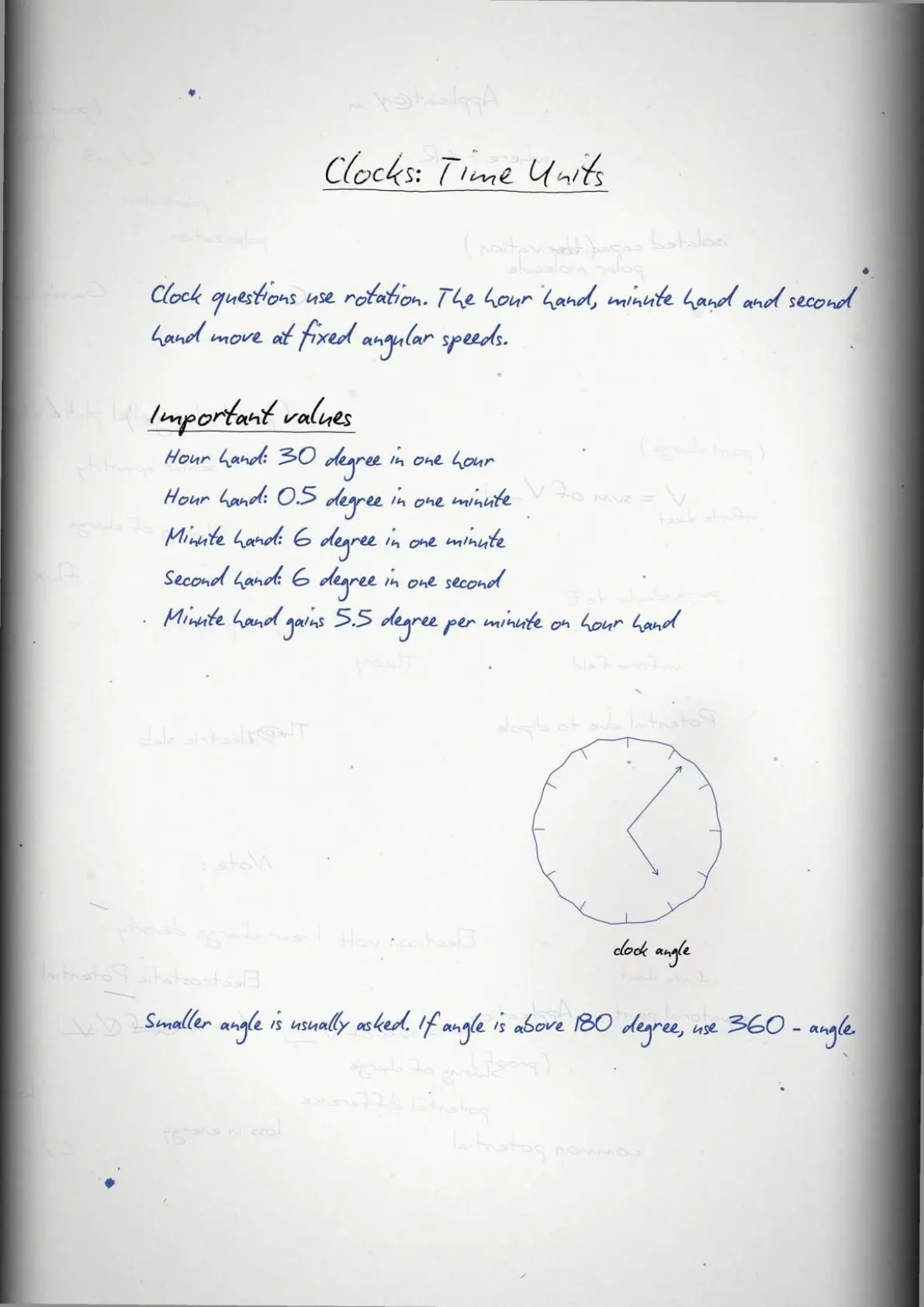
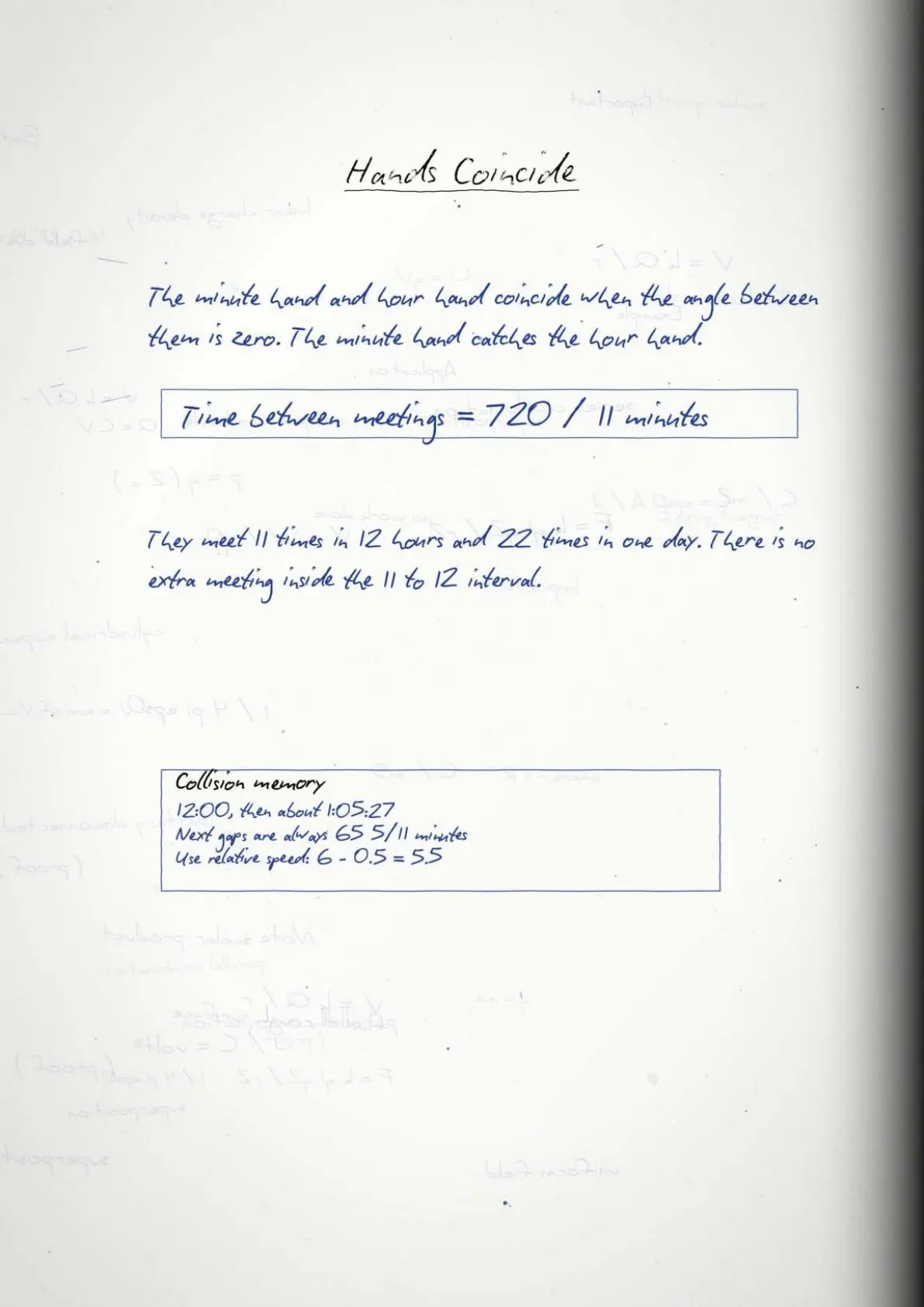
Clock questions use relative angular speed. The minute hand moves 6 degrees per minute, while the hour hand moves 0.5 degree per minute. The minute hand gains 5.5 degrees per minute on the hour hand.
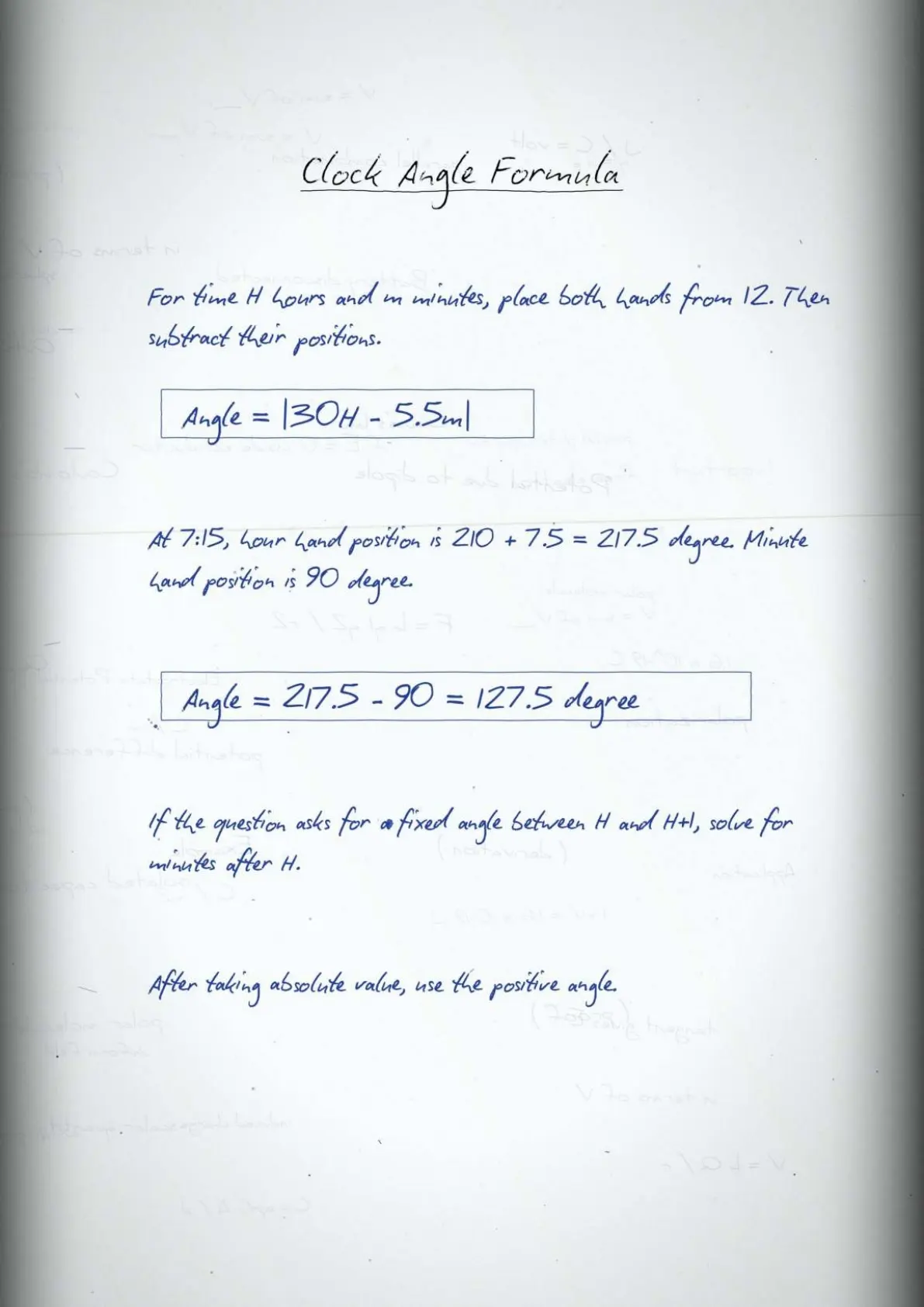
For a time written as H hours and m minutes, use angle = |30H - 5.5m|. If the result is more than 180 degrees, subtract it from 360 degrees. This gives the smaller angle.
- Right angle questions set the angle as 90 degrees.
- Straight angle questions set the angle as 180 degrees.
- Coincidence questions use the 5.5 degrees per minute relative speed.
Calendar Odd Day Method for Numerical Applications
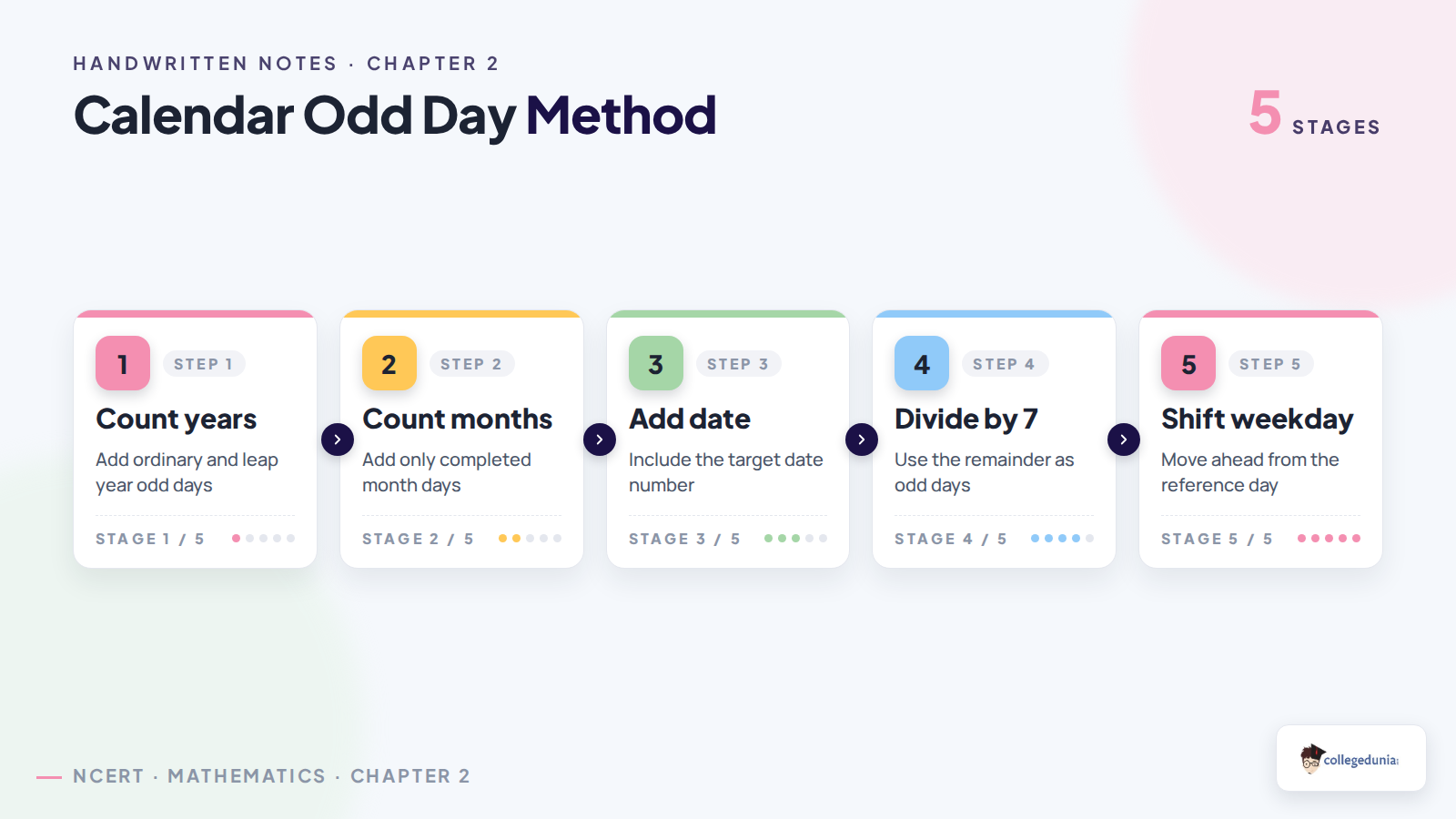
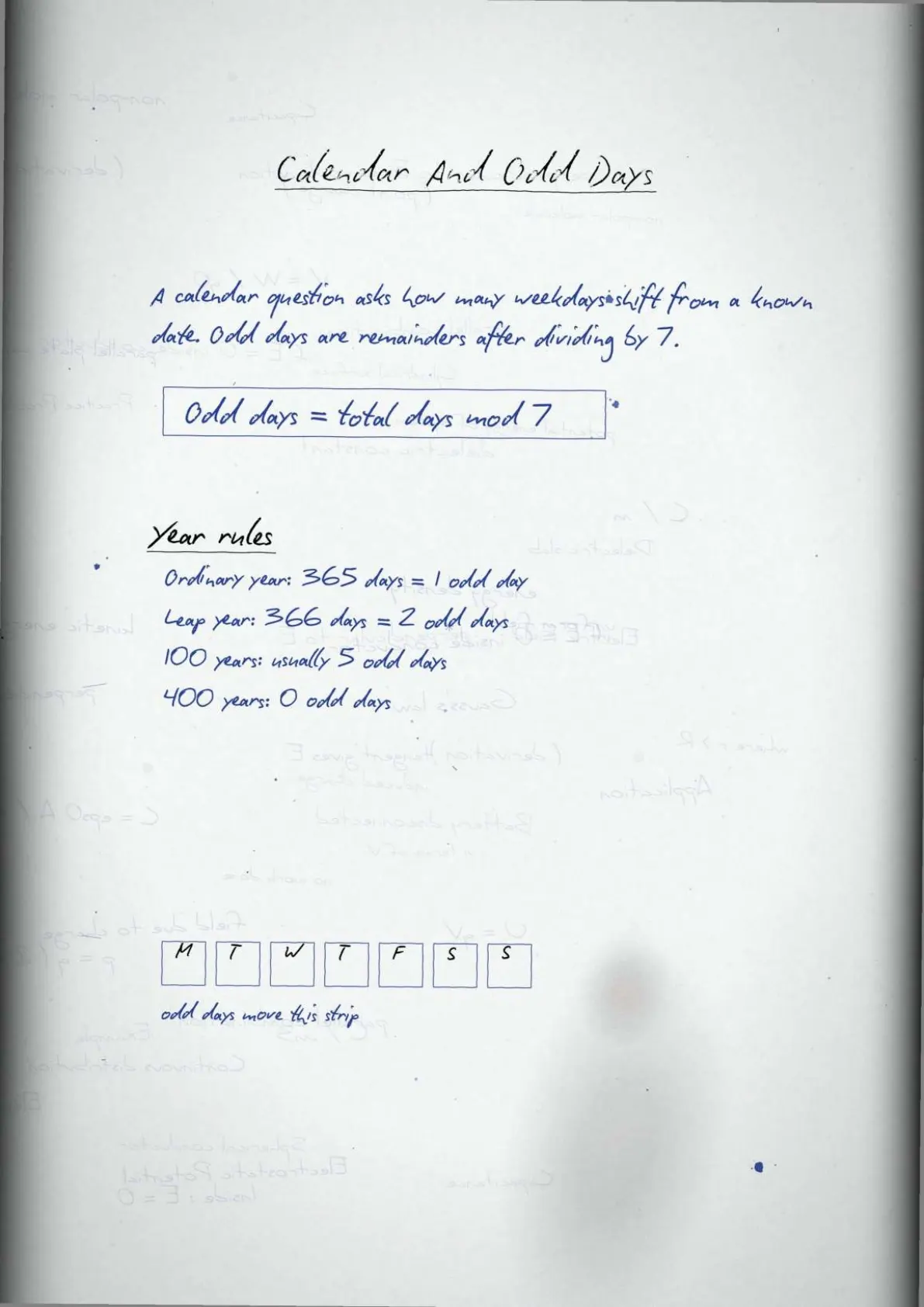
Odd days are the extra days left after complete weeks are removed. An ordinary year has 1 odd day. A leap year has 2 odd days. A 400-year block has 0 odd days, so century checks need care.
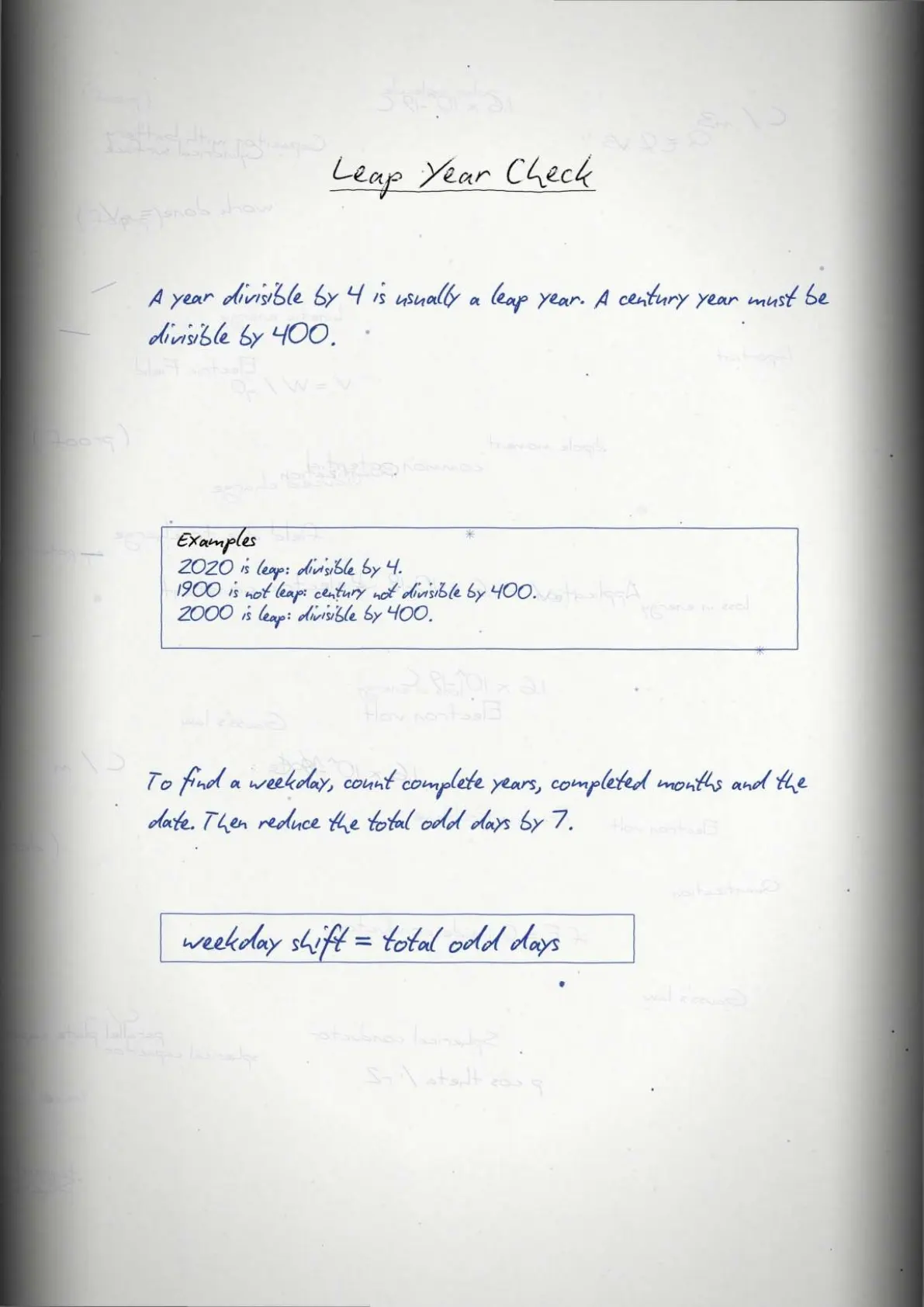
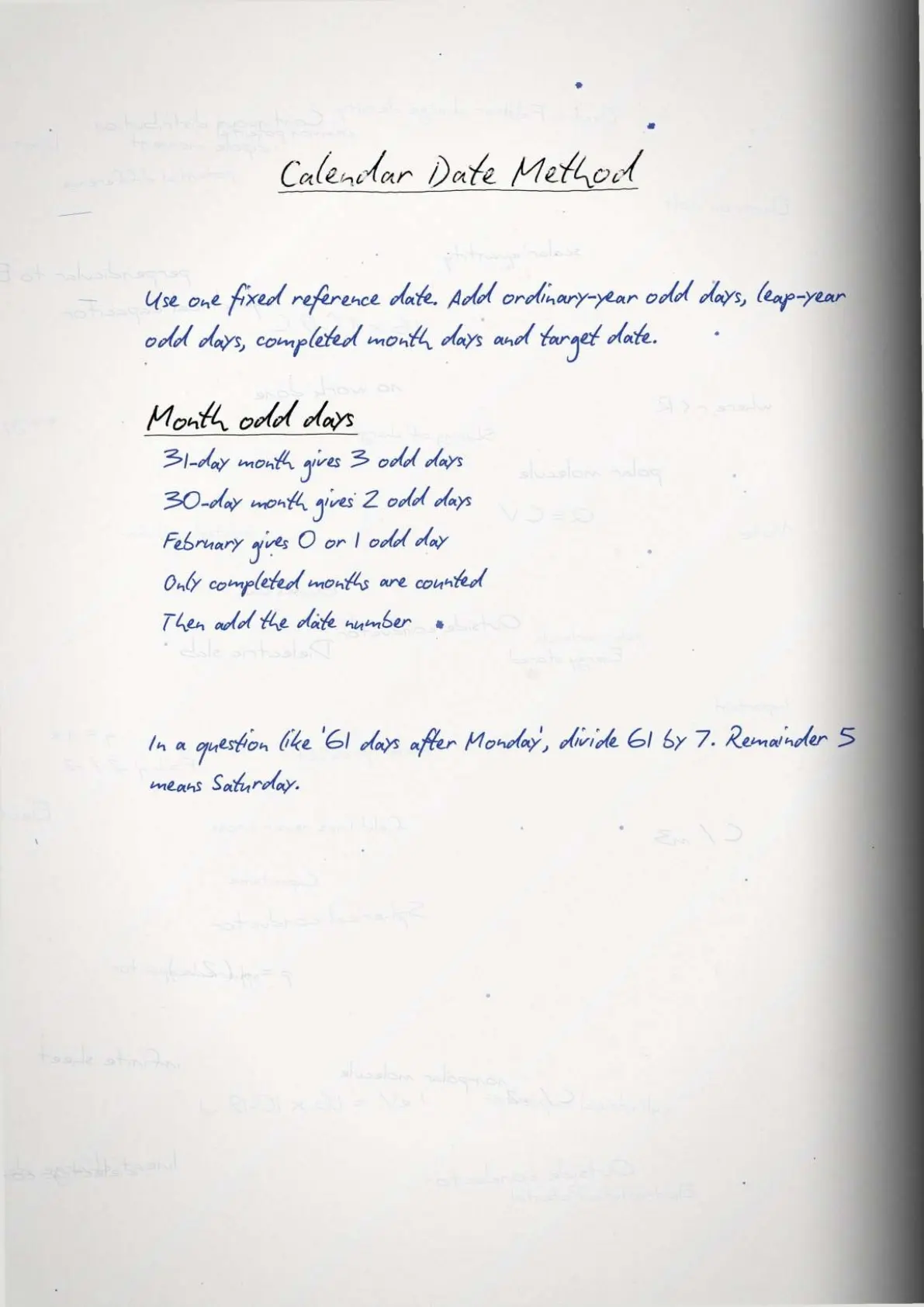
For a date question, count complete years first. Then add completed months and the date number. Divide the total by 7 and use the remainder to shift the weekday. Century years are leap years only when divisible by 400.
| Time block | Odd days | Use in questions |
|---|---|---|
| Ordinary year | 1 | Most non-leap years |
| Leap year | 2 | Years like 2020 and 2024 |
| 31-day month | 3 | January, March, May and similar months |
| 30-day month | 2 | April, June, September and November |
Time, Work, Speed and Distance Revision Notes
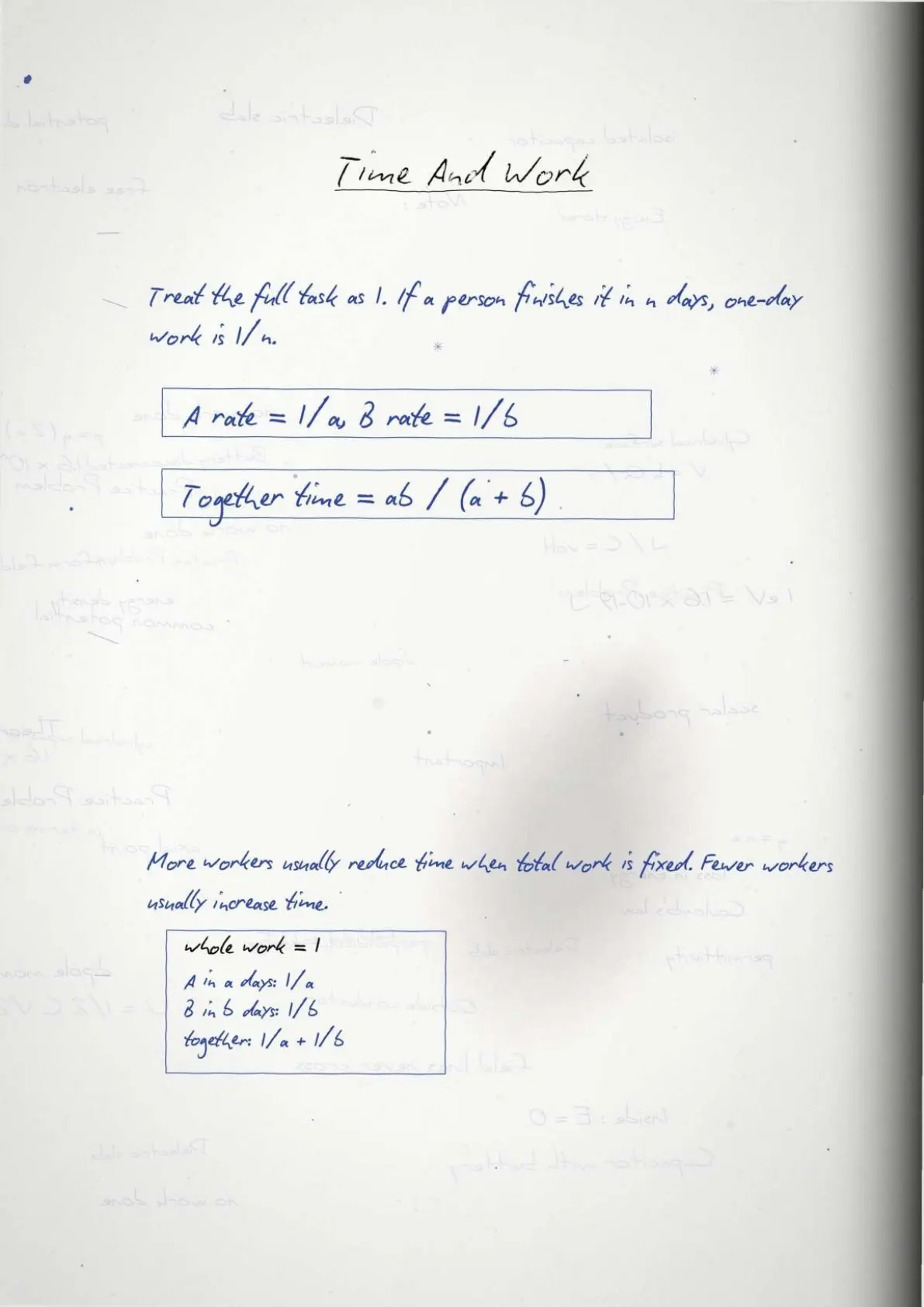
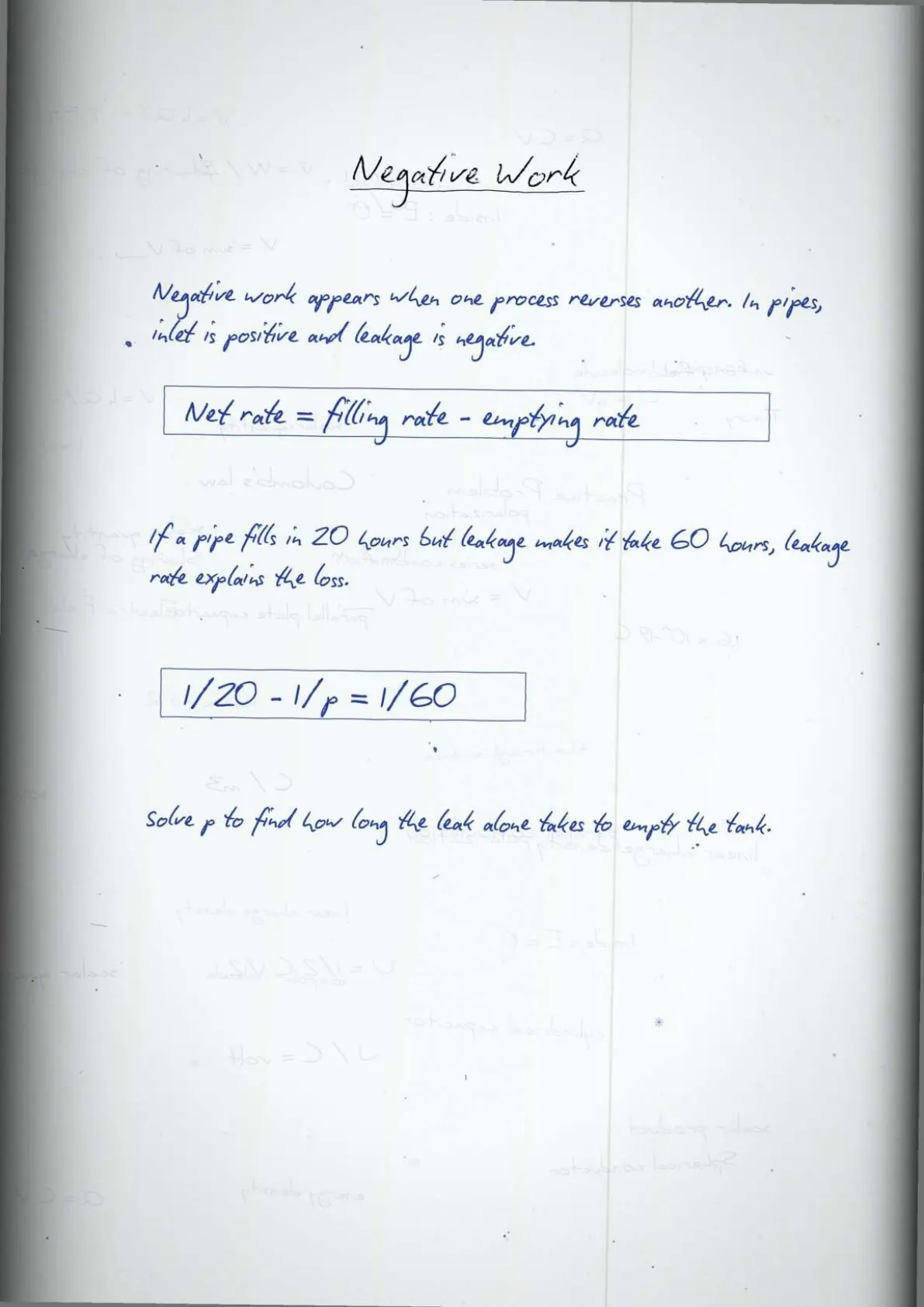
Time and work questions become simple when the whole task is treated as 1. If A finishes a job in a days, A's one-day work is 1/a. Add daily rates when people work together. Subtract rates when one process undoes another.
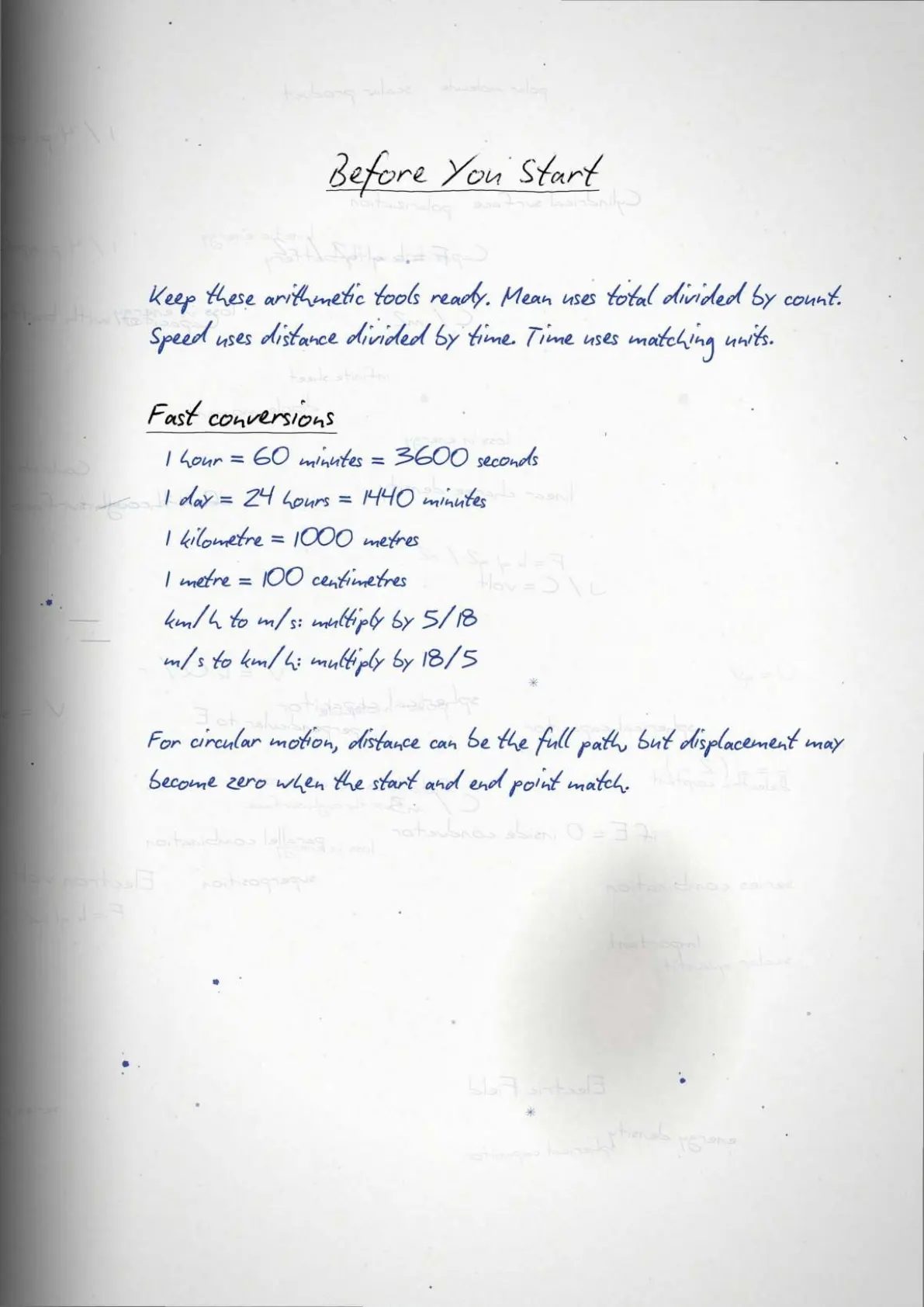
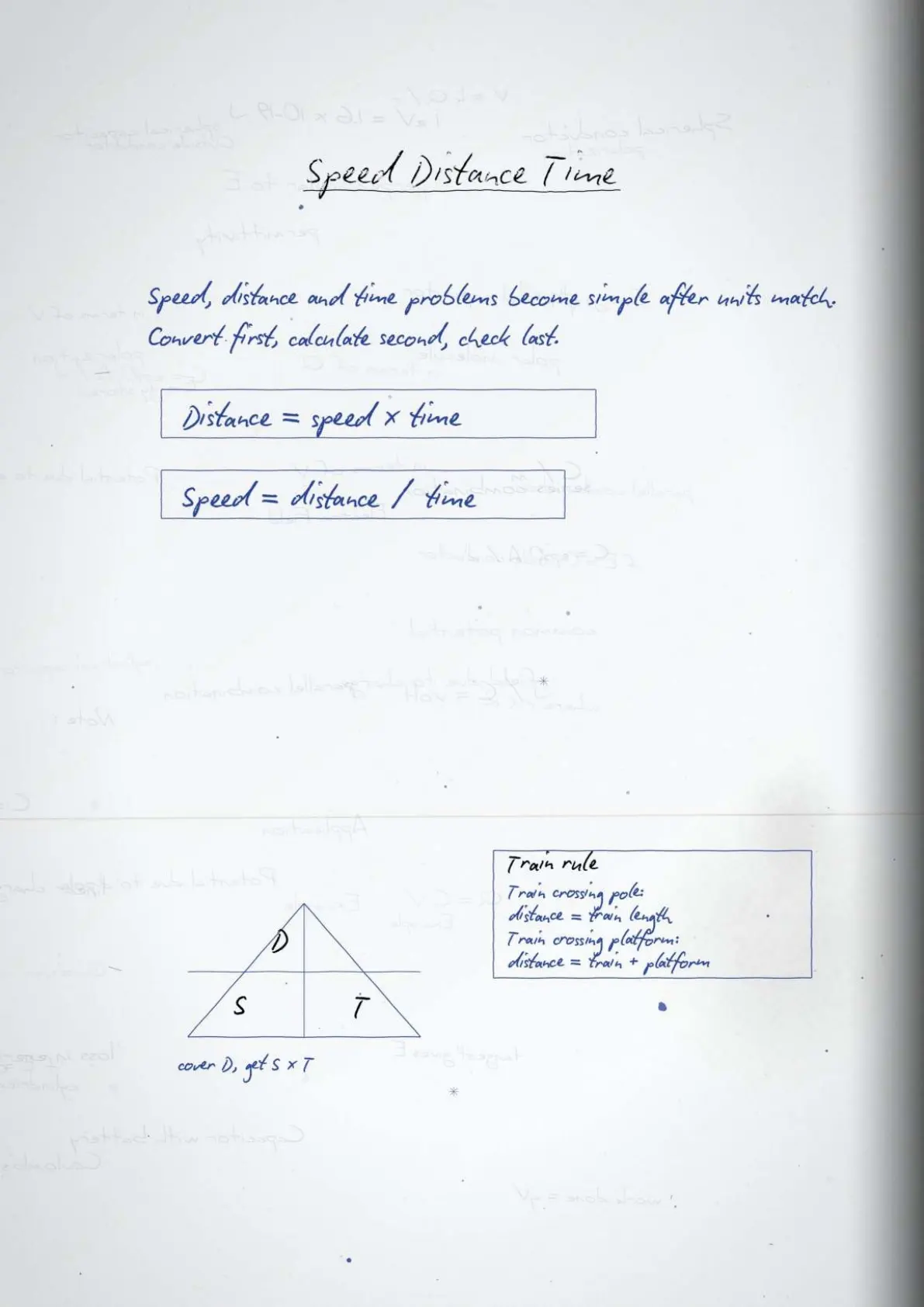
Speed questions need unit discipline. Use distance = speed x time, and convert units before substitution. In train questions, distance is the train length for crossing a pole. It is train length plus platform length for crossing a platform.
- More workers usually reduce time when total work is fixed.
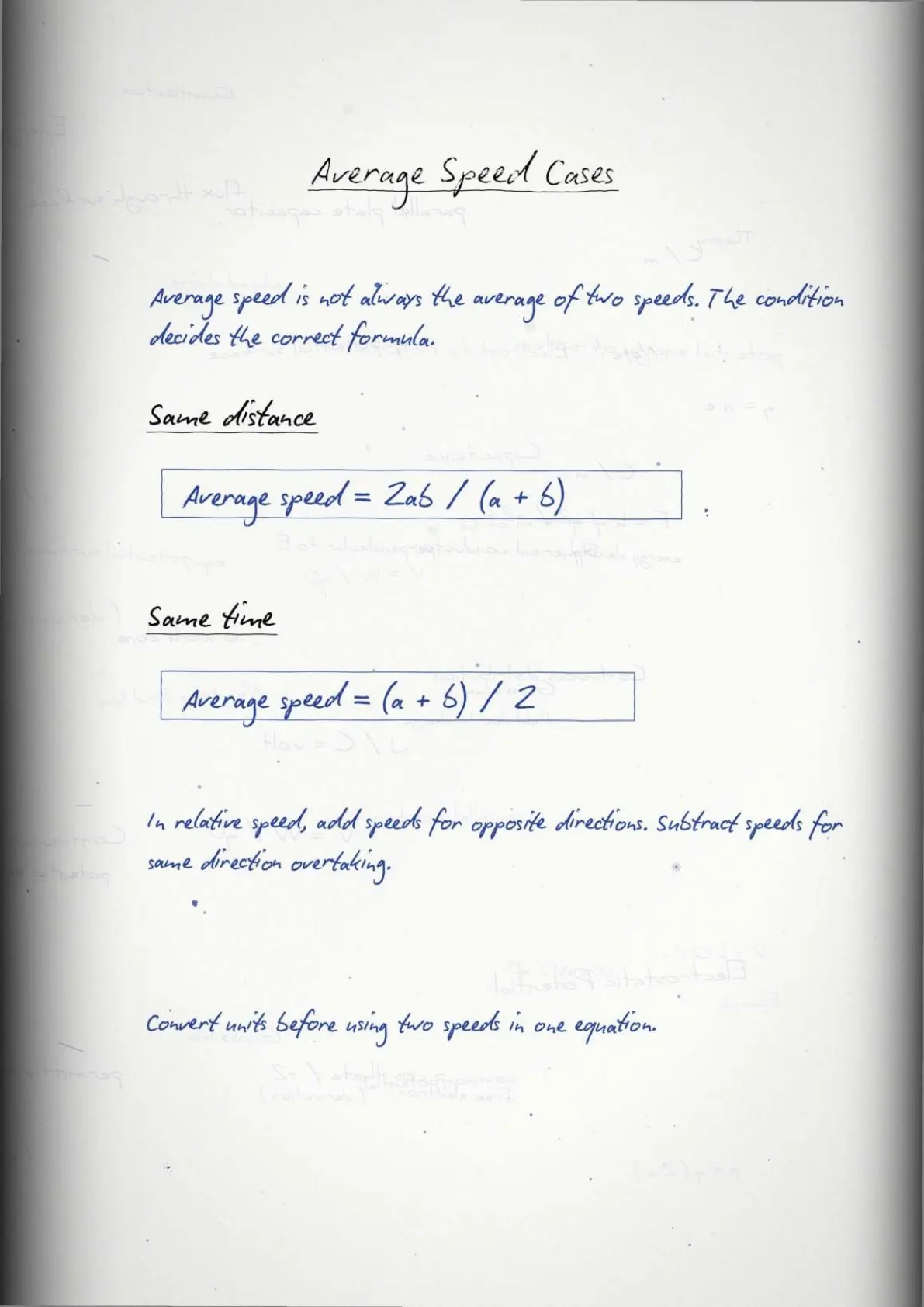
- Same distance average speed uses 2ab / (a + b).
- Same time average speed uses (a + b) / 2.
Mensuration and Seating Arrangement in Numerical Applications
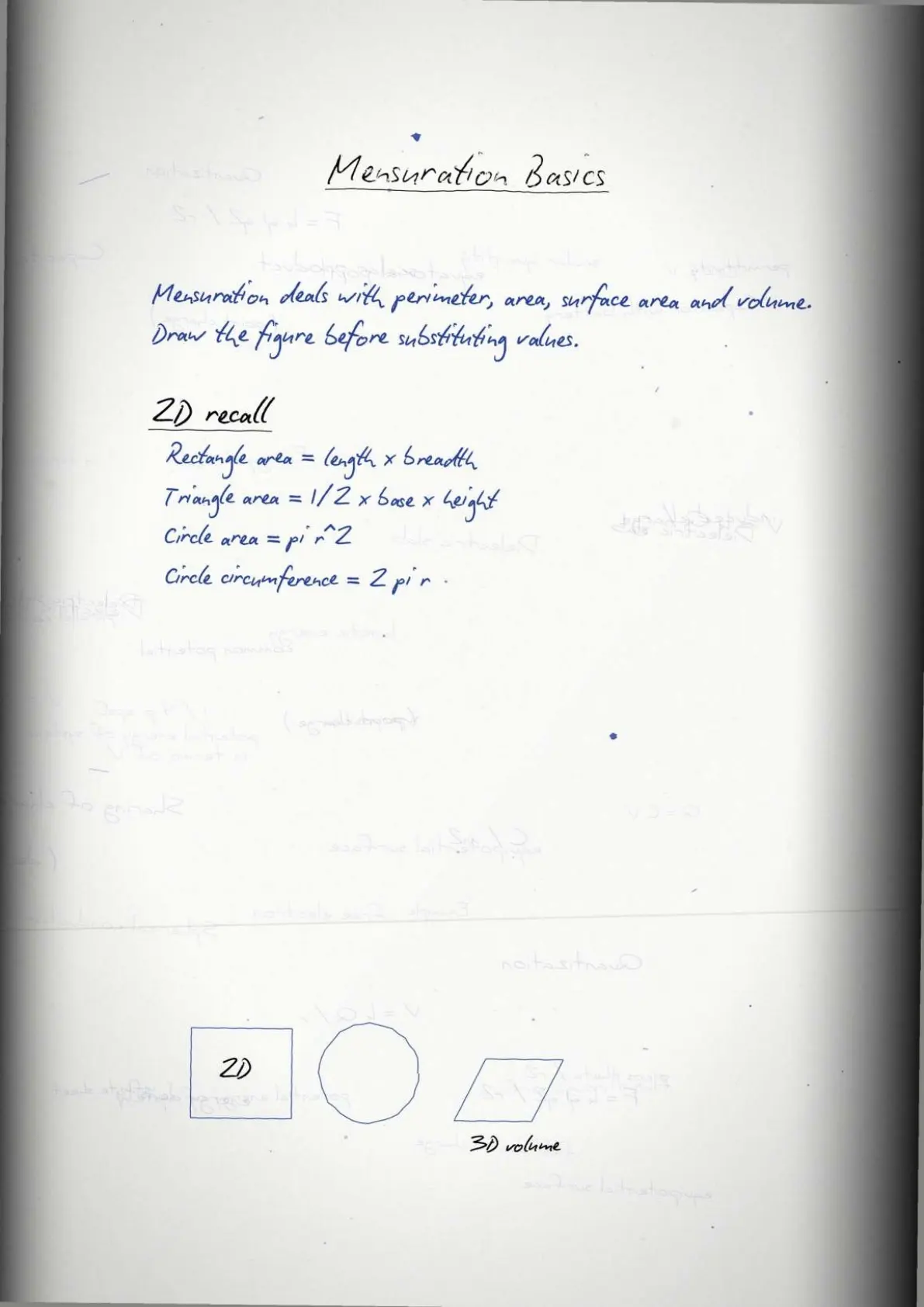
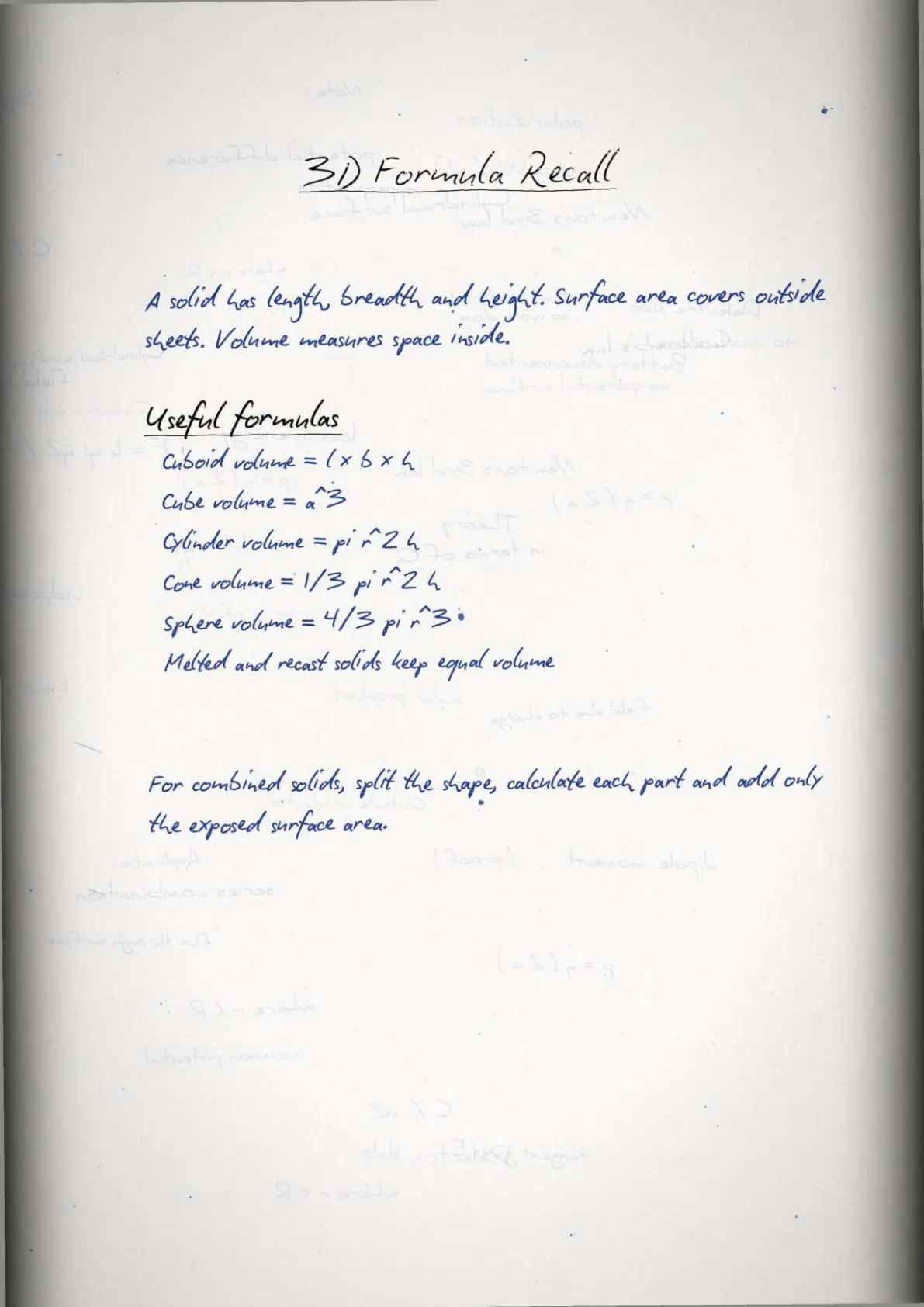
Mensuration questions ask for perimeter, area, surface area or volume. Draw the shape before using formulas. For combined solids, split the figure and add only the needed visible surfaces.
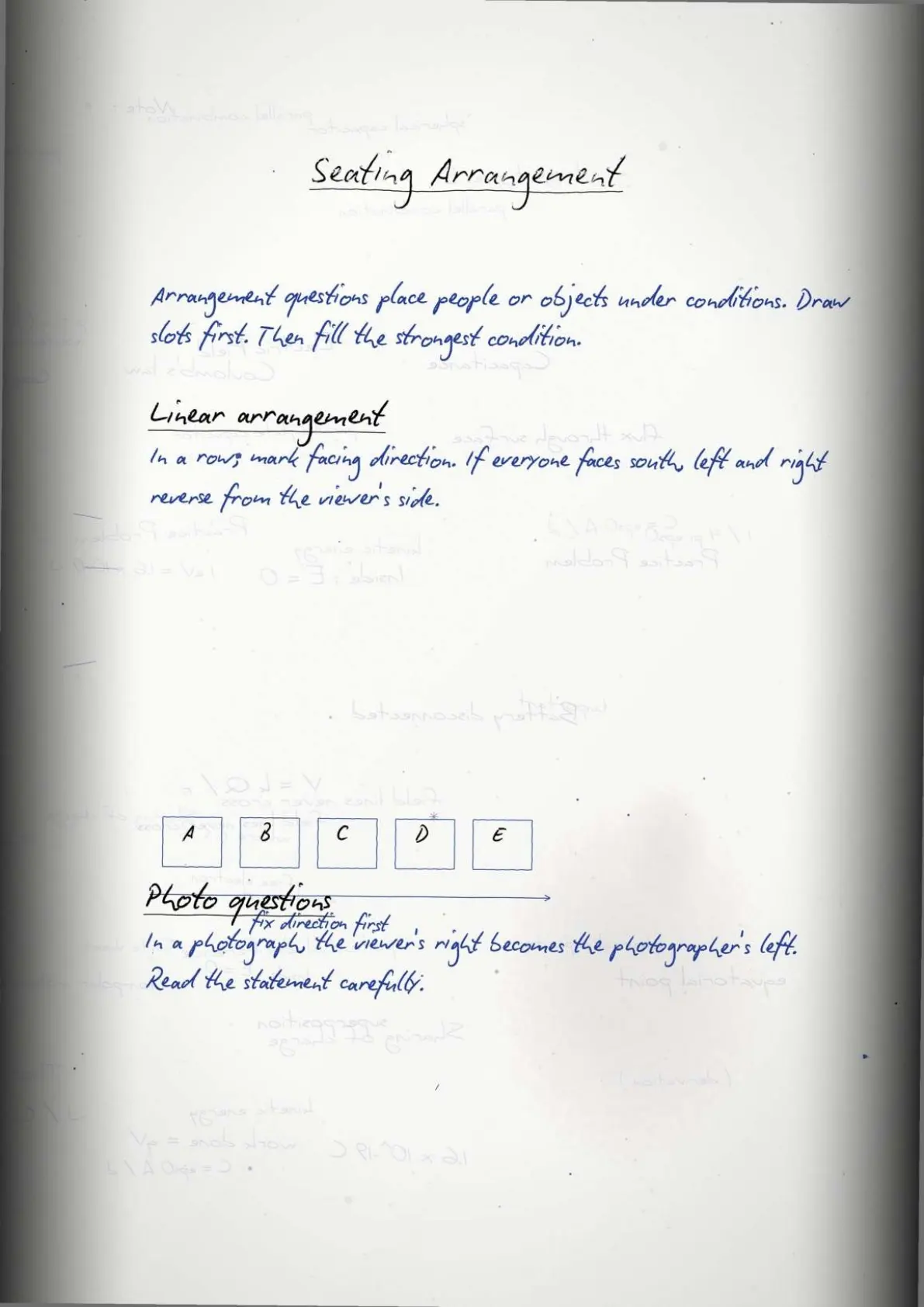
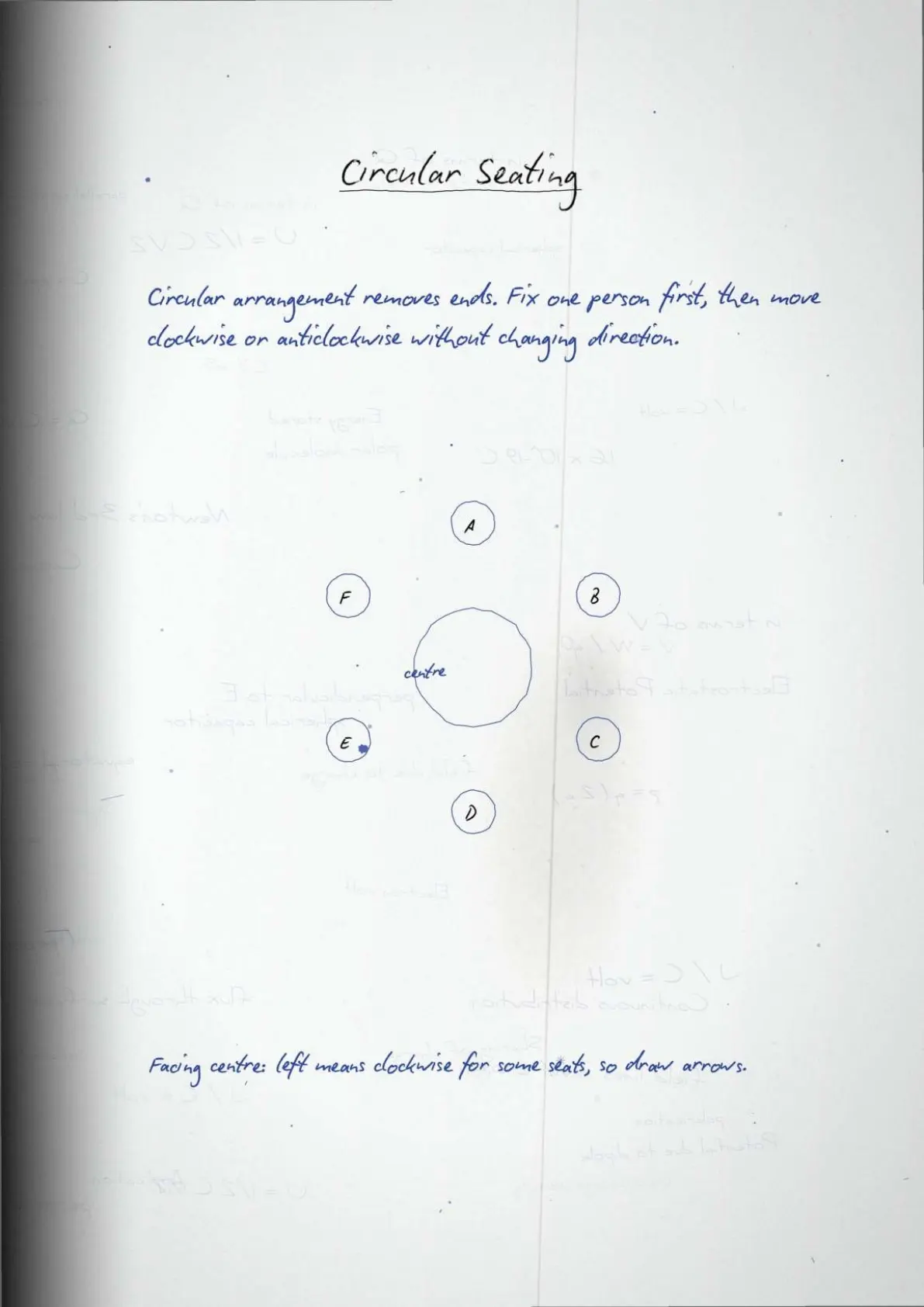
Seating arrangement questions need a clear sketch. In a row, mark whether people face north or south. In a circular arrangement, fix one person first and move in one direction. This removes repeated arrangements.
| Question type | Useful action | Common mistake |
|---|---|---|
| 2D shape | Find area or perimeter | Using volume formula |
| 3D solid | Find curved area, total area or volume | Adding hidden surfaces |
| Linear seating | Draw slots from left to right | Missing facing direction |
| Circular seating | Fix one position first | Counting rotations as new cases |
How to Use Numerical Applications Handwritten Notes Before Tests
Use the PDF in two passes. First, read the formula boxes and copy the quick revision sheet. Second, cover the worked checks and solve them again. This helps students see which formula belongs to which story.
- Revise clock and calendar formulas first because they are memory-heavy.
- Then solve work-rate and speed questions with unit checks.
- Finish with mensuration diagrams and seating sketches.
Related Resources for Numerical Applications
| Resource | Use it for | Link |
|---|---|---|
| NCERT Book PDF | Official examples and exercise prompts | Numerical Applications Class 11 NCERT Book PDF |
| NCERT Notes | Typed chapter explanation and tables | Numerical Applications Class 11 Notes |
| NCERT Solutions | Step-by-step answers for chapter questions | Numerical Applications Class 11 NCERT Solutions |
| Formula Sheet | Formula-only revision before practice | Numerical Applications Class 11 Formula Sheet |
Applied Mathematics Handwritten Notes for All Chapters
| Chapter | Handwritten Notes |
|---|---|
| Chapter 1 | Numbers and Quantification Class 11 Handwritten Notes |
| Chapter 3 | Sets Class 11 Handwritten Notes |
| Chapter 4 | Relations Class 11 Handwritten Notes |
| Chapter 5 | Sequences and Series Class 11 Handwritten Notes |
| Chapter 6 | Permutations and Combinations Class 11 Handwritten Notes |
| Chapter 7 | Mathematical and Logical Reasoning Class 11 Handwritten Notes |
Numerical Applications Class 11 Applied Mathematics Handwritten Notes FAQs
Ques. What is covered in Class 11 Applied Mathematics Chapter 2 Numerical Applications handwritten notes?
Ans. The handwritten notes cover average, weighted mean, clock angles, calendar odd days, time and work, speed-distance-time, mensuration and seating arrangement.
Ques. What is the clock angle formula in Numerical Applications?
Ans. For a time written as H hours and m minutes, use angle = |30H - 5.5m|. If the result is more than 180 degrees, subtract it from 360 degrees.
Ques. How do odd days help in calendar questions?
Ans. Odd days show the weekday shift after complete weeks are removed. Divide the total days by 7 and use the remainder to move from the reference day.
Ques. How should students revise time and work from these handwritten notes?
Ans. Students should treat the full work as 1, write each person's one-day work, add or subtract rates and then find the time needed.
Ques. Are these Numerical Applications handwritten notes aligned with the 2026-27 syllabus?
Ans. Yes. The notes follow the current 2026-27 Class 11 Applied Mathematics scope for Numerical Applications and keep deleted or unrelated material out.



Comments