




The How do Organisms Reproduce Class 10 Science handwritten notes are scanned, boxed and built for fast last-minute revision, fully matched to the 2026-27 CBSE syllabus. They cover asexual and sexual reproduction, the modes of reproduction in single organisms, sexual reproduction in flowering plants, the human reproductive system and reproductive health, all in clear ruled-page form with labelled diagrams.
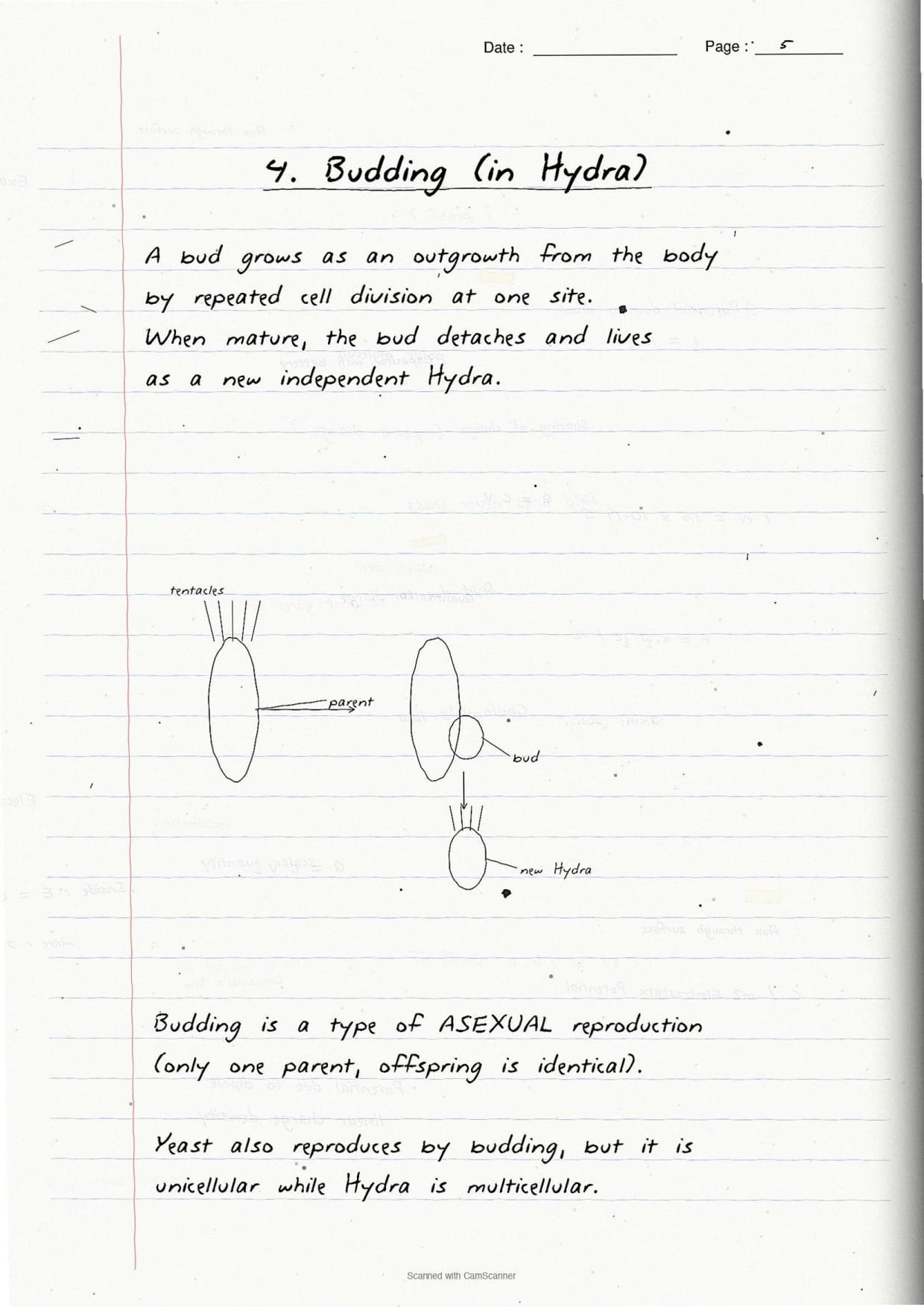
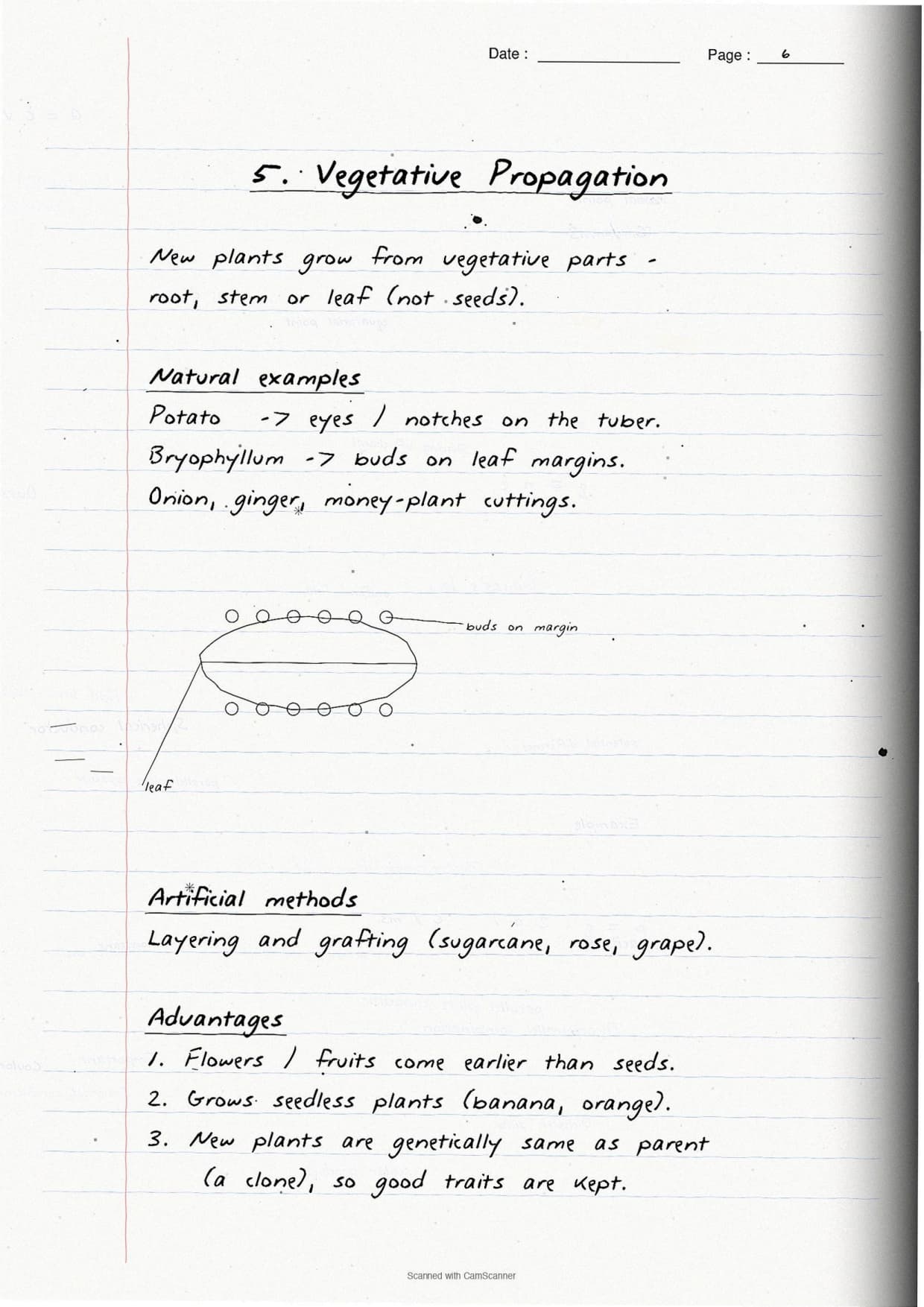
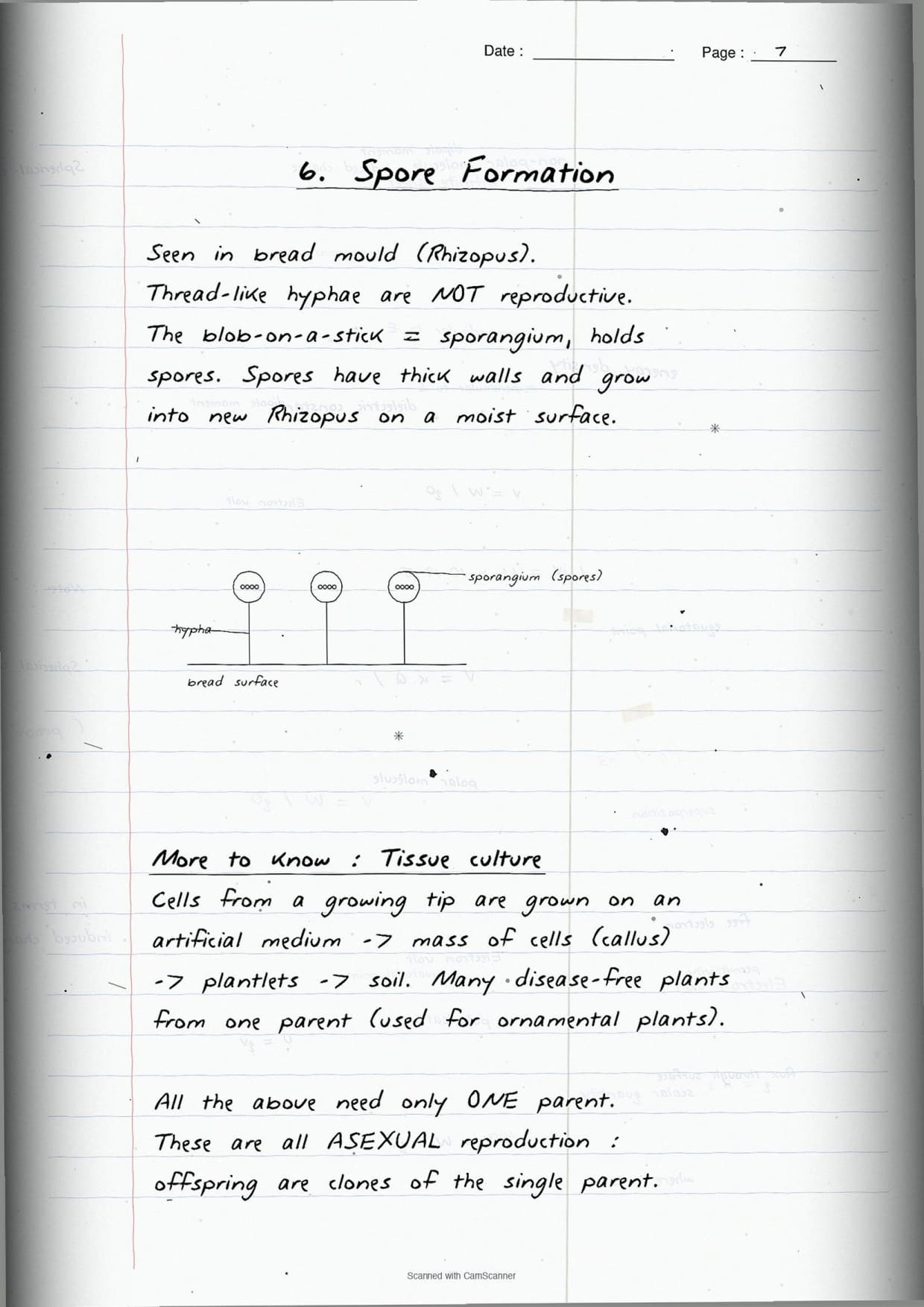
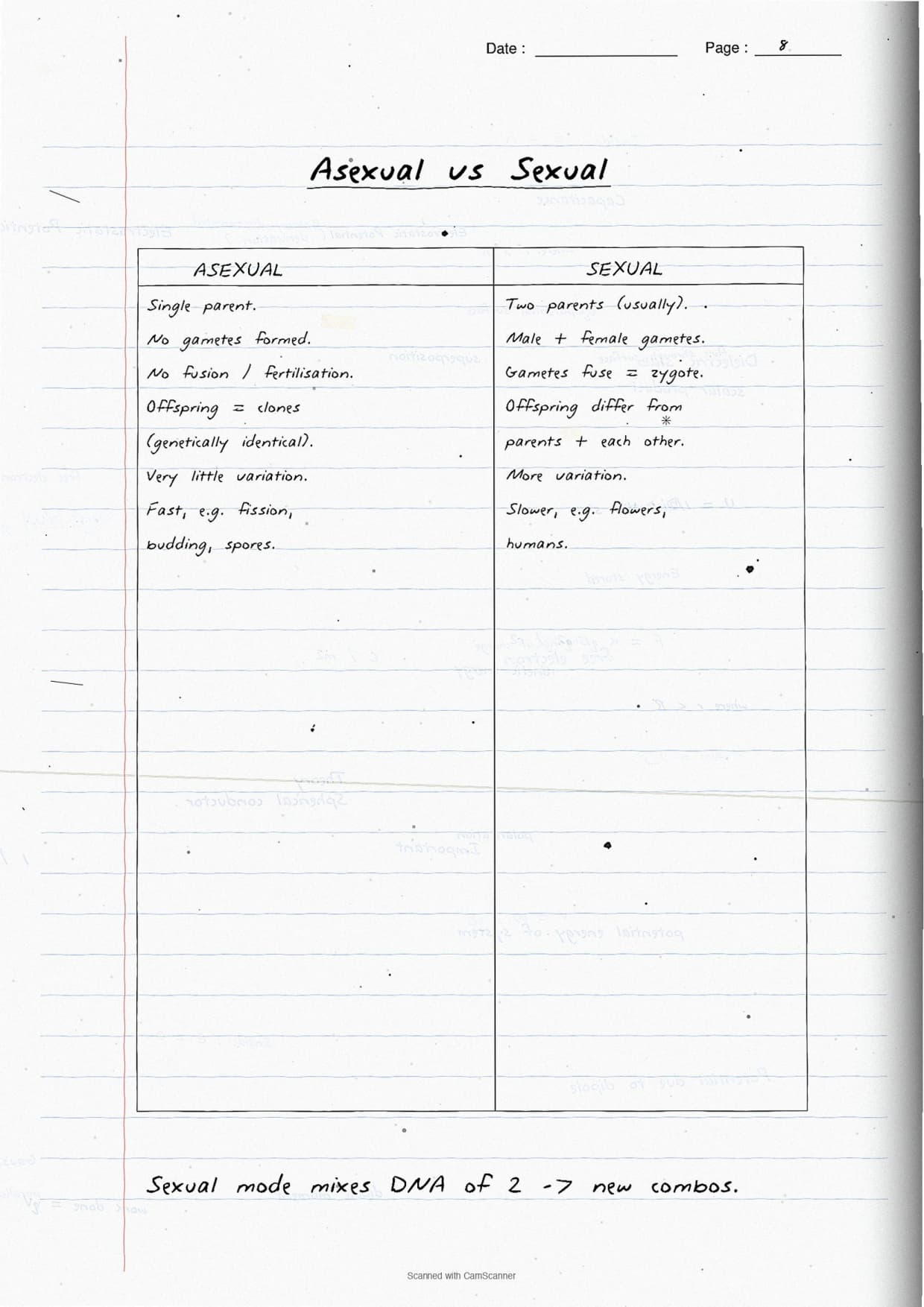
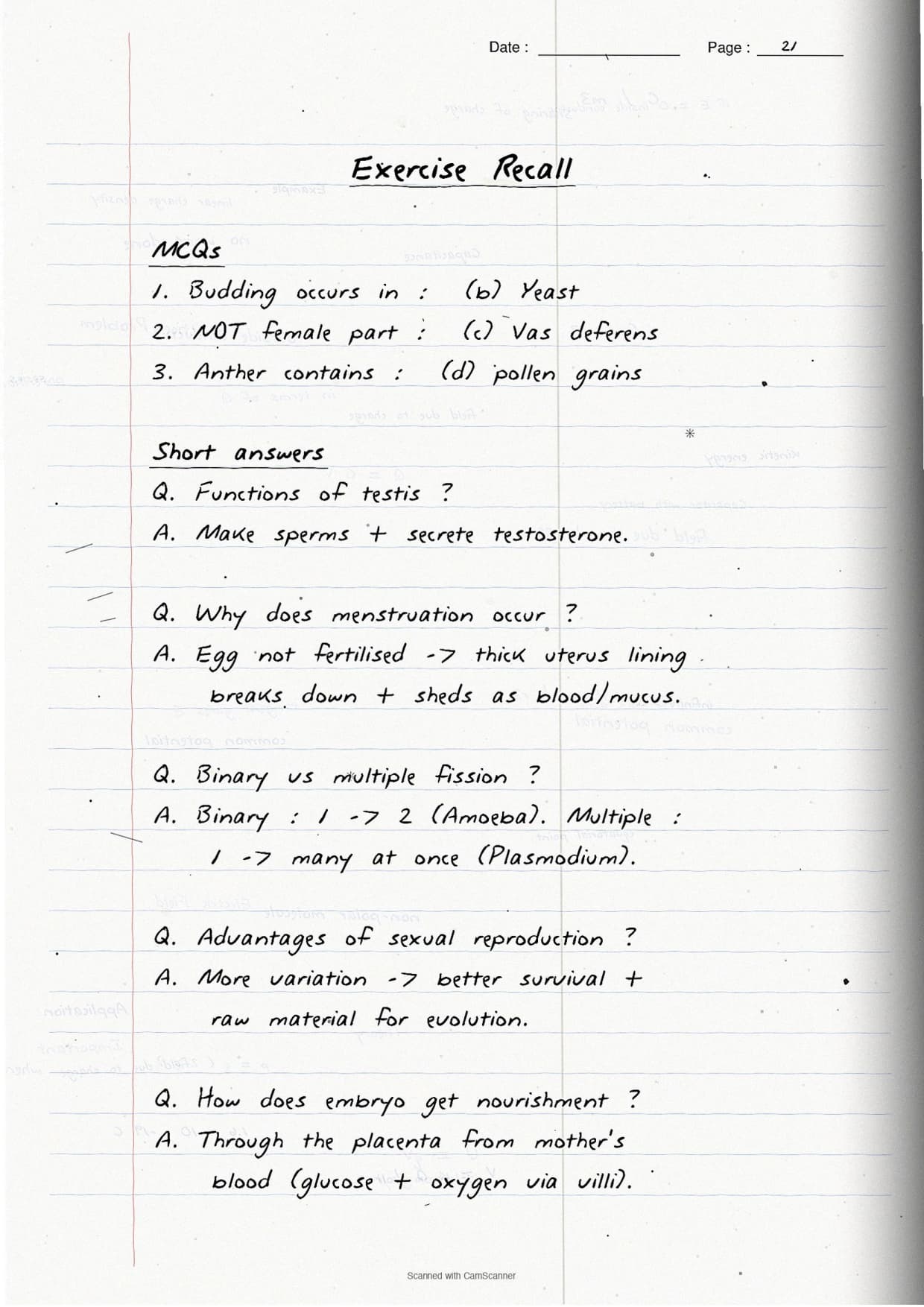
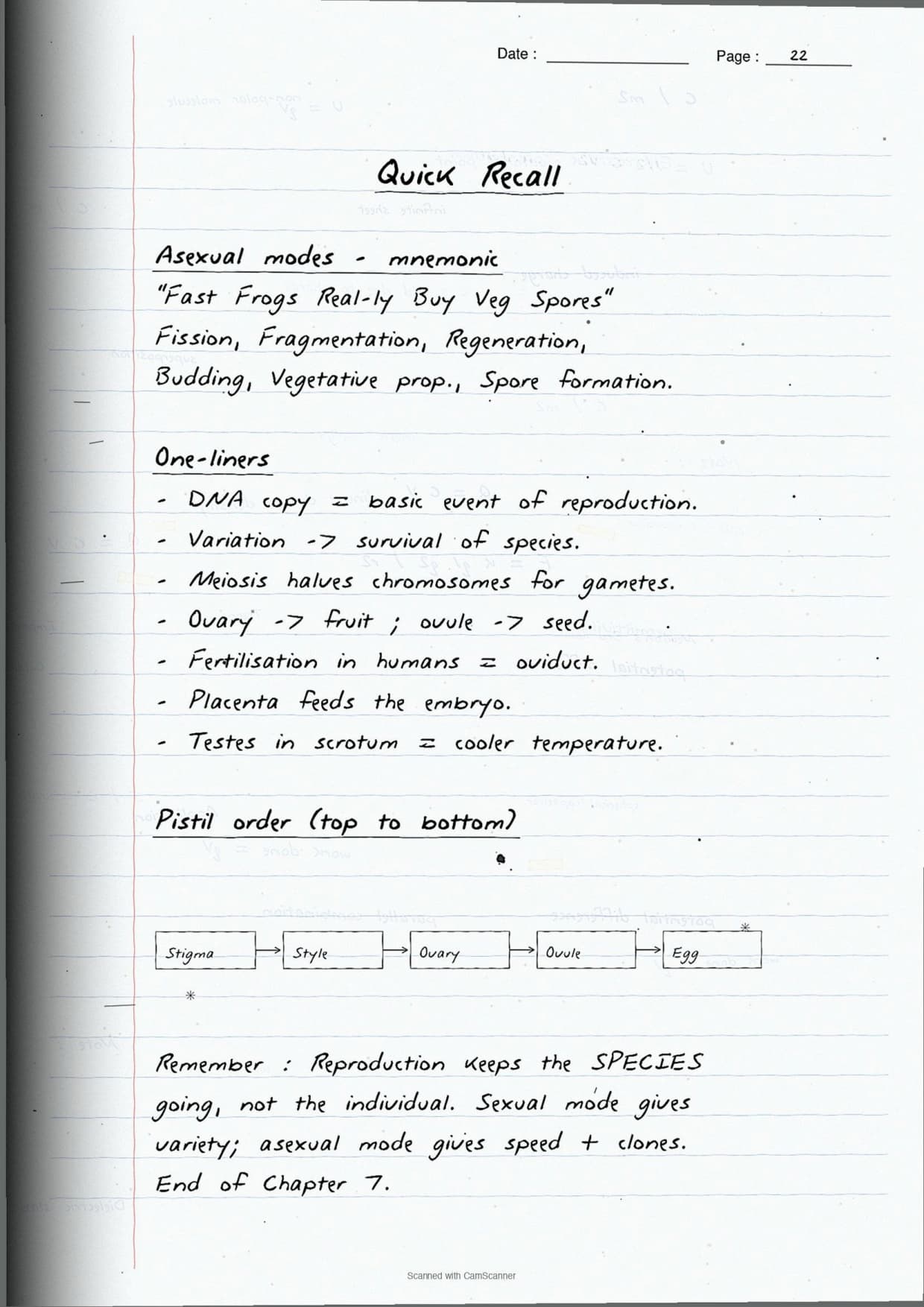
- CBSE Weightage: 5 to 6 marks from the World of the Living unit, often as 3-mark and 5-mark diagram questions on the flower, the human reproductive system and binary fission.
- Boxed definitions and a labelled diagram for every mode of reproduction, organ and process the board paper asks about.
- Pairs with the NCERT Solutions, Notes and Book PDF linked lower on this page.
These How do Organisms Reproduce handwritten notes are prepared from the official NCERT Science textbook and matched to the 2026-27 CBSE syllabus.
Student Feedback: In a Collegedunia poll of 11,400 Class 10 Science students before the 2026 boards, 79% of students said the labelled flower and human reproductive system diagrams were the fastest way to revise this chapter. Most students copied the hand-drawn diagrams straight onto practice answer sheets.
Source: 2026-27 Class 10 Science student poll. Sample of 11,400 students from CBSE schools across 15 states.
Solved by Collegedunia: Every diagram and definition in these How do Organisms Reproduce handwritten notes is checked by Collegedunia's Class 10 Science team against the latest 2026-27 NCERT textbook, so what you revise matches exactly what the CBSE board paper expects.
What These How do Organisms Reproduce Handwritten Notes Include
These How do Organisms Reproduce handwritten notes condense the chapter into 24 scanned pages of ruled paper, with every diagram hand-drawn and every key term underlined. They are built around the three big ideas the CBSE board paper tests:
- Asexual reproduction: the modes used by single organisms, including fission, fragmentation, regeneration, budding, spore formation and vegetative propagation.
- Sexual reproduction in plants: the parts of a flower, pollination and fertilisation, leading to seed and fruit formation.
- Reproduction in humans: the male and female reproductive systems, fertilisation, and reproductive health.
How do Organisms Reproduce Class 10 Science Video Lecture
Source: Magnet Brains on YouTube
Why Organisms Reproduce and the Importance of Variation
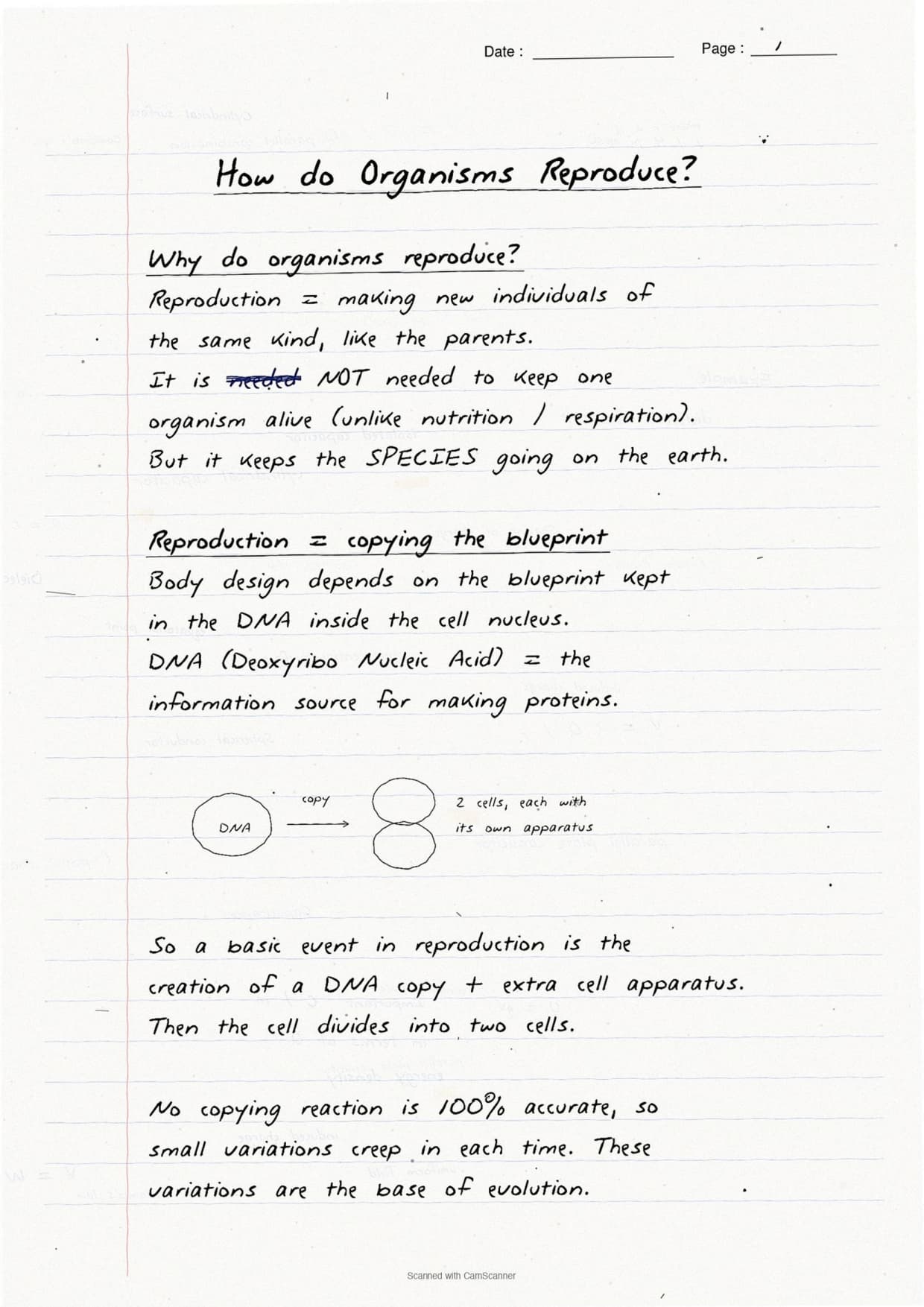
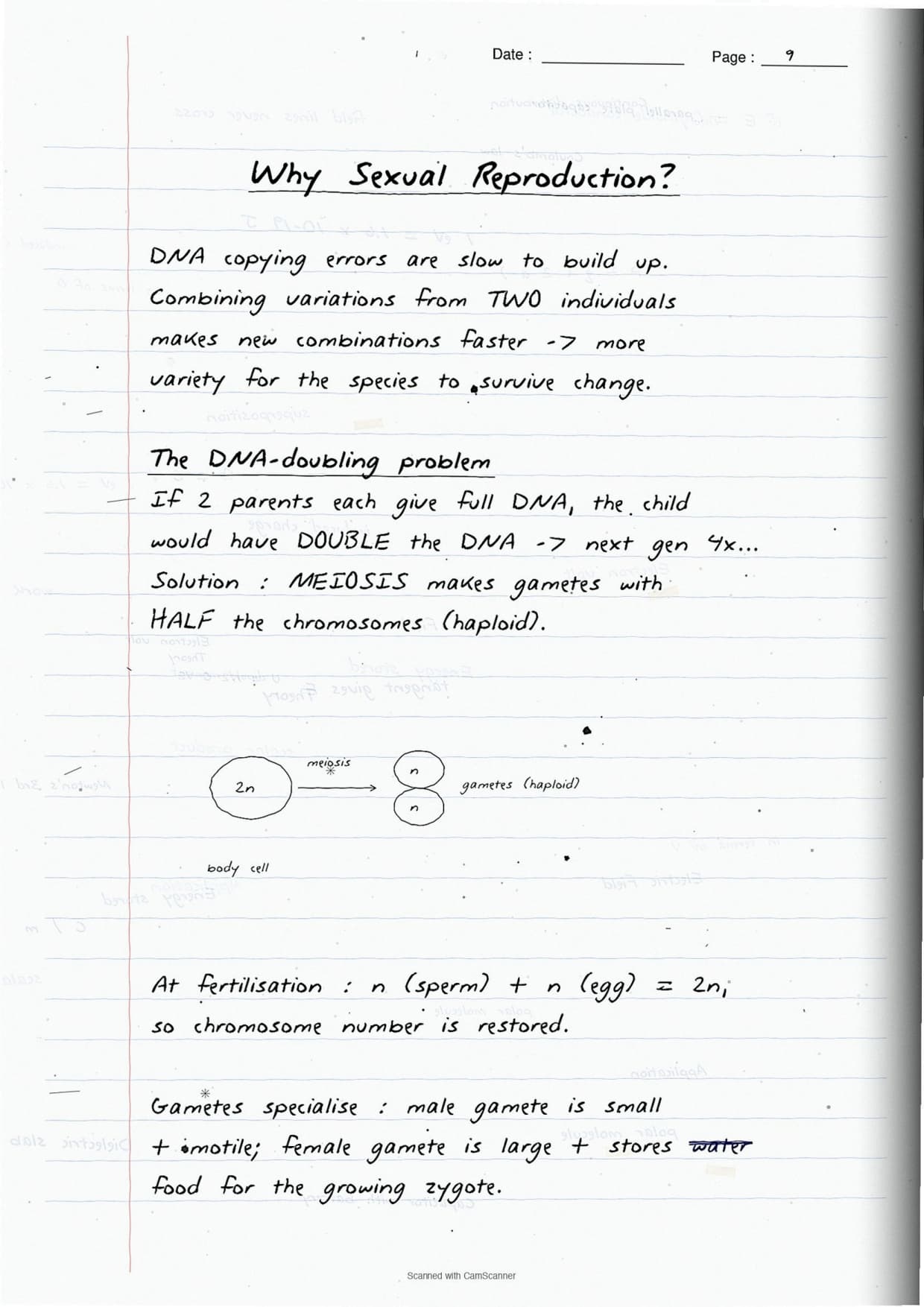
The opening pages settle a basic board question: why organisms reproduce at all. Reproduction makes new individuals and passes on the body design through a copy of the DNA.
- Reproduction: living organisms produce new individuals similar to themselves, keeping the species going.
- DNA copying: the basis of reproduction; the DNA carries the body-design information.
- Variation: small differences appear because DNA copying is never perfect, the basis of evolution.
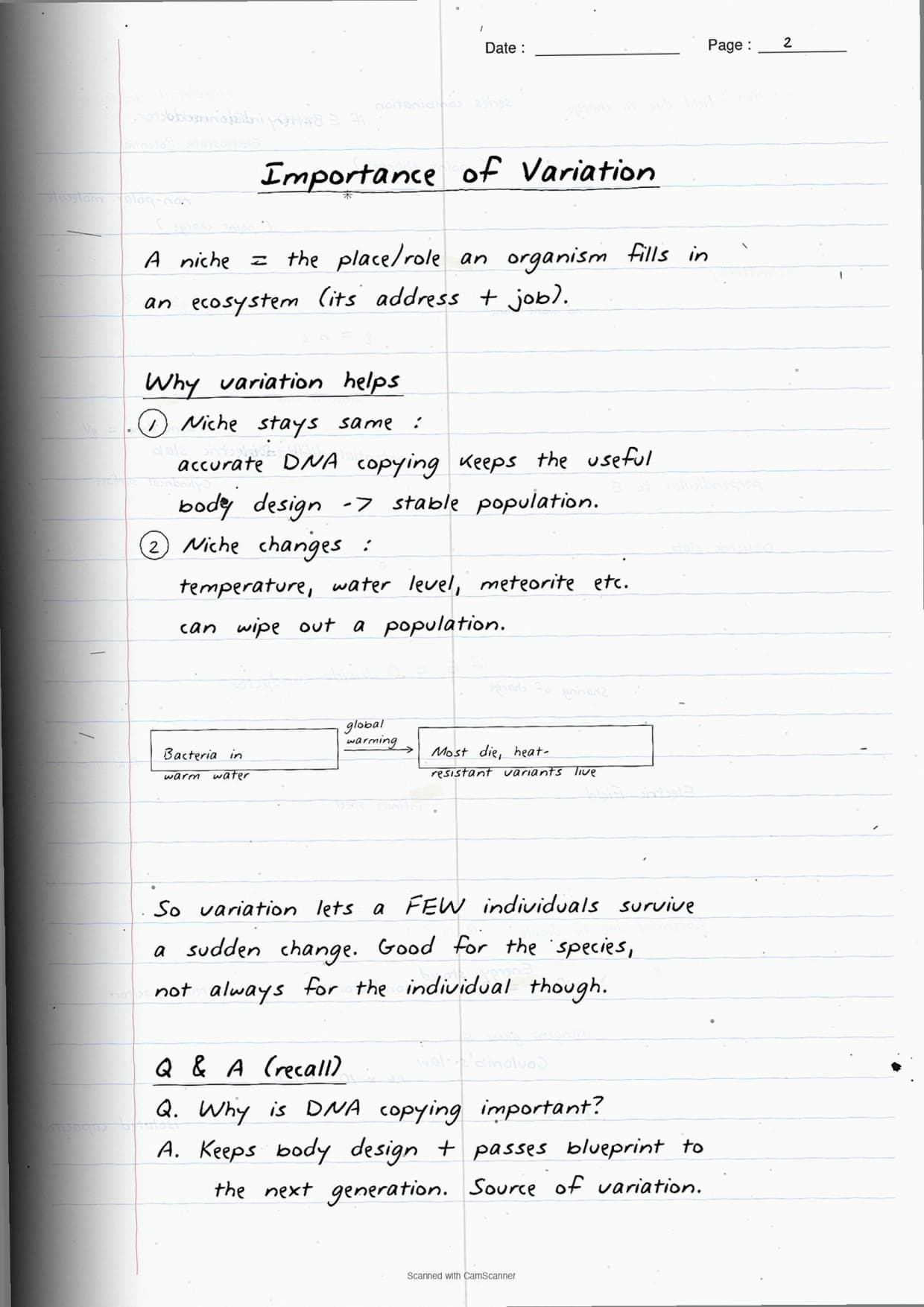
Why variation matters is a favourite 3-mark question. If a uniform population faces an environment change it could be wiped out, but a few varied individuals may survive. The key contrast:
- Asexual reproduction: a single parent, no gametes, offspring almost identical, very little variation.
- Sexual reproduction: two parents and fusion of gametes mixes DNA and gives more variation, helping evolution more.
Modes of Asexual Reproduction Every Class 10 Student Must Know
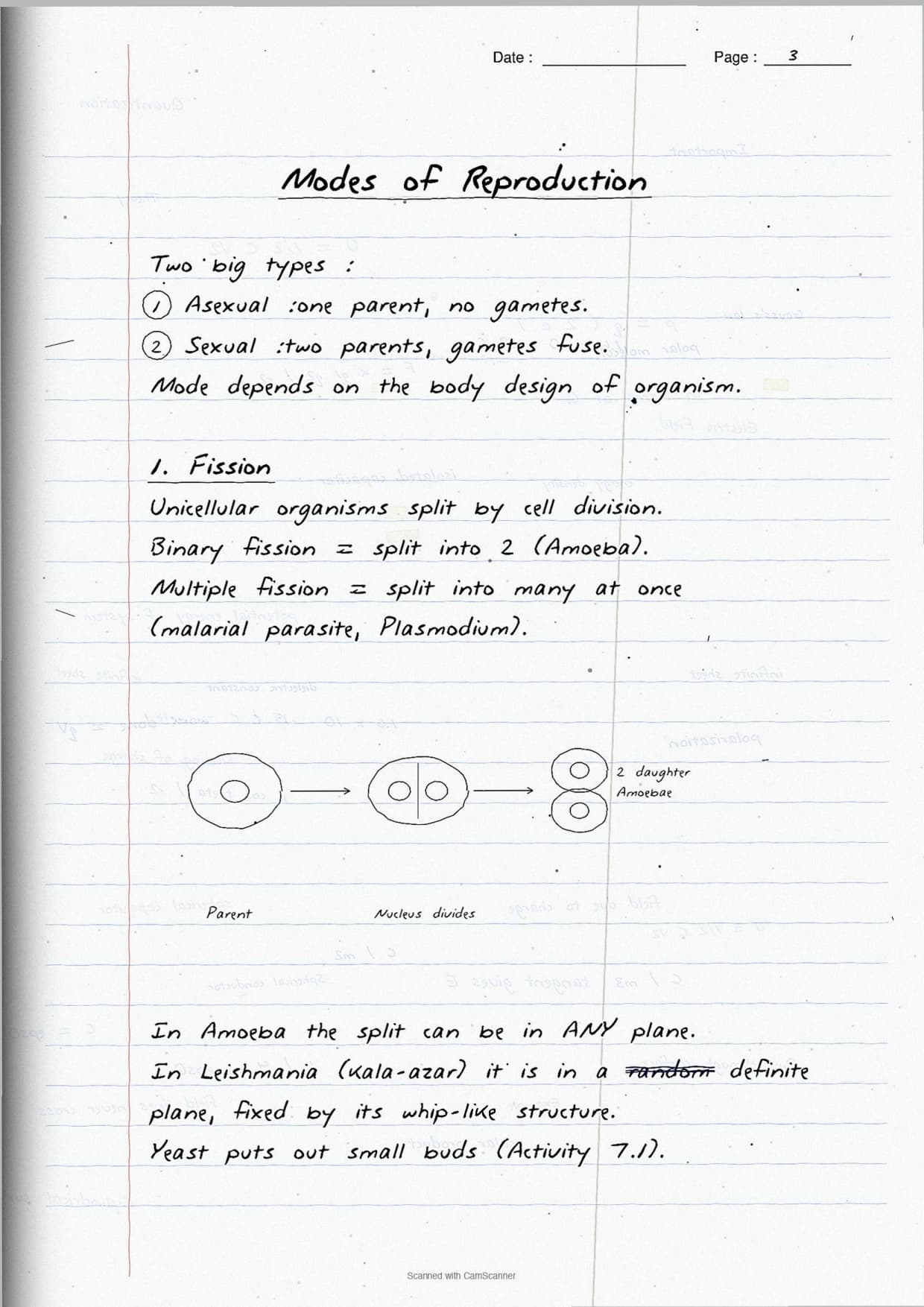
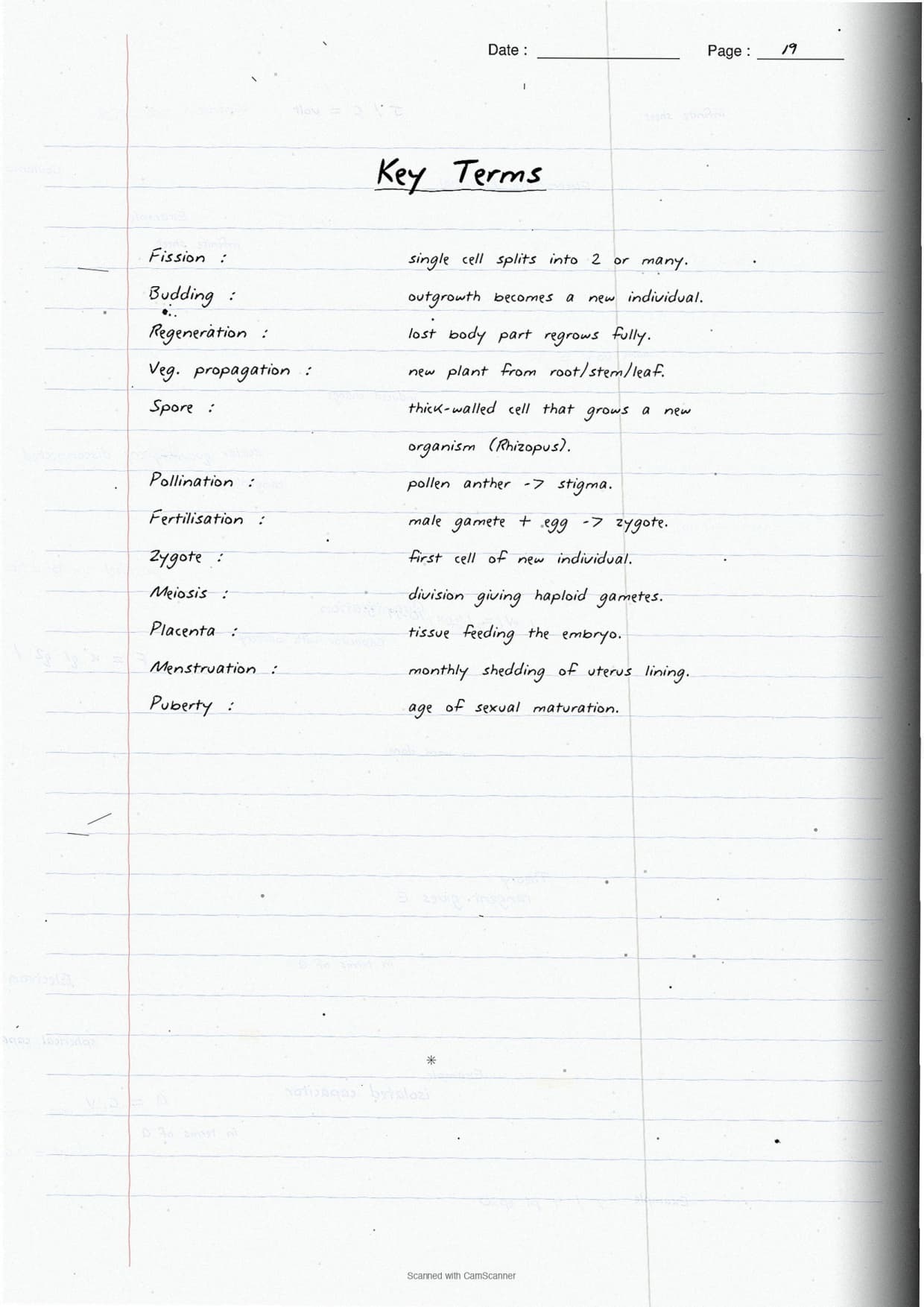
One full spread lists the modes of asexual reproduction, each with a definition and an example organism, mirrored in the table below.
| Mode | What happens | Example organism |
|---|---|---|
| Binary fission | Parent cell splits into two equal daughter cells | Amoeba, Leishmania |
| Multiple fission | Parent splits into many daughter cells at once | Plasmodium |
| Budding | A bud grows on the parent and then separates | Yeast, Hydra |
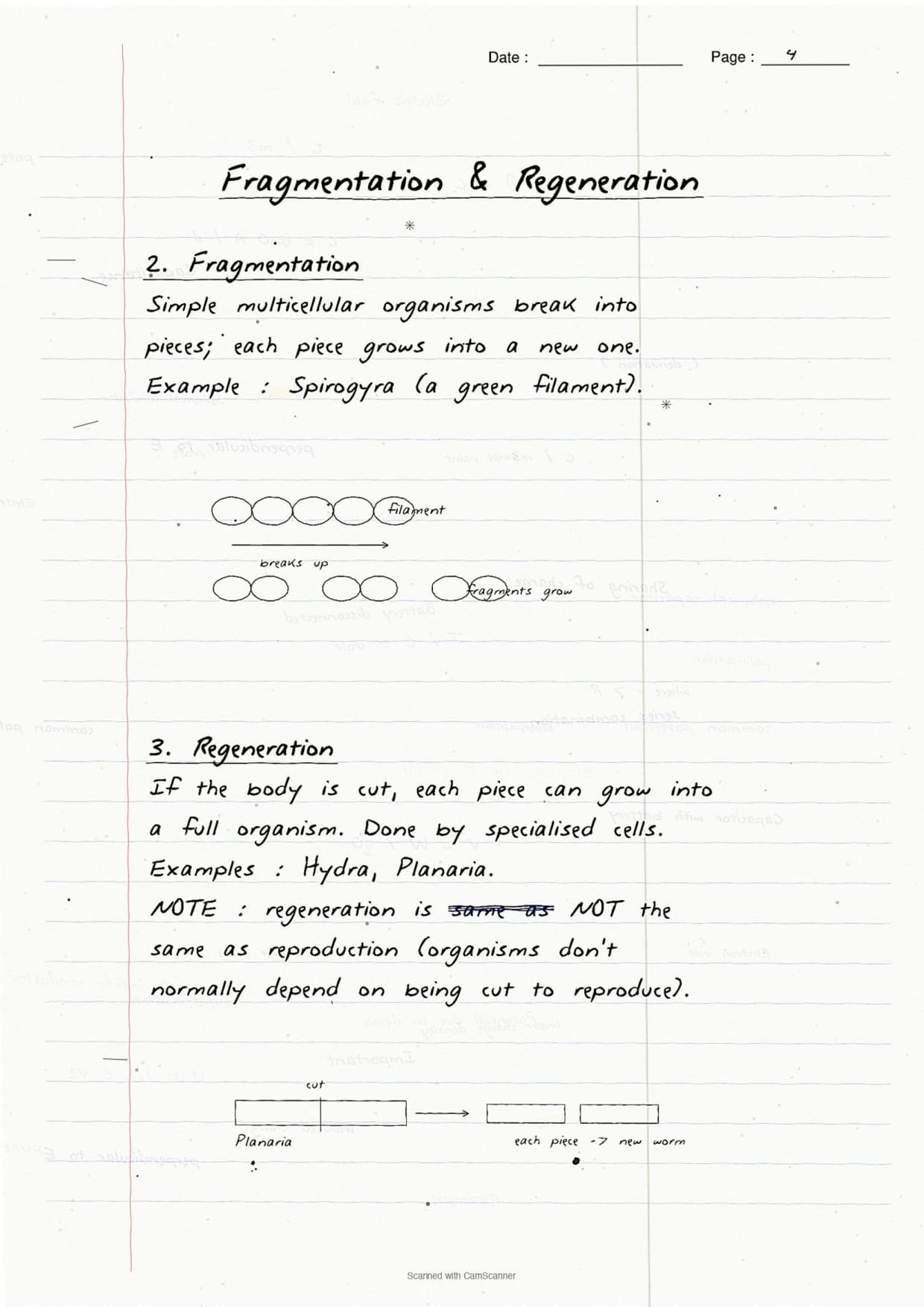
| Fragmentation | Body breaks into pieces that each grow into a new individual | Spirogyra |
| Regeneration | A cut piece grows into a full new organism | Planaria, Hydra |
| Spore formation | Spores from a sporangium grow into new individuals | Rhizopus |
| Vegetative propagation | New plants grow from roots, stems or leaves, not seeds | Potato, Bryophyllum |
A distinction students miss: regeneration is not reproduction. It regrows lost parts only. The two gains of vegetative propagation: plants flower and fruit earlier than from seeds, and the new plants are genetically identical, so good qualities are kept.
Sexual Reproduction in Flowering Plants in the Notes
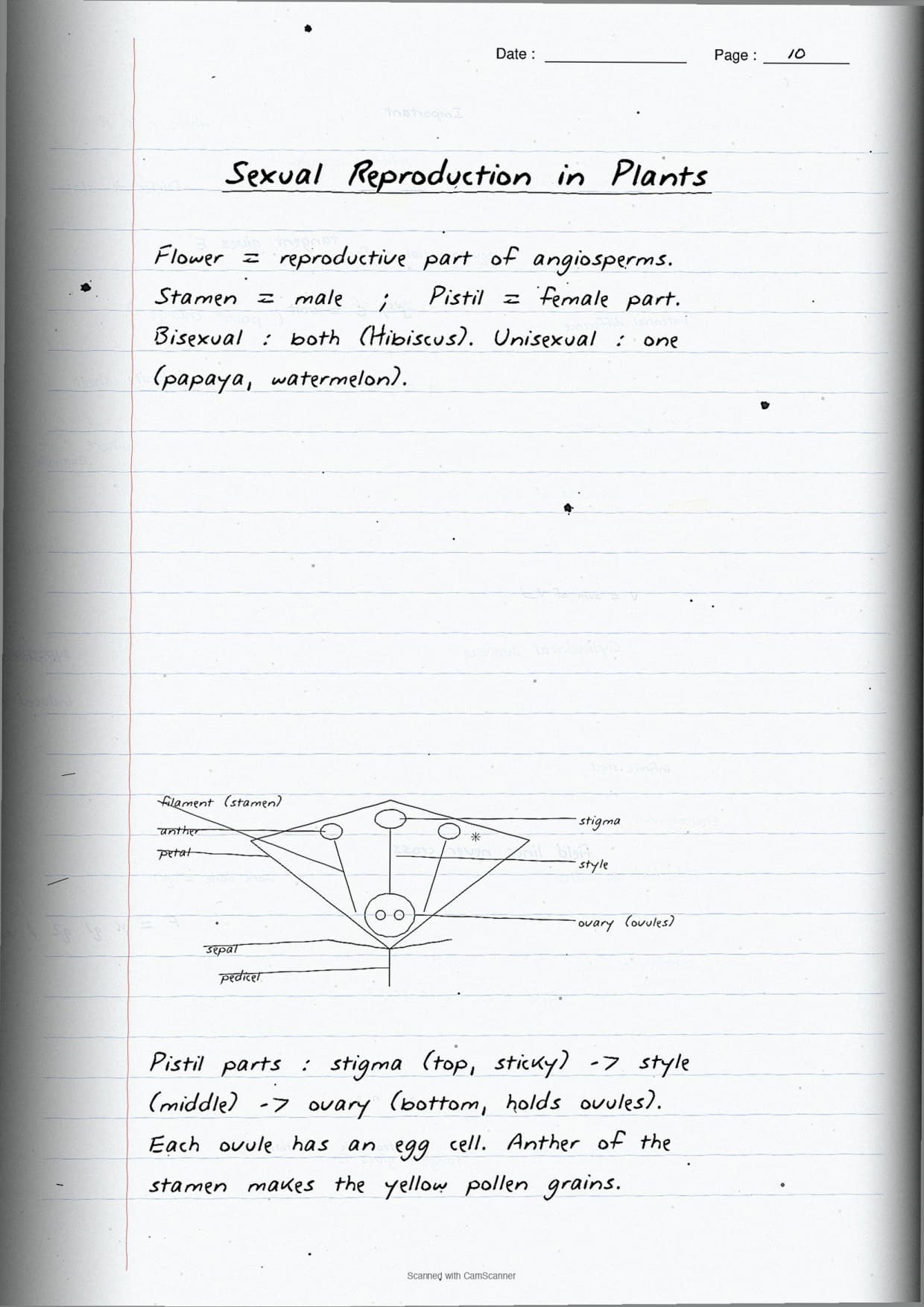
The labelled flower is a top 5-mark diagram. The boxed list below mirrors the page:
- Stamen: the male part, made of the anther (makes pollen) and the filament.
- Carpel (pistil): the female part, made of the stigma, the style and the ovary holding the ovules.
- Unisexual flower: only stamens or only carpels, like papaya and watermelon.
- Bisexual flower: both stamens and carpels, like Hibiscus and mustard.
The two steps that lead to a seed:
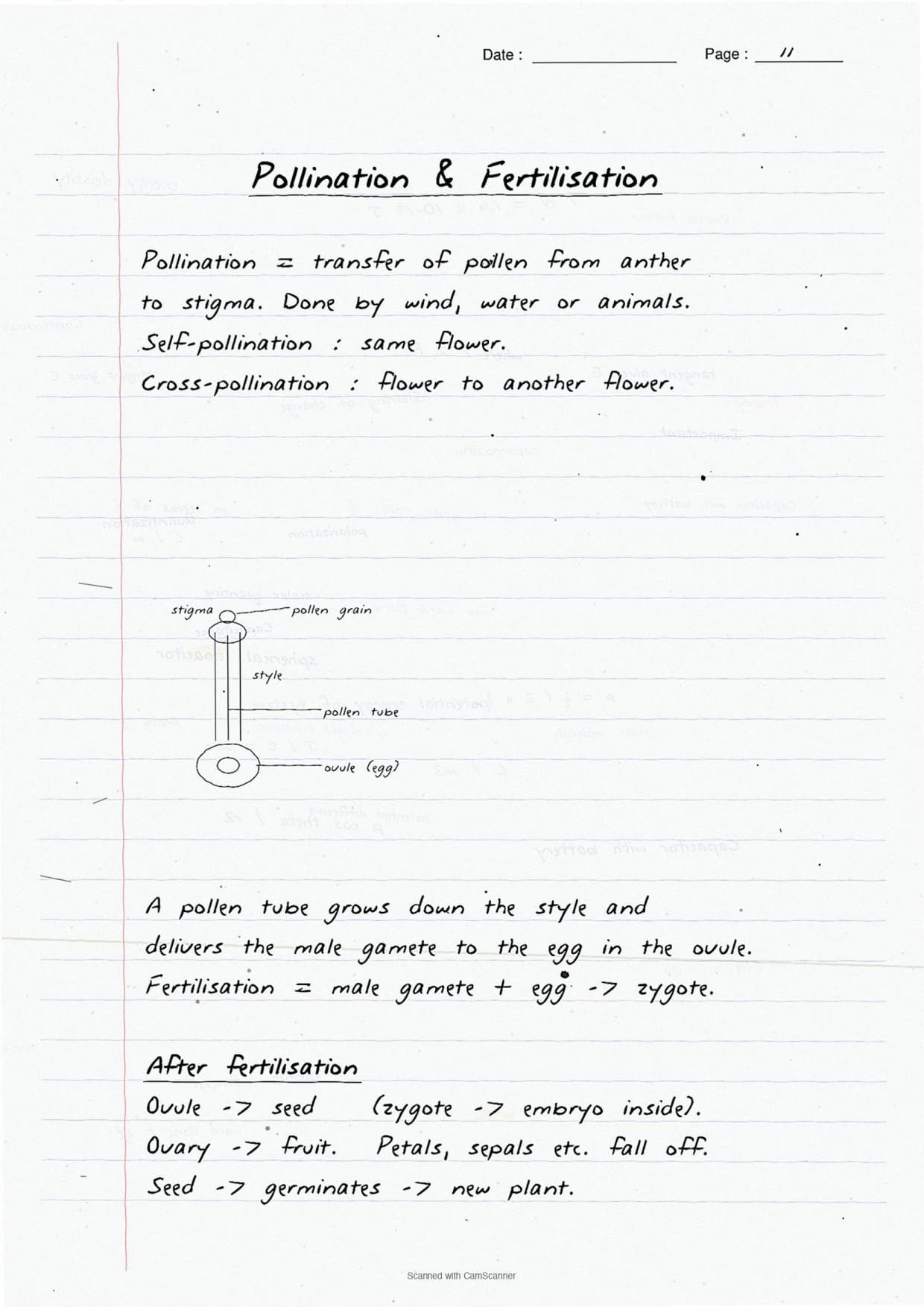
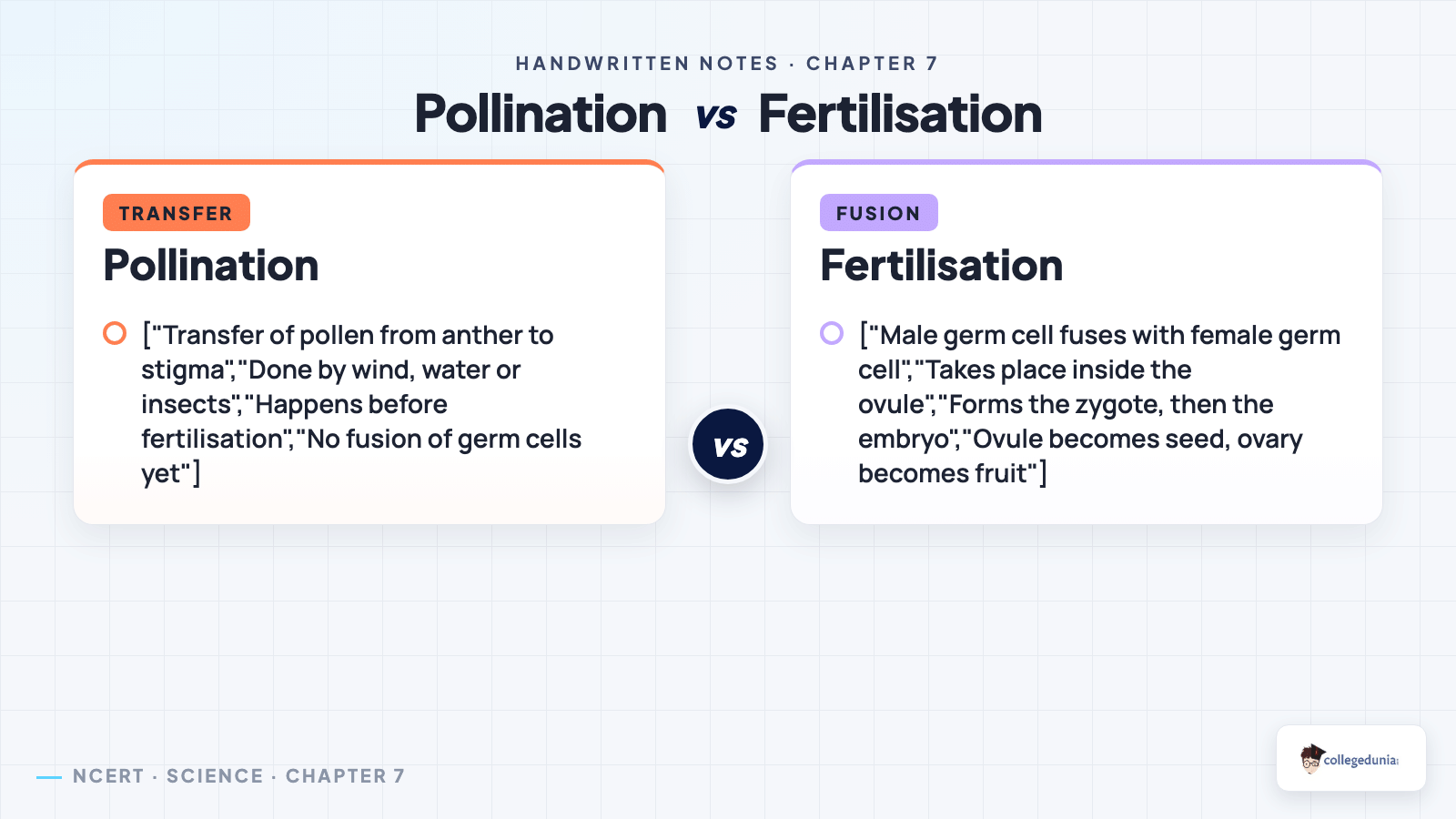
- Pollination: transfer of pollen from anther to stigma, by wind, water or insects.
- Fertilisation: the male germ cell fuses with the female germ cell in the ovule, forming the zygote.
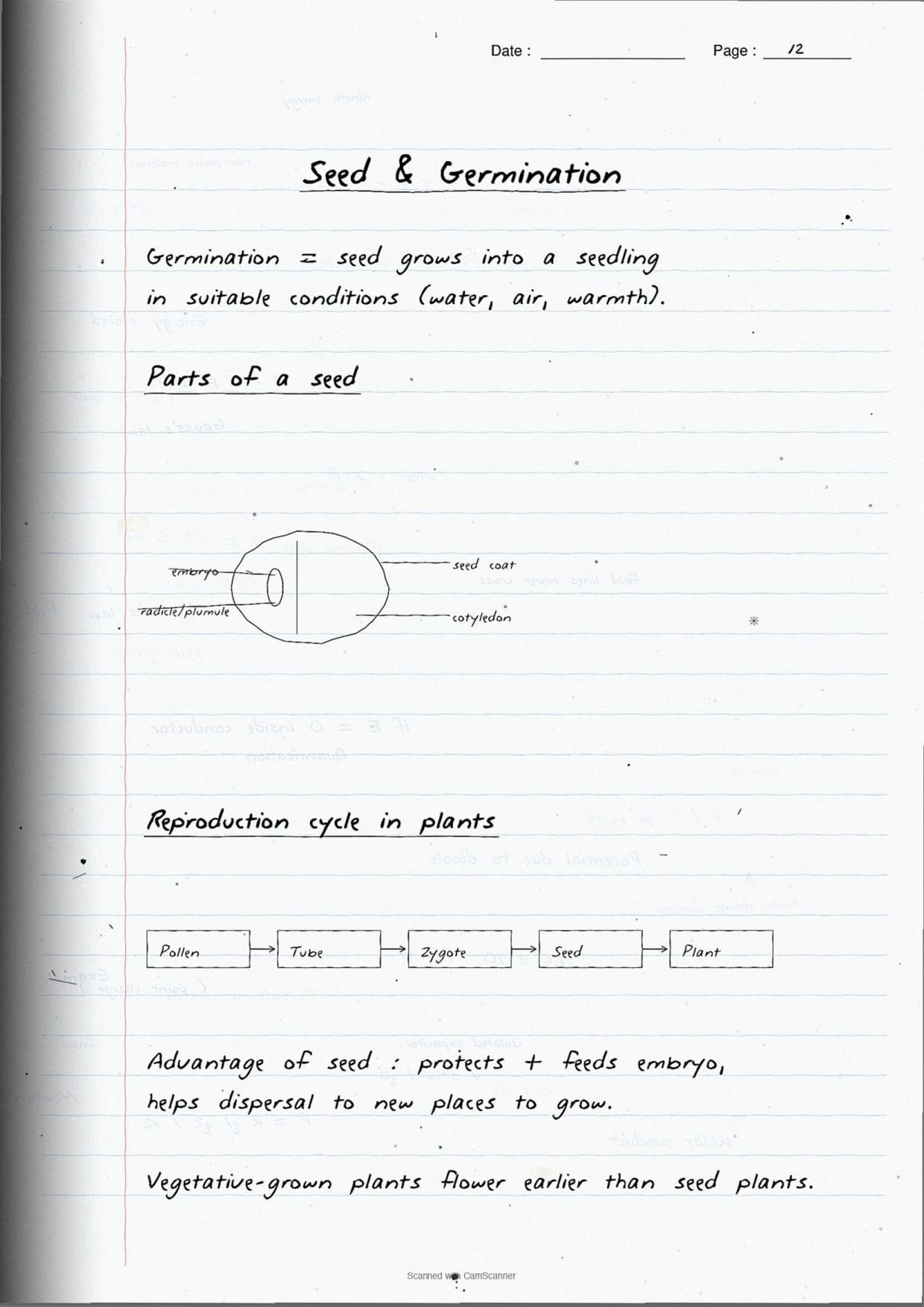
After fertilisation: the ovule becomes the seed and the ovary becomes the fruit, while the zygote grows into an embryo.
The Human Reproductive System: Male and Female
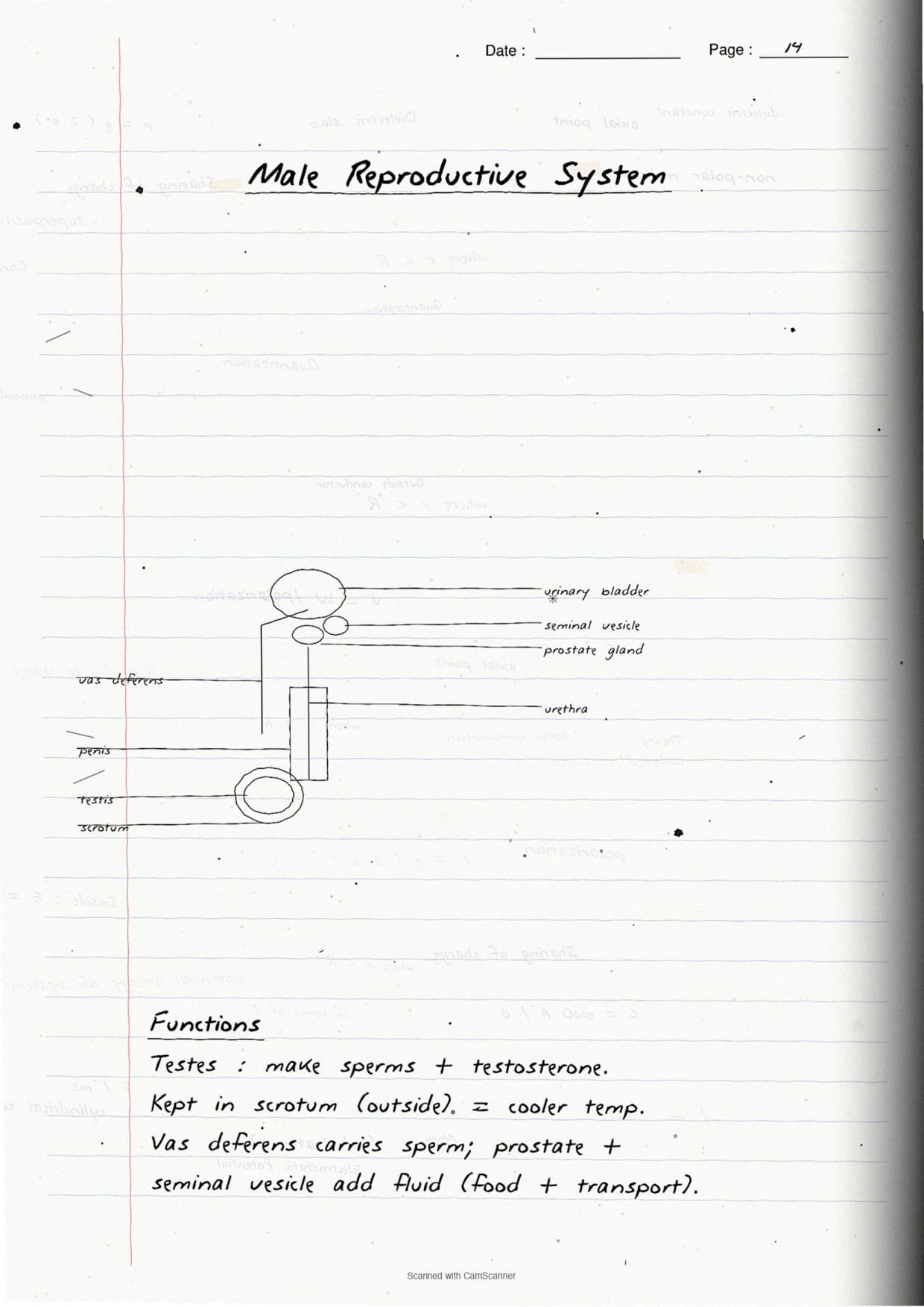
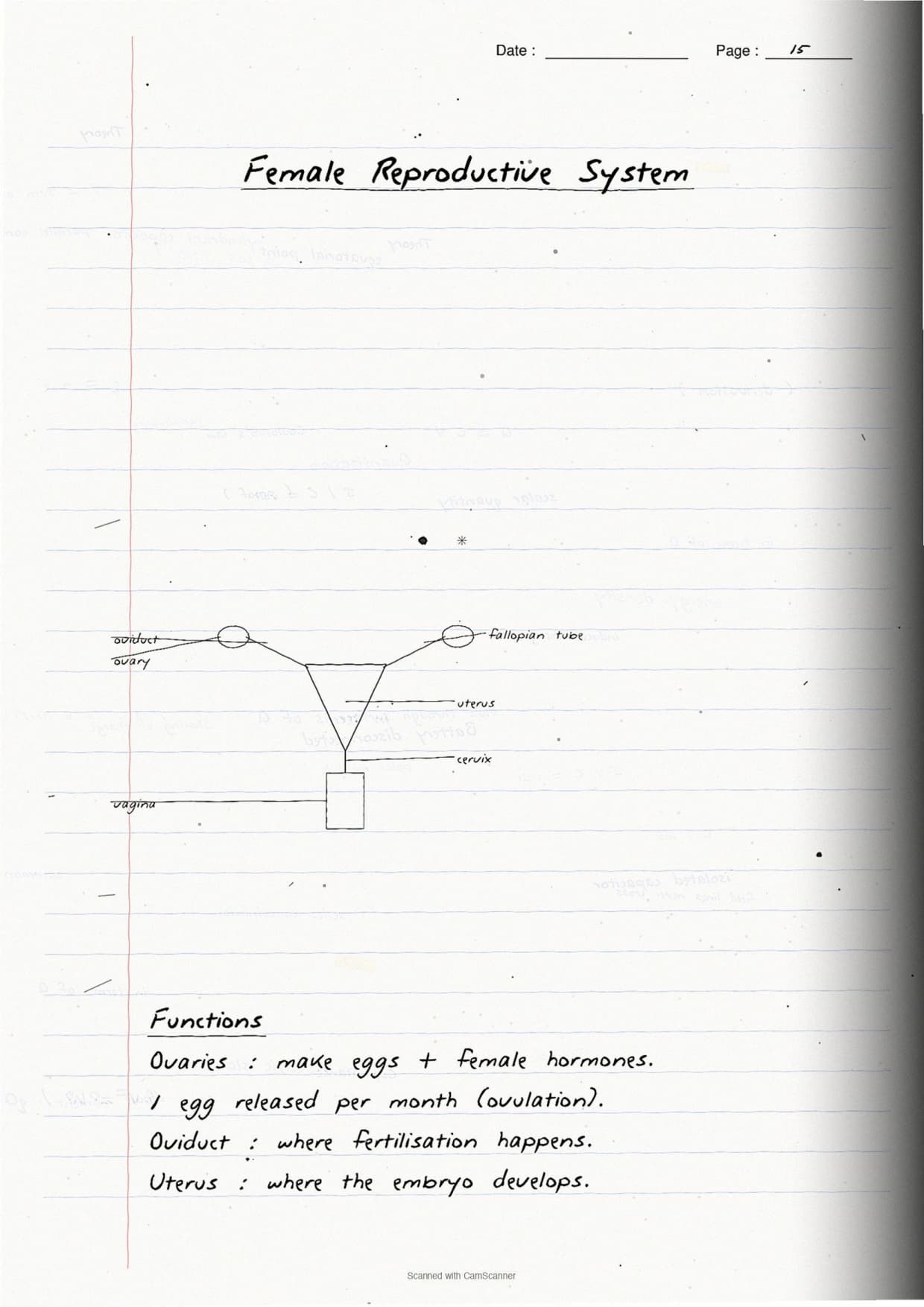
The human reproduction spread draws the male and female systems, both common labelled diagrams. The male system parts:
- Testes: make the male gametes (sperms) and testosterone; they lie in the scrotum for a cooler temperature.
- Vas deferens: carries sperms from the testes to the urethra.
- Glands: the prostate and seminal vesicles add fluid, so sperms travel in semen.
The female reproductive system parts:
- Ovaries: make the female gametes (eggs/ova) and hormones; one egg is released each month.
- Fallopian tube (oviduct): carries the egg to the uterus and is the site of fertilisation.
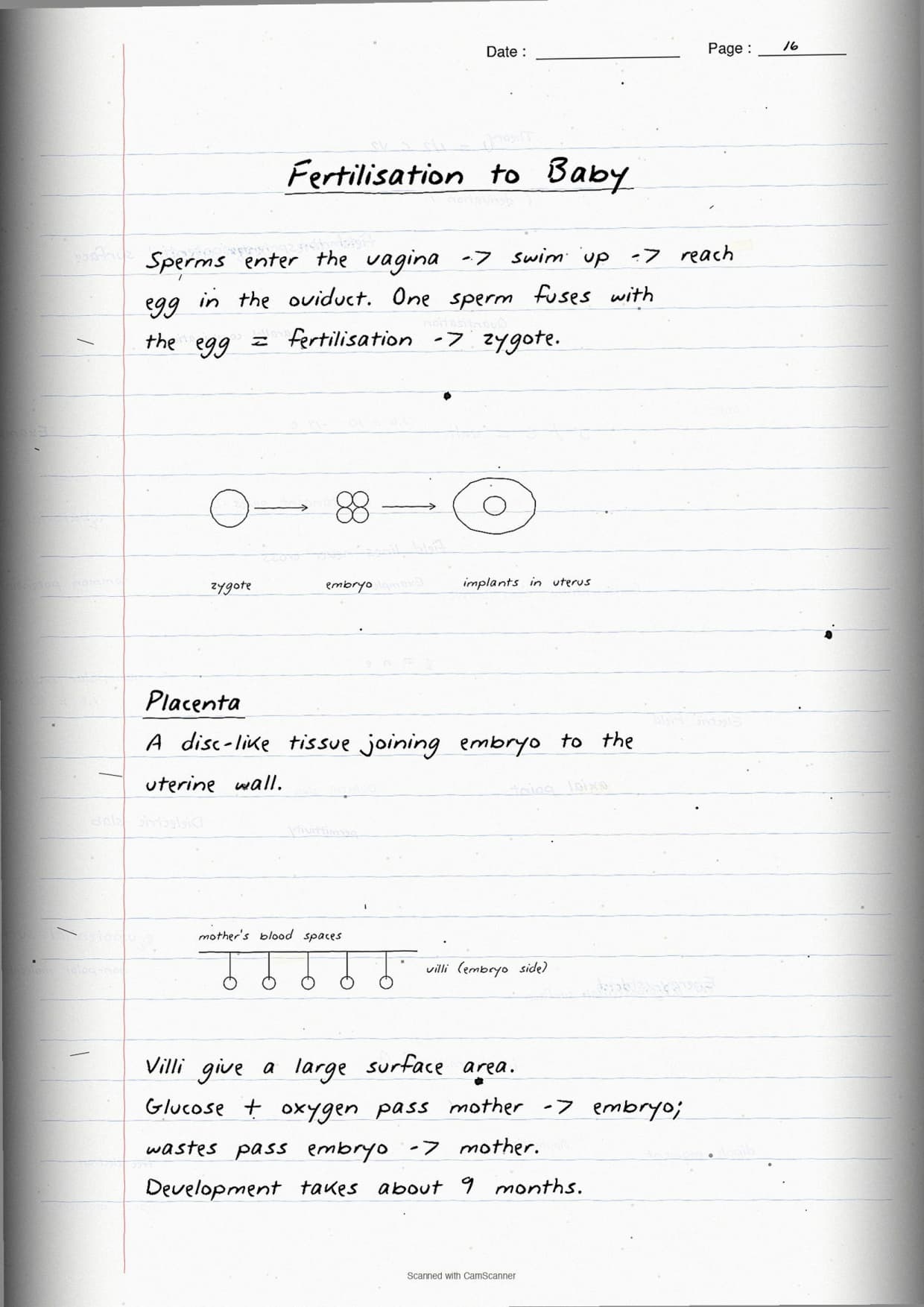
- Uterus: where the fertilised egg implants and the embryo develops, fed by the placenta.
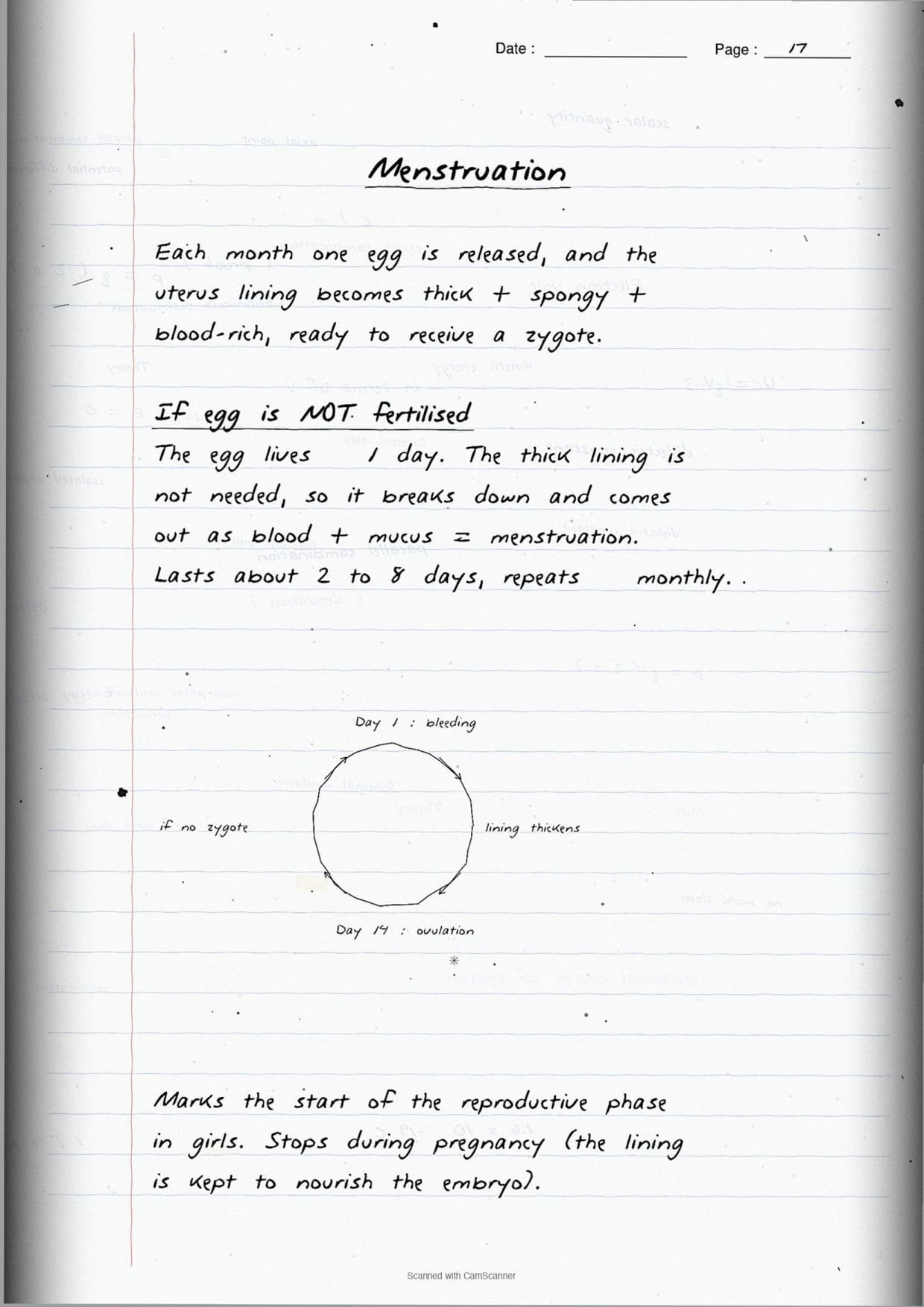
If the egg is fertilised it forms a zygote; if not, the uterus lining breaks down and leaves as menstruation, about every 28 days.
Reproductive Health, Puberty and Family Planning
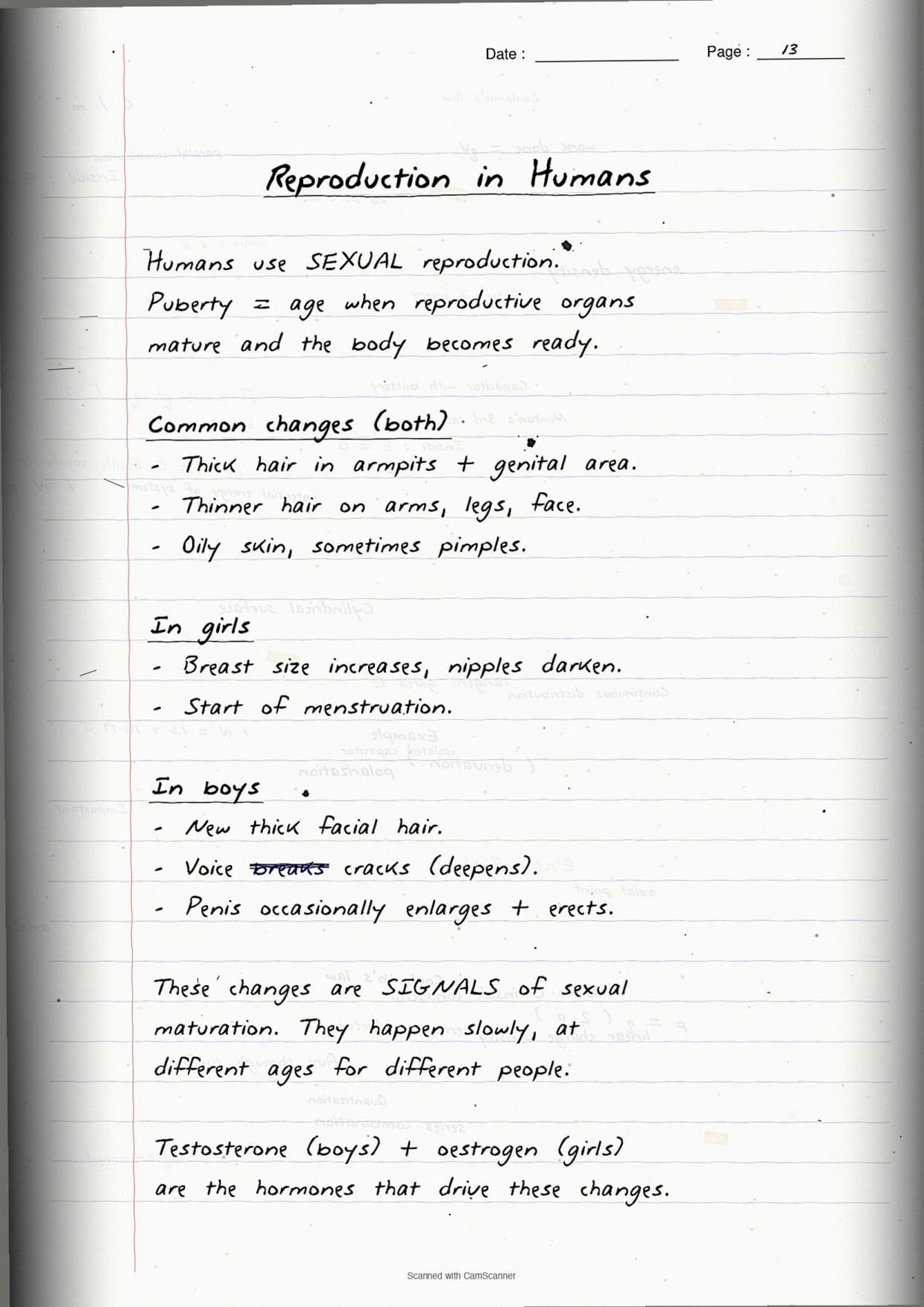
The last spread covers reproductive health, puberty changes and family planning, all direct 2-mark and 3-mark questions. Common changes at puberty:
- In both: hair in the armpits and genital area, new sweat glands, and sometimes acne.
- In girls: breasts develop, hips widen and menstruation begins.
- In boys: the voice deepens, facial hair grows and the chest and shoulders broaden.
The methods of contraception:
| Method type | How it works | Example |
|---|---|---|
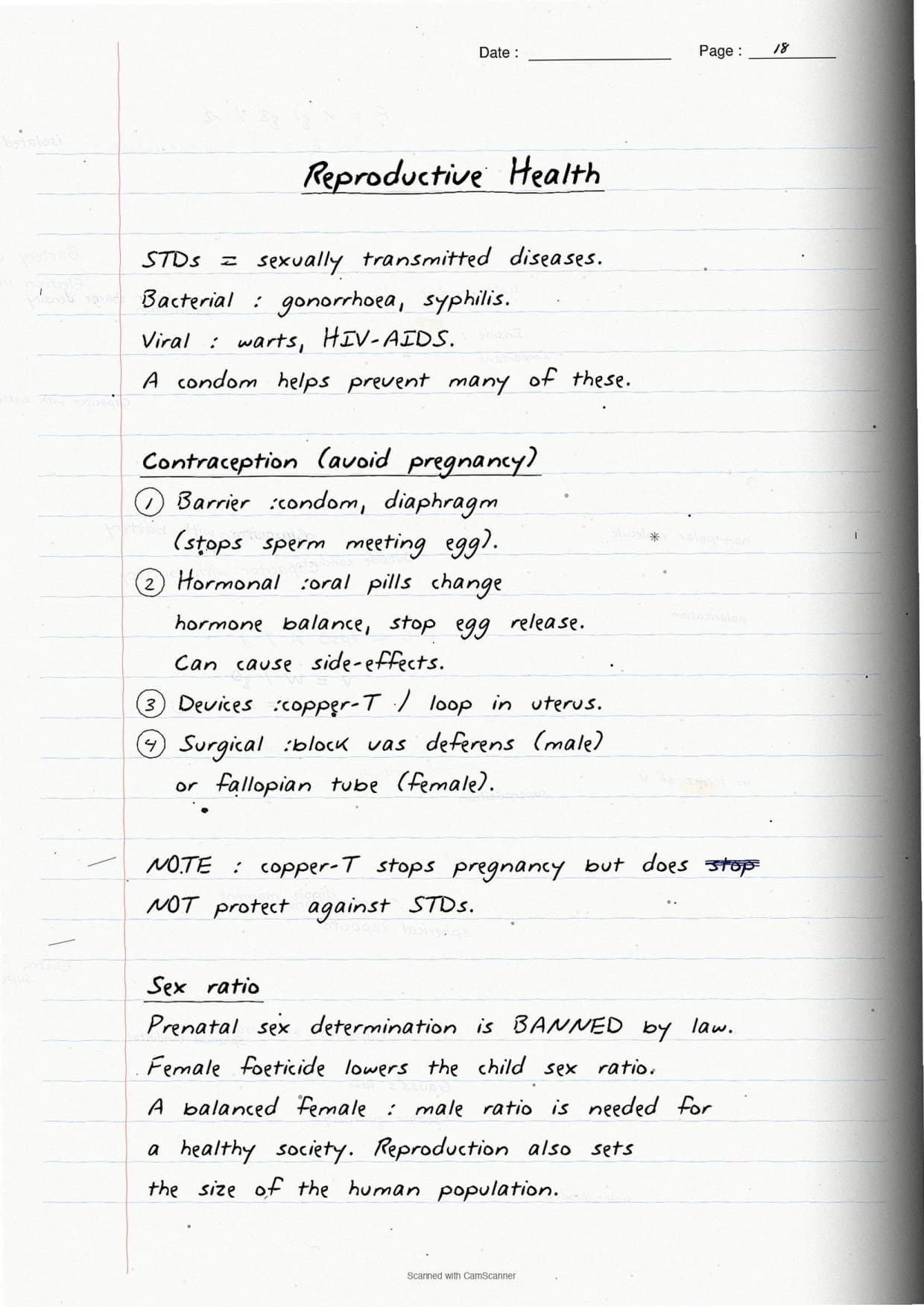
| Barrier | Stops sperm and egg meeting | Condom, diaphragm |
| Hormonal | Stops the egg being released | Oral pills |
| Surgical | Blocks the gamete tube | Vasectomy, tubectomy |
Condoms also help prevent sexually transmitted diseases such as HIV-AIDS, so a barrier method protects health too. Also note: the sex of a baby is decided by the father's chromosome, a guaranteed 1-mark fact.
How to Use These Handwritten Notes Effectively
Handwritten notes work best as a final revision layer, not your first read. Use the How do Organisms Reproduce handwritten notes like this:
- First pass: read in order, asexual first, then plant, then human reproduction and reproductive health.
- Active recall: cover the diagrams and redraw the labelled flower and human reproductive system from memory.
- Label drill: practise labelling each diagram, as the board paper gives marks for correct labels alone.
- Self-test: attempt a short chapter 7 drill, then pair with the full solutions to compare answers.
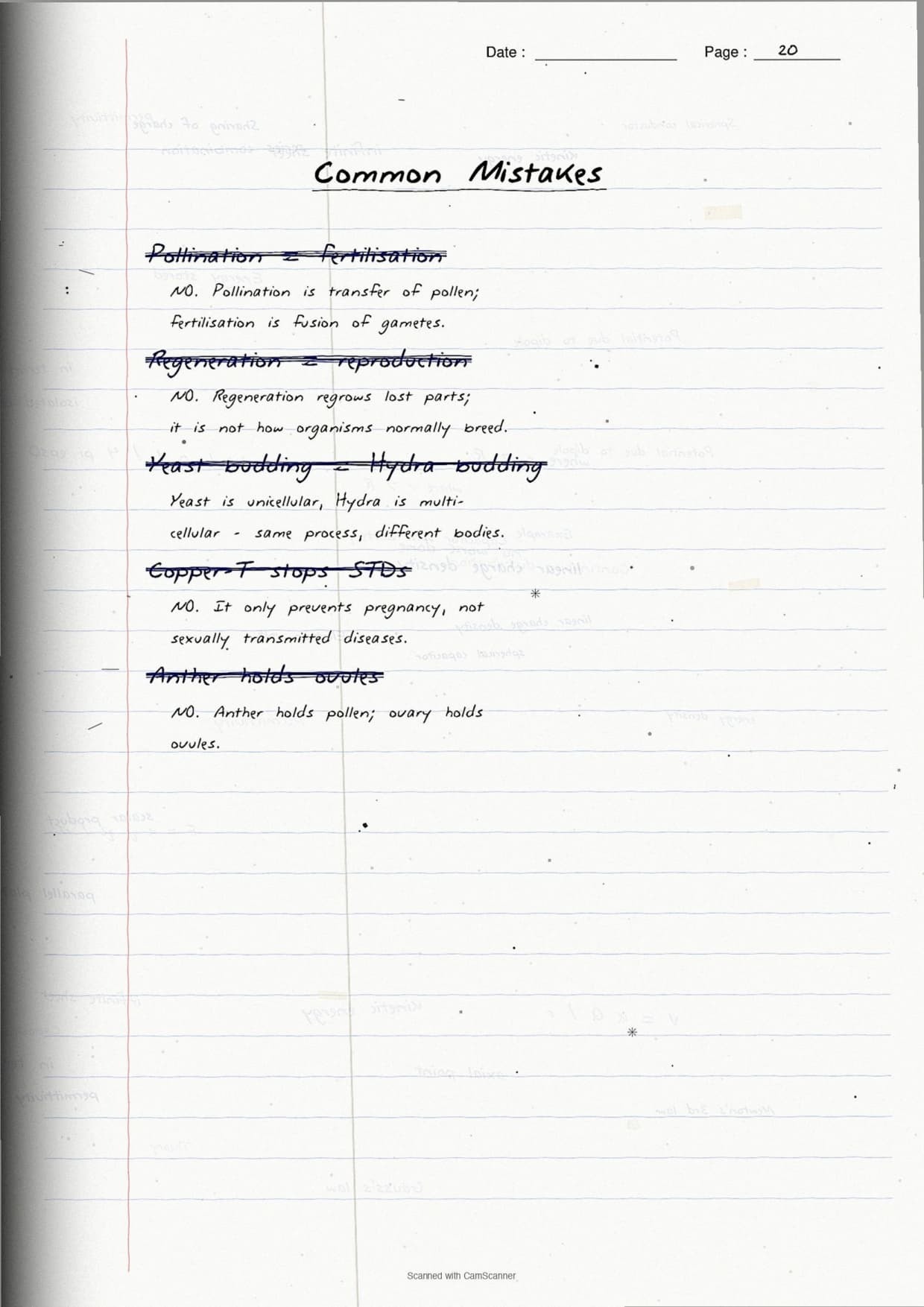
Common Mistakes These Notes Help You Avoid
A few errors cost marks every year, mostly from mixing up the modes or mislabelling a diagram. The notes flag each soft point in the margin.
- Calling regeneration a normal mode of reproduction. It only regrows lost parts.
- Confusing pollination with fertilisation. Pollination transfers pollen; fertilisation fuses the germ cells.
- Saying the ovary becomes the seed. The ovule becomes the seed, the ovary becomes the fruit.
- Writing that the mother decides the baby's sex. The father's chromosome decides it.
- Forgetting that asexual gives almost no variation, while sexual gives more variation.
Fixing these five points moves most students from average to high marks. The exam rewards exact terms and correctly labelled diagrams, so always name the mode, state the process and label every part.
How These Notes Pair with the Solutions and Book PDF
To prepare fully, use these notes with the other resources for the same chapter, linked below.
| Resource | Best used for |
|---|---|
| How do Organisms Reproduce NCERT Solutions | Step-by-step answers for every question |
| How do Organisms Reproduce Class 10 Notes | Quick typed summary in one place |
| How do Organisms Reproduce Formula Sheet | One-page quick reference |
| How do Organisms Reproduce NCERT Book PDF | The original NCERT chapter text |
Tip: redraw the labelled flower and the human reproductive system from memory, then write the seven modes of asexual reproduction with one example each.
All Class 10 Science Handwritten Notes by Chapter
The table links the handwritten notes for every Class 10 Science chapter. How do Organisms Reproduce is highlighted.
| Chapter | Handwritten Notes |
|---|---|
| Chapter 1 | Chemical Reactions and Equations |
| Chapter 2 | Acids, Bases and Salts |
| Chapter 3 | Metals and Non-metals |
| Chapter 4 | Carbon and its Compounds |
| Chapter 5 | Life Processes |
| Chapter 6 | Control and Coordination |
| Chapter 7 | How do Organisms Reproduce? |
| Chapter 8 | Heredity |
| Chapter 9 | Light - Reflection and Refraction |
| Chapter 10 | The Human Eye and the Colourful World |
| Chapter 11 | Electricity |
| Chapter 12 | Magnetic Effects of Electric Current |
| Chapter 13 | Our Environment |
FAQs on How do Organisms Reproduce Handwritten Notes
How do Organisms Reproduce Class 10 Science Handwritten Notes Common Questions
Ques. Are these class 10 science chapter 7 How do Organisms Reproduce handwritten notes free to download?
Ans. Yes. The How do Organisms Reproduce handwritten notes are free to download as a PDF from this page. They follow the 2026-27 NCERT syllabus and cover the full chapter across 24 scanned, hand-drawn-diagram pages for quick revision.
Ques. What does Chapter 7 How do Organisms Reproduce cover in Class 10 Science?
Ans. The notes cover why organisms reproduce and the importance of variation, the modes of asexual reproduction (fission, fragmentation, regeneration, budding, spore formation and vegetative propagation), sexual reproduction in flowering plants (parts of a flower, pollination and fertilisation) and reproduction in humans (the male and female reproductive systems and reproductive health), all of which the CBSE board paper tests directly.
Ques. What are the modes of asexual reproduction in Class 10 Science?
Ans. The main modes are binary fission (Amoeba), multiple fission (Plasmodium), budding (yeast and Hydra), fragmentation (Spirogyra), regeneration (Planaria), spore formation (Rhizopus) and vegetative propagation (potato and Bryophyllum). Each uses a single parent and gives offspring that are almost identical copies.
Ques. What is the difference between pollination and fertilisation?
Ans. Pollination is the transfer of pollen grains from the anther to the stigma, by wind, water or insects. Fertilisation is the next step, when the male germ cell from the pollen tube fuses with the female germ cell in the ovule to form the zygote, which then grows into the embryo inside the seed.
Ques. Are these notes enough for the class 10 science chapter 7 board exam?
Ans. They are a strong final revision layer. For full preparation, pair them with the NCERT Solutions linked on this page so you can write out complete answers and labelled diagrams for every in-text and back-exercise question and check them against model answers.



Comments