



Jasmine Grover Study Abroad Expert
Study Abroad Expert | Updated On - Sep 8, 2025
New Delhi, 8 September 2025 — Indian students planning to study in the United States are encountering significant challenges as visa application rules become increasingly difficult. With the US government enforcing tighter measures, students now face longer delays, higher scrutiny, and substantial regulatory changes that could disrupt their academic plans.
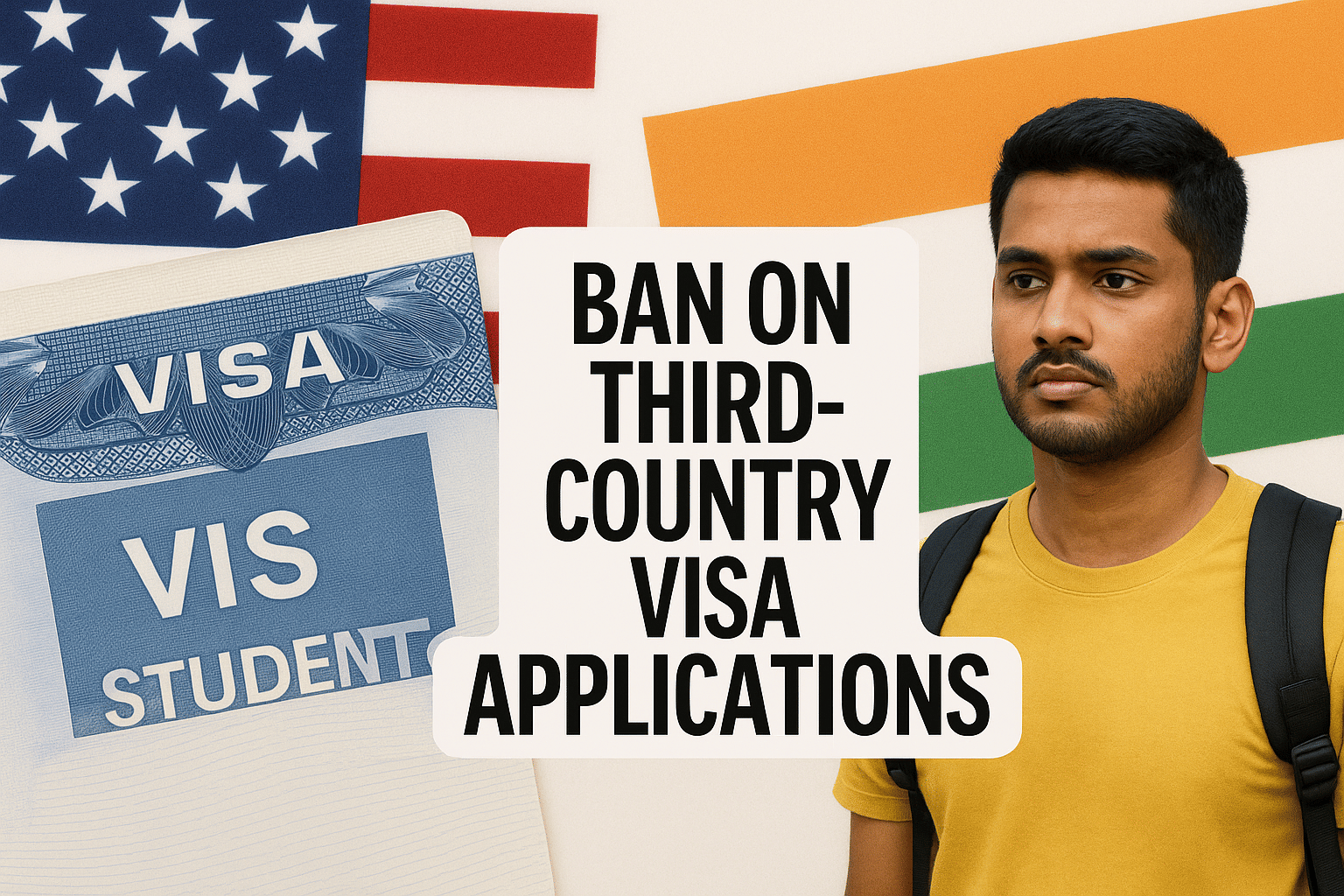
Ban on Third-Country Visa Applications
In a major shift, the US Department of State has banned non-immigrant visa applicants from applying outside their country of citizenship or legal residence. This directive, effective from early September 2025, ends a pandemic-era policy that allowed applicants, including Indian students, to apply in third countries such as Singapore, Thailand, or Brazil to bypass backlogs in India.
- All Indian applicants must now apply through US consulates in India, where waiting times range from over three months in cities like Mumbai and Hyderabad to nine months in Chennai.
- Those who had booked third-country appointments will now need to reapply, pay additional fees, and face even longer delays.
Also Read
Visa Appointment Delays and Increased Denials
Visa appointment delays in India have worsened since July 2025, following a reduction in processing capacity and the introduction of digital screening protocols. Despite the addition of extra slots, waiting times remain high, and reports from cities like Ahmedabad show visa approval rates for students have fallen below 50%. Many students are now being forced to defer admissions or change destinations due to visa denials.
Elimination of Interview Waivers
Another significant policy change is the end of most non-immigrant visa interview waivers.
- Indian students applying for F-1 or M-visas will now be required to attend in-person interviews, regardless of age.
- Previously, children under 14 and seniors over 79 were exempt from this requirement.
- The removal of waivers has further strained appointment availability, adding another layer of uncertainty for students aiming to align their visa approval with the start of their academic programmes.
Also Read
Study in USA for Indian StudentsProposed Visa Duration Caps
In addition to procedural changes, the Department of Homeland Security has proposed capping student visas at a fixed-term of four years.
- Under the new rules, students pursuing PhDs or those on Optional Practical Training (OPT) will need to apply for extensions—a process that involves additional paperwork, fees, and biometric screenings.
- Other proposed changes include limits on school transfers, restrictions on second degrees, and caps on the duration of language training.
Rising Scrutiny and Risk of Penalties
The US Embassy in India has issued repeated warnings regarding strict compliance with visa conditions. Violations such as missing classes, working without authorisation, or failing to maintain full-time enrollment could result in visa revocation, deportation, and permanent bans on future US travel. In Ahmedabad and other centres, some students have already been denied visas despite having confirmed admissions, while others have struggled to secure interviews altogether.
Impact on Indian Students
For the 330,000 Indian students already in the US, and the thousands more preparing to study there, these changes mean:
- Longer waits for visa appointments in India.
- The loss of flexibility after the ban on third-country applications.
- Mandatory interviews for nearly all categories of applicants.
- Uncertainty around academic timelines due to proposed visa duration limits.
- Increased risk of penalties for any breach of visa rules.
These changes signal a harder stance on international student mobility. For Indian families investing heavily in higher education abroad, the path to studying in the US has become even more uncertain, with the added burden of costs, delays, and the risk of missed opportunities.



1691151352.png?tr=w-305,h-145,c-force?h=40&w=40&mode=stretch)










Comments