

![Mahatma Gandhi Kashi Vidyapith - [MGKVP]](https://image-static.collegedunia.com/public/college_data/images/logos/1498634879logo.png?h=71.7&w=71.7&mode=stretch)

MGKVP Diploma in Dance FAQs
Ques. What is the difference between Kathak and other classical Indian dance forms?
Ans. Kathak is one of the eight classical Indian dance forms, originating from North India. Unlike Bharatanatyam (South Indian) which emphasizes static poses and geometric patterns, Kathak focuses on intricate footwork, rapid movements, and storytelling through facial expressions and hand gestures. The dance form is characterized by its fast-paced rhythmic patterns (tatkaar), spinning movements (chakri), and the use of ankle bells (ghungroos). Kathak has a rich history influenced by both Hindu and Mughal court traditions, making it unique in its blend of classical and folk elements.
Ques. Is prior dance training required to join this diploma program?
Ans. No, prior formal dance training is not mandatory for admission to this diploma program. However, candidates with basic knowledge of classical dance or any dance background will find it easier to grasp the concepts. The program is designed to teach Kathak from the fundamentals, so beginners are welcome. That said, students should have a genuine passion for dance and be prepared for rigorous physical training, as Kathak requires significant flexibility, stamina, and dedication to master the complex movements and rhythmic patterns.
Ques. What are the career prospects after completing this diploma?
Ans. Graduates of this diploma program can pursue various career paths including professional Kathak dancer, dance instructor in schools and colleges, choreographer for films and theater productions, cultural organization coordinator, and freelance performer. Many graduates also establish their own dance schools or perform at cultural events and festivals. Some pursue higher education in dance or related fields. The growing interest in classical arts and cultural preservation has created numerous opportunities in the entertainment, education, and cultural sectors for trained Kathak dancers.
Ques. What is the daily schedule and practice routine like?
Ans. The diploma program typically involves 4-5 hours of daily classes including theoretical lectures and practical training sessions. Students learn footwork, rhythmic patterns, hand gestures, and facial expressions through structured classes. Regular practice outside class hours is essential for mastering the complex movements. Students are expected to practice for at least 2-3 hours daily on their own. The program also includes performances and recitals where students showcase their learning, which helps build confidence and stage presence.
Ques. Are there opportunities for performances and stage exposure during the course?
Ans. Yes, MGKVP regularly organizes cultural programs, seminars, and dance recitals where students get opportunities to perform. The university also participates in national and state-level cultural festivals and competitions. Students are encouraged to participate in these events to gain practical experience and build their portfolio. Additionally, the university maintains connections with cultural organizations and theaters, which sometimes offer performance opportunities to trained students. This exposure is valuable for building a professional career in dance.
Ques. What is the hostel facility and accommodation situation for out-of-station students?
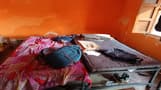
Ans. MGKVP provides hostel facilities for eligible students, though availability may be limited. Hostel accommodation is typically provided on a first-come-first-served basis with priority given to students from distant locations. The hostel fees are separate from course fees and vary depending on the type of accommodation. Students are advised to apply for hostel accommodation during the admission process. For those unable to secure hostel space, the university is located in Varanasi, which has numerous private hostels and rental accommodations available at affordable rates.

.jpeg?h=78&w=78&mode=stretch)


.jpeg?h=78&w=78&mode=stretch)






.jpeg?h=72&w=72&mode=stretch)

.jpeg?h=72&w=72&mode=stretch)

 (4).jpeg?h=72&w=72&mode=stretch)


.png?h=72&w=72&mode=stretch)





Comments