




<
`` boilerplate skipped — outputting body HTML only.>
University of Glasgow admissions run on the standard UK model — undergraduate entry through UCAS with a Class XII floor of 75 to 85 percent, and postgraduate entry through Glasgow’s own online portal with a Bachelor’s at 55 to 63 percent for most one-year master’s programs.
- PGT deadline for the September 2026 primary intake: 24 August 2026.
- Base tuition £34,470 (around ₹43.87 Lakhs) per year plus a £25 (around ₹3,182) postgraduate application fee.
- Class XII 75 to 85 percent for UG, Bachelor’s 55 percent+ for PG, IELTS 6.5 floor.
- Estimated acceptance rate 70 to 74 percent, no official institutional figure published.
Popular master’s picks among Indian applicants include MSc Data Science, MSc Computing Science, LLM International Law, and the AMBA-accredited Glasgow MBA at Adam Smith Business School. Sentiment centres on Russell Group prestige, compact one-year master’s structure, and post-study eligibility under the UK Graduate Route. For campus life, courses and the ranking picture, see the University of Glasgow overview page.
Status: Closing Soon. September 2026 is the primary intake at University of Glasgow. Most Postgraduate Taught programs close on 24 August 2026 with a £25 (around ₹3,182) application fee. The Glasgow MBA closes earlier on 31 July 2026 with a £50 (around ₹6,364) application fee. Undergraduate applicants should target September 2027 entry via UCAS.
Table of Contents
- University of Glasgow Application Deadlines
- University of Glasgow Eligibility for Indian Students
- University of Glasgow Postgraduate Programs and Requirements
- University of Glasgow Undergraduate Programs and Entry
- University of Glasgow MBA Admissions
- University of Glasgow PhD Admissions
- University of Glasgow Application Process
- University of Glasgow Documents Required
- University of Glasgow Acceptance Rate
- UK Student Visa for University of Glasgow
- Tips for University of Glasgow Admissions
- University of Glasgow Admissions Checklist
- University of Glasgow Admissions: Frequently Asked Questions
University of Glasgow Application Deadlines for Indian Students
Glasgow does not run fixed application rounds for master’s degrees. Instead, each Postgraduate Taught program carries a single flat deadline that closes when the intake fills, per the official Glasgow application deadlines page. Undergraduate applications go through UCAS on the UK-wide UCAS calendar. Below are the live windows Indian applicants should target now.
Glasgow’s primary intake for Indian students is September — most Postgraduate Taught and Undergraduate programs open here, and the January window covers only a limited set of programs.
| Intake | Level | Deadline | App Fee | Portal |
|---|---|---|---|---|
| September 2026 (Primary intake) | Postgraduate Taught | 24 August 2026 | £25 (around ₹3,182) | Glasgow PGT portal |
| September 2026 | MBA (Adam Smith) | 31 July 2026 | £50 (around ₹6,364) | Glasgow PGT portal |
| September 2027 | Undergraduate (equal consideration) | 14 January 2027 | Via UCAS | UCAS |
| September 2027 | Undergraduate (international extension) | 30 June 2027 | Via UCAS | UCAS |
| September 2027 | Medicine, Dentistry, Veterinary Medicine | 15 October 2026 | Via UCAS | UCAS |
| Year-round | PhD (rolling) | Rolling | £25 (around ₹3,182) | Glasgow PGR portal |
Planning note: The September 2026 UG UCAS deadline (30 June 2026) has already closed. Indian UG applicants should now target September 2027 entry, with UCAS opening in early September 2026.
University of Glasgow Eligibility for Indian Students
Glasgow uses country-specific benchmarks for Indian applicants at both levels. UG entry keys off Class XII board percentages, and PG entry keys off Indian Bachelor’s degree percentages mapped to UK 2:1 or 2:2 Honours equivalents. English proficiency sits on top as a university-wide floor.
Academic Eligibility — Class XII and Bachelor’s Floors
- CBSE or ISC Class XII: 75 percent for a UK ABB equivalent, 80 percent for AAA, 85 percent for A*AA.
- State Board Class XII: add 5 percent above CBSE bands, so 80 percent for ABB and 85 percent for AAA.
- Indian Bachelor’s for UK 2:1 equivalent: 55 to 63 percent, varying by home institution tier.
- Indian Bachelor’s for UK 2:2 equivalent: 50 to 58 percent, again tier-dependent.
Glasgow English Language Requirements
The university accepts all mainstream tests, taken within 2 years 5 months of the program start. The standard postgraduate floor is IELTS 6.5 overall with no subtest below 6.0. Higher-language master’s like LLM International Law require IELTS 7.0 with 6.5 subtest, and Medicine requires IELTS 7.0 with 7.0 subtest.
| Test | Standard PGT minimum | UG minimum (most programs) |
|---|---|---|
| IELTS Academic | 6.5 overall, 6.0 subskill | 6.5 overall, 6.0 subskill |
| TOEFL iBT (from 21 Jan 2026) | 92 overall, subskill floors apply | 92 overall |
| PTE Academic | 65 overall, 60 subskill | 65 overall, 60 subskill |
| Cambridge C1 Advanced / C2 Proficiency | 176 overall, 169 subskill | 176 overall |
Applicants who fall short of the direct English floor can enter through Glasgow’s BALEAP-accredited Pre-sessional English course (4 to 12 weeks). Successful completion grants direct progression to the master’s without a fresh IELTS. Indian degrees taught in English do not automatically waive the requirement — the university’s formal exemption applies only to degrees completed in the UK, US, Canada, Ireland, Australia, or New Zealand.
University of Glasgow Postgraduate Programs and Requirements
Glasgow offers 300+ taught master’s programs across science, engineering, business, law, and health. Base tuition for a typical PGT program sits at £34,470 (around ₹43.87 Lakhs) per year for 2026-27, with a £2,000 (around ₹2.55 Lakhs) deposit due on offer. Full course-by-course tuition, deposits and installment schedules live on the fees page; this section focuses on eligibility and English floors.
| Programme | Duration | Minimum Eligibility | English Req. Min. |
|---|---|---|---|
| MSc Data Science | 12 months | Indian Bachelor’s around 60% in Computing major, ≥50% credits in computing modules | IELTS 6.5, Writing 6.5 |
| MSc Computing Science | 12 months | Indian Bachelor’s around 60% in any degree with Computing major | IELTS 6.5, 6.0 subskill |
| MSc Financial Economics | 12 months | Indian Bachelor’s around 60% in Economics, Finance, Engineering, or Physics | IELTS 6.5, 6.0 subskill |
| MSc International Finance | 12 months | Indian Bachelor’s around 60% with at least 1 quant module (Maths/Stats/Econometrics) | IELTS 6.5, 6.0 subskill |
| MSc Finance and Management | 12 months | Indian Bachelor’s around 60% in any subject | IELTS 6.5, 6.0 subskill |
| MSc Economic Development | 12 months | Indian Bachelor’s around 60% in Economics or Social Sciences | IELTS 6.5, 6.0 subskill |
| MPH Public Health | 12 months | Indian Bachelor’s around 60% in a science degree (2:2 accepted for stronger science profiles) | IELTS 6.5, 6.0 subskill |
| LLM International Law | 12 months | Indian Bachelor’s around 60% in Law or related field | IELTS 7.0, 6.5 subskill |
Insider note: Glasgow’s admissions team maps Indian Bachelor’s percentages to UK class equivalents by institution tier, not a single national cut-off. A 55 percent from an IIT or NIT often lands the same 2:1 equivalence as 63 percent from a mid-tier state university.
Note: Program-specific entry requirements, fees, and intake availability may differ from the institution-wide minimums shown above. Always confirm on the official University of Glasgow page for your chosen program before applying.
University of Glasgow Undergraduate Programs and Entry
Undergraduate applications for the September 2027 cycle open in early September 2026 on UCAS. Popular international choices include Computing Science, Business & Management, Economics, Law, and the five-year MBChB Medicine. Class XII bands map to A-level grade equivalents. For example, A*AA requires around 85 percent CBSE, and AAB requires around 75 percent.
| Programme | Duration | Minimum Eligibility | English Req. Min. |
|---|---|---|---|
| BSc (Hons) Computing Science | 4 years | CBSE Class XII around 80 to 85%, with Maths (Analysis) at Class XII | IELTS 6.5, 6.0 subskill |
| MA (SocSci) Business & Management | 4 years | CBSE Class XII around 75 to 80%, English or Humanities subject required | IELTS 6.5, 6.0 subskill |
| MA (SocSci) Economics | 4 years | CBSE Class XII around 75 to 80%, with Mathematics at Class XII | IELTS 6.5, 6.0 subskill |
| LLB Common Law | 4 years | CBSE Class XII around 75 to 80% overall | IELTS 6.5, 6.0 subskill |
| MBChB Medicine | 5 years | CBSE Class XII around 85% with Chemistry, Biology, and Physics or Maths | IELTS 7.0, 7.0 subskill |
Planning note: The UCAS route lets you list Glasgow among five UK choices for a single UCAS fee (around £28.50 for 2027 entry). This is separate from the £25 Glasgow charges directly for postgraduate applications.
University of Glasgow MBA Admissions
The Glasgow MBA is a 12-month full-time program at Adam Smith Business School, triple-accredited by AACSB, EQUIS and AMBA. It starts every September at the Gilmorehill campus. Base tuition for the 2026-27 intake is £40,500 (around ₹51.55 Lakhs) for the full program.
Glasgow MBA Entry Requirements
- Academic: Indian Bachelor’s around 60 percent (UK 2:1 equivalent) in any subject.
- Work experience: minimum three years of professional experience.
- GMAT or GRE: not mandatory, though strong quant scores can strengthen borderline applications.
- English: IELTS 6.5 overall with 6.0 subskill, or TOEFL iBT 92, or PTE 65.
- Application fee: £50 (around ₹6,364).
Glasgow MBA Interview and Timeline
Every shortlisted MBA applicant faces a 30-minute Zoom interview testing motivation, business awareness, teamwork and communication. Detailed CV is a required attachment. The September 2026 deadline is 31 July 2026 — MBA rounds close ahead of the general Postgraduate Taught deadline, so plan referees and CV drafting by early July. See the Glasgow MBA course page for a fuller specialization view. Program-specific scholarship terms sit on the university funding pages.
University of Glasgow PhD Admissions
PhD admissions at Glasgow are handled by the four Graduate Schools — Arts & Humanities, Medical/Veterinary/Life Sciences, Science & Engineering, and Social Sciences. Applications are accepted year-round on a rolling basis. There is no fixed deadline, but funding cycles usually close between January and March for October starts.
Glasgow PhD Entry Requirements
Applicants need a good Bachelor’s degree (Indian 2:1 equivalent, around 60 percent) plus a UK Master’s or Indian Master’s at merit-equivalent. A research proposal aligned with a specific supervisor is required at application time. Contact potential supervisors before submitting.
Glasgow PhD Tuition and Funding
Tuition for Science, Engineering, Medical, Veterinary and Life Sciences PhDs is £33,210 (around ₹42.27 Lakhs) per year for international students in 2026-27. Arts, Humanities, and Social Sciences PhDs sit lower. Bench fees apply for lab-based research and are quoted in the offer letter. The application fee is £25 (around ₹3,182). Full UKRI-linked studentships covering tuition plus a UK-wide stipend are available through competitive funding calls — see the official Glasgow research funding pages for current openings.
University of Glasgow Application Process
The application flow differs by level. Undergraduate applications route through UCAS. Postgraduate Taught and PhD applications go directly to Glasgow’s own online portal. Both processes ask for the same core documents — transcripts, degree certificate, English test, and referees. Below is the standard postgraduate flow.
- Confirm your program’s entry requirements on the official Glasgow international page and compare Indian percentage bands.
- Create an account on the Glasgow PGT applicant portal.
- Upload scanned transcripts, degree certificate (or provisional statement), passport bio page, CV, and personal statement.
- Add two academic or professional referee contacts — Glasgow emails them directly for references.
- Upload a valid IELTS, TOEFL, or PTE score report meeting the program floor.
- Pay the application fee of £25 (around ₹3,182) for master’s or £50 (around ₹6,364) for the Glasgow MBA on the Glasgow PGT portal.
- Submit and track the application status inside the portal. Standard turnaround runs 4 to 8 weeks for most master’s programs.
- Accept the conditional or unconditional offer, pay the £2,000 (around ₹2.55 Lakhs) deposit within four weeks to secure your seat, and request your CAS letter for the UK visa.
Insider note: Glasgow’s referee automation will not chase your referees. Warn both referees before you submit so their reference lands within the two-week window the portal expects.
University of Glasgow Documents Required
Glasgow’s document list stays consistent across most Postgraduate Taught programs, with light variation for MBA and PhD. Prepare scanned PDFs of every original before you open the portal. All documents must be in English or accompanied by a certified translation.
- Passport: valid biographical page scan.
- Academic transcripts: semester-wise marksheets from your Indian Bachelor’s degree, on institution letterhead.
- Degree certificate: or a provisional passing certificate if the final award has not been issued.
- Class XII marksheet: required for UG applicants and often requested for PG applicants.
- Personal statement: around 500 to 800 words, focused on program fit and career goals.
- CV or resume: mandatory for MBA (with work role and responsibilities detail).
- Two references: one academic and one professional for most programs, both academic for freshers.
- English test score report: IELTS, TOEFL iBT, PTE Academic, or Cambridge.
- Portfolio or sample of work: required for creative arts and some architecture applications.
- Financial evidence: not required at application, but you must show funds for the UK visa after receiving the offer.
University of Glasgow Acceptance Rate
Glasgow does not publish an official institutional acceptance rate. Third-party analysis of the university’s applicant pool places the overall acceptance rate at around 70 to 74 percent, based on Russell Group applicant volume patterns. This makes Glasgow moderately competitive by UK standards, but selectivity varies sharply by course.
Glasgow Acceptance Rate by Program Type
Undergraduate acceptance sits around 70 percent overall. Postgraduate Taught programs cluster tighter at 50 to 55 percent because master’s shortlisting weighs Bachelor’s tier and English scores more strictly. Medicine drops to around 12 percent, MBA to around 28 percent, and Computer Science and Engineering master’s around 60 percent.
What Indian Applicants Should Expect
A 60 percent from a Tier 1 Indian university with a matching IELTS 6.5 typically secures a conditional offer within four weeks for mainstream STEM and Business master’s. Late-cycle applications after mid-July see tougher scrutiny once quotas fill. For a comparative view of Glasgow’s global standing, see the ranking band across QS, THE, and ARWU.
Insider note: Indian applicants with backlogs are not auto-rejected. Glasgow’s PGT admissions weight the Bachelor’s aggregate more than clean sheets, so a 60 percent aggregate with one or two clear backlogs still competes fairly.
UK Student Visa for University of Glasgow
Indian students accepted at Glasgow apply for the UK Student Route visa (formerly Tier 4) once the university issues a Confirmation of Acceptance for Studies (CAS). The CAS lands within 3 to 5 working days after you pay the £2,000 (around ₹2.55 Lakhs) deposit and meet all offer conditions. Apply for the visa no earlier than six months before your course start date.
The application is submitted online through gov.uk, followed by biometrics at a VFS Global centre in India. The visa fee for applying from outside the UK is £524 (around ₹66,695). The Immigration Health Surcharge (IHS) is £776 (around ₹98,769) per year of stay and gives NHS access. Financial evidence must cover one year of tuition plus £1,483 (around ₹1.89 Lakhs) monthly living costs for up to nine months. Decisions typically arrive in 15 working days.
2026 update: The UK Graduate Route remains open for 2026 entrants, allowing two years of post-study work for master’s graduates and three years for PhD graduates. Confirm the current Graduate Route terms before departure.
Tips for University of Glasgow Admissions
The following tips are drawn from Indian-applicant patterns at Glasgow across recent September intakes.
- Front-load references: Glasgow’s portal auto-emails referees, so brief them a week before submitting so responses arrive fast.
- Reserve IELTS four months out: the score report must be within 2 years 5 months of course start, so slot it early to allow a retake.
- Match your Bachelor’s tier to the eligibility band: a 55 percent from a top-tier Indian university competes with 63 percent from mid-tier institutions.
- Book the £2,000 (around ₹2.55 Lakhs) deposit funds early: the four-week deposit deadline is tight around Indian bank remittance windows.
- Personal statement over 500 words minimum: Glasgow reads program-fit reasoning, not generic UK-motivation prose.
- Apply before mid-July for September start: late applications squeeze CAS and visa timelines under six weeks.
University of Glasgow Admissions Checklist
The following steps cover what Indian applicants typically complete before the primary September deadline.
- 10 to 12 weeks before deadline: shortlist programs and confirm entry bands against your Indian Bachelor’s tier.
- 8 weeks before: request semester-wise transcripts and a degree certificate from your Indian university registrar.
- 6 weeks before: book the IELTS/TOEFL/PTE slot and confirm referee availability.
- 4 weeks before: submit the online application on the Glasgow PGT portal and pay the application fee.
- 2 weeks after offer: pay the £2,000 (around ₹2.55 Lakhs) deposit and request the CAS.
- Post-CAS: apply for the UK Student Route visa, book biometrics, and prep IHS payment.
The September 2026 primary intake is closing fast, with most Postgraduate Taught programs shutting on 24 August 2026 and the Glasgow MBA on 31 July 2026. Undergraduate applicants missed the UCAS 30 June 2026 window and should now target September 2027 entry.
University of Glasgow Admissions: Frequently Asked Questions
Ques. What is the primary intake at University of Glasgow for Indian students?
Ans. September is the primary intake at University of Glasgow, and it opens the widest set of Postgraduate Taught, MBA, and Undergraduate programs. A limited January intake exists for select master’s programs, but the September window carries most seats for Indian applicants.
Ques. When is the postgraduate application deadline for September 2026 entry?
Ans. Most Postgraduate Taught programs close on 24 August 2026. The Glasgow MBA at Adam Smith Business School closes earlier on 31 July 2026. PhD applications remain open year-round on a rolling basis.
Ques. What is the application fee at University of Glasgow?
Ans. The Postgraduate Taught application fee is £25 (around ₹3,182). The MBA application fee is £50 (around ₹6,364). Undergraduate applications go through UCAS, which charges around £28.50 for the 2027 UCAS cycle — Glasgow does not charge a separate UG application fee.
Ques. What is the minimum IELTS score for Glasgow master’s programs?
Ans. The standard postgraduate floor is IELTS 6.5 overall with no subskill below 6.0. LLM International Law and similar high-language programs need IELTS 7.0 with 6.5 subskill. Medicine needs IELTS 7.0 with 7.0 subskill across all bands.
Ques. Does University of Glasgow accept 3-year Indian Bachelor’s degrees?
Ans. Yes, Glasgow accepts three-year Indian Bachelor’s degrees for Postgraduate Taught entry, without requiring a bridging year. The percentage benchmark is 55 to 63 percent for a UK 2:1 Honours equivalent, depending on the tier of your Indian institution.
Ques. Does Glasgow require GMAT or GRE for the MBA?
Ans. No, GMAT and GRE are not mandatory for the Glasgow MBA at Adam Smith Business School. Strong quant scores can strengthen borderline applications, but a strong CV with three years of work experience and a confident Zoom interview are the primary decision drivers.
Ques. Is there an interview for Glasgow admissions?
Ans. The Glasgow MBA has a mandatory 30-minute Zoom interview covering motivation, business awareness, teamwork, and communication. Most Postgraduate Taught master’s programs do not interview. Medicine requires the UCAT plus an on-campus or online multiple-mini interview.
Ques. What is the deposit requirement for international students?
Ans. International Postgraduate Taught applicants pay a £2,000 (around ₹2.55 Lakhs) deposit on offer acceptance. The deposit is held against tuition and is refundable only under specific circumstances such as visa refusal with documented evidence.
Ques. Can I apply to Glasgow with backlogs on my Bachelor’s transcript?
Ans. Yes, Glasgow’s admissions team assesses the Bachelor’s aggregate percentage more heavily than a clean sheet. Applicants with one or two backlogs still compete fairly if the overall percentage meets the program’s 2:1 equivalence band.
Ques. Are there IELTS waivers for Indian students at Glasgow?
Ans. Glasgow’s formal English exemption applies to degrees completed in the UK, US, Canada, Ireland, Australia, or New Zealand. Indian degrees taught in English do not automatically waive the requirement. Applicants short of the IELTS floor can enter through Glasgow’s BALEAP-accredited Pre-sessional English pathway.
Ques. How long does Glasgow take to issue an offer?
Ans. Standard turnaround for a Postgraduate Taught decision is 4 to 8 weeks after a complete submission. MBA decisions can arrive within 3 to 4 weeks after the Zoom interview. Late-cycle applications submitted after mid-July face longer waits as quotas fill.
Ques. Can I defer my Glasgow offer to the next intake?
Ans. Glasgow allows one-year deferrals for most Postgraduate Taught programs subject to program approval. Deferral requests should be raised through the applicant portal within four weeks of offer acceptance. Medicine, Dentistry, and Veterinary Medicine typically do not permit deferrals.
College Student Profiles

University of Glasgow Program Fees & Deadlines
| Program | Important Dates | Fees | Application Fees | Eligibility | Financial Aid |
|---|---|---|---|---|---|
MBBS 5 years | UCAS Application Deadline For 2027 Intake (15th Oct 2026) | USD 83,431 /Yr GBP 62,730 /Yr | 29 | IELTS: 7.0 | |
MBA 12 months | Application Deadline for September 2026 Intake (21st Aug 2026) | USD 53,865 /Yr GBP 40,500 /Yr | - | TOEFL- 5 | IELTS- 6.5 | PTE- 65 | |
MSc Data Science 12 months | Round 1 Application Deadline for 2027 Intake (5th Nov 2026) Round 2 Application Deadline for 2027 Intake (17th Dec 2026) Round 3 Application Deadline for 2027 Intake (4th Feb 2027) Round 4 Application Deadline for 2027 Intake (25th Mar 2027) Round 5 Application Deadline for 2027 Intake (13th May 2027) Round 6 Application Deadline for 2027 Intake (8th Jul 2027) | USD 45,845 /Yr GBP 34,470 /Yr | - | TOEFL- 5 | IELTS- 6.5 | PTE- 65 | |
MS Computing Science 12 months | Round 1 Application Deadline for 2027 Intake (5th Nov 2026) Round 2 Application Deadline for 2027 Intake (17th Dec 2026) Round 3 Application Deadline for 2027 Intake (4th Feb 2027) Round 4 Application Deadline for 2027 Intake (25th Mar 2027) Round 5 Application Deadline for 2027 Intake (13th May 2027) Round 6 Application Deadline for 2027 Intake (8th Jul 2027) | USD 45,845 /Yr GBP 34,470 /Yr | - | TOEFL- 5 | IELTS- 6.5 | PTE- 65 | |
MPH 12 months | Round 1 Application Deadline for 2027 Intake (5th Nov 2026) Round 2 Application Deadline for 2027 Intake (17th Dec 2026) Round 3 Application Deadline for 2027 Intake (4th Feb 2027) Round 4 Application Deadline for 2027 Intake (25th Mar 2027) Round 5 Application Deadline for 2027 Intake (13th May 2027) Round 6 Application Deadline for 2027 Intake (8th Jul 2027) | USD 44,169 /Yr GBP 33,210 /Yr | - | TOEFL- 5 | IELTS- 6.5 | PTE- 59 | |
LLM 12 months | Round 1 Application Deadline for 2027 Intake (5th Nov 2026) Round 2 Application Deadline for 2027 Intake (17th Dec 2026) Round 3 Application Deadline for 2027 Intake (4th Feb 2027) Round 4 Application Deadline for 2027 Intake (25th Mar 2027) Round 5 Application Deadline for 2027 Intake (13th May 2027) Round 6 Application Deadline for 2027 Intake (8th Jul 2027) | USD 39,042 /Yr GBP 29,355 /Yr | - | TOEFL- 5 | IELTS- 7 | PTE- 70 | |
BN 4 years | UCAS Application Deadline For 2027 Intake (13th Jan 2027) | USD 44,169 /Yr GBP 33,210 /Yr | 29 | IELTS: 7.0 | |
BDS Dentistry 5 years | UCAS Application Deadline For 2027 Intake (15th Oct 2026) | USD 77,805 /Yr GBP 58,500 /Yr | 29 | IELTS: 7.0 | |
MSc Finance and Management 12 months | Round 1 Application Deadline for 2027 Intake (5th Nov 2026) Round 2 Application Deadline for 2027 Intake (17th Dec 2026) Round 3 Application Deadline for 2027 Intake (4th Feb 2027) Round 4 Application Deadline for 2027 Intake (25th Mar 2027) Round 5 Application Deadline for 2027 Intake (13th May 2027) Round 6 Application Deadline for 2027 Intake (8th Jul 2027) | USD 45,845 /Yr GBP 34,470 /Yr | - | TOEFL- 5 | IELTS- 6.5 | PTE- 65 | |
MSc Management 12 months | Round 1 Application Deadline for 2027 Intake (5th Nov 2026) Round 2 Application Deadline for 2027 Intake (17th Dec 2026) Round 3 Application Deadline for 2027 Intake (4th Feb 2027) Round 4 Application Deadline for 2027 Intake (25th Mar 2027) Round 5 Application Deadline for 2027 Intake (13th May 2027) Round 6 Application Deadline for 2027 Intake (8th Jul 2027) | USD 48,838 /Yr GBP 36,720 /Yr | - | TOEFL- 5 | IELTS- 6.5 | PTE- 65 |
Do you think the Dates are wrong ? Report Here


Course Finder - Search from 50K+ courses
Popular Streams:
Reviews
Most Popular Tags
42 Reviews Found
Likes
- Extremely supportive culture
- Supports career development and prepares students for the job market
- A strong international student pool which helps with cultural exchange
Dislikes
- The administartive processes are slow which can be difficult to navigate at times
- Can be a challenge to find accomodations that fit the budget
- Some of the taught courses were not at par with a masters level
Scholarship
- I did not receive any scholarship, as I applied quite late and the scholarship deadlines had already passed but I know that the University offers a range of scholarships for the course. The list of scholarships that the applicant might be eligible for is mentioned on the programme website under the 'Funding opportunities' section. It is very difficult to give a number of awards and the amount, as it varies.
- Most of the people I know had Commonwealth scholarships which covered all their expenses. The University endowment funds also sometimes cover tuition fees, but the exact amount is variable. One does not need to specifically apply for these separately.
Likes
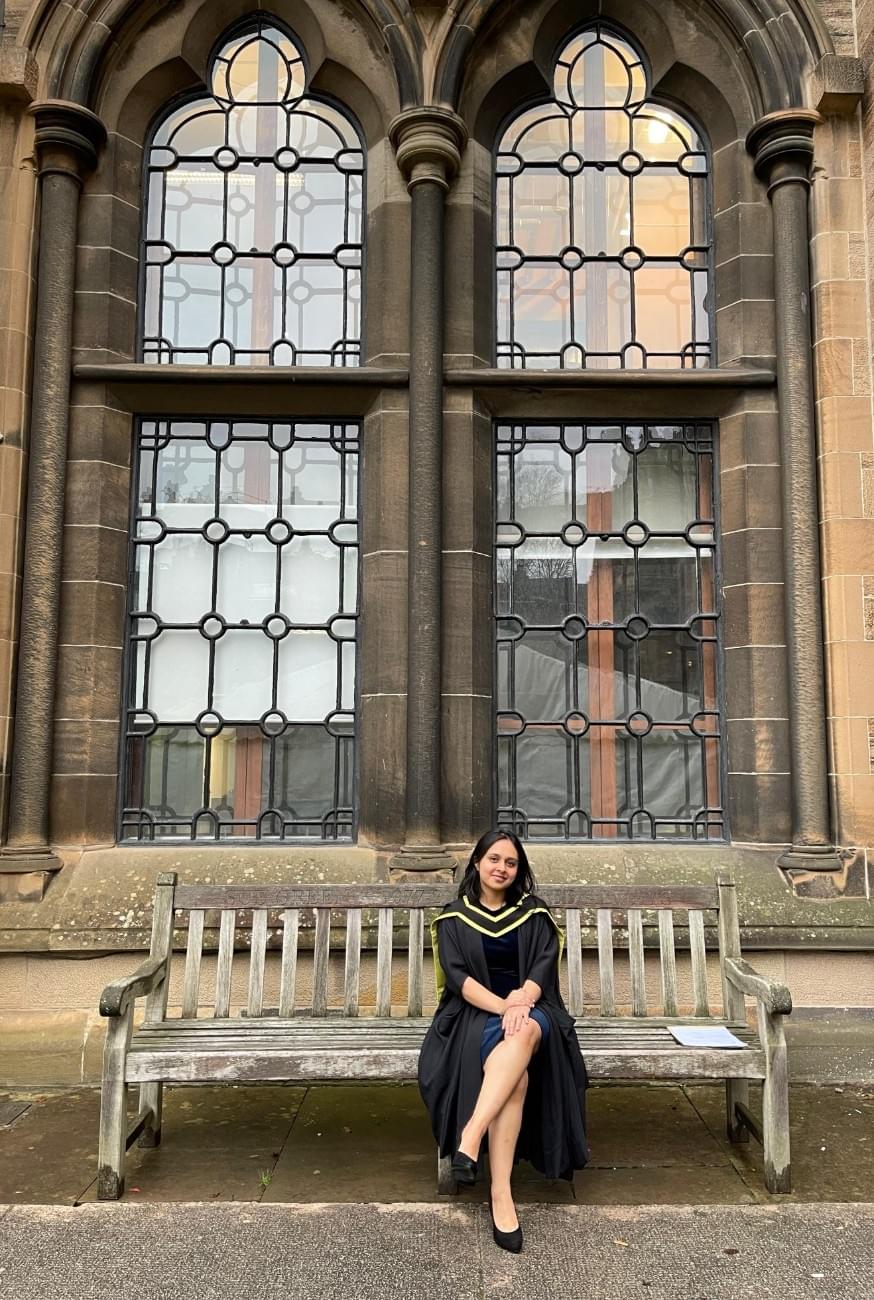
- I liked the facility, faculty, Library, Events, Infrastructure (I would tell one of the beautiful campus in UK universities) and quality of course and curriculum
Dislikes
- There is nothing I dislike about the university all was according to my expectation but I would tell the mode of exam was bit challenging for my course and it could vary on courses..
Likes
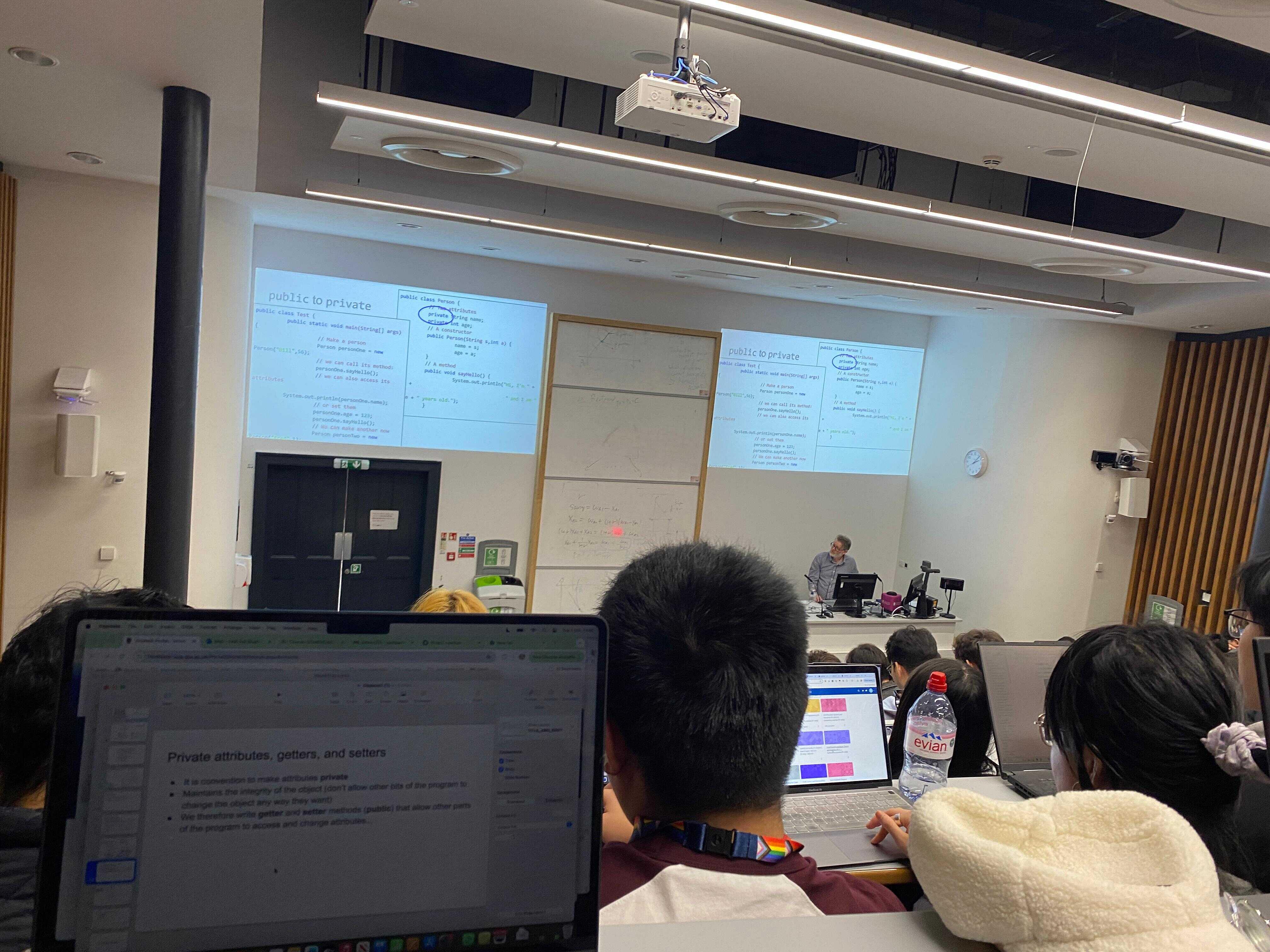
- Course module and delivery was very up to date, relevant and practical information. Courses were assignment focussed that help develop deep understanding of the subject matter.
- Professors are from diverse backgrounds and global experts in their respective fields. They are also very friendly and super helpful.
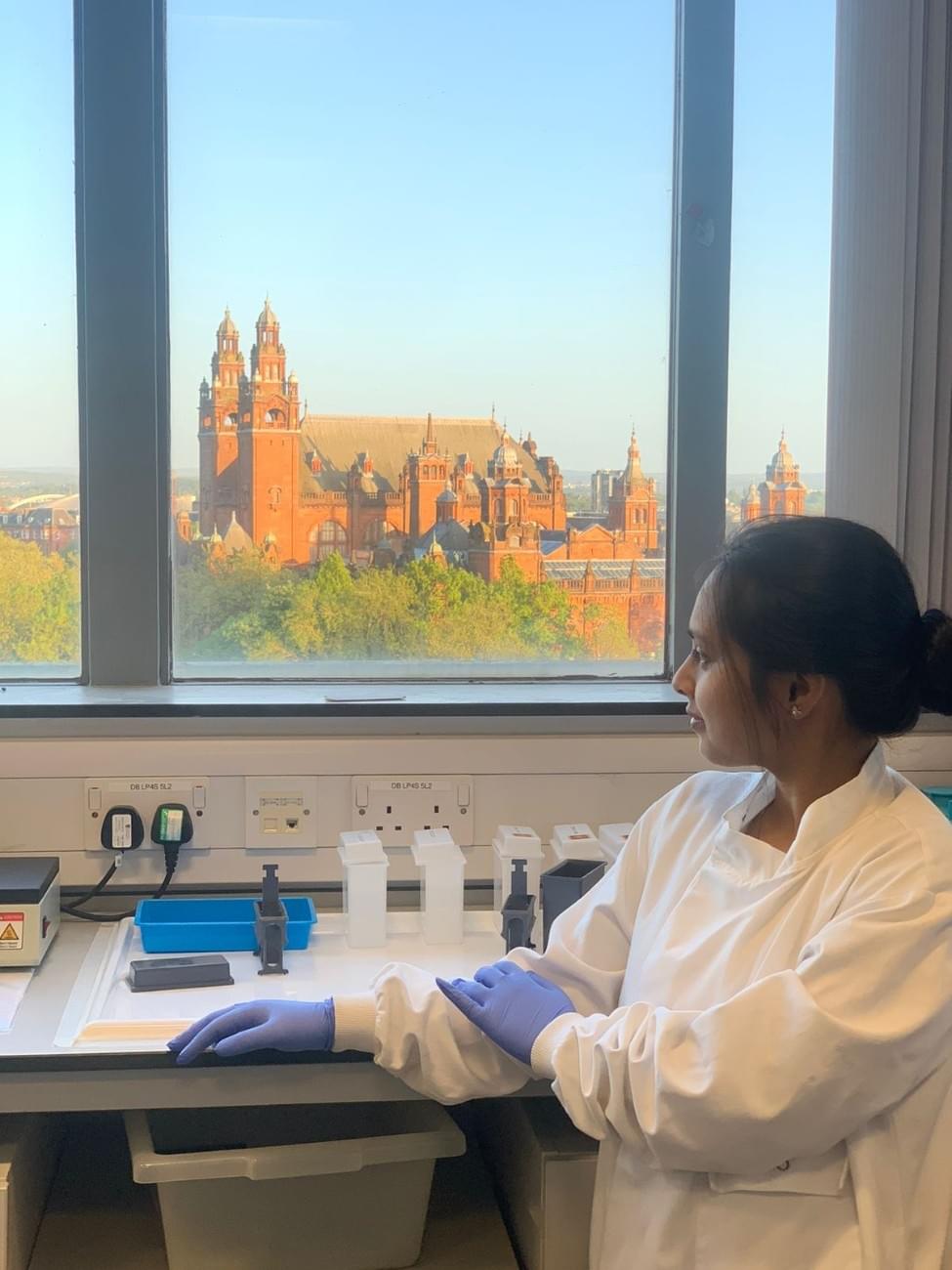
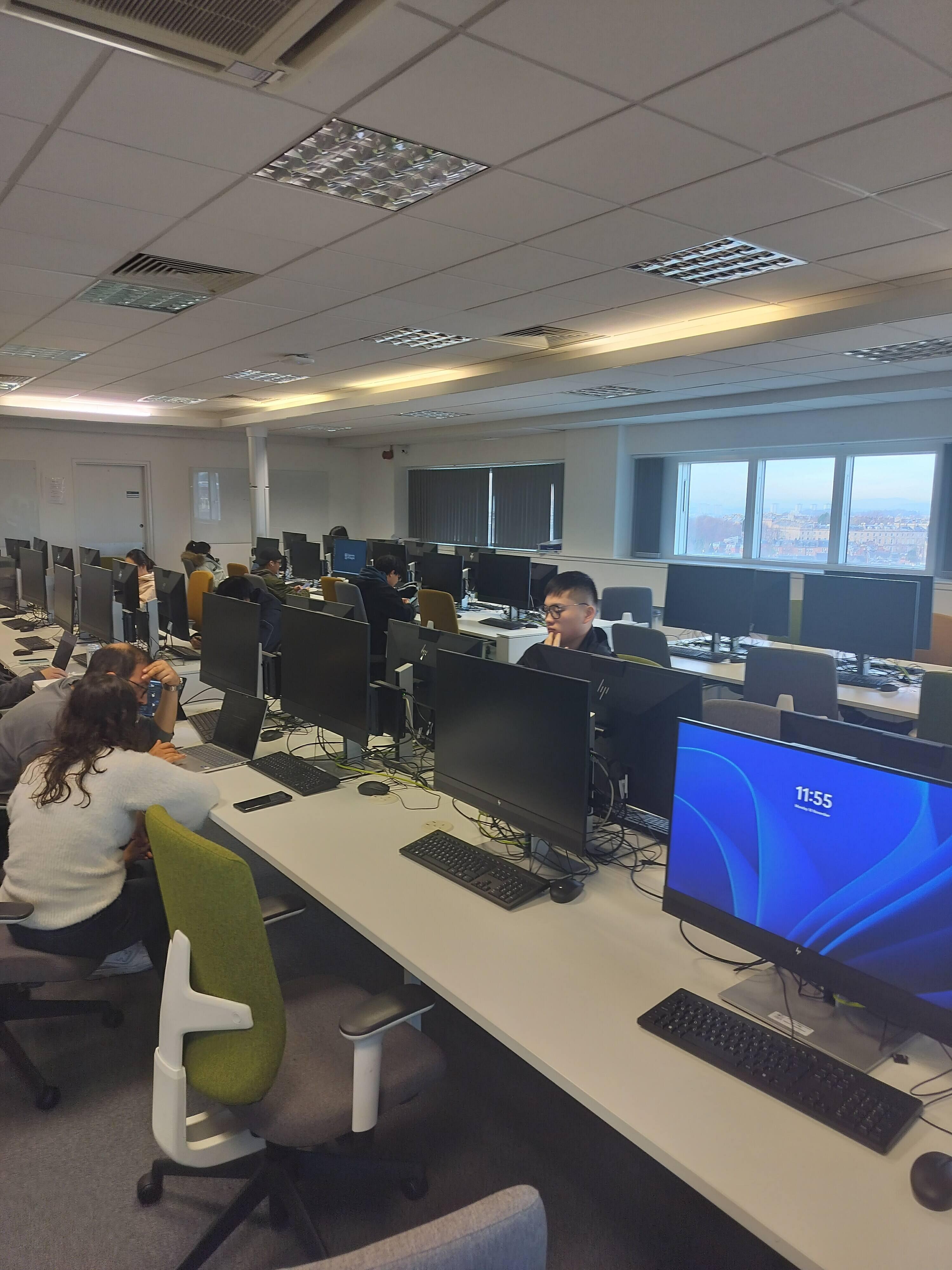
- State of the art labs that let you practice what you learnt theoretically.
Dislikes
- Placement services could be better
- More options for university accomodation could be made available
- Prior information on what the exact course module is about could be useful
Scholarship
- No, I did not receive a scholarship.
- There is a Dean's scholarship which is £10,000, and that is just one award across all STEM branches. So it can get quite competitive. You need to write an essay for it.
- There is an option for Commonwealth funding where the government from Commonwealth countries nominates you and pays for your costs. The condition is that you need to go back as soon as you complete the course and serve in the public sector for 2 years.
- There are options for financial aid as well, which needs to be applied for separately. I am not sure about that.

Likes
- - The competitive environment amongst the students, which makes any serious student motivated to study for longer period with a clear purpose in mind.
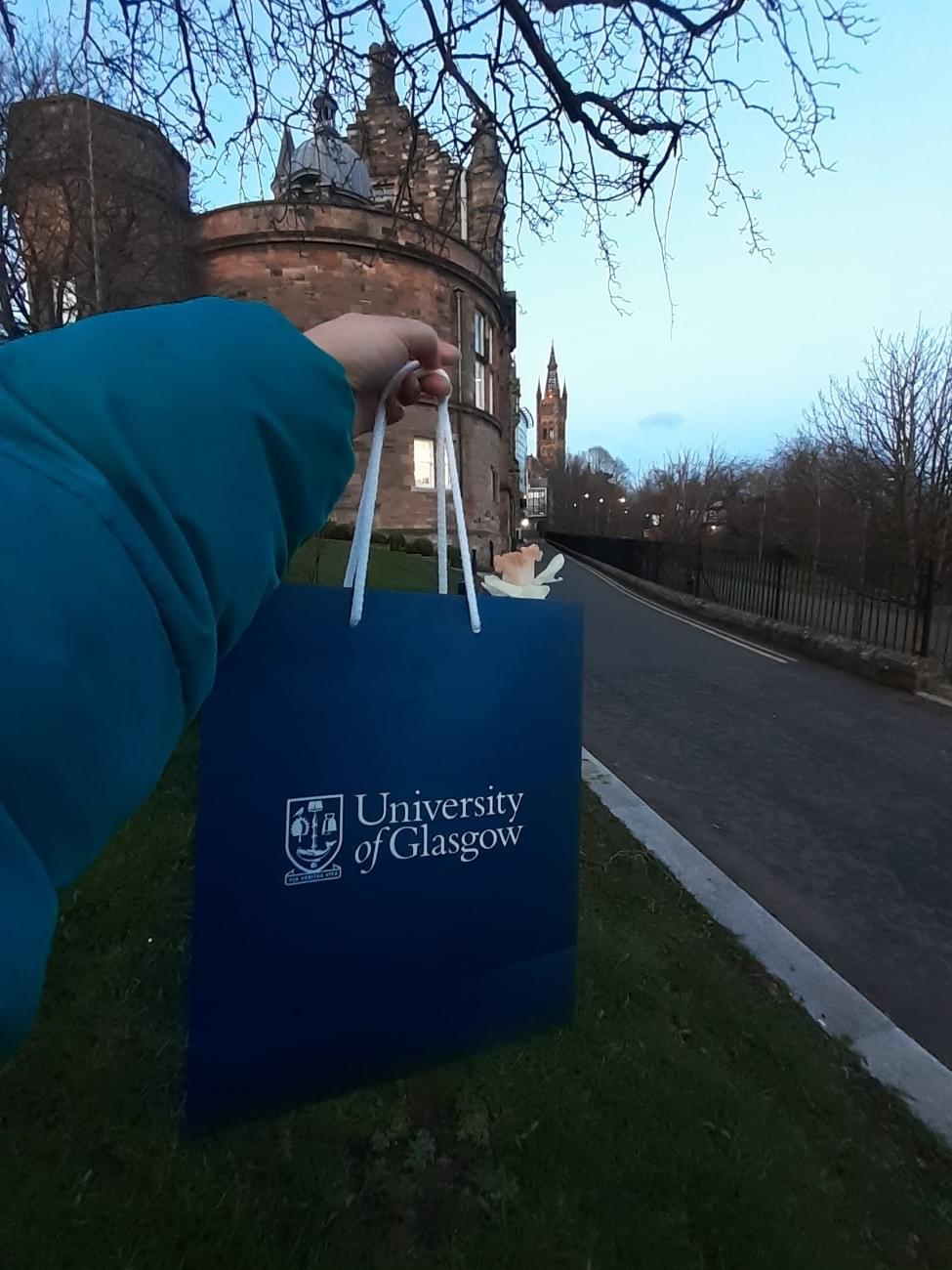
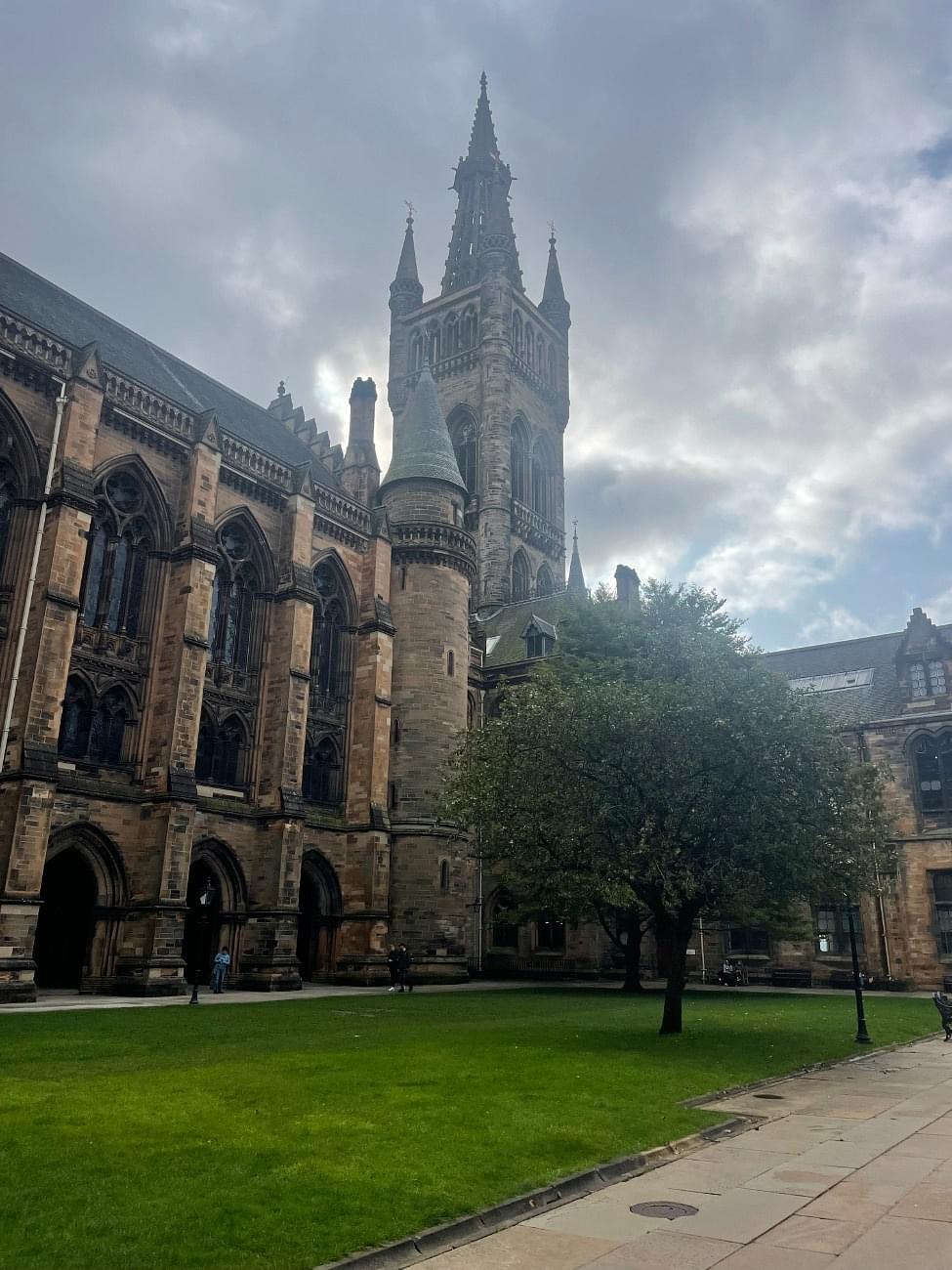
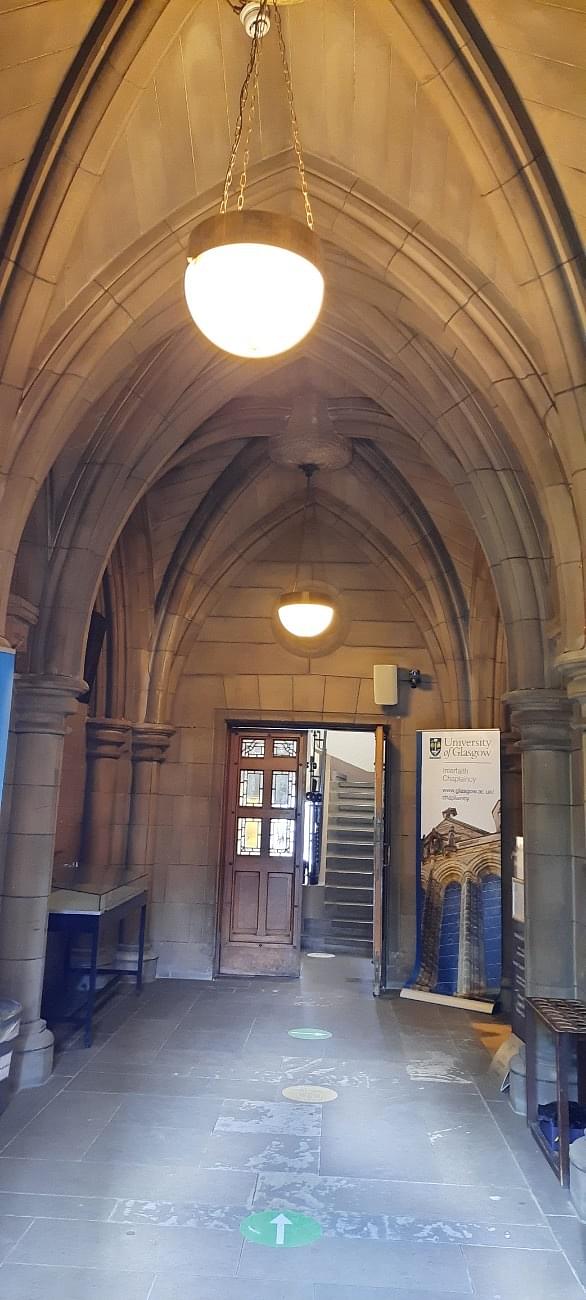
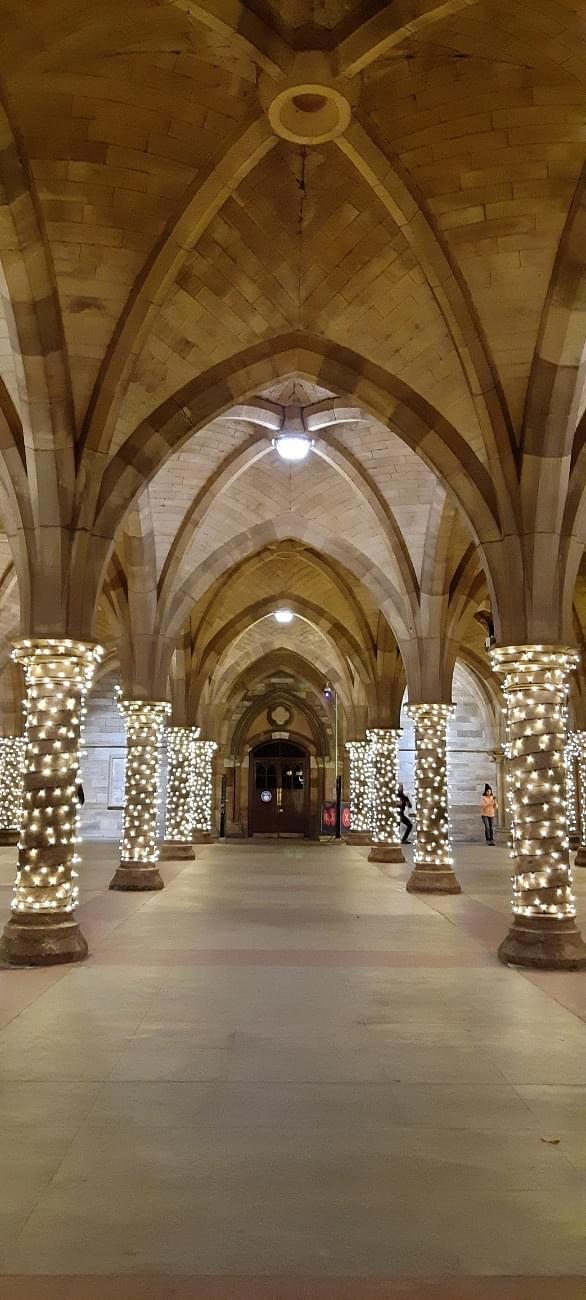
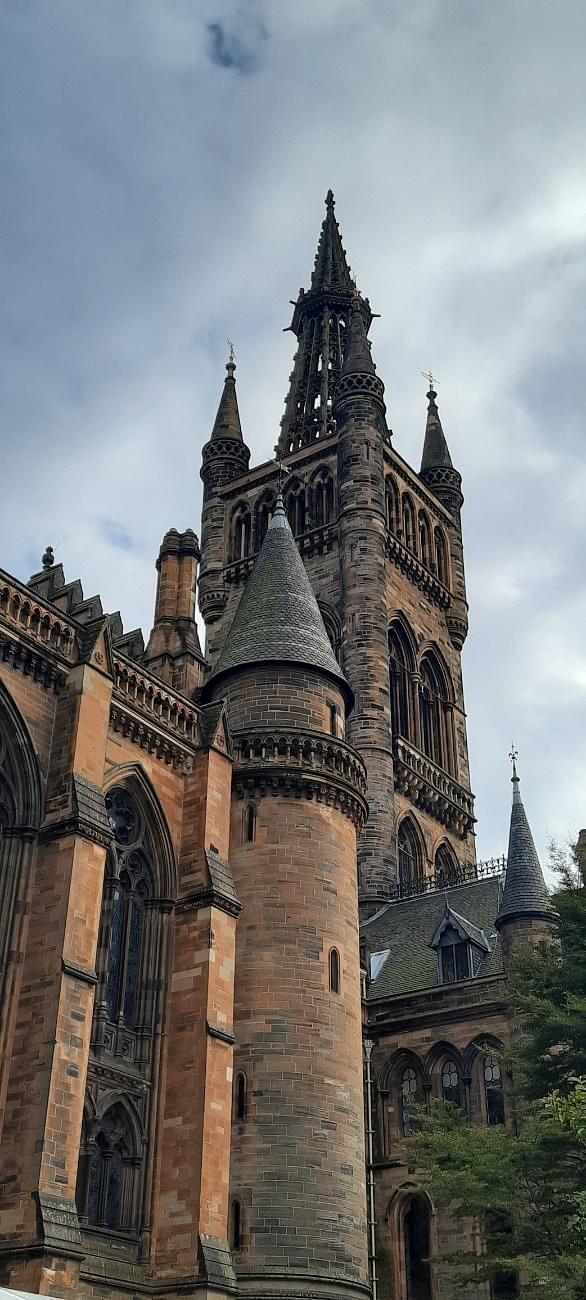
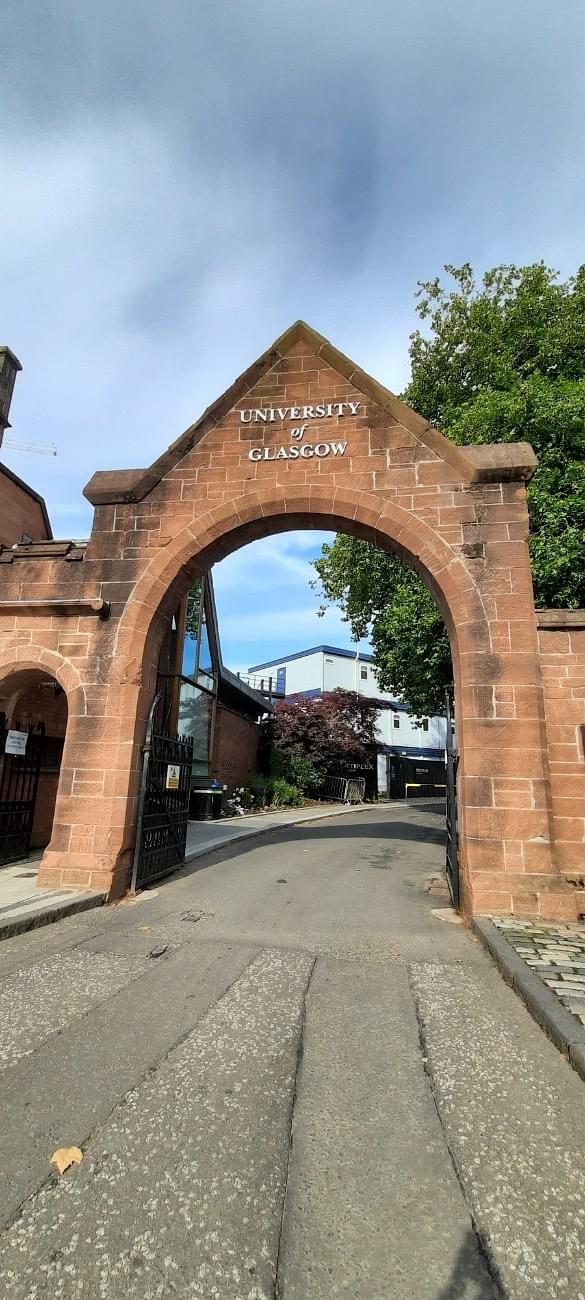
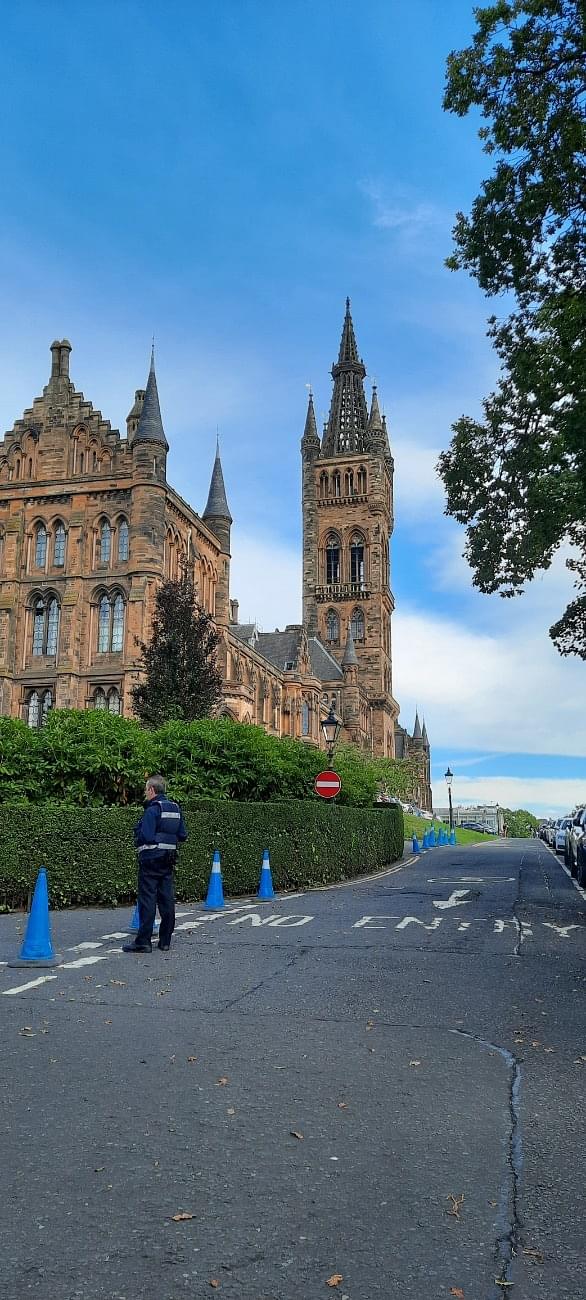
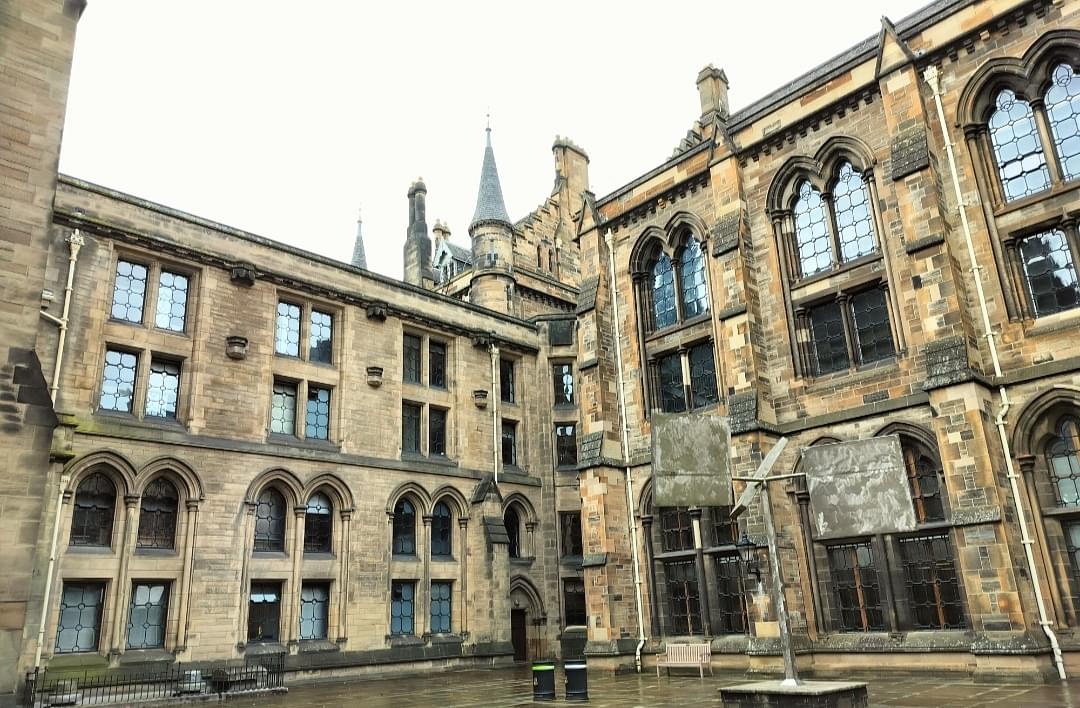
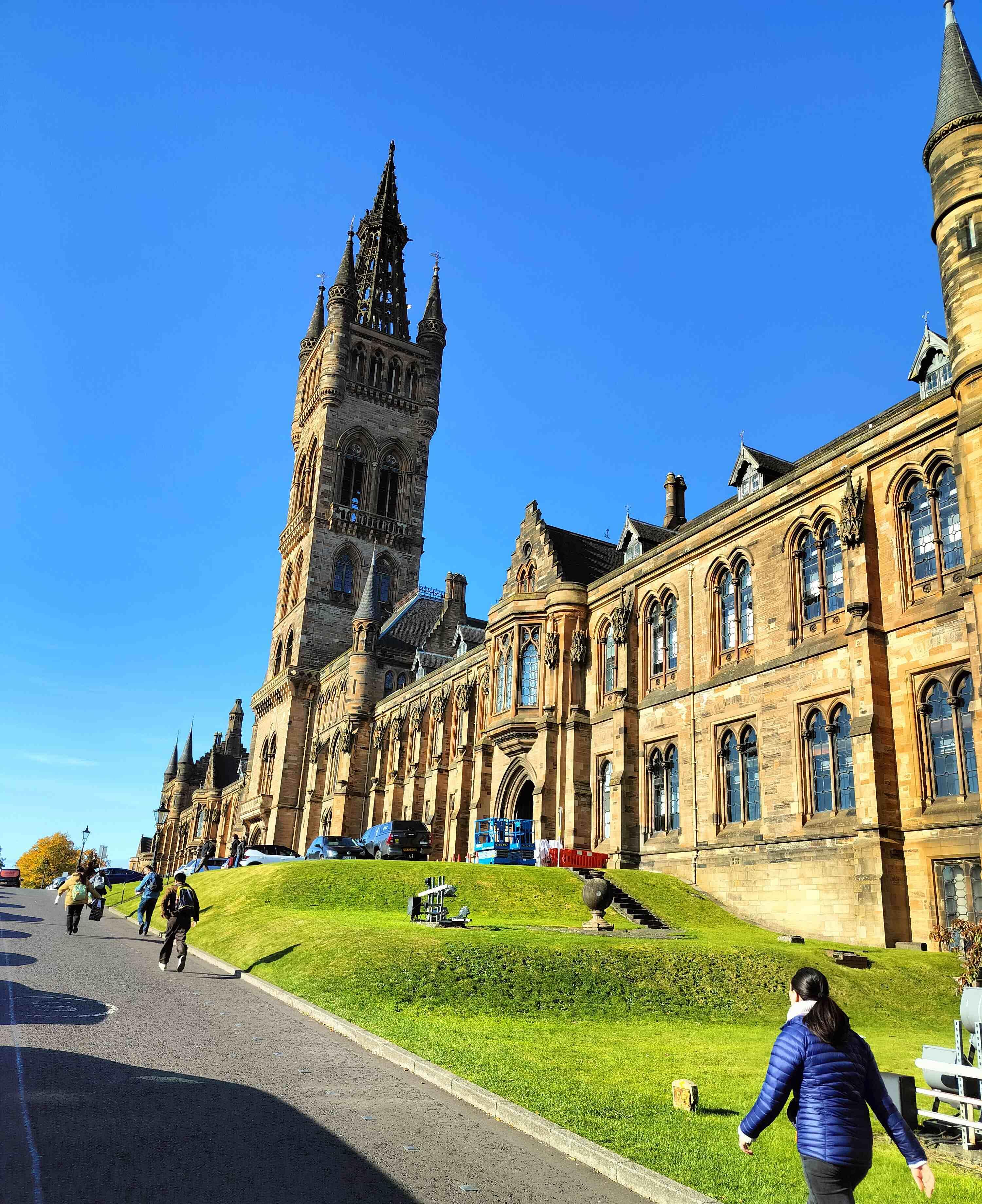
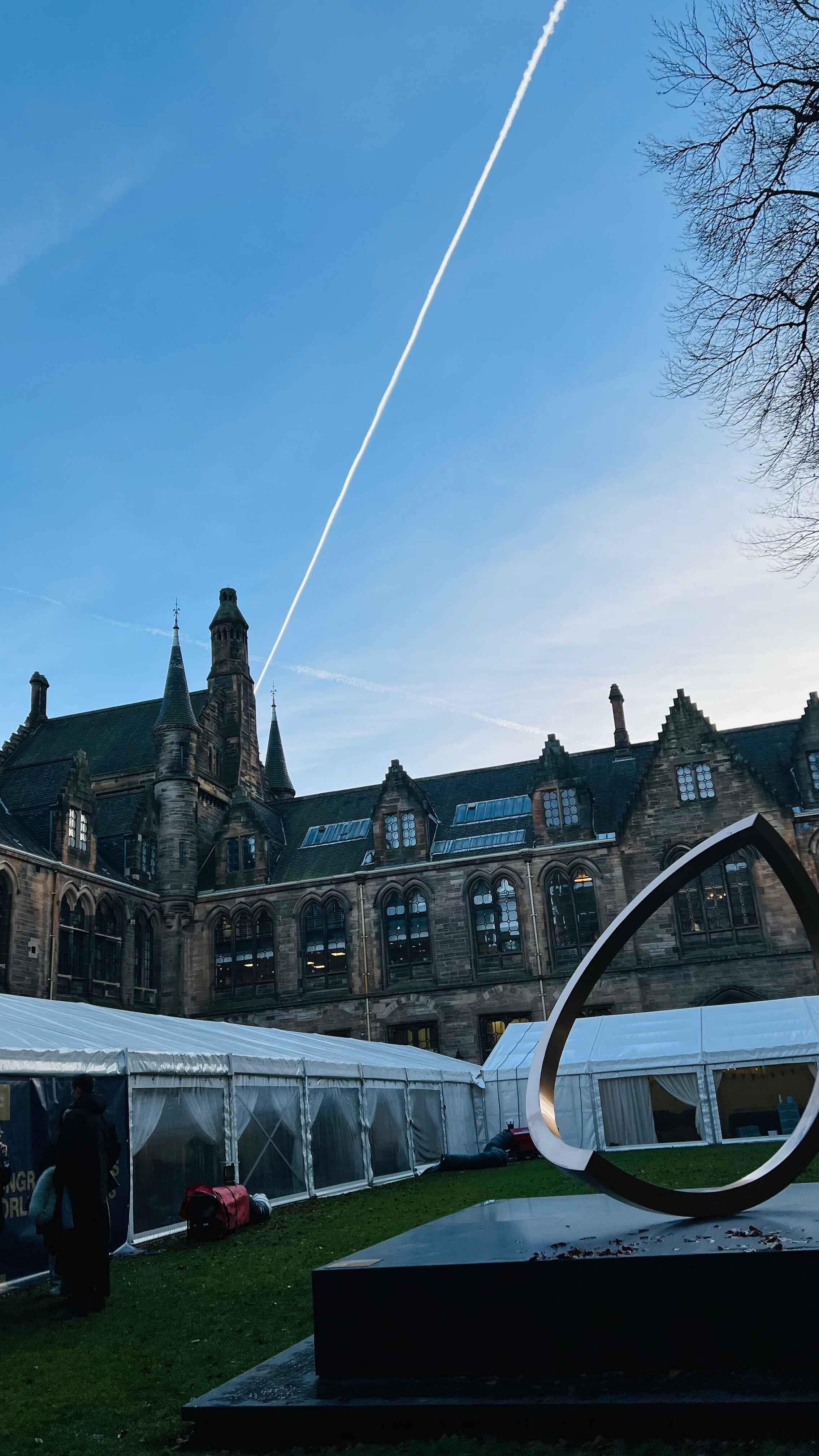
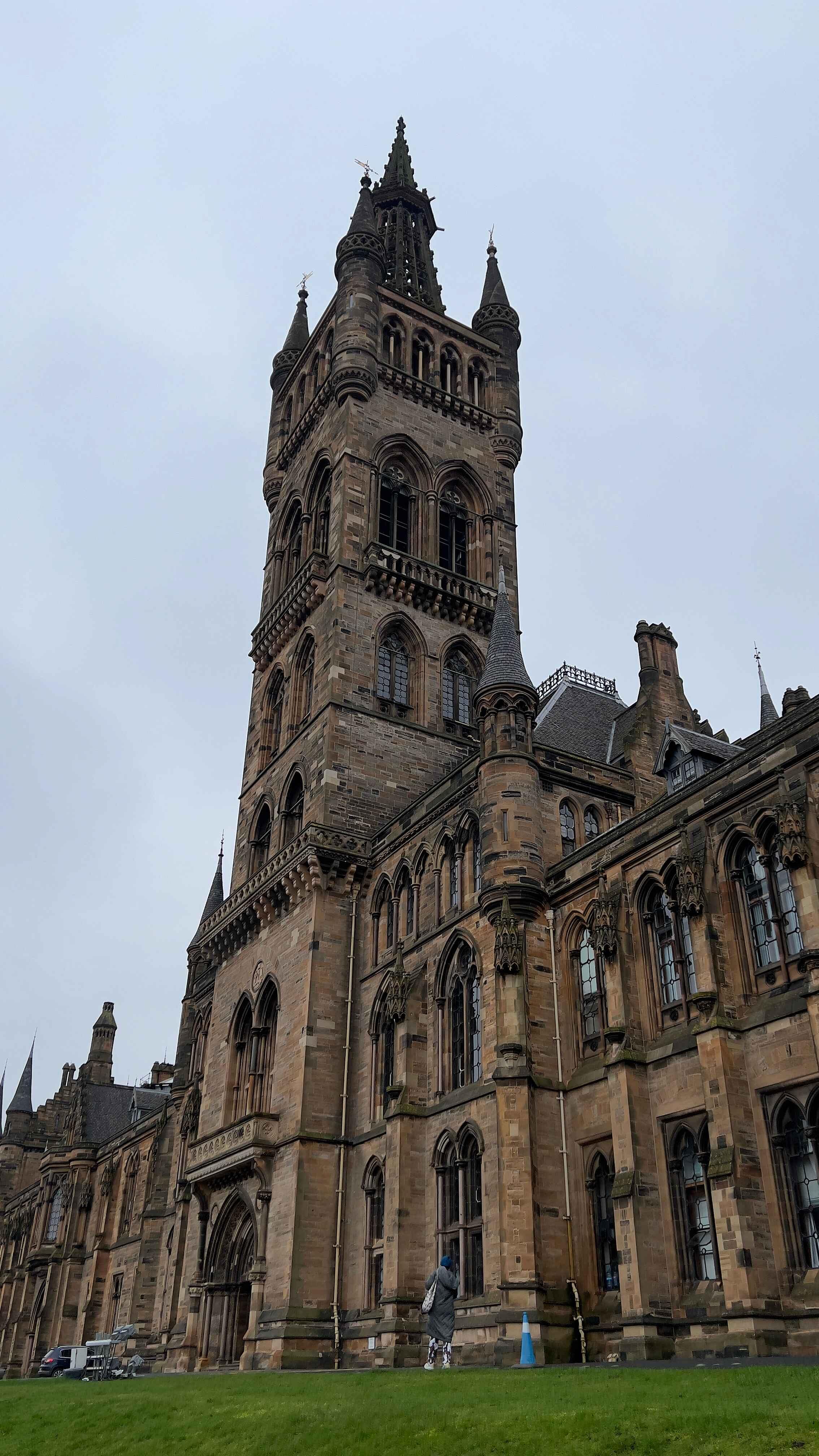
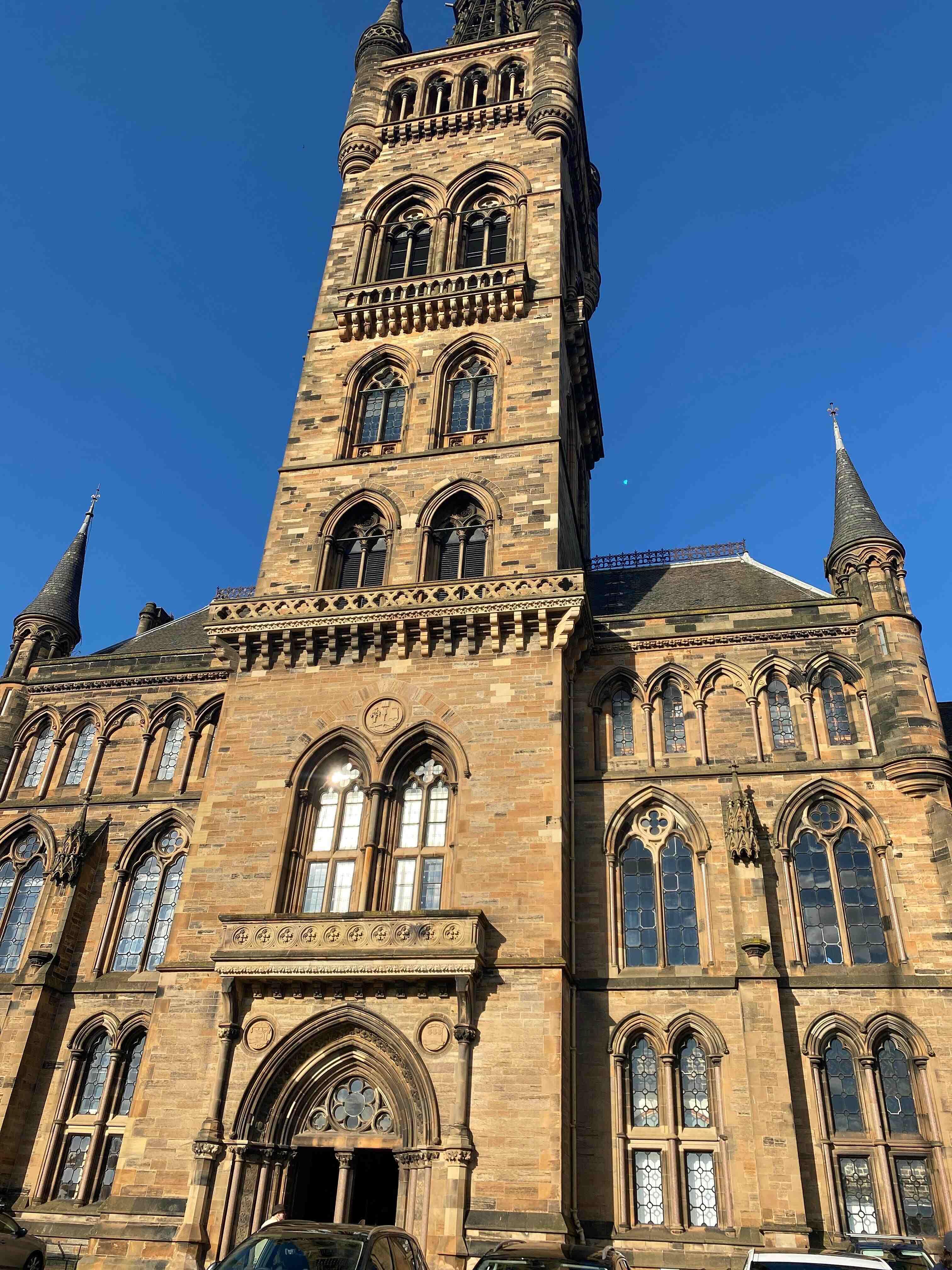
- - The beautiful historic walls of the 573-year old university.
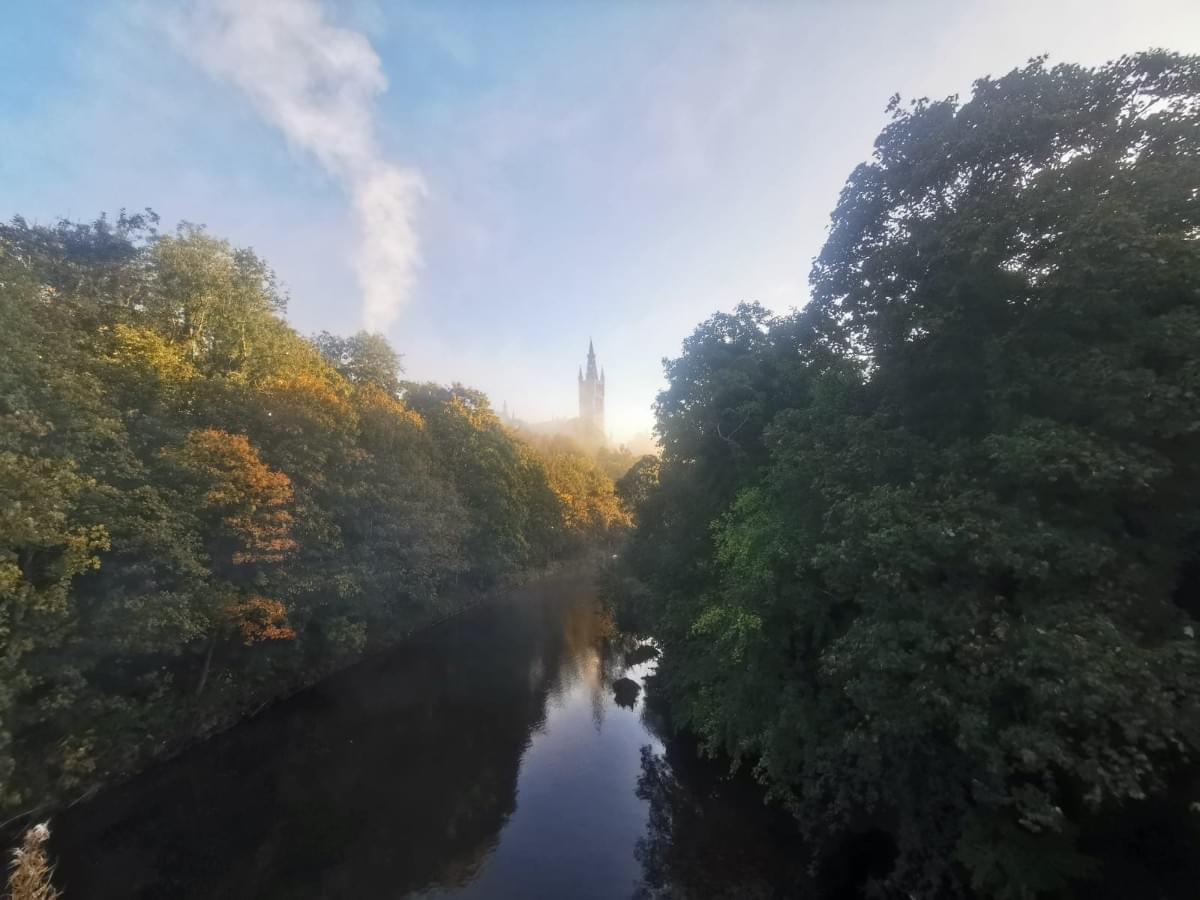
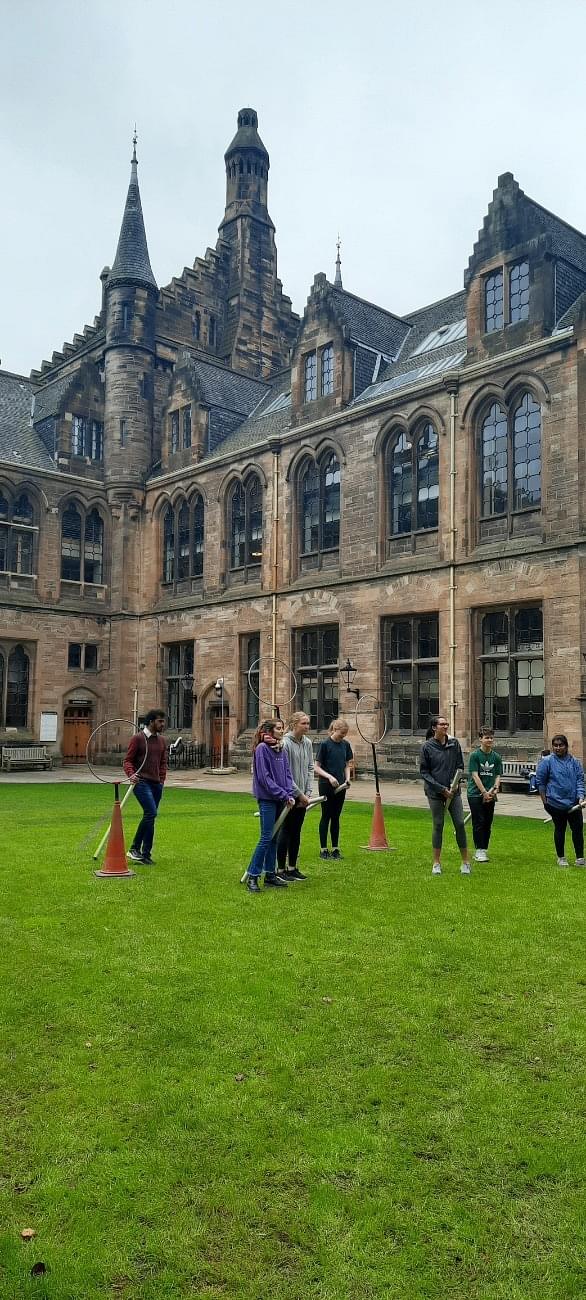
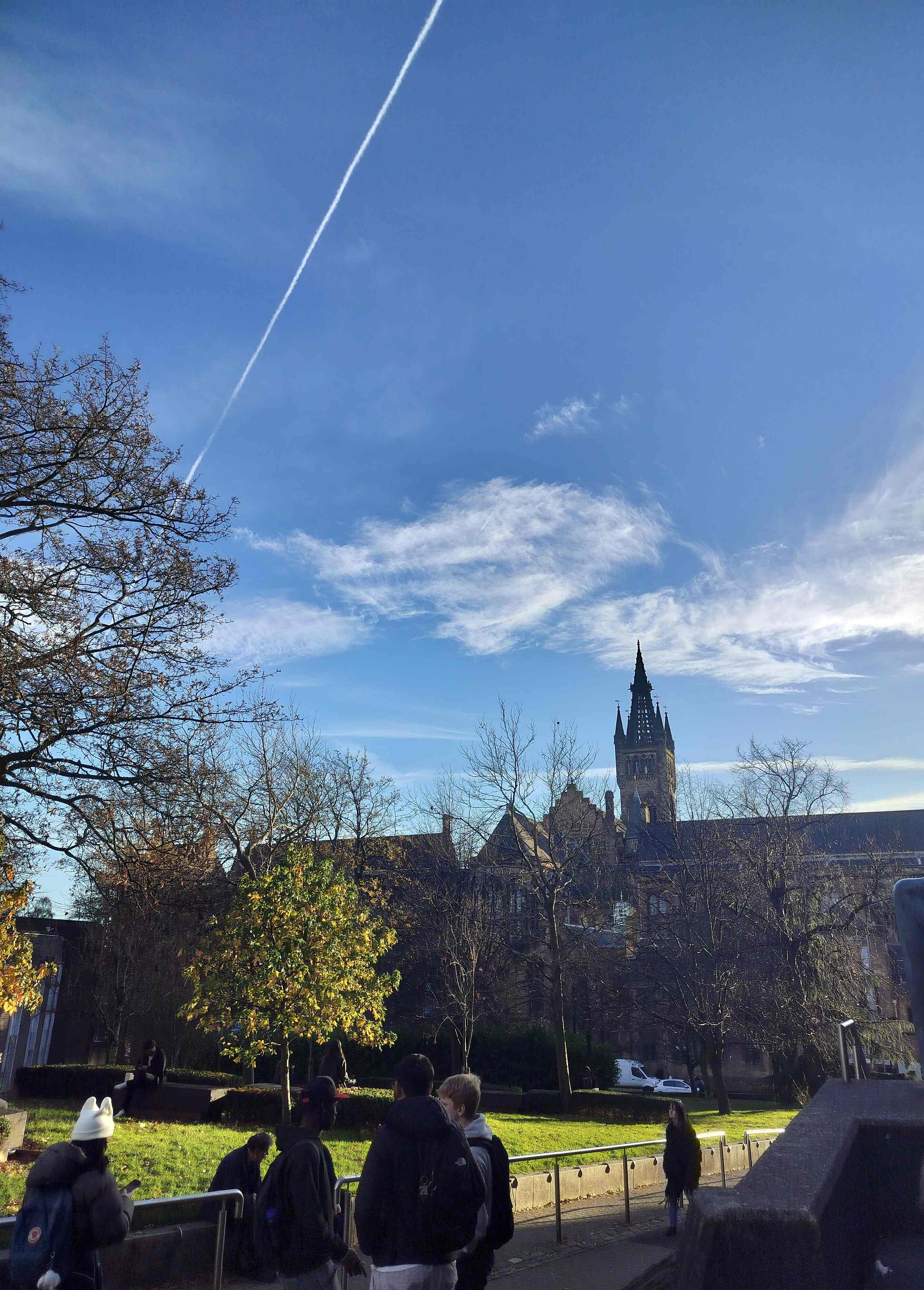
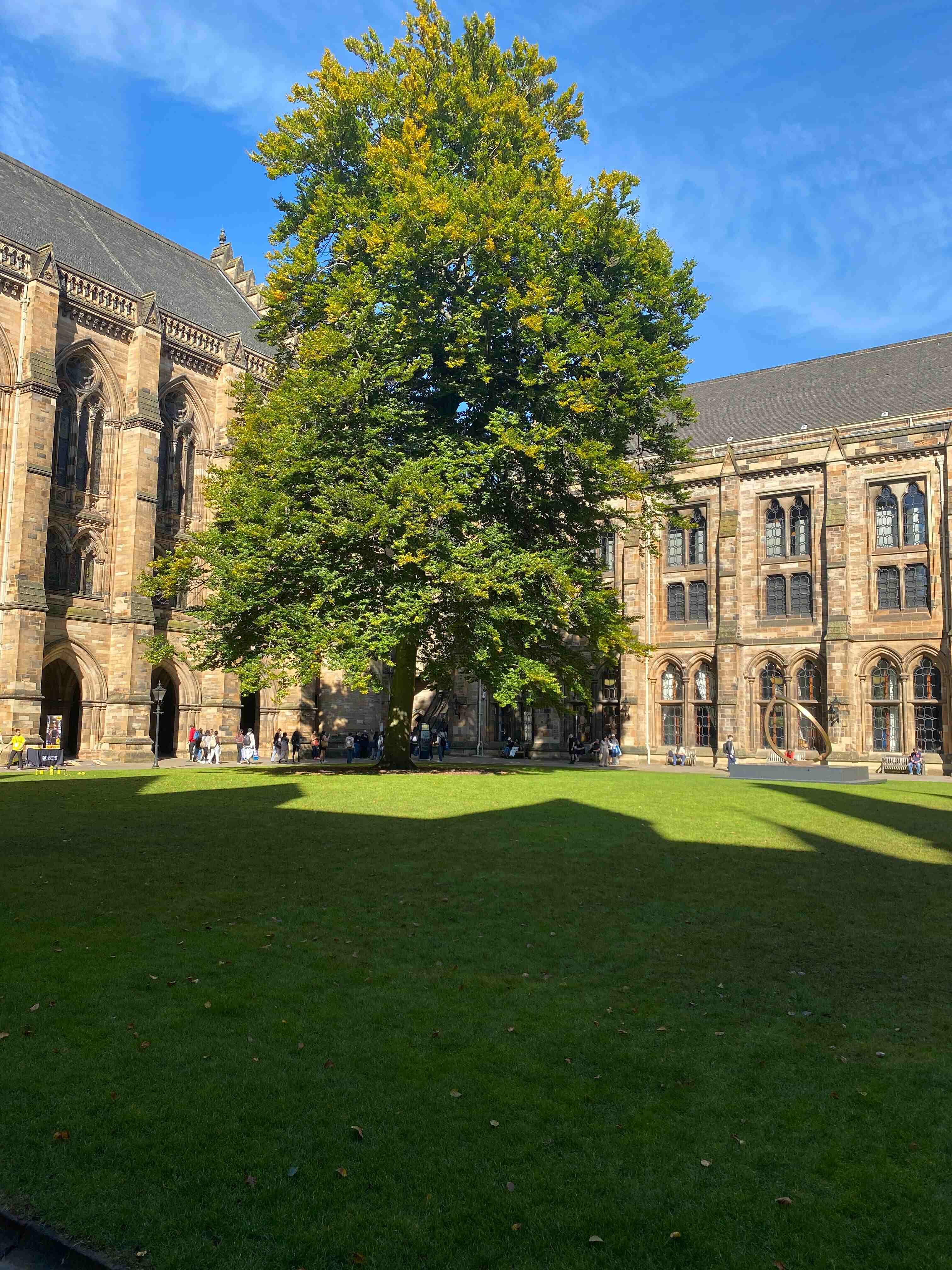
- - The scenic landscape of gardens spread across the campus. It's preferable to carry a camera, or a good quality phone as there would be many captivating moments to capture while strolling across the campus
Dislikes
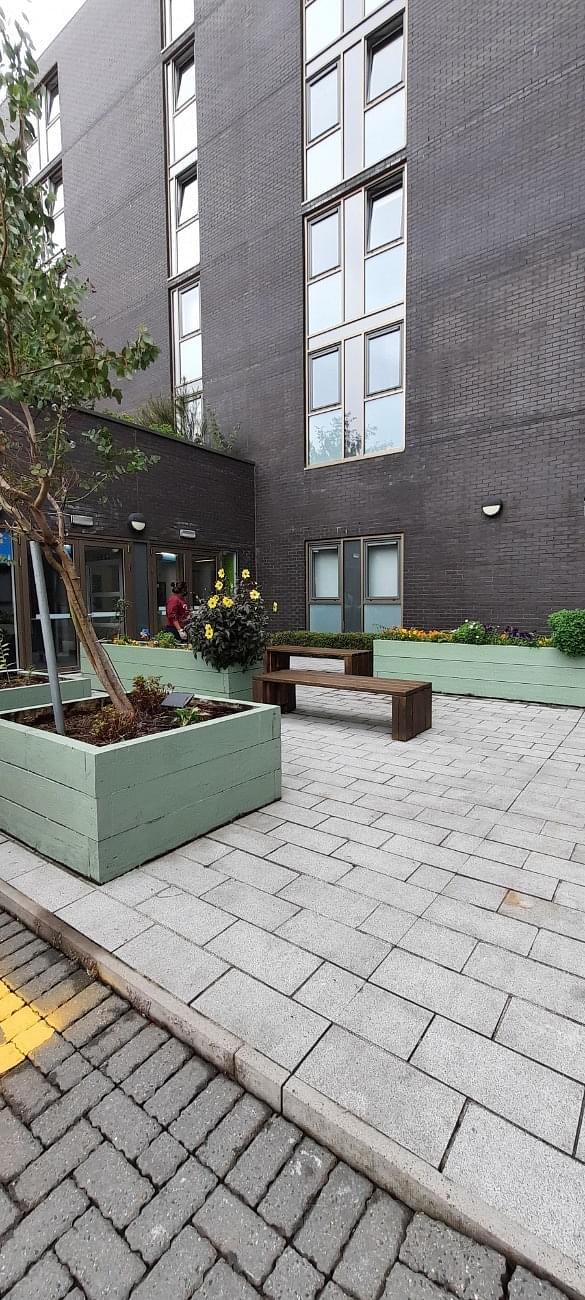
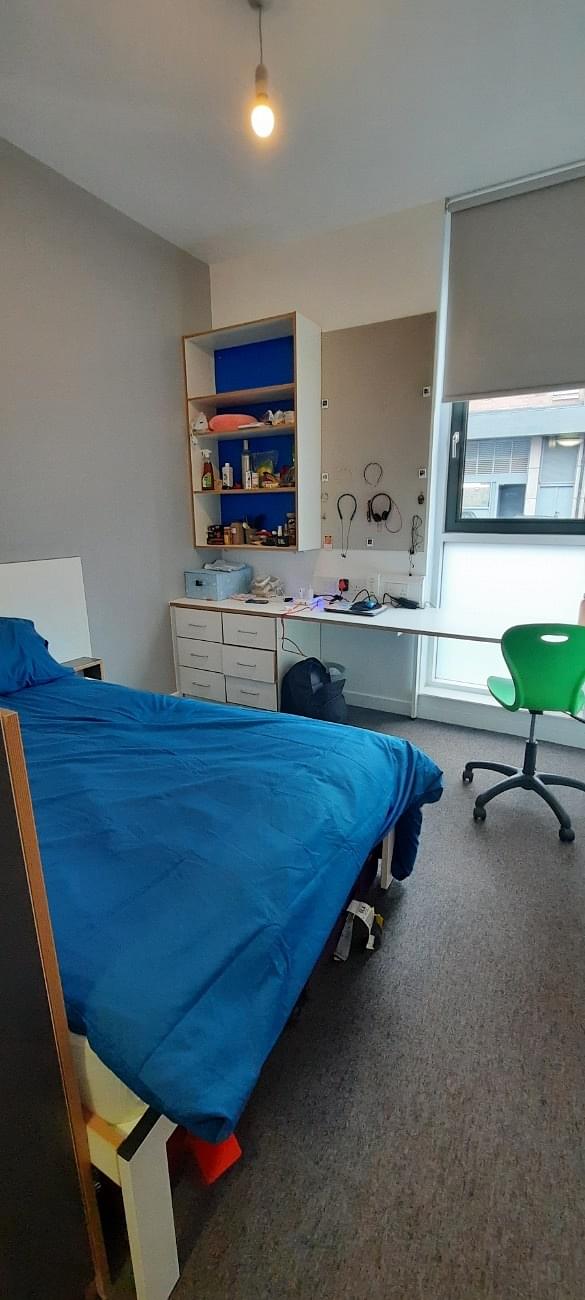
- - There are limited University accommodation facilities which are nearby to the university, as most of the available accommodation services are way far from the campus and require a transport to travel. So, it's better to book earlier in advance.
- - The weather can be depressing at times, with sudden rains and cold breeze.
- - During the months of November to January, there may be much less exposure of sunlight, with sun setting at around 3:30-4 pm itself. Due to which, I developed depressive thoughts during the initial days of stay, and had to eventually consult advice from the wellbeing team of the university, which later helped out significantly.
Scholarship
- I received the India Merit Award scholarship of £5000 for my course, and the eligibility criteria is 1st class marks in the undergraduate degree.
- The award amount of the scholarship was £5000.
- Yes, many of my batchmates from India received the India Merit Award scholarship, with some receiving the Global Leadership scholarship of an amount of £10000. But the eligible candidates for this scholarship are only 300.
- On average, almost all the students from India receive the India Merit Award scholarship, while the typical award amount may vary from £5000-£10000.



Likes
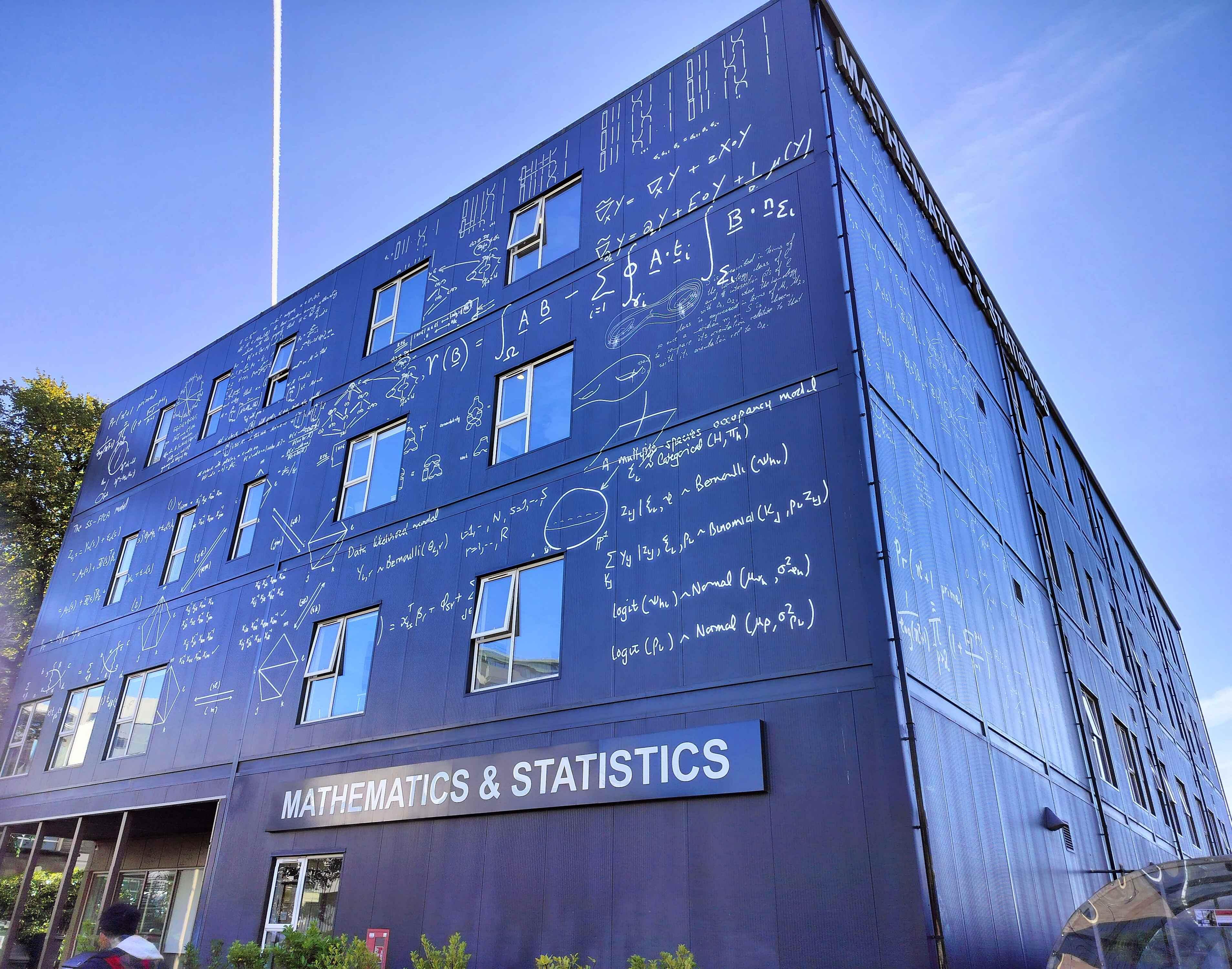
- Campus
- Culture
- Support (Professors and Seniors)
Dislikes
- Strict in terms of plagiarism
- No free parking for students
- Rush in finding student accommodation
Scholarship
- There are several scholarships available.
- Chevening is the one offered to several students.
- Eligibility
- You must be from a Chevening-approved country.
- Promise to go back to your home country for at least two years after the scholarship.
- Have at least two years (2,800 hours) of work experience.
- Hold a bachelor’s degree that allows you to study a master’s in the UK.
- Apply to three approved UK courses and get an unconditional offer from at least one before the deadline.

.jpeg)
.jpg)

Likes
- Research oriented curriculum in par with industrial standards.
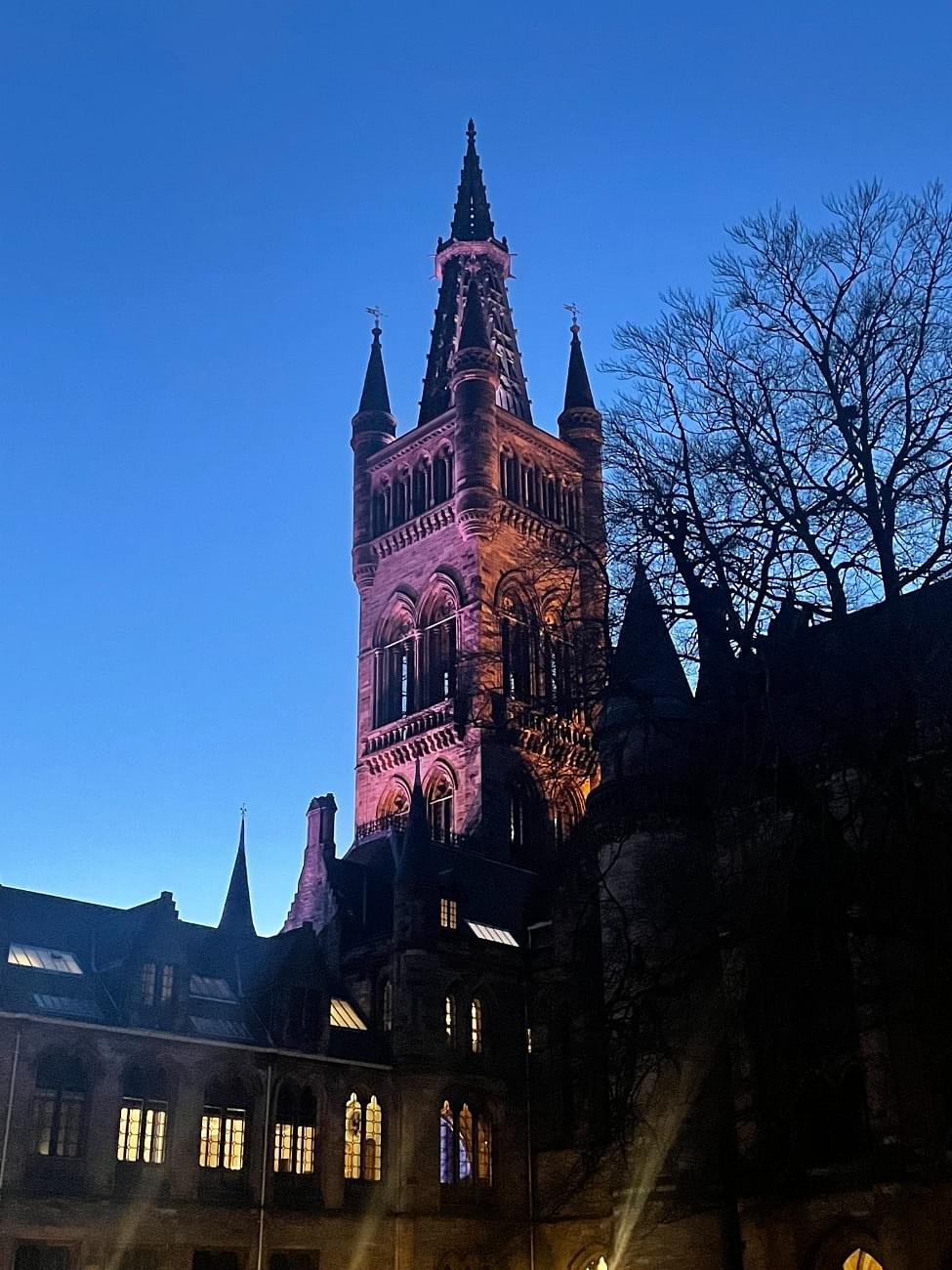
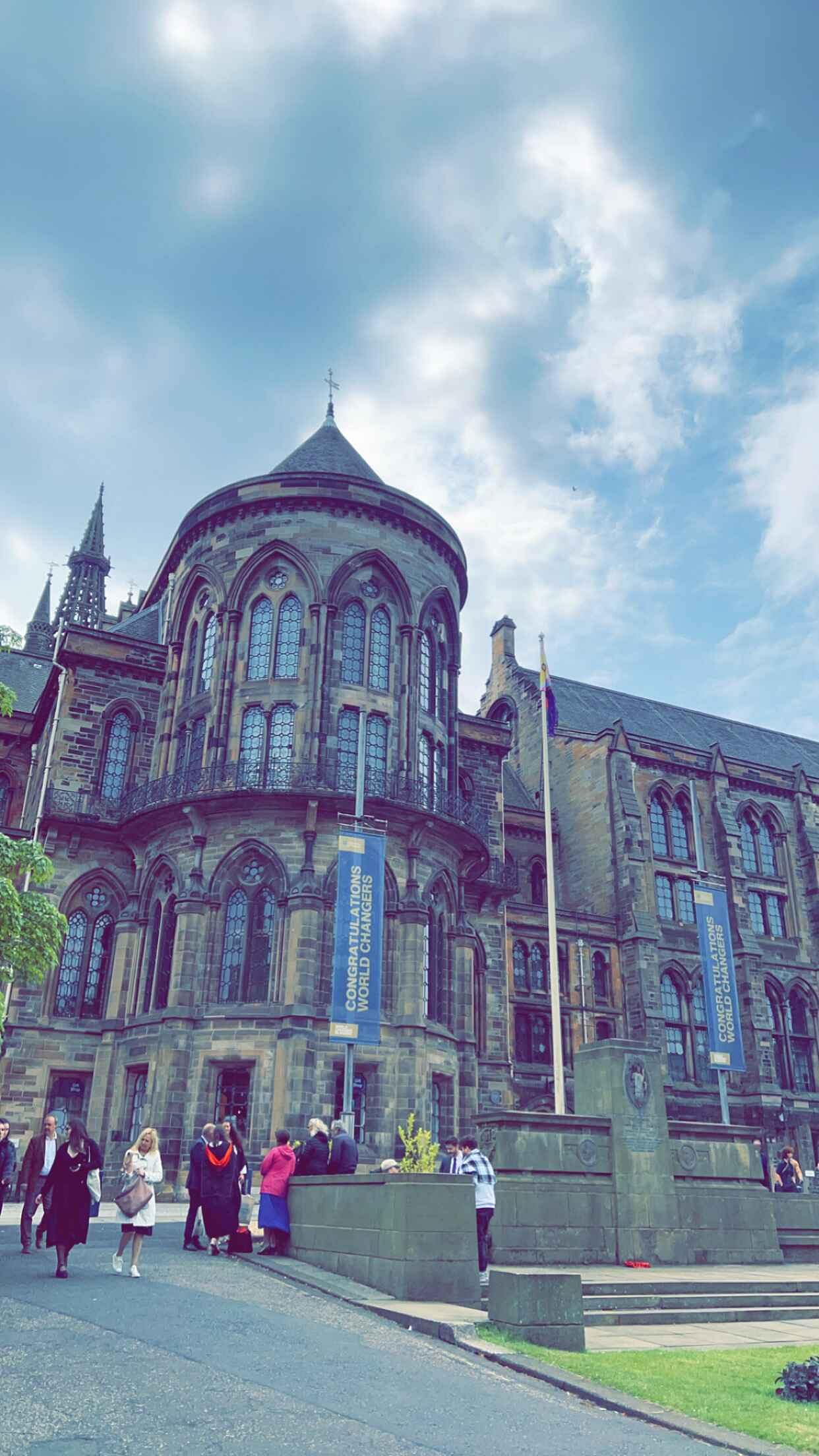
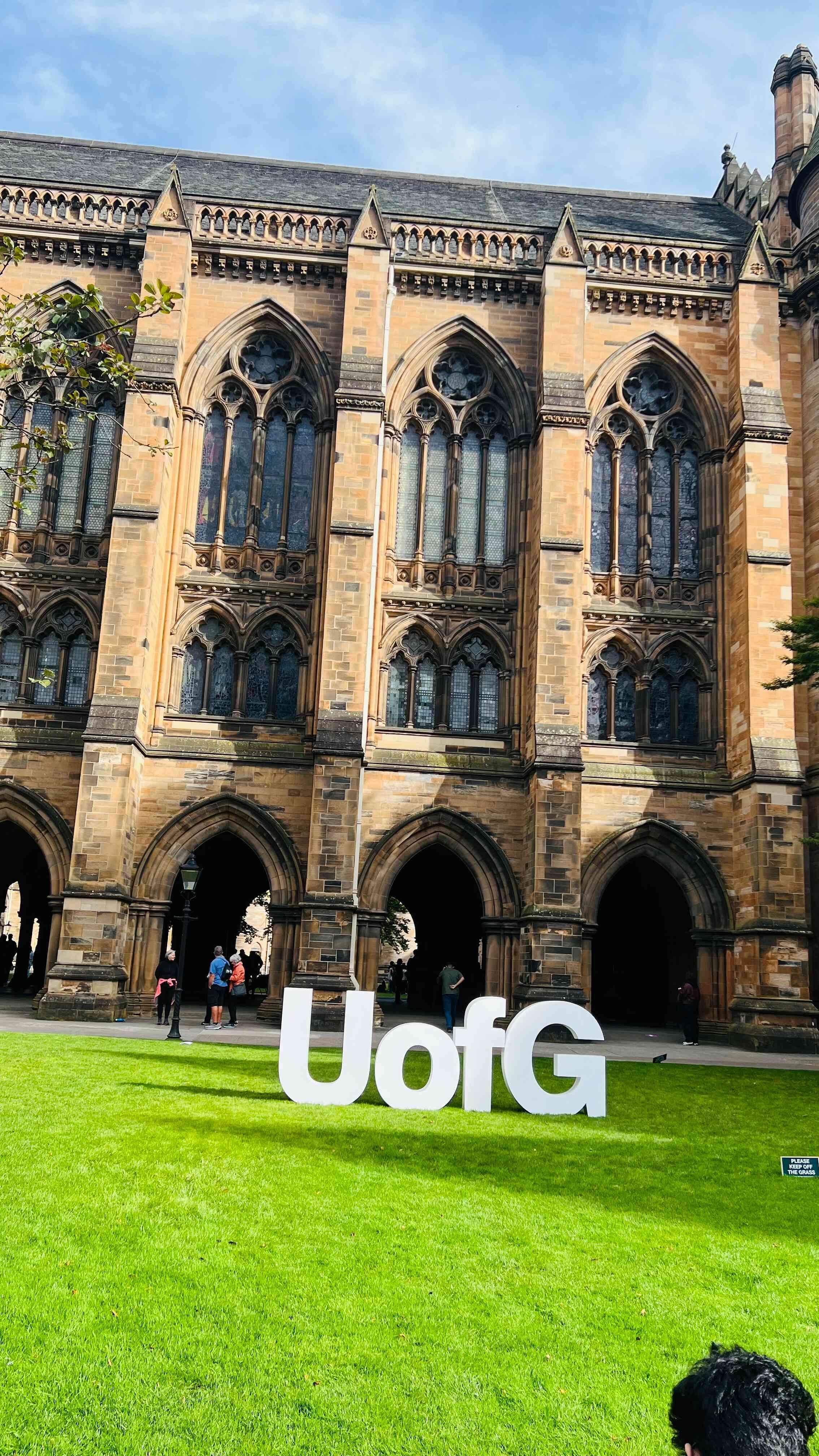
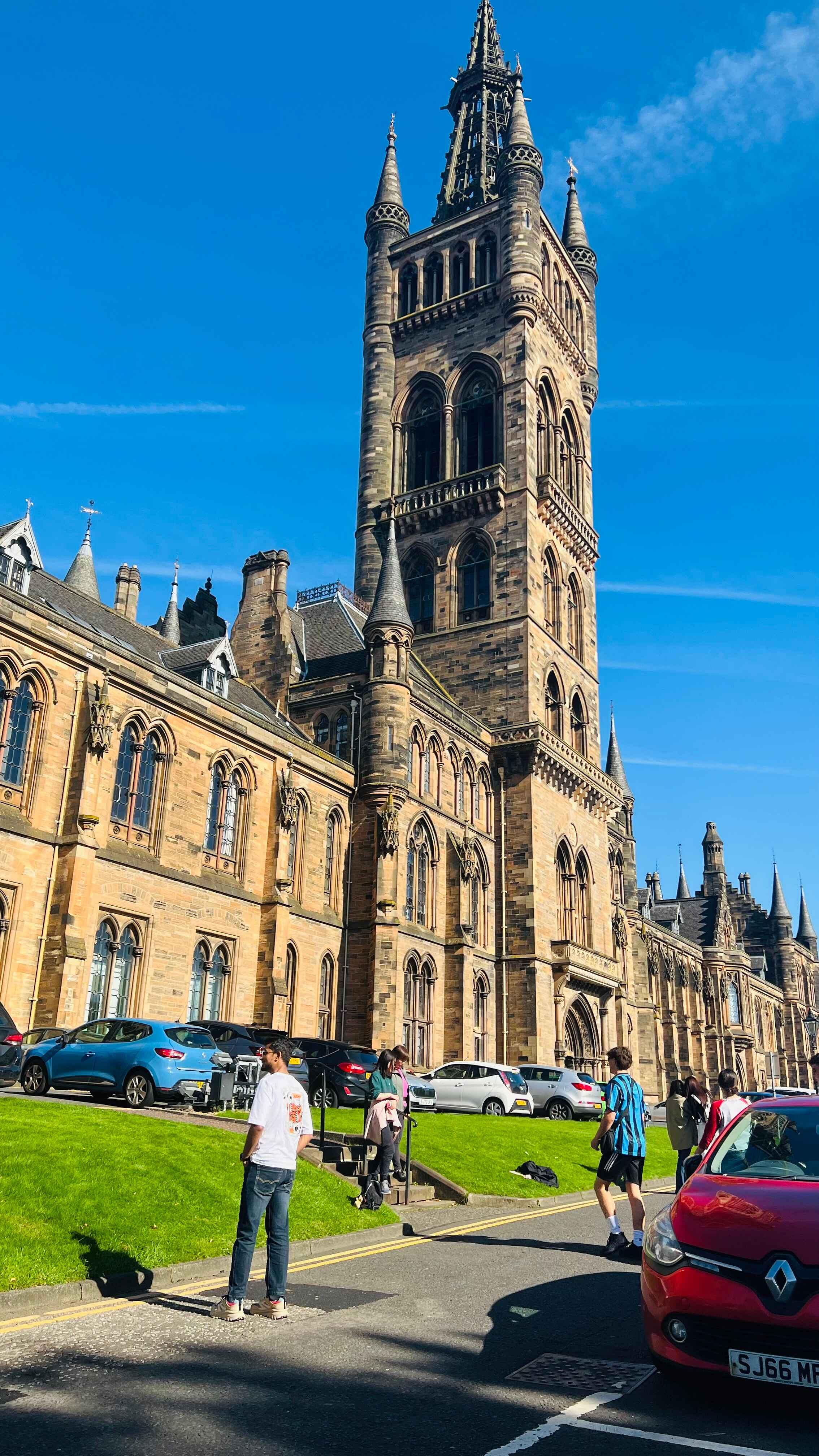
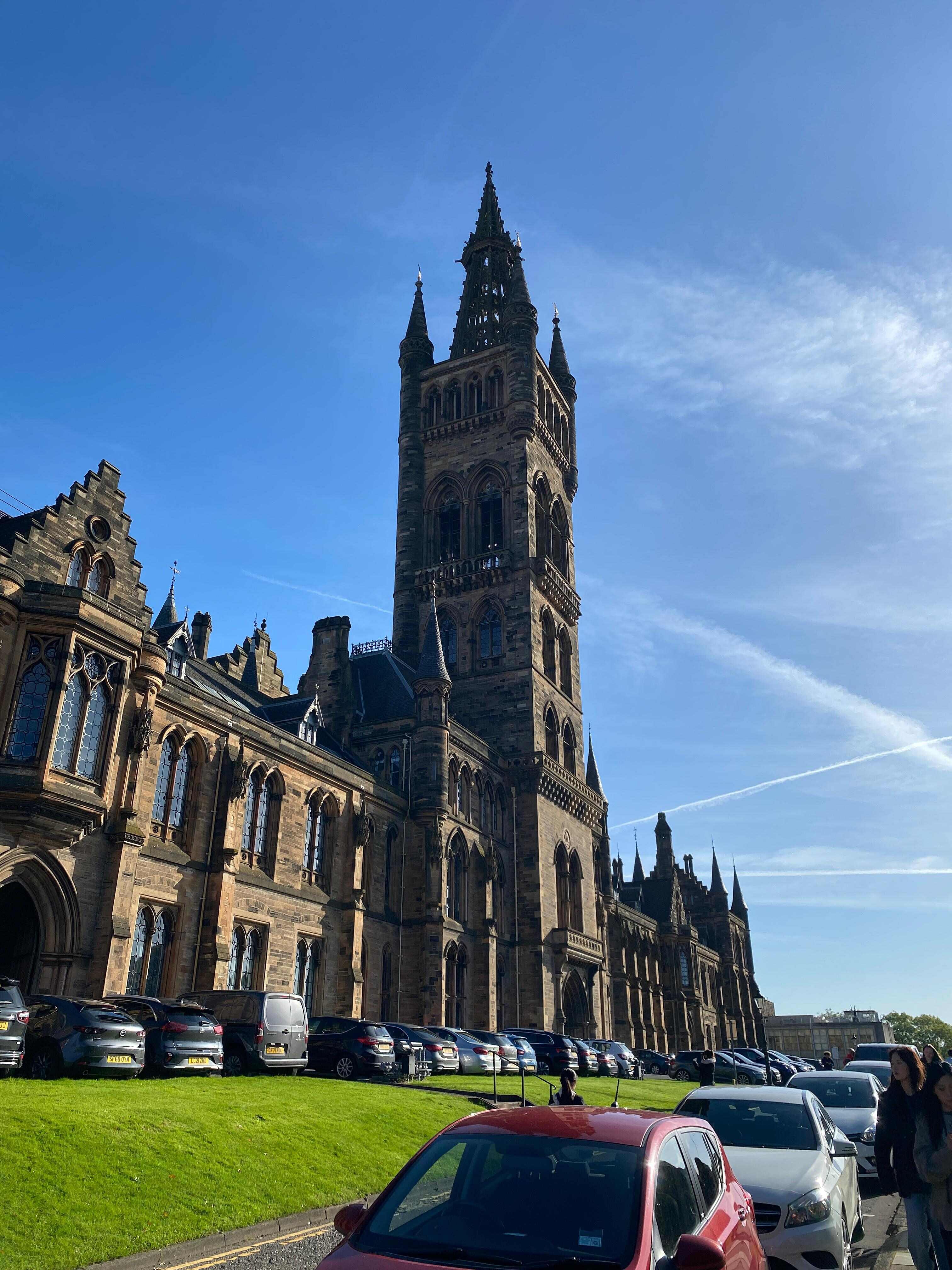
- The ancient infrastructure of the university( also called the Hogwarts of Scotland)
- The opportunity to learn from classmates and professors for all around the globe inculcating a rich diverse educational experience.
Dislikes
- While the infrastructure of the university is breath taking, practically attending the classes would make us to run from one corner to another corner is very time consuming. It would be really helpful if they can work on the time table and class allotment schedule keeping this fact into consideration.
- Would appreciate if we are provided with more industrial visits.
- Since the Masters program is 1 year, I think it would be really interesting if we can choose to do a dissertation under the University or in a private institution.
Scholarship
- I was not able to receive the scholarships, as the scholarship options to my field of study was very limited and I applied for my Masters at the very last minute.
- There would be around 10 to 15 of 150 people who got the scholarship like I recollect.
- Would advice to keep a check on the university website and apply as soon a possible for more chances on getting the scholarship.
.jpeg)
.jpeg)
Likes
- Focused on real-time application-based education. All the given assessments must not be copied from any source. A student should use their knowledge about the concept and accordingly work on them. All the assessments helps to understand a student about how the things work in industry.
- Strict action against plagiarism: The university takes plagiarism cases very seriously. This leaves no option for a student to copy other's assignments.
- Help to build teamwork: There are many projects, case studies, and research-based projects that need to be done in groups of students. This helps a student work in a team. In this model, all the students should take part in the project work. Otherwise, they will not receive high scores in delta scoring from other students.
Dislikes
- Less idea about the curriculum: It takes time to understand the whole curriculum and exam patterns. Professor should be more focused to make every students understand about the curriculum.
- Sometimes course becomes more hectic with multiple assignments of the different subjects with the same time of submission. Since, each of the course work takes good amount of time. It becomes hectic during the deadline.
- Since, University conducts less classes for each subjects. Because of that professor doesn't go deep into the topic instead they just teach the topic on high level.
Scholarship
- I have received 2 scholarships. India Merit Award and International Leadership Scholarship from the University.
- For India Merit Award: Minimum CGPA required: 8.0
- For International Leadership Scholarship: Minimum CGPA required: 8.0 + Strong profile
- Award Amount:
- For India Merit Award: 5000 pounds
- For International Leadership Scholarship: 10,000 pounds
- A lot of them, whoever has an 8 and above CGPA, got the scholarship.
- There is no average number who receives the scholarships every year. All of them, if they have an 8 and above CGPA, will automatically get the India Merit Award scholarship and for the International Leadership Scholarship, we need to apply explicitly. But the headcount is not revealed by the university.
- Award Amount:
- For India Merit Award: 5000 pounds
- For International Leadership Scholarship: 10,000 pounds

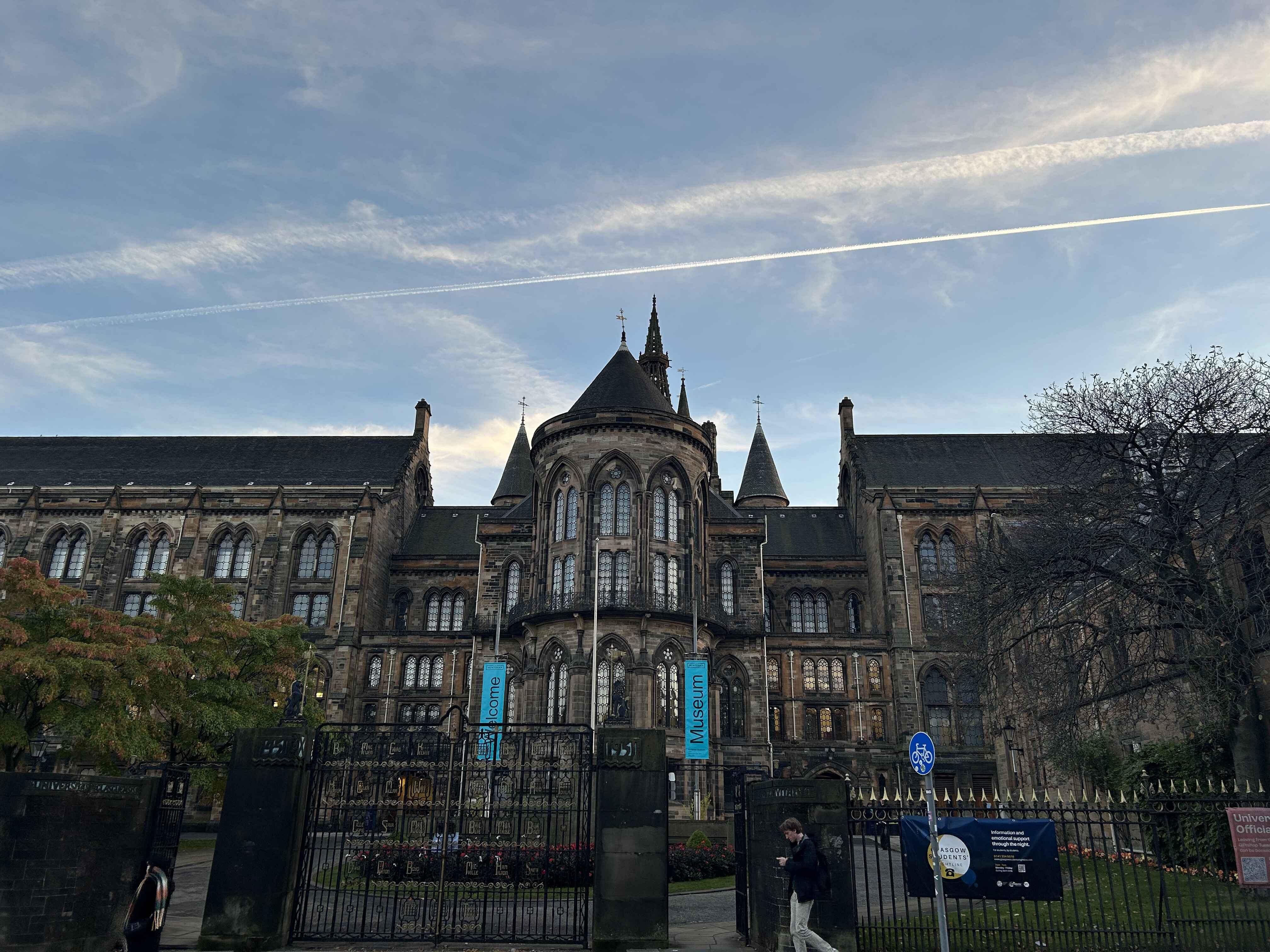

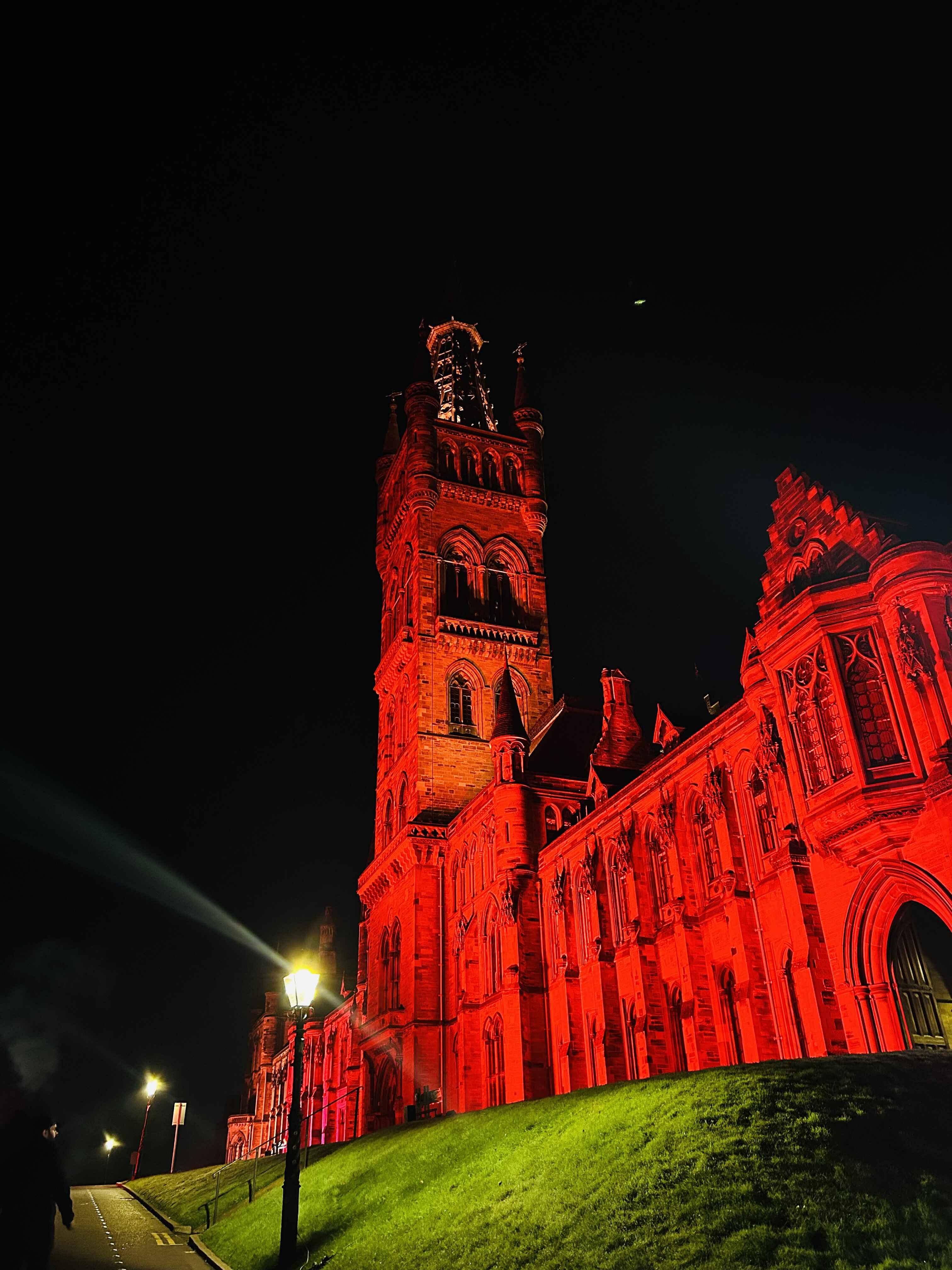
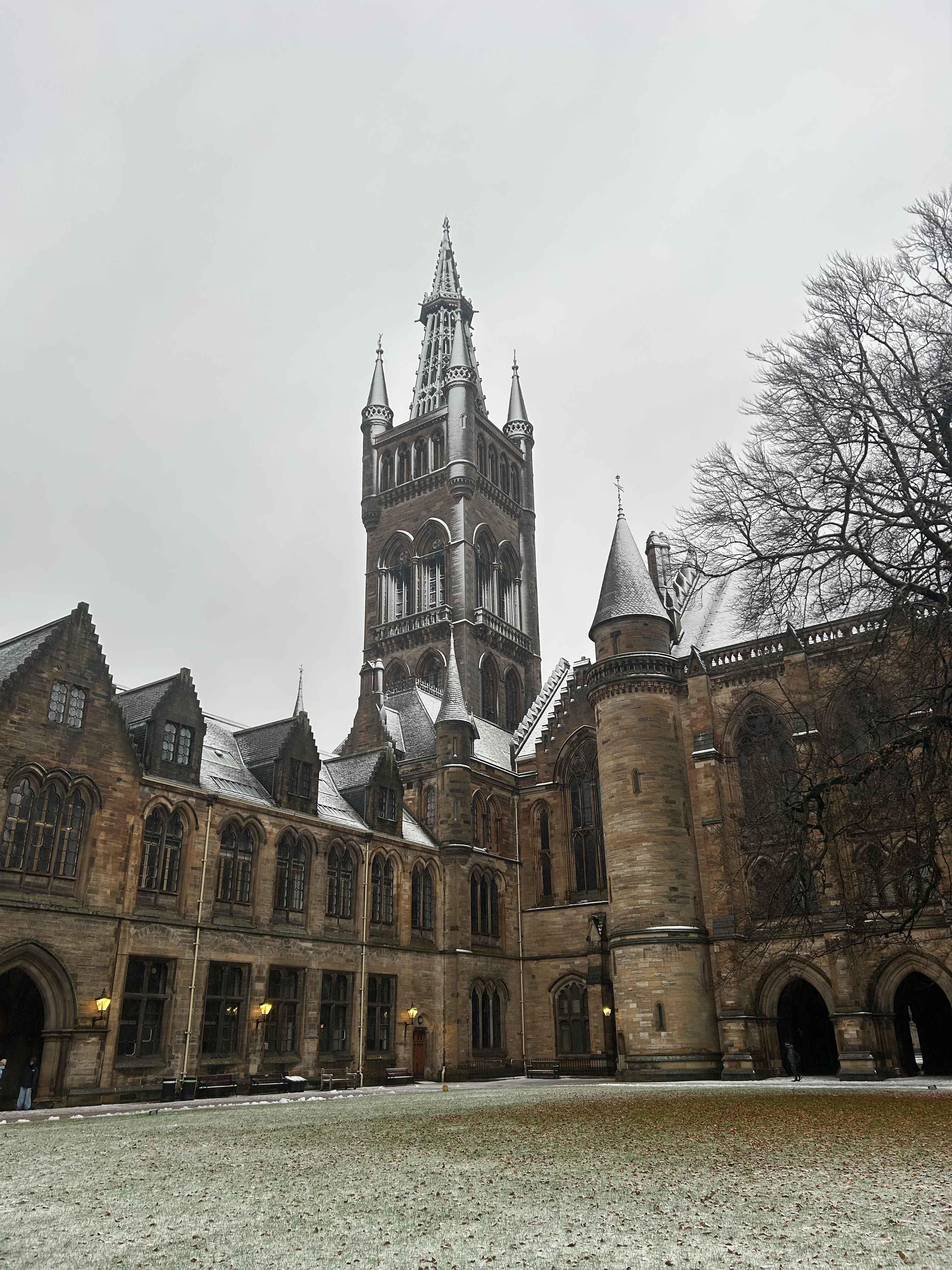
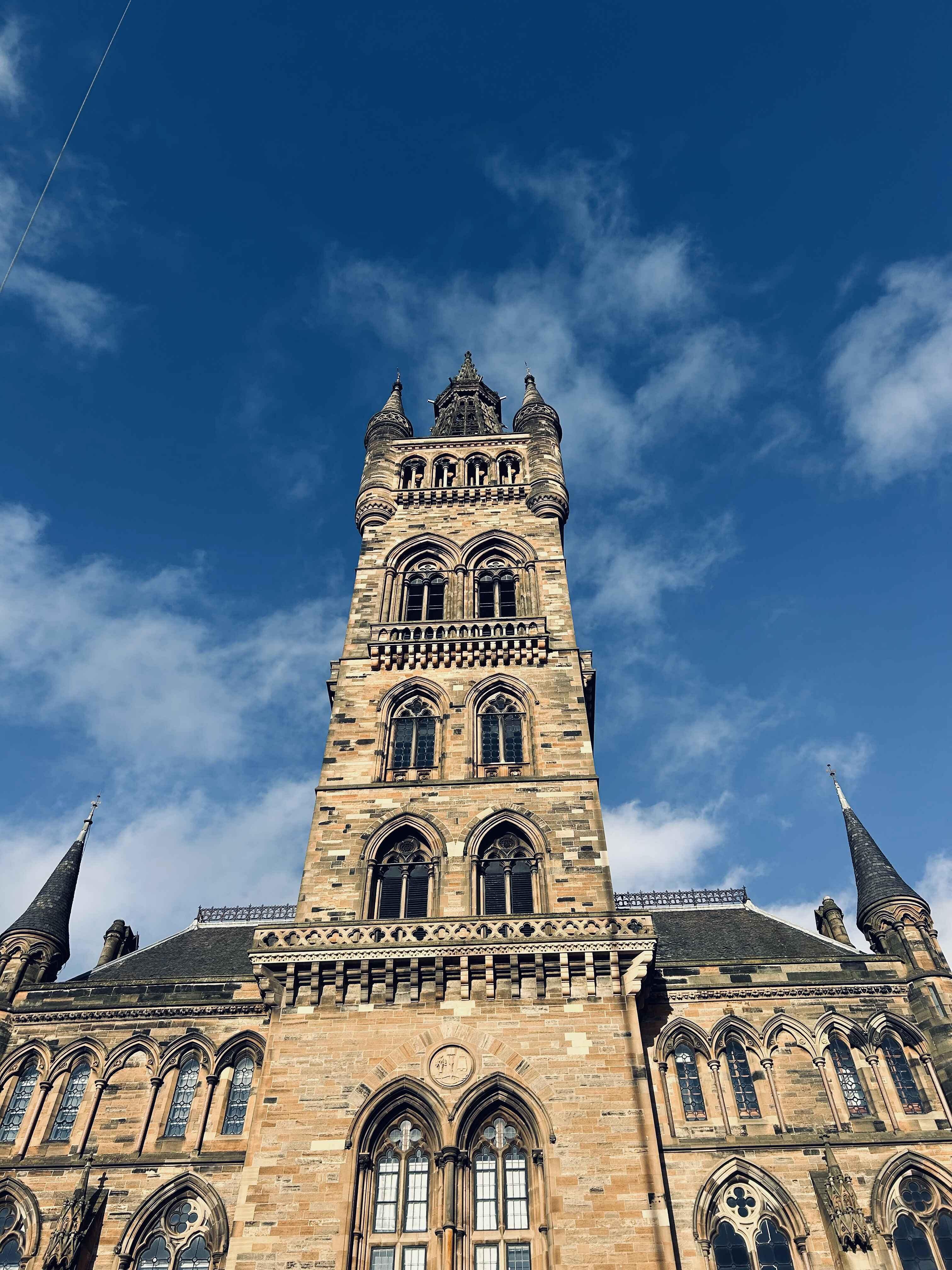

Likes
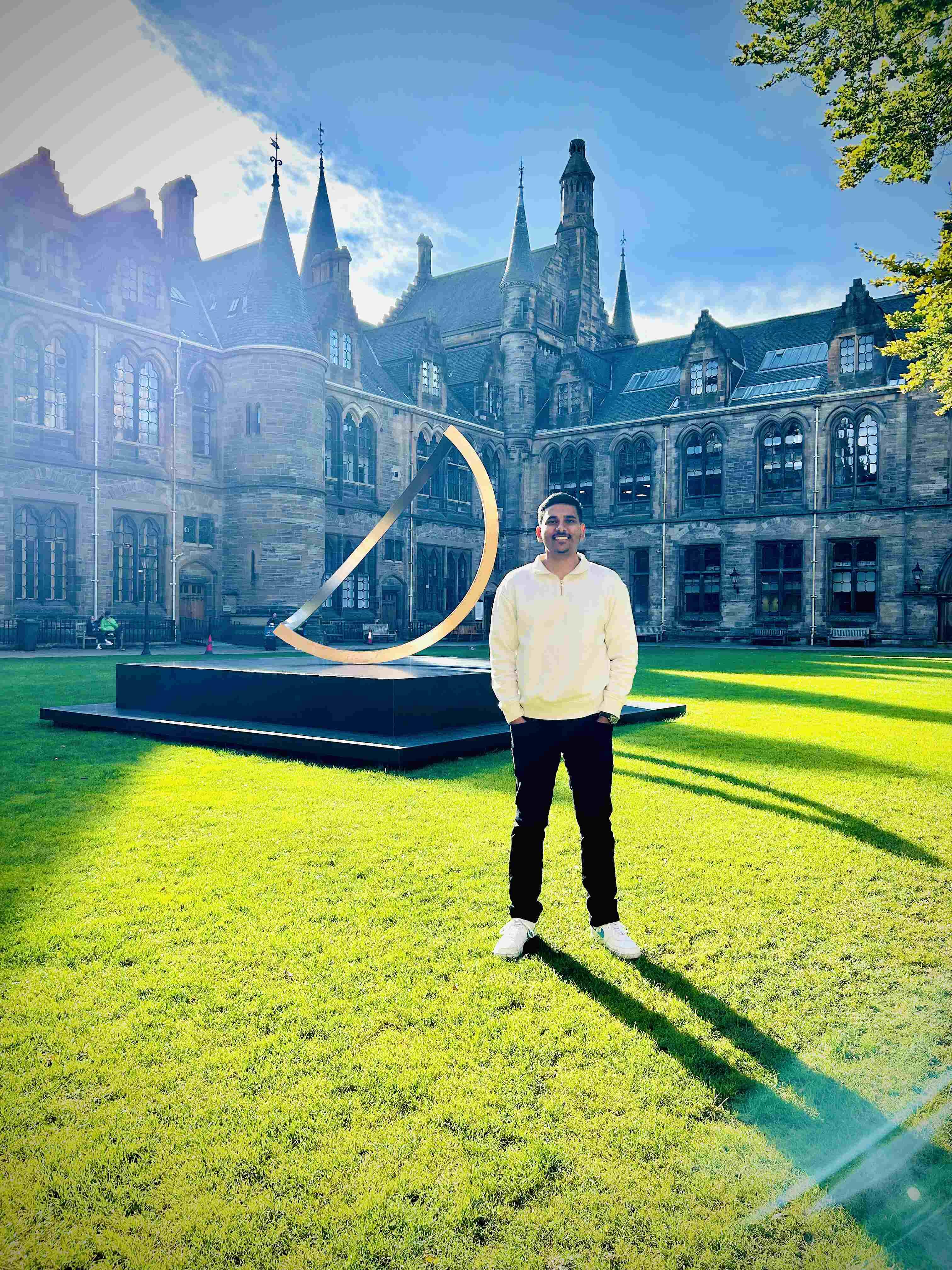
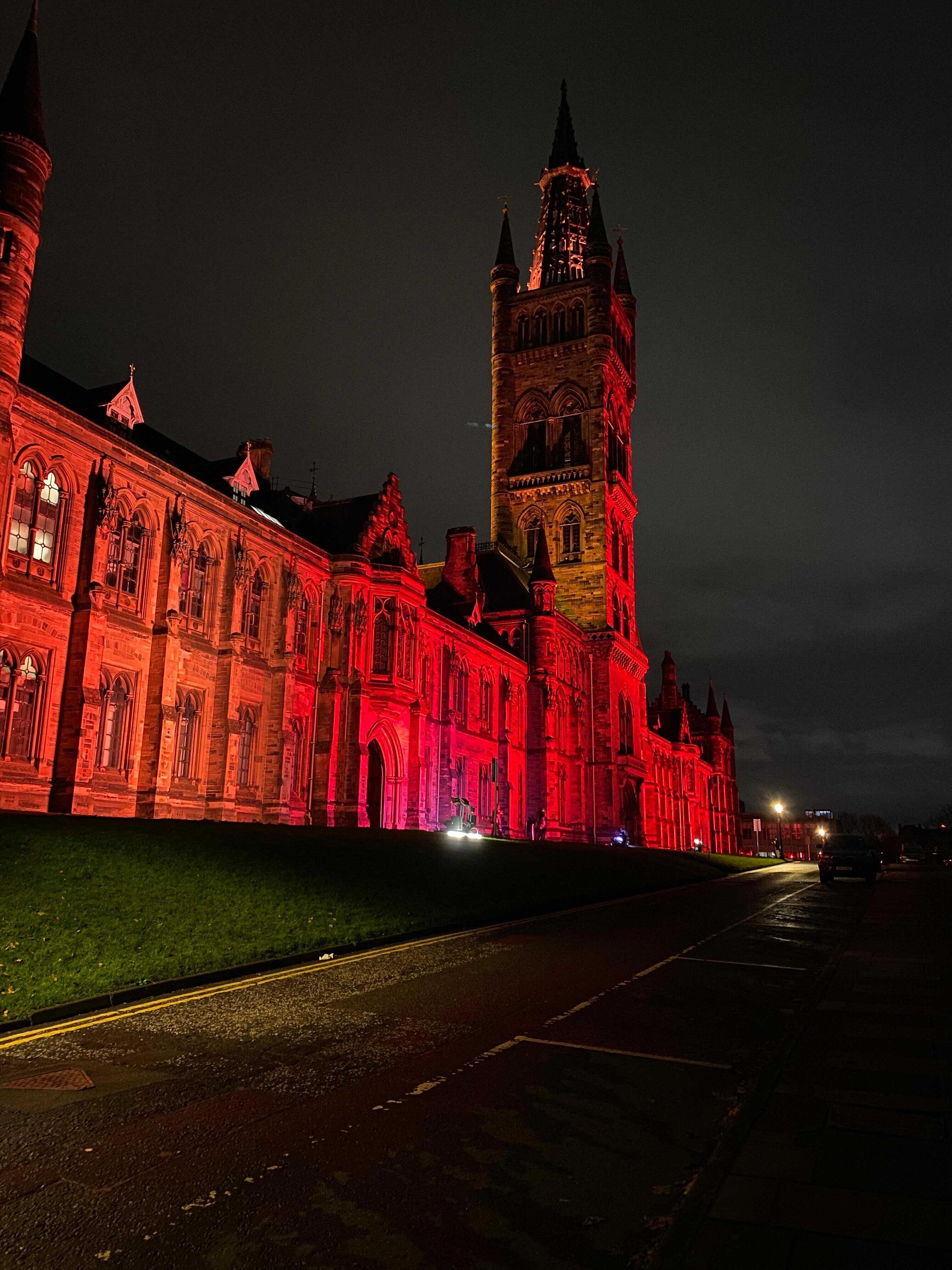
- The campus is very beautiful. You get the best experience here.
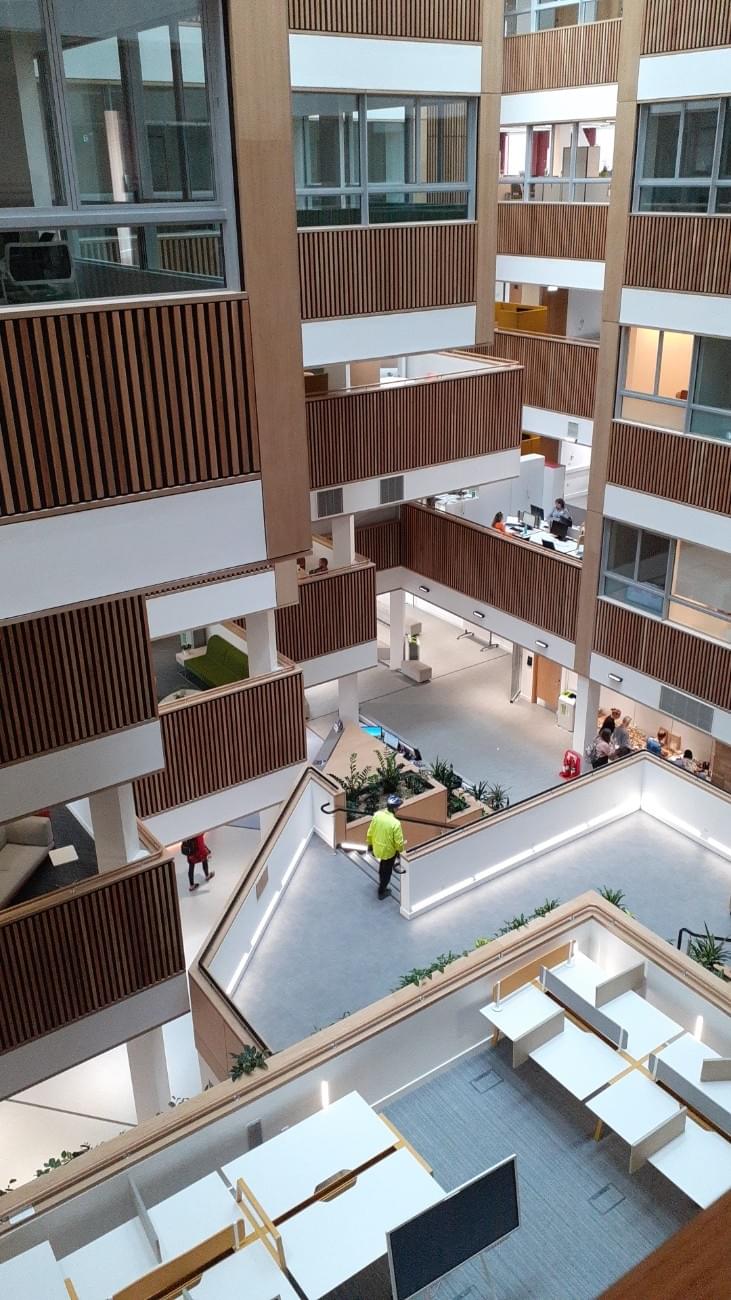
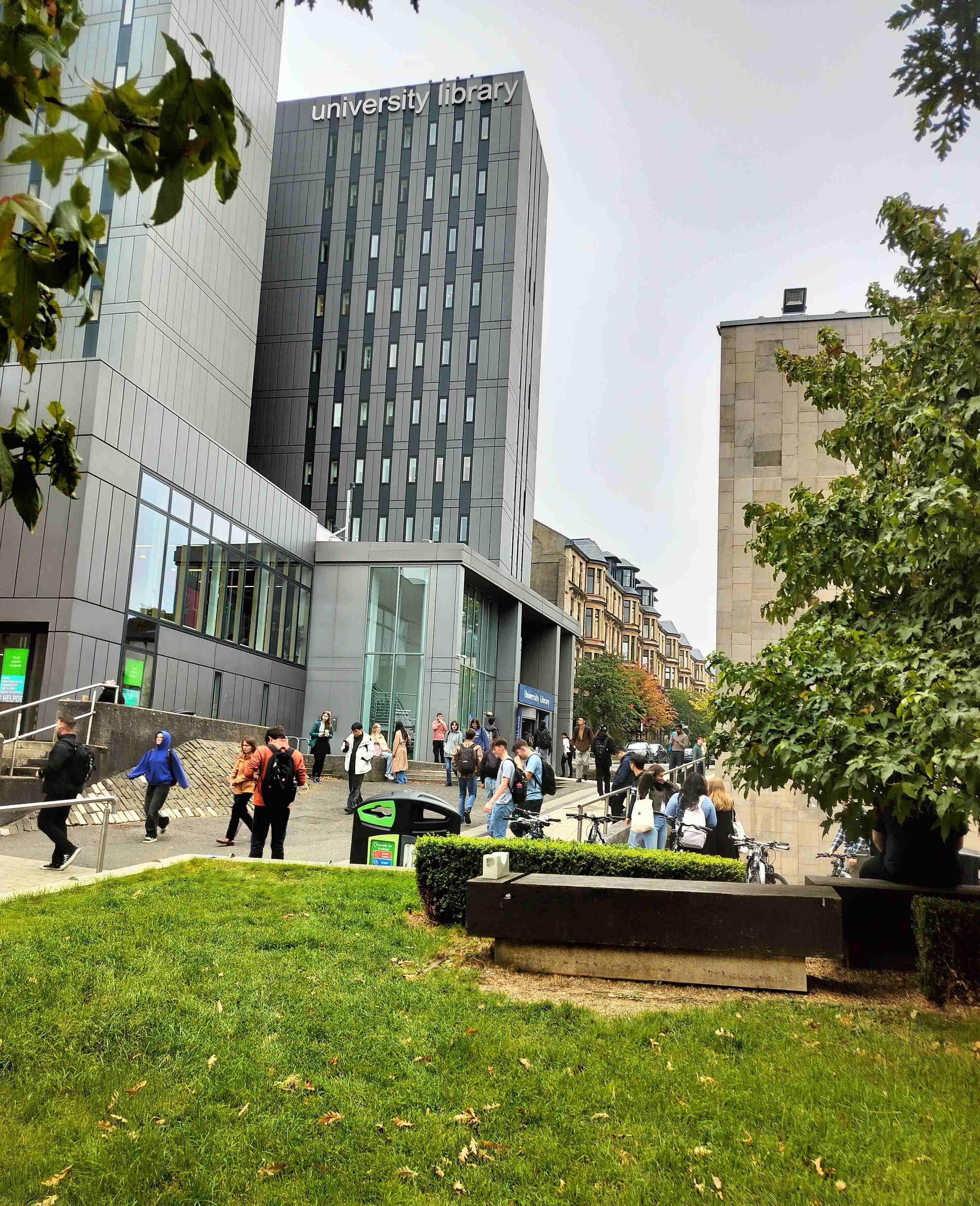
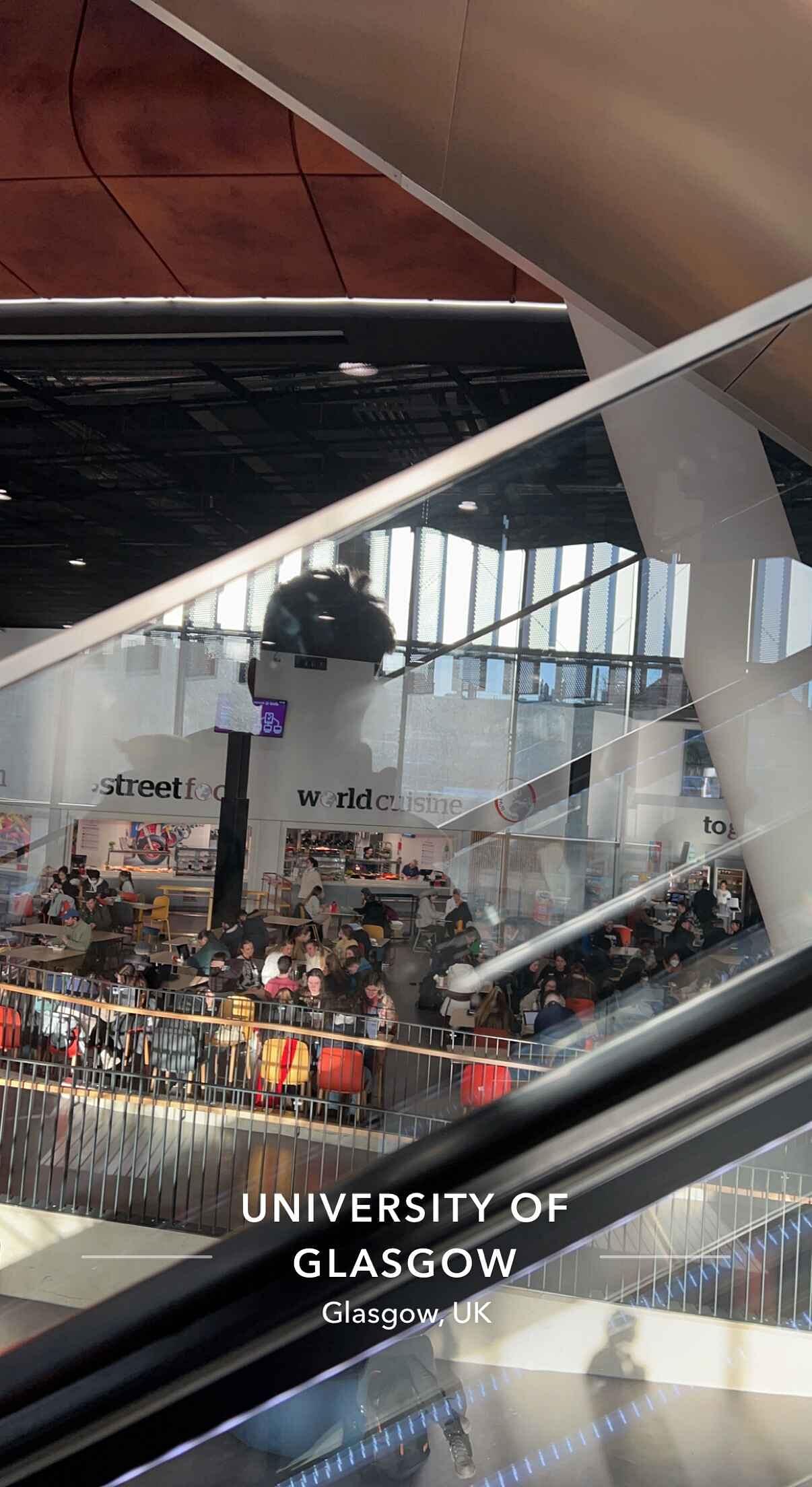
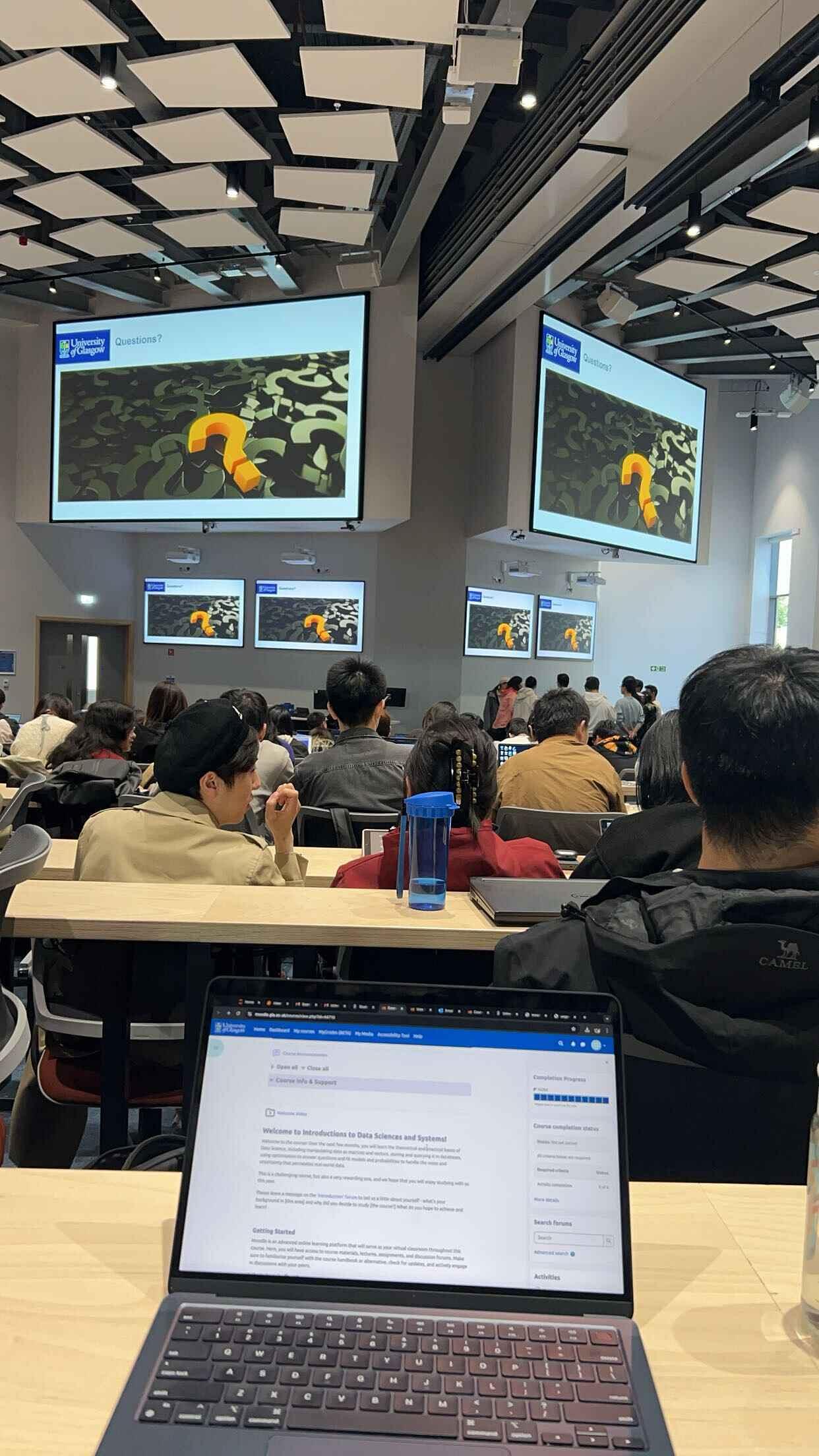
- It has the biggest library space of 14 floors and various study spaces on campus are open till late at night.
- The Uni organises events for every other occasion and there are various societies you can get involved with. This boosts your self confidence, you communicate with various people from diverse backgrounds.
Dislikes
- There are a lot of things happening at once. pretty hard to concentrate on one thing.
- The course length is 1 year which gives you very less time to settle in and look forward for your course.
- The course fees is a bit expensive compared to other colleges in UK but at the same time it has nice Overall ranking.
Scholarship
- Yes there are various scholarships available. Application based and Merit based. I got £5k India Merit Award.
- The max Scholarship you get is £10K. Other than scholarships provided by University there are various scholarships outside of the organisation and government scholarships.
- Few of my friends are on Fully funded scholarships from their state government. Dont know the specifics of the number of students, but i would suggest you to apply as soon as possible. Chances are pretty high to get an scholarship if you apply early
 - Yash pal Singh.jpeg)
Likes
- In my opinion, the university being a russel group university helps a lot when looking for jobs so that was a plus for me.
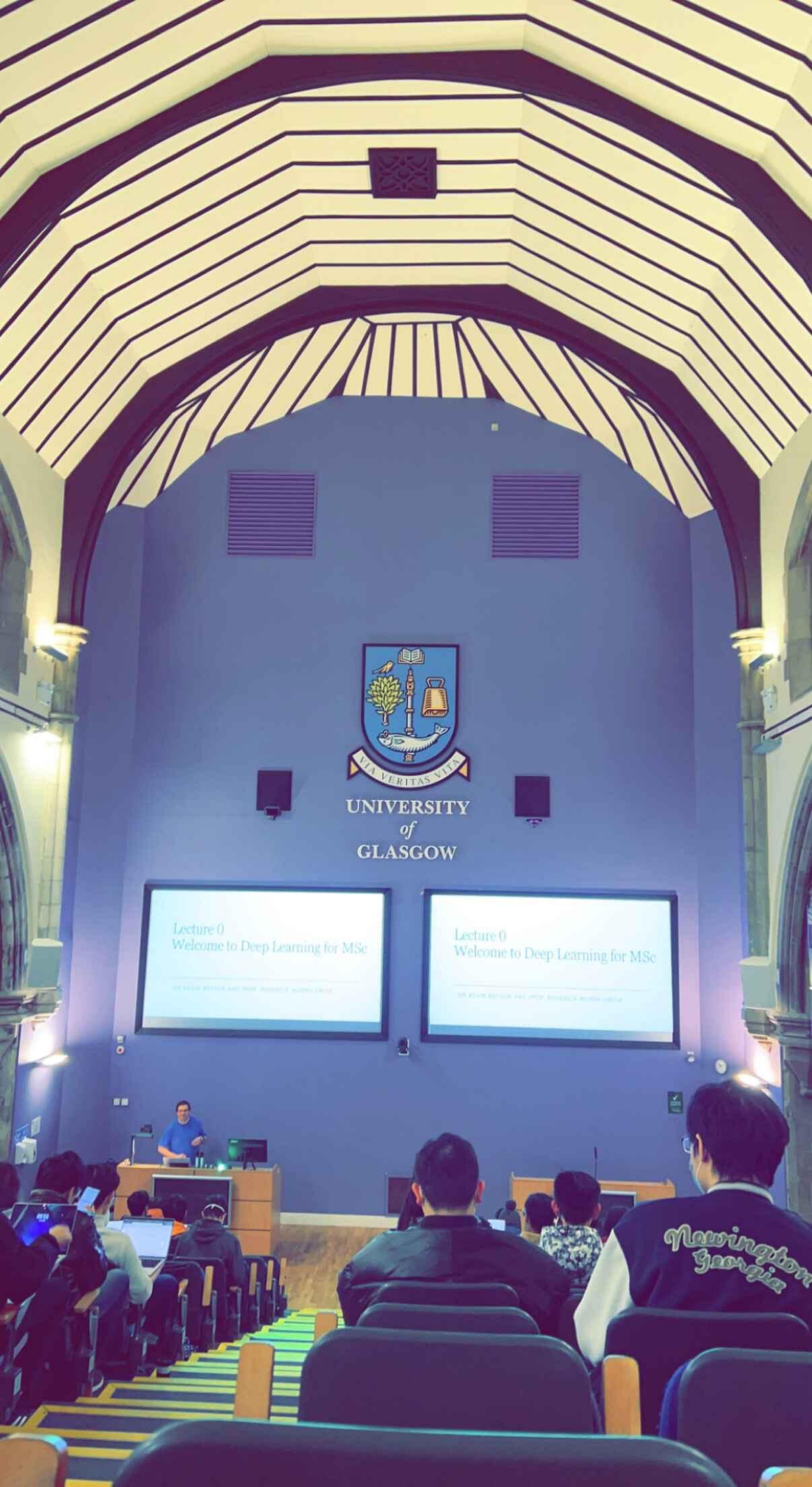
- Then the curriculum of Data Science Course was very vast and well thought out.
- University of Glasgow has a very good reputation in the field of research which I experienced during my time here, as it showed in professor's teachings.
Dislikes
- Surviving in an abroad country is difficult and that too along with studies is difficult. This is something you have to manage on your own, there will be no support from the university in this regard.
- The teaching style is very different from India, as here nothing is taught in sense of teacher explaining things, you have doubts you can ask them but you have to explore things yourself.
- Teaching here is basically just reading out presentation slides, main focus should be on the doubt sessions where you will get your doubts cleared.
Scholarship
- There is Chevening Scholarship which is provided to 60000 people from all around the world to study in UK.
- Although I didn't receive it but one of my batchmates did, its a fully funded scholarship in which a student receives the entire tuition fees as a scholarship so that the student can afford studying in one of the top universities of the UK.
- Very few students receive scholarships but there's a university team which provides hardship funds if presented with evidence that you need financial support for your daily tasks.
 (1).jpeg)
.jpeg)
.jpeg)
.jpeg)
Likes
- Well, As I have been doing a joint degree being delivered by 4 different universities, I attended three universities in person in three different countries. All these three universities were very different in terms of facilities. In terms of accommodation, the Tallinn University dorm was cheap and available but the university accommodation at Glasgow University was costly and not easily available. The same was the case of the university in Ireland.
- The library opening hours at university of Glasgow and Maynooth University were very good as these were bigger universities than Tallinn University.
- Student support systems as in counselling services were good at all universities.
Dislikes
- But please note as I was doing one semester at each university that was one of the reasons I was facing difficulty in terms of having acc. But it could have been arranged better.
Overview
Well, I wanted to change my field of work and experience an international educational system. So, I applied for this course as it seemed very fascinating to me to do a master's in 3 different countries. I got a fully funded scholarship as well. My overall experience has been very enriching as I get to travel, study with people from diverse backgrounds, and experience different cultures and academic environments. My tuition fee, living cost, health insurance and airfare were all covered except my visa application fee. So, it was not that stressful financially for me to pursue this degree which I understand is very expensive if you are going to do it self-funded. Universities like the University of Glasgow are very reputed in the top 100 ranking for their quality of education, research and other things. Overall, my experience was good but definitely very challenging and stressful at times as well as I have been moving to a new country every semester which means finding a place to stay, visa applications settling in a new place and constant planning of travel, academic stuff and other things. It was challenging no doubt but very much worth to be experienced.





interested in this College ?
Follow & Share this college to get information about admission.



Comments
Found 3 Comments
The exact percentage of Indian students at the University of Glasgow isn't available. However, the university is highly preferrable by the Indian students who are willing to study abroad. Out of over 30,000 students, international students make up 15% of the population.
Yes, the University of Glasgow accepts the TOEFL score for proof of English Proficiency.
Yes, The university accepts the TOEFL-iBT score range between 79-96.