SNJB BE Lateral Civil FAQs
Ques. What is the difference between BE Lateral and regular BE program?
Ans. BE Lateral is a 3-year program designed for diploma holders who get direct admission to the second year of the BE program. Regular BE is a 4-year program for 10+2 pass students. Both programs have the same curriculum from the second year onwards and award the same degree.
Ques. Can I change my branch after admission to BE Lateral Civil Engineering?
Ans. Branch change is generally not allowed after admission. However, if seats are vacant in other branches and you meet the eligibility criteria, you may request for branch change subject to DTE approval. It is best to confirm this with the admission office before finalizing your choice.
Ques. What is the placement scenario for BE Lateral Civil Engineering graduates?
Ans. SNJB Chandwad has a strong placement record with approximately 80% of BE Lateral graduates securing placements. Major recruiters include construction companies, infrastructure firms, and consulting organizations. Average package ranges from 3.5 to 5 lakhs per annum depending on the company and individual performance.
Ques. Are there hostel facilities available for BE Lateral students?
Ans. Yes, the college provides hostel facilities for both male and female students. Hostel fees range from 49,500 to 70,000 rupees per year depending on the type of accommodation. Hostel is optional and not mandatory for admission.
Ques. What are the job prospects after completing BE Lateral Civil Engineering?
Ans. Graduates can work as civil engineers in construction companies, infrastructure development projects, government organizations, and consulting firms. Career options include site engineer, design engineer, project manager, and structural engineer. Many graduates also pursue higher studies like M.Tech or MBA.
Ques. How is the teaching quality and faculty at SNJB Chandwad for Civil Engineering?
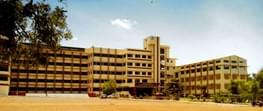
Ans. SNJB Chandwad has experienced faculty members with industry expertise in civil engineering. The college maintains a good faculty-to-student ratio ensuring personalized attention. Faculty members are actively involved in research and industry collaborations, bringing practical knowledge to the classroom. The college has received NAAC Grade A++ accreditation reflecting the quality of education.







.png?h=78&w=78&mode=stretch)









.png?h=72&w=72&mode=stretch)

.png?h=72&w=72&mode=stretch)





Comments