



Applications of Recombinant DNA Technology is the chapter where Class 12 Biotechnology moves from the lab bench to the real world. The ncert book class 12 biotechnology chapter 4 applications of recombinant dna technology file on this page is the official NCERT chapter for 2026-27. Download it for the DNA fingerprinting method, the transgenic organism techniques, gene therapy, recombinant vaccines and the full exercise set.
- Covers five sections: DNA fingerprinting, transgenic organisms, gene therapy, recombinant vaccines and therapeutic agents
- Carries labelled figures for RFLP, Agrobacterium transformation, ex vivo gene therapy and insulin production
- Chapter closes with a 29-question objective exercise set for quick self-check
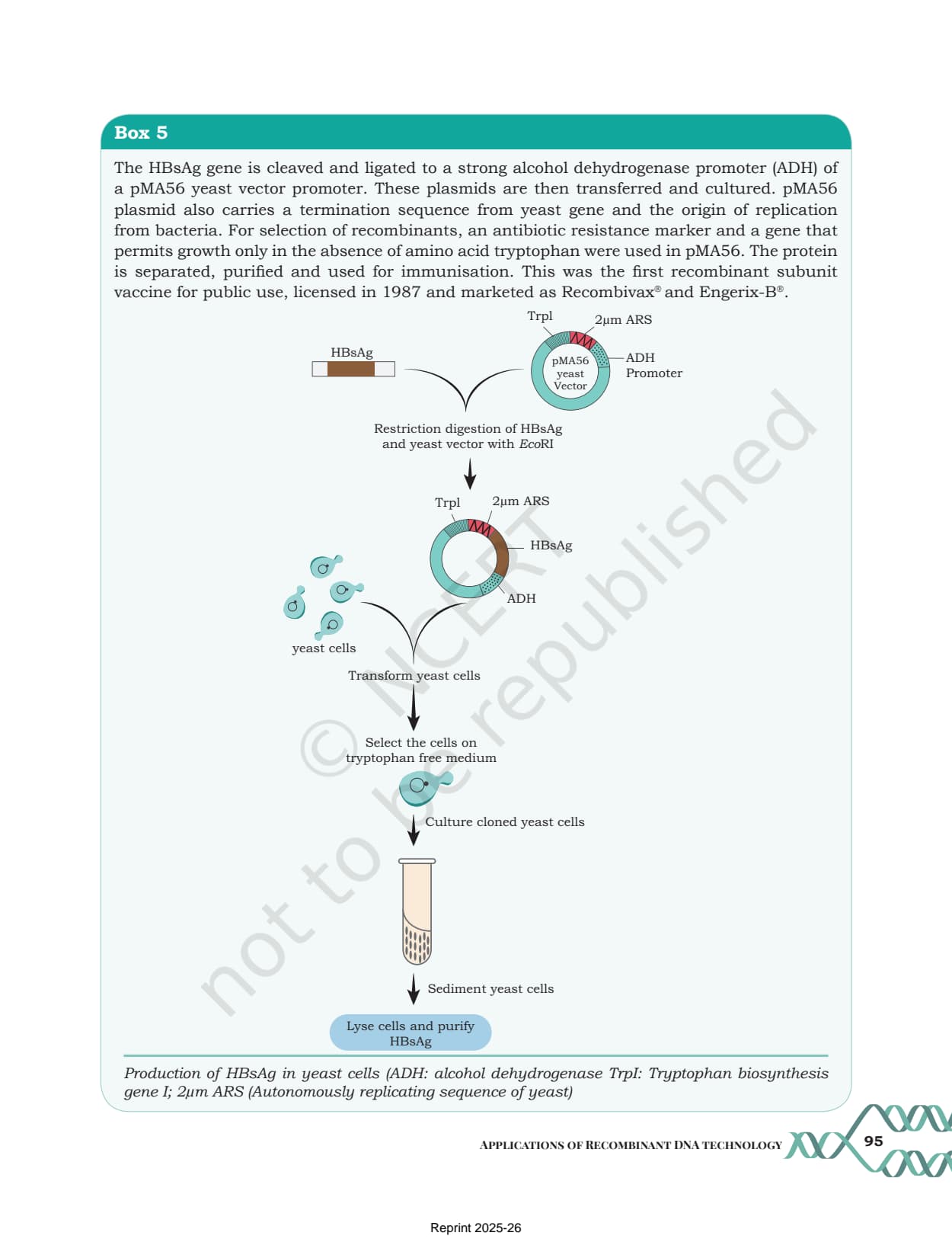
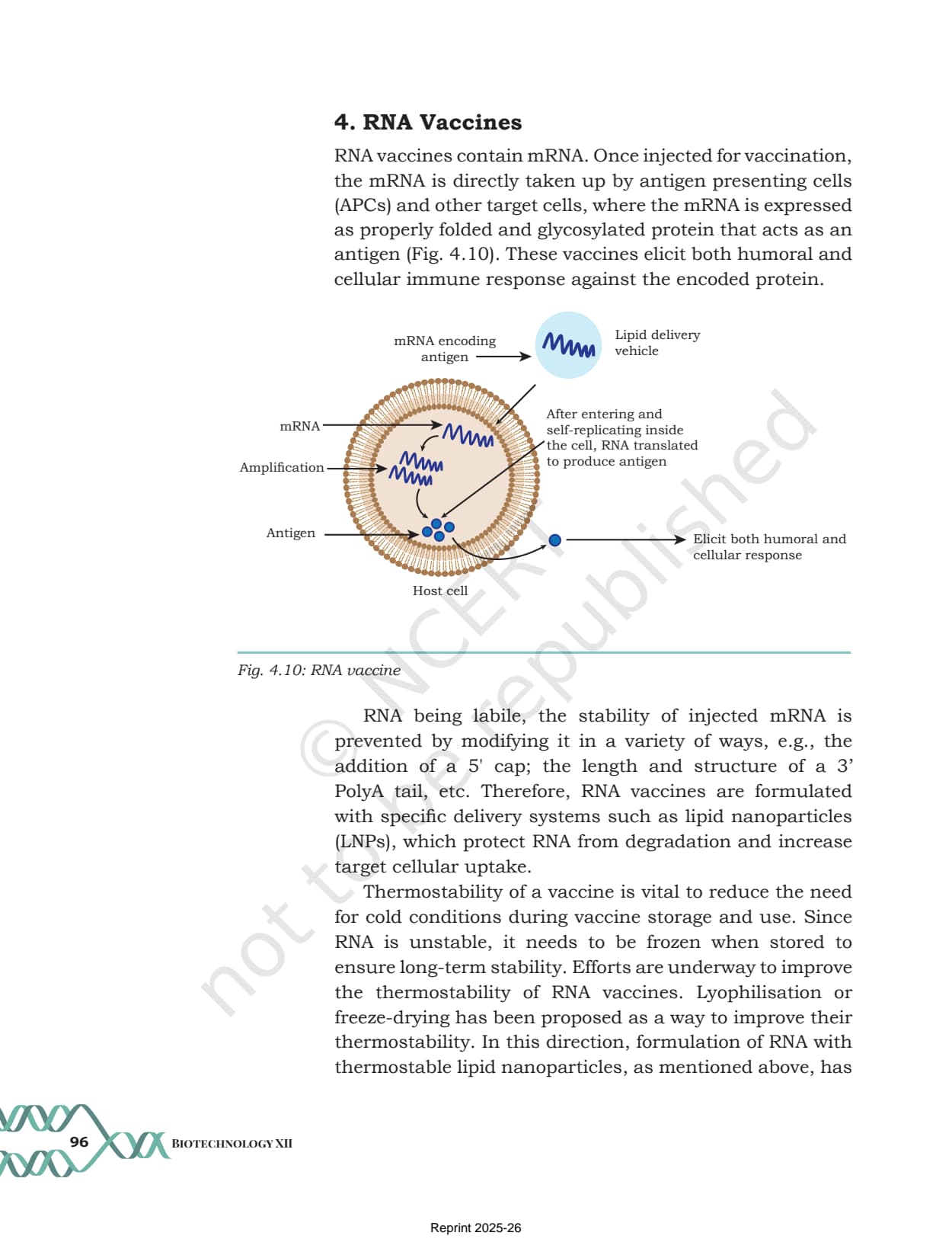
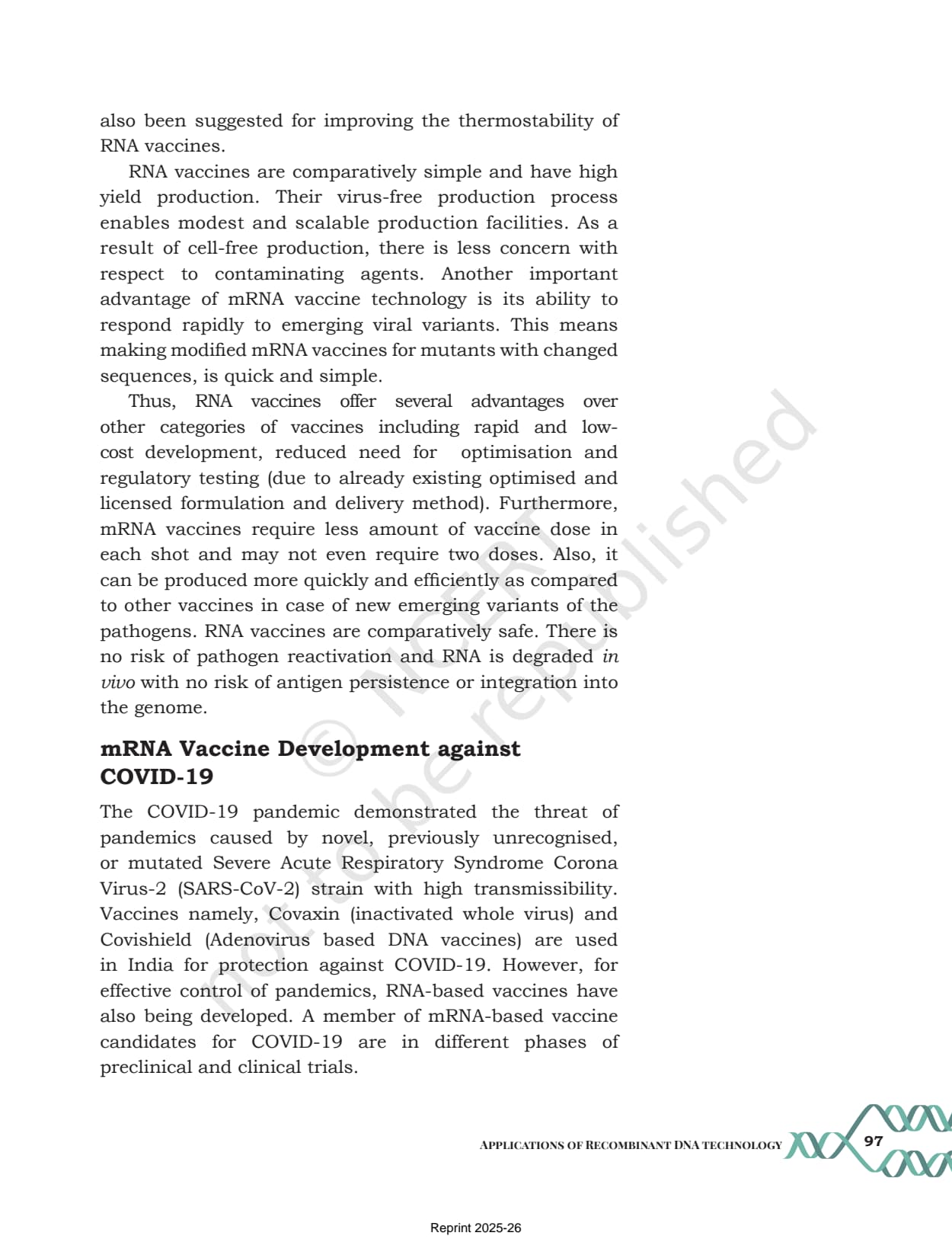
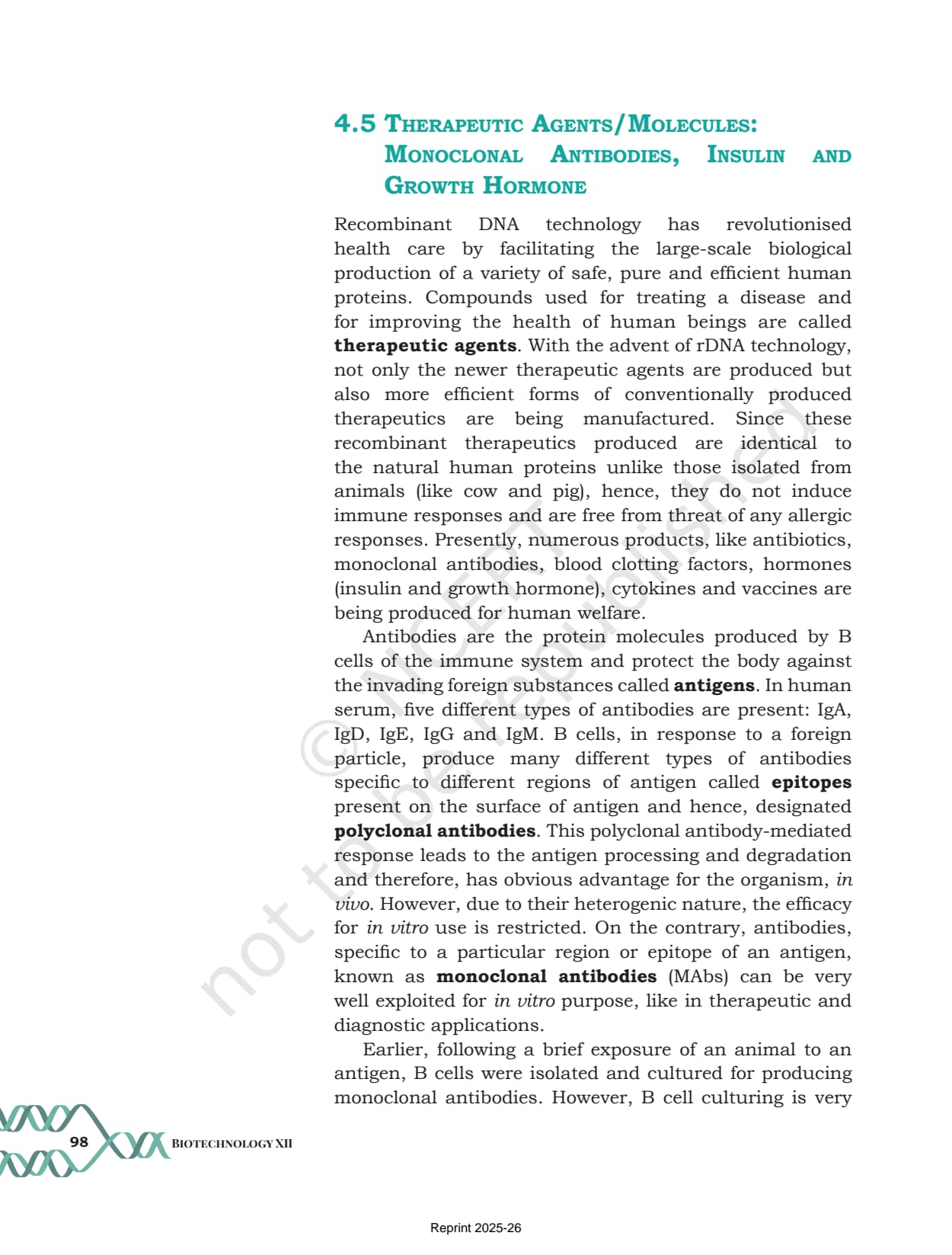
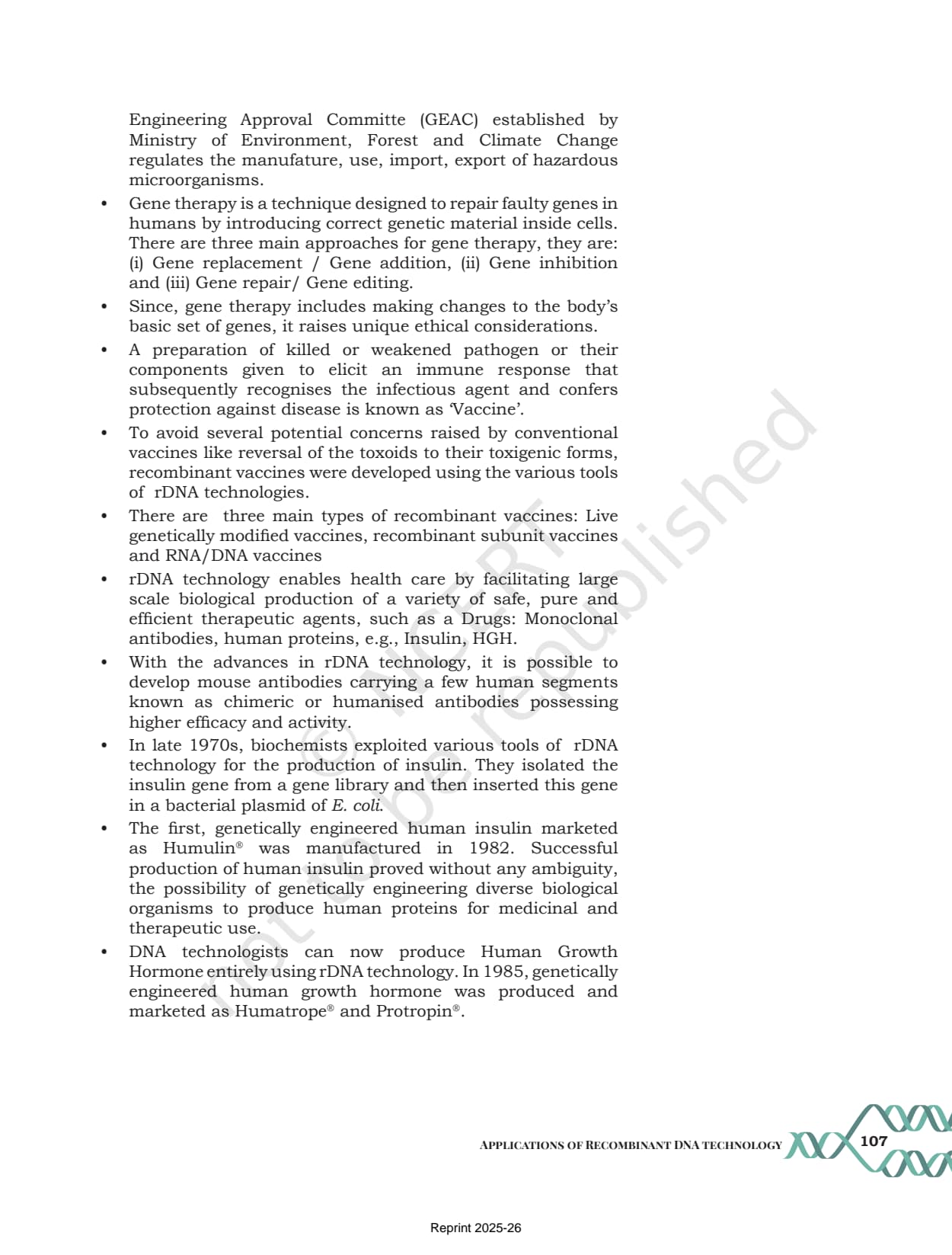
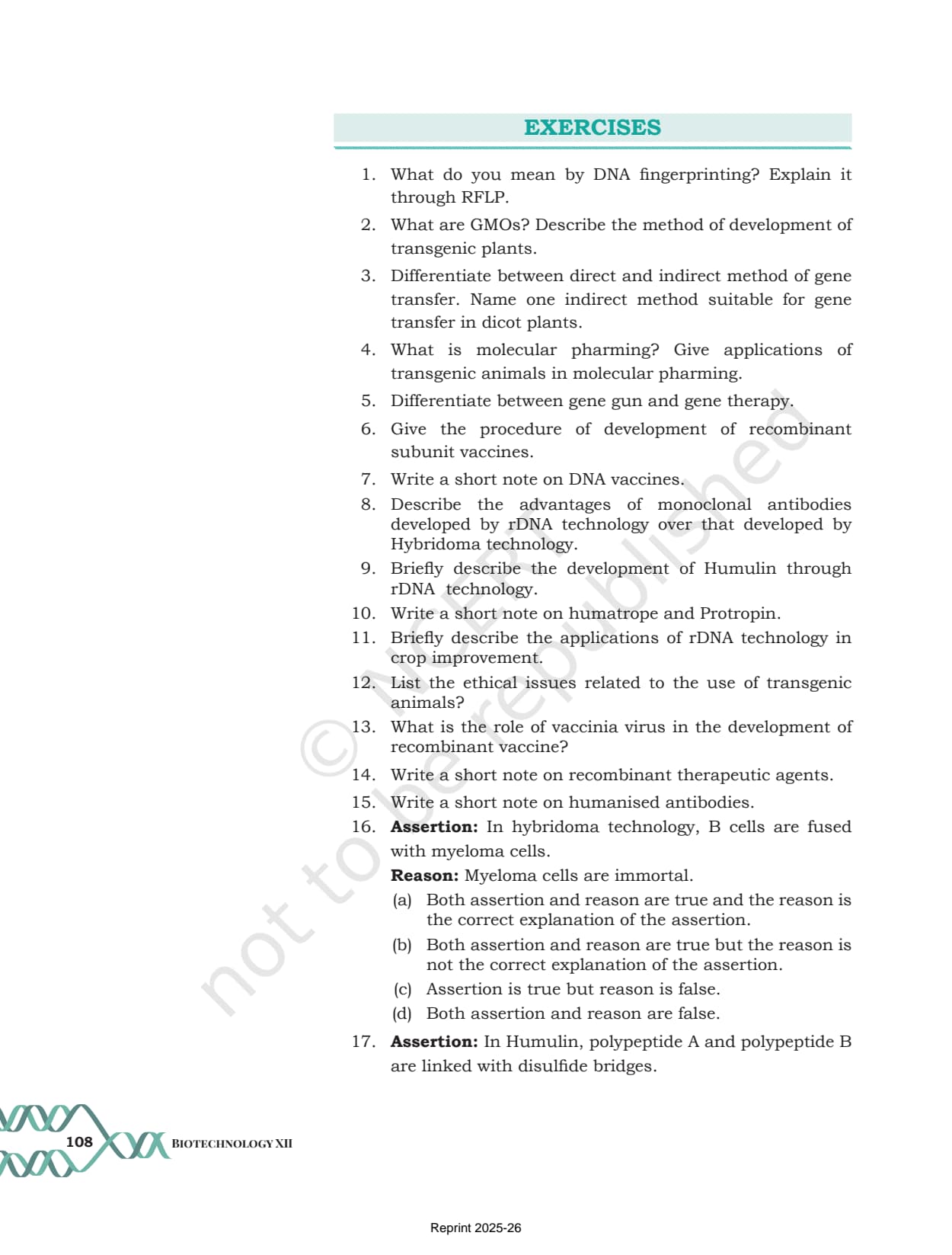
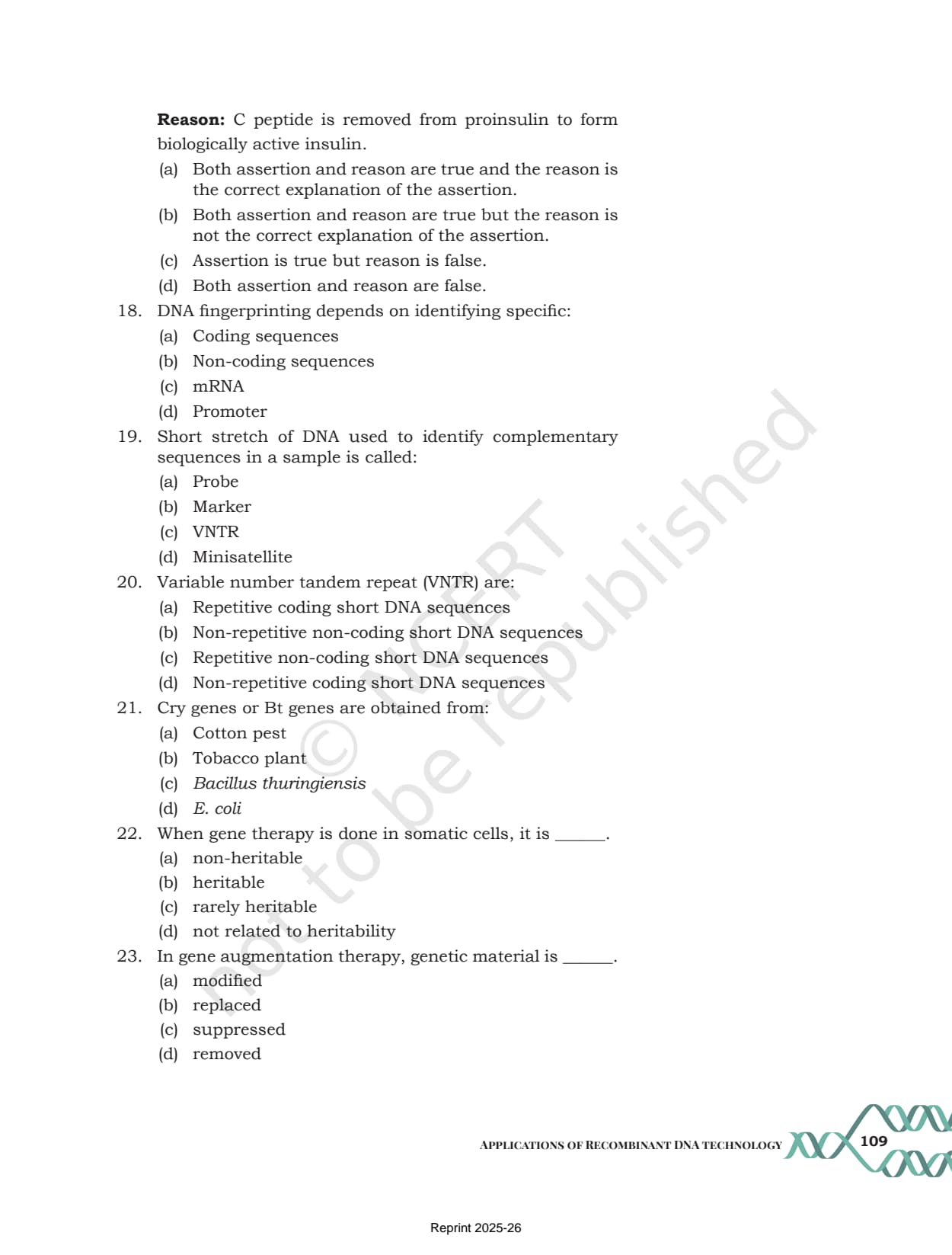
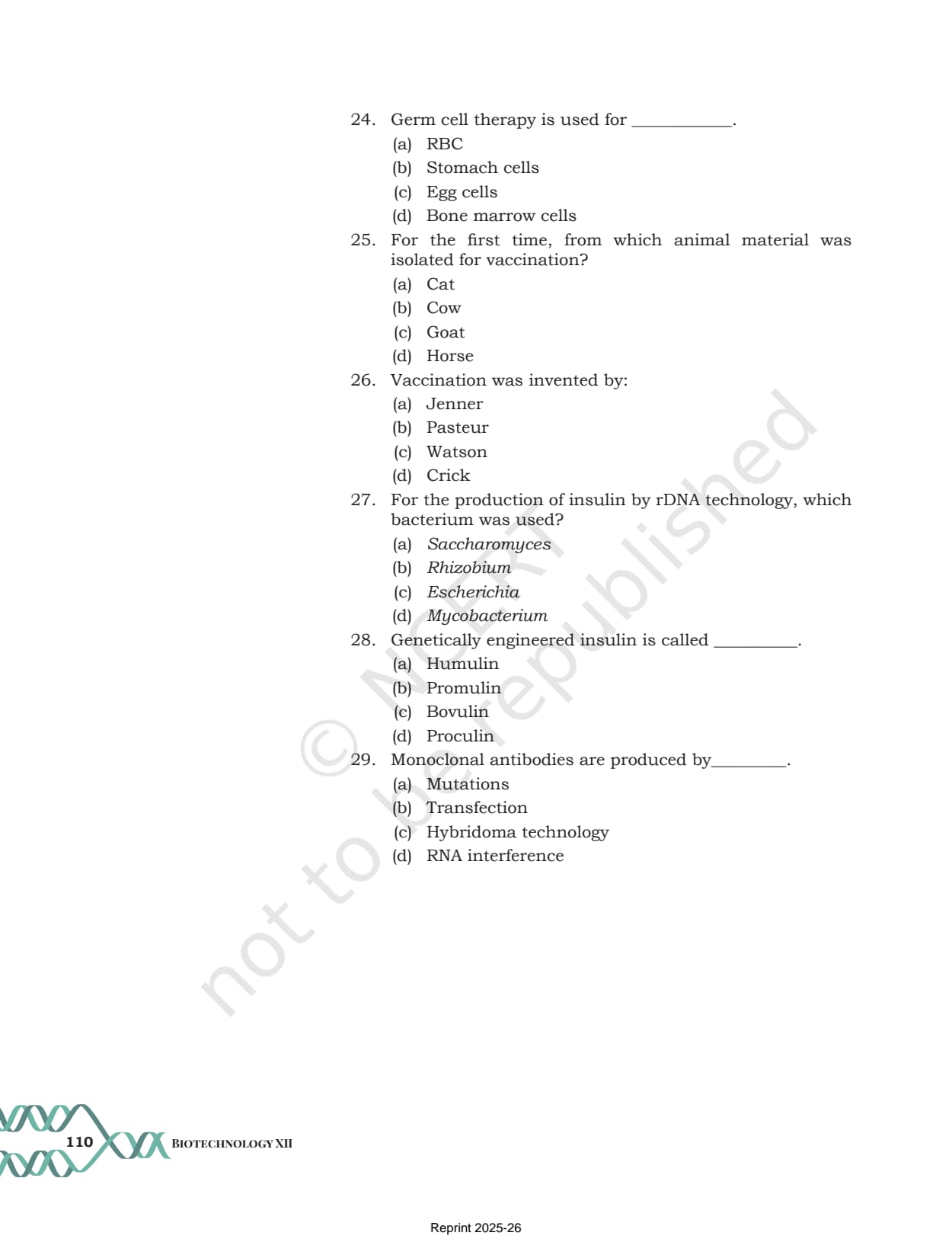
This chapter file for class 12 biotechnology chapter 4 applications of recombinant dna technology is the official NCERT print, hosted by Collegedunia with no pages removed, for the 2026-27 session.
How the Applications of Recombinant DNA Technology Chapter Is Laid Out
The chapter opens by asking how scientists identify a person, engineer an organism, treat a genetic disease and manufacture a hormone, all using the same rDNA toolkit built up in the earlier chapters. Five numbered sections carry the answer, and the exercise at the end tests all five with a single 29-question objective set.
| Section | What it covers |
|---|---|
| 4.1 DNA Fingerprinting | VNTR loci, RFLP, Southern hybridisation, forensic and paternity use |
| 4.2 Transgenic Organism | Bt cotton, Rosie the cow, Agrobacterium and gene gun methods, GEAC regulation |
| 4.3 Gene Therapy | somatic versus germ-line therapy, gene augmentation, inhibition and repair, ethical issues |
| 4.4 Recombinant Vaccines | history of vaccination, live genetically modified, subunit and vector-based vaccines, RNA vaccines |
| 4.5 Therapeutic Agents/Molecules | hybridoma technology for monoclonal antibodies, insulin and growth hormone production |
What the Applications of Recombinant DNA Technology PDF Contains
The file holds the whole chapter exactly as NCERT printed it, figures and boxed case studies included. Nothing has been trimmed from either end.
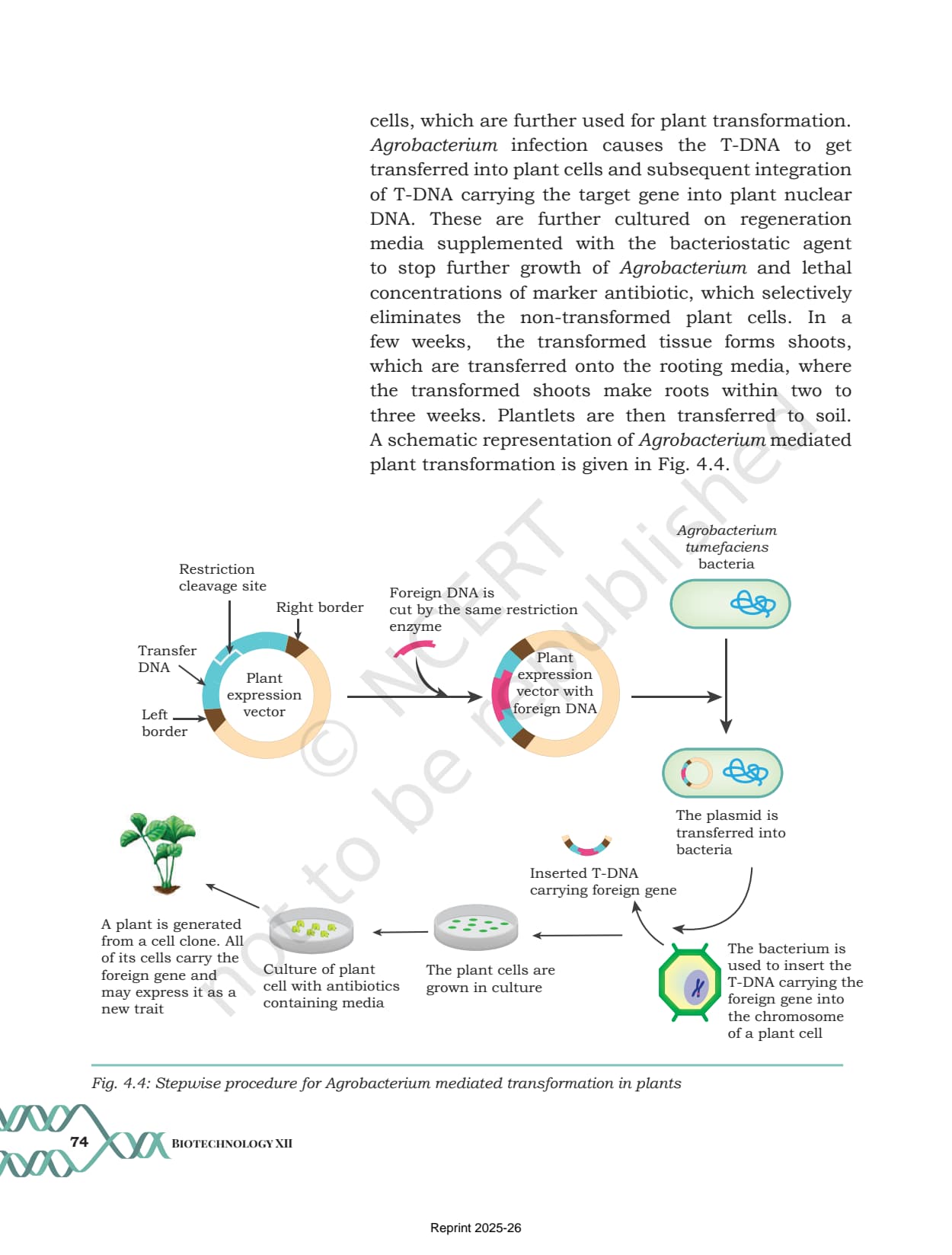
- Figures 4.1 to 4.17, including the RFLP gel diagram, Agrobacterium transformation steps and the preproinsulin to insulin conversion
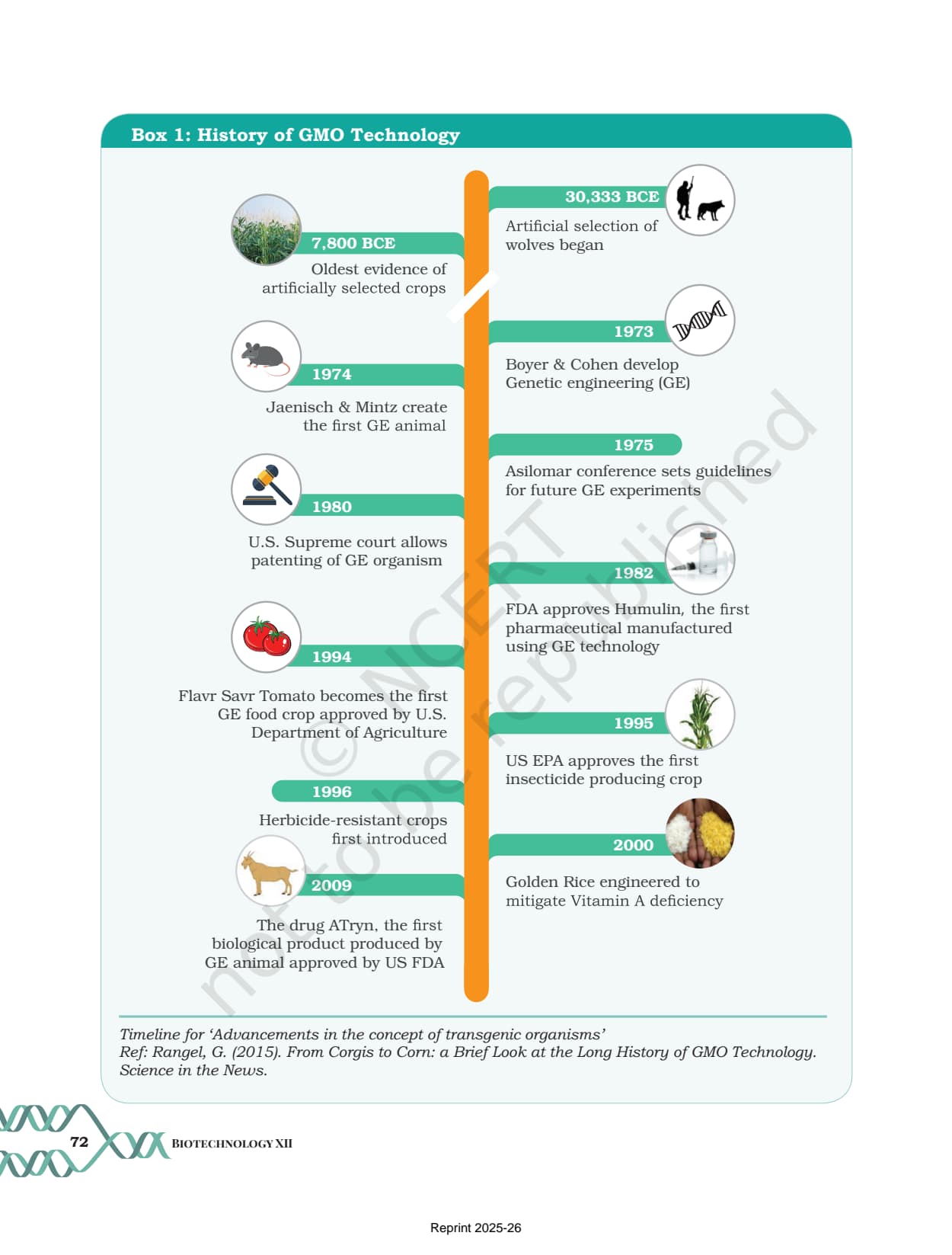
- Box 1, a timeline of GMO history from the first domesticated wolves to the FDA approval of Humulin
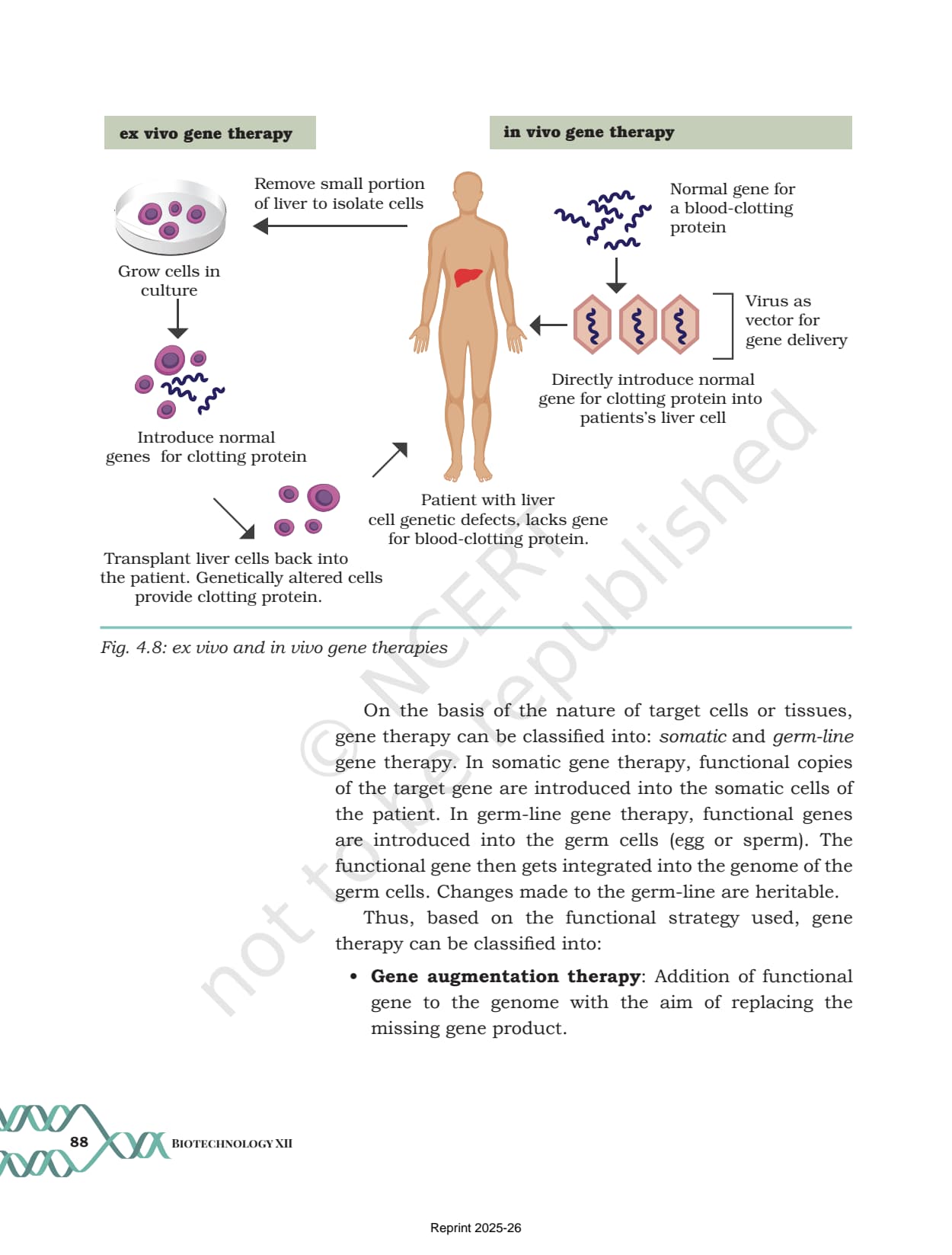
- The ex vivo and in vivo gene therapy diagram (Fig. 4.8) built around a liver clotting-factor case
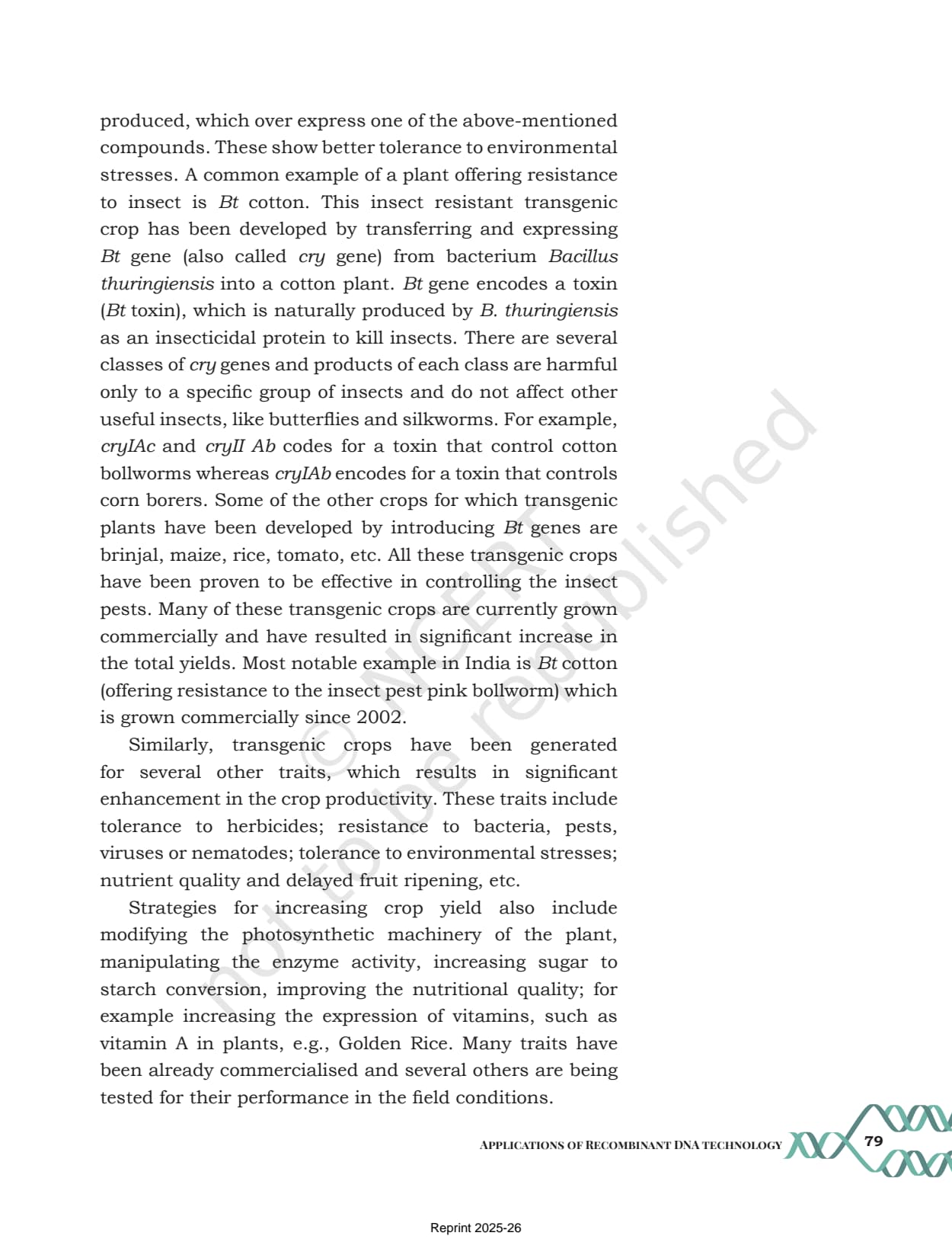
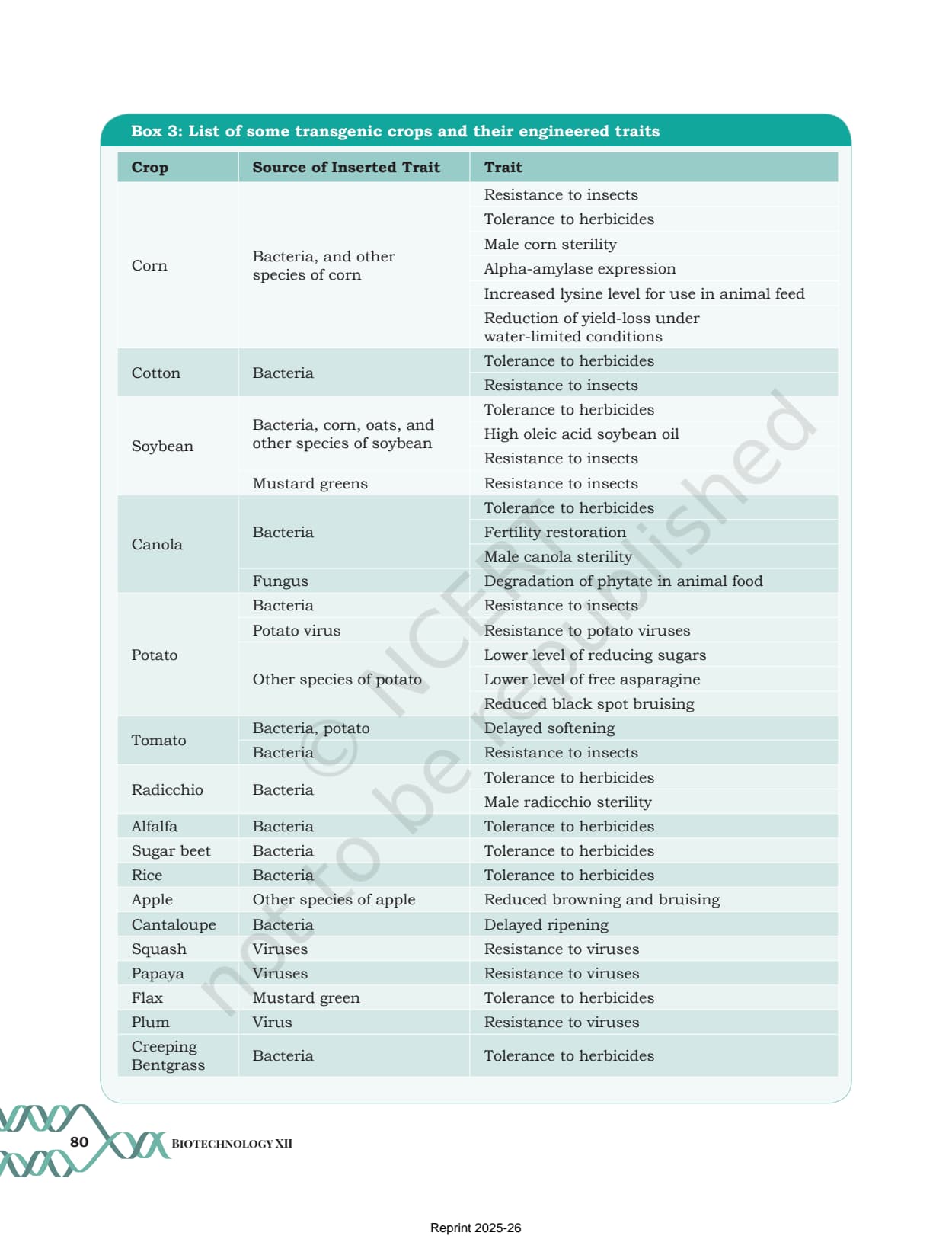
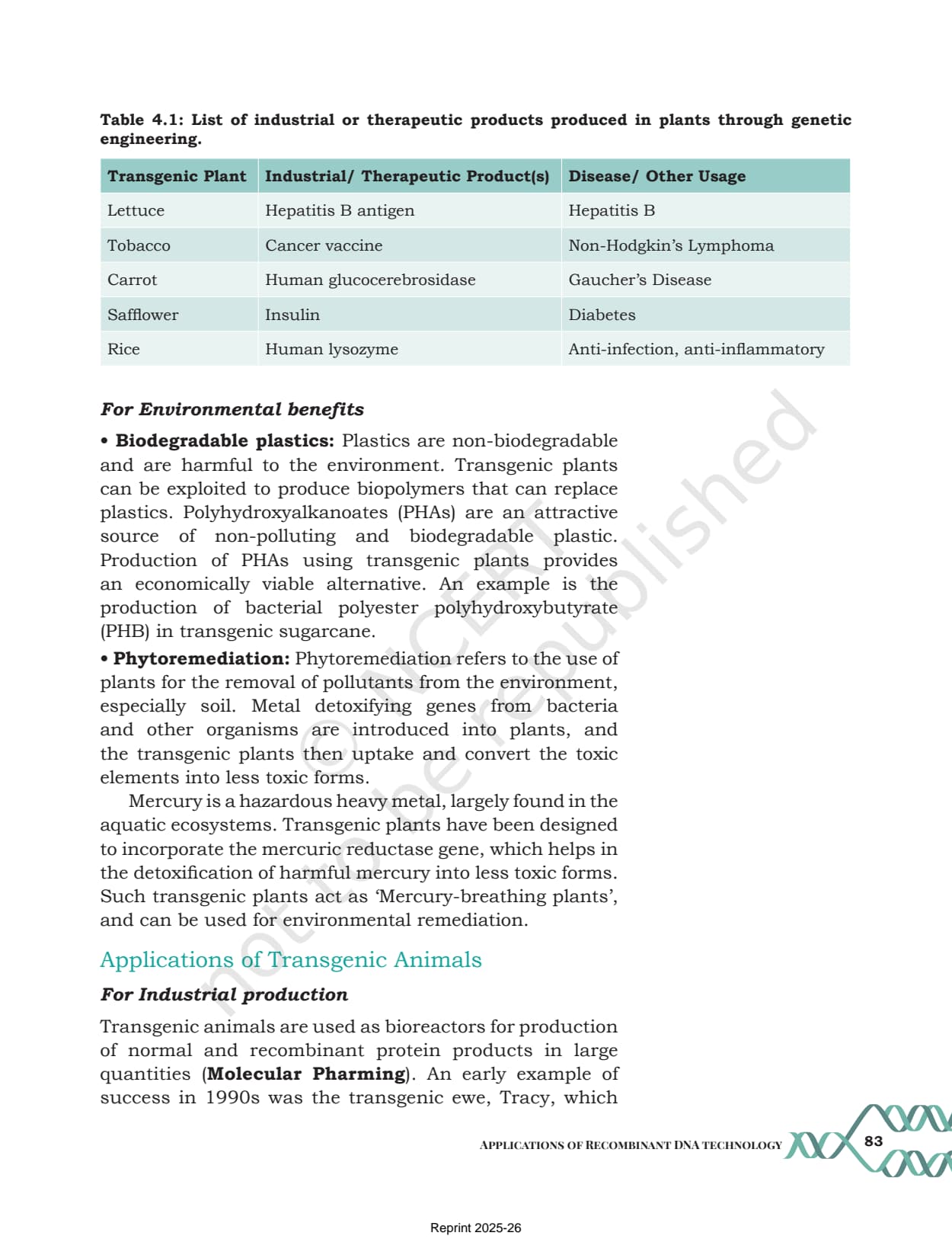
- The Golden Rice, Flavr Savr tomato and Bt cotton case studies inside the transgenic organism section
- The full 29-question objective exercise set that closes the chapter
Applications of Recombinant DNA Technology Class 12 Chapter Overview
Source: XploreBio on YouTube
DNA Fingerprinting and Its Use in Forensics and Paternity Testing
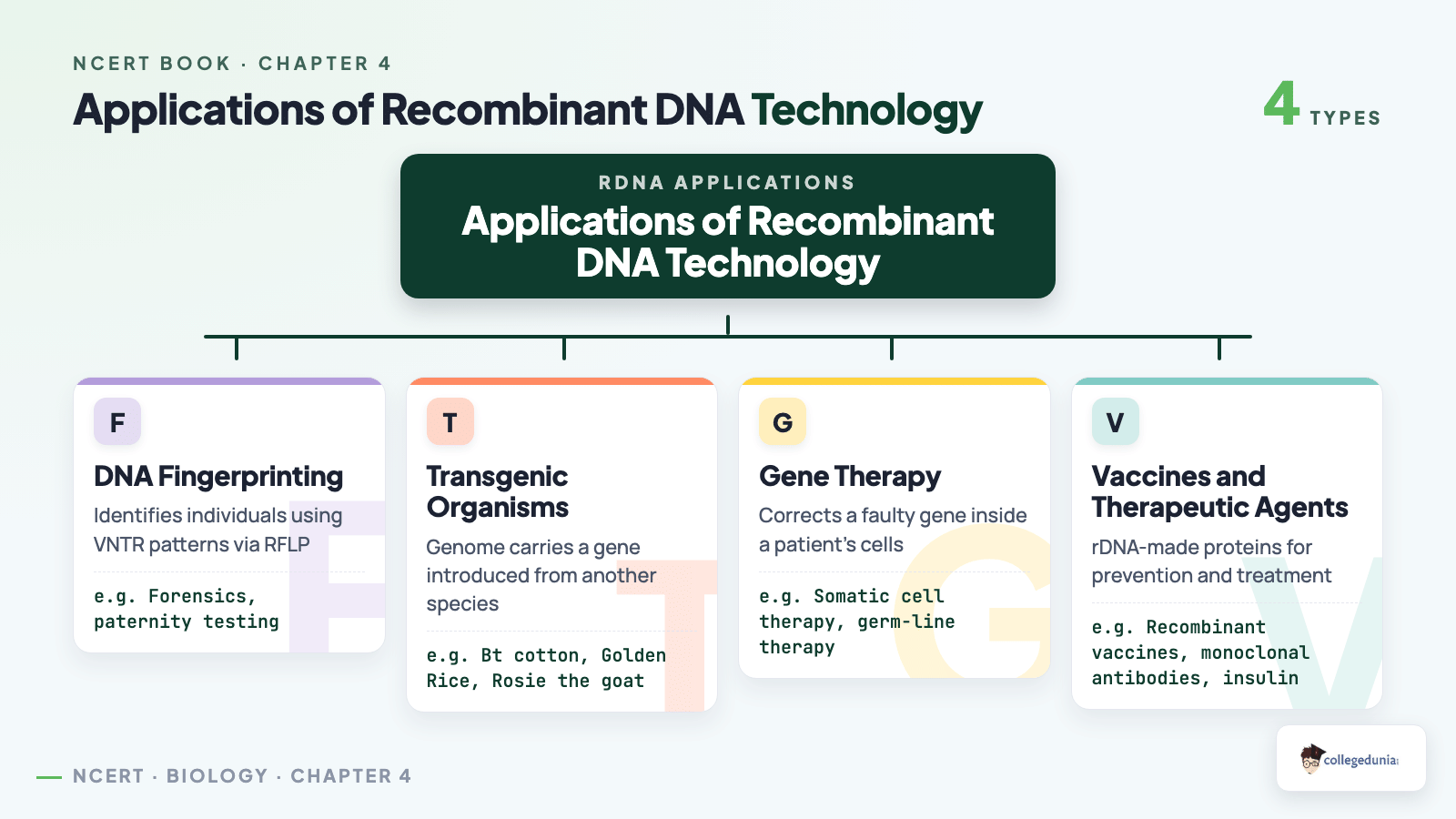
Section 4.1 opens with a fact worth remembering: 99.9% of the human genome is identical between any two people, and the remaining 0.1% is what makes each of us unique. British geneticist Sir Alec Jeffreys developed DNA fingerprinting in 1984 at the University of Leicester to read this 0.1% without sequencing the whole genome every time.
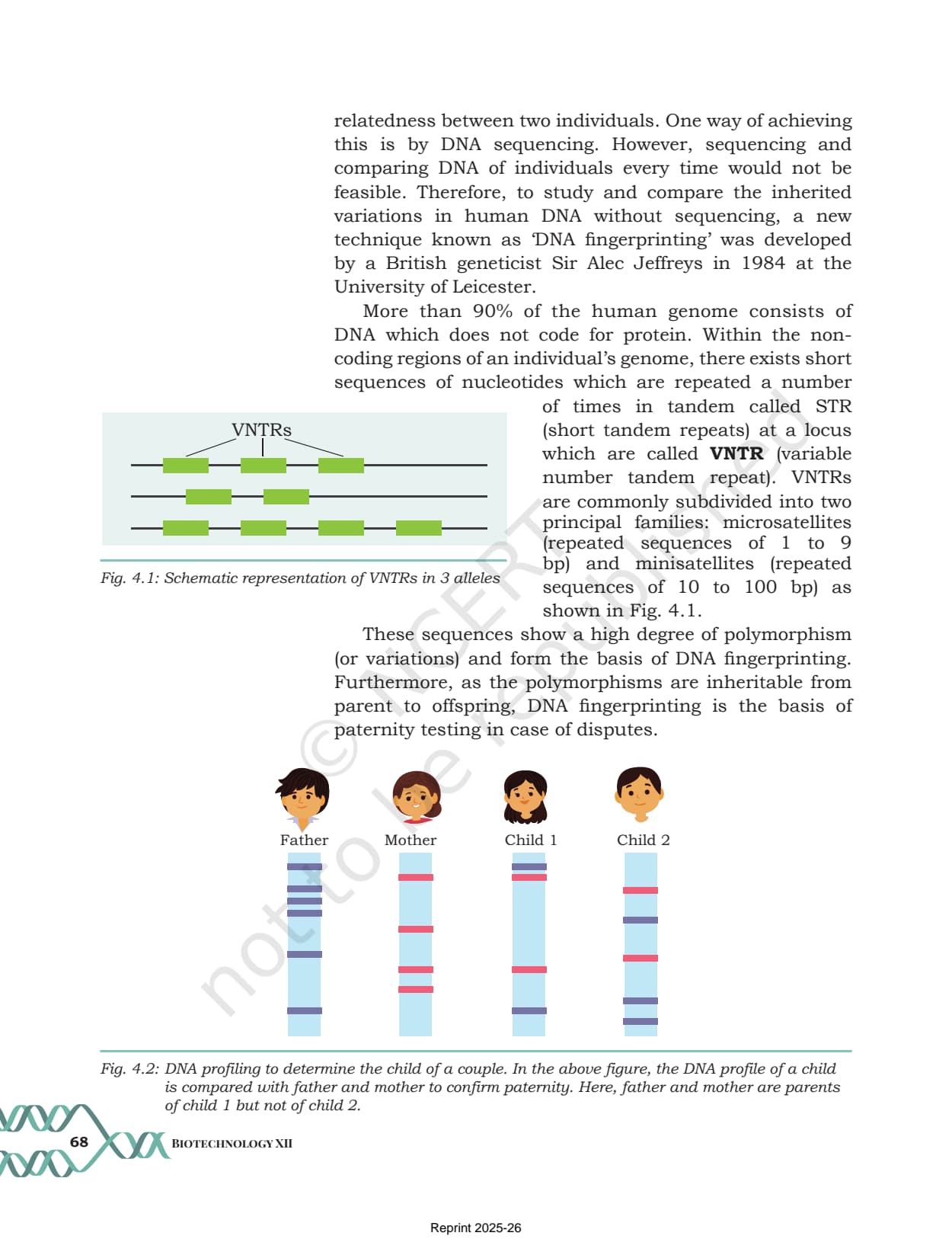
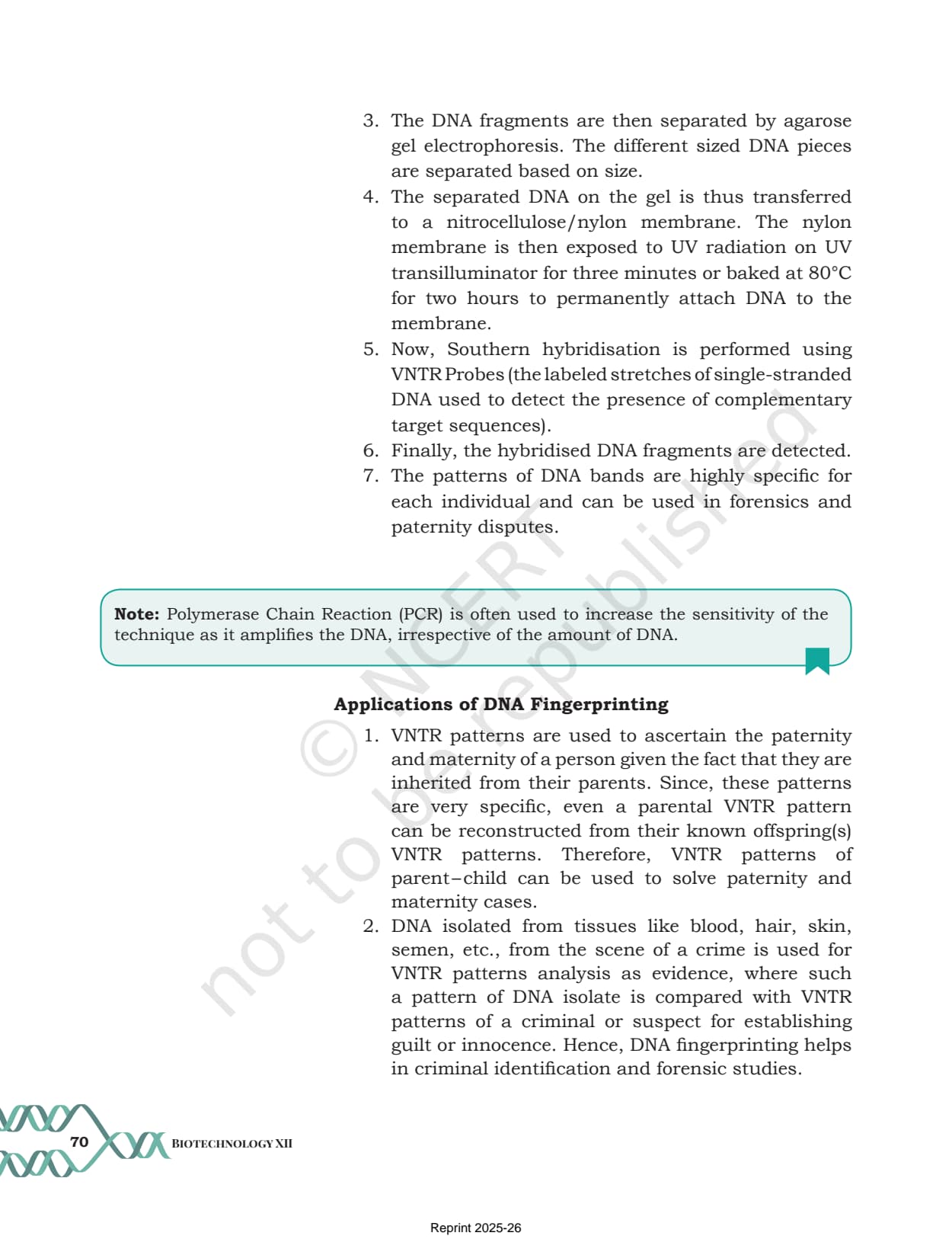
The technique targets short repeated sequences called VNTRs (variable number tandem repeats), split into microsatellites and minisatellites. Since one VNTR copy comes from each parent, the pattern is inherited and can be compared across generations.
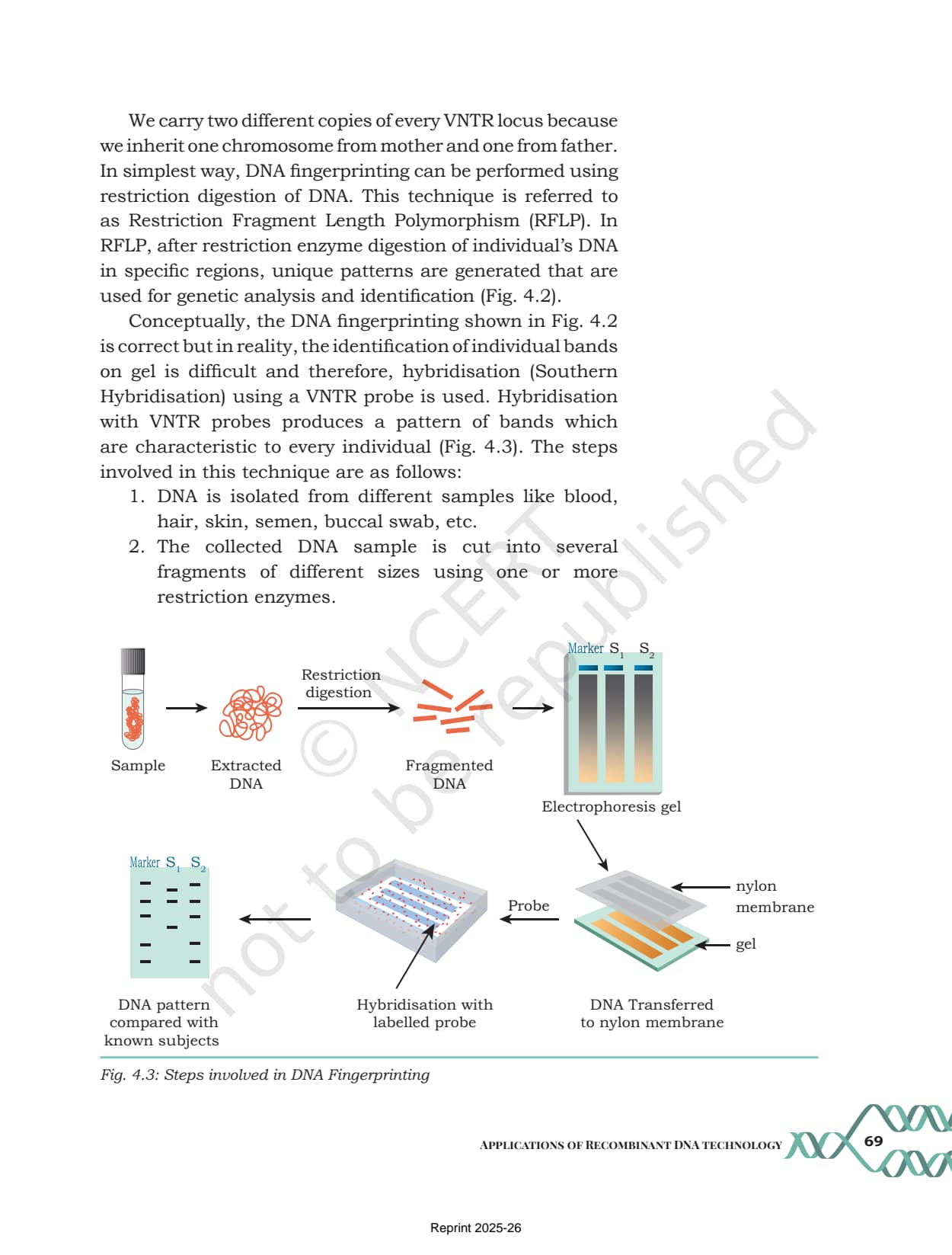
- RFLP: restriction enzymes cut DNA at specific sites, and the fragment pattern differs between individuals
- Gel electrophoresis: the cut fragments are separated on an agarose gel by size
- Southern hybridisation: a labelled VNTR probe binds the separated fragments to produce a band pattern unique to each person
- PCR amplification: used to boost sensitivity when only a tiny DNA sample is available, as at a crime scene
NCERT lists the real uses directly: identifying a suspect or a body in forensic investigations, settling paternity disputes, comparing fossil DNA to living species in evolutionary studies, and tracking inherited disorders across families. The chapter even floats the idea of a VNTR profile working as a personal genetic barcode alongside a photo ID.
Transgenic Plants and Animals and Why Scientists Create Them
Section 4.2 answers a question most students have already asked: what exactly is Bt cotton, and what is Rosie the cow? Both are transgenic organisms, meaning their genome carries one or more genes deliberately introduced from another species.
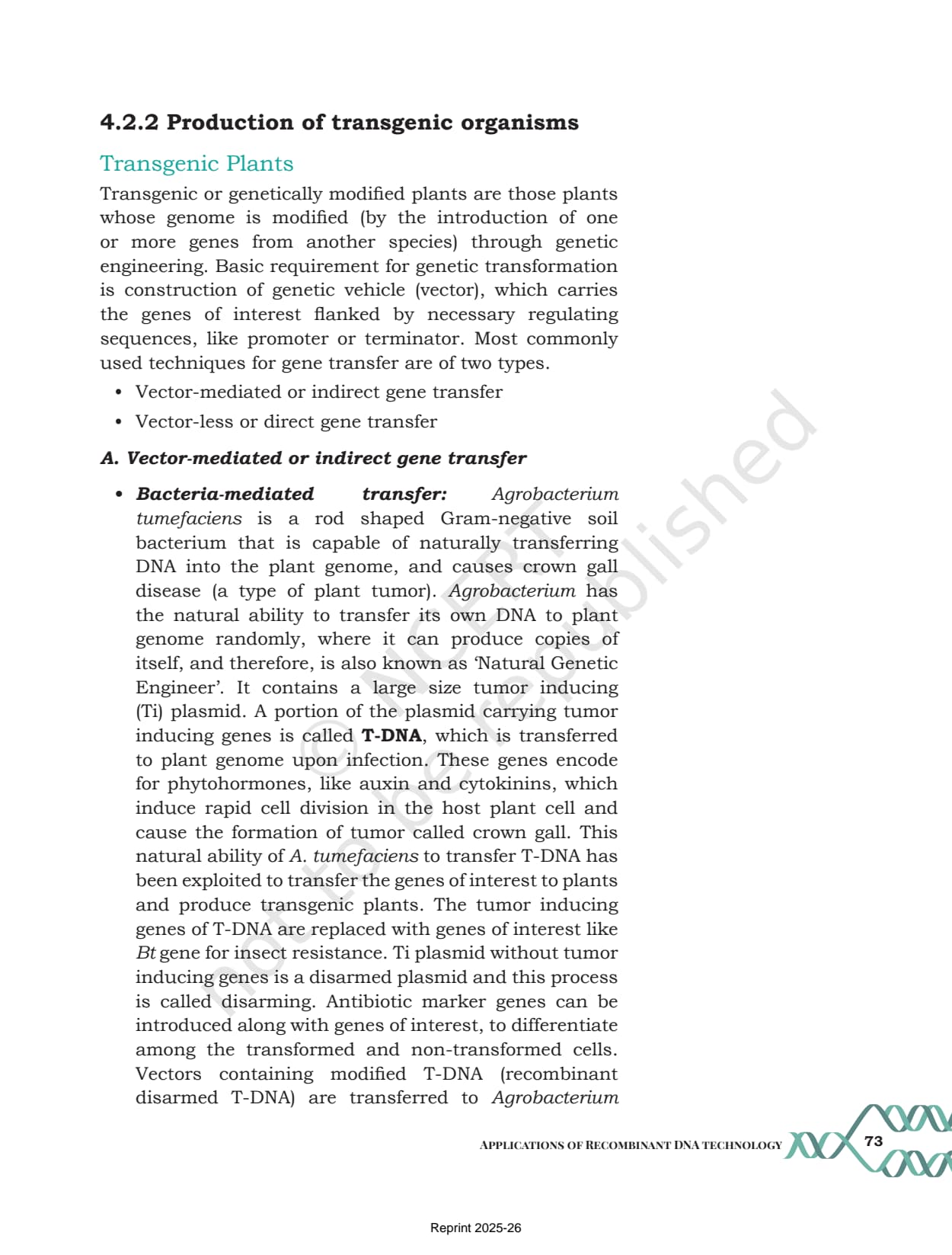
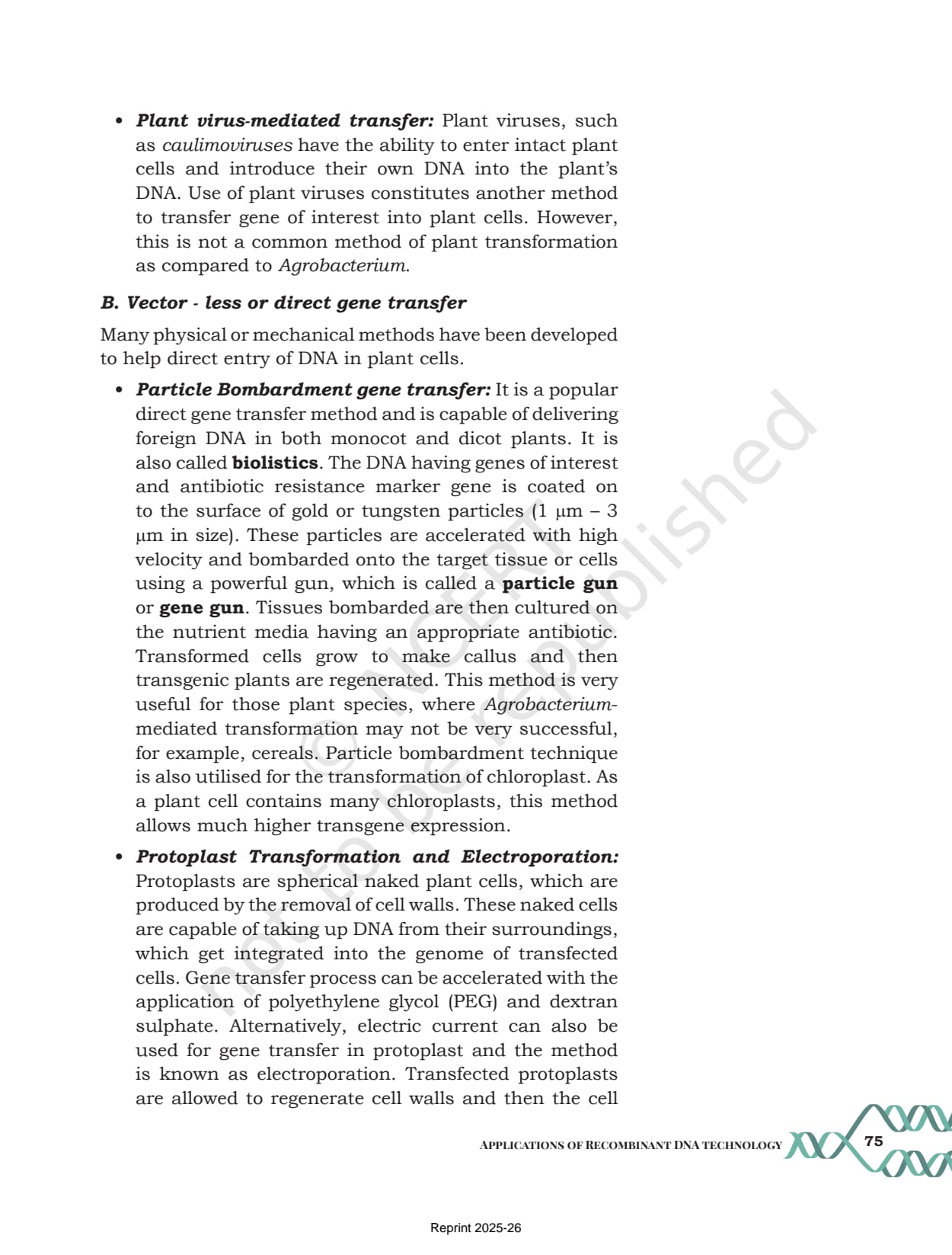
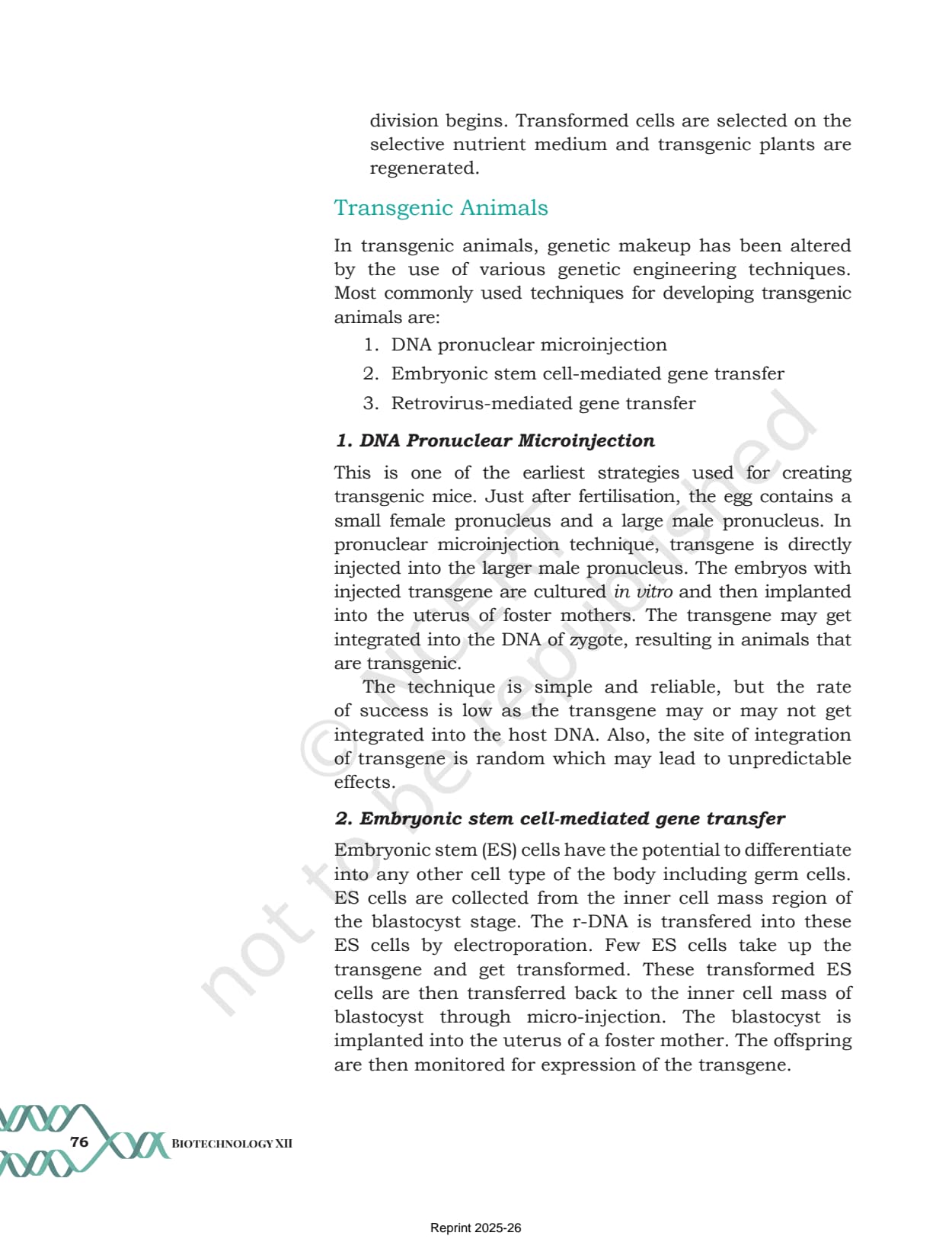
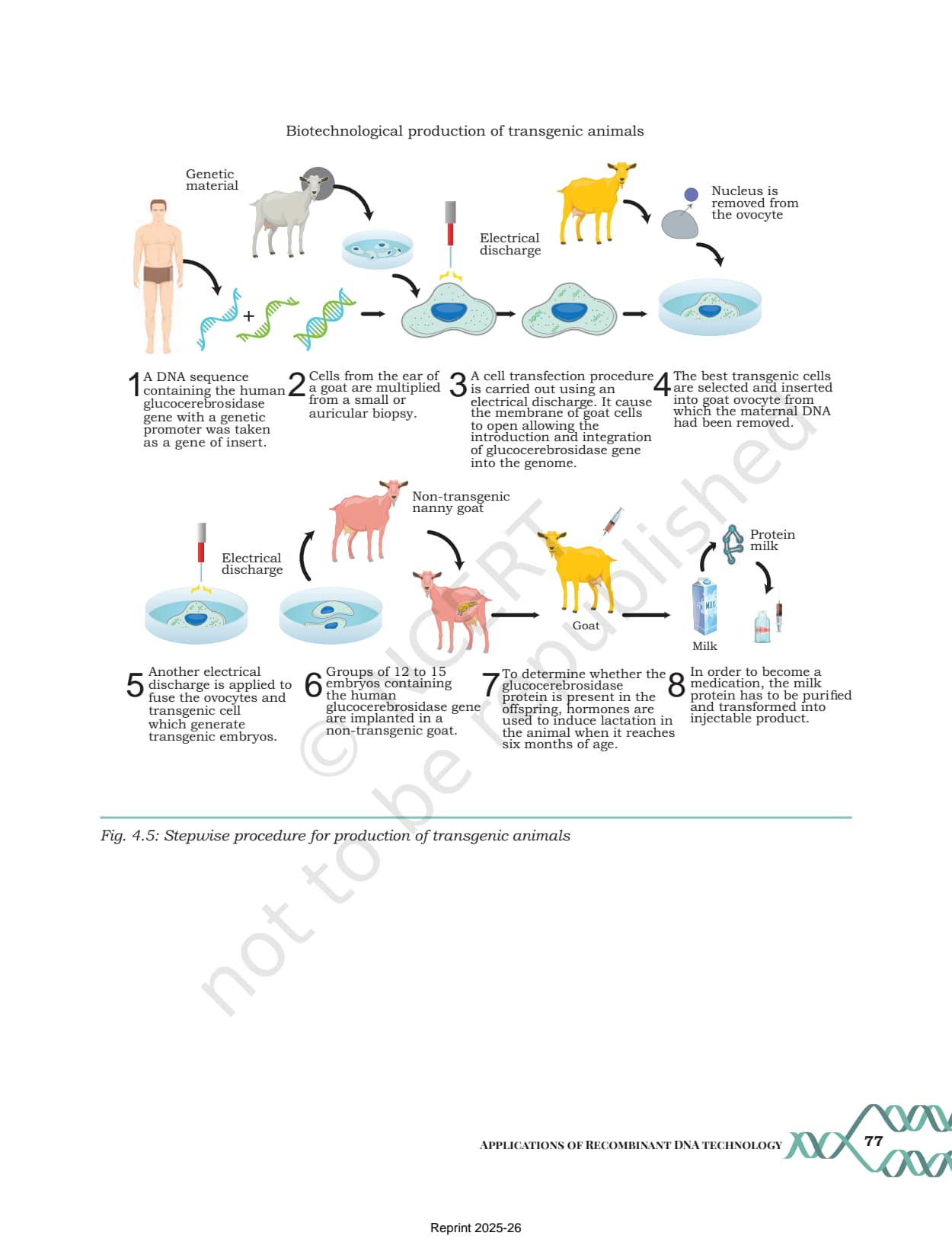
Plants are transformed in two broad ways. In vector-mediated (indirect) transfer, the soil bacterium Agrobacterium tumefaciens carries the desired gene into the plant cell as part of its natural T-DNA transfer process. In vector-less (direct) transfer, methods such as the gene gun fire DNA-coated particles straight into plant cells. Animal transformation typically uses embryo microinjection or, as with Rosie the transgenic goat, a cell-fusion and nuclear-transfer route.
| Purpose | Example from the chapter |
|---|---|
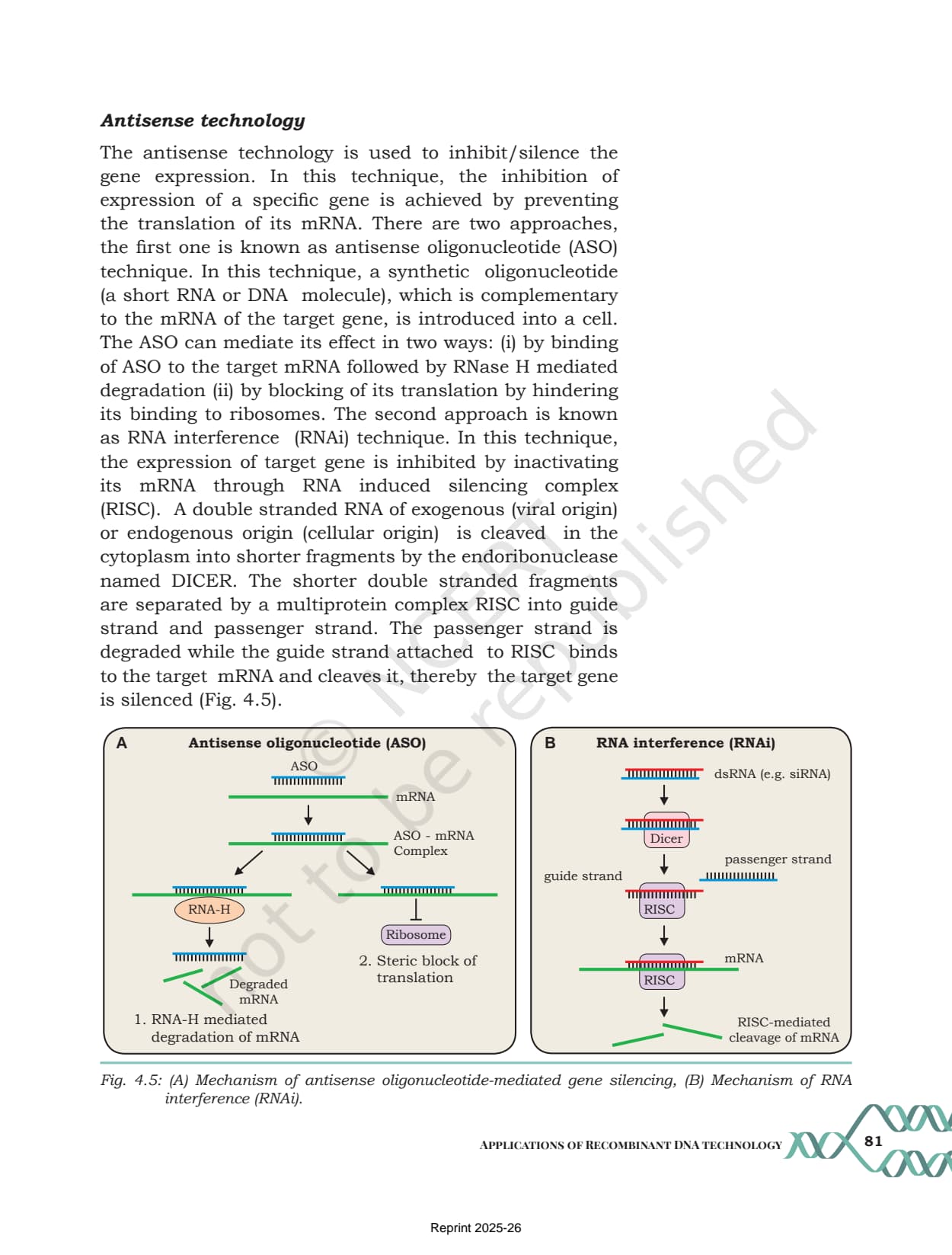
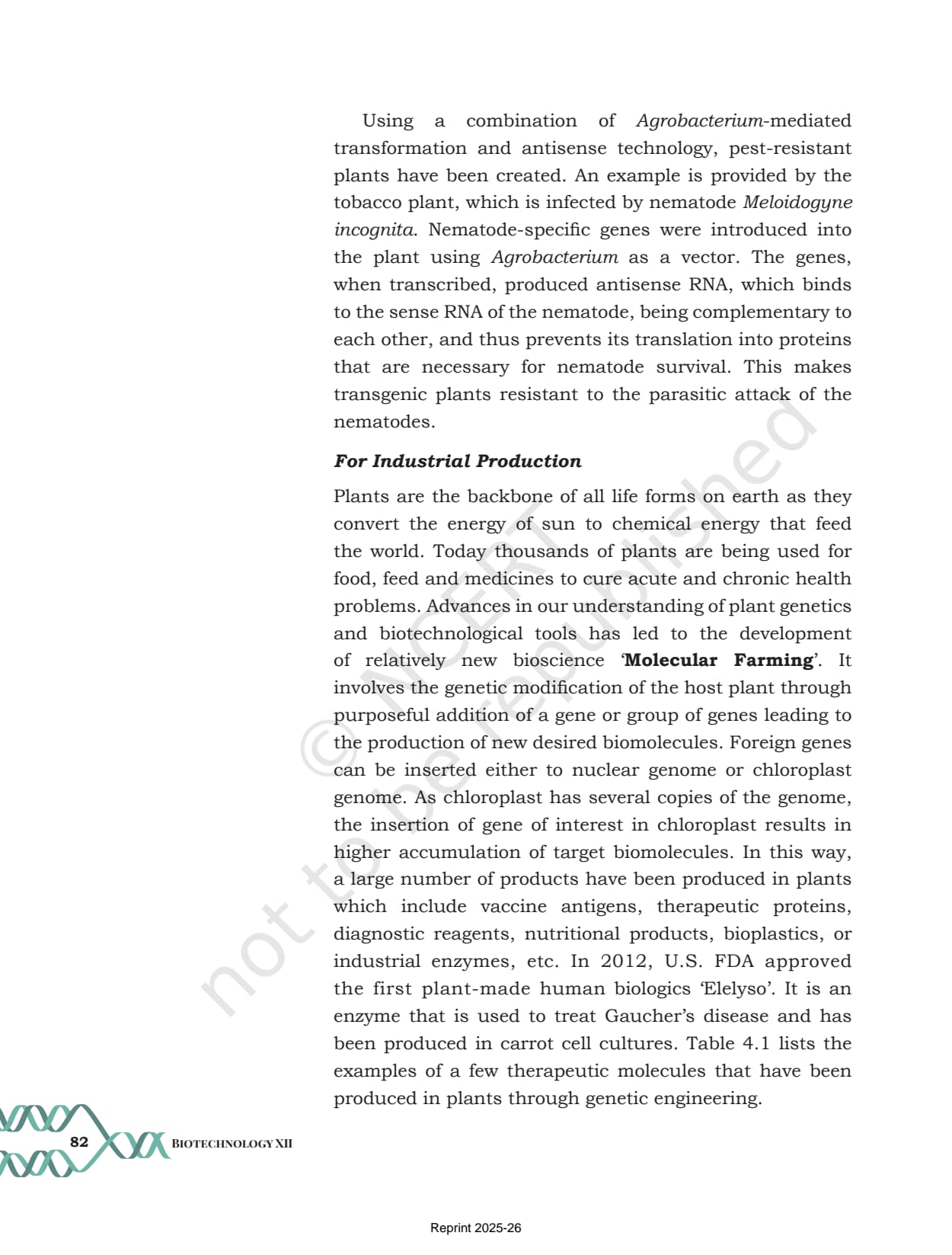
| Pest and disease resistance | Bt cotton, nematode-resistant tobacco using antisense RNA |
| Better nutrition or shelf life | Golden Rice (beta-carotene), the Flavr Savr tomato |
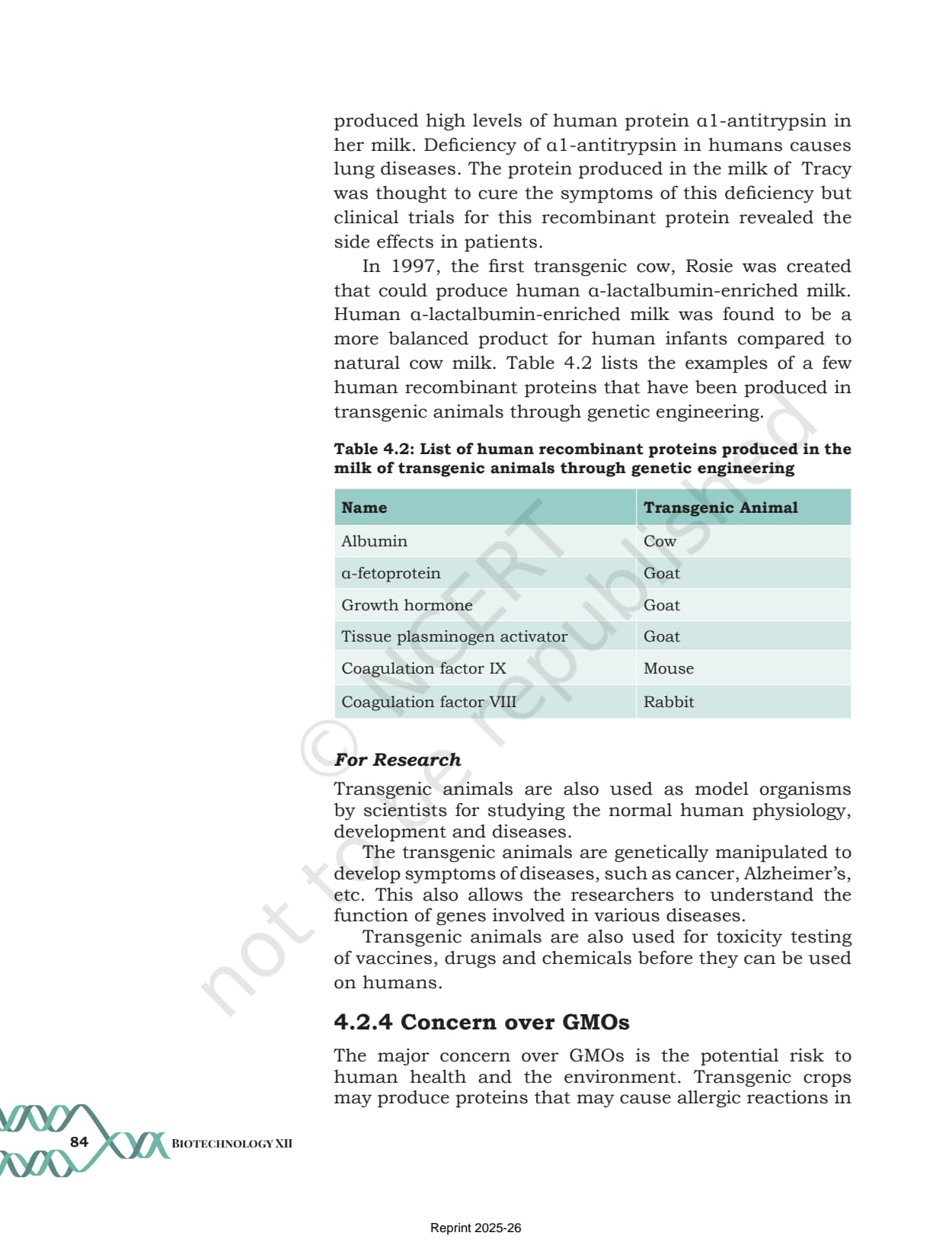
| Producing human proteins in animals ("pharming") | Rosie the goat, engineered to secrete a human enzyme in her milk |
| Research and safety testing | transgenic mice used as disease models before human trials |
Because a GMO can behave unpredictably once released, India regulates every step through the Genetic Engineering Appraisal Committee (GEAC) under the Ministry of Environment, Forest and Climate Change. This body decides whether it is safe to manufacture, import, store or field-test a genetically modified organism.
Gene Therapy: Somatic Cell and Germ-Line Treatment
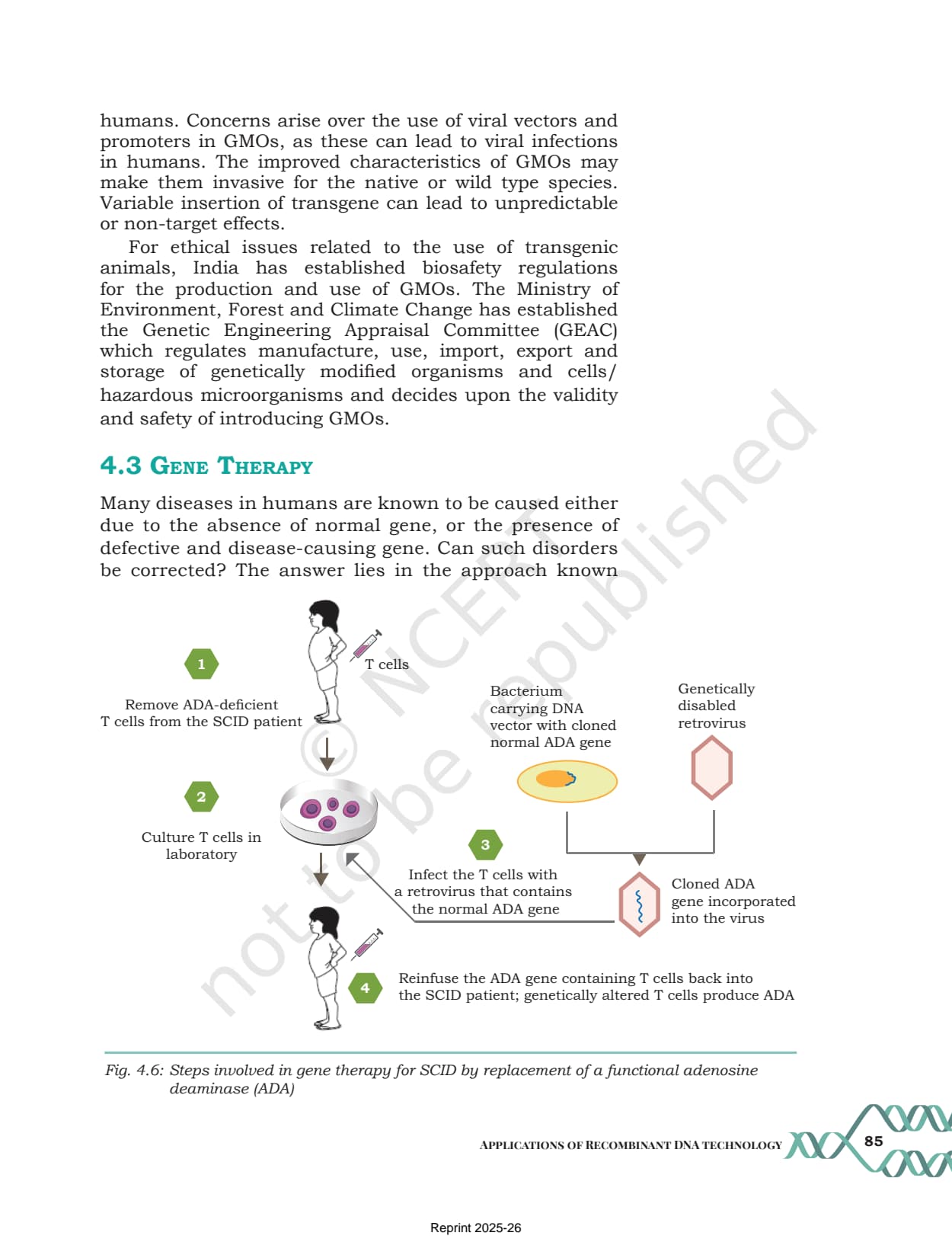
Section 4.3 defines gene therapy as inserting a correct copy of a faulty gene into a patient's cells to treat a genetic disorder. The first gene therapy trial took place in 1990, on a four-year-old girl with Severe Combined Immunodeficiency (SCID) caused by a missing ADA gene.
NCERT splits gene therapy along two different lines, and mixing them up is the most common exam mistake.
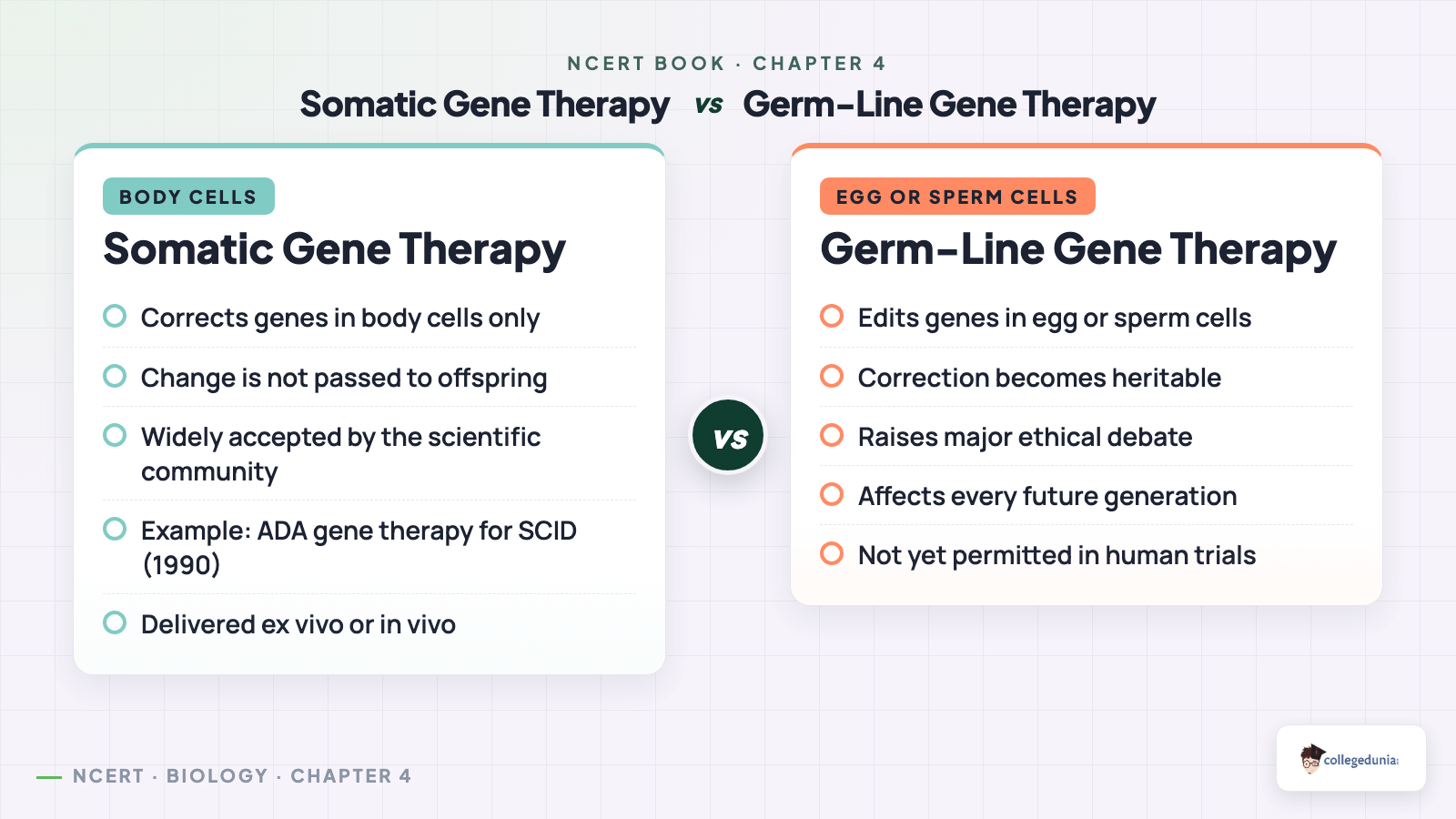
- By target cell: somatic gene therapy edits body cells and is not passed to offspring; germ-line gene therapy edits egg or sperm cells and the change becomes heritable
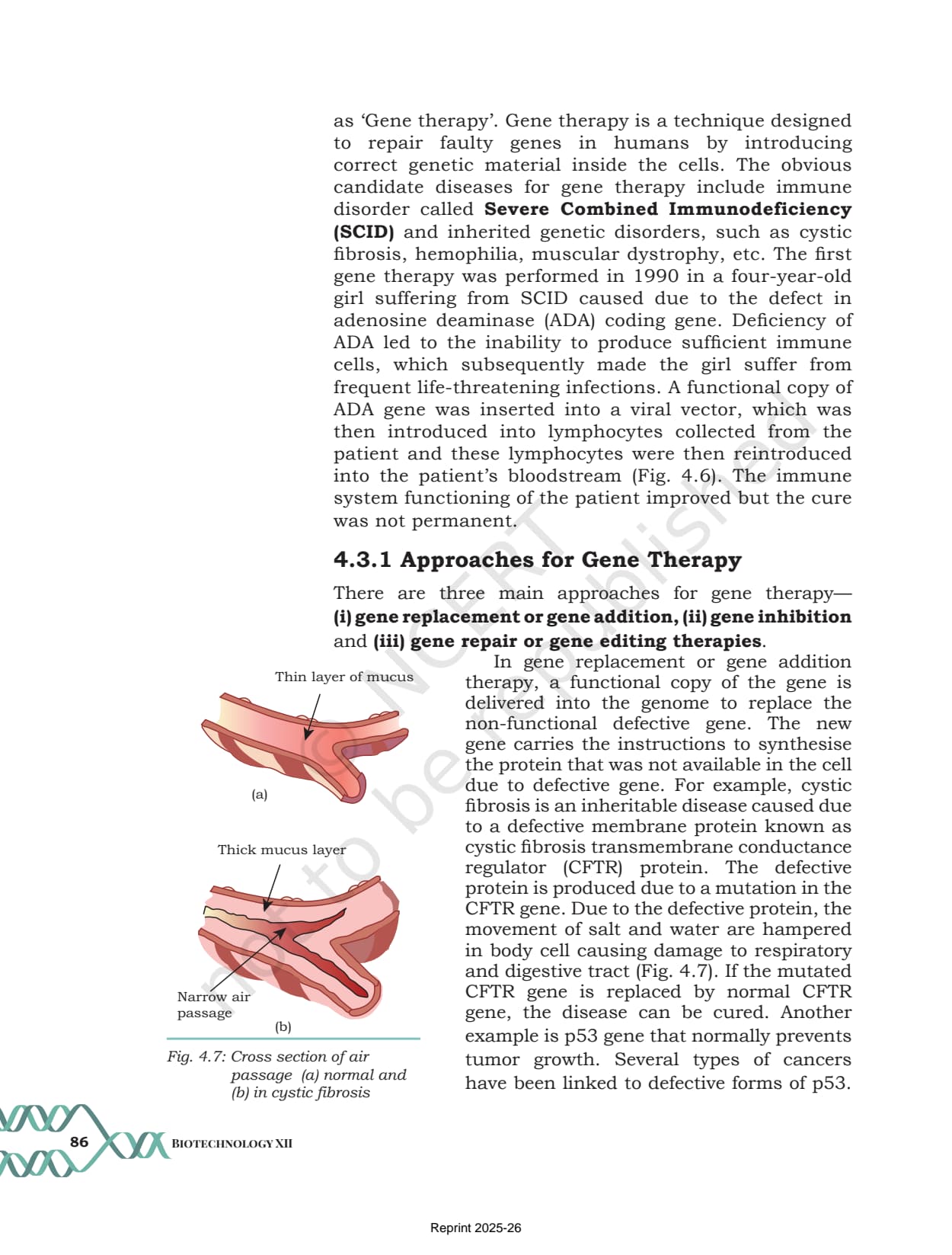
- By strategy: gene augmentation adds a working gene copy, gene inhibition silences a harmful gene, and gene repair or editing corrects the faulty sequence directly using tools like CRISPR/Cas9
The chapter also separates delivery routes. In ex vivo therapy, cells are removed from the patient, corrected in culture, then transplanted back, illustrated with a liver-cell clotting-factor example in Fig. 4.8. In in vivo therapy, the corrected gene is delivered straight into the patient's body through a viral vector. Because germ-line changes are inherited, they raise ethical questions NCERT flags directly, including gene enhancement for non-medical traits and long-term safety across generations.
Recombinant Vaccines and the History of Vaccination
Section 4.4 starts with a short history lesson: Edward Jenner observed that milkmaids exposed to cowpox did not catch smallpox, and used cowpox material to create the first vaccine. Traditional vaccines work the same basic way today, using an attenuated or inactivated pathogen to trigger antibody and memory-cell production, as in the childhood DPT and MMR vaccines.
Conventional vaccines carry risks such as a live pathogen regaining strength or contamination during production. Recombinant DNA technology solves this with vaccines that never need the whole pathogen.
| Recombinant vaccine type | How it works |
|---|---|
| Live genetically modified vaccine | one or more genes of the pathogen are deleted or inactivated to make it safe but still able to trigger immunity |
| Subunit vaccine | only a specific antigenic protein of the pathogen is produced using rDNA and used as the vaccine |
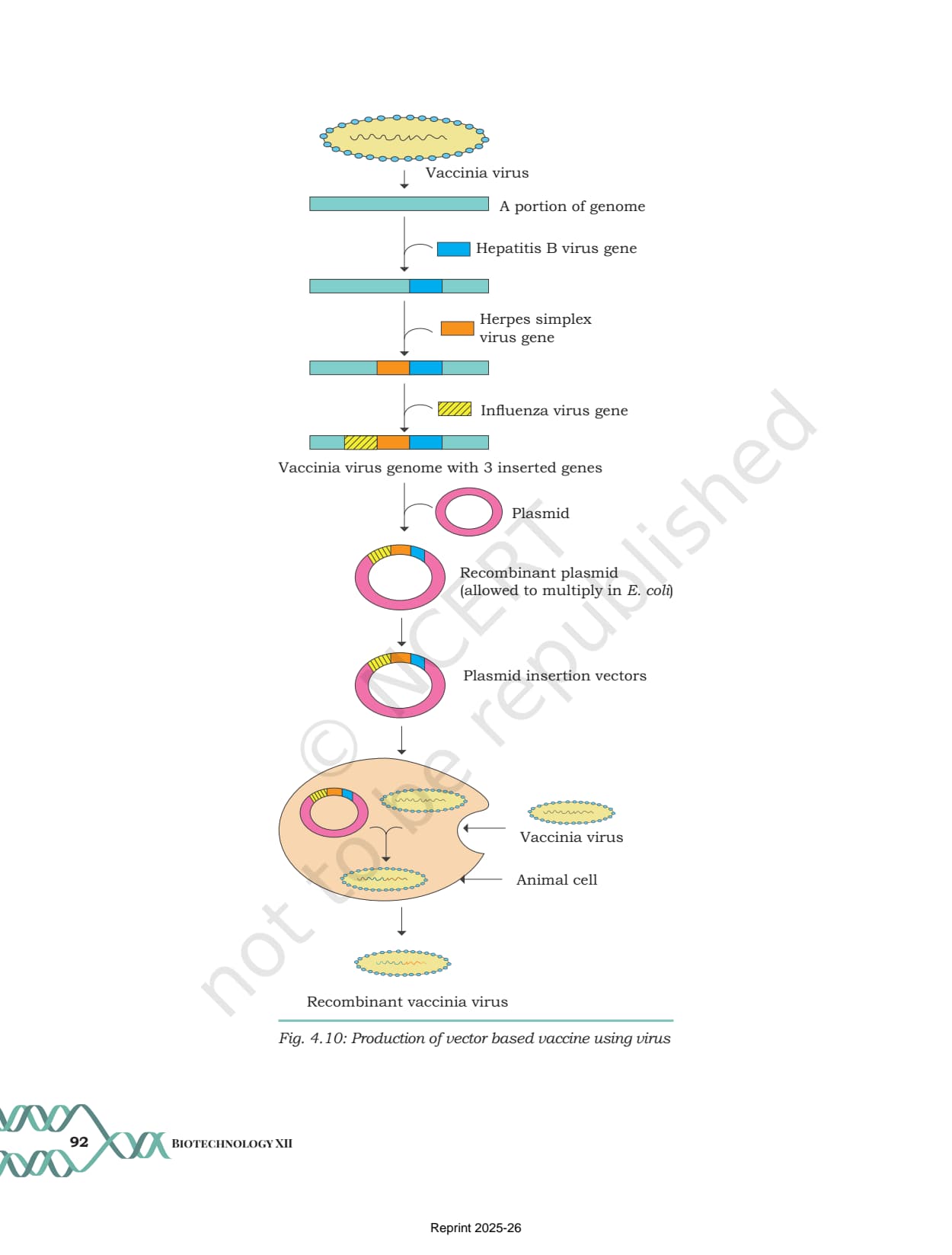
| Vector-based vaccine | a harmless virus, such as vaccinia, is engineered to carry genes from a target pathogen and deliver them safely |
| RNA vaccine | delivers mRNA coding for a pathogen protein, which is cell-free, quick to update and fast to scale up |
The chapter highlights RNA vaccines as the fastest to adapt when a pathogen mutates, since only the mRNA sequence needs to change, not the whole manufacturing process.
Monoclonal Antibodies, Insulin and Growth Hormone as Therapeutic Molecules
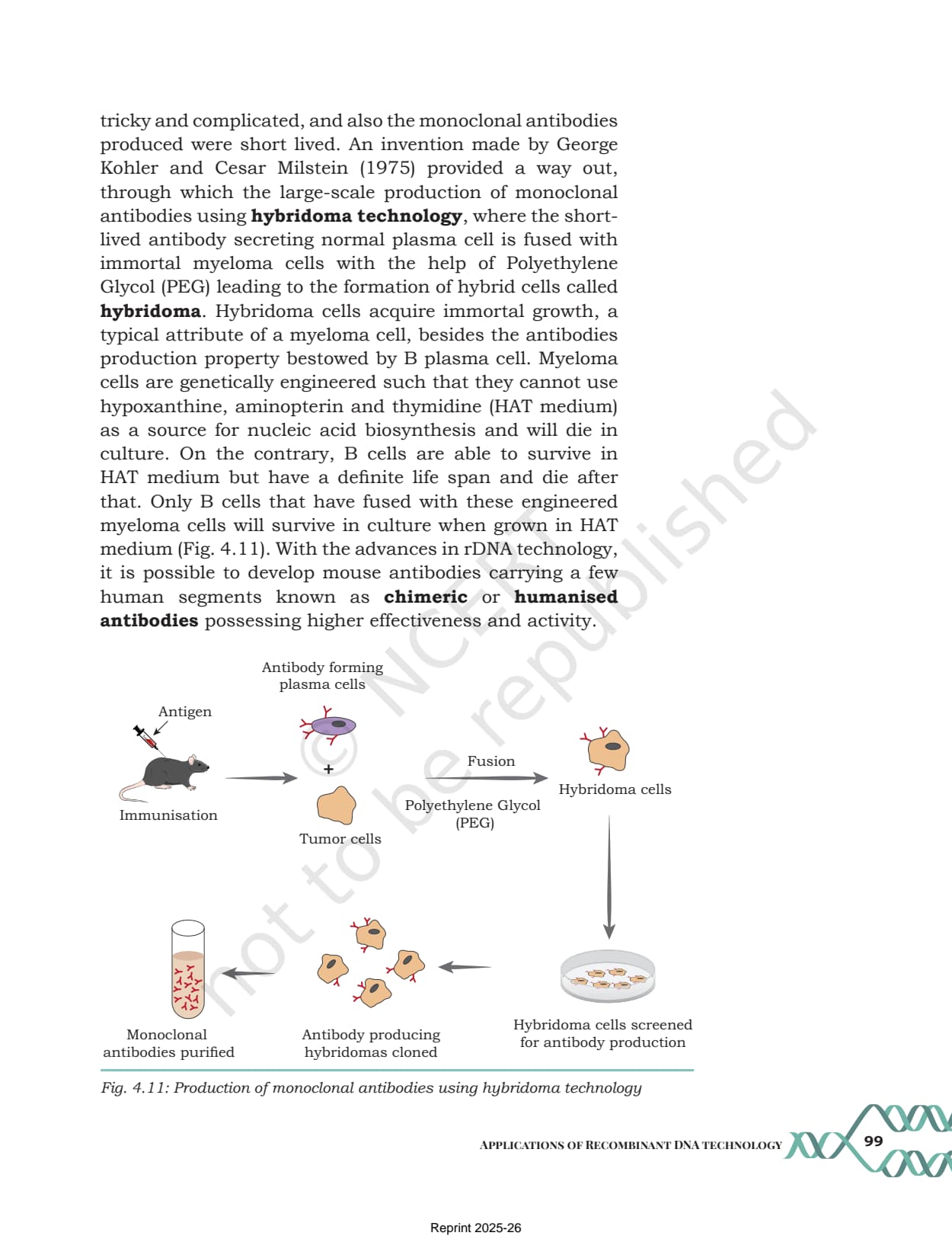
Section 4.5 covers three therapeutic products the chapter treats as case studies in rDNA manufacturing. Monoclonal antibodies come from hybridoma technology, developed by George Kohler and Cesar Milstein in 1975. An antibody-producing B cell is fused with an immortal myeloma cell using polyethylene glycol, creating a hybridoma that both survives indefinitely and keeps producing one specific antibody.
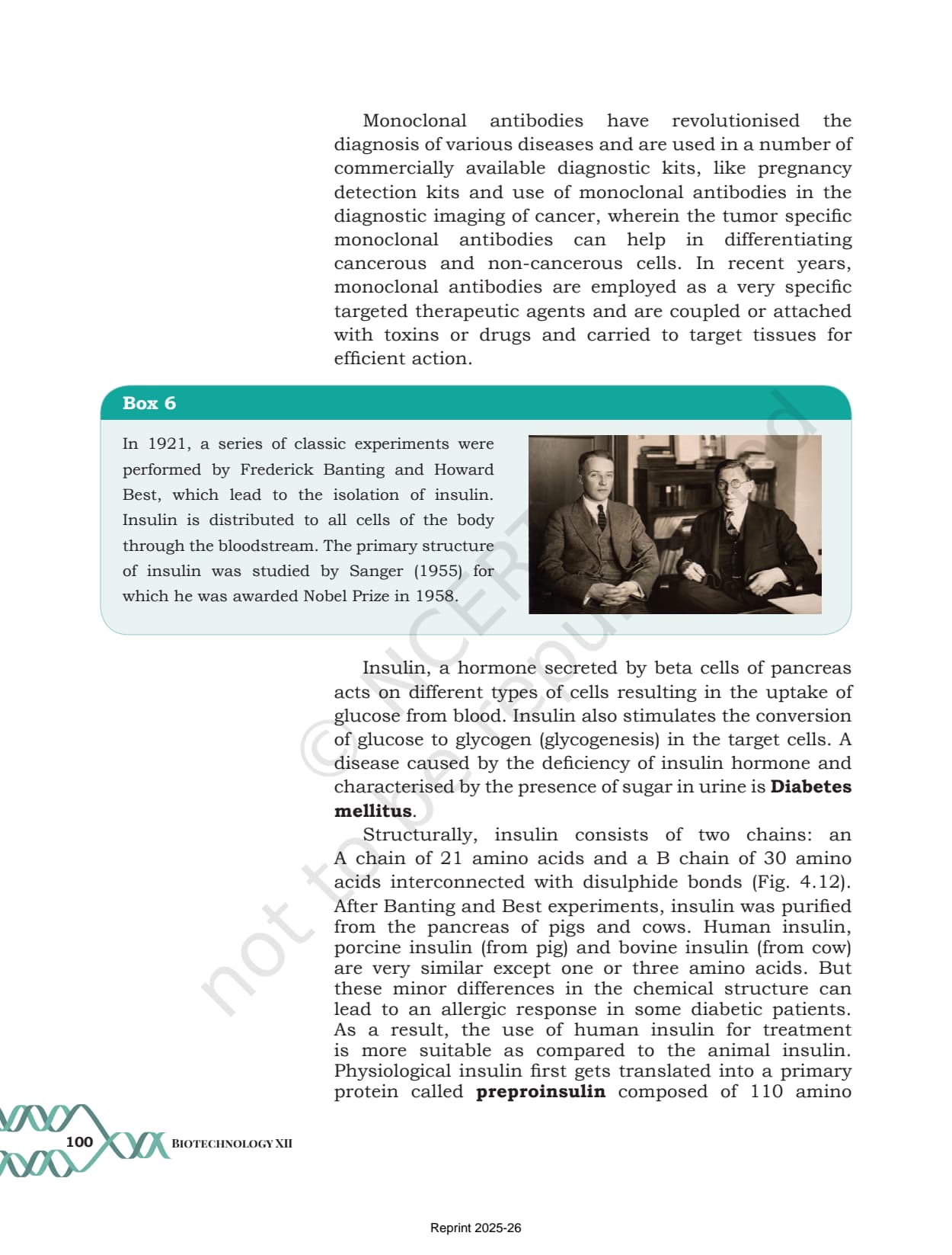
- Used in pregnancy detection kits and diagnostic imaging that tells cancerous cells apart from healthy ones
- Coupled to drugs or toxins for targeted cancer therapy that spares healthy tissue
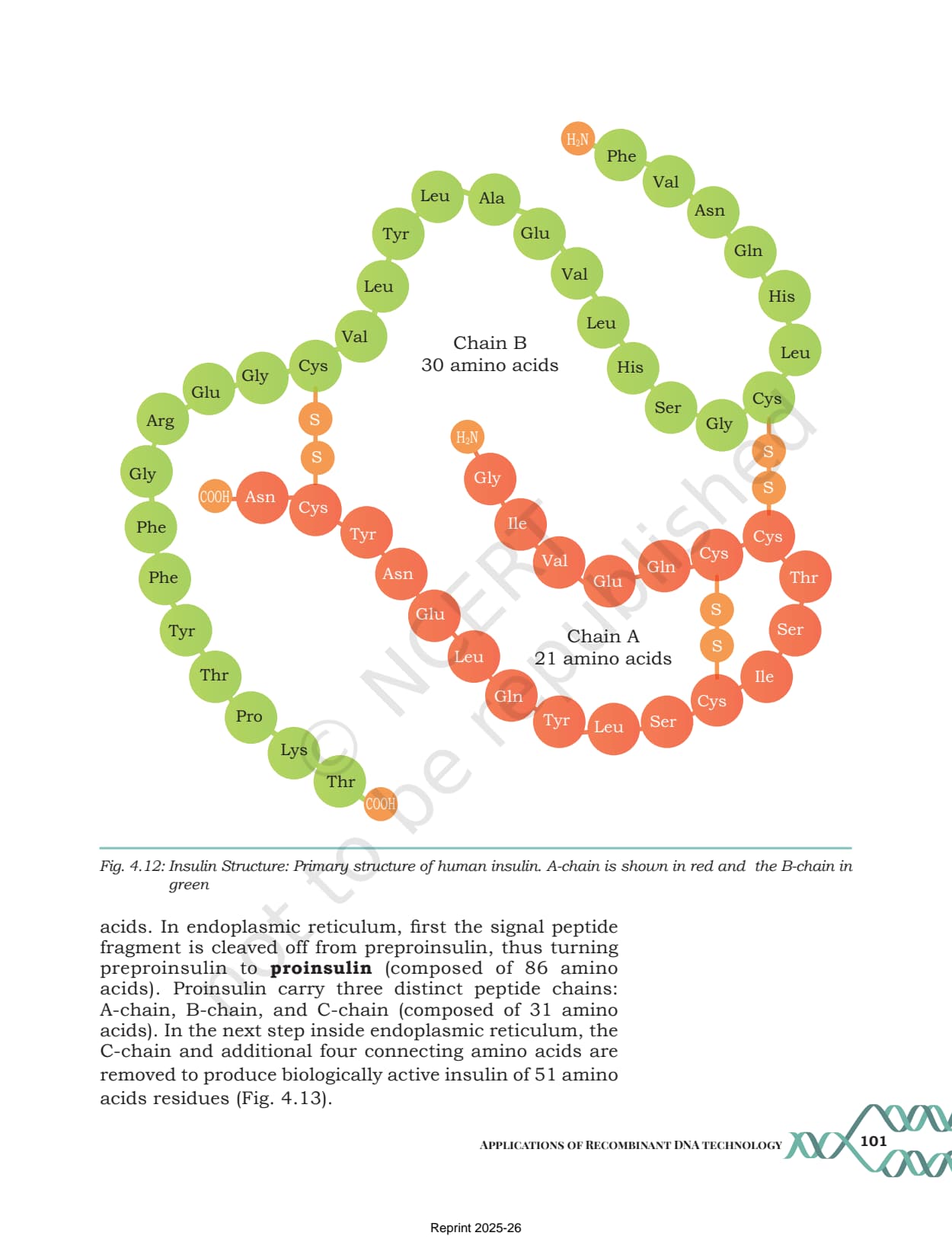
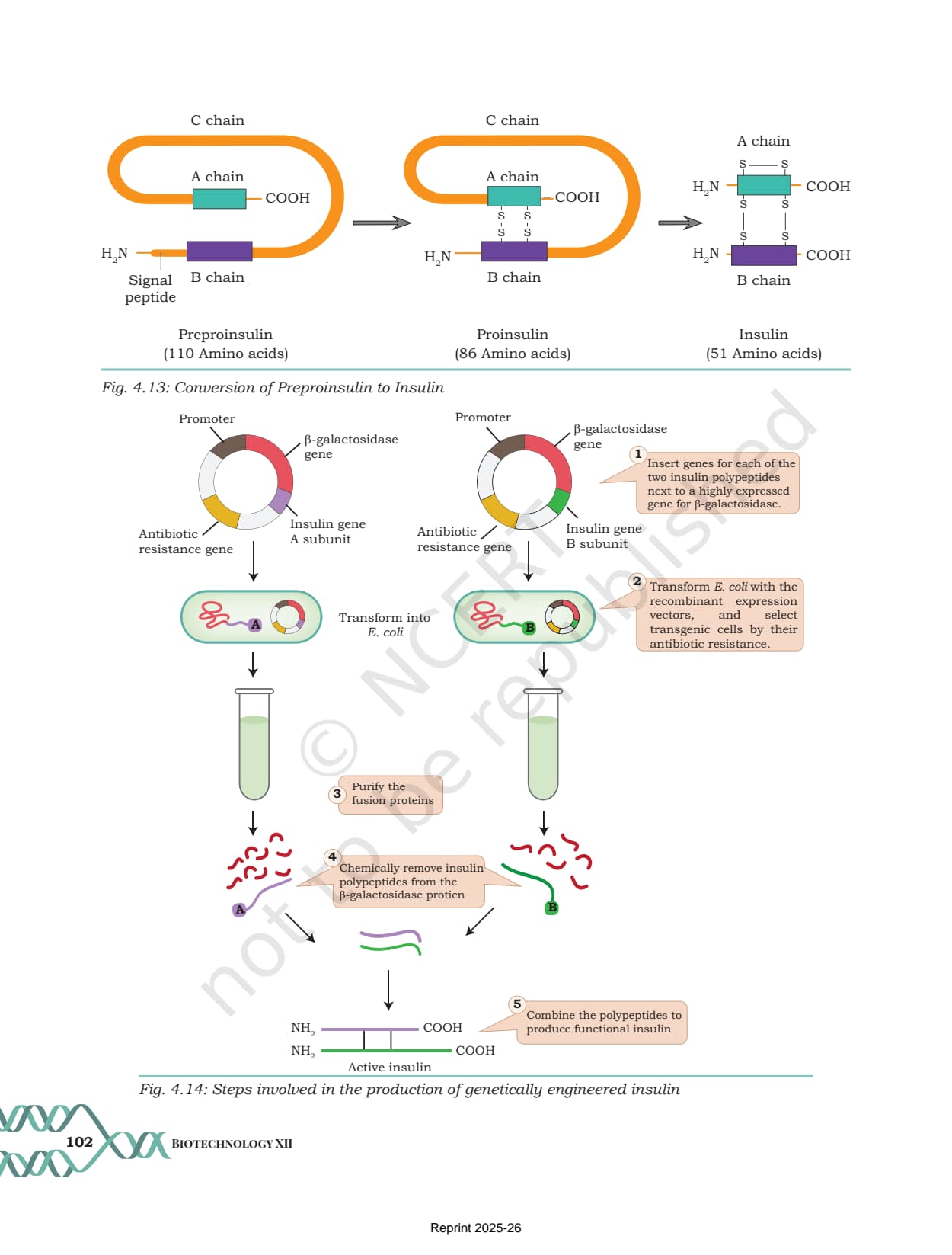
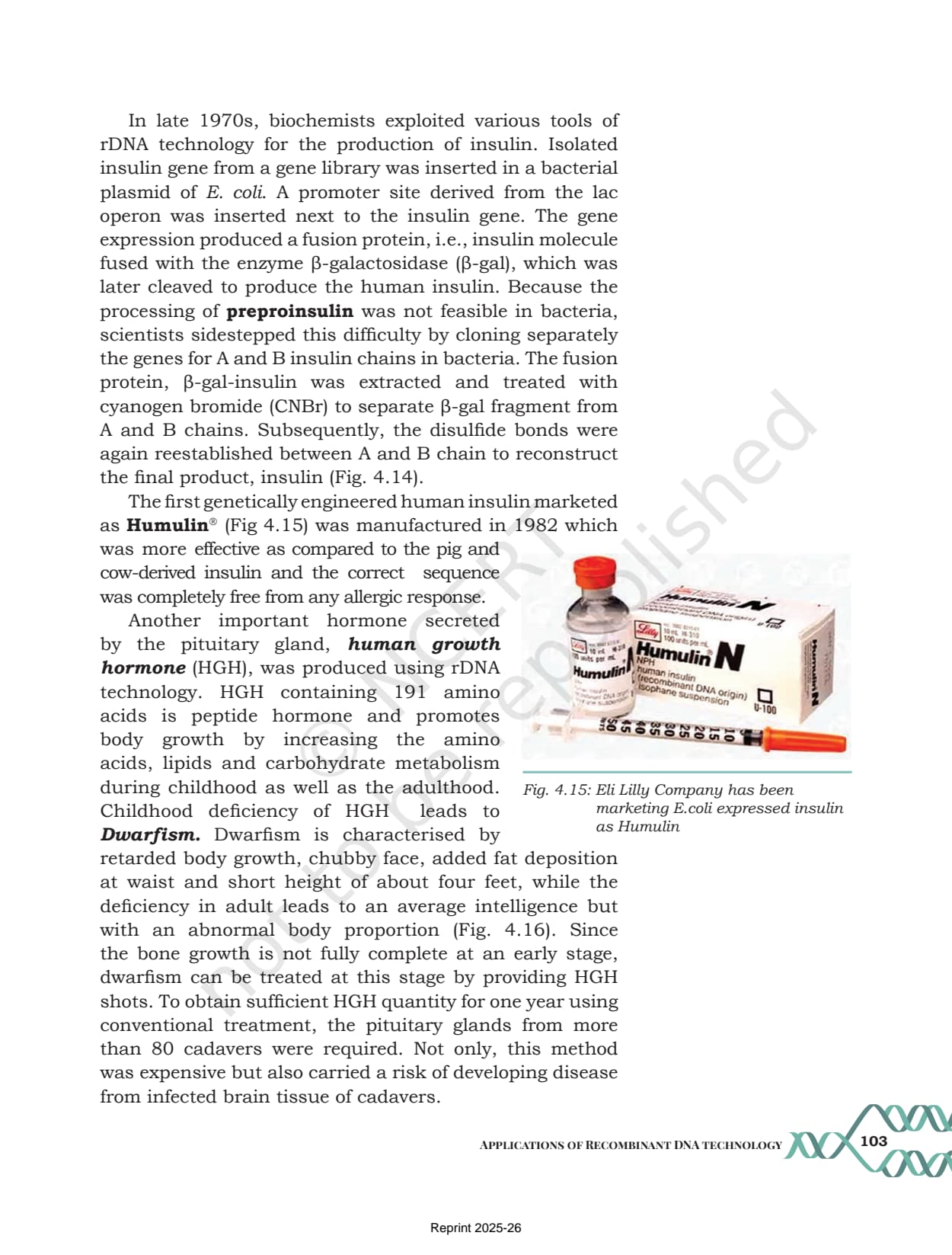
Insulin was one of the first proteins made using rDNA technology. The human gene is expressed in E. coli, producing preproinsulin, which is processed step by step into proinsulin and then into active insulin made of 51 amino acids across the A and B chains. Genetically engineered insulin is sold as Humulin.
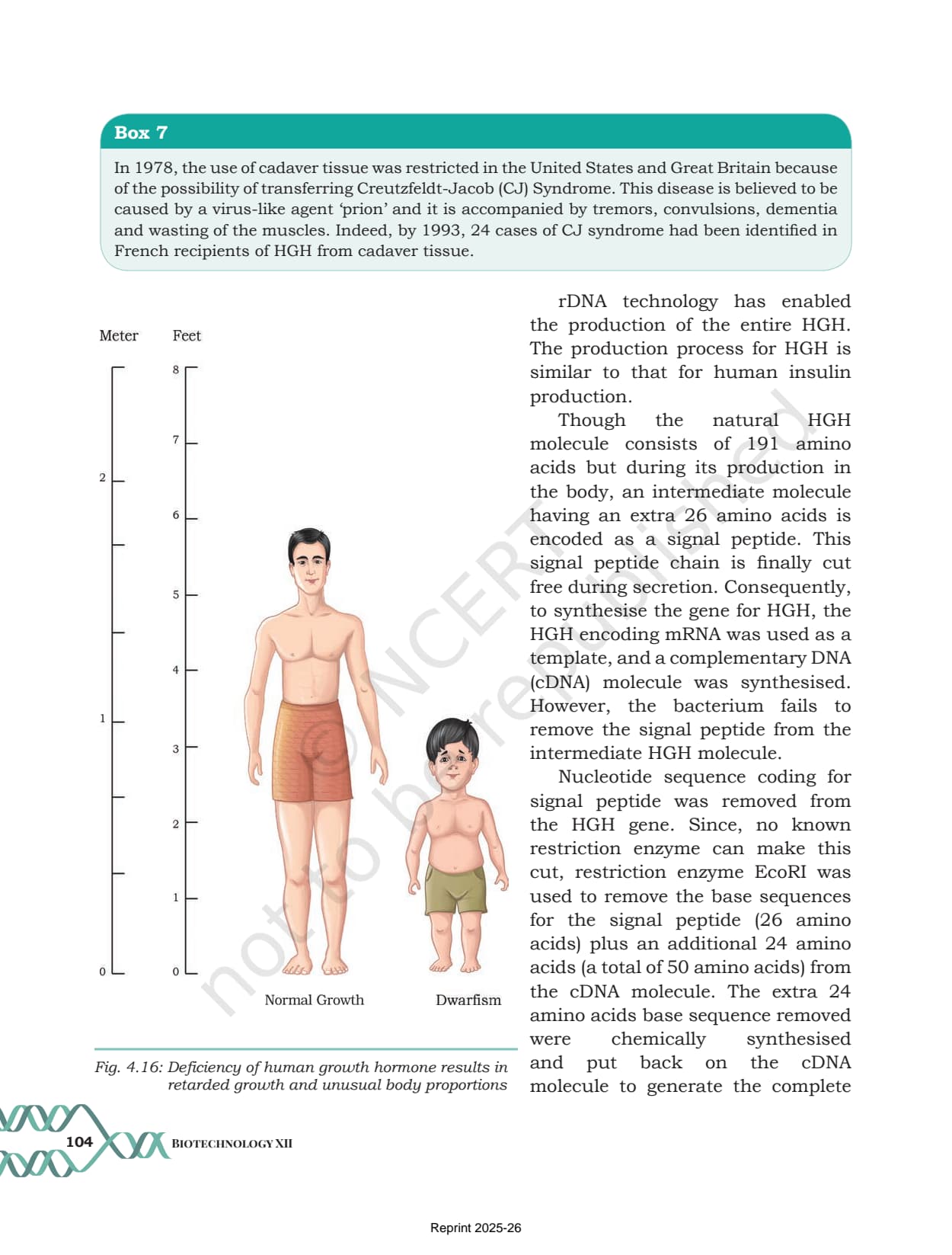
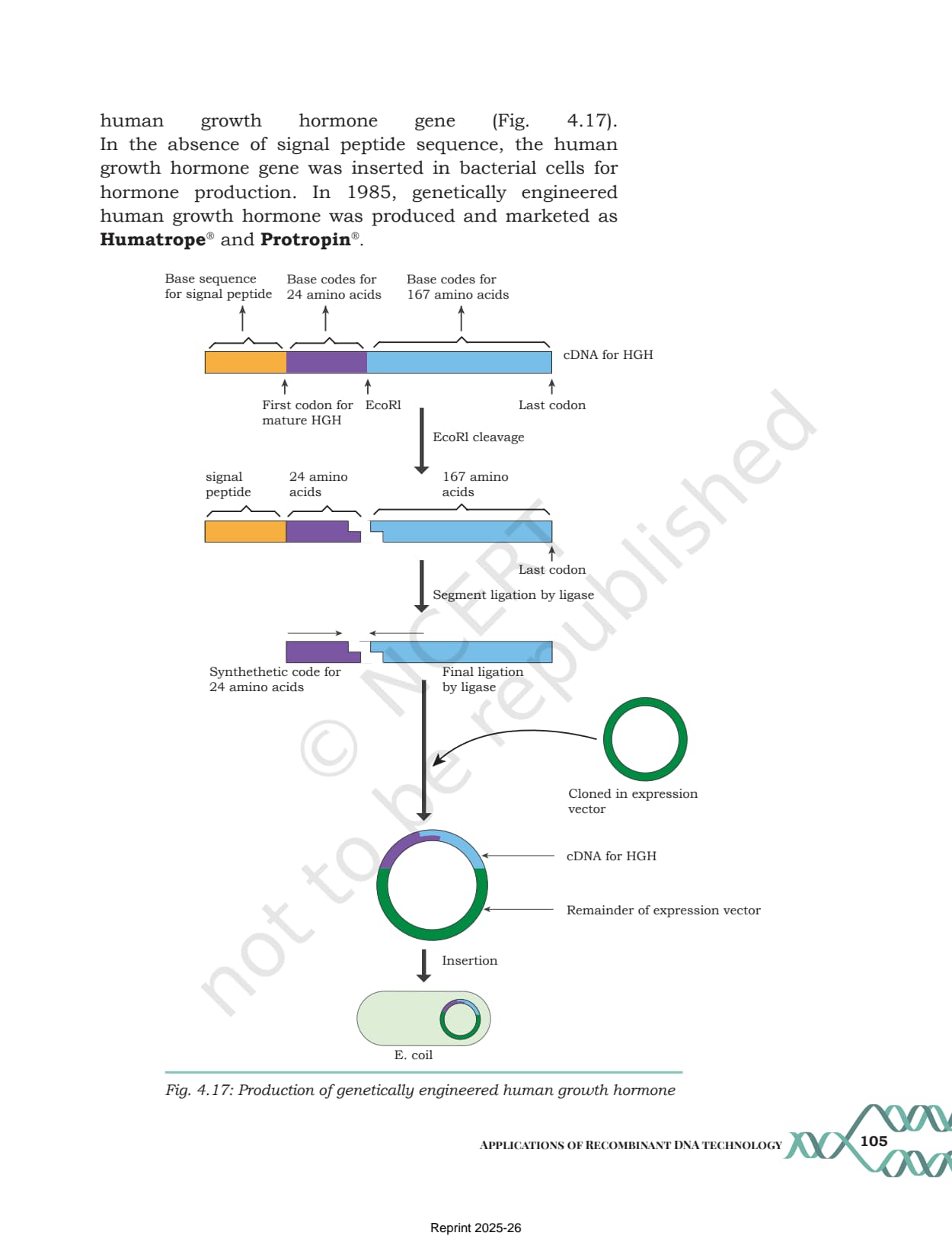
Human growth hormone (HGH) follows a similar route. Before rDNA methods, HGH came from cadaver pituitary glands, a supply linked to Creutzfeldt-Jakob disease cases documented in Box 7 of the chapter. Producing the 191 amino acid hormone in bacterial cells removed that risk, and it reached the market in 1985 as Humatrope and Protropin.
What Collegedunia Adds to This Chapter PDF
Collegedunia gives students the official file plus a way into it, without changing a single line of the printed chapter.
- Official file: the exact NCERT chapter PDF for 2026-27, no pages removed
- Read in the browser: page through all 44 pages before downloading
- Chapter list: jump to any other Biotechnology chapter from one table
Also Check: Biotechnology and its Applications Class 12 Biology NCERT Book PDF, which covers the same DNA fingerprinting, transgenic organism and gene therapy themes from the Biology syllabus side.
| Resource | Link |
|---|---|
| Handwritten notes | Applications of Recombinant DNA Technology Class 12 Handwritten Notes (coming soon) |
| Chapter notes | Applications of Recombinant DNA Technology Class 12 Notes (coming soon) |
| Chapter solutions | Applications of Recombinant DNA Technology Class 12 NCERT Solutions (coming soon) |
| Related Biology chapter | Biotechnology and its Applications Class 12 Biology NCERT Book PDF |
Class 12 Biotechnology NCERT Book PDF: All Chapters
Every chapter of the book sits on its own page. The 2026-27 Class 12 Biotechnology textbook builds on the Class 11 foundation and this chapter is the fourth of the year.
| Chapter | Download |
|---|---|
| Chapter 1 | Chapter 1 NCERT Book PDF (coming soon) |
| Chapter 2 | Chapter 2 NCERT Book PDF (coming soon) |
| Chapter 3 | Chapter 3 NCERT Book PDF (coming soon) |
| Chapter 4 | Applications of Recombinant DNA Technology NCERT Book PDF |
Applications of Recombinant DNA Technology NCERT Book PDF FAQs
Common Student Questions on This Chapter File
Ques. Where can I download the Class 12 Biotechnology Chapter 4 NCERT Book PDF?
Ans. The official 44-page chapter file is on this page, free to download for the 2026-27 session.
Ques. What topics does the Applications of Recombinant DNA Technology chapter cover?
Ans. Five sections: DNA fingerprinting, transgenic organisms, gene therapy, recombinant vaccines, and therapeutic agents such as monoclonal antibodies, insulin and growth hormone.
Ques. What is the difference between somatic and germ-line gene therapy?
Ans. Somatic gene therapy corrects genes in body cells and the change is not passed to children. Germ-line gene therapy edits egg or sperm cells, and the correction becomes heritable, which is why it raises more ethical debate.
Ques. How does DNA fingerprinting help in forensics and paternity testing?
Ans. It compares VNTR patterns unique to each person using RFLP and Southern hybridisation. Since one VNTR copy is inherited from each parent, matching bands between a child and an alleged parent can confirm biological relation, and the same technique identifies suspects from crime-scene DNA.
Ques. What is hybridoma technology used for?
Ans. It fuses an antibody-producing B cell with an immortal myeloma cell to create a hybridoma, which is how monoclonal antibodies are produced for diagnostic kits and targeted cancer therapy.
Ques. How is human insulin produced using recombinant DNA technology?
Ans. The human insulin gene is expressed inside E. coli bacteria, producing preproinsulin, which is processed into proinsulin and then into active 51 amino acid insulin, sold commercially as Humulin.
Ques. What are transgenic organisms and why are they created?
Ans. A transgenic organism carries a gene deliberately introduced from another species. Examples in the chapter include Bt cotton for pest resistance, Golden Rice for better nutrition, and transgenic goats engineered to produce a human protein in their milk.
Ques. Is this the official NCERT file?
Ans. Yes. It is the NCERT chapter PDF for 2026-27 hosted as published, with no pages removed or added.



Comments