




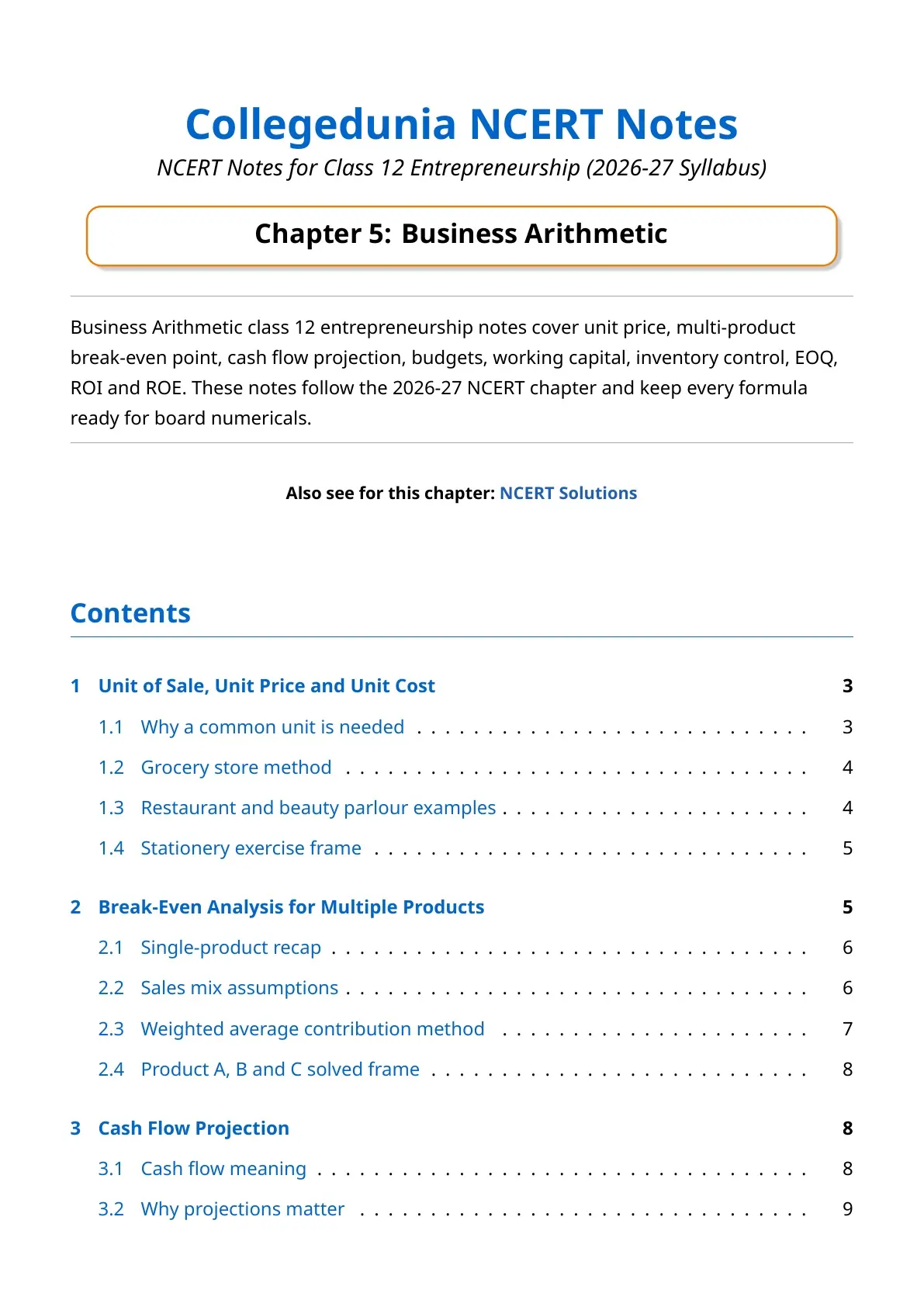
The NCERT Class 12 Entrepreneurship Chapter 5 Business Arithmetic notes bring together every formula, table and decision rule that the CBSE board paper can test in 2026-27.
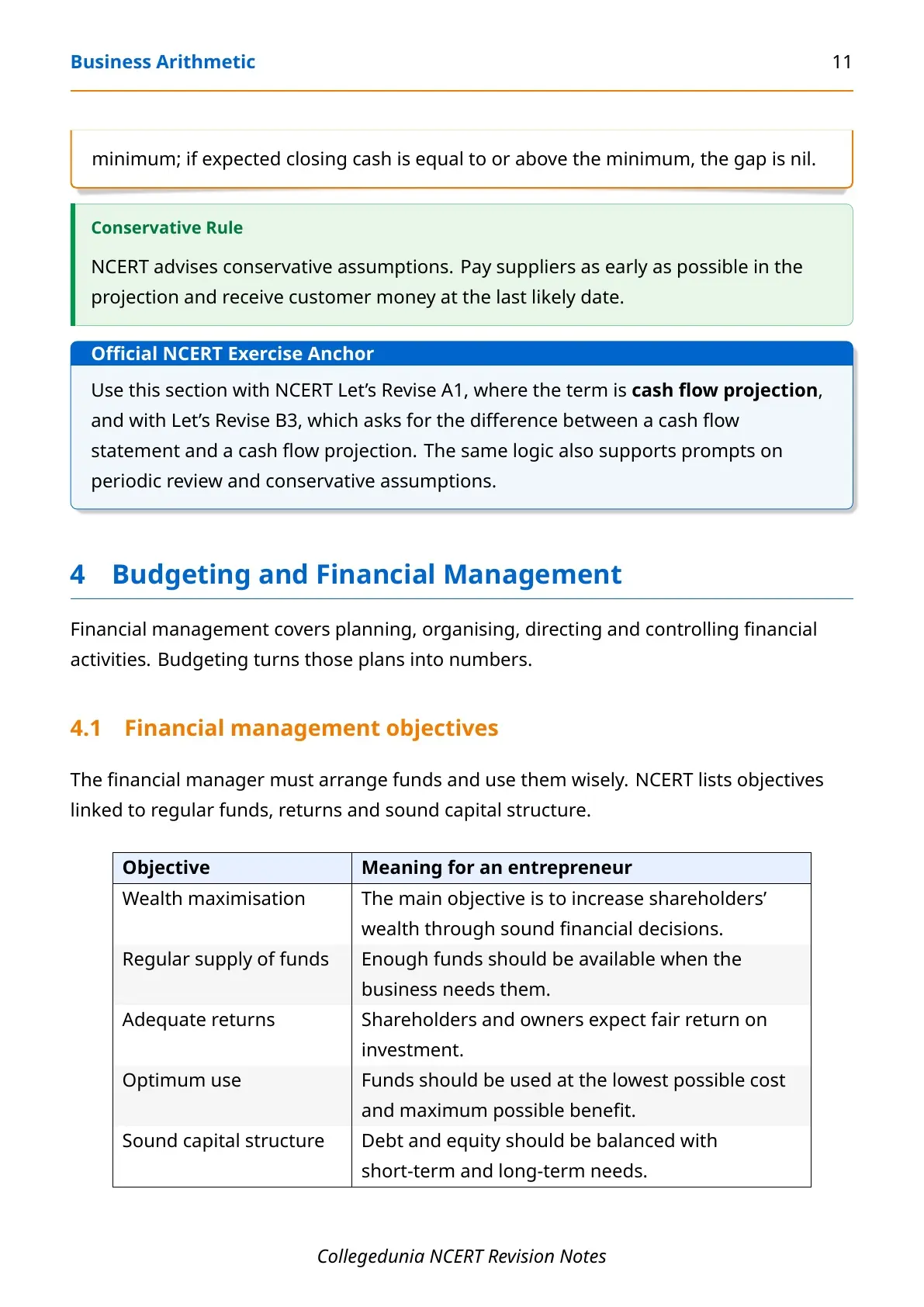
- Includes unit price, break-even, cash flow, working capital, EOQ, ROI and ROE.
- Use the PDF for numerical revision and quick formula recall.
- Students can compare these notes with the official NCERT chapter PDF.
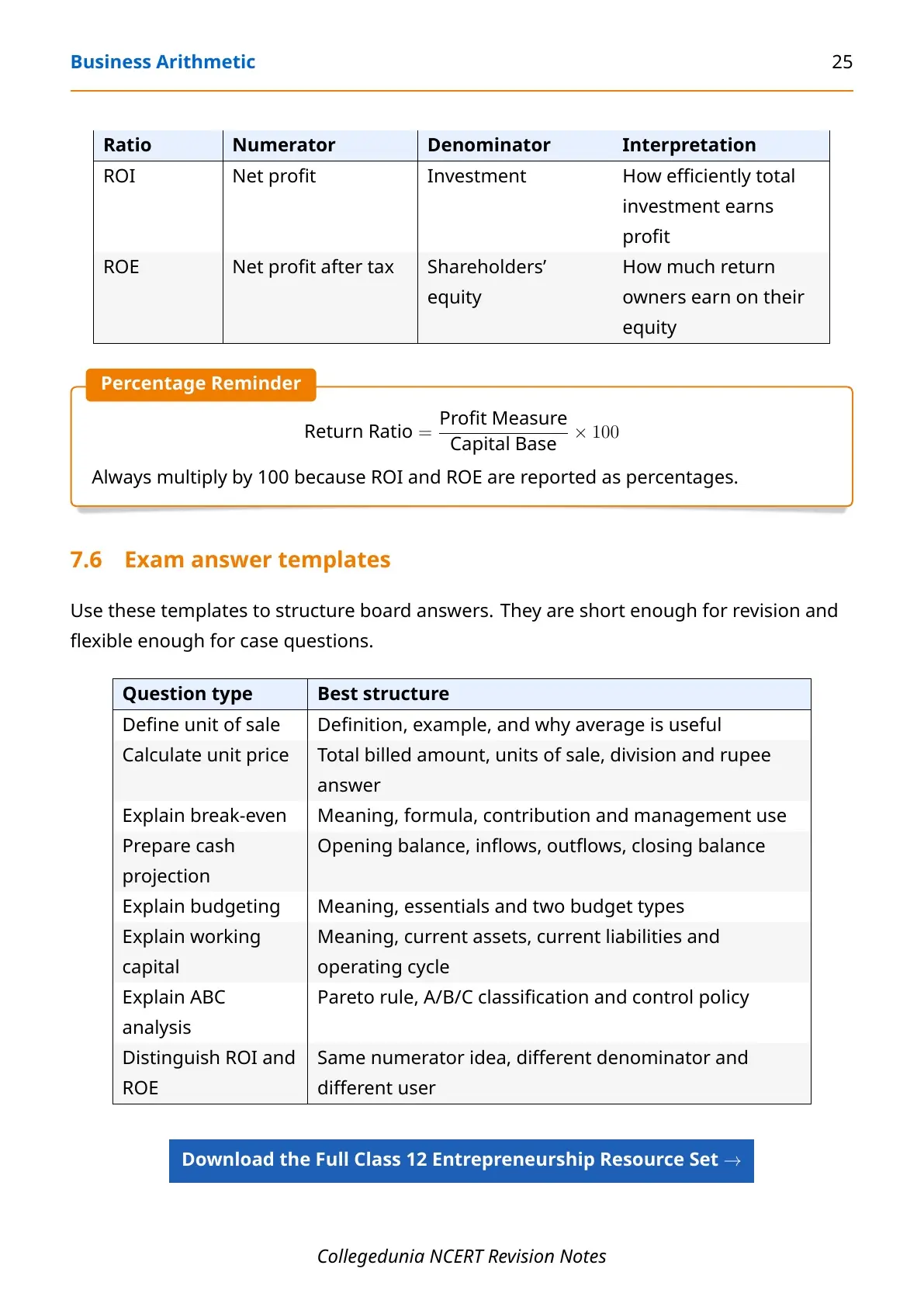

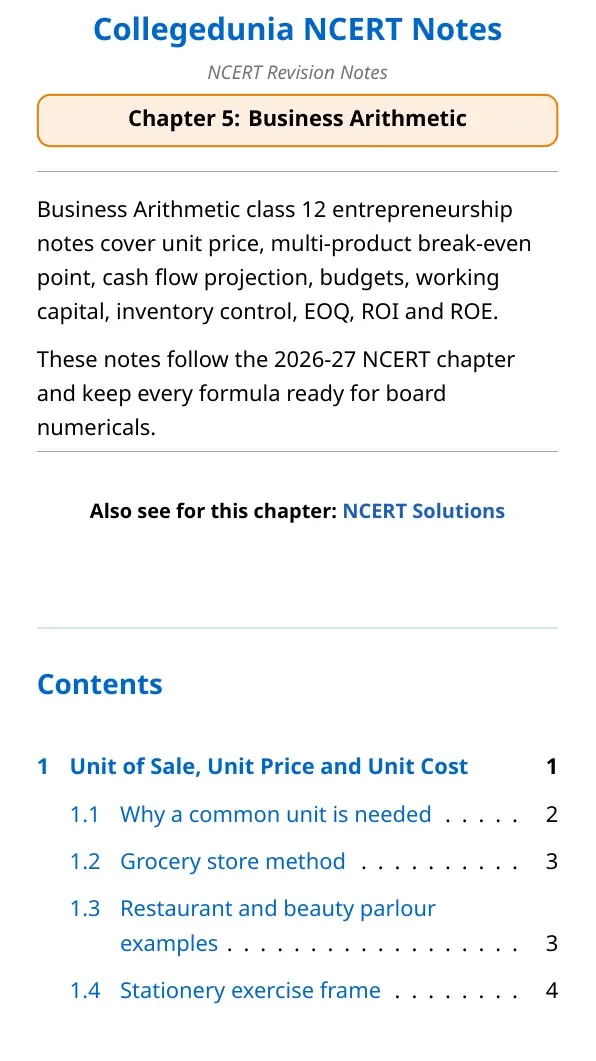
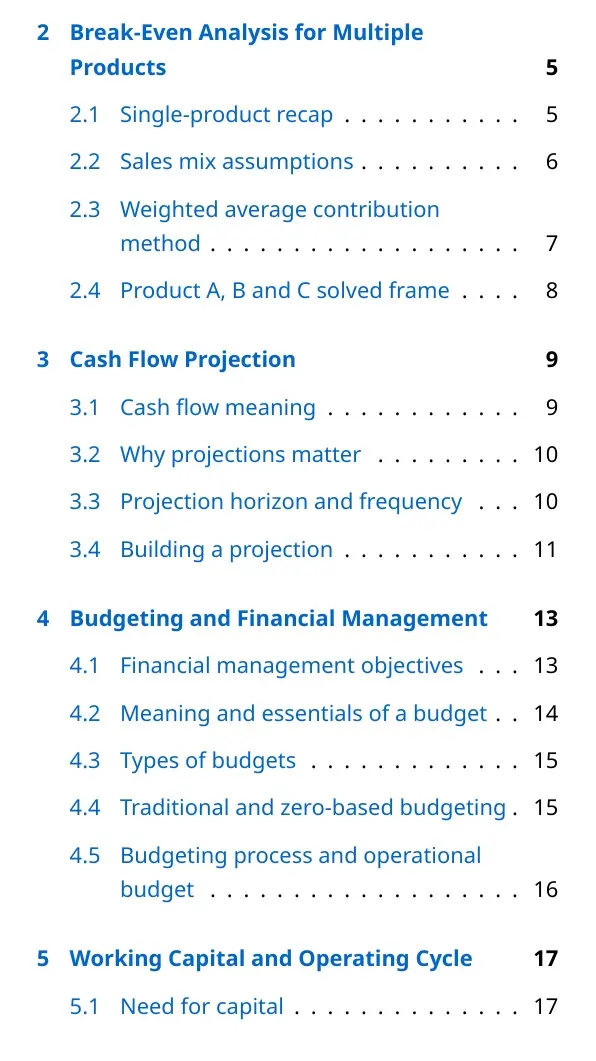
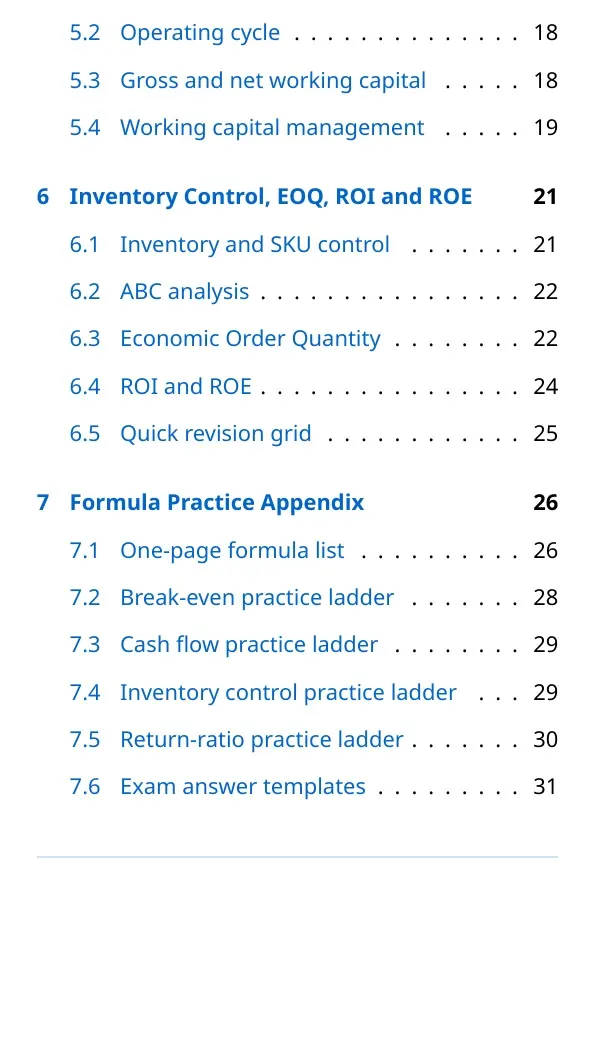

Business Arithmetic Class 12 Notes PDF
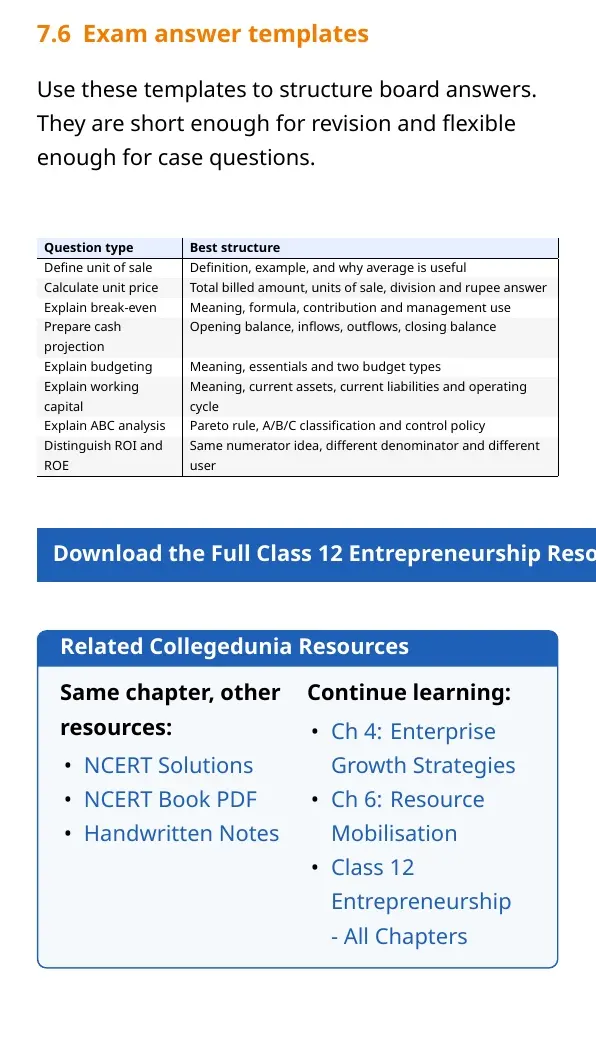
Business Arithmetic explains how entrepreneurs use numbers to control pricing, cash, inventory and returns. The chapter is formula-heavy, so students should revise definitions and calculation steps together.
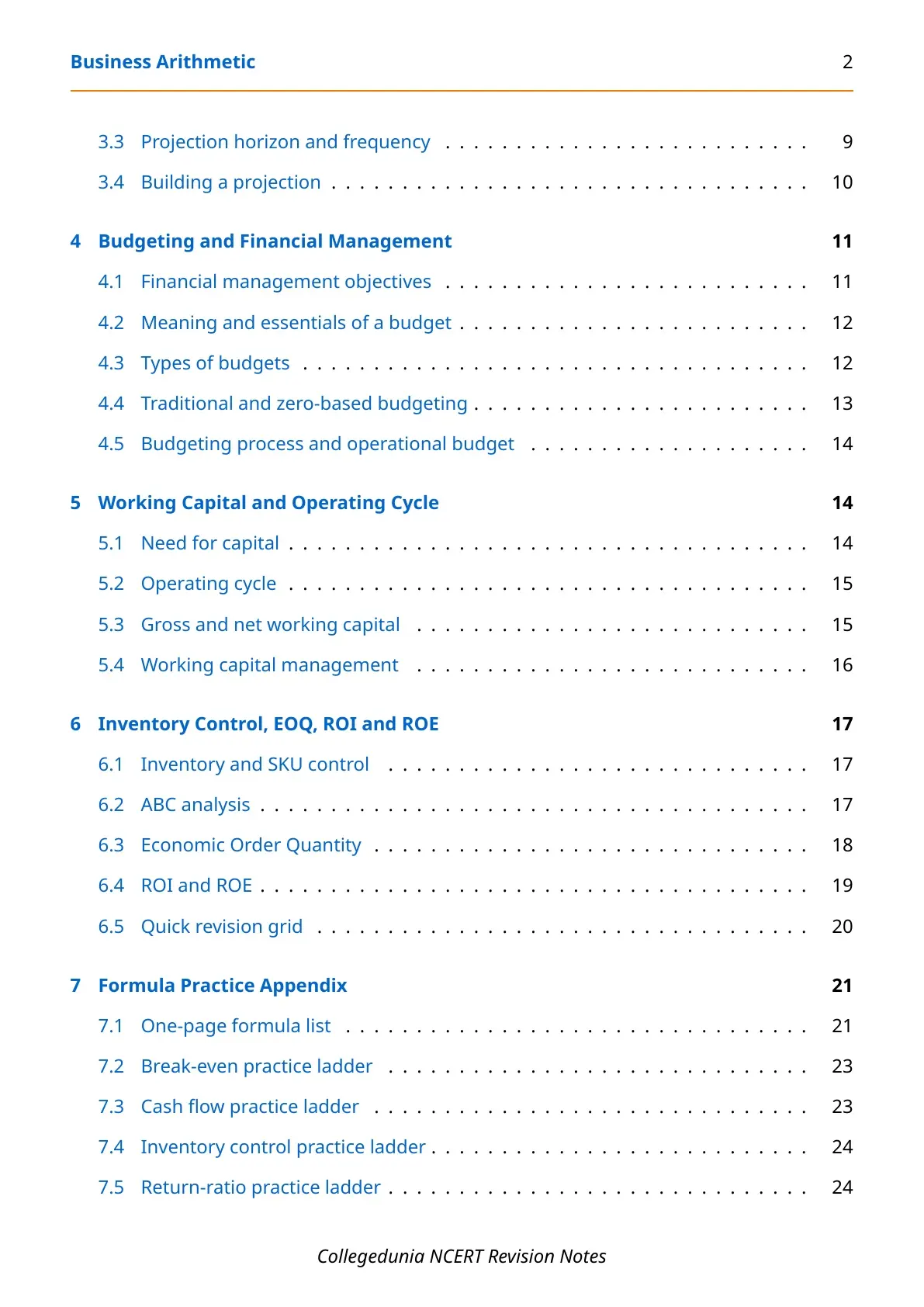
Break-even, working capital and EOQ are the three calculation areas students should practise first.
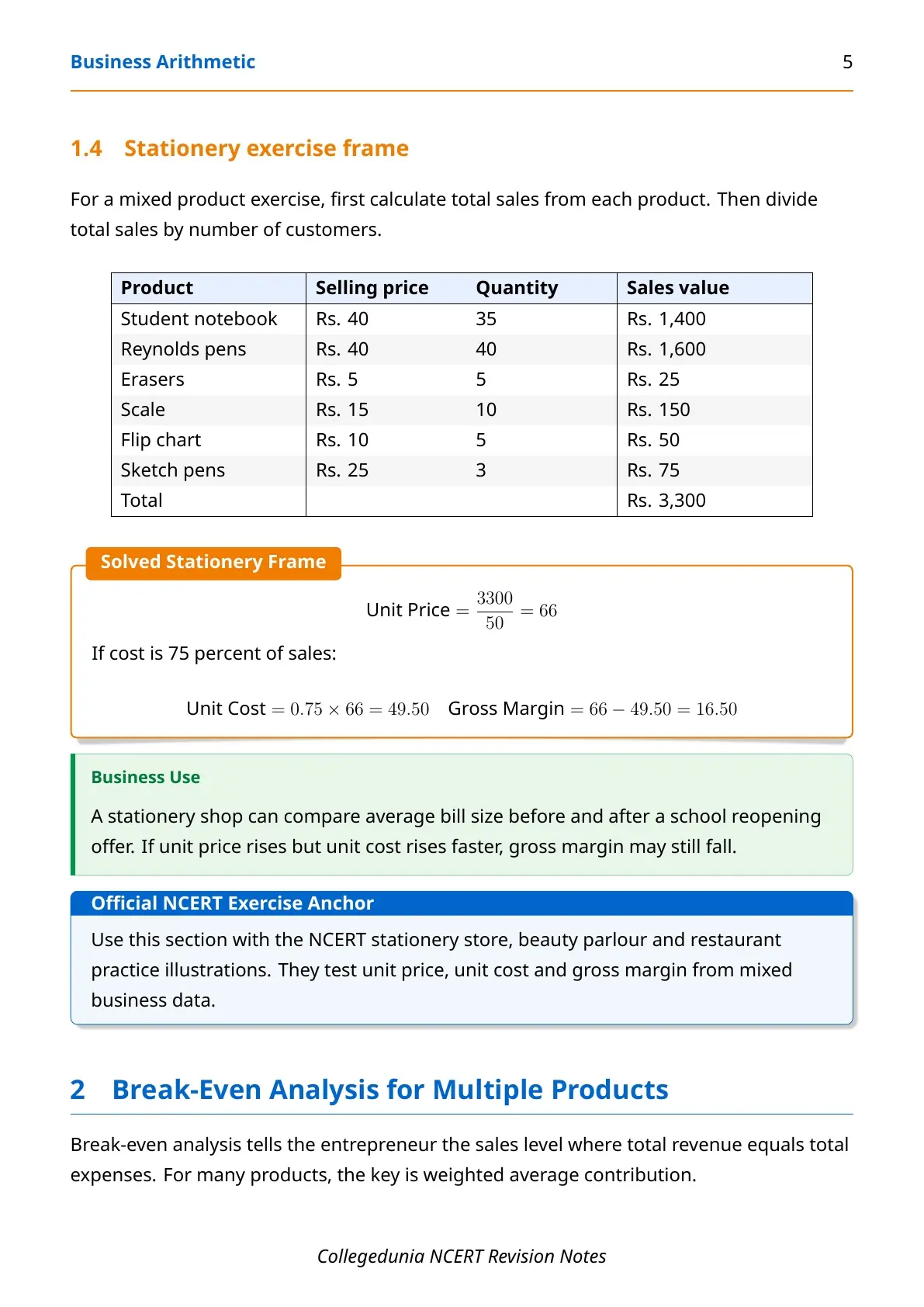
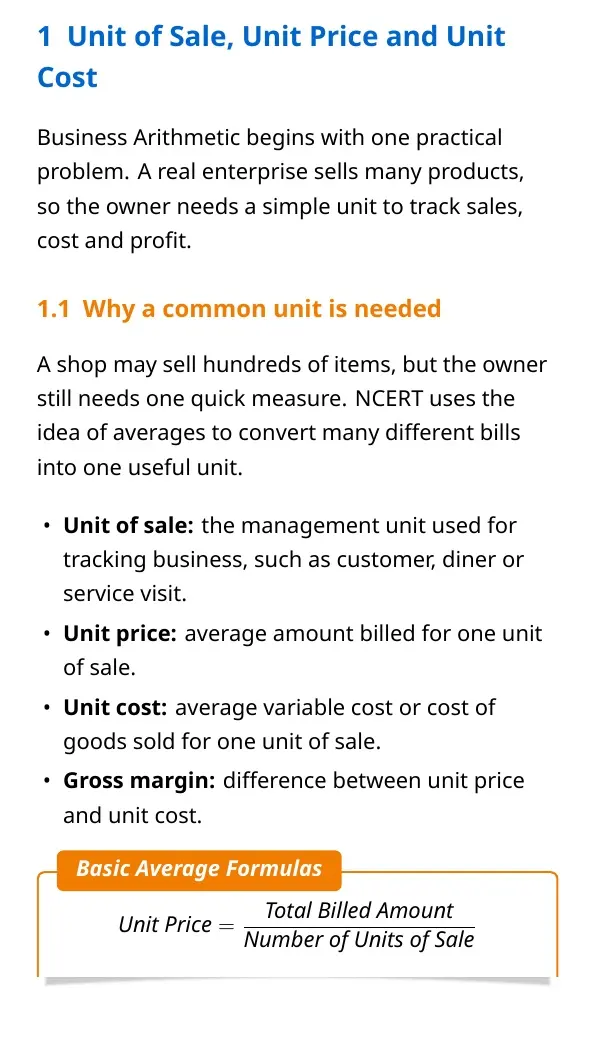
Unit Price, Unit Cost and Gross Margin
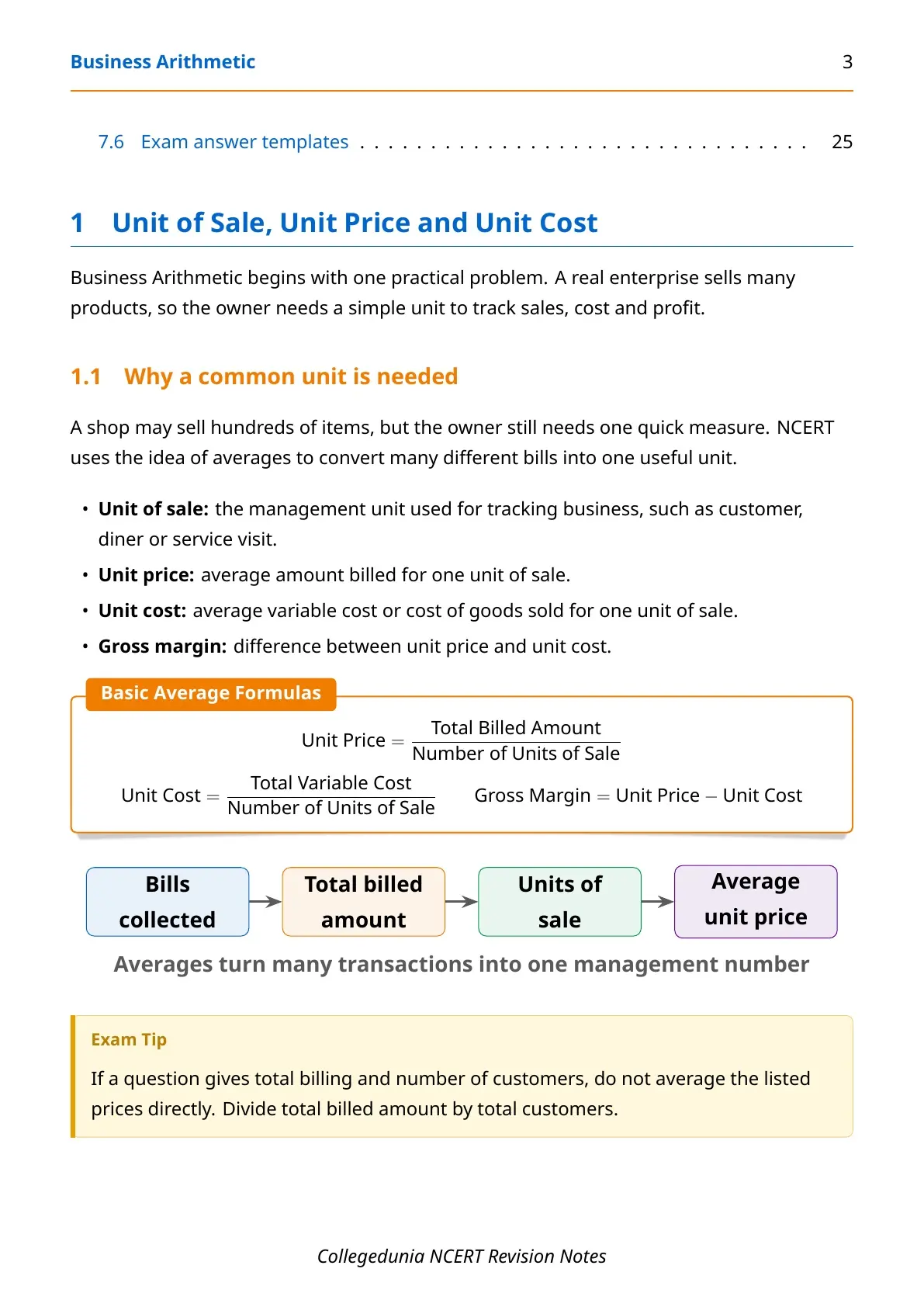
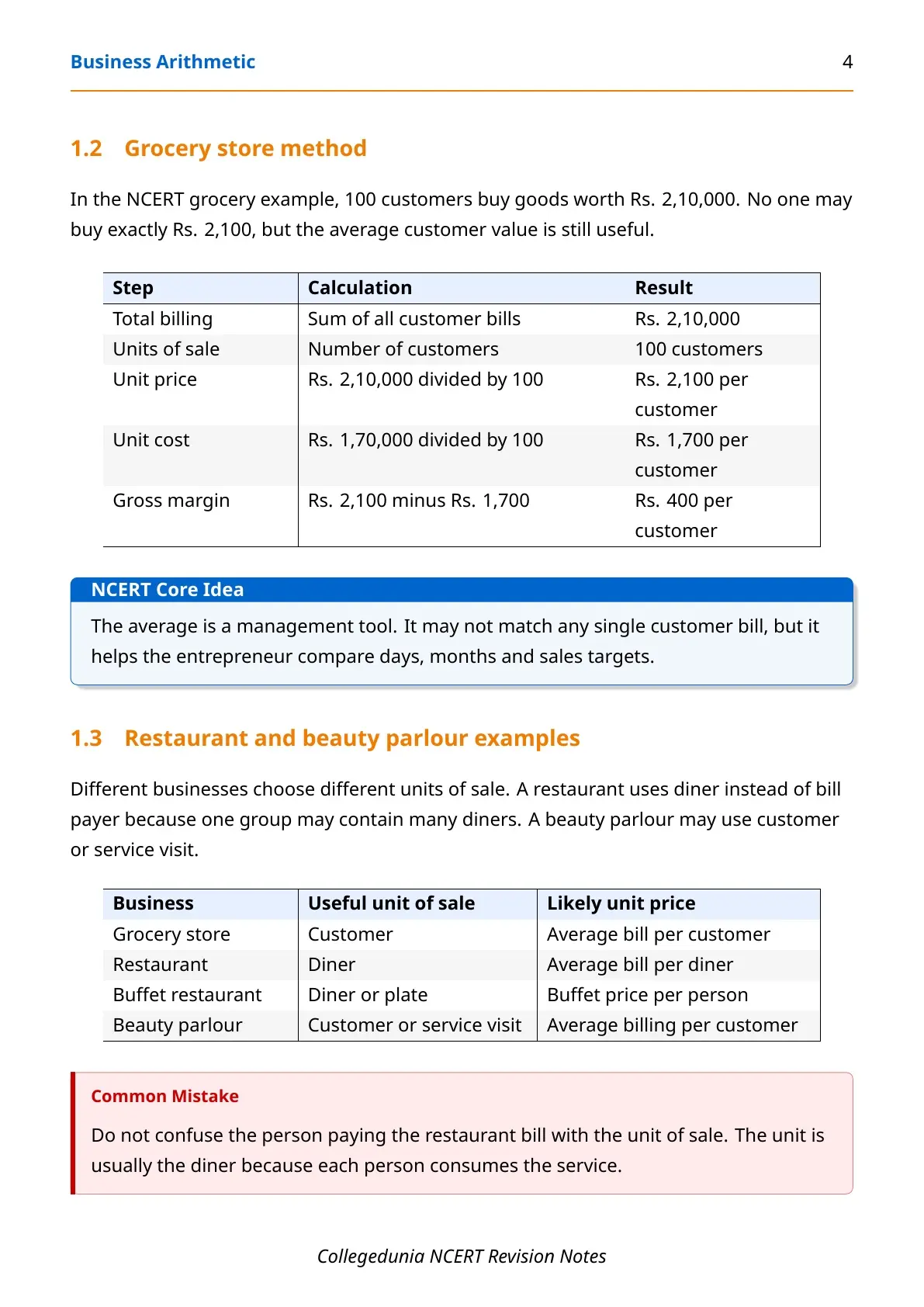
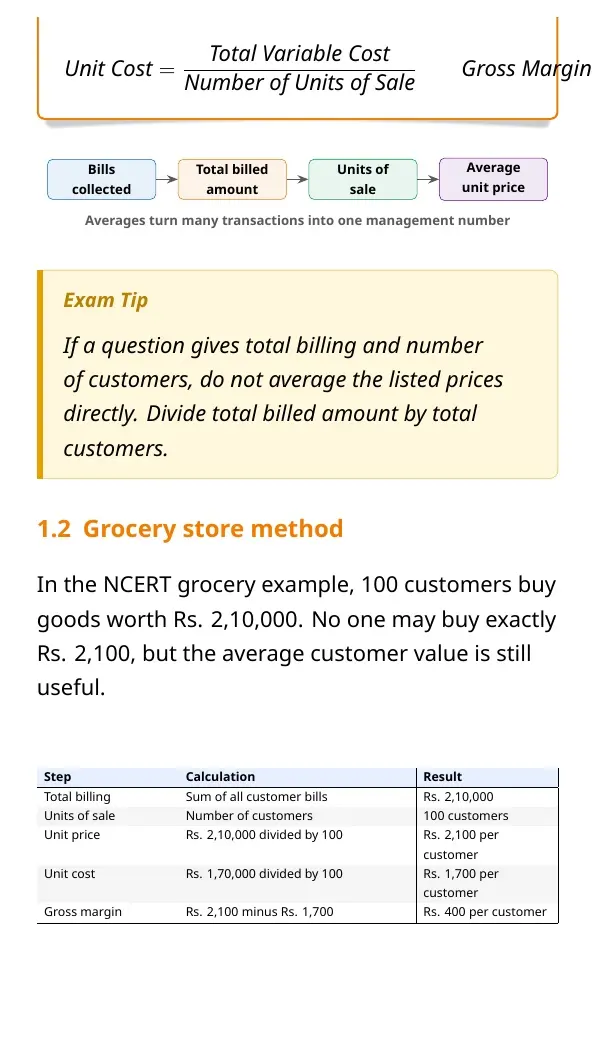
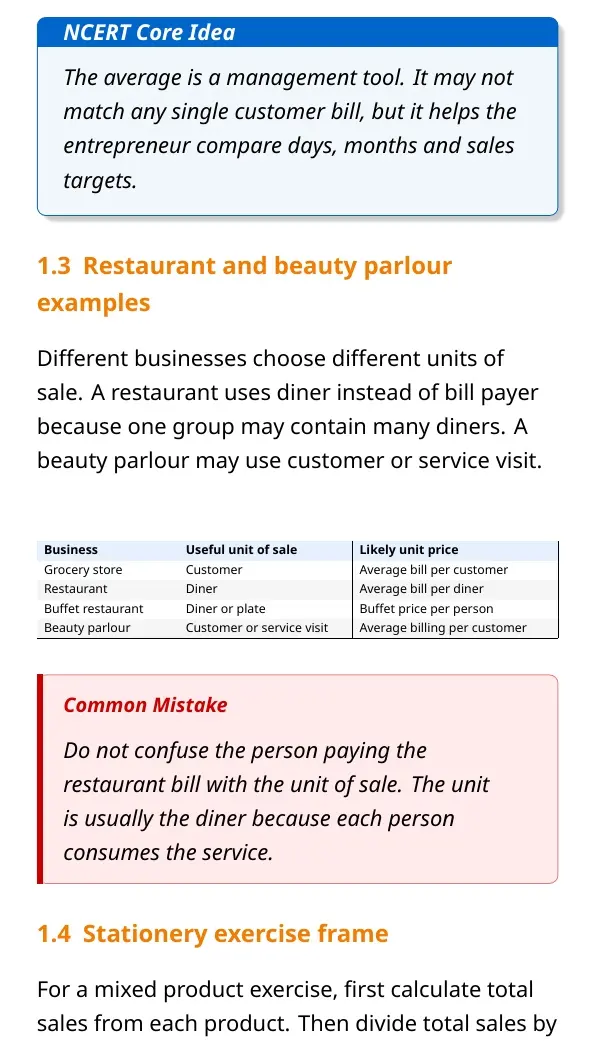
Unit of sale is the basic management unit used for comparison. In a grocery store it can be a customer. In a restaurant it can be a diner.
| Formula | Use |
|---|---|
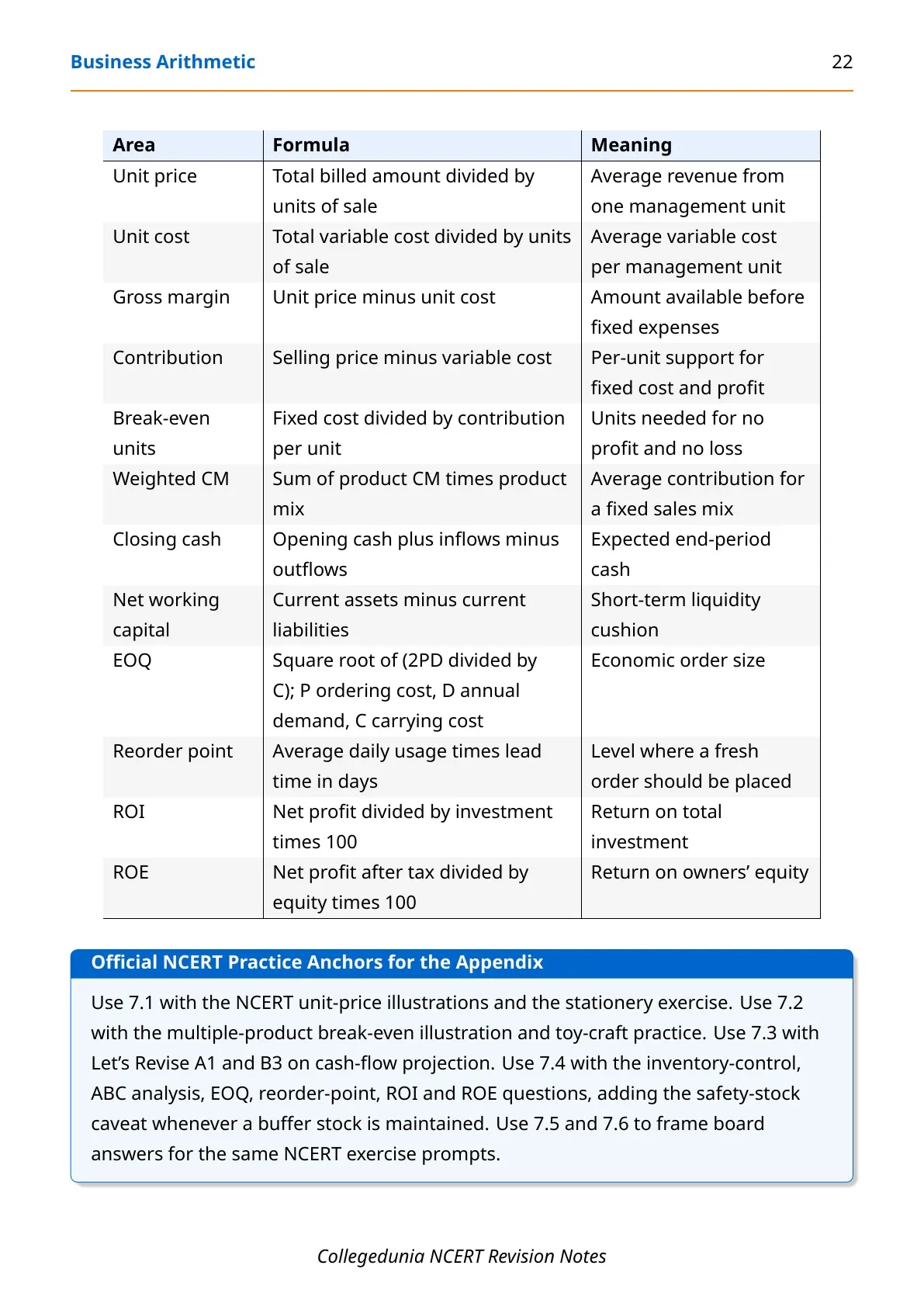
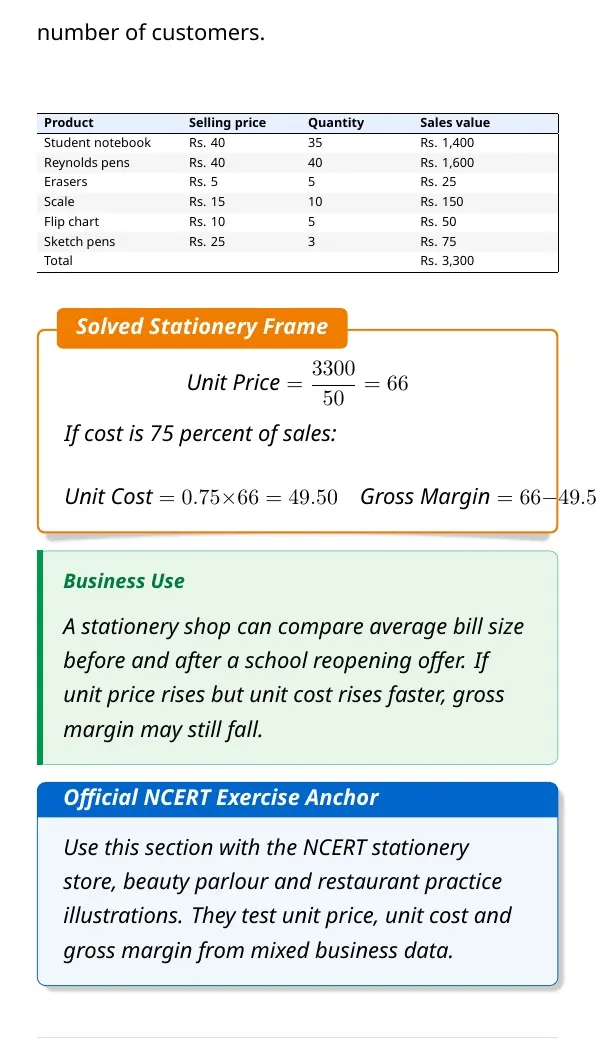
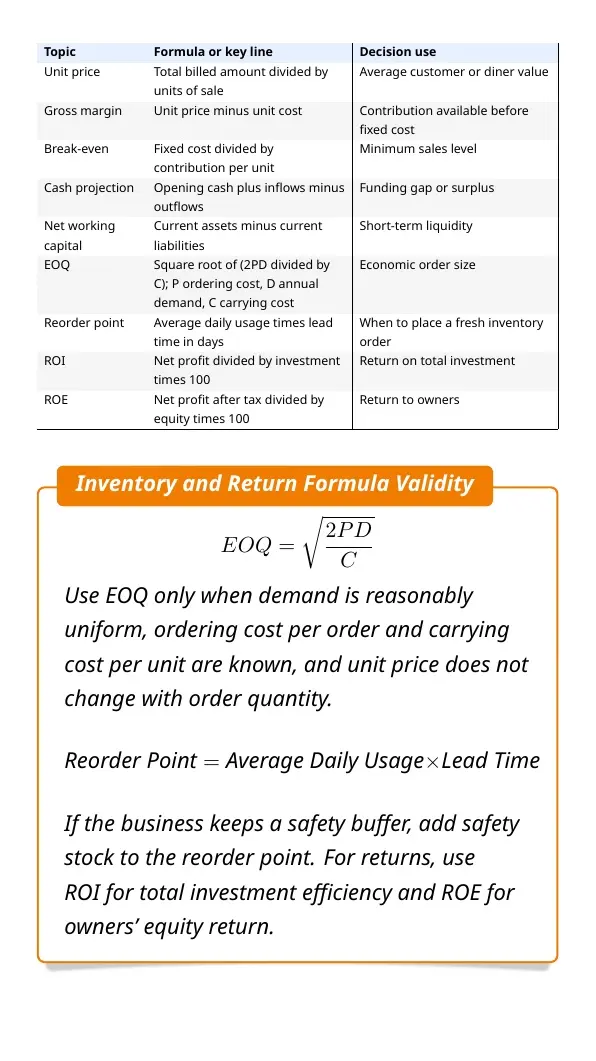
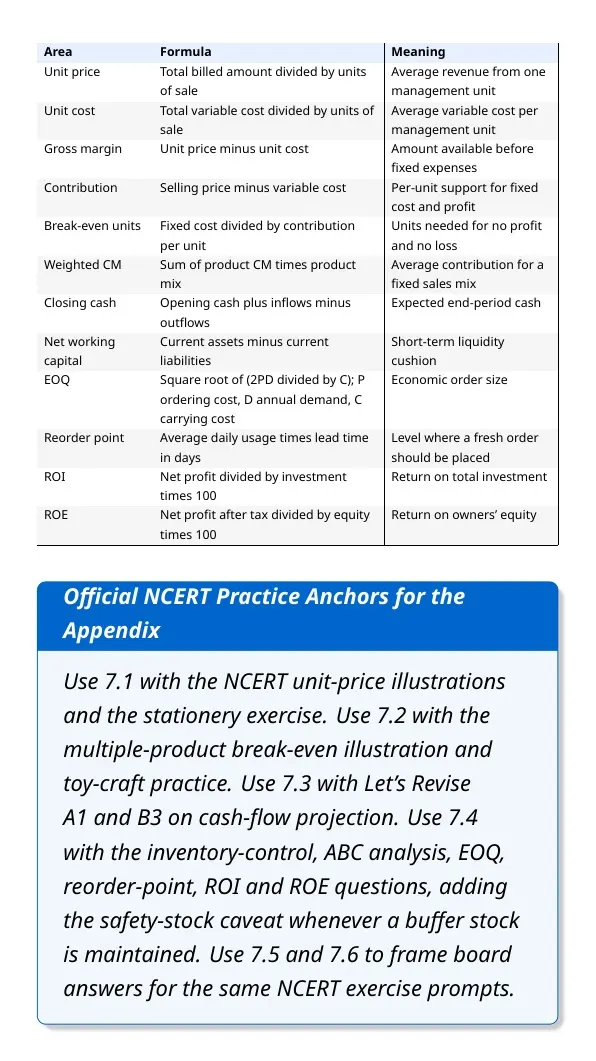
| Unit Price = Total Billed Amount / Number of Customers | Finds average customer value |
| Unit Cost = Total Variable Cost / Units Sold | Finds average cost per unit |
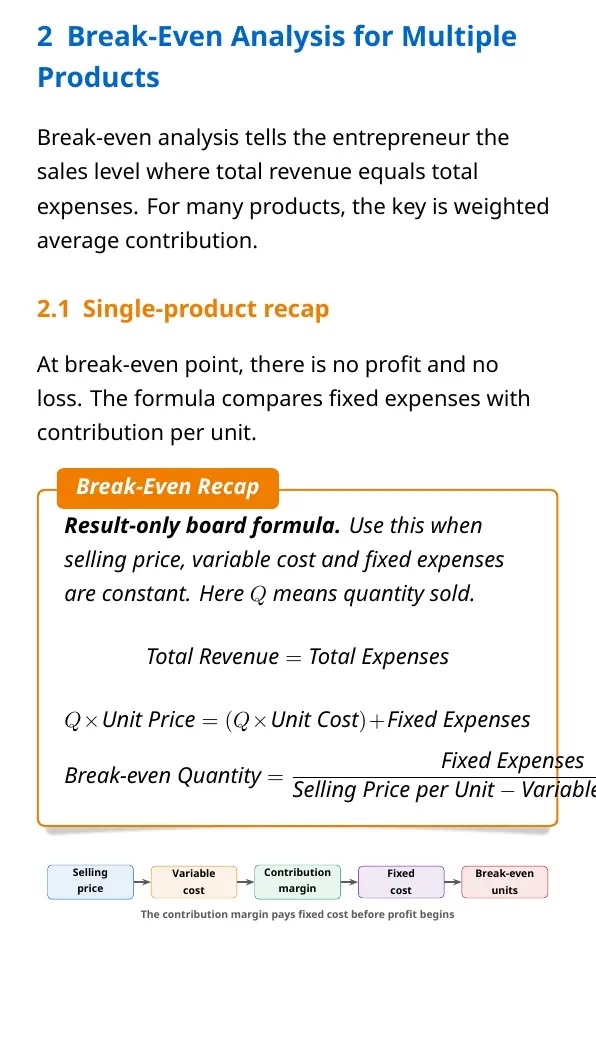
| Gross Margin = Unit Price - Unit Cost | Shows contribution before fixed expenses |
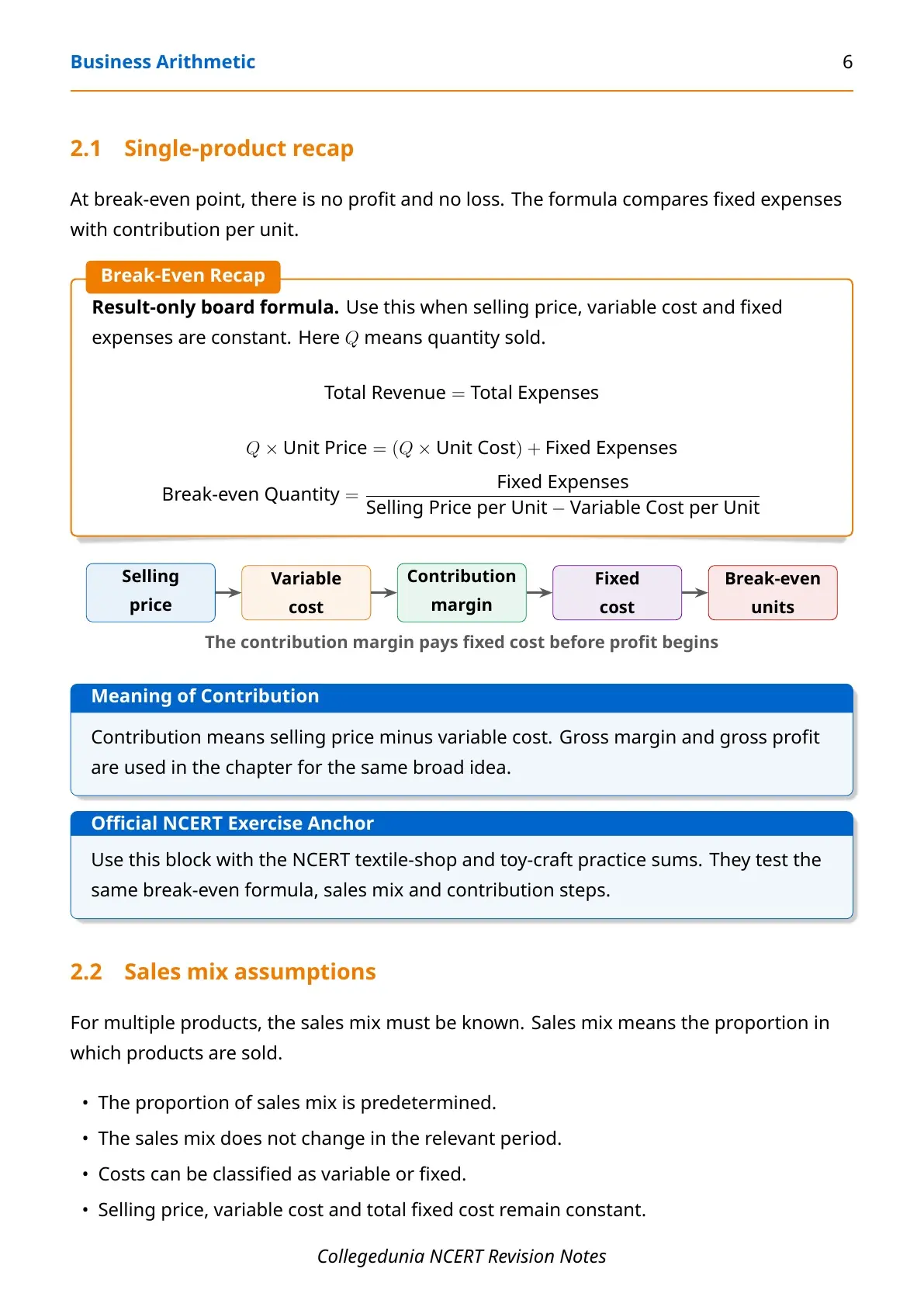
Break-Even Analysis for Multiple Products
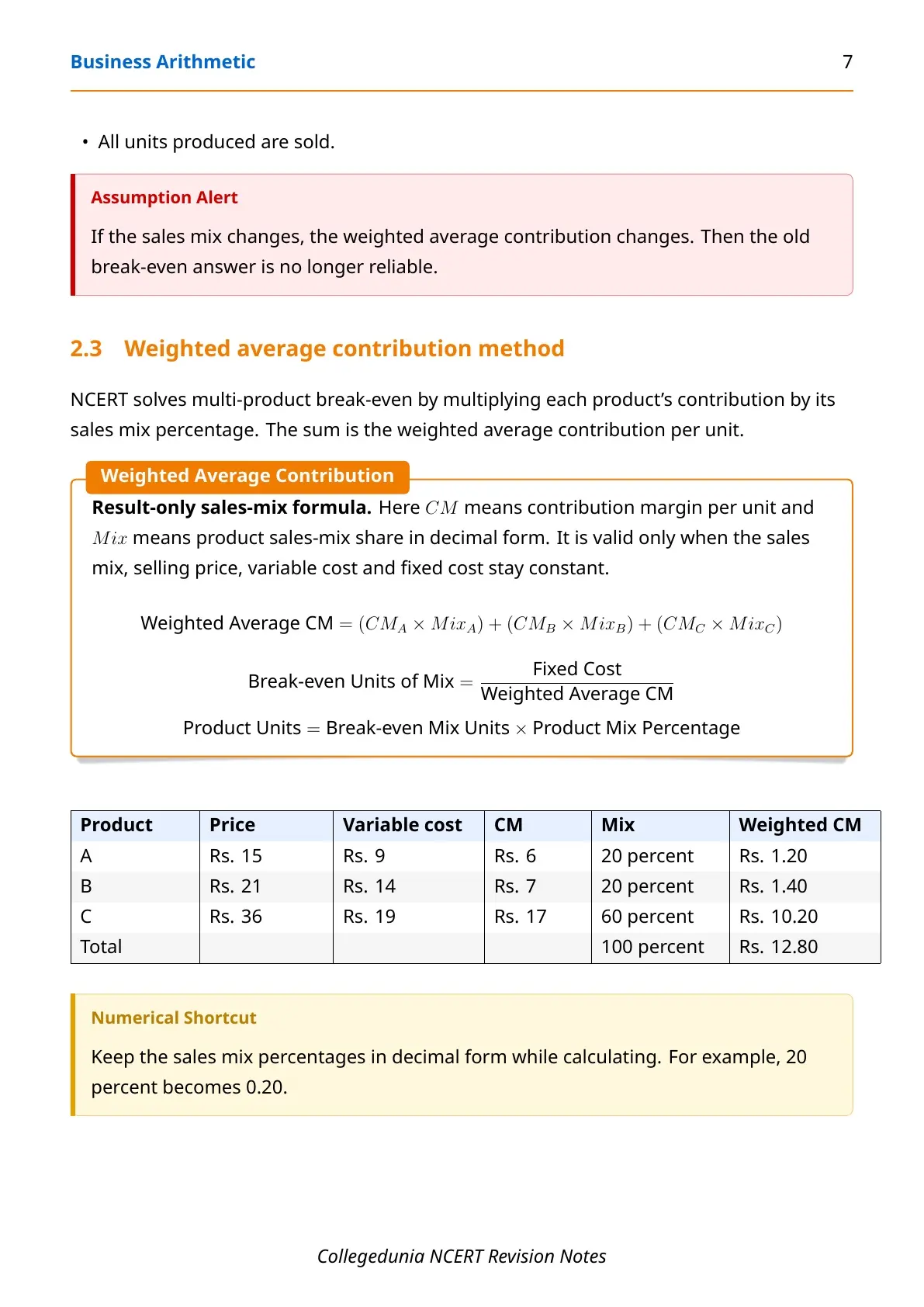
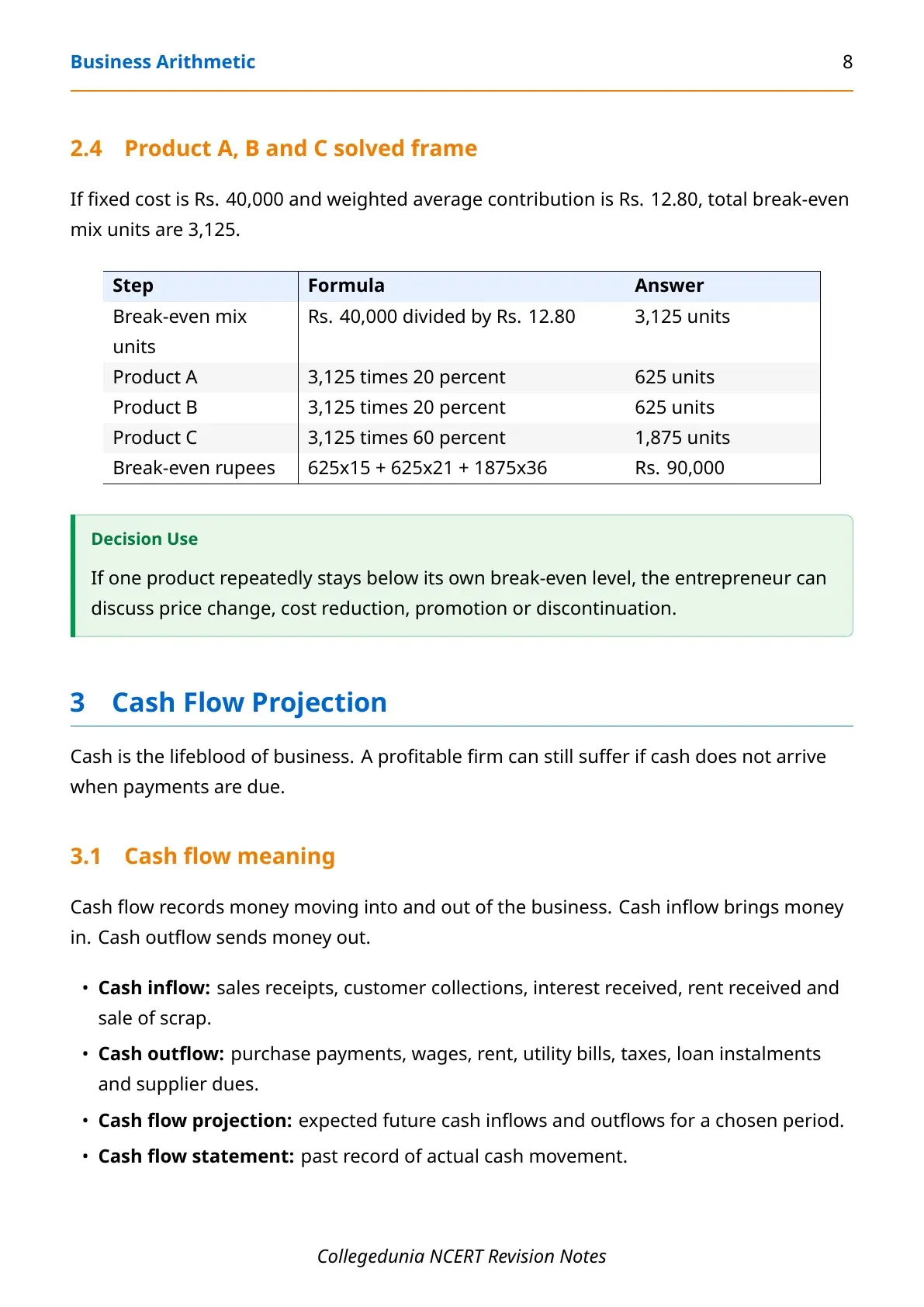
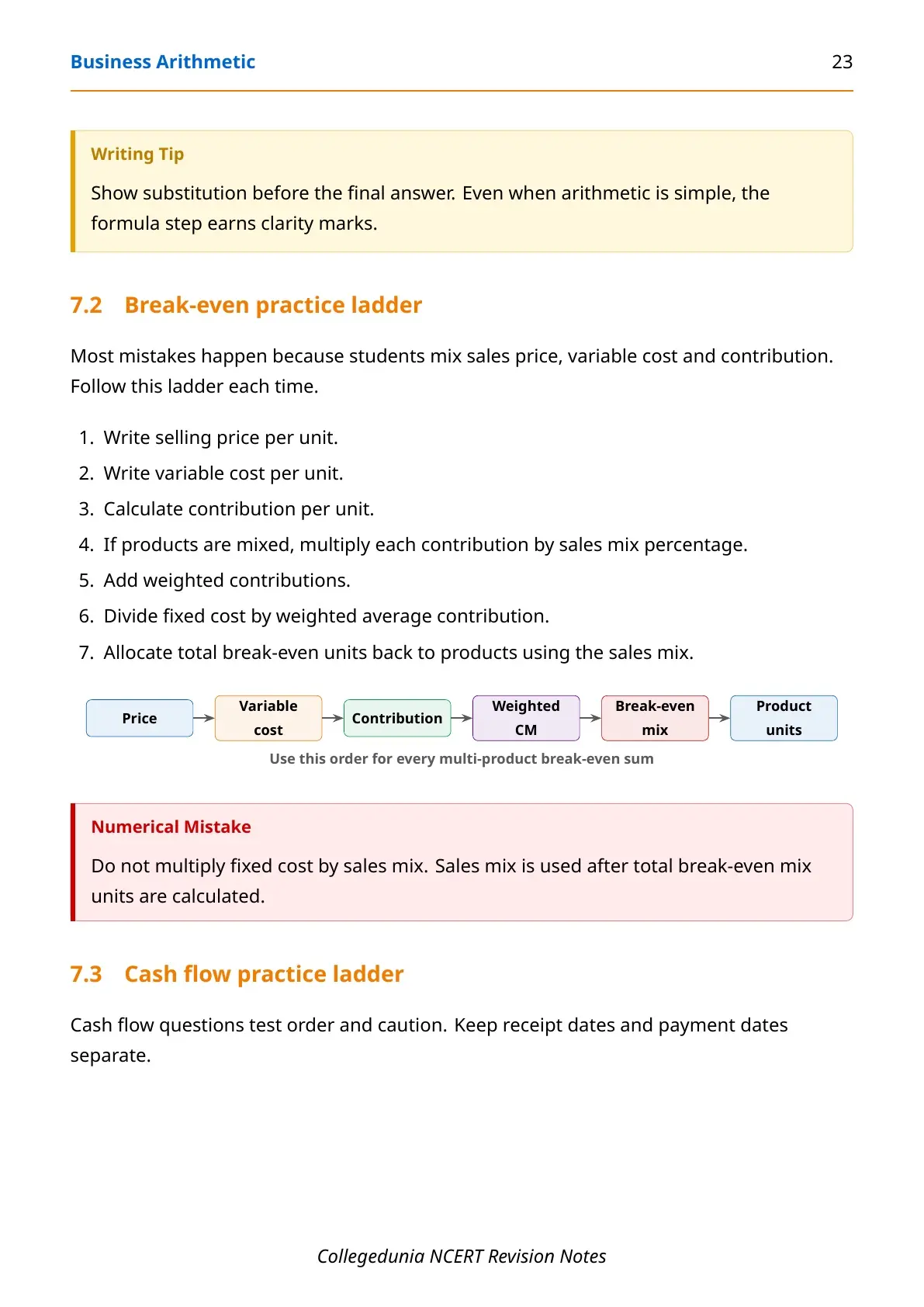
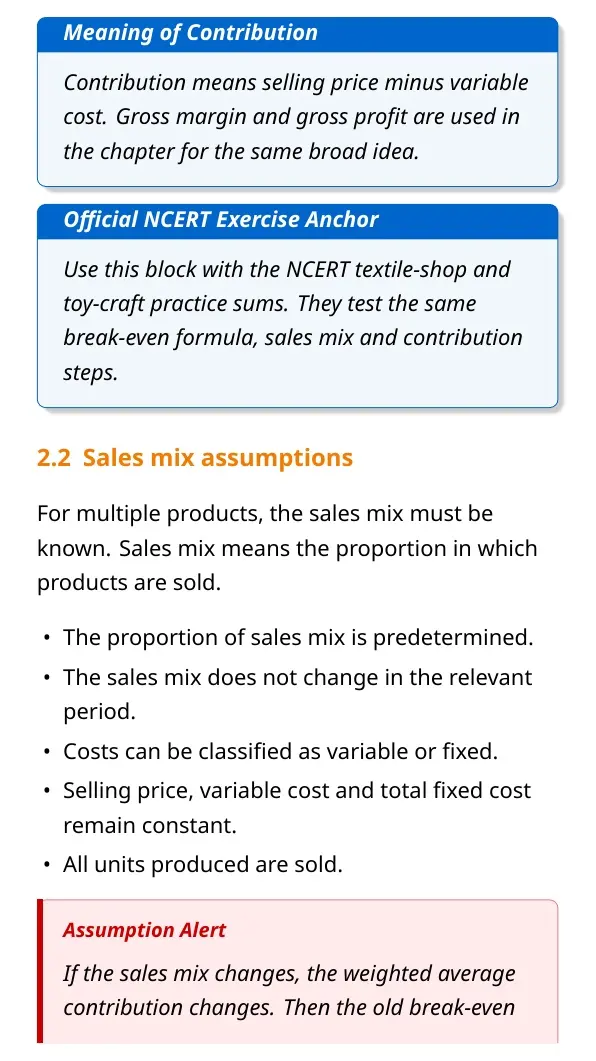
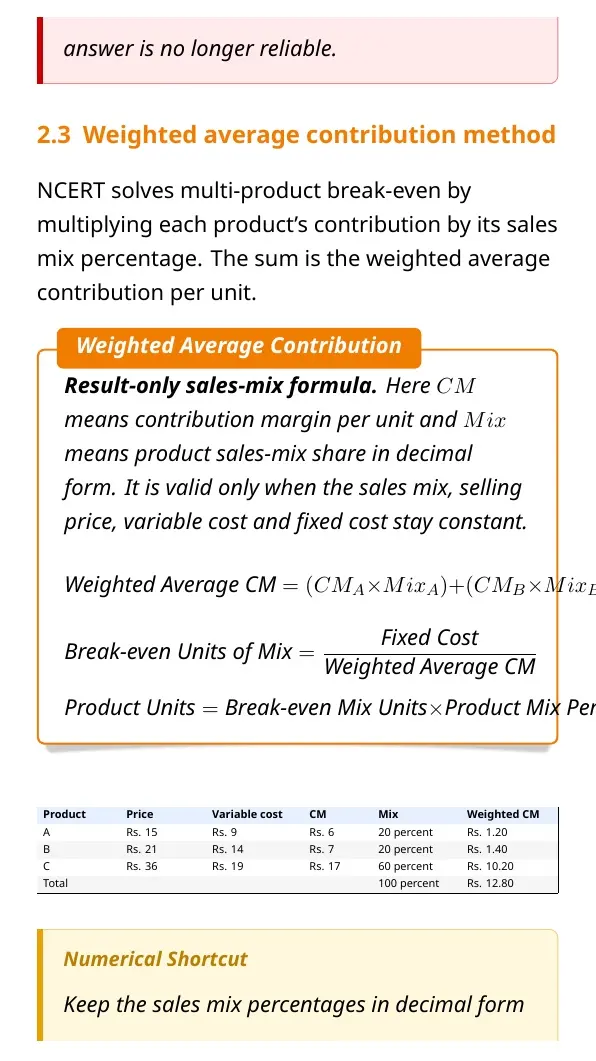
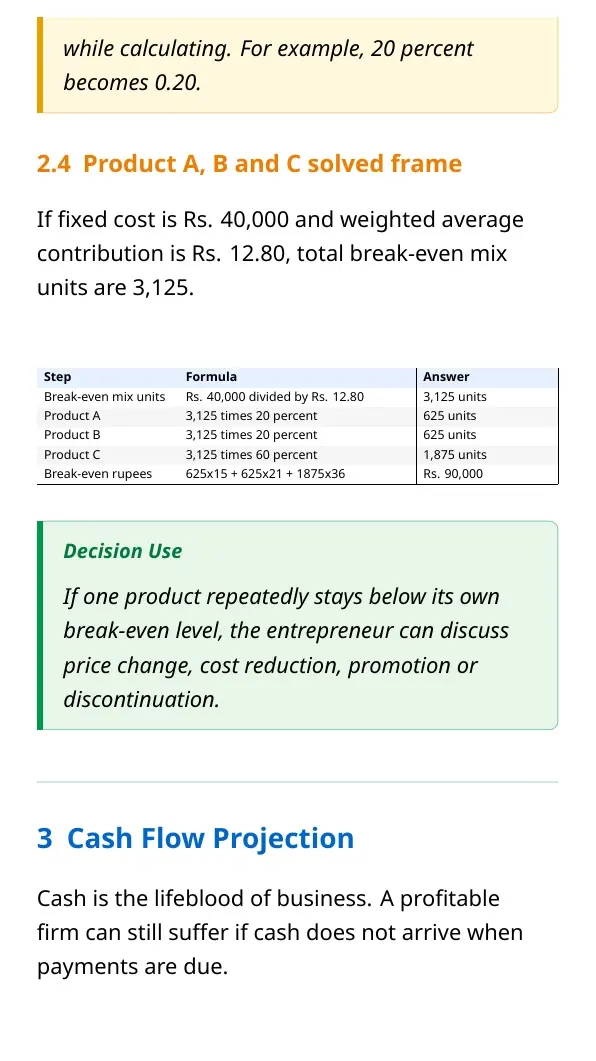
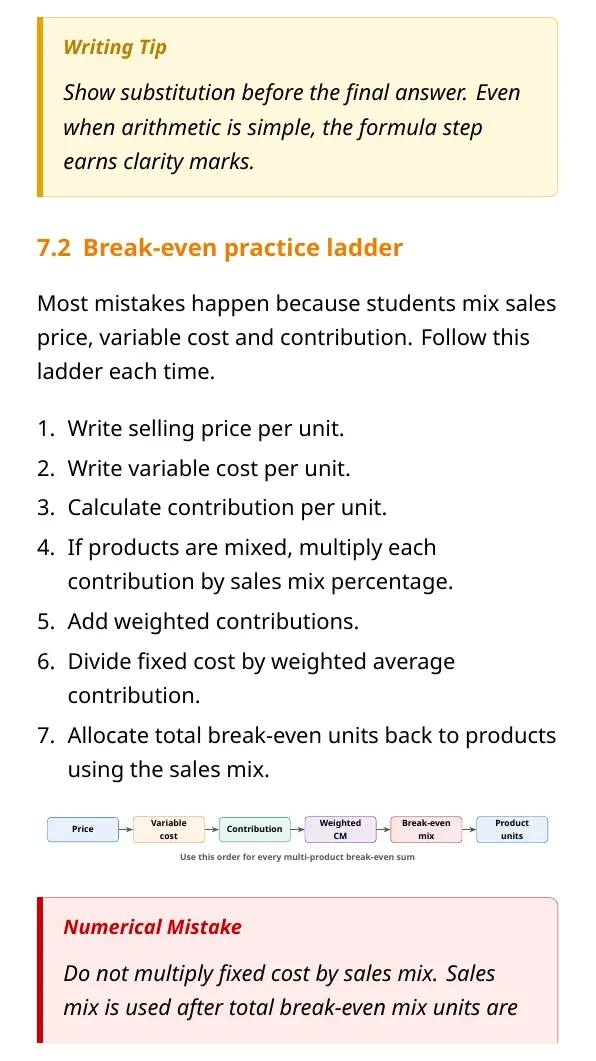
For many products, NCERT uses weighted average contribution margin. Students must multiply each product contribution by its sales mix percentage.
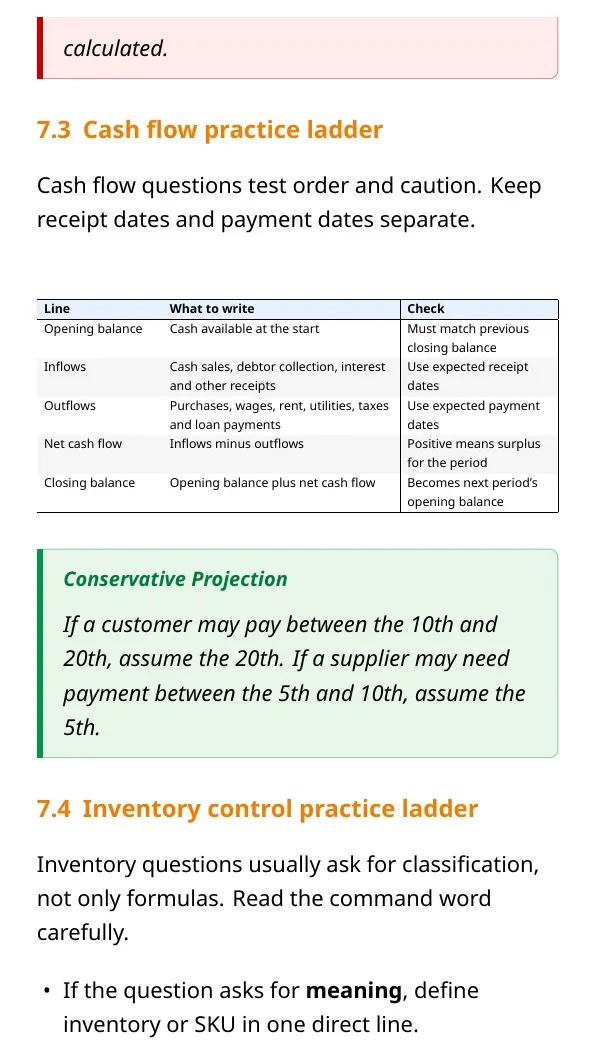
Cash Flow Projection and Budgets
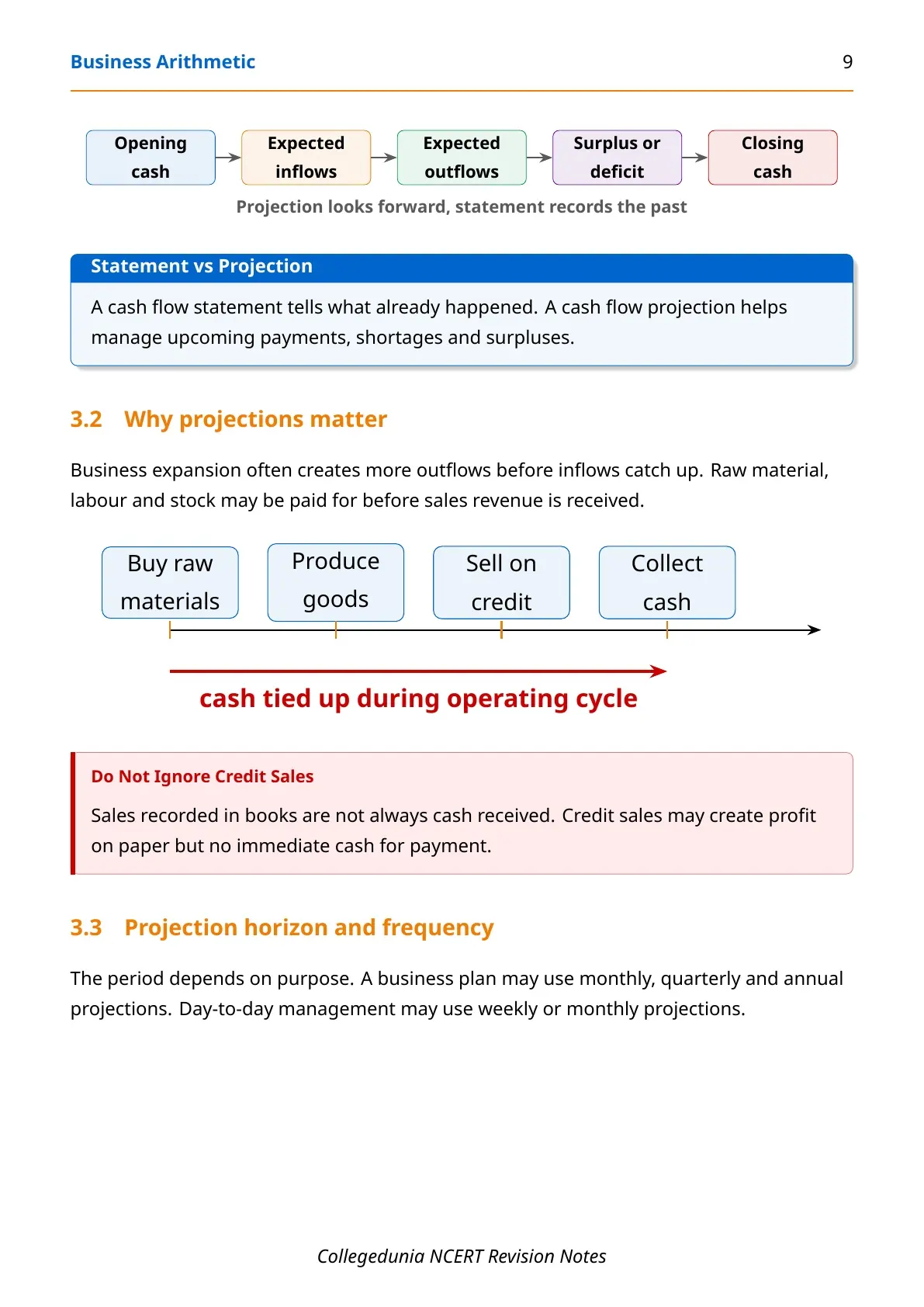
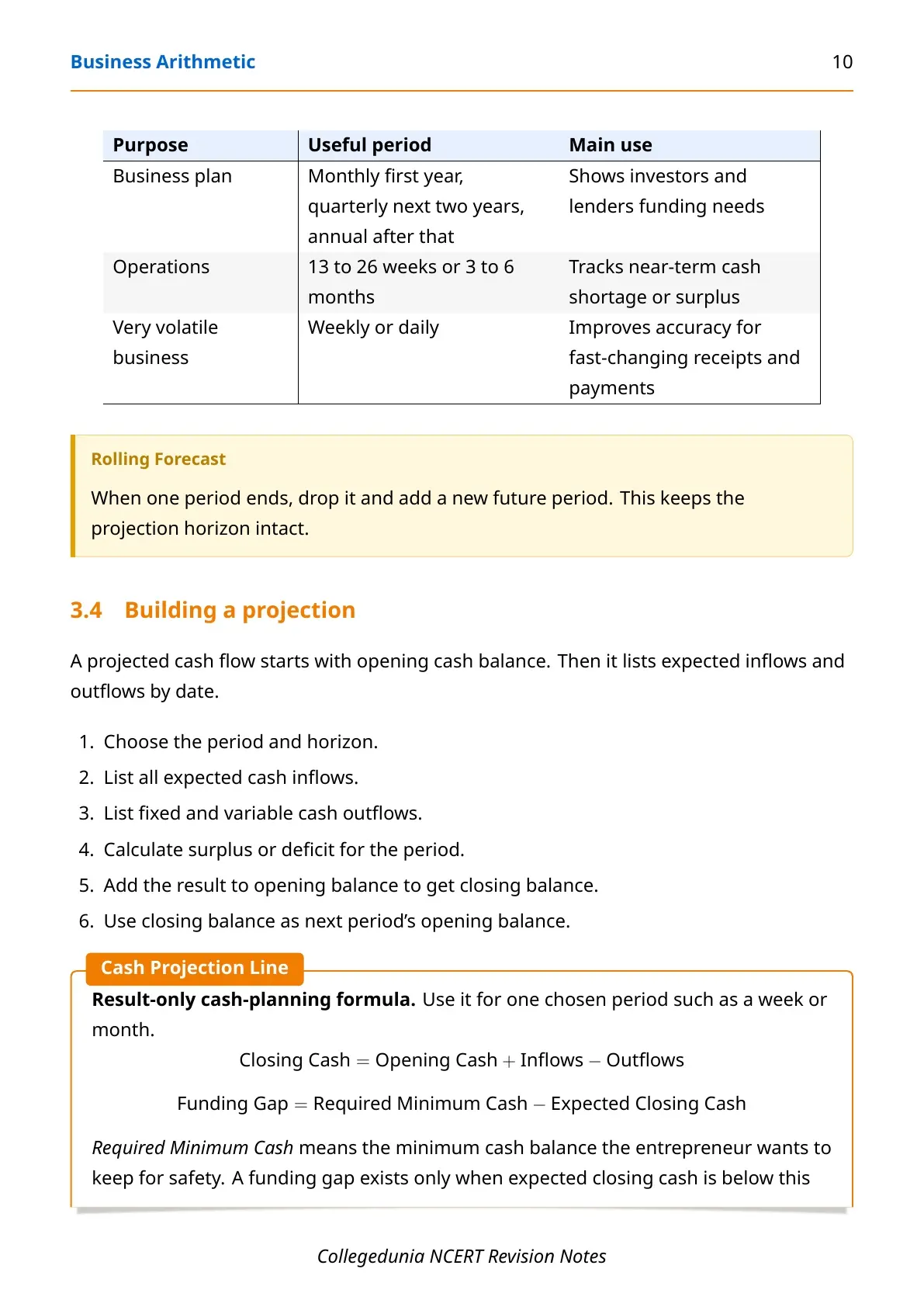
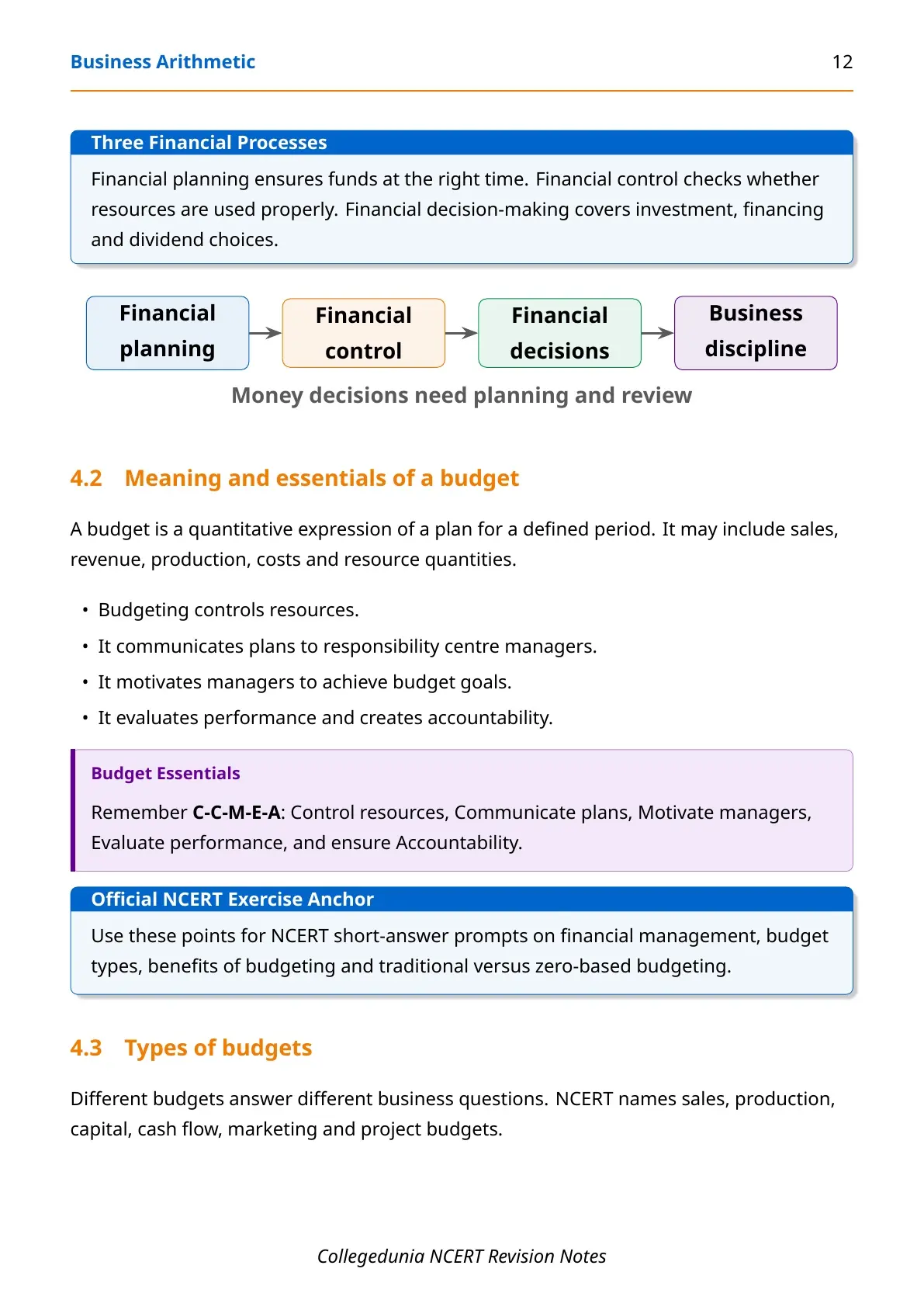
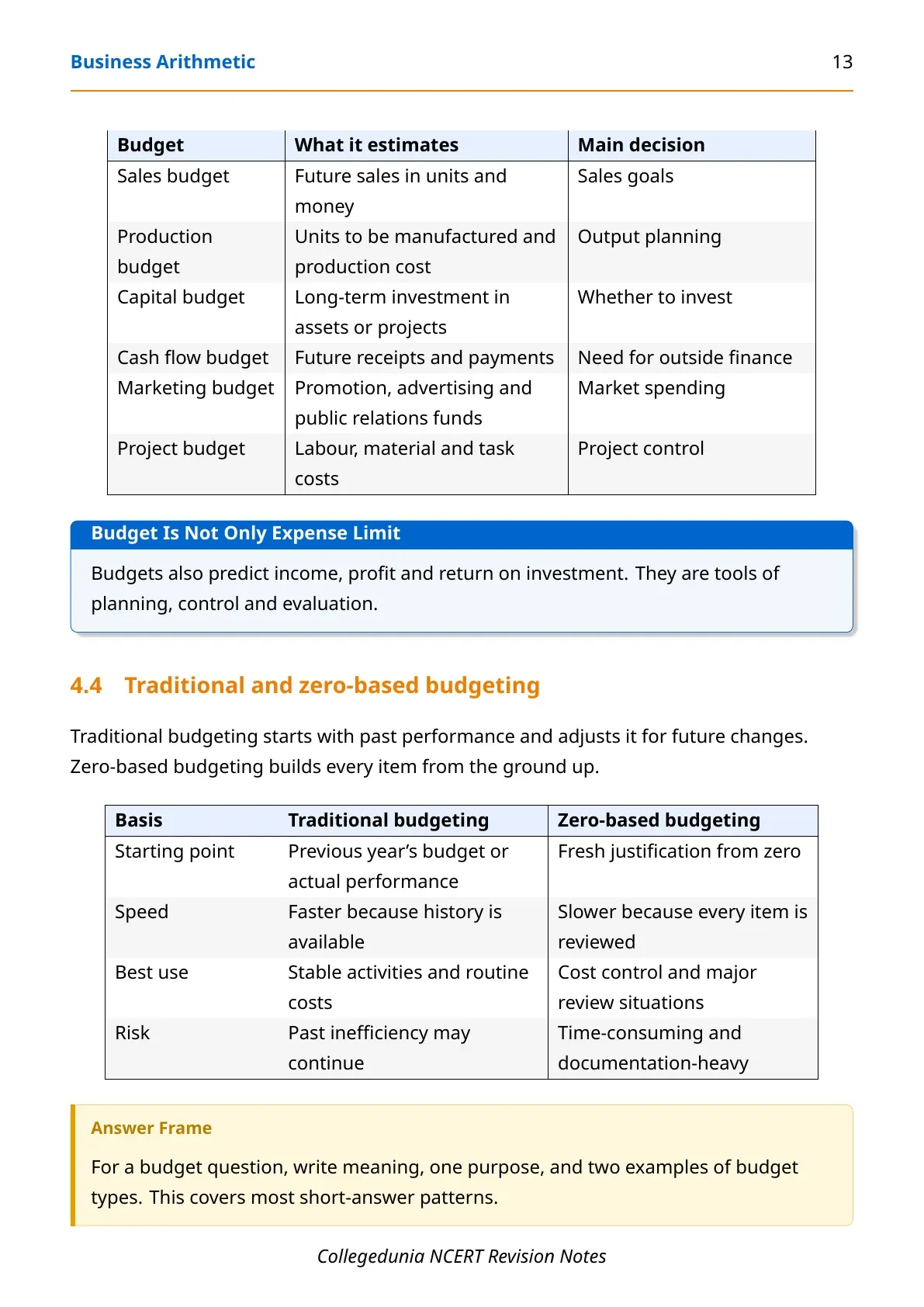
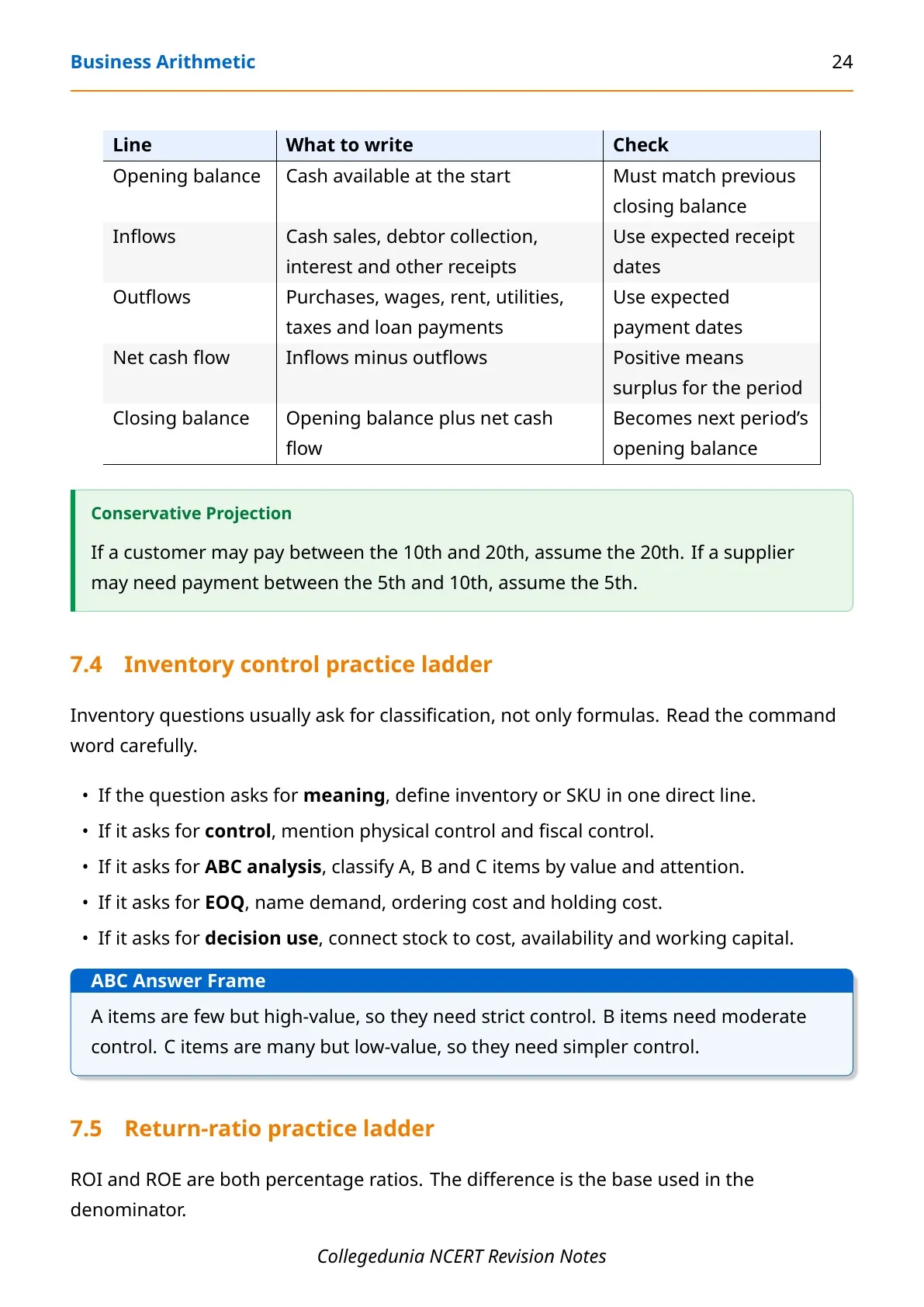
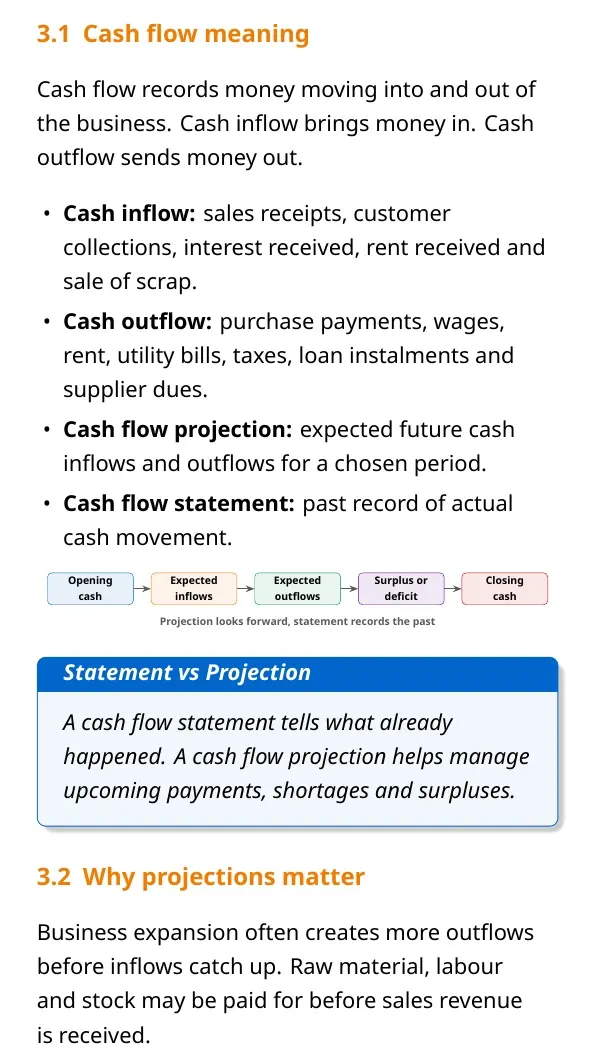
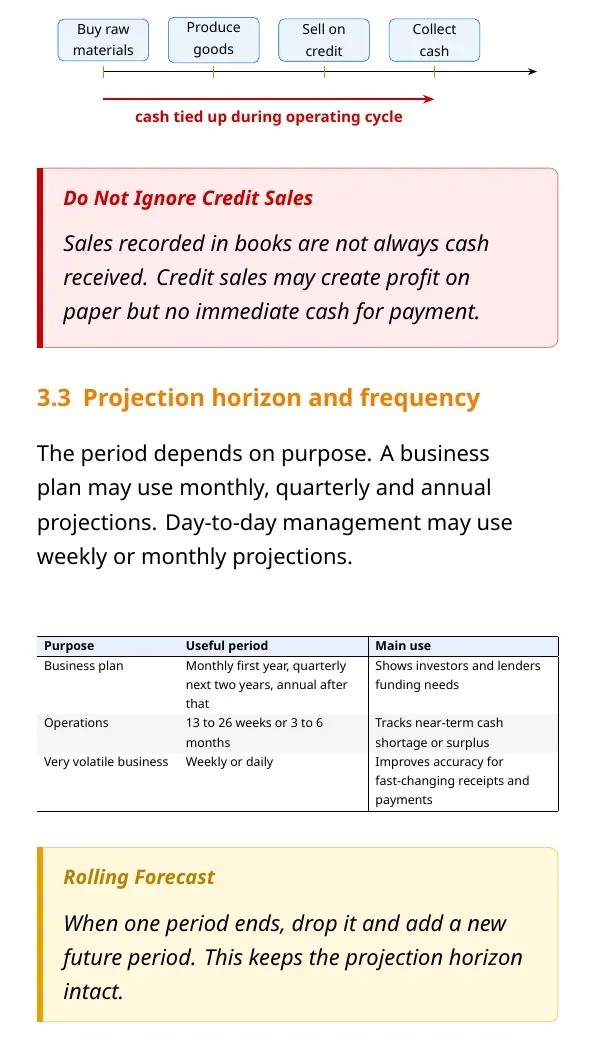
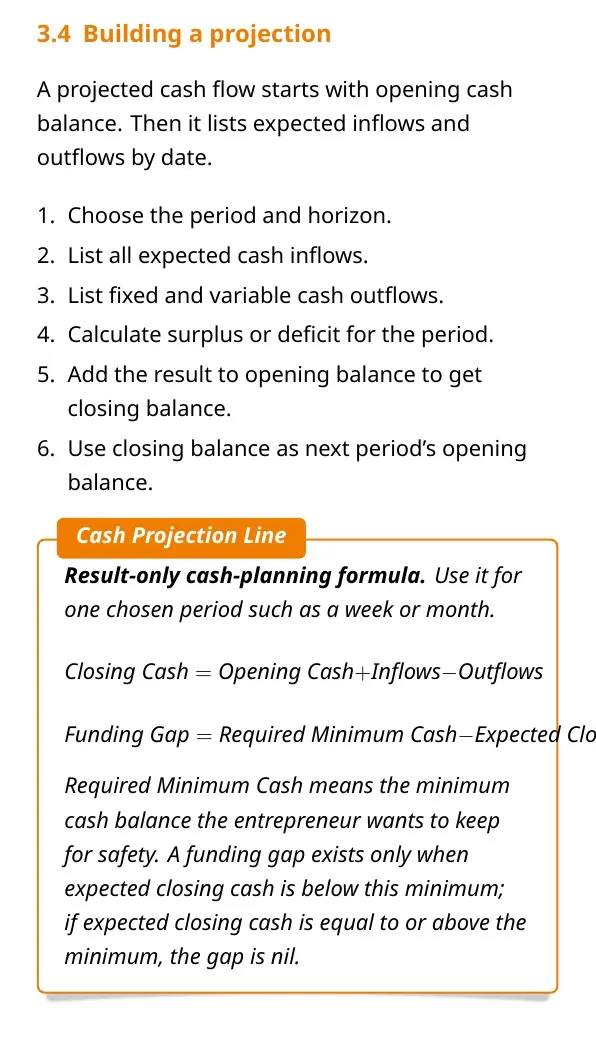
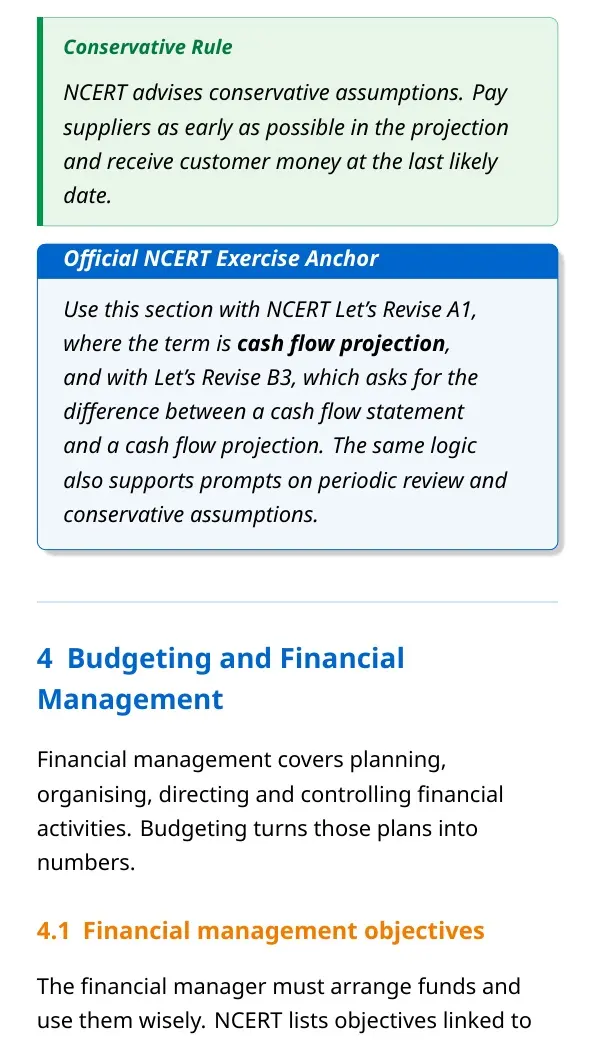
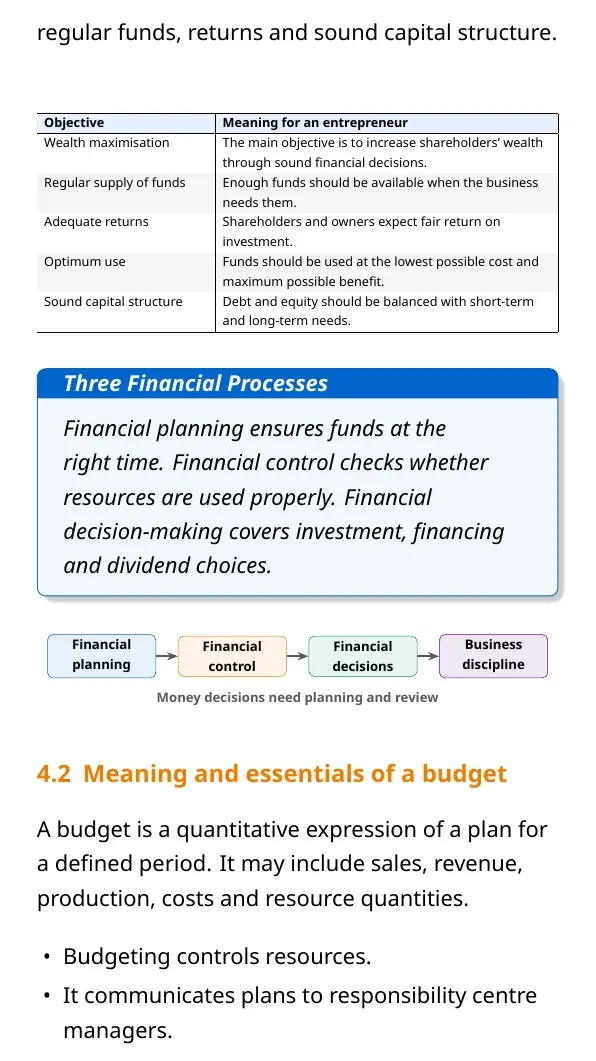
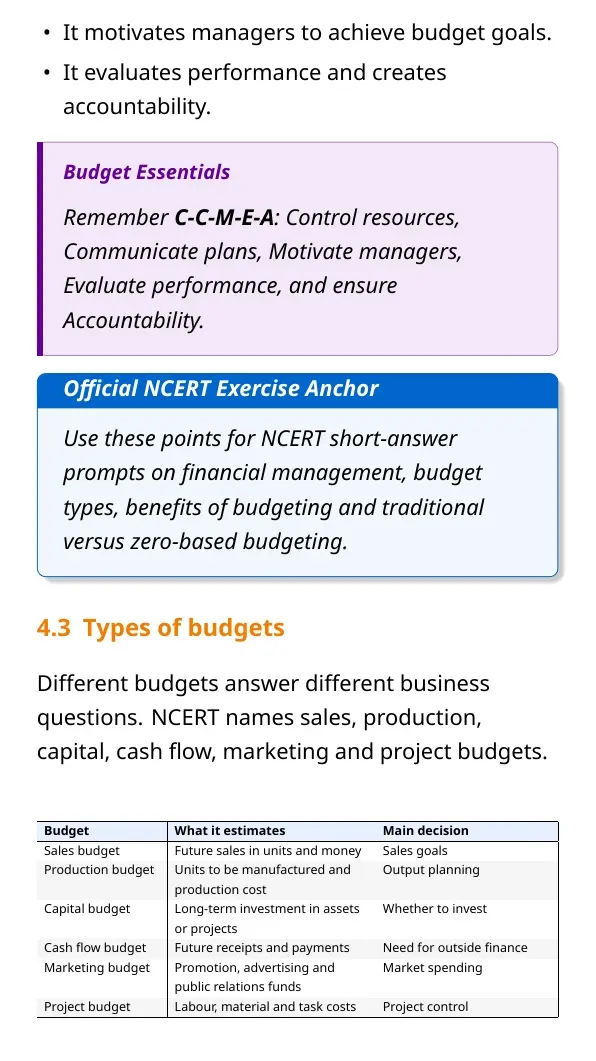
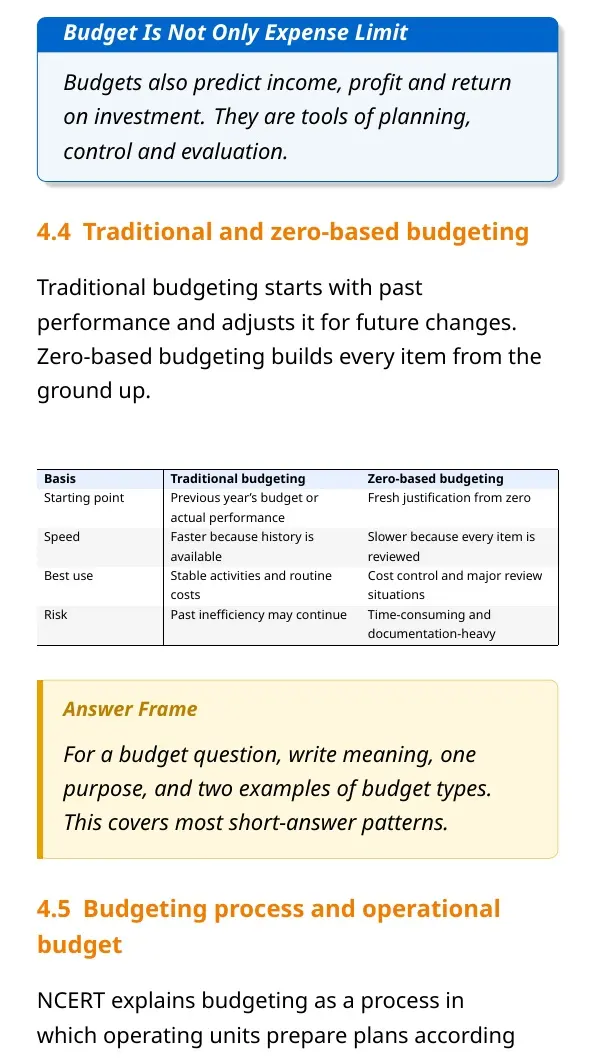
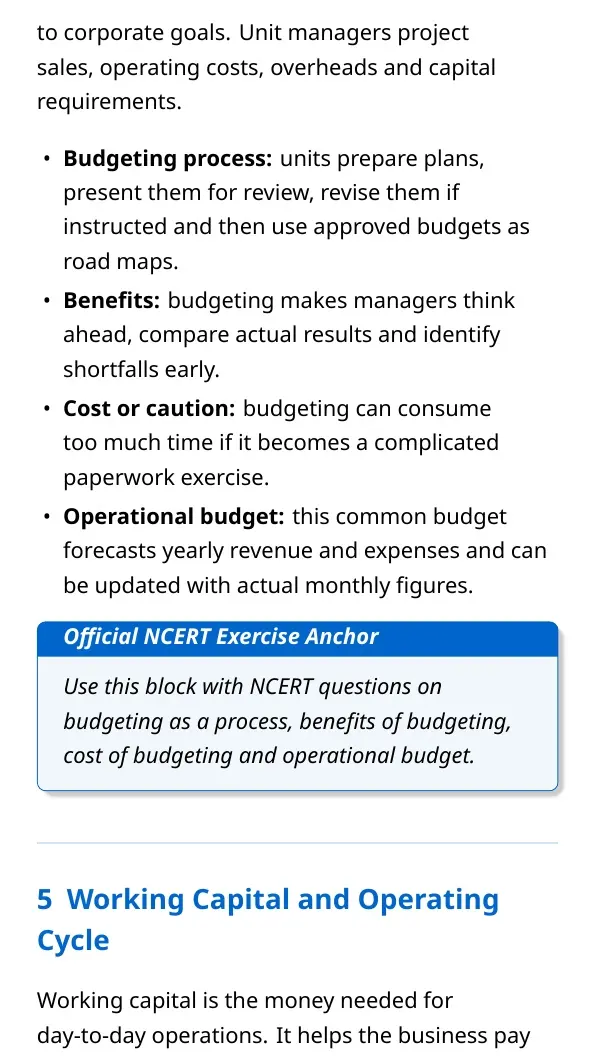
A cash flow projection looks forward, while a cash flow statement records the past. Budgets convert plans into numbers for sales, production, capital, cash flow, marketing and projects.
Working Capital, Inventory Control and EOQ
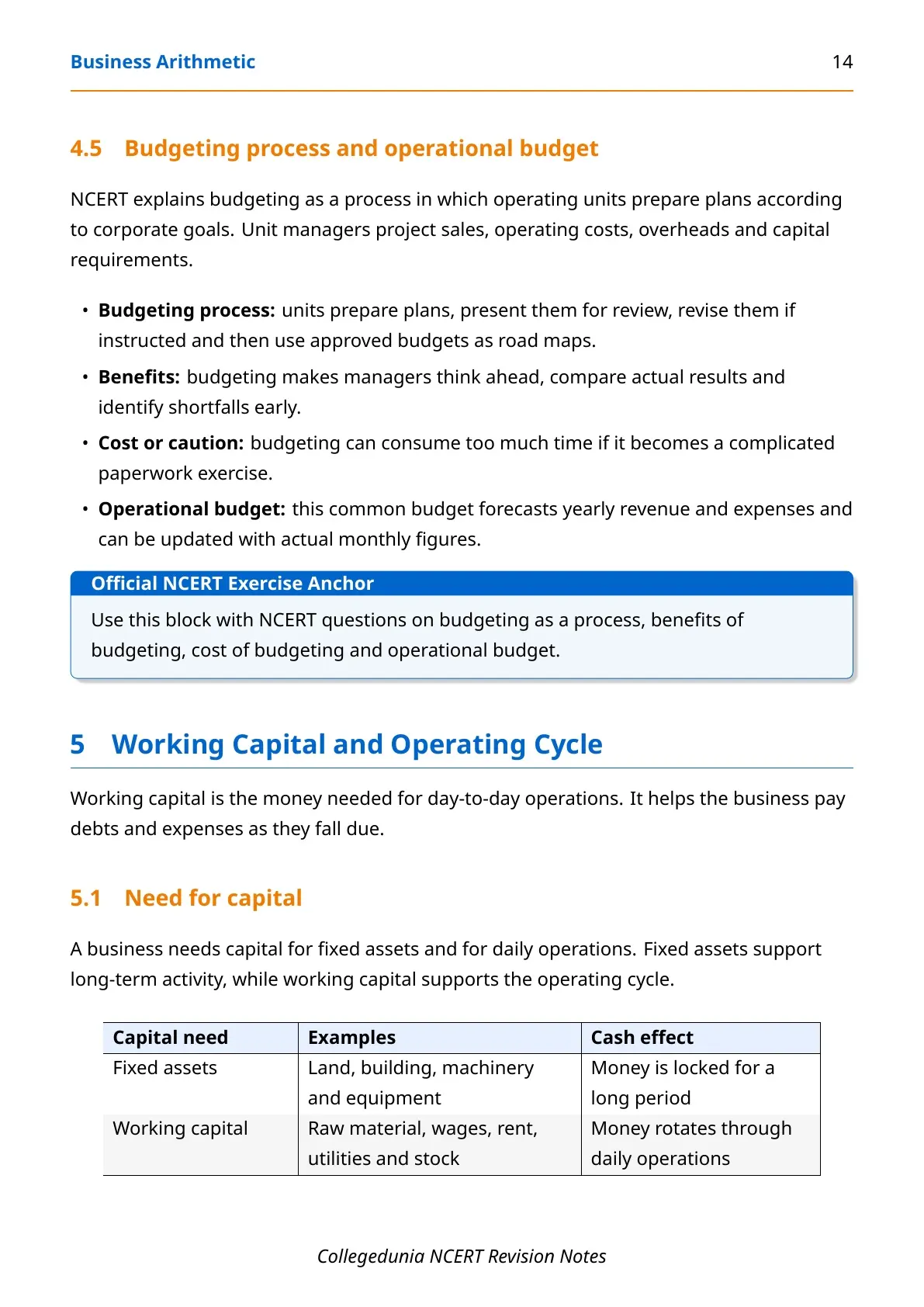
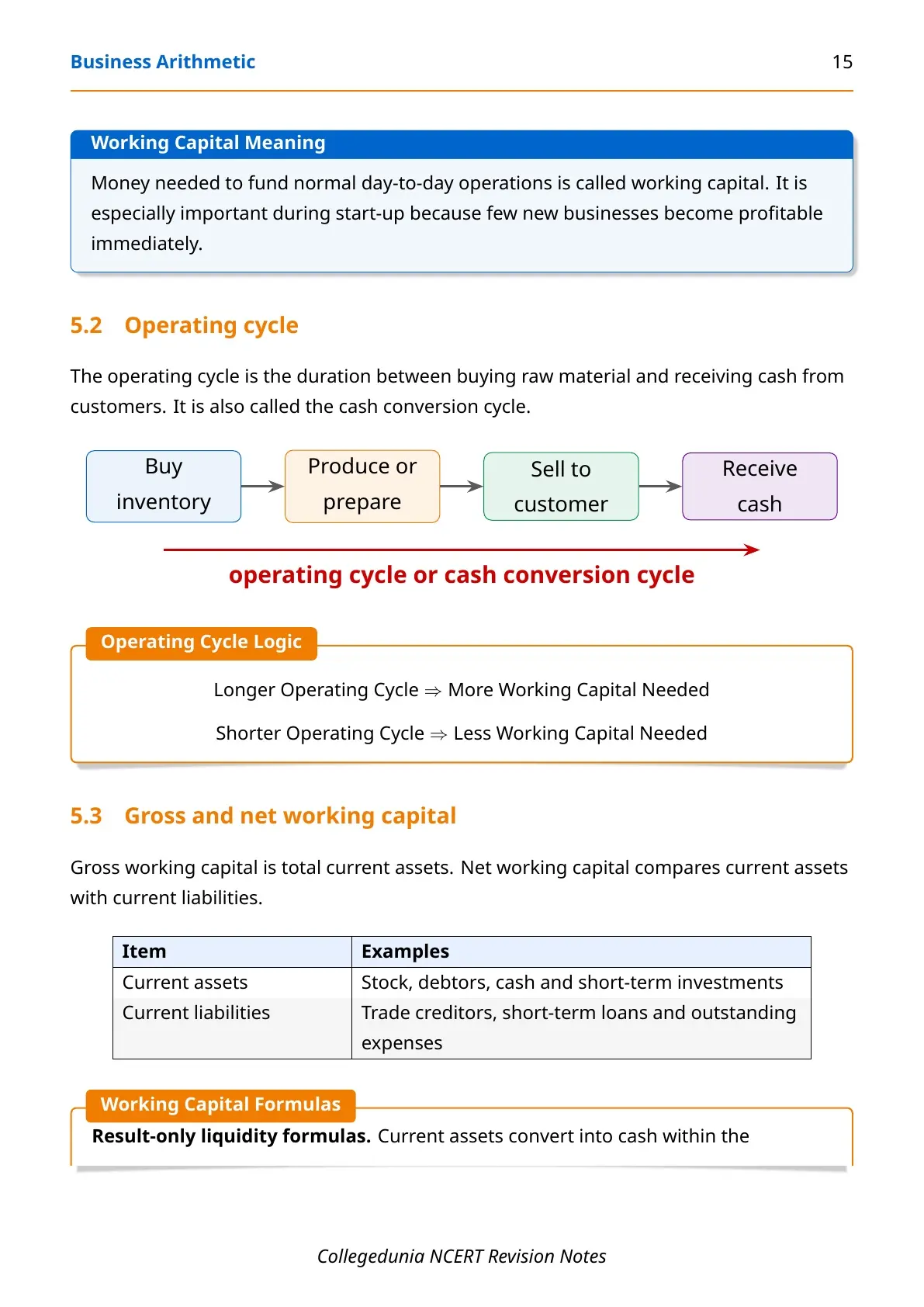
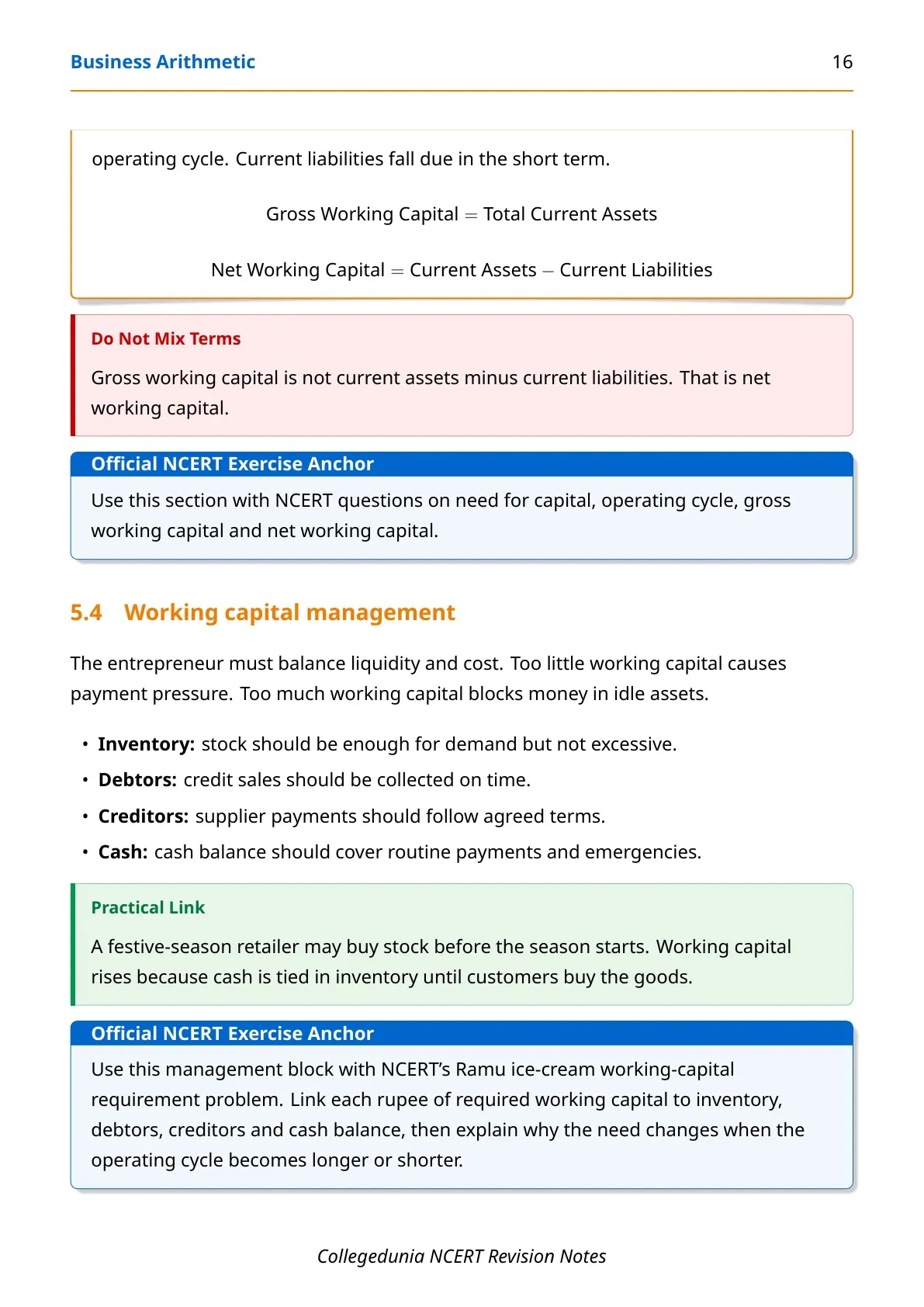
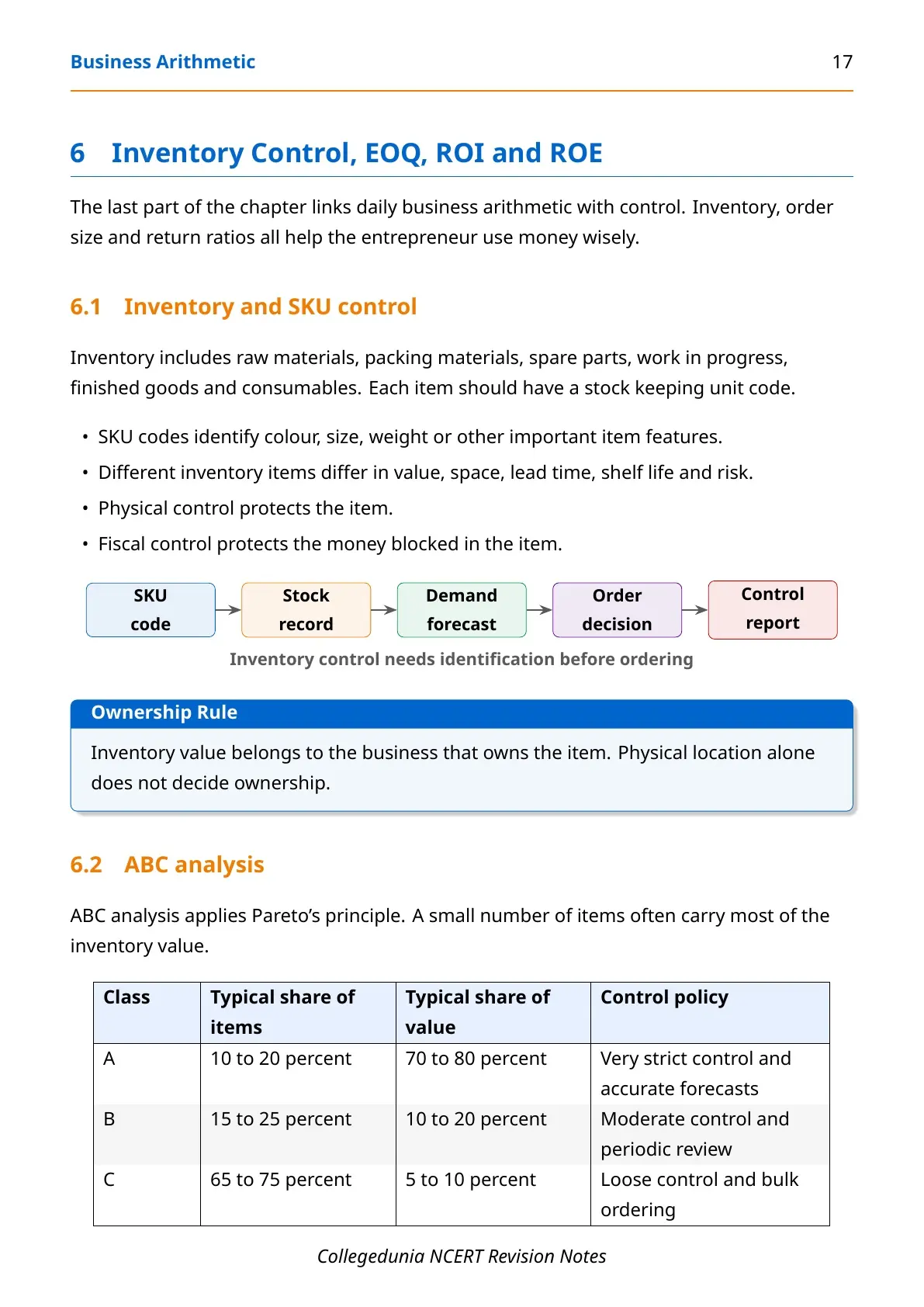
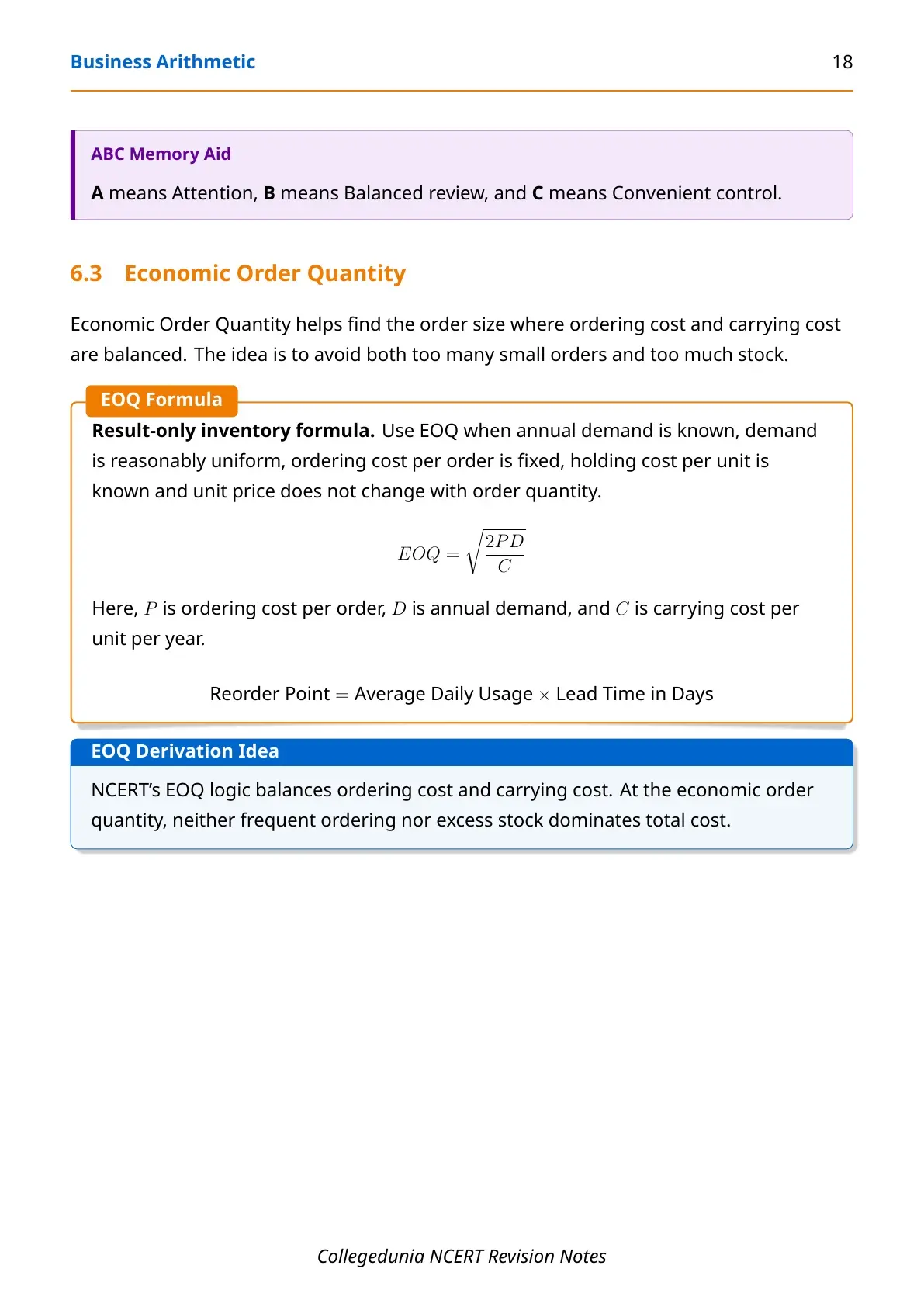
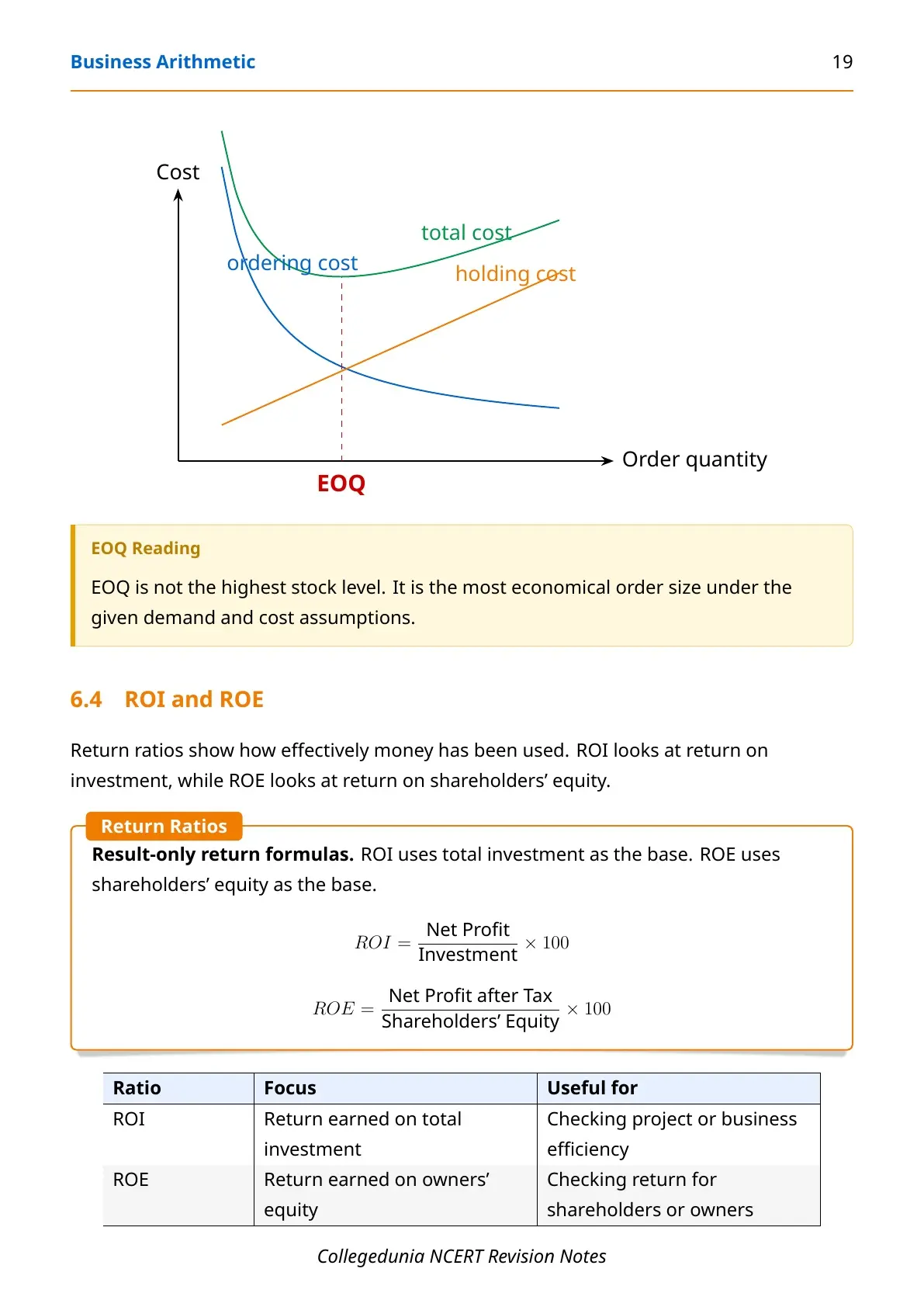
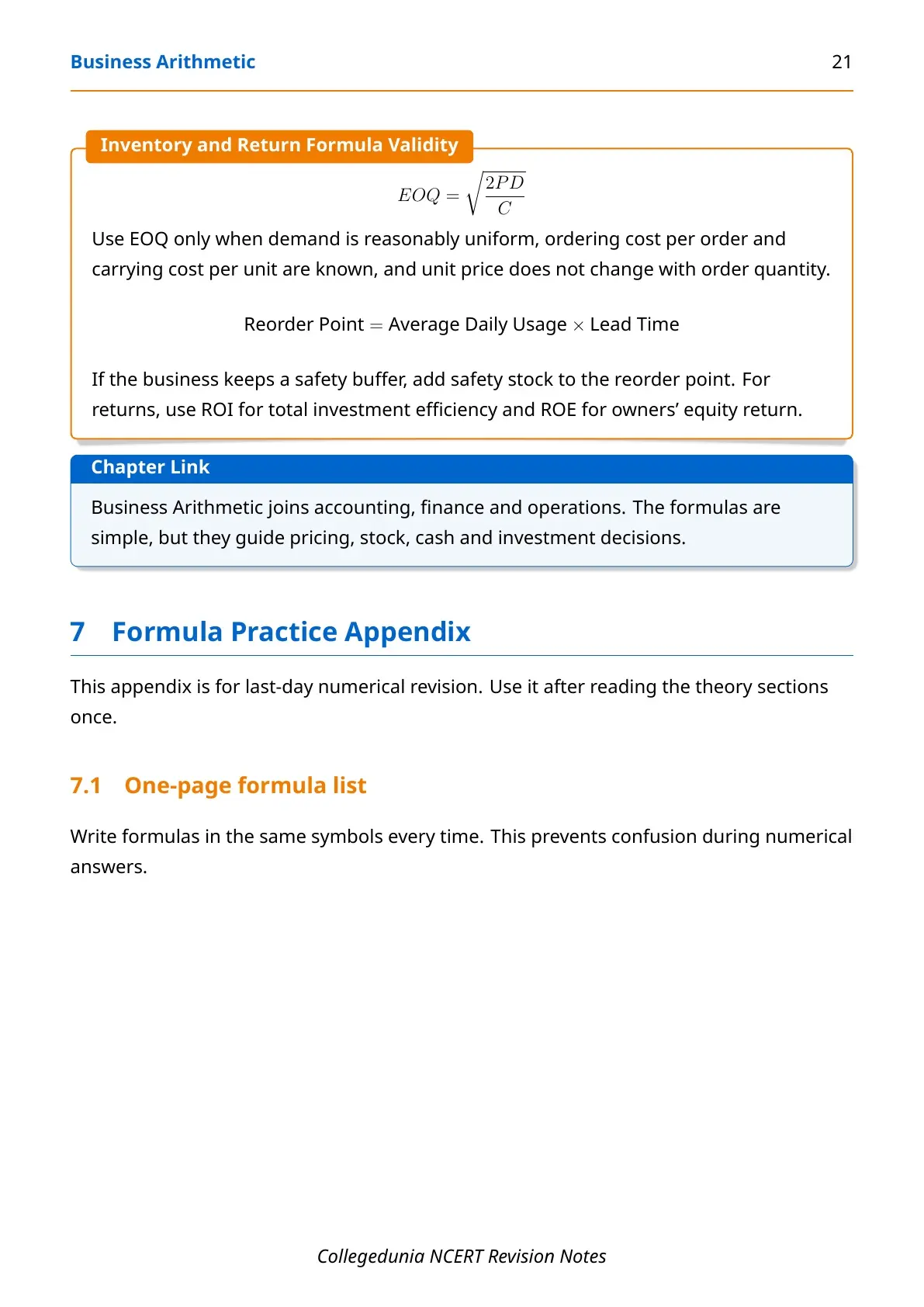
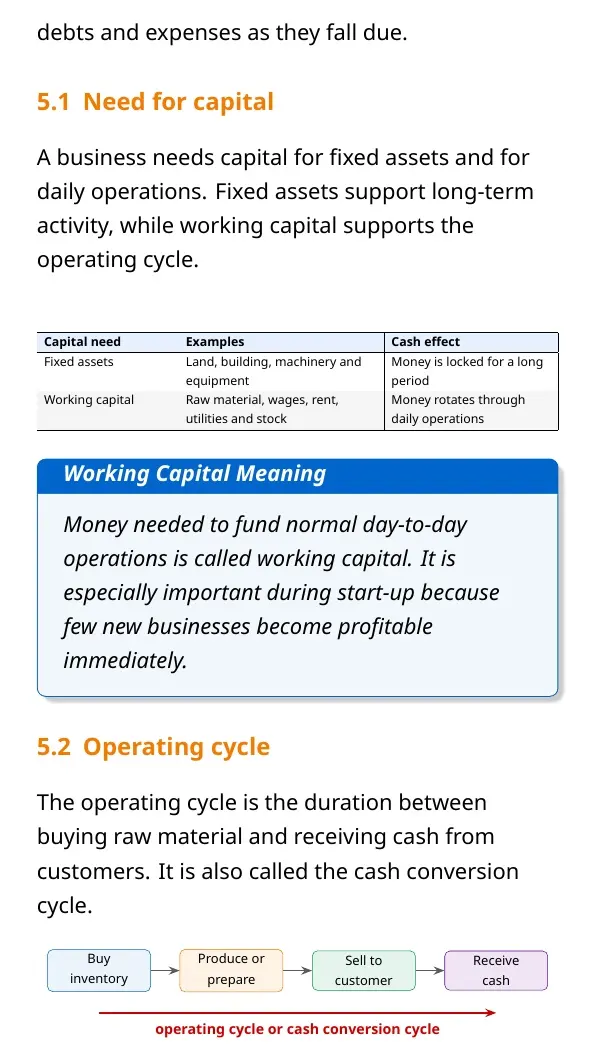
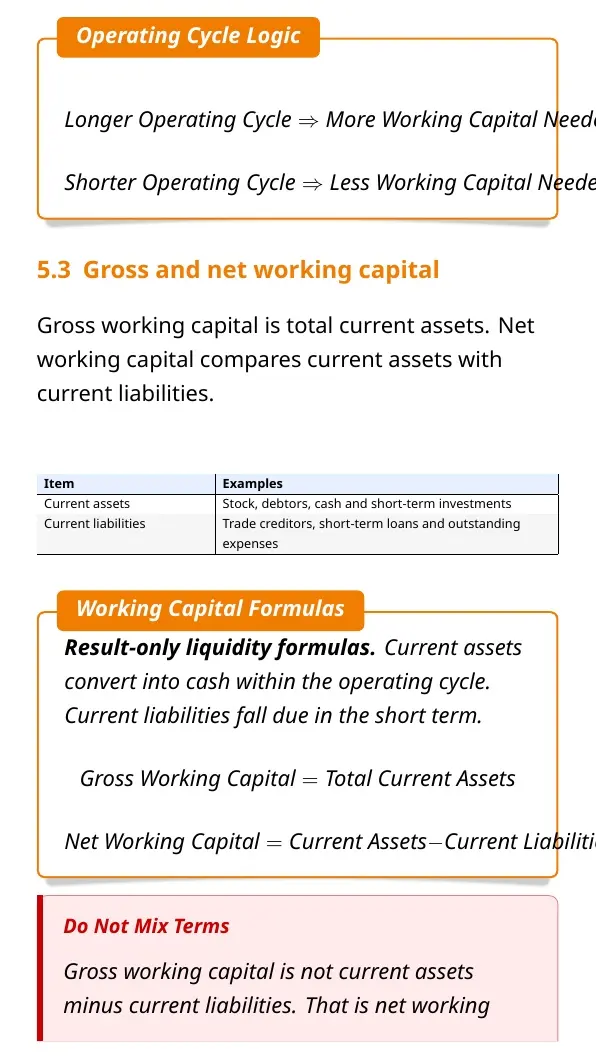
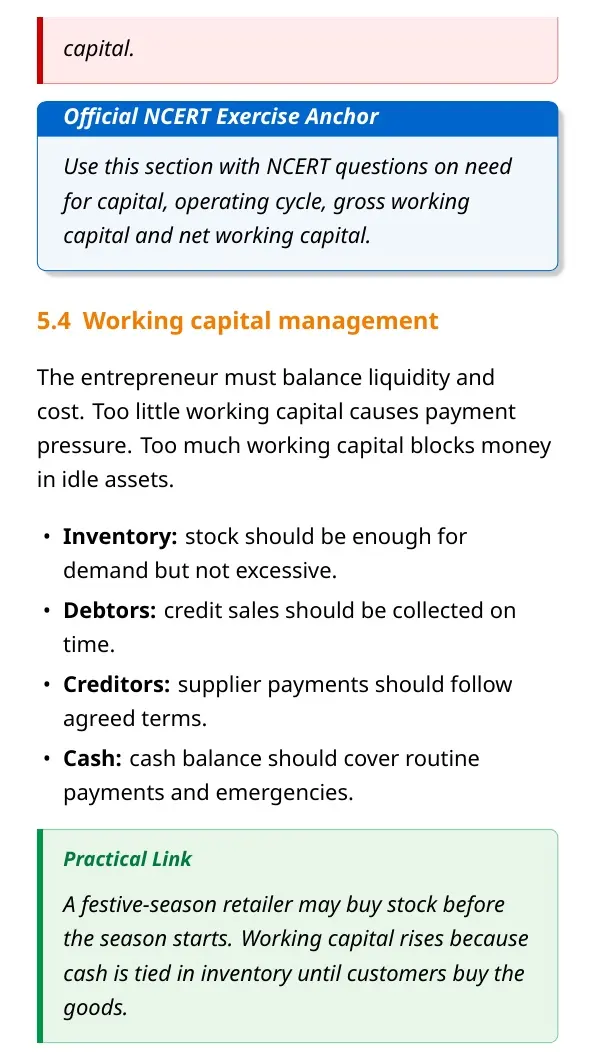
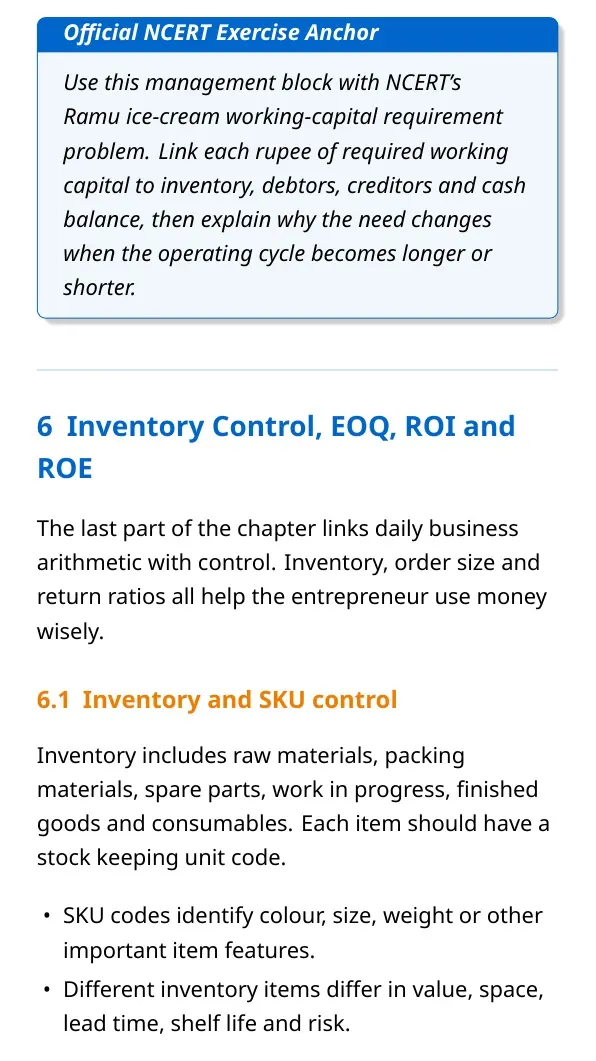
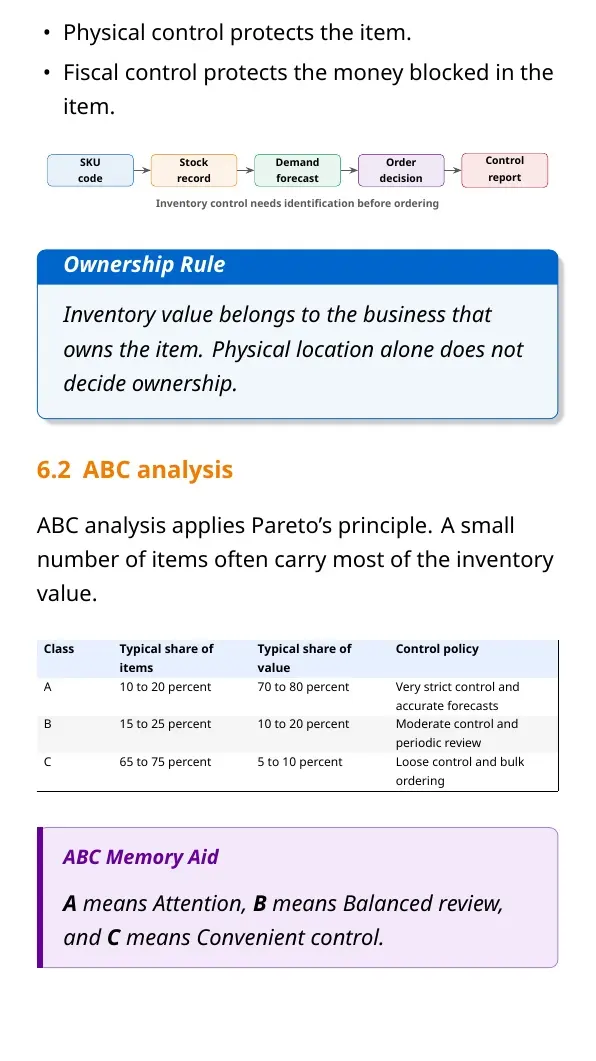
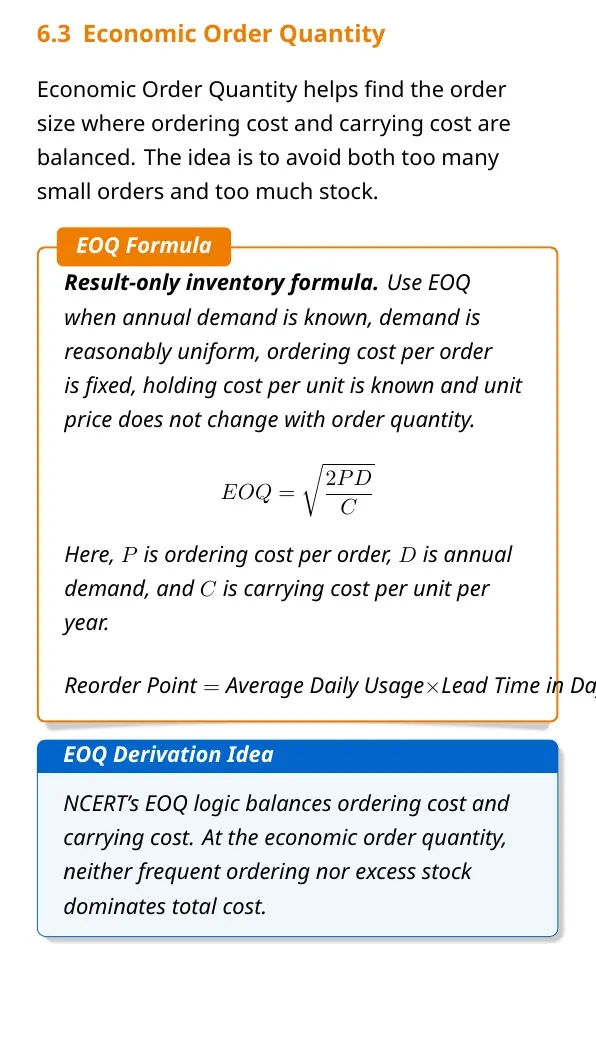
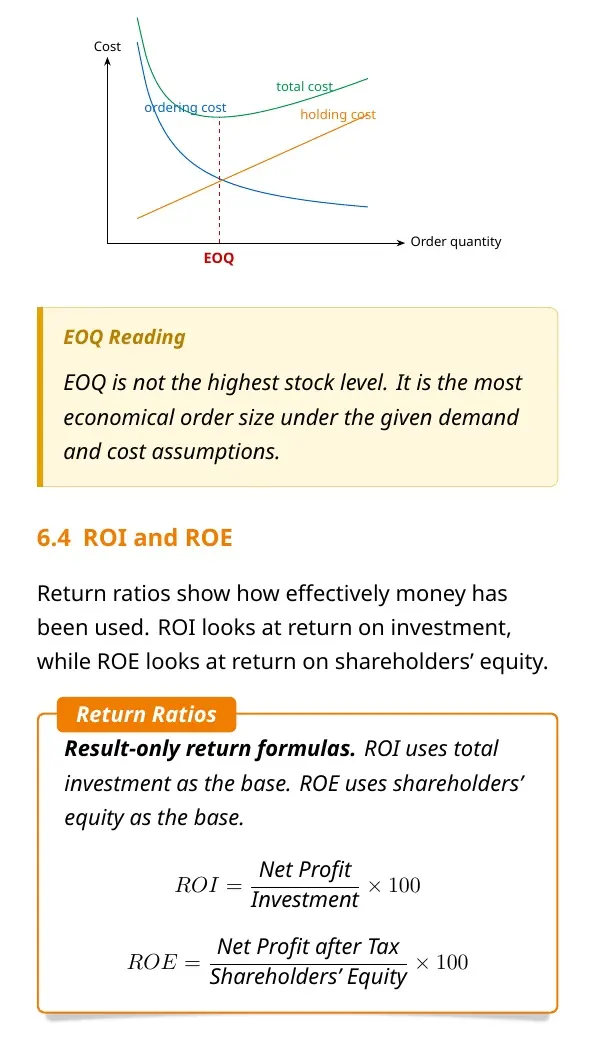
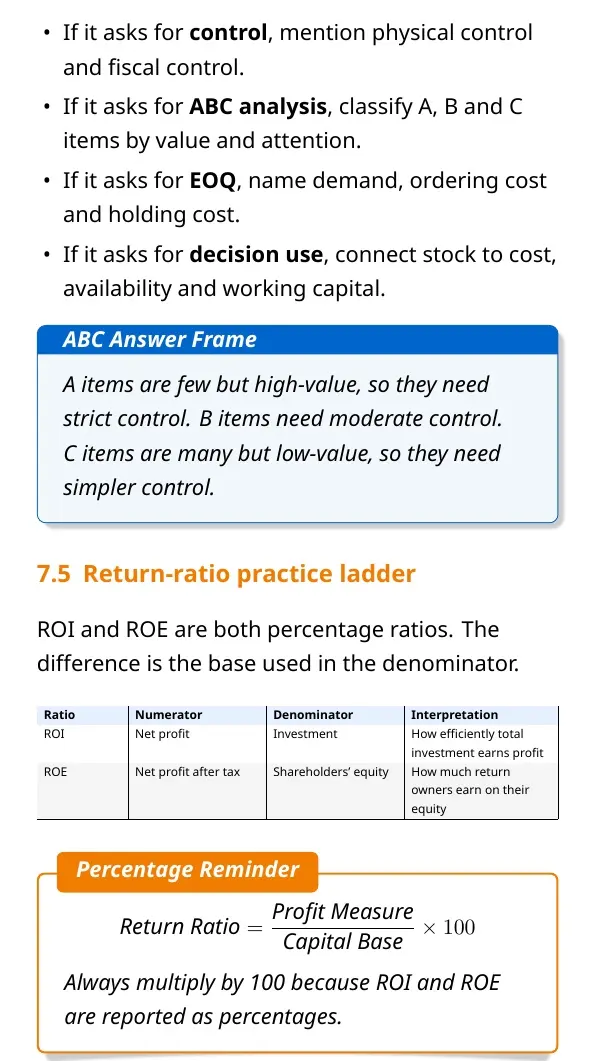
Working capital funds daily operations. Inventory control uses SKU codes, ABC analysis and EOQ to keep stock available at the lowest practical cost.
Related NCERT Resources for Business Arithmetic
| Resource | Use | Link |
|---|---|---|
| NCERT Solutions | Practise solved textbook questions | Business Arithmetic Solutions |
| NCERT Book PDF | Read the official chapter | Business Arithmetic Book PDF |
| Handwritten Notes | Use compact last-minute notes | Business Arithmetic Handwritten Notes |
Class 12 Entrepreneurship Notes Chapter List
| Chapter | Notes |
|---|---|
| Chapter 1 | Entrepreneurial Opportunity Notes |
| Chapter 2 | Entrepreneurial Planning Notes |
| Chapter 3 | Enterprise Marketing Notes |
| Chapter 4 | Enterprise Growth Strategies Notes |
| Chapter 5 | Business Arithmetic Notes |
| Chapter 6 | Resource Mobilisation Notes |
Business Arithmetic Class 12 Entrepreneurship Notes FAQs
Ques. What does Business Arithmetic cover in Class 12 Entrepreneurship?
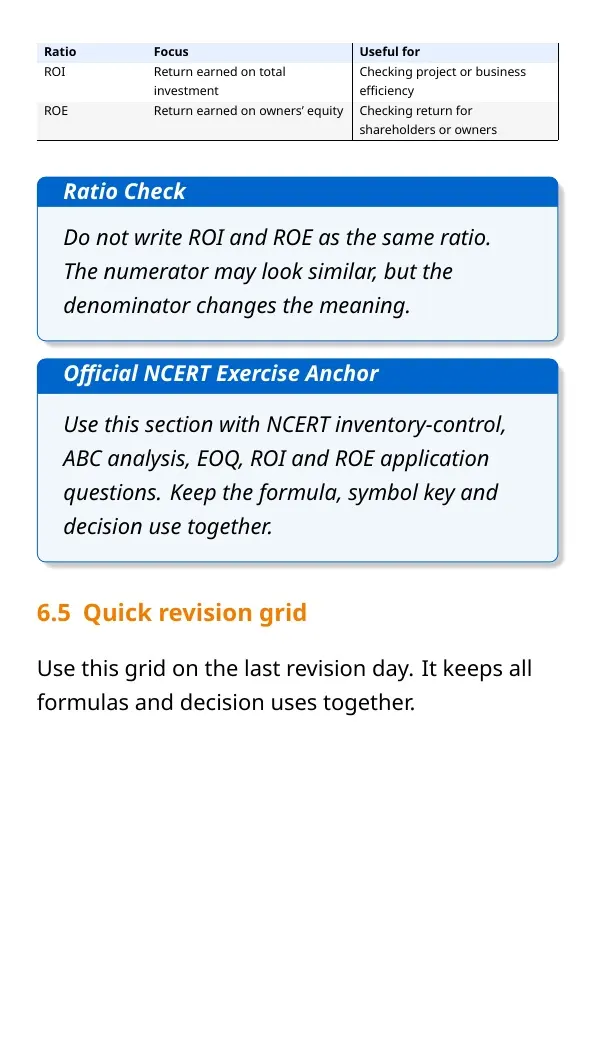
Ans. It covers unit price, break-even, cash flow projection, budgeting, working capital, inventory control, EOQ, ROI and ROE.
Ques. Which formulas are most important in Business Arithmetic?
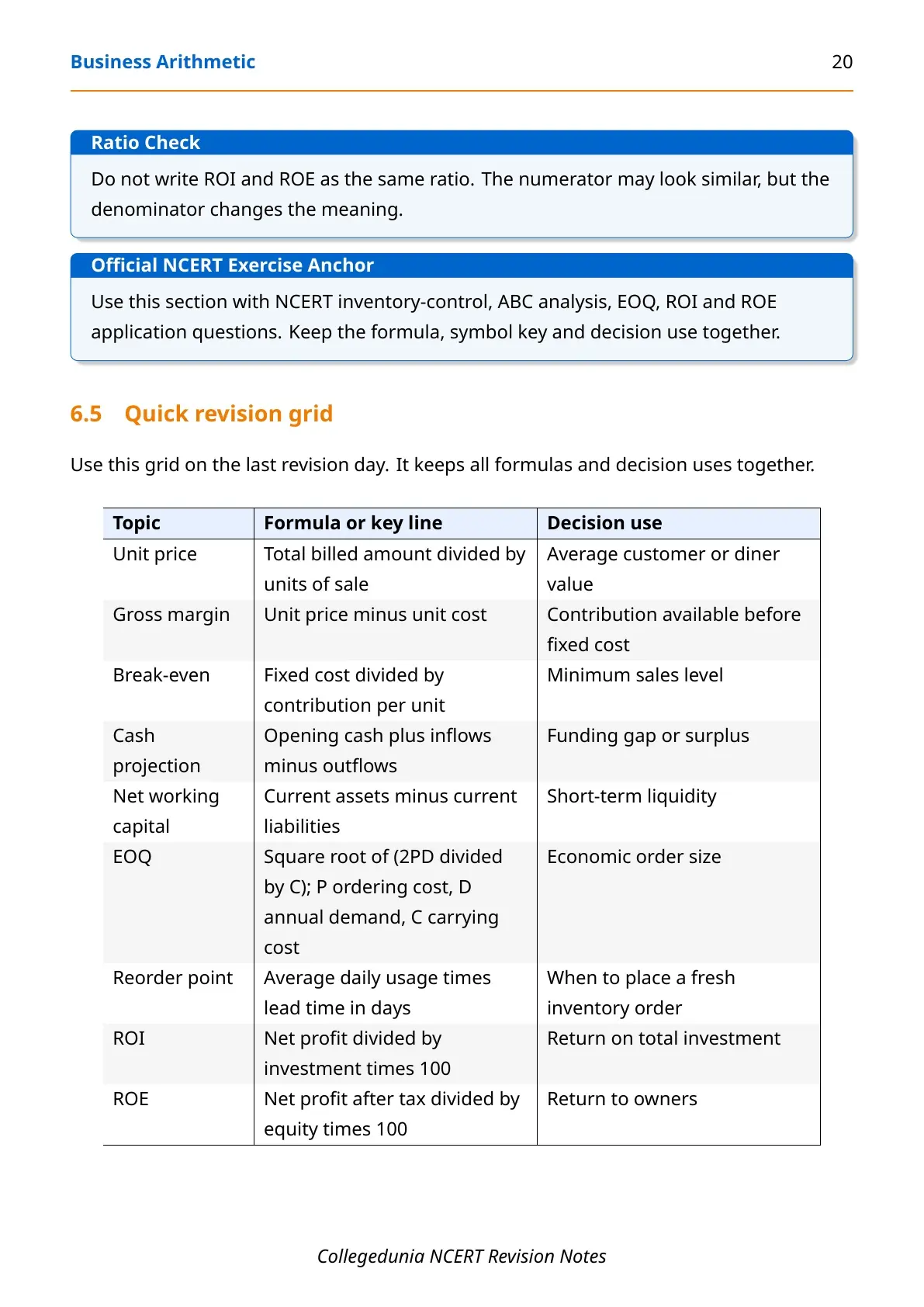
Ans. Unit price, gross margin, break-even quantity, net working capital, EOQ, ROI and ROE are the main formulas.
Ques. Why is cash flow projection important?
Ans. It helps an entrepreneur predict cash shortage or surplus before payments become due.



Comments