




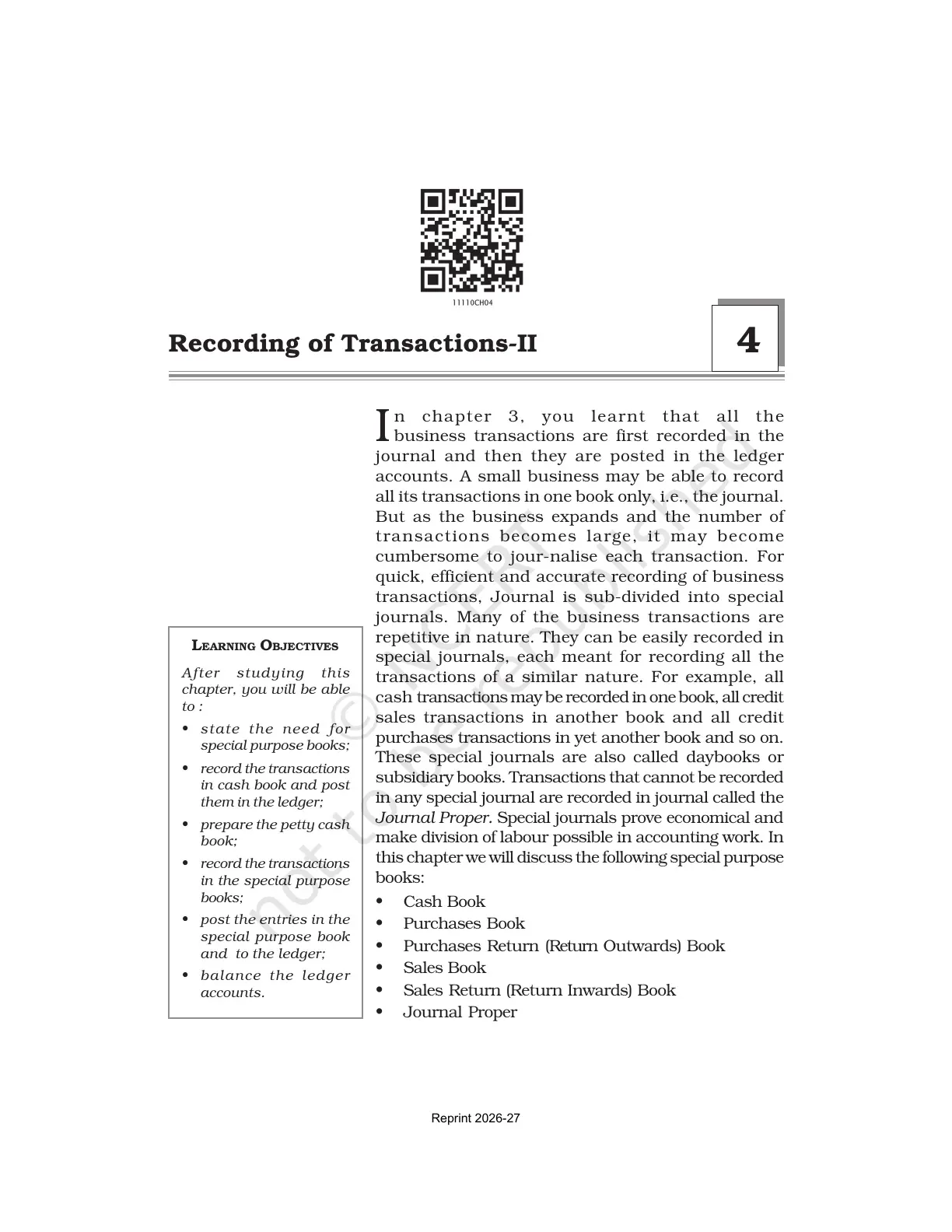
The NCERT PDF for Class 11 Accountancy Chapter 4 Recording of Transactions - II explains how large transaction volume is split into special purpose books, according to the 2026-27 NCERT textbook.
- Core focus: cash book, petty cash book, purchase book, sales book and returns books.
- Practice value: students learn where each transaction should be recorded before ledger posting.
- PDF use: keep the chapter open while practising cash book and subsidiary book formats.
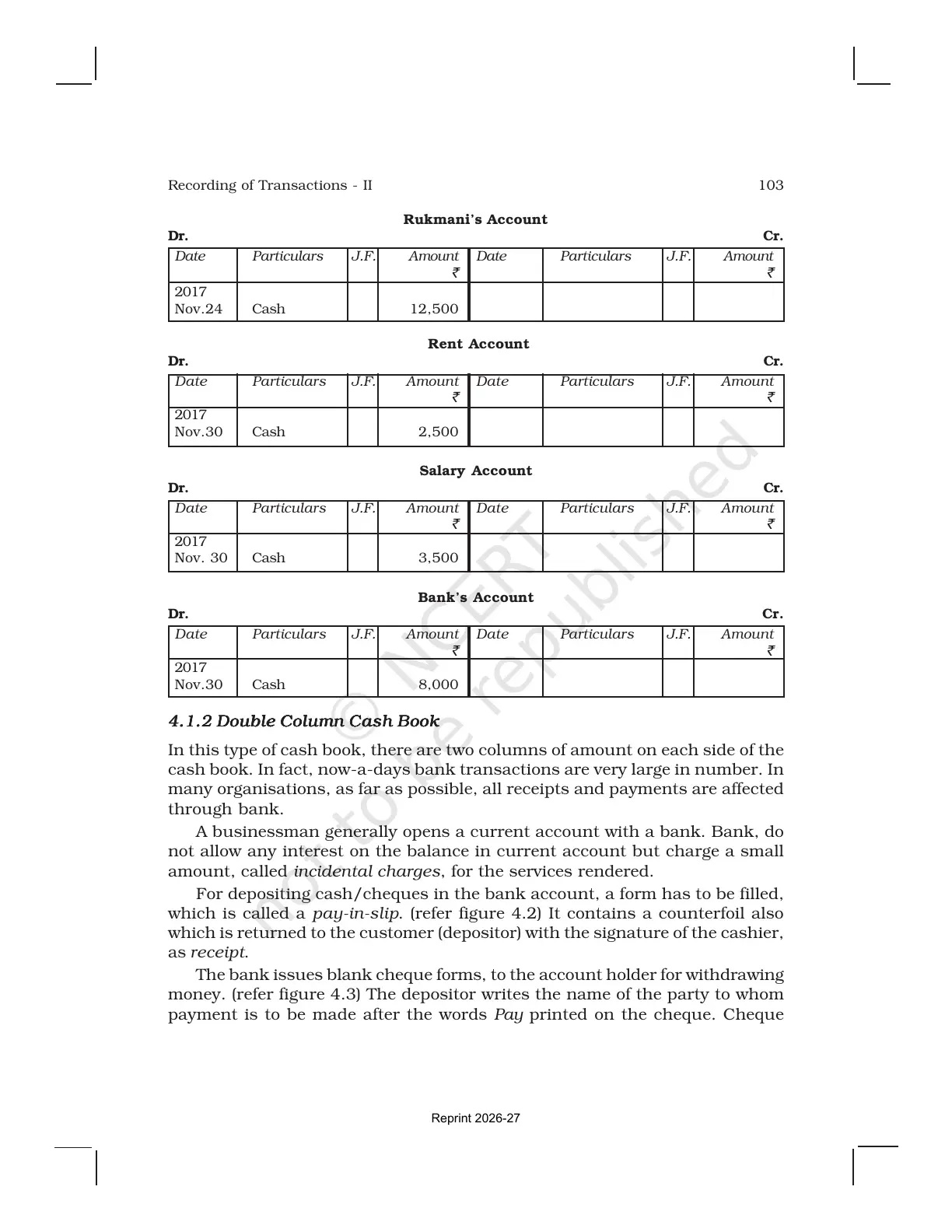
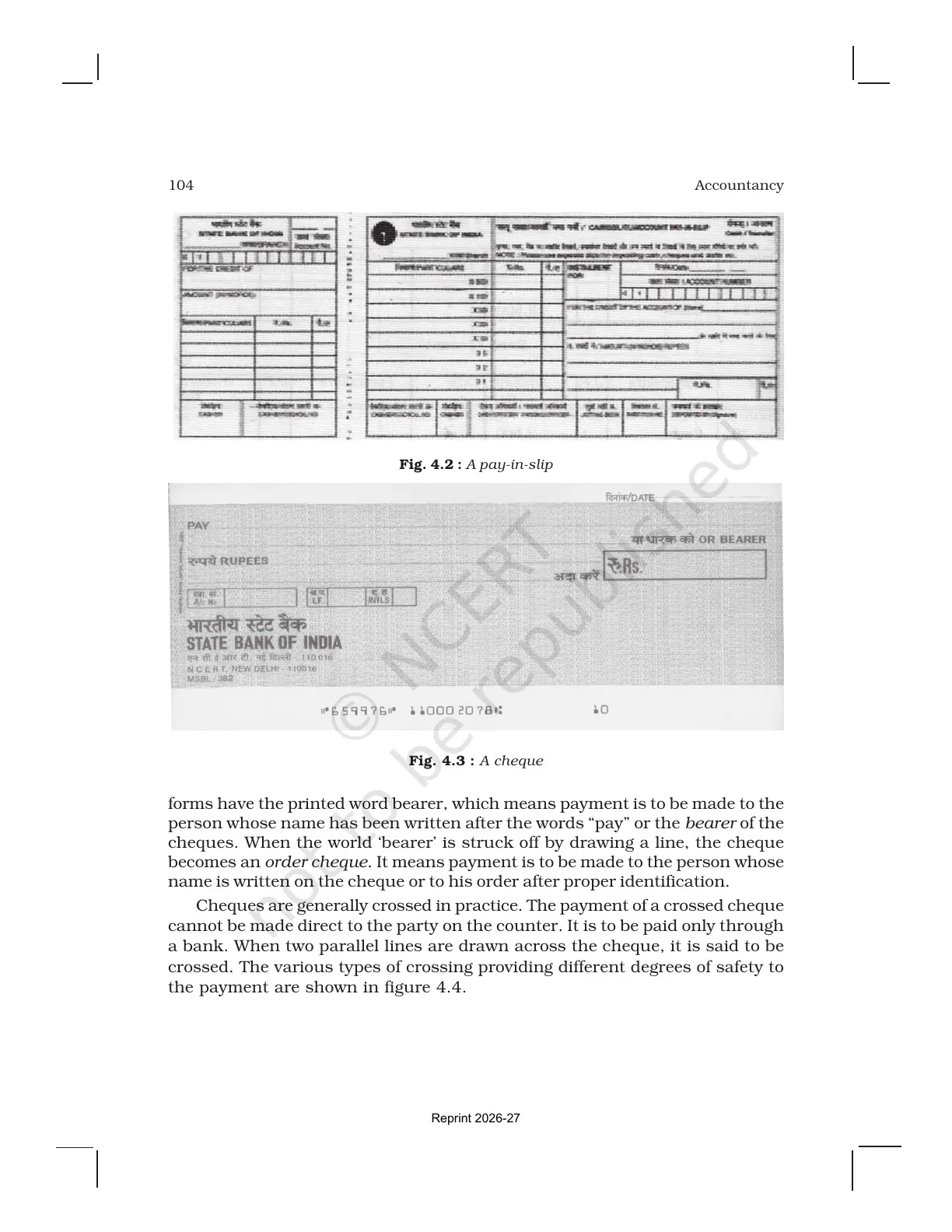
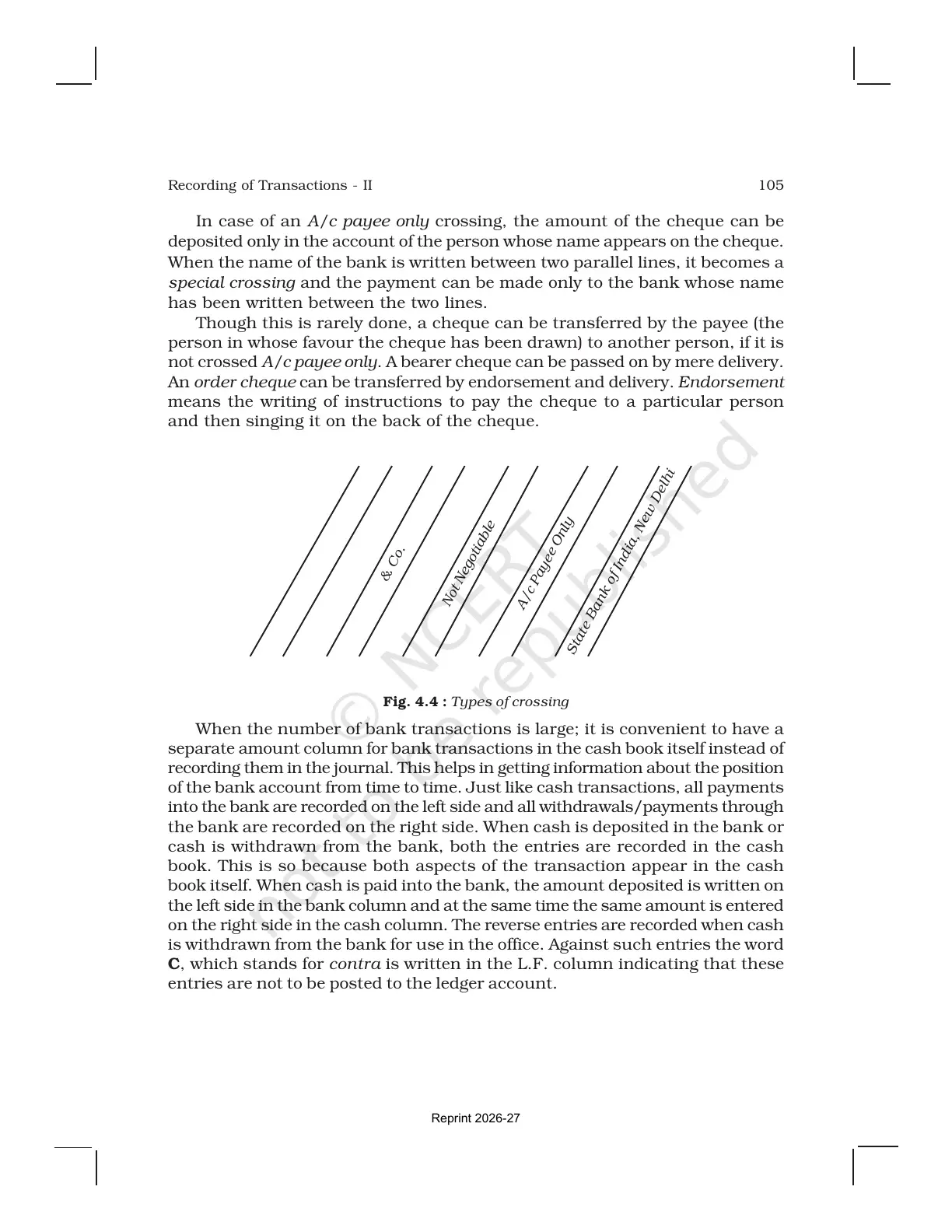
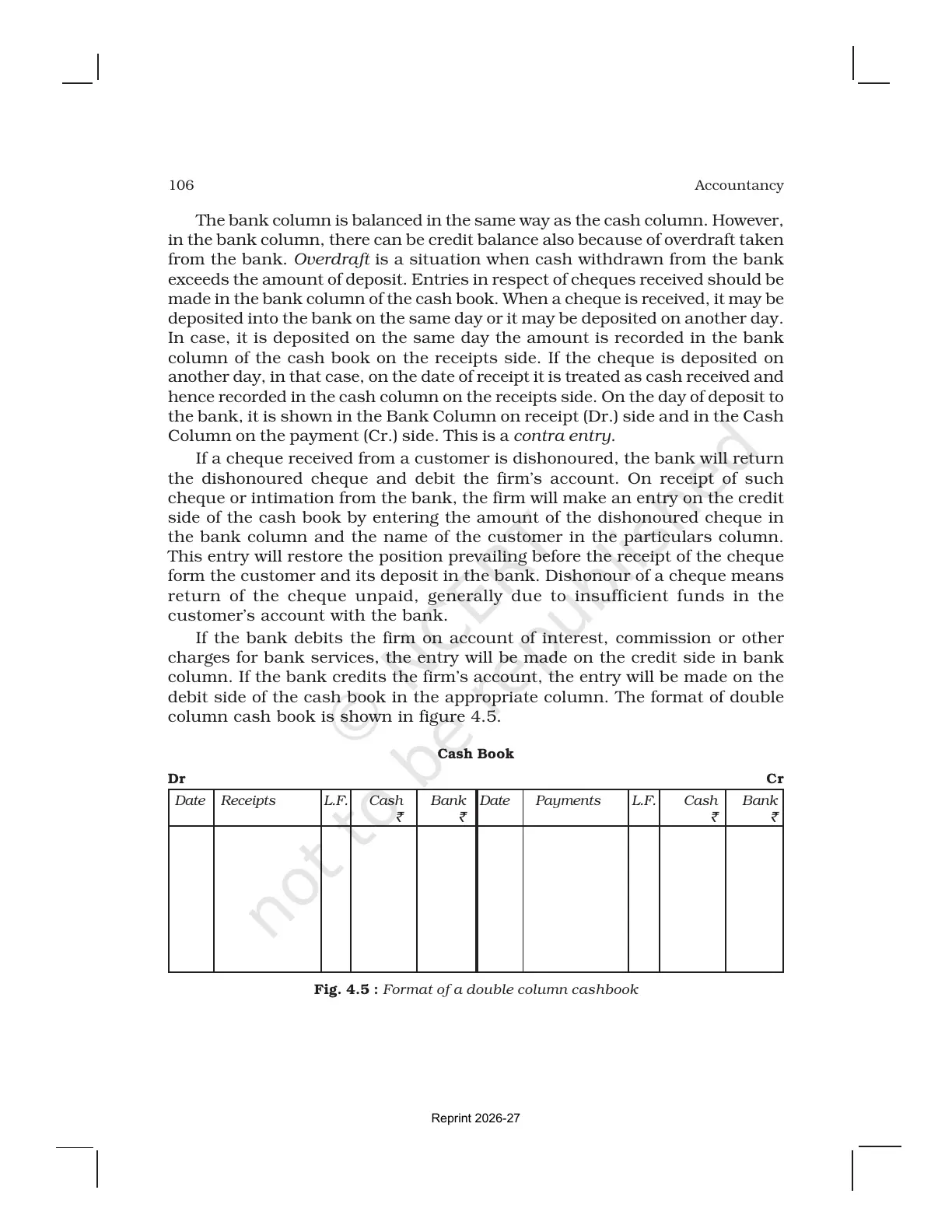
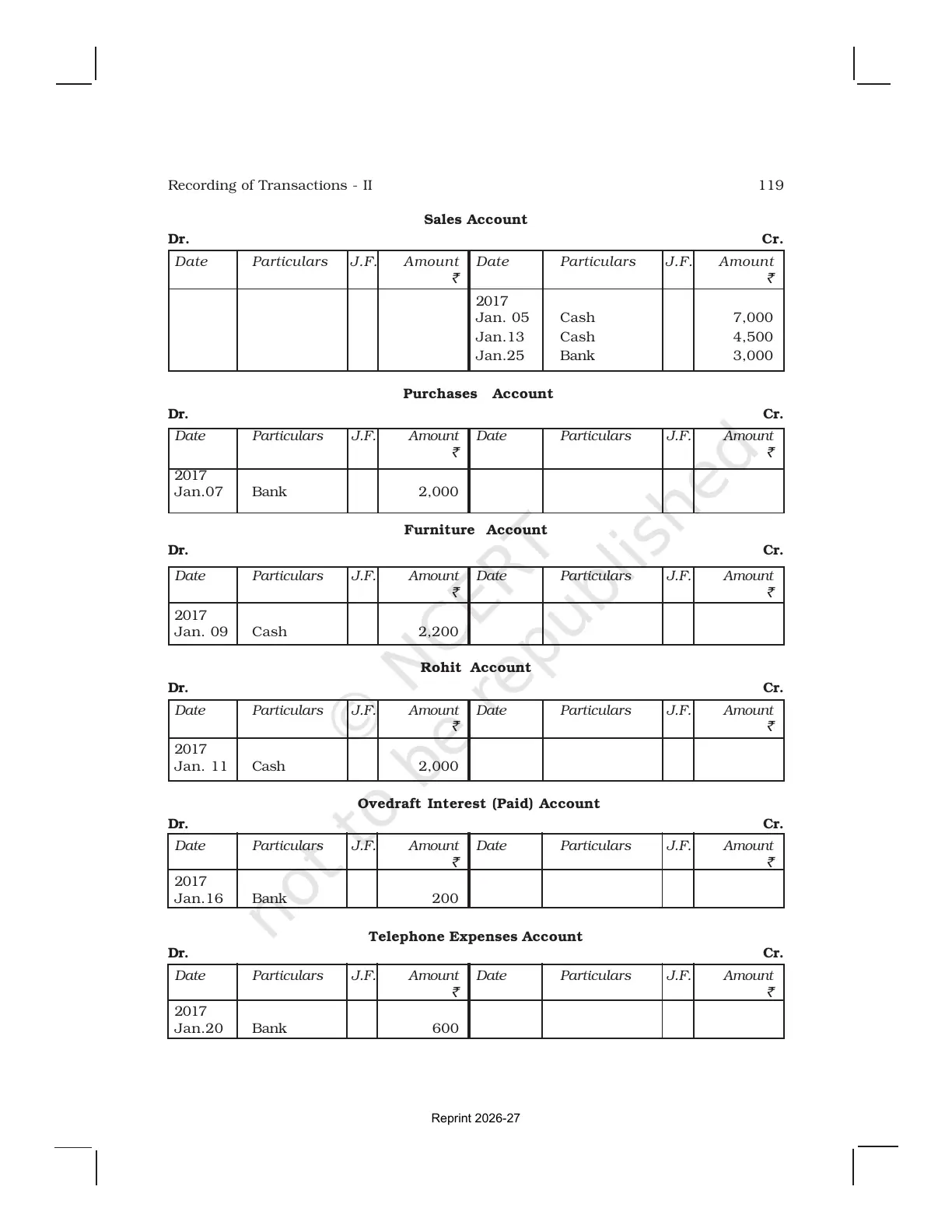
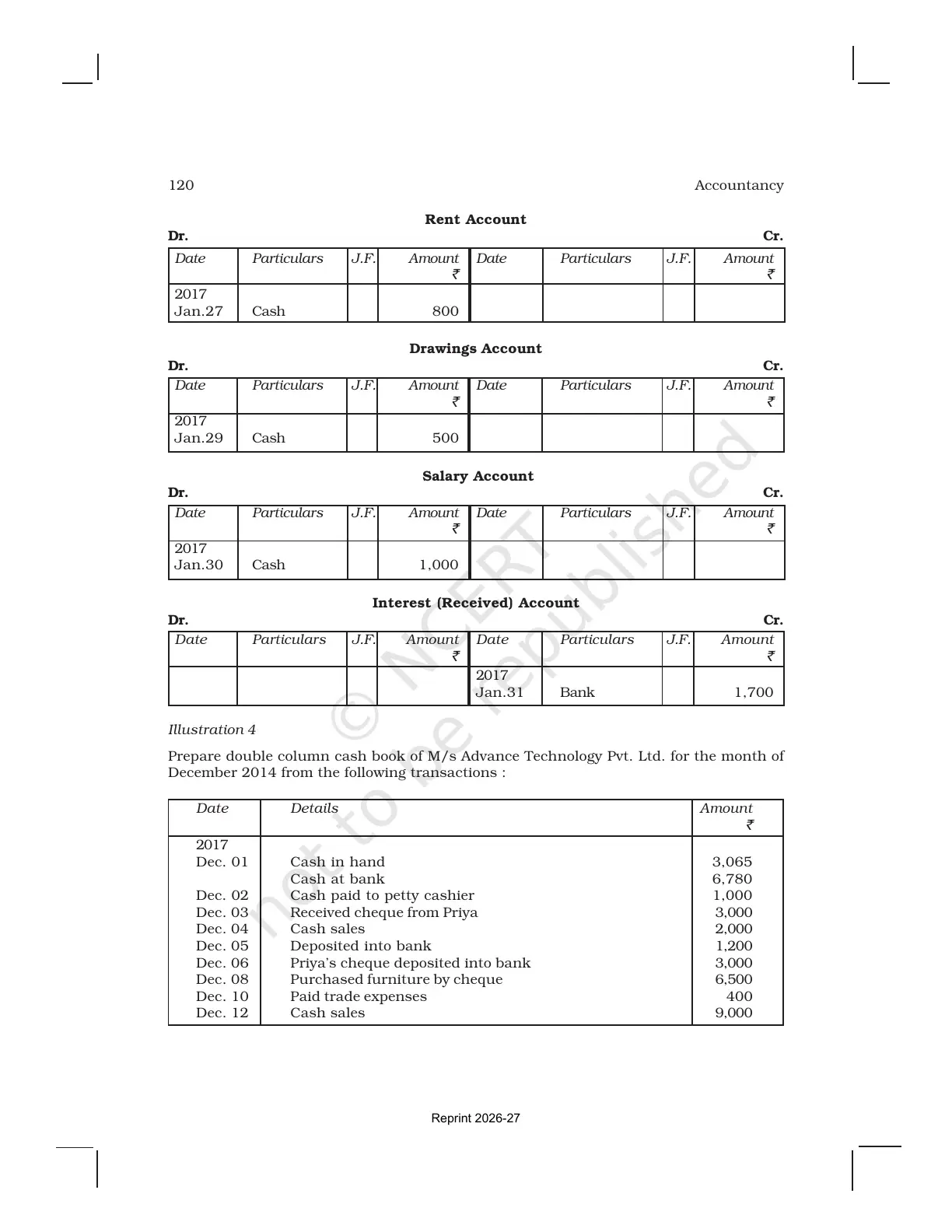
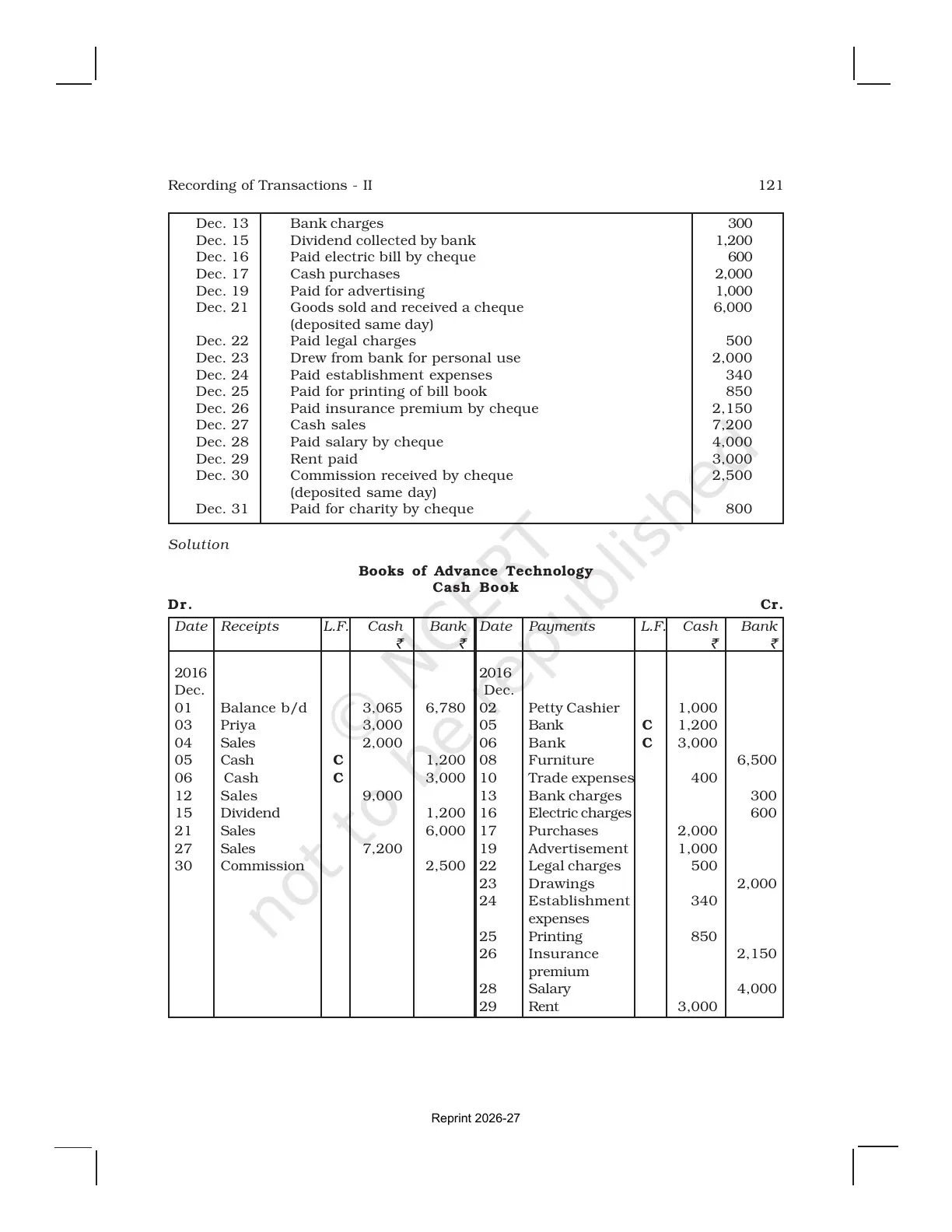
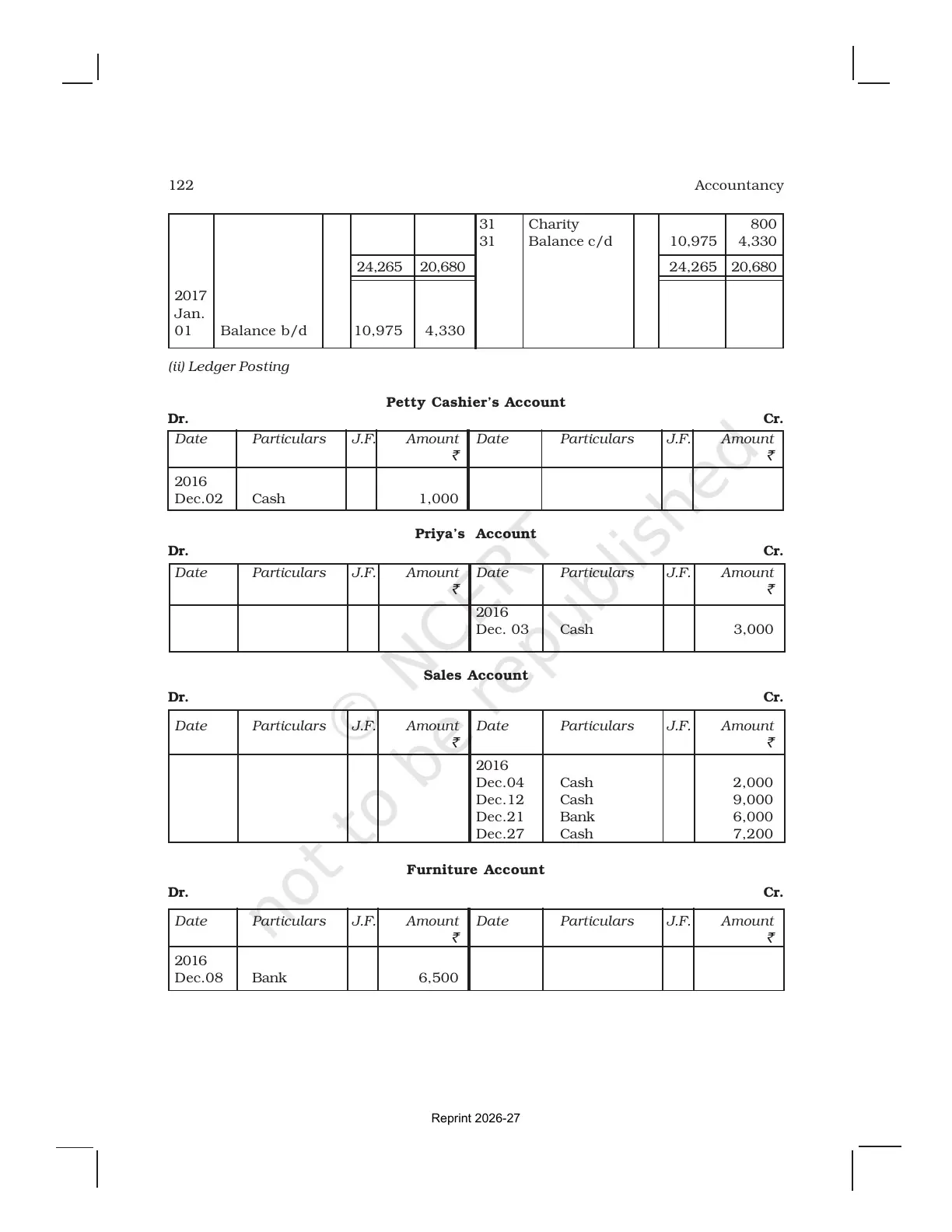
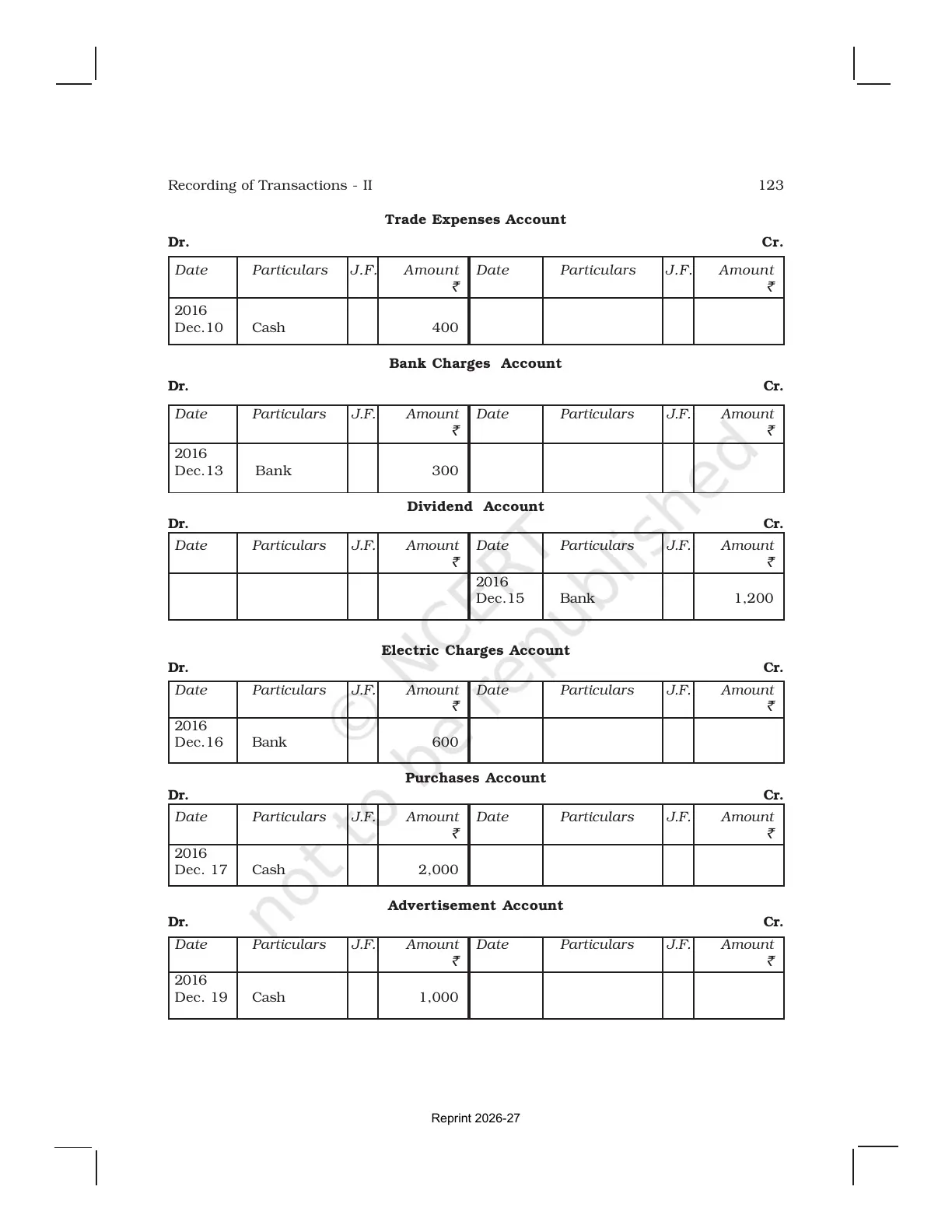
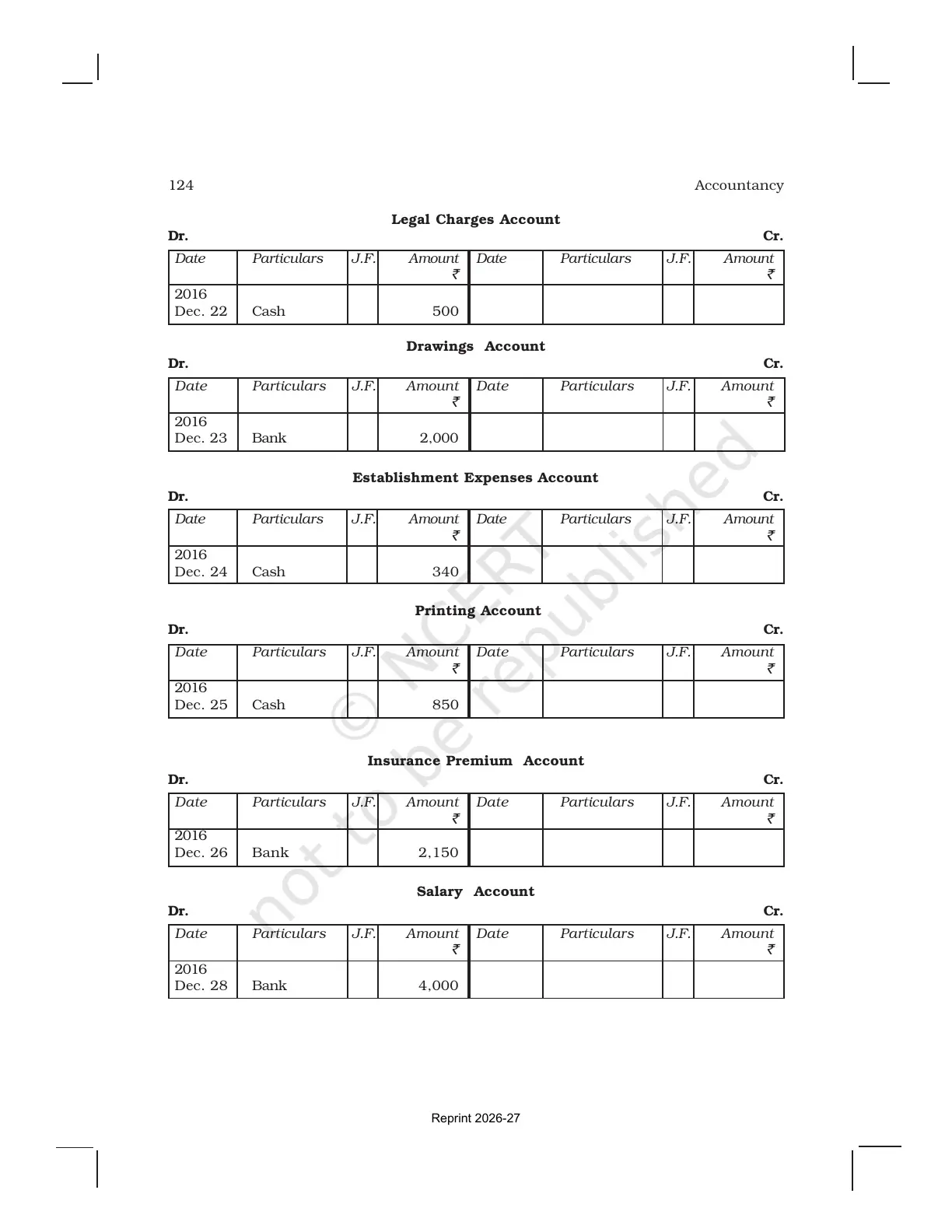
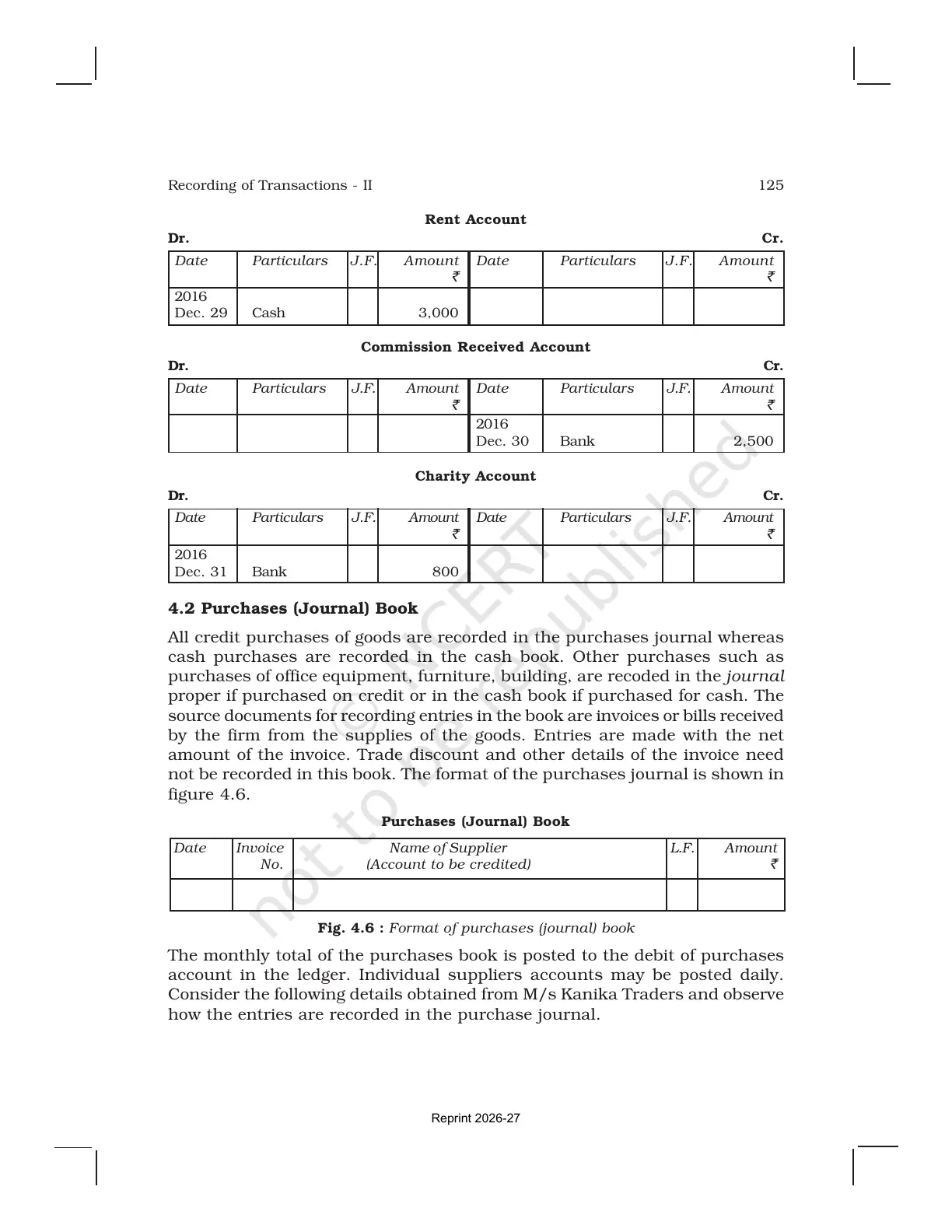
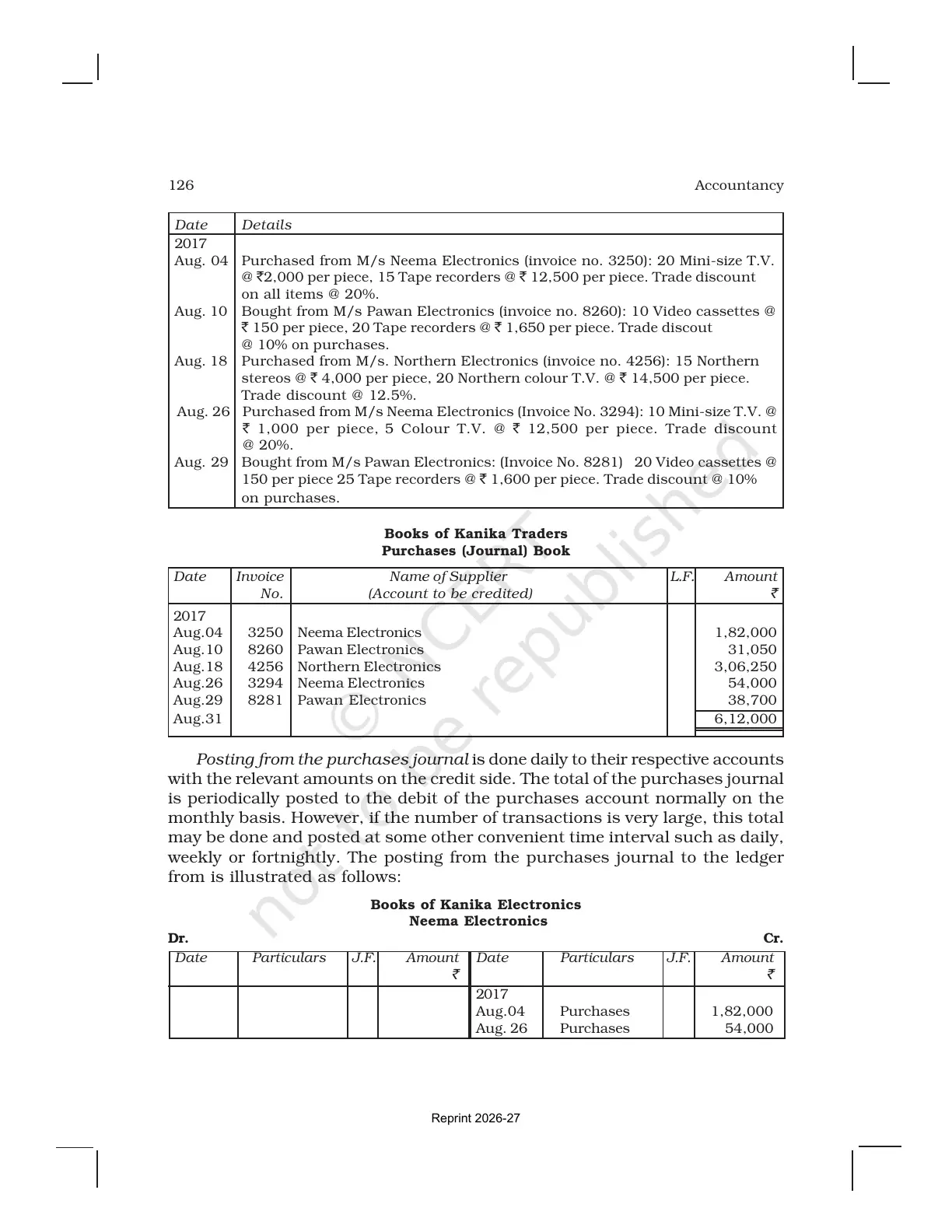
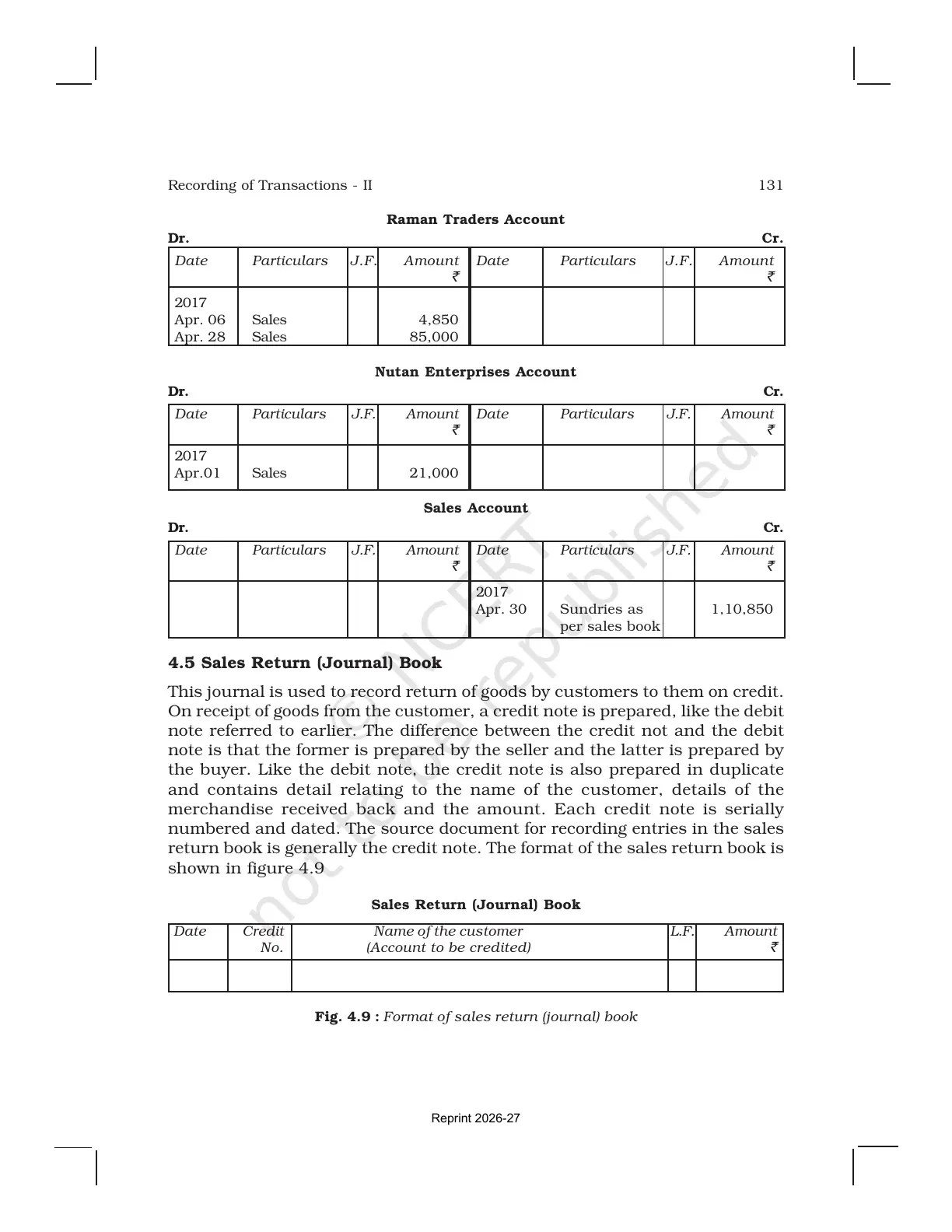
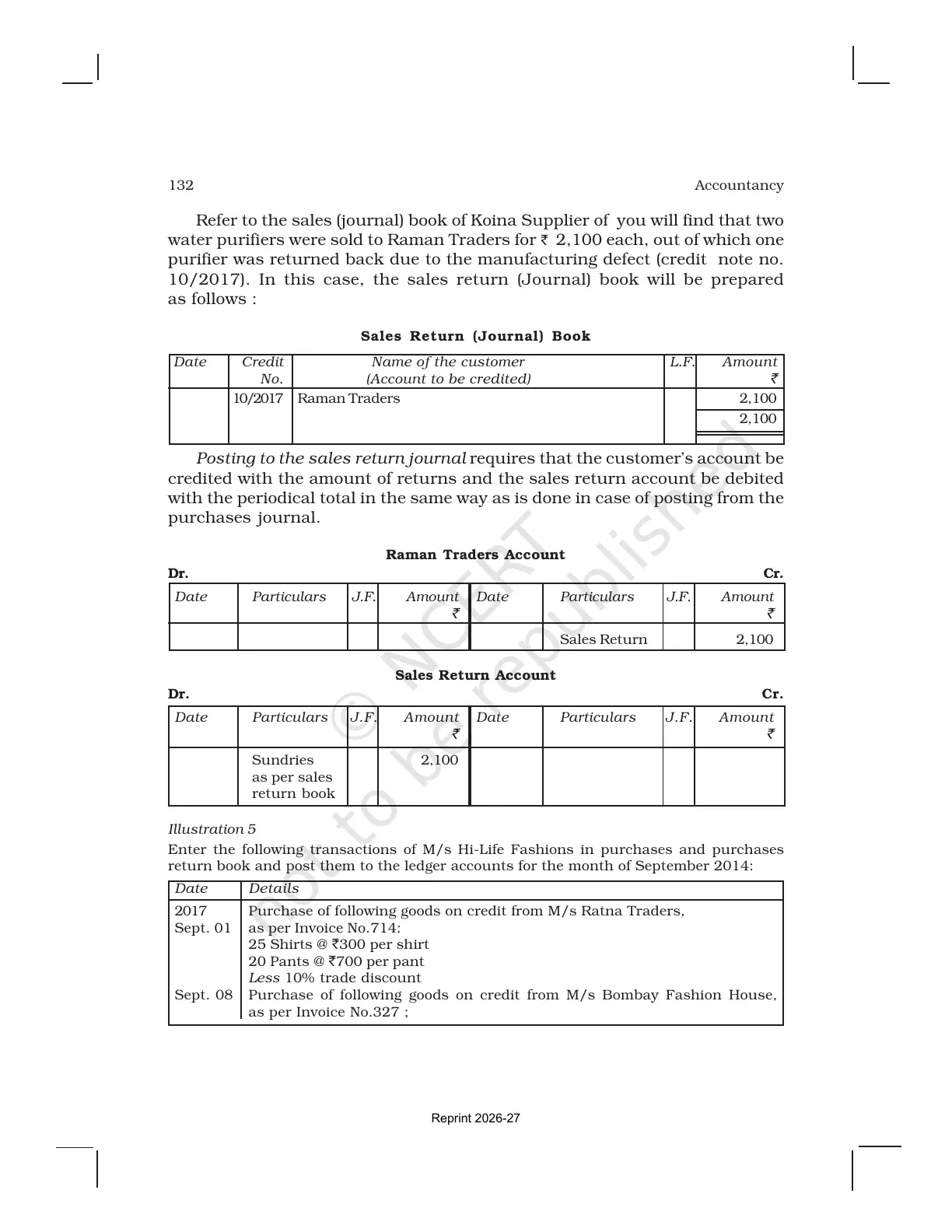
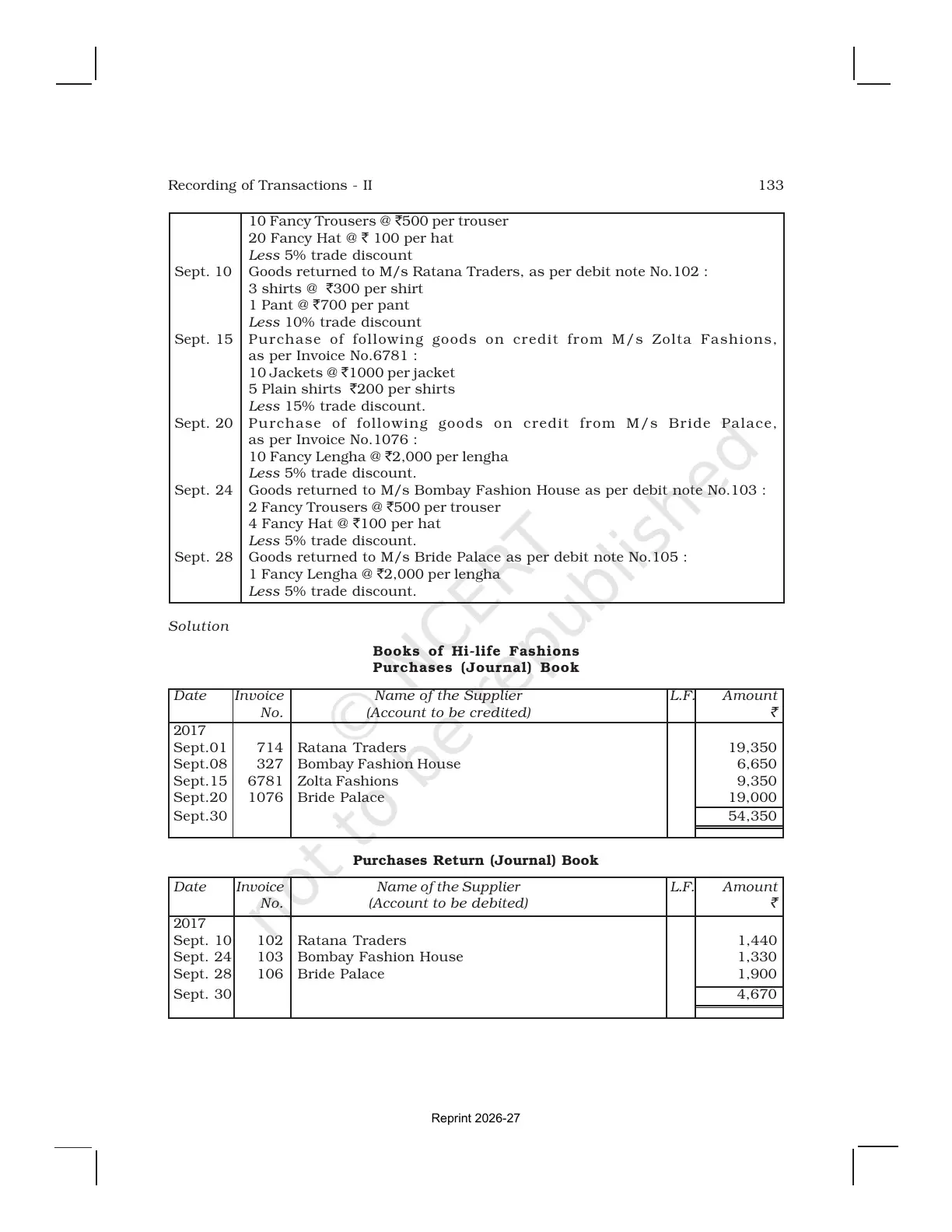
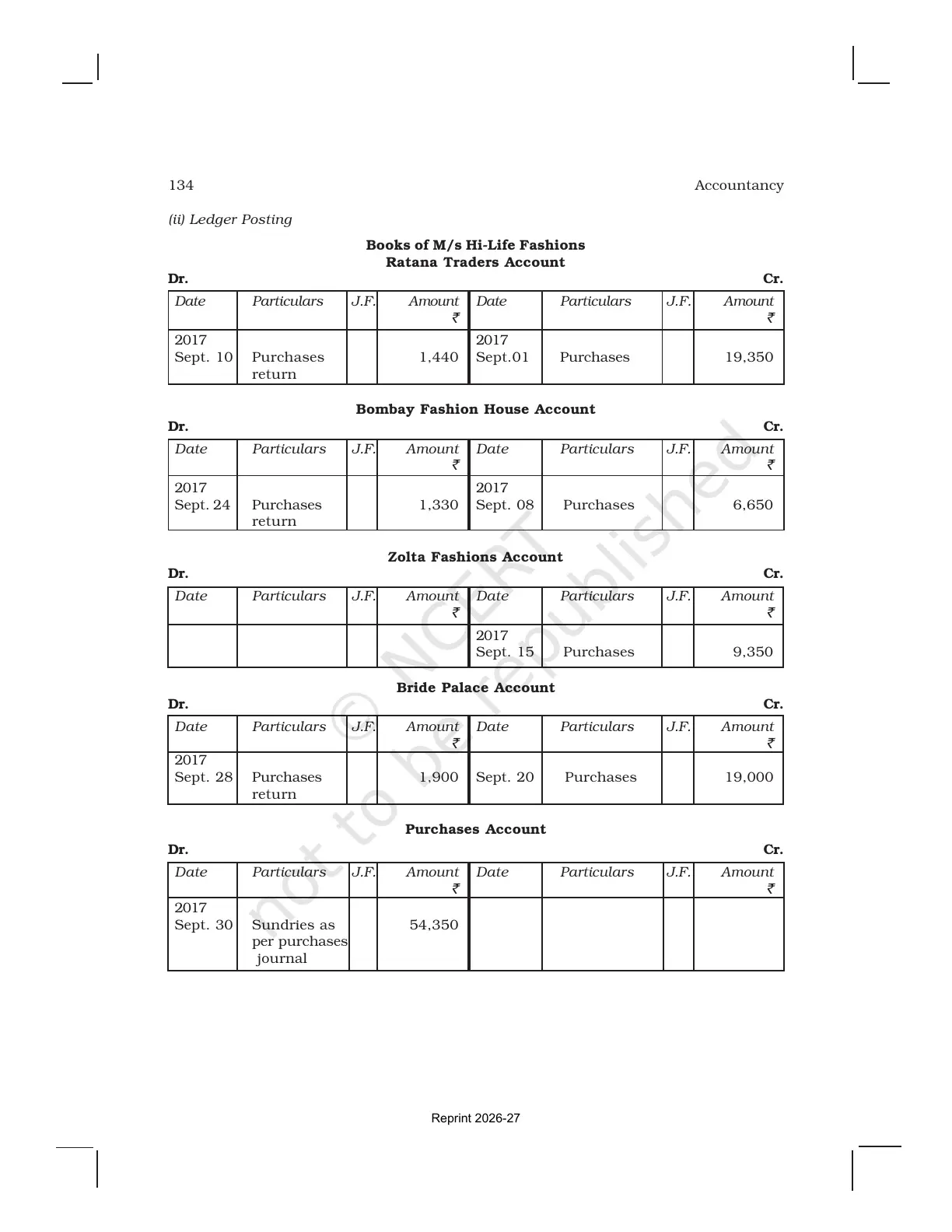
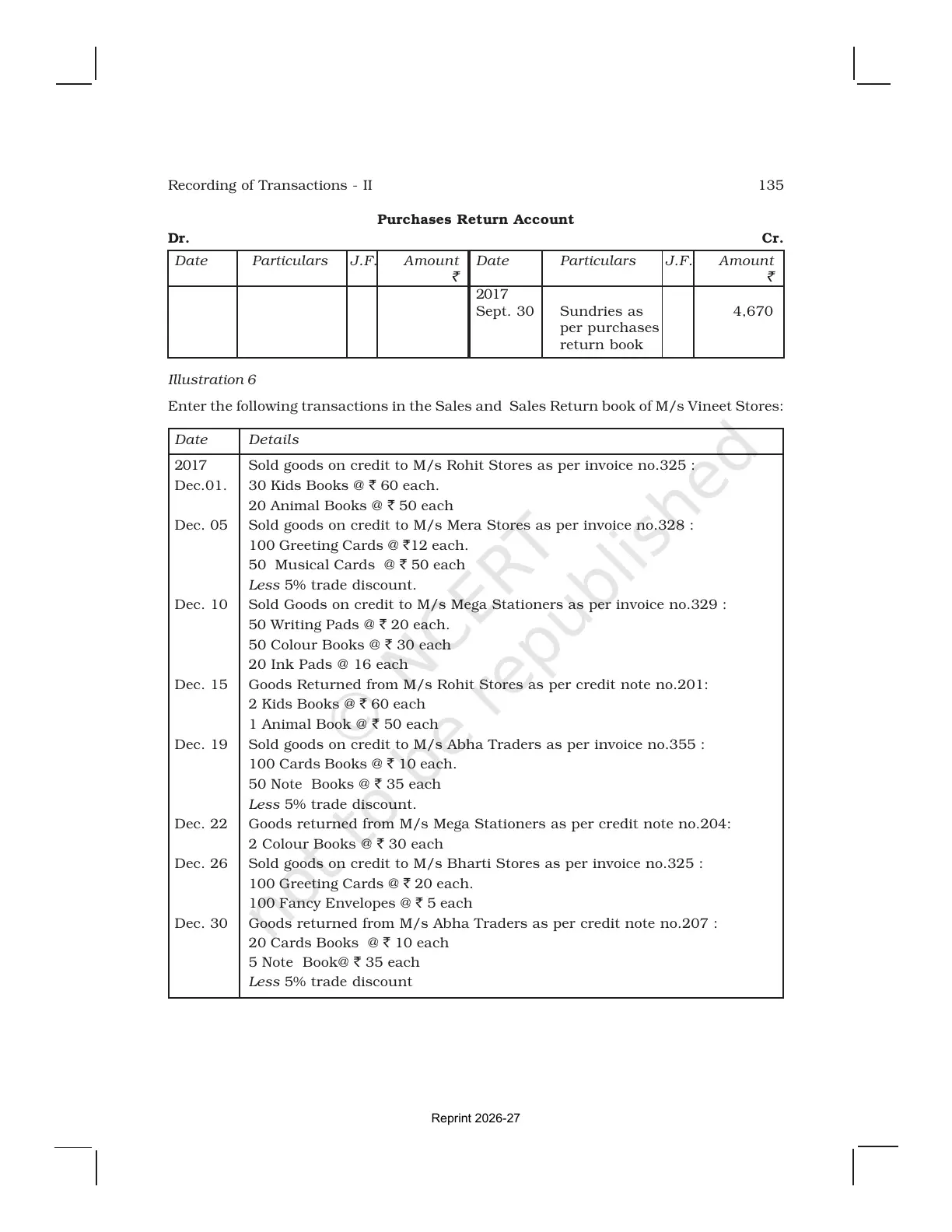
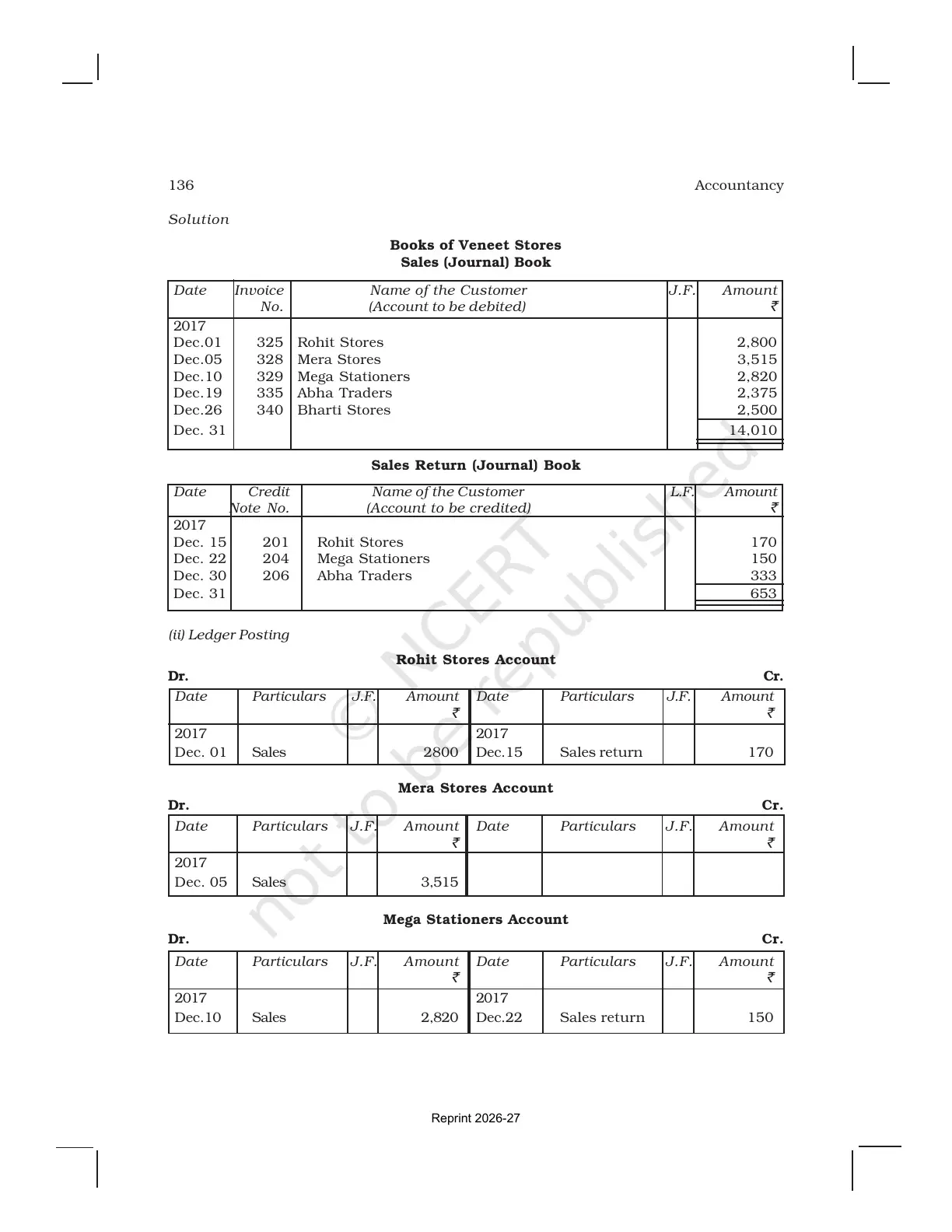
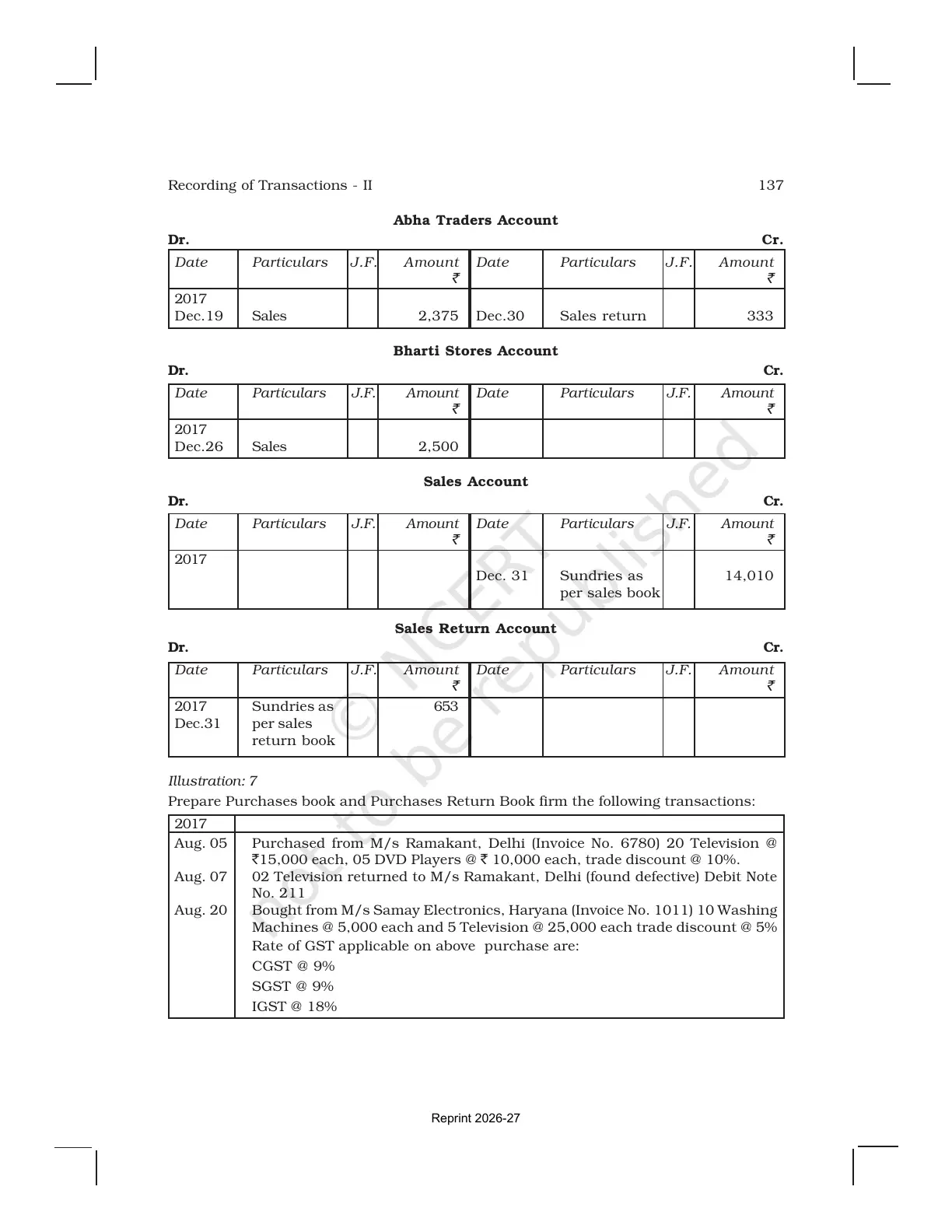
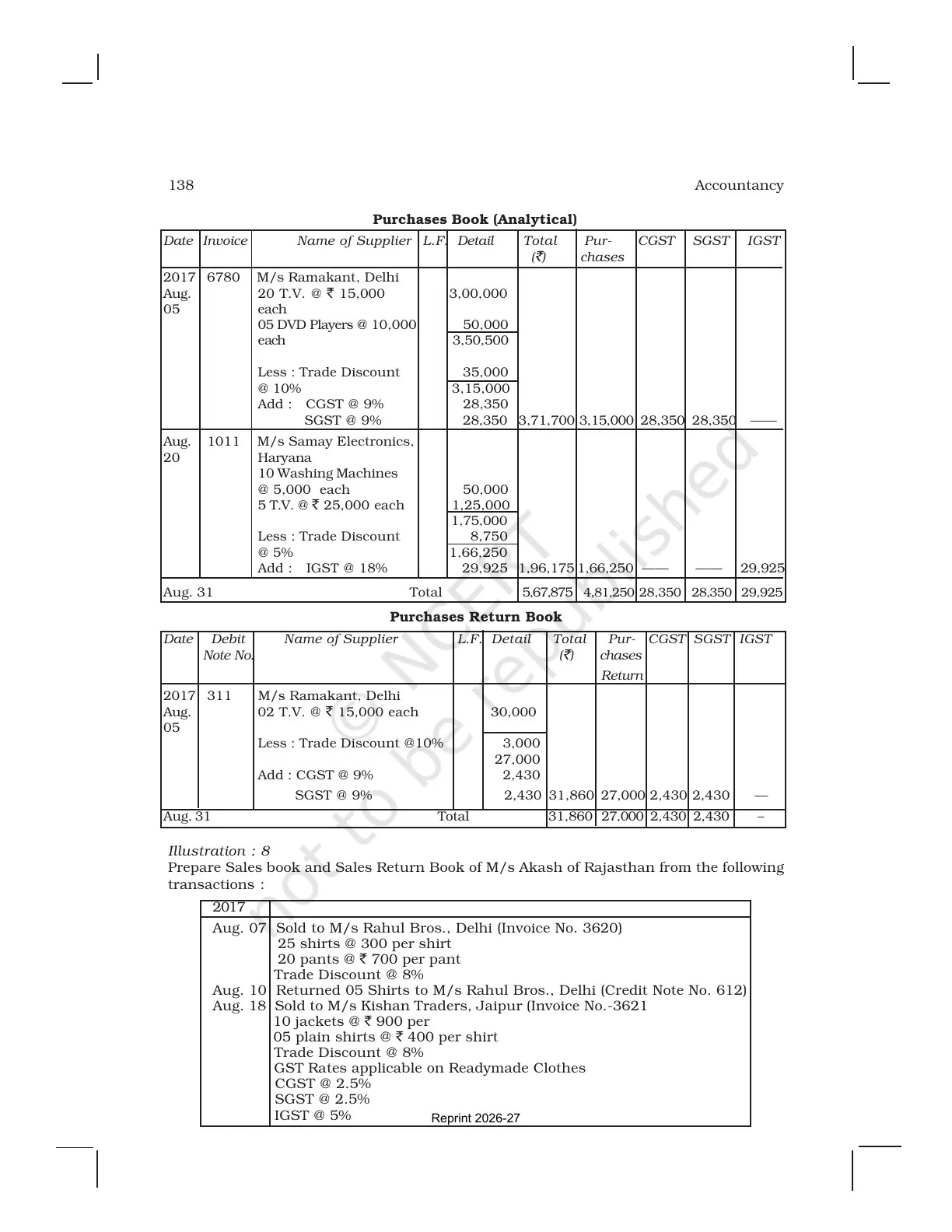
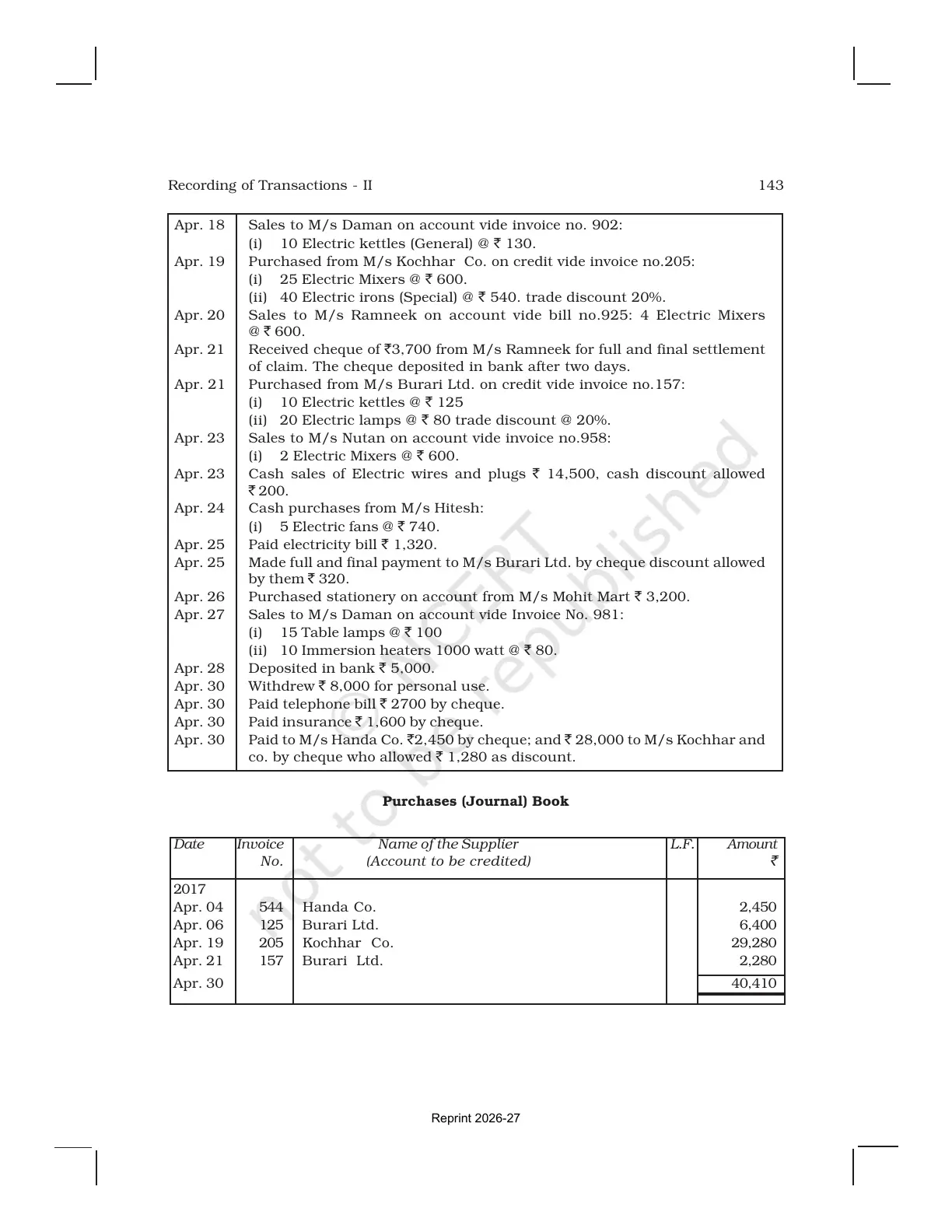
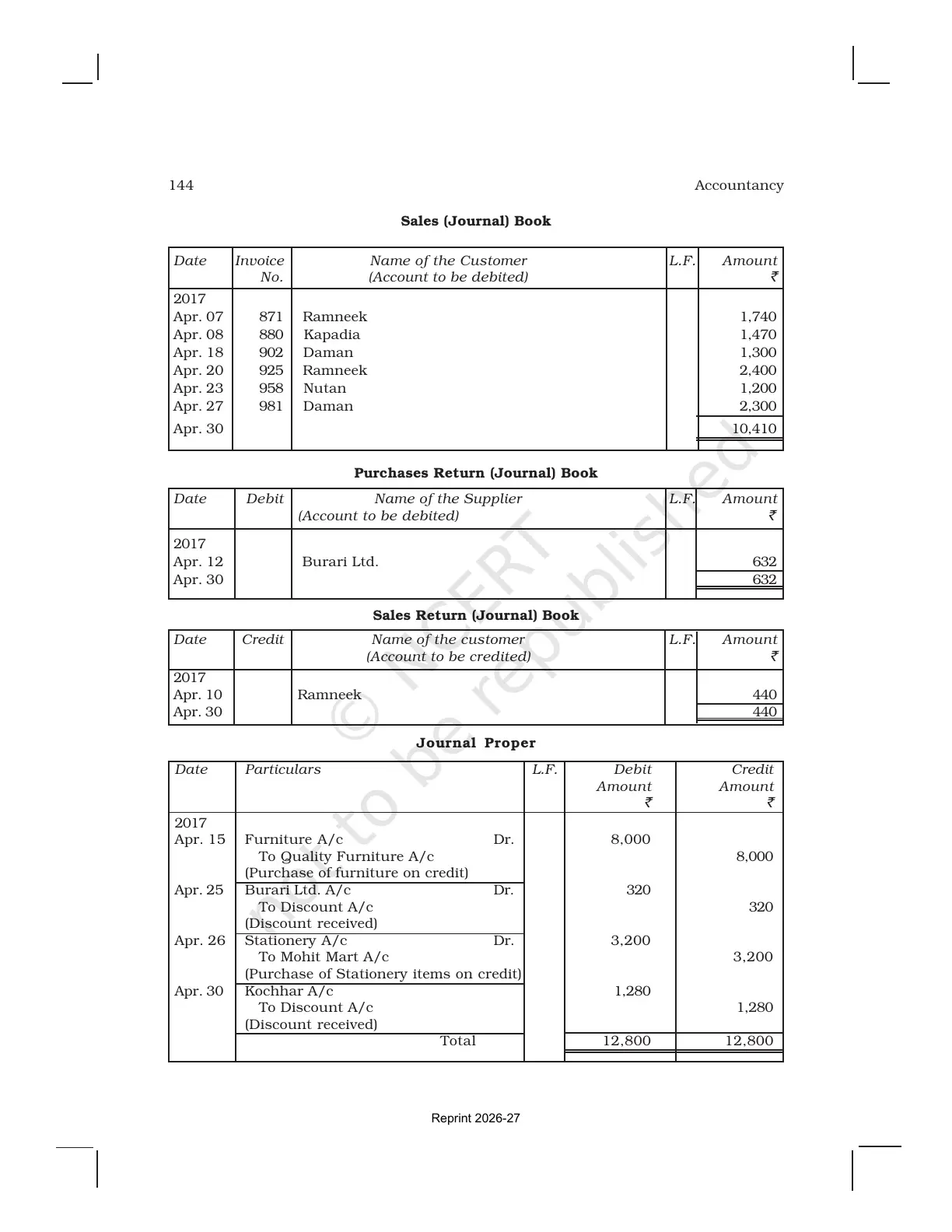
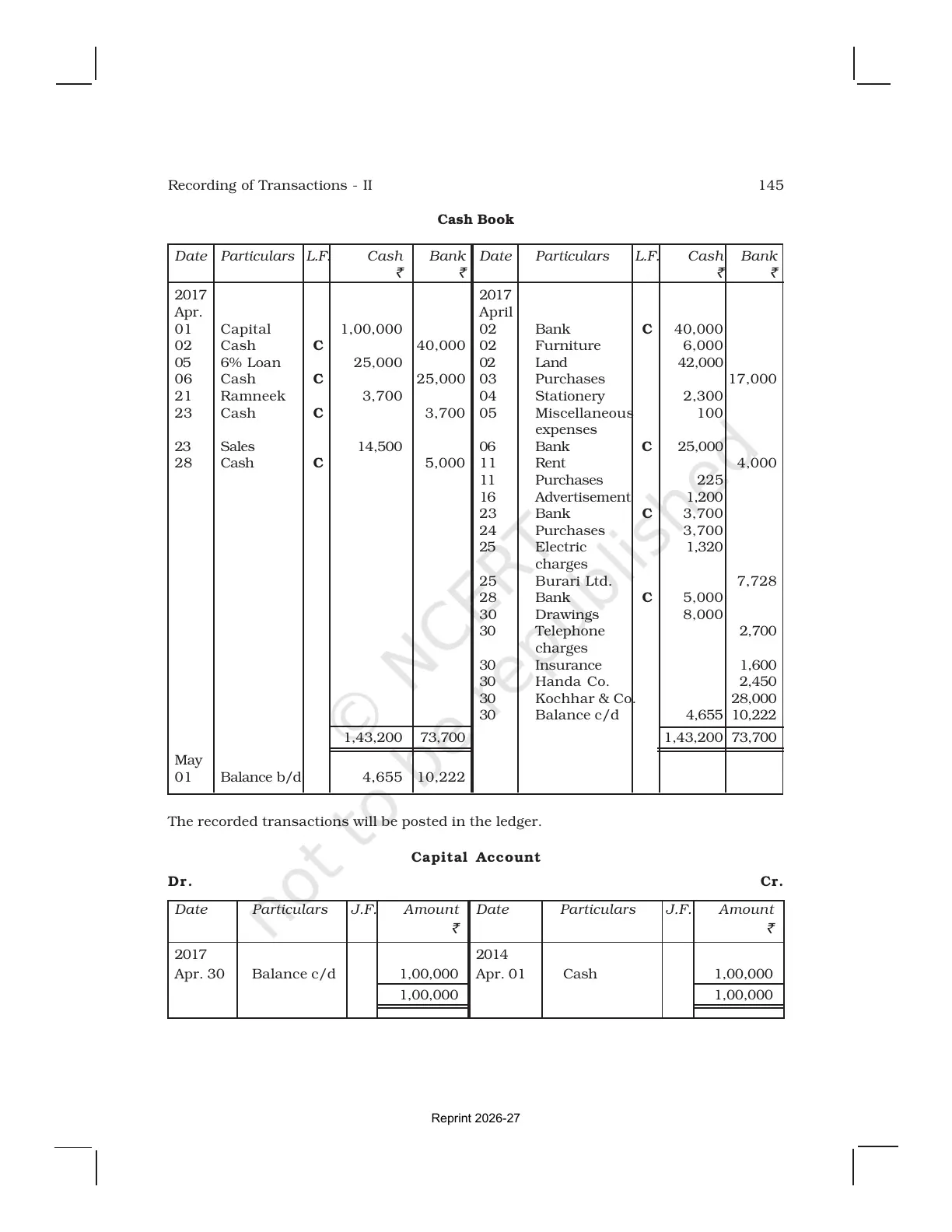
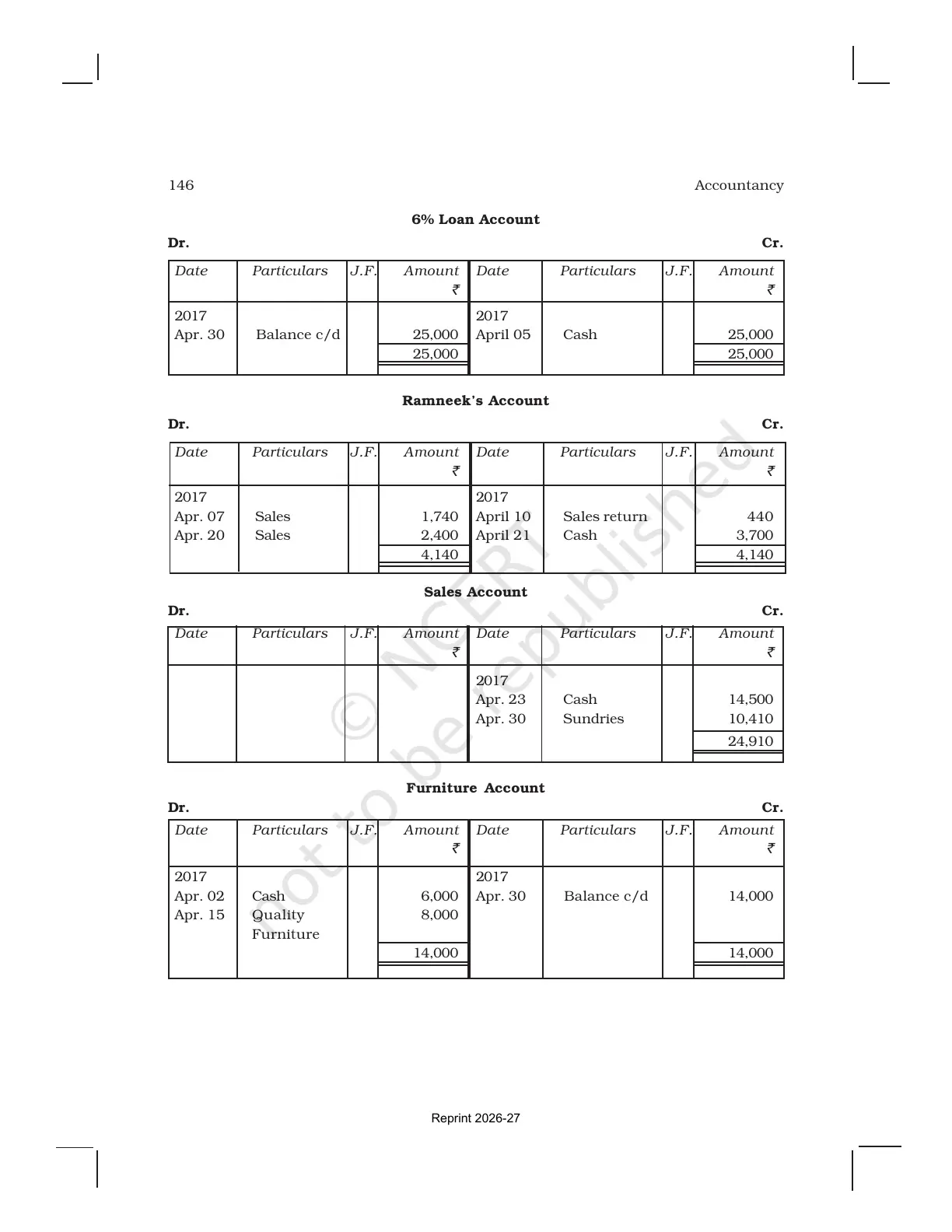
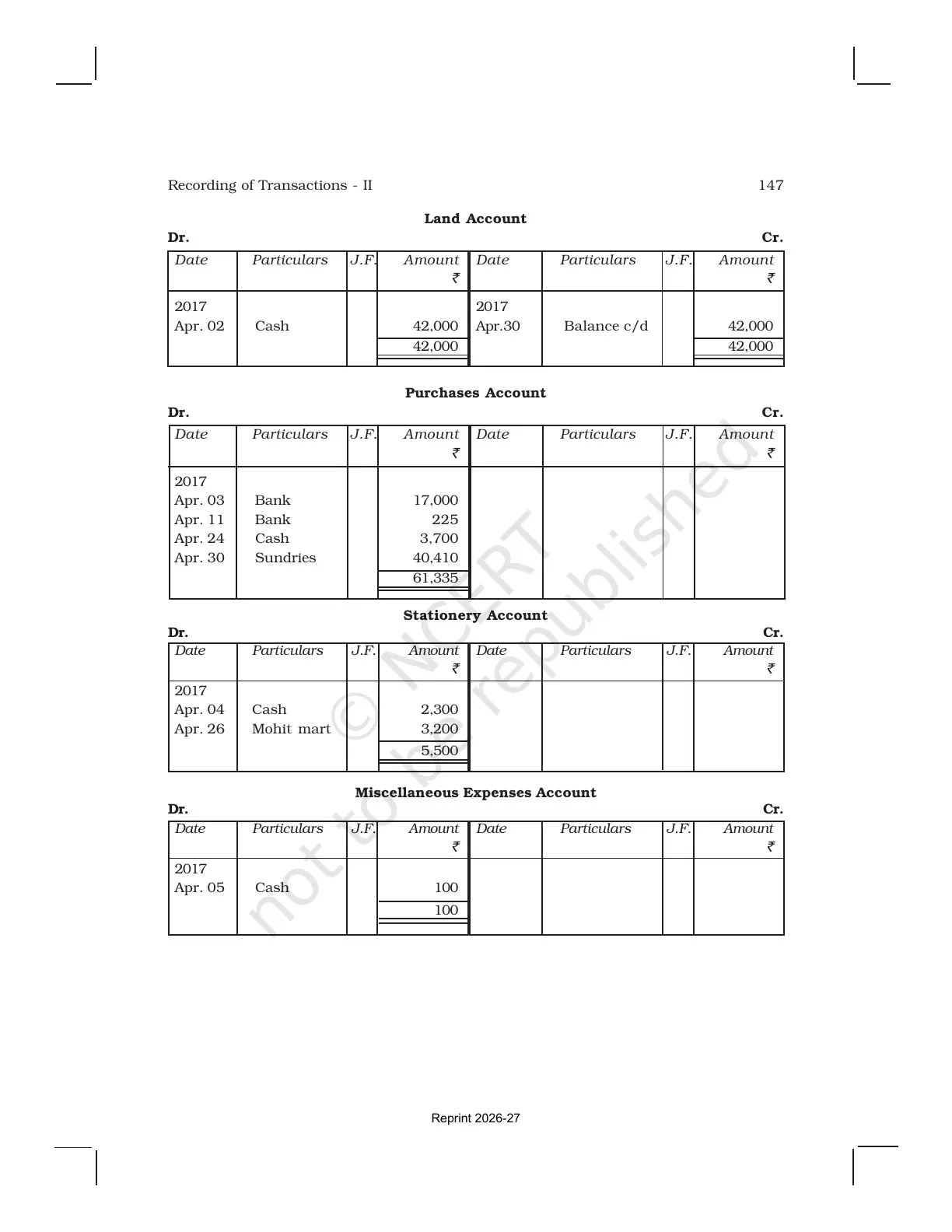
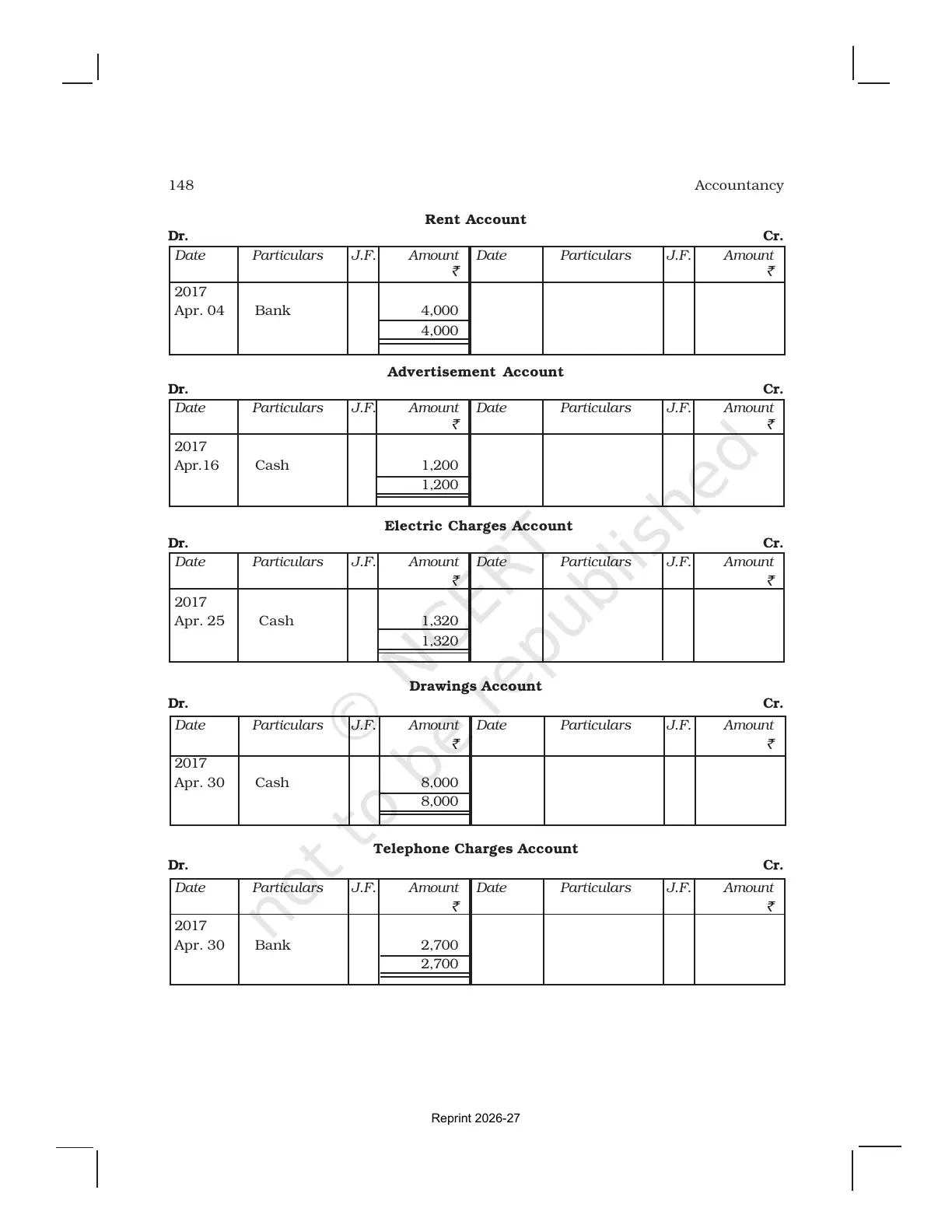
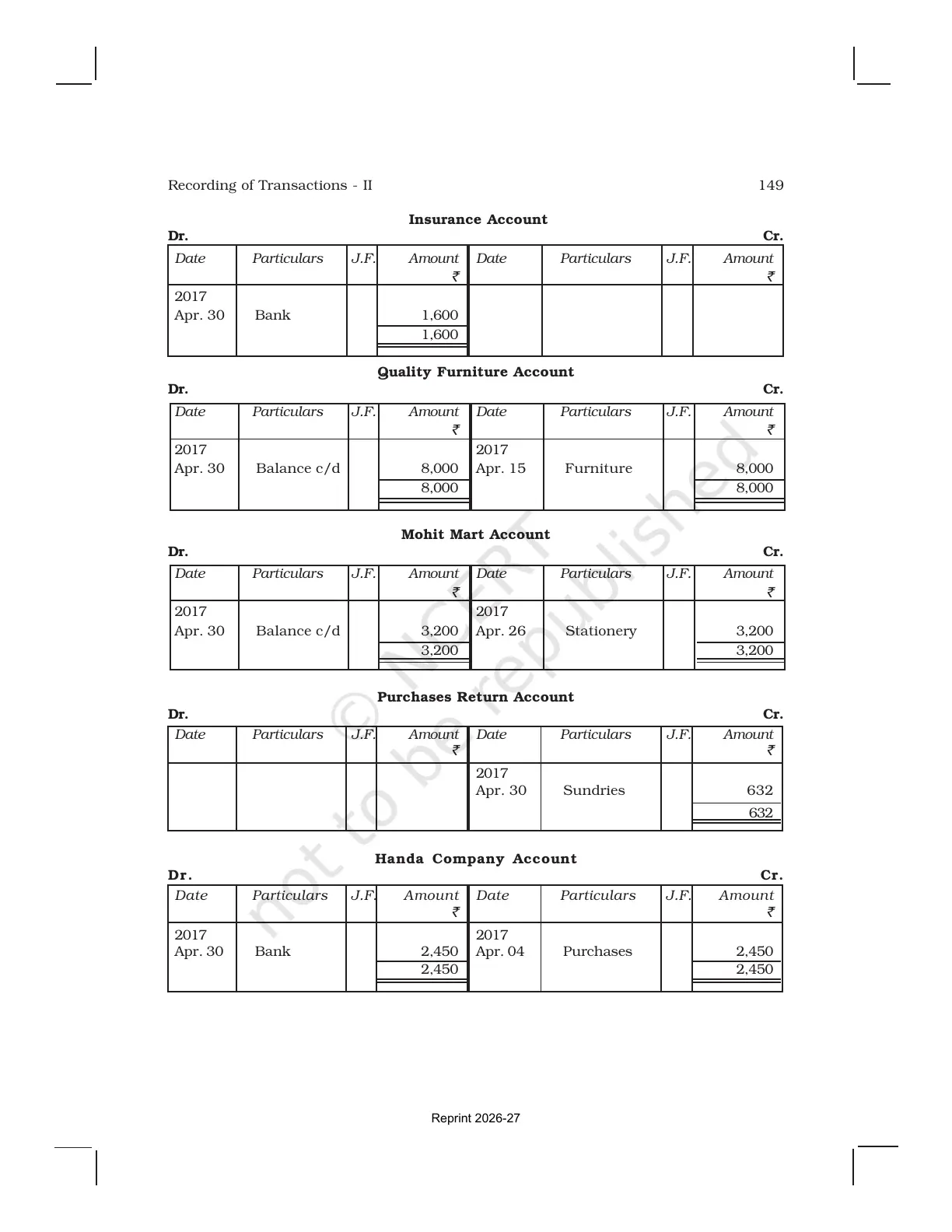
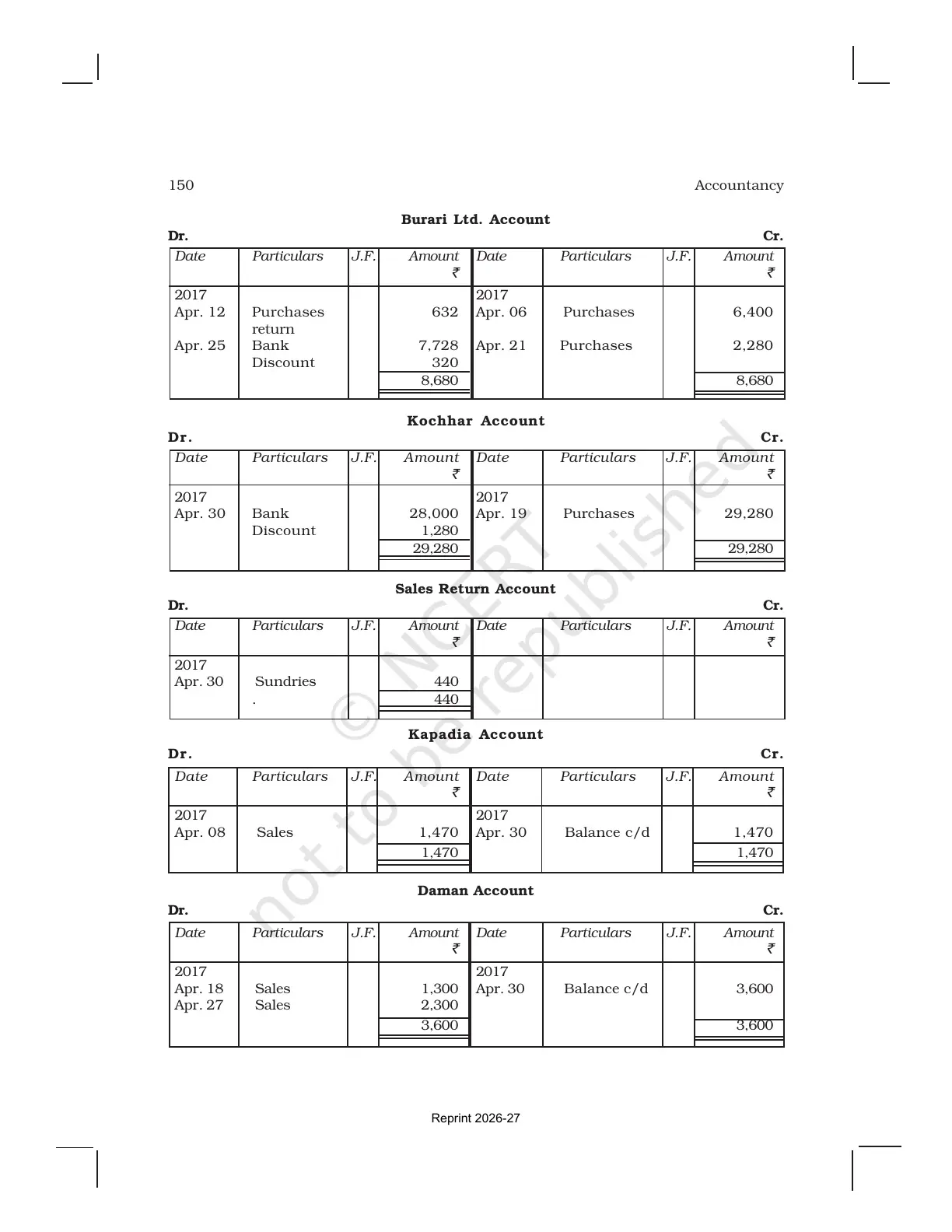
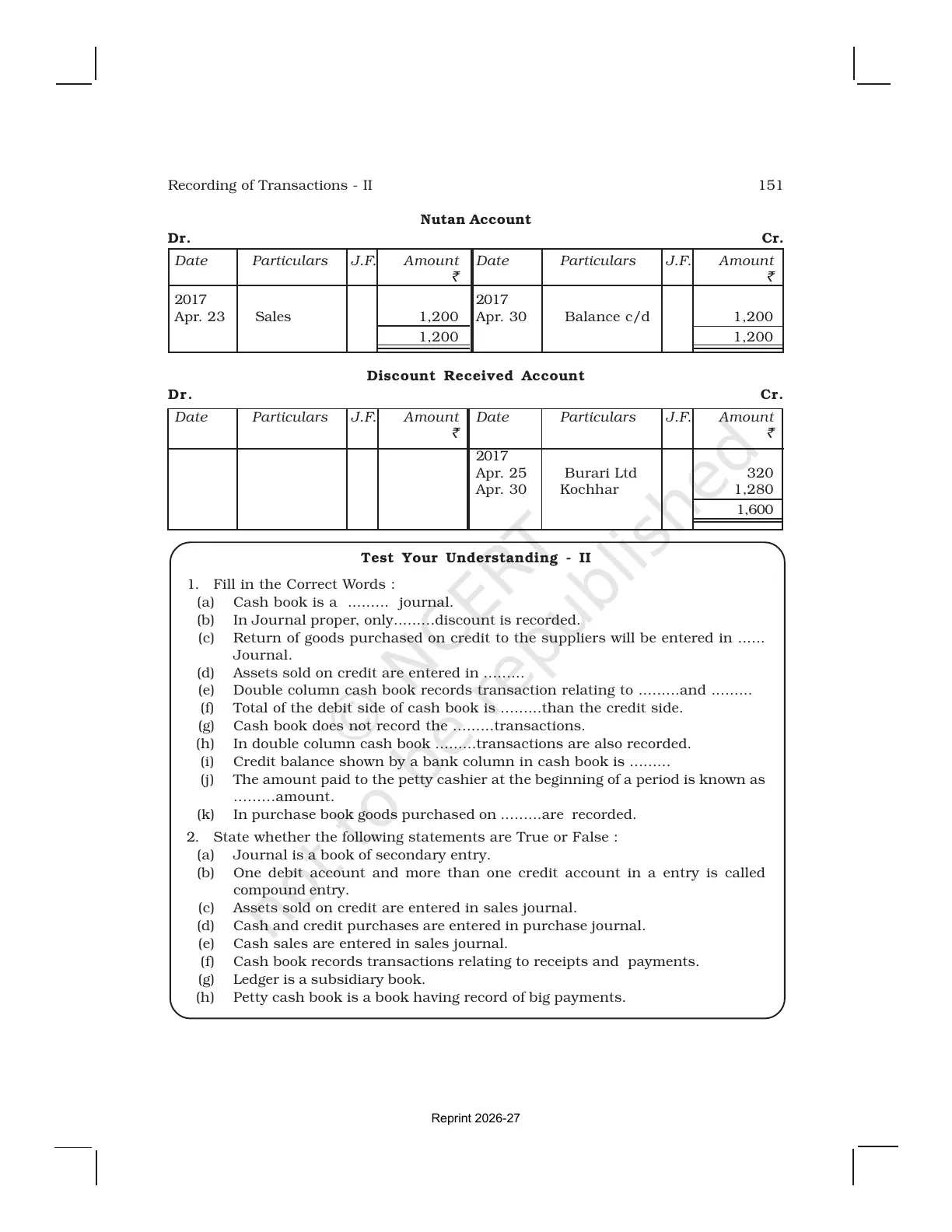
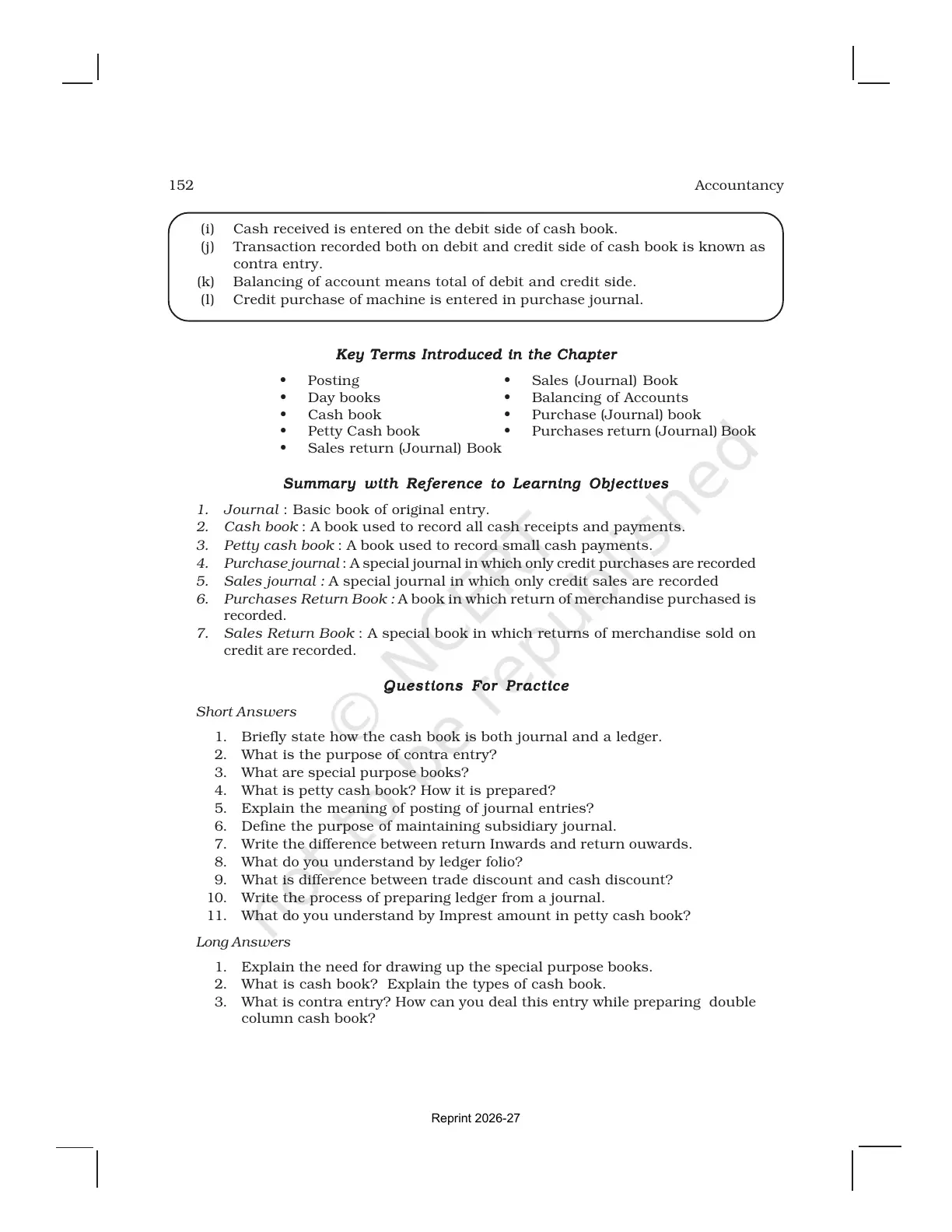
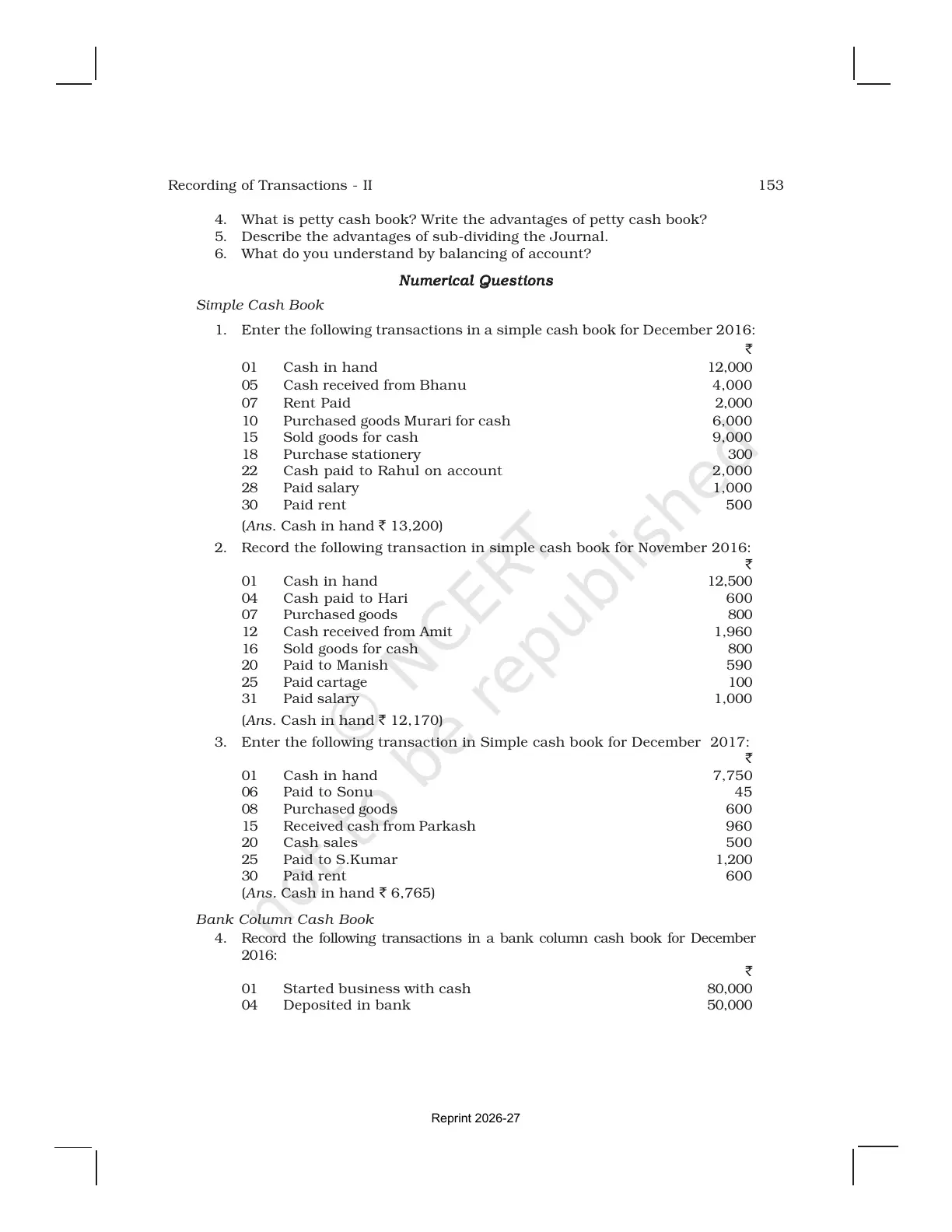
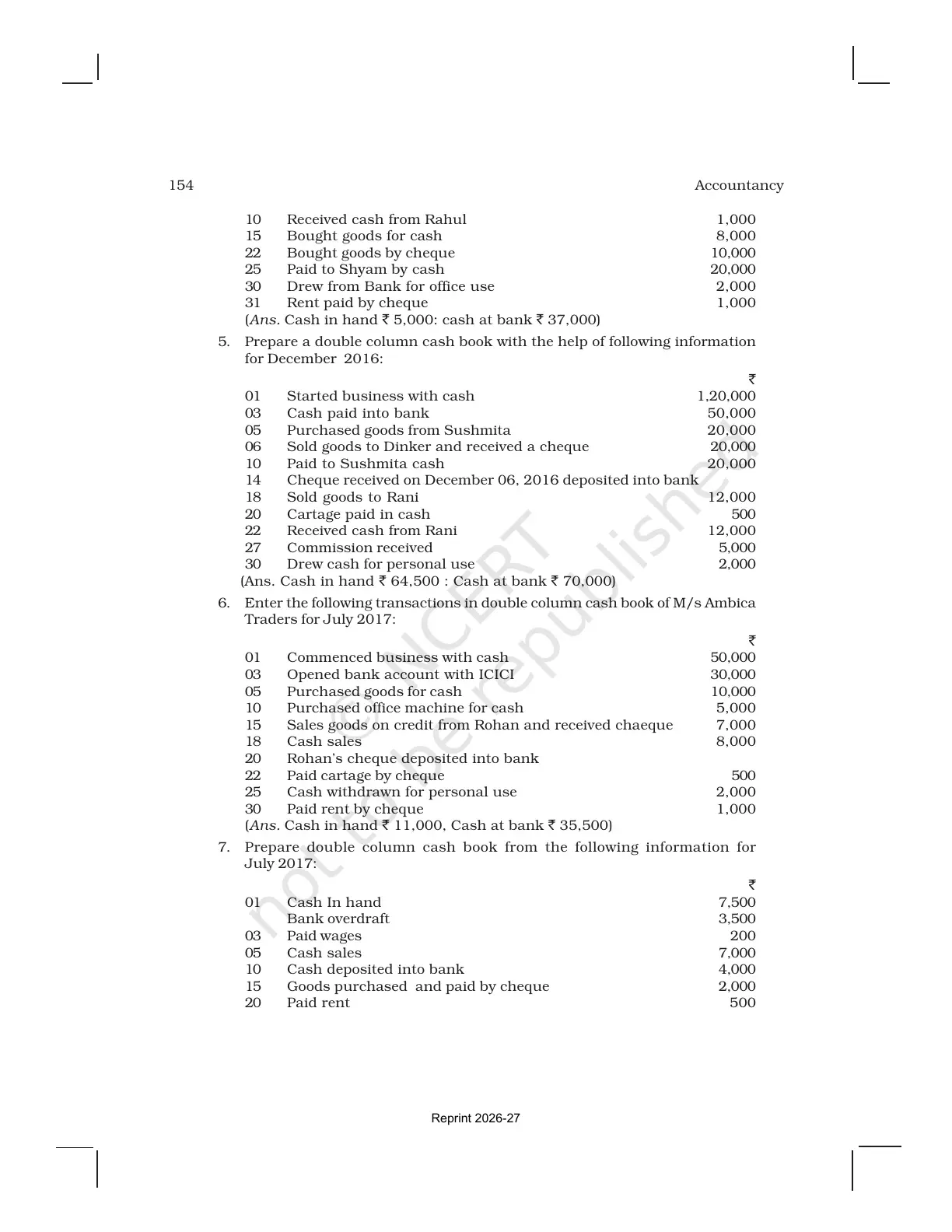
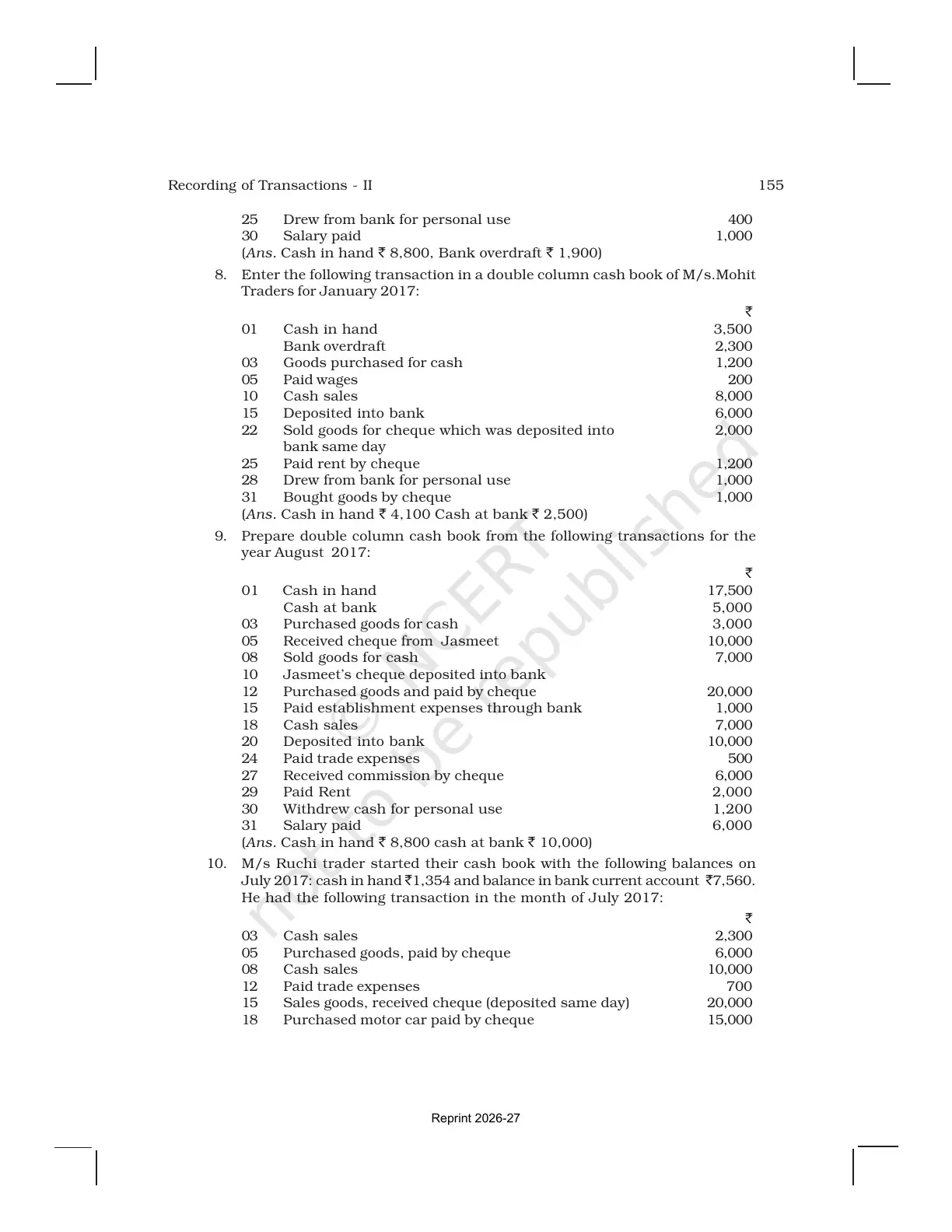
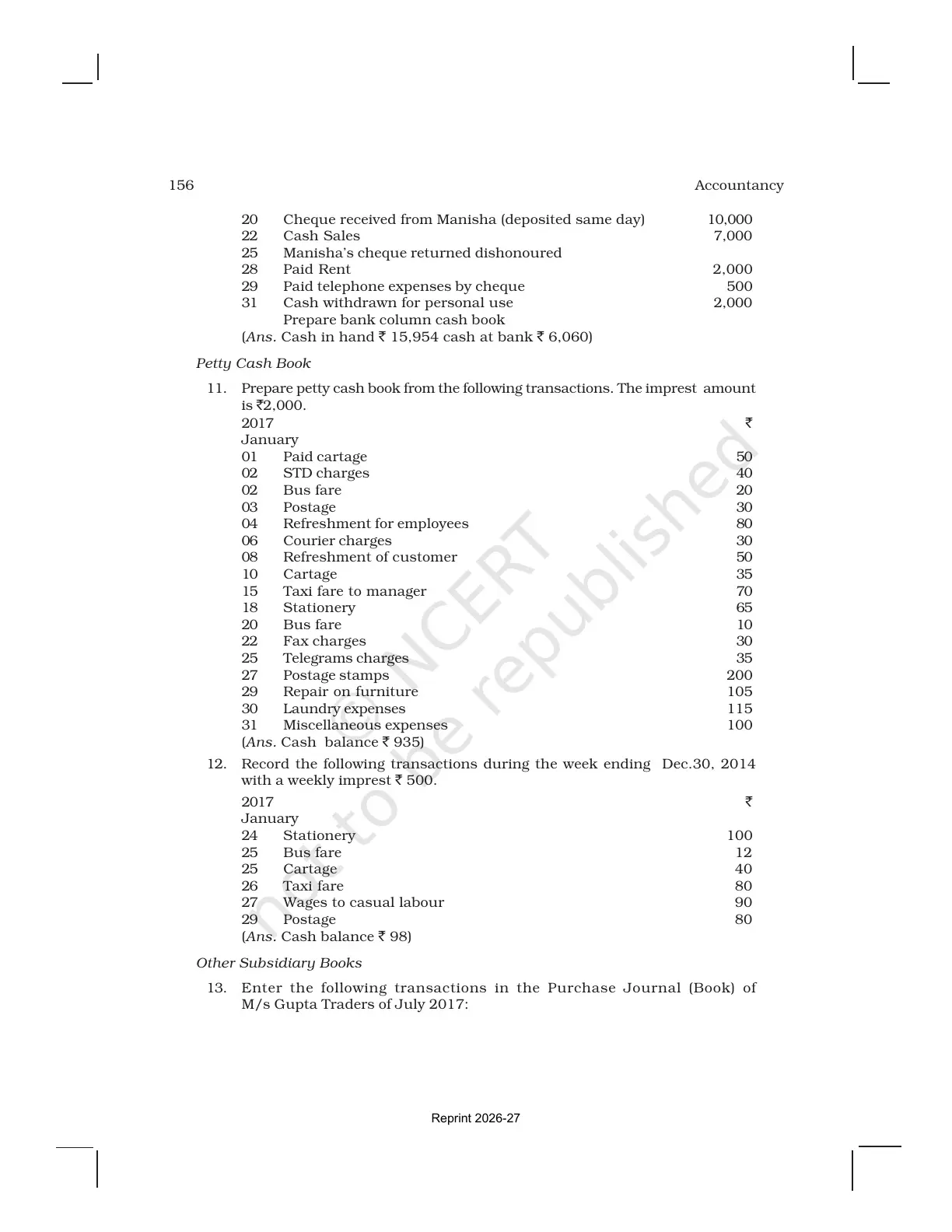
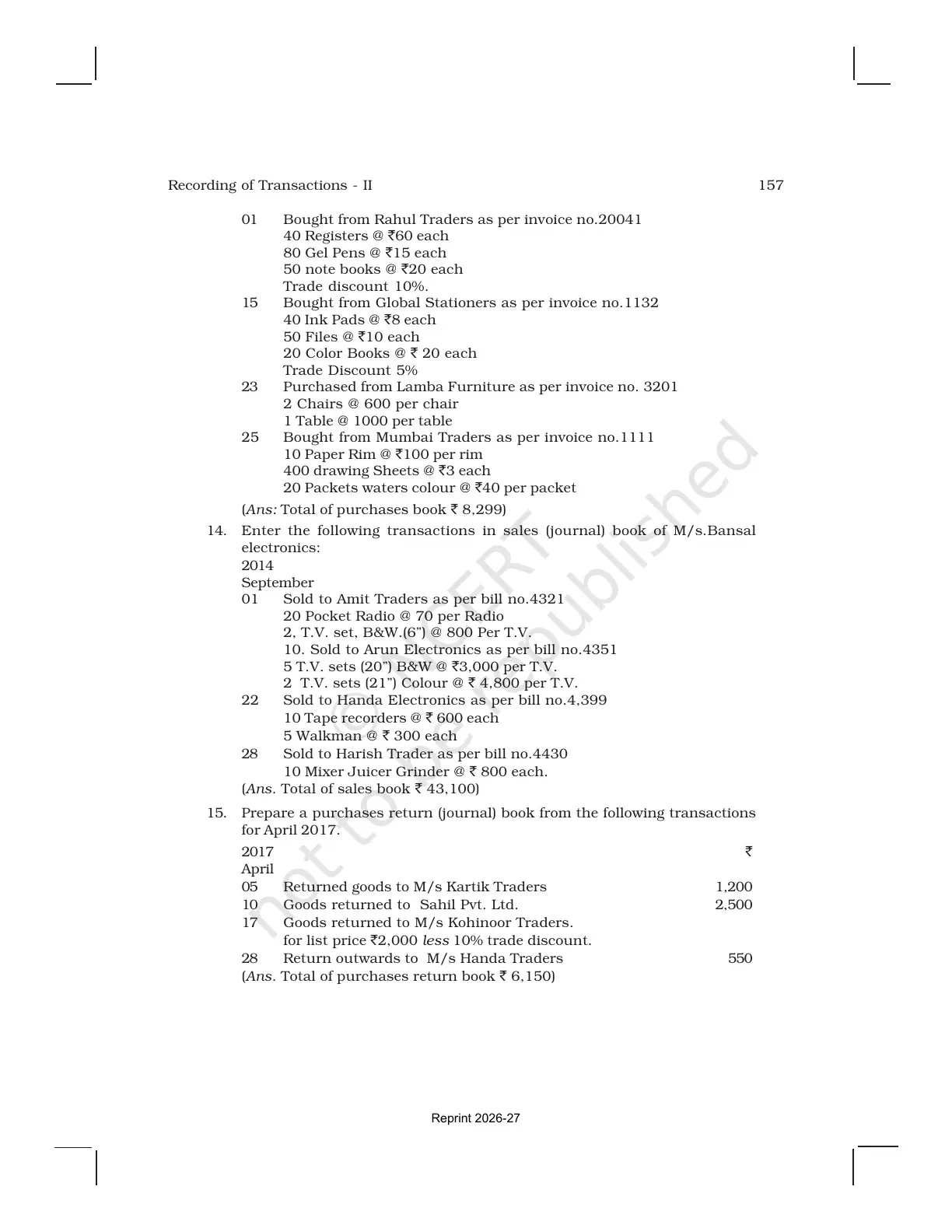
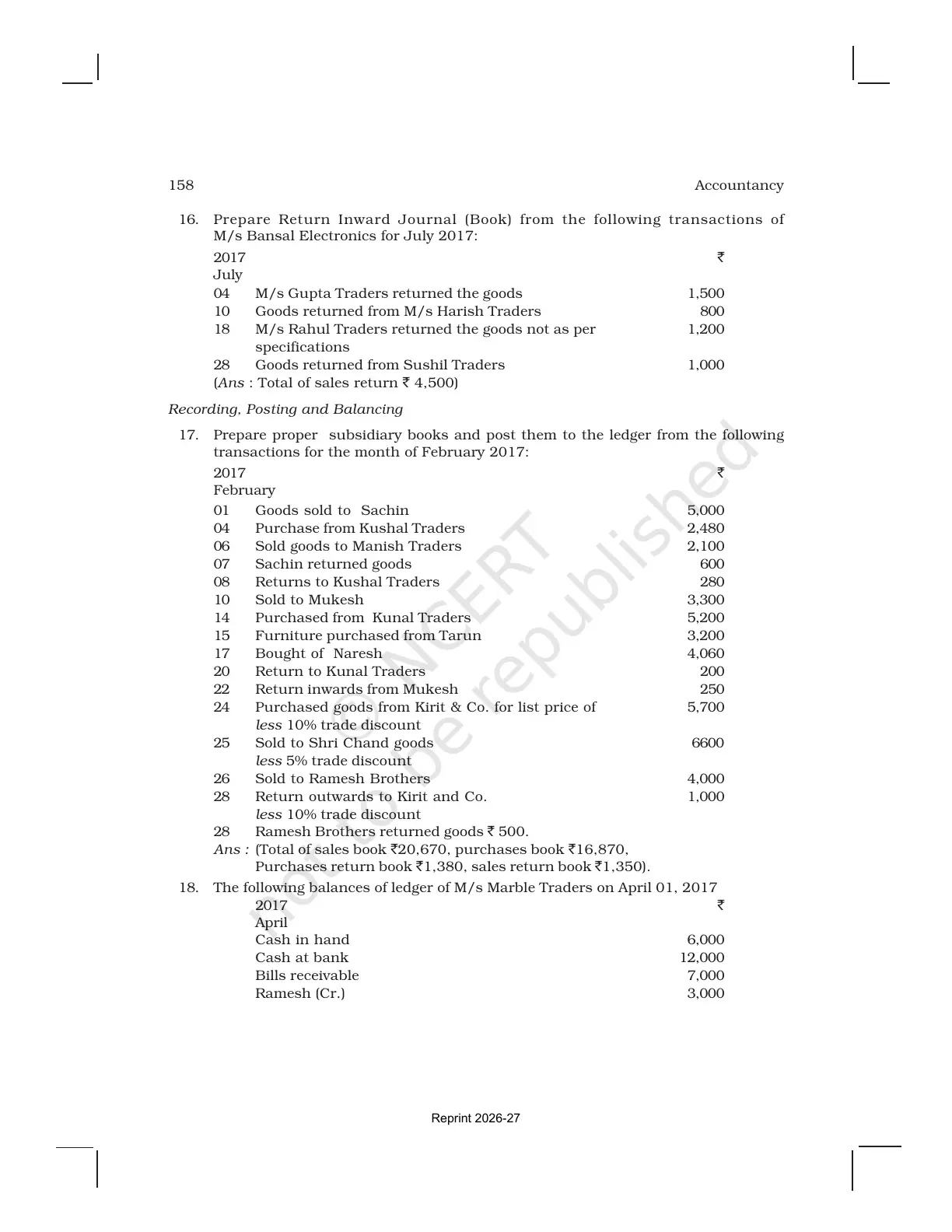
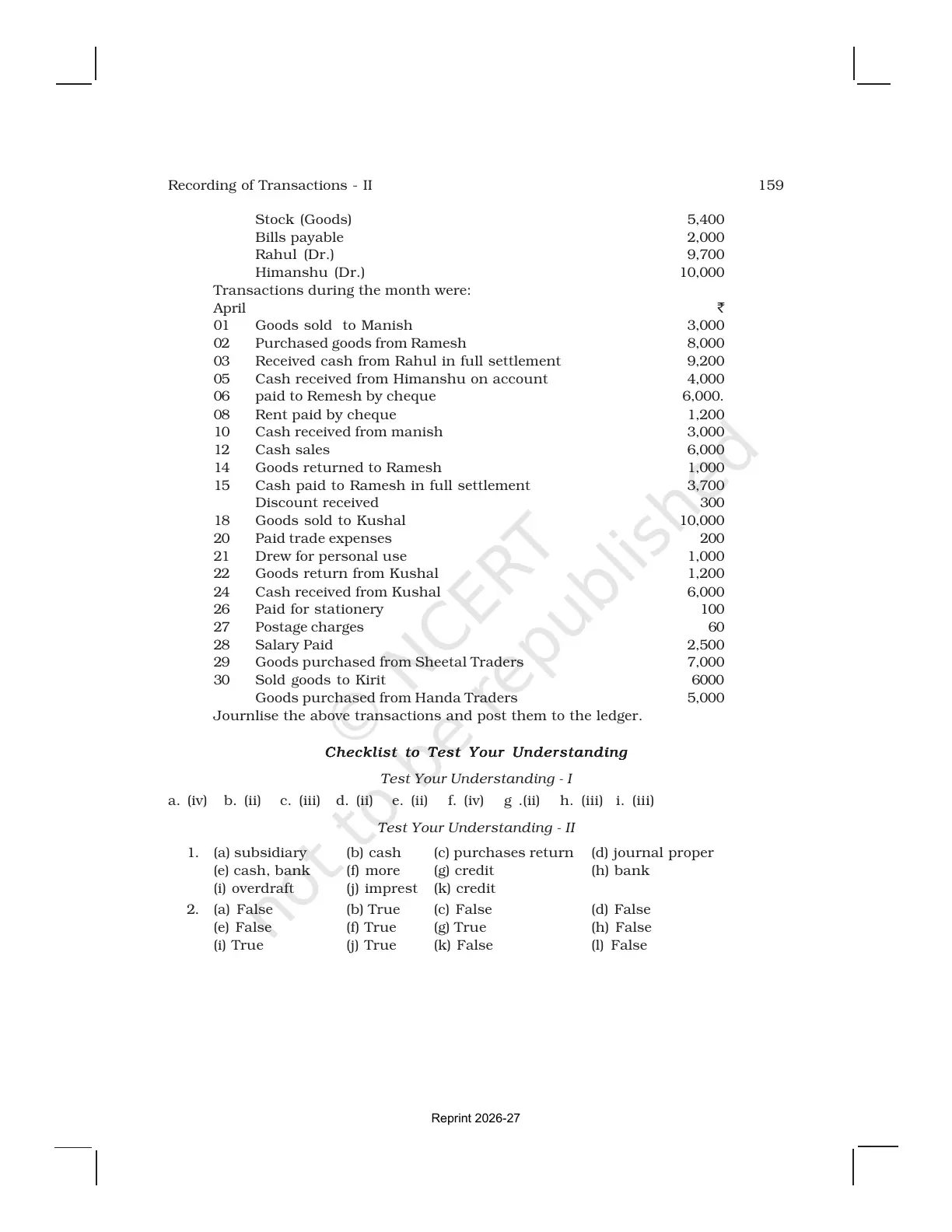
This Class 11 Accountancy NCERT Book PDF follows the 2026-27 NCERT reprint and helps students practise the exact formats used in the textbook.
Recording of Transactions II Concepts Covered in the NCERT PDF
This chapter starts from the problem that one journal becomes slow when a business grows. NCERT solves this by using special purpose books for repeated transactions.
The chapter covers the cash book first because it records cash receipts and cash payments. It then moves to purchase book, sales book, return books and journal proper.
| Book | What it records | Why it matters |
|---|---|---|
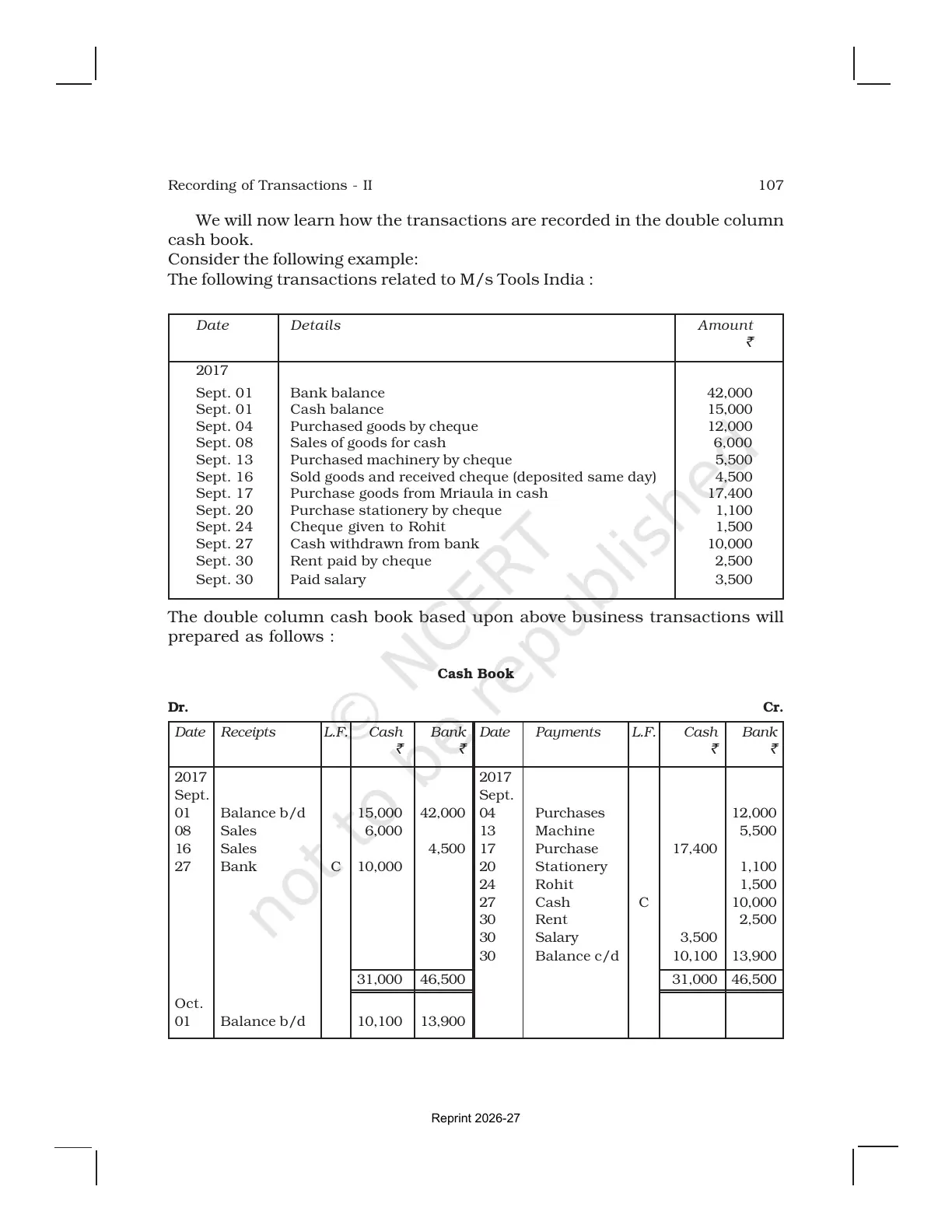
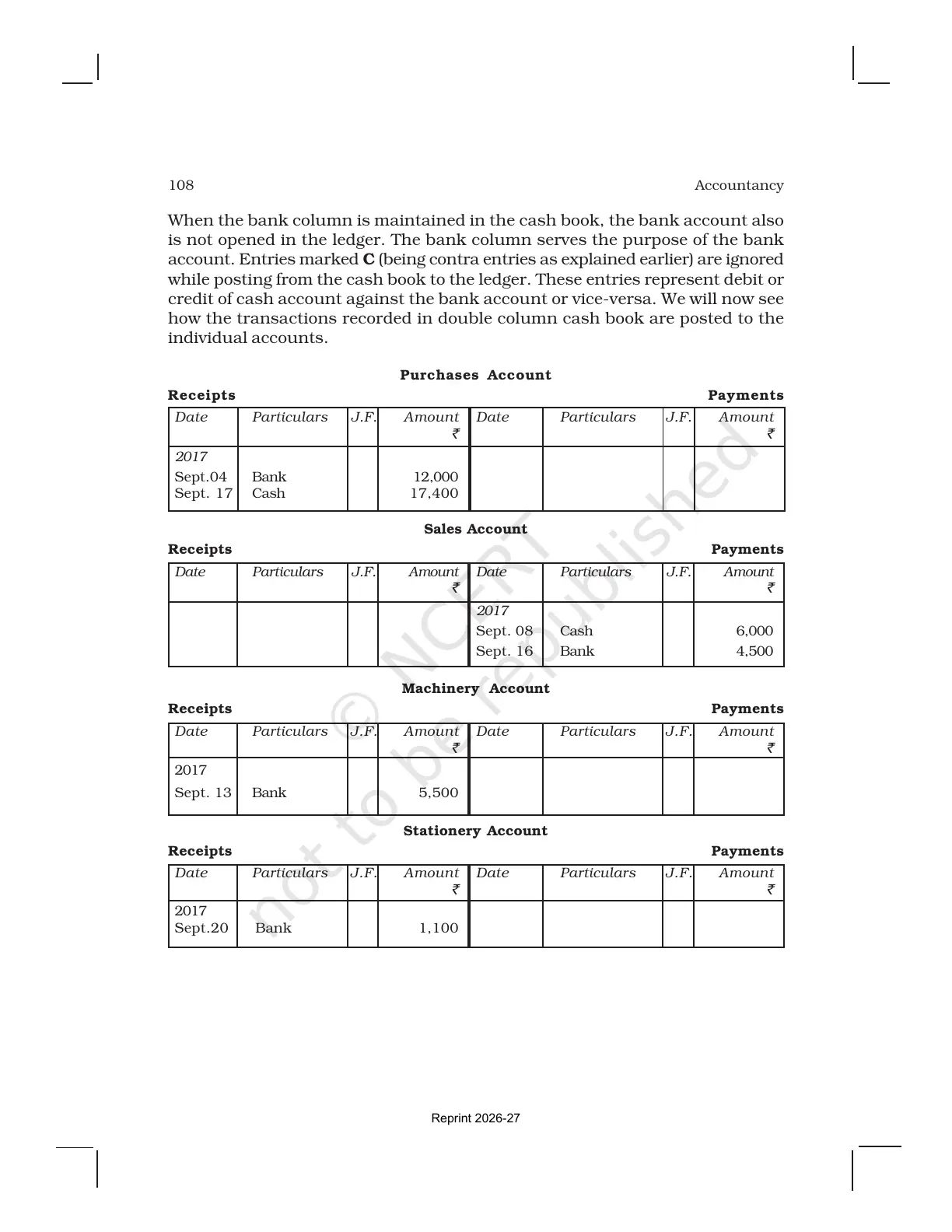
| Cash Book | Cash and bank receipts or payments | Works as both journal and cash ledger |
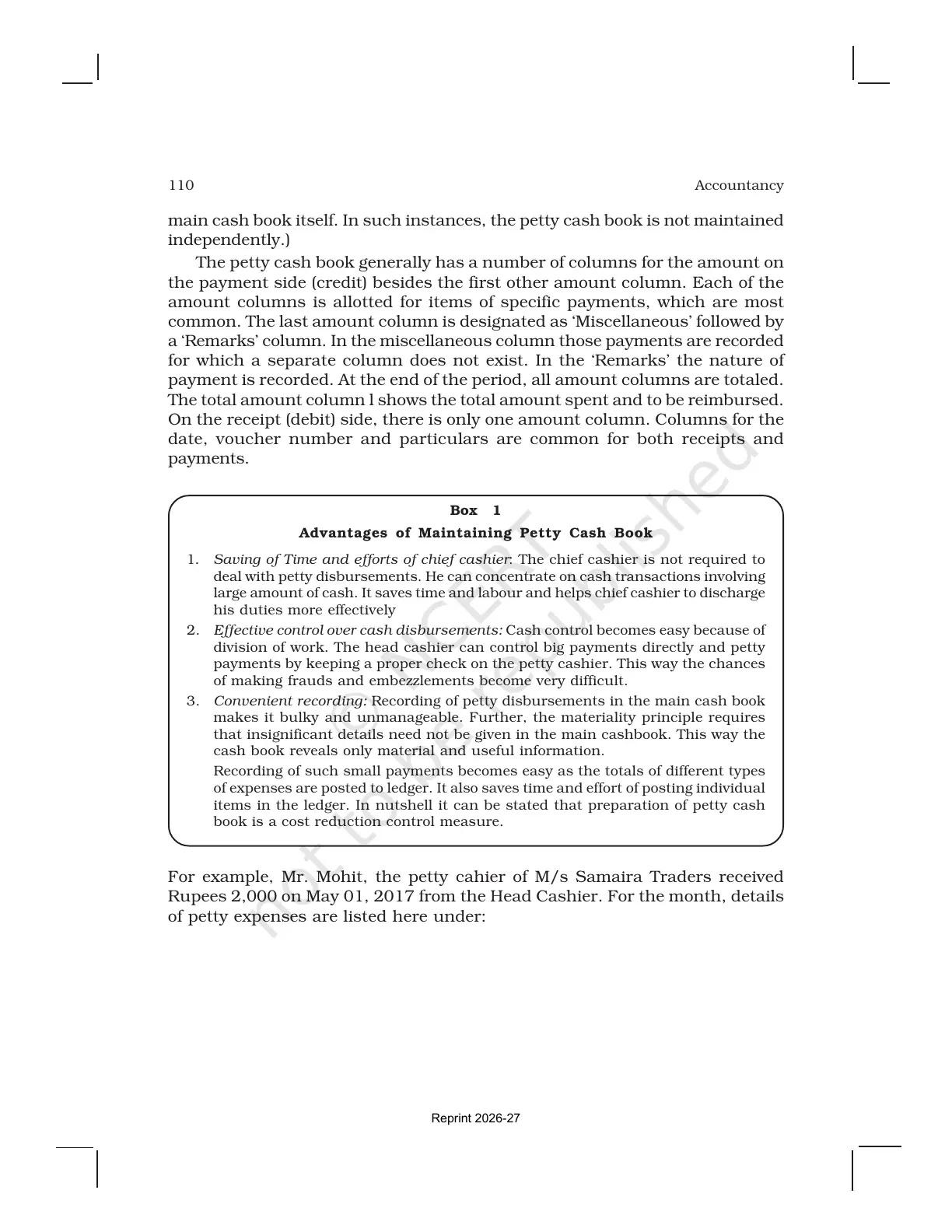
| Petty Cash Book | Small daily expenses | Keeps tiny payments away from the main cash book |
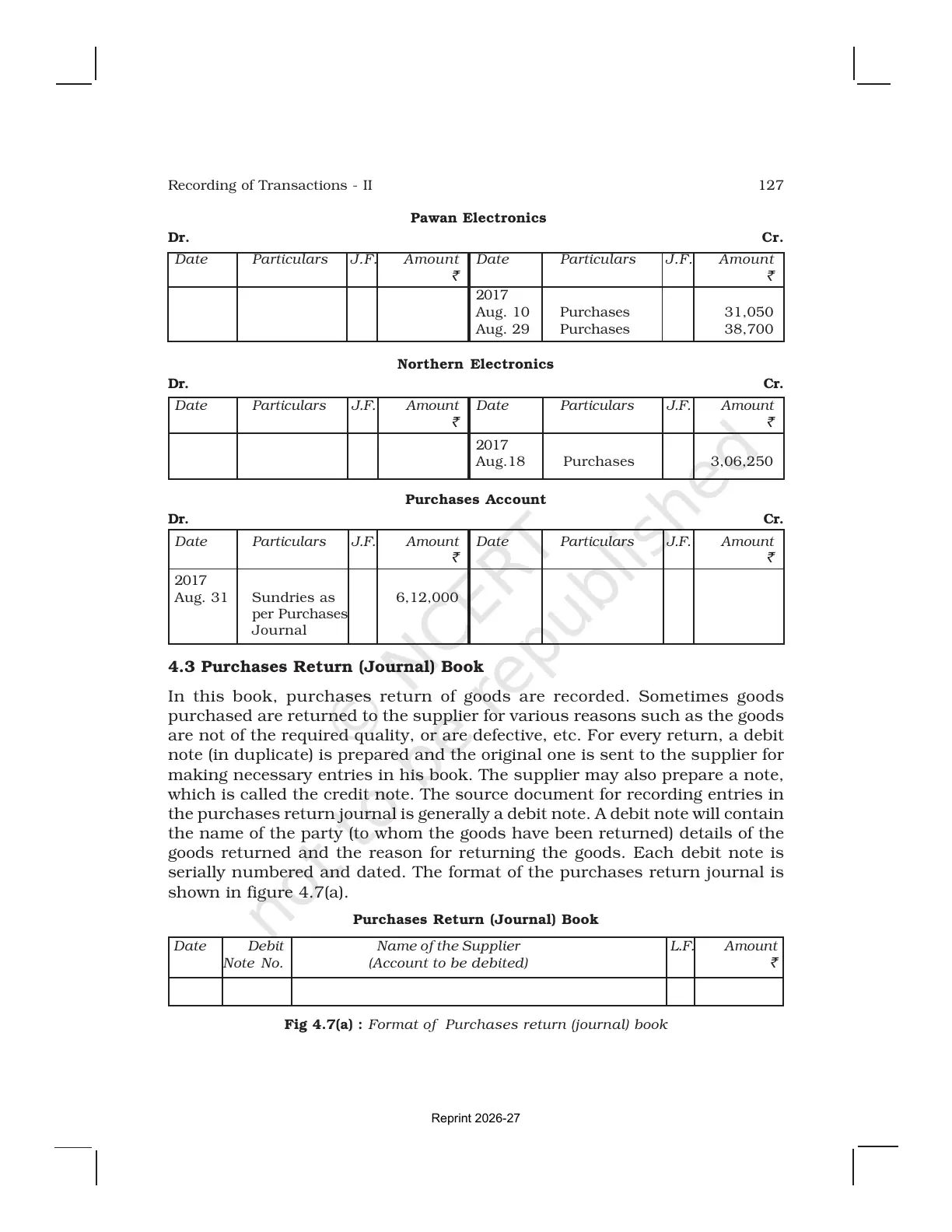
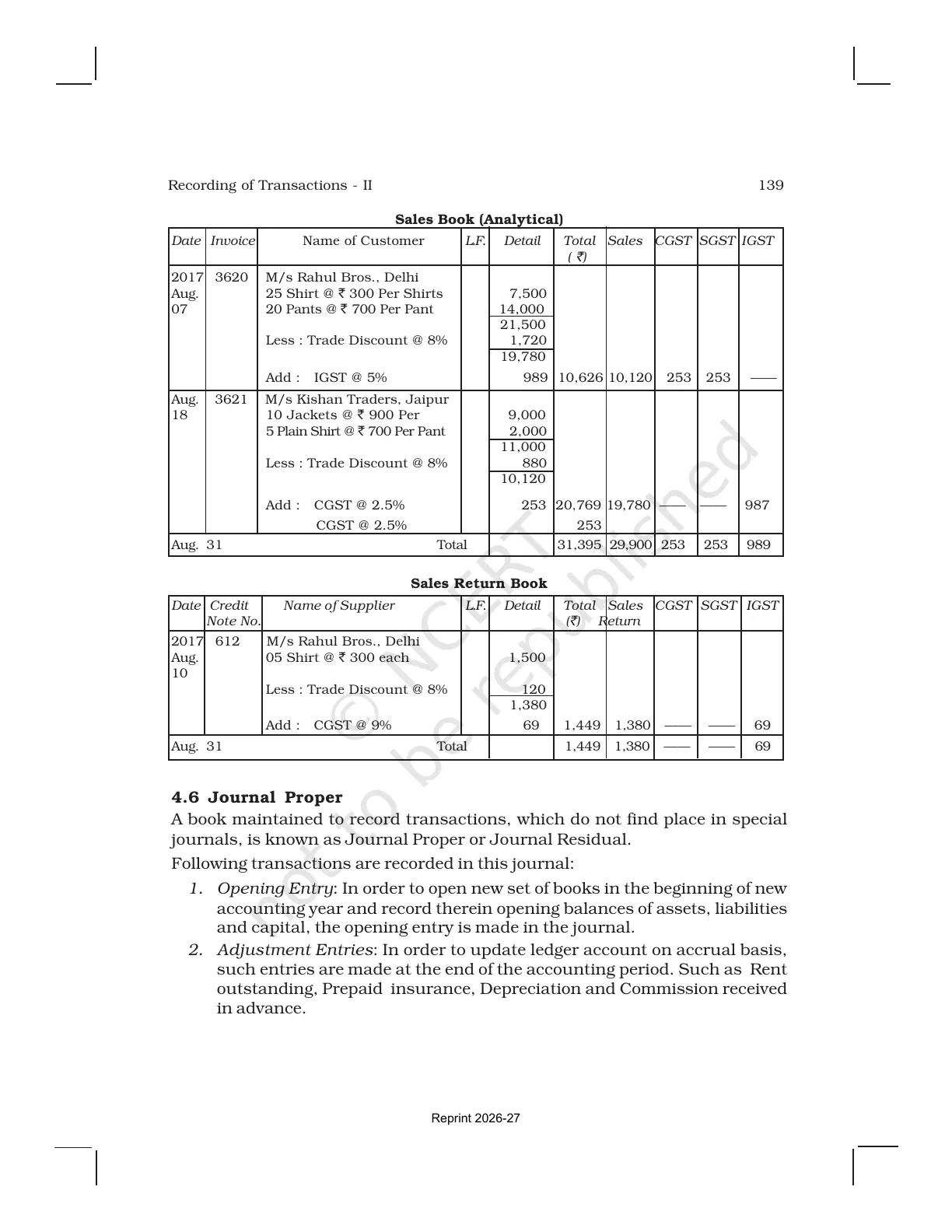
| Purchases Book | Credit purchases of goods | Groups supplier invoices in one place |
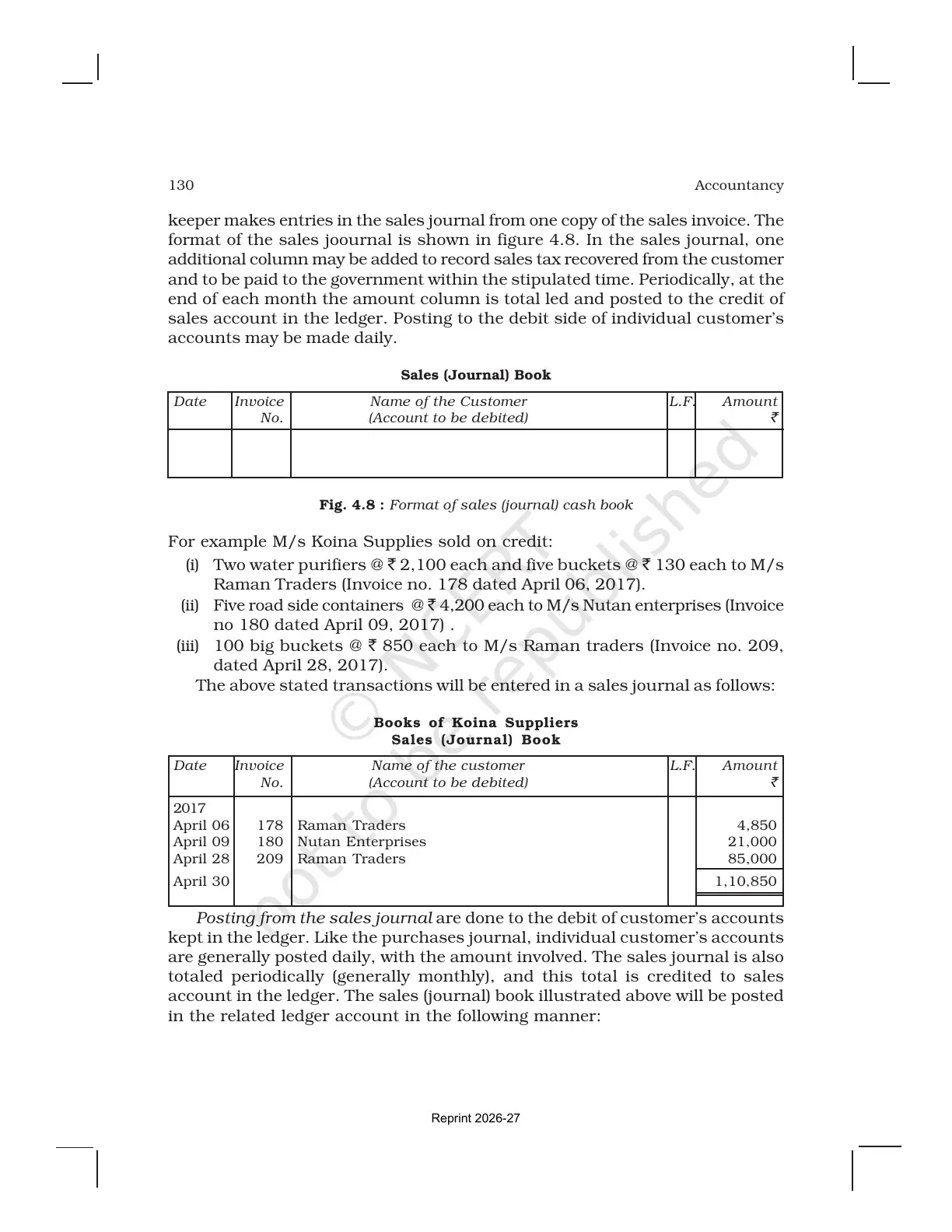
| Sales Book | Credit sales of goods | Tracks customer invoices before posting |
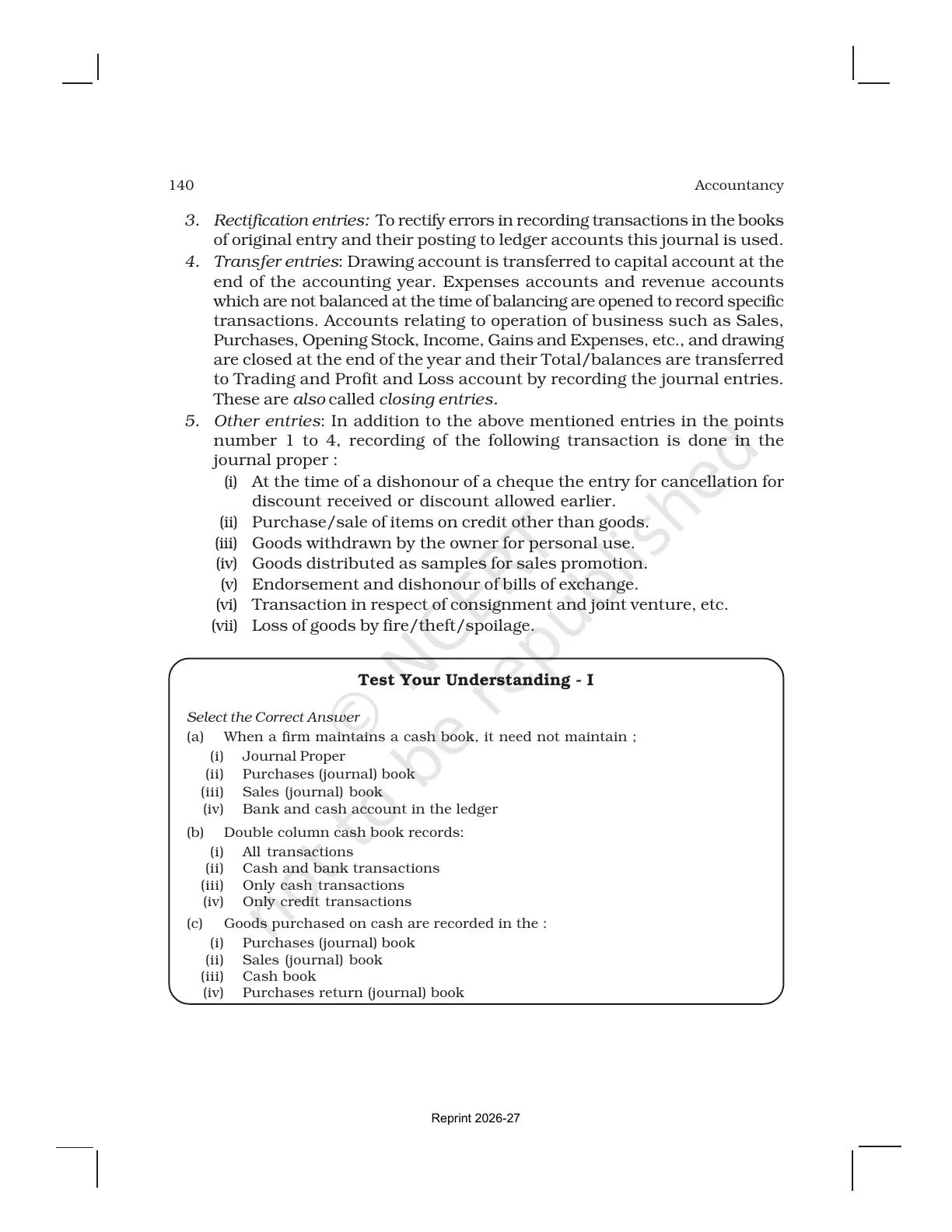
| Journal Proper | Entries not recorded in special books | Handles opening, adjustment and transfer entries |
Special Purpose Books Flow in Class 11 Accountancy
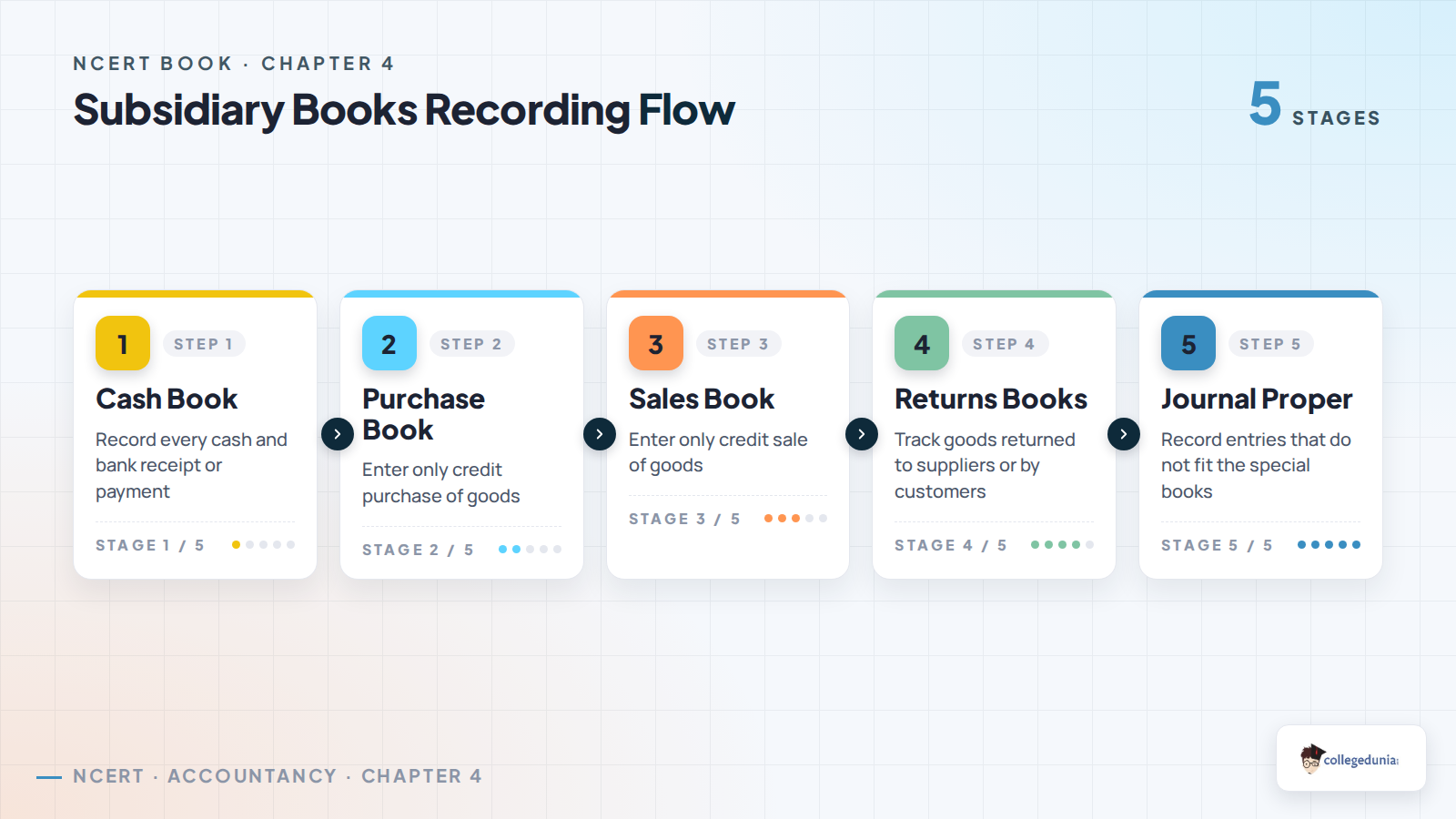
The safest way to use this PDF is to ask one question before recording any entry: does this transaction belong to a special book? If yes, record it there first.
- Cash paid or received: use the cash book.
- Goods bought on credit: use the purchases book.
- Goods sold on credit: use the sales book.
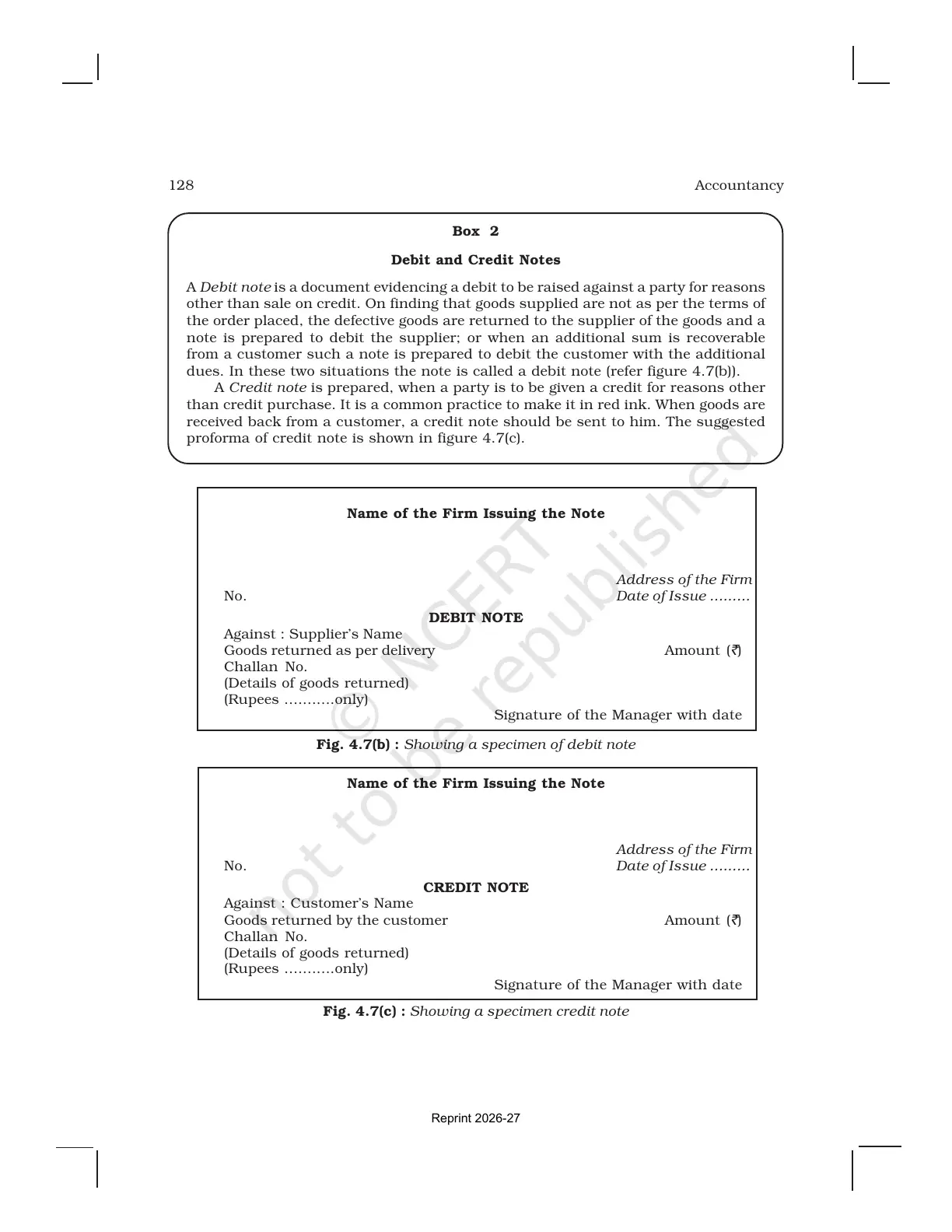
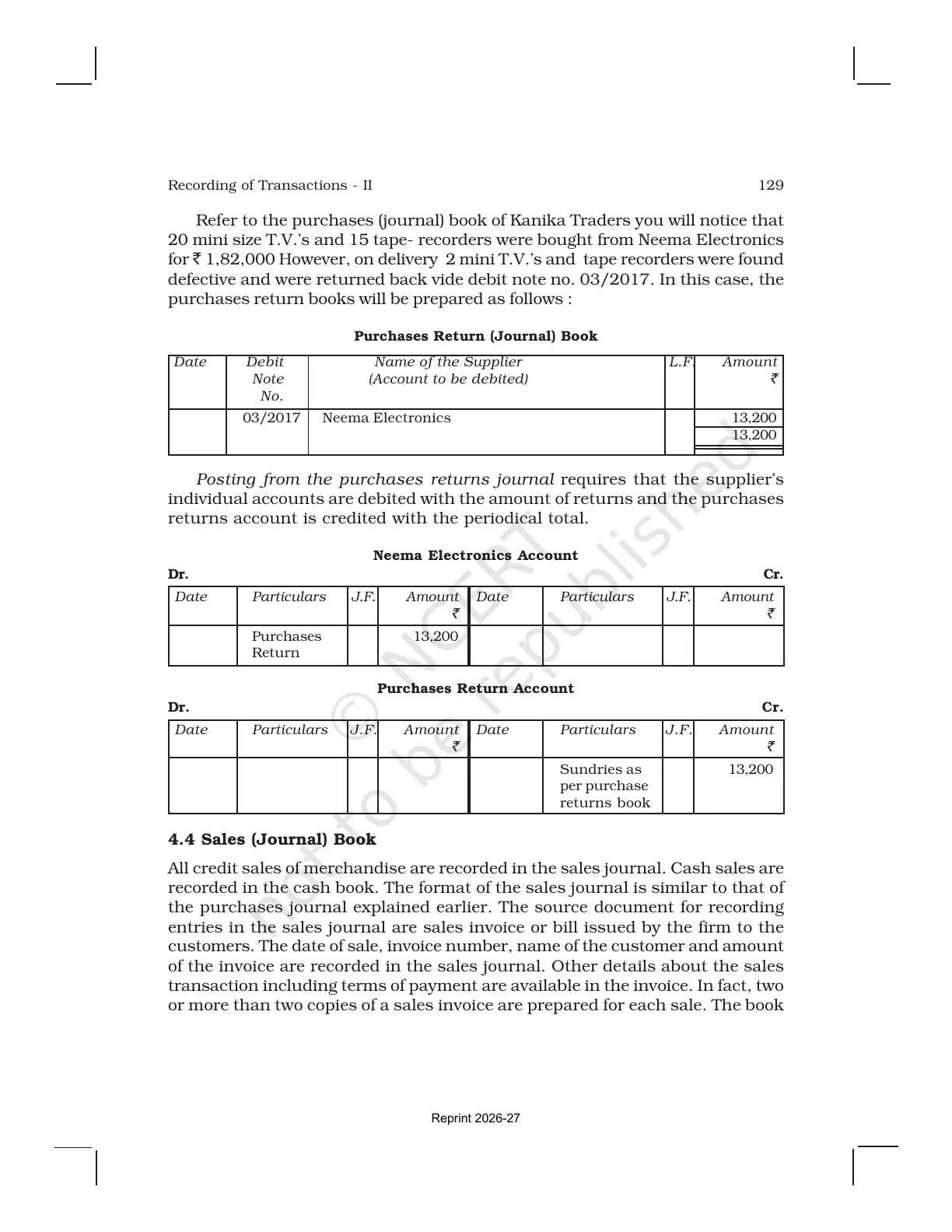
- Goods returned: use the relevant returns book.
- Anything left: use journal proper.
Recording of Transactions II Video Explanation
Source: Vedantu Commerce on YouTube
Cash Book and Petty Cash Book in Recording of Transactions II
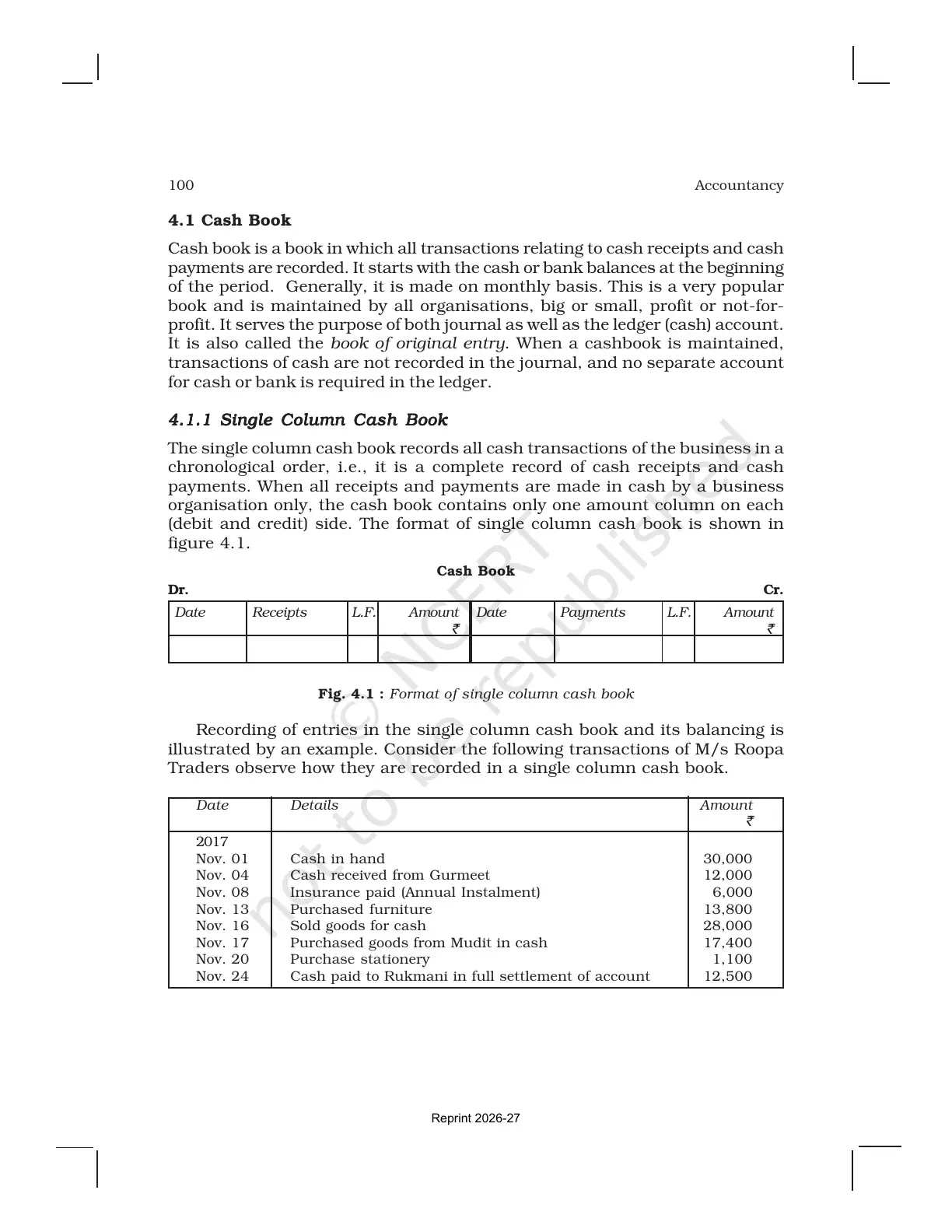
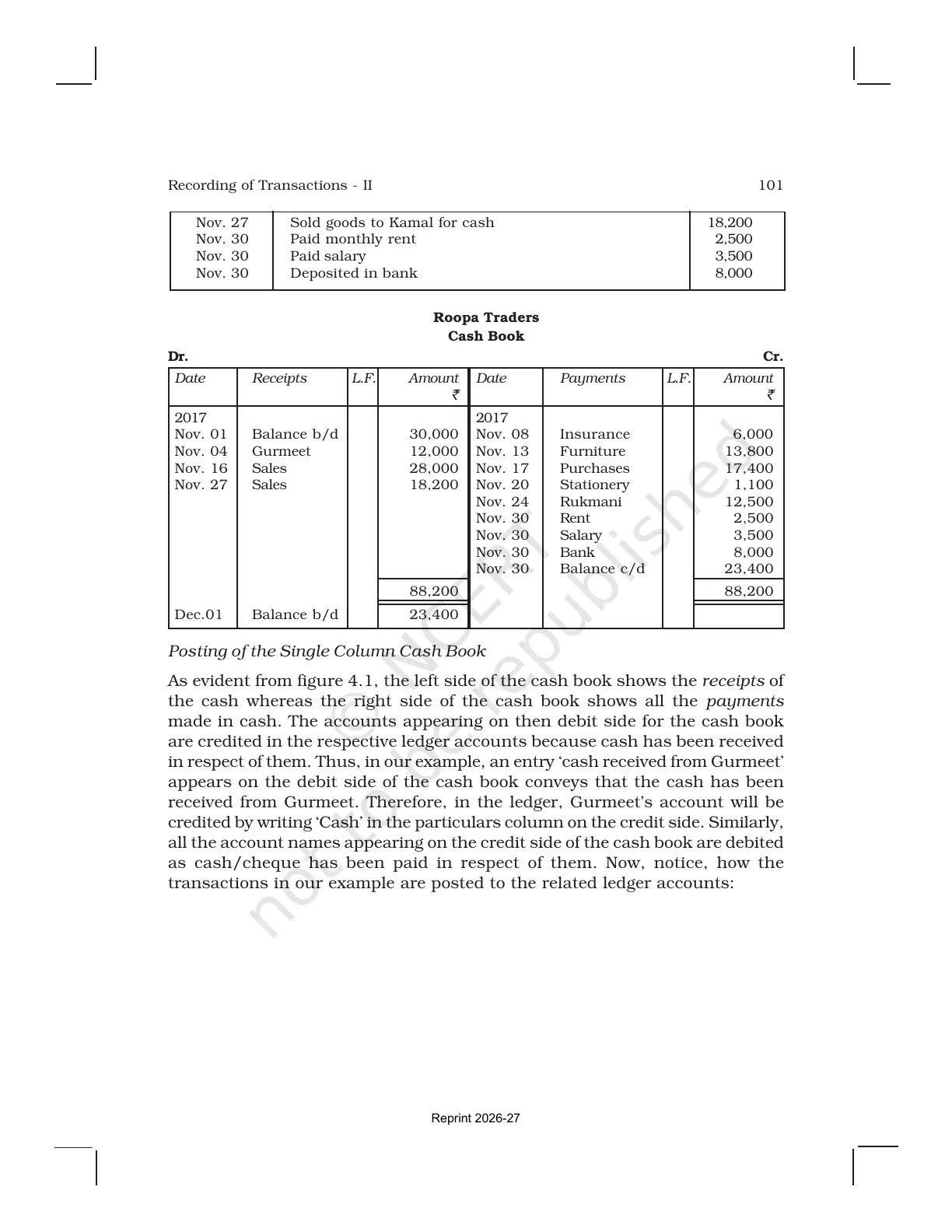
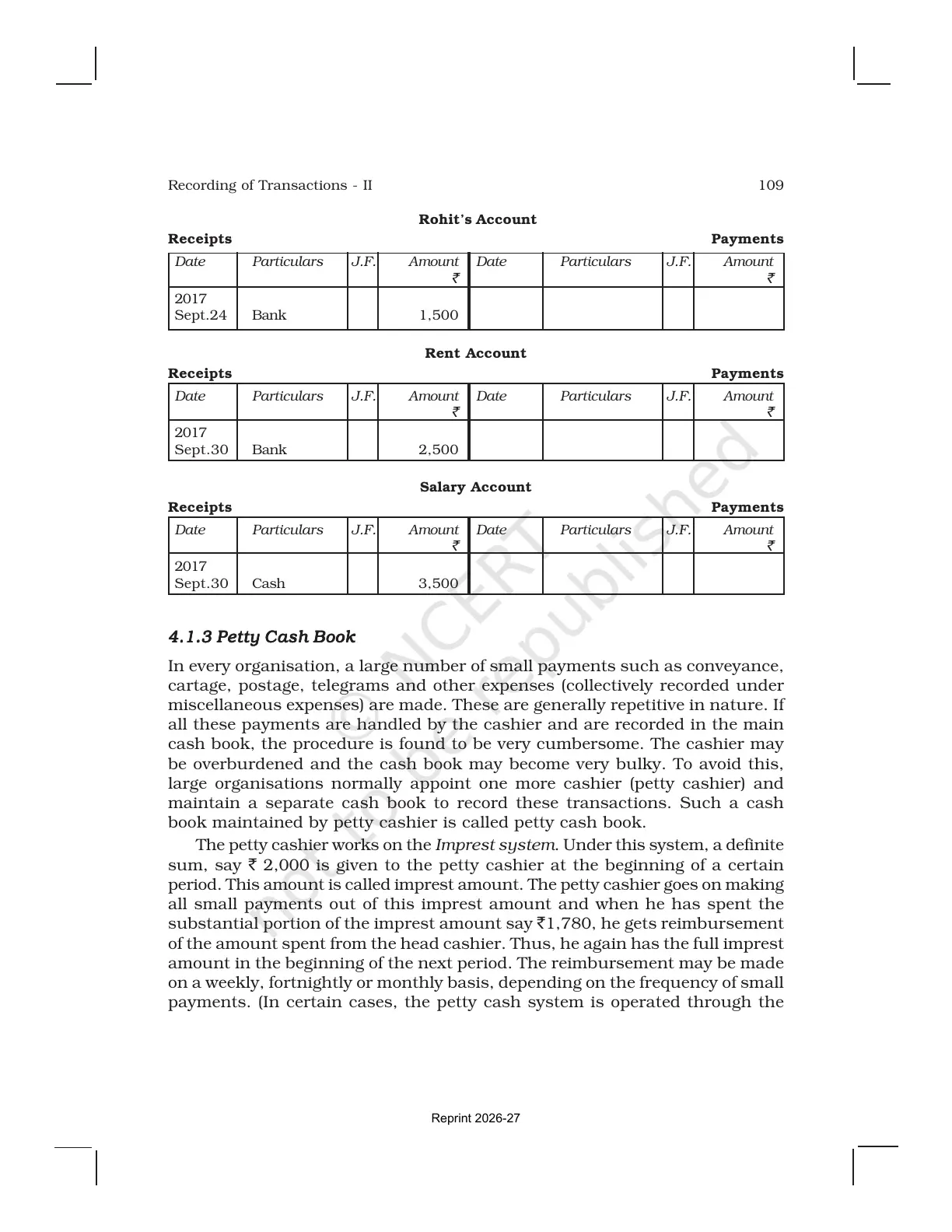
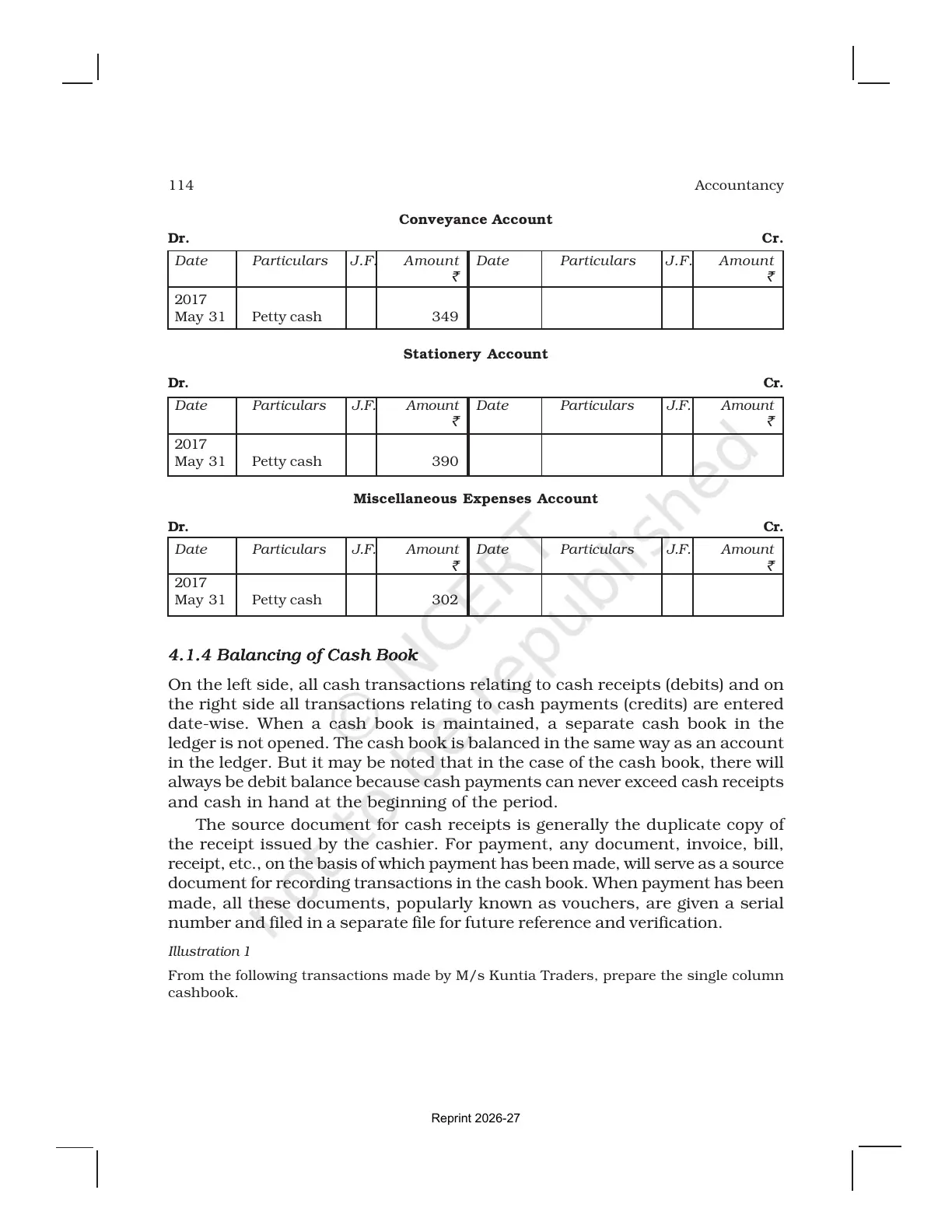
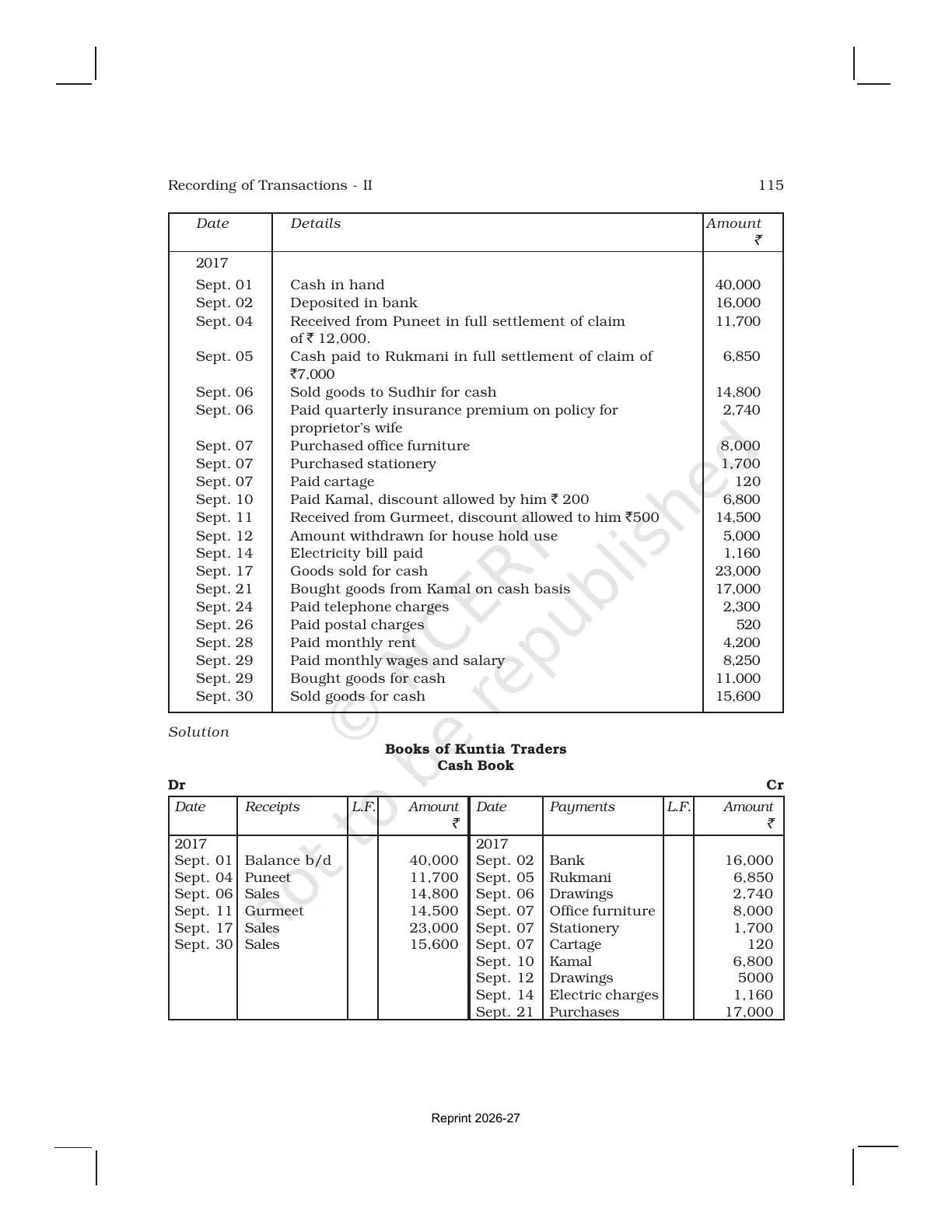
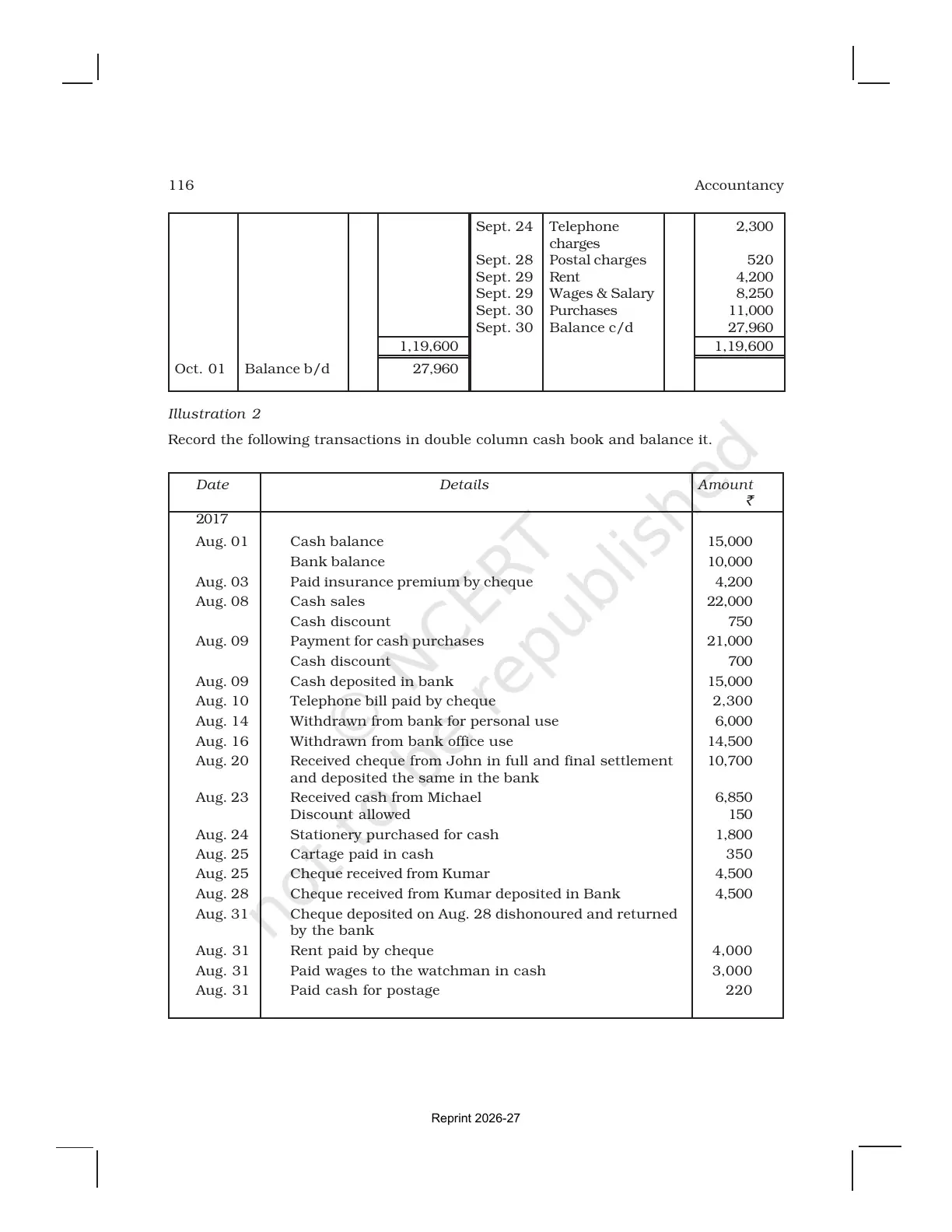
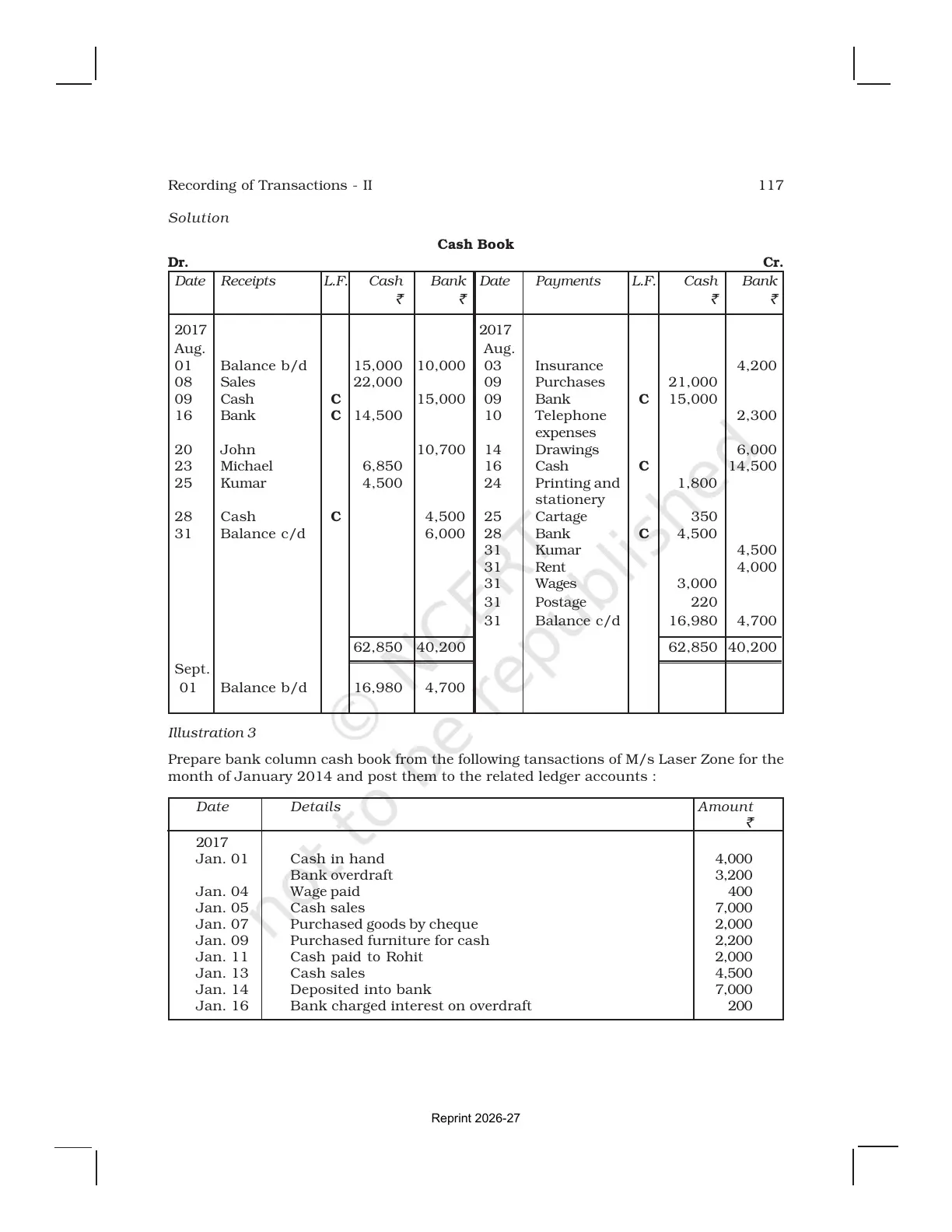
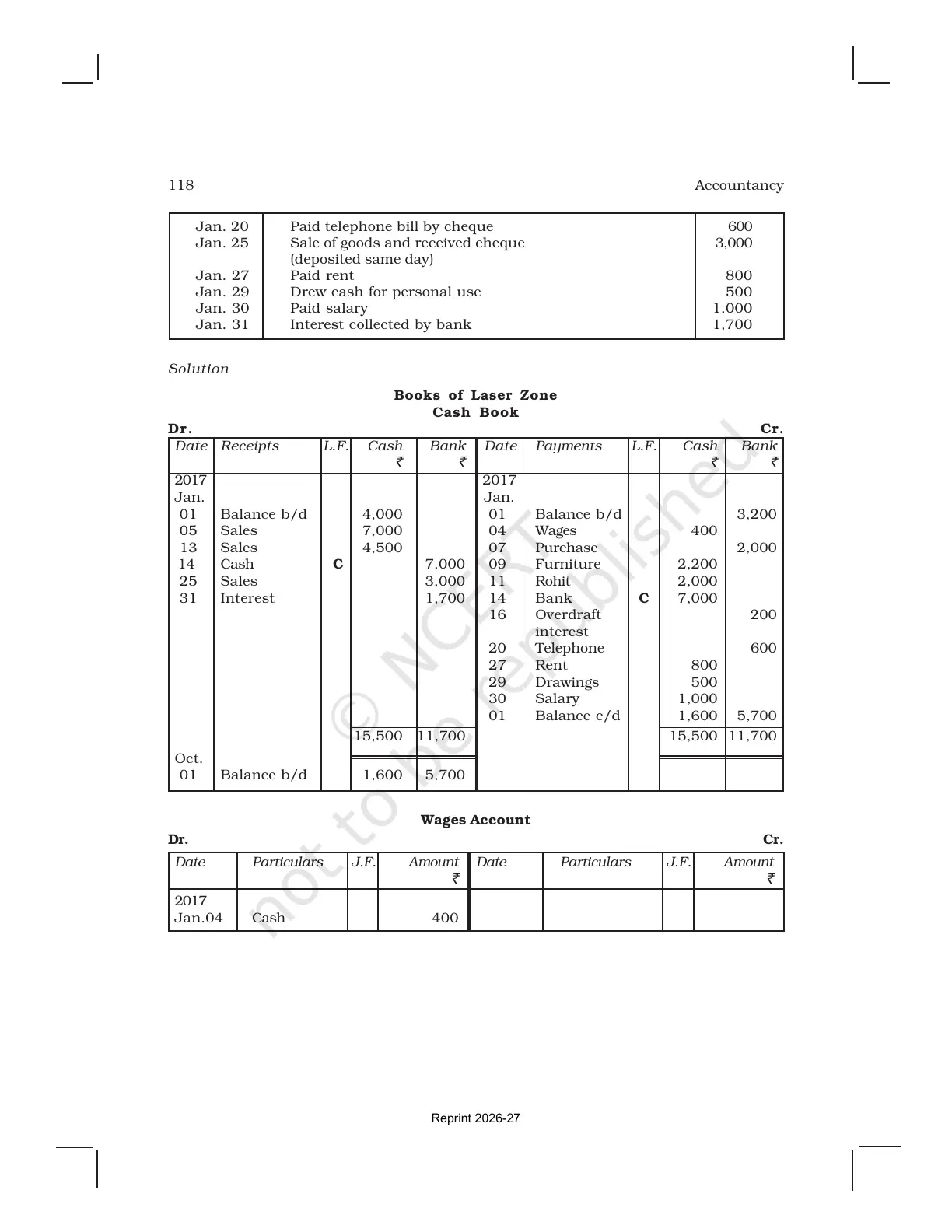
The cash book is important because it has a double role. It records original cash transactions and also acts as the ledger account for cash or bank.
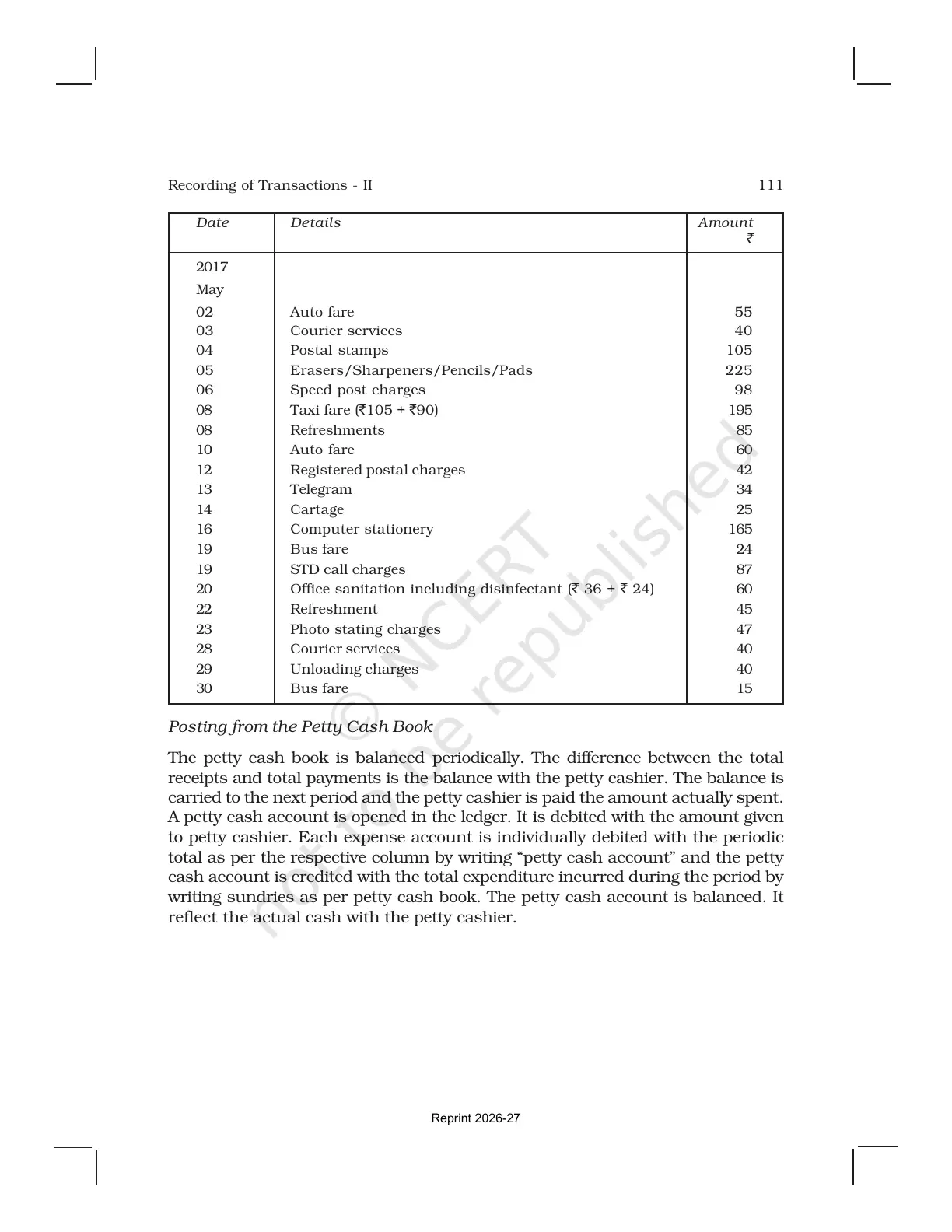
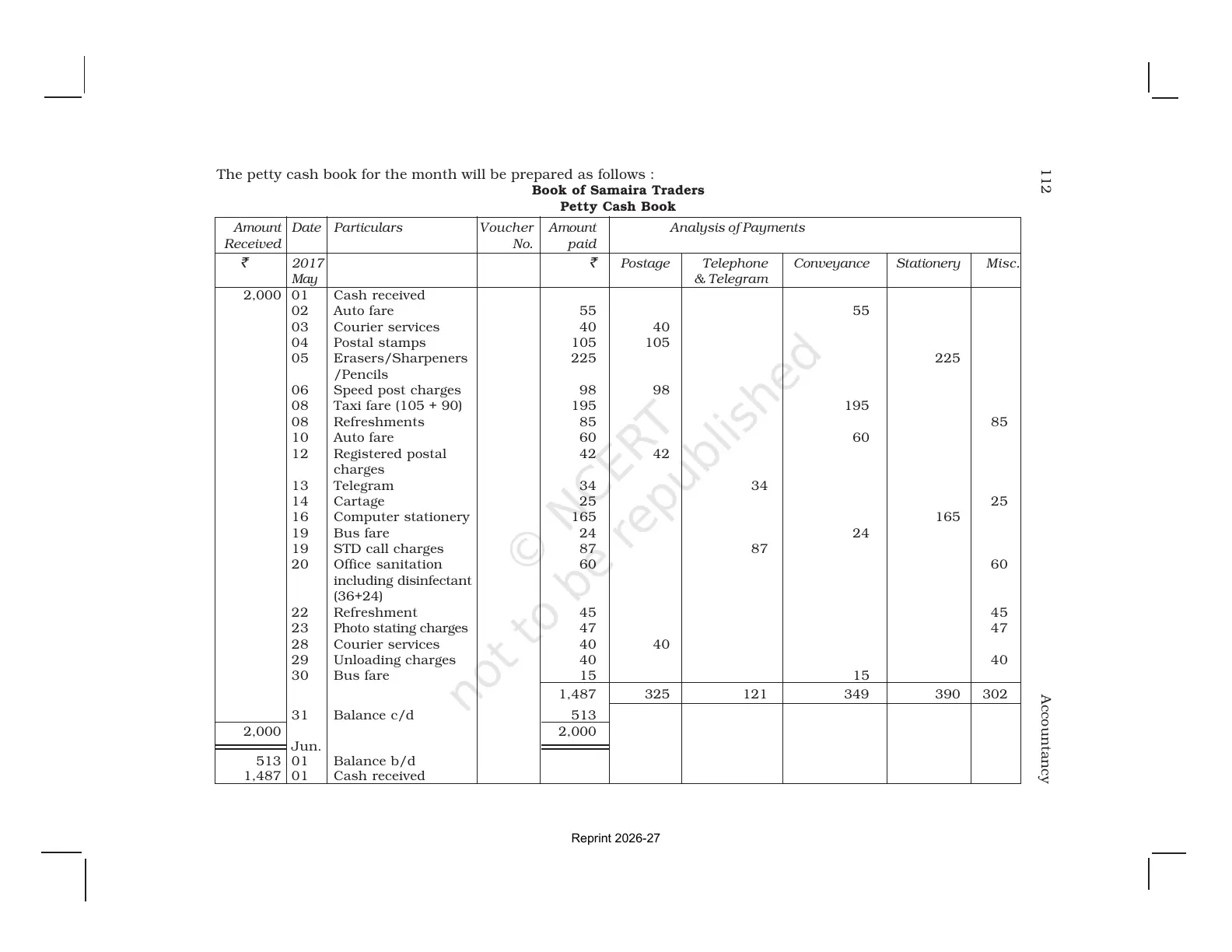
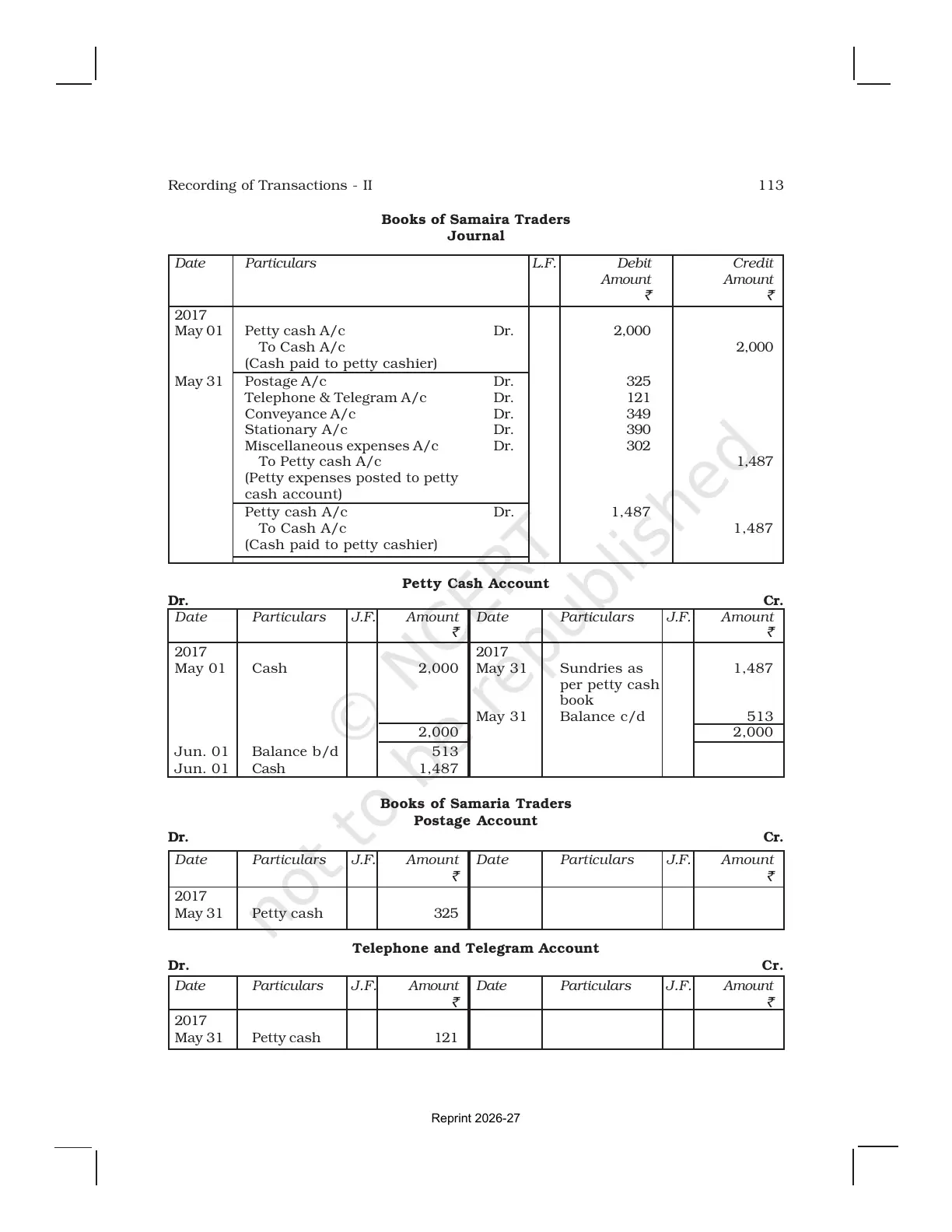
NCERT explains single column, double column and triple column cash book formats. The petty cash book then shows how small expenses are handled through the imprest system.
Cash Book vs Journal Proper in Chapter 4
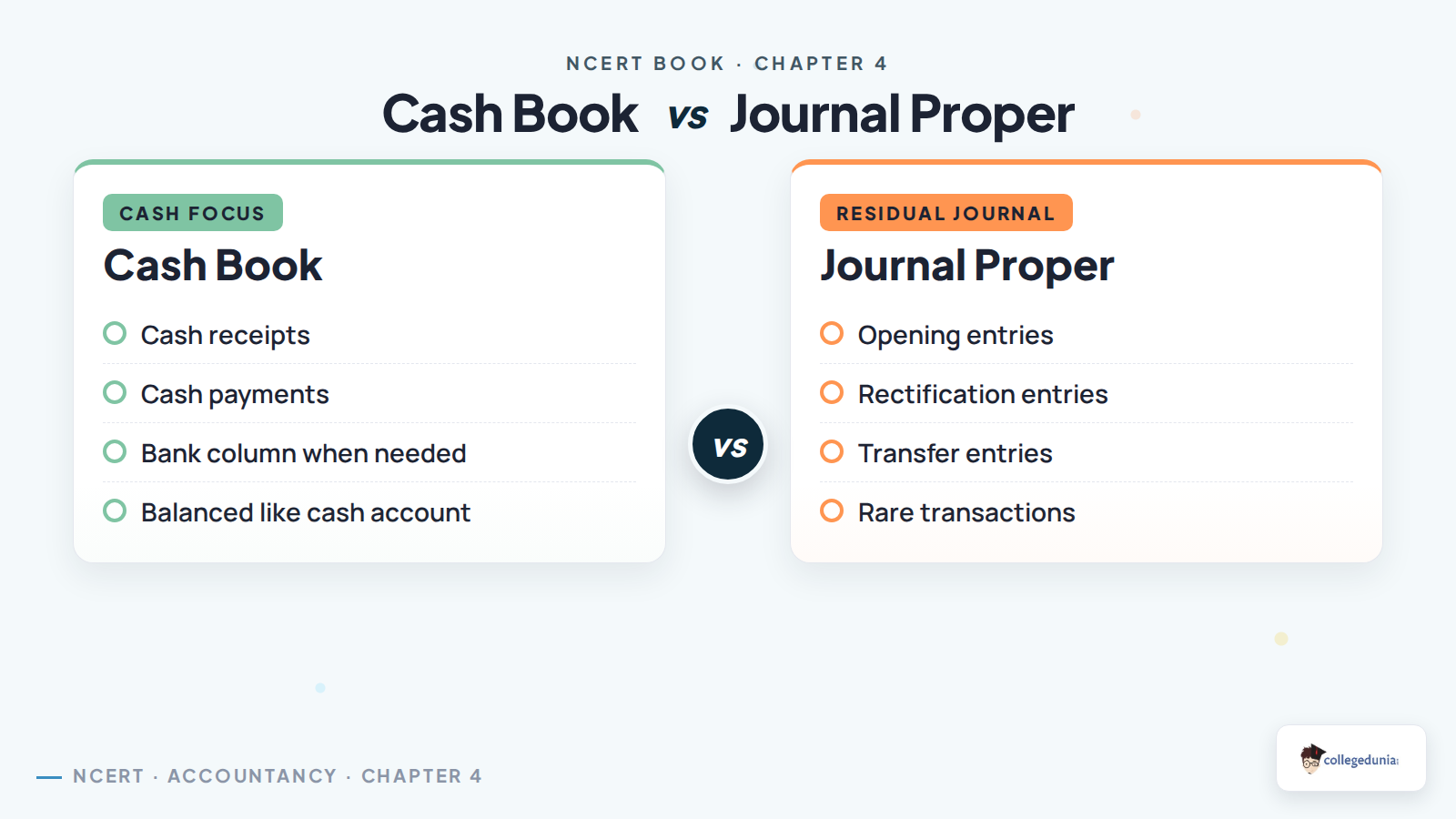
Students often mix journal proper with cash book. The cash book is used for cash or bank movement. Journal proper is used only when a transaction does not fit any special purpose book.
Do not put every difficult entry into journal proper. First check whether it belongs to purchase book, sales book or returns book.
How to Study This NCERT Chapter PDF
Read the chapter with a notebook beside you. Copy each book format once before solving the examples. This helps you remember columns, sides and posting rules.
- Skim the learning objectives and mark the books listed there.
- Read the cash book section slowly and copy the format.
- Practise petty cash book because the imprest system is asked often in school tests.
- Compare purchase, sales and returns books in one table.
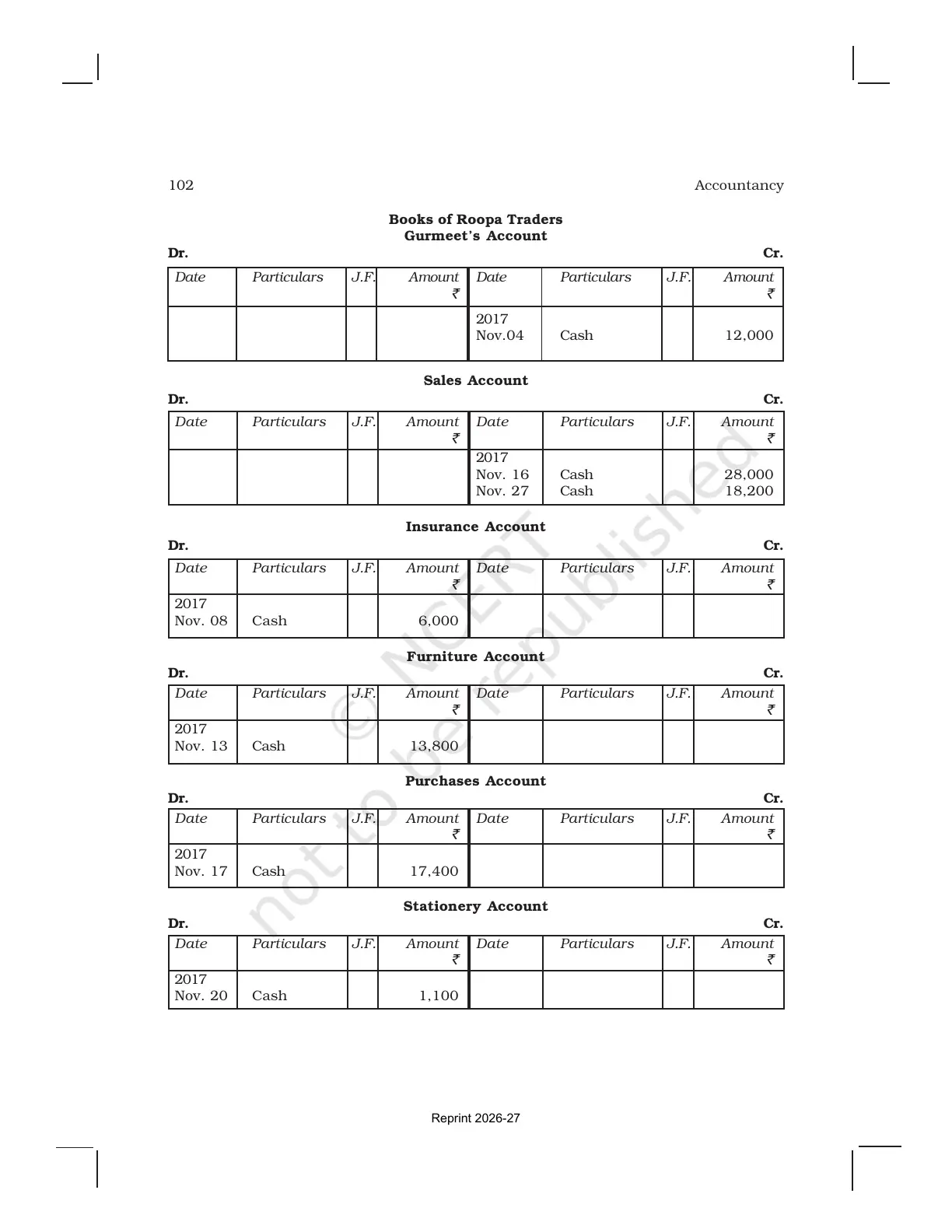
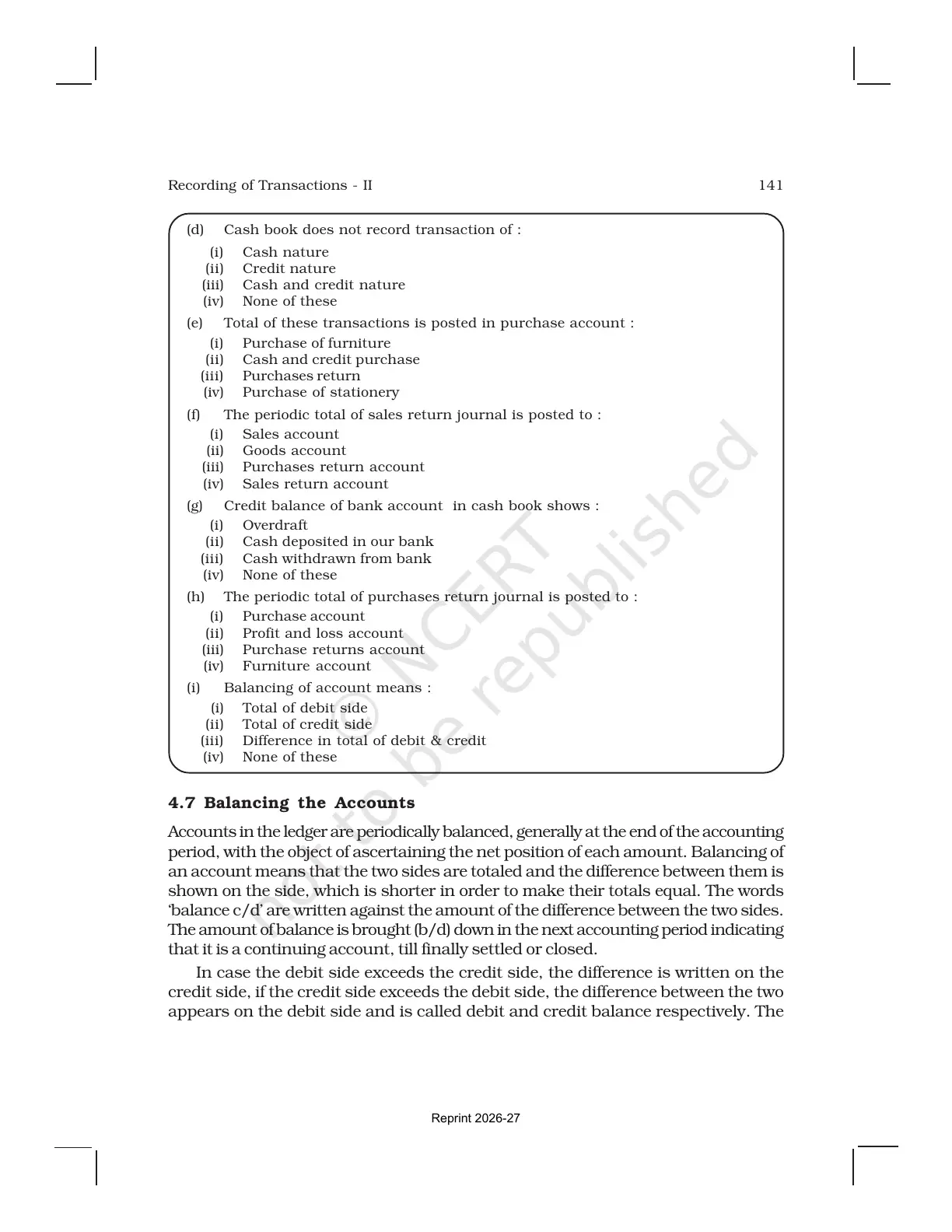
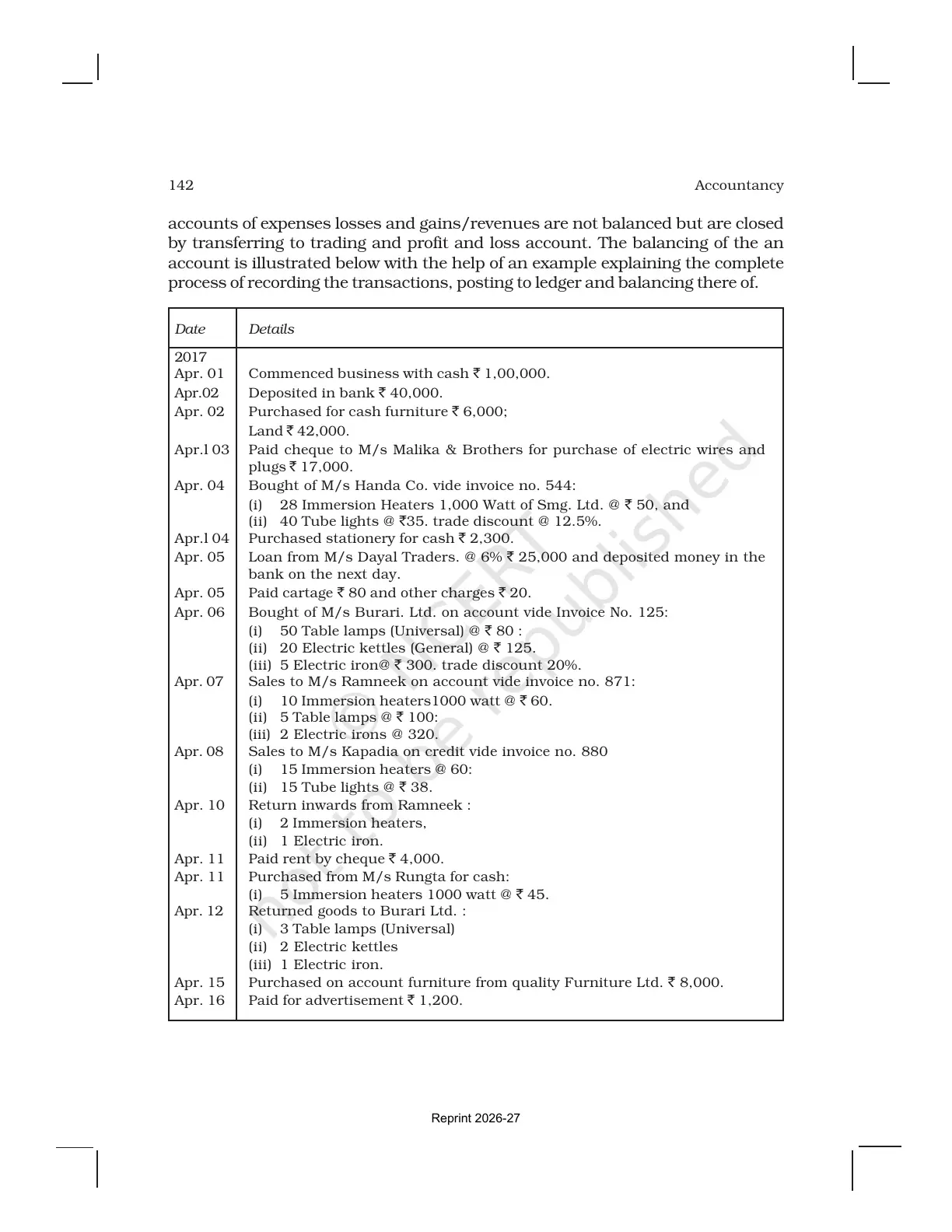
- End with ledger posting and balancing from the examples.
Recording of Transactions II Class 11 Related Resources
| Resource | Best use |
|---|---|
| Recording of Transactions II Class 11 NCERT Solutions | Check solved cash book and subsidiary book questions |
| Recording of Transactions II Class 11 Notes | Revise formats, rules and posting steps quickly |
| Recording of Transactions II Class 11 Handwritten Notes | Use handwritten revision notes before accountancy tests |
All Class 11 Accountancy NCERT Book Chapters
| Chapter | NCERT Book PDF |
|---|---|
| 1 | Introduction to Accounting |
| 2 | Theory Base of Accounting |
| 3 | Recording of Transactions - I |
| 4 | Recording of Transactions - II |
| 5 | Bank Reconciliation Statement |
| 6 | Trial Balance and Rectification of Errors |
| 7 | Depreciation, Provisions and Reserves |
| 8 | Financial Statements - I |
| 9 | Financial Statements - II |
Recording of Transactions II Class 11 NCERT Book FAQs
Ques. What does Recording of Transactions - II cover?
Ans. It covers cash book, petty cash book, purchases book, sales book, return books, journal proper and posting from special books.
Ques. Why are special purpose books used in accounting?
Ans. Special purpose books are used because repeated transactions can be recorded faster and more accurately than in one large journal.
Ques. What is a cash book in Class 11 Accountancy?
Ans. A cash book records cash receipts and cash payments. It also serves as the cash or bank ledger account.
Ques. What is journal proper used for?
Ans. Journal proper records entries that do not fit the cash book, purchases book, sales book or returns books.
Ques. Is this PDF based on the 2026-27 NCERT book?
Ans. Yes. The PDF is from the Class 11 Accountancy NCERT reprint for the 2026-27 academic session.



Comments